On August 22, 1972, a Brooklyn bank robbery turned into one of the most bizarre public spectacles New York City had ever seen. It drew 2,000 onlookers, the FBI, rooftop snipers, and live television crews — and at the center of it all stood a 27-year-old Vietnam veteran named John Wojtowicz. Three years later, his story became the basis for the critically acclaimed 1975 film Dog Day Afternoon, starring Al Pacino. But before Hollywood got involved, the real event was far messier, stranger, and more deeply human than any screenplay could fully capture.
Wojtowicz’s motive for robbing the Chase Manhattan Bank in Gravesend, Brooklyn, was unlike anything investigators typically encountered. He needed money to pay for gender reassignment surgery for his wife, Eden. The two had a close and emotionally charged bond, and Wojtowicz was determined to get Eden the surgery she needed. That personal desperation drove him to a crime he was wholly unprepared to commit. He and his accomplices had no real experience robbing banks, and within minutes of entering the branch, things began falling apart.
Earlier that day, Wojtowicz had watched The Godfather in theaters. The film’s portrayal of organized, calculated criminal planning stuck with him — though his own attempt bore little resemblance to anything in it. Where The Godfather showed precision and discipline, Wojtowicz brought chaos. The robbery quickly collapsed into a hostage situation, and what started as a heist became a 14-hour standoff with law enforcement surrounding the building.
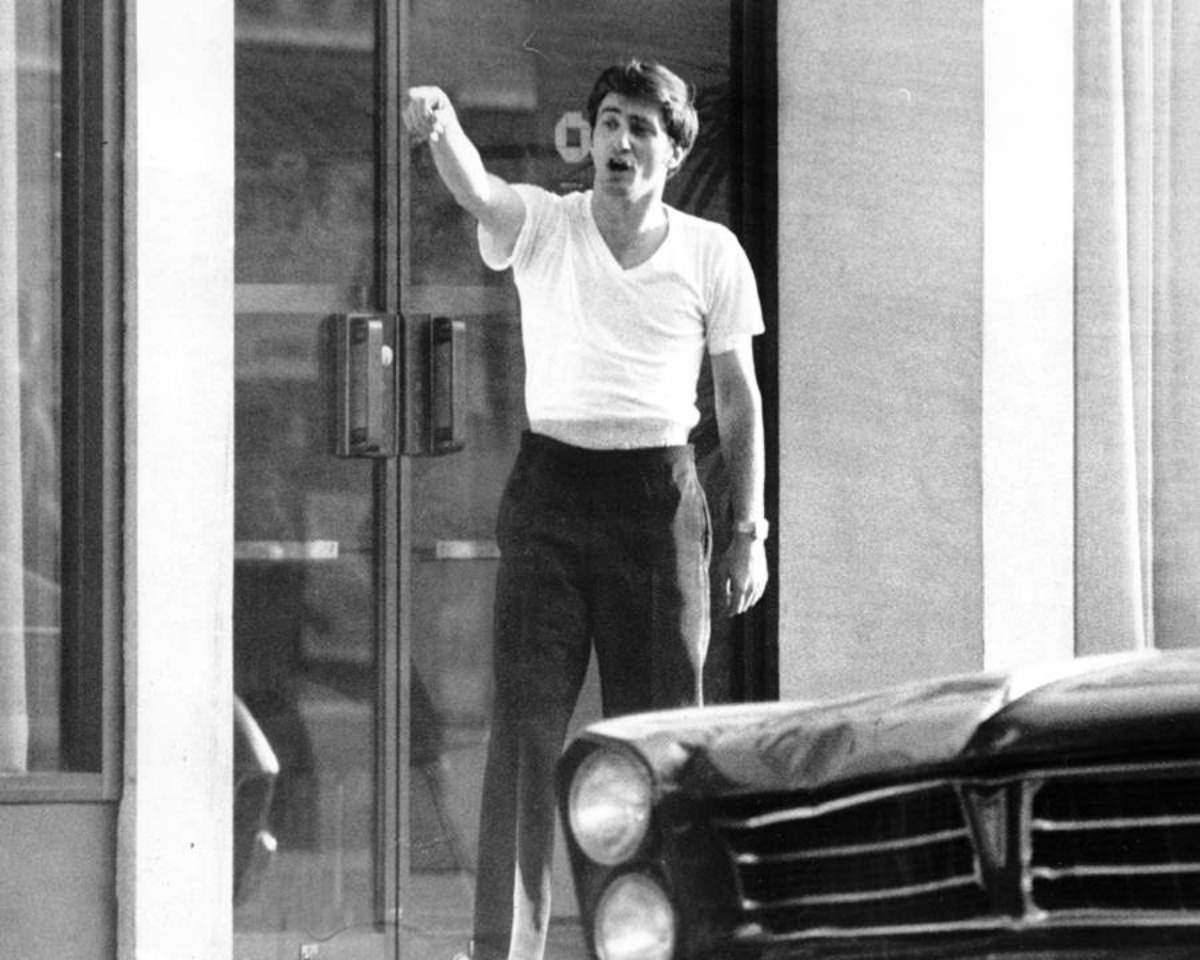
Wojtowicz’s behavior during the standoff was theatrical and erratic. He stepped outside to shout at police, telling them to back off. He ordered pizza for the hostages inside the bank. At one point, he threw money out of the building to the crowd that had gathered on the street. The onlookers cheered. TV cameras rolled. The whole scene played out in real time for a city glued to its screens. Some in the crowd began rooting for Wojtowicz openly, which only added to the surreal atmosphere surrounding the branch.
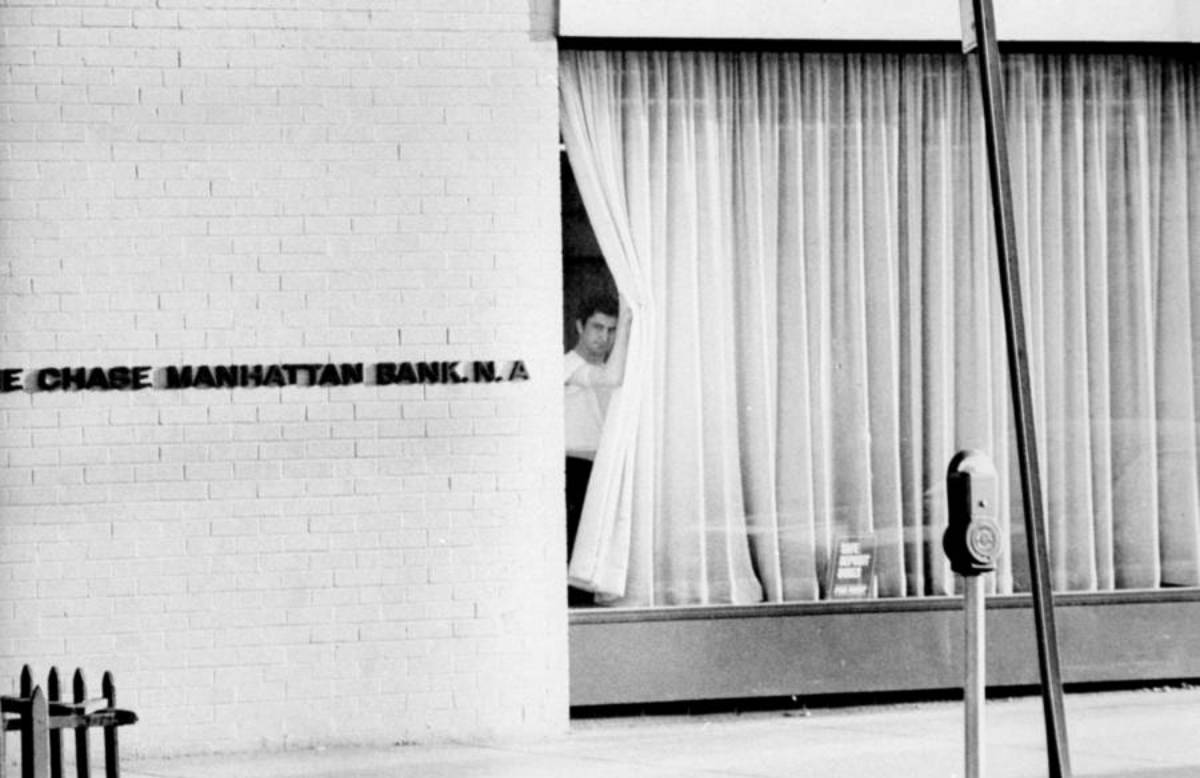
Inside the bank, Wojtowicz worked to keep both his hostages and his own nerves under control. He fired shots twice during the standoff — once through the bank’s rear exit door and once accidentally after dropping his rifle. Neither shot resulted in casualties, but both raised the tension between Wojtowicz and the heavily armed law enforcement presence outside to a breaking point. The FBI negotiated throughout the night, and by the early hours of August 23, the standoff was over. Wojtowicz was taken into custody without further violence.
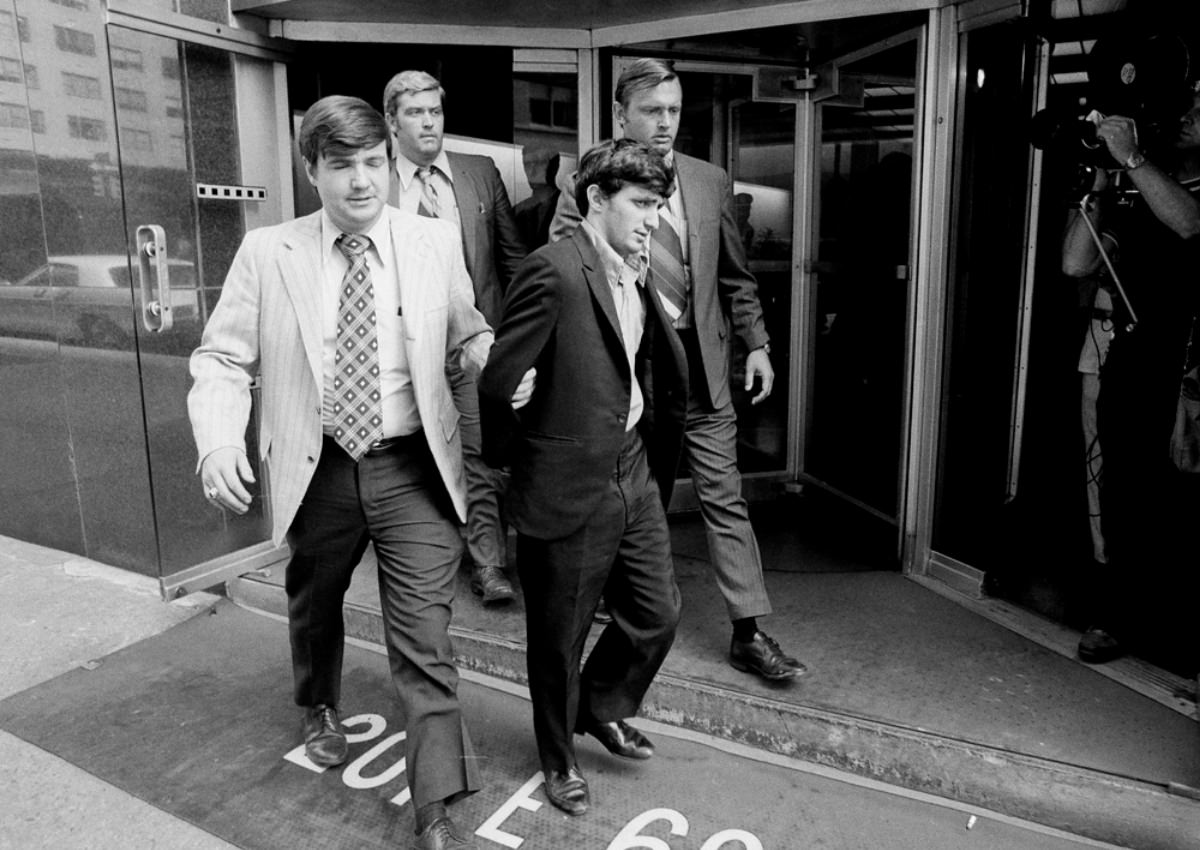
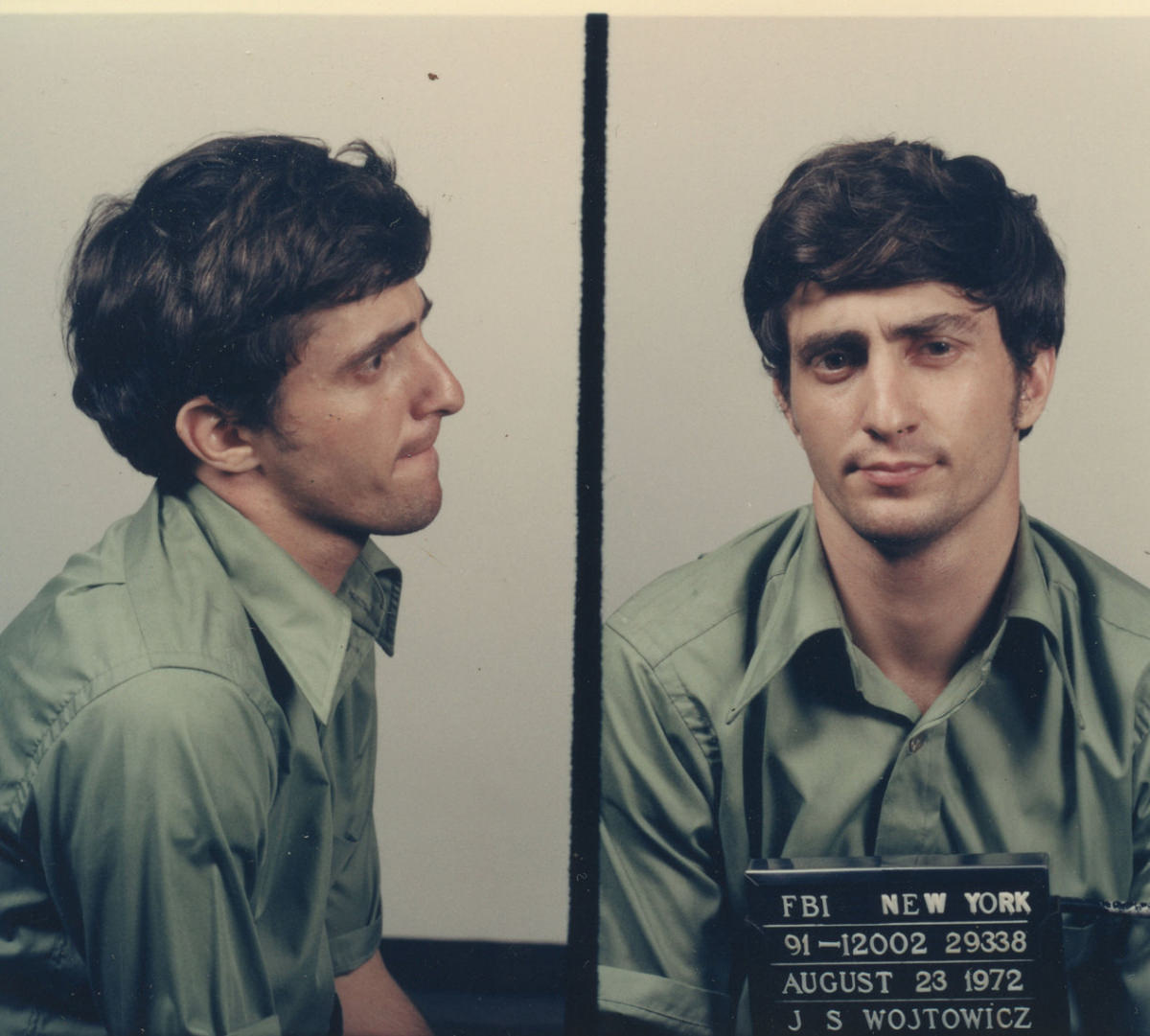
Wojtowicz was sentenced to 20 years in federal prison. He served five. During that time, news of his story had already begun spreading well beyond New York. The robbery had been so publicly dramatic, so loaded with personal and social context, that it attracted the attention of filmmakers almost immediately. Warner Bros. acquired the rights to produce a dramatized version of events, and director Sidney Lumet took the project on.
Wojtowicz sold the rights to his story for $7,500 plus a percentage of the film’s net profits. He gave the money to Eden for her surgery. Dog Day Afternoon, released in 1975, starred Al Pacino as the Wojtowicz stand-in and John Cazale as his accomplice — both actors who had appeared together in The Godfather, the very film that had influenced Wojtowicz on the day of the robbery. The film earned multiple Academy Award nominations and is still studied as one of the defining American films of the 1970s.
After his release, Wojtowicz returned to New York and lived out his remaining years there. His post-prison life was largely unremarkable, though it did produce one memorable footnote. He applied for a security guard position at a Chase Bank branch, telling them during the application process, “I’m the guy from Dog Day Afternoon, and if I’m guarding your bank, nobody’s going to rob the Dog’s bank.” The bank declined his application. He spent part of his later years on welfare and died of cancer in January 2006.