On the evening of May 29, 1985, Brussels was supposed to host one of football’s greatest nights. Heysel Stadium had been chosen as the venue for the European Cup Final between Juventus of Italy and Liverpool of England. Tens of thousands of fans had traveled from both countries expecting a memorable match. What they witnessed instead was one of the deadliest disasters in the history of the sport.
Heysel Stadium was already a problem before a single fan walked through its gates that night. Built in 1930, the venue had aged badly. Its concrete terraces were crumbling, its perimeter walls were weakened, and the facilities for managing large crowds were woefully inadequate. Safety inspectors had raised concerns about the stadium’s condition in the years leading up to the final, but it was still selected to host the match. That decision would prove catastrophic.
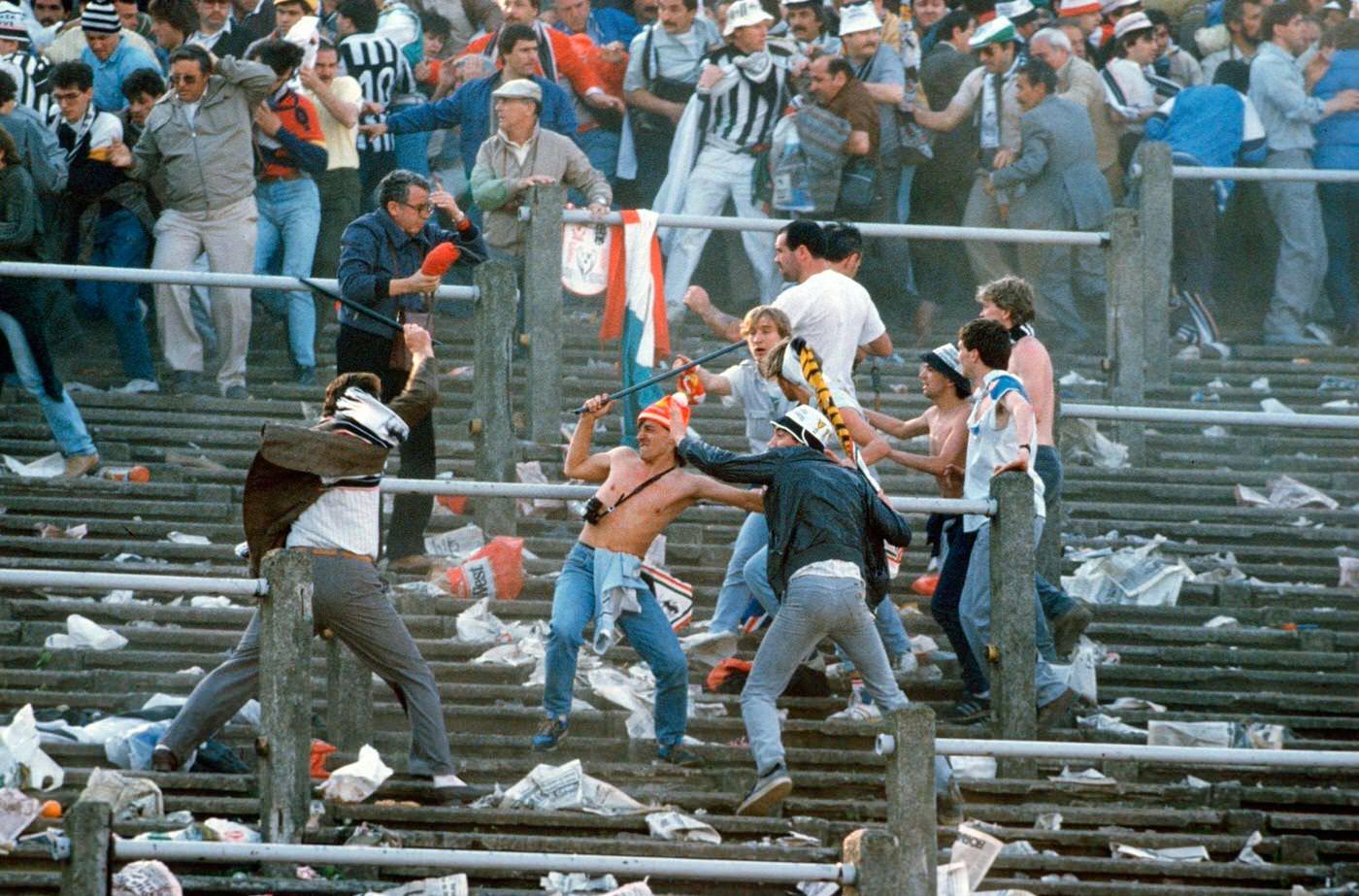
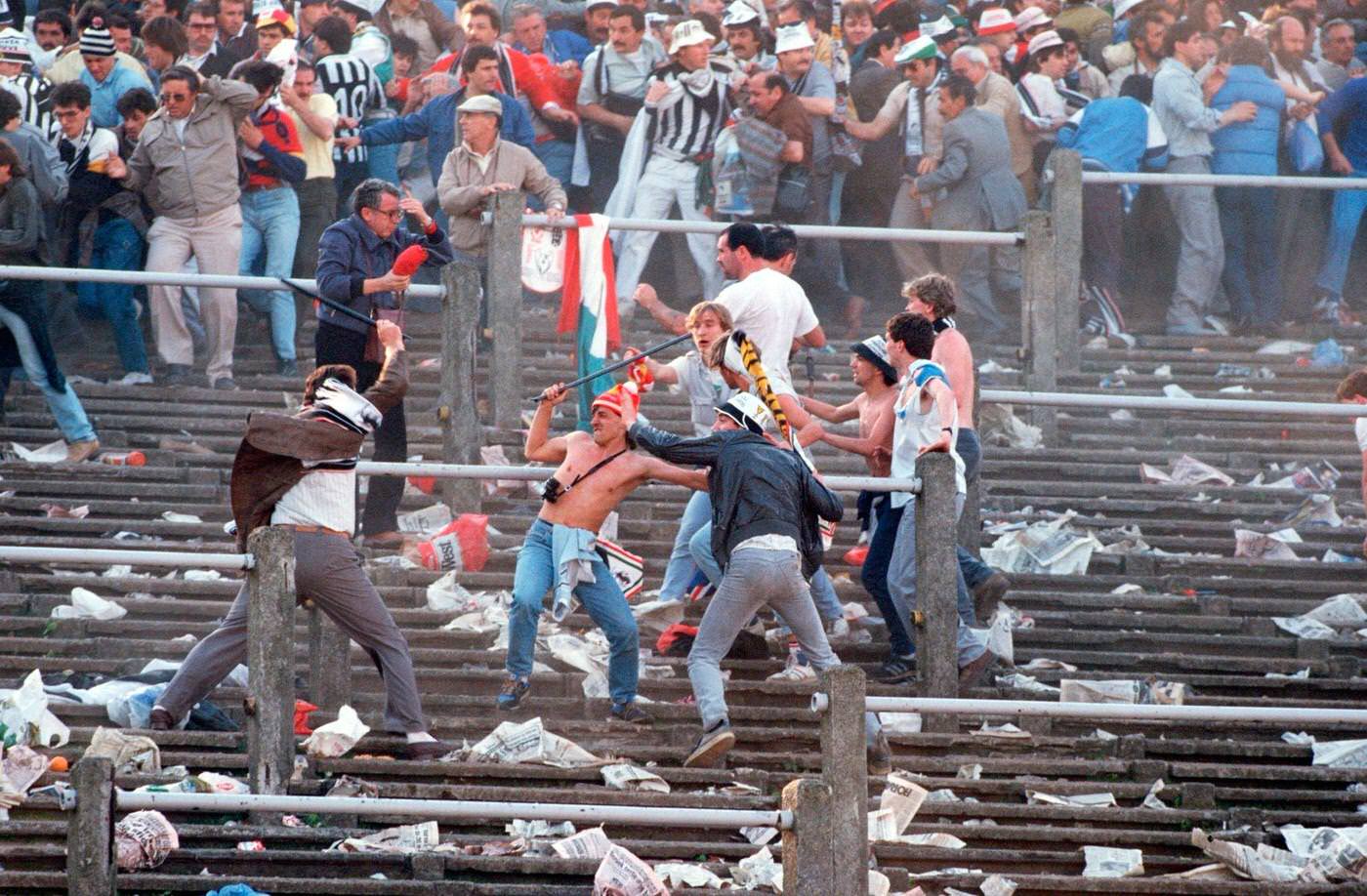
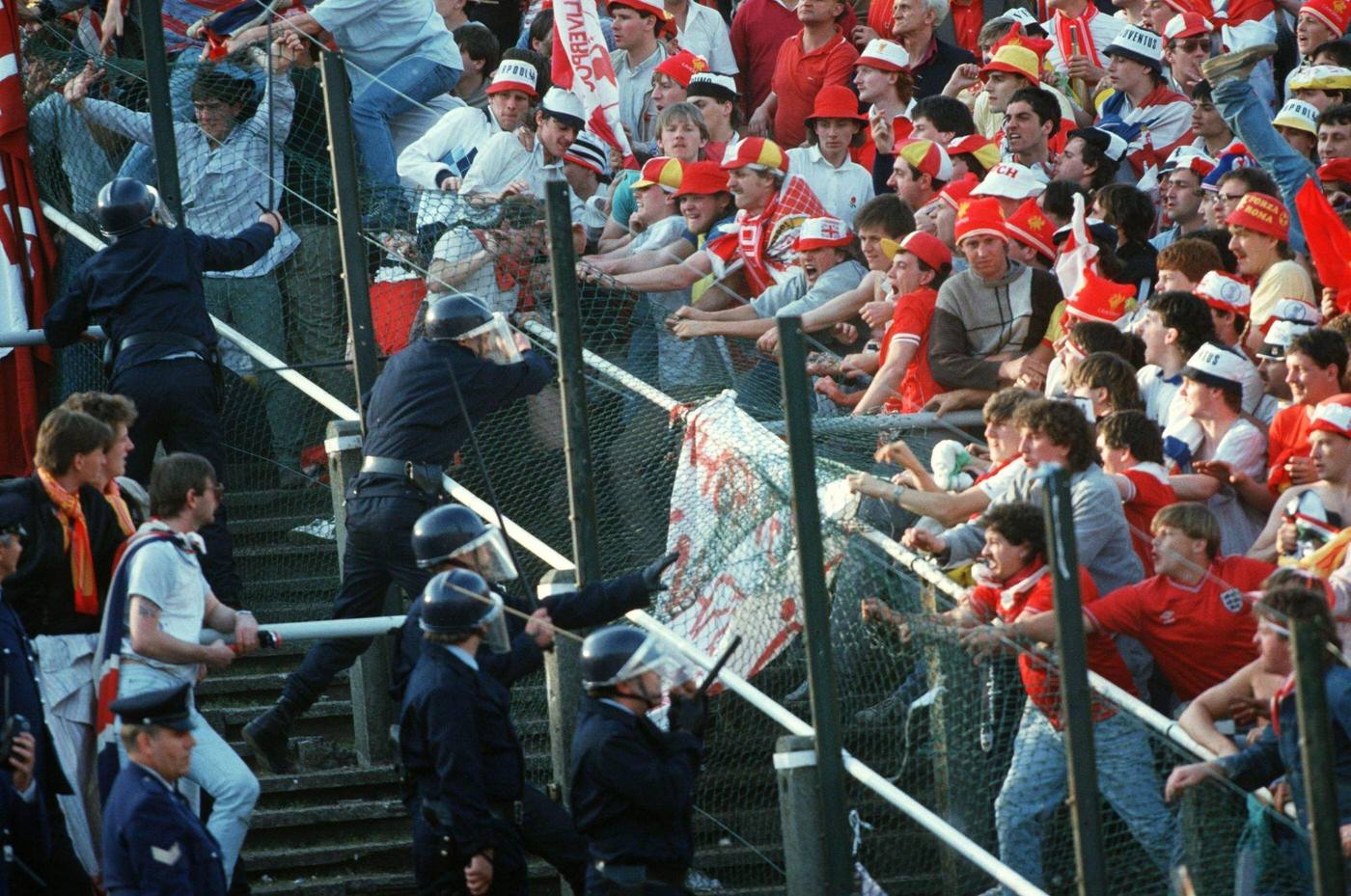
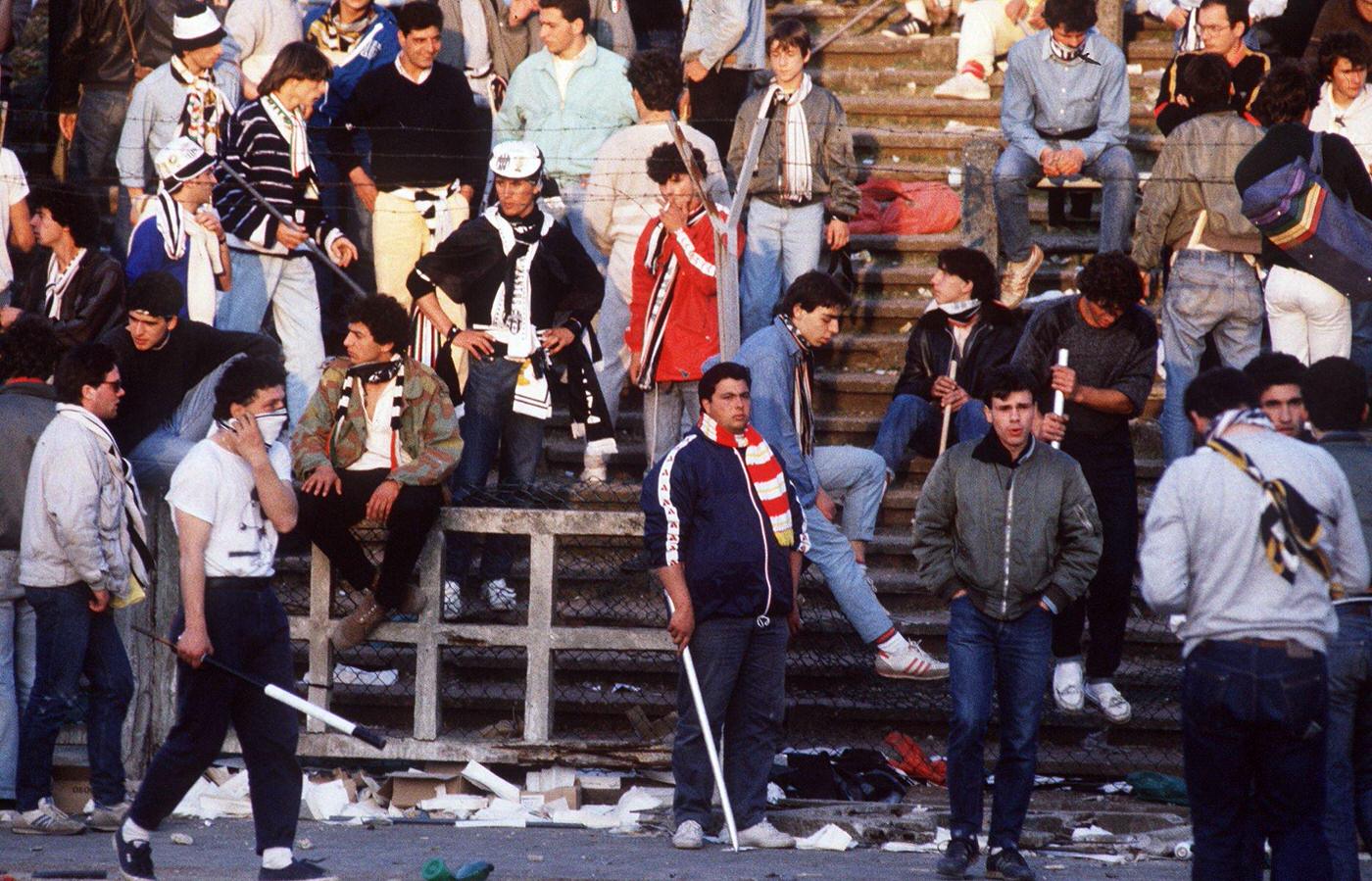
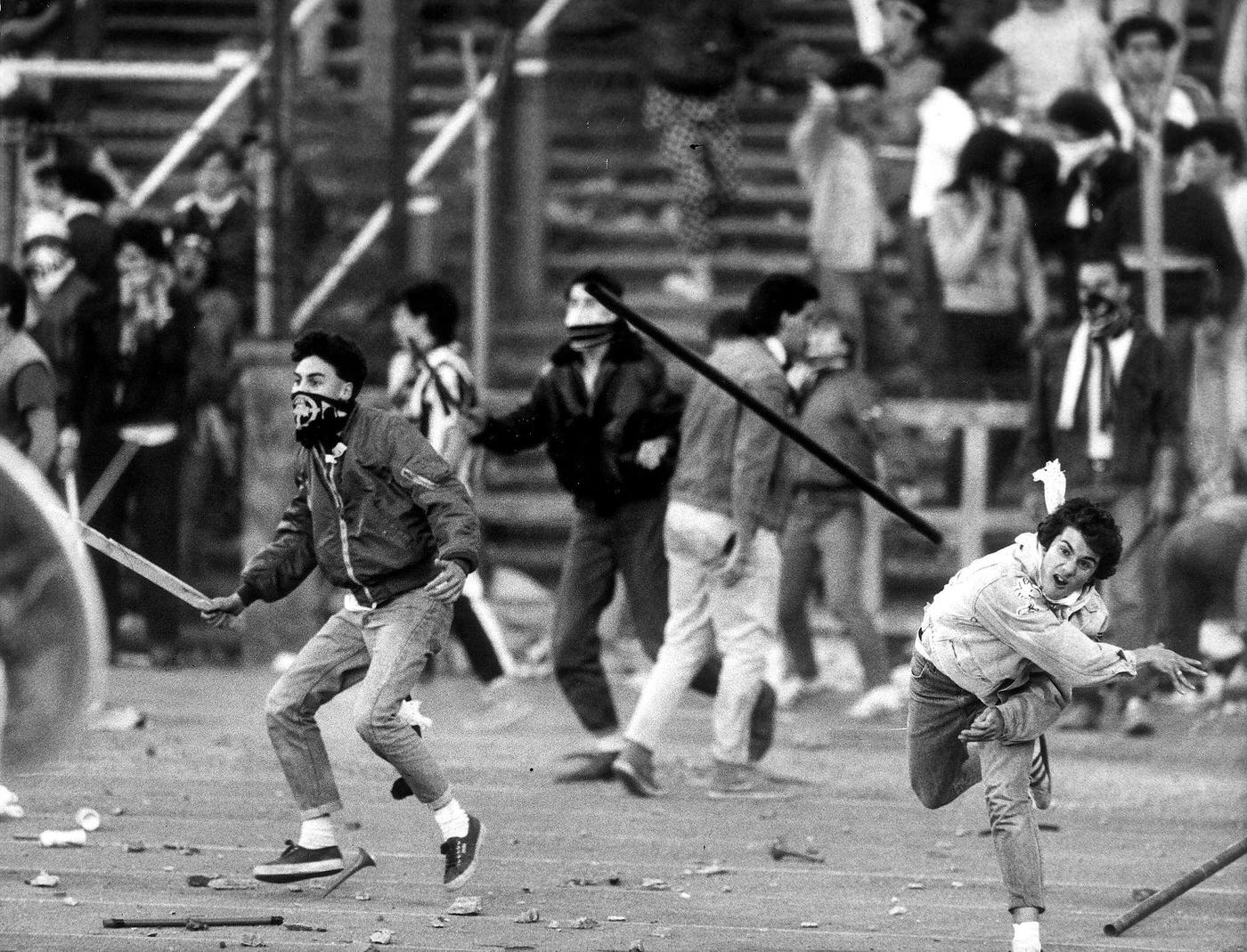
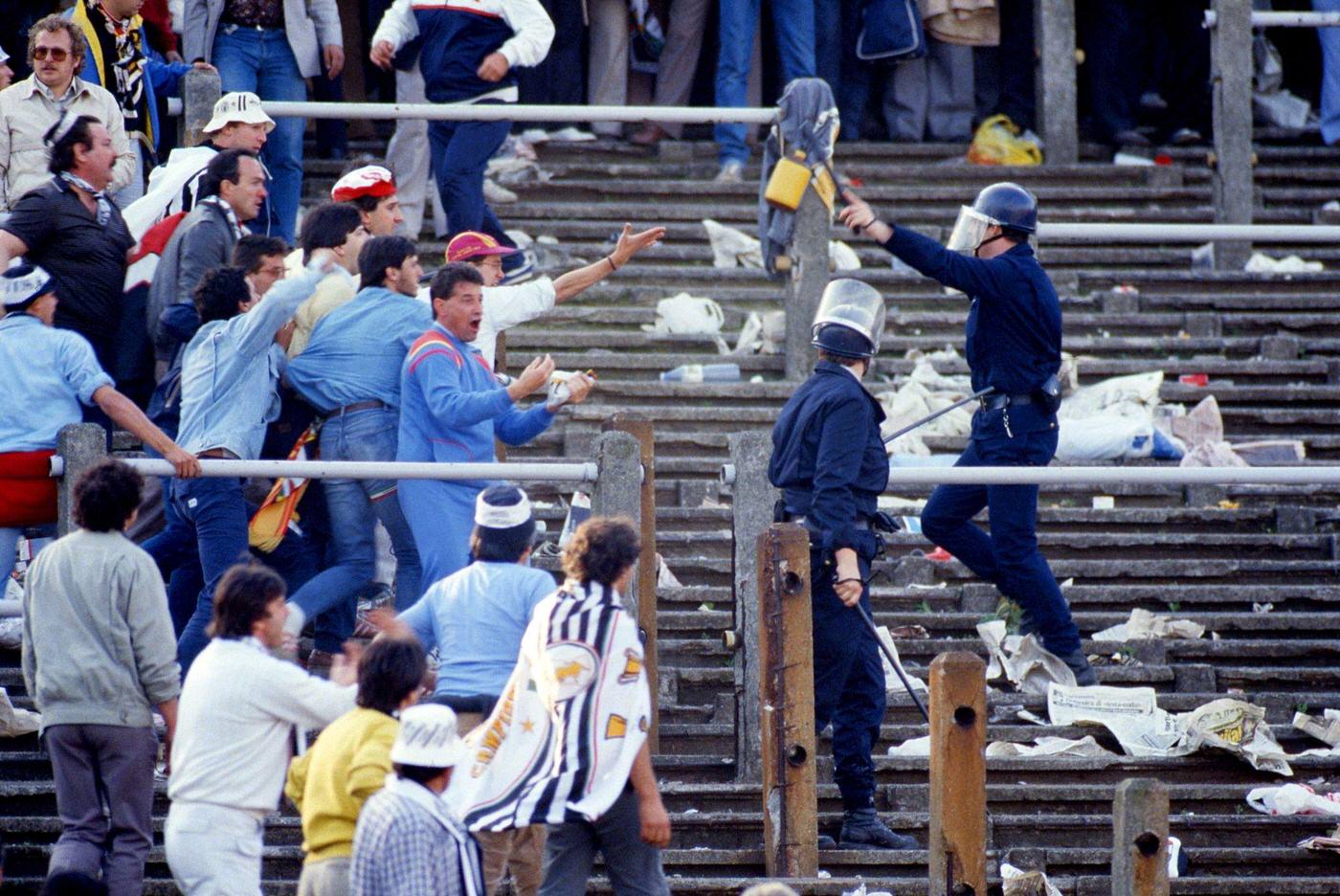
Tensions between English and Italian fans were running high well before kickoff. The two sets of supporters were divided by a chain-link fence in Section Z, a neutral zone that sat between the Liverpool end and the Juventus end. The segregation was minimal and poorly enforced. Belgian police were present but unprepared for the scale of what was about to unfold.
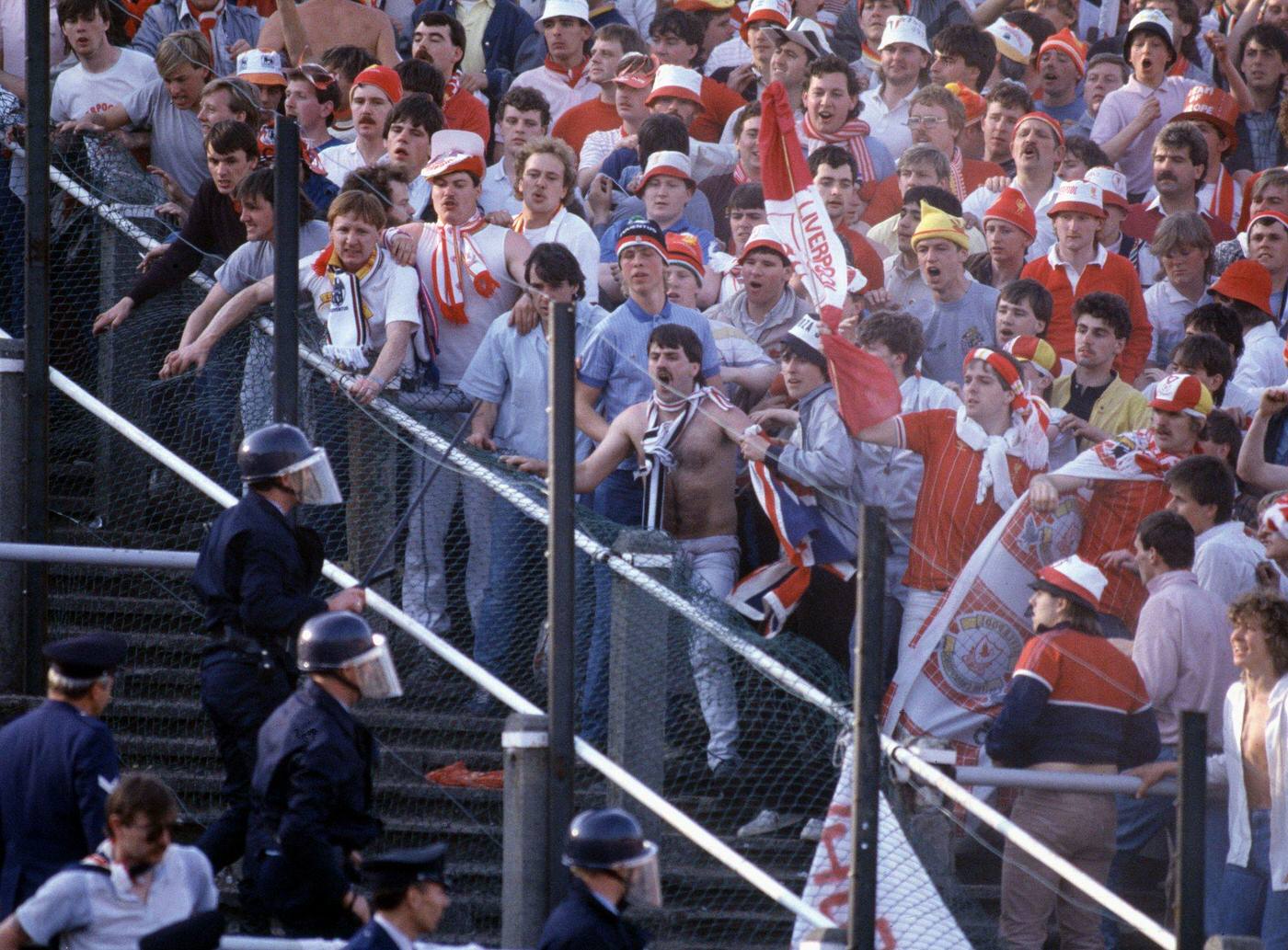
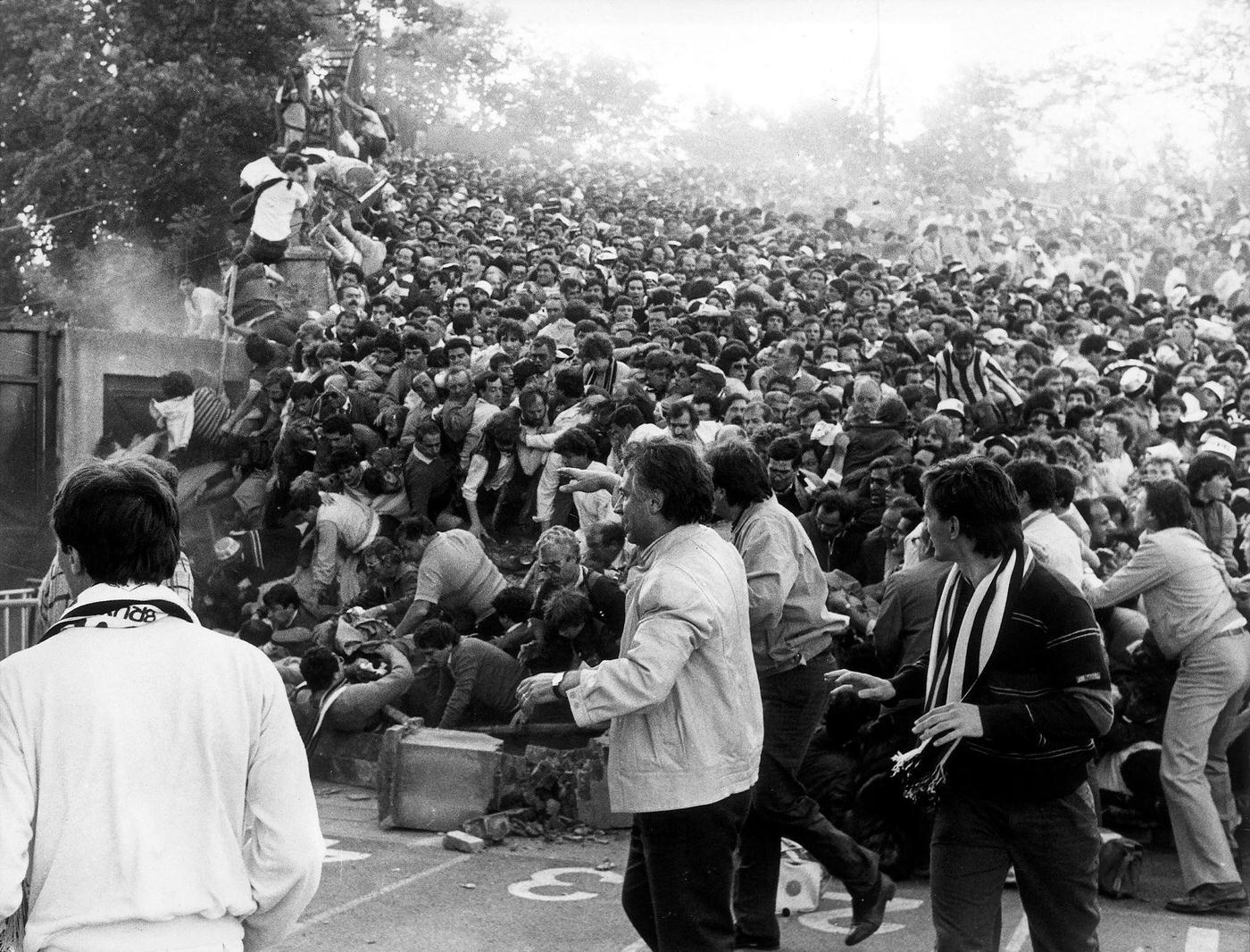
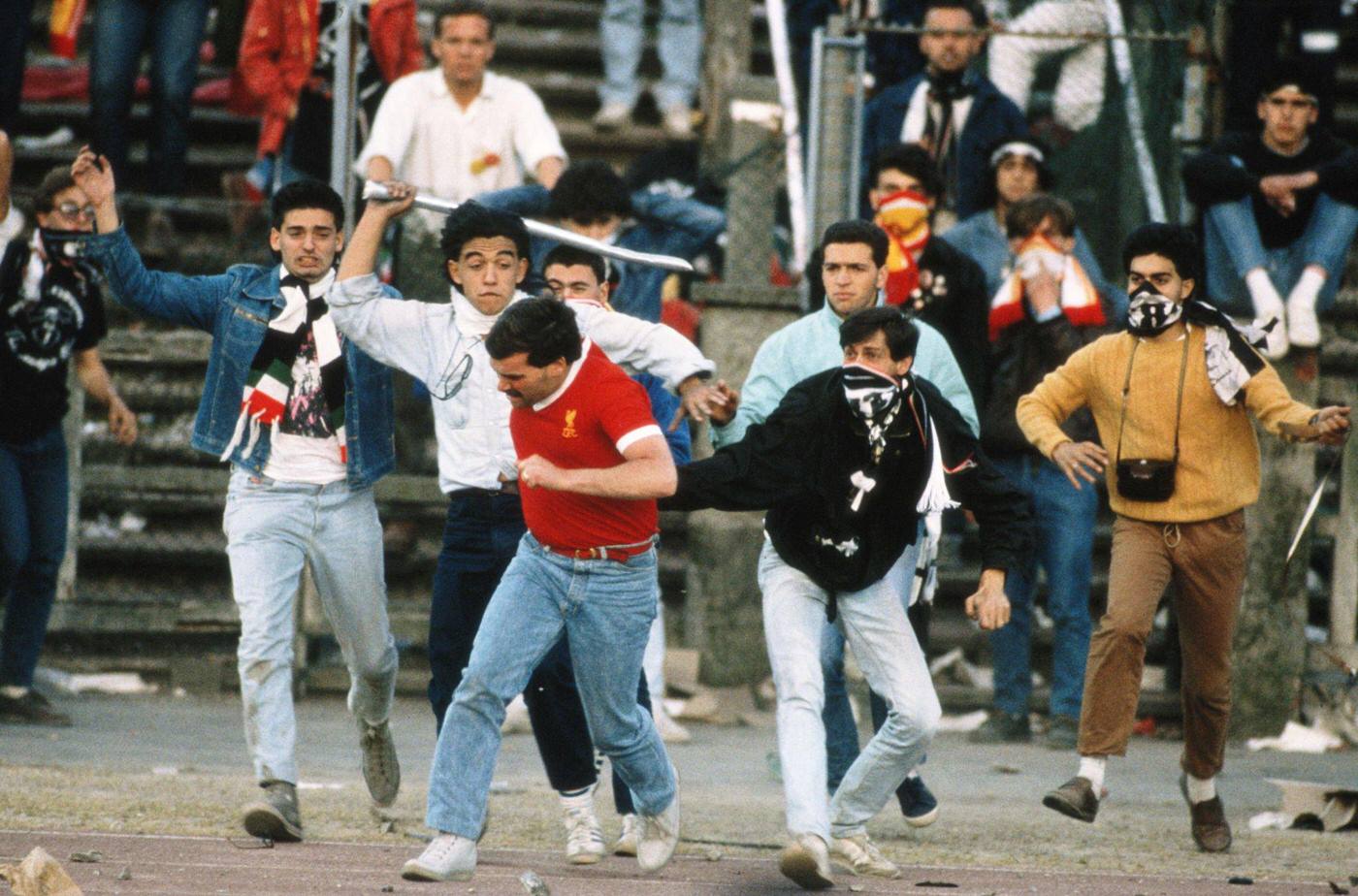
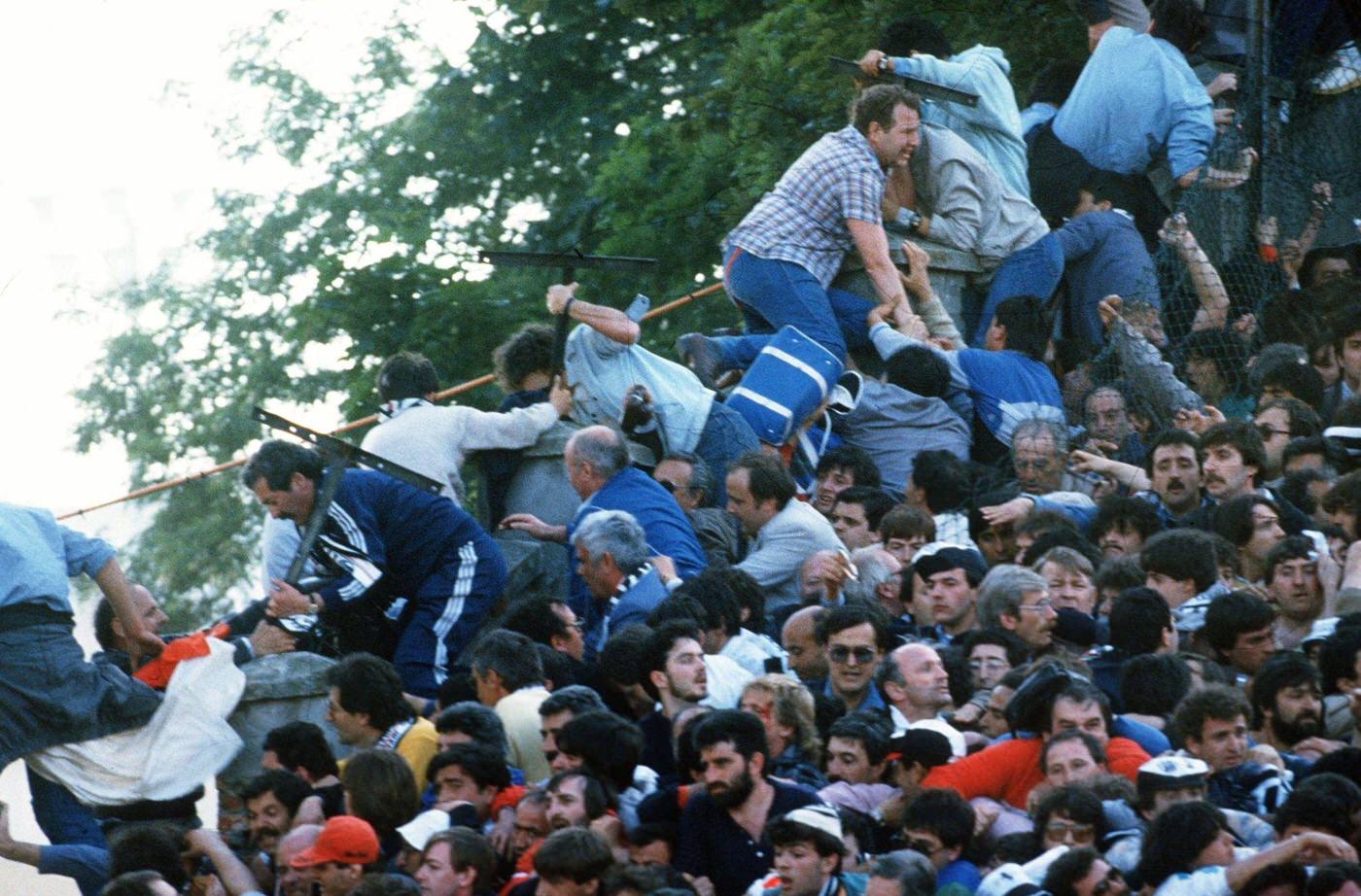
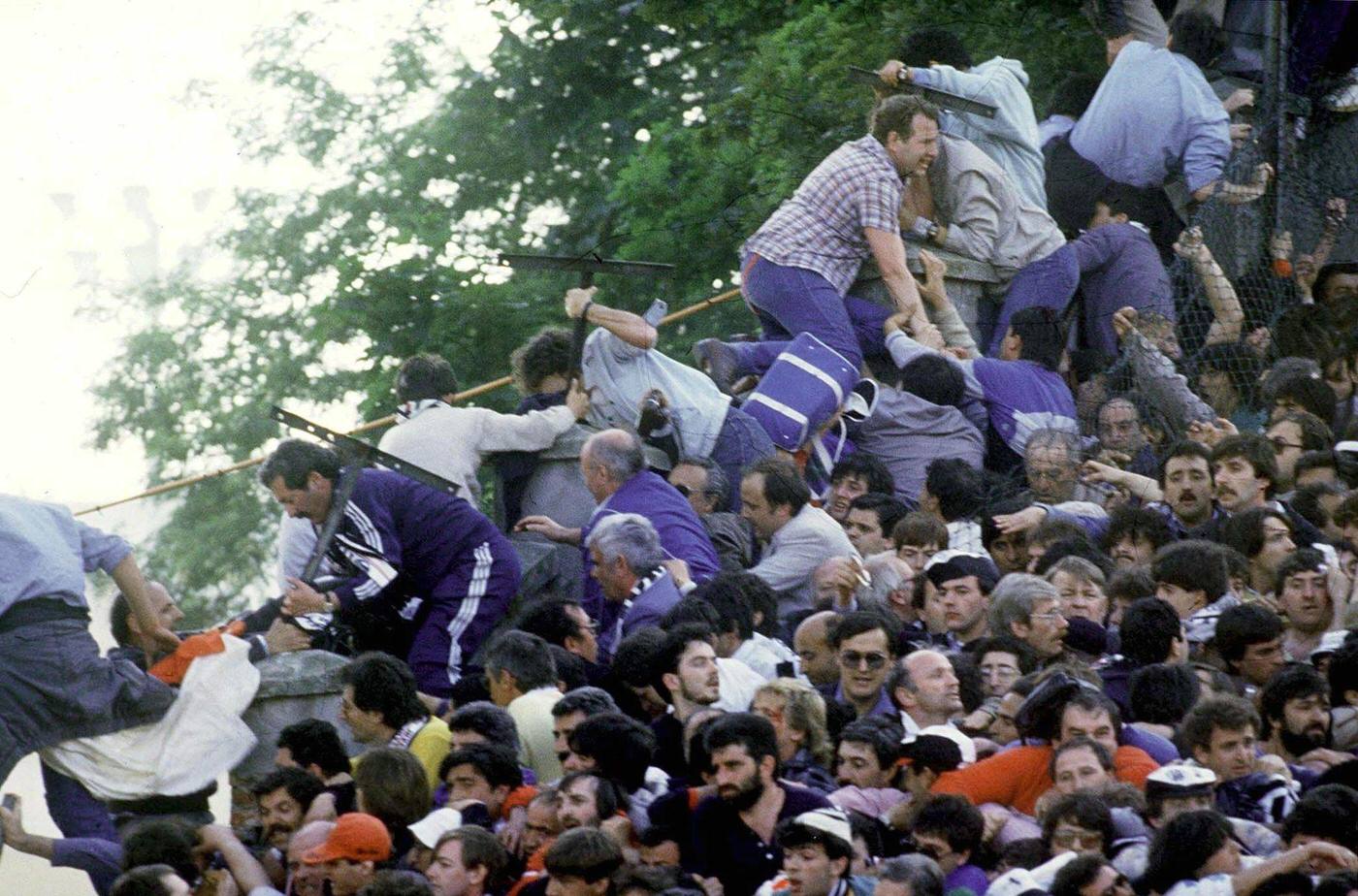
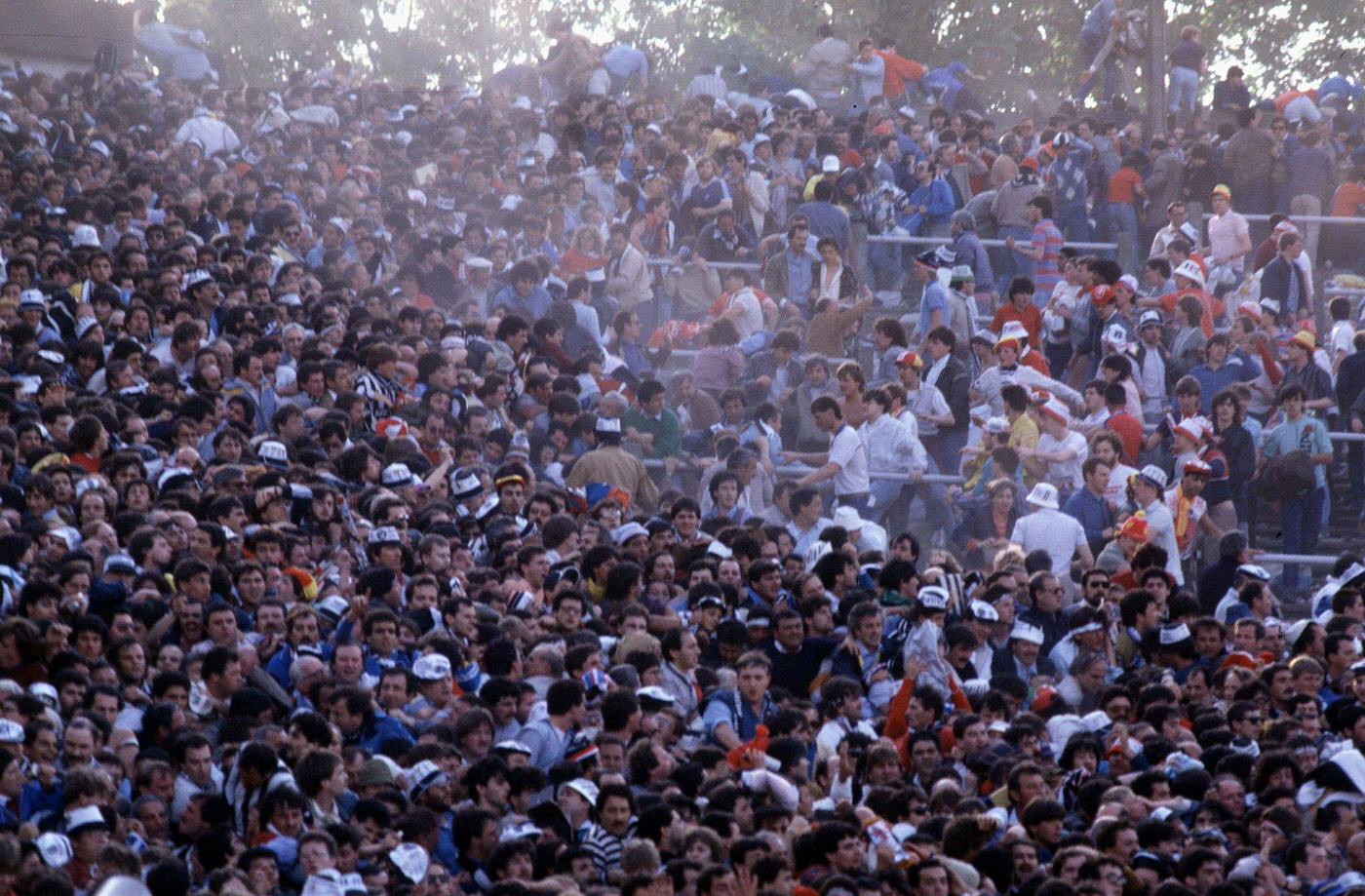
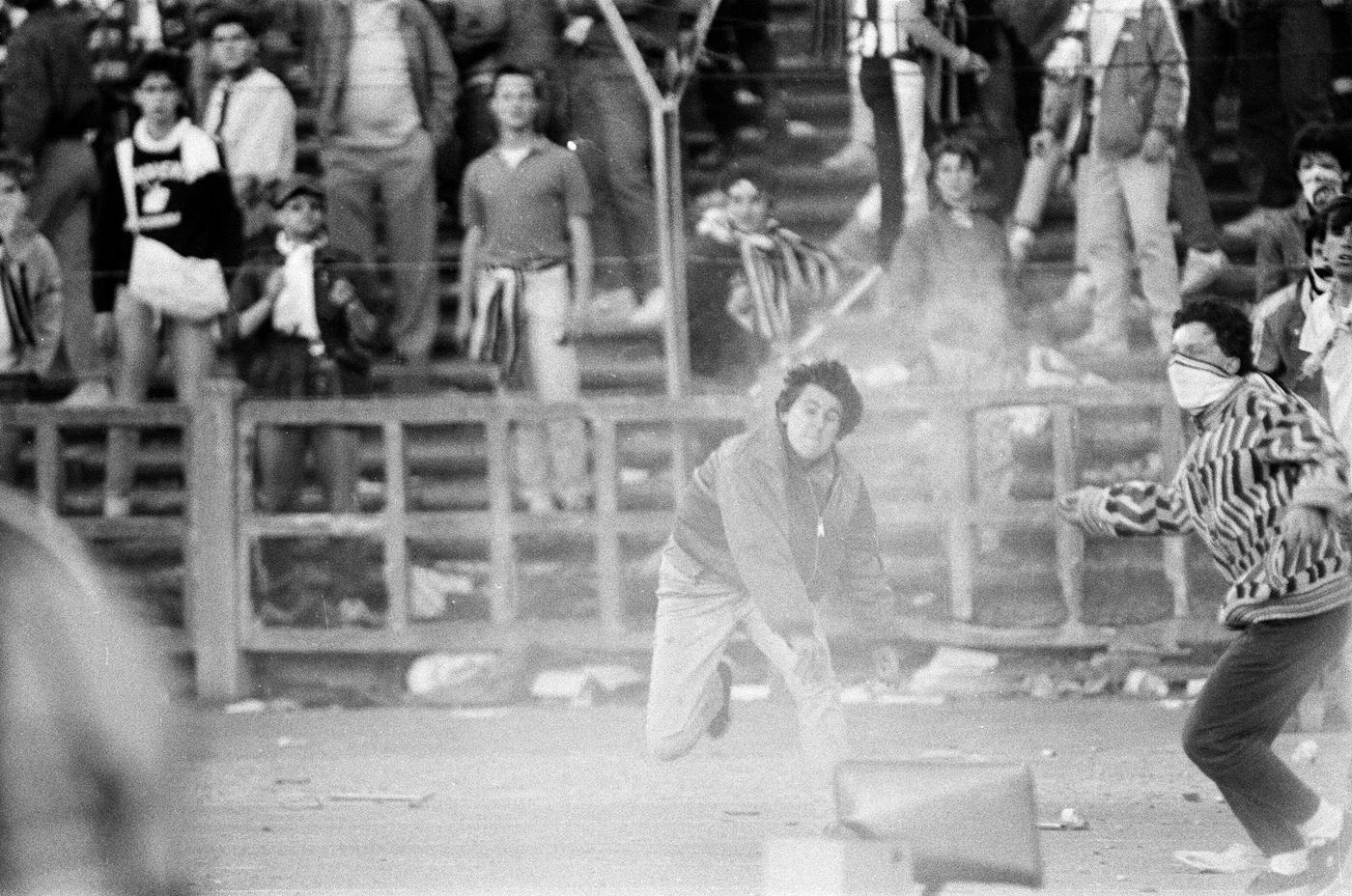
About an hour before the scheduled kickoff, a group of Liverpool supporters forced their way through the chain-link fence and surged into the Juventus section. The Juventus fans in that area had nowhere to go. They were packed tightly on the terrace, and behind them stood a concrete retaining wall that had been weakened by decades of neglect. As the crowd was pushed backward, the pressure against that wall became enormous.
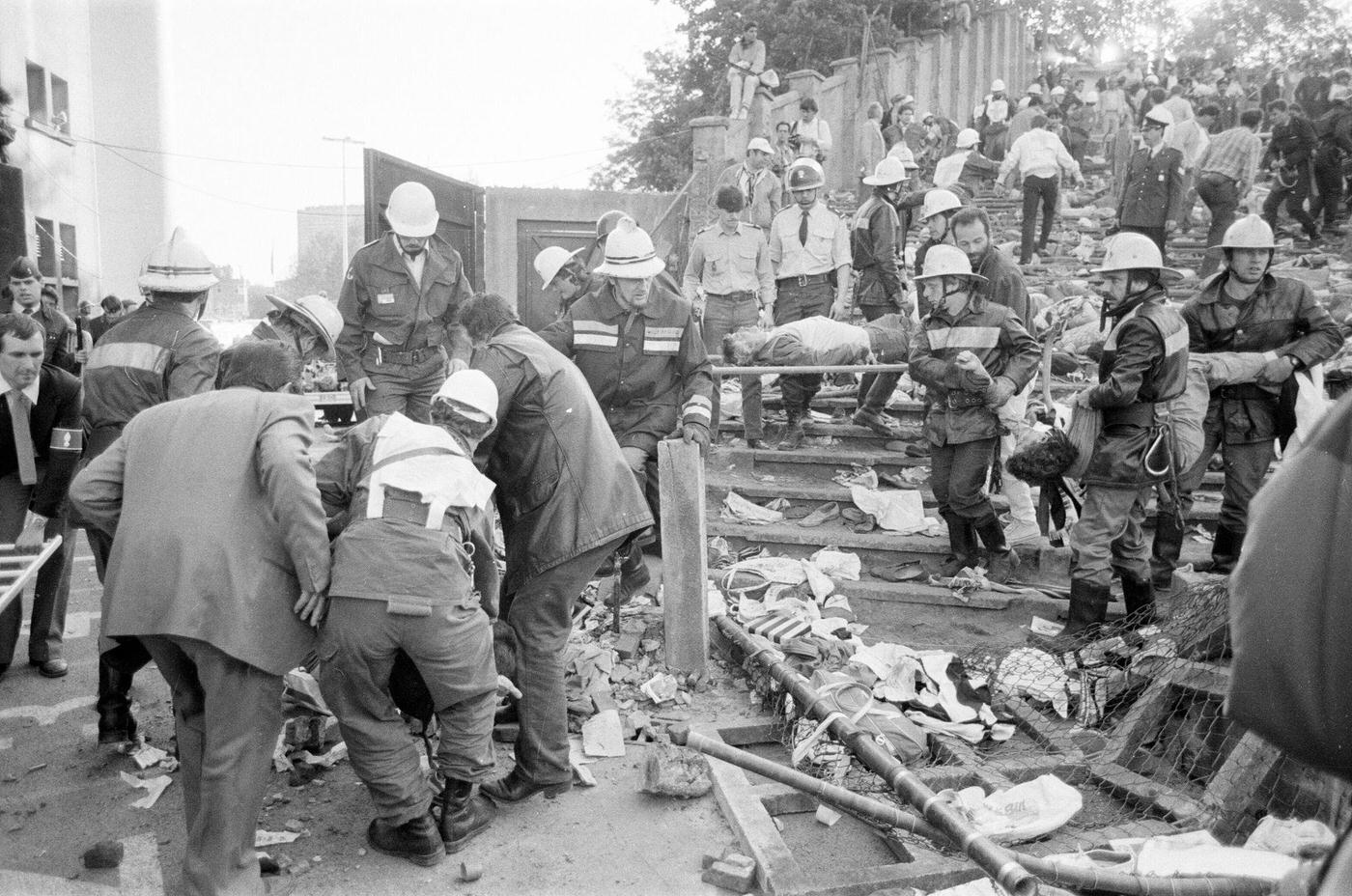
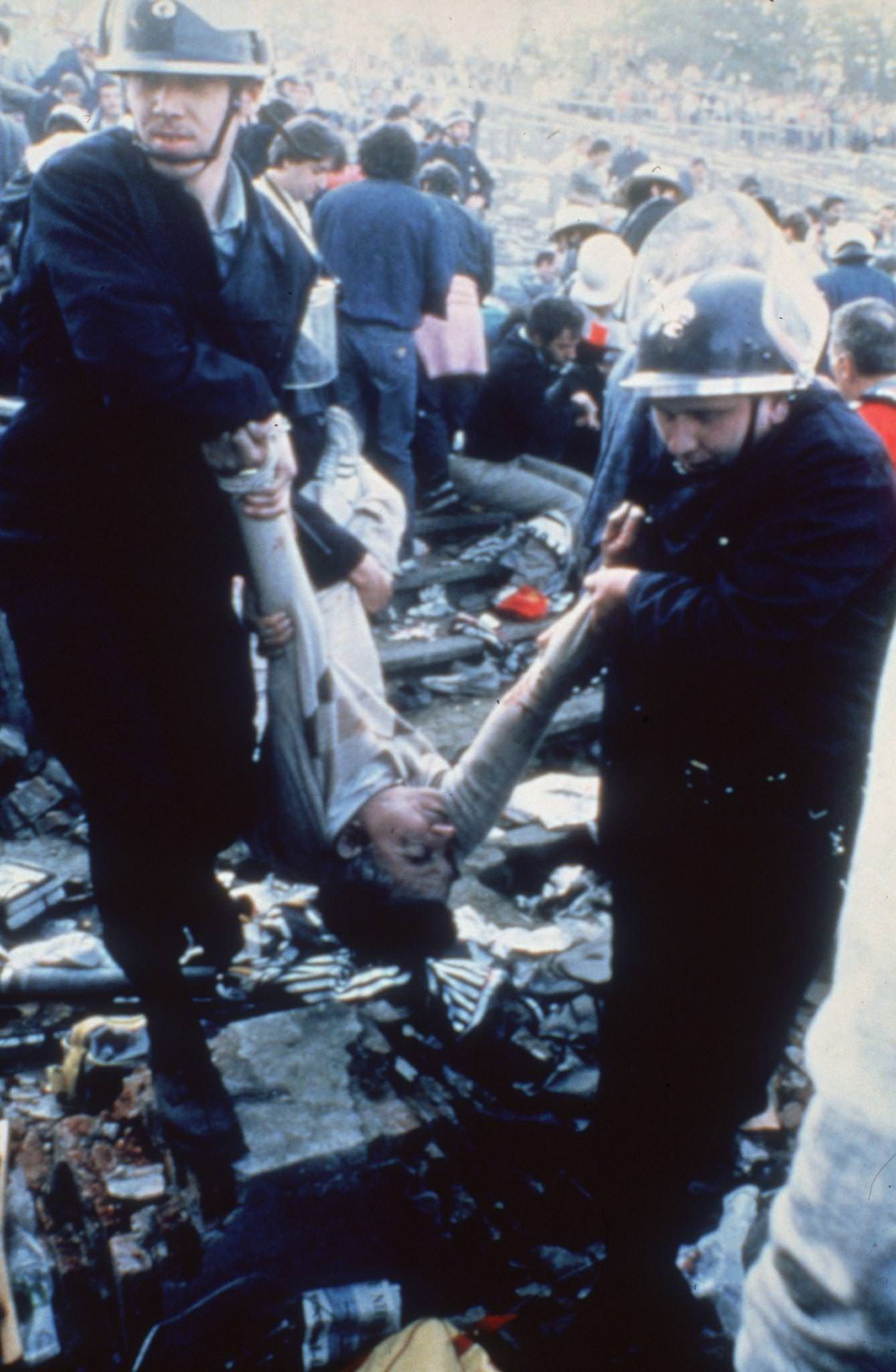
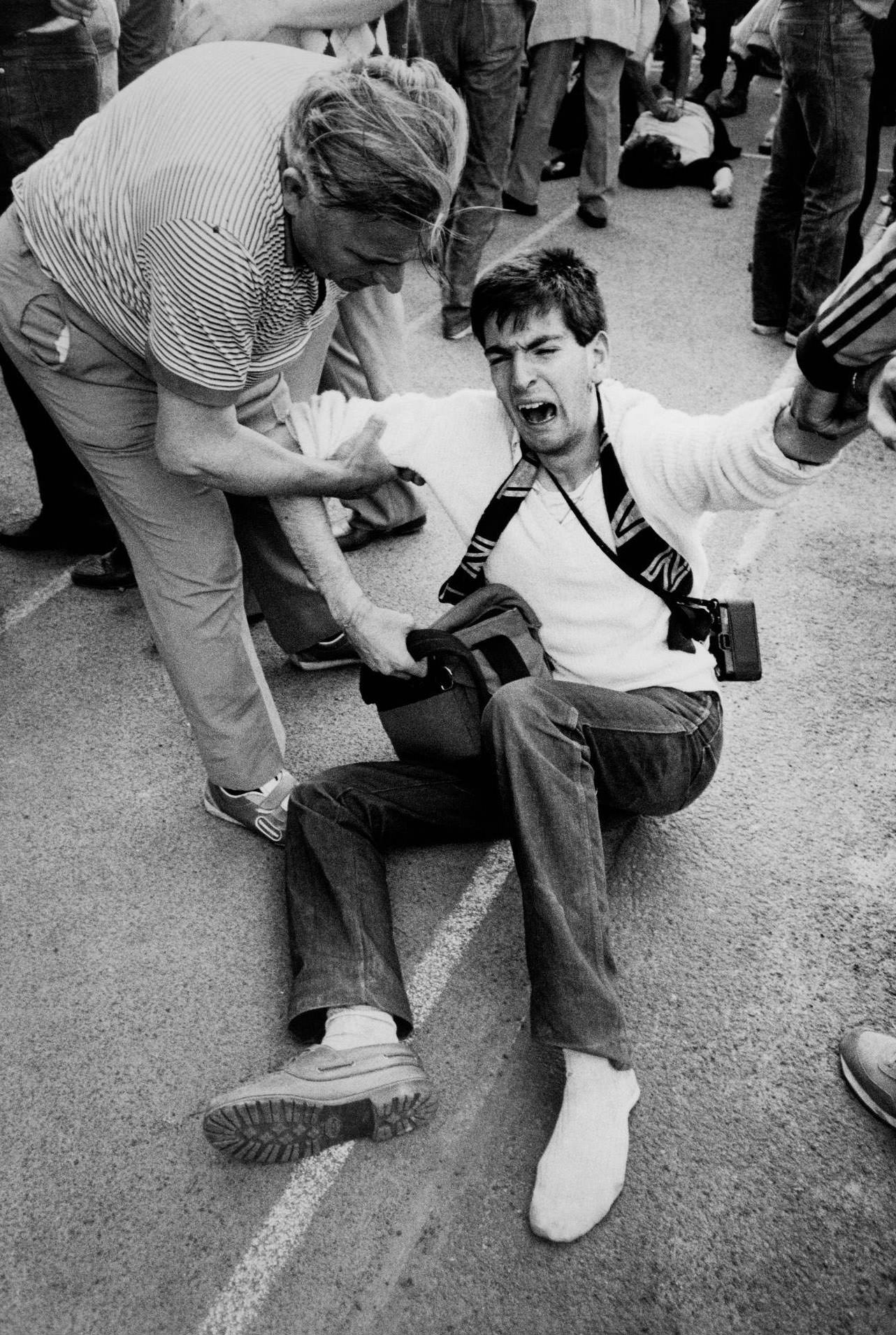
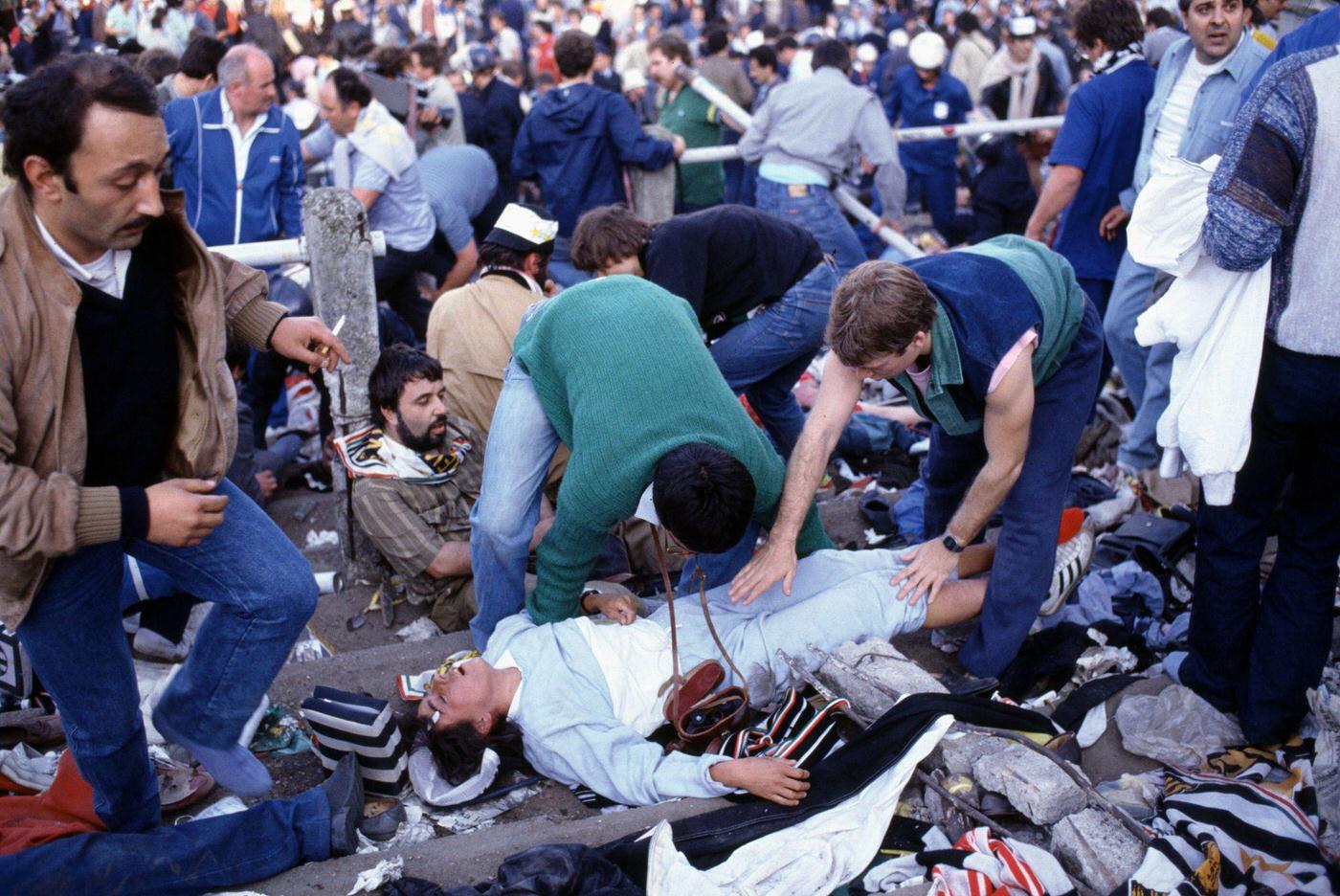
The wall gave way. It collapsed under the weight of hundreds of people crushing against it, sending fans tumbling into the wreckage. Those at the back were buried under rubble and buried beneath other fans. The scene on the Juventus terrace turned immediately into chaos. People screamed for help. Others tried to pull trapped supporters free with their bare hands.
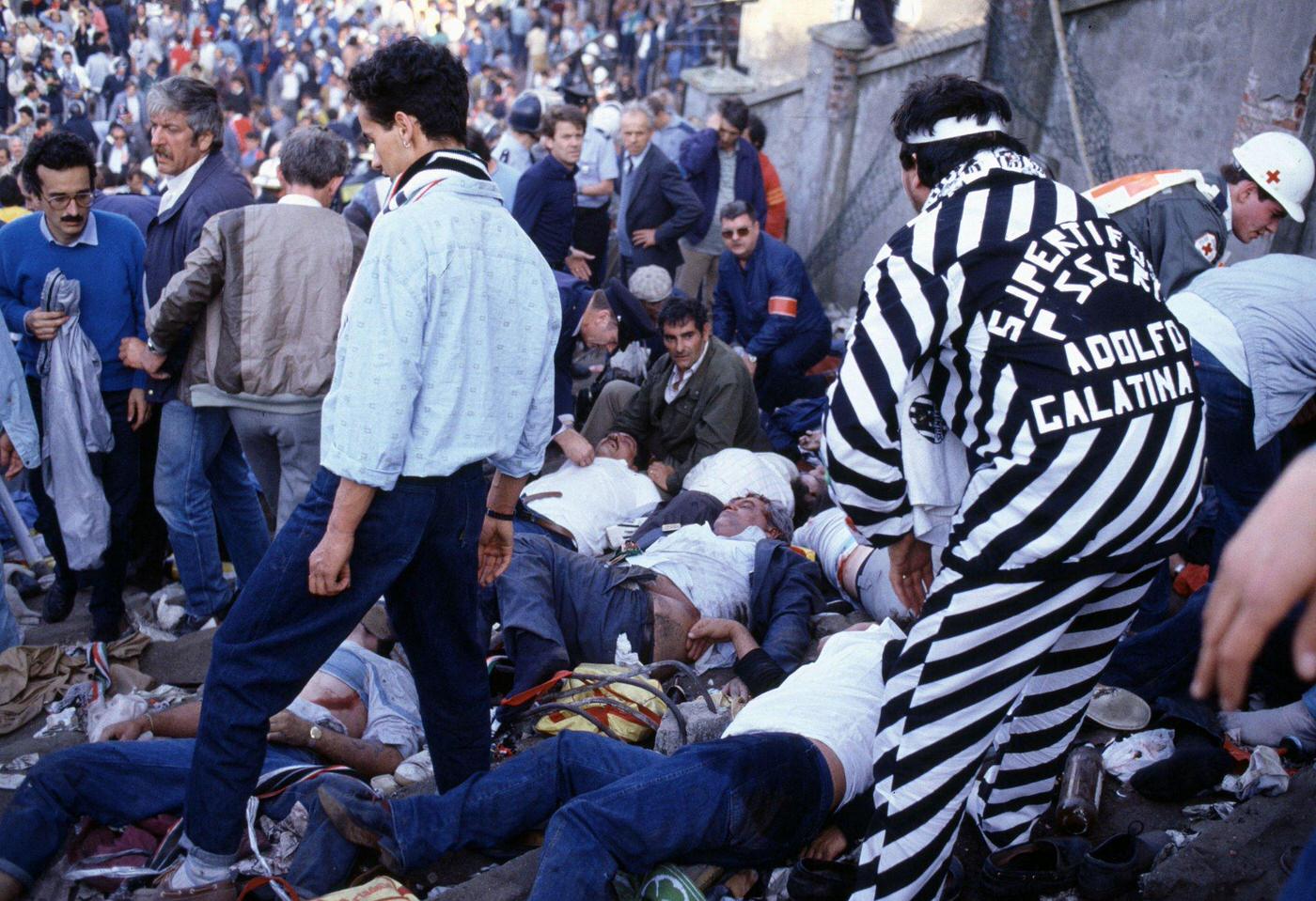
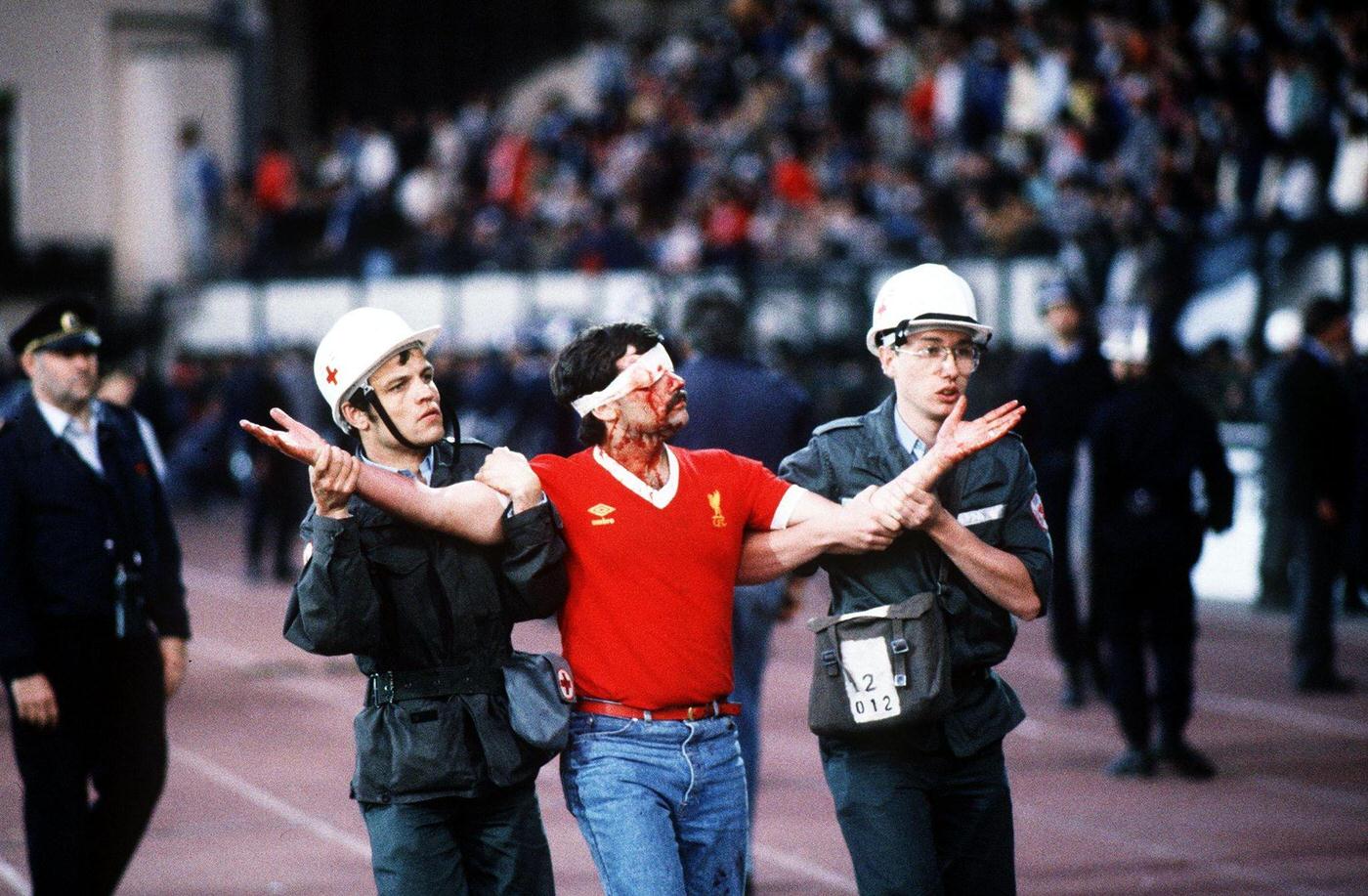
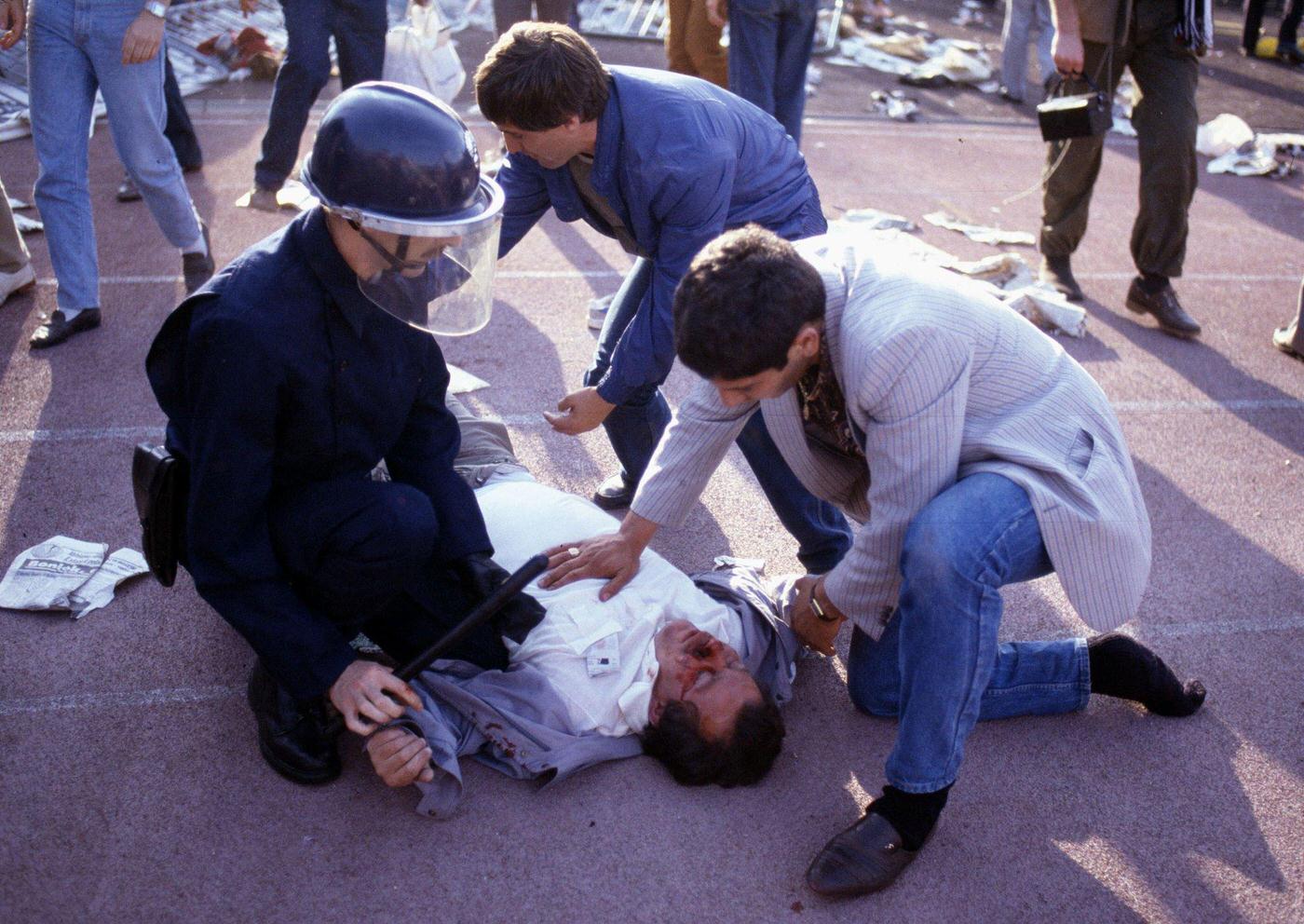
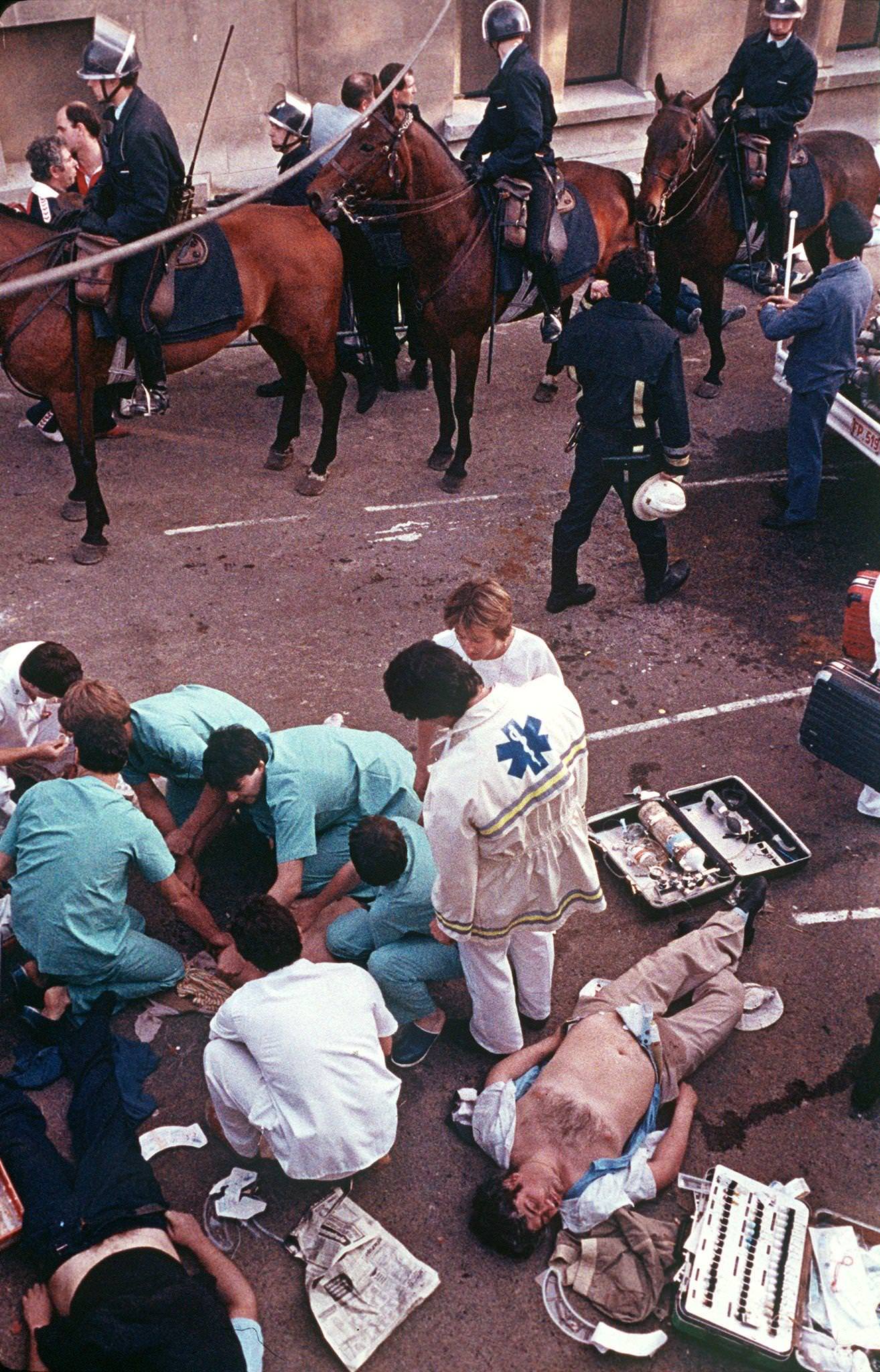
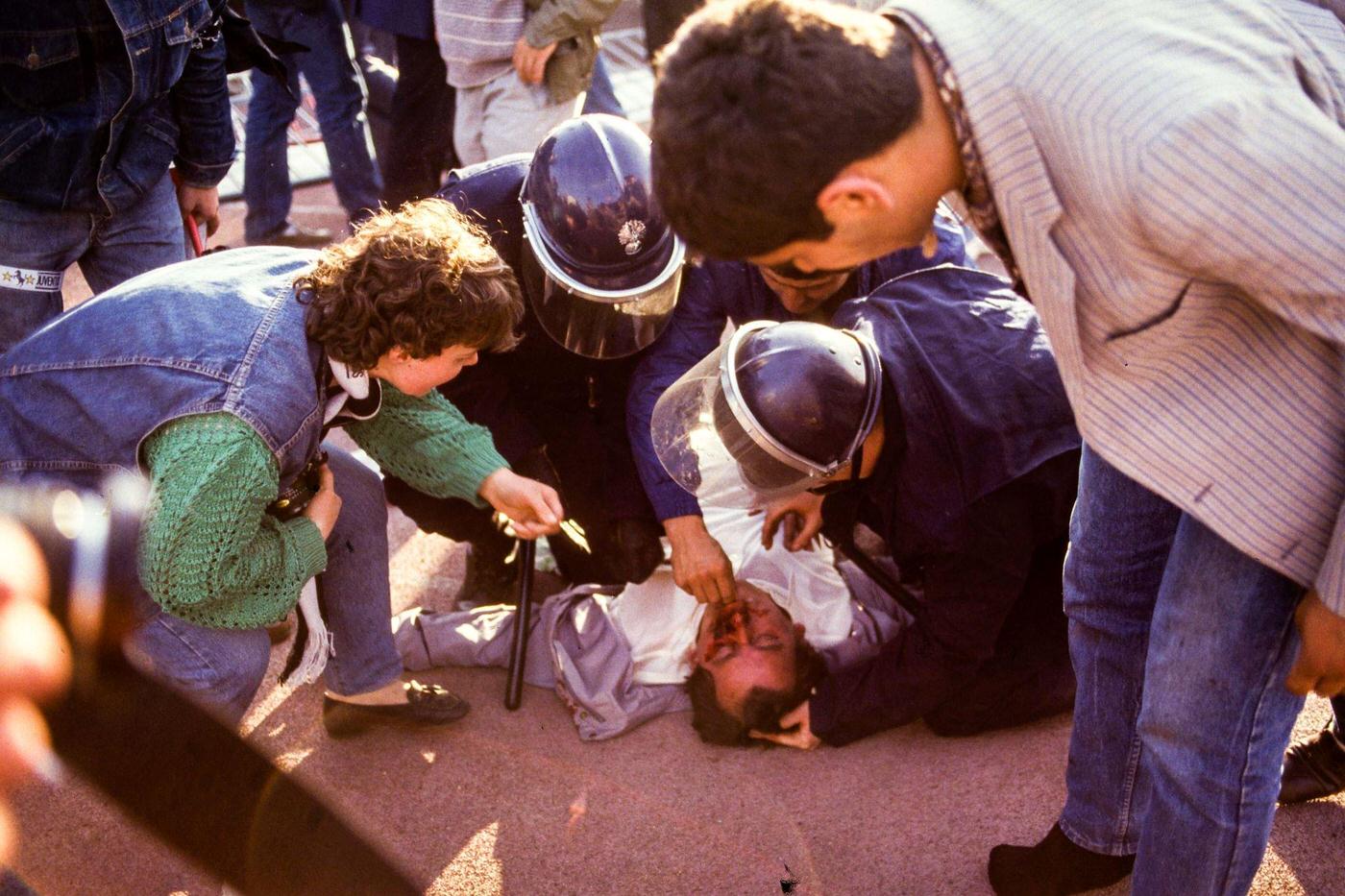
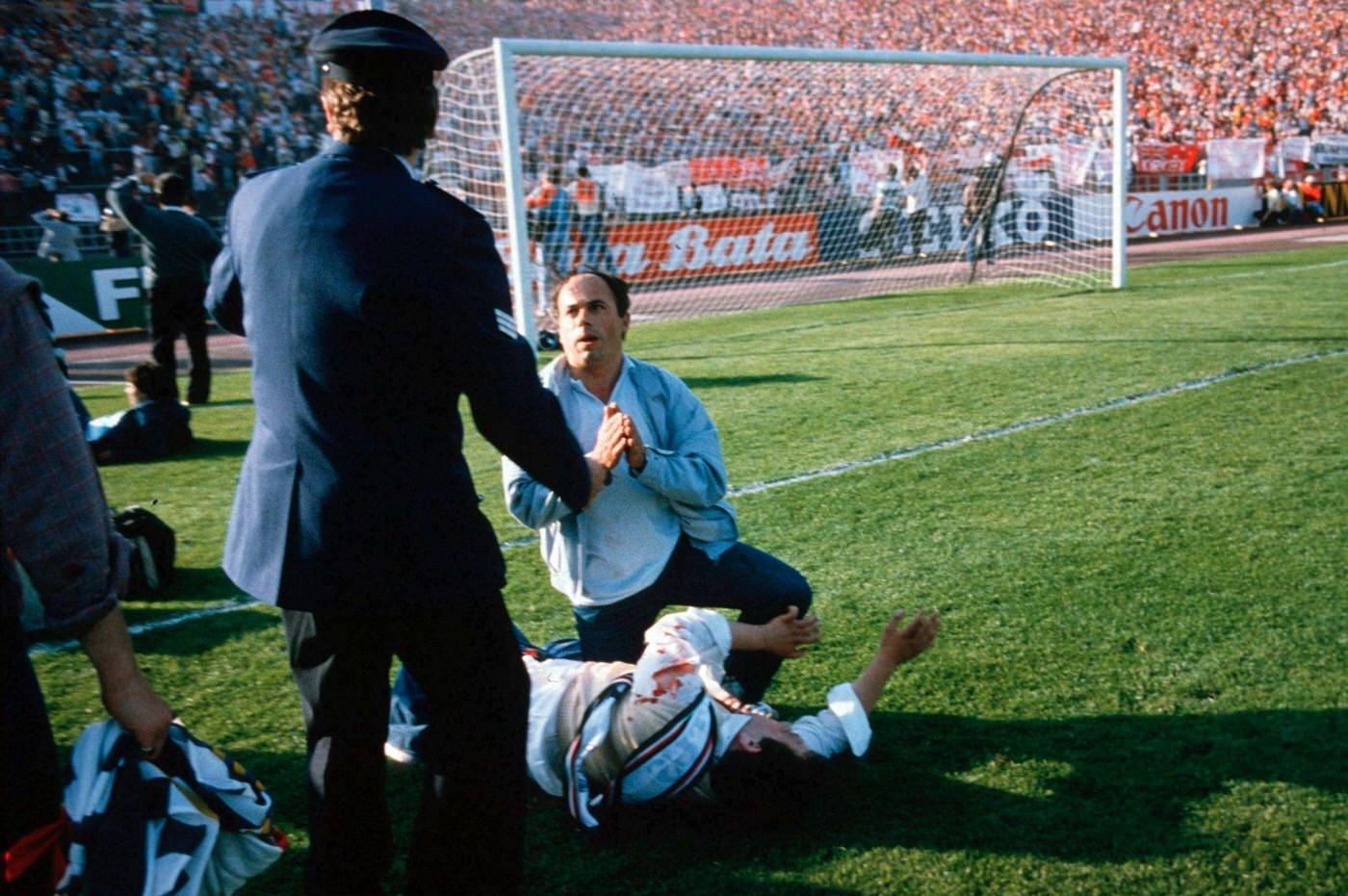
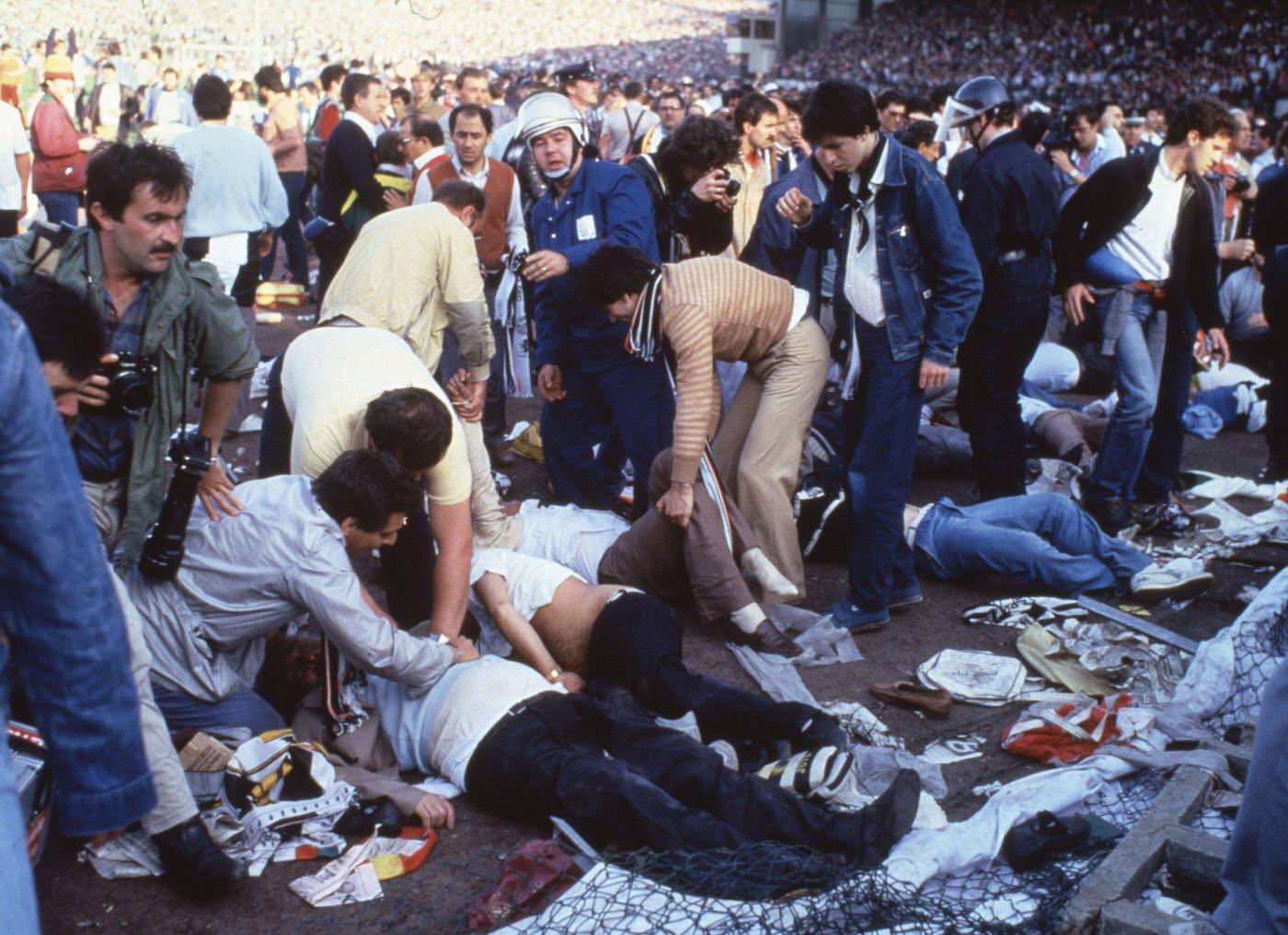
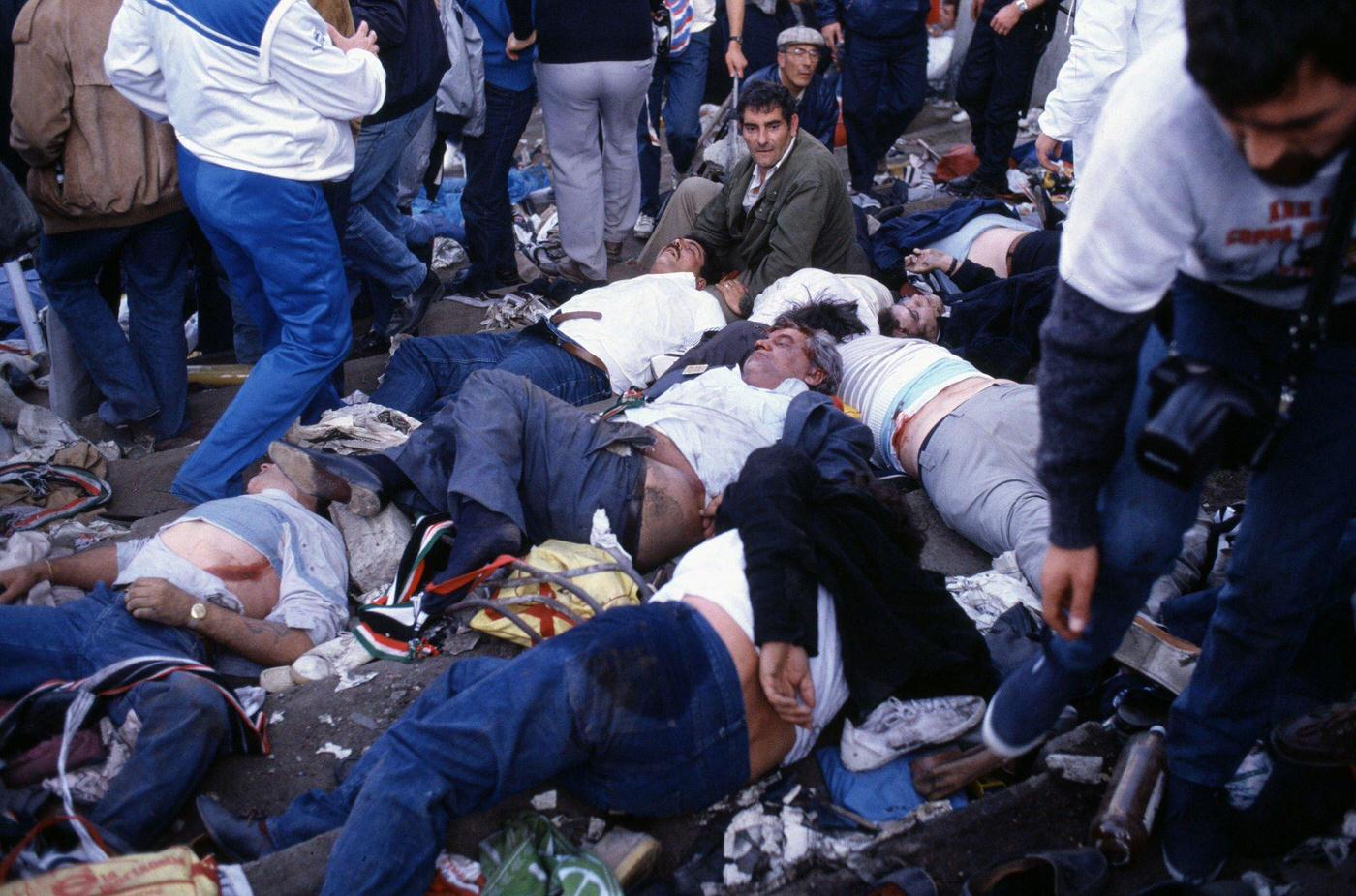
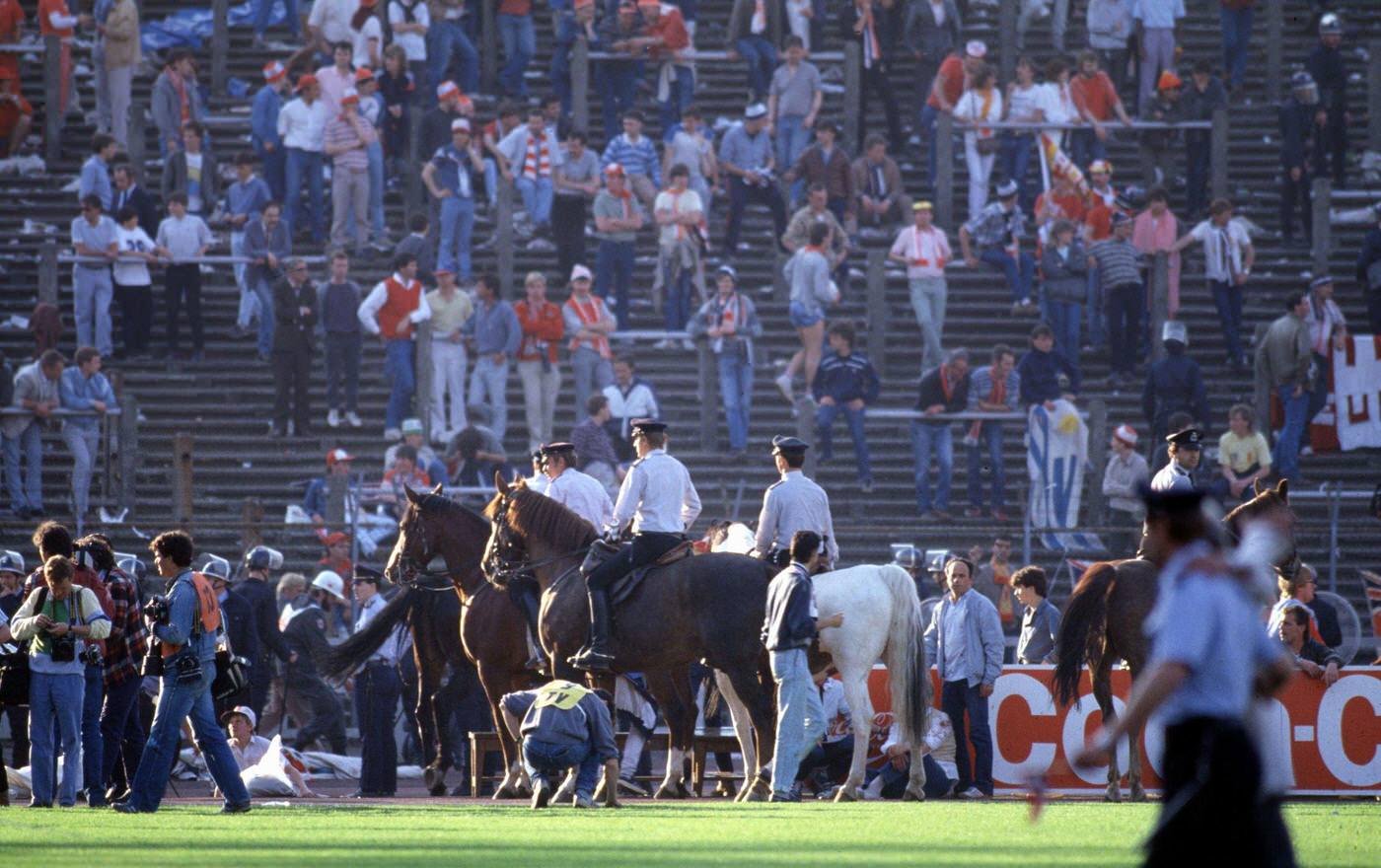
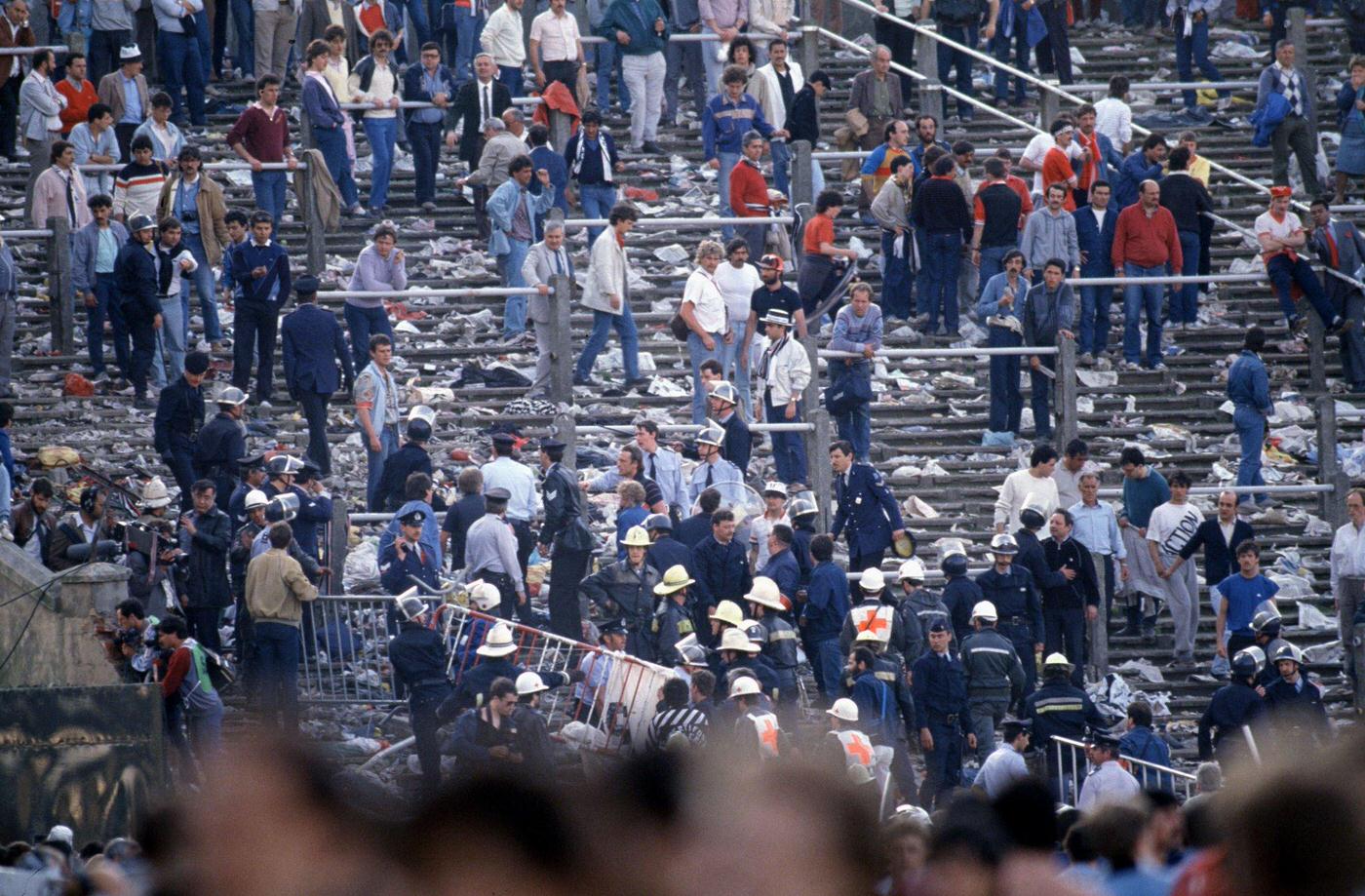
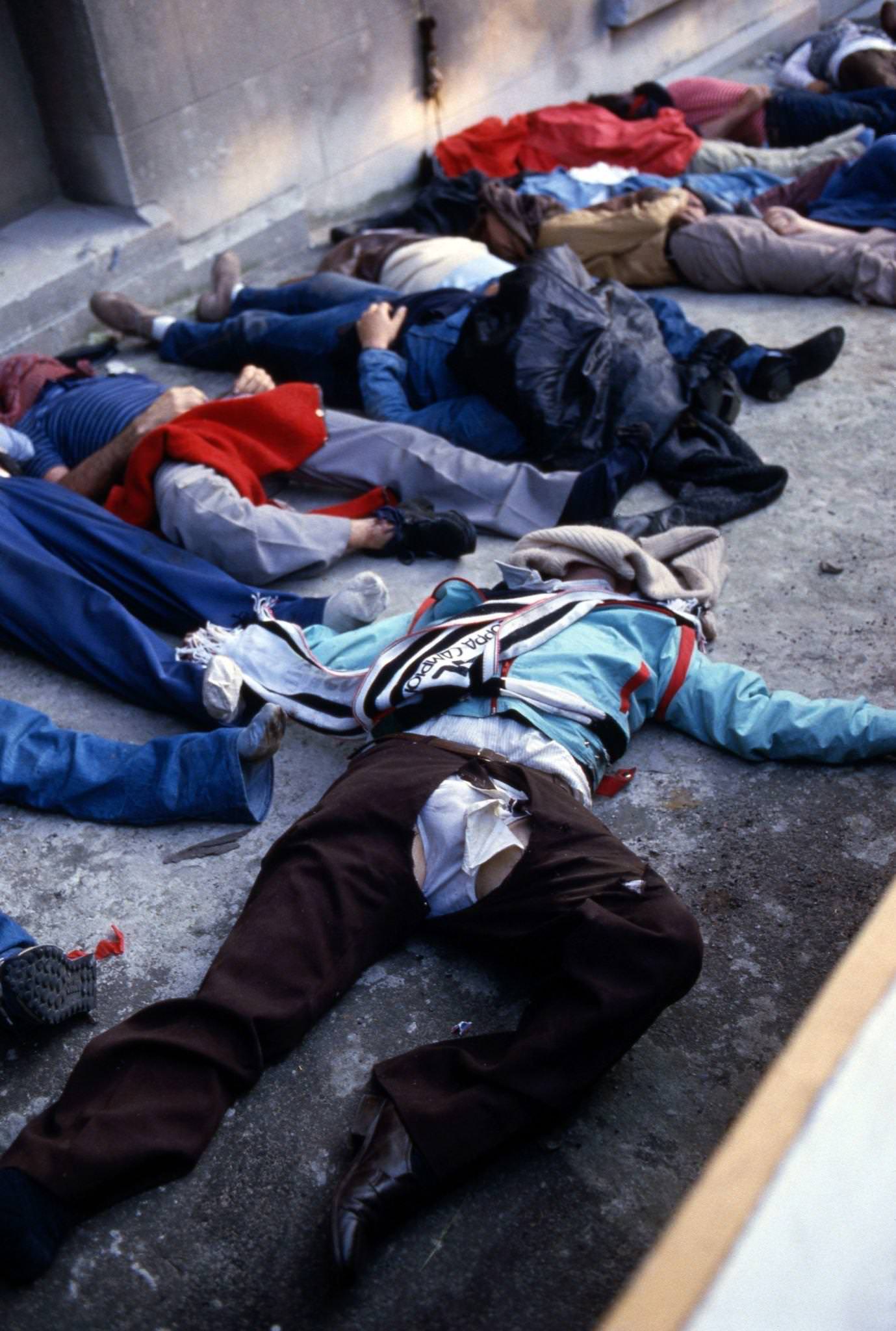
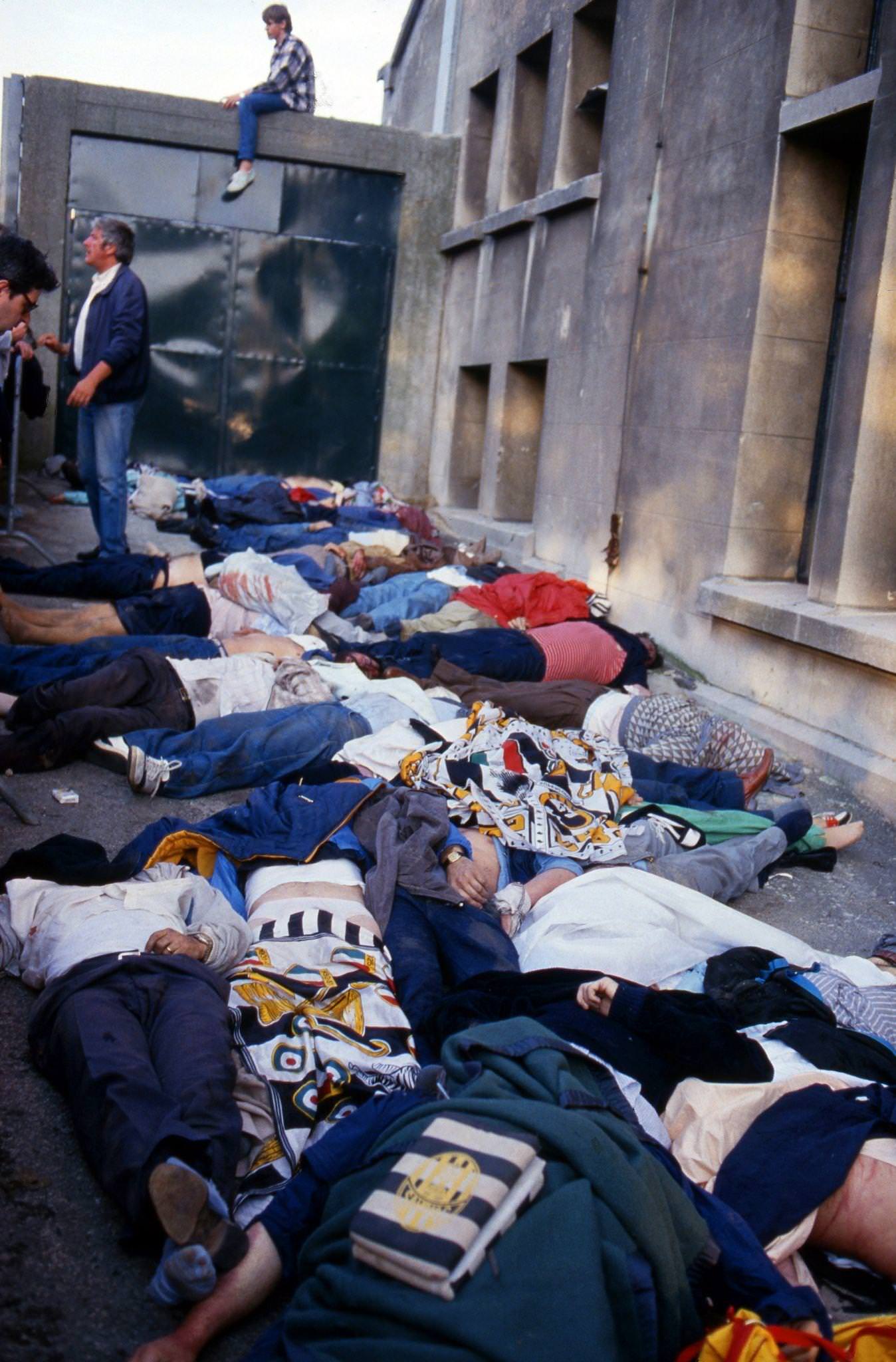
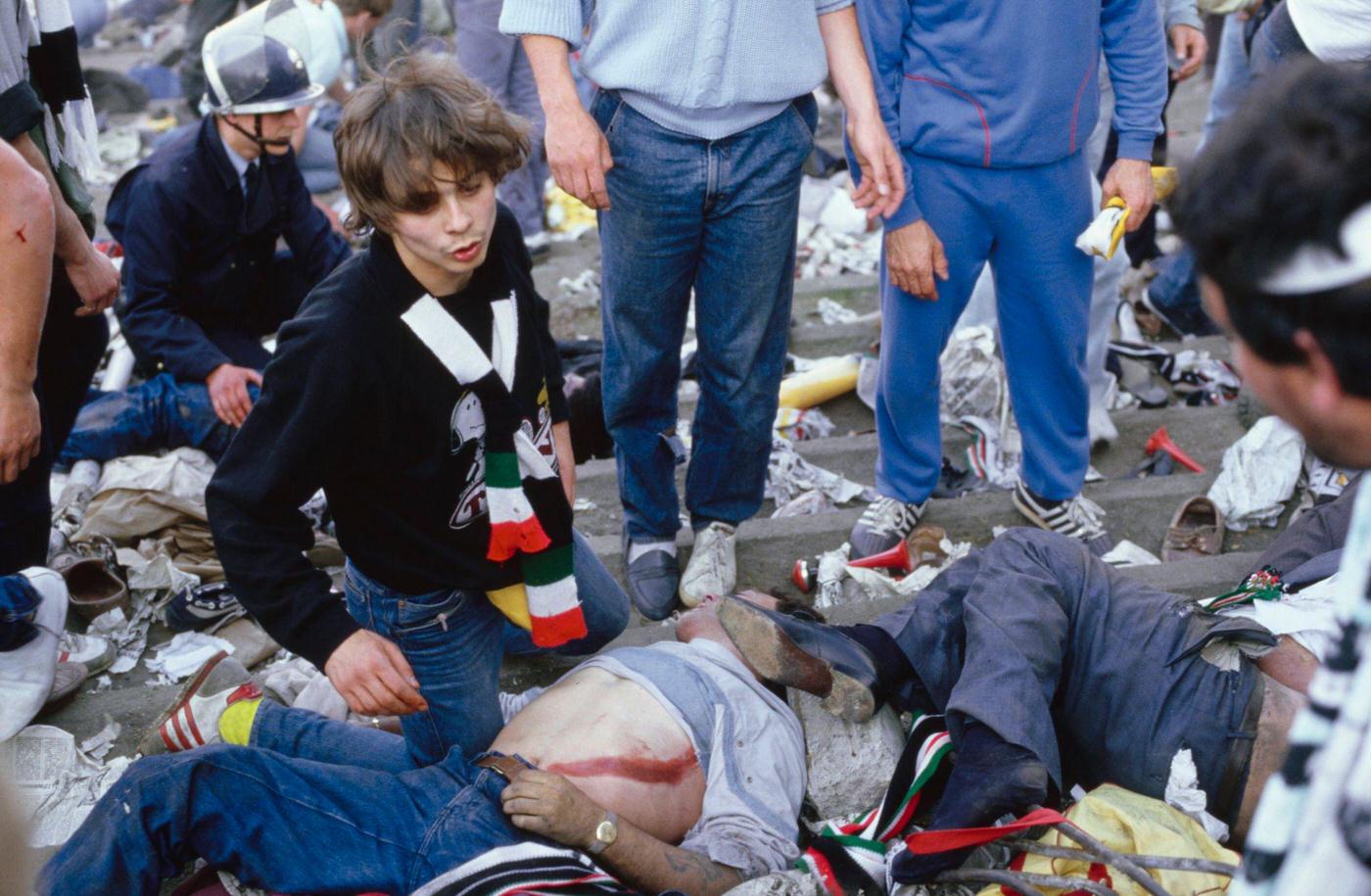
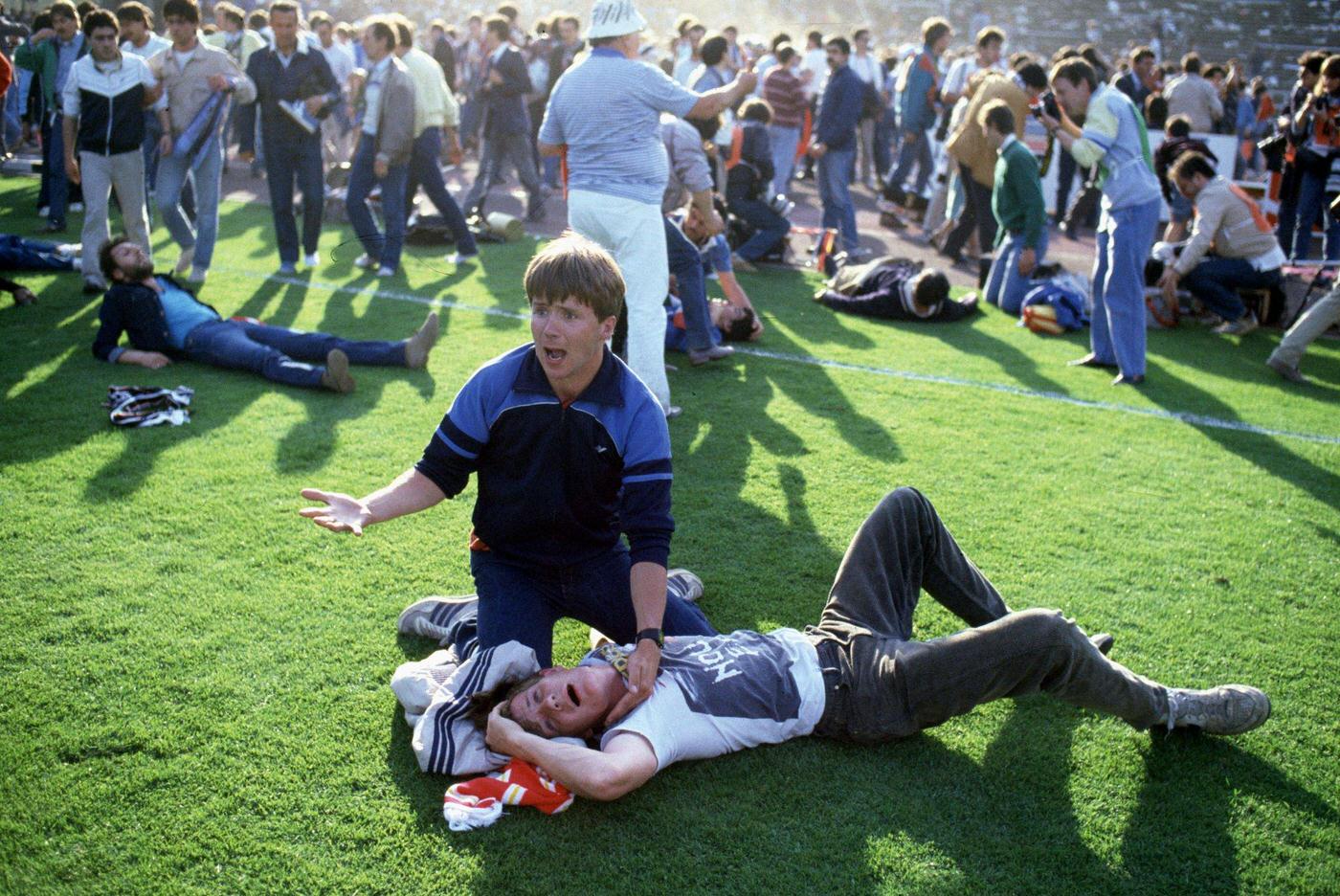
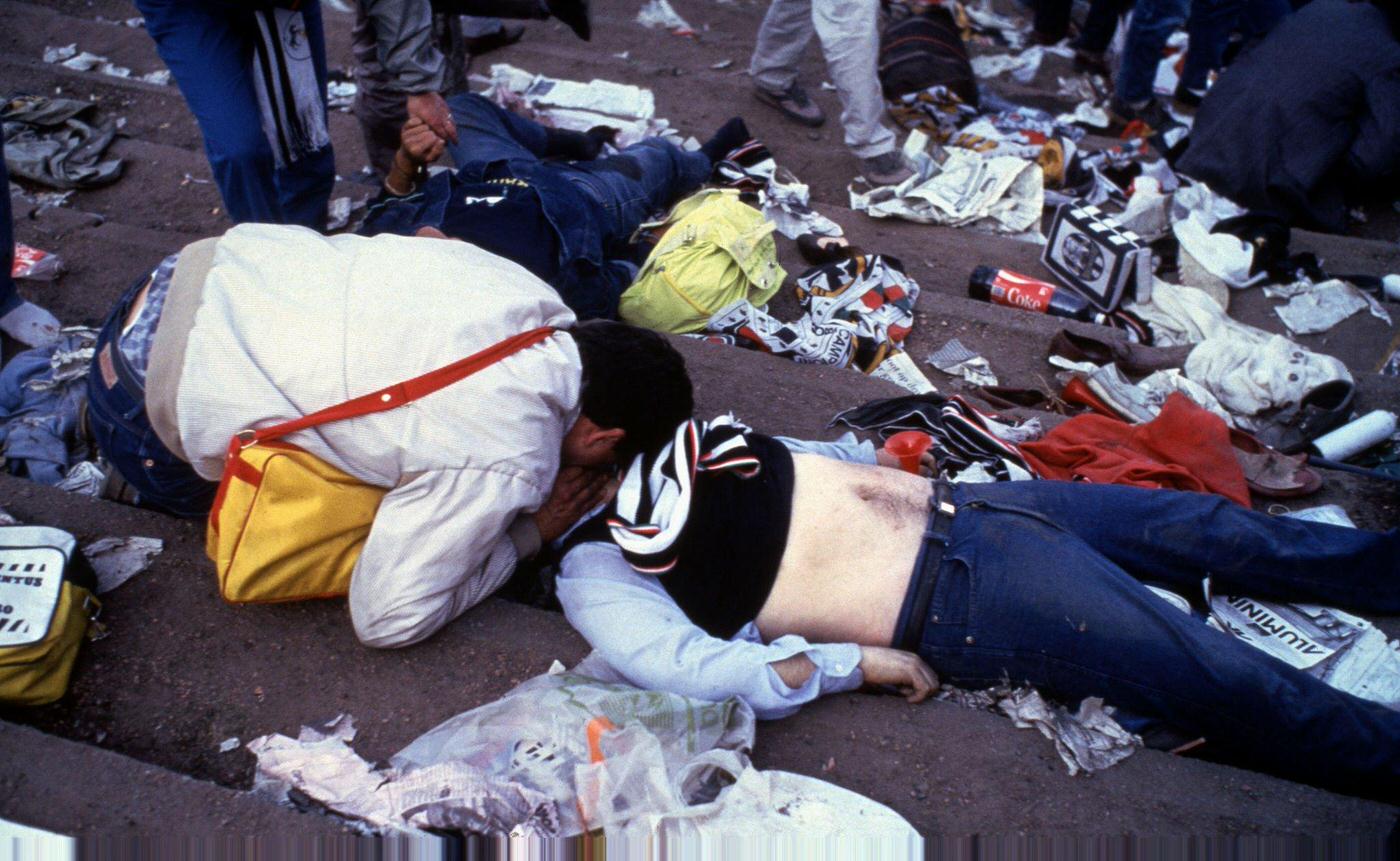
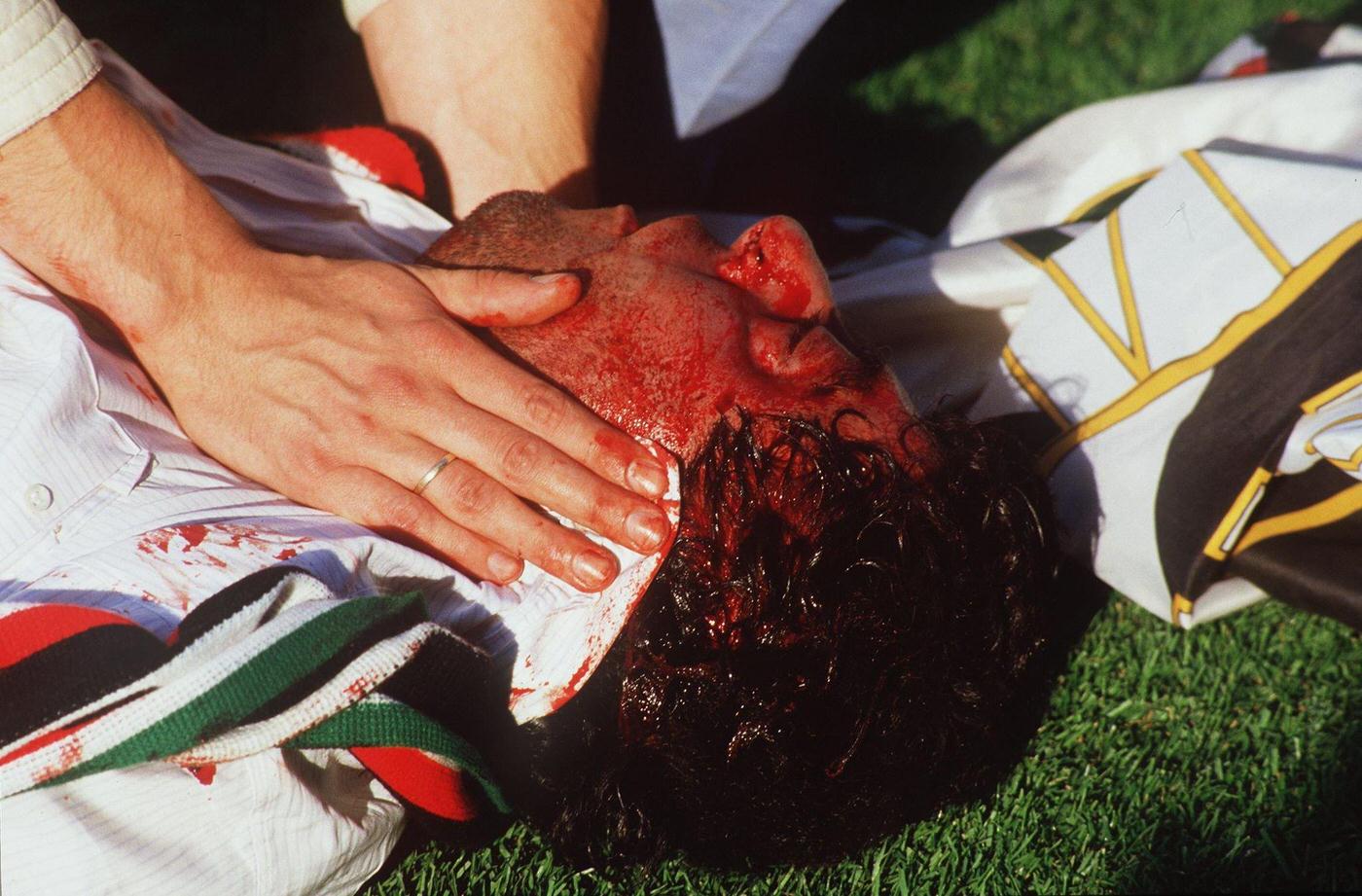
Thirty-nine people died that night. The vast majority were Italian supporters who had come to watch their club compete for the most prestigious trophy in European club football. More than 600 others were injured. Emergency services arrived quickly, but the scale of the disaster overwhelmed them. Medics treated fans on the terrace itself, using whatever materials were available. Bodies were laid out on the stadium grounds.
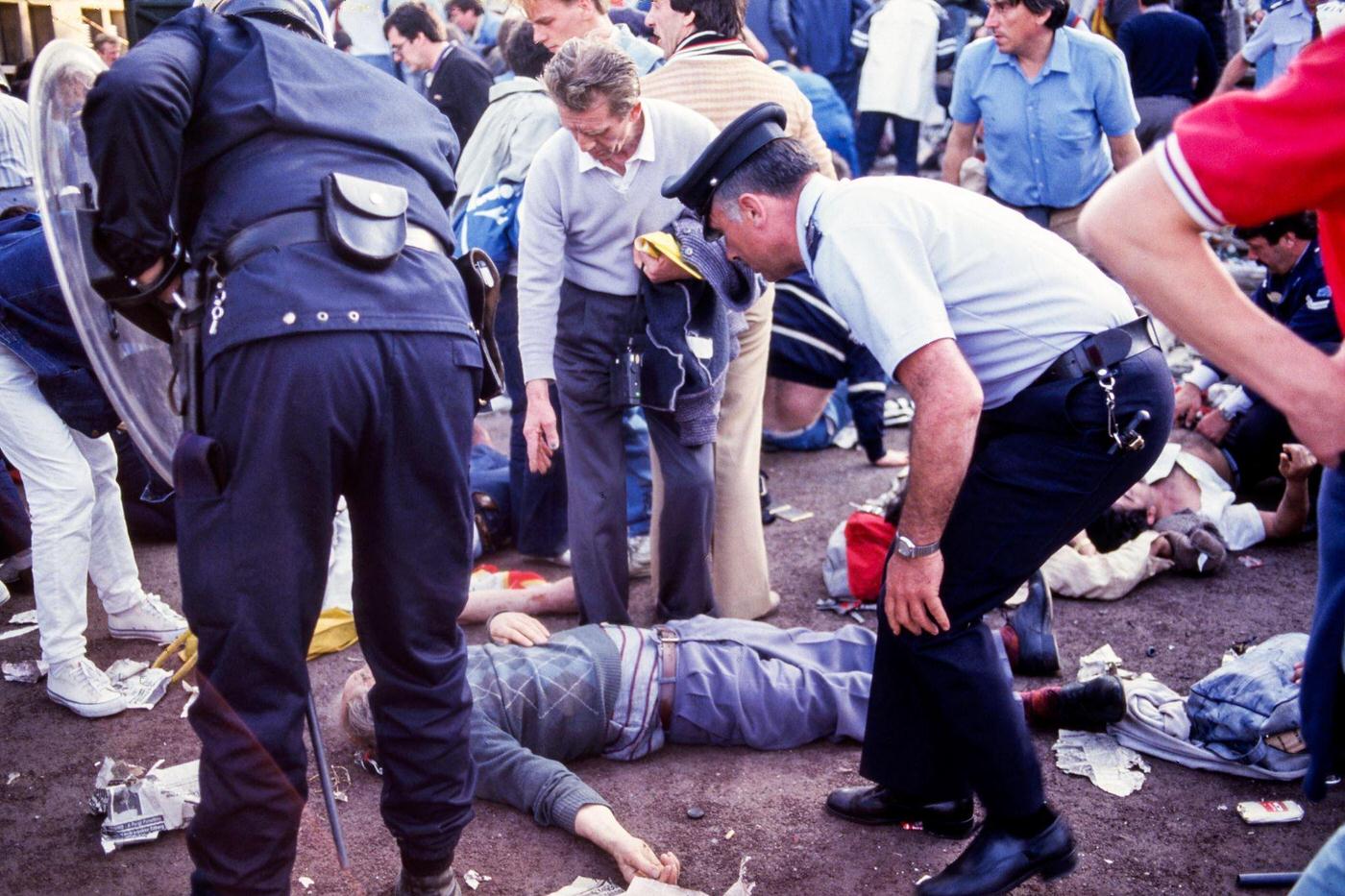
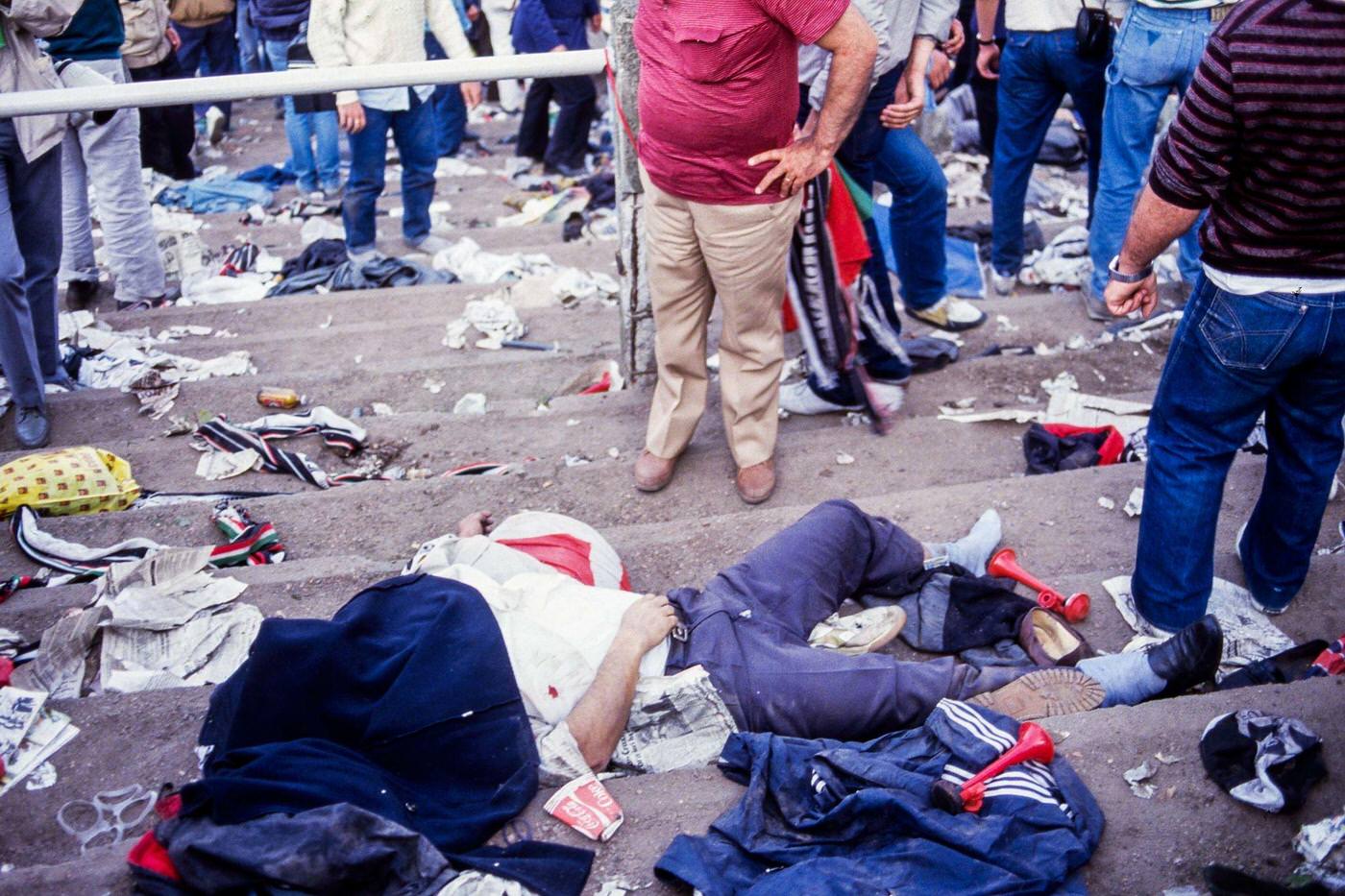
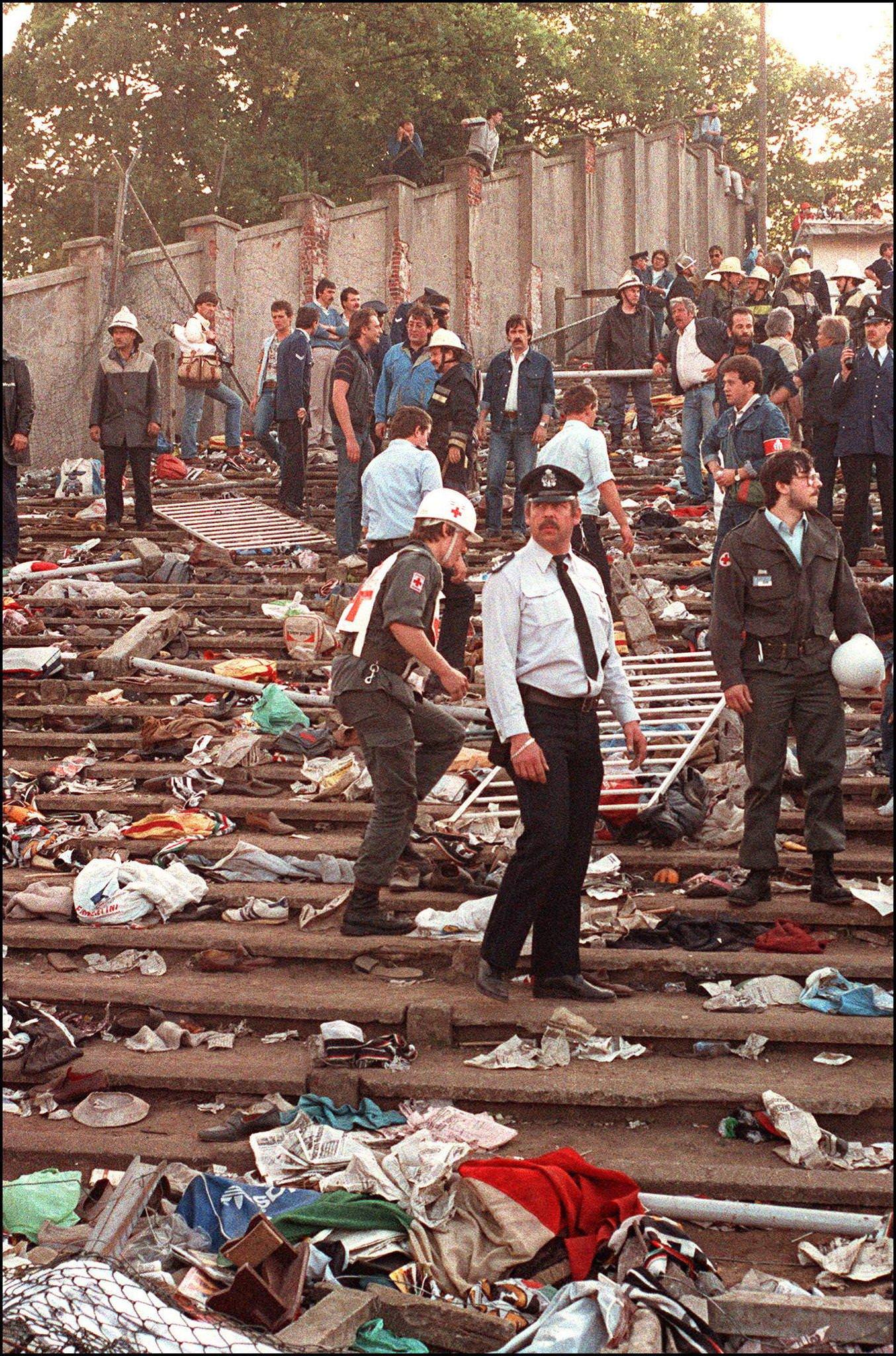
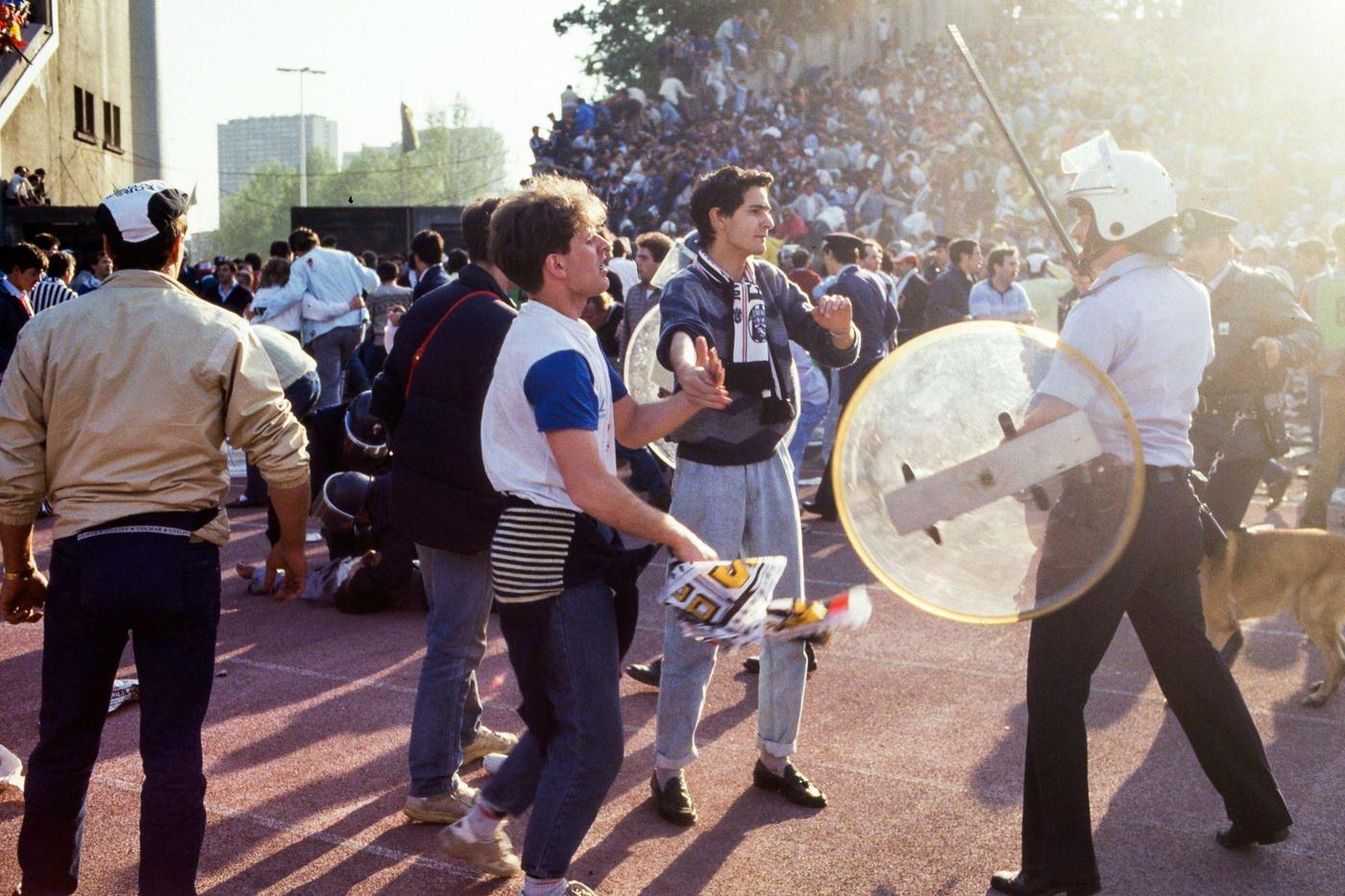
Rescuers moved through the wreckage searching for survivors. Police officers who had been managing crowd control were now trying to revive the injured and keep panicked fans from making the situation worse. The stadium had become a disaster zone, and yet the night was far from over.
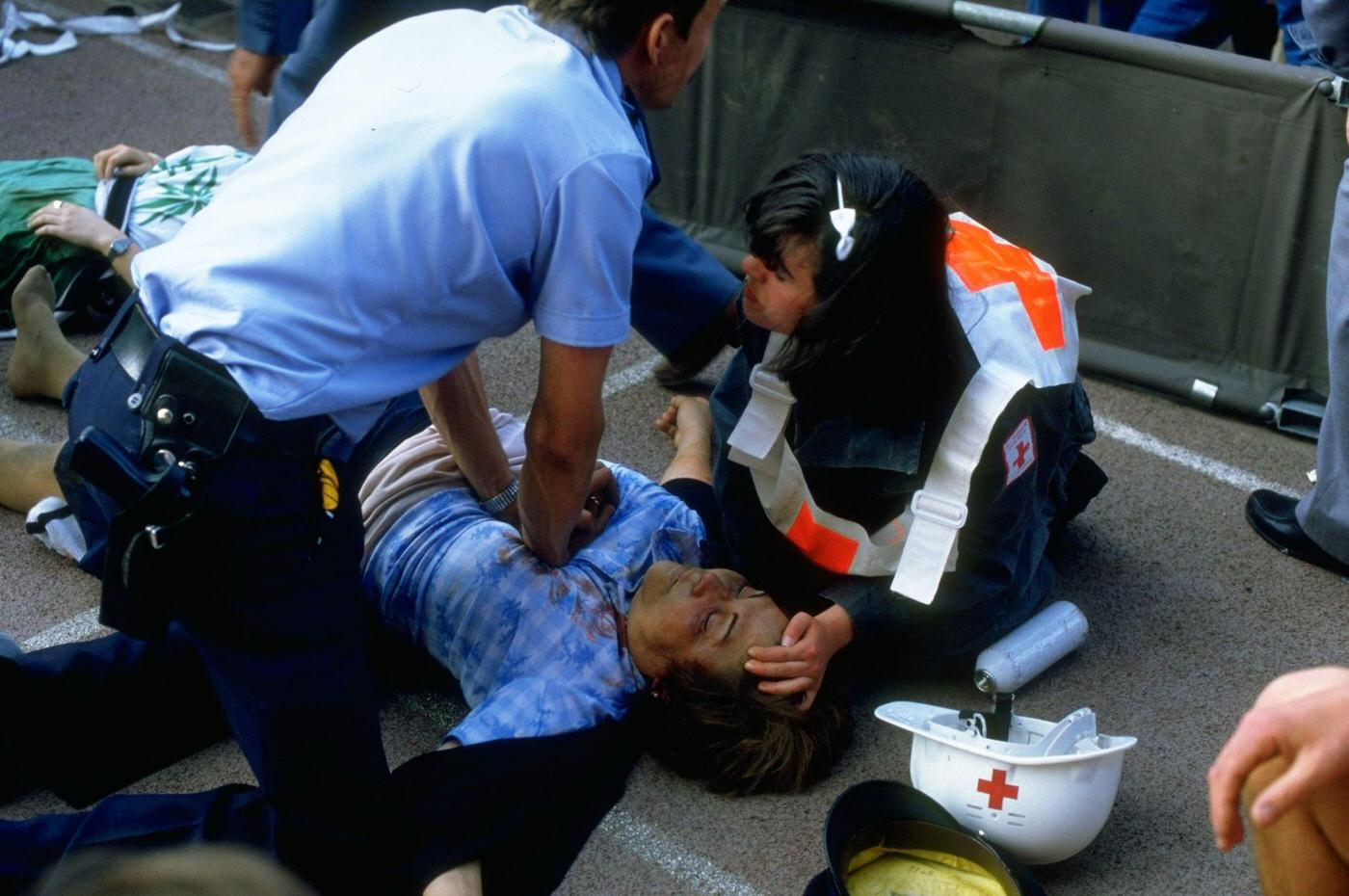
UEFA officials, in consultation with Belgian authorities, made the decision to play the match. The reasoning was that canceling the game risked igniting further violence among the thousands of fans still inside the stadium. Critics called the decision deeply wrong. With 39 people dead and hundreds injured, the two clubs played out a 1-0 result, with Michel Platini scoring the only goal of the game from the penalty spot to give Juventus the European Cup.
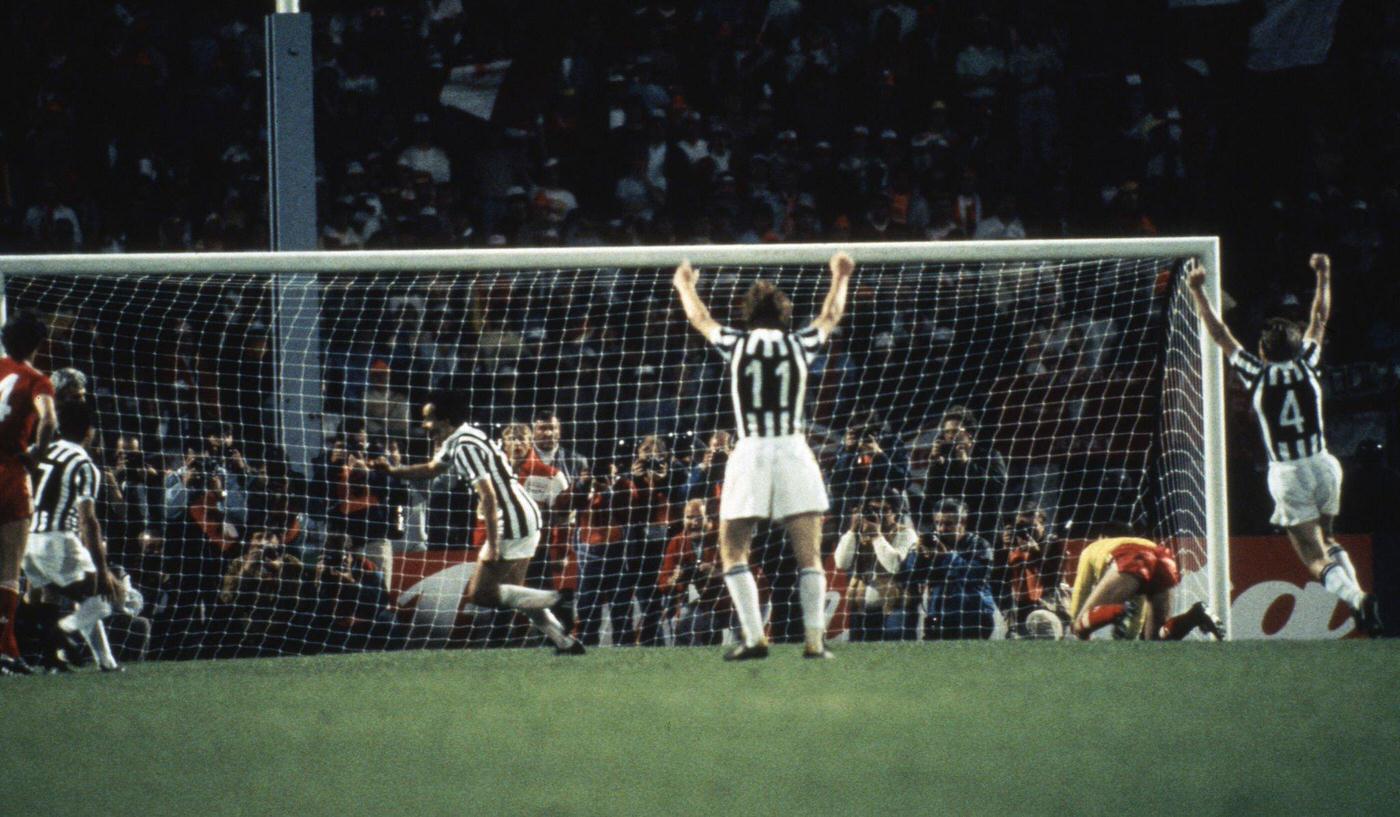
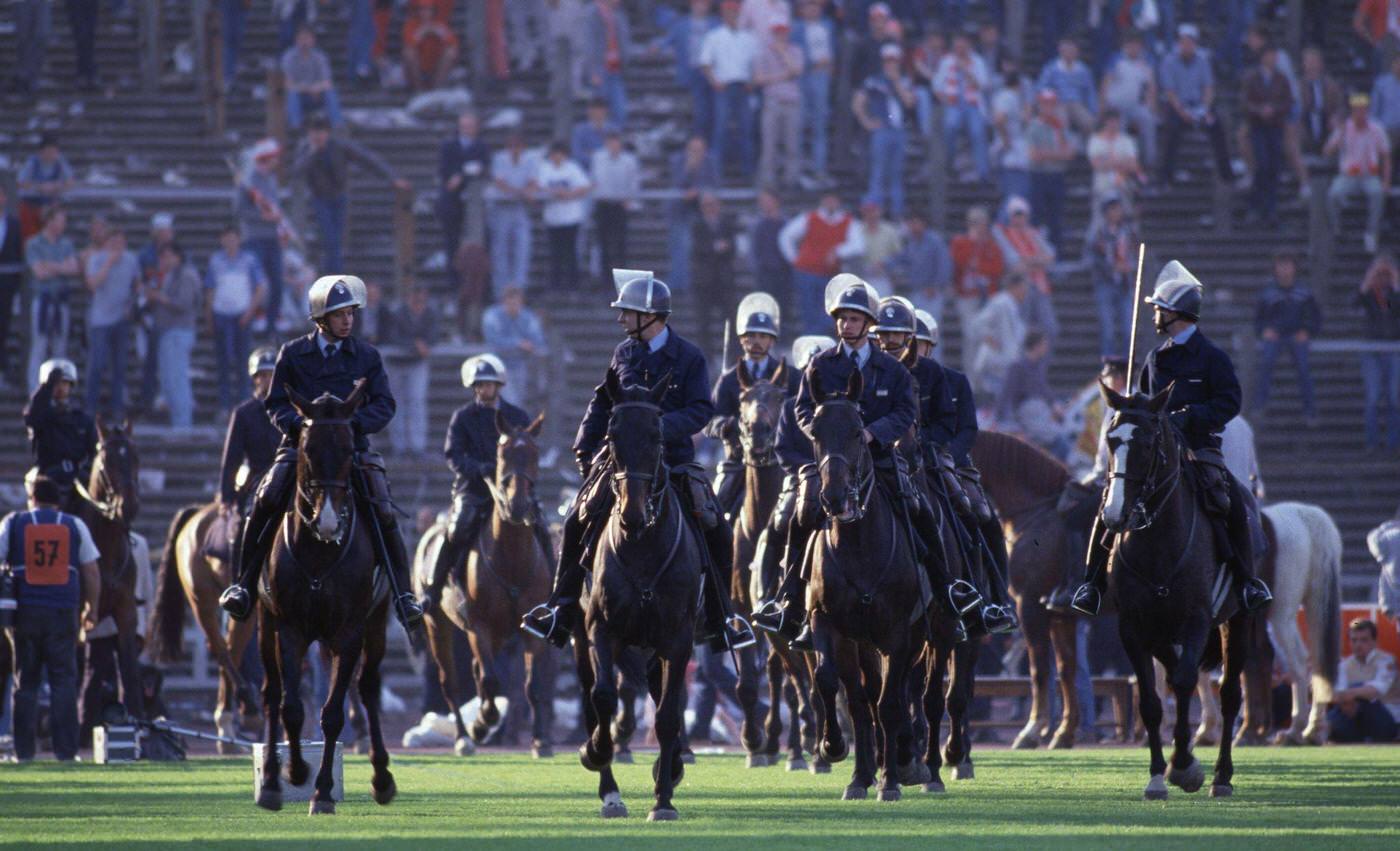
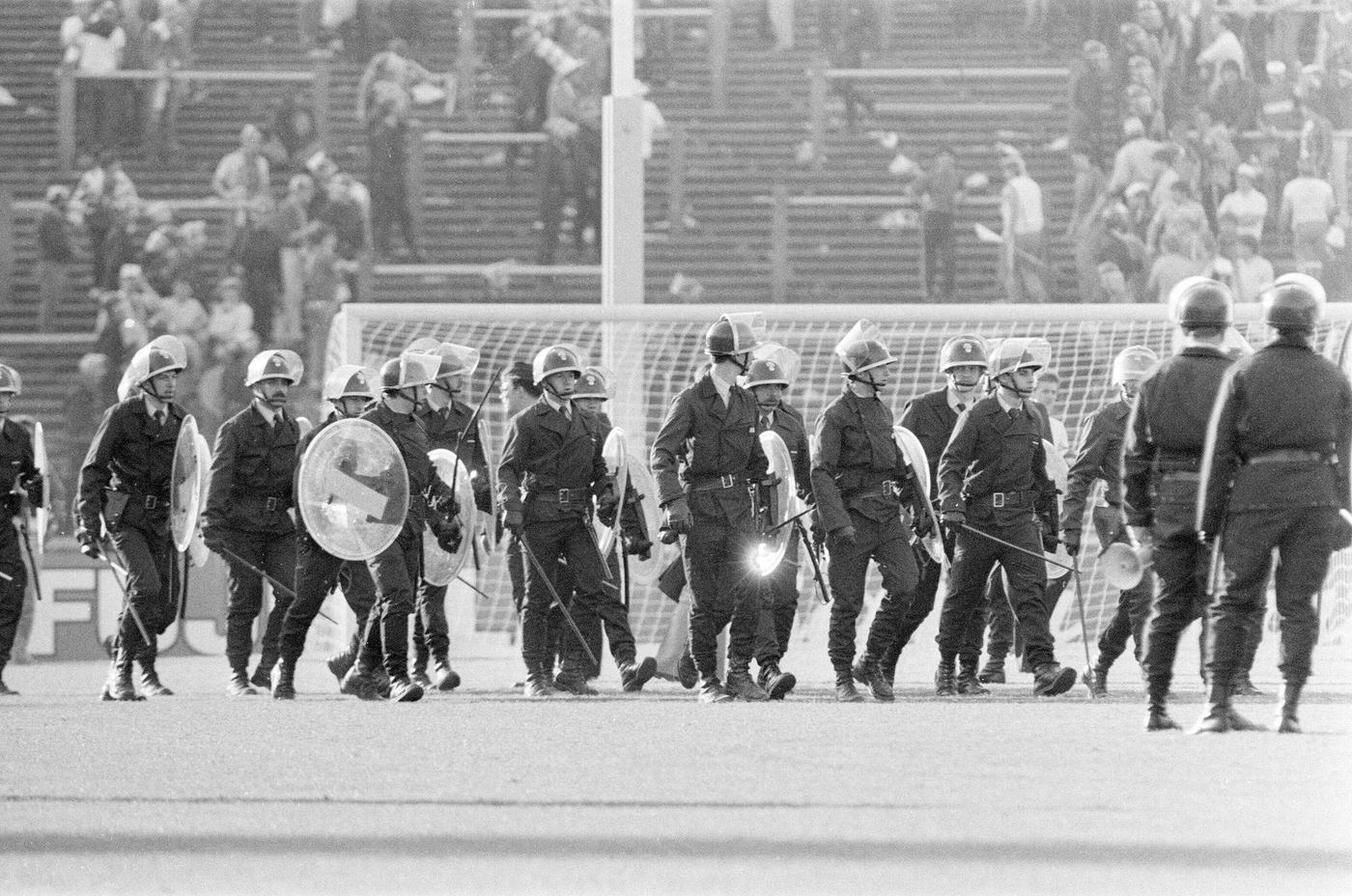
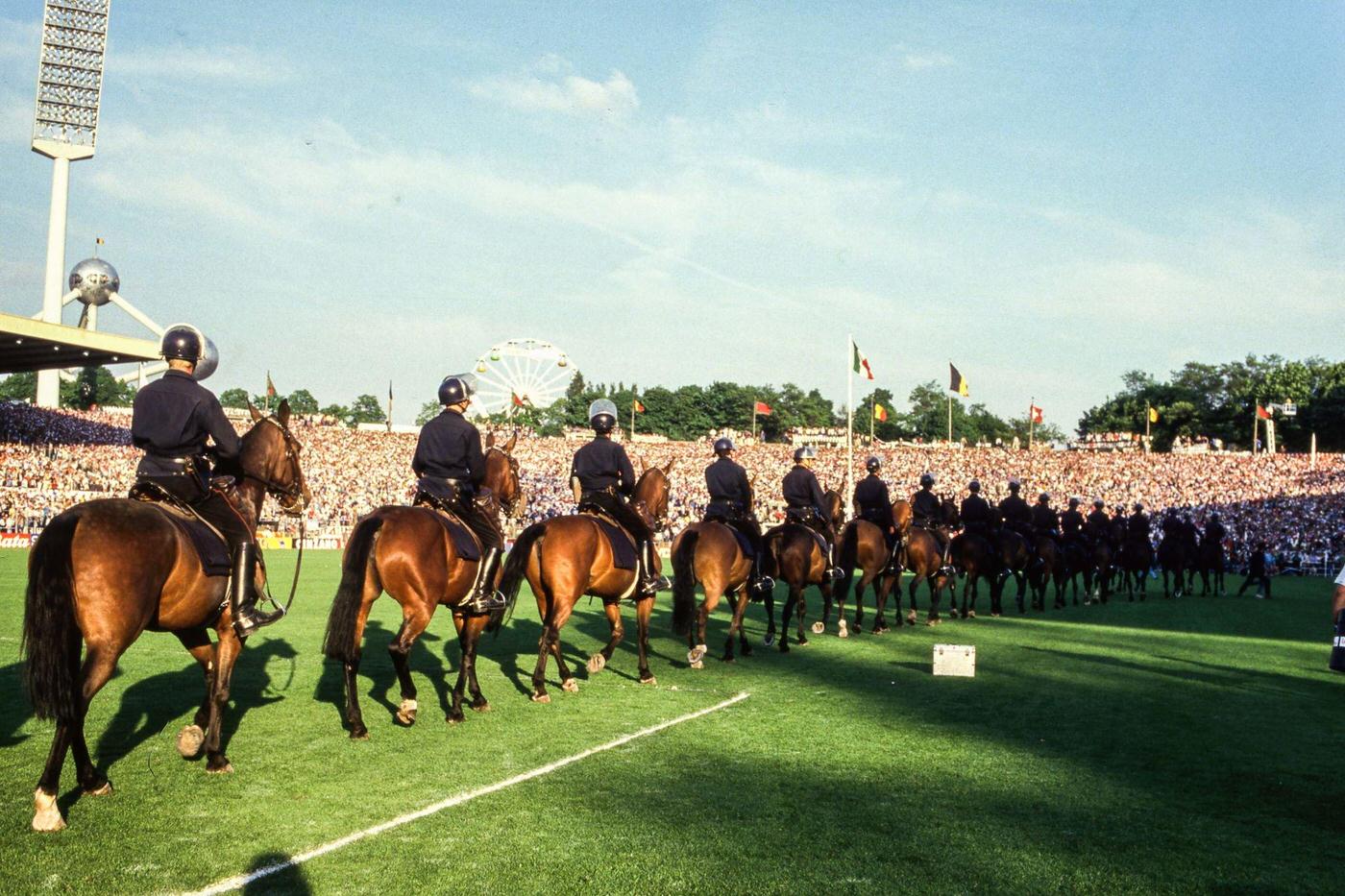
While the match was being played, the terraces where the disaster had occurred stood nearly empty. The people who had filled them were dead, injured, or had fled. Mounted police patrolled the pitch side as the game took place. The atmosphere inside Heysel Stadium was unlike anything seen before or since at a major sporting event — a football match proceeding in the shadow of mass death.
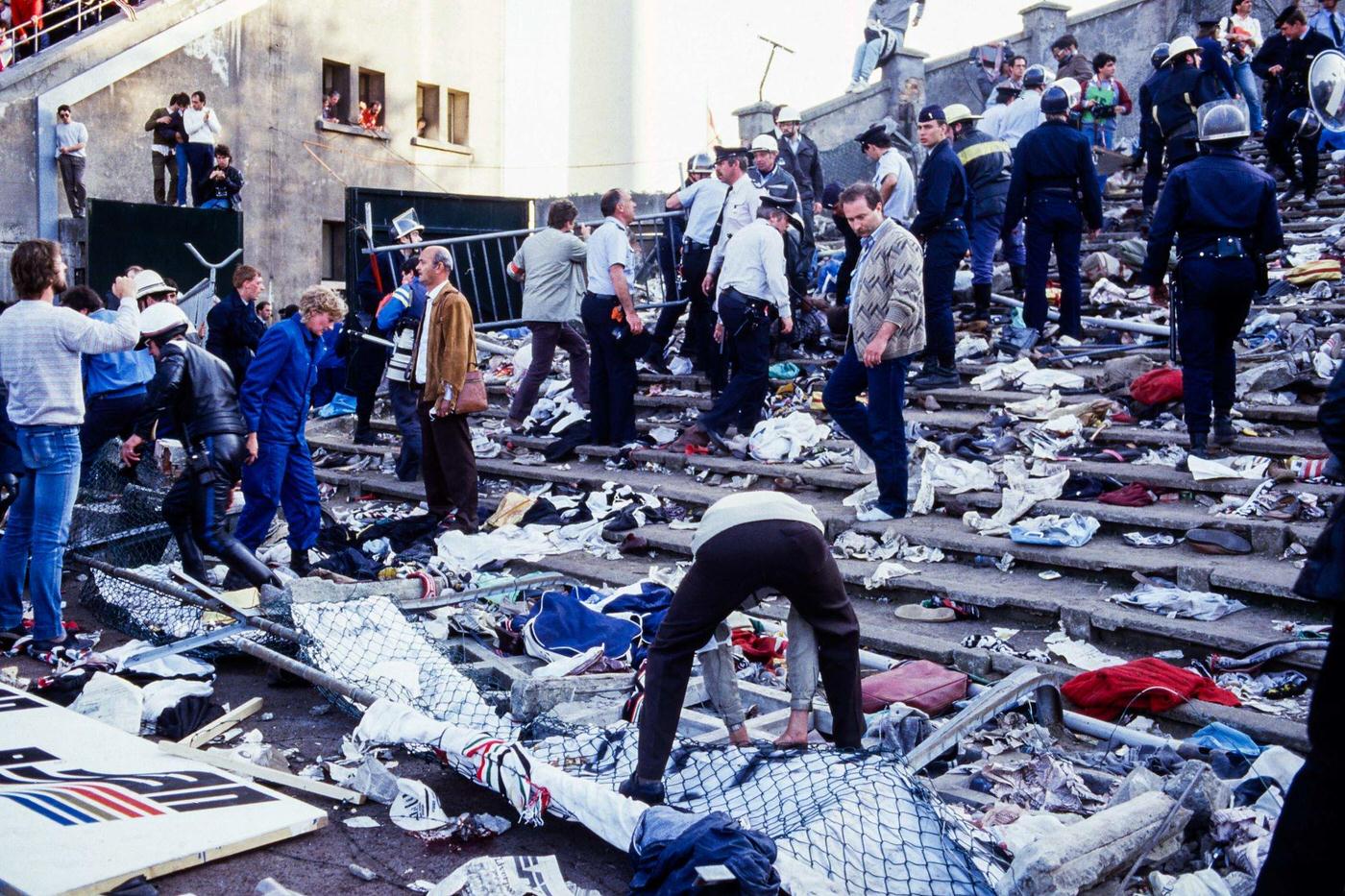
In the immediate aftermath, the violence continued in isolated pockets around the stadium. Police struggled to hold back groups of supporters. Fans who had been caught between rival groups tried to escape. Medical staff moved through the crowds, helping the wounded. The scenes outside the stadium matched the horror of what had happened inside it.
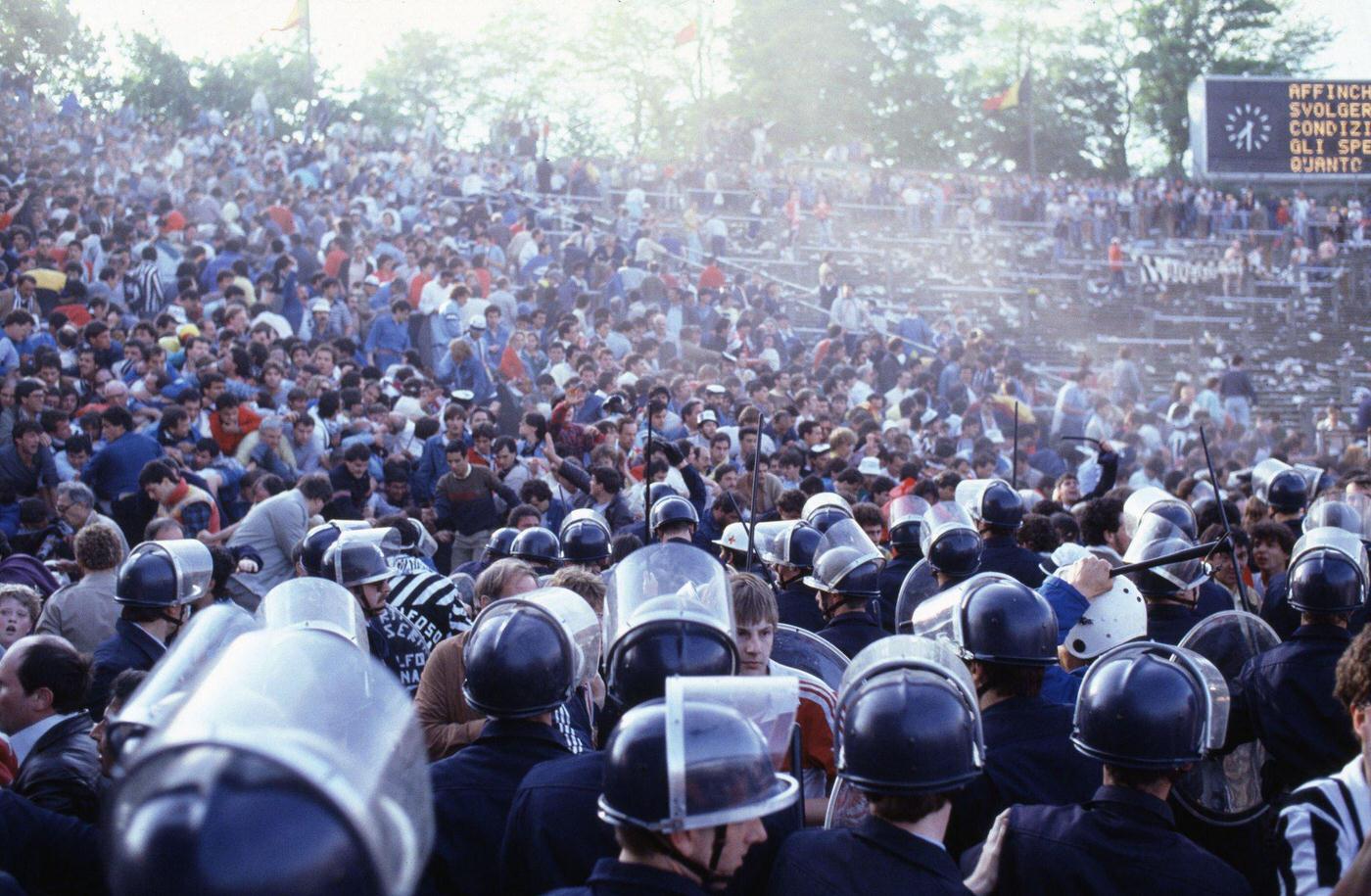
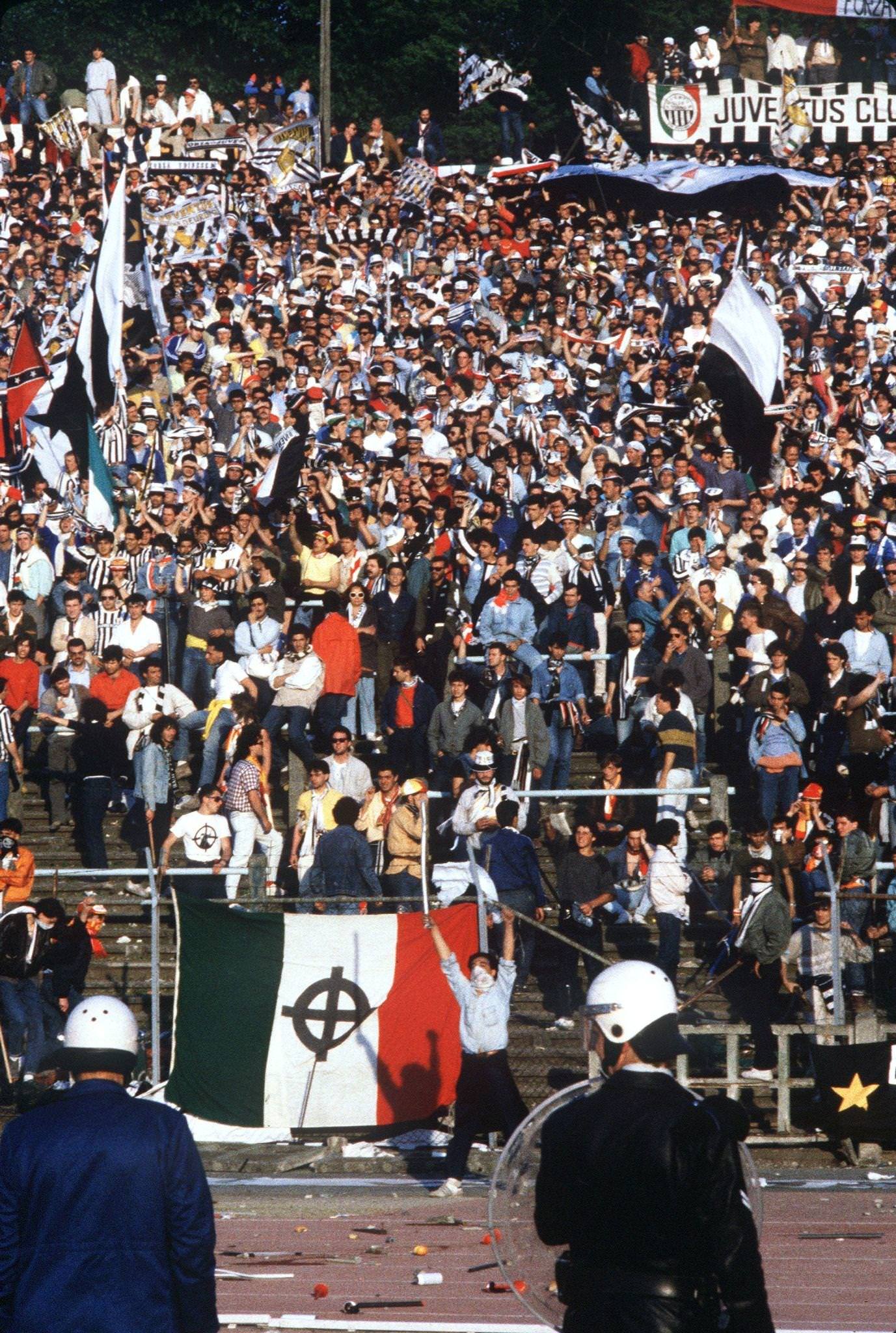
Among those who lived through the disaster, the human cost was visible everywhere. Juventus fans consoled each other beside the bodies of those who had not survived. Some supporters sat motionless, unable to process what had just happened. Others cried out for help for injured friends. The grief on the terraces was raw and immediate.
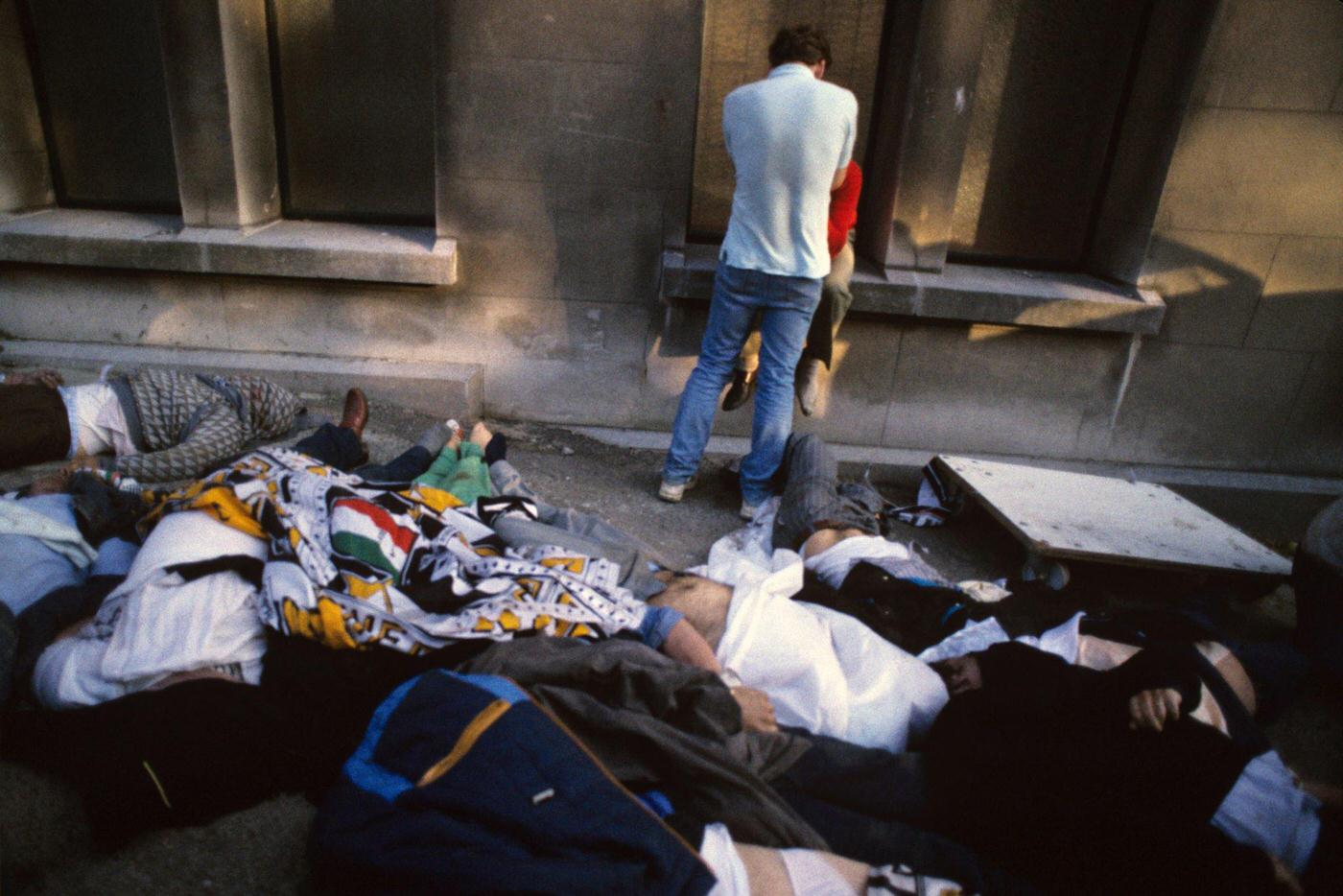
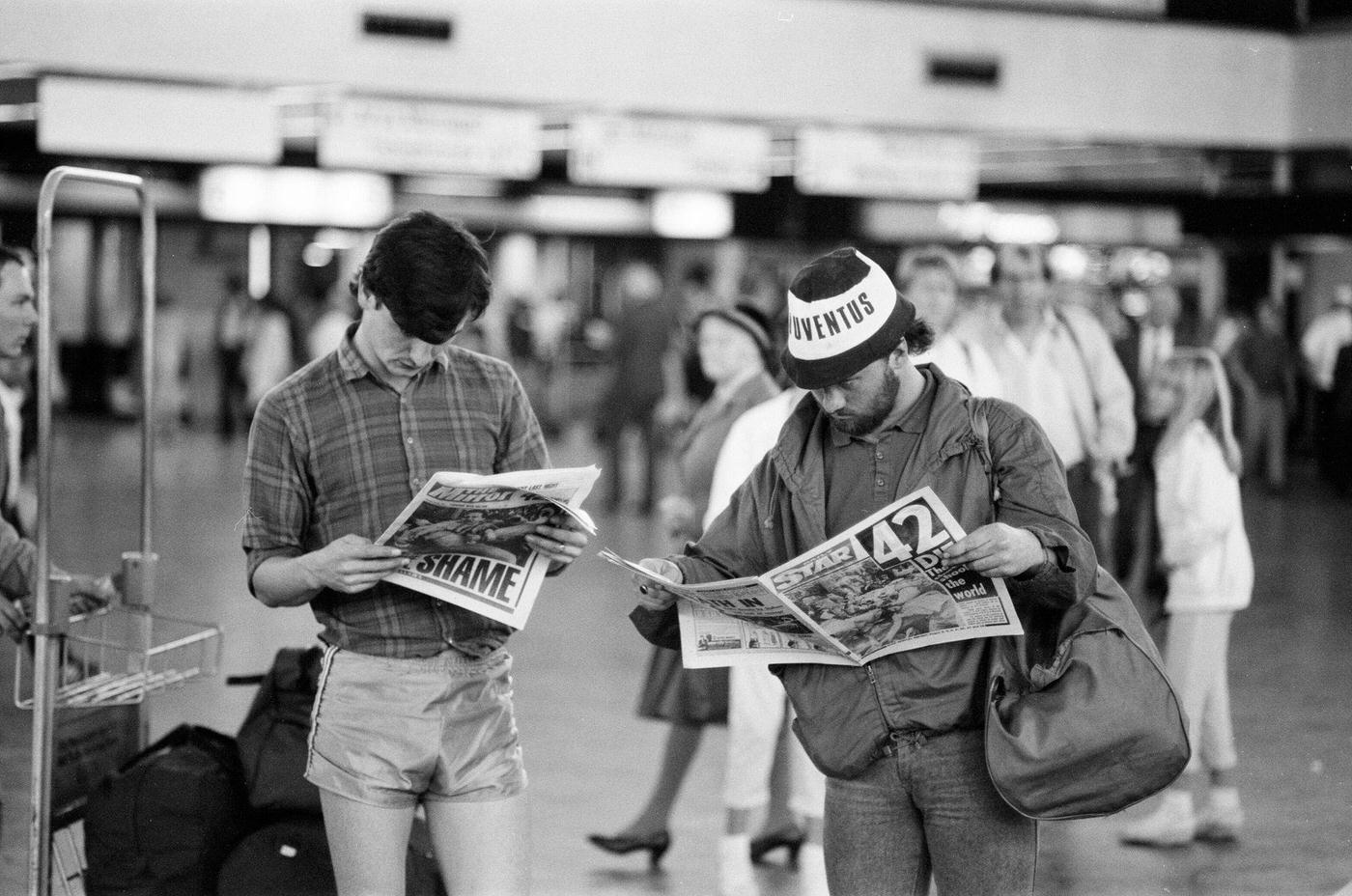
The day after the disaster, Liverpool fans began returning home. The mood was sombre and the scale of what had happened was beginning to sink in. Back in Italy, the focus turned to the victims. The first eleven Italian supporters killed at Heysel were prepared for repatriation — returned to their families and their home country in coffins.
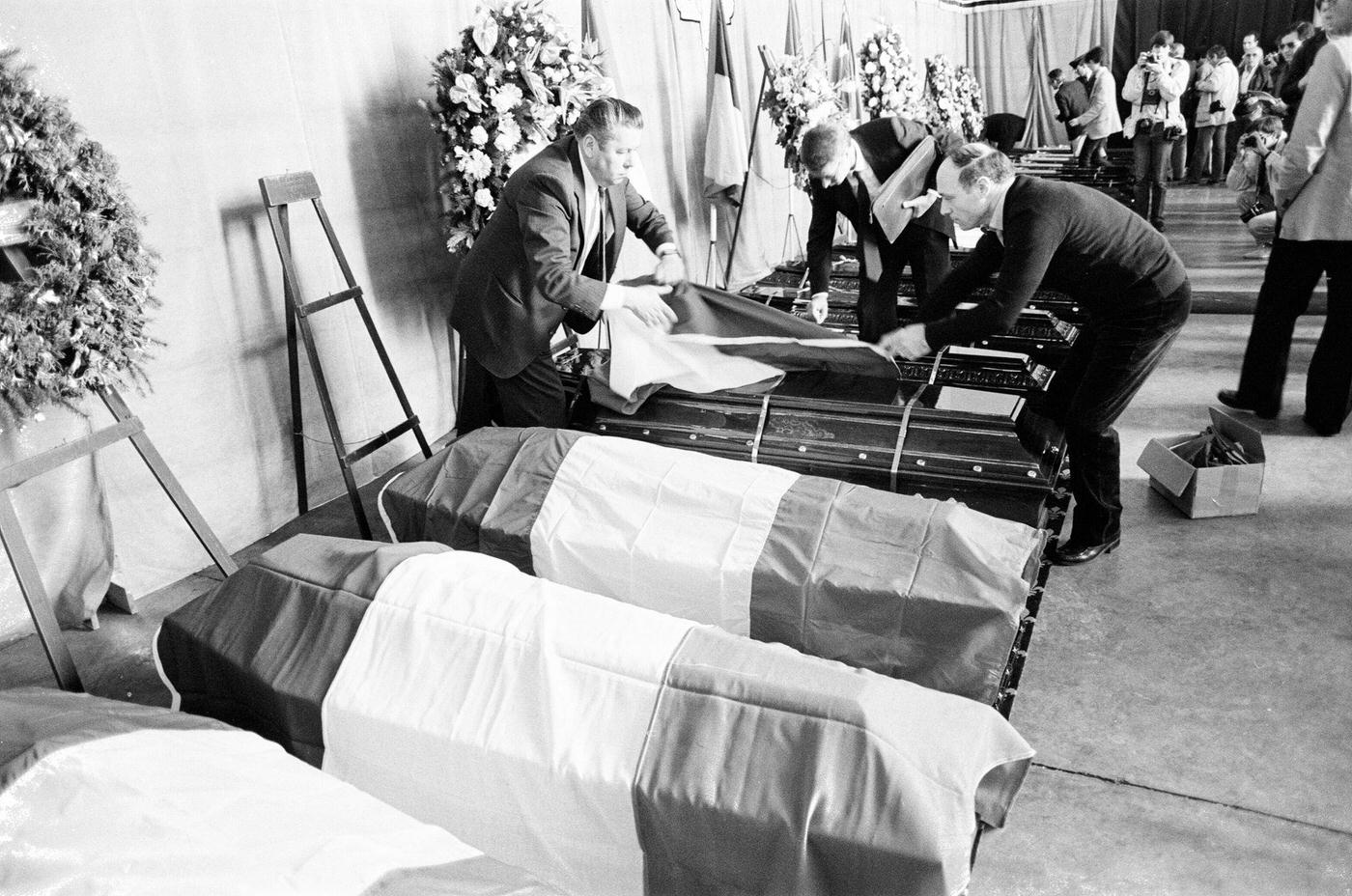
Investigations into the disaster moved quickly. Belgian authorities launched inquiries into how the stadium had been approved for the match, how the segregation had failed so completely, and how the police response had been handled. Several Belgian officials resigned. Fourteen Liverpool supporters were ultimately convicted of involuntary manslaughter in Belgian courts. The Belgian police were widely criticized for their slow and disorganized response to the developing violence before the wall collapsed.
UEFA banned all English clubs from European competition immediately after the disaster. The ban applied across the board — not just to Liverpool, but to every English club. For most, the ban lasted five years. Liverpool, as the club directly involved in the events at Heysel, served six years. The financial and sporting consequences for English football were severe. Clubs that had been among the strongest in Europe were shut out of the continent’s top tournaments for the better part of a decade.
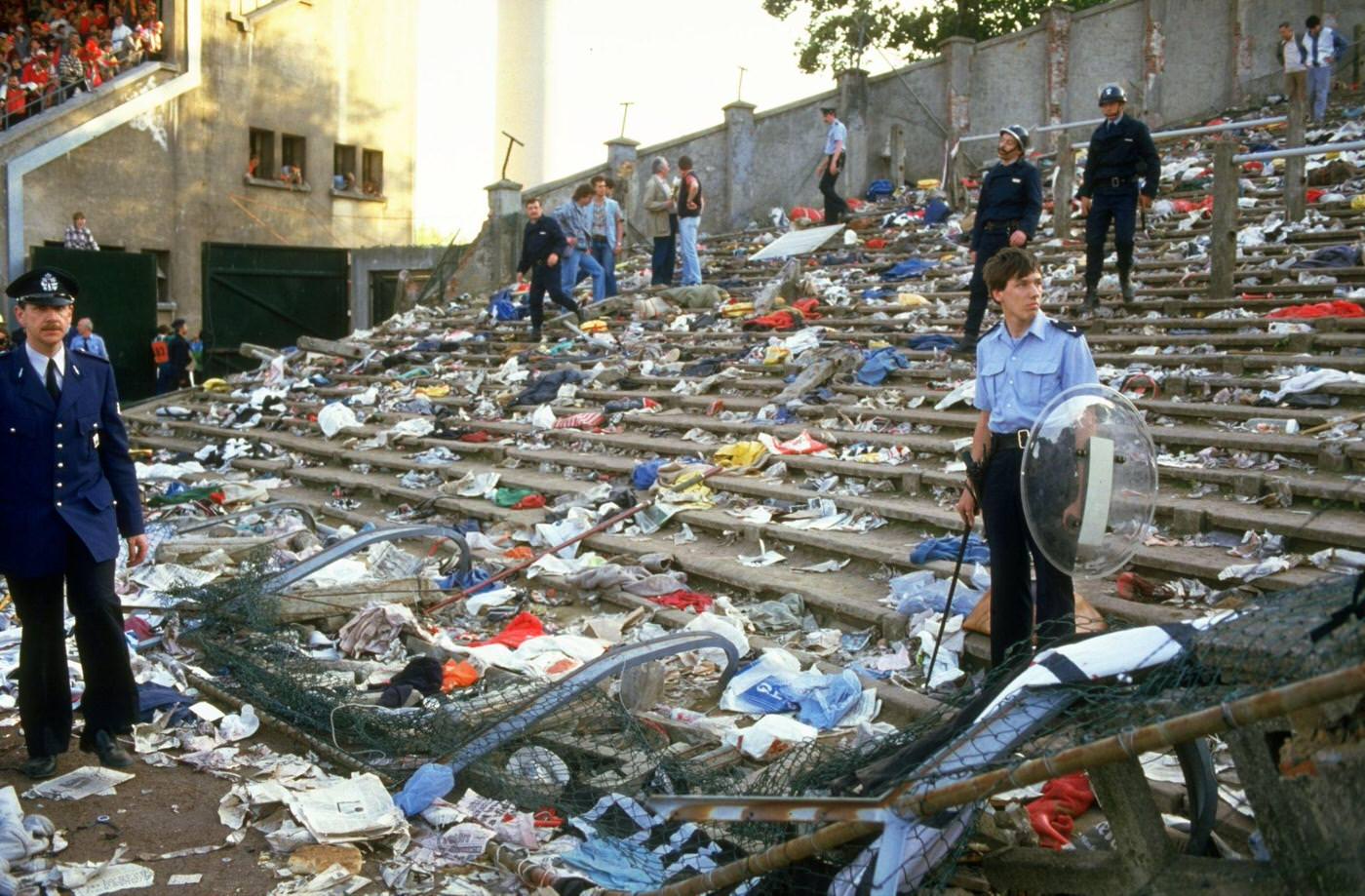
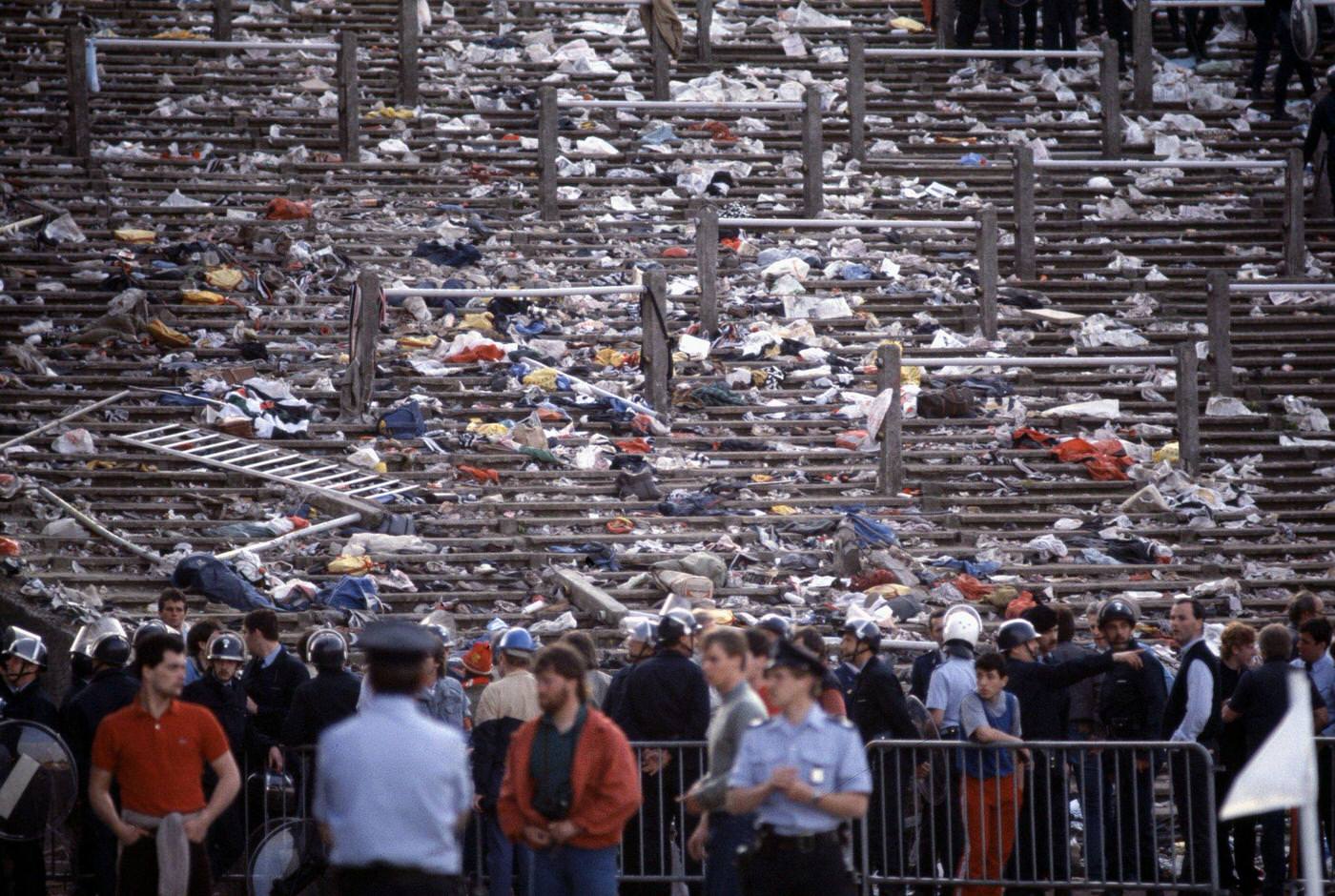
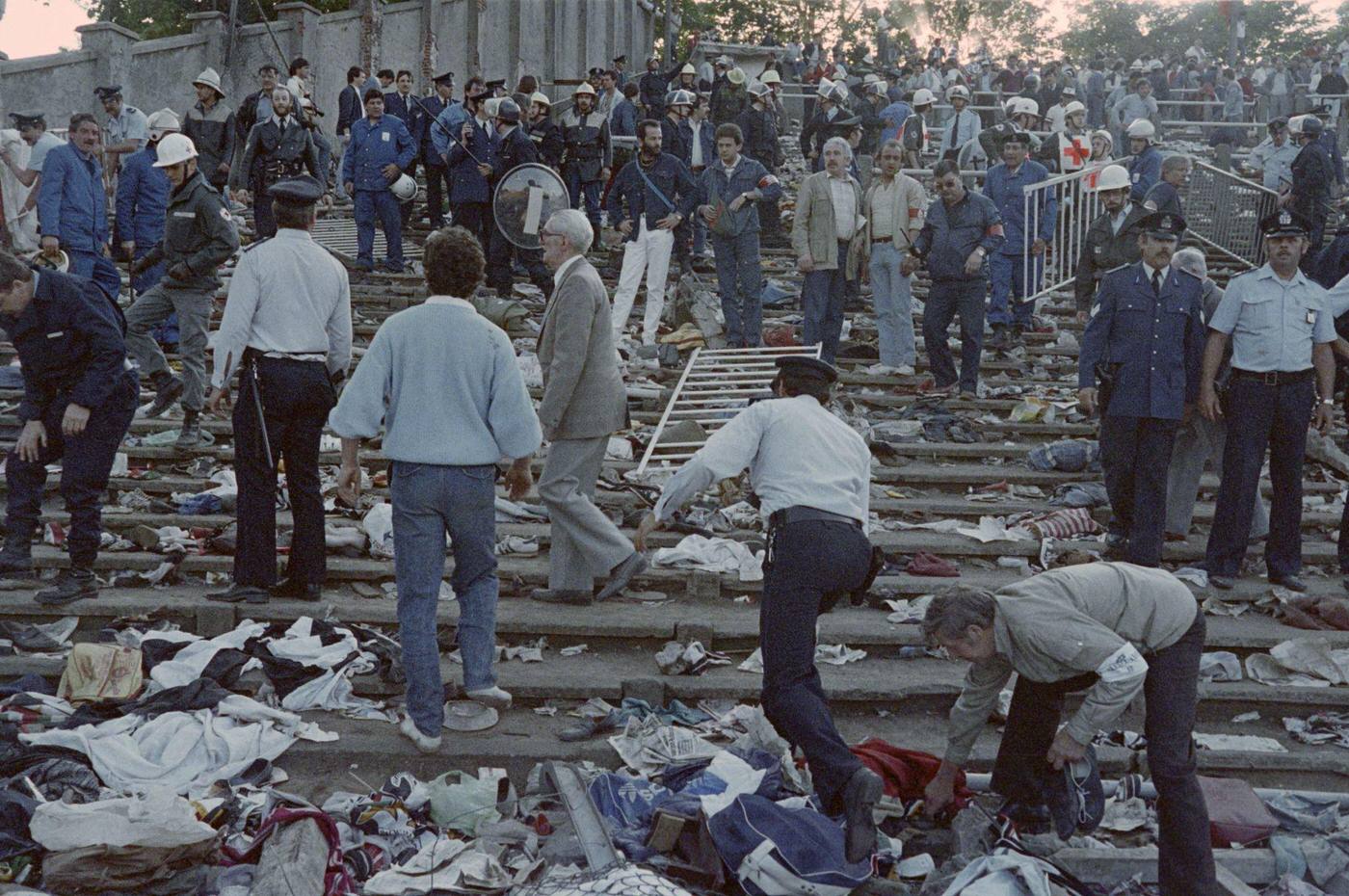
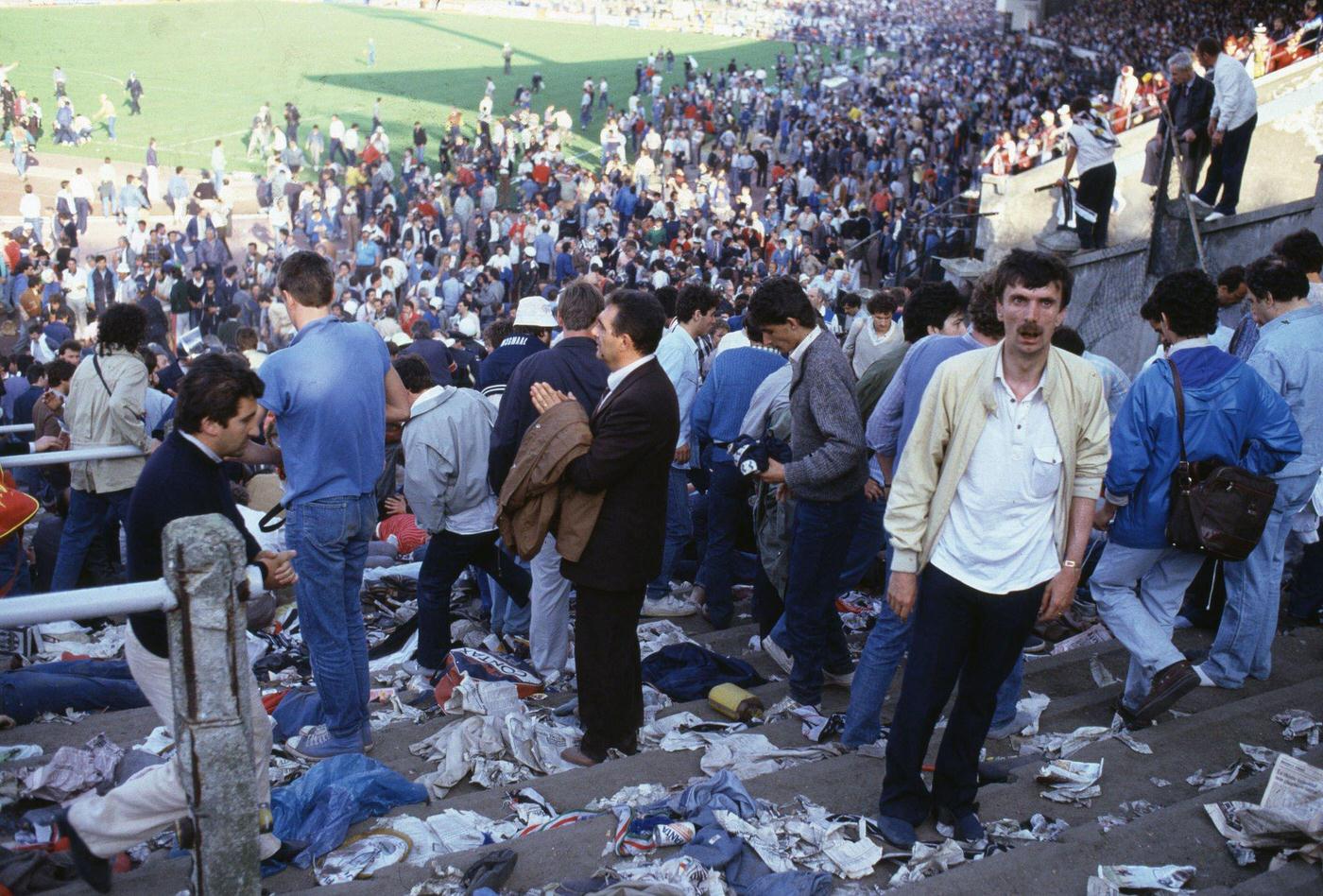
What remained after the fans had gone was a stadium scarred by one of sport’s worst nights. The terraces sat empty, littered with debris — broken concrete, discarded belongings, the physical evidence of thousands of people fleeing in panic. Ground staff worked to clear the aftermath. The images of Heysel after the disaster told the story of what poor planning, crumbling infrastructure, and inadequate crowd control can produce when they all fail at the same moment.