
Hey There! Before You Go. 😧
Get the best vintage content straight into your inbox!

Don't worry, we don't spam

What Berlin looked like in the 1930s through these Captivating Historical Photos

Berlin in the 1930s was one of the most dynamic — and troubled — cities in the world. It was a place where grand architecture lined broad boulevards, trams rattled past packed department stores, and crowds gathered at open-air festivals. Yet beneath that energy ran a current of crisis. Economic collapse, rising political extremism, and the eventual grip of Nazi rule reshaped the city across a single decade. The photos collected here capture both faces of that Berlin: its vitality and its darkness.

At the start of the decade, Berlin carried the energy of the Weimar Republic era. The city was Germany’s cultural capital, drawing artists, writers, and performers from across Europe and the United States. Playwrights Bertolt Brecht and Kurt Weill were redefining theater. Painters George Grosz and Otto Dix were pushing visual art into sharp, uncomfortable territory. Cabaret halls drew mixed crowds every night, and jazz — imported from America — filled the dance halls. The film industry was thriving, with Marlene Dietrich becoming an international star after her role in The Blue Angel in 1930.

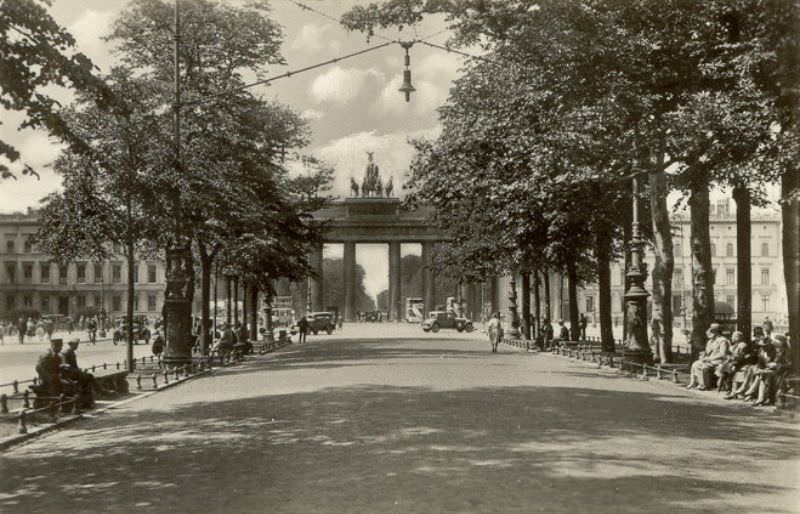
Unter den Linden and the Brandenburg Gate, Berlin, 1930

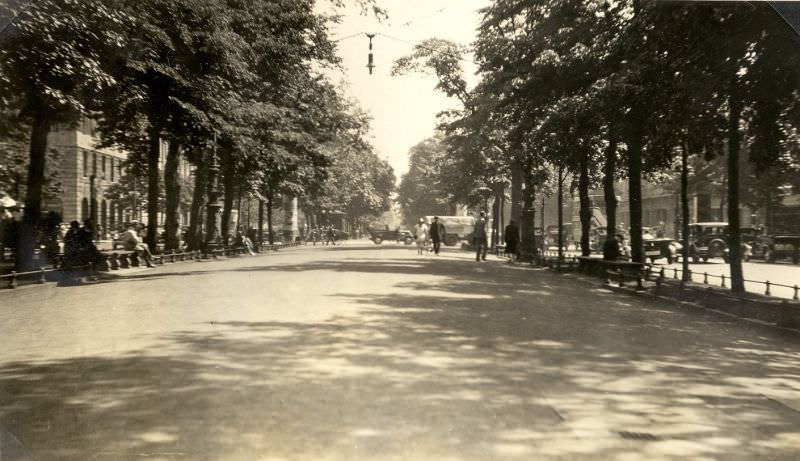
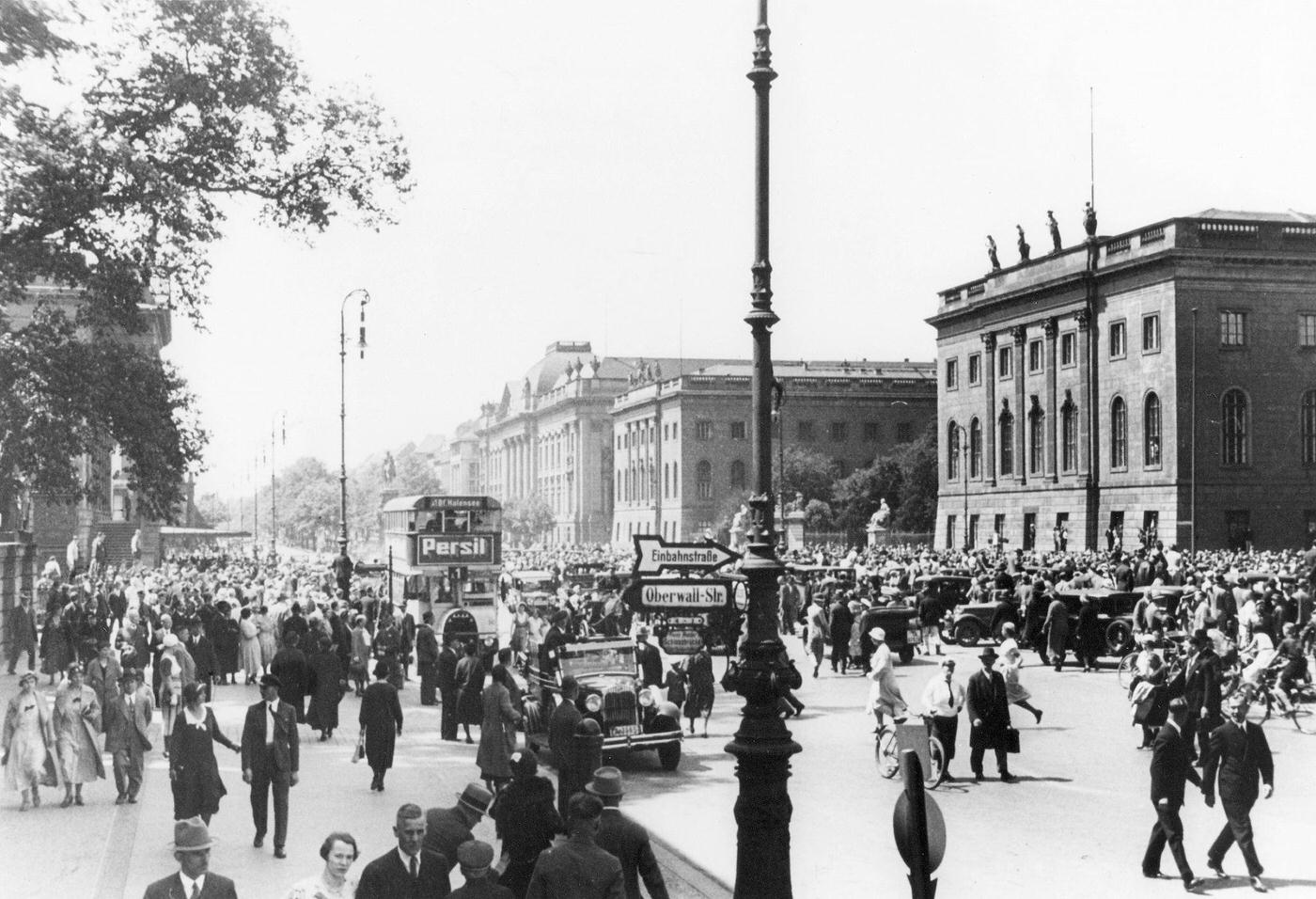
The most iconic stretch of the city was Unter den Linden, the grand boulevard lined with linden trees that ran from the Brandenburg Gate through the heart of central Berlin. It anchored the city’s most important civic and cultural buildings — universities, embassies, opera houses, and monuments. In 1930, it was still a busy, functioning artery of everyday life.
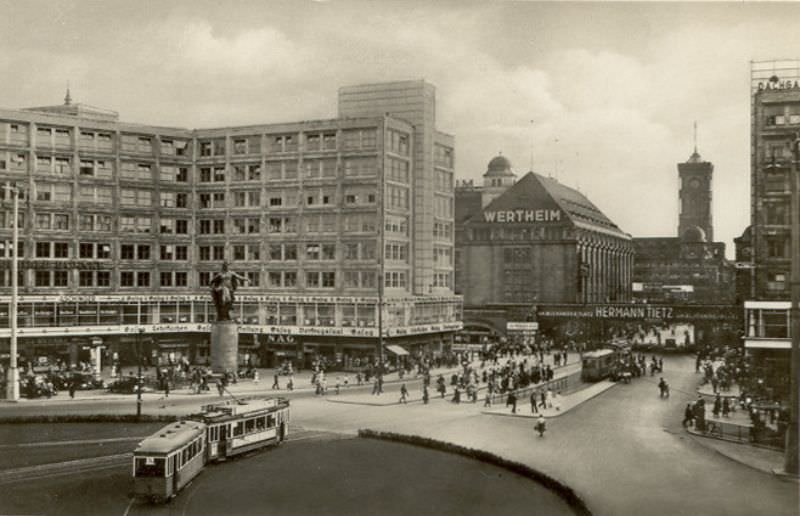
Alexanderplatz and the Berolina column, Berlin, 1930
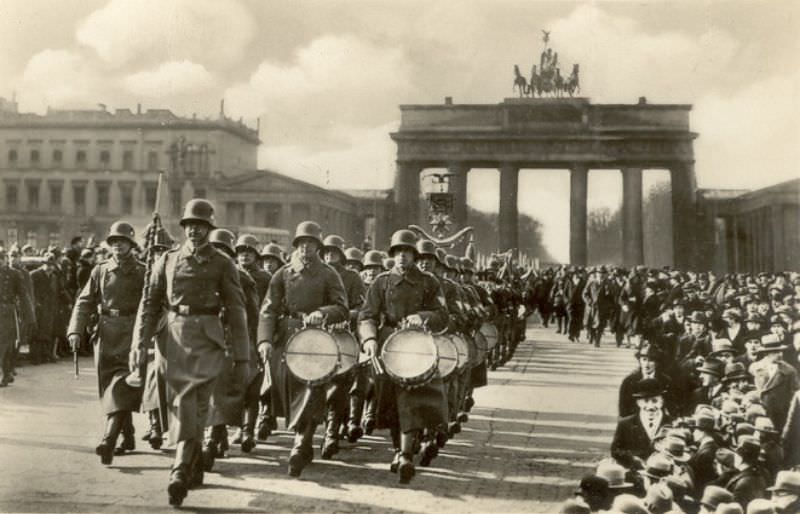
Brandenburg Gate with a guards parade, Berlin, 1930
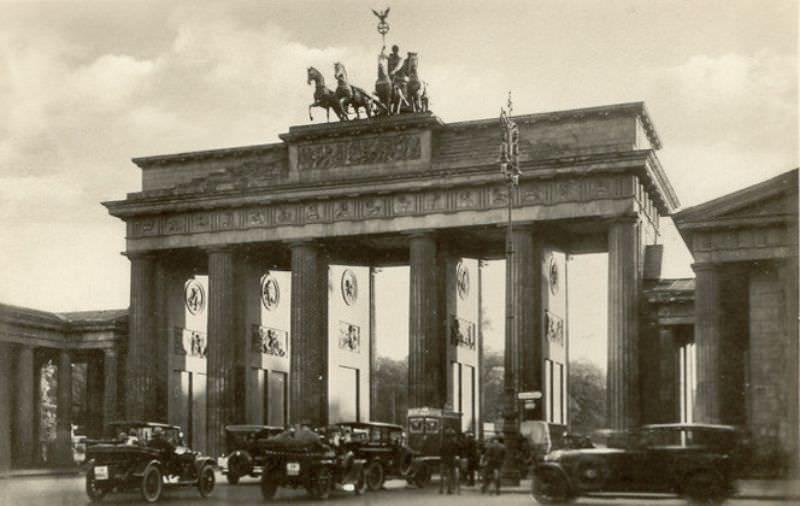
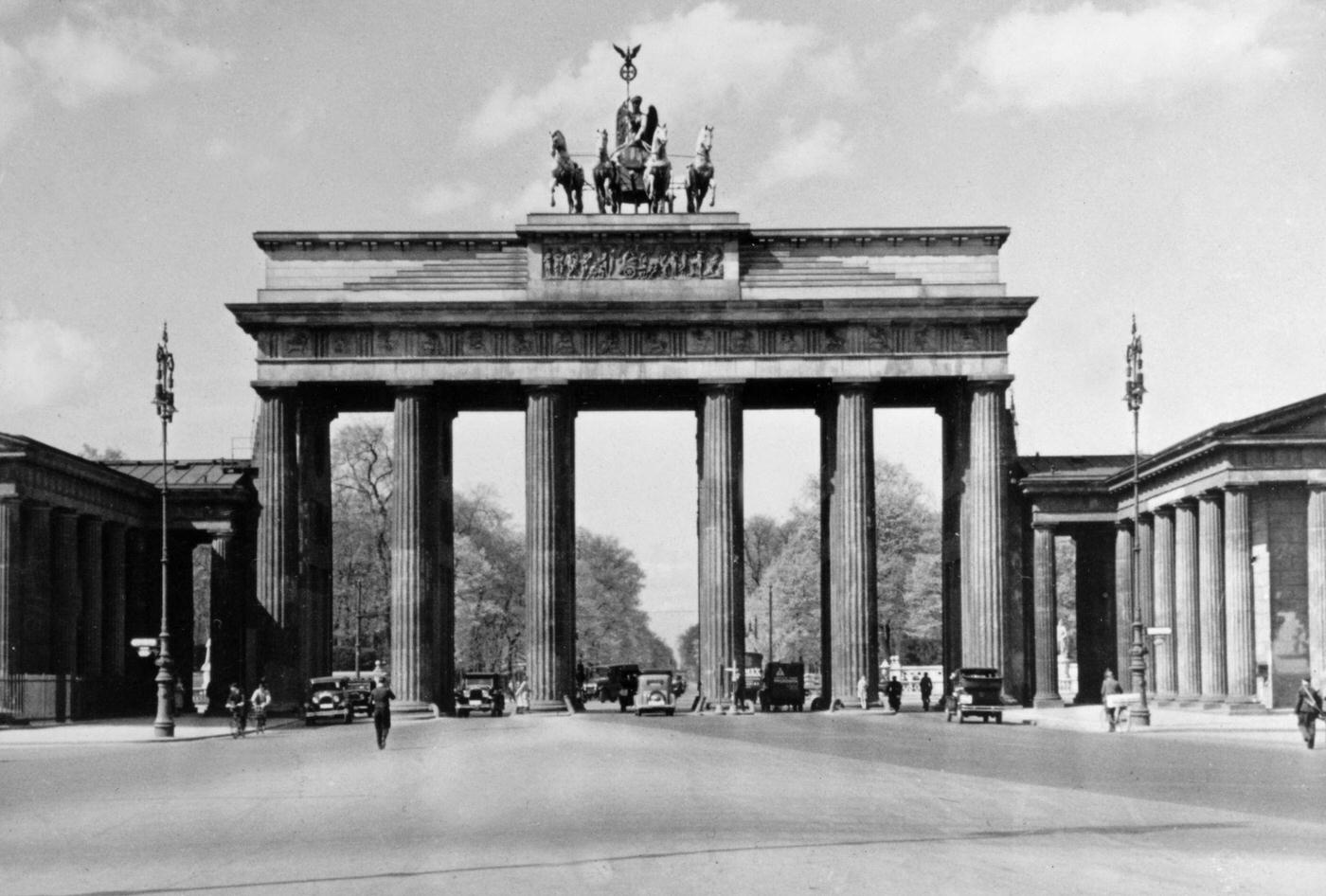
Brandenburg Gate, Berlin, 1930

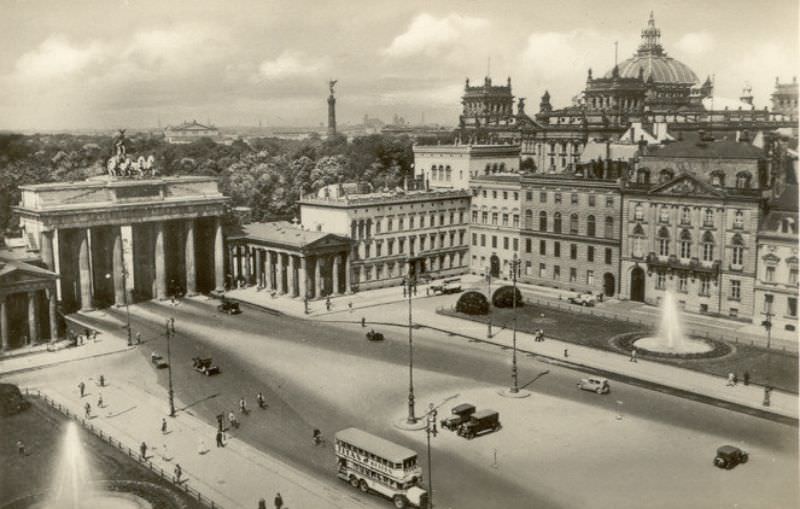
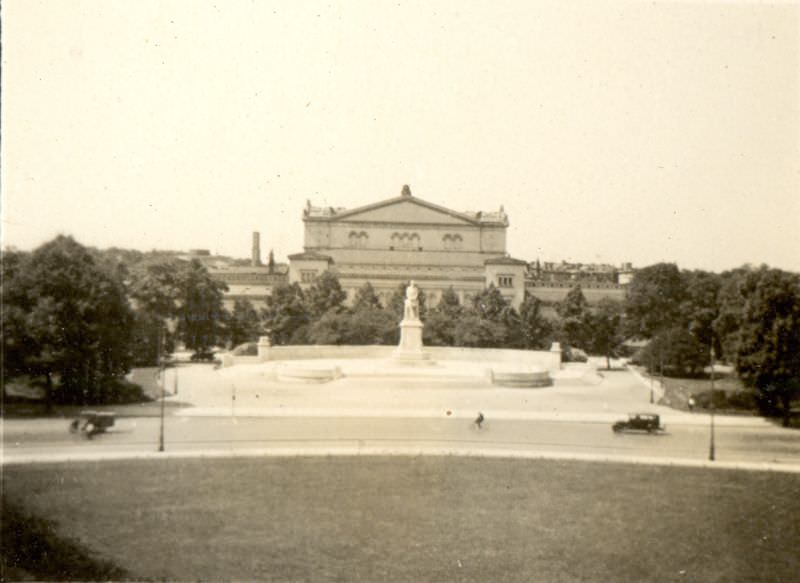
The Brandenburg Gate stood as the city’s defining symbol. Built in the late 18th century, it marked the western end of Unter den Linden and served as the backdrop for military parades and public spectacle. Just beyond it lay the Tiergarten, Berlin’s large urban park, and further on, the Kroll Opera House and the Reichstag — Germany’s parliament building. These landmarks formed the political and ceremonial spine of the city.

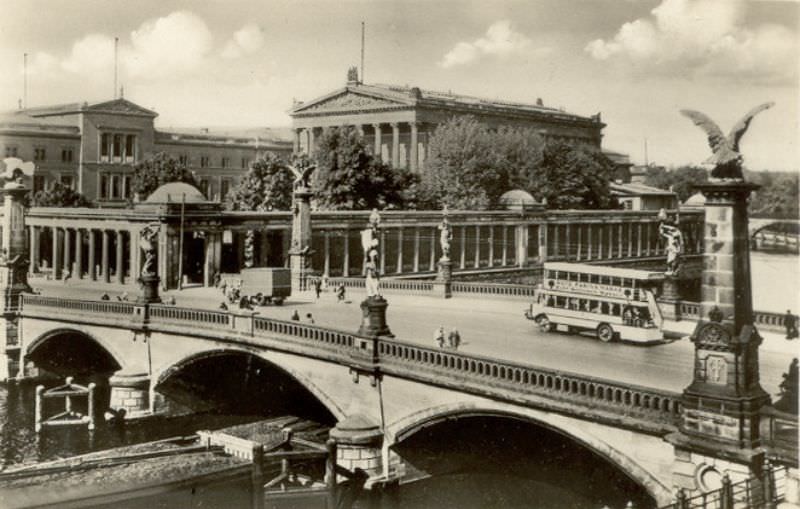
Fredericks Bridge with the National Gallery, Berlin, 1930
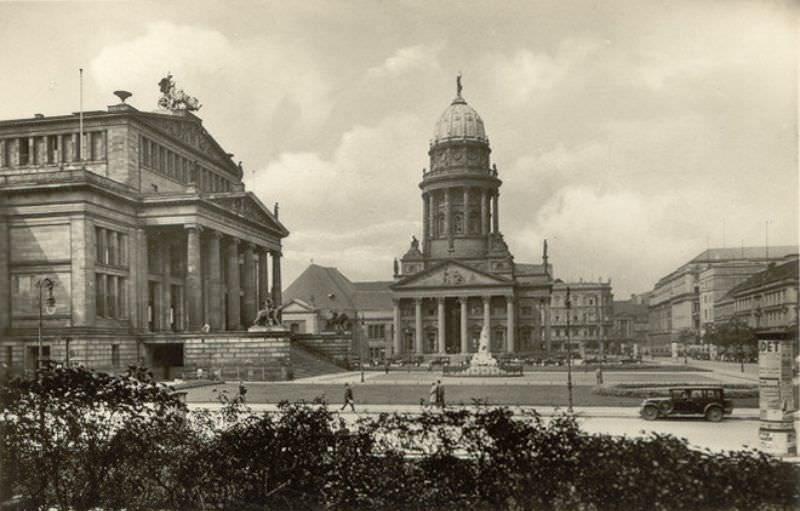
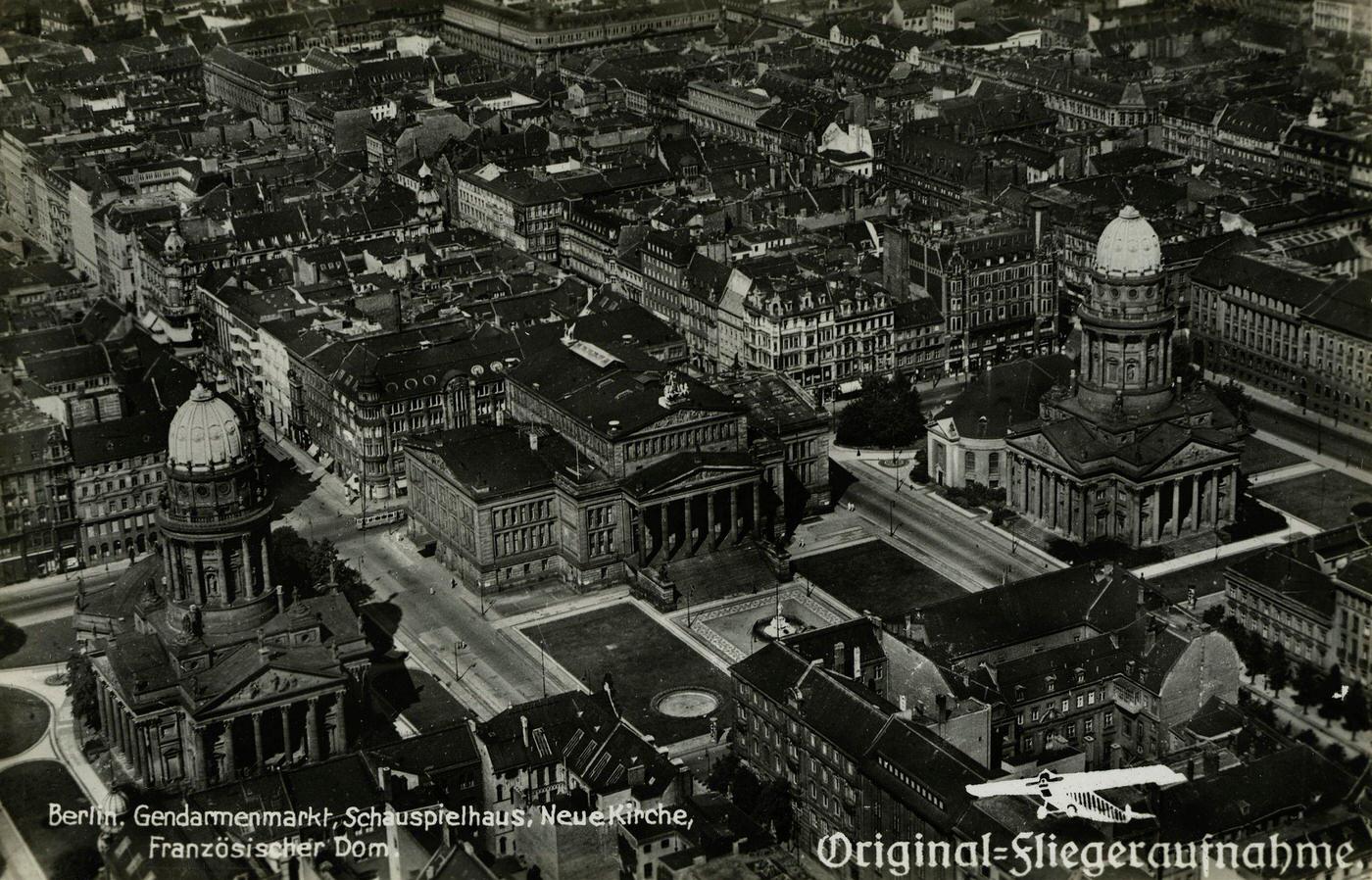
Gendarmenmarkt with State Theatre, Berlin, 1930
Konigsplatz, Berlin, 1930
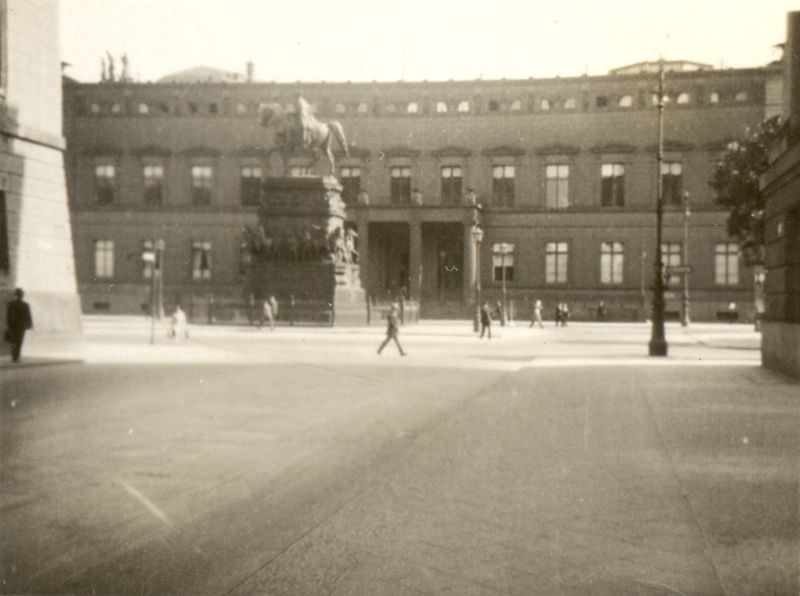
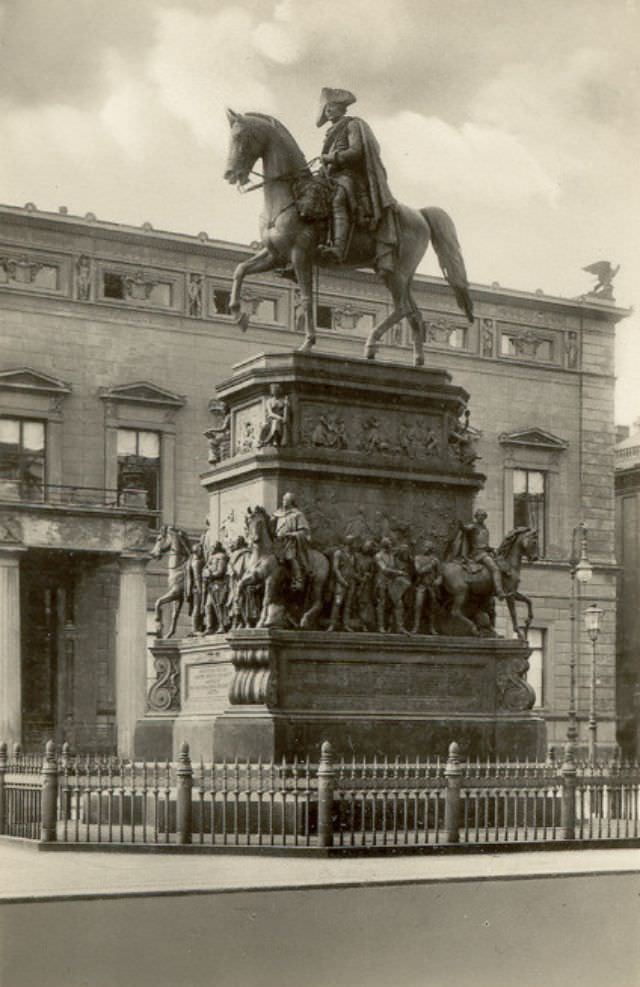
Monument to Frederick the Great, Berlin, 1930

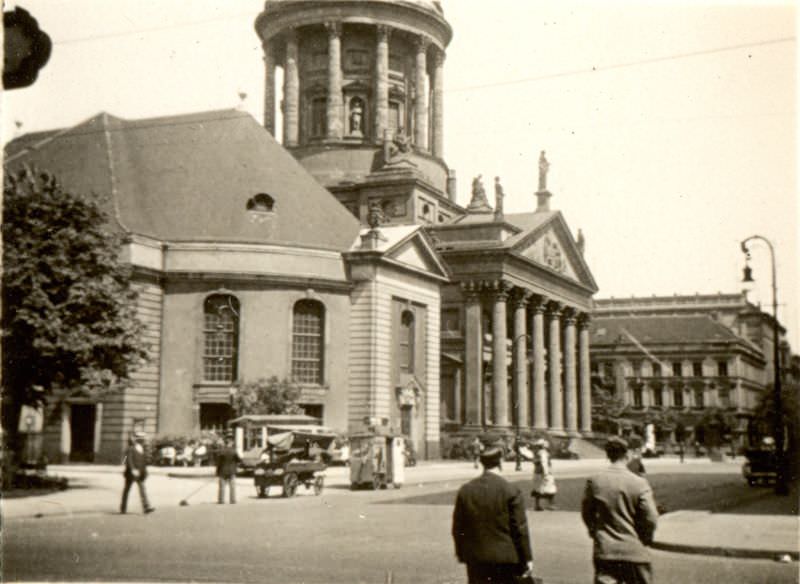
The Gendarmenmarkt was considered one of the most beautiful squares in all of Europe. Flanked by the French Cathedral, the German Cathedral, and the State Theatre, it represented Berlin’s ambitions as a world-class city. Nearby, the equestrian monument to Frederick the Great stood along Unter den Linden as a reminder of Prussia’s imperial past — a past the Nazi Party would later invoke heavily in its propaganda.

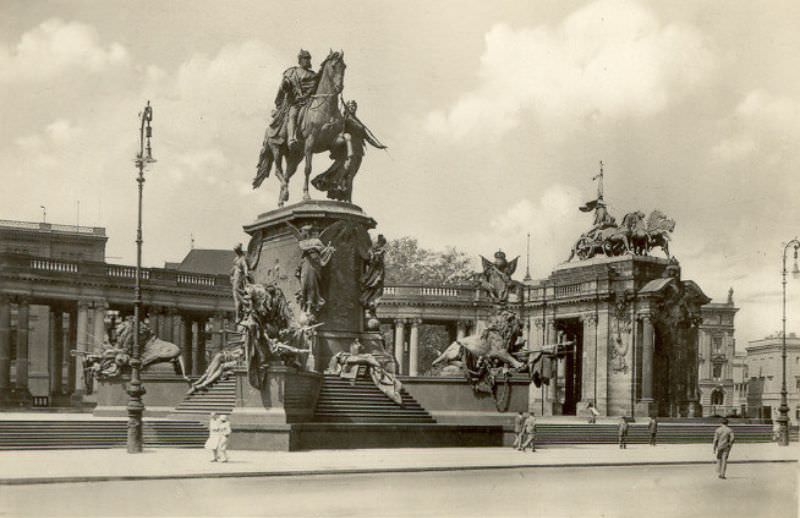
National Monument to Emperor William the First, Berlin, 1930
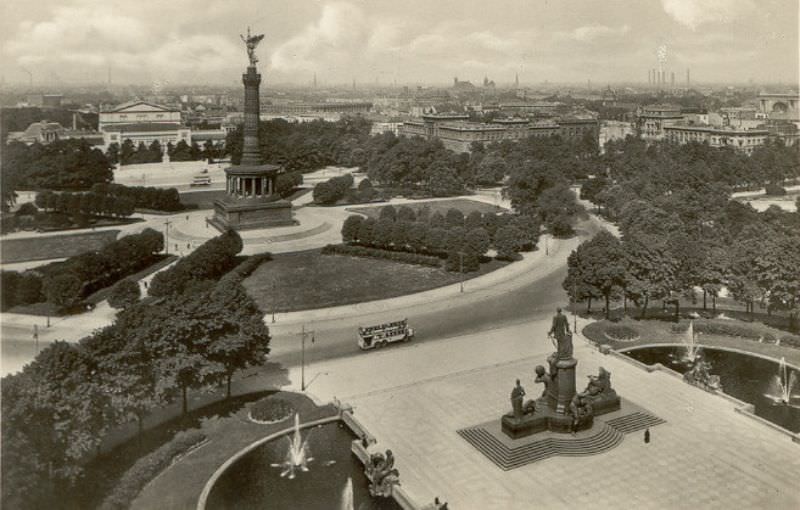
Parisian Place with views of Tiergarten, the Kroll Opera House, the Victory Column, and the Reichstag, Berlin, 1930
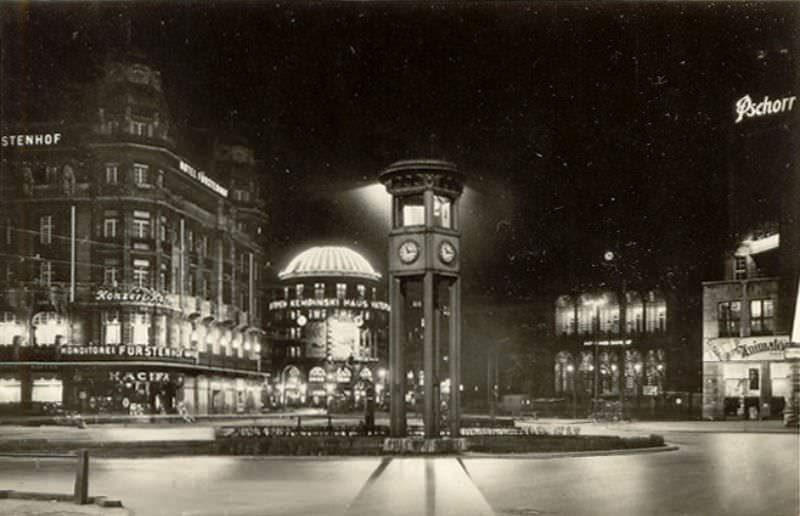
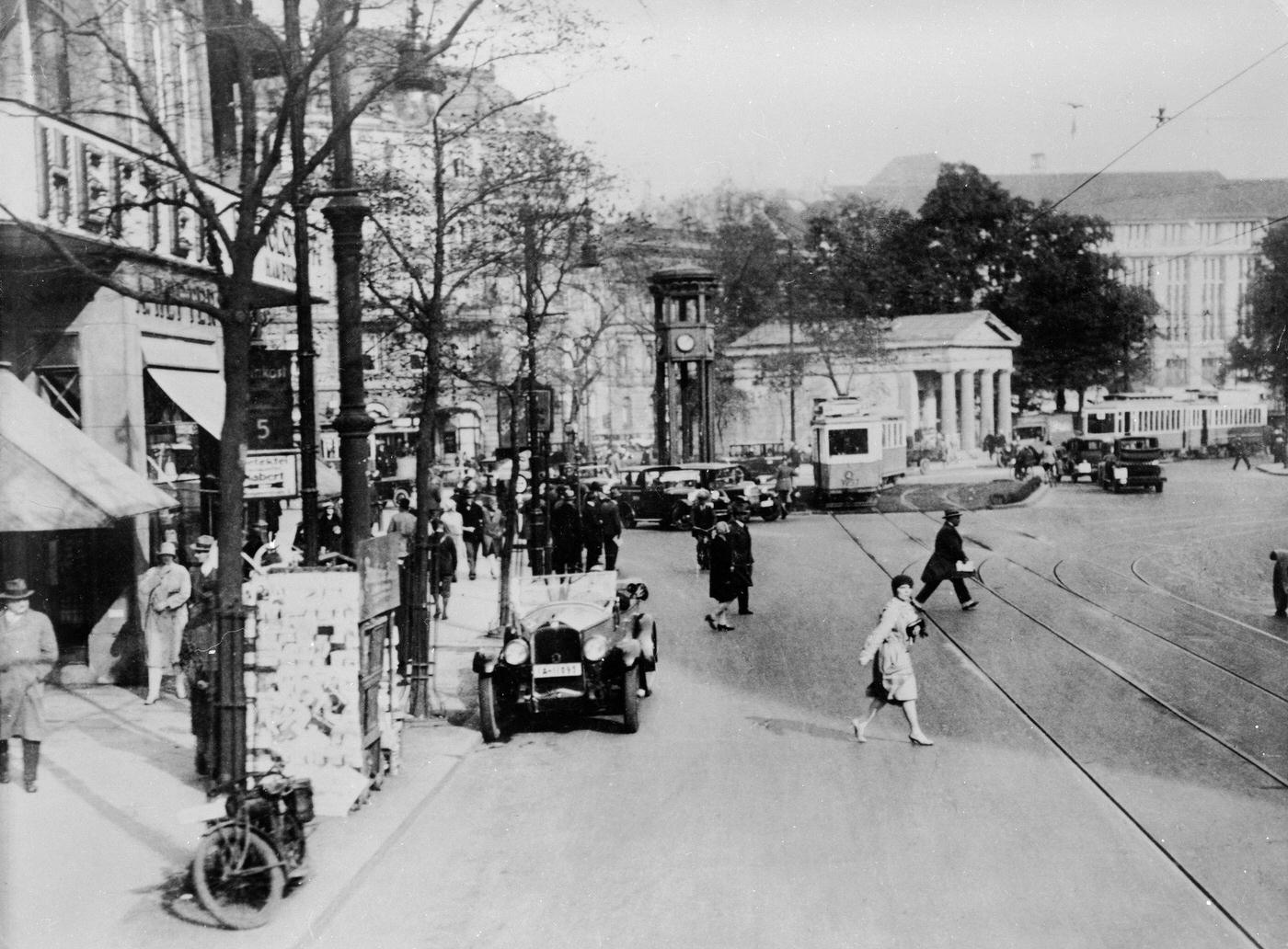
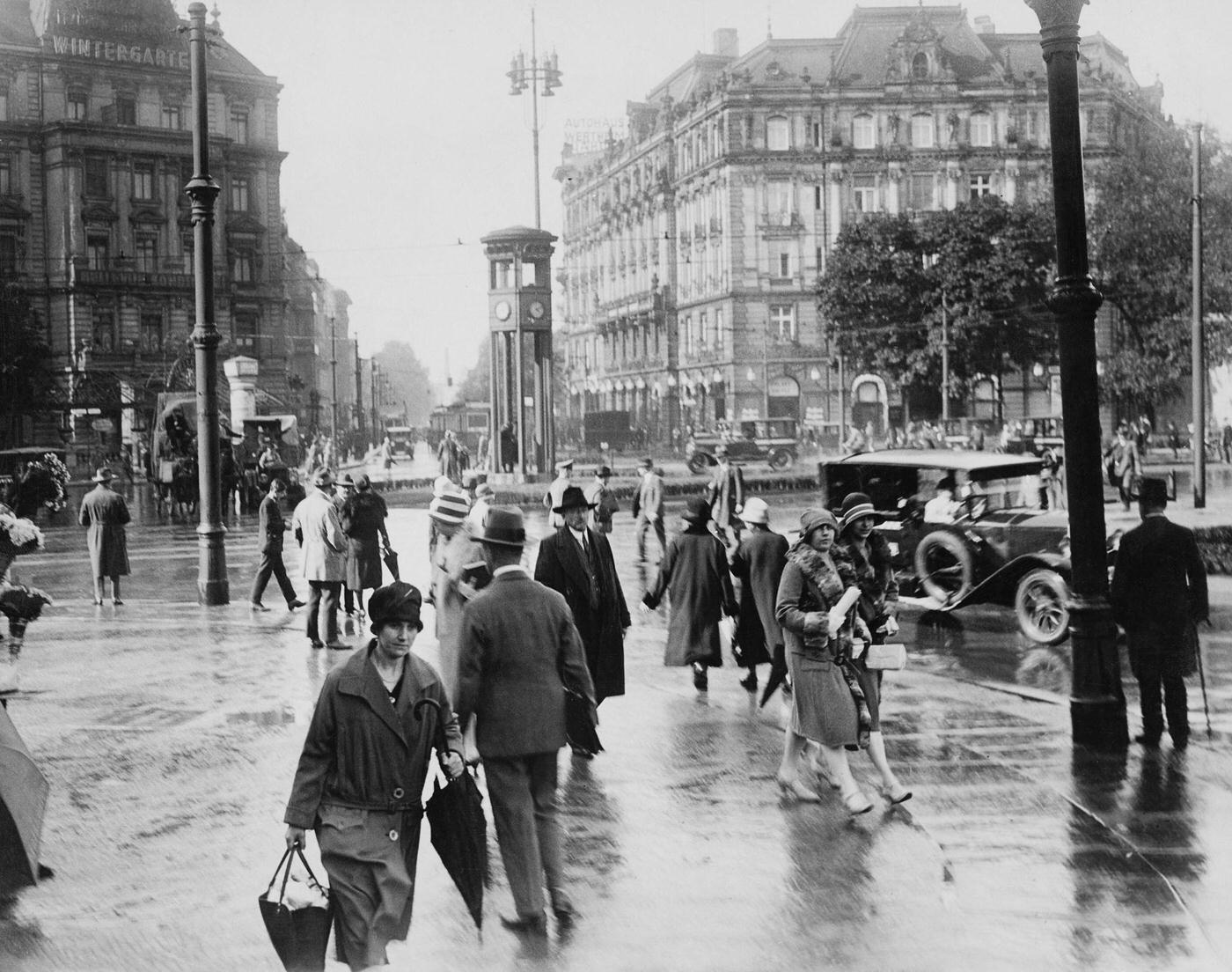
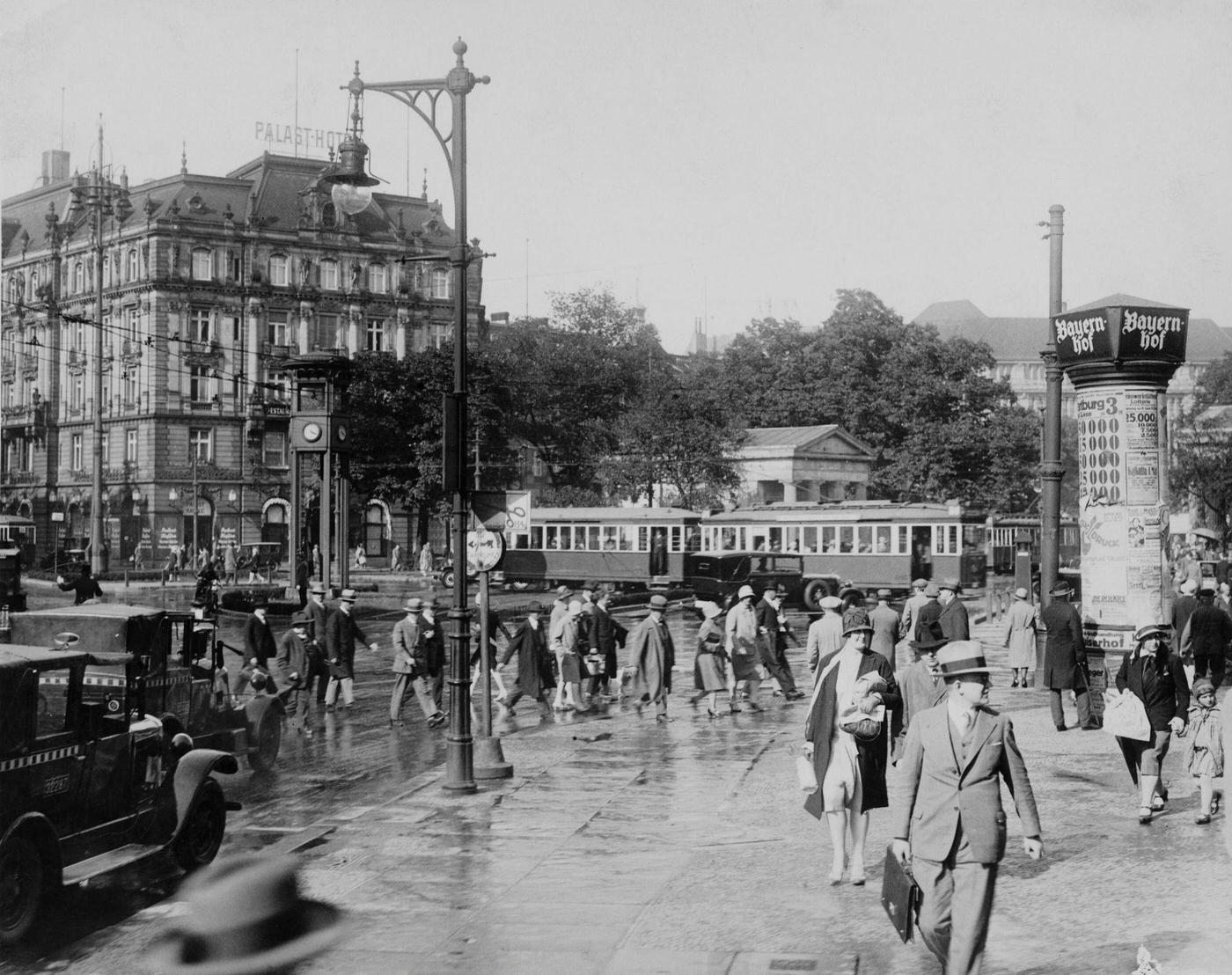
Potsdamer Platz, Berlin, 1930

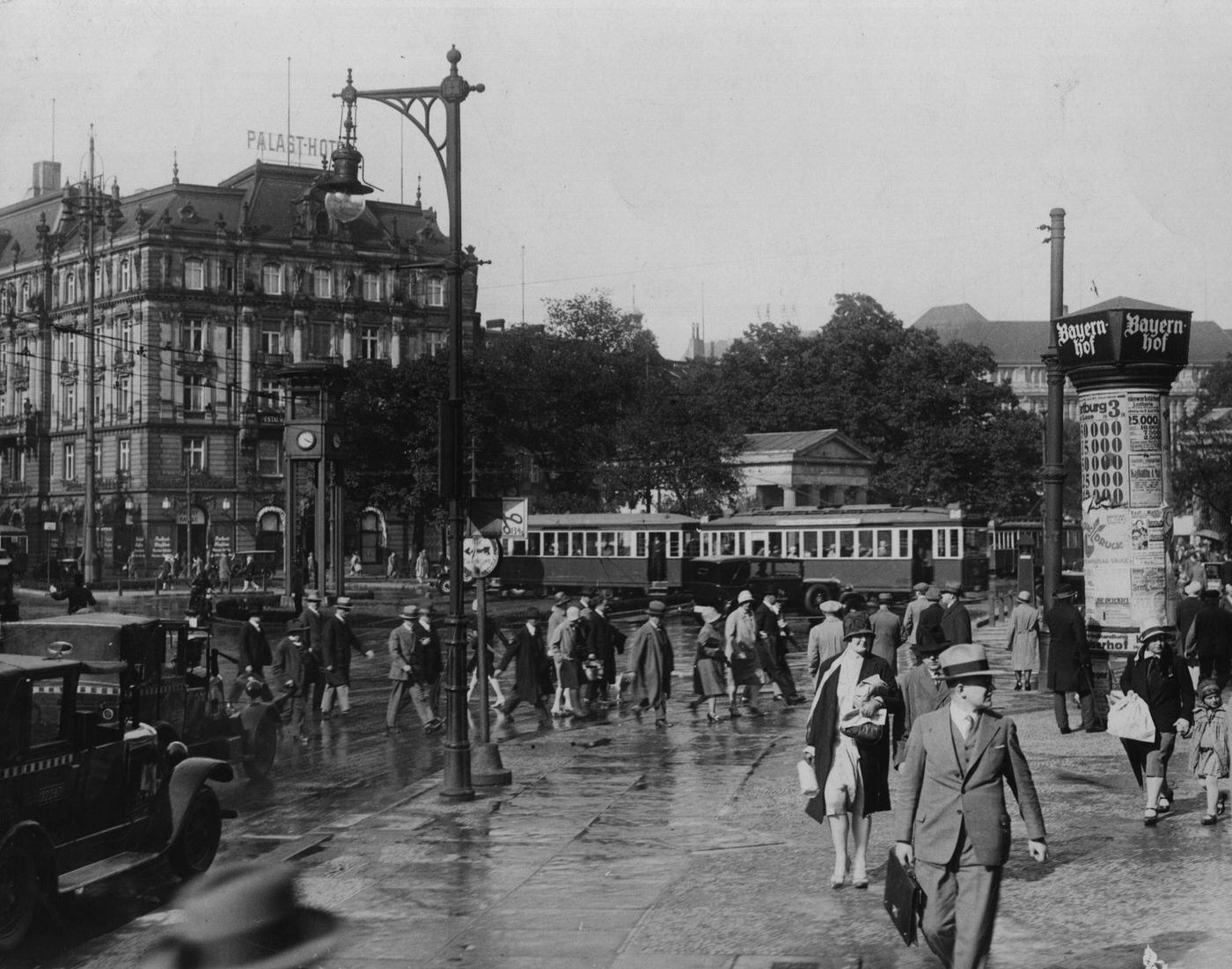
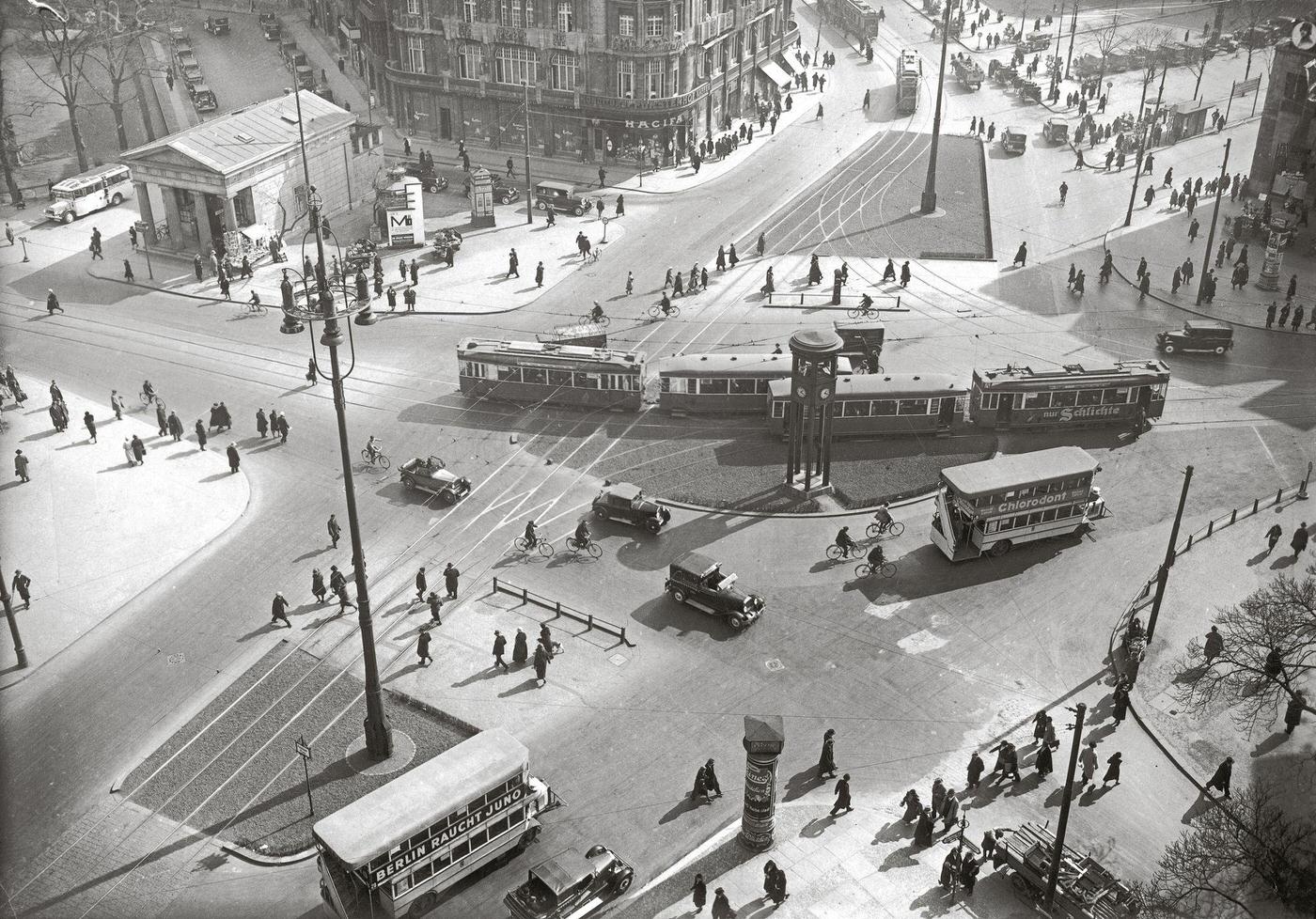
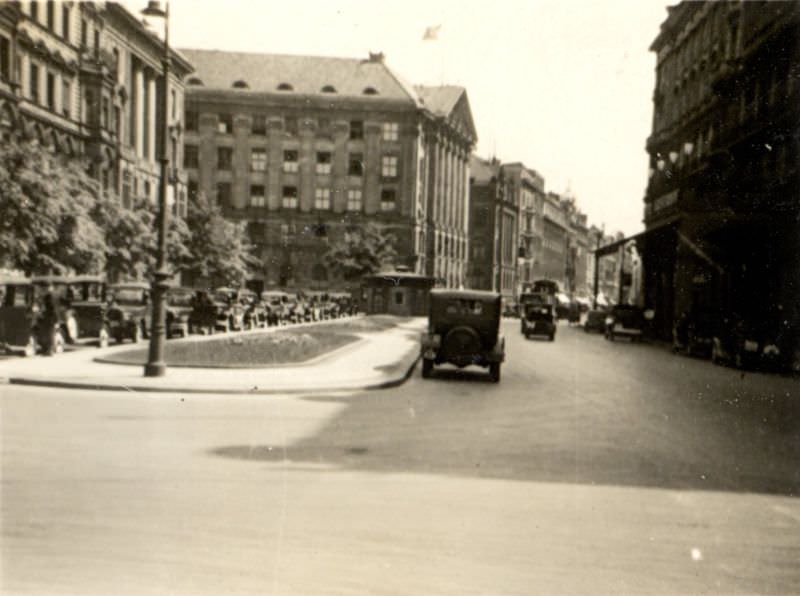
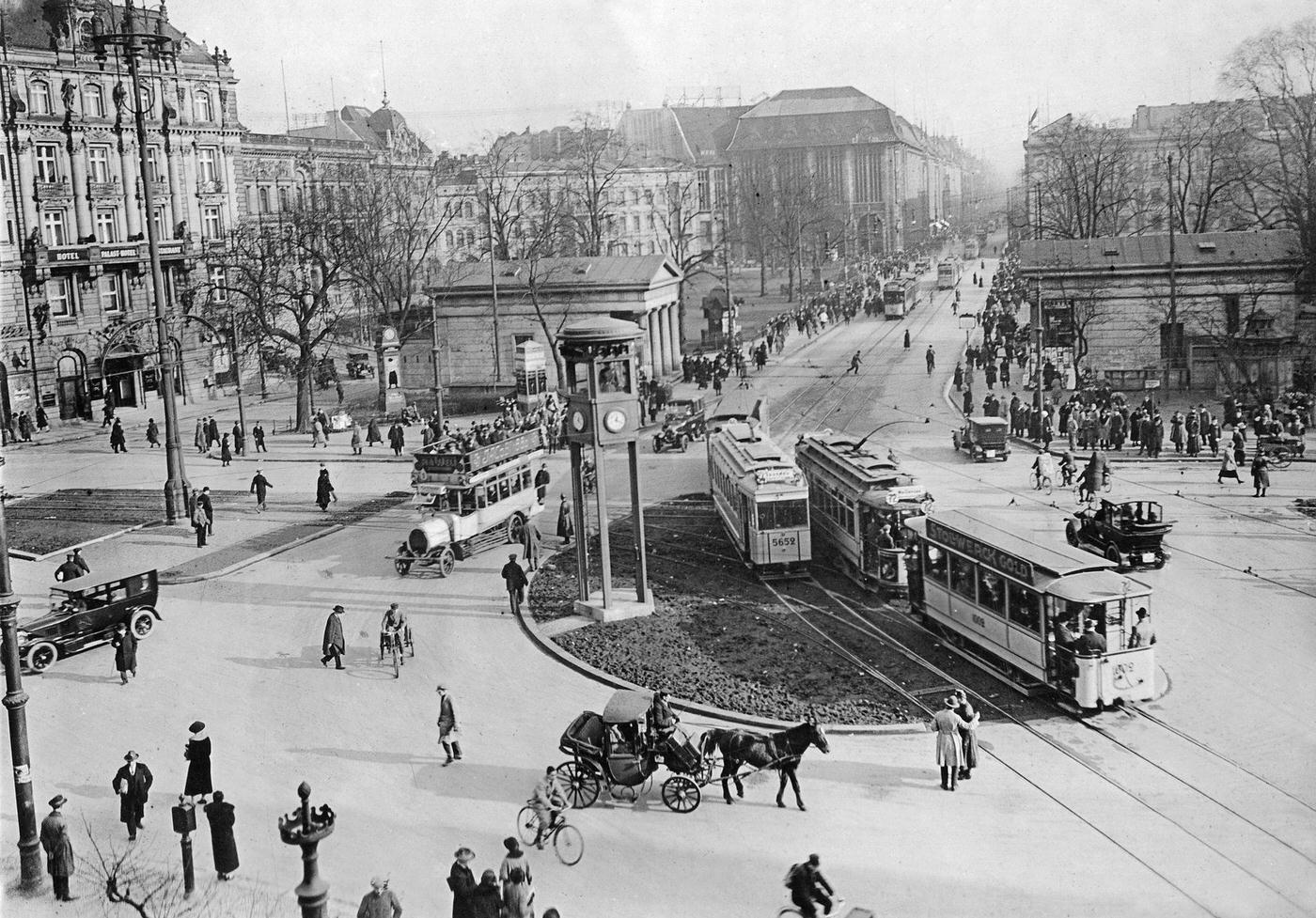
Potsdamer Platz was the busiest intersection in Europe by the early 1930s. Trams, automobiles, pedestrians, and vendors competed for space at all hours. The square sat at the junction of several major streets and was surrounded by hotels, restaurants, and transport hubs. It was a place that never stood still, and photographs from the period show just how dense and modern the city had become.

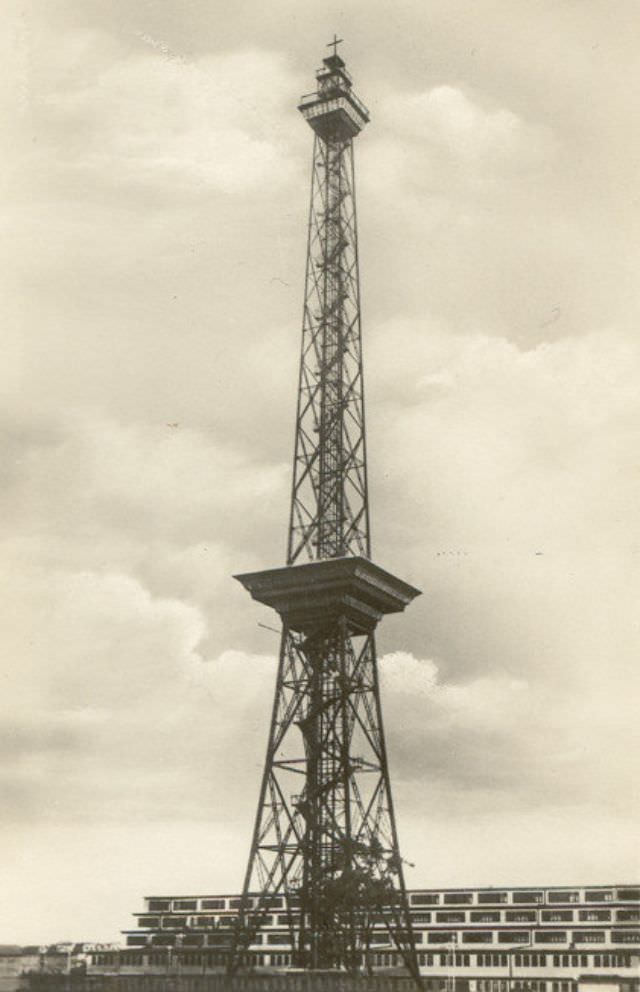
Radio Tower and exhibition hall, Berlin, 1930
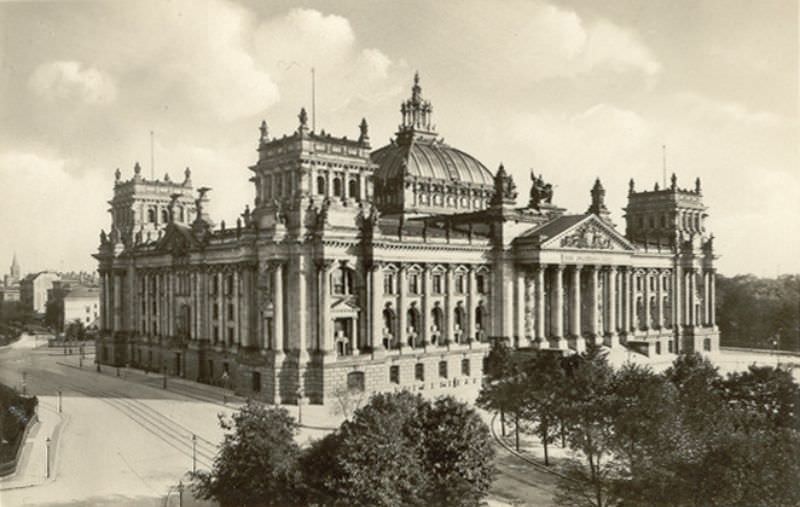
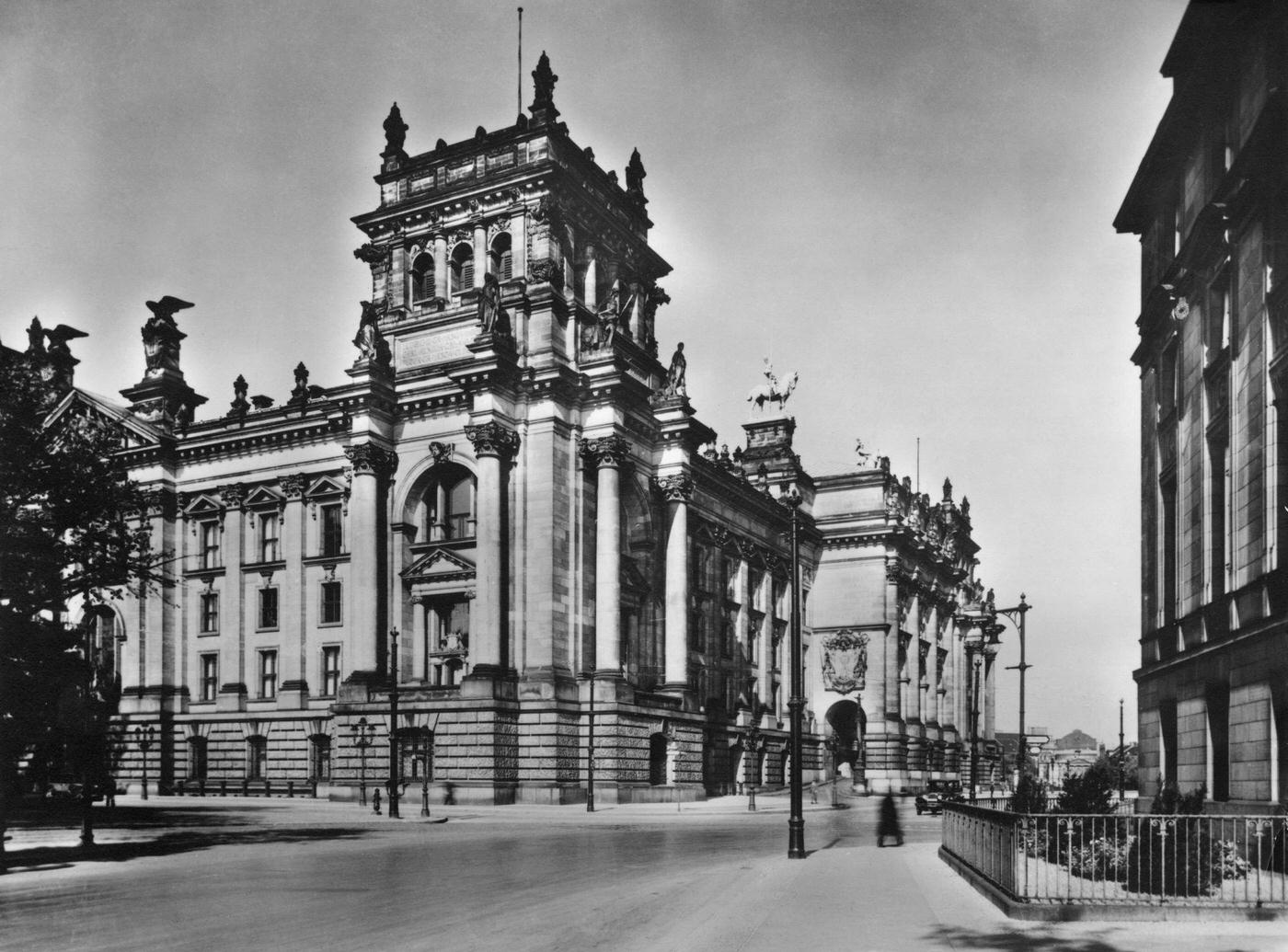
Reichstag (Parliament Building), Berlin, 1930
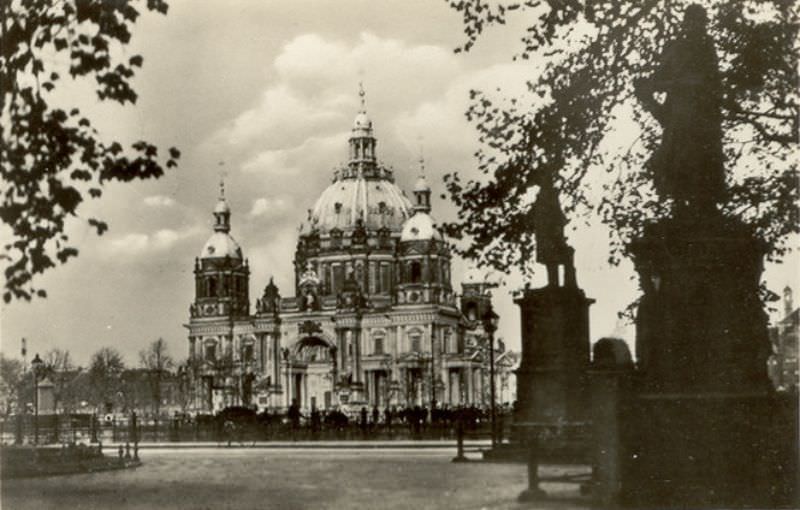
The Cathedral with silhouettes, Berlin, 1930

The Berlin Radio Tower, completed in 1926, was a modern marvel. Standing 150 meters tall, it broadcast radio signals across Germany and served as an exhibition landmark. The Reichstag, meanwhile, carried enormous political weight. In February 1933 — just weeks after Hitler was appointed Chancellor — the building was set on fire. The Nazis used the arson as justification to suspend civil liberties and consolidate power with alarming speed.

The Emperor Frederick Gallery, Berlin, 1930
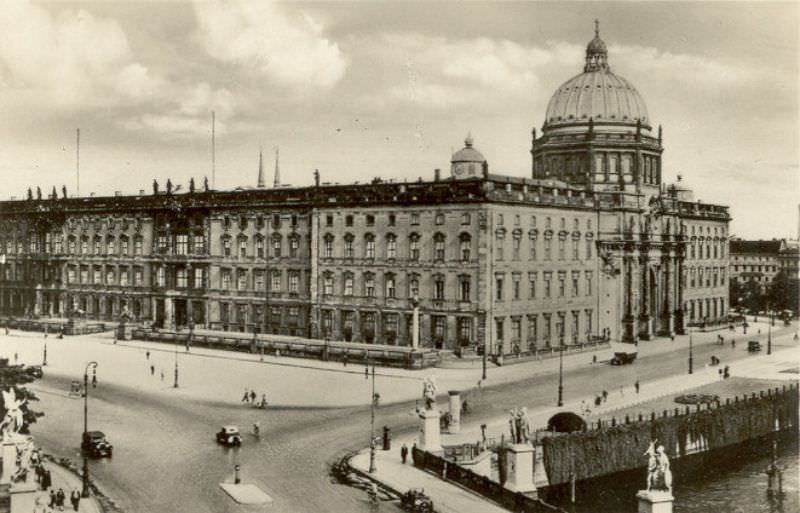
The Imperial Palace, Berlin, 1930
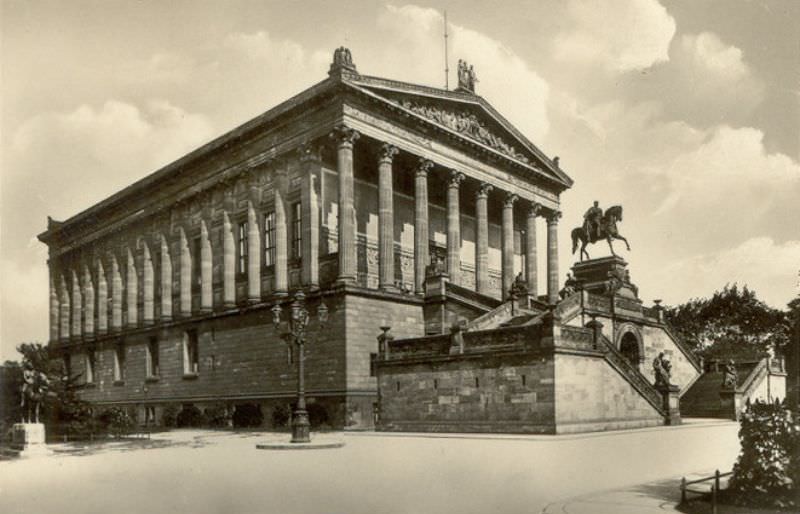
The National Gallery, Berlin, 1930
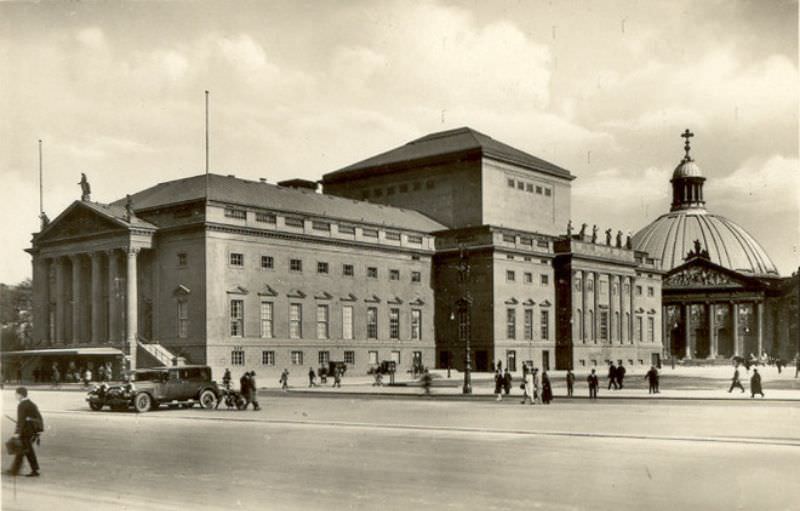
The Opera House and St Hedwig-Cathedral, Berlin, 1930

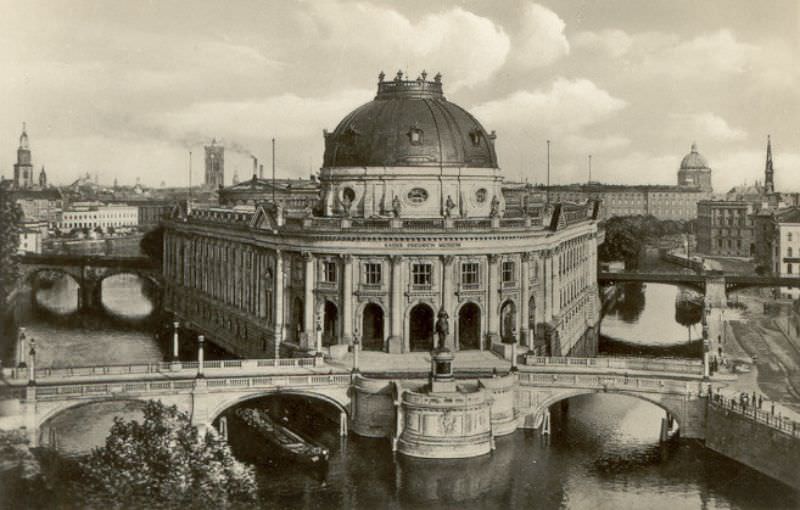
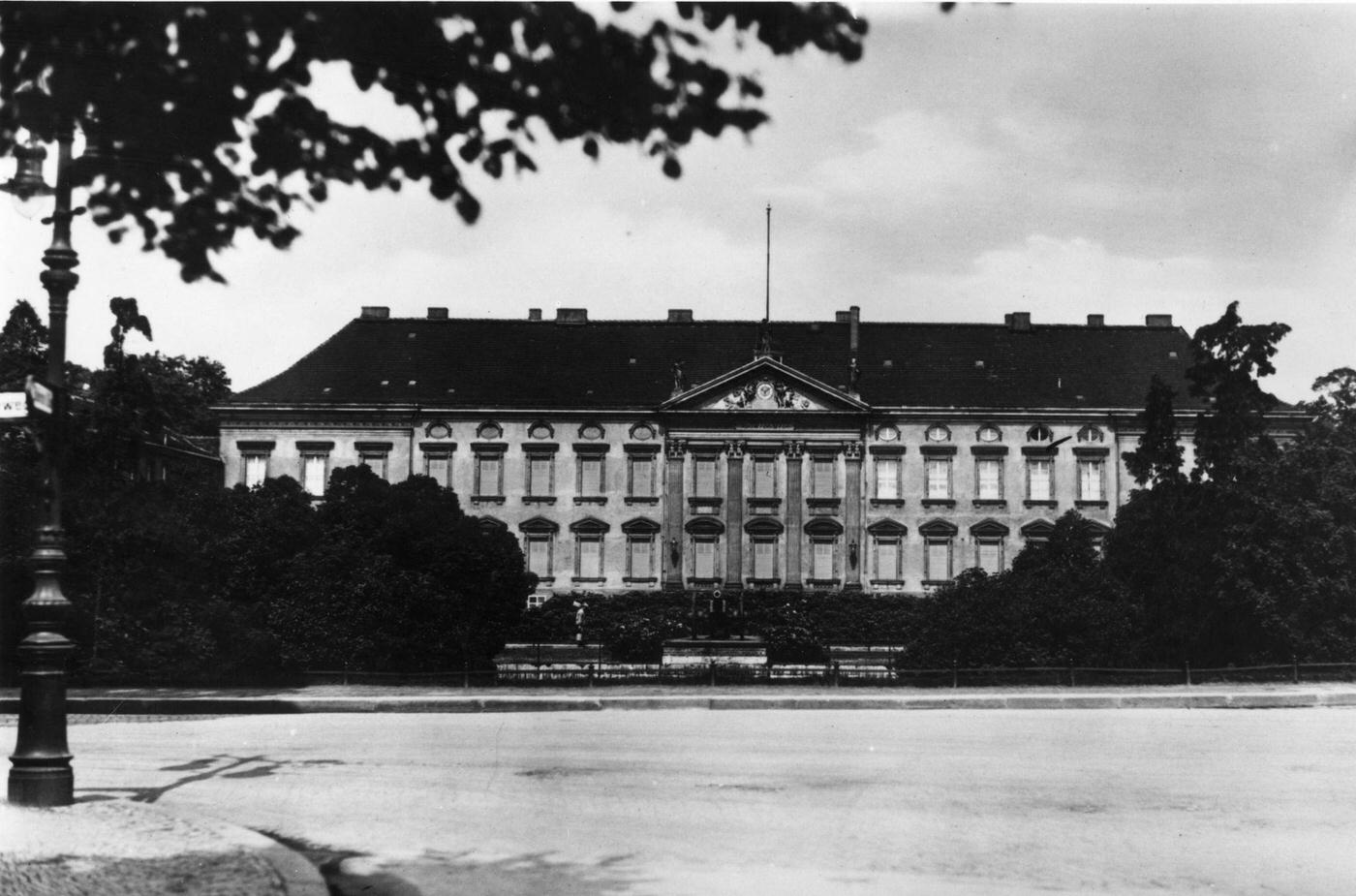
Berlin’s museum and gallery district — the Museumsinsel, or Museum Island — sat on a small island in the Spree River and housed some of Germany’s most important cultural institutions. The National Gallery held major works of European painting and sculpture. The Imperial Palace nearby had served as the official residence of the German Kaiser until the monarchy collapsed in 1918. In 1930, it remained standing but largely ceremonial, a relic of the empire that had ended just over a decade before.

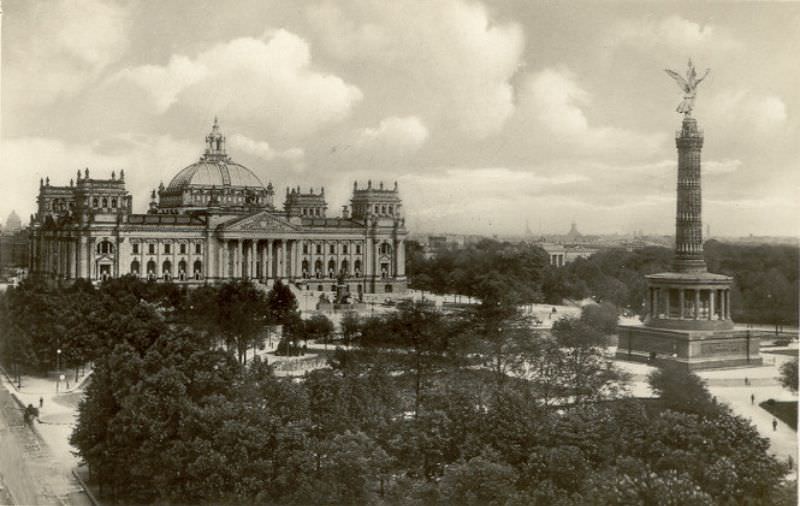
The Reichstag with the Victory Column, Berlin, 1930
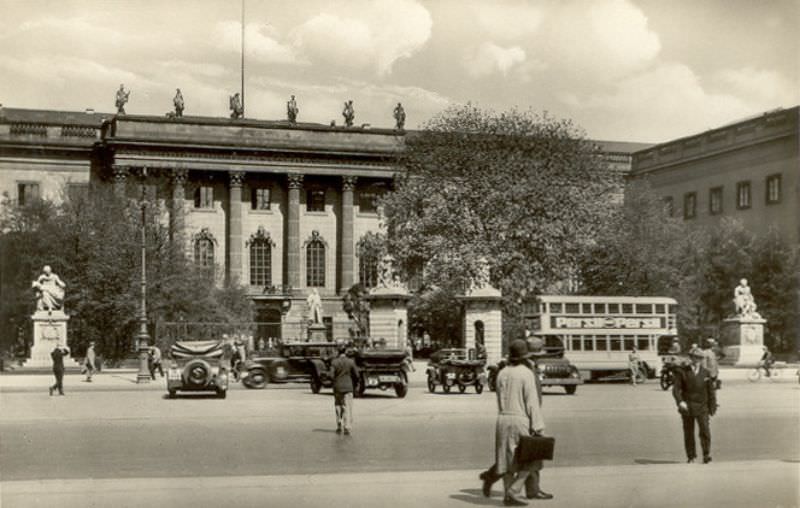
The University, Berlin, 1930
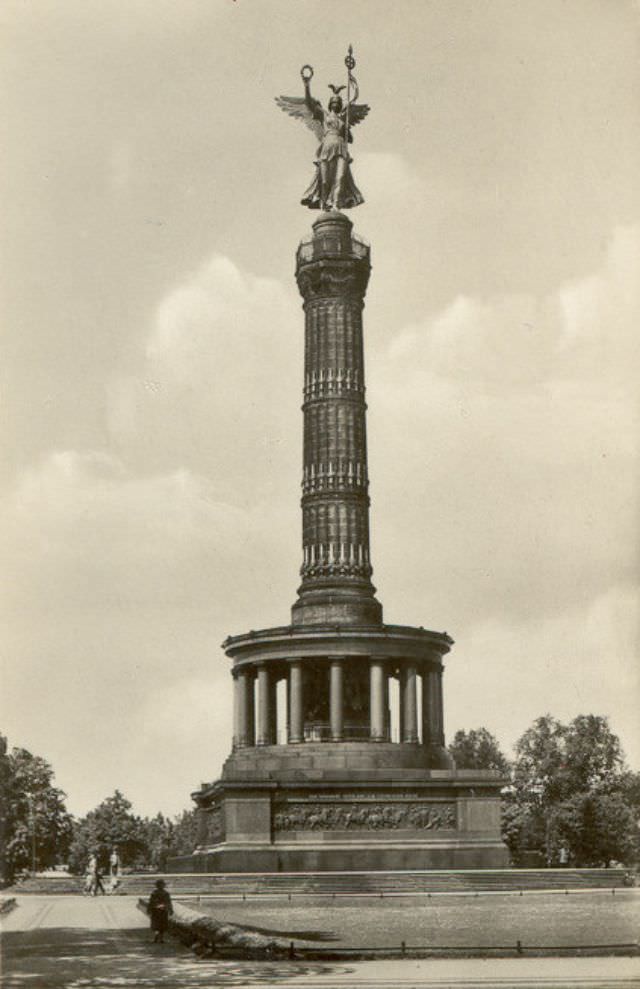
The Victory Column, Berlin, 1930

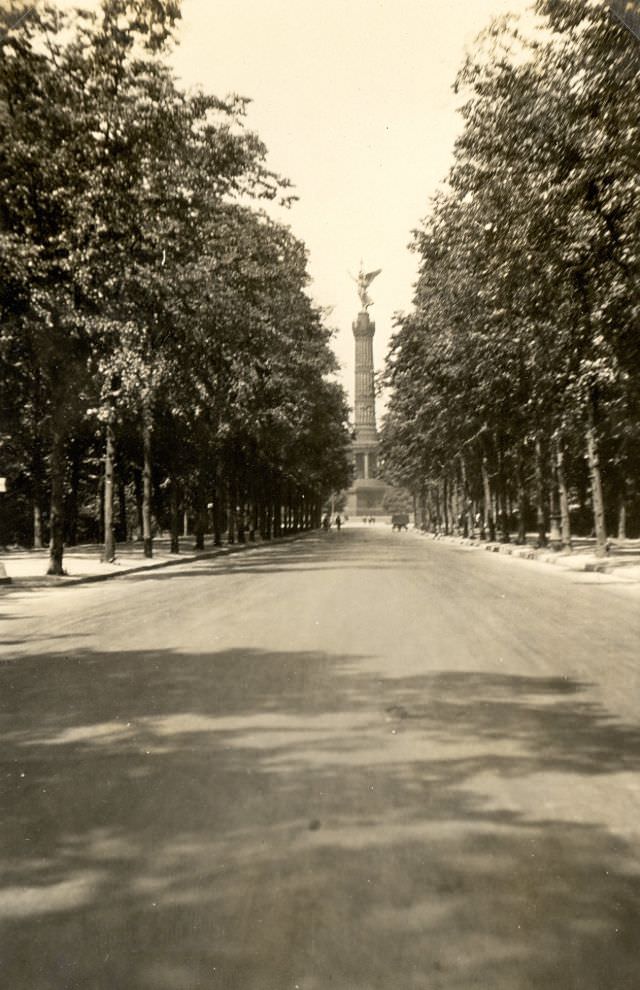
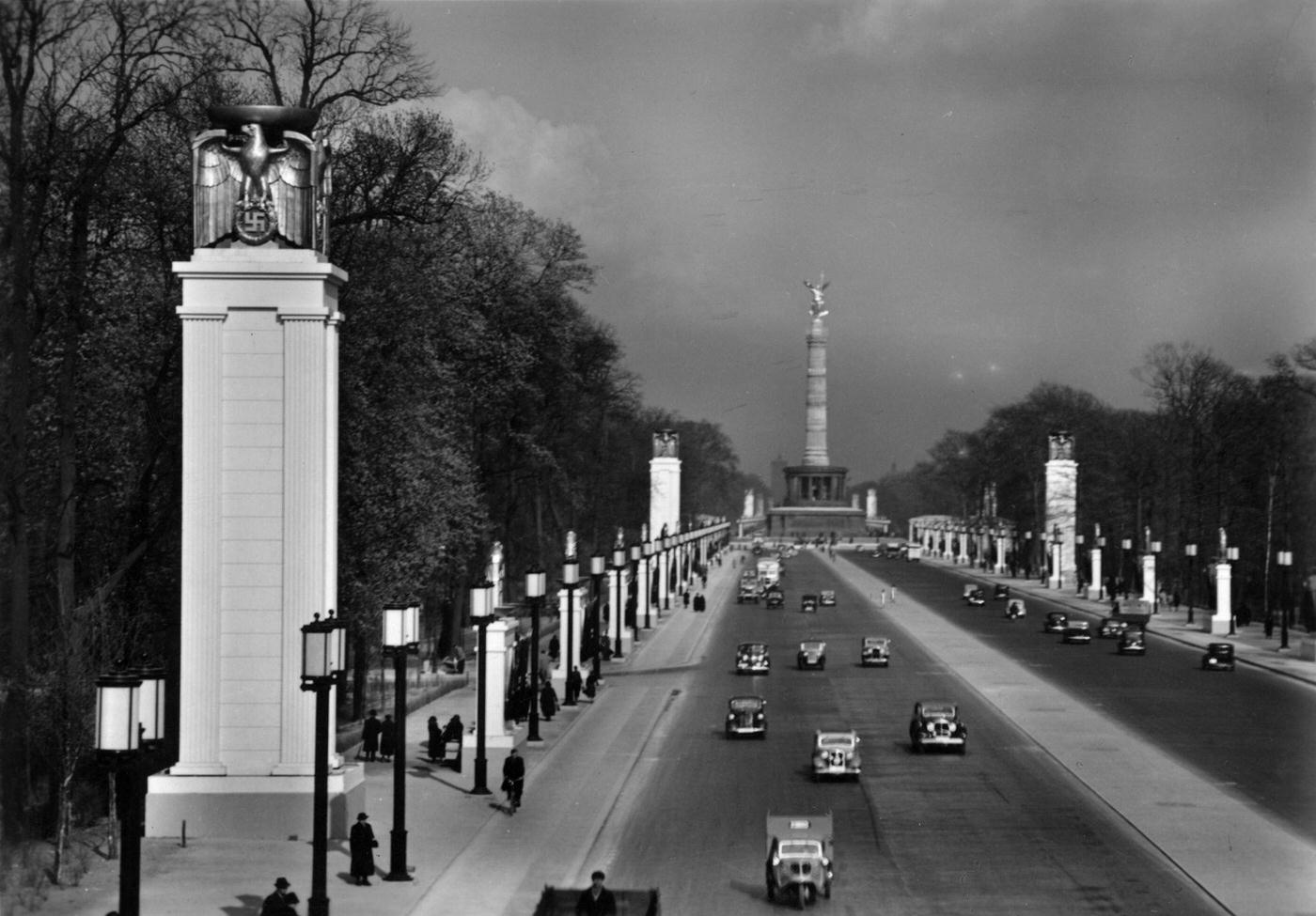
The Victory Column — the Siegessäule — was built in the 1870s to mark Prussian military victories over Denmark, Austria, and France. It stood at the edge of the Tiergarten and was visible from multiple vantage points across the city. In 1939, the Nazi government moved it from its original position near the Reichstag to its current location and raised it taller by adding an extra drum section. What had been a 19th-century monument was being repurposed to fit a new regime’s vision of German power.

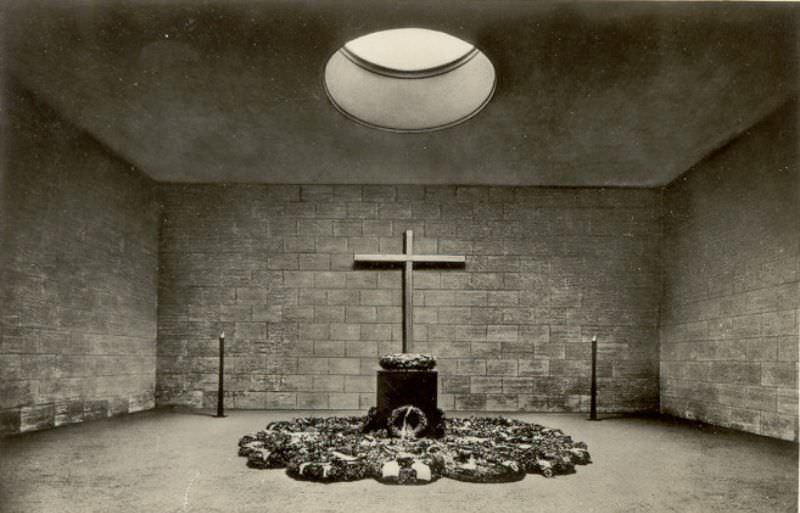
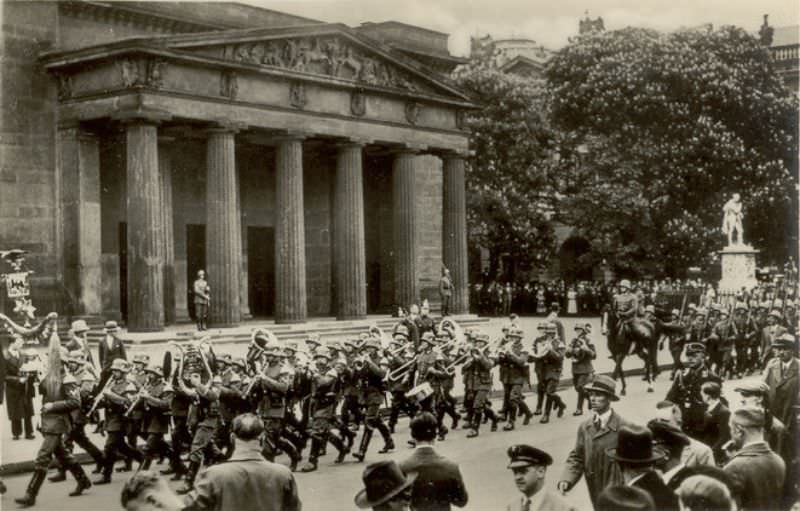
Unter den Linden - Memorial Hall for all who fell in the Great War, Berlin, 1930
Unter den Linden – Memorial Hall for all who fell in the Great War, Berlin, 1930
Unter den Linden - The Honorary Monument with a guards parade, Berlin, 1930
Unter den Linden – The Honorary Monument with a guards parade, Berlin, 1930
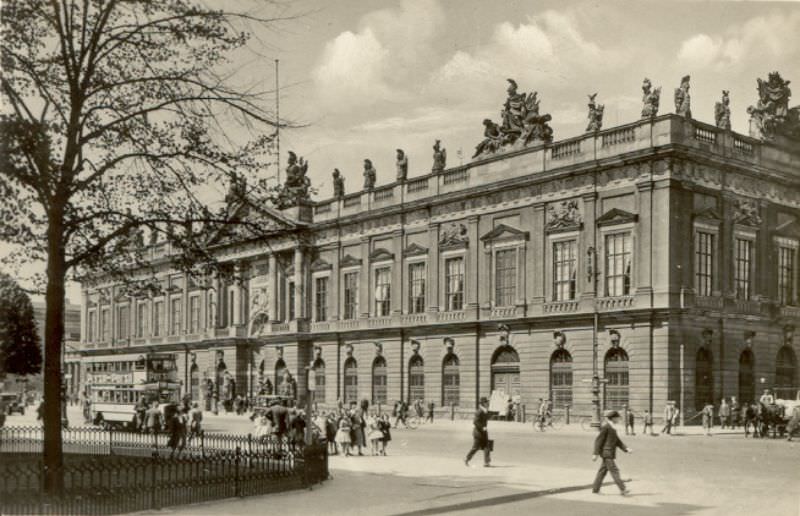
Zeughaus - the Arsenal, Berlin, 1930
Zeughaus – the Arsenal, Berlin, 1930

The Zeughaus, Berlin’s oldest surviving baroque building, had served as the Prussian state arsenal for centuries. By the 1930s, it functioned as a military history museum. The war memorial on Unter den Linden honored those who died in World War One — a conflict that had ended just over a decade earlier and whose consequences were still shaping every aspect of German society, from its crippled economy to its volatile politics.

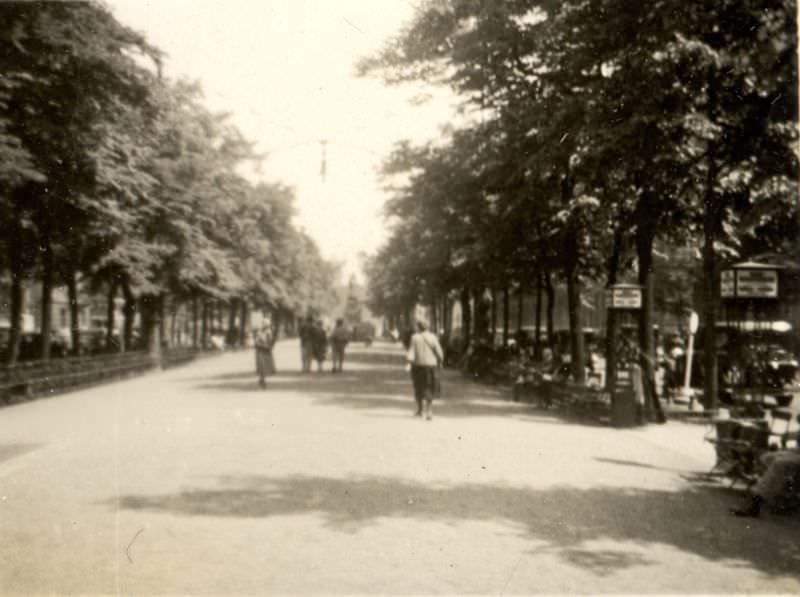
Under the linden trees, Berlin, 1930s
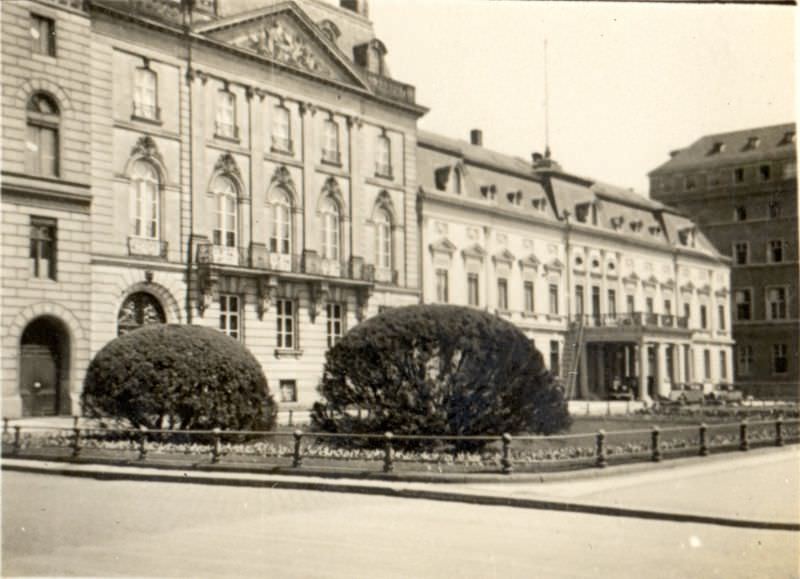
Berlin English Embassy

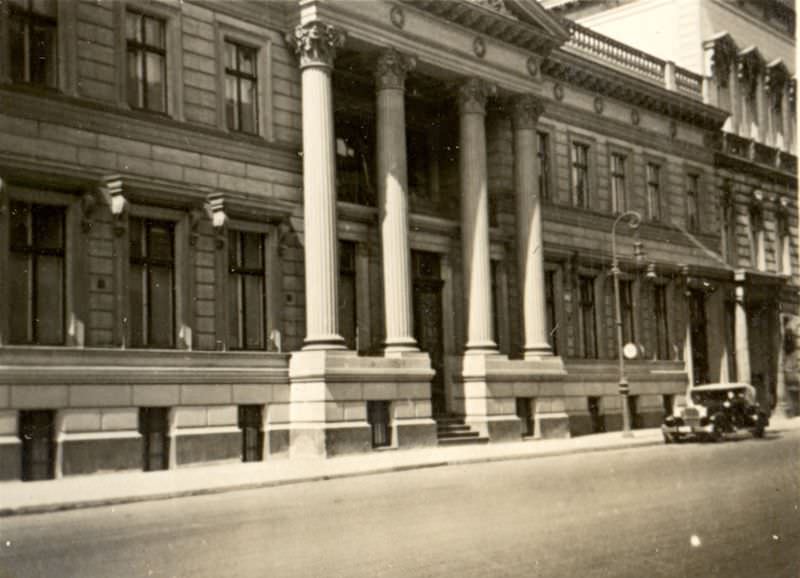
Foreign embassies lined several of Berlin’s key streets, reflecting the city’s status as Germany’s diplomatic center. The British and French embassies were prominent fixtures near the government quarter. As the Nazi Party rose to power through the early 1930s, these embassies became increasingly important — and increasingly tense — sites of international observation. Foreign diplomats watched Germany’s political transformation unfold from close range.

Berlin French Cathedral
Berlin French Embassy
Berlin Looking from the Siegessäule towards the Krolloper
Berlin street scenes

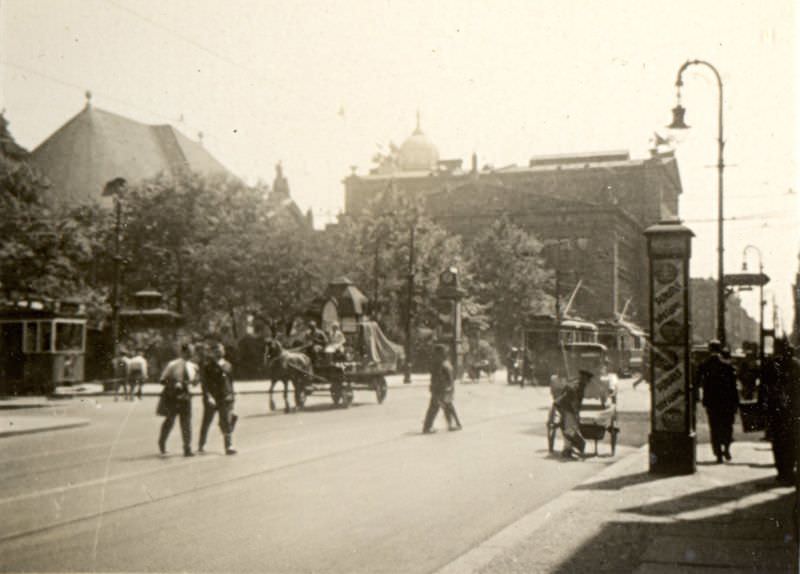
Street life in Berlin during the early 1930s was rich and layered. Vendors sold goods from sidewalk stalls, trams ran on fixed schedules, and pedestrians moved through wide commercial streets. The city had a population of over four million by 1930, making it the third-largest city in the world after London and New York. That scale showed in its infrastructure — sprawling train stations, wide arterial roads, a developed subway system, and commercial districts that stretched for blocks.

Berlin street scenes
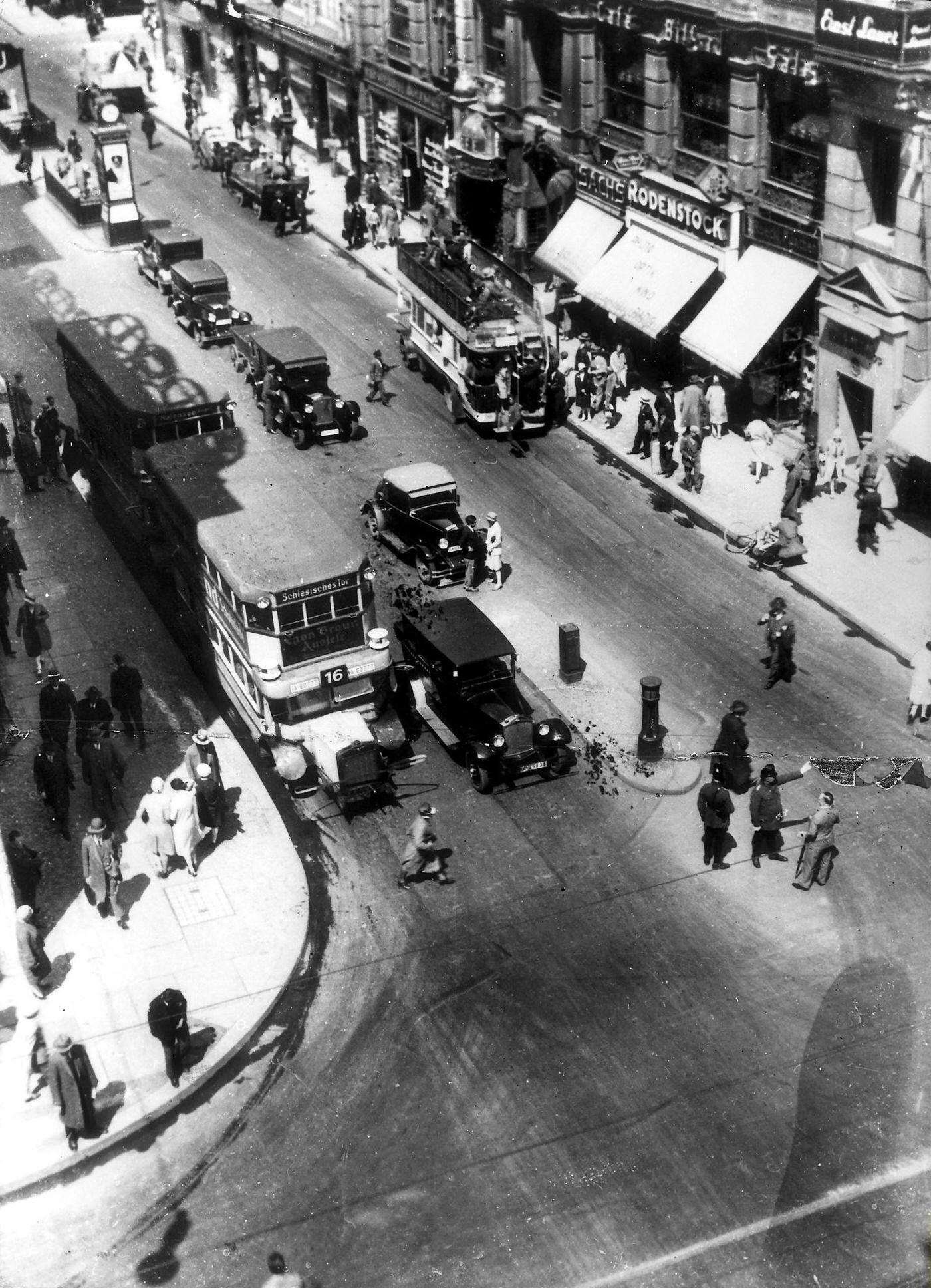
Charlottenstraße at the junction of Französische Straße with the main North-South tram route, Berlin, 1930

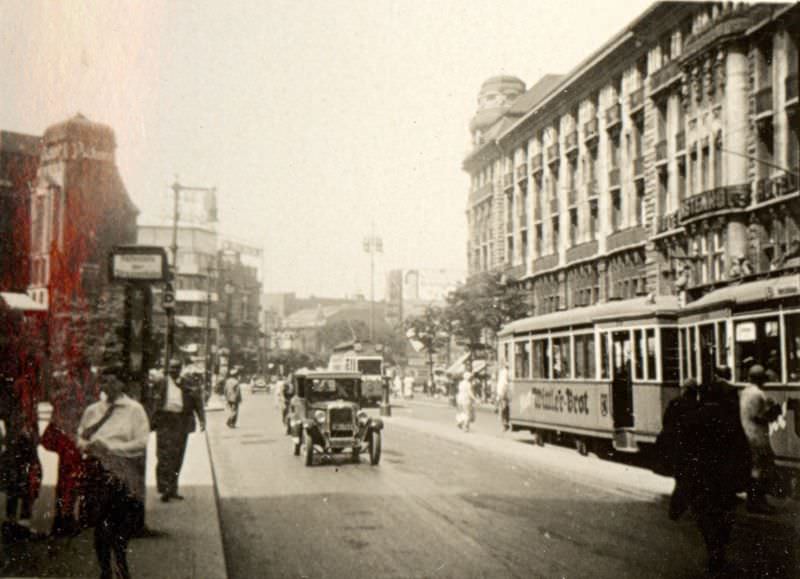
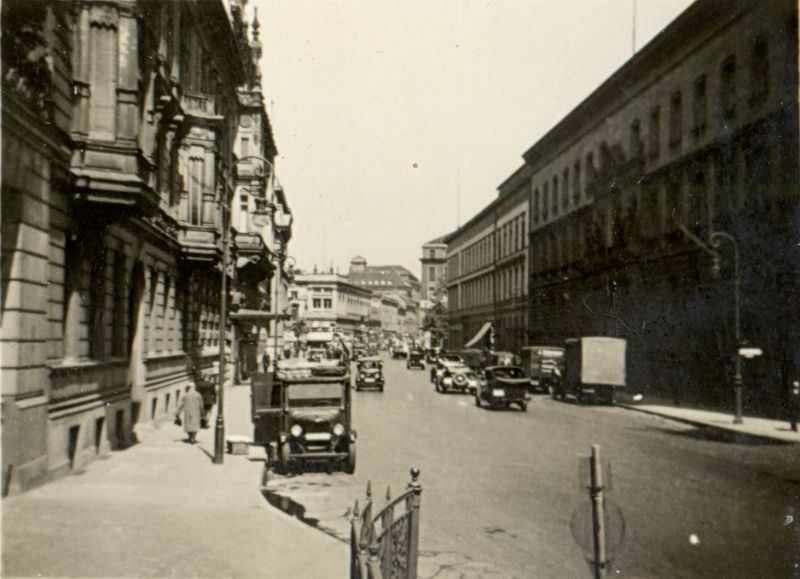
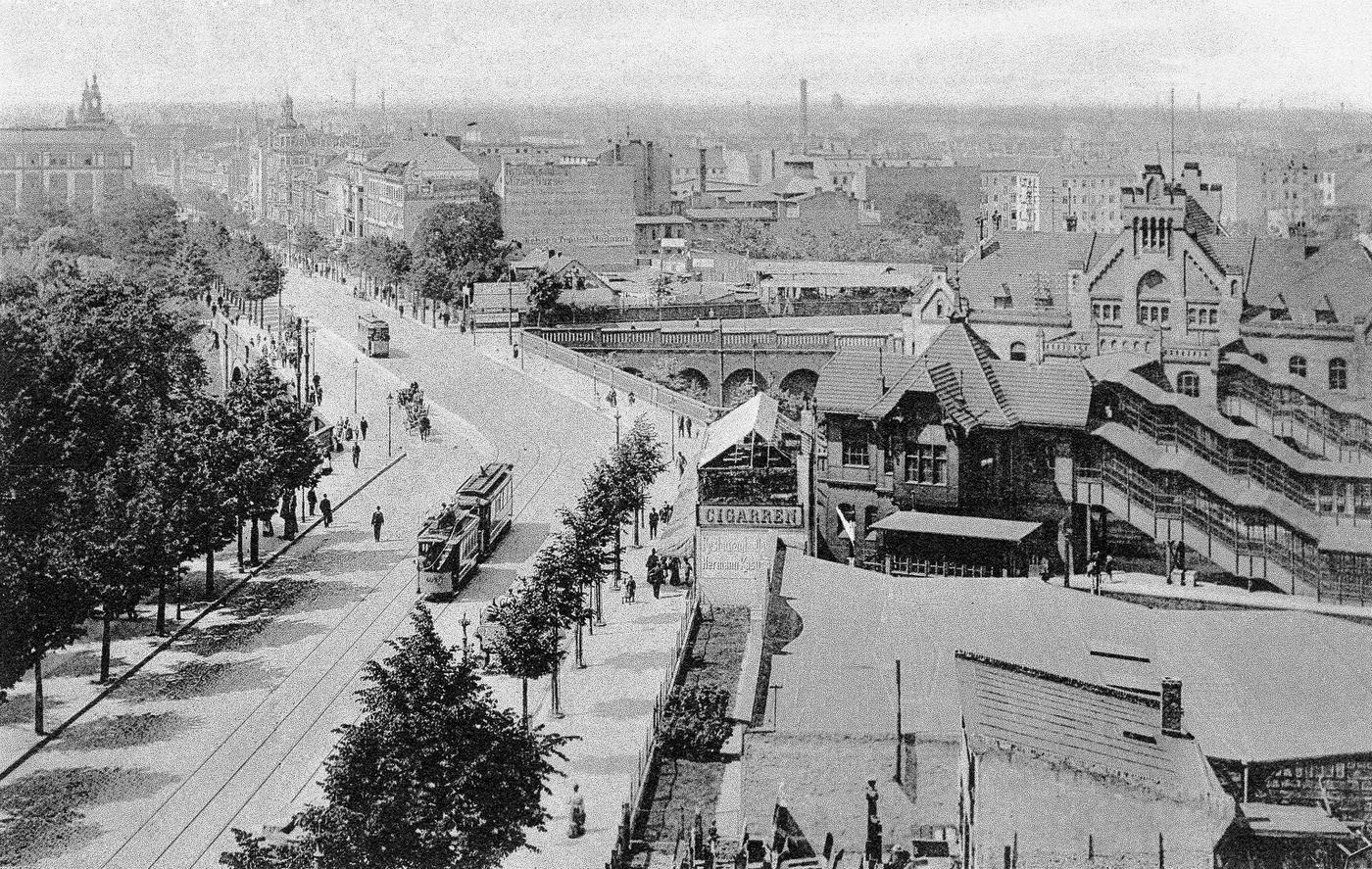
The tram network was central to how Berliners moved around the city. Lines ran along major thoroughfares like Charlottenstraße and Friedrichstraße, connecting neighborhoods across the city. Alongside the trams, the S-Bahn — Berlin’s urban rail system — was being expanded and modernized throughout the late 1920s and early 1930s, with new stations and elevated lines changing the skyline in key areas like Alexanderplatz.

Königgrätzер Straße in front of the Potsdamer Bahnhof, Berlin, 1930
Kroll Opera House
Kroll Opera House
The Siegessäule seen from the Siegesallee

The Kroll Opera House had a complicated history. Originally a concert and entertainment venue, it became politically significant in 1933 when the Reichstag met there after the parliament building burned. It was inside the Kroll Opera House that Hitler was granted the Enabling Act — the law that gave him dictatorial powers and effectively ended German parliamentary democracy. The building that had once hosted operas and public concerts became the site where the Weimar Republic was legally dissolved.

Wilhelmplatz, Kaiserhof Straße with the Kaiserhof on the right, Berlin, 1930
Wilhelmstraße, Reichskanzleramt
Bakers in Volkesfes
Bakers in Volkesfes

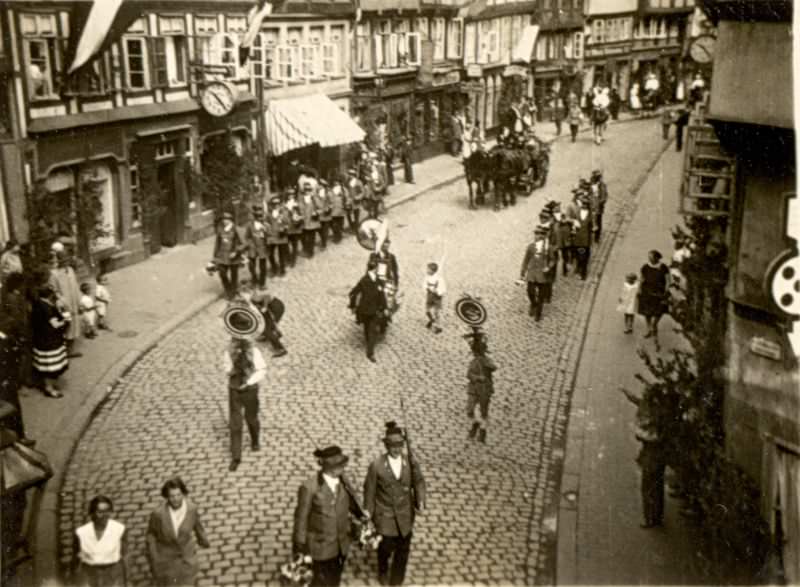
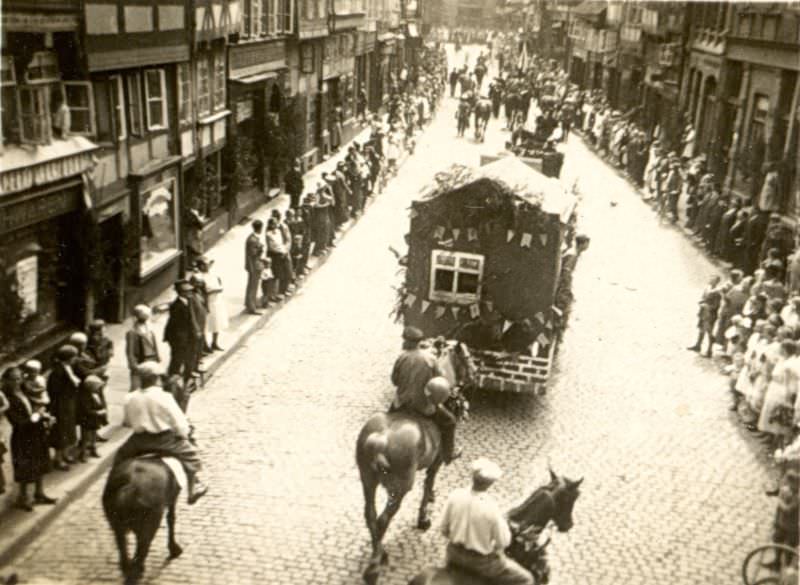
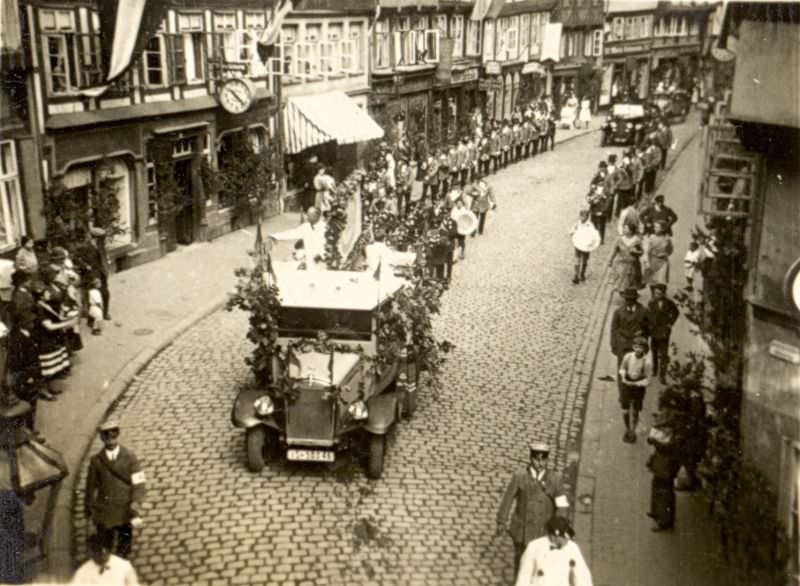
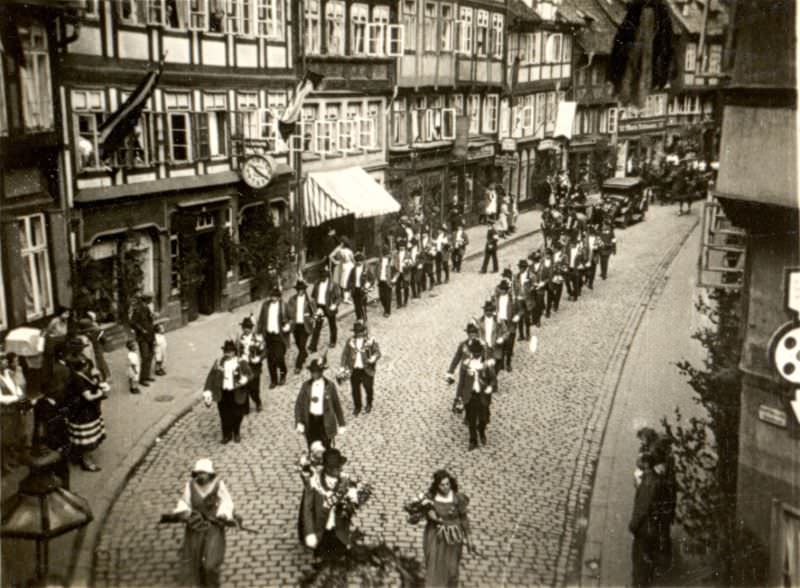
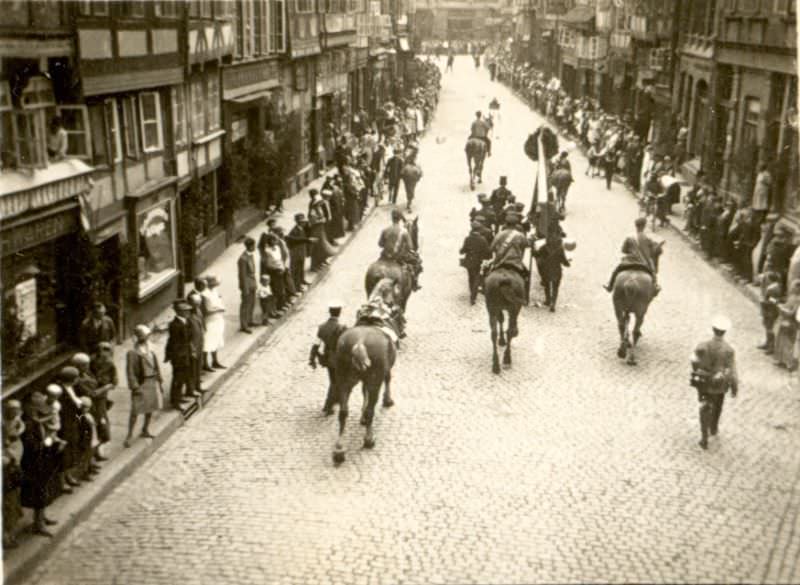
The Volksfest — a traditional German folk festival — was a regular feature of Berlin’s public life. These festivals brought together tradespeople, craftsmen, performers, and ordinary families. Bakers, brewers, firemen, and local guilds all participated, parading through the streets and setting up stalls. They offered a glimpse of the older, working-class social fabric of the city that existed alongside its more glamorous cultural scene.

Brewery wagon, Volkesfest
Firemen, Volkesfest
Firemen, Volkesfest
Shooting company, Volkesfest
Witches house, Volkesfes
Volkesfest in Berlin, 1930s

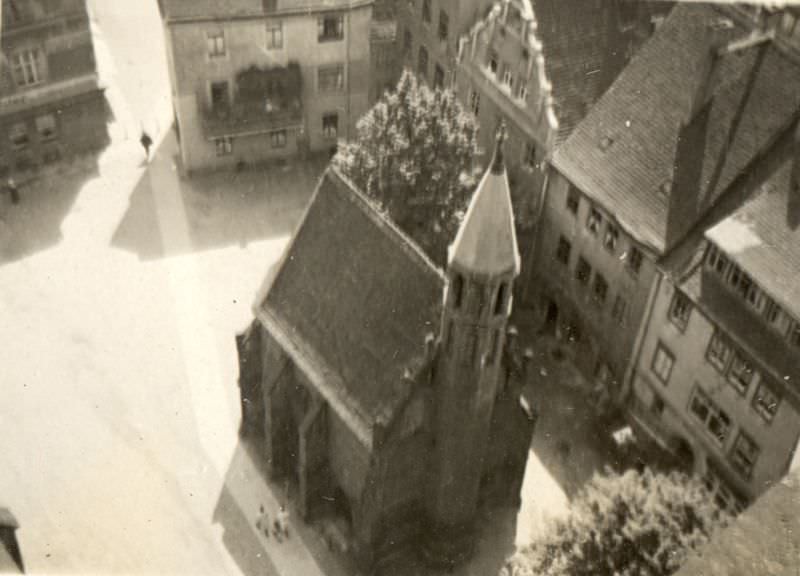
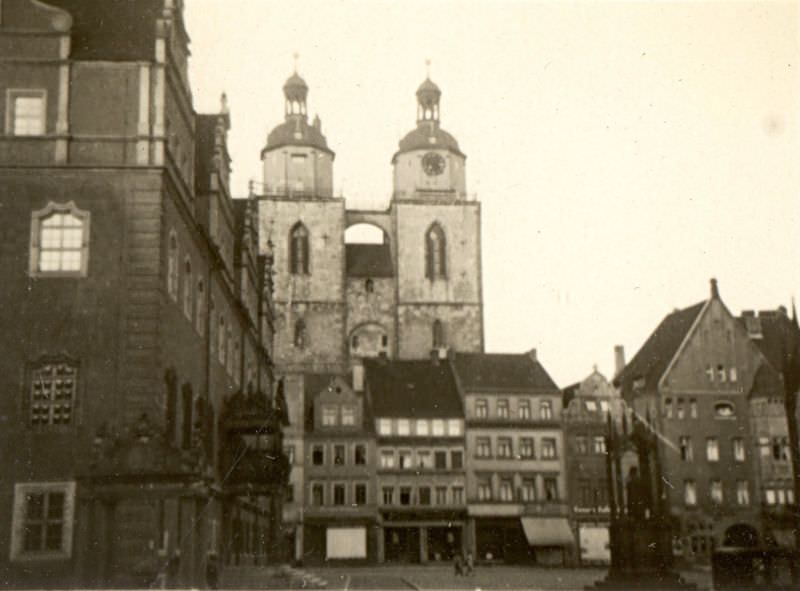
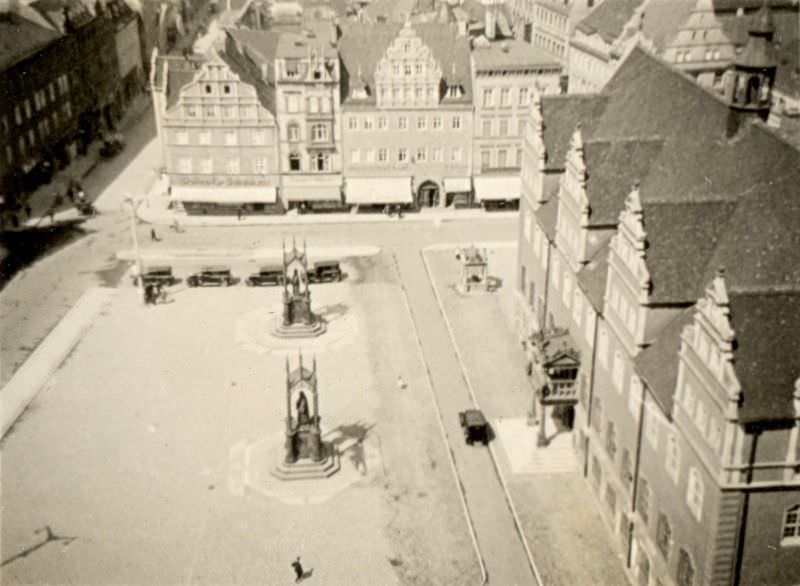
Beyond Berlin, the wider German landscape of the early 1930s still retained a quieter, more traditional character. Towns like Wittenberg — associated with Martin Luther and the Protestant Reformation of the 16th century — had changed little in centuries. Their town squares, churches, and chapels stood as they had for generations, offering a sharp contrast to the noise and speed of the capital.

Wittenberg old chapel, 1930s
Wittenberg town church, 1930s
Wittenberg town square, 1930s

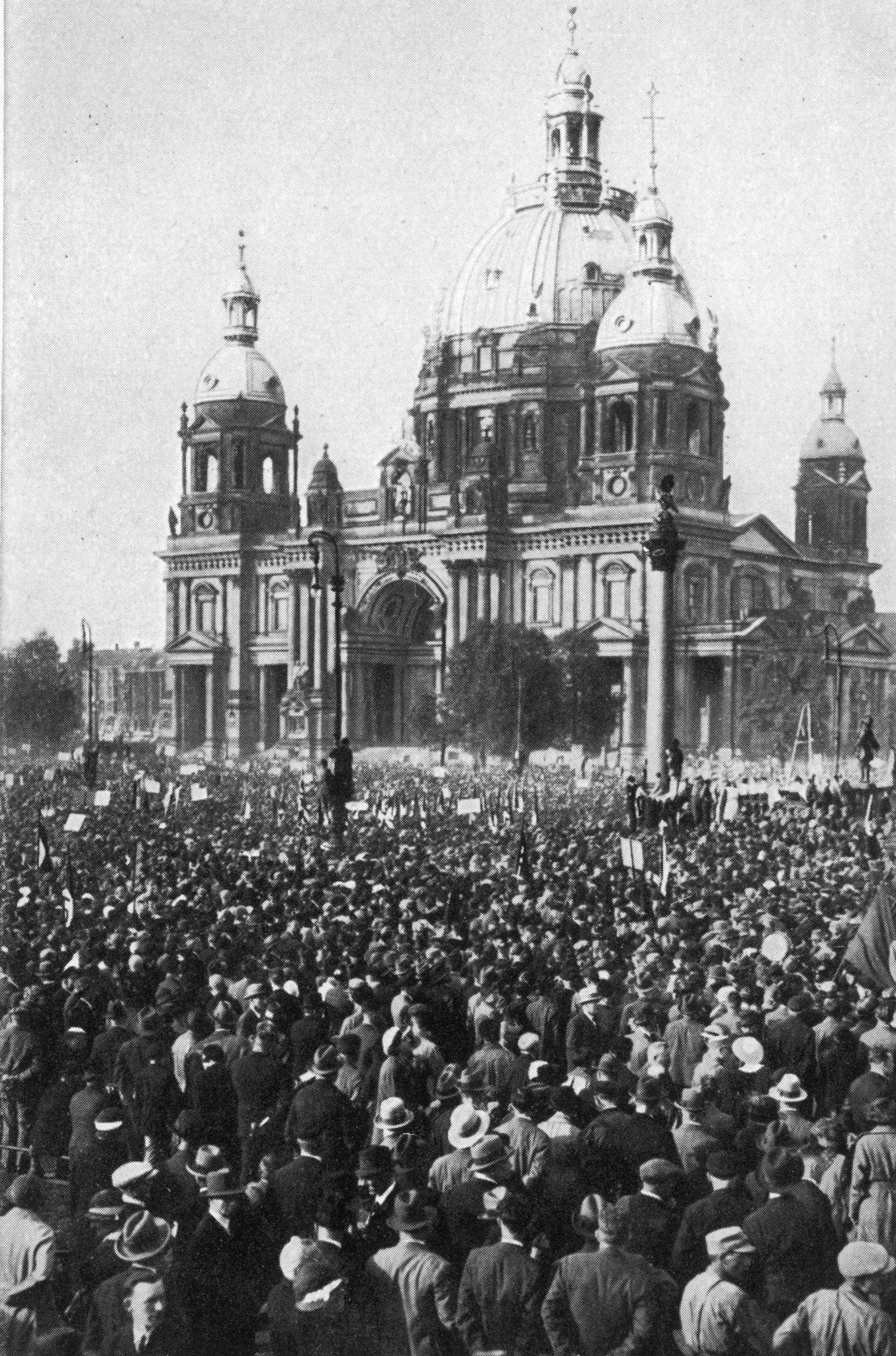
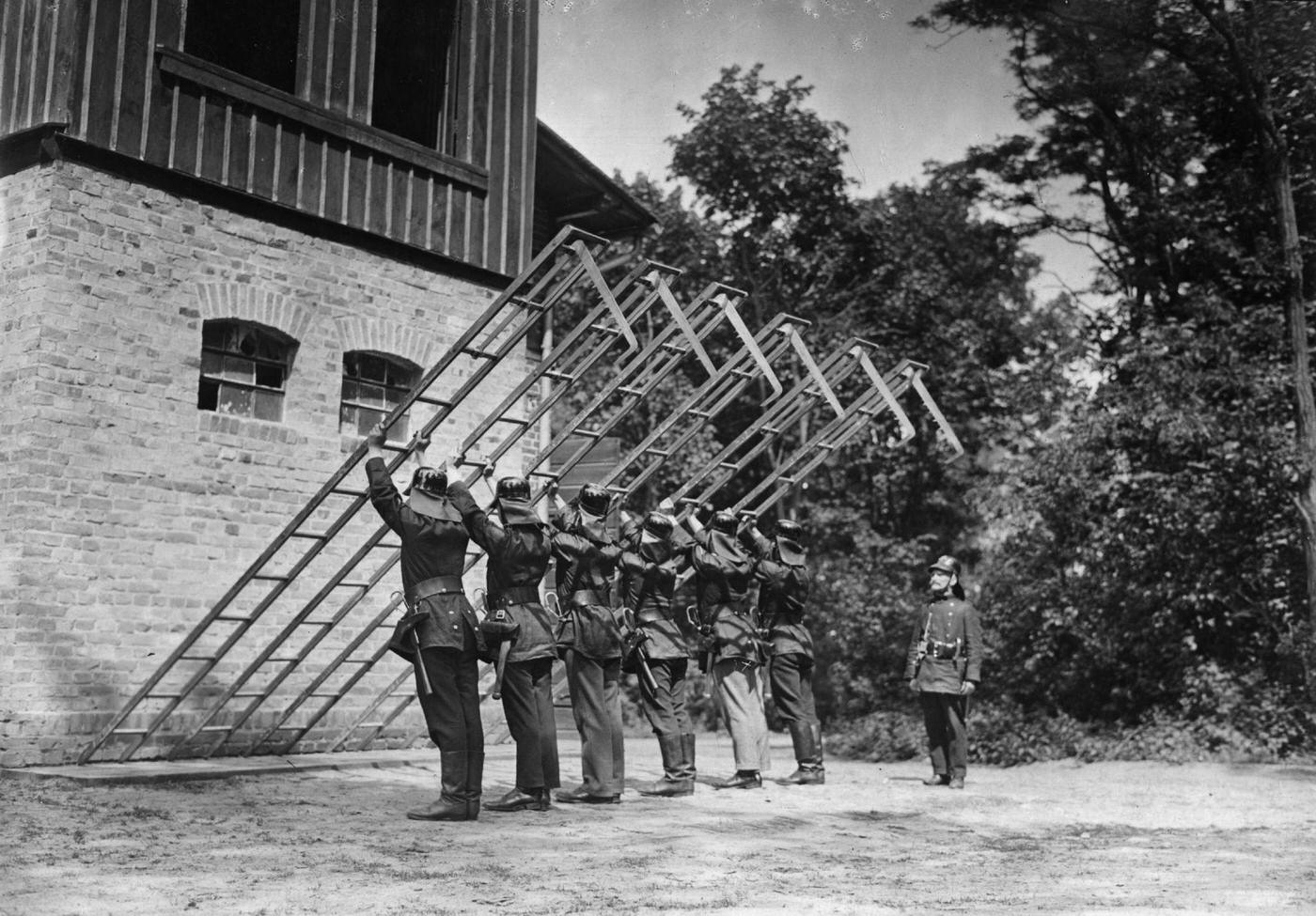
Back in Berlin, mass gatherings at major landmarks were a regular sight. The Berlin Cathedral — the Berliner Dom — drew large crowds for religious events and public ceremonies. In the same years, workers could be seen maintaining the city’s aging infrastructure: adjusting ladders on public buildings, carrying out inspections, and keeping the machinery of the metropolis running.

Cathedral Crowd, Berlin, 1930
Righting Ladders, Berlin, 1930
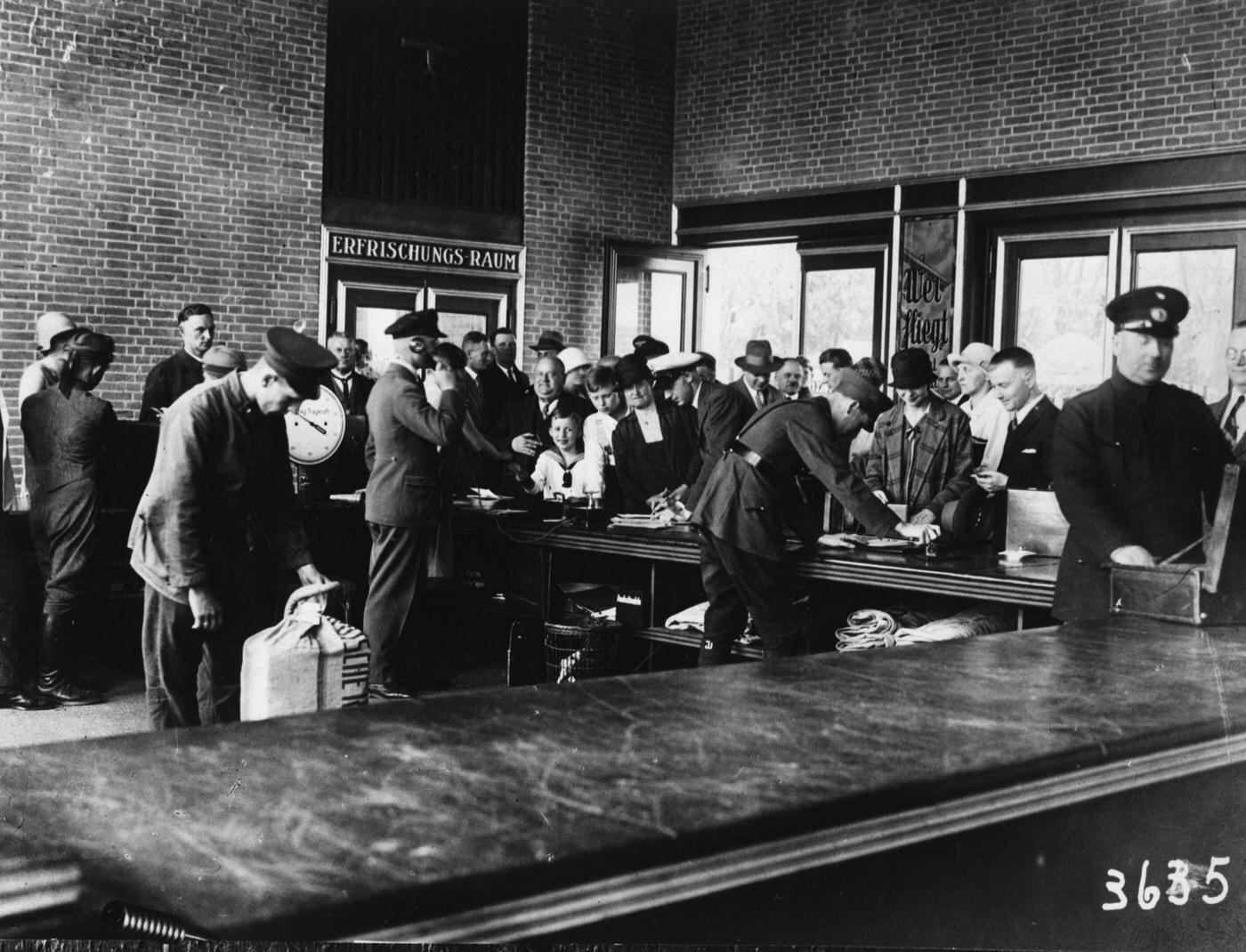
German Customs, Berlin, 1930
Potsdamer Platz, Berlin, 1930

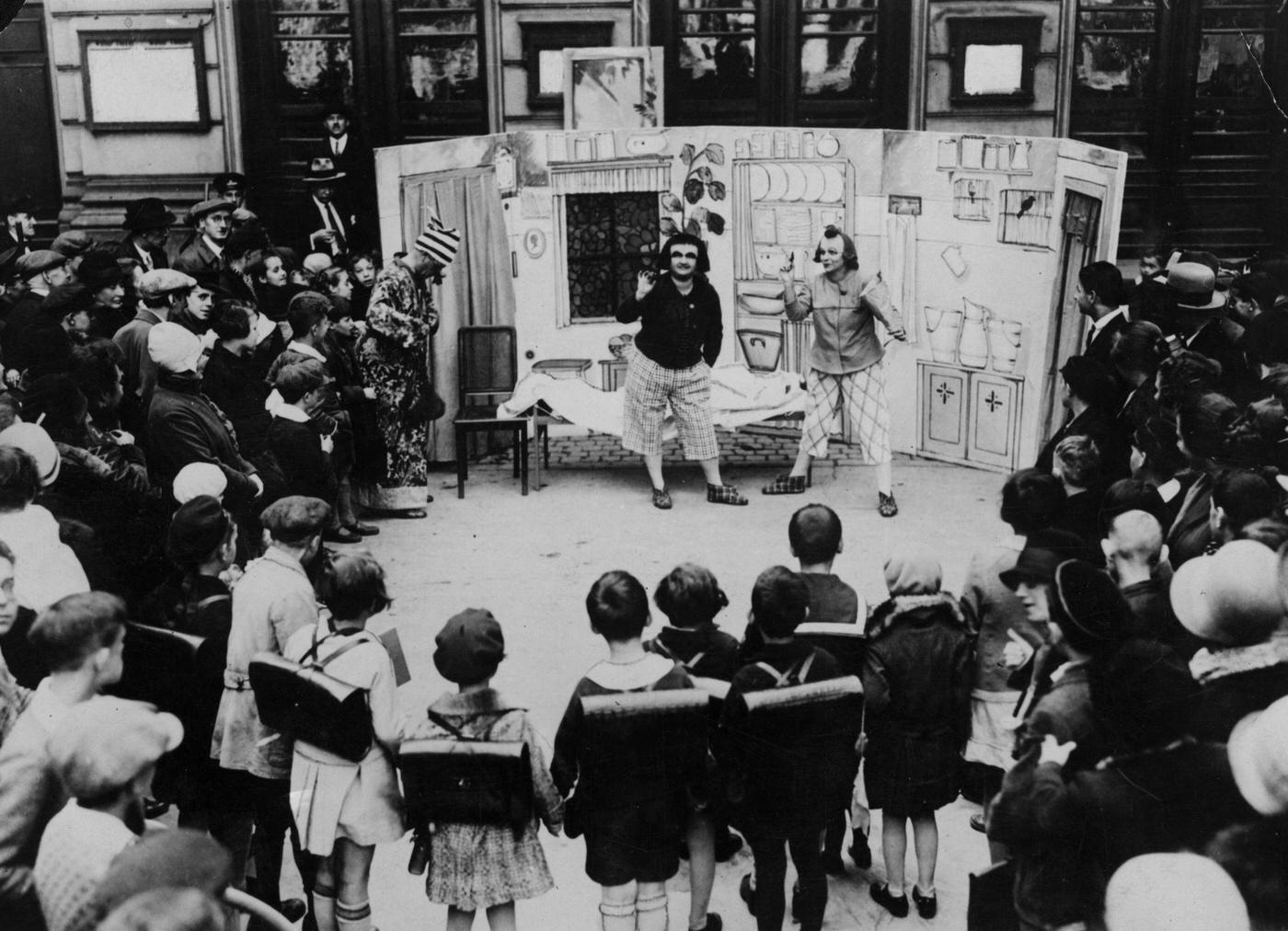
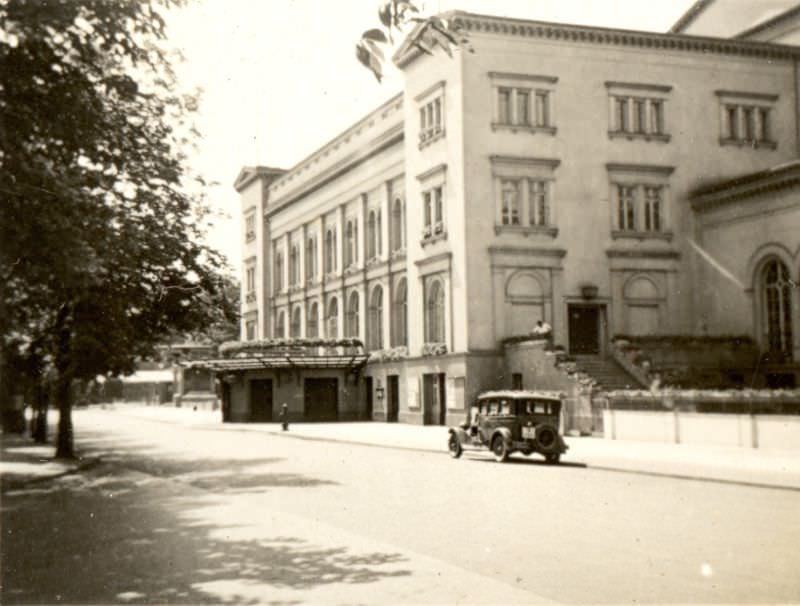
Theater — both fixed and traveling — was part of daily Berlin life. A traveling theater could set up quickly in a square or courtyard, drawing a crowd without any formal announcement. Meanwhile, in the city’s permanent venues, the arts were flourishing right up until the Nazi government began imposing ideological controls on culture after 1933. Works deemed “degenerate” were banned, and many of Berlin’s most prominent artists left the country rather than work under censorship.

Traveling theater, Berlin, 1930
Bellevue Palace, Berlin, 1930
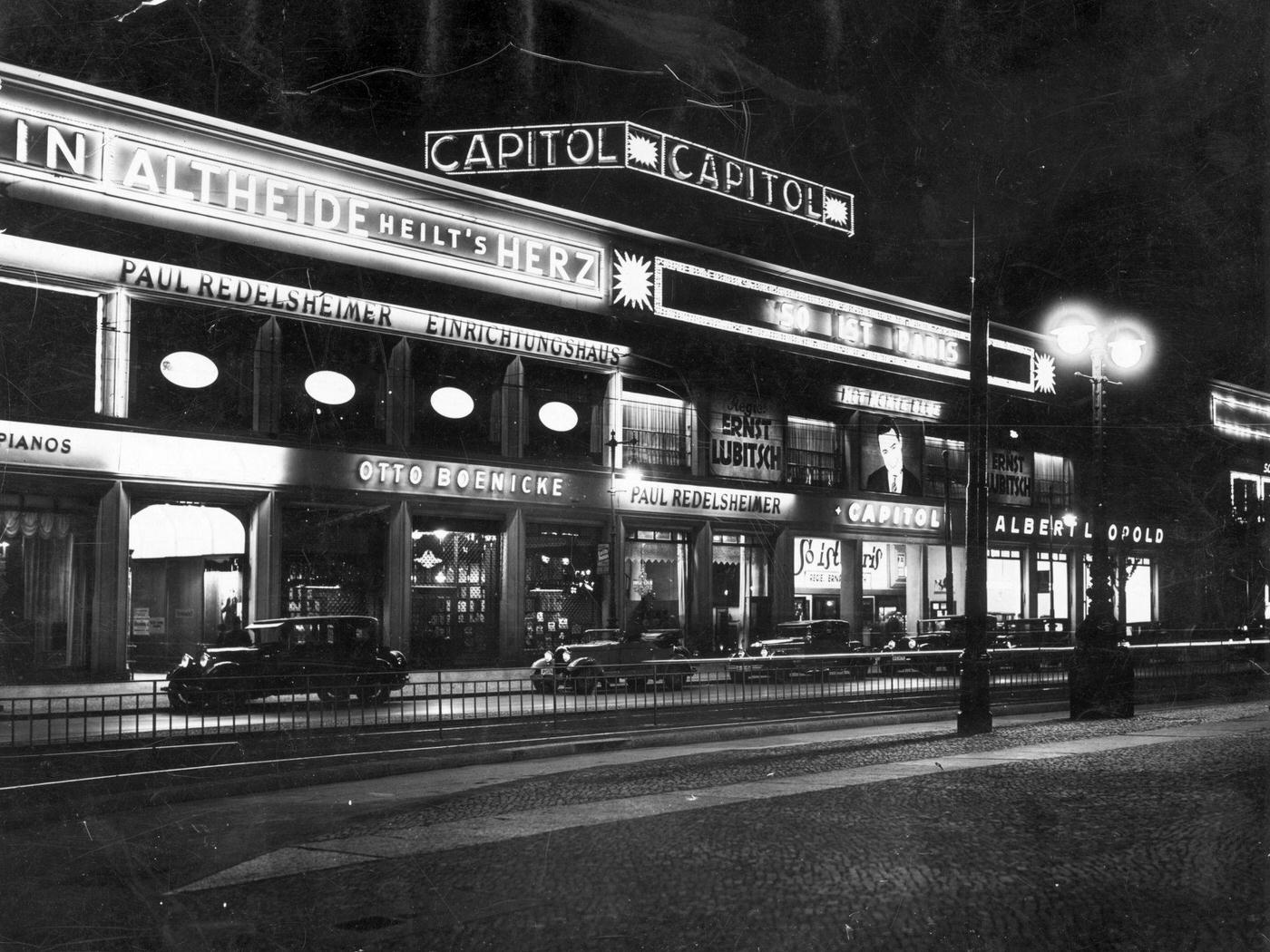
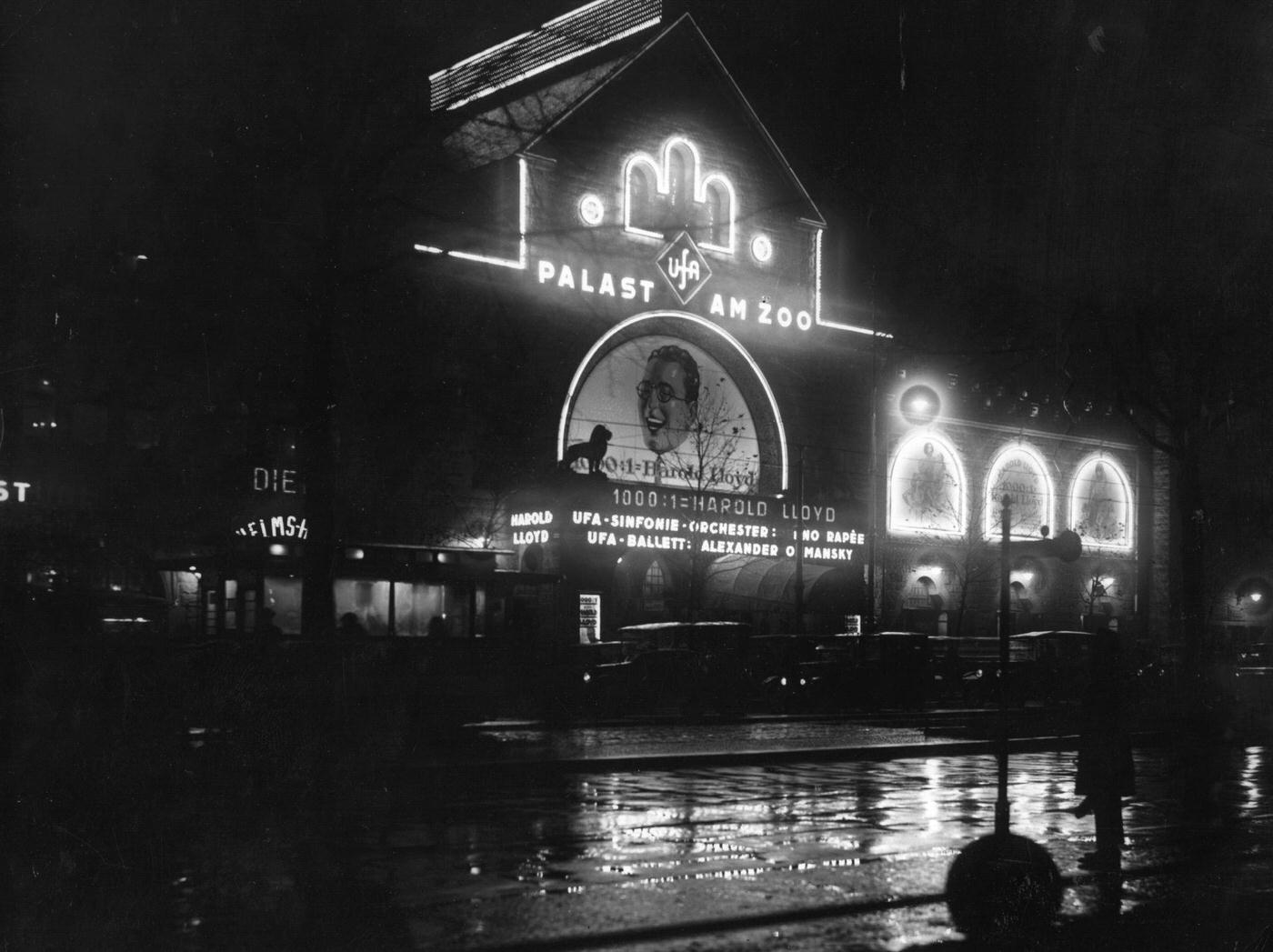
Berlin Cinema
Berlin Cinema

The economic crisis that began with the Wall Street Crash of 1929 devastated Berlin. Unemployment soared. Banks faced runs as anxious citizens rushed to withdraw their savings. Photographs from 1930 and 1931 show crowds forming outside savings banks, small shareholders gathering in the street, and the general atmosphere of financial panic that gripped the city. It was this desperation that made extremist political parties — including the Nazis — far more attractive to ordinary voters.
Nazi-terror in Berlin, Berlin, 1930
Economic crisis: Rush demand on material assets, Berlin, 1930
Potsdamer Place, Berlin, 1930

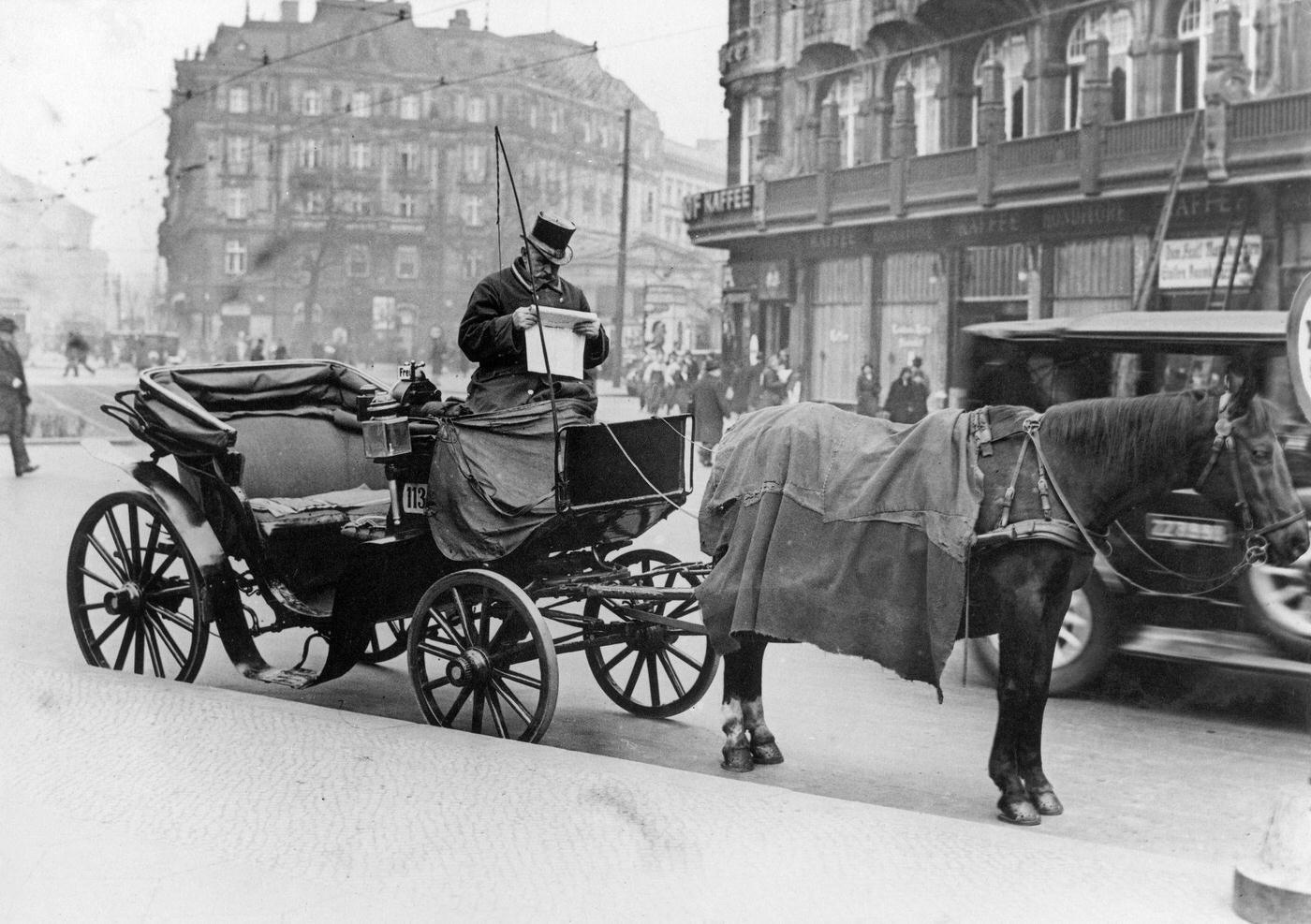
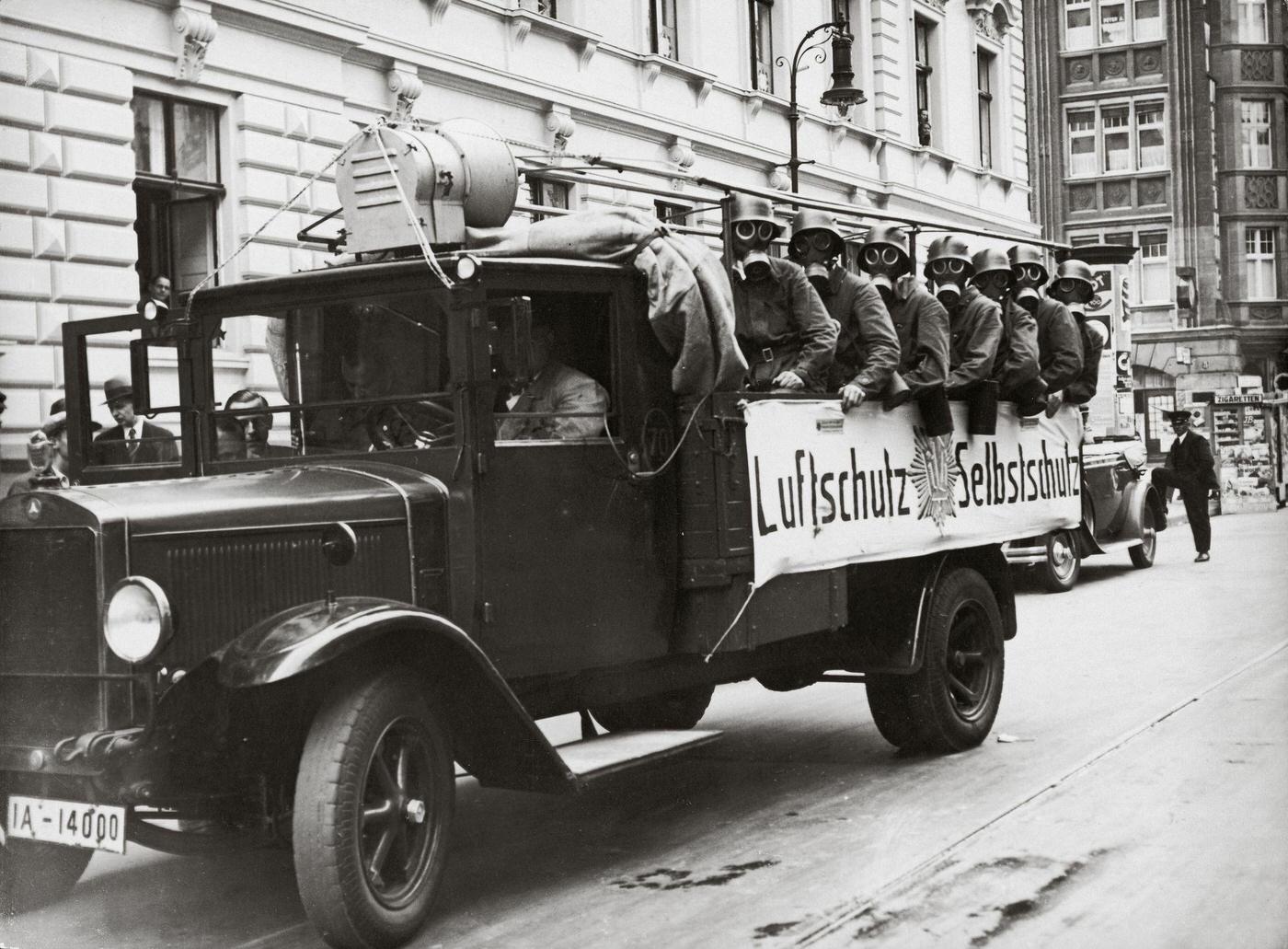
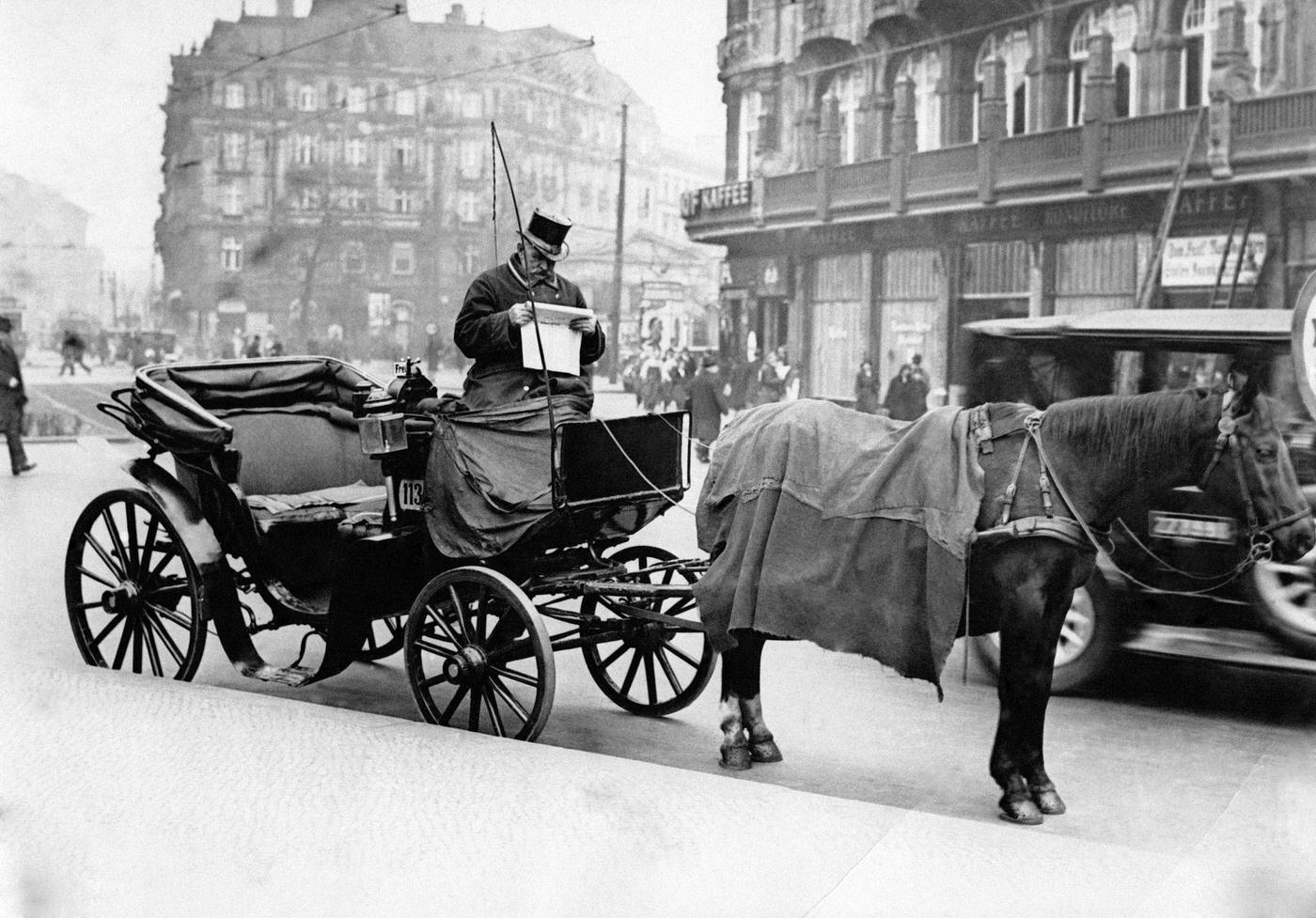
Even as the automobile was becoming more common on Berlin’s streets, older forms of transport were still in use. Horse-drawn coaches could still be seen in the early 1930s, though they were rapidly disappearing. A photograph from this period labeled “one of the last horse-coaches in Berlin” marks the end of an era. Nearby, members of Germany’s aerial defense forces were being photographed publicly — a signal of the country’s accelerating remilitarization despite the restrictions placed on Germany by the Treaty of Versailles.

One of the last horse-coaches in Berlin, Berlin, 1930
Members of the German aerial-defense, Berlin, 1930
Potsdamer Platz, 1930

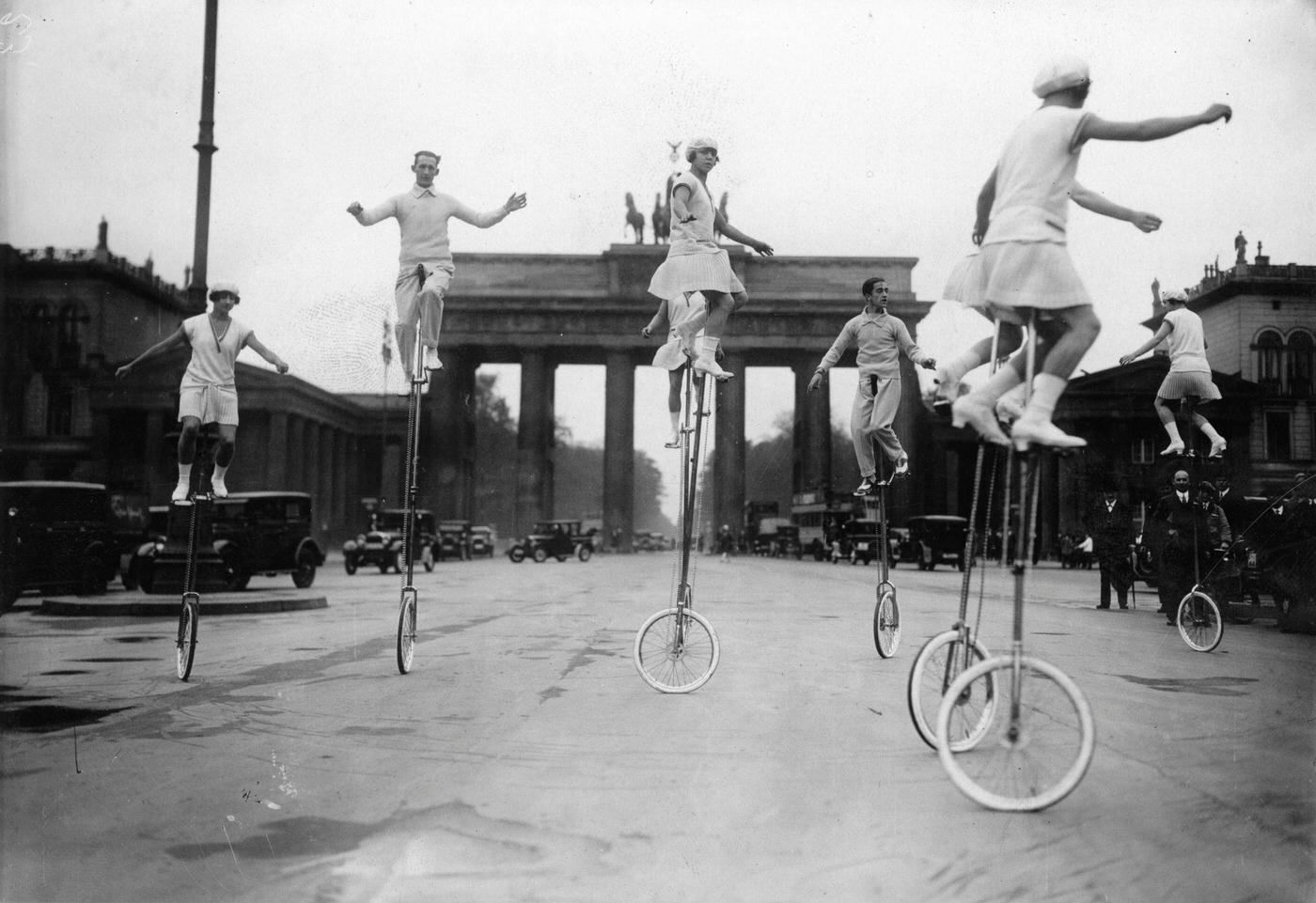
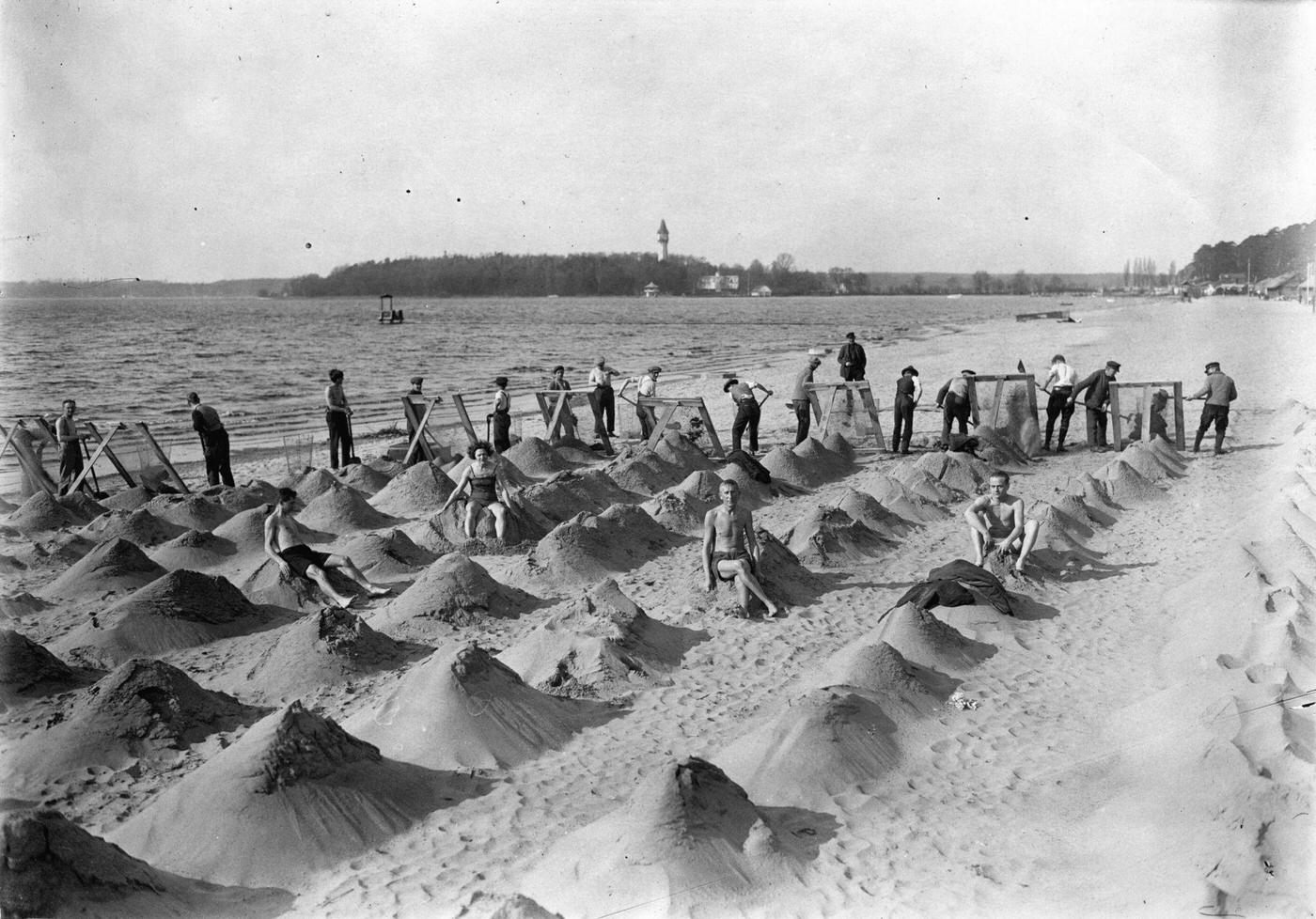
The Brandenburg Gate was not just a monument — it was a stage. Performers, parades, and demonstrations all used it as a backdrop. A monowheel performer was photographed there in 1930, drawing crowds in the open plaza. Nearby, at the Wannsee on the city’s western edge, Berliners gathered each summer at one of Europe’s largest inland beaches. Before the season opened, people were photographed searching the sand for valuables — a detail that speaks to the economic hardship many were living through.

Travel, Cities, Germany, Berlin, 1930s, The famous landmark of Berlin, the Brandenburg Gate, pictured as it was before World War Two
Monowheel performance in front of the Brandenburg Gate, Berlin, 1930
Yearly before the opening of the Wannsee beach several people searching for valuable objects, Berlin, Germany, 1930
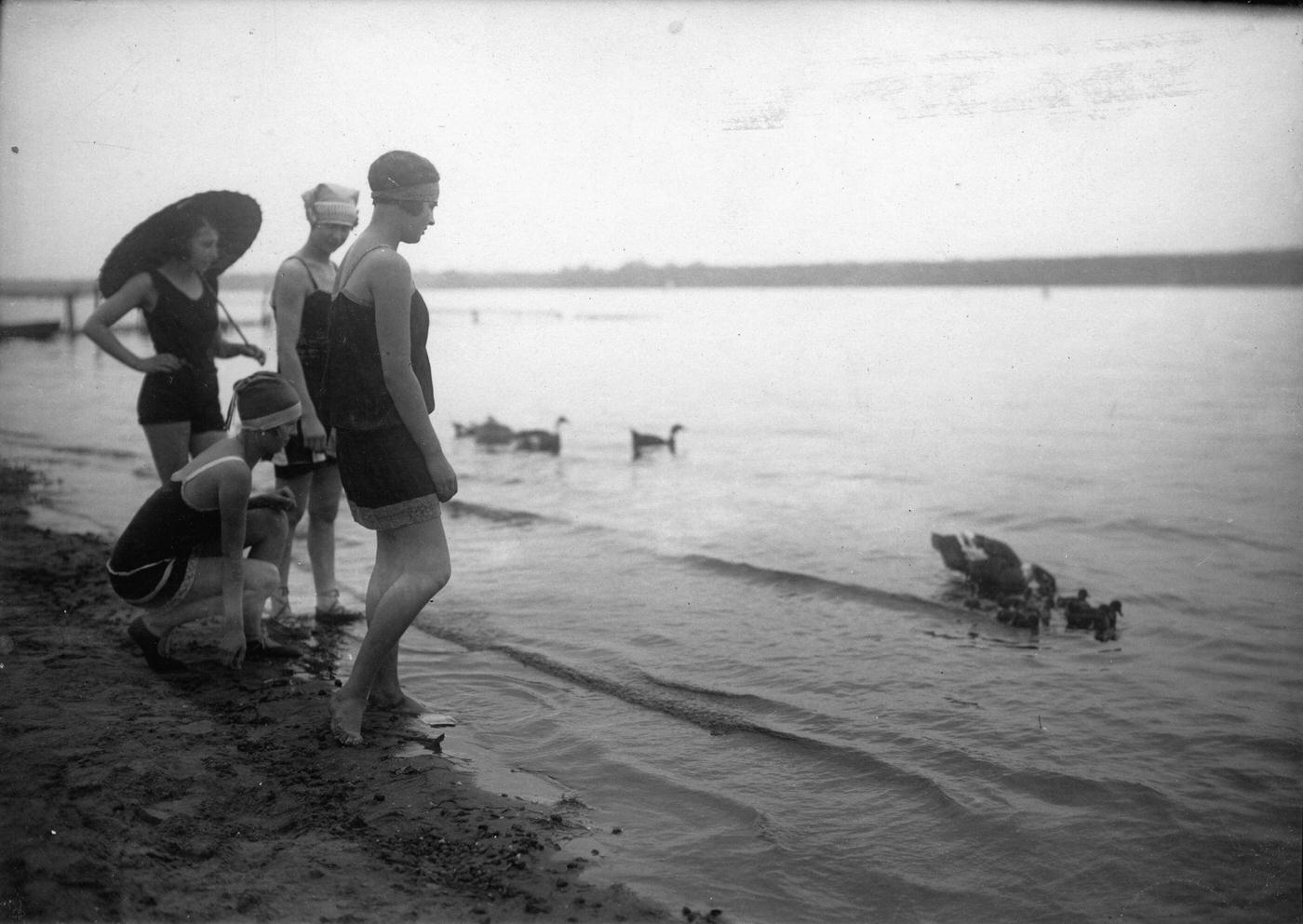
Bading women at the Wannsee, Berlin, Germany, 1930

Gustav Stresemann, the German statesman who served as Chancellor and later Foreign Minister during the Weimar Republic years, died in October 1929 — just days before the Wall Street Crash. His death removed one of the key figures who had stabilized German democracy in the mid-1920s. By 1930, his birthplace in Berlin was already being marked as a historical site, a sign of how quickly political memory was being shaped in a city lurching toward authoritarian rule.

Birthplace of Gustav Stresemann, German politician, Berlin, 1930
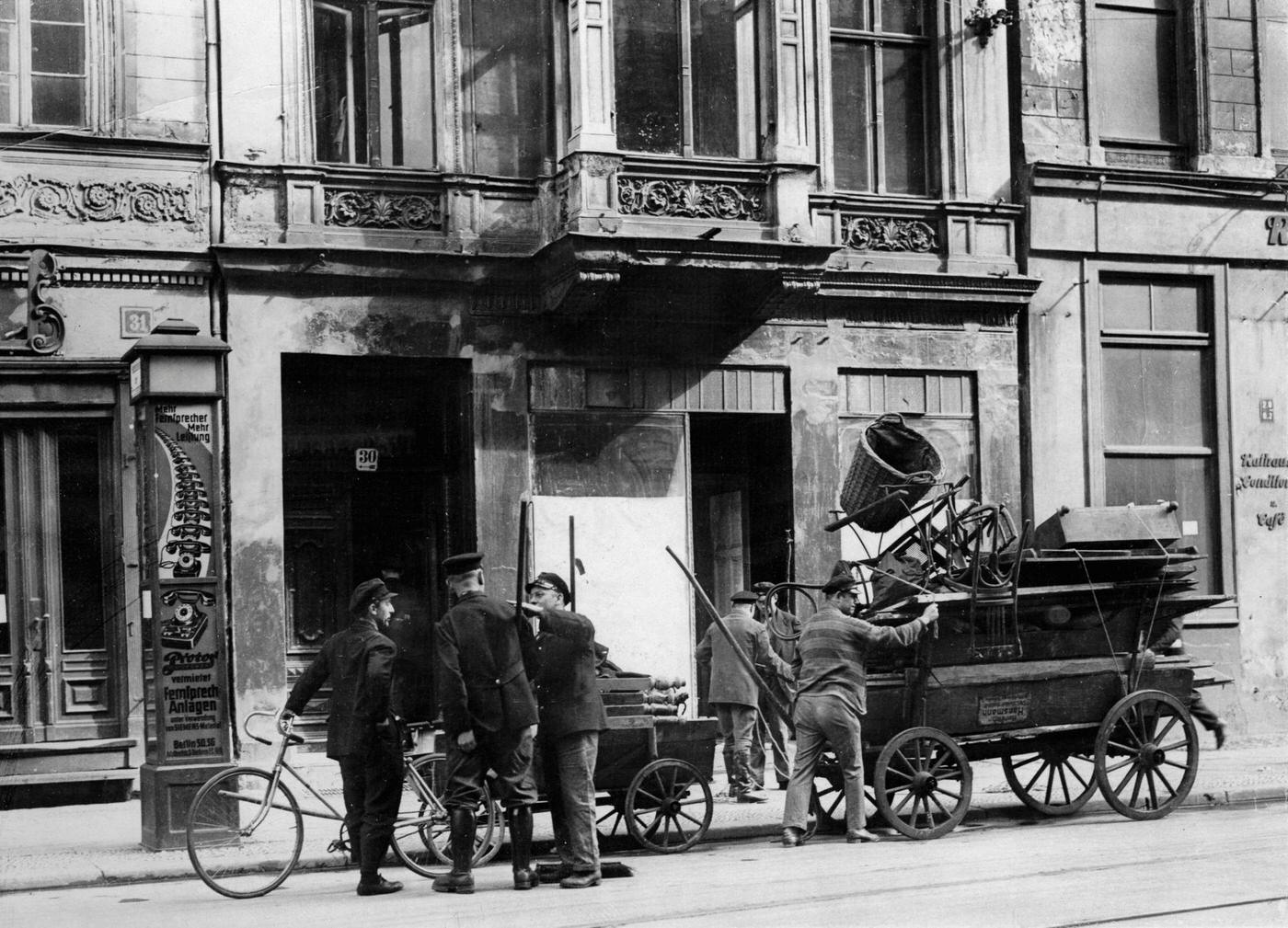
Vacation of a building by the Nationalsozialisten, Berlin, 1930
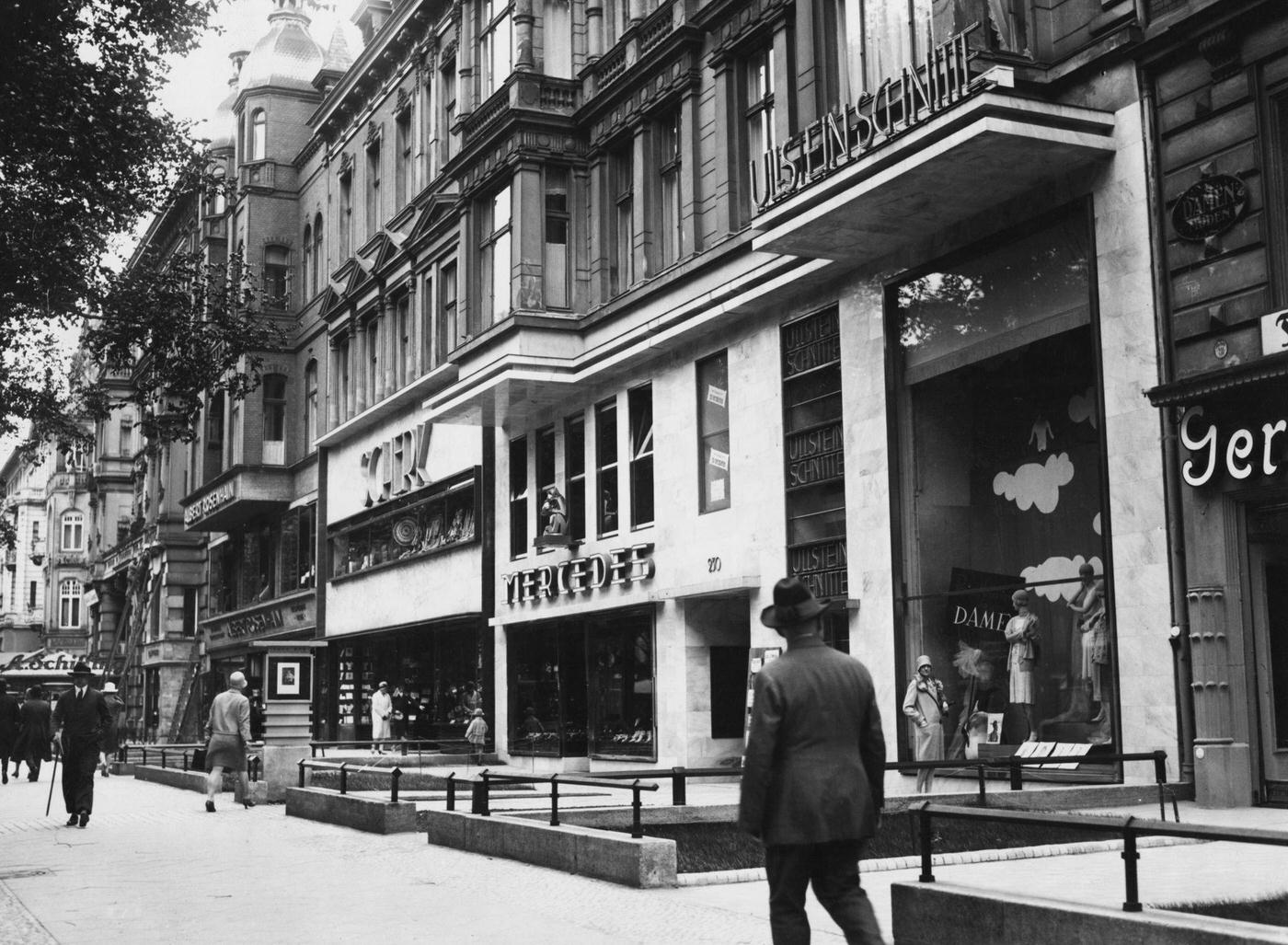
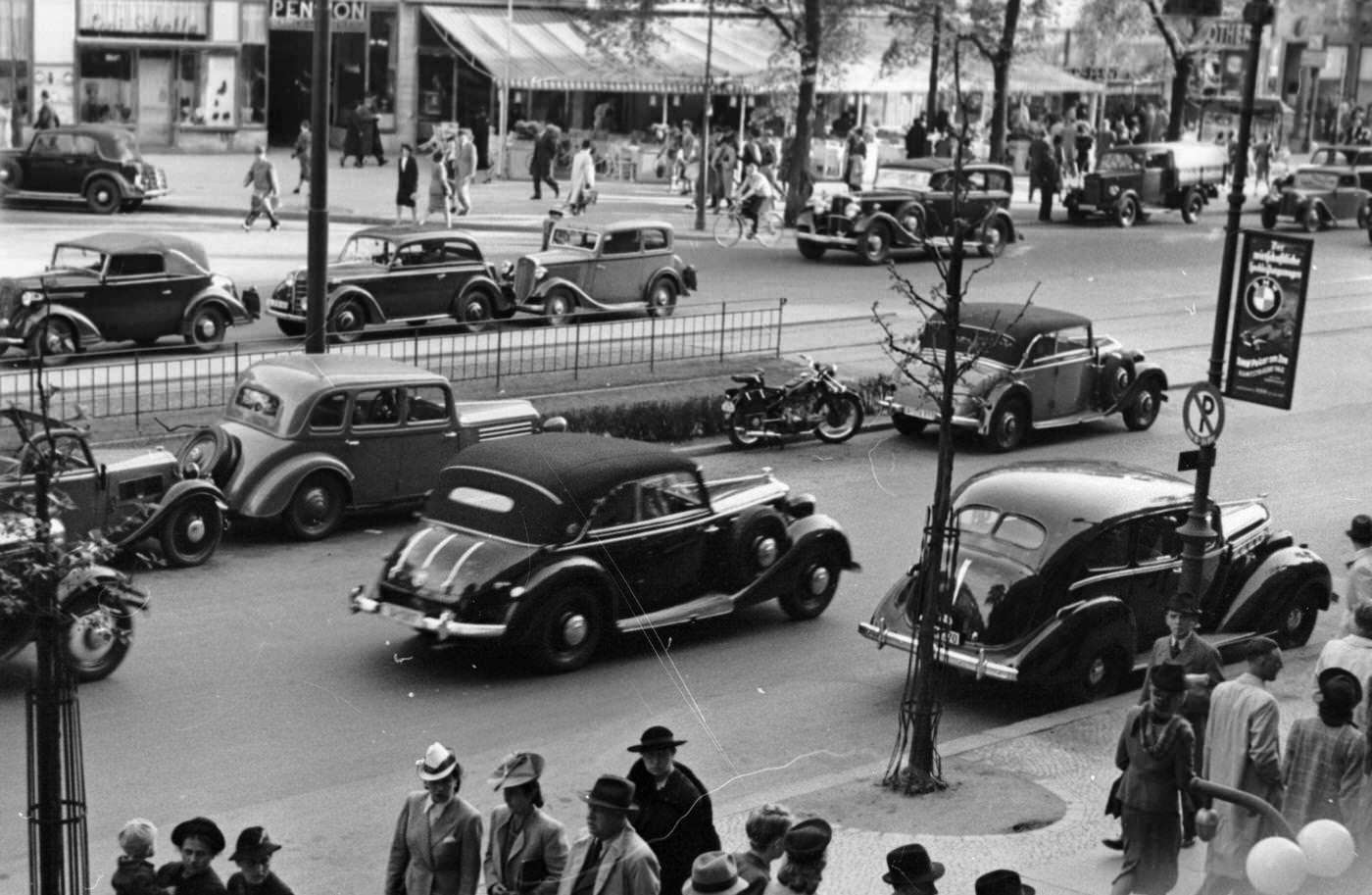
Kurfurstendamm, Berlin, 1930

The Kurfürstendamm — known as the Ku’damm — was Berlin’s most fashionable boulevard. Lined with shops, cafes, cinemas, and hotels, it was where the city’s middle and upper classes went to spend money and be seen. By the mid-1930s, the street bore unmistakable signs of the new order: Nazi flags hung from buildings, anti-Semitic graffiti appeared on Jewish-owned shops, and uniformed party members patrolled the sidewalks.

Reichstag building, Berlin, 1930
Potsdamer Platz, Berlin, 1930

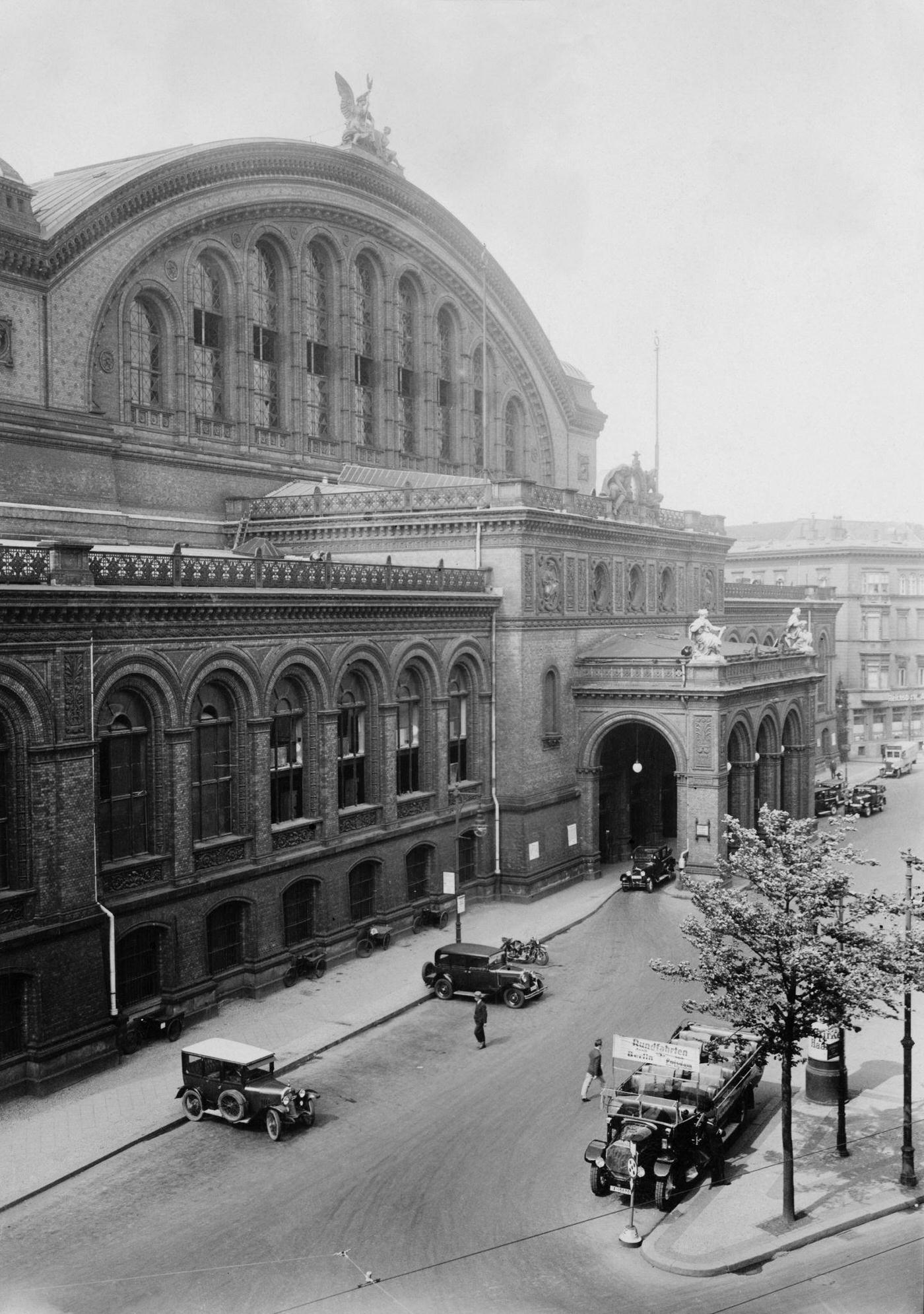
Berlin’s rail infrastructure was among the most developed in Europe. The Anhalter Bahnhof was one of the city’s great intercity train stations, a vast neoclassical structure that handled passenger traffic to southern Germany and beyond. The Potsdamer Bahnhof, nearby, connected the city to Potsdam and served the southwestern suburbs. Throughout the 1930s, these stations remained busy — carrying ordinary travelers, military personnel, and, as the decade progressed, those trying to leave the country.

Anhalter Bahnhof, Berlin, 1930
View from Potsdamer Platz towards Leipziger Strasse, Berlin, 1930
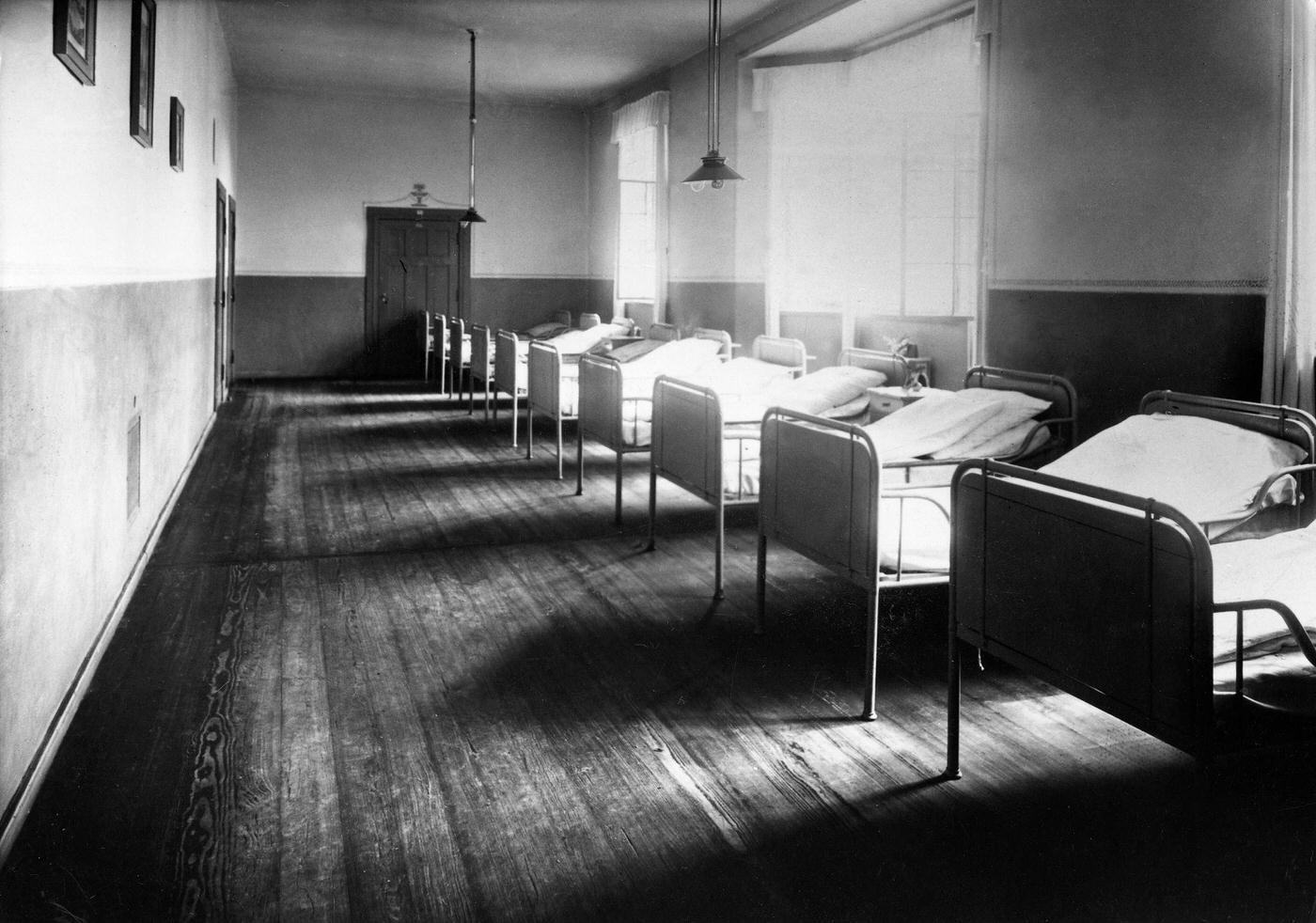
Psychiatrische Anstalten, Berlin, 1930

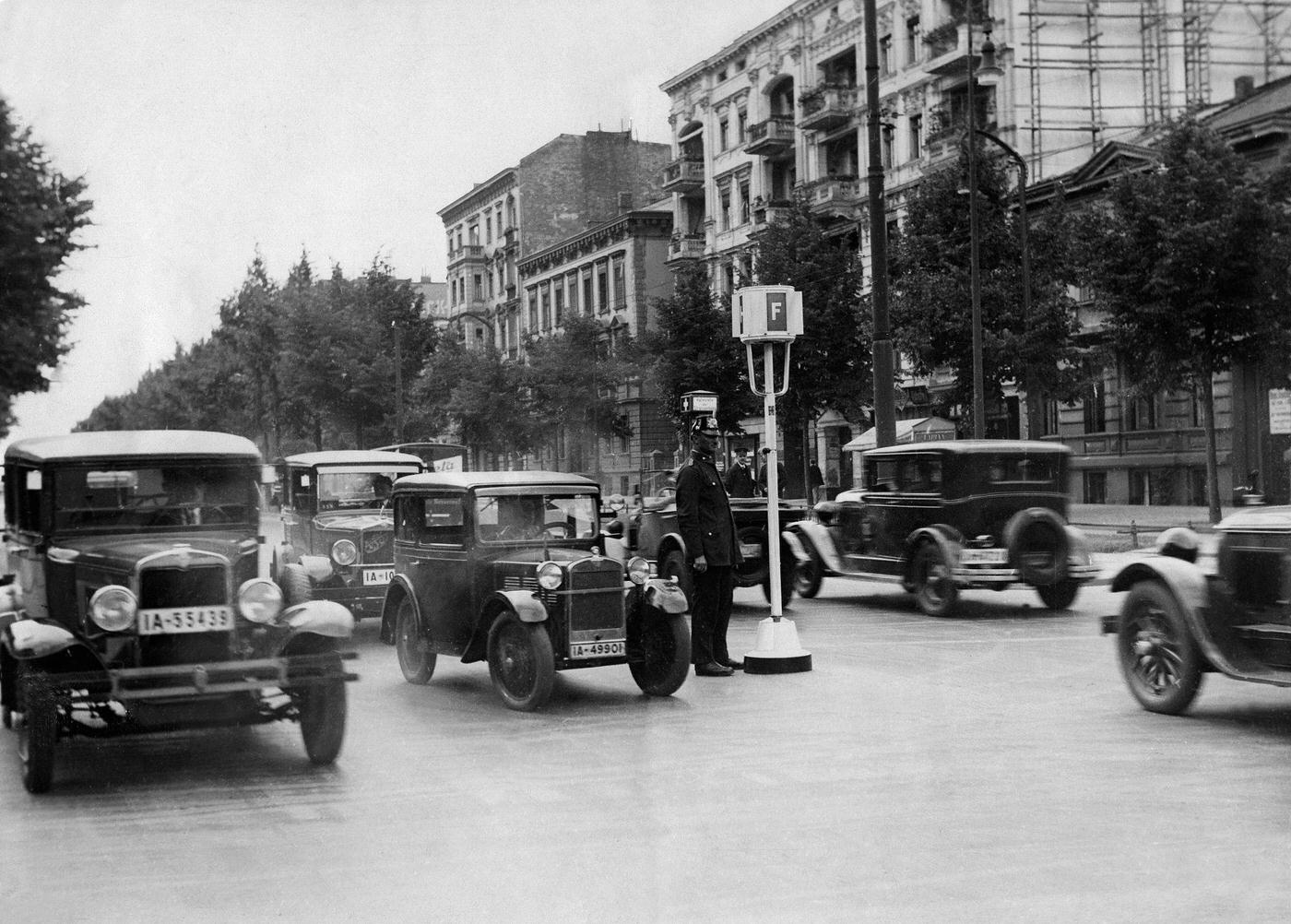
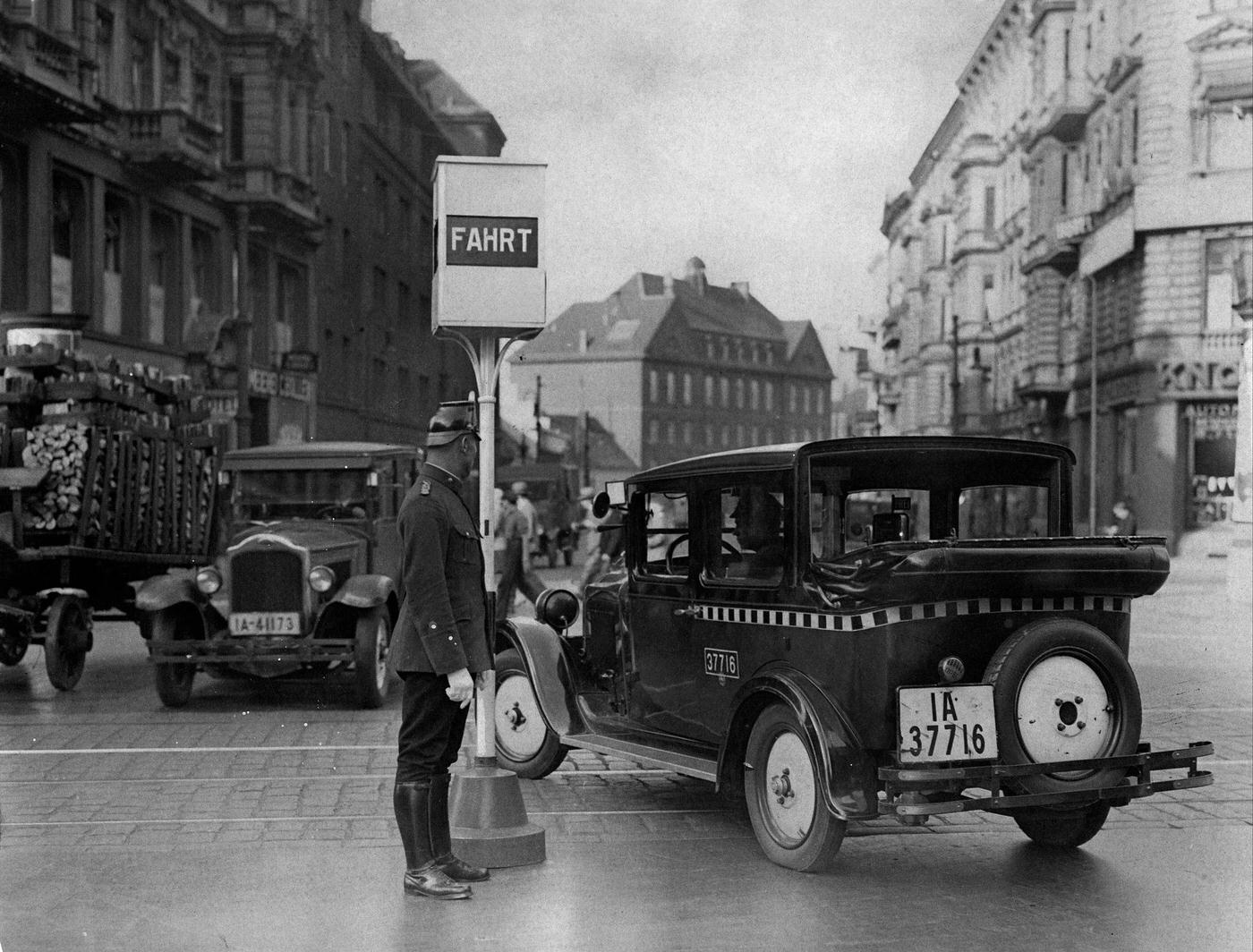
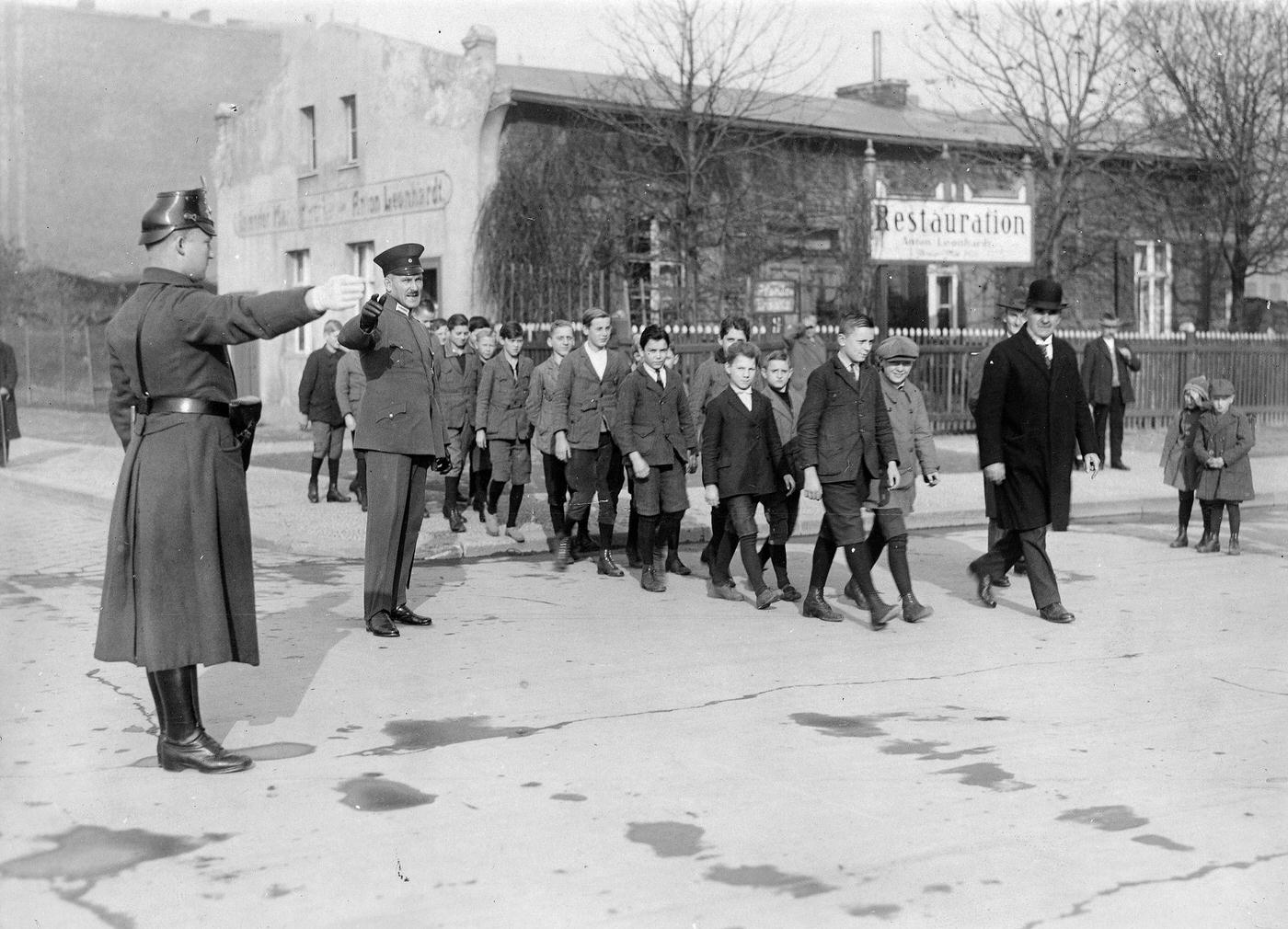
Traffic in Berlin was already complex enough in 1930 to require dedicated police officers stationed at major intersections to direct the flow of vehicles. A photograph from Bismarckstraße shows exactly that — an officer standing at a road sign, managing the mix of trams, cars, cyclists, and pedestrians. As motor traffic increased through the decade, the city’s streets became both more efficient and more chaotic.

Germany, Berlin: Policeman controlling the traffic at a road sign in the 'Bismarckstrasse/Leibnizstrasse,' Berlin, 1930
Germany, Berlin: Policeman controlling the traffic at a road sign in the ‘Bismarckstrasse/Leibnizstrasse,’ Berlin, 1930
Berlin Filmtheater, Berlin, 1930
Verkehr Berlin, Berlin, 1930

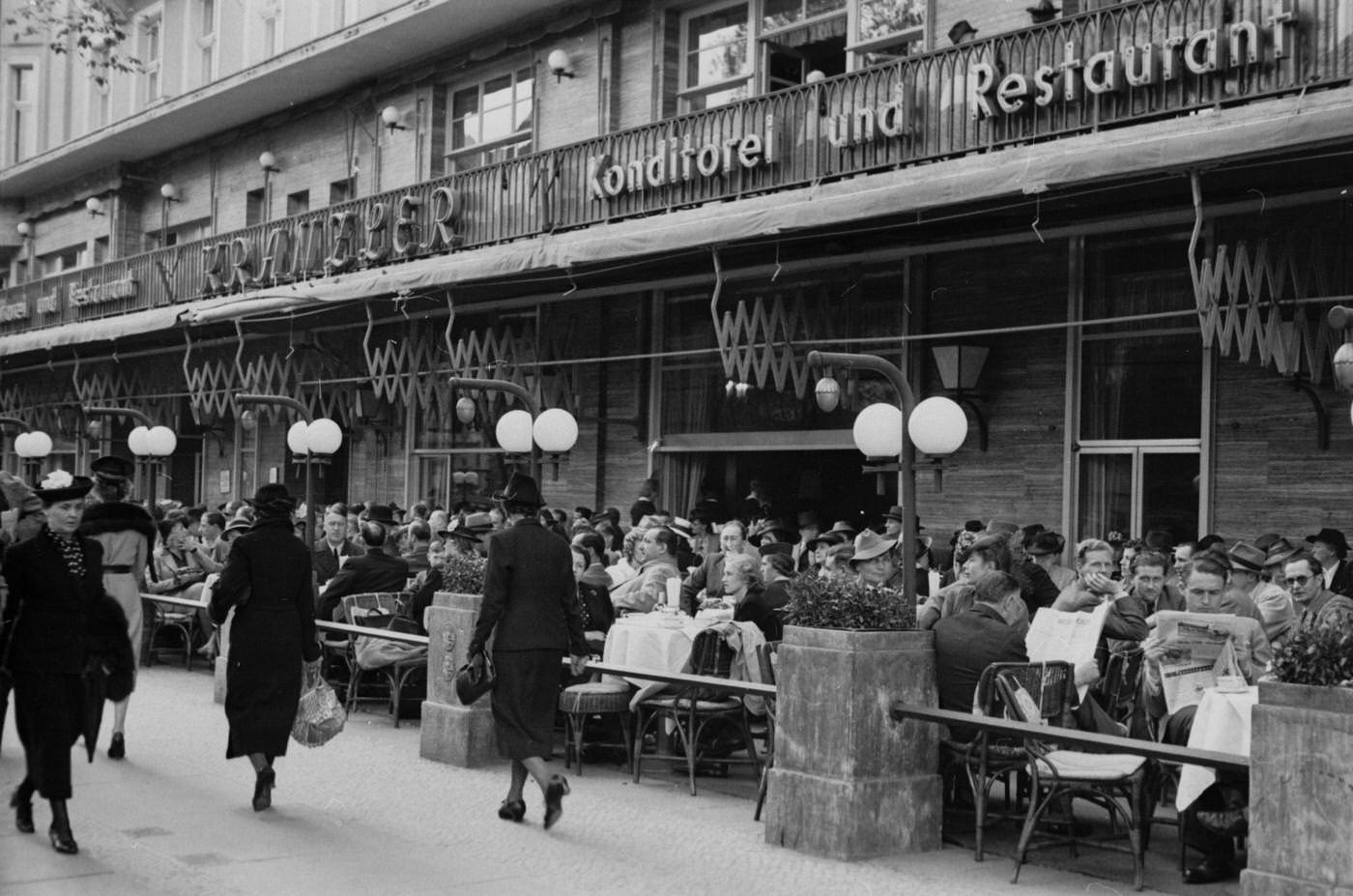
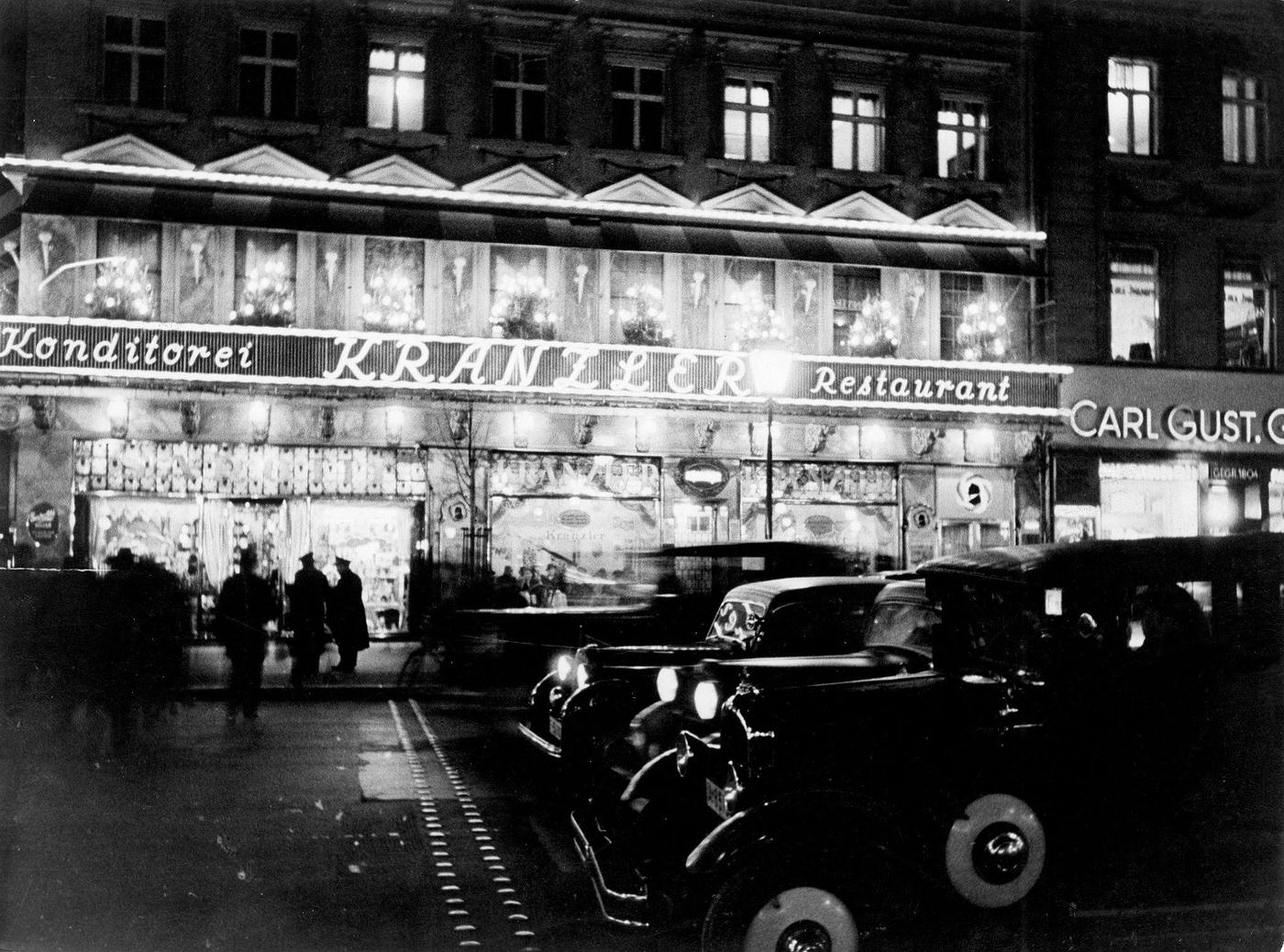
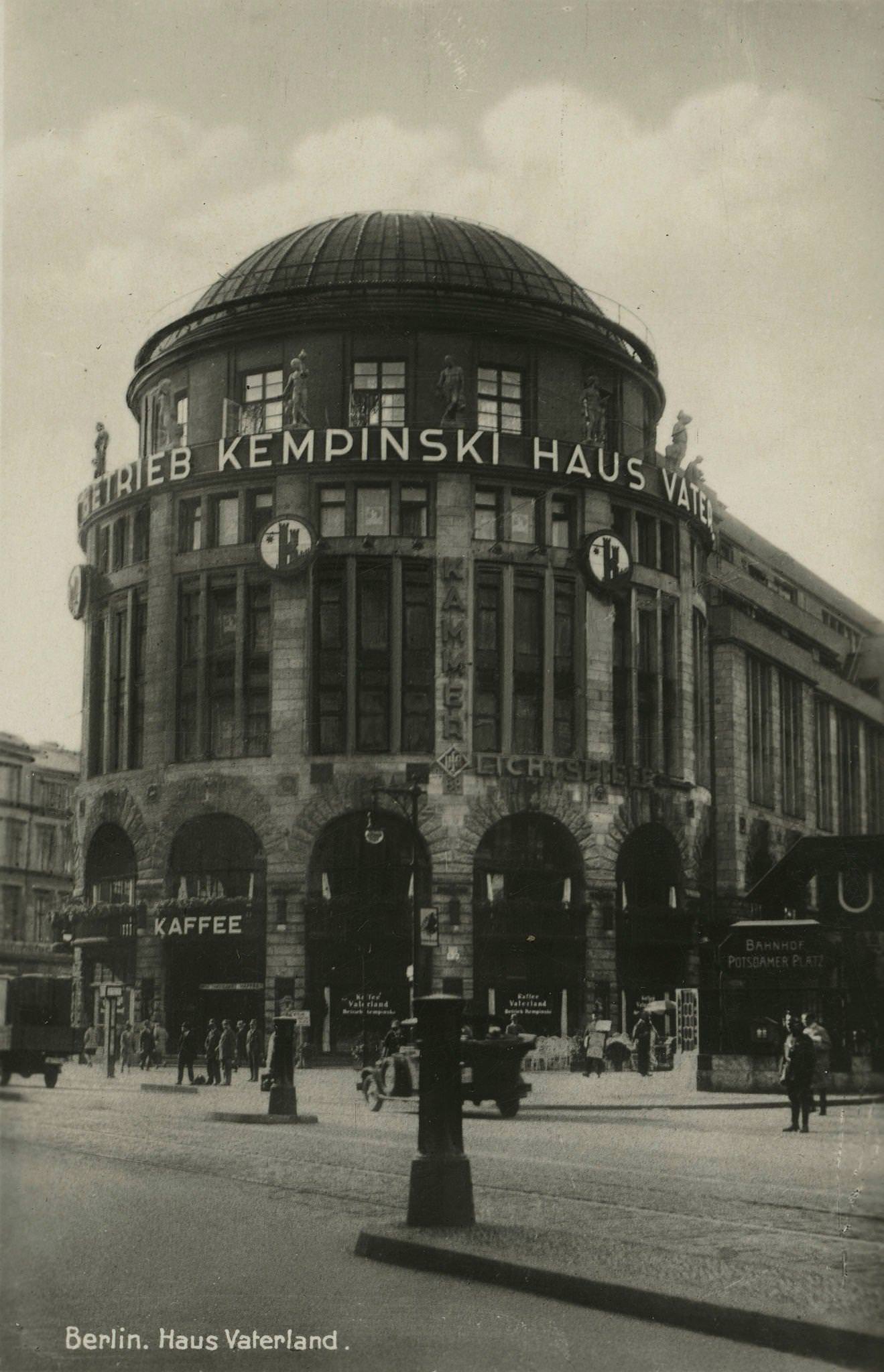
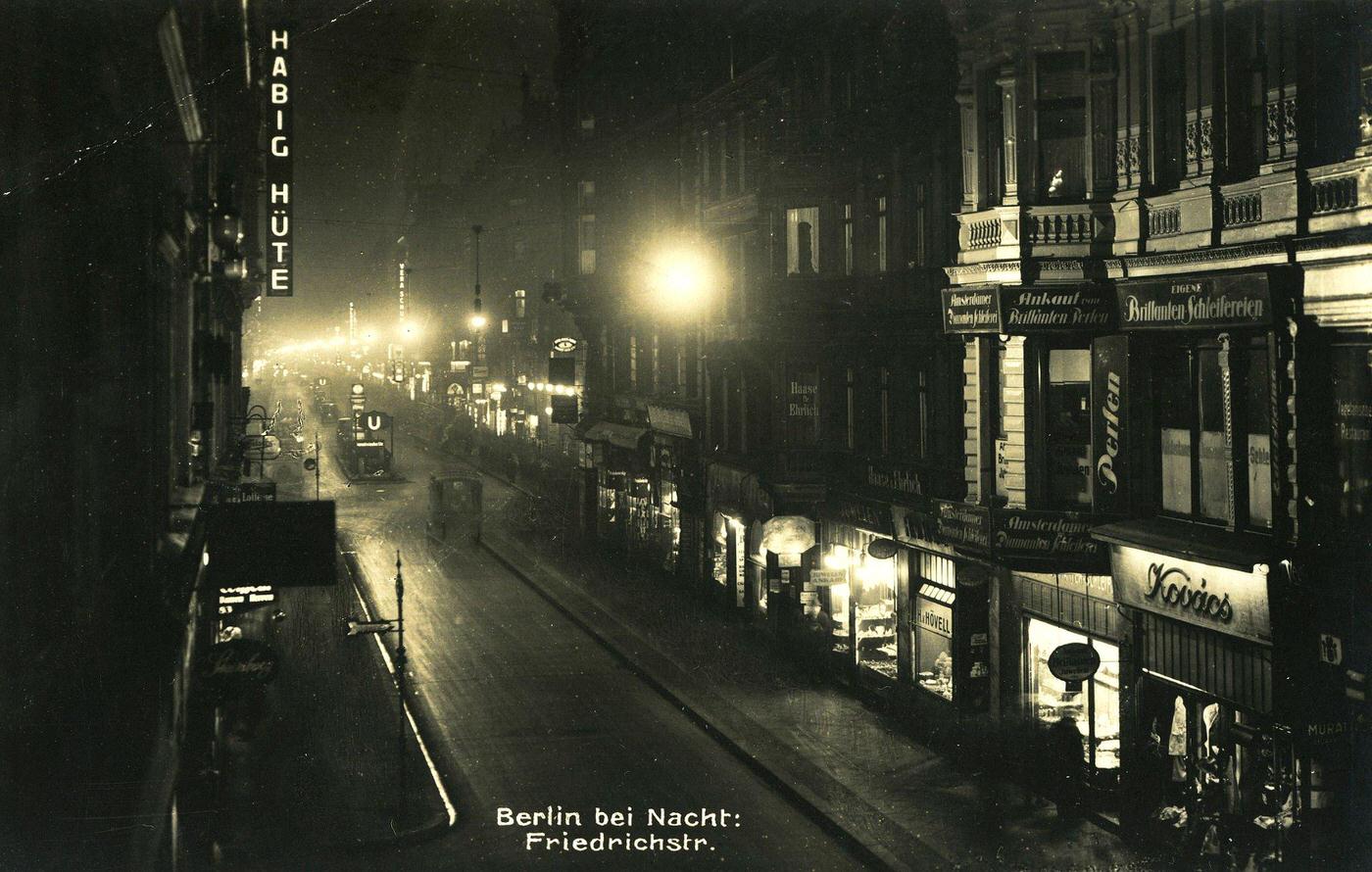
Berlin’s nightlife was world-famous in the early 1930s. Café Kranzler on Unter den Linden was one of the city’s most celebrated gathering spots, lit up at night and filled with a mix of artists, politicians, journalists, and socialites. Haus Vaterland near Potsdamer Platz was another landmark — a massive entertainment complex with themed restaurant floors representing different countries. These were the spaces where Weimar Berlin’s reputation for decadence and spectacle was built.

Germany, Berlin: Unter den Linden: Cafe Kranzler at night, Berlin, 1930
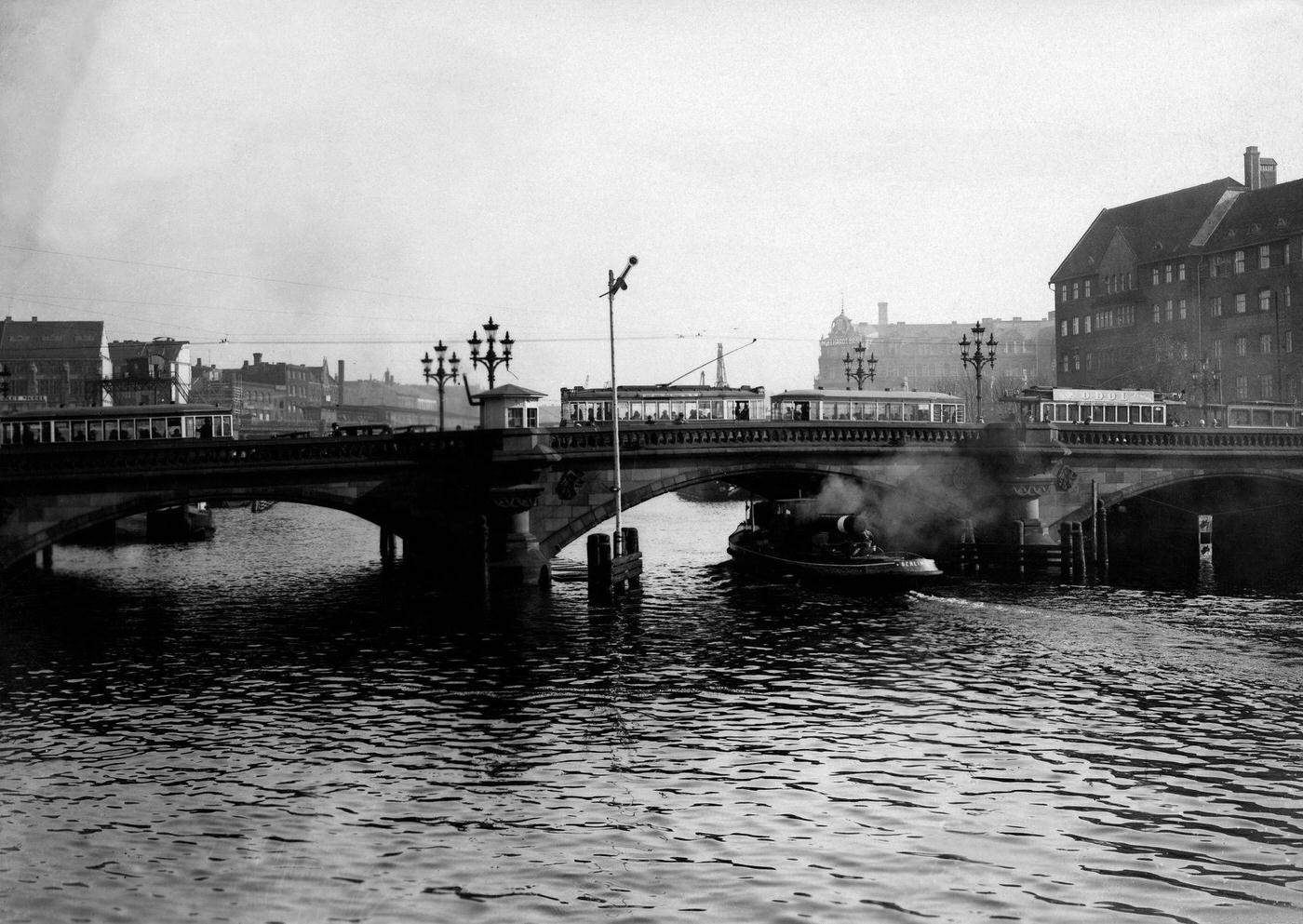
Germany Berlin: Traffic on the Jannowitzbruecke: tram, pedestrians and cars are crossing the Spree, Berlin, 1952
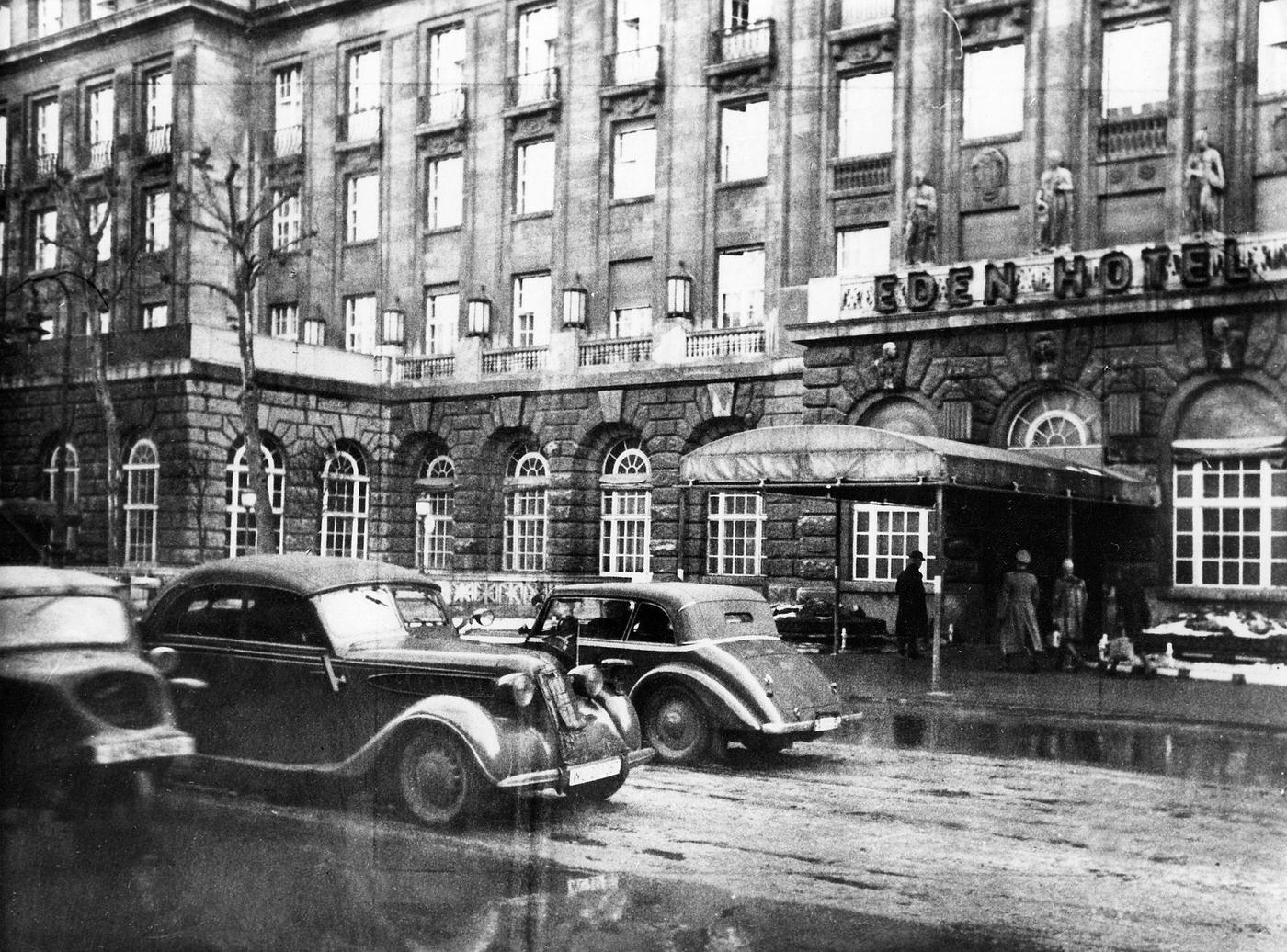
Hotel Eden in the Budapester Strasse, Berlin, 1930s

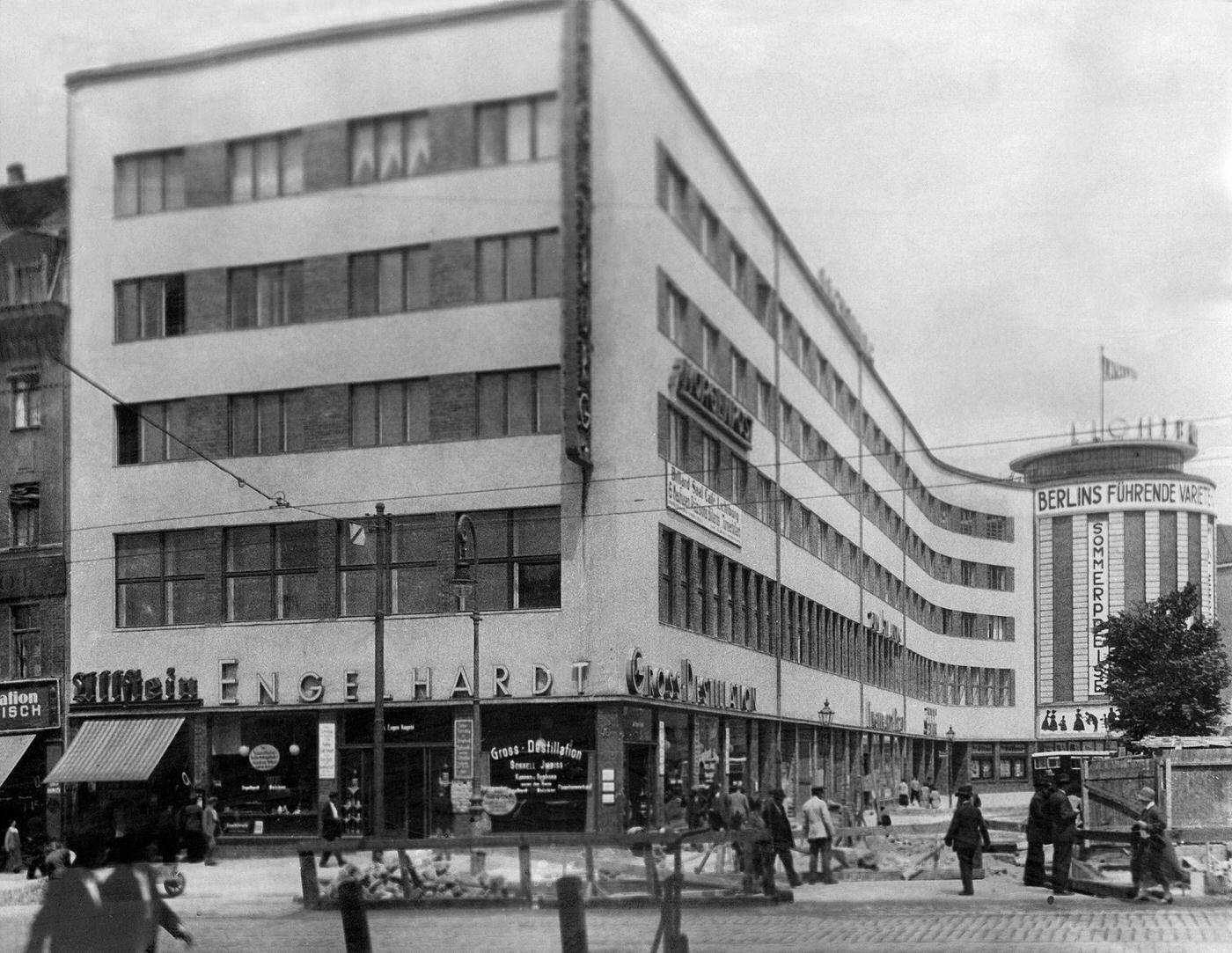
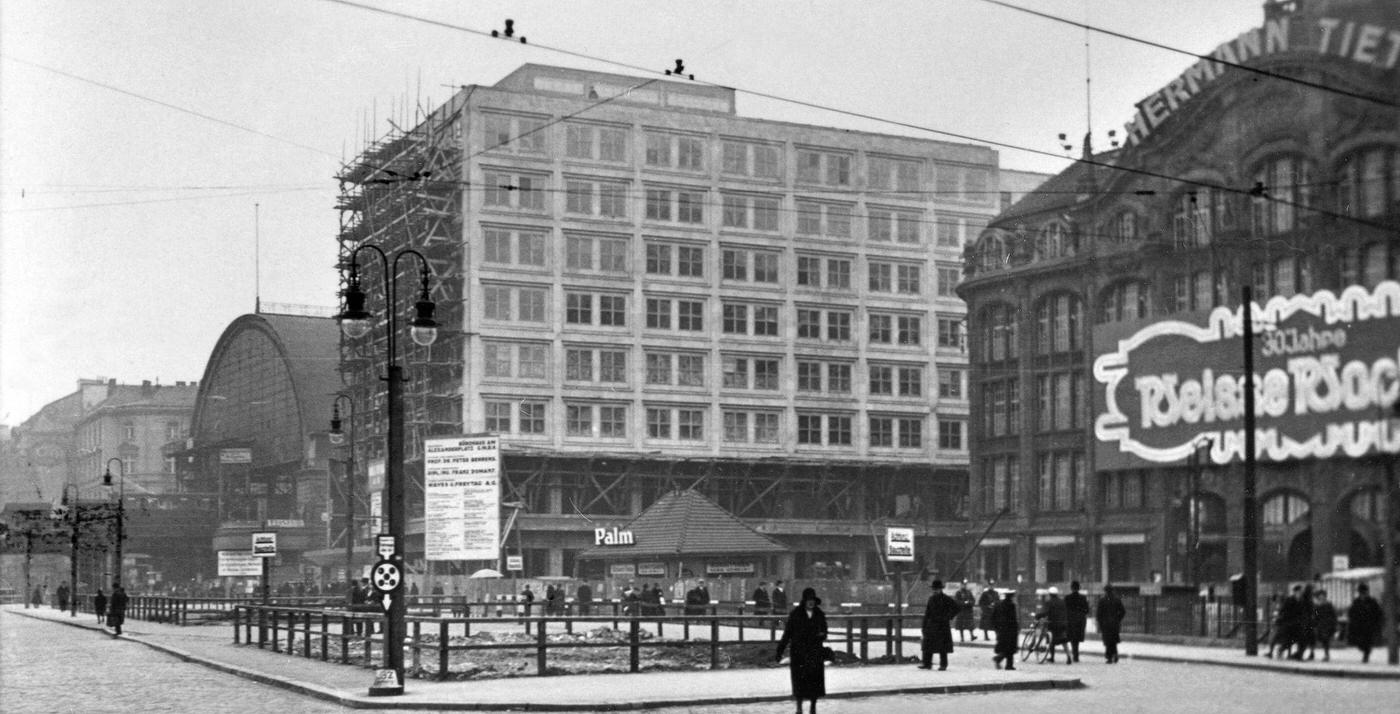
The Hotel Eden on Budapester Straße was one of Berlin’s most prestigious addresses. In January 1919, it had been the site where Rosa Luxemburg and Karl Liebknecht were taken after being arrested — both were killed shortly after. By the 1930s, it remained a luxury hotel, but the city around it had changed drastically. Nearby, the department store on Alexanderplatz — part of the Hermann Tietz chain — was one of the largest retail operations in Germany. In 1933, the Nazis forced the Jewish-owned Tietz family to sell the business under economic pressure. It was rebranded as Hertie.

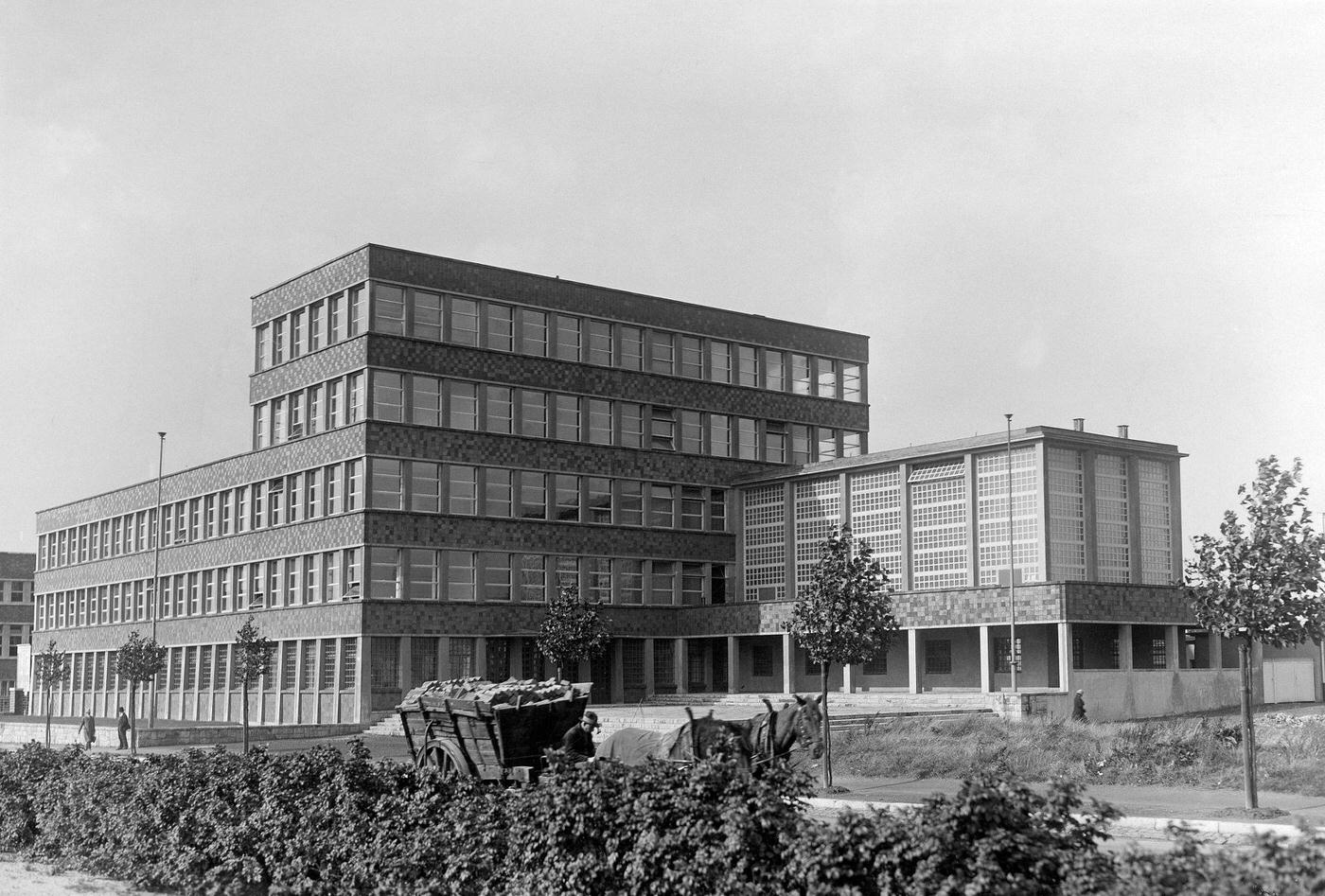
Arbeitsphysiology, Dortmund, 1930
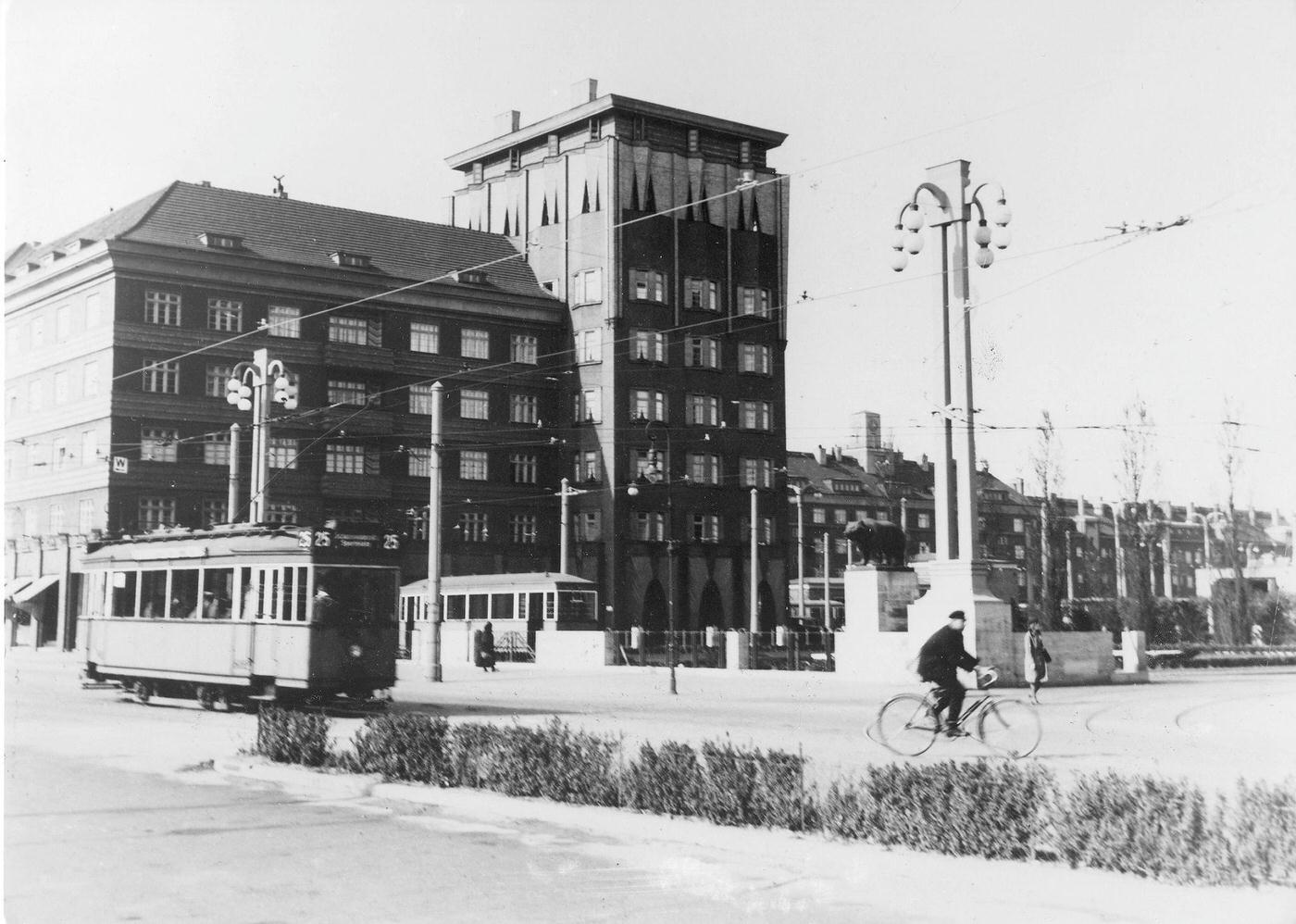
Strassenbahn Berlin, Berlin, 1930
Avus, Berlin, 1930
Avus, Berlin, 1930

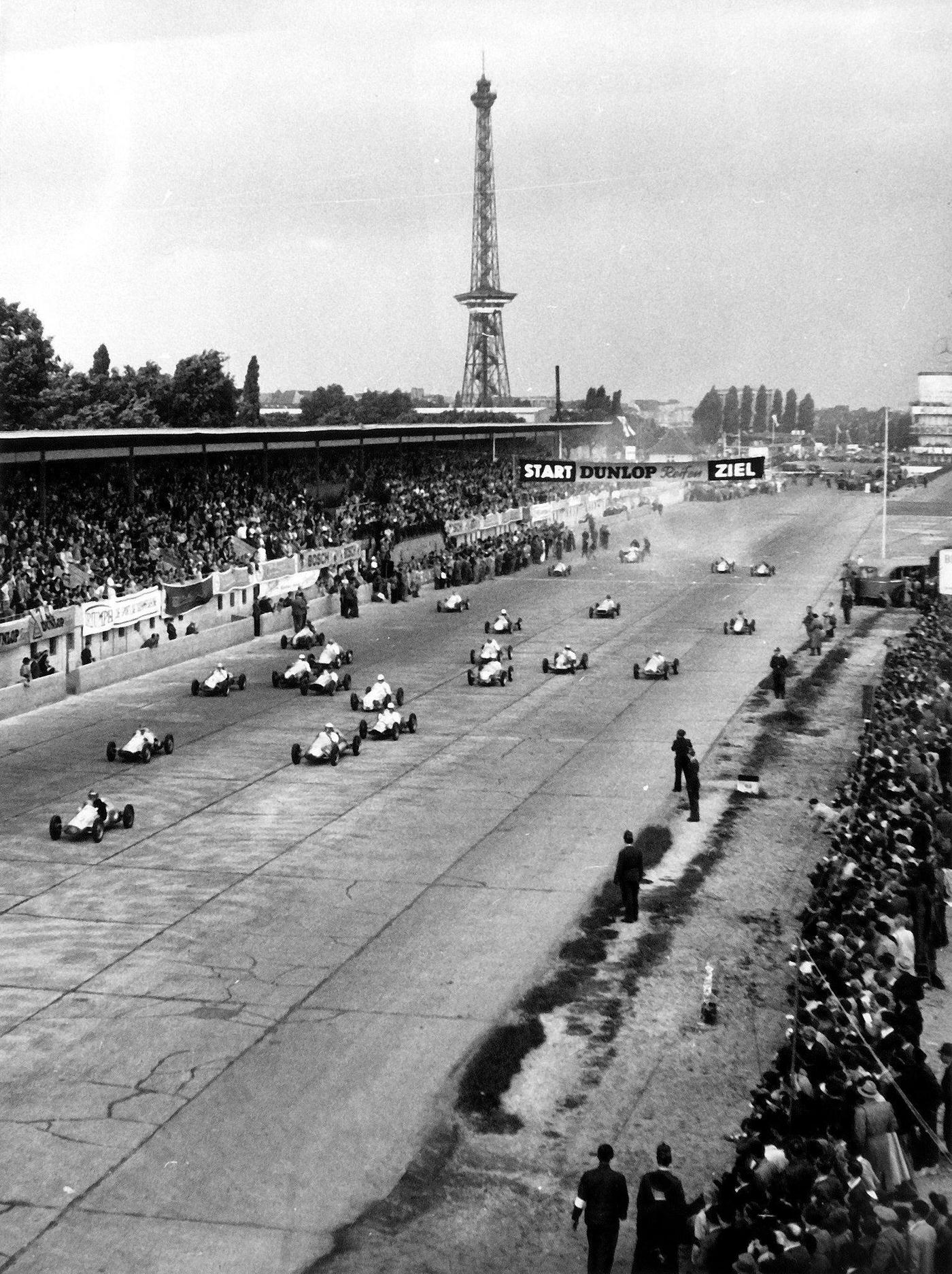
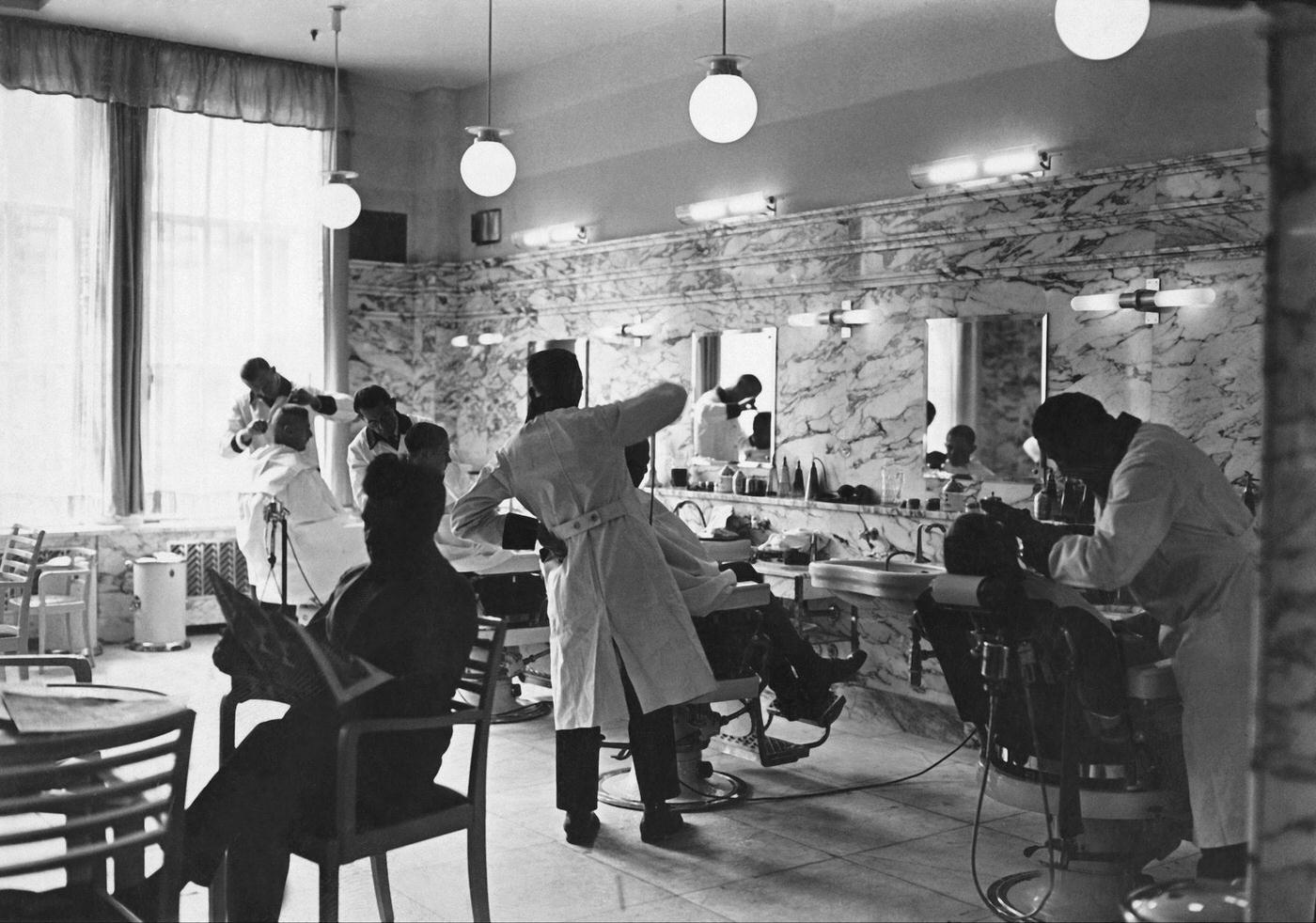
The AVUS — the Automobil-Verkehrs- und Übungs-Straße — was a dual-carriageway road in western Berlin that doubled as a motor racing circuit. It hosted major races through the 1920s and 1930s and represented Germany’s enthusiasm for speed and modern engineering. Inside the city, department stores were also modernizing, with photographs from the period showing hair salons operating inside the Karstadt department store — a detail that illustrates how retail had evolved far beyond simple goods shopping.

Verkaufsräume, Berlin, 1930
Germany, Berlin: Alexanderplatz: S-Bahn station, the business building Berolinahaus under construction and the department store Hermann Tietz, Berlin, 1930
Germany Free State Prussia Berlin Berlin Potsdamer Platz station: the oldest part of the station, with the loading ramp, Berlin, 1938
Berlin: Traffic instruction, Berlin, 1925
Hair Salon In The Karstadte Department Store, Berlin, 1930s

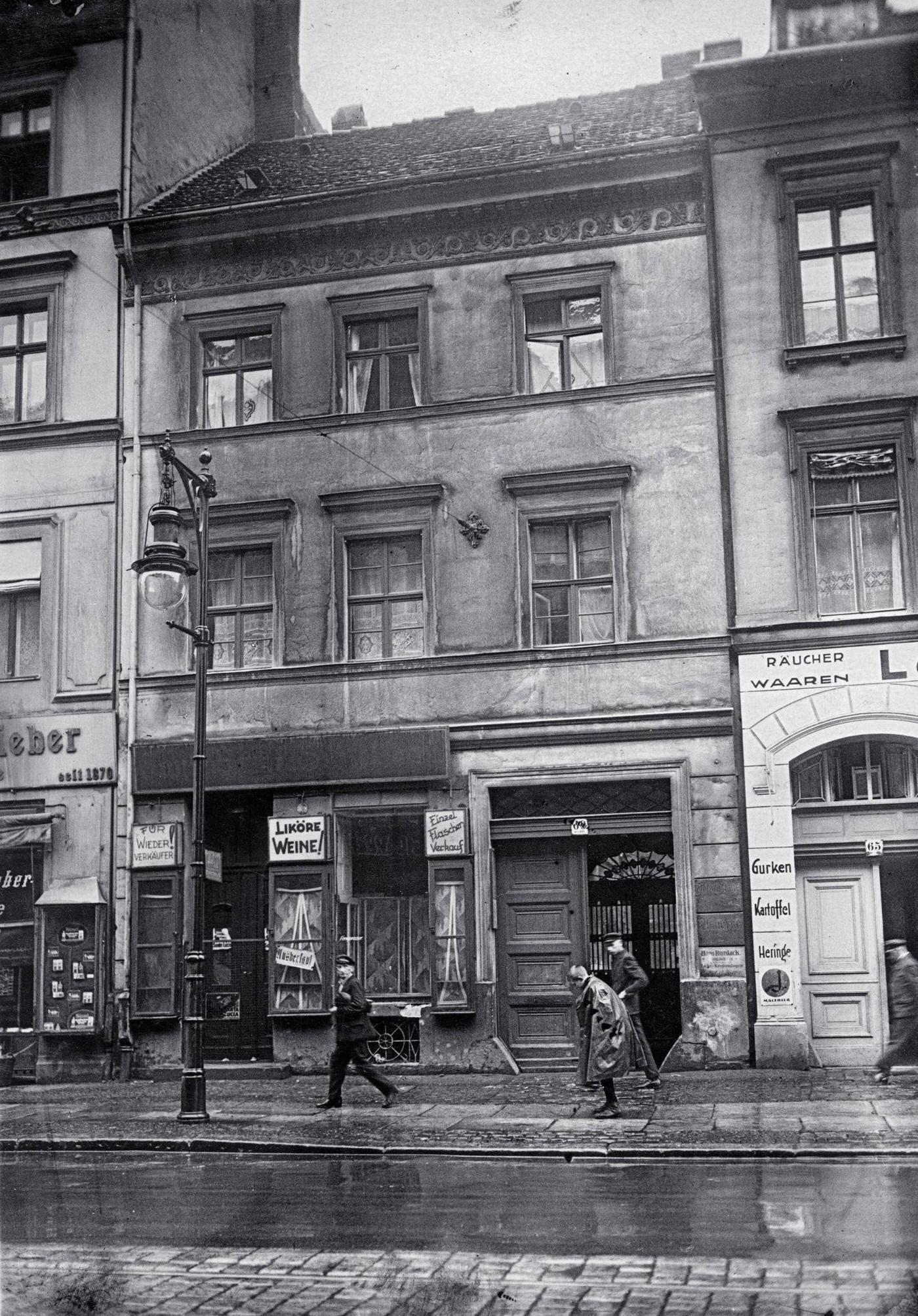
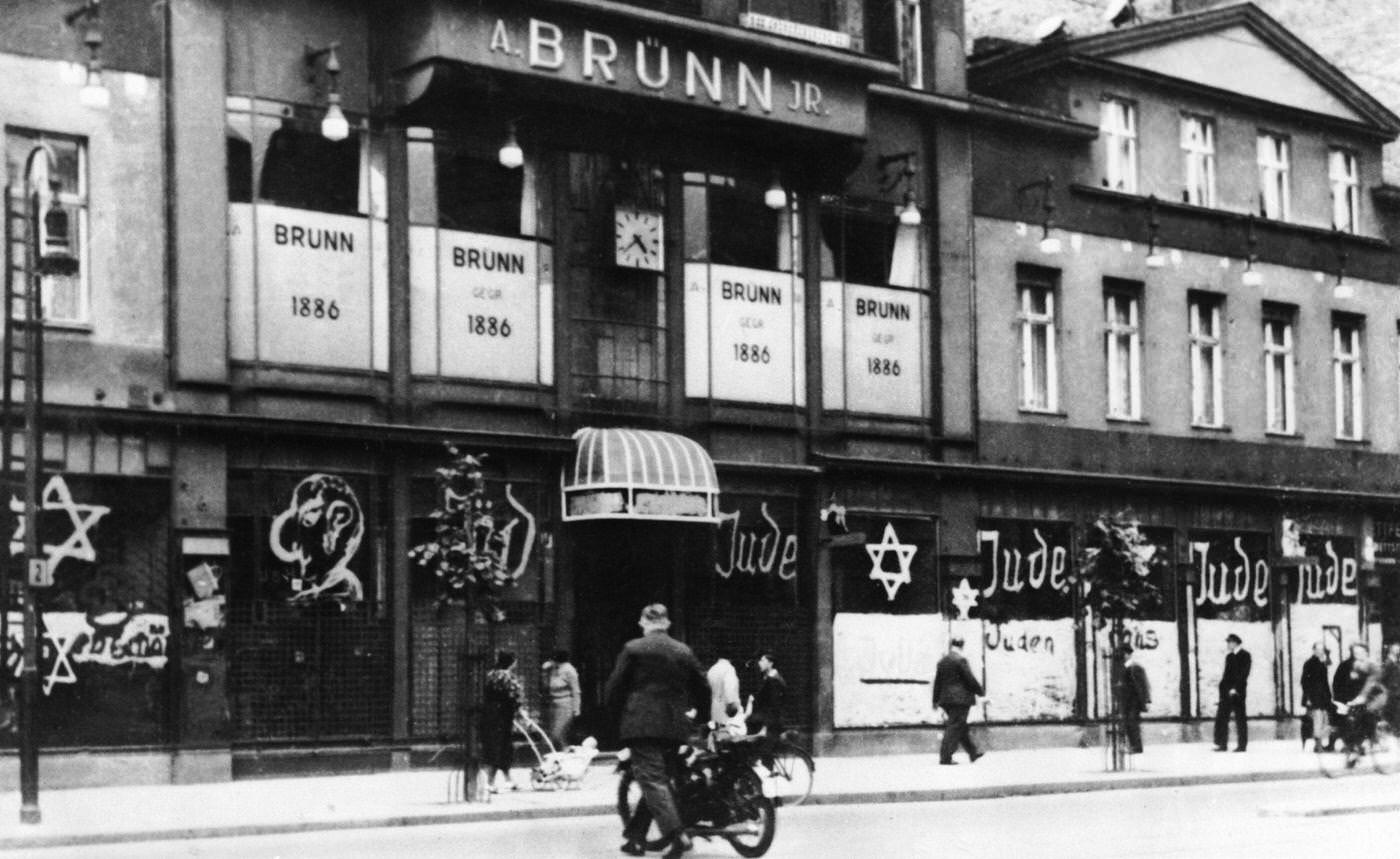
Anti-Semitic harassment and intimidation began well before the formal legal persecution that came with the Nuremberg Laws of 1935. By the early 1930s, Nazi supporters were already painting anti-Jewish slogans on storefronts and organizing boycotts of Jewish businesses. Photographs document storefronts with anti-Semitic graffiti and paint — public acts of intimidation that took place in plain sight on Berlin’s commercial streets.

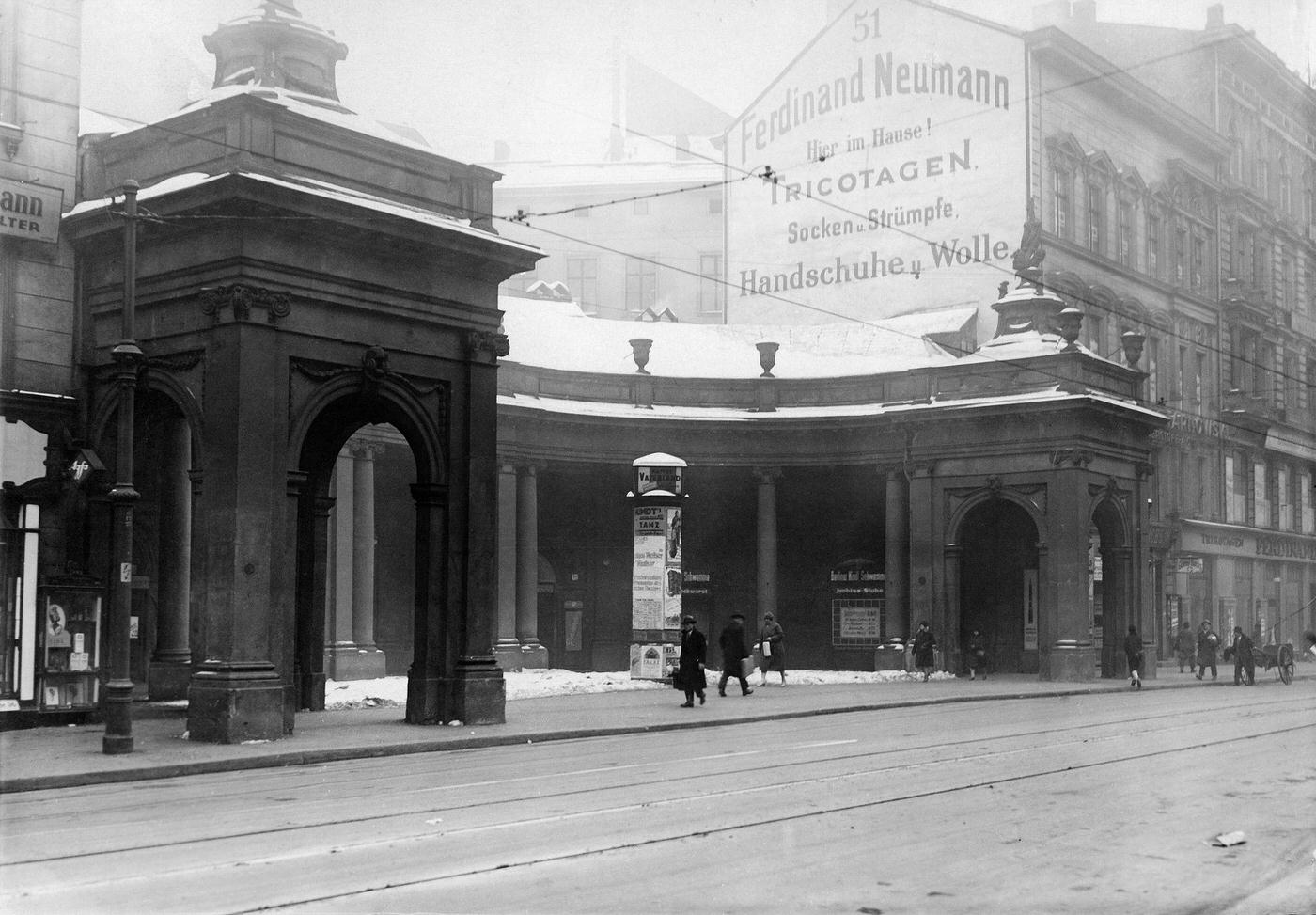
Berlin - center: The Spittelkolonnaden, Berlin, 1928
Berlin – center: The Spittelkolonnaden, Berlin, 1928
Berlin Cinema, Berlin, 1929
Germany, Berlin: Station Gesundbrunnen, Berlin, 1930
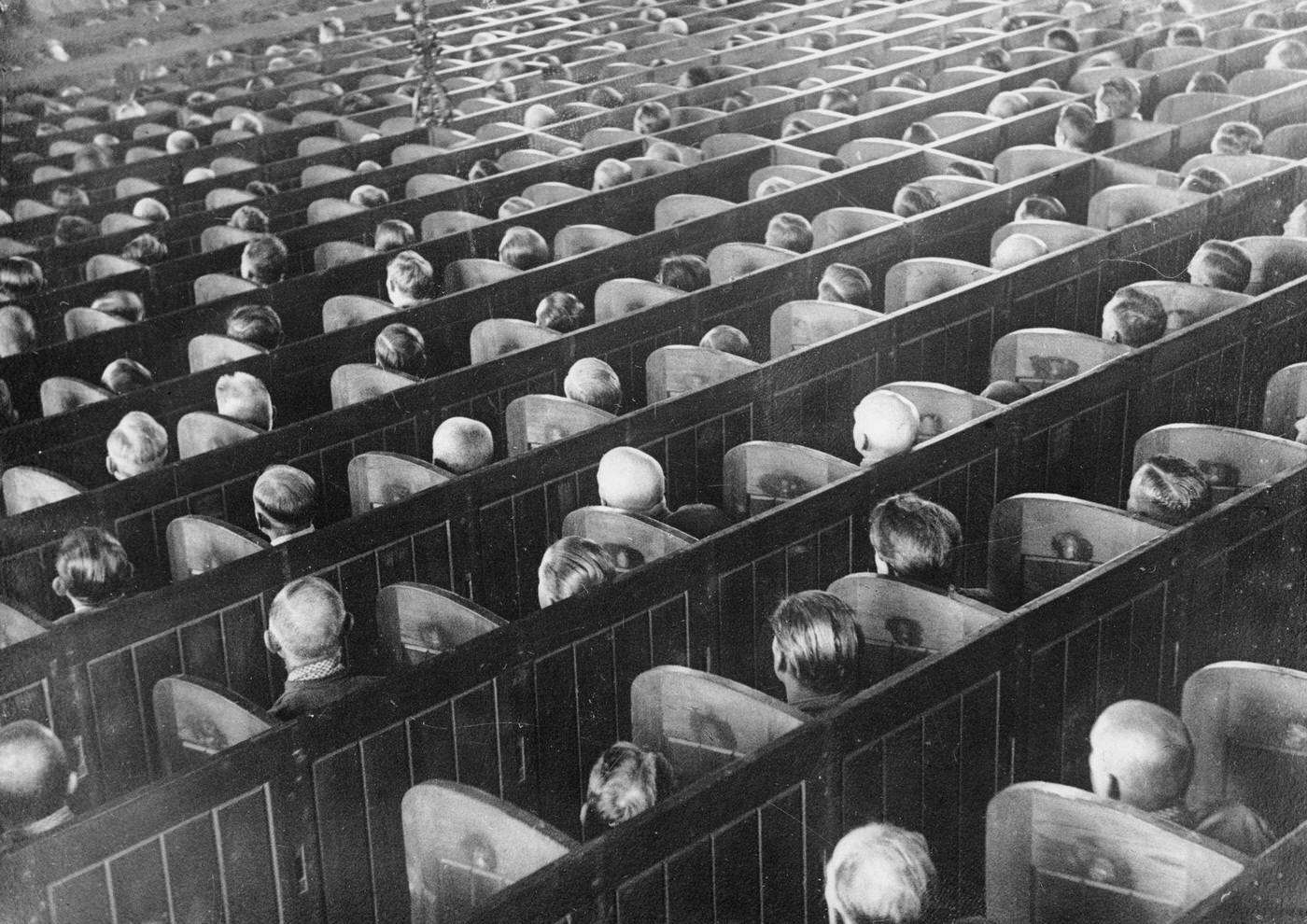
Captive Audience, Berlin, 1930

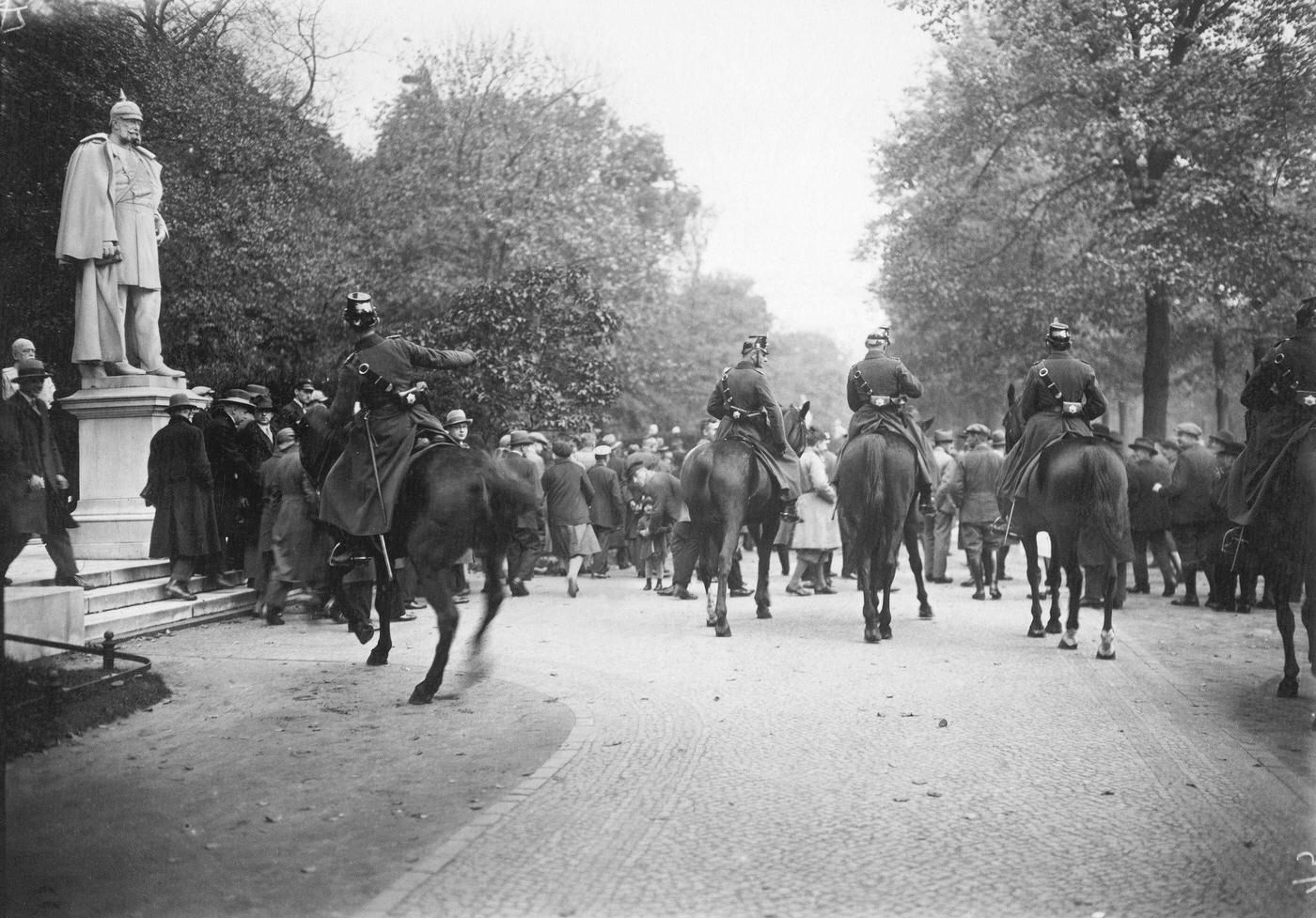
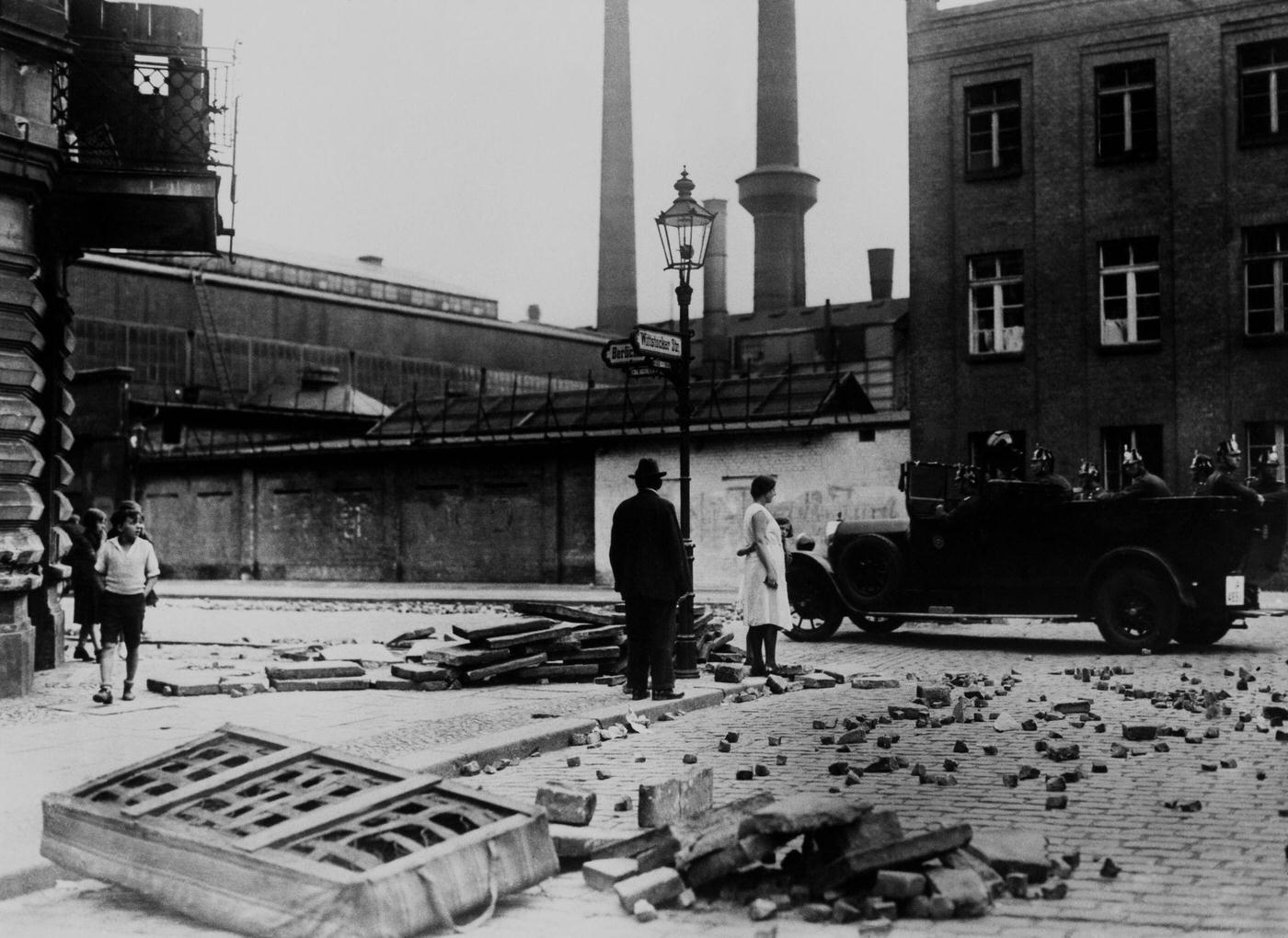
Political street violence was a persistent feature of Berlin in the early 1930s. Confrontations between Communist party members and police — and between Communists and Nazi stormtroopers — were regular occurrences. The city’s streets served as contested political territory, and clashes were documented in the press. These confrontations were not fringe events; they were part of a broader struggle for control of Germany’s political future that was playing out daily in Berlin’s working-class neighborhoods.

Confrontation Between Communists And Policemen In The Streets Of Berlin, Berlin, 1930
Haus Vaterland, Berlin, 1930s
Berlin by night, Berlin, 1930s

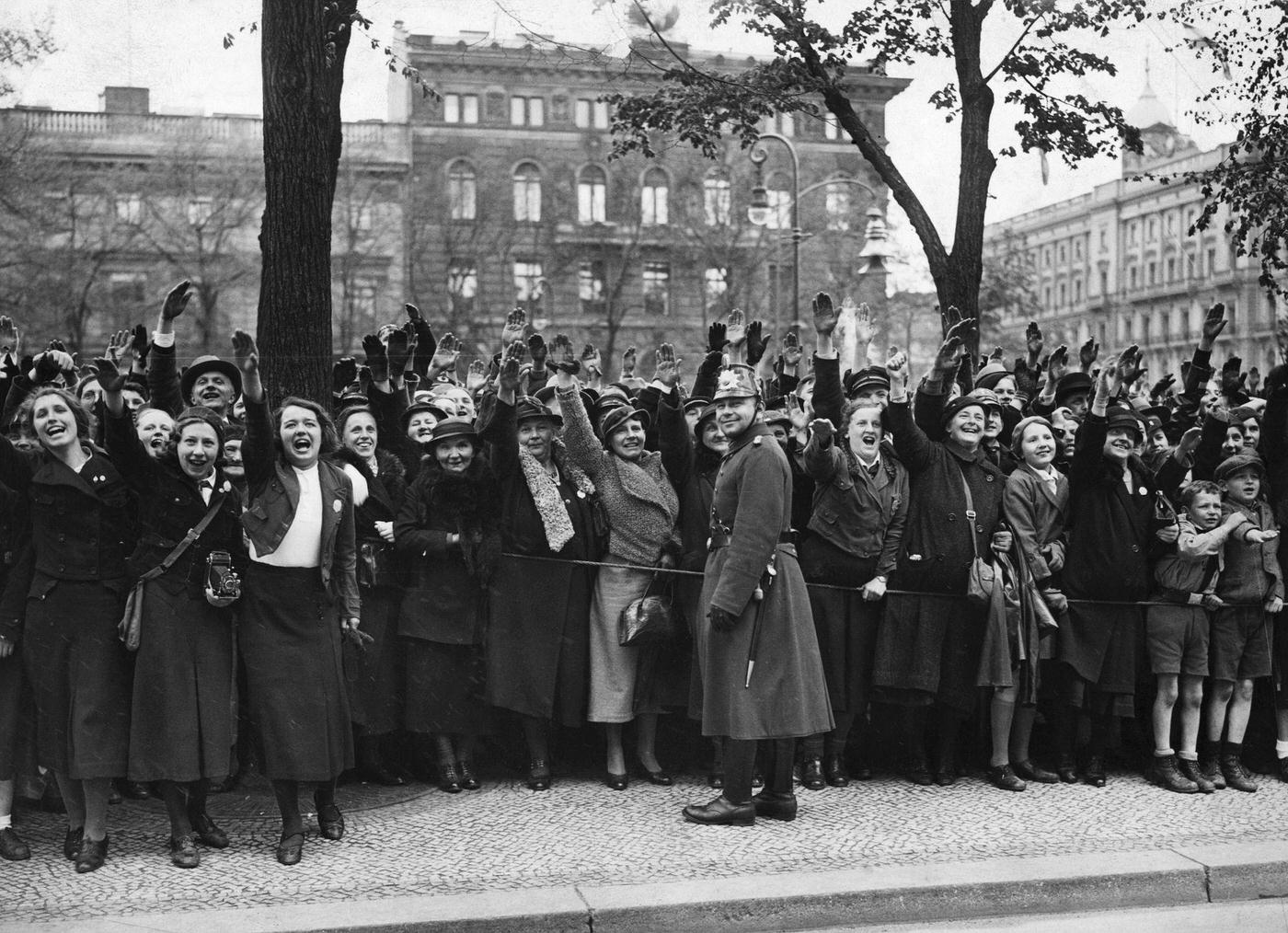
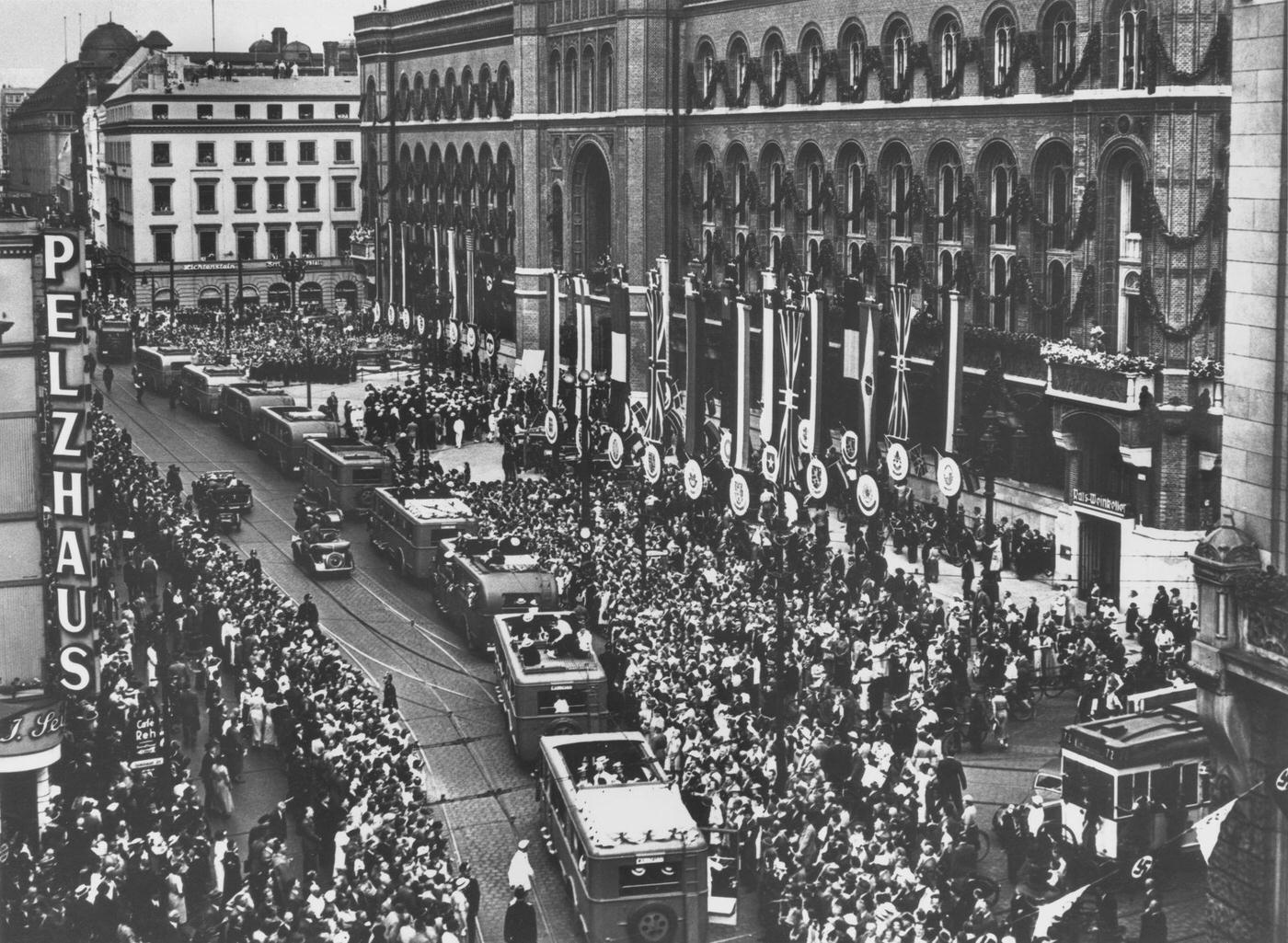
By the mid-1930s, Nazi imagery had taken over the cityscape. Crowds saluted during party parades, and large public events were staged to demonstrate the regime’s popularity and power. The 1936 Summer Olympics, held in Berlin, brought the city into the international spotlight. Thousands gathered to welcome the American Olympic team as they arrived — a moment of international connection in a city that was rapidly closing itself off from the outside world.

Gendarmenmarkt Berlin, Berlin, 1930s
Crowd Saluting Nazis During Parade, Berlin, 1930s
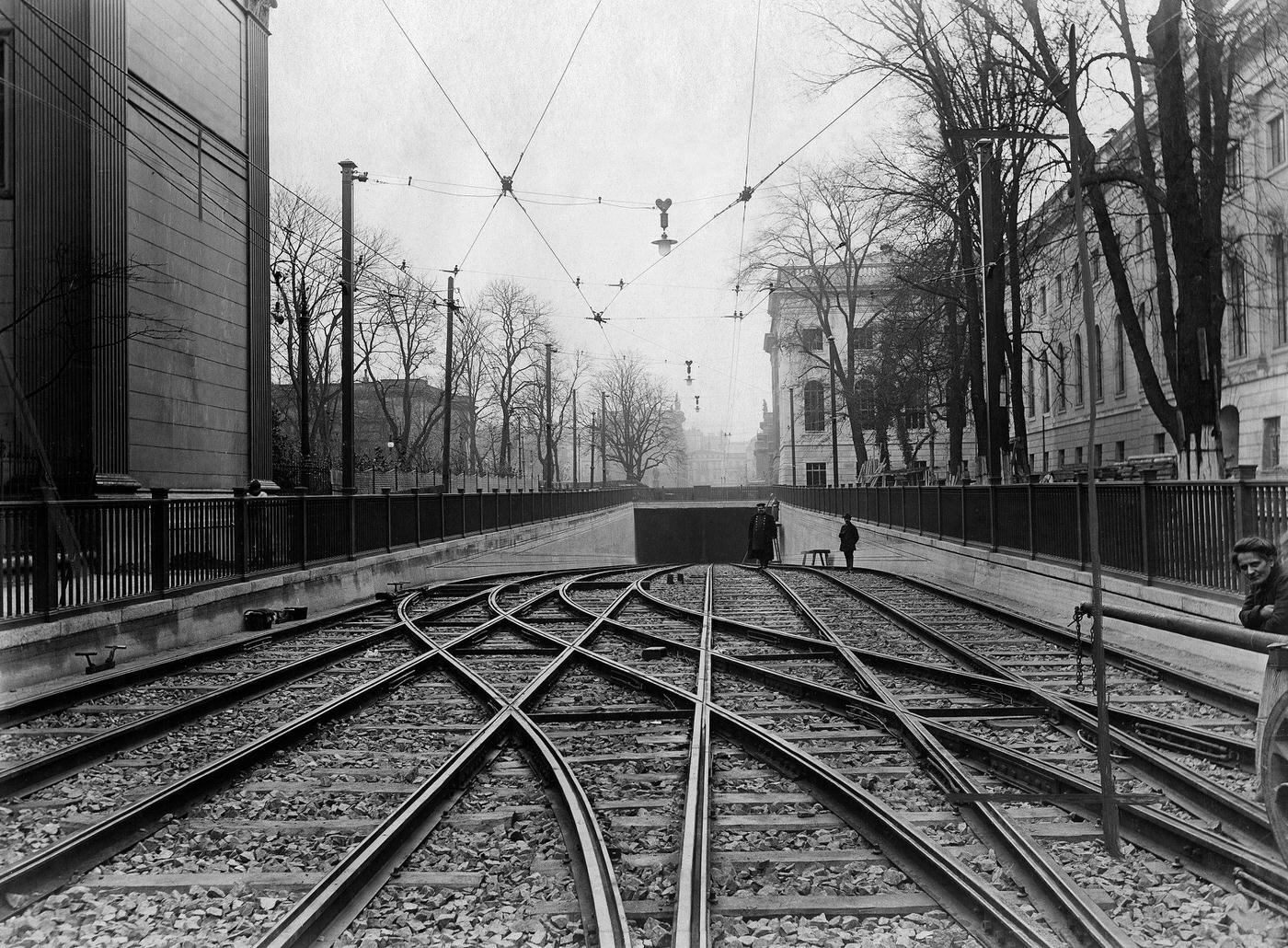
Germany Free State Prussia Berlin: Originally tramway tunnel at the street Unter den Linden; today non-existent, Berlin, 1930
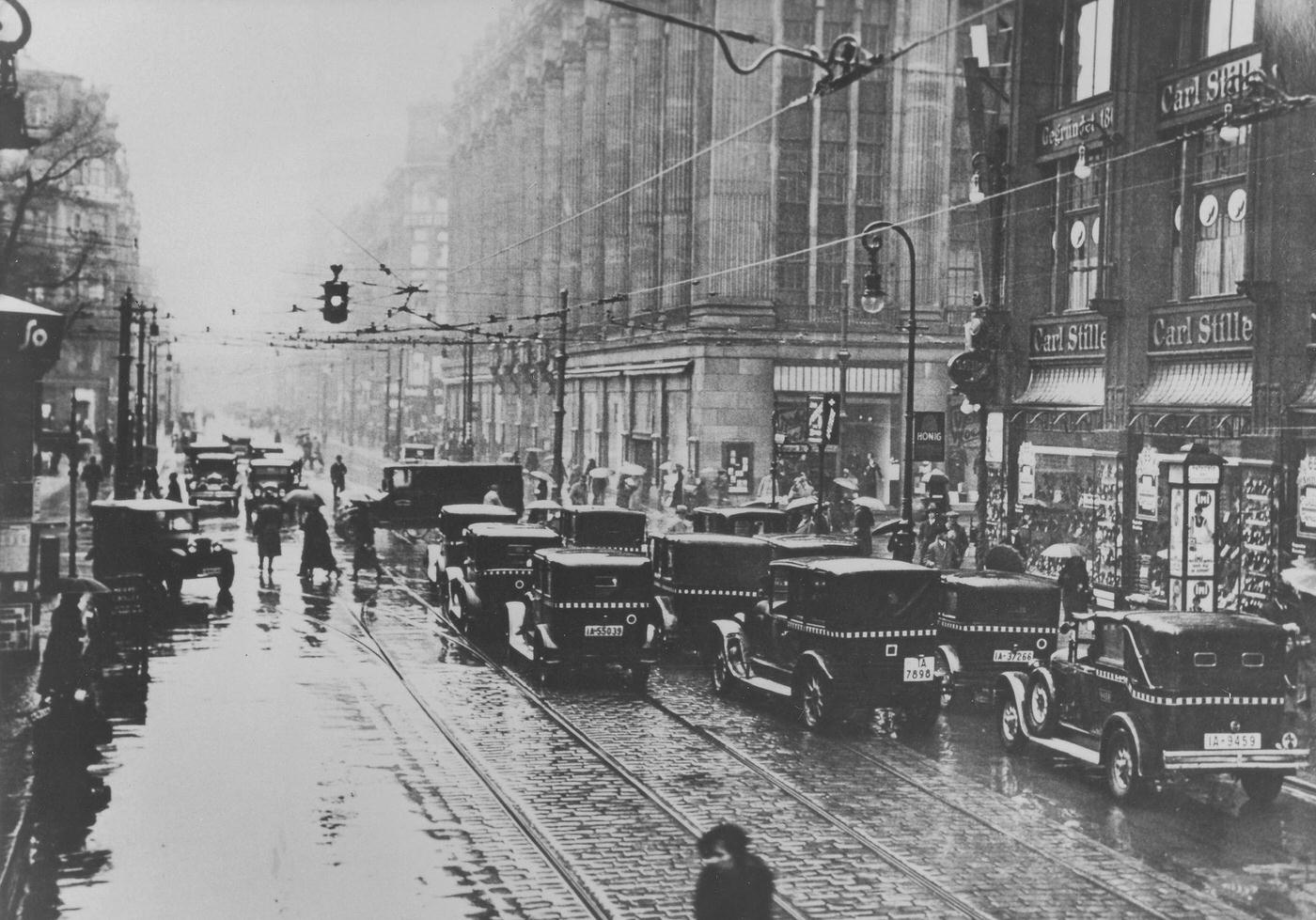
Berlin Leipzigerstrasse, Berlin, 1930s

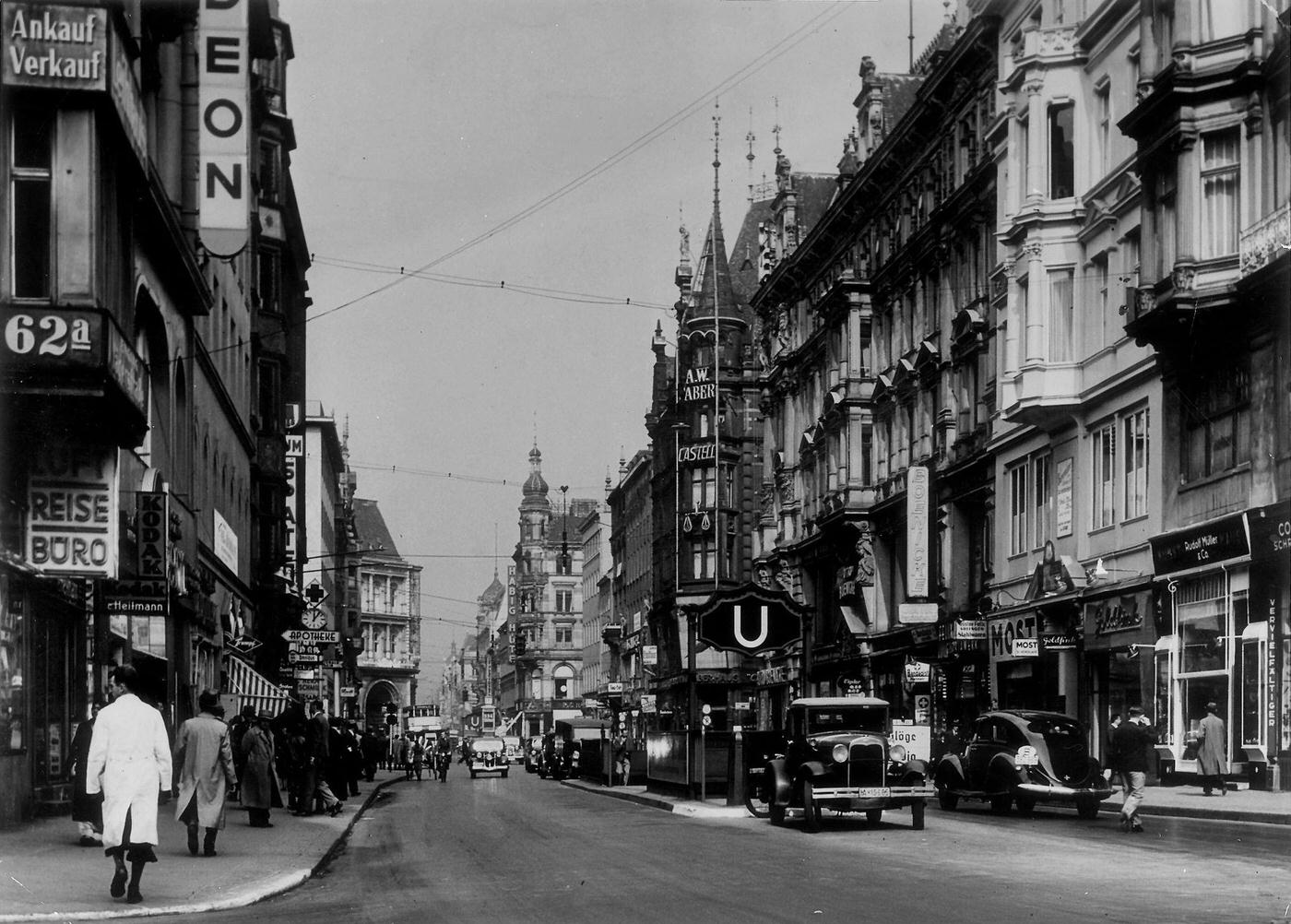
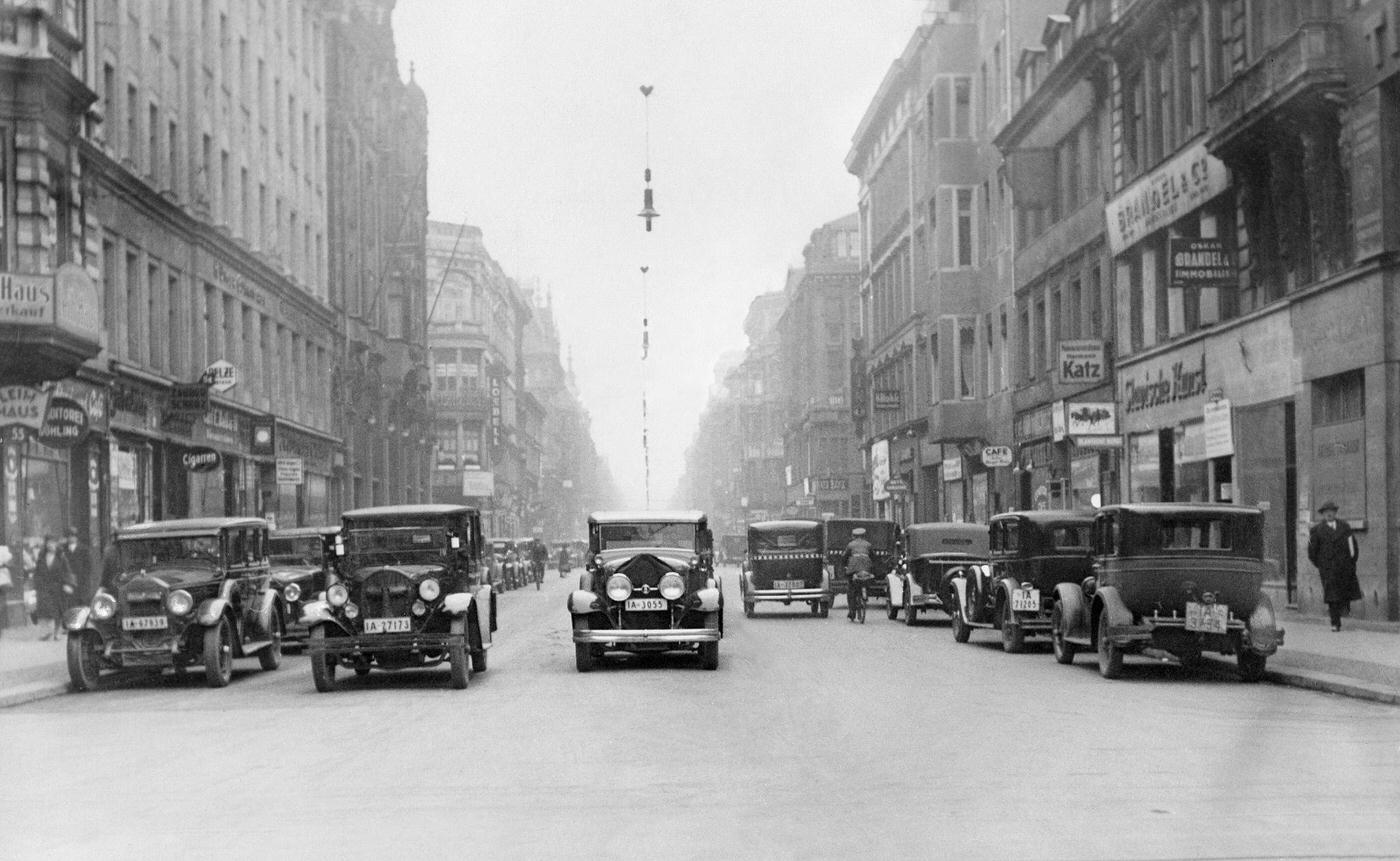
Leipziger Straße was one of Berlin’s major commercial corridors, connecting Potsdamer Platz to the east and lined with banks, department stores, and government buildings. Friedrichstraße, running north to south, crossed it at a busy intersection and was the city’s most commercially intense street. Together, these arteries defined the economic heart of central Berlin — a district that by the late 1930s was increasingly marked by the visible presence of Nazi party offices, flags, and signage.

Berlin Leipzigerstrasse, Berlin, 1930s
Berlin Unter den Linden, Ecke Oberwallstrasse, Berlin, 1930s
Berlin Friedrichstrasse, Berlin, 1930s

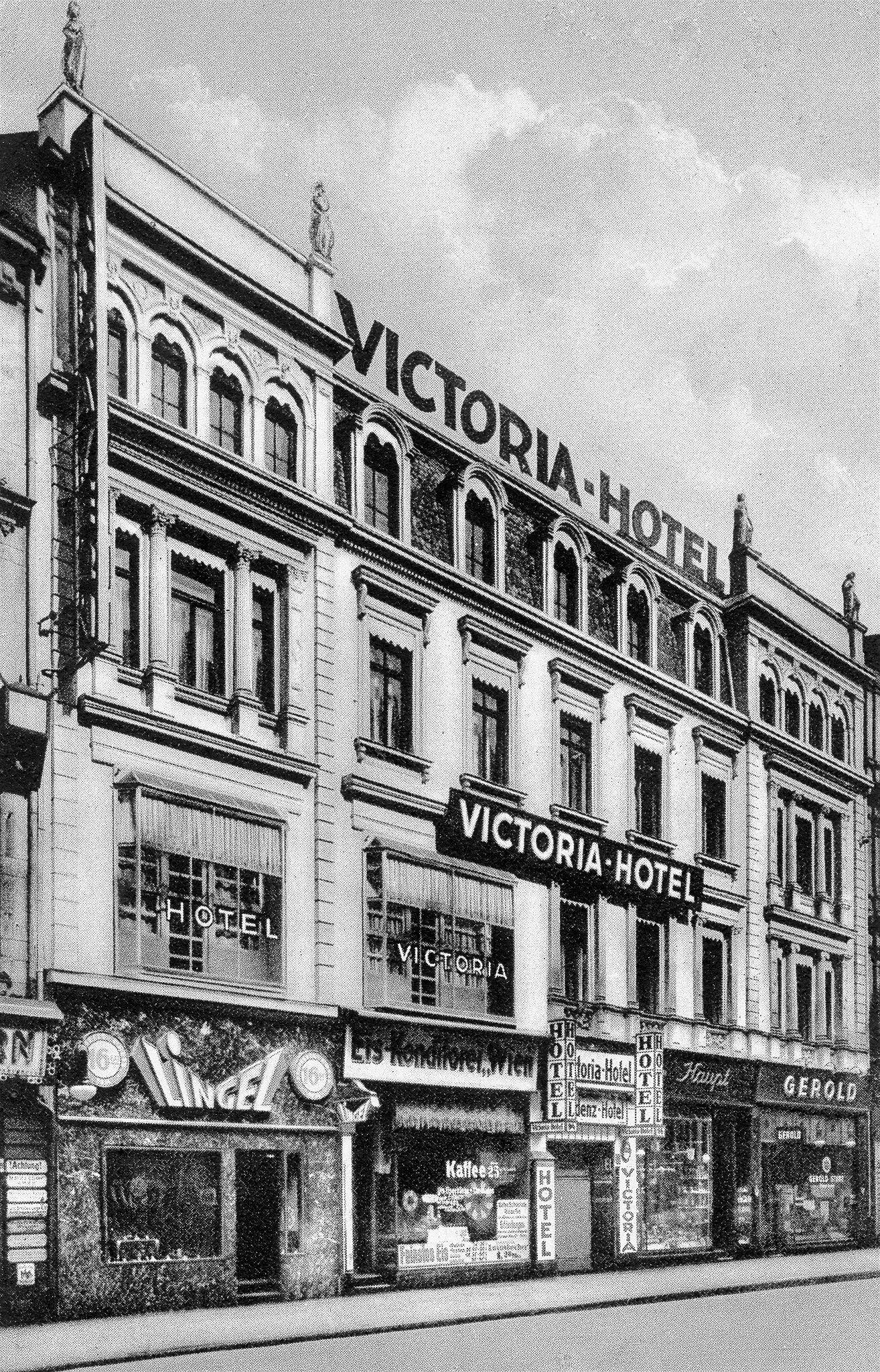
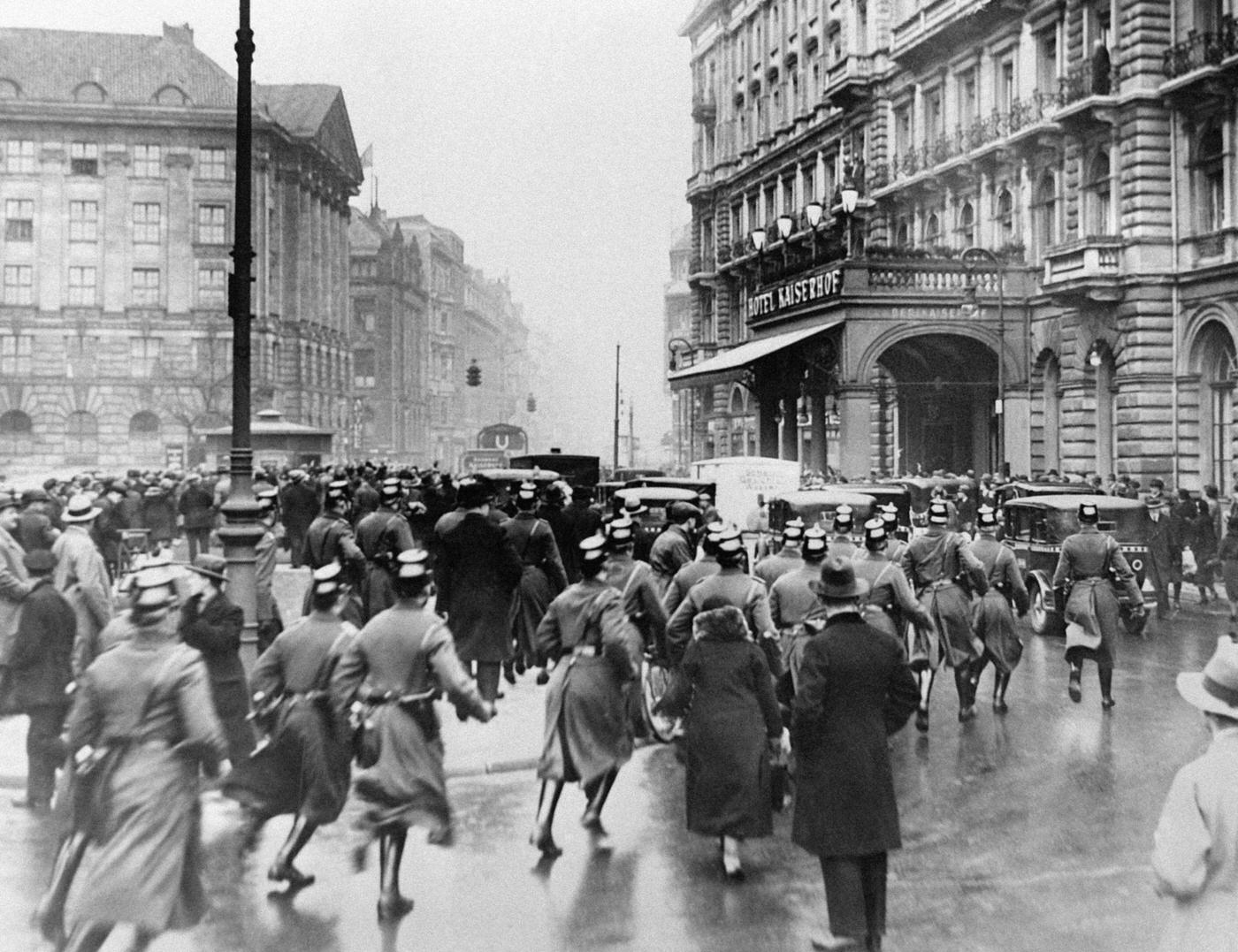
Hotels served as important social hubs in 1930s Berlin. The Victoria Hotel and the Kaiserhof were both prominent establishments that attracted political figures, journalists, and foreign visitors. The Kaiserhof, located close to the Reich Chancellery on Wilhelmstraße, was a favorite of Hitler’s before he came to power. He held meetings there and used it as a base during his rise. The Reich Chancellery itself — the Reichskanzleramt — was the seat of the German government, and after 1933 it became the operational center of Hitler’s rule.
Germany, Berlin: Victoria Hotel, Berlin, 1931
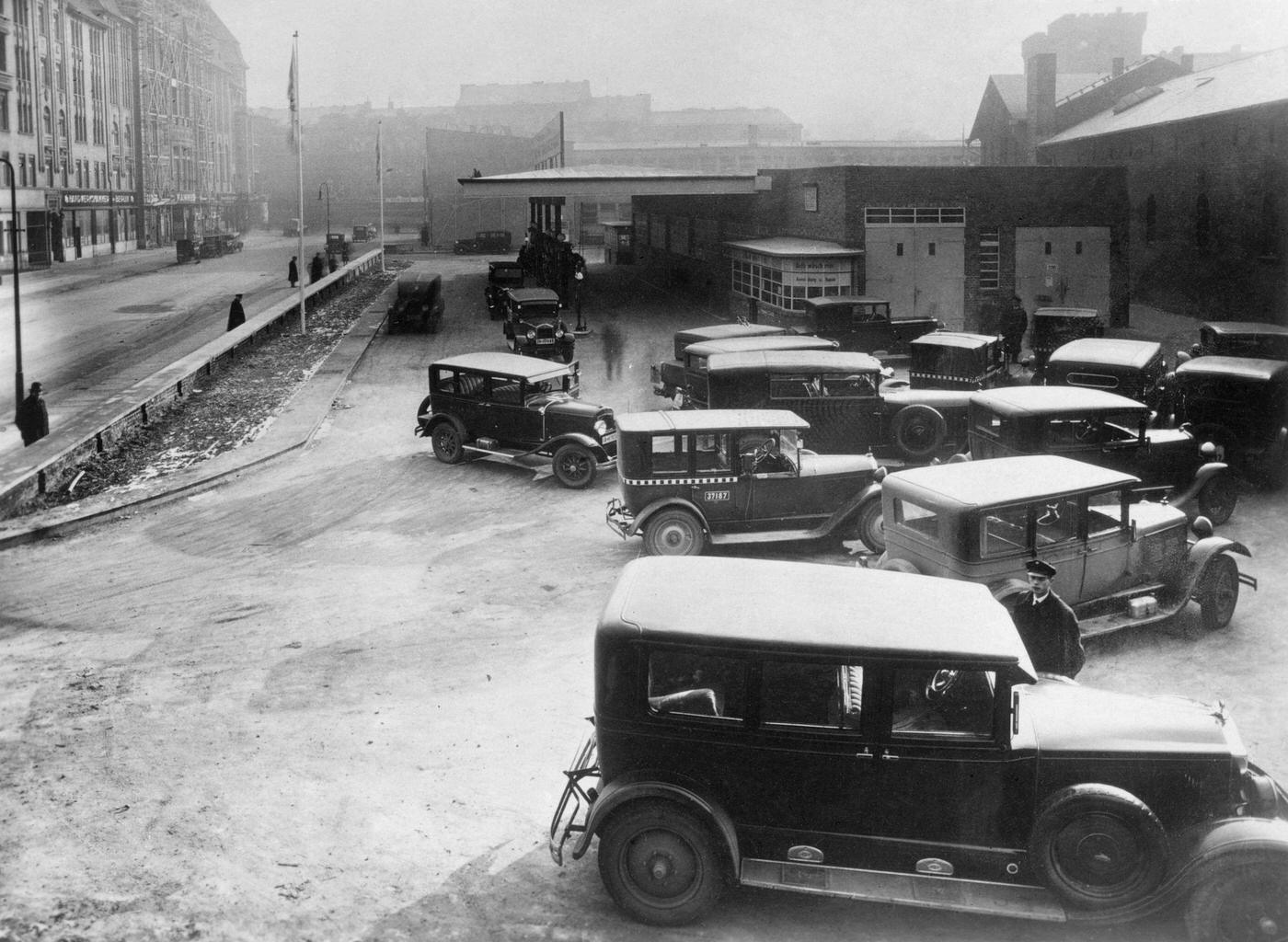
Translag Garage, Berlin, 1930
Anti-Semitic Paintings On A Jewish Store, Berlin, 1930

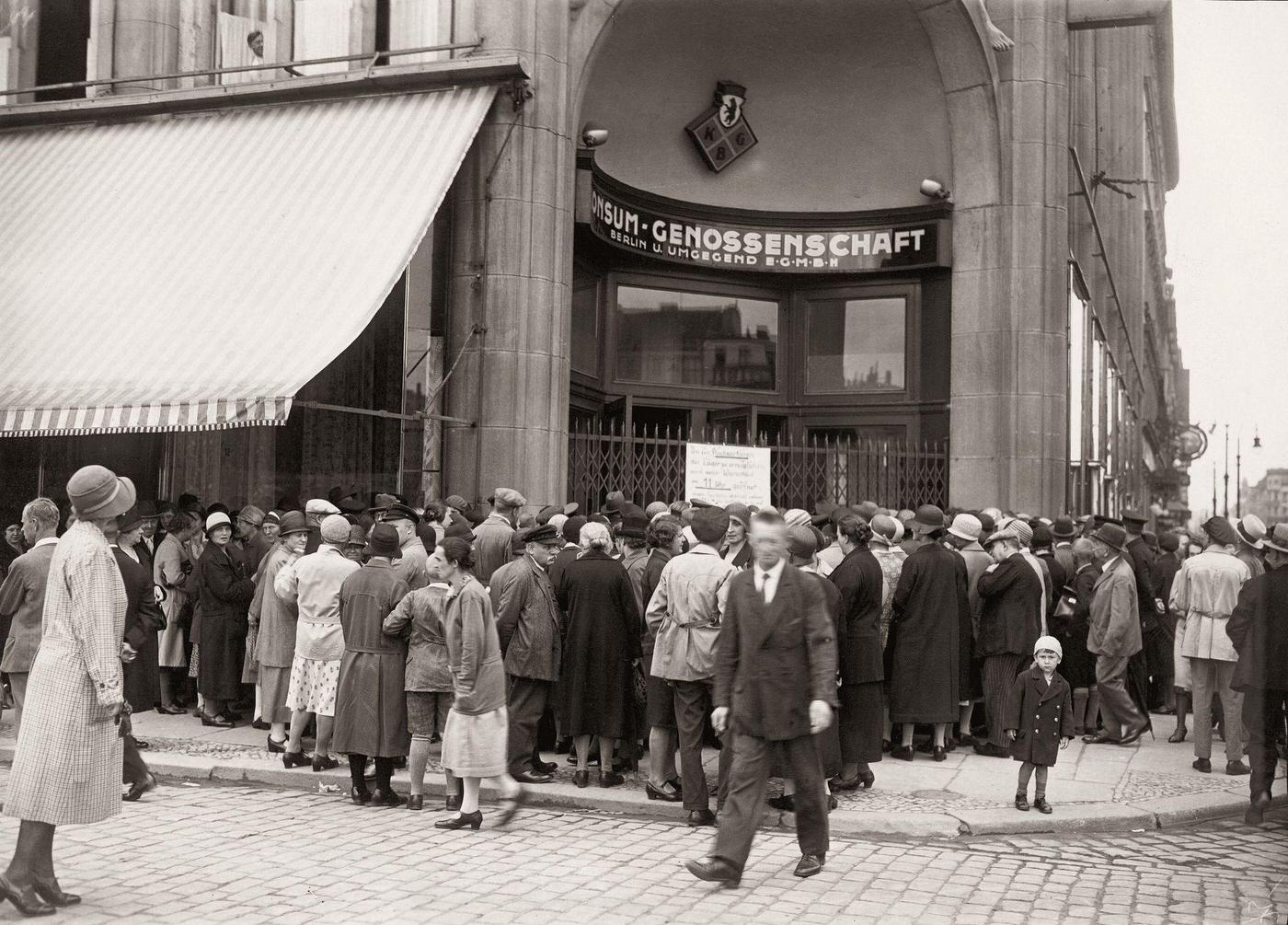
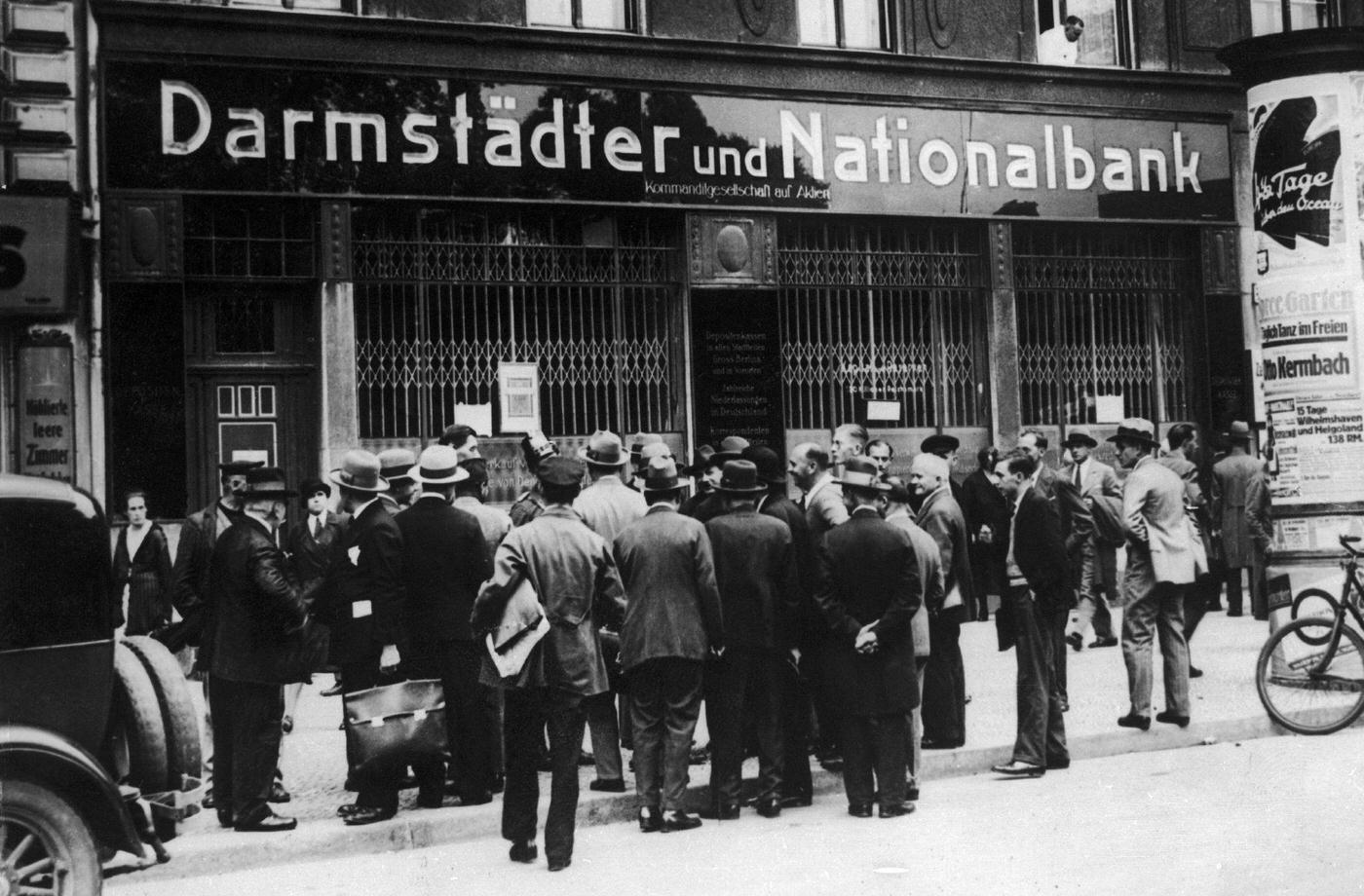
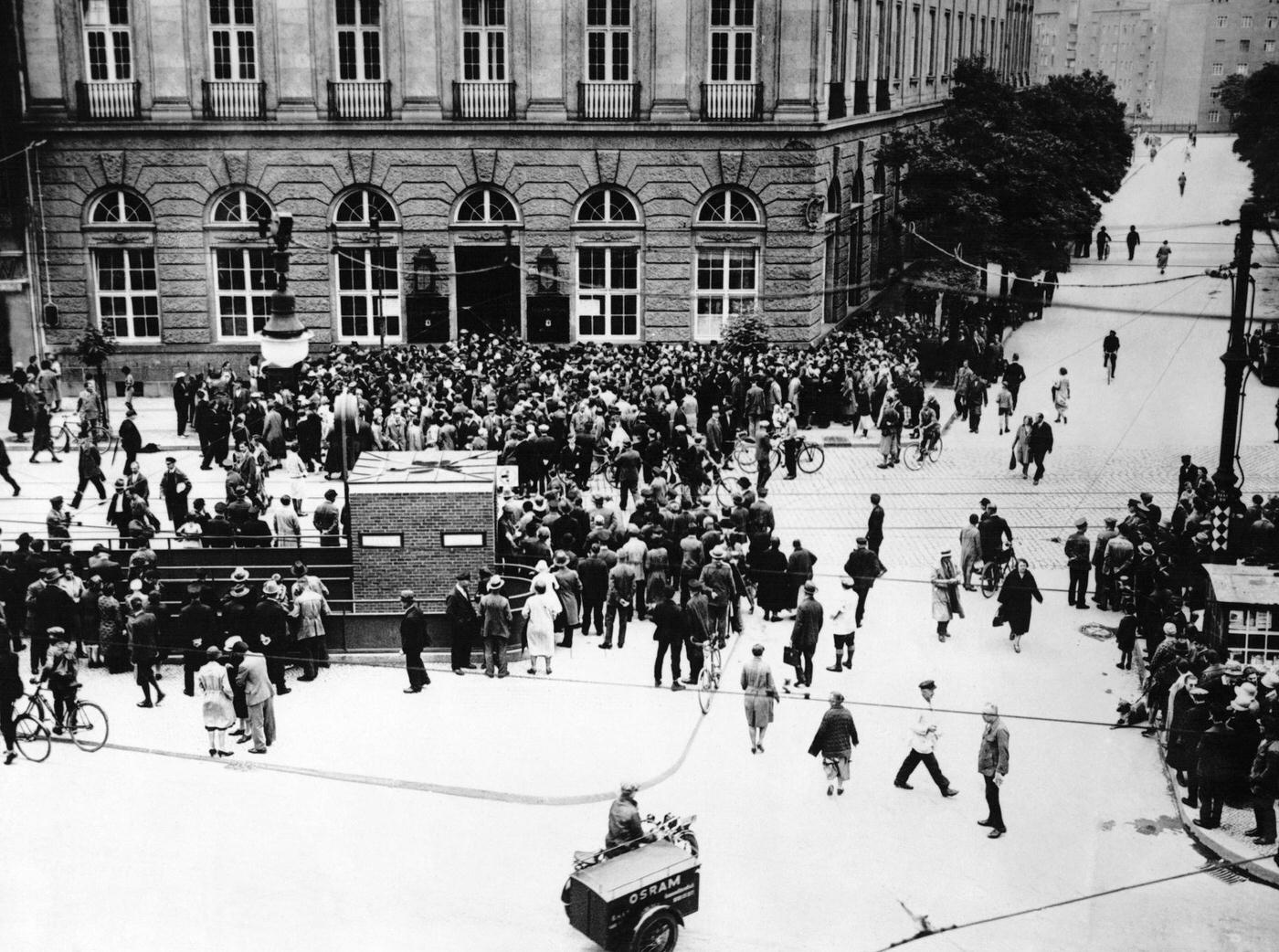
The banking panic of 1931 hit Berlin hard. Photographs from that year show crowds of small shareholders and ordinary account holders gathered outside banks, trying to access their funds as financial institutions teetered on collapse. Germany’s banking crisis that summer was severe enough to force the government to temporarily close banks. It deepened the public’s distrust of the Weimar government and added another layer of desperation to an already volatile political environment.

Small Shareholders In Front Of A Bank, Berlin, 1931
Foule devant une caisse d'épargne, Berlin, 1931
Foule devant une caisse d’épargne, Berlin, 1931
Des policiers accourent pour faciliter le passage de la voiture d'Hitler, Berlin, 1932
Des policiers accourent pour faciliter le passage de la voiture d’Hitler, Berlin, 1932

By 1932, Hitler’s movements through the city required police escorts to clear the way through crowds. A photograph from that year shows officers running to make way for his car — a scene that reflects both his growing public prominence and the intensity surrounding his political campaign. In 1934, street life still retained some of its older rhythms: a coachman photographed reading a newspaper while waiting for passengers is a quiet detail amid the decade’s upheaval.
Cocher lisant le journal, Berlin, 1934
Thousands Welcome U.S. Olympic Team in Berlin, Berlin, 1936
Unter den Linden, Berlin, 1930s

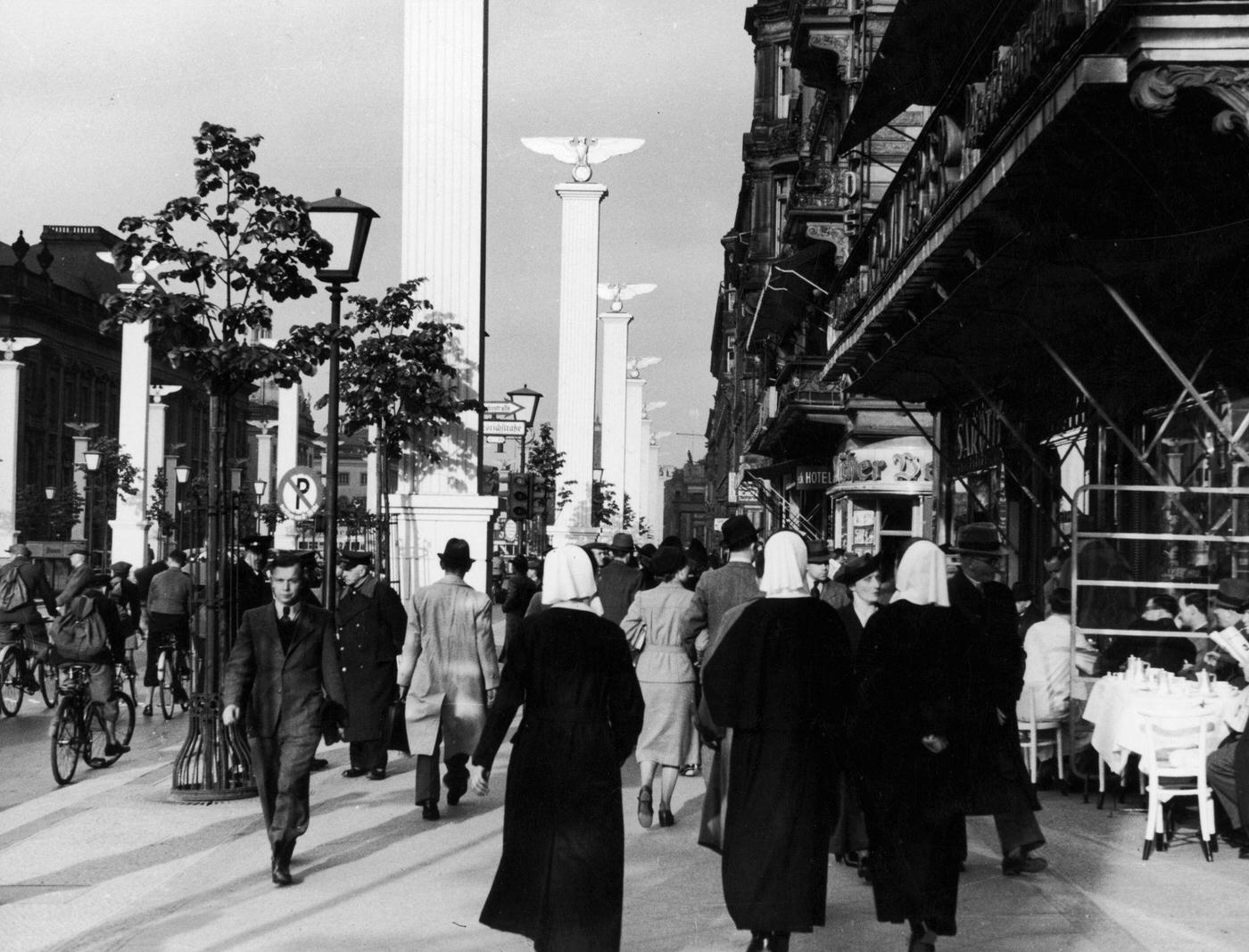
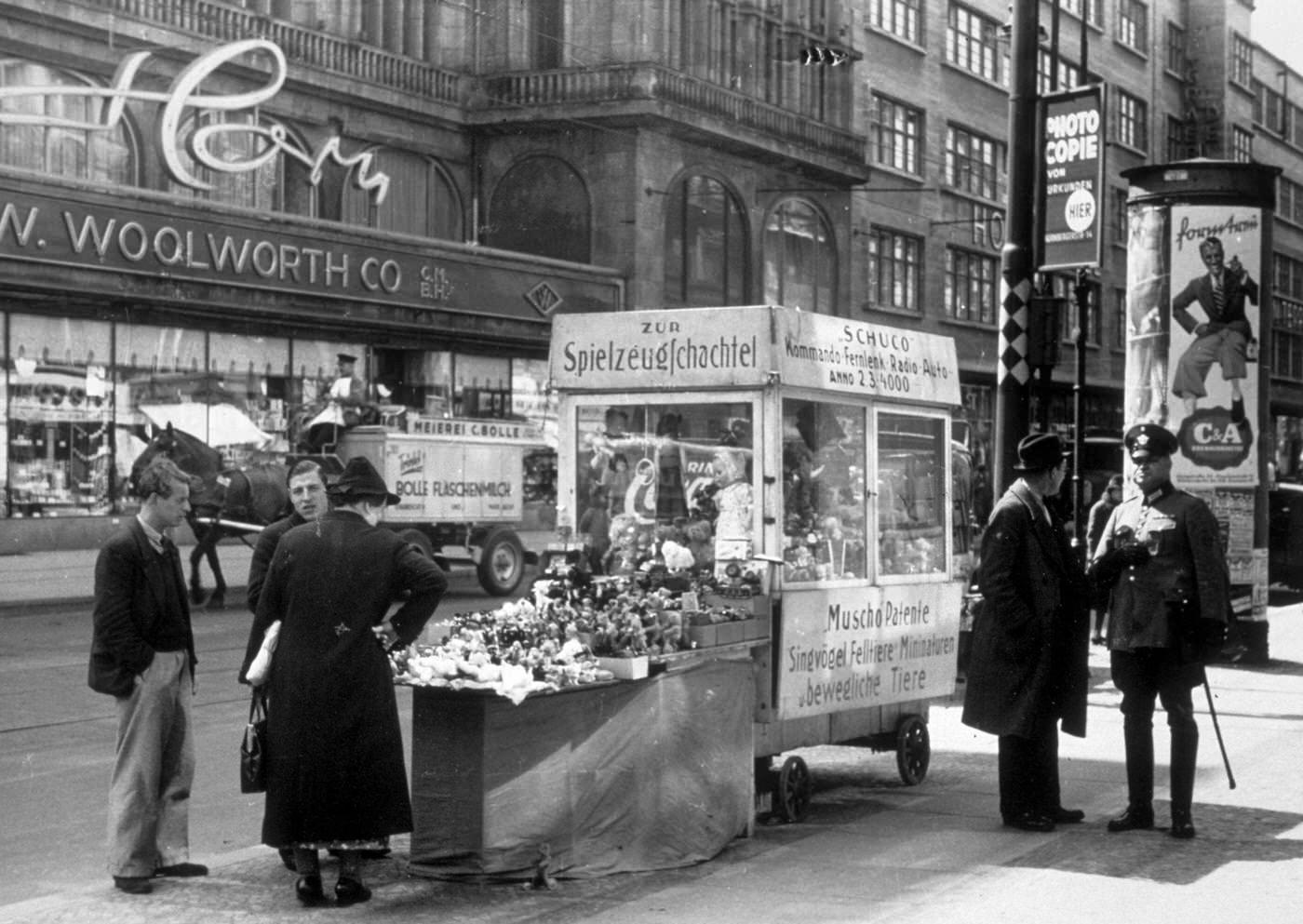
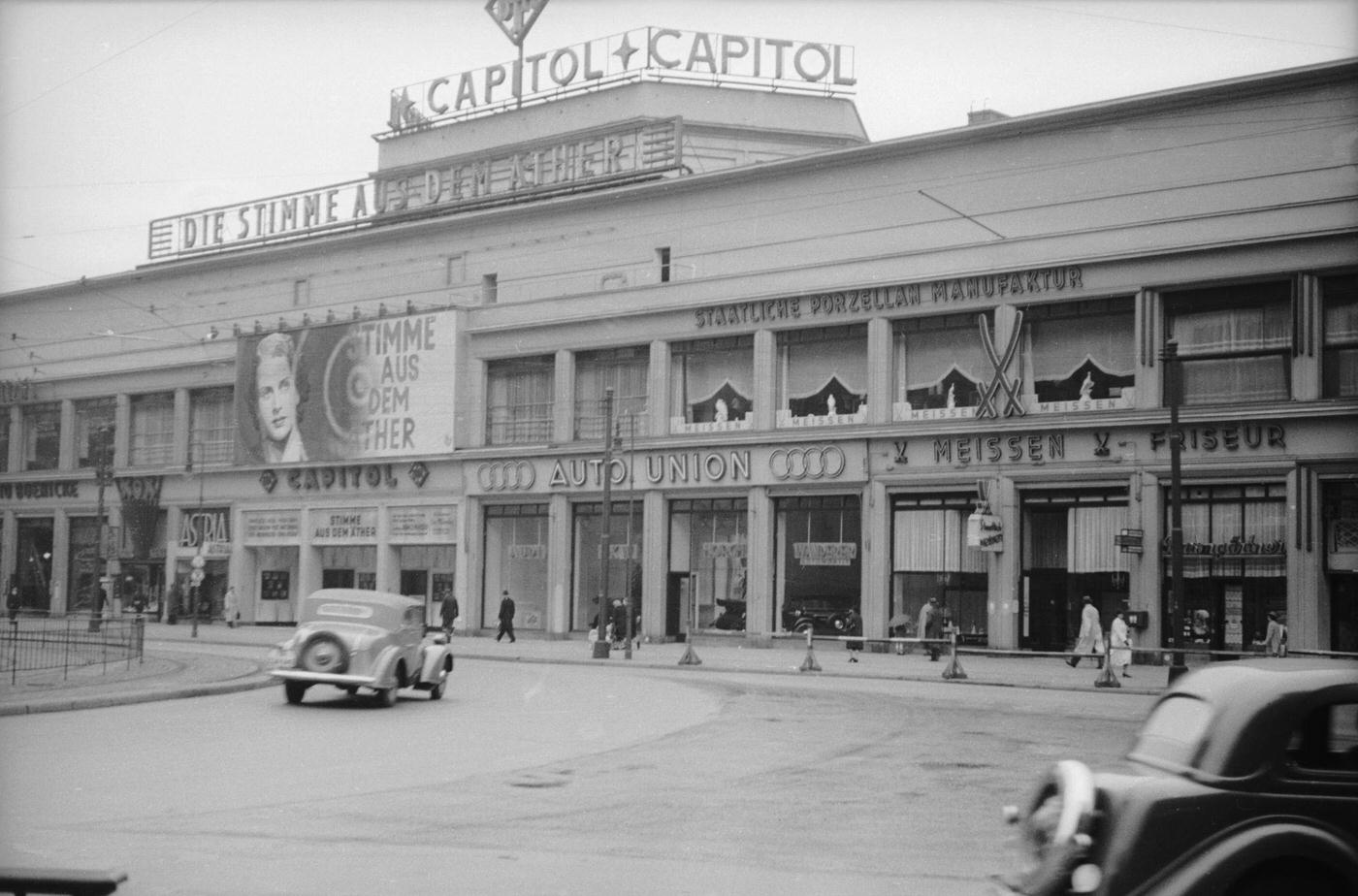
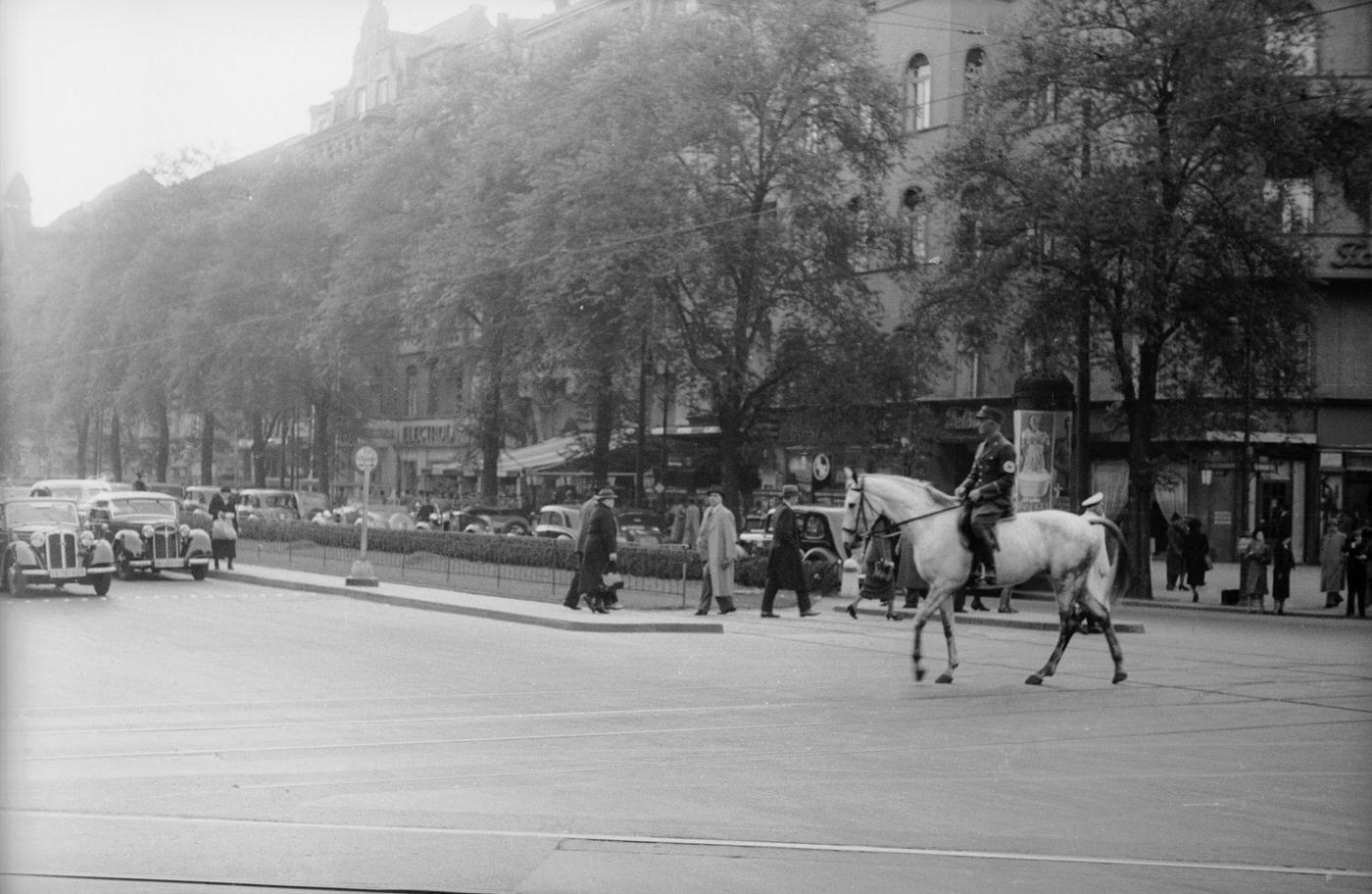
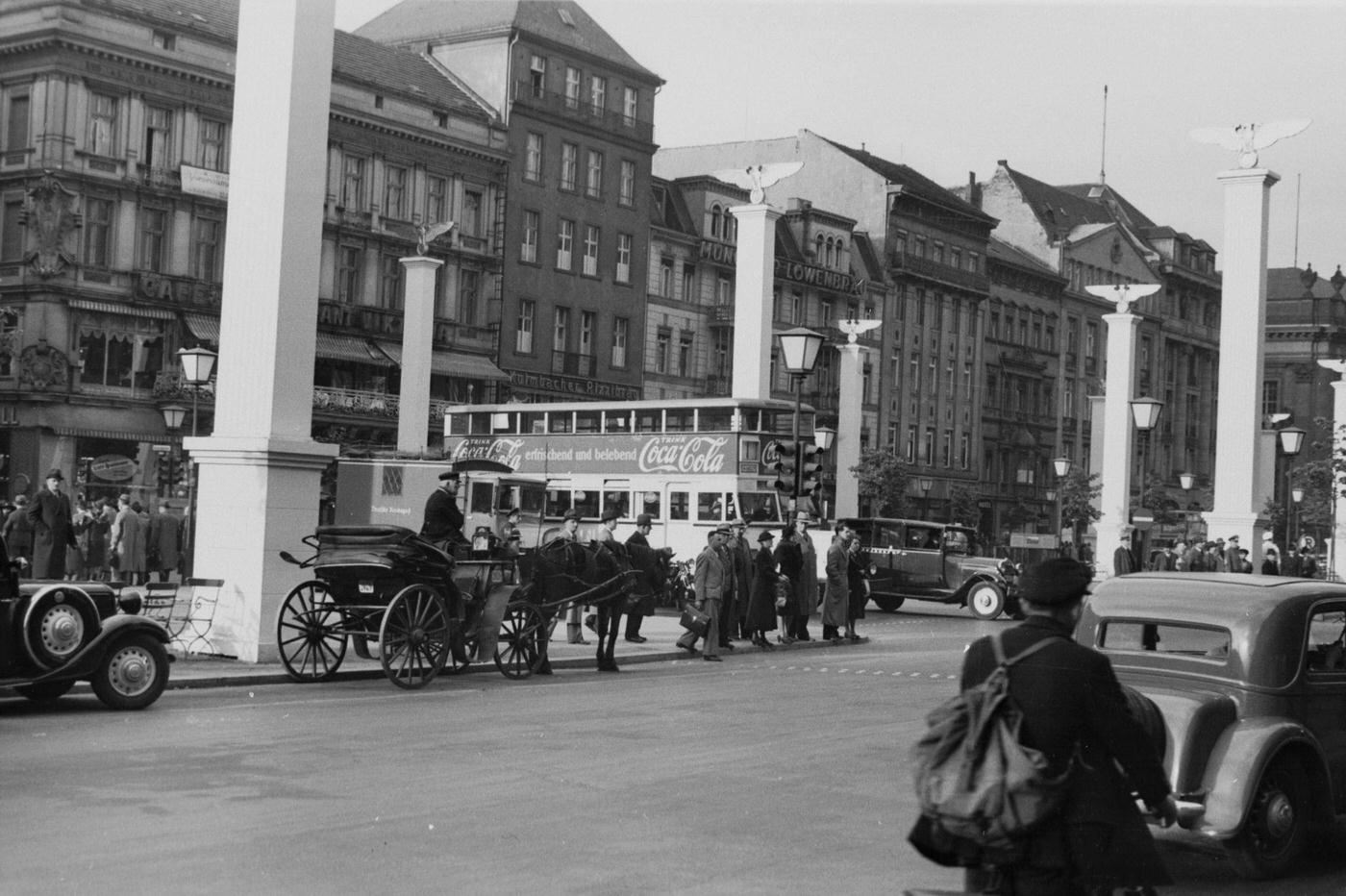
By 1939, Berlin had been thoroughly transformed. The streets still bustled with pedestrians, cafes, and commerce, but the city wore the Nazi regime visibly. Storm troopers — SA members — were a regular presence on city streets. Plywood Nazi eagles were erected at key locations as decorations for party events. Radio had become a major propaganda tool, and Capitol Radio’s broadcasting presence was part of the regime’s effort to control public information.
Busy Berlin, Berlin, 1939
Berlin Street Stall, Berlin, 1939
Capitol Radio, Berlin, 1939
Storm Trooper, Berlin, 1939
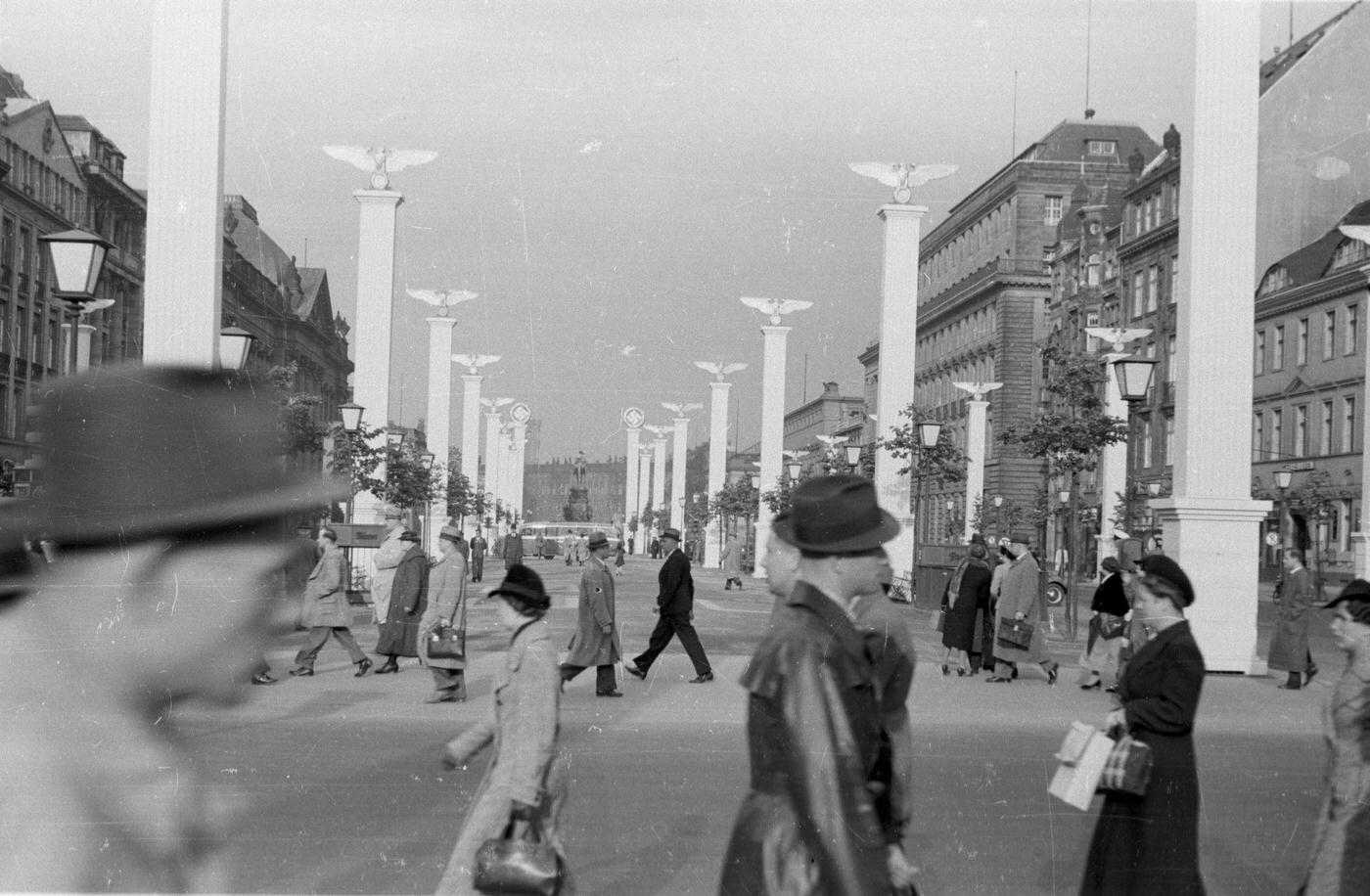
Plywood Eagles, Berlin, 1939

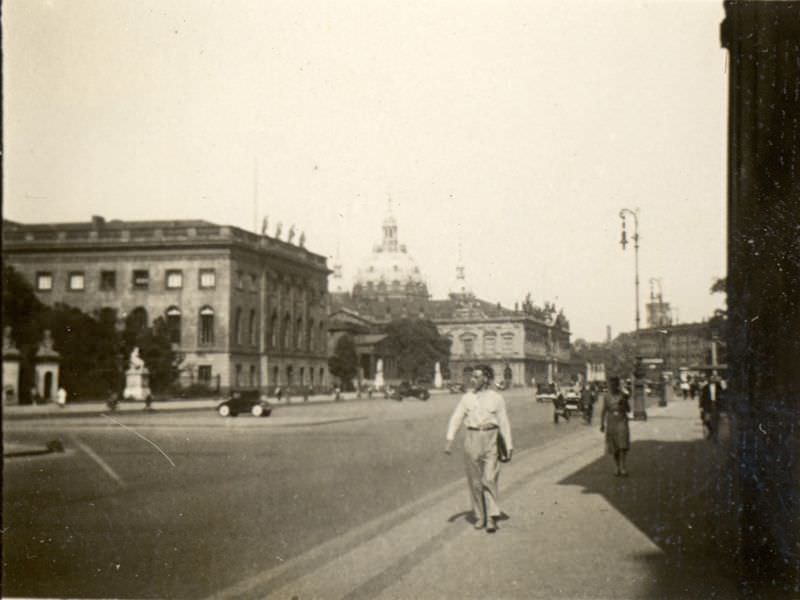
Unter den Linden in 1939 looked strikingly different from the same street in 1930. The grand boulevard still ran from the Brandeburg Gate to the Palace, still lined with embassies and institutions — but it was now draped in Nazi flags and overseen by a regime that had dismantled nearly every freedom the Weimar era had produced. Street cafes remained open, and people still walked and talked and went about their days. But the city they lived in was now fully under authoritarian rule, just months from entering the most destructive war in history.
Unter Den Linden, Berlin, 1939
Street Cafe, Berlin, 1939
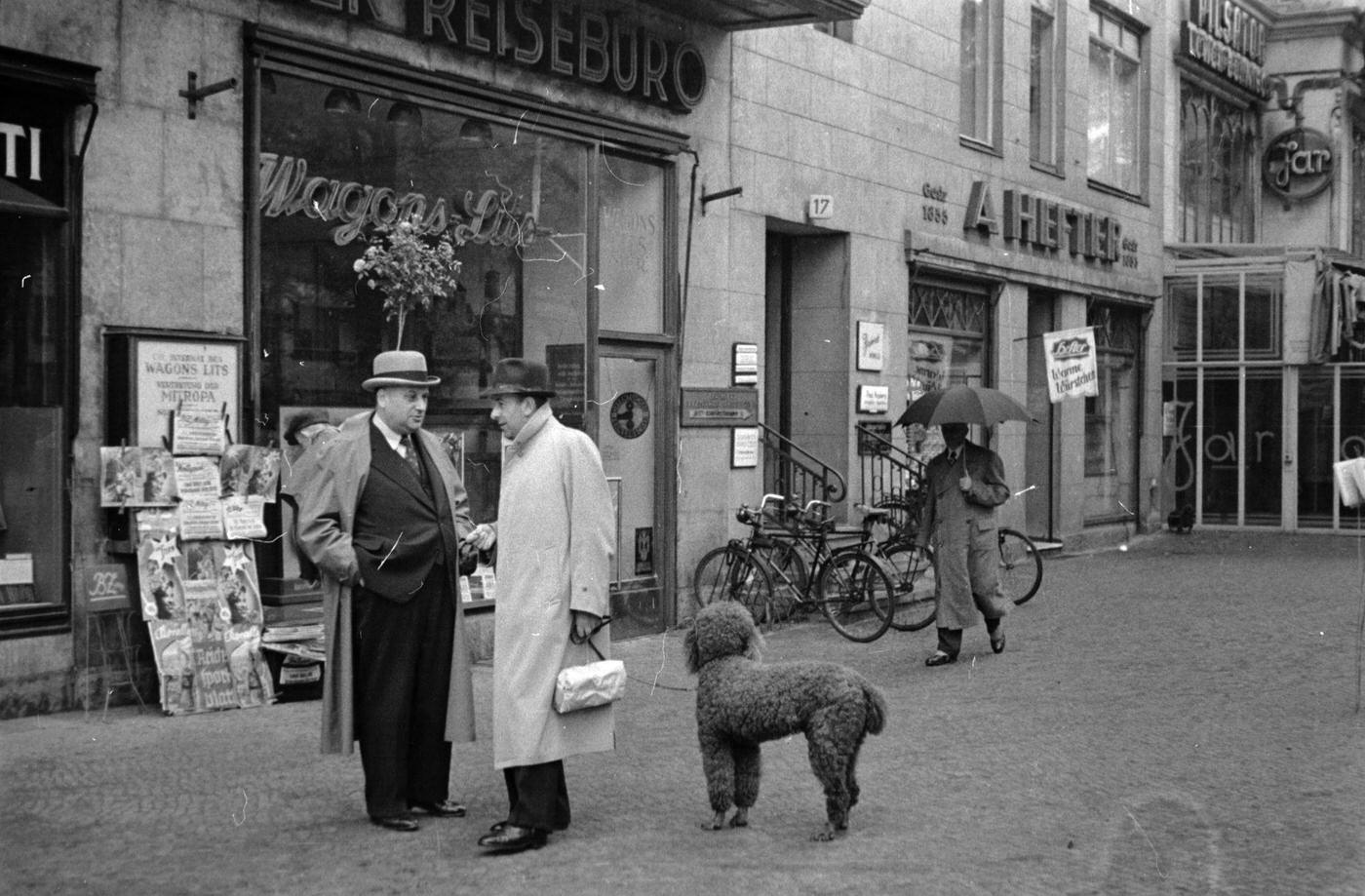
Street Talkers, Berlin, 1939
Berlin Street, Berlin, 1939
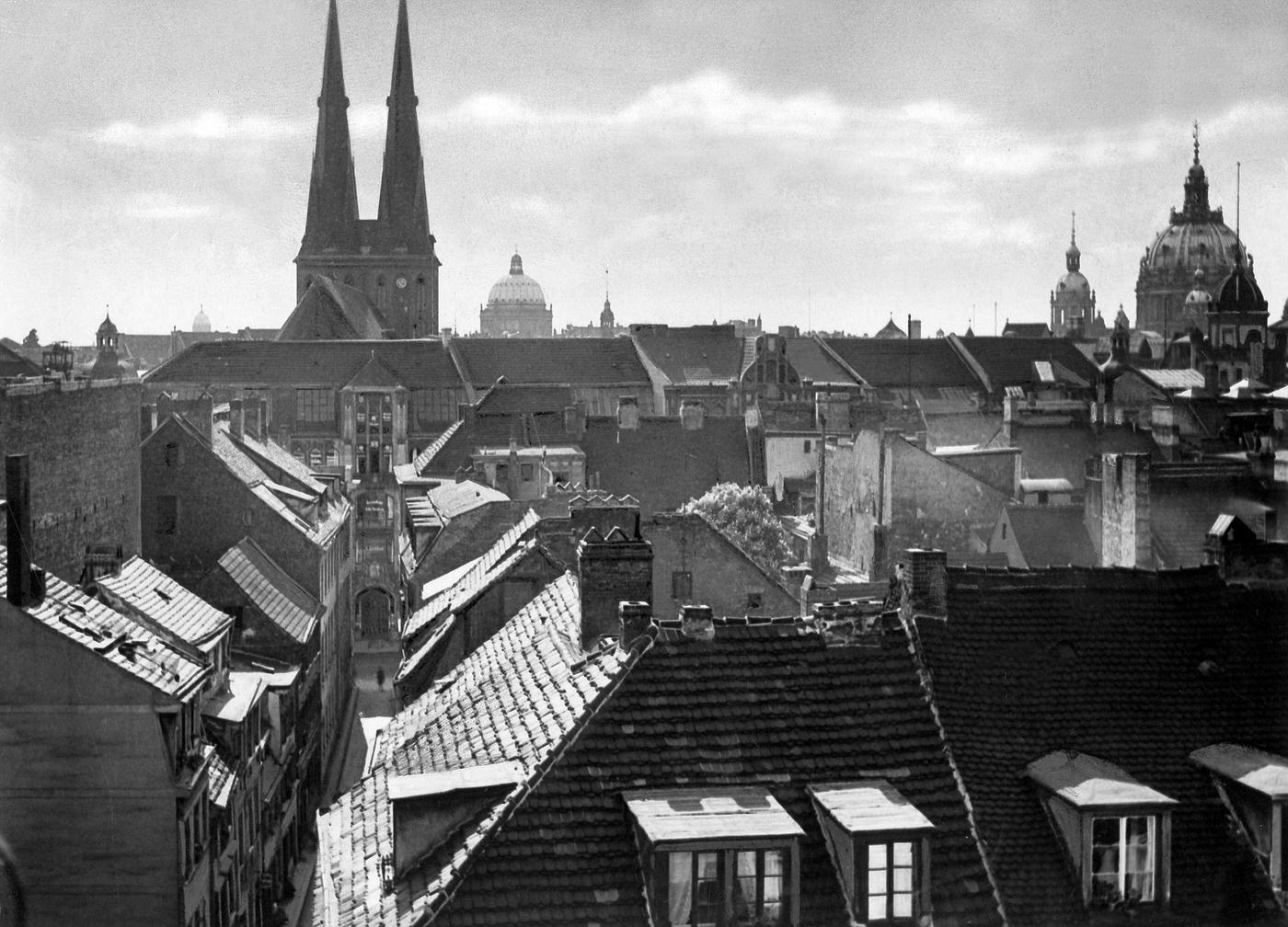
View into the Parochialstrasse with the Nicolaikirche, the cupola of the city palace, and the protestant cathedral, 1930
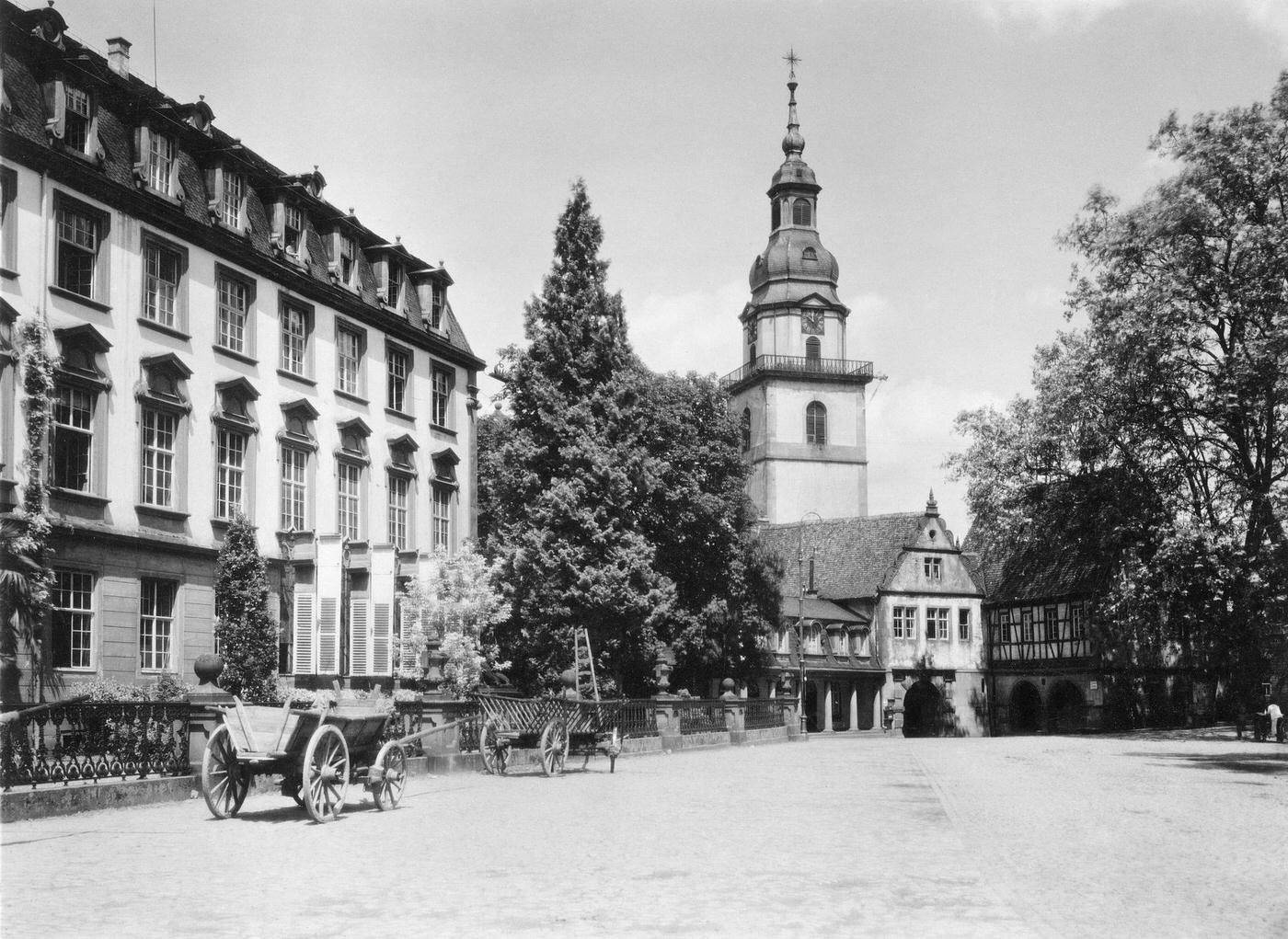
Erbach, Erbach im Odenwald: Stadtkirche, Rathaus und Schloss, 1930
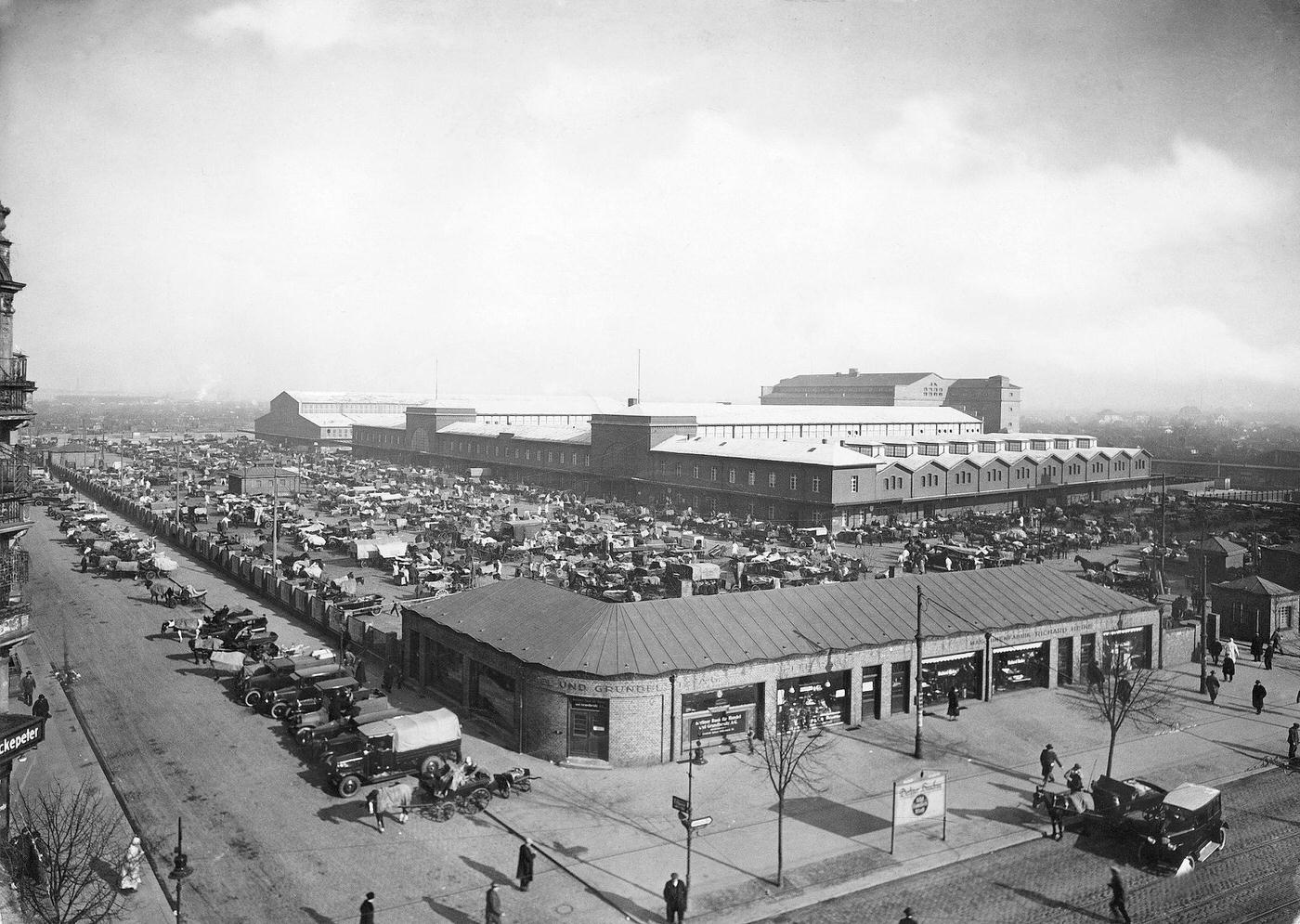
Grossmarkt Berlin: Blick auf den Schlacht- und Viehhof, Berlin, 1930
Enjoyed this post? Get new ones in your inbox.

Leave a Comment

Your email address will not be published. Required fields are marked *

Share this Post 🥺

Please take a moment to share this content. Your support is greatly appreciated! 🙌🙏

Share this Post 🥺

Please take a moment to share this content. Your support is greatly appreciated! 🙌🙏
Scroll to Top
 
Hey Friend, Before You Go.. Please like & follow for more interesting content