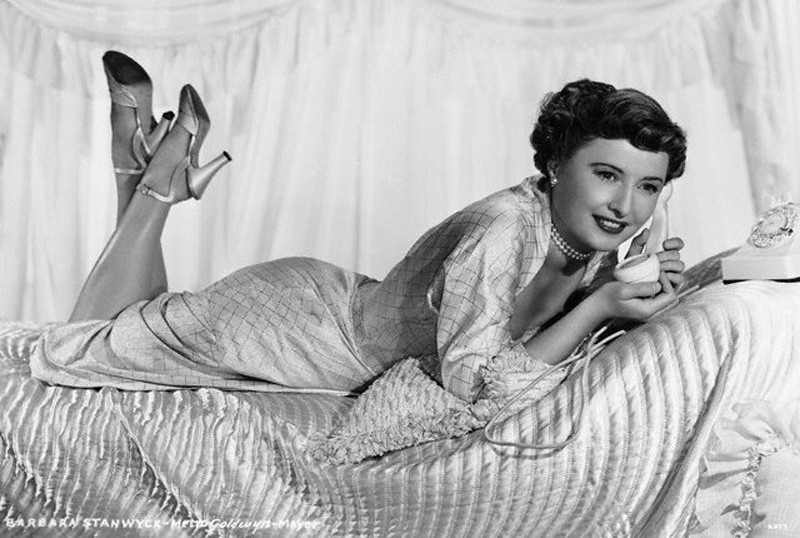
The 1910s through the 1930s, often called the “Golden Age,” were a defining period in German cinema history. The German film industry grew into a creative and technological powerhouse, earning recognition at home and around the world. Two major movements shaped this era: Expressionism, known for its distorted and dramatic style, and New Objectivity, which favored a straightforward, realistic look at life. At the center of this thriving industry were many talented actresses who left a lasting mark on film.
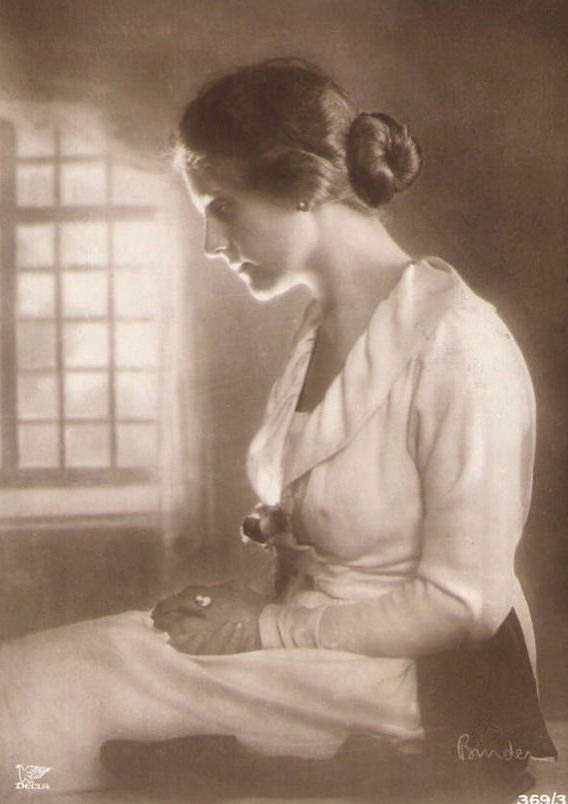
Carola Toelle (1893–1958) was a prominent presence in German silent cinema of the late 1910s and early 1920s. Her expressive performances captured the attention of audiences across the nation. Known for her versatility, Toelle moved between dramatic and comedic roles, showcasing her talent and range. Her screen presence and ability to convey emotions with subtlety made her a beloved figure of the era.
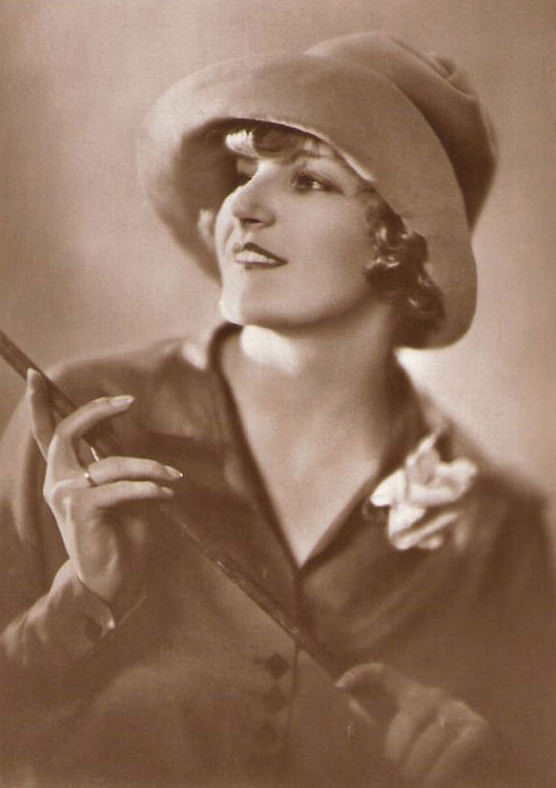
Maly Delschaft (1898–1995) was a notable German actress who left a lasting mark on both silent cinema and the post-war era. She began on the theatrical stage before moving into film, becoming a prominent star of German silent cinema. Despite the challenges of the Nazi era, she continued her career, often in supporting roles. After World War II, Delschaft worked in East Germany, collaborating with the state-controlled DEFA studio.
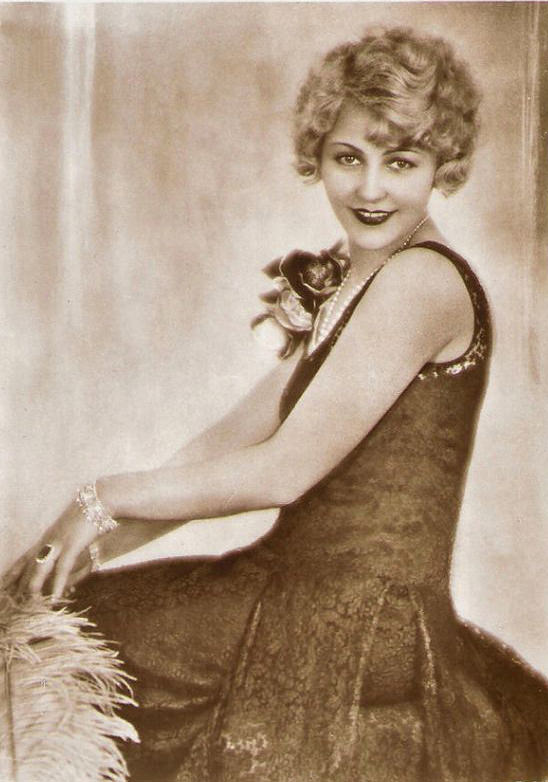
Lotte Lorring (1893–1939) was a versatile German actress and singer who began her career as an operetta performer in provincial theaters. Her talent and charm brought her to the attention of filmmakers, leading to appearances in a wide range of German silent and sound films from 1920 to 1935. Lorring moved between supporting and leading roles, showcasing her versatility. She also appeared in international productions, further broadening her career.
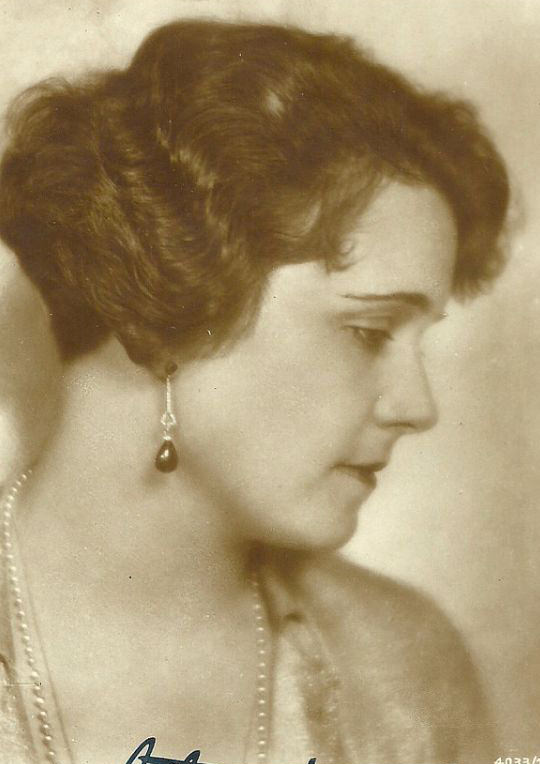
Olga Tschechowa (1897–1980), a distinguished German-Russian actress, was one of the silent film era’s most beloved stars. Known for her grace and allure, Tschechowa maintained an air of mystery throughout her life. Rumors circulated that she had connections to espionage and worked as a Russian agent during her time in Nazi Germany. The details surrounding her alleged involvement remain unclear, adding an intriguing layer to her persona.
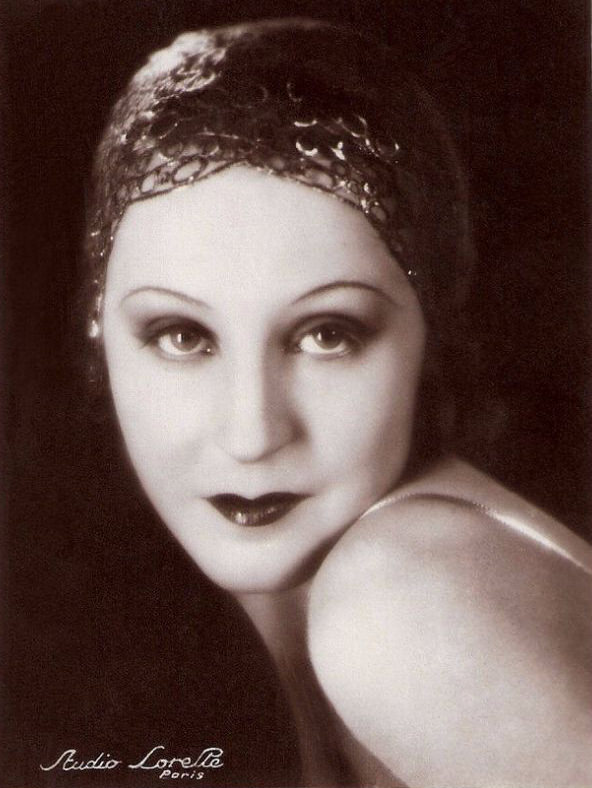
Brigitte Helm (1906–1997) rose to stardom at a young age when director Fritz Lang cast her in the lead role of his groundbreaking film Metropolis. Her portrayal of the dual characters — the noble Maria and her sinister robot double — showcased her remarkable talent. Helm became known for playing seductive yet villainous ice queens in films like Alraune, L’Argent, The Mistress of Atlantis, and Gold. She also displayed her range in emotionally expressive roles such as Die Liebe der Jeanne Ney and Abwege. In contrast to her on-screen personas, Helm was modest and unambitious. Disillusioned with the German film industry under Nazi control, she retired after a short but prolific career and lived in Switzerland, away from the public eye.
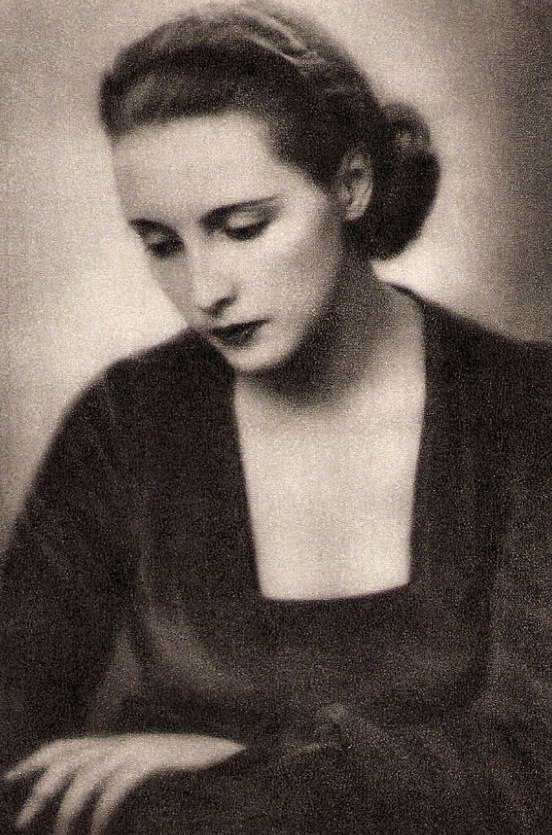
Dorothea Wieck (1908–1986), a Swiss actress, achieved film stardom and a revered status as a lesbian icon for her portrayal of the beloved teacher Fräulein von Bernburg in the German classic Mädchen in Uniform (Leontine Sagan, 1931). This role brought her widespread acclaim. Alongside her film career, Wieck was also a prominent figure in theater, performing at well-known venues such as the Deutsche Theater and the Schillertheater in Berlin.
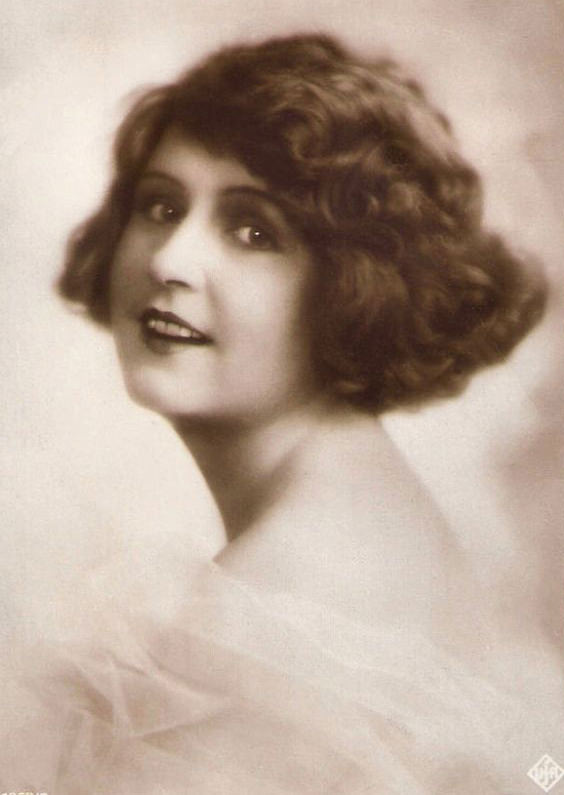
Xenia Desni (1894–1954), a Ukrainian actress, rose to prominence as a star of German silent cinema. Her screen presence and talent earned her a devoted following. Her performances showcased her ability to bring characters to life with depth and emotion. Although her career flourished during the silent film era, Desni also made a successful transition to sound films, leaving an enduring impact on German cinema.
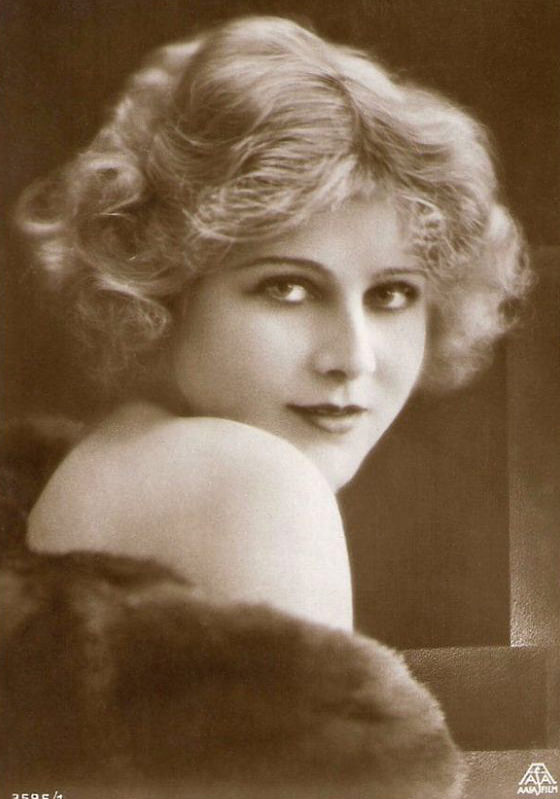
Hilda Rosch, a German actress of the late 1920s and early 1930s, remains largely a mystery despite her talent and beauty. Her filmography consists of only eight films made between 1928 and 1931, yet her popularity was evident through the production of postcards featuring her image. The reasons behind her brief career are unclear. Detailed information about Hilda Rosch remains scarce.
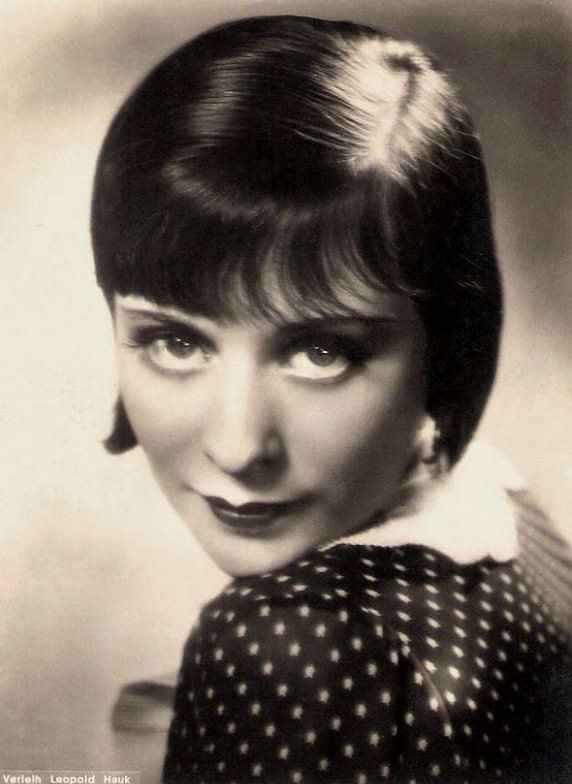
Ursula Grabley (1908–1977), known as the “Girl of Today” in the 1930s, was a prolific German actress who appeared in over 60 films and TV productions. Her talent and screen presence made her a prominent figure in the German entertainment industry. However, her career was interrupted in 1939 following a dispute with Joseph Goebbels, the Minister of Propaganda for Nazi Germany. The exact details of the disagreement remain unclear.
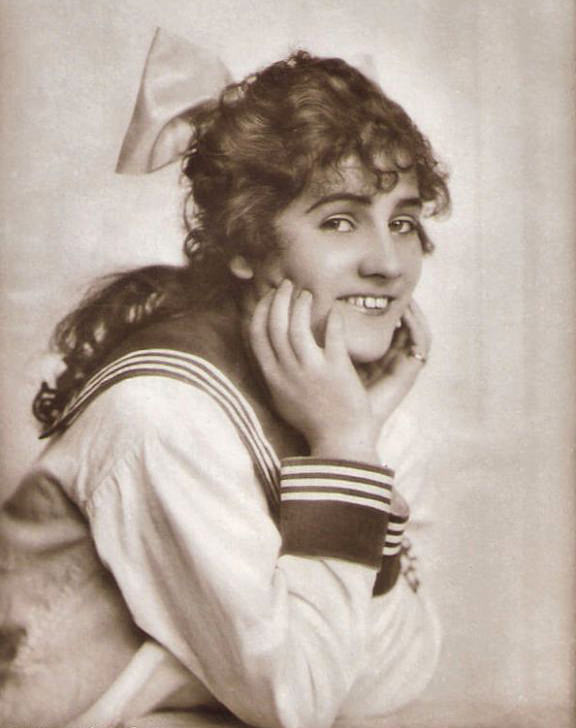
Blandine Ebinger (1899–1993) was a renowned German cabaret singer and actress whose talents spanned multiple decades. Author Erich Kästner described her as a “master of the tragic-grotesque.” Her career in cinema lasted an astonishing seventy years, during which she portrayed over 90 diverse and memorable characters. Whether in leading or supporting roles, her acting skills consistently stood out. Her performances were marked by expressive eyes and a strong ability to embody her characters.
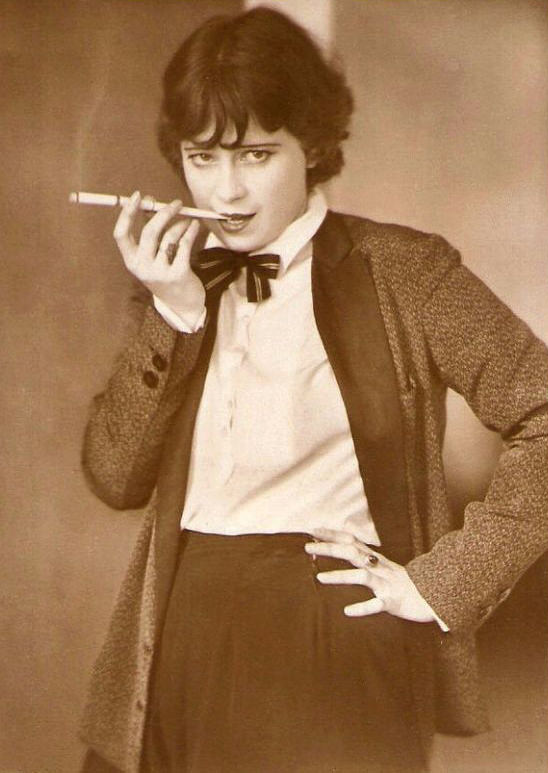
Valerie Boothby (1906–1982) was a German actress who achieved popularity during the Weimar cinema of the late 1920s and early 1930s. She made her debut in 1925, during the height of the German silent film era. Boothby gained recognition and a growing fan base through her performances in a variety of silent films. Notable films include Die Frau mit dem Weltrekord (1927), Das letzte Souper (1928), and Mädchen am Kreuz (1929). As the industry transitioned to sound, she continued working on projects such as In einer kleinen Konditorei (1930) and Der Herr Finanzdirektor (1931).
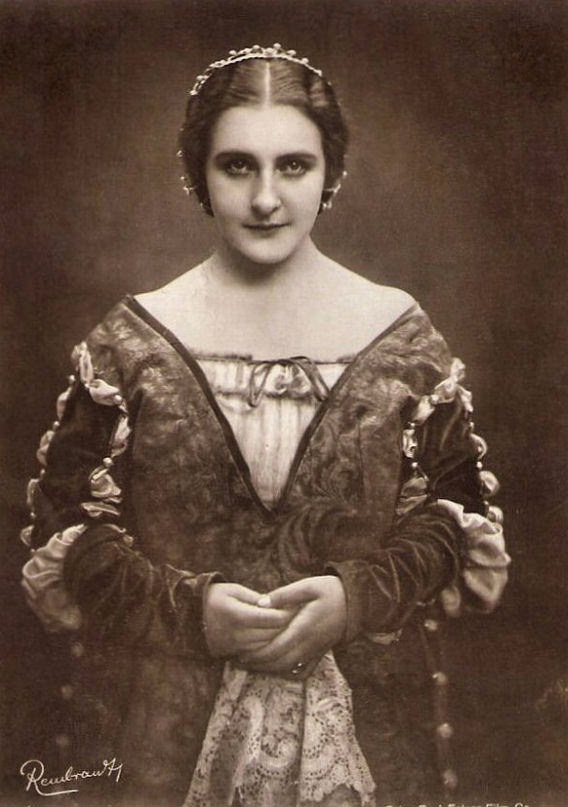
Frieda Ulricke “Henny” Porten (1890–1960) was a pioneering German actress and film producer who became Germany’s first major film star during the silent era. With a career spanning from 1906 to 1955, she appeared in over 170 films. Porten entered the film industry without prior stage experience, which set her apart from many of her contemporaries. In the early years of her career, she worked closely with her husband, Curt A. Stark, who died during World War I. Her father, Franz Porten, also an actor and film director, contributed to her artistic upbringing. After her remarriage to Wilhelm von Kaufmann in 1921, Porten faced challenges brought on by the rise of the Nazis. Despite producing twelve films a year at her peak, her career suffered after she refused to divorce her Jewish husband. She managed to make ten films during the Nazi era, but faced significant restrictions and difficulties.
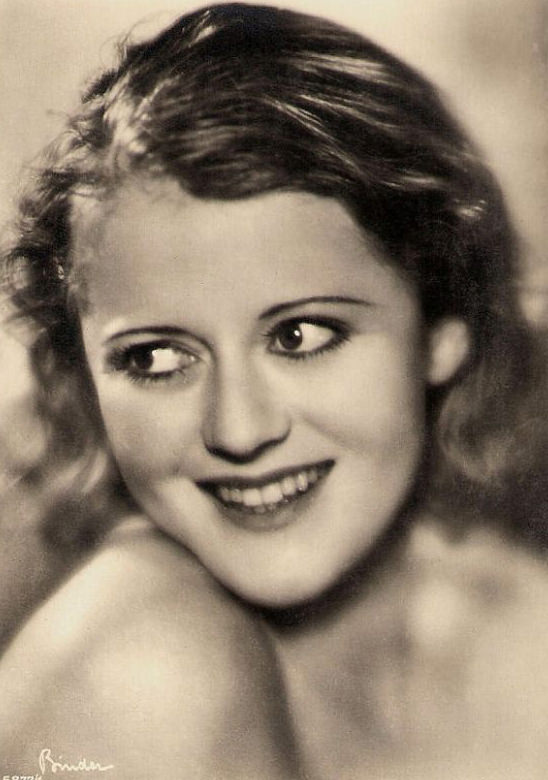
Maria Solveg, also known as Maria Matray (1907–1993), was a prominent figure in late Weimar cinema as both an actress and screenwriter. With the rise of Hitler and the Nazi regime, Solveg, being Jewish, was forced into exile. She built a new career in the United States, where she found success as a choreographer and writer. Her journey from Germany to a productive career in the US reflects the resilience of artists during times of political upheaval.
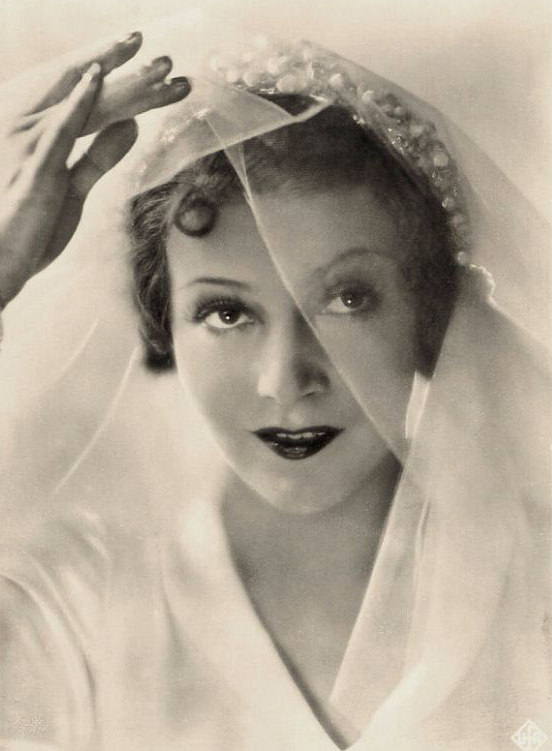
Käthe von Nagy (1904–1973), a Hungarian actress, began her career in the late 1920s as a “Backfish,” a term used in German films to describe young girls. Her talent and charm quickly propelled her to stardom in both German and French cinema during the early 1930s. Known for her fashionable style and captivating screen presence, von Nagy became a well-known figure of the silver screen. She moved easily between different roles and genres, leaving a lasting mark on both German and French cinema.
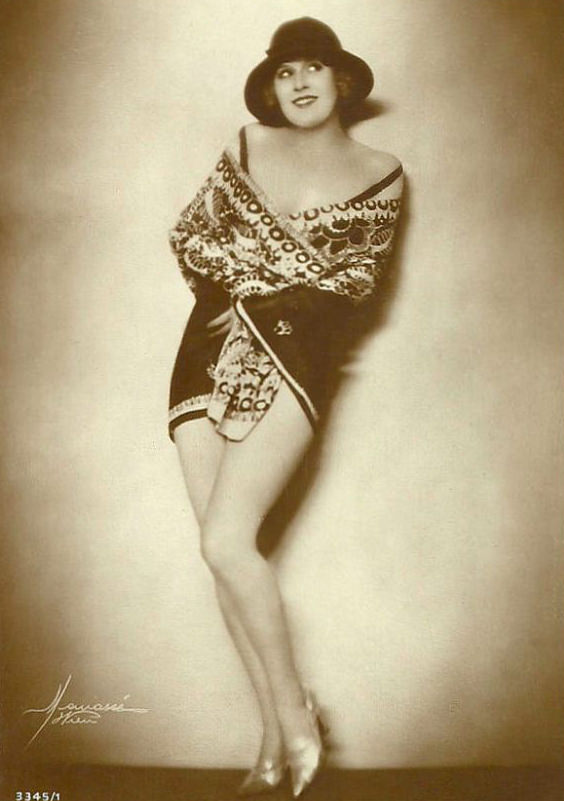
Mary Kid (1901–1988) was an actress who gained popularity in Austrian and German silent cinema. Known for her performances, Kid established herself as a prominent figure during this era. She also worked in early sound films, showing her adaptability as an actress. Notably, she appeared in two early sound films in Italy, expanding her international presence.
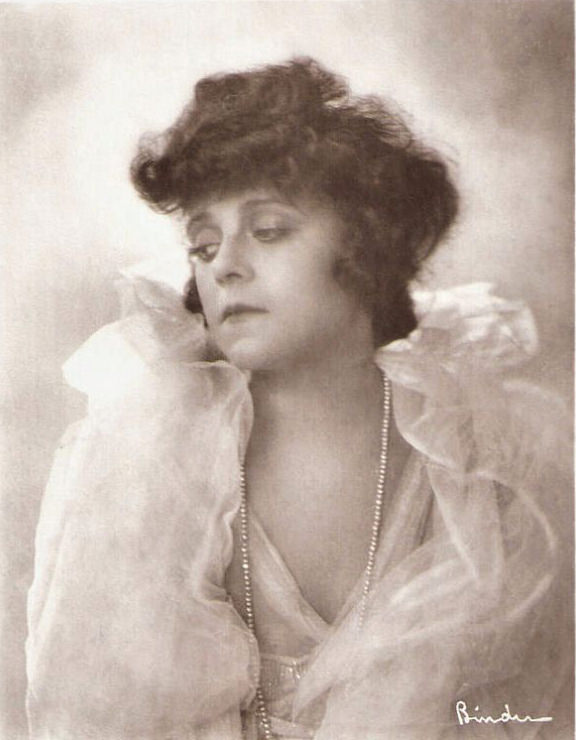
Ria Jende (1898–?), a German-Belgian actress, rose to stardom as both an actress and producer in German silent cinema. She appeared in a total of 40 films, leaving a lasting impression on the screen. Her career ended when she married and retired from the industry. The details of her post-retirement life remain unknown.
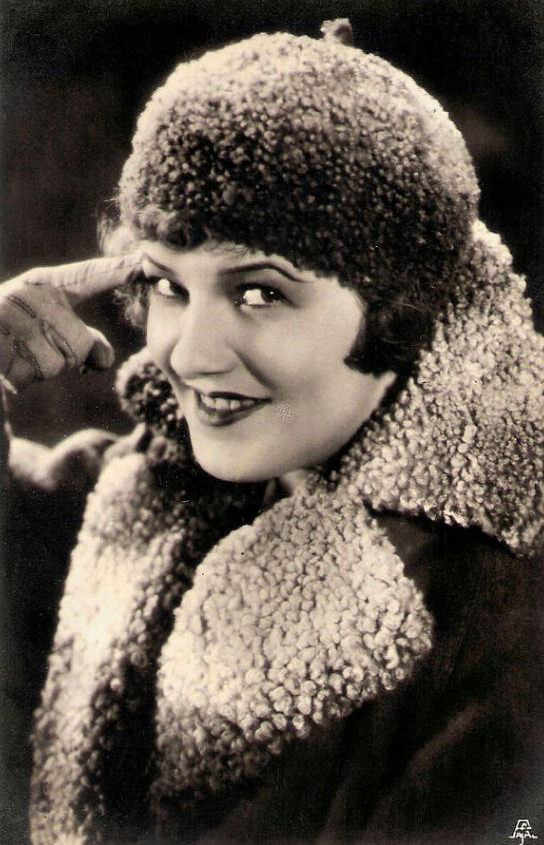
Maria Paudler (1903–1990), a German actress, achieved popularity as a star of late German silent cinema. Her performances made her a prominent figure during this era. She also made history by playing the leading role in the first-ever German TV film, showing her versatility across different entertainment mediums. Her contributions to both silent film and television reflect her talent and adaptability.
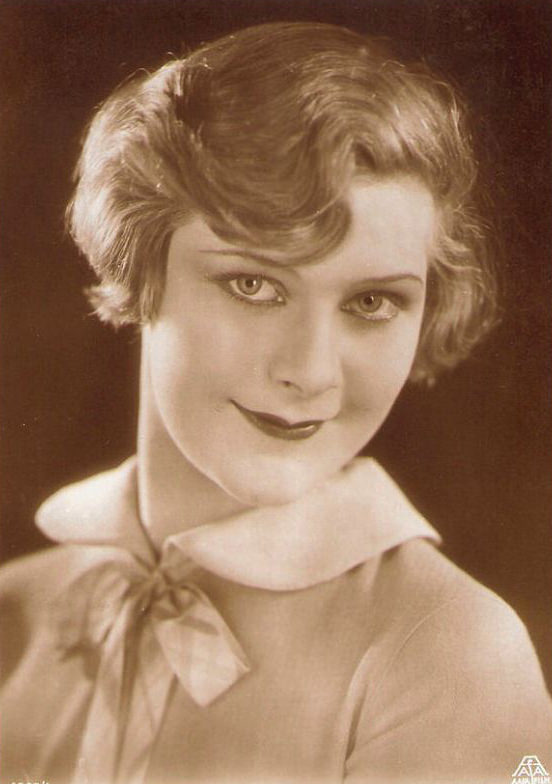
Marianne Winkelstern (1910–1966), a German actress, gained recognition for her talent as a ballerina in both Germany and England. Her skill and grace on the dance floor captivated audiences in both countries. In Germany, she also worked in film, appearing in several silent films and early sound films. Her screen work showcased her versatility as a performer.
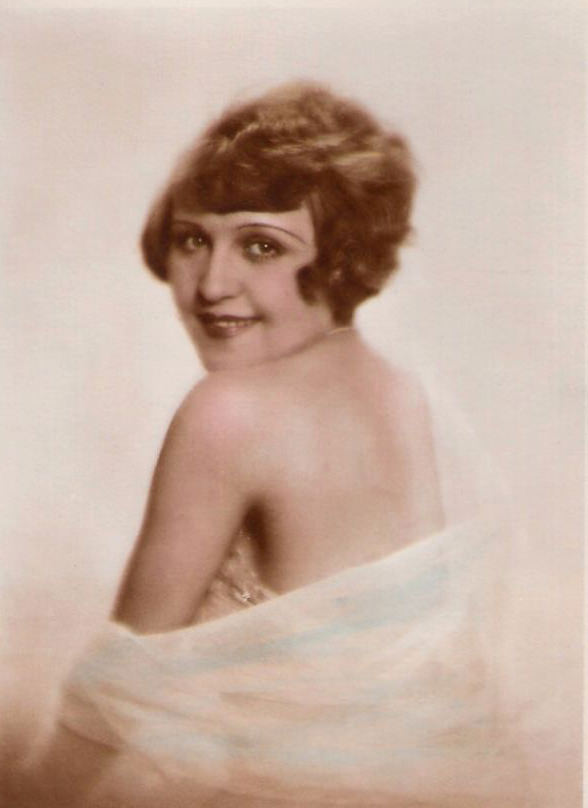
Lilian Weiss, a film actress, appeared in around a dozen silent German films during the 1920s. Her screen presence and talent drew audiences of the time. With the introduction of sound films, her film career appears to have ended. Limited information about Lilian Weiss is available beyond her film appearances. Even well-informed sources such as the German Filmportal.de provide little personal information about her. Her career spanned only five years.
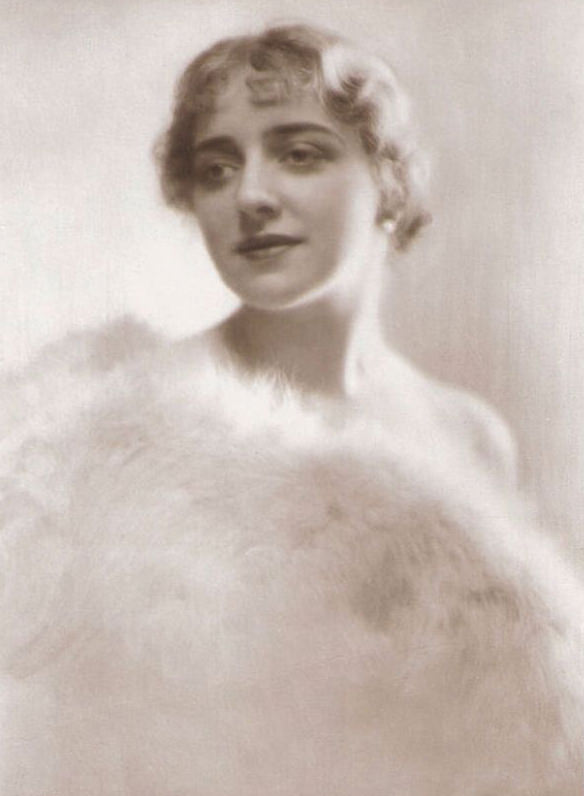
Lotte Neumann (1896–1977) was one of the most successful actresses during the early years of German silent cinema. Her talent and versatility on screen established her as a prominent figure in the industry. She also worked as a screenwriter and producer, contributing to the German silent cinema in multiple roles.
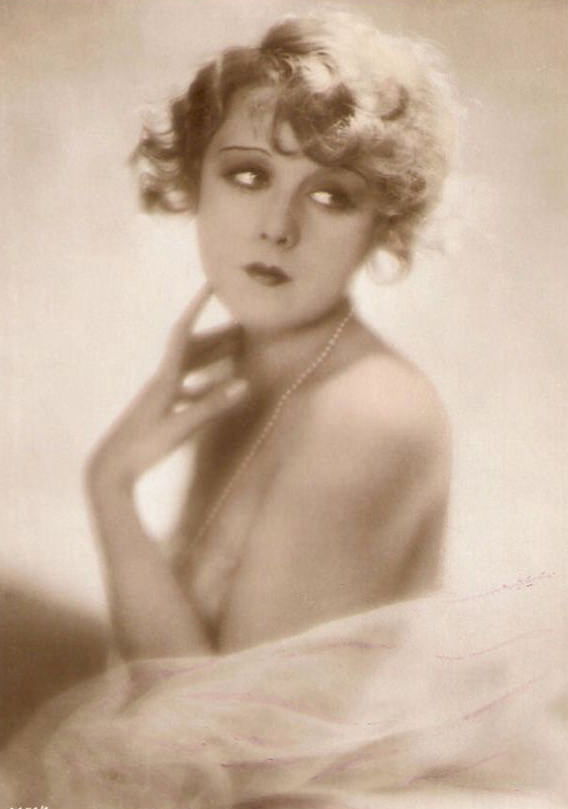
Anny Ondra (1903–1987) was a multi-talented singer, film, and stage actress of Polish, Czech, Austrian, German, and French descent. She achieved popularity during the 1920s and 1930s, starring in Czech, Austrian, and German comedies. Ondra holds the distinction of being Alfred Hitchcock’s first “Blonde” in his films. Her acting skills and screen presence earned her a dedicated fan base. She moved naturally between comedic and dramatic roles, leaving a lasting impact on European cinema. Her collaboration with Hitchcock was a significant milestone in her career.
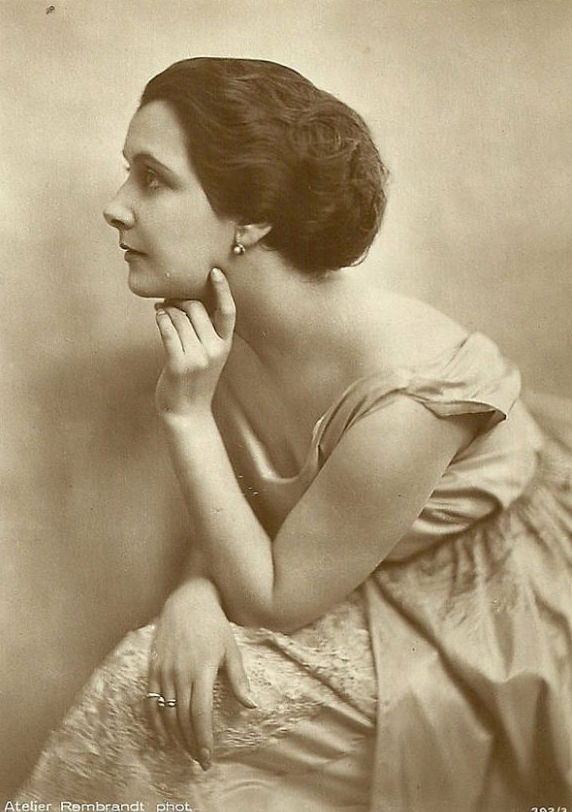
Lil Dagover (1887–1980), a Dutch-born German film actress, had an exotic and captivating beauty that made her a prominent figure during the golden age of German silent cinema. She achieved breakthrough success in the iconic expressionist film Das Cabinet des Dr. Caligari (1920), where she portrayed the prey of Dr. Caligari’s monster. As her career progressed, she took on the role of a sophisticated “Salondame,” a lady of the screen. Her career spanned nearly six decades, during which her talent and versatility allowed her to take on a wide range of roles.
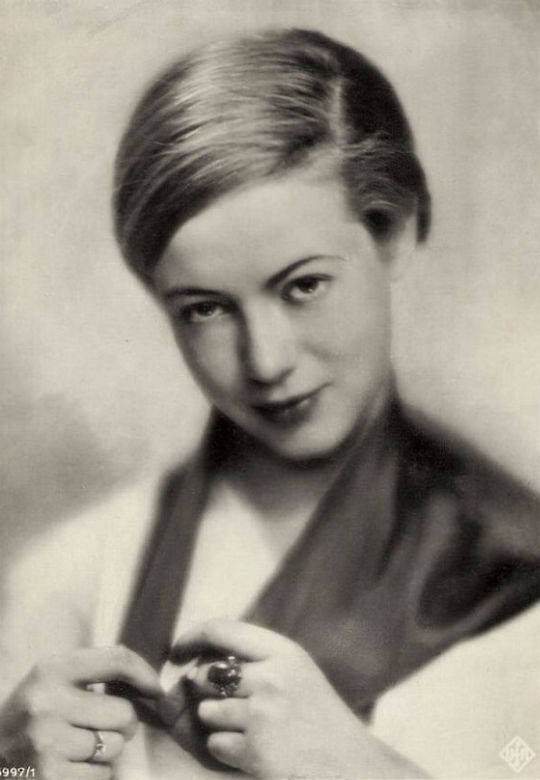
Hertha Thiele (1908–1984) made a notable impact during the Weimar Republic with her appearances in controversial stage plays and films. Her role as a 14-year-old schoolgirl in love with her female teacher in the groundbreaking film Mädchen in Uniform/Girls in Uniform (1931) brought her widespread recognition. Her performance resonated strongly with audiences, particularly women, and she received thousands of fan letters. In the years that followed, Thiele continued acting and became a well-known film and television actress in East Germany.
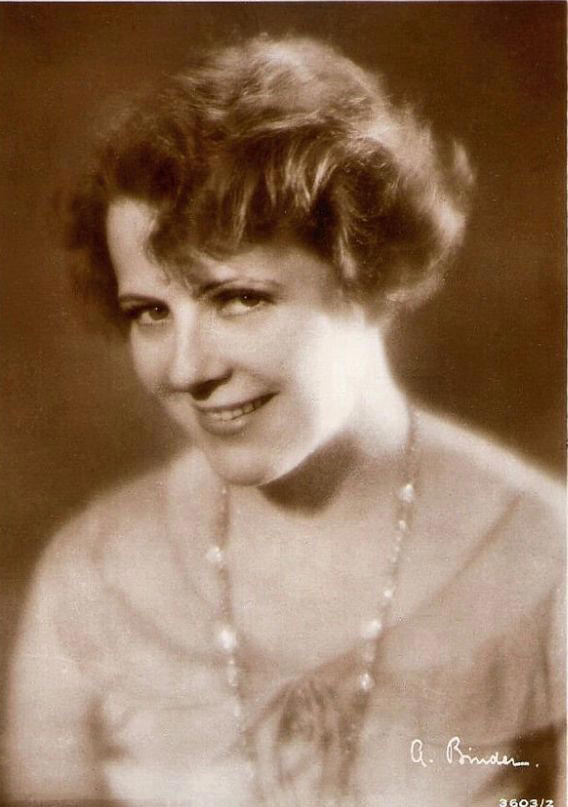
Mady Christians (1892–1951), an Austrian-born stage actress, made a significant impact in German silent cinema as well as in Austrian, French, British, and Hollywood films. Born into a family of performers, she grew up immersed in theater and acting. She made her film debut in Audrey (1916) and later returned to Berlin, where she studied under the renowned Max Reinhardt. She established herself as a leading actress in silent films, appearing in notable productions such as Nachtschatten (1918), Die Nacht des Grauens (1919), and Die Gesunkenen (1919). Her breakthrough role came in the serial Der Mann ohne Namen (1921), alongside Harry Liedtke. She went on to appear in acclaimed films including Das Weib des Pharao (1922), Ein Glas Wasser (1923), Die Finanzen des Großherzogs (1924), Michael (1924), Ein Walzertraum (1925), and the two-part costume drama Königin Luise (1927–1928).
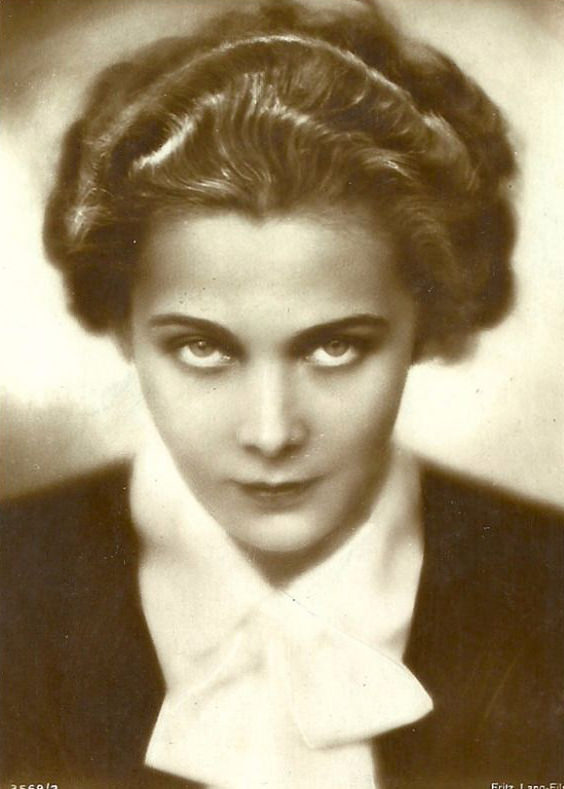
Gerda Maurus (1903–1968), an Austrian actress, became a renowned star of the silent screen. Her striking features, including prominent cheekbones and a commanding gaze, captivated audiences and earned her a dedicated following. Maurus drew the attention of influential figures such as her director Fritz Lang and Nazi Minister Josef Goebbels. Her talent and screen presence allowed her to take on a variety of roles, establishing her as a captivating and versatile actress.
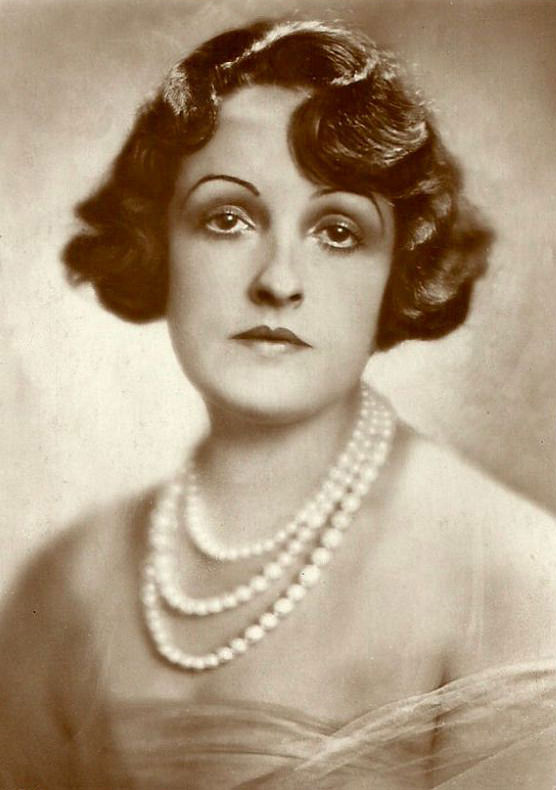
Fern Andra (1893–1974), an American actress, was one of the most popular film stars in German cinema during the 1910s and early 1920s. Her modern approach to acting captivated audiences, and she became known for her daring on-screen performances. Her versatility and athleticism were particularly notable — she performed physical feats including tightrope walking, riding horses bareback, driving cars and motorcycles, bobsledding, and boxing as part of her acting roles.
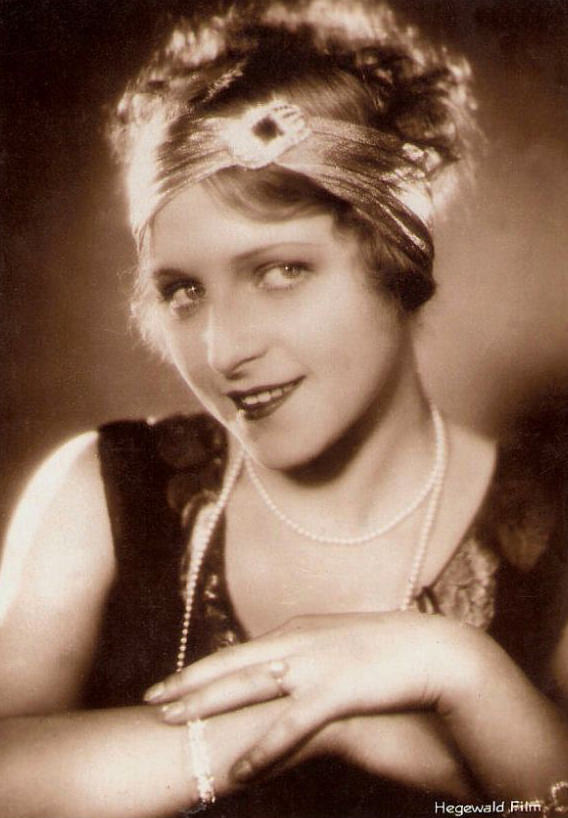
Evelyn Holt (1908–2001) was a highly popular German film actress who achieved significant success during the late silent era and the early sound era. Her talent and screen presence established her as a prominent figure in German cinema. Her ability to move between silent films and the emerging sound era showcased her versatility and adaptability as an actress.
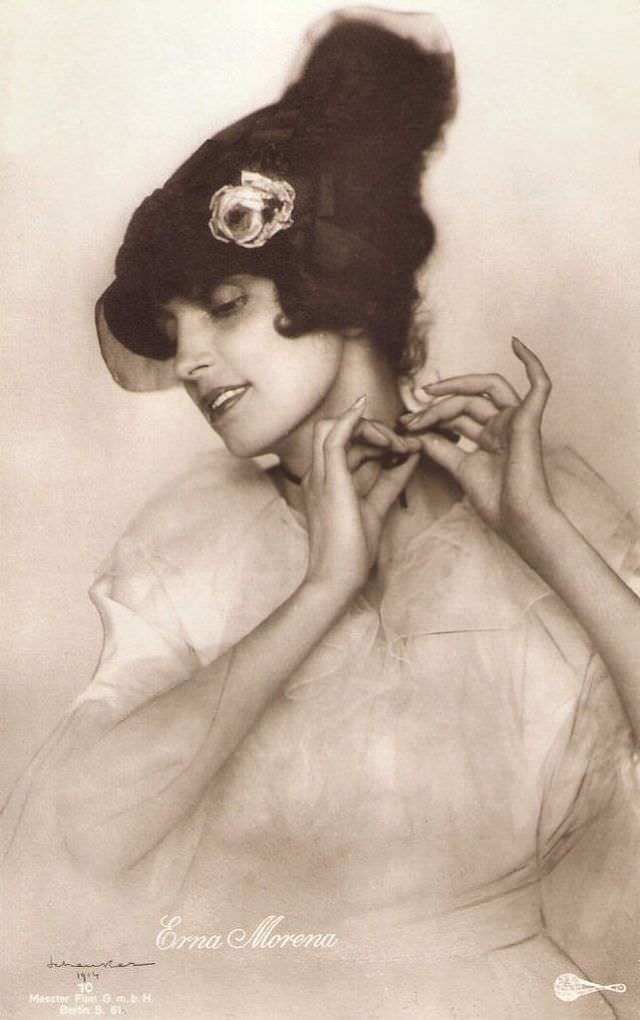
Erna Morena (1885–1962), born Ernestine Maria Fuchs, had an illustrious career in German silent cinema during the 1910s and 1920s. She continued to appear regularly in German sound films until the mid-1930s. After working in various roles, including as a nurse, Morena enrolled at Max Reinhardt’s theater school in 1910/1911, which led to her engagement at the Deutsches Theater. In 1913, she made her film debut, appearing in several dramas by Eugen Illés for the Duskes company. She later joined the Messter company, where she gained recognition with her own Erna Morena series, rivaling the popularity of Asta Nielsen and Henny Porten. In 1917, Morena moved to PAGU and received further acclaim for her performance in Paul Leni’s Prima Vera, an adaptation of Dumas’ Camille/La dame aux camélias. Critics praised her nuanced and subtle acting. During this time, Morena was married to editor and stage author Wilhelm Herzog, who also played a role in creating her stage name.
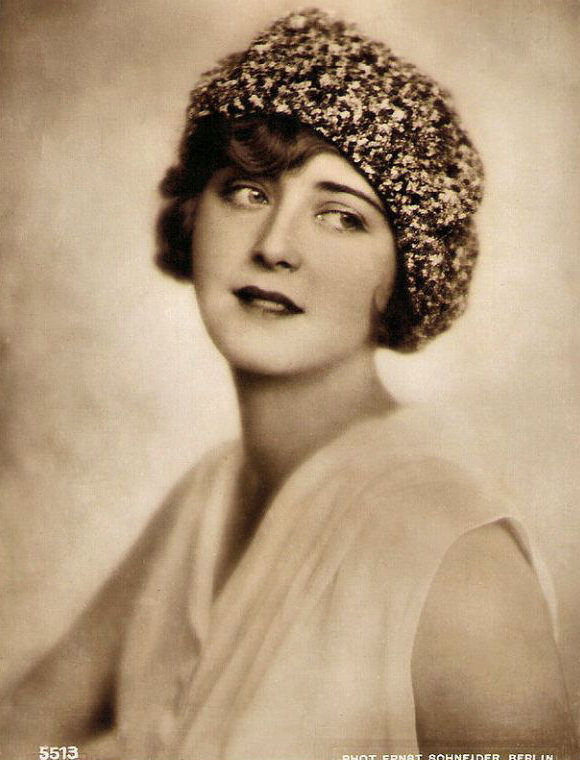
Iris Arlan, an actress whose exact birth and death dates are unknown, appeared in German and Austrian silent films. She was associated with Max Reinhardt’s prestigious theatre company and performed on both stage and screen. Her performances in silent films established her as a rising star. After a few roles in sound films around 1936, Arlan disappeared from the public eye. The details of her life and the reasons behind her departure from the film industry remain unknown.
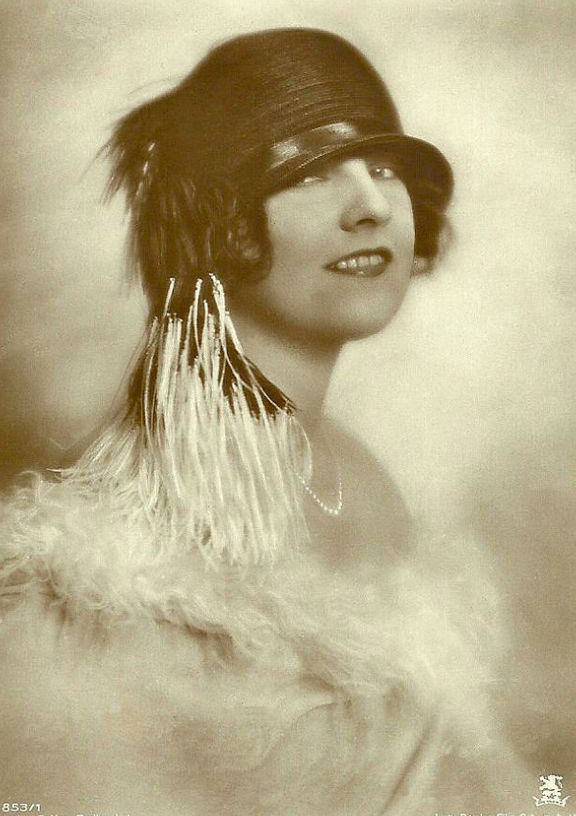
Lucy Doraine (1898–1989), despite her French-sounding name, was a Hungarian actress who made a significant impact on Austrian and German cinema during the 1920s. Her talent and performances earned her recognition as a major figure in the industry. Her career declined after she moved to Hollywood. The transition to sound film proved challenging, and her time in Hollywood marked the end of her prominent status in the film industry.
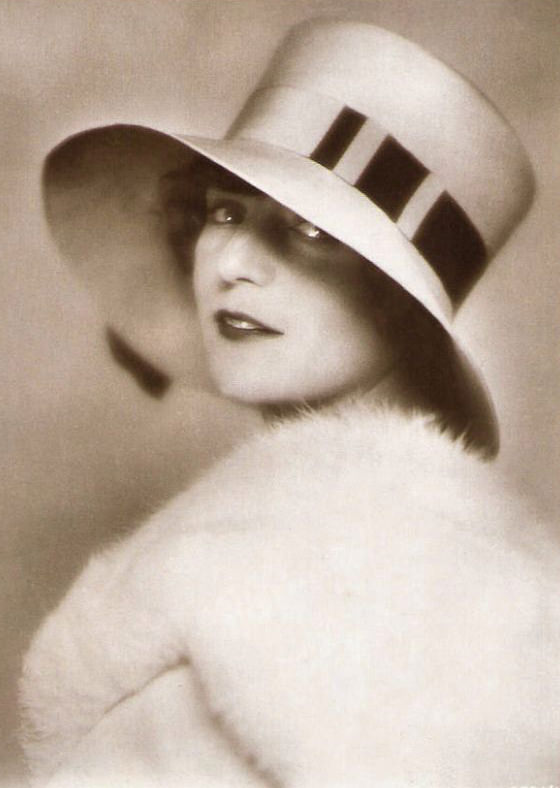
Aud Egede Nissen (1893–1974), a Norwegian film actress, achieved stardom in German silent cinema. Known for her performances, Nissen made an impact on the industry during the 1910s. She also worked in film production, producing numerous films during this period. In the 1930s, Nissen returned to her native Norway, where she continued her acting career. While she appeared in some films, her focus shifted primarily to the stage.
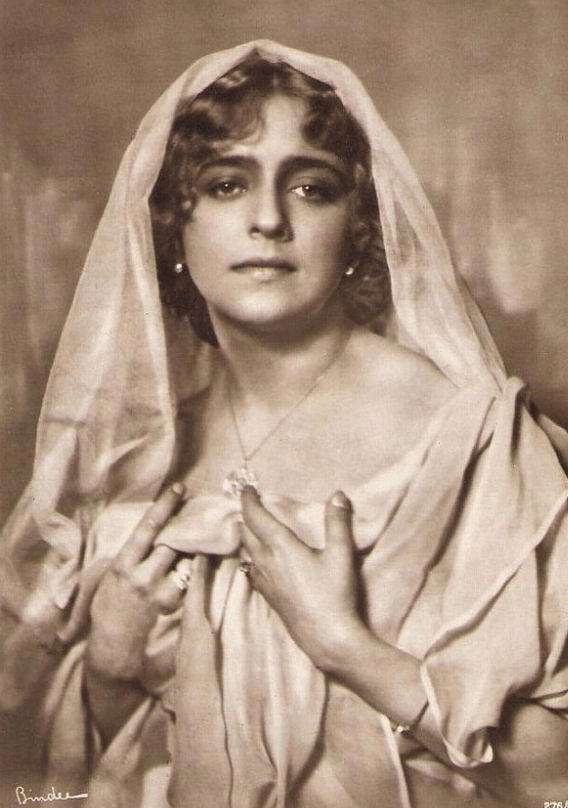
Lotte Neumann (1896–1977) was one of the most successful actresses during the early days of German silent cinema. Her talent and screen presence established her as a prominent figure in the industry. In addition to acting, she also made significant contributions as a screenwriter and producer, showing her versatility and creative vision. Her performances in silent films solidified her status as a beloved and influential actress of her time. Her behind-the-scenes work further extended her lasting impact on the German film industry.
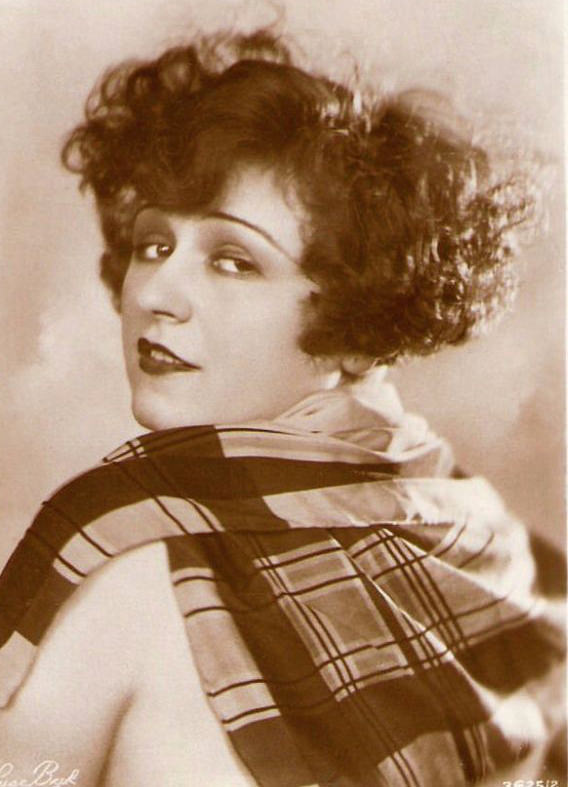
Hanni Weisse (1892–1967), a German actress, was one of the leading film stars of the early German silent film era. Her talent and charisma brought her to stardom, and she remained prominent well into the 1920s. She initially worked at the Berliner Luisentheater before entering the world of cinema. Under the direction of Max Mack, Weisse made her film debut in the short film Der Zigeunerin (1912). One of her early successes was Der Andere (1913), which received critical acclaim as one of the first artistic films of its time. In the following years, she appeared in numerous significant productions, including Das Eiserne Kreuz (1914), Das dunkle Schloß (1915), and Alkohol (1920). She also starred in popular films featuring the detective Sherlock Holmes, such as Der Hund von Baskerville (1914).
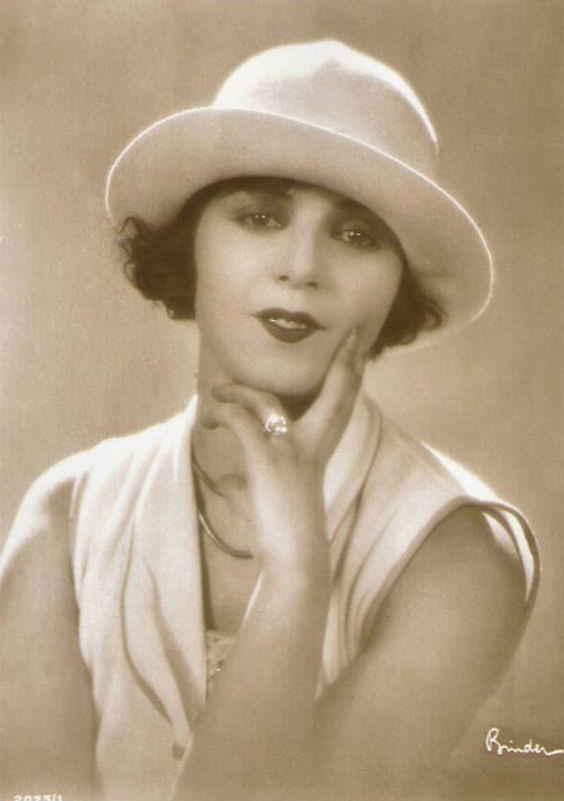
Elisabeth Pinajeff (1900–1995) was a Russian-Lithuanian actress who appeared in German and French cinema during the 1920s and 1930s. Her performances on screen earned her recognition as a notable figure in the industry. In the 1950s, Pinajeff became involved in the notorious Ballets roses scandal. The details of her specific role in the scandal are unclear.
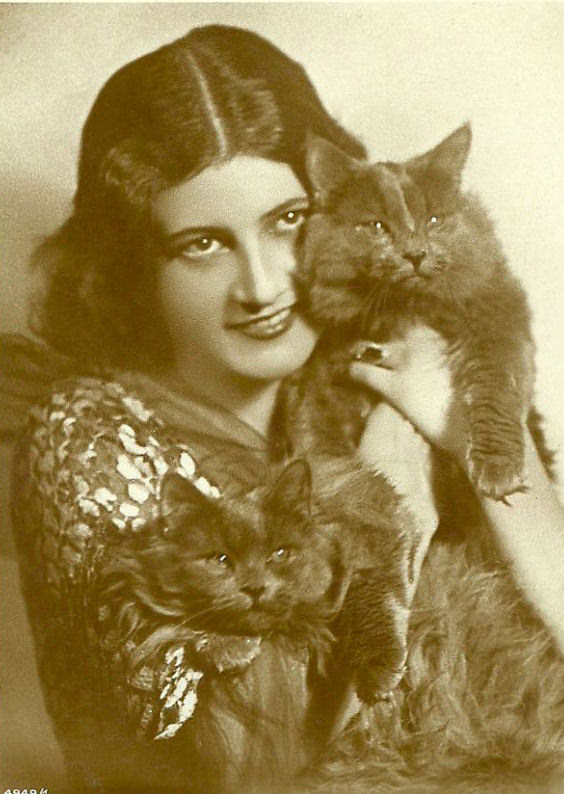
Agnes Esterhazy (1891–1956), a Hungarian film actress, made a notable impact primarily in the silent cinema of Austria and Germany. Her screen presence captivated audiences and established her as a prominent figure in the industry. Throughout her career, Esterhazy appeared in more than 30 films, spanning from 1920 to 1943. Her performances showcased her versatility and ability to bring characters to life on screen.
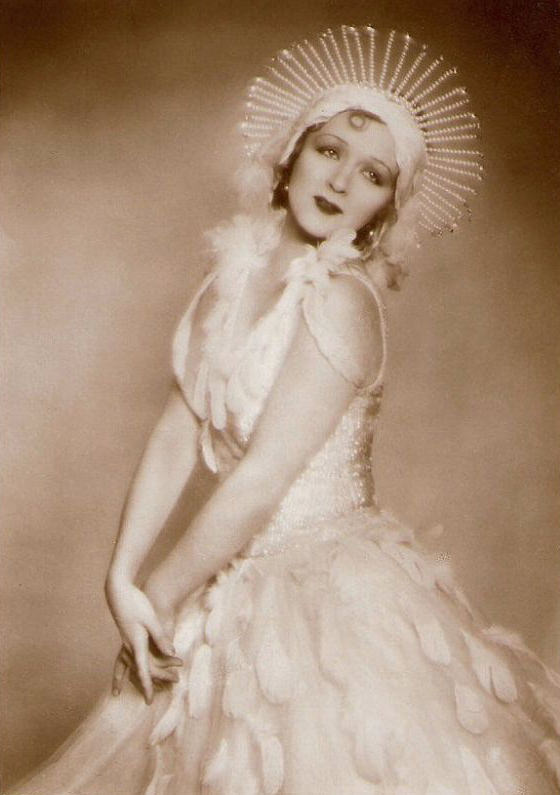
Lya Mara (1897–1960s) stood among the brightest stars of German silent cinema. Her talent and screen presence earned her a dedicated following and widespread recognition. Her fame was such that a novel was written about her stardom, serialized in 100 episodes between 1927 and 1928. As the film industry transitioned to sound, Mara’s career experienced a significant setback. Many actors and actresses struggled to adapt to the new medium, and this transition led to a decline in her prominence.
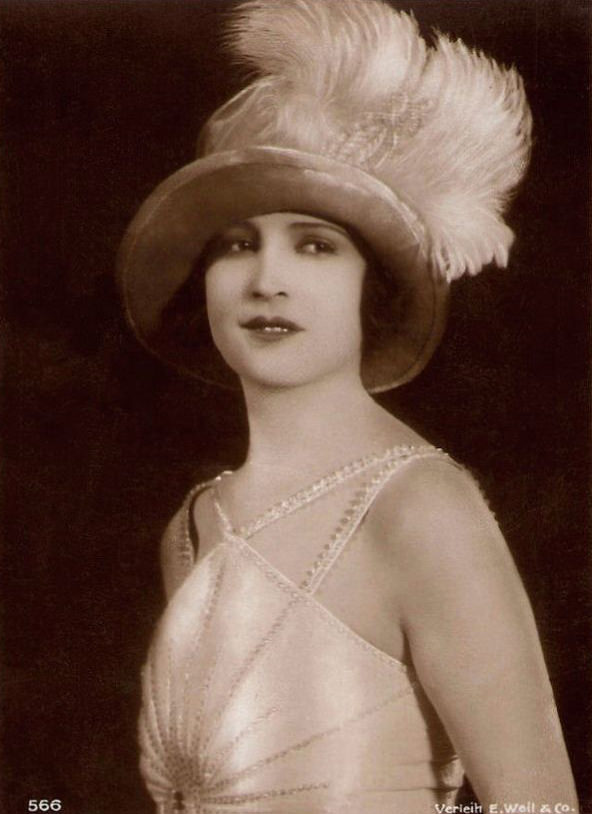
Claire Rommer (1904–1996), a German actress, appeared in approximately 50 German film productions during the 1920s and early 1930s. Her talent and screen presence earned her recognition in the industry. Her career came to an abrupt halt with the seizure of power by the Nazis. The rise of the Nazi regime imposed strict control and censorship on the entertainment industry, cutting short the careers of many talented individuals, including Rommer.
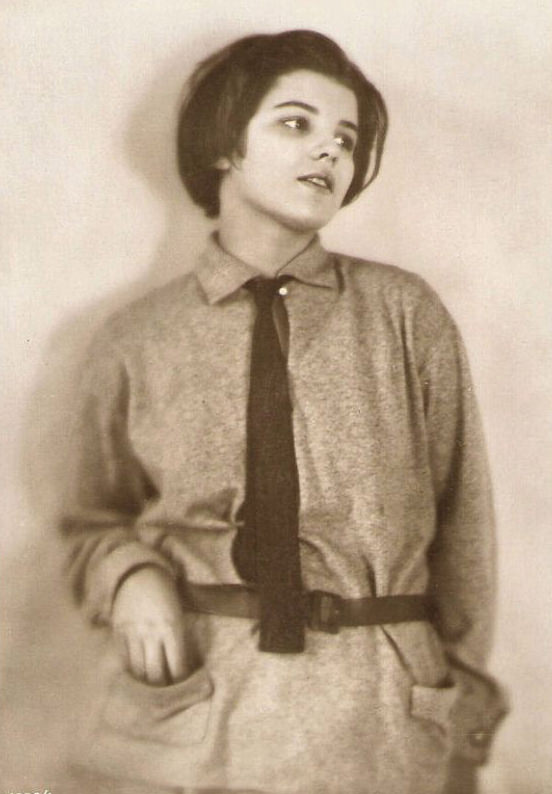
Toni van Eyck (1910–1988), a German actress, achieved stardom with her powerful portrayal of a rape victim in the groundbreaking education film Gefahren der Liebe/Hazards of Love (1931). Despite this film success, she primarily remained a stage actress throughout her career. Born as Gertrud Johanna Antonie Eick in 1910 in Koblenz, Germany, Toni van Eyck received acting training at the Max-Reinhardt-Seminar in Vienna and the Otto-Falkenberg-Schule in Munich. She began her career at the age of 15, performing on various Berlin stages. Her talent brought her to the attention of the film industry, and she made her screen debut in the silent short film Ins Blaue hinein/Into the Blue (1929). Her breakthrough came with her leading role in the early education film Gefahren der Liebe/A Woman Branded (1931), in which she played a rape victim who later becomes a murderer. This role established her as a notable actress. She went on to appear in films such as Kitty schwindelt sich ins Glück/Kitty is giddy to happiness (1932), Strich durch die Rechnung/Spoiling the Game (1932), Was wissen denn Männer/What Do Men Know (1933), and Herthas Erwachen/Hertha’s Awakening (1933). Despite her early 1930s success, van Eyck chose to focus on theater. She joined the ensemble of the Burgtheater in Vienna from 1938 to 1942, and after the war performed at the Salzburger Landestheater. In 1950, she made her last film appearance in Ruf aus dem Äther/Appeal from the Ether (1951), after which she focused on writing plays for the stage and radio. In 1955, she published her novel Ein Mann namens Miller (A Man Named Miller). Van Eyck continued to make guest appearances on stage for many years afterward.
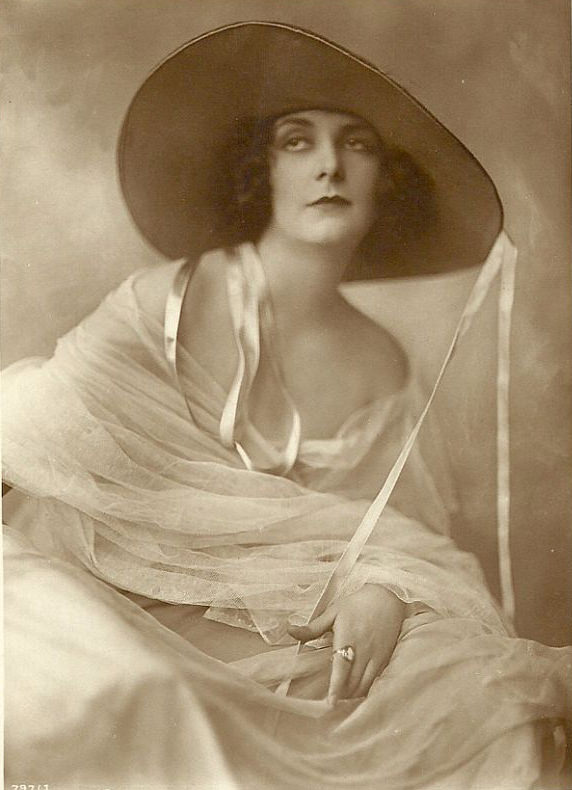
Ruth Weyher (1901–1983) appeared in German silent cinema with notable beauty and passion. Over the course of her career, she appeared in 48 films between 1920 and 1930, leaving a lasting mark on the industry. Her talent shone in notable films such as the expressionist classic Schatten/Warning Shadows (1923) and G.W. Pabst’s Freudian film Geheimnisse einer Seele/Secrets of a Soul (1926). Her performances in these films demonstrated her ability to bring complex characters to life on screen.
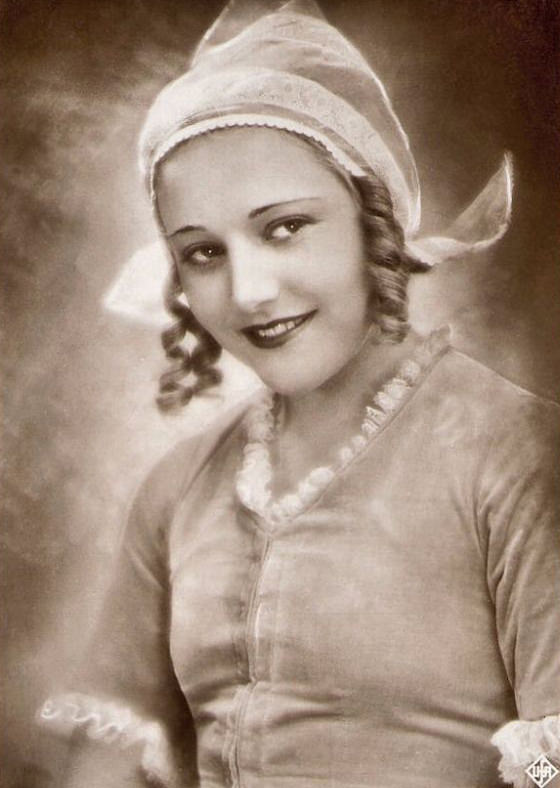
Lien Deijers (1910–1965), a Dutch actress also known as Lien Deyers and Lien Dyers, entered cinema under director Fritz Lang, who cast her in the film Spione (1928). Her career spanned both the late silent era and the early sound era of film. During this period, Deijers appeared in a series of films. However, after 1935, her career experienced a sharp decline. Her life ended in tragic circumstances, the specifics of which remain unclear.