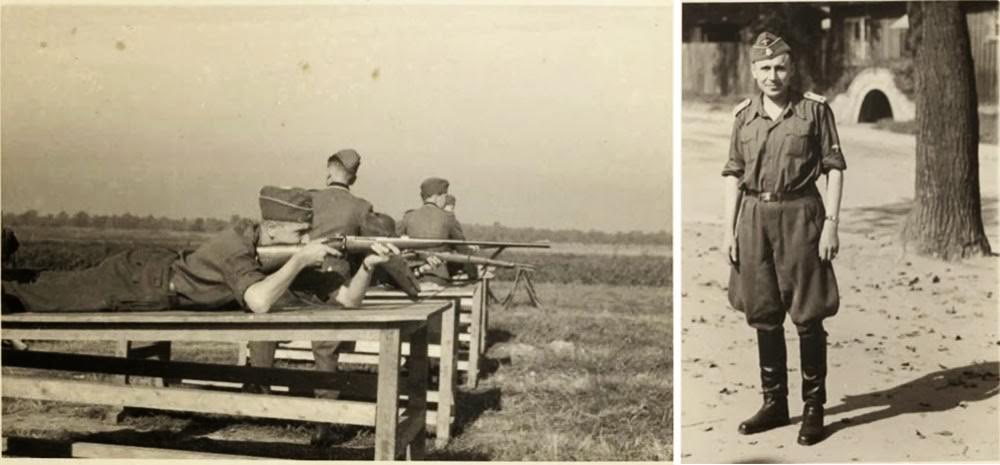
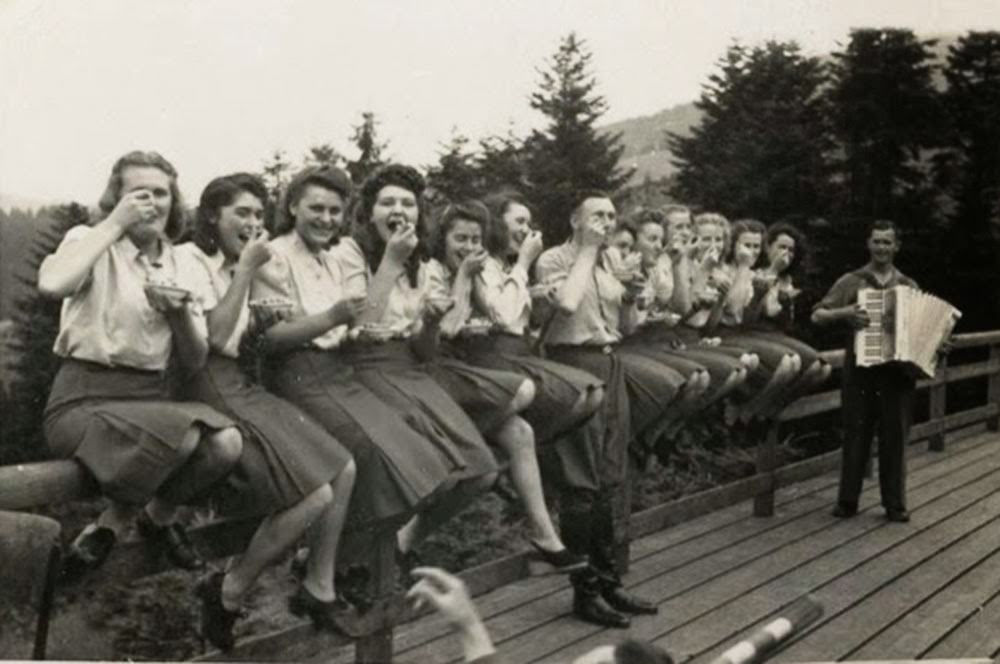
In 2007, the United States Holocaust Memorial Museum received an unusual donation: a photo album belonging to Karl Höcker, adjutant to the commandant of Auschwitz. The album contained roughly 116 photographs taken between the summer and winter of 1944. They showed no prisoners, no gas chambers, no guards at their posts. Instead, they showed SS officers on holiday—eating blueberries, singing around an accordion, laughing with women, and decorating a Christmas tree. The album became known as the Höcker Album, and it forced historians and the public alike to stare into one of World War II’s most disturbing contrasts.
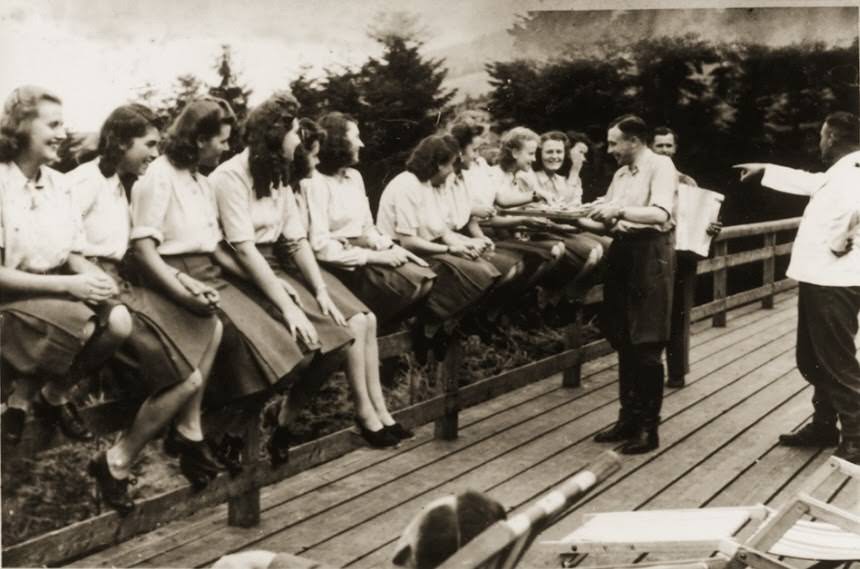
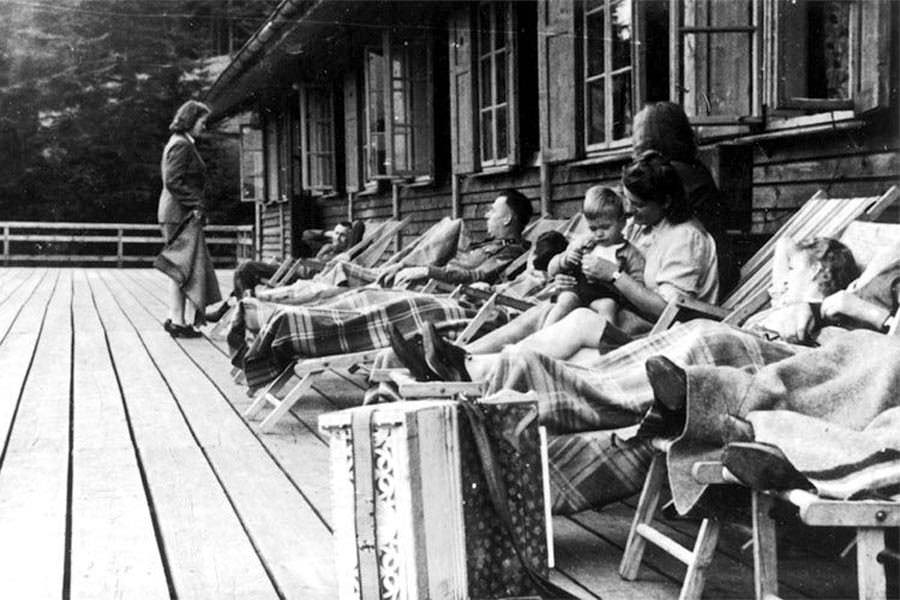
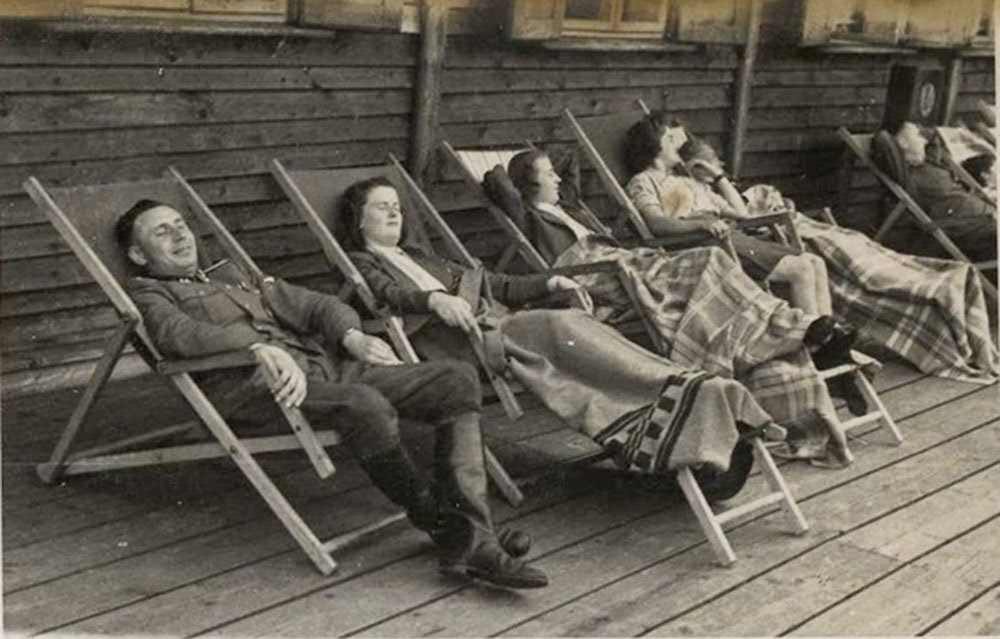
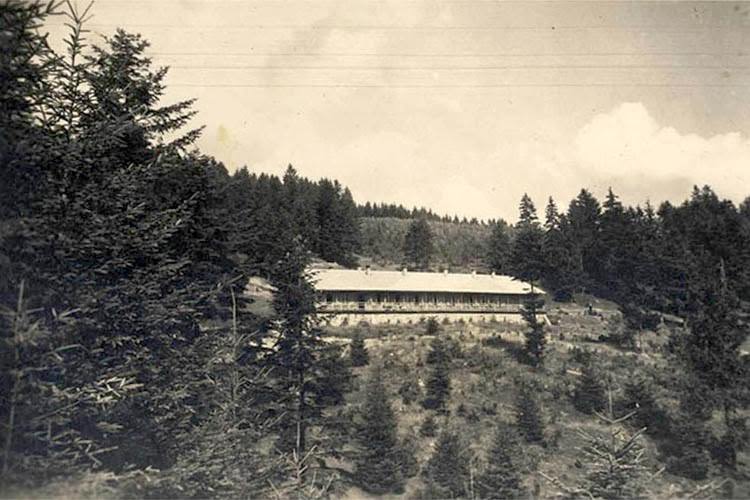
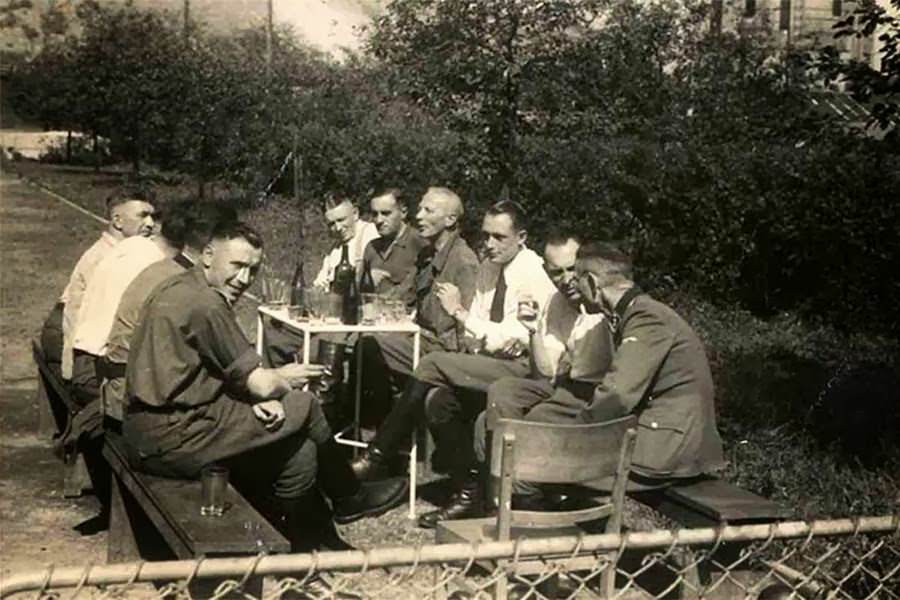
Many of the photographs were taken at Solahutte, an SS retreat located about 30 kilometers south of Auschwitz in the Beskid Mountains. The retreat was purpose-built to give Auschwitz staff a place to decompress. While hundreds of thousands of Hungarian Jews were being murdered at Auschwitz in the summer of 1944, the officers responsible were also taking weekend trips to this wooded lodge. The women in the photos—called Helferinnen, or SS auxiliaries—are seen laughing and enjoying themselves alongside the men.
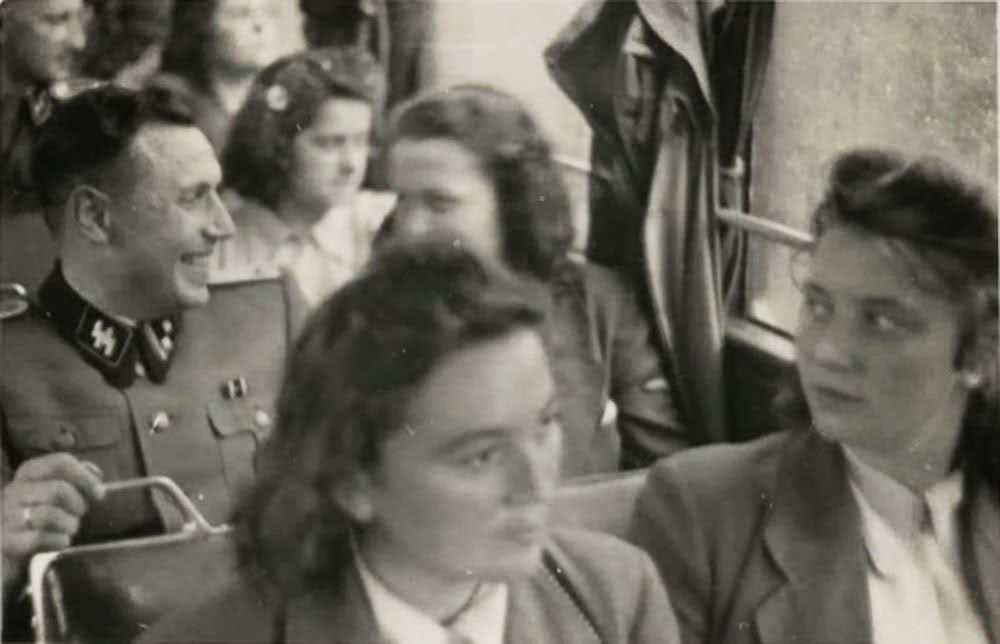
Karl Höcker himself appears frequently throughout the album. As adjutant to commandant Richard Baer, he was a central figure in Auschwitz’s daily administration in 1944. In the photographs, he serves blueberries to women, poses in his summer uniform, and handles a rifle during what appears to be a recreational shooting session. He documented his own leisure with the same matter-of-fact casualness a tourist might use.
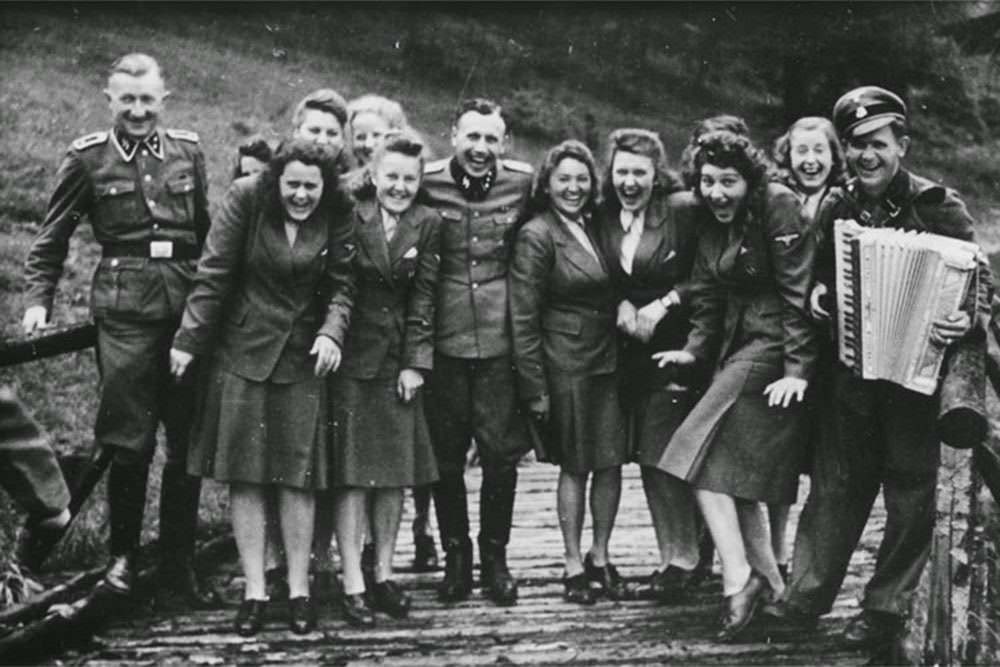
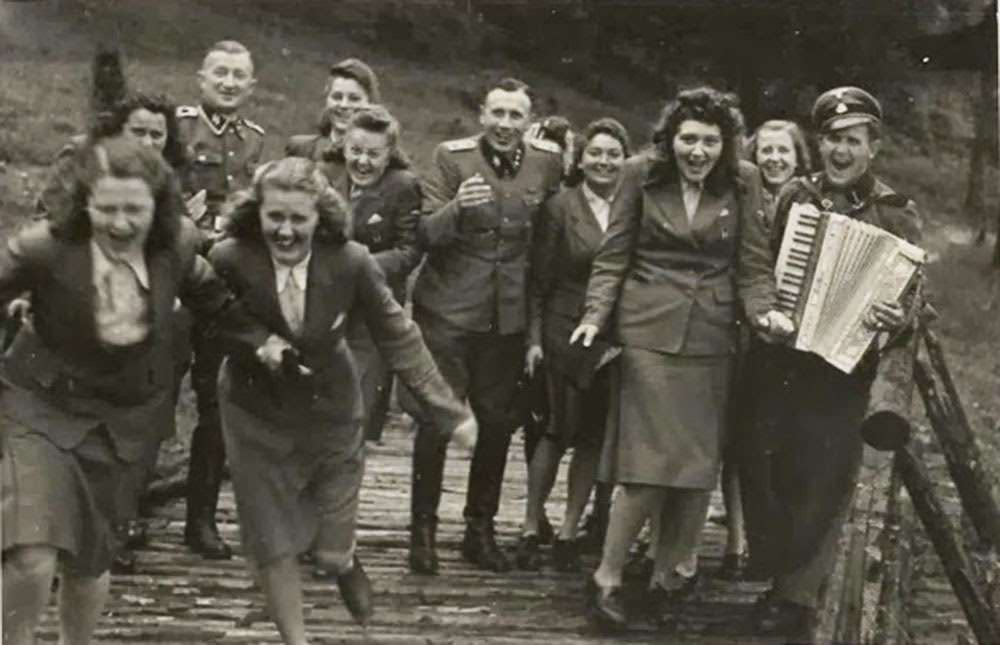
Among those pictured was Josef Mengele, the Auschwitz physician who conducted deadly medical experiments on prisoners and performed selections on the arrival ramp—deciding who would be sent immediately to the gas chambers. In the Höcker Album, he appears relaxed and at ease.
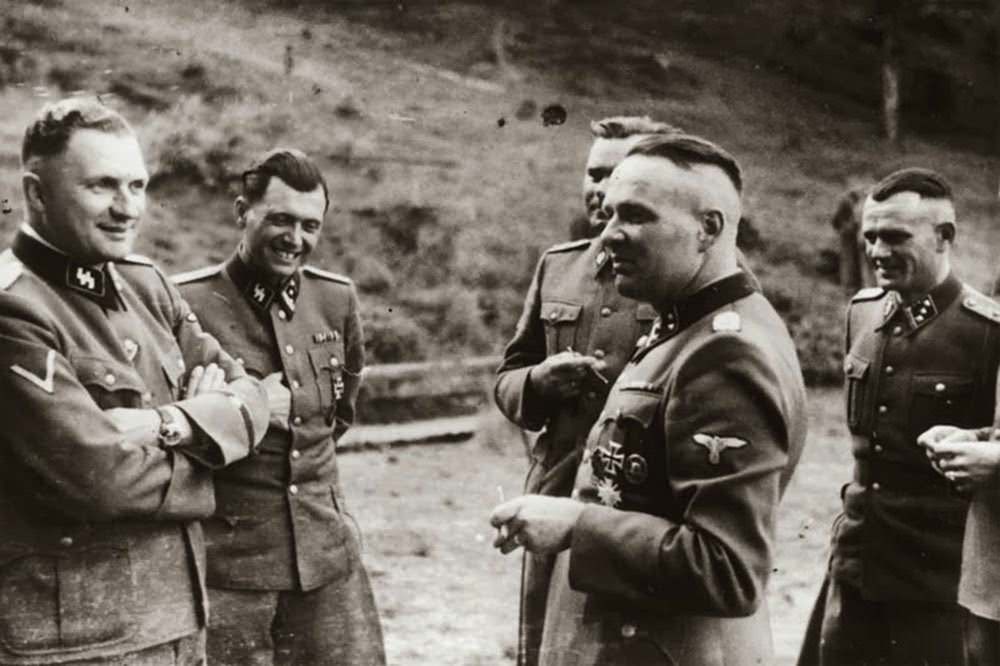
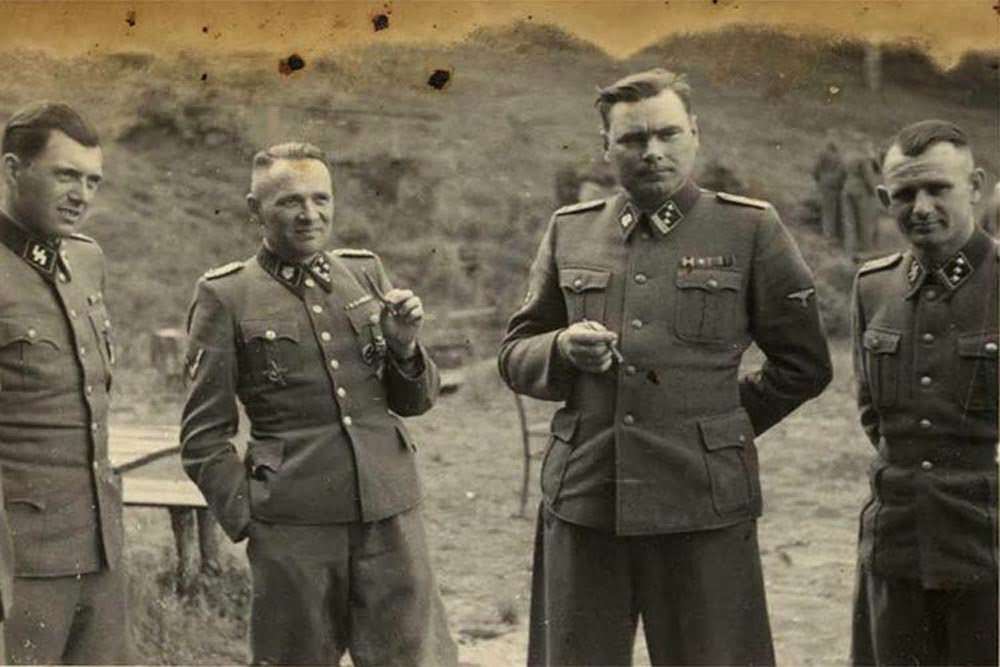
The retreat setting at Solahutte appears throughout the album as a place of genuine relaxation. Officers lounged on decks, gathered in groups, and socialized with families—including small children. The mundane, domestic quality of the images made them especially jarring to historians when they were first analyzed.
Group sing-alongs were a regular feature of time spent at Solahutte. An accordionist led the sessions, and officers joined in openly. These were not private, hidden moments—they were communal gatherings that multiple people photographed and preserved.
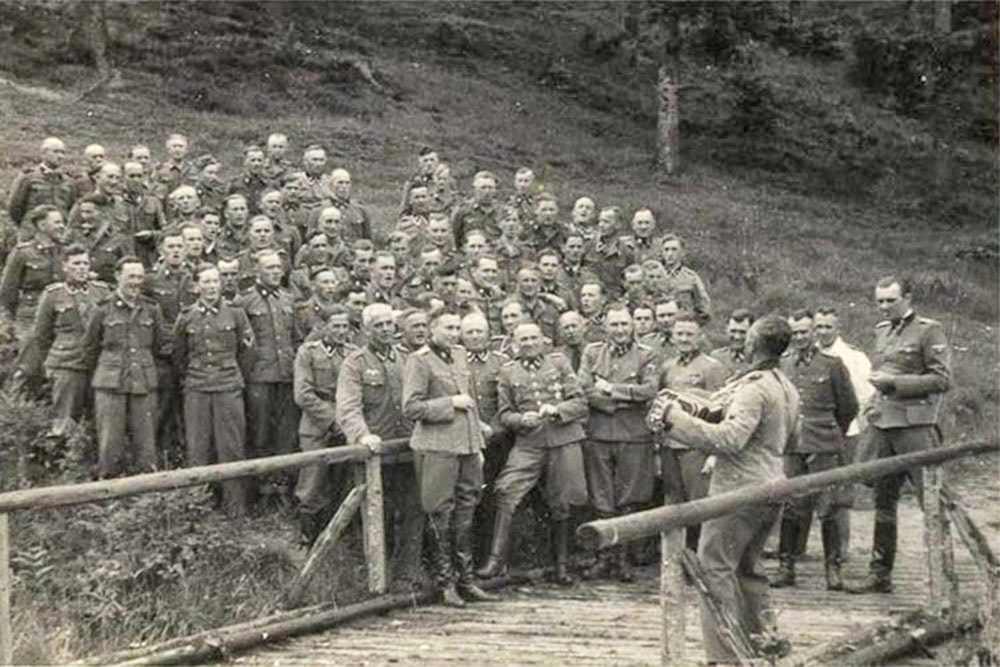
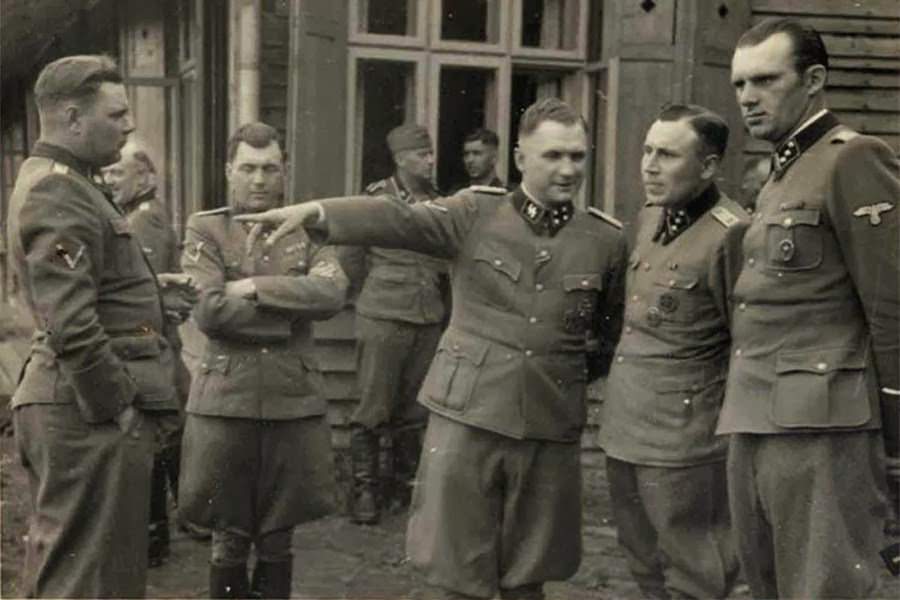
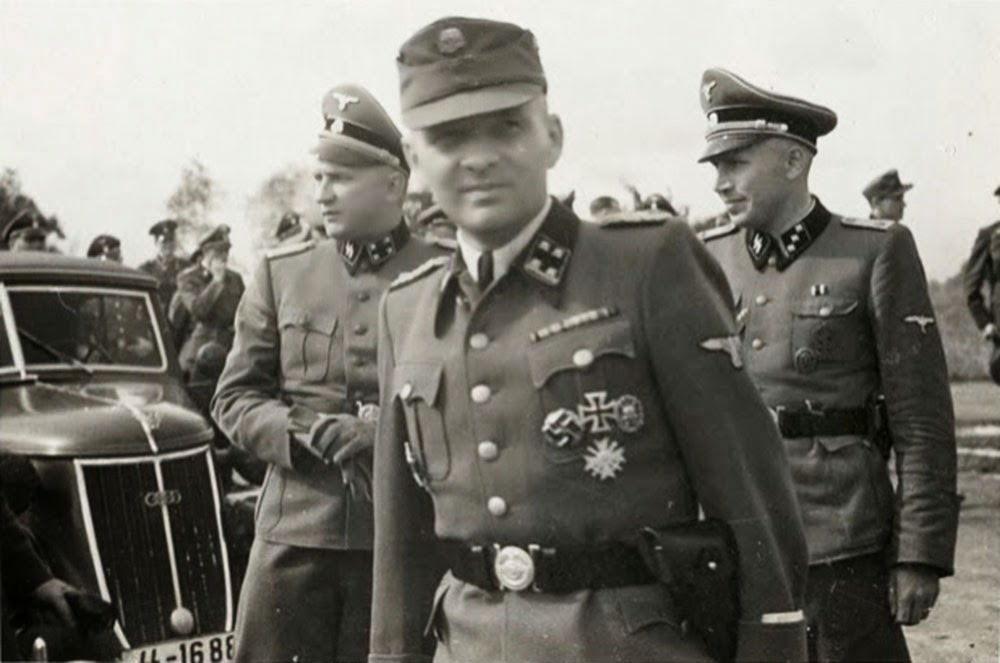
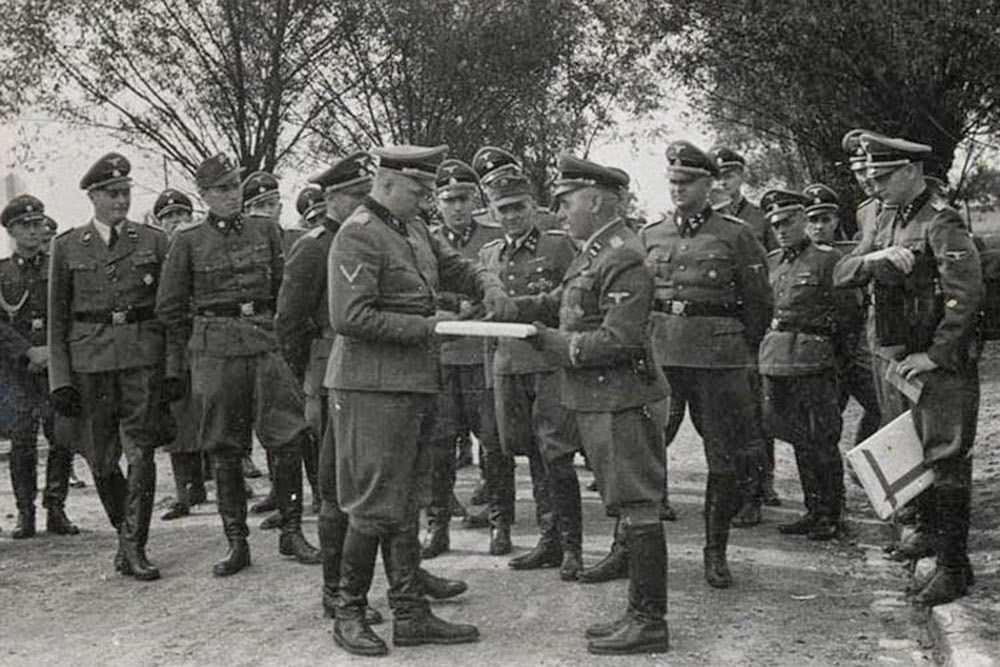
The Höcker Album also preserves the faces of Auschwitz’s top command in a single frame. Commandant Richard Baer, Josef Mengele, Josef Kramer—who later commanded Bergen-Belsen—and Höcker himself were all photographed together. Their collective responsibility for the deaths of over a million people at Auschwitz alone is documented history.
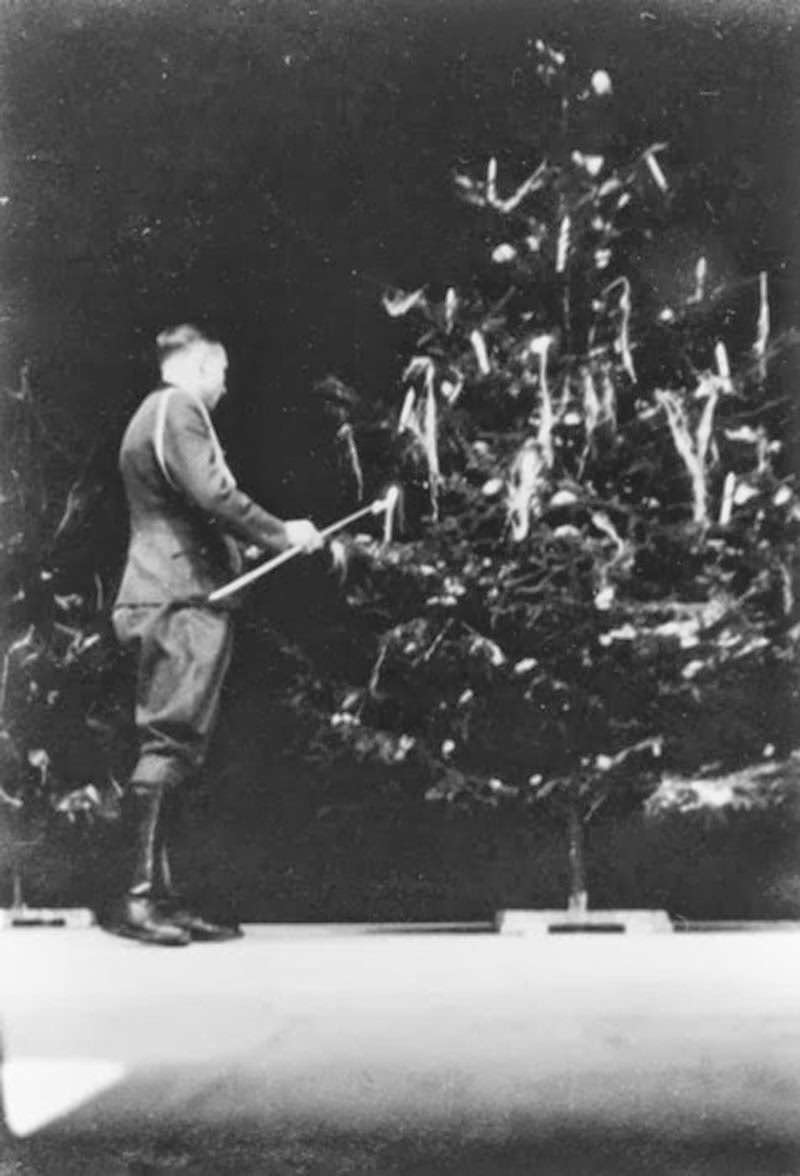
The album does not stop at summer leisure. A December 1944 photograph shows Höcker lighting the candles on a Christmas tree, smiling at the camera. By that point, the Auschwitz crematoria had been operating at full capacity for months. The camp was not shut down until January 1945, when Soviet forces liberated it.
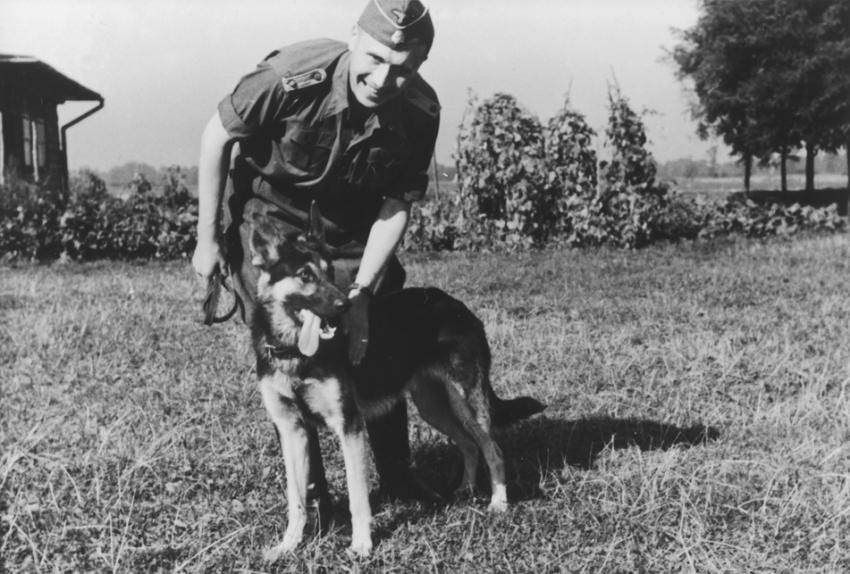
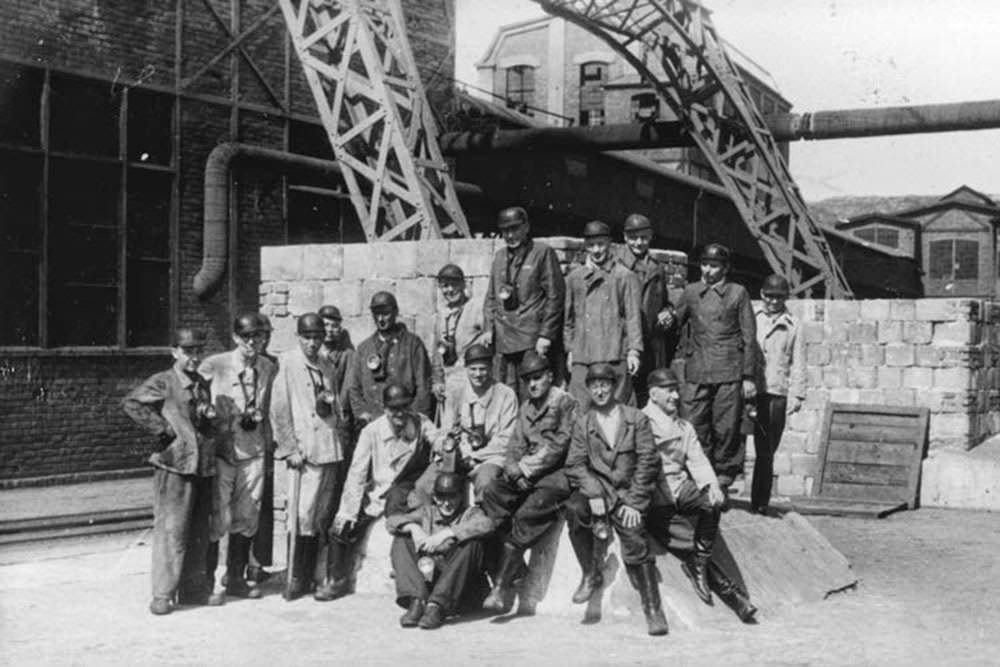
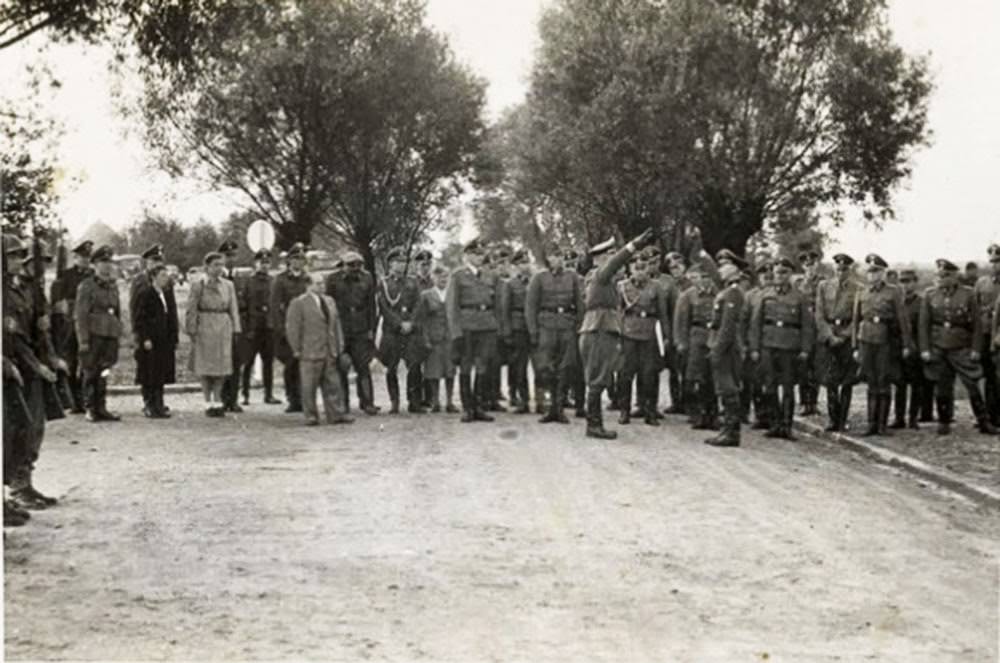
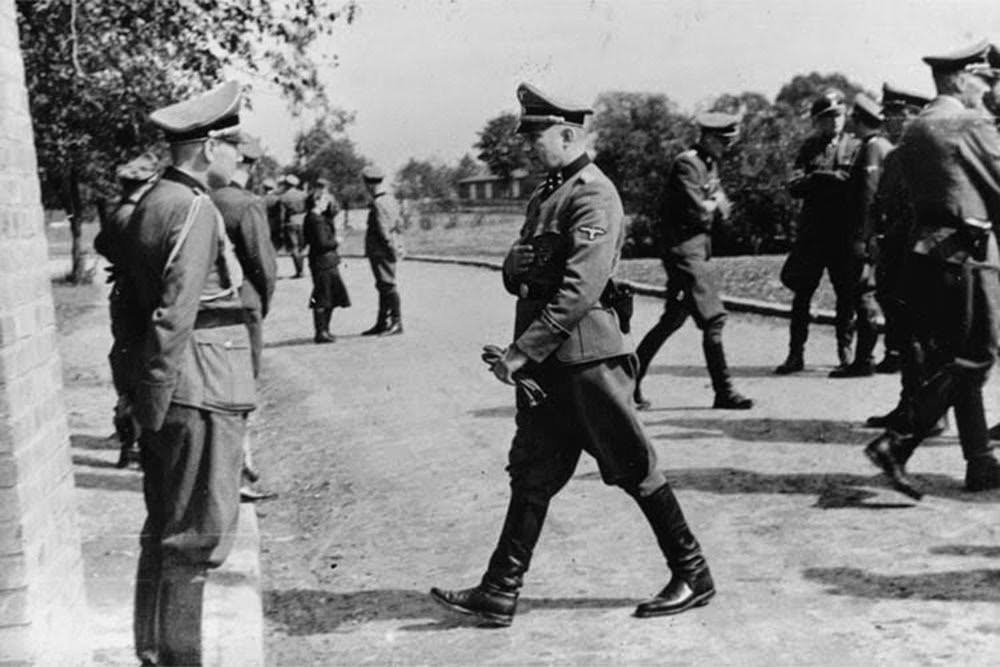
Beyond the retreat and holiday scenes, the album also documents official events connected to the camp’s operations. Officers visited a coal mine near Auschwitz and attended the dedication of a new SS hospital on the camp grounds. These events were photographed with the same documentary pride as the leisure trips.
Höcker himself survived the war, was tried, and served a relatively short sentence before living out the rest of his life in West Germany, working as a bank clerk. He died in 2000. The album he kept sat unrecognized for decades before reaching the Holocaust Museum. What it documents is not the face of monsters, but of ordinary bureaucrats who organized mass murder and then went on weekend retreats—and photographed both with equal care.