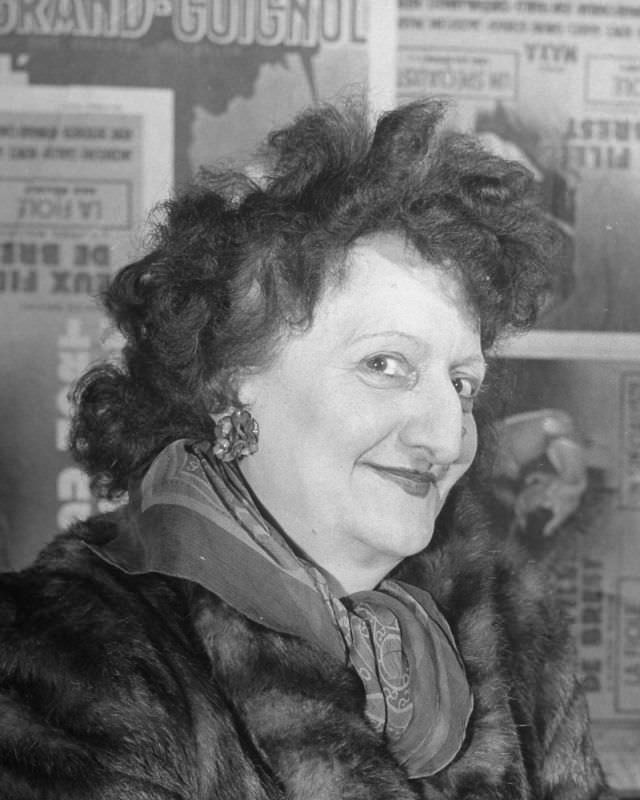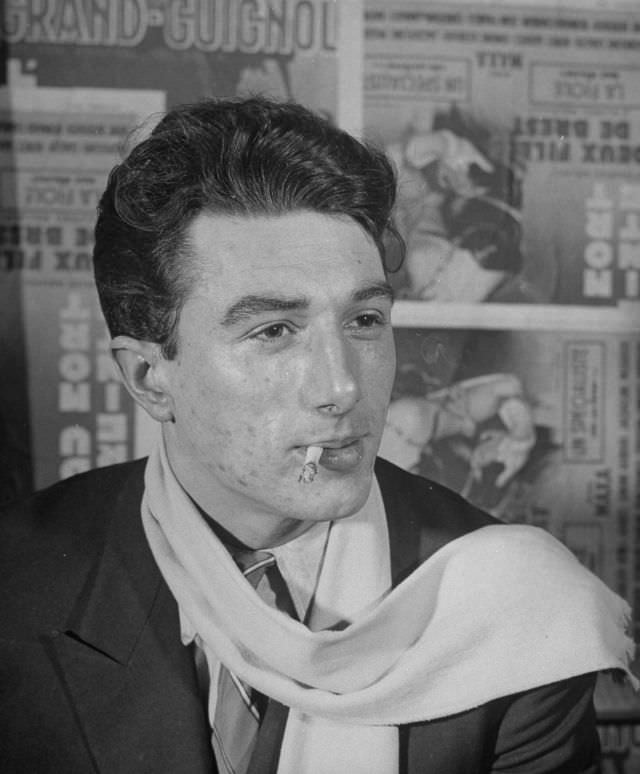
Tucked inside a former chapel on a gaslit alley off the Rue Chaptal in Montmartre, the Grand Guignol was unlike any theater in the world. From 1897 to 1962, it staged over a thousand plays built not on ghosts or fantasy, but on graphic, realistic horror. Acid attacks, eye-gouging, stabbing, madness, hypnosis — all of it performed on a small stage in front of packed audiences who came back night after night.
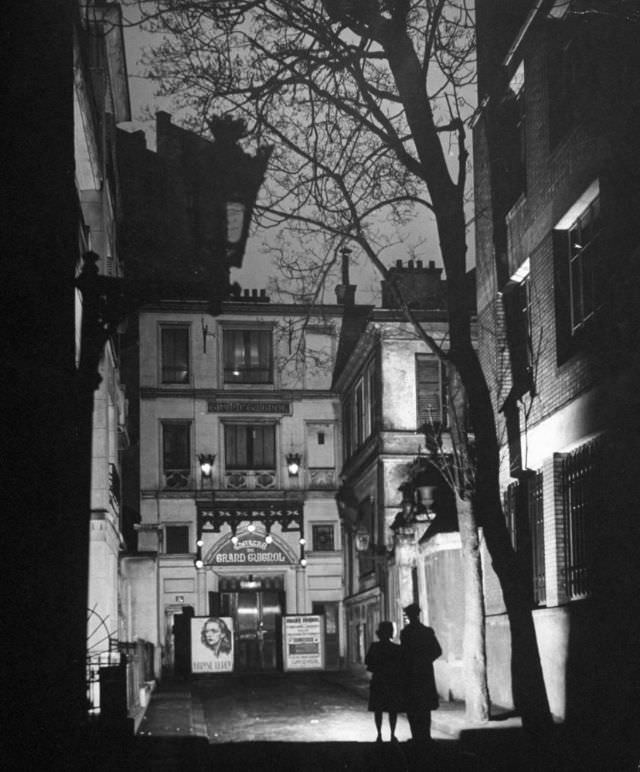
The theater drew a wide crowd. General Patton and King Alfonso of Spain were among its known patrons. The Grand Guignol’s stories deliberately avoided the supernatural. Directors believed real human darkness — obsession, rage, cruelty — was far more disturbing than anything invented. The plays were written to feel like they could happen to anyone.
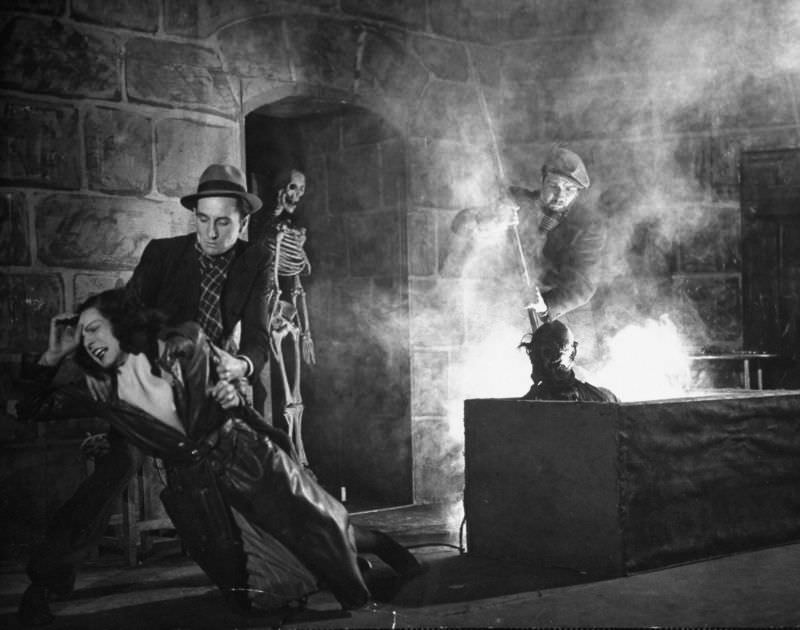
The theater’s formula was precise: alternate brutal horror plays with light comedy. Directors called this the “hot and cold shower” method. Just as the audience relaxed from laughing, another wave of terror would hit. The horror landed harder because of the relief that came just before it. Every staging detail served that emotional whiplash.
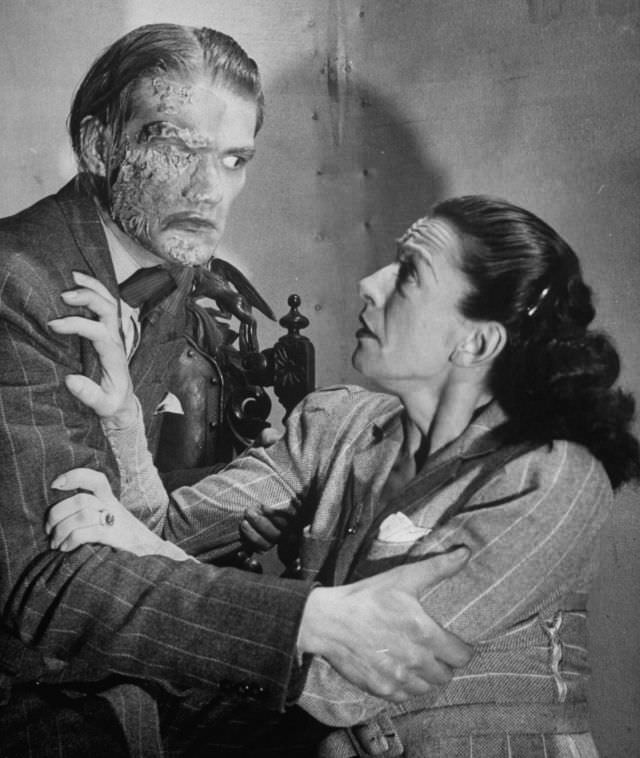
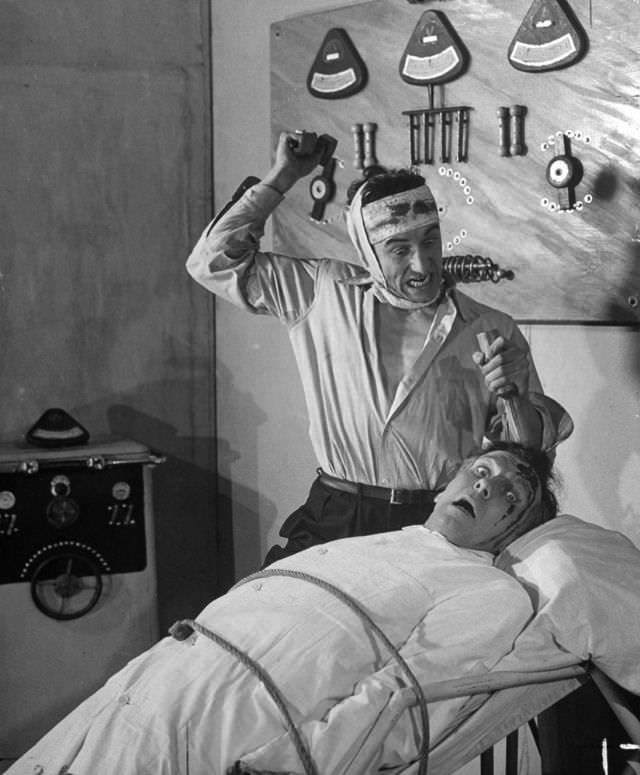
The stage effects were the theater’s most jealously guarded secrets. Chief propman Edmond Beauvais engineered the tricks that made audiences faint or flee. The acid vat scene — in which a body appeared to dissolve into a skeleton — was one of the most notorious. Beauvais worked behind the scenes to make every wound, burn, and body look convincingly real.
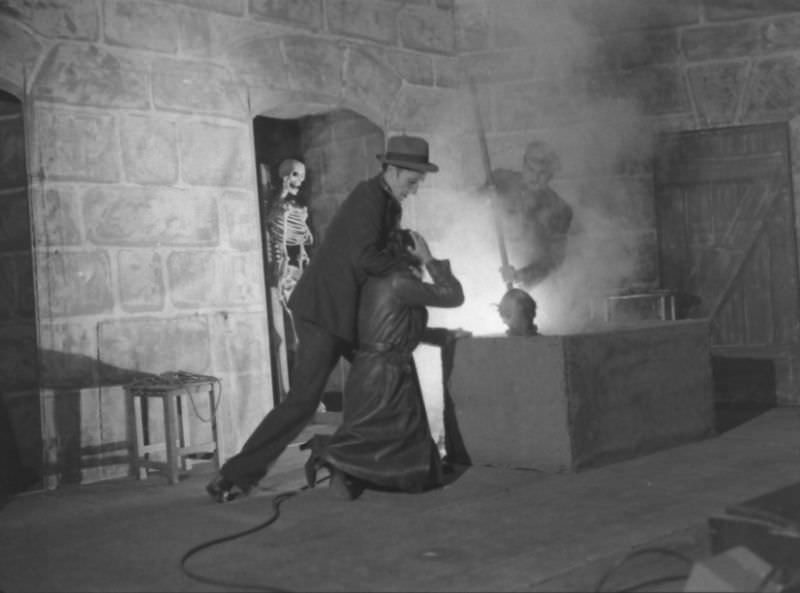
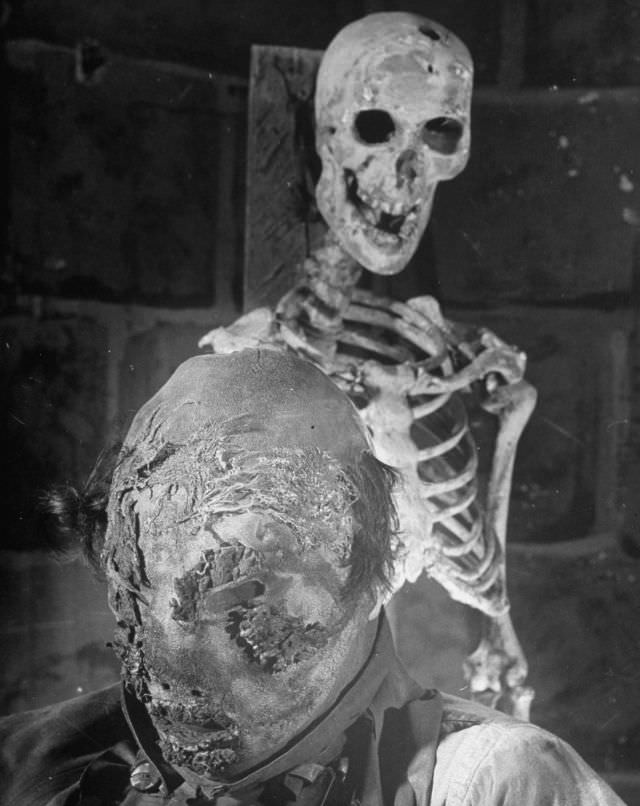
Stabbings were another staple of the stage. Actors rehearsed the mechanics of each trick with the same care a surgeon takes with a procedure. The illusion had to hold up at close range, under the harsh light of a small theater, in front of an audience close enough to smell the stage.
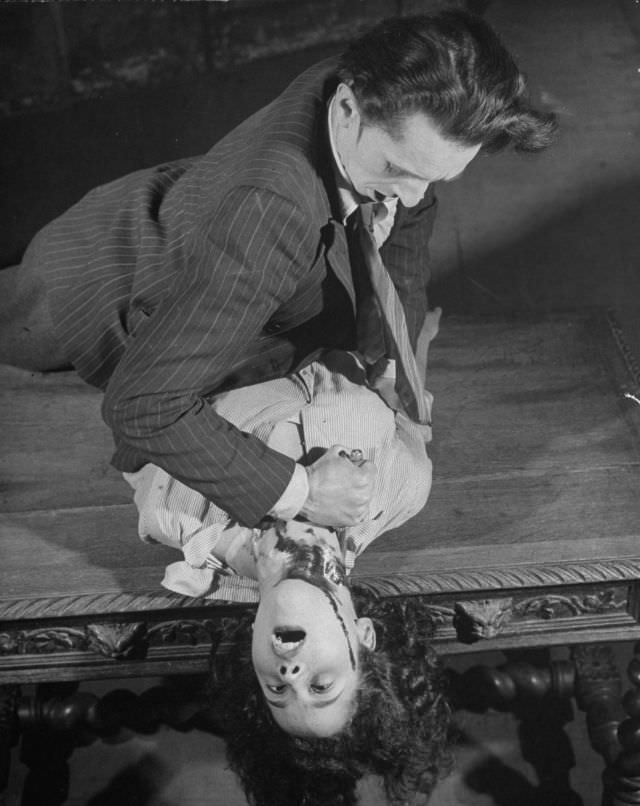
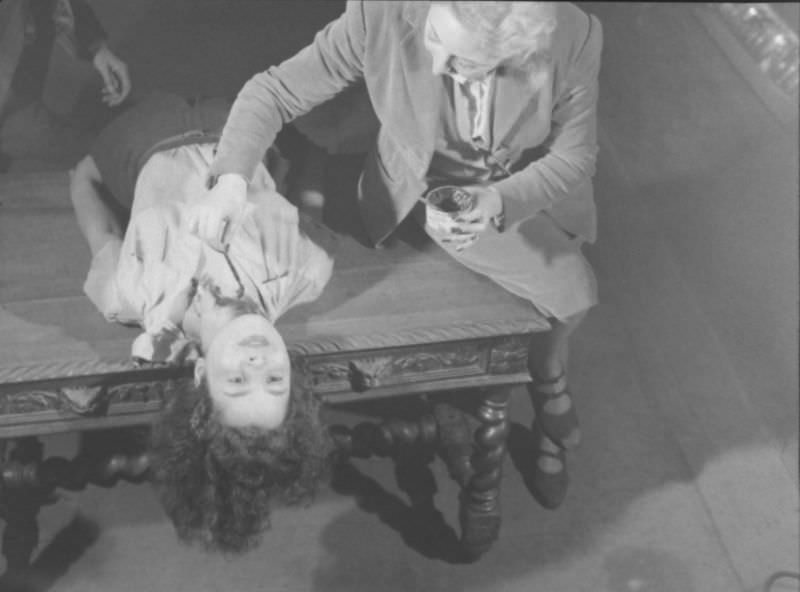
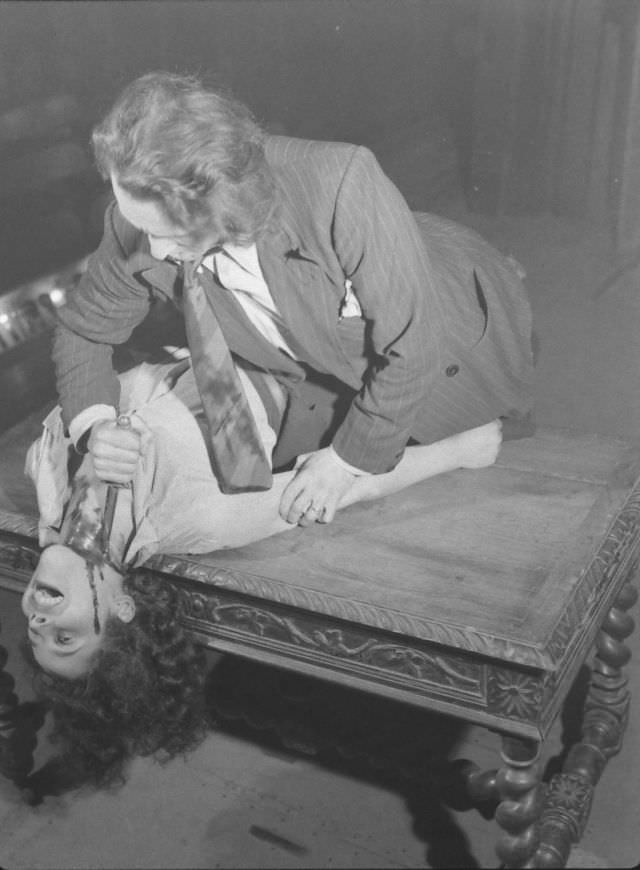
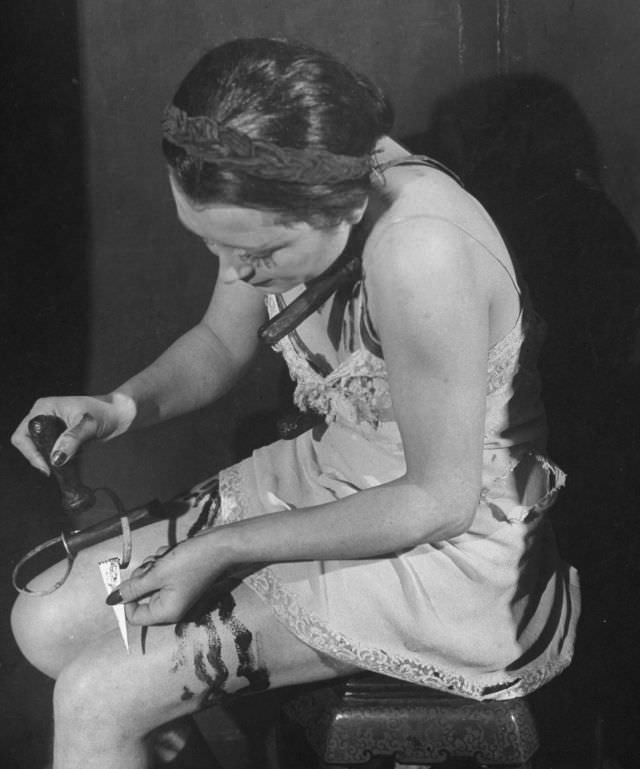
Dagger tricks, face-frying sequences, and eye-gouging scenes were all part of the regular program. These weren’t subtle moments of implied violence — they were drawn out, explicit, and staged to maximize the audience’s physical reaction. Some viewers genuinely vomited or passed out. The theater kept a running count of how many audience members fainted each season, treating it as a measure of success.
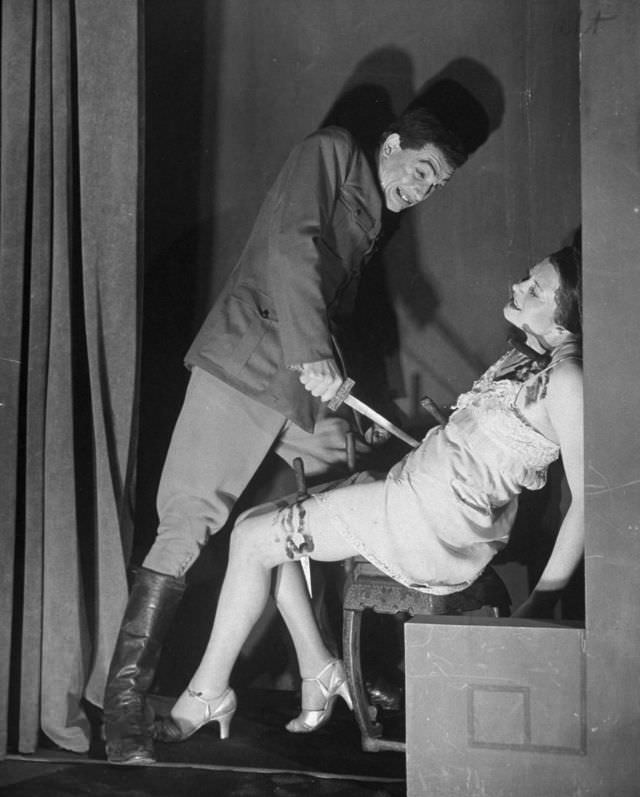
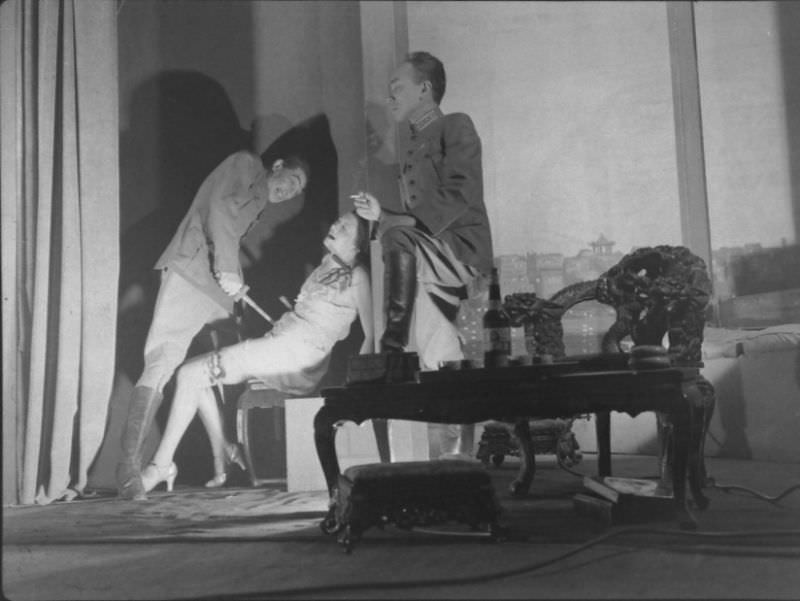
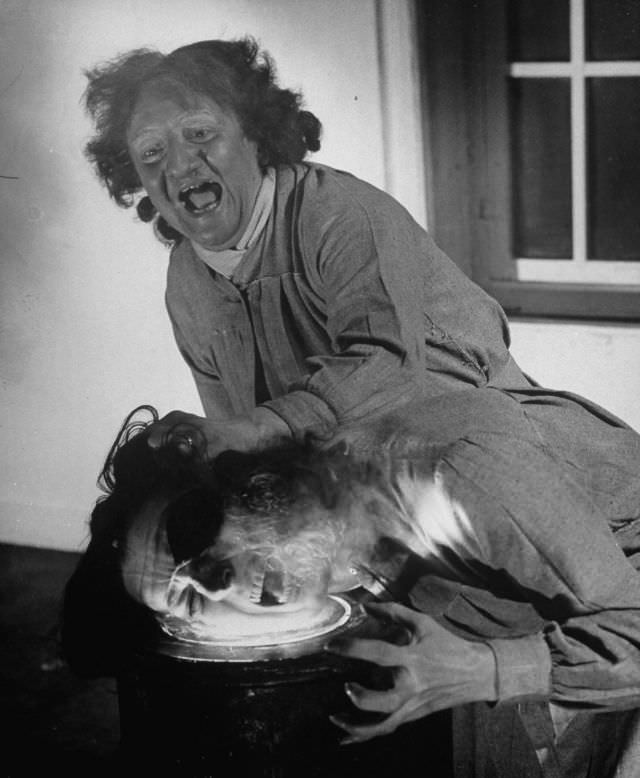
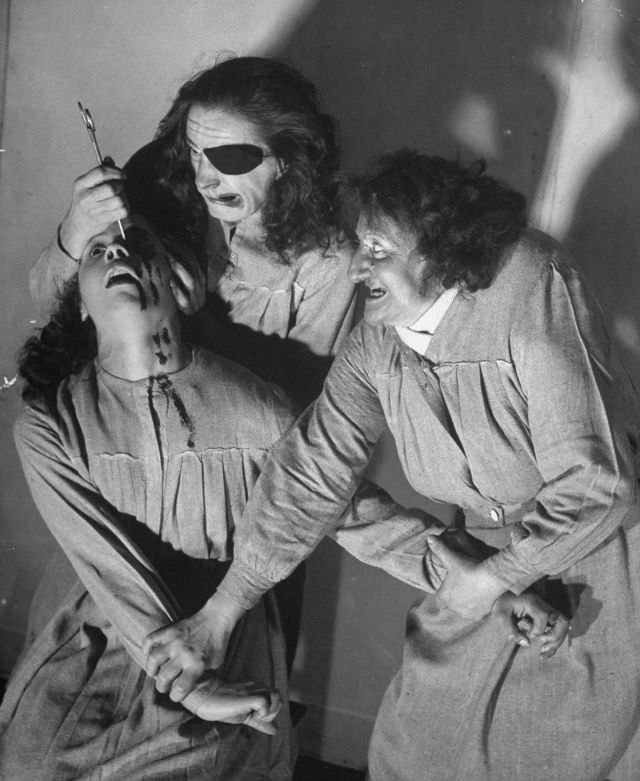
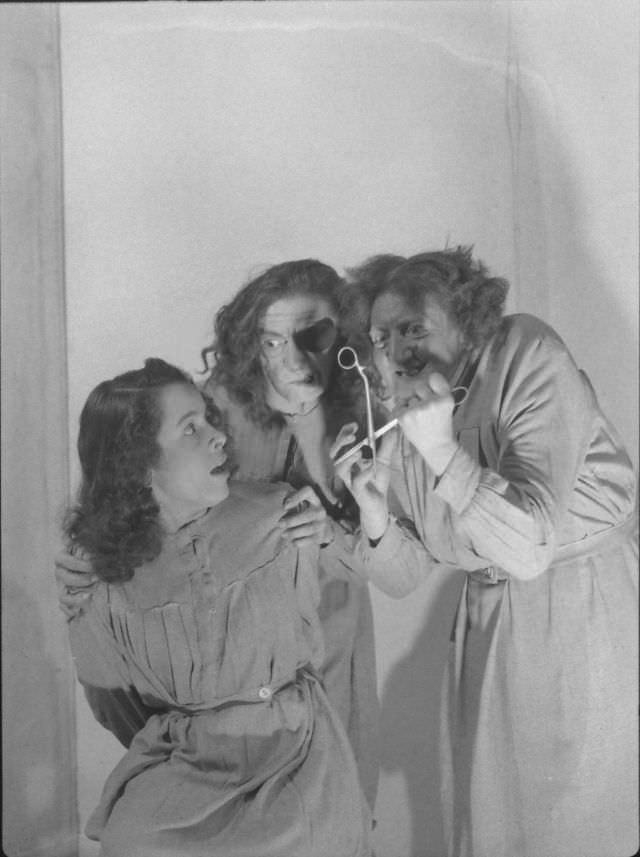
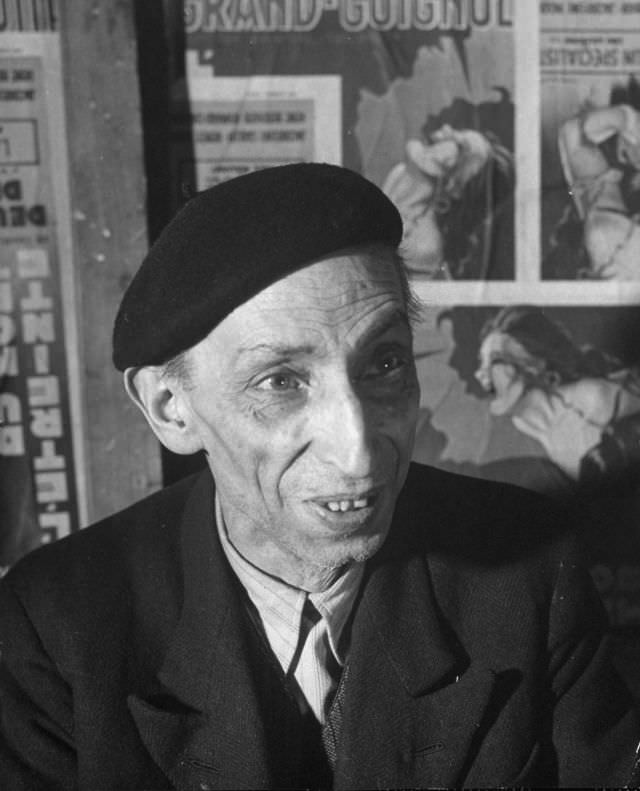
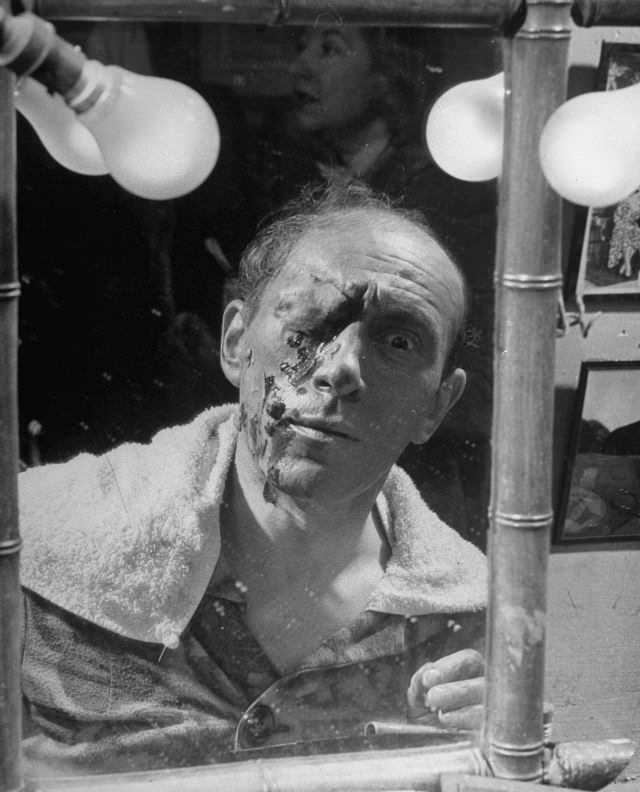
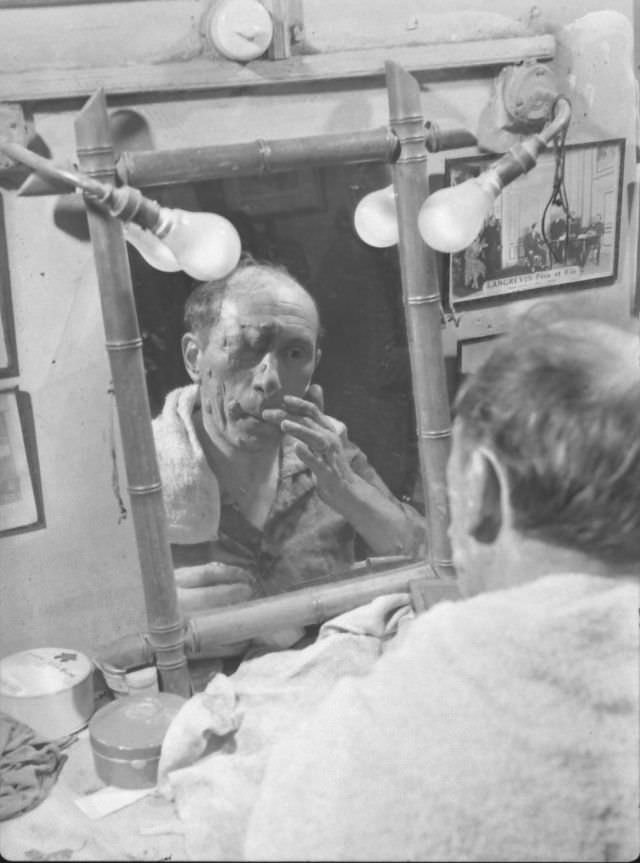
Making any of this work required extraordinary makeup. Actor Tony Laurent was one of the company’s performers who underwent detailed transformation before each show. The makeup process was methodical — building up prosthetics, adding false wounds, and reshaping a face to match whatever broken or monstrous character the script demanded.
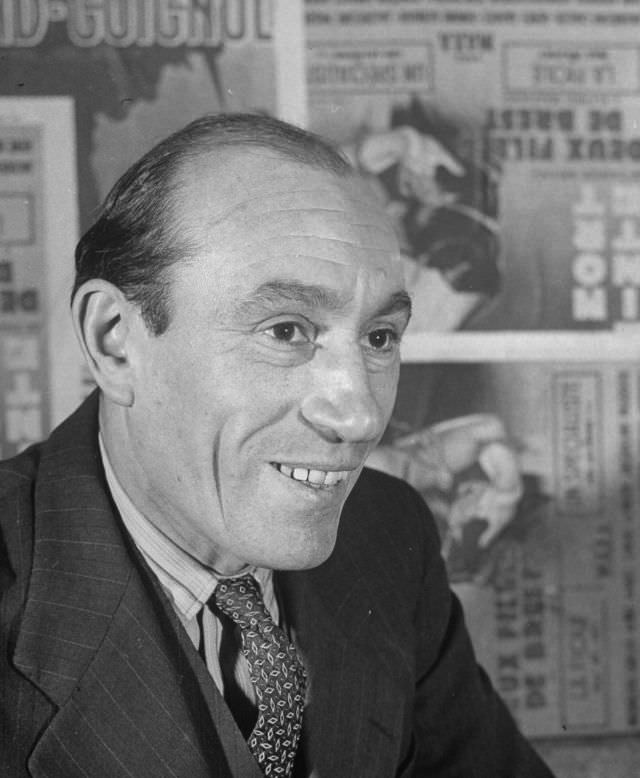
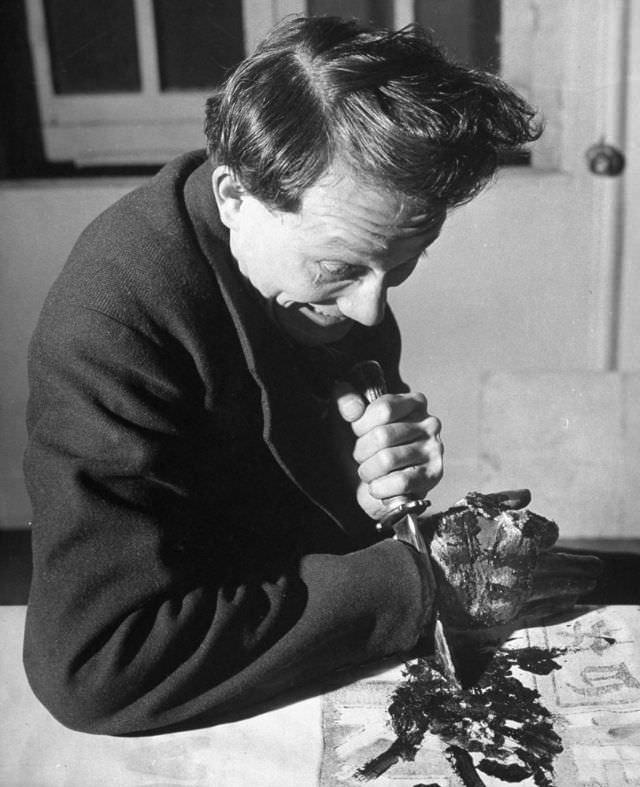
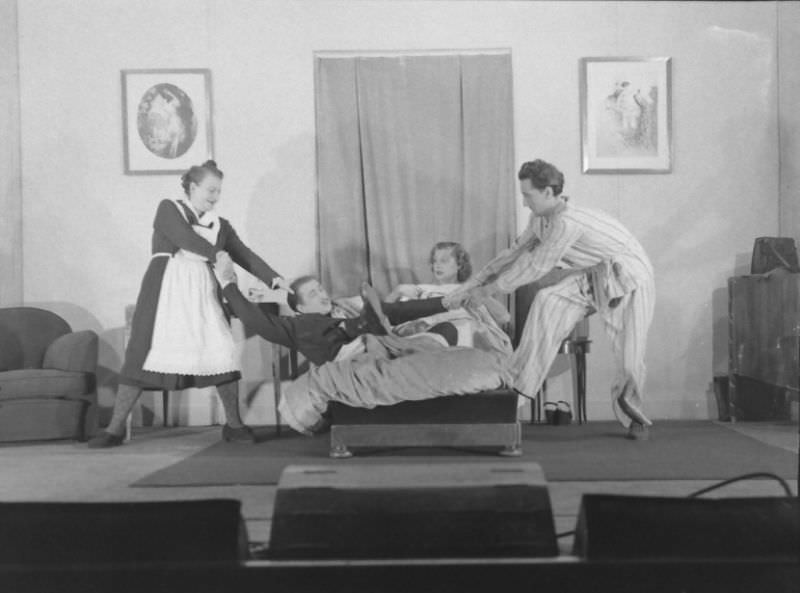
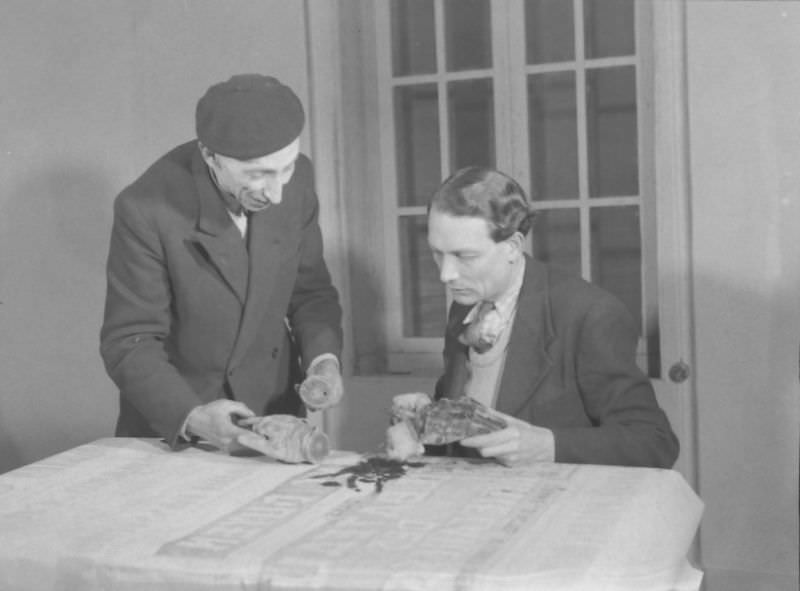
In 1947, LIFE photographer Hans Wild captured the theater in a series of stark black-and-white images. They show audiences seated in the private boxes beneath the balcony, their faces tight with tension and fascination. The theater was small by design — proximity to the stage was essential. There was no comfortable distance between the audience and the violence playing out in front of them.
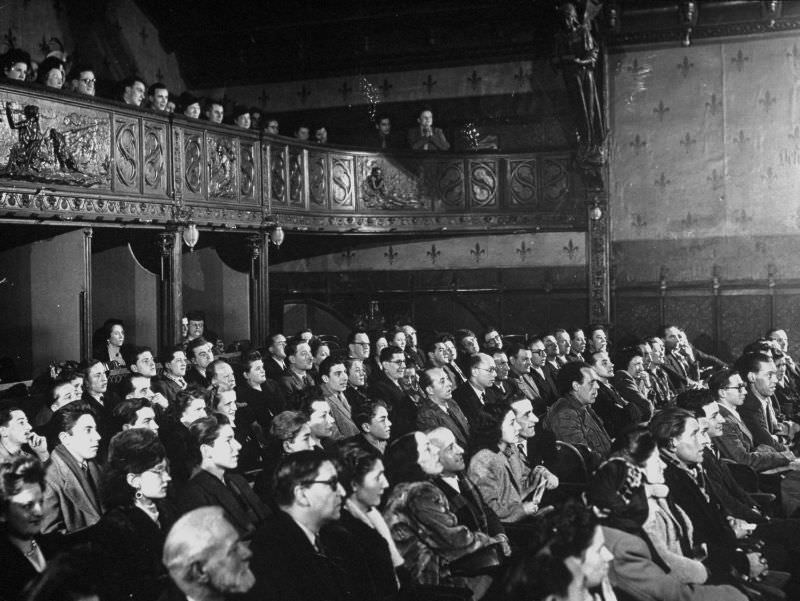
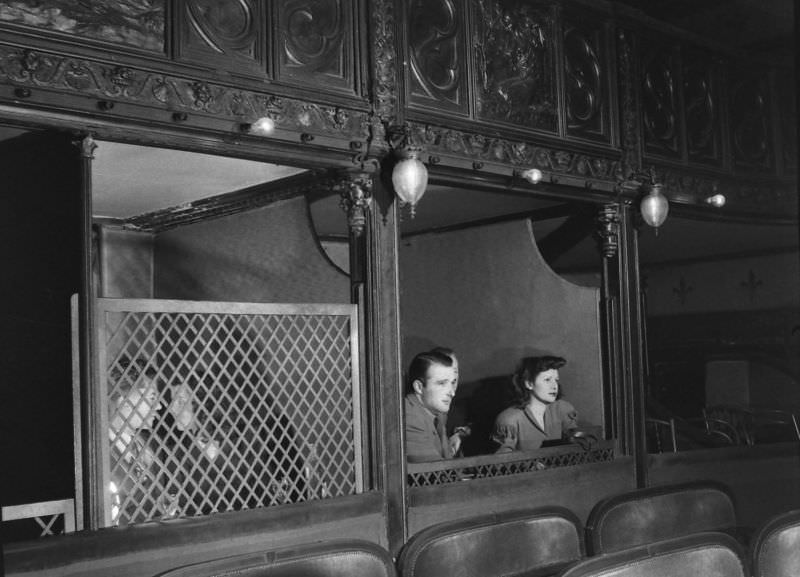
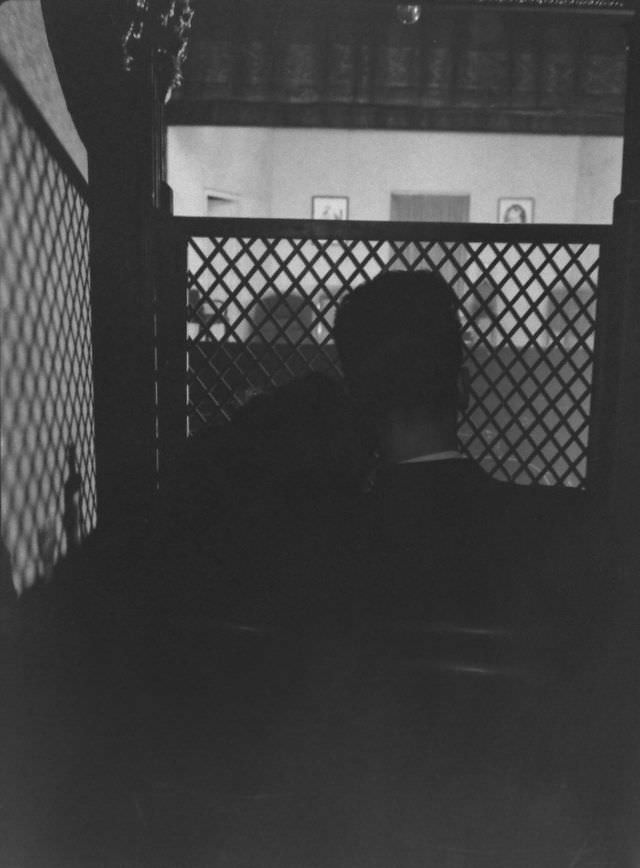
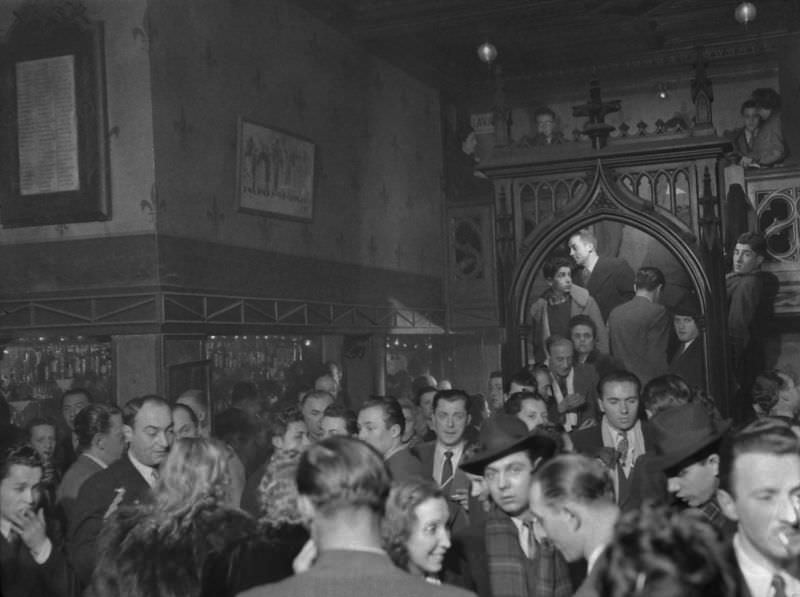
By the time Wild’s photographs were taken, the theater was already losing its grip on audiences. After World War II and the Holocaust, the staged brutality of the Grand Guignol felt hollow to many Parisians. The theater’s last director, Charles Nonon, acknowledged it plainly: the real atrocities of Buchenwald had made fictional horror impossible to take seriously. The theater closed in 1962, unable to compete with what history had actually done.