
Rouen sits in the heart of Normandy, northern France, on the banks of the Seine. It is a city layered with history — medieval churches, half-timbered houses, and cobblestone streets that have witnessed centuries of French life. By the 1950s, Rouen was emerging from the wreckage of World War II. Allied bombing campaigns had struck the city hard, and rebuilding was a slow, ongoing process throughout the decade. Yet the city’s spirit held firm. Streets filled again with noise and movement, markets reopened, and residents settled back into the rhythms of daily life.
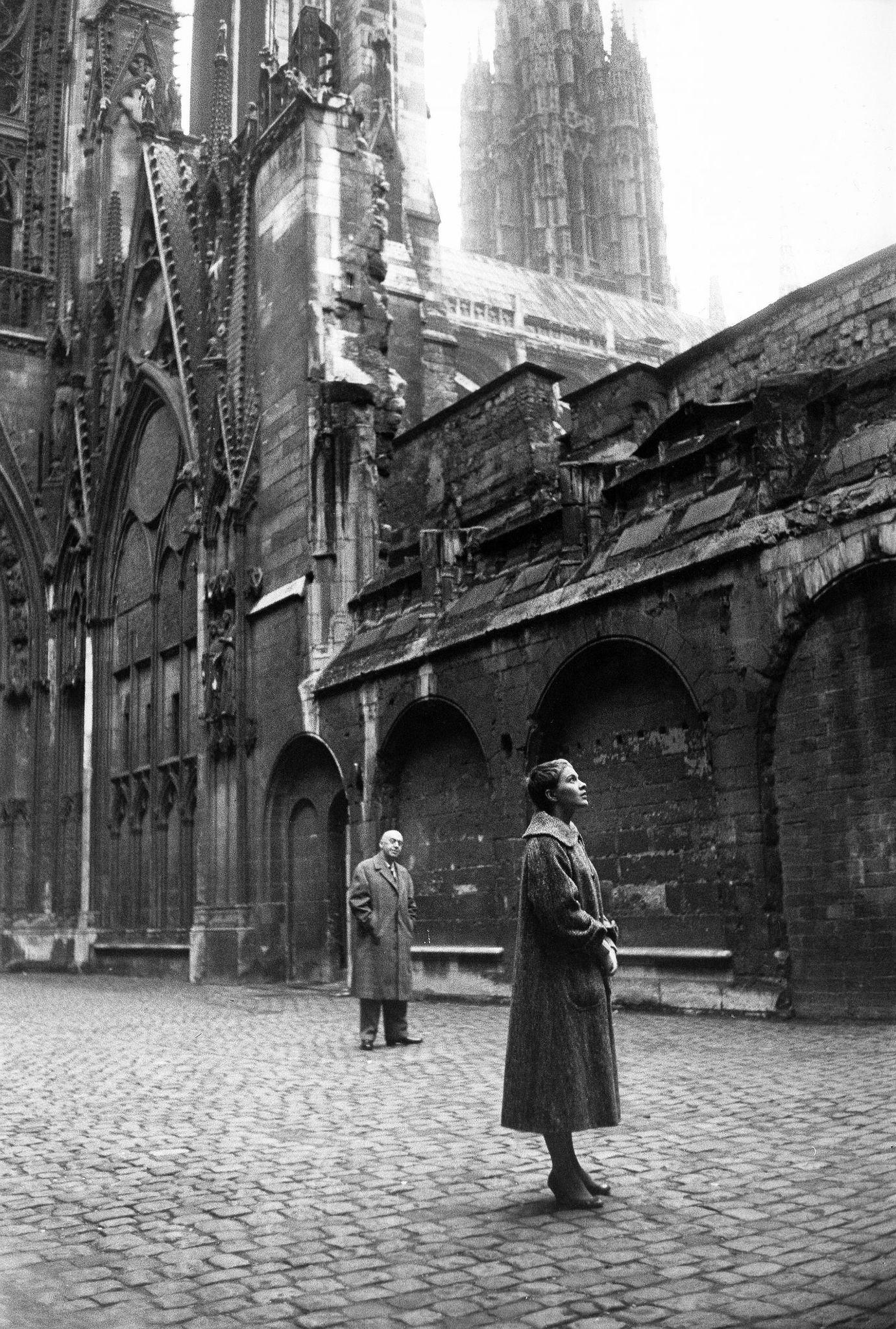
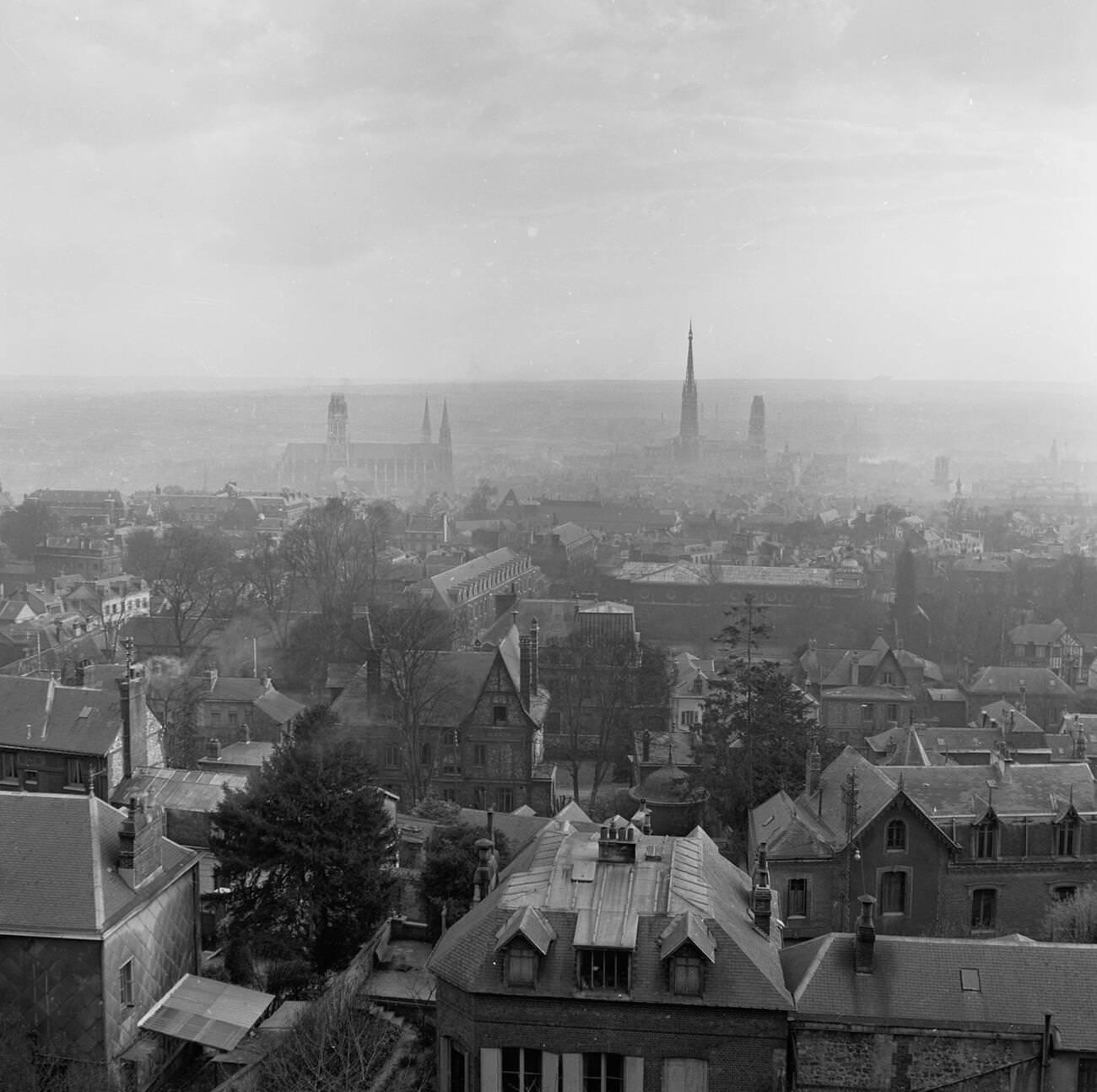
Rouen Cathedral — the Cathédrale Notre-Dame — stood as the city’s most iconic landmark through all of it. The massive Gothic structure, with its ornate stone façade and soaring spires, had long fascinated artists. Claude Monet famously painted it over thirty times. In 1955, photographers captured it still commanding the Rouen skyline, weathered but undefeated.
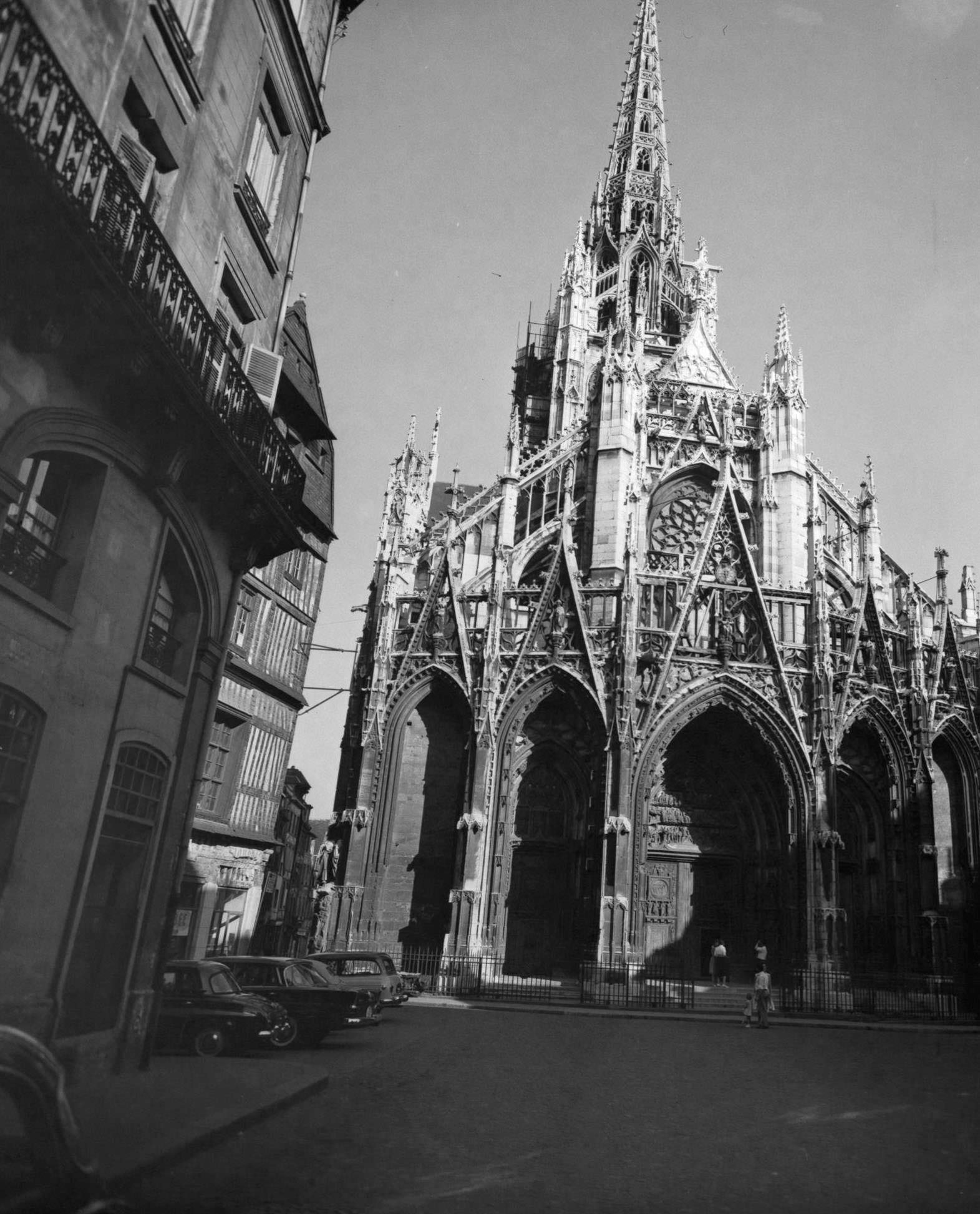
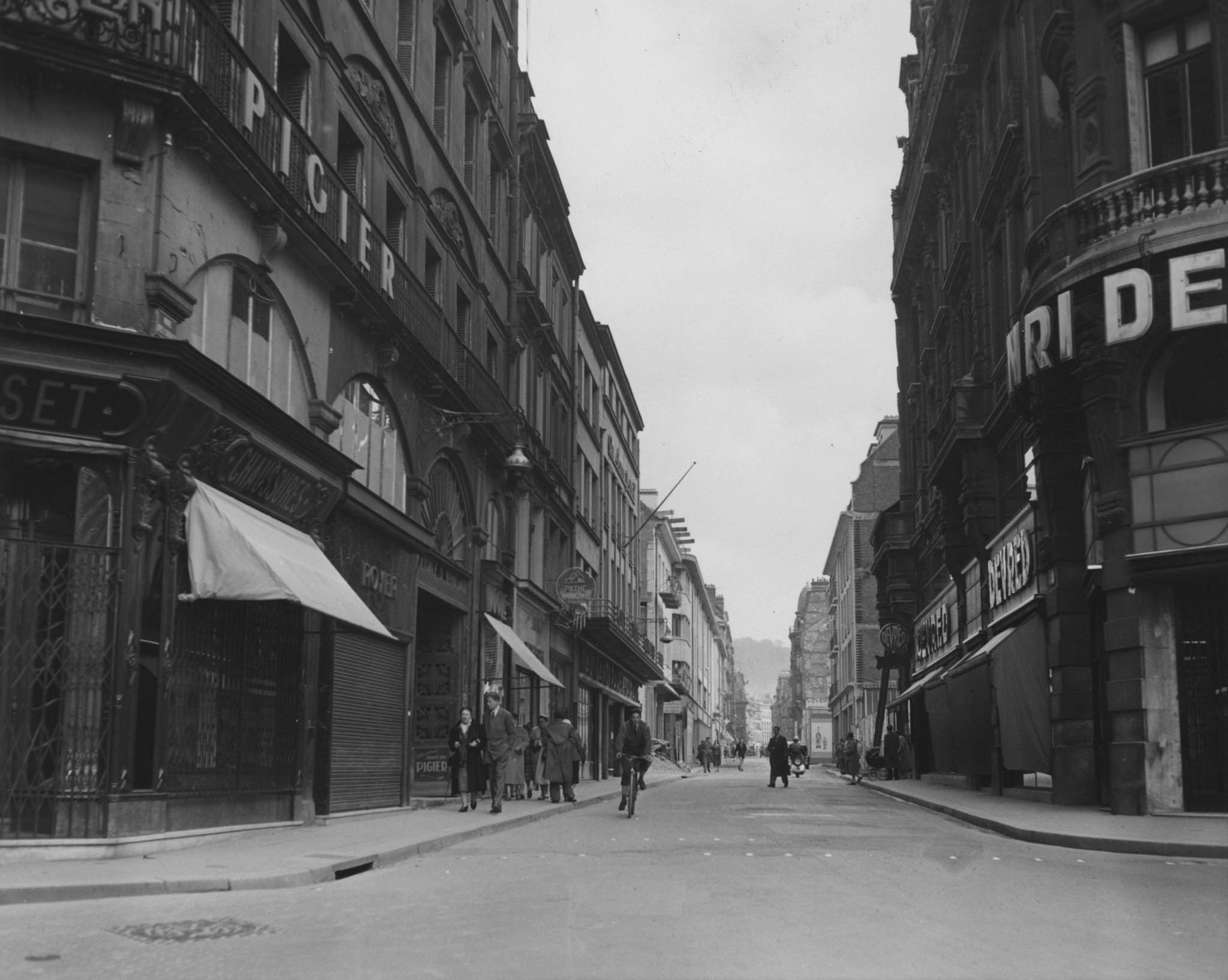
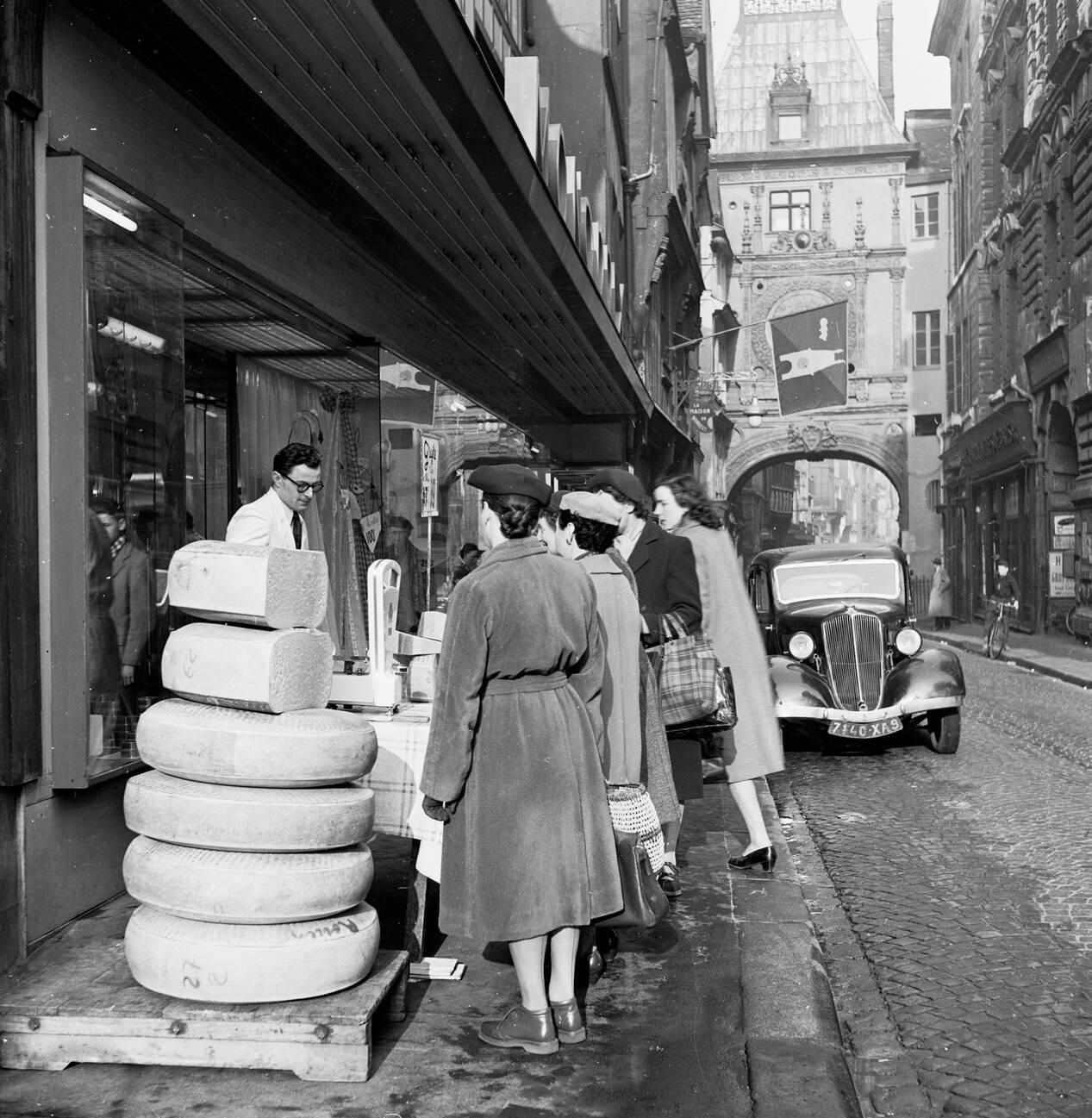
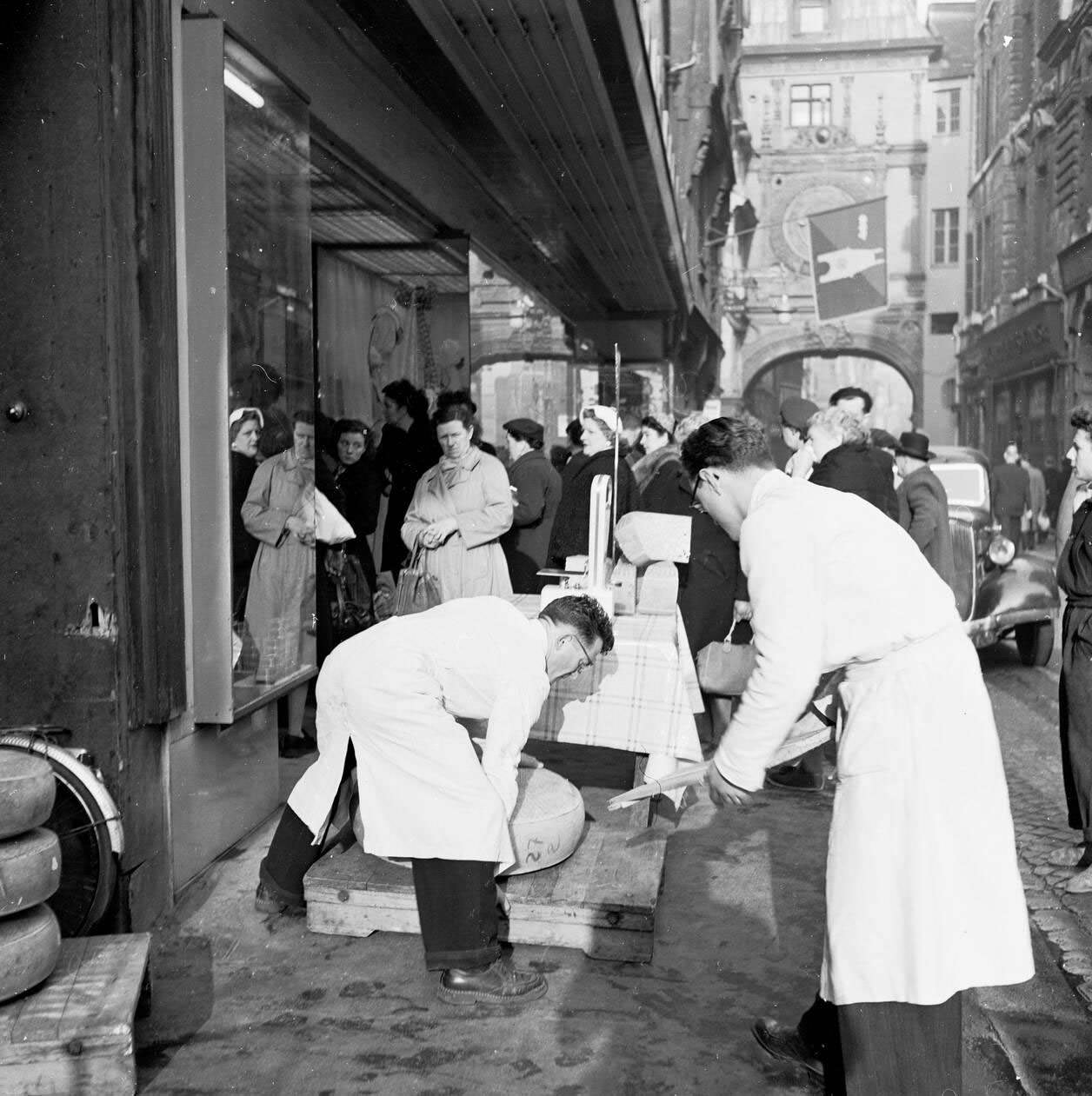
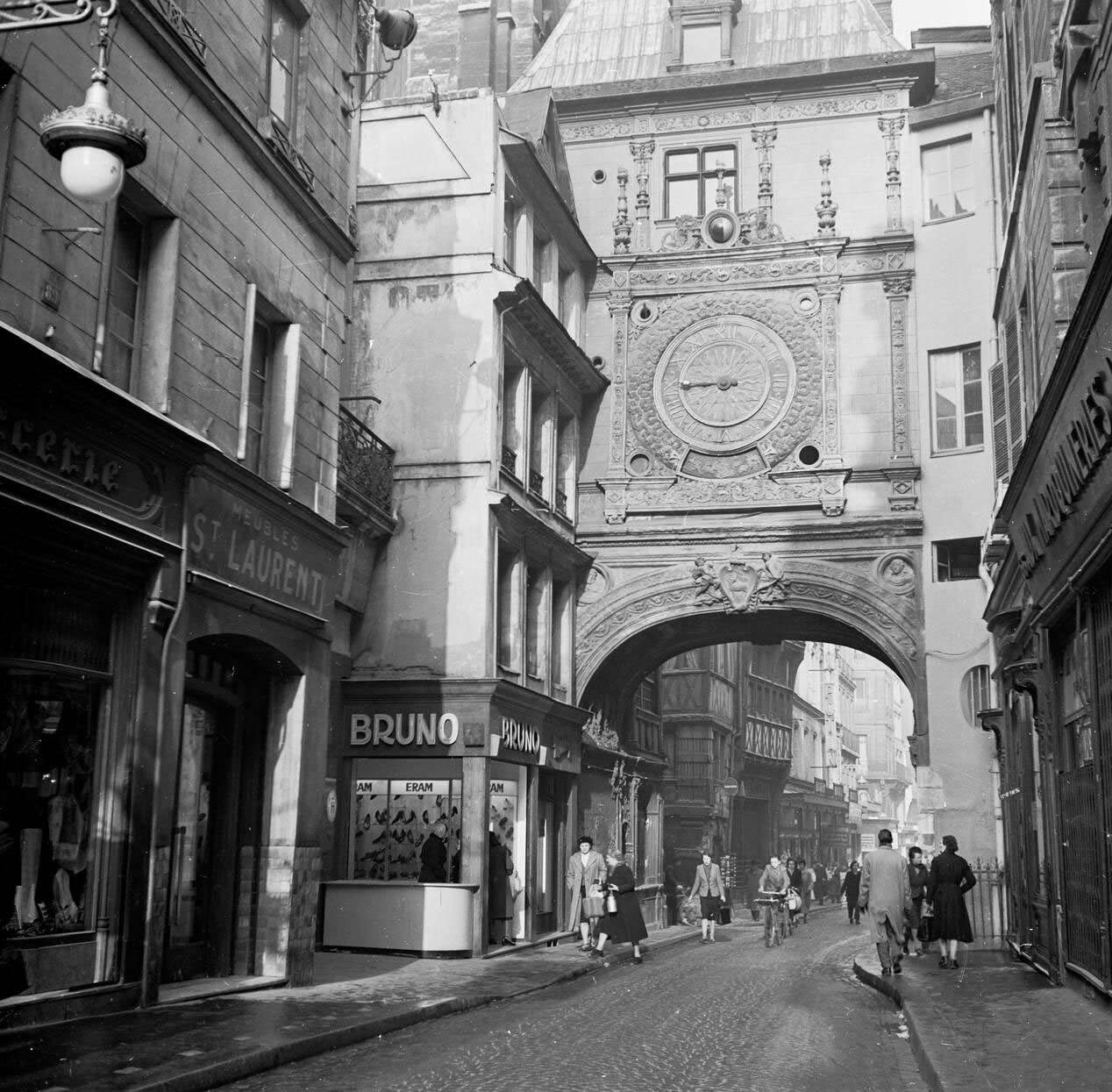
Just a short walk from the cathedral ran the Rue de la Grosse-Horloge — one of Rouen’s most recognized streets. Above a stone archway spanning the road hung the Gros Horloge, a Renaissance astronomical clock dating back to 1389. By May 1955, the street beneath it was alive with pedestrians, cyclists, and the everyday commerce of a city finding its footing again.
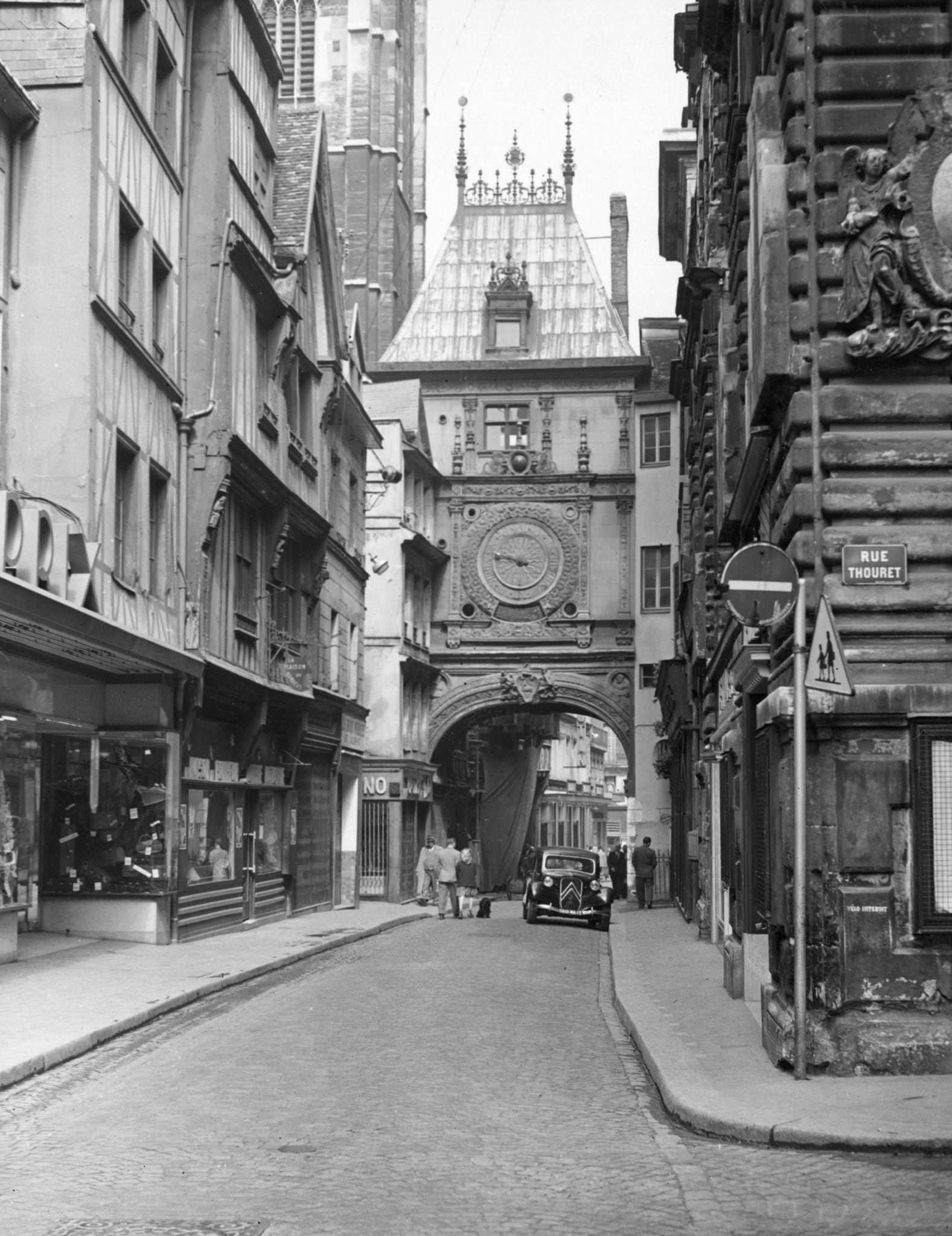
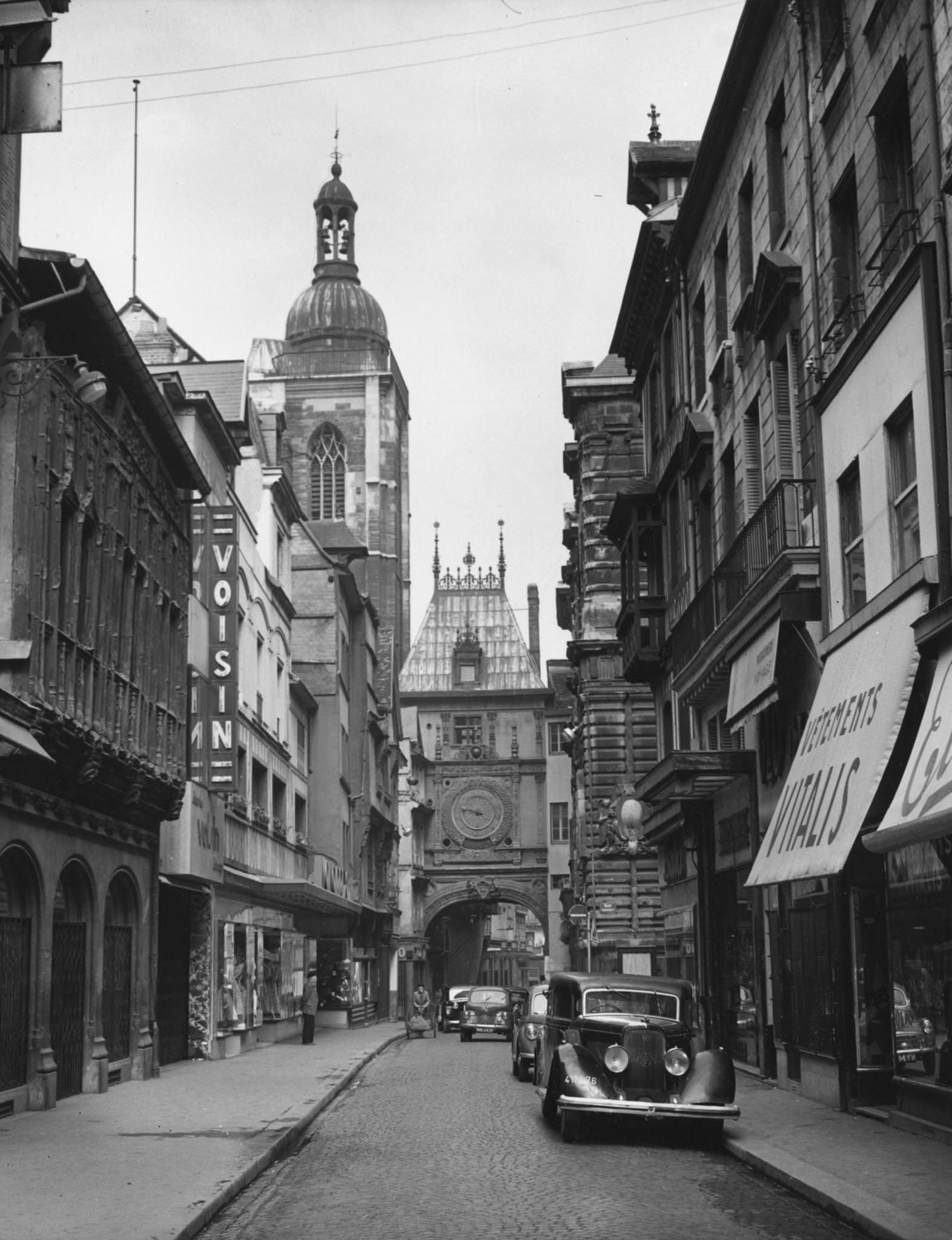
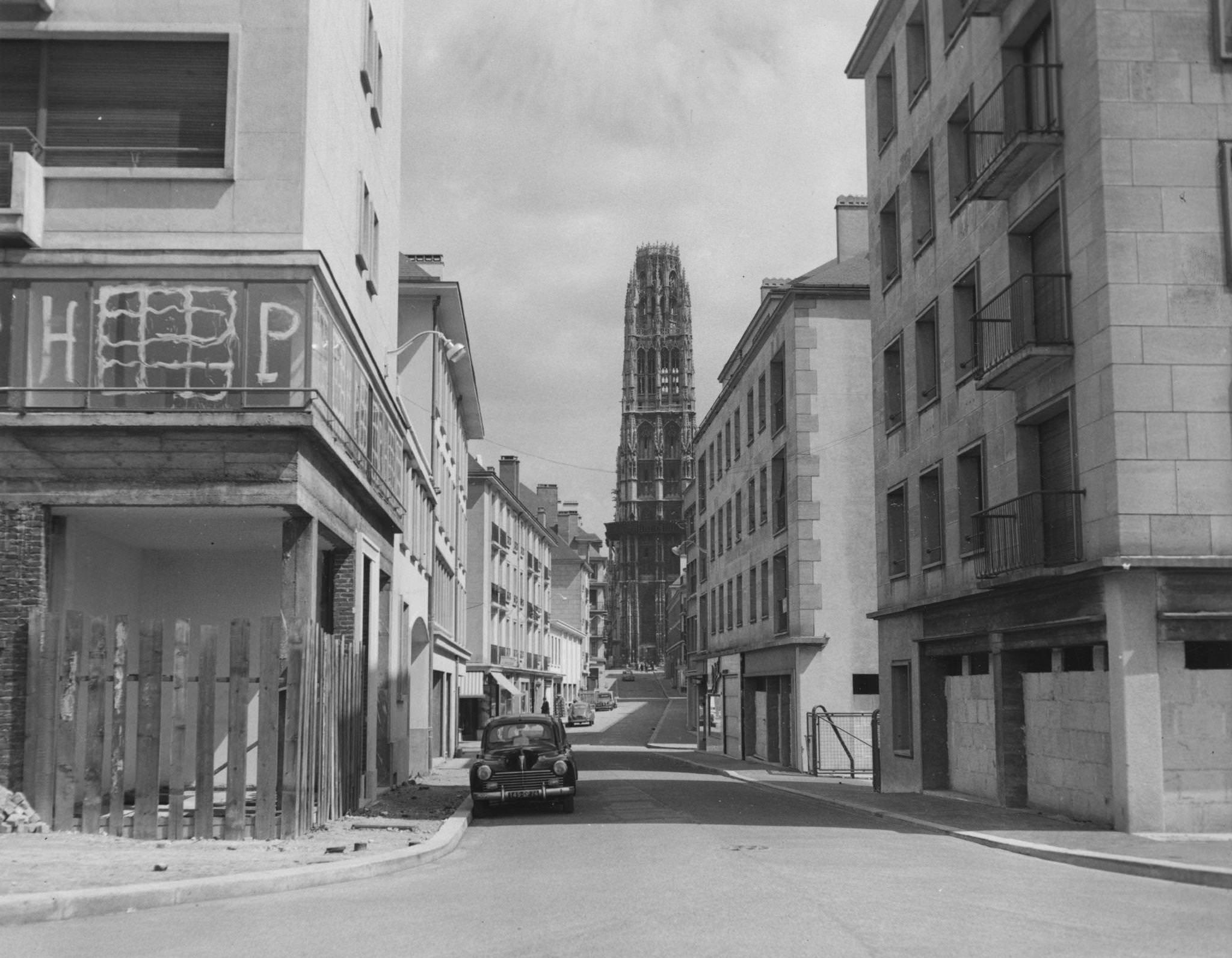
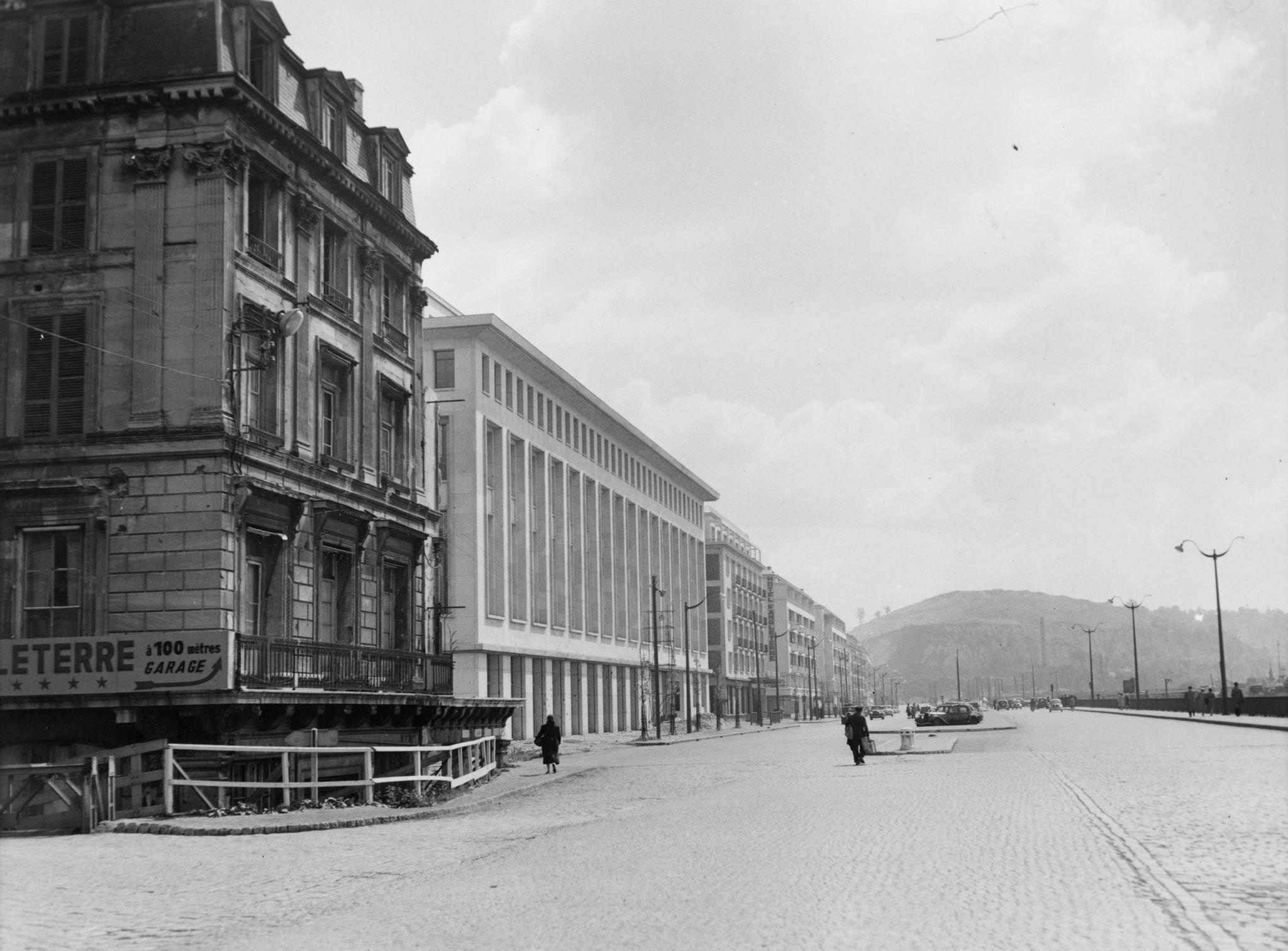
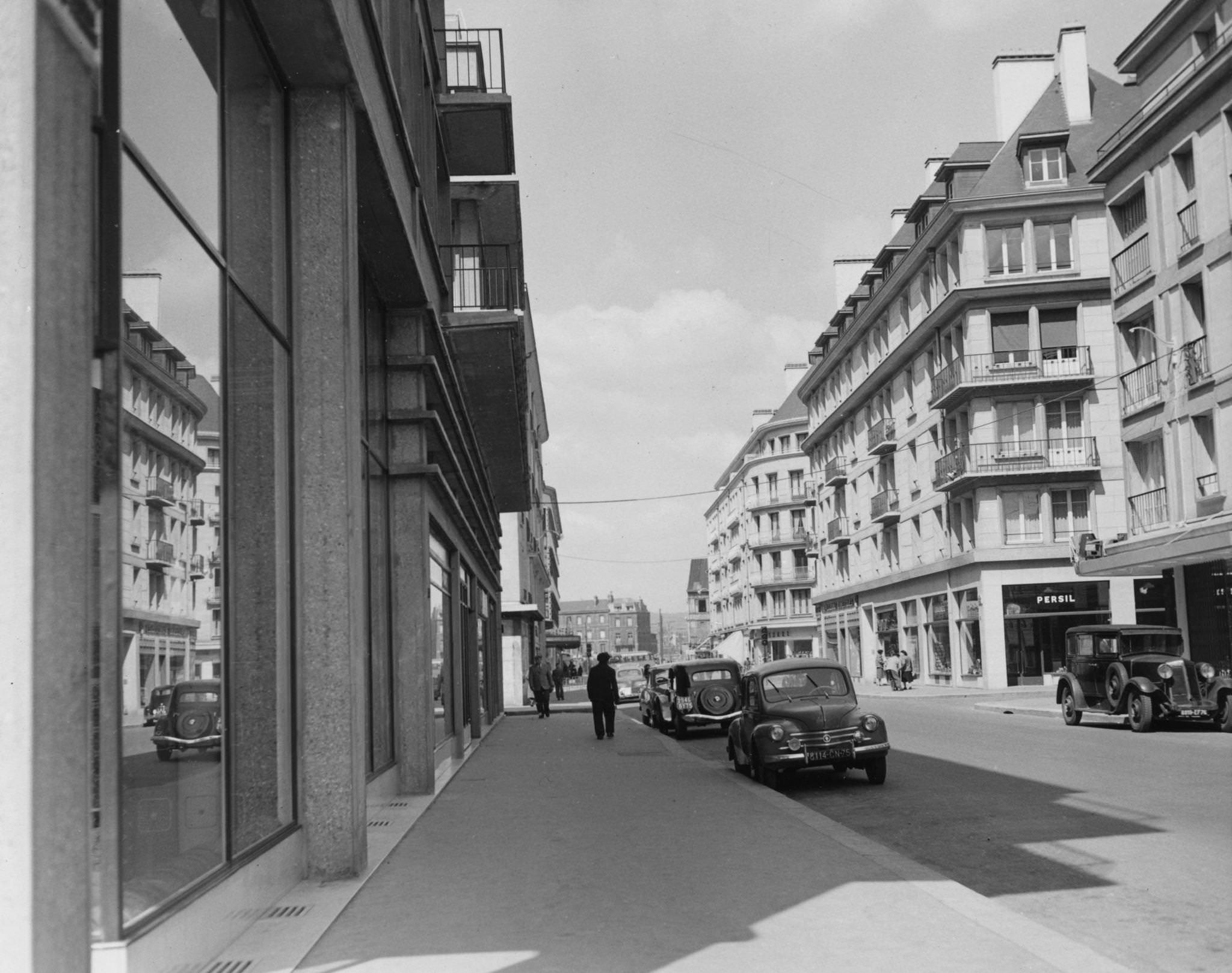
The streets of central Rouen in May 1955 showed a city in motion. Shopfronts displayed their goods, residents moved through narrow lanes on foot and by bicycle, and the architecture — a mix of restored medieval buildings and newer postwar construction — framed the daily scene.
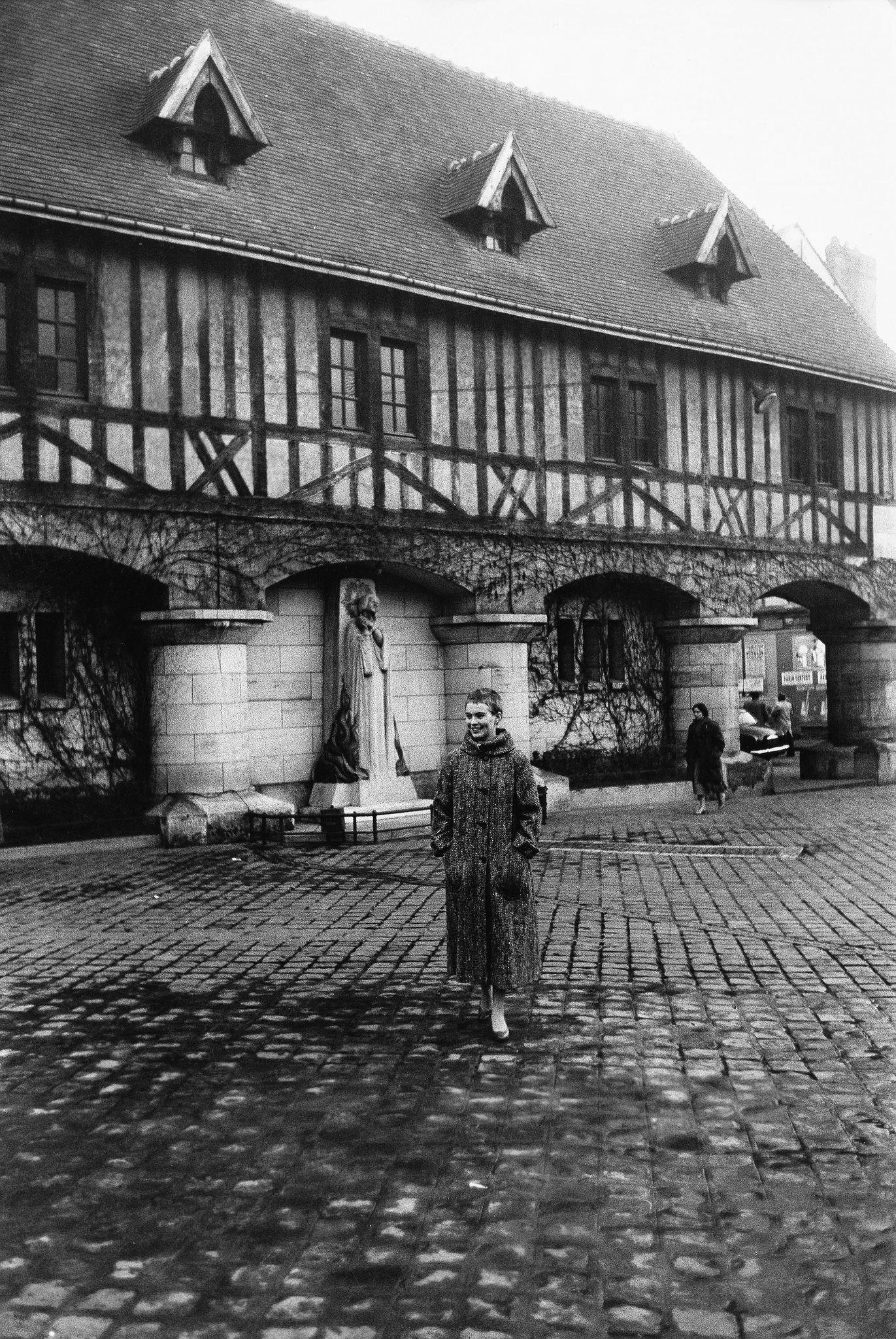
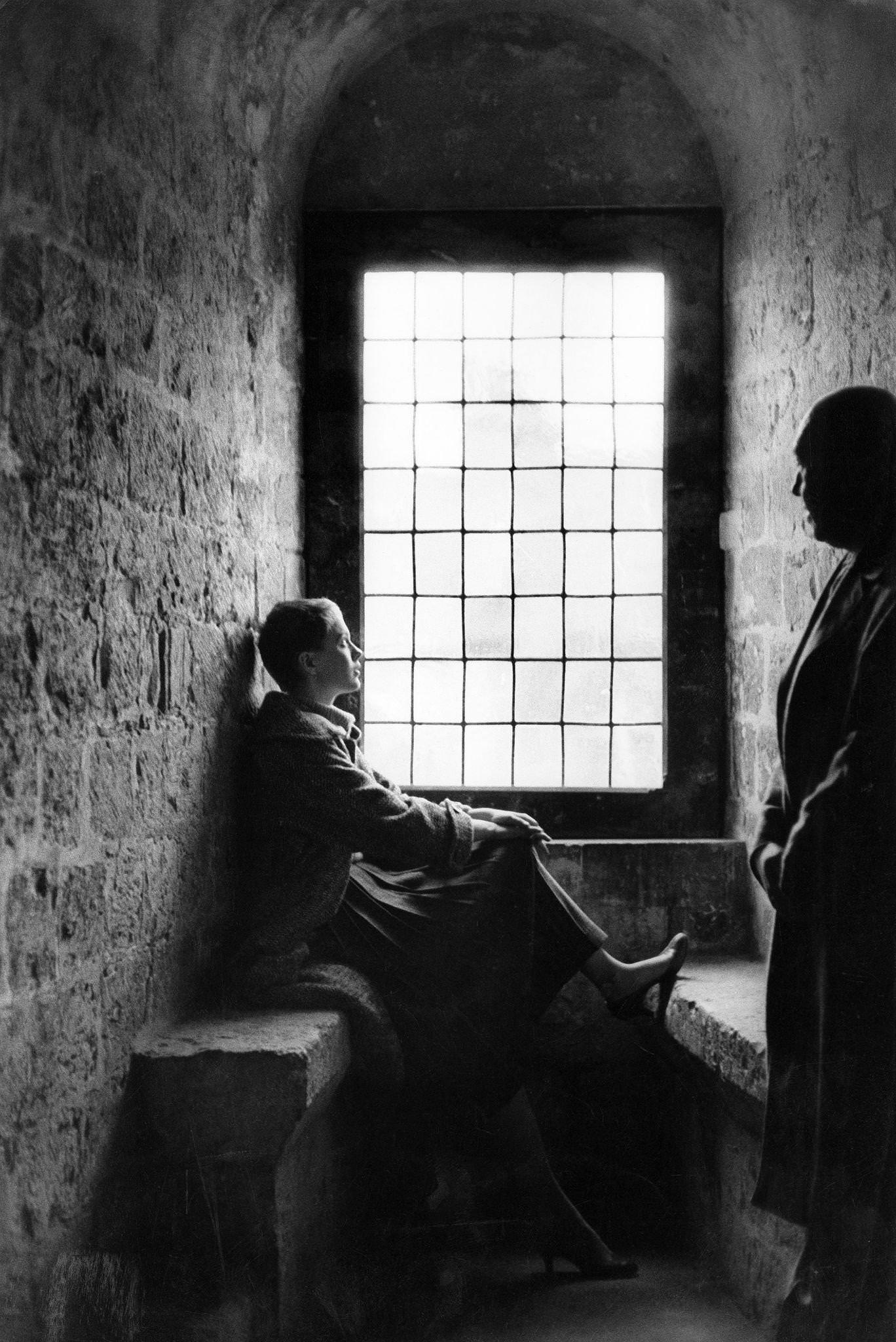
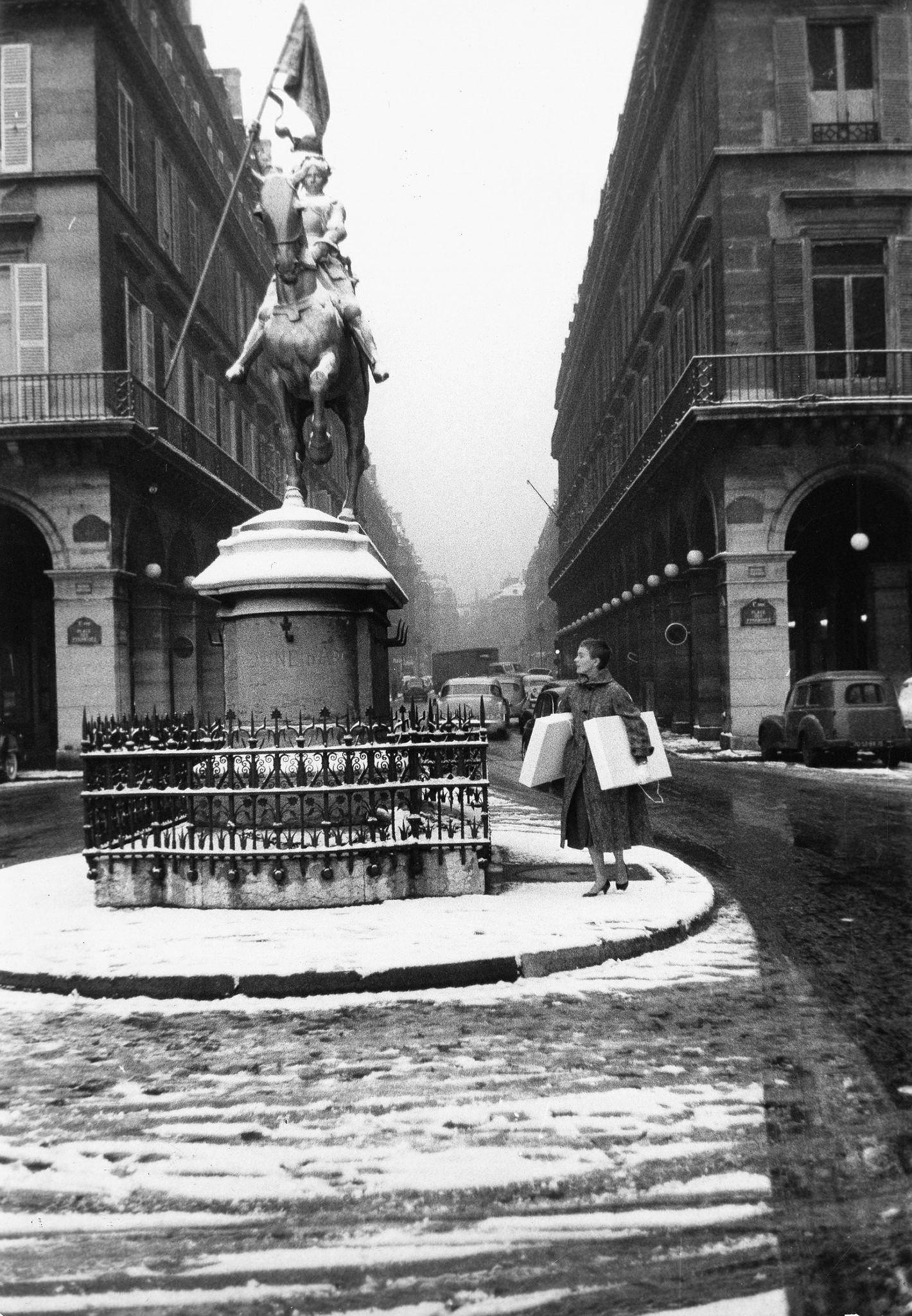
Rouen carries a deep connection to Joan of Arc, who was burned at the stake in the city’s old marketplace in 1431. In 1955, a young American actress named Jean Seberg came to Rouen while preparing for her role as Joan of Arc in Otto Preminger’s film. Seberg, then just seventeen years old and selected from a nationwide talent search, walked the same ground where Joan had stood over five centuries earlier.
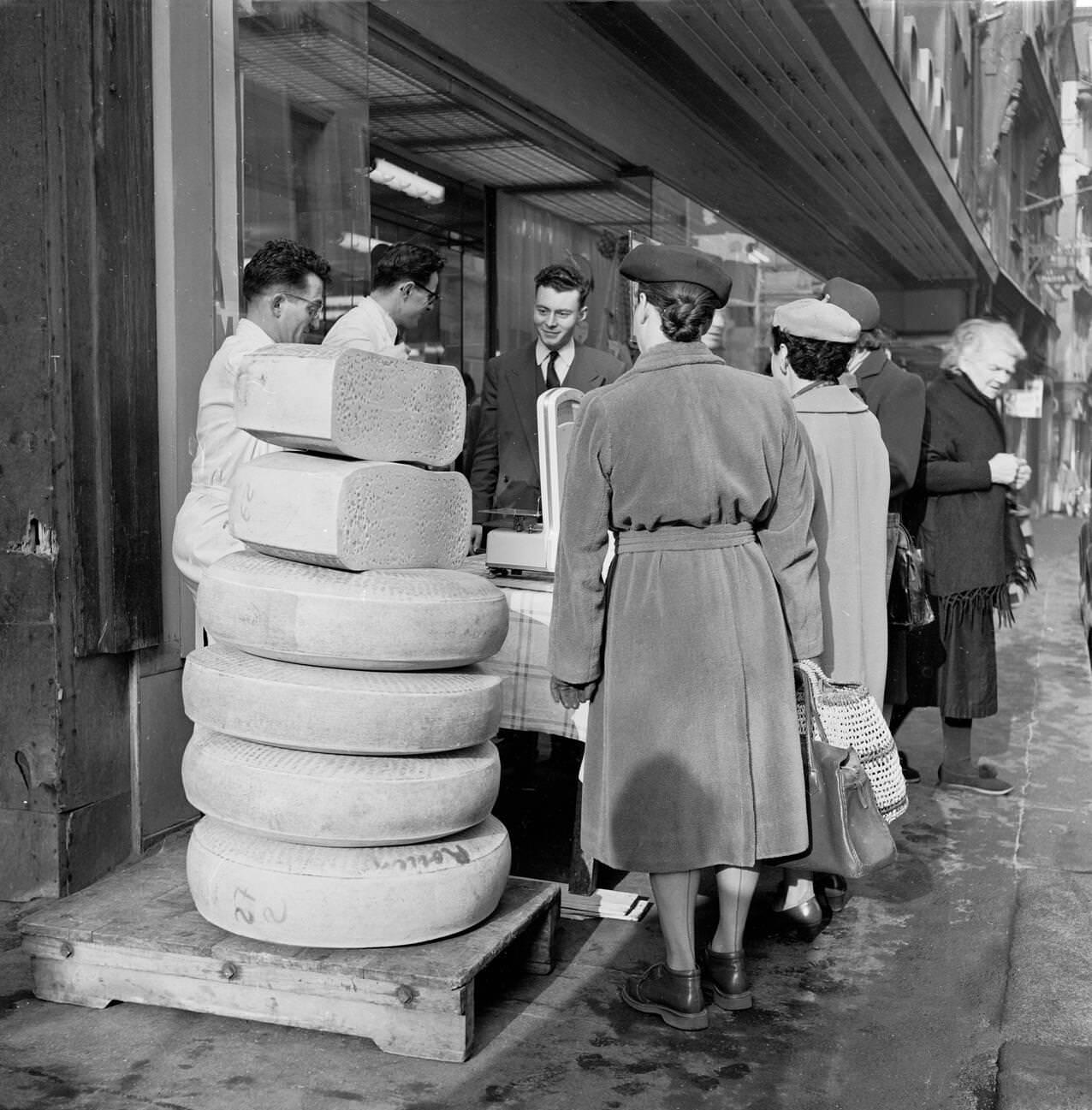
Food was central to daily life in Rouen. Open-air markets and street vendors sold produce, meats, and above all, cheese — a cornerstone of French culture. Shoppers gathered to inspect and select from a range of varieties, including Gruyère. These market scenes were not tourist spectacles. They were routine gatherings where neighbors met, compared prices, and went about their day.

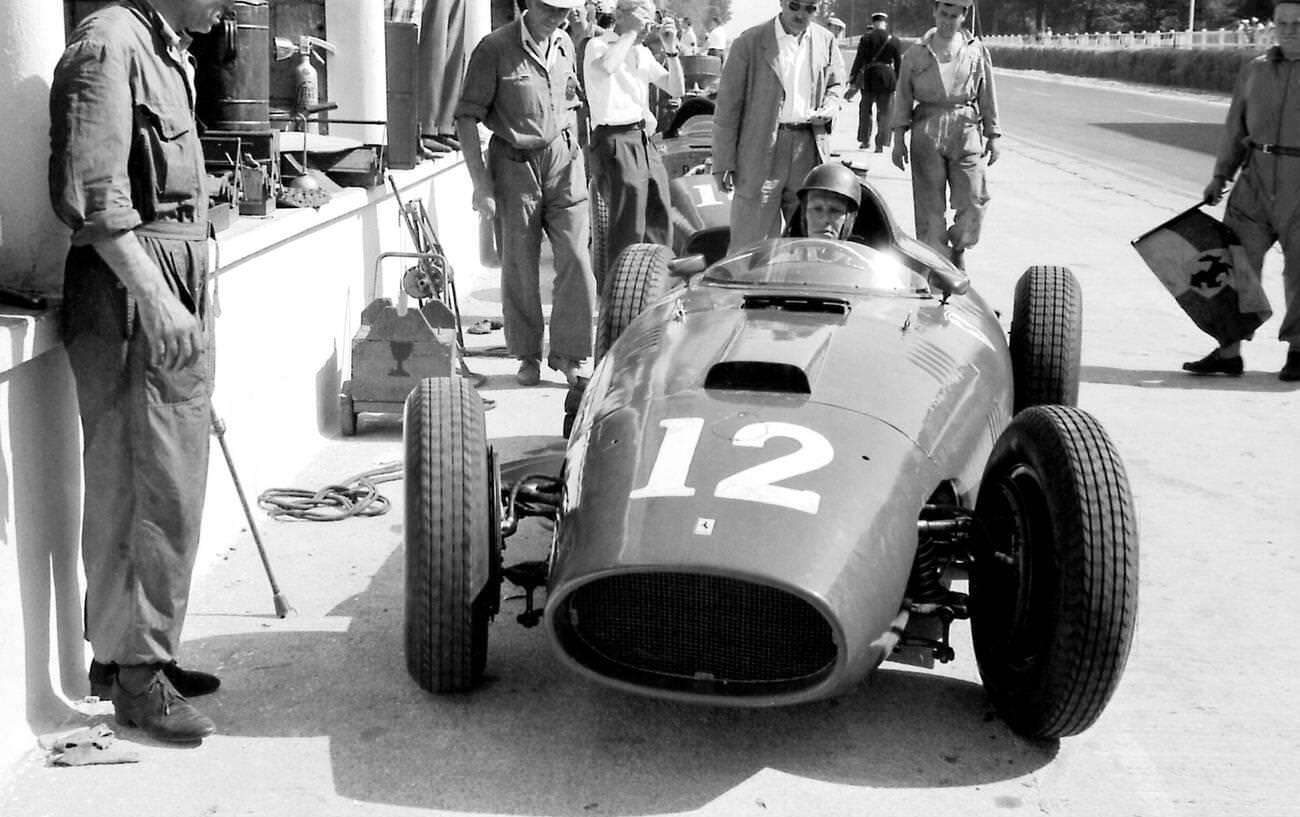
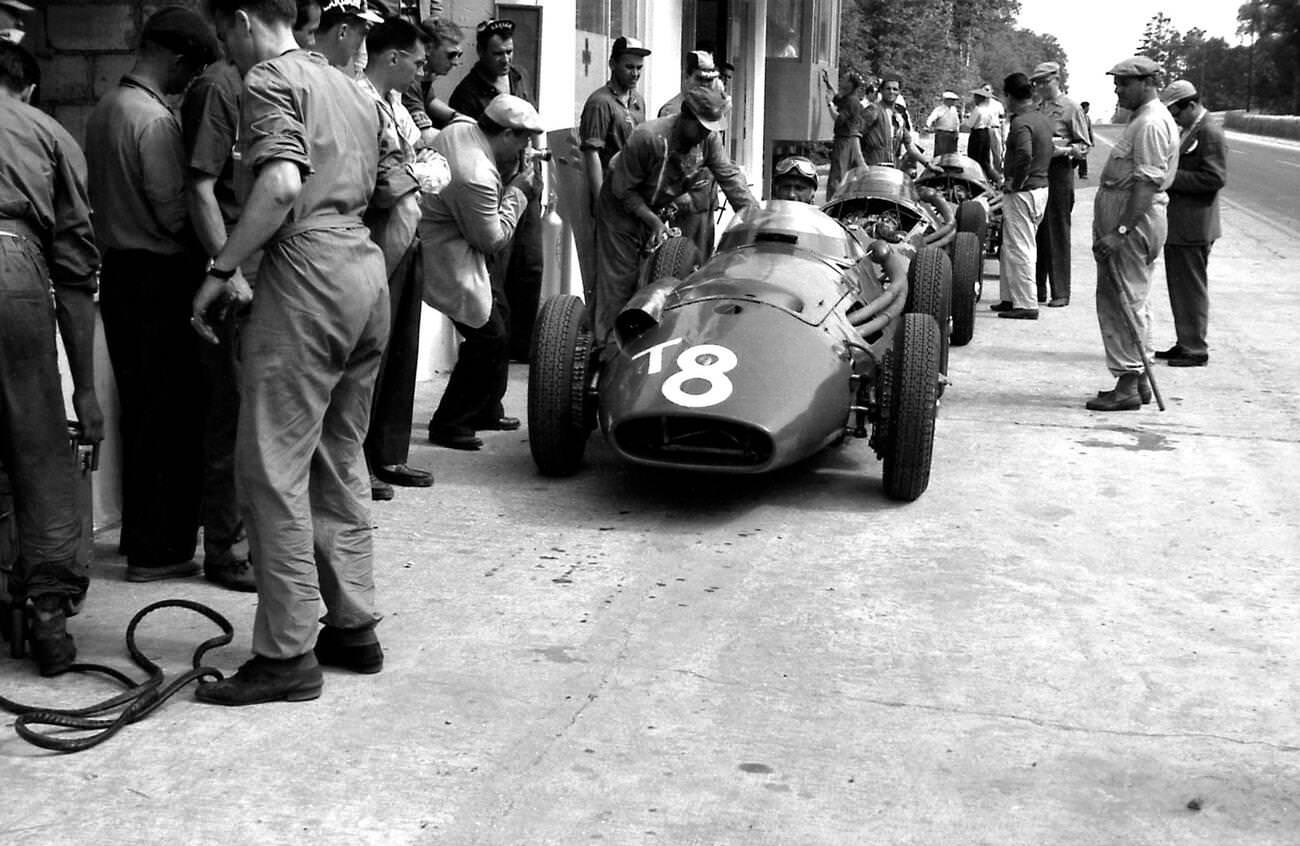
Rouen was not only a city of history and markets — in 1957, it hosted the French Grand Prix at the Rouen-les-Essarts circuit, a demanding road course carved through the forested hills south of the city. Drivers raced through blind corners and elevation changes that made the track both thrilling and dangerous. The event drew massive crowds and placed Rouen squarely on the international motorsport map.
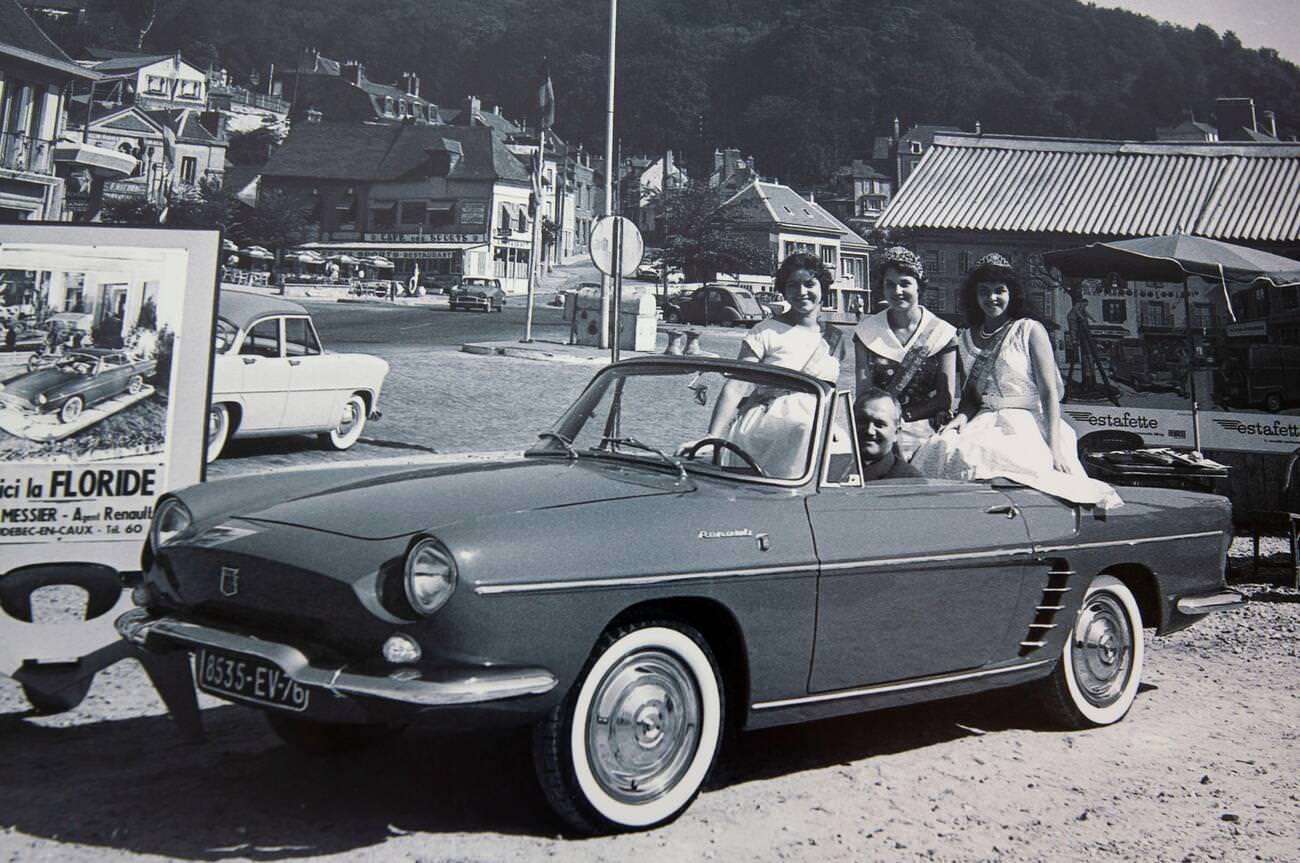
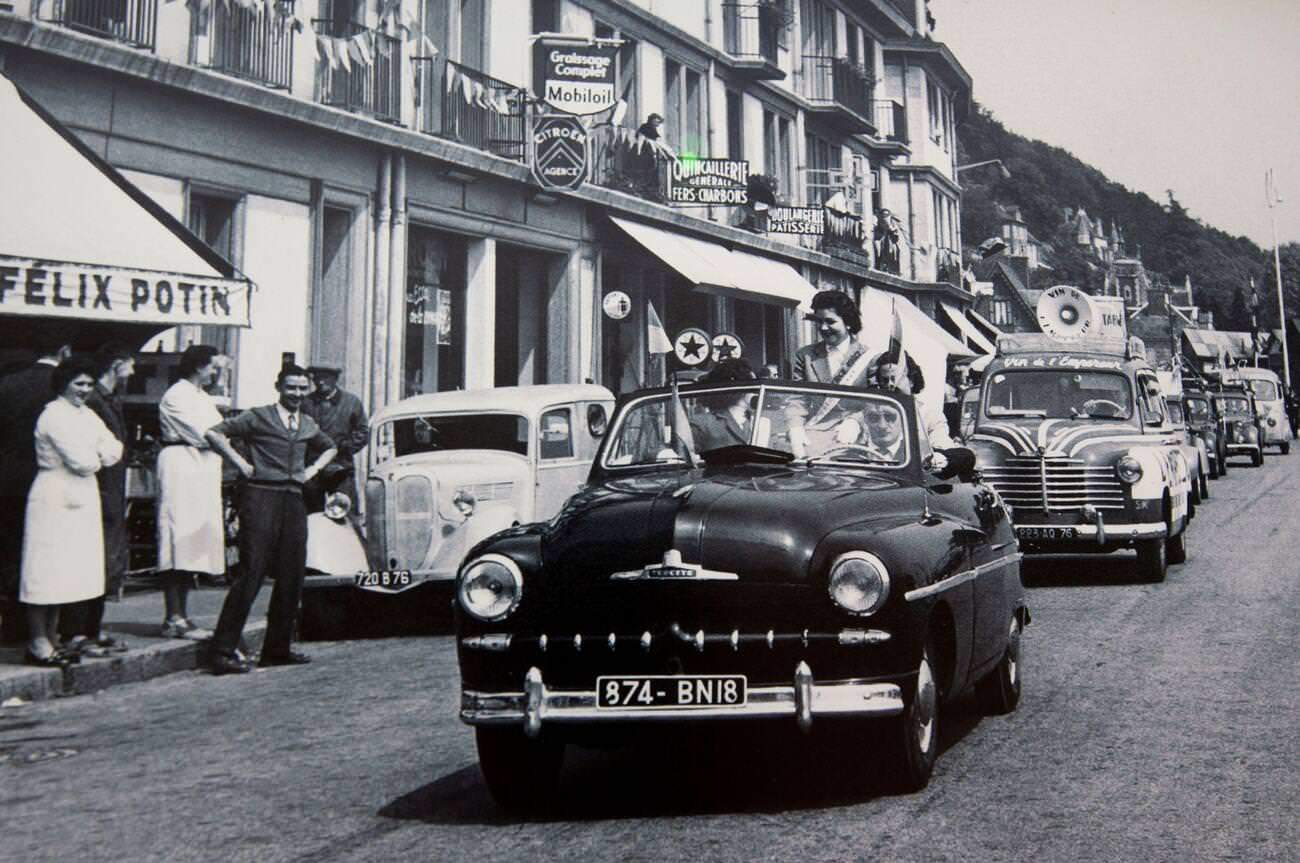
French automakers used Rouen’s streets and scenery as a backdrop for promotional photography during the 1950s. The Renault Floride and the Simca Vedette — two distinctly French cars of the era — were both photographed in and around the city, reflecting postwar France’s growing enthusiasm for domestic automobile manufacturing.
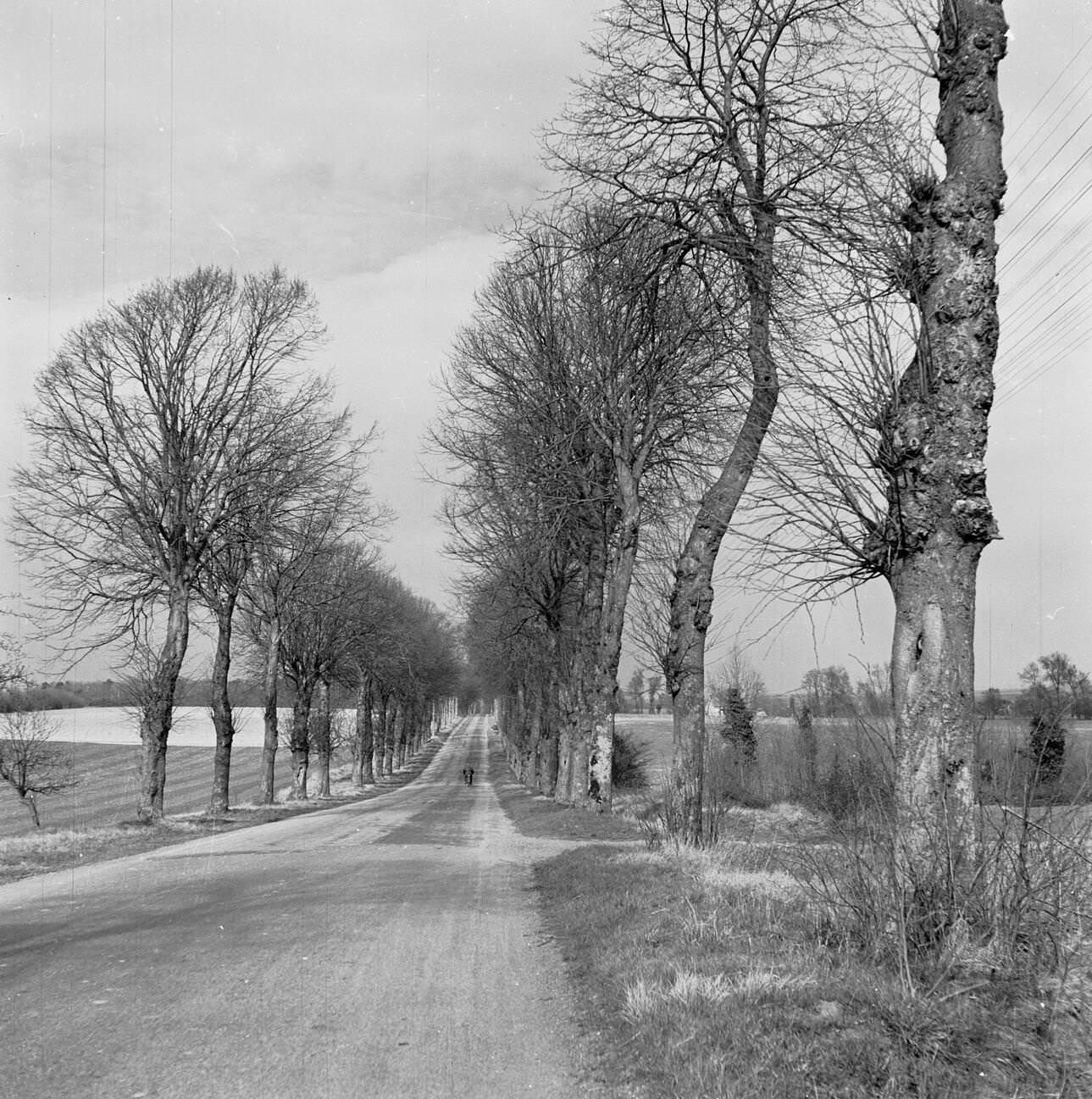
From above, the scale of Rouen in the 1950s becomes clear. The city spread along the Seine, its skyline punctuated by church spires rising above dense rows of rooftops. Beyond the city limits, tree-lined country roads wound through the Normandy countryside — peaceful routes connecting Rouen to the small towns and farmland that surrounded it.
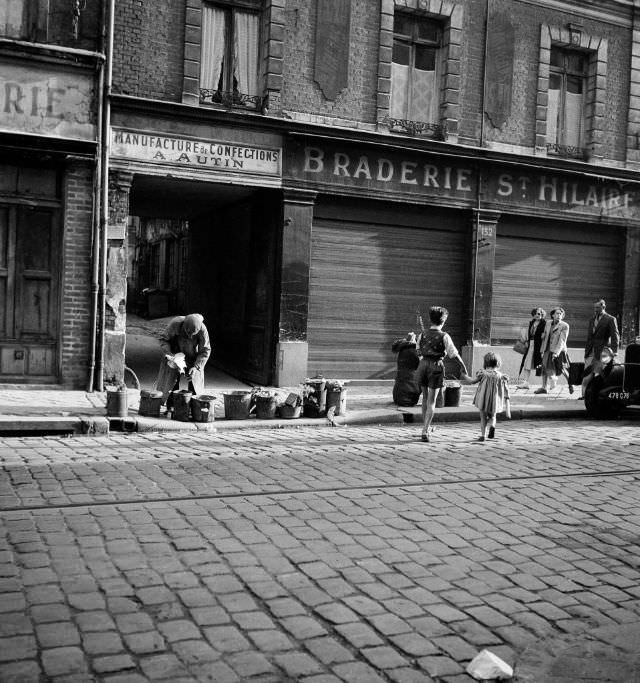
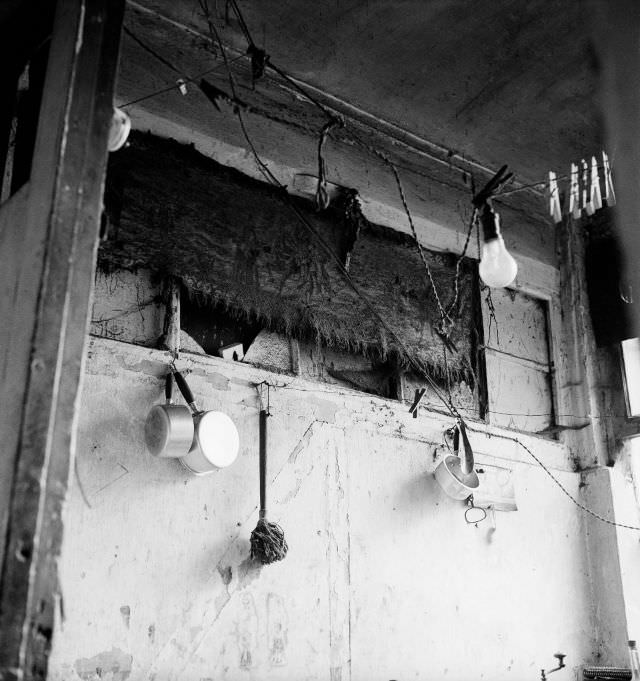
In September 1951, a photographer documented the residential conditions at 3, rue Marin-le-Pigny, a building in one of Rouen’s working-class districts. The images show the interiors and common spaces of postwar housing — modest rooms, shared courtyards, and the textures of everyday life for ordinary Rouen families still navigating the recovery years.
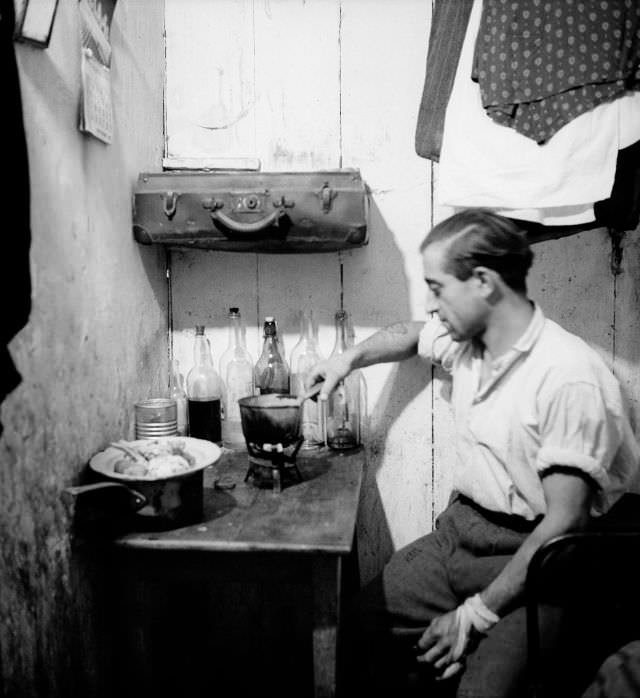
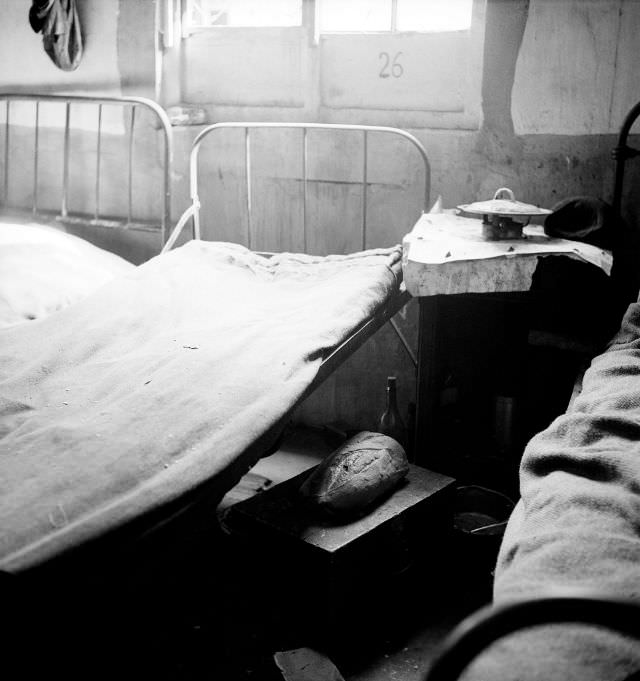
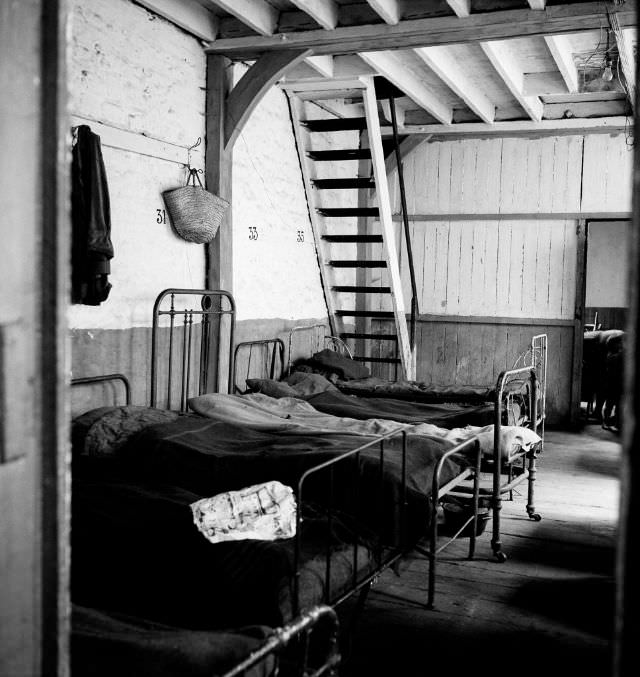
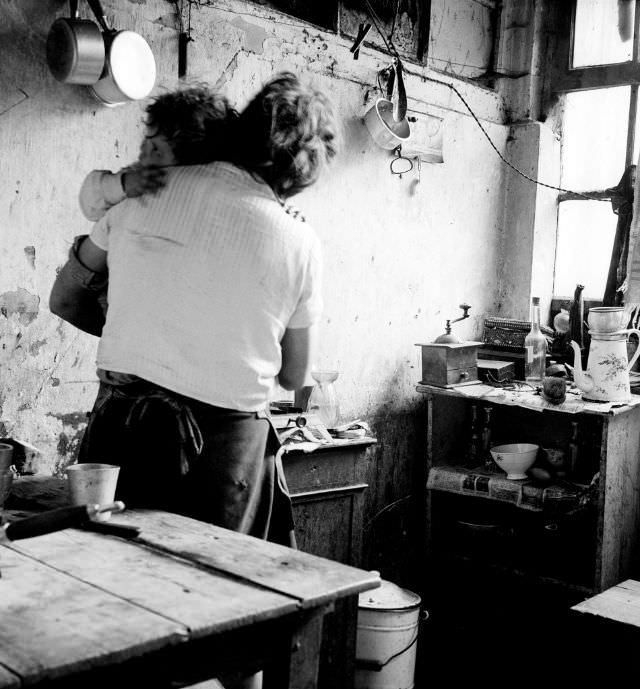
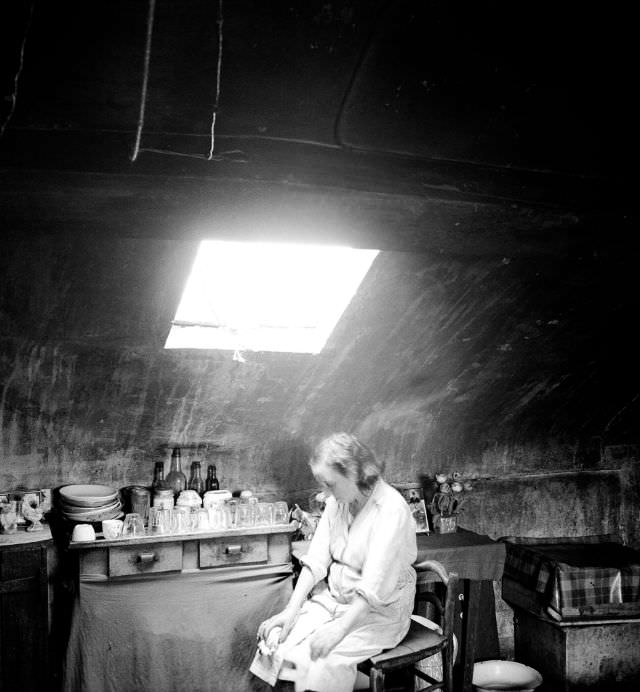
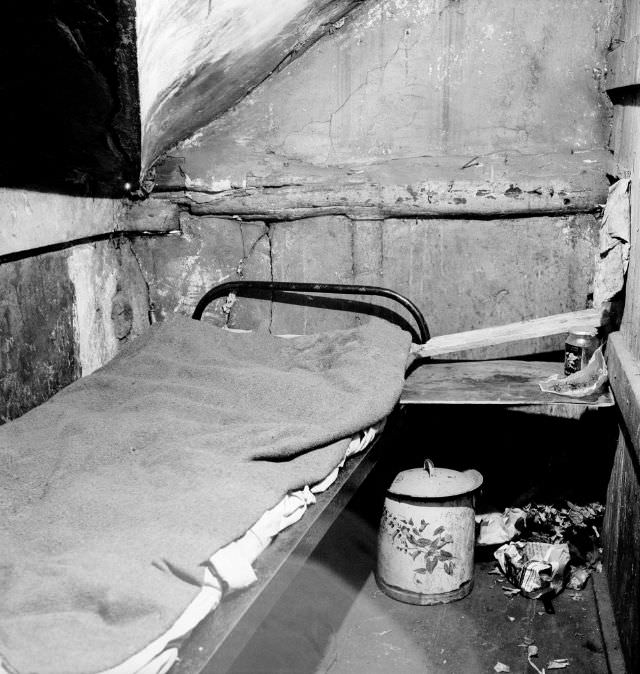
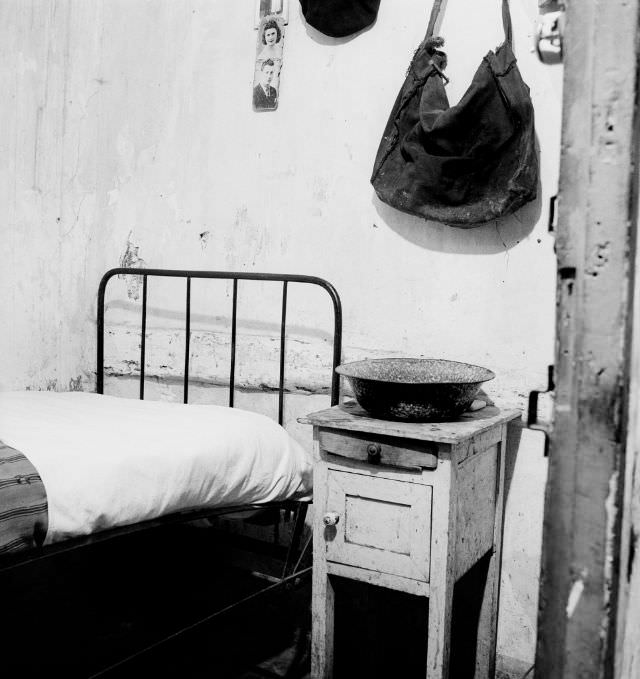
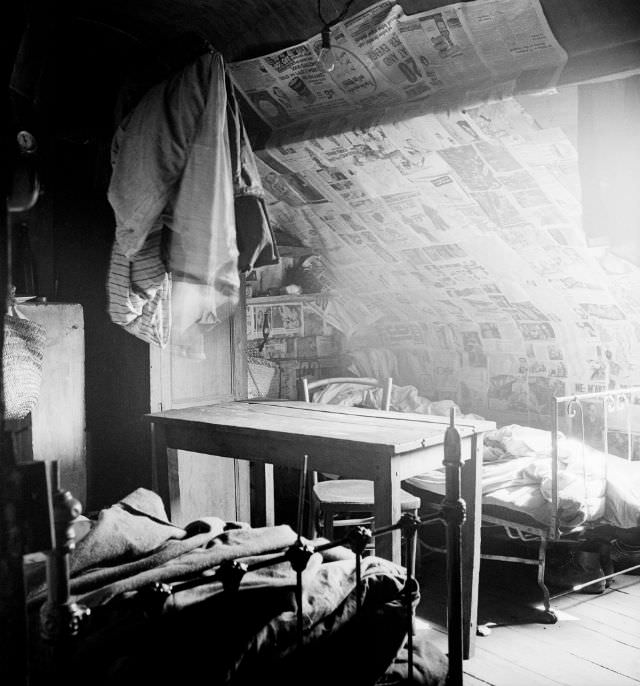
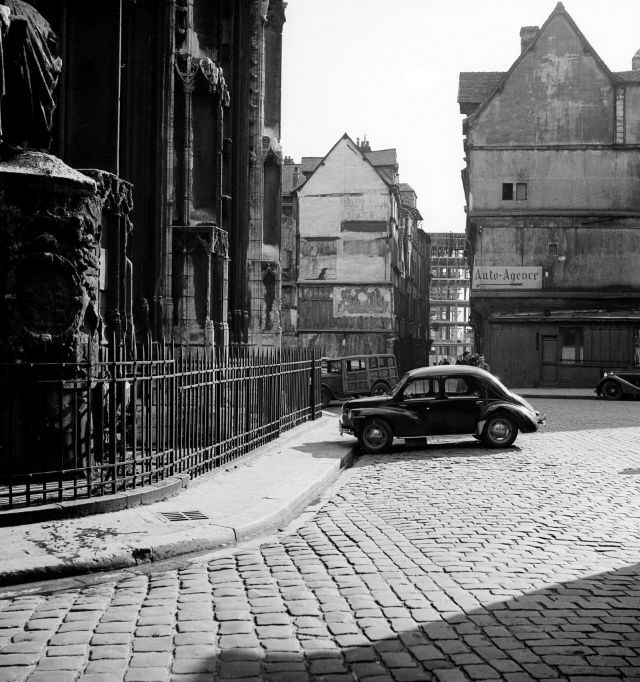
The same documentary effort in September 1951 extended beyond that single address. Photographers also recorded the neighborhood around rue de l’Amitié, a local café, the church of Saint-Maclou, and children playing in the streets — creating a detailed visual record of working-class Rouen that captures the texture of the city in those early postwar years.
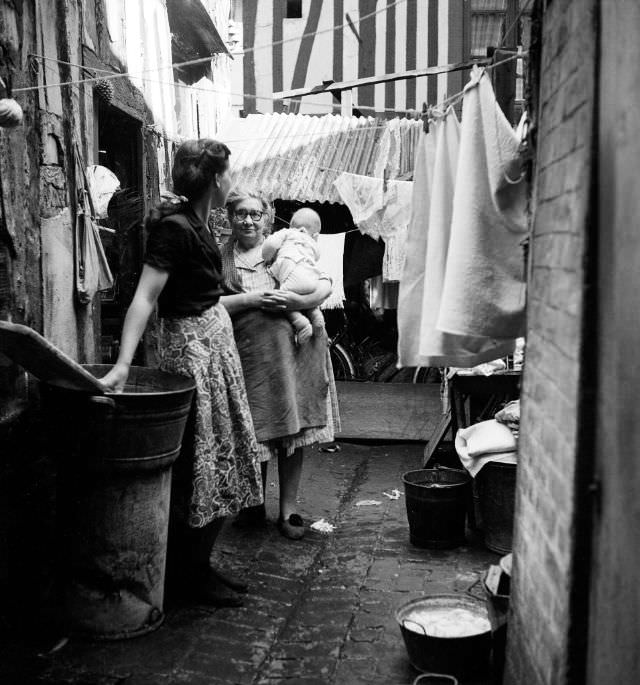
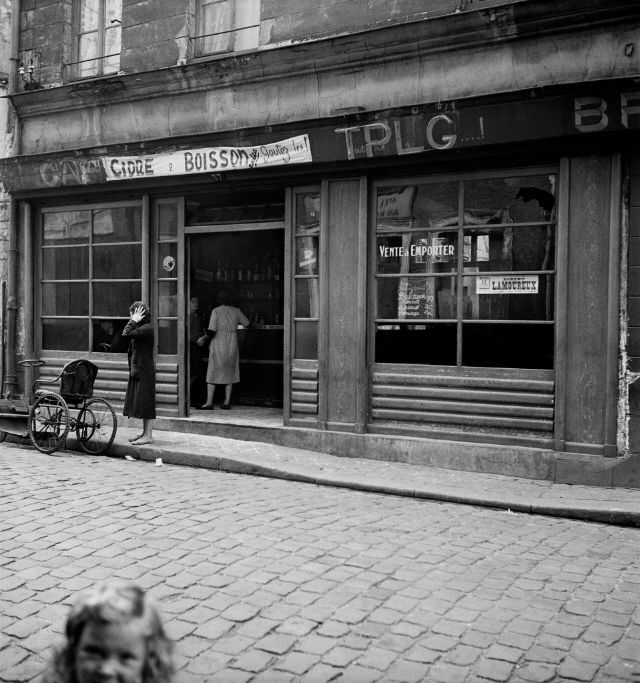
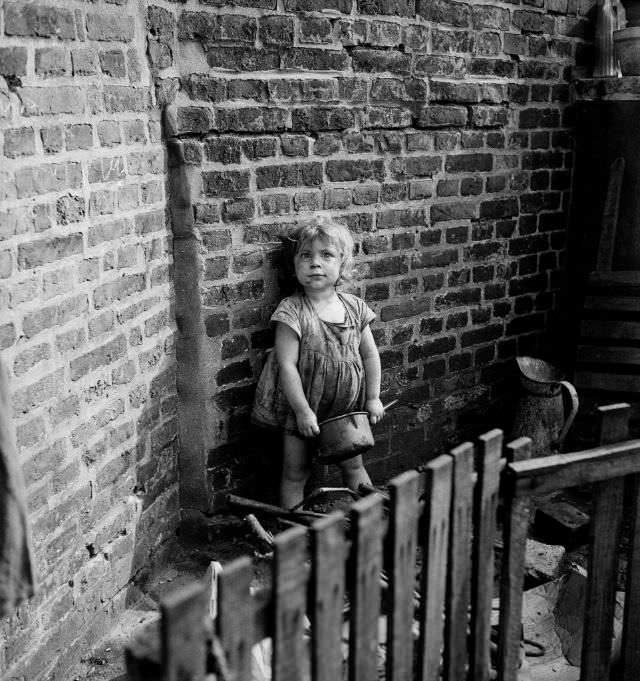
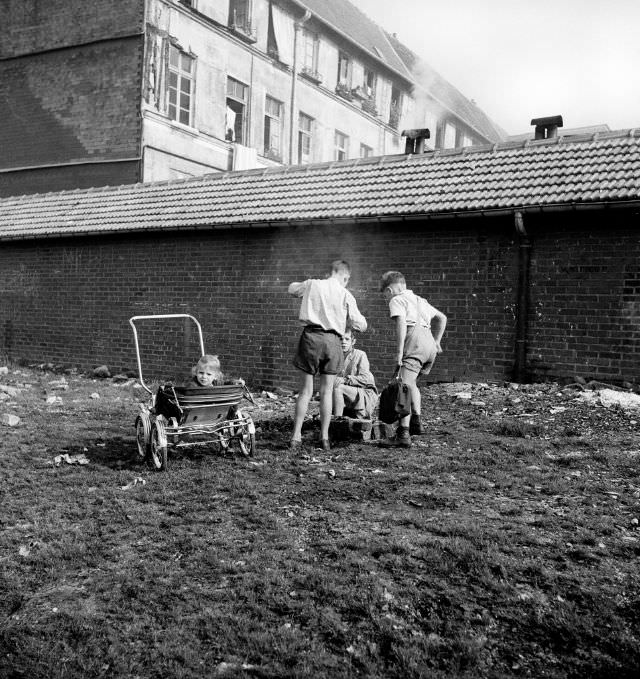
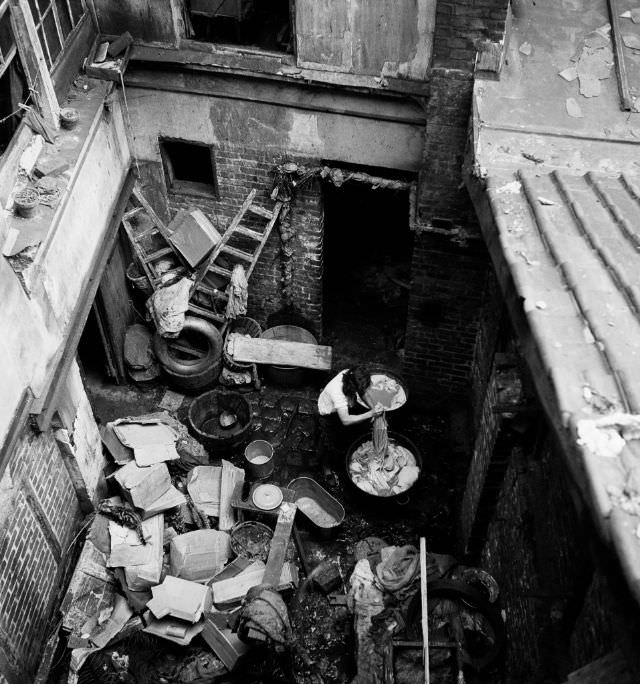
Rouen’s eastern districts in 1951 presented a different face from the well-known cathedral quarter. Courtyards between aging buildings served as communal outdoor spaces. Children gathered there, families hung laundry, and neighbors shared the limited space between walls that showed the wear of decades. These neighborhoods were dense, lived-in, and well away from tourist sight lines.
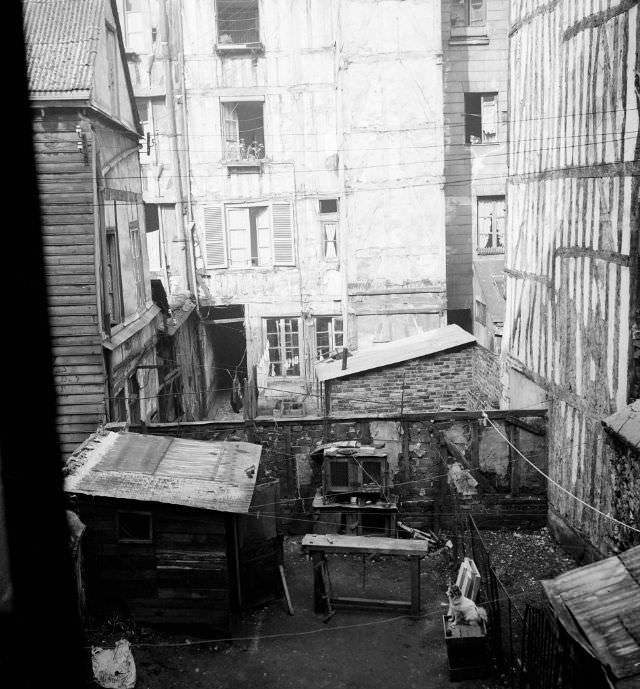
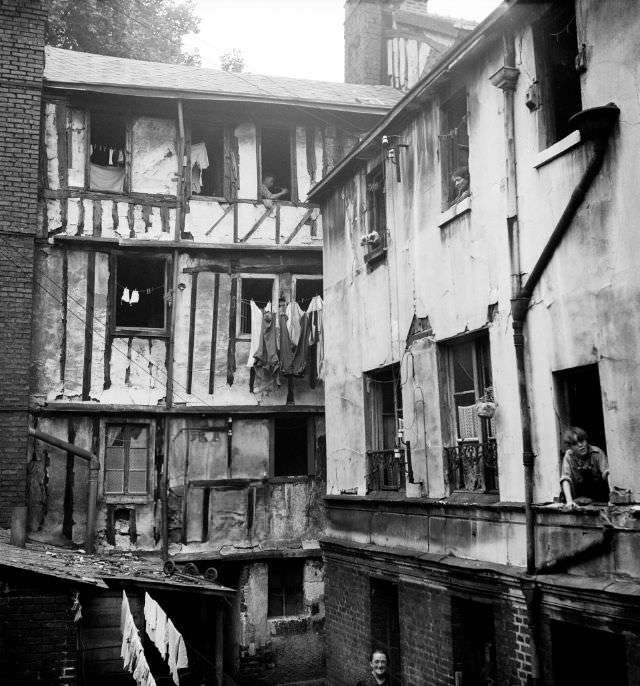
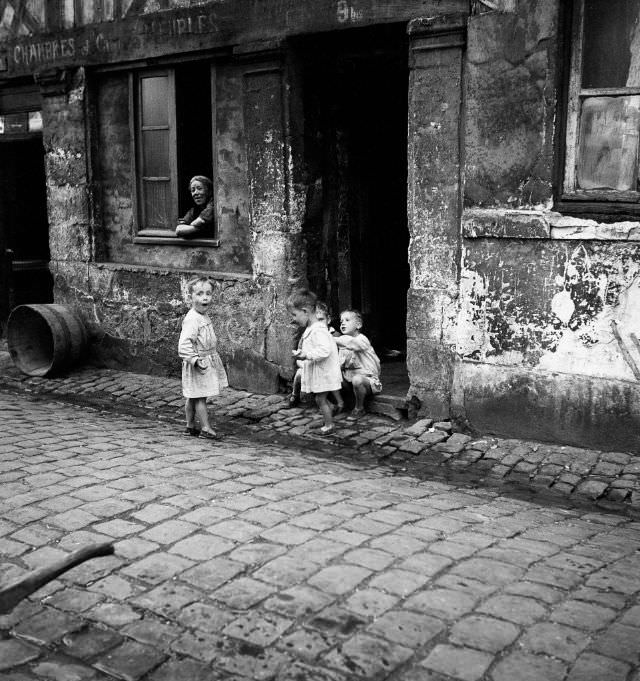
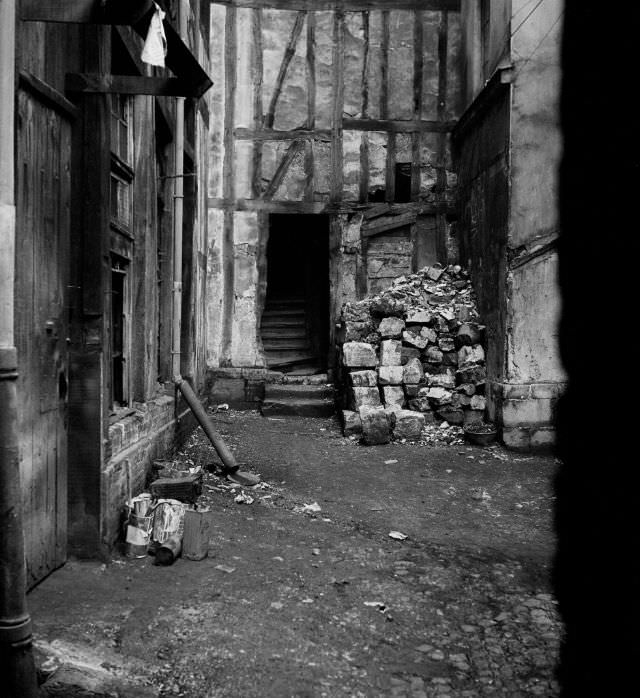
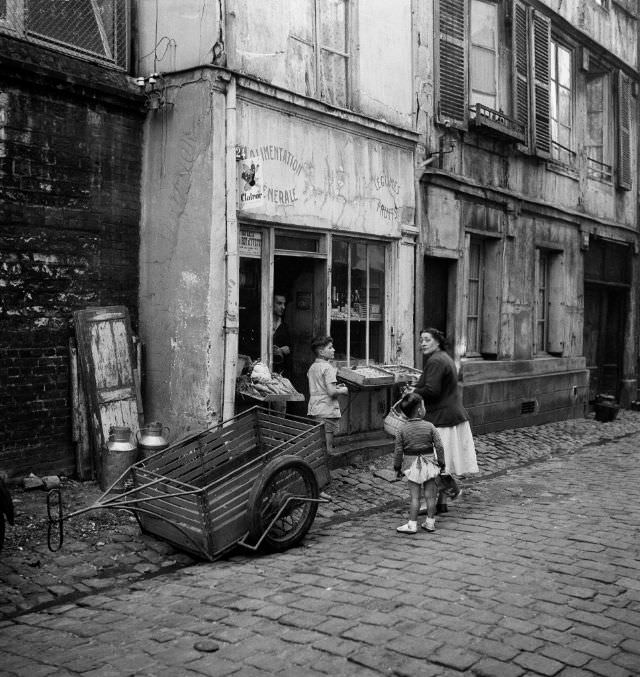
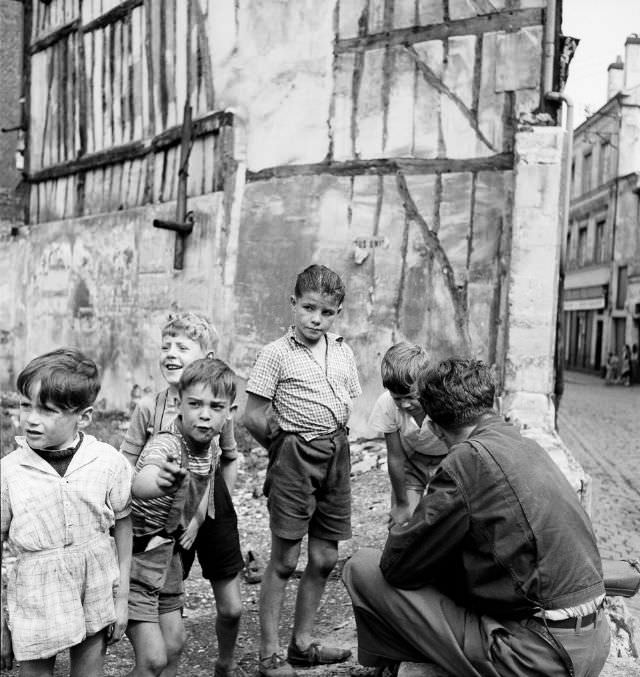
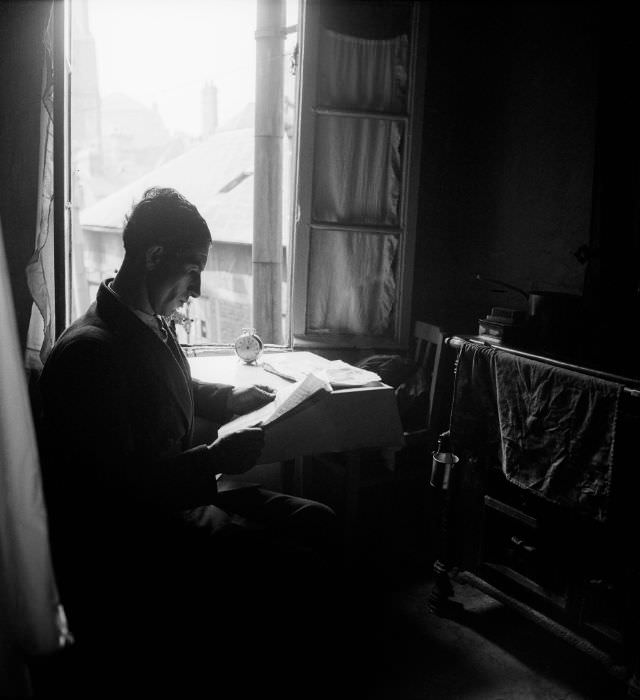
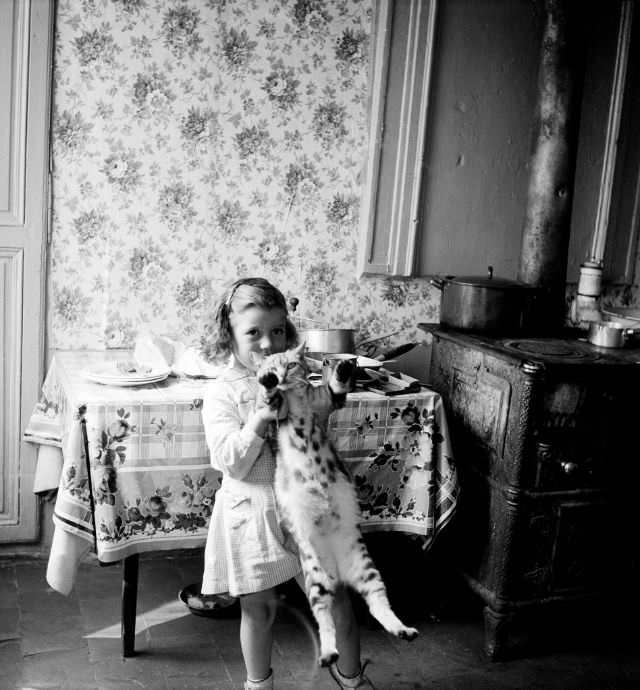
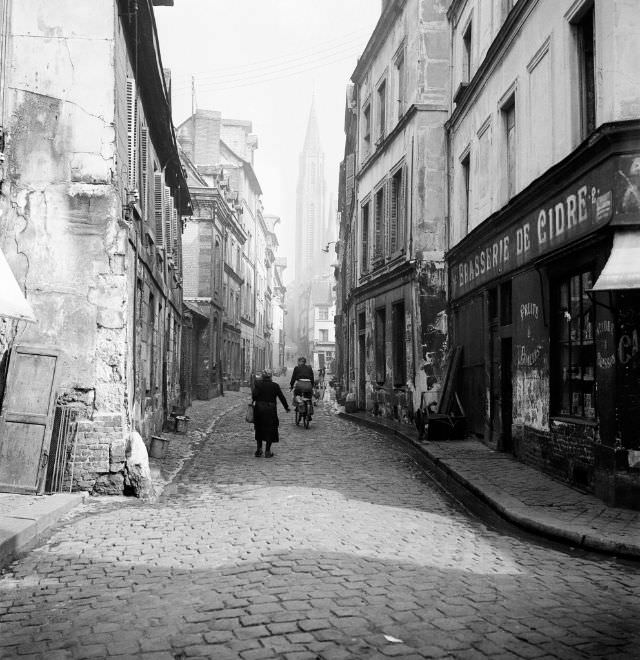
Along the Rue Eau-de-Robec — a street named after a small waterway that once ran openly through it — the atmosphere in 1951 was distinctly working-class. Homes along this street and its surrounding lanes showed the conditions typical of Rouen’s older residential quarters. A newsstand at Place Saint-Vivien served the neighborhood, while the tramway at Place du Lieutenant-Aubert connected residents to the rest of the city.
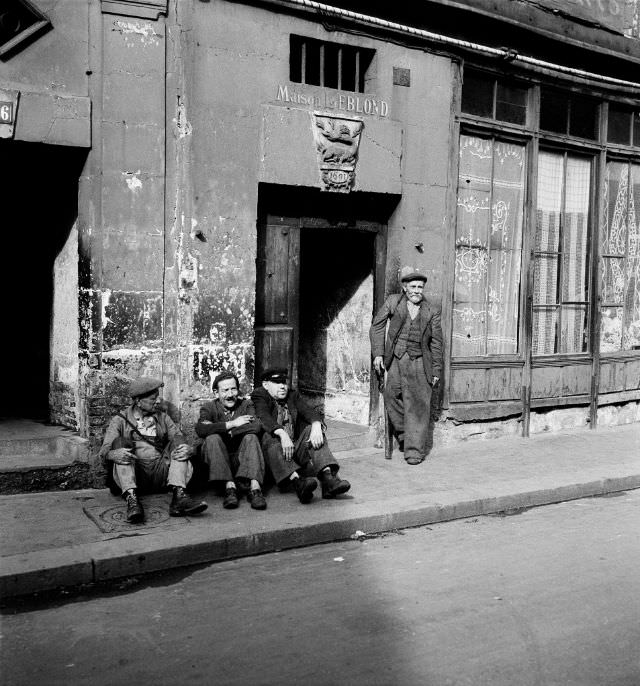
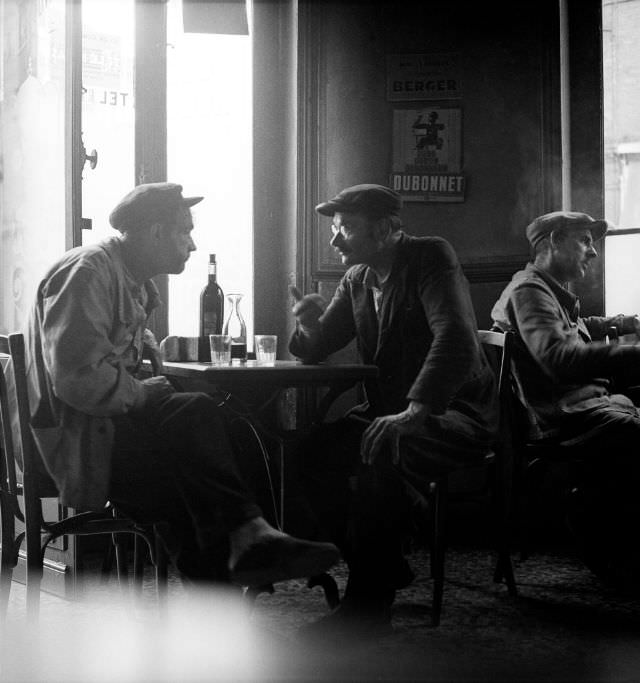
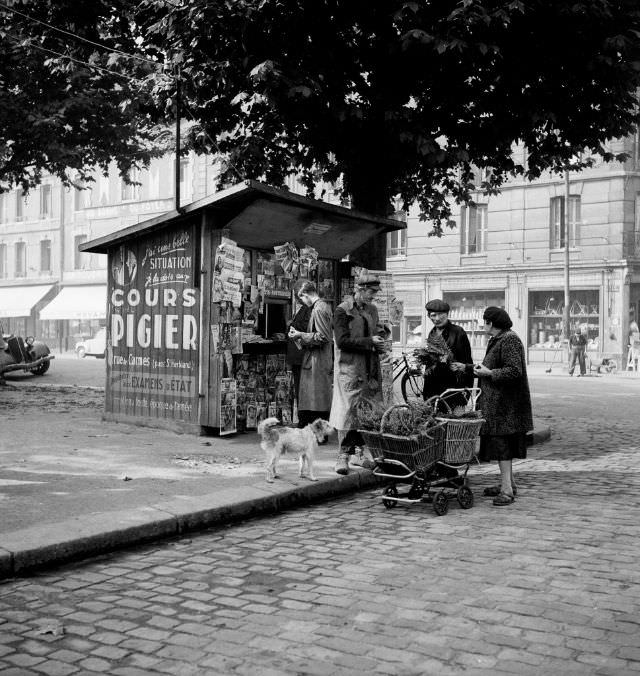
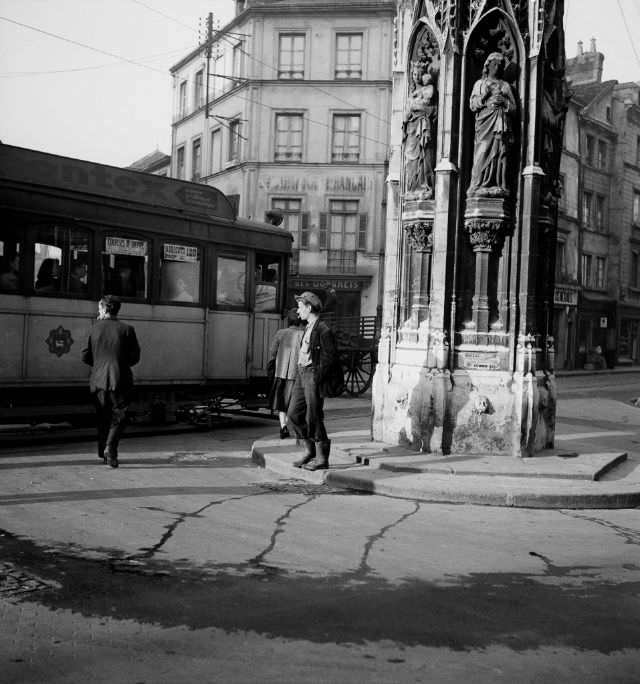
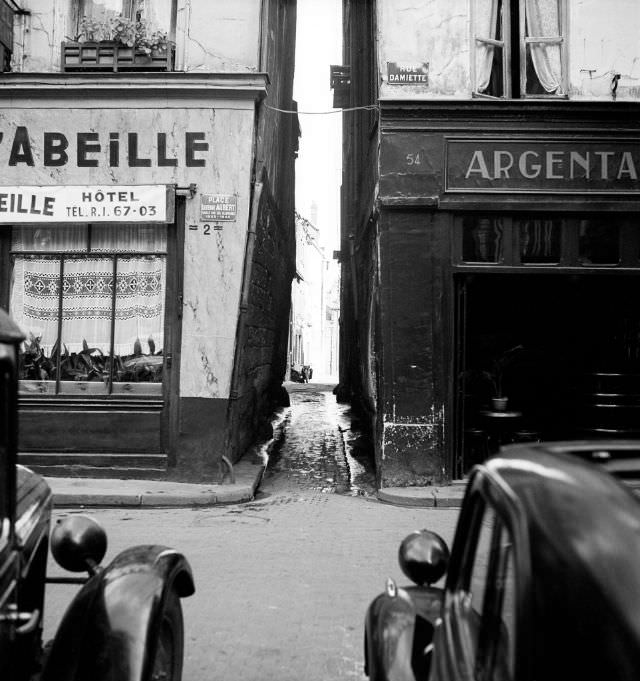
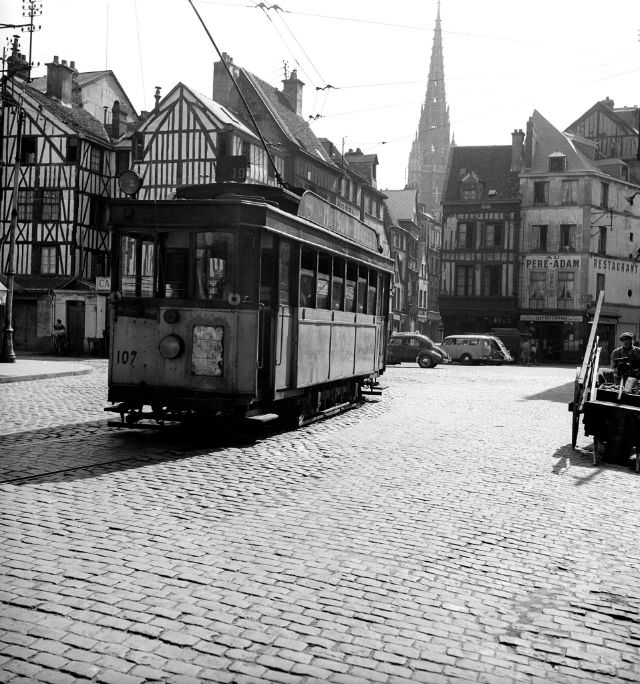
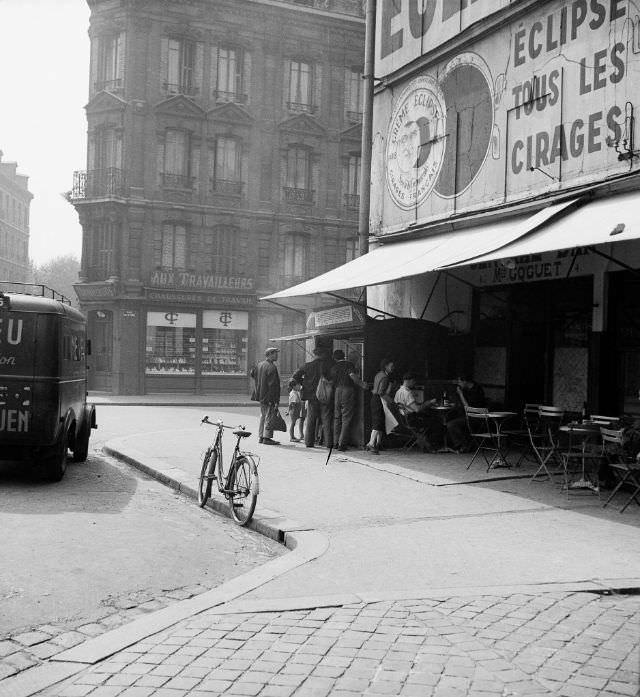
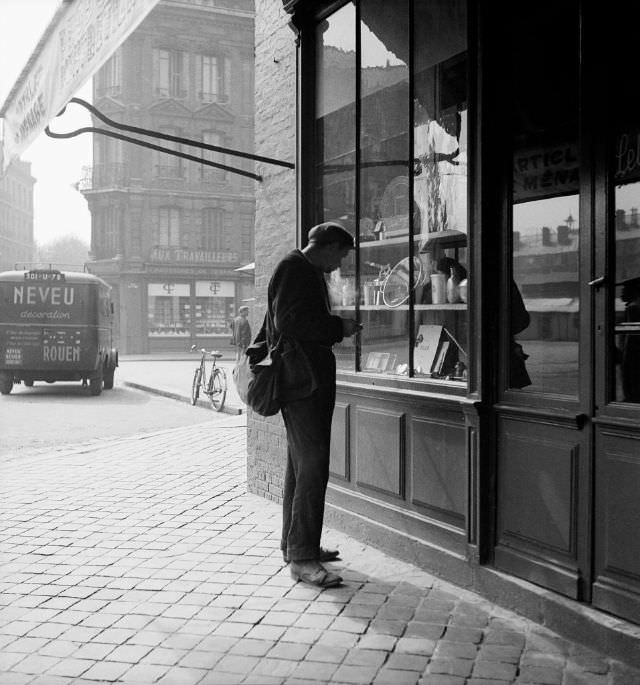
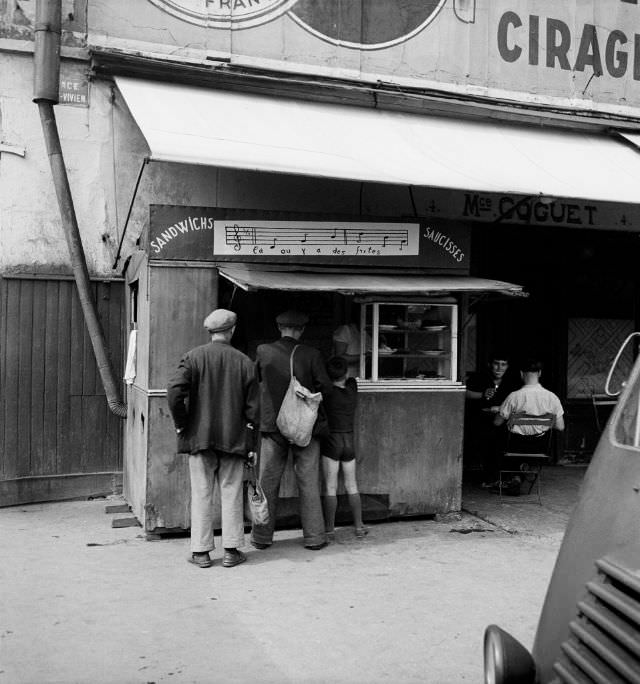
The smaller streets of Rouen’s eastern quarters — Rue Brutus, Rue de la Cigogne-du-Mont, Rue du Pavillon, Rue du Rempart-Martainville — each told their own version of the same story. Narrow lanes, modest storefronts, and plain stone or plaster walls defined these blocks. They were residential streets built for function, not show, and the September 1951 photographs document them without embellishment.
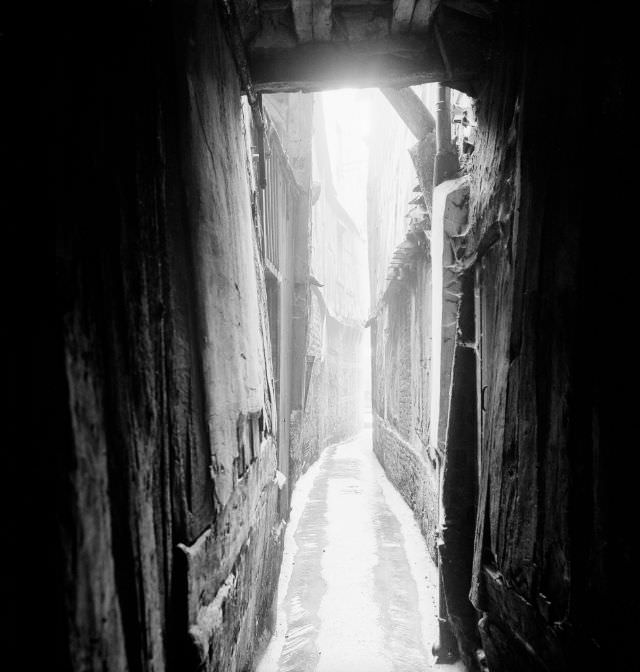
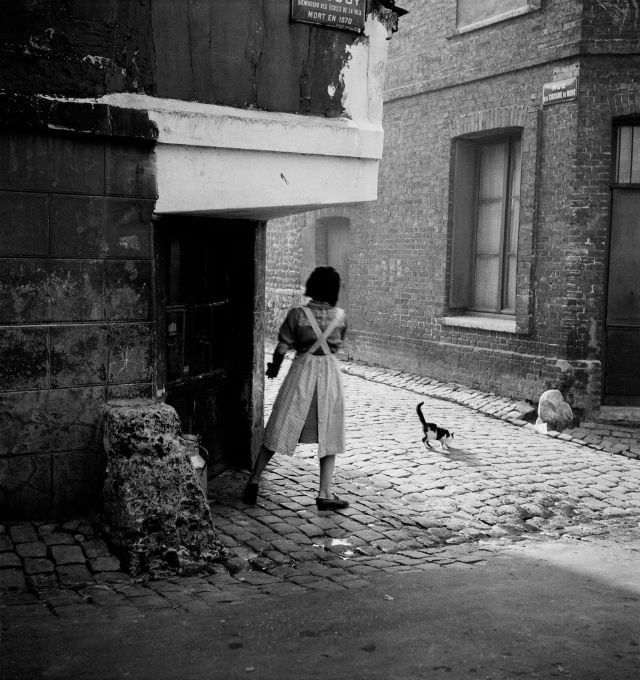
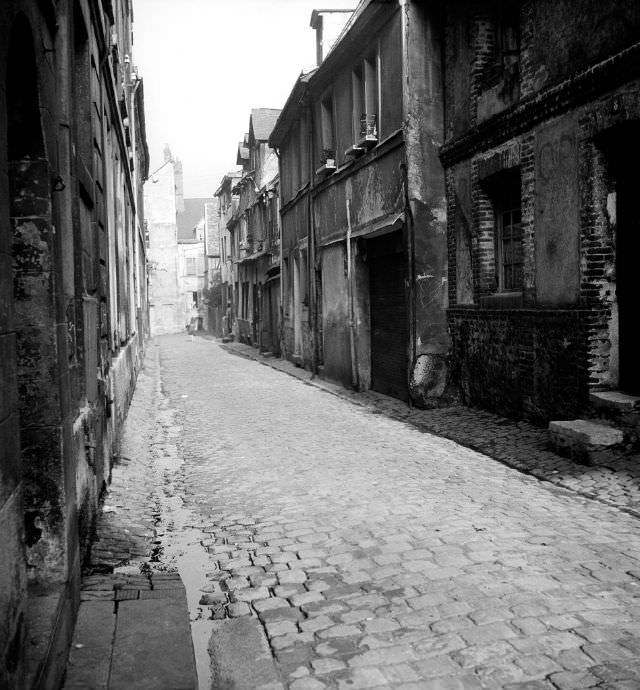
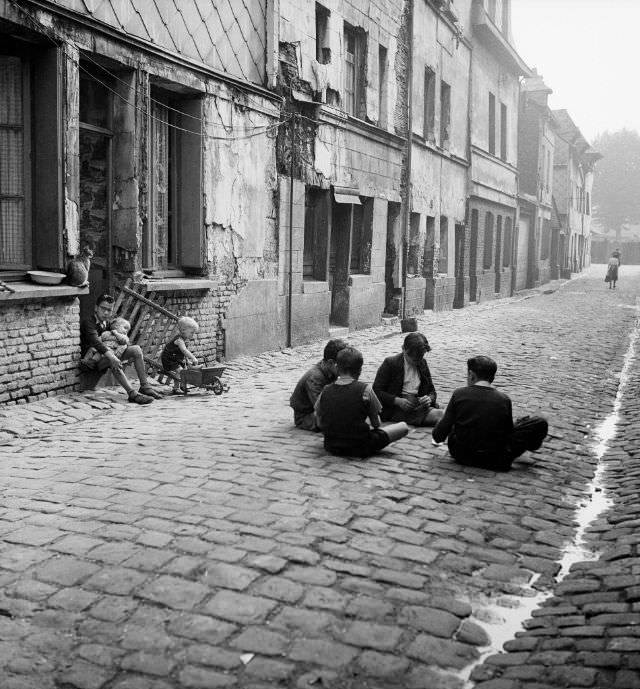
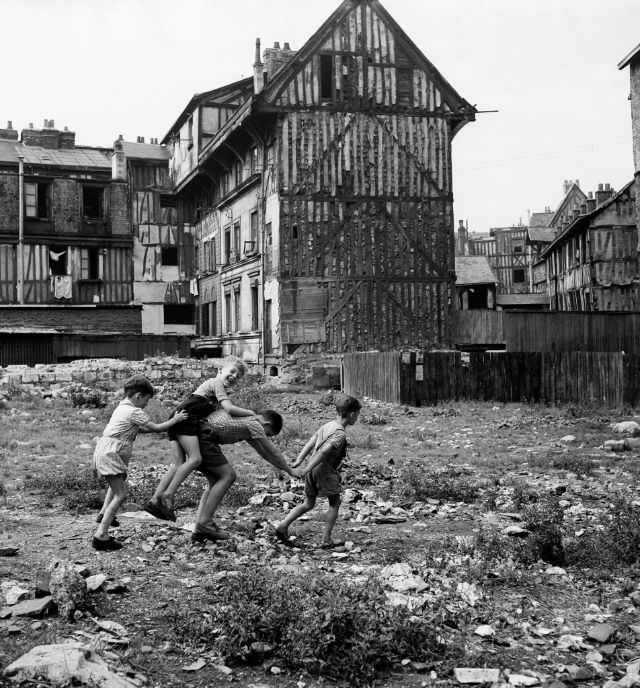
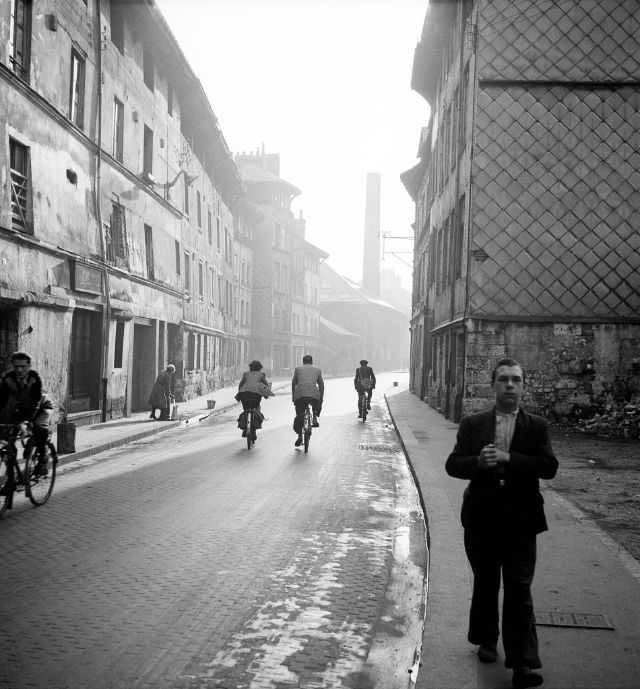
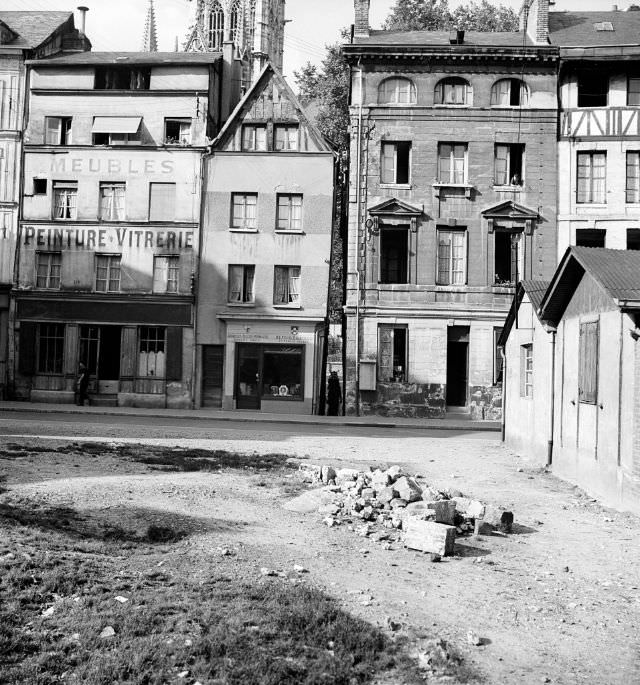
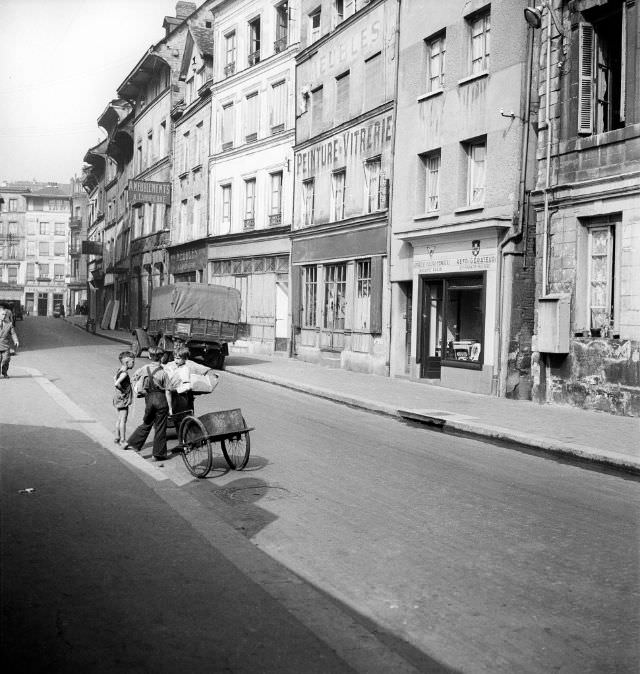
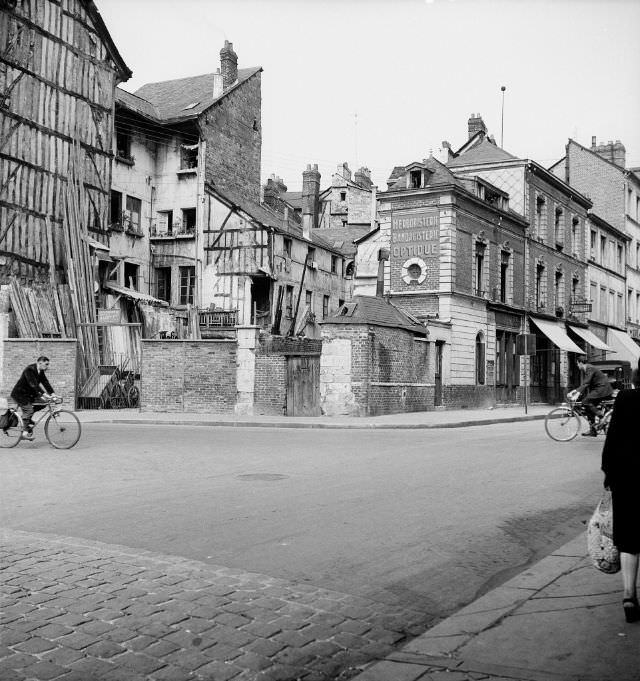
The Grande Famille Rouennaise occupied the former convent of the Ursulines — a religious order that had maintained a presence in Rouen for centuries. By 1951, the building had been converted into a social institution serving working-class families. Children were photographed playing out front, while the old convent walls stood as a reminder of the structure’s long history in the city.
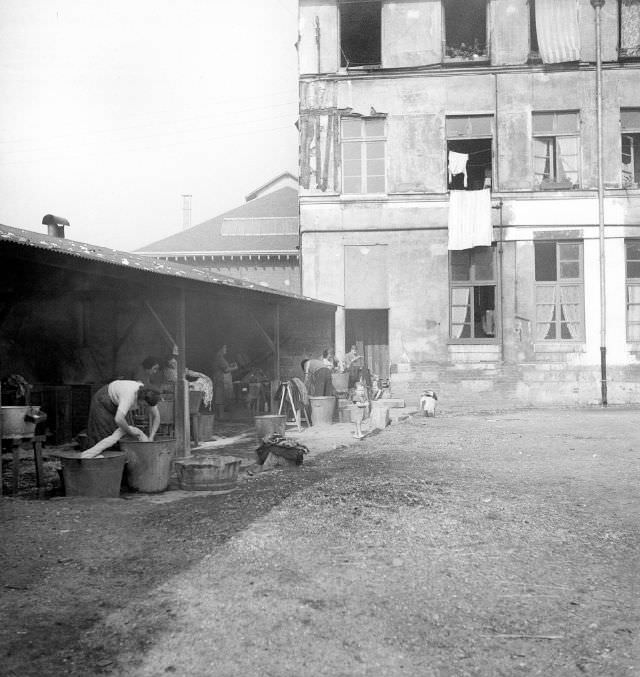
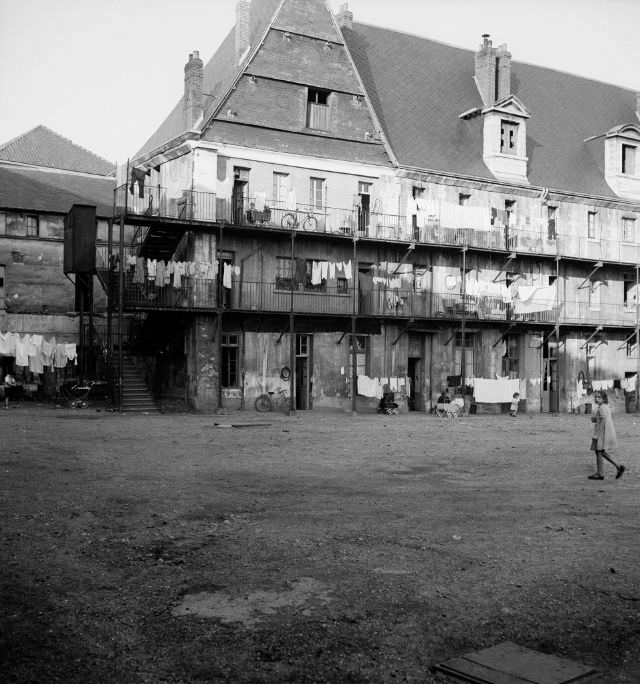
Back at rue Marin-le-Pigny, a final set of images from September 1951 shows the intimate details of life within the building’s courtyard. A section of peeling wall records years of weather and neglect. A woman does laundry outside, as indoor plumbing was far from universal in Rouen’s older residential buildings at the time. These photographs, taken together, form one of the most complete ground-level records of Rouen’s postwar working-class neighborhoods.





These are fabulous. I enjoyed them.
Trop bien, merci pour le partage !
Étonné de ne pas voir d’eau rue Eau-de-Robec.
Ça fait bizarre de voir la ville de son enfance, et de celle de ses parents, et de celle de grand-parents, et de celle de ses arrières grand-parents, …
Je suis frappé à quel point certains bâtiments peuvent être vieux, à l’époque, et toujours debout aujourd’hui! Ou bien, neuf pour l’époque, et vieux aujourd’hui!
#67 : église Saint-Maclou
Excellent, émouvant de voir ces gens, ces visages et ces décors. Penser que mes parents avaient 1 ans et pourraient, peut être apparaître au détour d’une photo. Merci
J’adore cette photo avec les énormes fromages posés sur le trottoire rue du Gros Horloge. Je pense que la notion de norme sanitaire n’avait pas encore été inventée.