
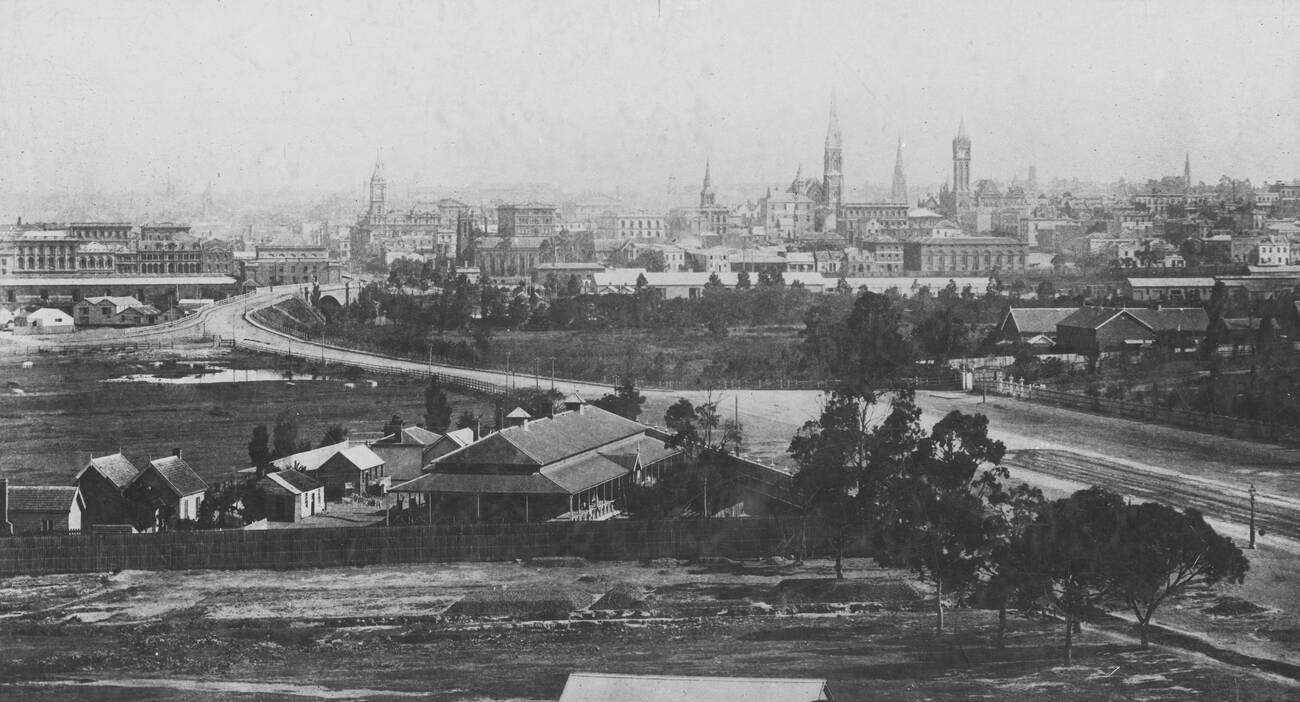
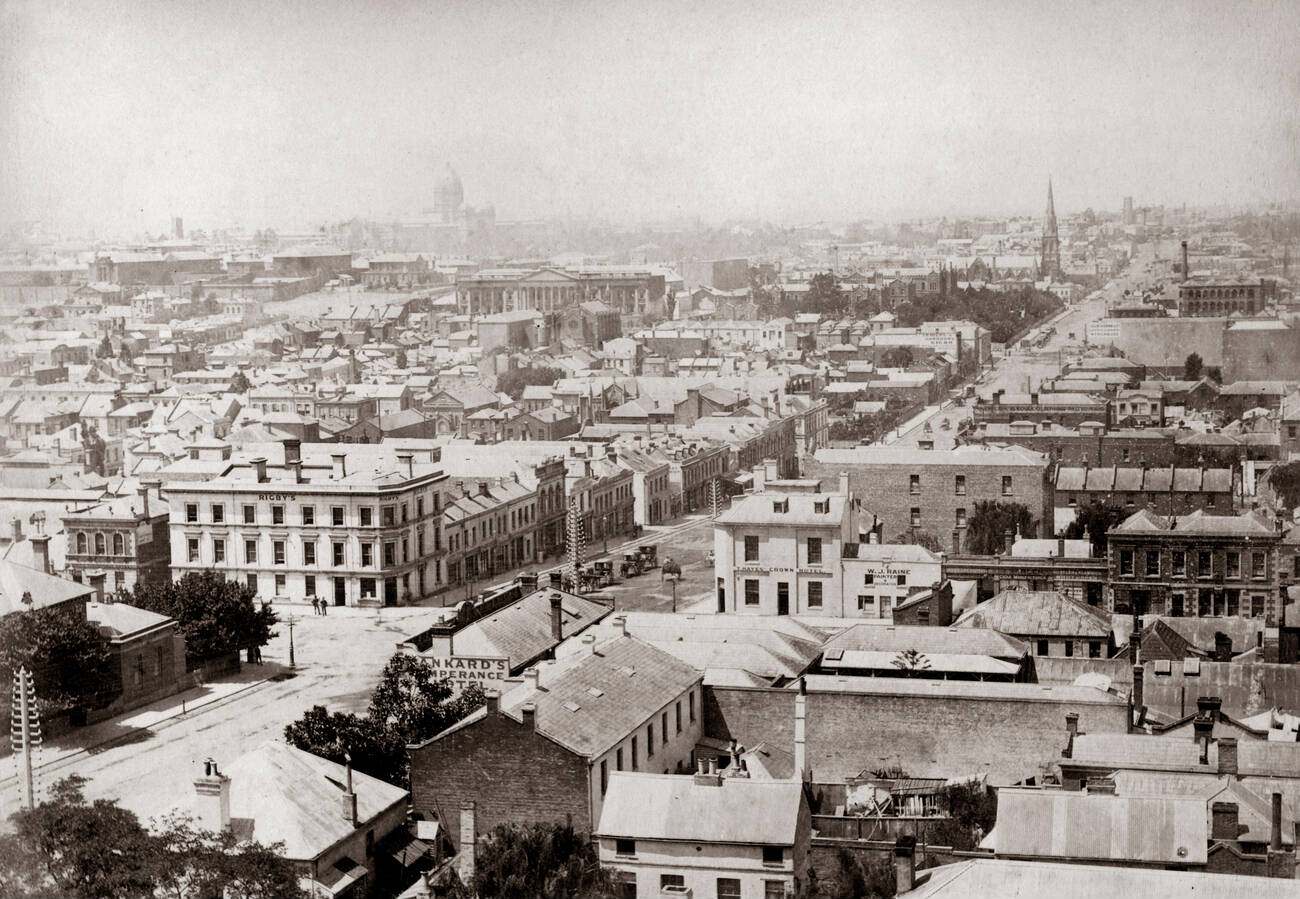
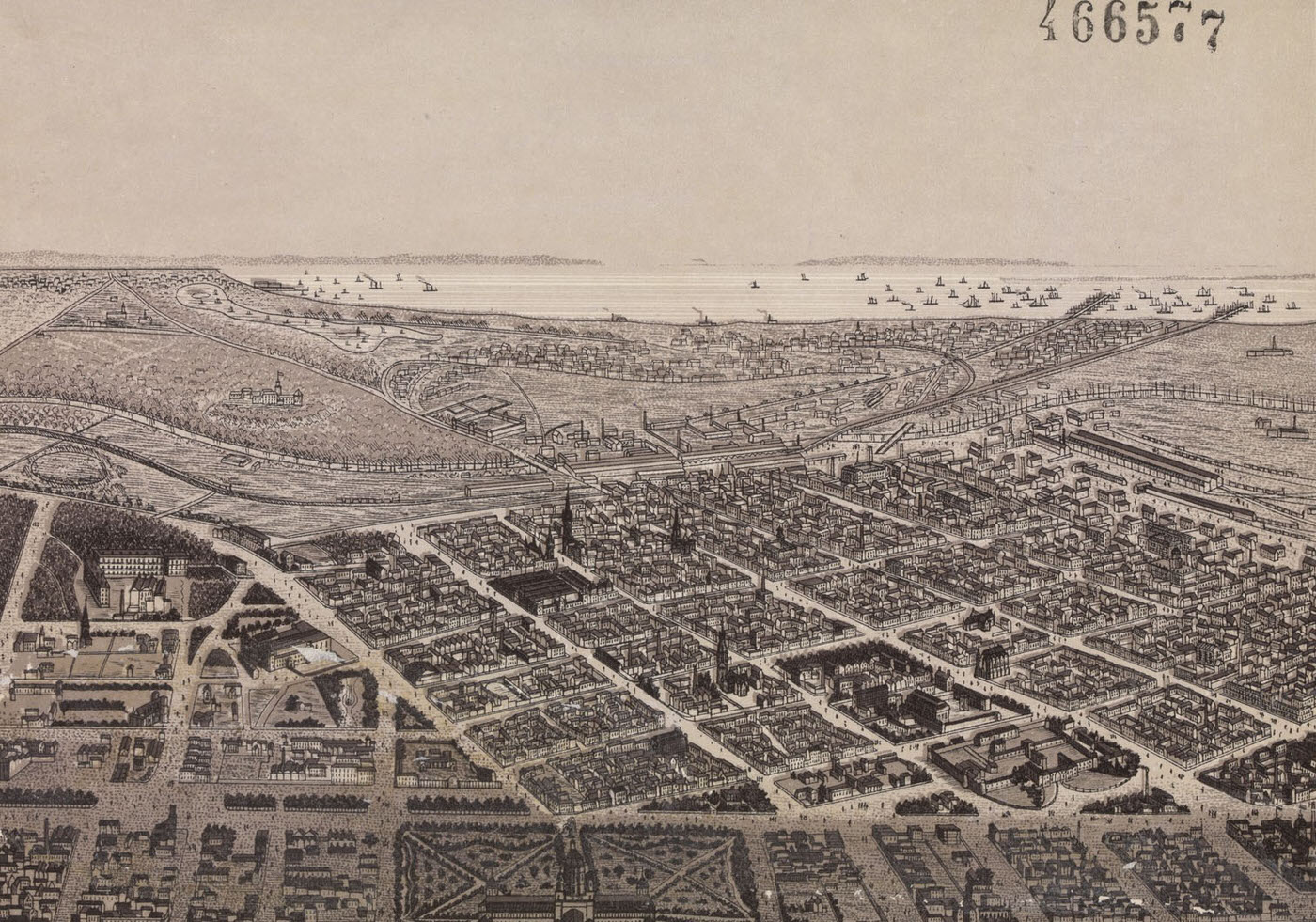
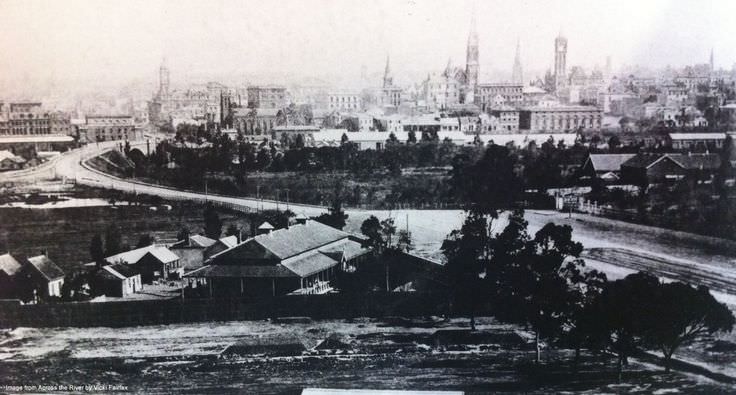
By 1880, Melbourne was no longer the rough colonial settlement it had been just a few decades earlier. It was a city in full motion — streets filling with people, construction crews raising stone buildings, and ships unloading goods at busy wharves. The population stood at around 300,000 at the start of the decade and surpassed half a million before it ended, making Melbourne one of the fastest-growing cities in the world at that time.
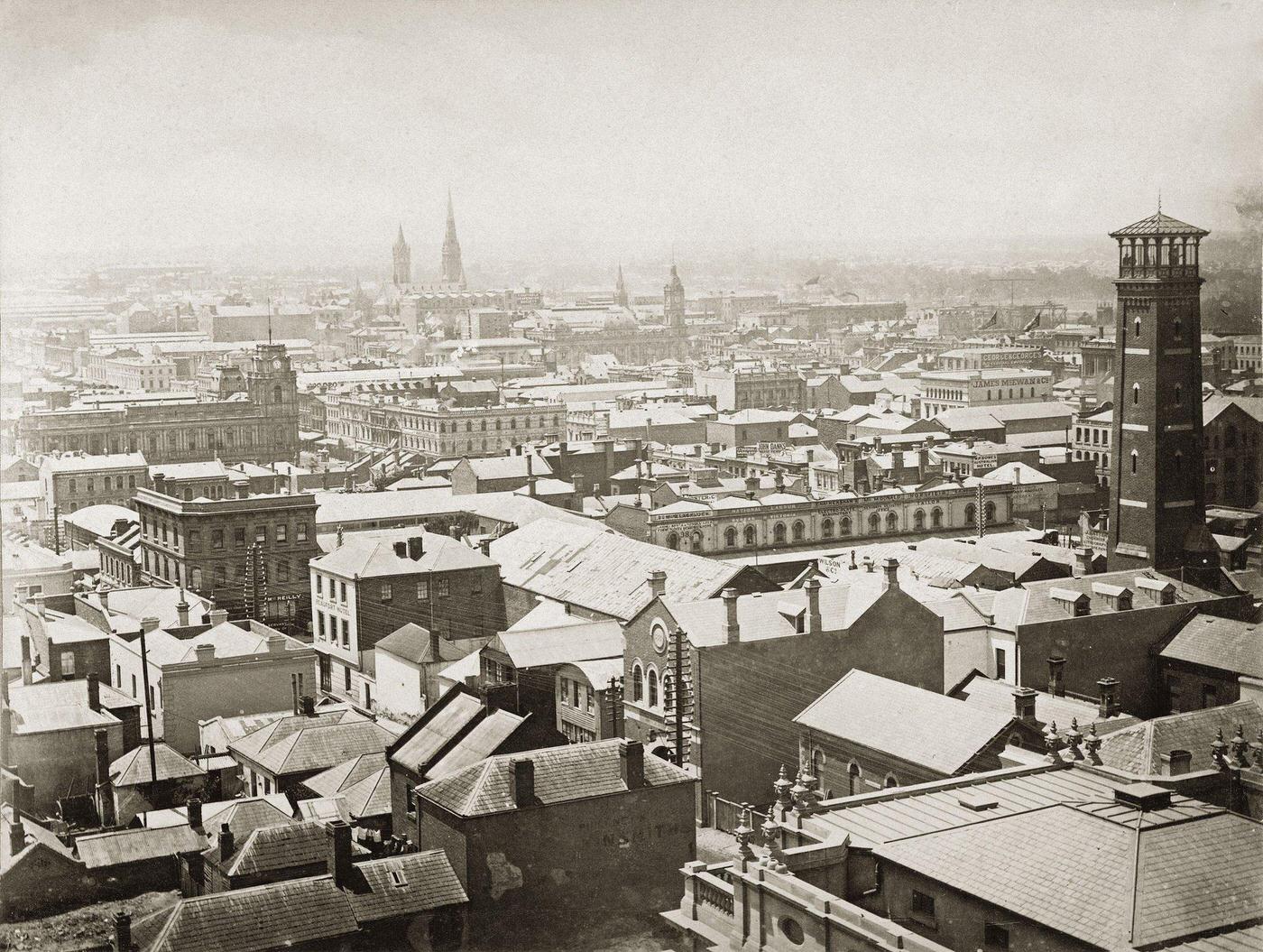
The engine behind this growth stretched back to the 1850s. The discovery of gold in Victoria brought tens of thousands of people to the colony, and the wealth generated from those goldfields flowed directly into Melbourne. The city used that money to build — roads, bridges, public buildings, parks, and an expanding network of services to support a population that kept arriving faster than the infrastructure could keep up.
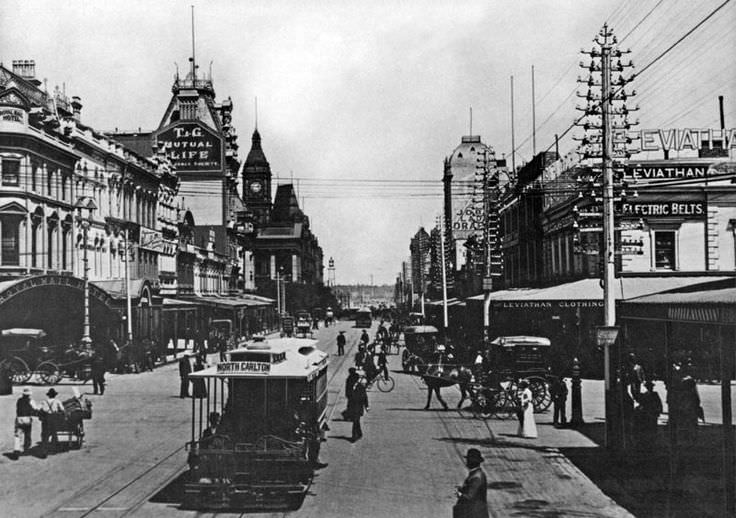
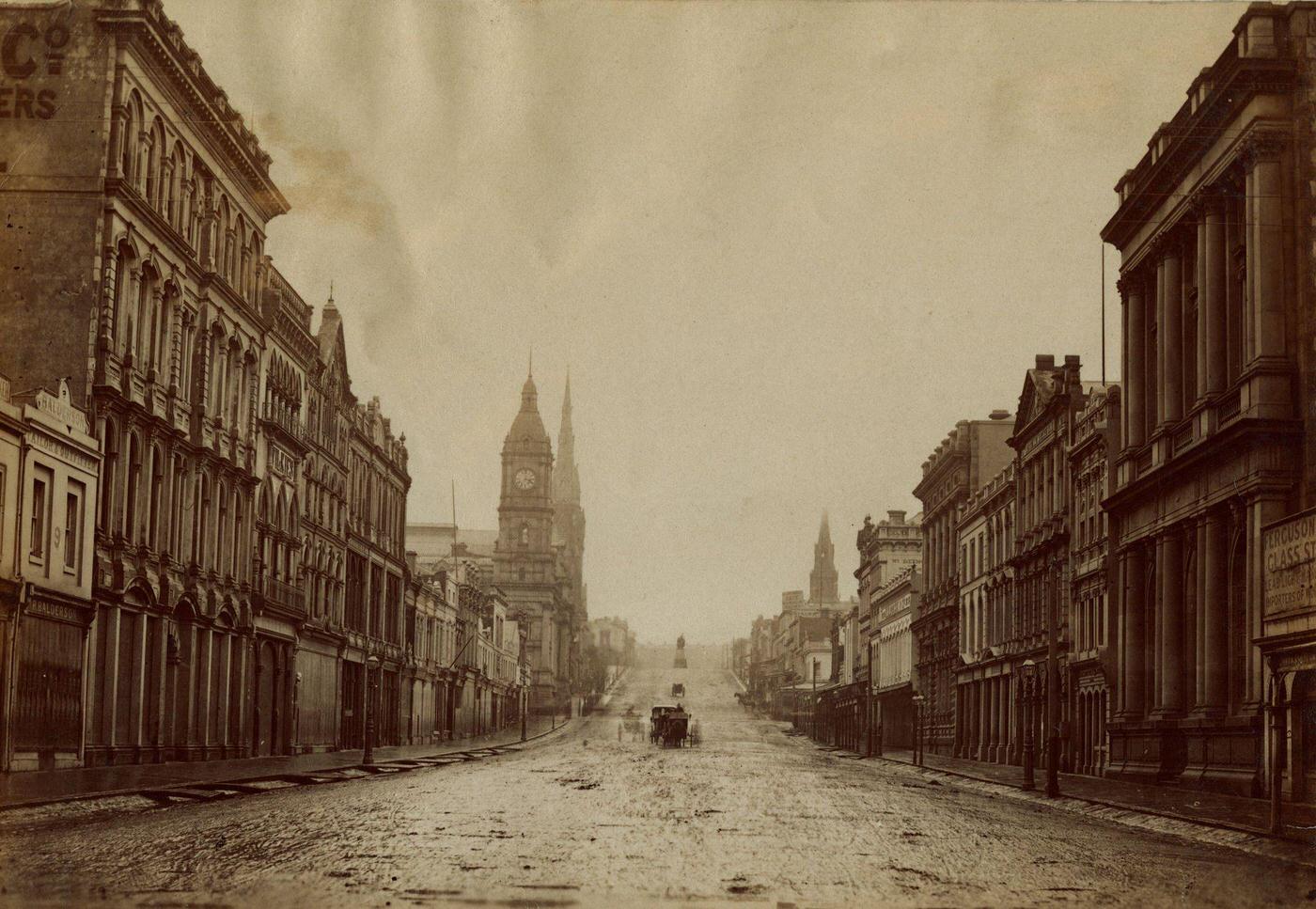
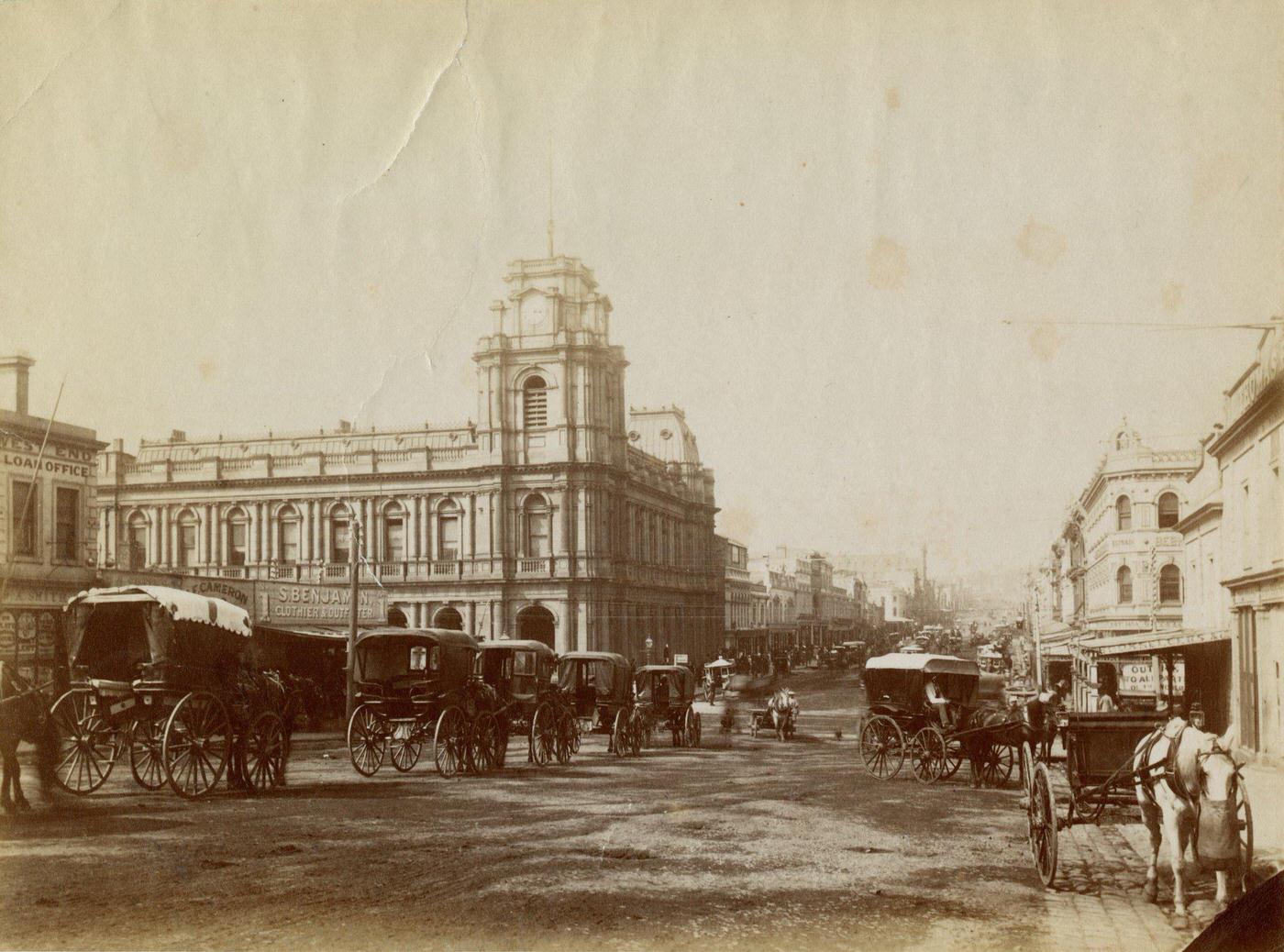
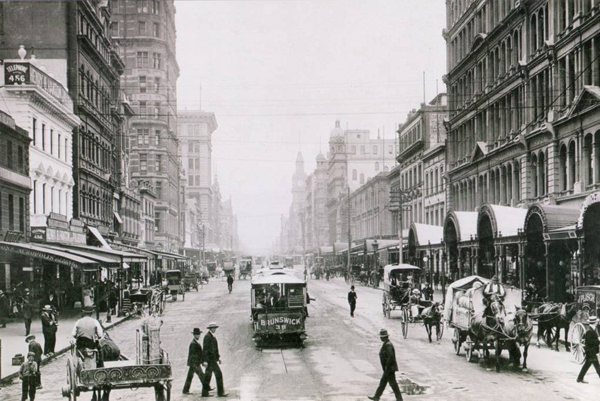
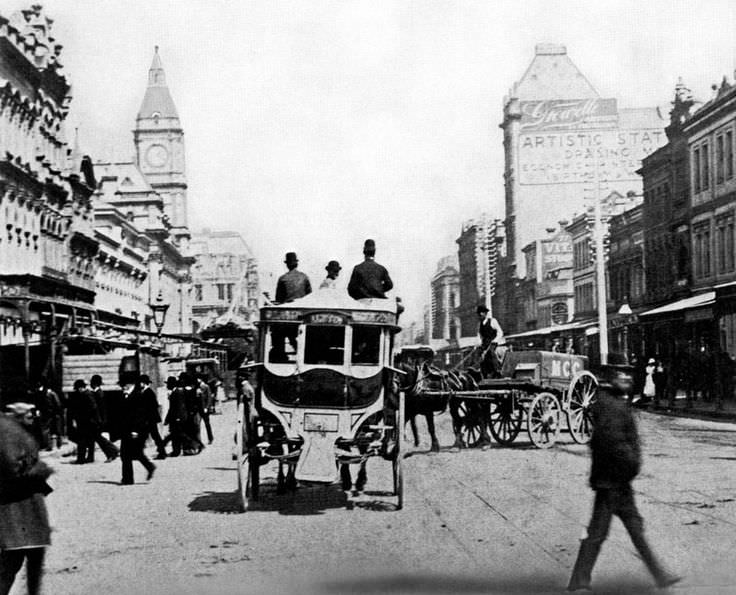
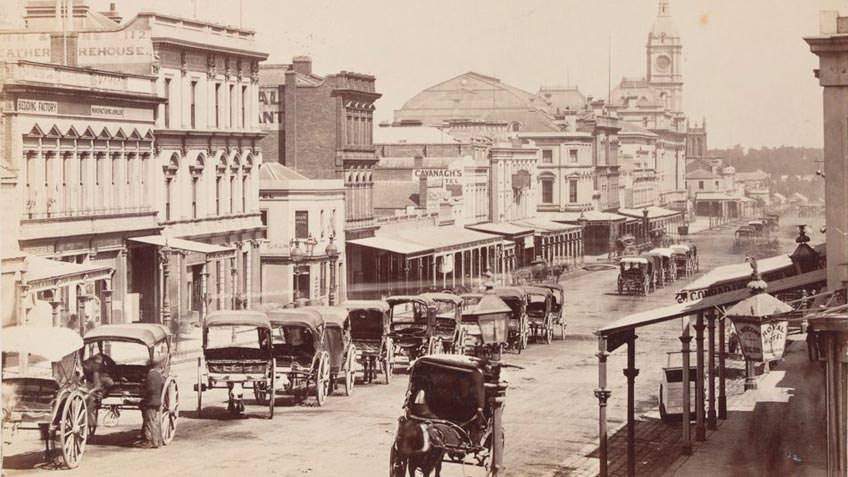
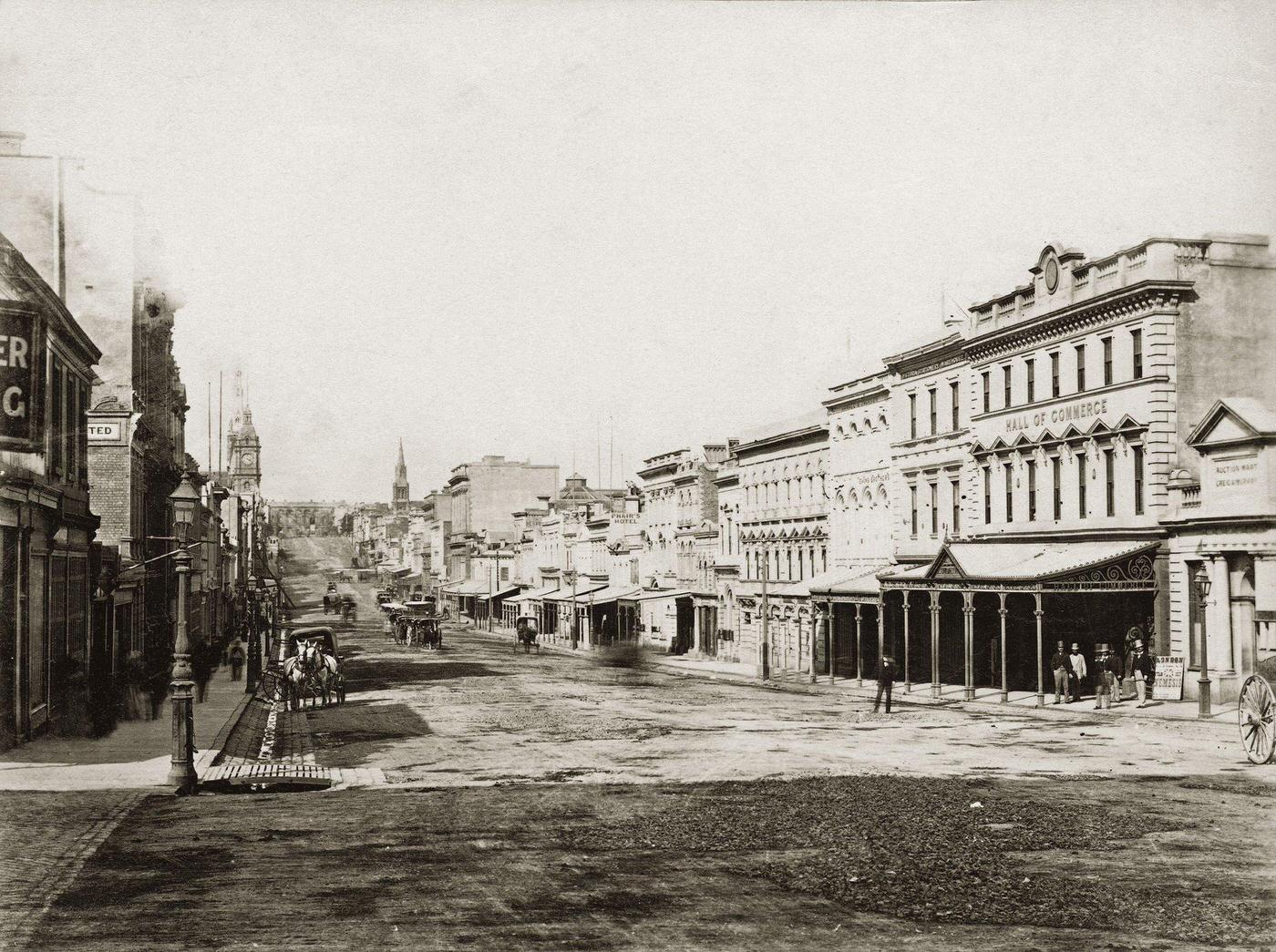
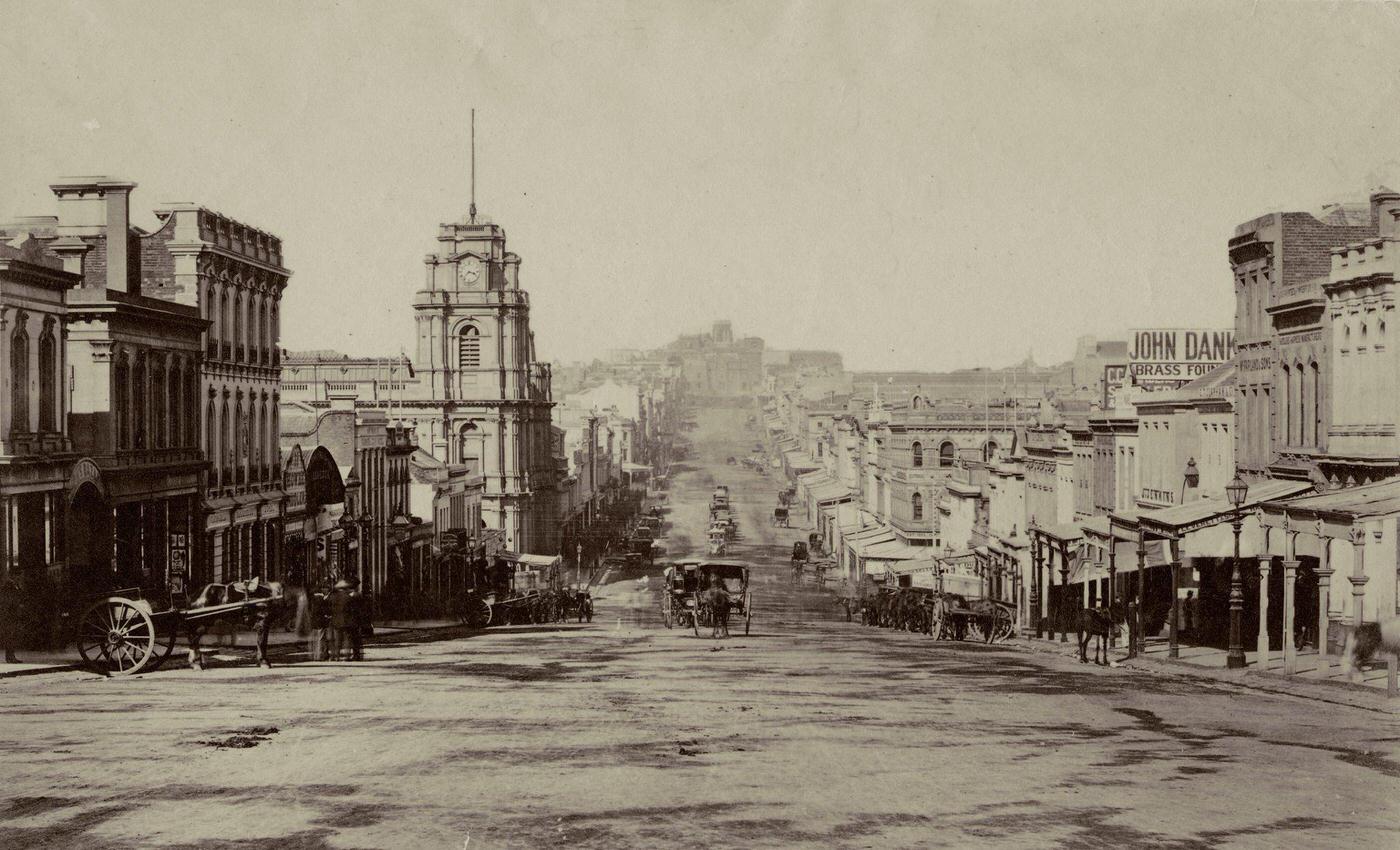
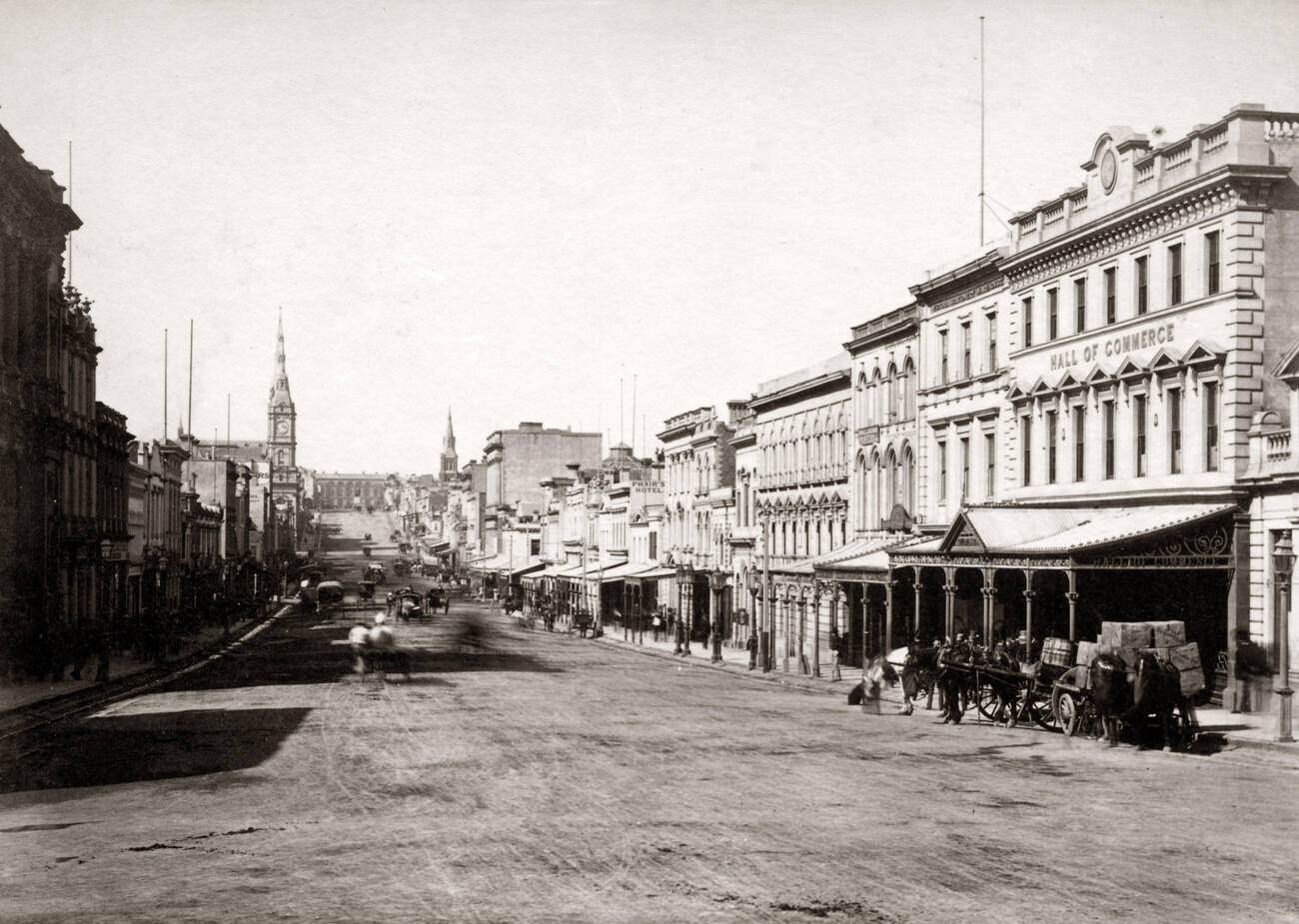
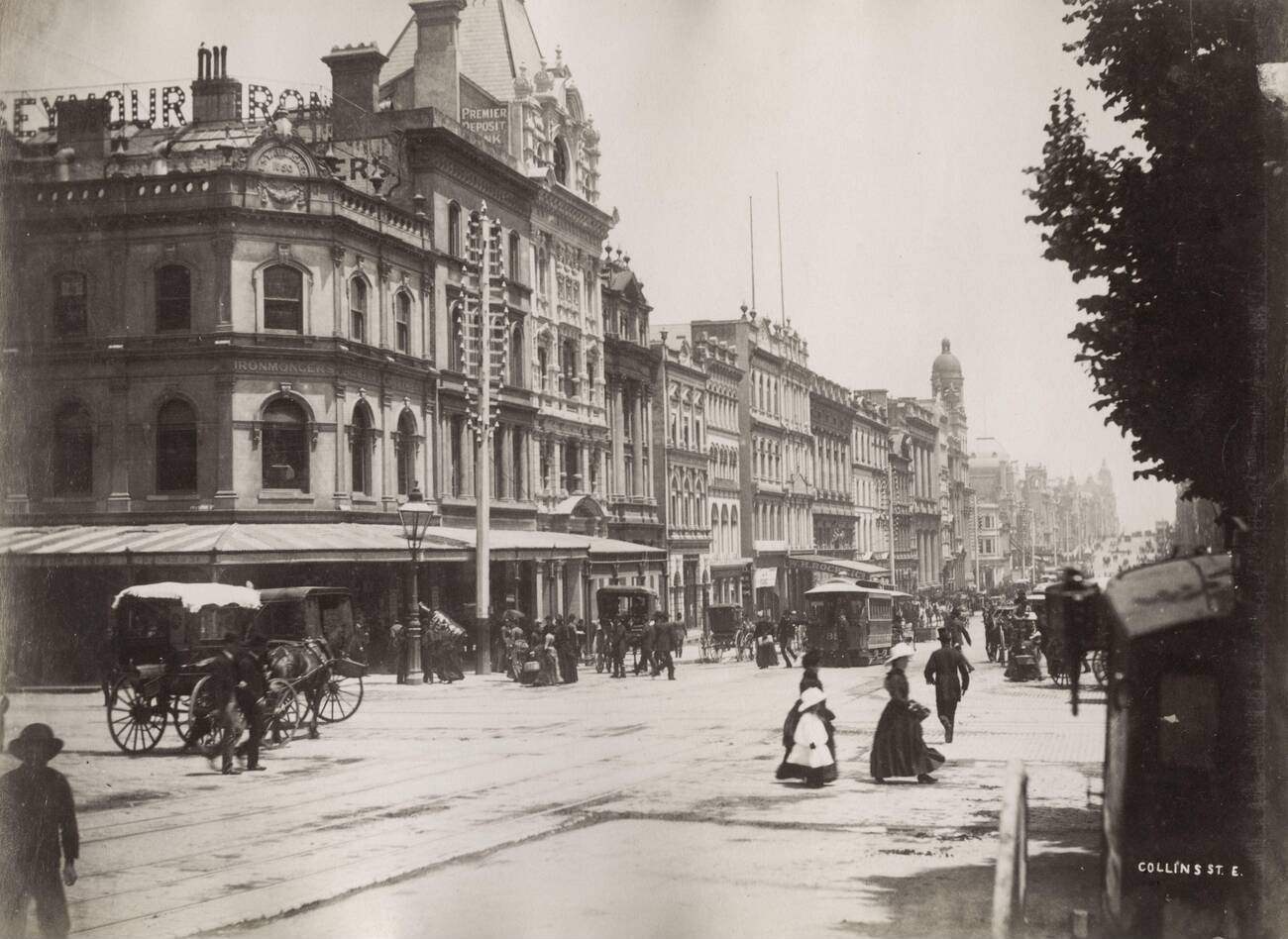
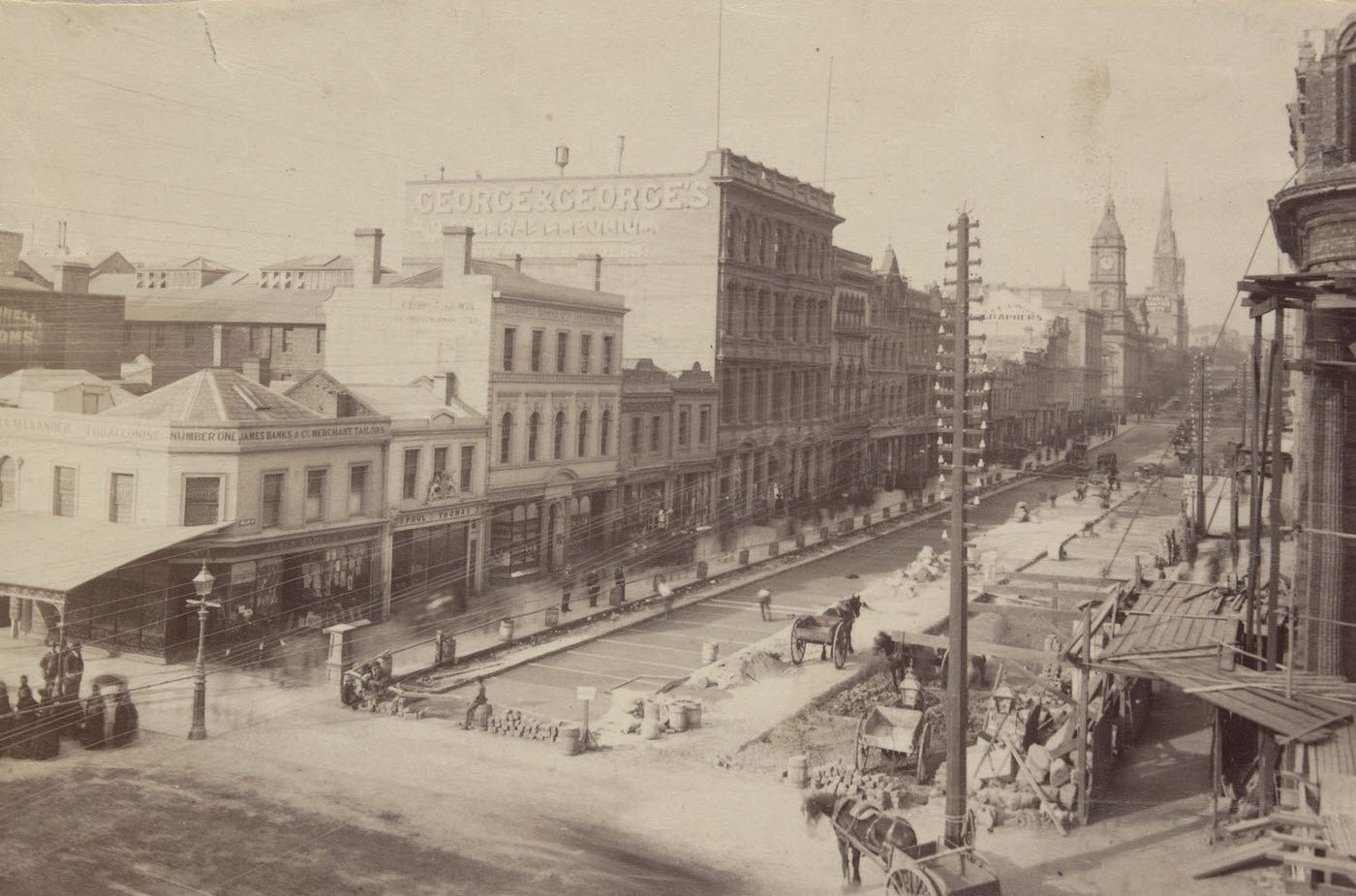
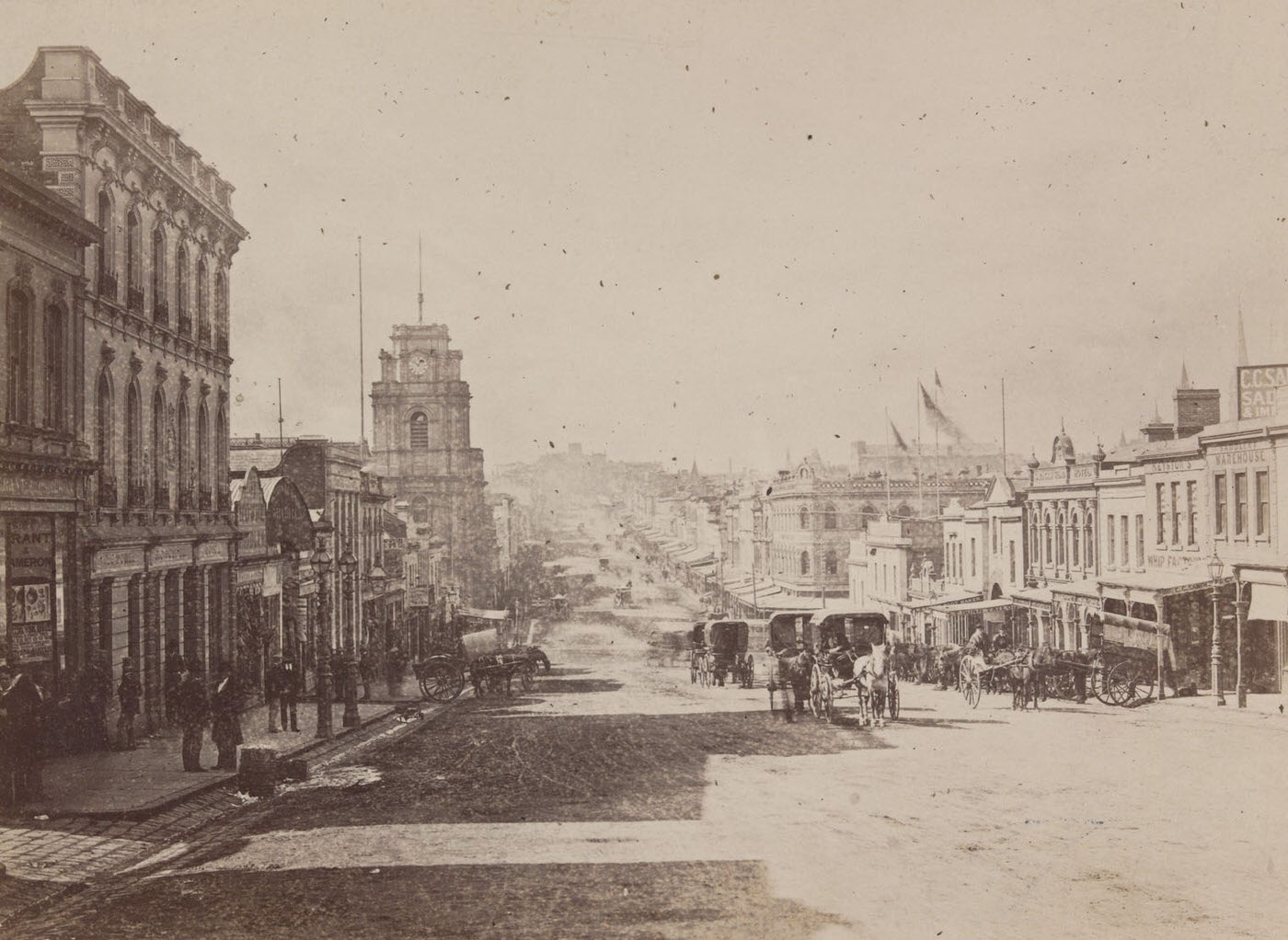
The streets of central Melbourne reflected this ambition. Bourke Street and Collins Street were lined with substantial commercial buildings, hotels, and shops. Horse-drawn vehicles crowded the roads, and pedestrians filled the footpaths at all hours. The city grid, originally laid out in the 1830s, now buzzed with the kind of activity that placed Melbourne alongside the great cities of the British Empire.
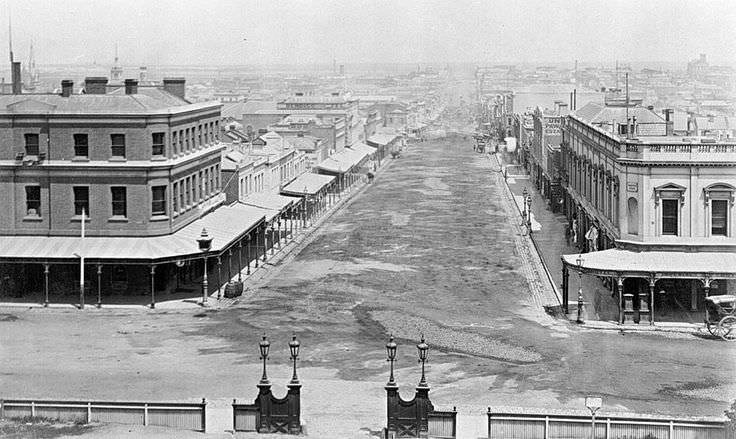
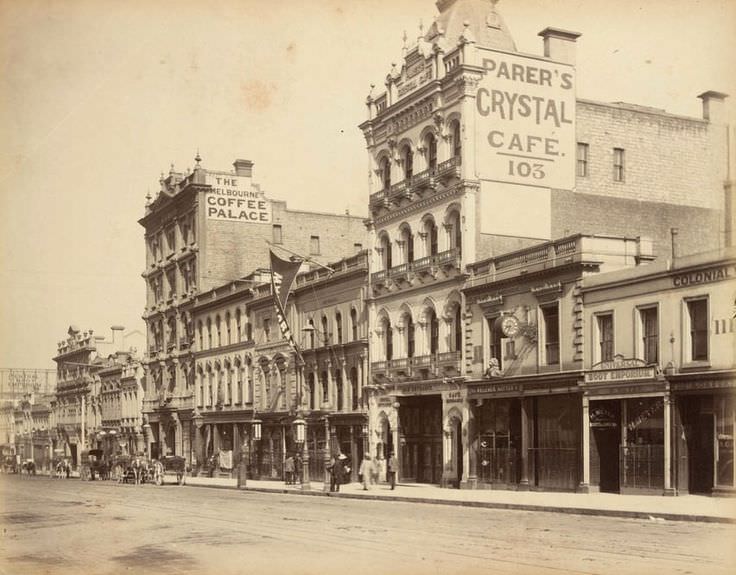
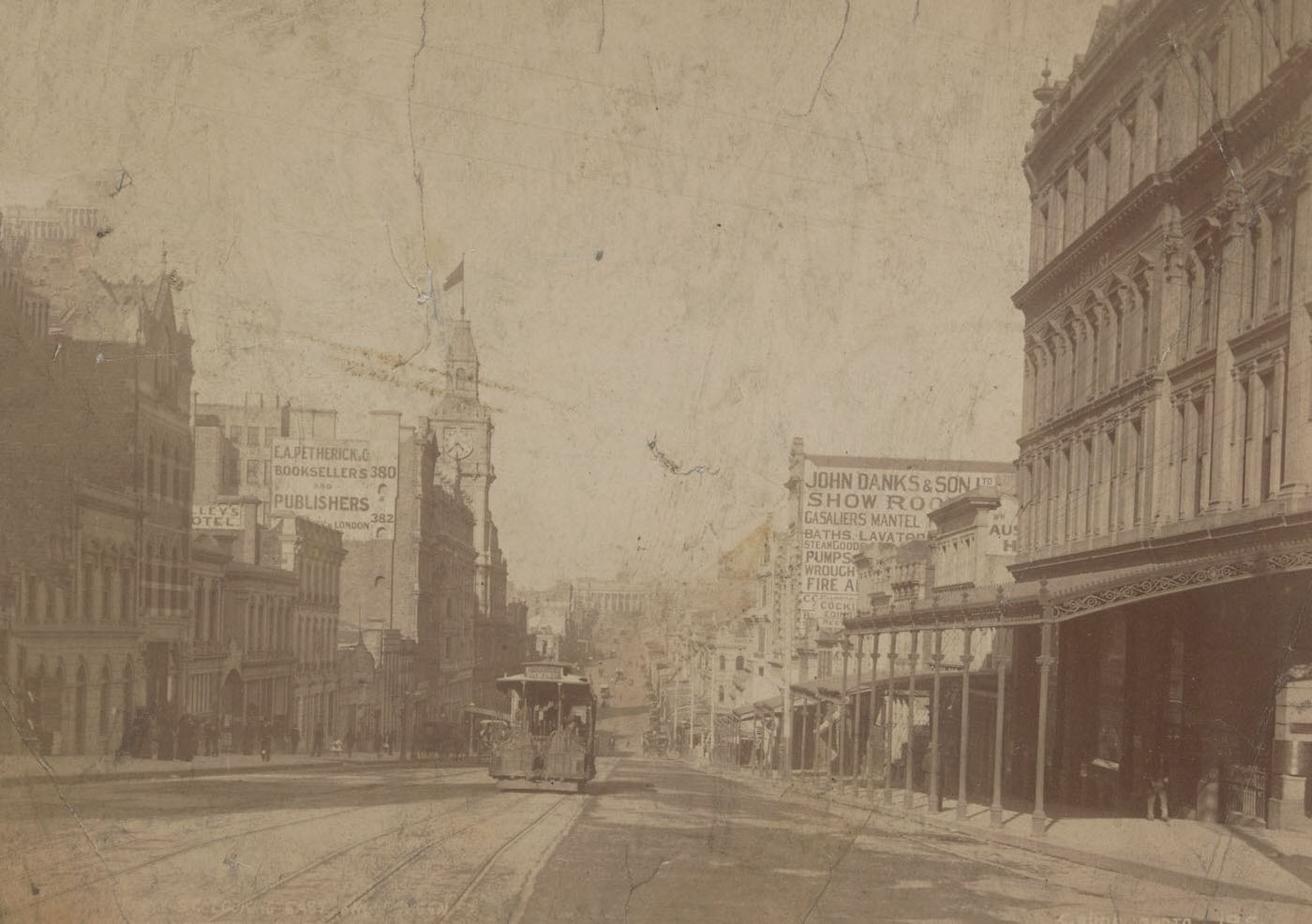
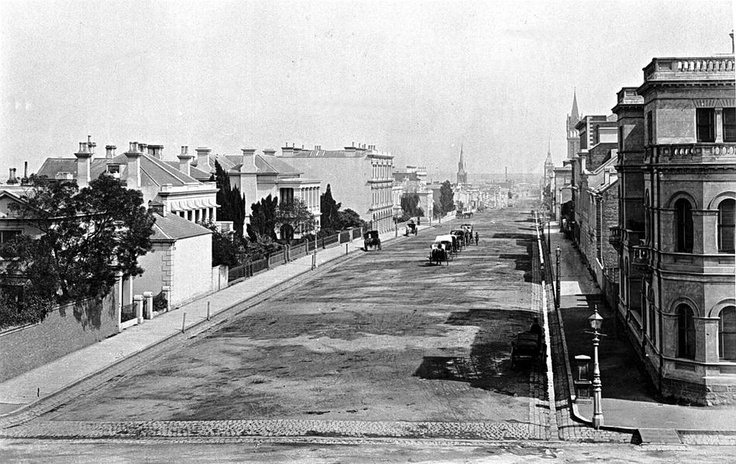
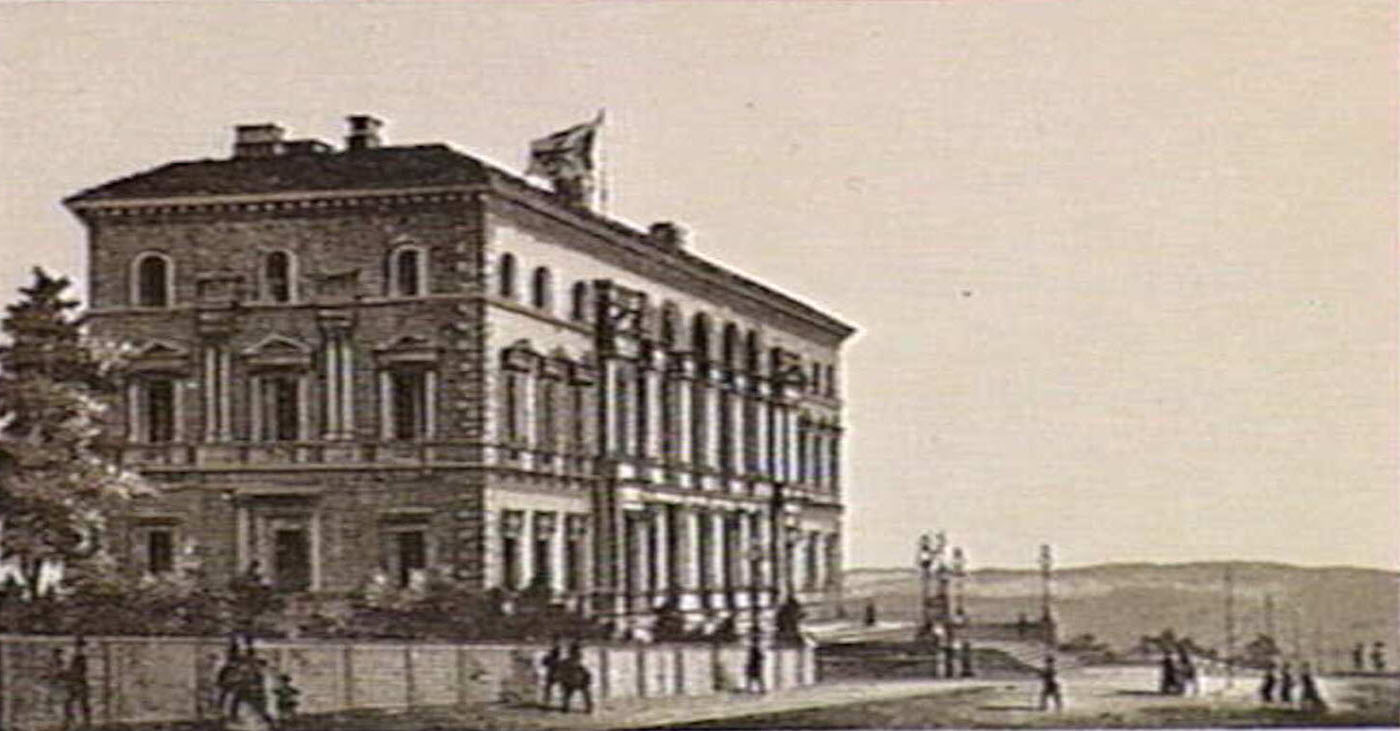
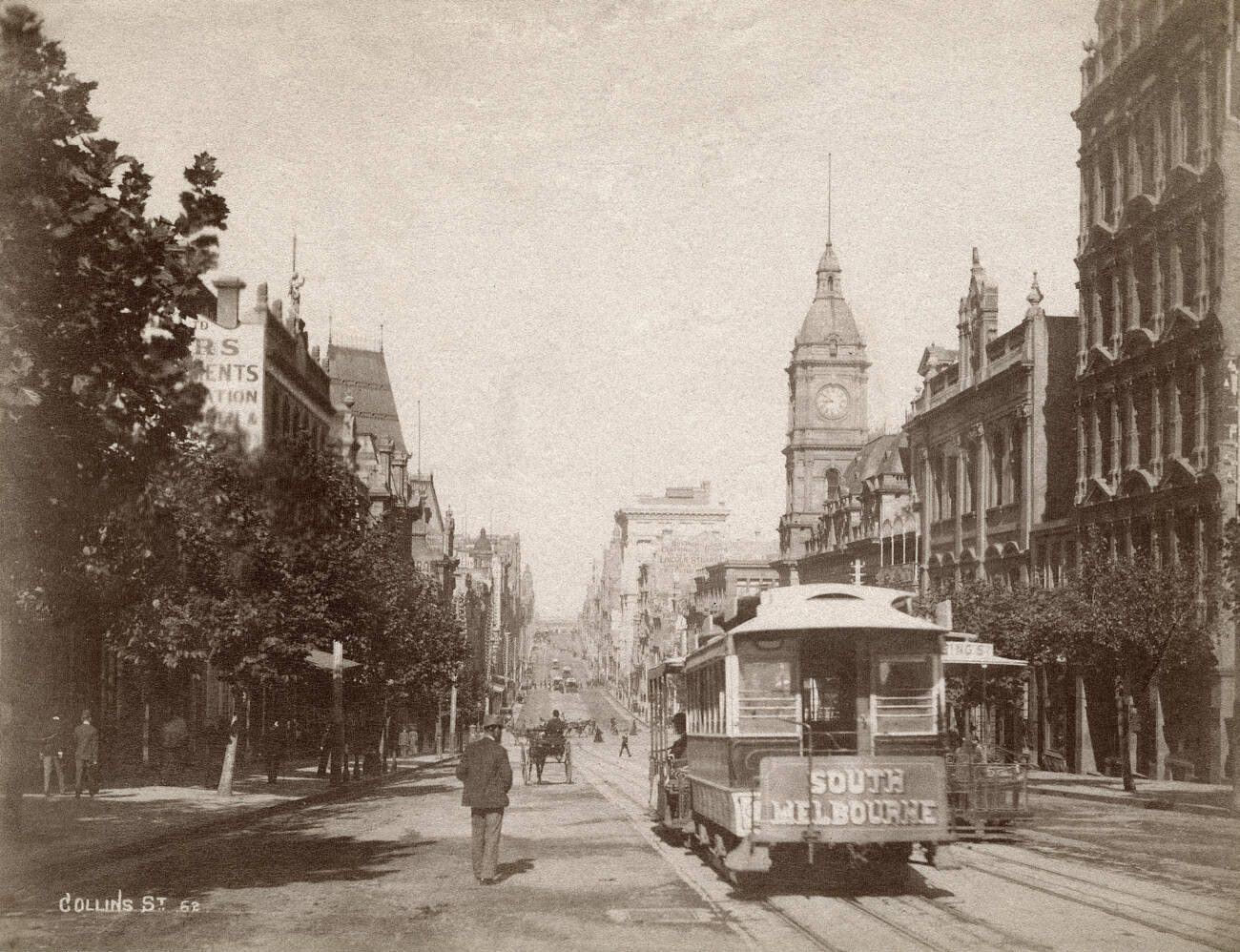
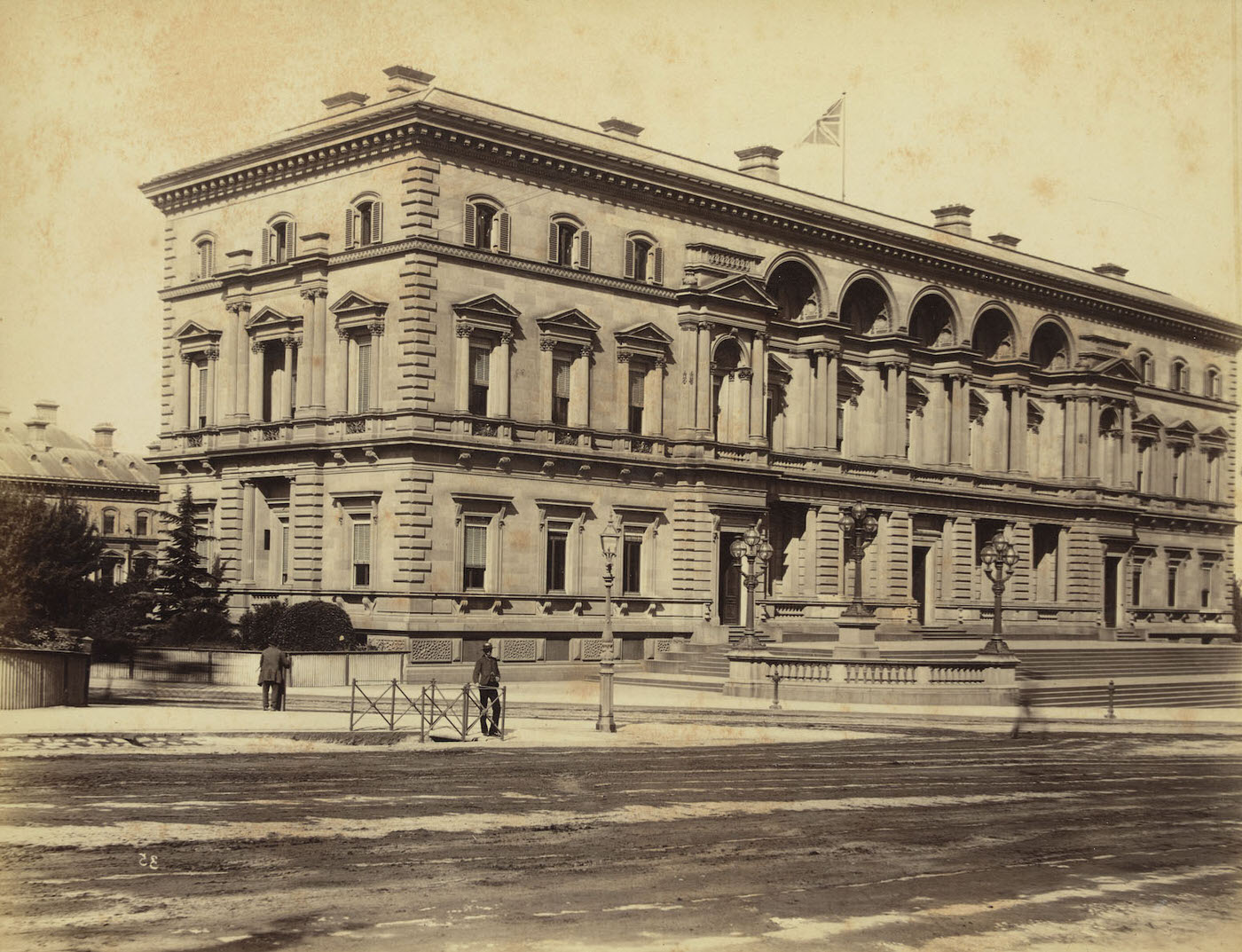
Collins Street was the city’s most prestigious address. Banks, legal offices, churches, and gentlemen’s clubs occupied its wide, tree-lined length. At the eastern end, the Treasury Building sat at the top of a rise overlooking the street below — a symbol of the colonial government’s confidence in Melbourne’s future.
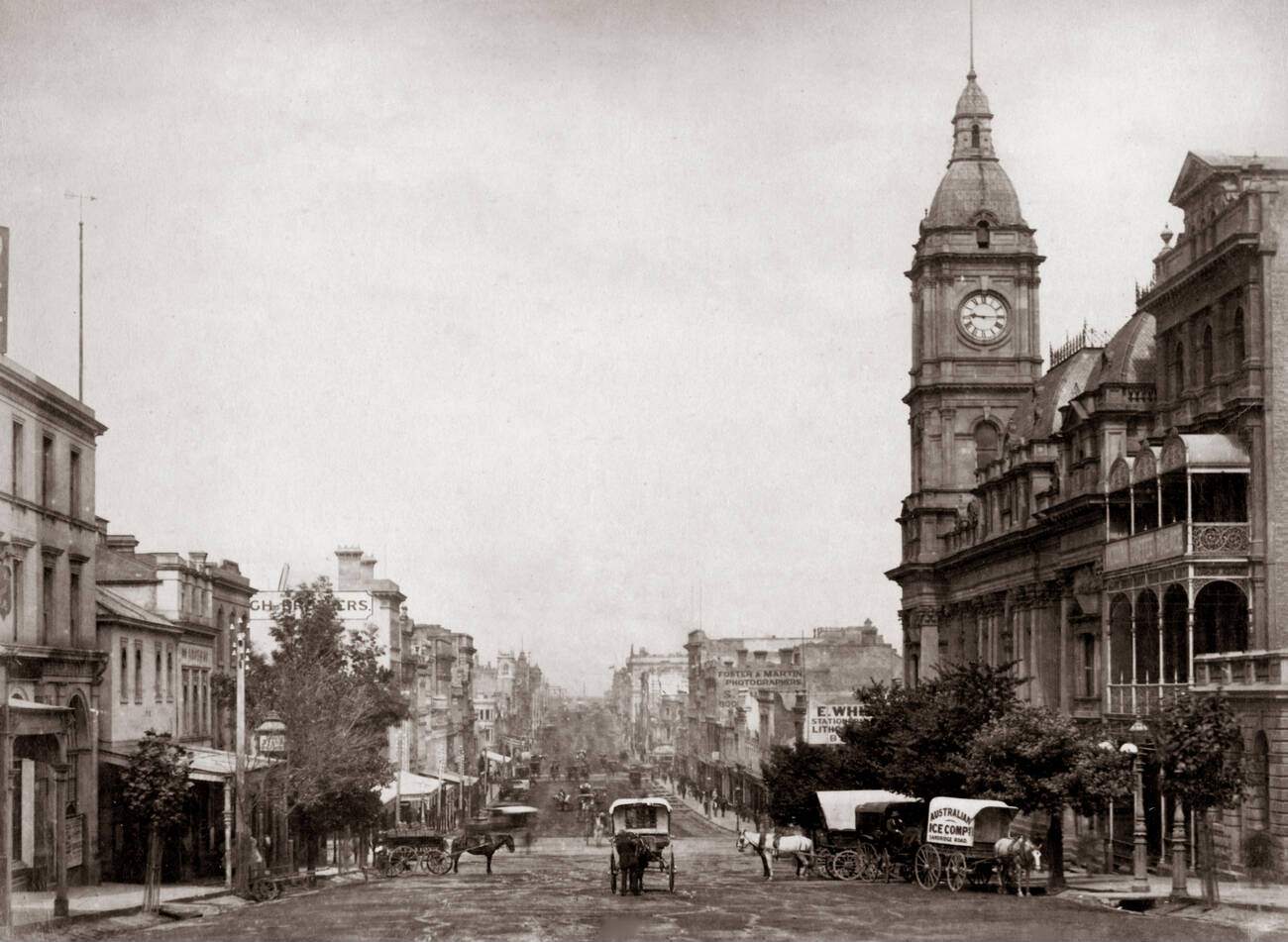
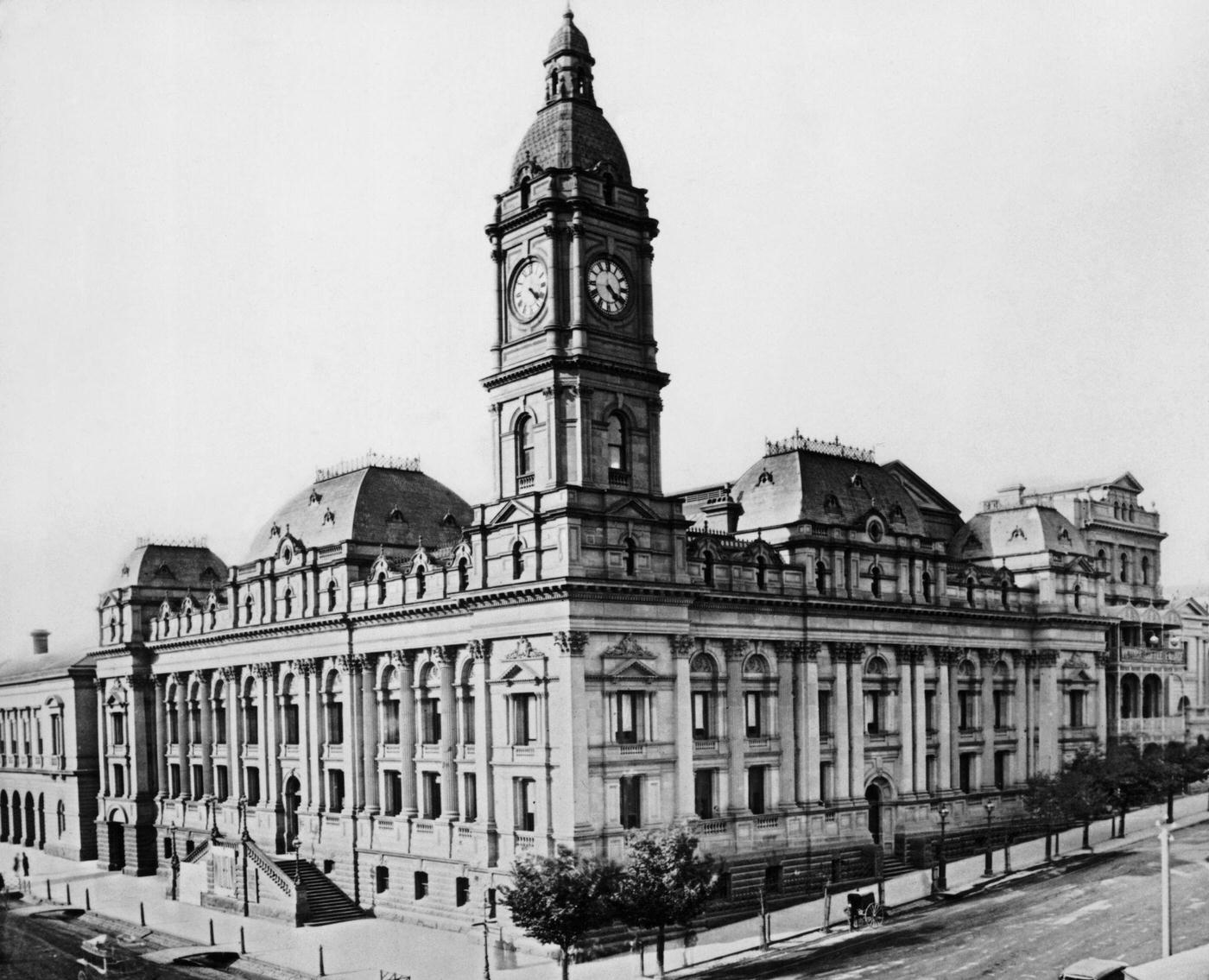
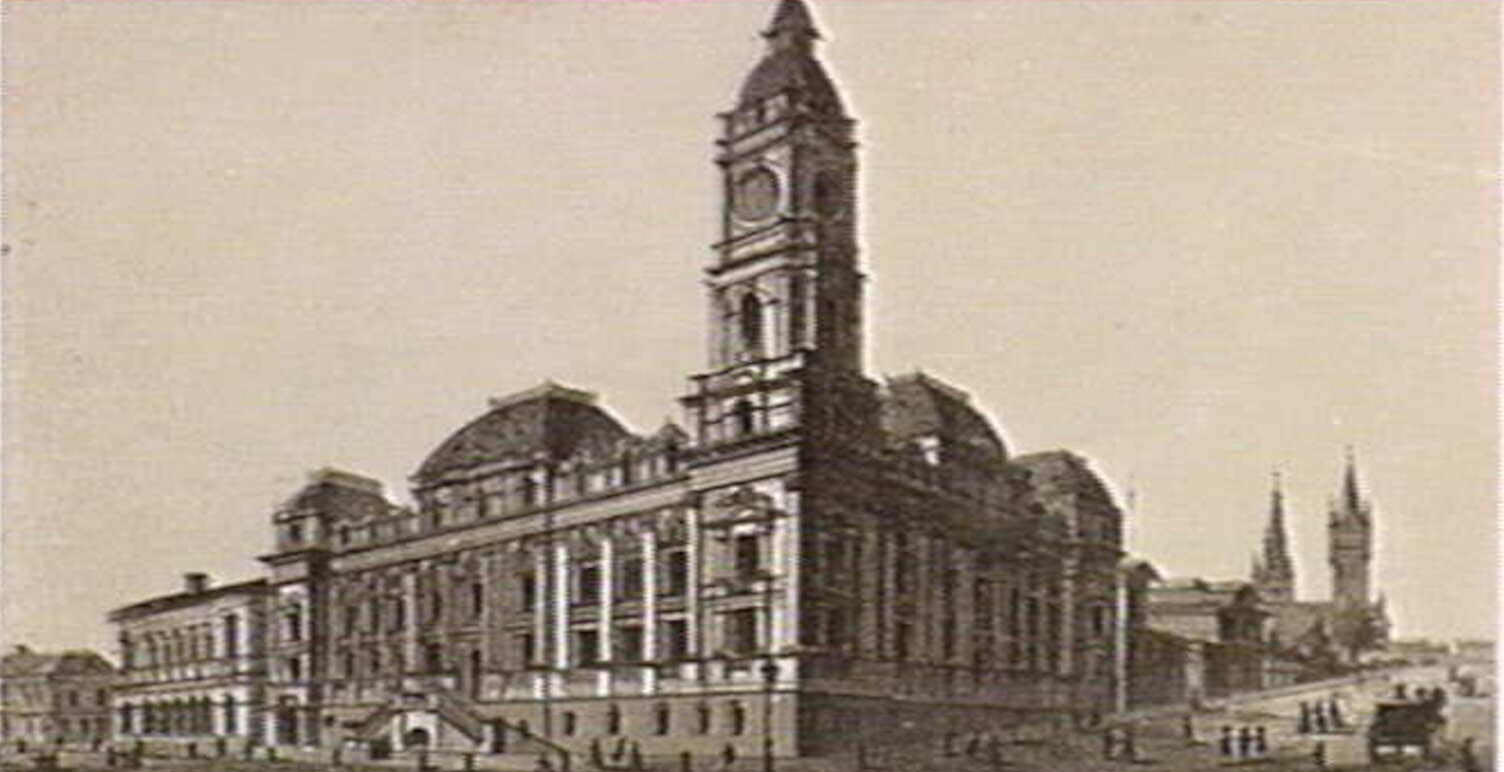
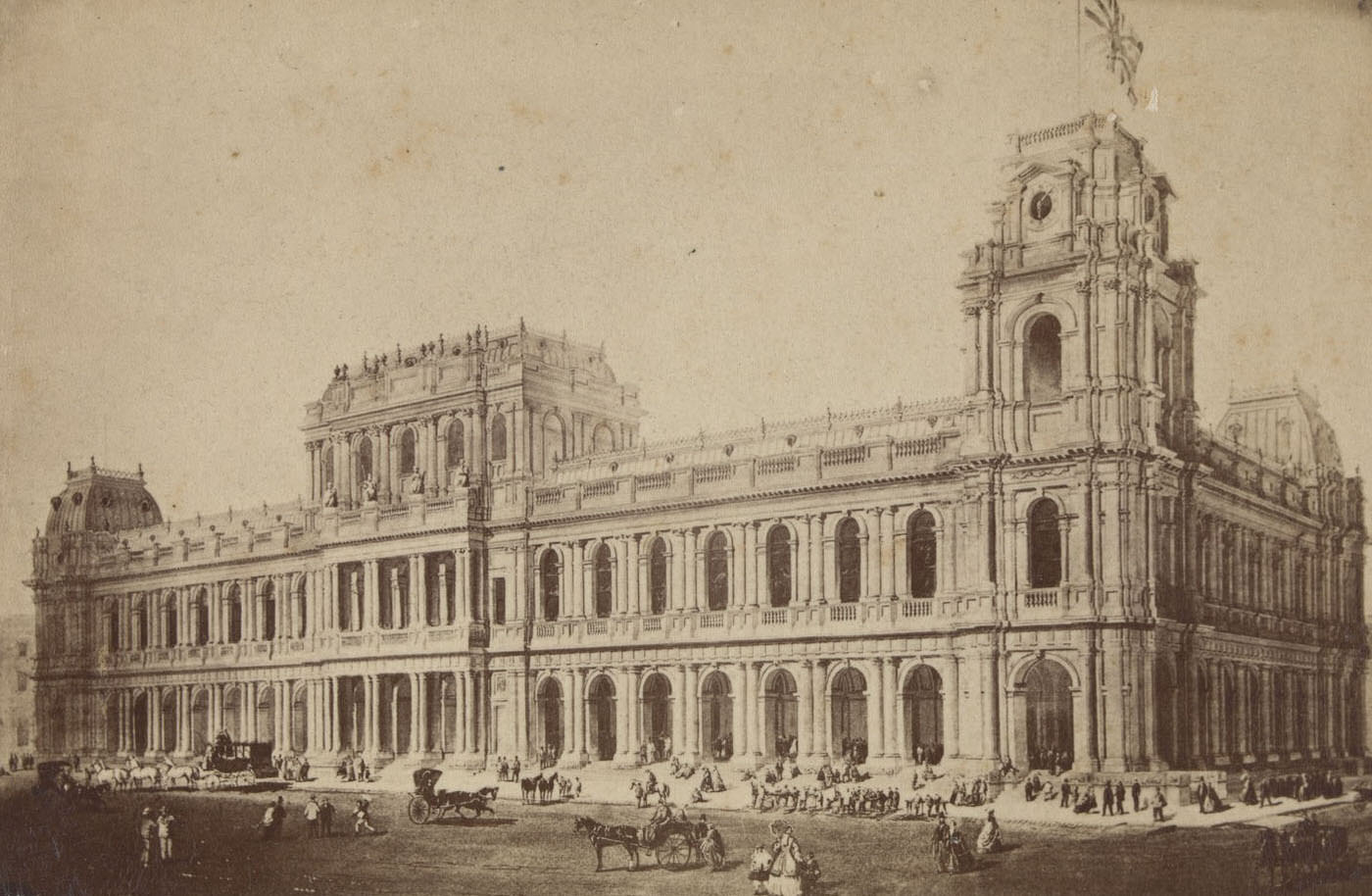
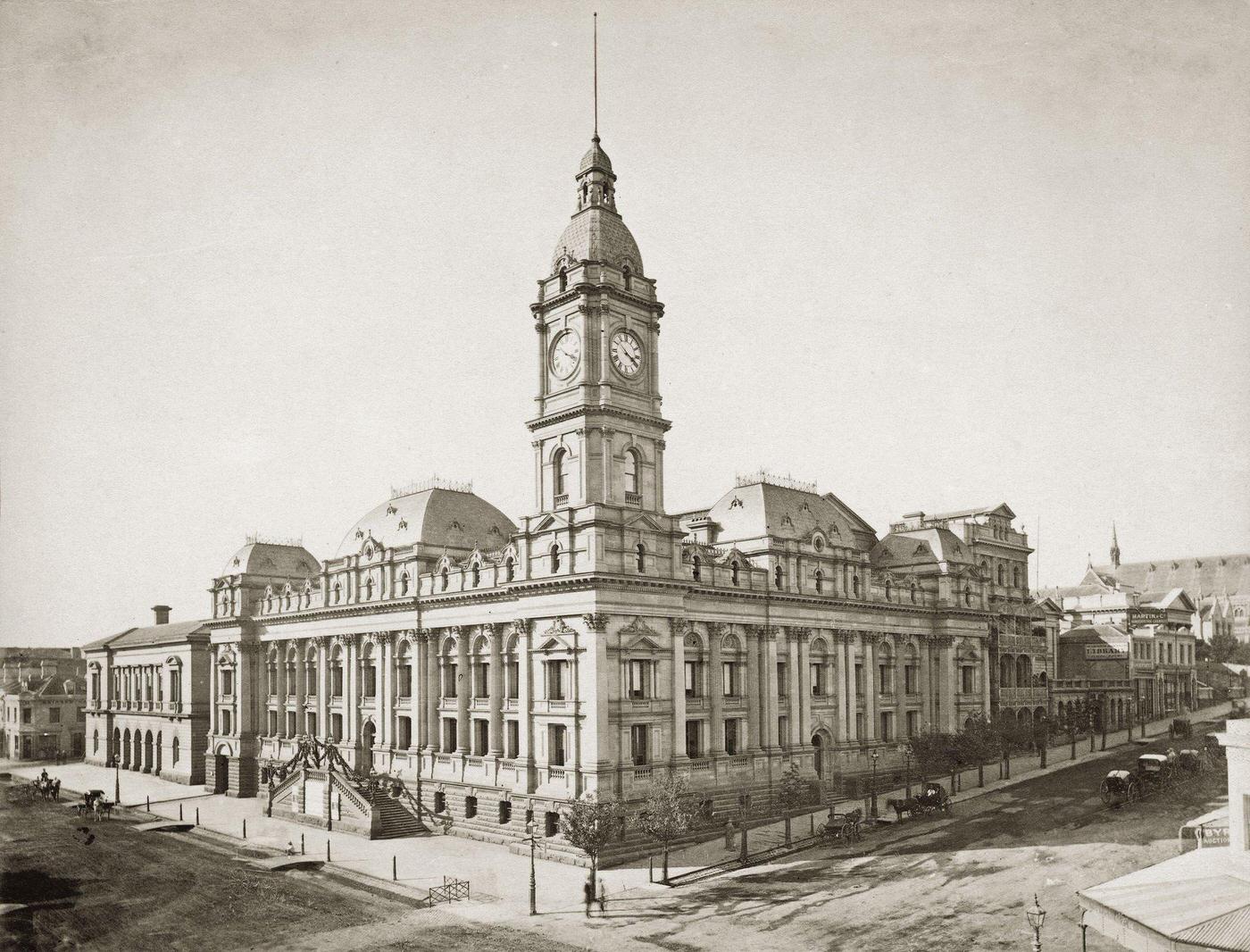
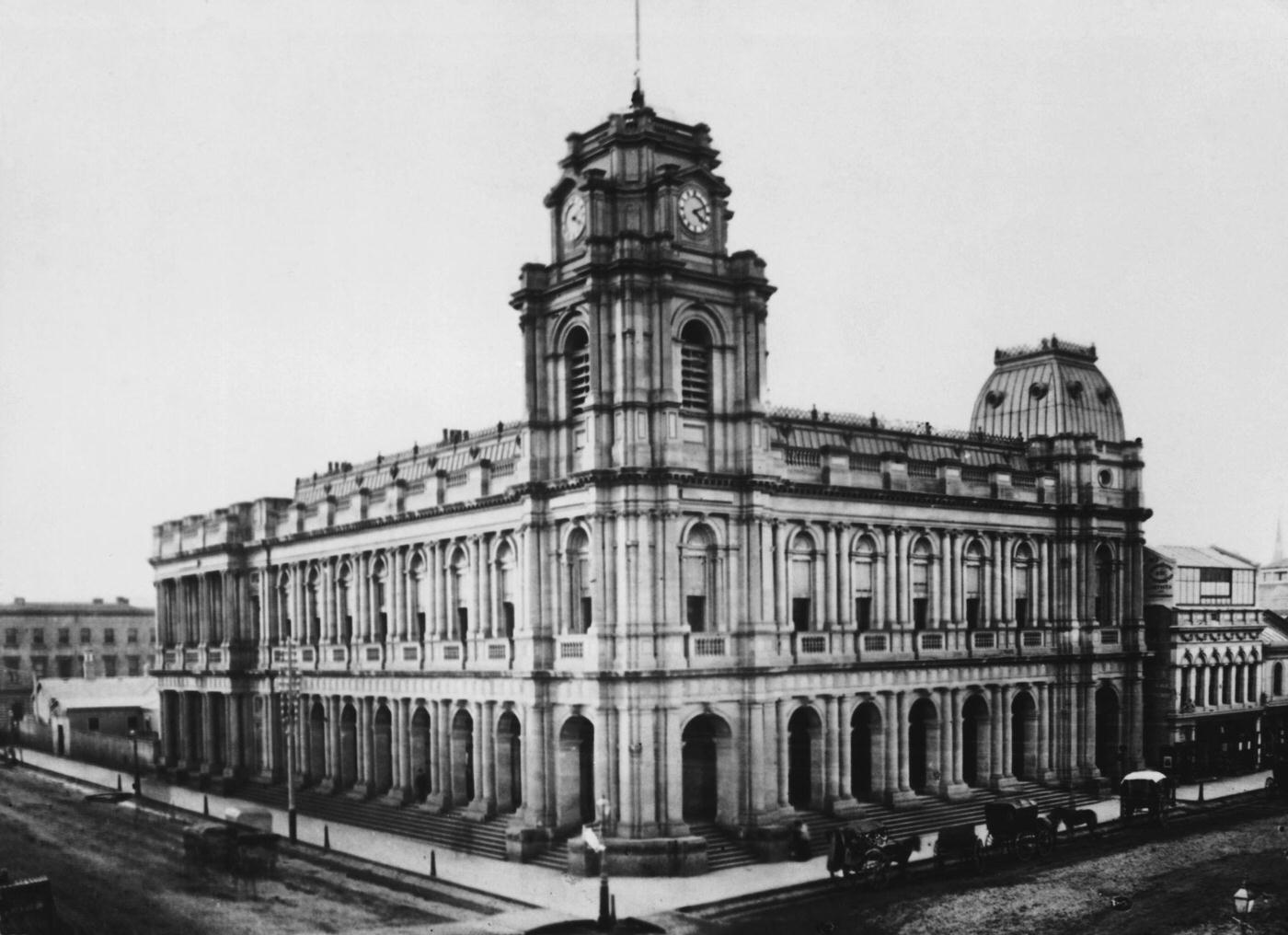
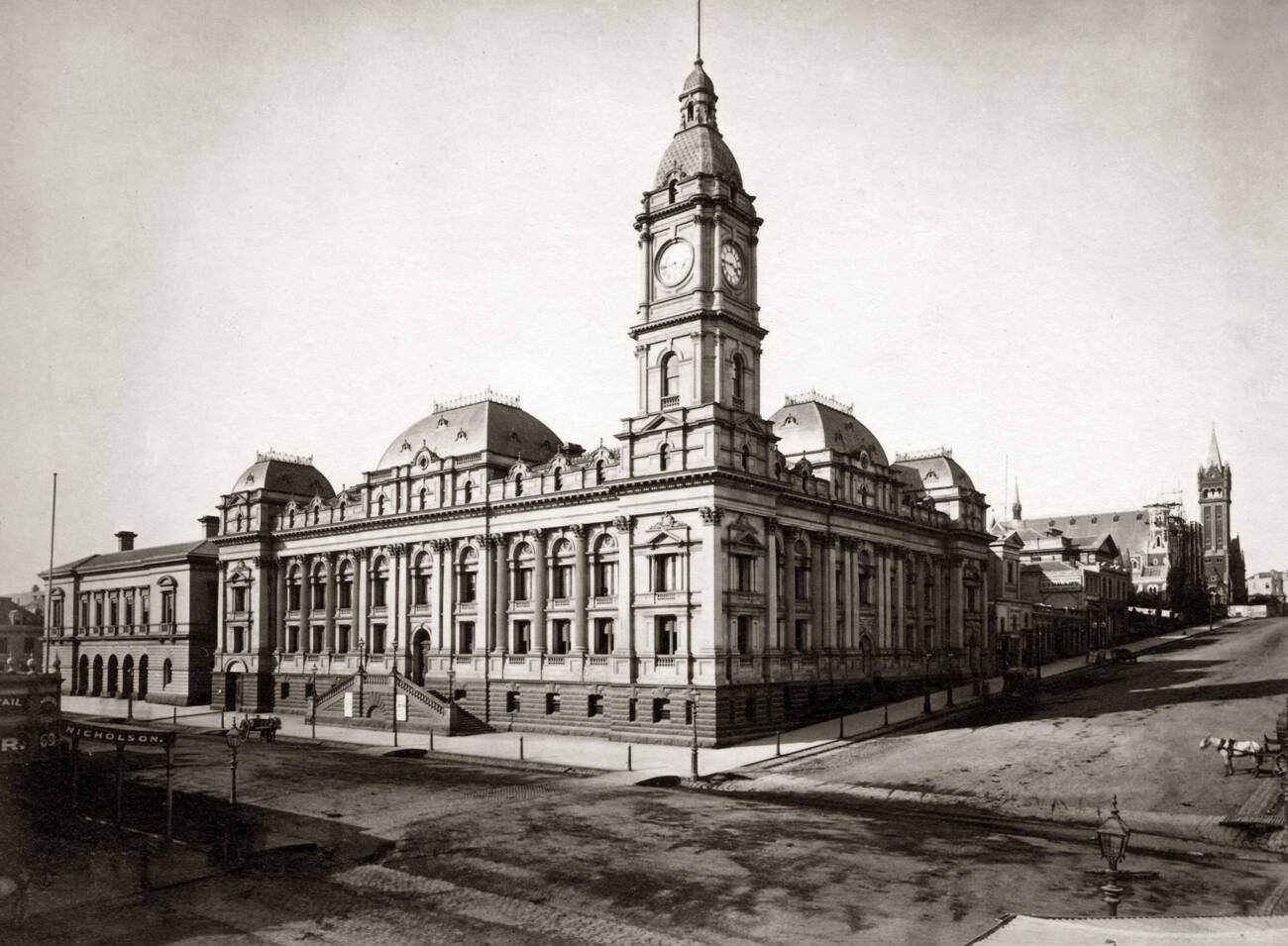
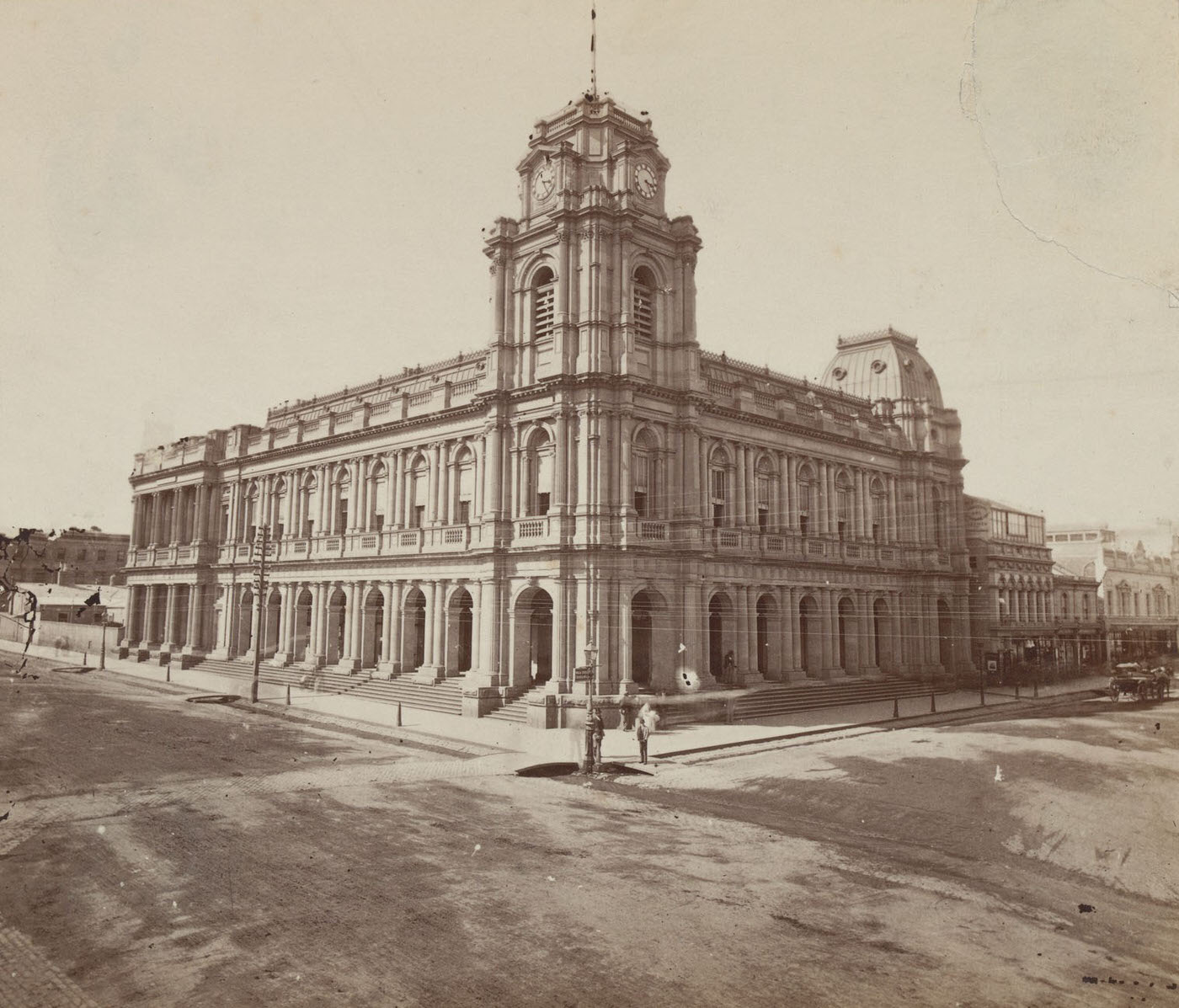
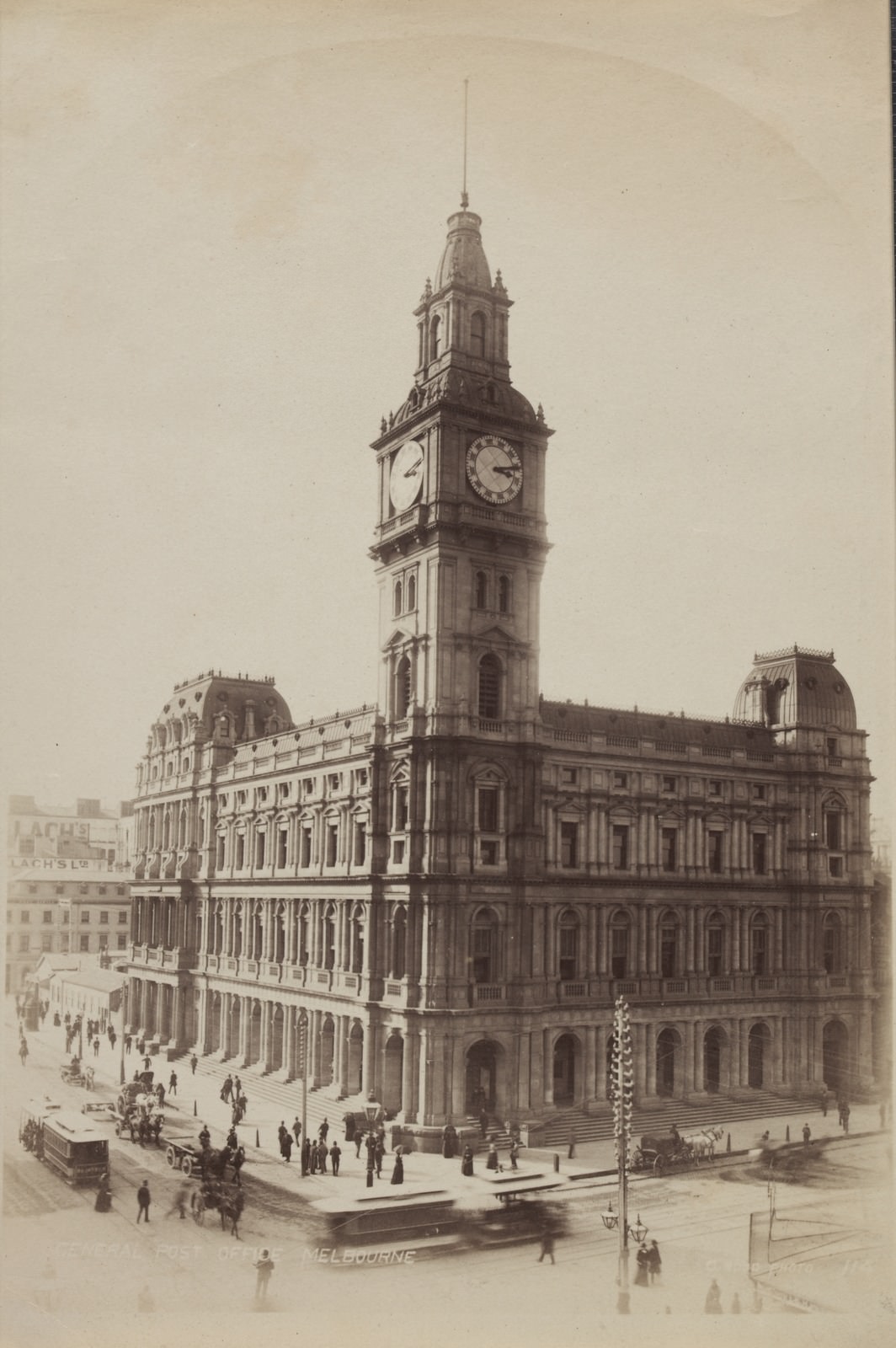
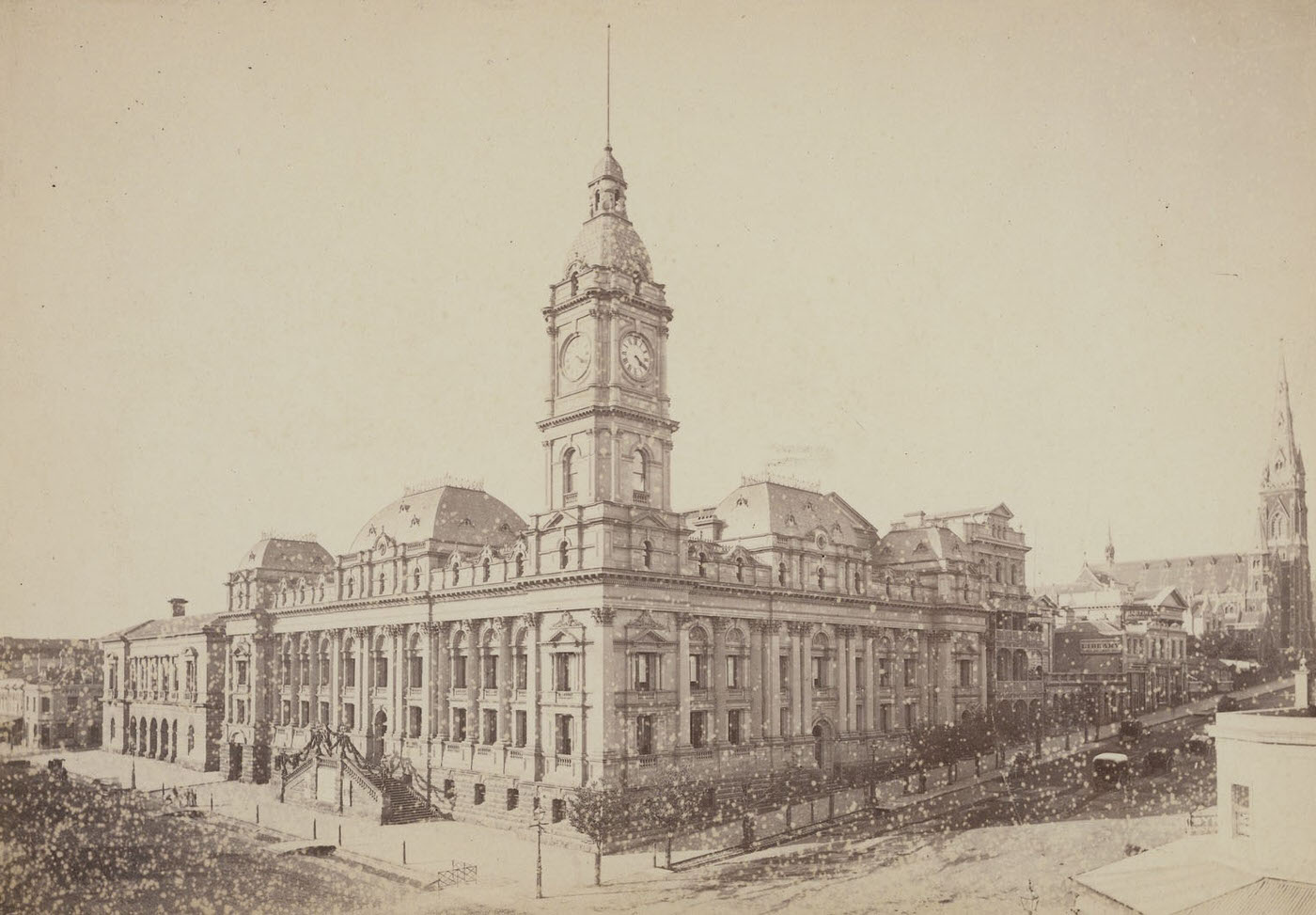
Grand public institutions anchored the city’s character. The Melbourne Town Hall on the corner of Swanston and Collins Streets served as a civic centerpiece, hosting concerts, public meetings, and official events. Nearby, the General Post Office on Elizabeth and Bourke Streets processed the enormous volume of mail generated by a fast-growing population connected to the rest of Australia and the world.
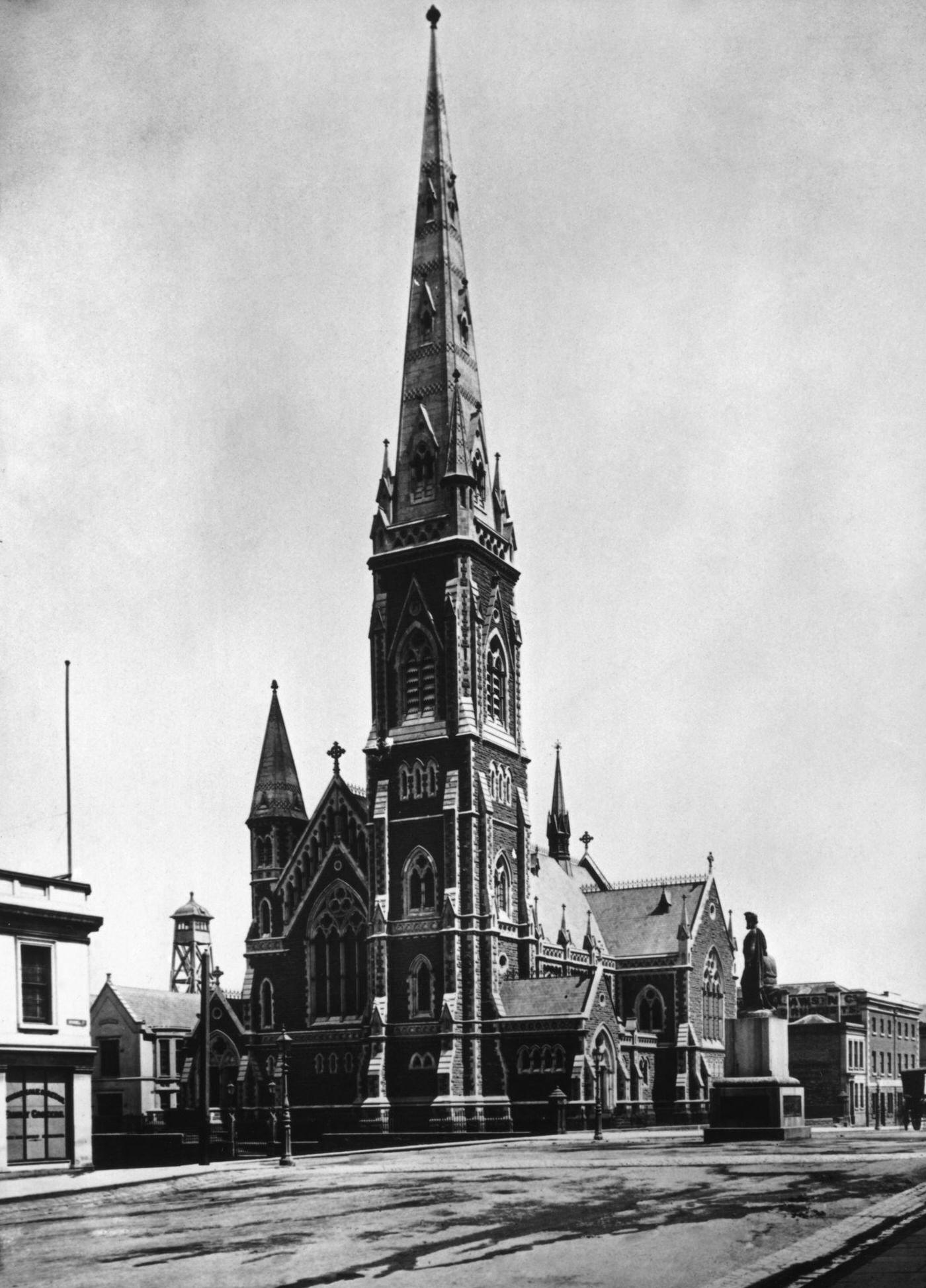
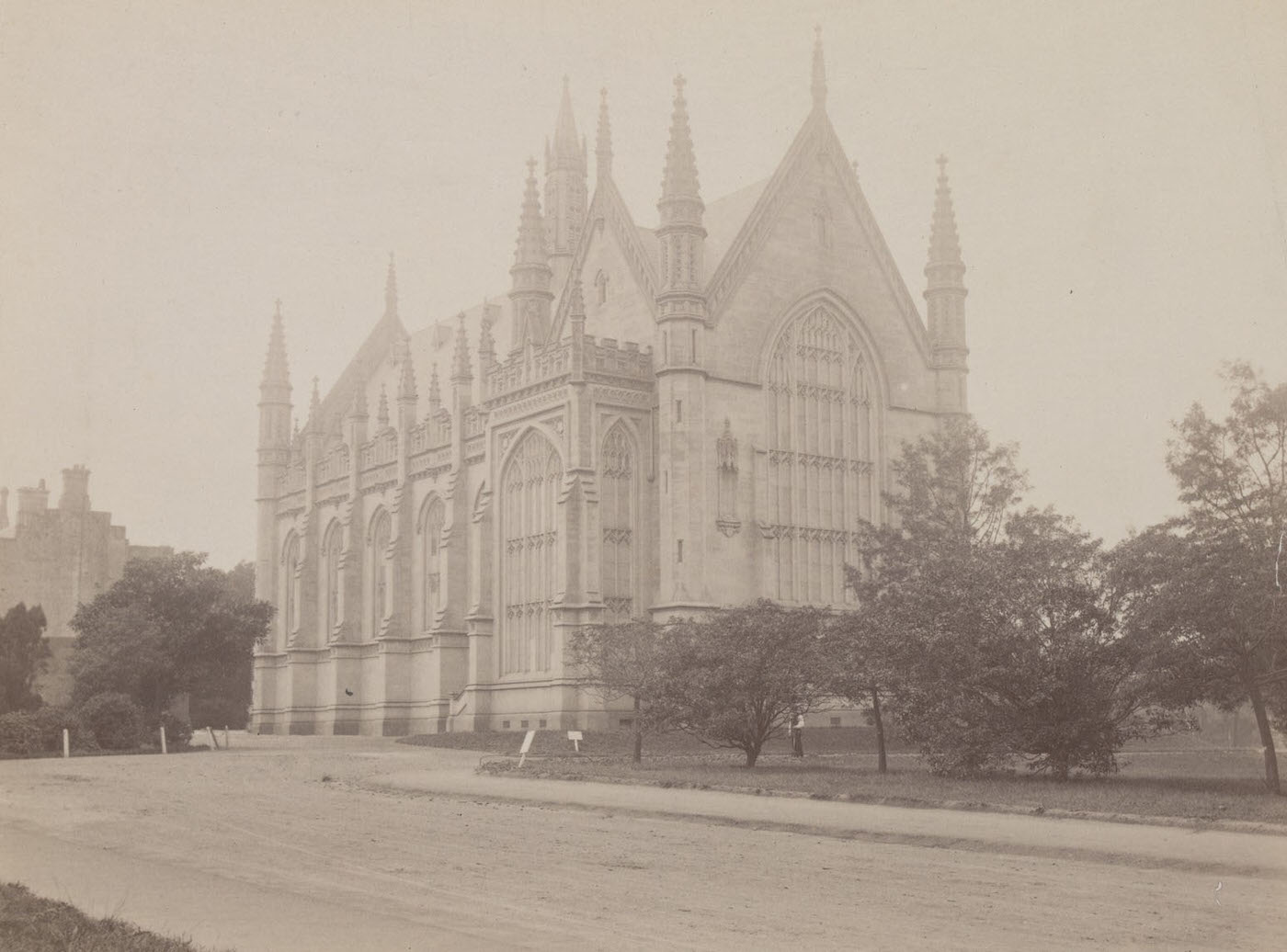
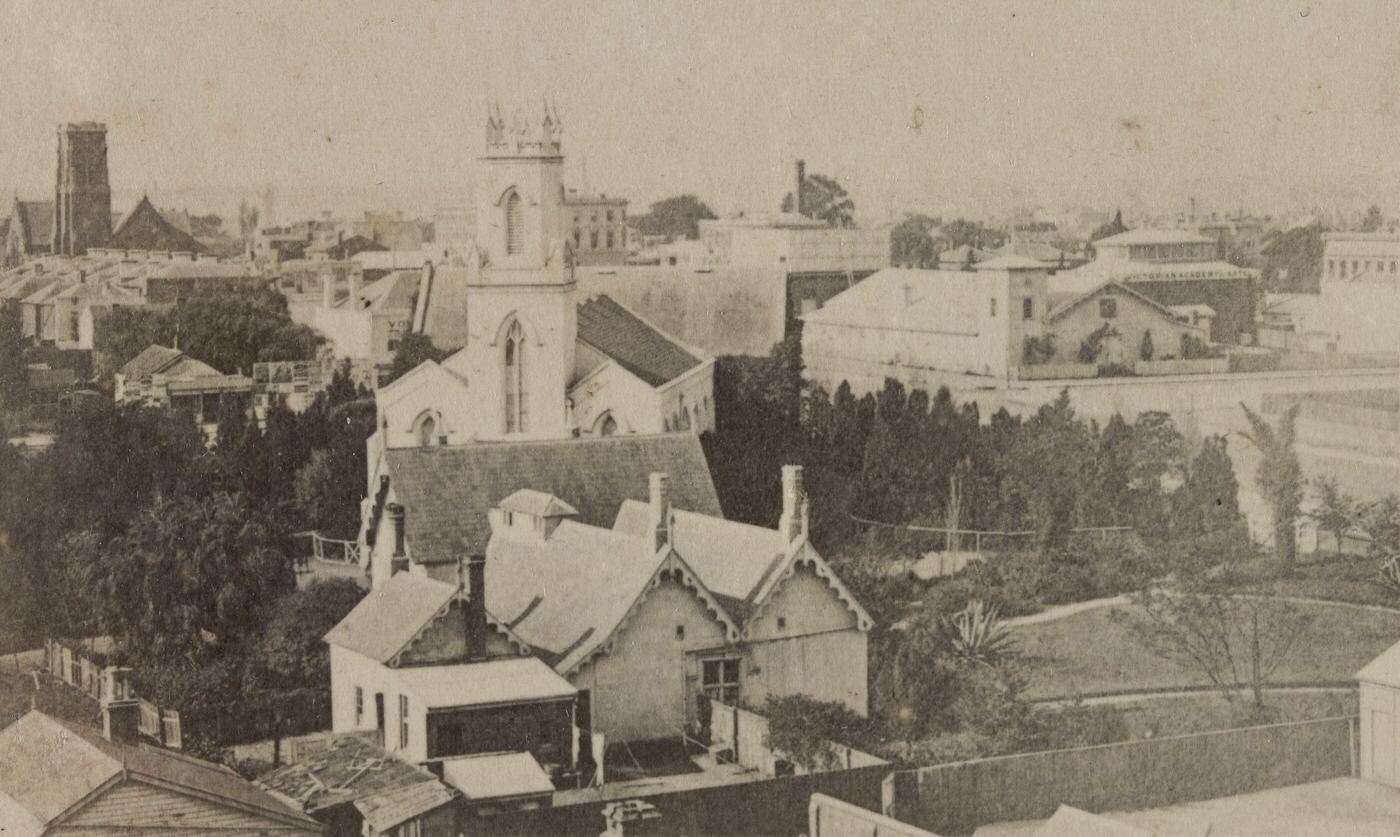
Religion played a central role in public life. Churches of various denominations rose across the city, built in the same imposing stone used for banks and government offices. The Presbyterian Scots’ Church was one of Melbourne’s most prominent places of worship, and its architecture reflected the wealth and civic pride of its congregation.
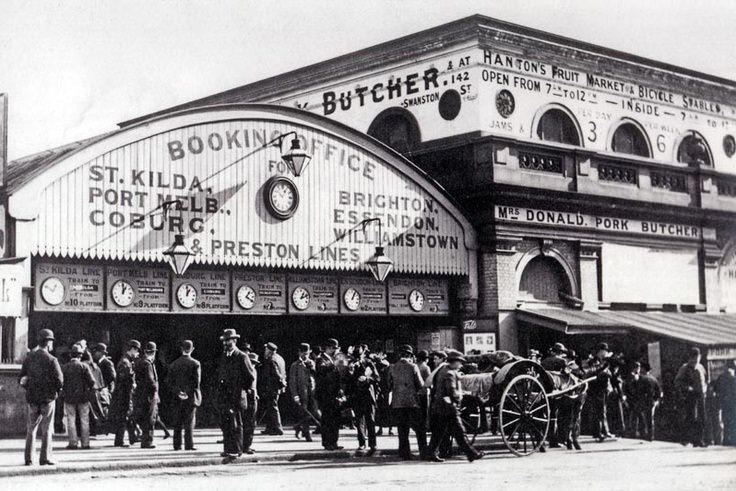
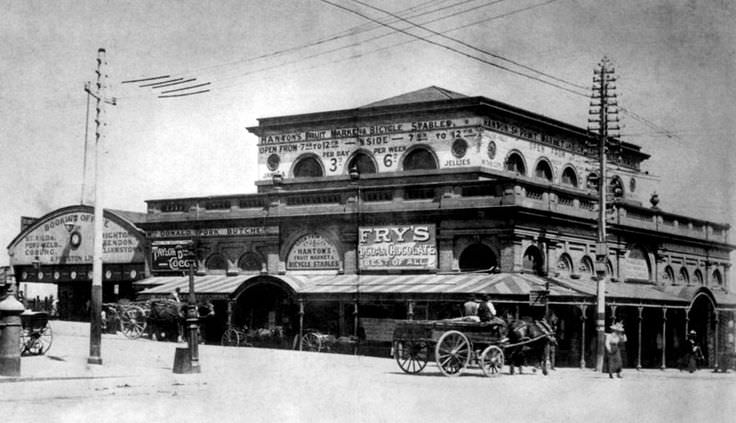
The railway transformed how people moved in and around Melbourne. Flinders Street Station was the main terminus, and by the 1880s the rail network connected the city to regional Victoria and beyond. The station itself became one of Melbourne’s most recognizable landmarks, with platforms that handled thousands of passengers daily.
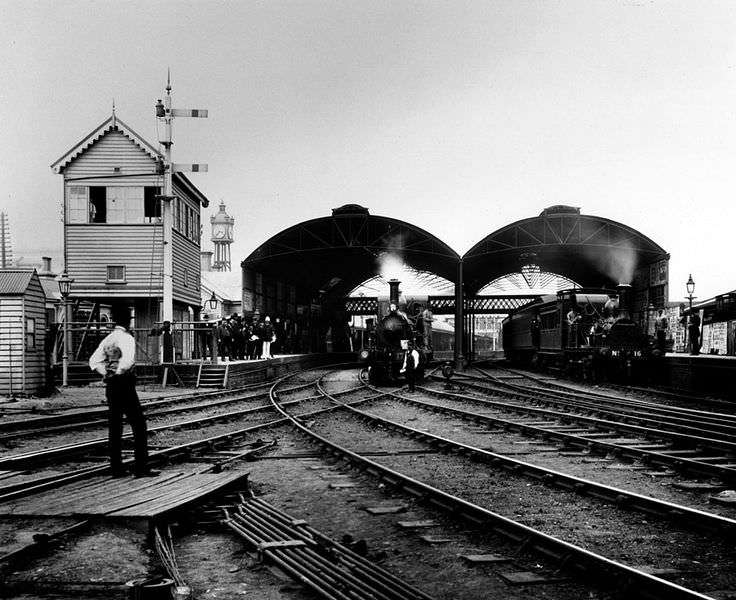
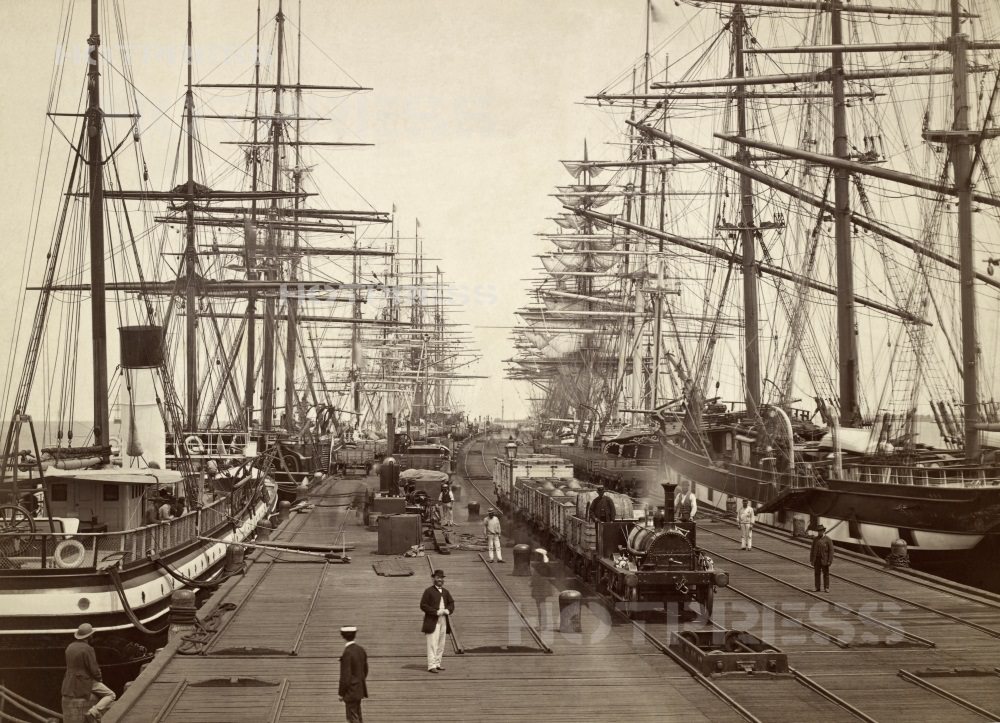
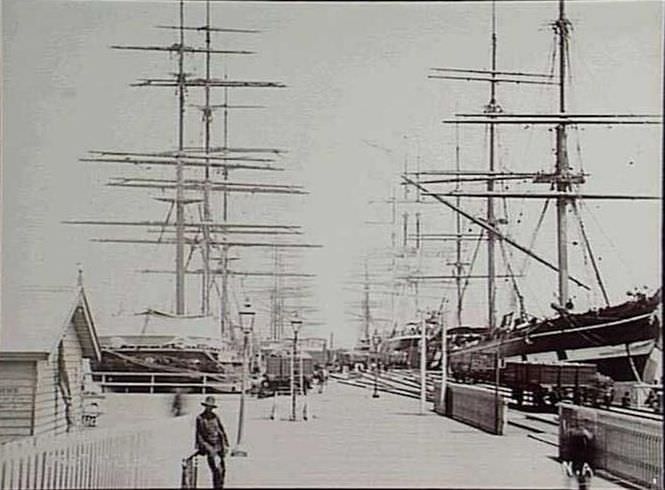
Beyond the city, the railway extended to regional hubs like Ballarat, connecting goldfield towns to the capital and making Melbourne the commercial center of the entire colony. The railway pier at Sandridge — later known as Port Melbourne — linked the rail network directly to ships arriving in the bay, streamlining the movement of goods and passengers.
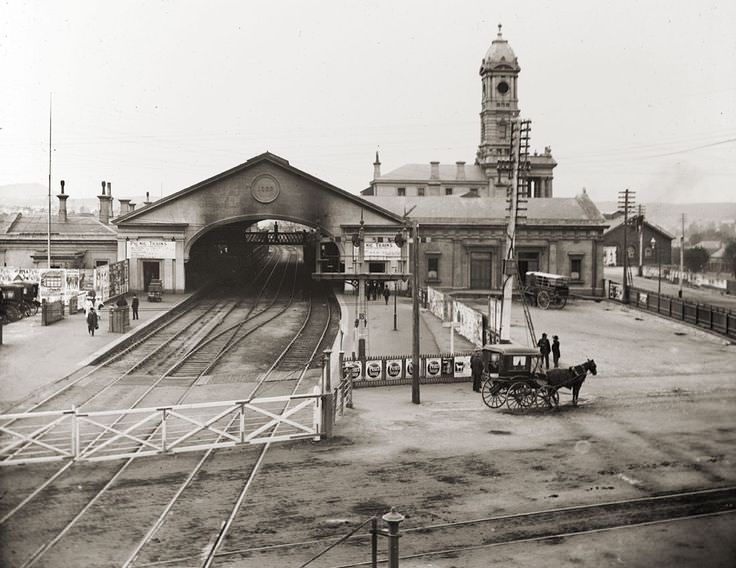
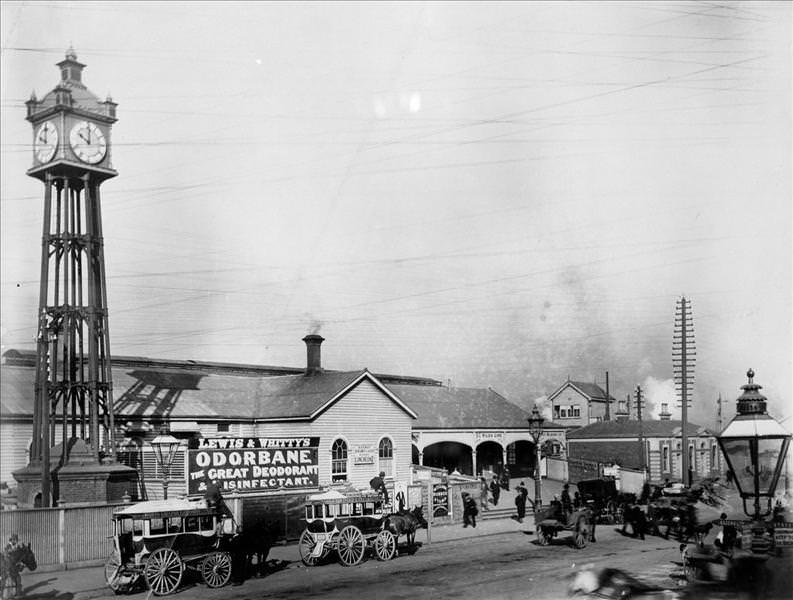
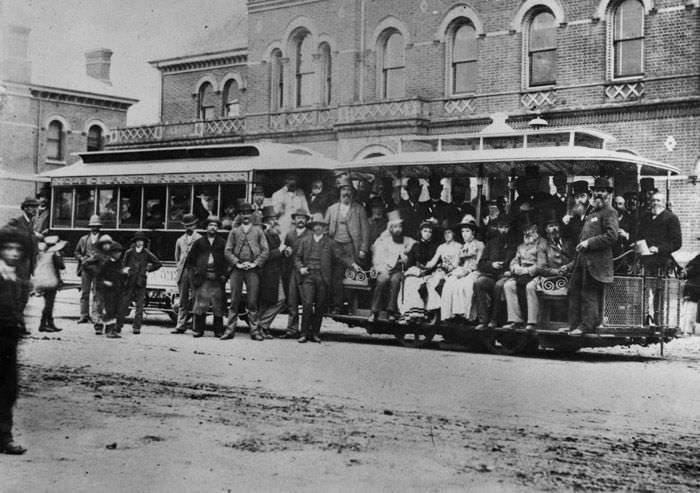
In 1885, Melbourne introduced its first cable tram service, running between Bridge Road in Richmond and Spencer Street via Flinders Street. This was a major development for urban transport. Cable trams were reliable, faster than horse-drawn omnibuses, and could handle the city’s hilly terrain. The tram network expanded quickly through the latter half of the decade, reshaping how residents moved around the inner suburbs.
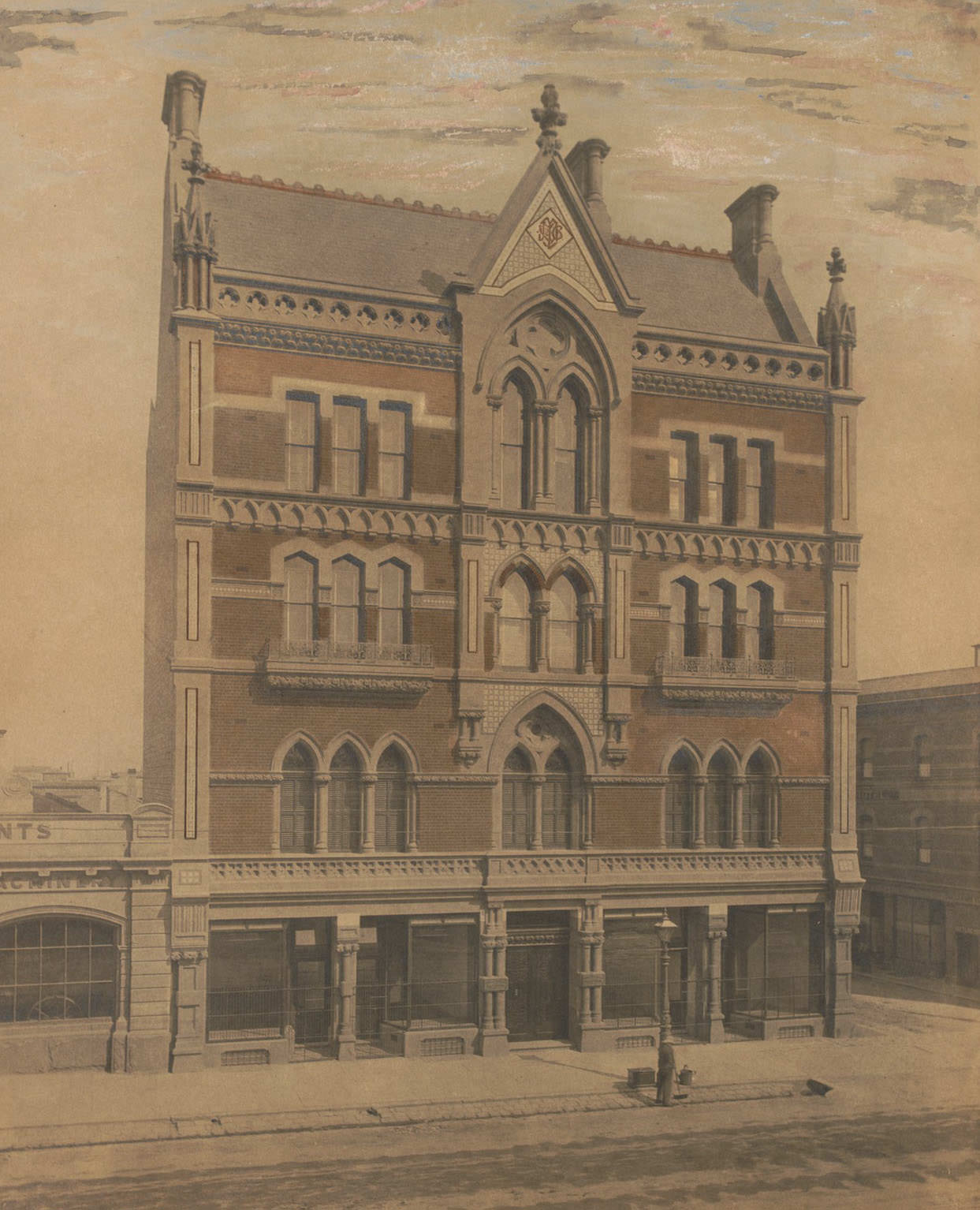
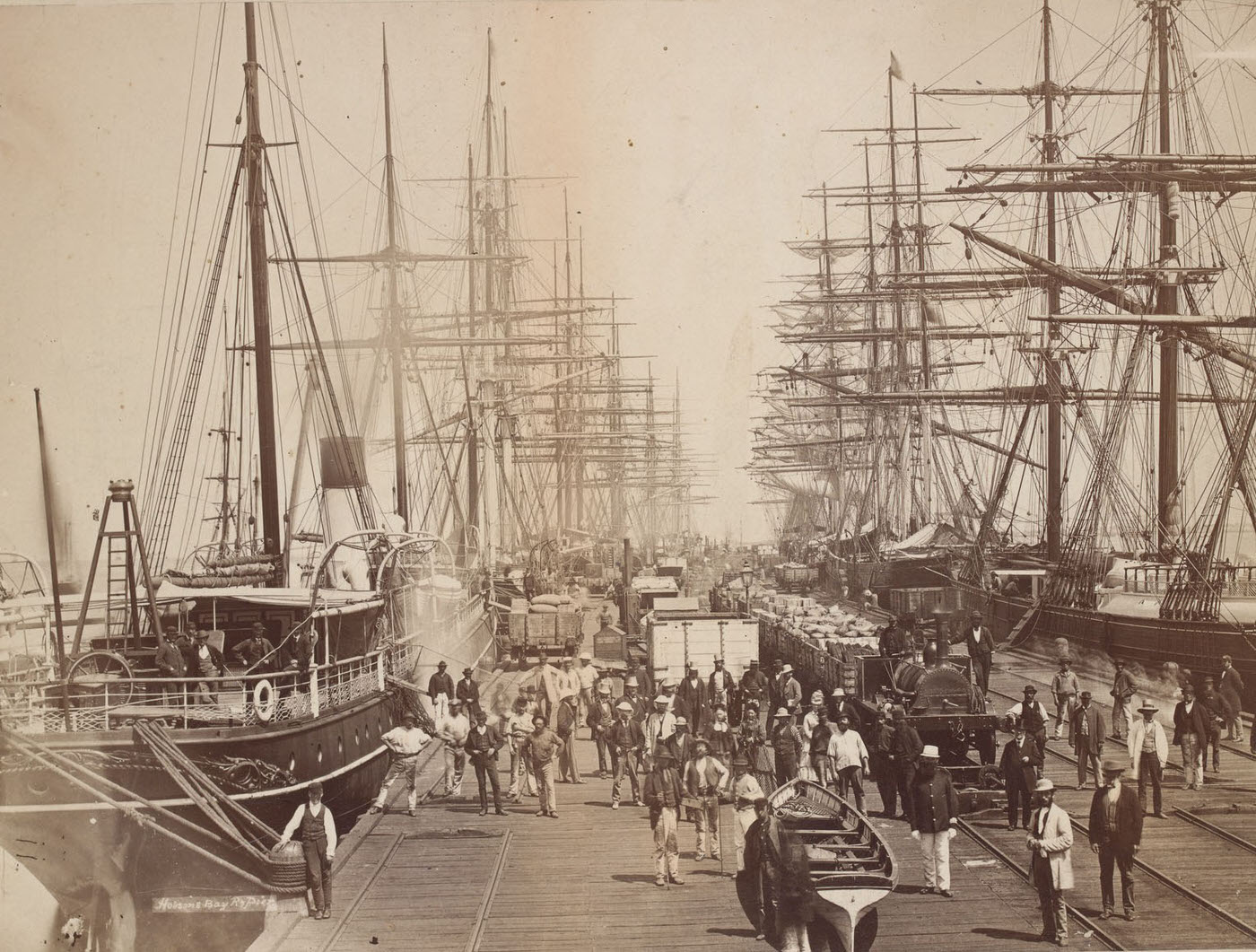
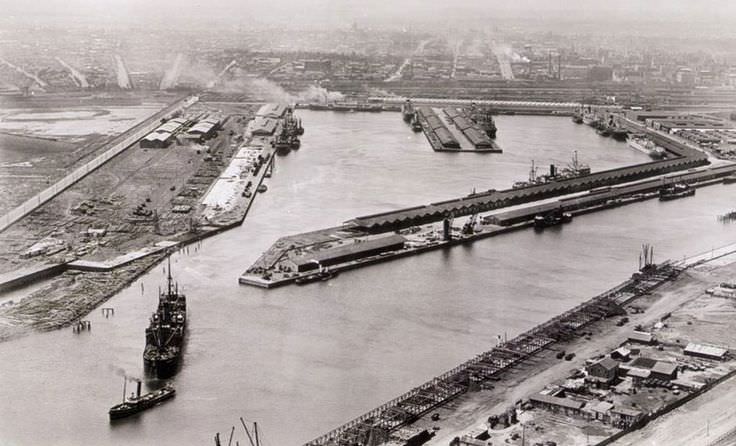
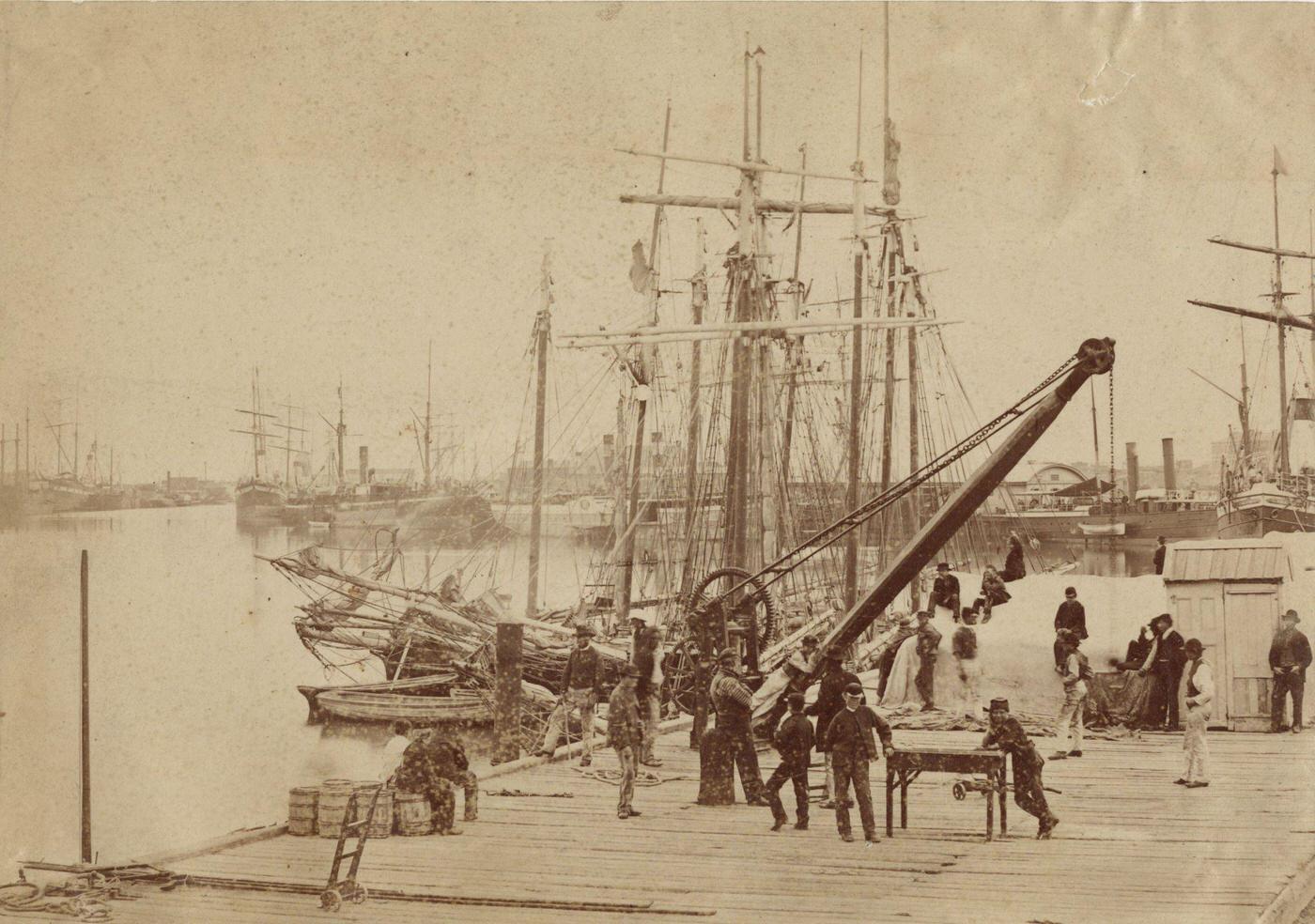
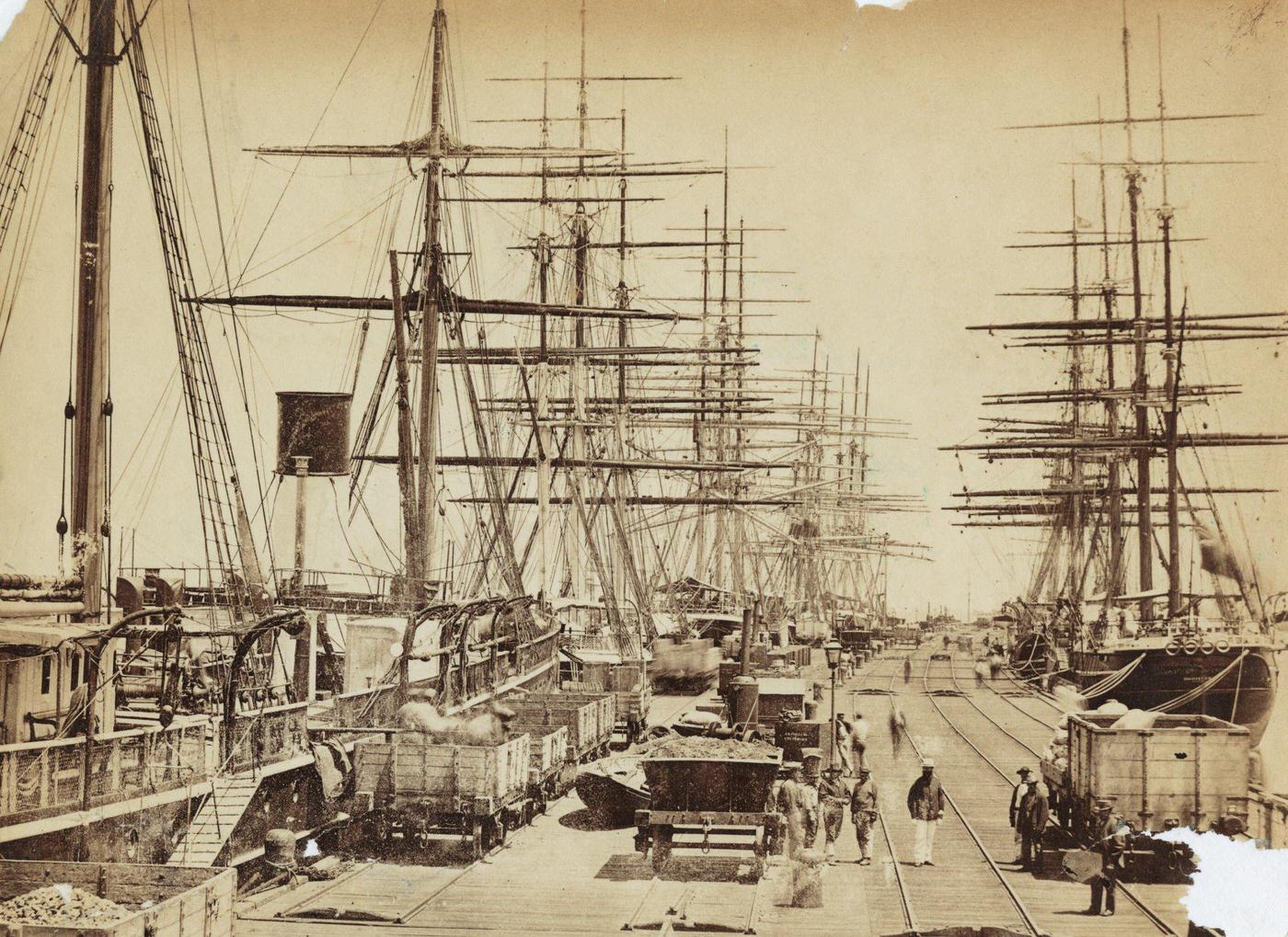
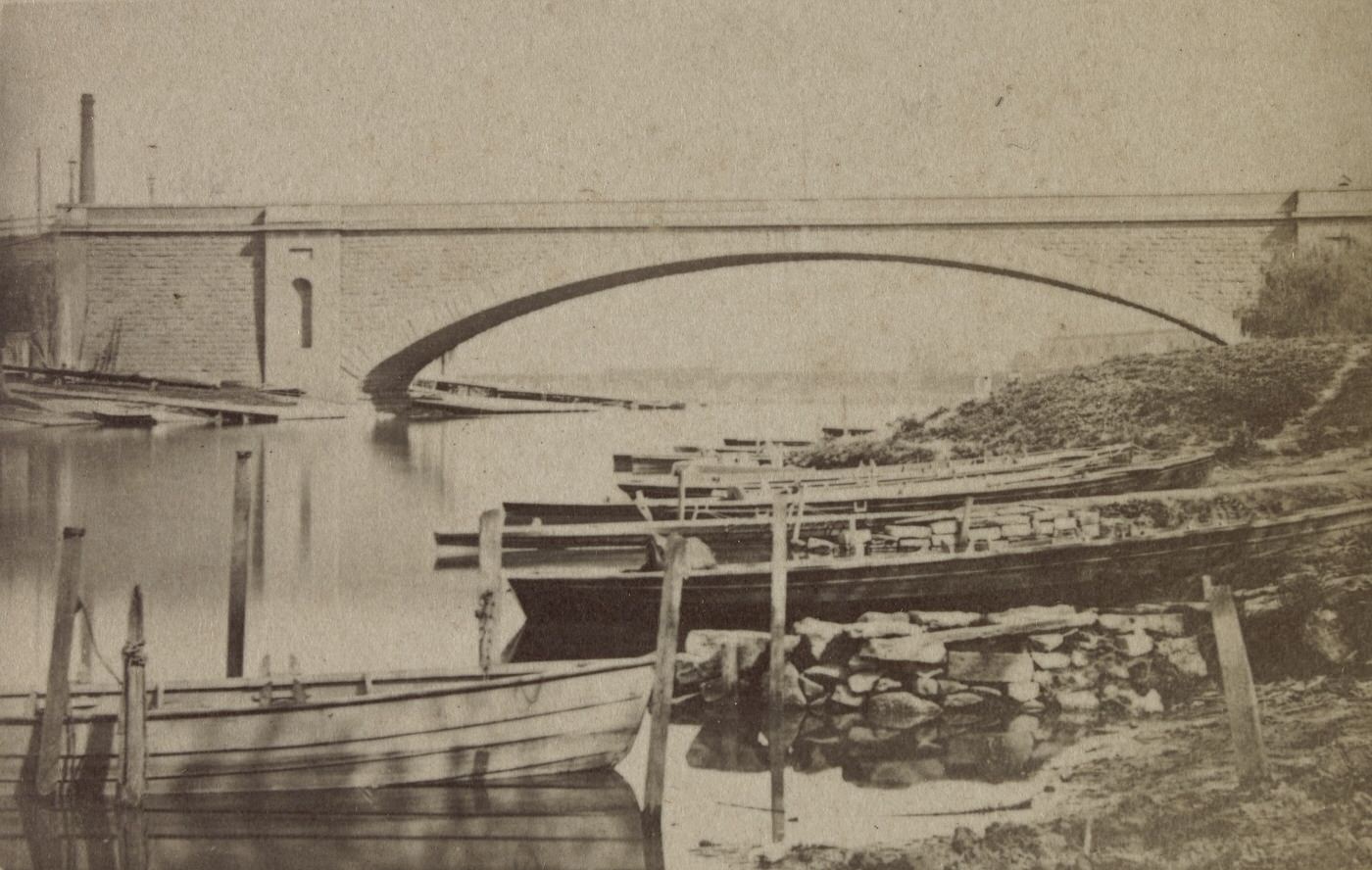
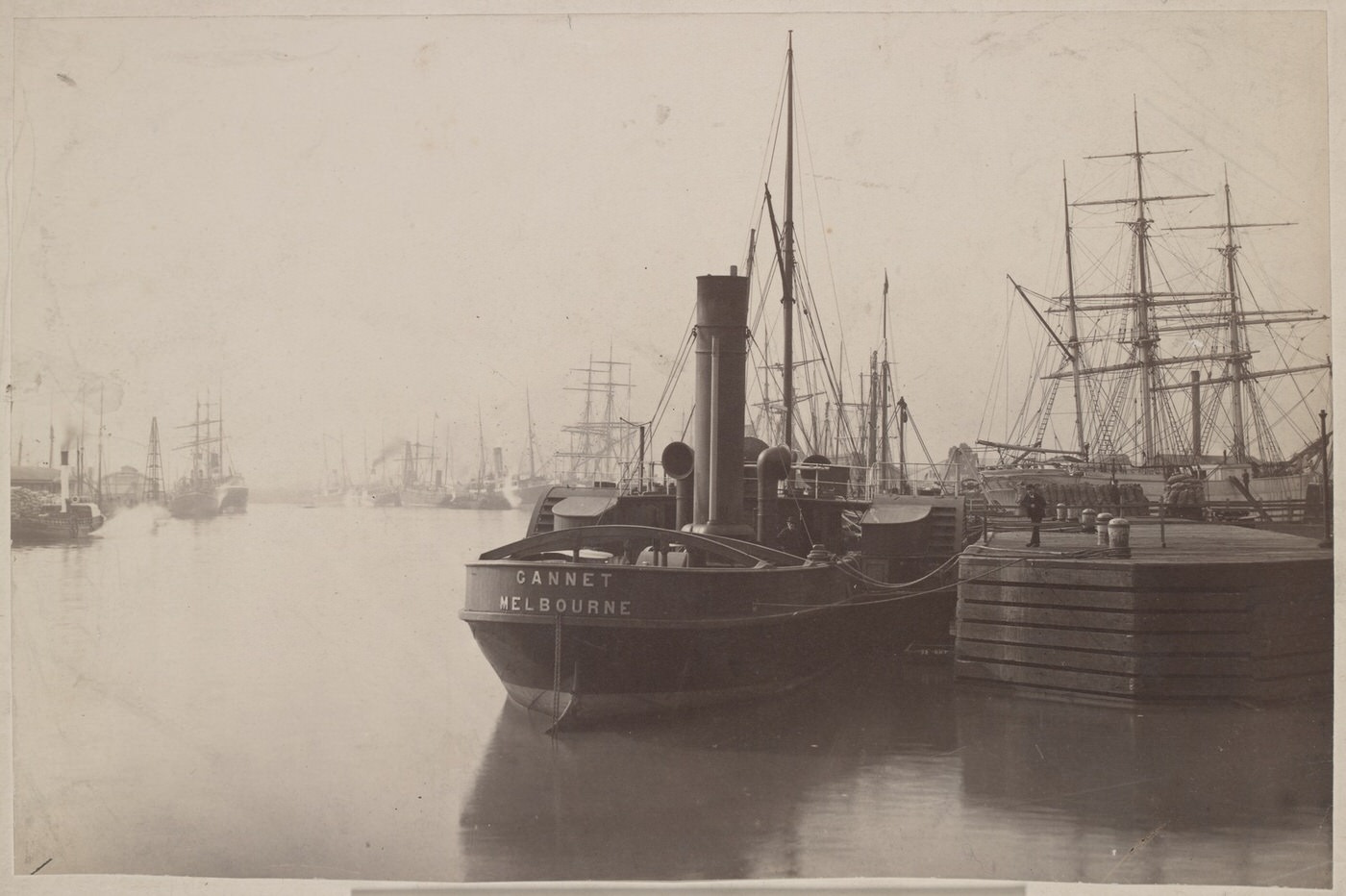
The docks were the city’s economic lifeline. Melbourne’s port handled enormous volumes of cargo — wool, gold, manufactured imports, and food supplies. Dock workers at Queen’s Wharf and Williamstown Pier loaded and unloaded ships that arrived from Britain, Asia, and the Americas. The docklands district was a rough, working environment that operated around the clock.
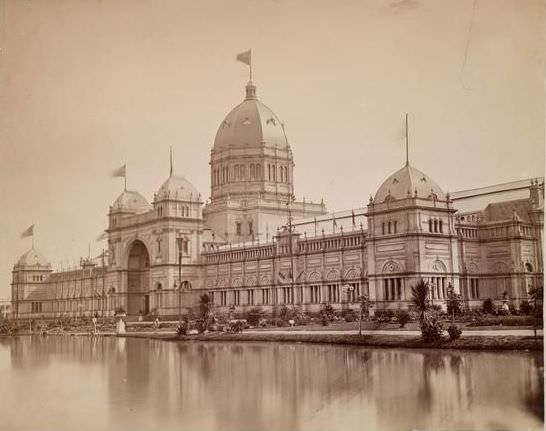
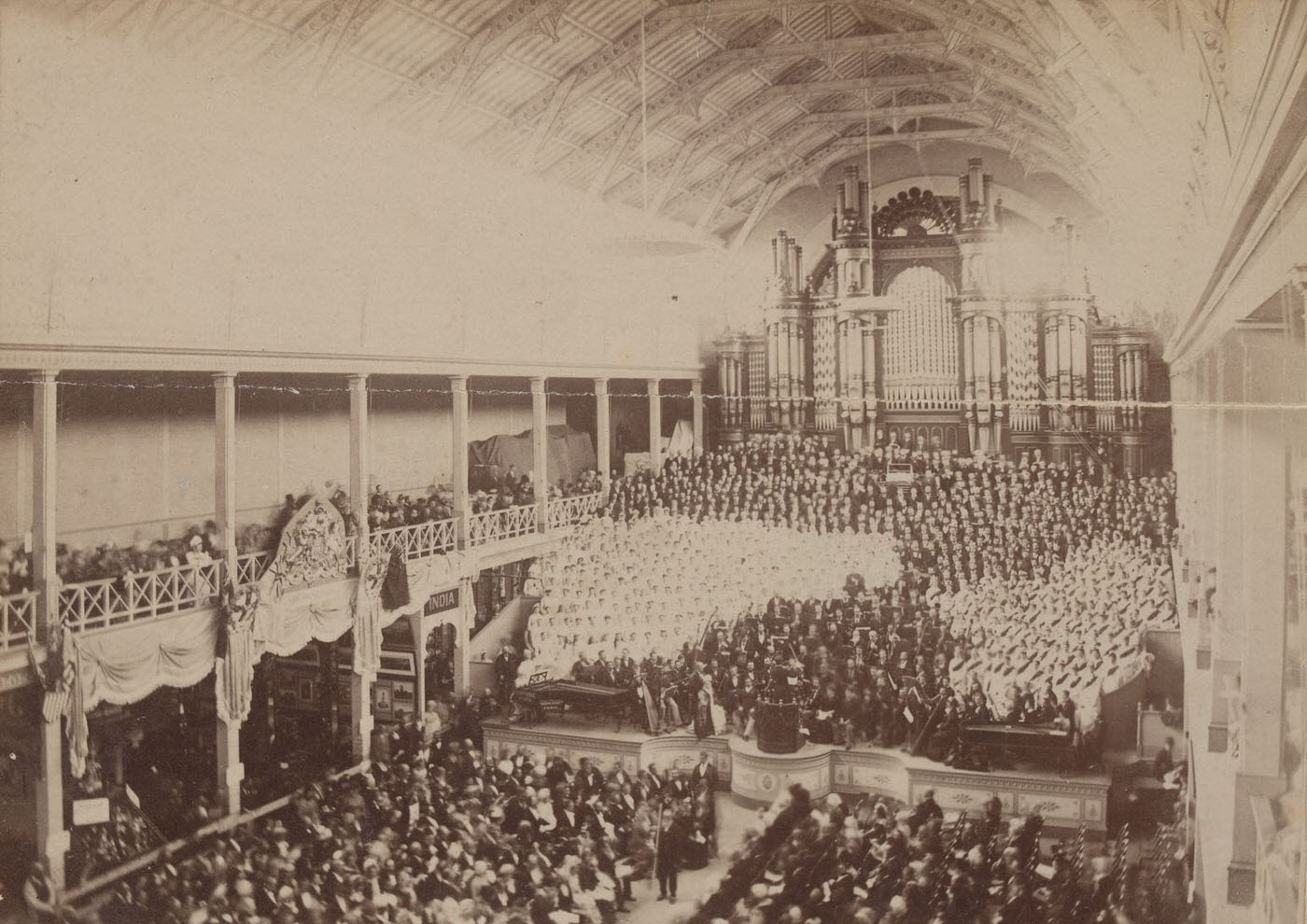
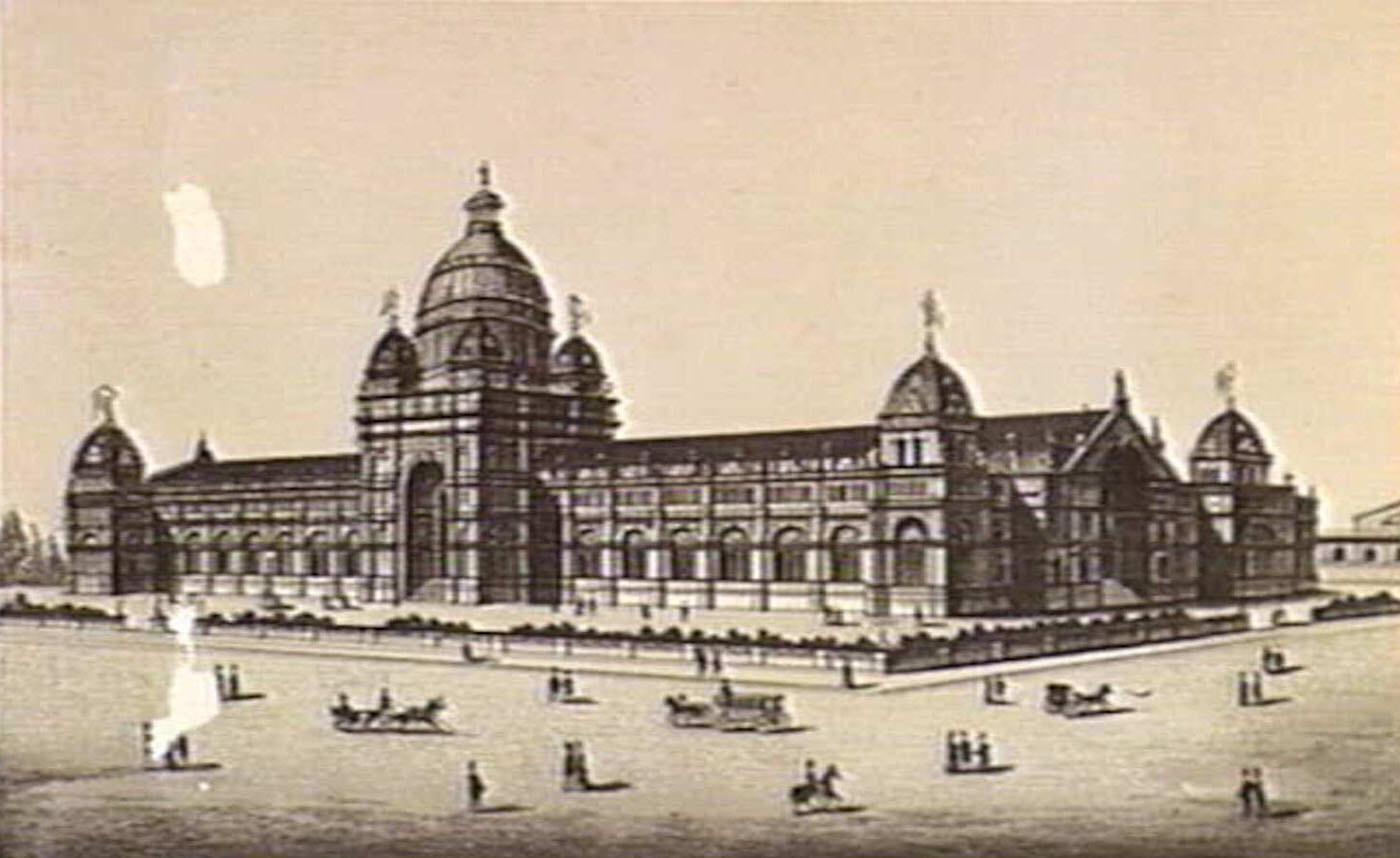
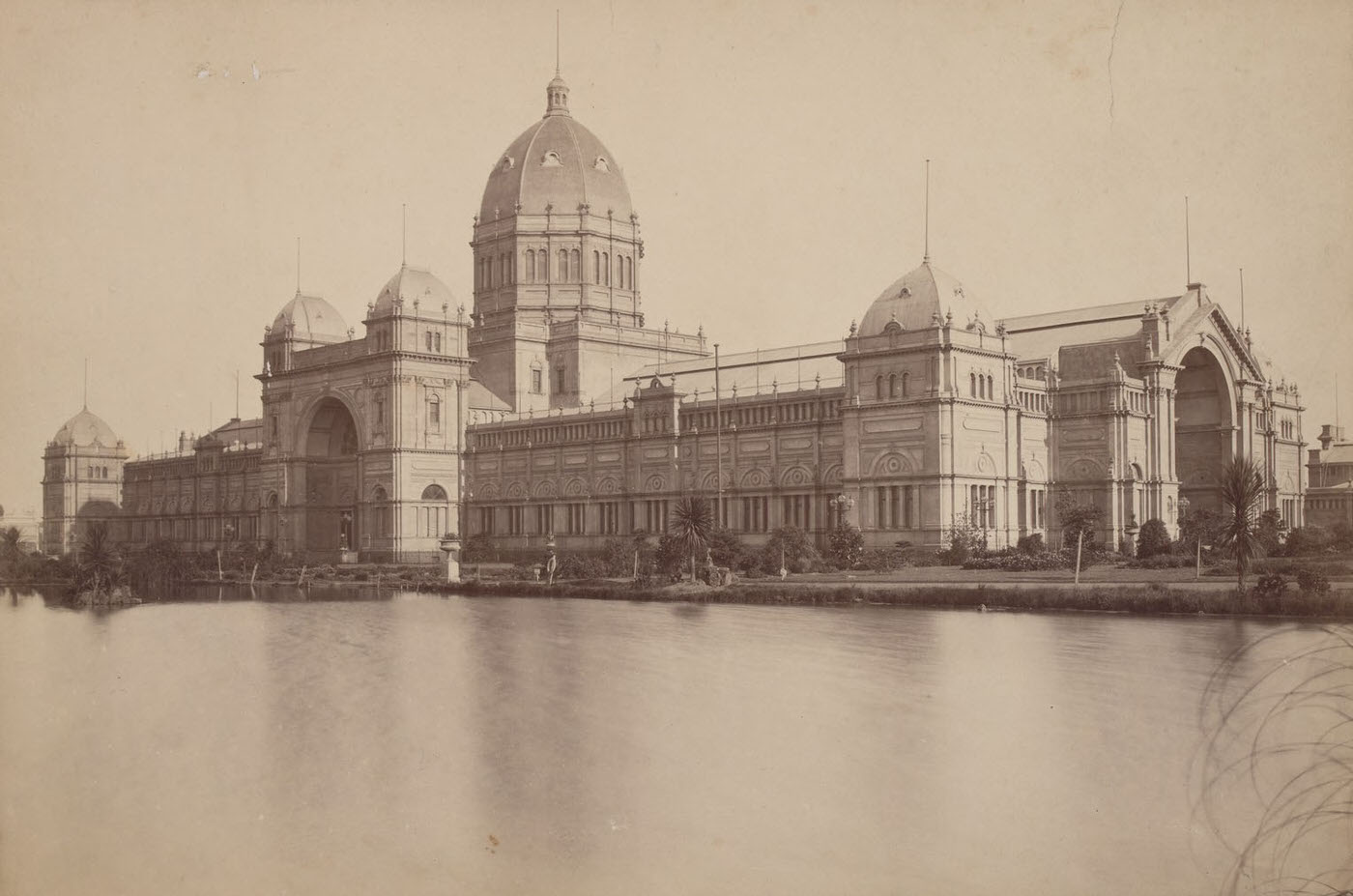
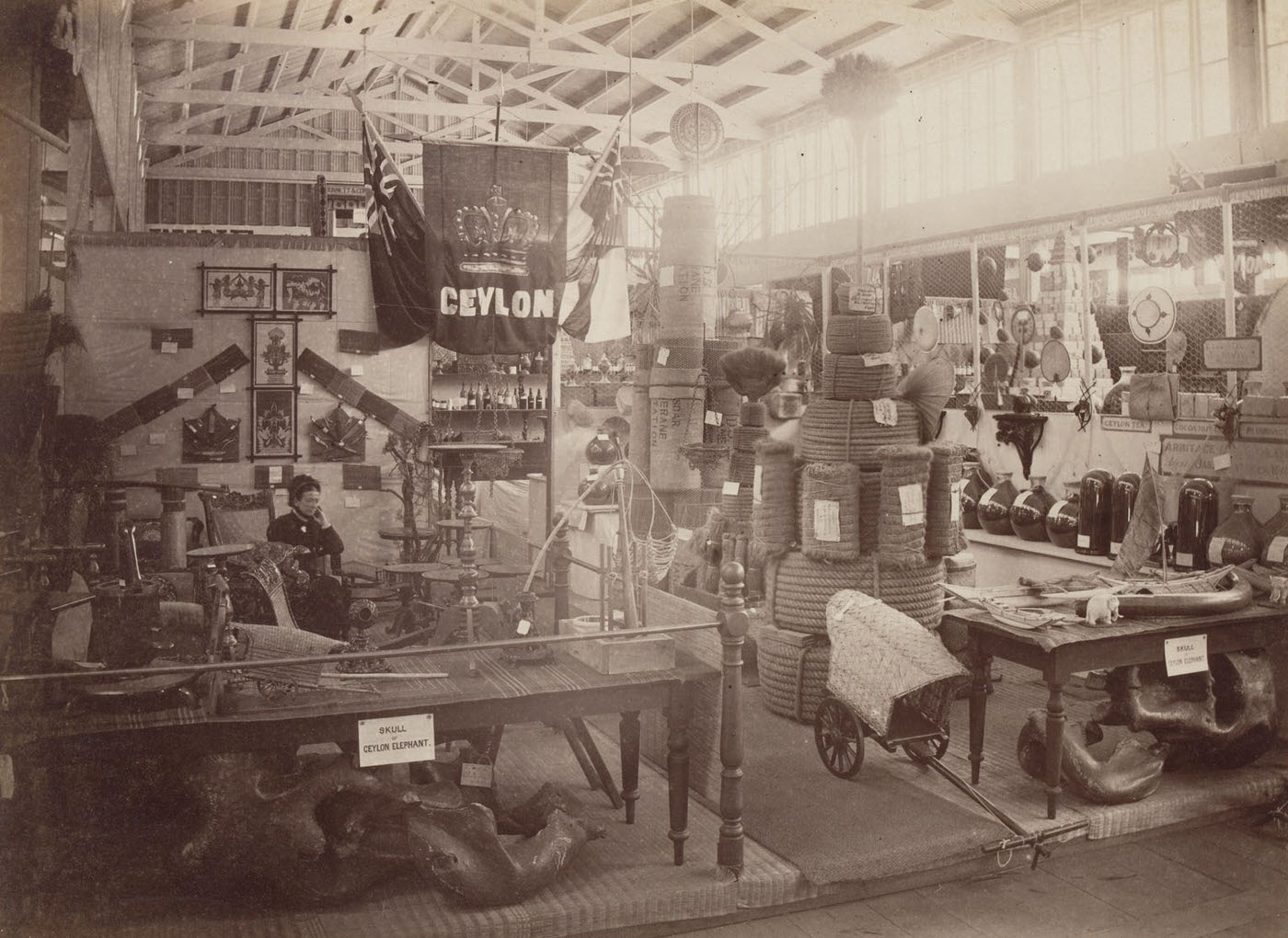
Melbourne’s cultural life expanded rapidly during the 1880s. The city staged the International Exhibition of 1880, a major world event that drew visitors from across the globe to see advances in technology, industry, science, and the arts. The Exhibition Building, completed for the occasion, was an architectural marvel — its grand dome visible from much of the central city. In 1888, a second international exhibition was held to mark the centenary of European settlement in Australia.
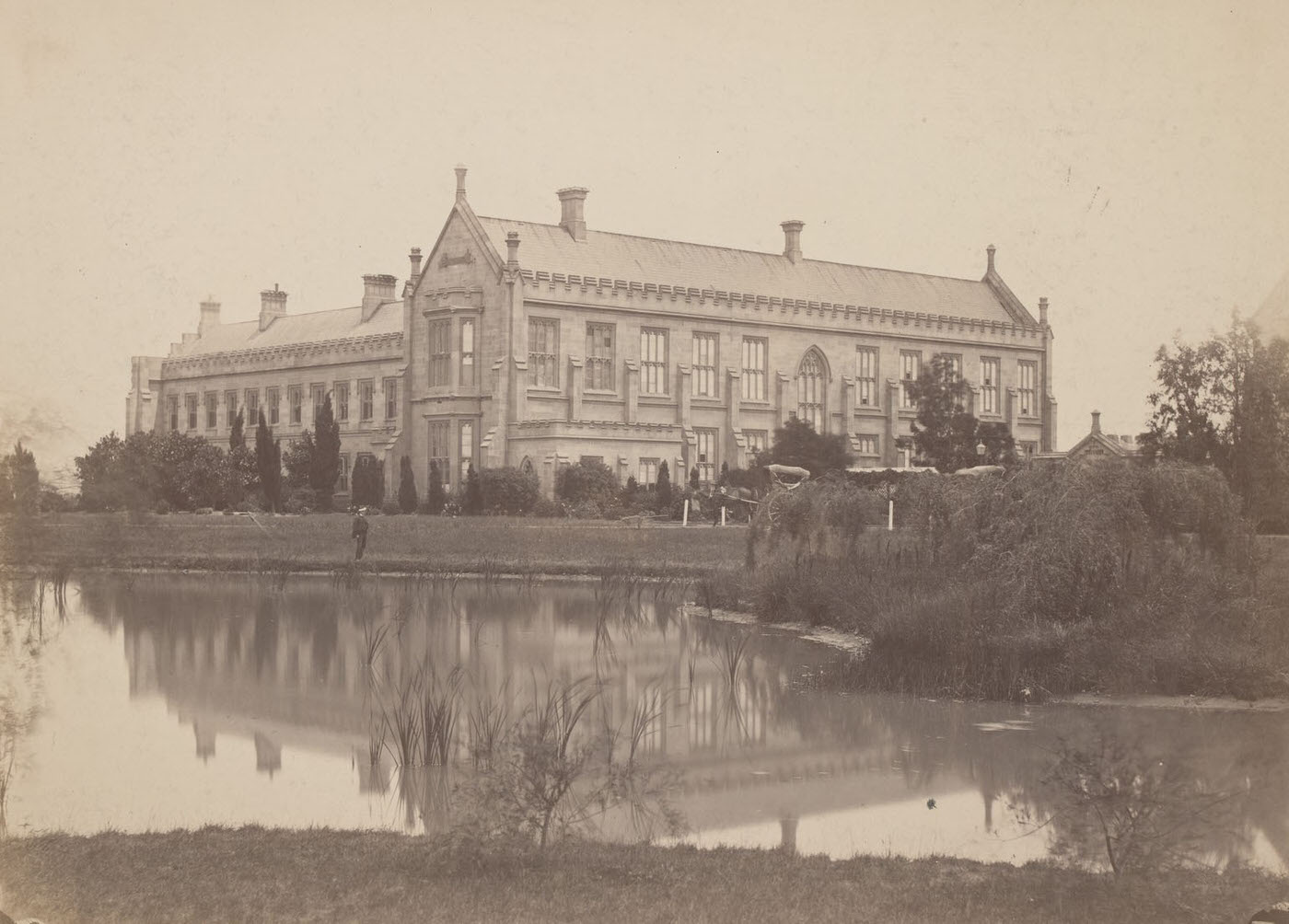
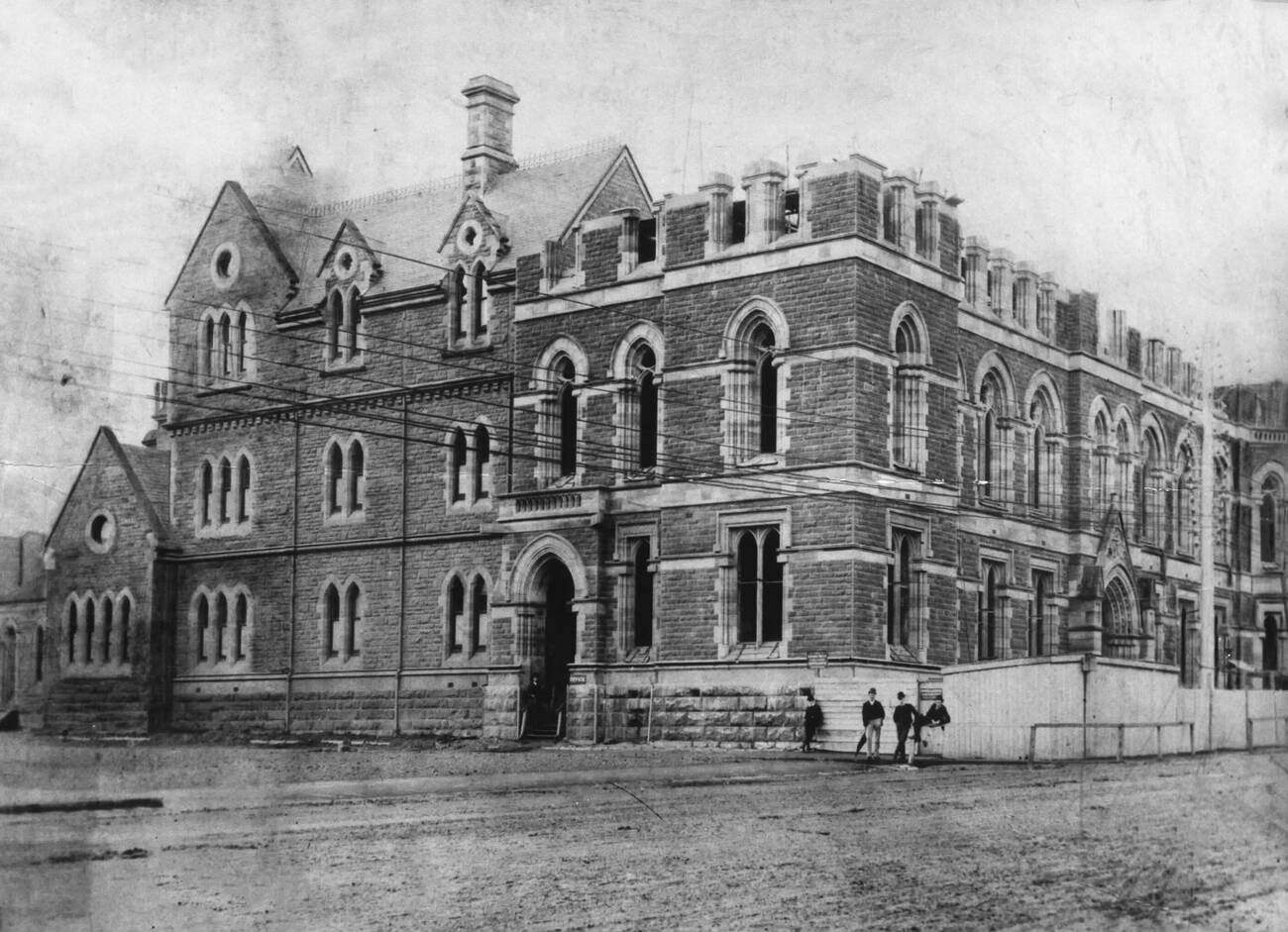
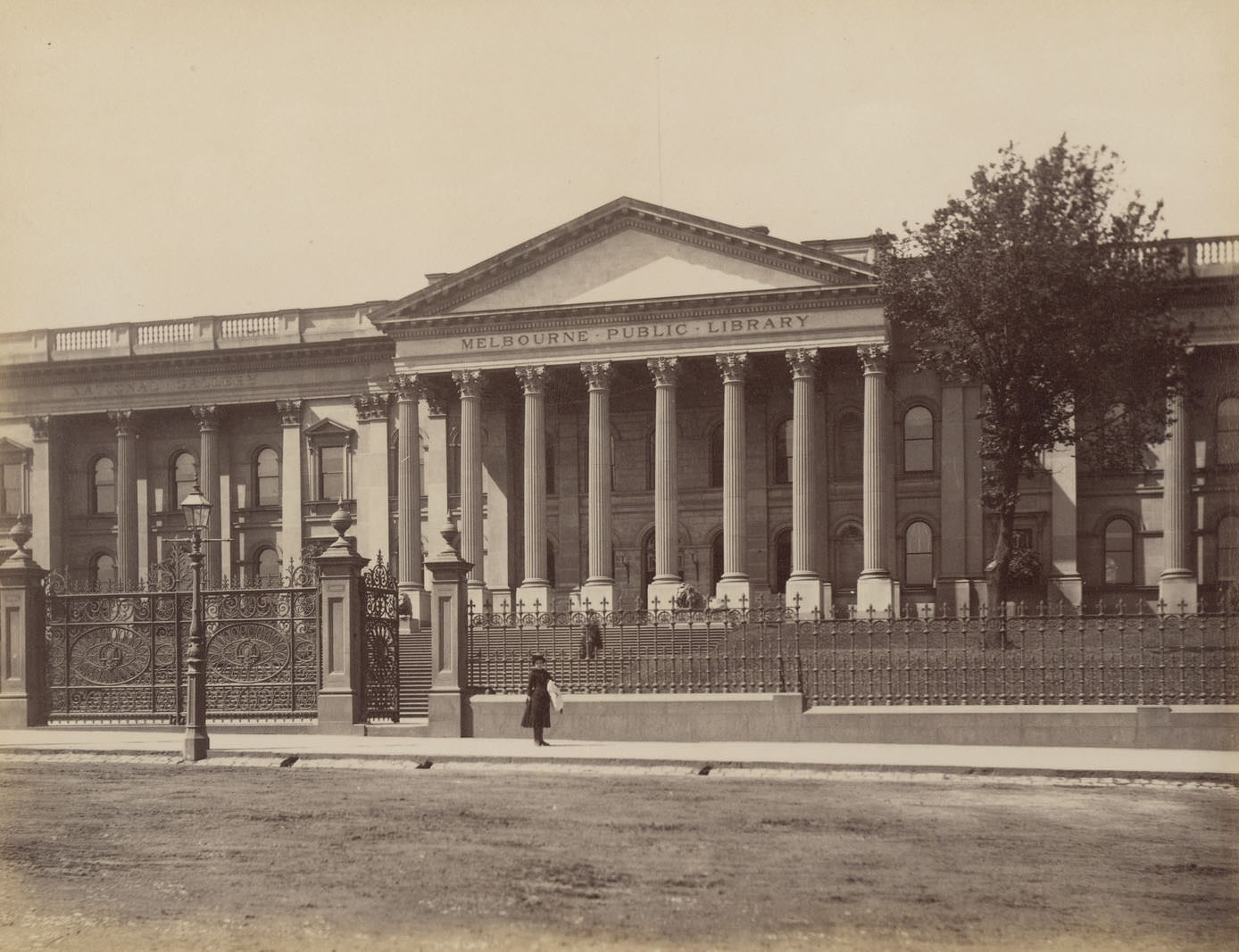
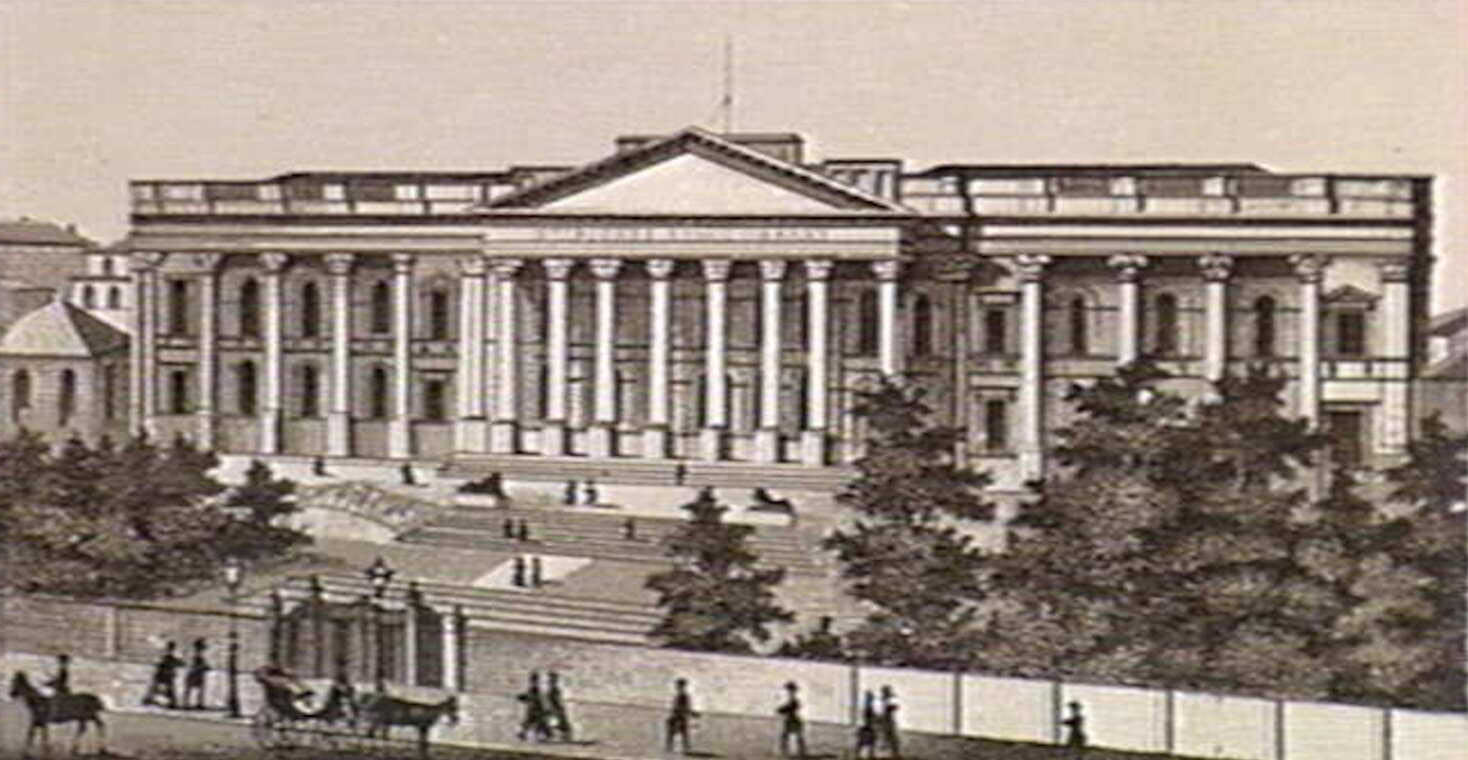
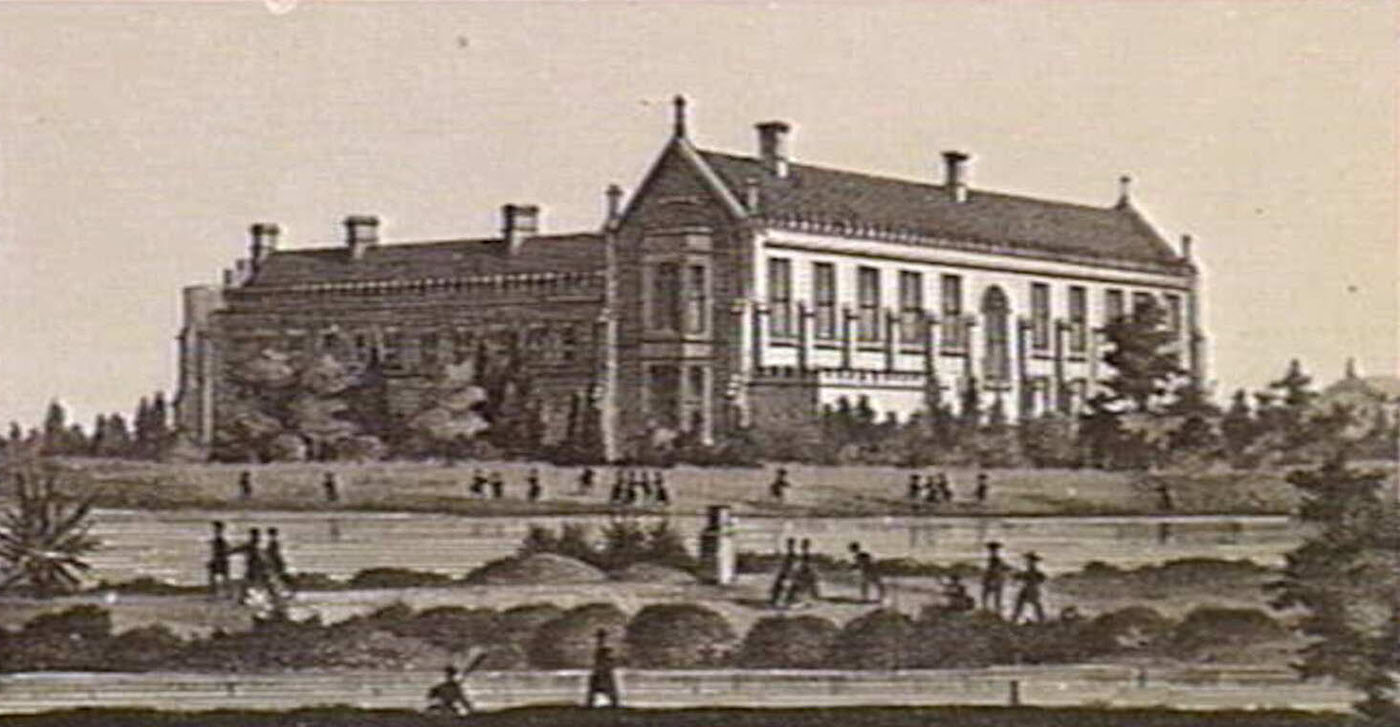
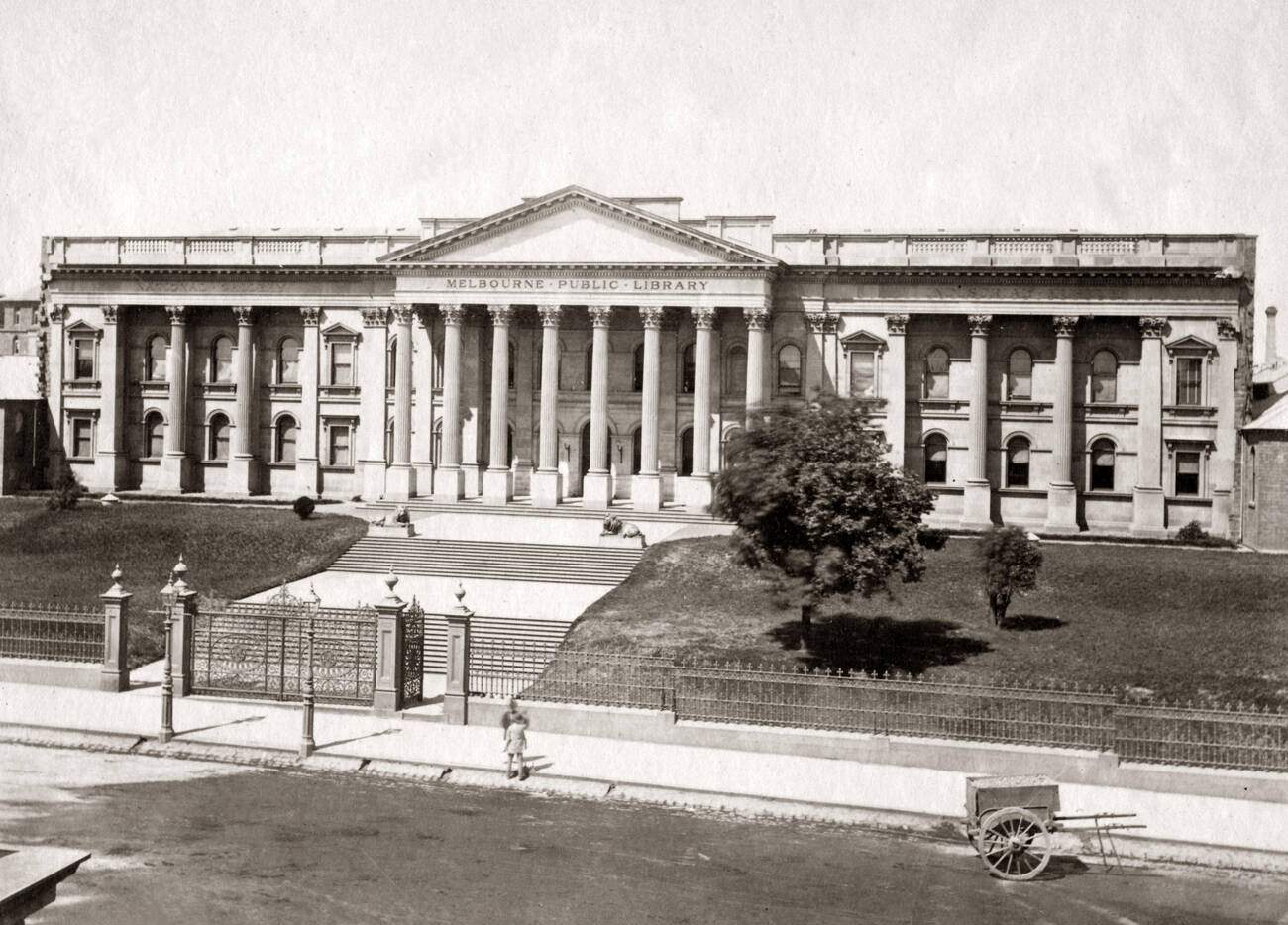
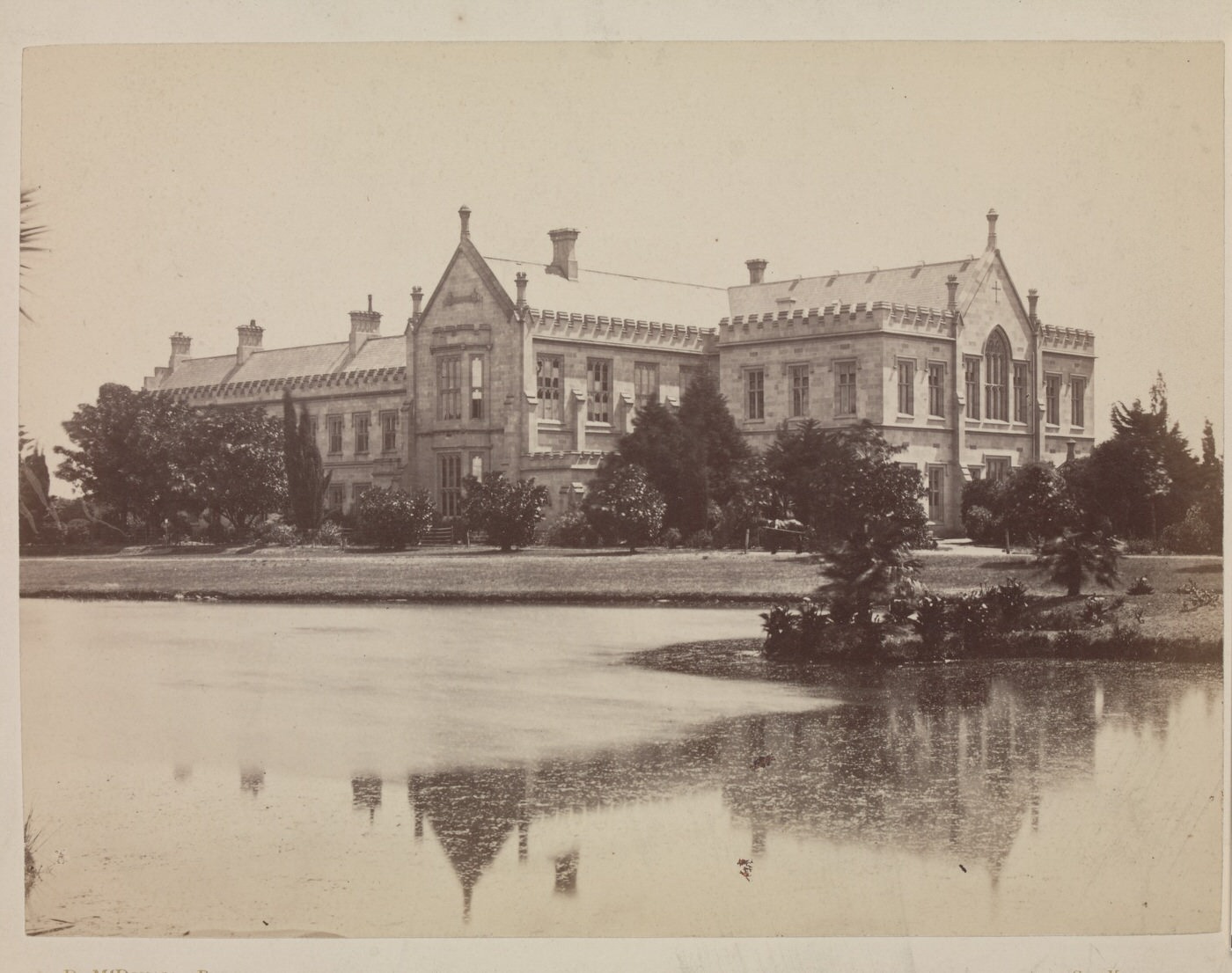
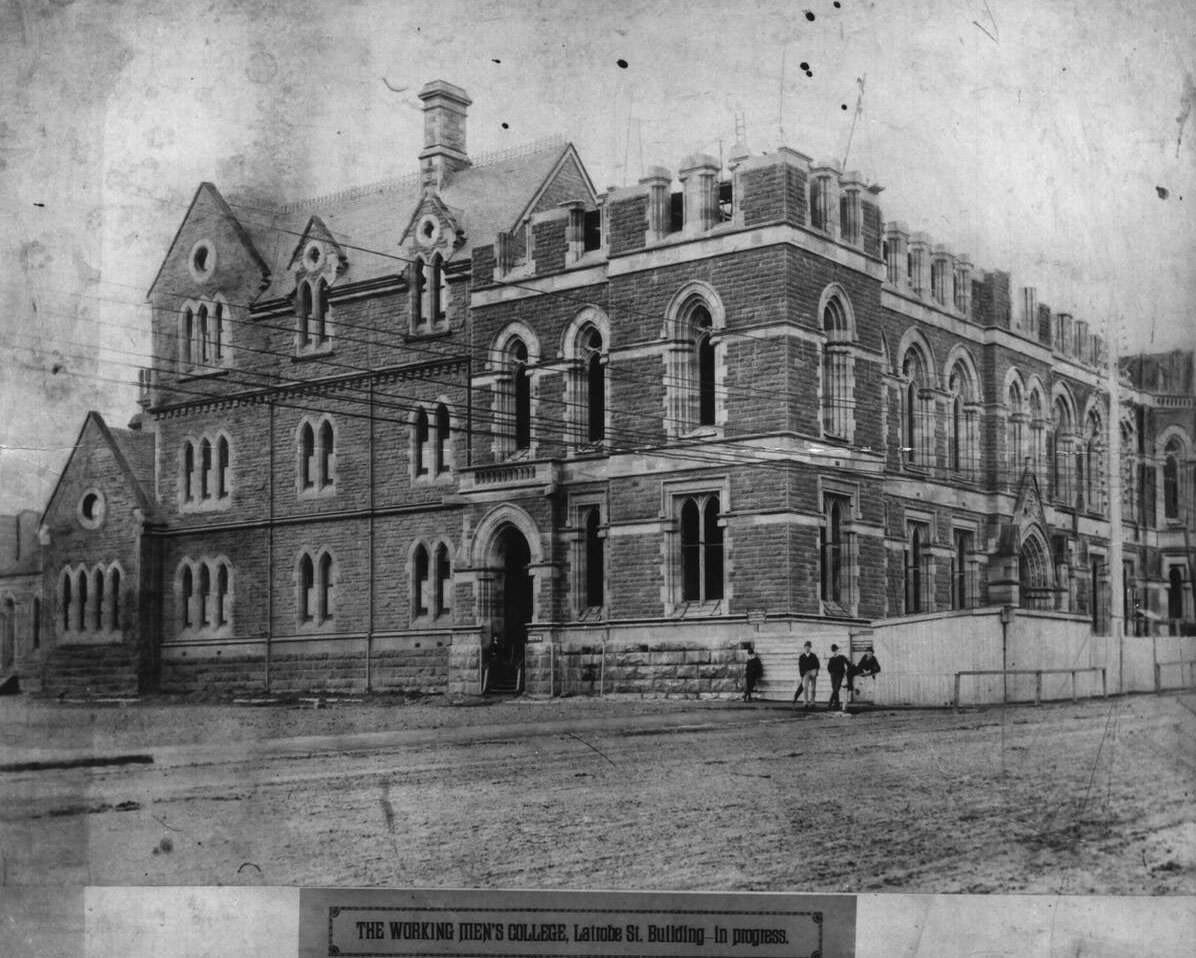
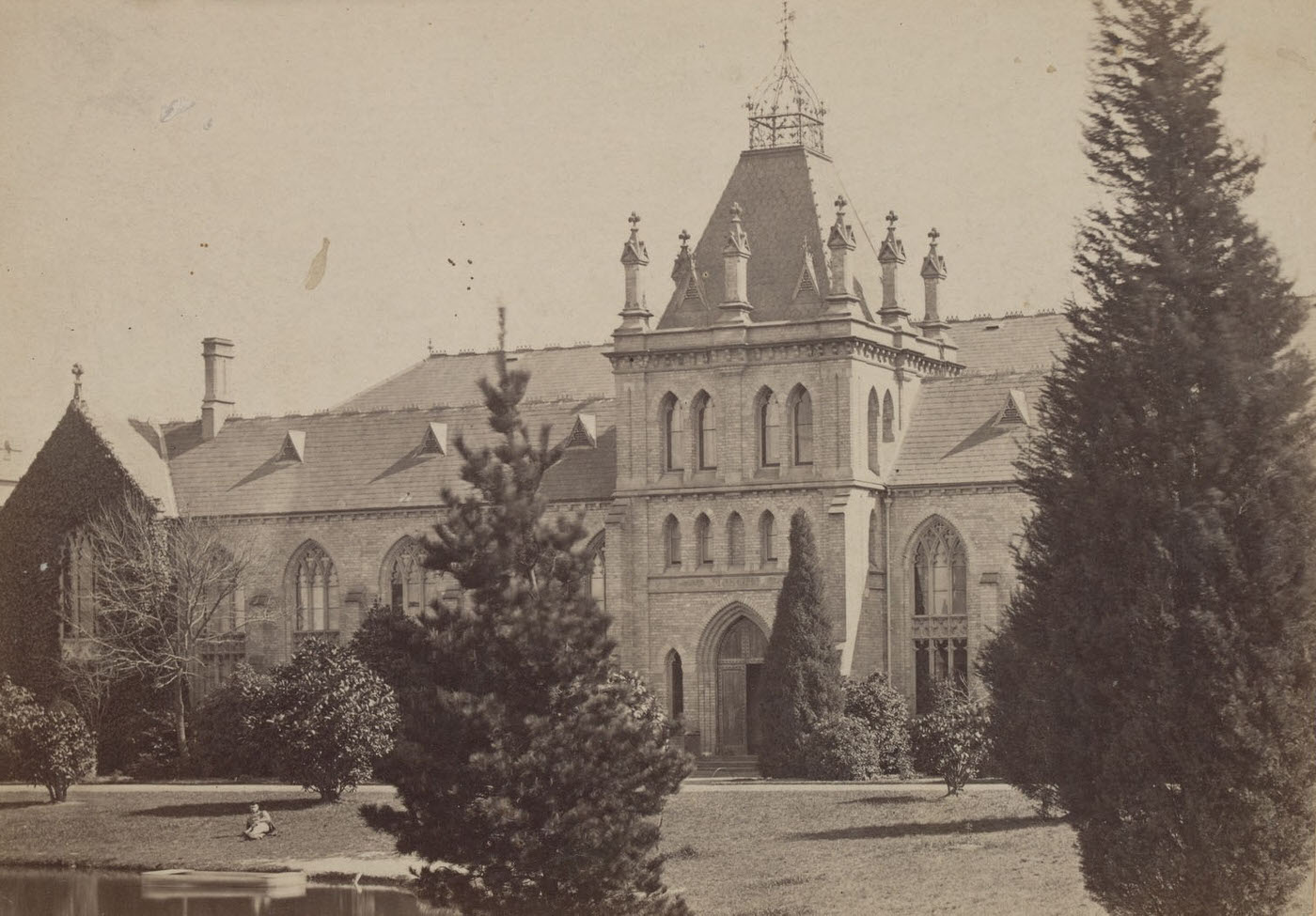
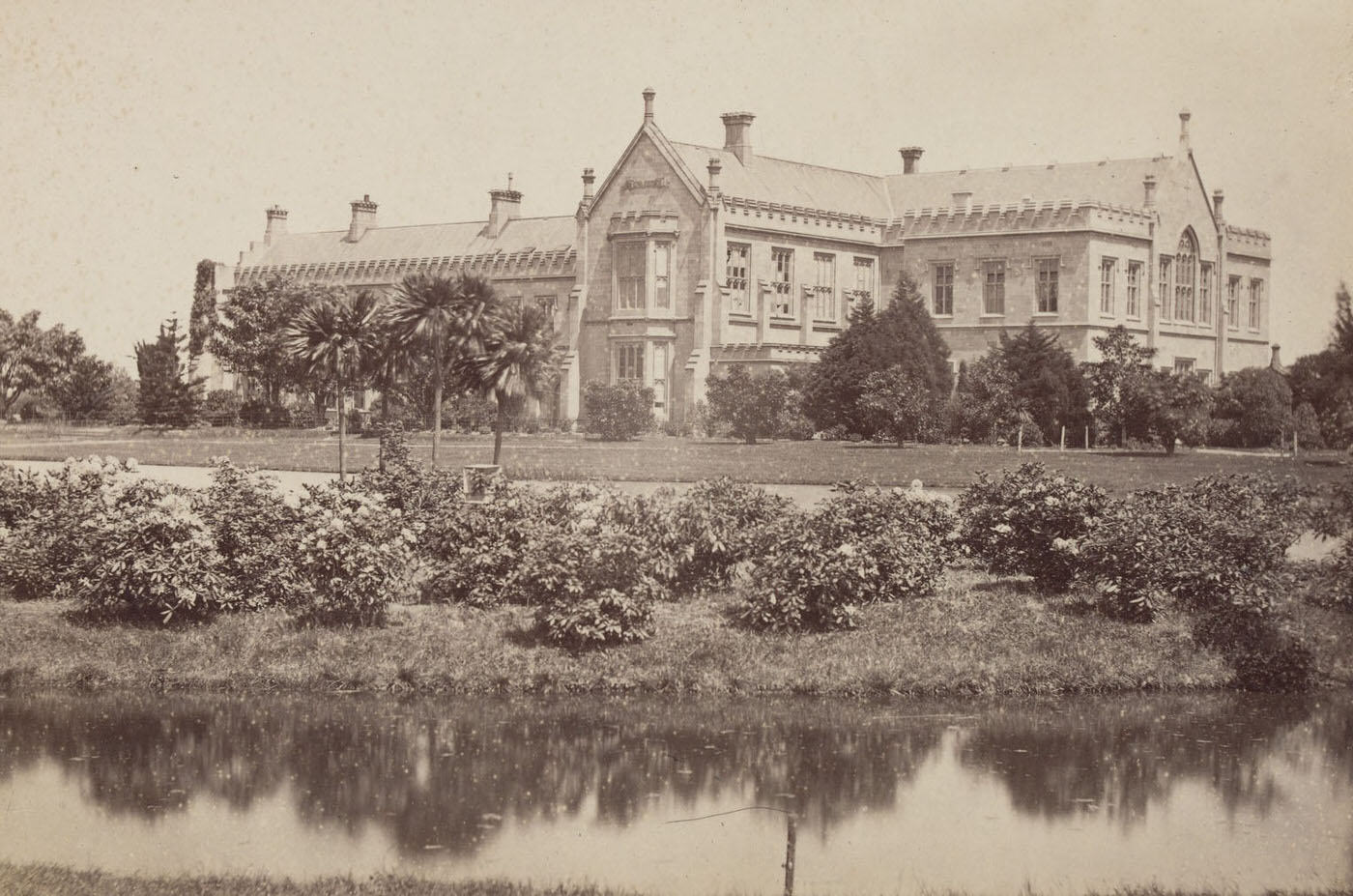
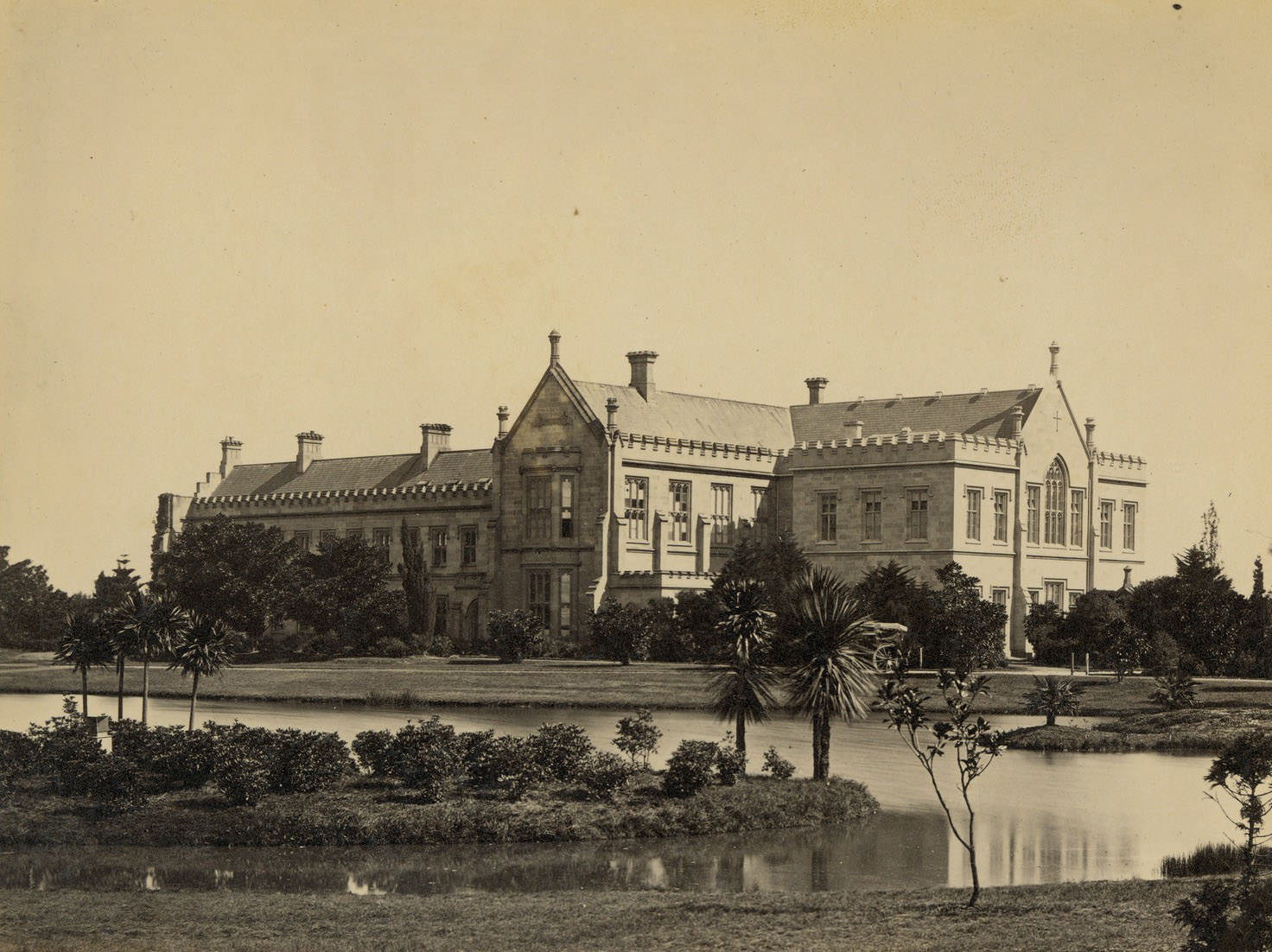
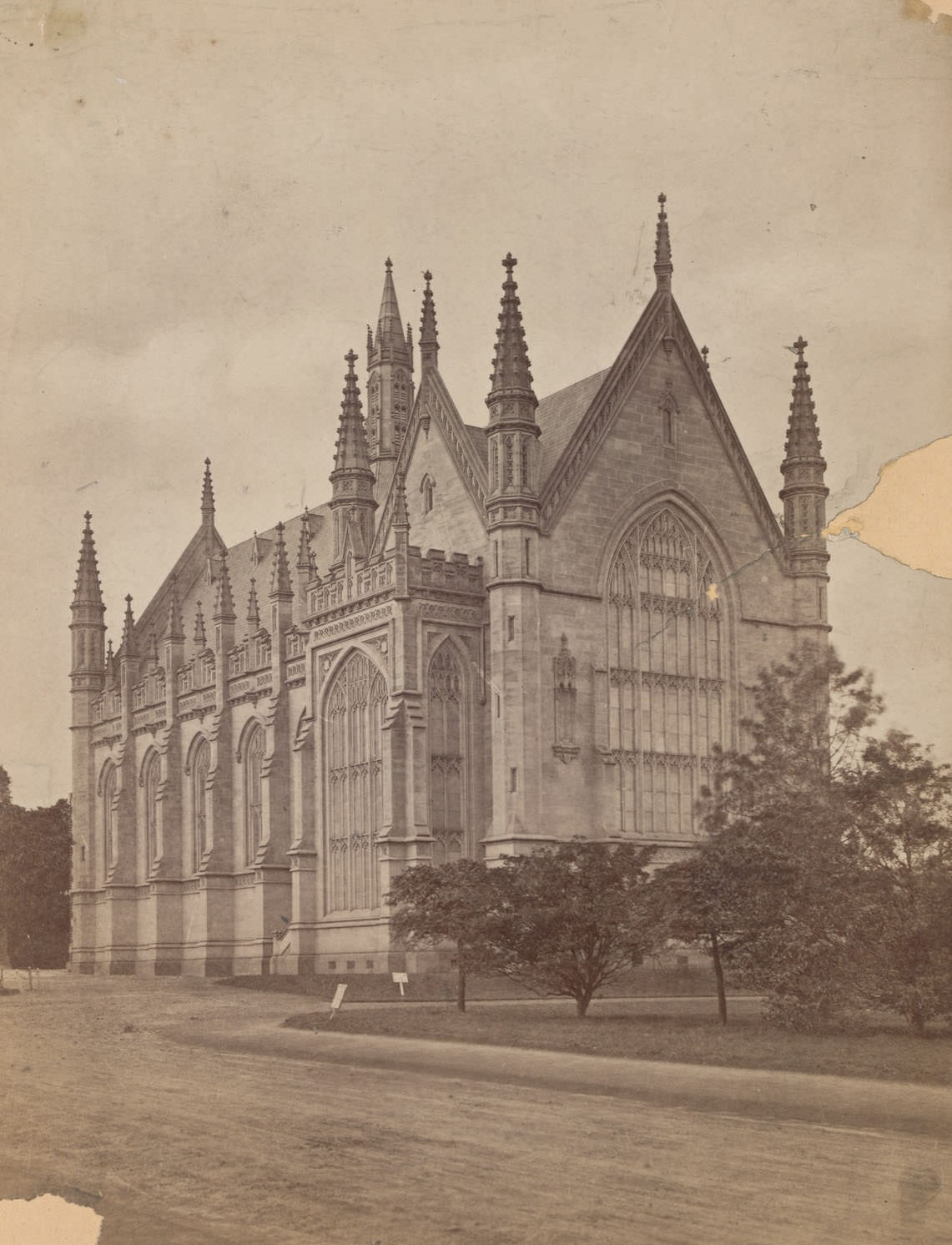
The University of Melbourne was already an established institution by the 1880s, with its grand bluestone buildings set on parkland north of the city center. The Working Men’s College — which would later become RMIT University — was under construction by 1887, a sign that education was being extended beyond the wealthy classes. The Public Library and the National Museum also served a population hungry for knowledge and culture.
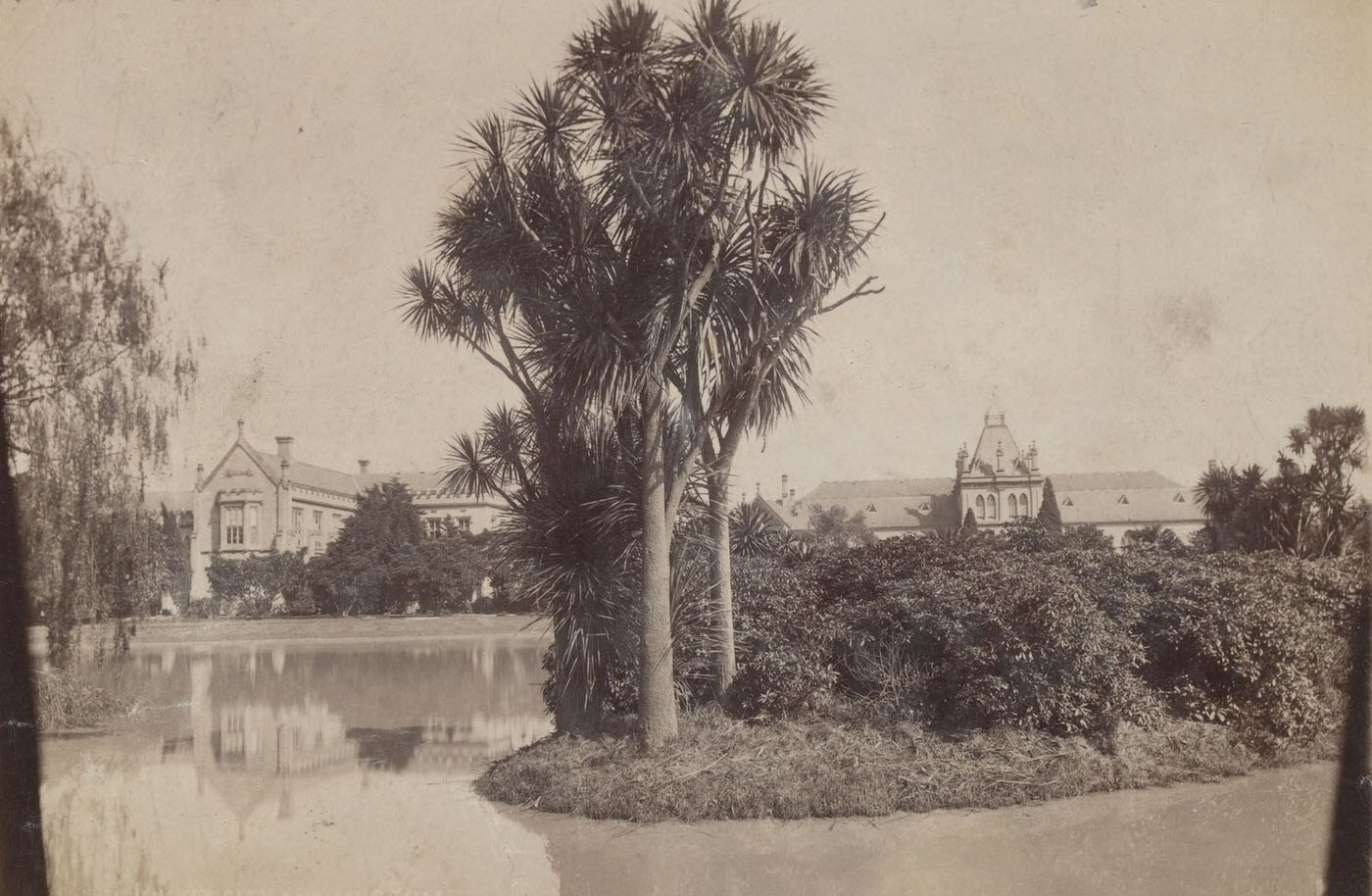
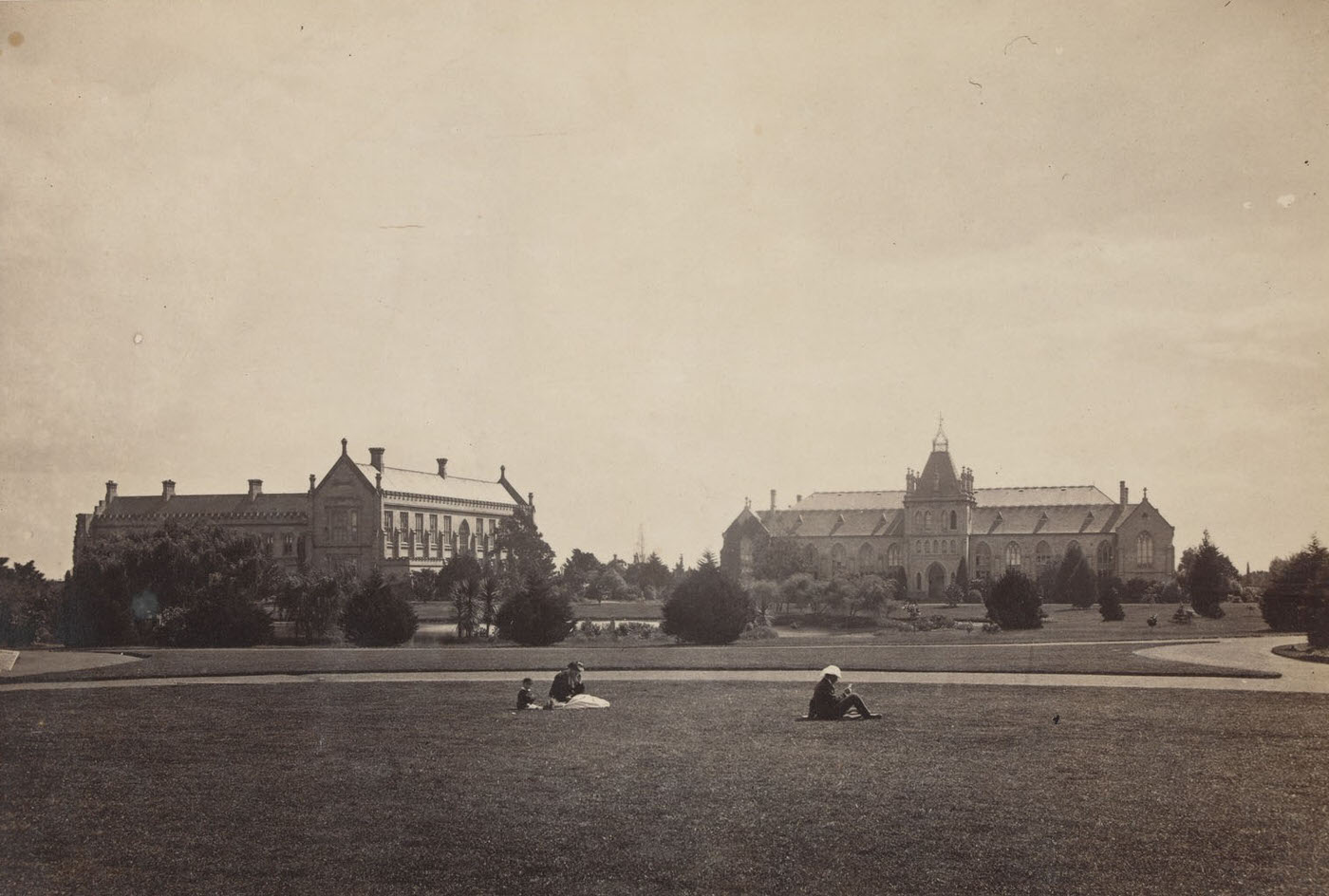
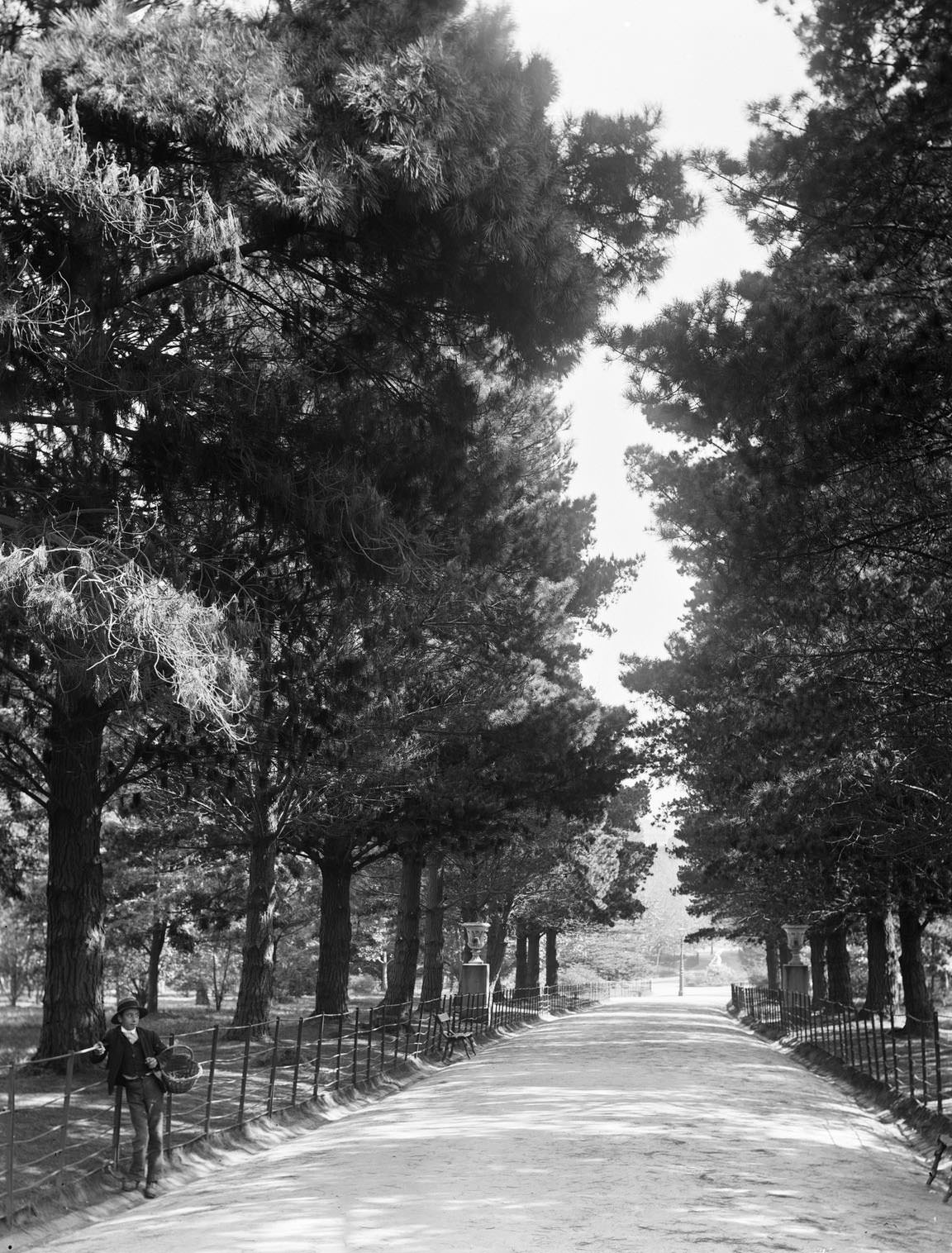
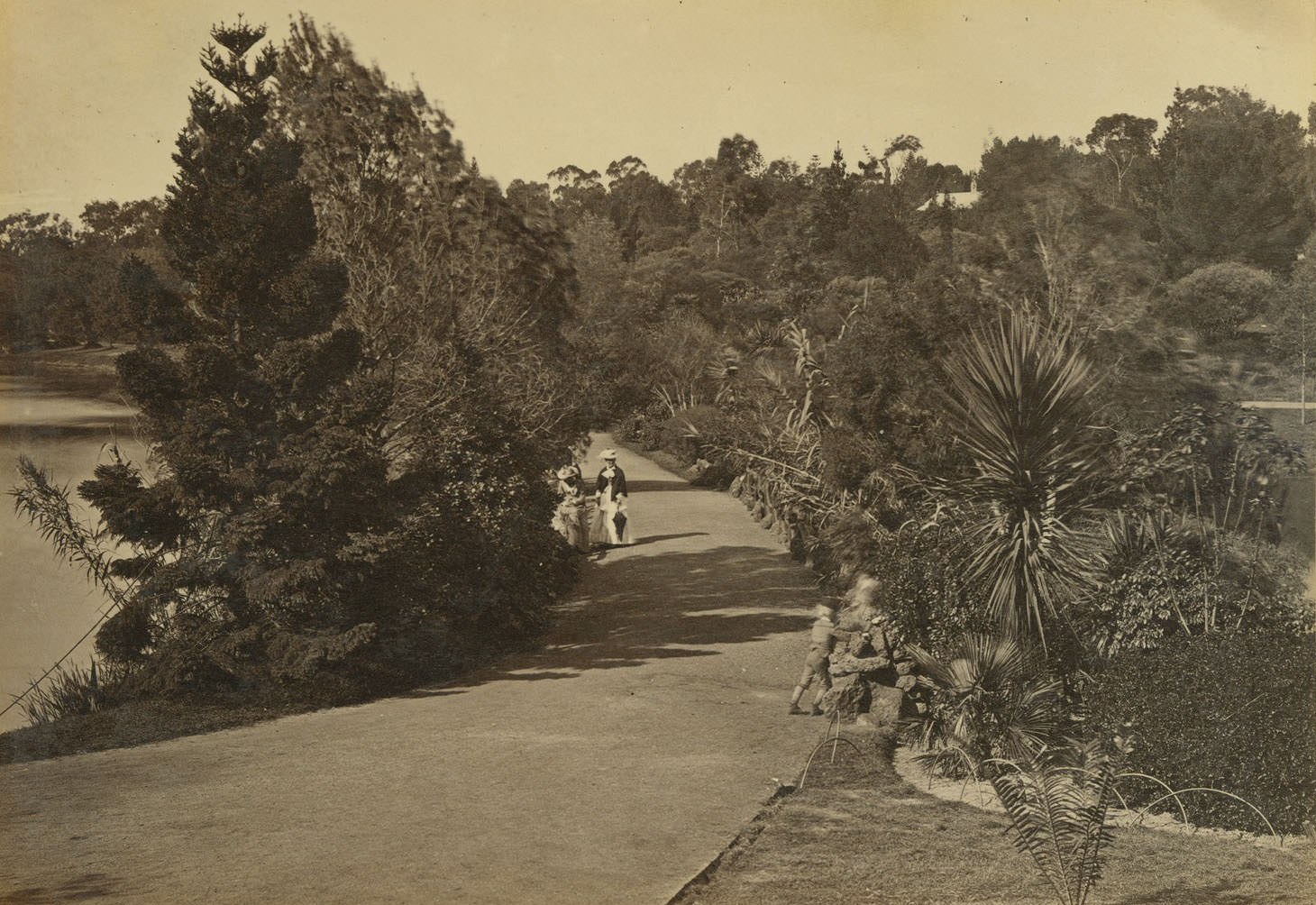
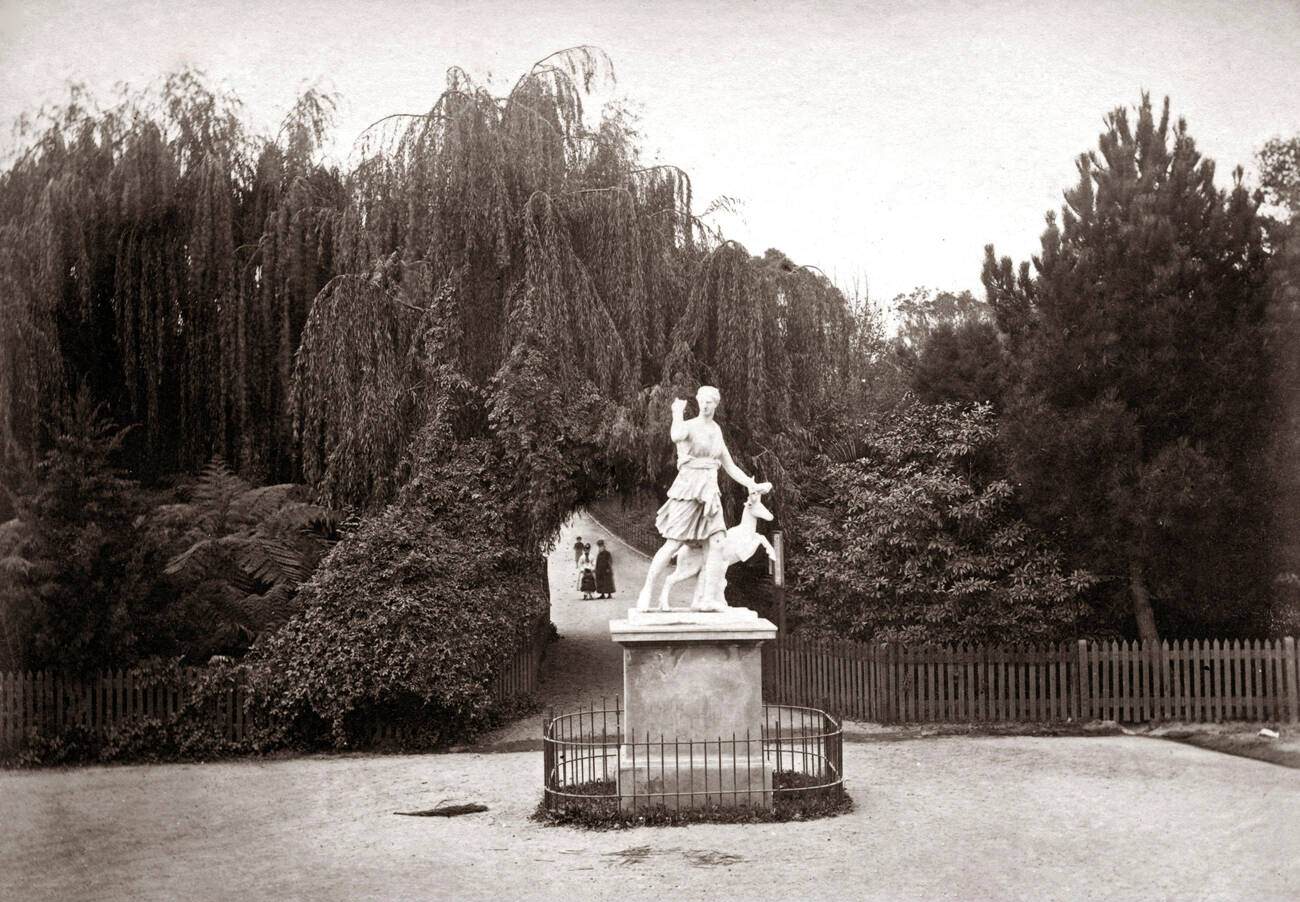
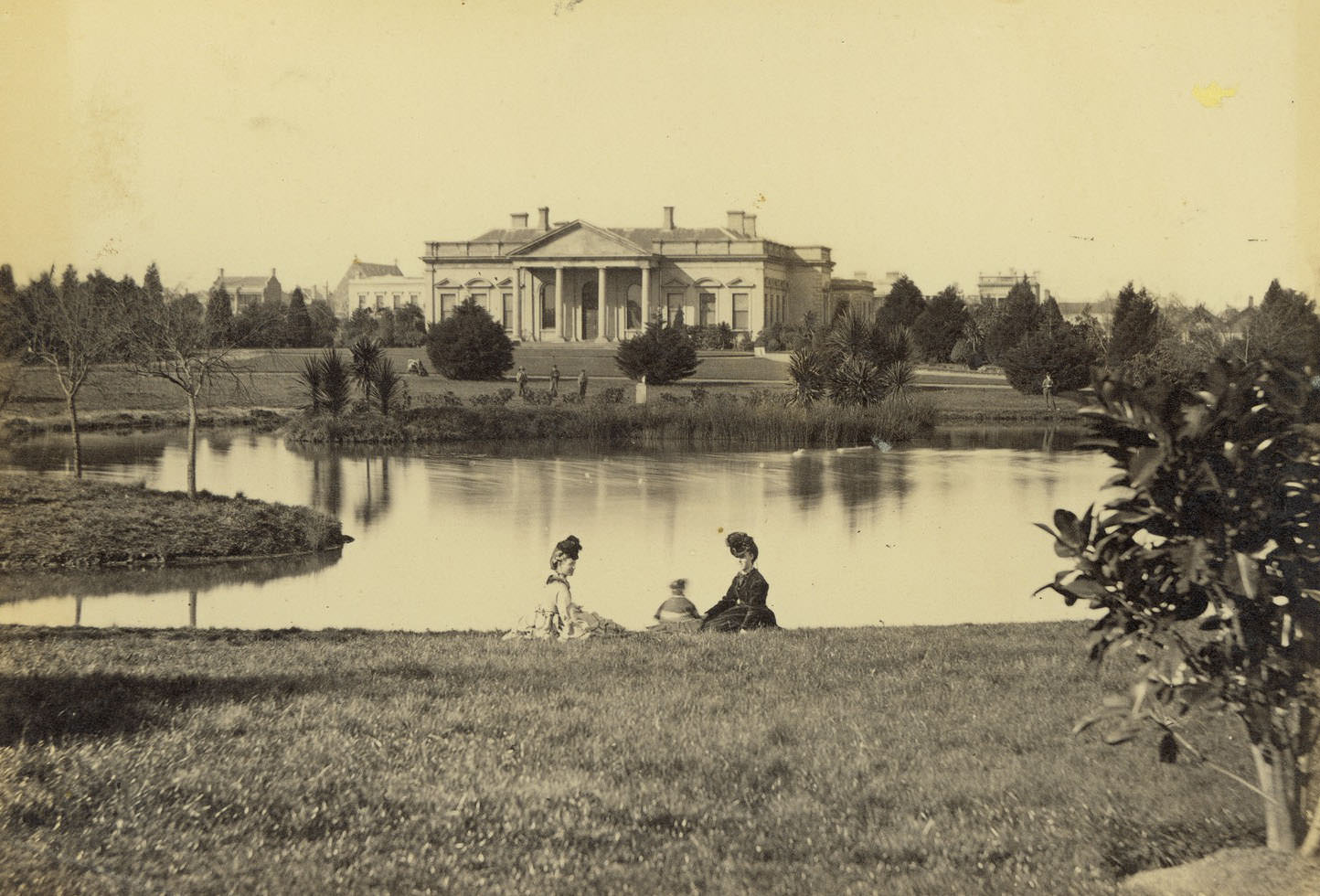
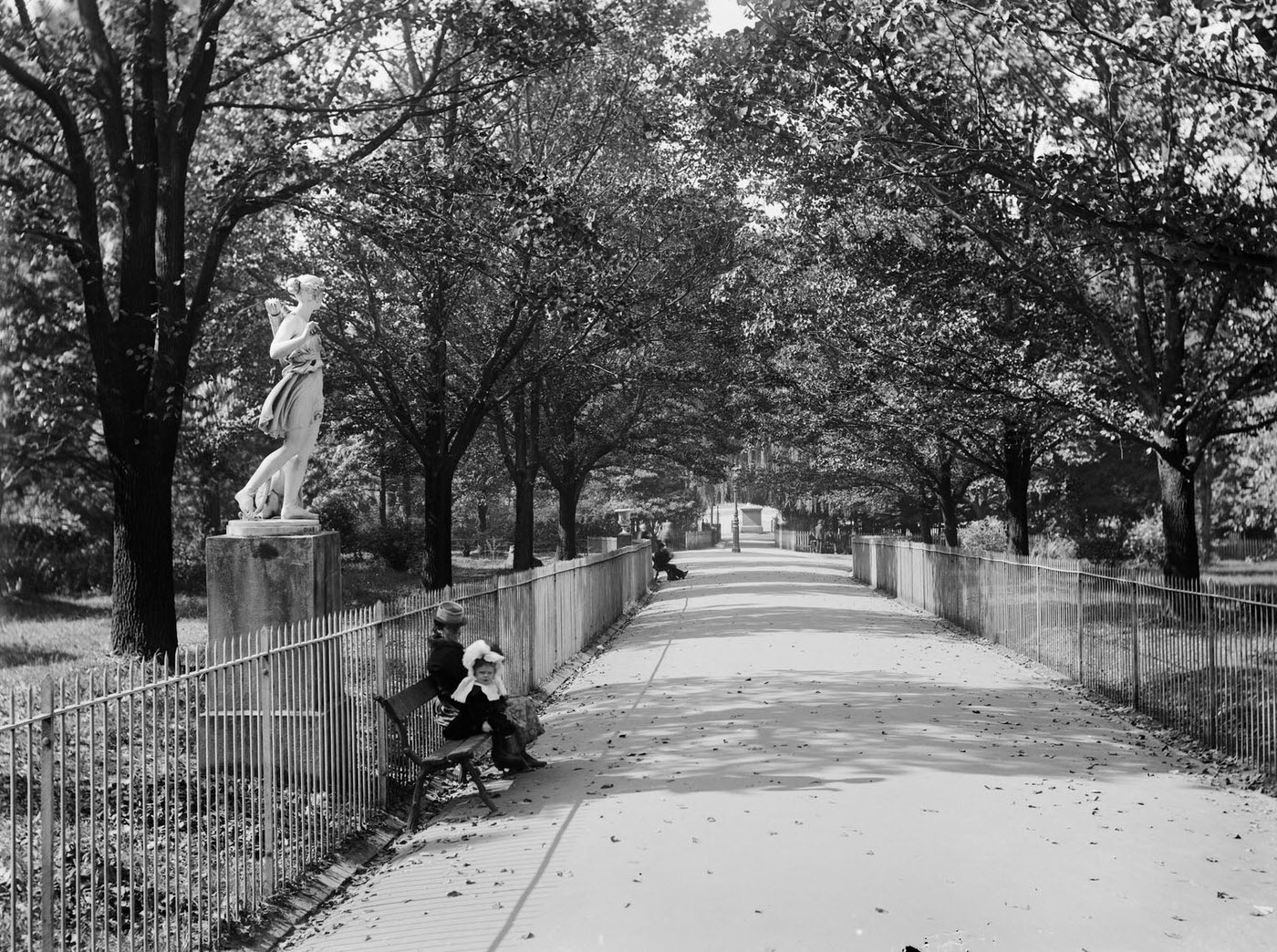
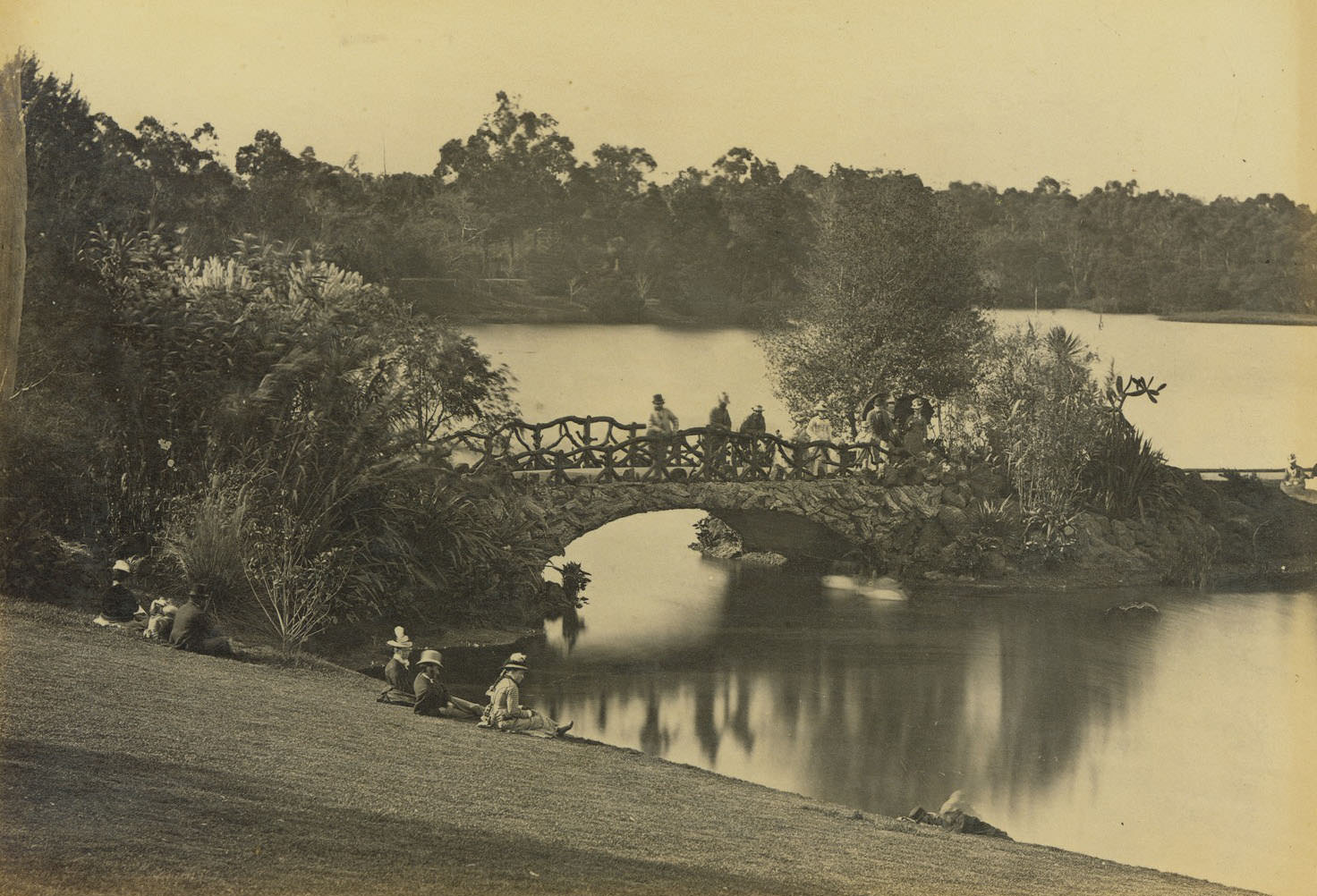
Parks and gardens gave Melbourne’s residents space to escape the noise and density of the city. The Fitzroy Gardens were a popular retreat, with wide paths, mature trees, and carefully maintained lawns. The Royal Botanic Gardens attracted both serious botanists and ordinary families looking for a Sunday afternoon outing. These green spaces were not incidental — they were deliberately planned as part of a city that wanted to project refinement and order.
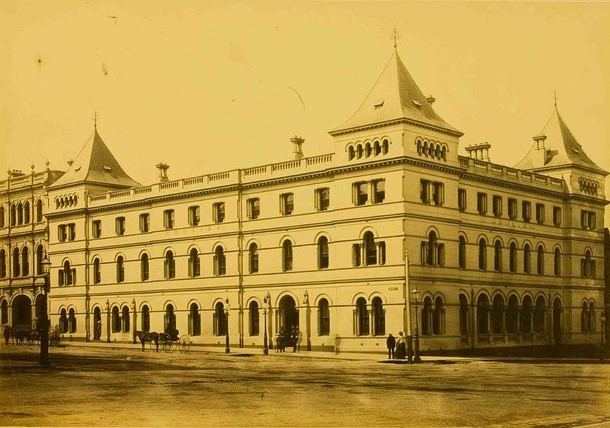
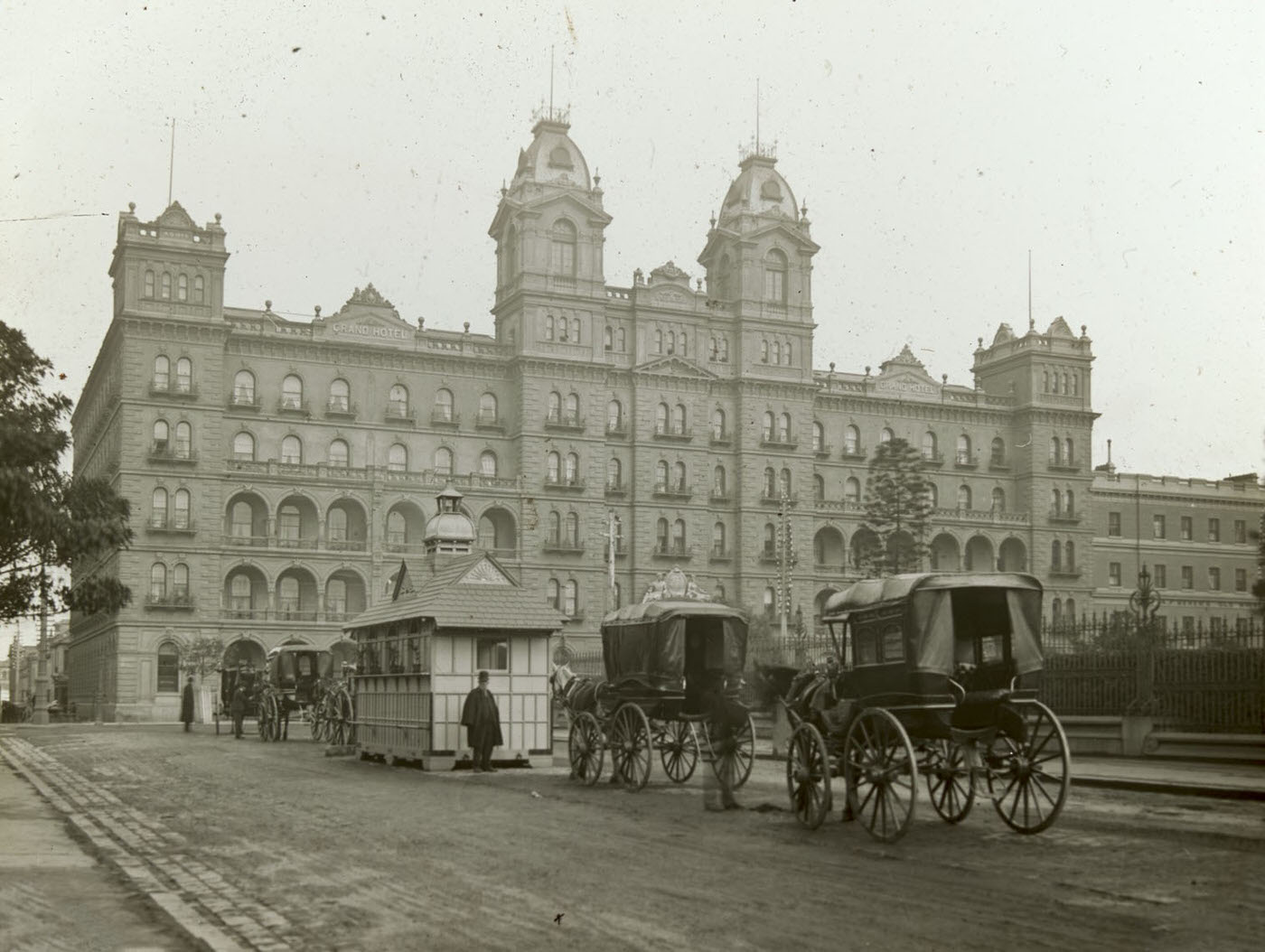
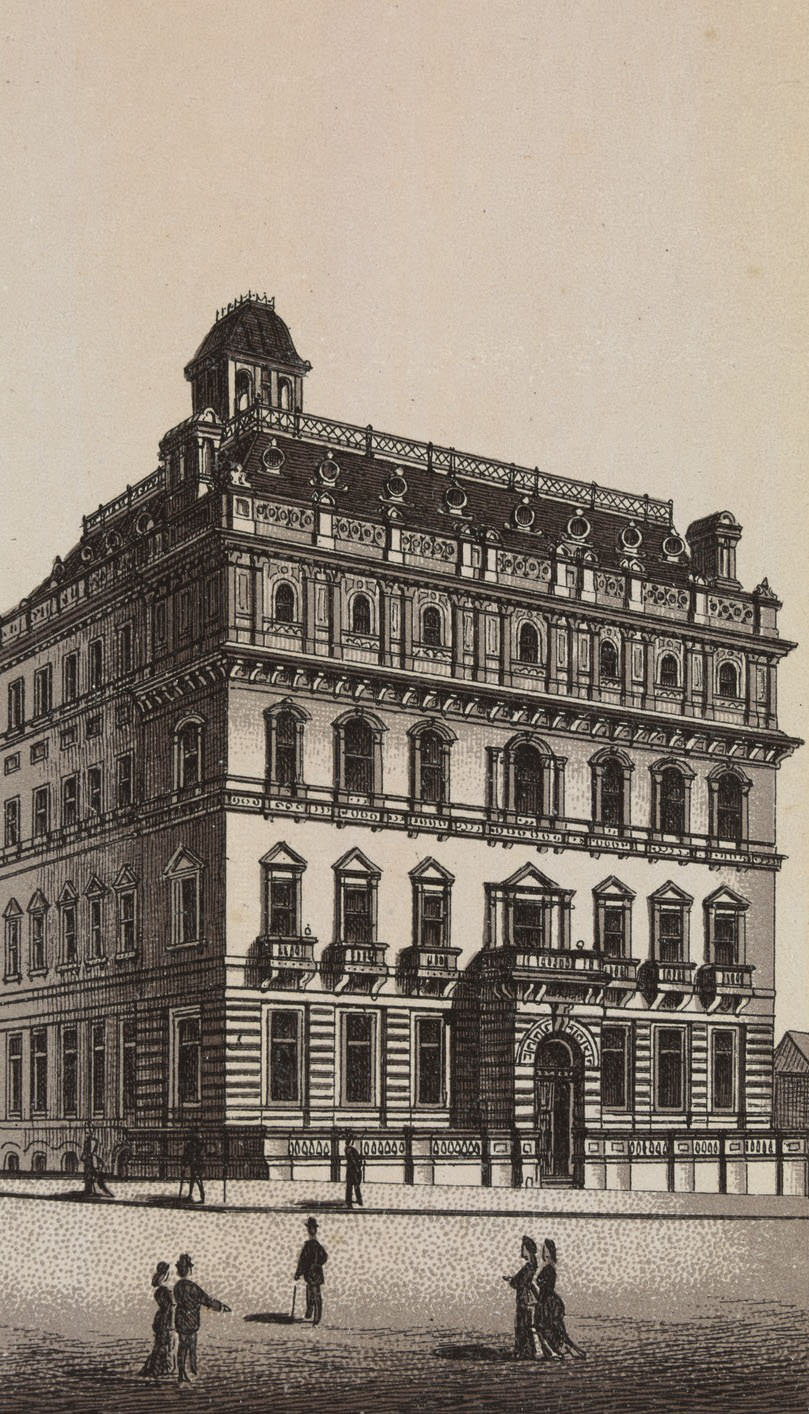
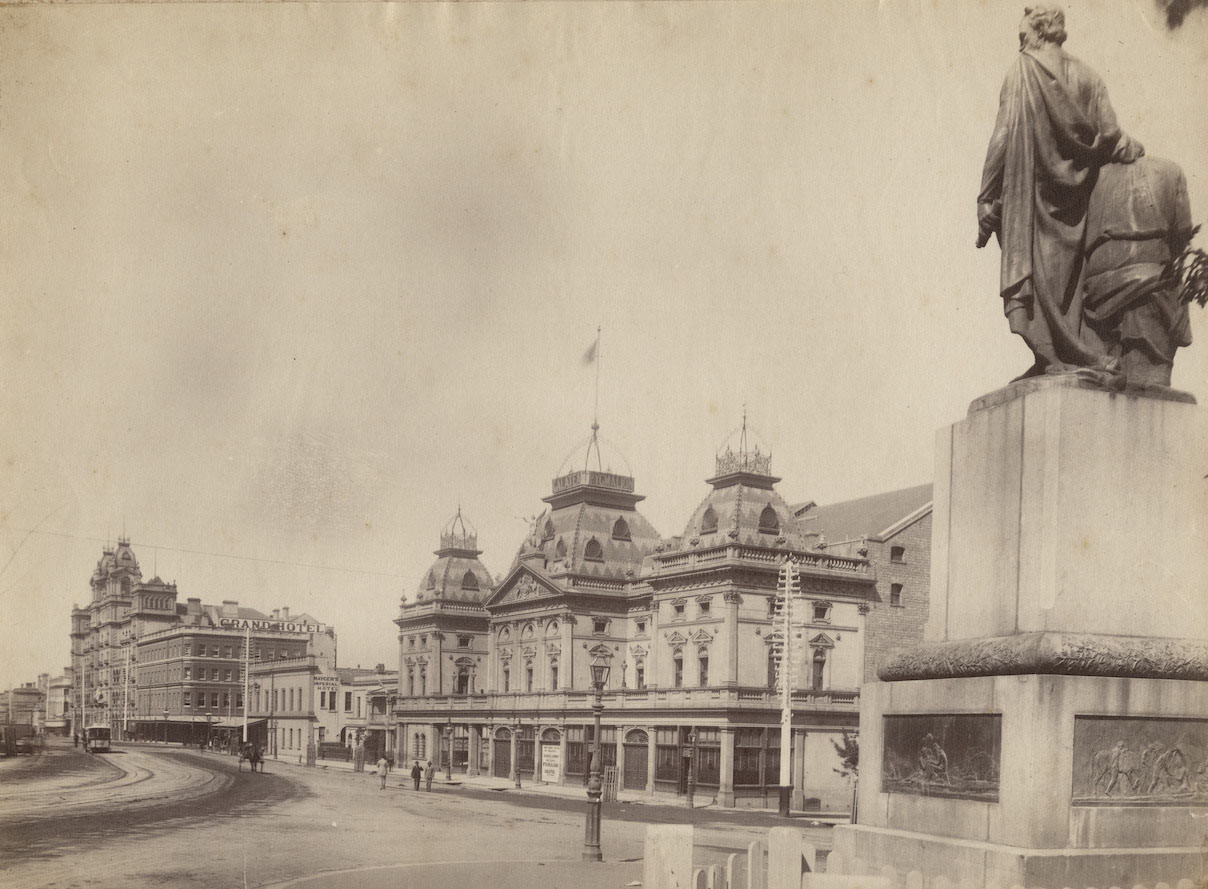
Hotels and commercial establishments catered to Melbourne’s growing middle and upper classes. The Menzies Hotel at the corner of Bourke and William Streets was one of the city’s finest, hosting visiting dignitaries and wealthy travelers. The Grand Hotel and the Australian Club-House on William Street served similar clientele, reflecting the prosperity that Melbourne’s boom years had produced.
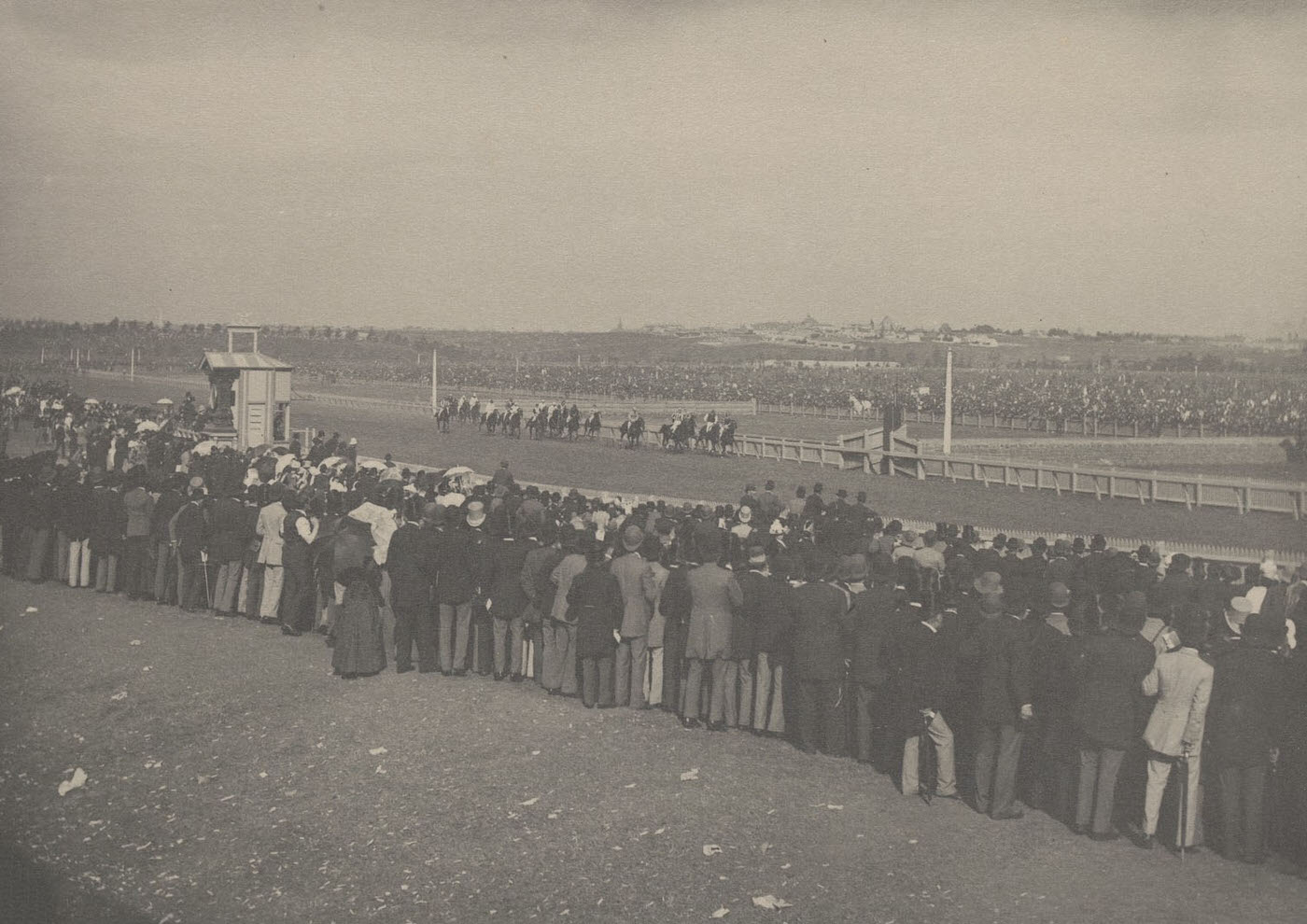
Sport was already woven into Melbourne’s identity. The Melbourne Cup horse race drew enormous crowds to Flemington Racecourse and attracted national attention. By 1889, the event had become a major fixture in the Australian sporting calendar, with fashionably dressed spectators filling the grandstands and betting on the field.
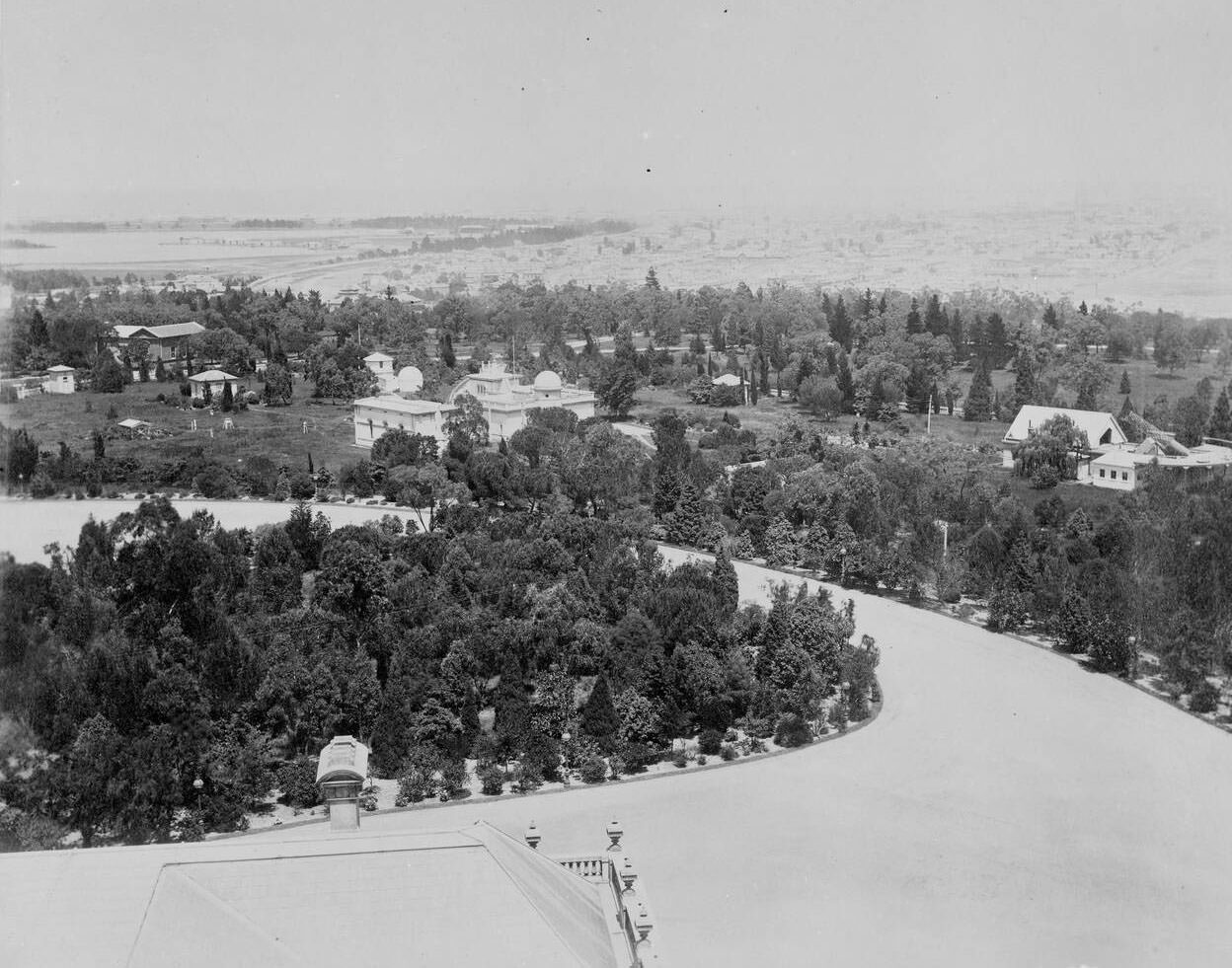
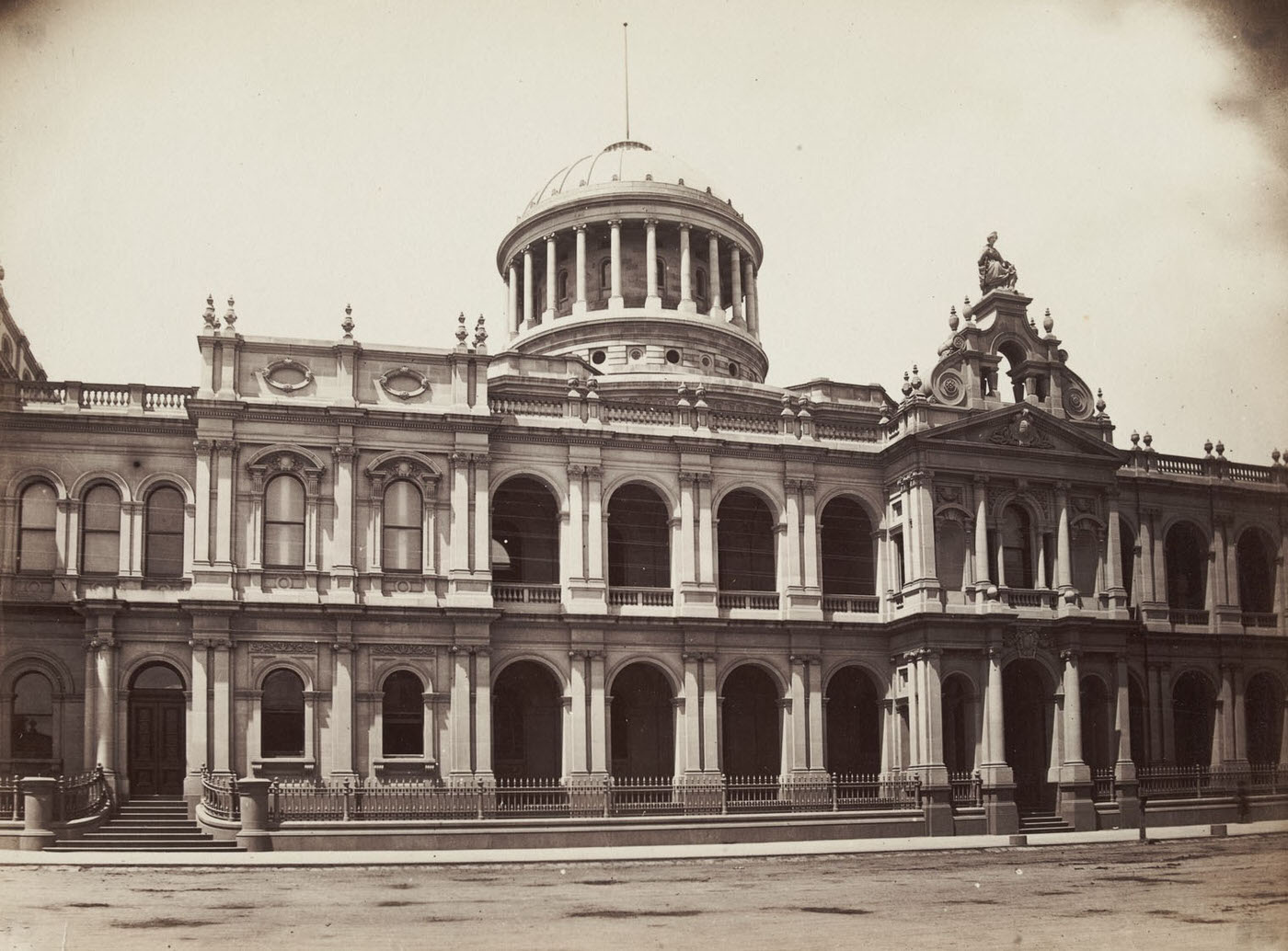
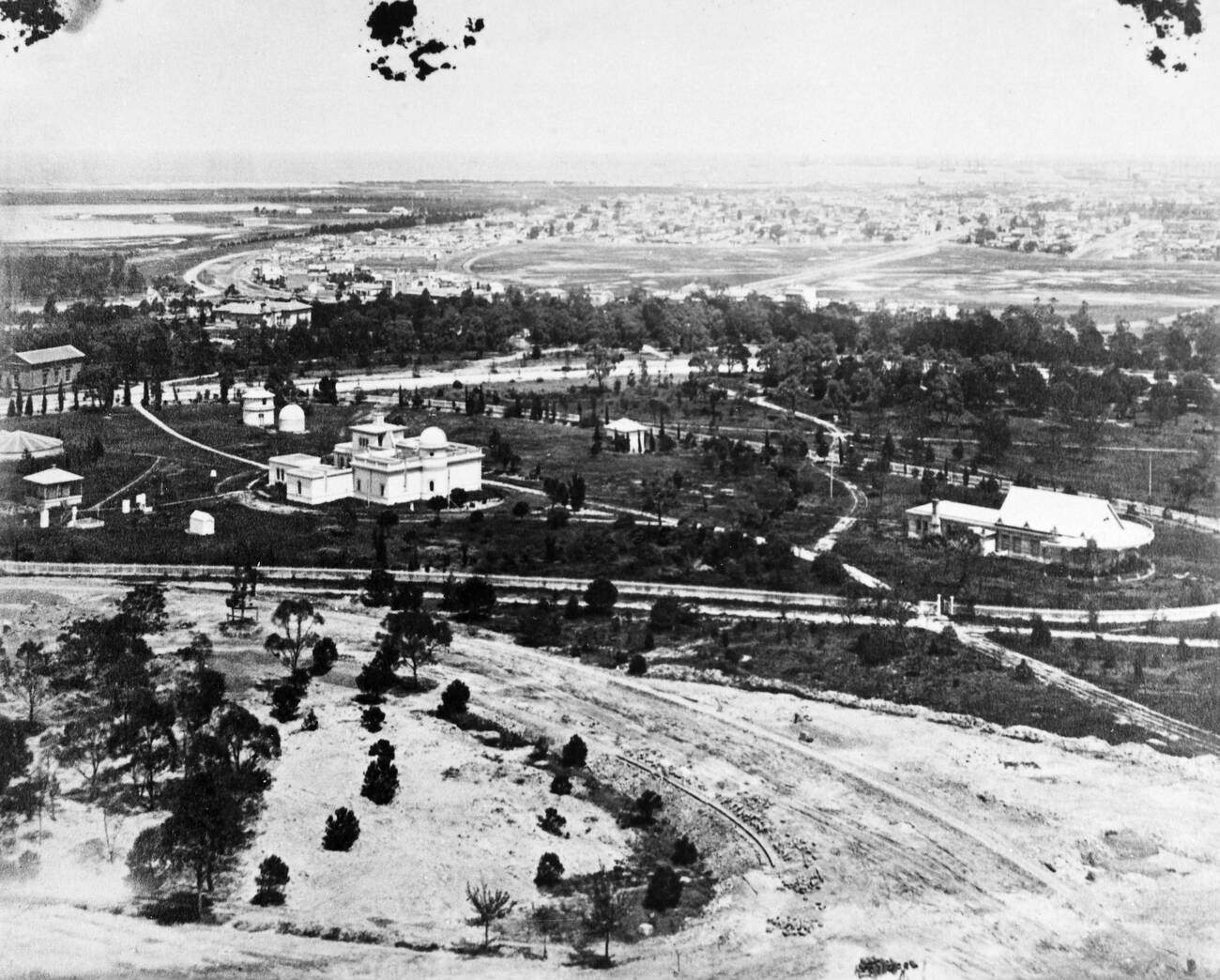
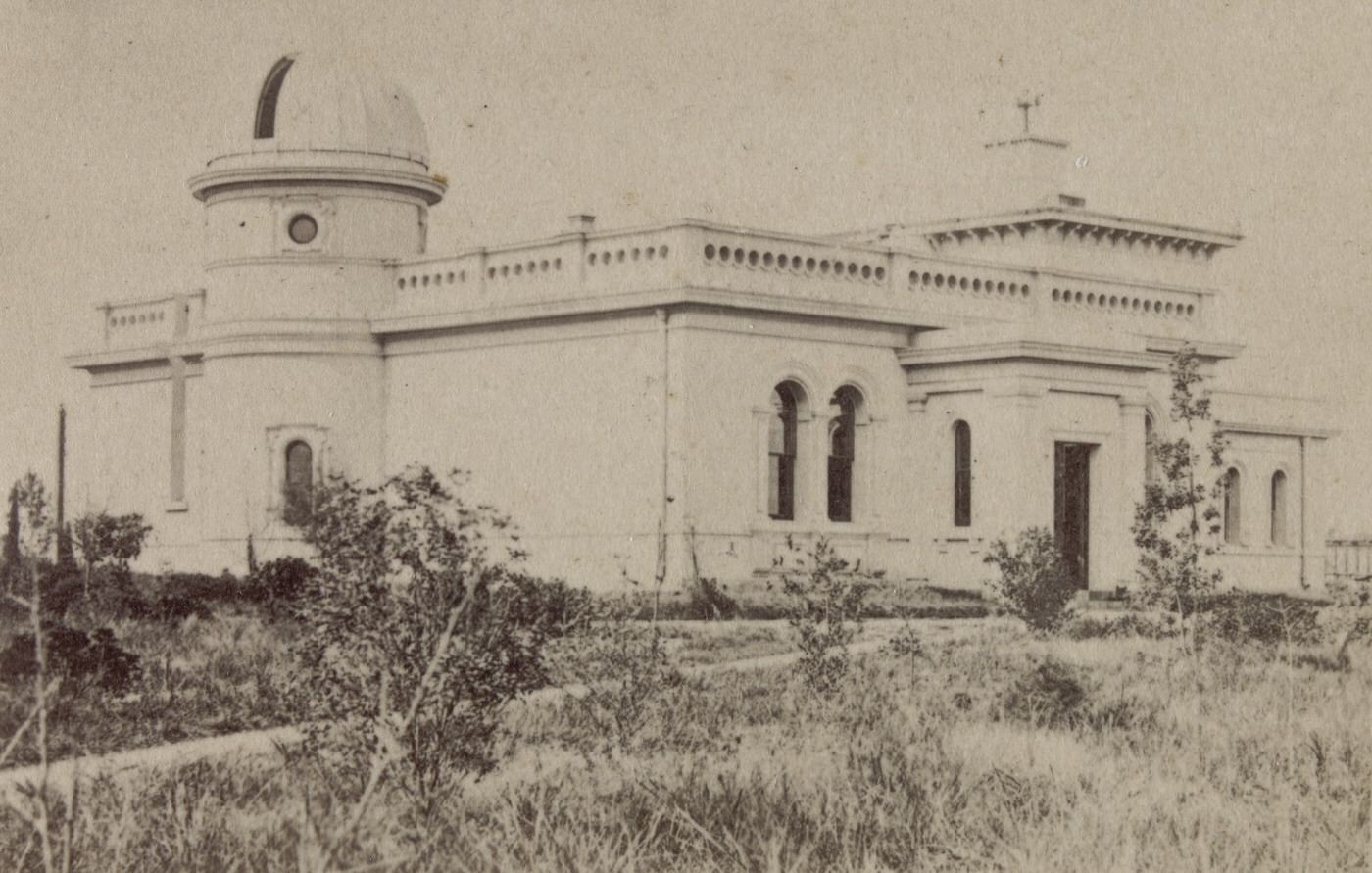
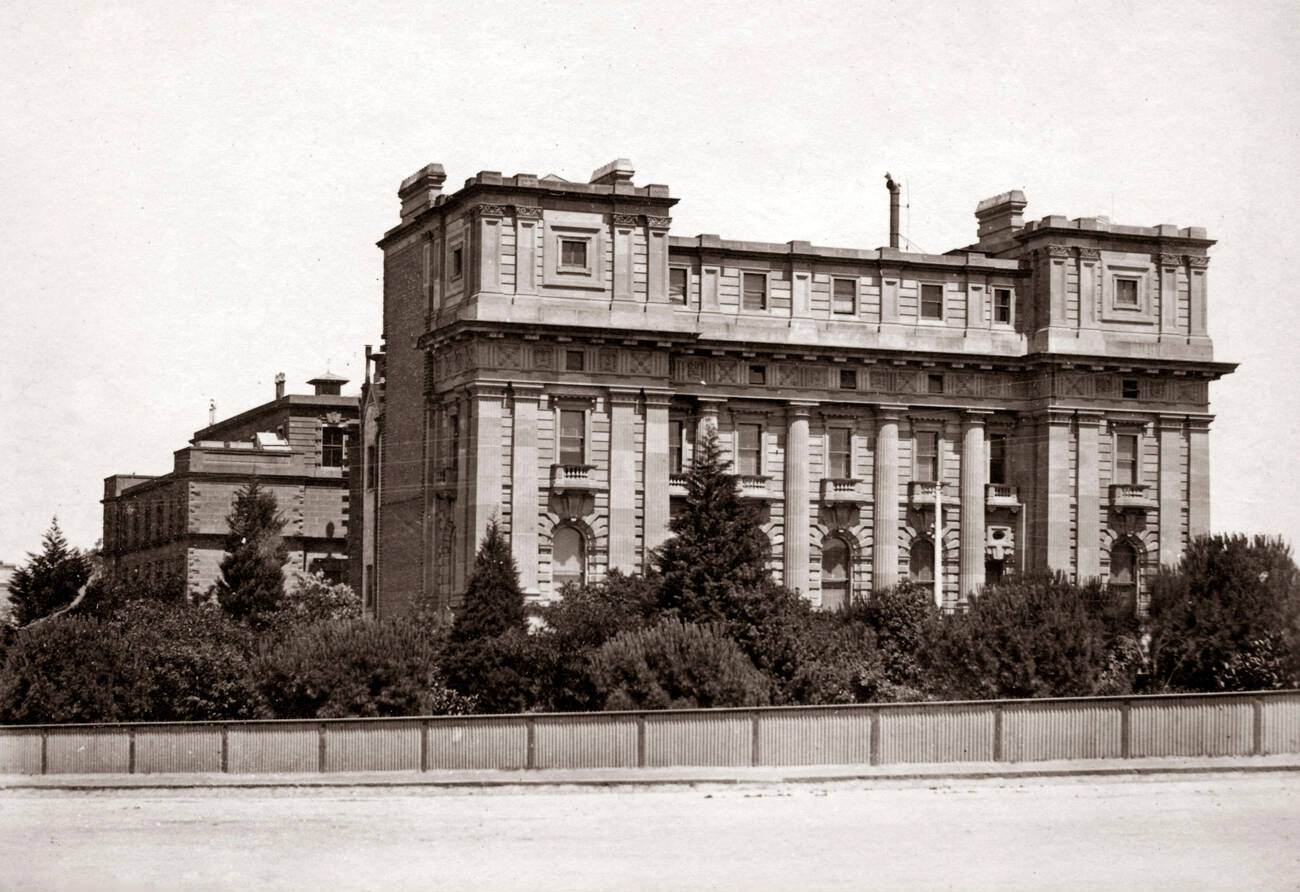
Scientific and civic institutions added further depth to the city’s character. The Melbourne Observatory tracked the southern skies and contributed to global astronomical research. The Supreme Court administered justice from an imposing stone building that signaled the rule of law in a city growing quickly enough to test it. The Melbourne Zoo, open to the public by the 1890s, drew families and curiosity-seekers from across the city.
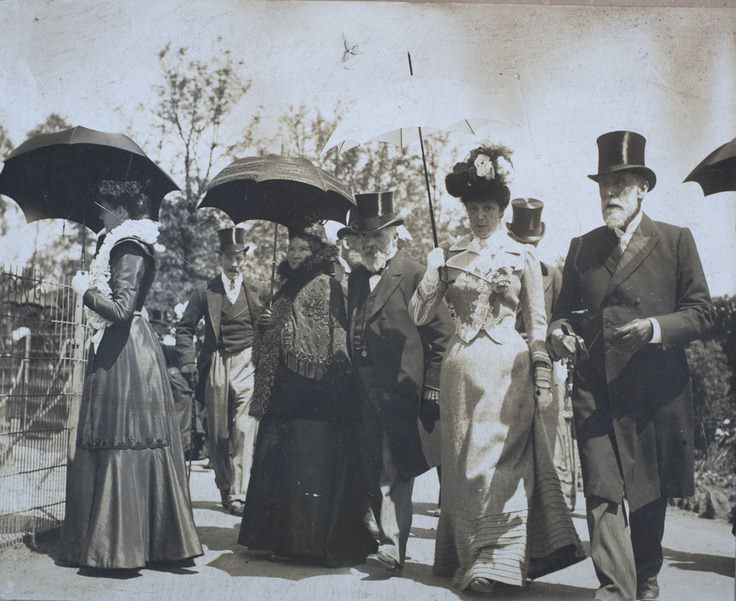
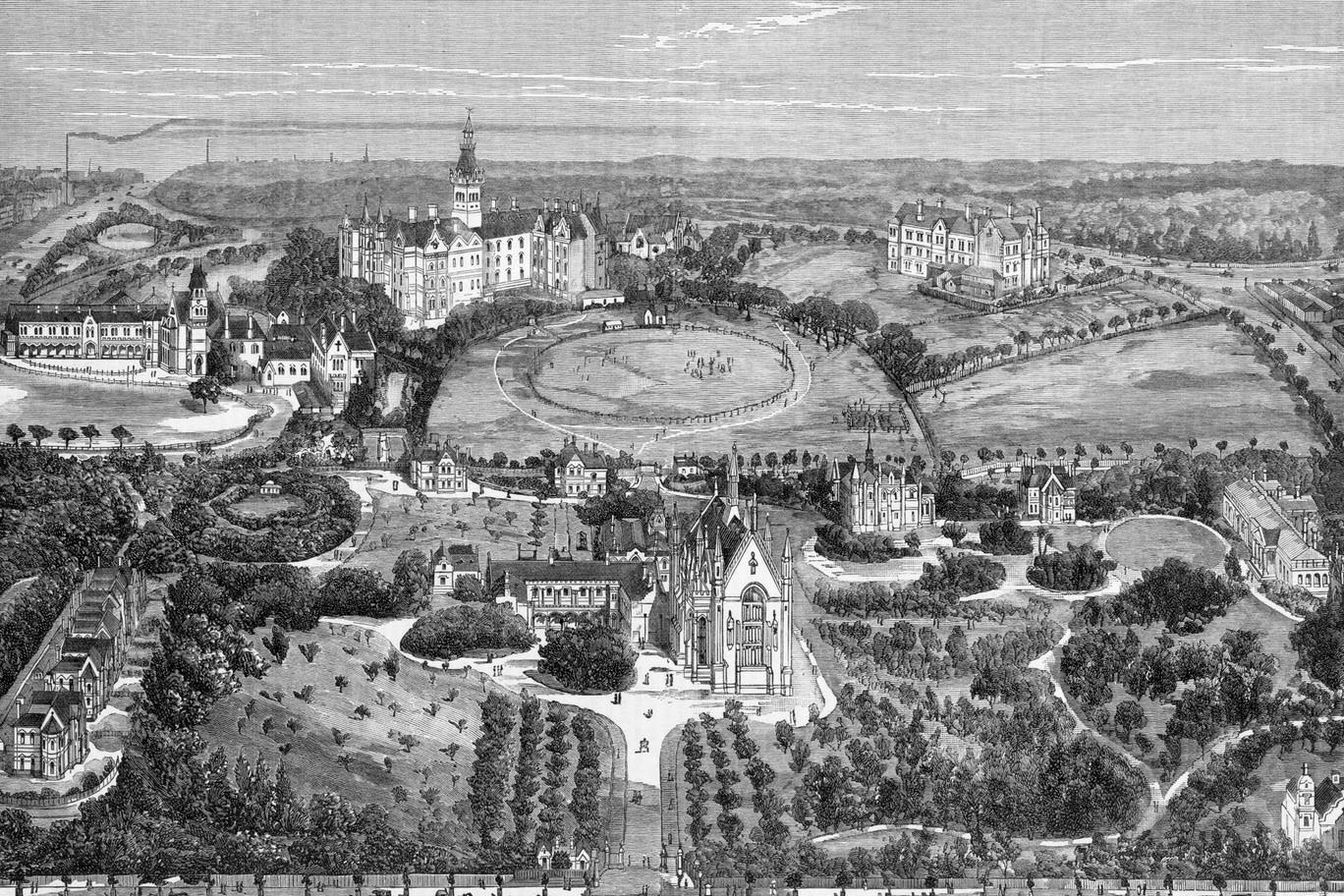
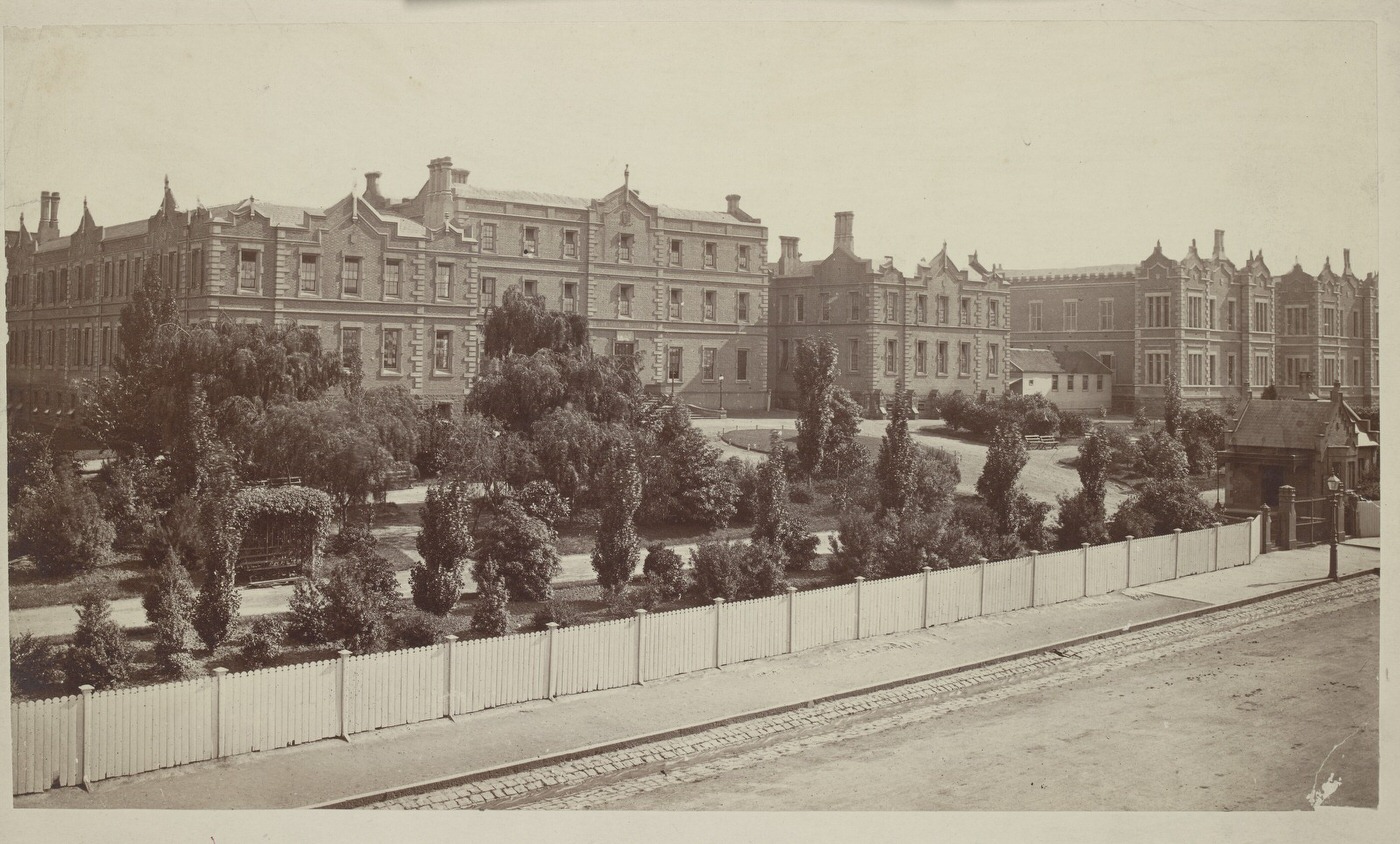
Not every part of Melbourne shared in this prosperity. The growing population pressed hard against the city’s capacity to house and care for everyone. Many working-class residents lived in crowded, poorly ventilated terrace houses in areas like North Melbourne and Richmond. Sanitation was inadequate in the inner suburbs, and disease moved quickly through densely packed streets. A mental institution sat on the outskirts of the city, housing those whom the booming metropolis could not accommodate in ordinary life.
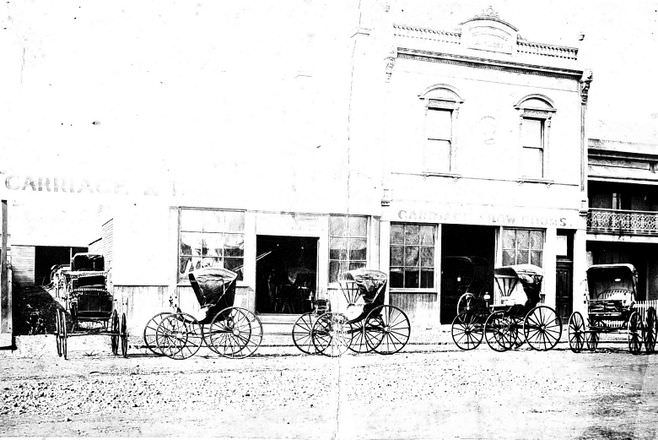
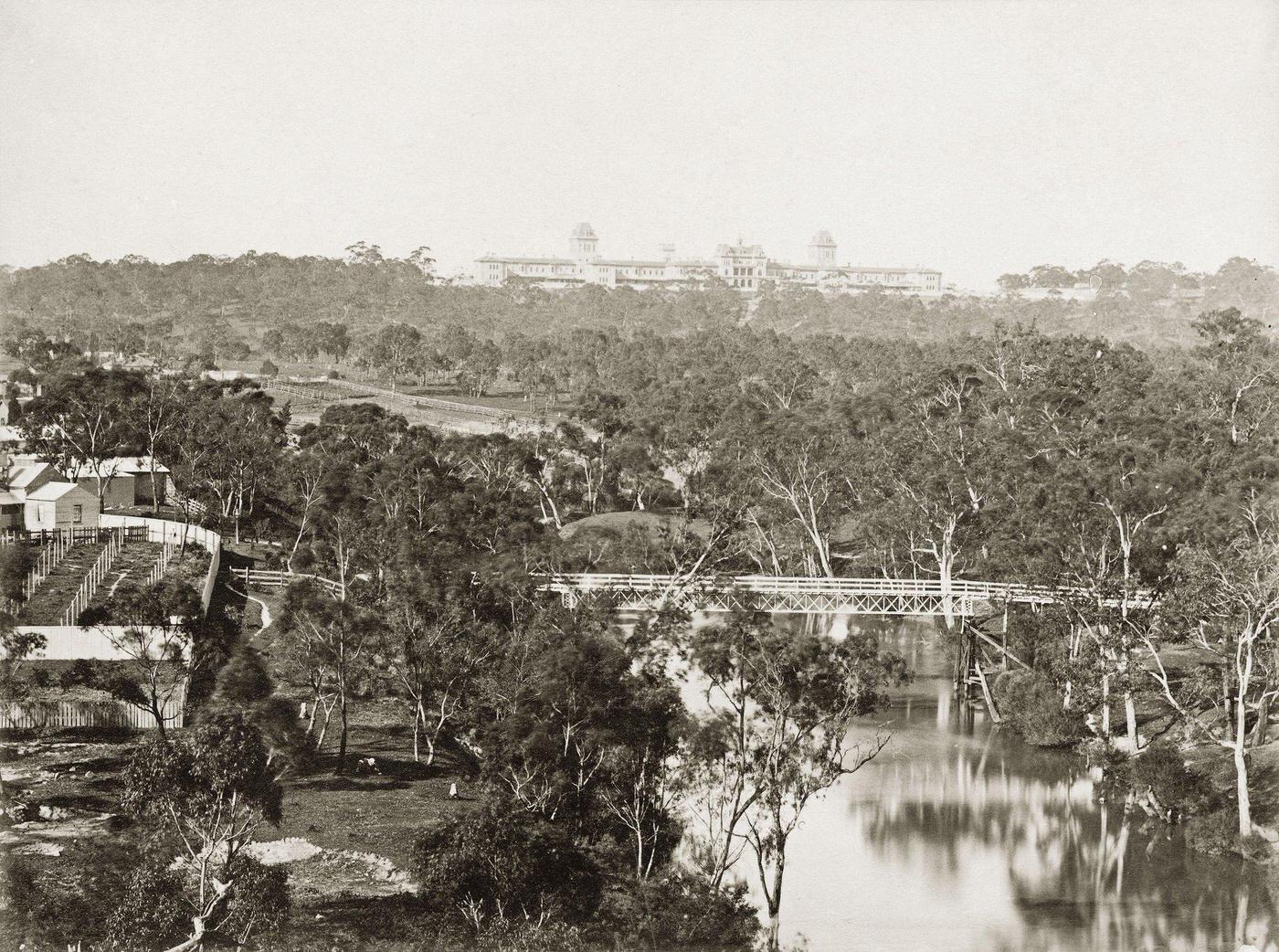
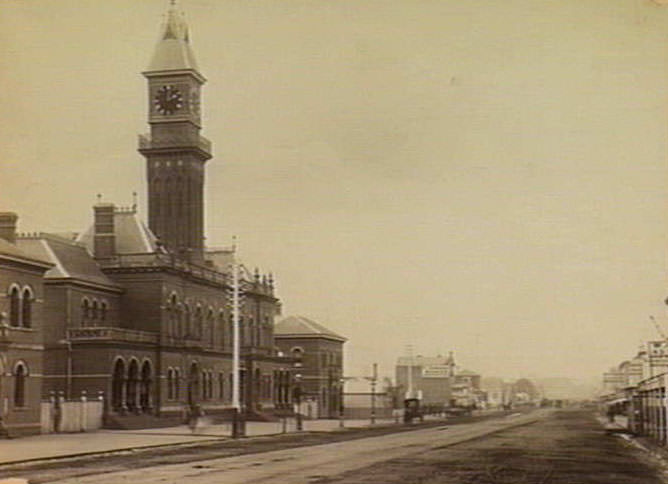
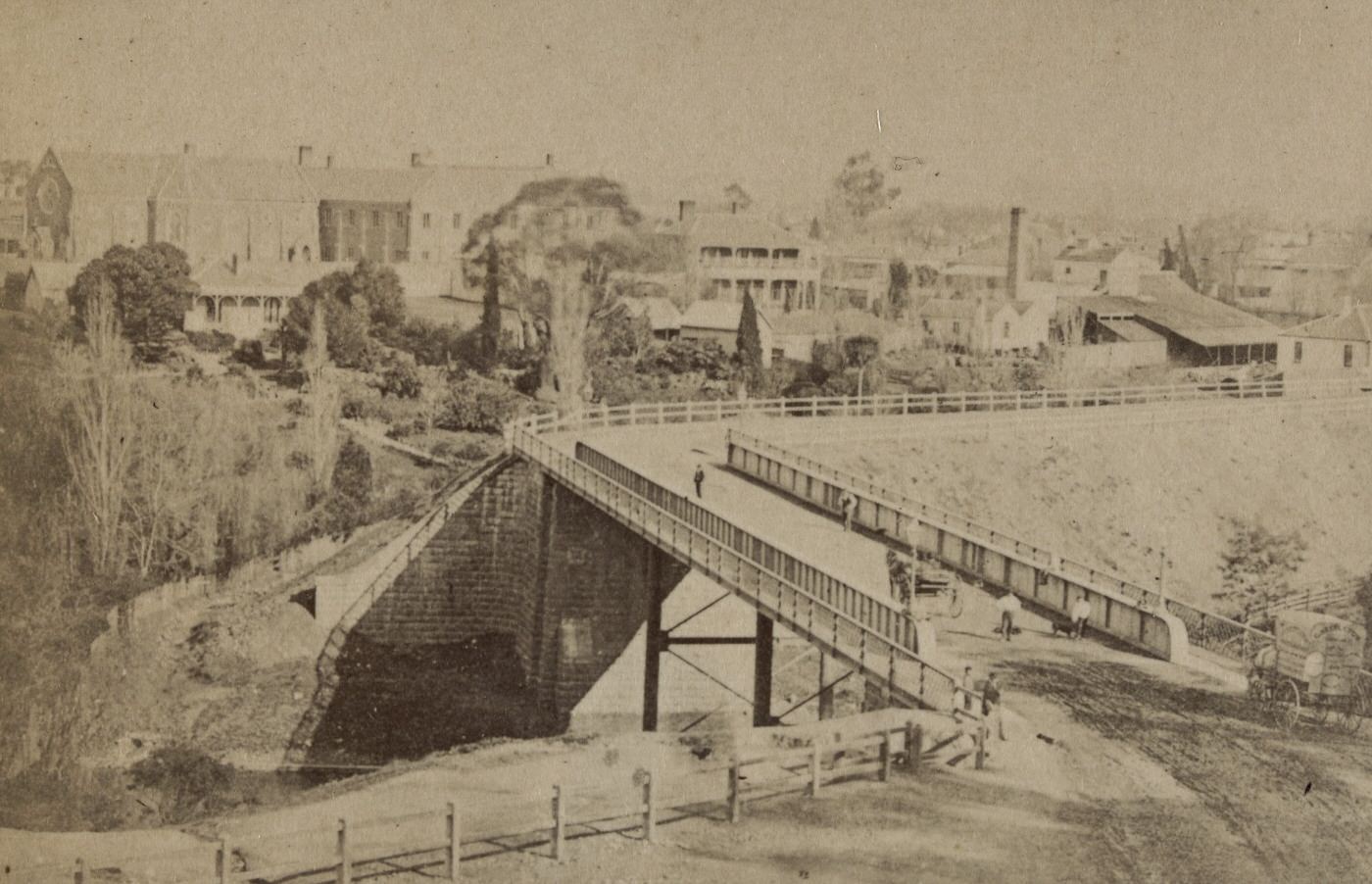
The city’s outer edges told a different story from its polished center. The outskirts of Melbourne in the 1880s were a patchwork of half-built suburbs, open paddocks, timber cottages, and dirt roads. St Kilda Road was one of the more developed southern corridors, lined with fine homes and leading toward the bay. Richmond had its own Town Hall by the 1890s, a sign that the surrounding suburbs were developing their own civic identities.
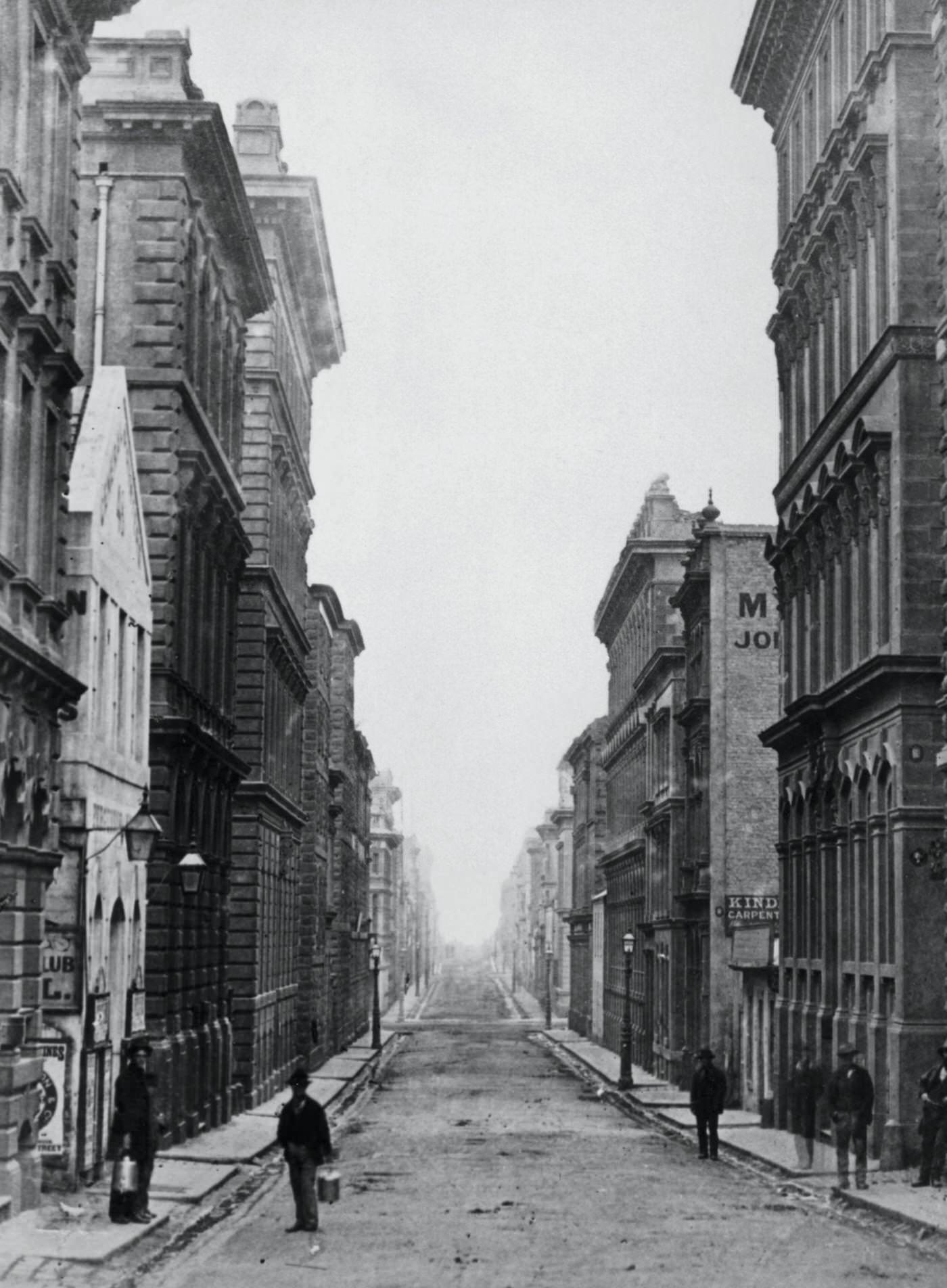
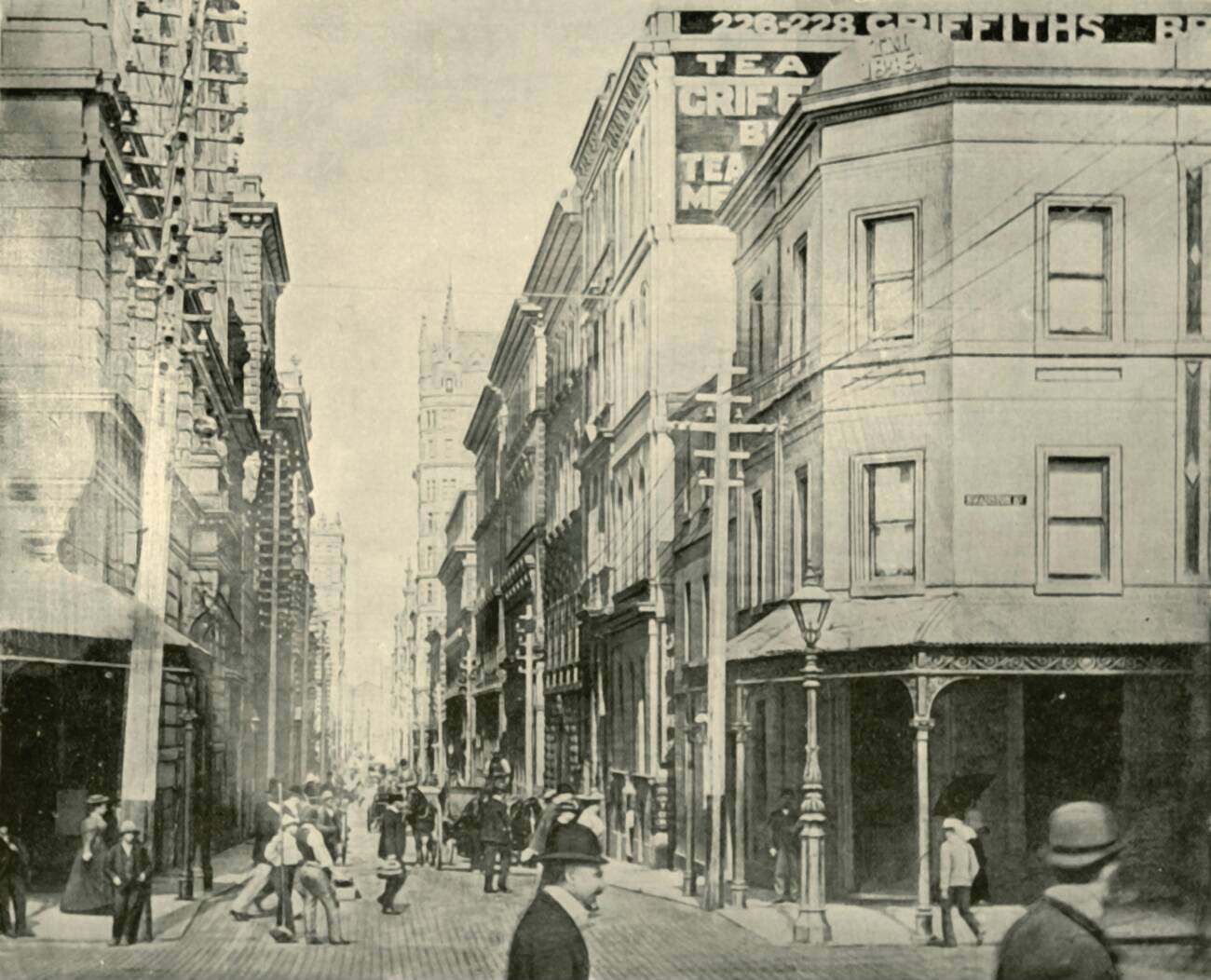
The inner laneways of the city served a practical function that the grand boulevards did not. Flinders Lane ran parallel to Collins Street and was lined with warehouses, small factories, and trade businesses. These narrow streets handled the unglamorous work that kept the city running — deliveries, storage, manufacturing — away from the polished commercial facades of the main thoroughfares.
Markets were essential to daily life. The Eastern Market on Bourke Street sold produce, goods, and household items to thousands of Melburnians each week. Nearby, the old fish market at Flinders Street operated in the shadow of the railway station, supplying fresh seafood to the city’s restaurants and households. Elizabeth Street, one of the main commercial arteries, buzzed with shops and foot traffic throughout the day.
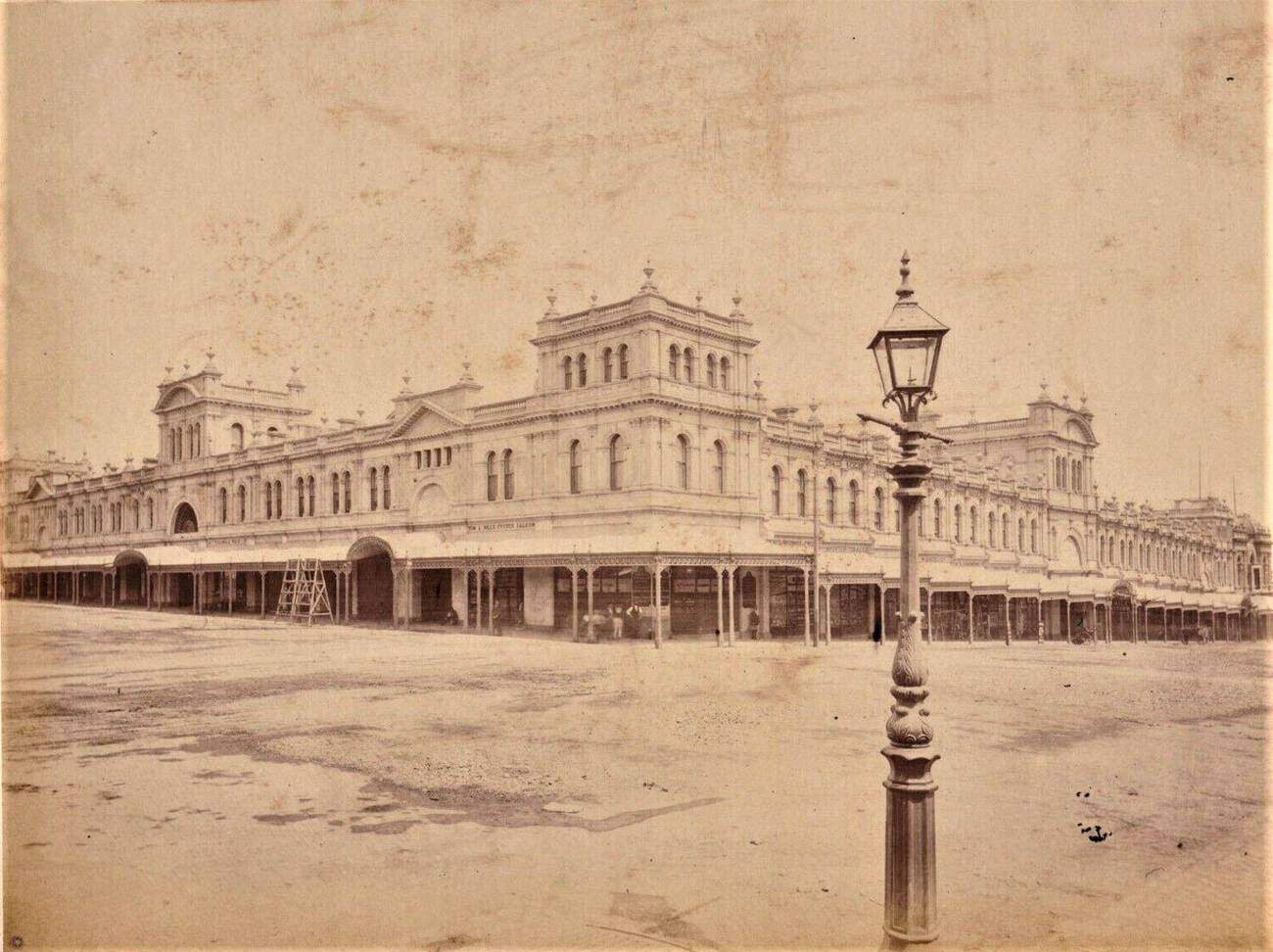
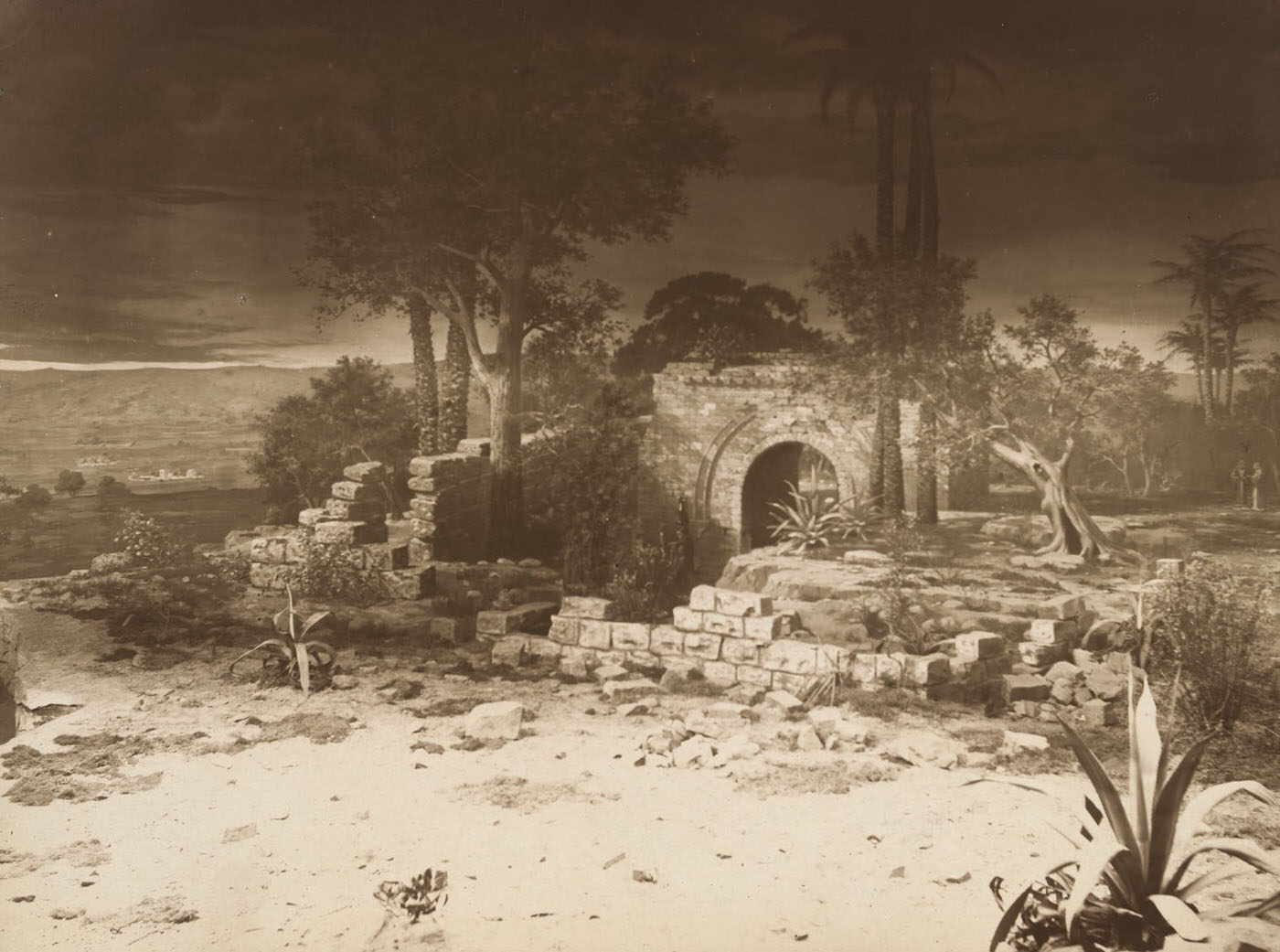
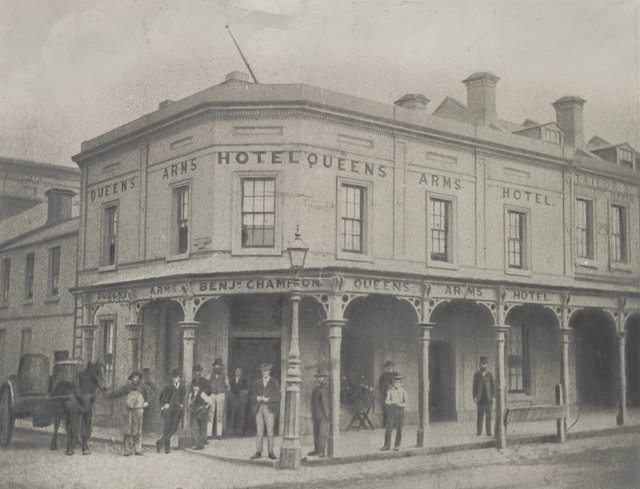
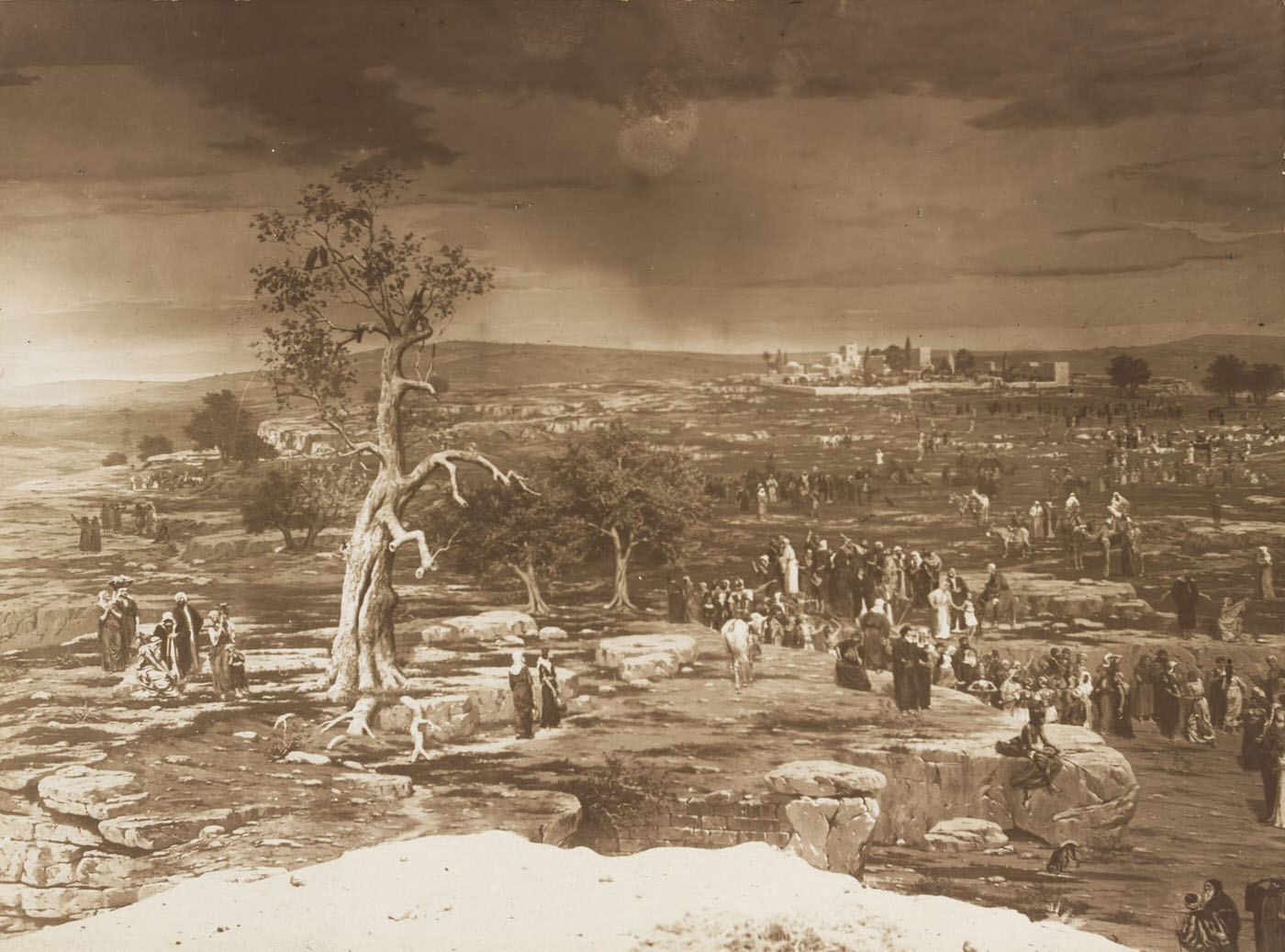
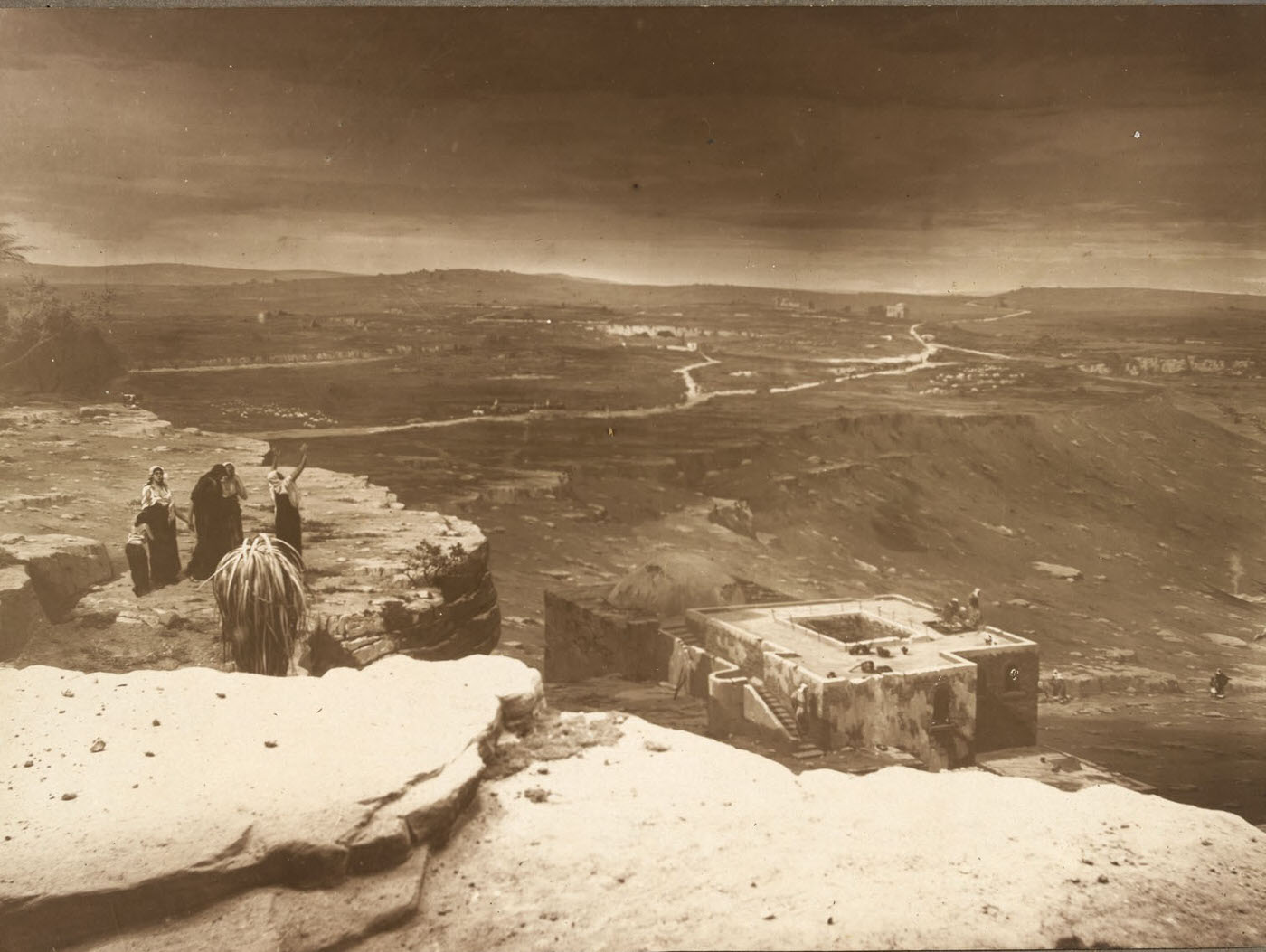
Entertainment beyond sport and exhibitions took various forms. The Melbourne Cyclorama, which opened in 1889, was a large circular painted panorama housed in a purpose-built rotunda near the city center. Audiences paid to stand inside and experience a 360-degree painted scene, a form of visual spectacle popular in Europe that Melbourne embraced enthusiastically. Hotels with public bars like the Queens Arms on Swanston Street provided a more everyday form of entertainment for working men.
Swanston Street ran through the heart of the city from north to south and captured Melbourne’s mix of ambition and everyday life. Trams, pedestrians, horse-drawn carts, and delivery wagons all competed for space on its broad surface. The street changed noticeably between the 1870s photographs and those taken in the late 1880s — wider footpaths, more substantial buildings, and the visible infrastructure of a city that had grown quickly and deliberately.
Melbourne in the 1880s carried the marks of its gold rush origins in every grand building and busy street. It was a city that had gone from a small colonial town to a major metropolis within a single generation — and it wore that transformation visibly, in stone, iron, and brick, across every corner of its expanding urban grid.





It looks like the most developed street in my country
I dont think some of those photos are accurately dated. At least a couple are from the 1900s.
Wouldn’t life be so much better if we kept the pork butcher and bicycle stable next to Flinder St Staion?