In the summer of 1954, cameras rolled on one of Hollywood’s most talked-about productions. Director Billy Wilder was adapting George Axelrod’s hit Broadway play, “The Seven Year Itch,” for 20th Century Fox — and he had Marilyn Monroe in the lead. The film would be released in 1955 and become a defining moment for both Monroe and American cinema.
The story centers on Richard Sherman, a middle-aged Manhattan publisher played by Tom Ewell. His wife and son leave for a summer vacation, and Richard is left alone in the city. Almost immediately, his upstairs neighbor — a beautiful, unnamed young woman — moves into his orbit. Monroe plays this character, credited simply as “The Girl,” with a warm, breezy charm that made her impossible to look away from.
Monroe’s real life made headlines during production. Her husband at the time, baseball legend Joe DiMaggio, visited the set — but the couple’s marriage was under serious strain. The tension between them boiled over most publicly during the filming of the now-famous skirt scene in New York City.
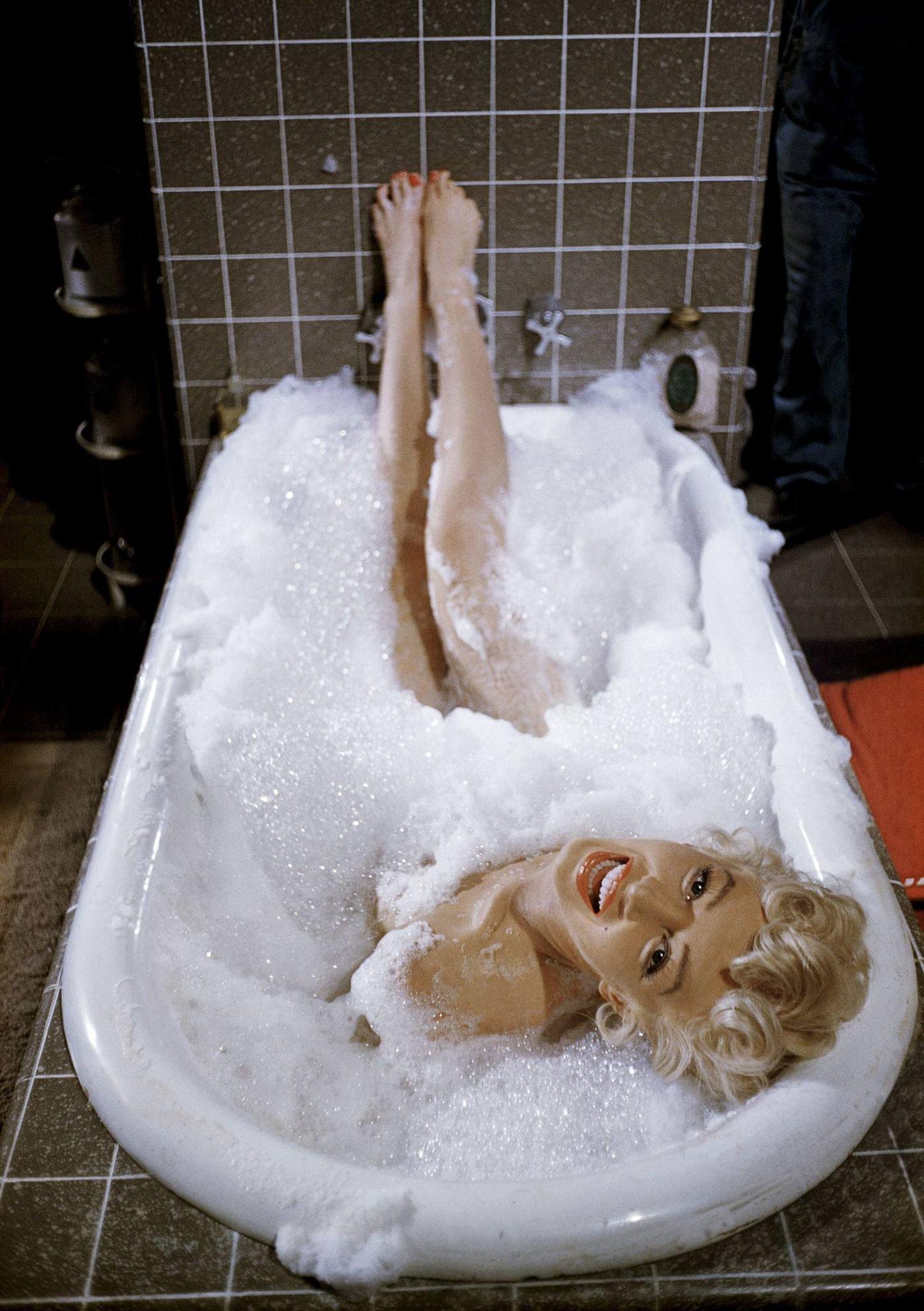
Production split between Los Angeles studio work at 20th Century Fox and location shoots in New York City. The studio scenes gave Monroe the chance to work closely with her drama coach, Natasha Lytess of Columbia Pictures, who helped her prepare for many of the film’s more intimate sequences — including multiple scenes shot in a bathtub set.
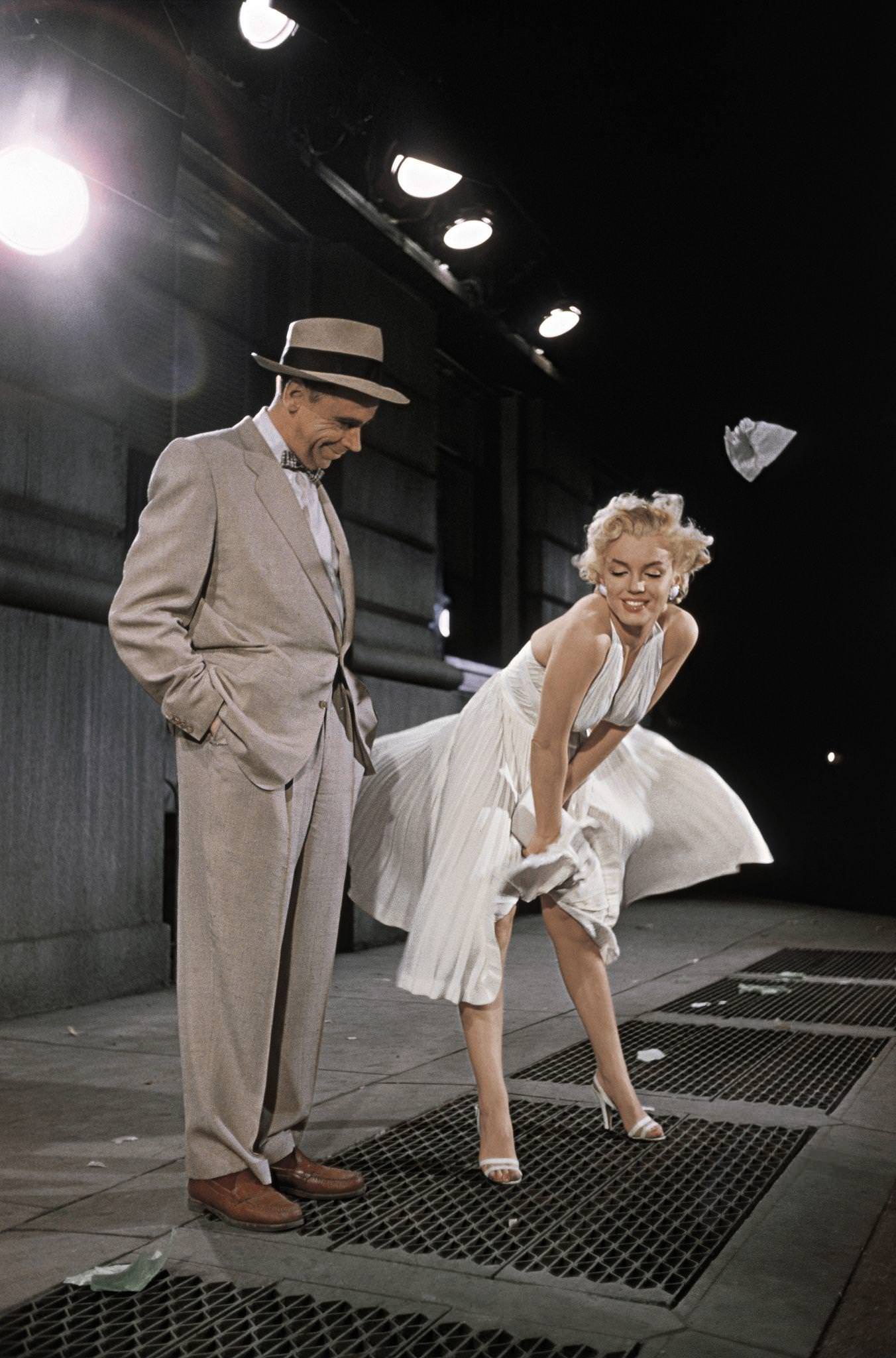
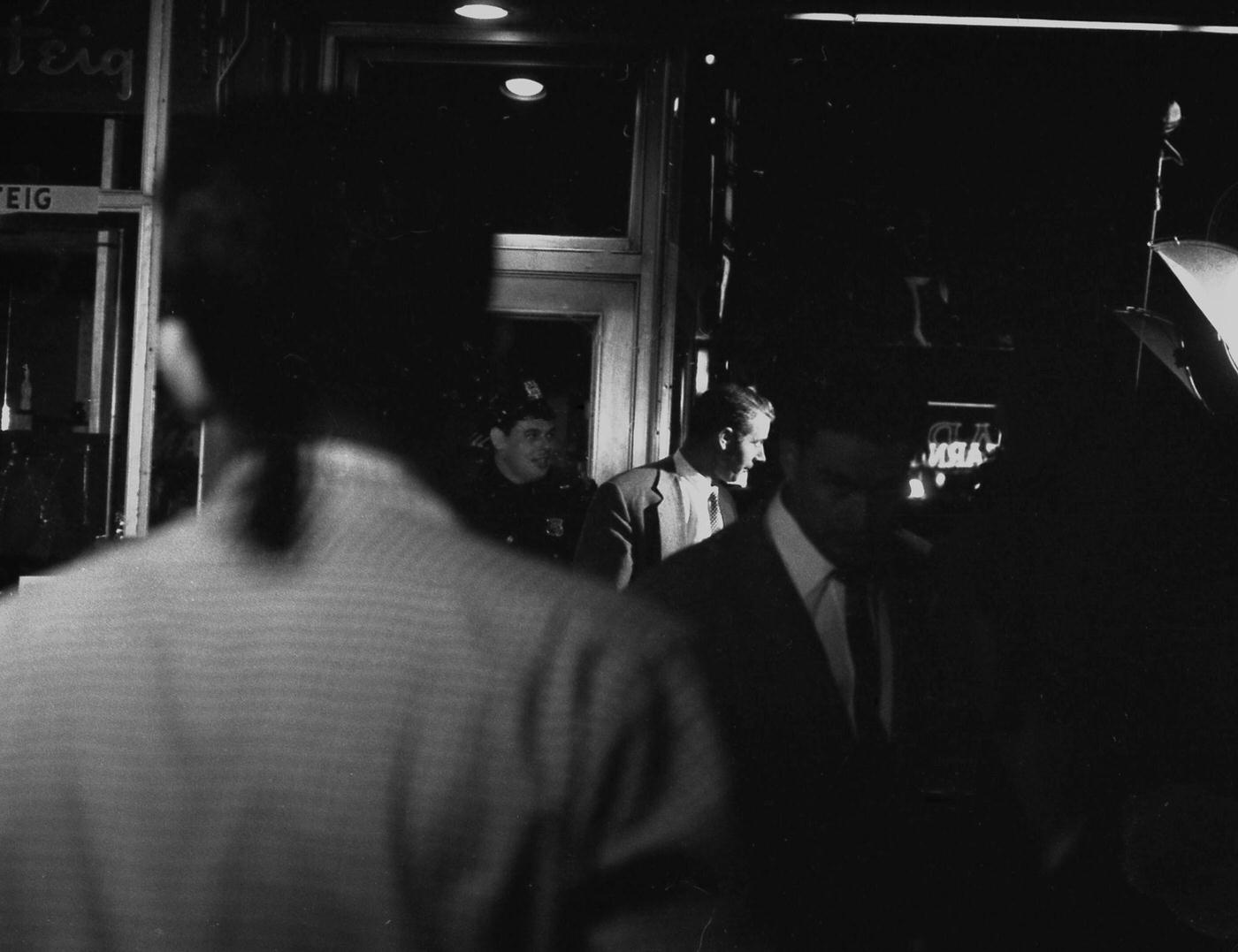
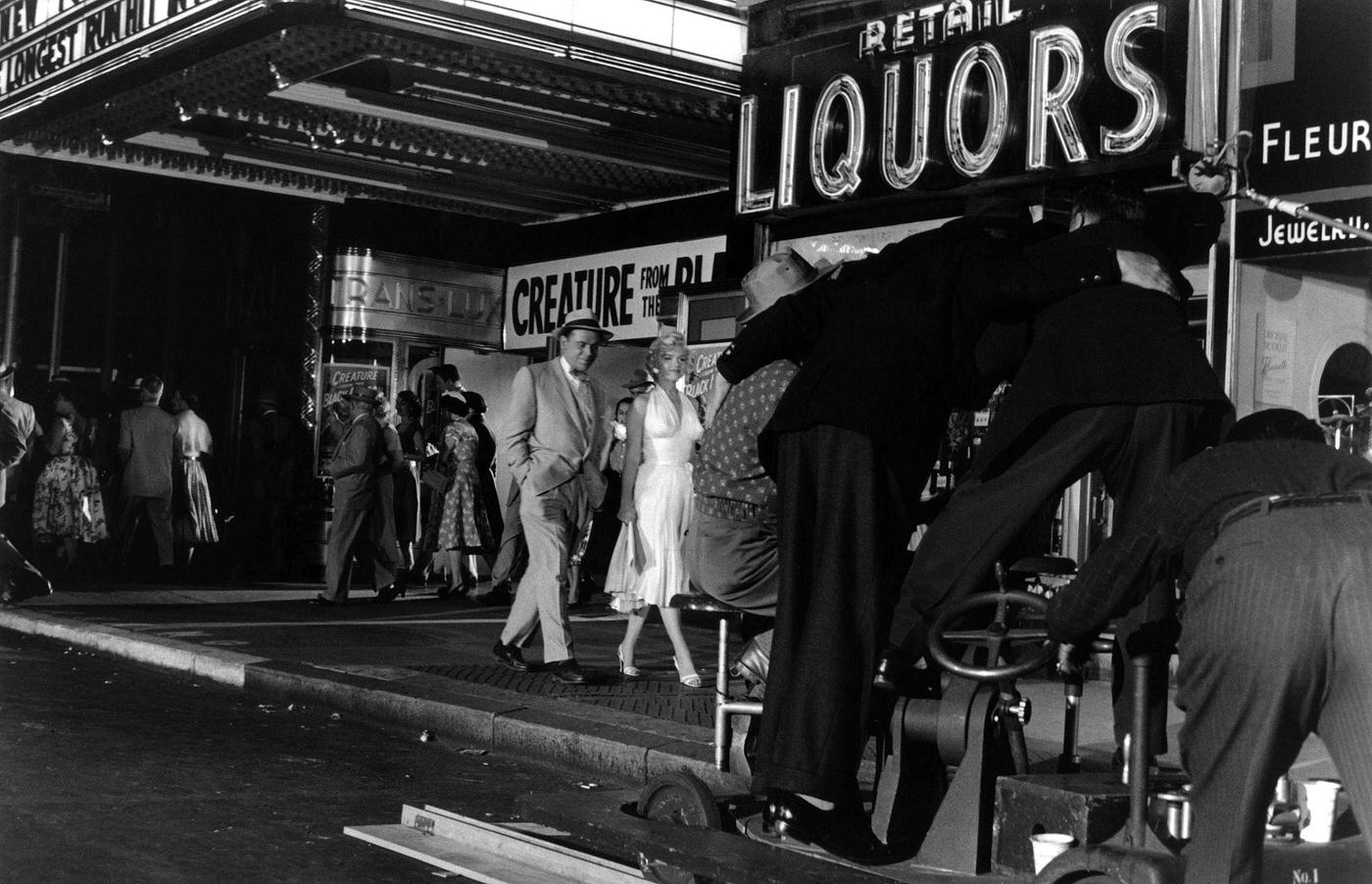
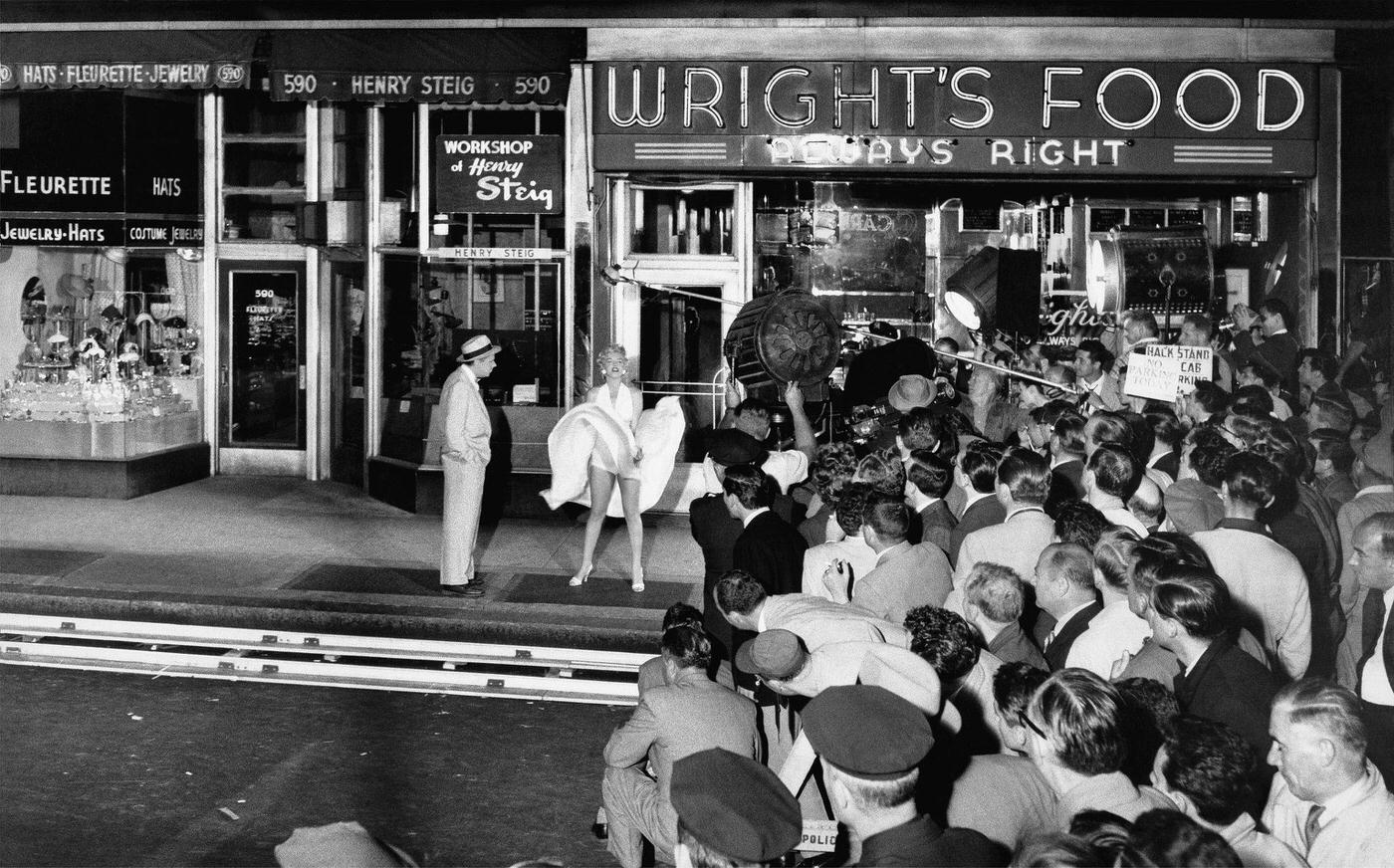
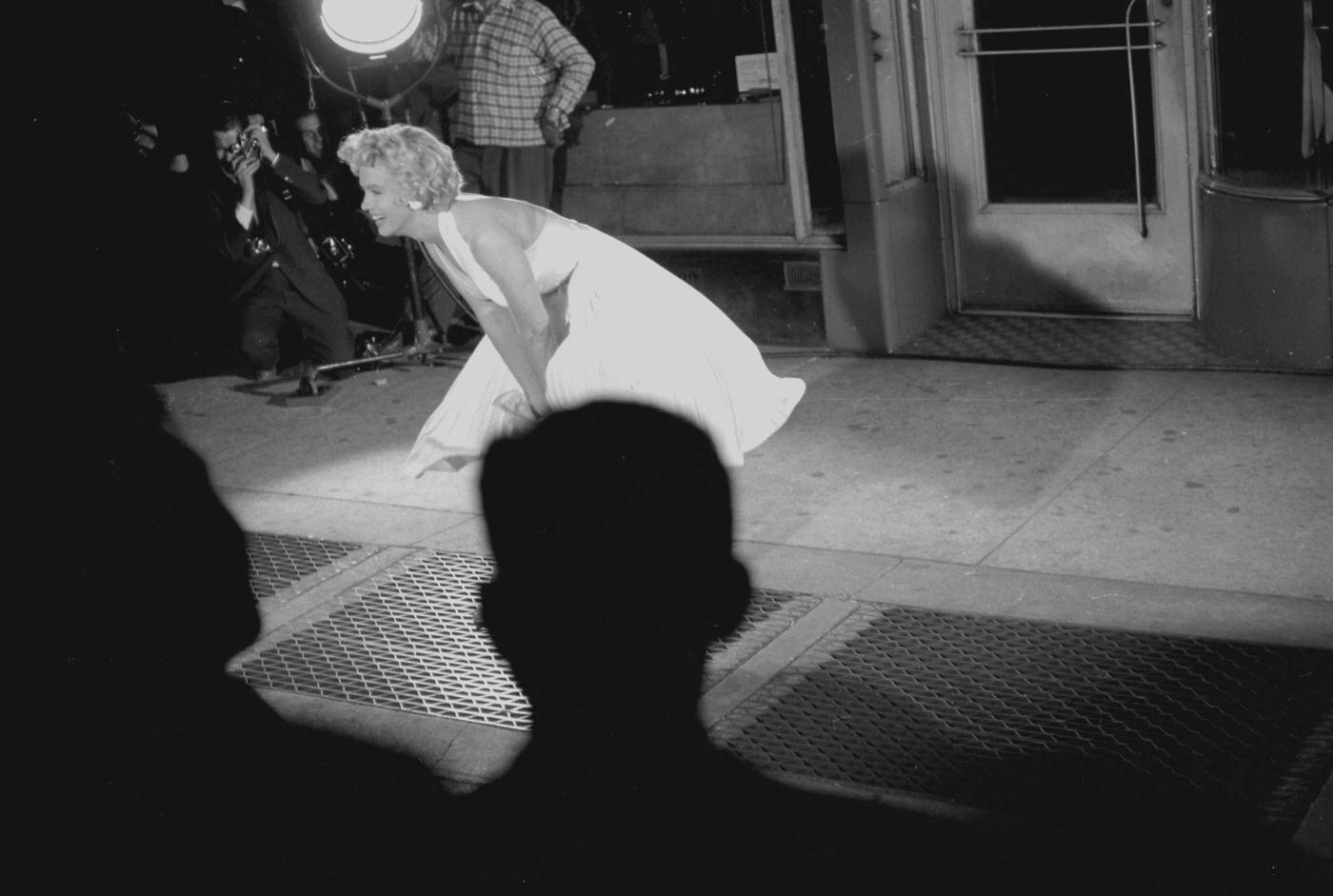
The most photographed moment of the entire production took place on the corner of 51st Street and Lexington Avenue in Manhattan, in September 1954. Monroe stood over a subway grate in front of the Trans-Lux Theater, and a wind machine below the grate sent her white halter dress billowing upward. Cinematographer Milton Krasner was behind the camera. Thousands of onlookers packed the street to watch. DiMaggio was among the crowd, and witnesses reported he was visibly furious. The couple divorced just weeks later.
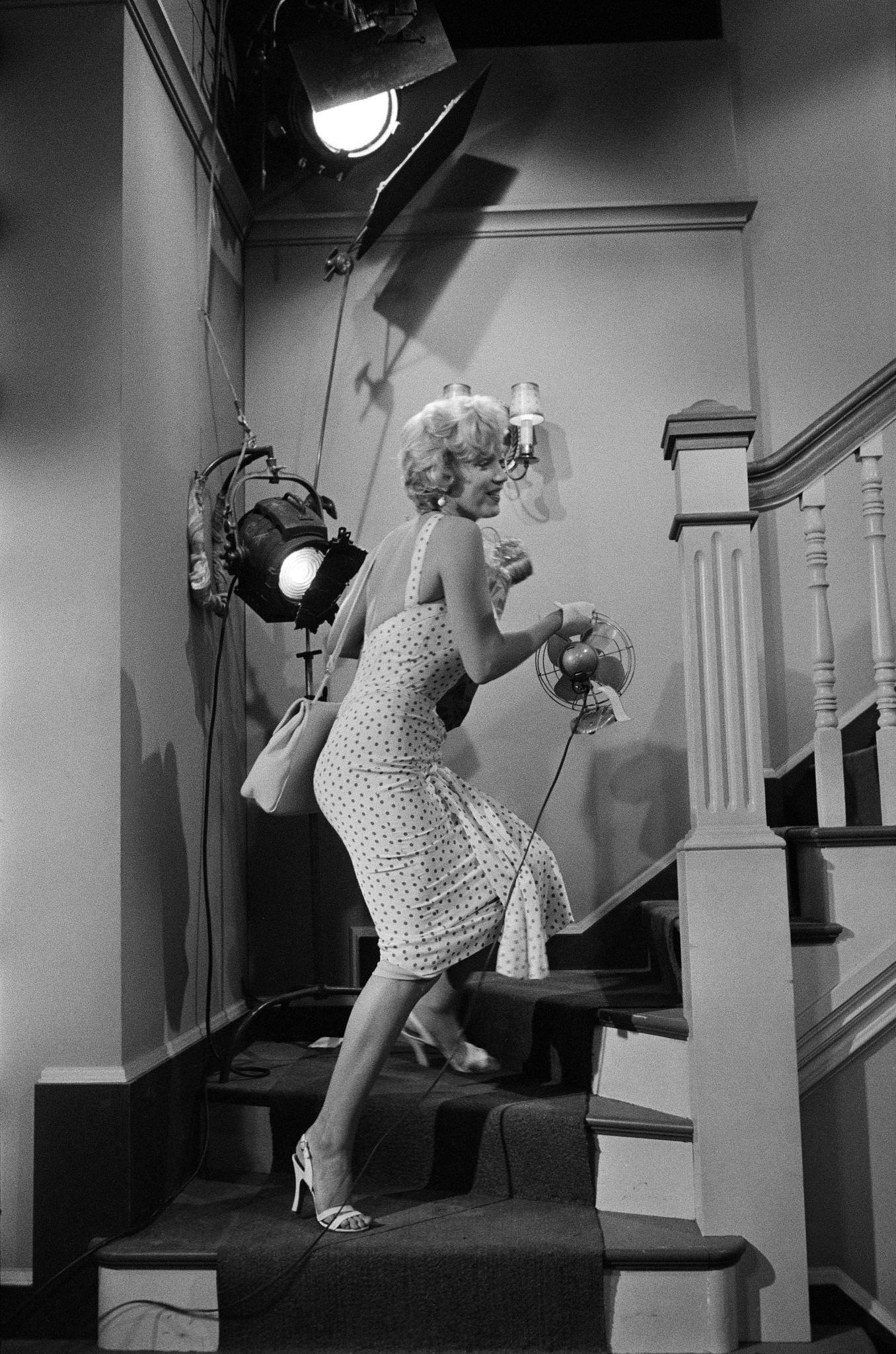
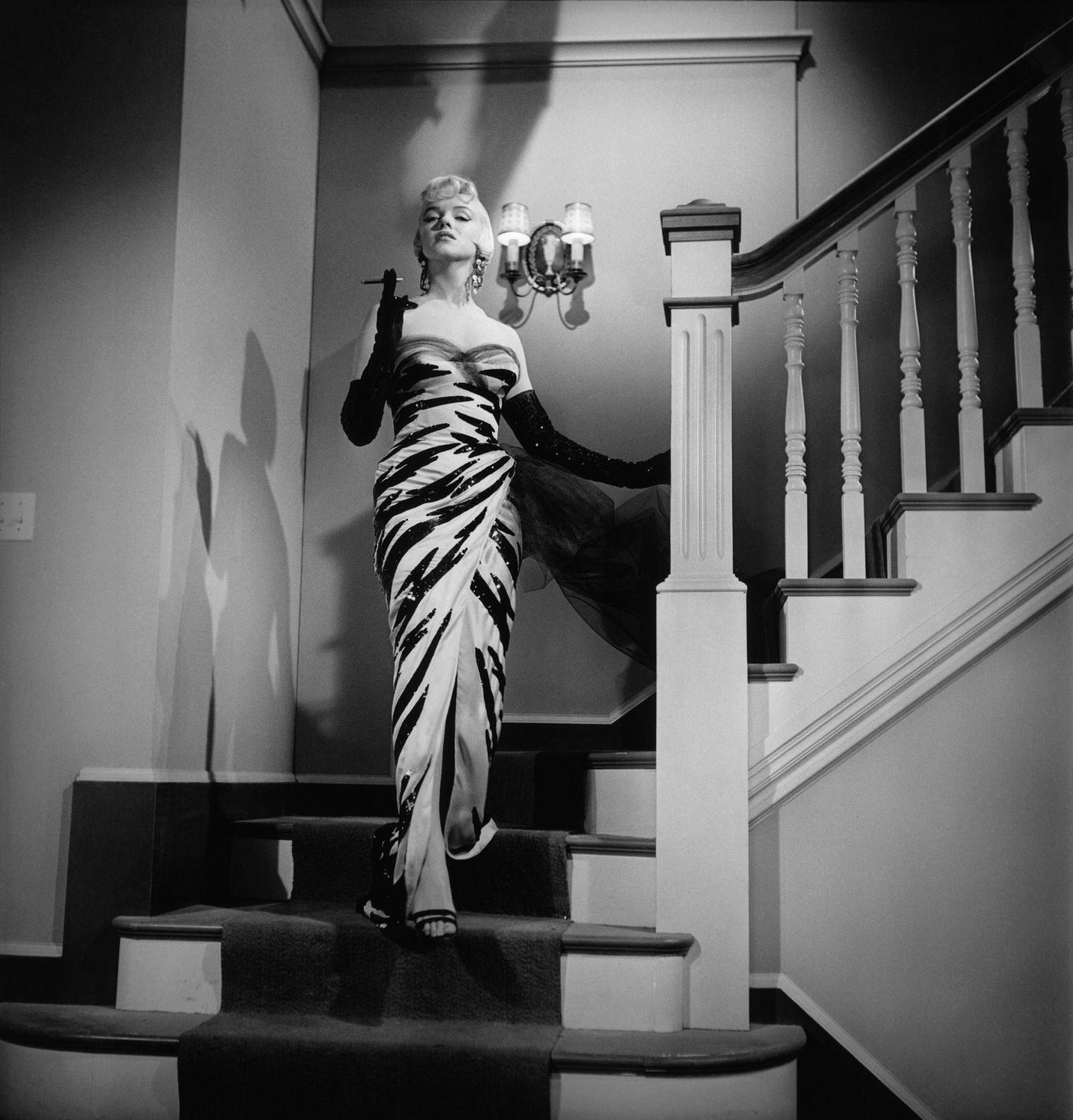
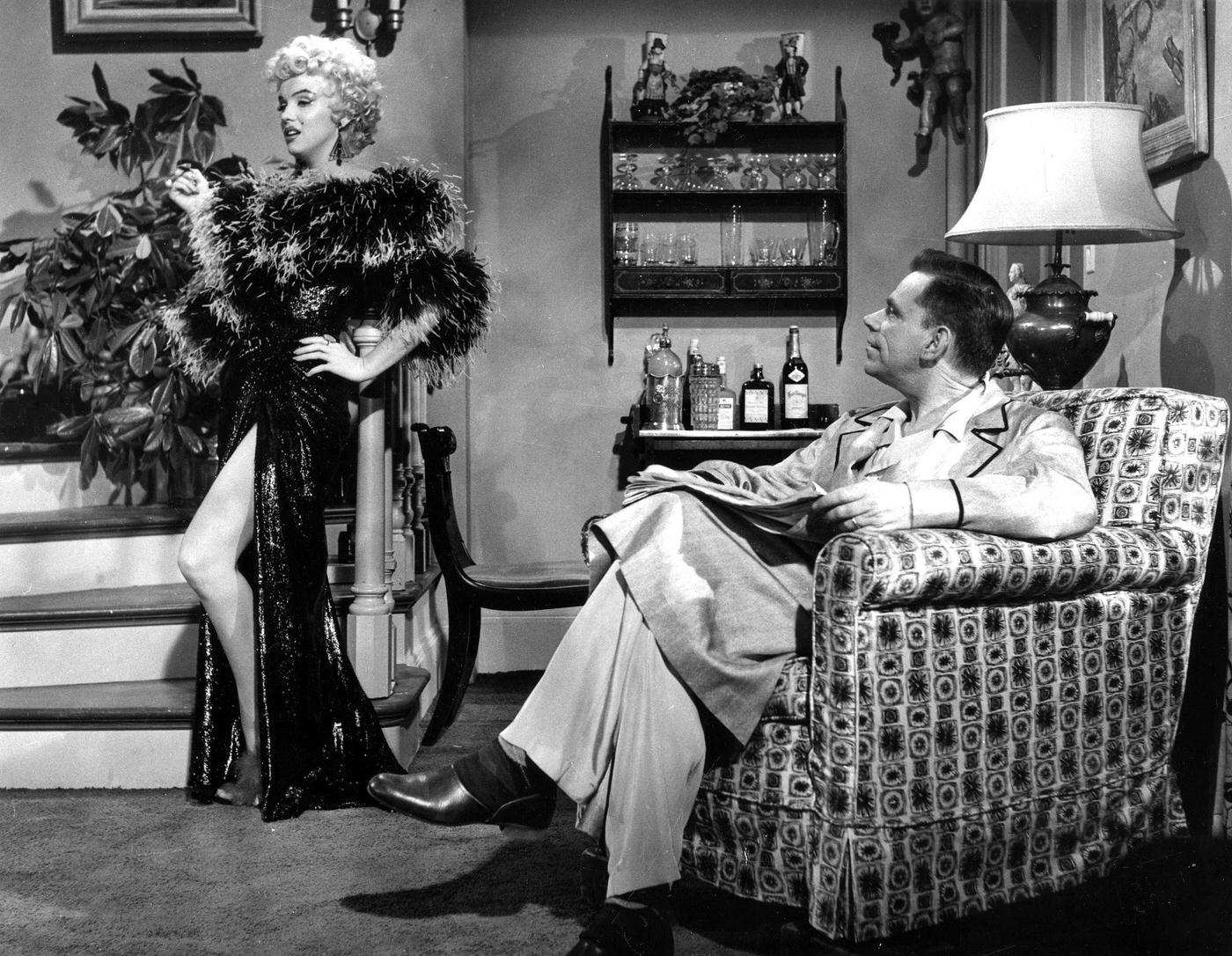
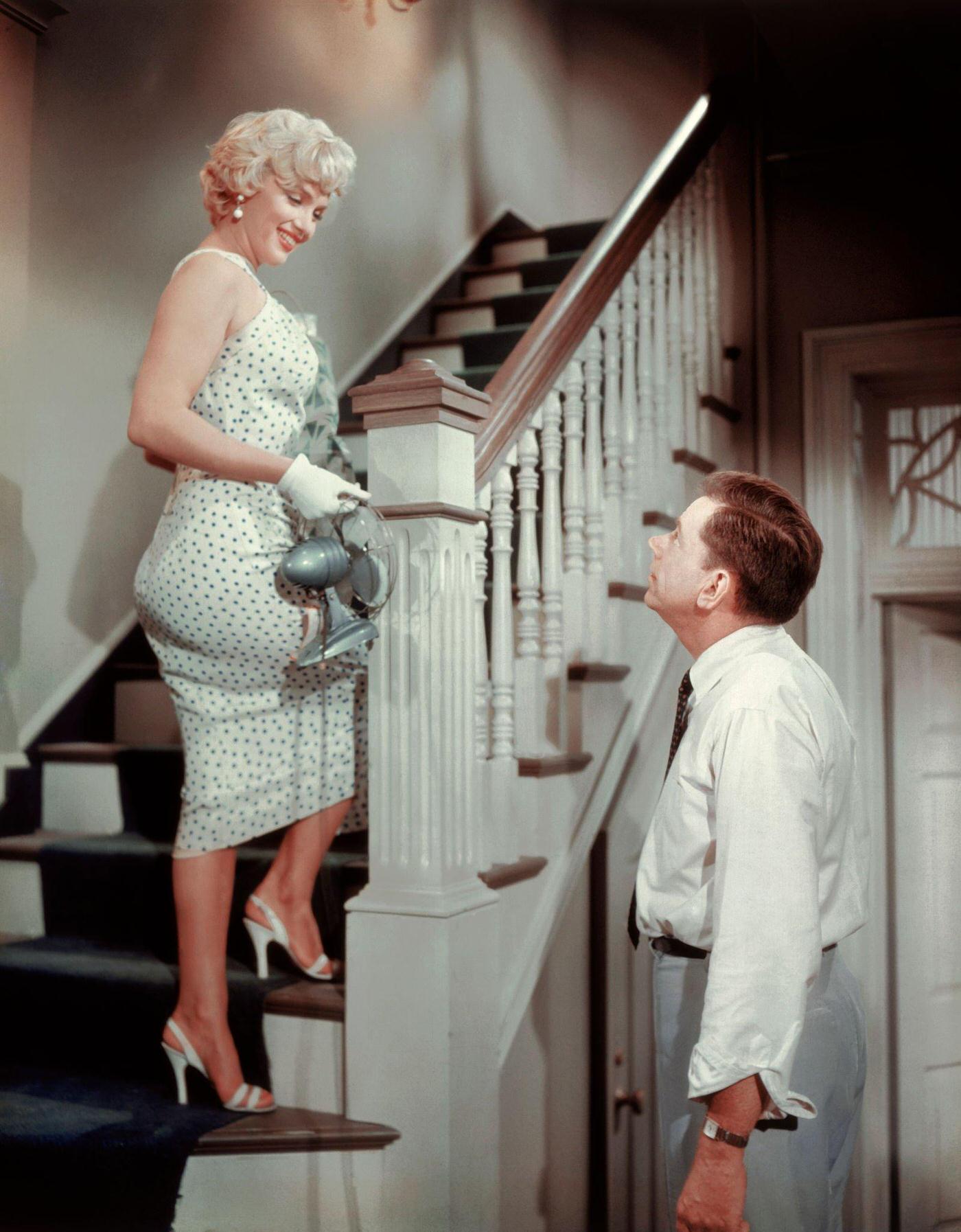
Costume choices for Monroe’s character were deliberate and varied throughout the film. “The Girl” appears in a polka-dot dress carrying groceries and a desk fan, a tiger-striped strapless dress, a feather boa, and the iconic white halter dress. Each costume was designed to project a kind of effortless glamour that matched the character’s appeal in the story.
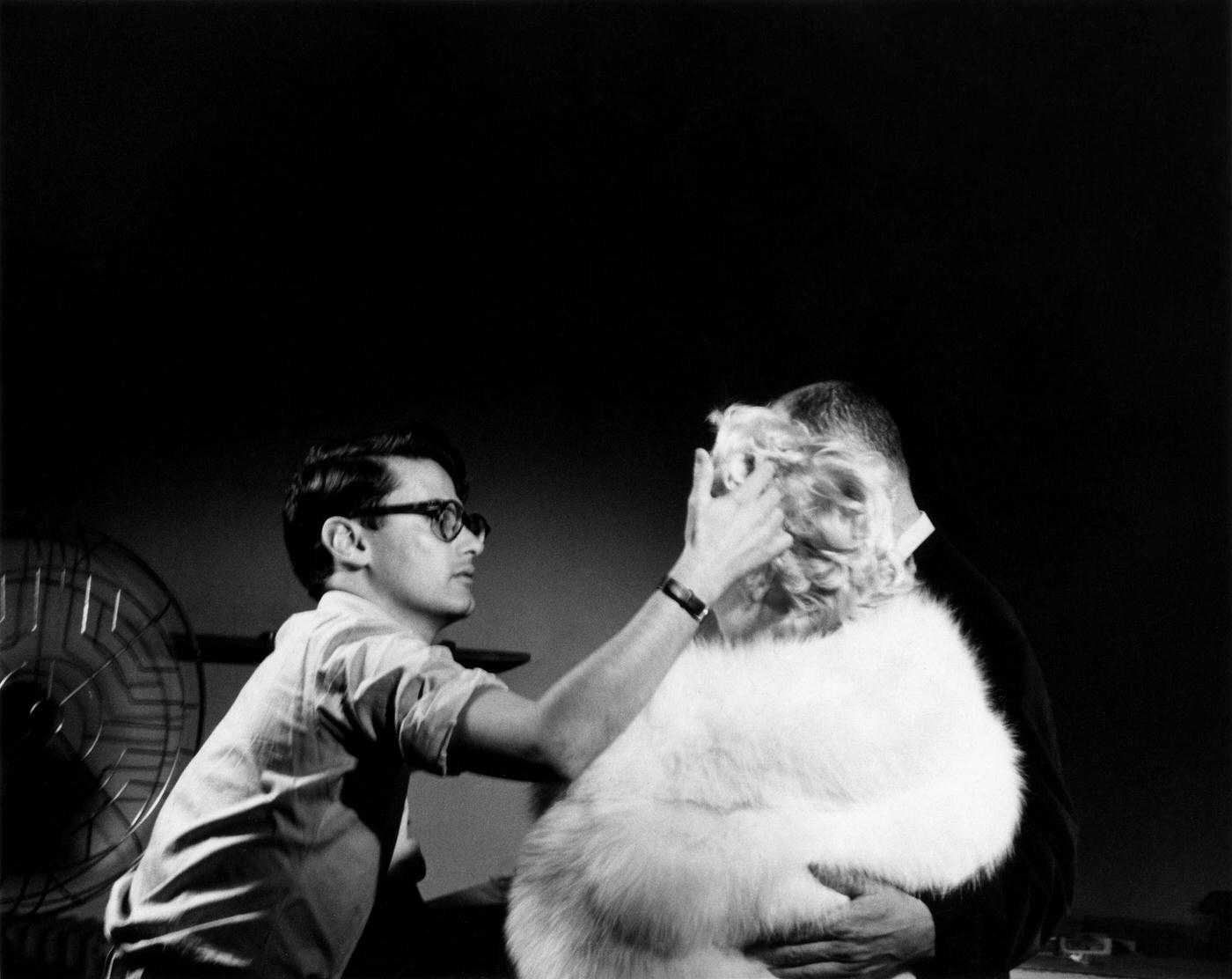
For the film’s publicity campaign, Monroe sat for photographer Richard Avedon in New York. These sessions produced some of the most polished promotional images of the production. Director Billy Wilder also participated in the shoots, which helped build anticipation before the film’s 1955 release.
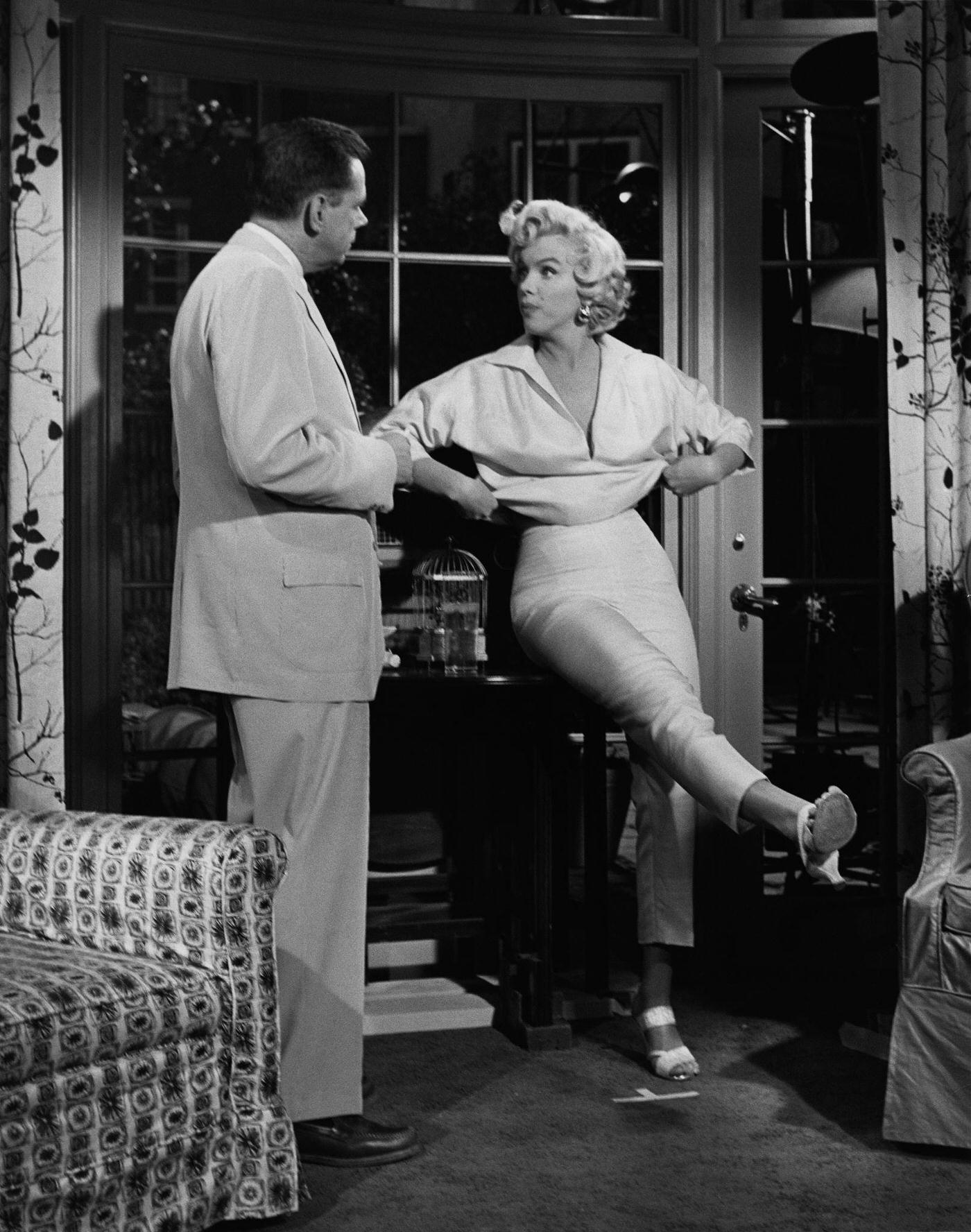
Tom Ewell had originated the role of Richard Sherman on Broadway, so he brought a well-rehearsed understanding of the character to the film. His chemistry with Monroe was central to the movie’s comedy. The two spent considerable time together on both the Los Angeles and New York shoots, building a natural ease on screen.
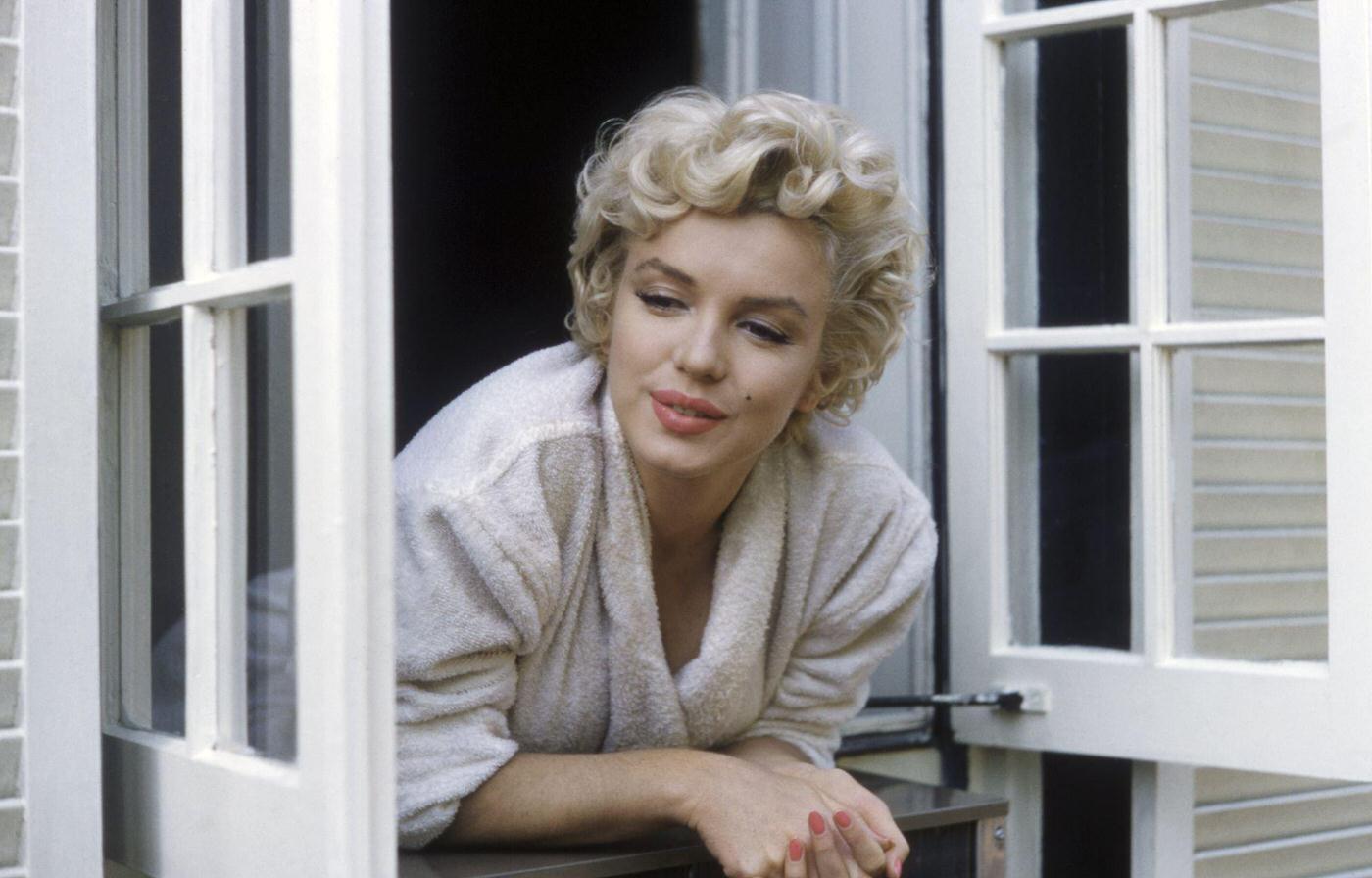
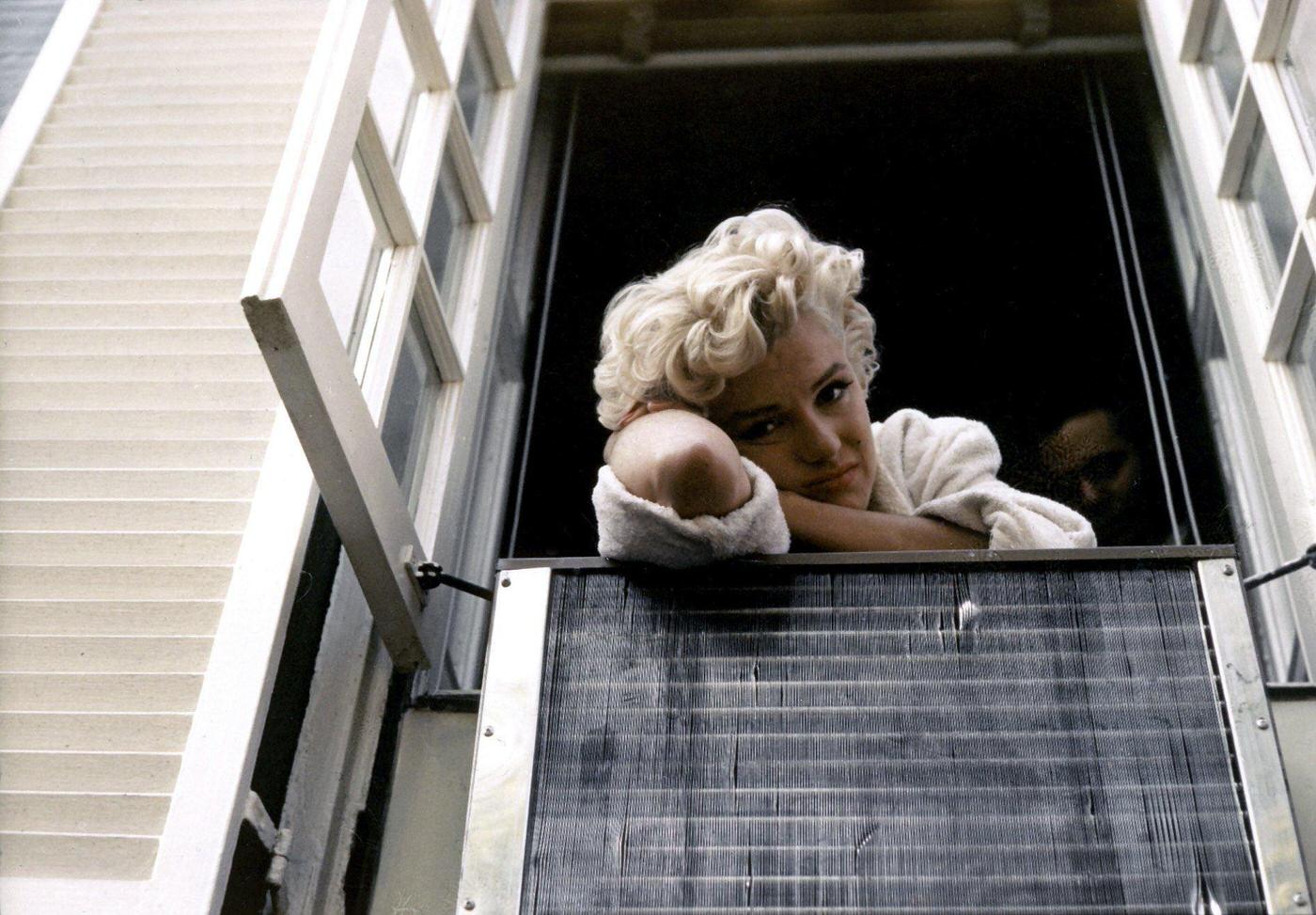
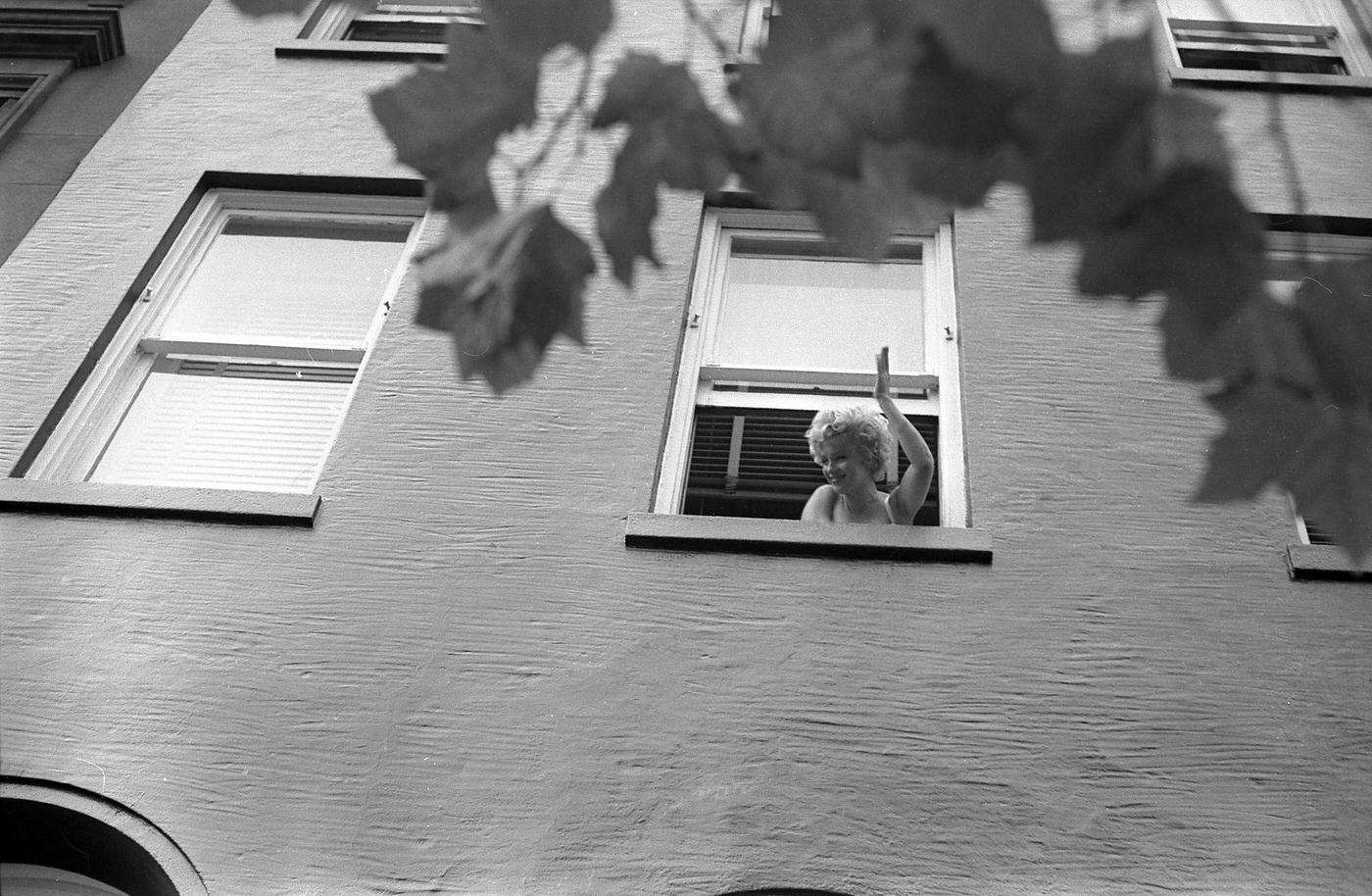
New York provided more than just the backdrop for the skirt scene. Several sequences were shot on actual city streets, with Monroe leaning from windows and walking alongside Ewell near the Trans-Lux Theater. The real urban setting gave the film a grounded energy that the studio back lots couldn’t replicate.
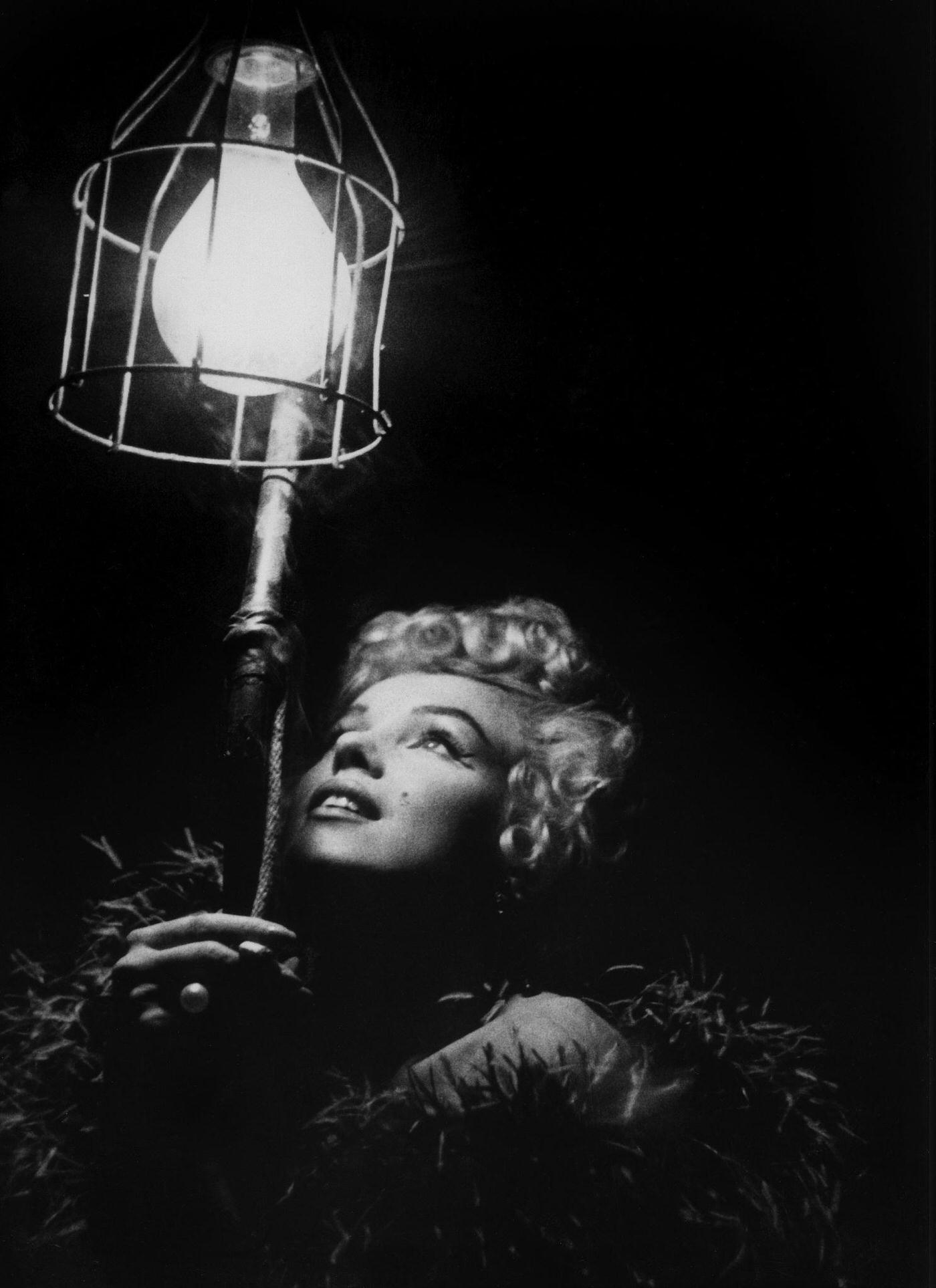
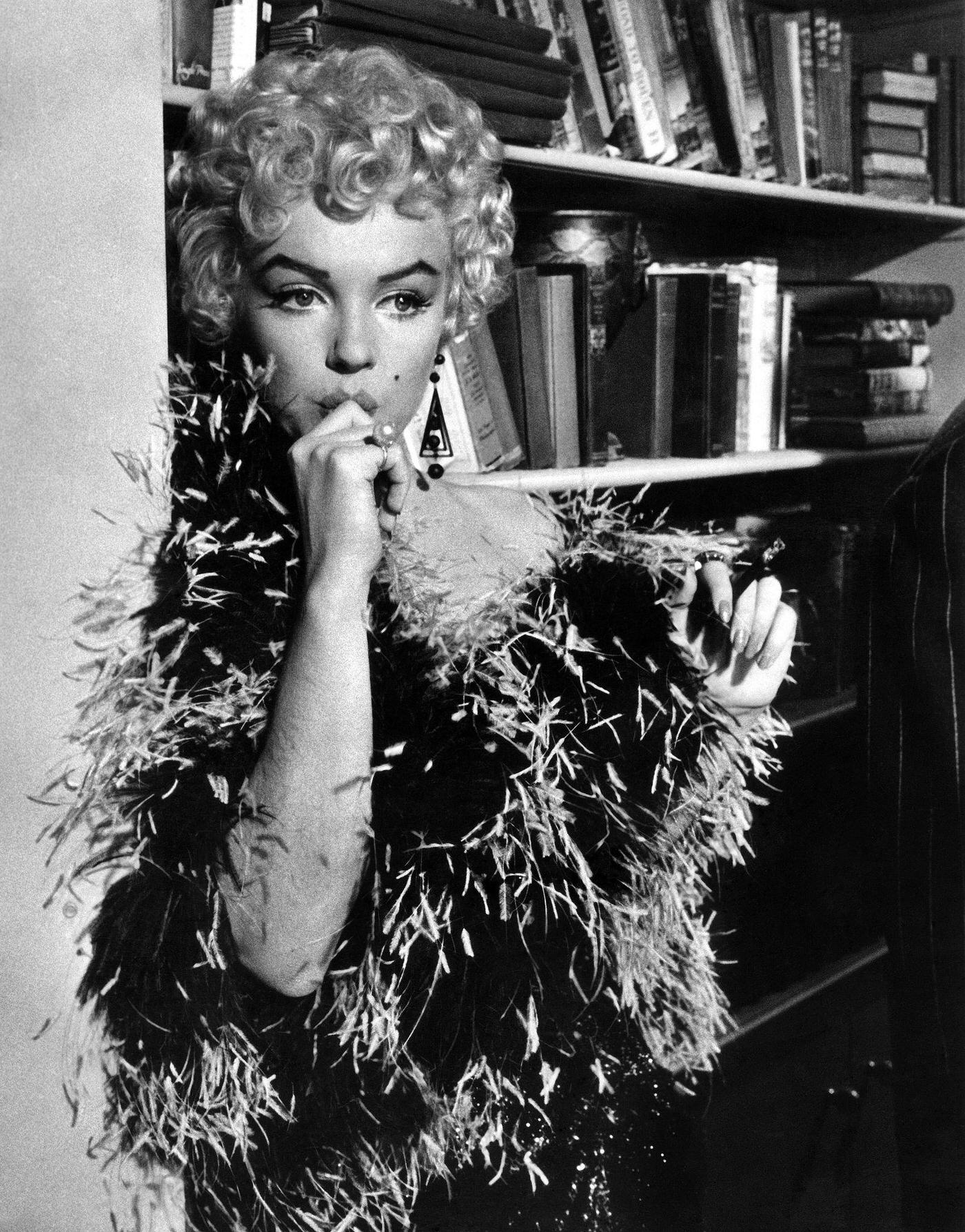
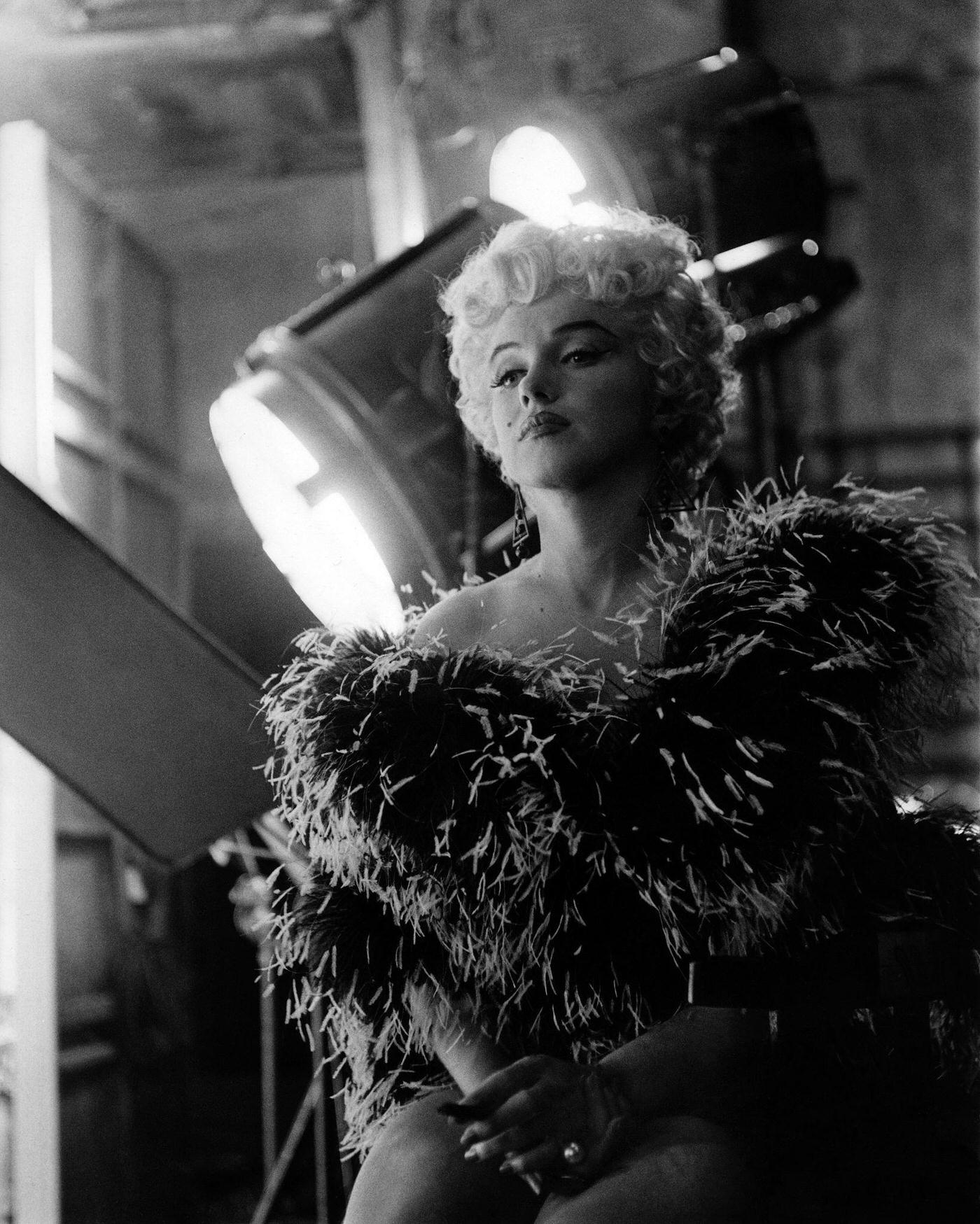
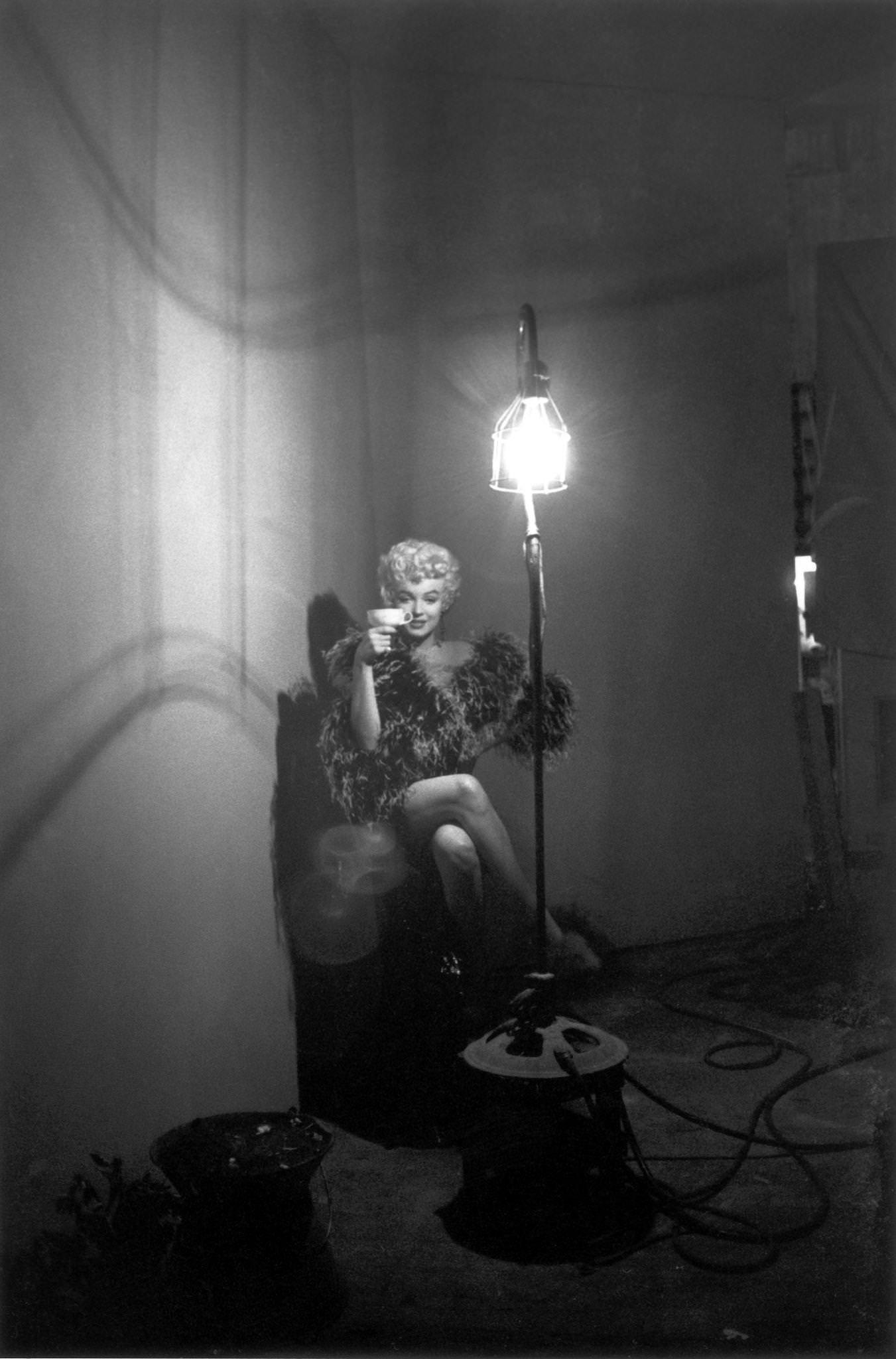
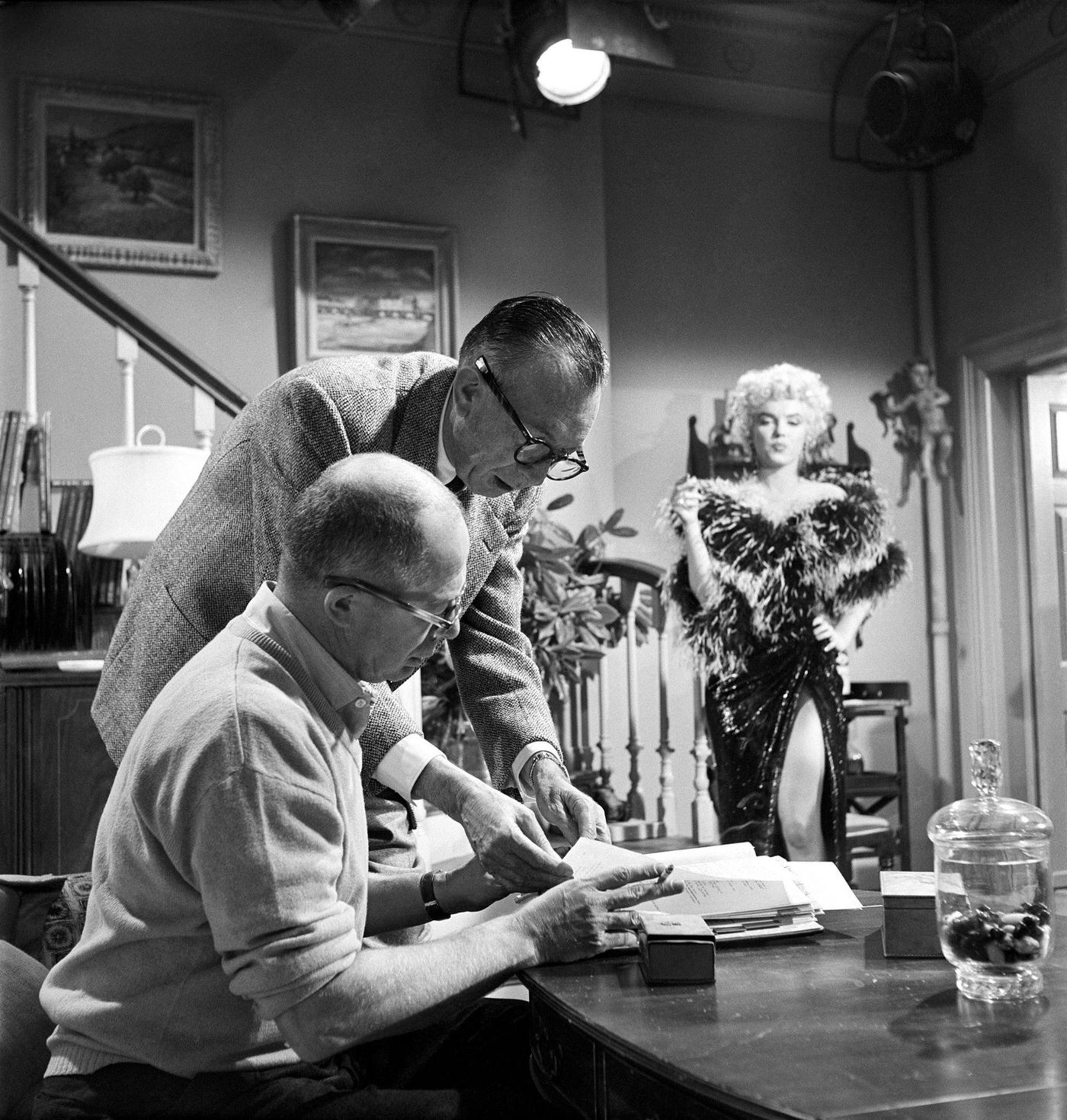
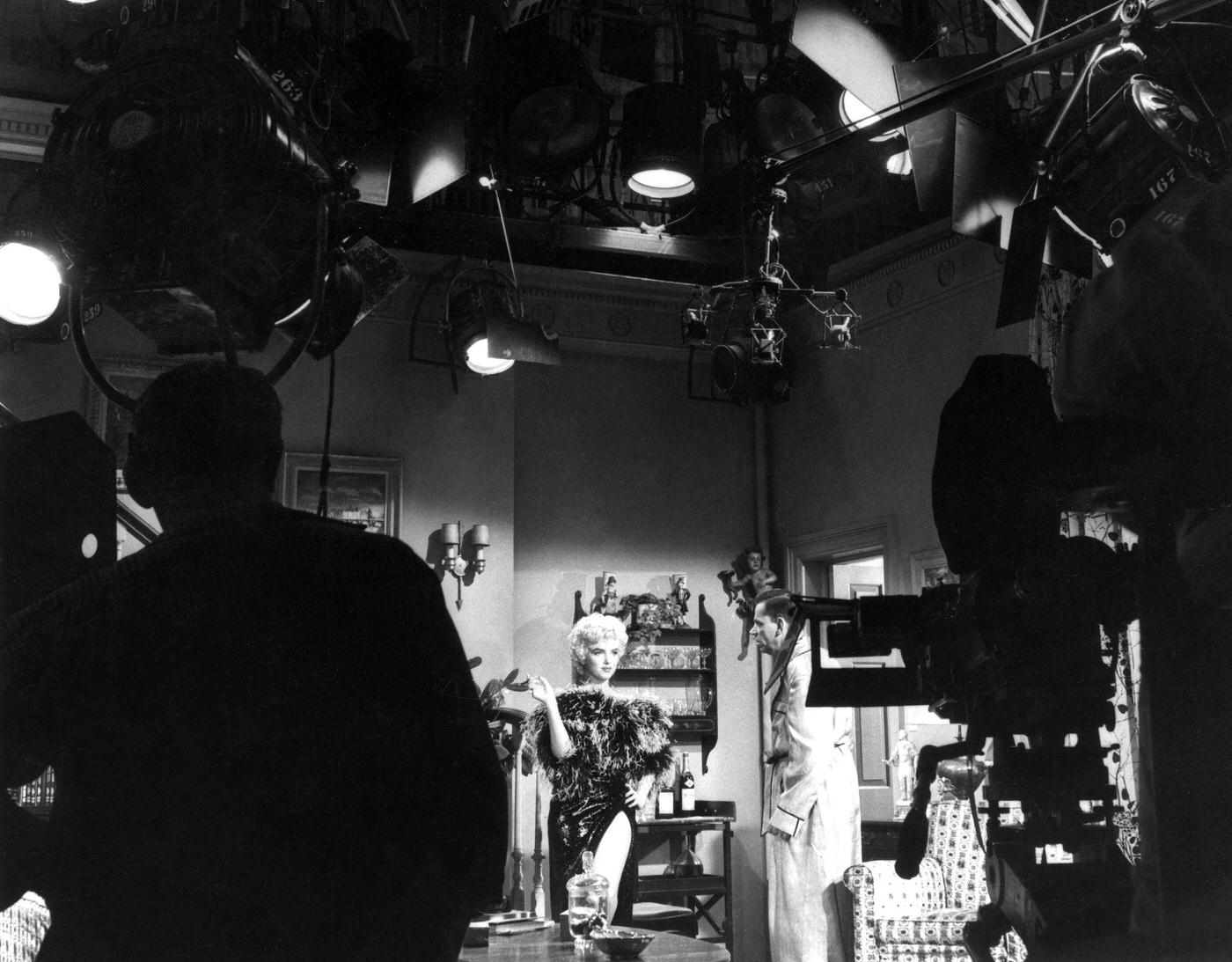
The feather boa scenes were part of the film’s more playful sequences, shot on interior sets that gave Wilder precise control over lighting and staging. Monroe worked through multiple takes on these scenes, often with director Billy Wilder seated nearby at the set table, guiding her performance.
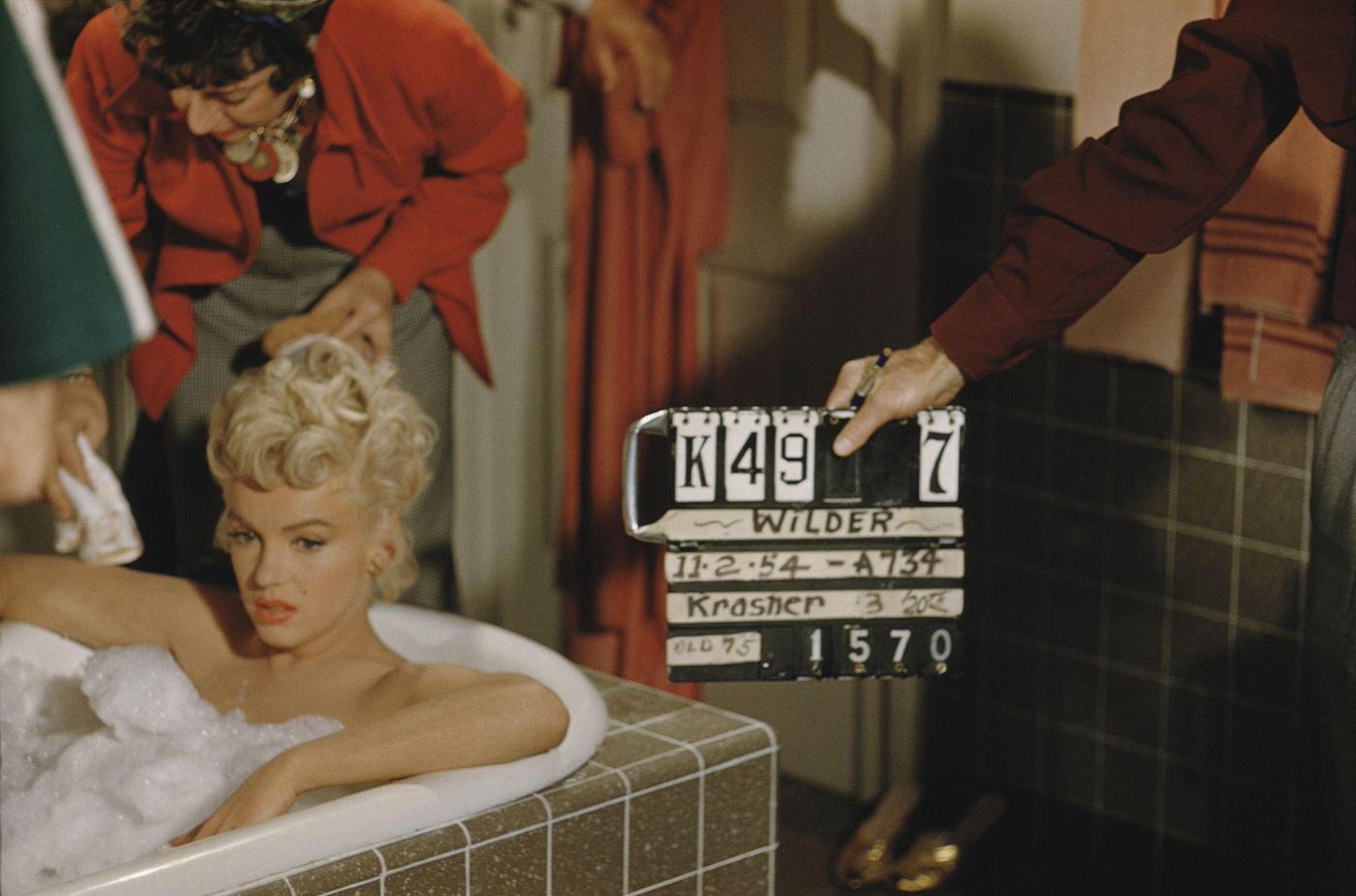
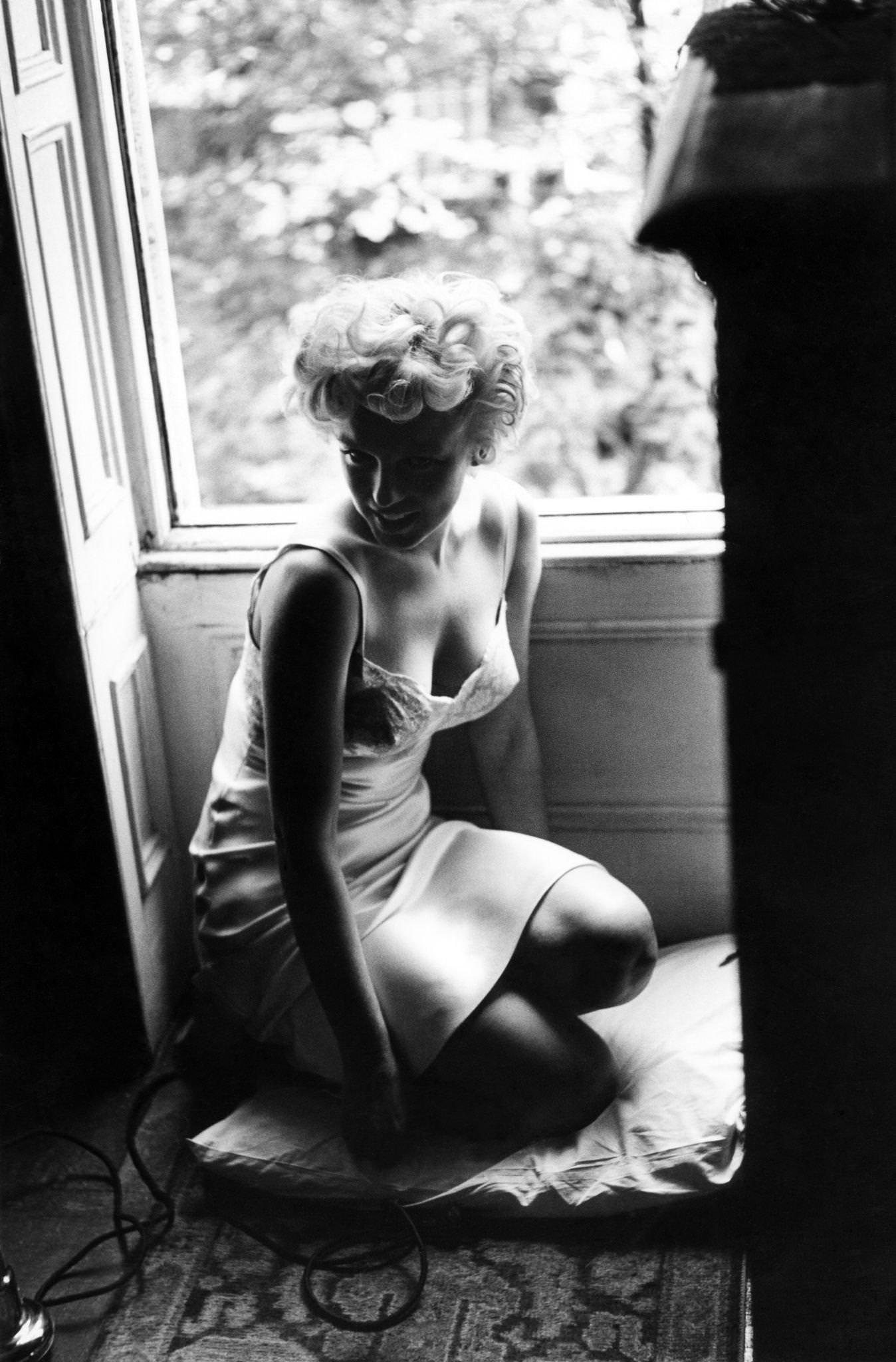
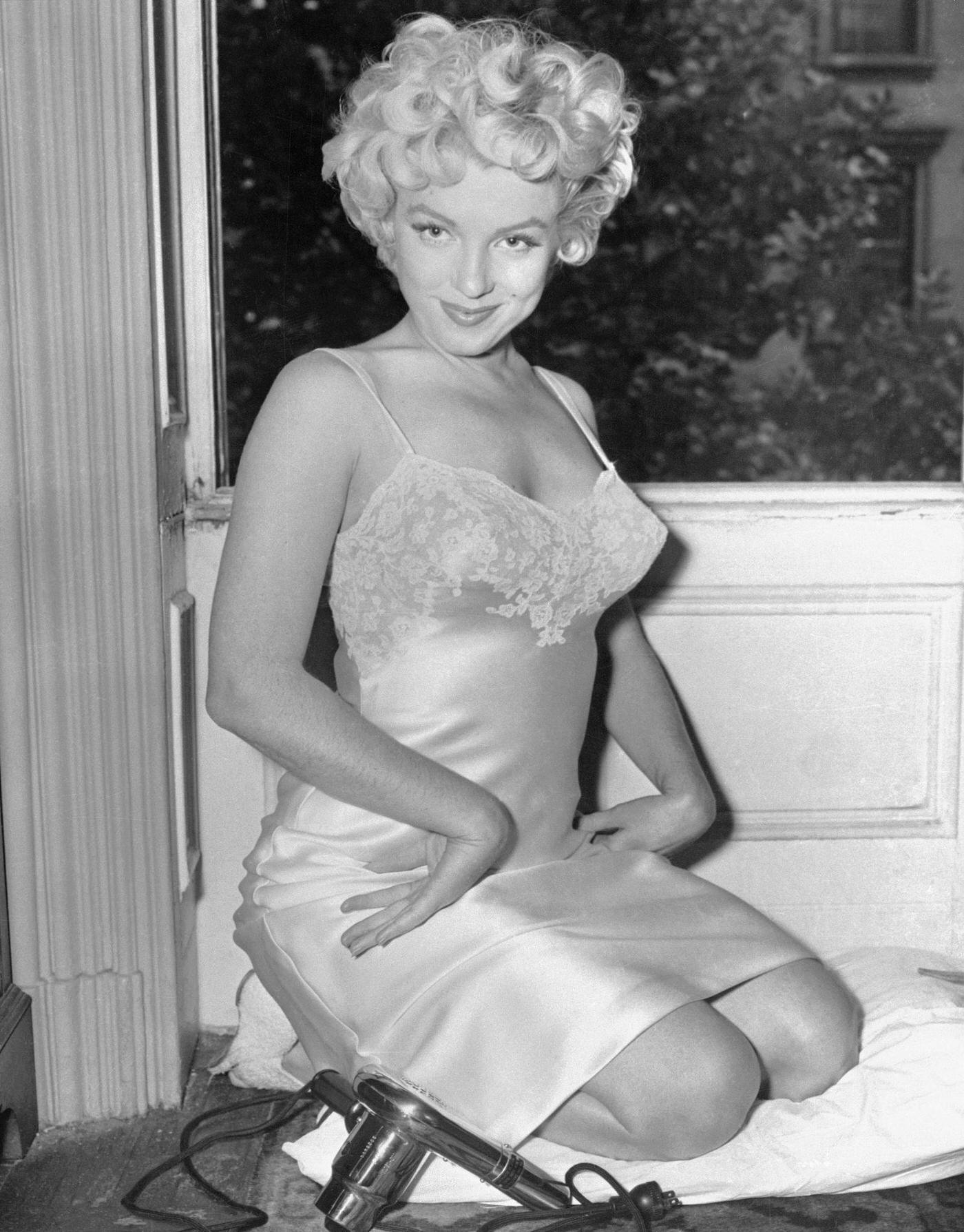
Wilder’s direction throughout the production balanced physical comedy with genuine warmth. He coaxed a performance from Monroe that felt spontaneous even when it was carefully choreographed. The bubble bath scenes, the window sequences, and the film’s more intimate moments all required Monroe to carry the scene on her own presence — and she did.
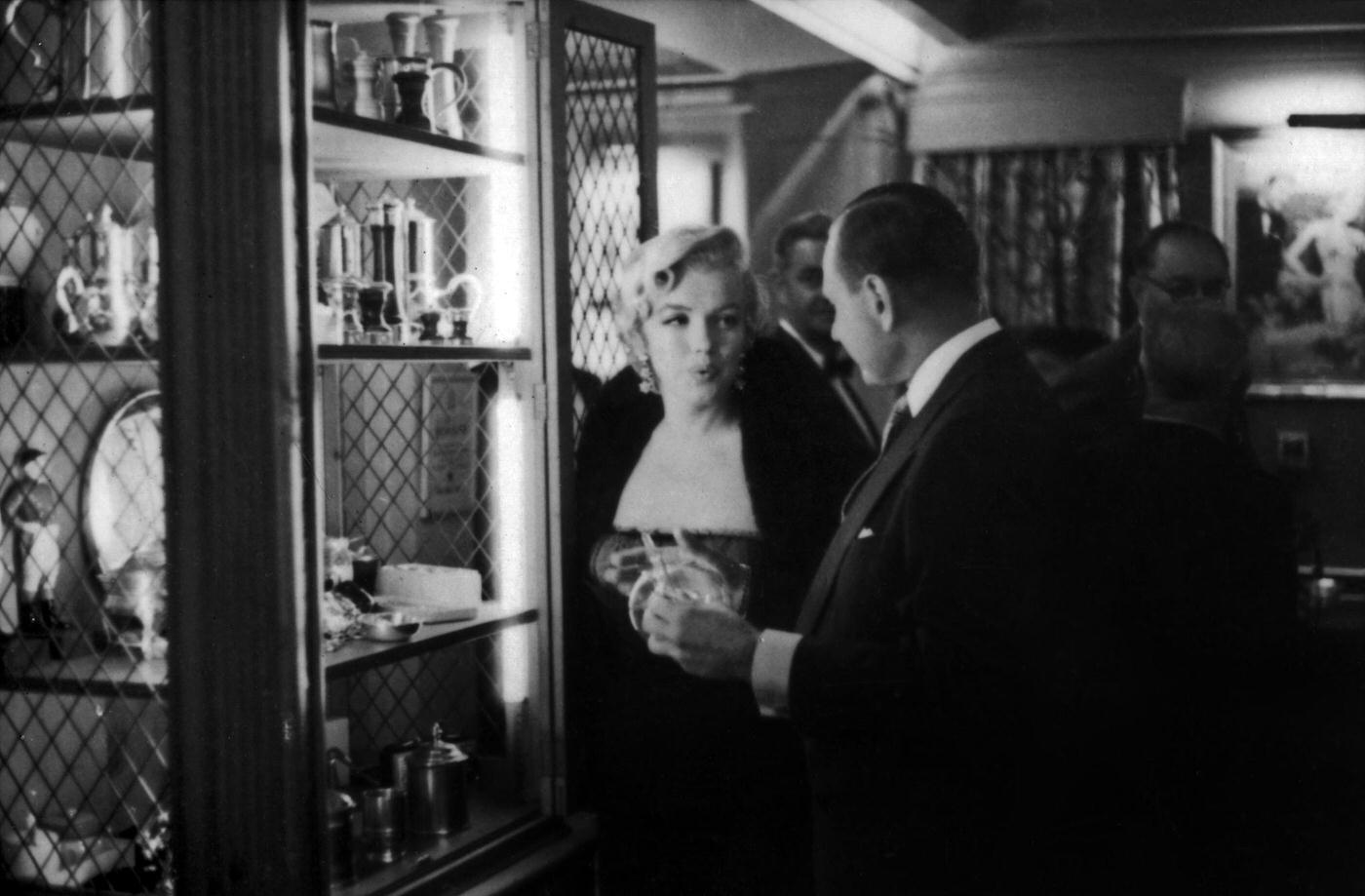
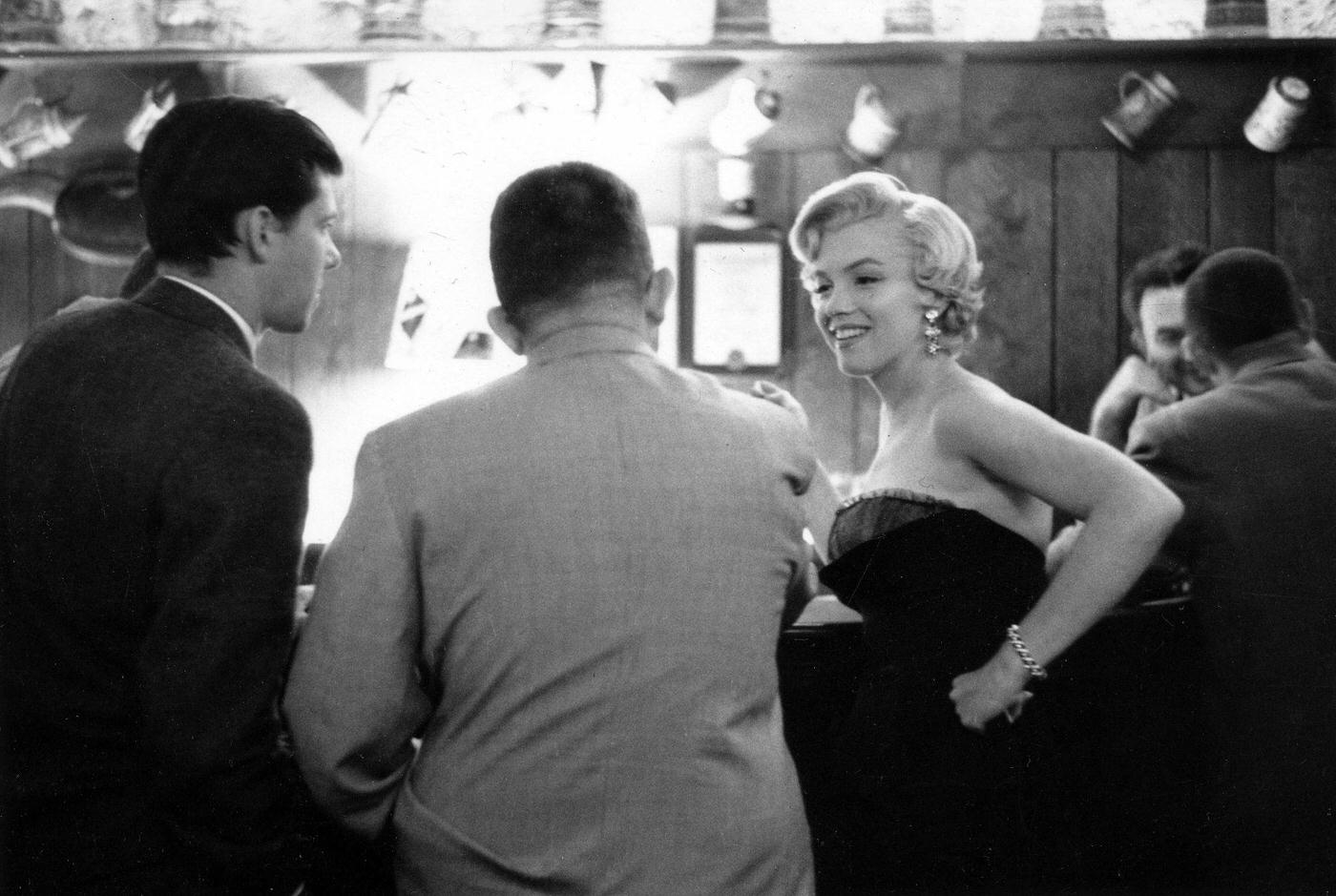
The press campaign for the film was aggressive and well-organized. A party was held at the famous ’21’ Club in New York, where Monroe mingled with media figures including newspaper columnist Earl Wilson and composer Irving Berlin. These events helped generate the kind of buzz that carried the film to box office success upon its release.
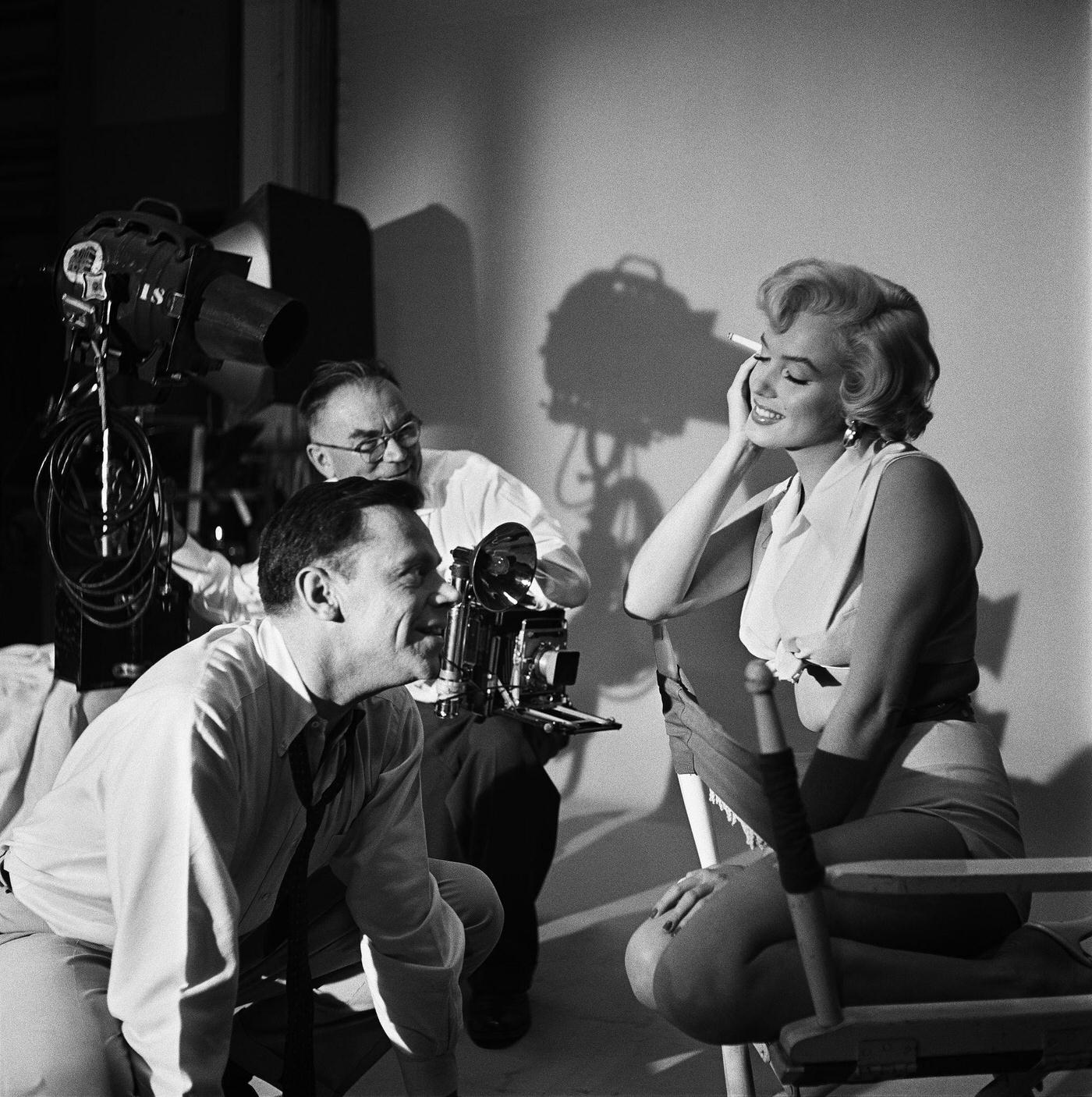
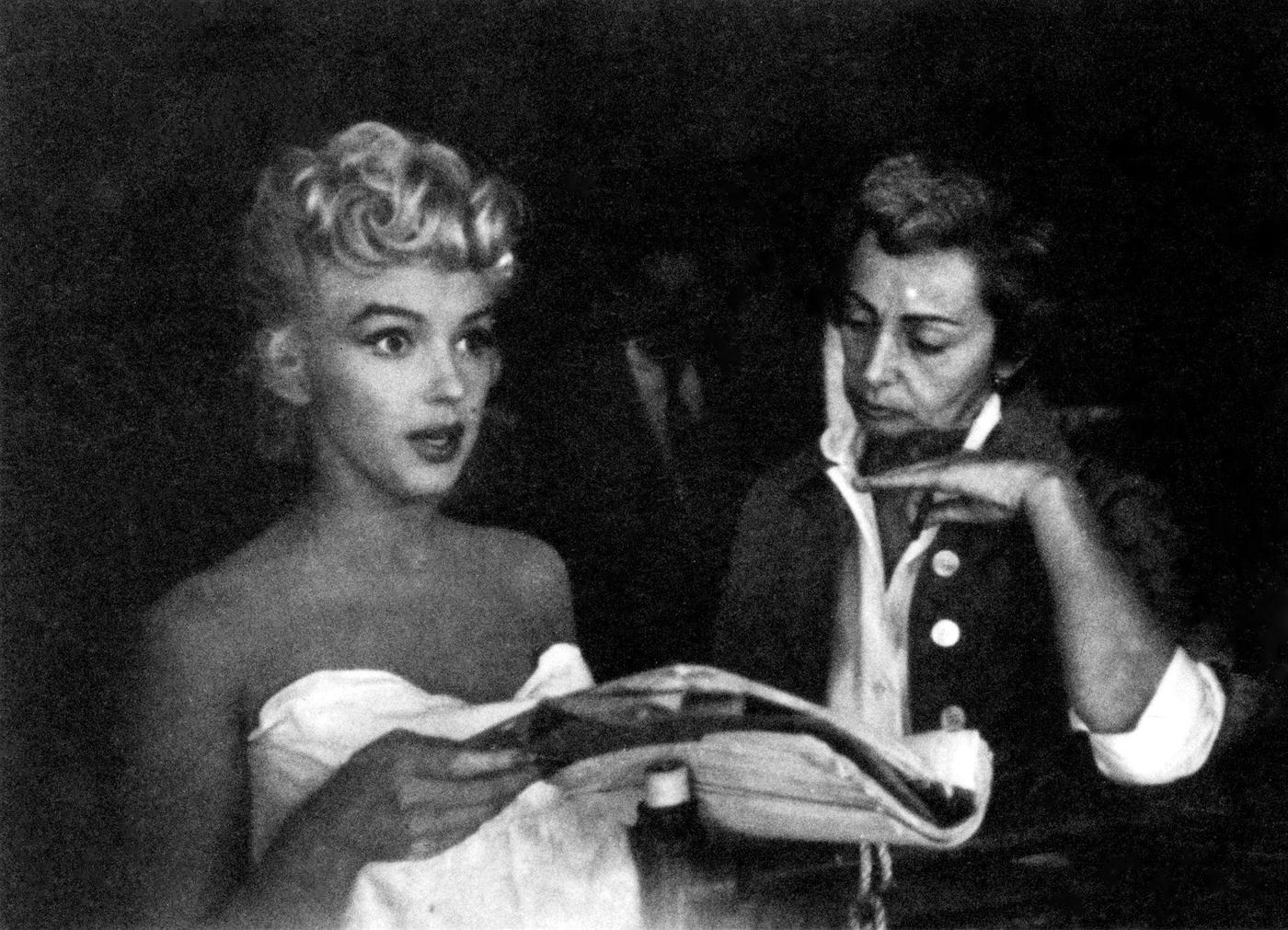
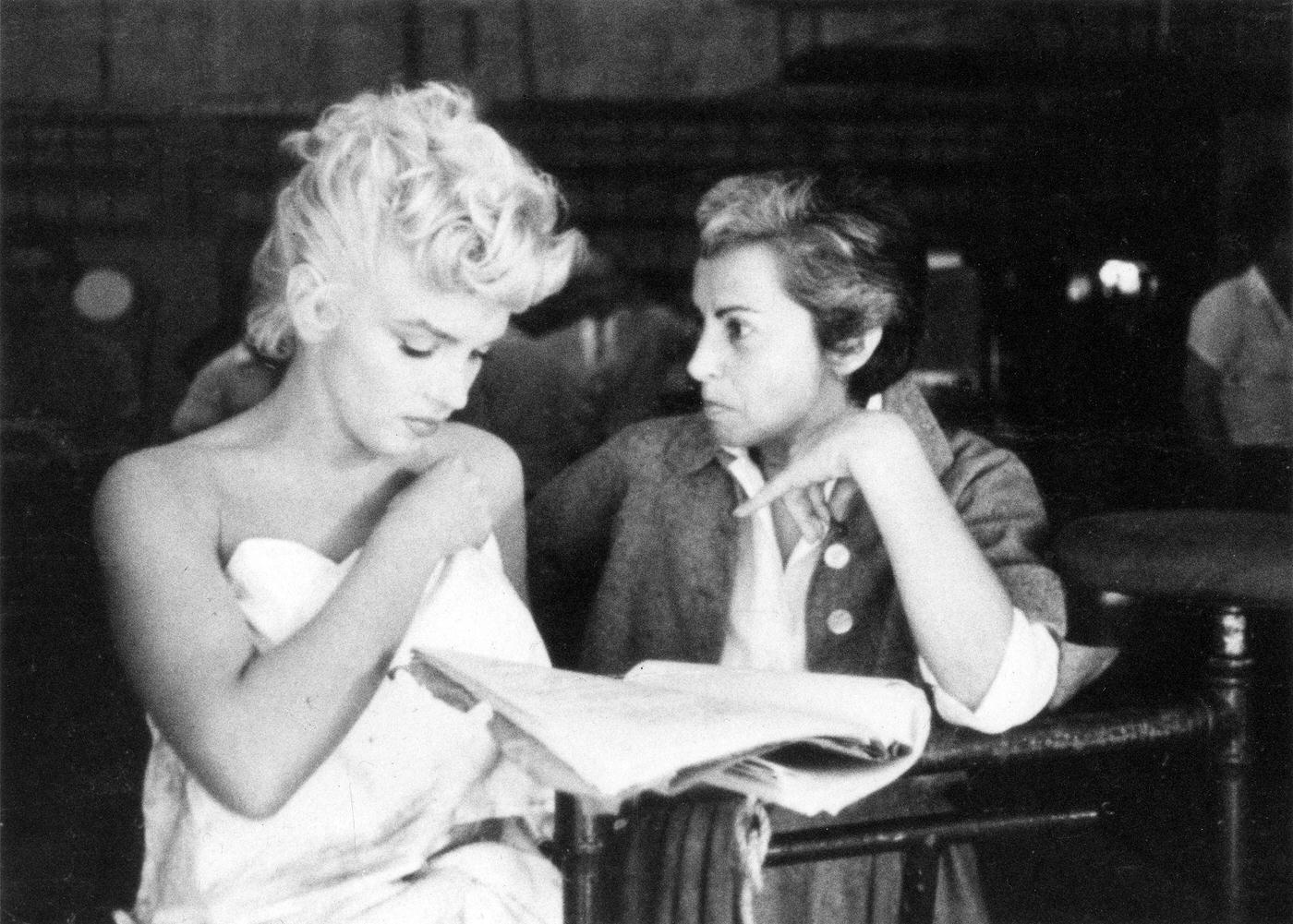
Drama coach Natasha Lytess was a constant presence on set during the bathtub scene preparations. Monroe relied heavily on Lytess throughout this period of her career, and the collaboration was visible in the care Monroe brought to even the film’s lighter comedic moments.
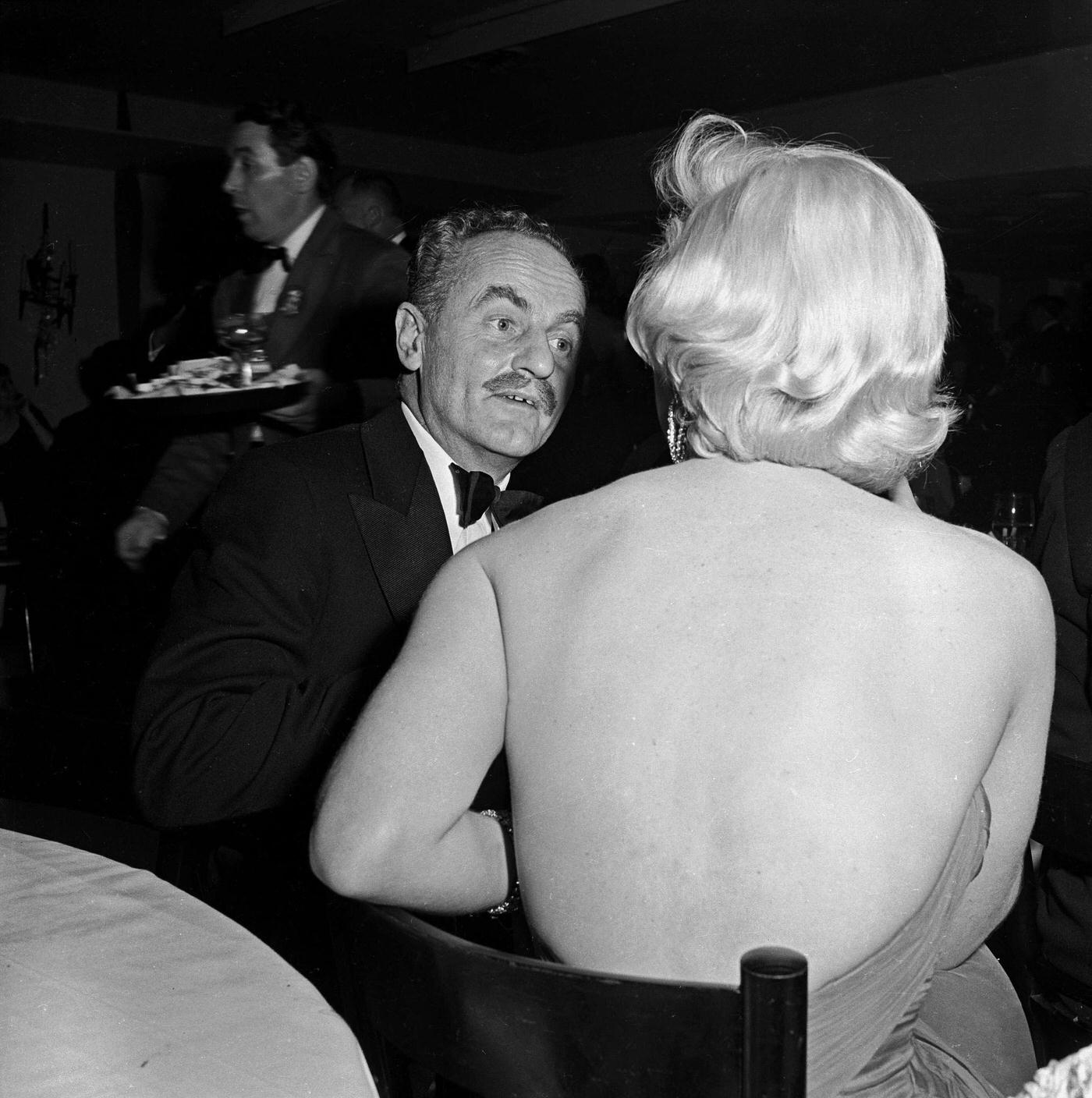
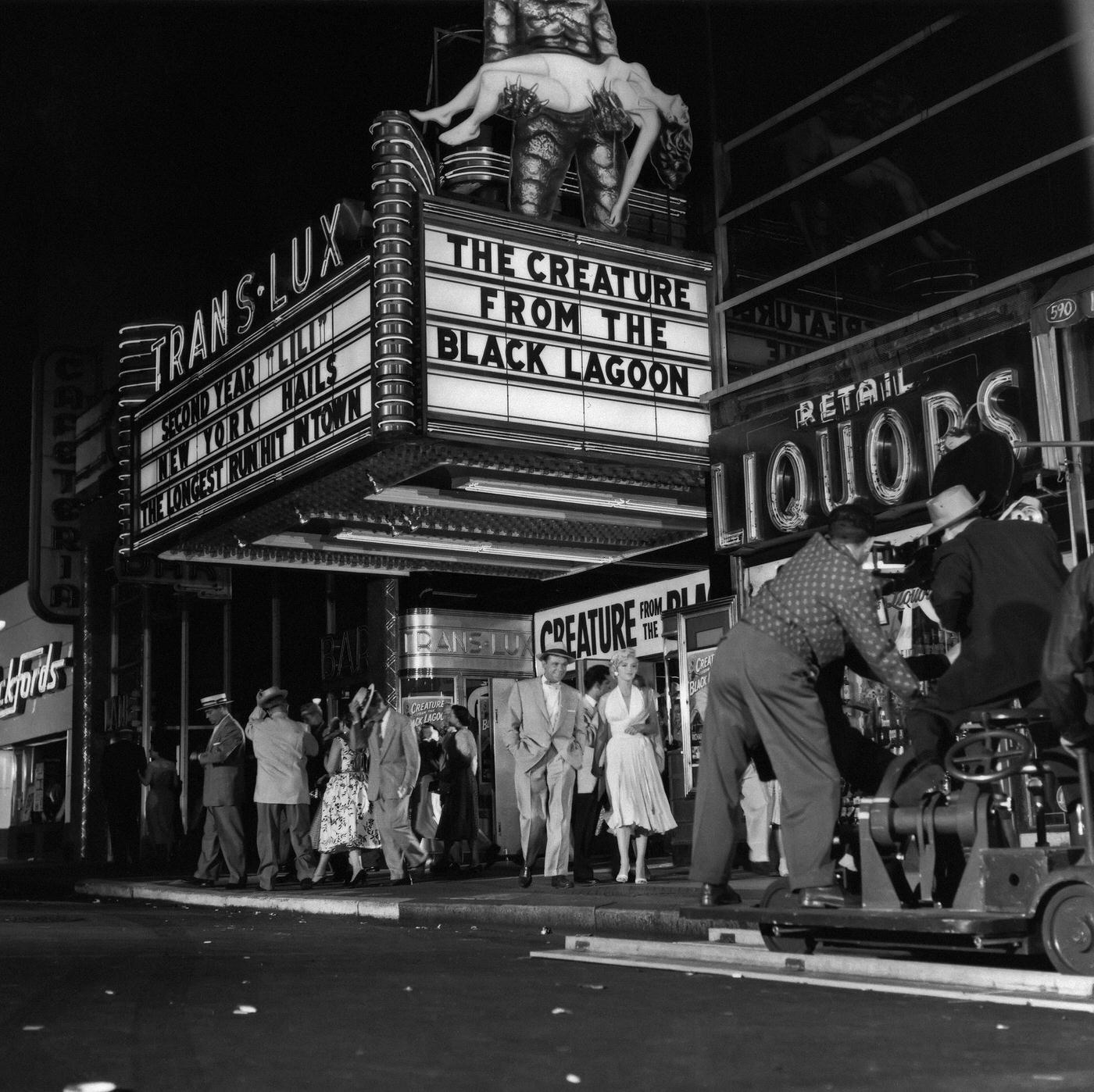
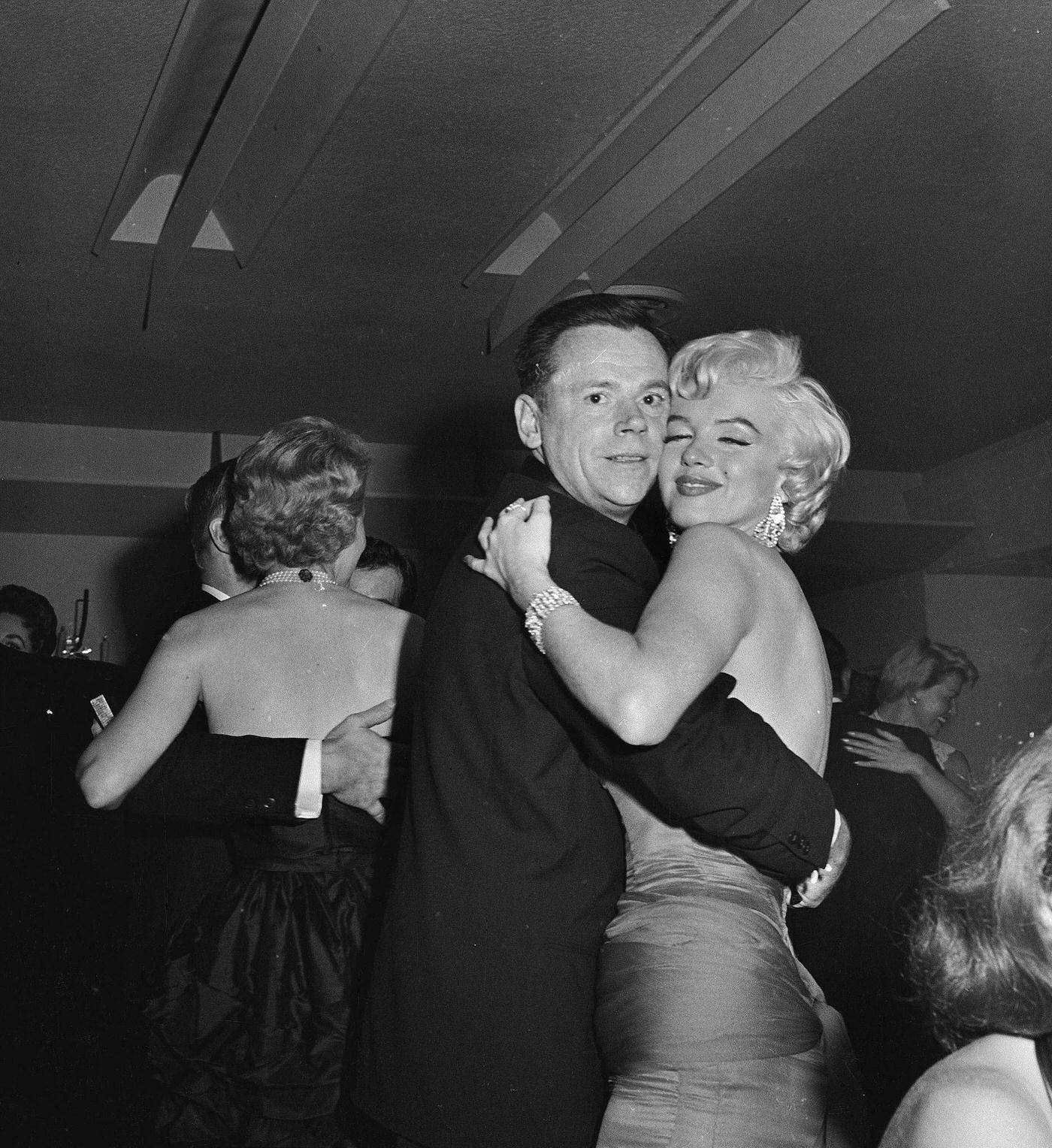
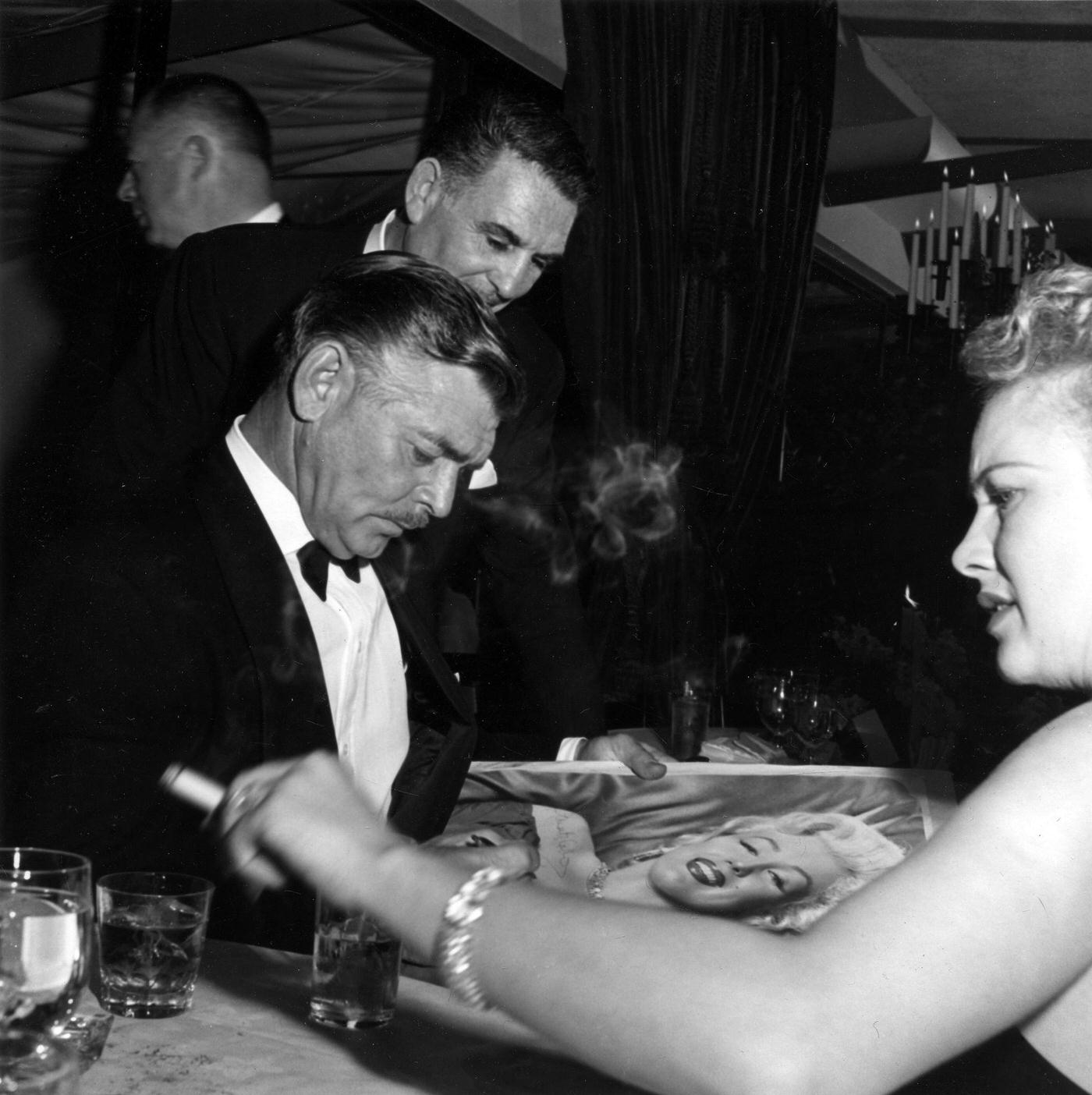
When principal photography wrapped, a party was held at Romanoff’s Restaurant in Los Angeles. Producer Darryl Zanuck was there, along with a remarkable gathering of Hollywood talent. Clark Gable, Humphrey Bogart, Clifton Webb, and Gary Cooper all attended. Actor Clifton Webb and Monroe even shared a dance on the floor. It was a celebration befitting a film that everyone involved already knew was something special.
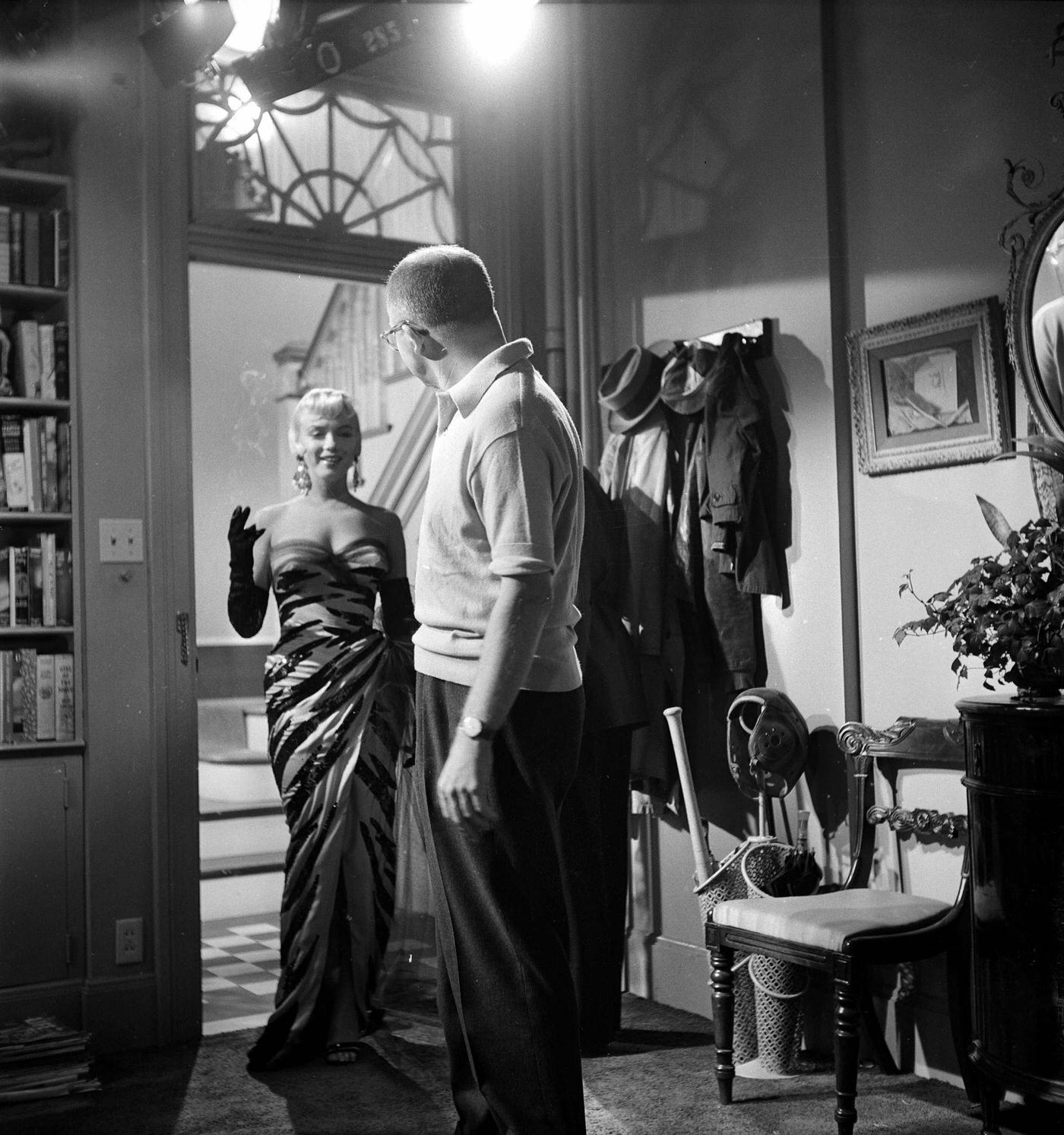
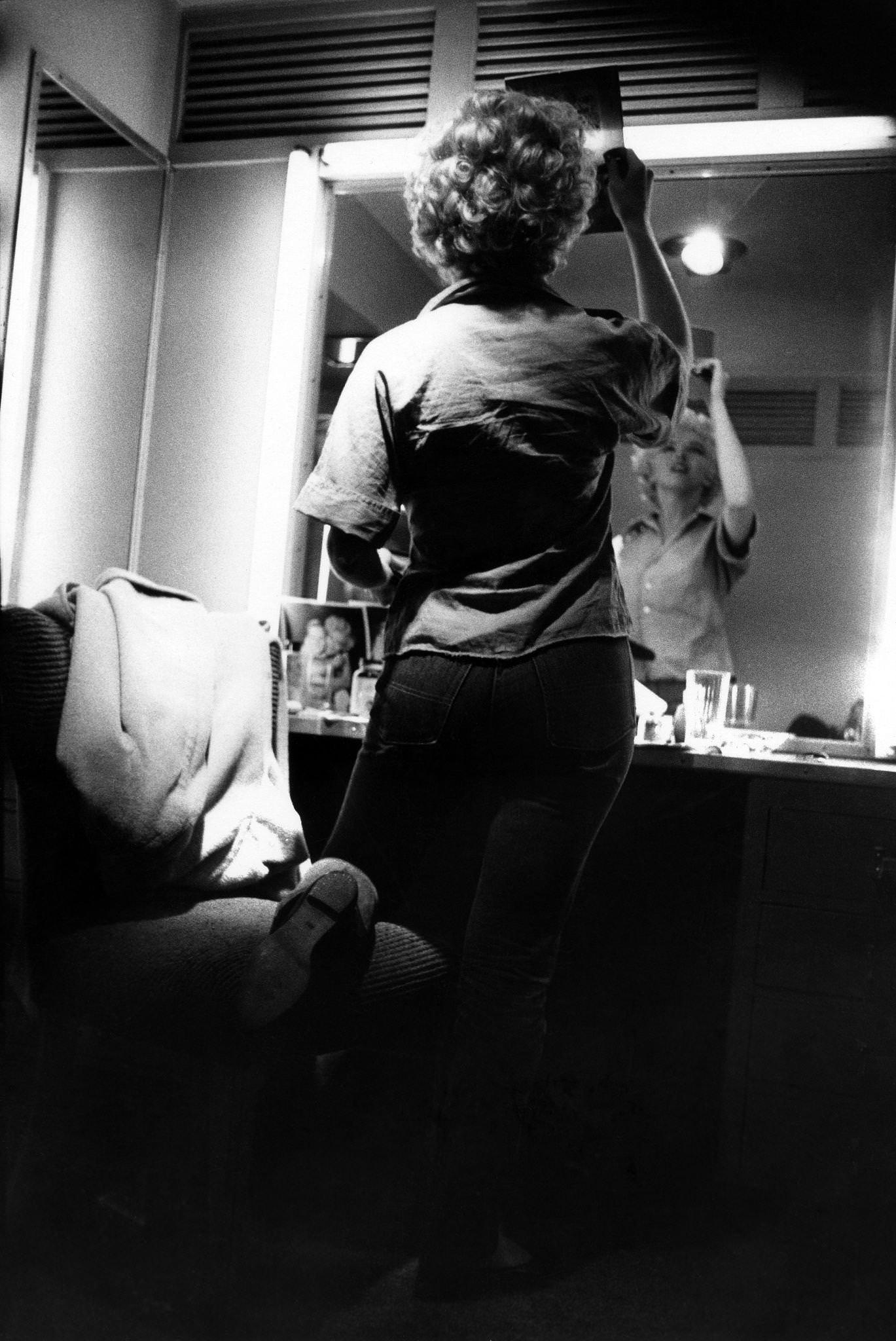
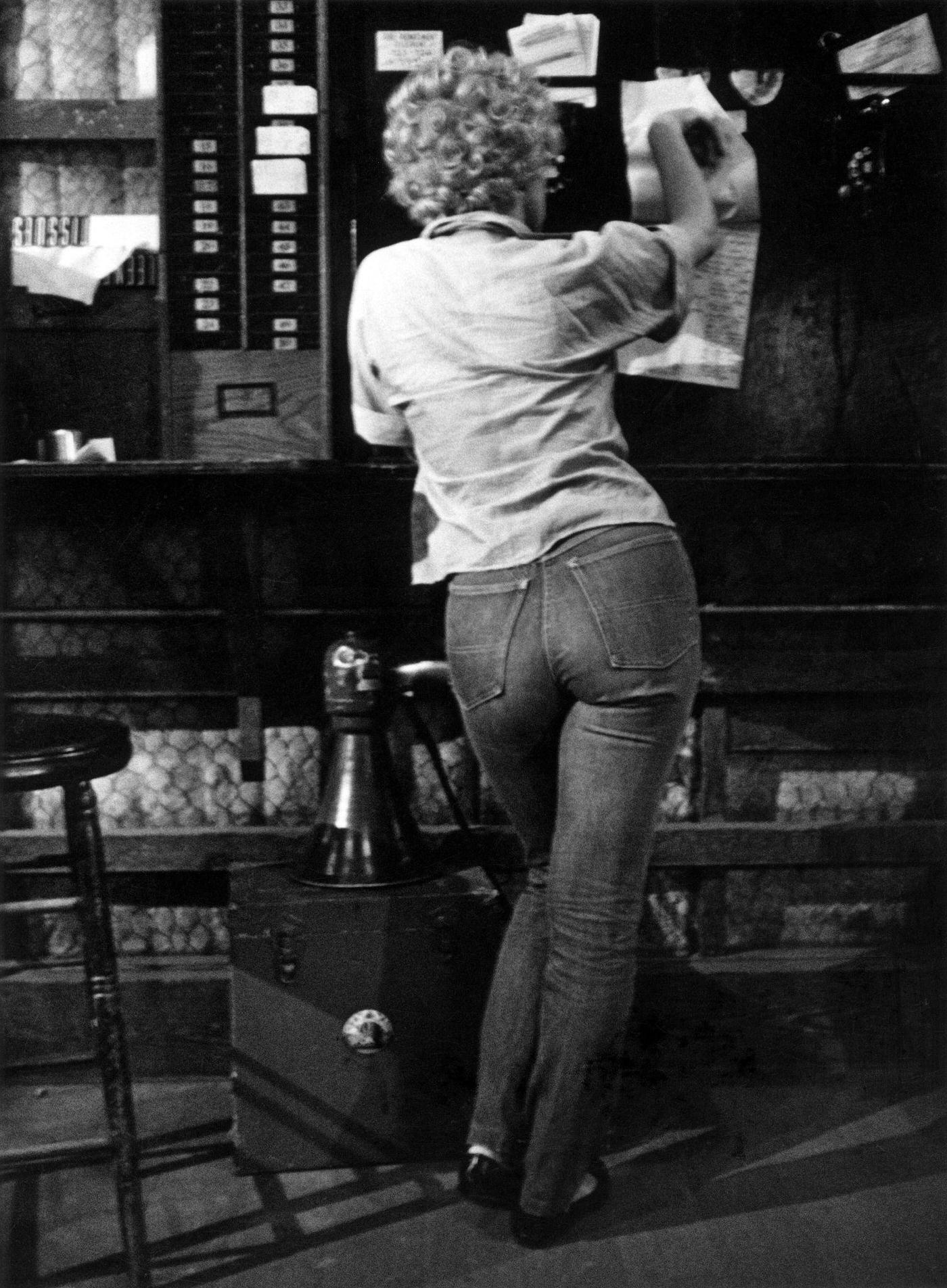
Between takes on the Fox lot, Monroe moved around the studio in blue jeans — a sharp contrast to the glamorous costumes worn on camera. These candid backstage moments showed a more relaxed side of the production, even as Wilder kept a demanding pace on set.
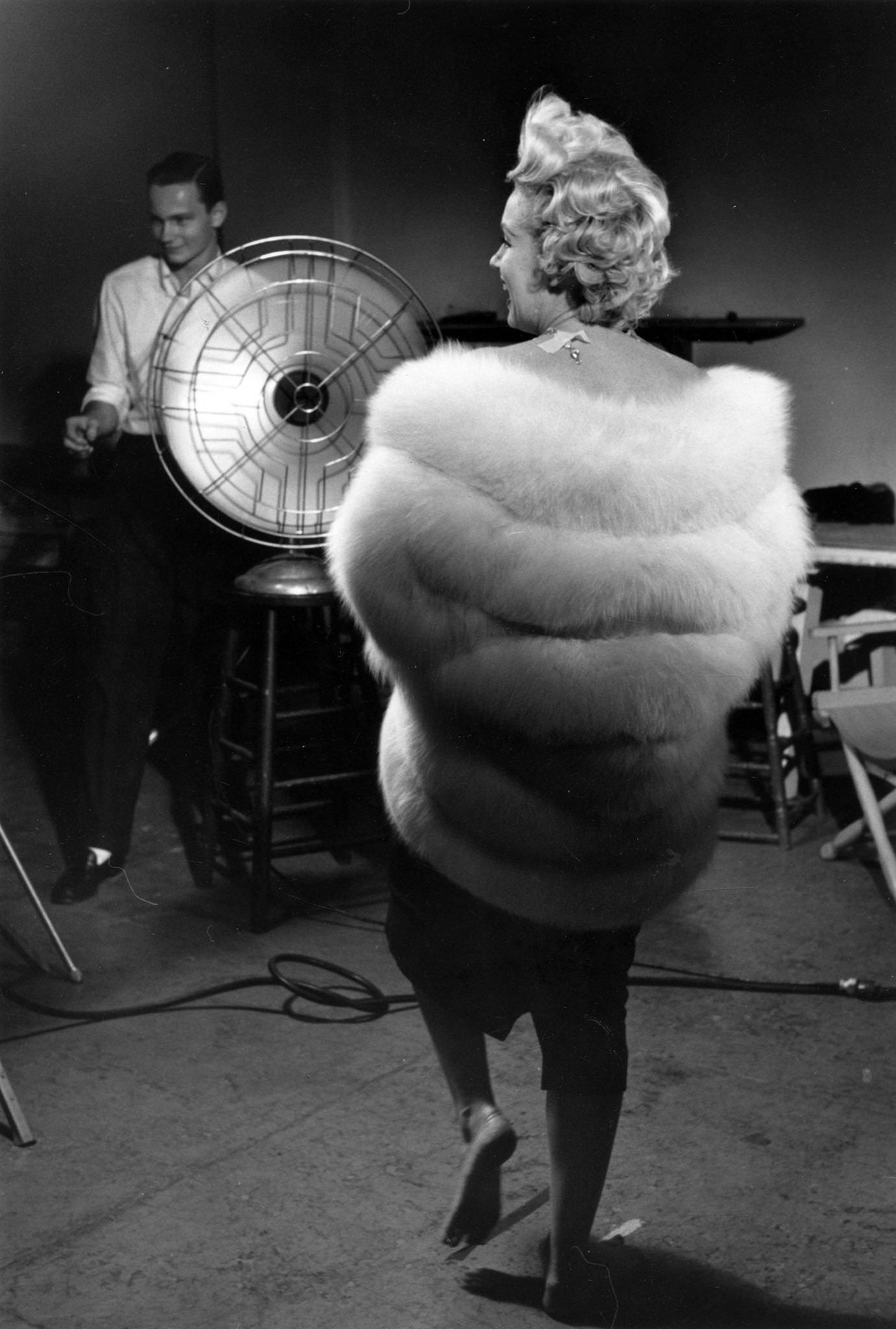
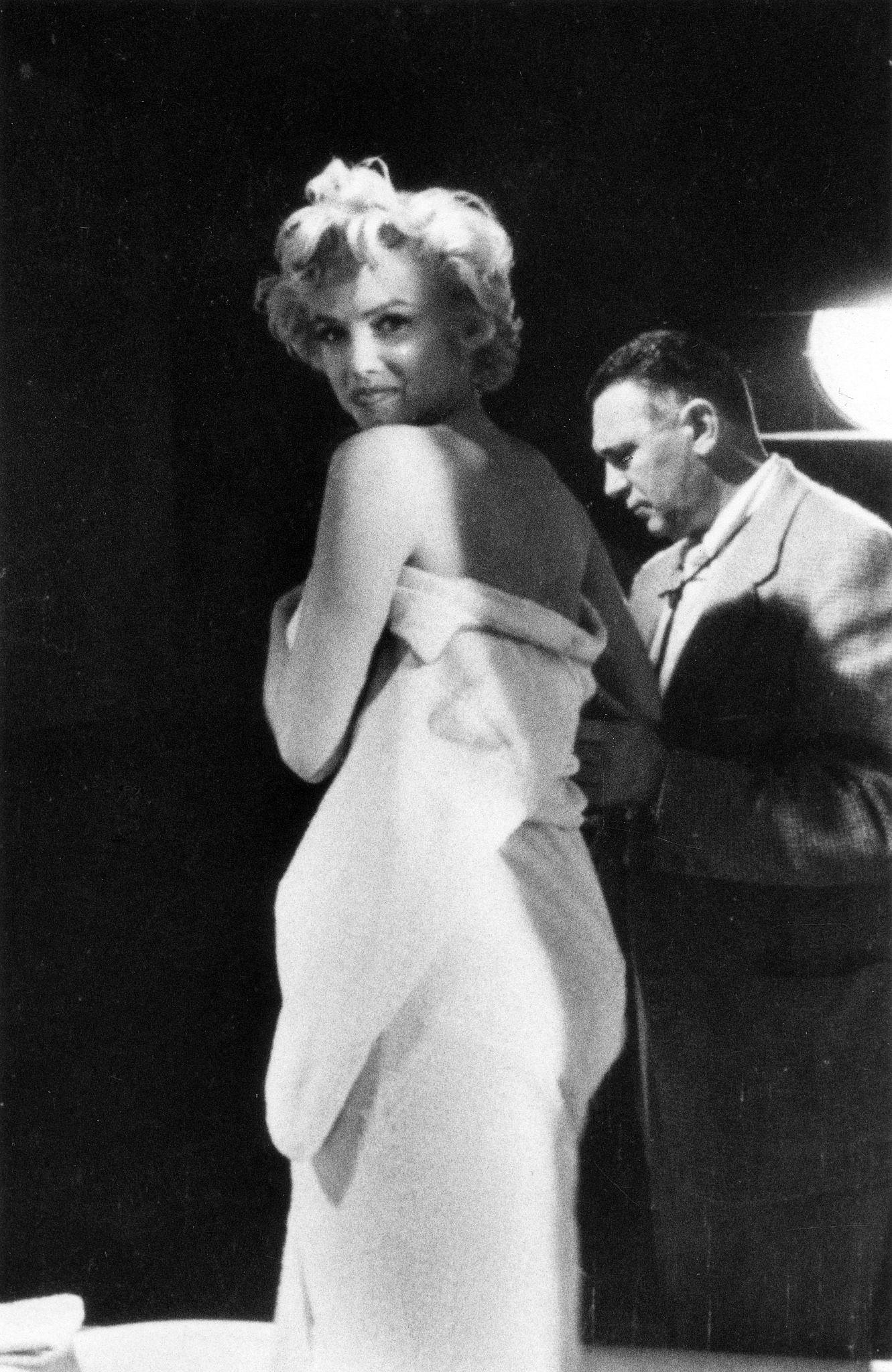
The Avedon publicity sessions in New York put Monroe in a white fur stole, a deliberate choice to project elegance for the film’s marketing materials. These images circulated widely before the 1955 release, cementing the public’s anticipation.
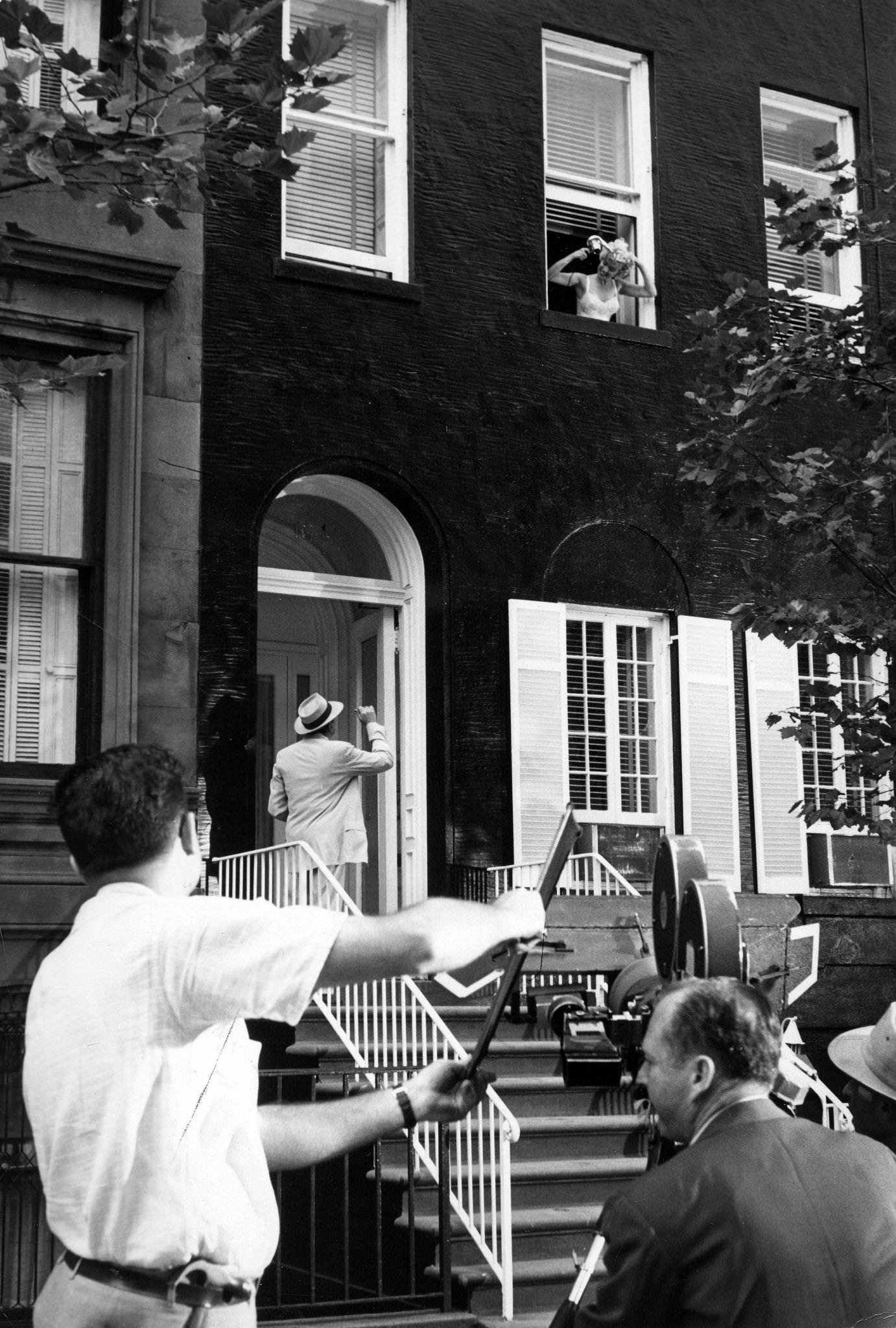
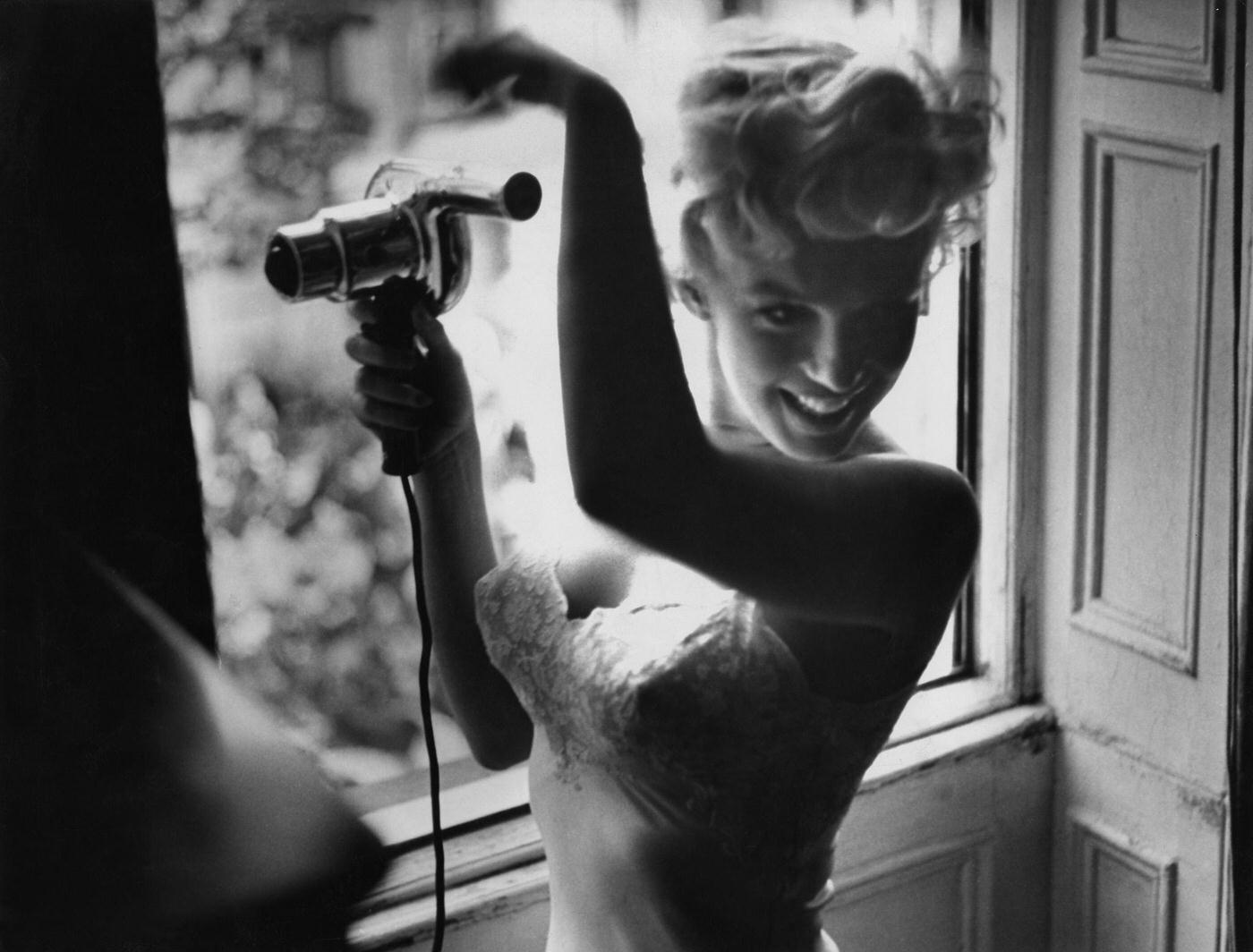
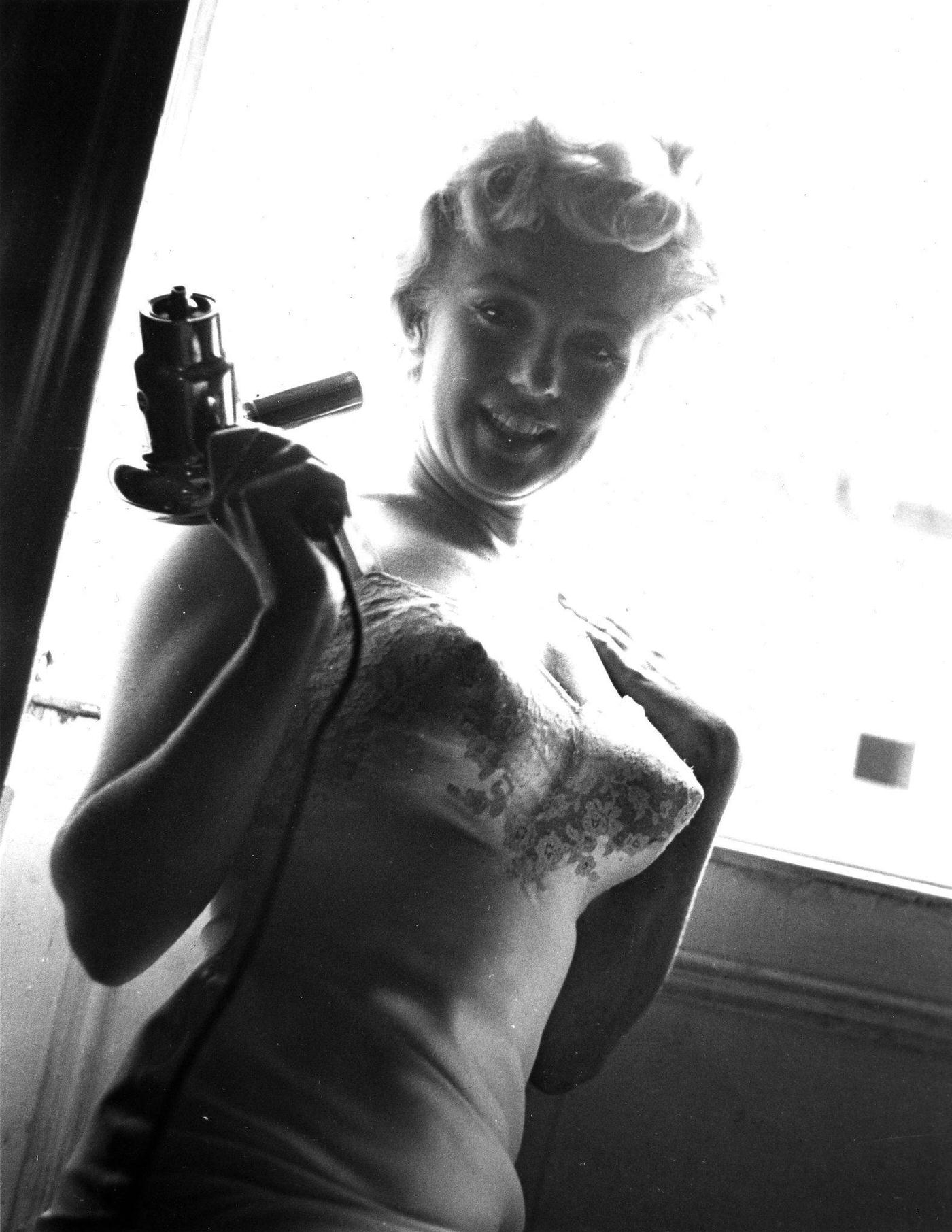
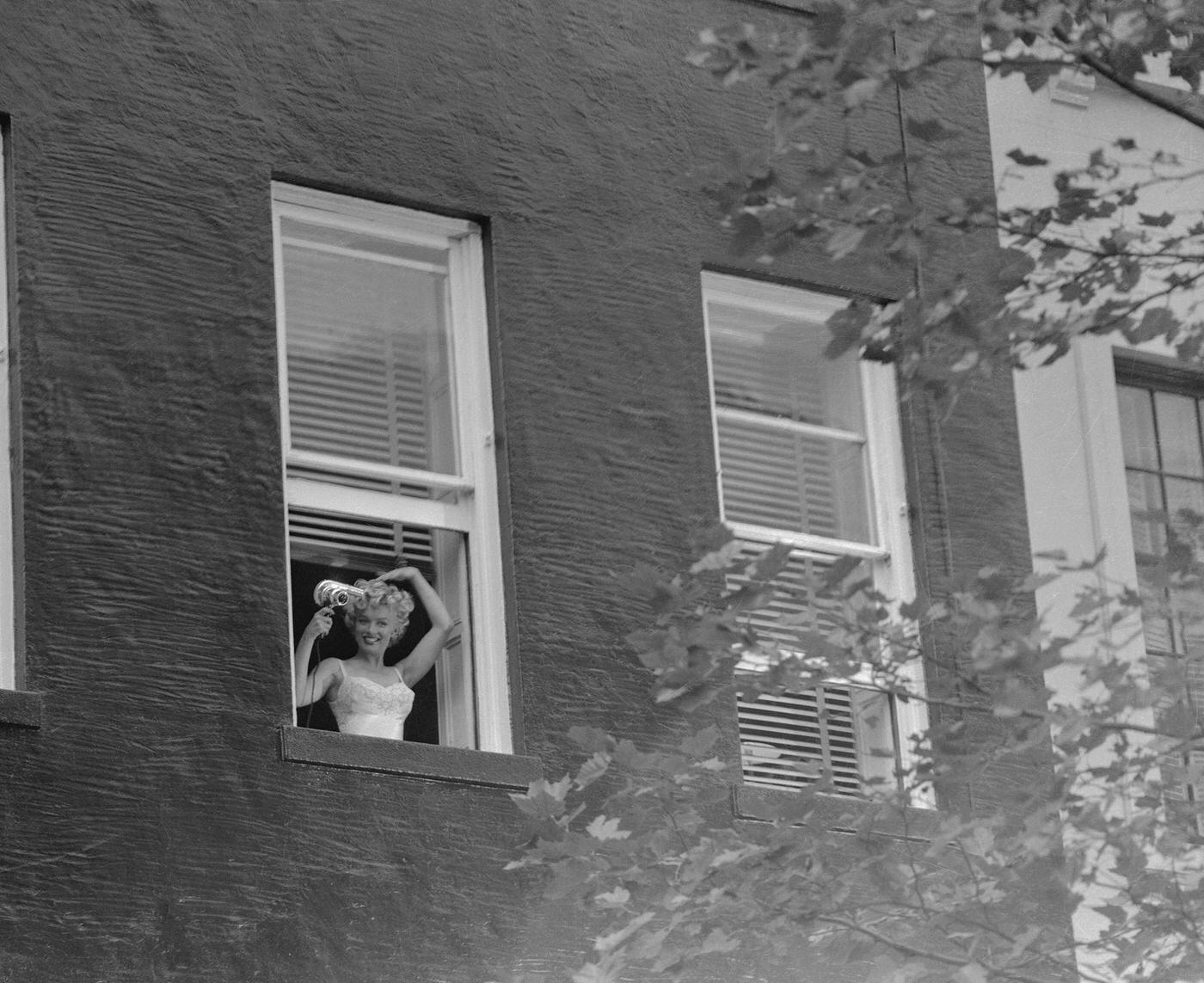
Window scenes were a recurring visual in the film, used to show the playful dynamic between “The Girl” upstairs and Richard Sherman below. Monroe leaning out with a hairdryer while Ewell stood on the street below was exactly the kind of light, charming exchange that Axelrod’s script was built on.
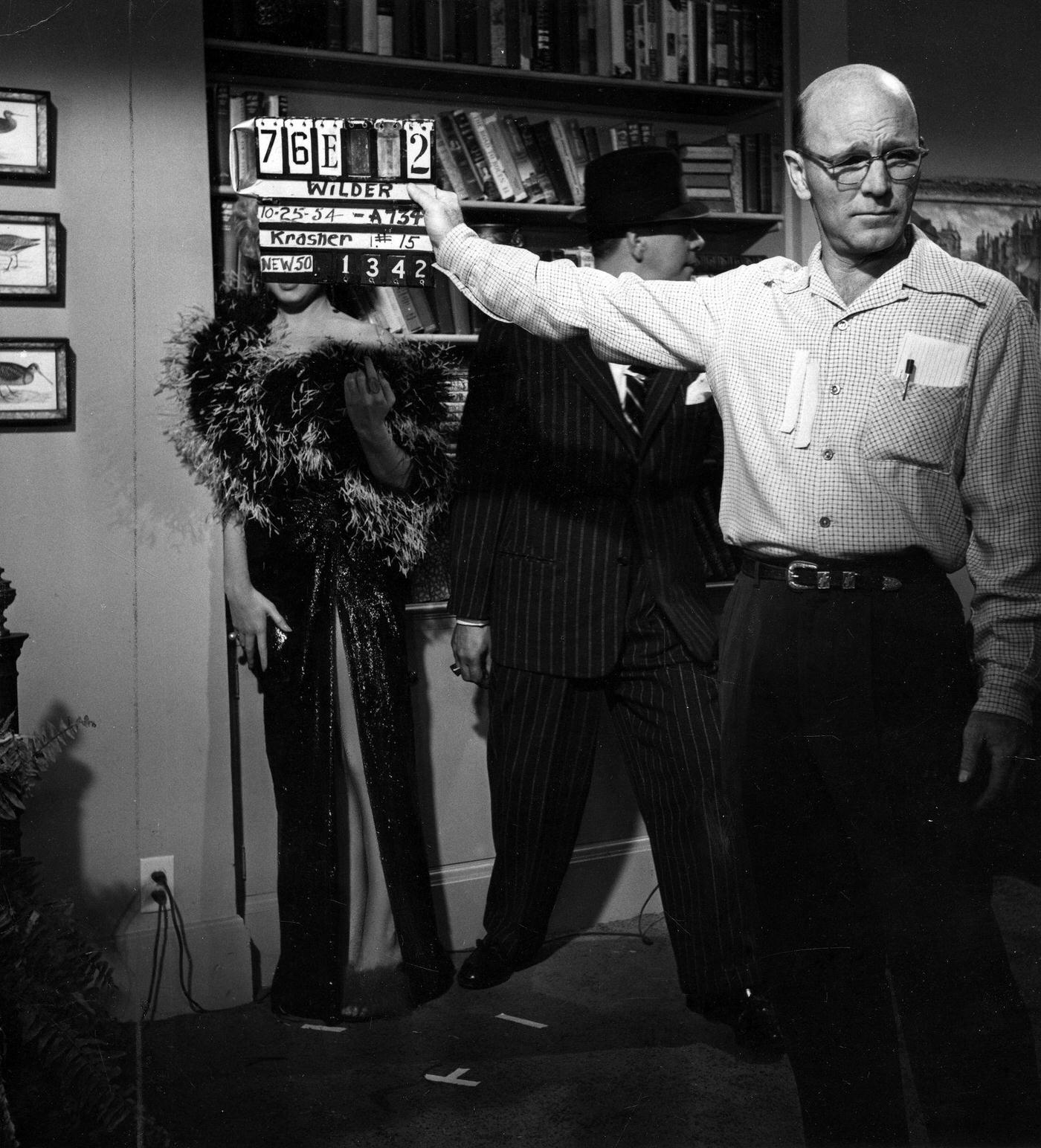
Actor Robert Strauss also appeared in the film, working alongside Monroe in several scenes. On the set floor, the crew worked efficiently under Wilder’s direction, with the clapper board marking each new take as Monroe worked through the feather boa sequences.
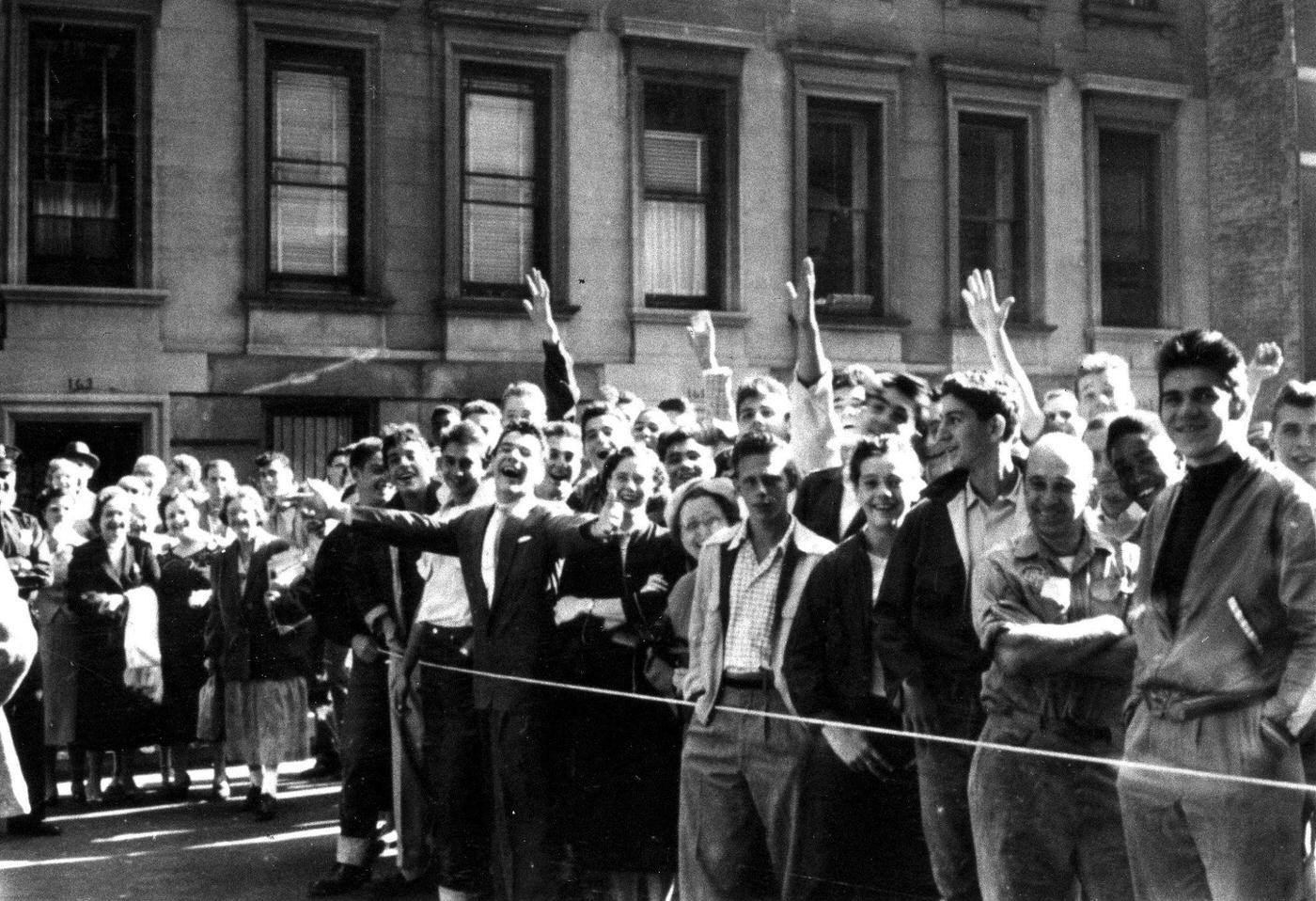
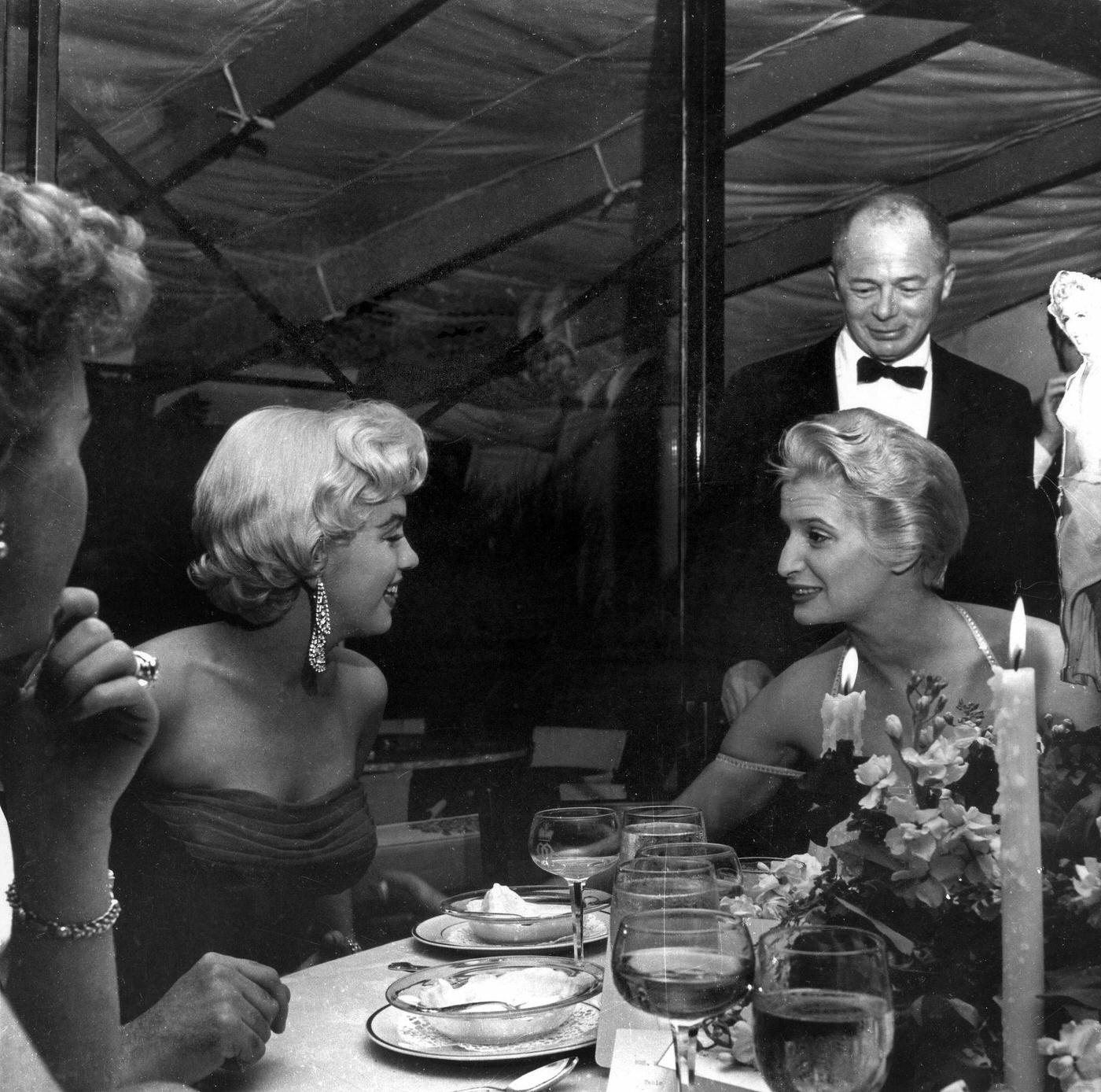
Filming in New York drew enormous crowds. Fans lined the streets just to catch a glimpse of Monroe on location. Joan Axelrod, wife of playwright George Axelrod, joined the wrap party at Romanoff’s alongside Wilder and Monroe — a nod to the theatrical origins of the material that had brought them all together.
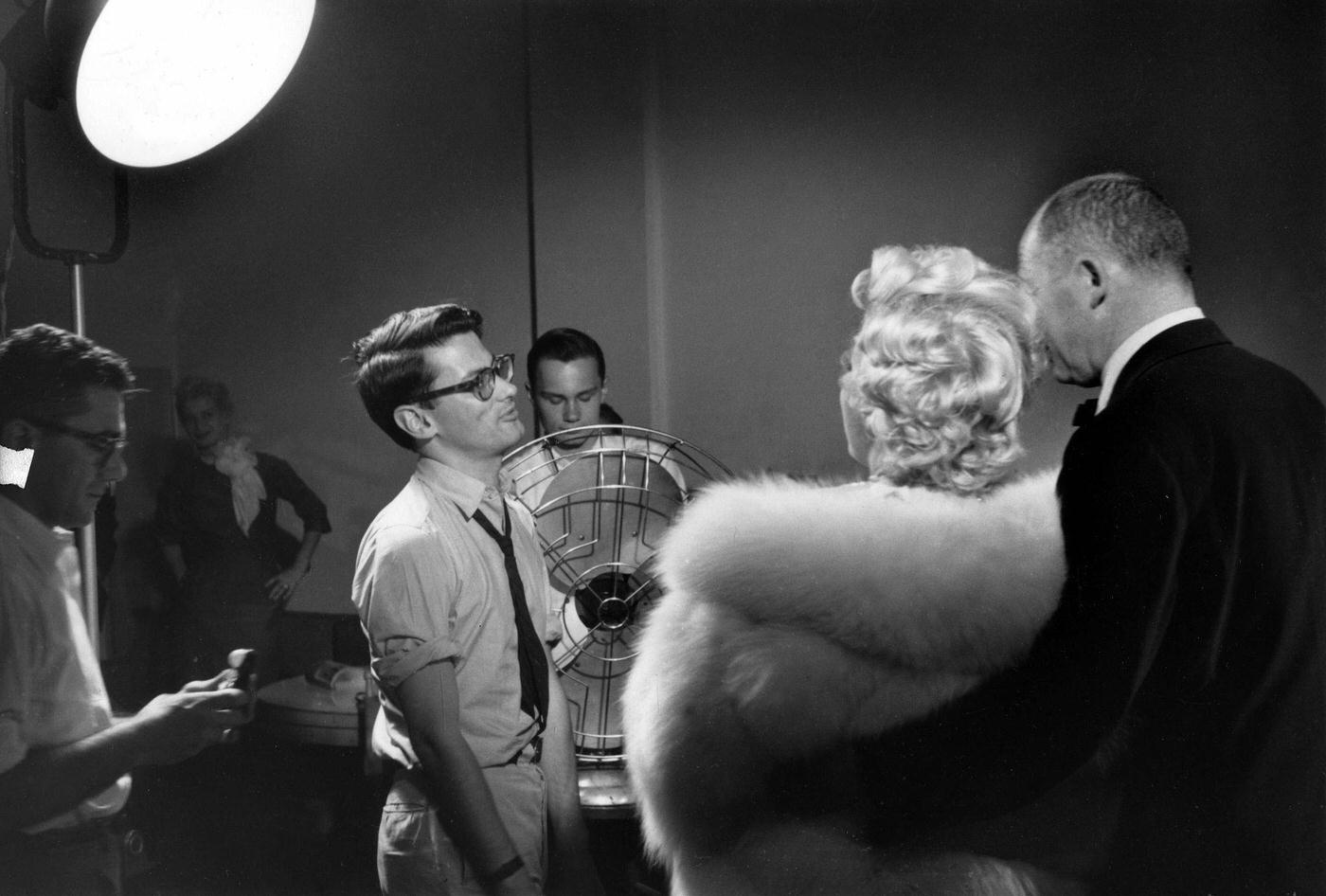
Monroe and Wilder appeared together in multiple Avedon publicity shots. Their working relationship during the film was professional but not without friction. Wilder was known for his exacting standards, and Monroe’s tendency toward late arrivals and repeated takes tested his patience — though he publicly praised her performance after the film’s release.
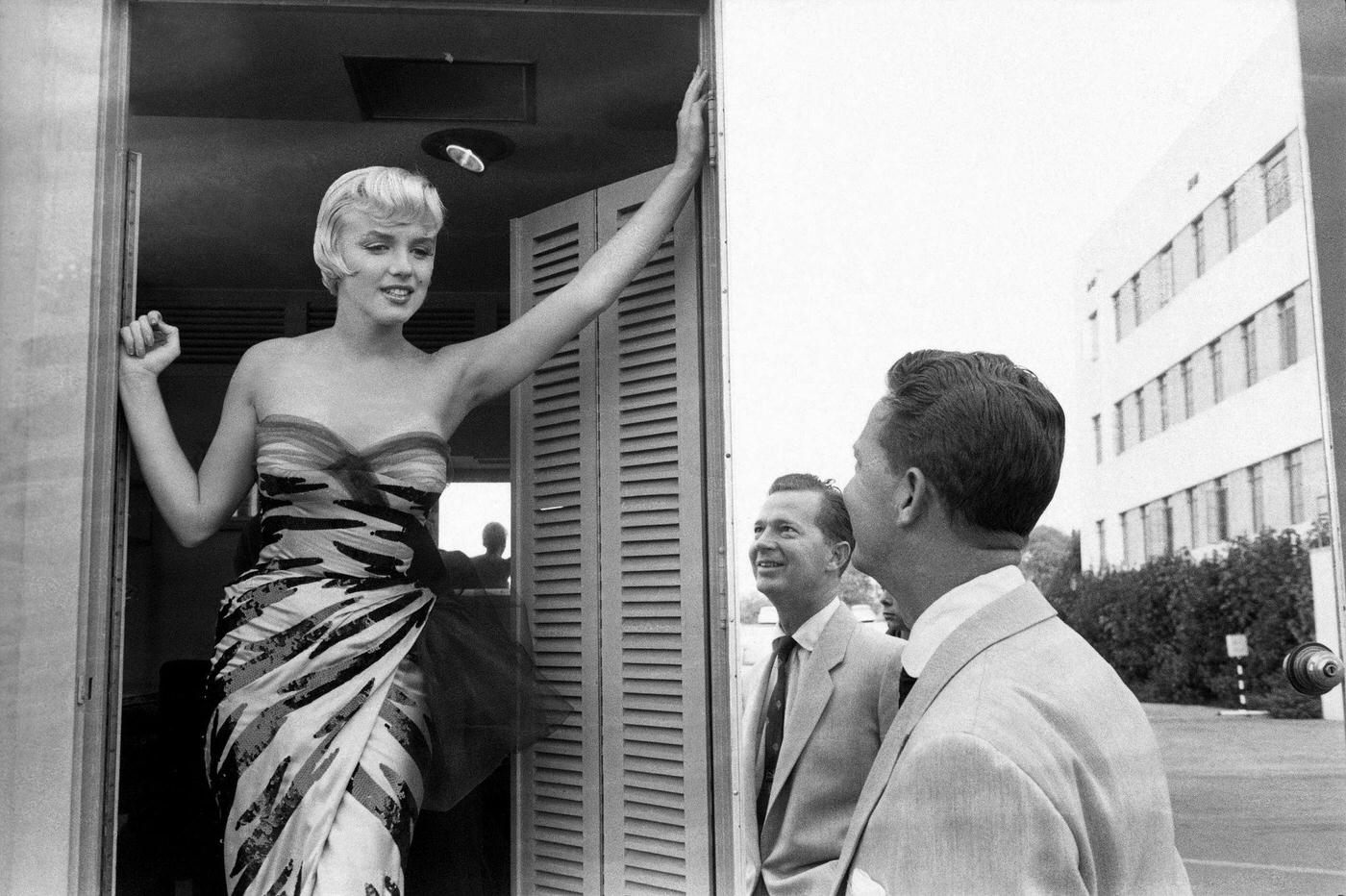
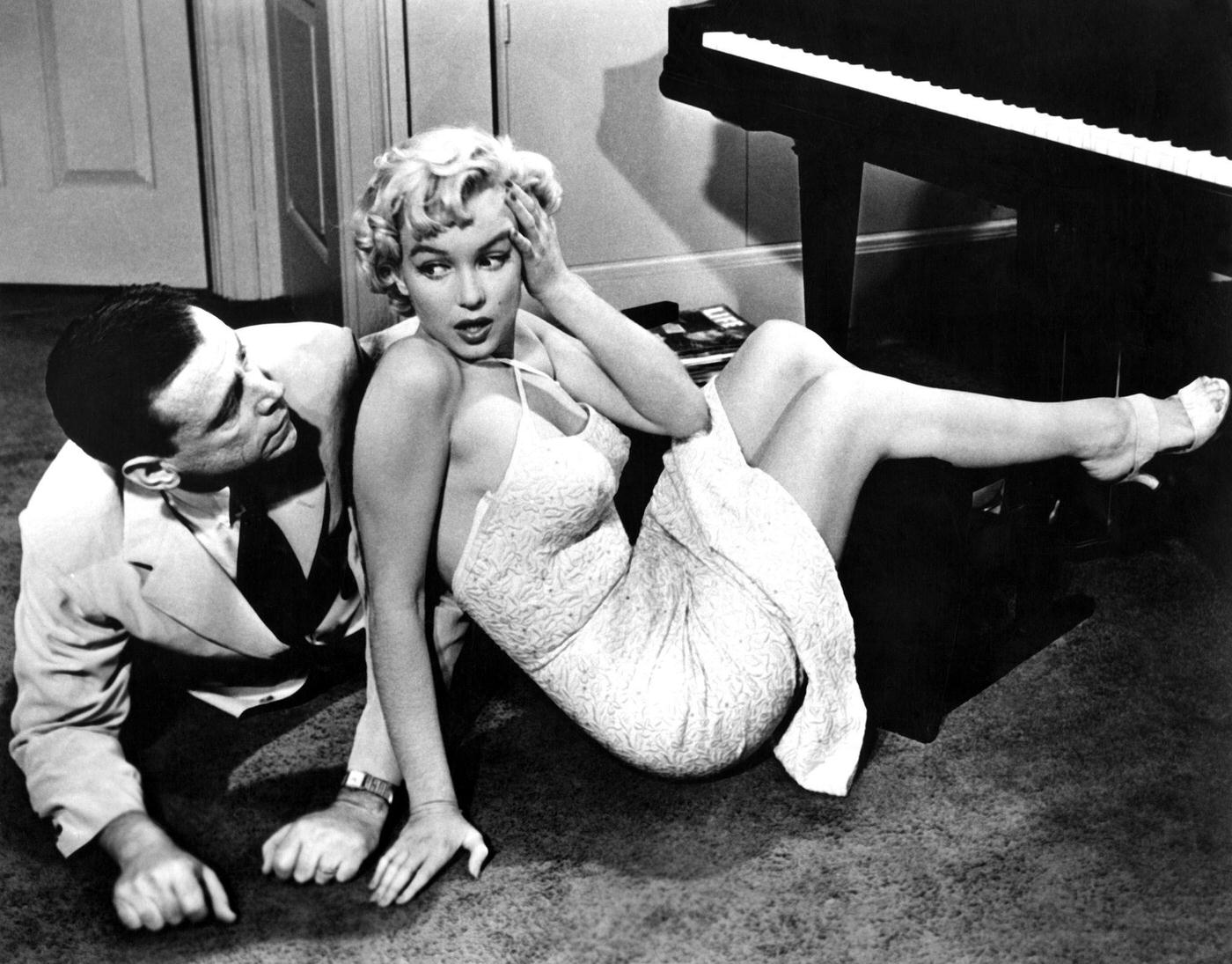
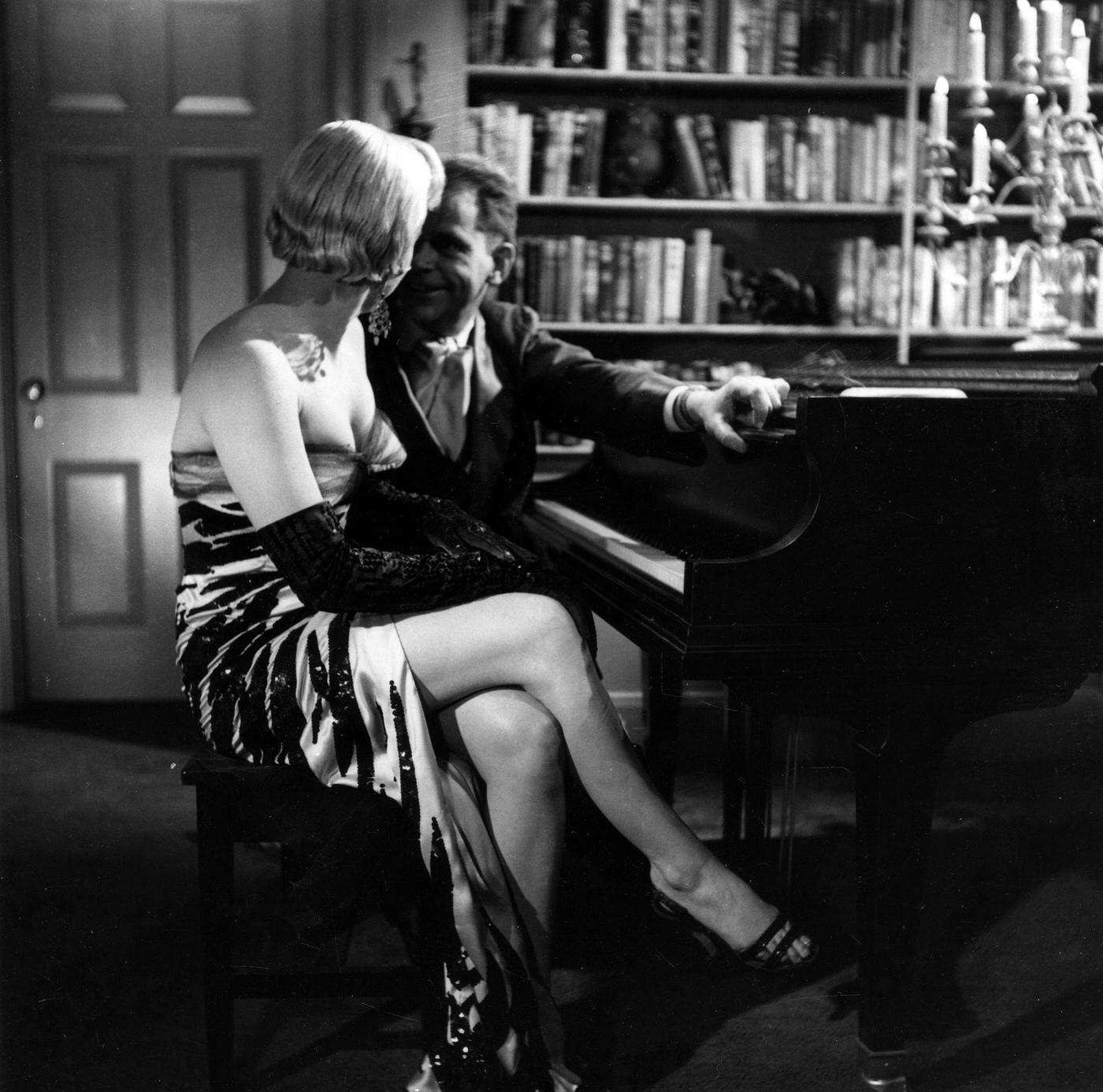
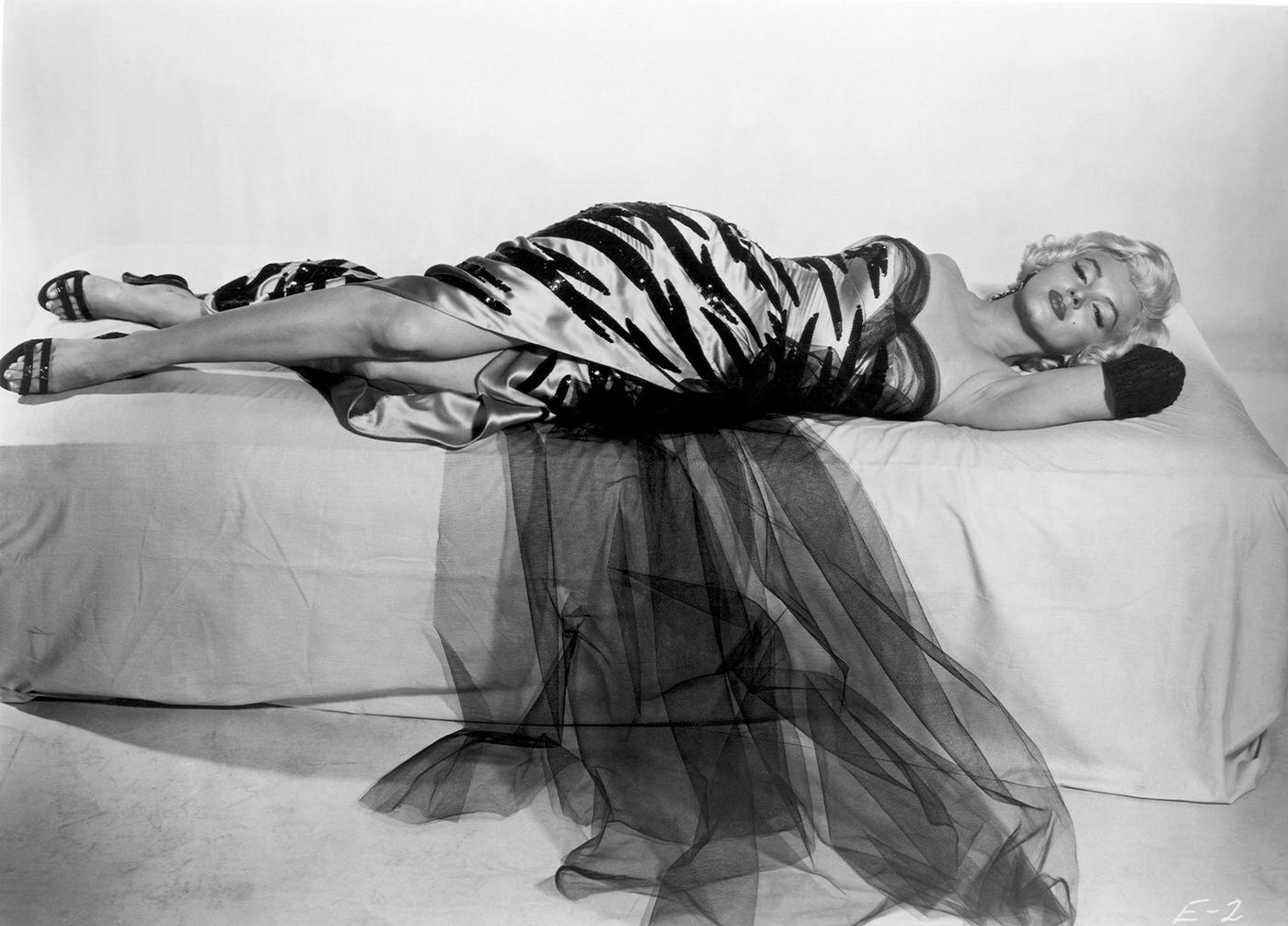
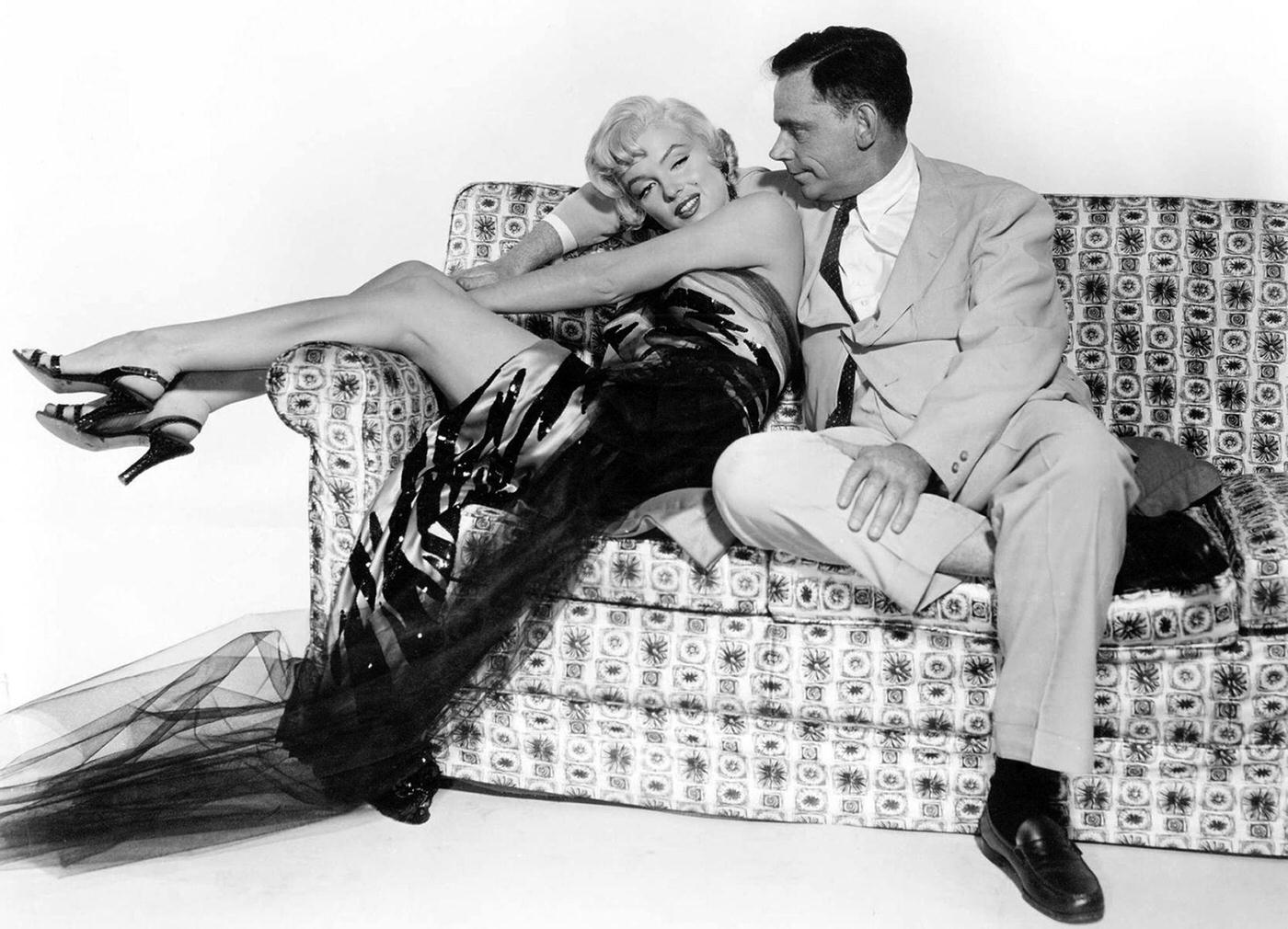
The tiger-striped dress appeared in several key scenes, including sequences at a piano with Tom Ewell. It was one of the more dramatic costume choices in the film and gave Monroe’s character a vivid visual presence in the apartment set scenes.
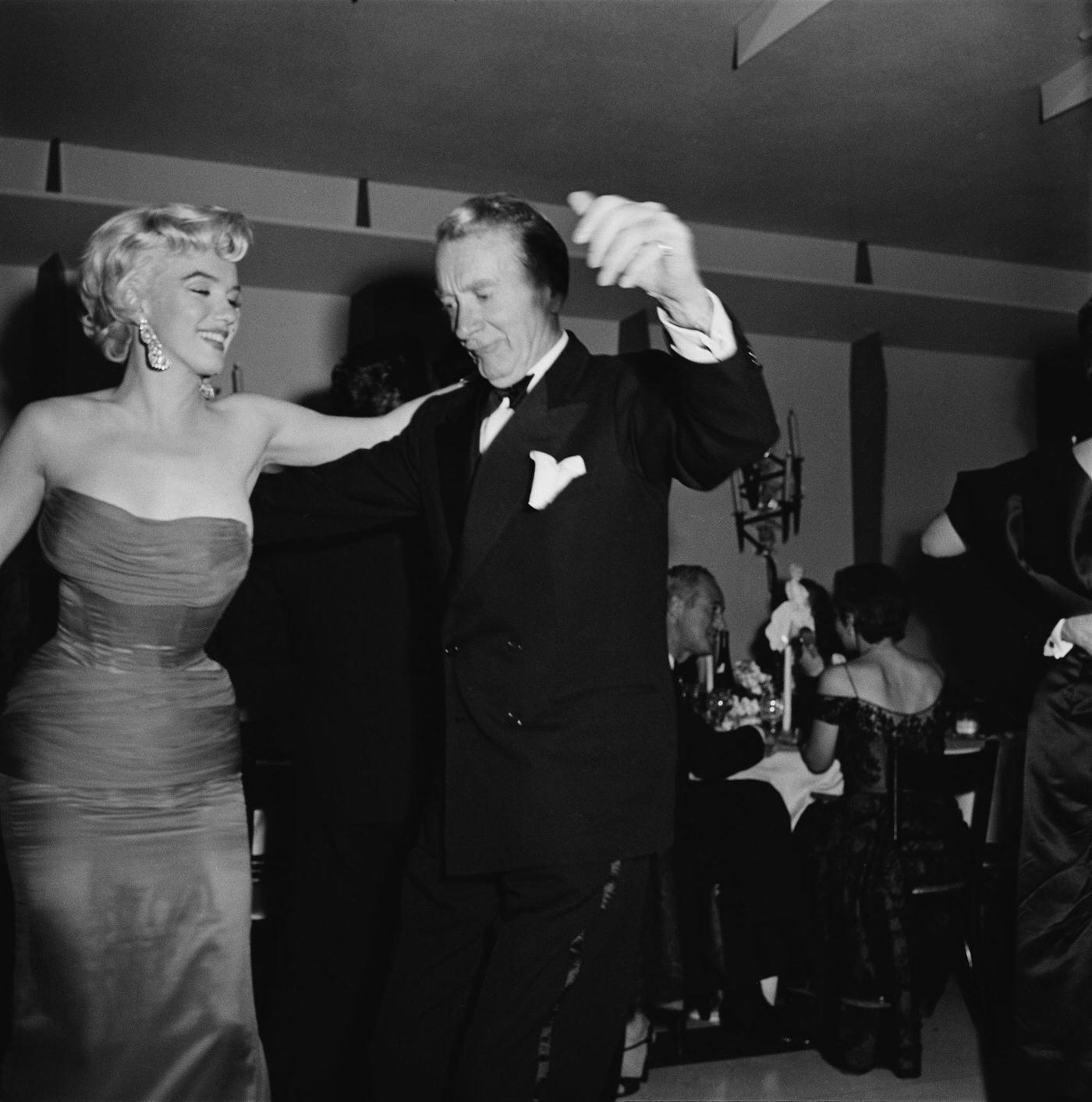
The Romanoff’s wrap party brought together an extraordinary cross-section of Hollywood. Monroe danced with Clifton Webb and was photographed with Clark Gable, Humphrey Bogart, and producer Charles K. Feldman. It stood as one of the last great studio-era gatherings of its kind.
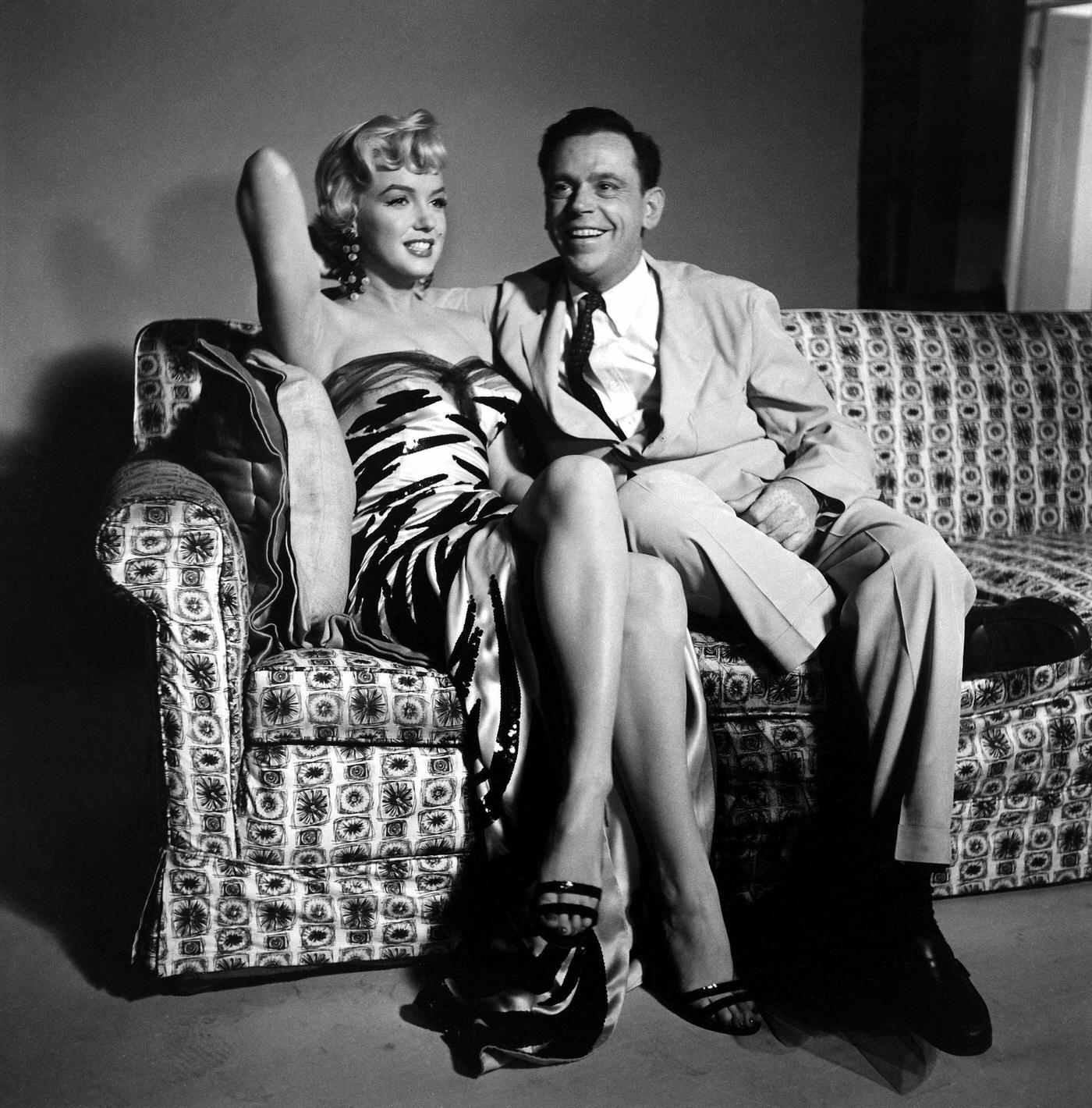
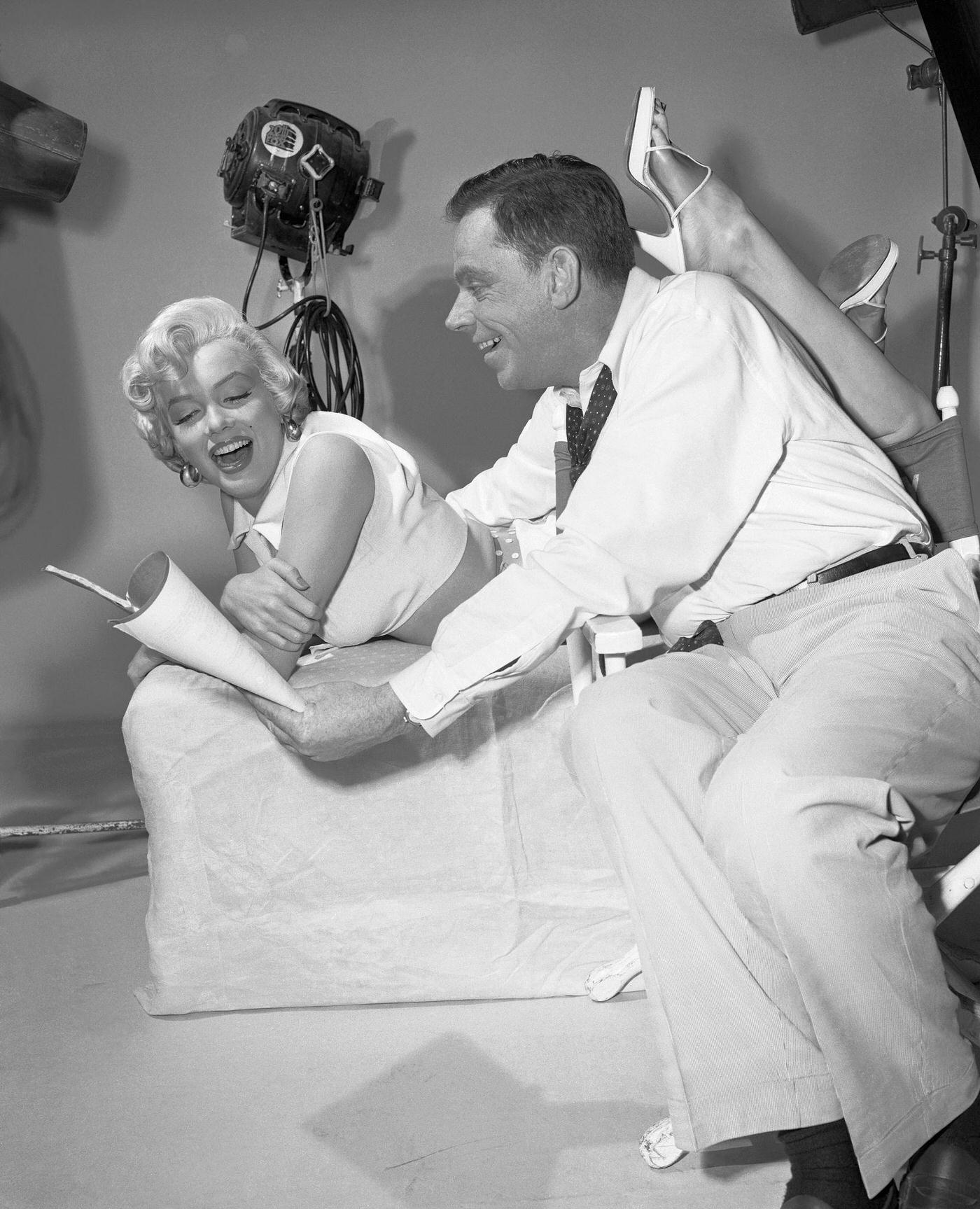
The on-screen rapport between Monroe and Ewell required significant time to develop on set. Their scenes together ranged from playful banter to more charged moments of near-romance, and the chemistry between them reads as natural and unforced on screen.
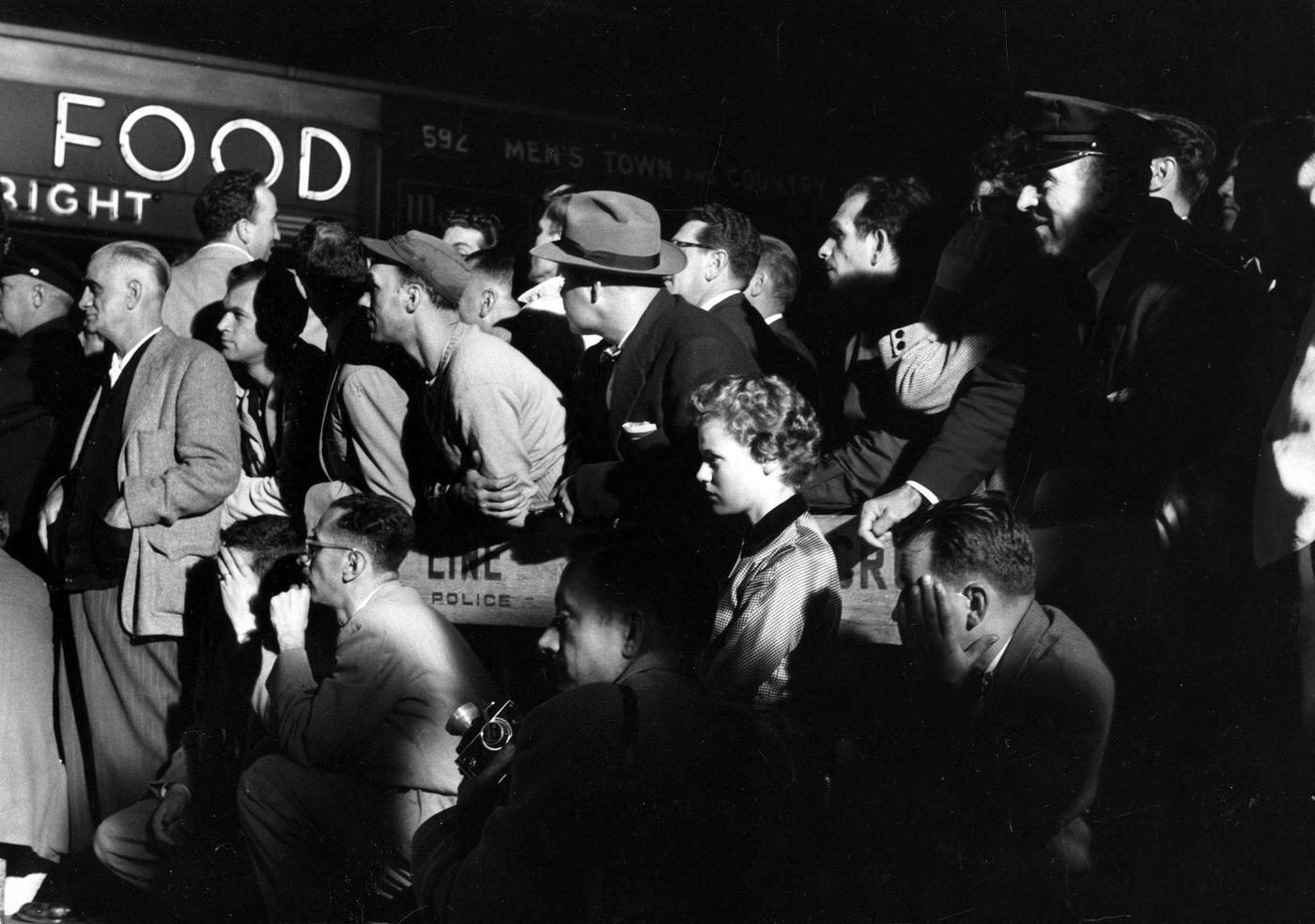
The street shoot at 51st and Lexington drew an enormous crowd of spectators. Photographer Frank Powolny documented the production throughout filming, capturing both official scenes and candid moments on set. His photographs from the production remain among the most reproduced images from that era.
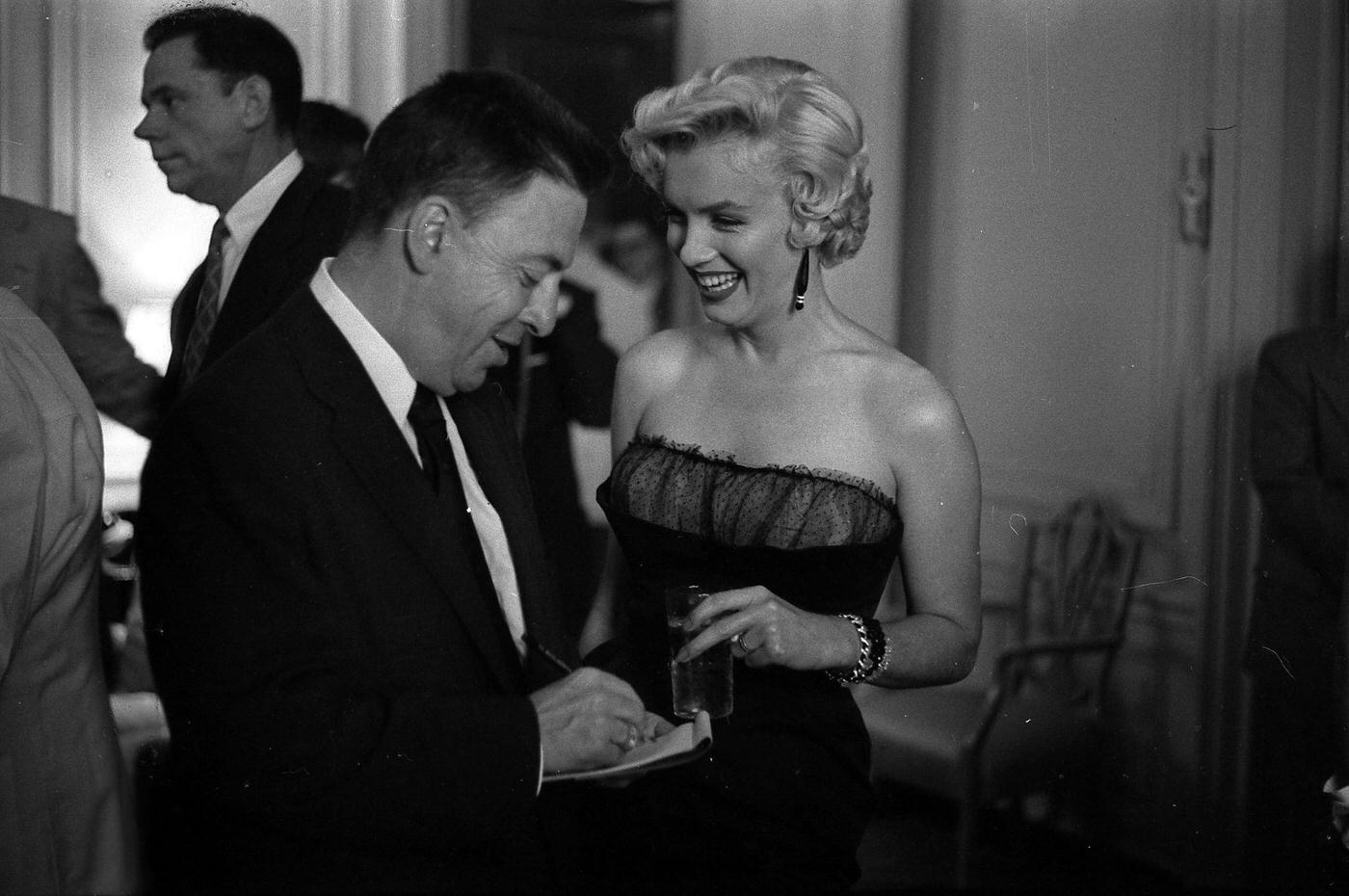
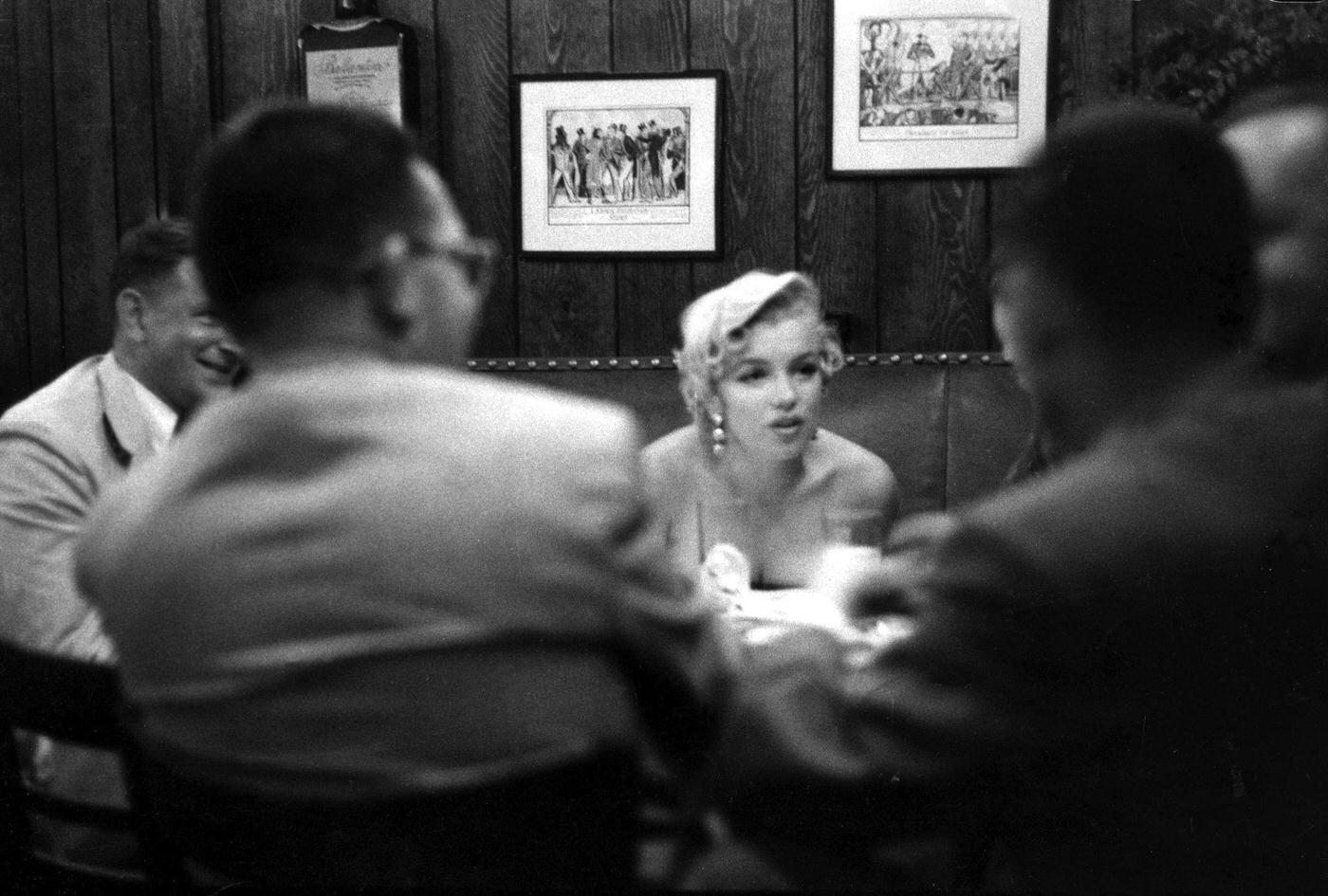
Press parties kept Monroe visible throughout the New York portion of the production. Newspaper columnists like Earl Wilson and Sidney Skolsky were regulars at these events, ensuring steady coverage in print that kept audiences excited about the upcoming film.
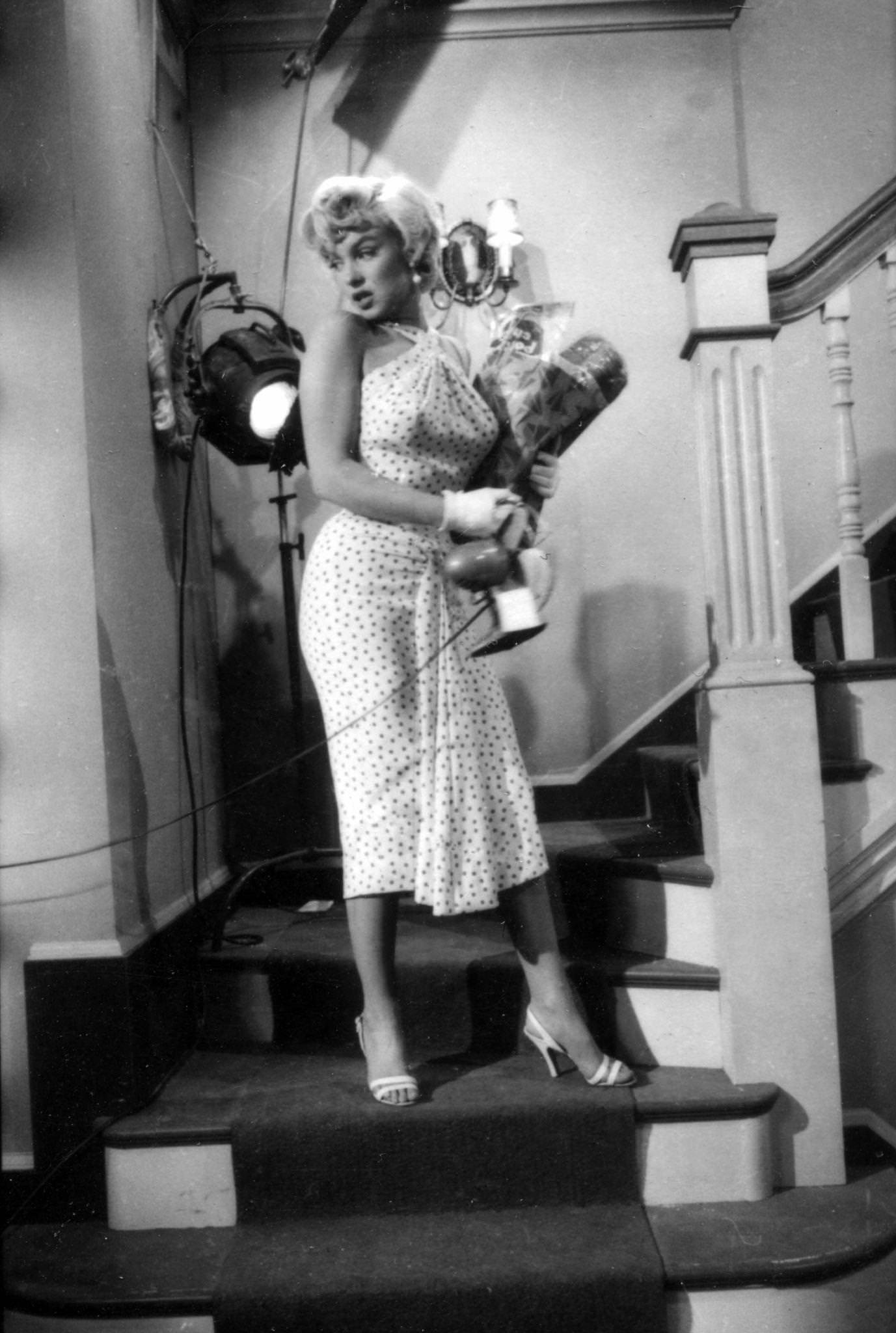
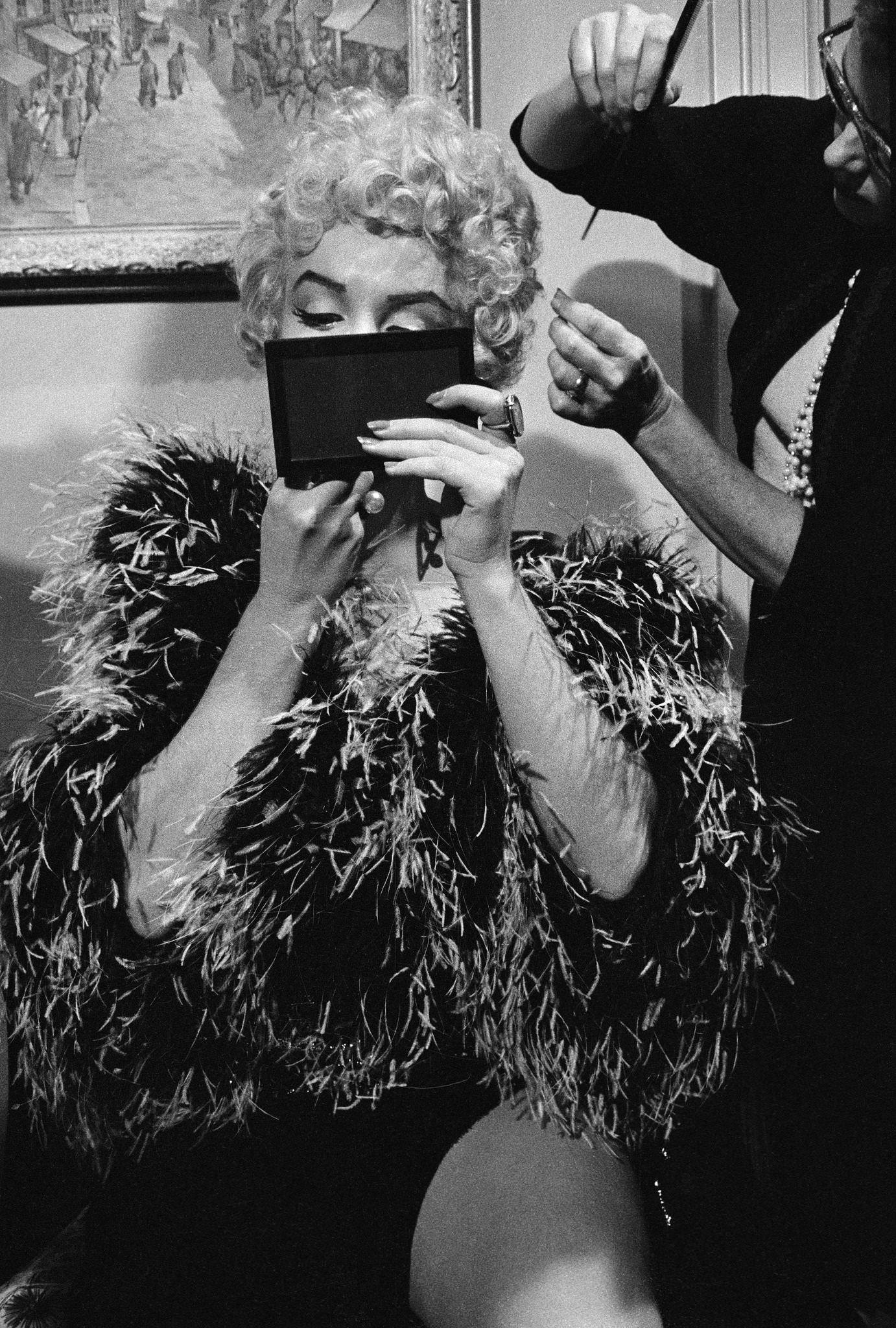
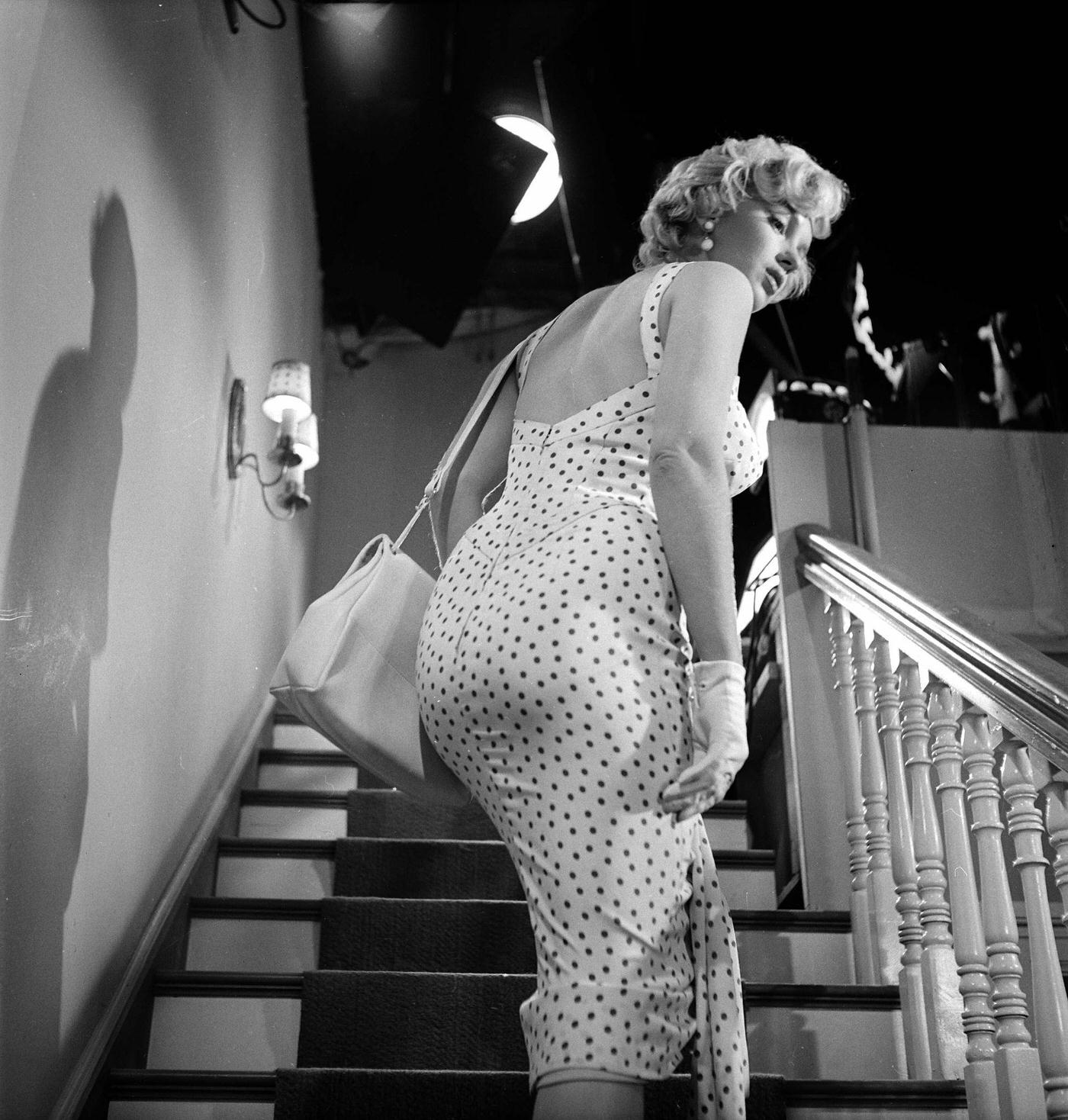
One of the film’s running visual gags involves “The Girl” hauling groceries and a desk fan up the staircase to her apartment — a simple, relatable image that grounds the character in everyday life. Monroe carried the scene with physical ease and light comedic timing.
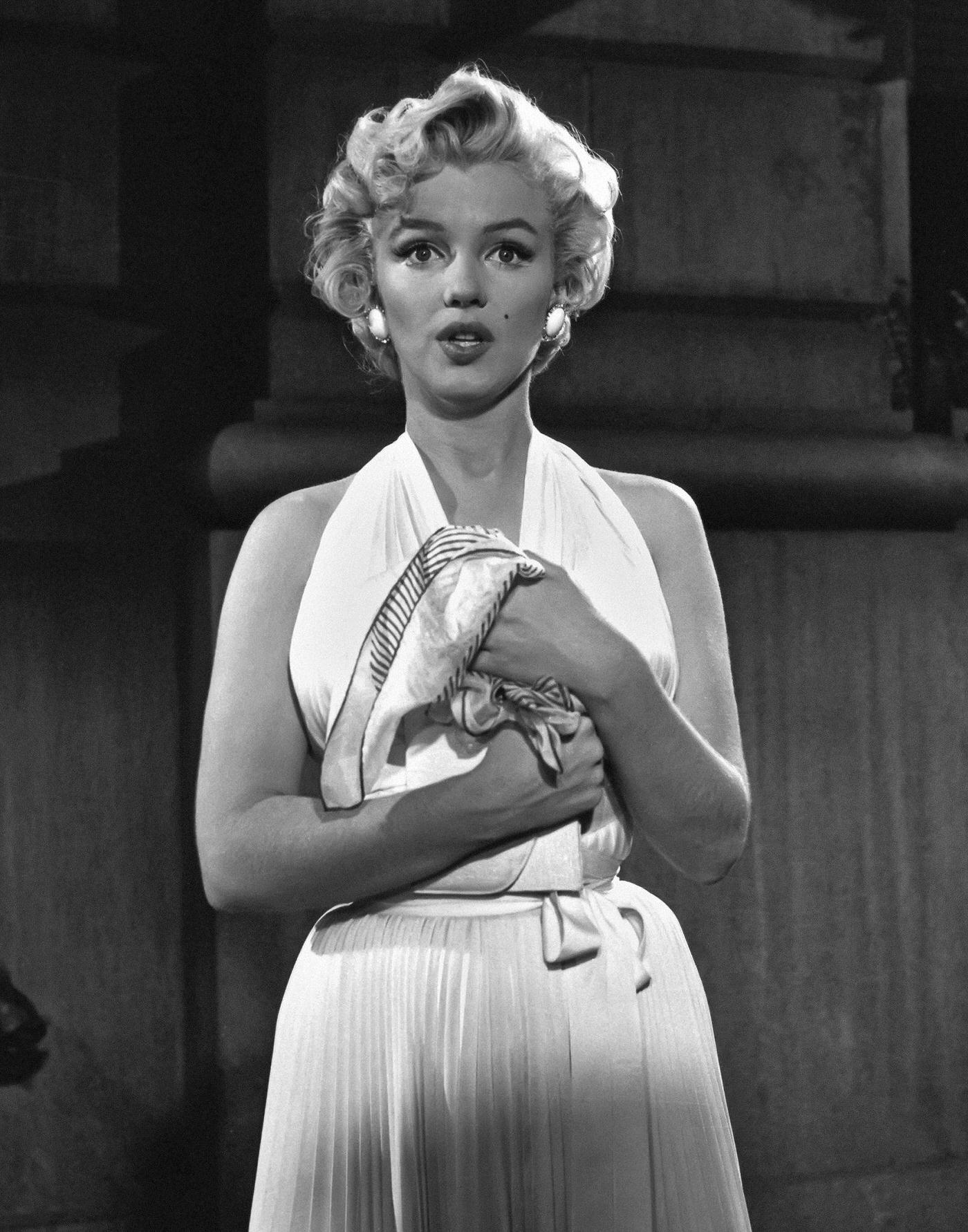
The white halter dress worn for the skirt scene became one of the most recognizable garments in film history. Multiple versions of the scene were shot — both on location in New York and later restaged on a studio set for the final cut used in the released film, as the New York footage was considered too risqué by the studio at the time.
Cinematographer Milton Krasner worked closely with Monroe on the bathtub and interior scenes at the Fox studio in Los Angeles. His lighting choices gave the film a warm, golden quality that enhanced Monroe’s screen presence throughout. Krasner was also behind the camera for the New York location shoot.
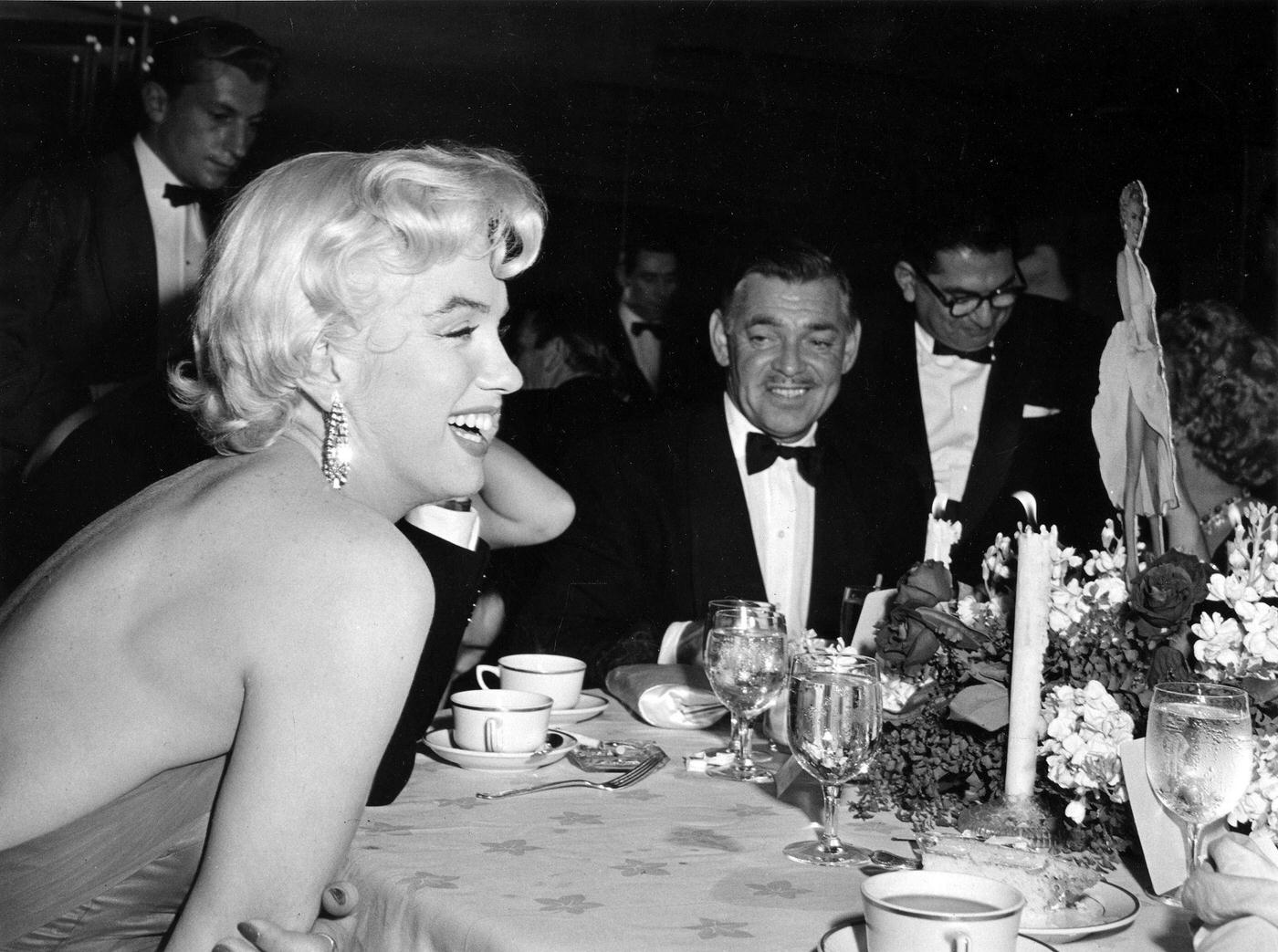
Clark Gable’s presence at the wrap party underscored Monroe’s standing in Hollywood at that moment. She was 28 years old, at the height of her popularity, and surrounded by the biggest names in the industry. Columnist Sidney Skolsky, who had championed her career for years, was also there to mark the occasion.
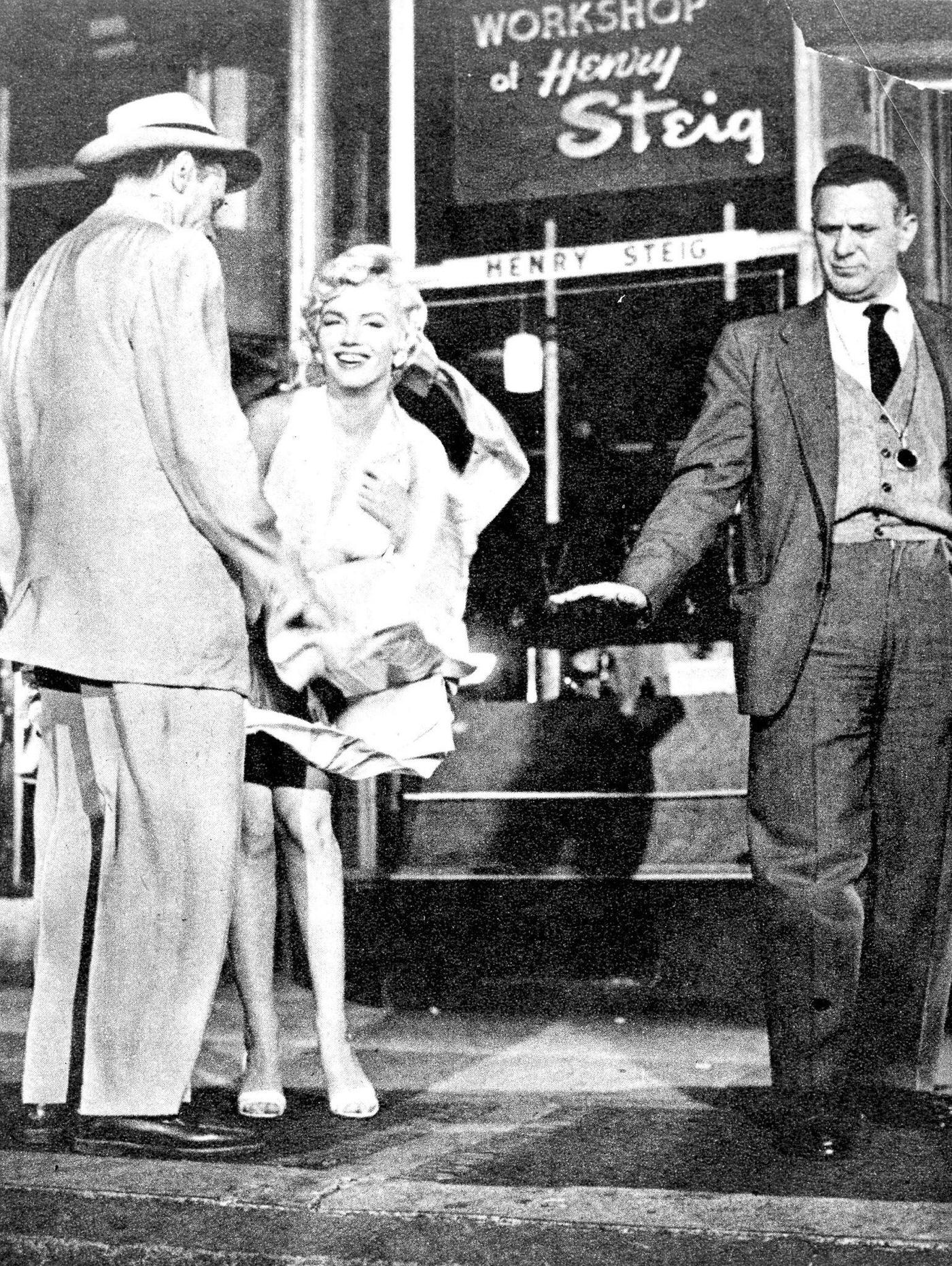
The September 1954 location shoot at 51st and Lexington remains one of the most documented film shoots in history. Monroe stood over the subway grate repeatedly while Krasner and Wilder positioned the cameras. Ewell stood at her side for the scene. The assembled crowd of thousands made it impossible to keep the shoot quiet — and by the next morning, it was international news.
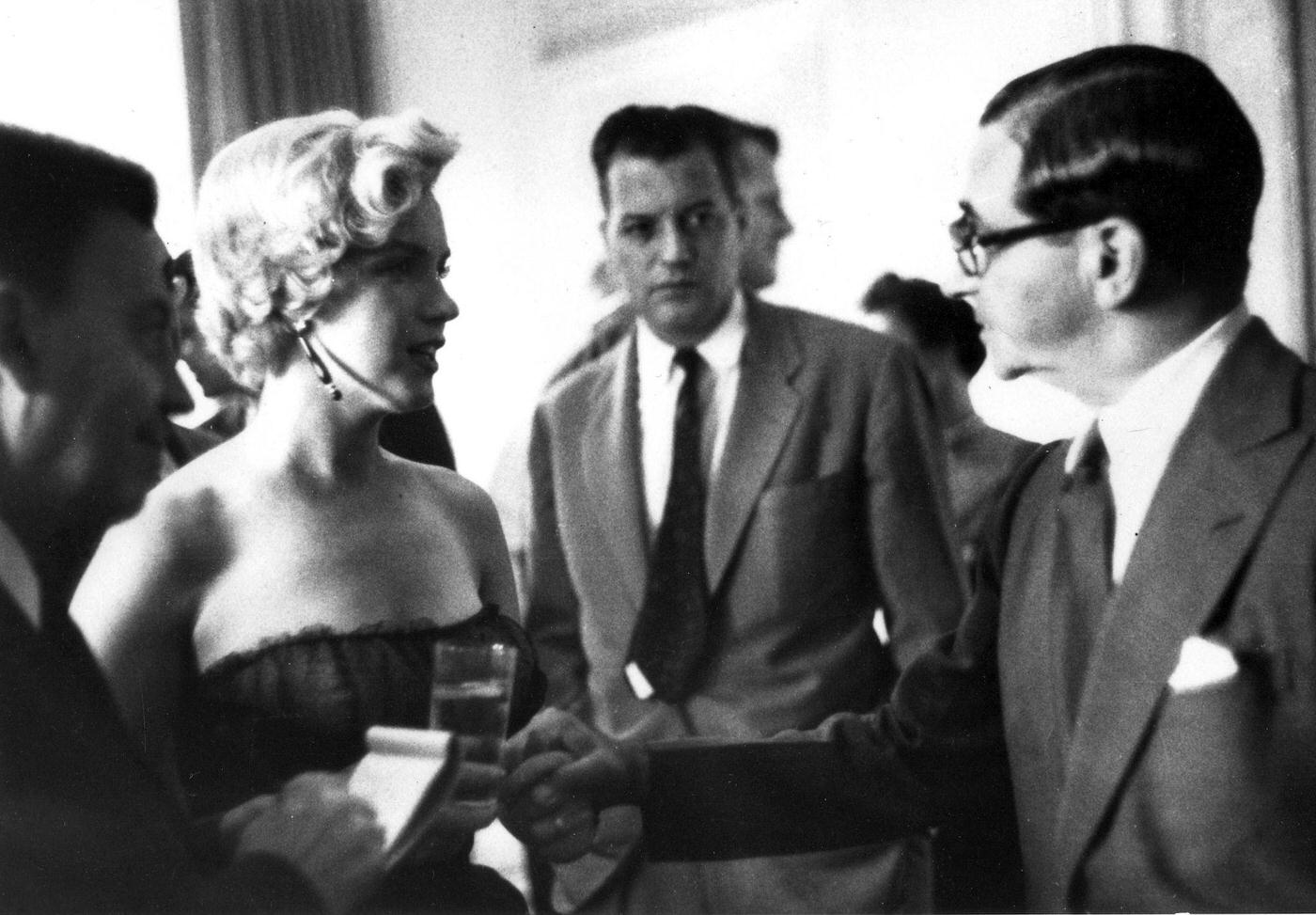
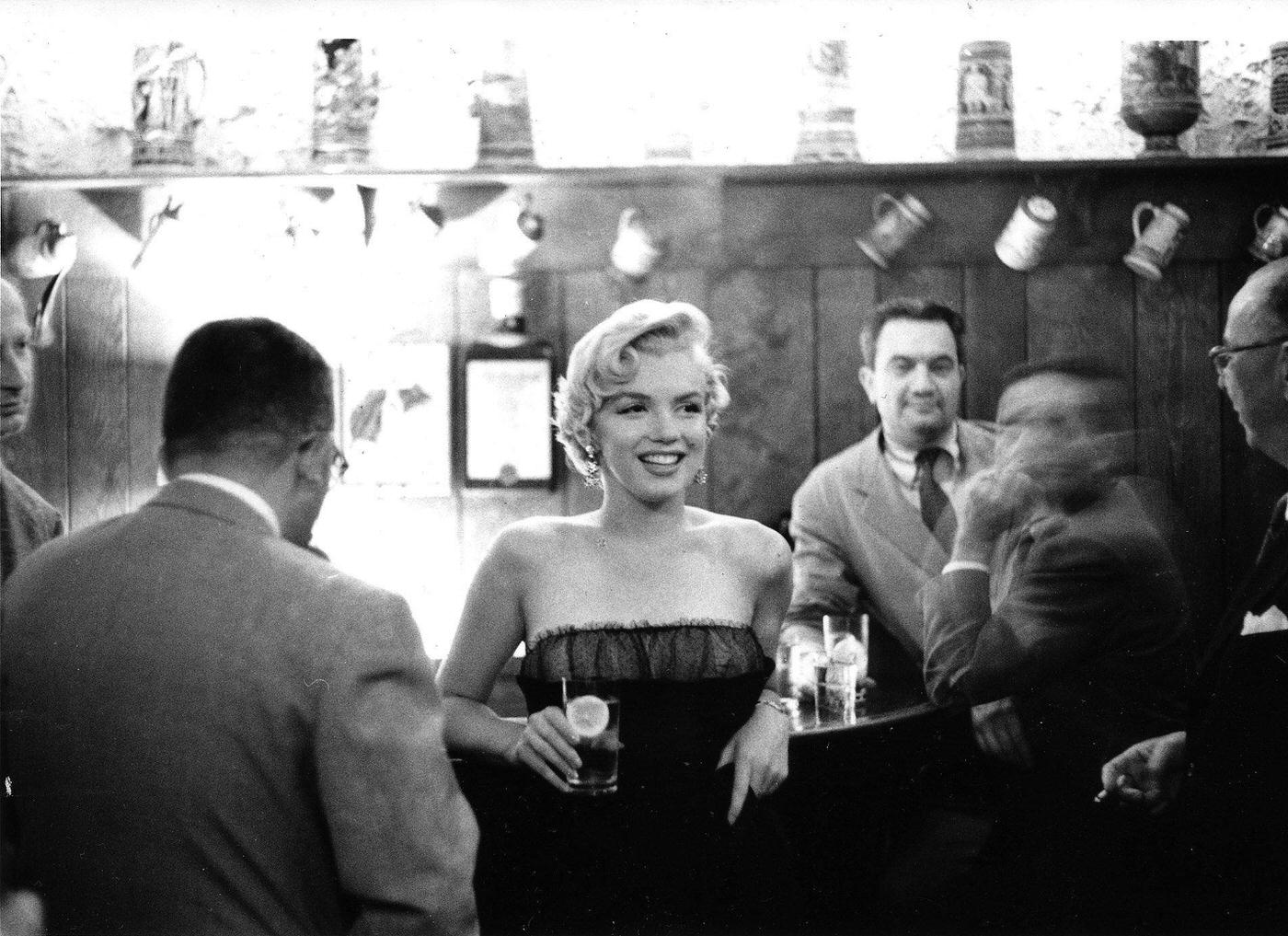
At the New York press events, Monroe mixed easily with figures from across the entertainment world. Her conversation with composer Irving Berlin at one of the parties was part of a broader effort to frame the film as a major cultural event — not just another summer comedy.
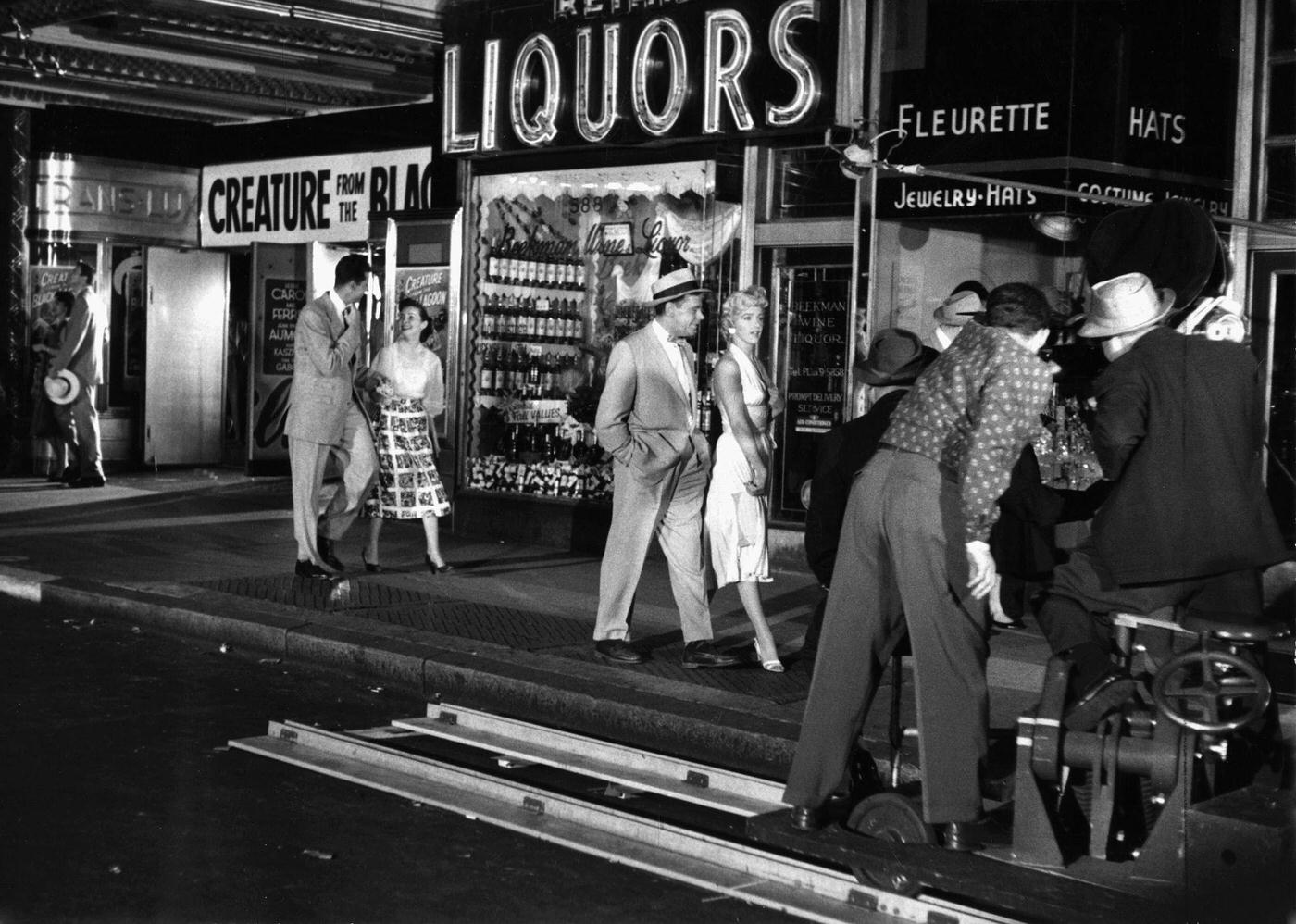
Production manager Johnny Graham coordinated the logistics of the New York street shoot, which required managing both the film crew and the massive public crowd. Wilder directed Monroe and Ewell in multiple takes as they walked in front of the Trans-Lux Theater — the approach to the grate being as important to the scene as the moment itself.
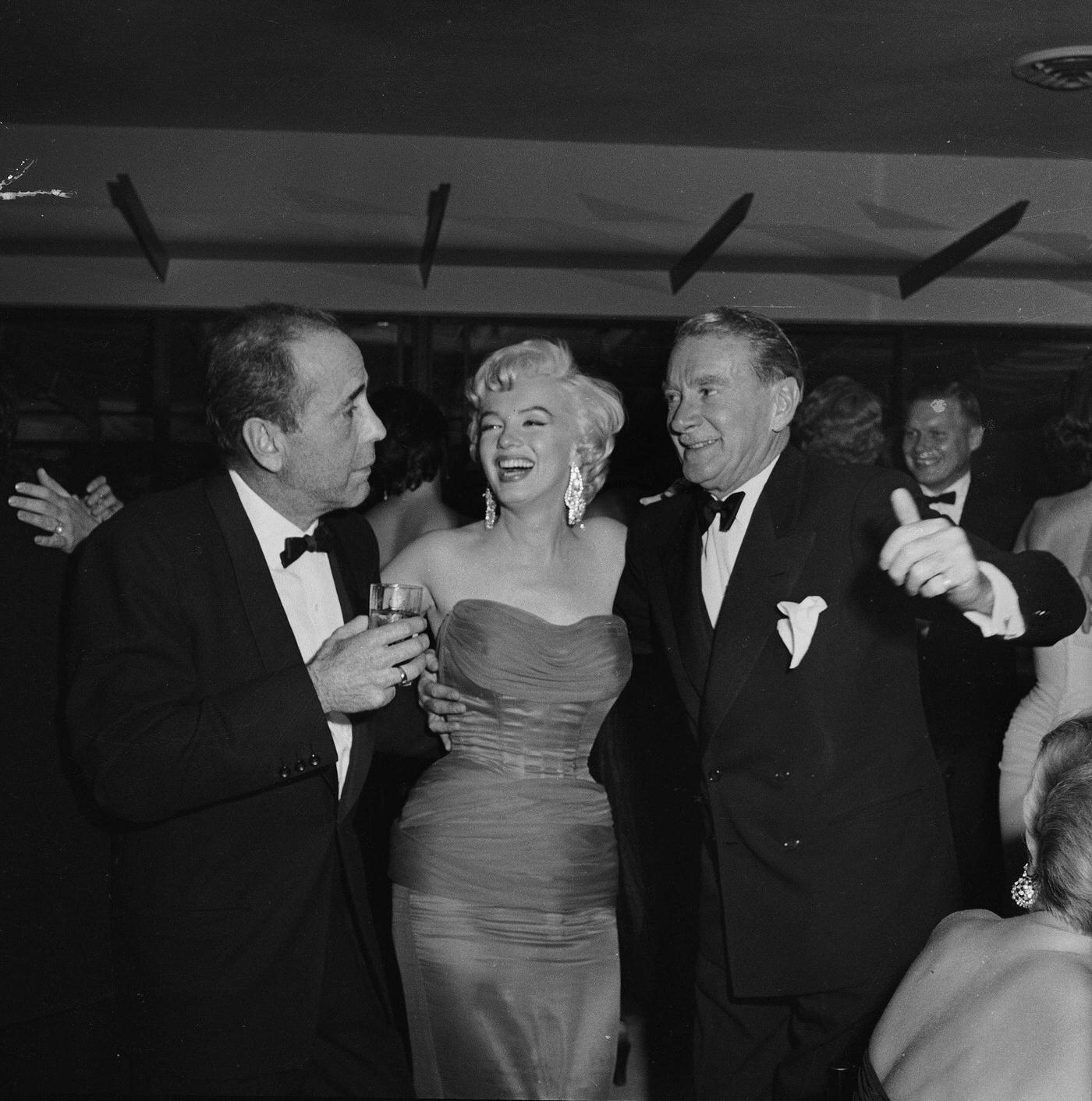
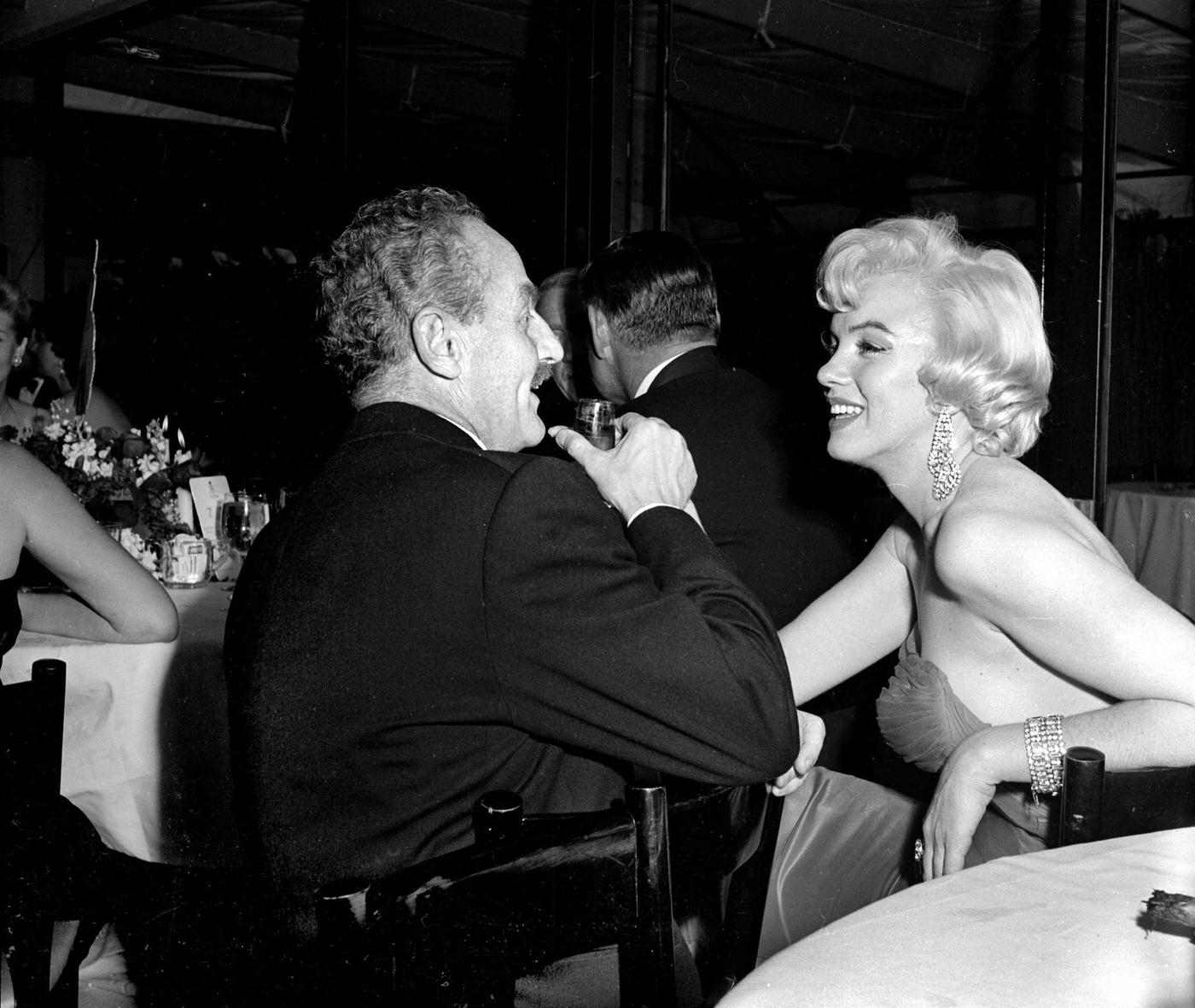
Humphrey Bogart and Clifton Webb joined Monroe, Zanuck, and the rest of the cast and crew at Romanoff’s to close out the production. The gathering reflected how much prestige the film had already accumulated before a single reel had been shown to the public.
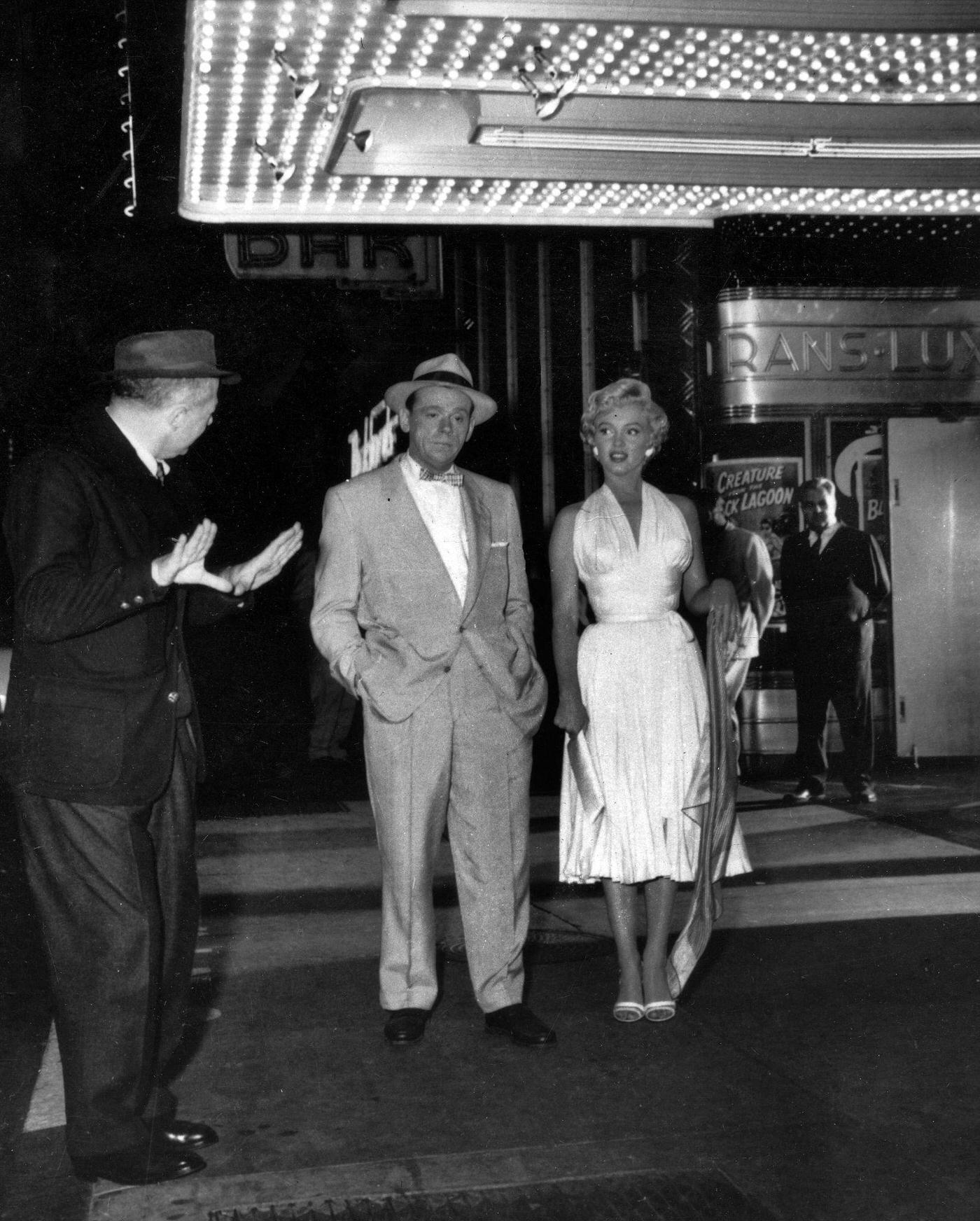
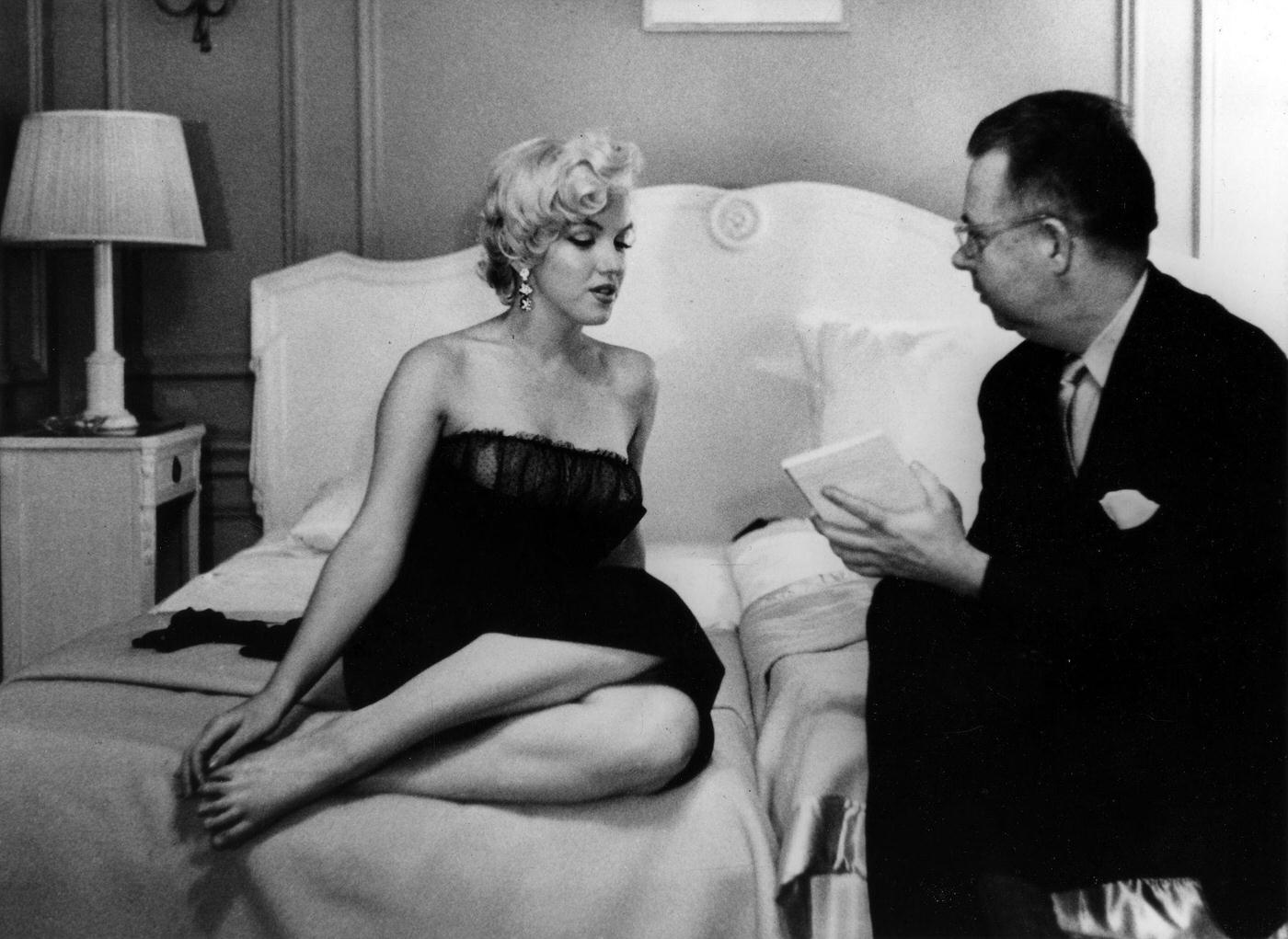
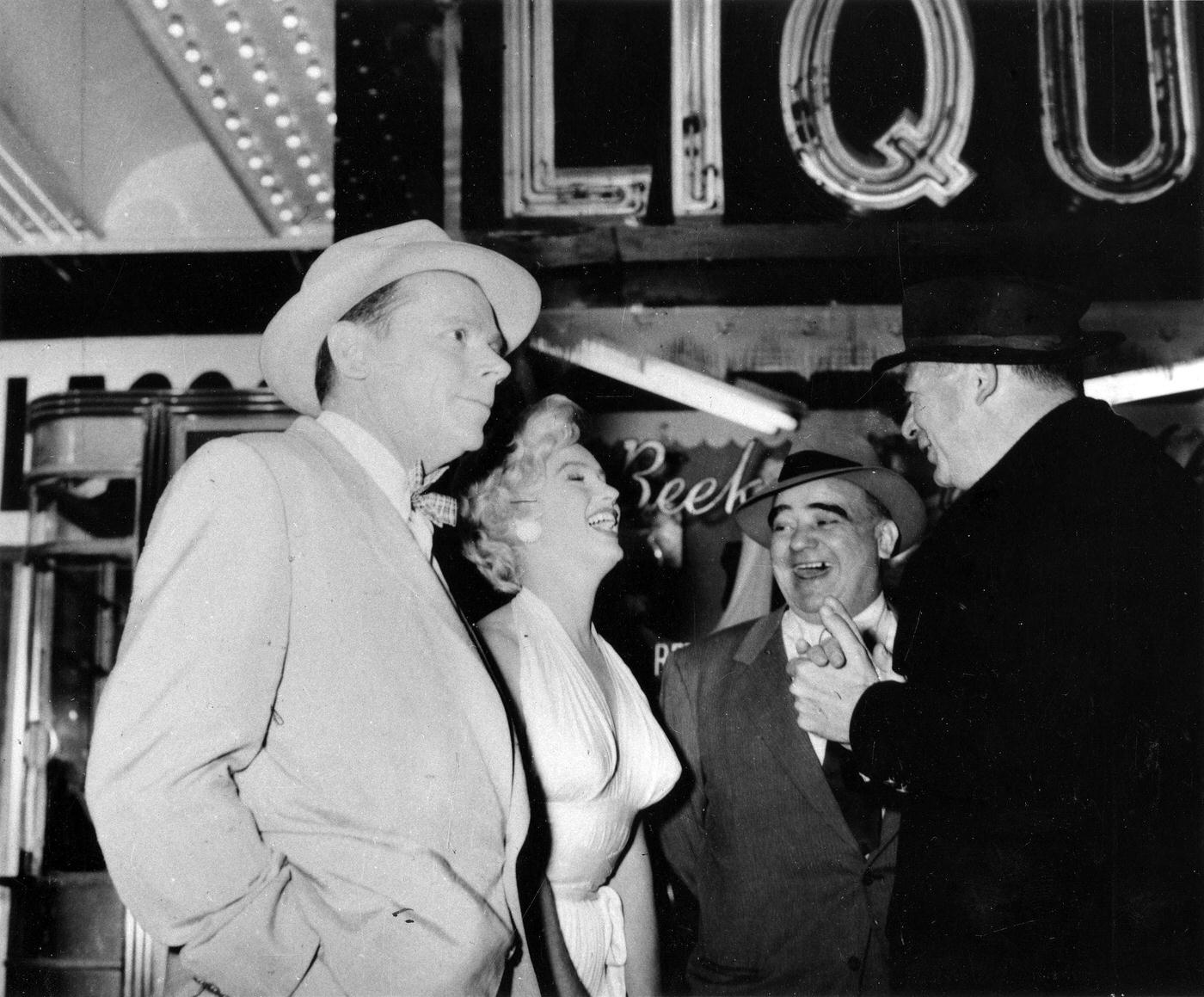
Wilder, Ewell, and Monroe together on the corner of 51st and Lexington during the grate shoot is one of the most reproduced production images in cinema history. Monroe spoke to reporters regularly throughout the New York leg of the production, feeding a press machine that had fully embraced the film’s arrival.
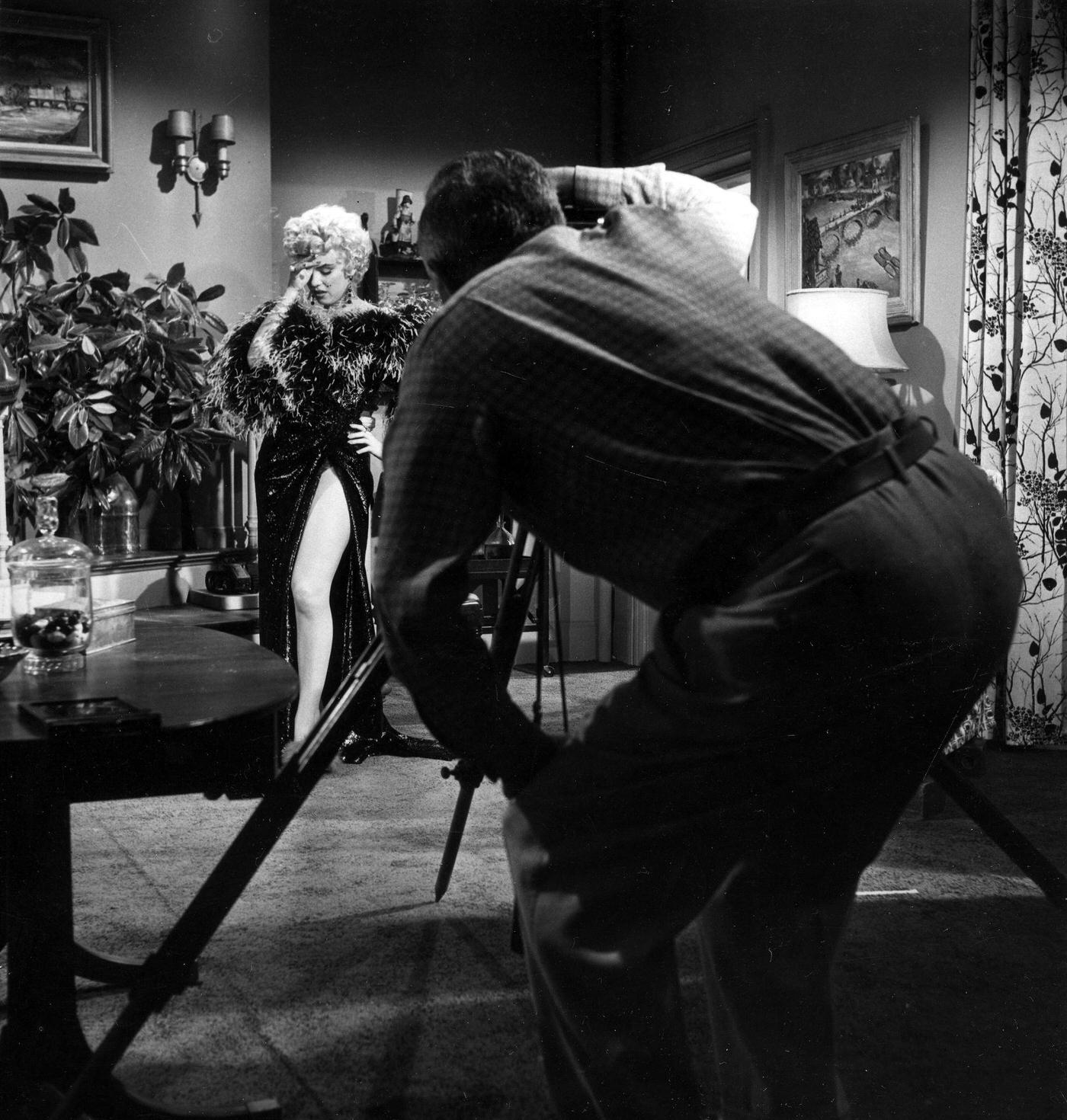
The feather boa was used across several different scenes, and Monroe wore it with a theatricality that played well on camera. These sequences gave the film some of its most visually memorable frames — Monroe bathed in studio light, the boa draped across her shoulders, her expression shifting between playful and sincere.
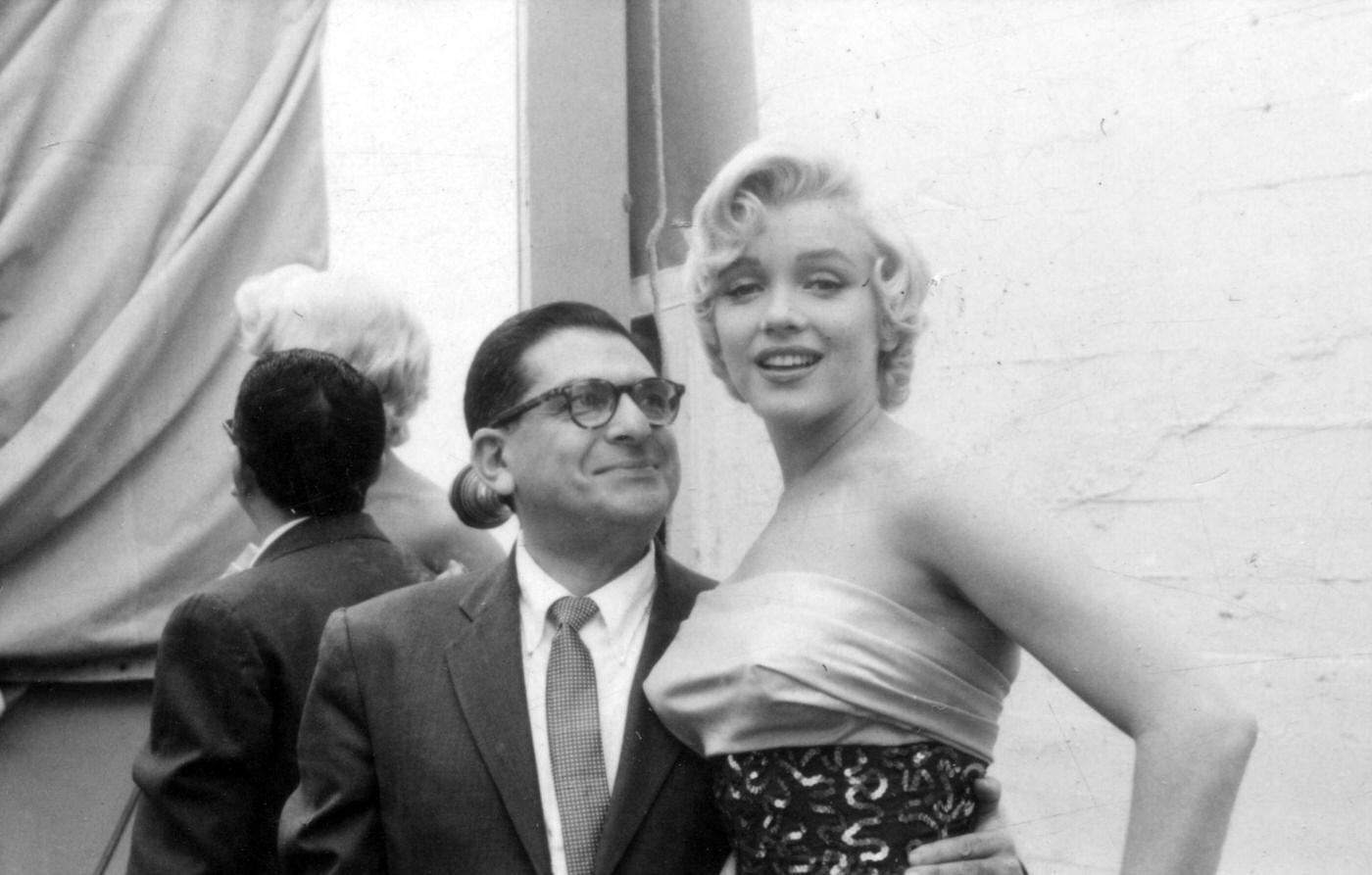
The film includes a sequence in which Monroe’s character appears in a fictional Dazzledent Toothpaste commercial — a comedic bit that satirized advertising culture. Columnist Sidney Skolsky was on set during the filming of this sequence, adding to the steady stream of press access that Wilder and Fox carefully managed throughout production.
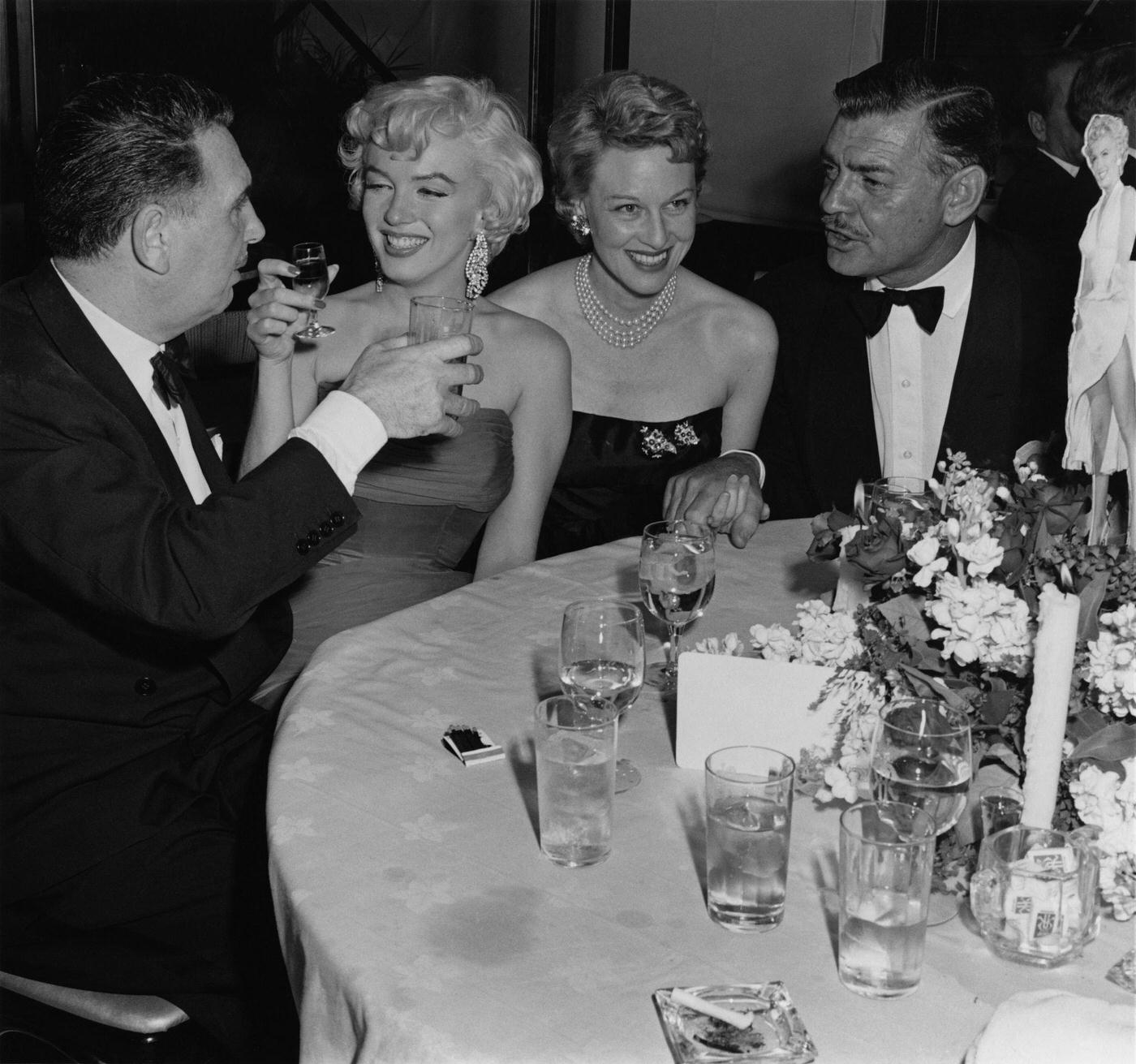
Producer Charles K. Feldman and his partner Jean Howard joined Clark Gable at the Romanoff’s party, rounding out an evening that brought together producers, directors, stars, and columnists in one room. Feldman had been a key figure in getting the project made, and the party marked the end of a shoot that had gone largely as planned.
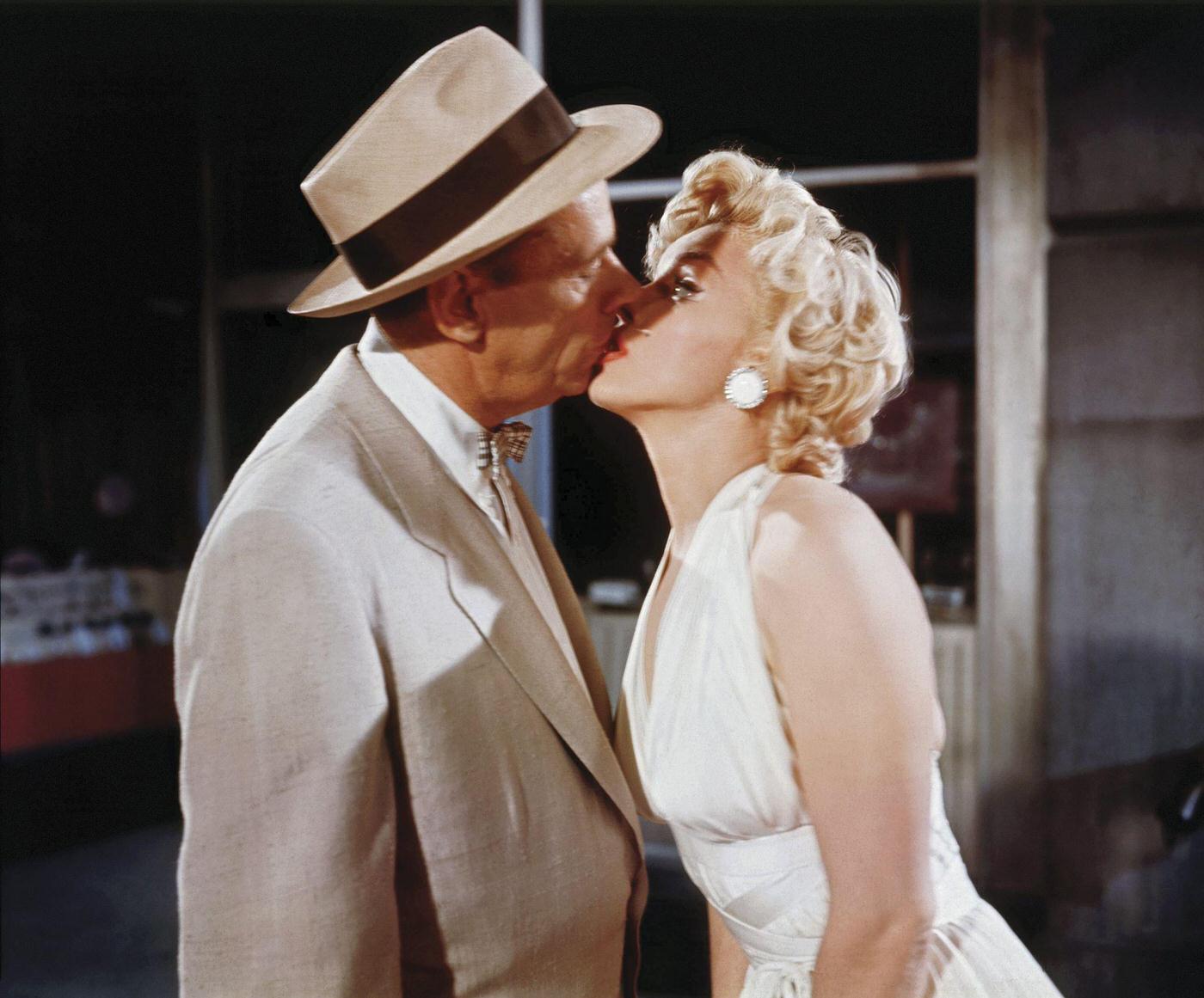
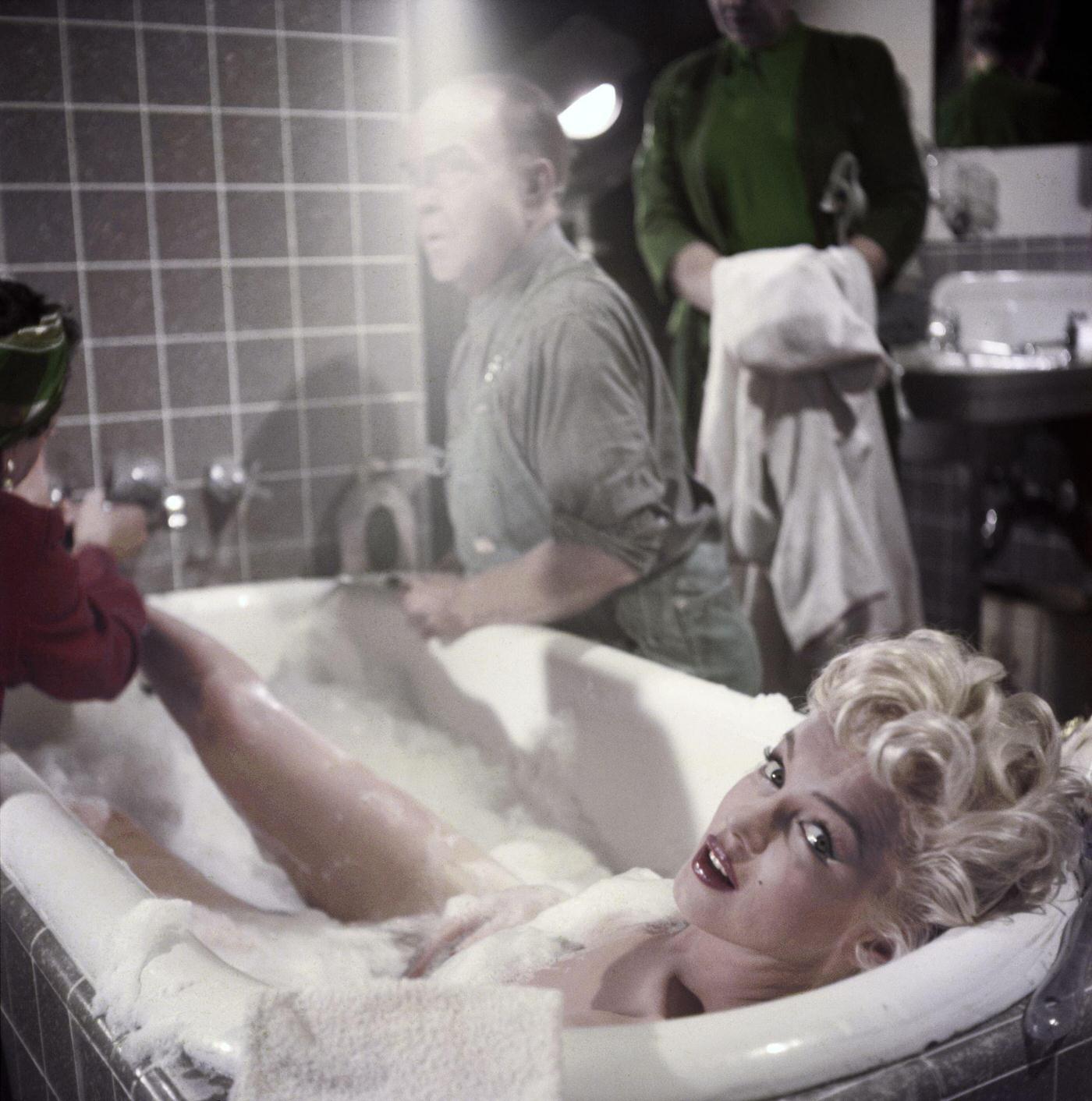
Actor Victor Moore also appeared in the film, sharing a scene with Monroe in the bubble bath sequence. These lighter, comedic exchanges helped give the story its breezy tone. On the New York set, Monroe and Ewell worked through additional grate sequence footage, including the kiss captured in photographs from that day.
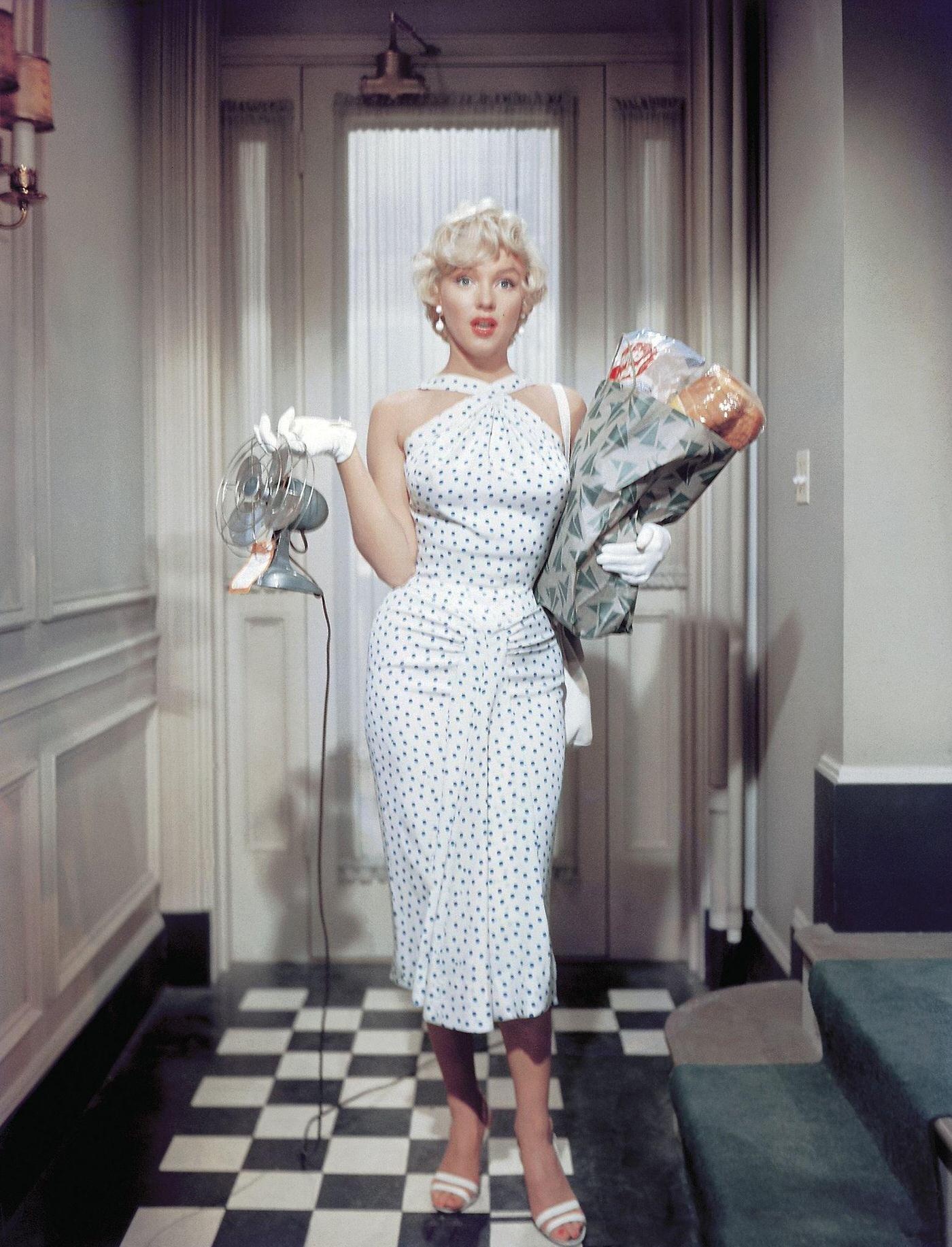
The apartment set at the Fox studio was dressed to look like a comfortable New York flat, giving the interior scenes a lived-in quality. Monroe’s entrance shots in the polka-dot dress, groceries in hand, were part of an early sequence in the film establishing “The Girl” as a cheerful, unassuming neighbor.
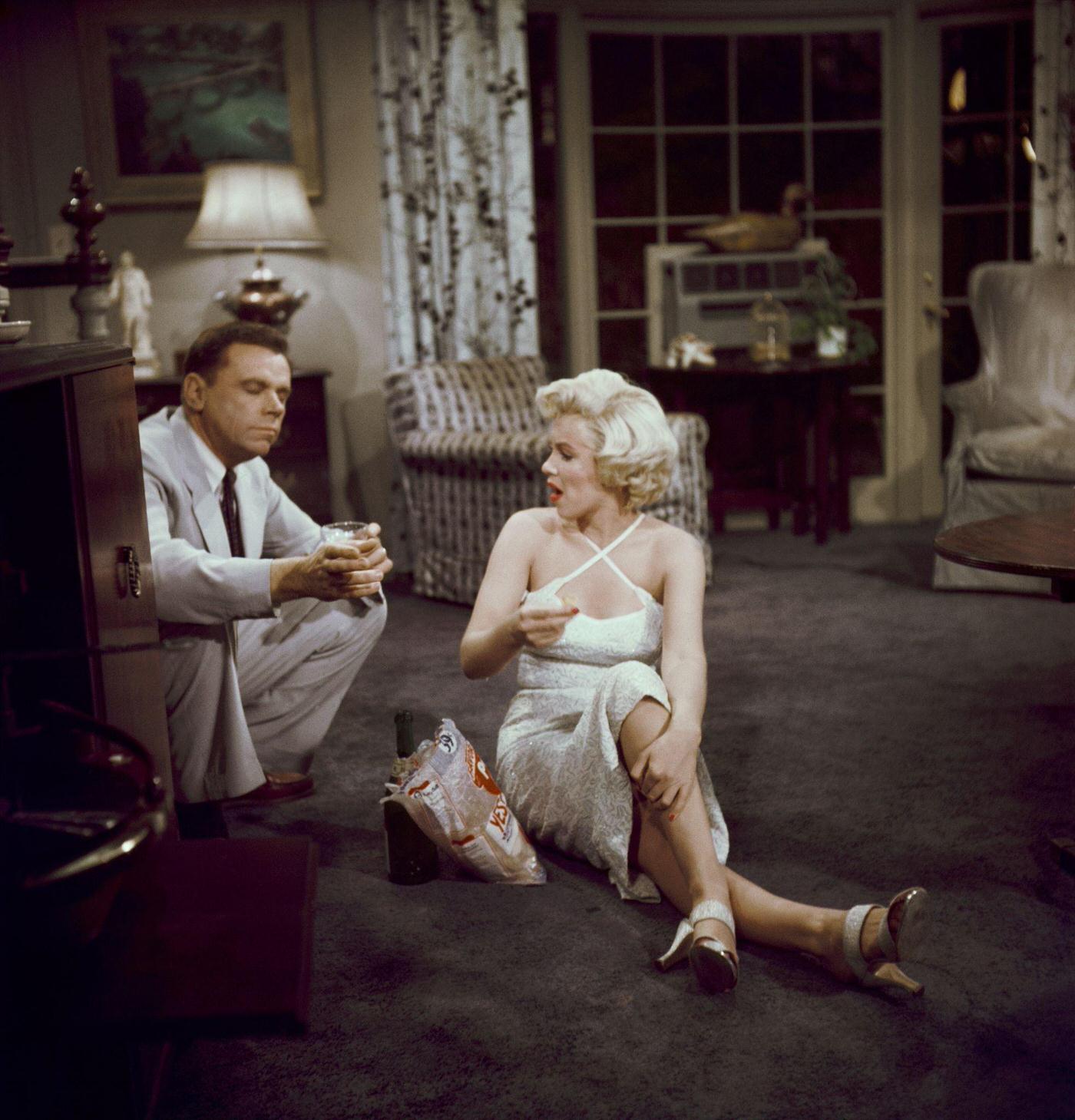
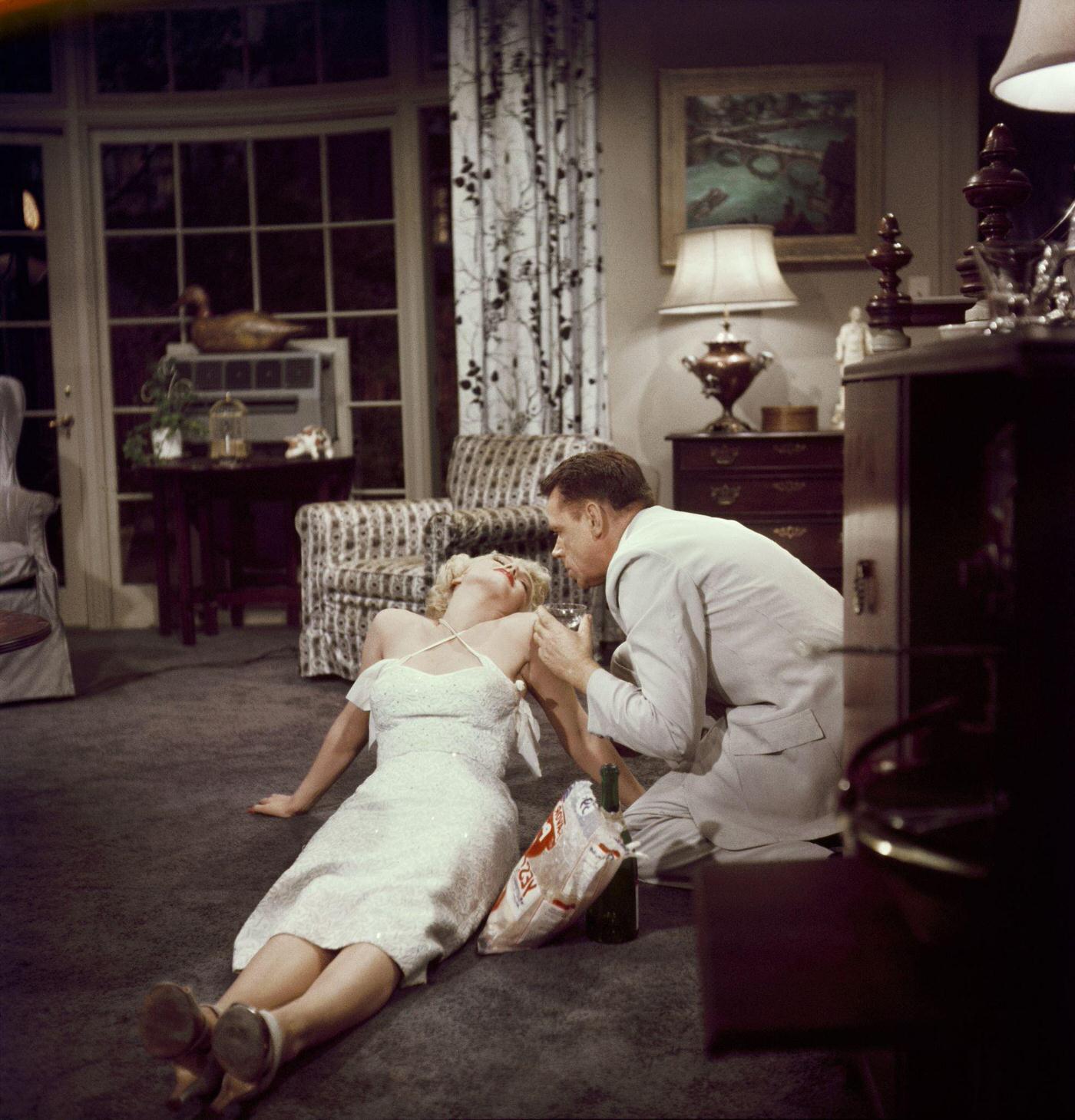
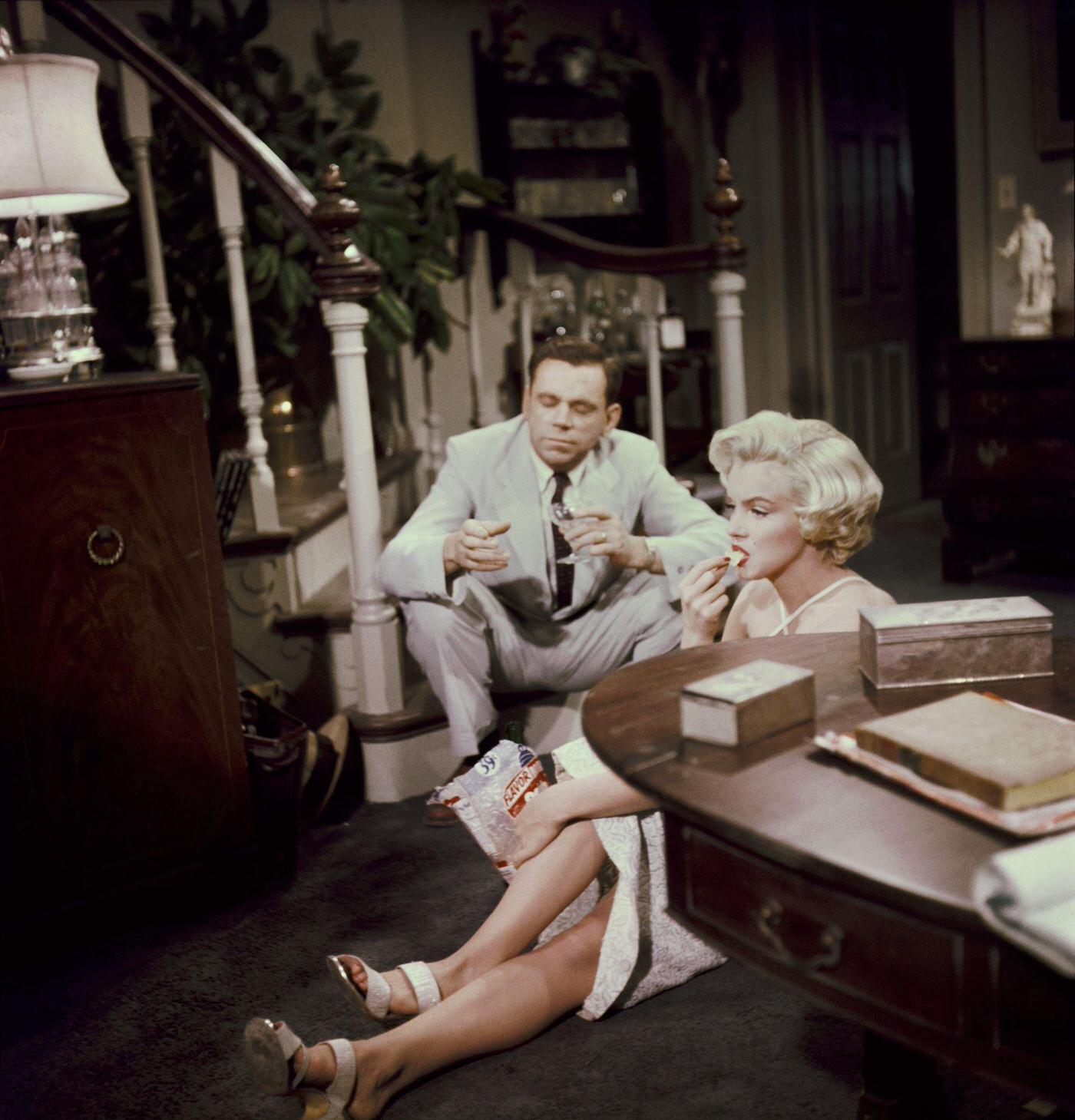
One of the film’s most endearing scenes shows Monroe and Ewell sitting on the floor together, eating potato chips and drinking champagne. The casual, low-key setting was a deliberate choice — Wilder used it to strip away the glamour and let the two characters simply enjoy each other’s company.
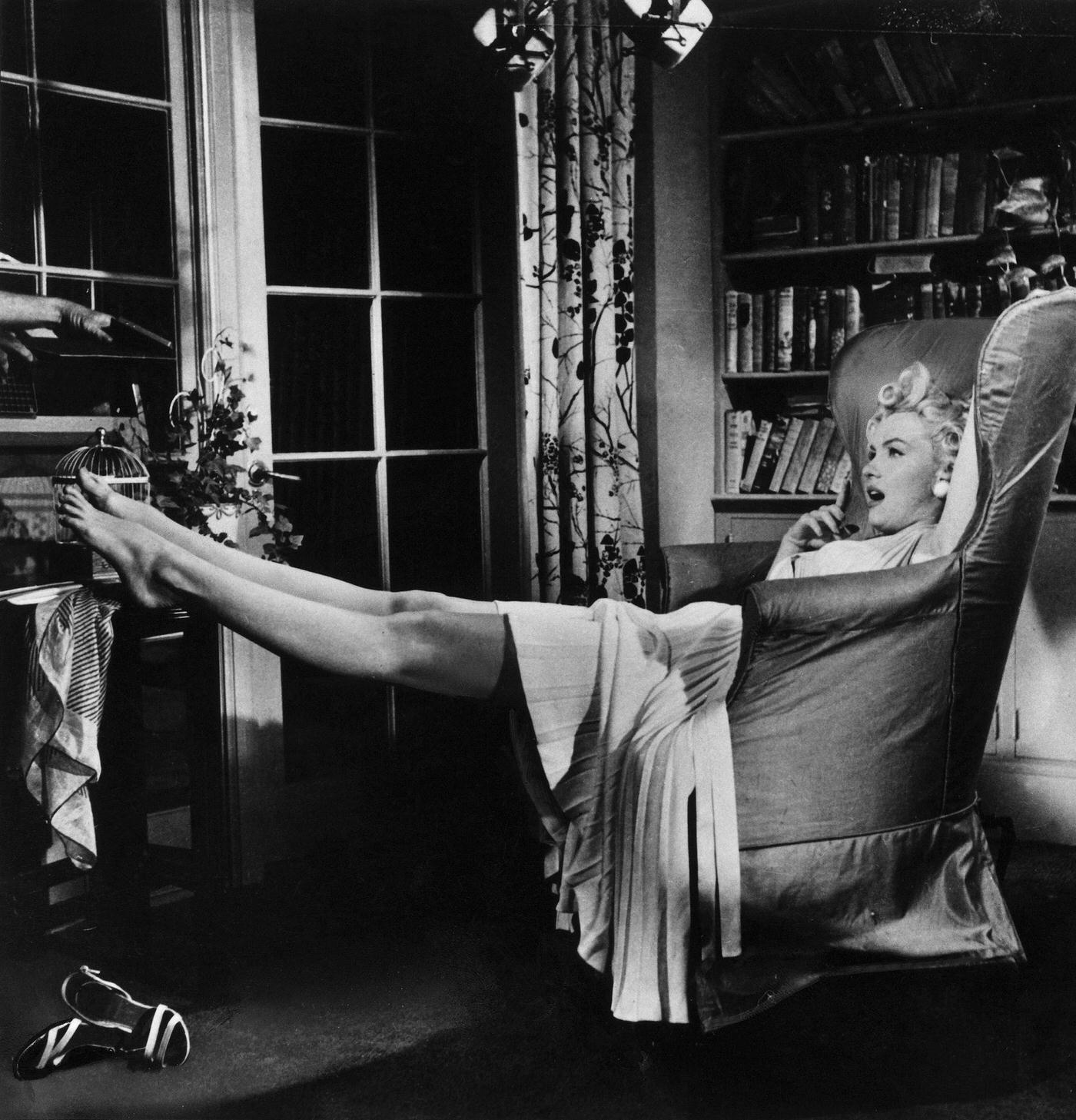
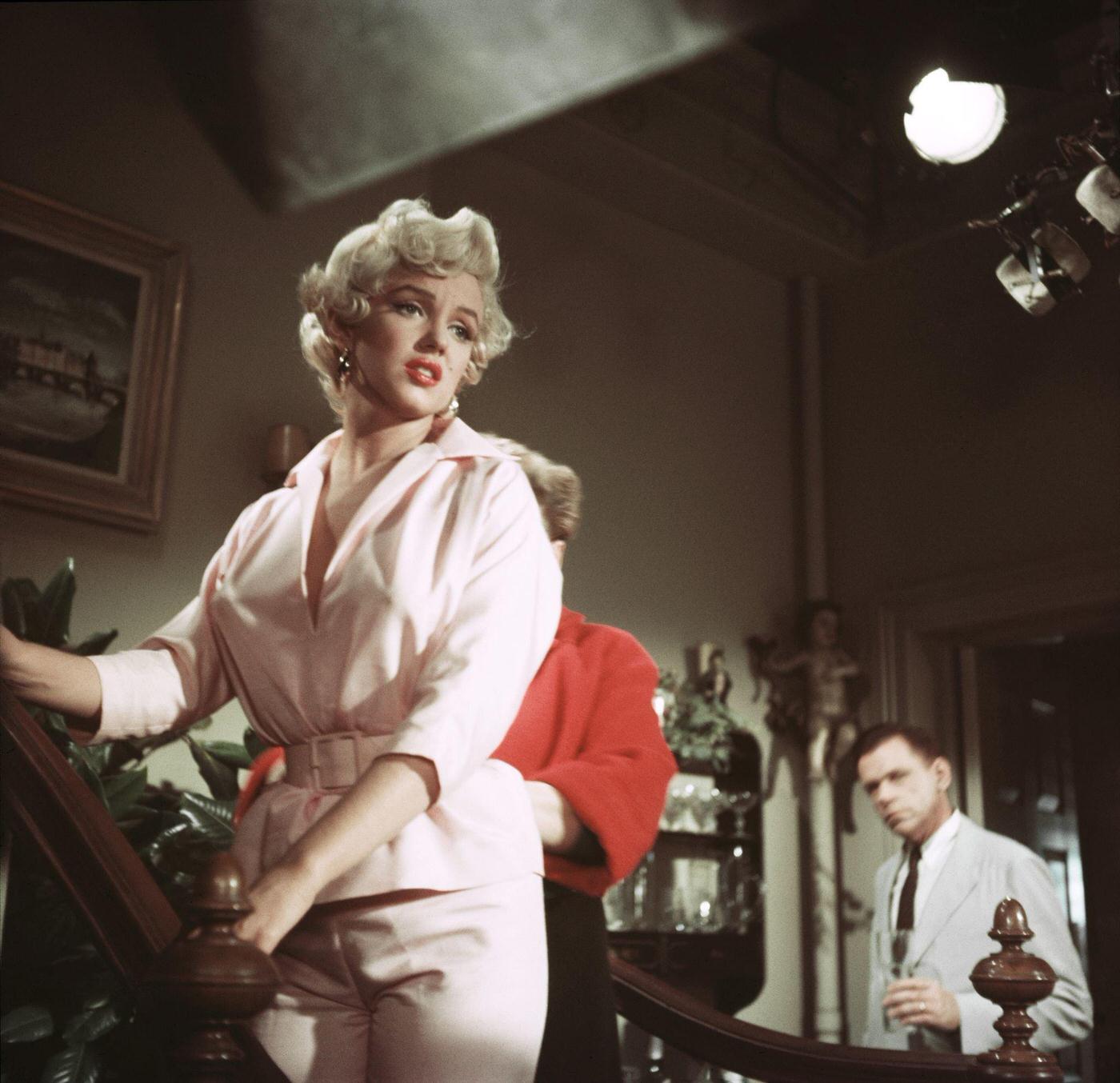
Between scenes on the Los Angeles set, Monroe was frequently photographed relaxing in armchairs or chatting with the crew. These candid images showed a production that, despite the pressures of a major studio release, had moments of genuine ease and calm on the floor.
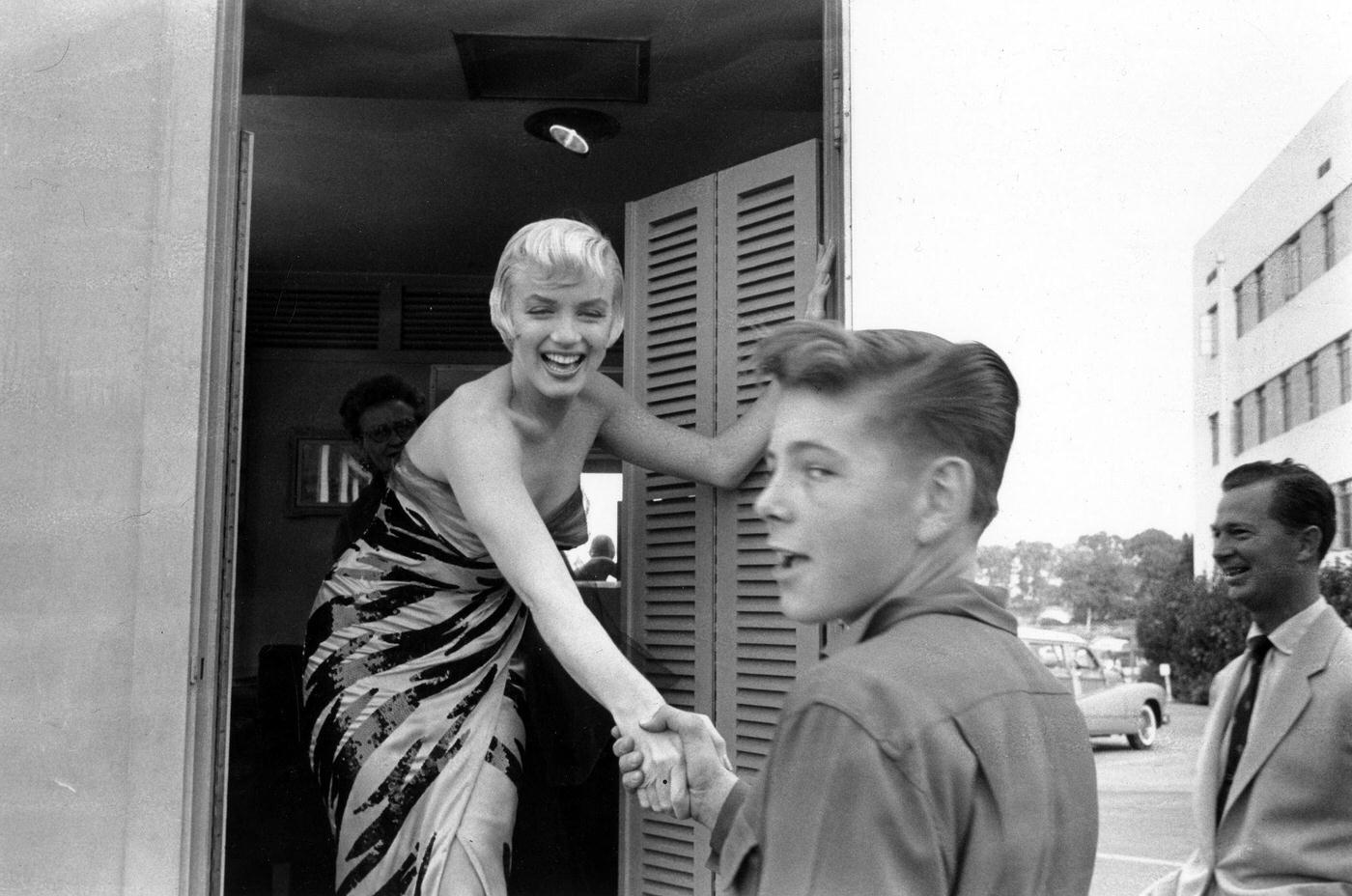
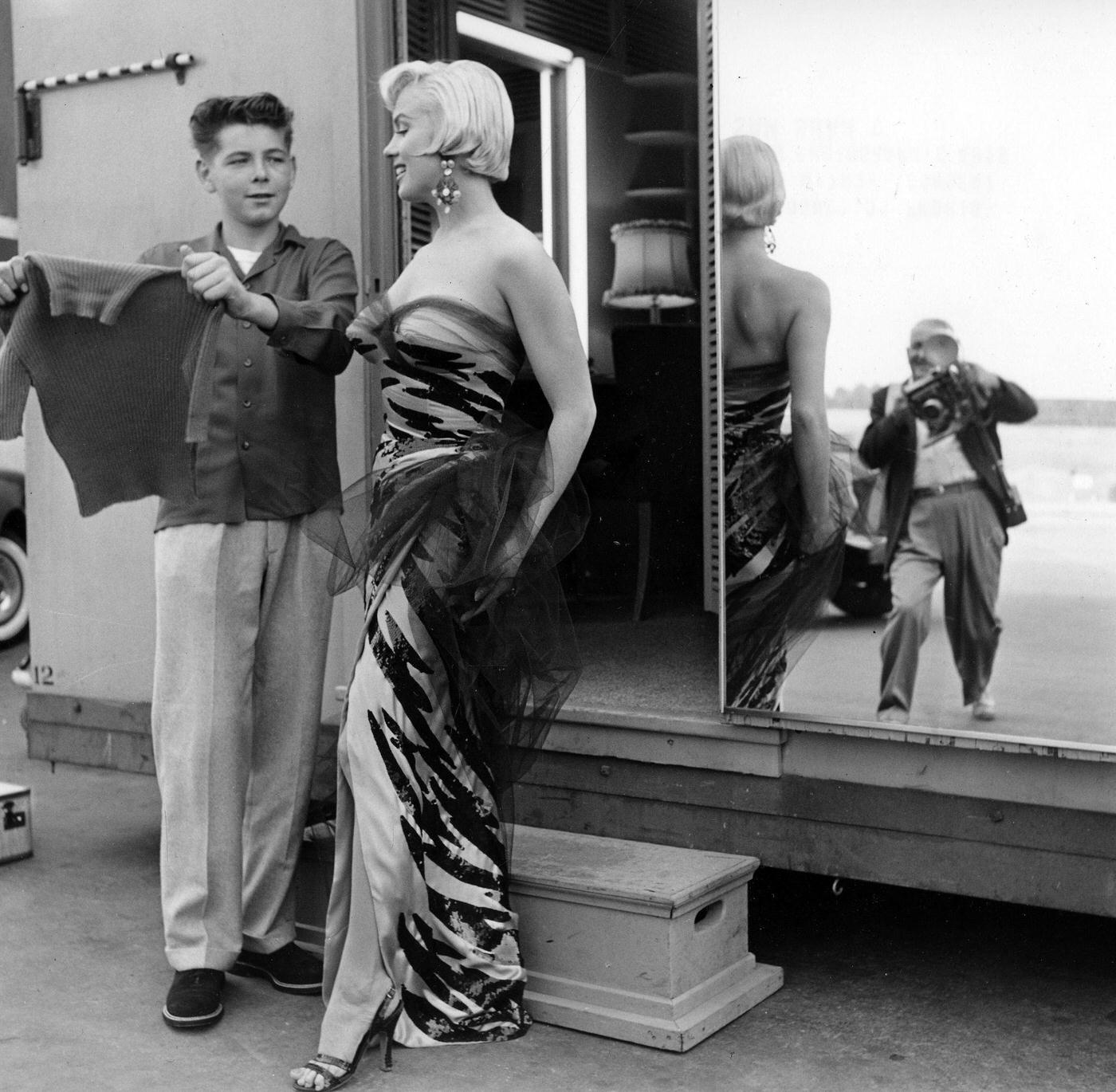
Monroe was consistently warm with visitors who came to the set. Photos of her in the tiger-striped dress shaking hands with a young boy capture the informality that often existed on the floor when cameras weren’t rolling. Her accessibility to fans and press alike was a well-documented aspect of her public persona at the time.
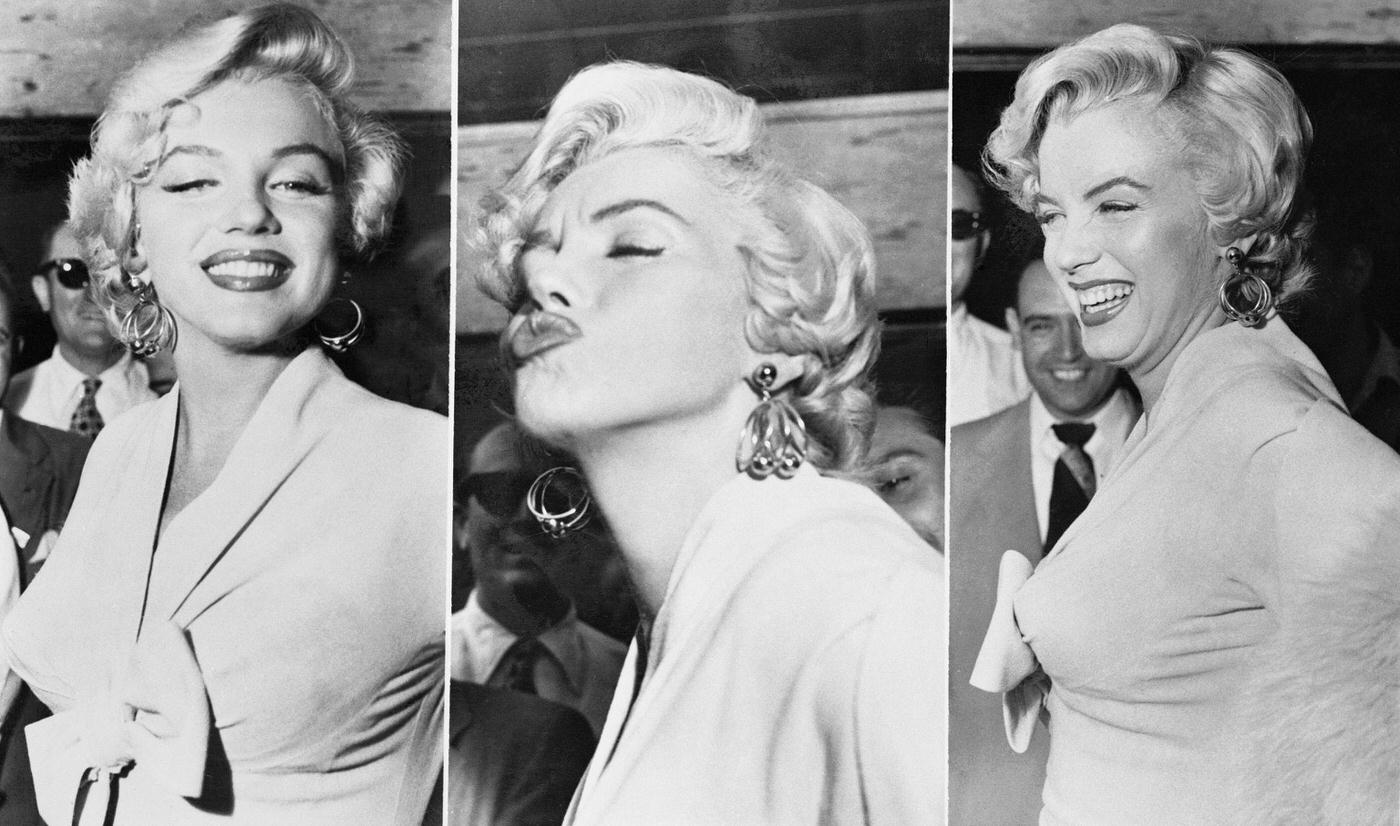
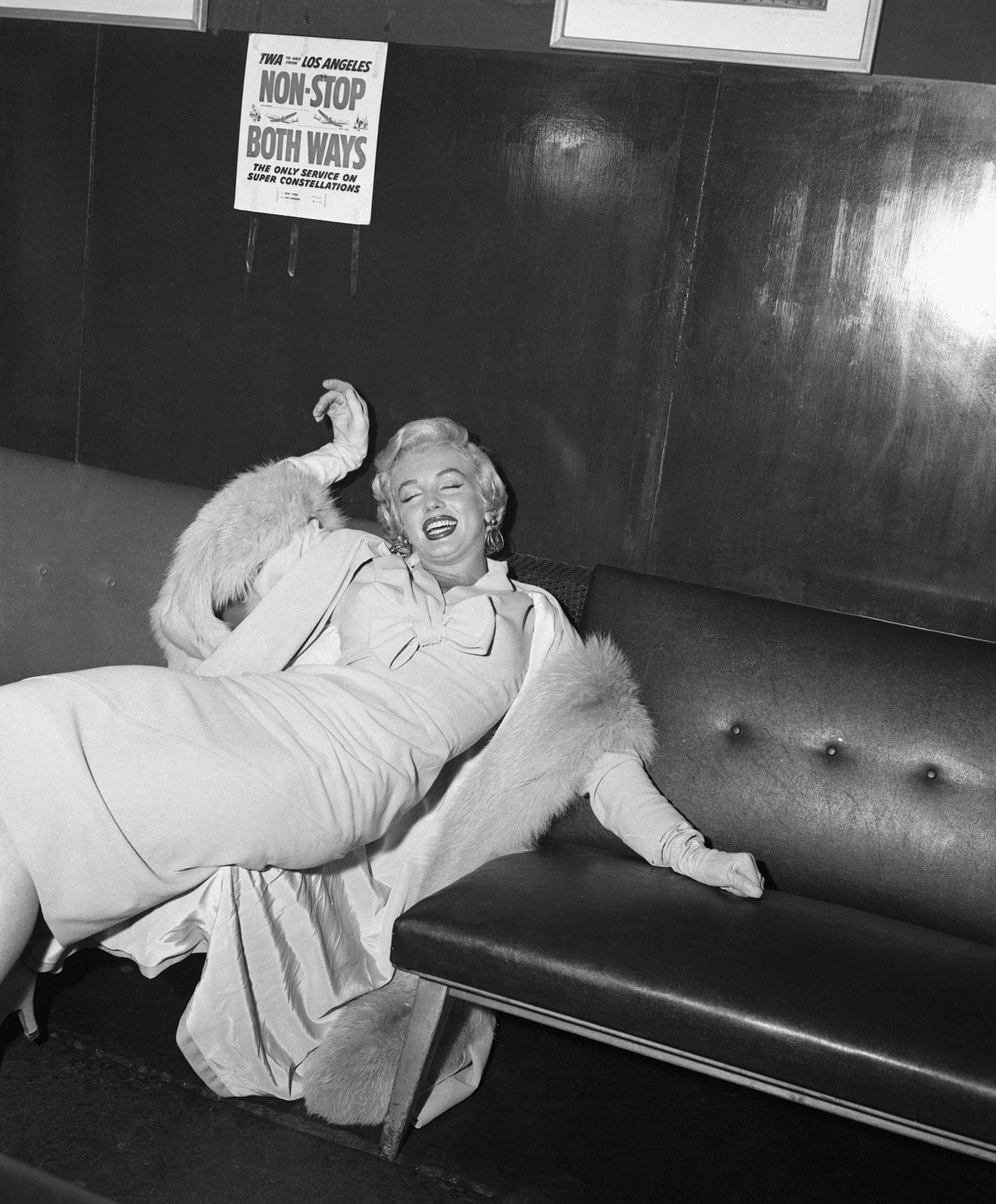
Monroe flew between Los Angeles and New York multiple times during production. Photographs taken at Idlewild Airport showed her playing up the exhaustion of coast-to-coast travel for the cameras — typical of the carefully managed public image she maintained throughout the shoot. Back in New York, the grate scene crowds continued to grow with each passing day.
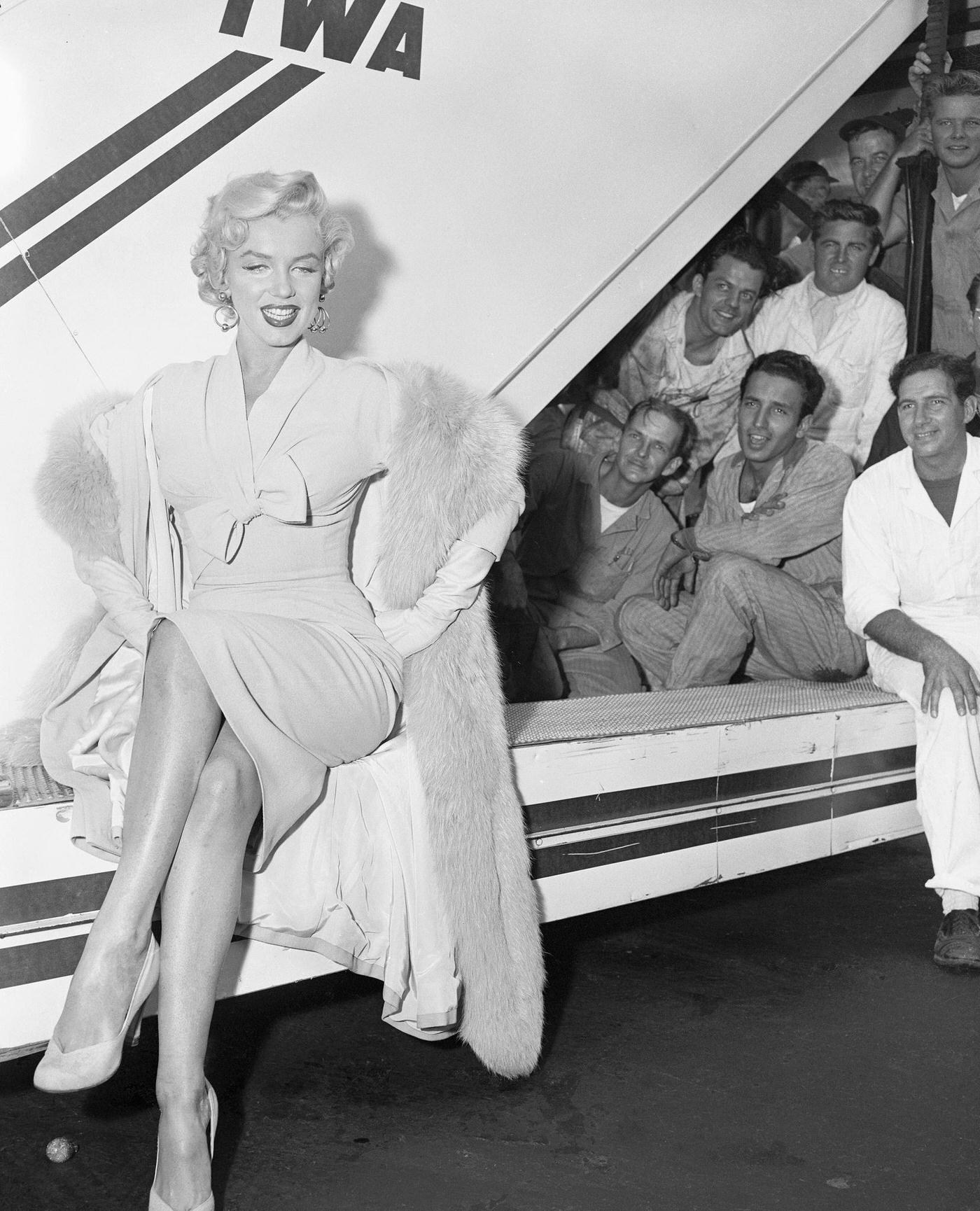
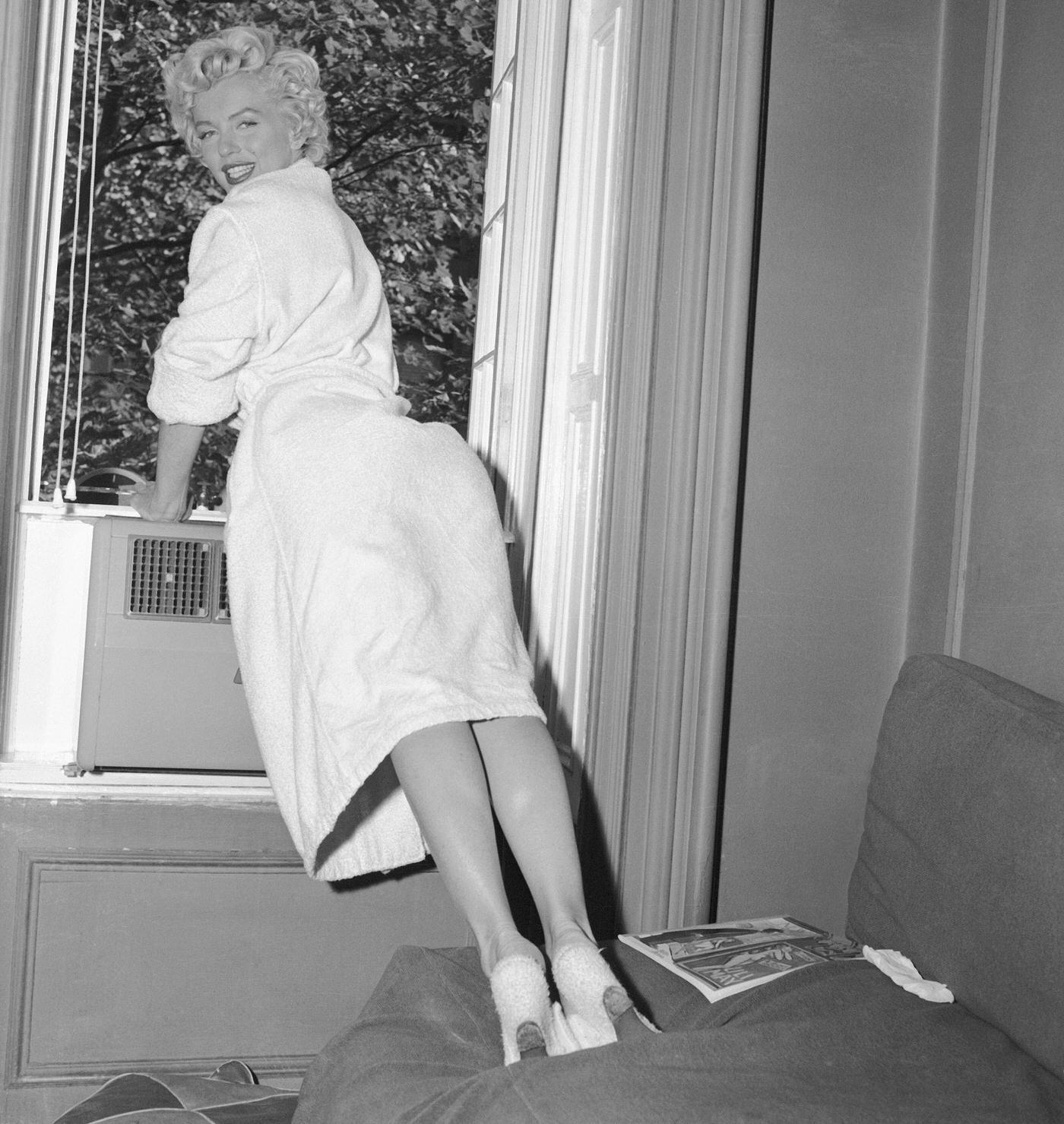
Monroe’s arrival in New York for the location sequences was treated as a major event. The film was based on a Broadway hit, and bringing it back to the city where it had first been staged gave the production an added sense of occasion. The press coverage was relentless from the moment she touched down.
Location shooting stretched across multiple Manhattan addresses. In addition to the famous 51st and Lexington corner, sequences were filmed further uptown on 61st Street. The real city streets gave the film a texture and authenticity that aligned with the story’s New York setting.
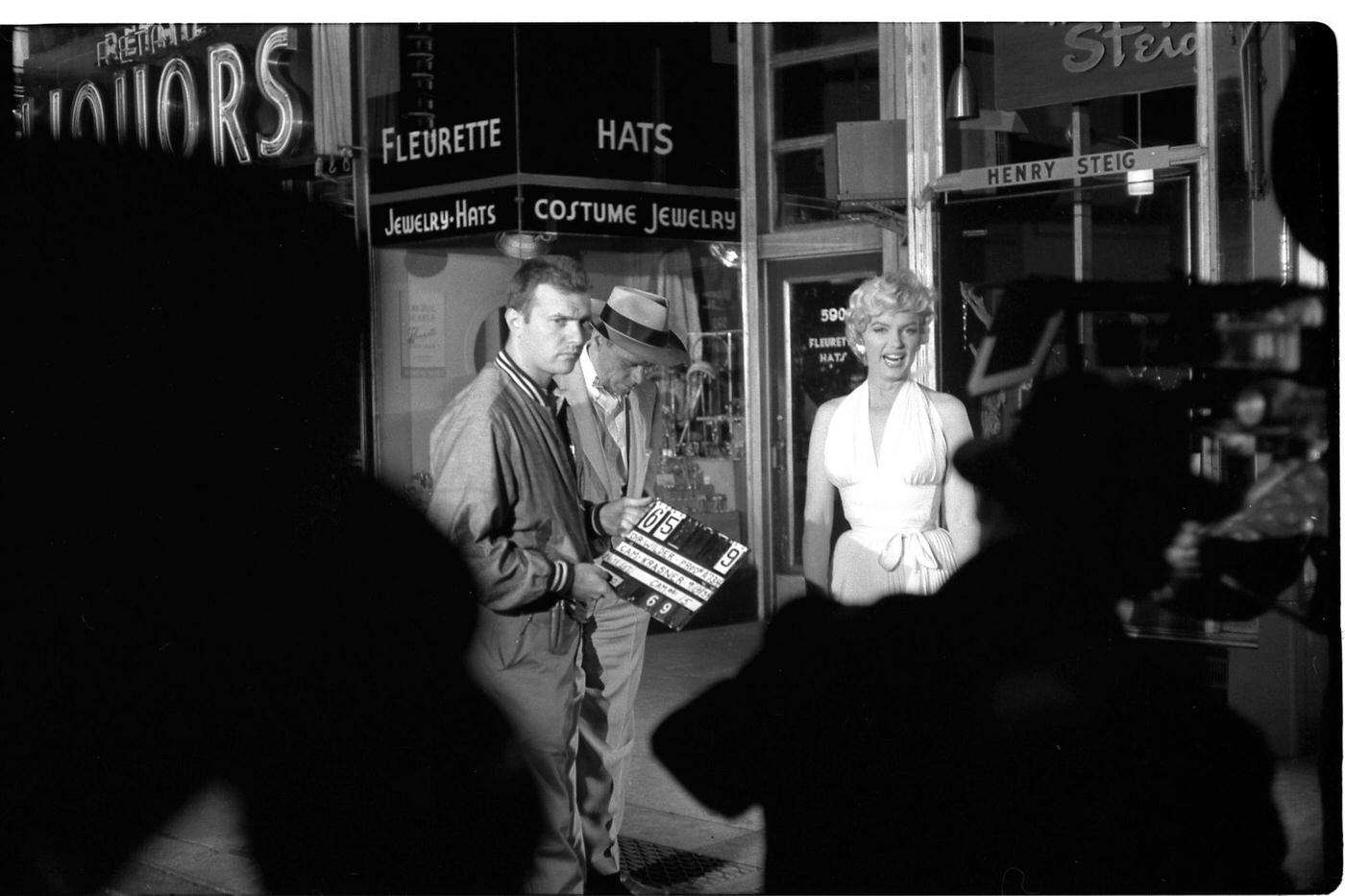
Additional street work was done at Lexington Avenue and 52nd Street, just a block north of the grate location. Monroe was photographed waiting between takes — the pauses between shots that make up so much of a film production’s actual day.
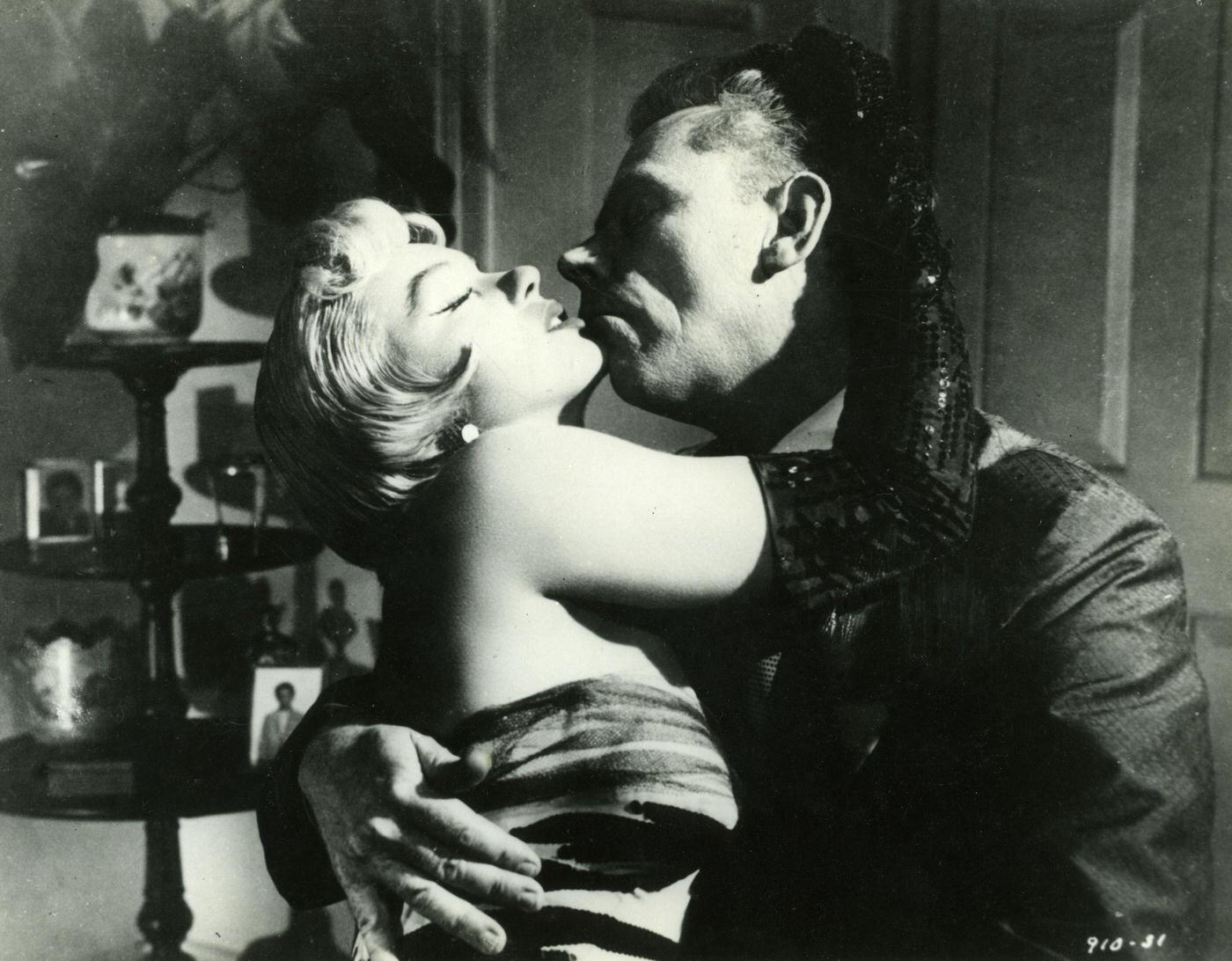
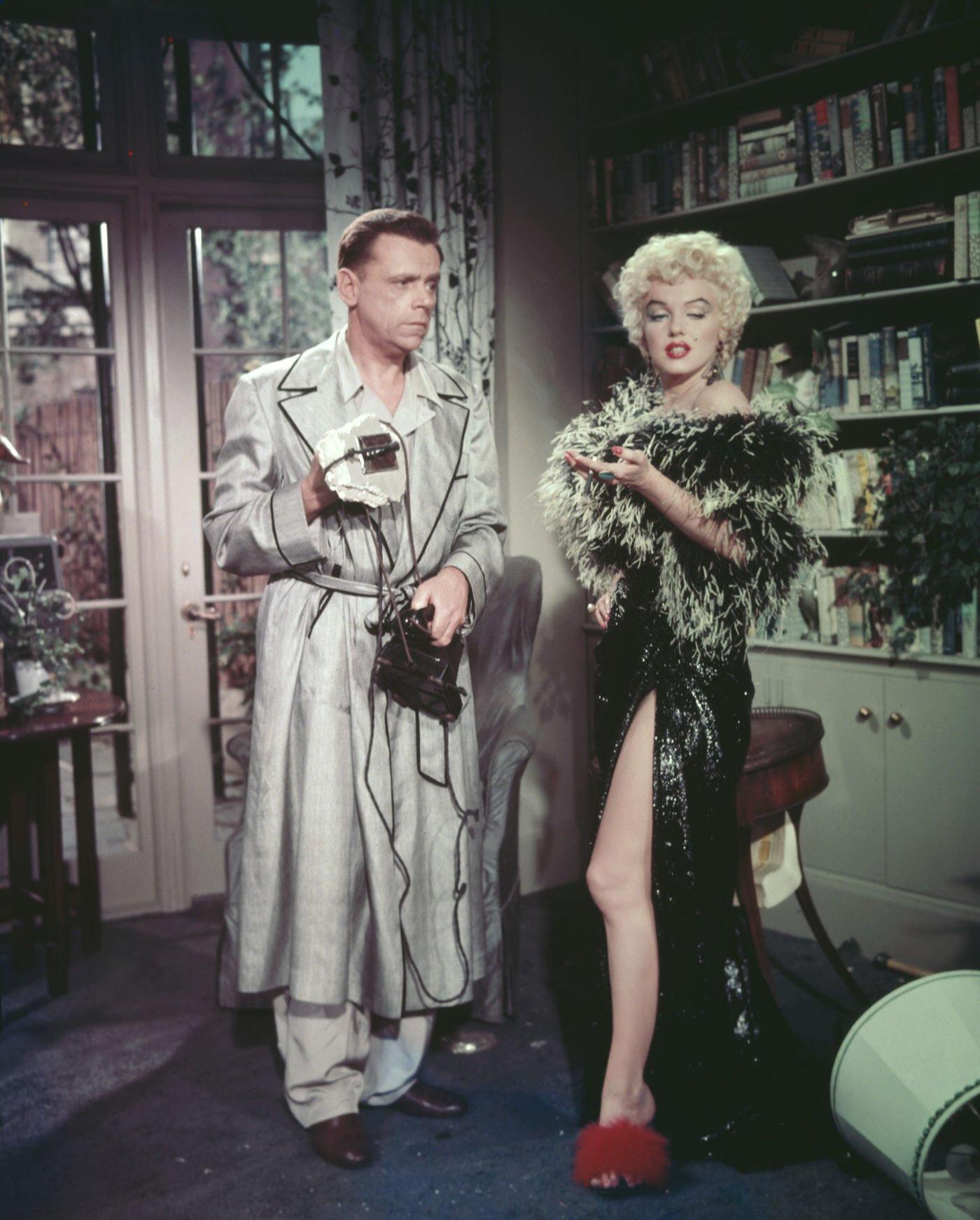
When the film was released in June 1955, audiences responded immediately. The finished movie stills and promotional images that Fox had been releasing for months had built enormous anticipation. The film’s official stills showed Monroe and Ewell in the kind of polished, staged poses typical of 1950s studio photography — a clean contrast to the raw energy of the New York street shots.
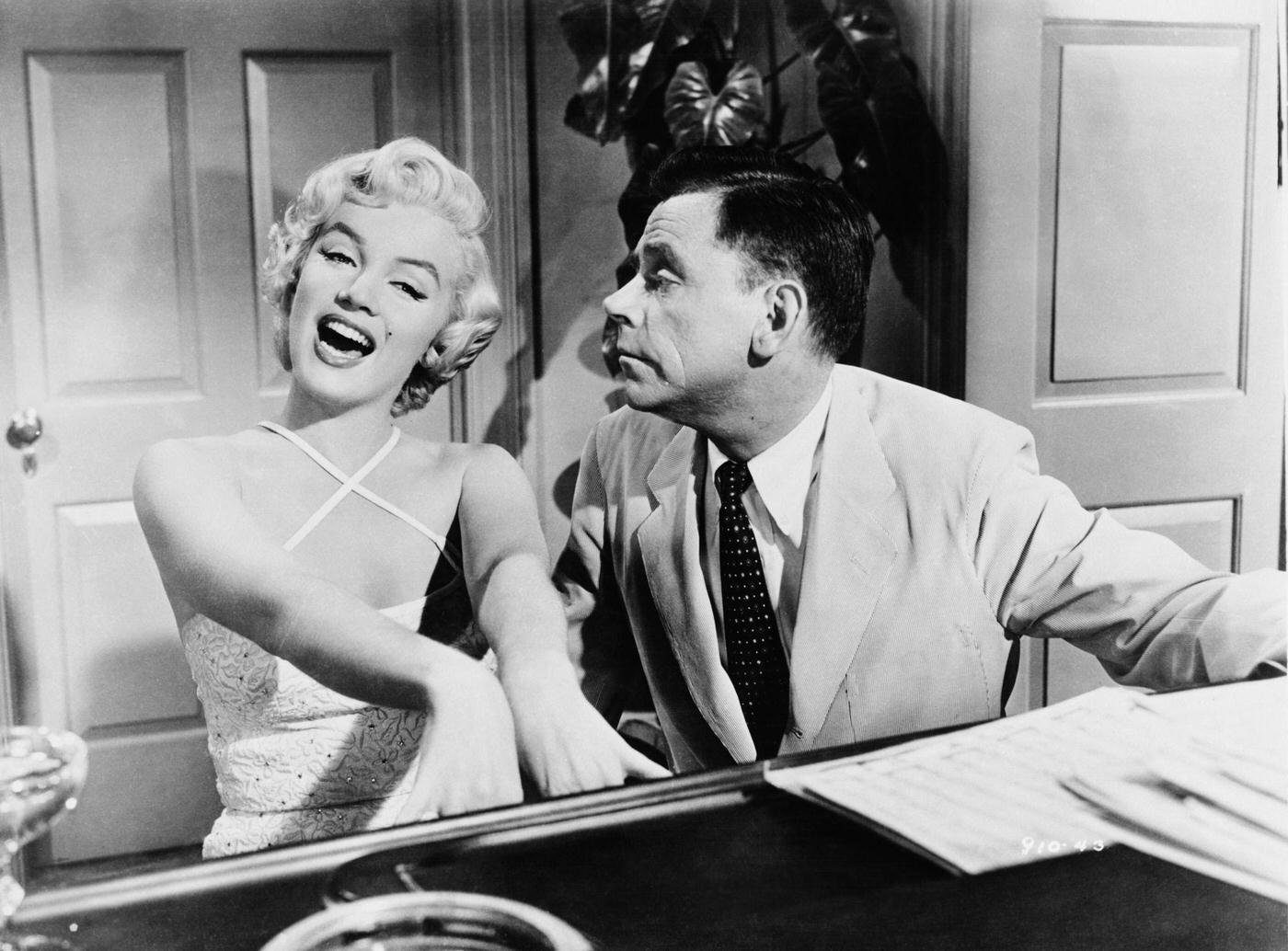
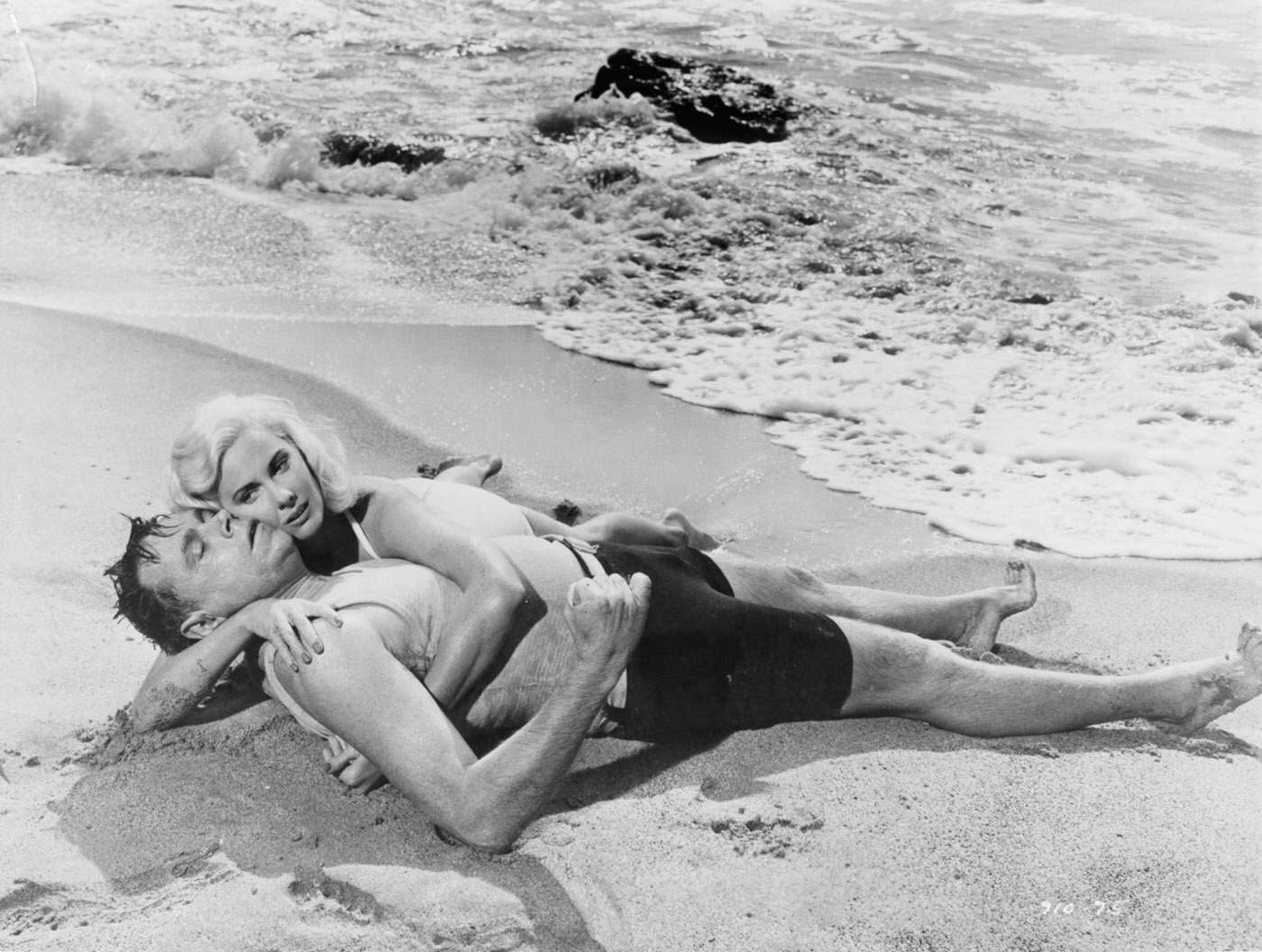
The final released film earned Tom Ewell a Golden Globe Award for Best Actor in a Comedy. The picture was nominated for Academy Awards including Best Screenplay, reflecting the quality of Axelrod’s adaptation. Ewell’s performance as the flustered, fantasizing Richard Sherman was widely praised.
The film opens with a fantasy sequence set on a beach, establishing early on that Richard’s imagination is the real engine of the story. Much of the comedy comes from the gap between what Richard imagines and what actually happens — and Ewell played that gap with precise, self-aware timing.
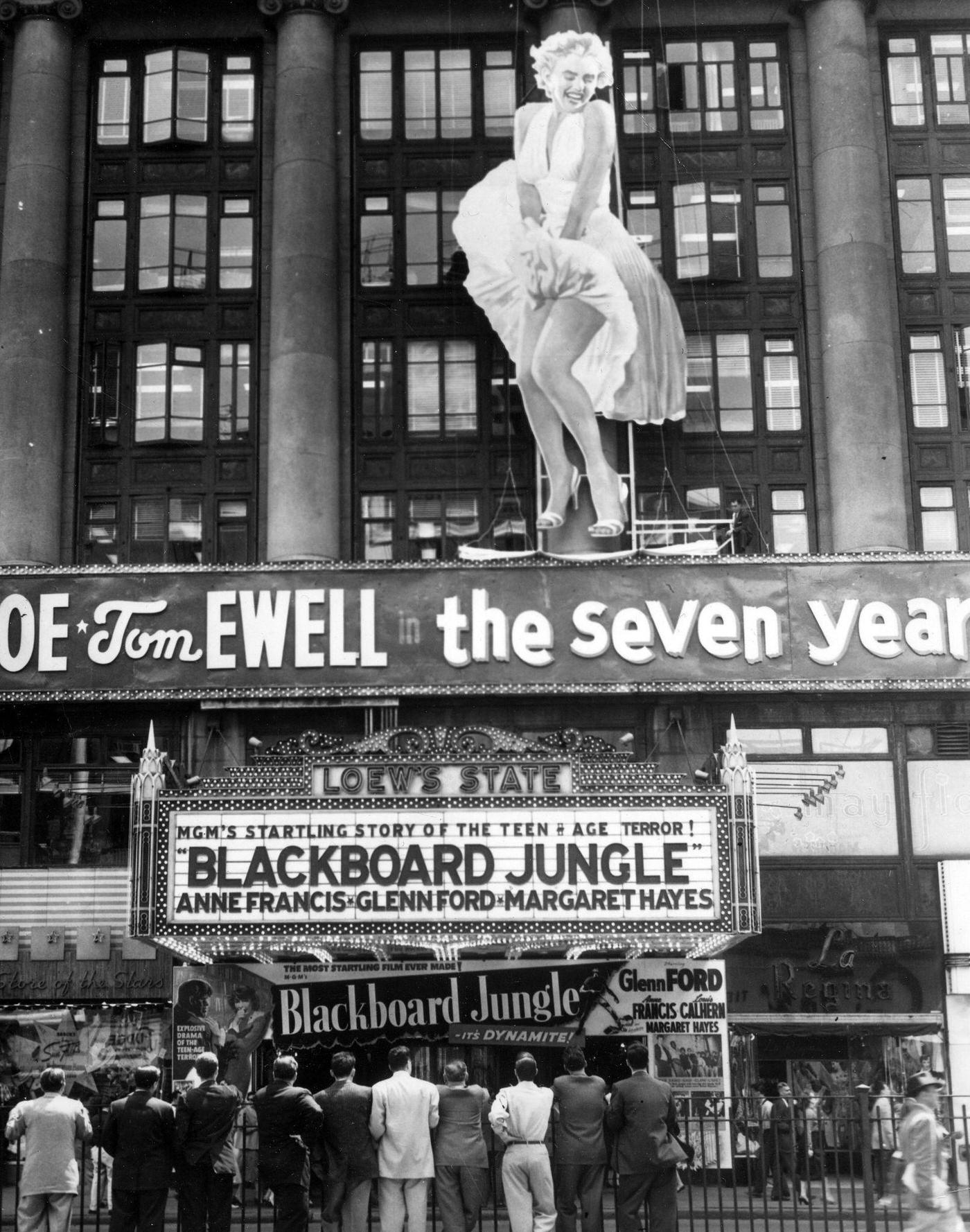
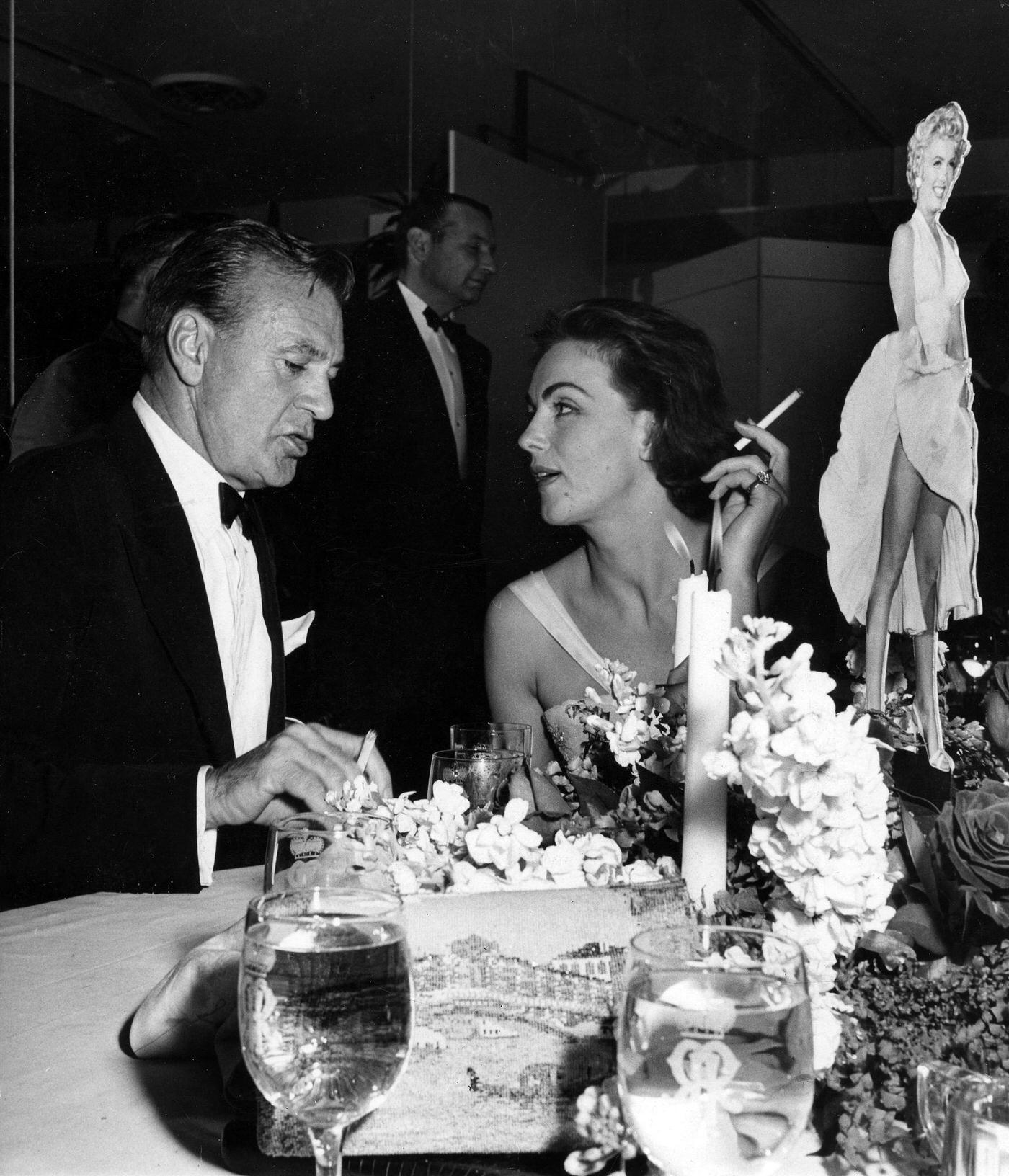
At Loew’s State theater in Times Square, a giant cut-out of Monroe in her white dress — skirt blown upward — greeted audiences on opening weekend. It was a fitting choice of venue. The film had been made, in large part, on the streets just a few blocks away. The image that had stopped traffic on Lexington Avenue the previous September now towered over Times Square, drawing crowds all over again.