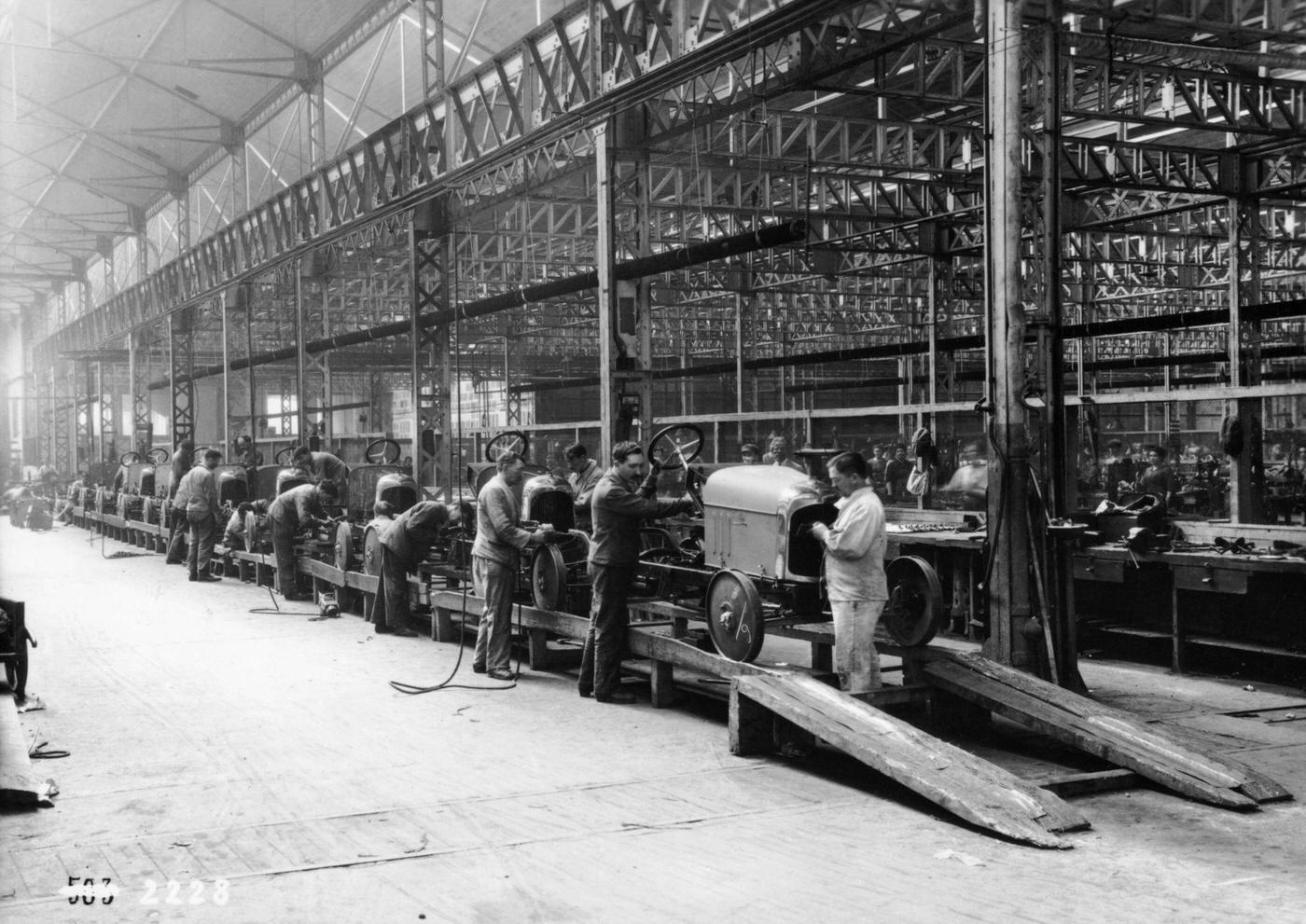
André Citroën founded his automobile company in Paris in 1919, and from the very beginning, he had no interest in building ordinary cars. The company launched its first model, the Type A, the same year it opened its doors — a car that was affordable, reliable, and aimed squarely at working families who had never owned a vehicle before. It was a bold statement of intent. Within just a few years, the Citroën factory was one of the most productive in Europe.
Citroen Production Line, France, 1922.
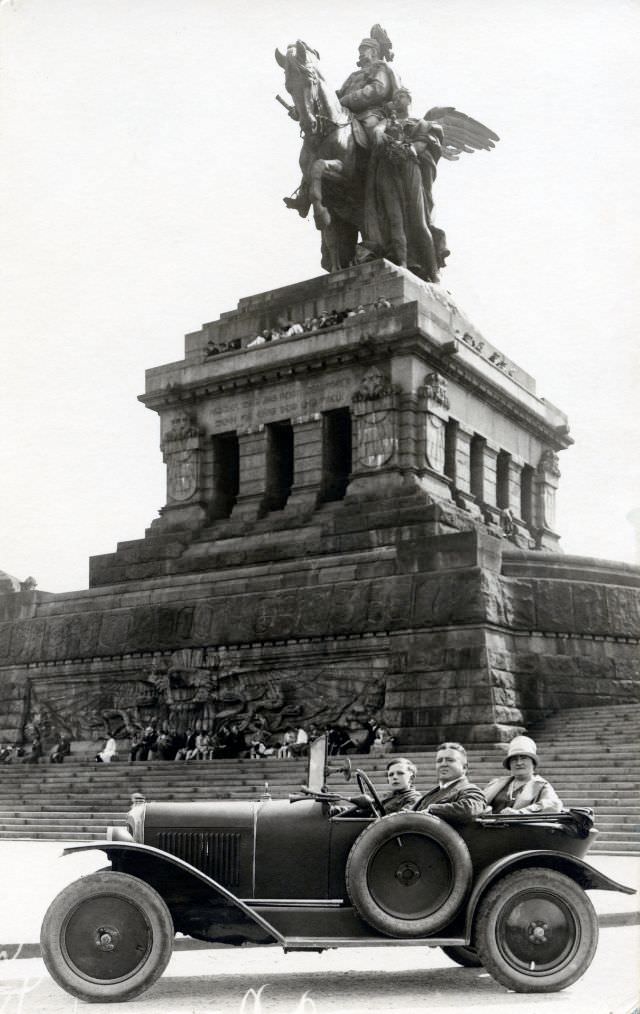
Through the 1920s, Citroën expanded its lineup with the Type B and Type C, keeping prices low while improving quality. These were cars for real people — compact, practical, and easy to maintain. By mid-decade, Citroën models were appearing across France, Germany, and beyond, fitting into everyday life with ease.
German family in Citroën at Deutsches Eck, 1925
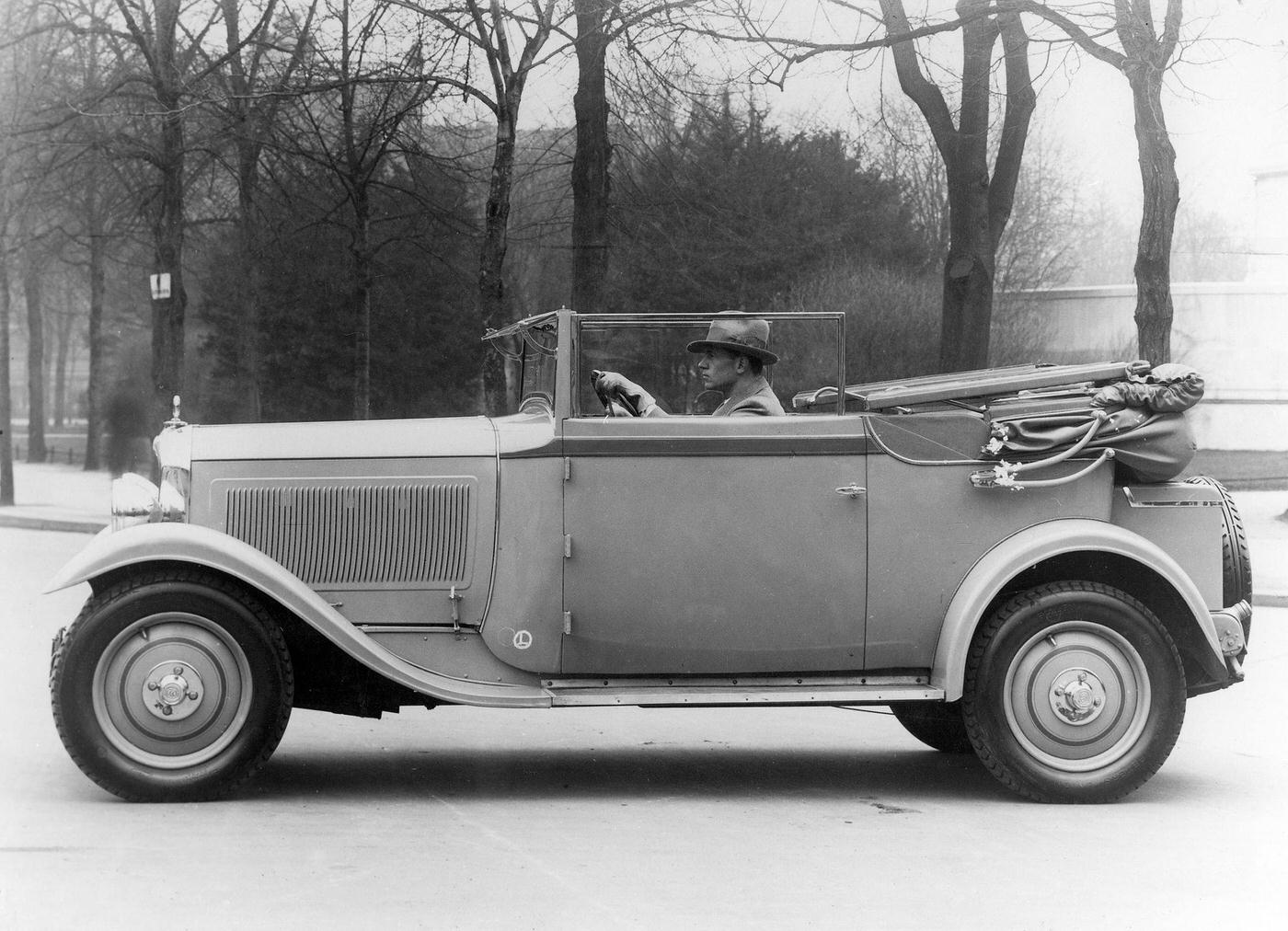
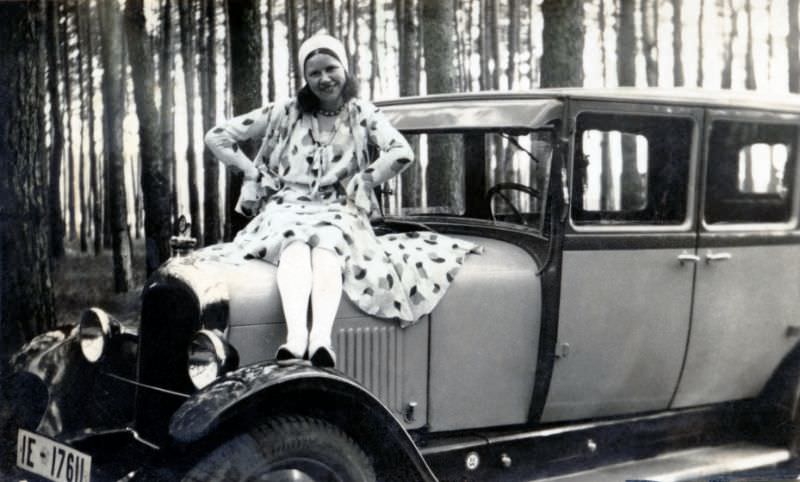
As the decade closed, Citroën had begun moving upmarket. The six-cylinder models and cabriolet variants showed that the brand could deliver style alongside value. These larger, more elegant cars attracted a different kind of buyer — one who wanted presence as much as practicality.
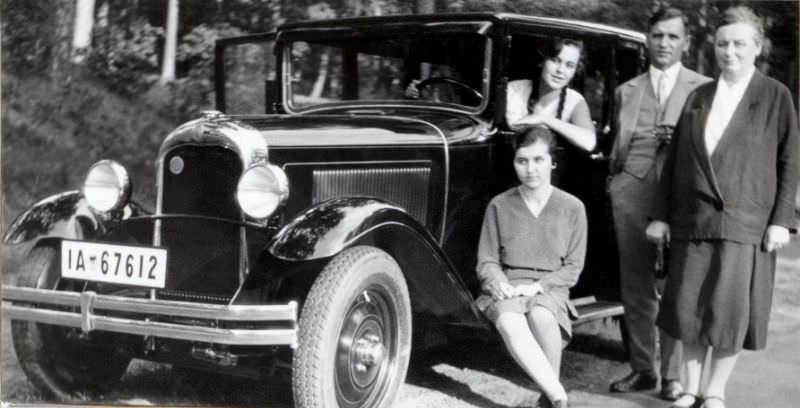
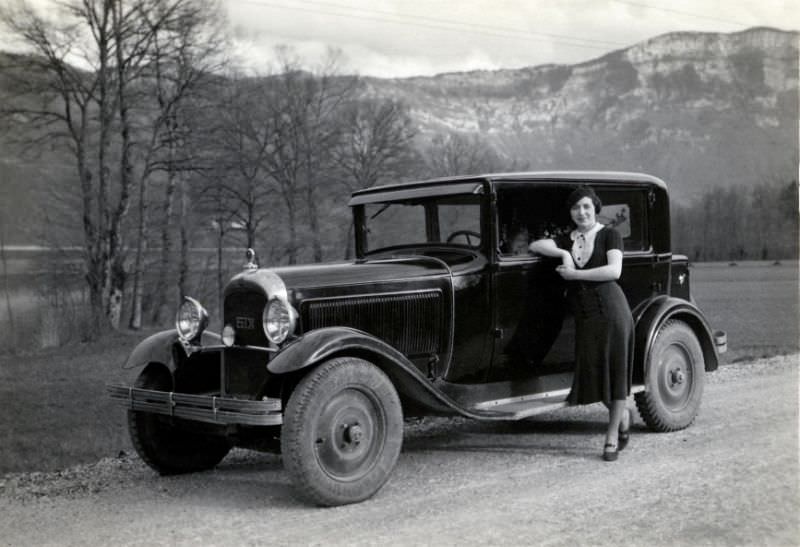
Luxury Car, 6-Cylinder Citroen Cabriolet, 1929.Young lady with Citroën in forest, 1929
The 1930s brought Citroën’s most significant achievement yet. The C4 and C6 models carried the brand into the new decade with confidence, and the C6 in particular became a symbol of French automotive ambition — seen outside grand buildings and on open country roads alike.
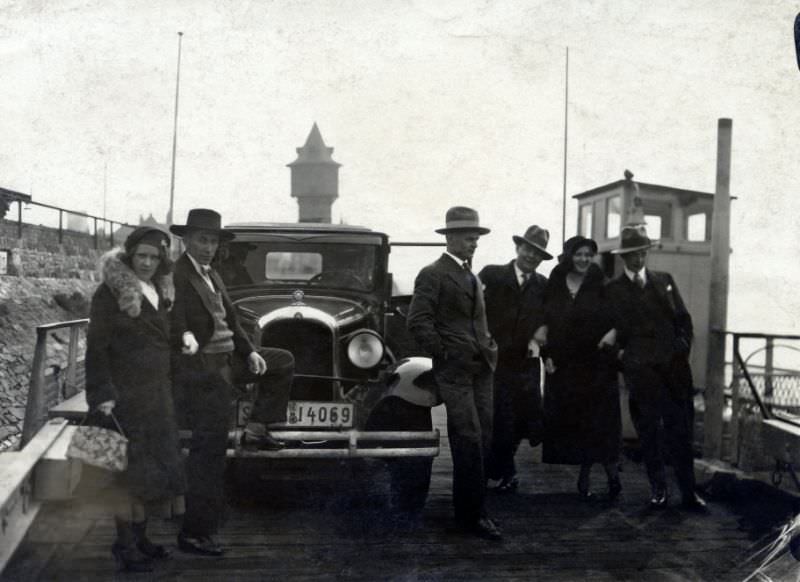
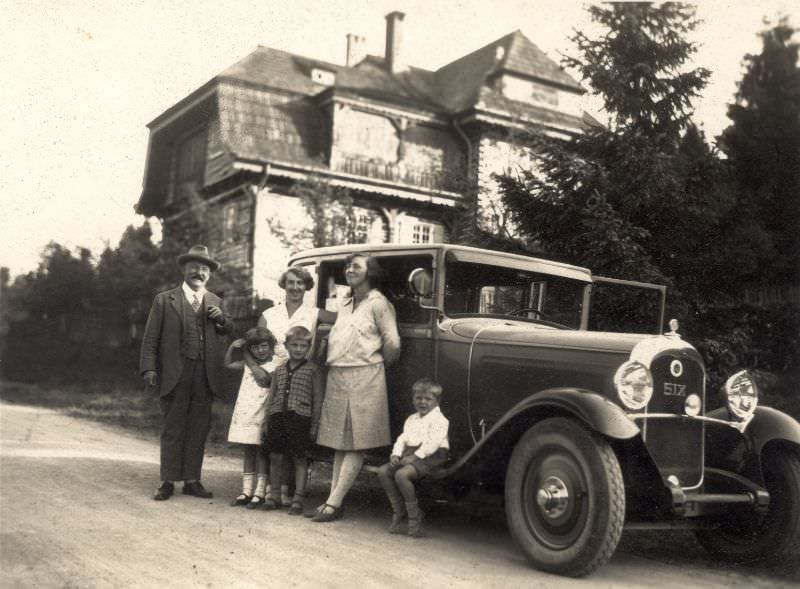
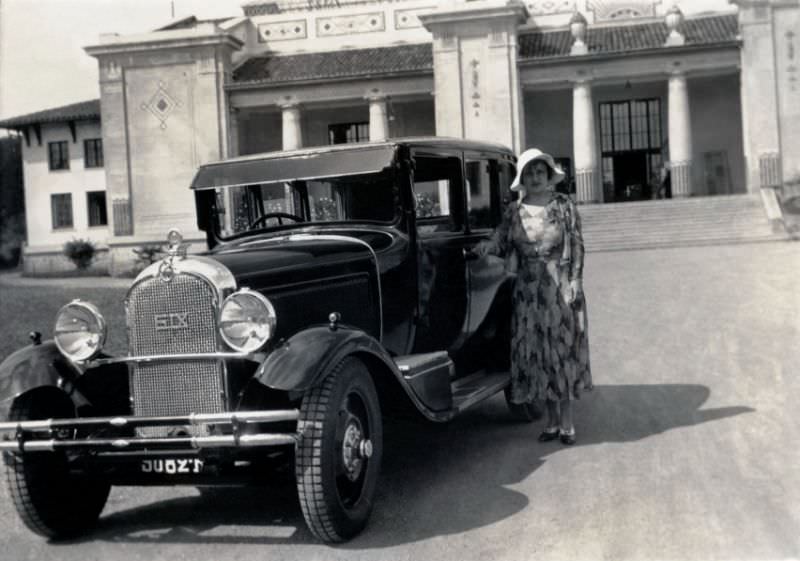
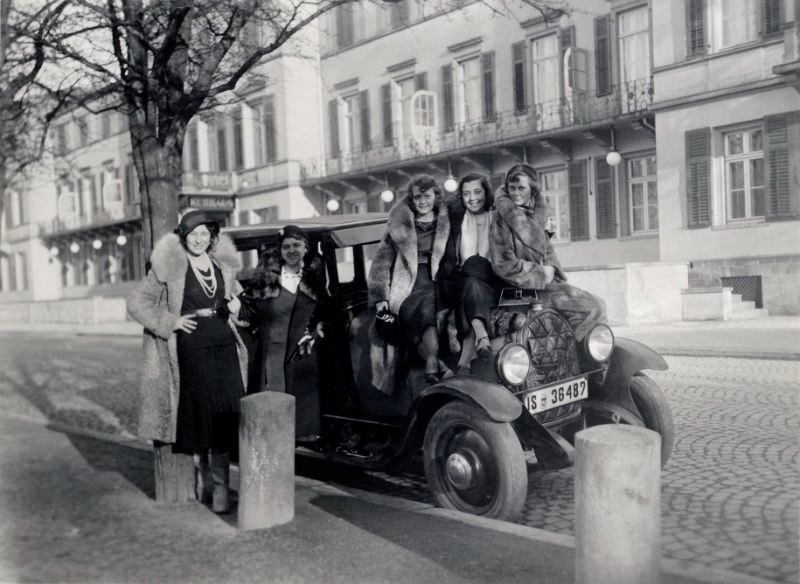
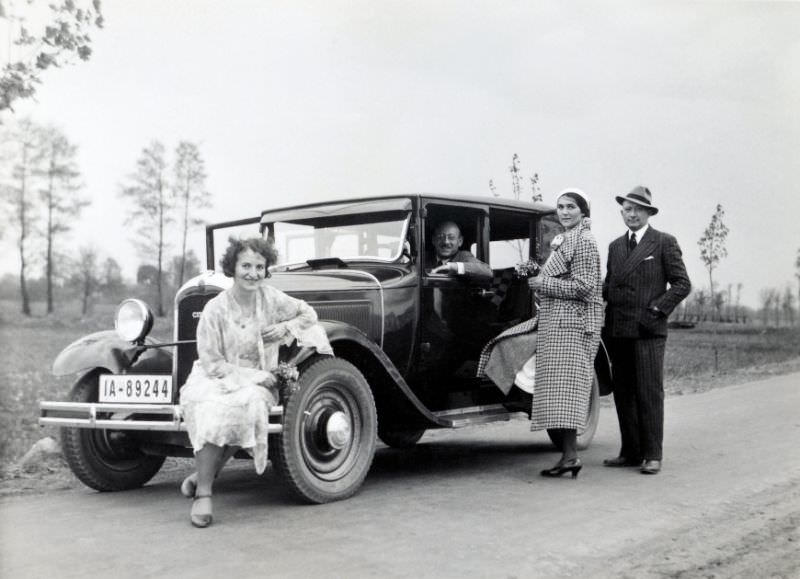
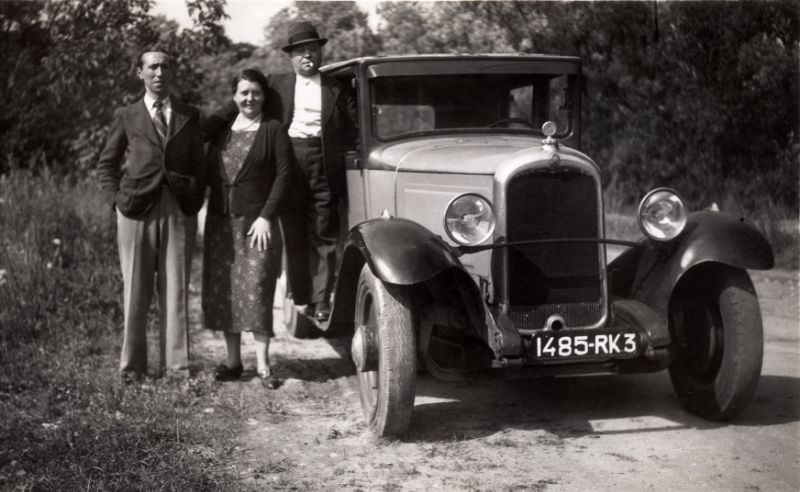
Six people on a Citroën ferry, 1930Group with Citroën C6, 1930Lady with Citroën C6 in front of Art Nouveau building, 1930German family with Citroën in the countryside, 1930
Then in 1934 came the car that changed everything. The Traction Avant was the world’s first mass-produced front-wheel drive automobile. It also featured independent suspension and hydraulic brakes — technology that most manufacturers wouldn’t adopt for another decade. The Traction Avant didn’t just sell well; it forced the entire industry to rethink what a modern car could be.
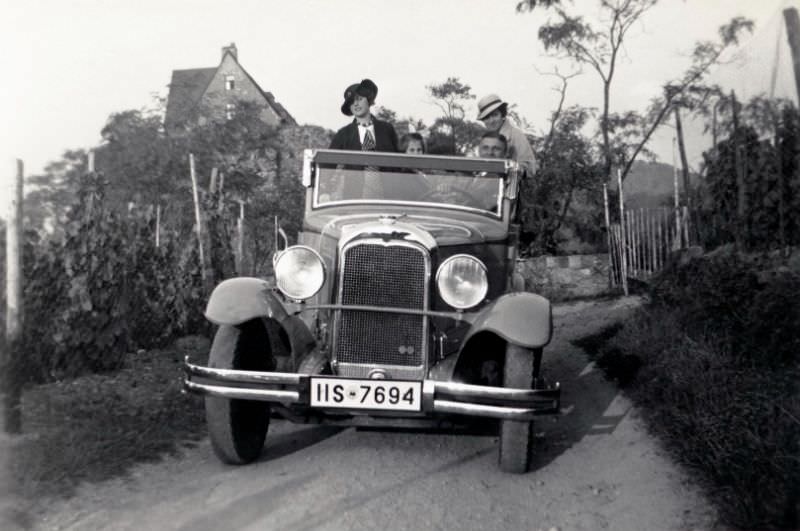
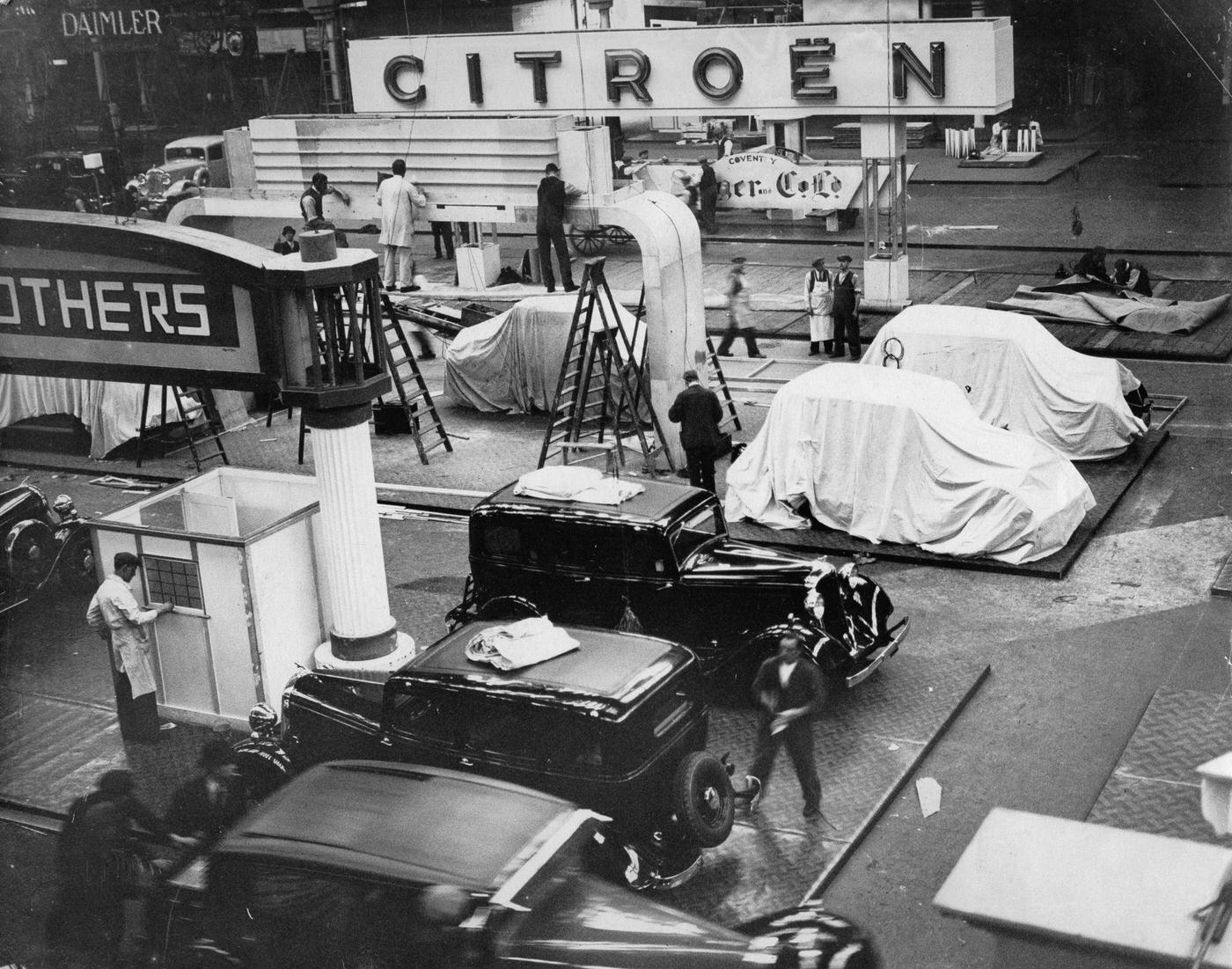
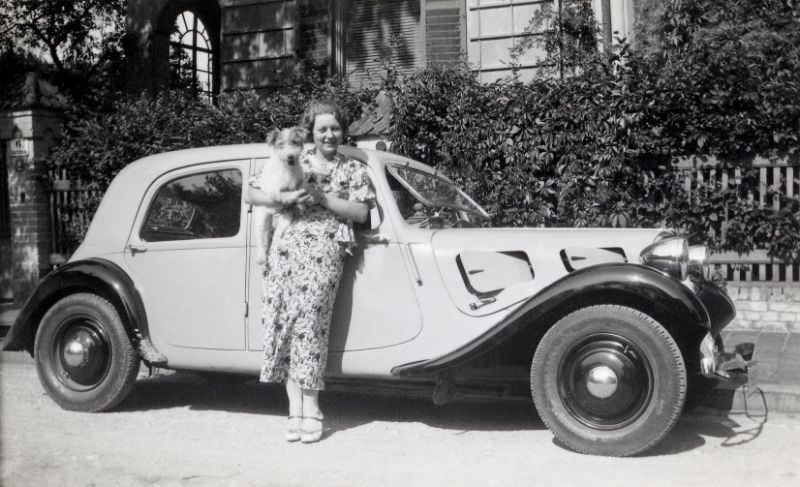
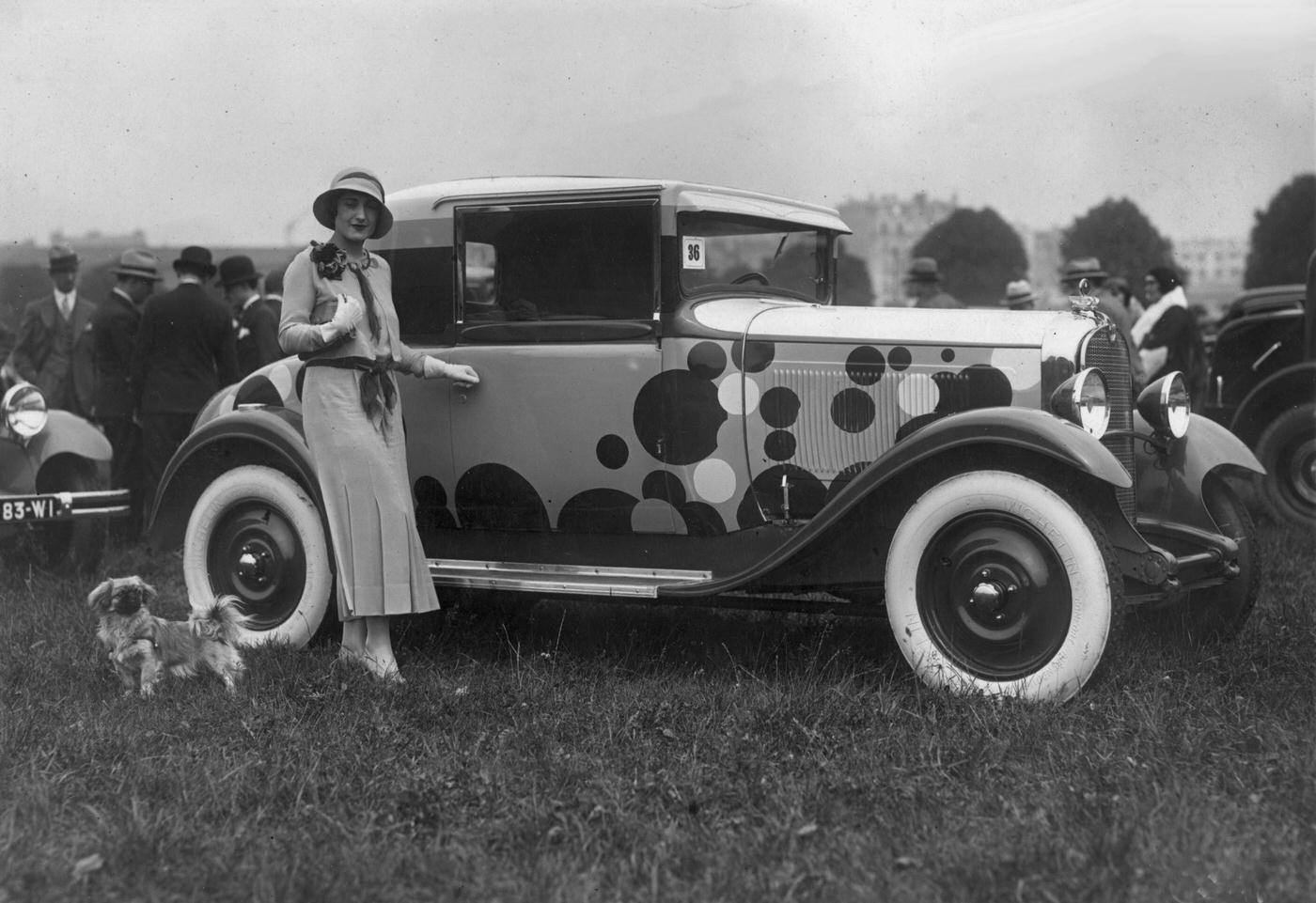
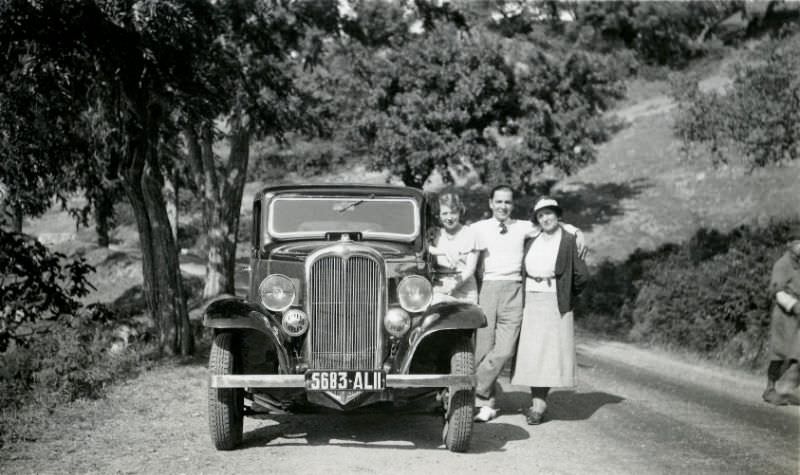
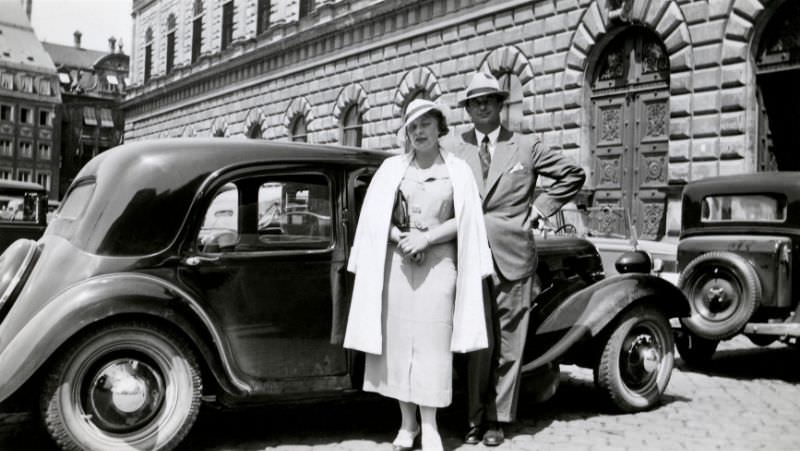
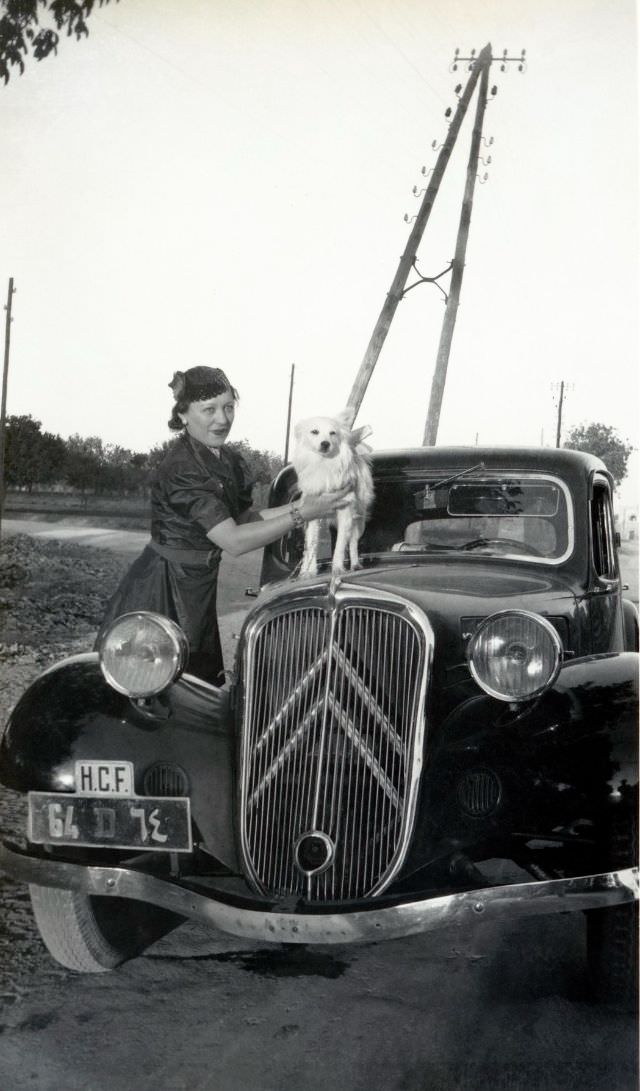
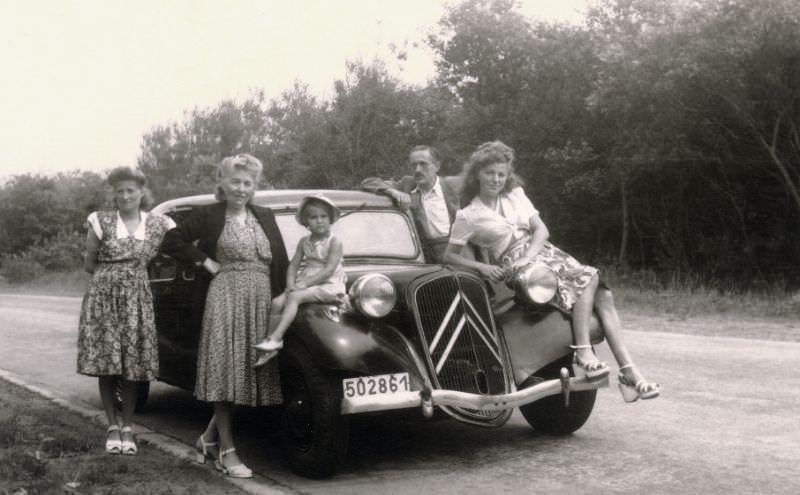
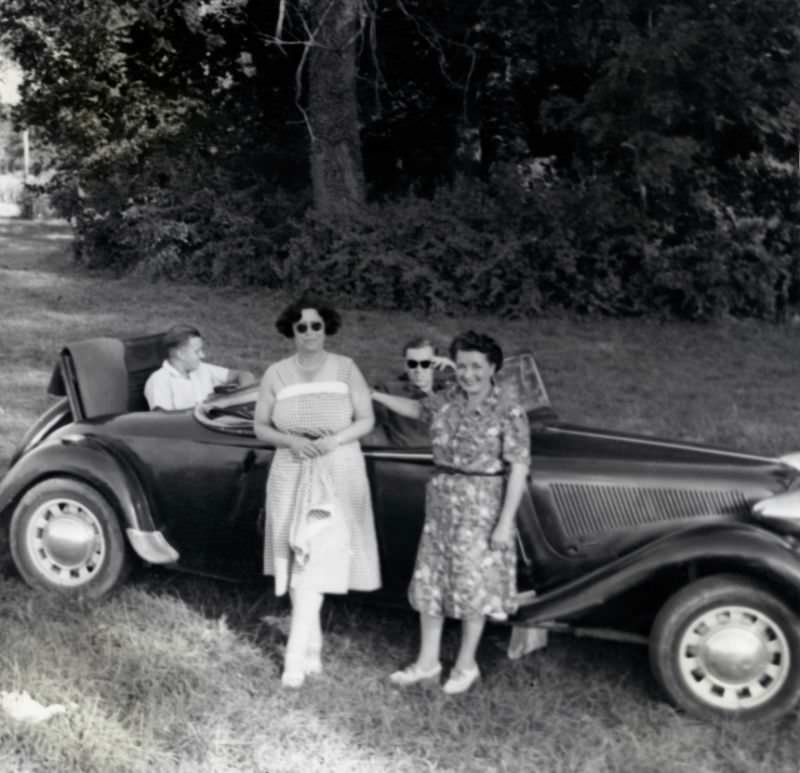
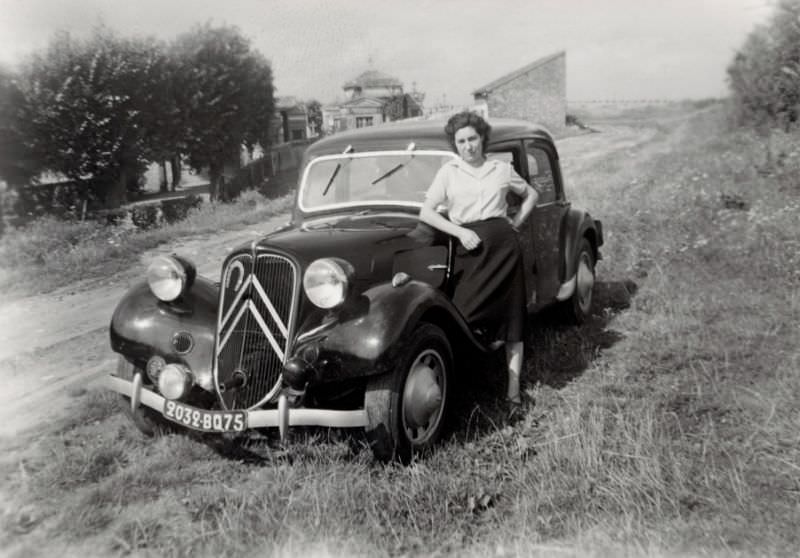
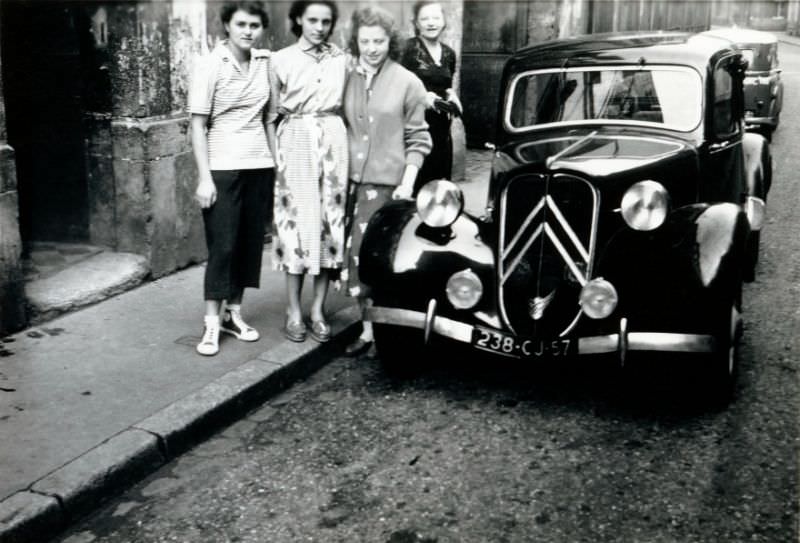
Group in Citroën C4 Cabriolet in vineyards, 1932Last Preparations for Olympia Motorshow, London, 1933.Lady with dog and Citroën 11 CV, 1935Woman in Fashionable Dress Standing by Citroen Car with Dog, 1935.Lady with Citroën Six on gravel road, 1935Five ladies with Citroën in cobbled street, 1935German family with Citroën in countryside, 1935Two ladies and man with Citroën 8 CV Rosalie, 1935Couple with Citroën in historic town centre, 1935
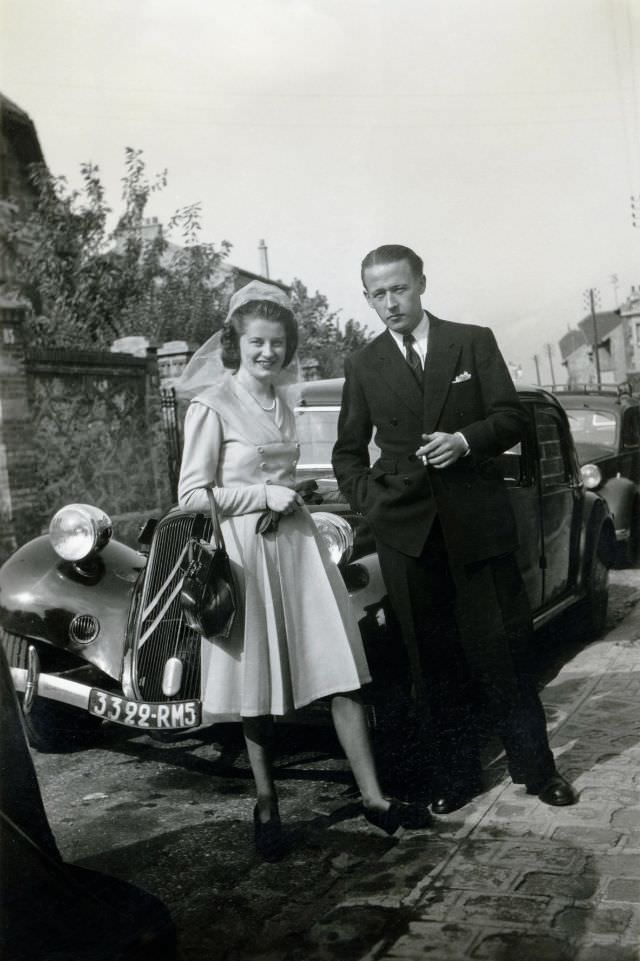
By the late 1930s, the Traction Avant — particularly the 7CV and 11CV variants — was a fixture on French roads and streets across Europe. It was roomy, low-slung, and handled unlike anything else available at the time. Families posed proudly beside it. It appeared in city centres, country lanes, and mountain passes.
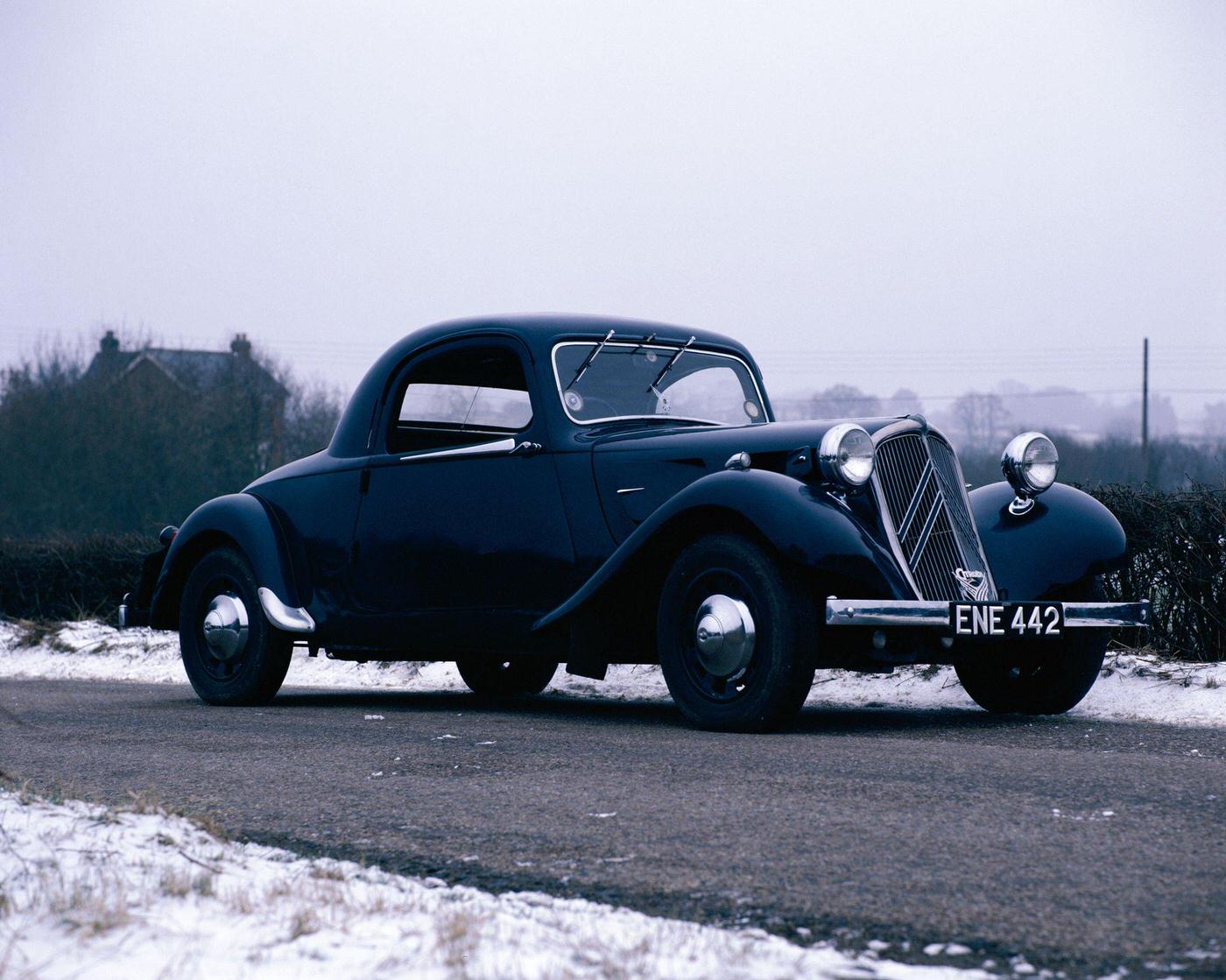
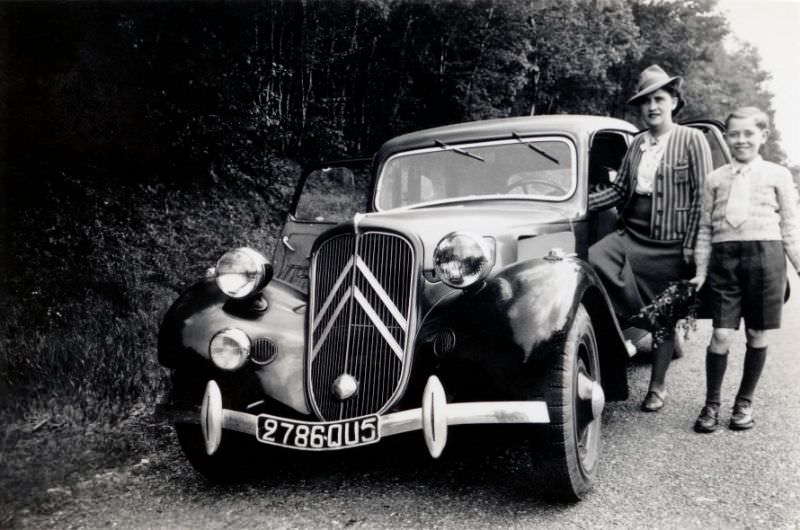
Lady and man with Citroën 7.5 H.P., 1936Citroën 7CV Saloon, 1938.Mother and son with Citroën 7 CV, 1938Lady with pet and Citroën 11 CV, 1938Three people with Citroën C4 in countryside, 1939
World War II halted civilian production. Citroën, like most European manufacturers, redirected its resources toward military needs. When the war ended, the company returned to civilian manufacturing with urgency. Europe needed cheap, dependable transport, and Citroën had an answer ready.
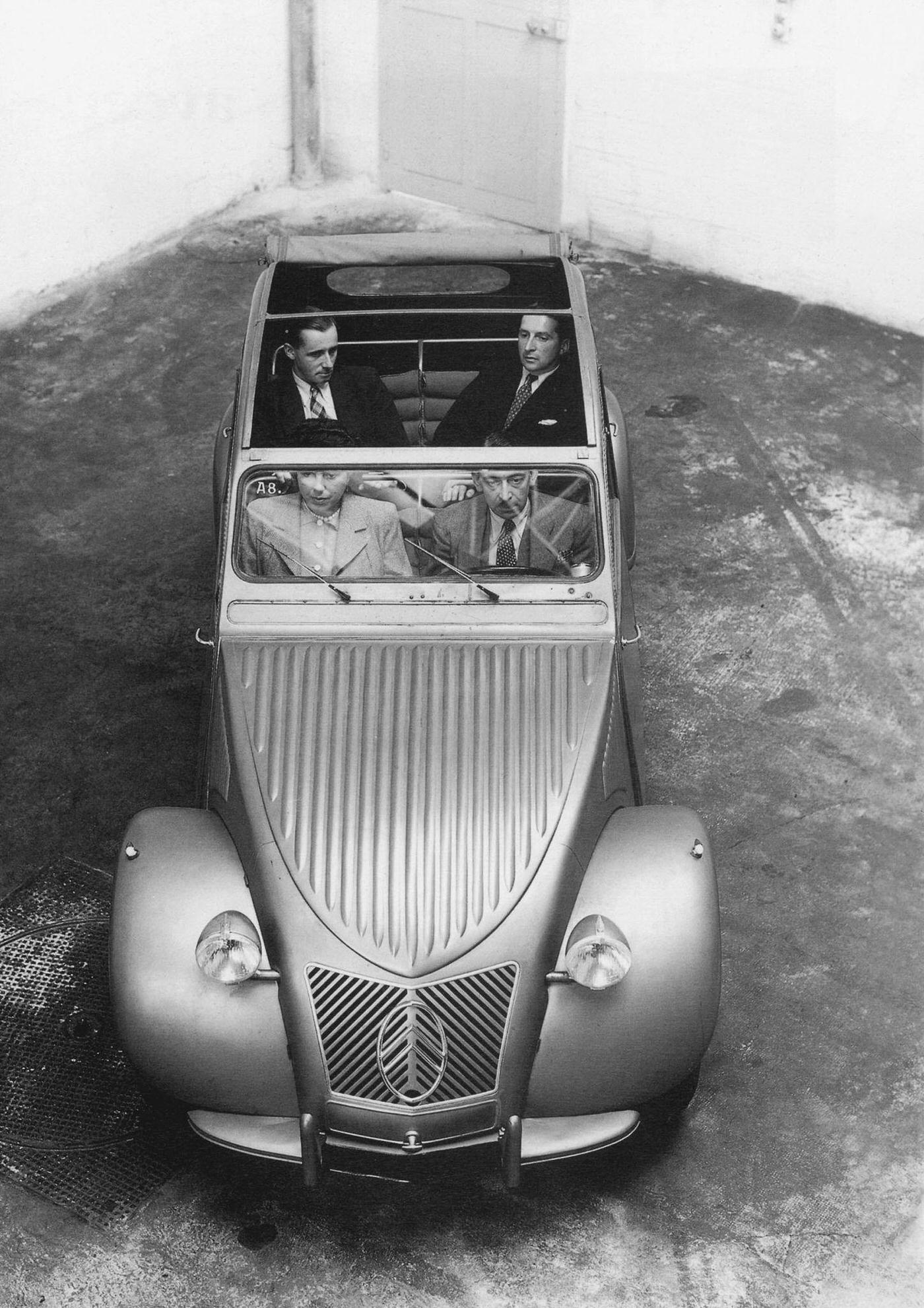
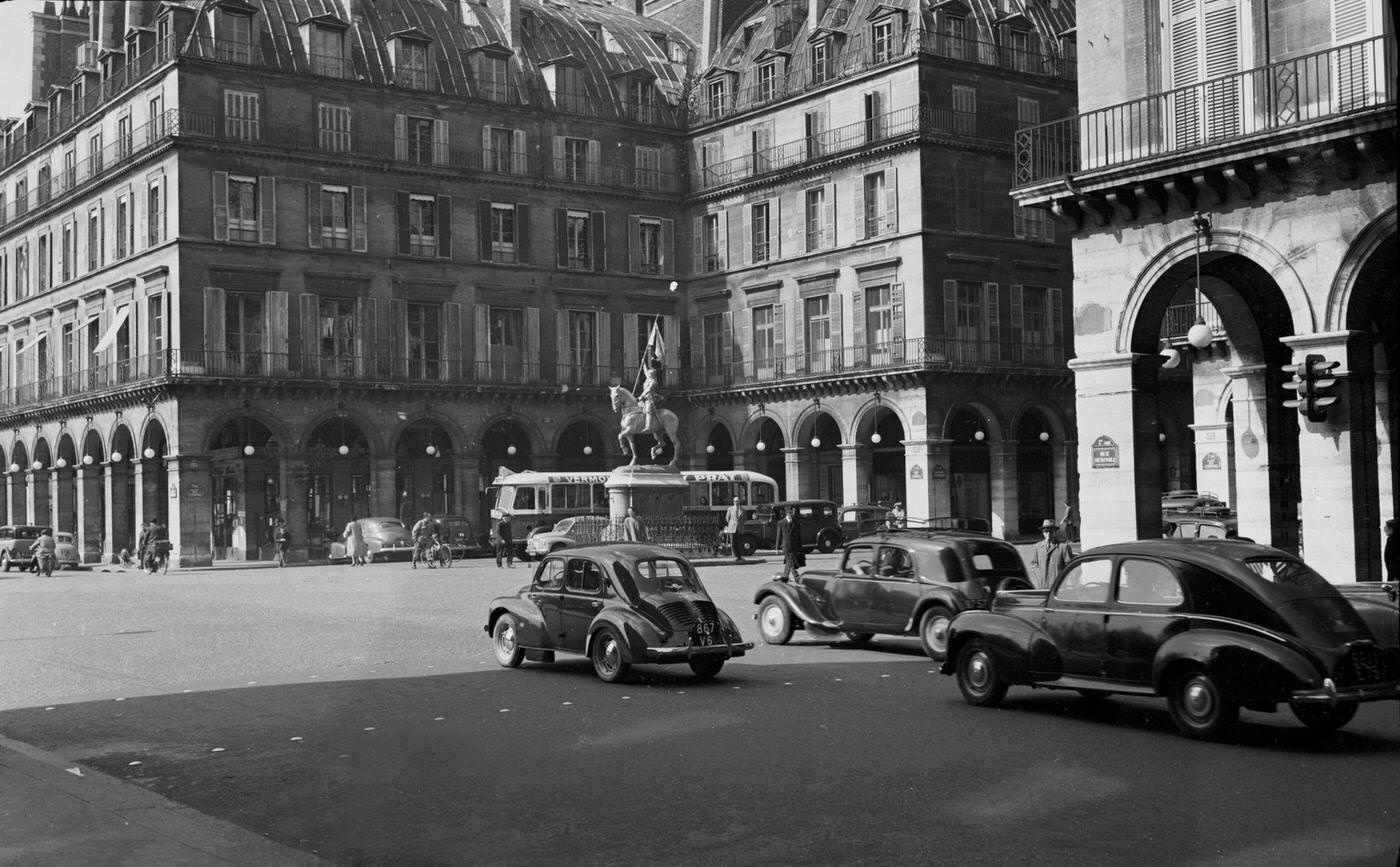
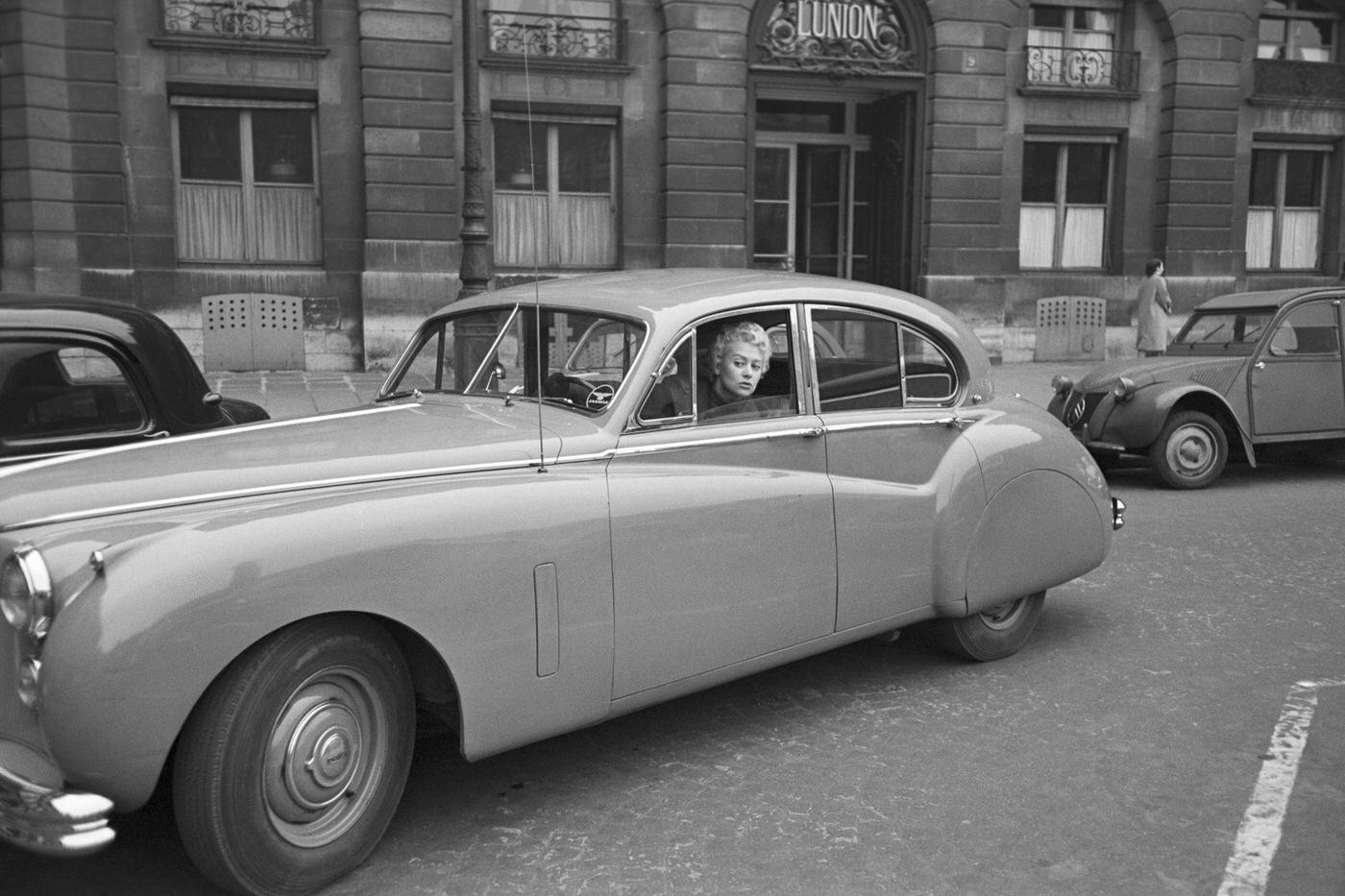
The 2CV Citroen Car Tested by Leader of Research Department, his Secretary and 2 Engineers, 1948.Paris, Place des Pyramides (1st district), 1948.
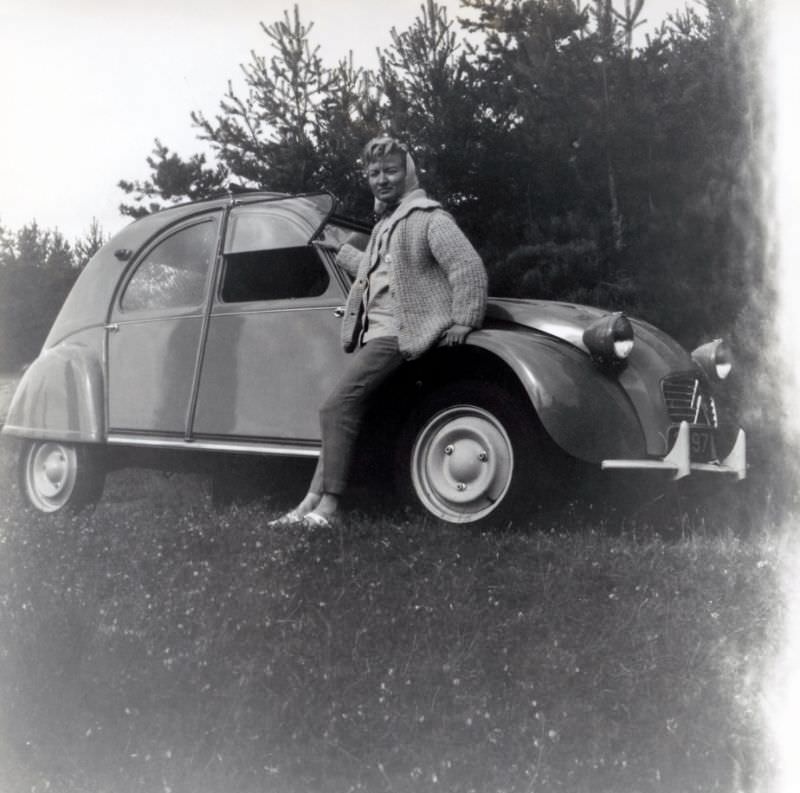
The 2CV — short for deux chevaux, or two horsepower — launched in 1948 and became one of the most recognizable cars in history. It was stripped down to its essentials: a lightweight body, a small air-cooled engine, and a suspension system that could absorb rough rural roads with ease. It was designed so that a farmer could drive eggs across a plowed field without breaking a single one. Across France, and eventually across the world, the 2CV became a symbol of freedom and simplicity.
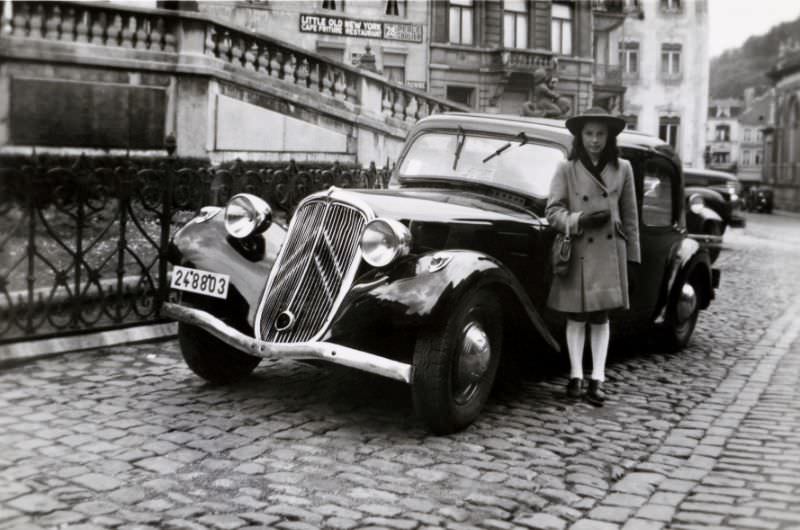
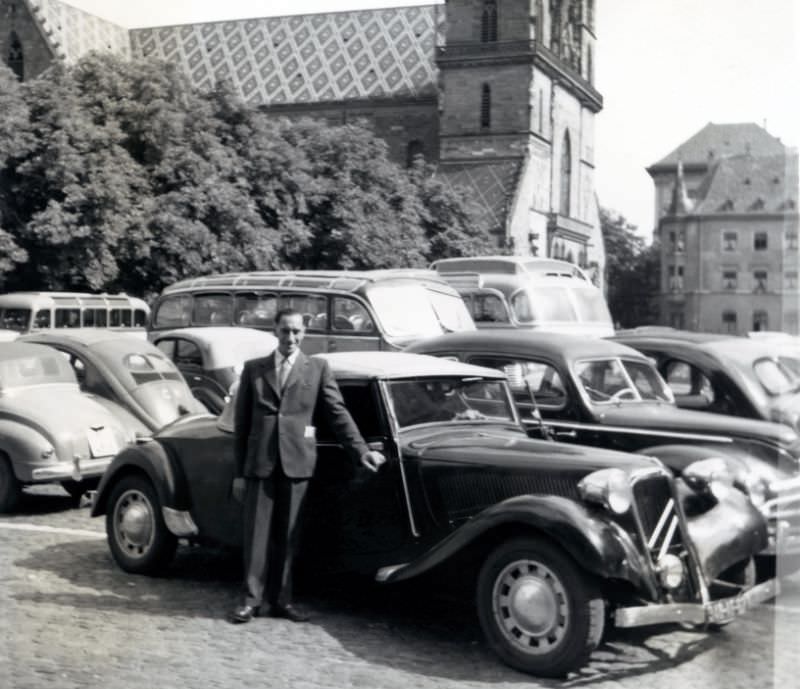
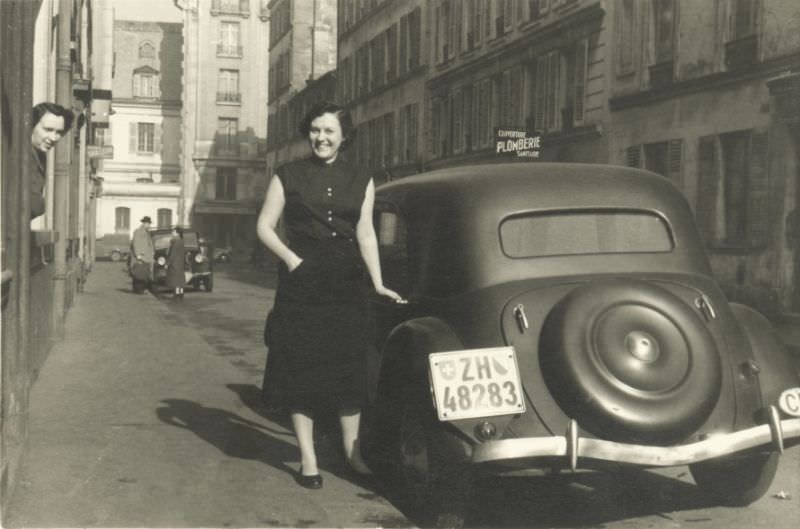
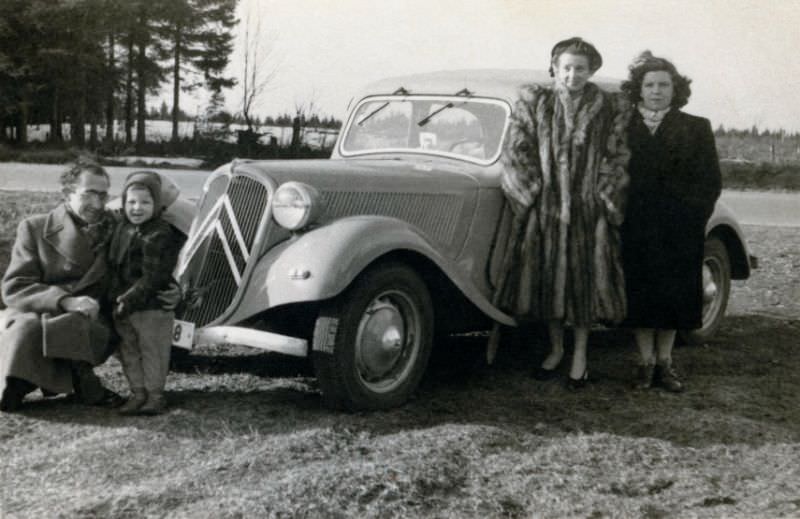
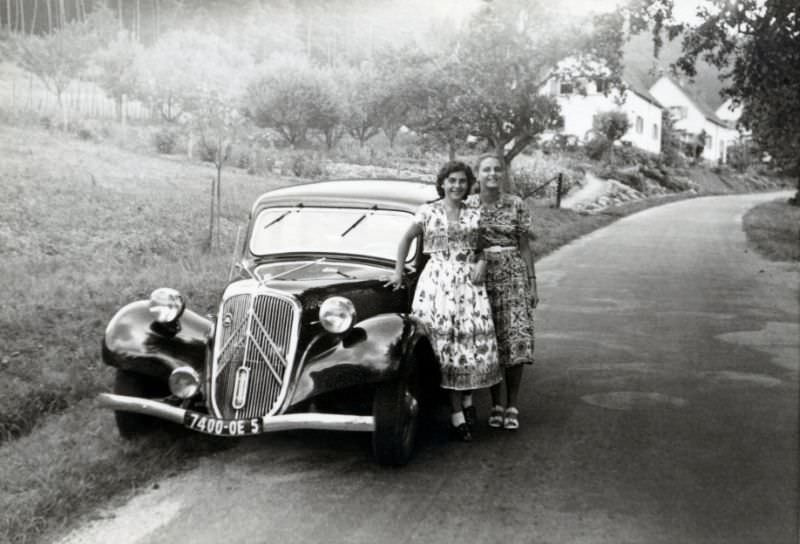
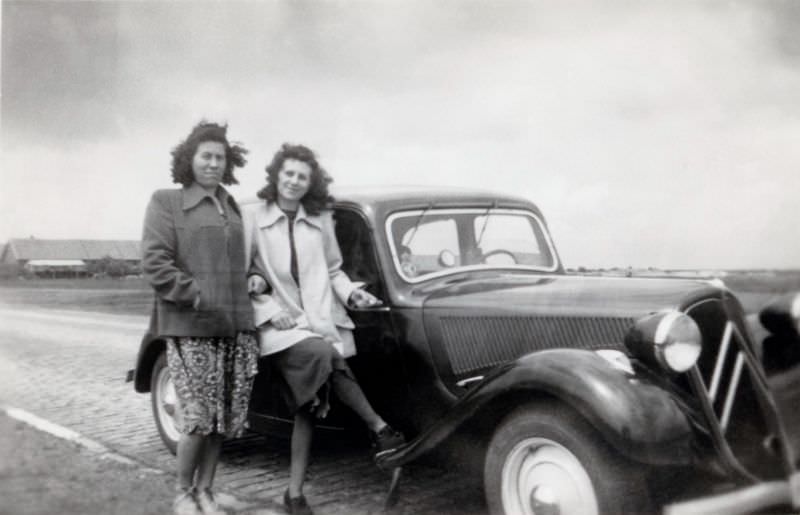
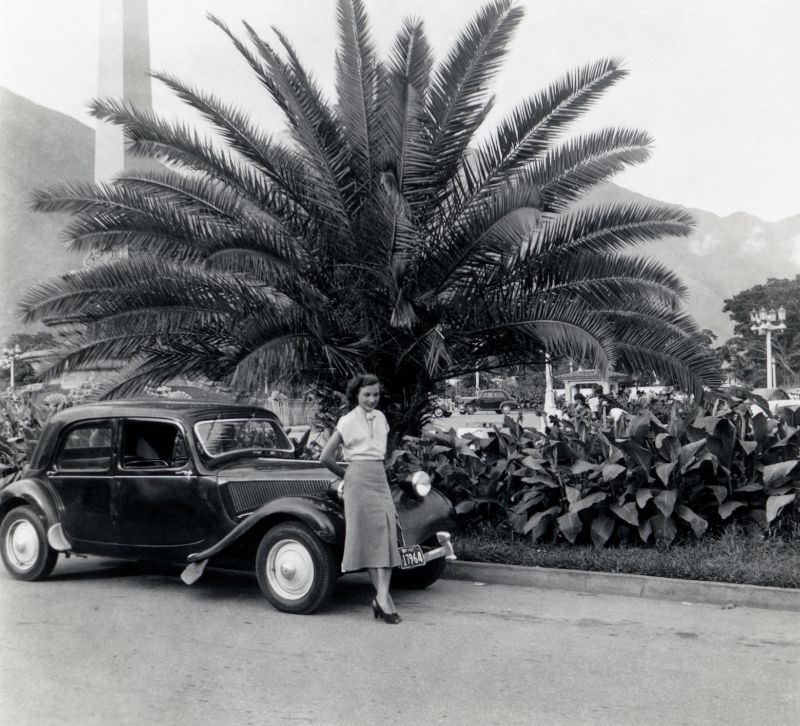
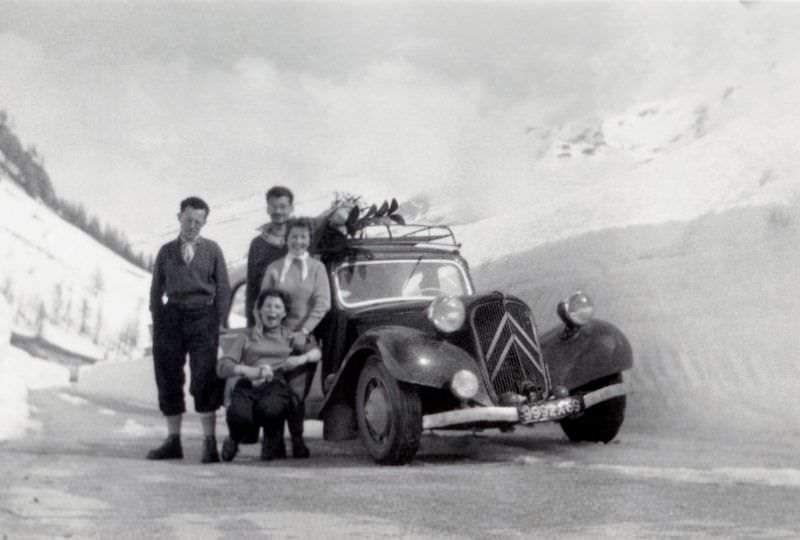
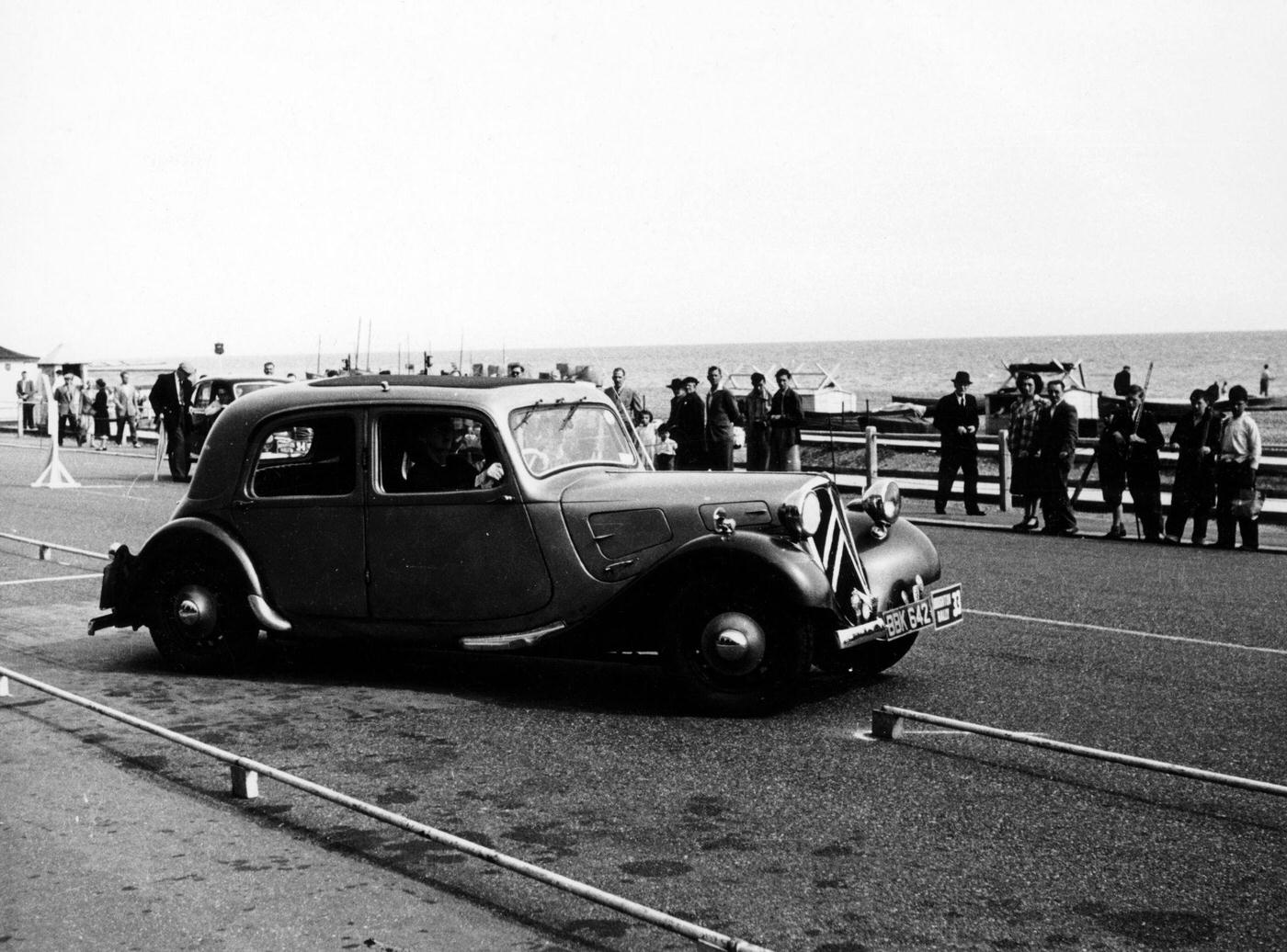
Belgian family with Citroën 11 CV on country road, 1947Girl with Citroën Traction Avant in cobbled street, 1948Group with Citroën 11 CV Cabriolet near the Rhine, 1950Lady with Citroën 11 CV in countryside, Paris registration, 1950Man with Citroën 11 CV Cabriolet in Basel, French plates, 1950Young lady with Citroën 11 CV in French-speaking town, Zurich registration, 1950Belgian family with Citroën 11 CV in sunny countryside, 1950Two ladies with Citroën 11 CV on country road, Saarbrücken plates, 1950Two middle-aged ladies with Citroën 11 CV on cobbled road in countryside, 1950Lady with Citroën 11 CV under palm tree in exotic location, July 1951Four people with Citroën 11 CV on snowy mountain road, Rhône registration, 19521938 Citroën 7CV at Brighton Motor Rally, 1953.
While the 11 CV Traction Avant remained popular into the early 1950s, Citroën was already engineering something far more ambitious. The 2CV also found its way to American shores, where it puzzled and fascinated observers used to larger, heavier domestic cars.
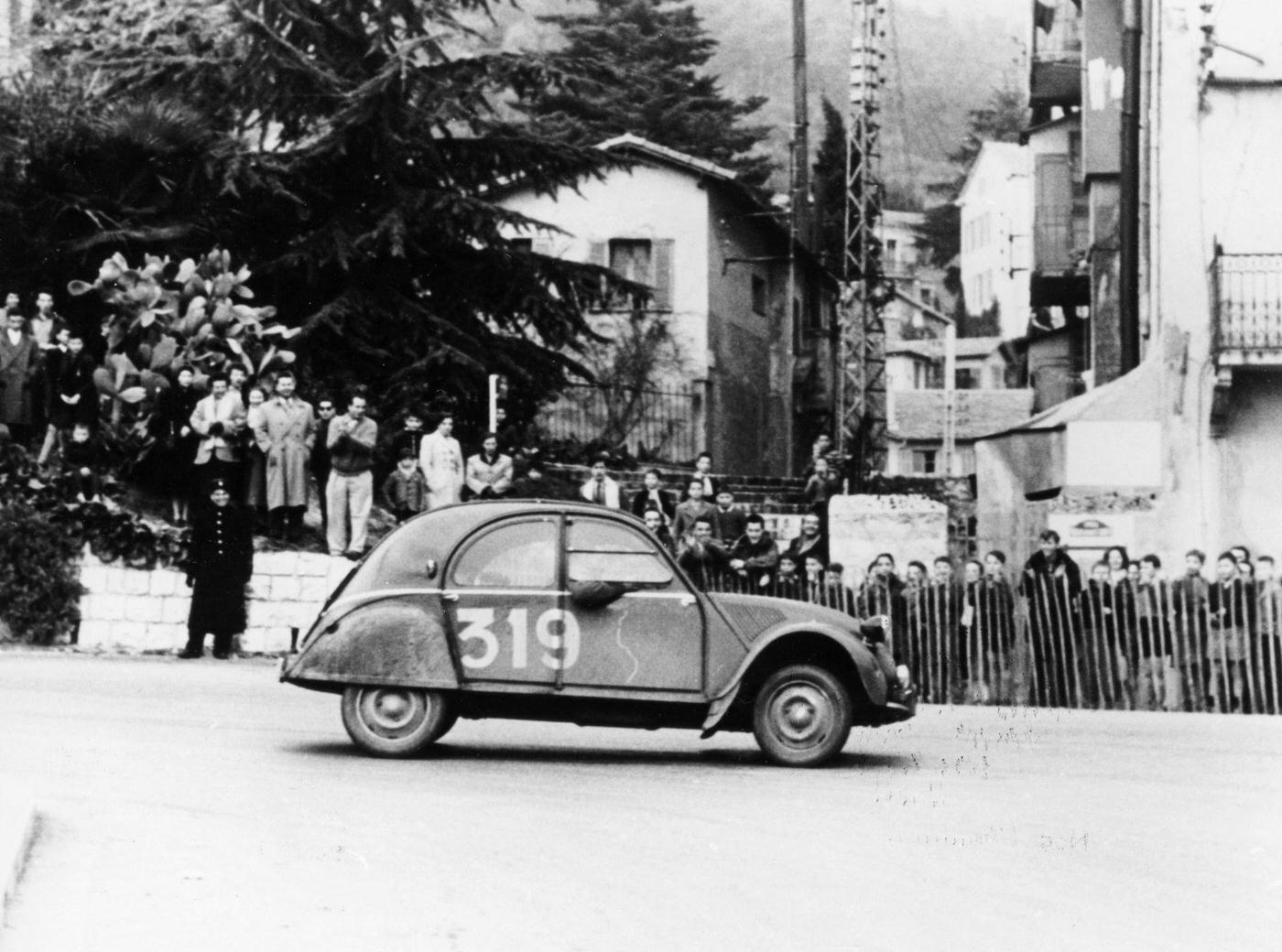
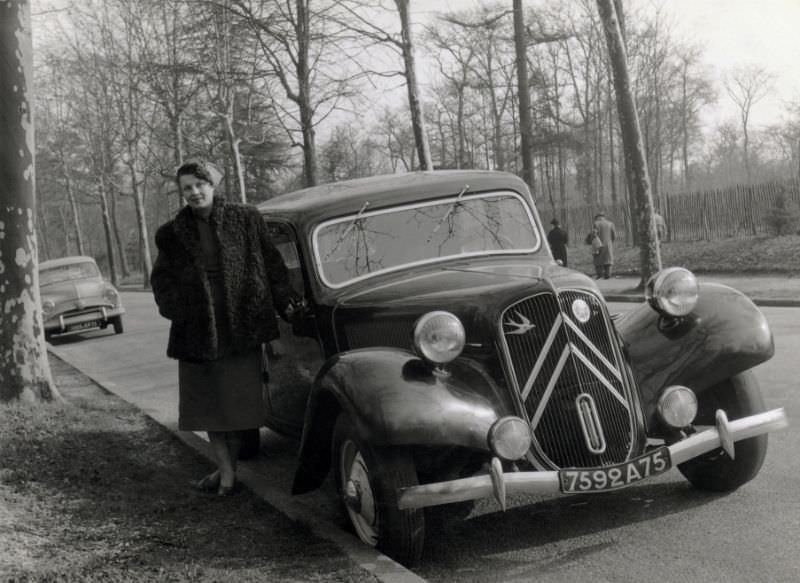
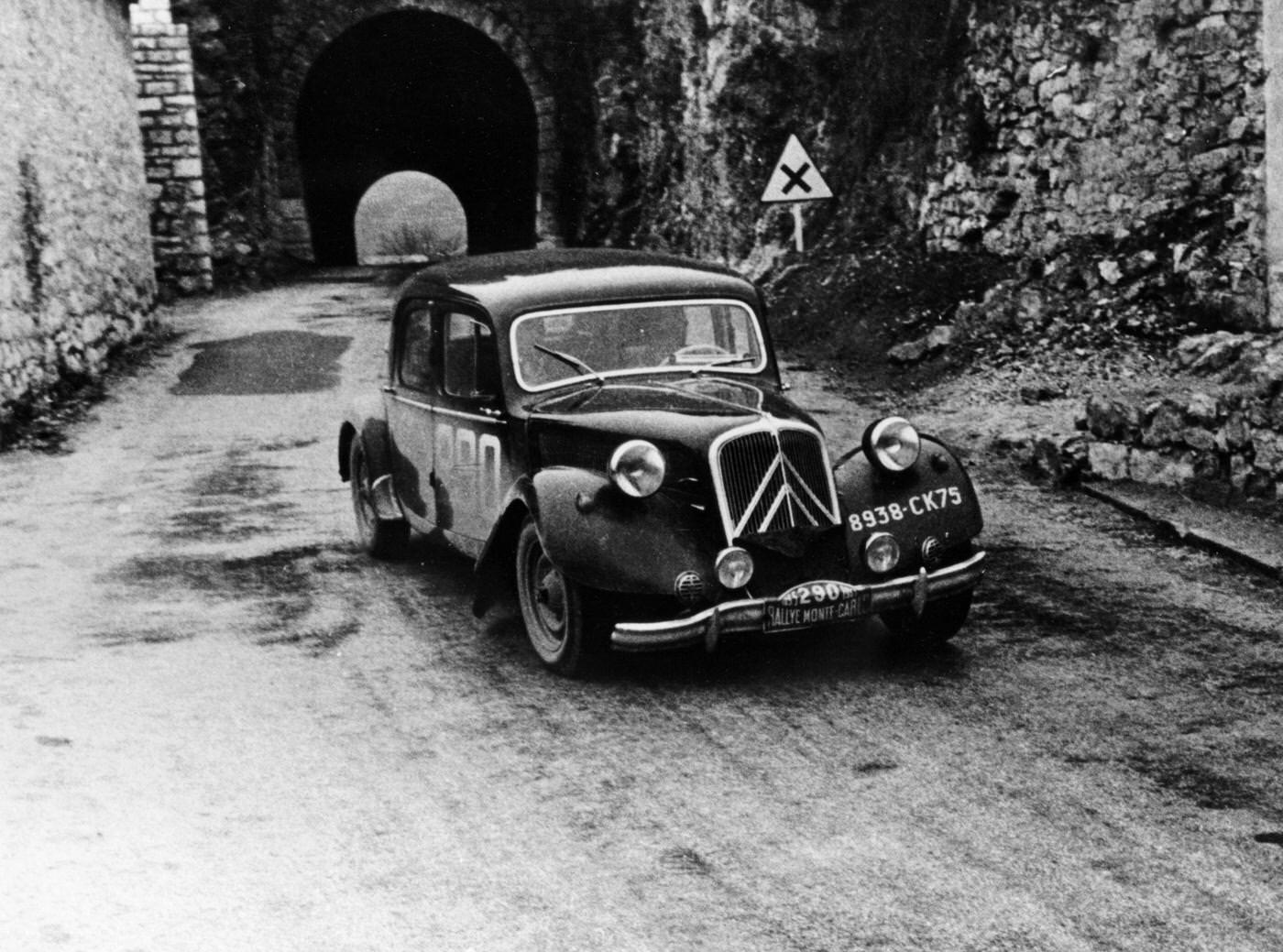
Close-Up Of Martine Carol Driving Citroën 2CV, 1954.Citroën 2CV in the Monte Carlo Rally, 1954.Lady in fur coat with Citroën 11 CV on tree-lined avenue, Paris registration, 1955
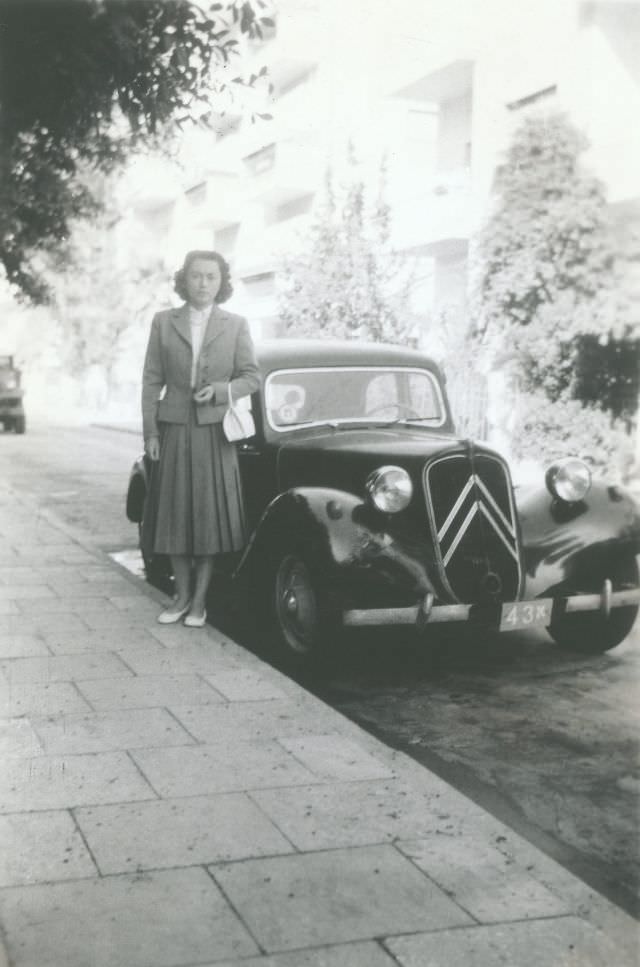
Lady with Citroën 11 CV in residential street with Israeli plates, 1955
Lady and man with Citroën 11 CV in residential street, Paris registration, 1955
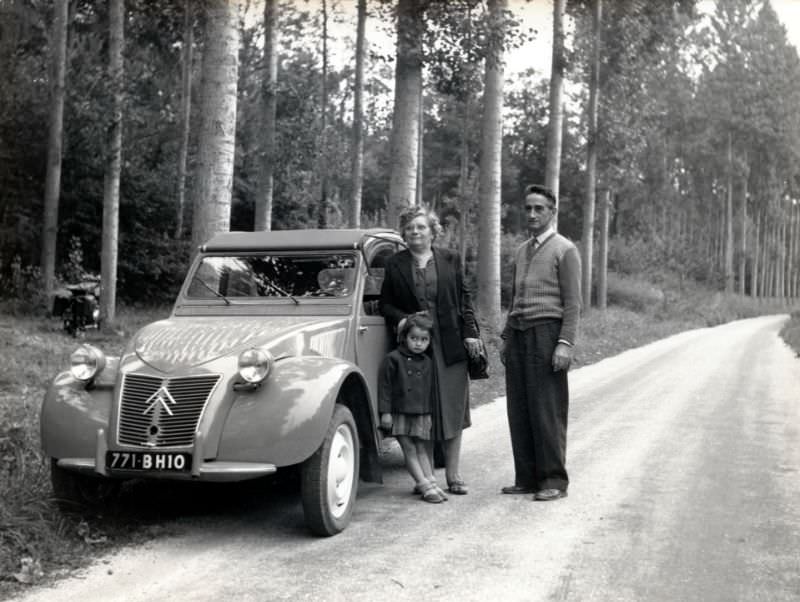
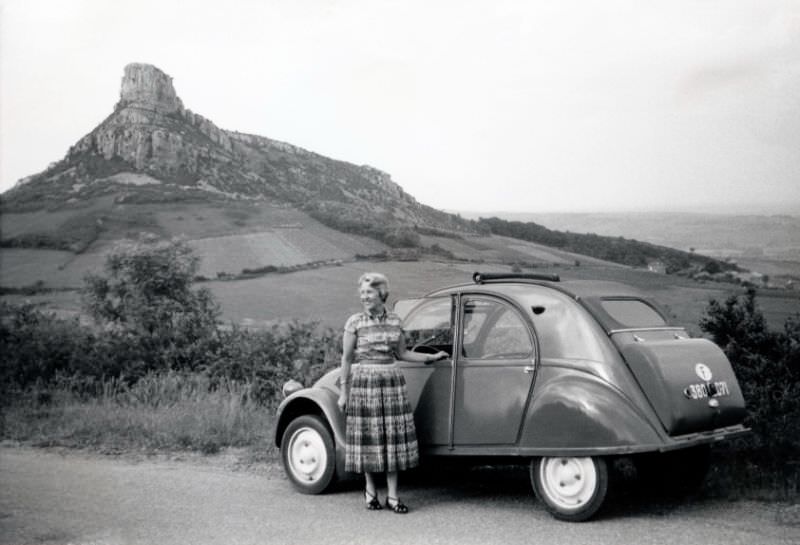
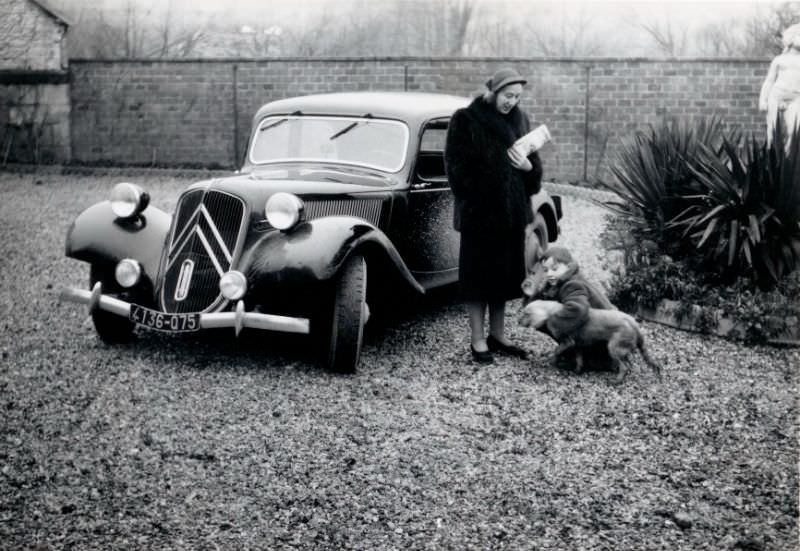
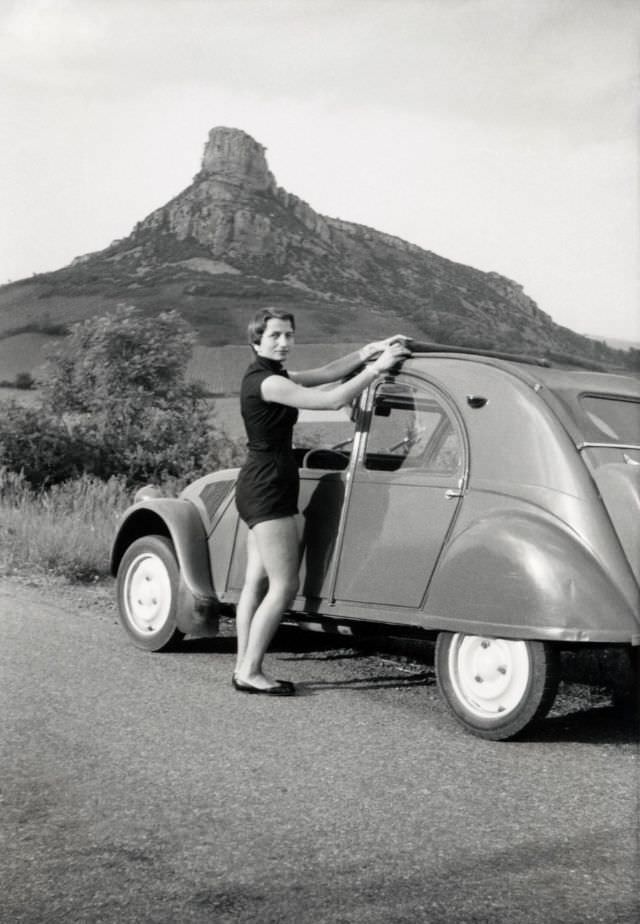
Four ladies with Citroën 11 CV in shabby residential street, Moselle registration, 1955Three members of a French family with Citroën 2 CV on roadside, Aube registration, 1955Lady with Citroën 2 CV in countryside, Saône-et-Loire registration, June 1, 1955Lady, boy, and dog with Citroën 11 CV in graveled yard in wintertime, Paris registration, 1955Lady with Citroën 2 CV in countryside with vineyards and Roche de Solutré in the distance, June 1, 1955
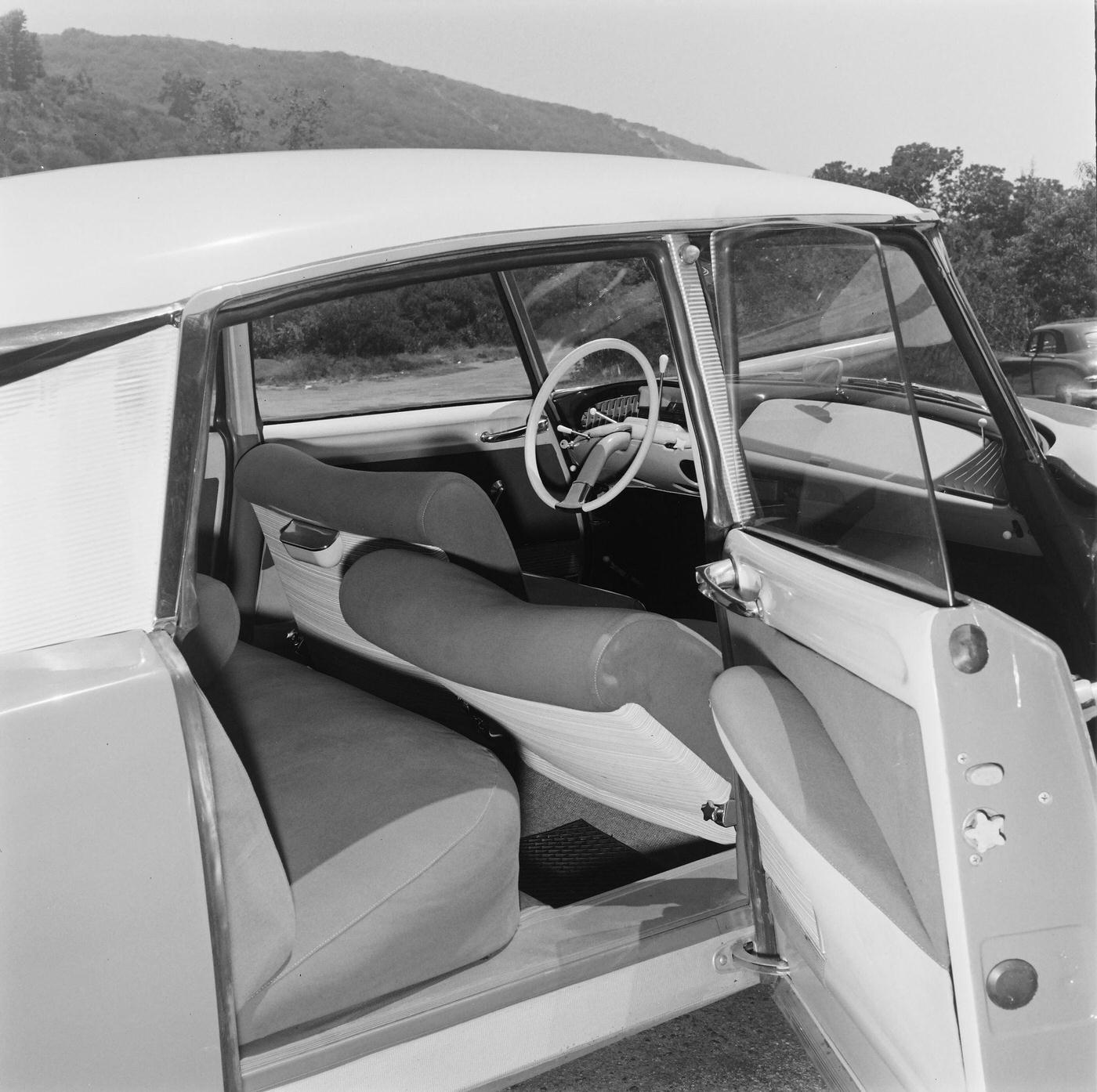
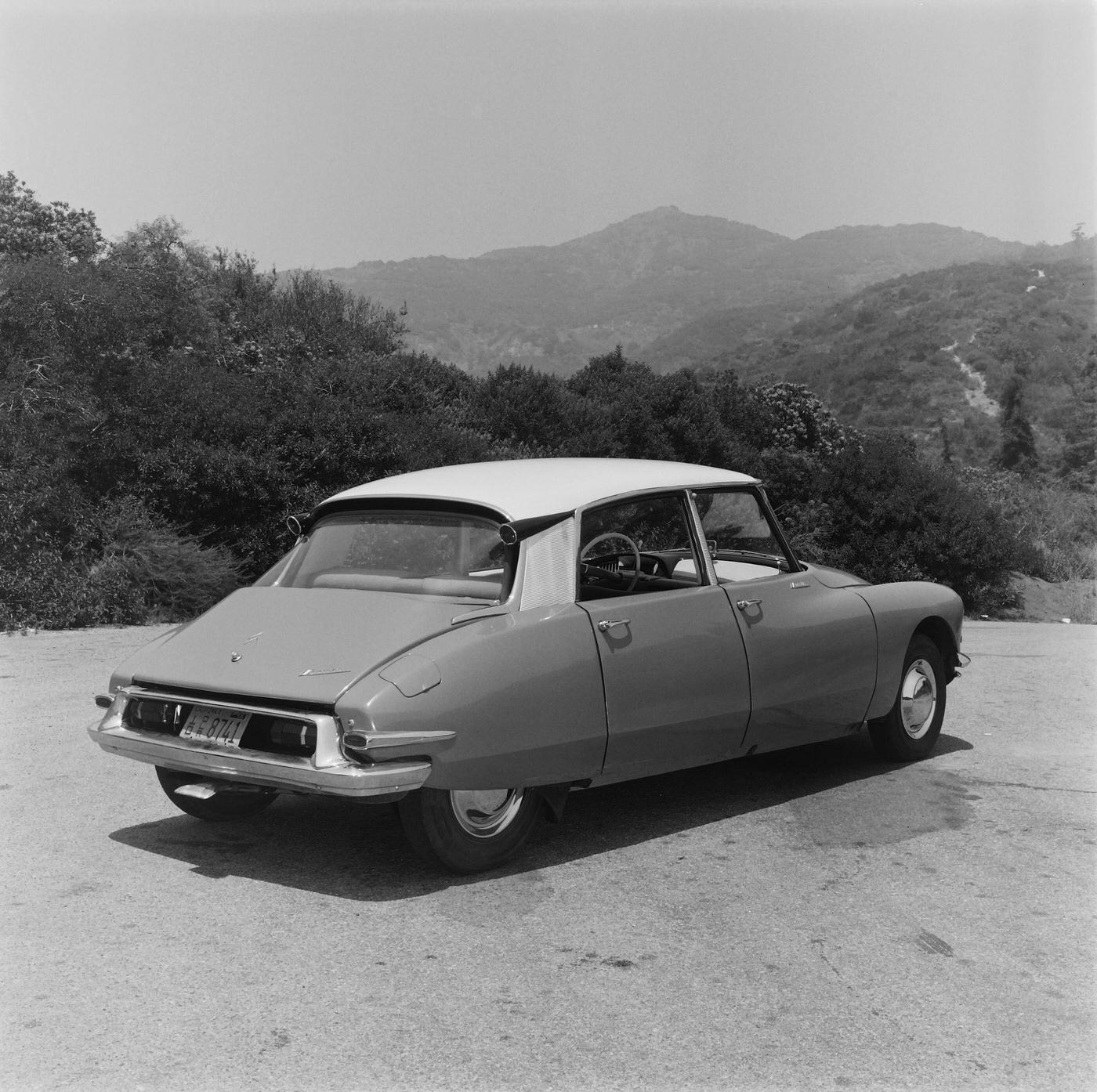
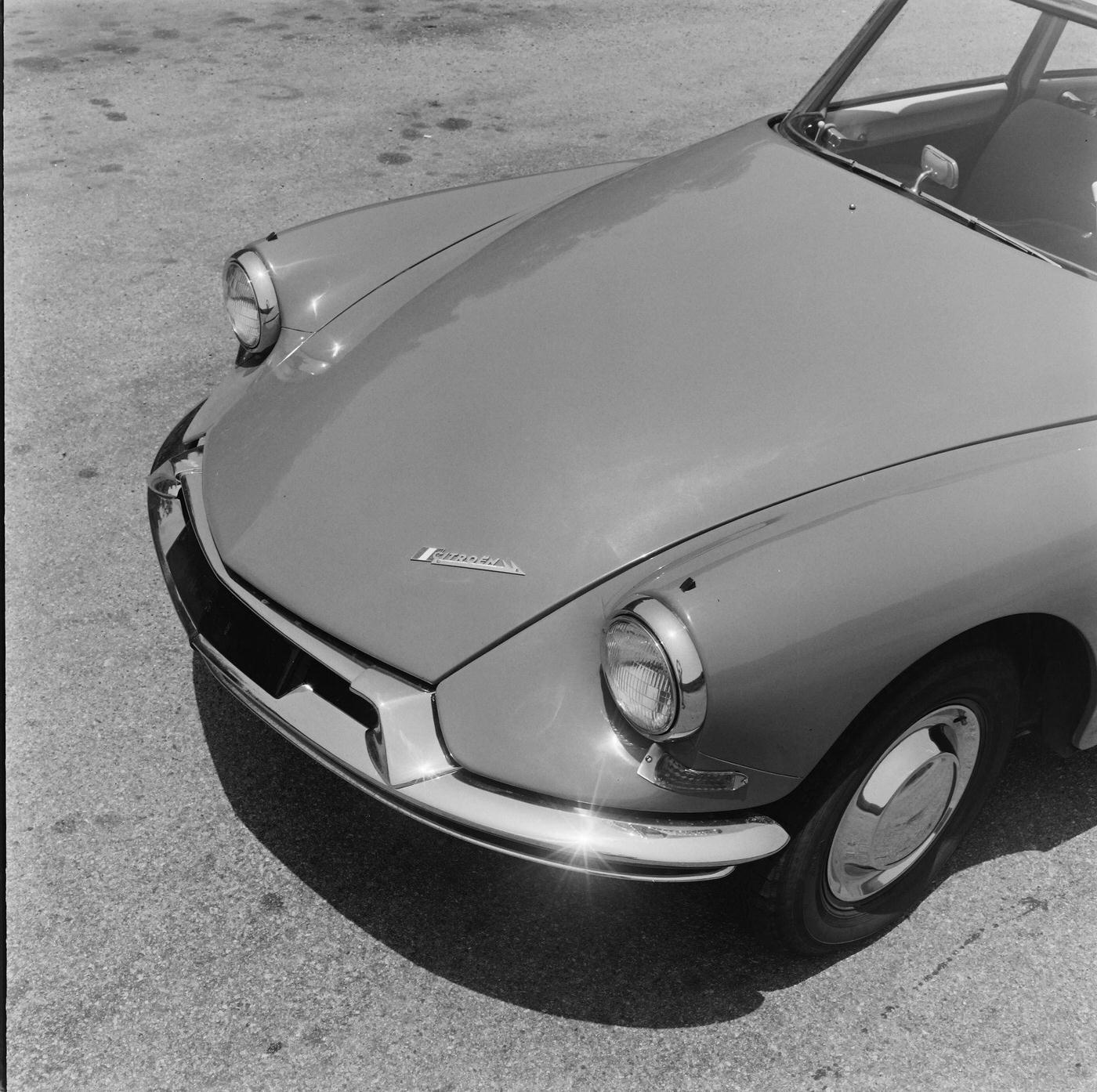
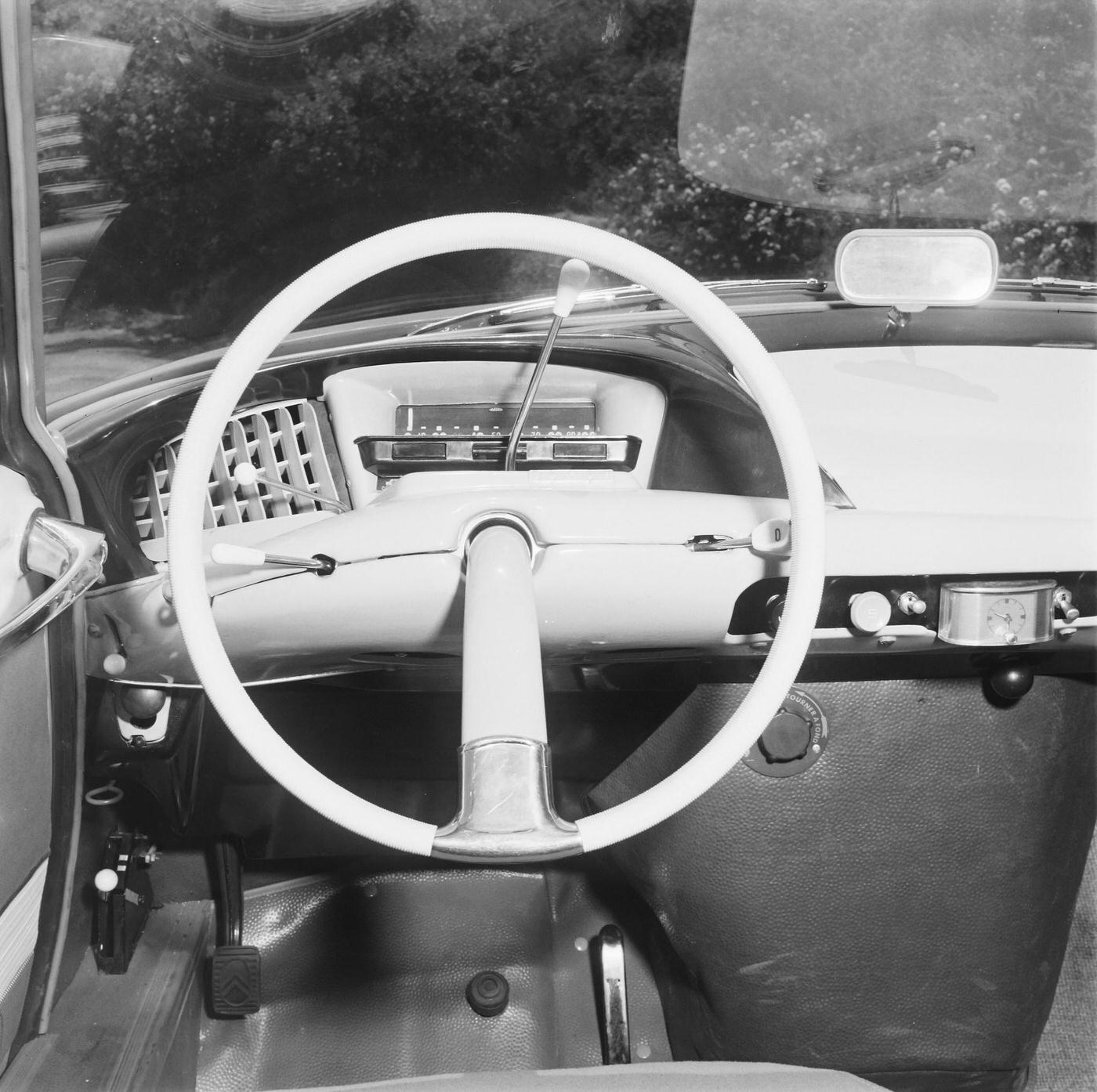
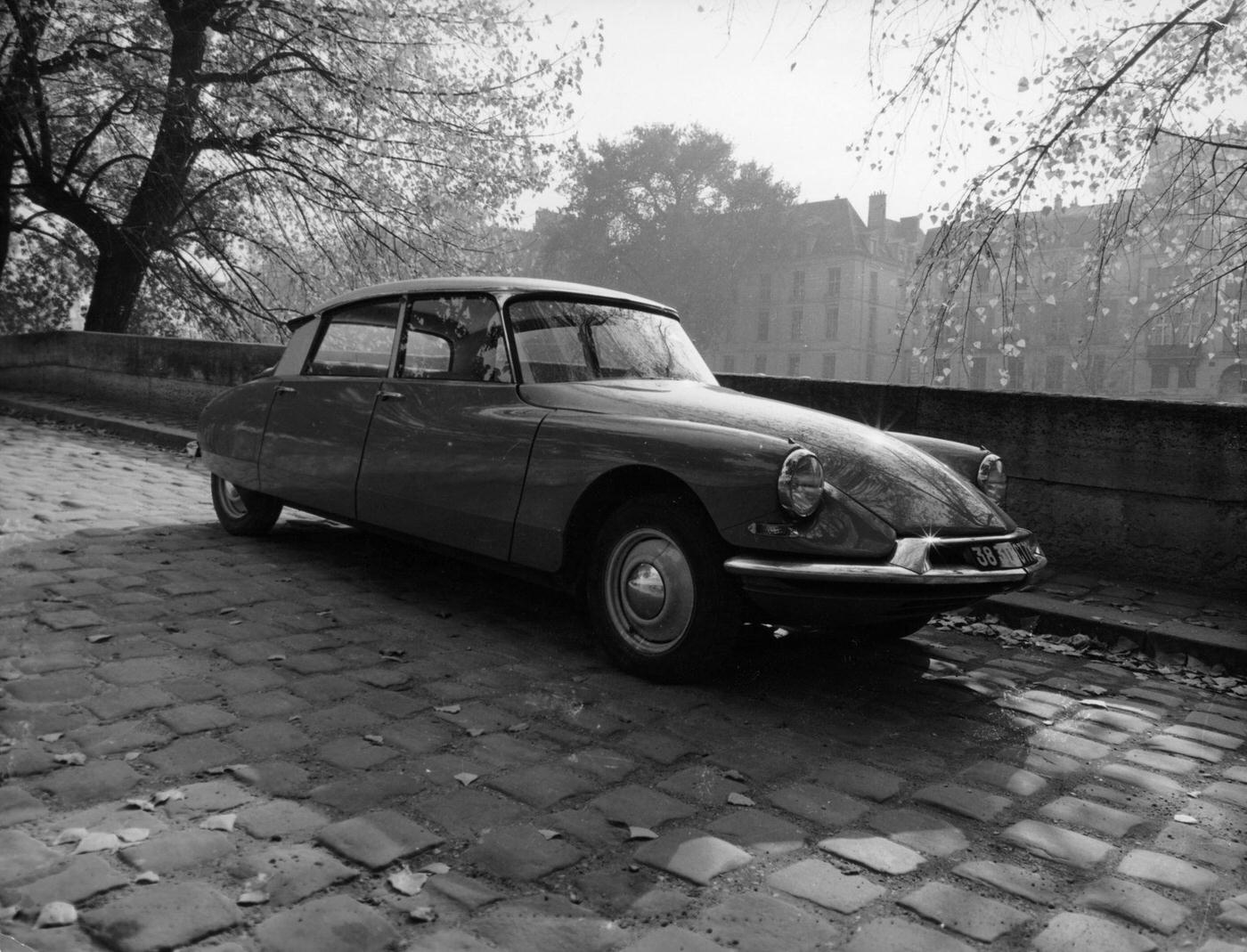
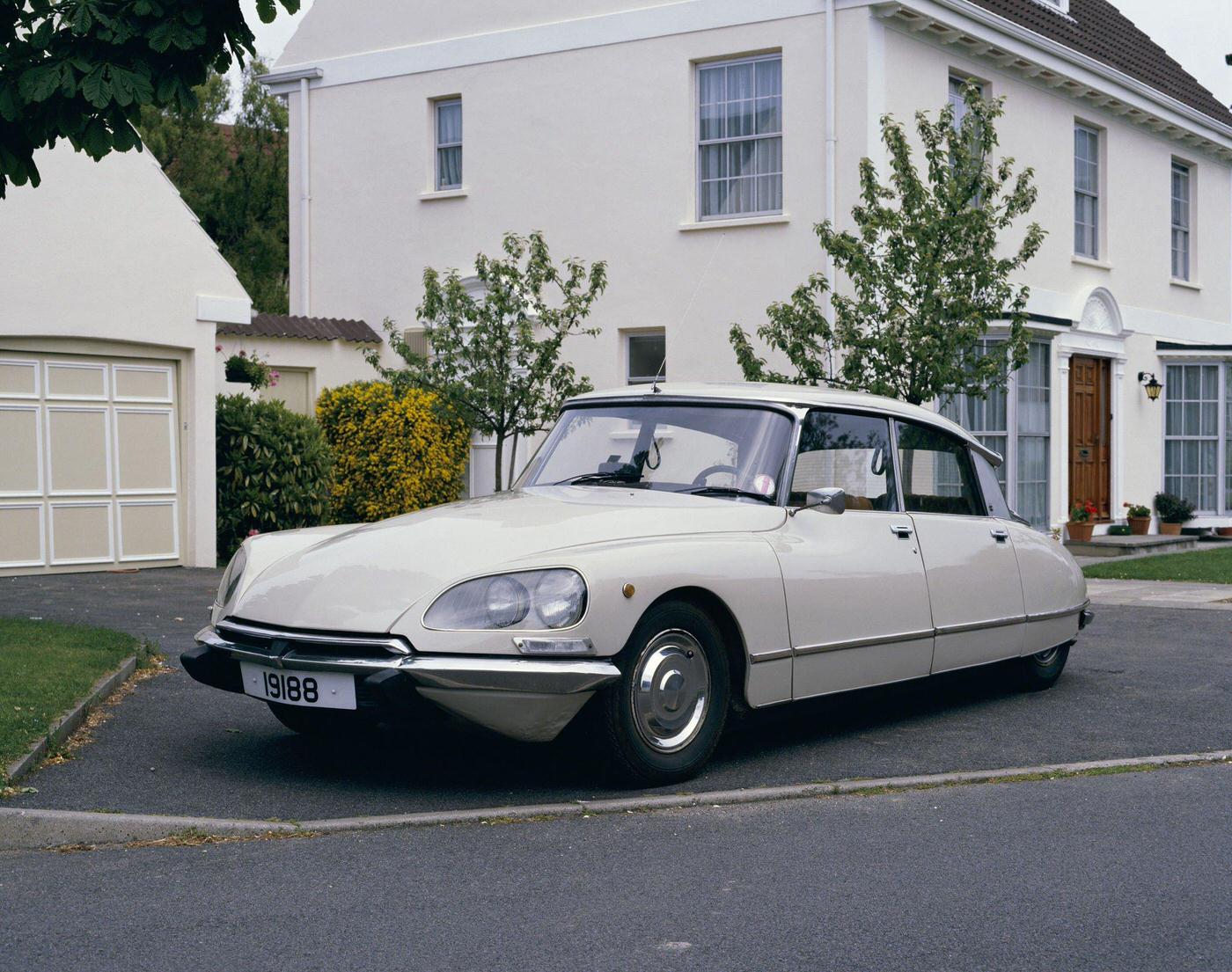
In 1955, Citroën unveiled the DS at the Paris Motor Show. The crowd’s reaction was immediate — 12,000 orders were placed on the first day. The DS featured a hydropneumatic self-leveling suspension, power steering, power brakes, and a streamlined body shaped by aerodynamics rather than convention. Nothing else on the road looked or felt like it. Roland Barthes, the French philosopher, described the DS as the equivalent of a great Gothic cathedral — a creation of an entire era.
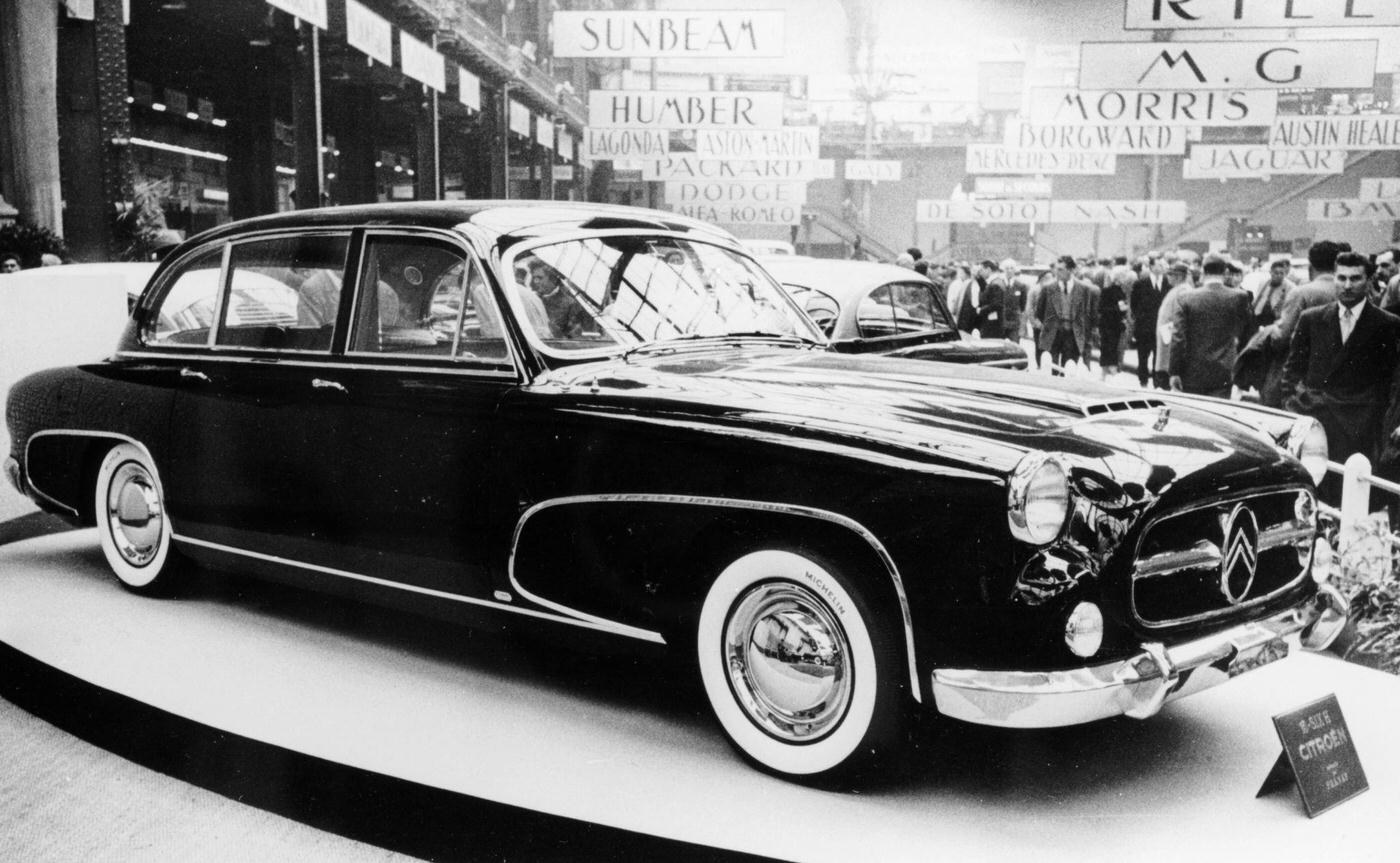
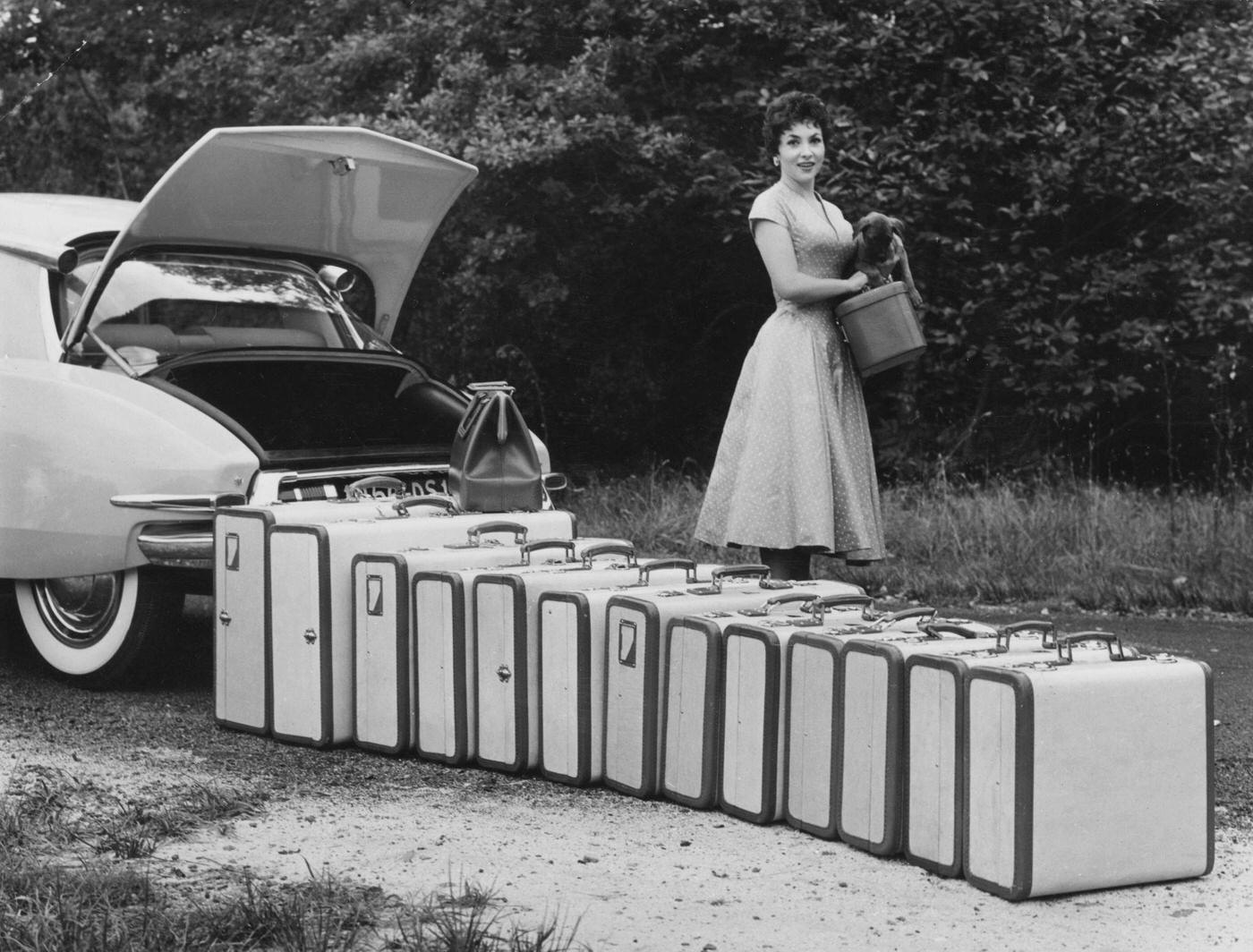
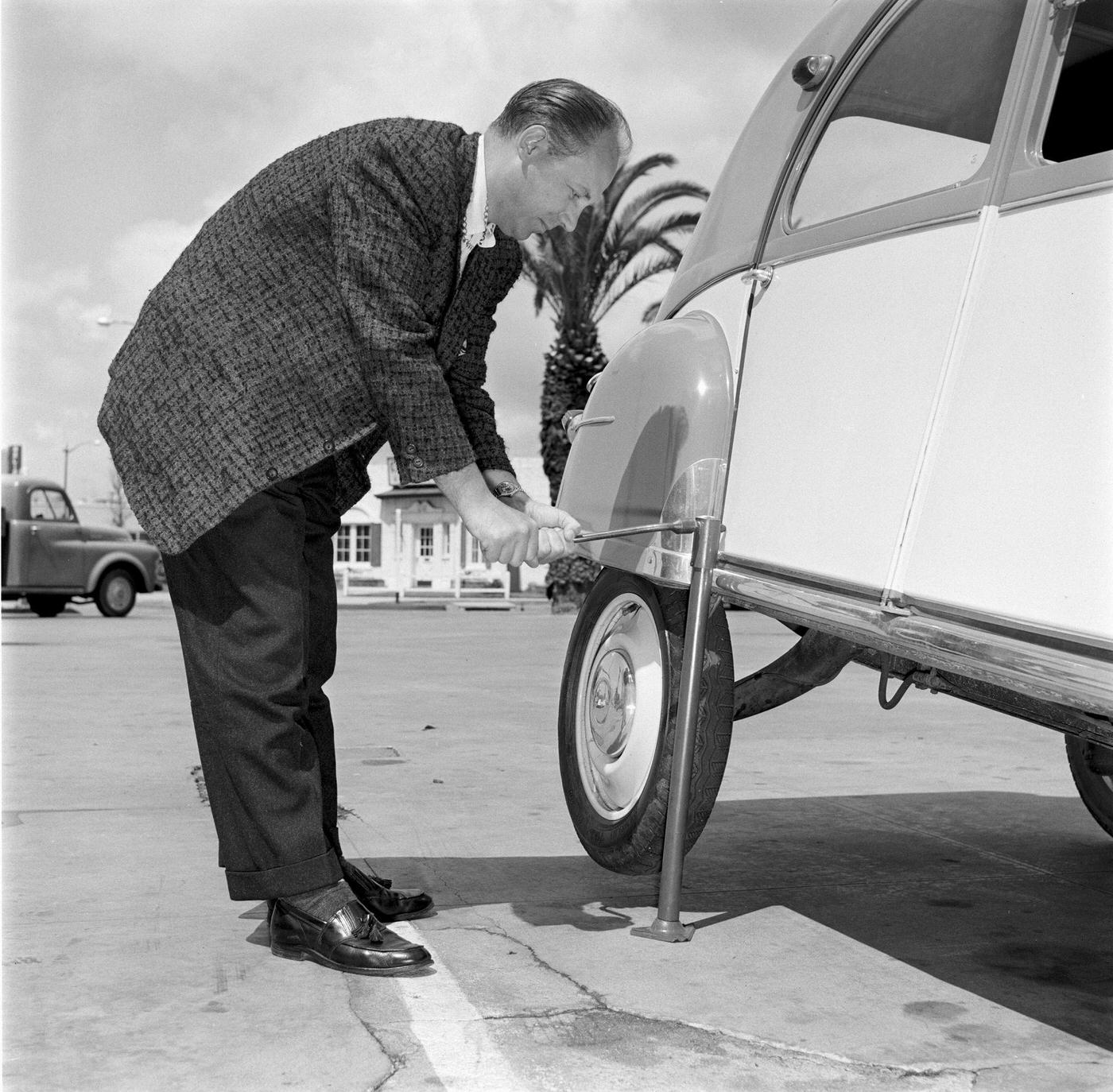
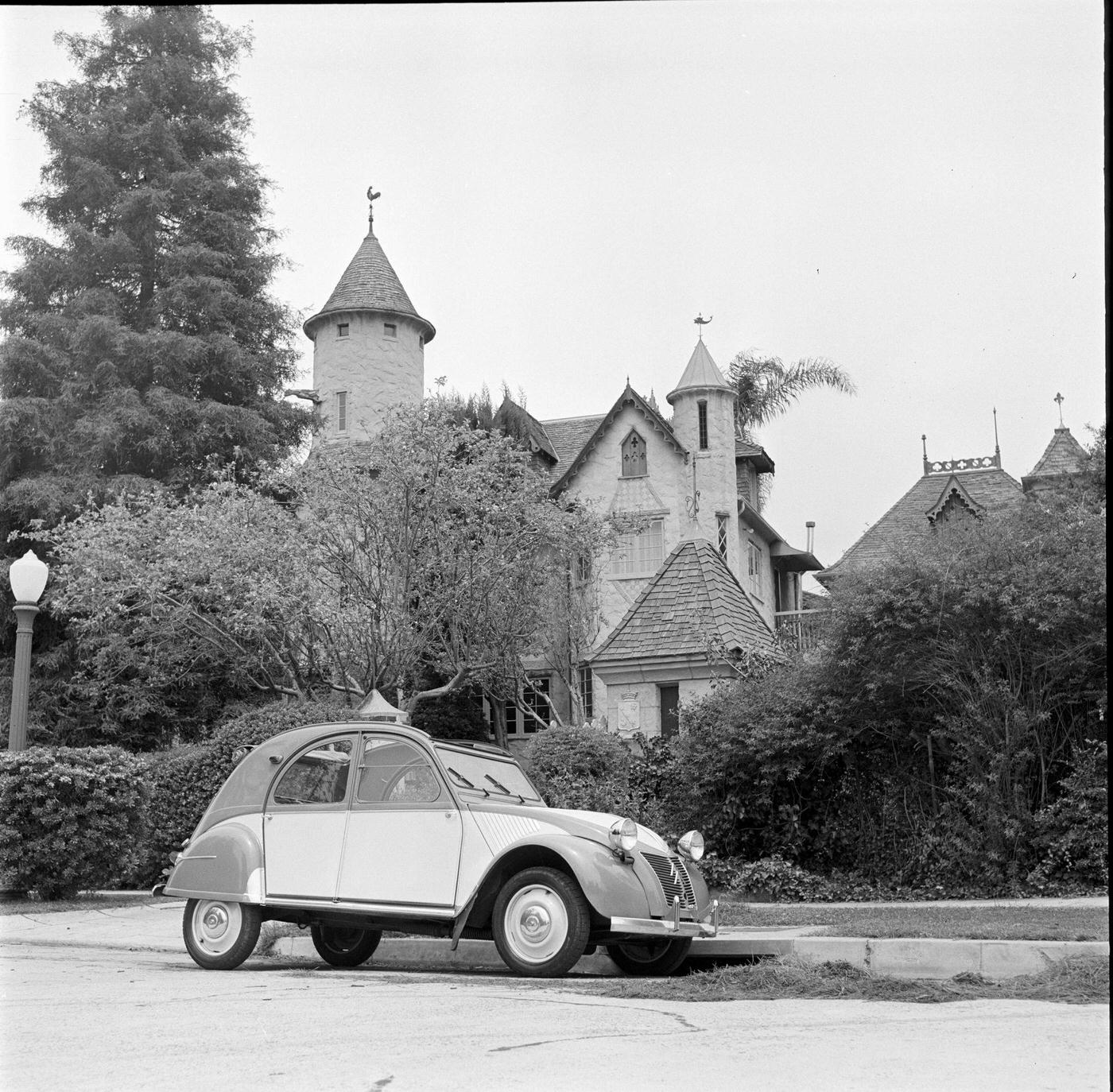
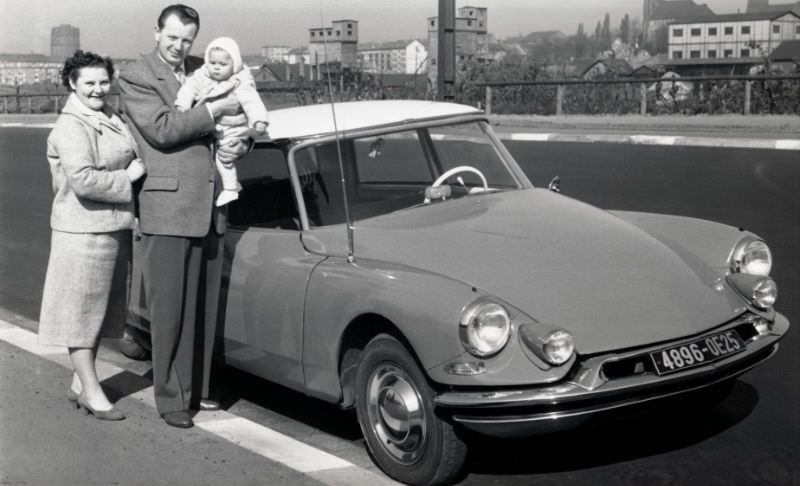
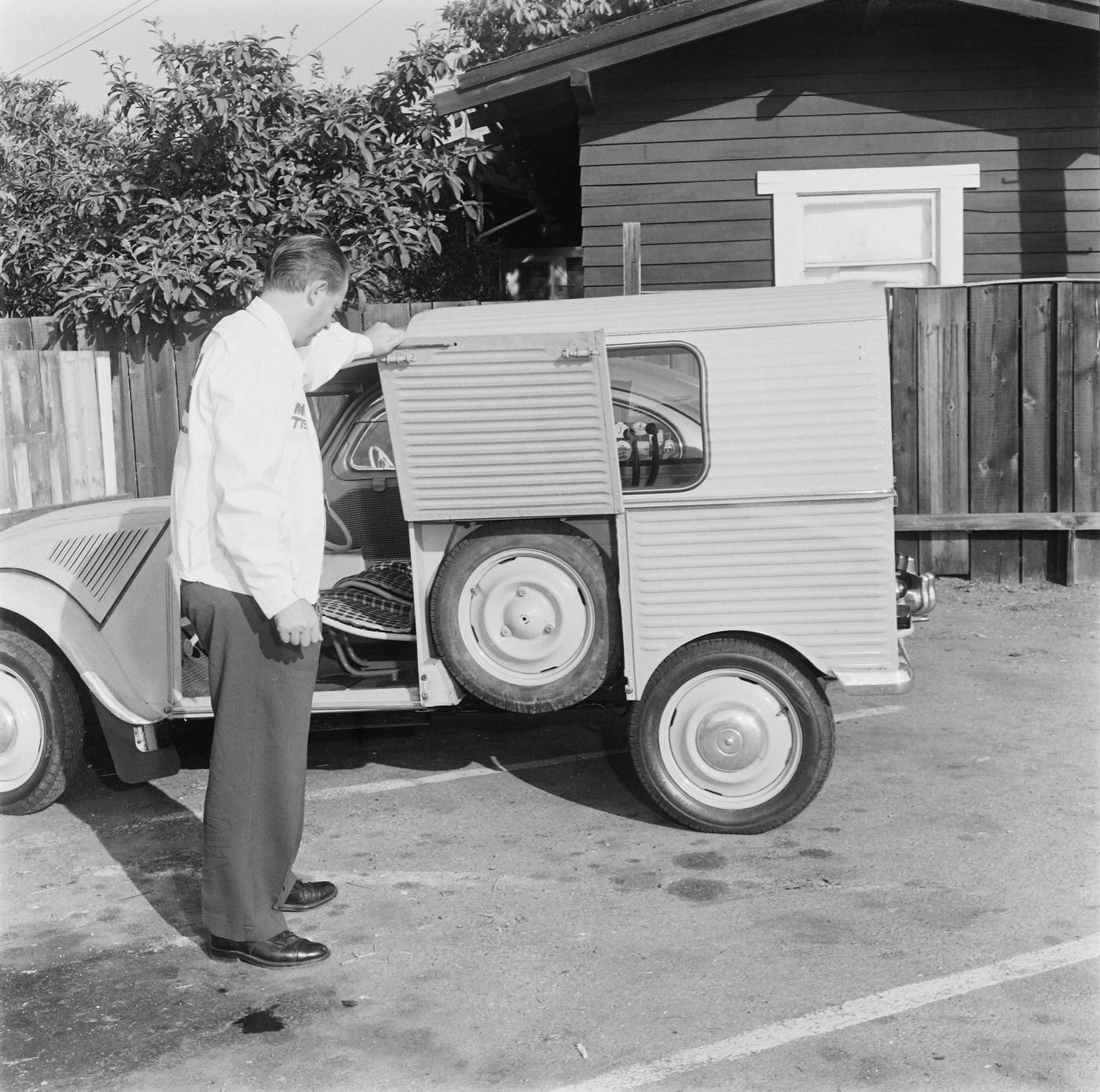
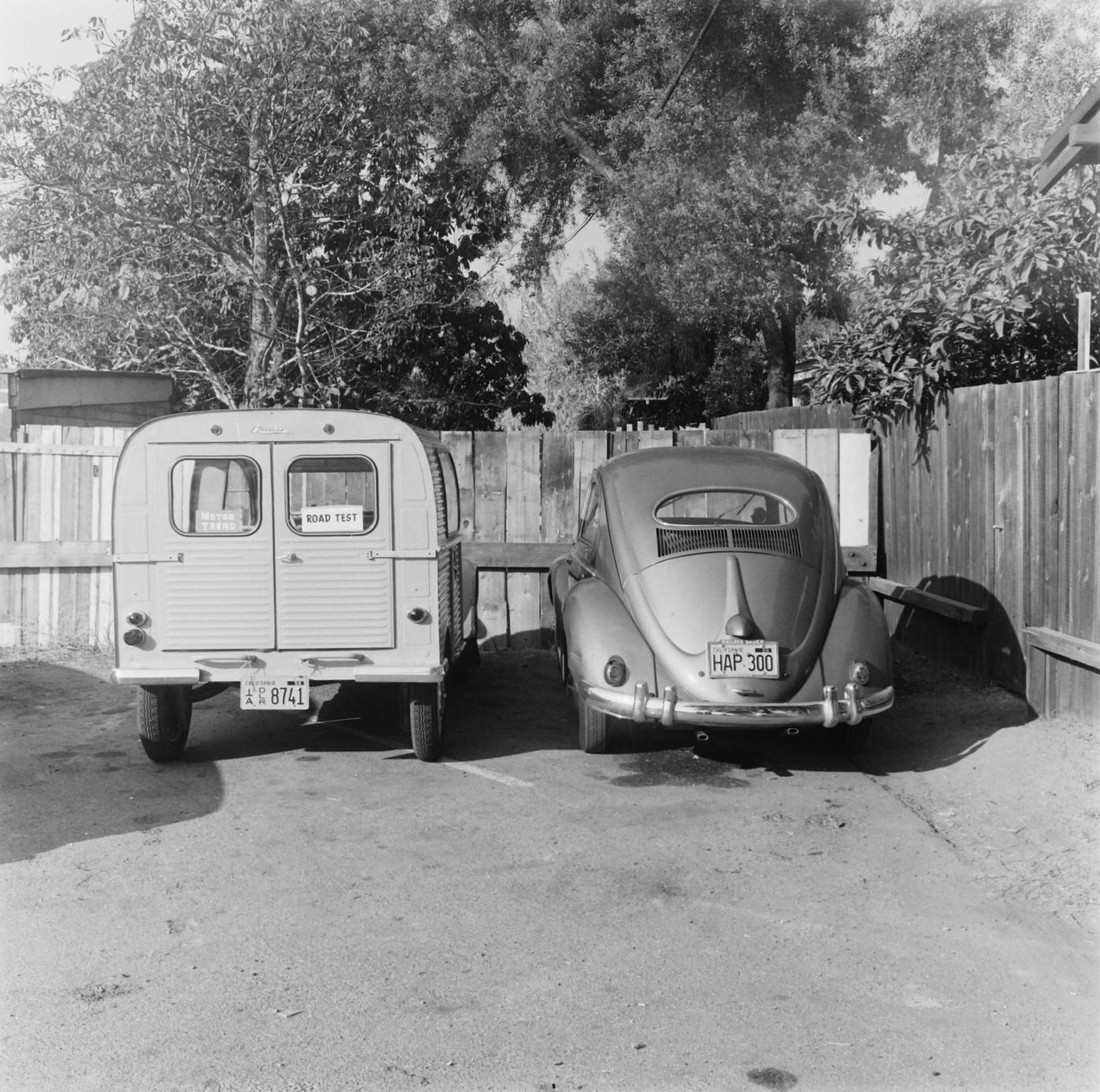
Citroën 15/6 in the Monte Carlo Rally, 1955.1955 Citroën 15CV, Specially Built for an Ambassador, at Motor Show, 1955.Italian Actress Gina Lo, known for its innovative suspension and use of plastic in its construction.llobrigida Standing Beside Suitcases in a Citroen DS 19, 1955.Motor Trend Editor Demonstrates Jacking a 1955 Citroen 2CV, 1955.Two-tone 1955 Citroen 2CV Parked Outside Rustic LA Home, 1955.Family of three with Citroën DS on roadside, Saarbrücken plates, 1956
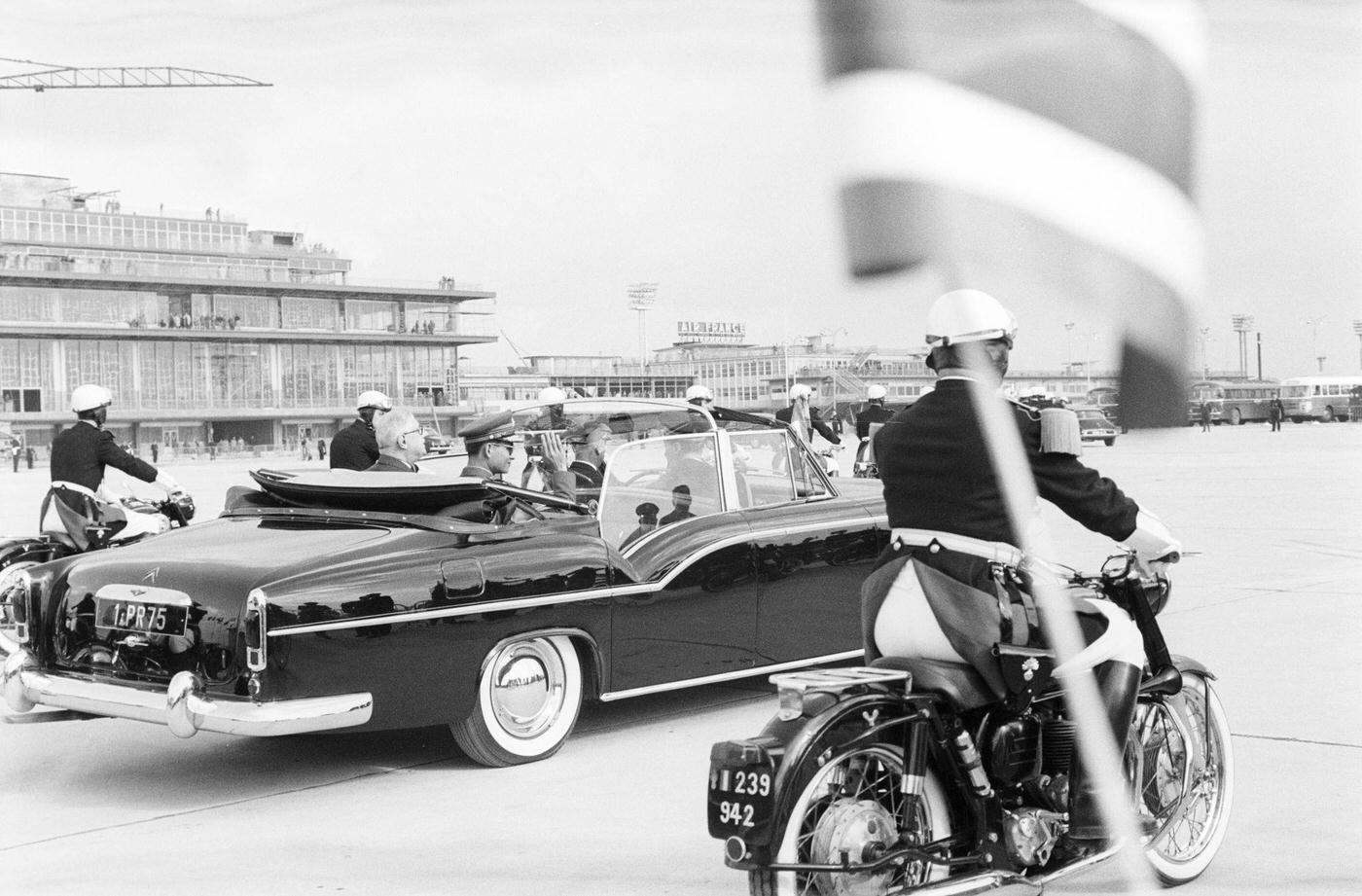
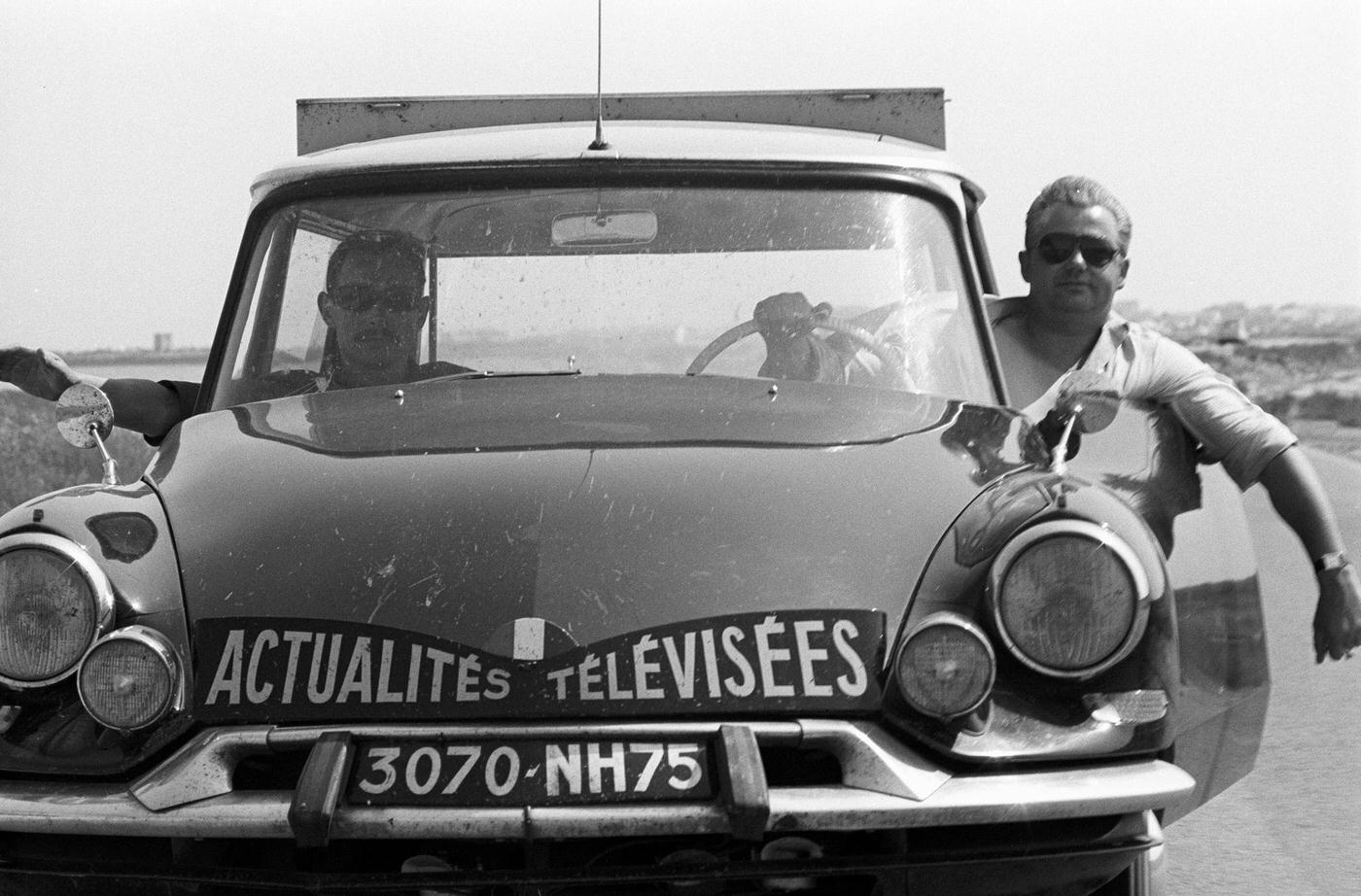
The DS quickly attracted attention far beyond everyday drivers. Politicians, royalty, and celebrities were photographed alongside it. The car carried France’s Prime Minister Guy Mollet on official visits, and King Bhumibol of Thailand rode in a Citroën Traction Avant during a state visit to France. The DS appeared in Motor Trend’s road tests, and American audiences got their first look at a car that seemed to belong to a different decade entirely.
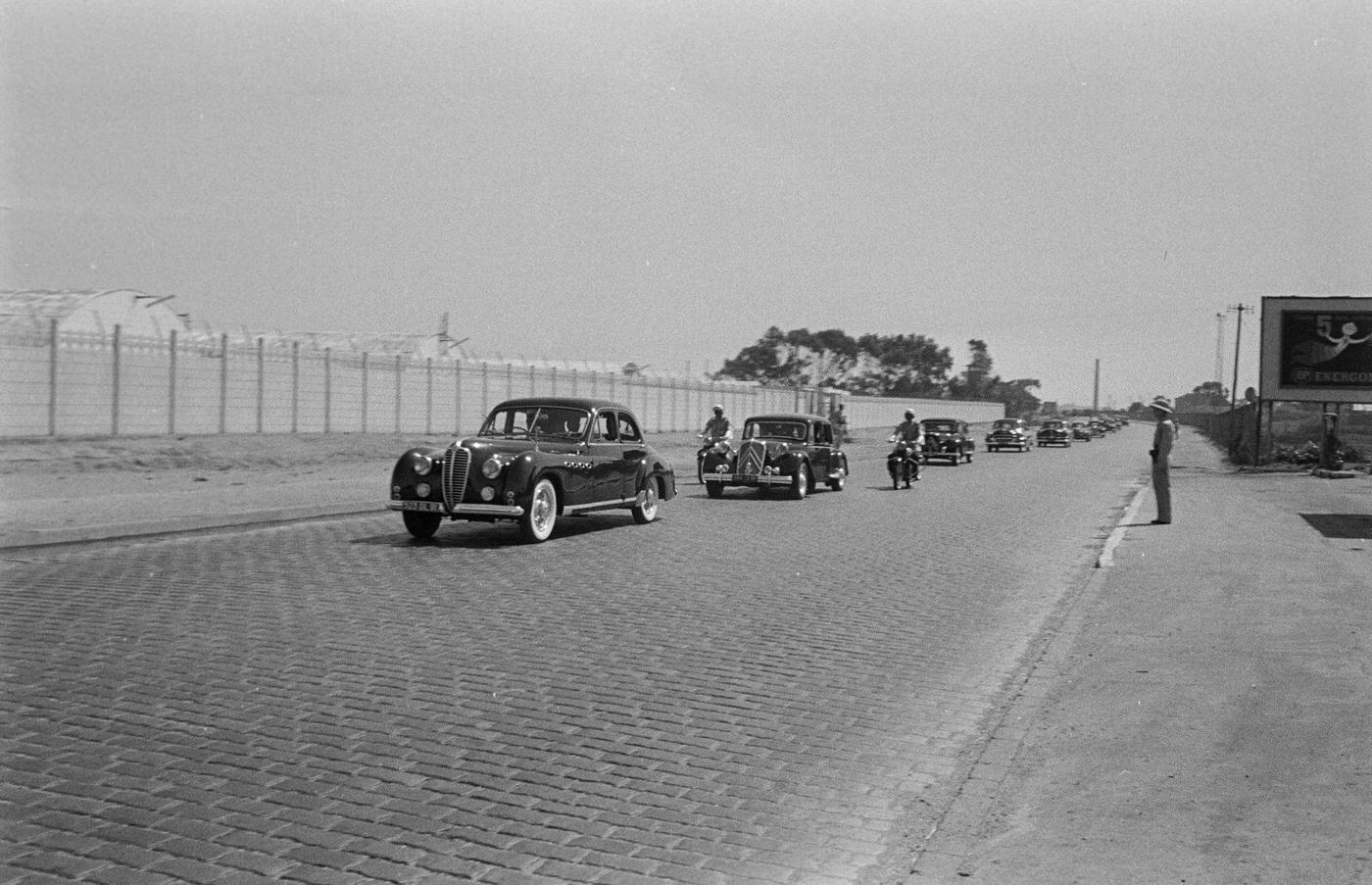
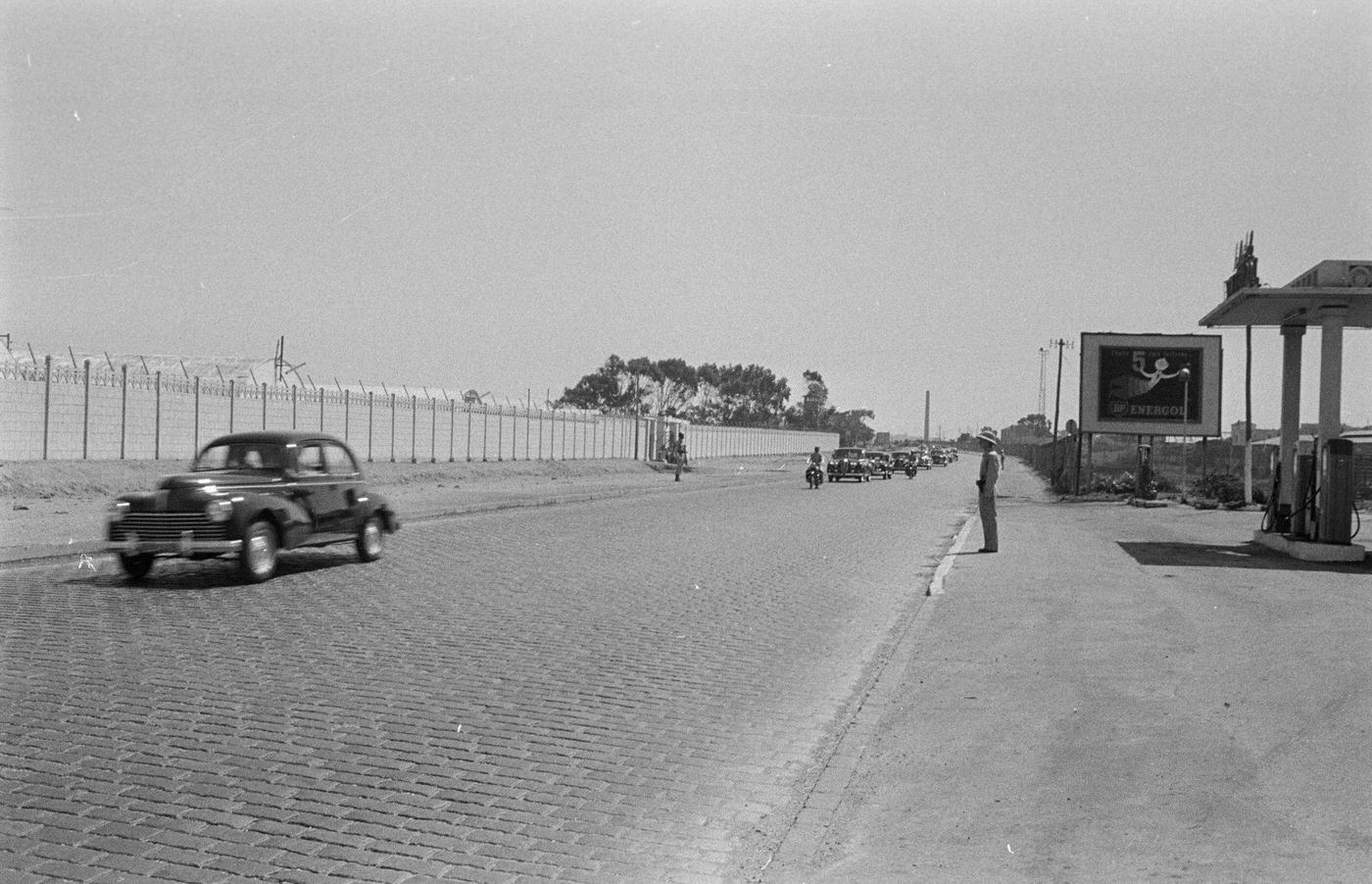
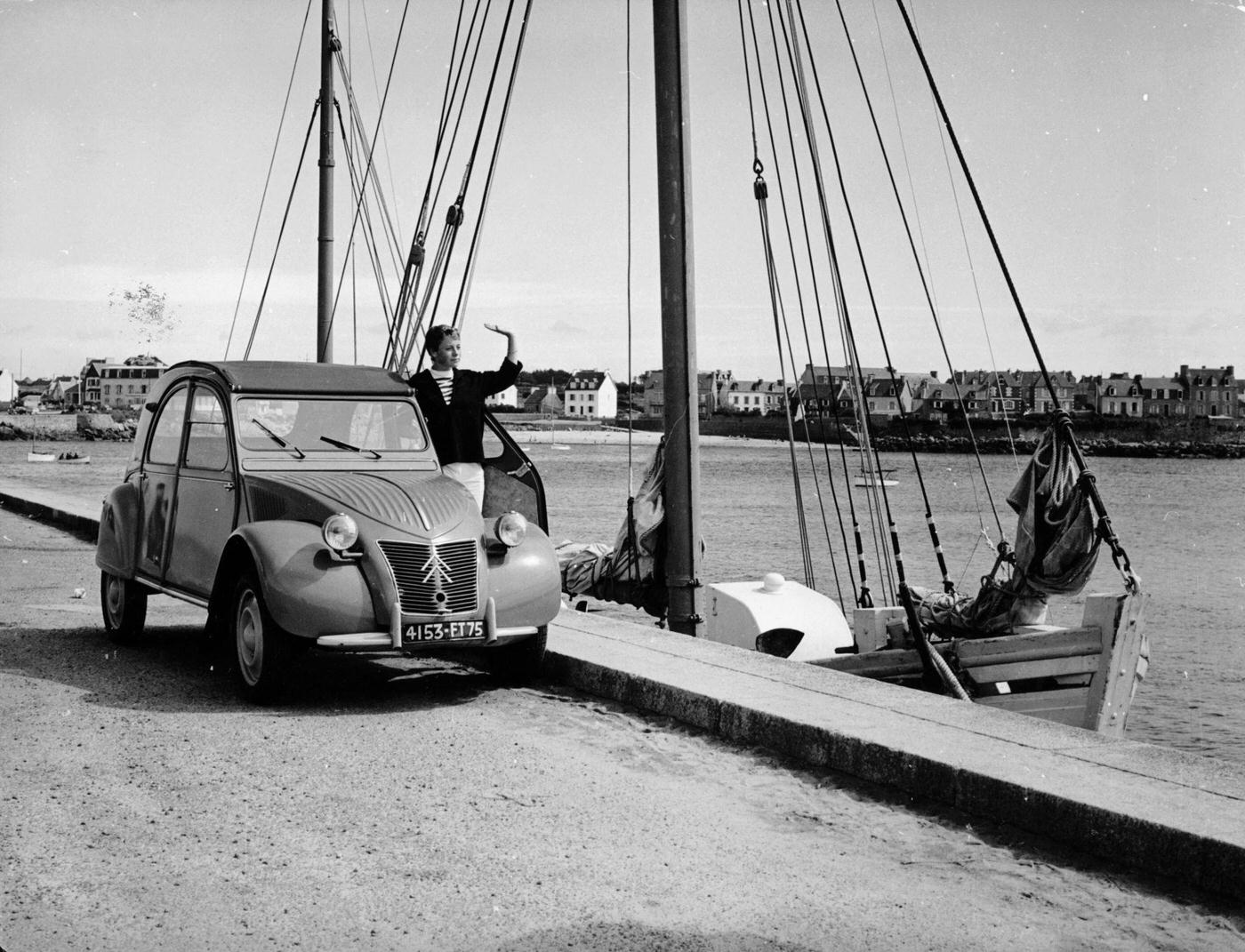
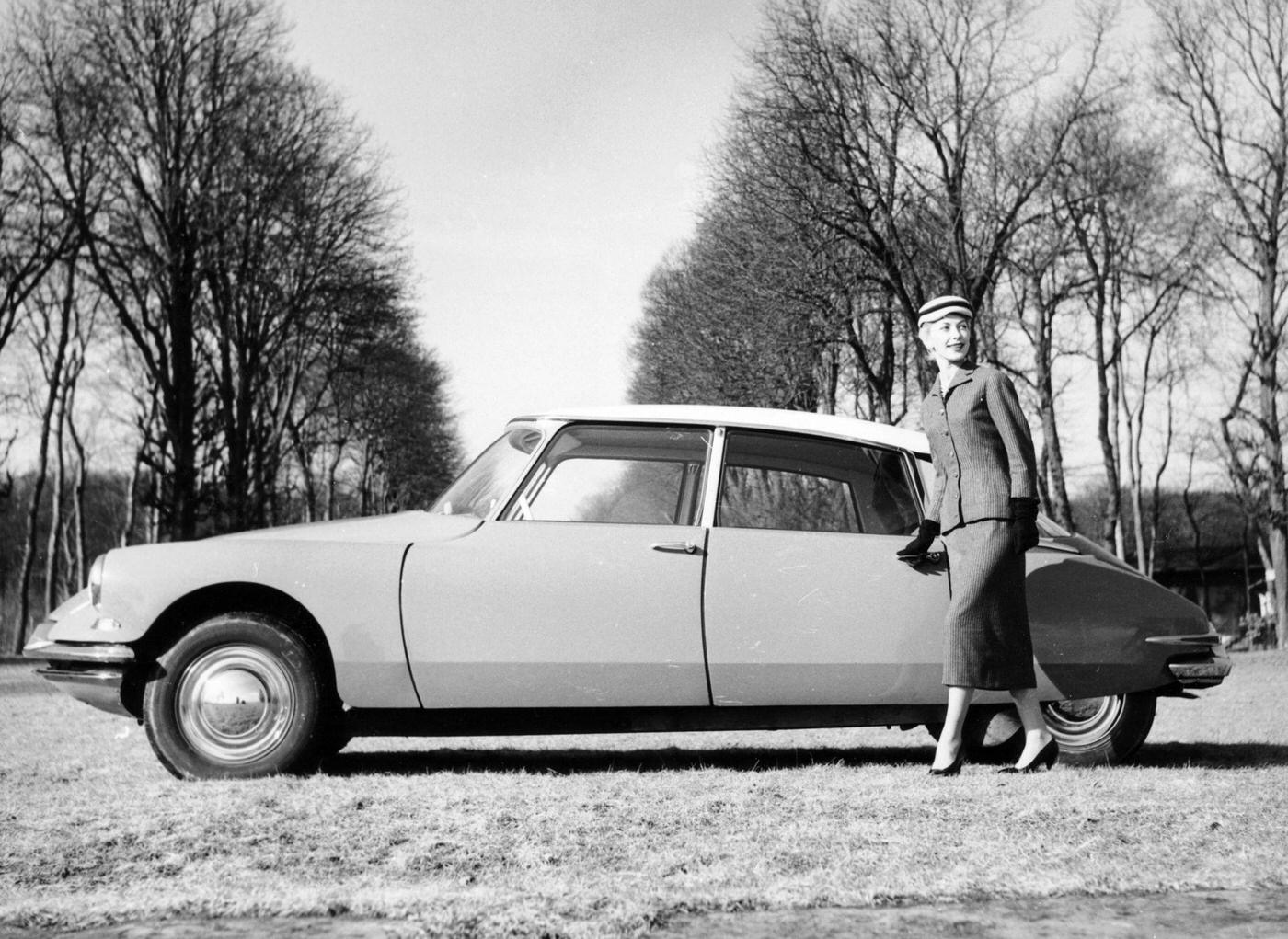
French Citroën 2-CV Wagon in the United States, 1956.French Citroën 2-CV Wagon in the United States, 1956.Official visit of Guy Mollet to Algeria, September 8, 1956, with a convoy of official cars including a Citroën Traction Avant.Official visit of Guy Mollet to Algeria, September 8, 1956Road test of the 1956 Citroen DS19 in the United States, October 1956 issue of Motor Trend.Road test of the 1956 Citroen DS19 in the United States, 19561956 Citroen DS19 Road Test, 1956.1956 Citroen DS19 Road Test, 1956.A Citroën 2CV parked on the quay at a harbor in 1957.A model posing with a 1957 Citroën ID 19 in 1957.
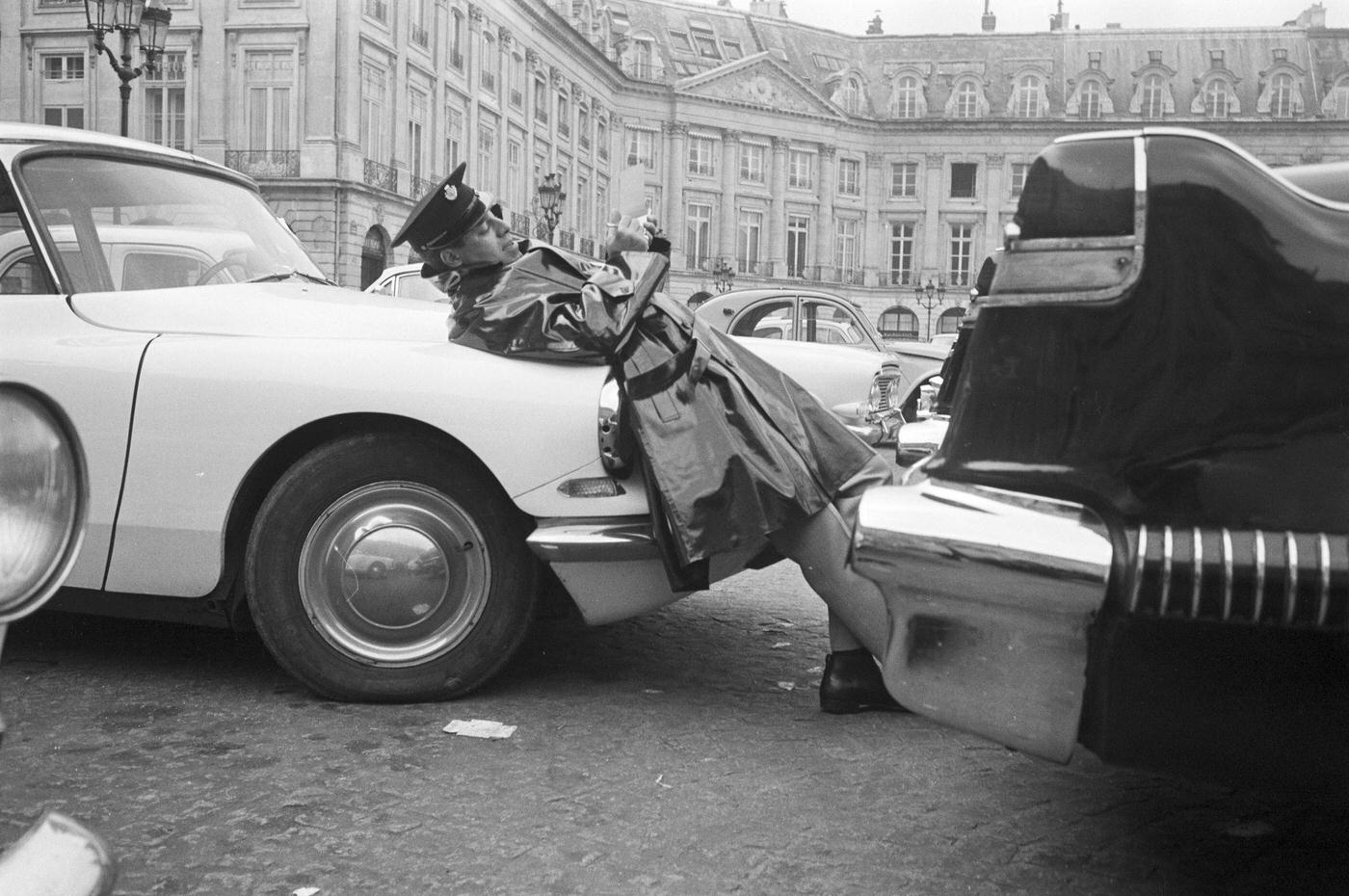
The DS also entered popular culture. Singer Paul Anka was photographed stepping into one outside the Olympia music hall in Paris in 1958. Jerry Lewis stretched out on the hood of a black DS on Place Vendôme in 1965, writing a fake parking ticket. The car was everywhere — in films, on rally stages, and in the daily lives of French families.
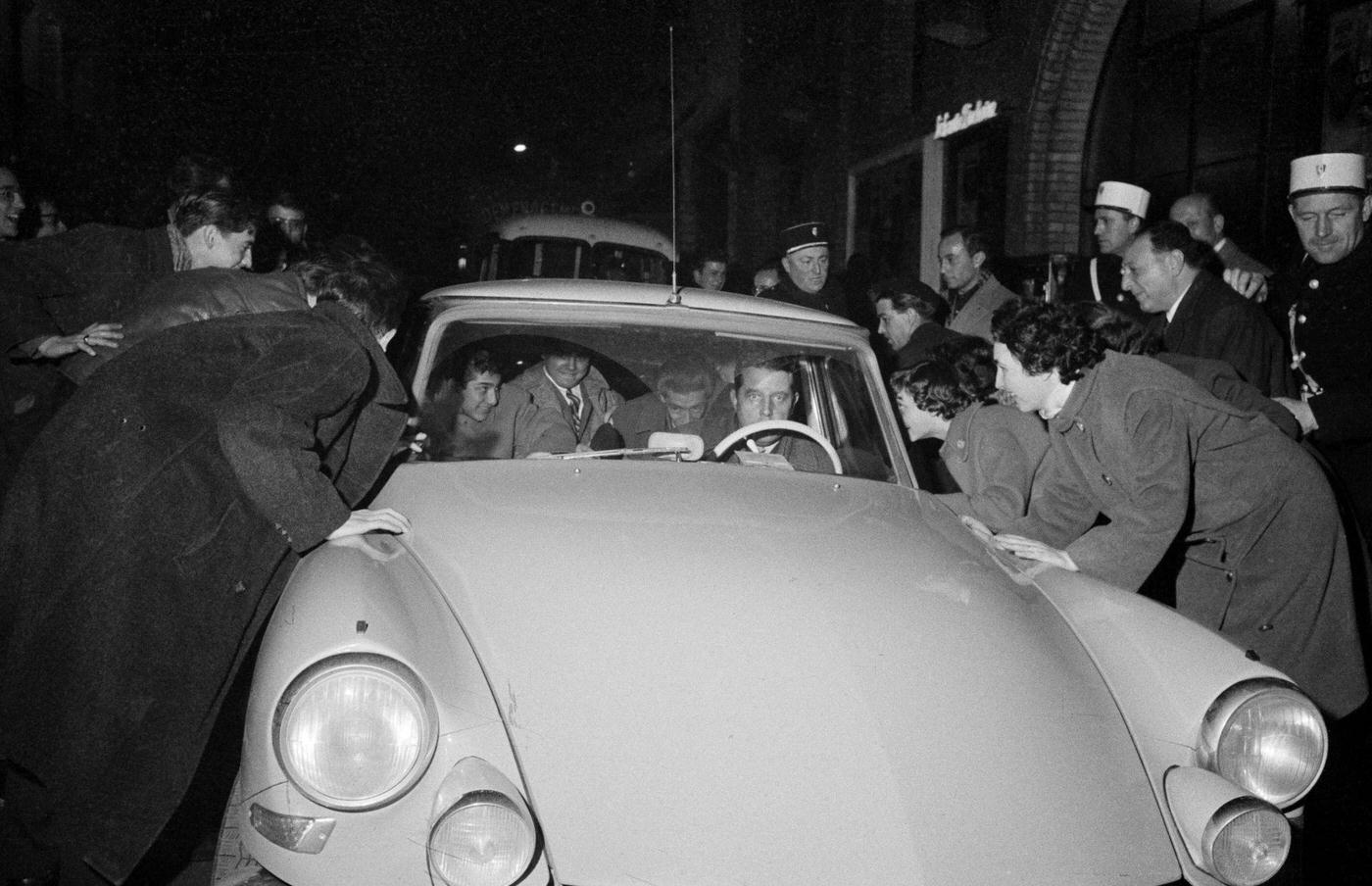
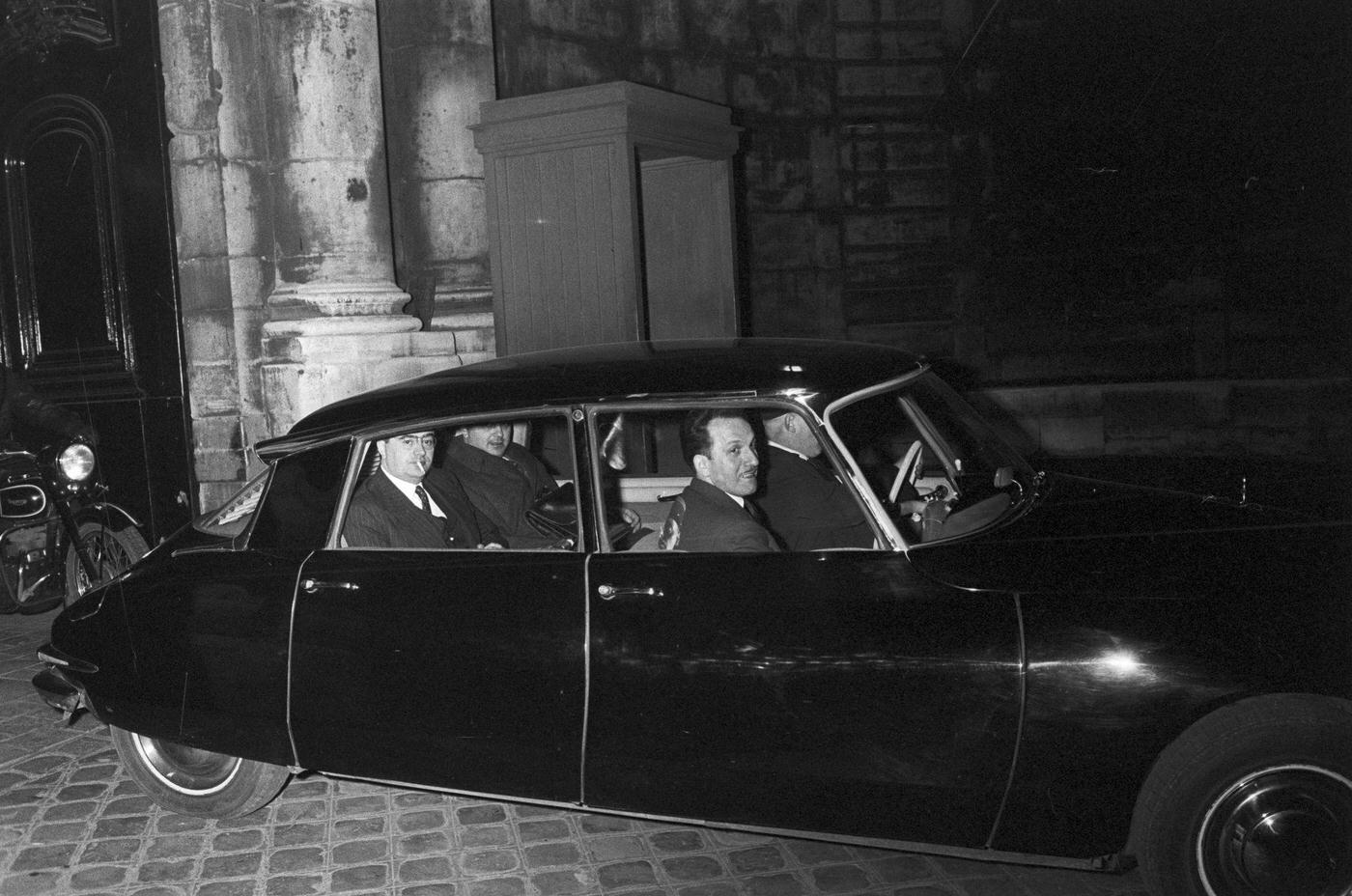
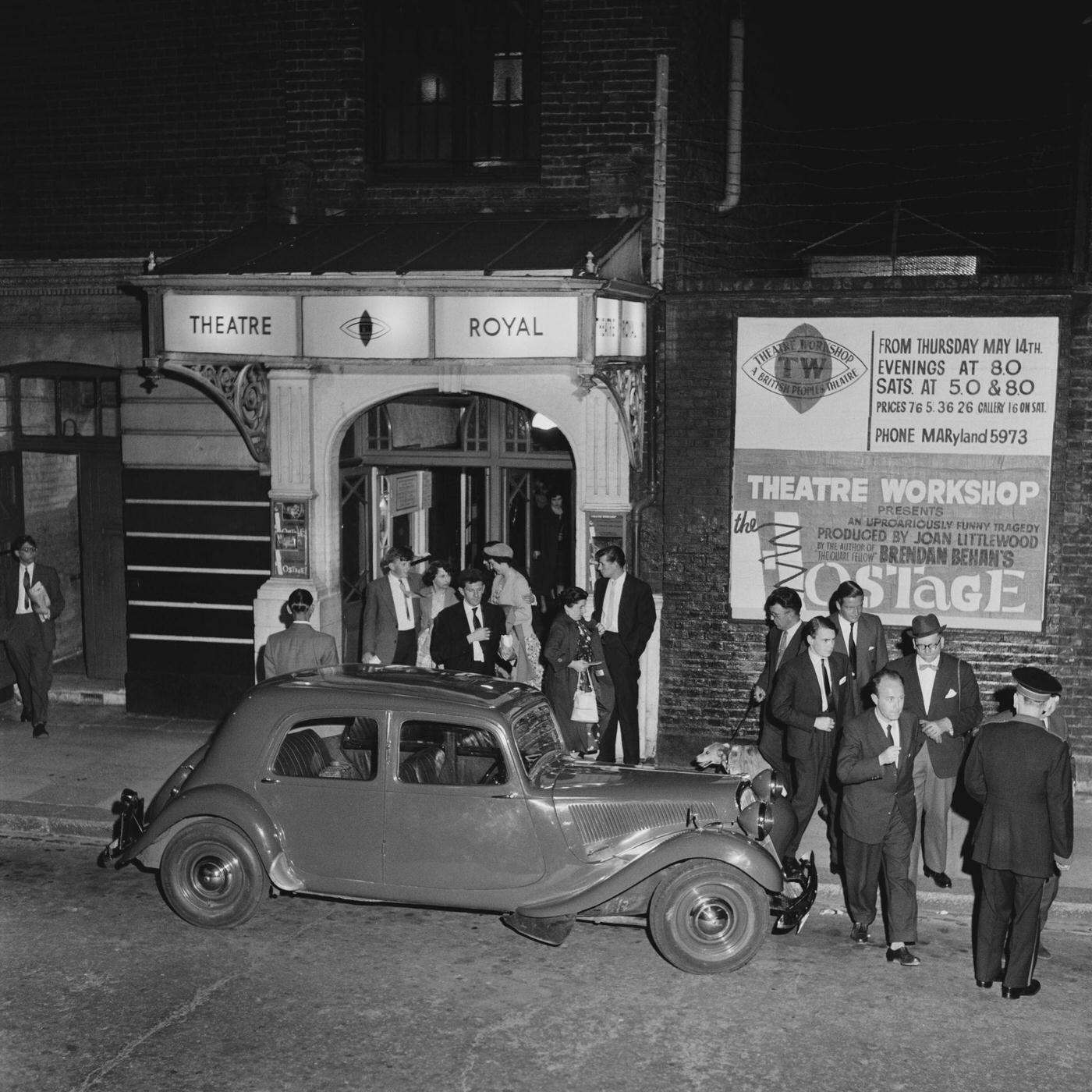
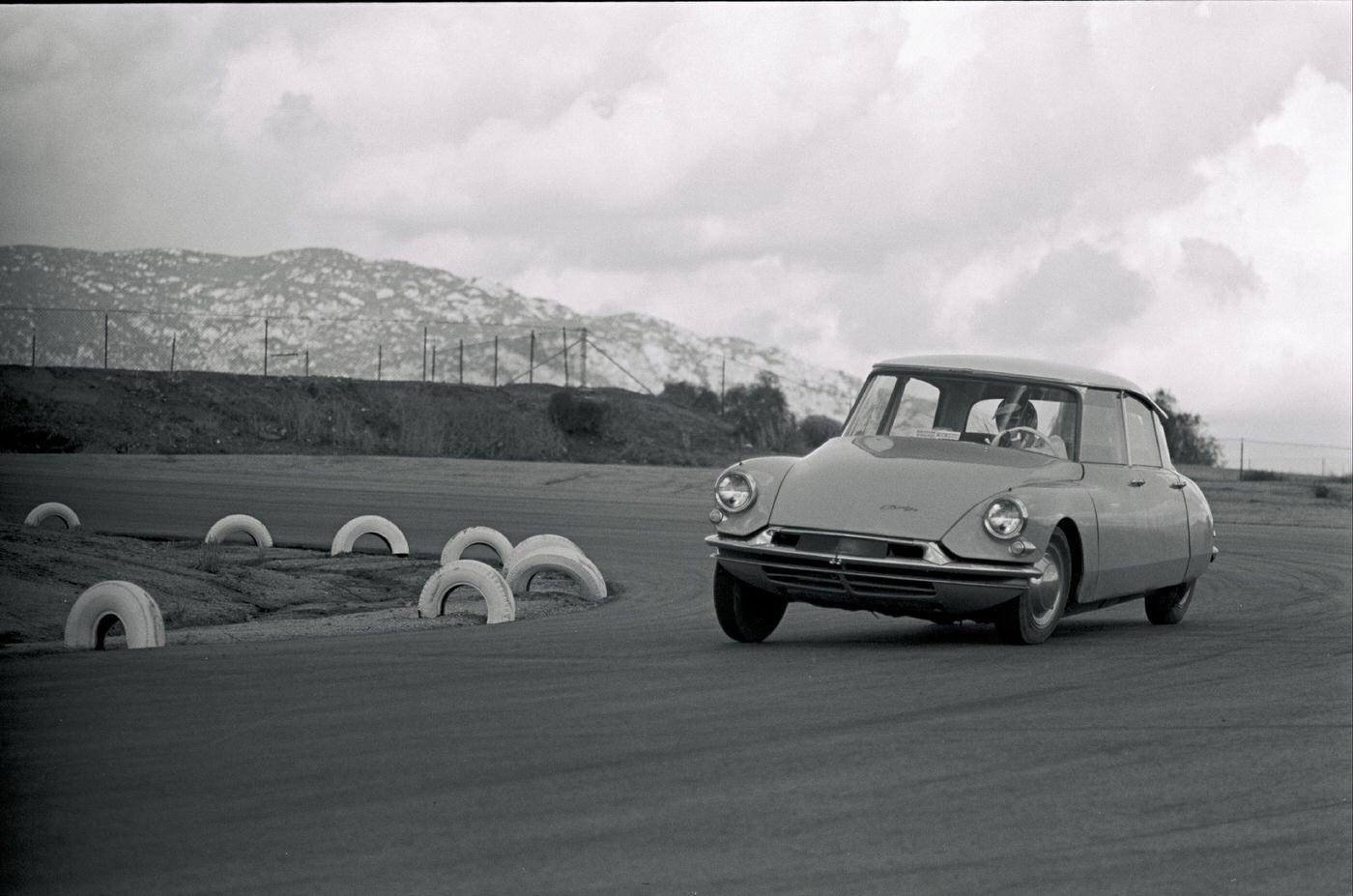
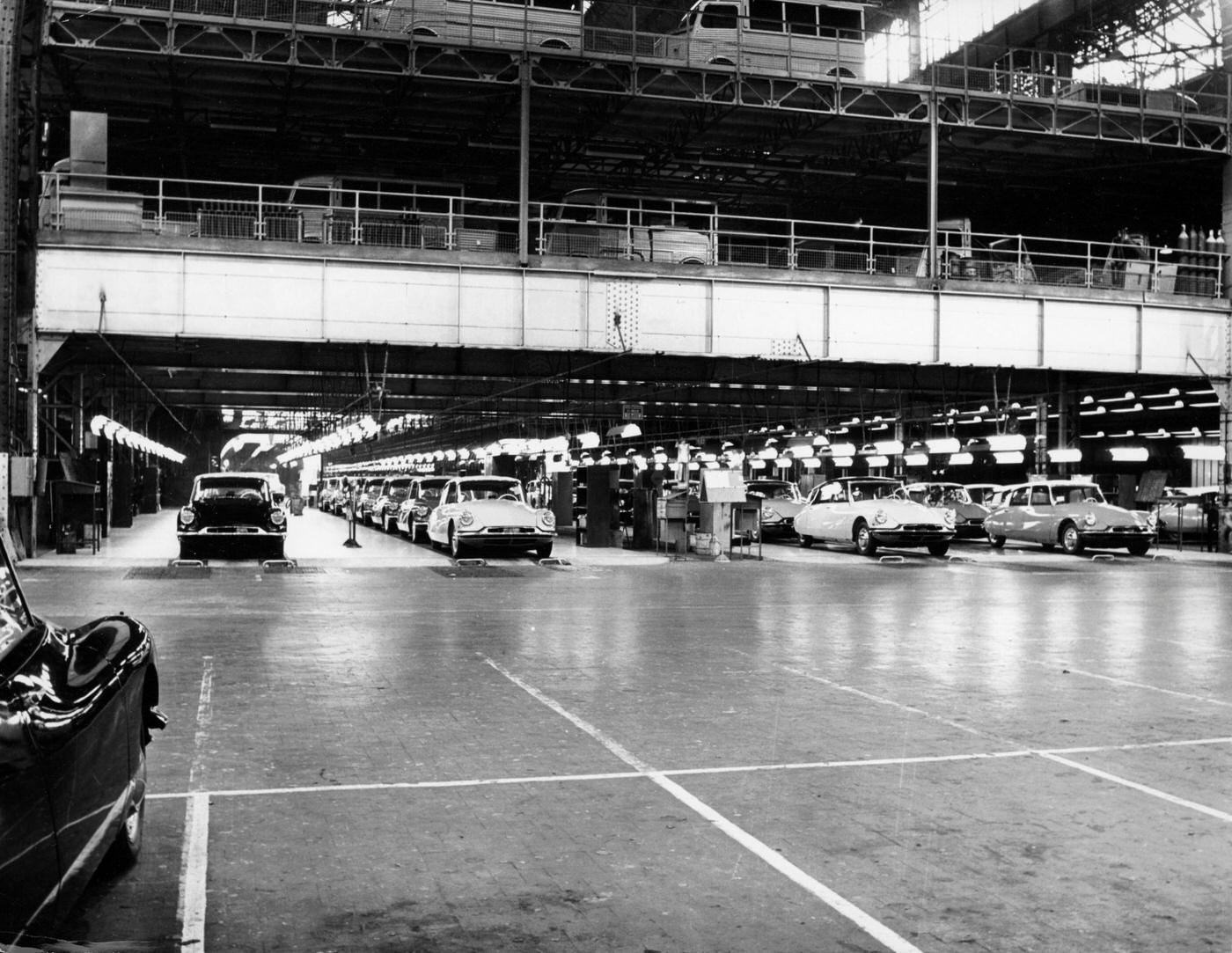
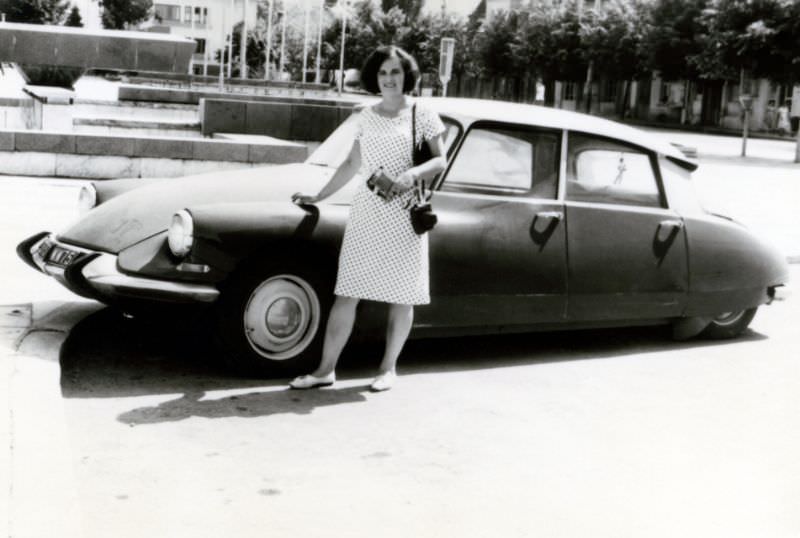
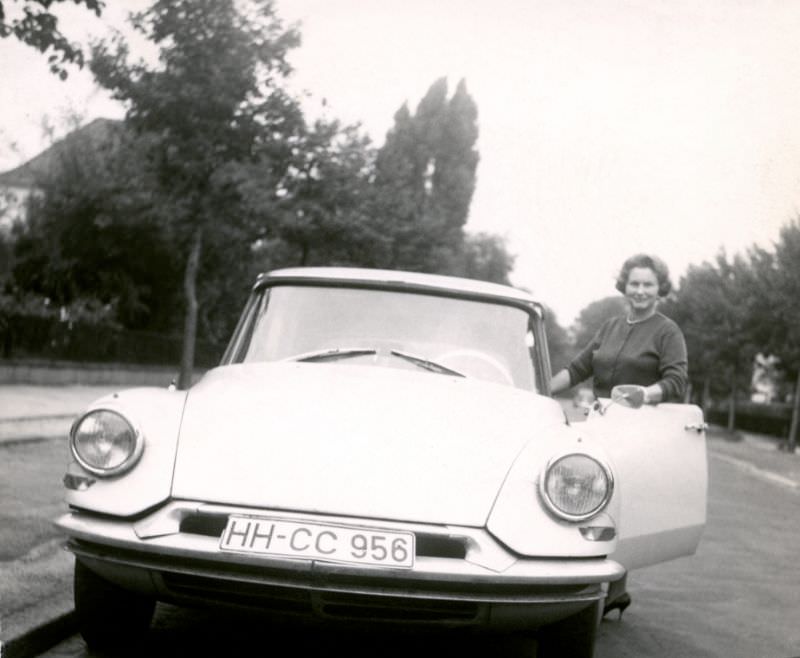
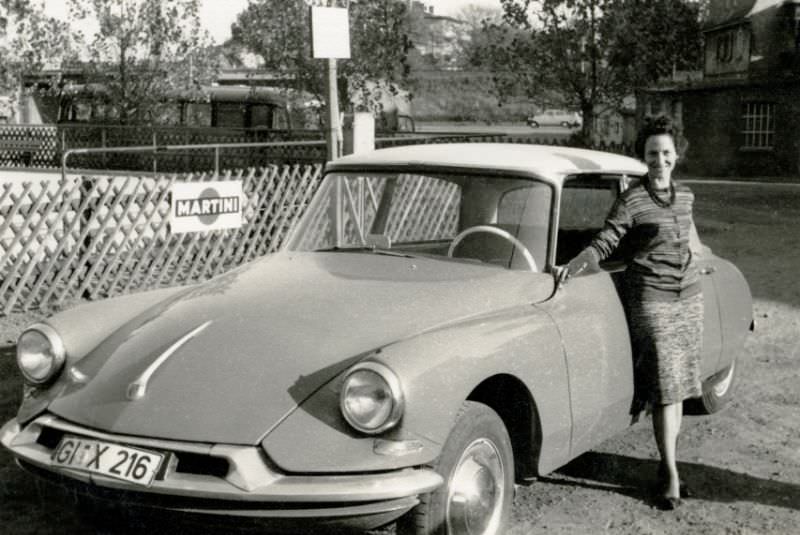
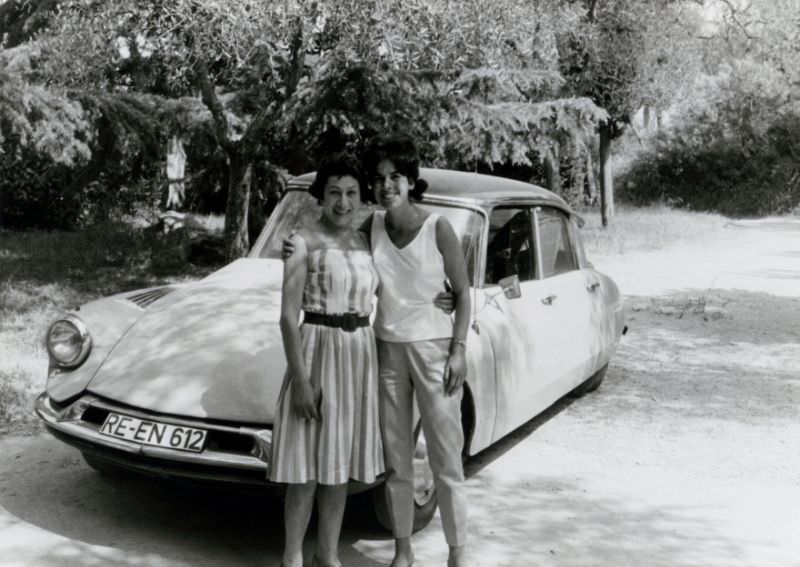
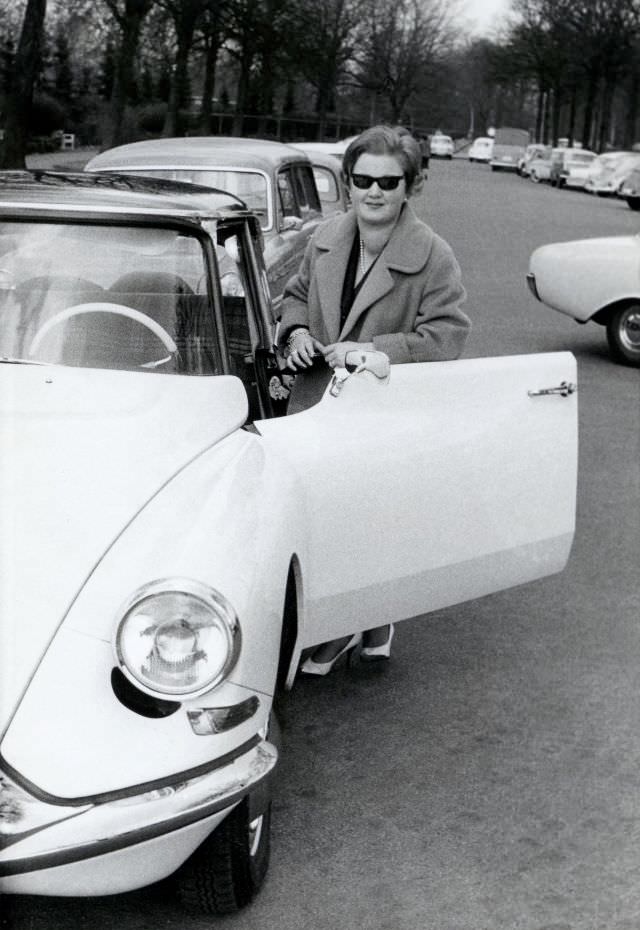
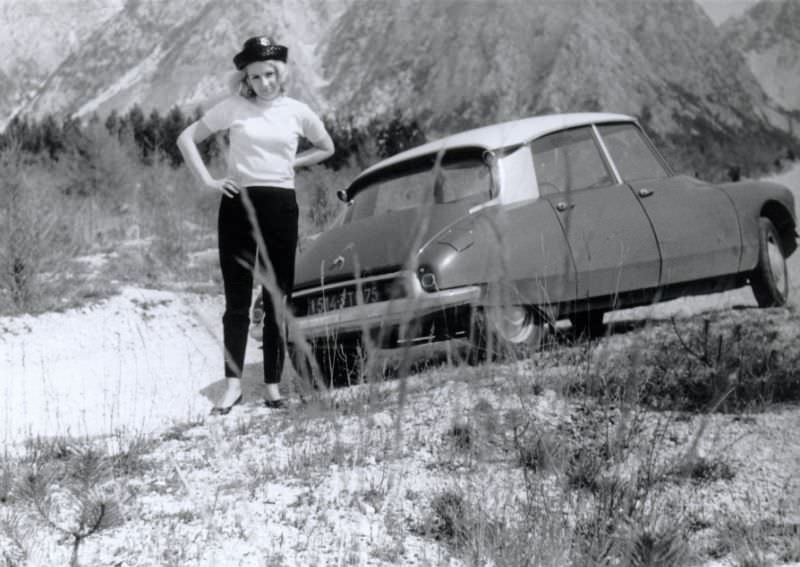
Singer Paul Anka, 17, getting into a Citroën DS outside Olympia in Paris in 1958.Felix Gaillard, the Prime Minister of France, in a Citroën DS in Paris, 1958.The audience of “The Hostage” at the Theatre Royal Stratford East in London, 1959.A road test of the 1959 Citroën DS-19, known for its handling and driving characteristicsKing Bhumibol and Queen Sirikit of Thailand in a presidential Citroën Traction Avant 15-Six H Cabriolet escorted by motorcyclists in France, 1960.A Citroën production line in 1960 producing Citroën DS 19s and Citroën ID 19s.Lady with Citroën 2 CV in countryside, 1960Lady with Citroën DS in city square in summertime, 1960Stylish lady with Citroën DS in tree-lined city street in summertime, Hamburg registration, 1960Young lady with Citroën DS in Gießen, West Germany registration, 1960Mother and daughter with Citroën DS in Recklinghausen, West Germany registration, 1960
The DS remained in production through the 1960s and into the 1970s, continuously refined and updated. Meanwhile, a more affordable variant — the ID 19 — brought the same revolutionary suspension to buyers who couldn’t stretch to the full DS. On the production line in 1960, both models rolled off the same factory floor, a testament to Citroën’s manufacturing scale.
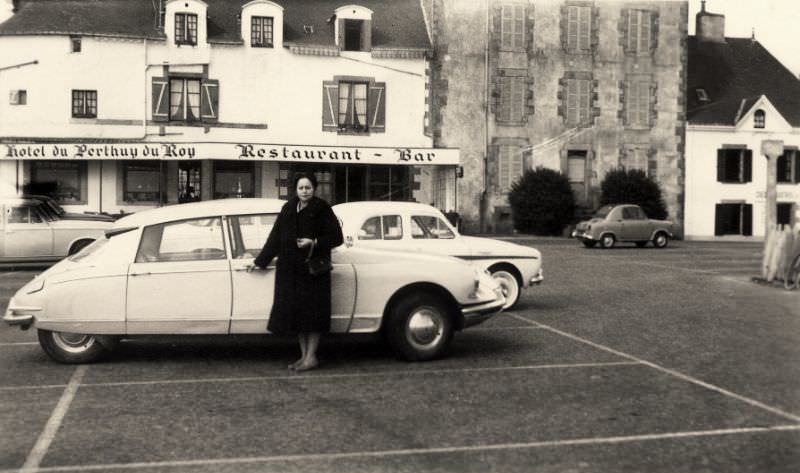
A 1961 Citroën ID 19.Lady with Citroën DS in front of Le Perthuy du Roy hotel in Brittany, June 1961
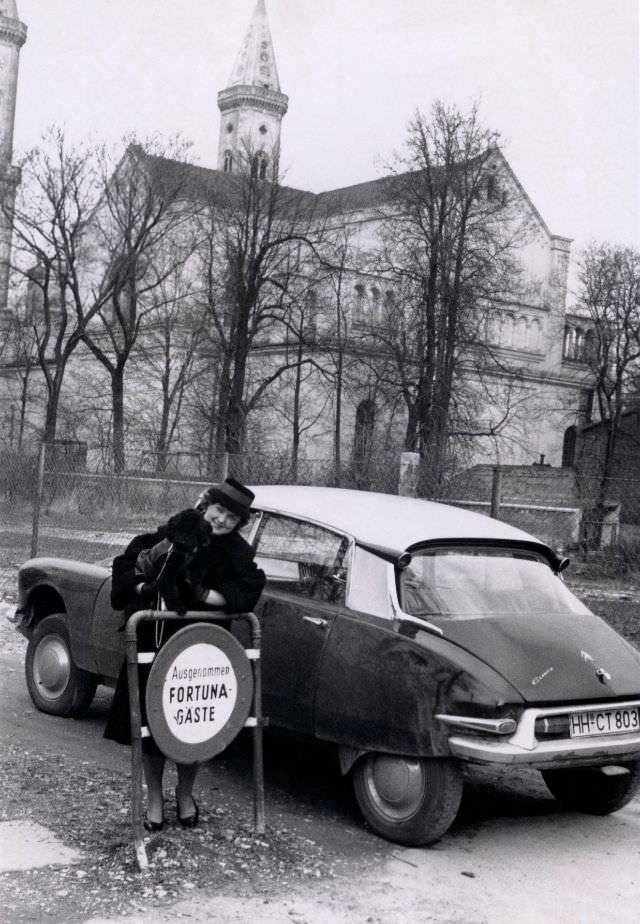
Lady with poodle and Citroën DS on access road to hotel or sanatorium, Hamburg registration, 1962
Stylish lady with Citroën DS in busy city street in wintertime, 1962
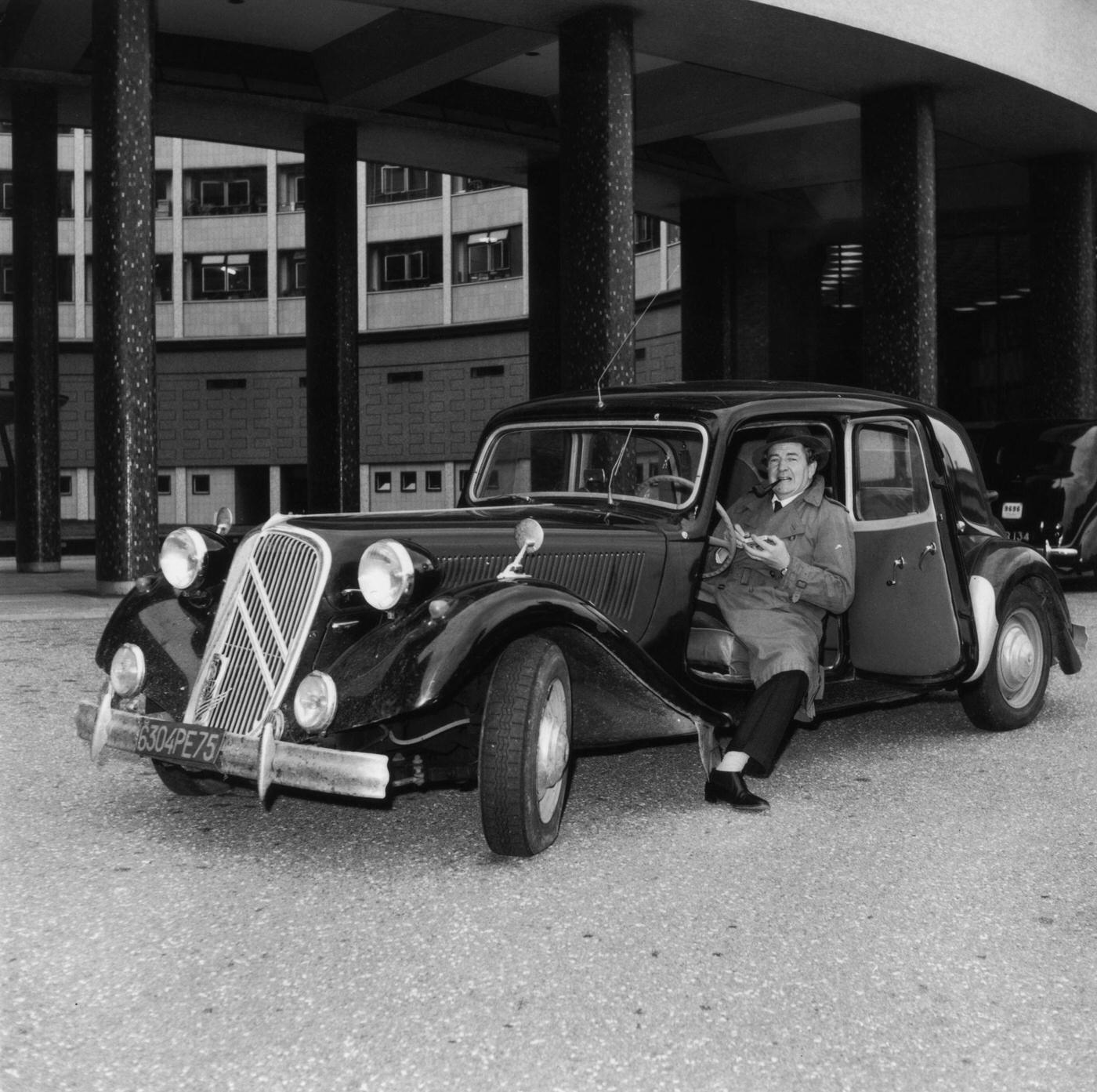
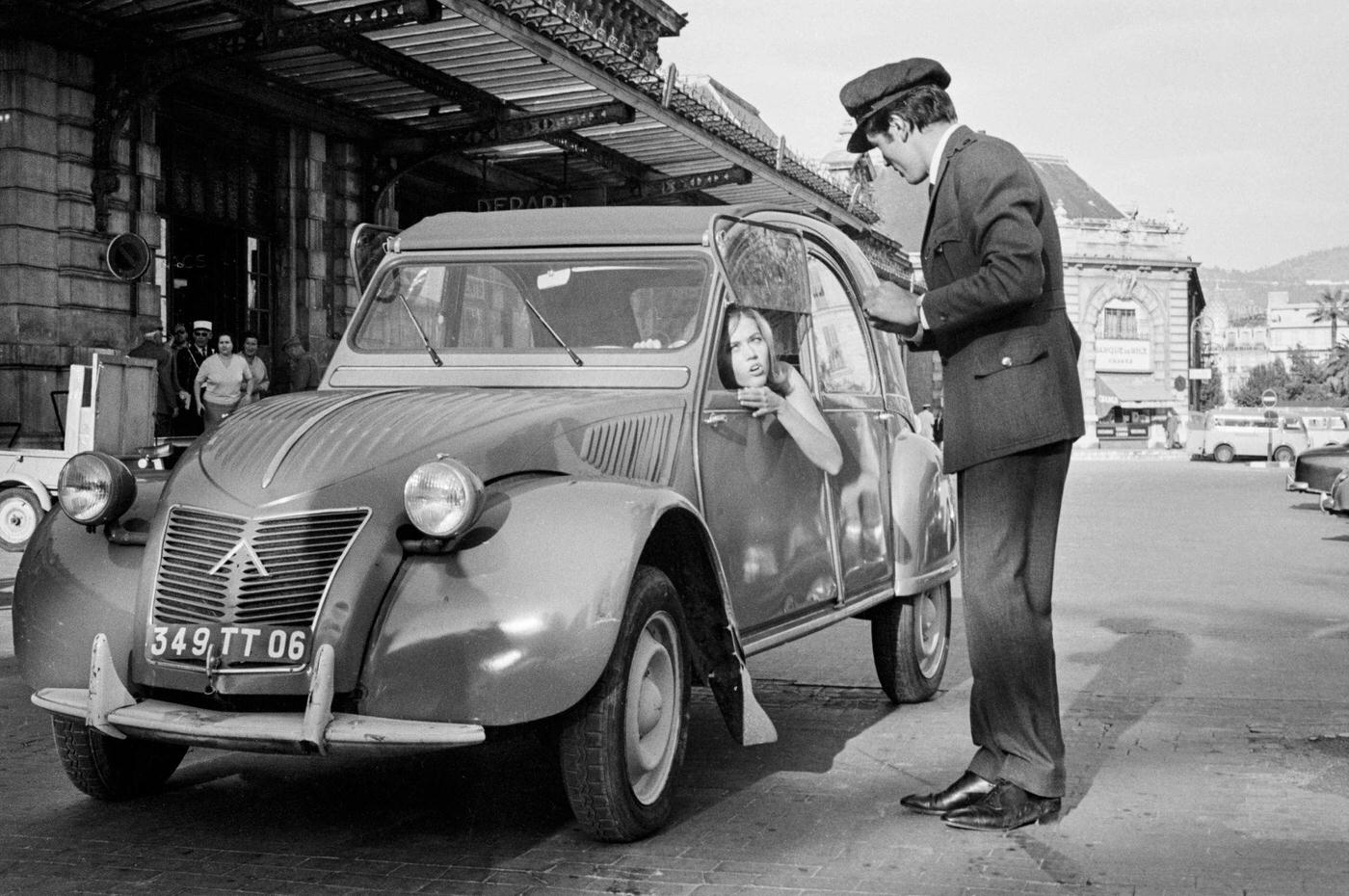
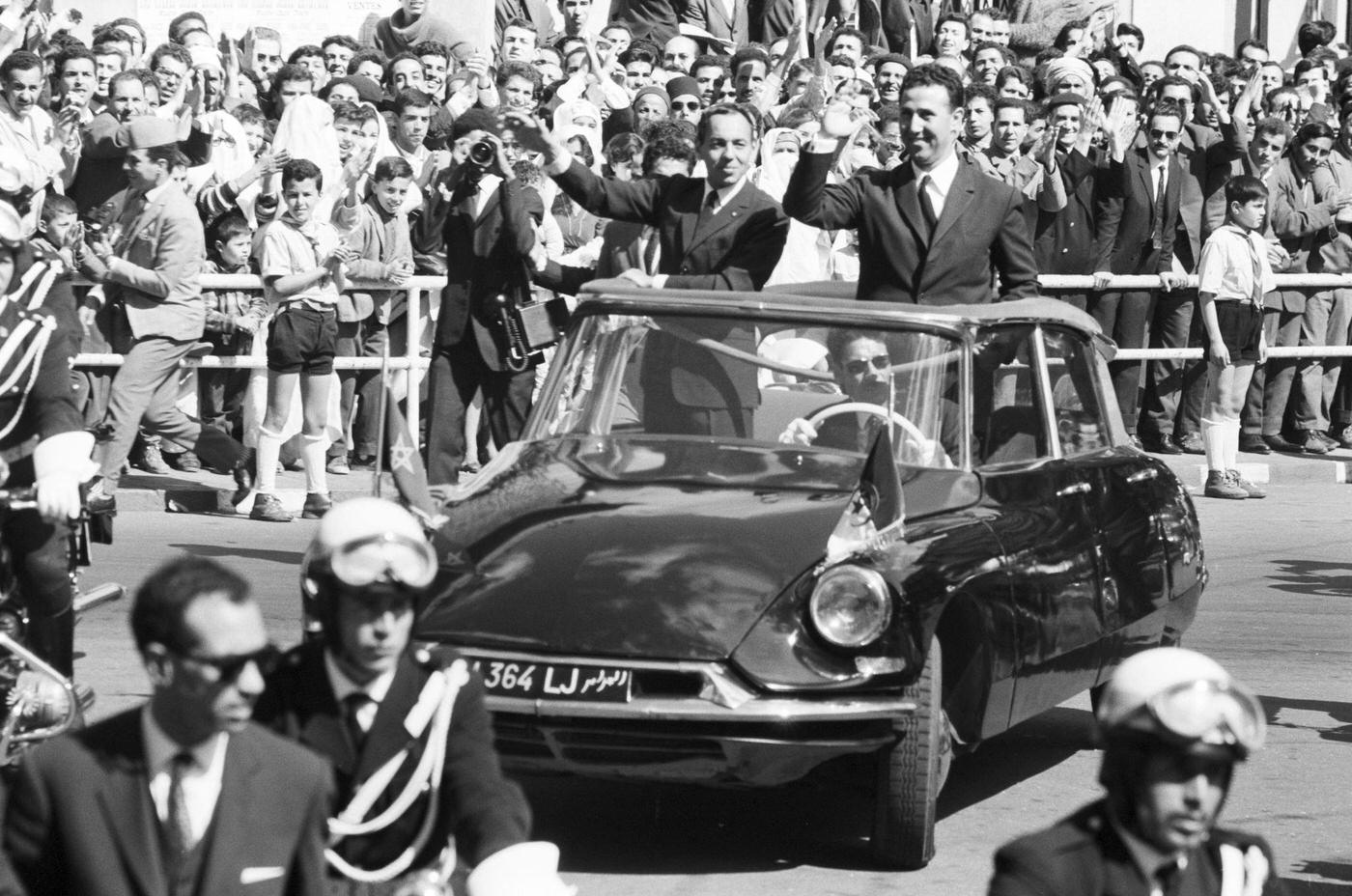
Rupert Davies, who played Inspector Maigret, with the Citroën Traction Avant car used in the television series, 1963.Jane Fonda and Alain Delon in a Citroën 2CV during the filming of “Les Félins” on the French Riviera, 1963.King Hassan II of Morocco and Ahmed Ben Bella, the first president of the Democratic and Popular Republic of Algeria, in a black convertible Citroën DS, 1963.
The Traction Avant also cemented its place in television history when it served as the car of fictional detective Inspector Maigret in the popular BBC series. Its association with a certain kind of European sophistication — unhurried, intelligent, slightly mysterious — made it a natural fit for the role.
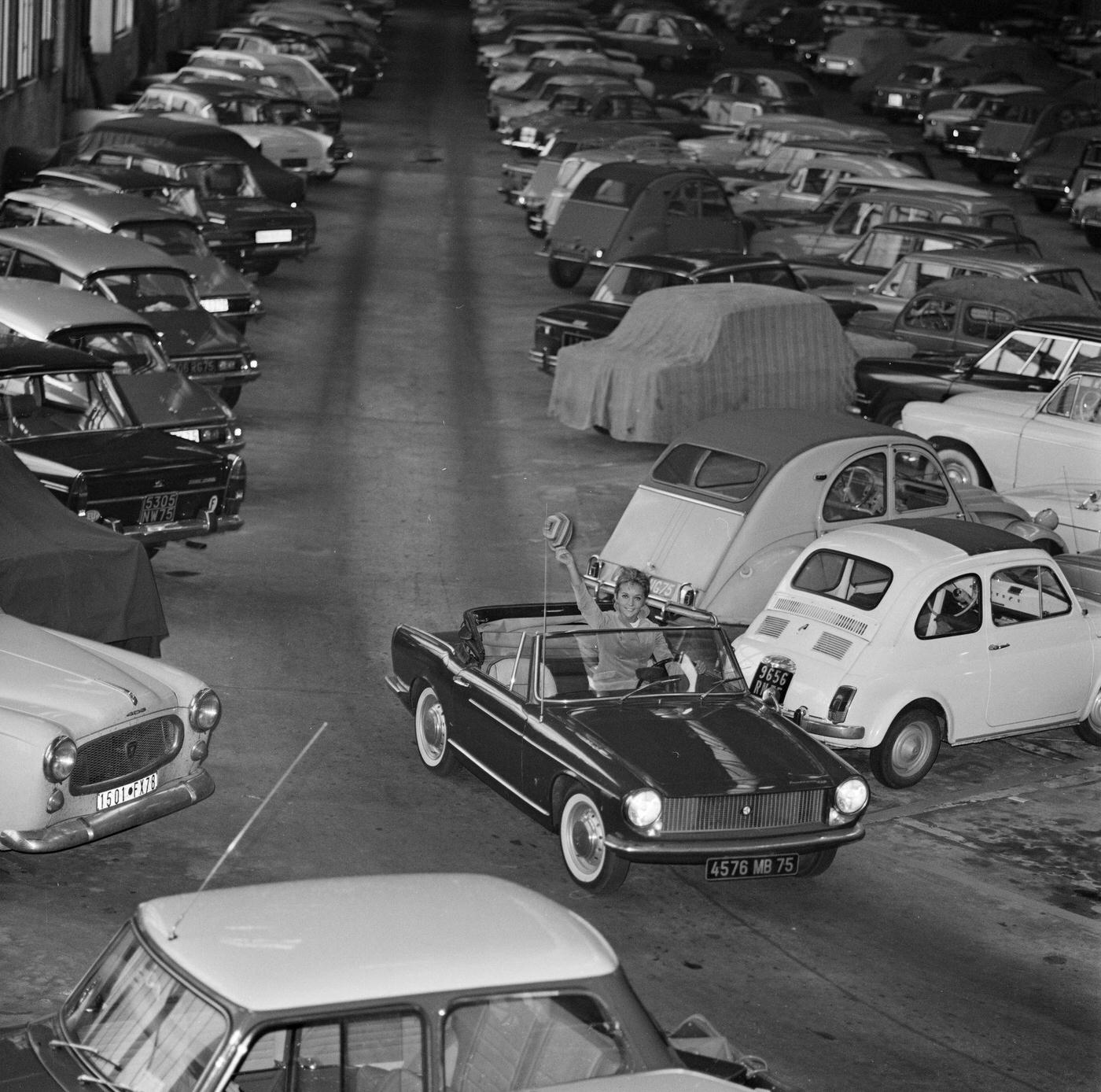
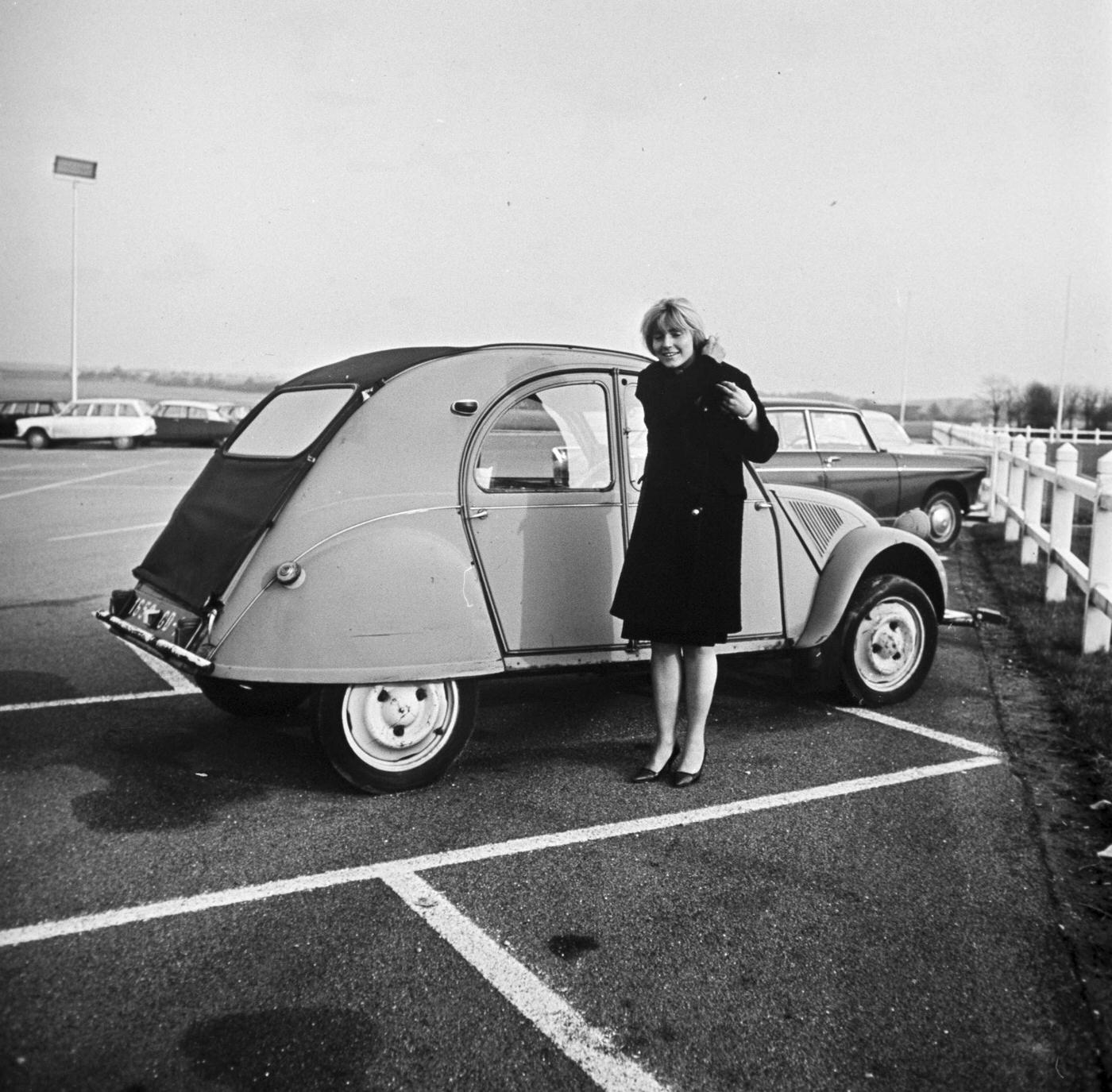
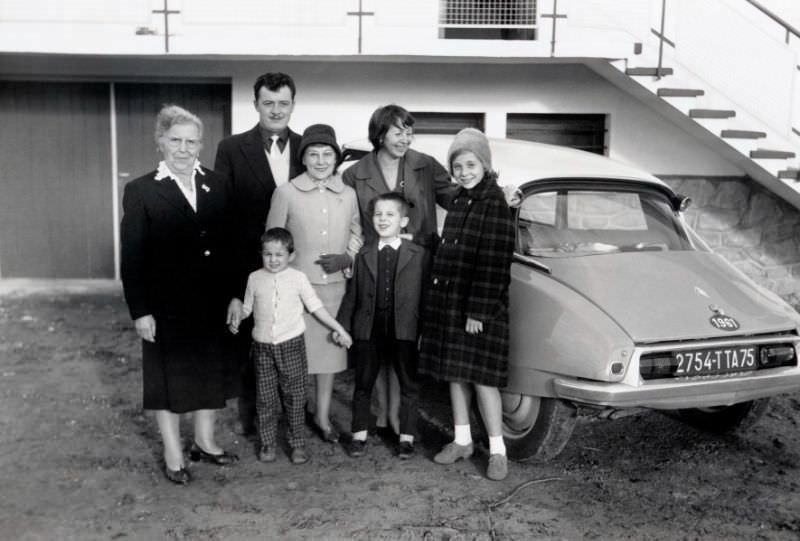
French actress Caroline Cellier posing with her father’s convertible Citroën and waving a bonnet, 1966.Jacqueline Dubut, the first female airline pilot hired by Air Inter, standing beside her Citroën 2CV, 1966.Brunette lady with Citroën 2CV in hammock-style seats, 1965Brunette lady on fender of Citroën 2CV in suburban street, Rhône registration, 1965Young lady with Citroën DS in countryside, Paris registration, 1965Seven members of a French middle-class family posing with a Citroën DS in the drive of a private home, 1965Jerry Lewis filling out a fake parking ticket while lying on the hood of a black Citroën DS on Place Vendôme in Paris, 1965
Through the late 1960s and into the 1970s, Citroën expanded its range with the Ami and the GS. The Ami targeted buyers who wanted the comfort of a family car without the DS price tag. The GS, introduced in 1970, brought hydropneumatic suspension to a mid-range model for the first time. Then came the CX in 1974 — a car with a drag coefficient so low it was barely believable for the era, paired with self-leveling suspension and an optional diesel engine.
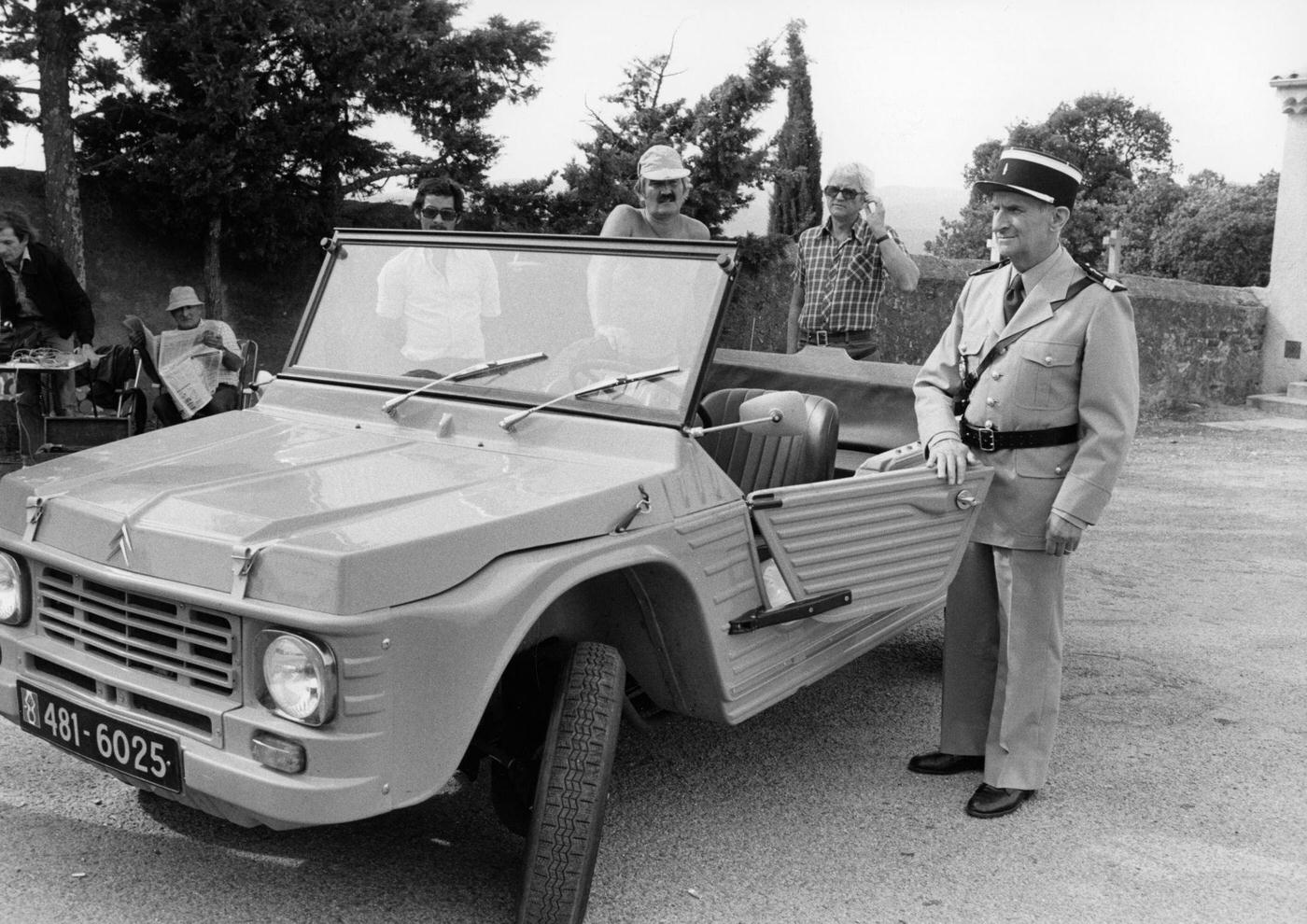
Louis de Funès beside a Citroën Méhari during the filming of “Le Gendarme et les Extra-terrestres” in Saint-Tropez in 1978.A 1972 Citroën DS21 PallasA DS Citroën in a news report on the Camargue.
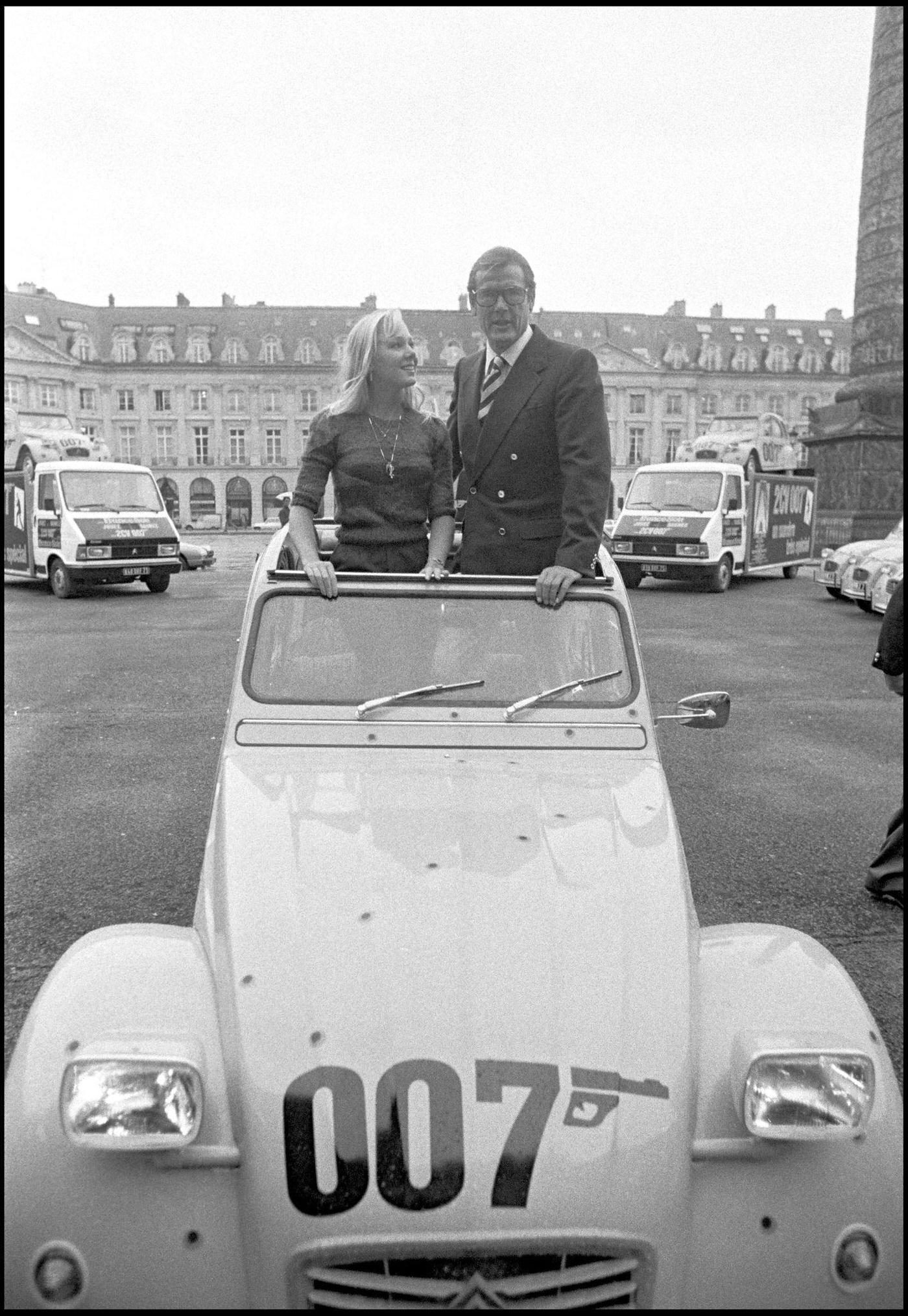
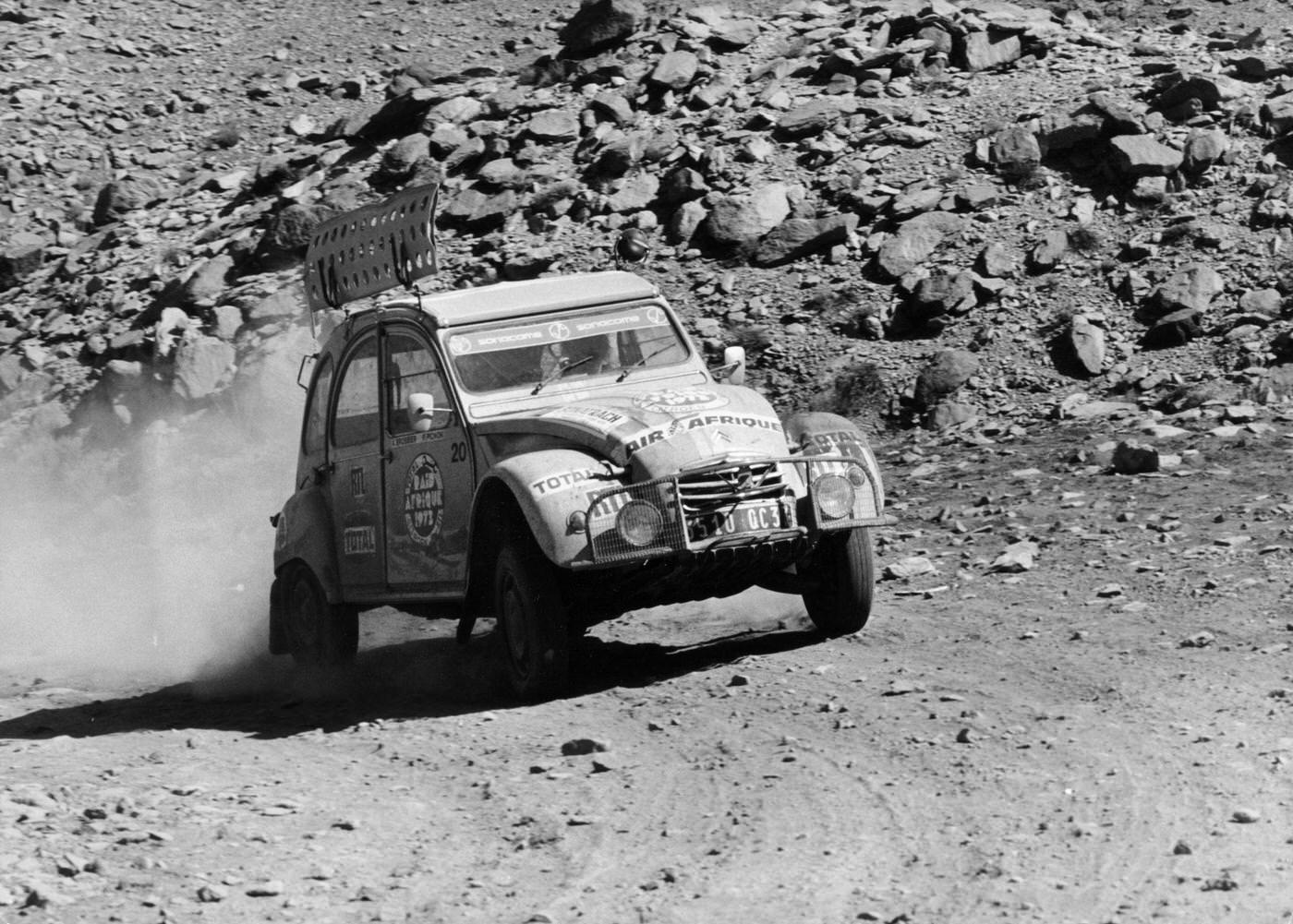
The 2CV remained in production all the way until 1990, and in its final years it found a new audience as a rally car and a pop culture icon. Roger Moore promoted the James Bond film “For Your Eyes Only” alongside a 2CV on Vendôme Plaza in Paris — a car that had gone from peasant transport to international symbol in just three decades.
Roger Moore promoting “For Your Eyes Only” with a Citroen 2CV on Vendome Plaza in Paris.A Citroen 2CV rally car from around 1980.
Through the 1980s and 1990s, Citroën produced the Visa, BX, and Xantia — each one carrying forward the brand’s commitment to suspension technology and practical design. The BX used plastic body panels to cut weight. The Xantia’s Active suspension could actively counteract body roll in corners. In the 2000s, the C3 and C4 broadened Citroën’s reach into the mainstream compact car market, appealing to buyers across Europe. In 2010, Citroën merged with Peugeot to form PSA Peugeot Citroën, bringing two of France’s most storied automotive brands under one roof.
Sincere, friendly, curious, ambitious, enthusiast. I'm a content crafter and social media expert. I love Classic Movies because their dialogue, scenery and stories are awesome.