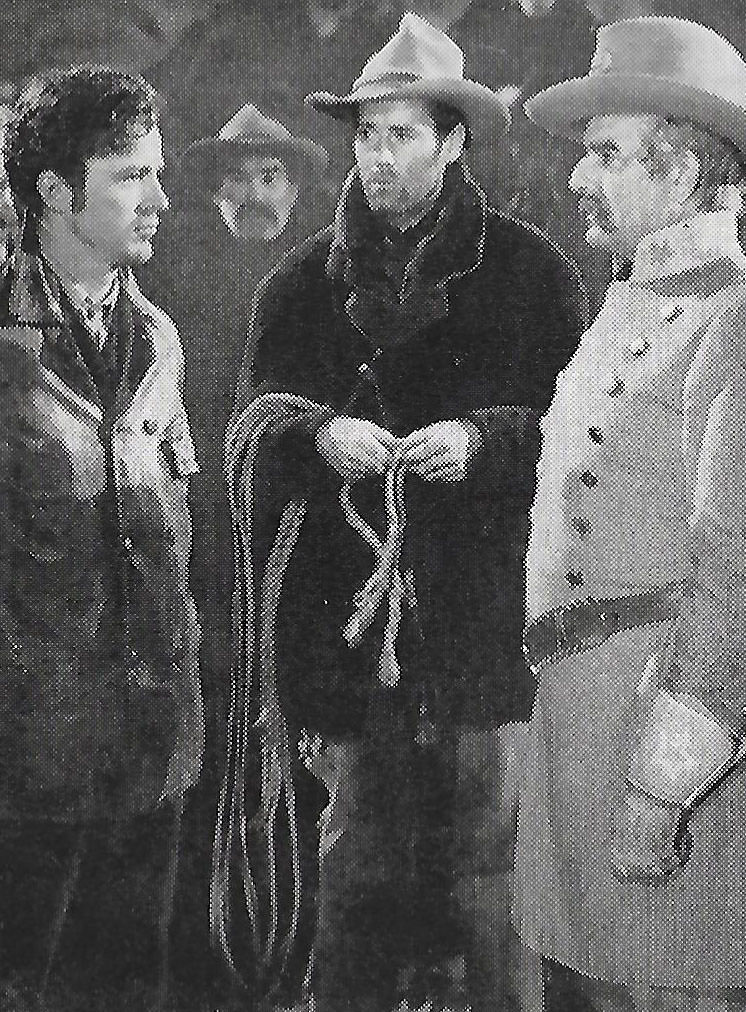
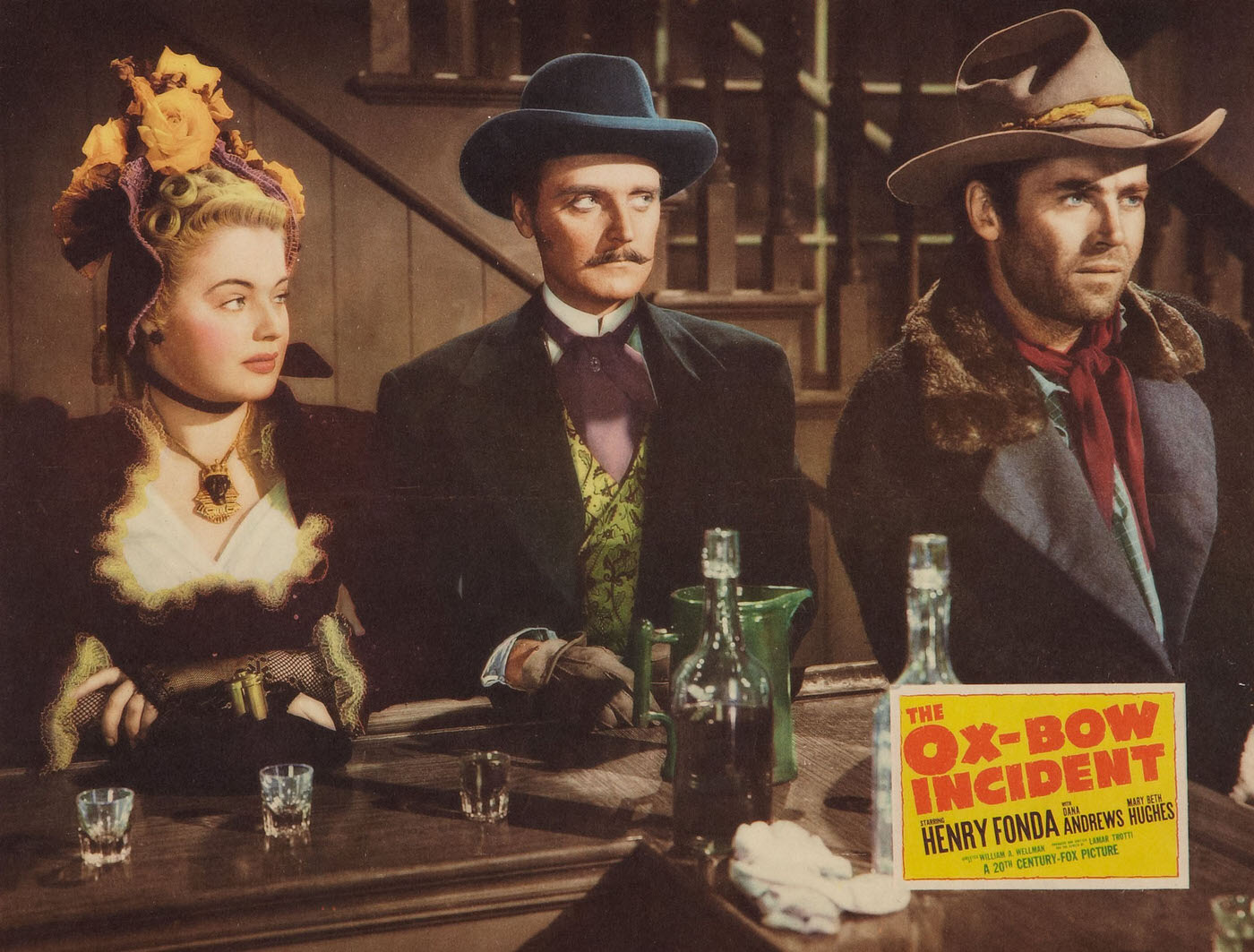
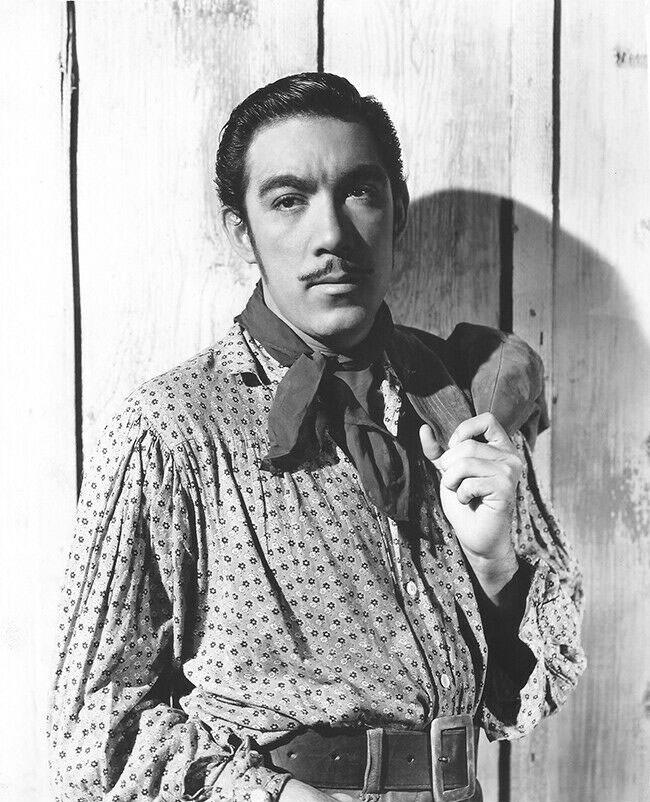
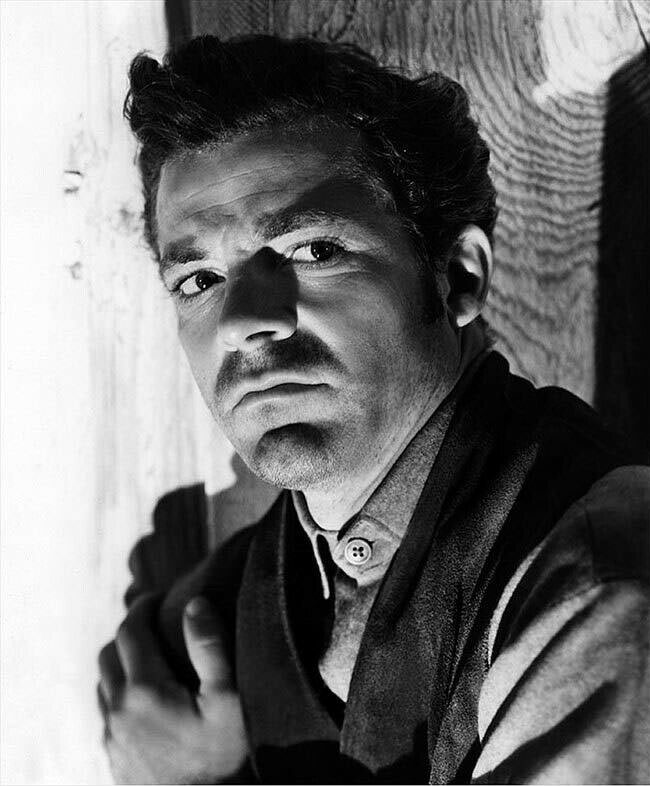
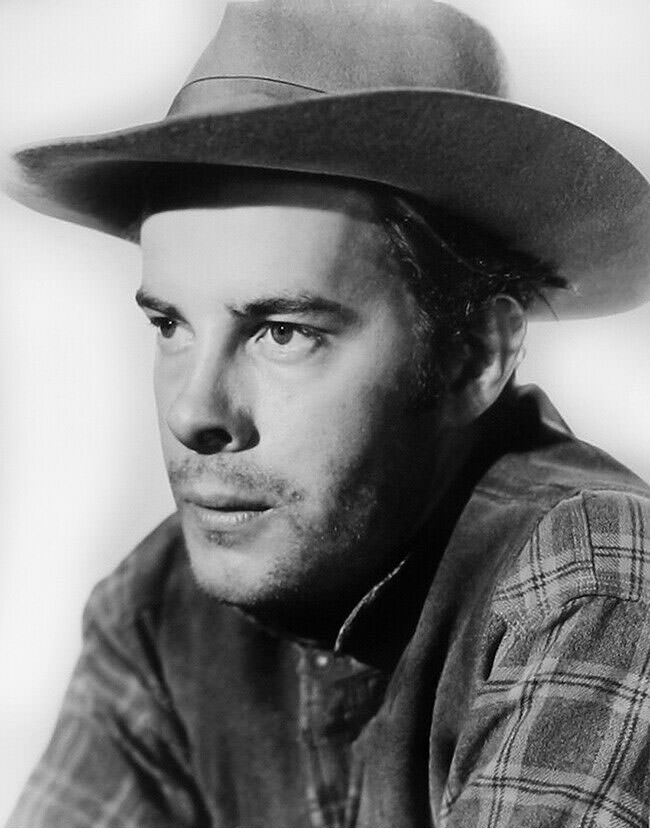
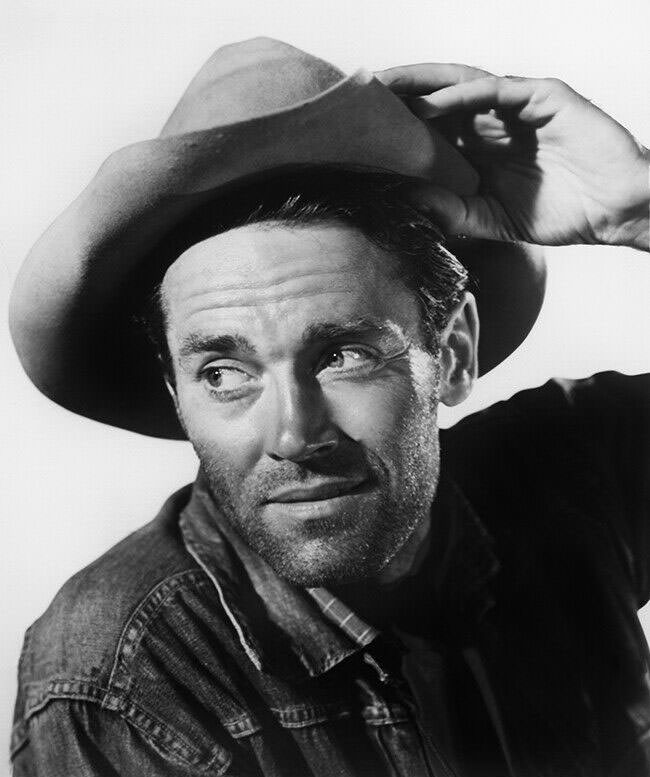
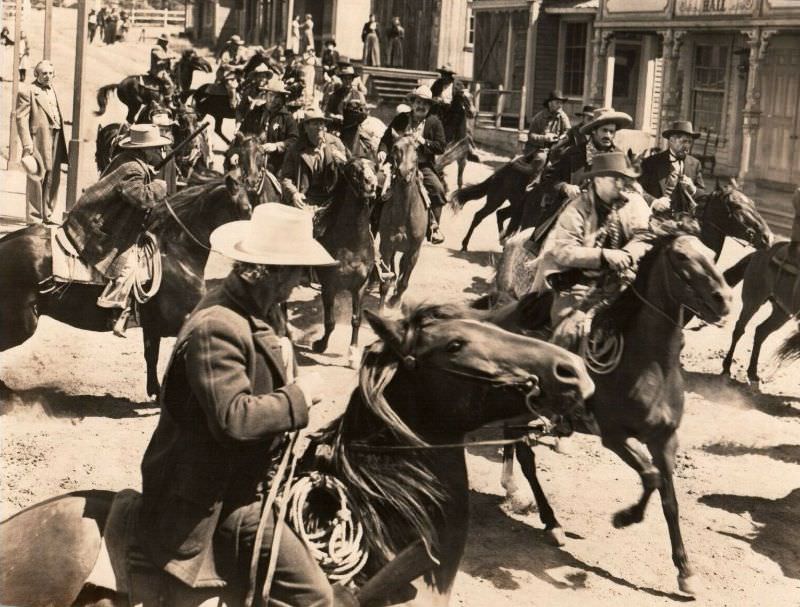
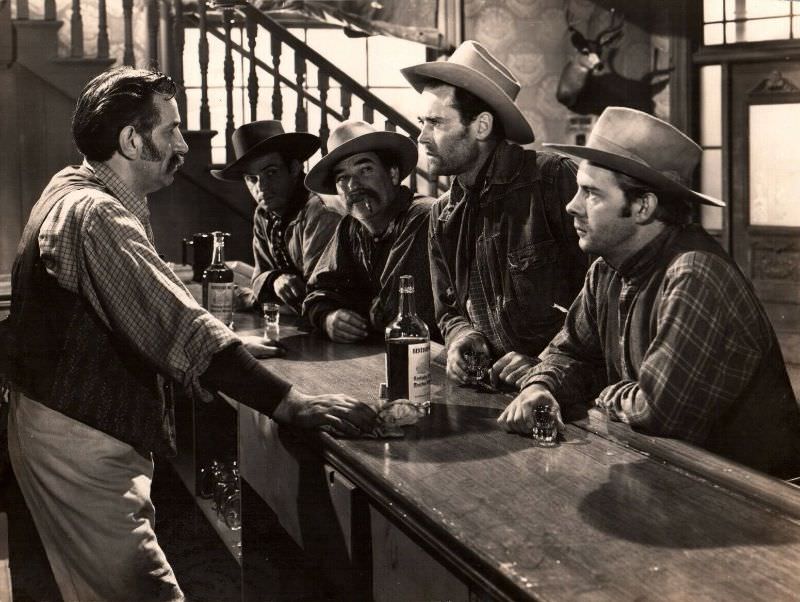
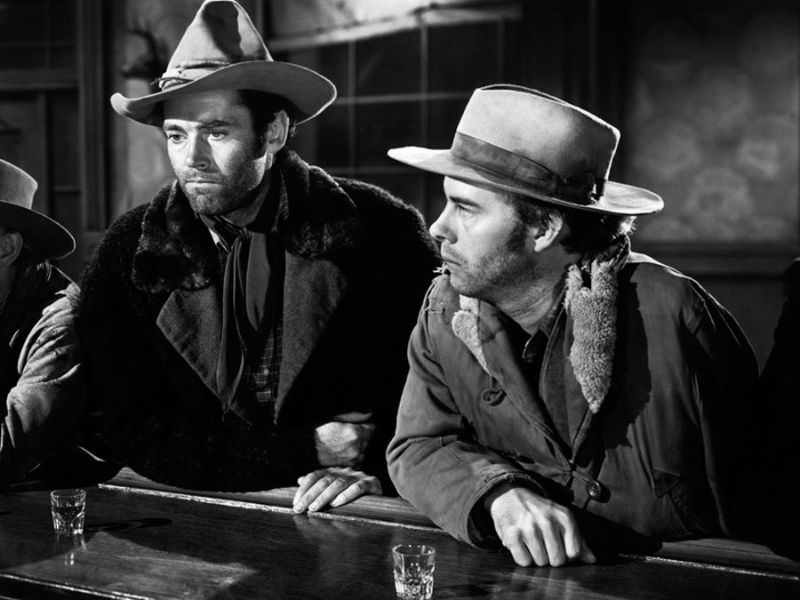
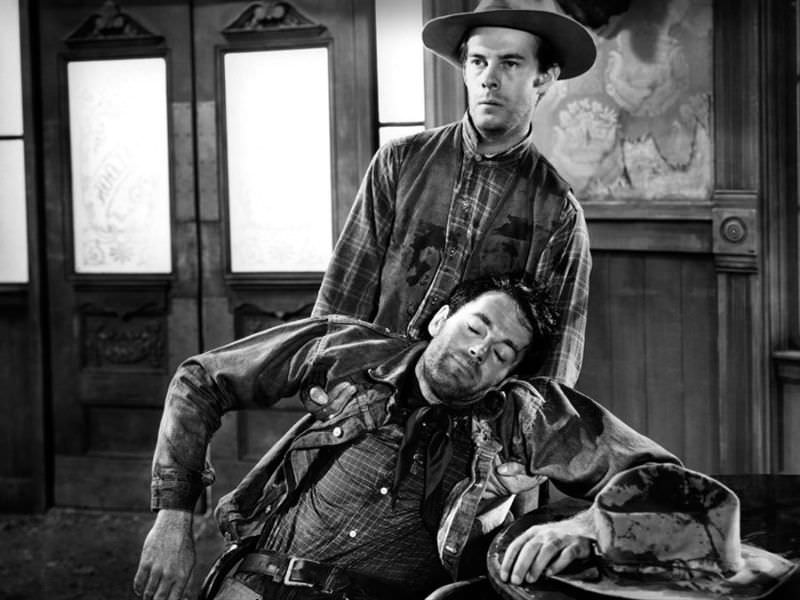
Released in 1943, The Ox-Bow Incident is a Western film that stands apart from nearly everything else Hollywood produced in that era. Directed by William A. Wellman and based on Walter Van Tilburg Clark’s 1940 novel, the film is set in Nevada during the 1870s. It follows a group of cowboys who, after hearing that a local rancher has been murdered and his cattle stolen, form a lynch mob and ride out to find the killers. What happens next is not a tale of frontier heroism — it is a cold, direct look at how ordinary people become capable of executing innocent men.
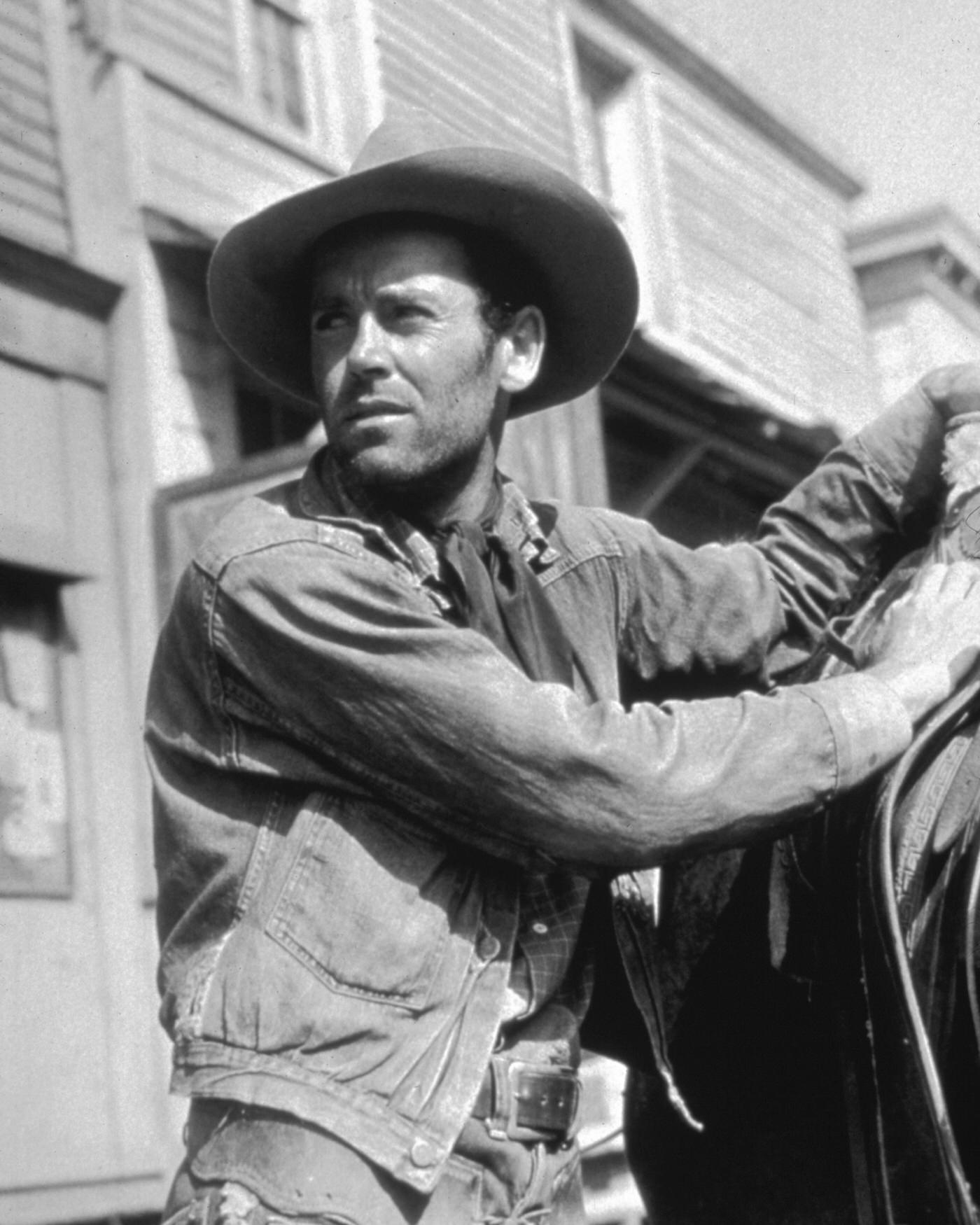
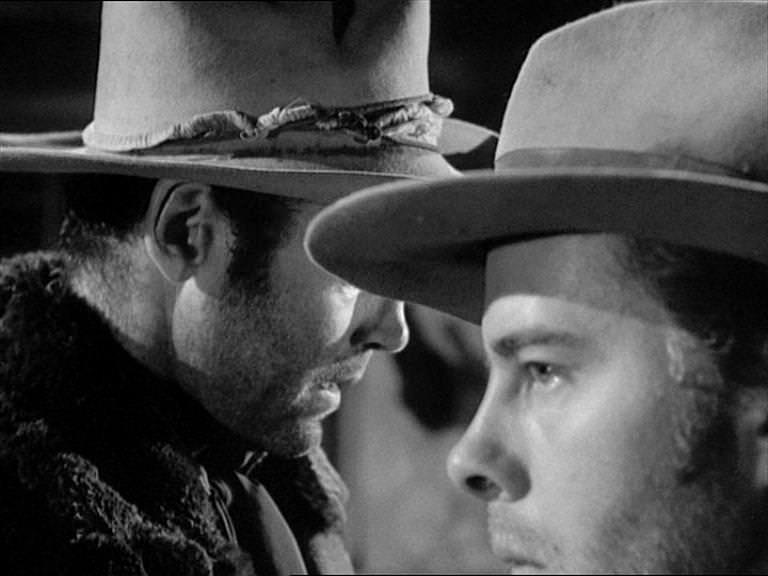
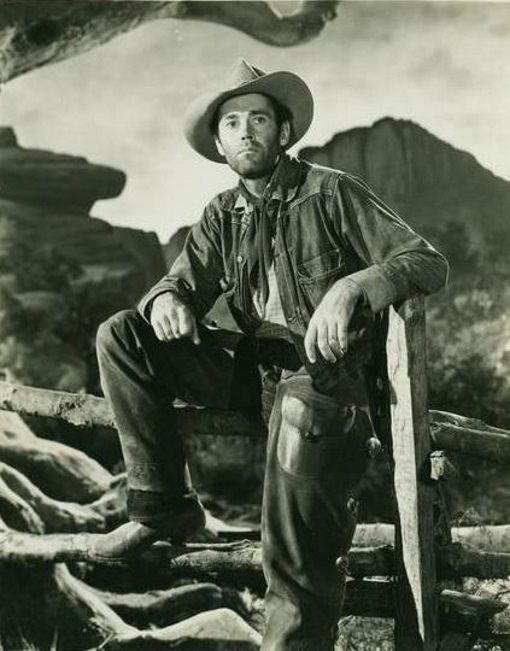
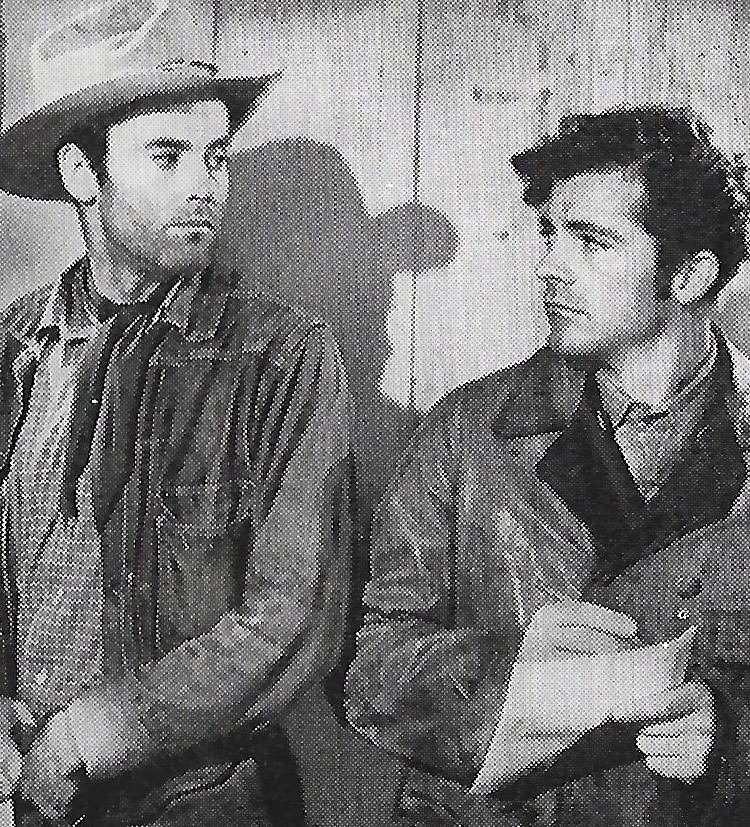
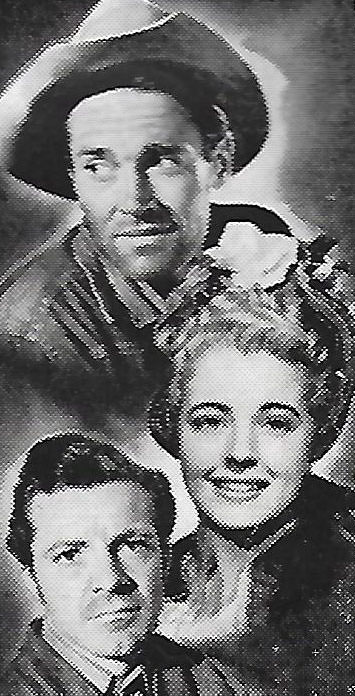
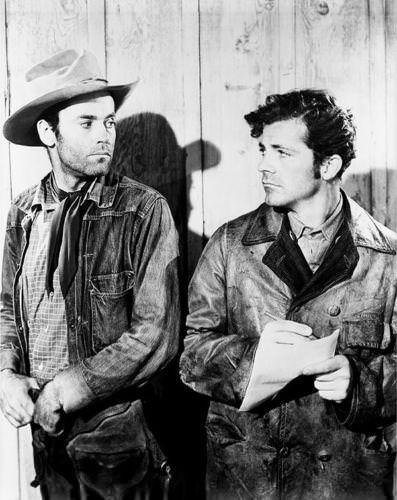
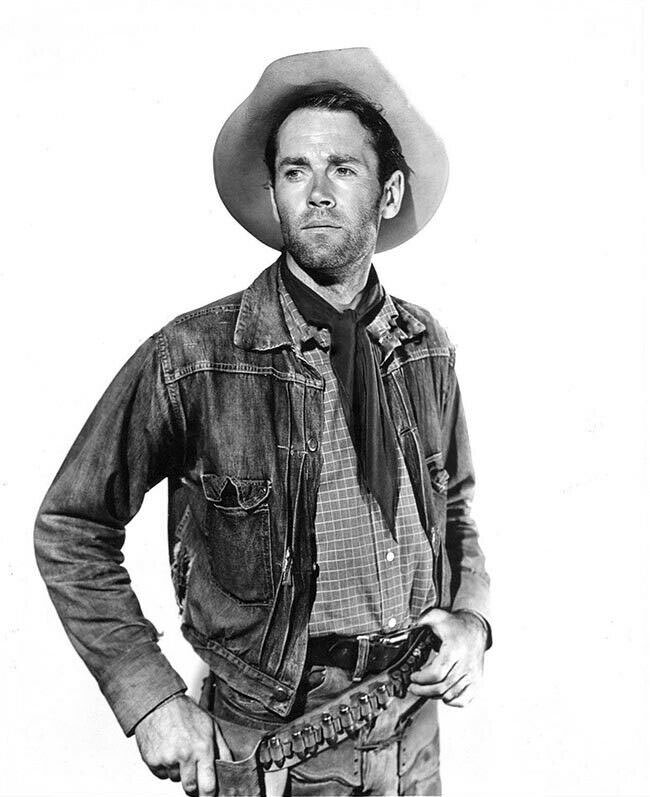
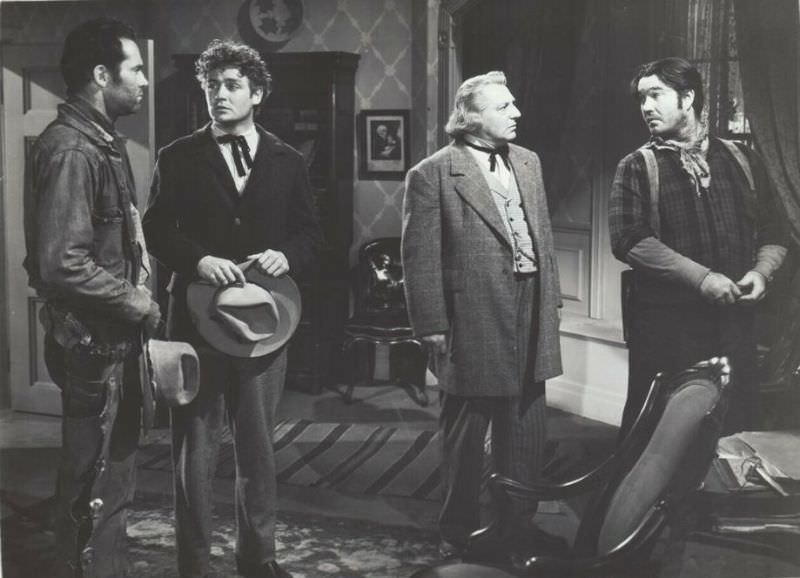
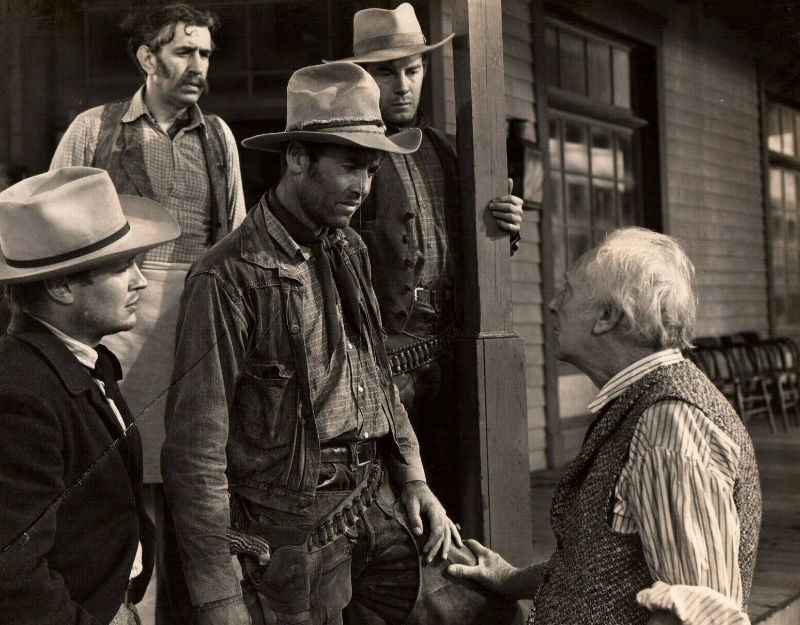
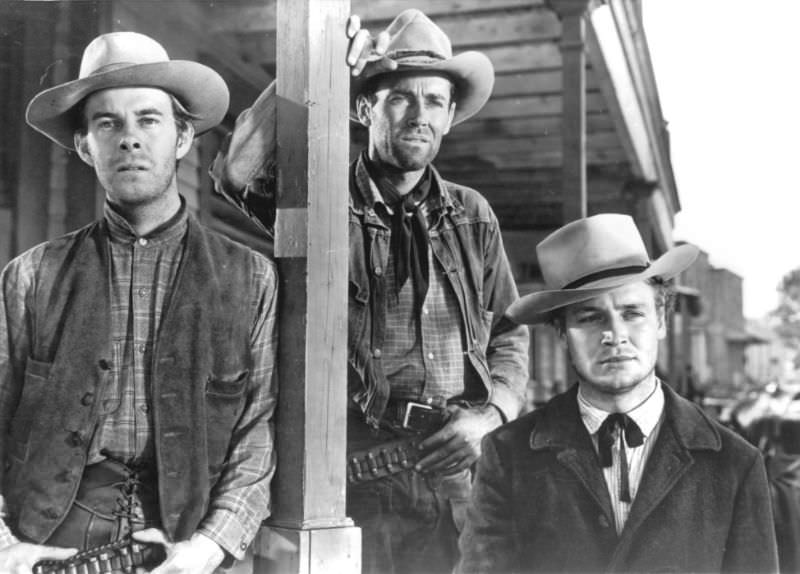
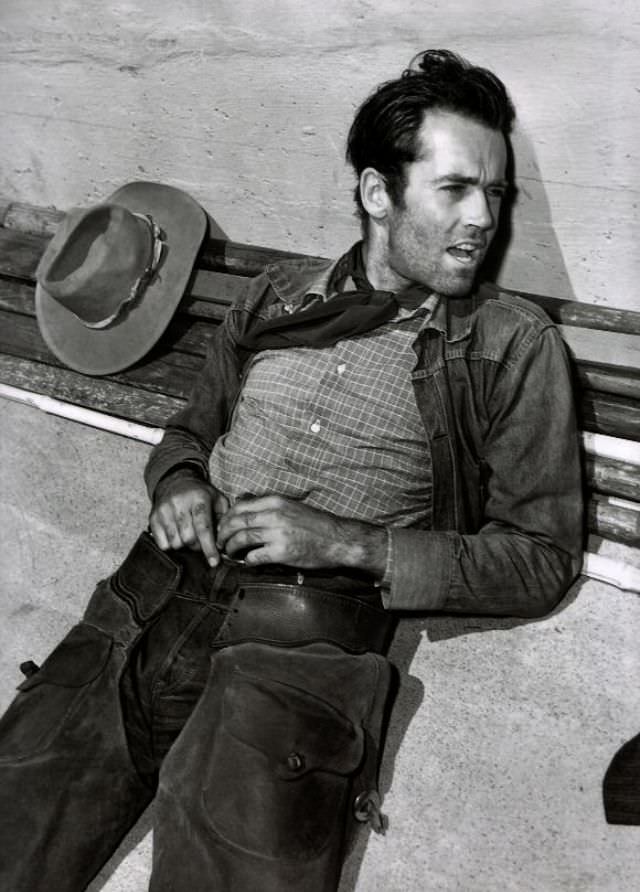
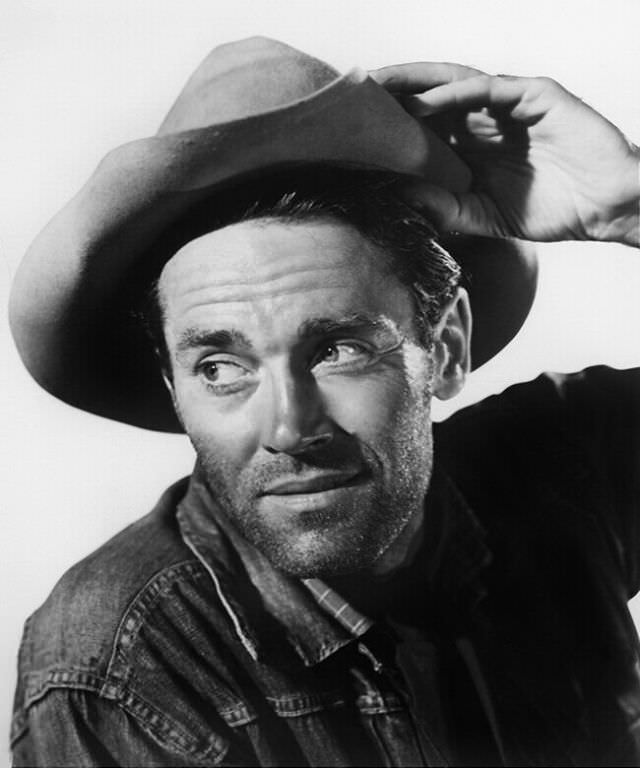
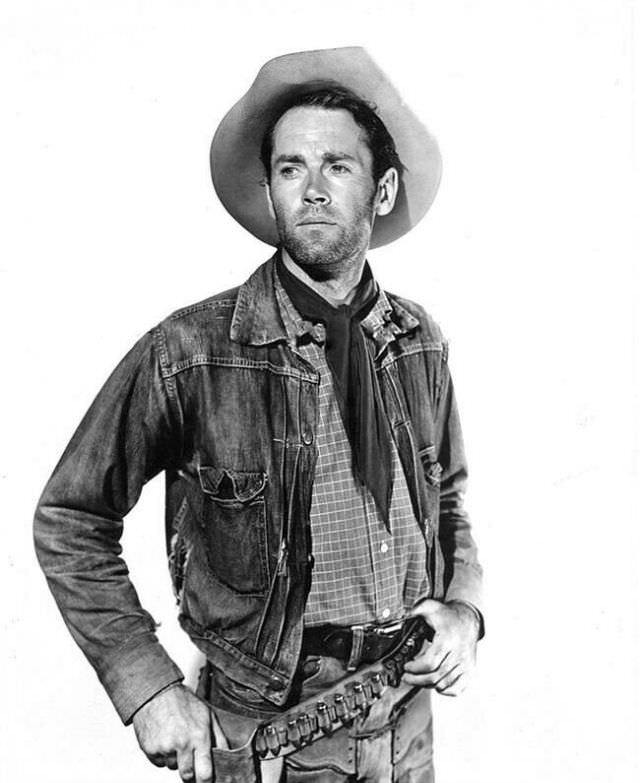
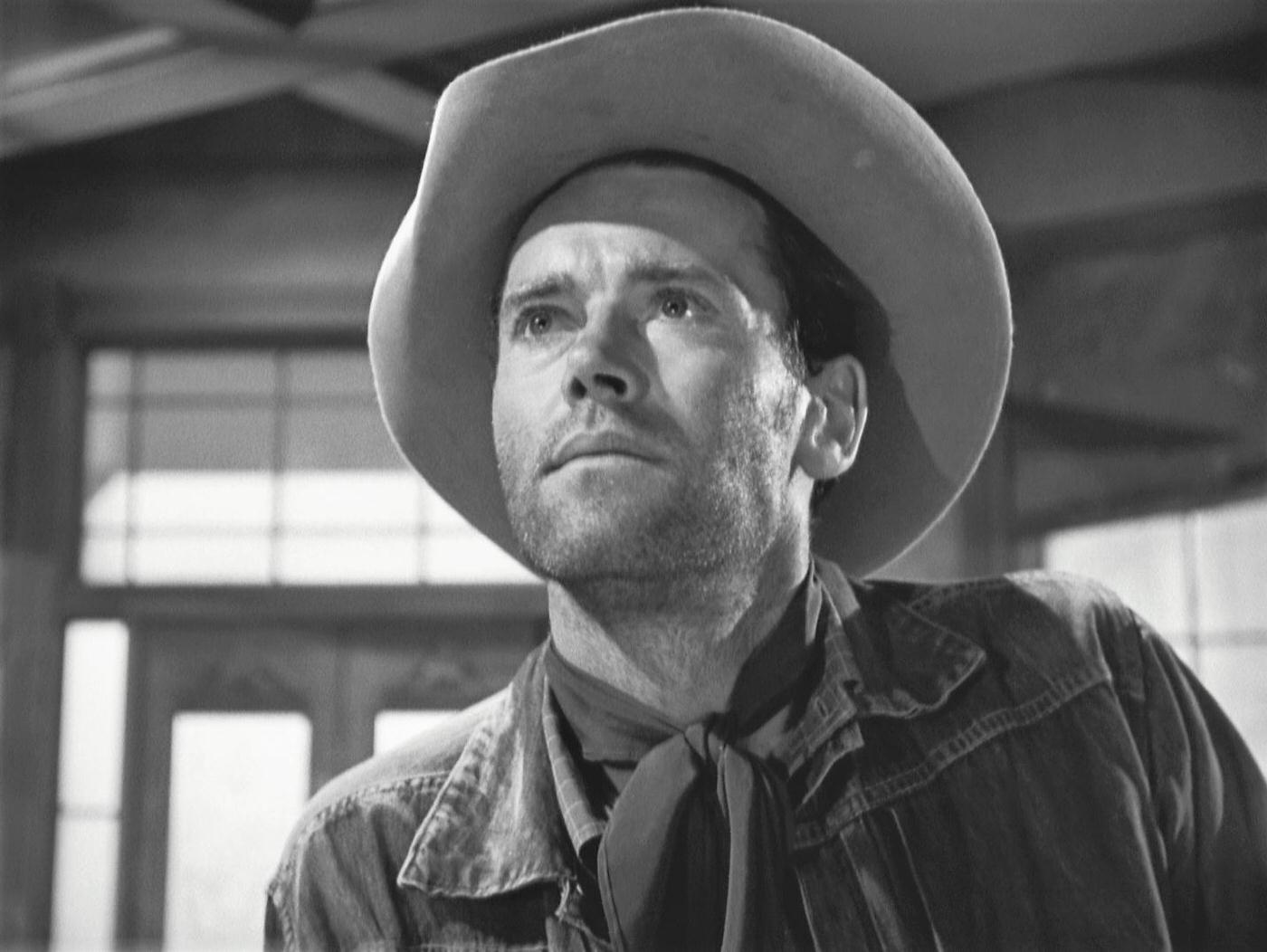
Henry Fonda plays Gil Carter, a drifting cowboy who rides into the Nevada town of Bridger’s Wells with his friend Art Croft, played by Harry Morgan. Carter is not a hero in the traditional Western sense. He argues against the lynching, but he does not stop it. His opposition is vocal yet ultimately ineffective, which is part of what makes the film so unsettling.
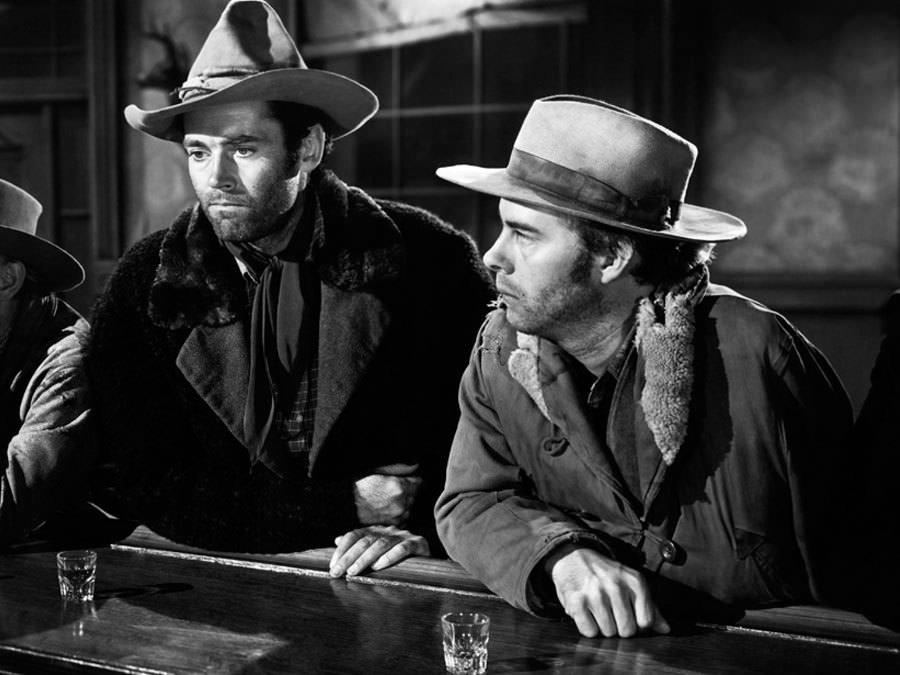
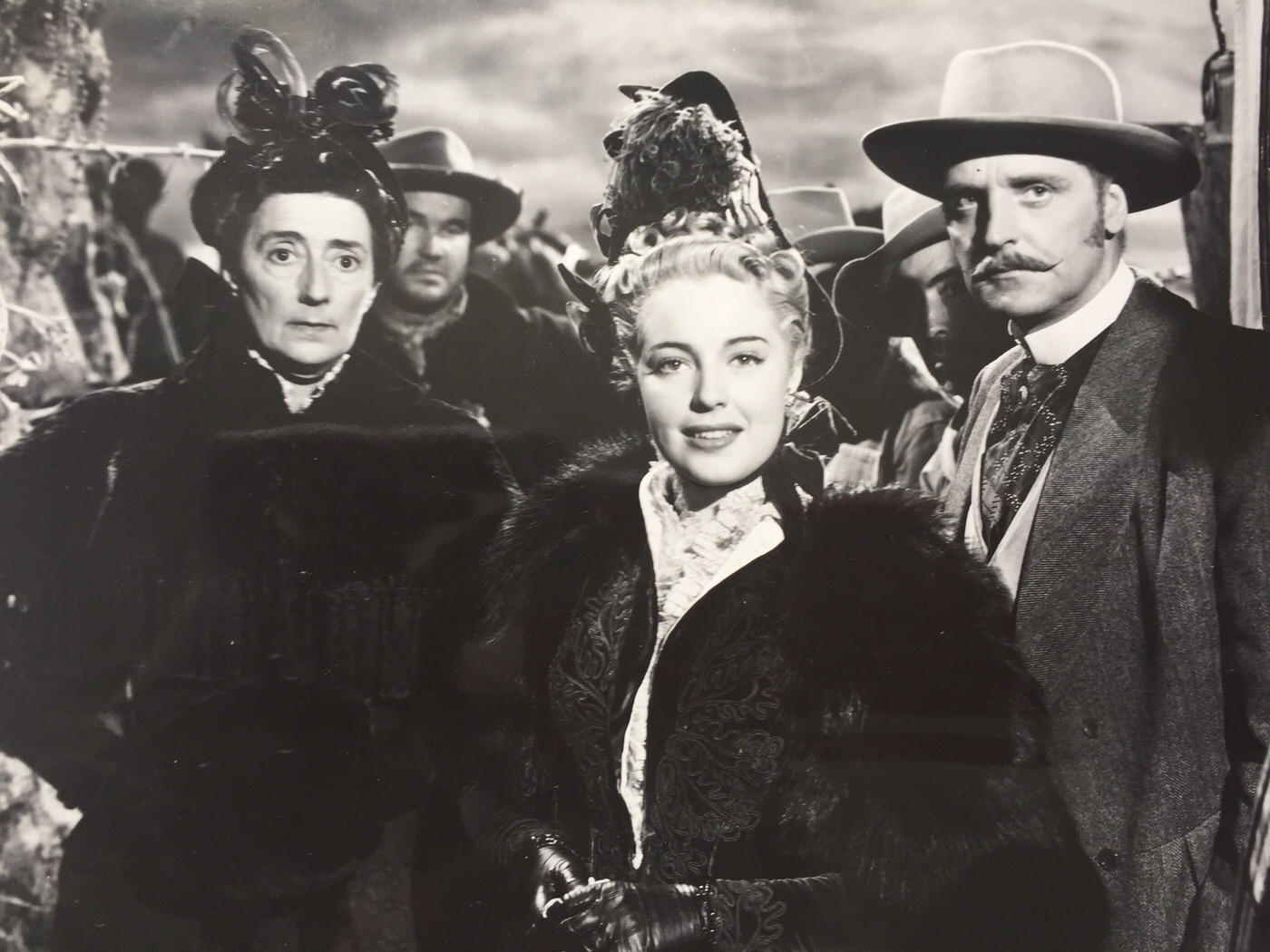
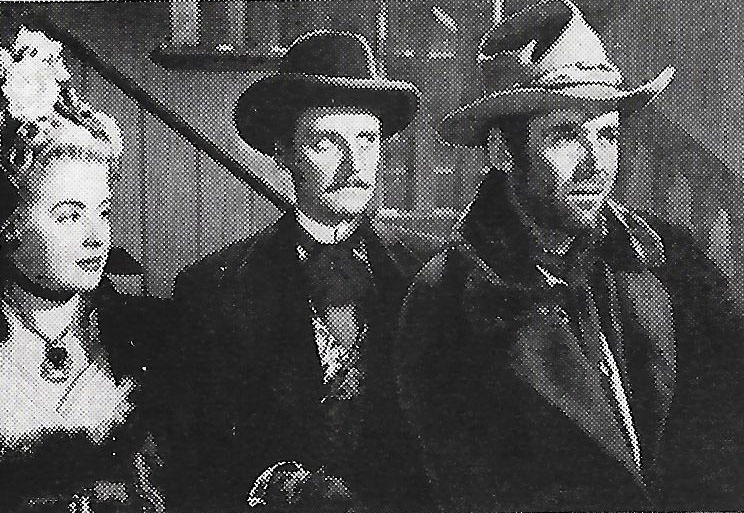
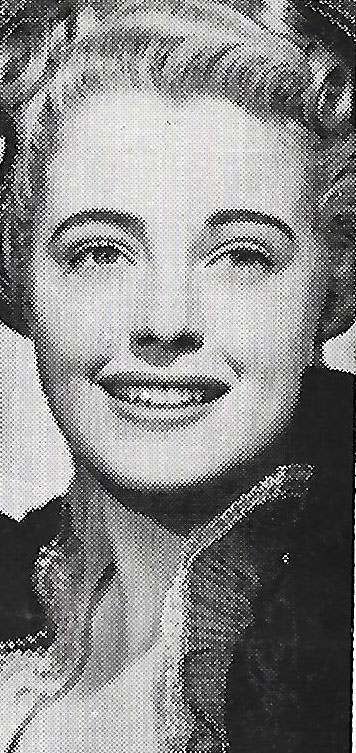
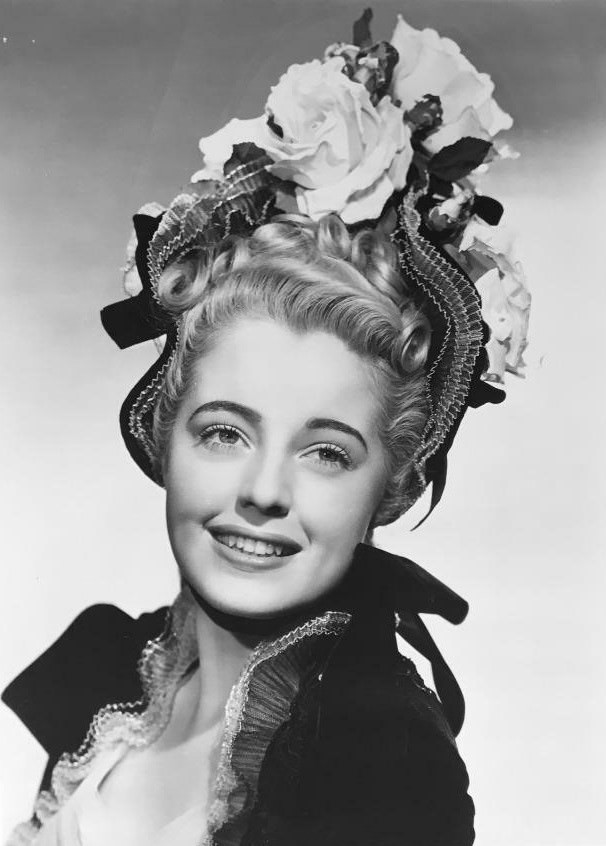
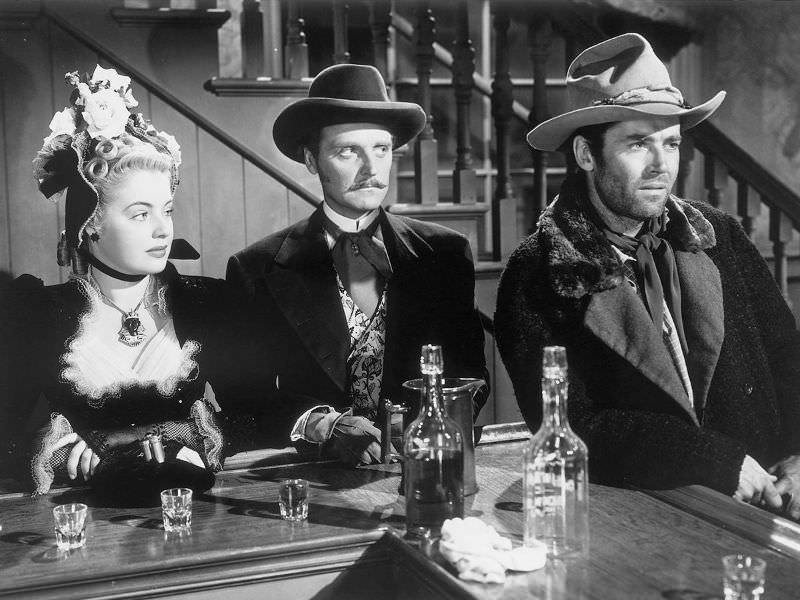
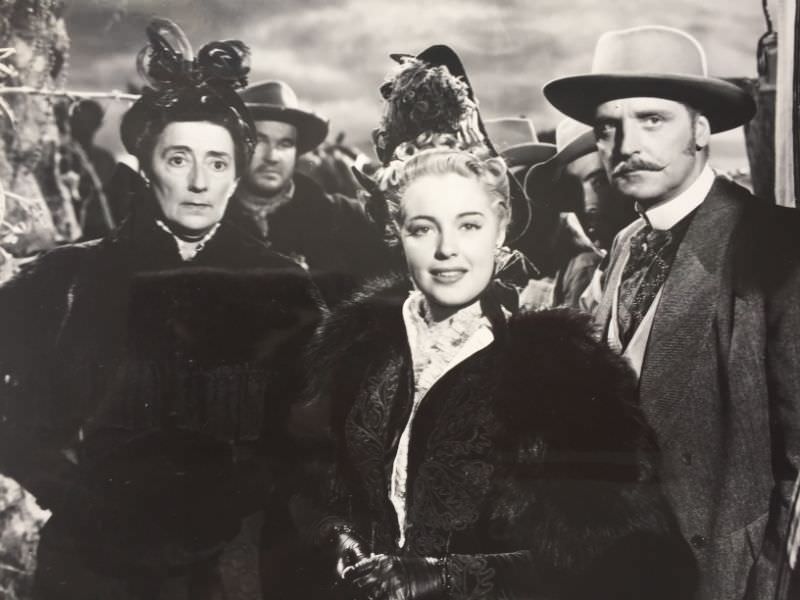
Mary Beth Hughes appears as Rose Mapen, a woman from Carter’s past who resurfaces in town before the mob rides out. Her scenes add personal tension to Carter’s situation, grounding his character before the film’s central moral crisis takes hold.
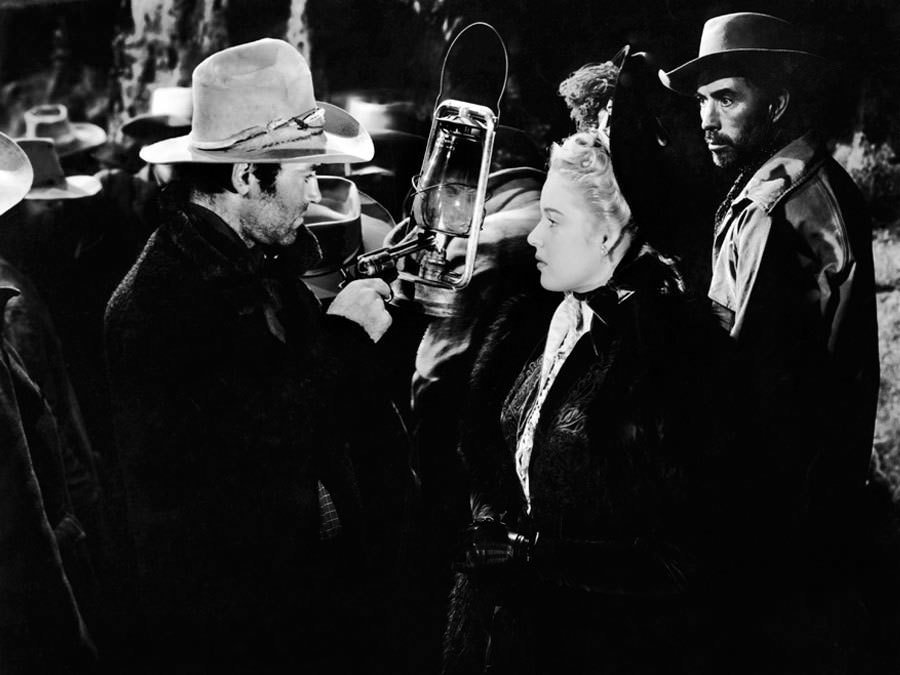
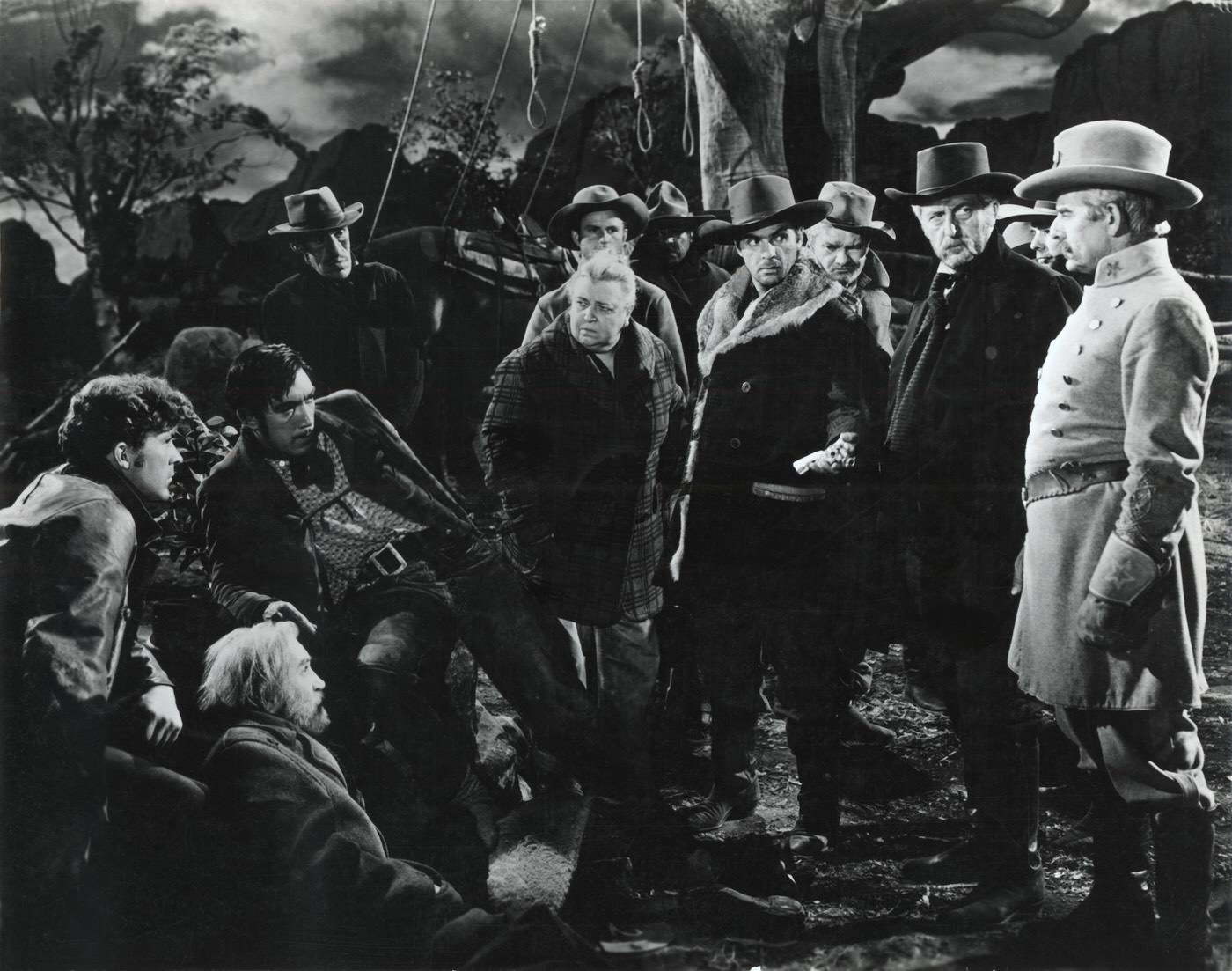
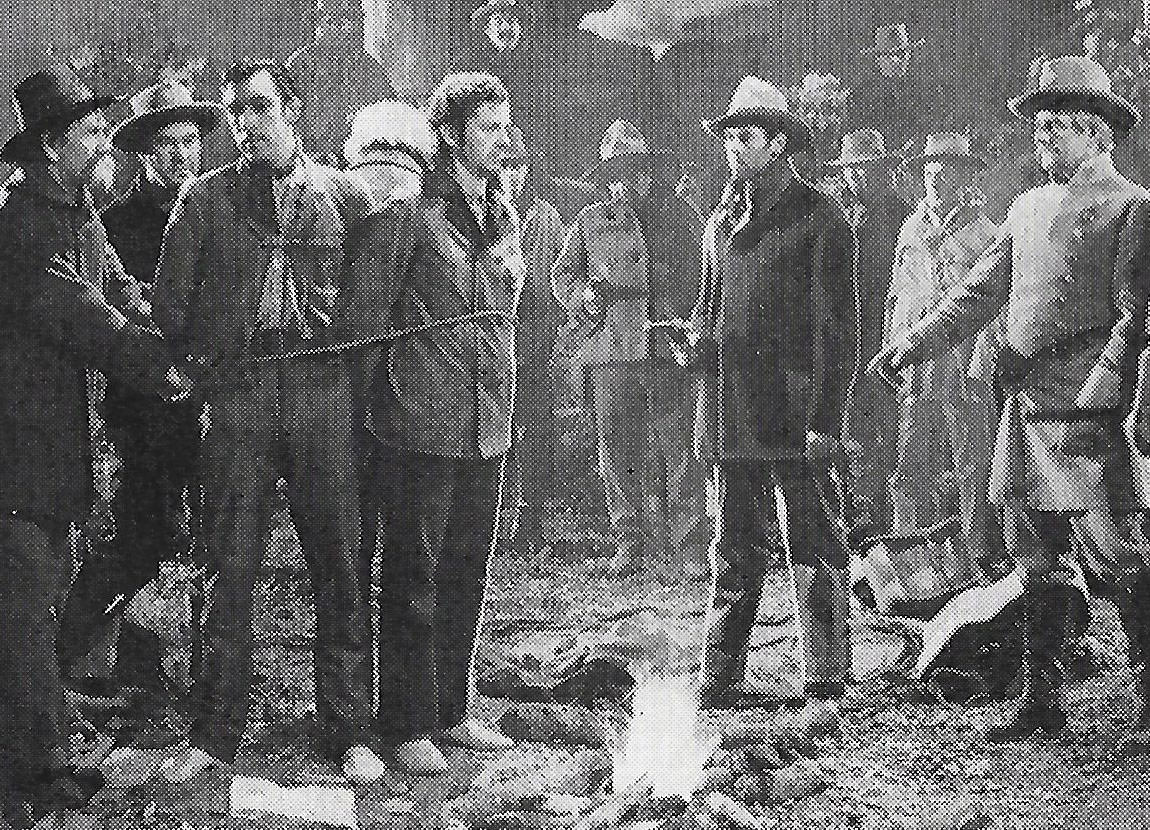
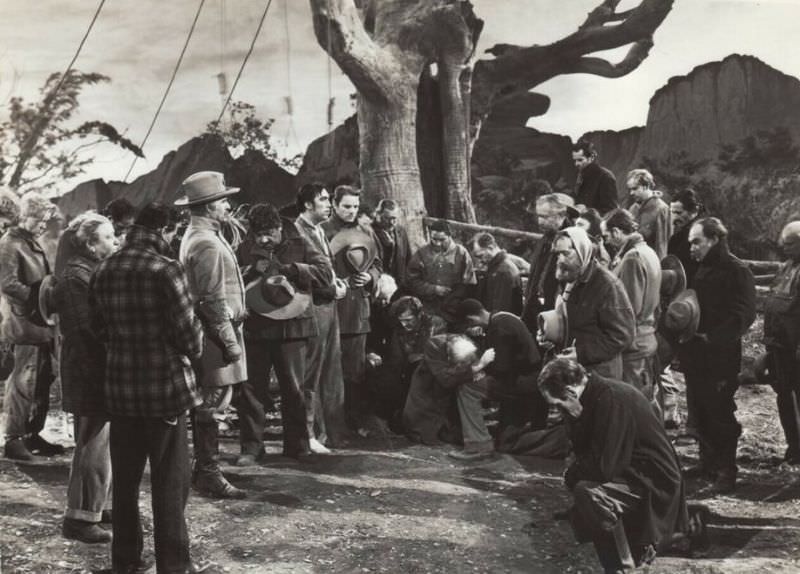
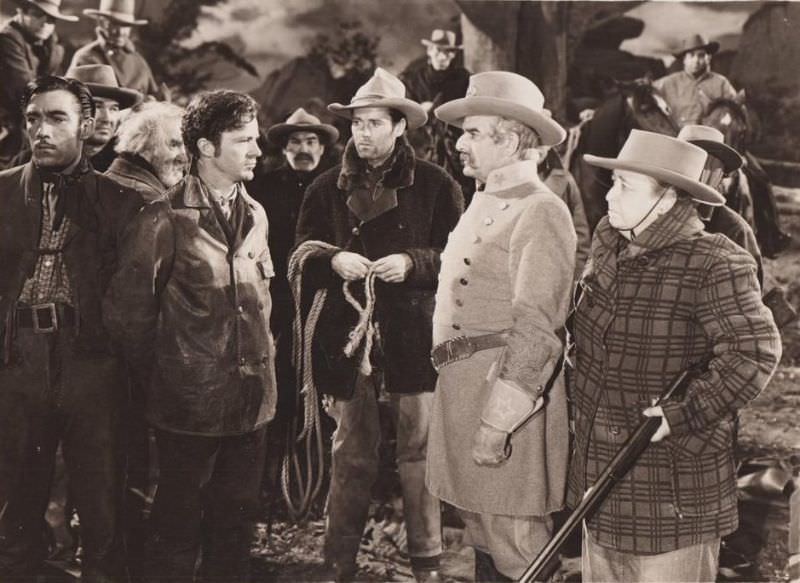
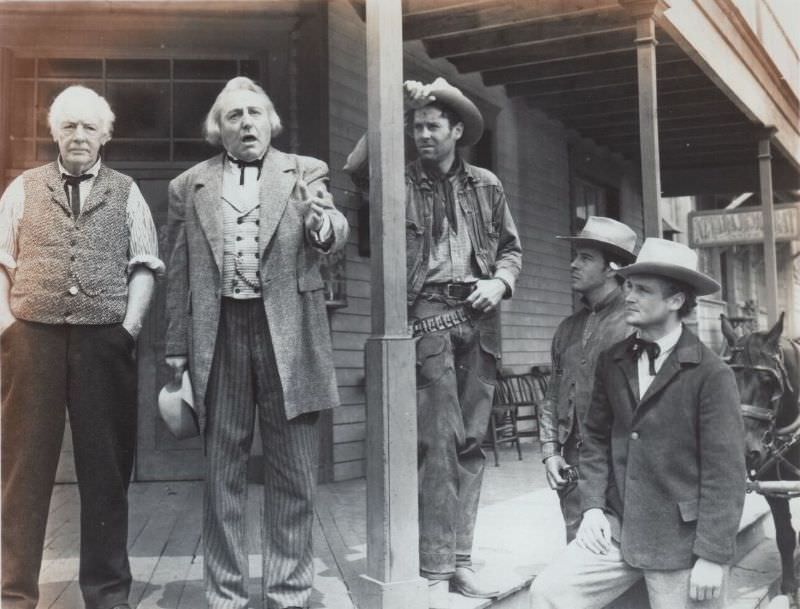
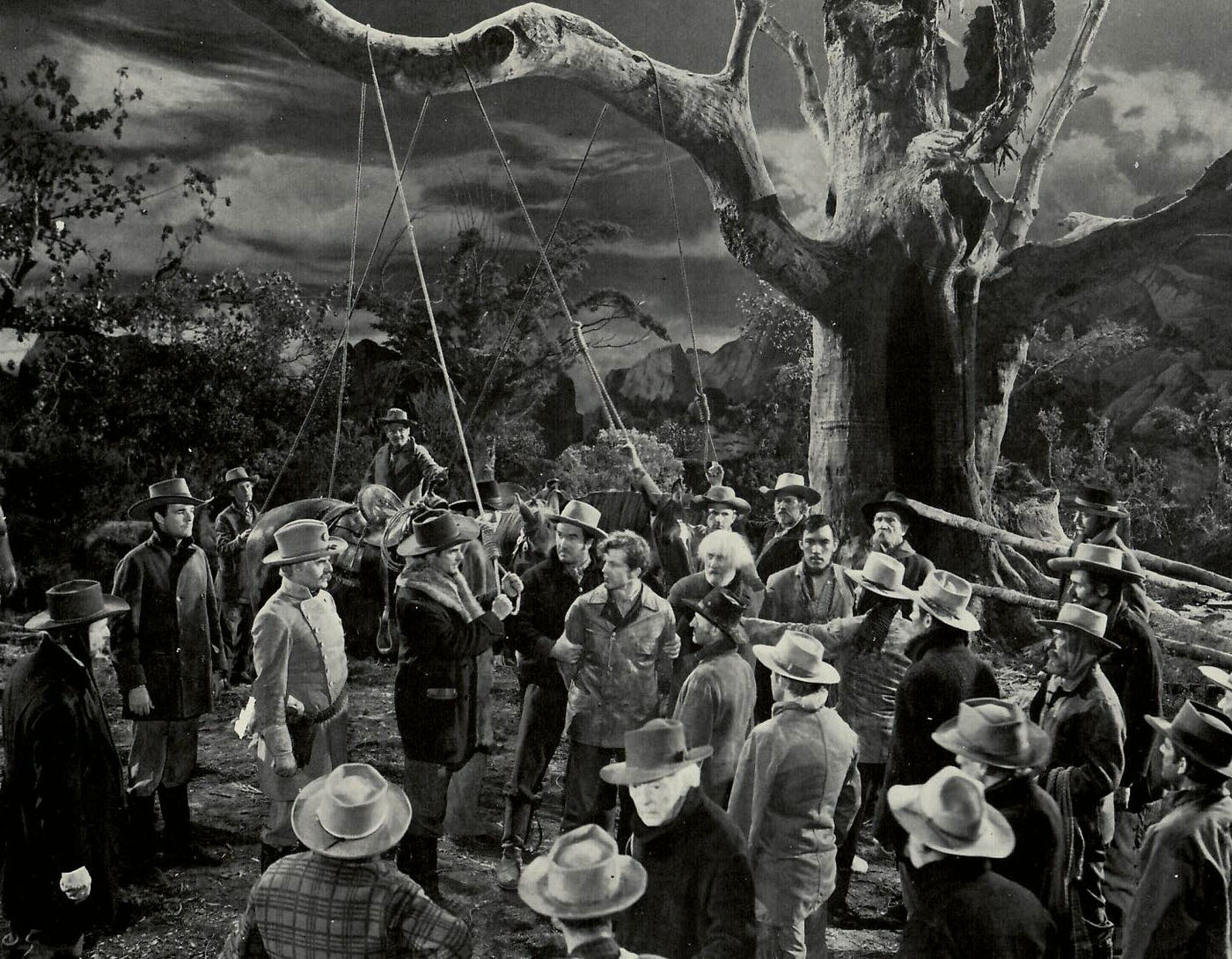
The mob is not made up of villains in the classic sense. These are ranchers, shopkeepers, and cowhands — everyday men swept up in collective anger and fear. The film does not let any of them off the hook. Each member of the group makes a choice, and the film tracks those choices carefully.
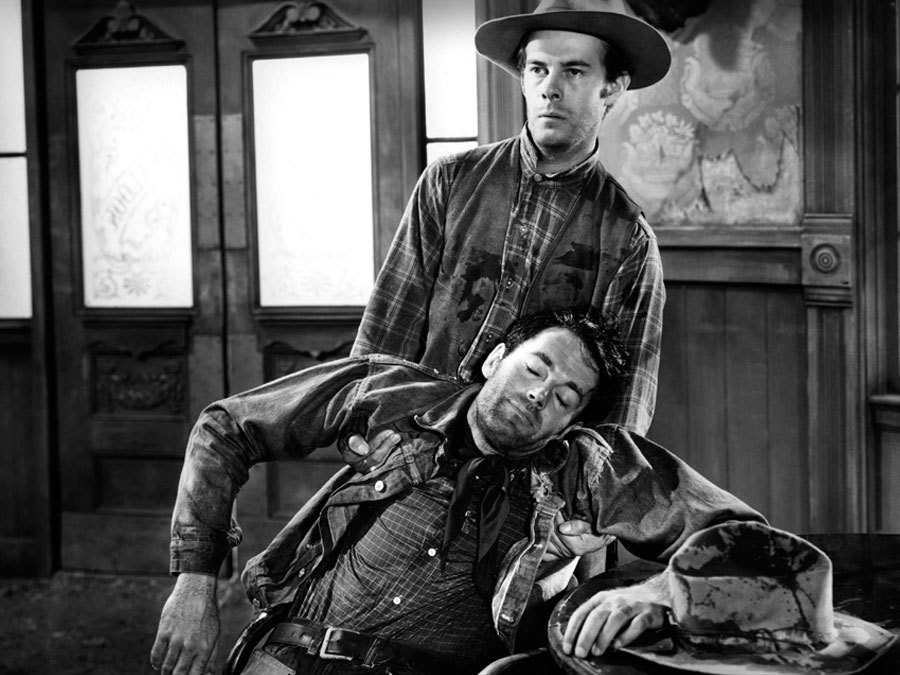
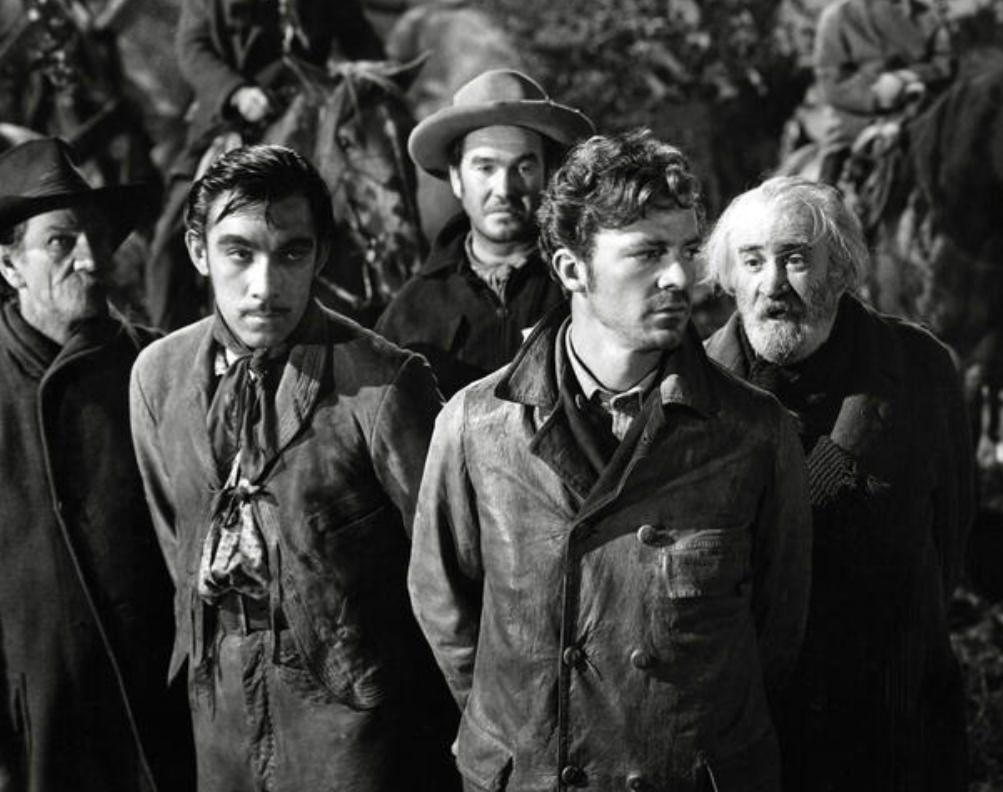
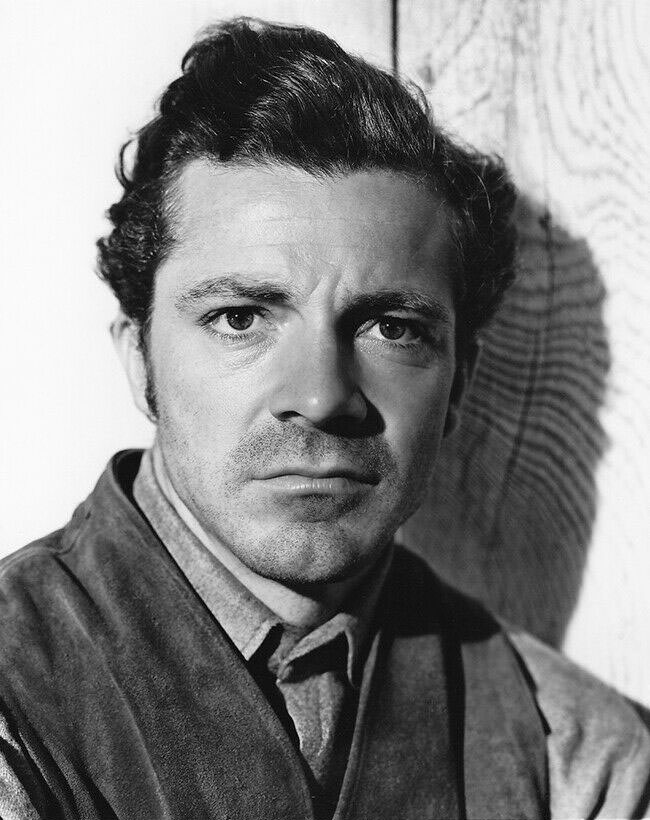
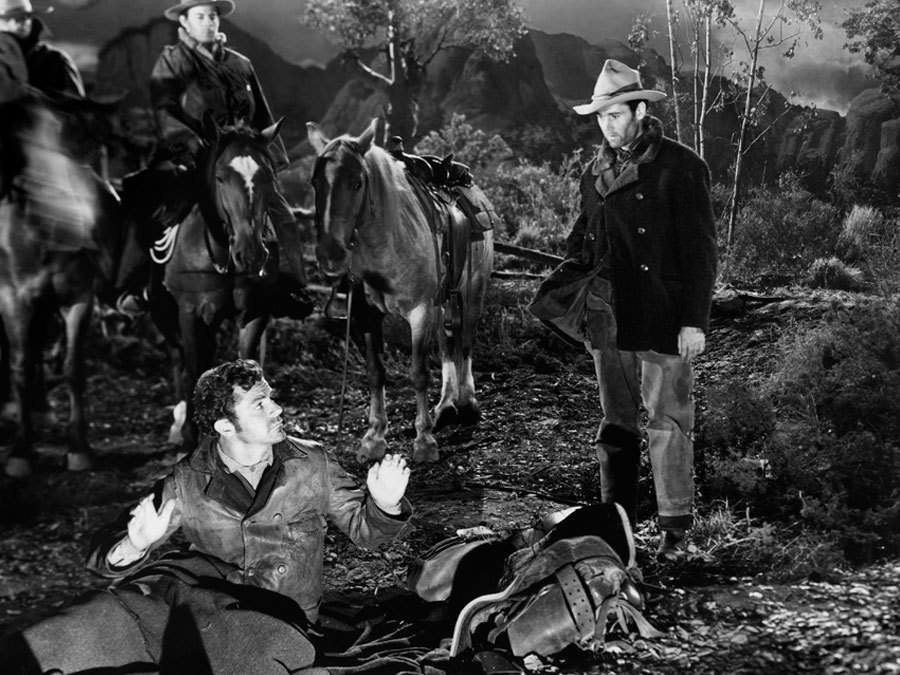
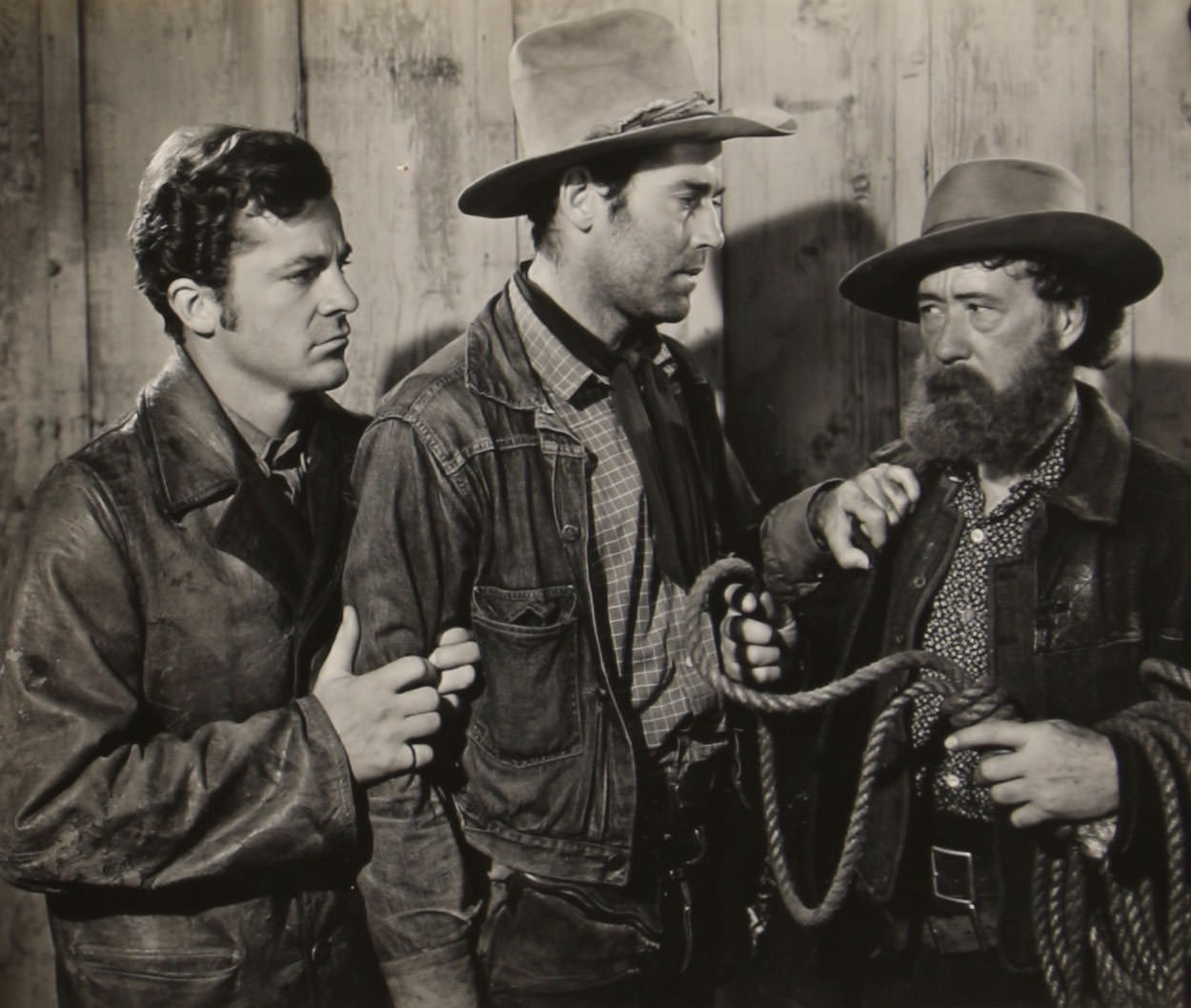
The mob eventually captures three men near Ox-Bow valley: Donald Martin, played by Dana Andrews; a Mexican drifter named Juan Martínez, played by Anthony Quinn; and an elderly man named Alva Hardwick. Martin insists he is innocent, carries papers proving he bought the cattle legally, and asks only for time to send for witnesses. The mob ignores all of it.
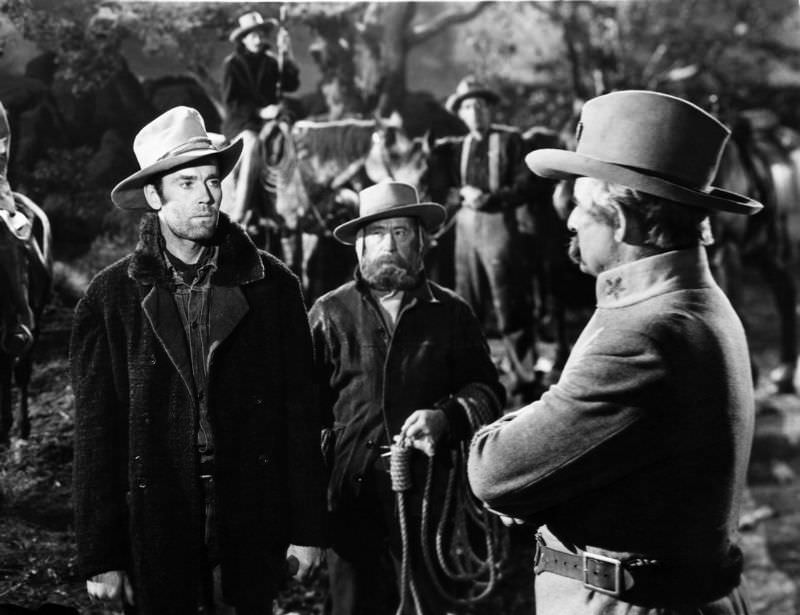
Driving the mob forward is Major Tetley, a cold and commanding figure who pushes for immediate execution. Frank Conroy plays Tetley with rigid authority, using the language of order and justice to carry out something that is neither orderly nor just.
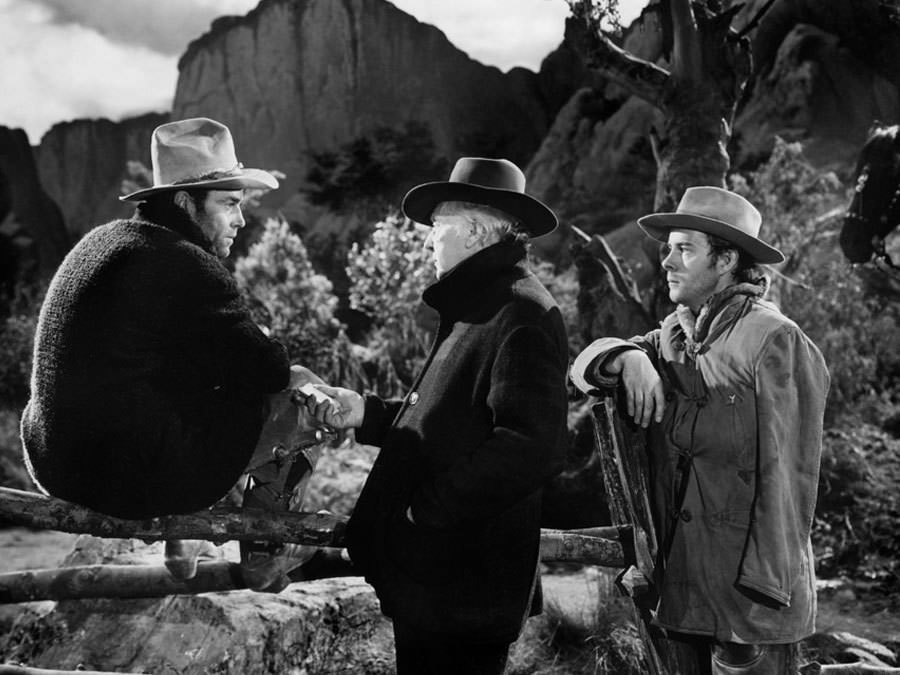
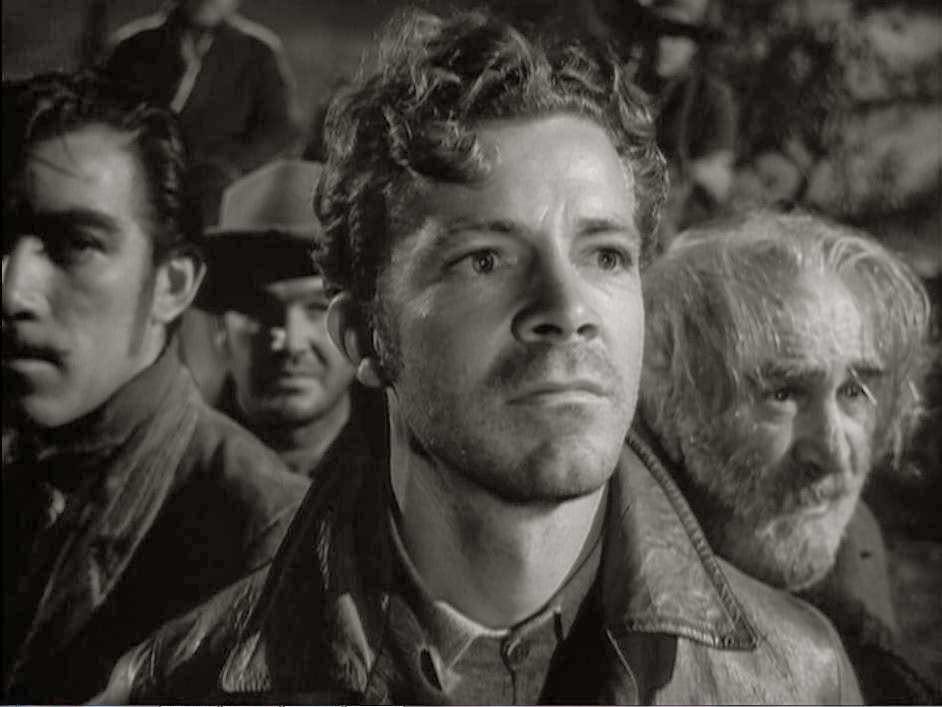
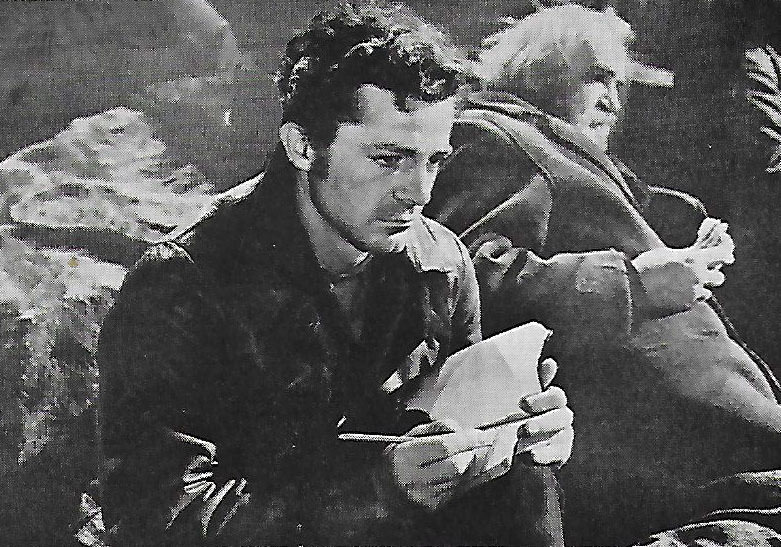
Dana Andrews delivers one of the film’s most powerful performances as Donald Martin. In his final hours, Martin writes a letter to his wife. The words in that letter are read aloud near the film’s end, and they serve as its moral center — a plain statement about what law and justice are supposed to mean, and what it costs when they are abandoned.
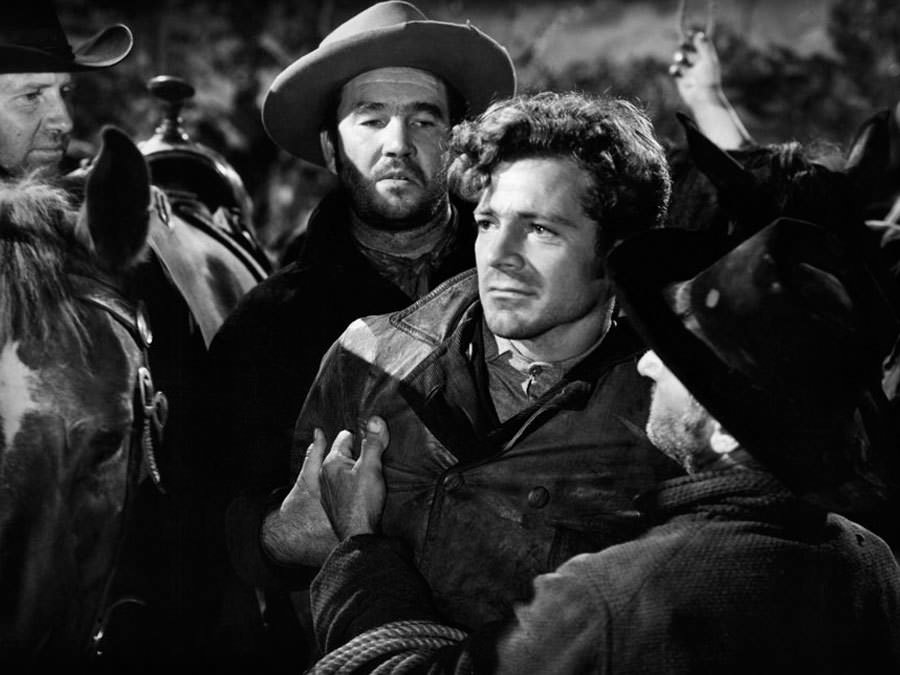
The three men are hanged at dawn. Shortly after, riders arrive with the news that the rancher is not dead — he survived the attack — and that the real suspects are already in custody. The mob has executed three innocent men.
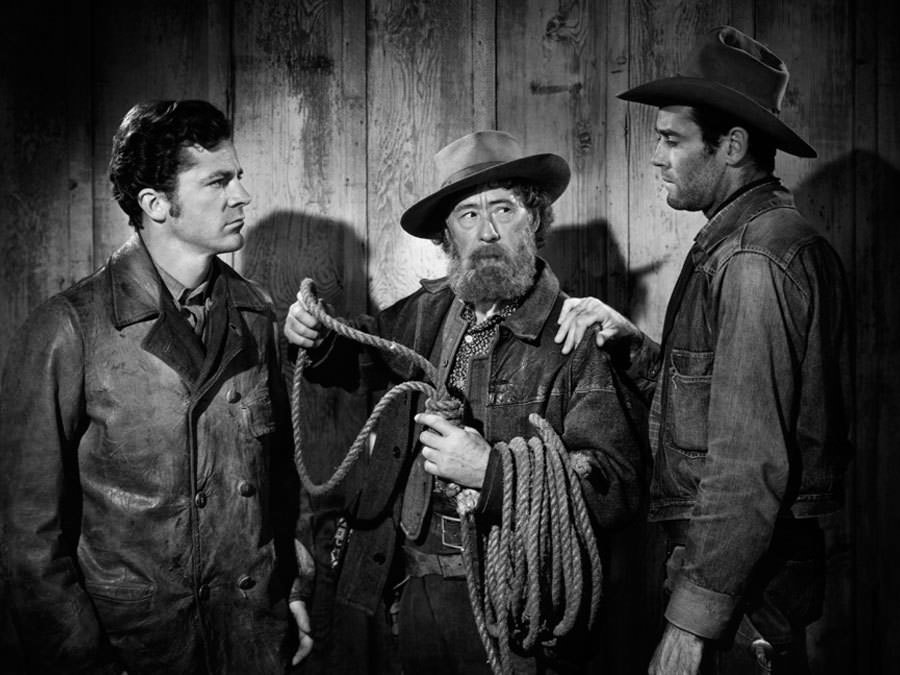
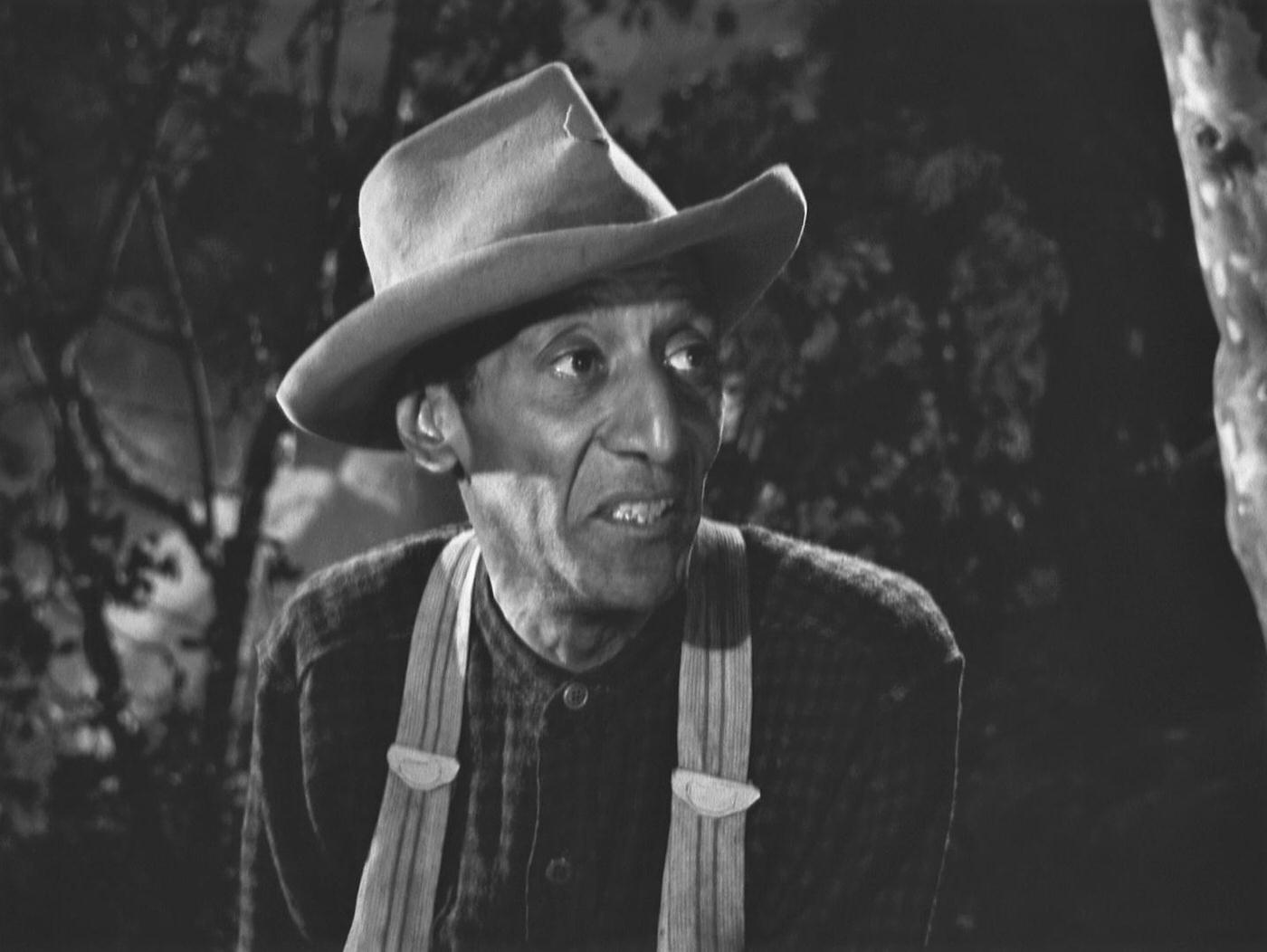
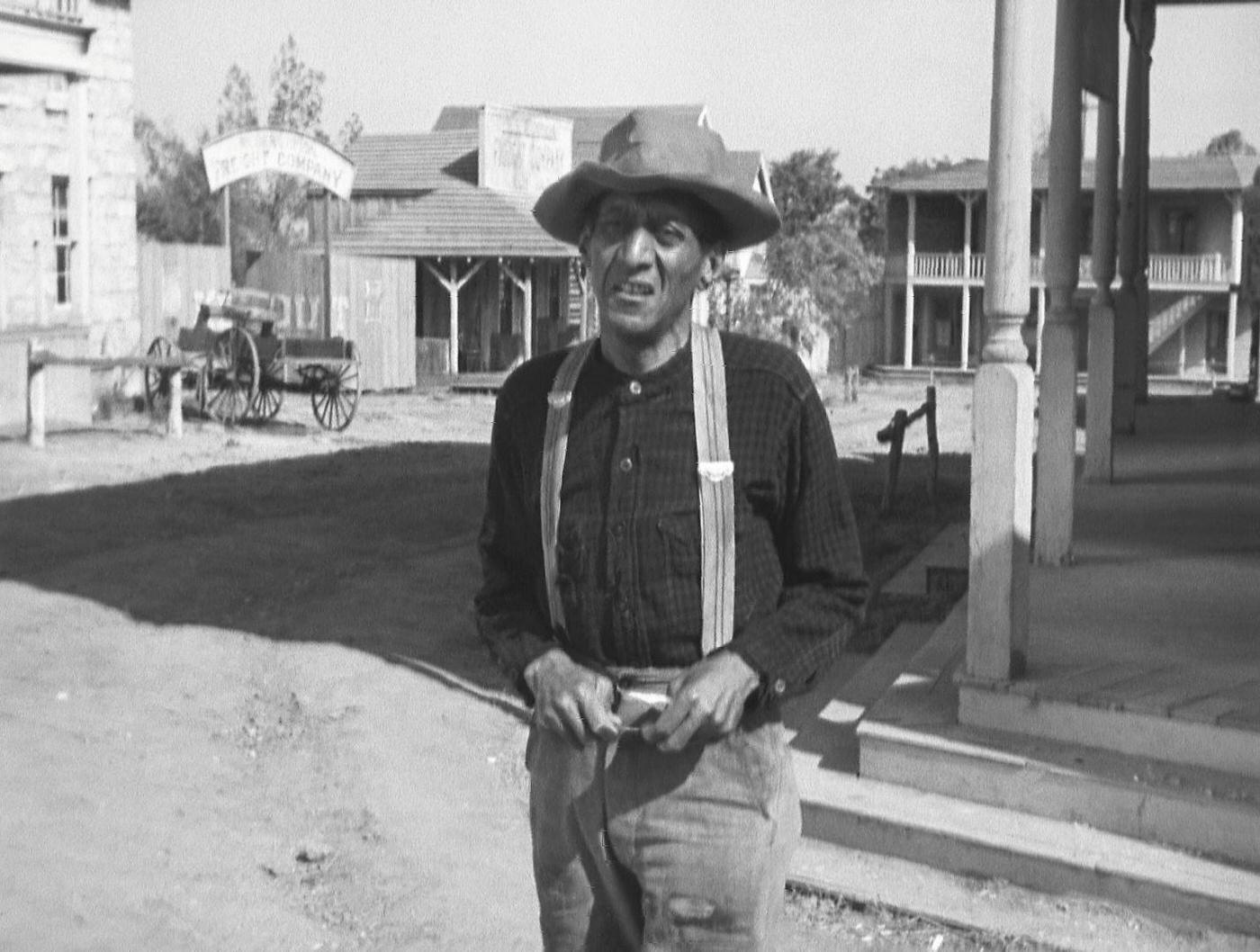
Leigh Whipper appears as Sparks, a Black preacher who rides with the group and objects to the lynching throughout. His presence in the film carries a pointed weight — as a Black man in the 1870s American West, his voice against lynching is the most dangerous one in that crowd to raise.
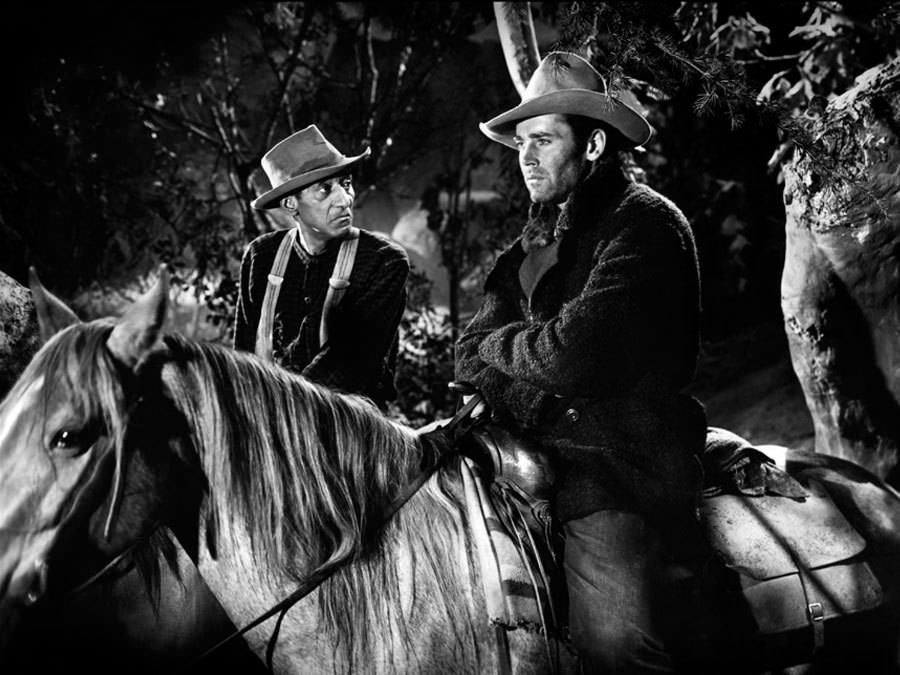
Fonda’s performance as Carter is built on restraint. He conveys helplessness and guilt without melodrama. By the end of the film, Carter does not appear relieved or redeemed — he appears like a man who knows exactly what he failed to do.
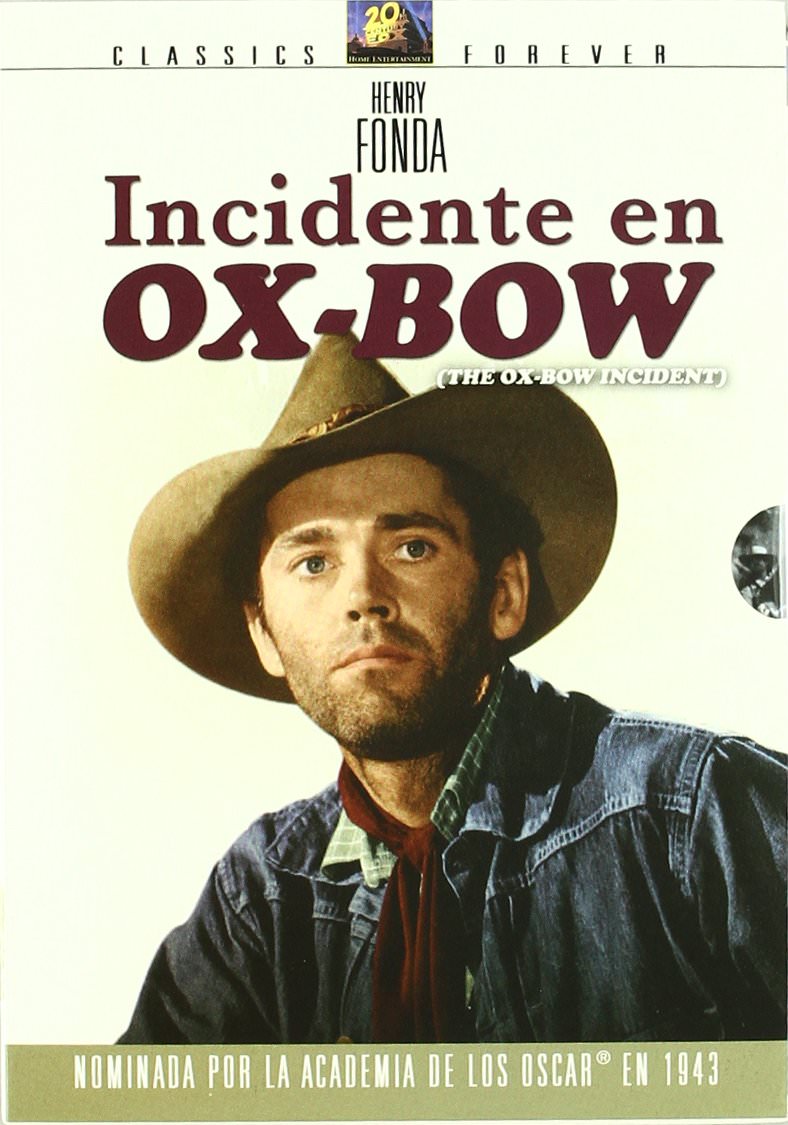
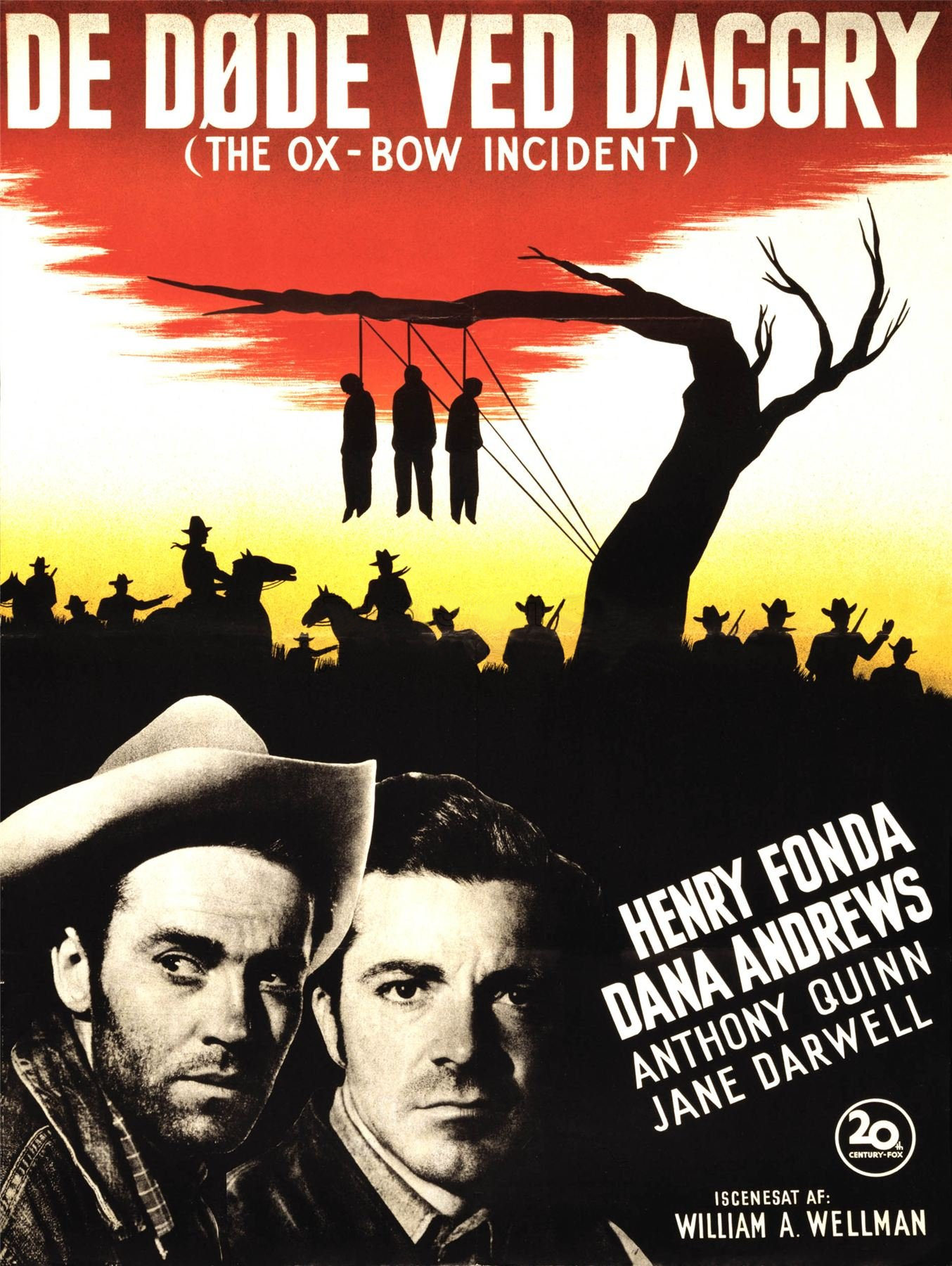
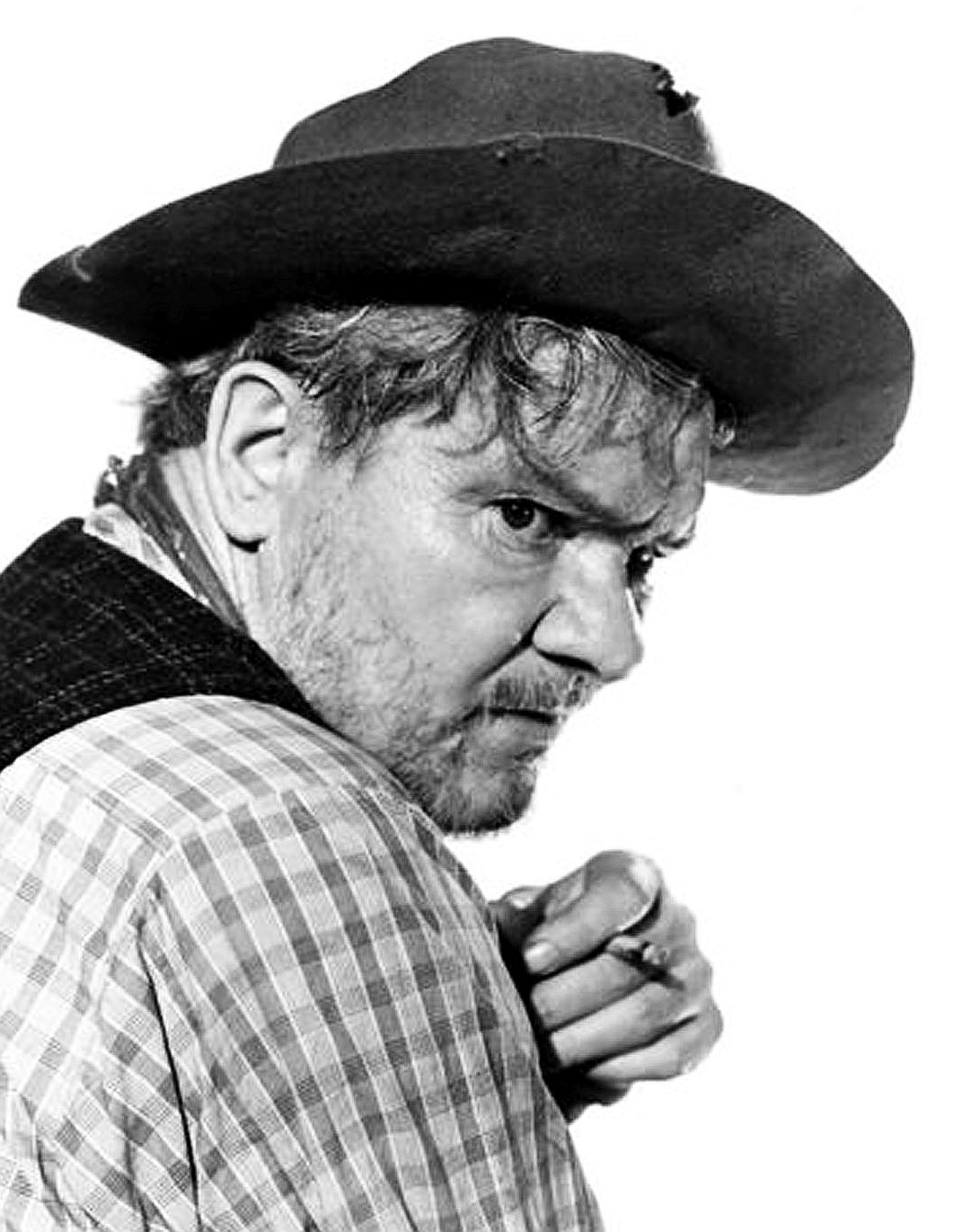
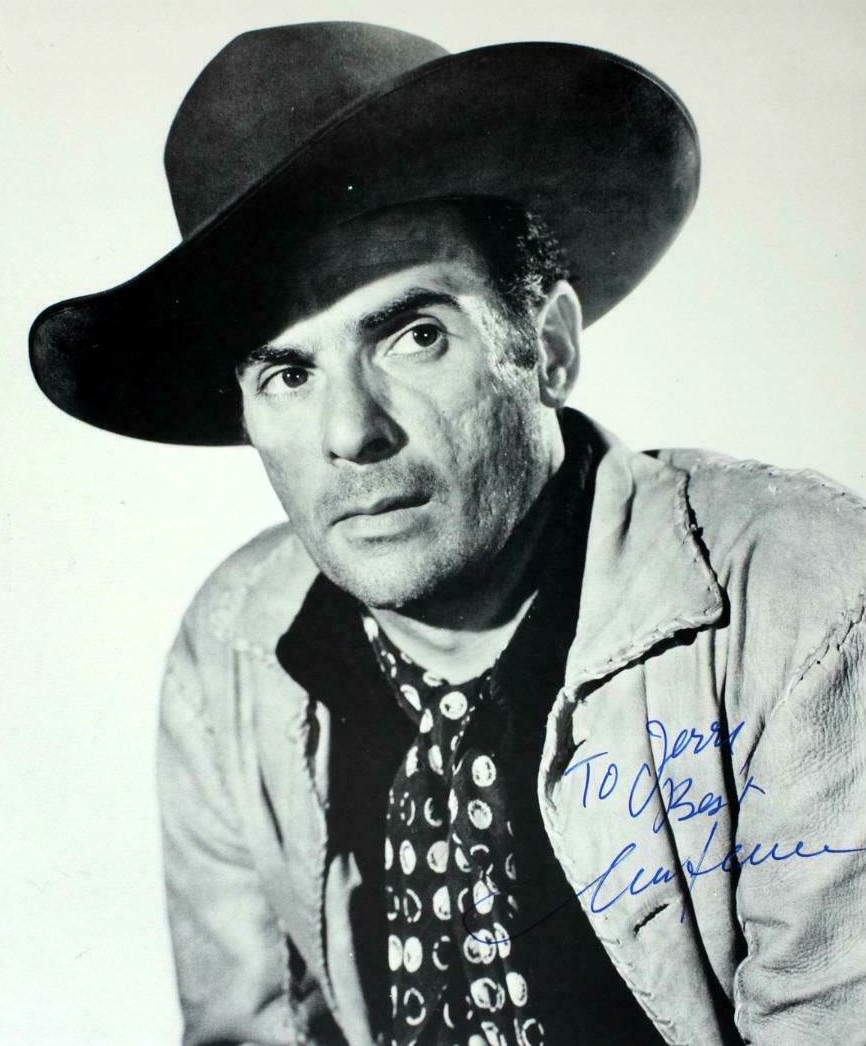
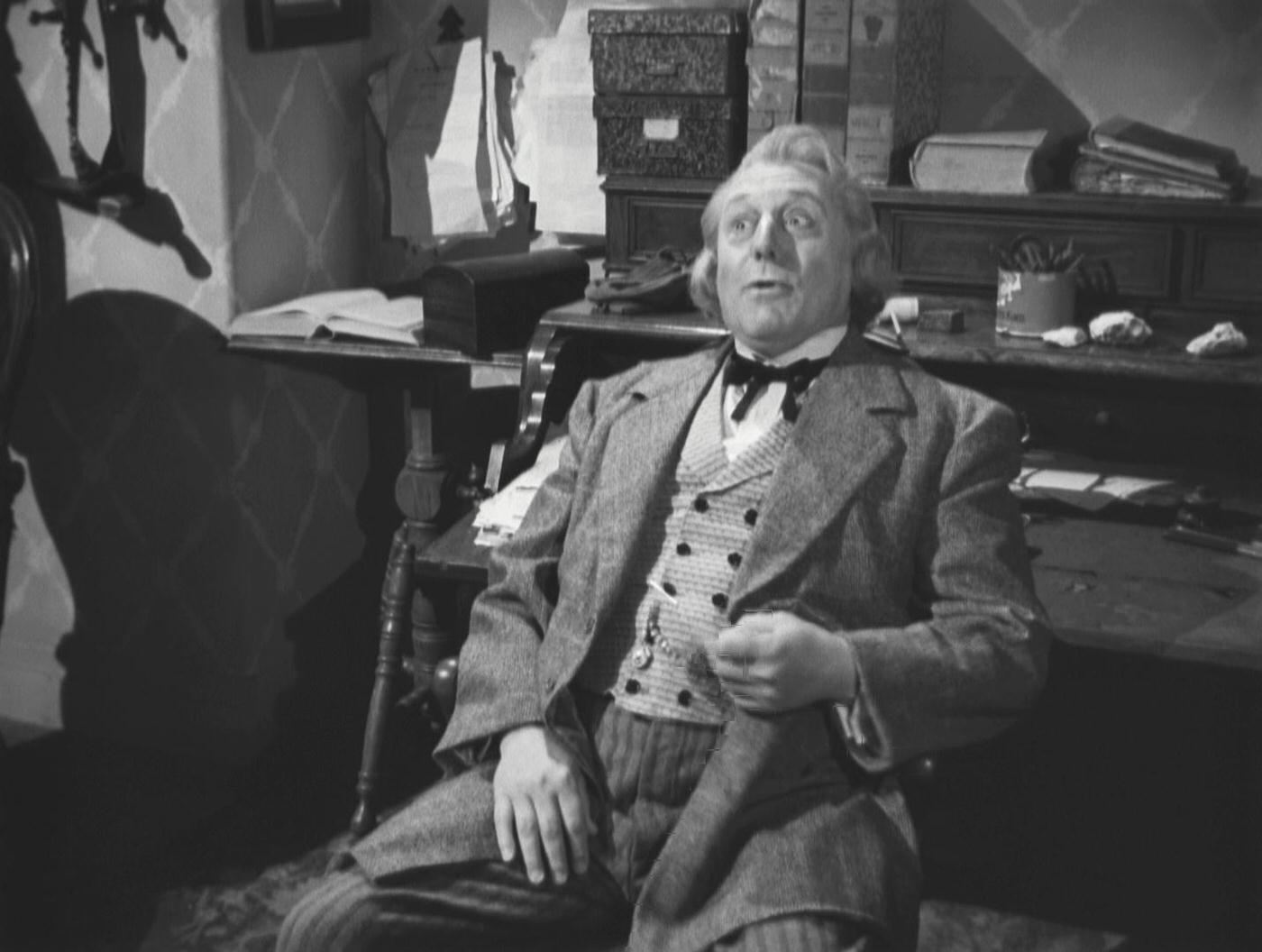
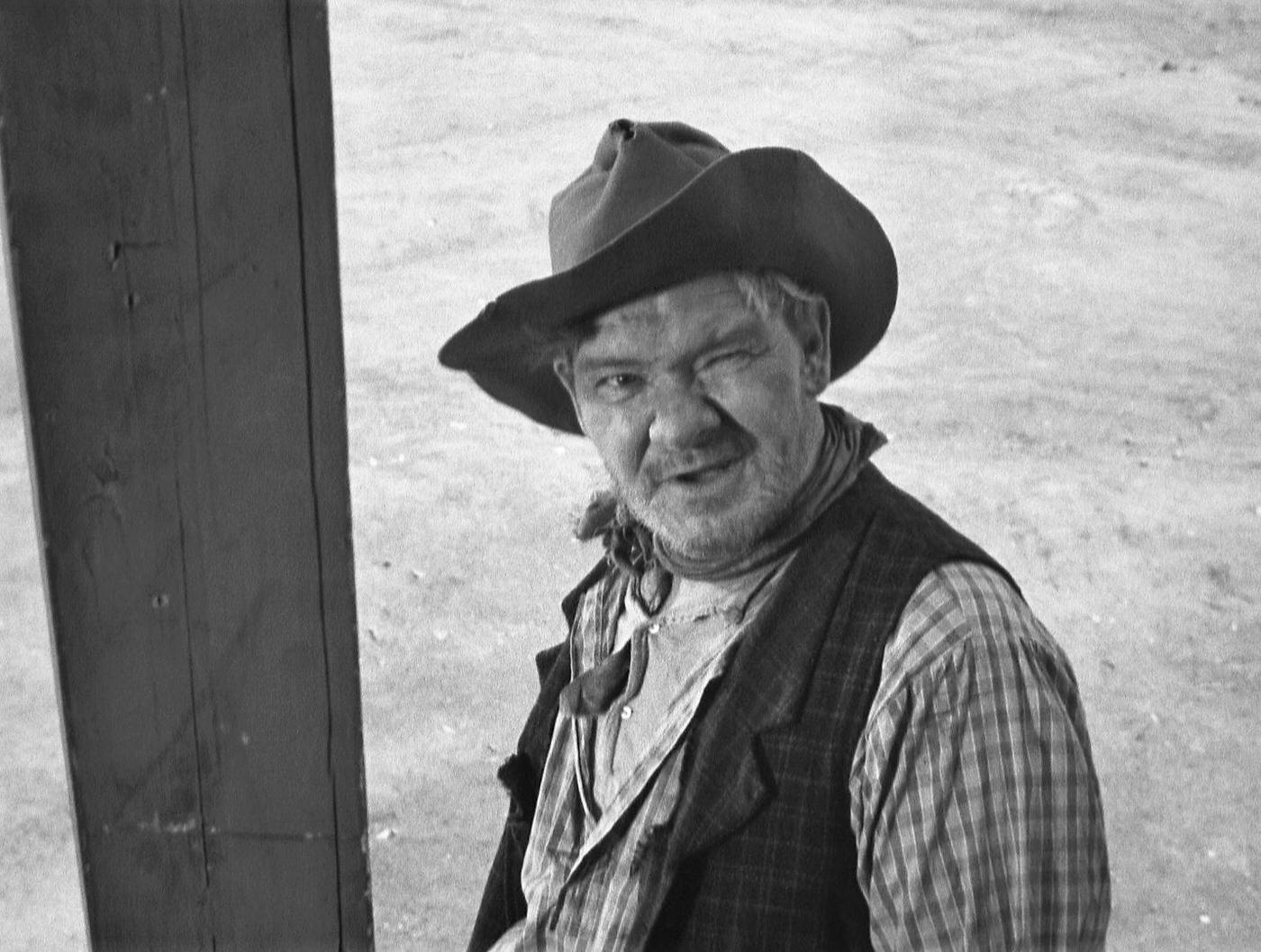
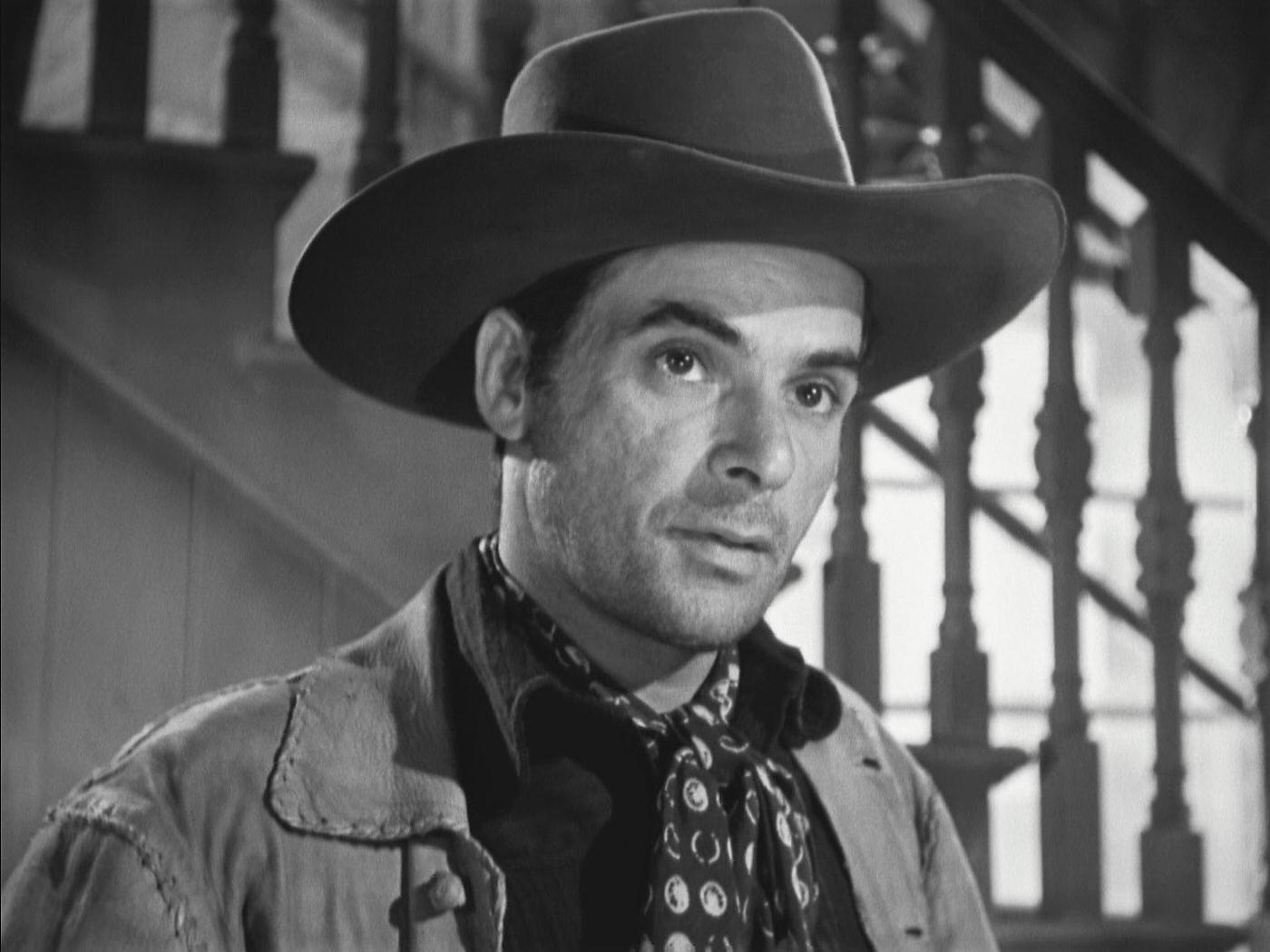
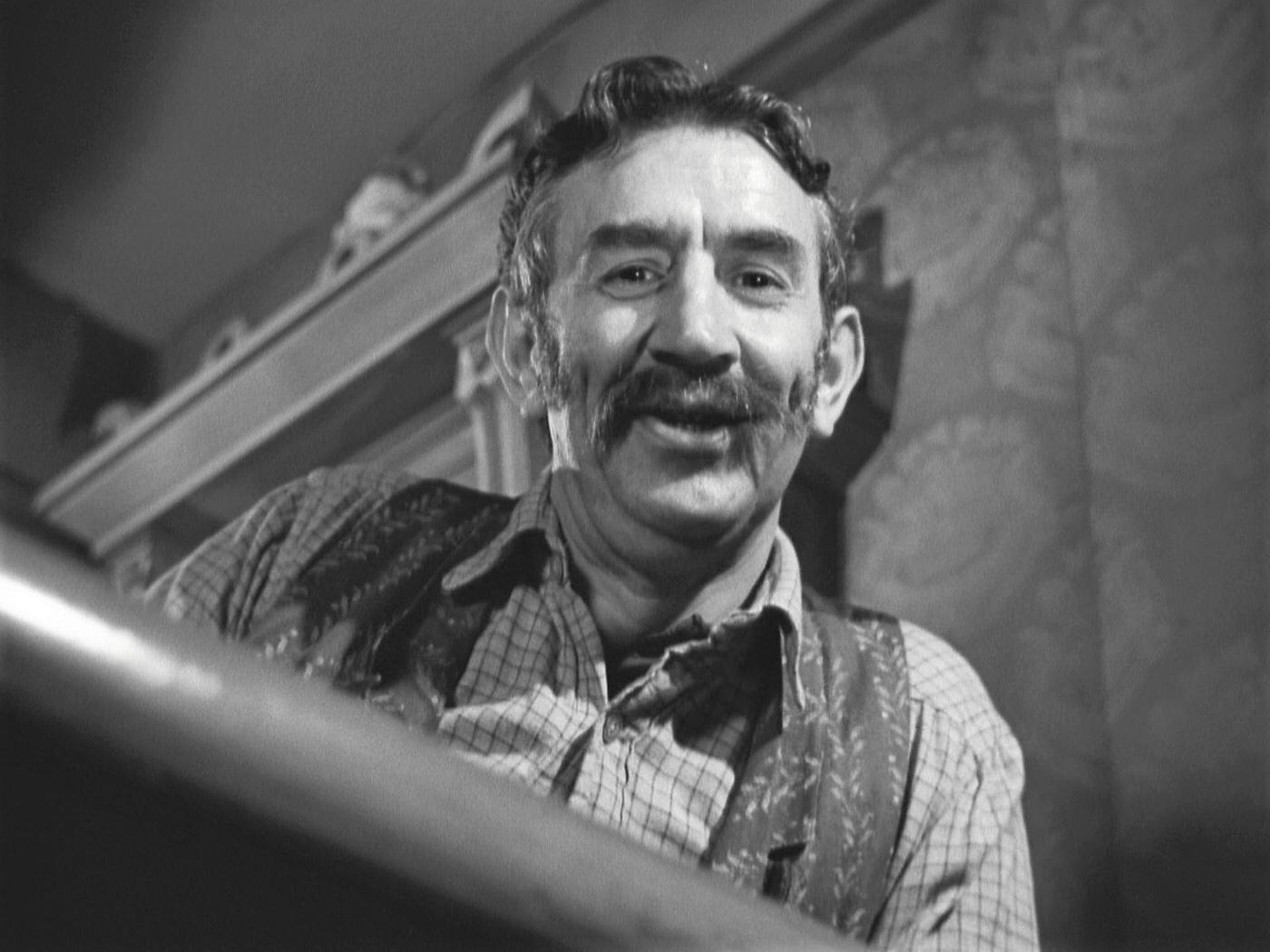
The full cast assembled for the film was large and detailed, with character actors filling out every corner of the mob. The film gives faces and voices to men who might otherwise be anonymous, making it impossible to dismiss what the group does as the work of a few bad actors.
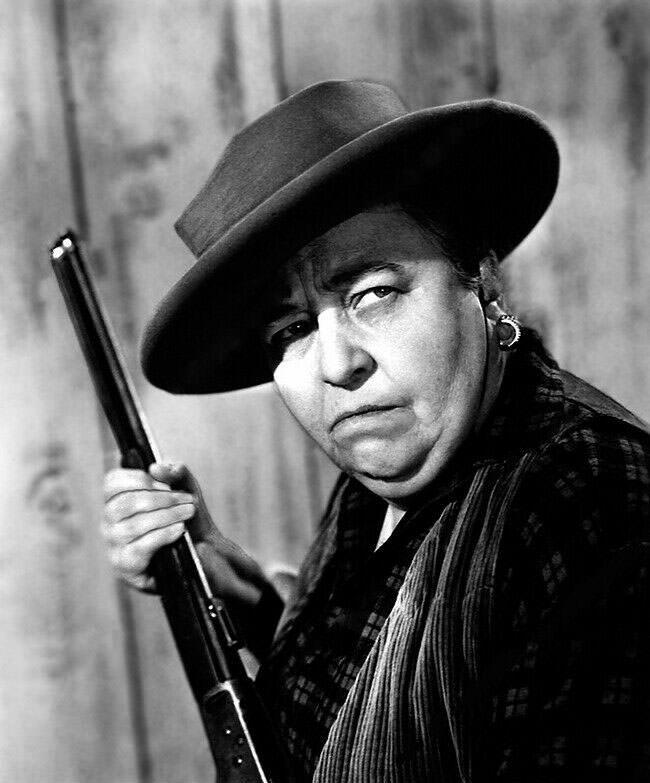
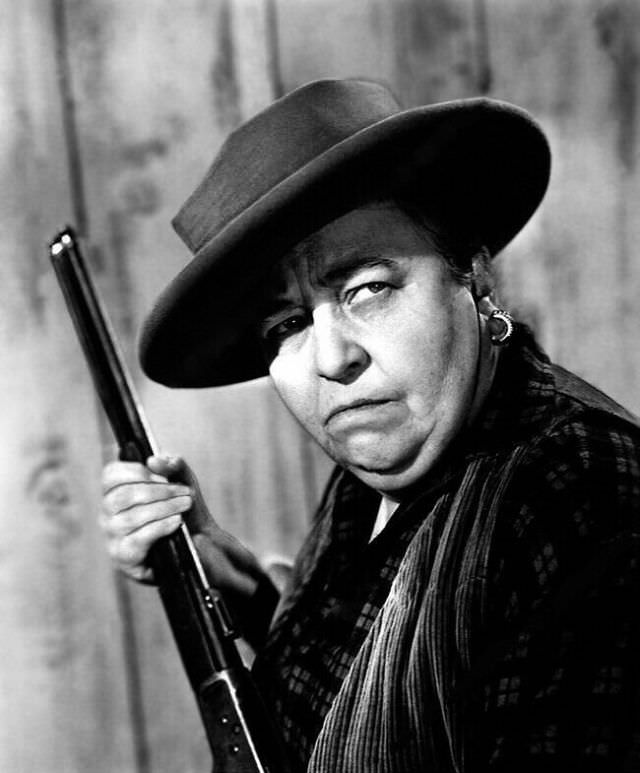
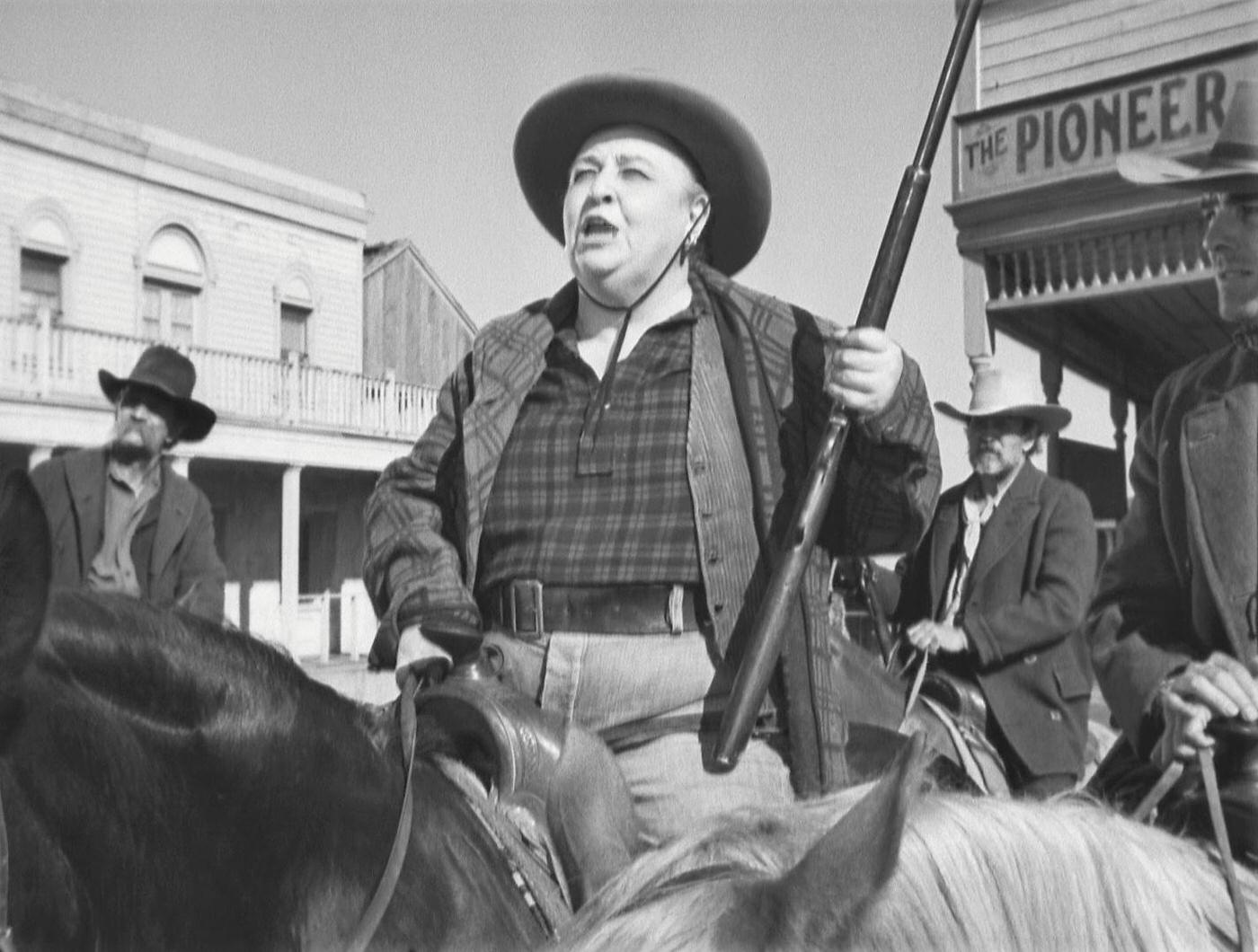
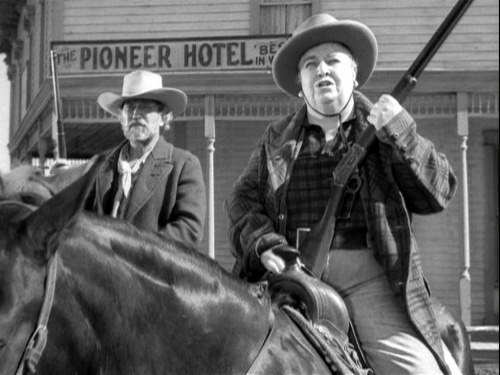
Jane Darwell plays Jenny Grier, a tough, masculine-presenting saloon figure who is among the loudest voices calling for the hanging. Her character flips the usual Western trope of a virtuous frontier woman and places female agency squarely on the side of mob violence.
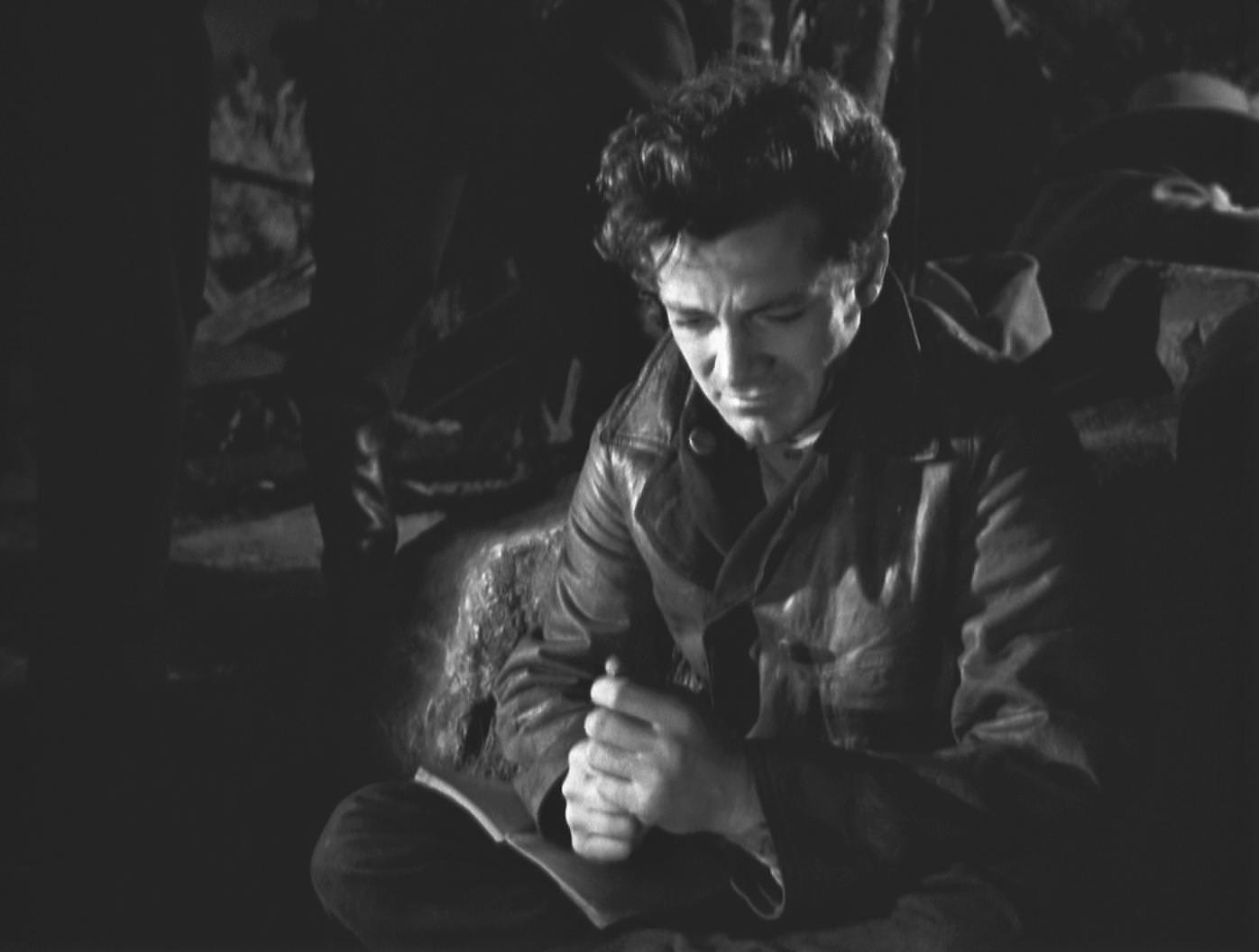
Andrews brings a quiet dignity to Martin in every scene. He does not beg or break down. He makes his case logically, hands over his papers, asks for time, and when none of it works, he accepts his fate and writes his letter. The calm of his final scenes makes the execution harder to watch, not easier.
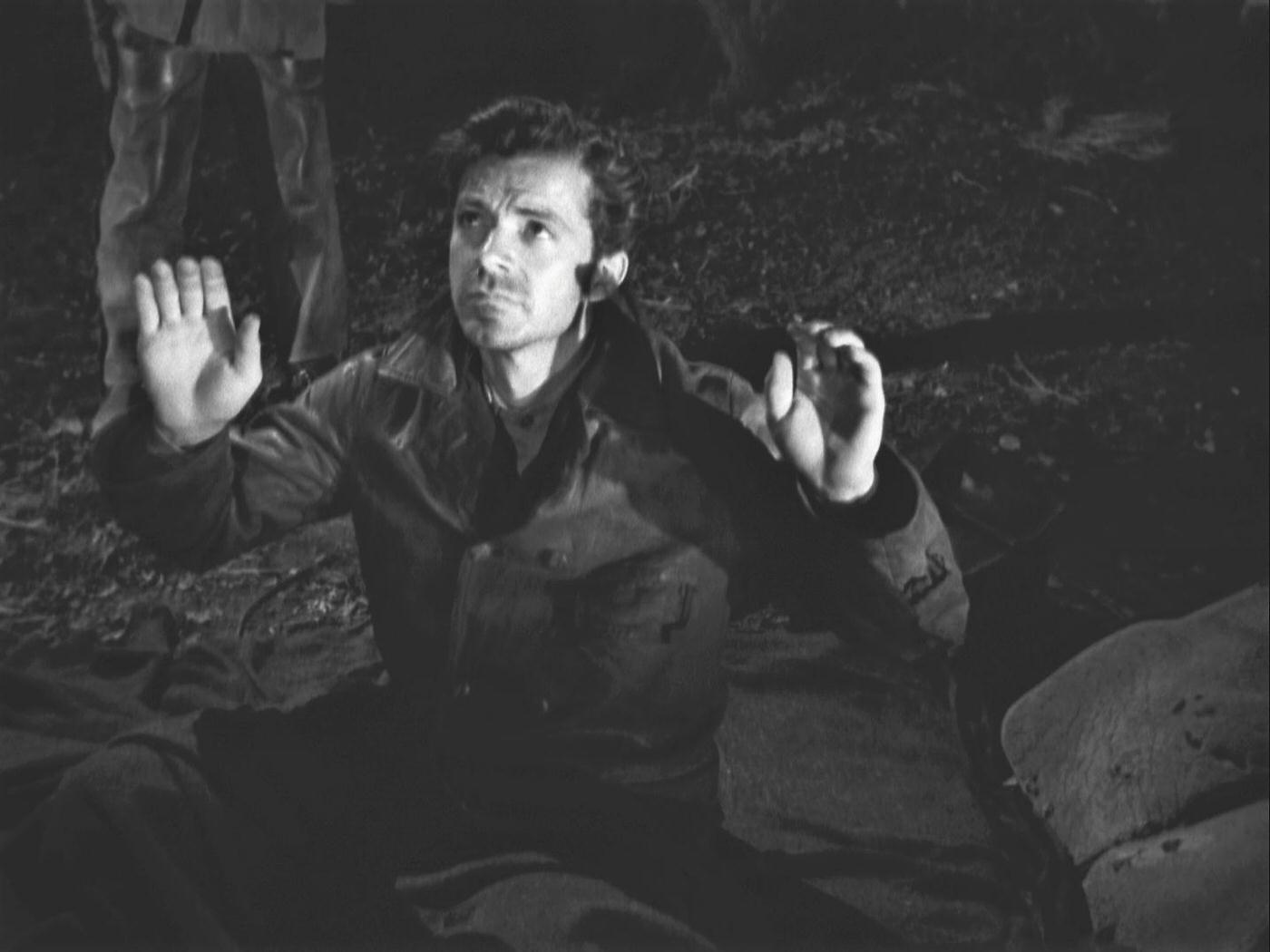
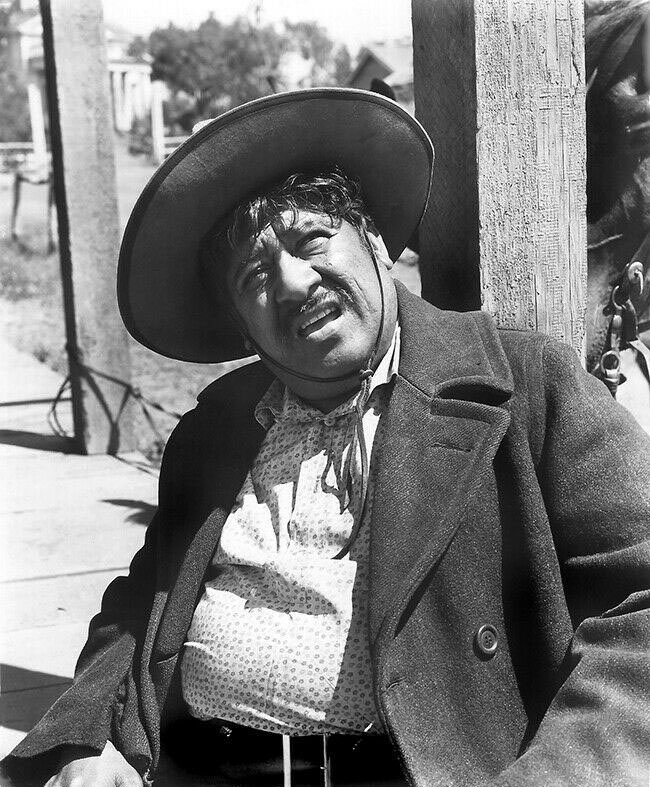
Anthony Quinn plays Juan Martínez with ferocity. His character speaks little English and is given almost no chance to defend himself. He is the most vulnerable of the three prisoners, and the mob treats him as the most guilty.
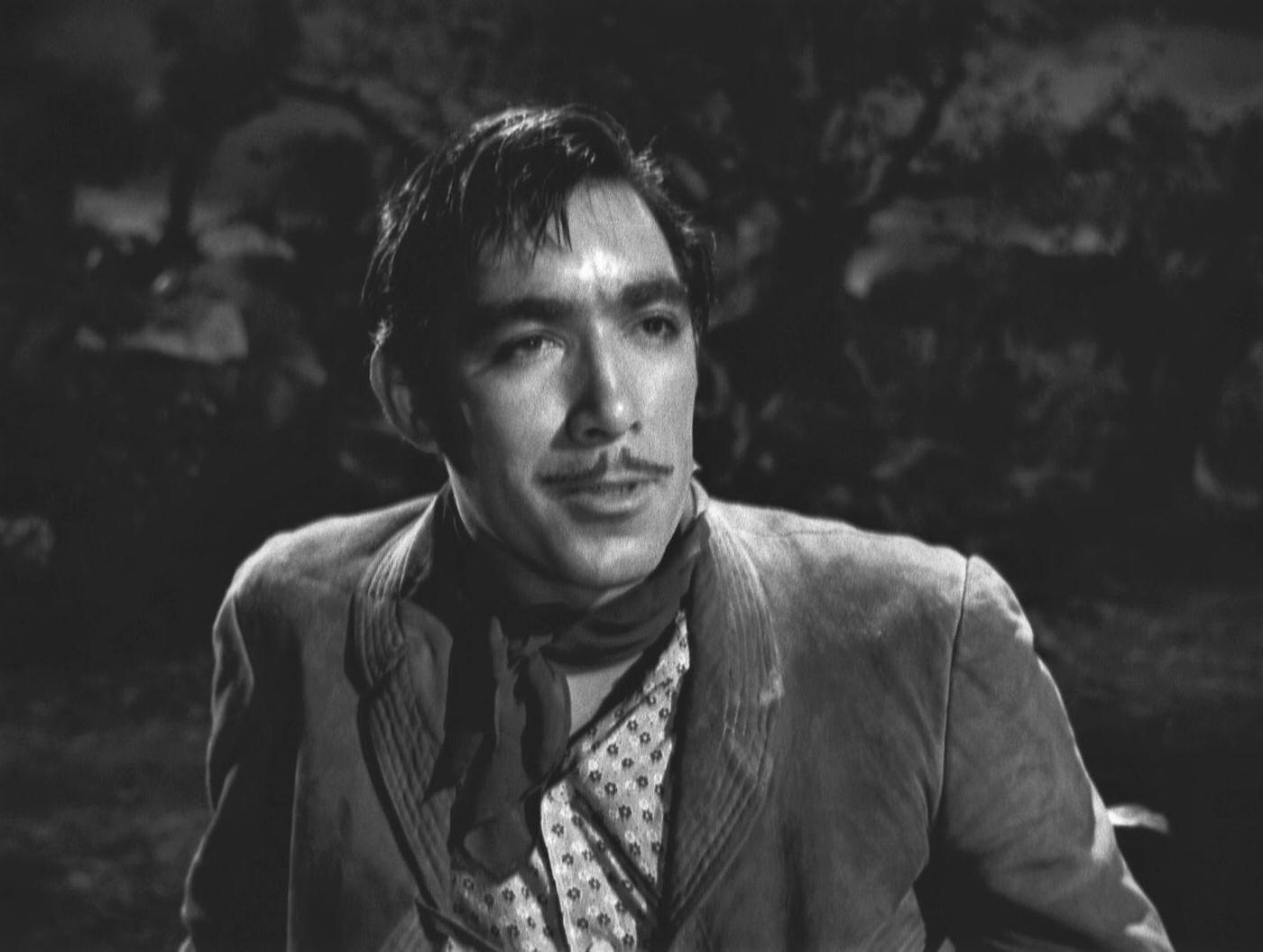
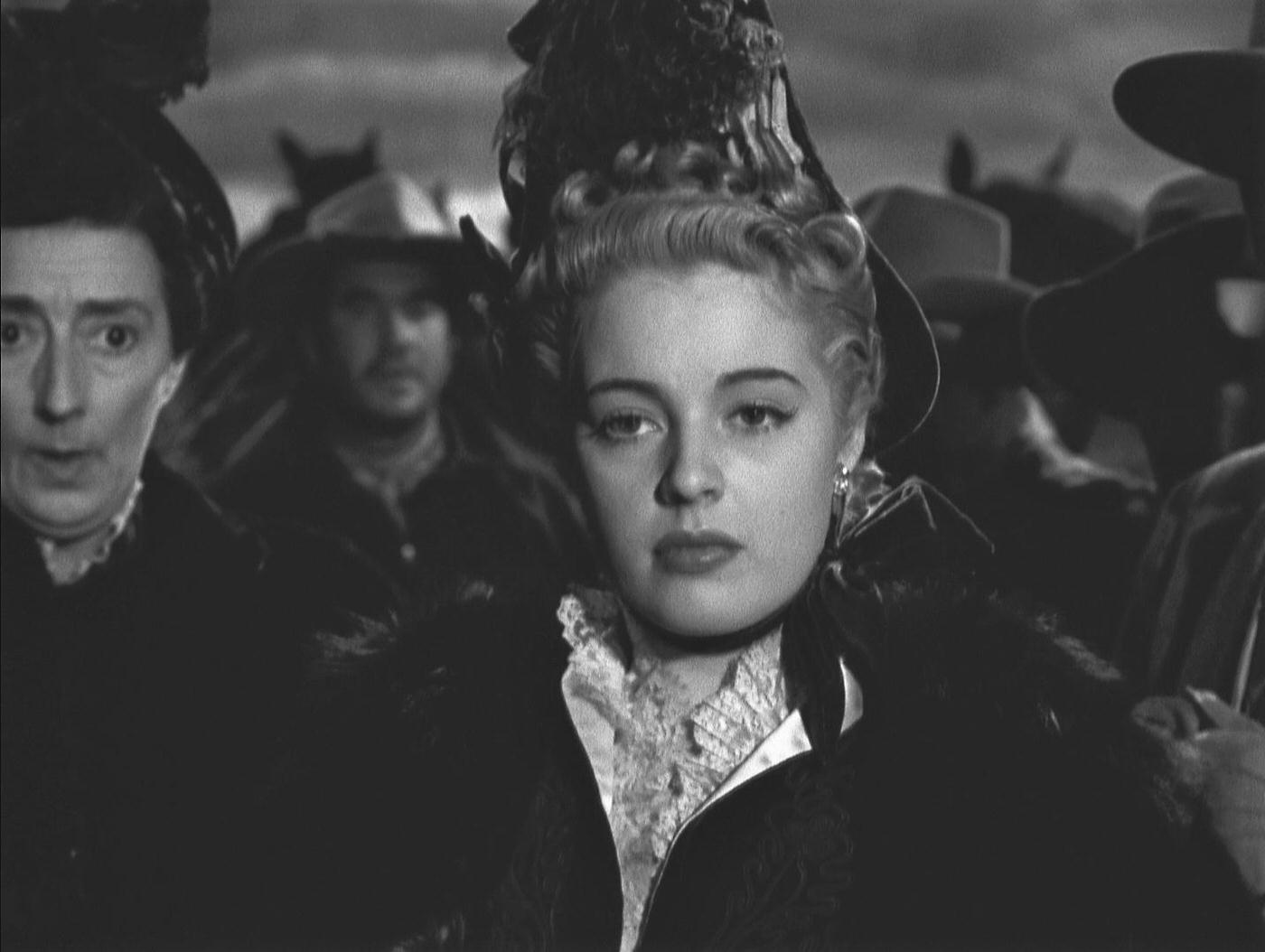
Leigh Whipper’s role as Sparks was one of the more substantive parts written for a Black actor in a Hollywood Western of this period. He is not comic relief, not a background figure. He prays with the condemned men and openly mourns what is happening.
Frank Conroy as Major Tetley is the film’s most chilling presence. He runs the vote that seals the three men’s fate and does so with procedural calm. He frames the executions as a matter of community order, even as every argument for due process is laid out in front of him.
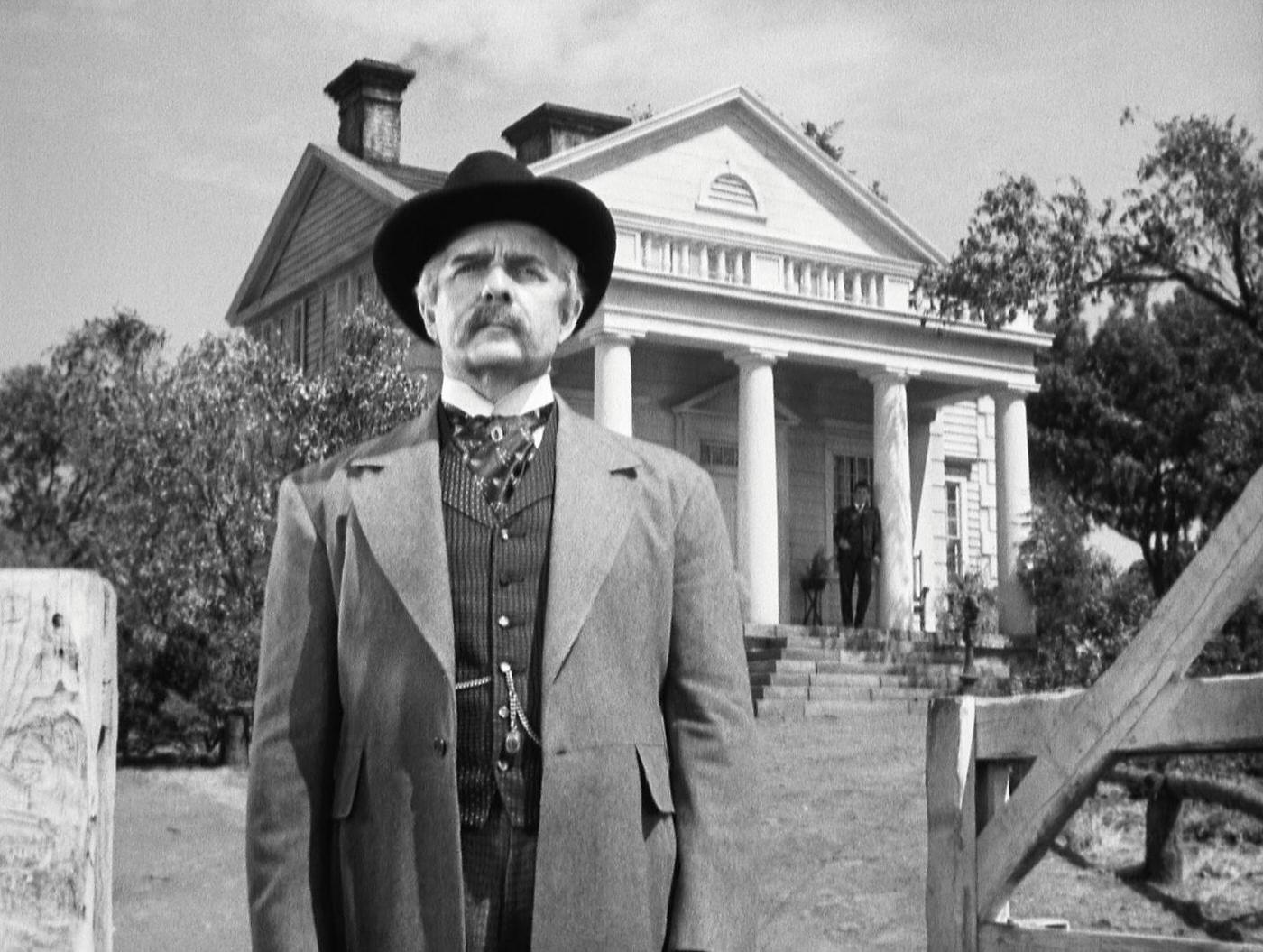
The film’s cinematography, led by Arthur Miller, uses shadow and stark lighting to keep the tone heavy throughout. There are no sweeping vistas or triumphant sunsets. The Ox-Bow valley at night is cold and oppressive, matching the mood of every scene that takes place there.
The film was nominated for the Academy Award for Best Picture in 1944. It did not win, but its nomination alone was notable for a Western — a genre that Hollywood’s awards circuit rarely took seriously at the time.