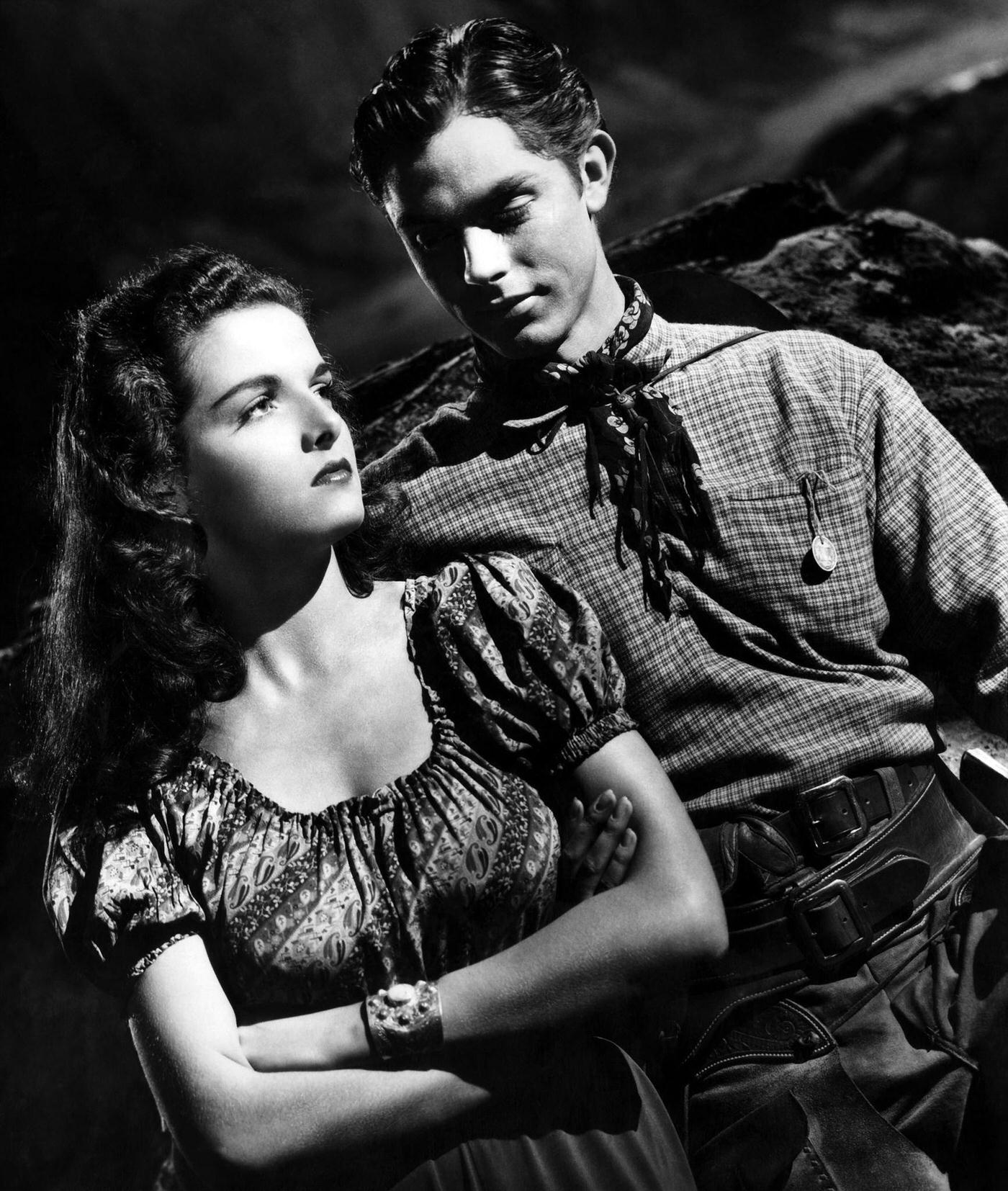

Few Hollywood films stirred up as much controversy as Howard Hughes’ 1943 Western, The Outlaw. Hughes, already known for his eccentric personality and obsessive attention to detail, personally directed and produced the film, making decisions at every level of production — including, famously, designing a specialized underwire bra for his new leading lady, Jane Russell, to wear on screen.

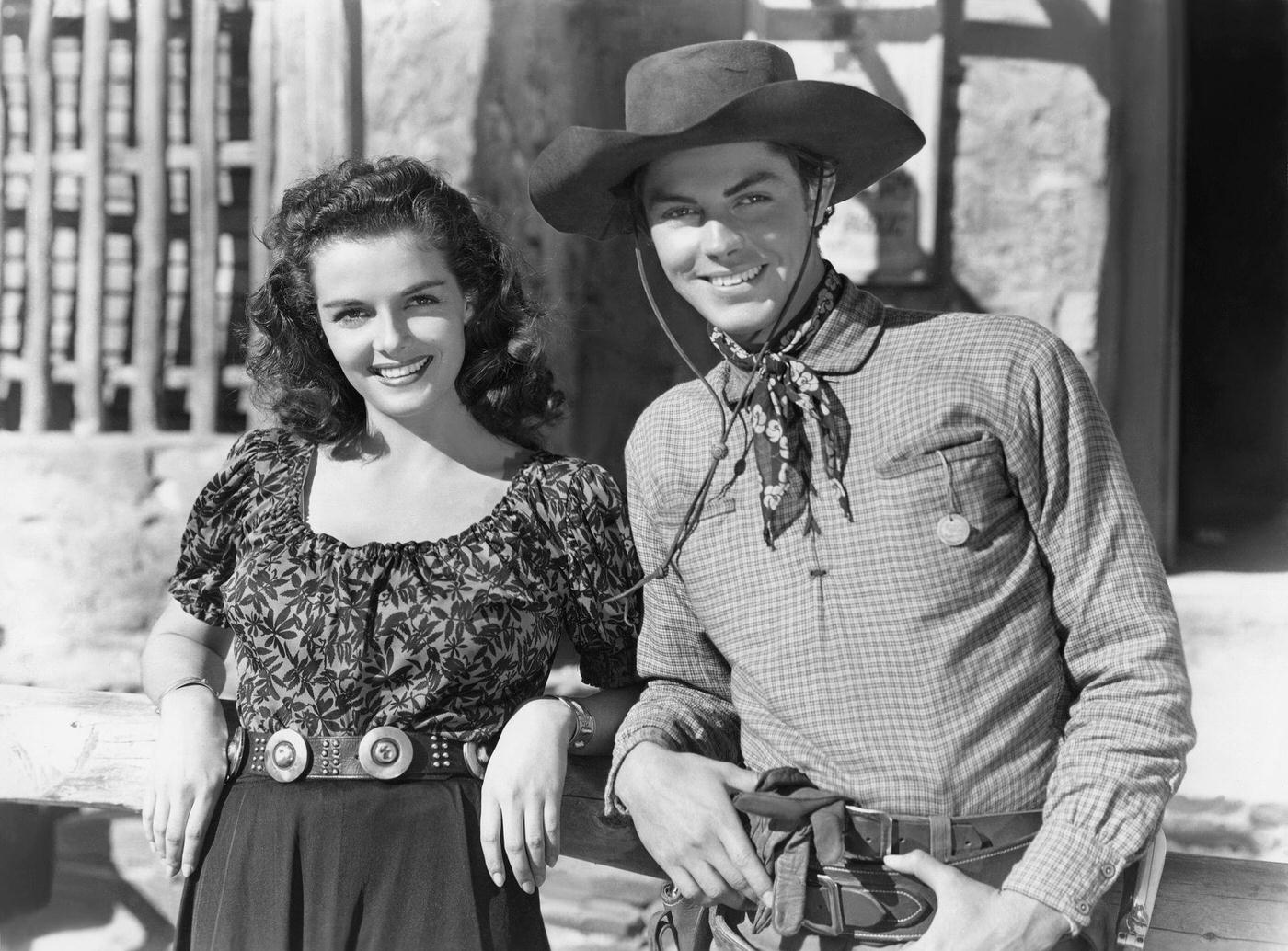
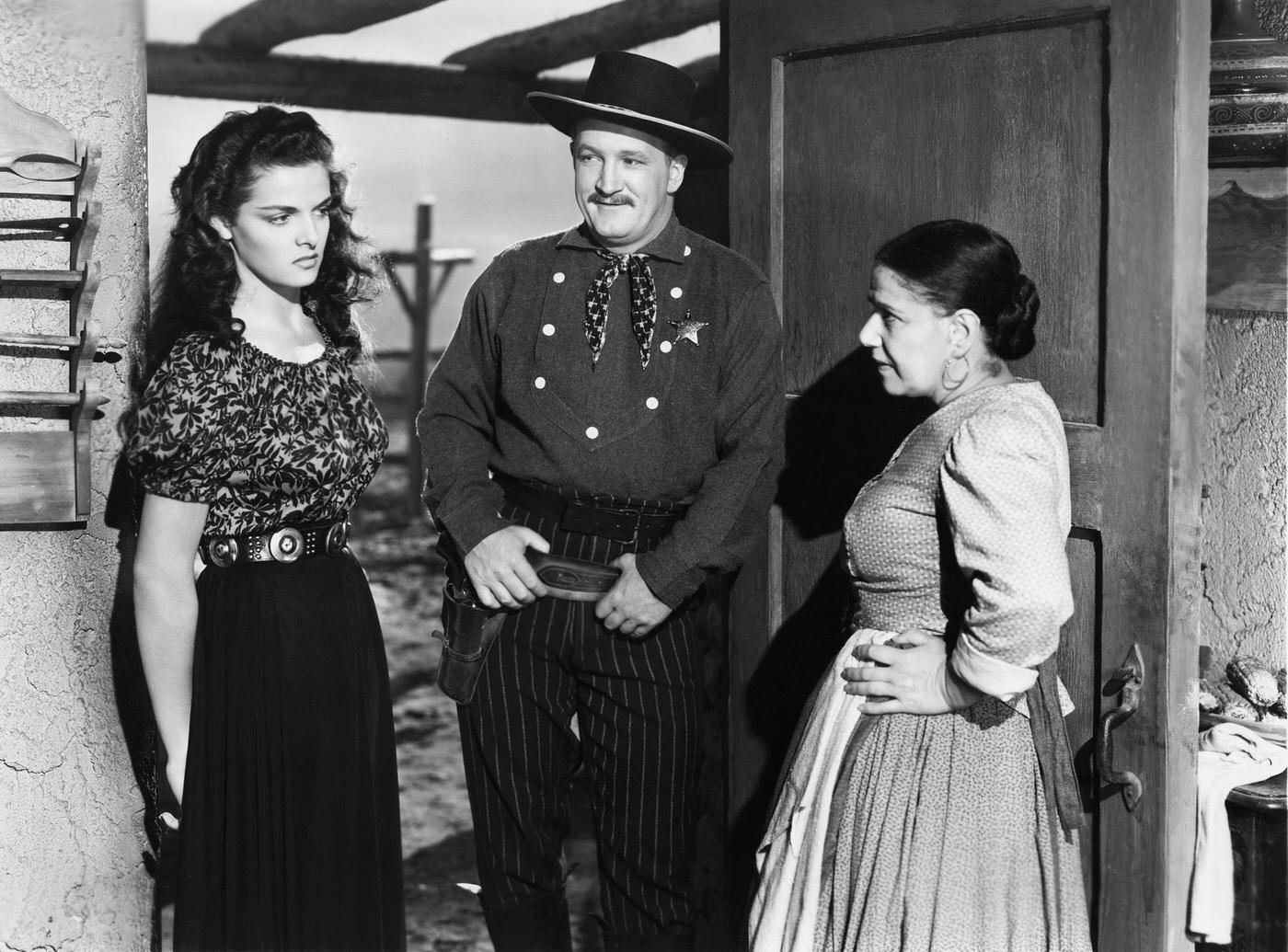
Russell was a complete unknown when Hughes cast her as Rio McDonald, a fiery young woman caught between the notorious Billy the Kid and the quick-tempered Doc Holliday. Jack Buetel played Billy the Kid, Walter Huston played Doc Holliday, and Thomas Mitchell took on the role of lawman Pat Garrett. For Russell, it was her first major film role — and the one that made her a star.

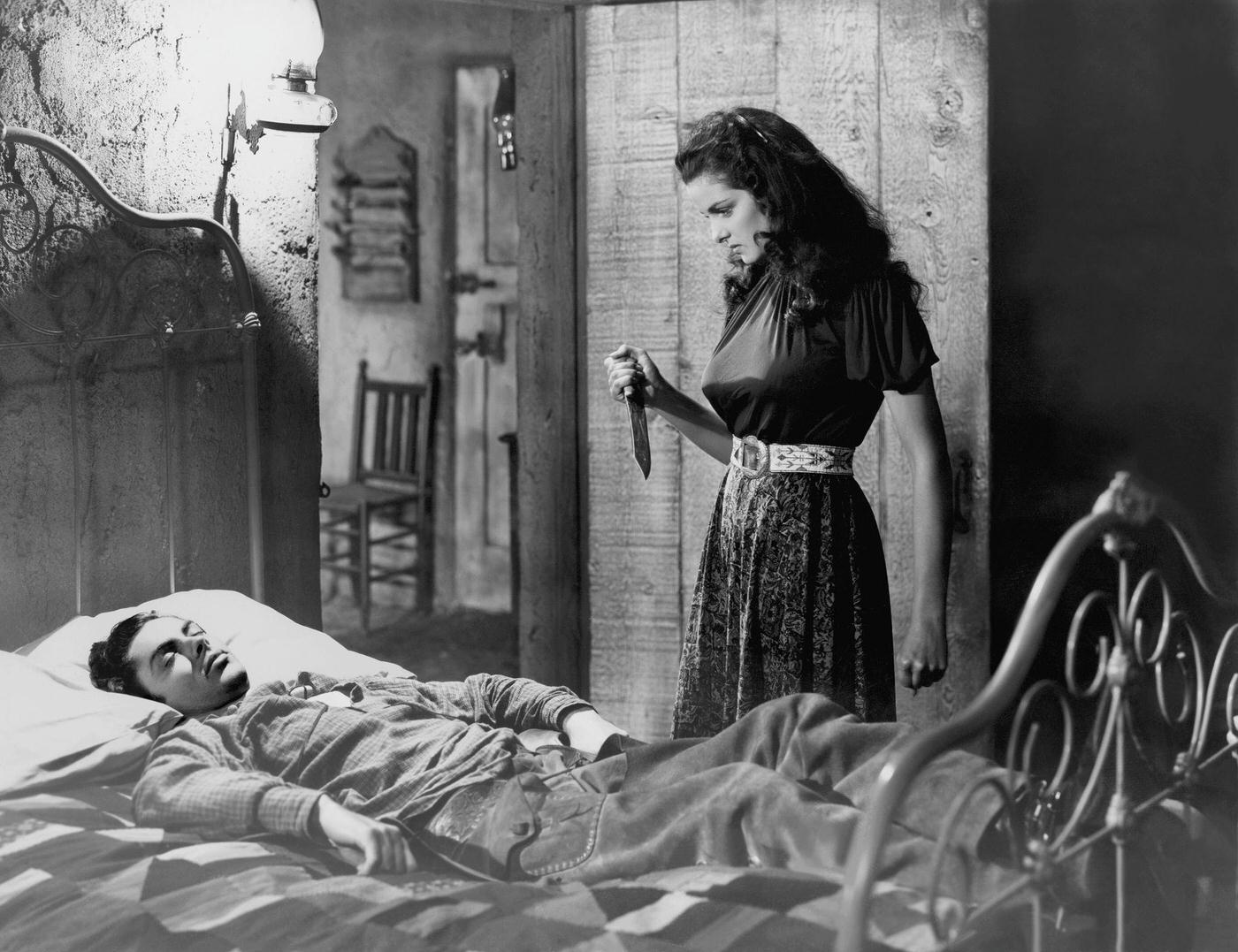
The story centers on the uneasy alliance between Billy the Kid and Doc Holliday as they dodge the law and the relentless pursuit of Pat Garrett. Rio falls for Billy, which creates a tense rivalry with Doc Holliday, who has his own claim on her affections. The plot was loosely built around real figures from the American West, though the film took wide liberties with history — something critics pointed out sharply.


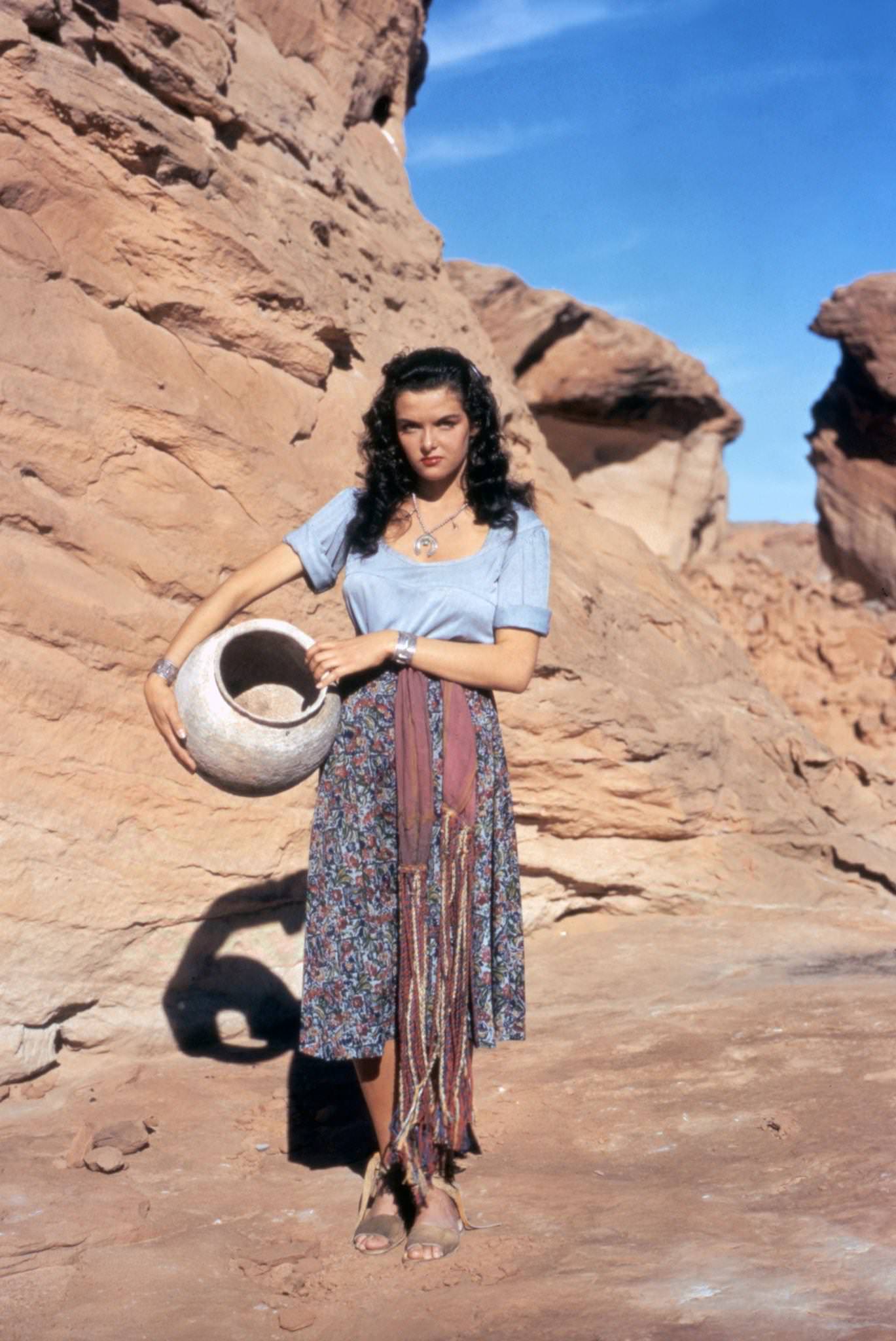
Shot in Technicolor, The Outlaw made full use of sweeping Western landscapes. The open terrain of the frontier gave the film a raw, expansive look that matched its bold tone. Cinematography aside, it was the film’s sexual content and advertising that truly set it apart from anything Hollywood had released up to that point.

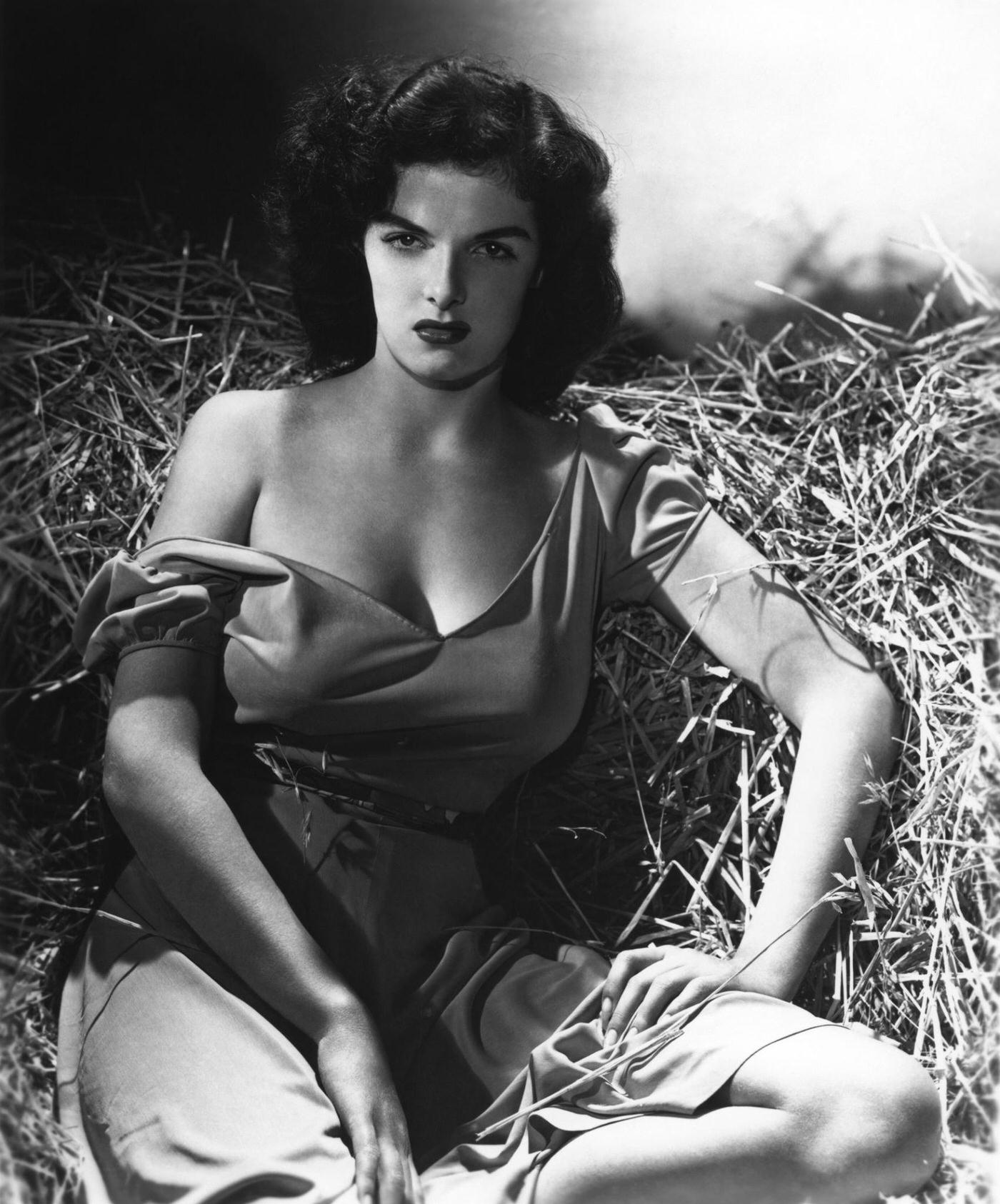
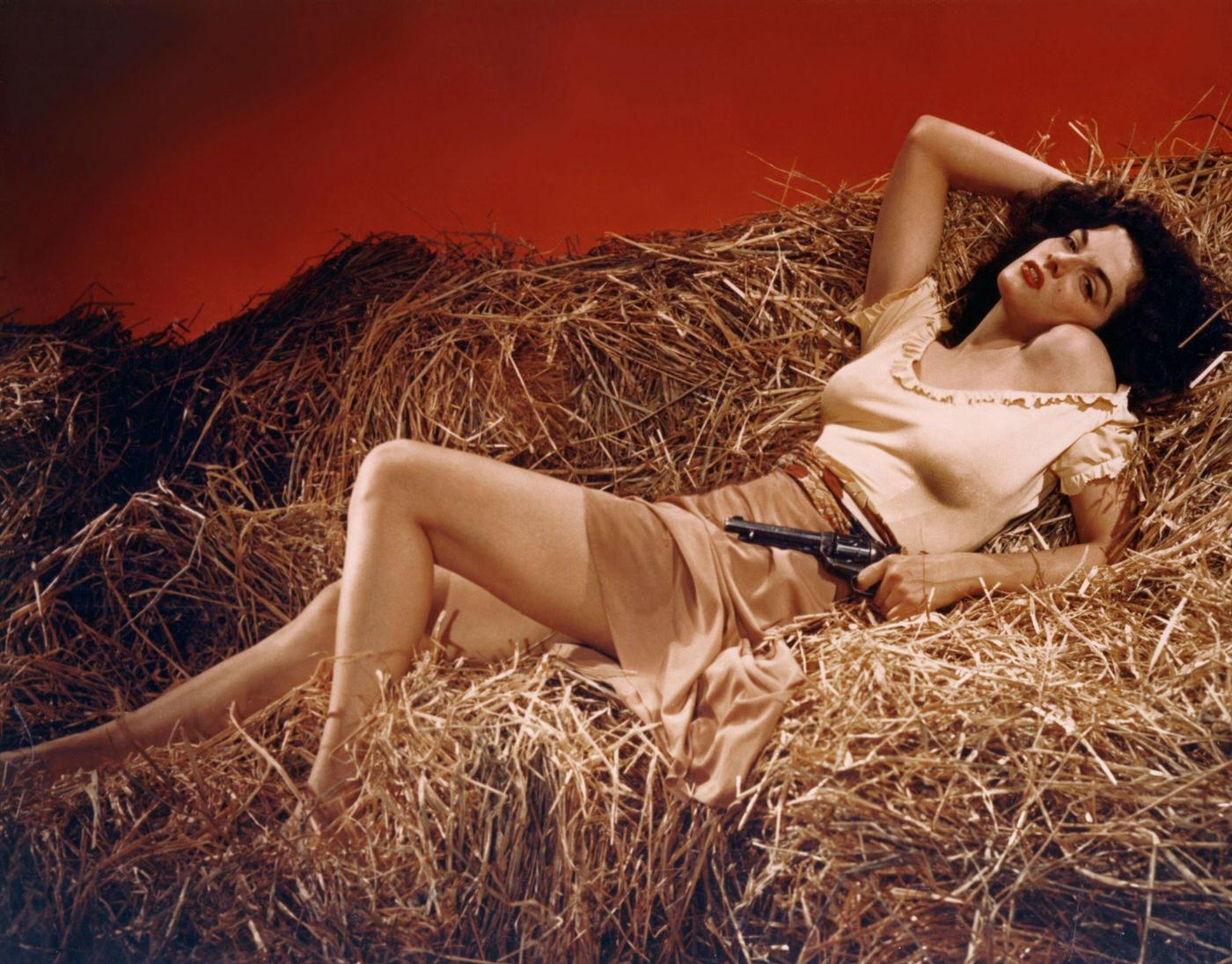
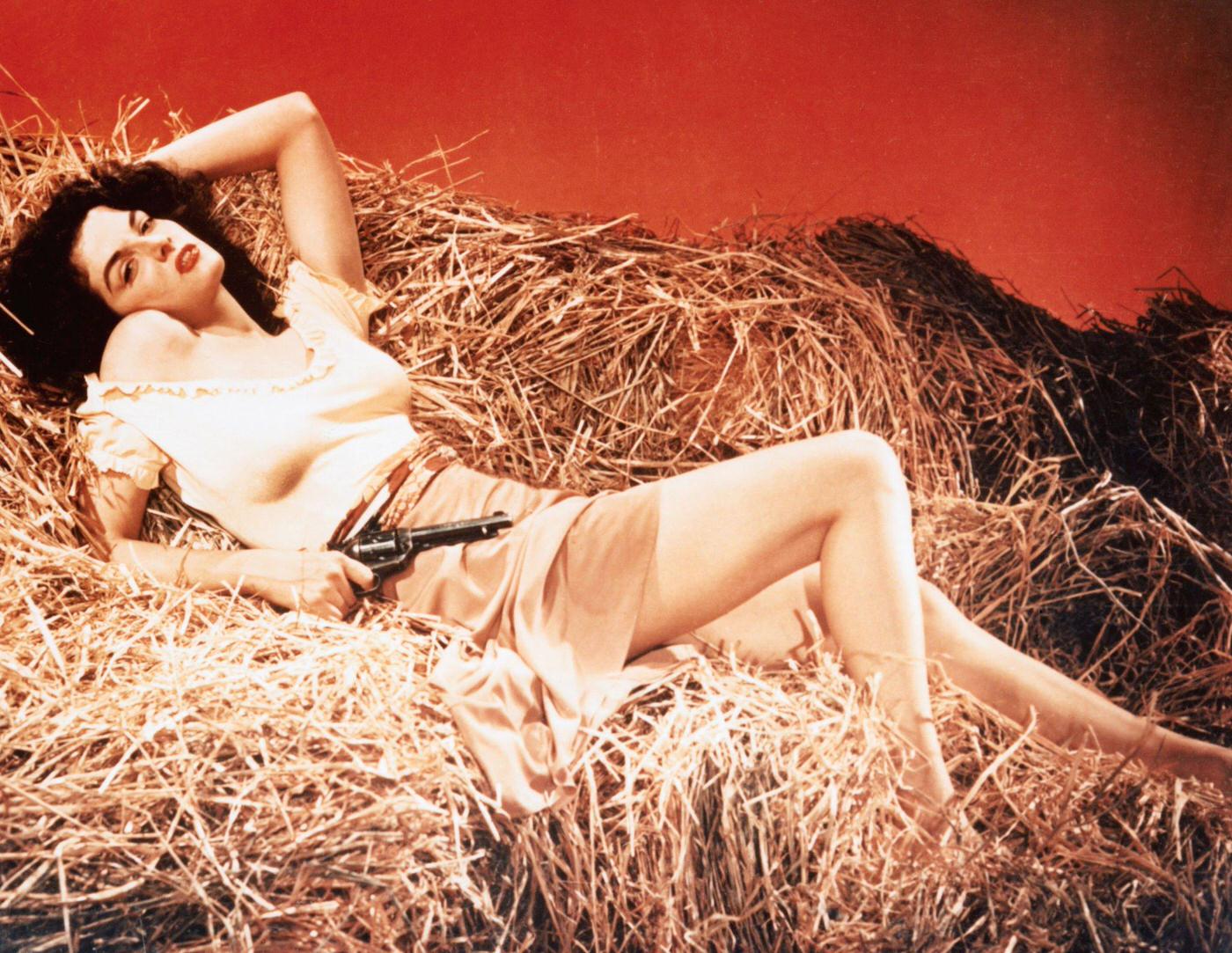
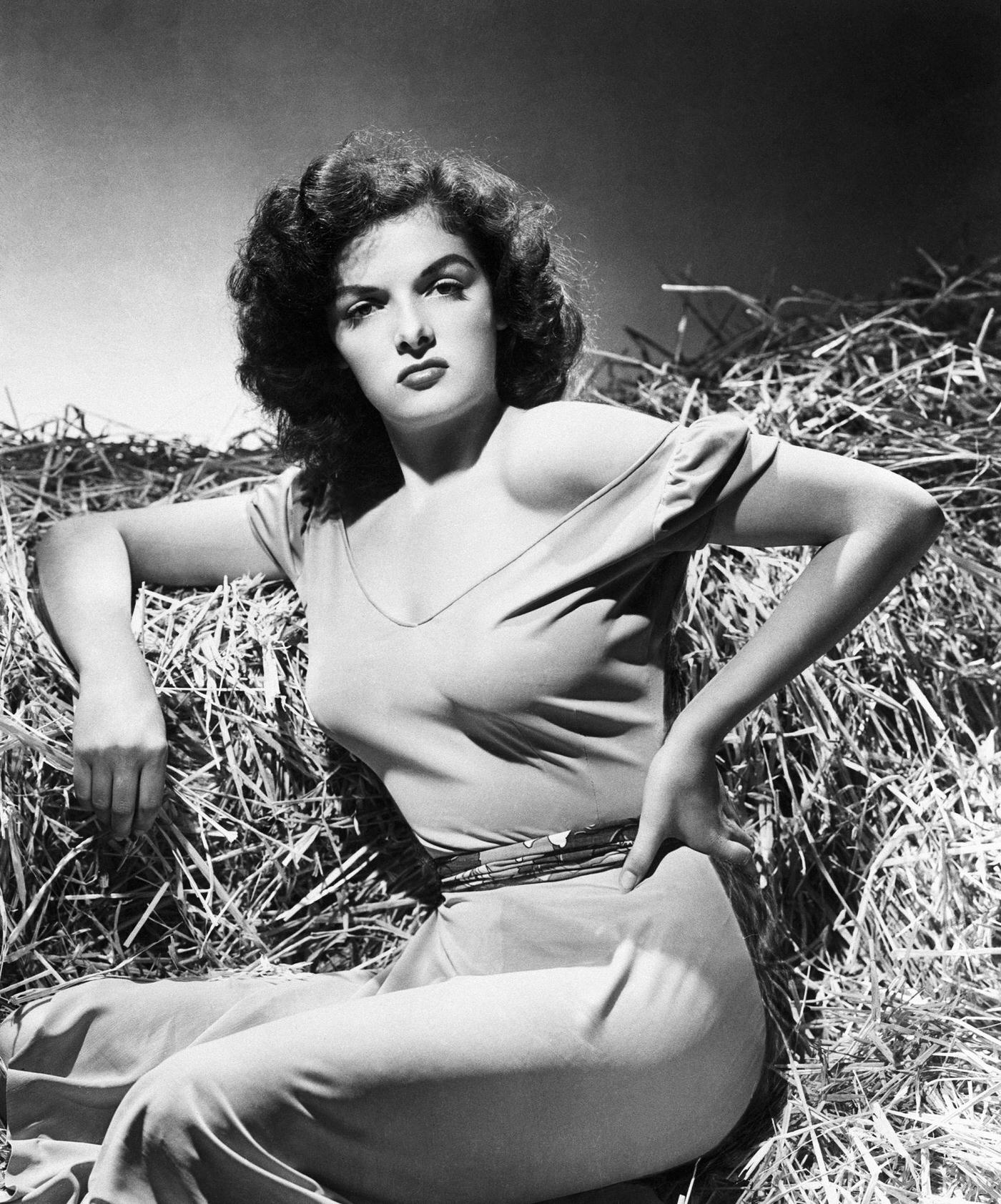
Hughes designed a marketing campaign that put Russell’s figure at the center of every promotional image. Posters and lobby cards leaned heavily into her physical appearance, which was shocking for the era. The advertising campaign drew the attention — and the outrage — of censors almost immediately.


The film faced heavy censorship from the moment it was screened. Hollywood’s Production Code enforcers objected to the film’s suggestive content, and the film was pulled, re-cut, and released in different versions across different years. Hughes refused to water it down quietly — he fought the censors publicly, which only added to the film’s notoriety and kept audiences curious.


Critics at the time were largely dismissive. Reviews focused on the film’s historical inaccuracies and what many called its poor taste. The real Billy the Kid, Doc Holliday, and Pat Garrett were real historical figures, and the film’s portrayal of them bore little resemblance to documented accounts. Still, audiences came — drawn in by the controversy as much as anything else.


On set, Russell proved herself to be a capable and commanding screen presence. Hughes personally oversaw much of her work in front of the camera, micromanaging scenes with the same intensity he brought to his aviation projects. Their working relationship was complicated — Hughes was controlling and demanding, but he also recognized that Russell had a natural charisma that no direction could manufacture.


Russell’s role as Rio was unlike female characters that Hollywood typically offered. Rio was not passive — she pushed back, made choices, and held her own against the men around her. For 1943, that was a notable departure from the norm.


Hughes had discovered Russell before The Outlaw, but the film was her official introduction to the public. She was just 19 years old when filming began, and the attention she received — both positive and deeply scrutinizing — shaped the rest of her career in Hollywood.


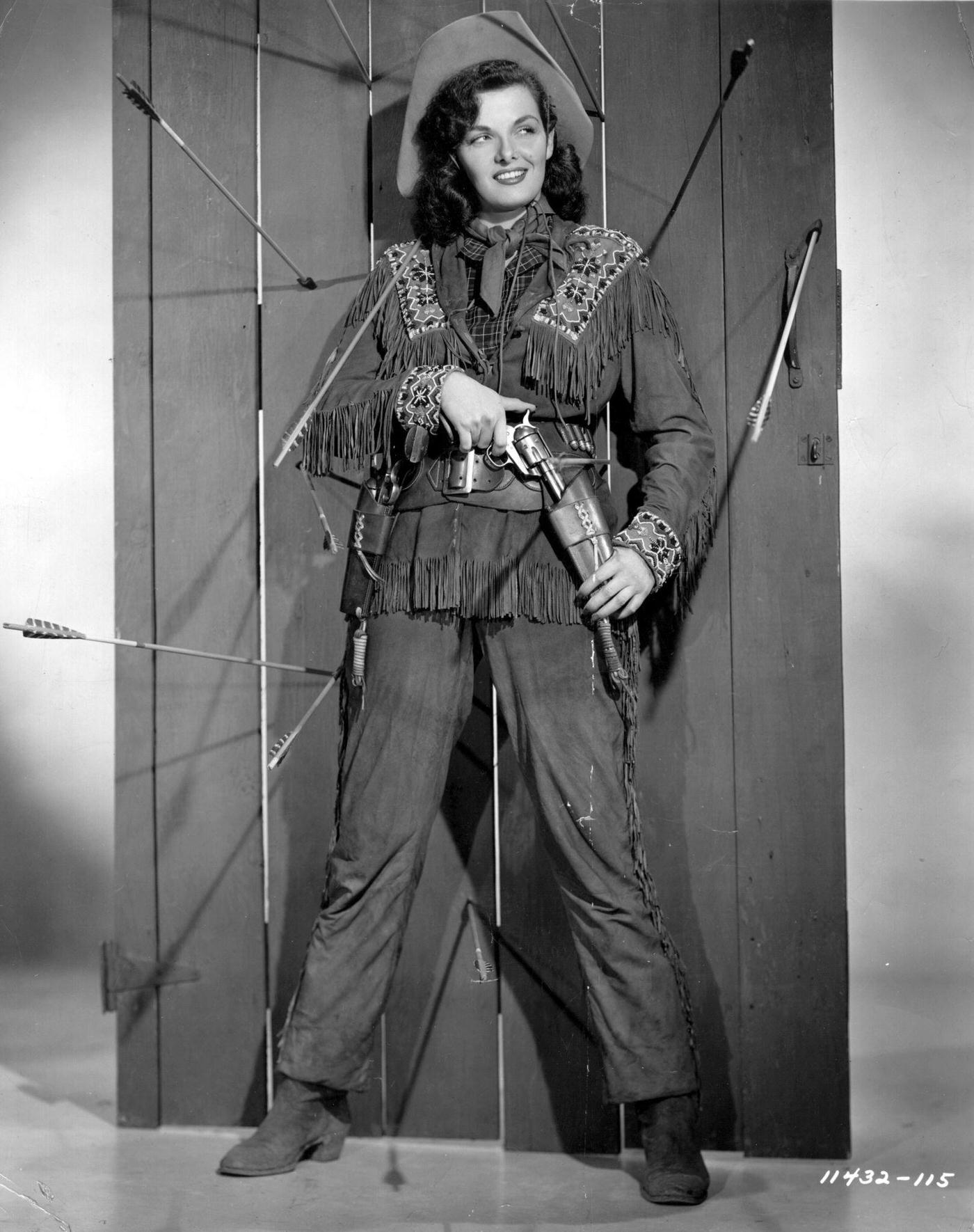
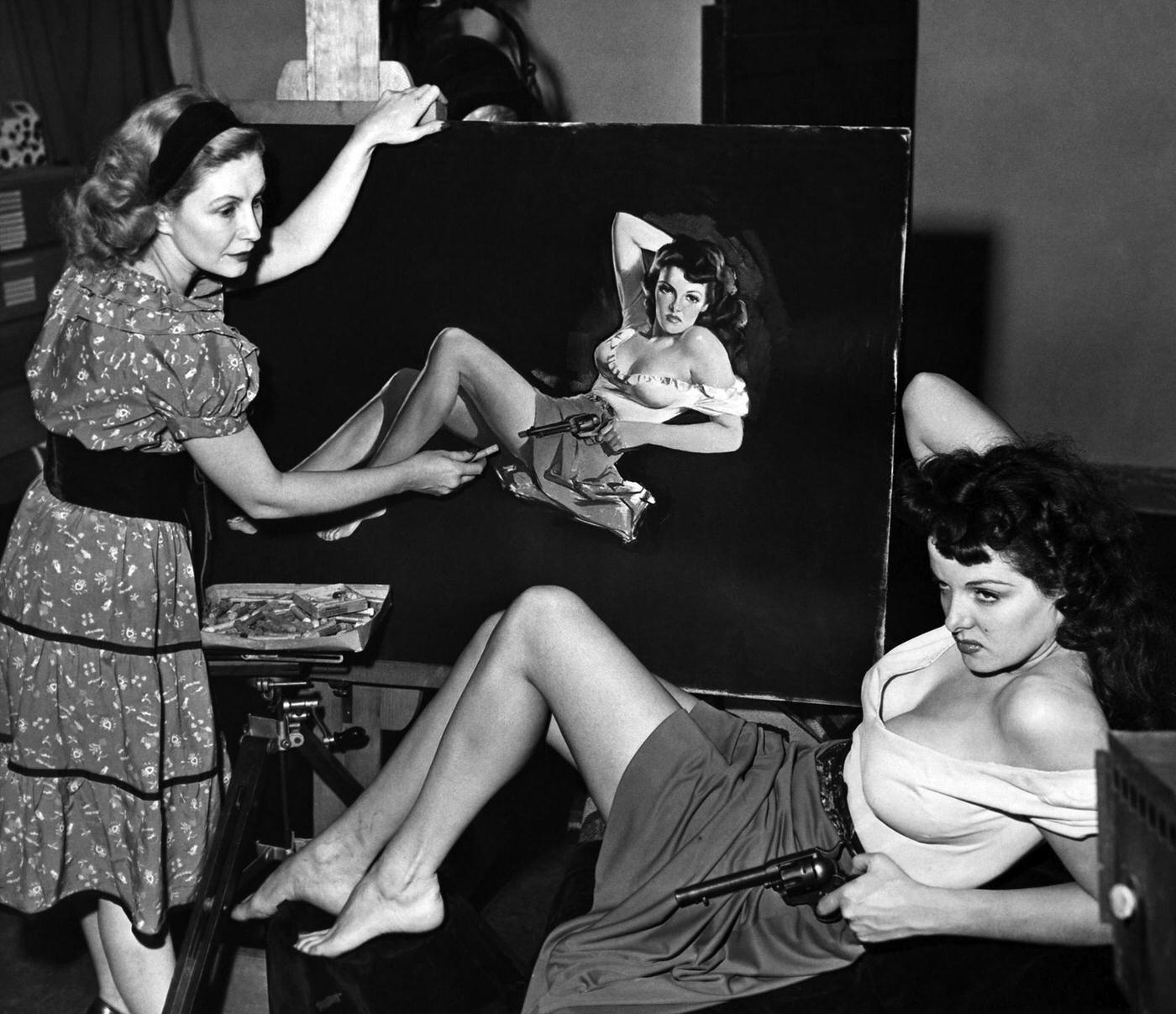
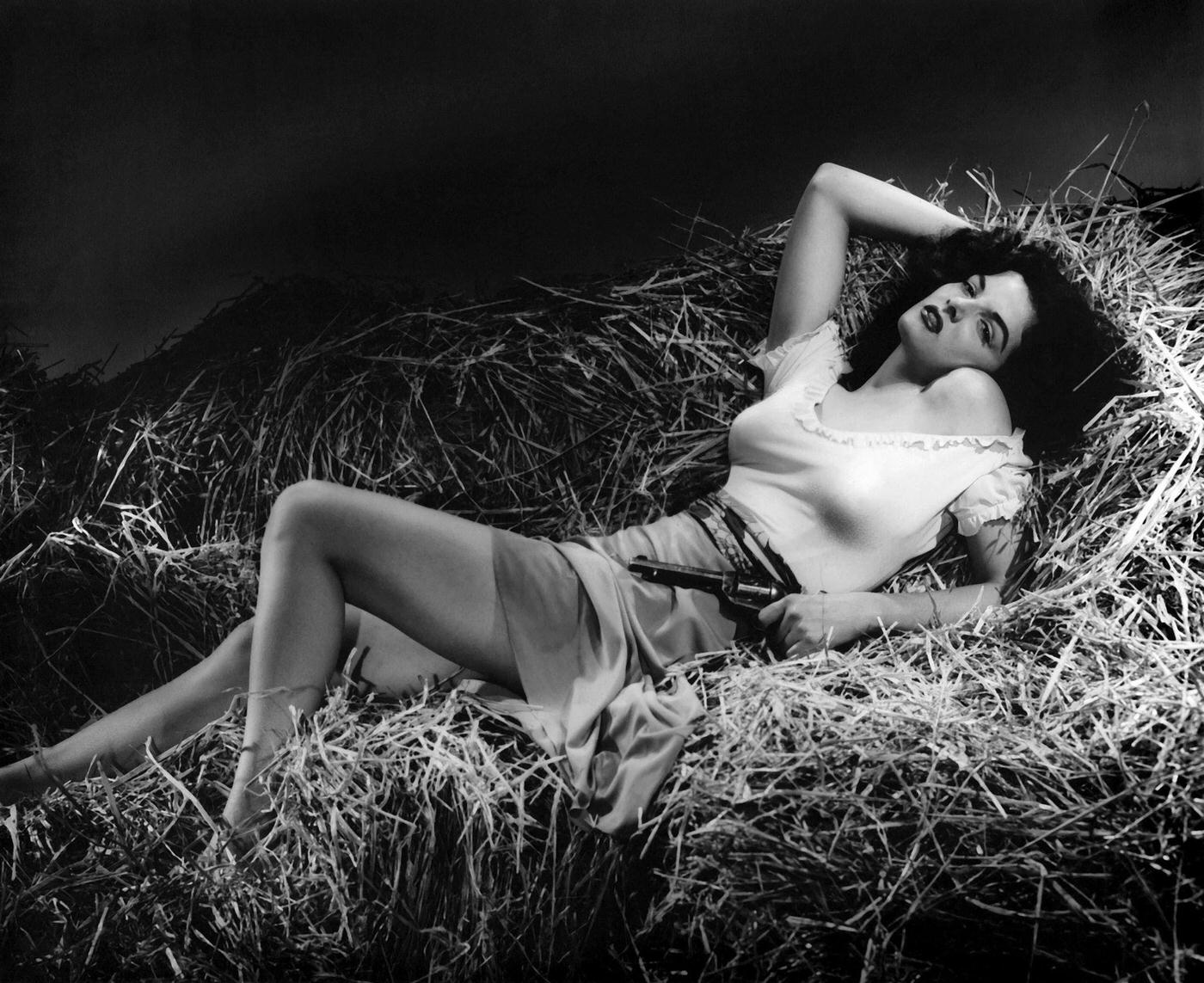
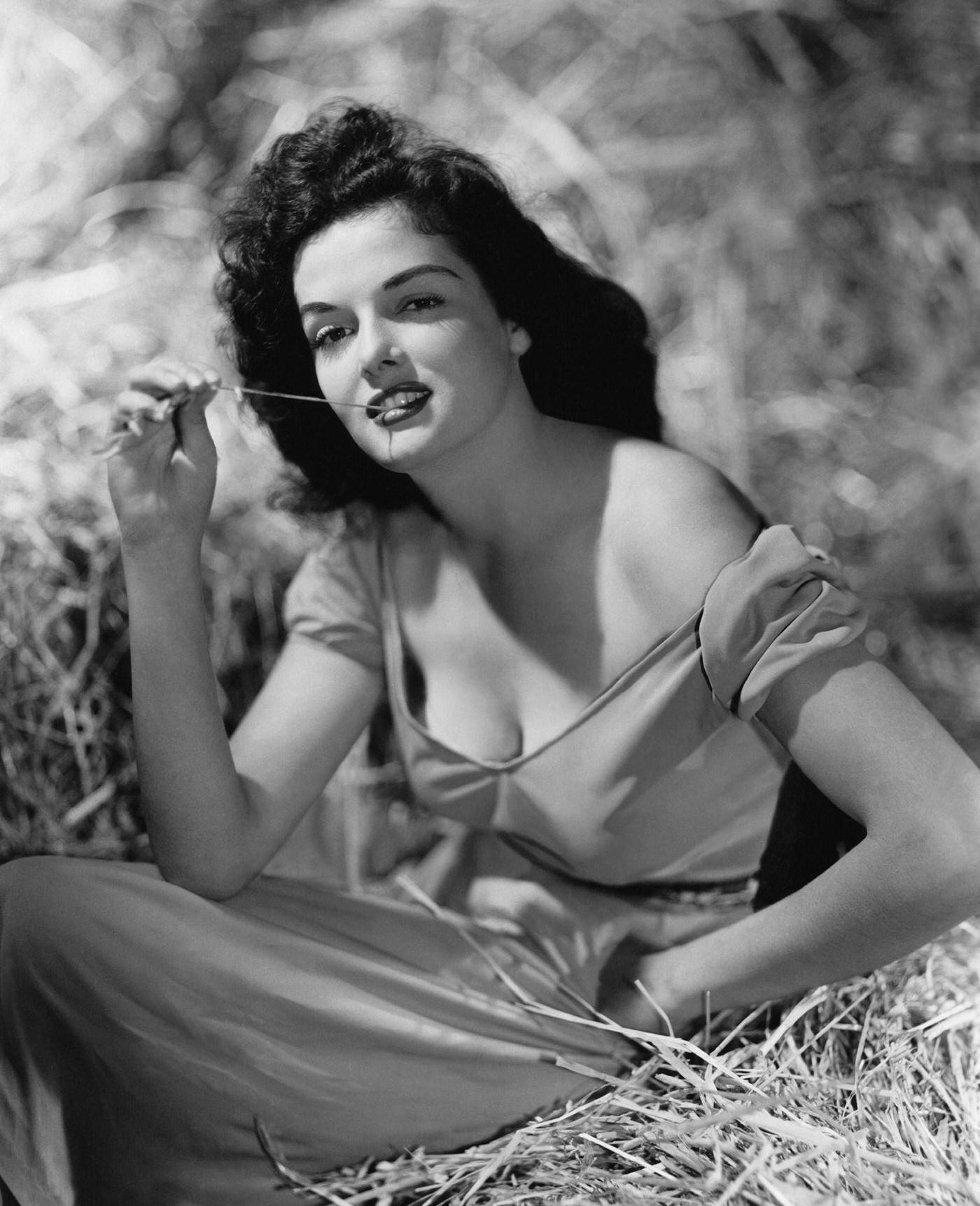
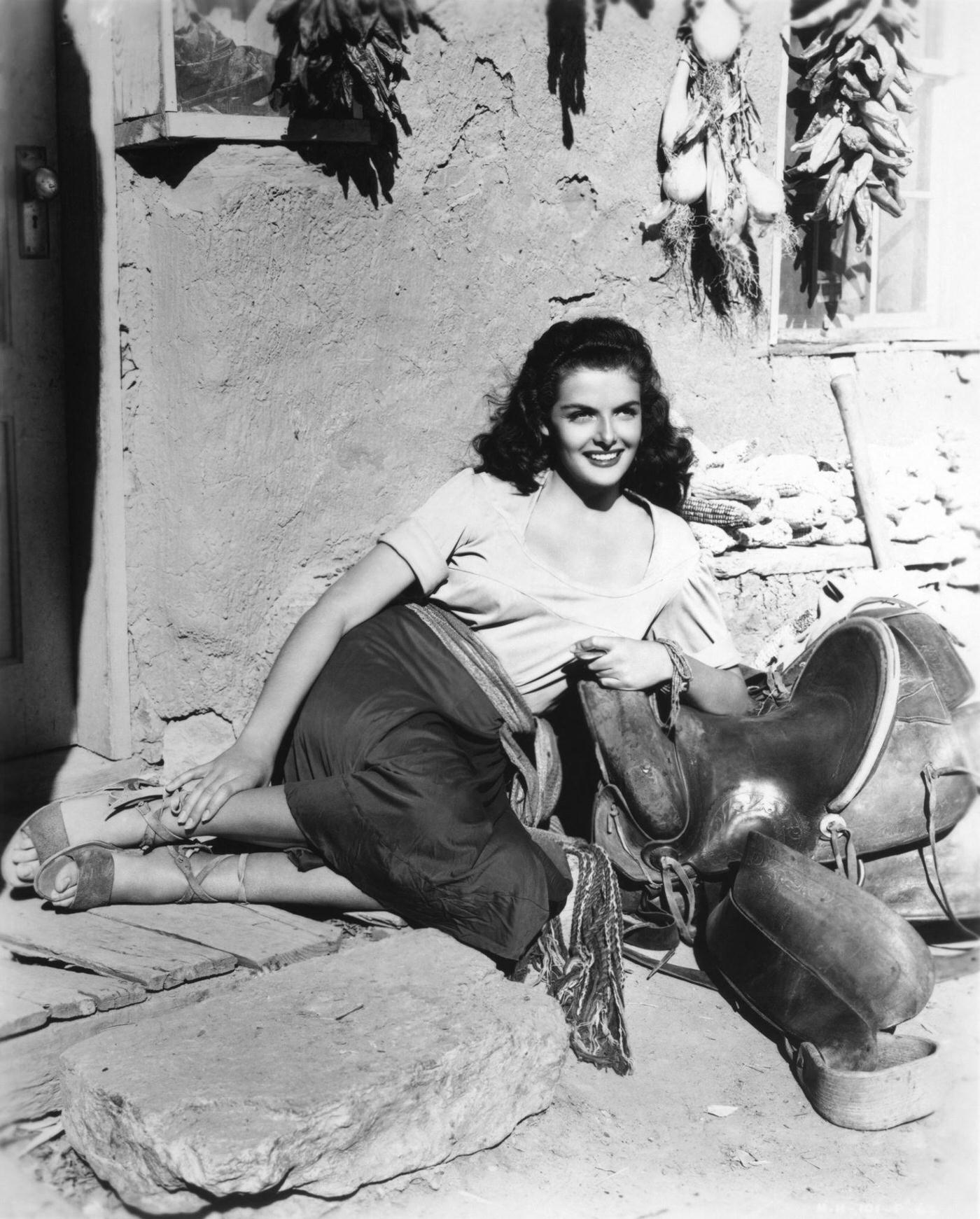
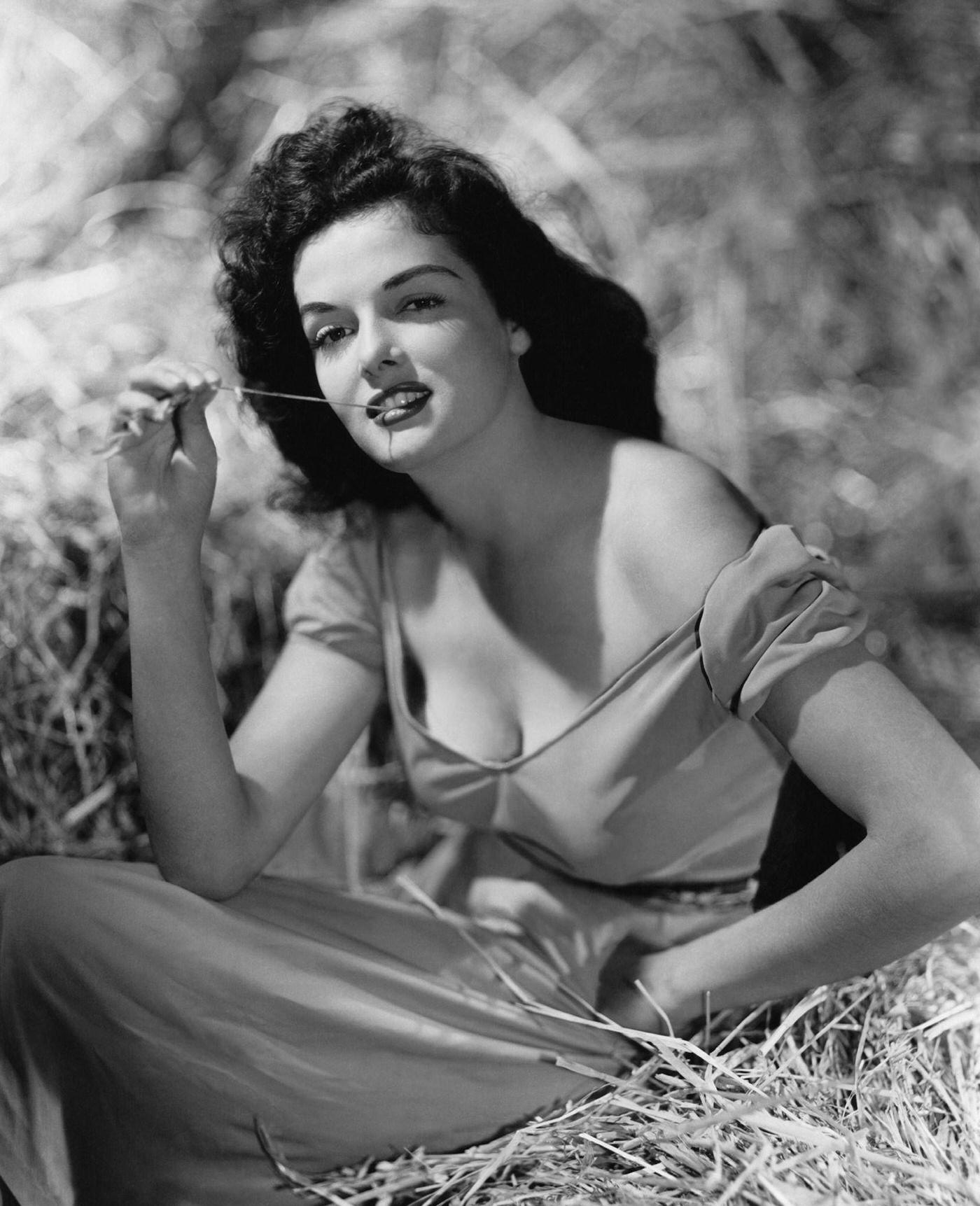
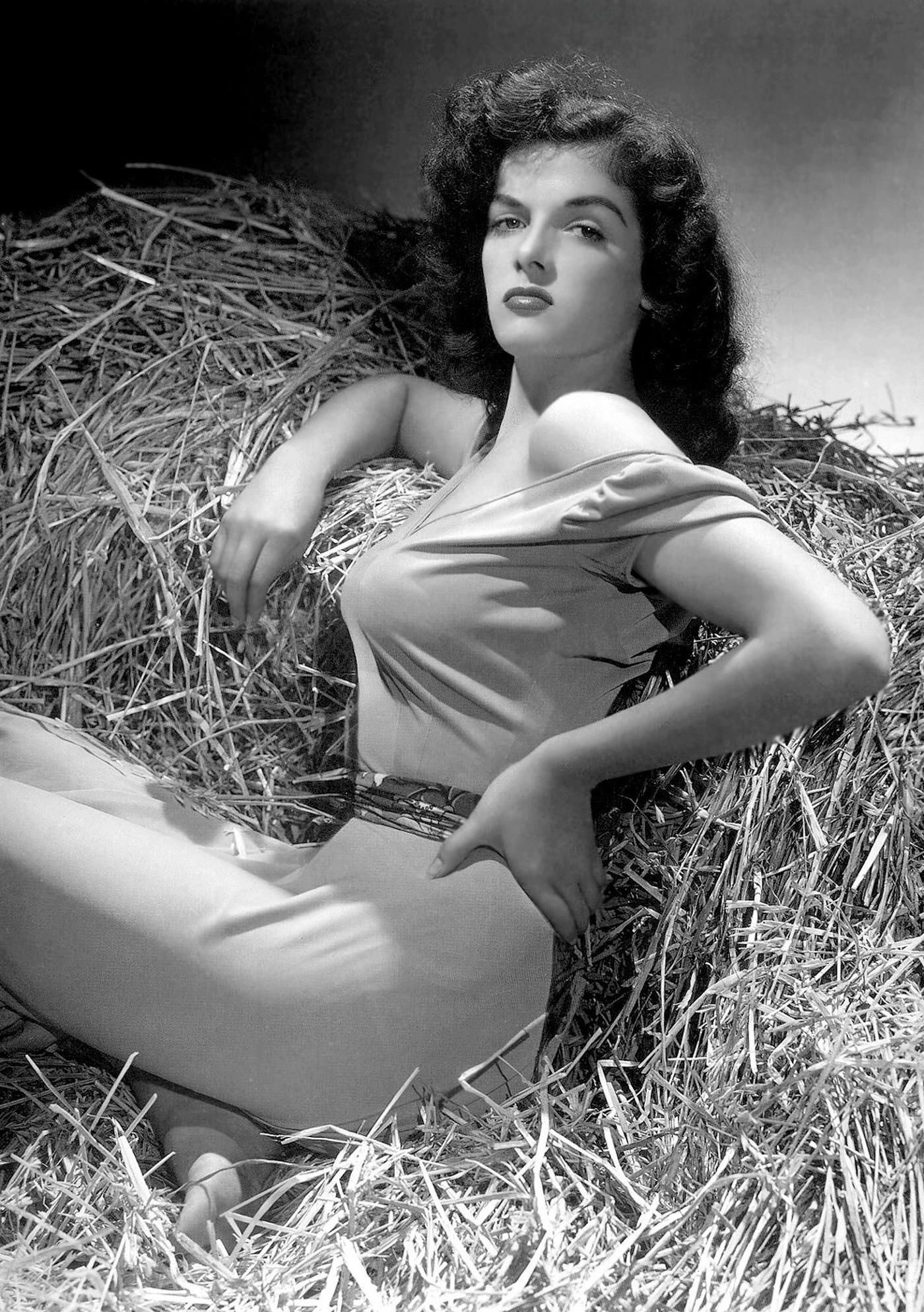
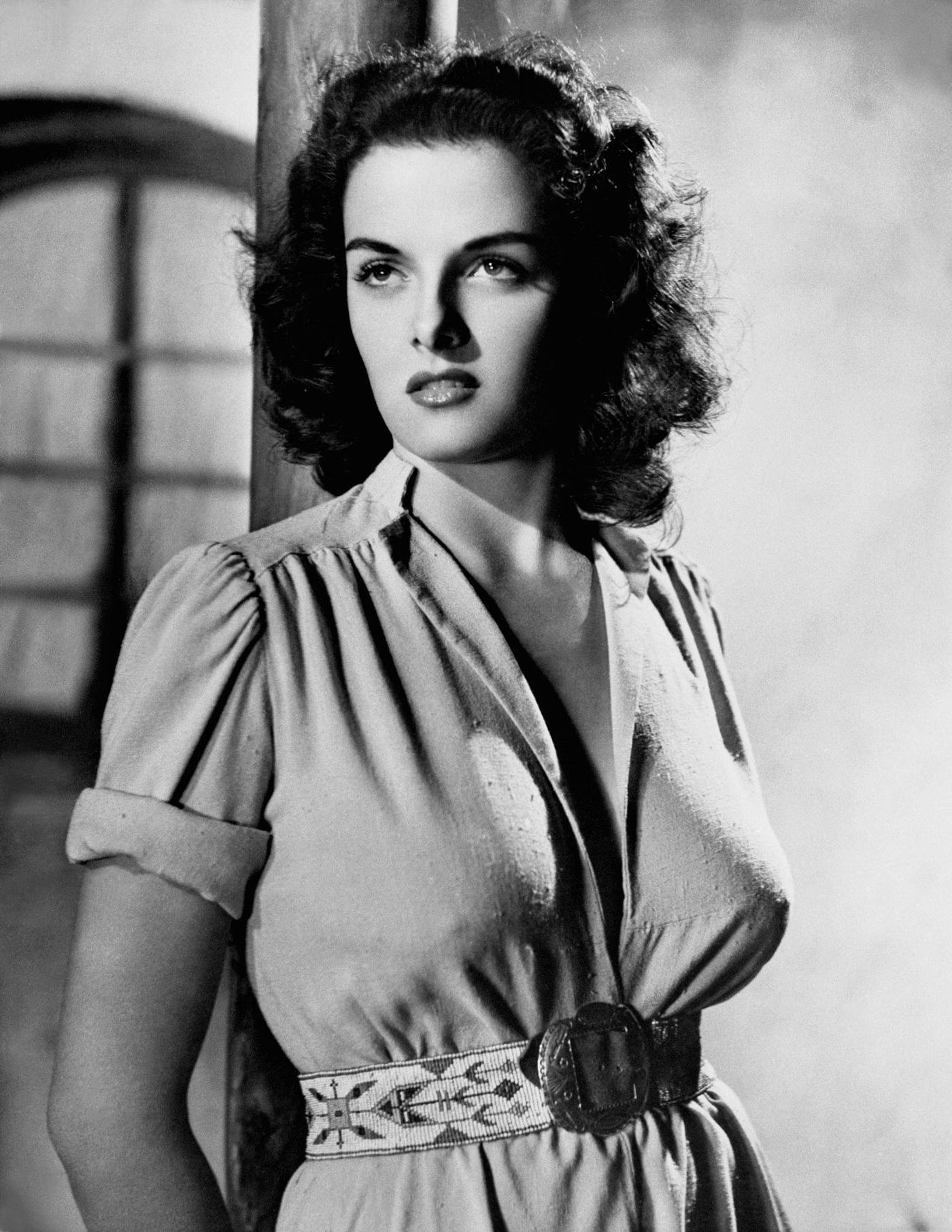
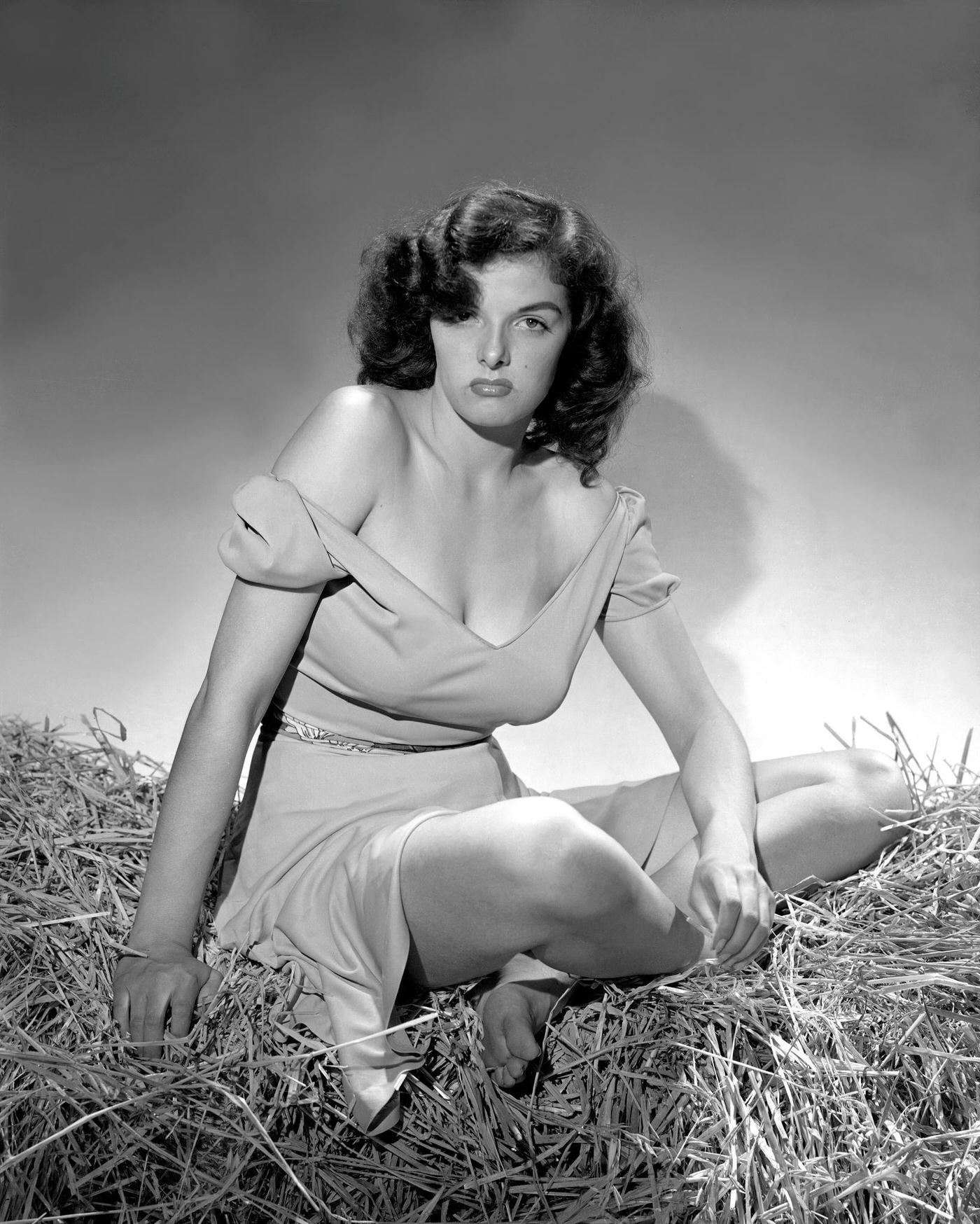
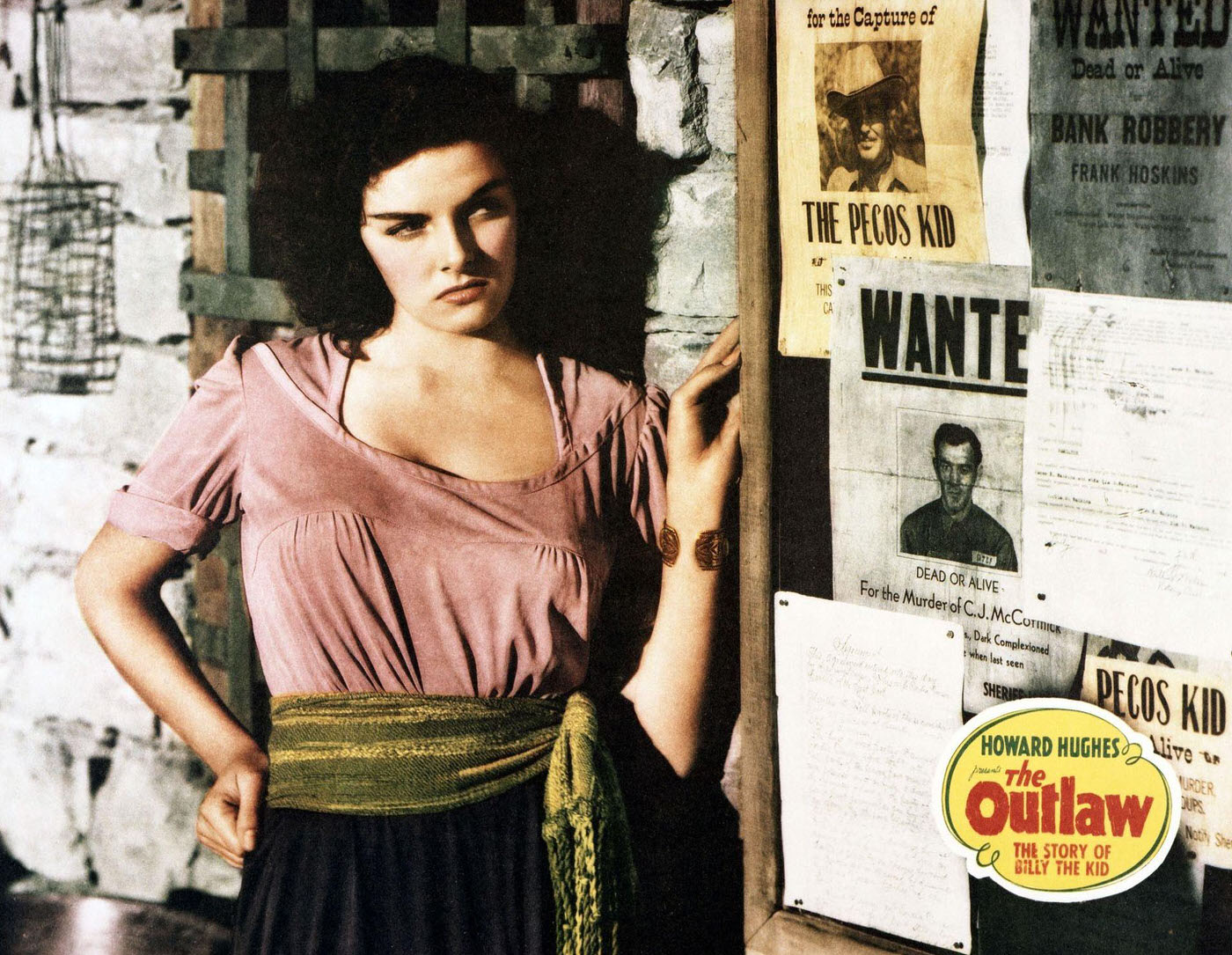
The film’s promotional materials were as carefully constructed as any scene in the movie itself. Lobby cards, still photographs, and painted portraits were all produced in abundance, each one placing Russell front and center. Hughes understood that the image of Rio McDonald would sell the film in ways that the story alone could not.


The lobby materials for The Outlaw were bold even by today’s standards. They made no attempt to hide the film’s emphasis on Russell’s physical presence, and they signaled clearly to audiences that this was not a conventional Western.

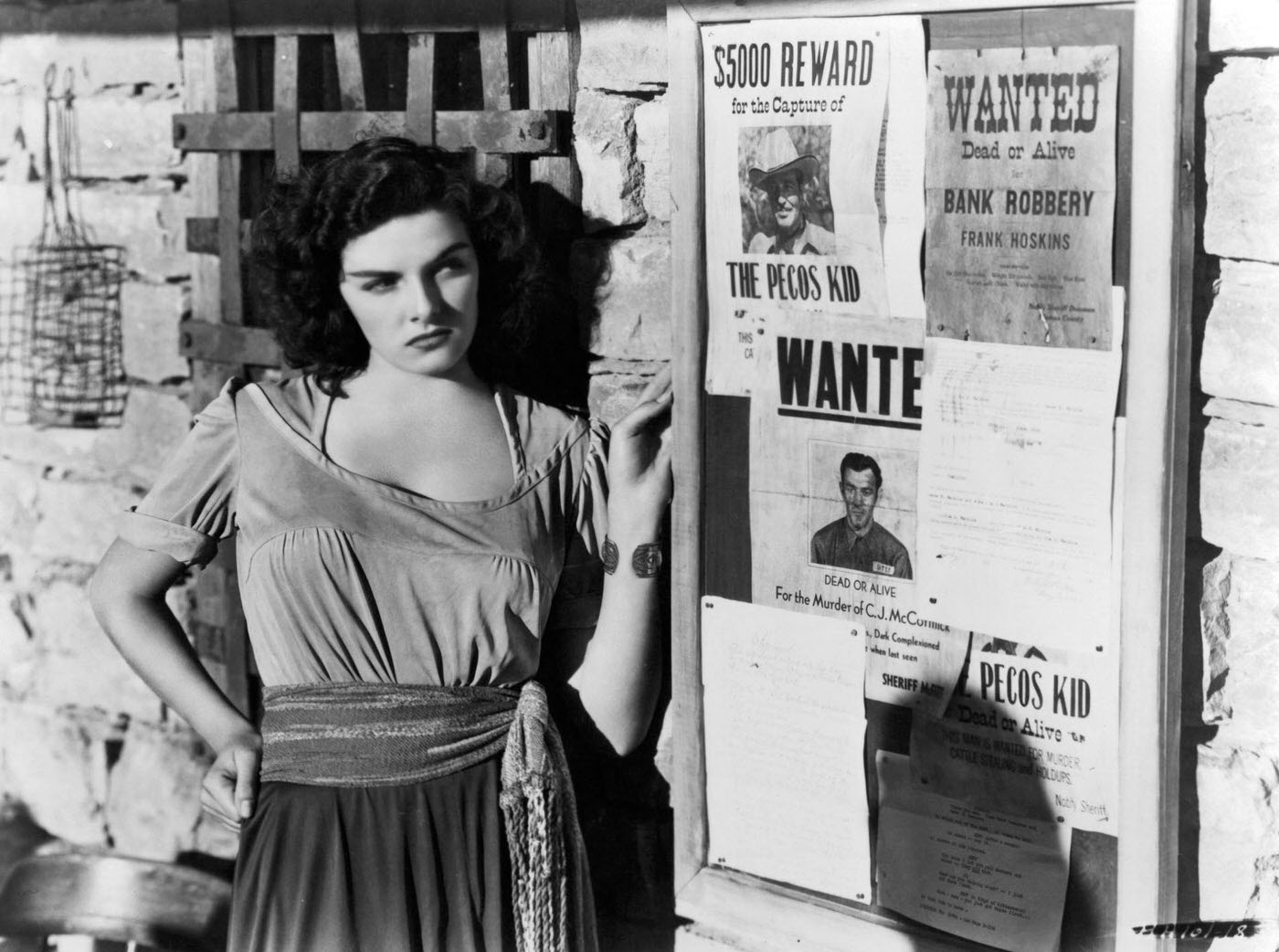
Inside the film, Russell brought Rio to life with a grounded, unaffected performance. Whether sharing tense scenes with Buetel or holding her own against the more seasoned Walter Huston, she never looked out of place. Her screen presence was immediate and undeniable — something audiences recognized even when critics refused to.


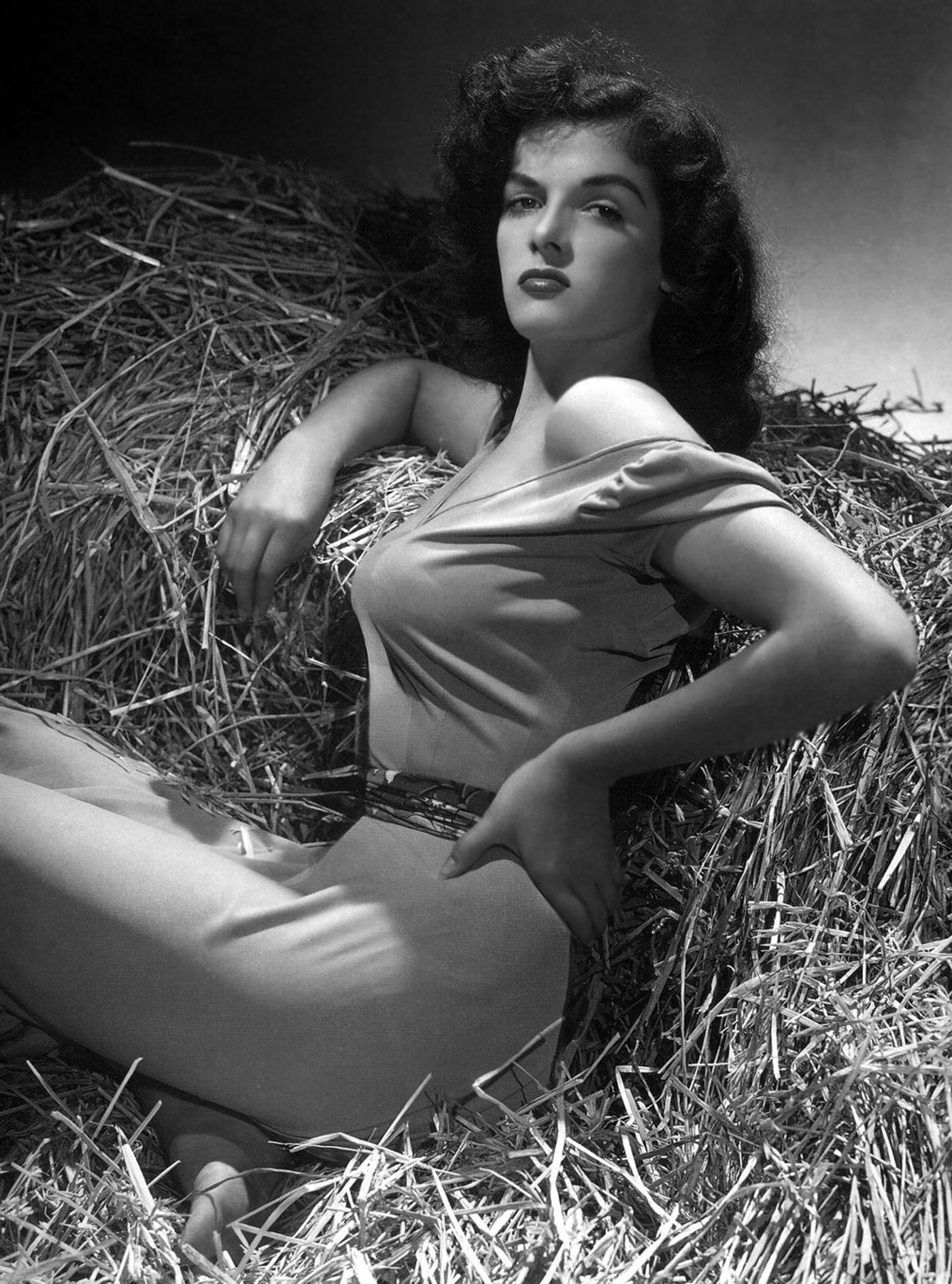
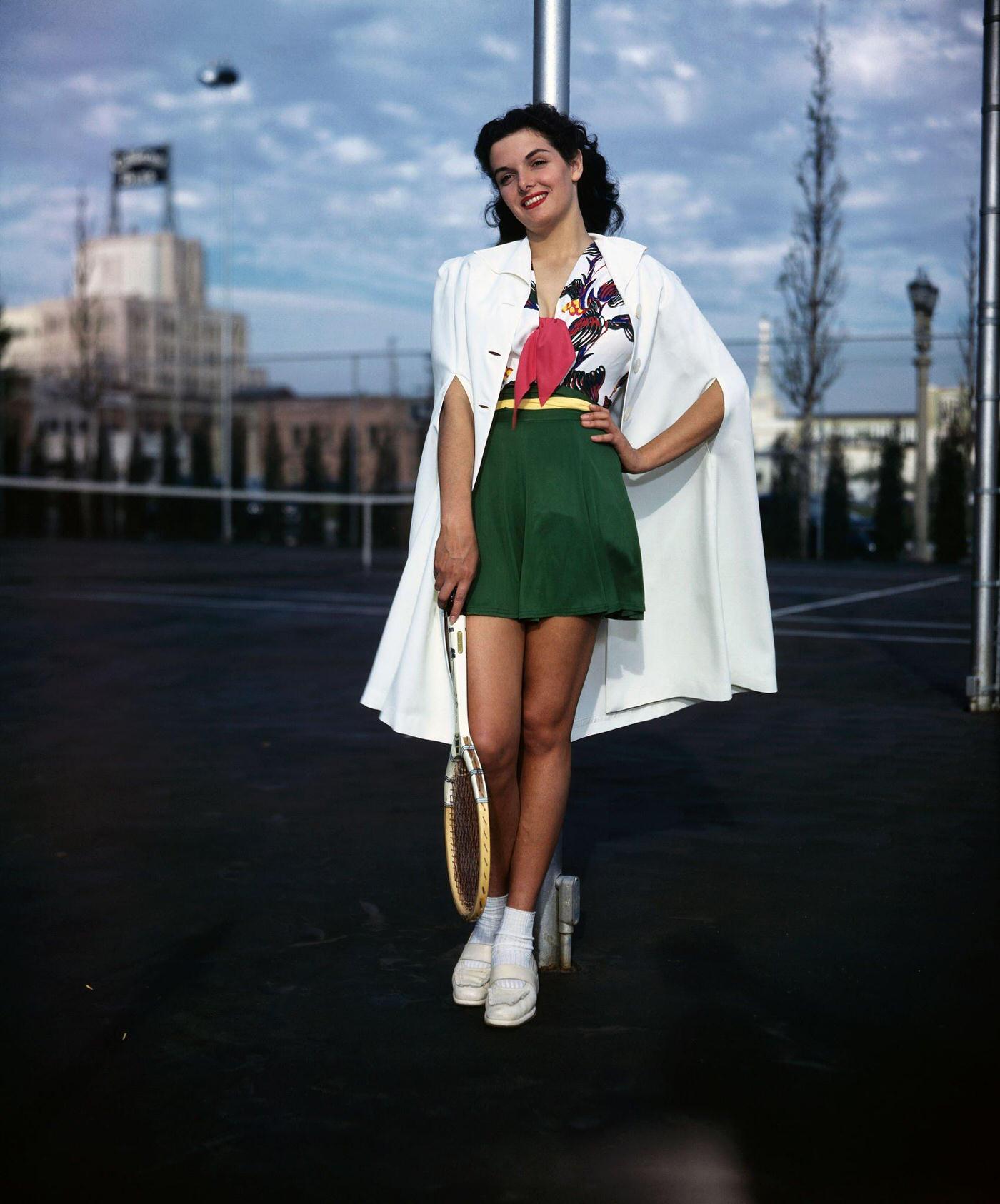
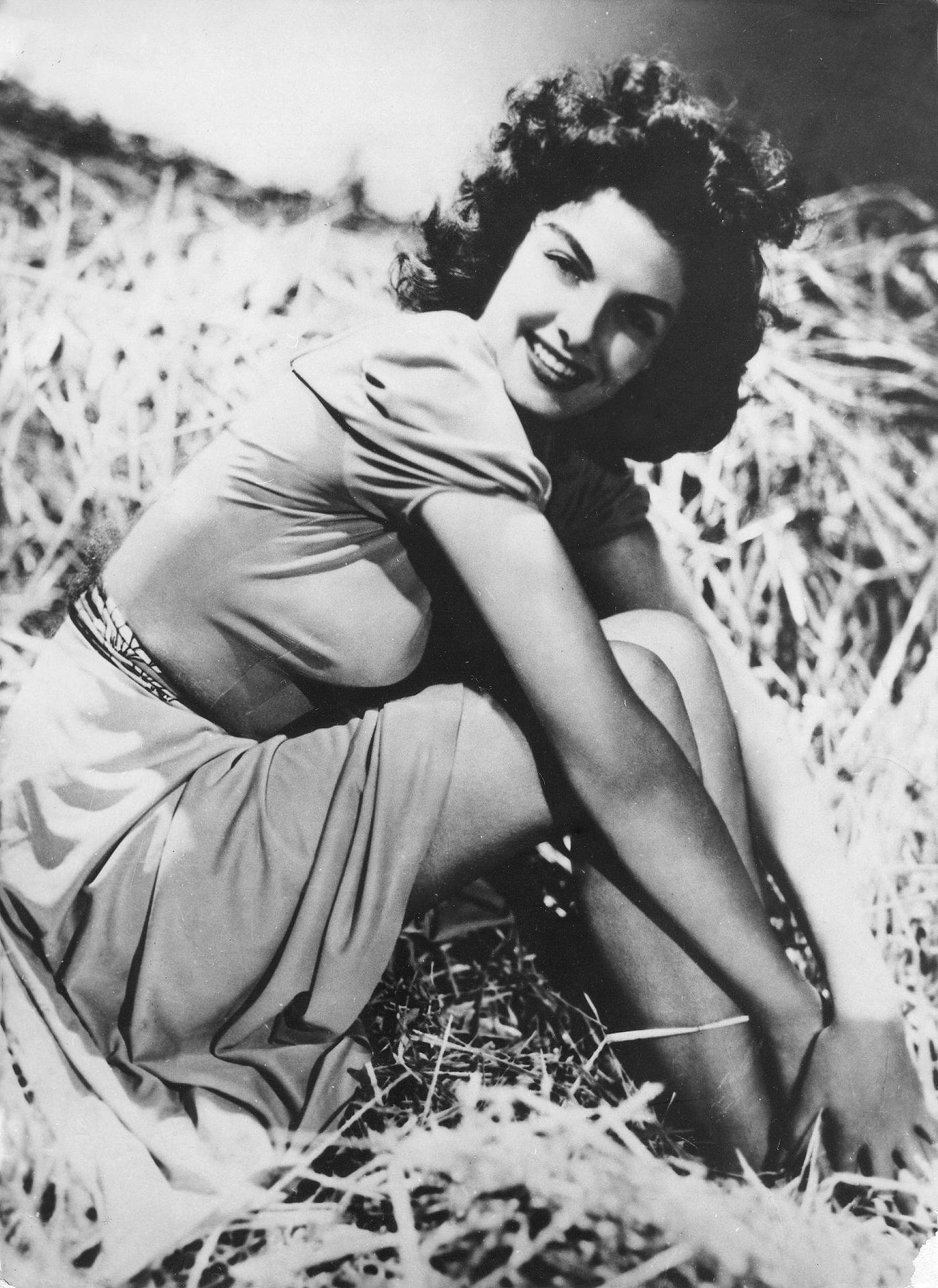
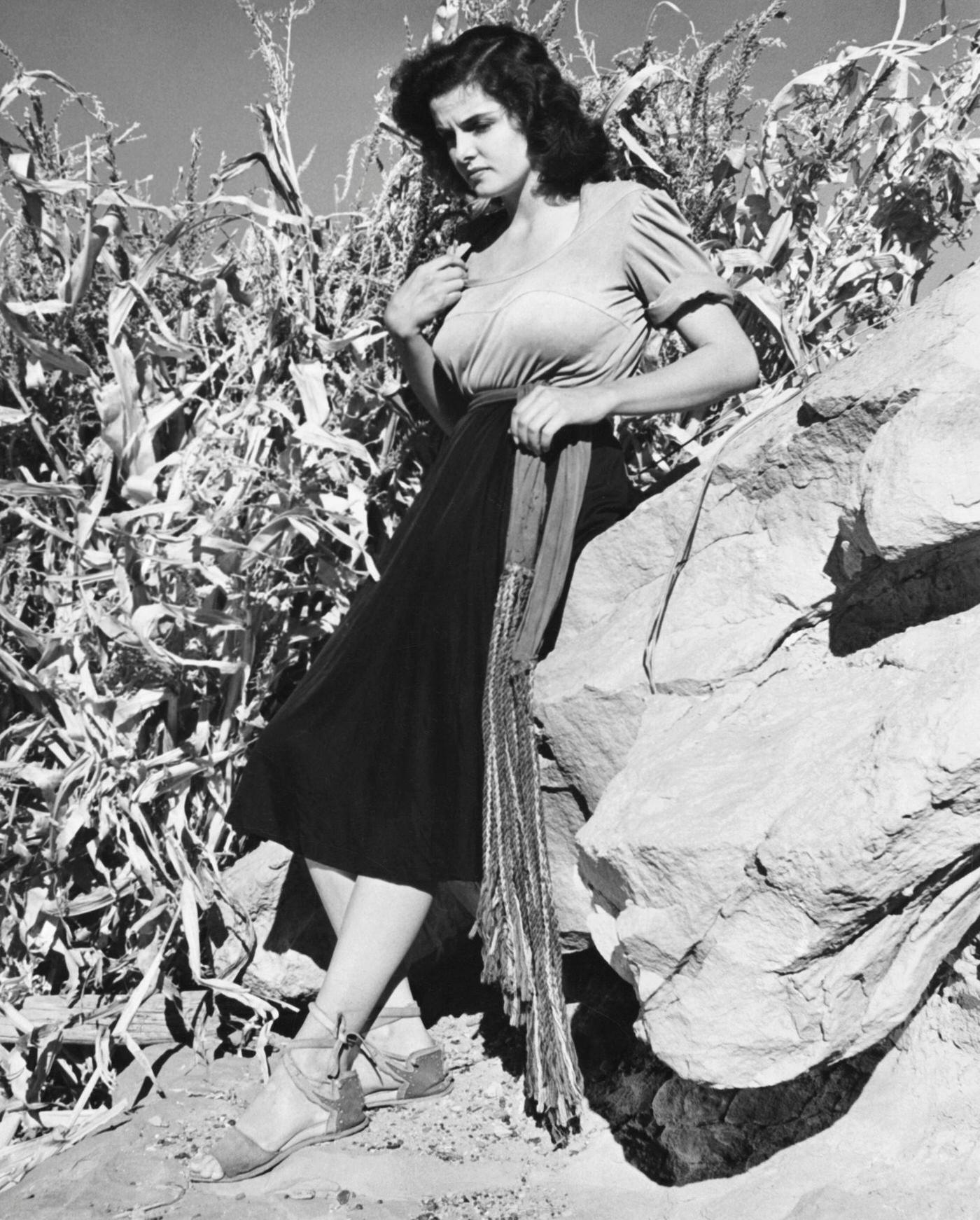
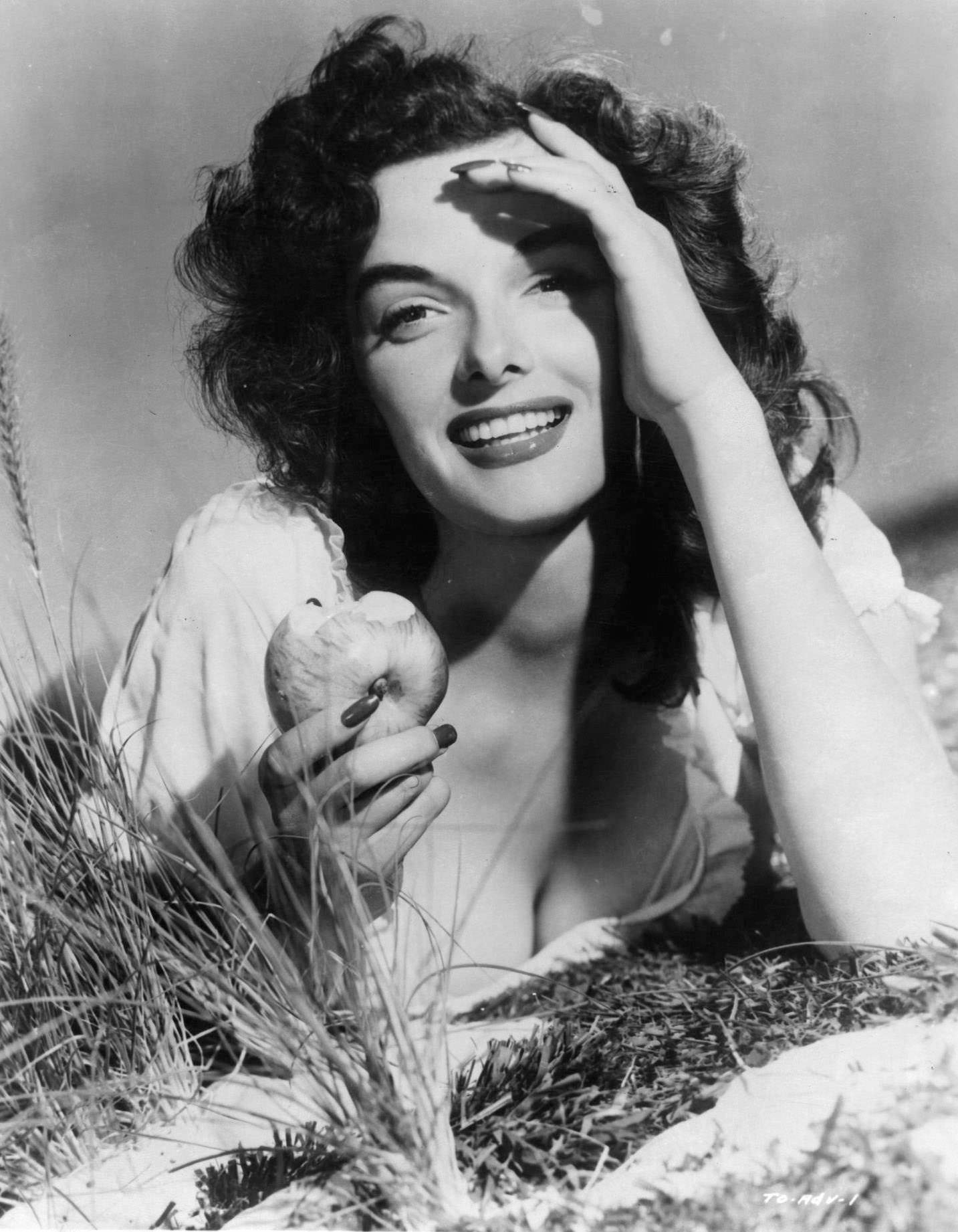
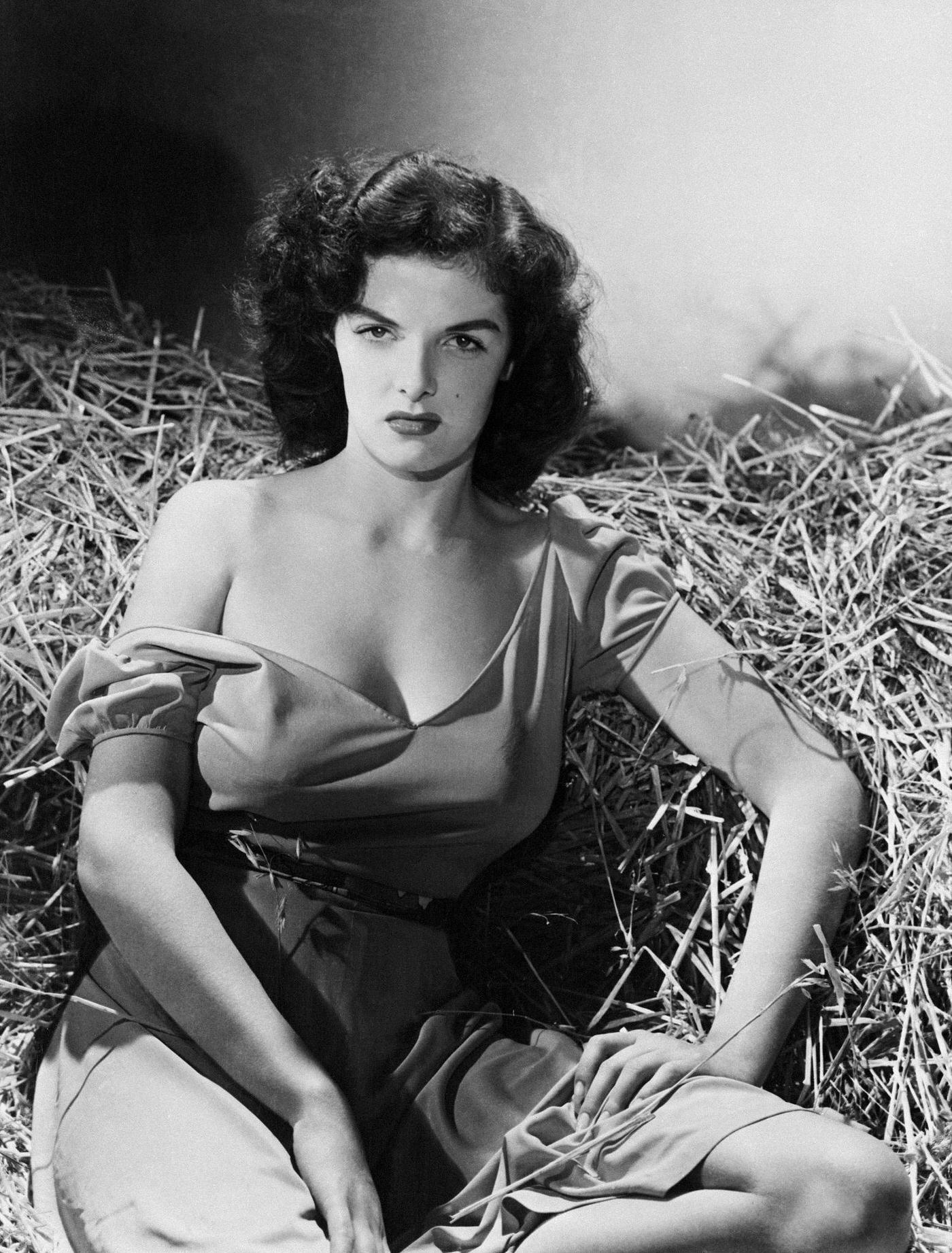
The publicity portraits taken during production became some of the most recognized images in Hollywood history. They circulated widely, appeared in newspapers and magazines, and cemented Russell’s image in the public mind long before most audiences had seen a single frame of the film itself.