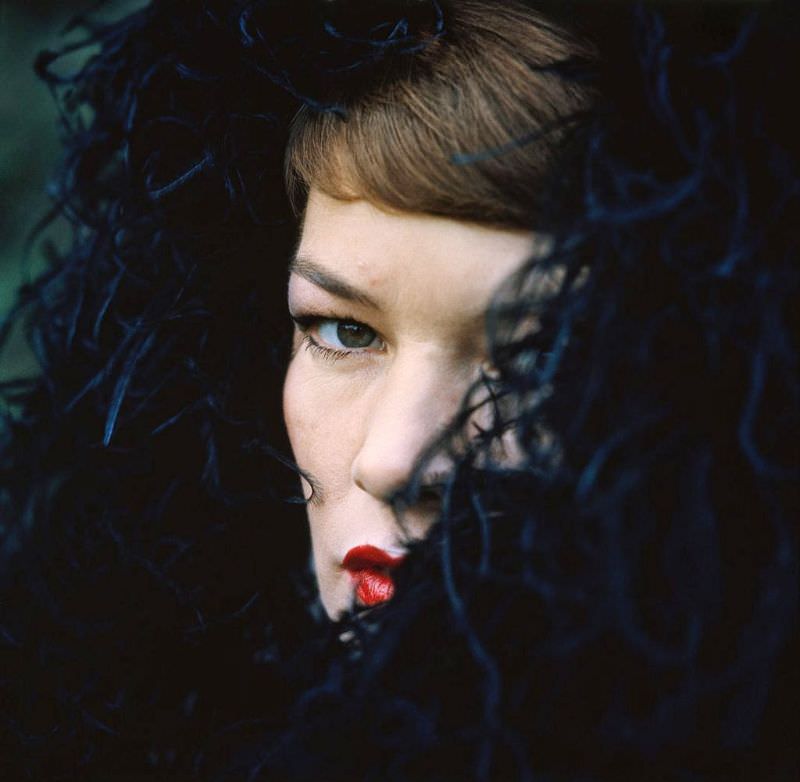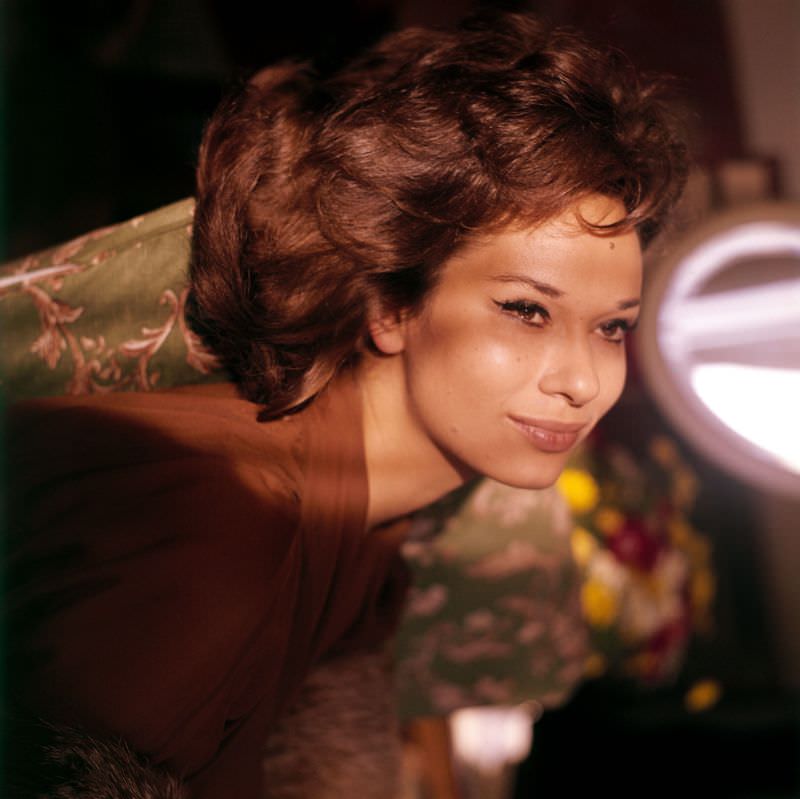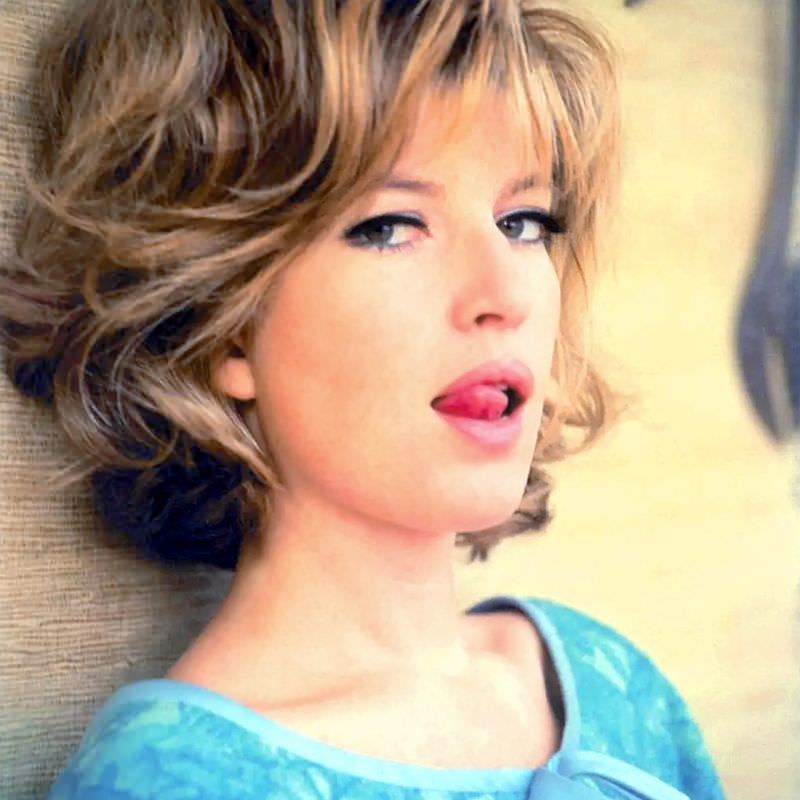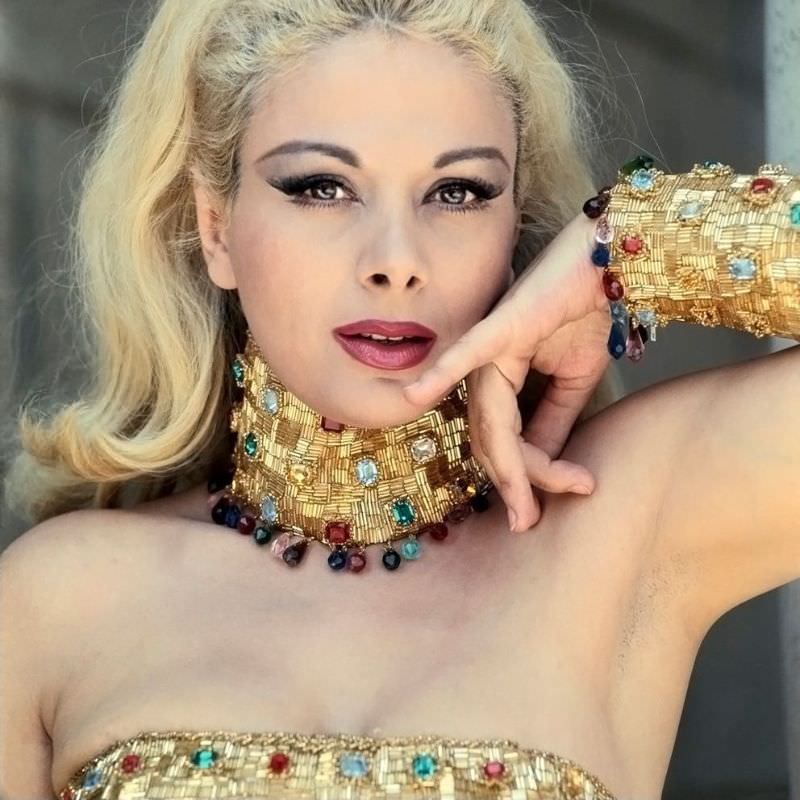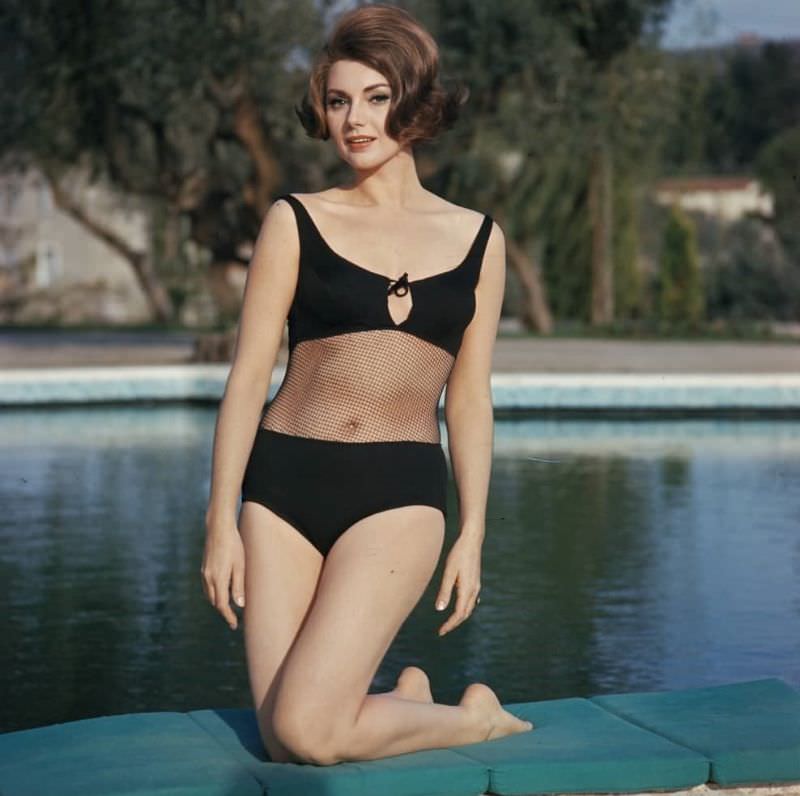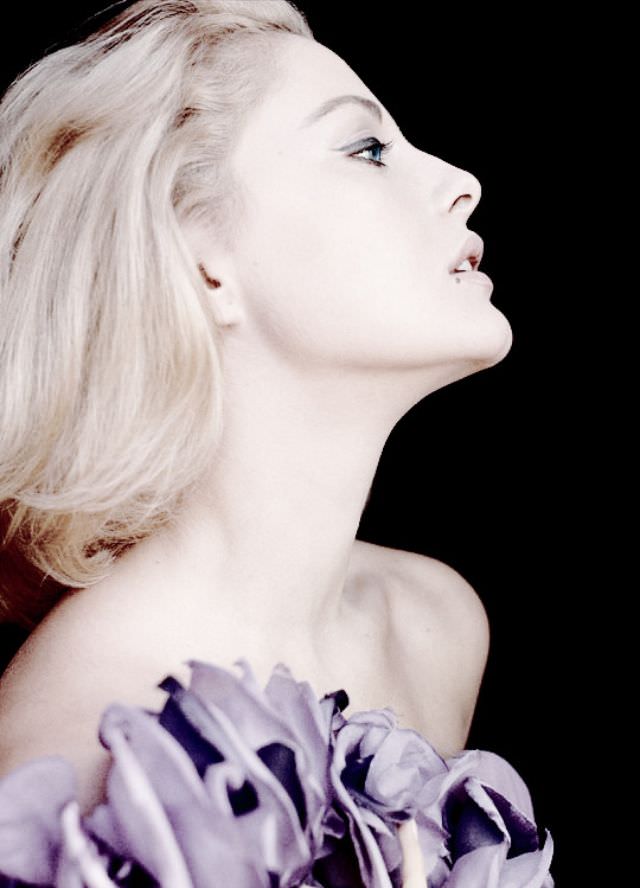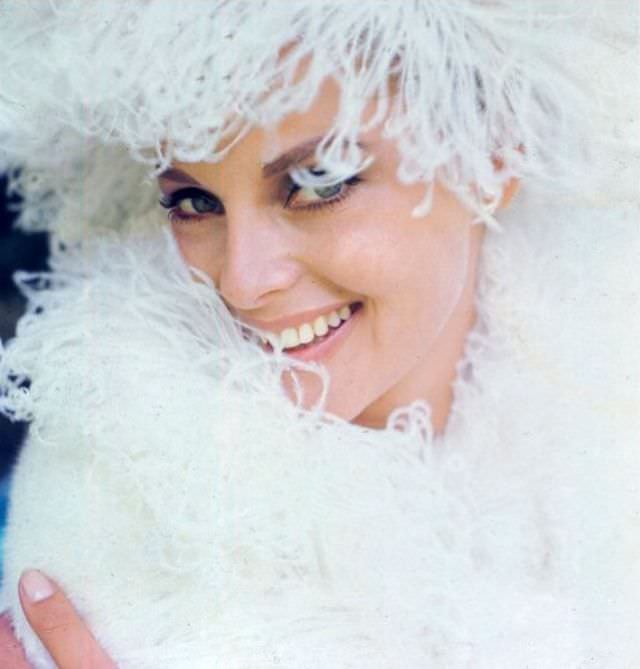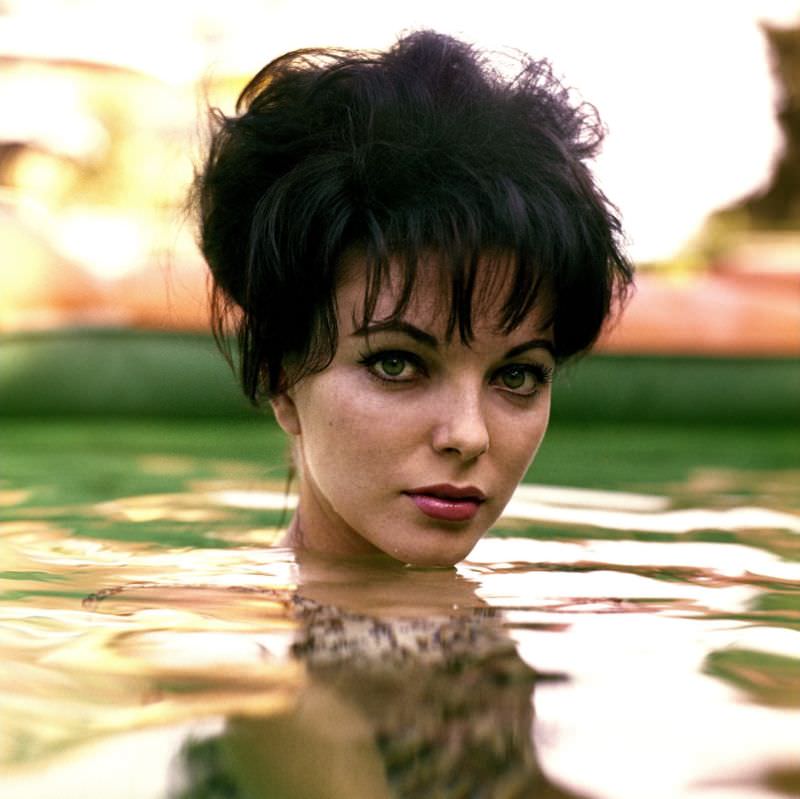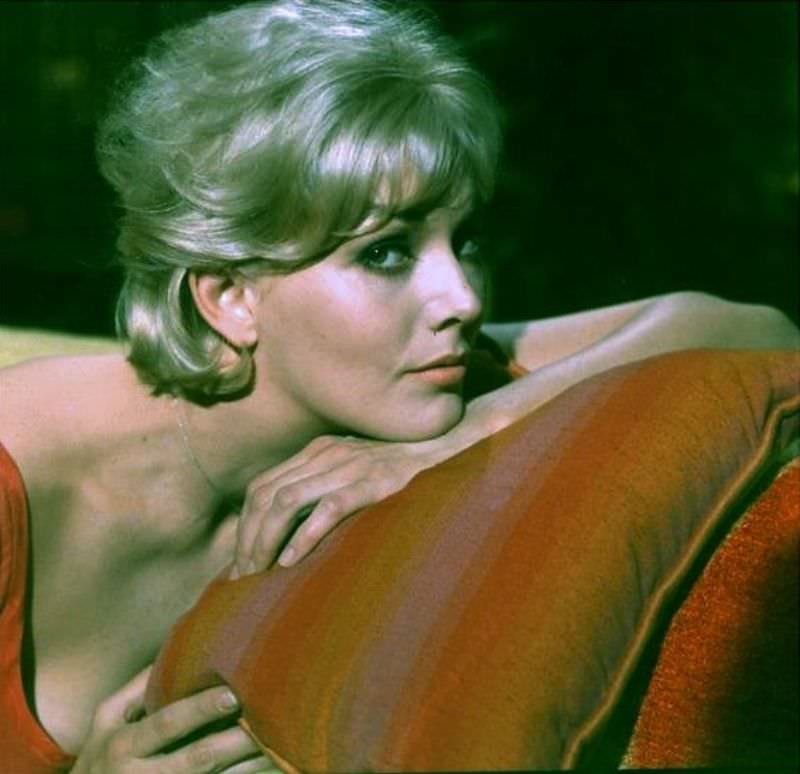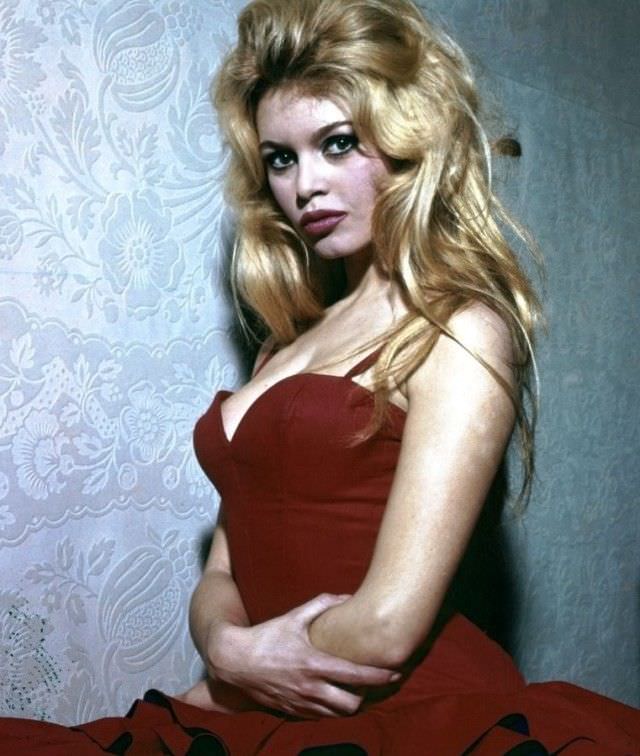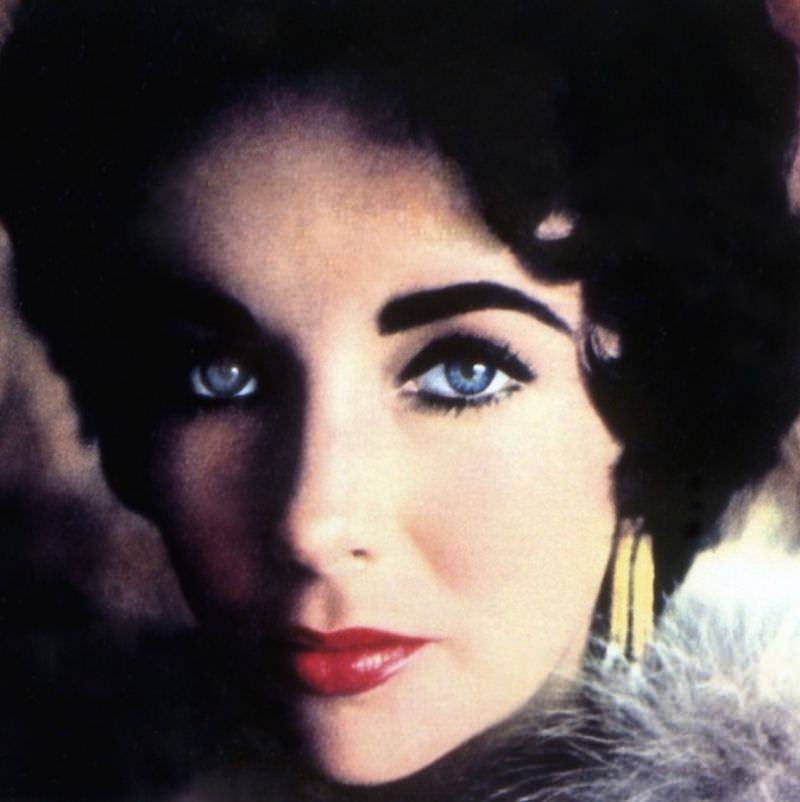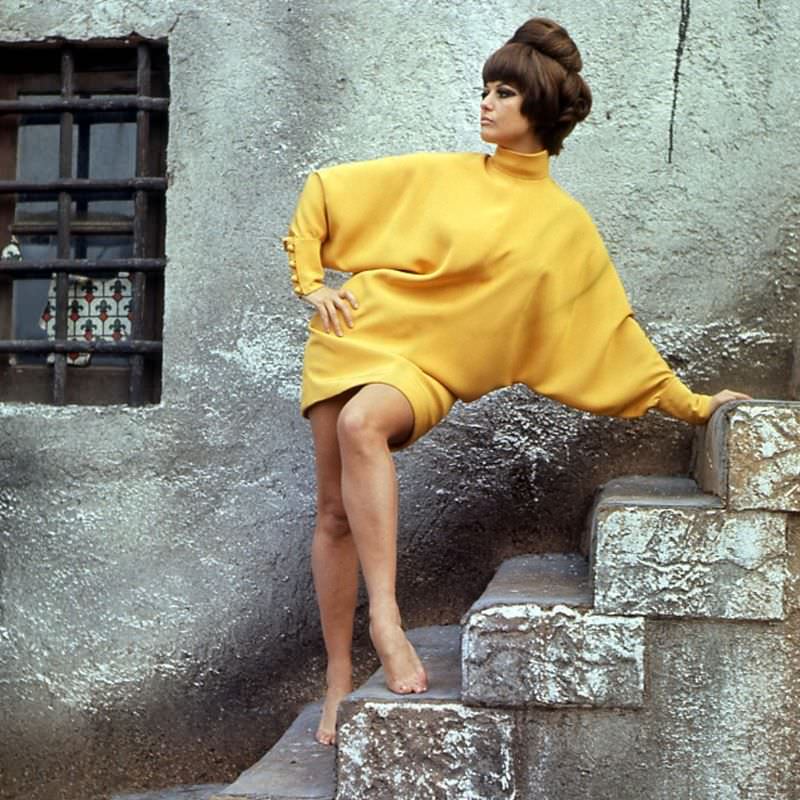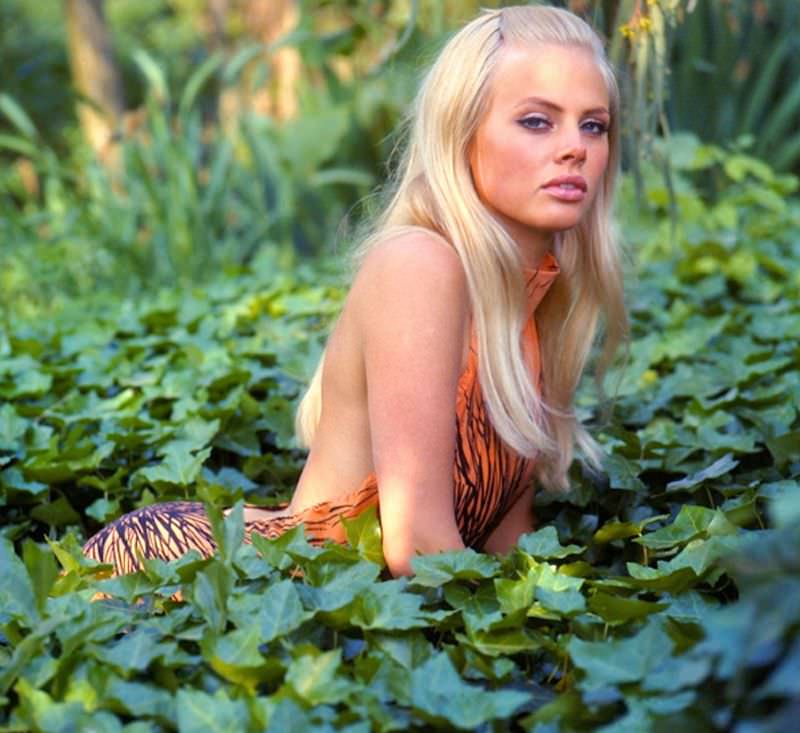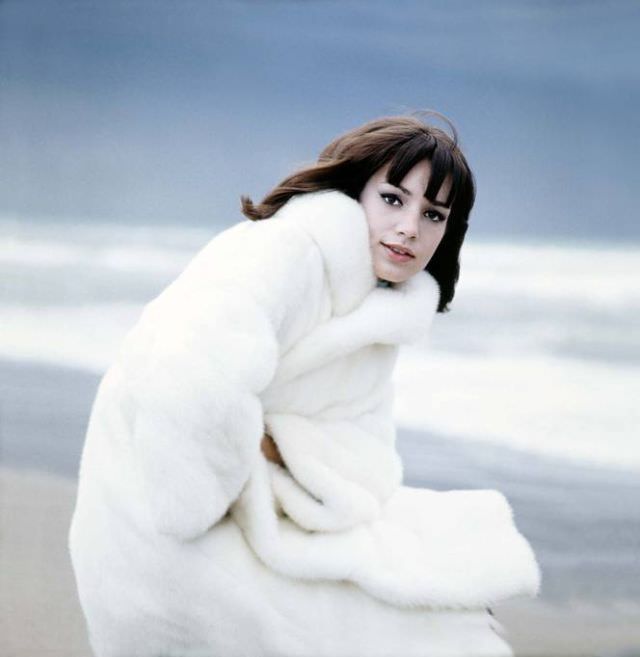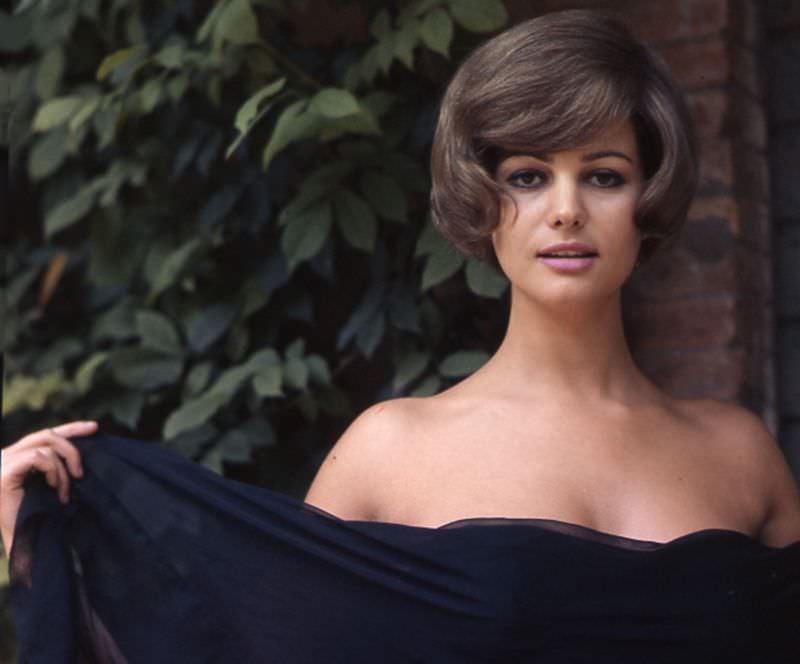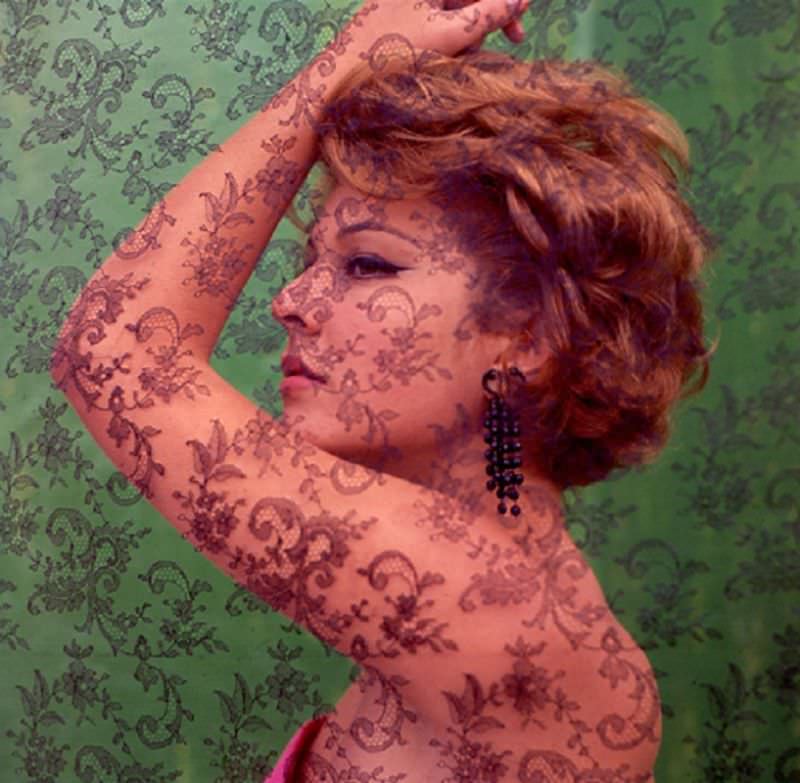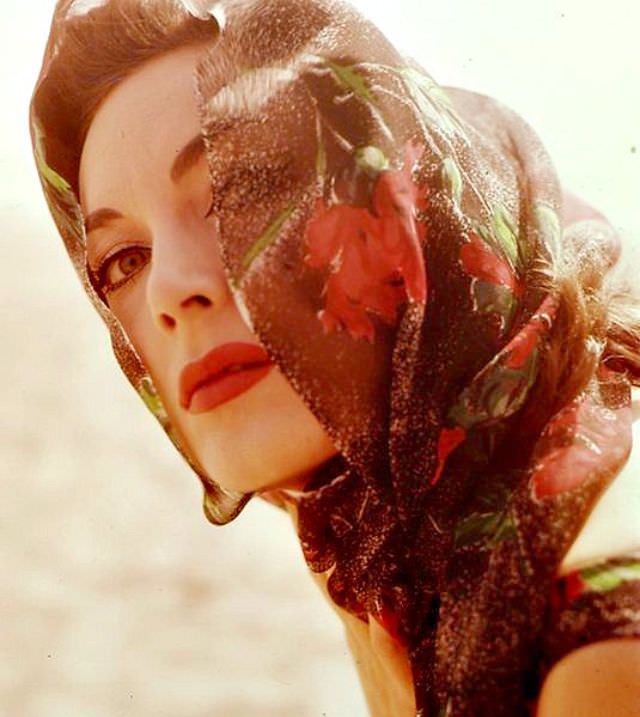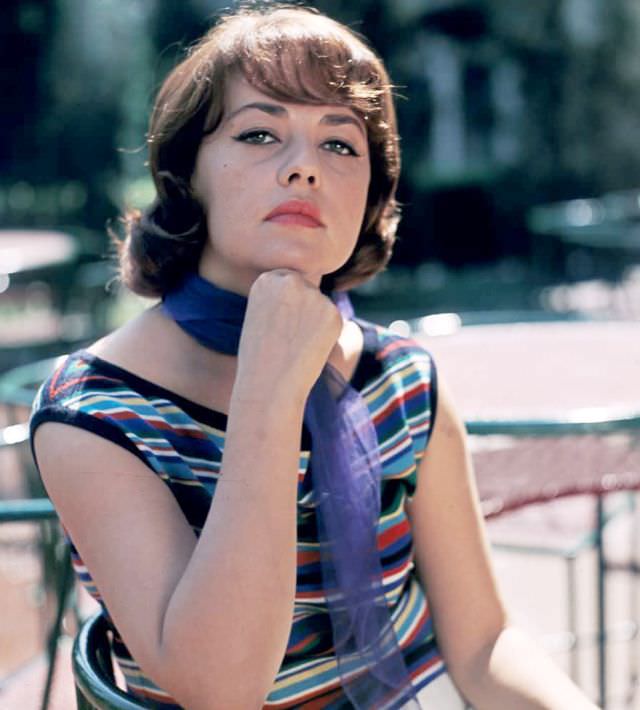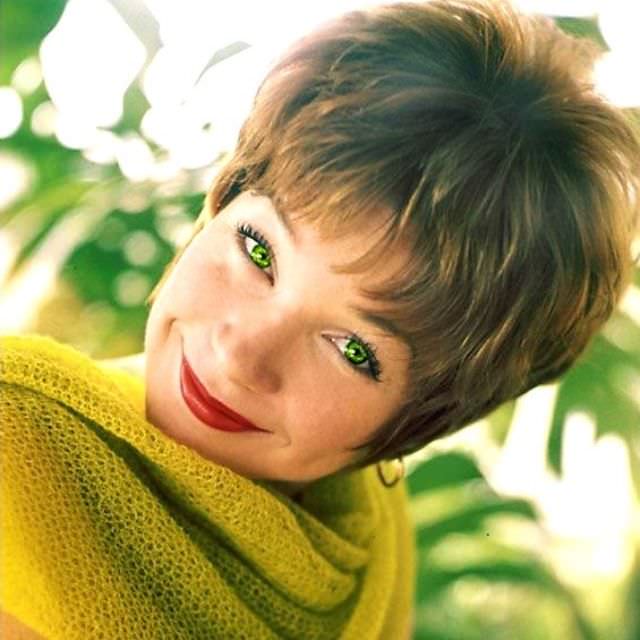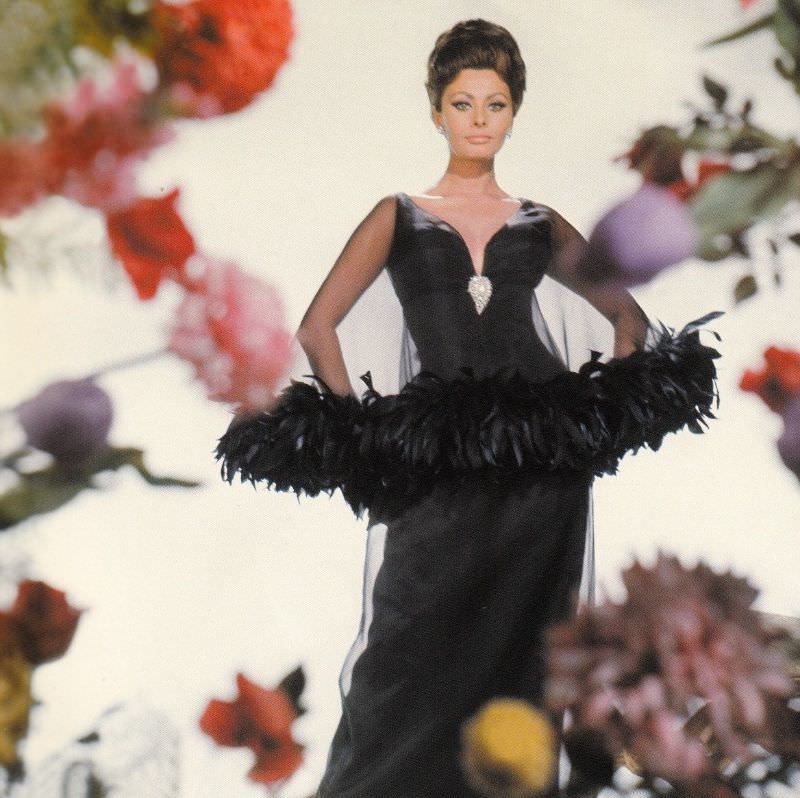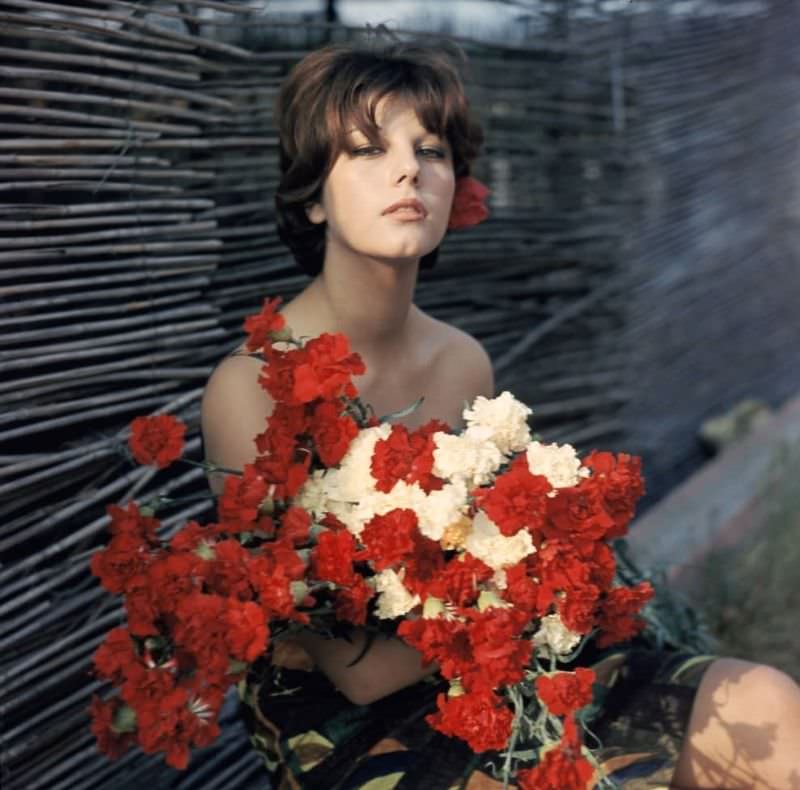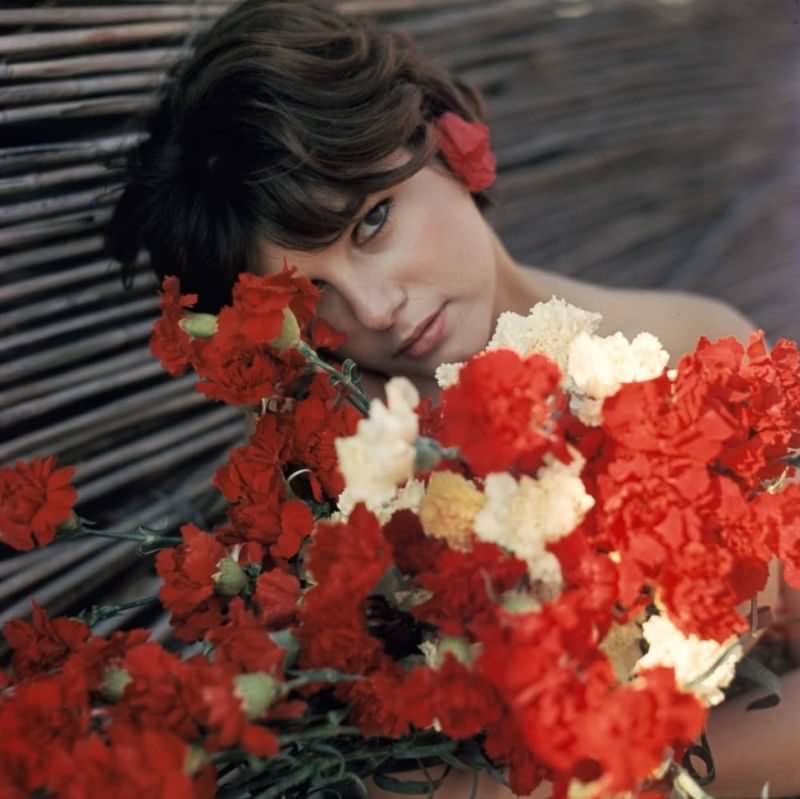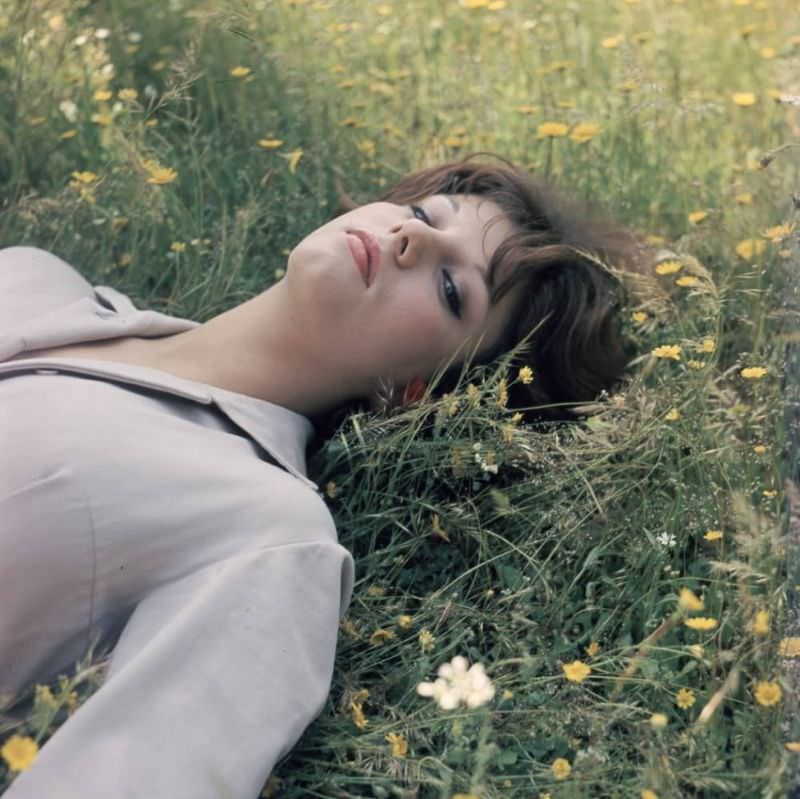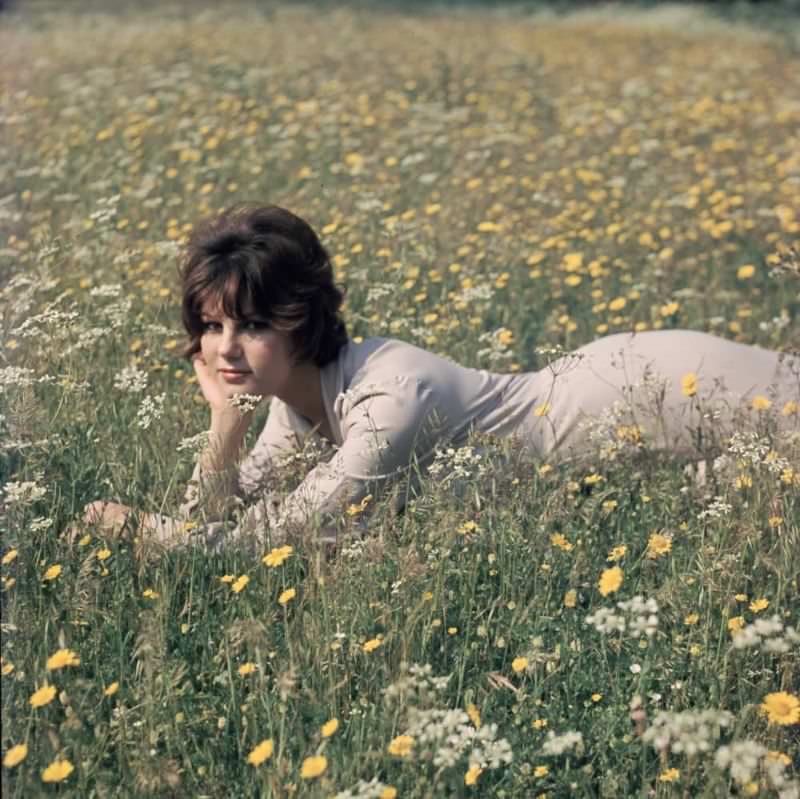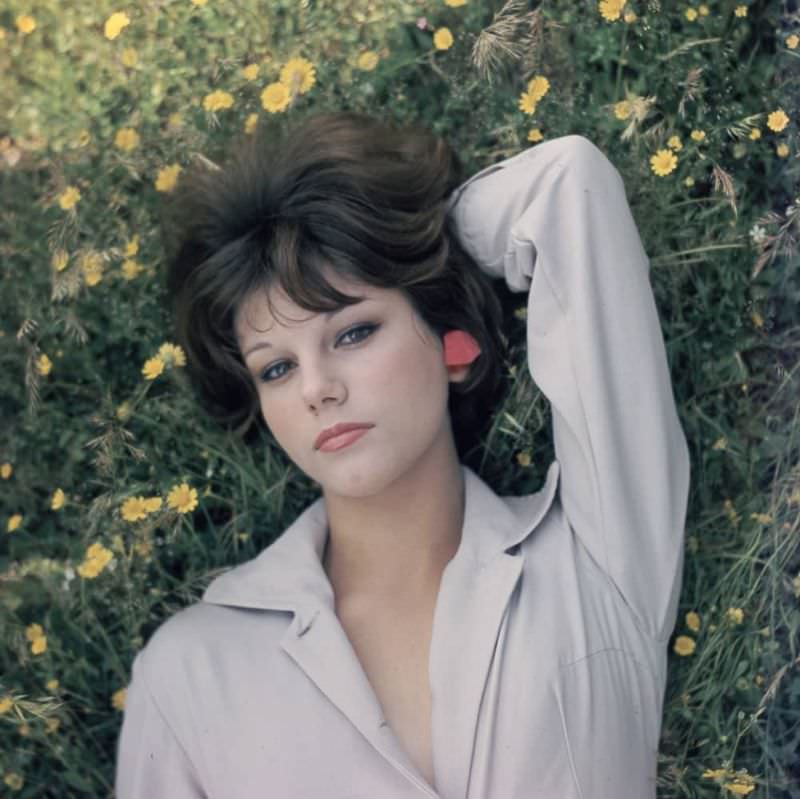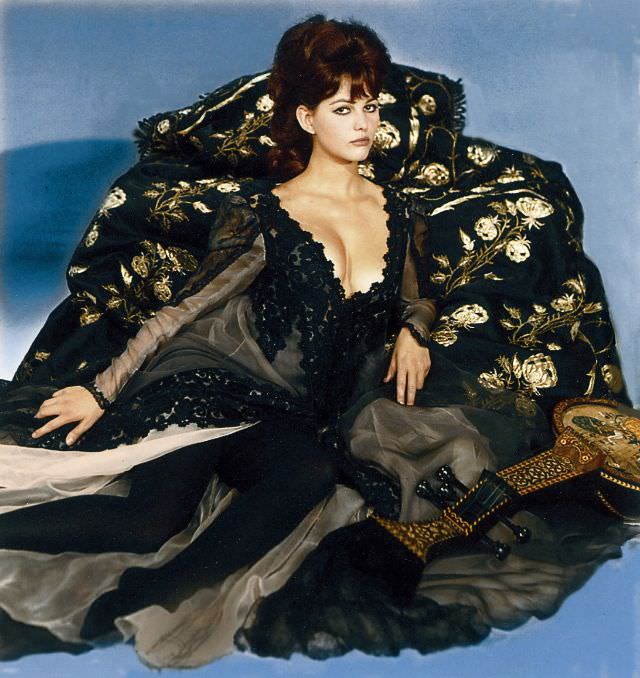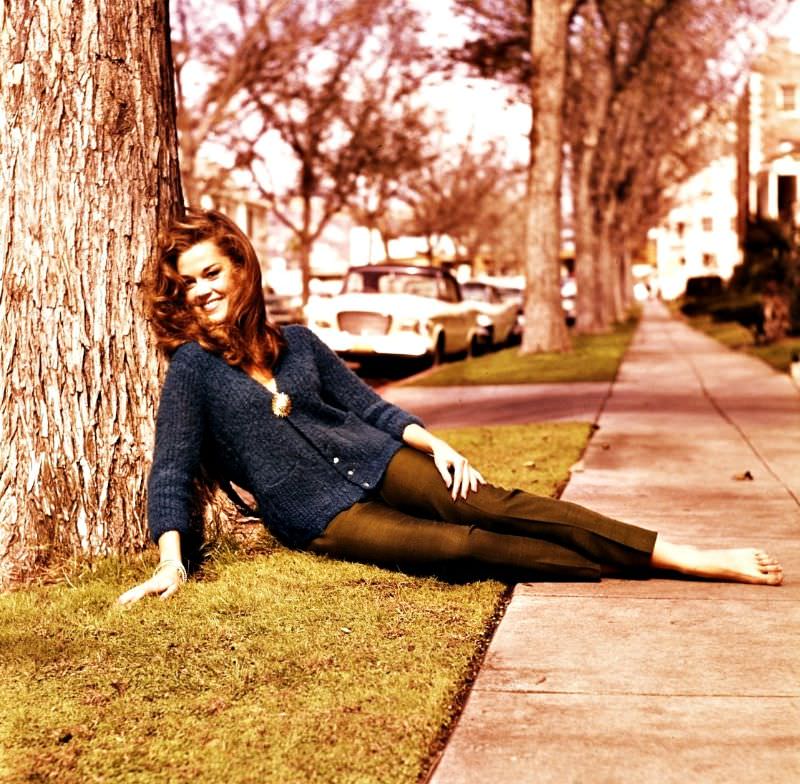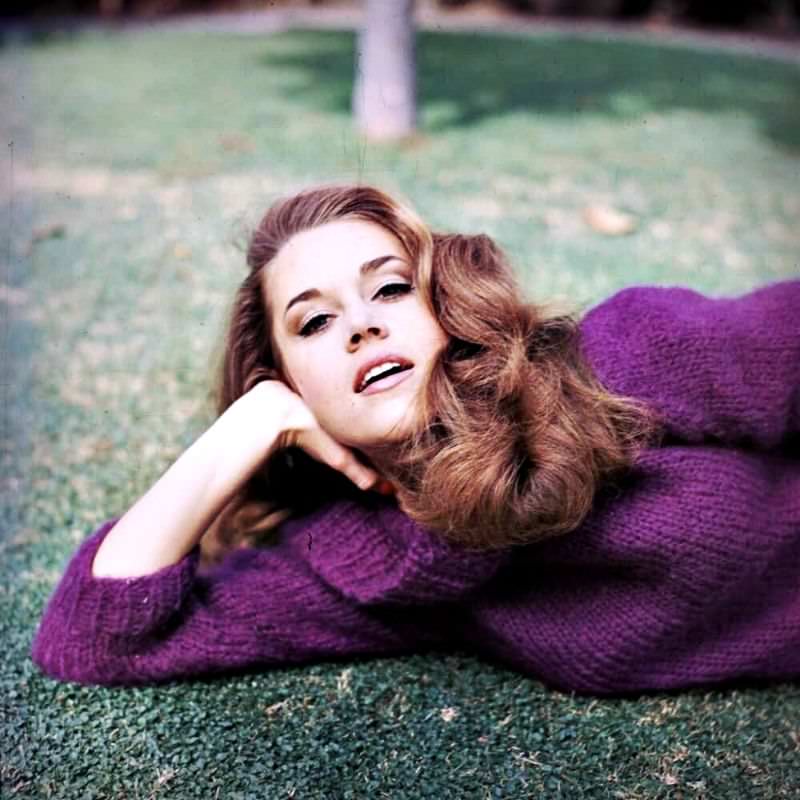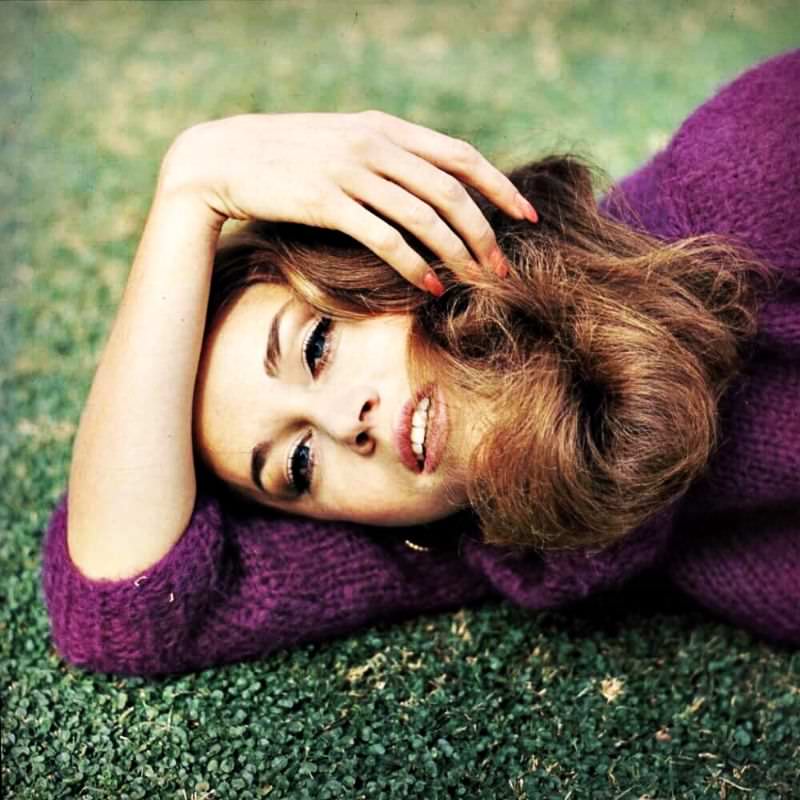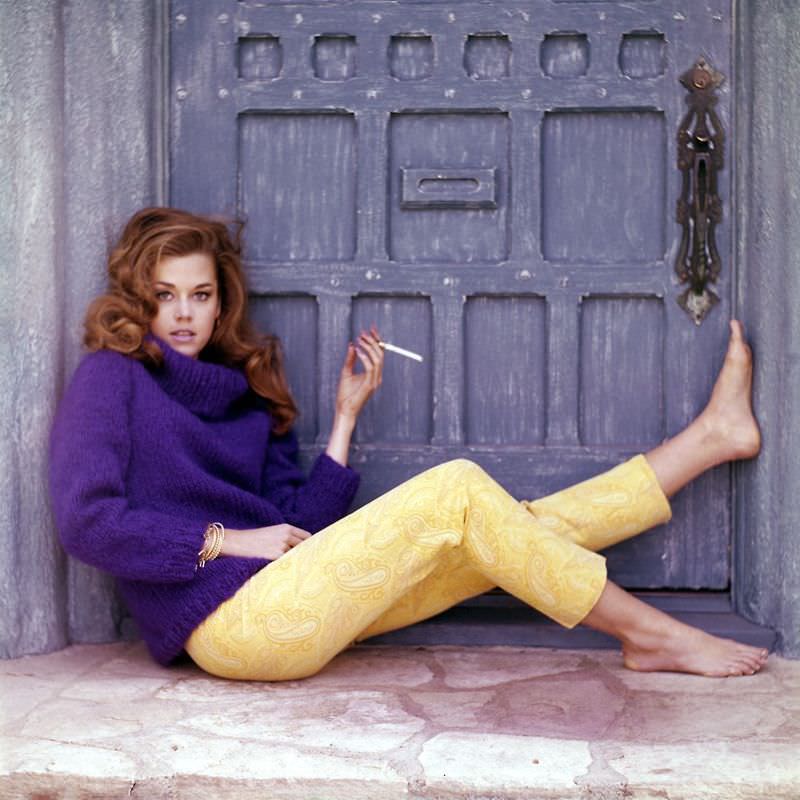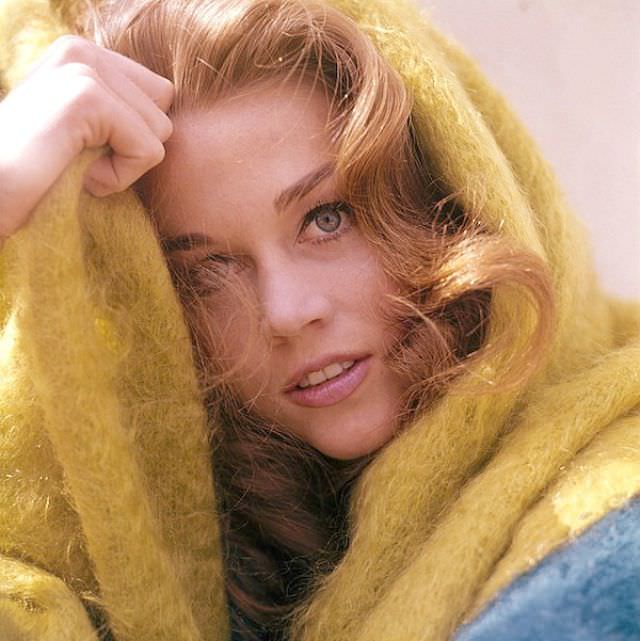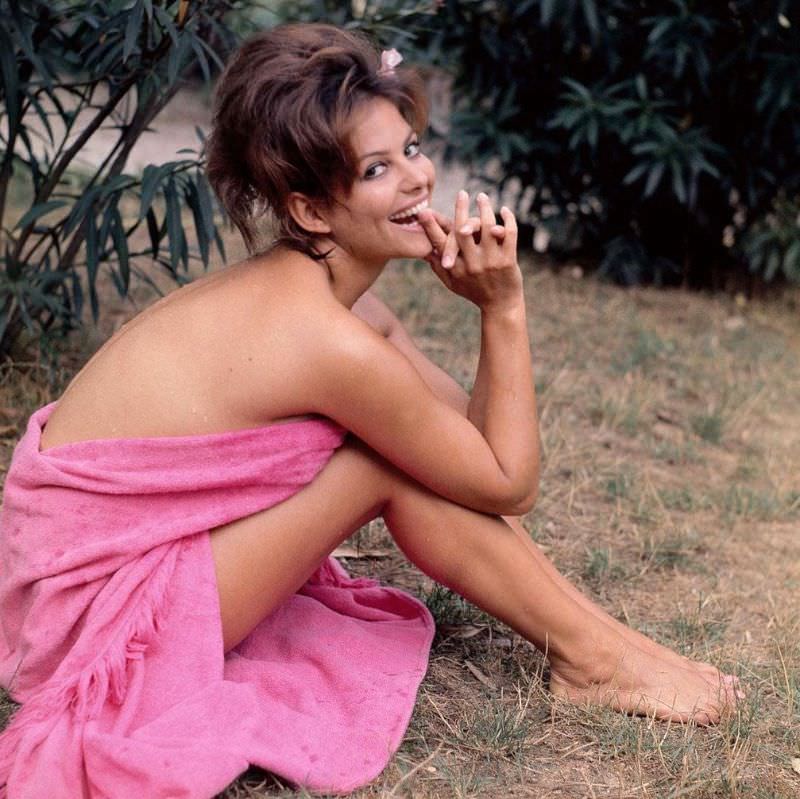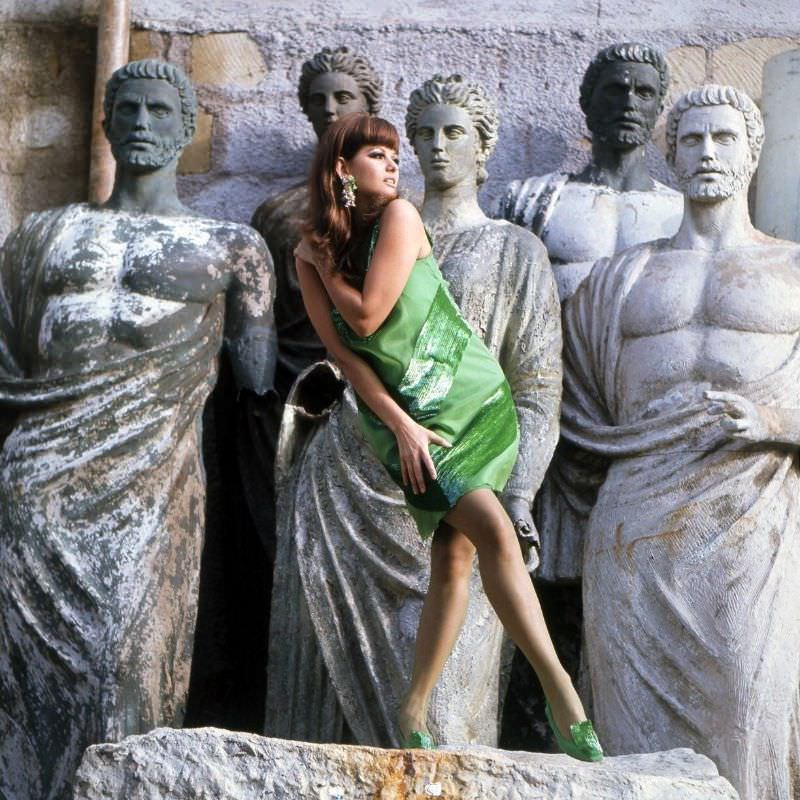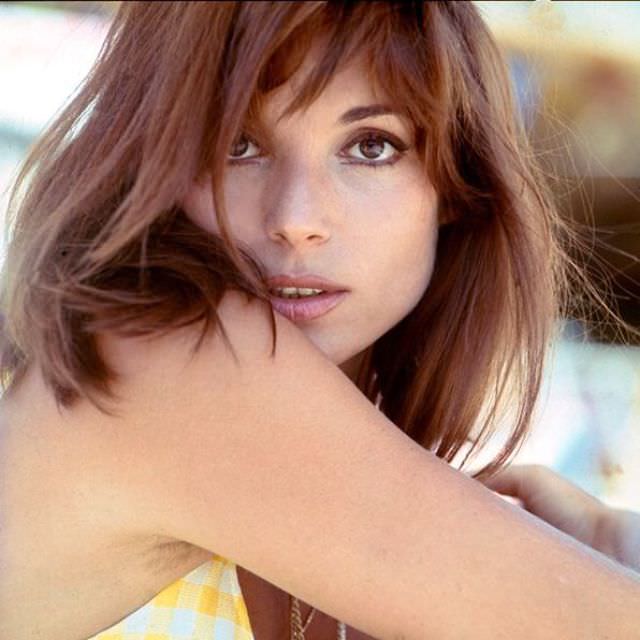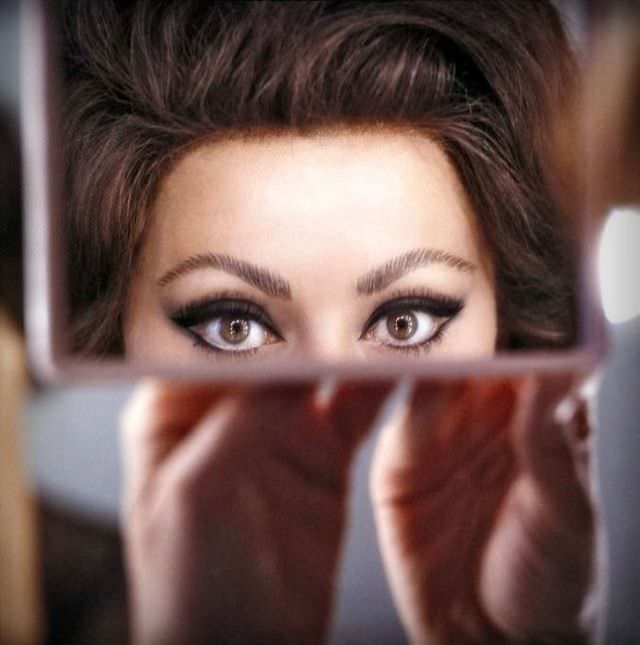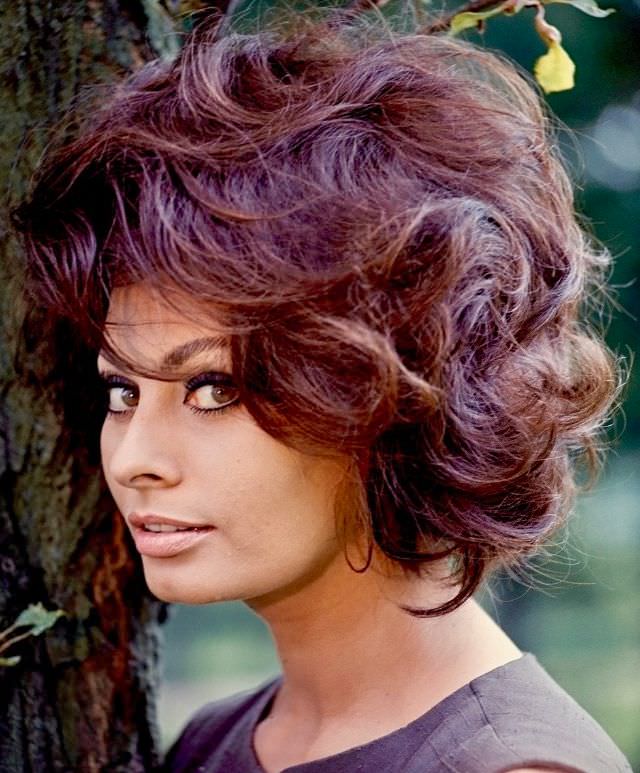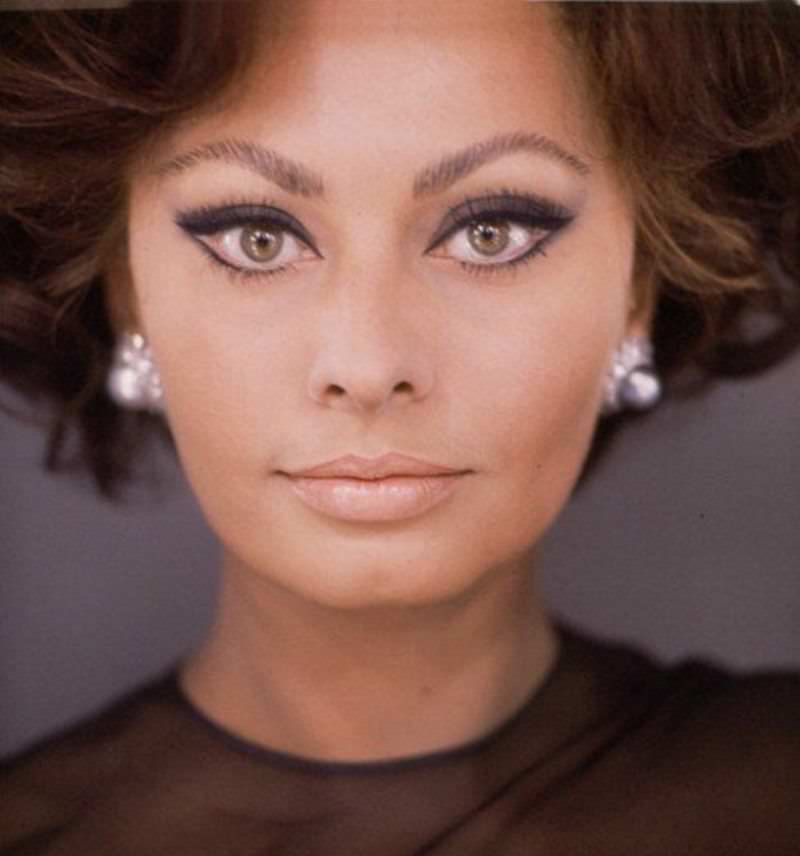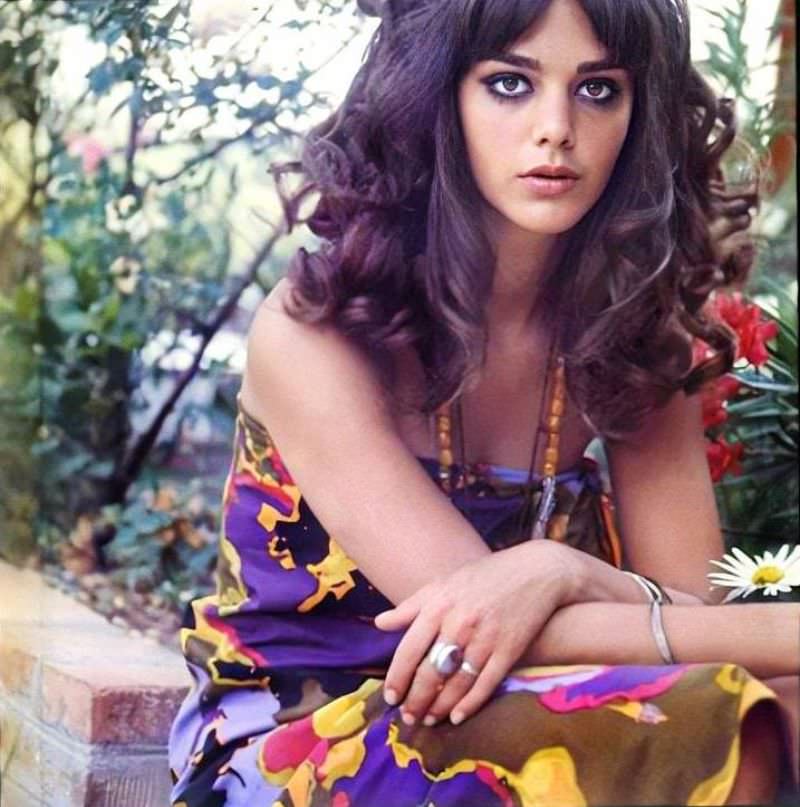

Chiara Samugheo was born in 1935 in Bari, Italy, and went on to become the first professional female photographer in the country. That title alone speaks to how much ground she had to break. Working in a field dominated by men, she built a career around access, confidence, and an unmistakable eye for character. By the time the 1950s were in full swing, she was already shooting some of the biggest names in cinema.
Her style grew out of the neorealist movement that was reshaping Italian art and film after World War II. Neorealism favored honesty over glamour — real light, real expressions, real moments. Samugheo brought that sensibility directly into her celebrity portraits. Her subjects didn’t just pose. They revealed something.


Her access to Hollywood stars during the 1950s was remarkable. Joan Collins and Kim Novak were among the international names she photographed during this period, both caught with the kind of relaxed intensity that only comes when a subject trusts the photographer behind the lens.

In 1958, Samugheo photographed Brigitte Bardot for the film “A Woman Like Satan.” That same year, she captured Elizabeth Taylor — two of the most photographed women in the world at the time, both rendered with Samugheo’s distinctive directness.


Claudia Cardinale was one of Samugheo’s most photographed subjects. Their first documented session together took place in Rome in 1959, with many more to follow through the mid-1960s. The Italian actress’s recurring presence in Samugheo’s portfolio reflects both a professional relationship and a shared place in Italian cultural life.


The 1960s were Samugheo’s most prolific decade. She photographed a wide range of European and American stars, including Britt Ekland, Catherine Spaak, Claudia Mori, Gianna Maria Canale, and Glenda Jackson. Each portrait has its own distinct energy, shaped by the personality in front of her camera.


French actresses Jeanne Moreau and later Jane Fonda also sat for Samugheo. Her 1963 series of Fonda stands out as a sustained, multi-image portrait session that captured the actress at a pivotal moment in her career. Italian stars like Lea Massari, Monica Vitti, Sandra Milo, and Stefania Sandrelli also featured heavily in her work from this period.
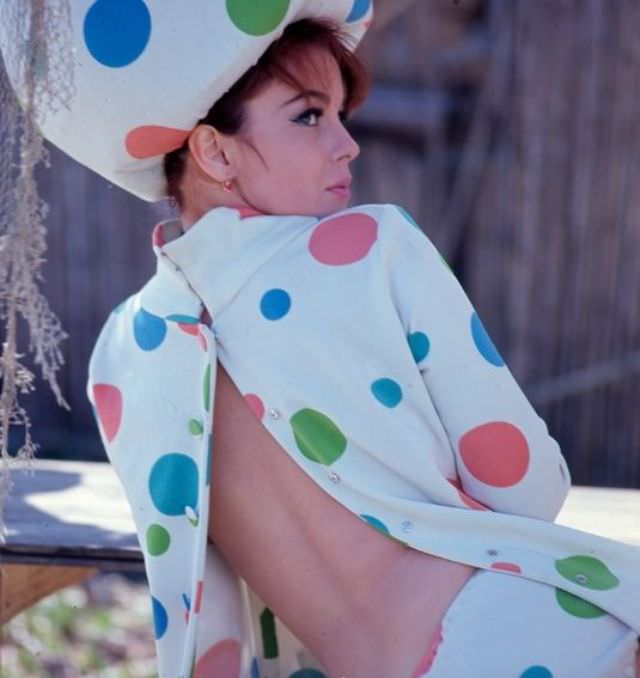


Sophia Loren appears in Samugheo’s archive across multiple sessions spanning the mid-1960s. The two were both rooted in Italian culture, and that shared context comes through in the photographs — intimate without being staged, confident without being stiff. Samugheo returned to Loren as a subject in 1965 and again in 1966.
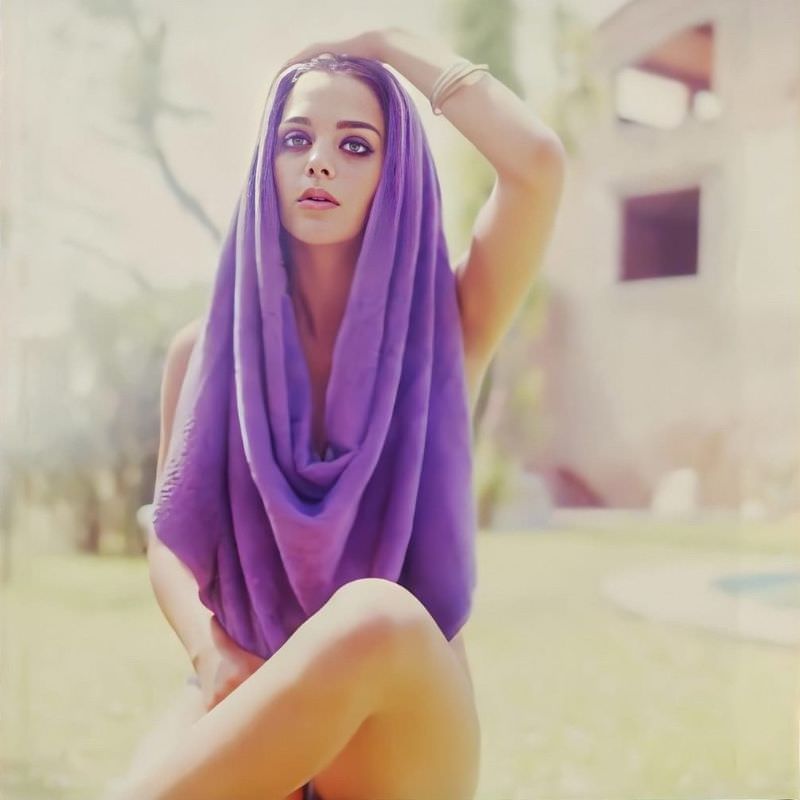


Stefania Sandrelli appears in five separate images from the 1960s, and Virna Lisi in two — both actresses central to the golden era of Italian cinema. Sylva Koscina, Shirley MacLaine, and Ann-Margret round out a roster that spans continents and languages, all united by Samugheo’s lens.


Samugheo’s archive is preserved at the Centre des études et Archives de la Communication (CSAC) at the University of Parma, and her work also forms part of the permanent collection at the Museum of Fine Arts in Houston. She died in Bari in 2022 at the age of 86. These portraits remain a primary visual record of mid-century celebrity culture as seen through one of Italy’s most important photographic voices.