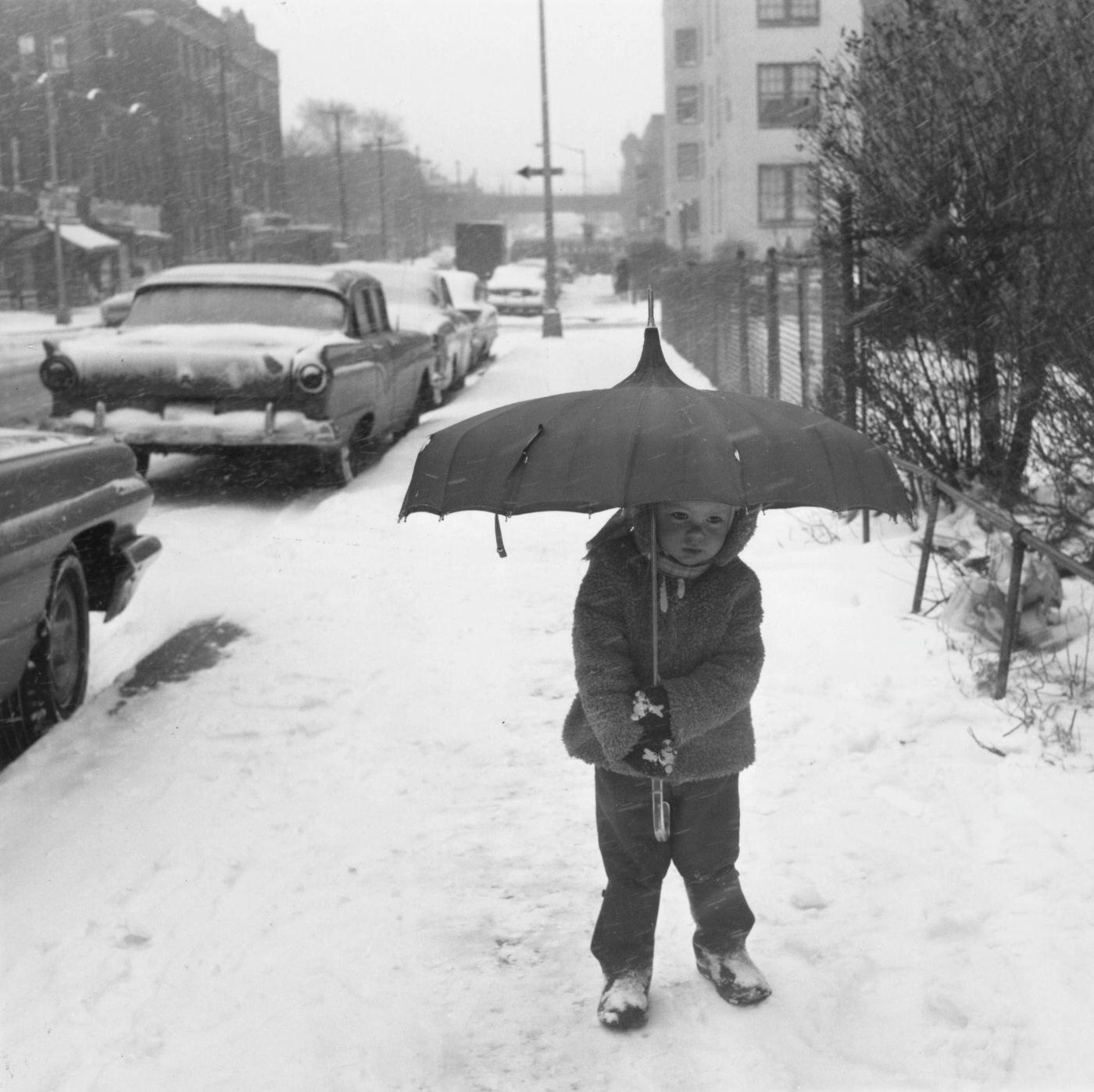
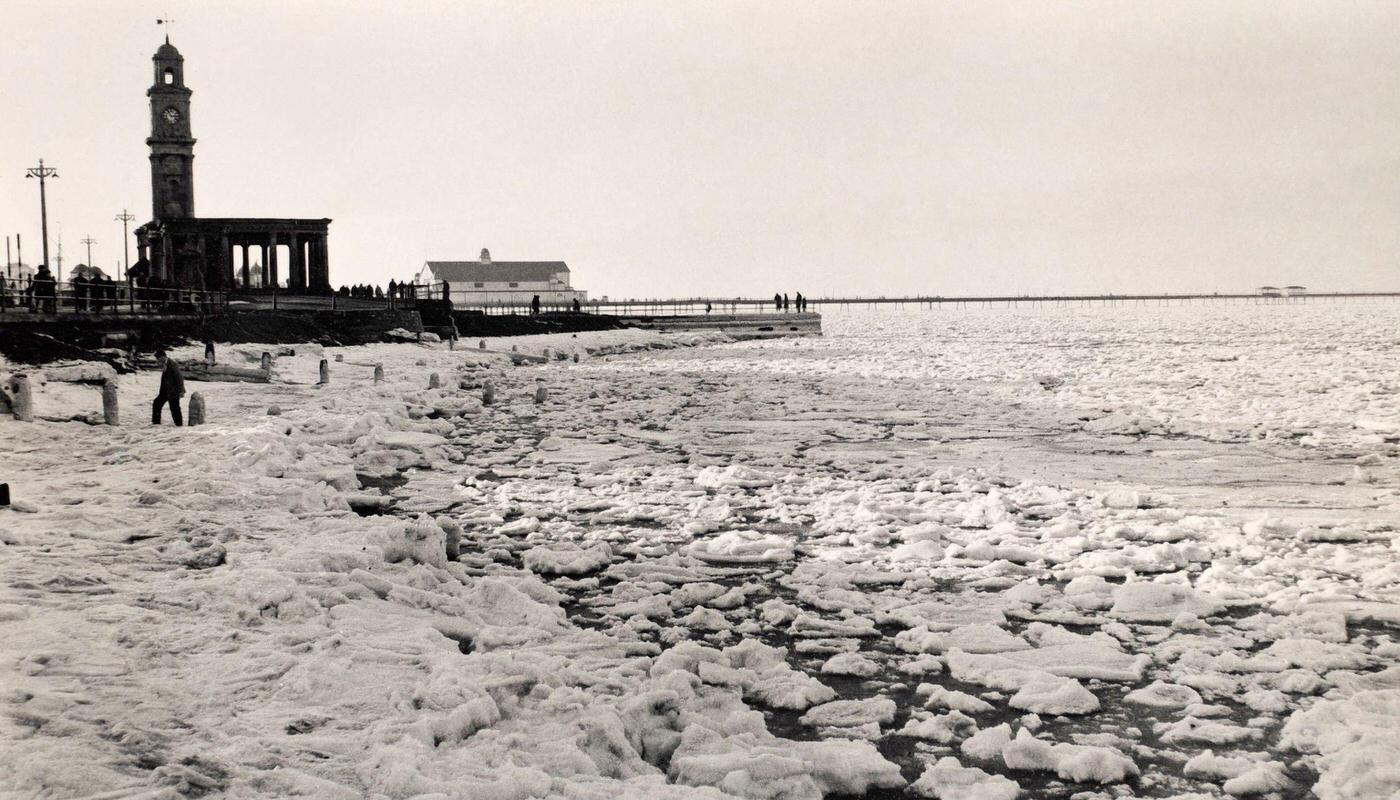
England in the 1960s was changing fast. Cities were modernizing, people were moving around more, and pop culture was exploding. But when winter arrived, it didn’t care about any of that. Temperatures dropped hard, especially in the north and central regions, and snow was a regular visitor. The winter of 1962–63 was one of the harshest the country had seen in over a century, with frozen rivers, snowdrifts blocking roads, and even sections of the sea freezing solid along the coast.
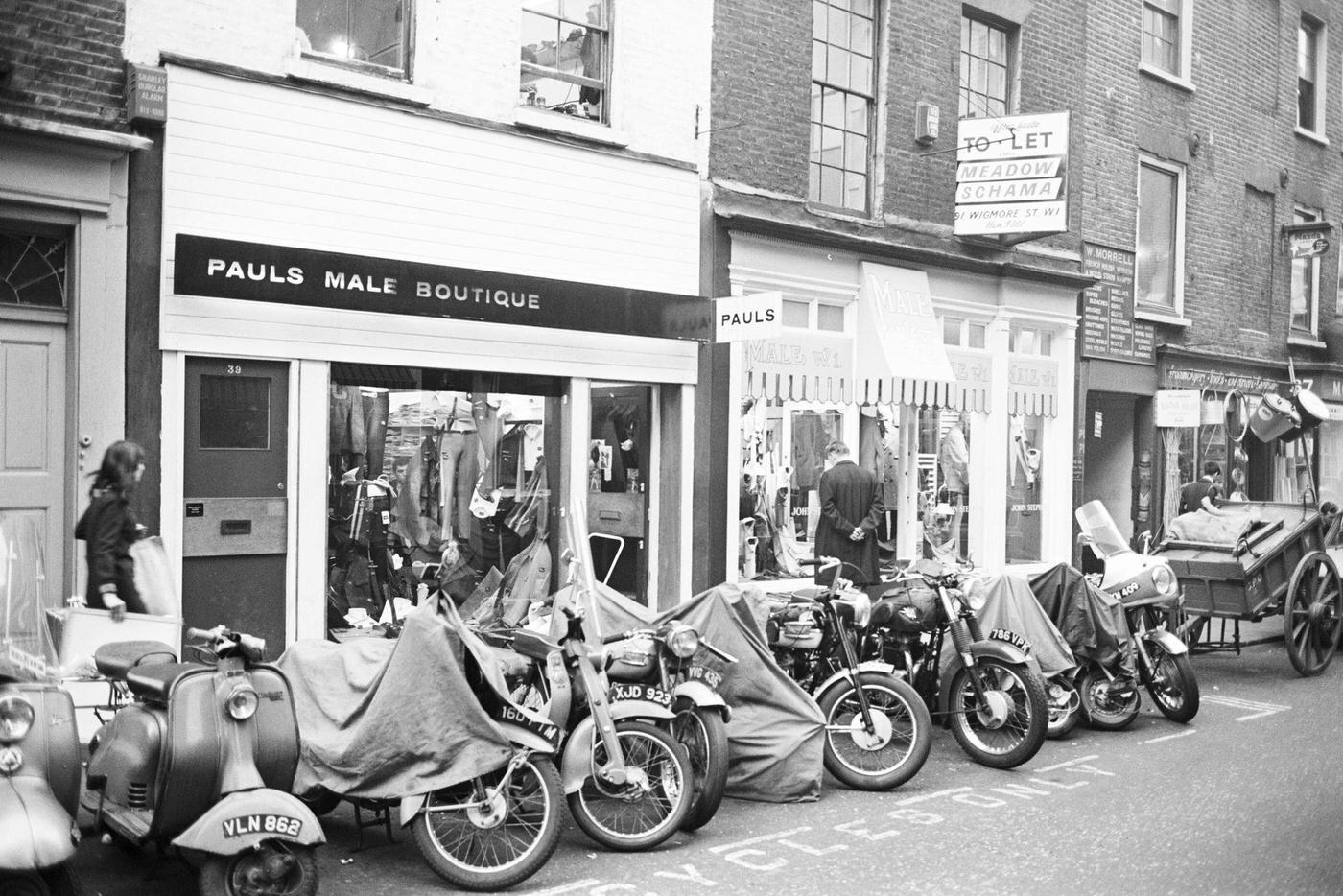
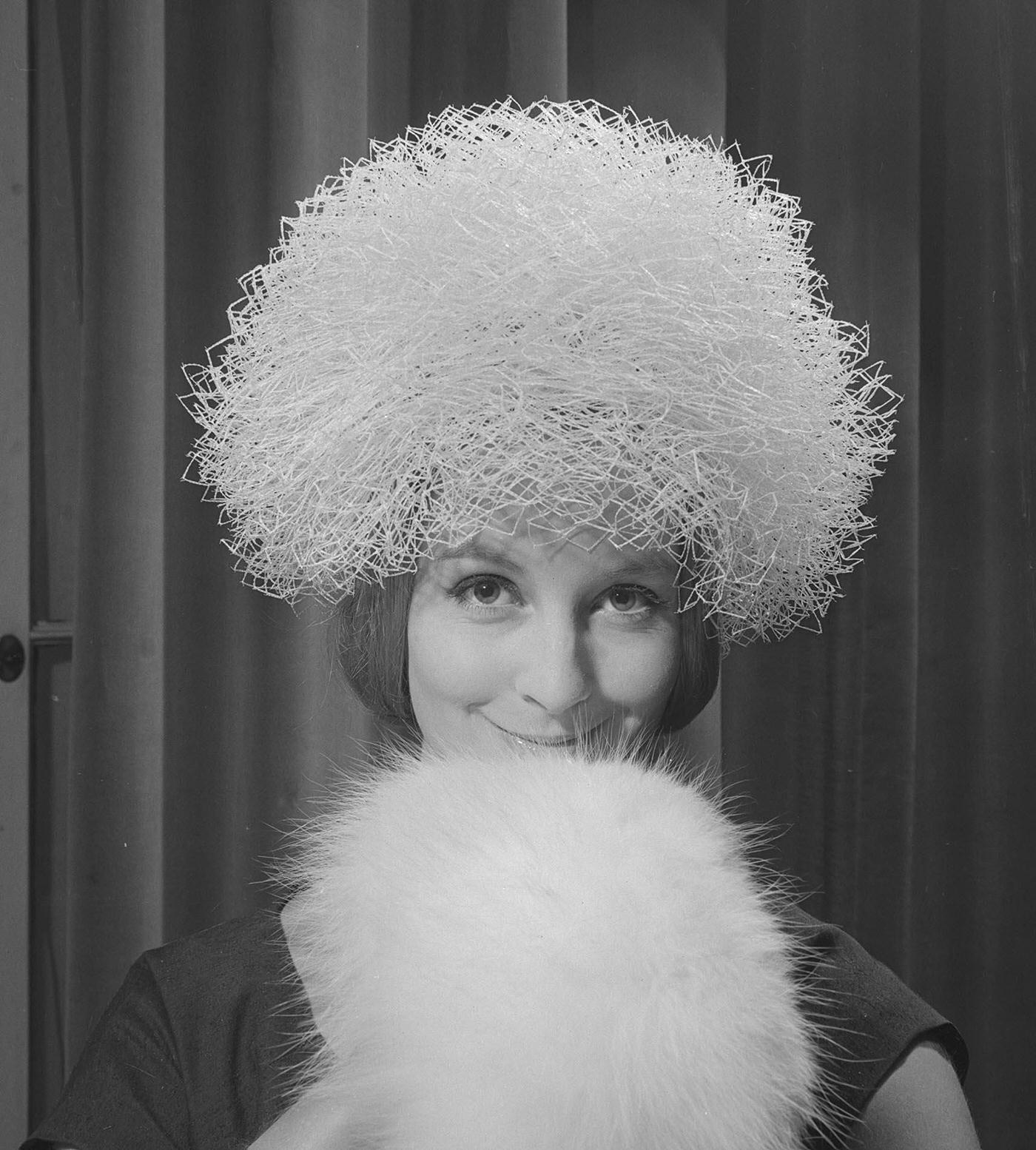
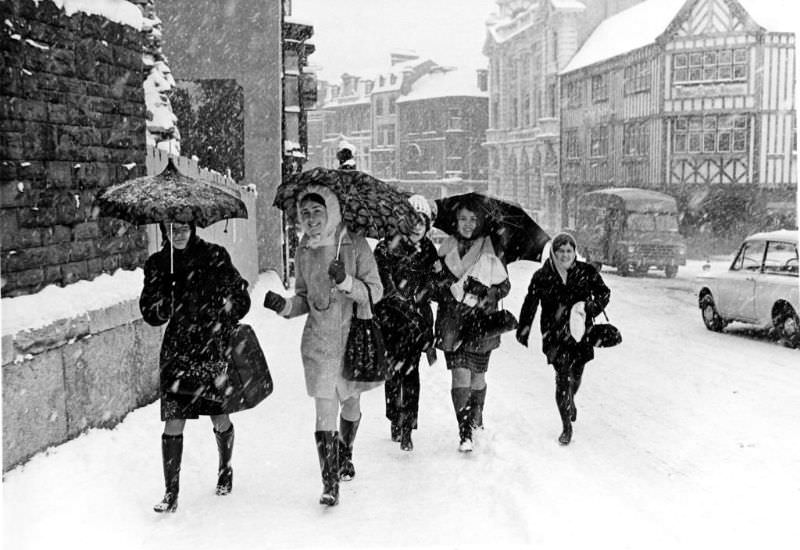
That brutal freeze didn’t keep people indoors for long. Across the country, Britons layered up and headed outside. Men pulled on heavy woolen coats and scarves. Women wore A-line dresses over tights and wrapped themselves in thick outerwear. Fashion still mattered, even in the cold.
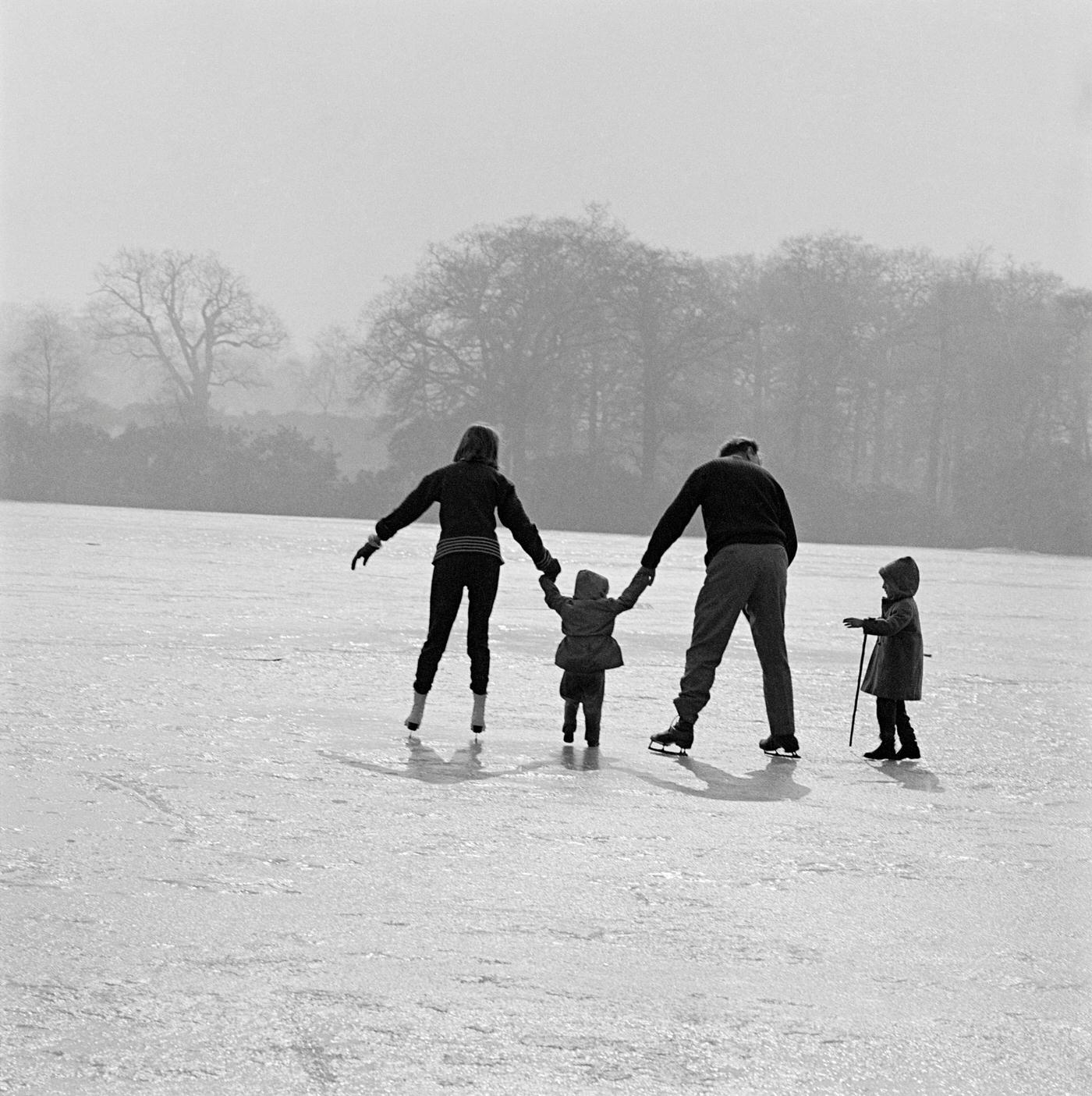
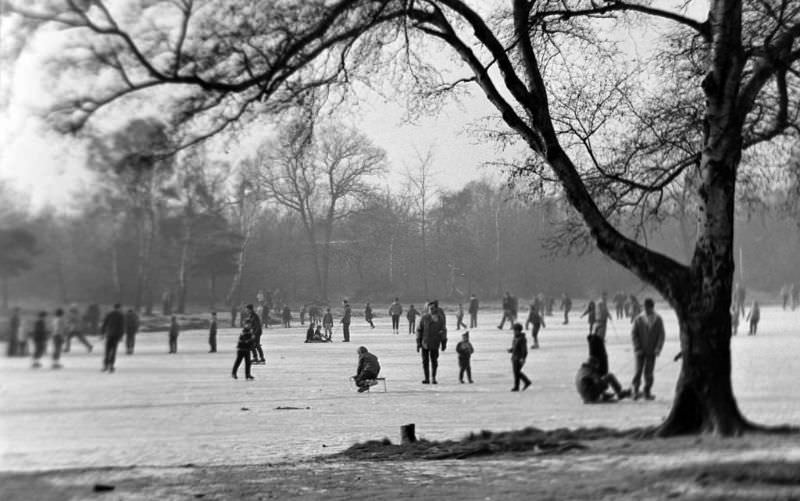
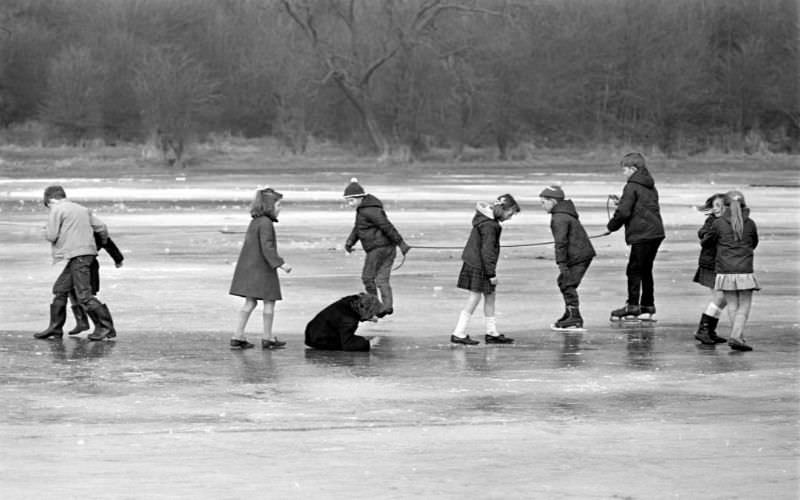
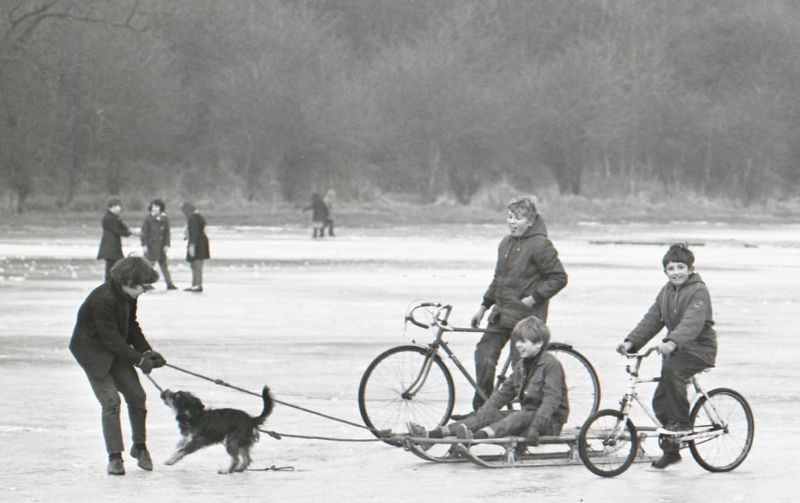
London’s parks became some of the most popular winter destinations. Richmond Park, Hampstead Heath, Regent’s Park, and Golders Hill Park all drew crowds looking to skate, sled, or simply walk through snow-covered paths. When ponds froze over thick enough, skaters took full advantage.
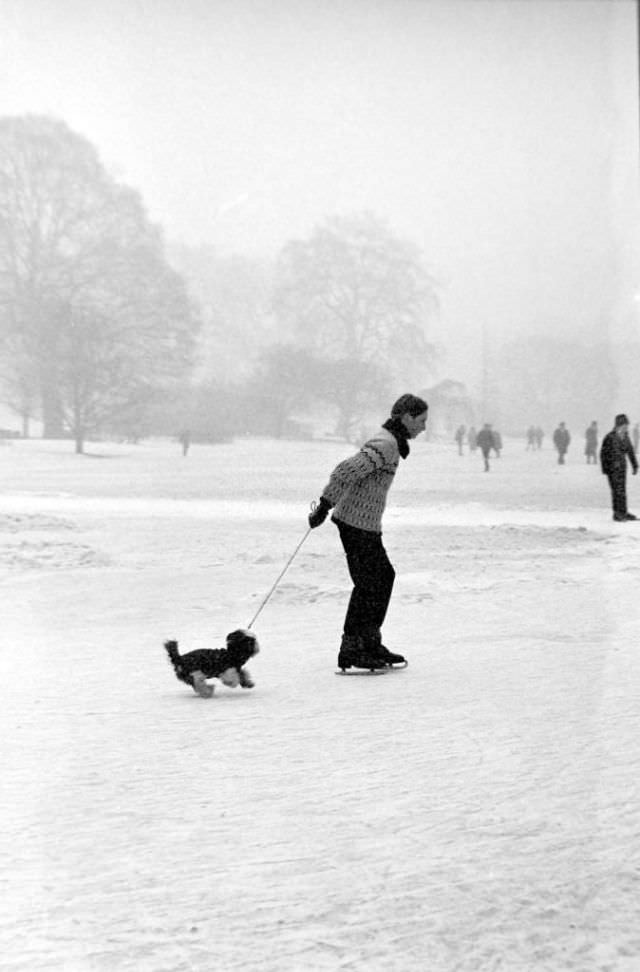
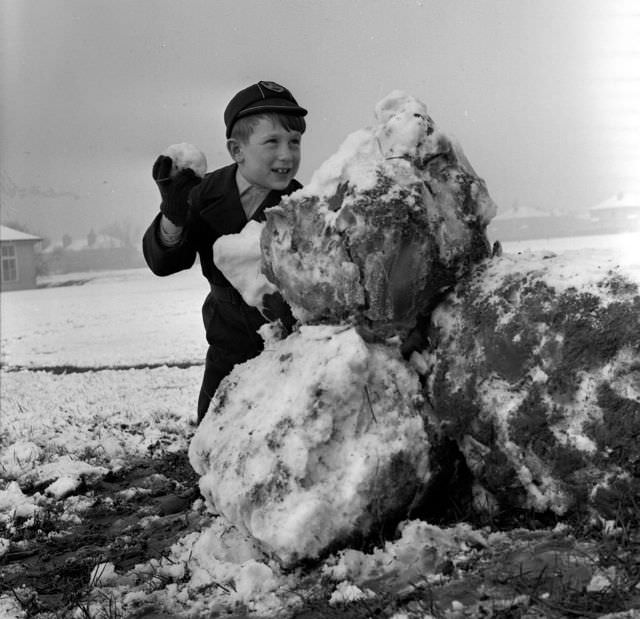
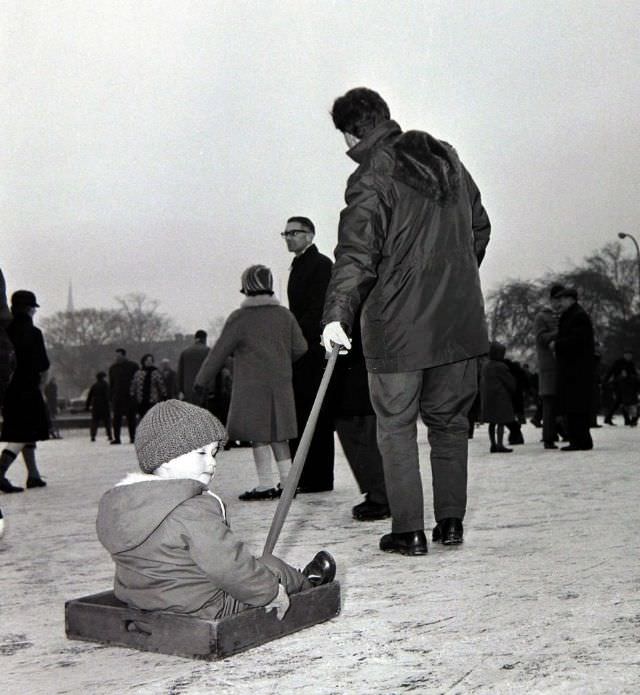
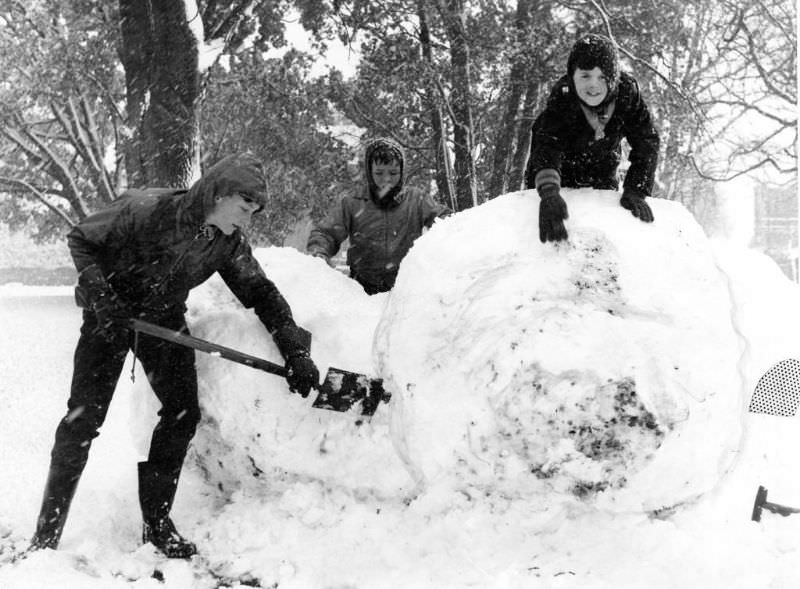
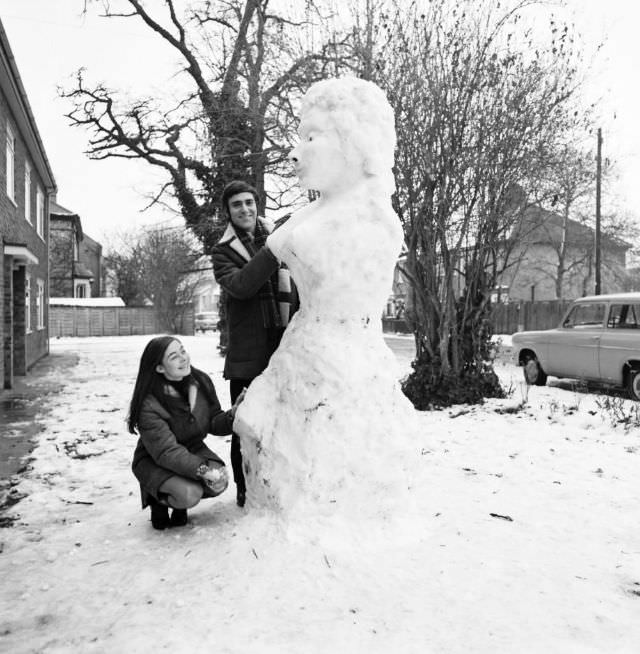
Children were in their element. School holidays meant entire days spent on sledges, in snowball fights, and building snowmen — sometimes with four-legged helpers. Hampstead Heath was a particular favorite, with kids lining up at the top of slopes on New Year’s Day and launching themselves downhill.
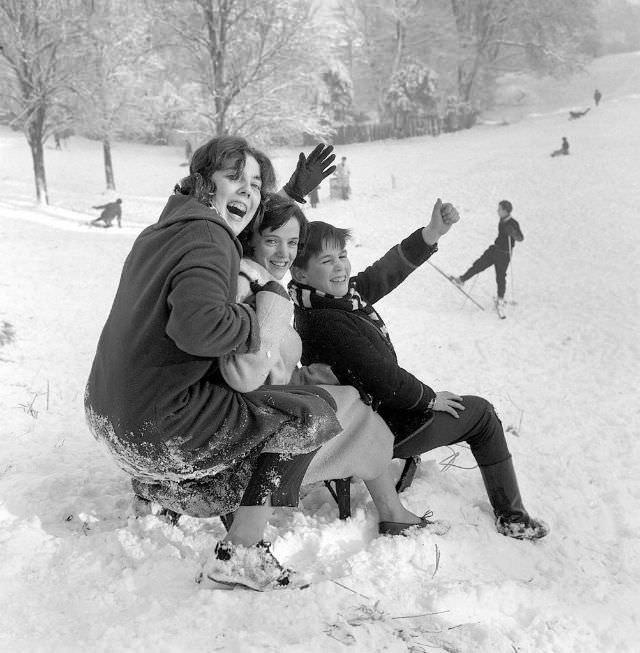
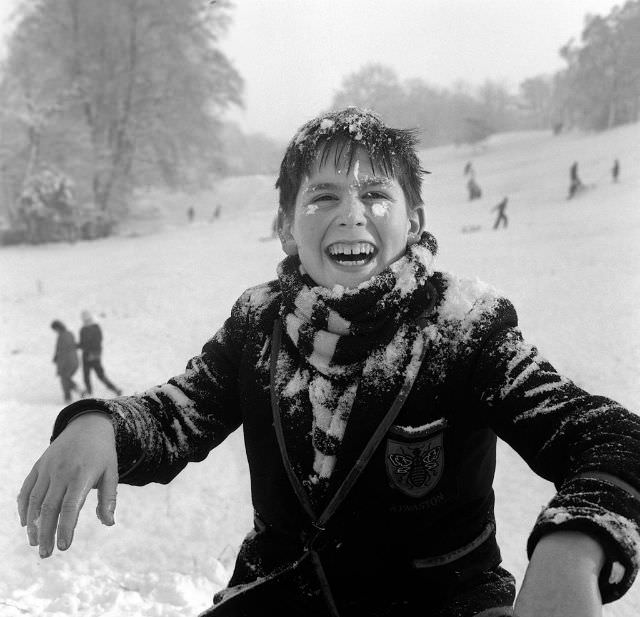
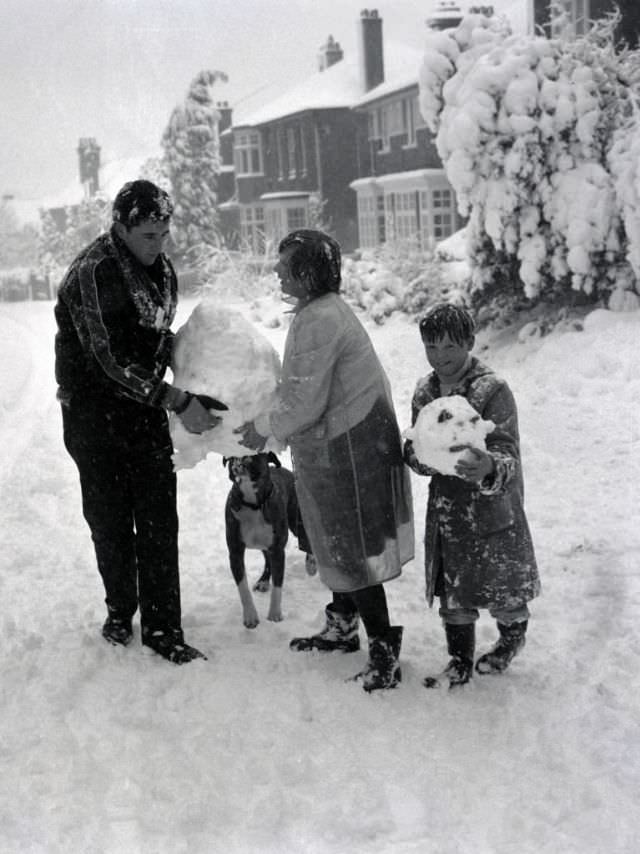
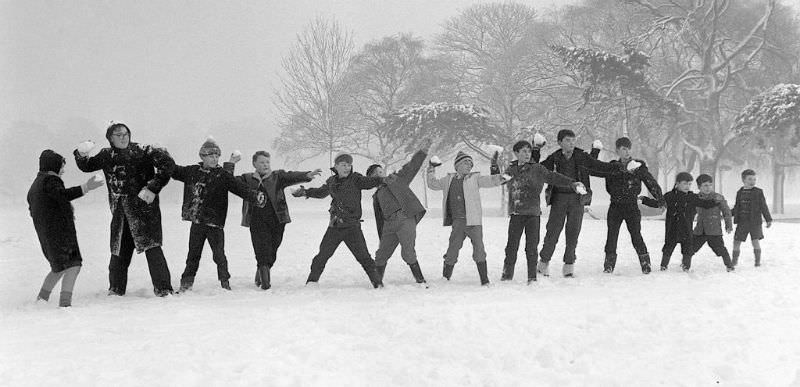
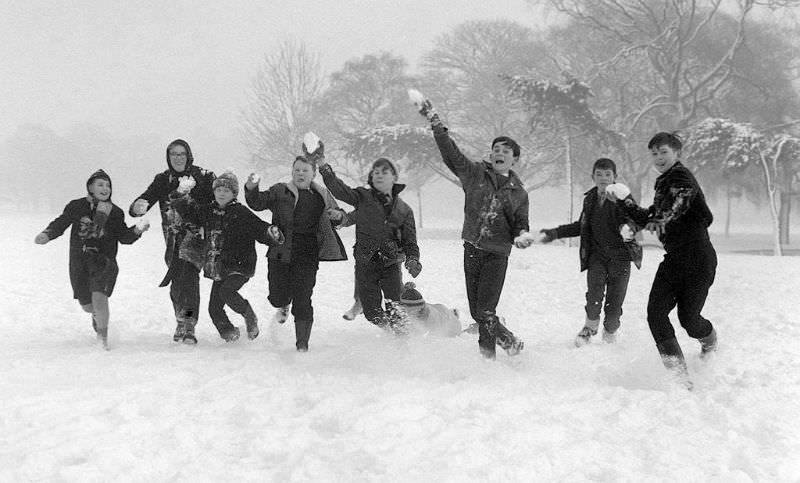
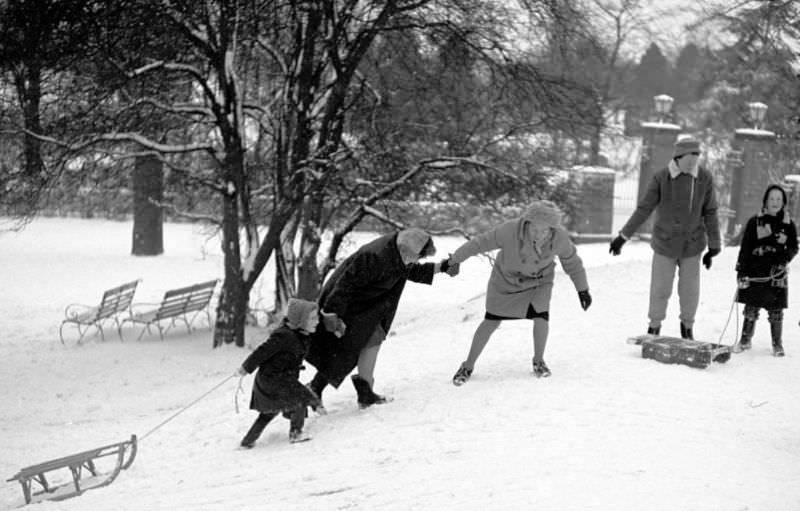
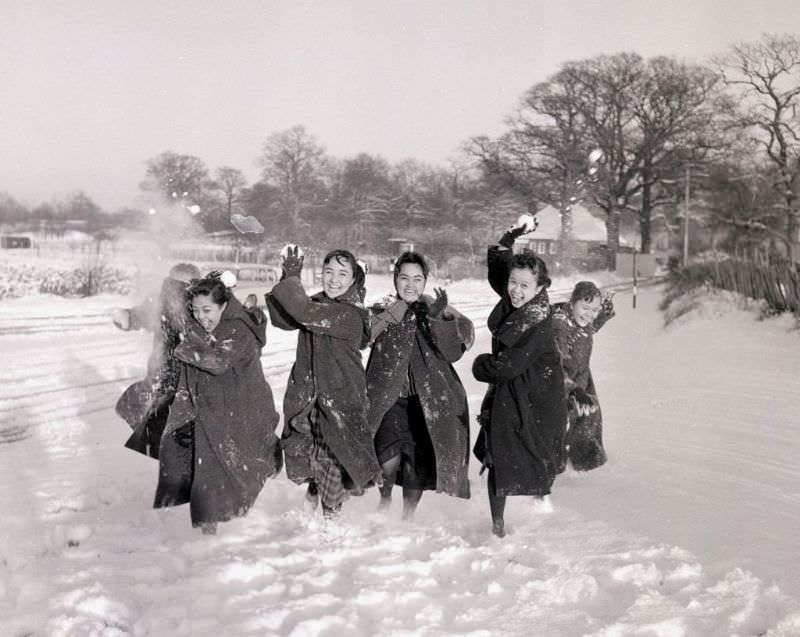
It wasn’t only children having fun. Adults threw snowballs, built snow sculptures, and laced up skates alongside their kids. In Cardiff, three boys went a step further and constructed a proper igloo at Roath Park in 1966. In London, Filipino dancers were photographed mid-snowball fight in 1960, full of laughter in their adopted city.
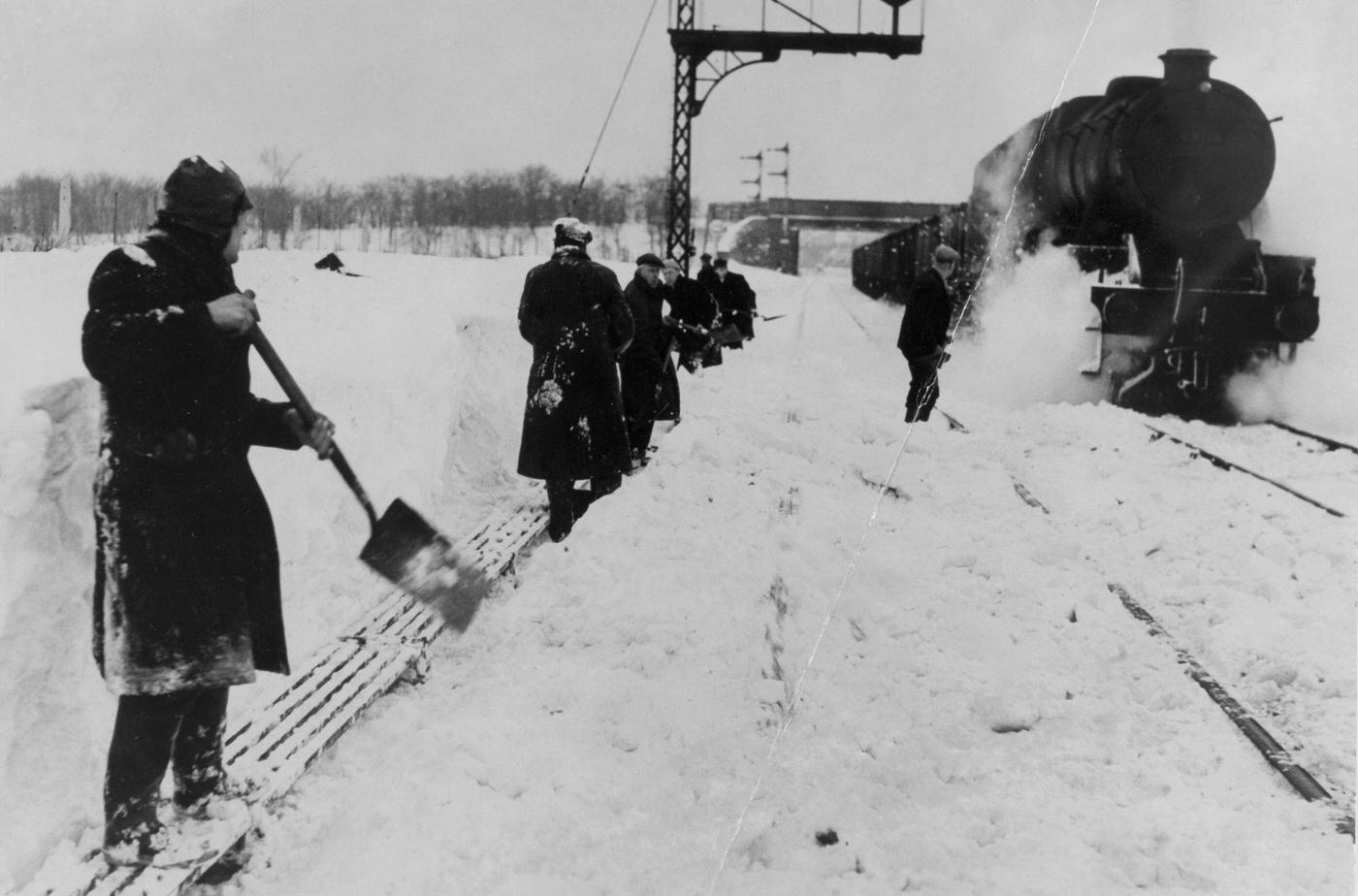
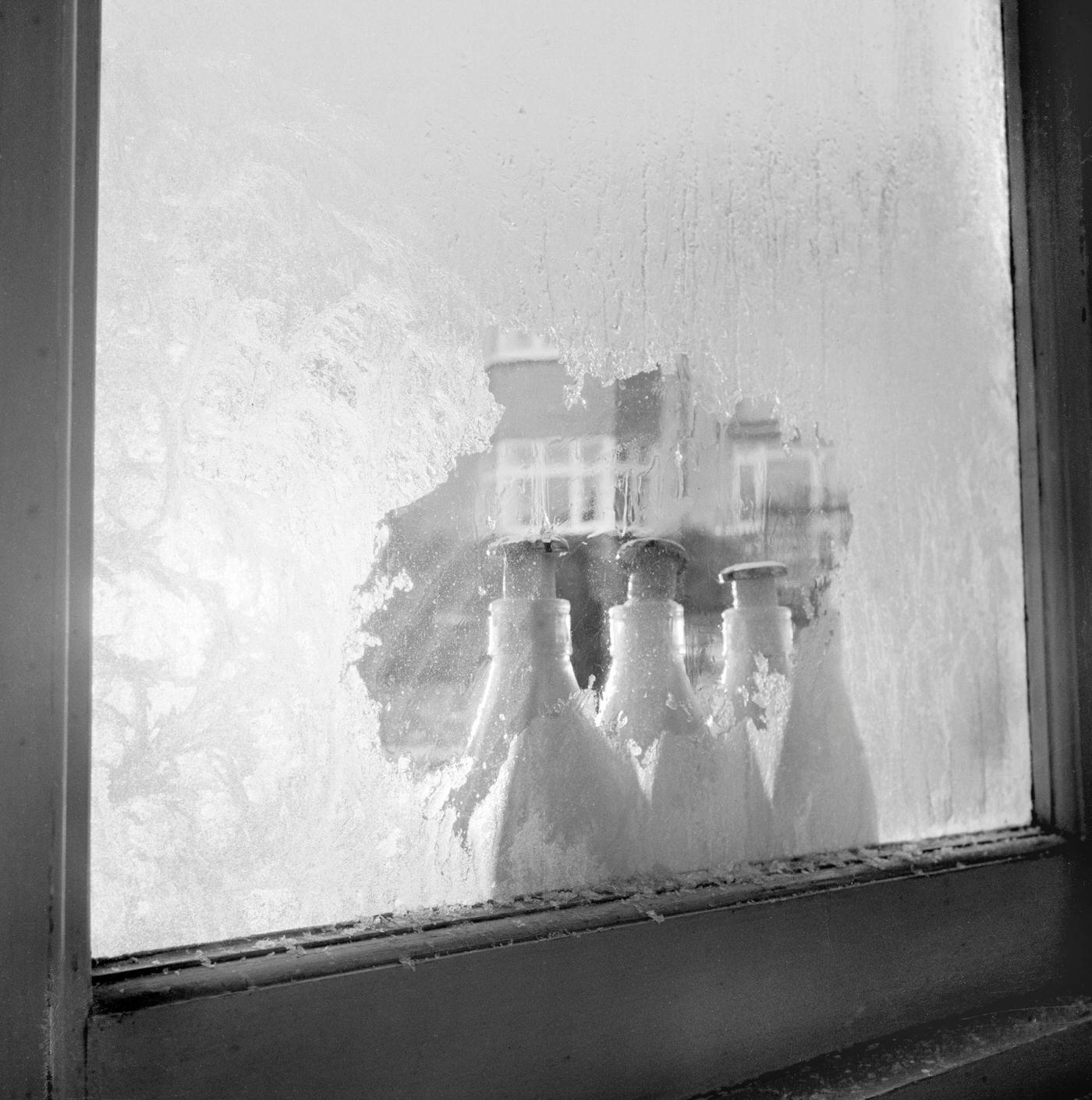
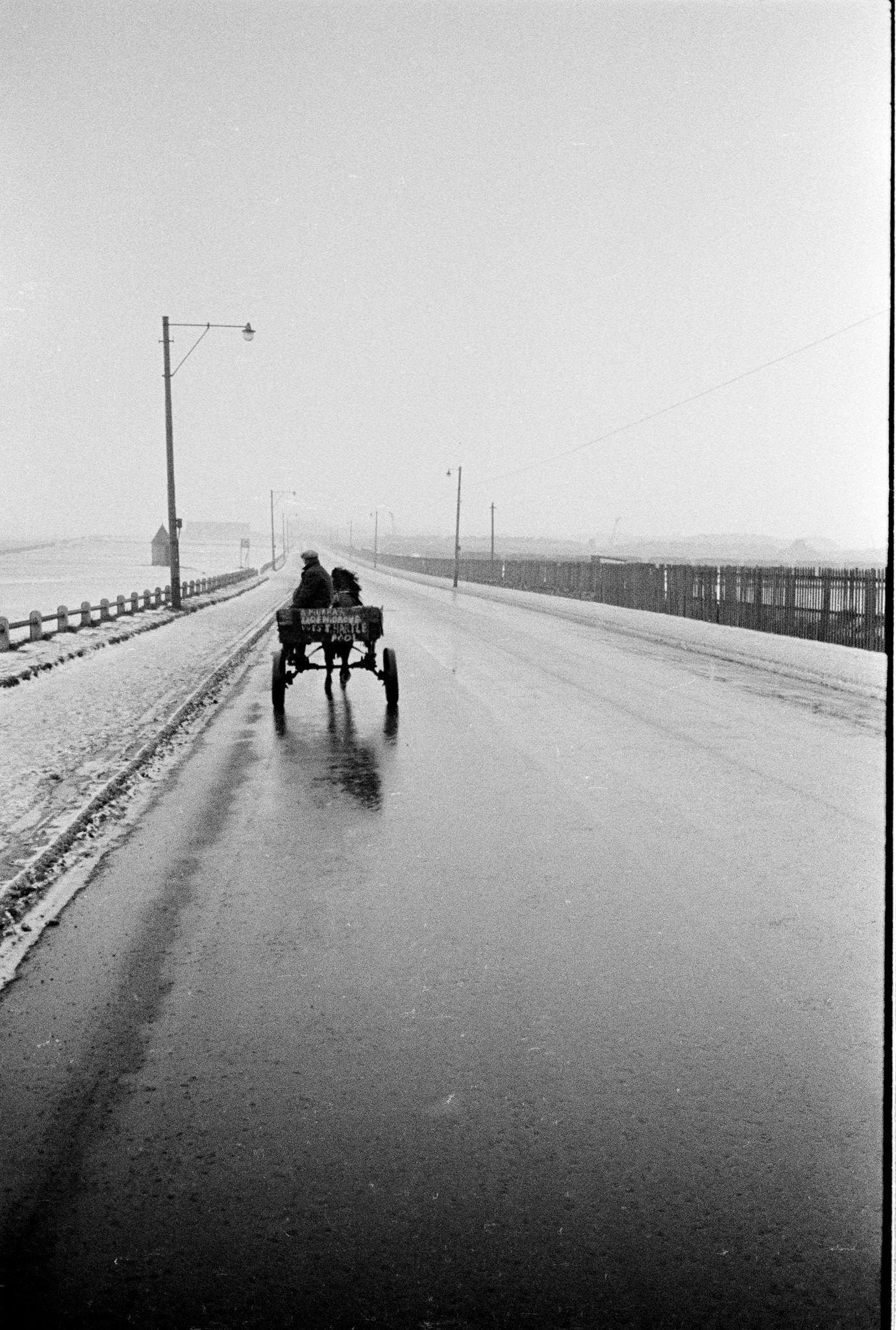
The cold touched every corner of daily life. Railway workers cleared snow from tracks near Kingsthorpe Mill to keep trains running. Milk bottles left on doorsteps froze solid, pushing their foil caps clean off. Along the northeast coast, a horse-drawn cart made its way down a snow-dusted road between Seaton Carew and Hartlepool.
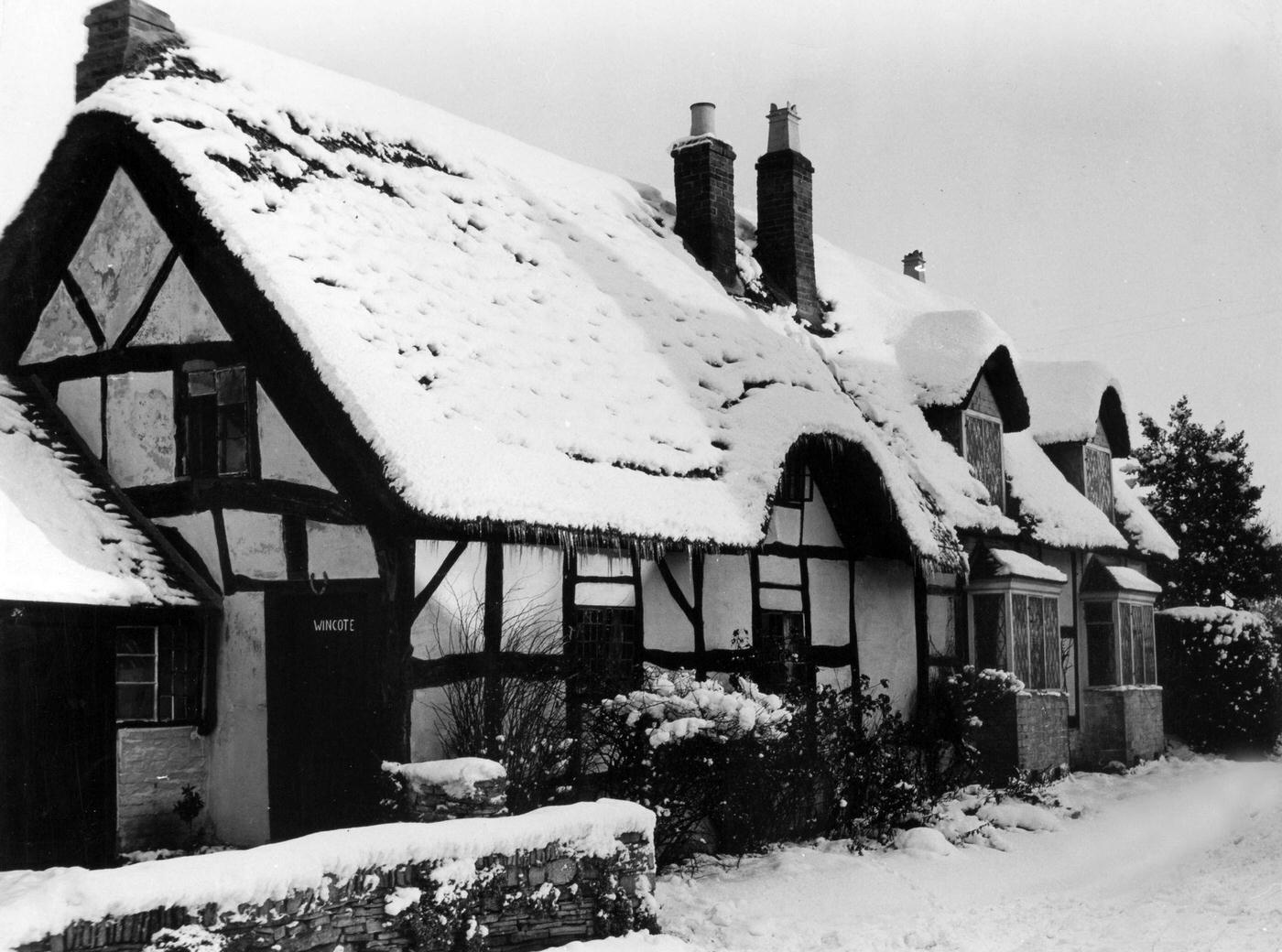
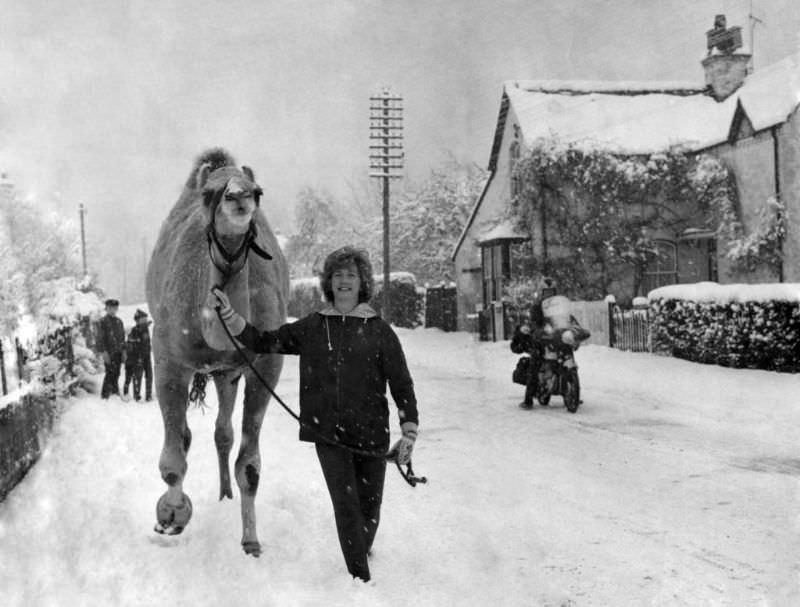
Rural England had its own quiet beauty in winter. Snow settled on thatched rooftops in Welford, and icicles hung from cottage eaves. In Winkfield Row, Berkshire, a camel — seemingly unbothered — walked through the snow in 1962, a sight that stopped onlookers in their tracks.
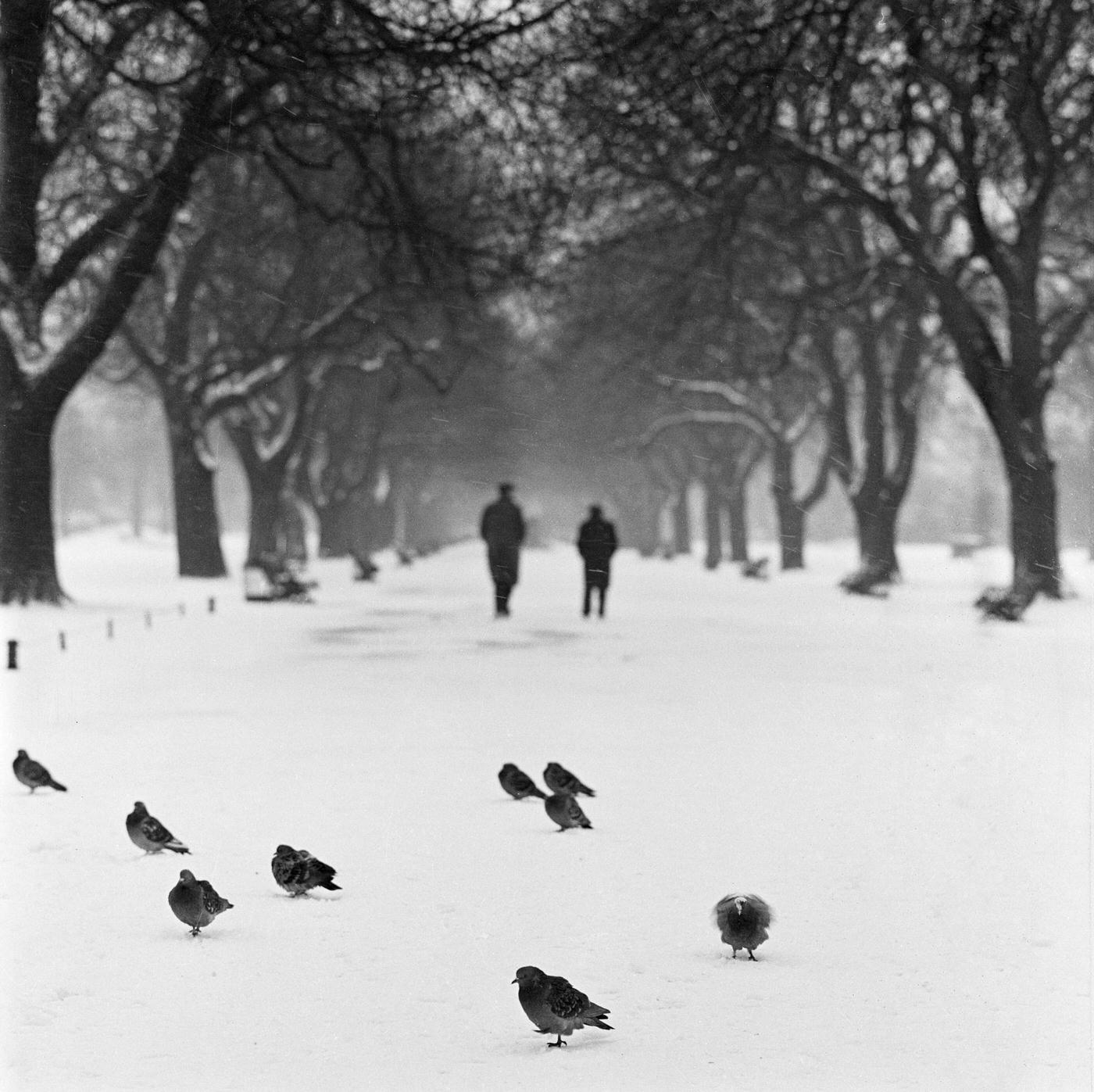
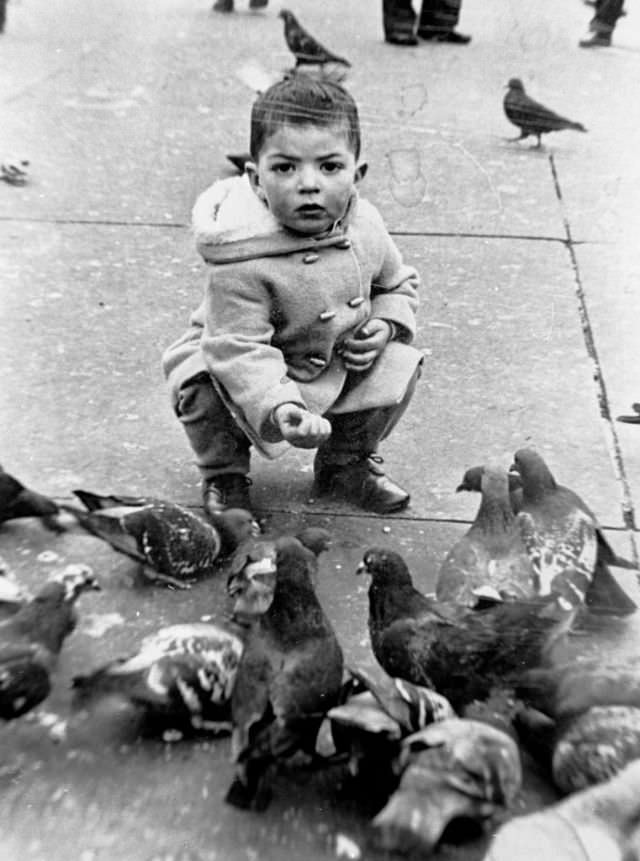
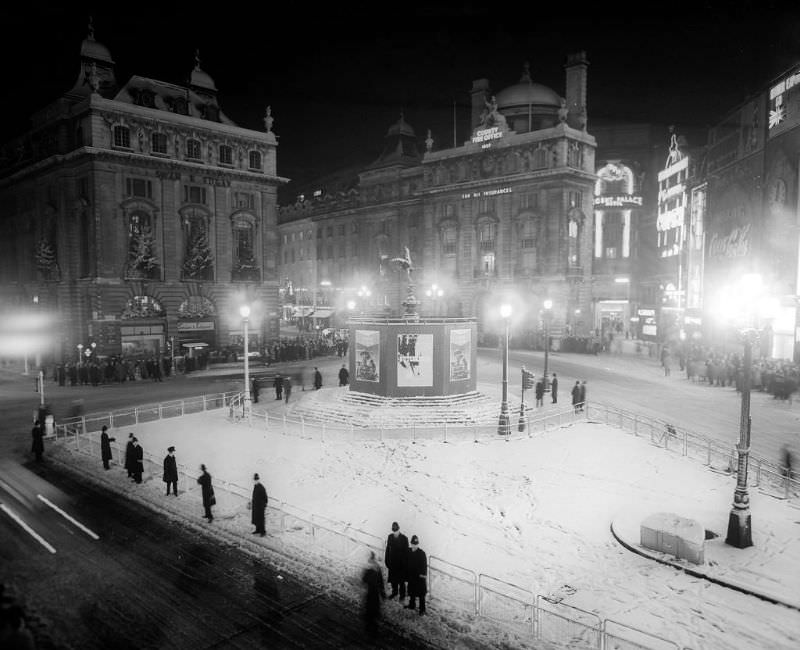
Even London’s most iconic spots took on a different look in the cold. Regent’s Park paths were dusted in snow, pigeons picking through the frost. Trafalgar Square saw a young boy feeding pigeons as winter light fell across the fountains. At Piccadilly Circus, police surrounded the Eros statue as the New Year rang in.
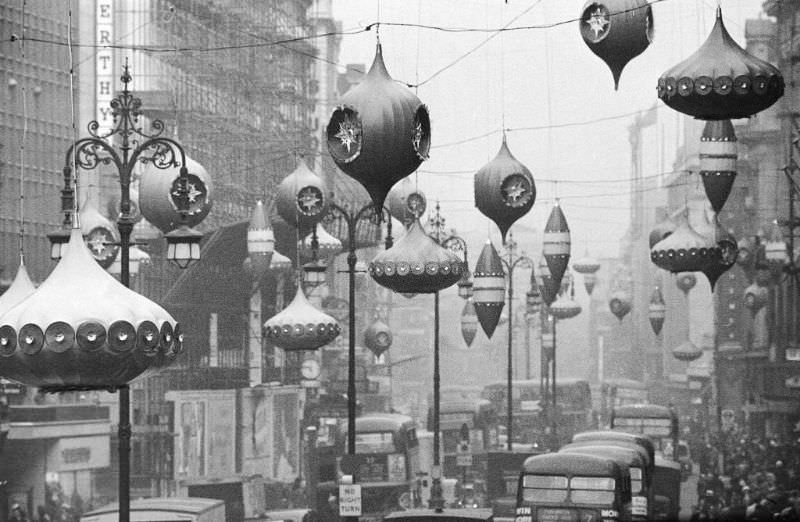
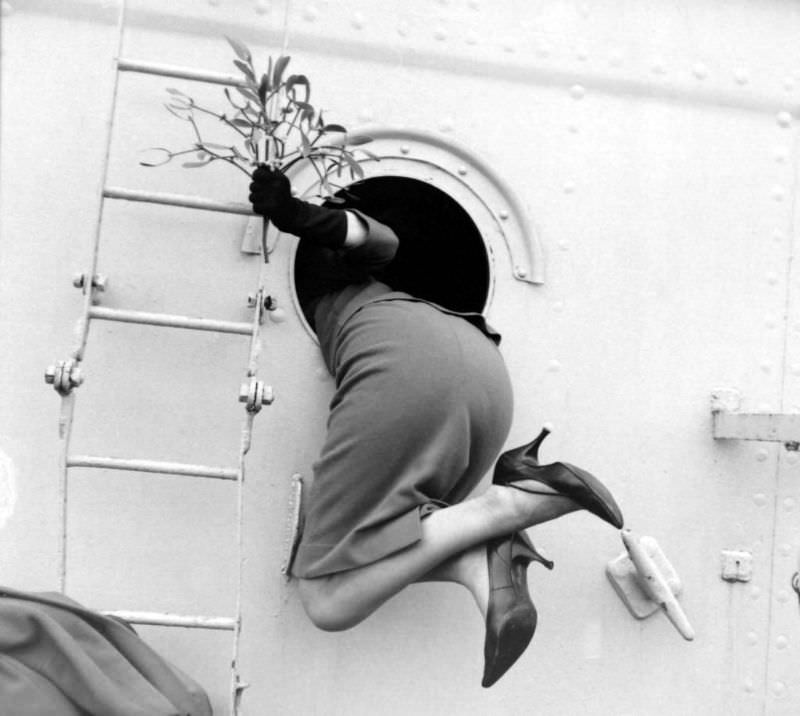
Christmas brought its own rituals. Regent Street’s decorations lit up the dark evenings, and sailors returning to port for the holidays were greeted by family. One memorable photo from 1962 shows a woman holding mistletoe, pulled through a ship’s porthole for a kiss as the HMS Bulwark crew came home for Christmas.
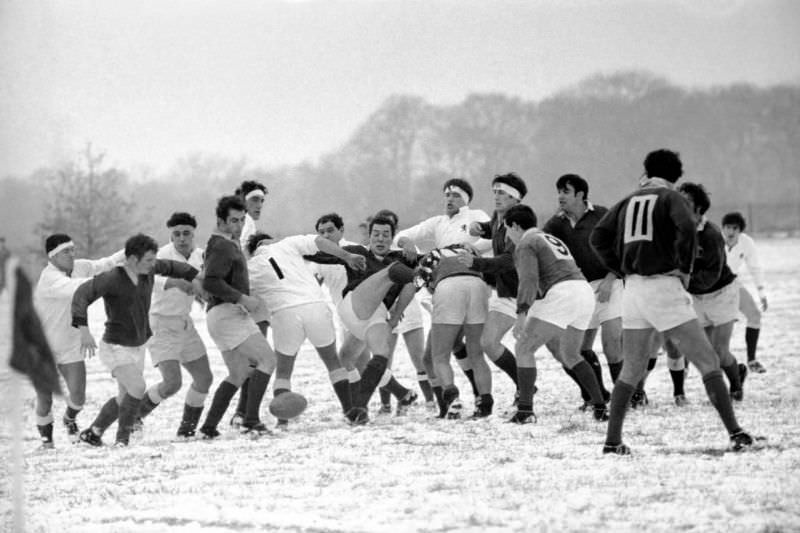
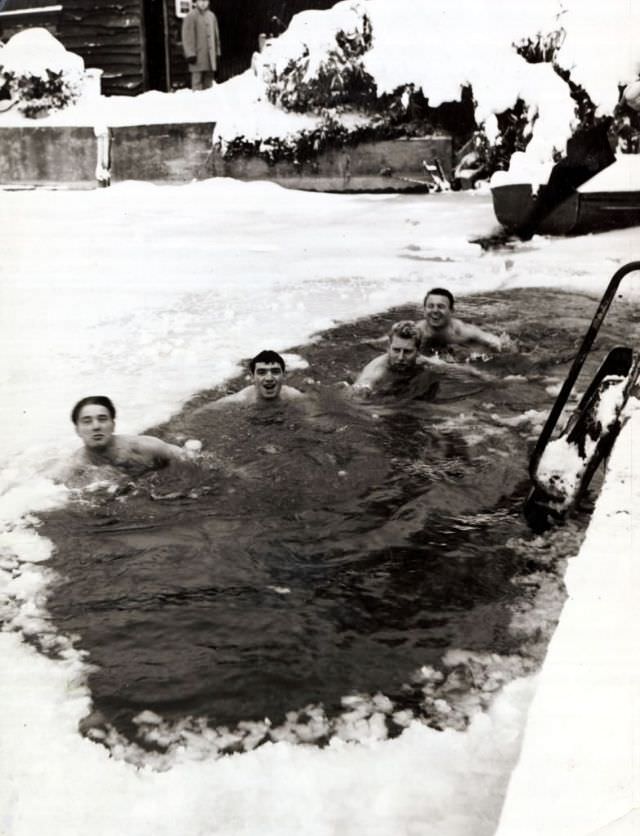
Sport carried on through the frost. Rugby matches were played on frozen pitches in 1969. The Highgate Swimming Club members took their cold-water dip in 1962 without a second thought. By the end of the decade, children were still skating at Welch’s Meadow in Leamington, and shoppers in Swansea were picking carefully through slushy High Street pavements.
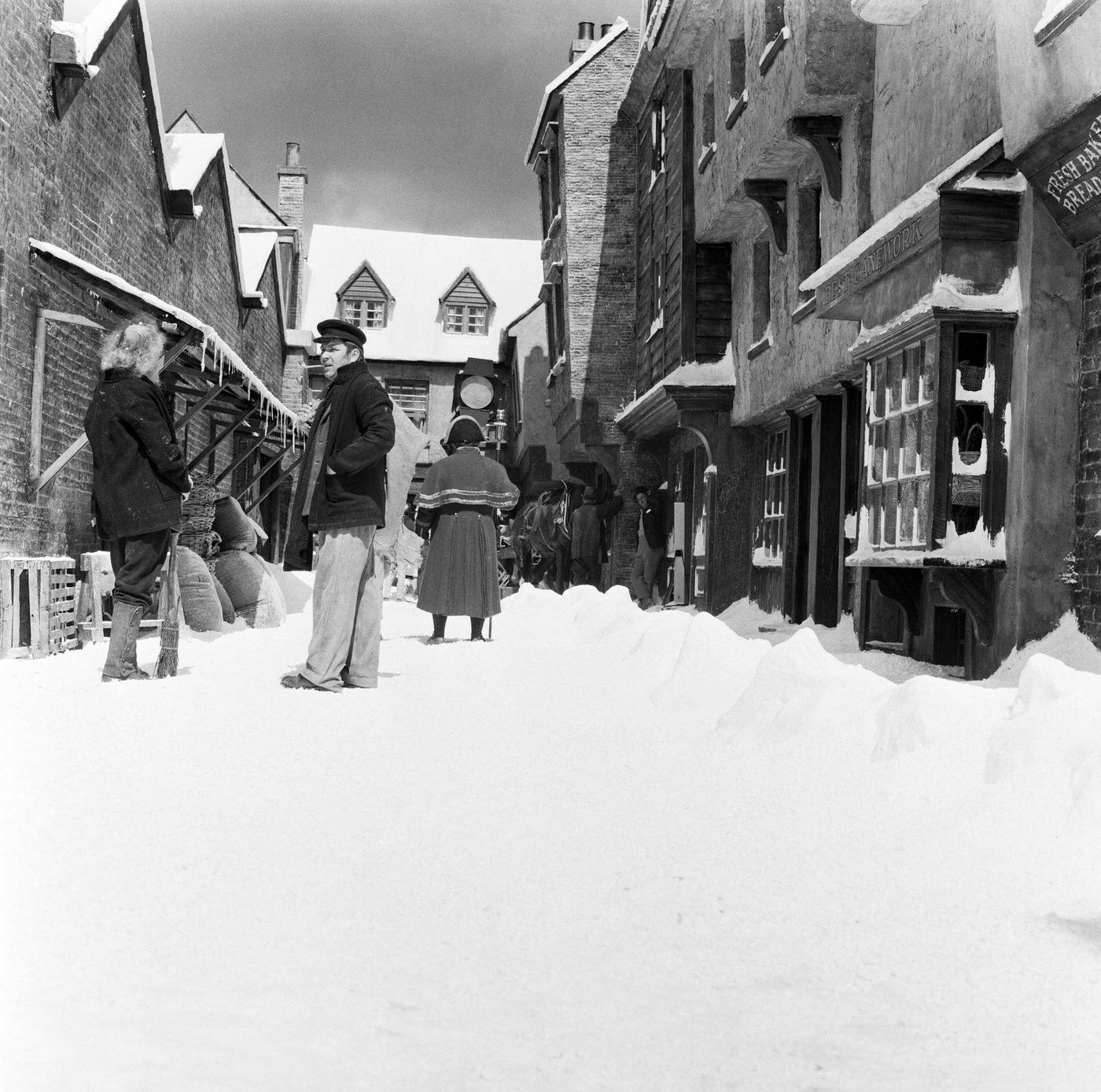
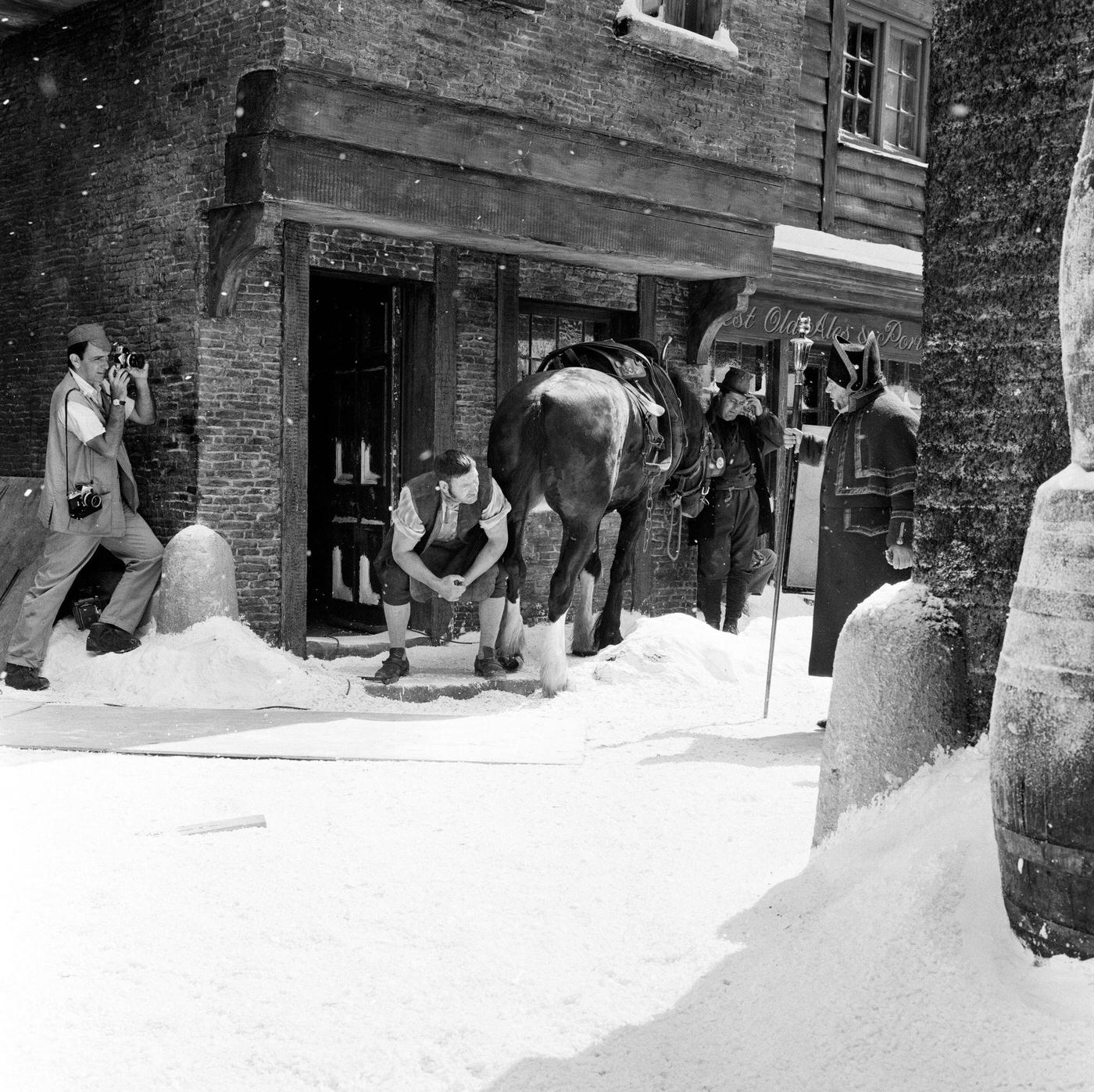
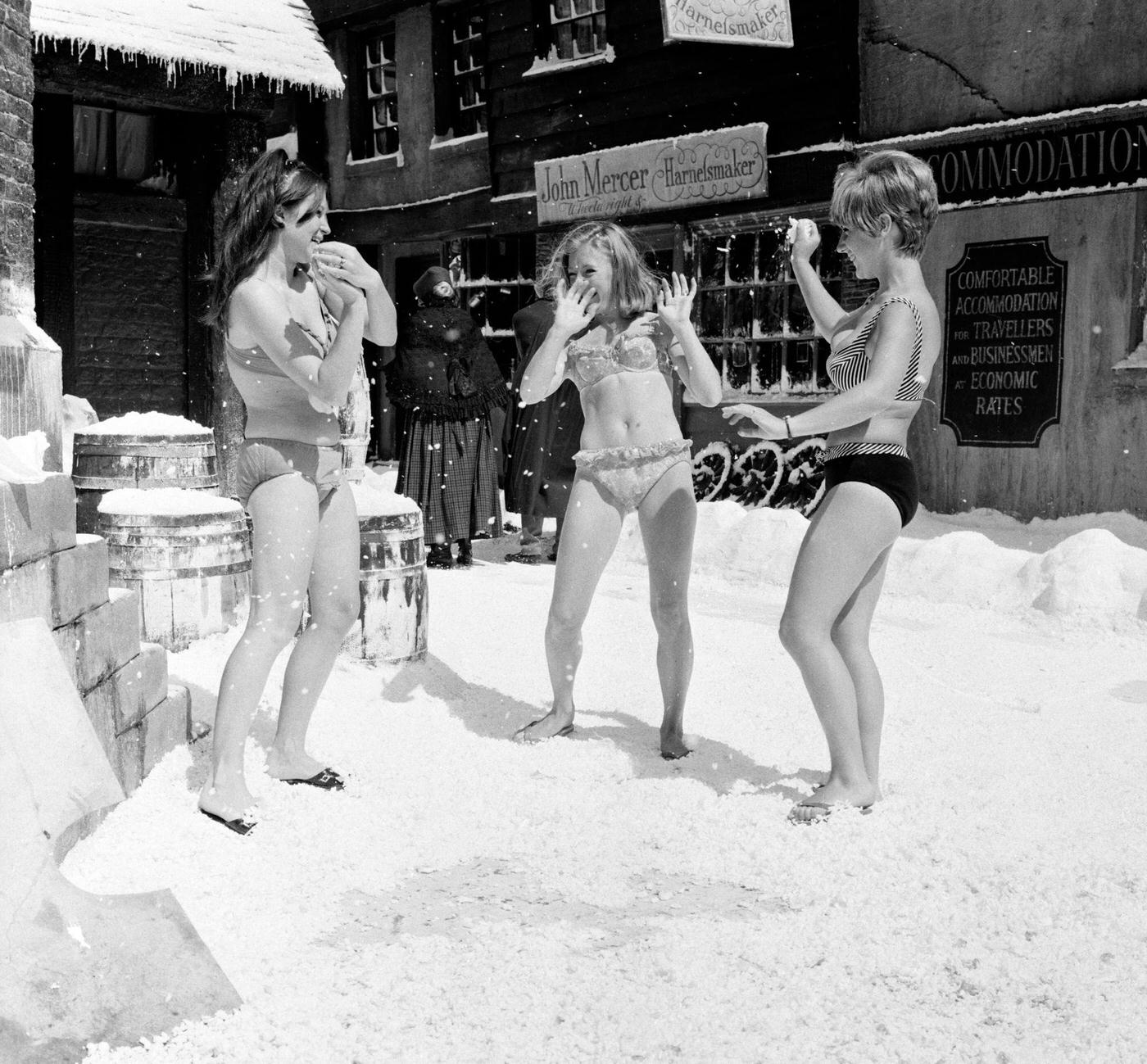
Not every winter scene from the decade was straightforward. The 1968 film Oliver!, based on Dickens’s Oliver Twist, required winter shots that were actually filmed in August at Shepperton Studios. The production crew scattered a ton of polystyrene snow across the set to fake the season — a reminder that even winter in 1960s Britain was occasionally manufactured for the cameras.
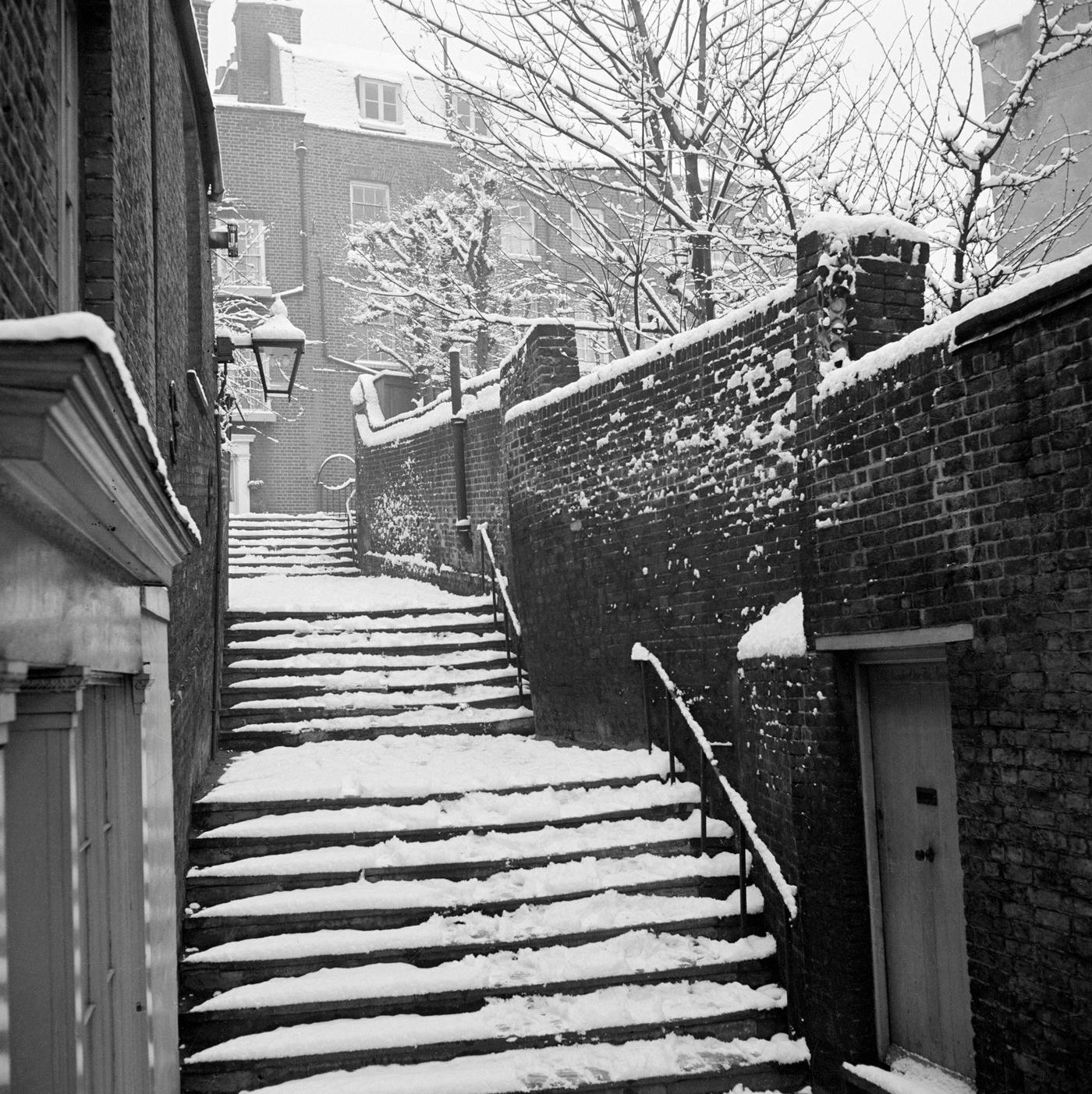
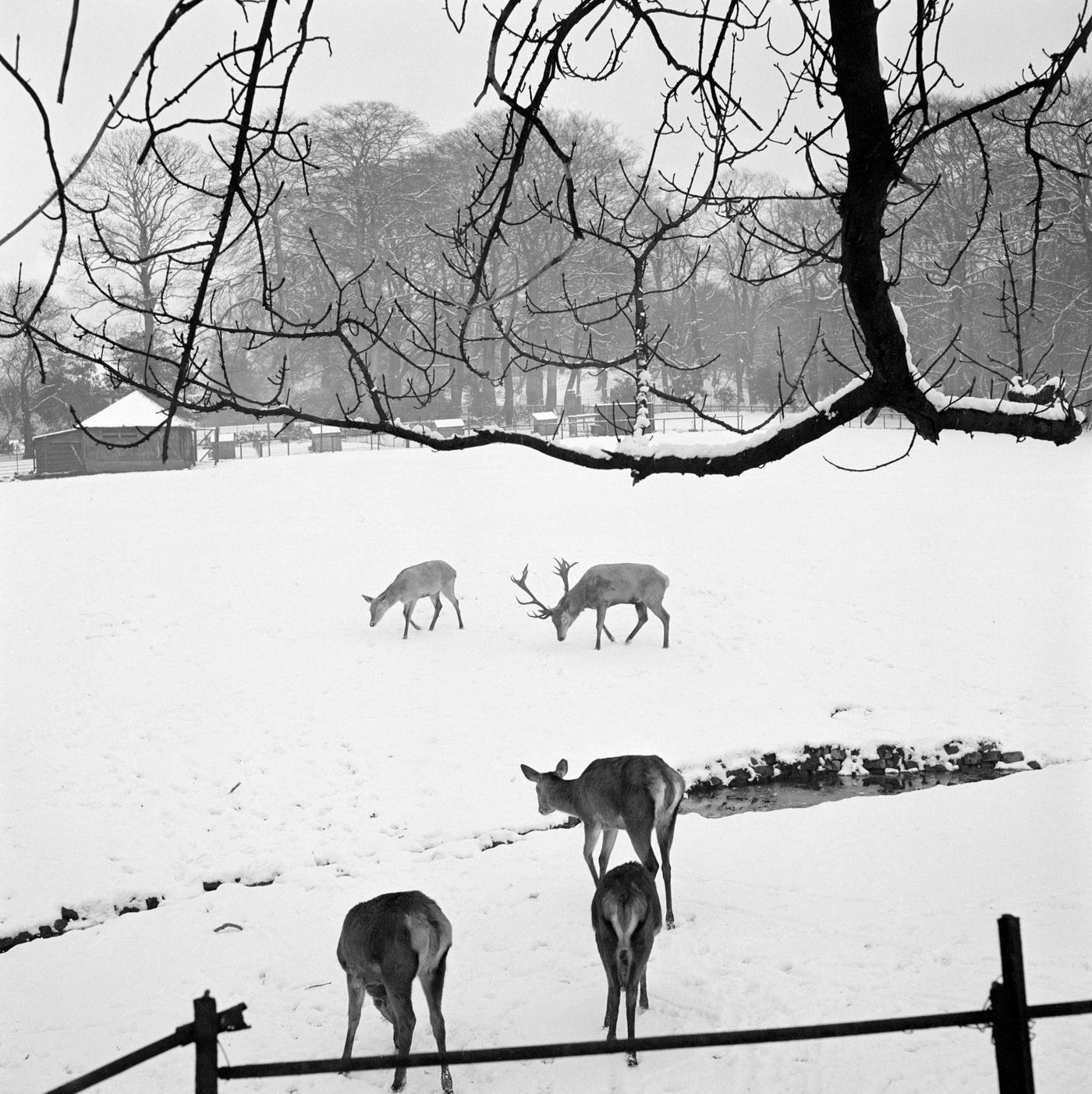
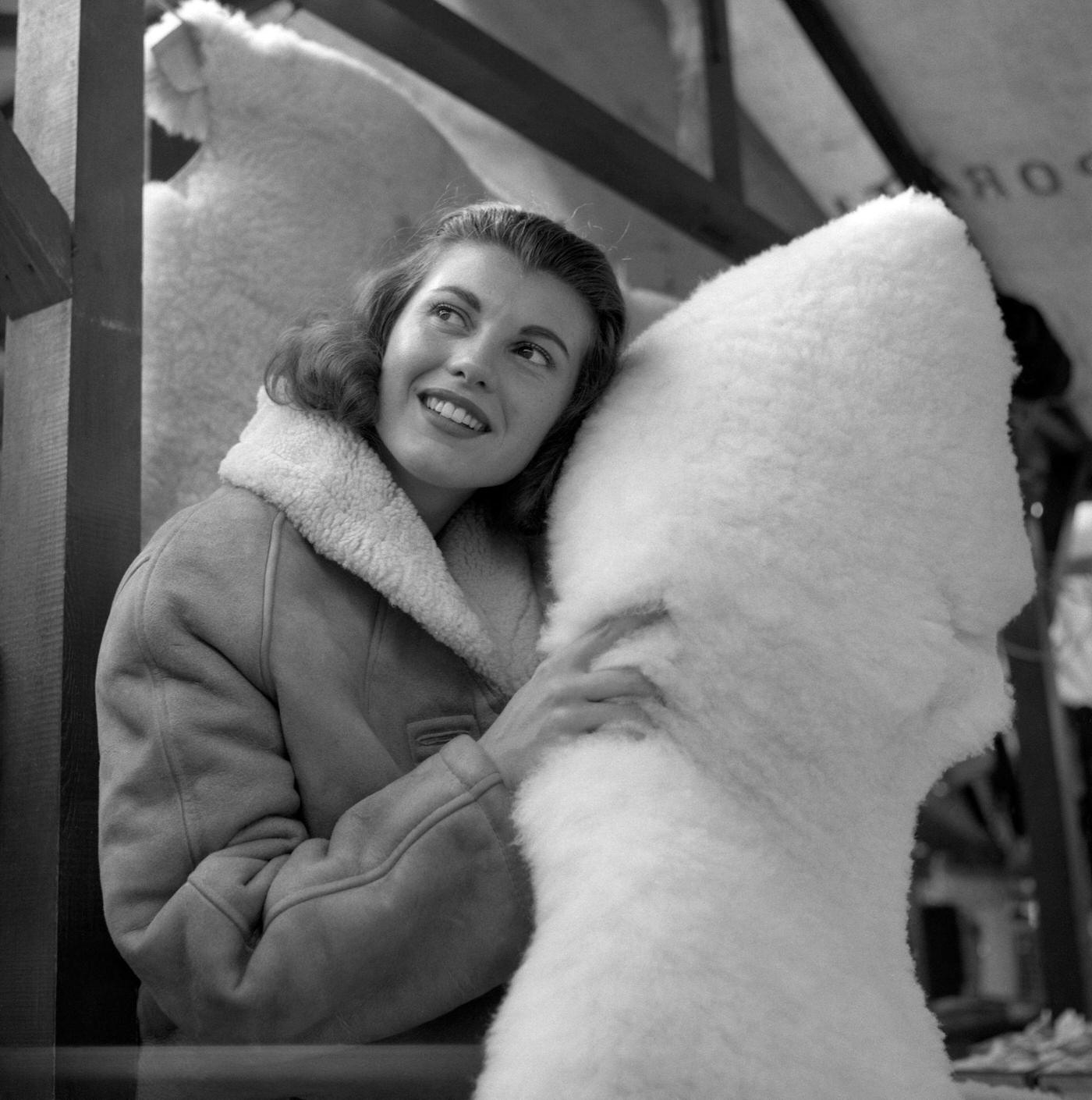
Other everyday scenes from the decade round out the picture of 1960s British winter life — narrow snow-filled passages in Hampstead, deer standing still in Golders Hill Park, a young Miss United Kingdom selling sheepskins at Morecambe Market, and a young boy caught mid-throw with a snowball that never quite made it into the frame.