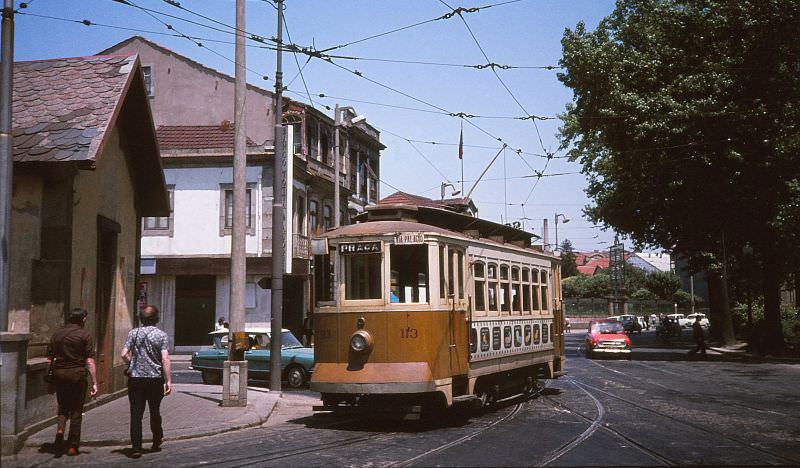
Before motorized vehicles changed city life forever, Australians relied on a humbler form of public transport: the horse-drawn omnibus. These large, horse-pulled carriages ran on fixed routes operated by private companies, connecting suburbs to city centers across the country. They were cheaper than hiring a private coach and far more practical than walking long distances on foot.
Sydney introduced the first omnibus in Australia in 1858. The service quickly caught on, and other major cities — Melbourne, Adelaide, and Brisbane — followed with their own lines. A typical omnibus was pulled by two or more horses and could seat up to 20 passengers. As Australian cities grew through the late 1800s, these vehicles became a daily fixture on urban streets.
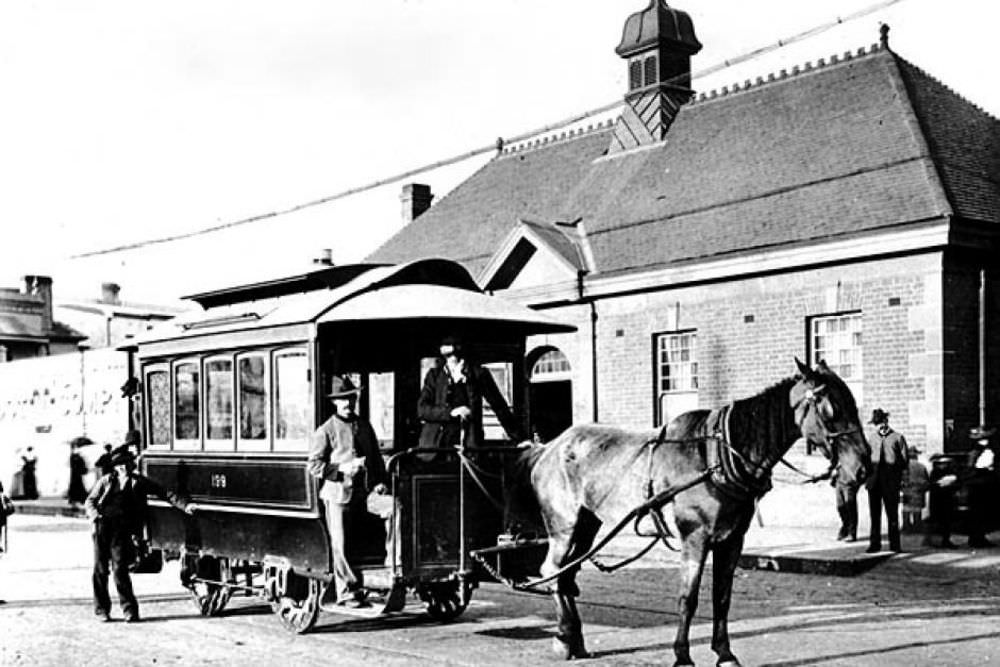
Sydney’s streets were particularly busy with omnibus traffic by the mid-1890s. Major transit hubs like Redfern railway station became natural gathering points for horse buses, which picked up passengers arriving by train and carried them further into the suburbs.
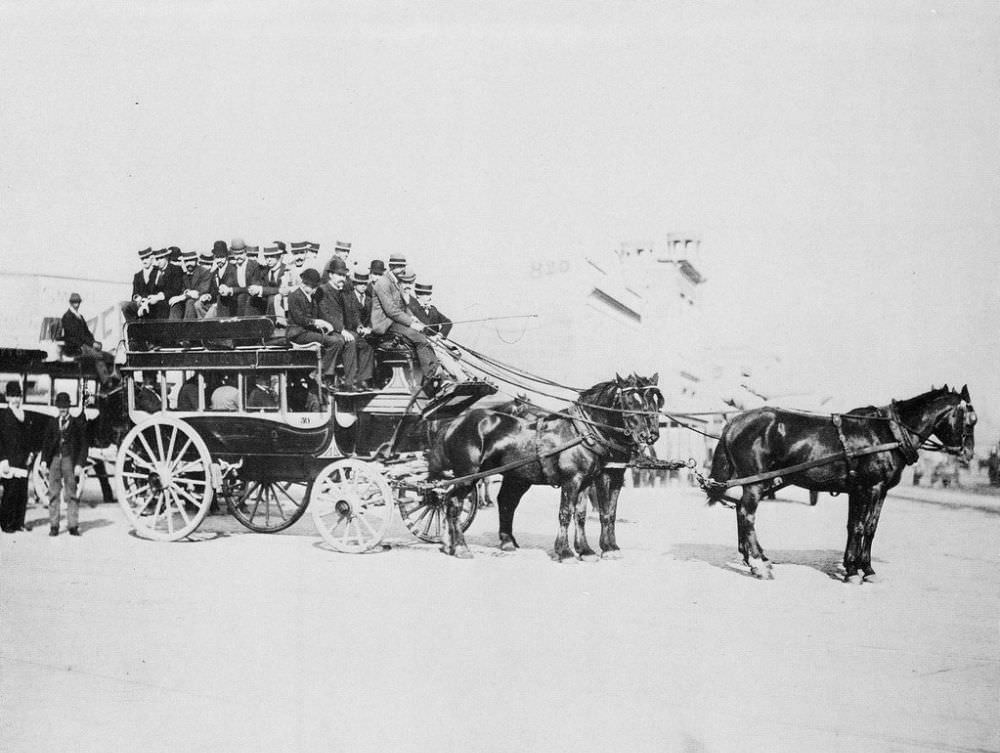
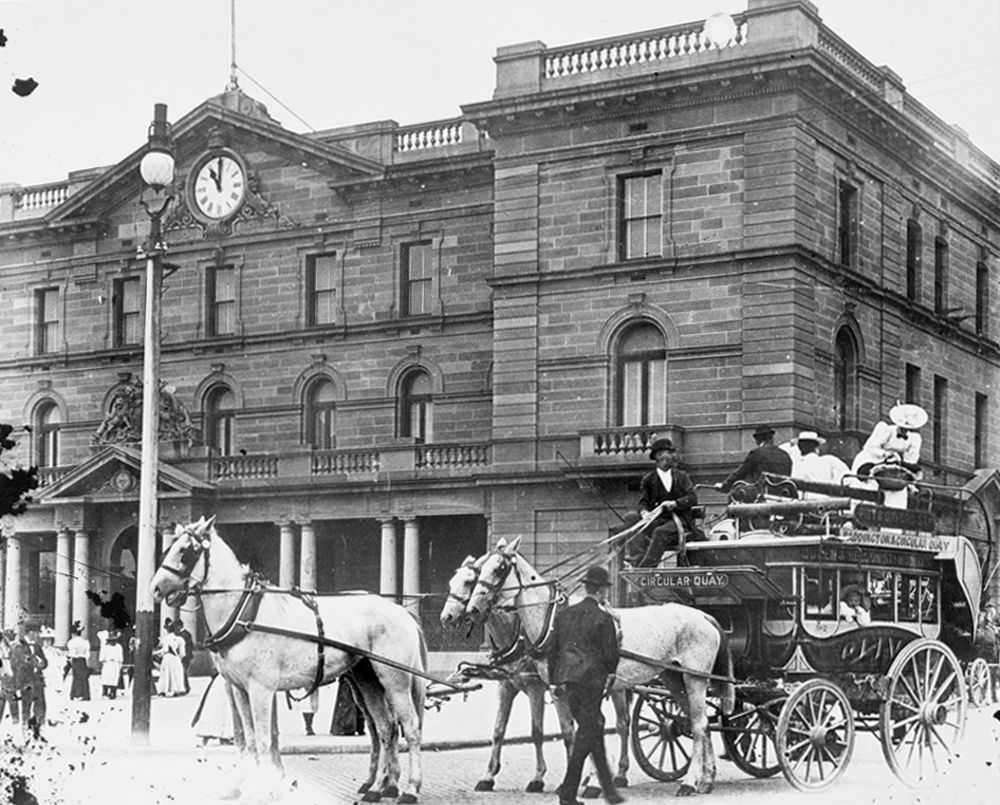
The old Sydney Railway Station at the corner of Devonshire and George streets was another central hub. Multiple horse buses lined up outside, ready to fan out across the city. The scene captured the scale of demand that the omnibus network was built to meet.
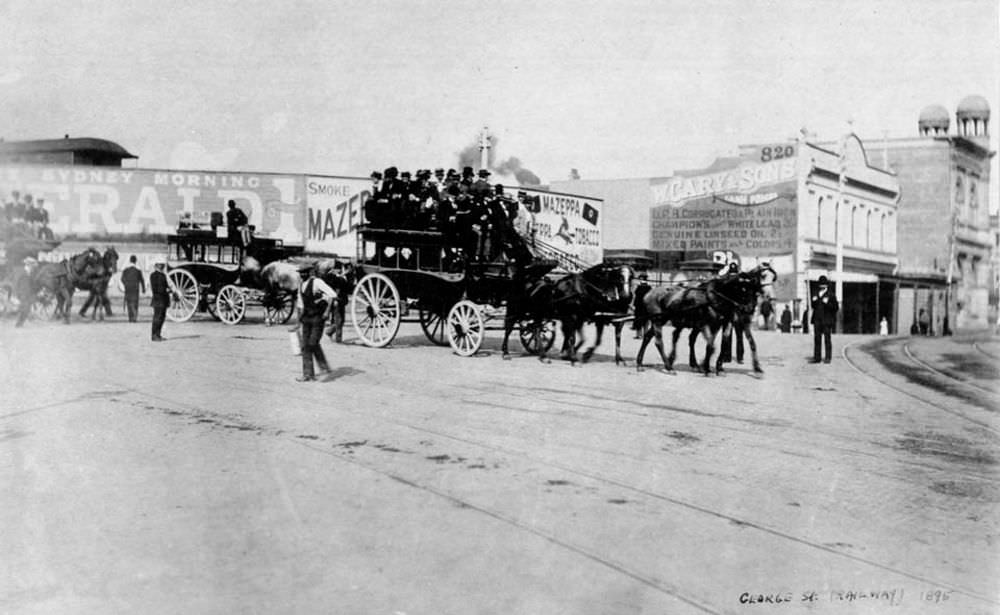
Private operators drove the growth of the network. The Sydney Tramway and Omnibus Company was one of the most prominent, running a fleet of vehicles through the city’s expanding neighborhoods. Competition among private firms kept fares relatively low and pushed operators to cover more routes.
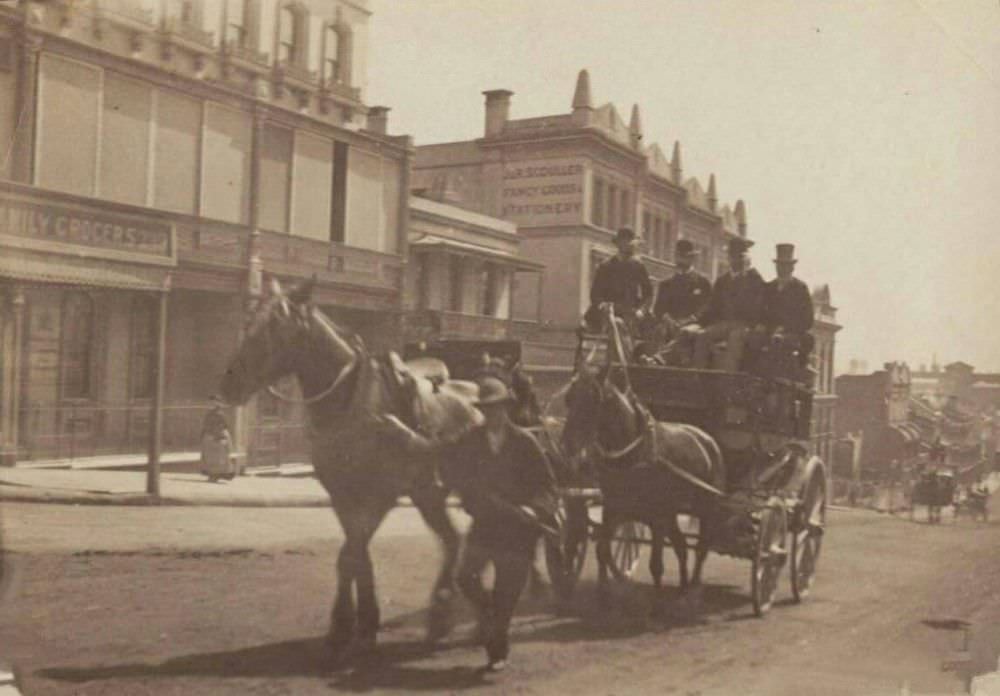
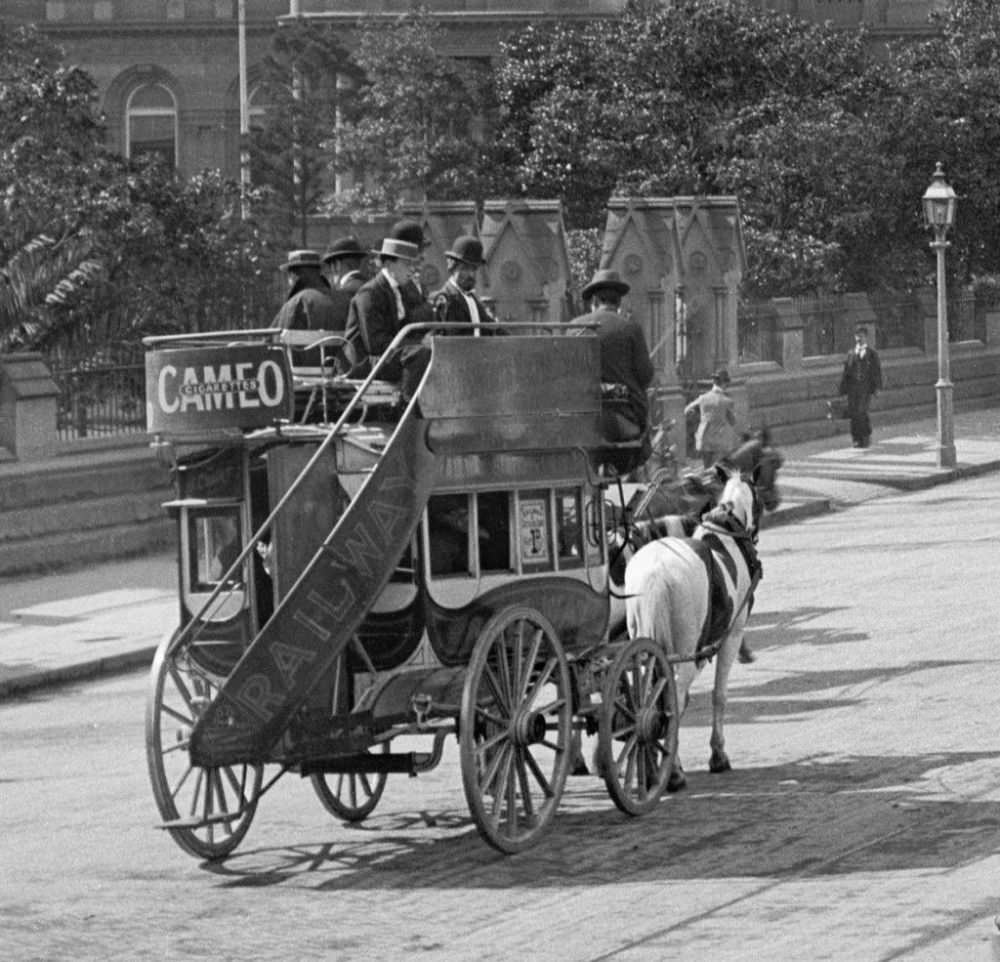
Circular Quay in Sydney served as one of the busiest omnibus terminals in the country. Situated at the heart of the harbor, it connected ferry passengers with buses heading inland. By 1900, the quay was a constant swirl of horses, drivers, and commuters.
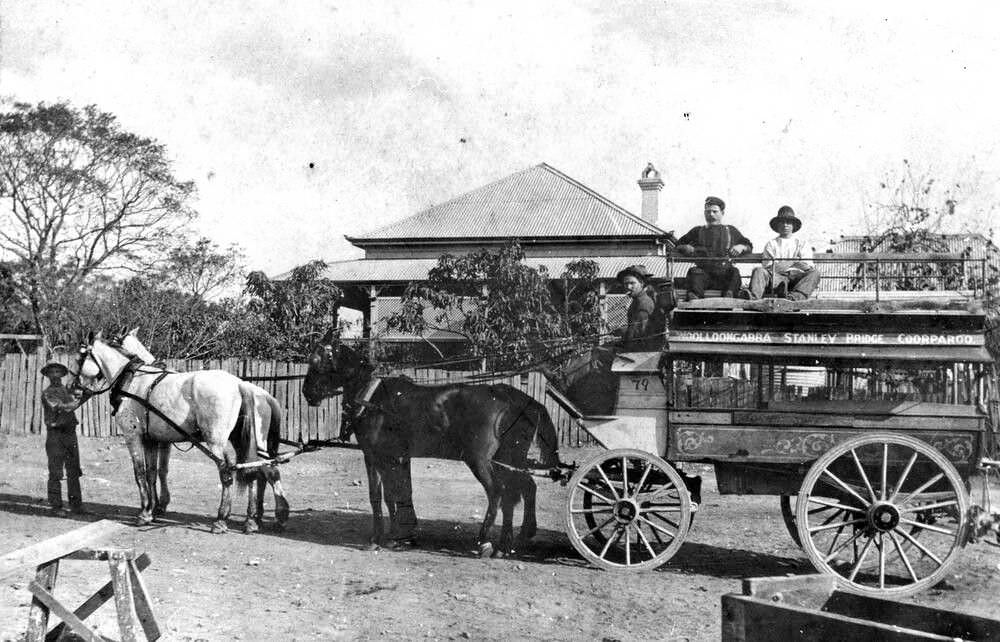
Brisbane developed its own omnibus network as well. The Brisbane Bus Company operated routes to outer suburbs like Woolloongabba and Coorparoo, helping residents in those areas access the city center without owning private transport.
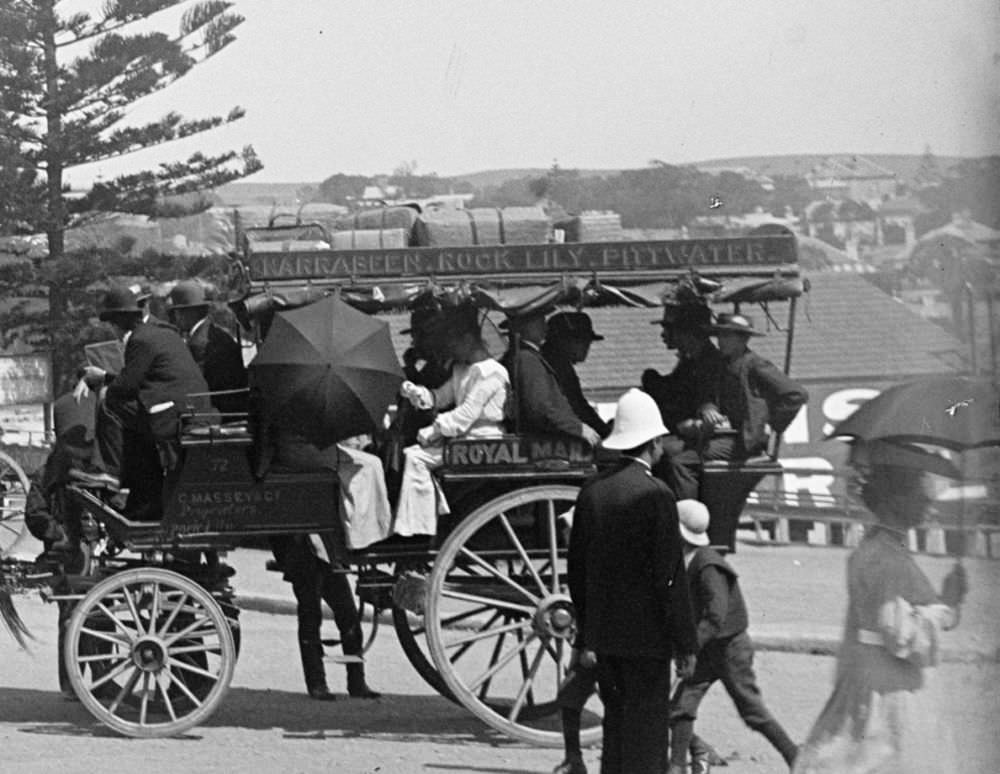
In Sydney’s northern beach suburbs, omnibuses also served leisure travelers. Beachgoers heading to Narrabeen and Rock Lily boarded horse-drawn services from Manly, turning the omnibus into a vehicle for recreation as much as commuting.
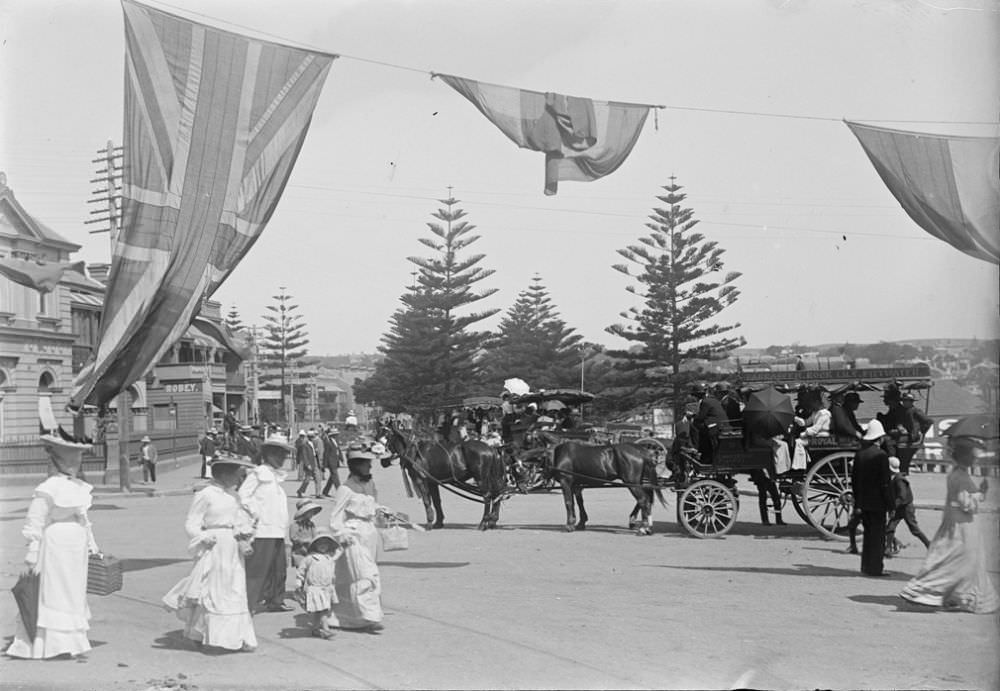
Manly was also the site of major public celebrations in 1908 when the American Great White Fleet arrived in Sydney Harbour. The town organized events to mark the occasion, with horse-drawn transport moving crowds to and from viewing points along the foreshore.
In Melbourne, the Melbourne Tramway and Omnibus Company ran an extensive operation. Their Auburn and Riversdale Road depot housed both trams and workers who kept the fleet running day after day. The depot was a working hub essential to the city’s transit system.
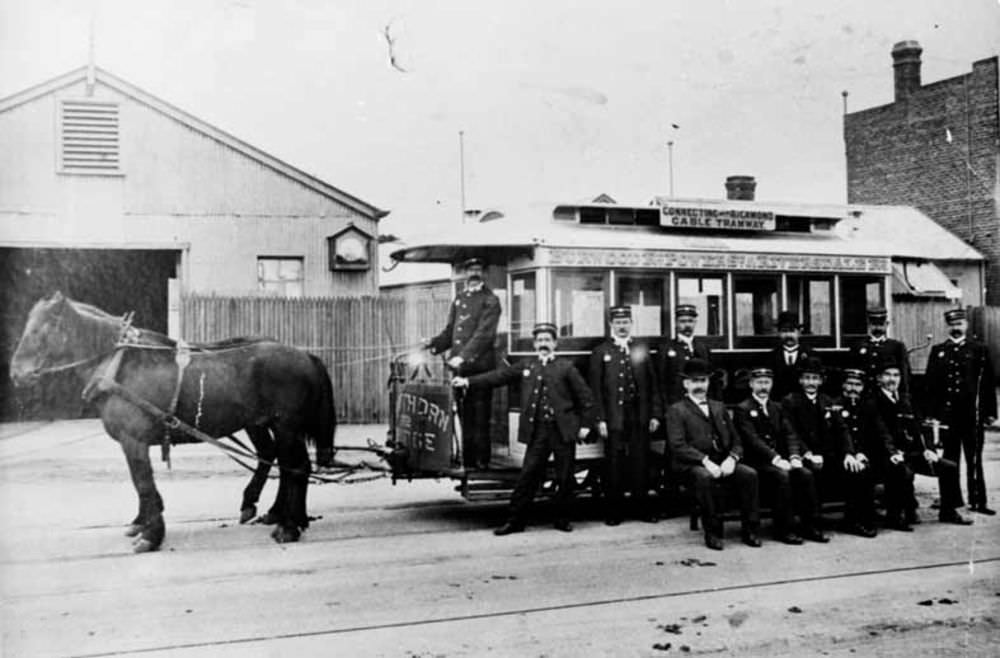
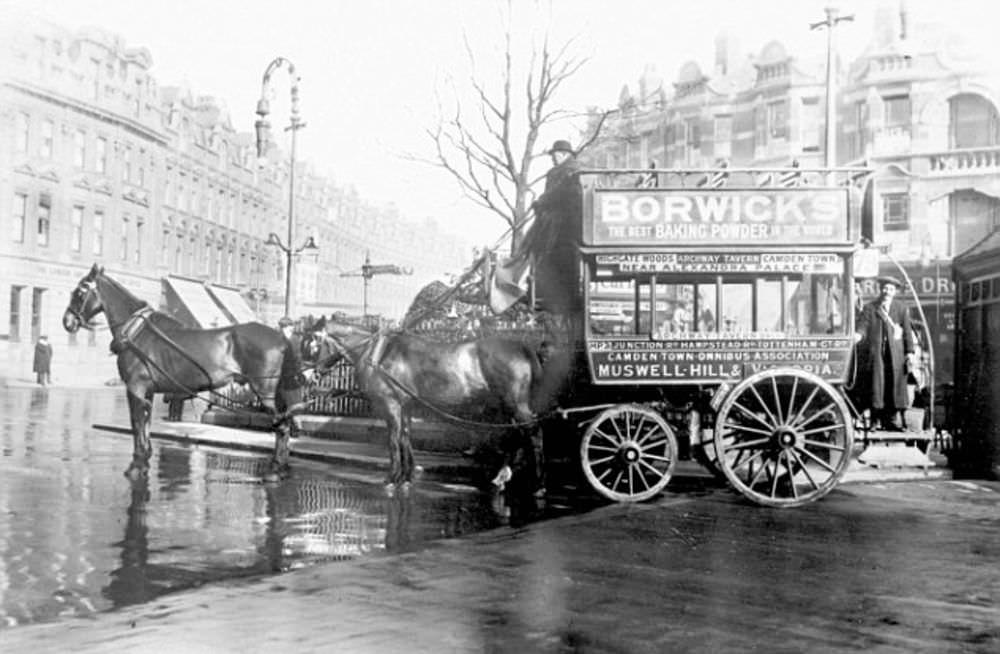
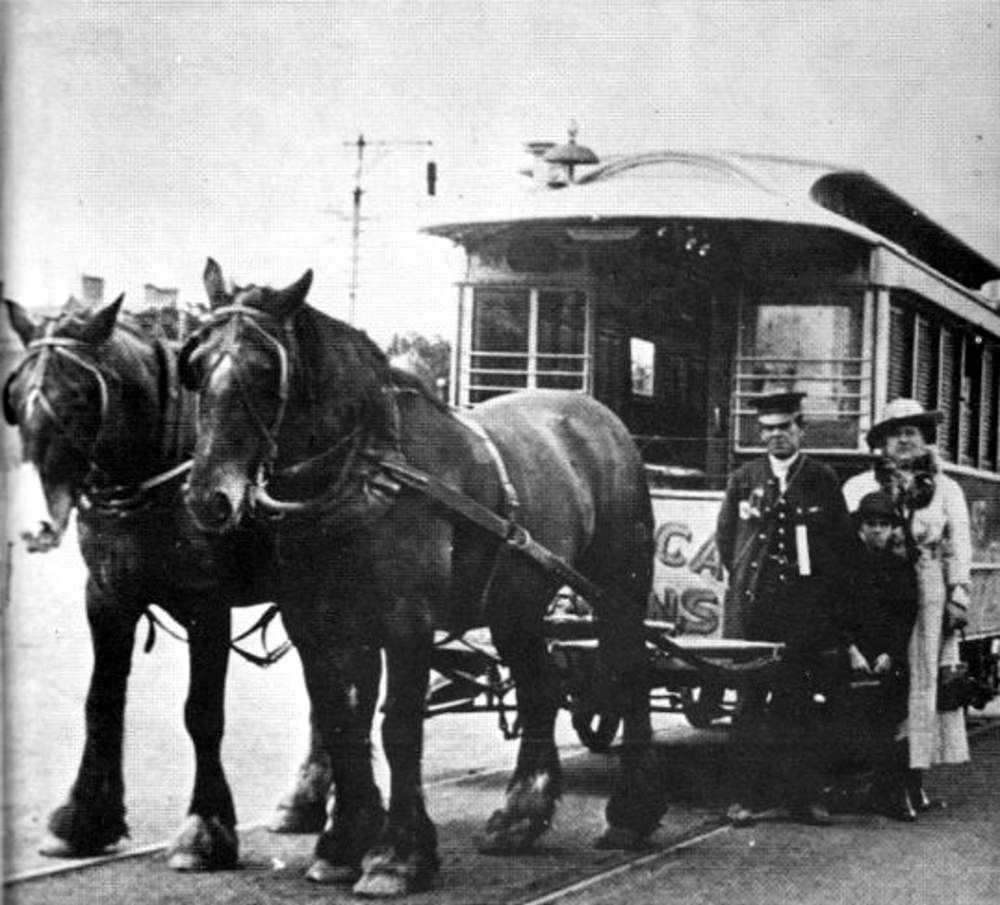
Melbourne’s horse tram routes served some unusual destinations. The Royal Park Zoo service, operated by the Melbourne Tramway and Omnibus Company, ran well into the mid-1910s. Driver Mr. Richardson of West Brunswick was among the men who kept services like tram No. 43 running on schedule — a reminder that real individuals powered this network every single day.