
On April 18, 1955, Albert Einstein died at Princeton Hospital in New Jersey. He was 76 years old. Word spread quickly, and the world came to a stop. Scientists, world leaders, and ordinary people mourned the loss of the man who had reshaped how humanity understands space, time, and energy. But as the grief settled in, something quietly remarkable was happening just a short distance away — inside his home at 112 Mercer Street, his desk sat exactly as he had left it.
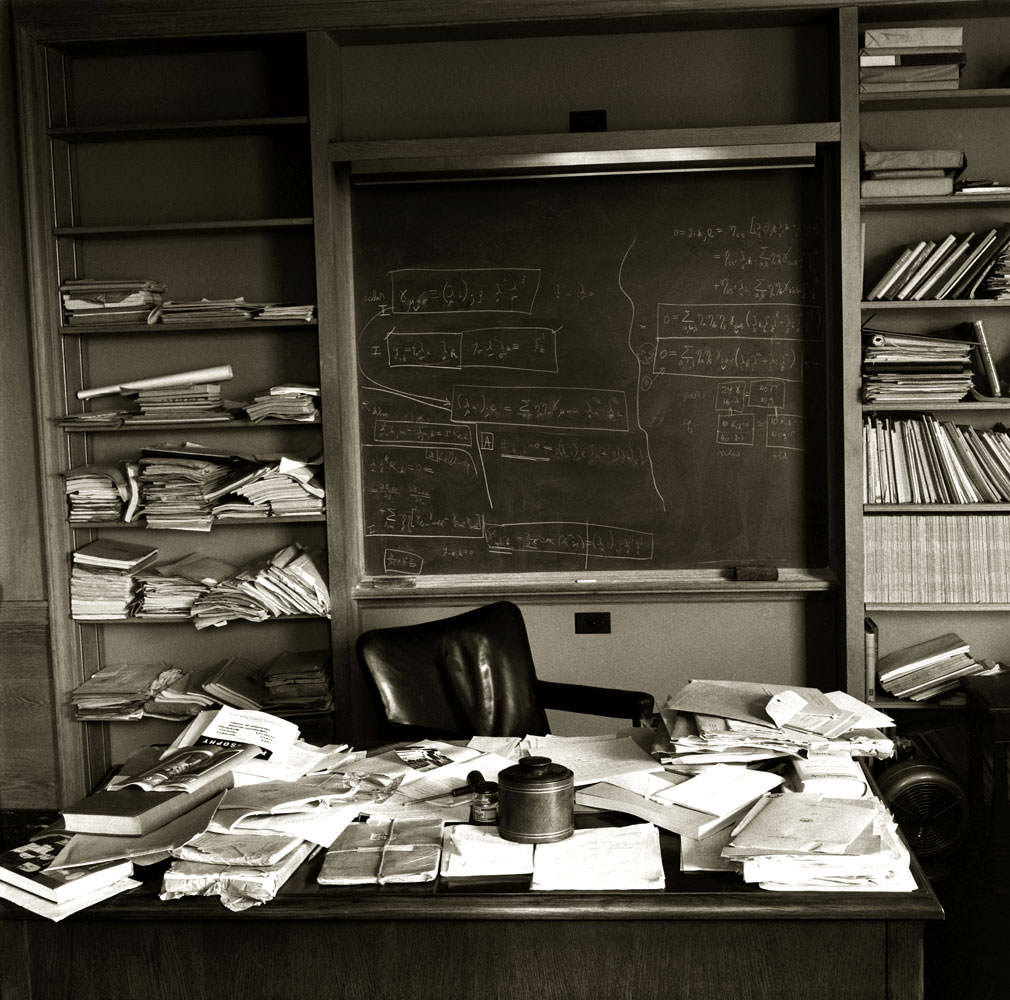
This photograph was taken just hours after Einstein’s passing. It shows an office frozen in time — papers stacked without order, books left open, and notes scattered across every surface. His family made the deliberate choice to leave the desk untouched. That decision turned a simple wooden workspace into one of the most studied objects in the history of science. The desk itself was modest: wooden, fitted with drawers, and topped with a leather writing pad. What made it remarkable was everything piled on top of it.
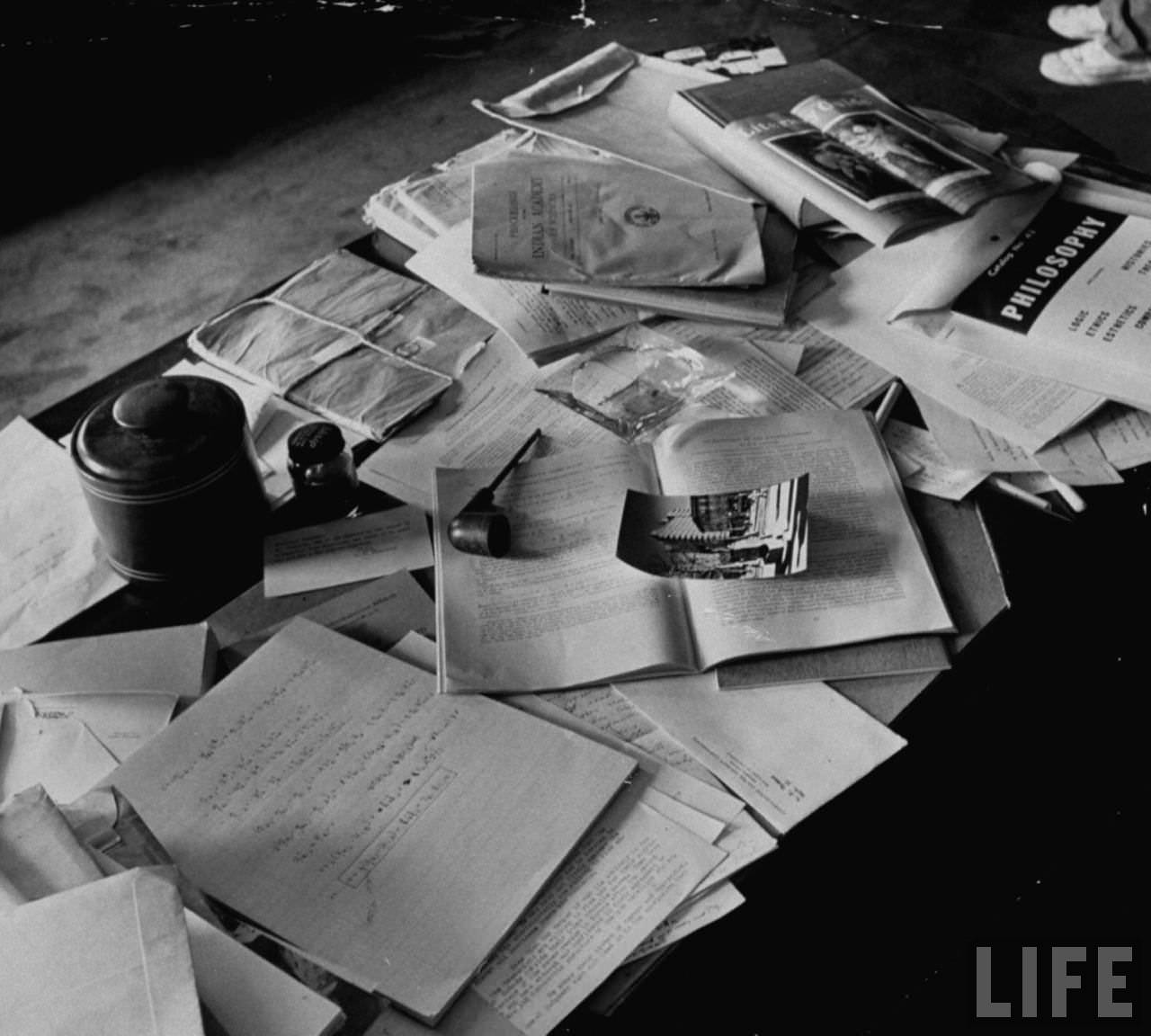
Among the clutter were handwritten notes, unfinished calculations, and personal correspondence. His pipe and ashtray sat nearby — small details that made the space feel lived-in rather than ceremonial. Historians who later studied the papers found that Einstein had been actively working on new ideas right up until the end of his life. He had not retired in any real sense. His mind was still running. One of the most significant items found among his papers was a letter he had written to his son Eduard back in 1935. In it, Einstein addressed the growing danger of Nazi Germany directly. He wrote: “Out here, nobody knows what’s going to happen. But I’m convinced that you and your mother will come to a joyful and harmonious life, provided that you are protected from the dangers which threaten us here.” Einstein had fled Germany in 1933 after Adolf Hitler rose to power. As a Jewish man with an international profile, he was a direct target. The letter is a stark reminder that behind the equations and thought experiments was a father genuinely afraid for his family’s safety.
Also found on the desk was a small handwritten sign that read: “Not everything that counts can be counted, and not everything that can be counted counts.” The quote has been attributed to Einstein for decades, though the exact origin is disputed. Whether he wrote it himself or kept it as a reminder from someone else, the fact that it sat on his desk gives it a certain weight. For a man who built his career on mathematical precision, keeping a note about the limits of measurement nearby says something about how he saw the world beyond physics. As news of Einstein’s death spread through Princeton, the community began gathering to pay their respects.
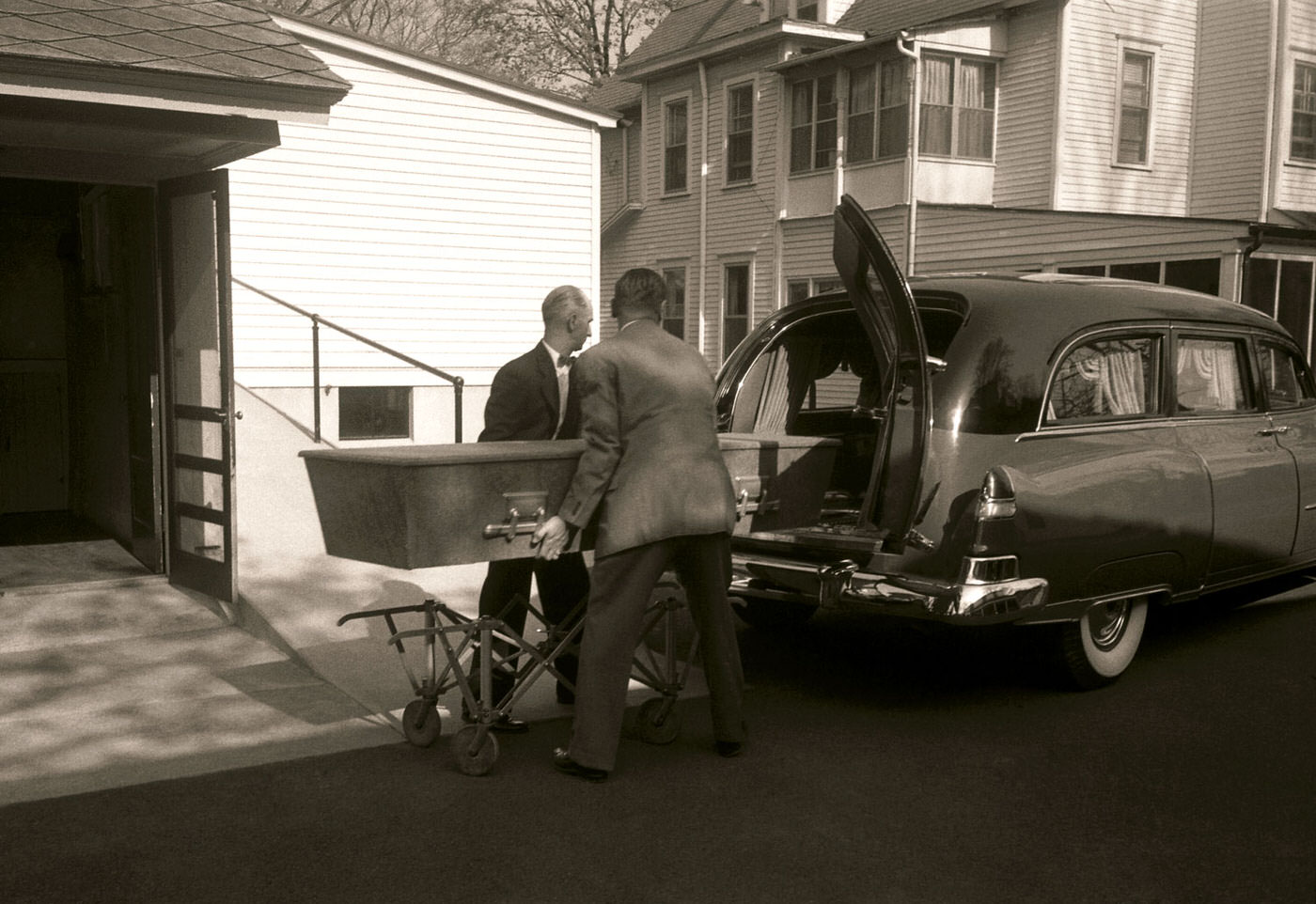
The procession from Princeton Hospital was quiet and somber. Einstein had specifically requested a small, private funeral — no public spectacle, no grand monument. His wishes were respected. Only a close circle of family and friends attended the service.
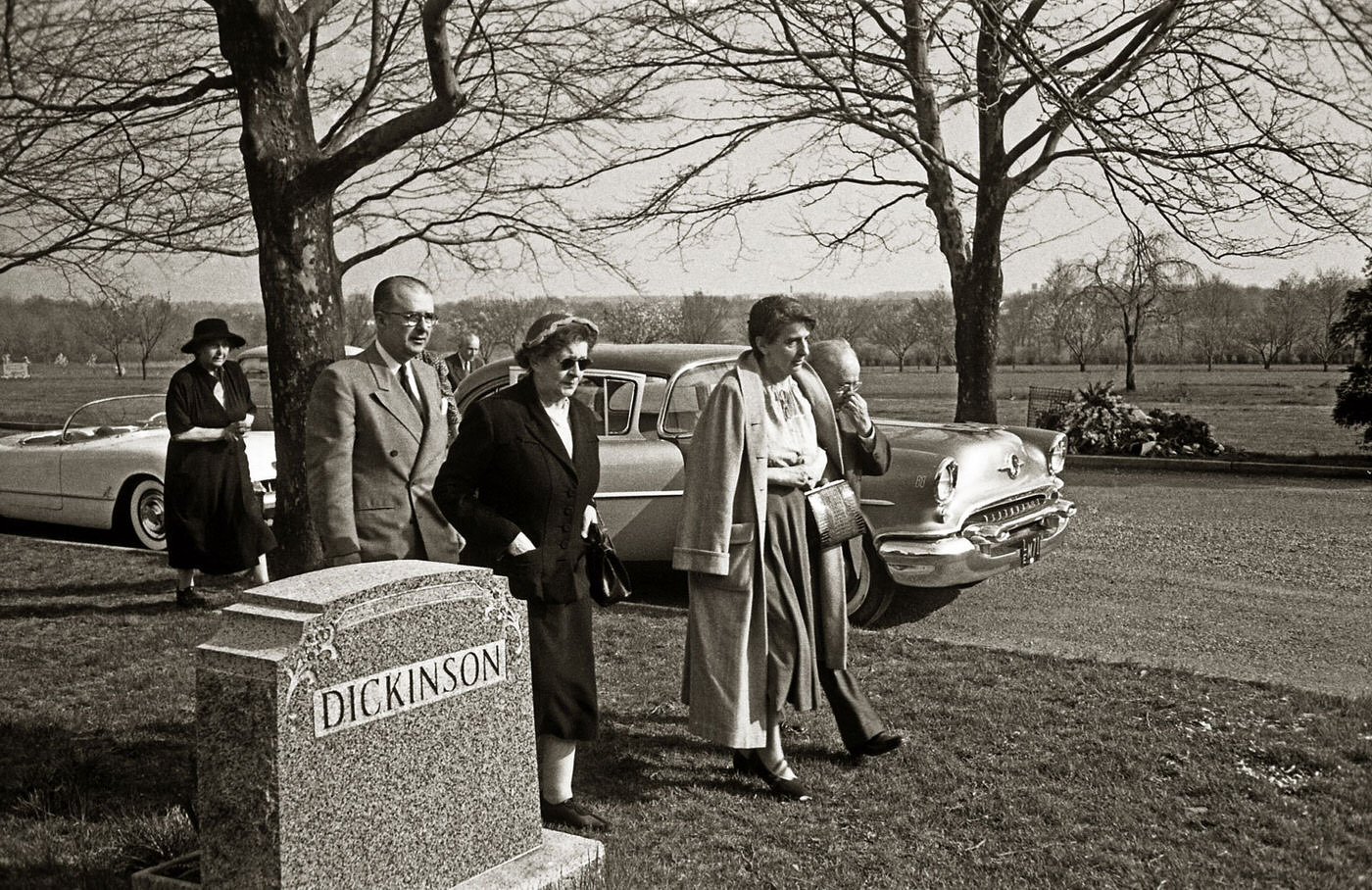
The group assembled at the Ewing Crematorium in Trenton included his son Hans Albert, his devoted secretary Helen Dukas, and his close friend Dr. Gustav Bucky. It was a deliberately small gathering, entirely in keeping with how Einstein had lived — focused on substance over ceremony.
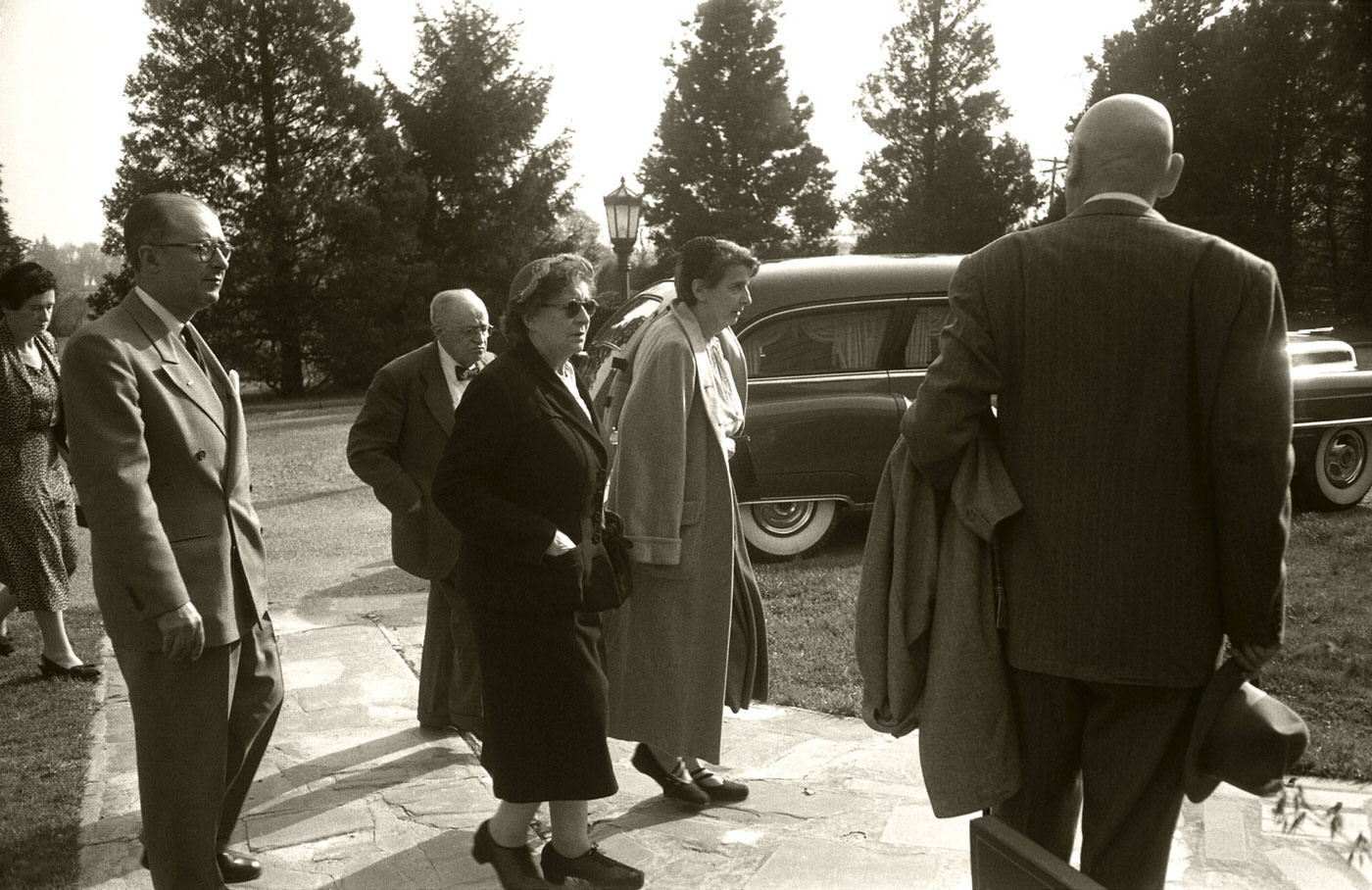
The funeral service itself was brief. Einstein’s friend Otto Nathan read a few lines from the German poet Goethe — a nod to Einstein’s roots and his lifelong appreciation for art and literature alongside science. Immediately after the reading, Einstein’s remains were cremated.
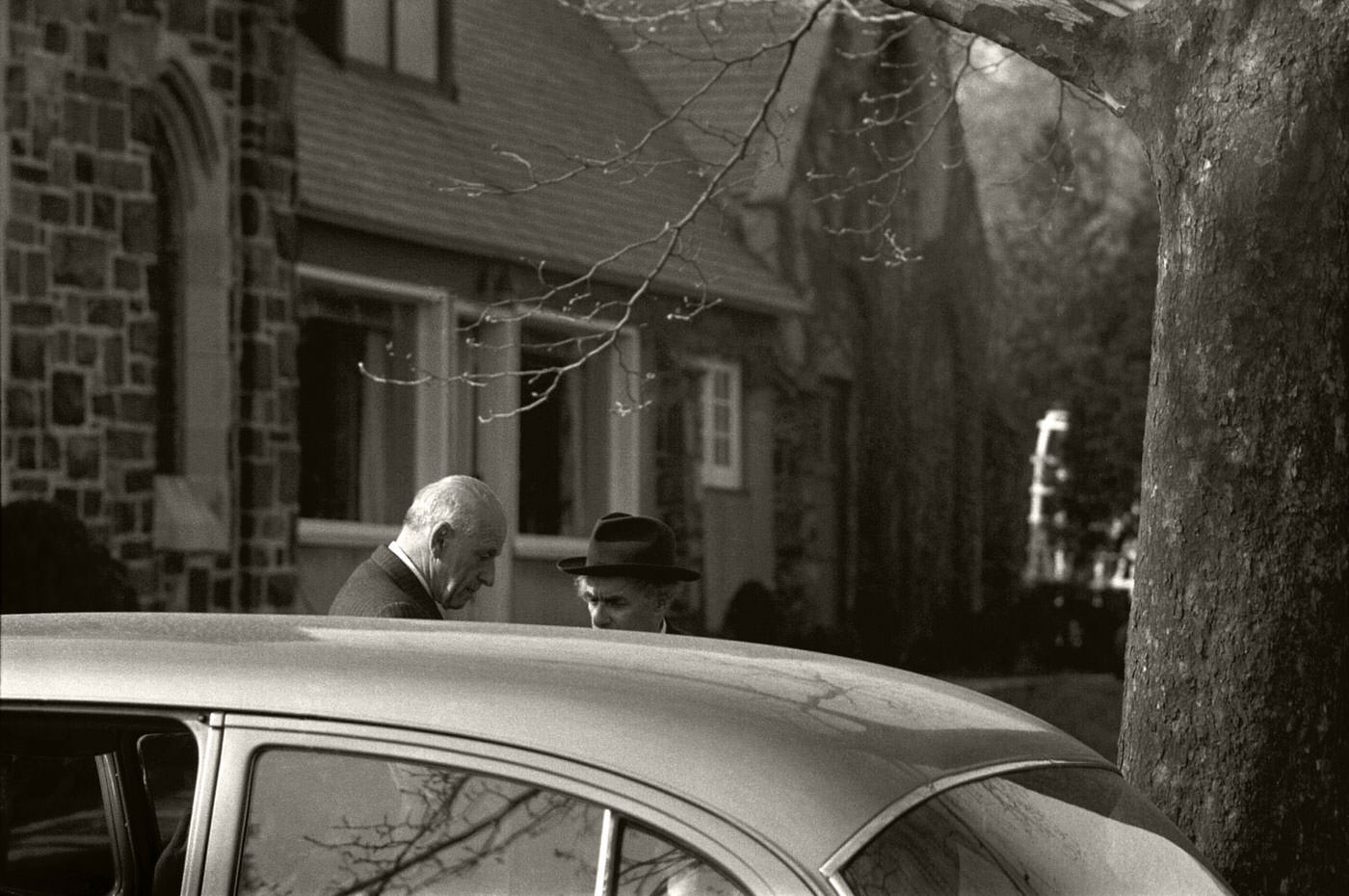
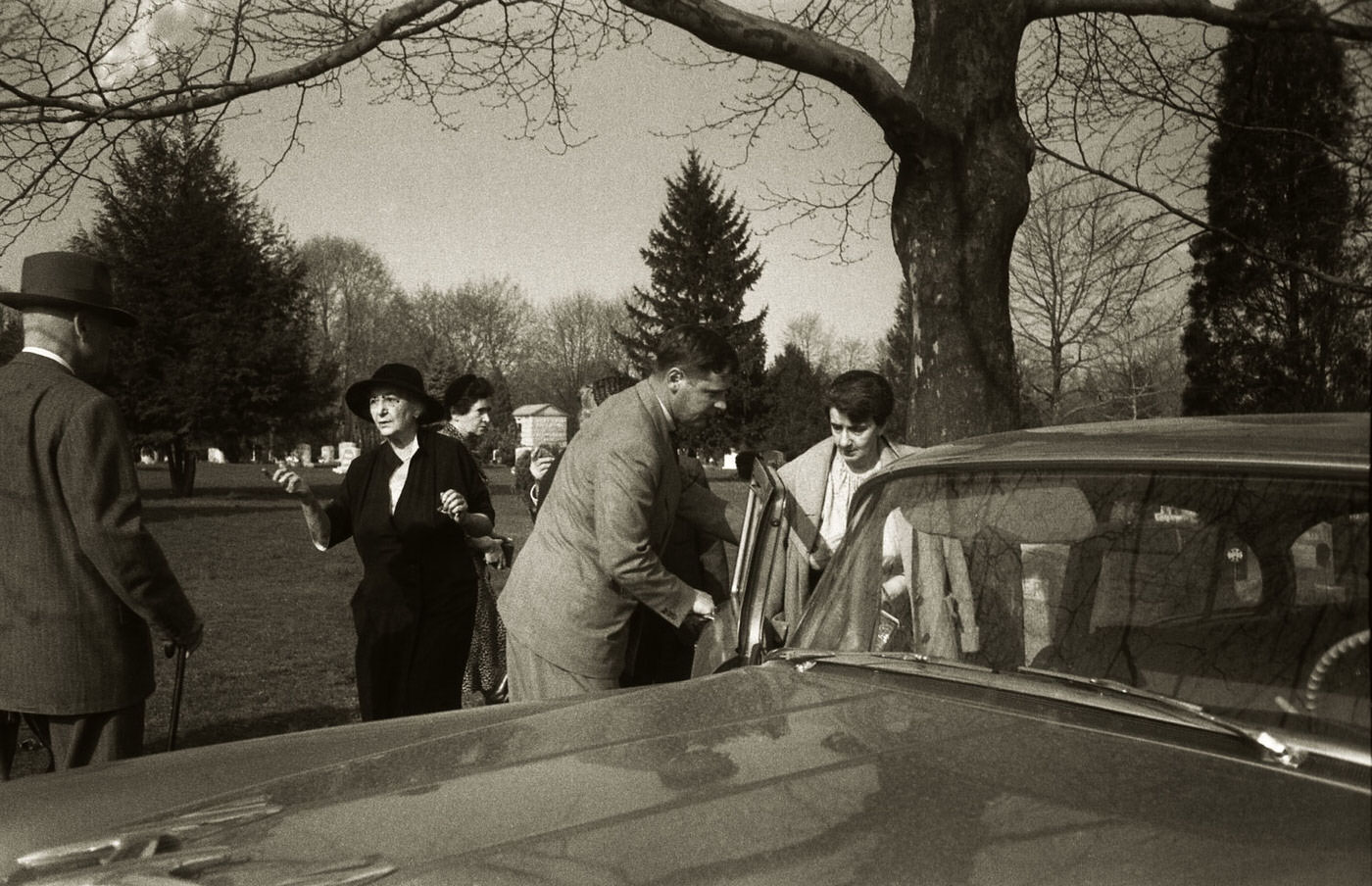
Helen Dukas had worked as Einstein’s secretary since 1928. She was fiercely protective of his personal papers and his privacy during his lifetime, and that role did not end with his death. After the cremation, she returned with the others to 112 Mercer Street.
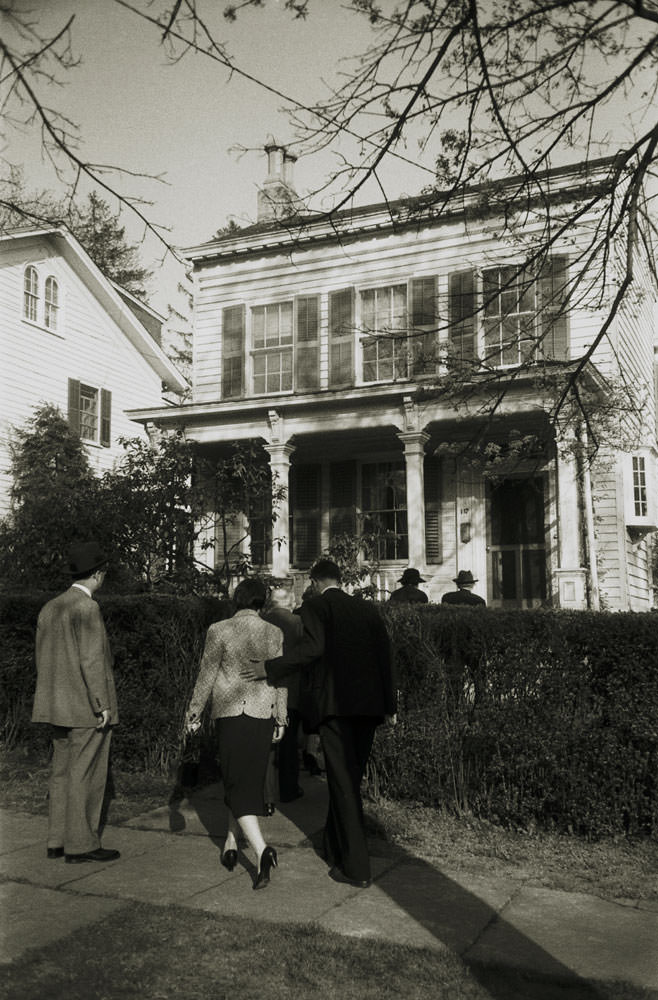
Einstein had lived at 112 Mercer Street for 20 years. It was the longest he had stayed in any single home during his entire life — a life that had taken him from Germany to Switzerland, to Berlin, and finally to Princeton. The house, like the desk inside it, became a site of memory. Back at Princeton Hospital, the work of documenting Einstein’s death fell to Dr. Thomas Harvey, the pathologist who performed the autopsy.
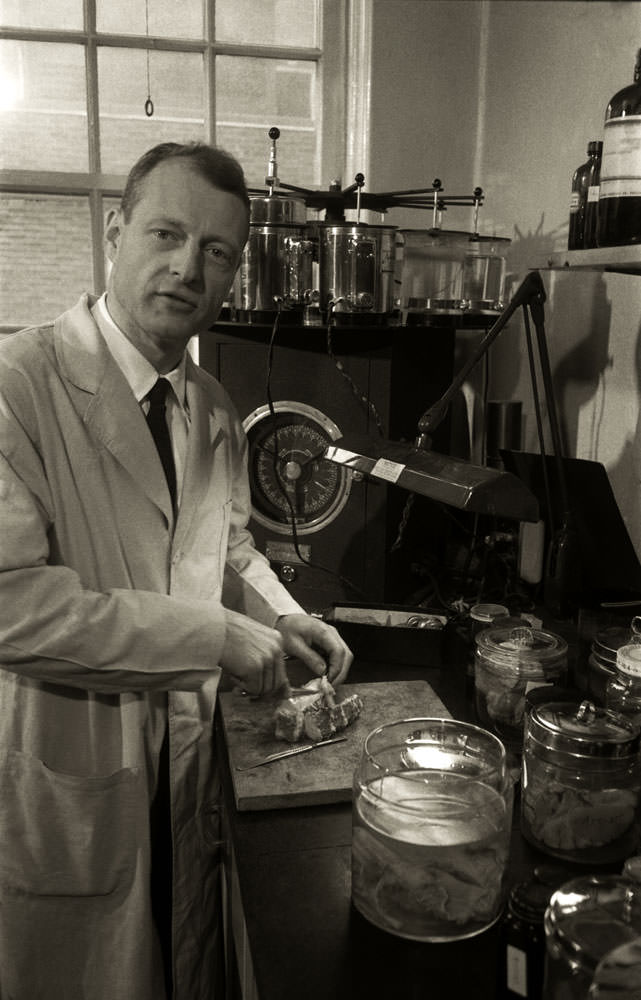
Harvey’s role in Einstein’s death became controversial in its own right. During the autopsy, he removed Einstein’s brain without the family’s prior consent, intending to preserve it for scientific study. He kept it for decades, and it became the subject of multiple research papers and a great deal of public debate. The papers on Einstein’s desk eventually drew their own controversy as well. In 2002, a collection of letters Einstein had written to his close friend Michele Besso was discovered in a Swiss safe deposit box. The letters had been missing for years. When they were put up for auction, the Einstein estate attempted to block the sale, arguing the letters were part of Einstein’s private papers and should not be sold commercially. The dispute was settled out of court, and the letters sold for $420,000 — a record at the time for Einstein correspondence. The desk has since been photographed, studied, and featured in traveling exhibits that have reached audiences around the world. The papers on it — unfinished equations, personal letters, and scattered notes — confirm that Einstein treated his work not as a job with an end date, but as a continuous, lifelong investigation into how the universe operates.