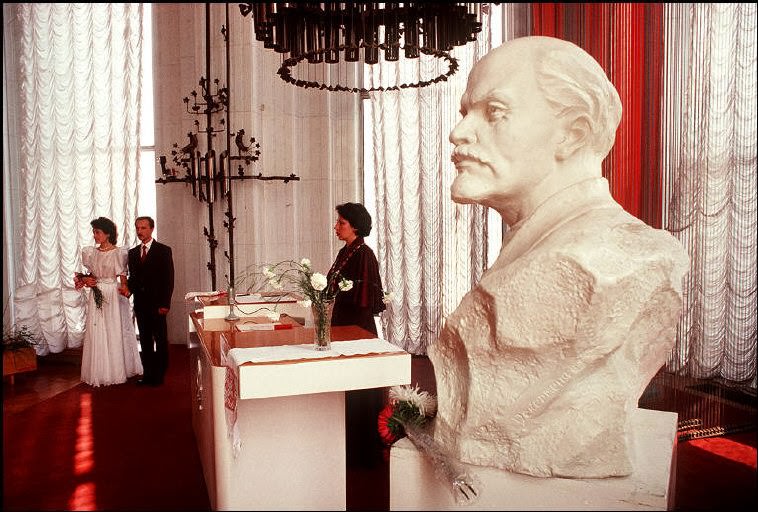
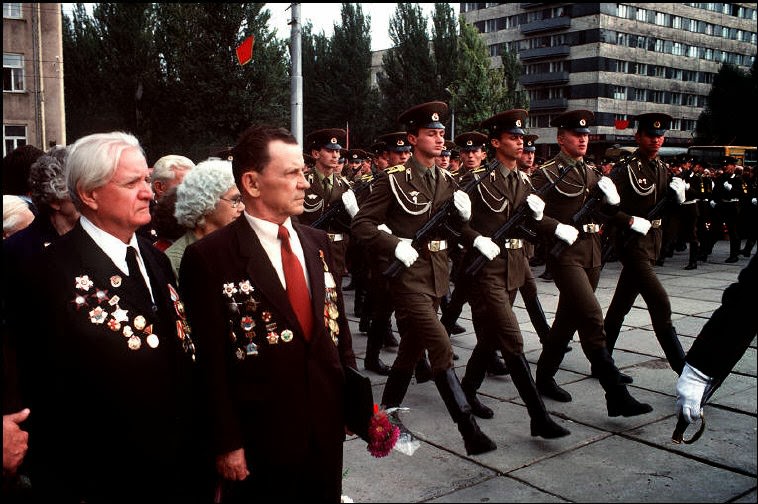
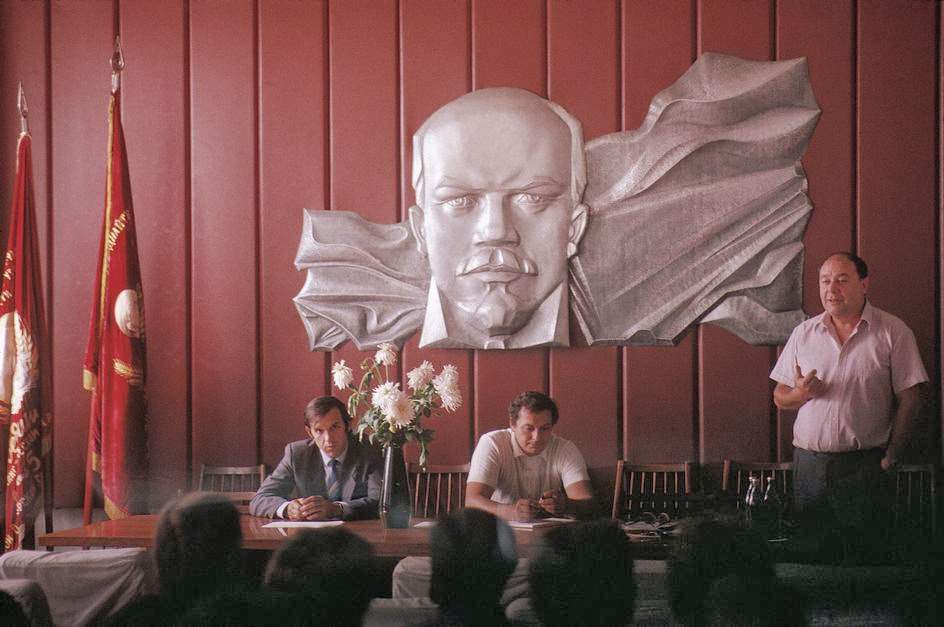
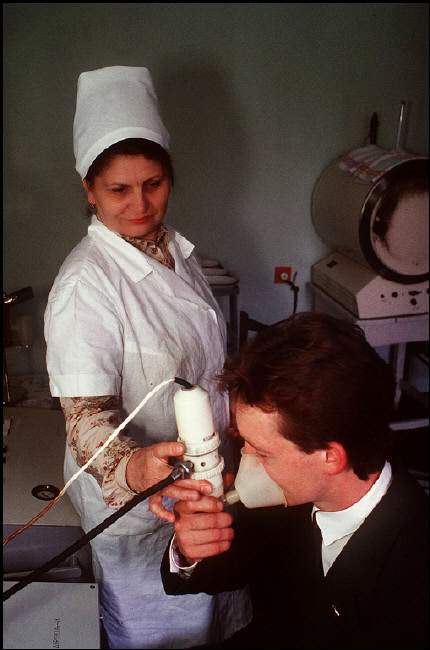
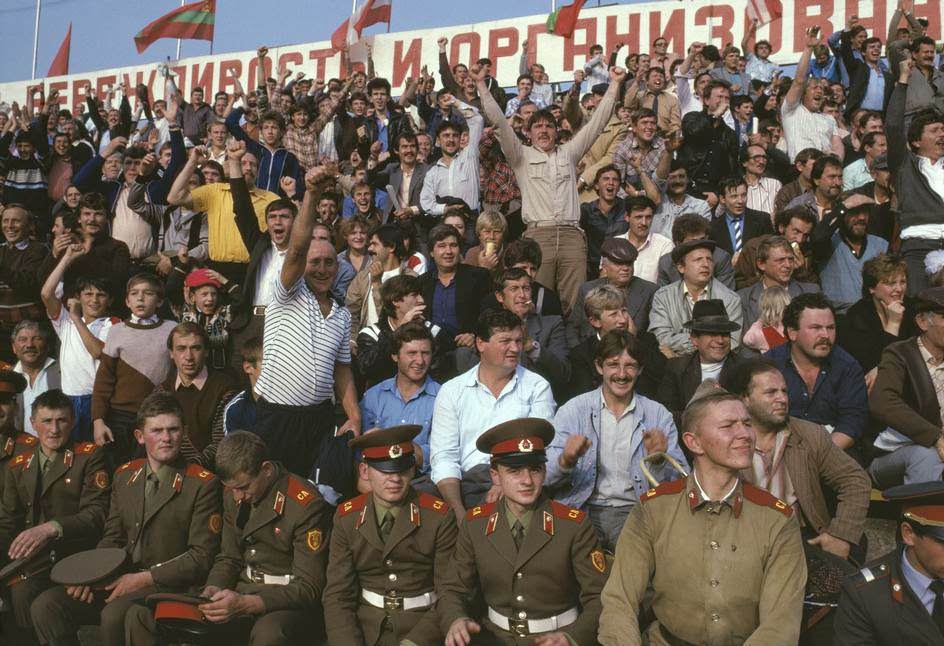
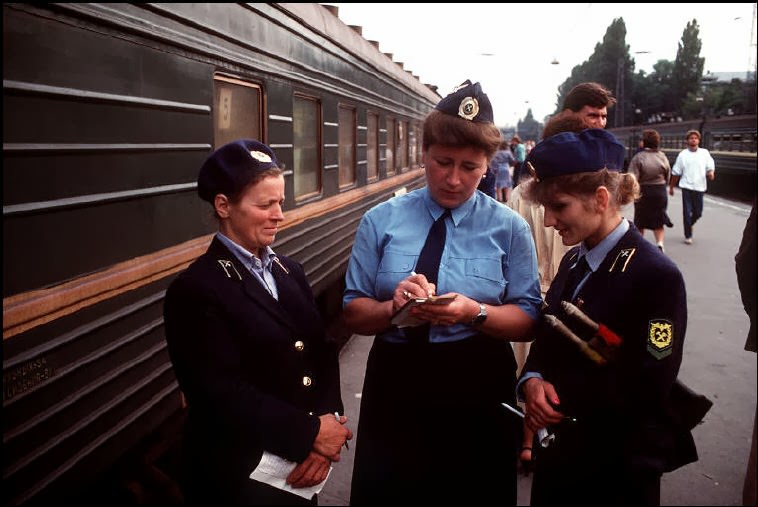
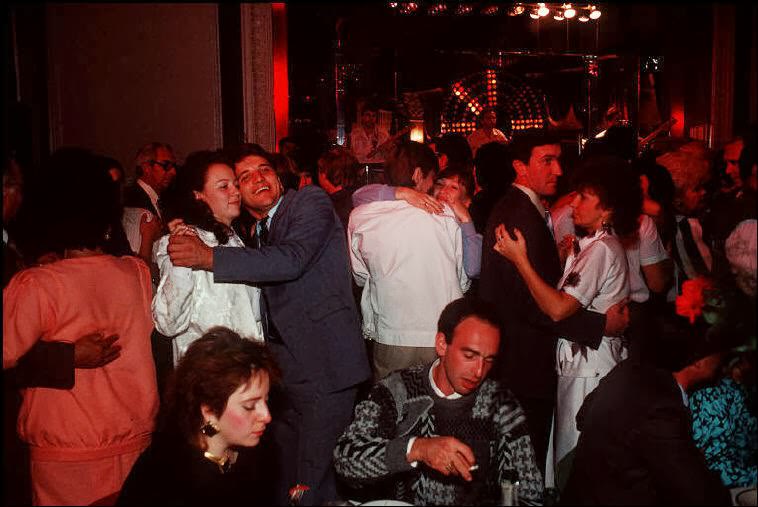
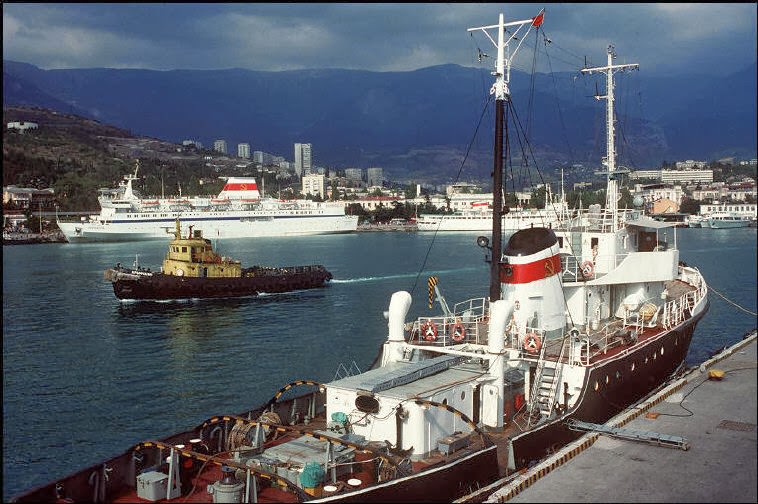
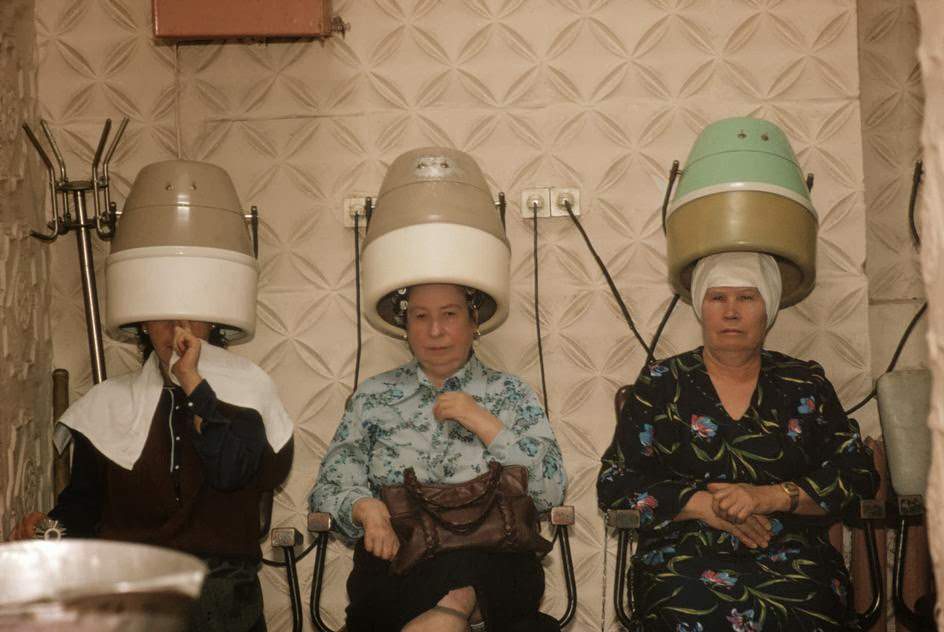
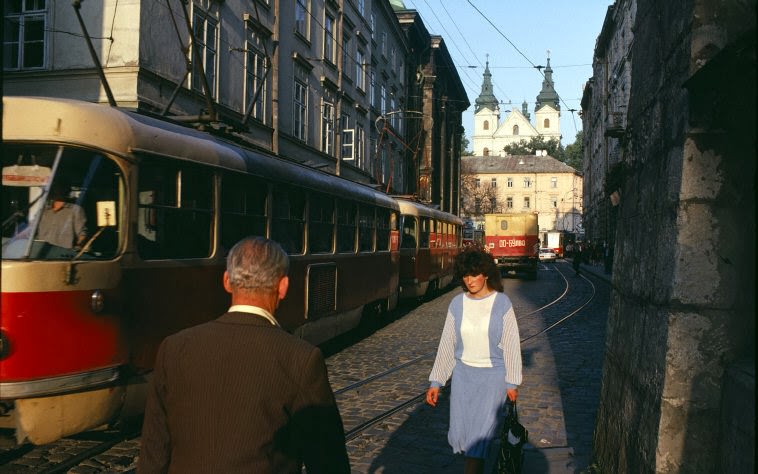
The Ukrainian Soviet Socialist Republic (Ukrainian SSR) during the 1980s was one of the republics within the Soviet Union, a one-party communist state ruled by the Communist Party of the Soviet Union (CPSU). The Soviet government controlled all aspects of life in the Ukrainian SSR, including the economy, media, and education.
Economy
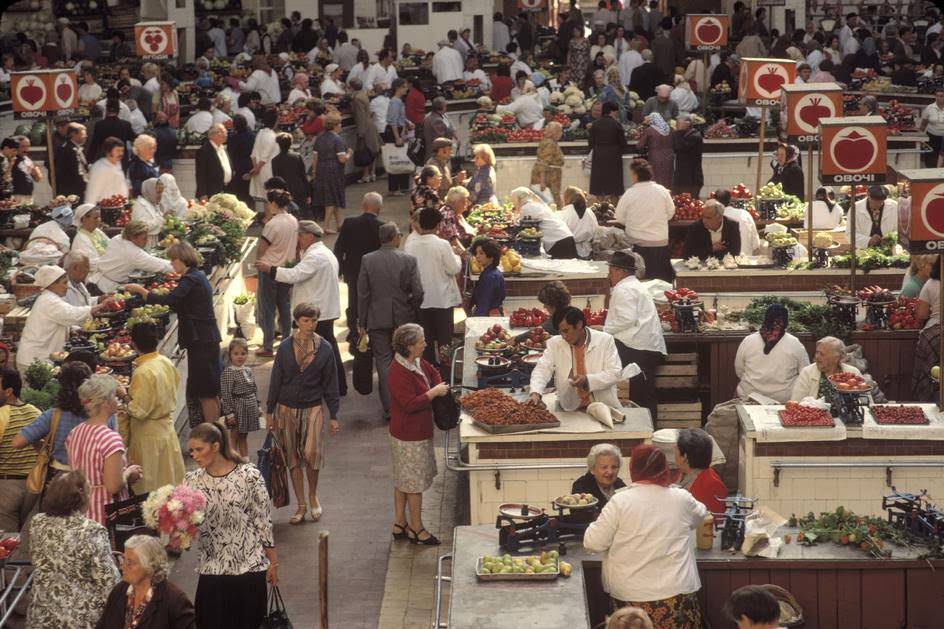
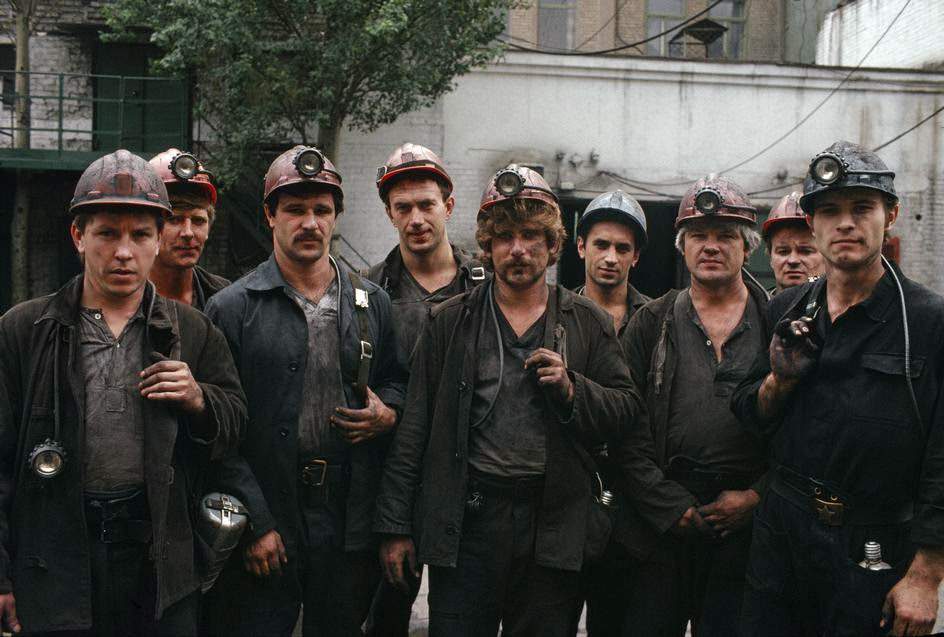
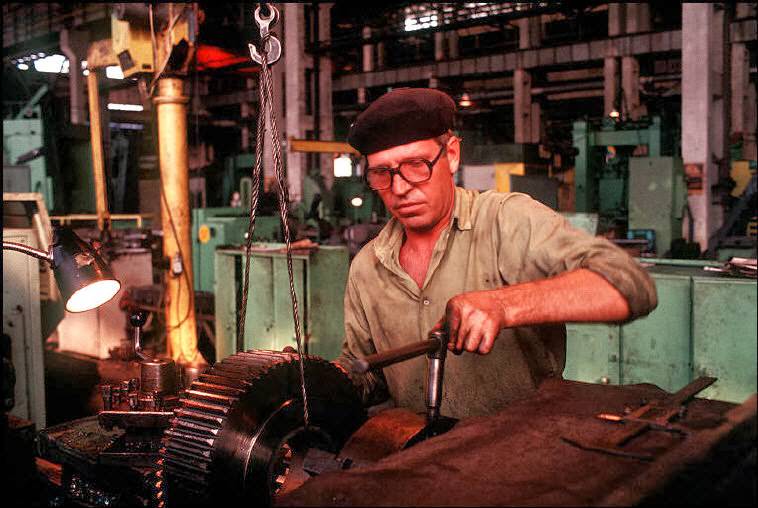
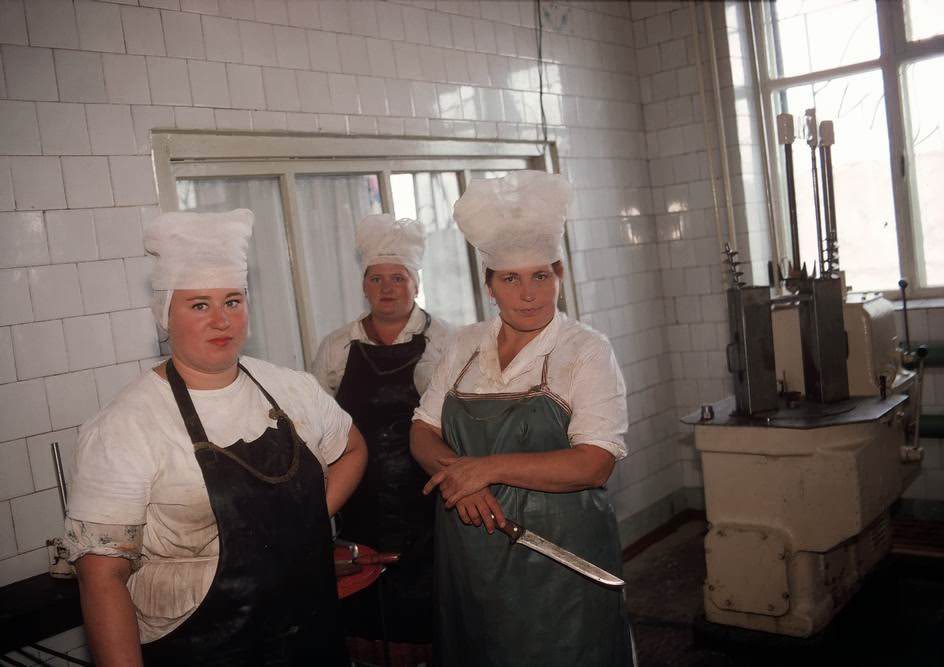
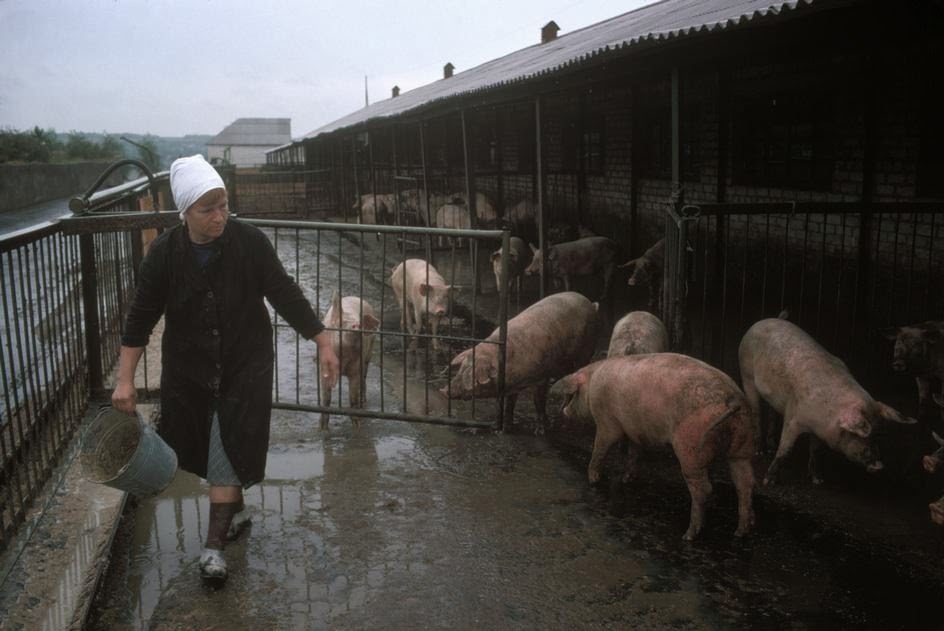
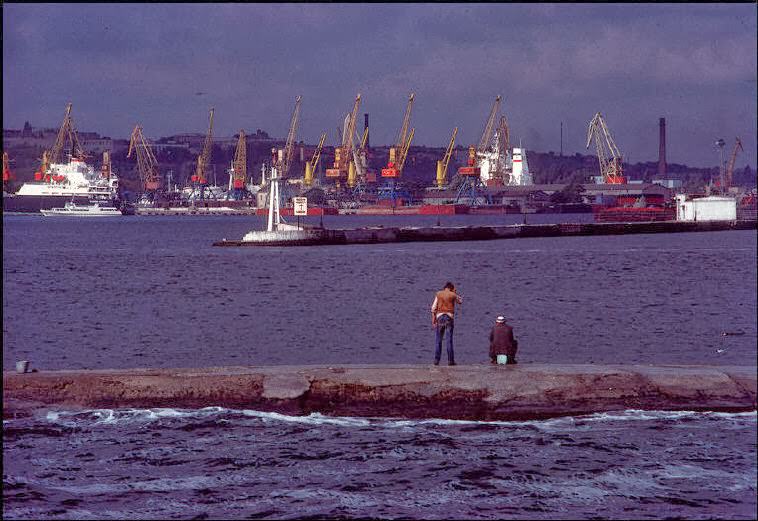
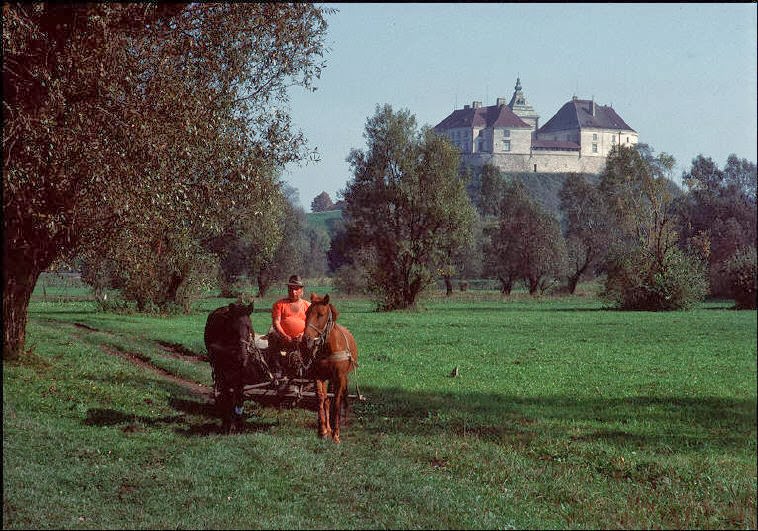
The Ukrainian SSR was an industrialized country, with a strong focus on heavy industry, such as steel and coal production, and agriculture. The economy was centrally planned by the Soviet government, and the country was heavily dependent on trade with other Soviet republics. The Ukrainian SSR was one of the most important agricultural regions in the Soviet Union, known for its grain production and livestock breeding. In the 1980s, the Soviet government was in the process of implementing economic reforms with the aim of modernizing the Soviet economy and improving living standards. However, these reforms were not fully implemented and did not bring significant improvements for the population. The standard of living for most people was relatively low, and there were shortages of basic goods.
Politics
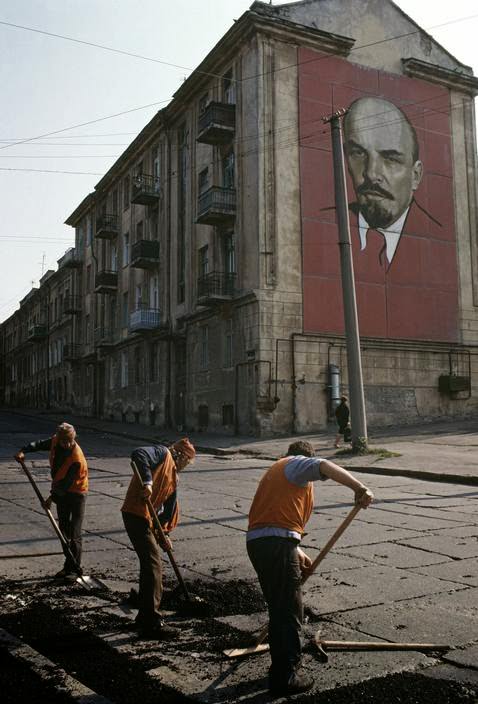
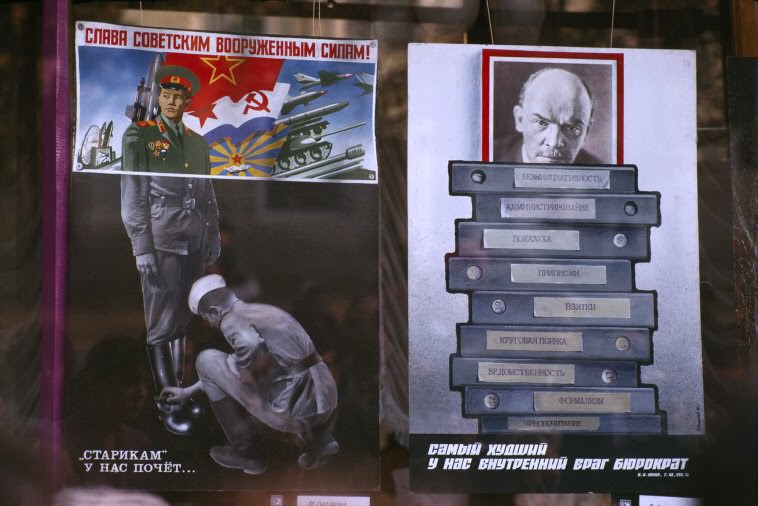
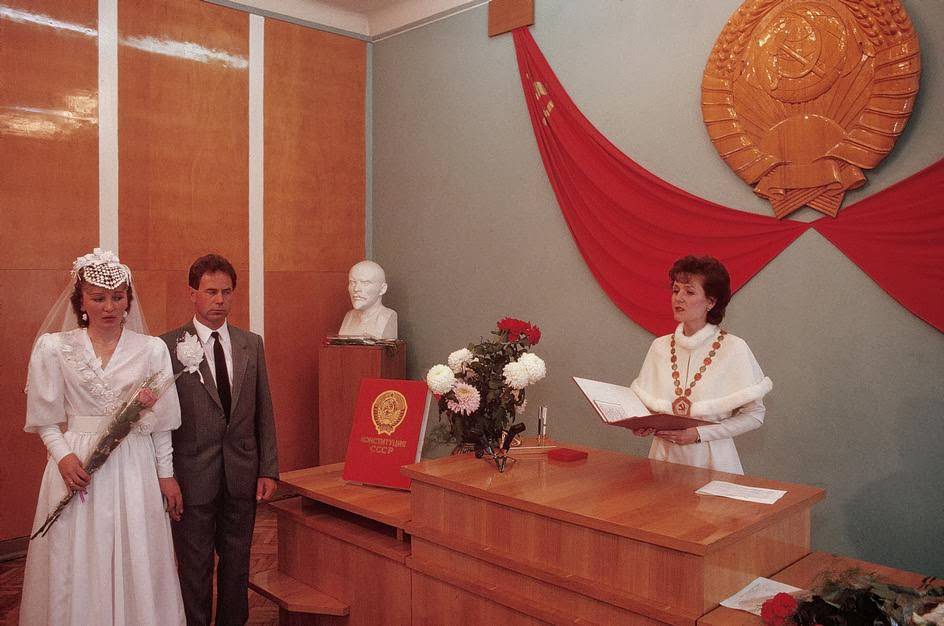
The Soviet government controlled all political activity in the Ukrainian SSR and suppressed dissent. The Communist Party of the Soviet Union (CPSU) was the only legal political party, and all government officials were CPSU members. The Soviet government closely monitored political activity and suppressed any opposition to its policies. The KGB, the Soviet secret police, was active in the Ukrainian SSR, monitoring and repressing political dissidents.
Education
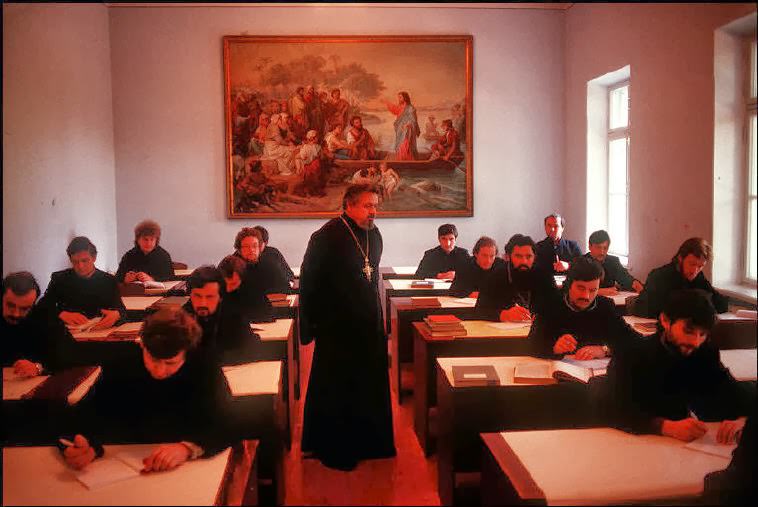
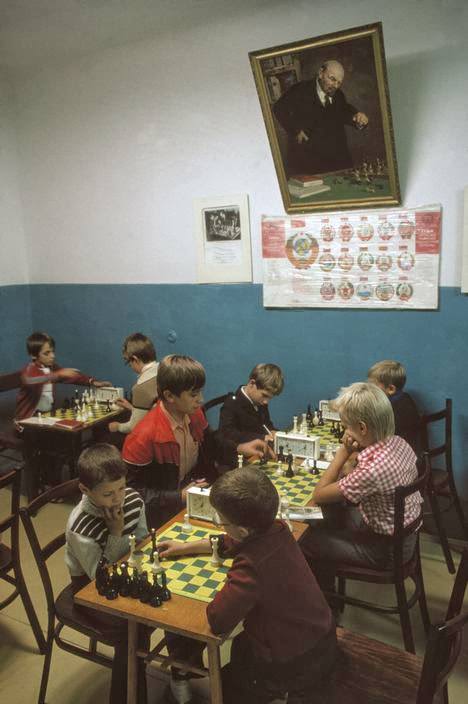
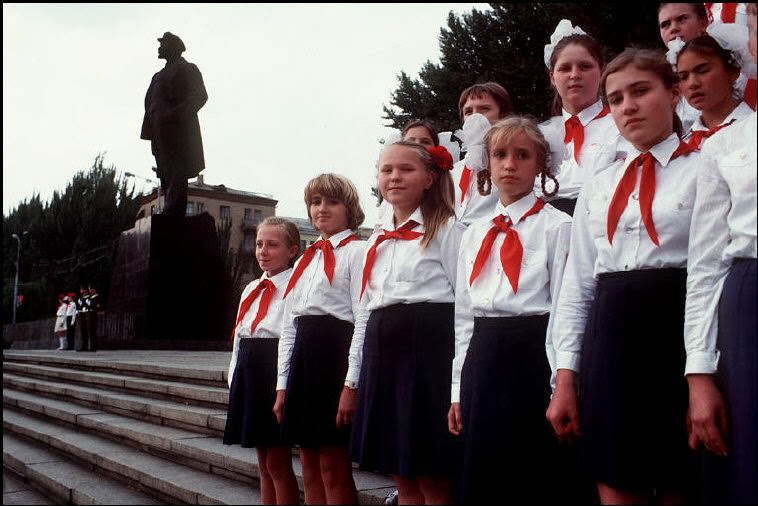
The Soviet government controlled the education system in the Ukrainian SSR. Education was free and compulsory for children aged 7-15. The education system emphasized the study of Marxism-Leninism and the history of the CPSU. The Soviet government also closely monitored the curriculum and textbooks used in schools to ensure that they conformed to official ideology.
Culture
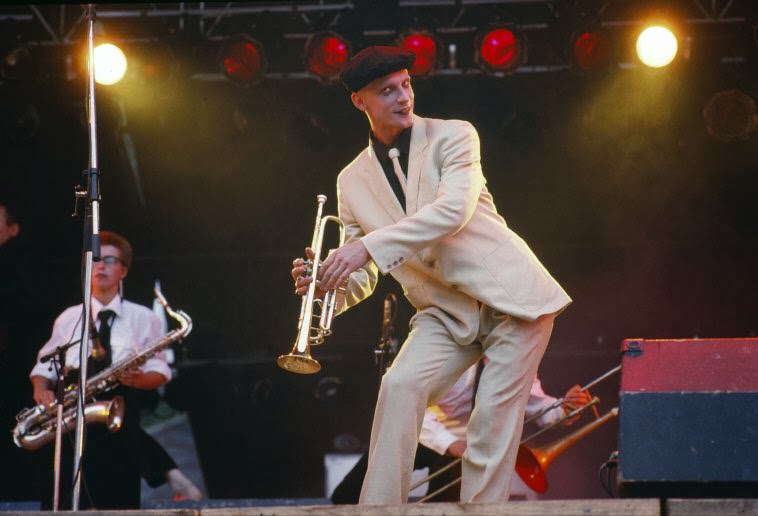
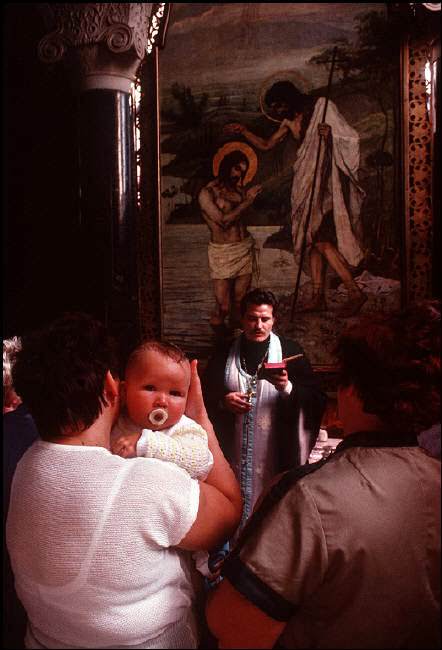
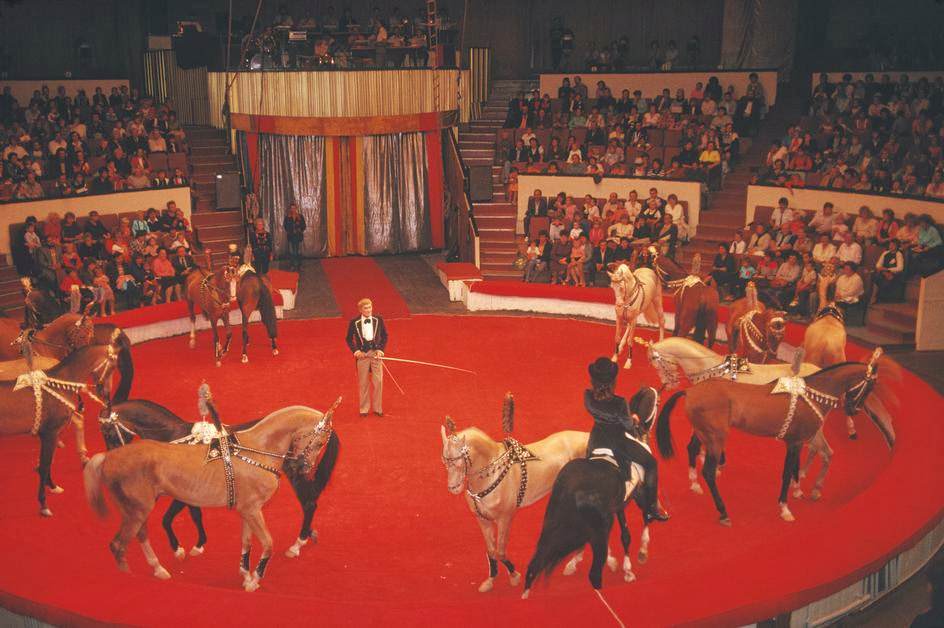
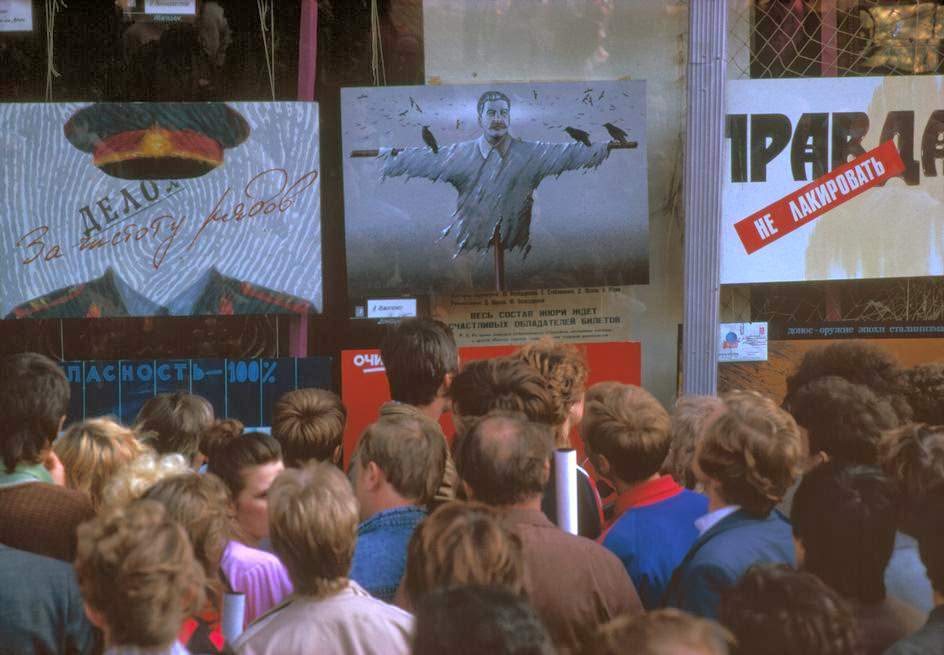
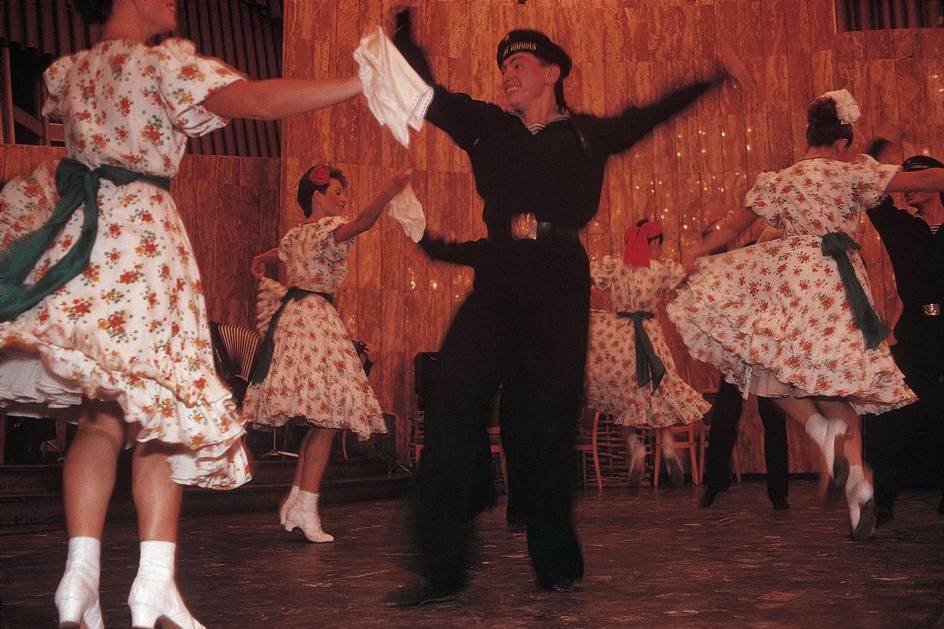
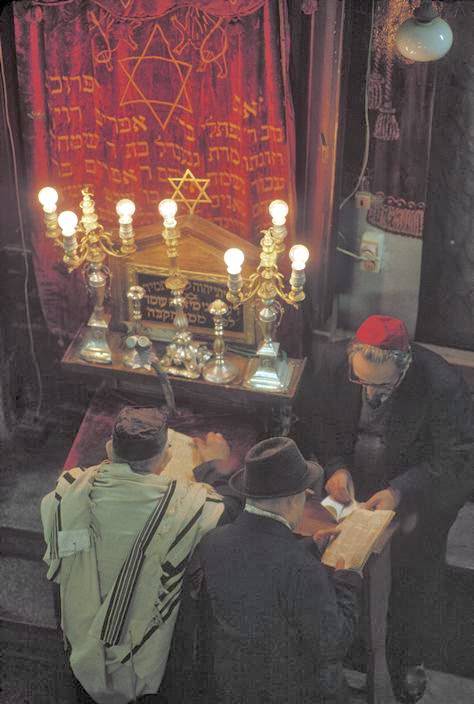
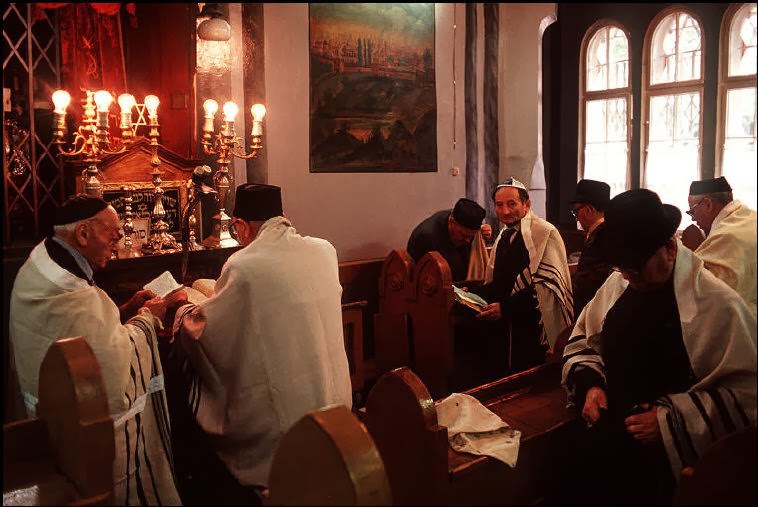
The Soviet government controlled the media and suppressed dissent, which limited the diversity of cultural expression in the Ukrainian SSR. However, Ukrainian culture and language were still present, and there were a number of Ukrainian writers, artists, and musicians who managed to produce work that reflected Ukrainian culture and identity, despite the restrictions imposed by the Soviet government.
Everyday Life
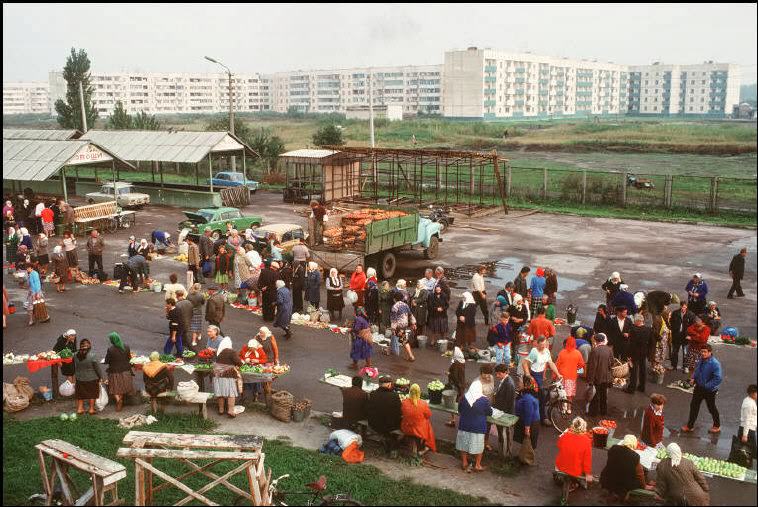
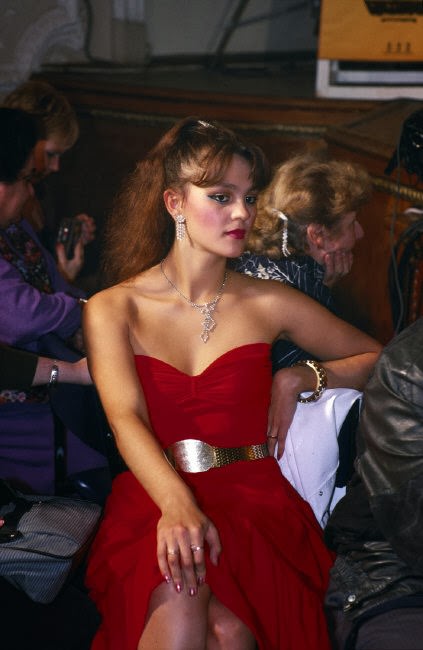
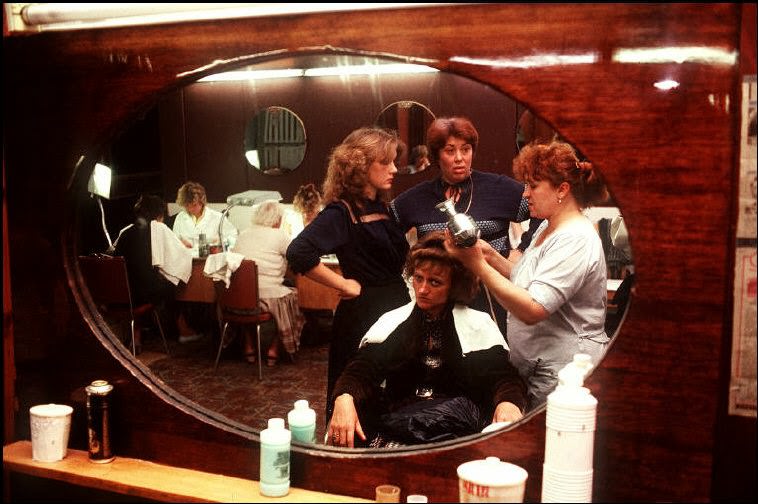
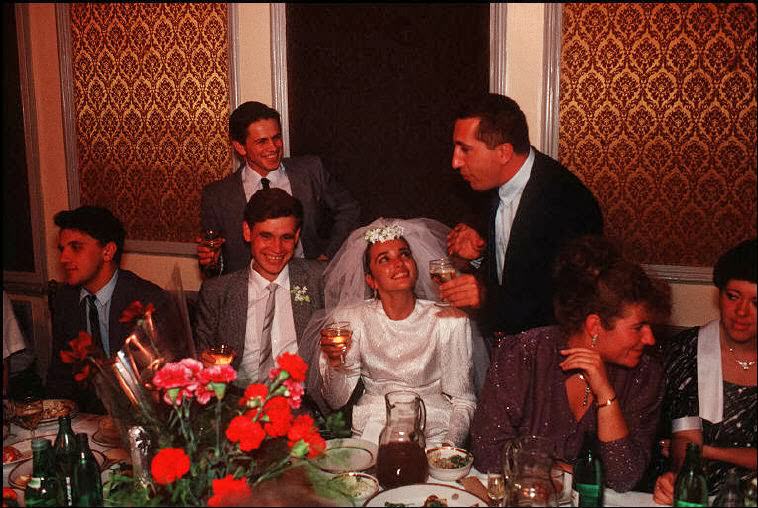
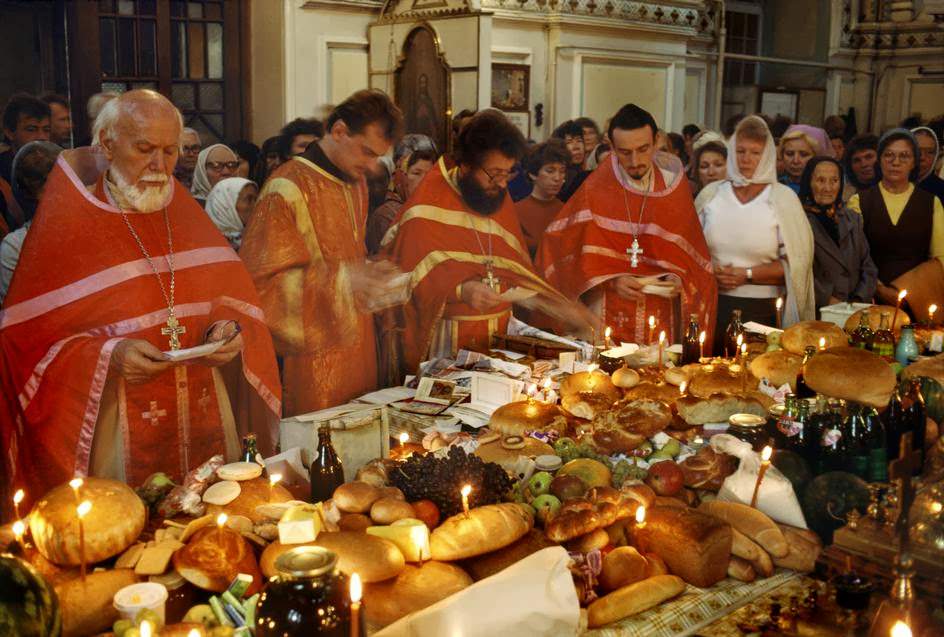
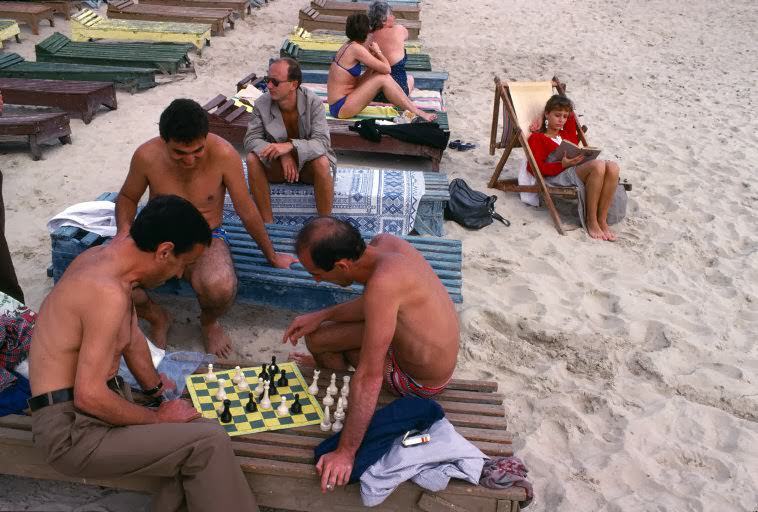
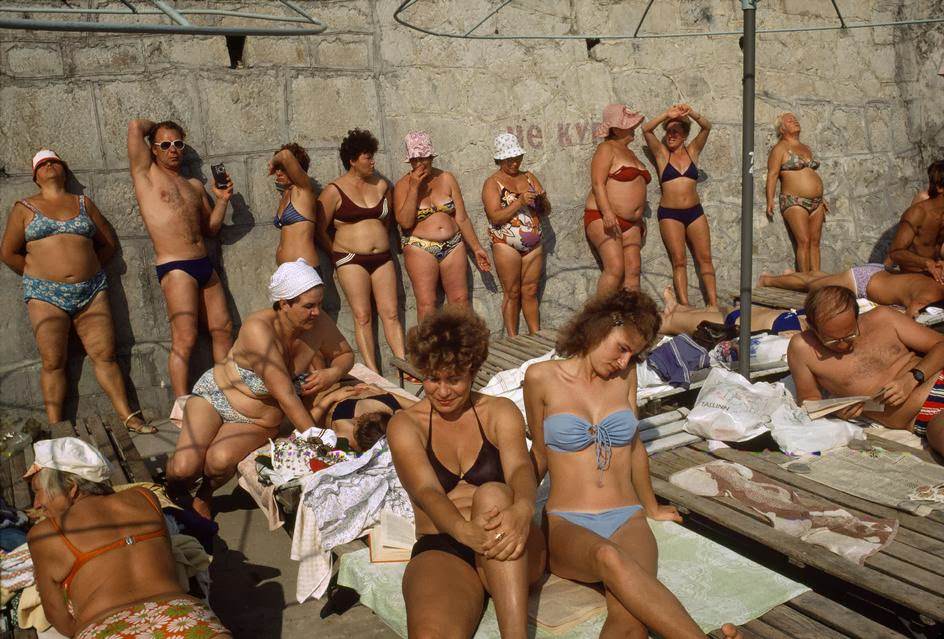
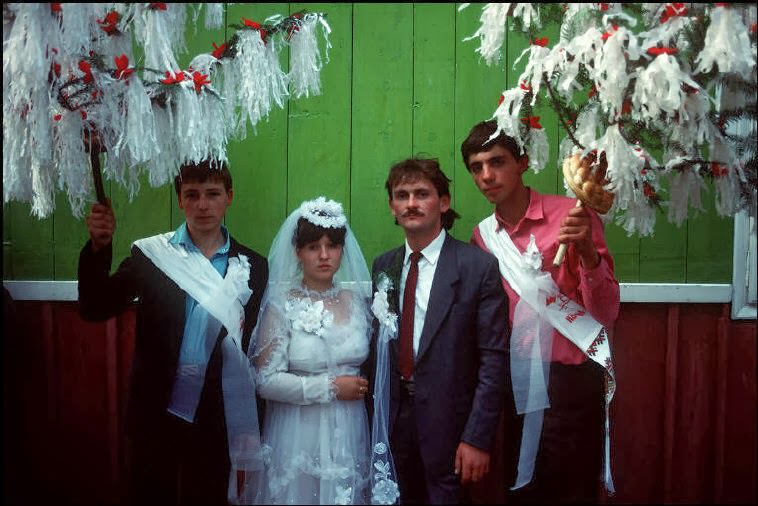
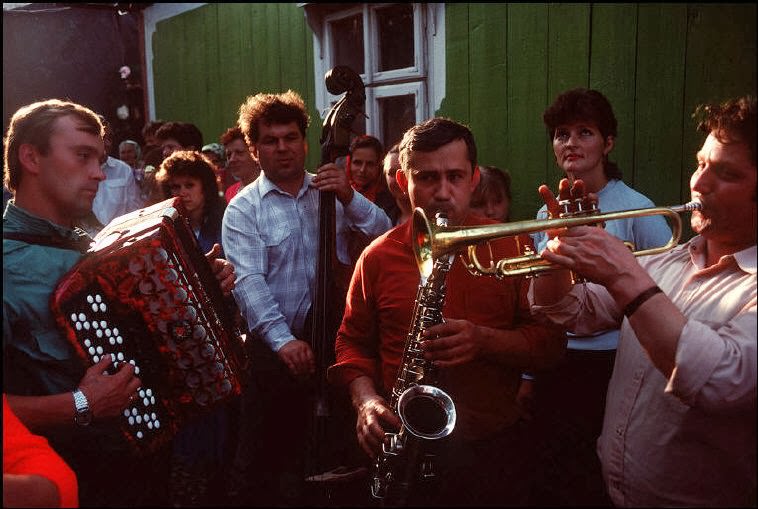
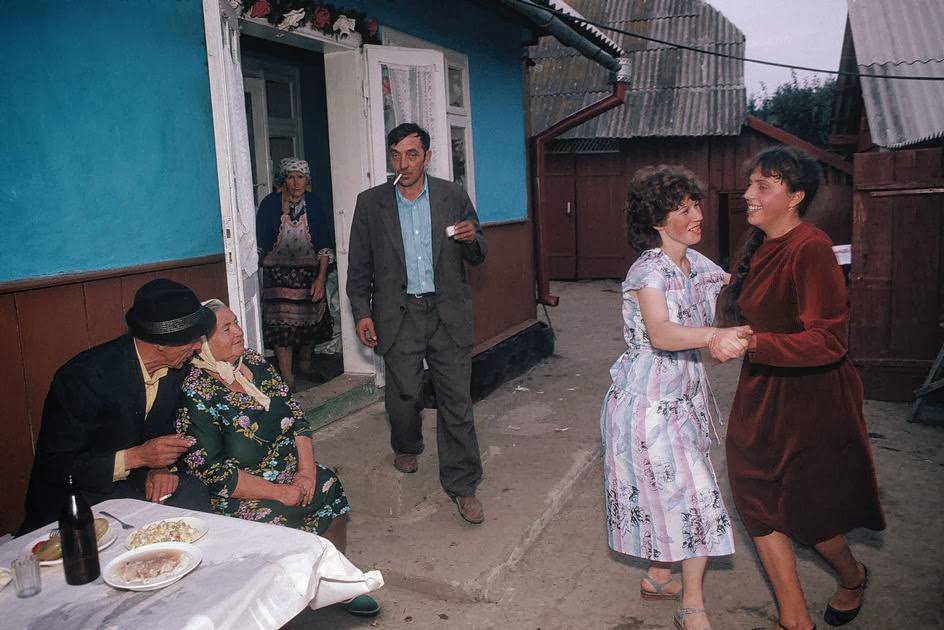
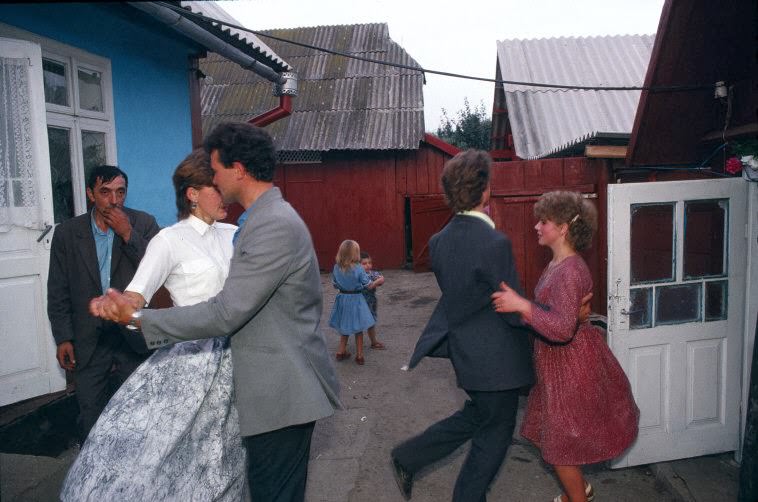
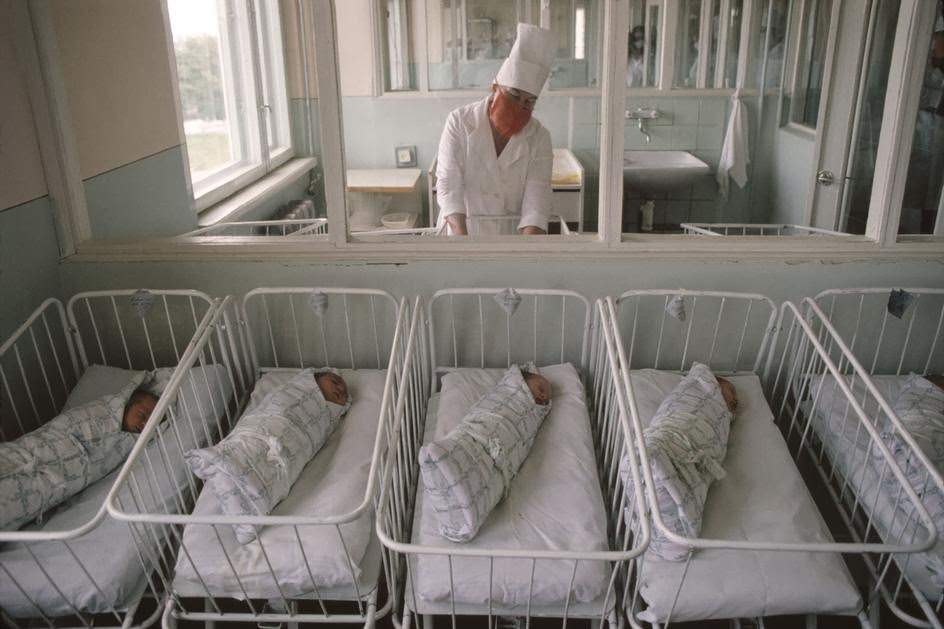
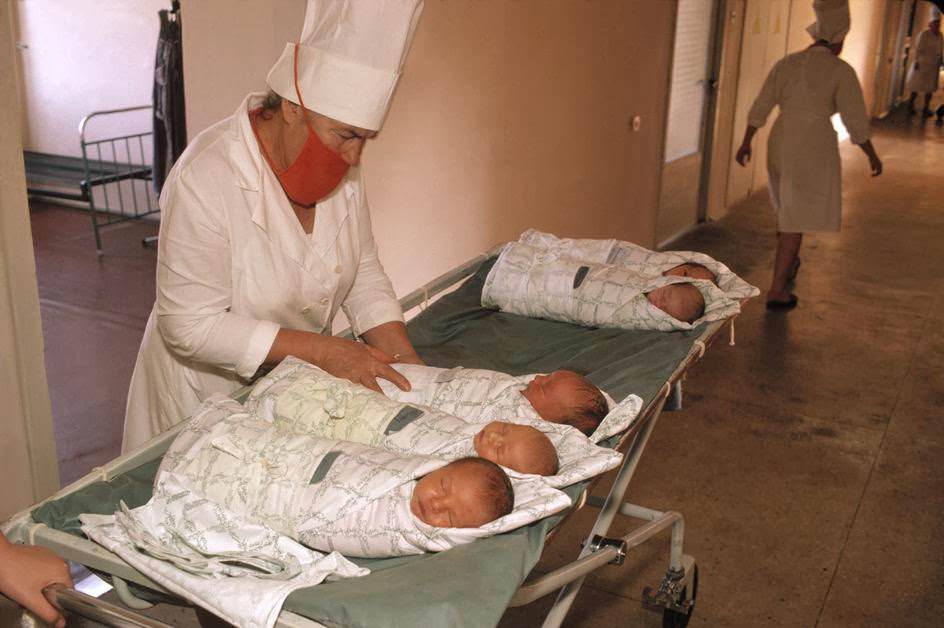
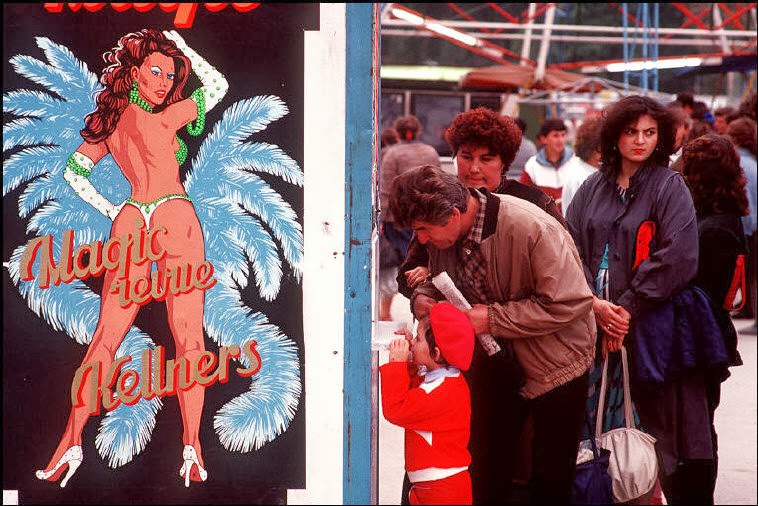
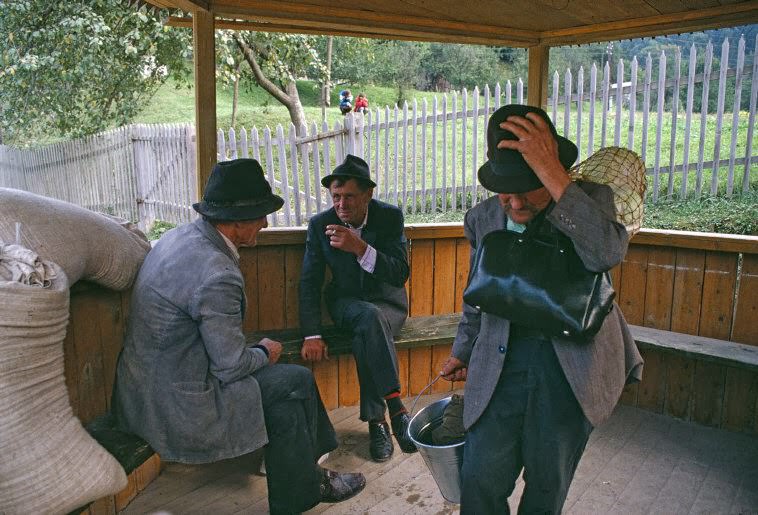
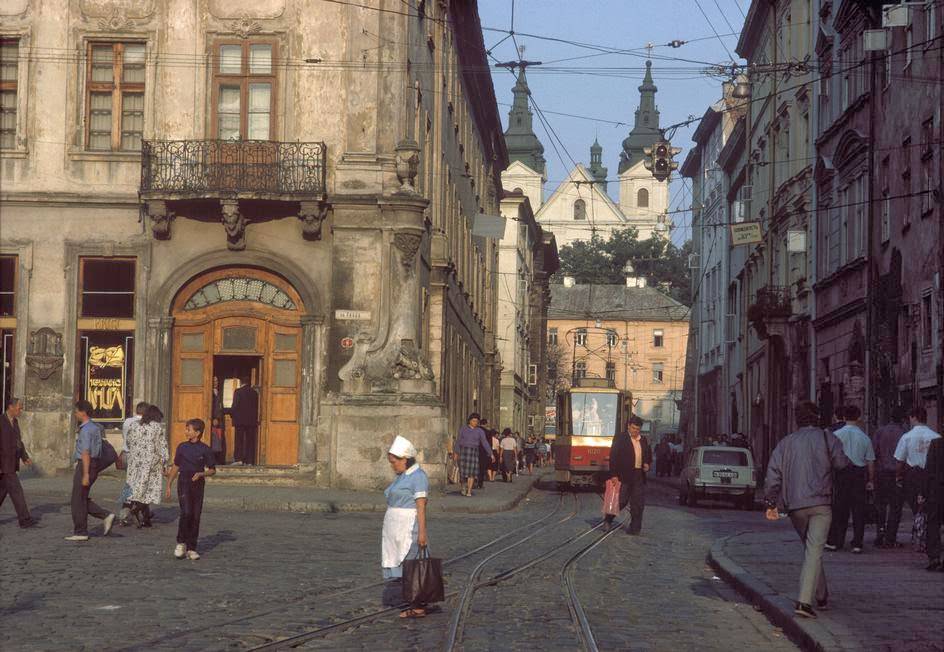
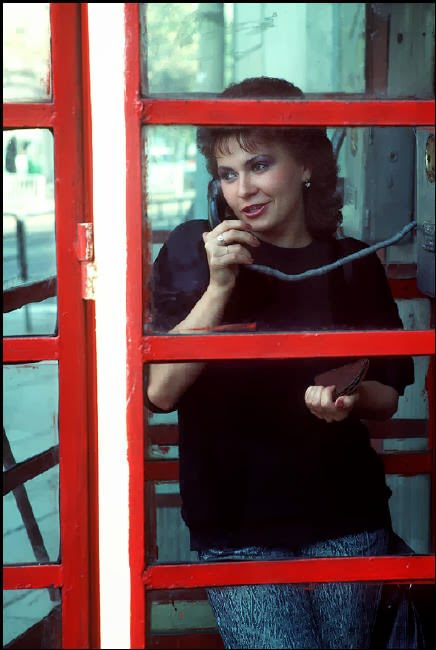
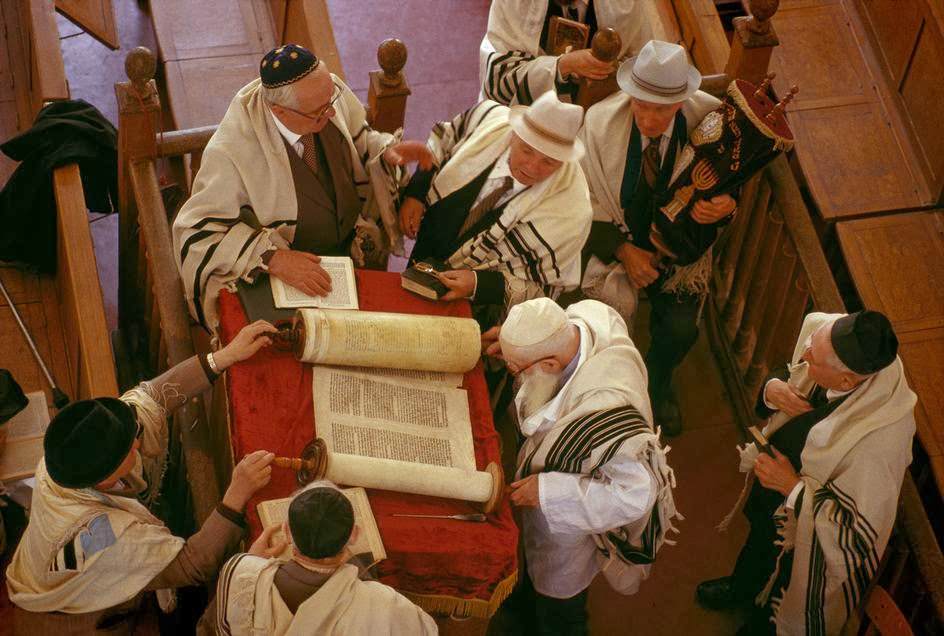
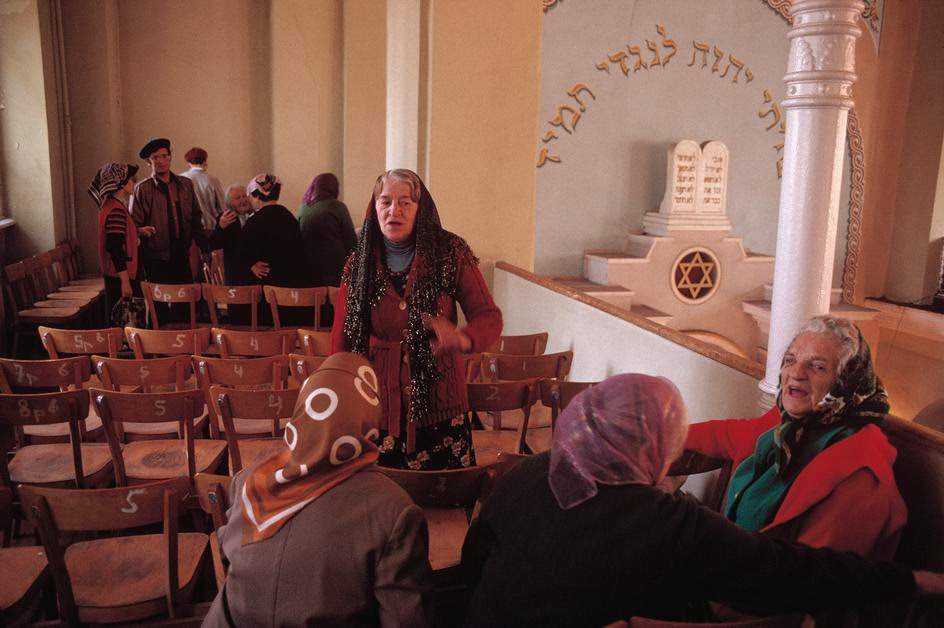
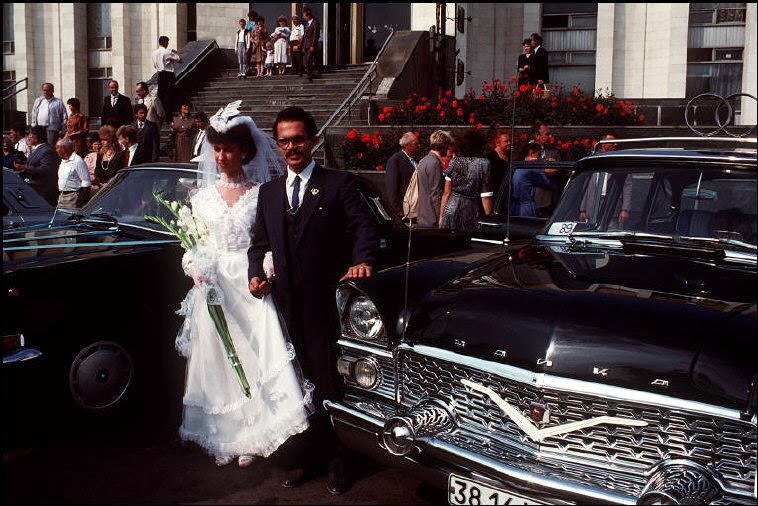
Everyday life for the majority of people in the Ukrainian SSR during the 1980s was marked by economic hardship and a lack of political and personal freedoms. The standard of living was relatively low, and there were shortages of basic goods such as food, clothing, and household items. Many people had to stand in long lines to purchase basic necessities, and the quality of goods available was often poor. Housing was also a problem for many people. Many families lived in overcrowded apartments, and there were shortages of new housing. Employment was also an issue for many people. The Soviet economy was centrally planned, and the government controlled all aspects of employment. This meant that people often had to work in jobs that were not their first choice, and that did not match their skills or interests. Despite the restrictions imposed by the Soviet government, people still found ways to express themselves and maintain their cultural heritage. For example, many people would gather in private homes to celebrate traditional holidays and customs, and people would share underground literature and music. In the late 1980s, the Soviet government started to implement some reforms, such as Gorbachev’s Perestroika and Glasnost. These policies aimed to improve living standards and increase political openness, but they did not bring significant improvements for the population.
Life in the Ukrainian SSR in the 1980s was characterized by a lack of political and economic freedom, a low standard of living, and a lack of cultural diversity. Despite this, the Ukrainian culture and language were still present and managed to survive under the Soviet rule.