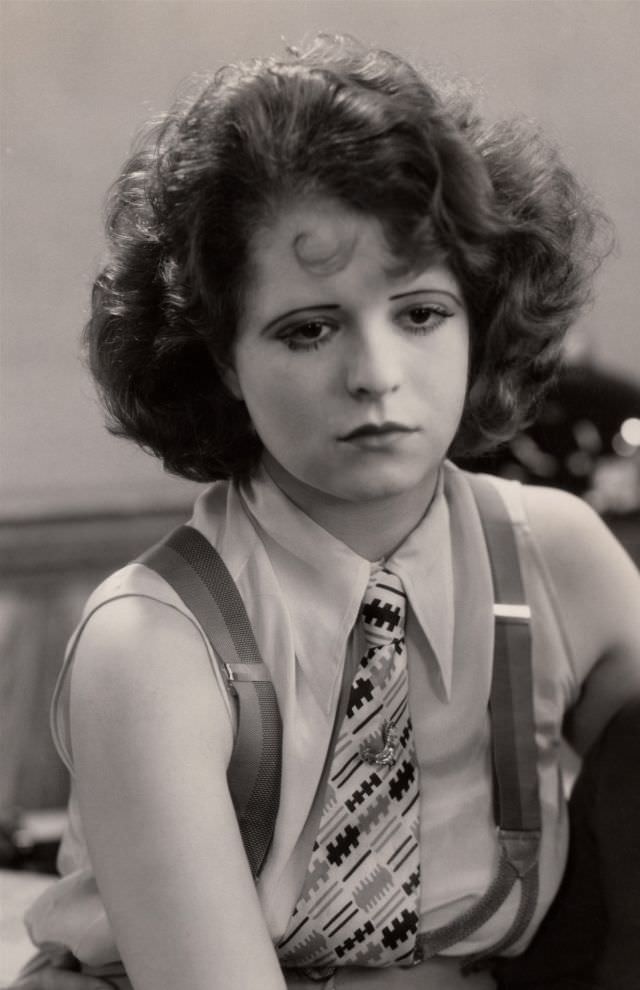
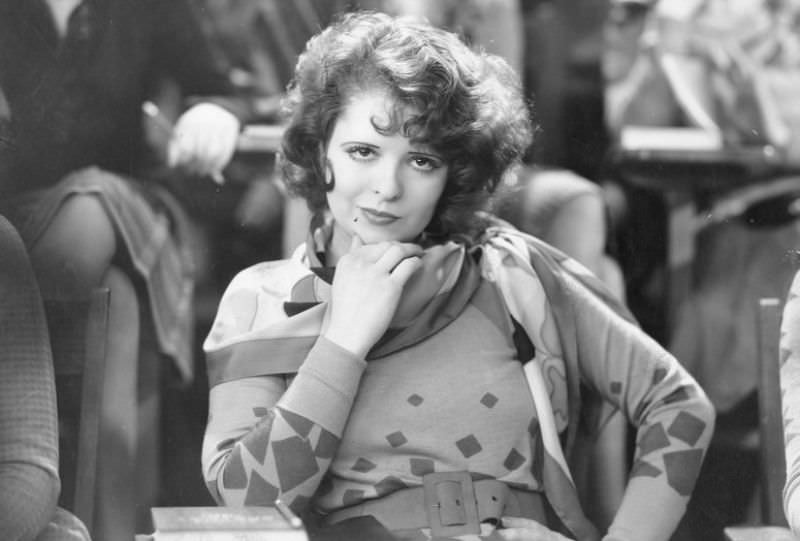
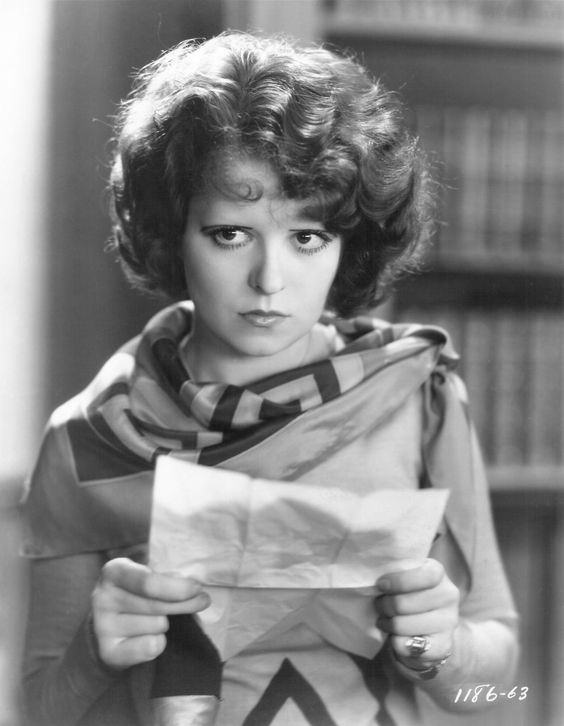
By 1929, Clara Bow was the hottest name in Hollywood. Known as the “It Girl,” she had a magnetic screen presence that audiences across America couldn’t get enough of. That year, she took on one of her boldest roles yet — Queenie, the lead character in The Wild Party, directed by Dorothy Arzner.
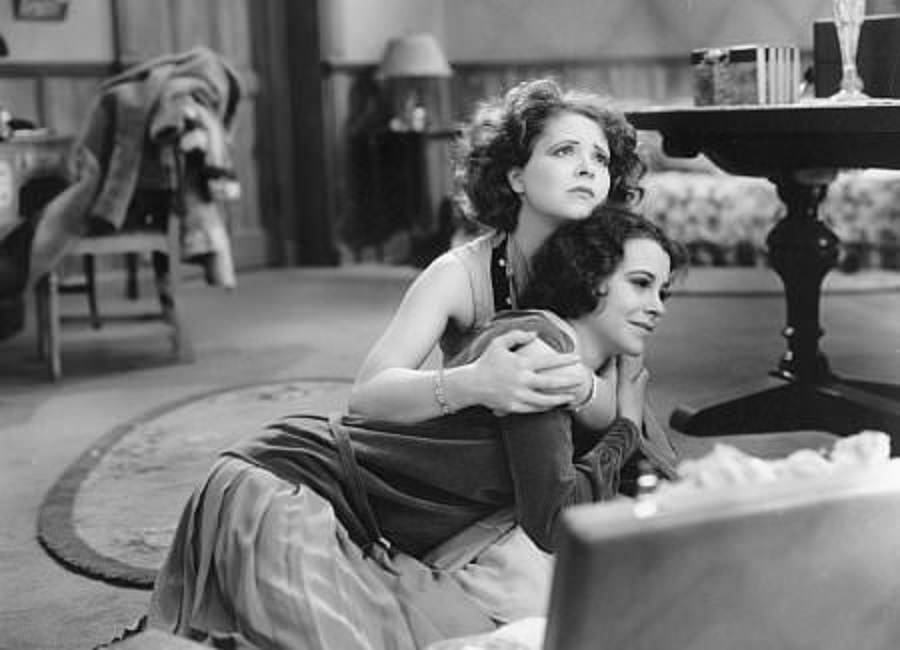
The film was based on the novel of the same name by Joseph Moncure March. It follows Queenie, a young woman caught up in a stormy relationship with a sailor named Burrs. The story is set against the backdrop of the Jazz Age — a time defined by music, dancing, drinking, and a hunger for freedom that older generations found deeply unsettling.
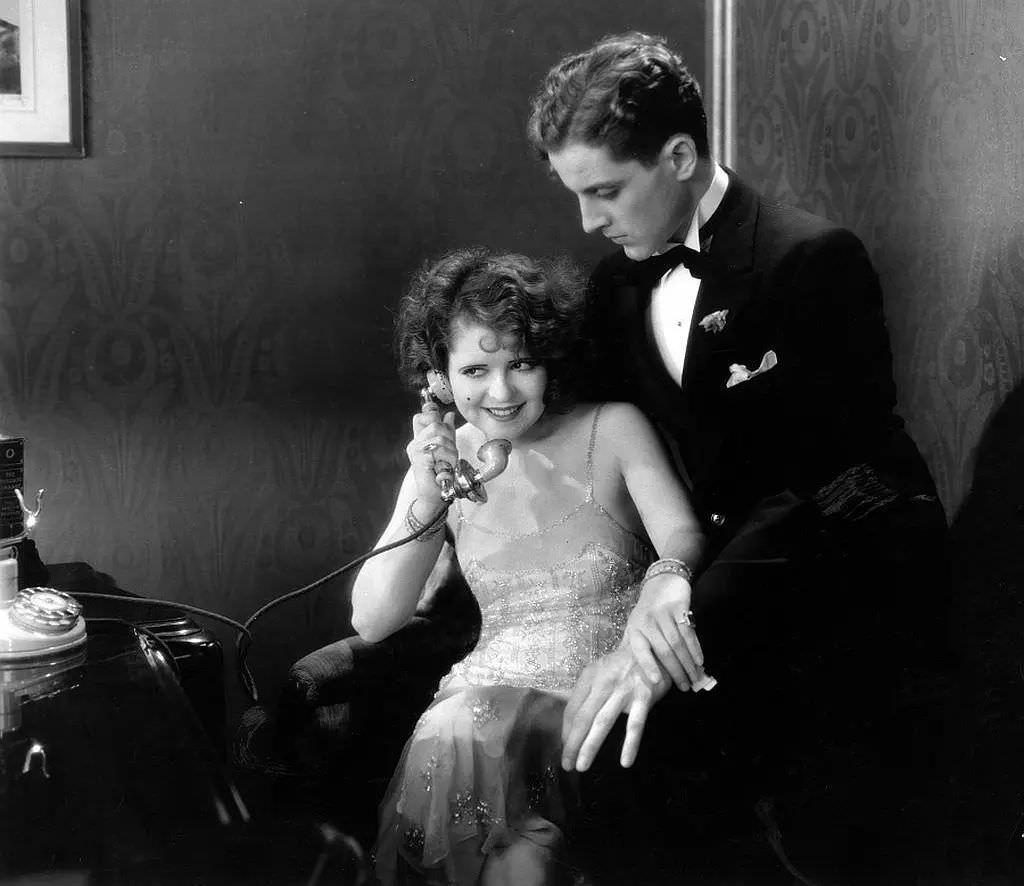
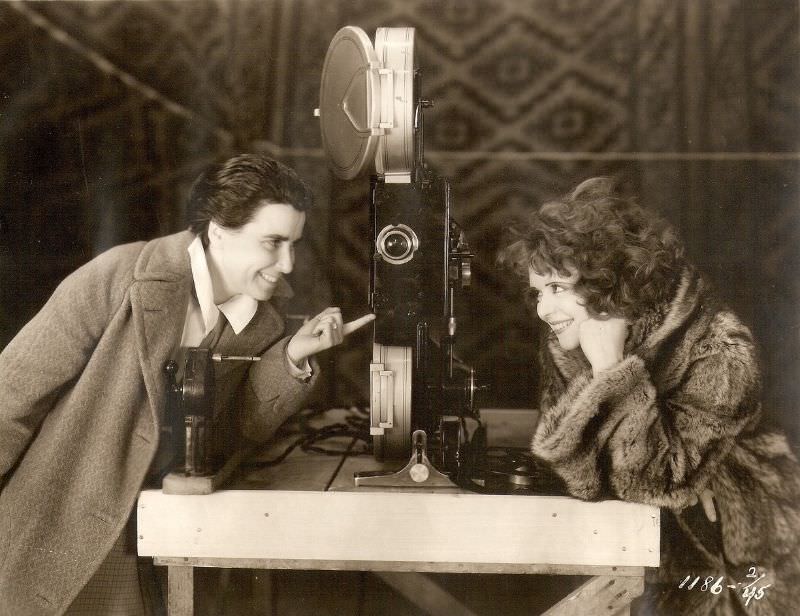
Dorothy Arzner was one of the very few women directing major Hollywood films at the time. She brought a sharp, confident eye to the material, and the film’s female-driven storyline stood out in an era when women rarely led the narrative on screen. Arzner and Bow made a strong team, and it shows in every scene.
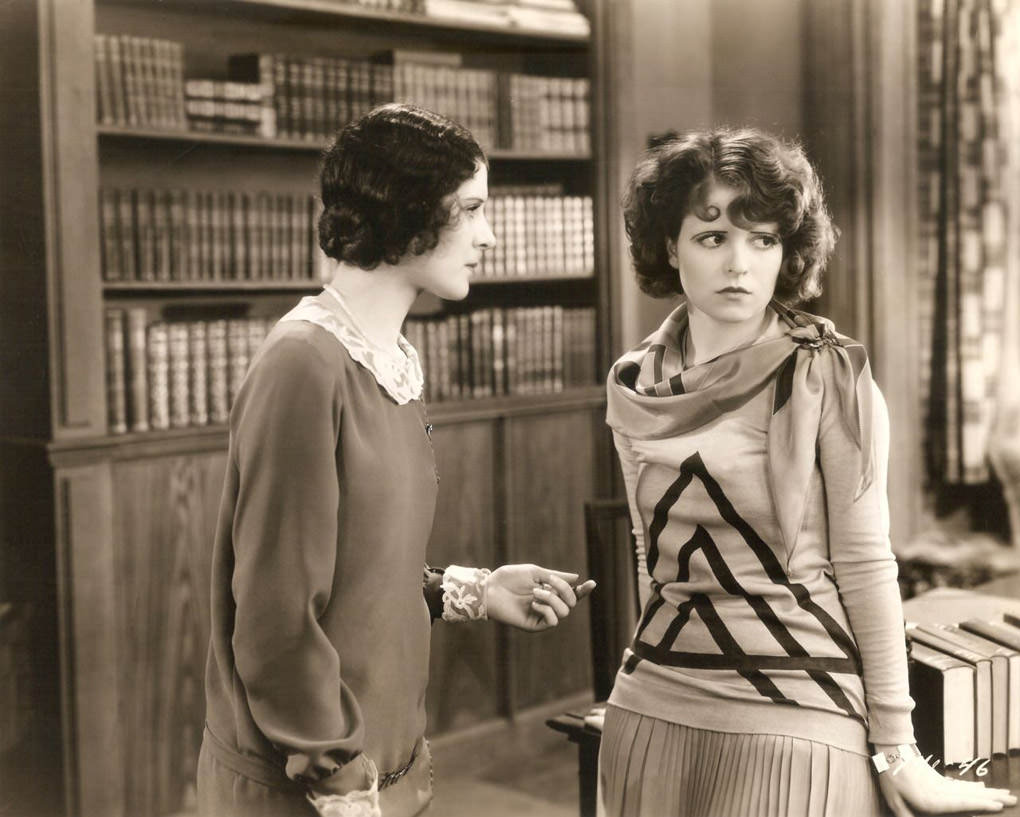
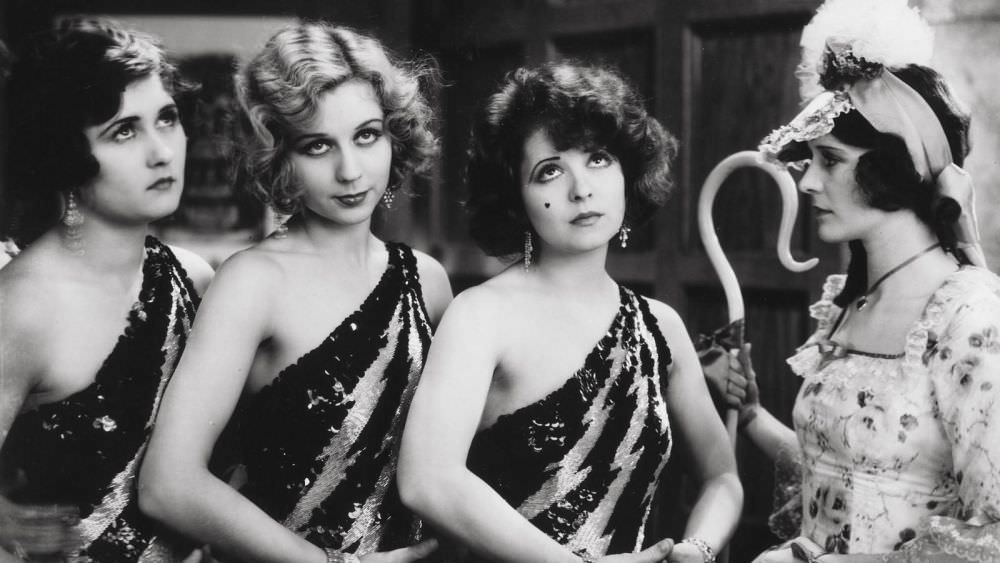
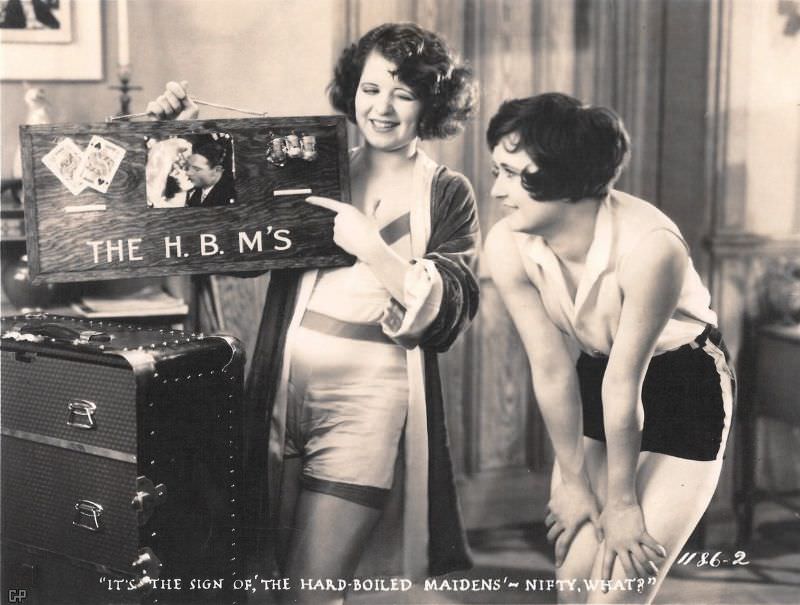
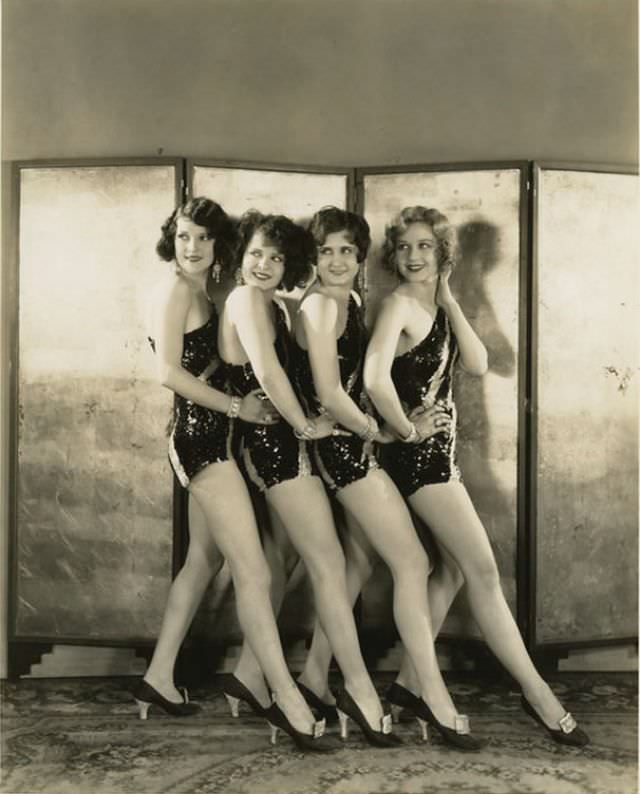
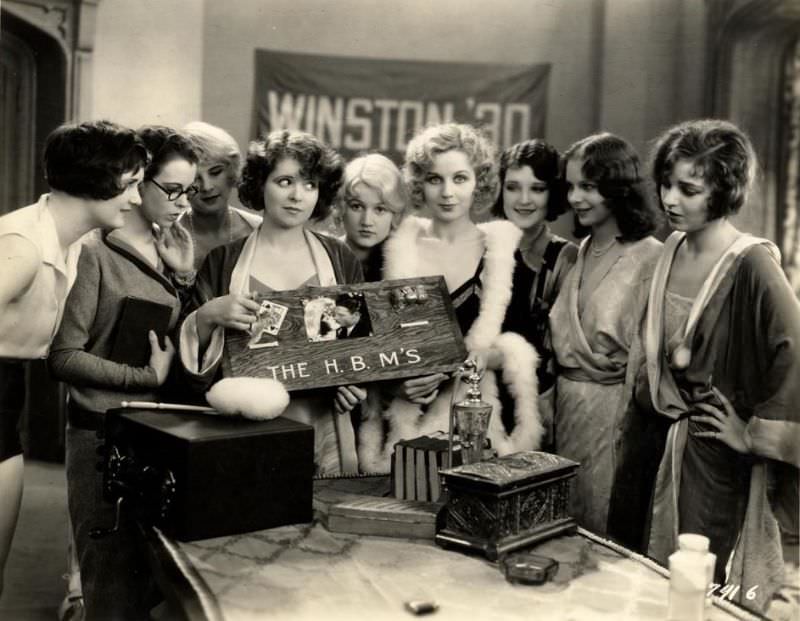
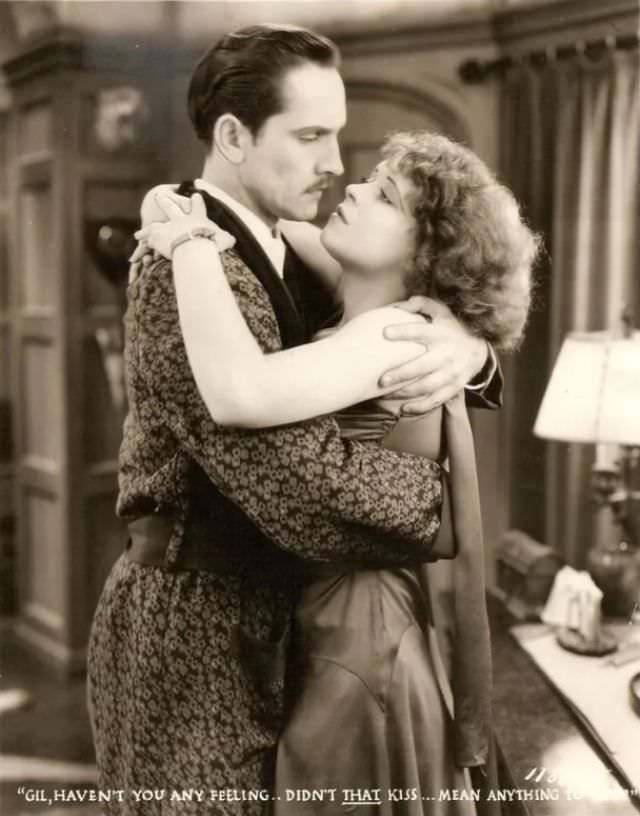
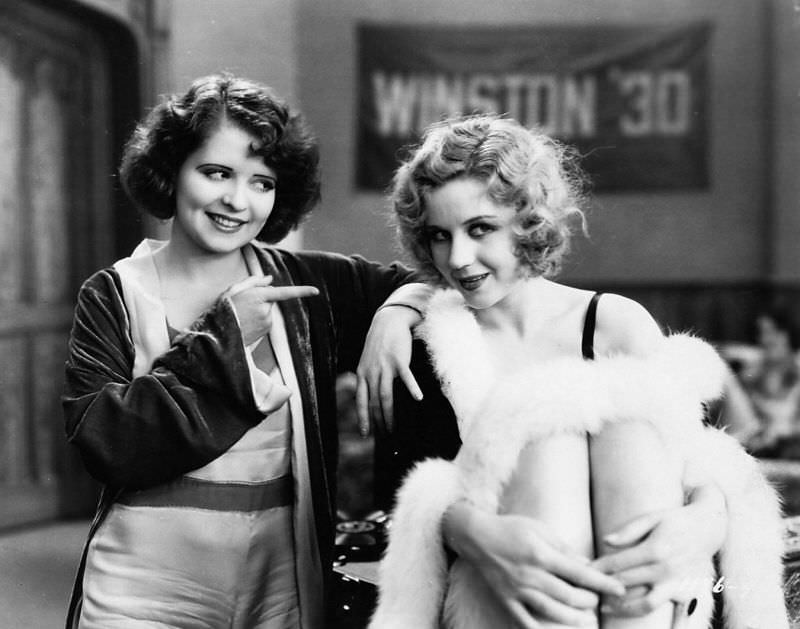
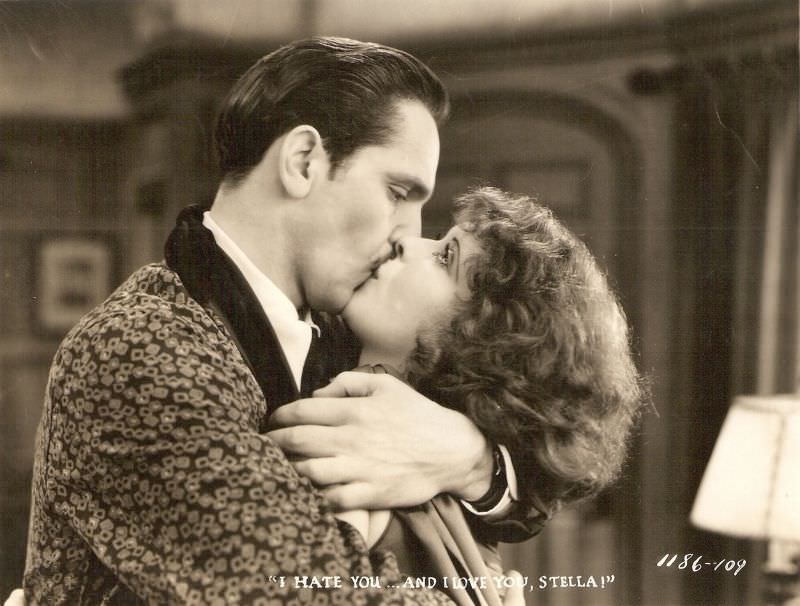
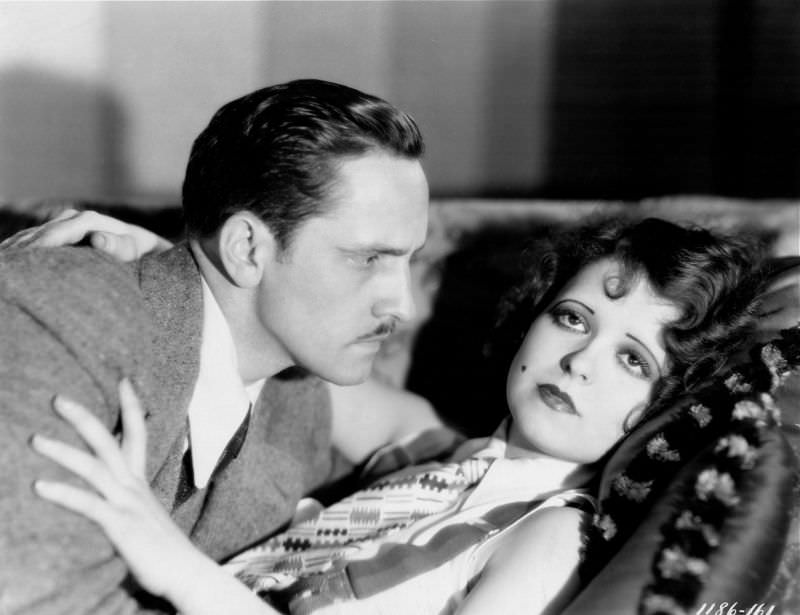
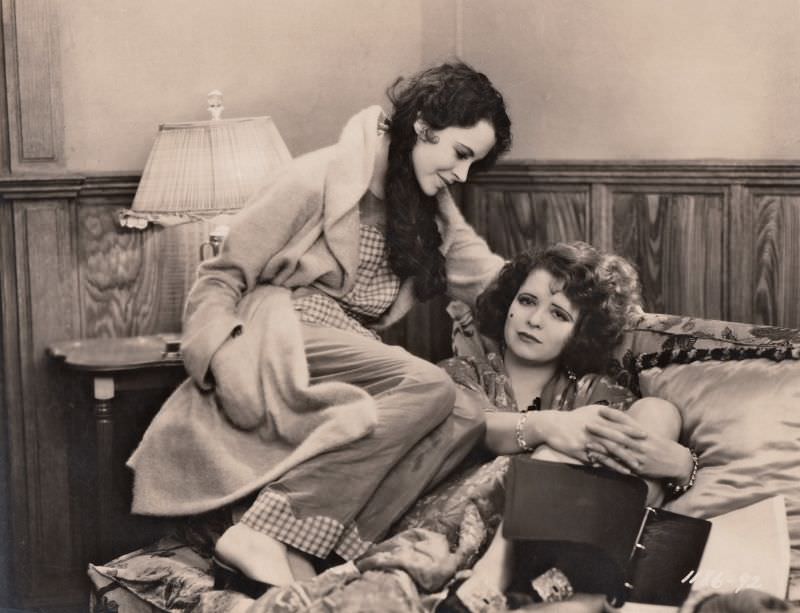
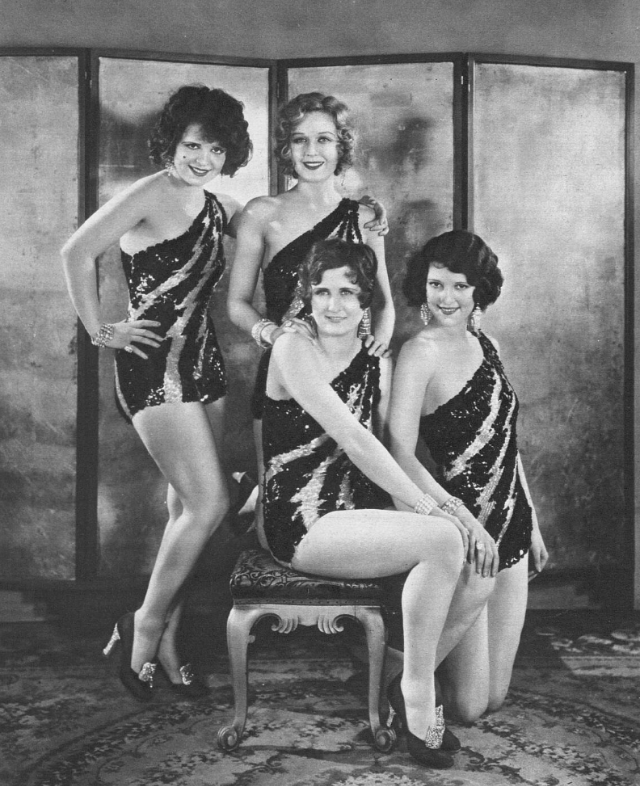
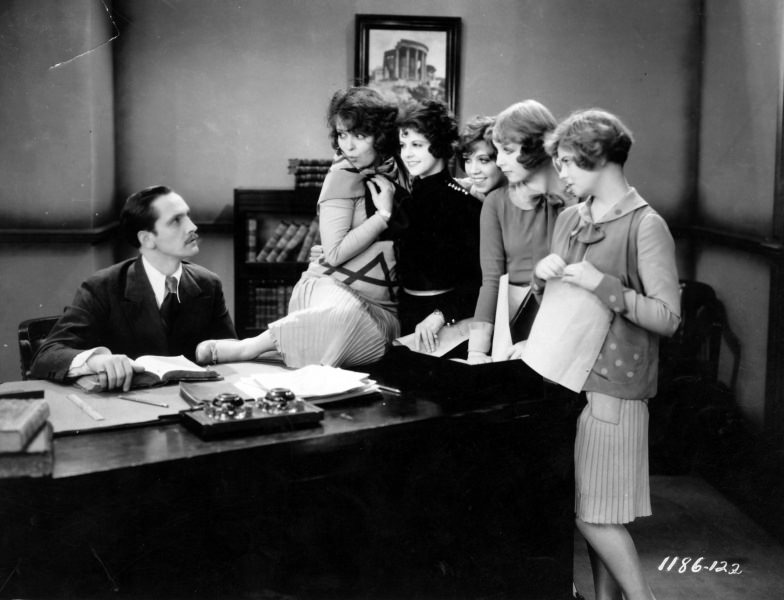
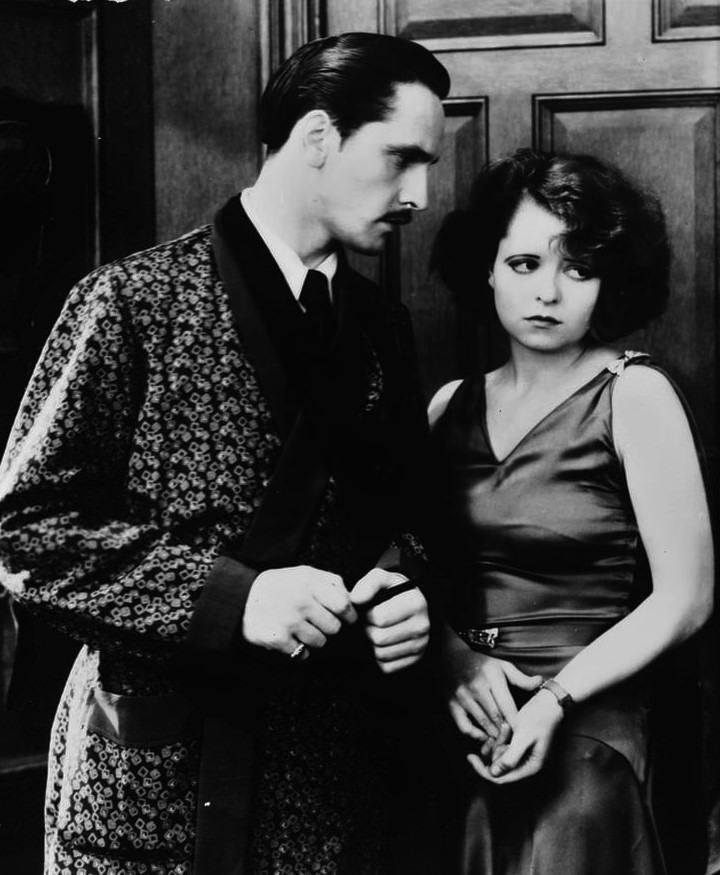
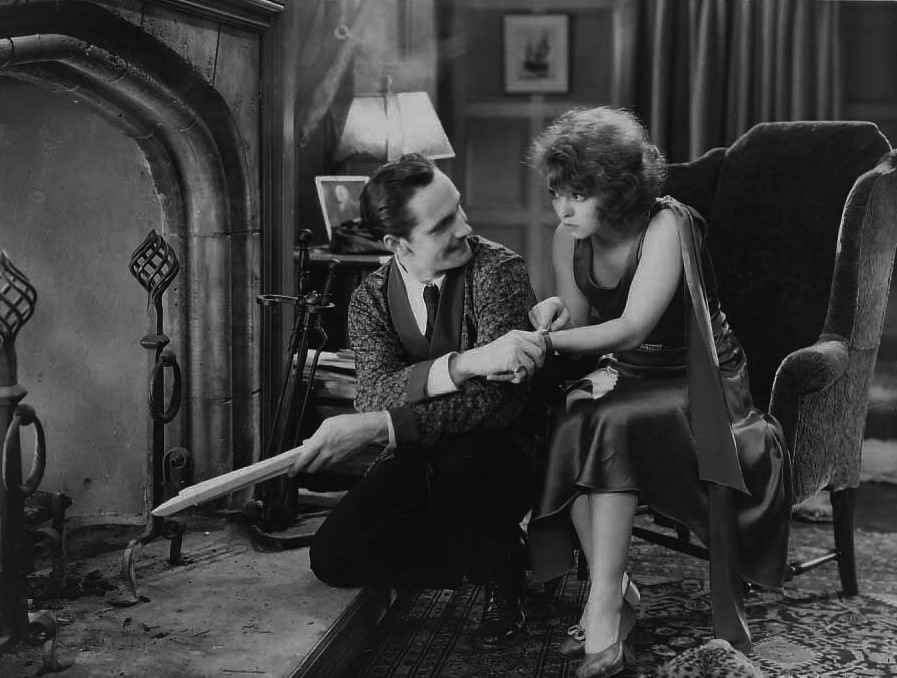
The Wild Party featured a strong supporting cast alongside Bow. Fredric March played the male lead, delivering a performance that matched Bow’s intensity. Actresses like Marceline Day, Adrienne Dore, Alice Adair, Joyce Compton, and Shirley O’Hara filled out the screen with energy and style.
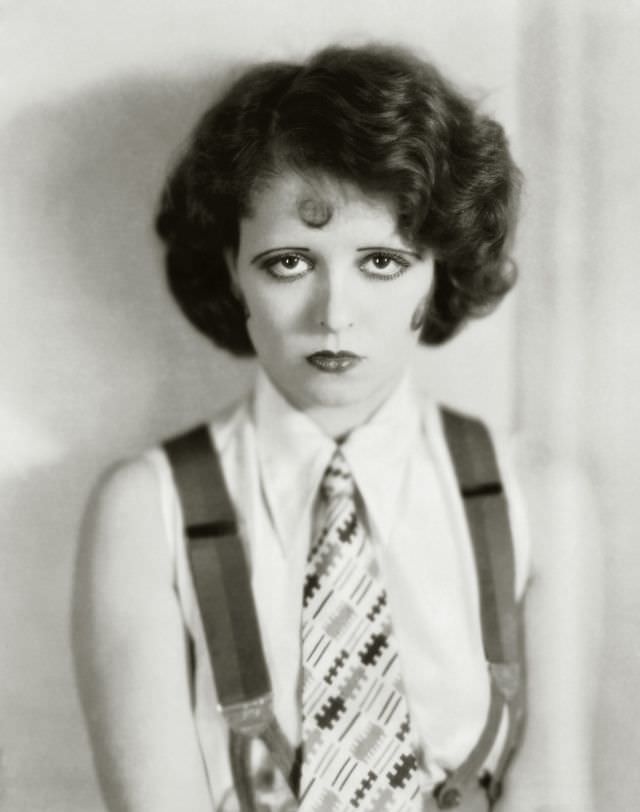
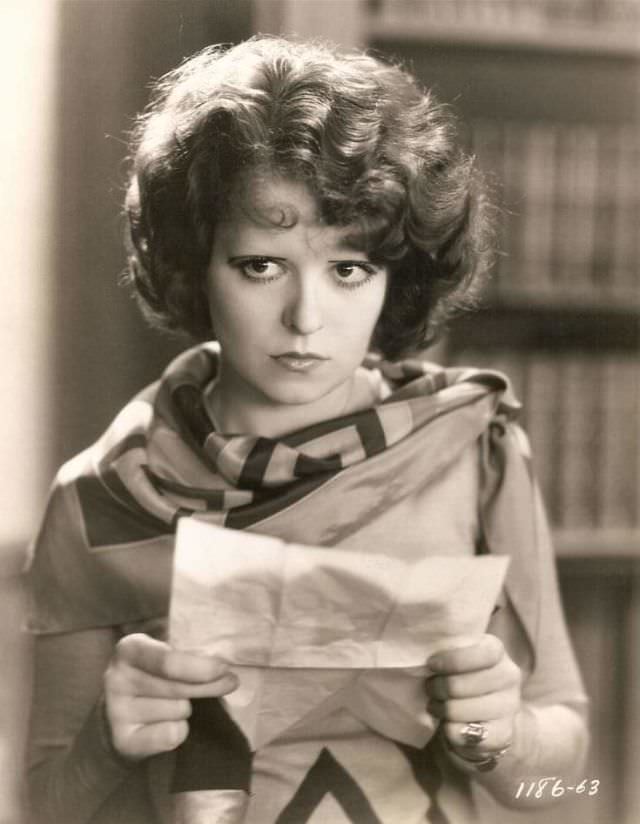
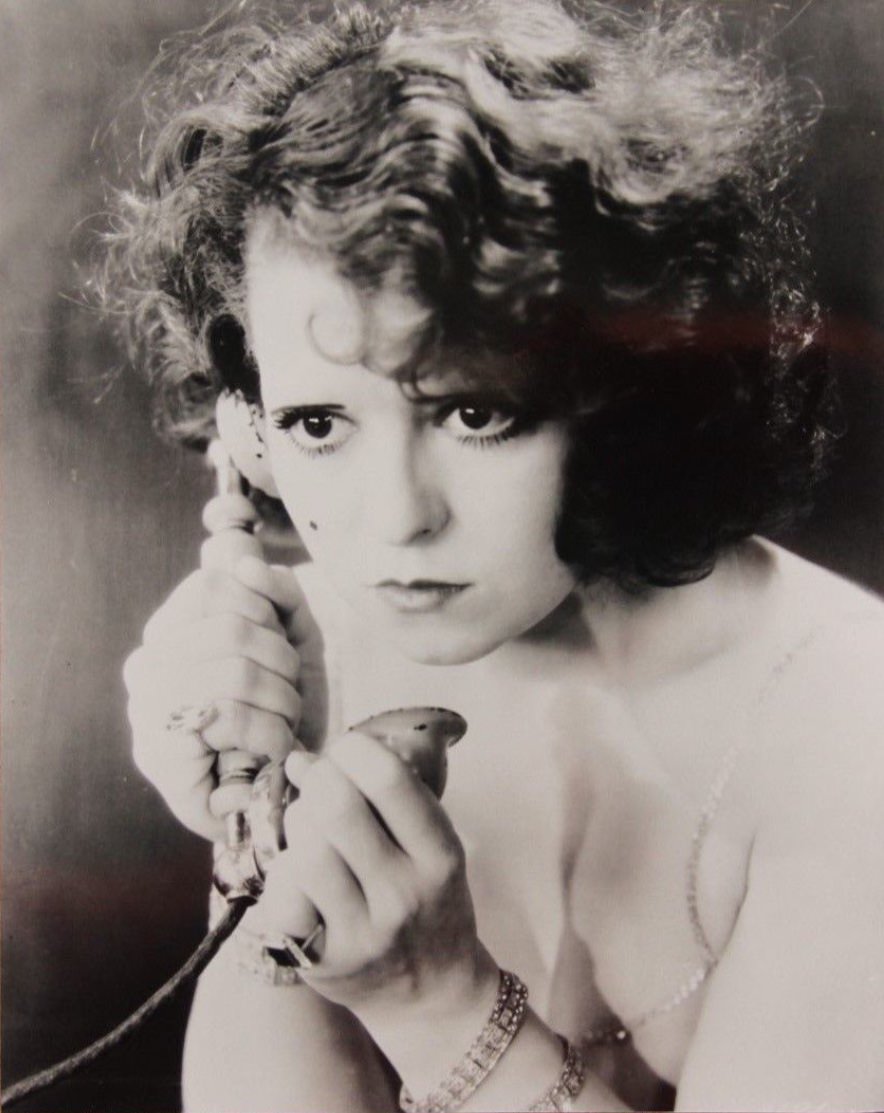
Bow’s portrayal of Queenie was raw and electric. She brought real emotion to the role — not the polished, restrained kind of acting that some studios preferred, but something honest and unguarded. Critics praised her energy and the way she threw herself into the character without holding back.
The film didn’t shy away from the wilder side of 1920s life. Drinking, flirting, and late-night parties were shown openly — and that caused real controversy. At a time when many Americans saw those behaviors as immoral, putting them on the big screen was a bold move. Some audiences were scandalized. Many more were thrilled.
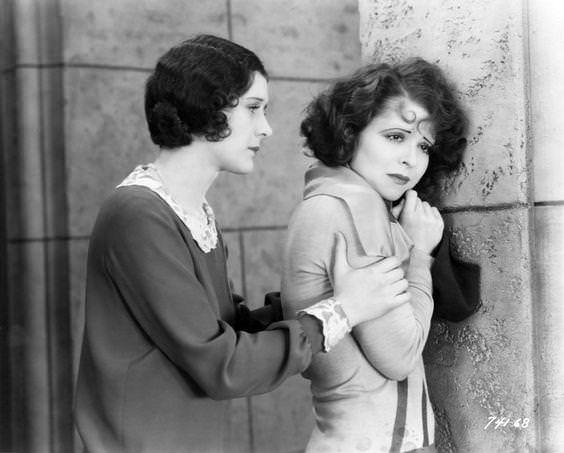
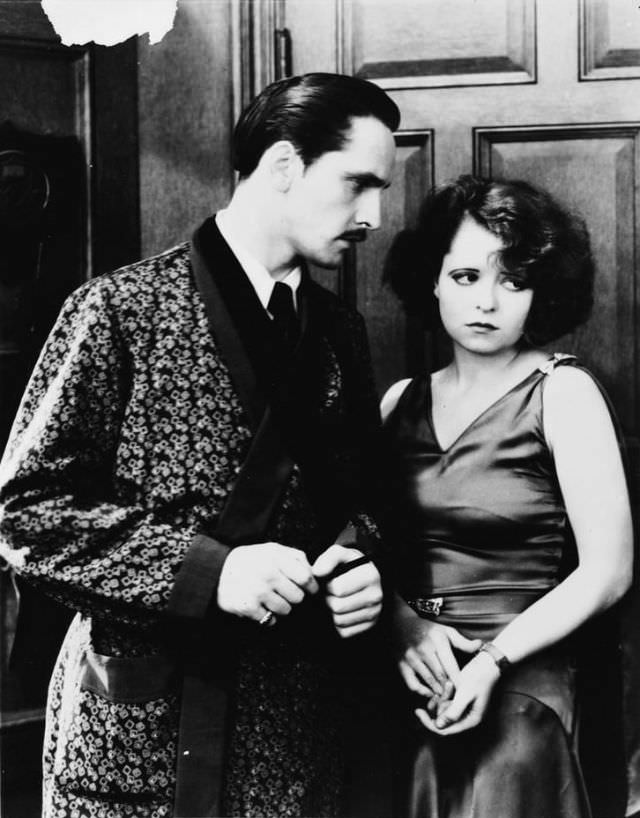
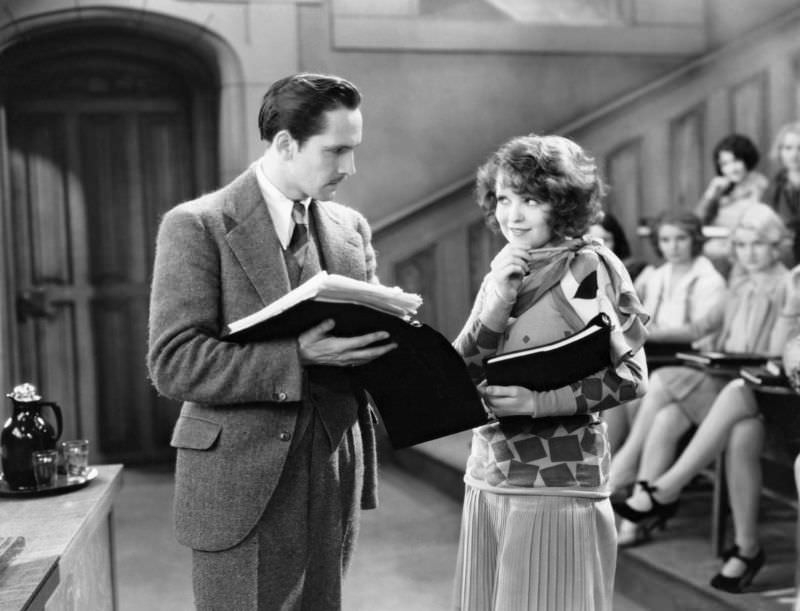
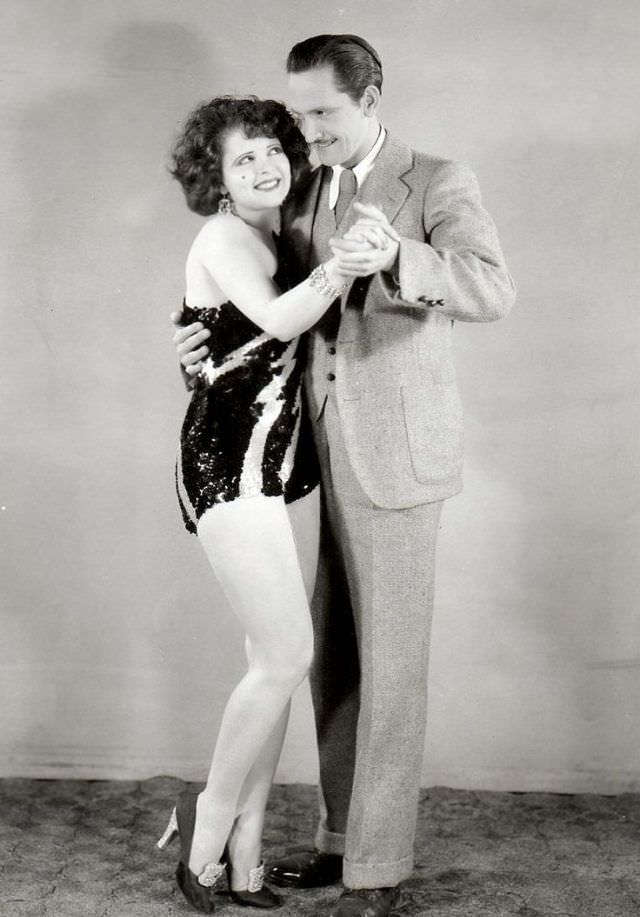
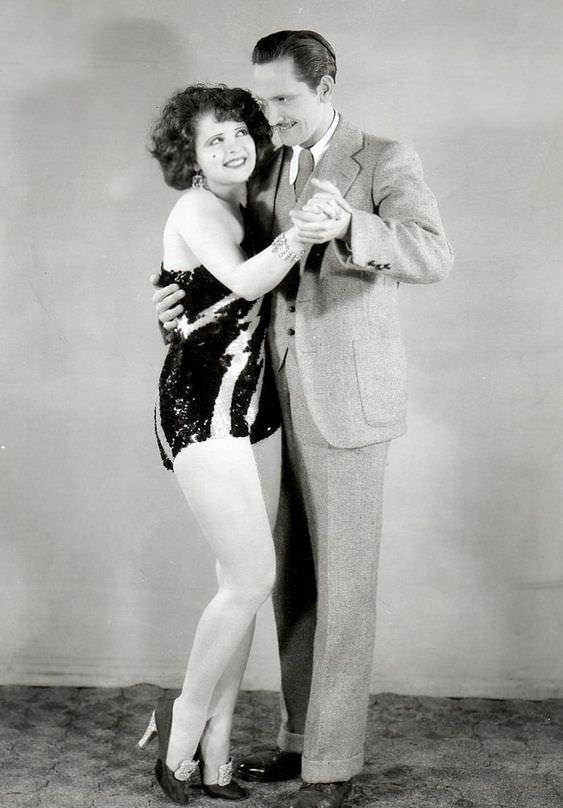
The chemistry between Bow and Fredric March was one of the film’s biggest draws. Their scenes together crackled with tension, and the camera loved both of them. March would go on to win an Academy Award just a few years later, and his work in The Wild Party showed why he was already a talent to watch.
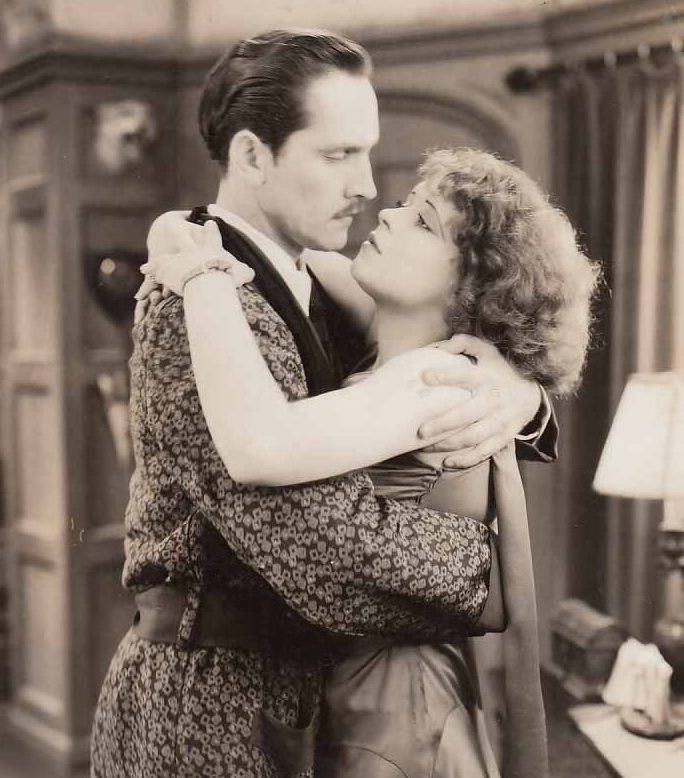
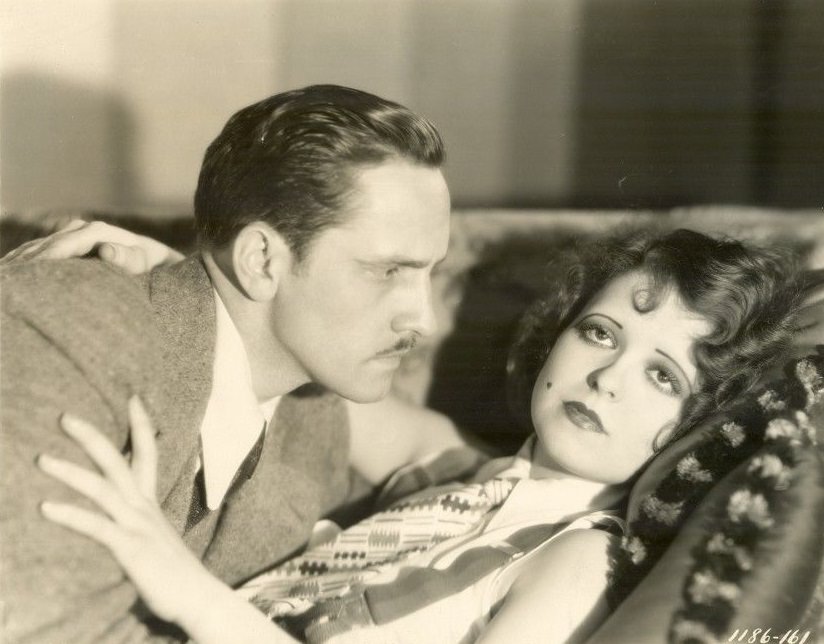
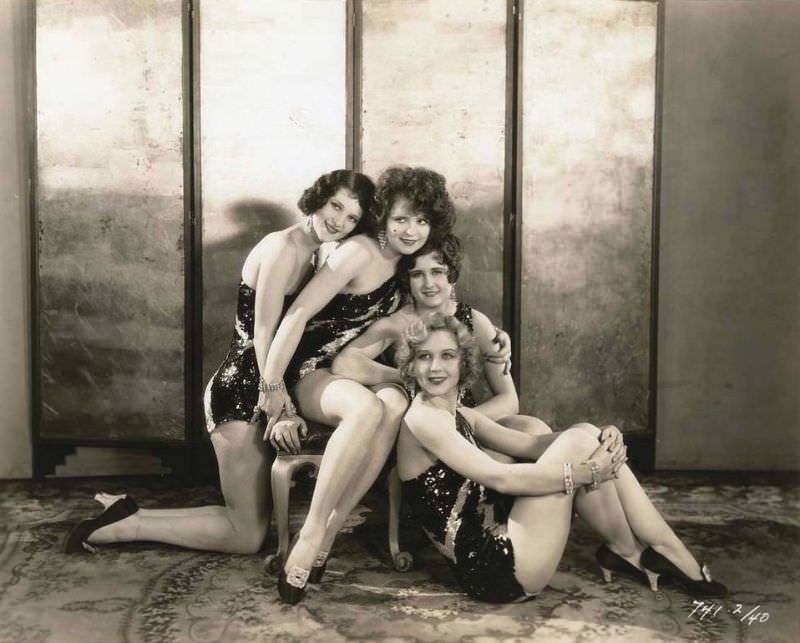
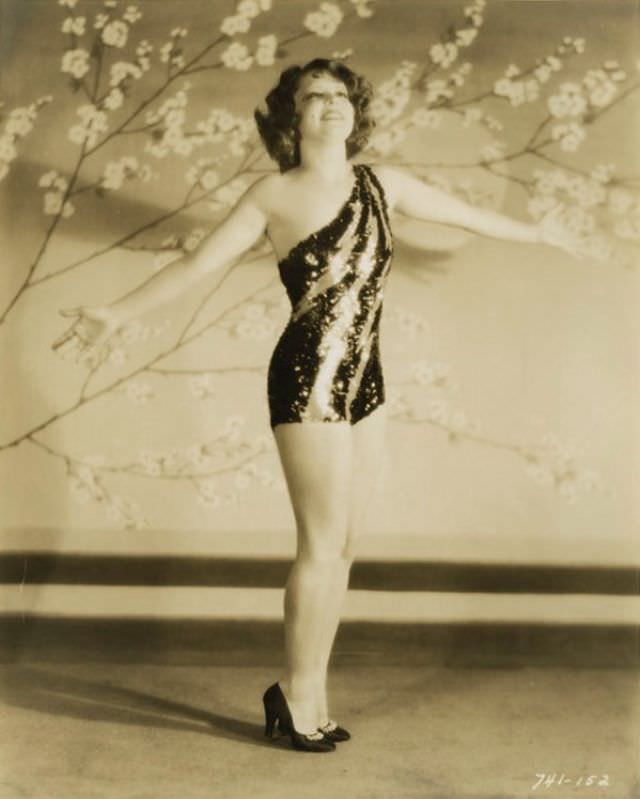
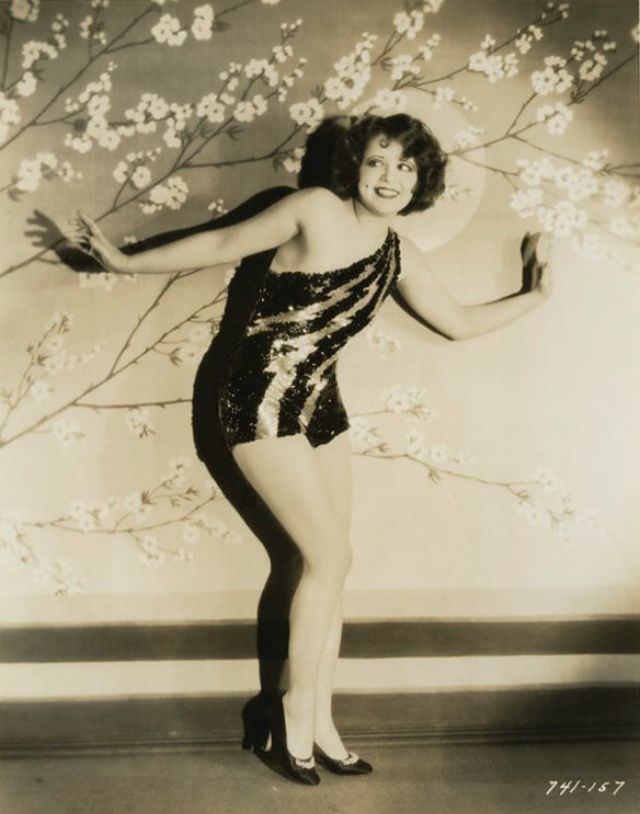
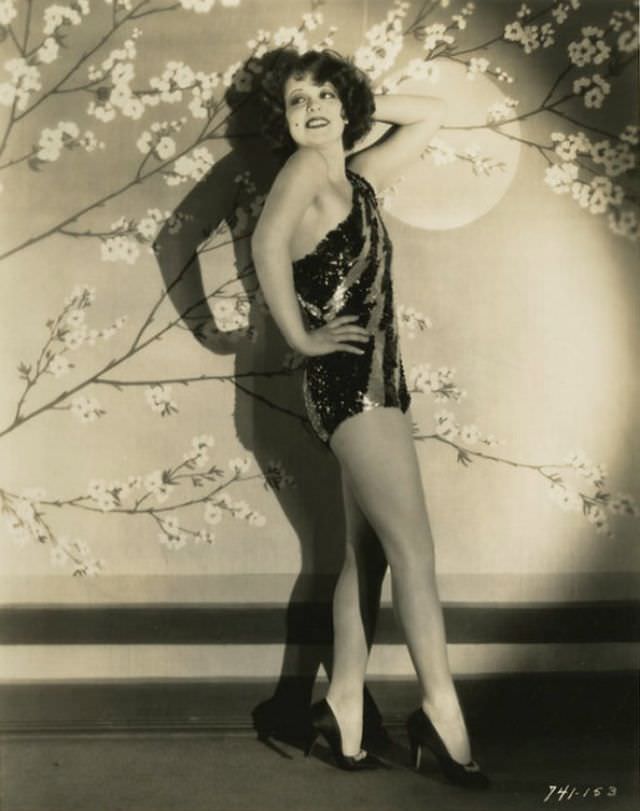
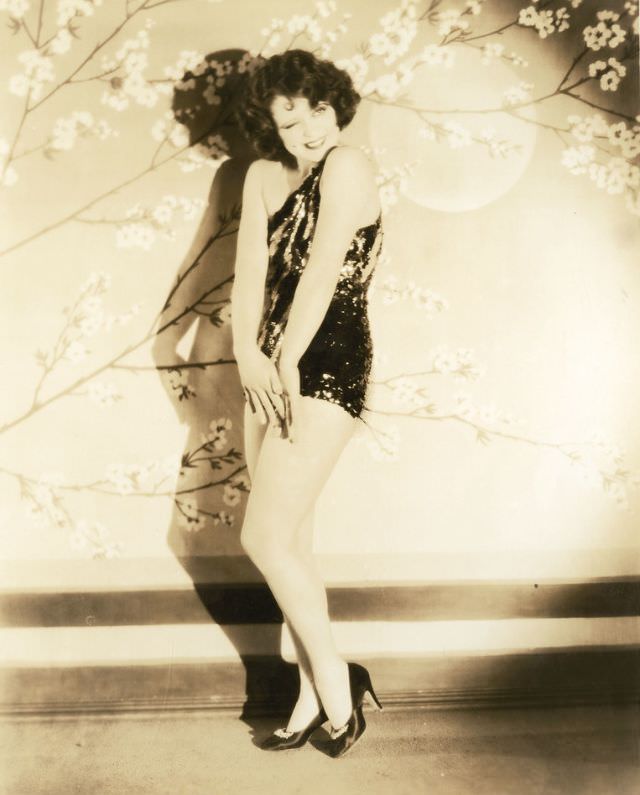
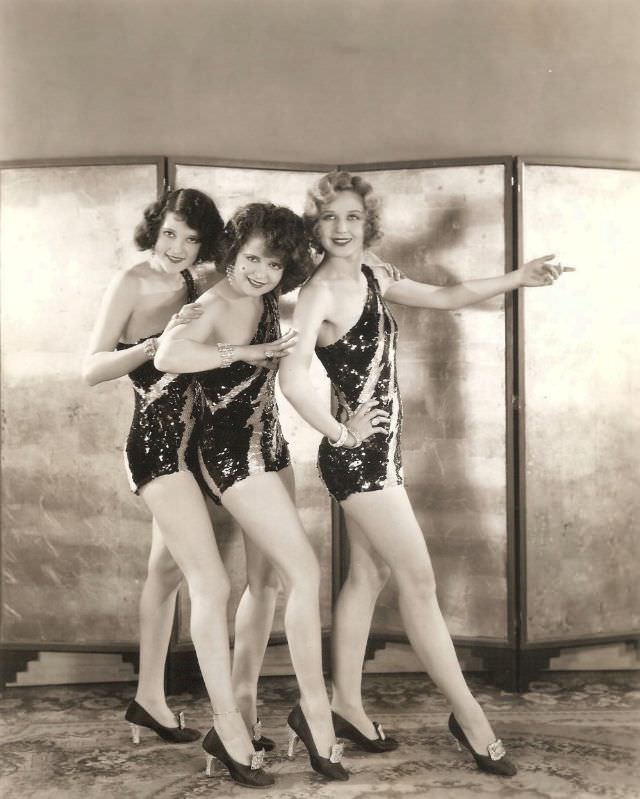
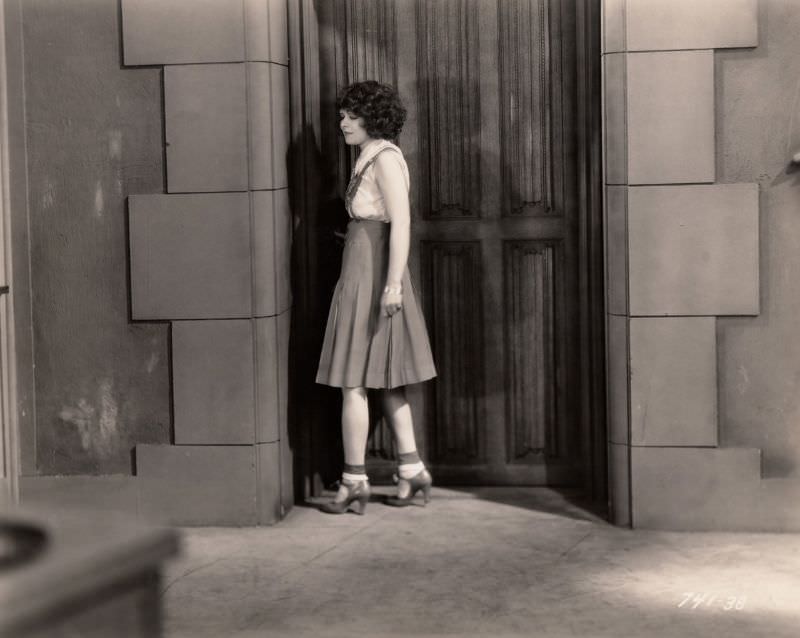
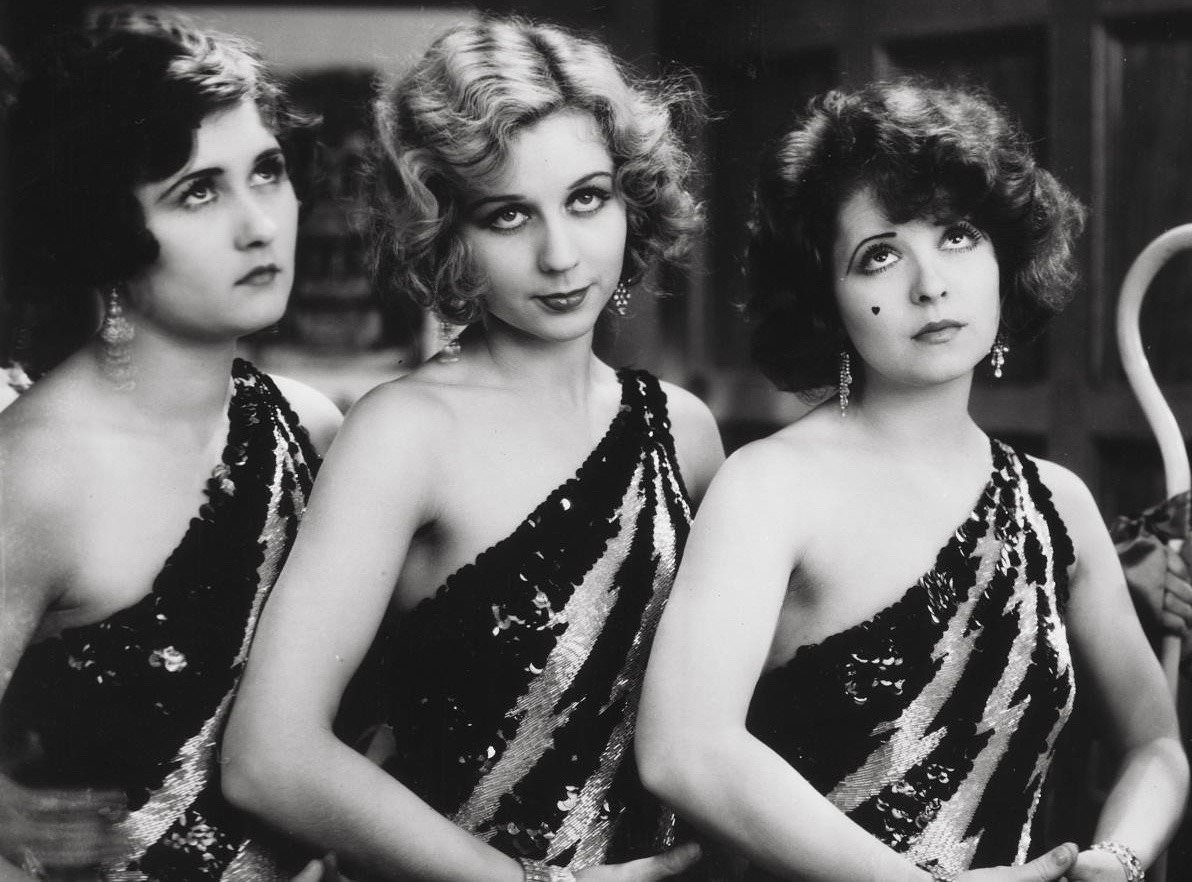
The fashion in the film is worth noting on its own. Bow’s costumes were glamorous and daring — short hemlines, figure-hugging silhouettes, and accessories that screamed Jazz Age excess. She wore her clothes with the kind of ease that made other women want to dress exactly the same way.
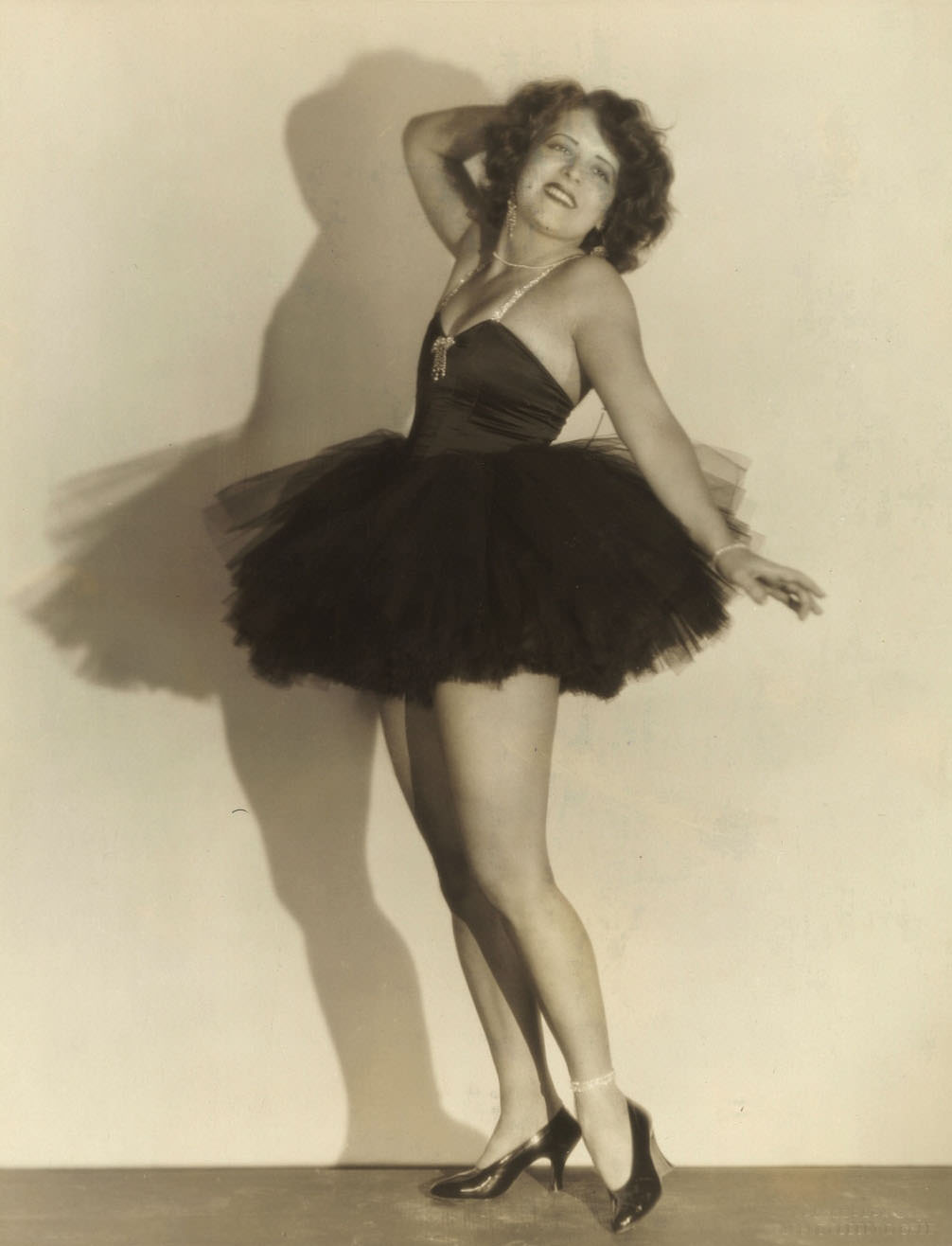
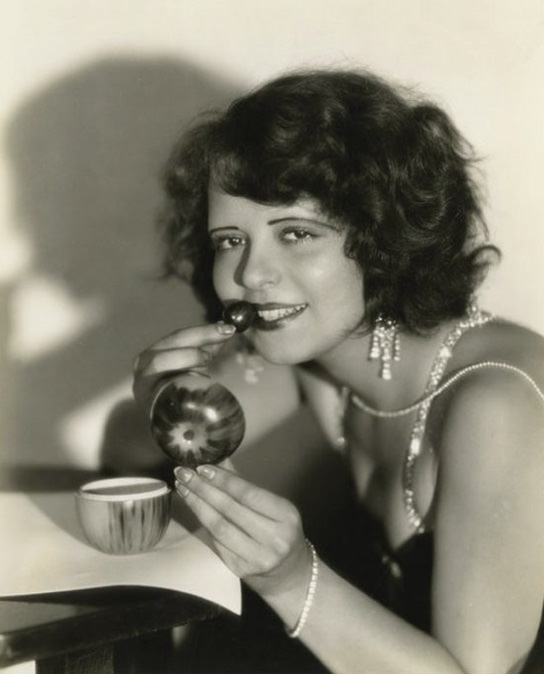
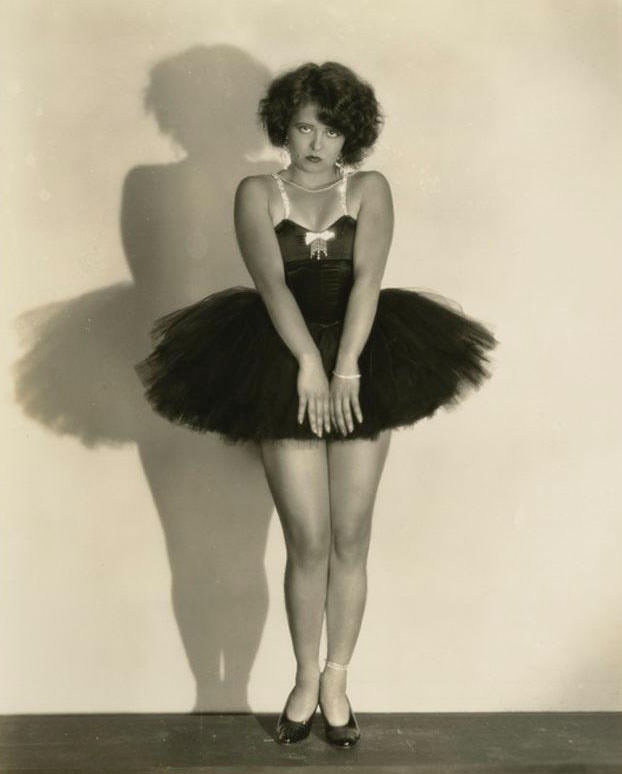
Phillips Holmes also appeared in the film alongside Bow, adding another dimension to the ensemble. Holmes was a rising star in his own right during this period, and his scenes with Bow added to the film’s sense of youthful restlessness.
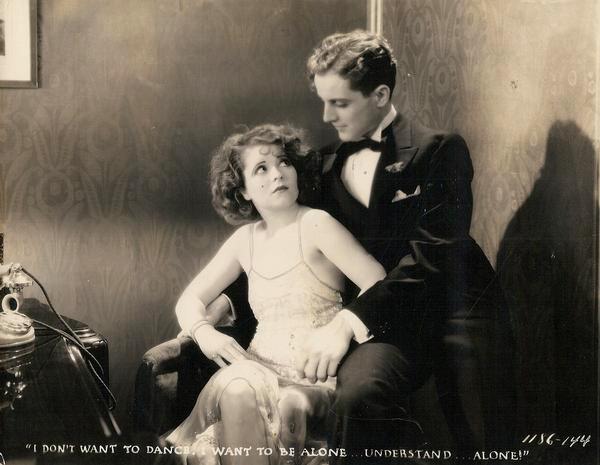
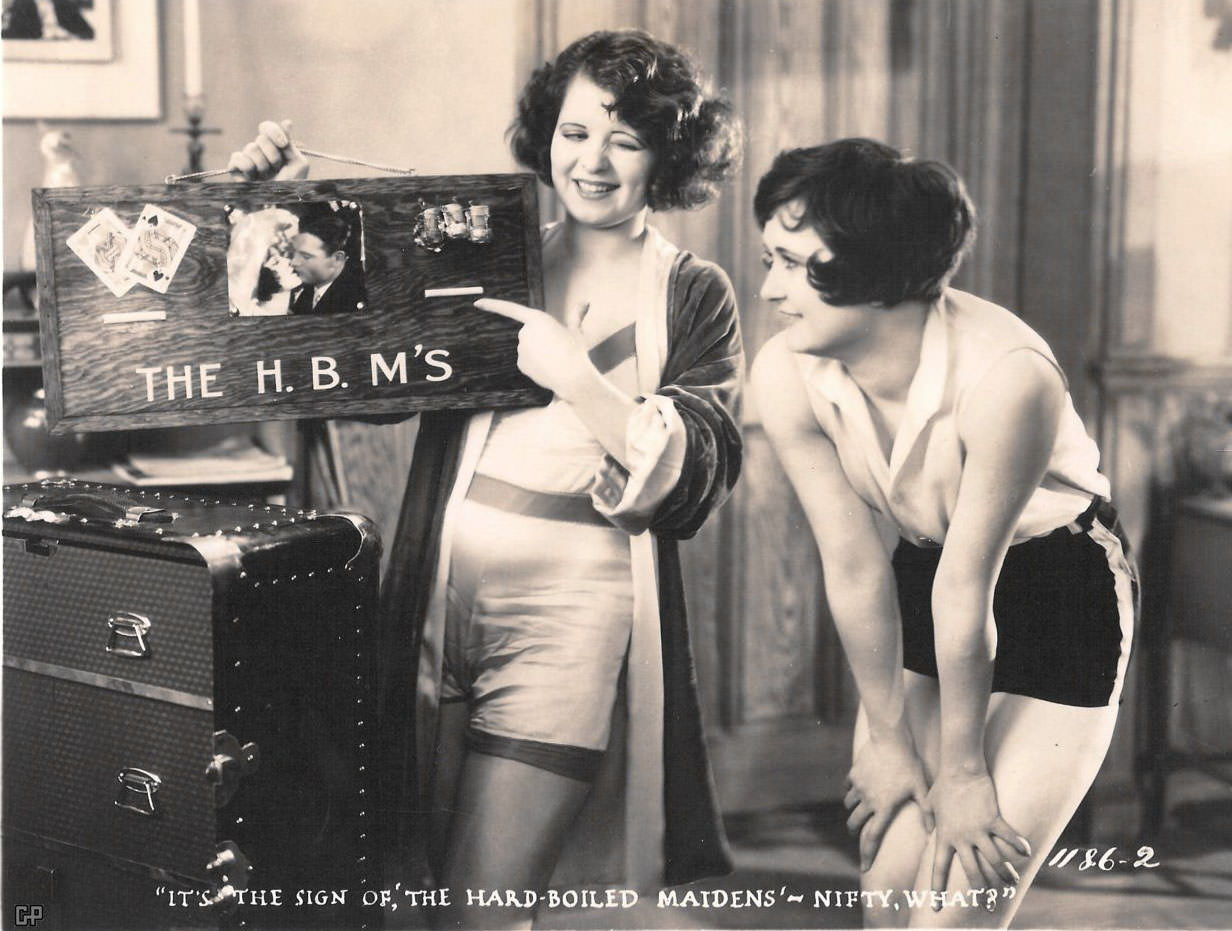
The Wild Party was a commercial success. Audiences packed theaters to see Bow do what she did best — live loudly and without apology on screen. The film confirmed her status as one of the defining stars of her generation and showed that a female-centered story could sell tickets just as well as anything else Hollywood was making.
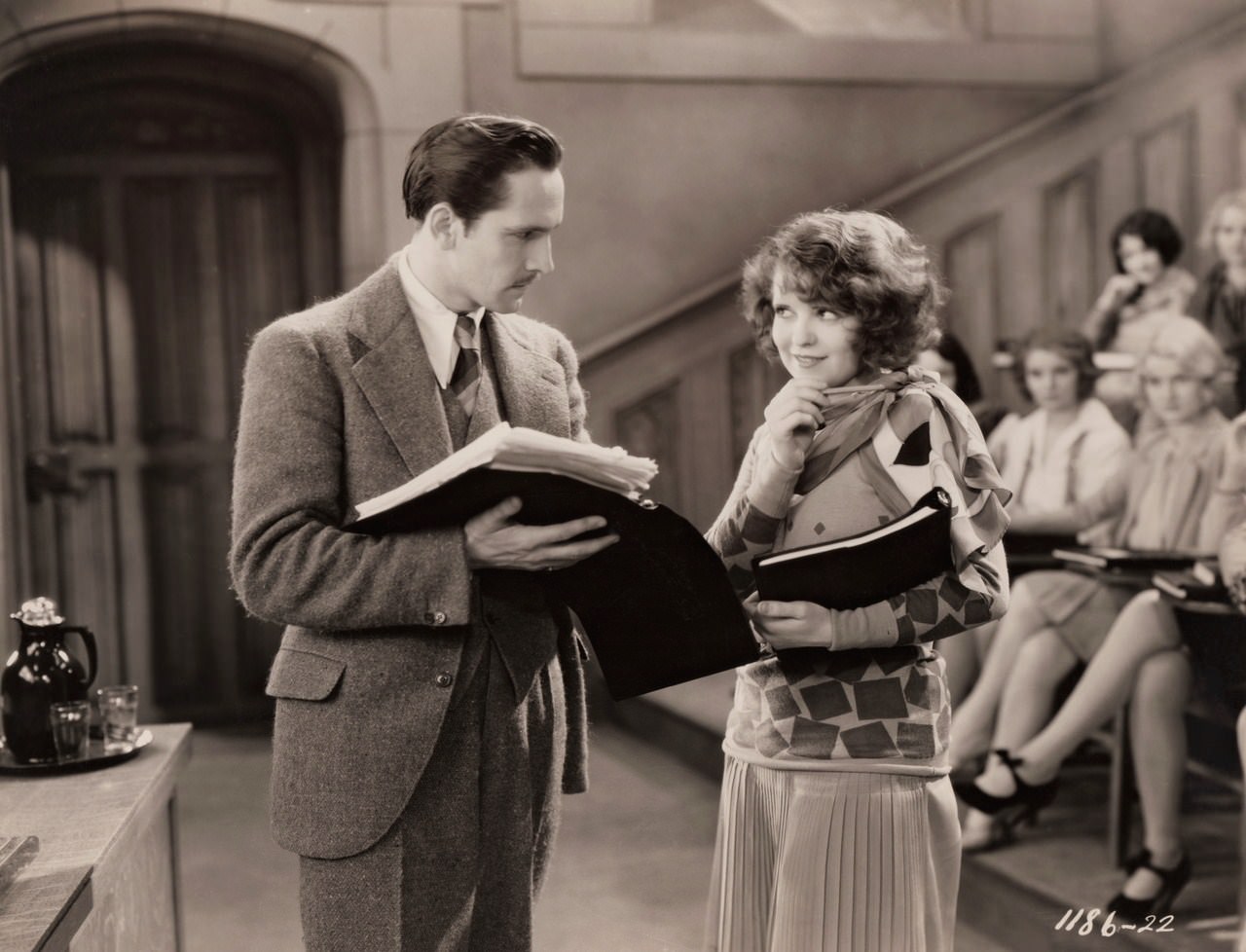
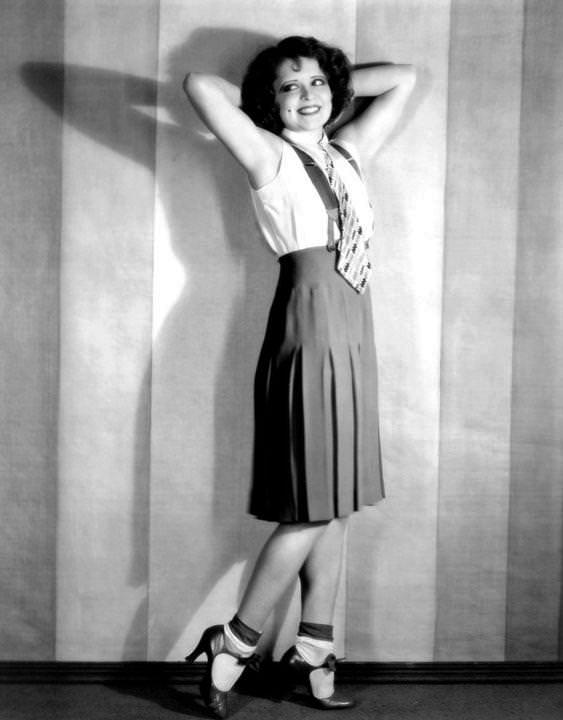
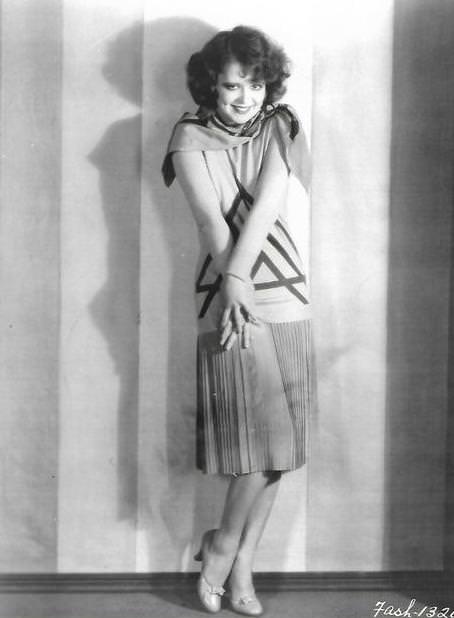
The film captured something real about what the late 1920s felt like for young Americans — especially young women. The decade had brought new freedoms: shorter skirts, louder music, more independence. Queenie embodied all of that, and Bow made her feel completely alive.
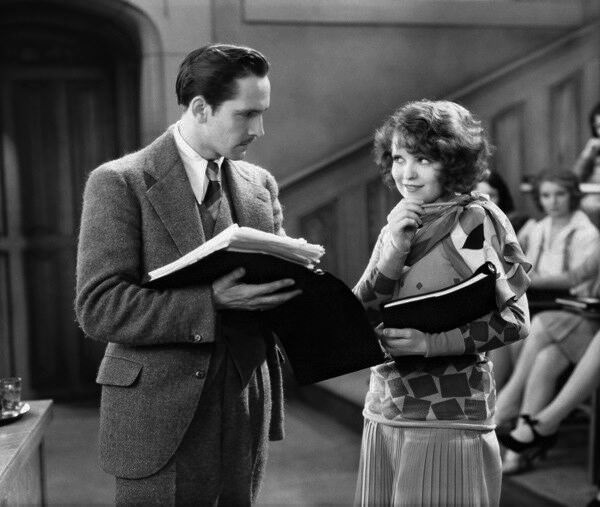
Lincoln Stedman also appeared in supporting scenes, rounding out a cast that felt genuinely comfortable together. The group dynamics in the party scenes gave the film a believable energy — like real people caught up in a real night rather than actors hitting their marks.
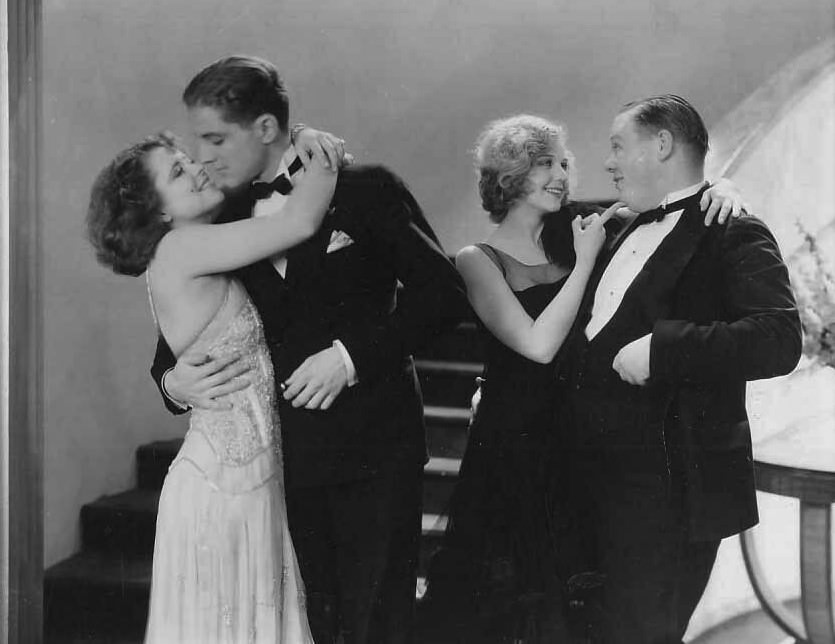
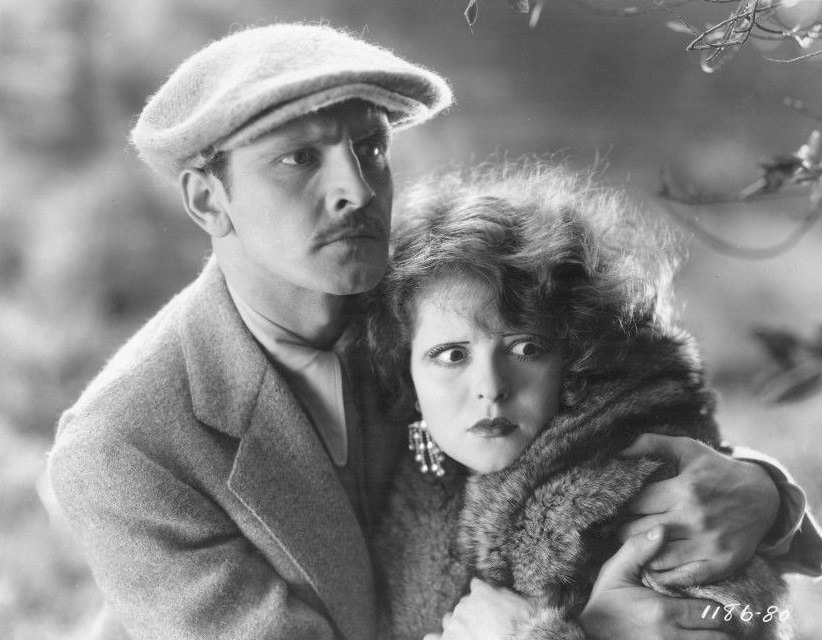
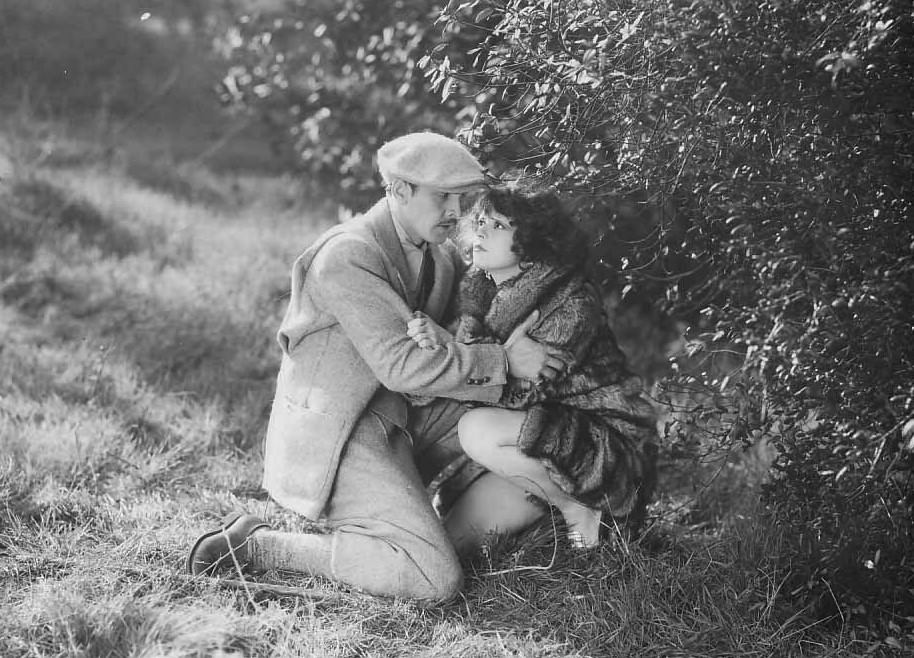
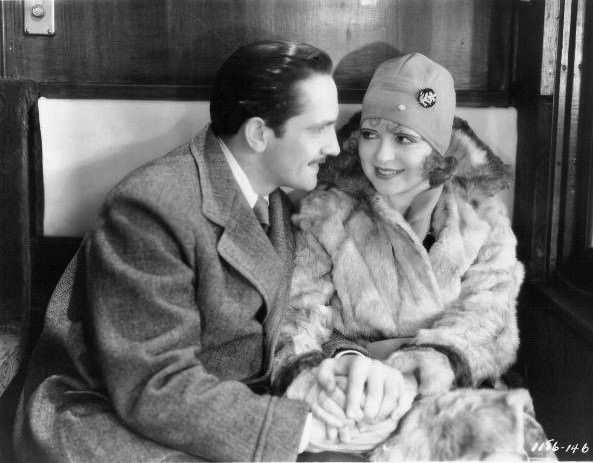
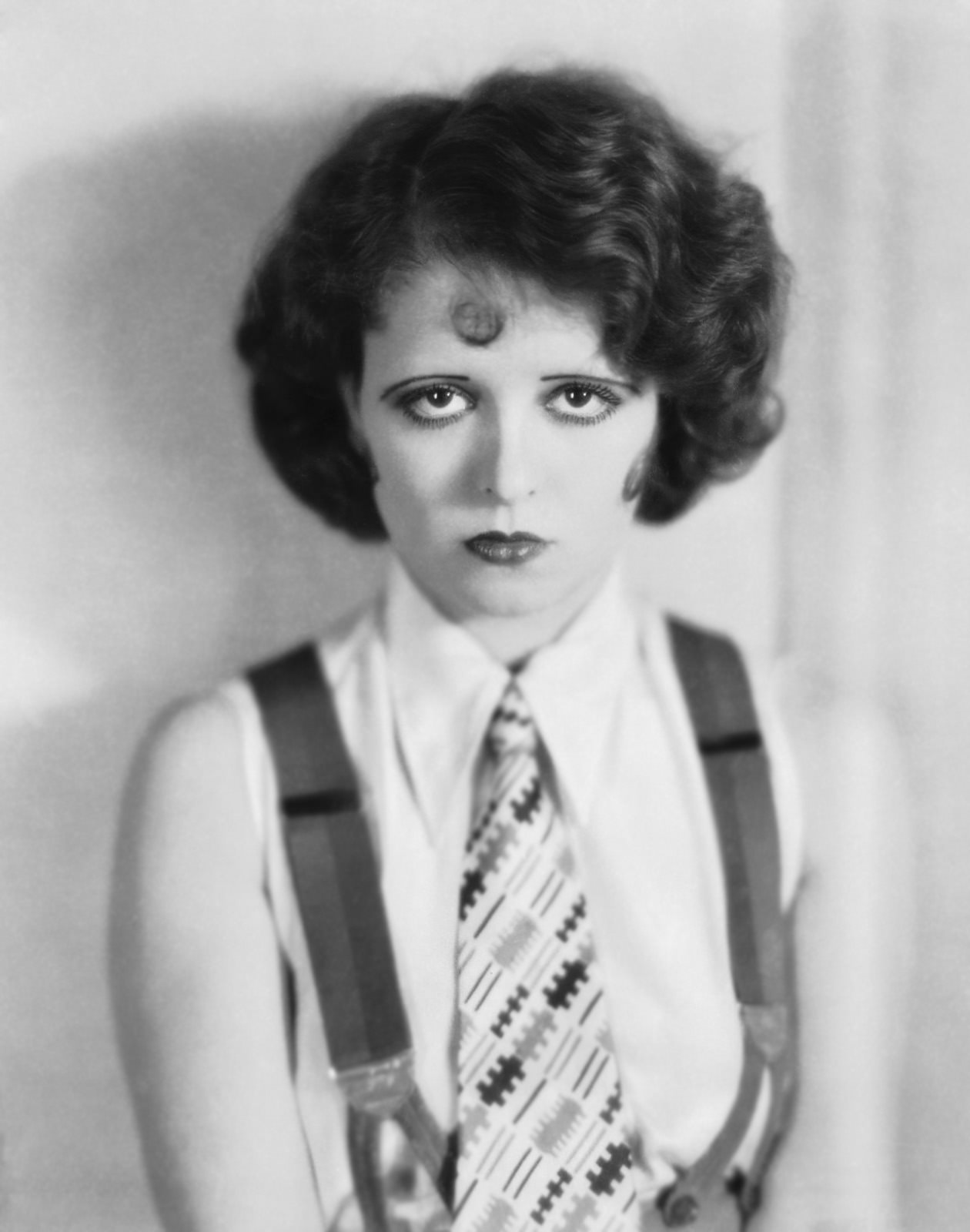
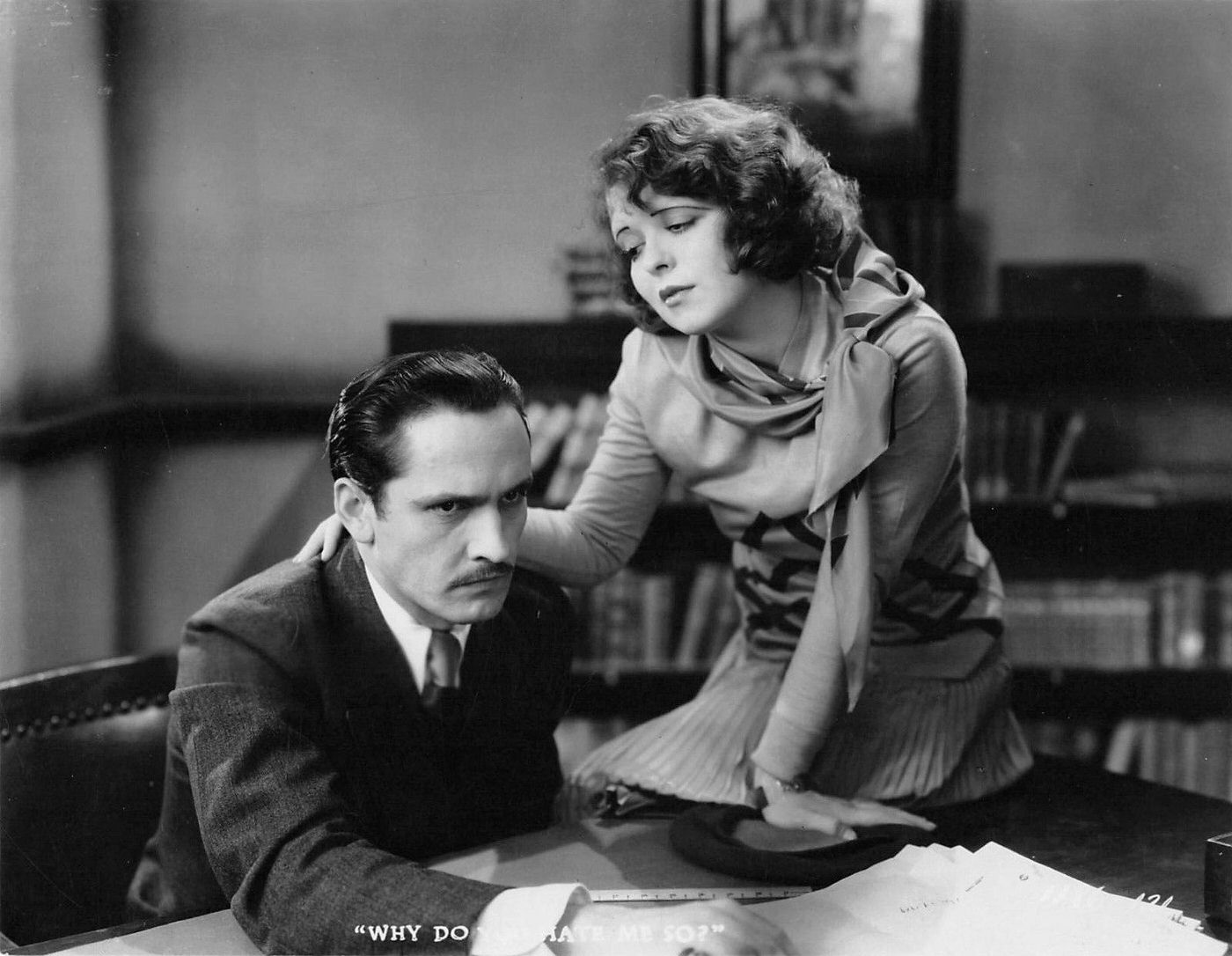
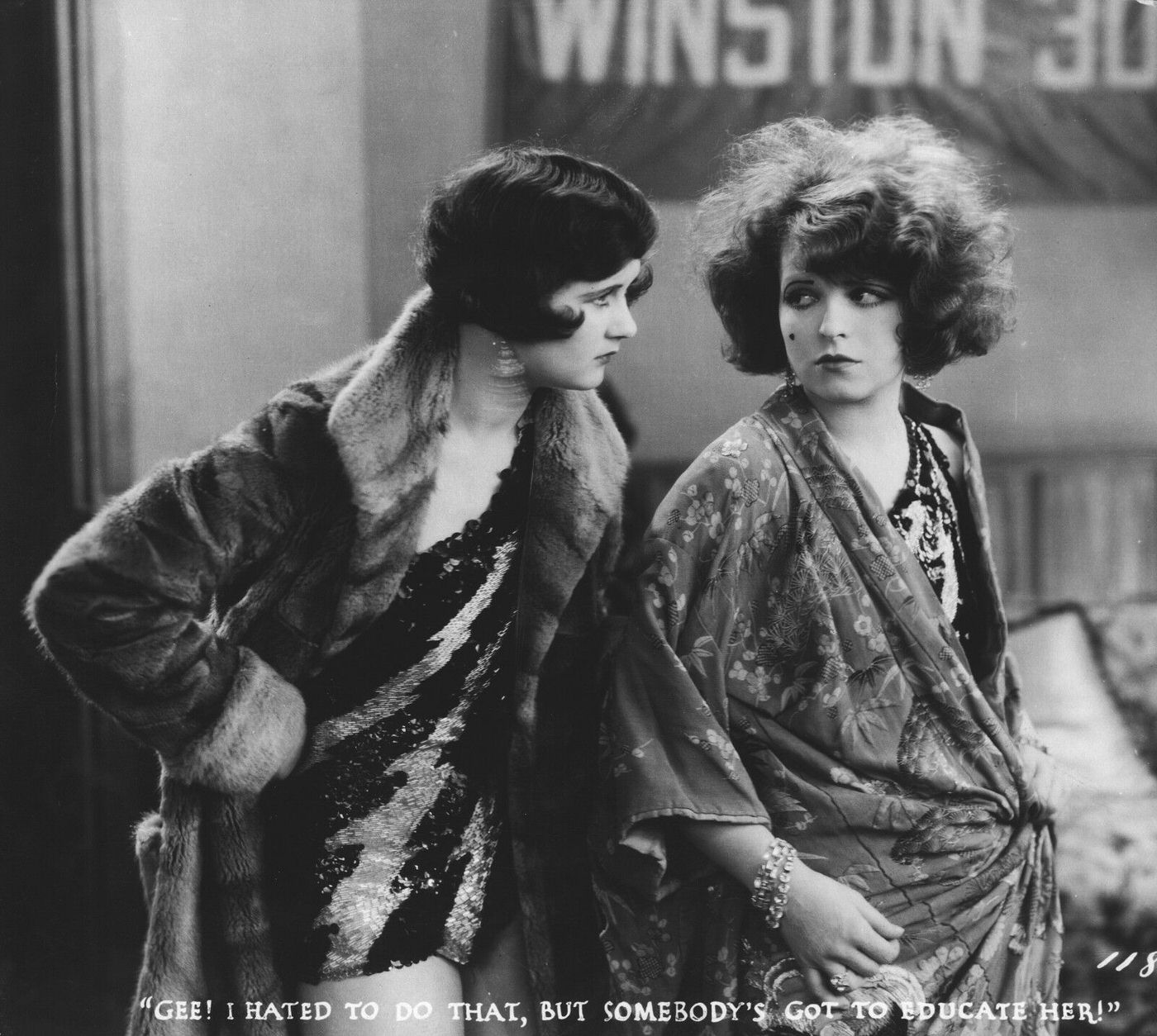
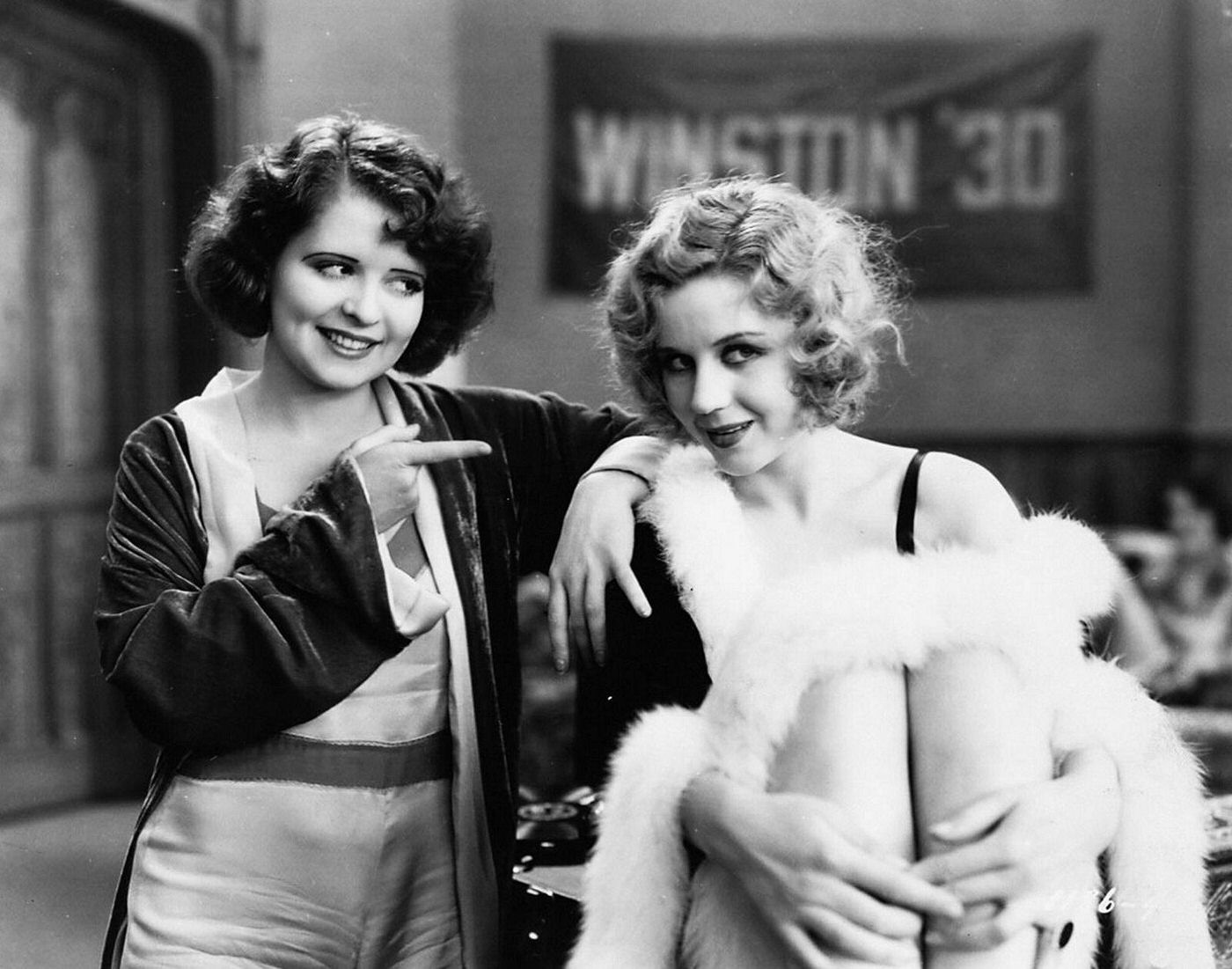
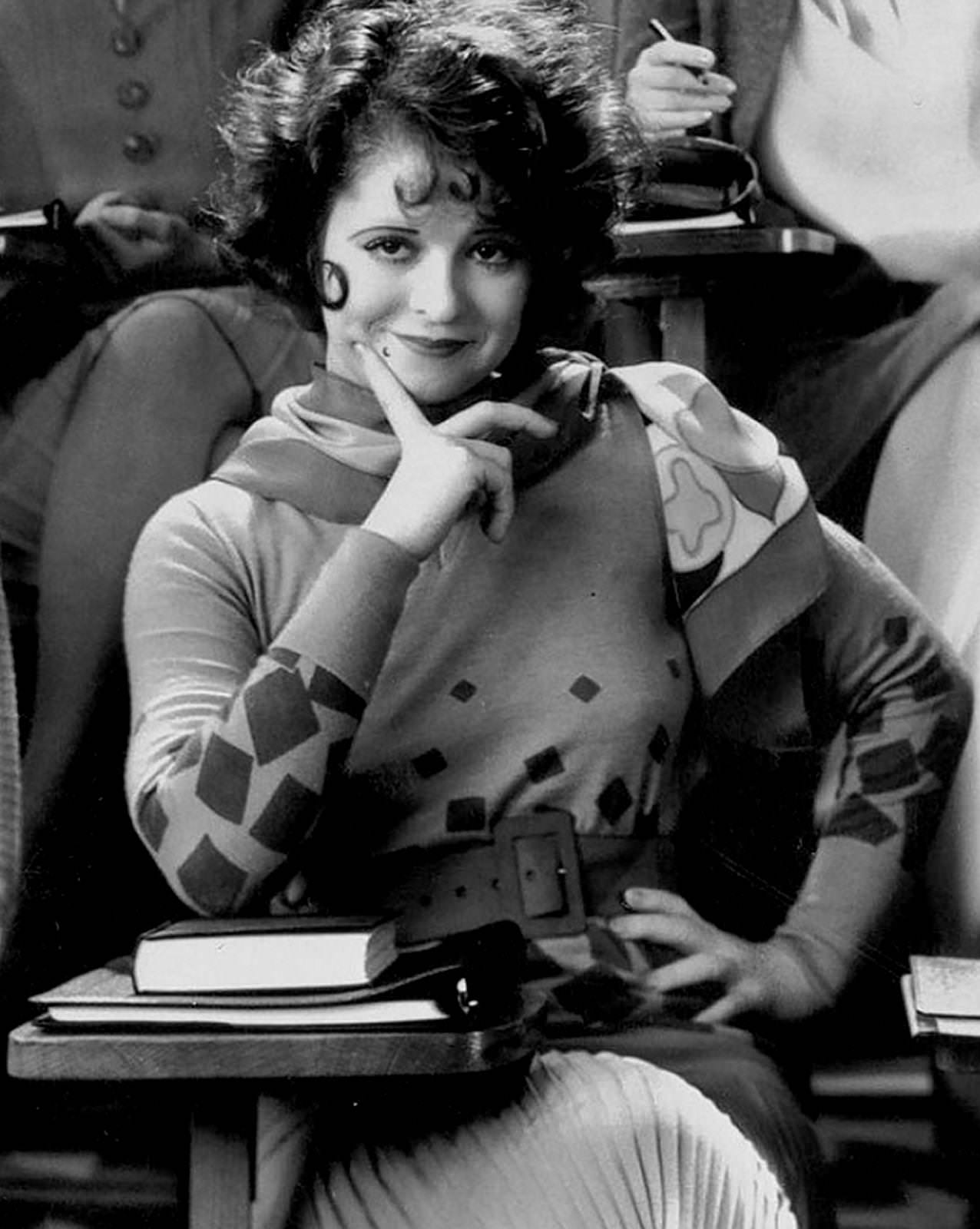
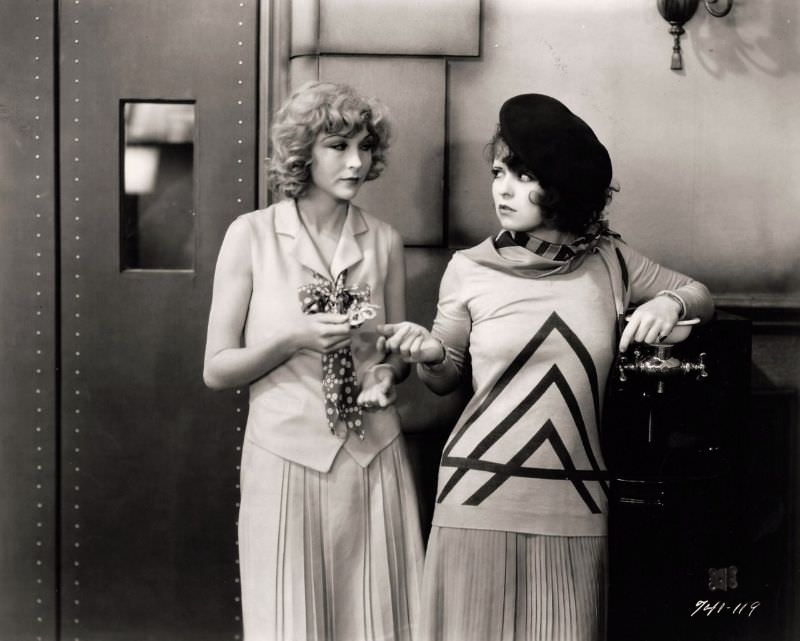
The group scenes throughout the film showed off the full cast at their best. Bow was always the center of attention, but the women around her — Day, Dore, and Adair — gave the film a sense of sisterhood and shared experience that made Queenie’s world feel full and real.