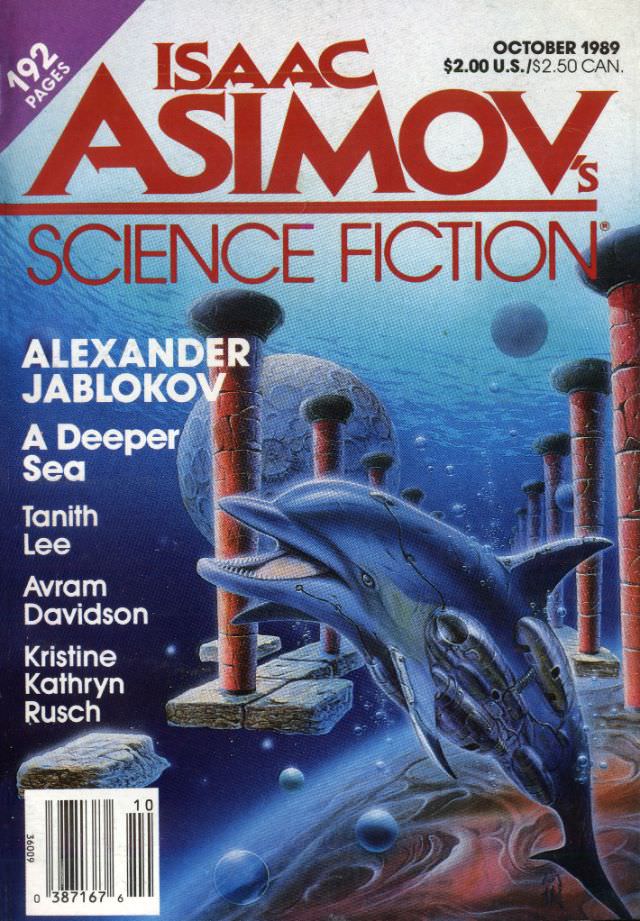
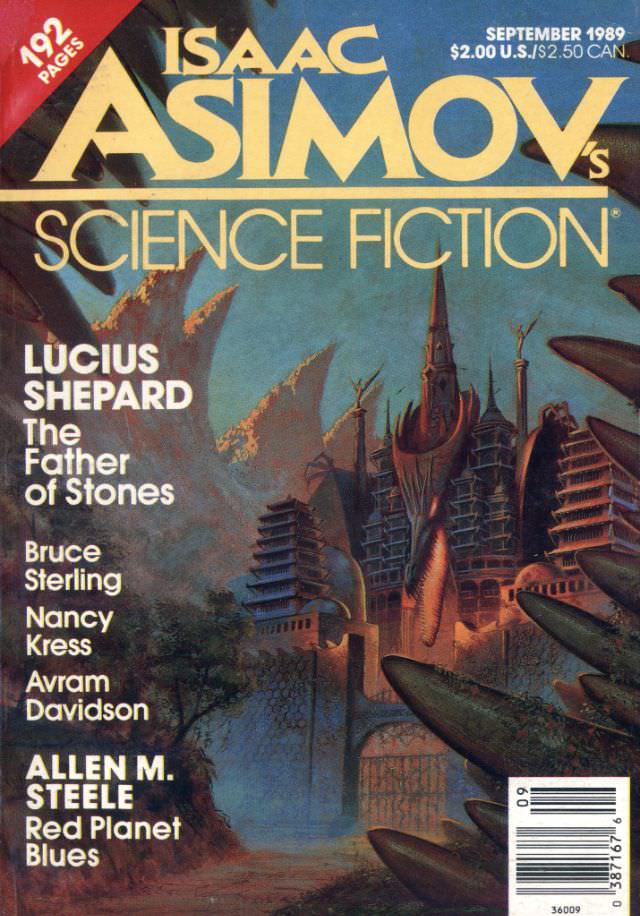
In 1977, Davis Publications launched Isaac Asimov’s Science Fiction Magazine, a new periodical built around one of the most recognized names in the genre. Isaac Asimov was already a celebrated author by then, known for works like the Foundation series and the Robot stories. Attaching his name to the magazine was a clear signal of the standard it aimed to meet. Over the next 16 years, it delivered on that promise consistently.
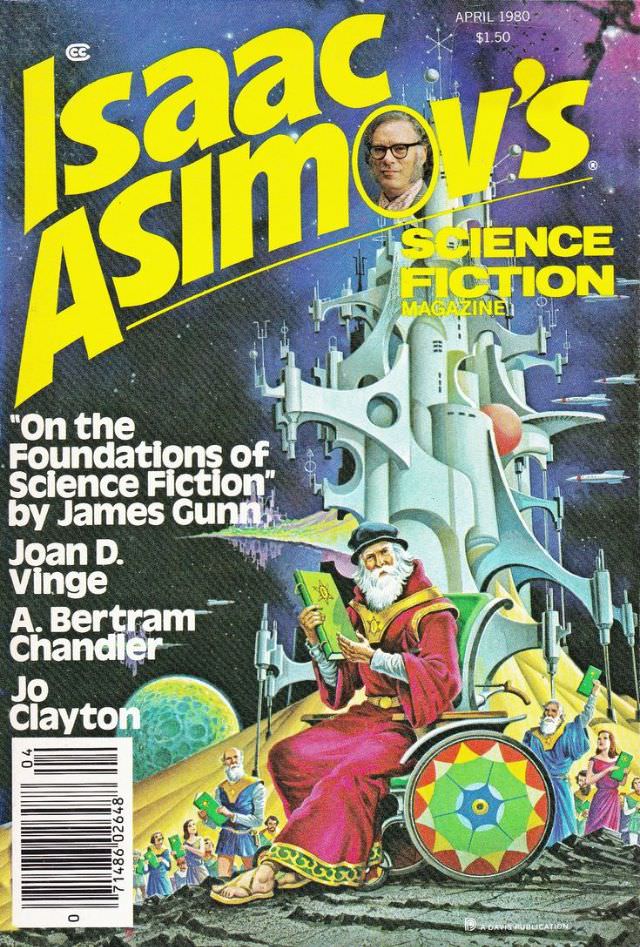
From the start, the magazine drew contributions from major figures in science fiction. Robert Silverberg, Harlan Ellison, and Ursula K. Le Guin all appeared in its pages. These were writers with strong, distinct voices, and the magazine gave them space to take risks. A single issue might include a hard science story about space travel alongside a deeply personal narrative set in an alien world.
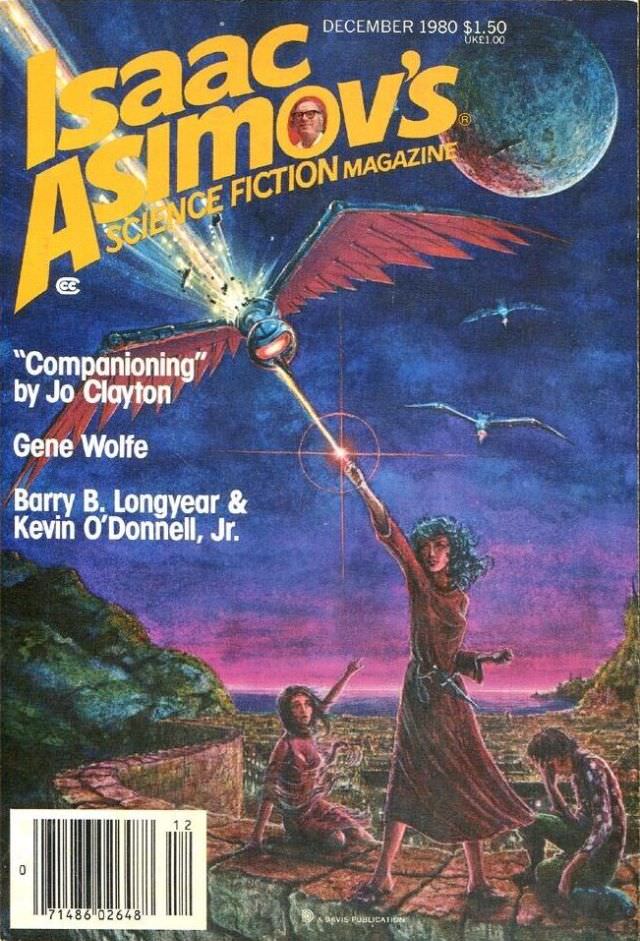
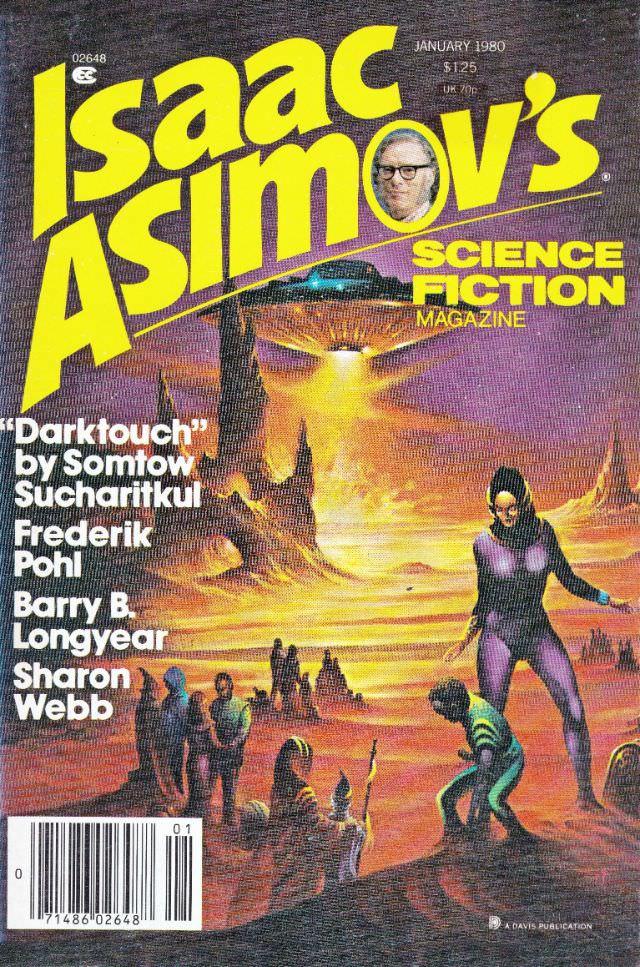
The magazine was not just a showcase for established names. It actively sought out new writers and gave them a platform alongside veterans of the field. This mix kept the content fresh. Readers knew they might encounter a story from a well-known author on one page and a debut work on the next. That editorial approach made each issue genuinely unpredictable.
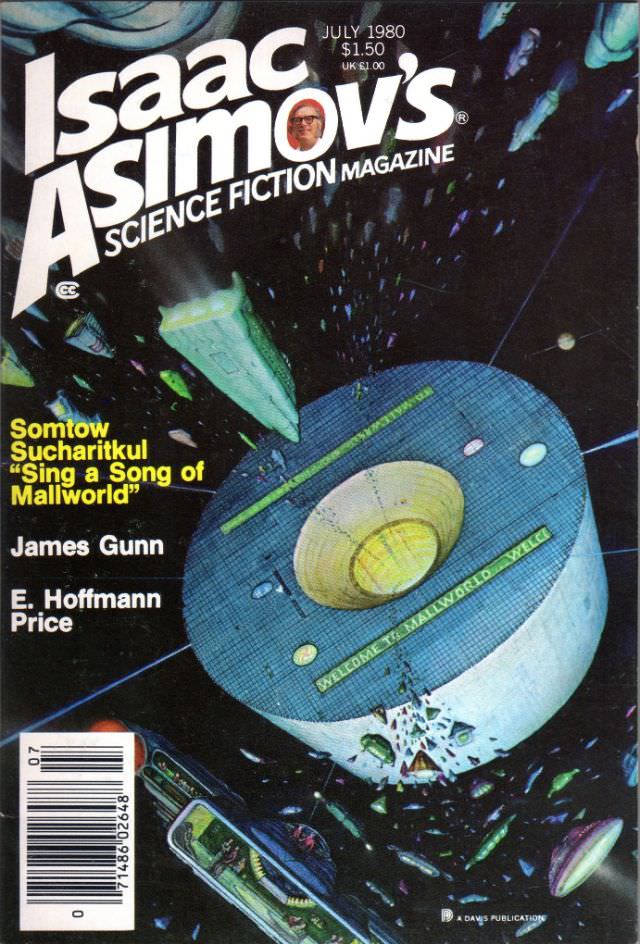
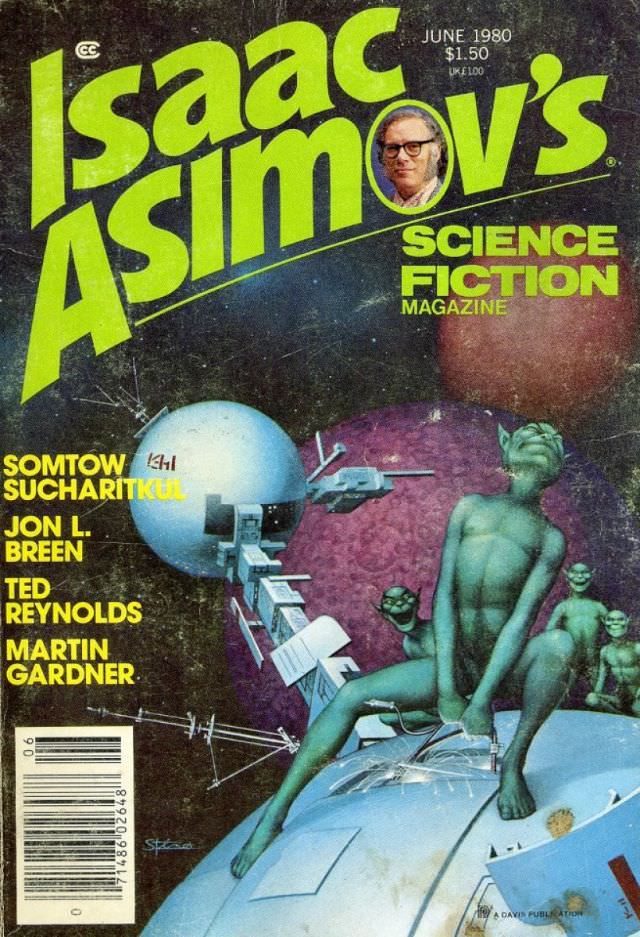
One of the magazine’s most distinctive features was Asimov’s own editorial column. He wrote it himself, and it covered everything from science topics to reflections on the genre. His writing style was direct and conversational, which matched the tone readers expected from him. The editorials gave the magazine a personal identity that went beyond its fiction content.
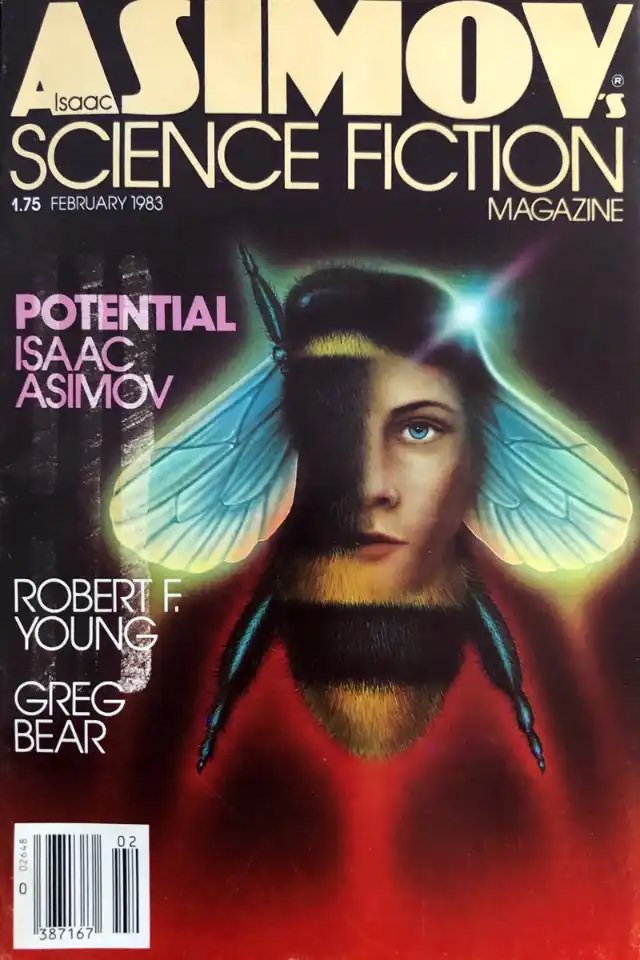
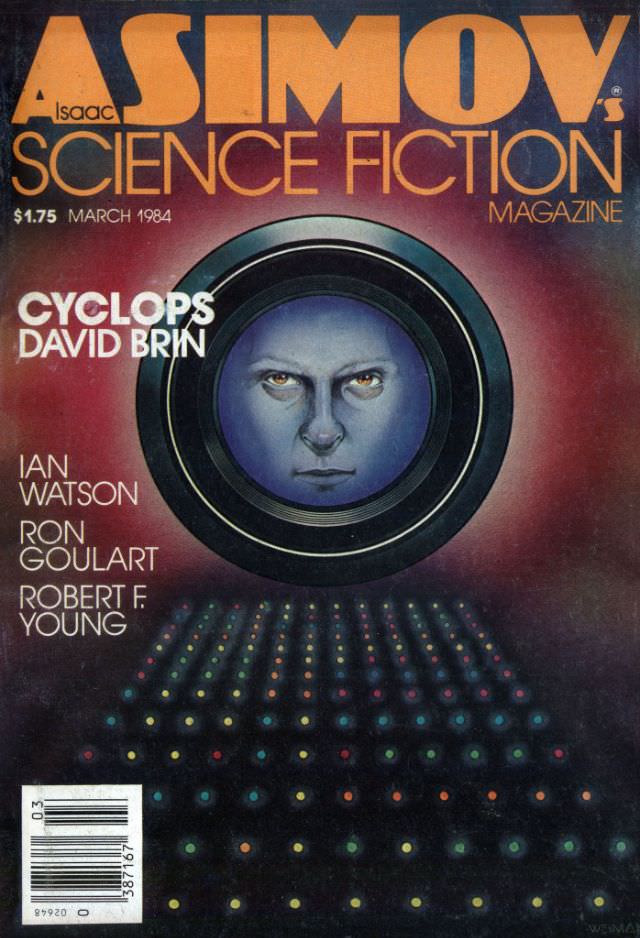
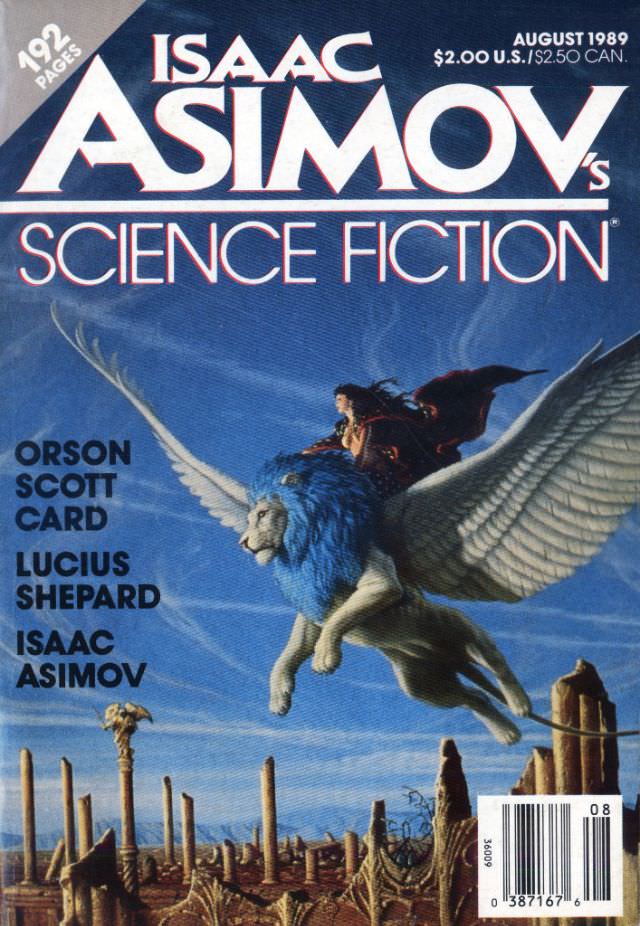
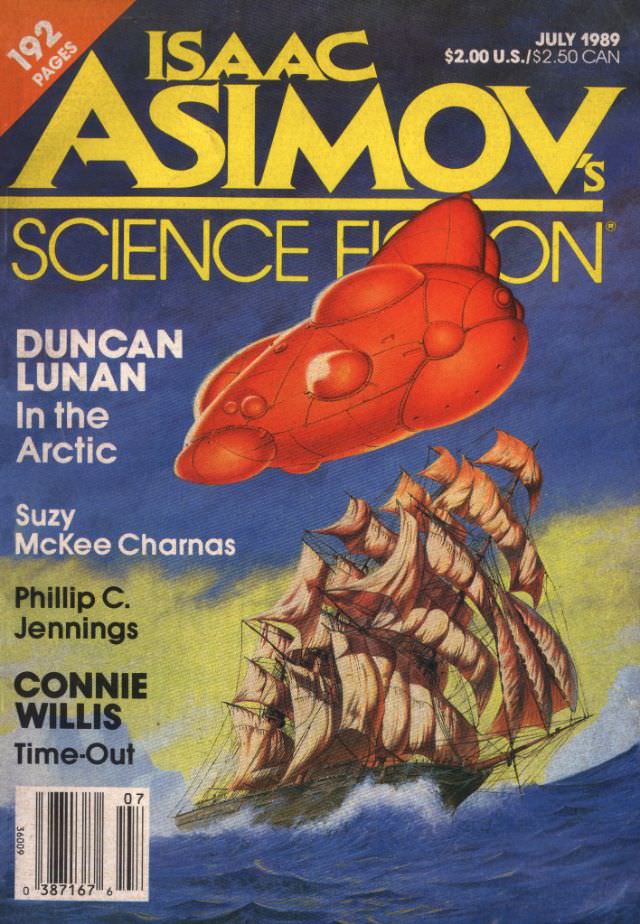
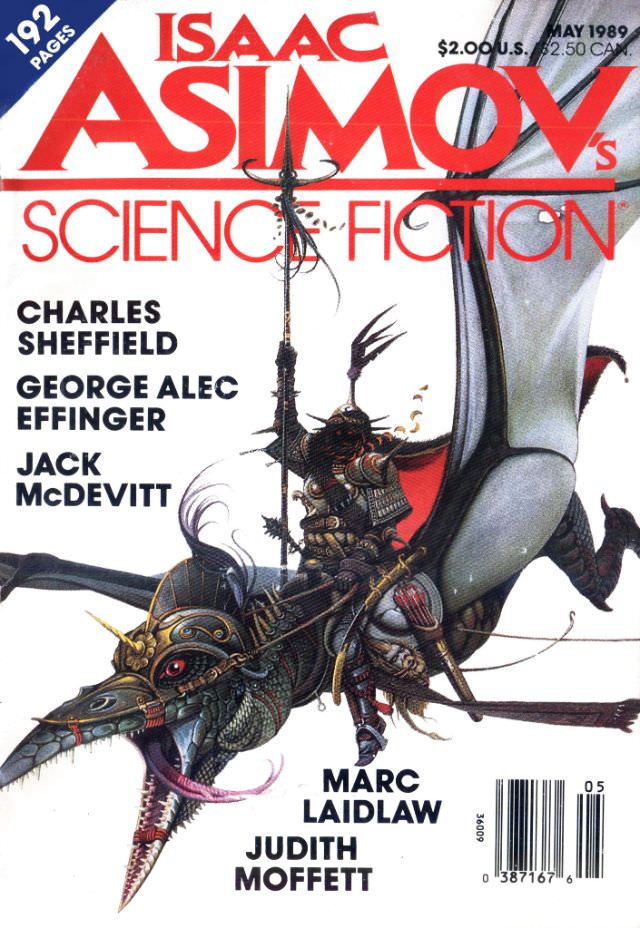
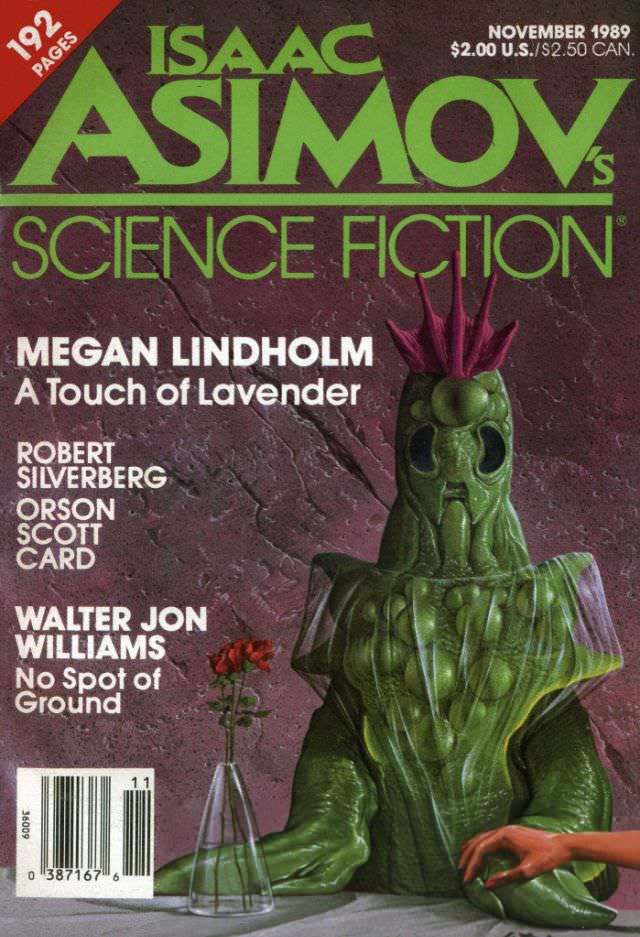
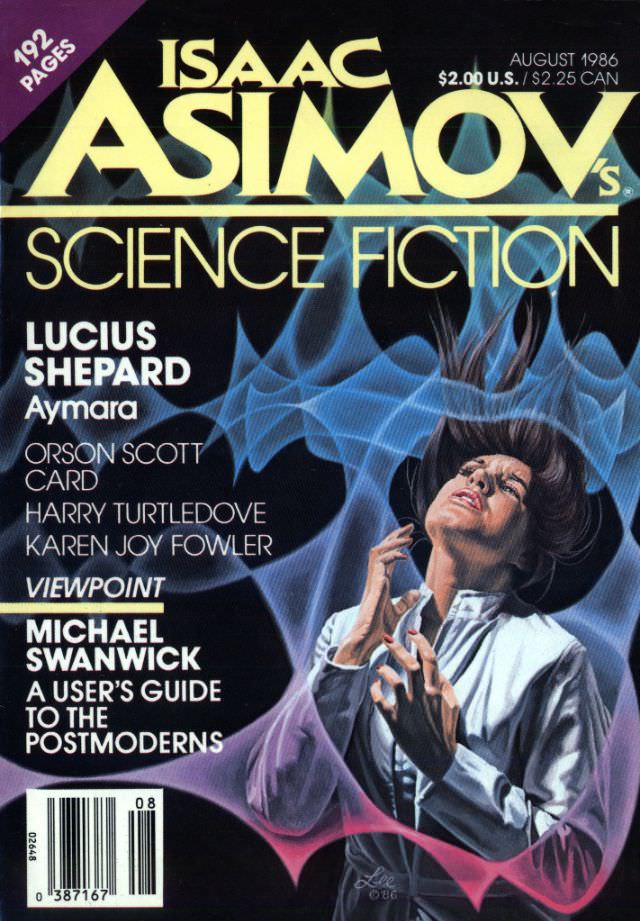
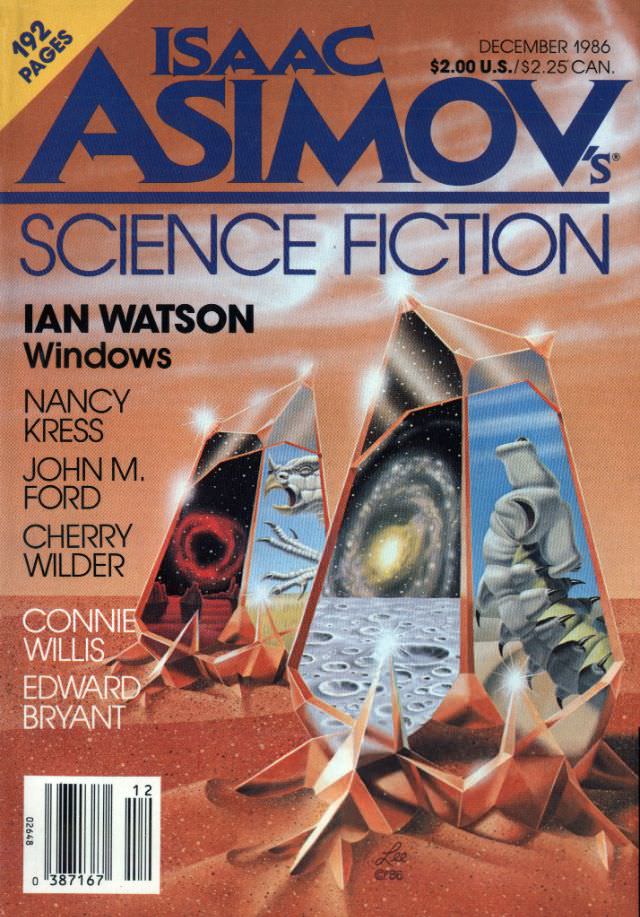
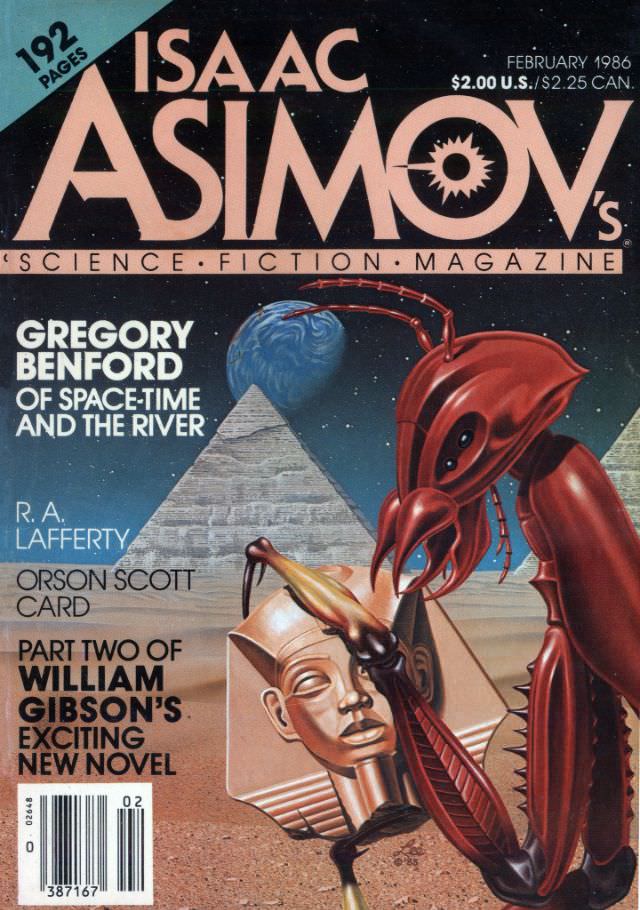
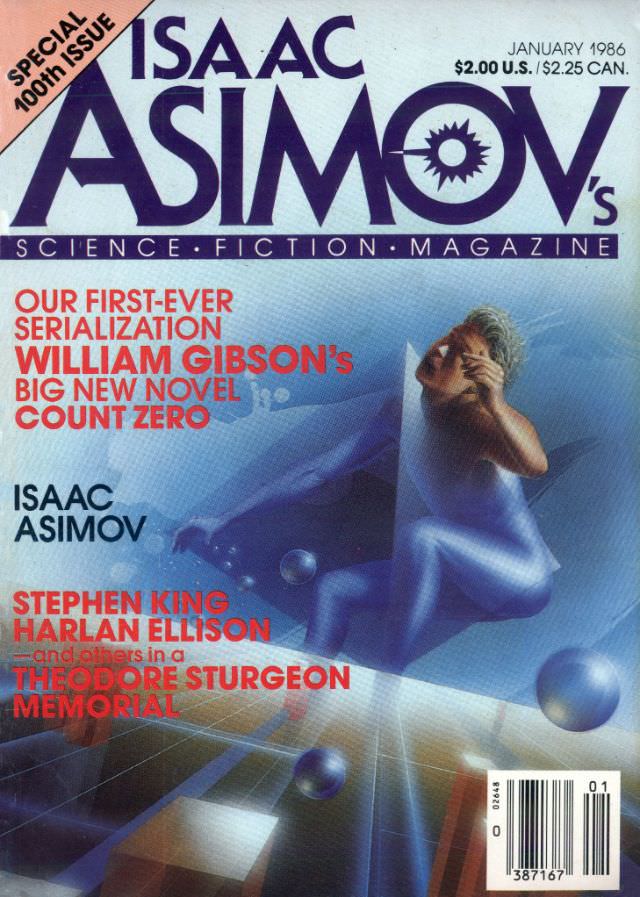
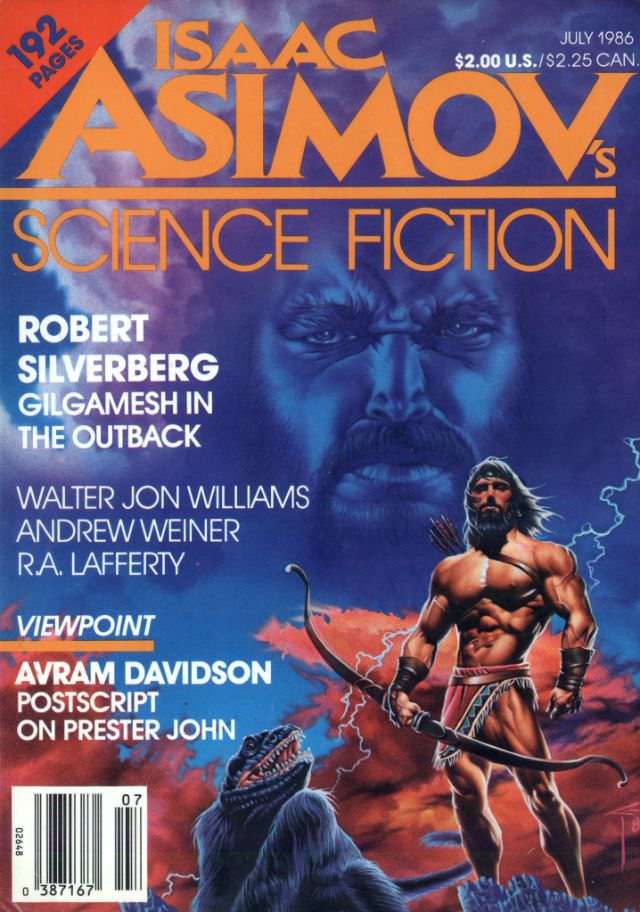
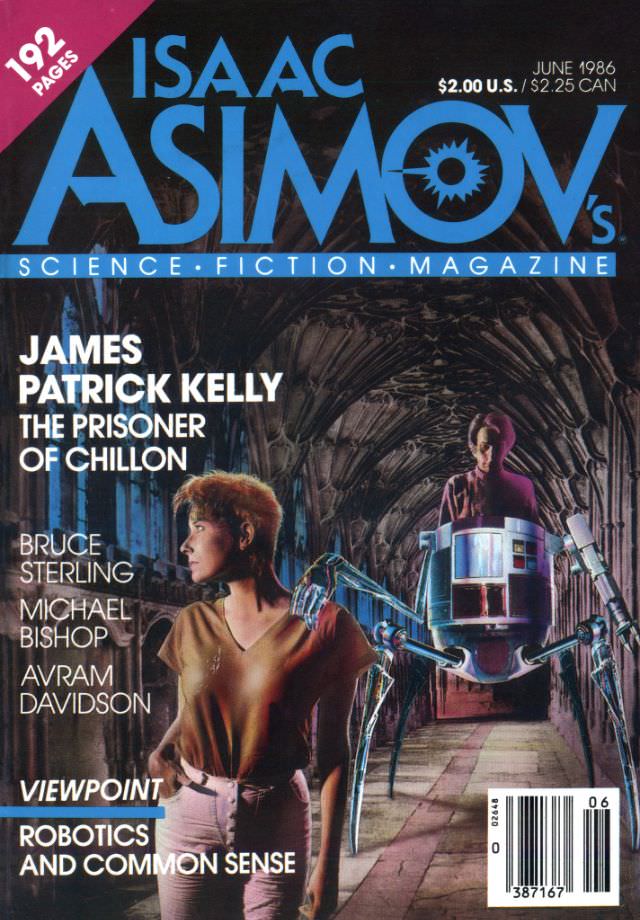
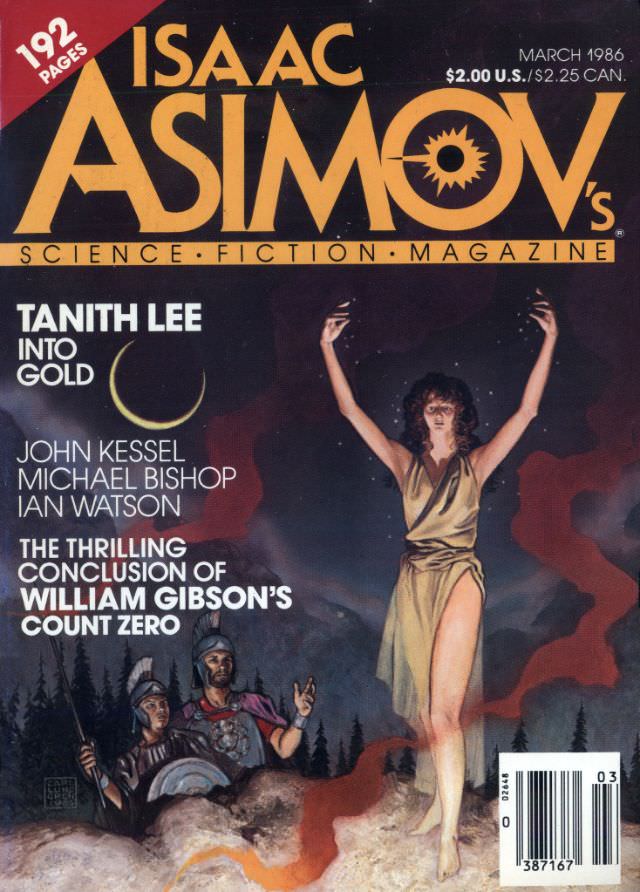
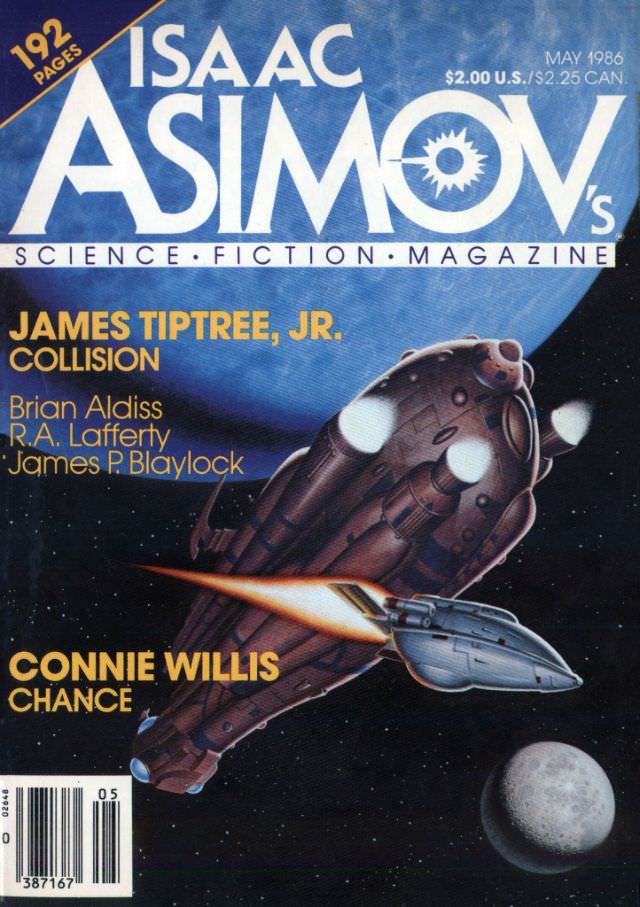
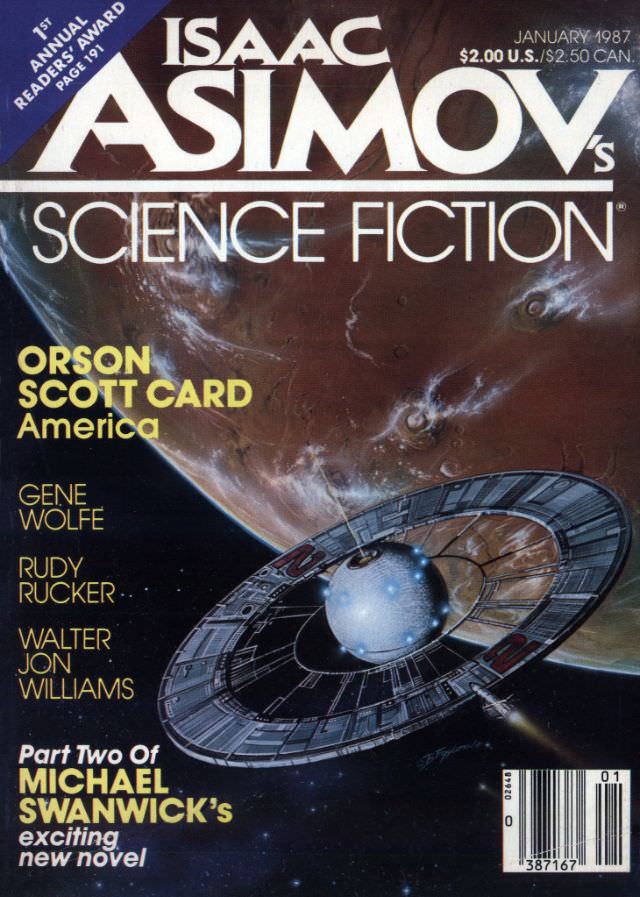
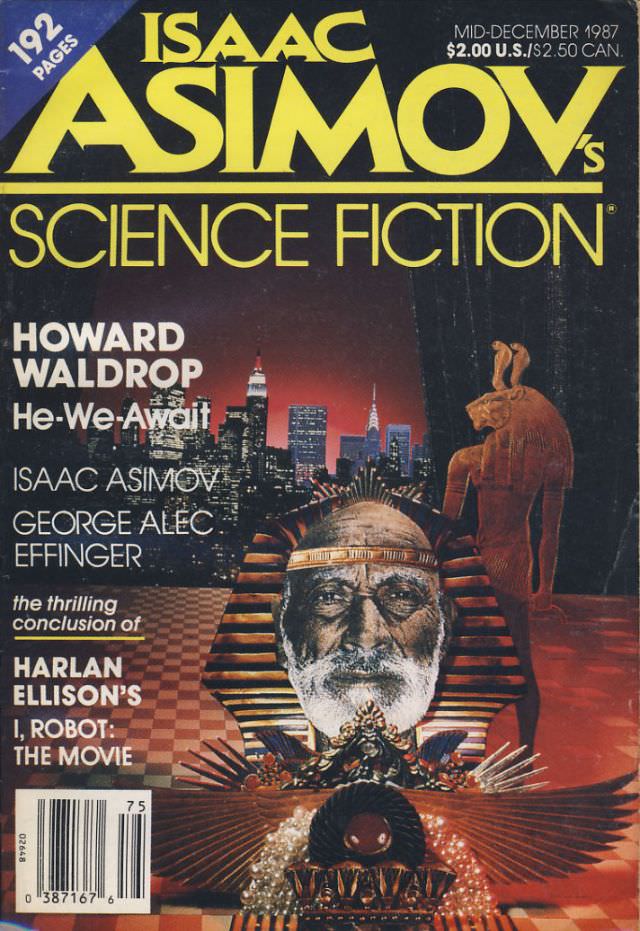
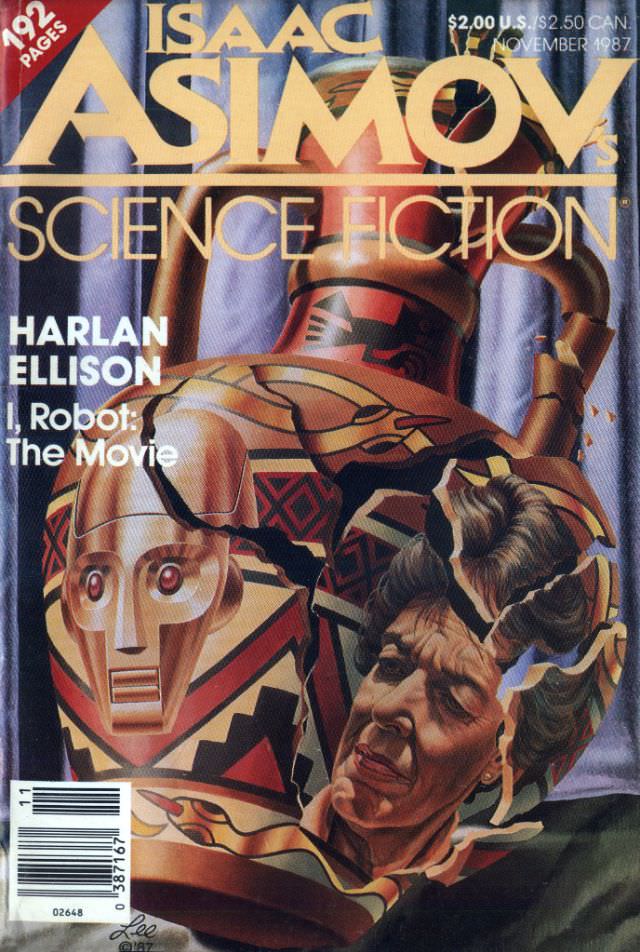
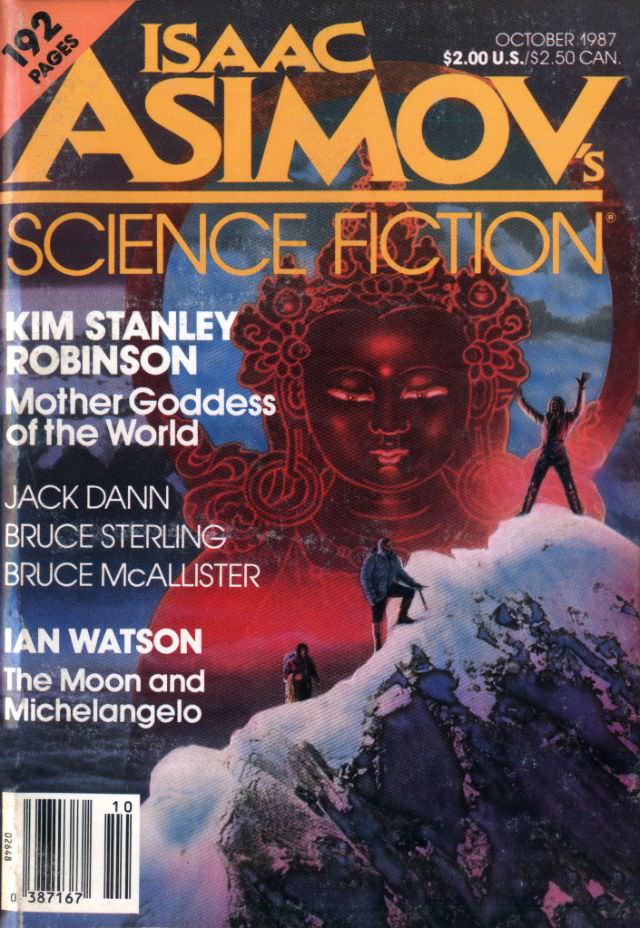
By the mid-1980s, the magazine had built a loyal readership. Its covers from this period reflect a range of artistic styles, from bold graphic designs to detailed painted scenes. The cover art served as a visual introduction to the themes inside, and the variety across issues showed how broad the magazine’s definition of science fiction actually was.
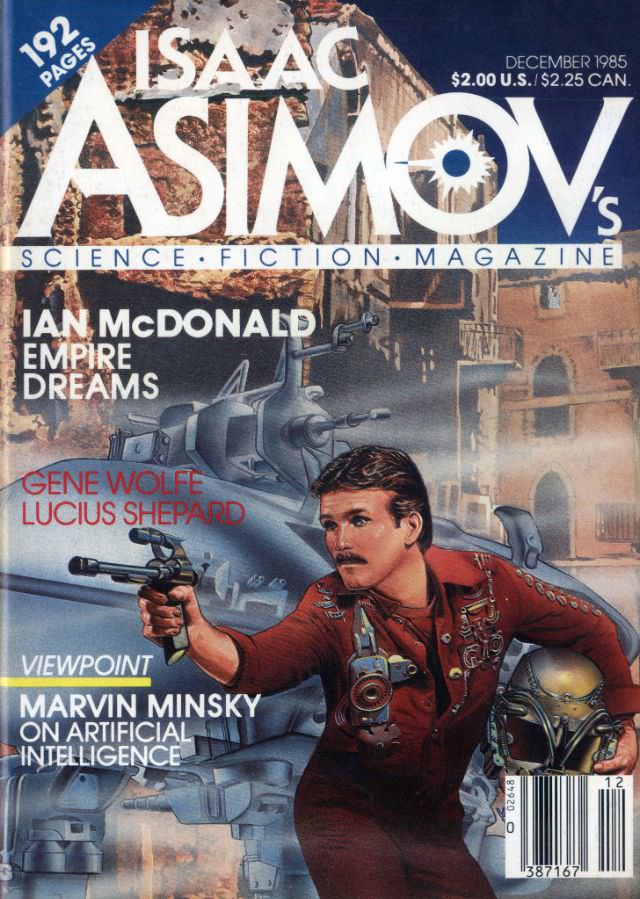
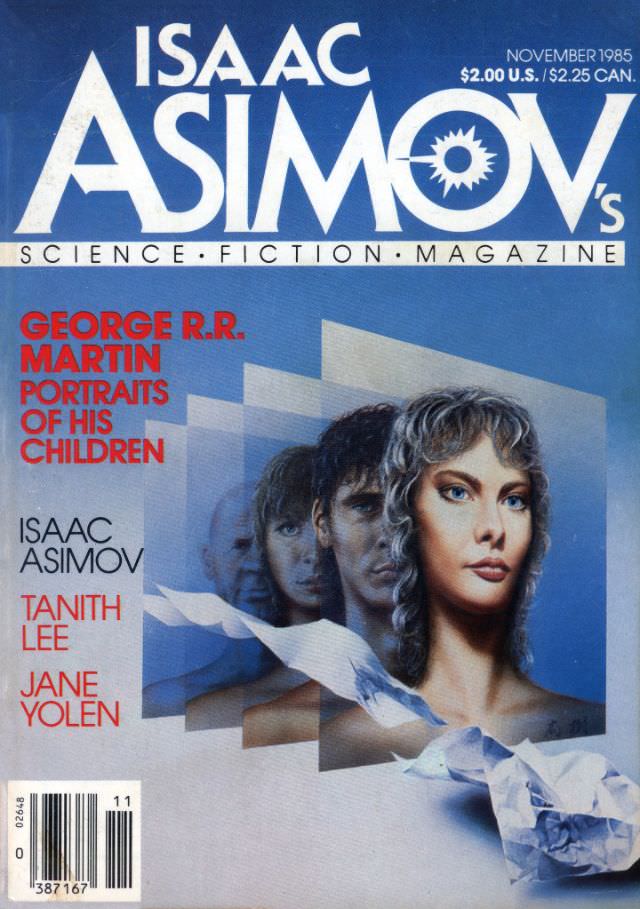
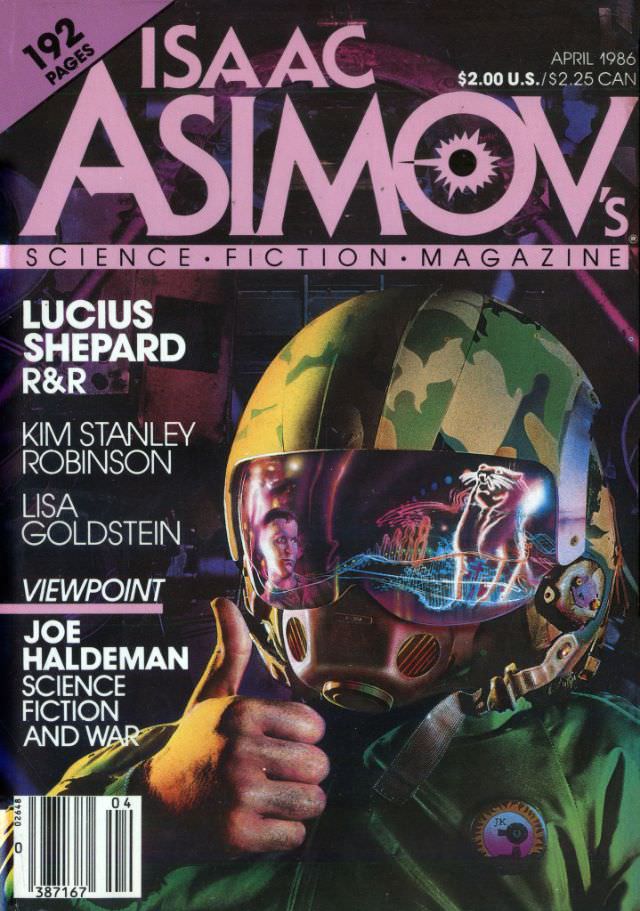
The year 1986 was particularly productive for the magazine. It published a high volume of issues that year, covering a wide range of speculative topics. The covers from that year alone show significant variety in tone and visual style, reflecting the editorial team’s commitment to keeping the publication dynamic.
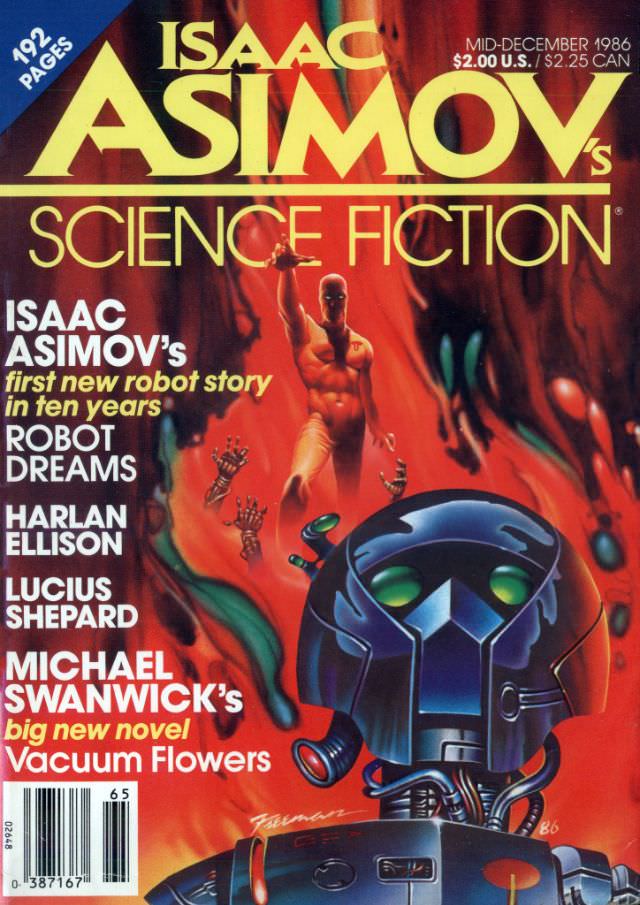
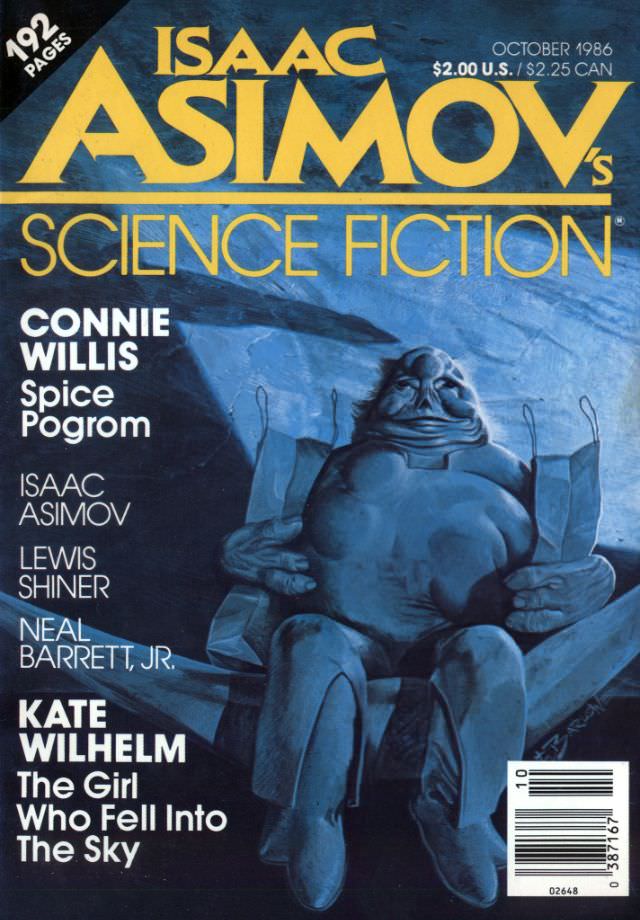
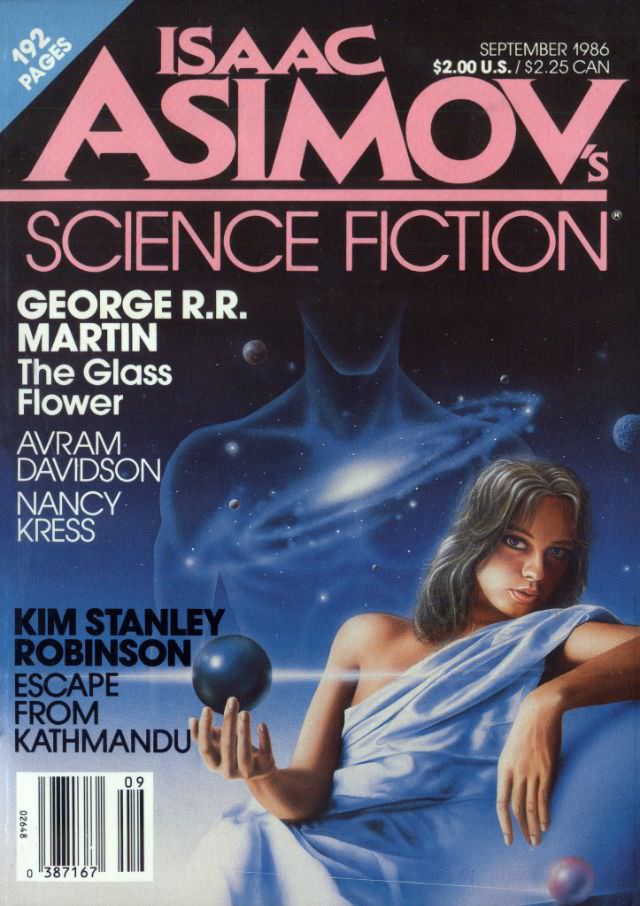
Into 1987 and 1988, the magazine continued publishing at a steady pace. The stories inside explored themes that felt urgent at the time — artificial intelligence, environmental collapse, interstellar conflict, and human identity in a technological age. These were not abstract concepts. Science fiction was a way of testing ideas about where real-world trends might lead.
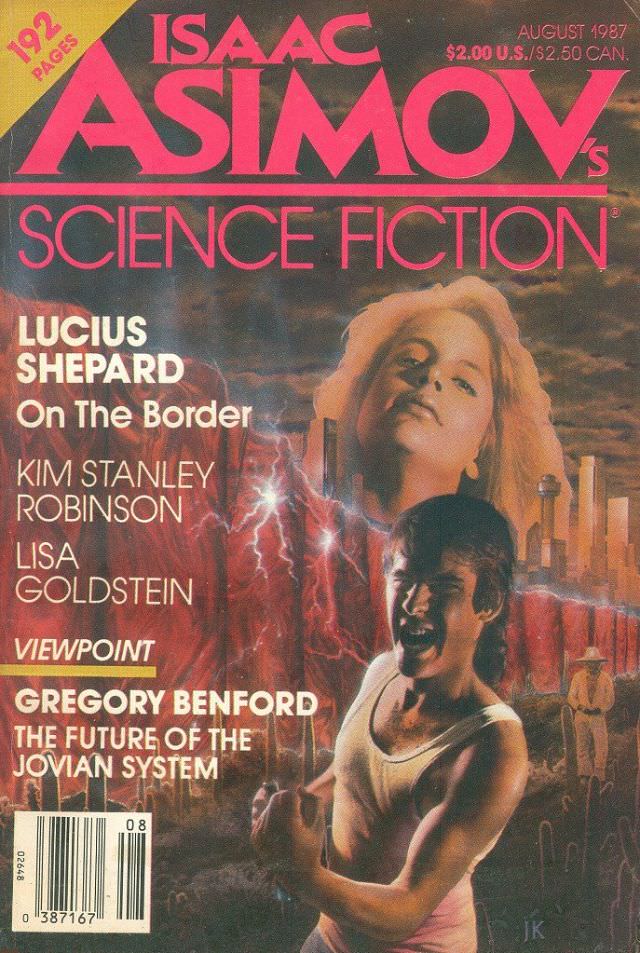
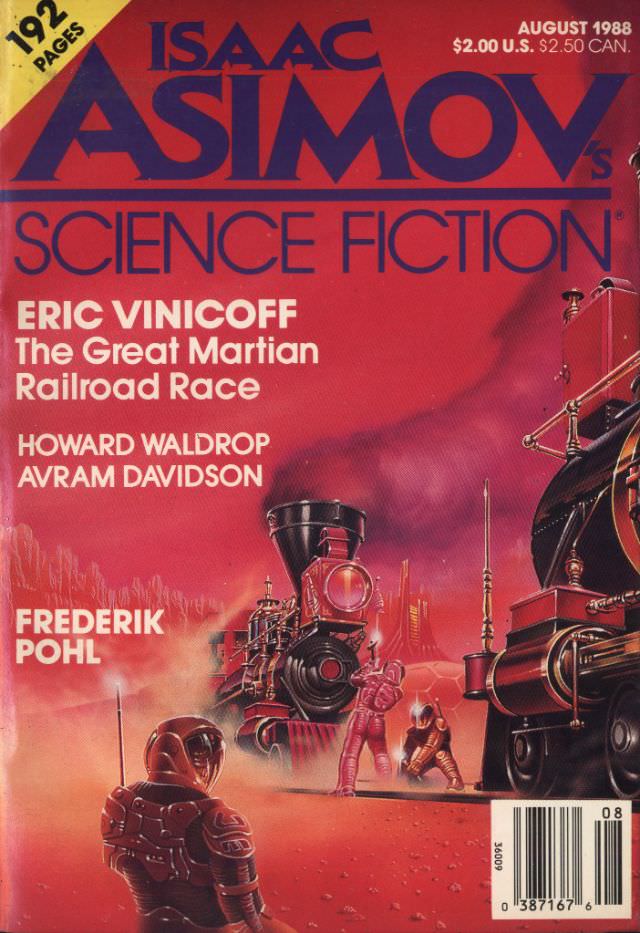
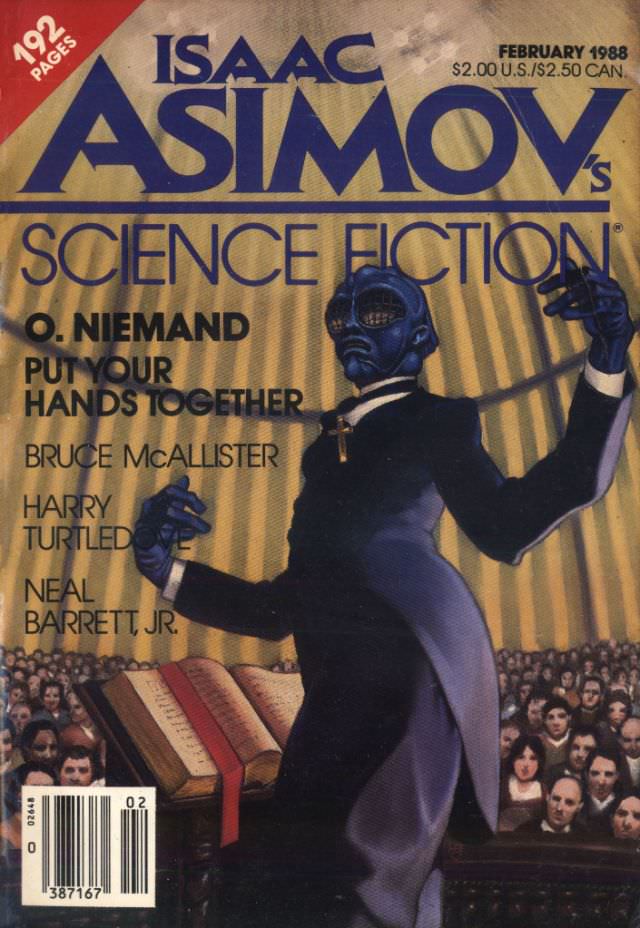
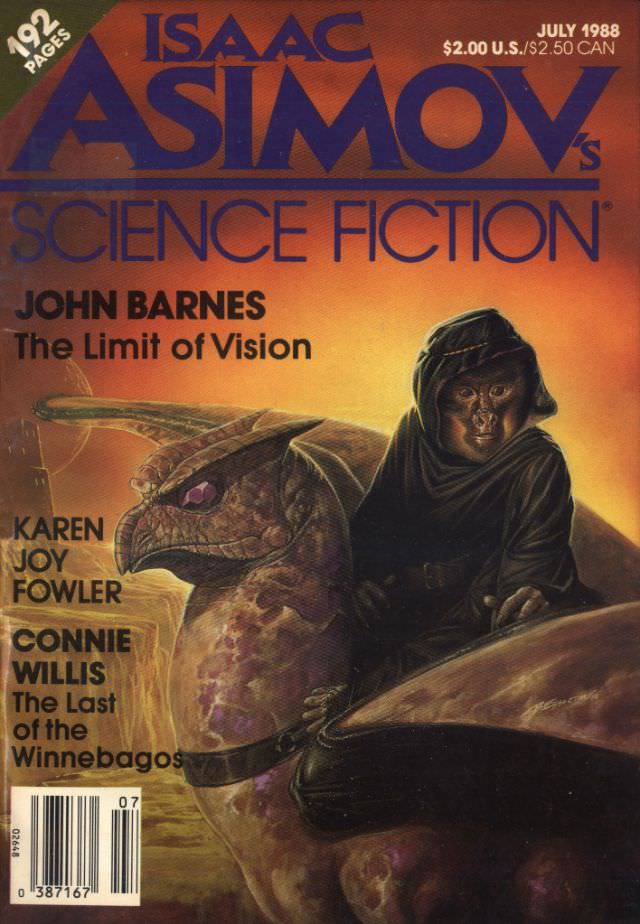
The final years of the magazine, from 1989 to its last issue in 1992, showed no drop in quality or ambition. The 1989 covers, spanning spring through fall, demonstrate the same artistic range that defined earlier issues. The magazine ran for 16 years under Davis Publications, maintaining its editorial standards from its first issue through its last.