Before the tiaras, the state banquets, and the global headlines, Diana Spencer was a 19-year-old living in a shared London flat, driving a Mini Metro to work, and doing her best to avoid the cameras already gathering outside her door. The woman the world would come to know as Princess Diana spent her earliest years quietly, shaped by boarding schools, a privileged but emotionally complicated upbringing, and a deep instinct for connecting with people on a human level.
Diana Frances Spencer was born on July 1, 1961, the third daughter of Edward John Spencer, Viscount Althorp, and Frances Roche. She grew up at Park House on the Sandringham estate in Norfolk, a setting that placed her in proximity to the Royal Family from early childhood. Her parents divorced in 1969 when Diana was just eight years old — a split that left a lasting mark. She later described the experience as deeply unsettling, one that fed into years of self-doubt and a fierce determination to make others feel less alone.
Her formal education took her away from home at a young age. She attended Riddlesworth Hall preparatory school in Norfolk before moving on to West Heath Girls’ School in Sevenoaks, Kent. West Heath was a boarding school with a strong focus on character and community service. Diana was not an academic standout — she failed her O-level exams twice — but she was remembered by teachers and classmates alike for her warmth and her willingness to help others, including visiting elderly residents in a nearby care home. After West Heath, she briefly attended the Institut Alpin Videmanette, a finishing school in Rougemont, Switzerland, before returning to England in 1978.
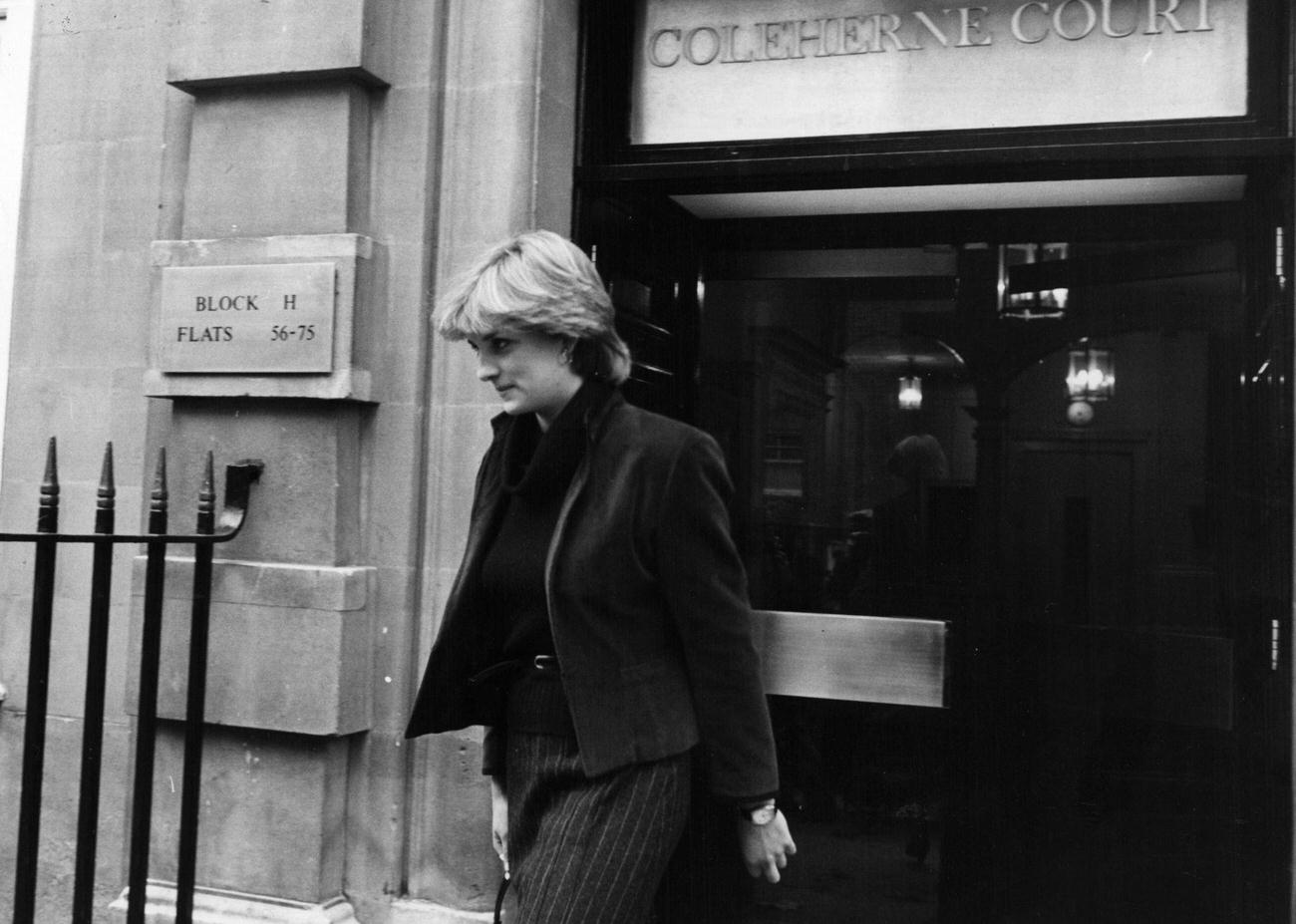
Back in London, Diana settled into a flat on Coleherne Court in Earl’s Court, sharing the space with flatmates. She took on a series of jobs that reflected less of her aristocratic roots and more of her natural ease with people, especially children. She worked as a nanny for an American family, the Robertsons, looking after their young son Patrick. She also cleaned houses and worked as a dance instructor for young students. By late 1979, she had taken up a part-time position as a teaching assistant at the Young England Kindergarten, a nursery school based at St. George’s Square in Pimlico.
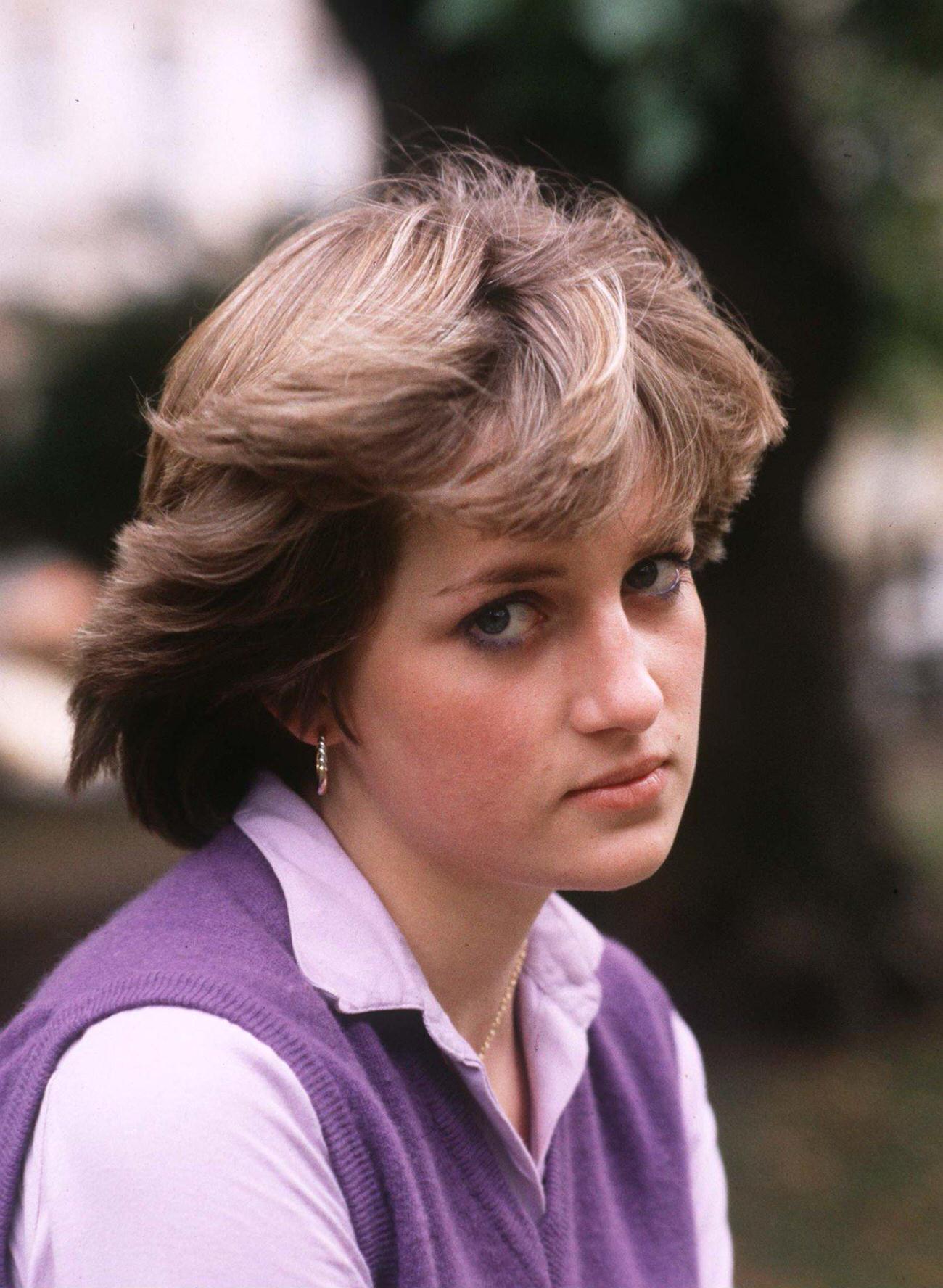
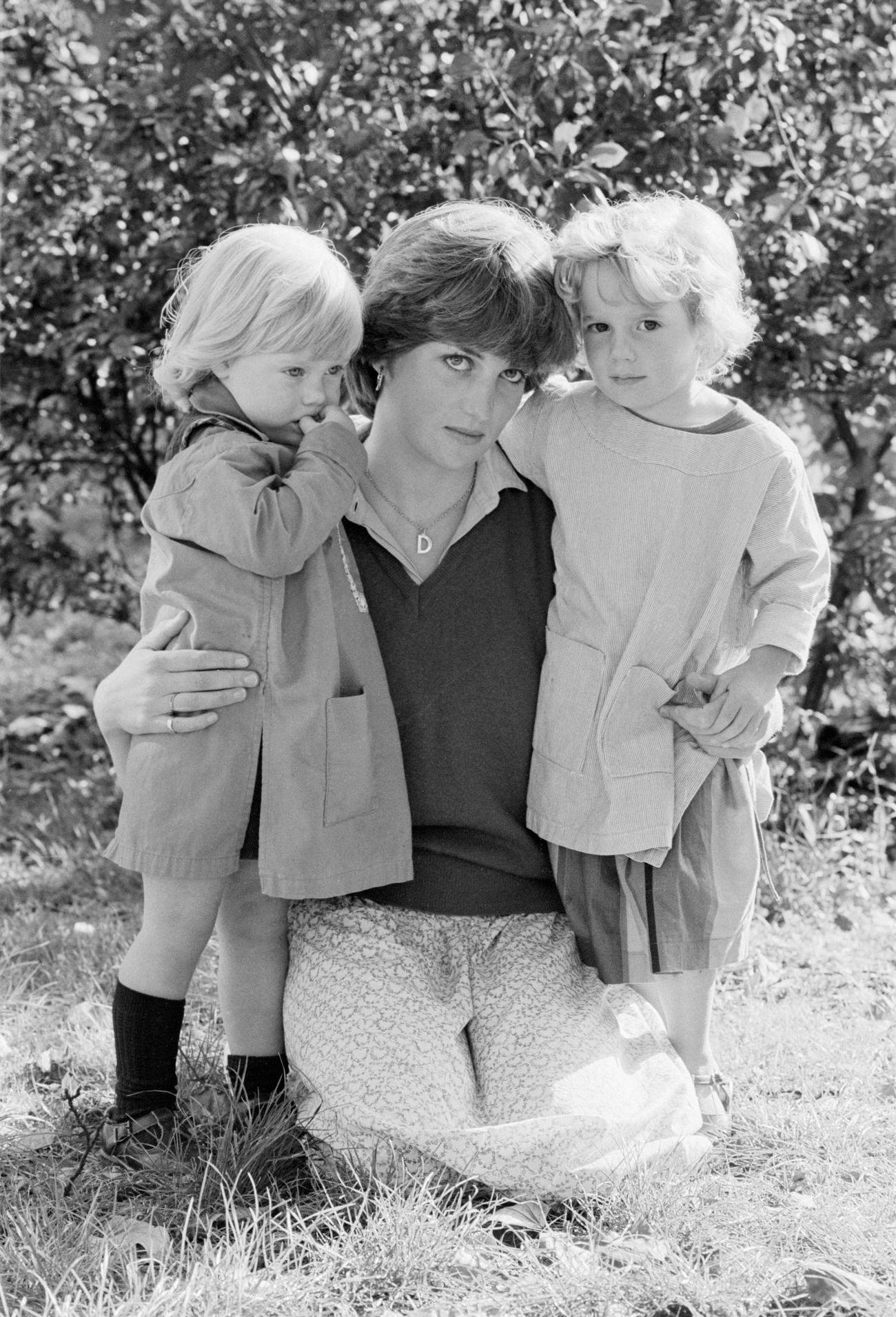
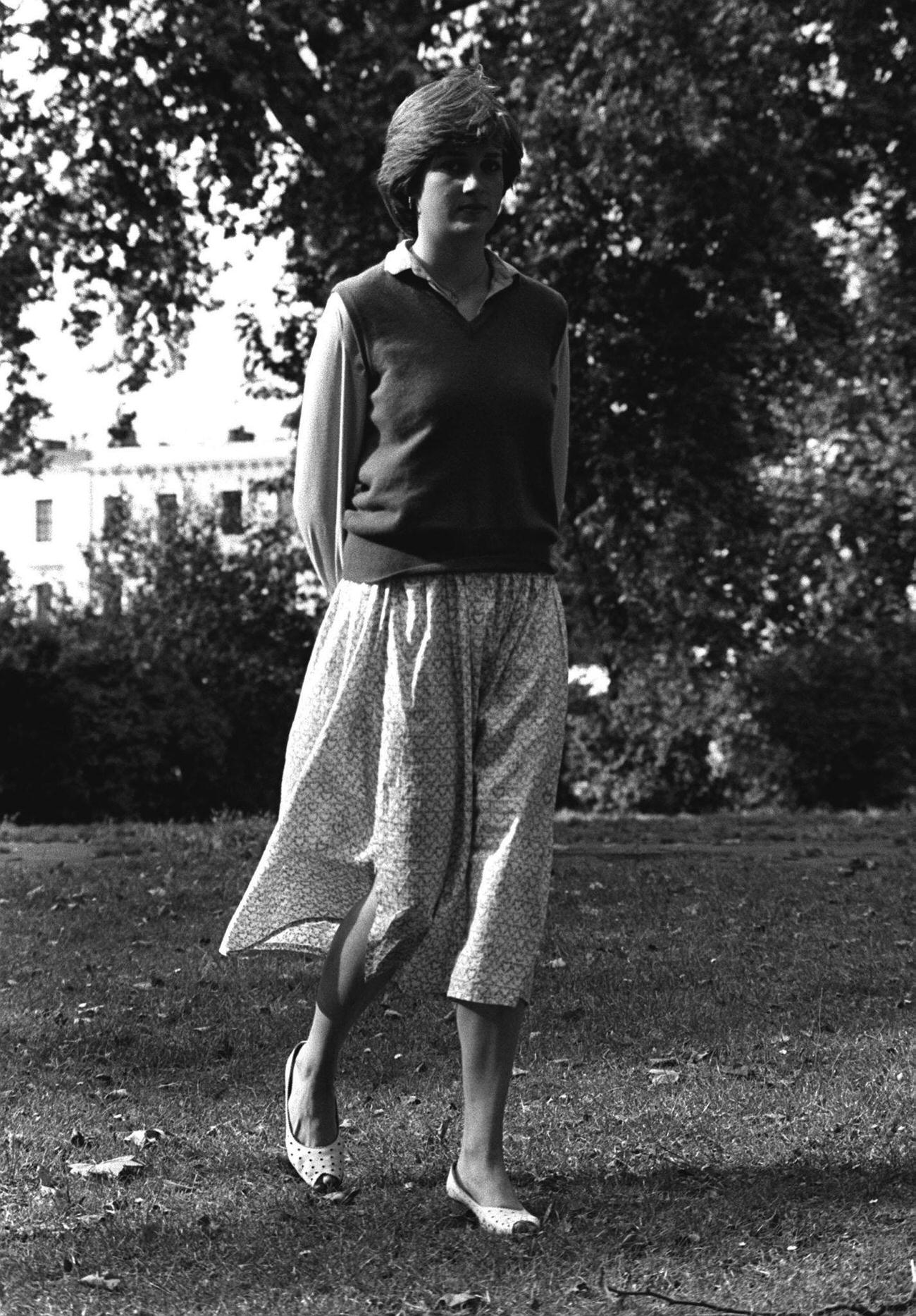
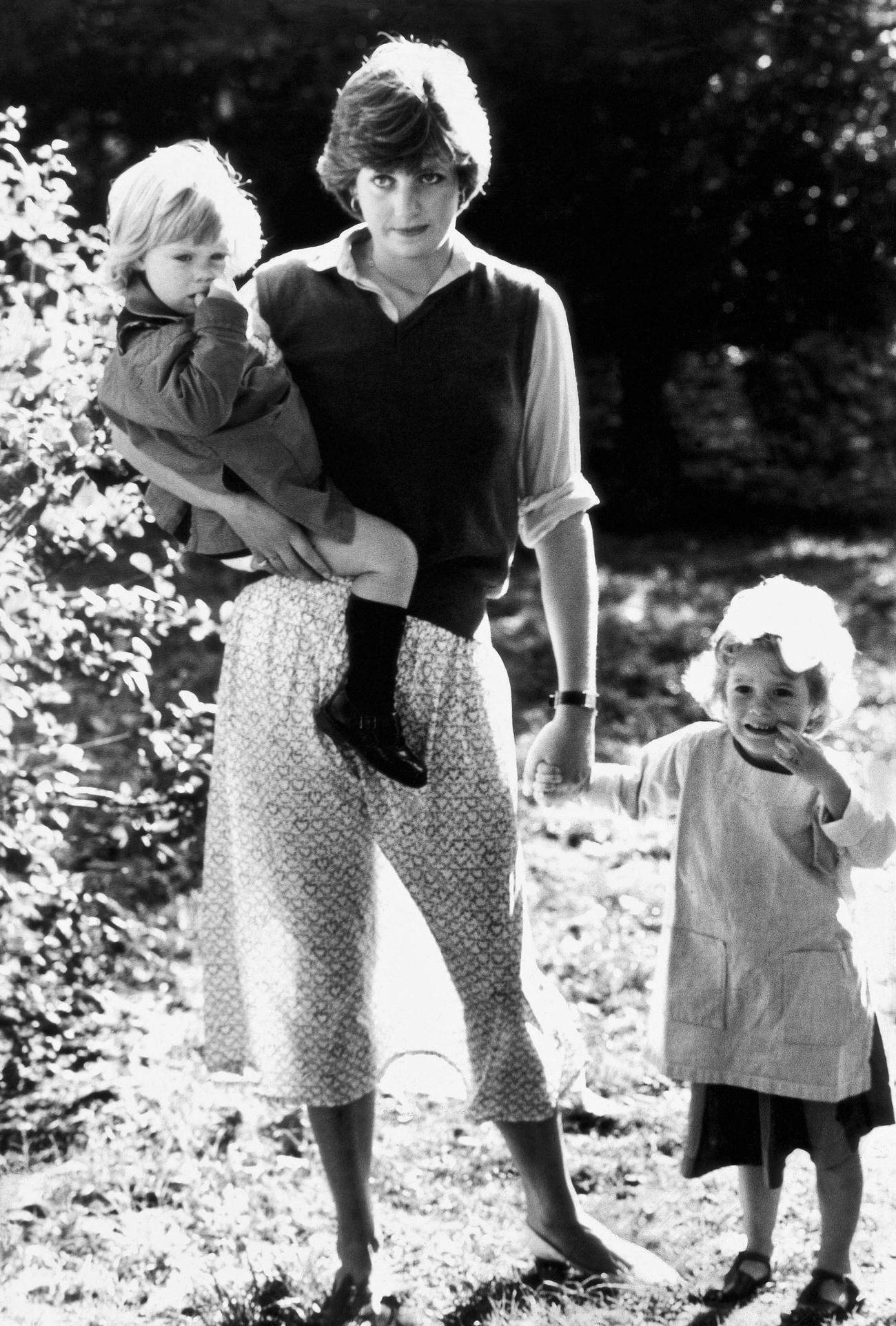
It was at the Young England Kindergarten where photographers first caught the public’s attention with Diana. In September 1980, as rumors of a romance with Prince Charles began to circulate, press photographers descended on the school. In what became one of the most famous unintentional fashion moments of the era, Diana stood in the garden with two children, the sunlight shining through her thin cotton skirt and silhouetting her legs. She had no idea the image would appear on front pages worldwide. The photos ran anyway, and the shy, fresh-faced kindergarten teacher suddenly became a figure of enormous public curiosity.
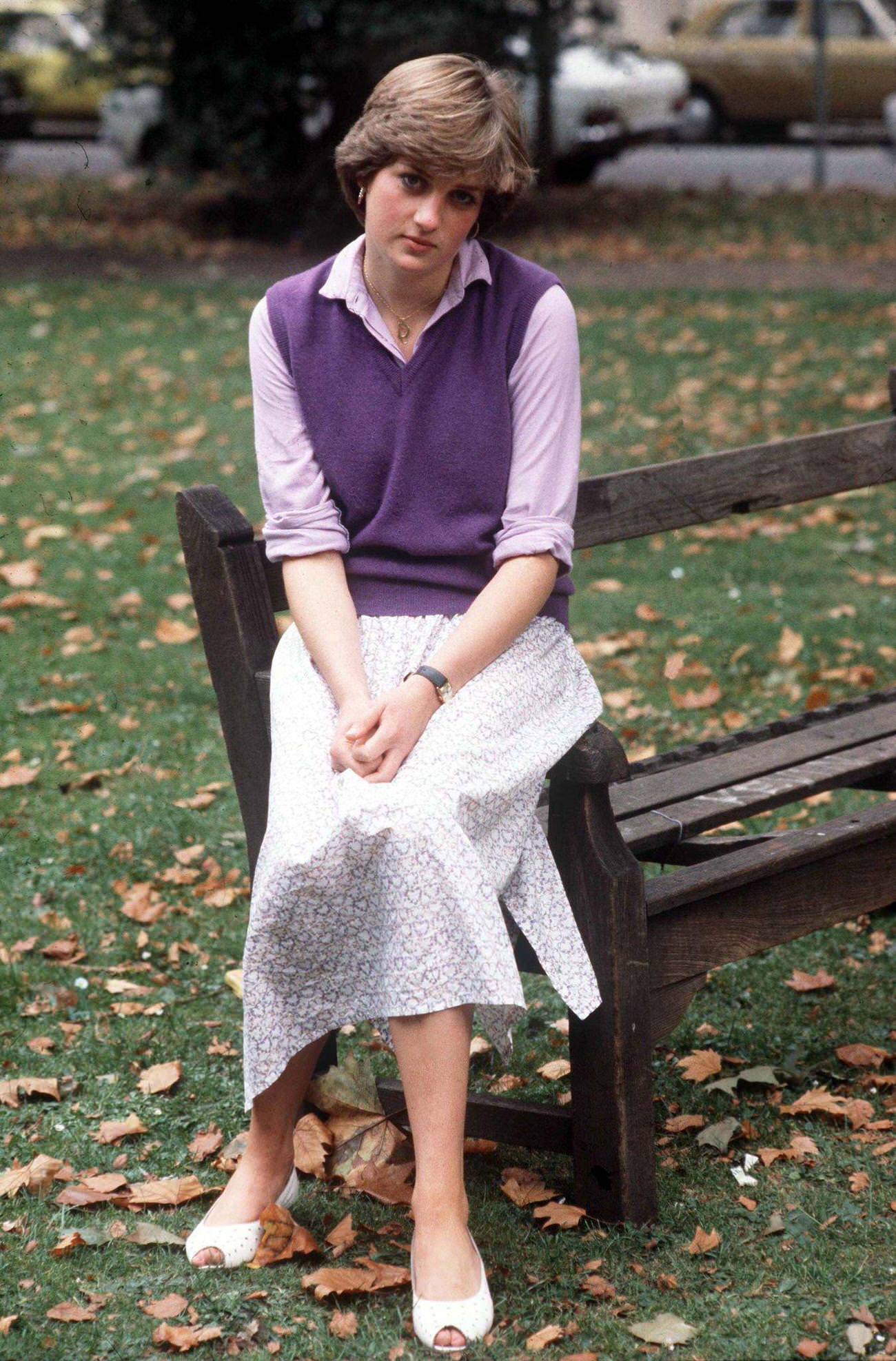
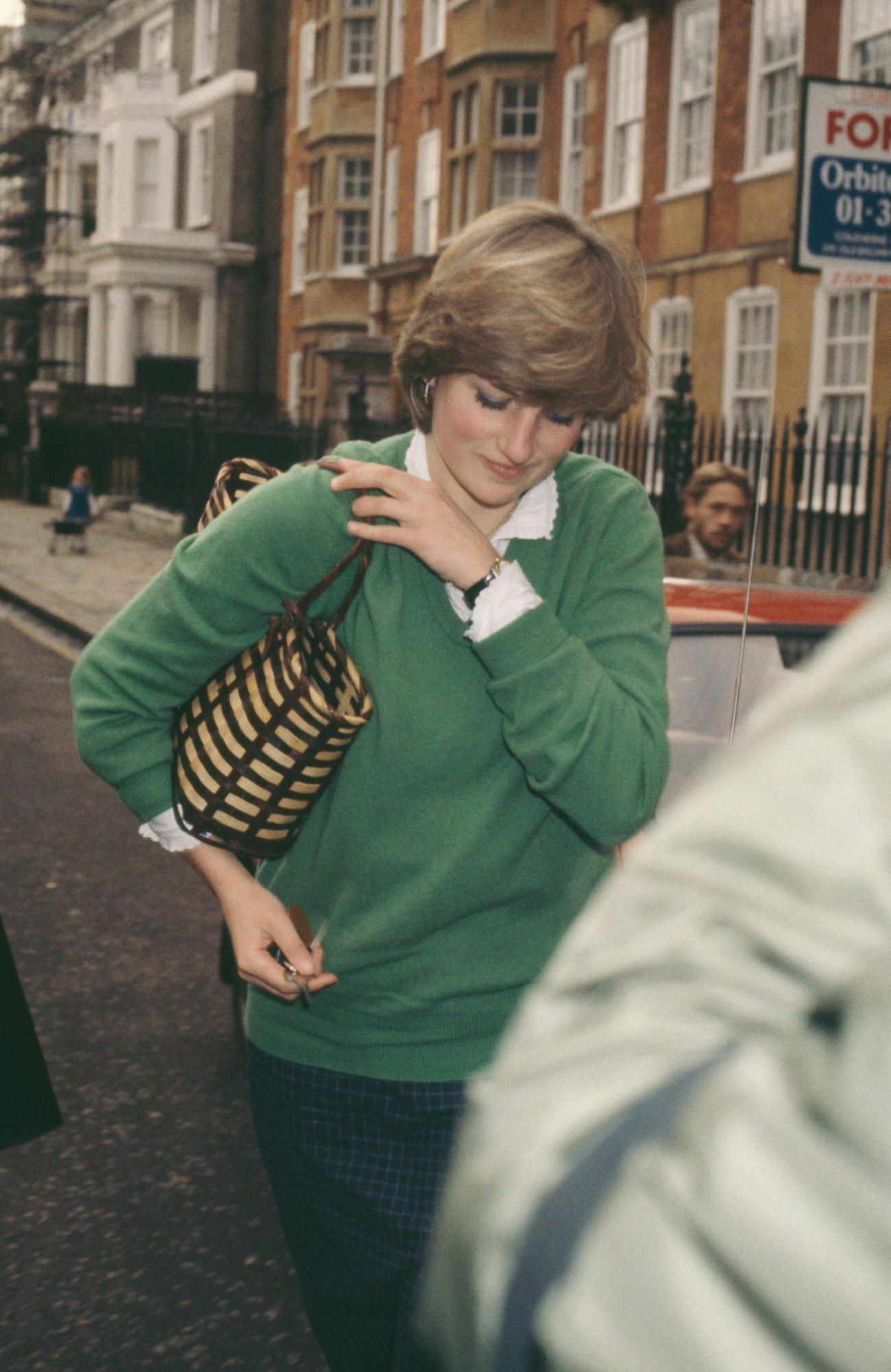
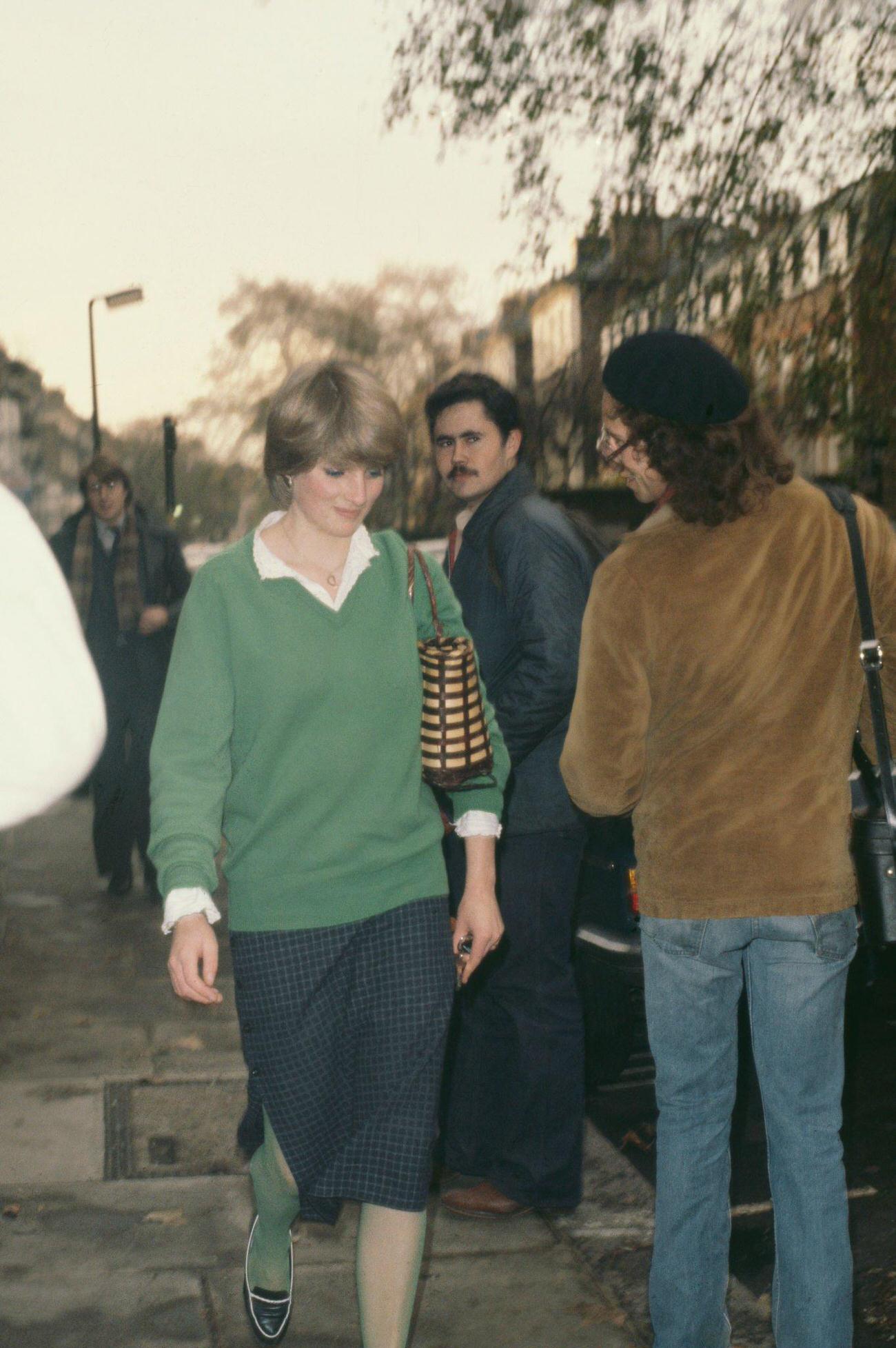
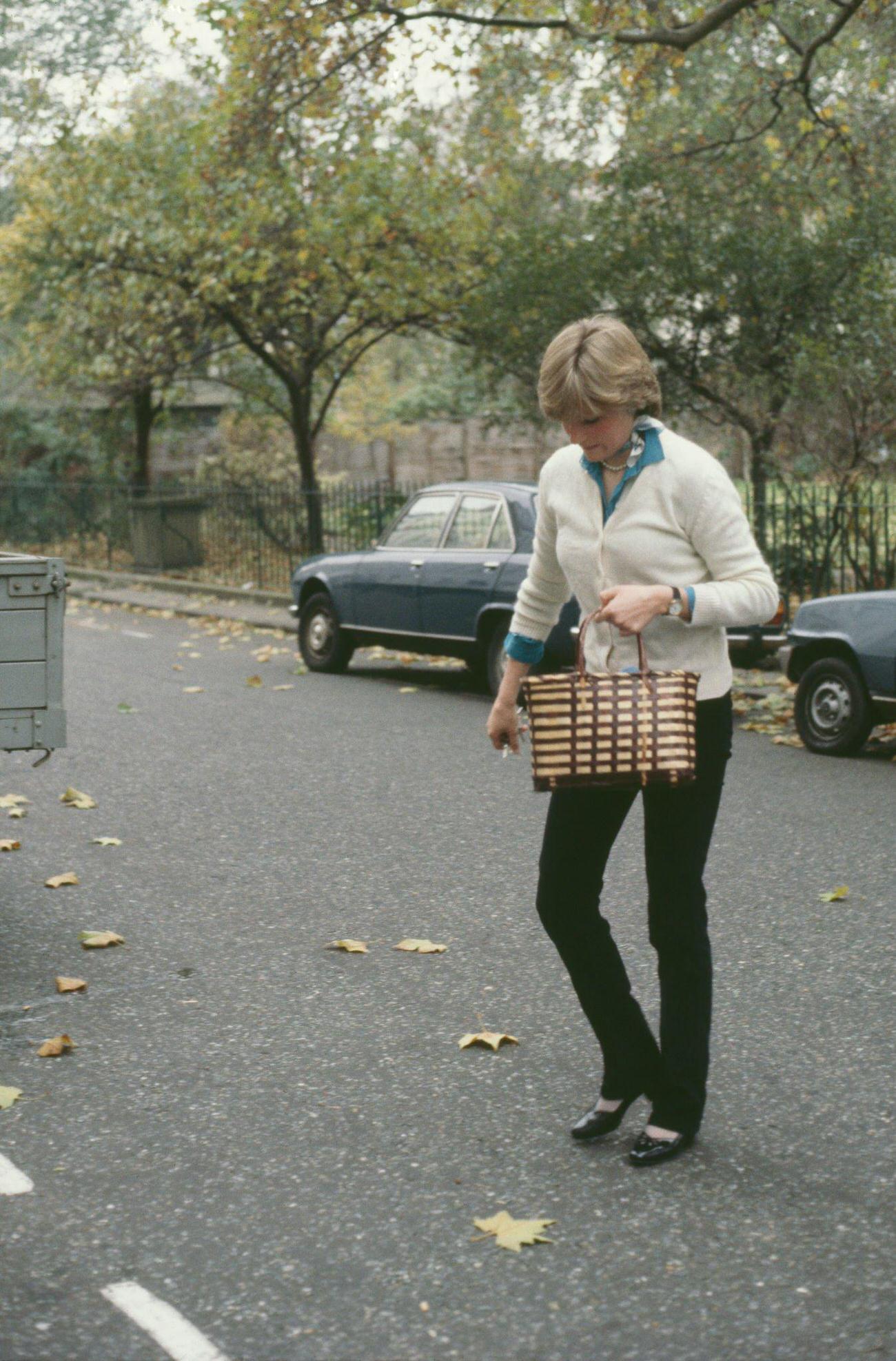
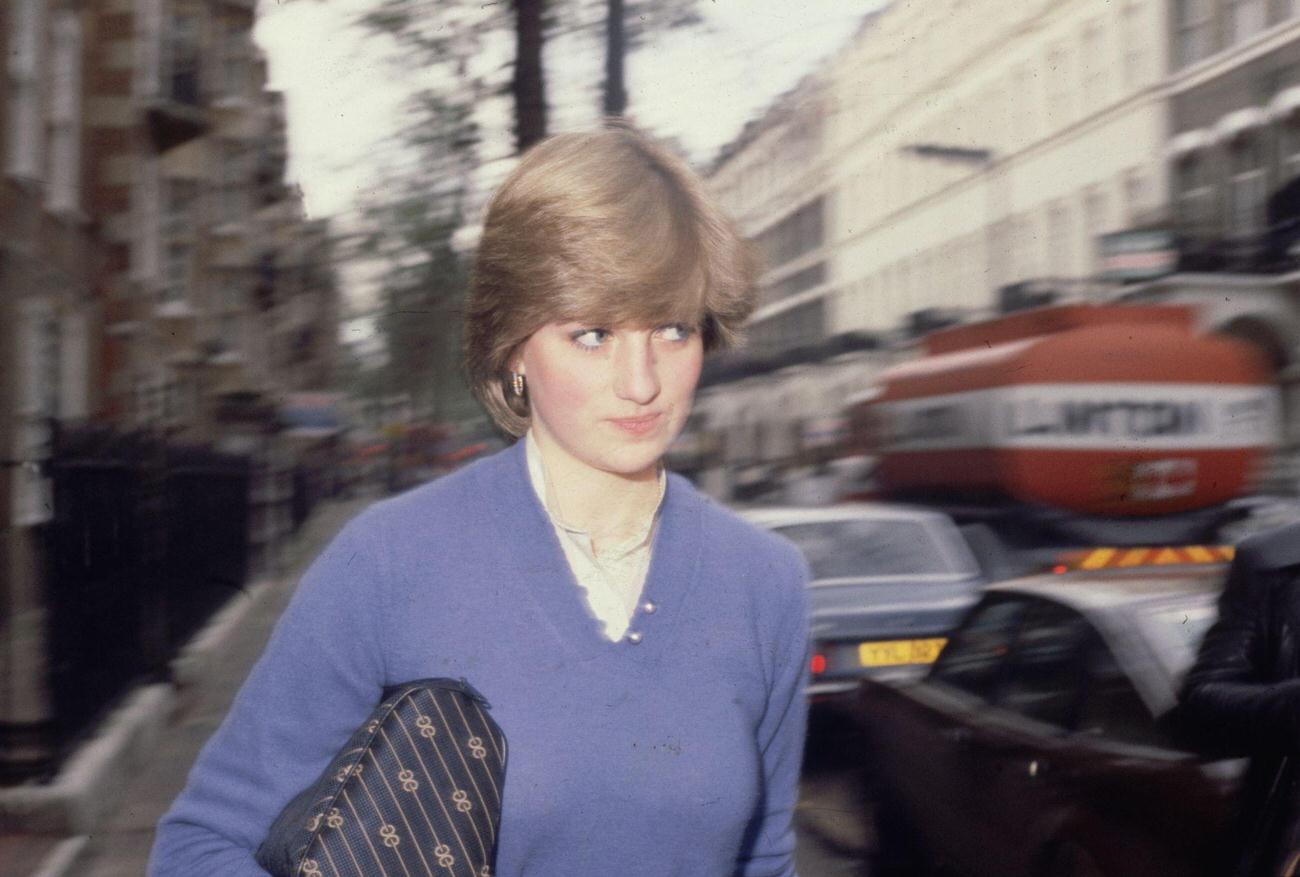
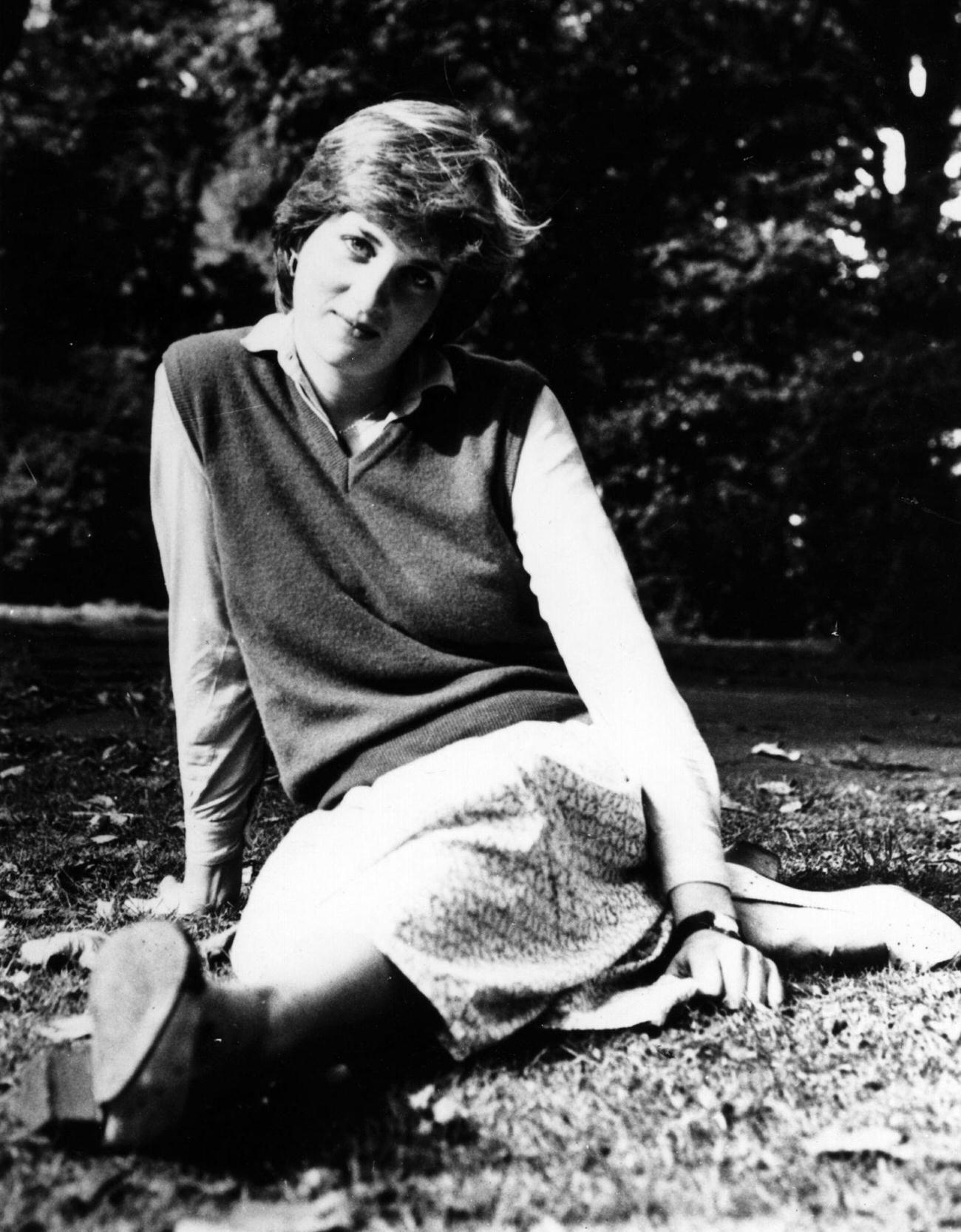
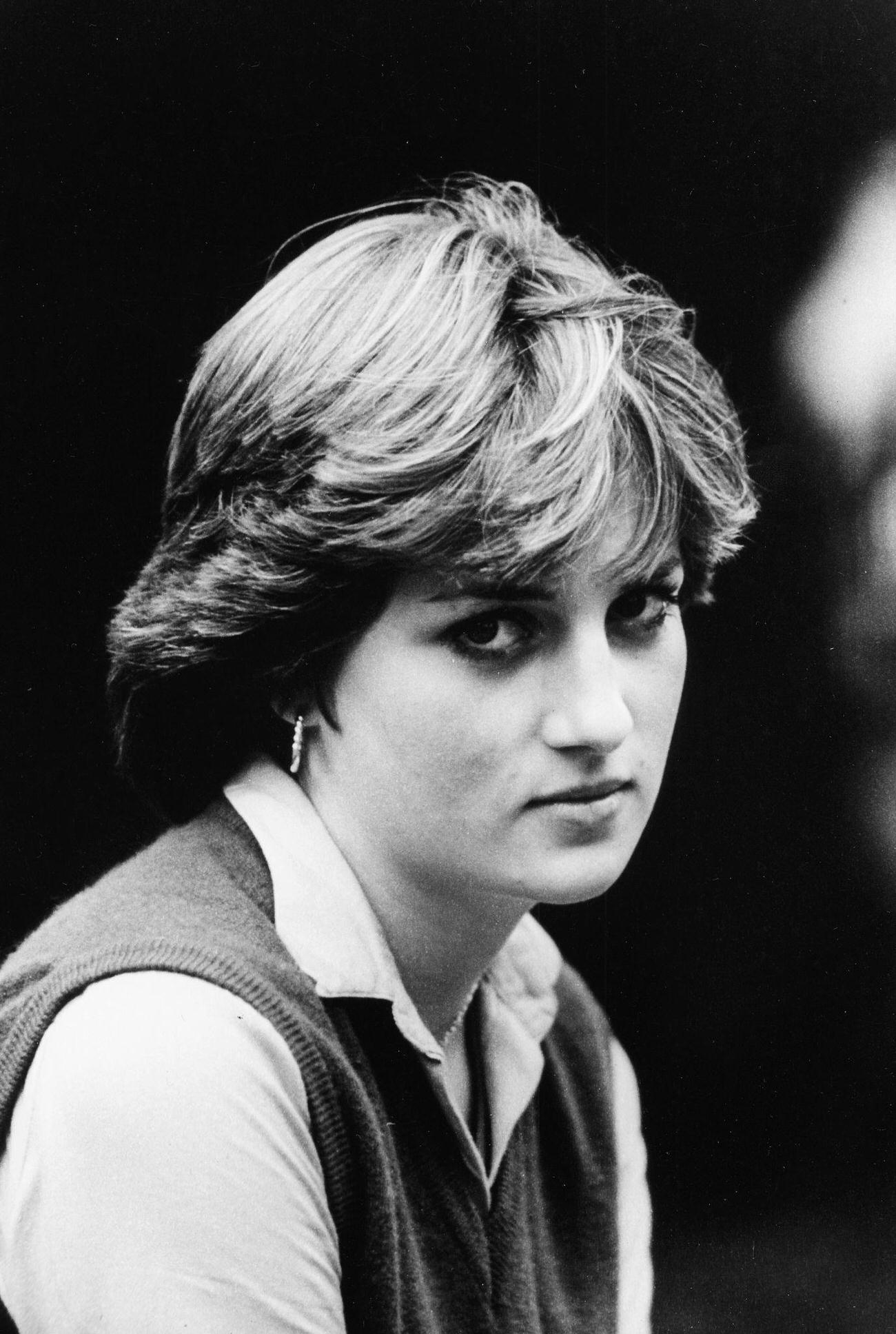
Diana’s daily style during this period was entirely her own — and entirely unpretentious. She favored layered knitwear, floral dresses, plaid skirts, and sensible shoes. She wore her hair in a short, feathered cut that became widely copied almost immediately. There was nothing calculated about her look. She dressed like a well-brought-up young Englishwoman navigating a busy, ordinary life. But something about the combination — her height, her bearing, the ease with which she wore simple clothes — made every outfit photograph beautifully.
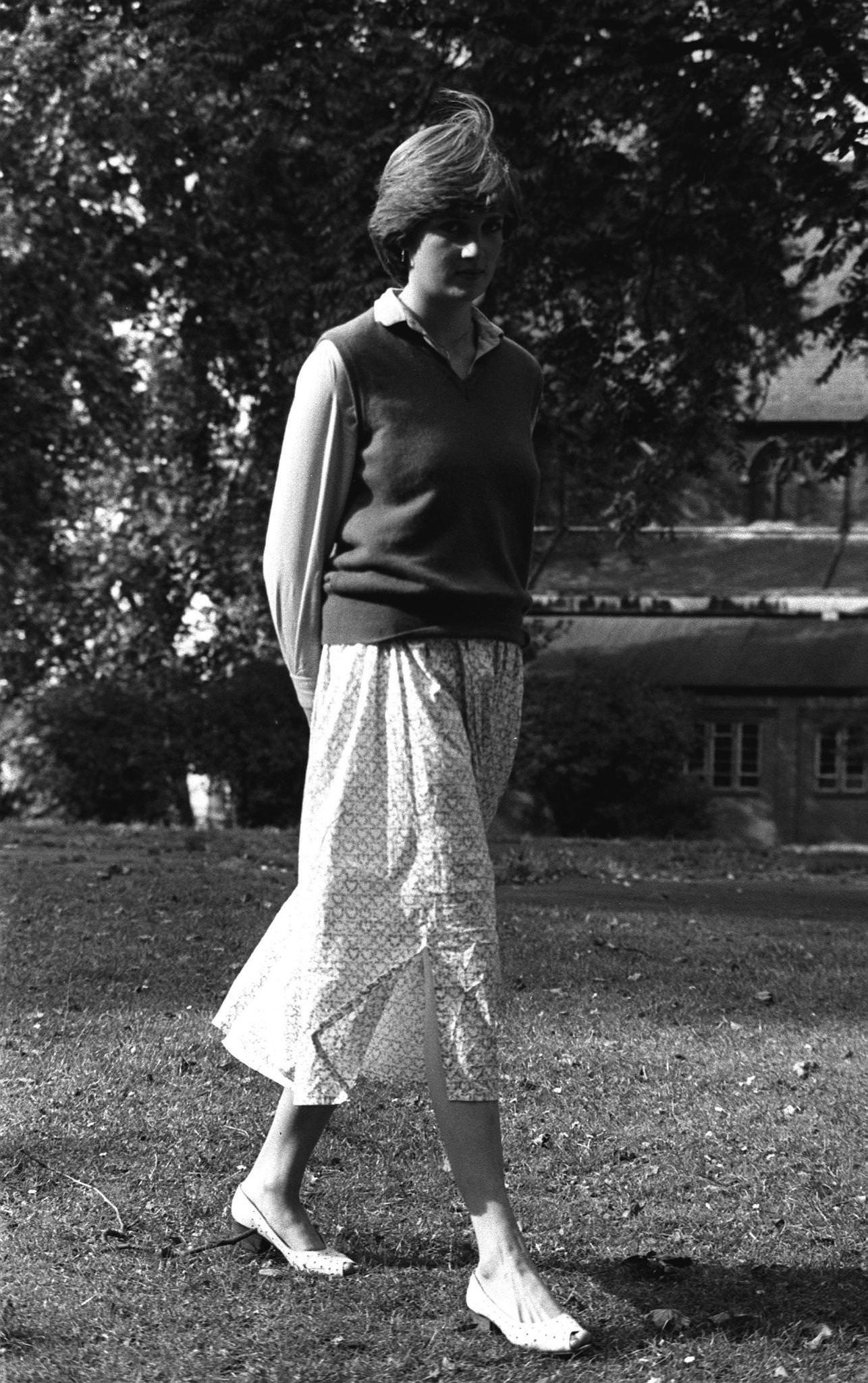
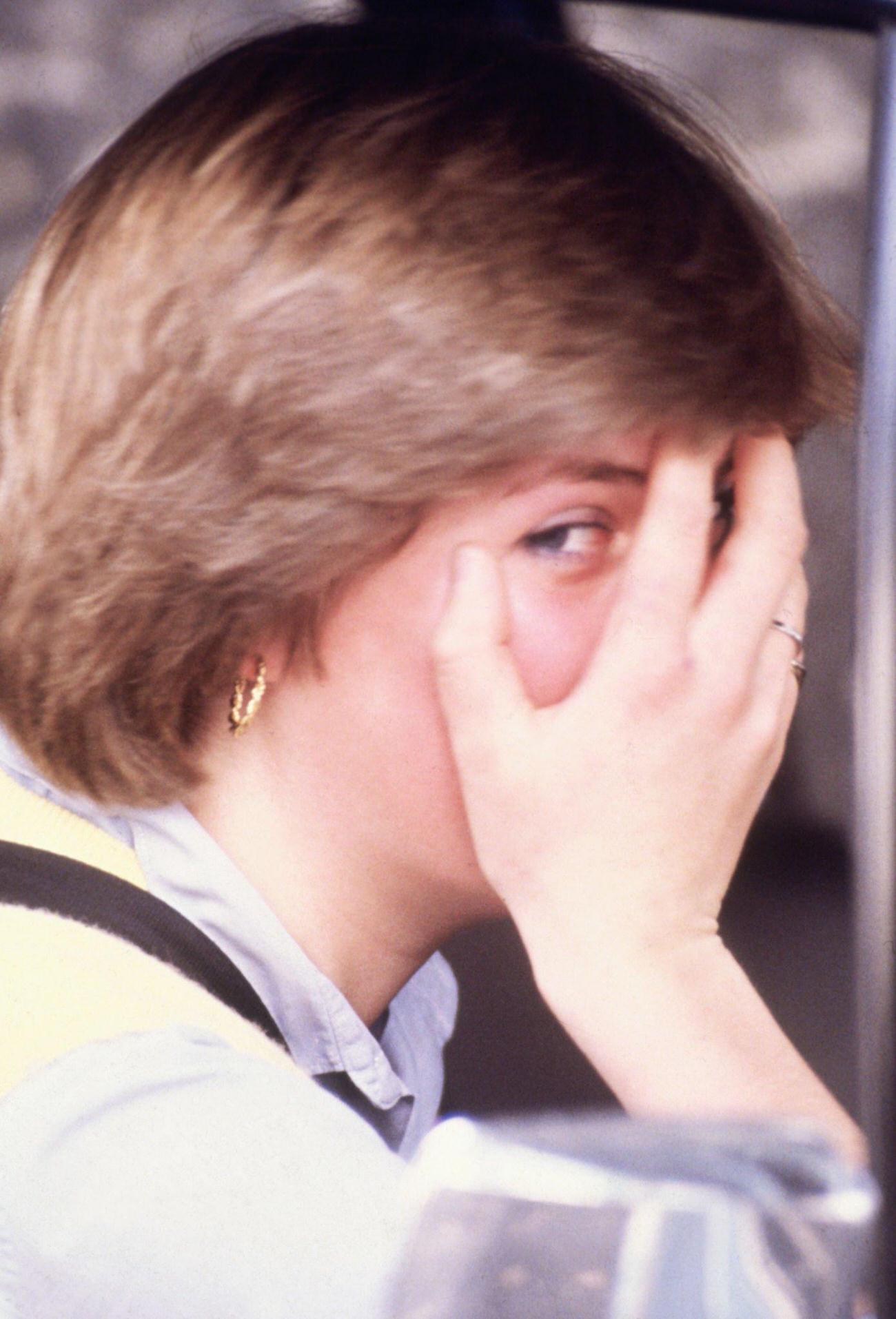
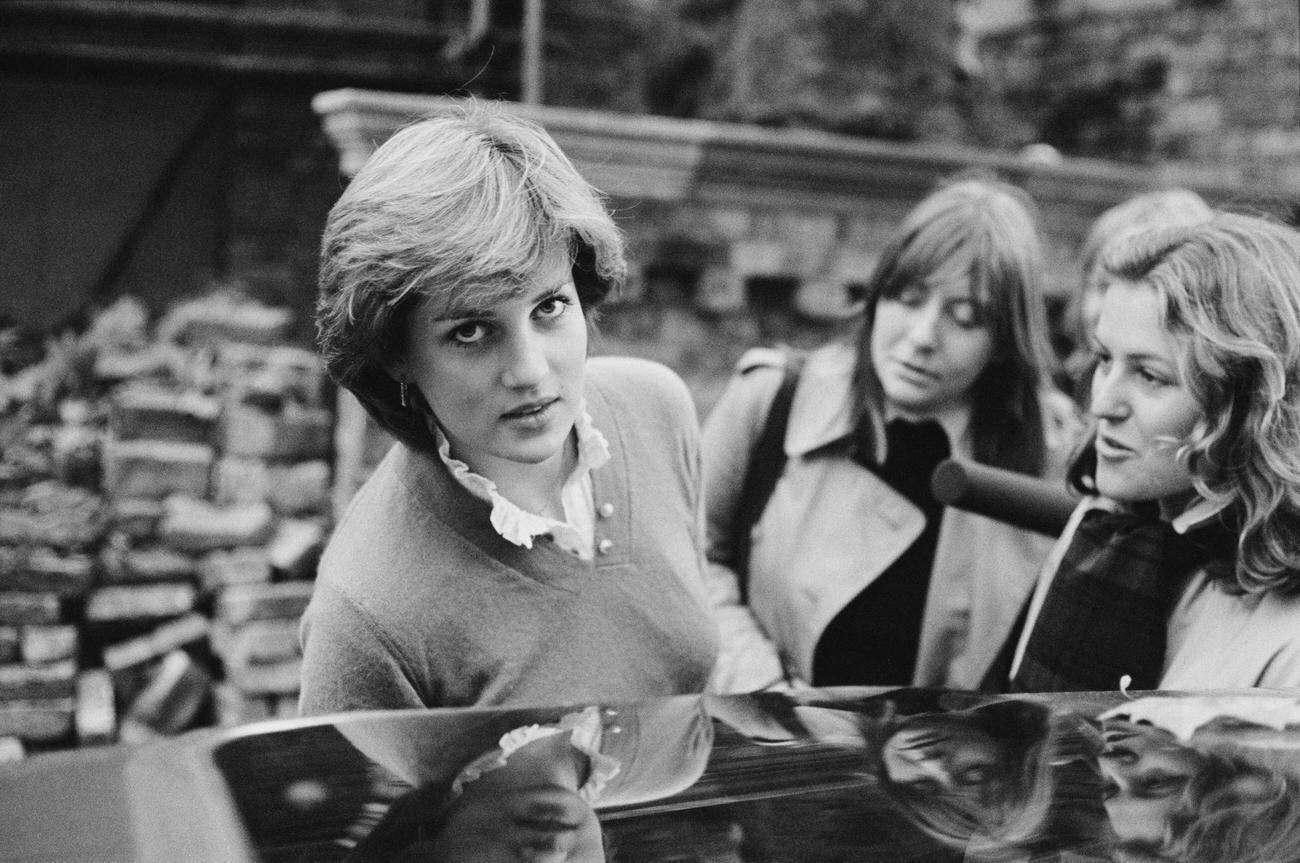
As the media attention intensified through the autumn of 1980, Diana handled it with a composure that surprised many who knew her. She was only 19 years old, yet she navigated the press pack outside her flat, outside the kindergarten, and outside royal events with a quiet steadiness. She did not snap at photographers or make dramatic exits. She occasionally covered her face, kept her head down, and said little — but she rarely lost her composure entirely. In September 1980, she posed briefly for The Sunday Mirror outside her London flat and acknowledged, in a few carefully chosen words, that she was still learning how to manage her new public profile.
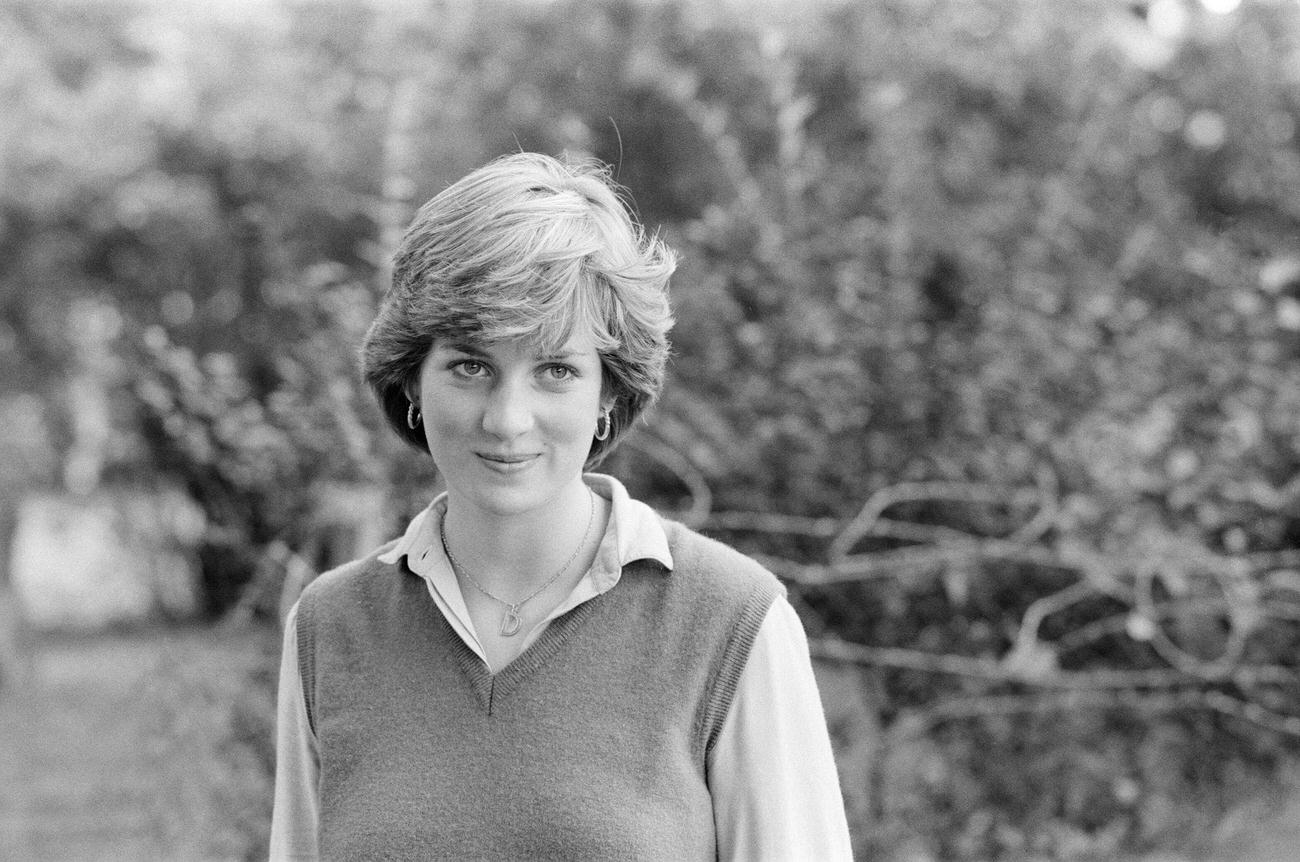
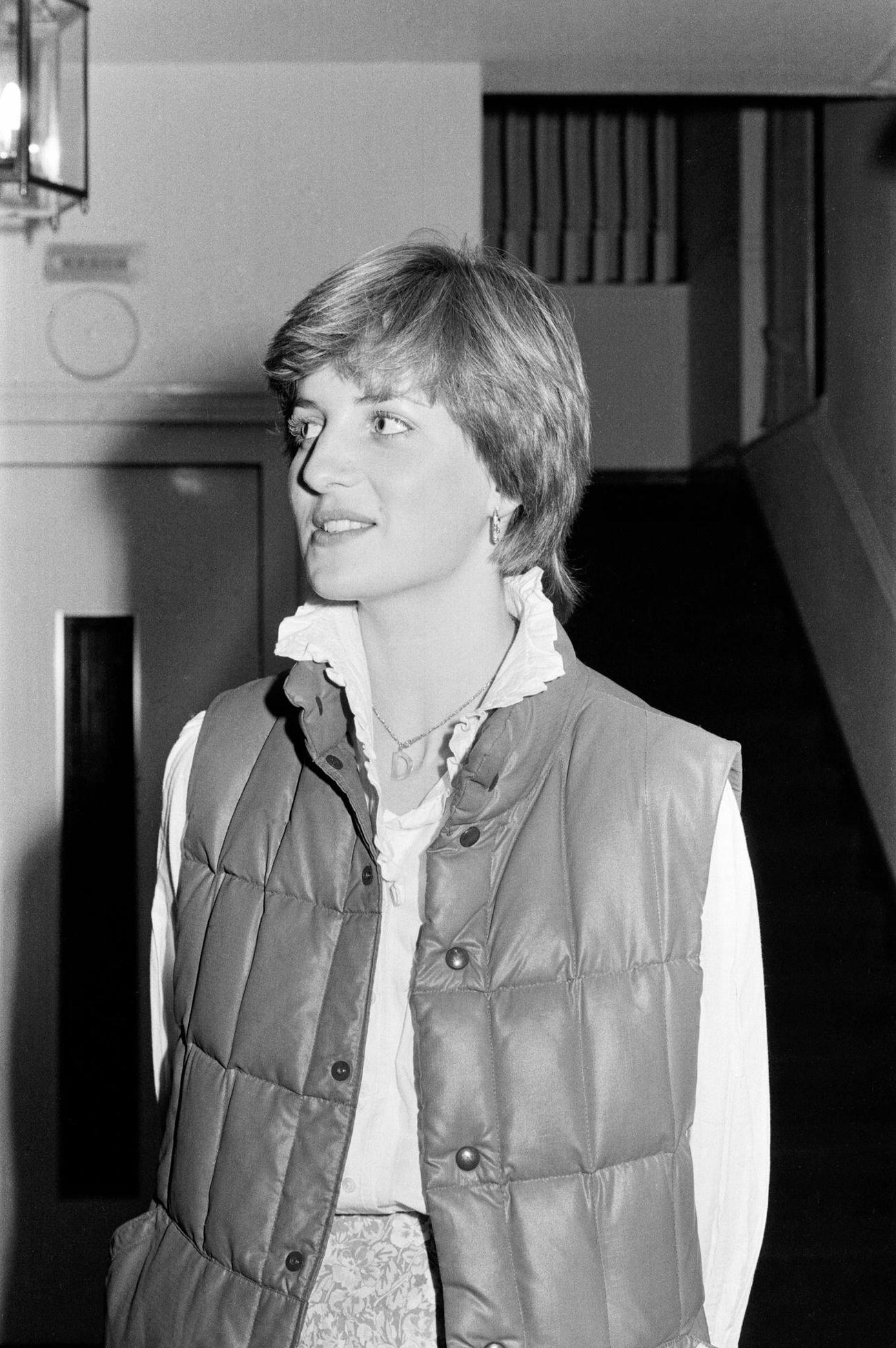
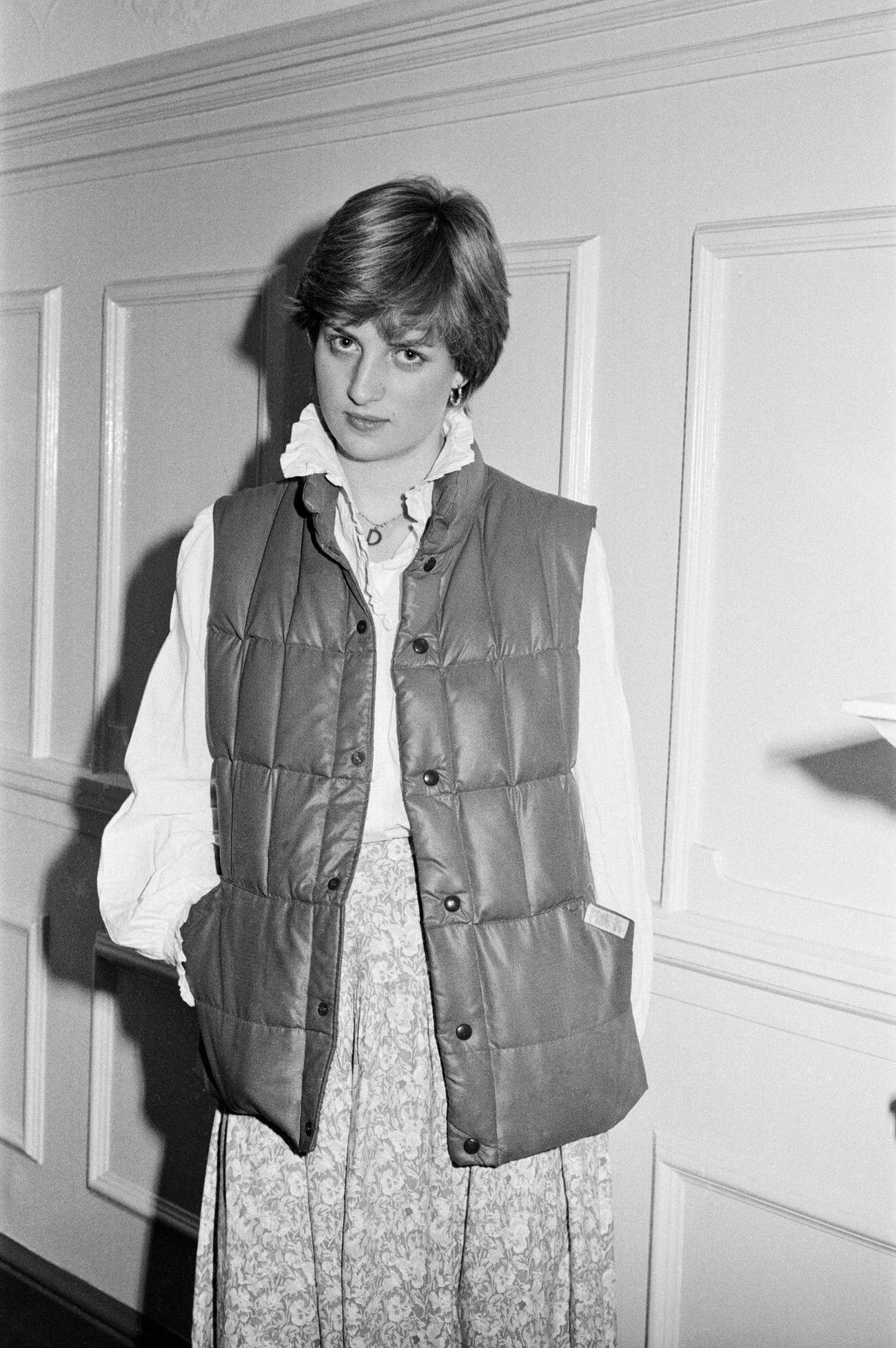
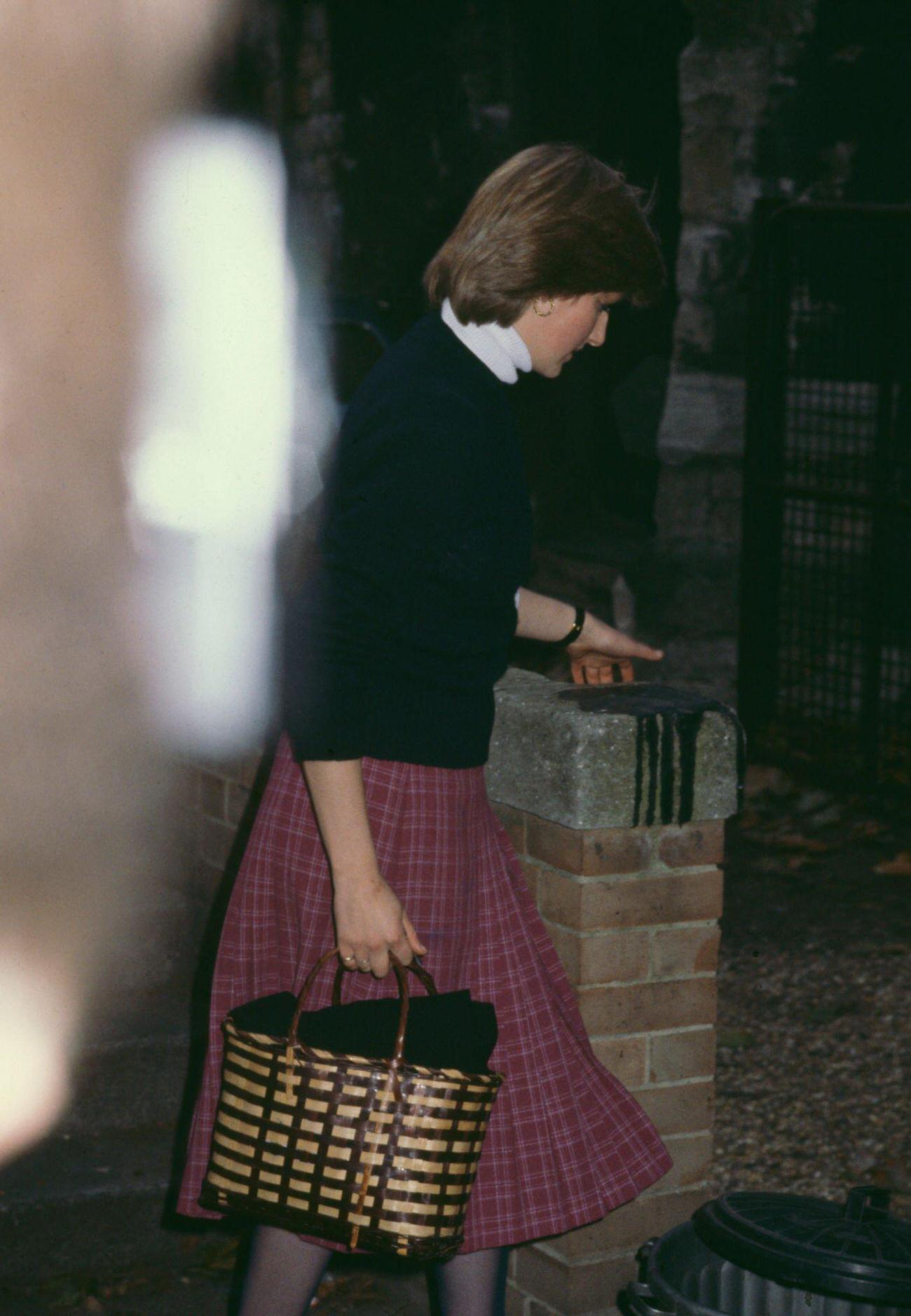
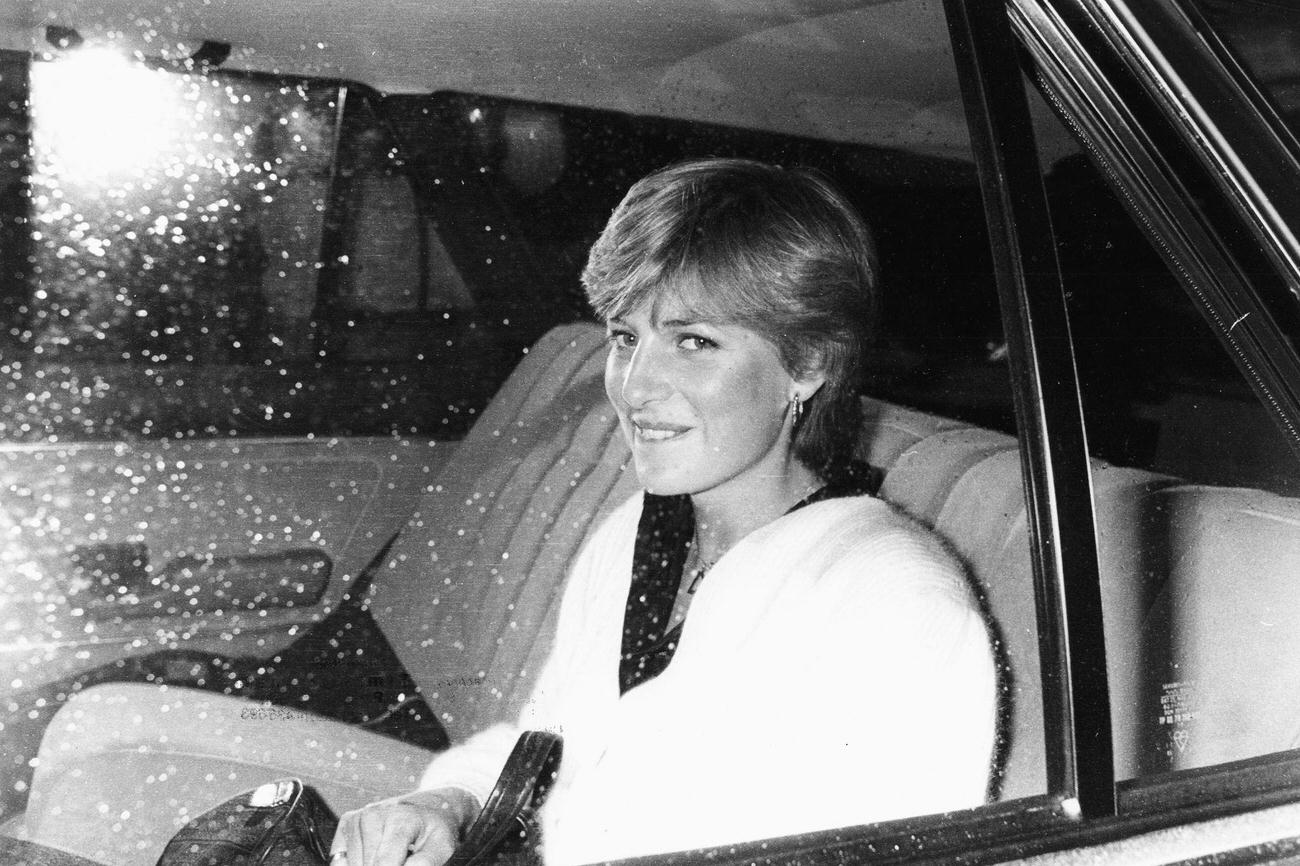
Away from the cameras, Diana maintained a life that was as grounded as it was ordinary. She pushed prams through Eaton Square, drove her Austin Metro through London traffic, and went shopping near her flat like any other young woman in the city. She was passionate about dance — ballet in particular — and had studied seriously enough in her teens that she harbored thoughts of becoming a professional dancer before her height made that path impractical. Music and the arts were also a constant presence in her life. She attended concerts, opera performances, and theater productions with genuine enthusiasm rather than royal obligation.
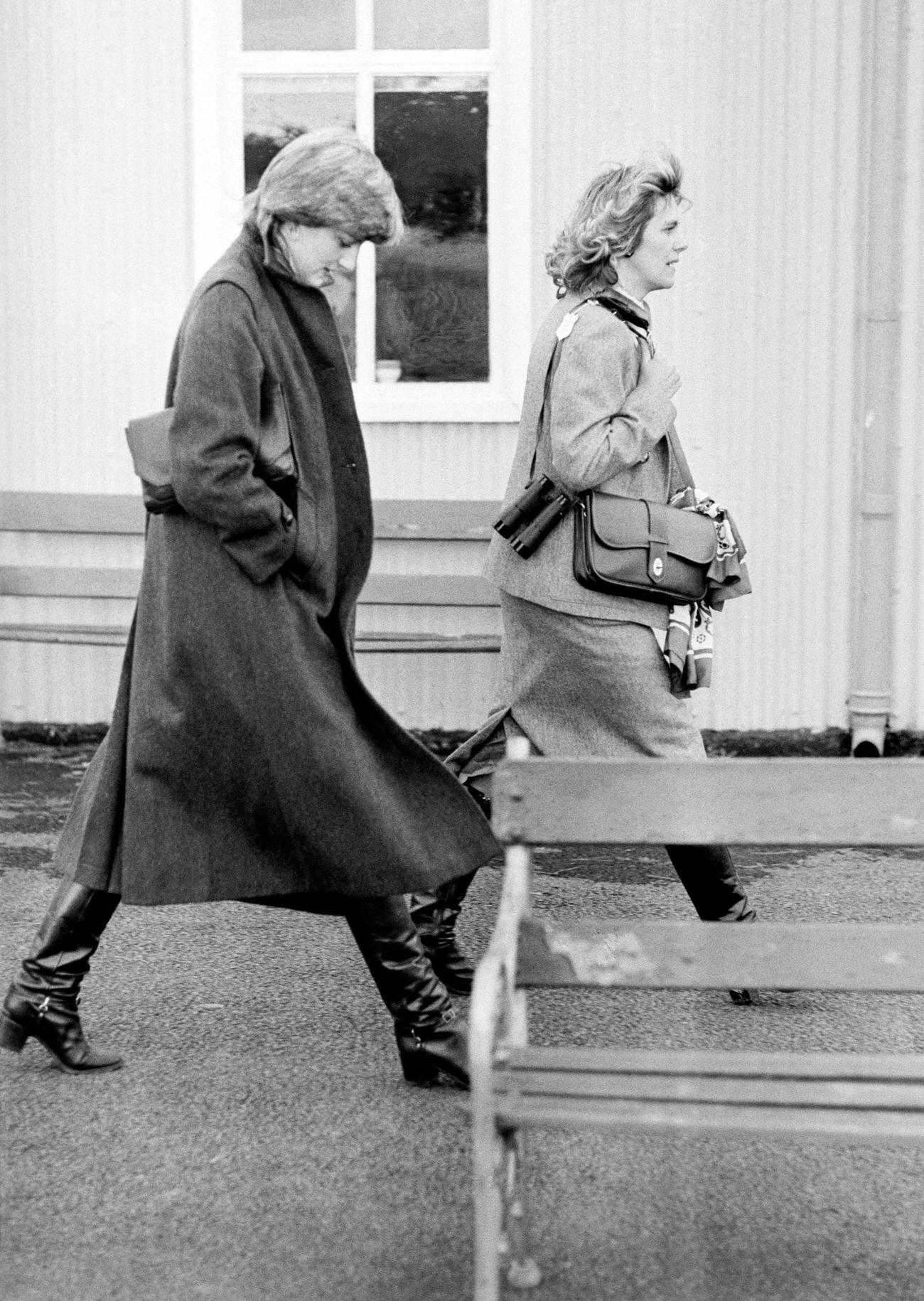
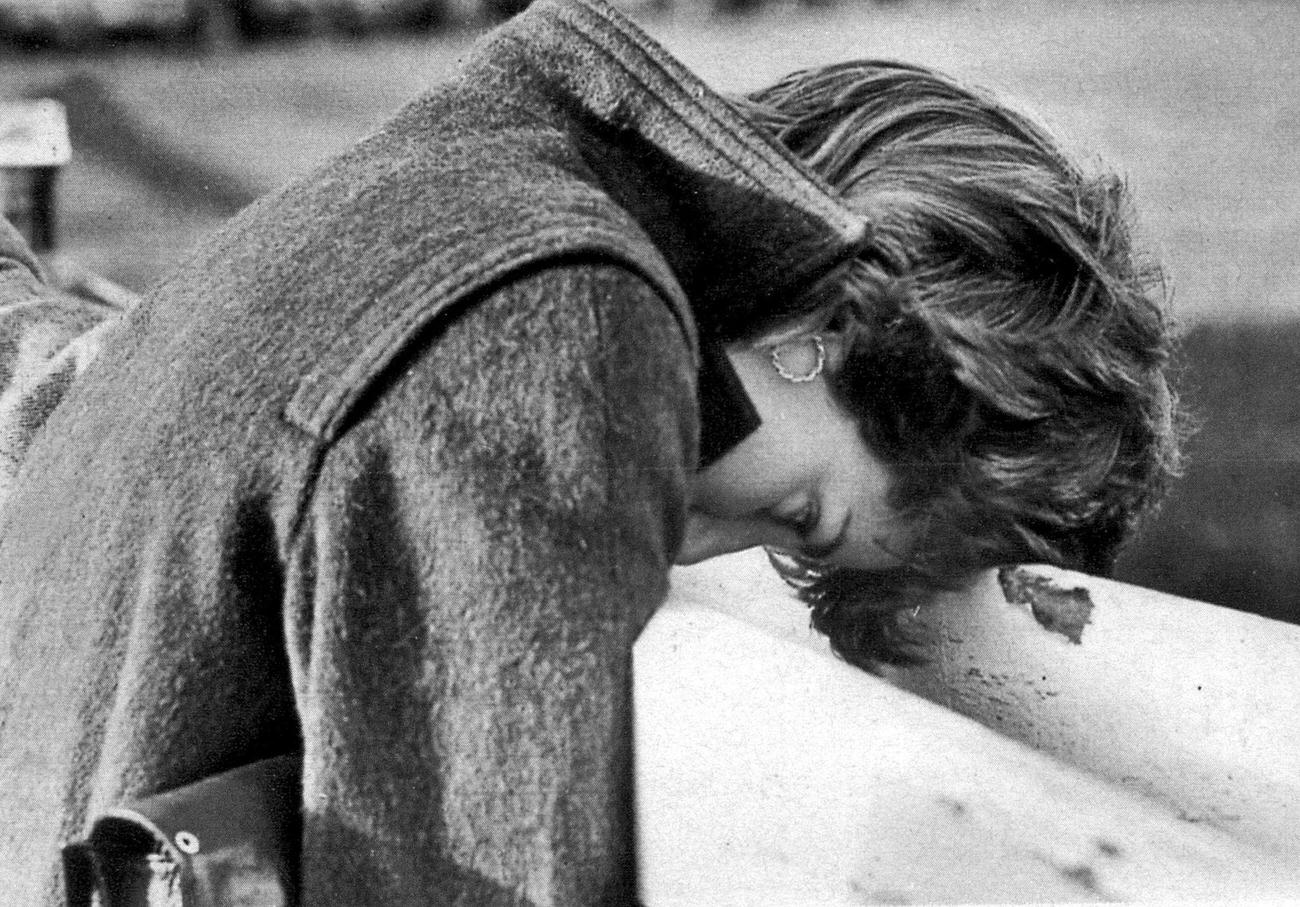
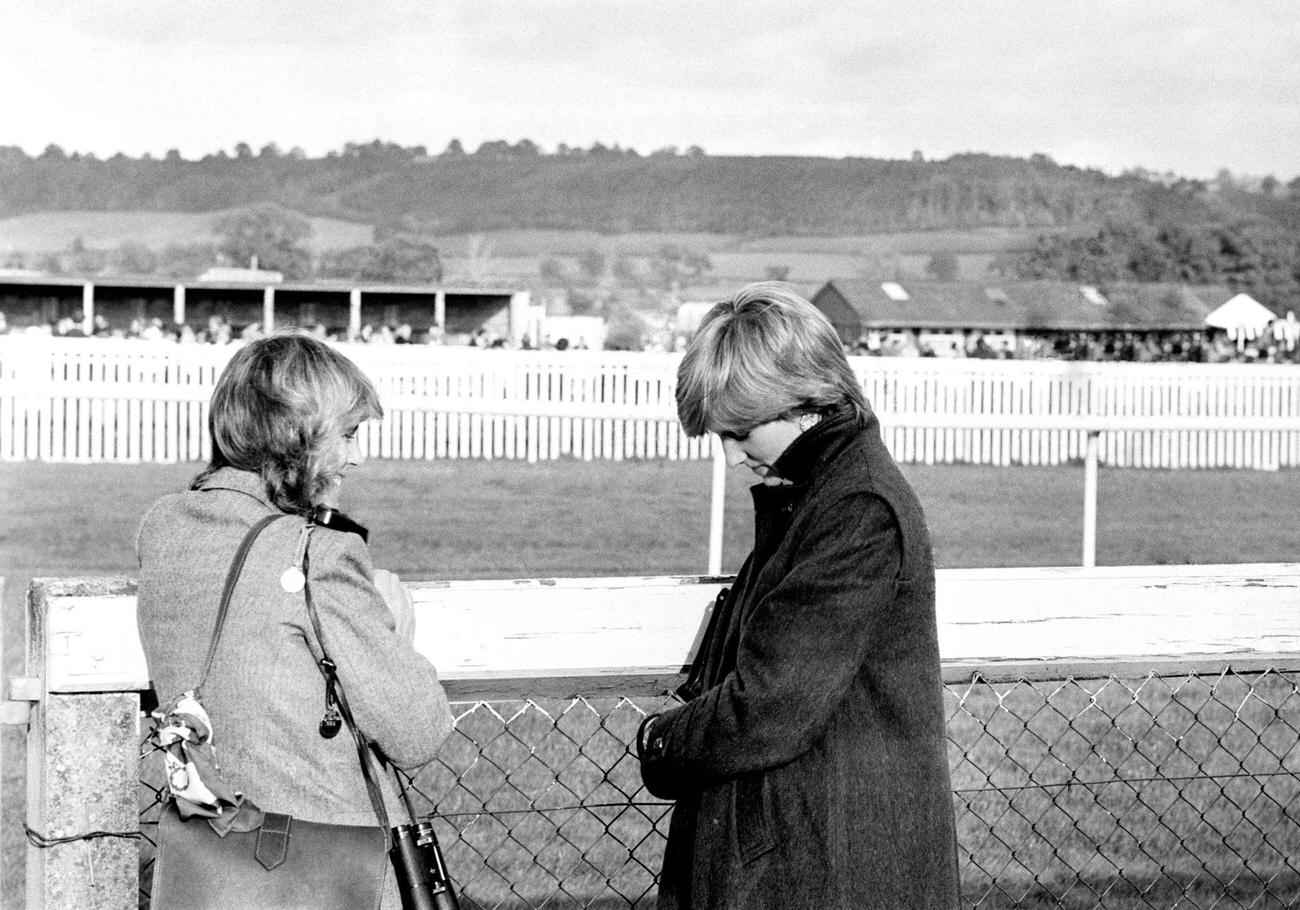
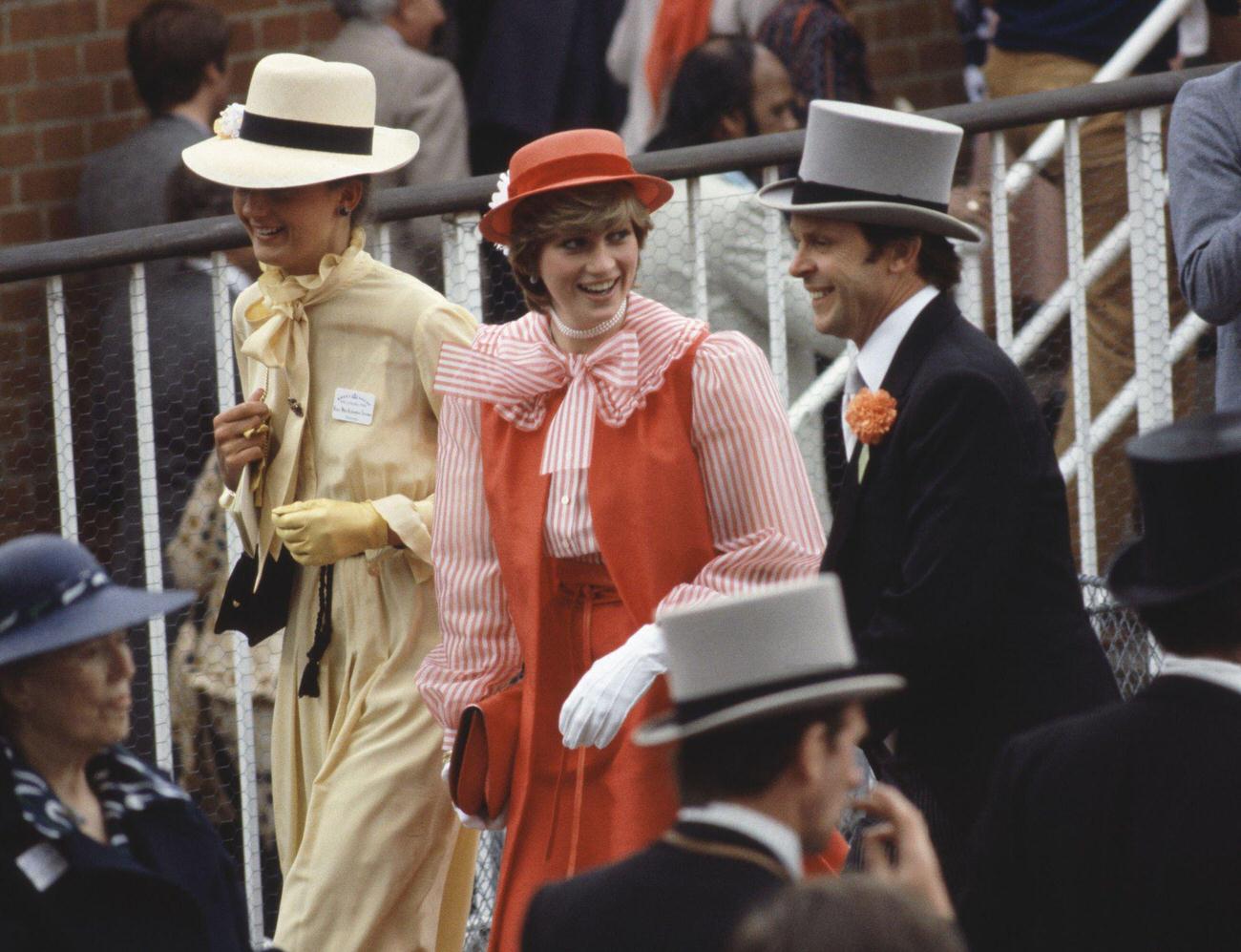
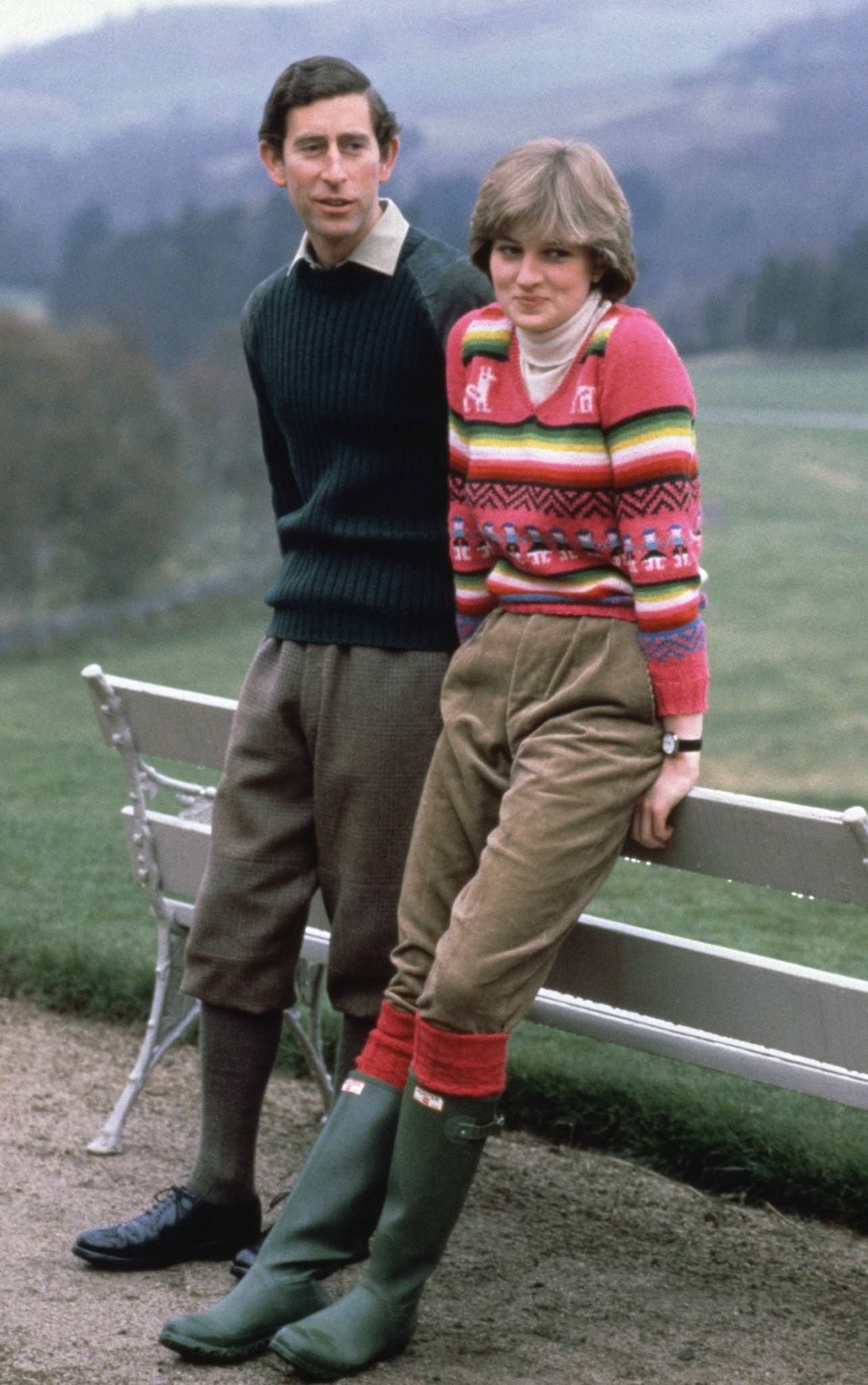
In October 1980, Diana attended the races at Ludlow Racecourse in Shropshire, where Prince Charles was competing in the Amateur Riders Handicap Steeplechase. It was one of their early public outings together, and it placed Diana alongside Camilla Parker-Bowles — a detail that would carry far more significance in hindsight than it did at the time. Diana’s appearance at equestrian events was natural; she had grown up riding and had a genuine love of horses. But by that point, her presence at any event connected to Charles drew intense scrutiny.
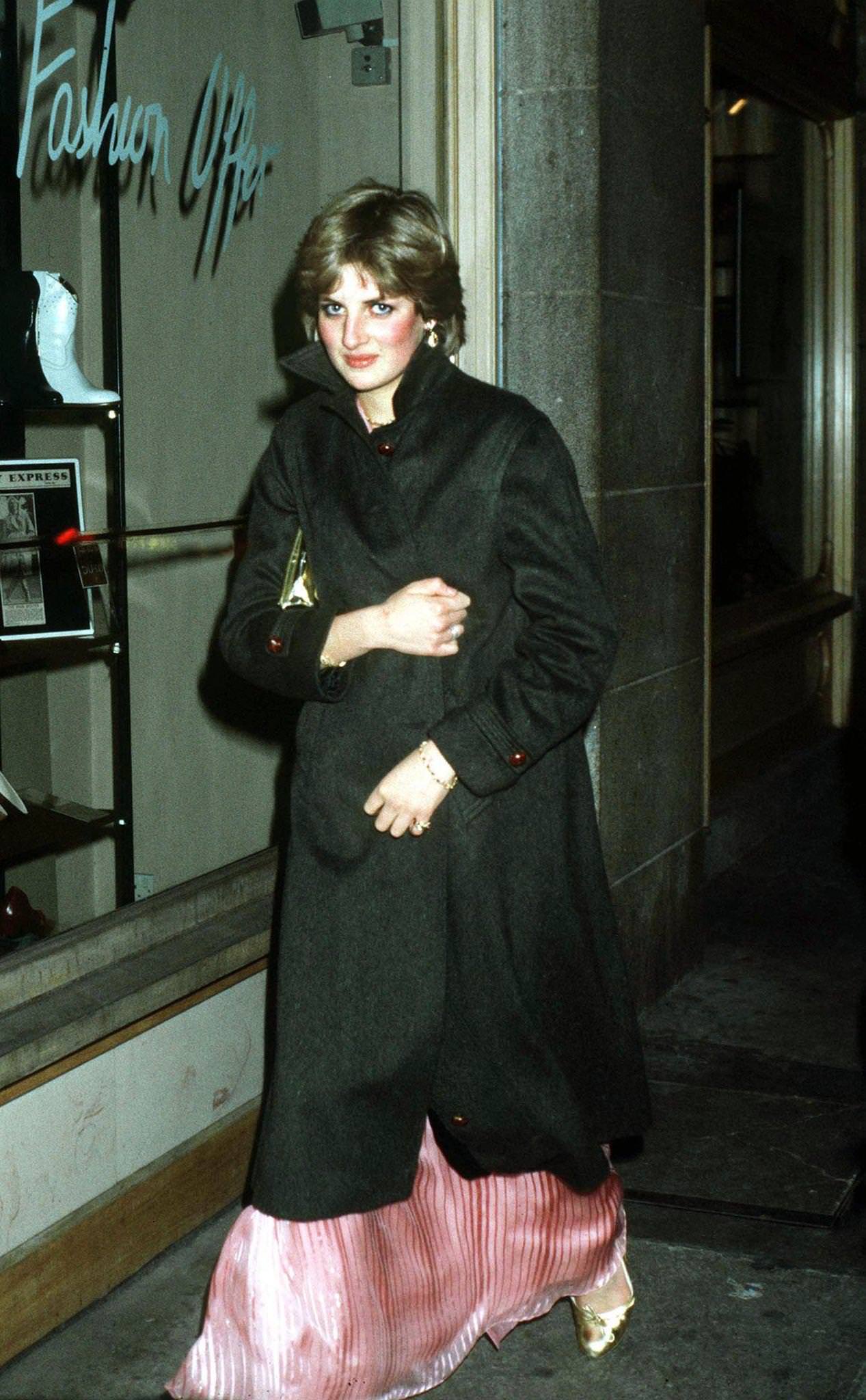
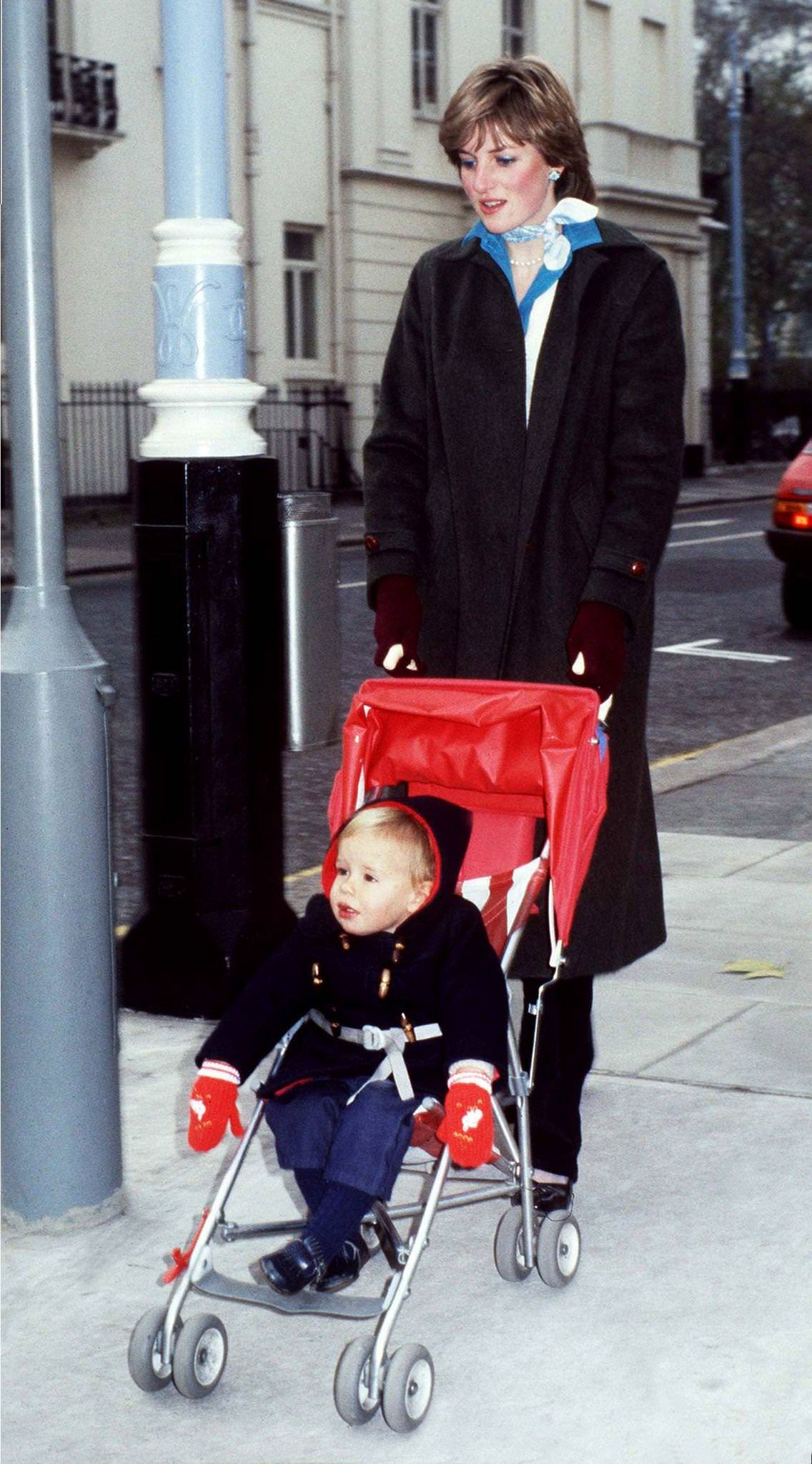
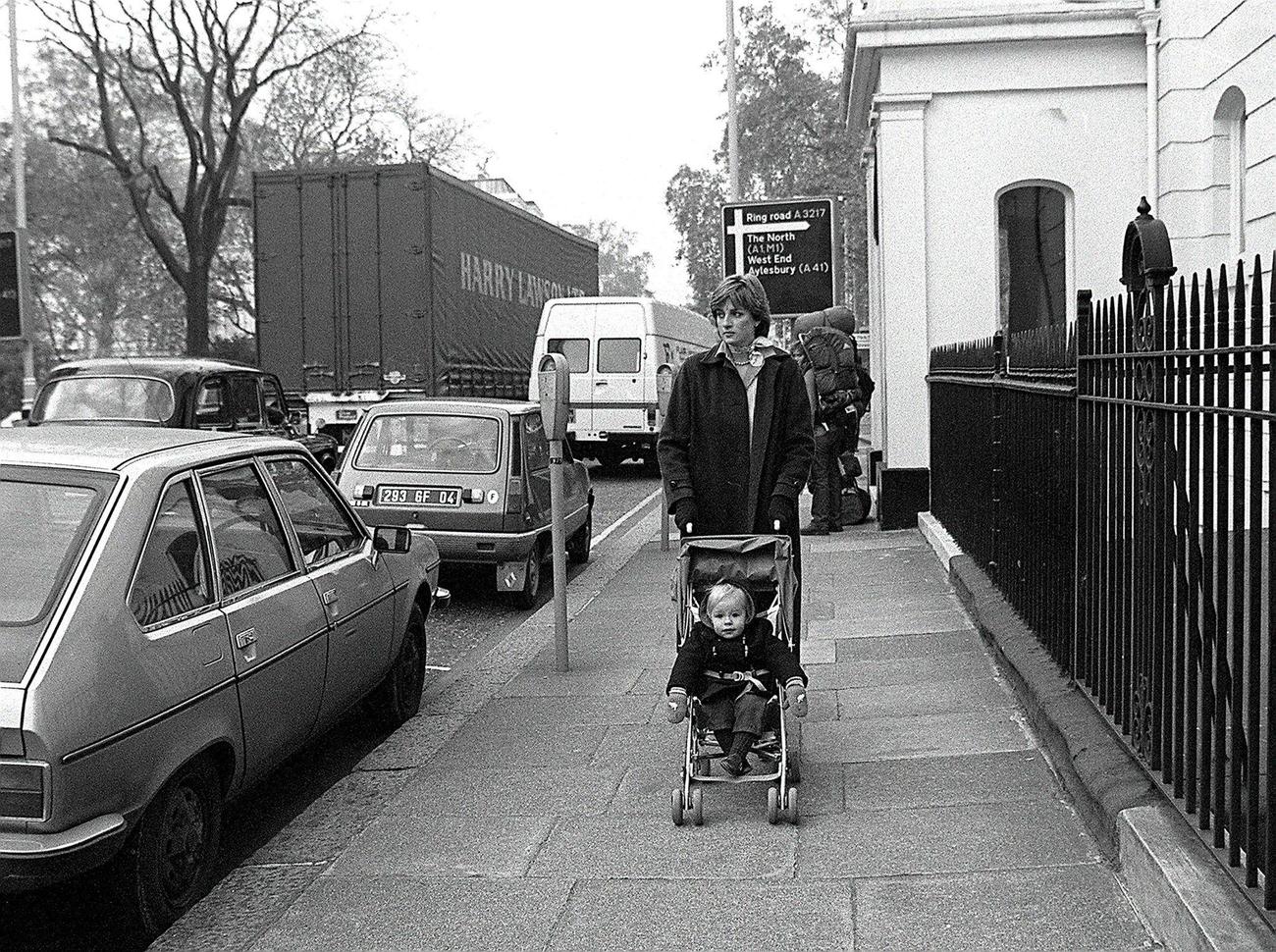
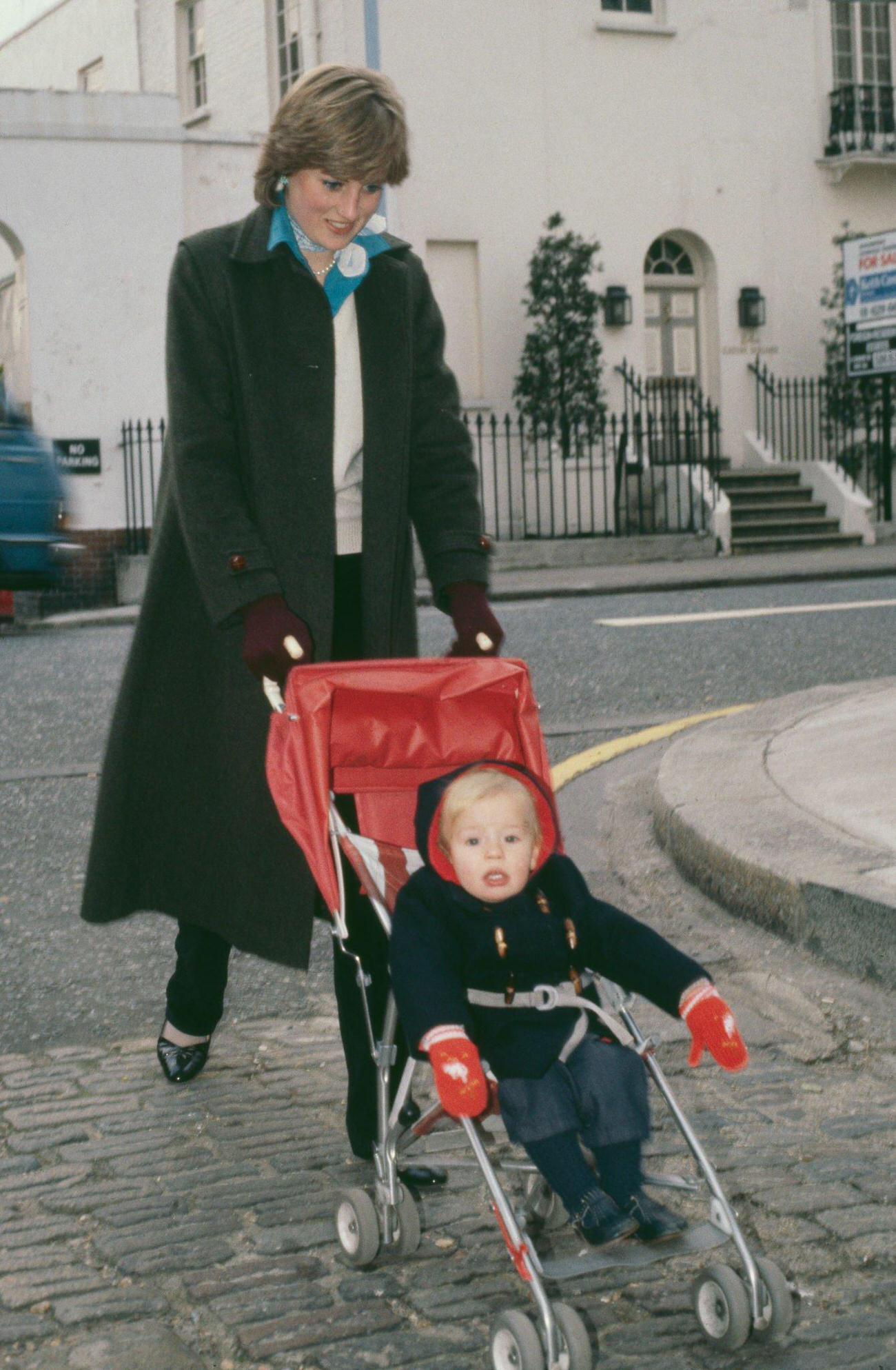
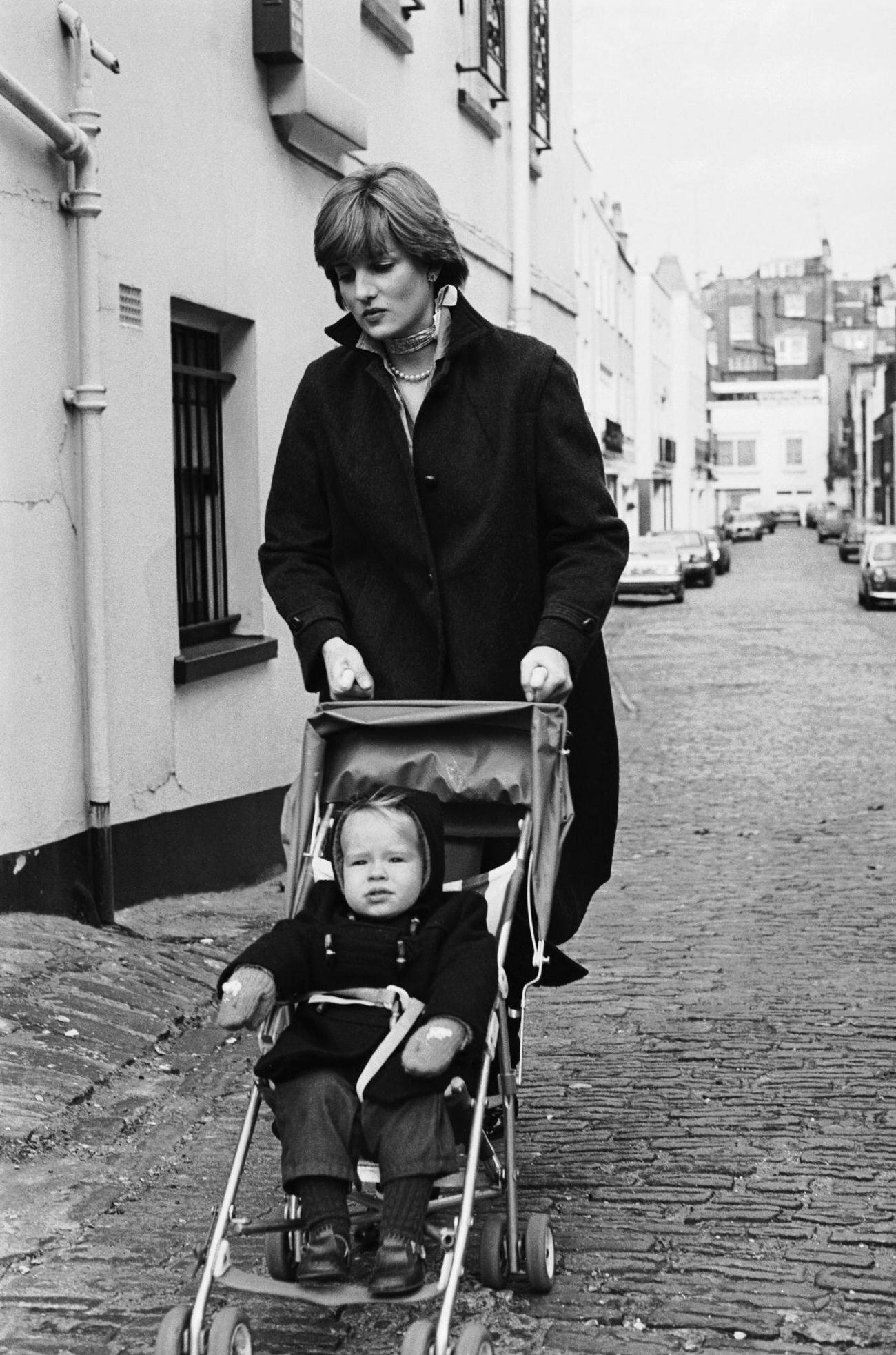
While her romance with Charles was developing behind closed doors, Diana continued her work as a nanny. Photographs taken in November 1980 show her in the Eaton Square area of London, walking her young charge Patrick Robinson in a pram, bundled against the autumn cold, looking entirely at home in the role. The contrast between these images and the glamorous future that awaited her was sharp. But Diana herself showed no sign of treating the work as beneath her. She took the children she cared for seriously, and they responded to her in kind.
By the time the engagement was officially announced on February 24, 1981, the world had already been watching Diana for months. Her flat on Coleherne Court had become a de facto press stakeout. Photographers lined up outside every morning. She dealt with the constant presence of the media by keeping a low profile and maintaining her routines as best she could, though the pressure was relentless. She later described this period as one of the loneliest of her life, surrounded by attention yet feeling deeply isolated.
The engagement photo session on February 24 introduced the world to a new version of Diana — poised, elegantly dressed, and standing beside the heir to the British throne. She wore a blue sapphire and diamond ring, chosen from a Garrard jewelry catalogue, and a blue silk suit by the Emanuels — the same design duo who would later create her wedding dress. The images set the tone for what her public style would become: structured, considered, and quietly powerful.
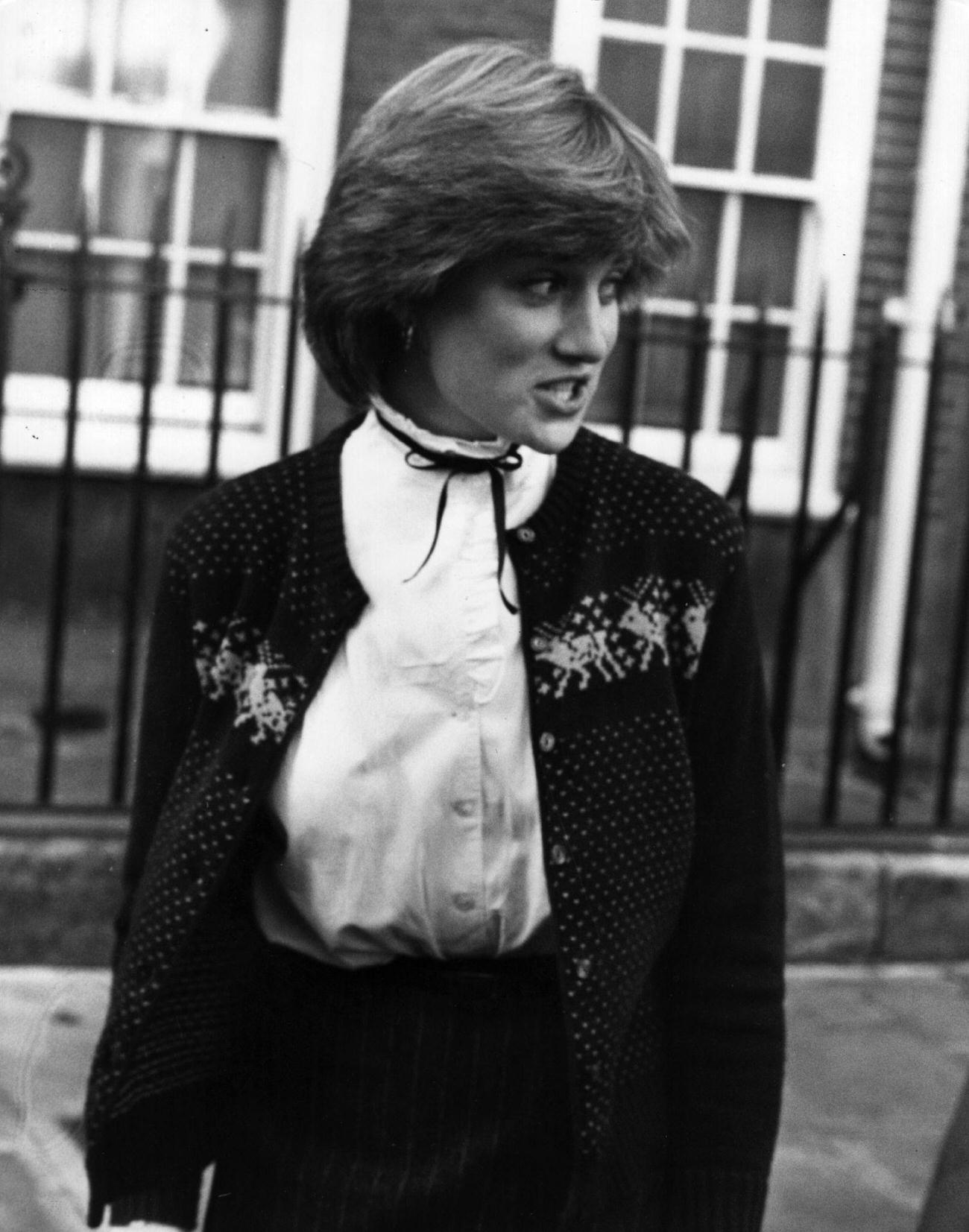
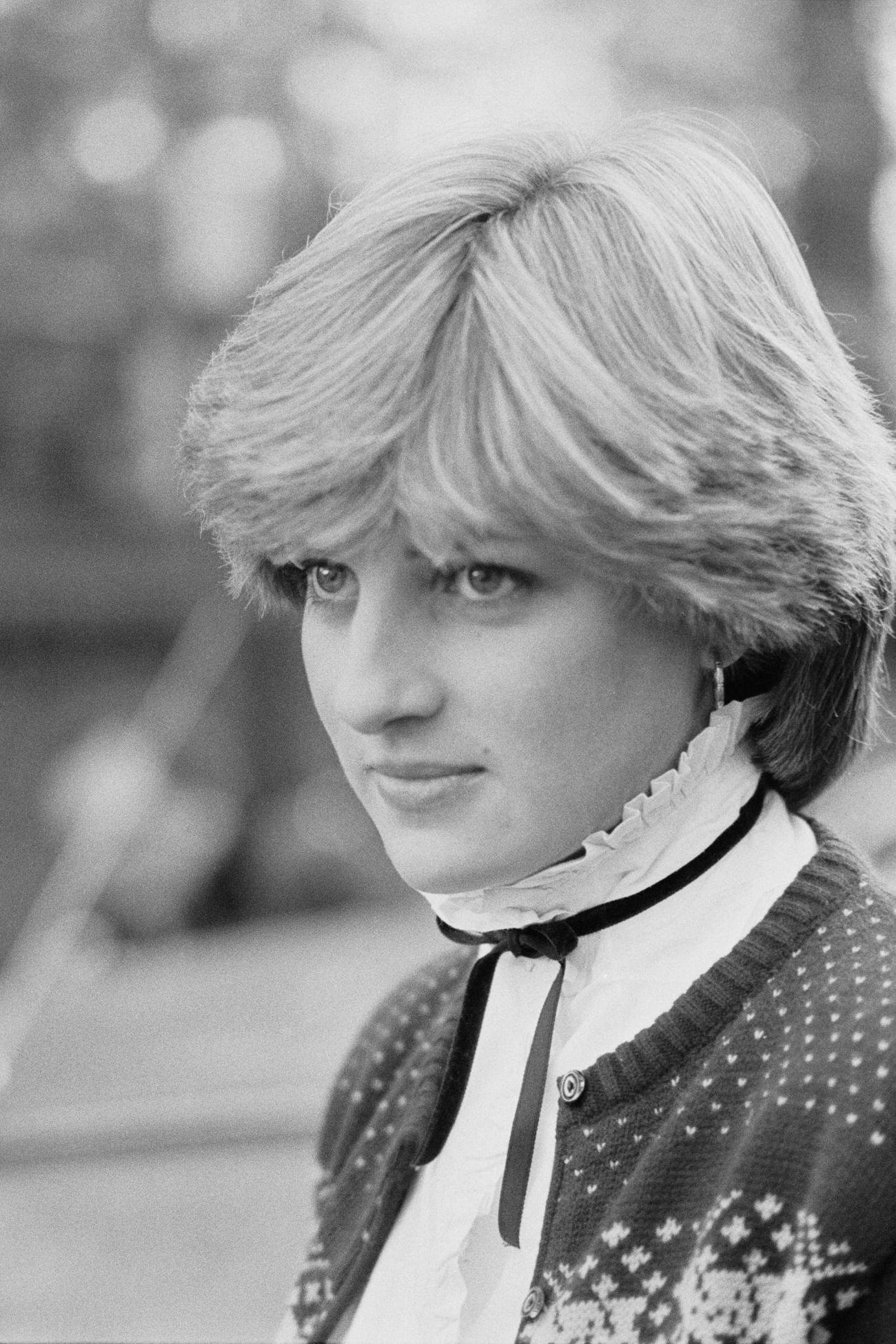
Even in the months leading up to the wedding, Diana’s fashion choices told a story of someone developing their own visual language in real time. She moved from the casual knitwear of her kindergarten days to tailored suits, structured hats, and evening gowns. But she did it in a way that always felt personal rather than dictated. She favored designers like Jasper Conran and Bill Pashley early on — British talent who understood how to dress a young woman in a way that was both appropriate for royal engagements and genuinely stylish.
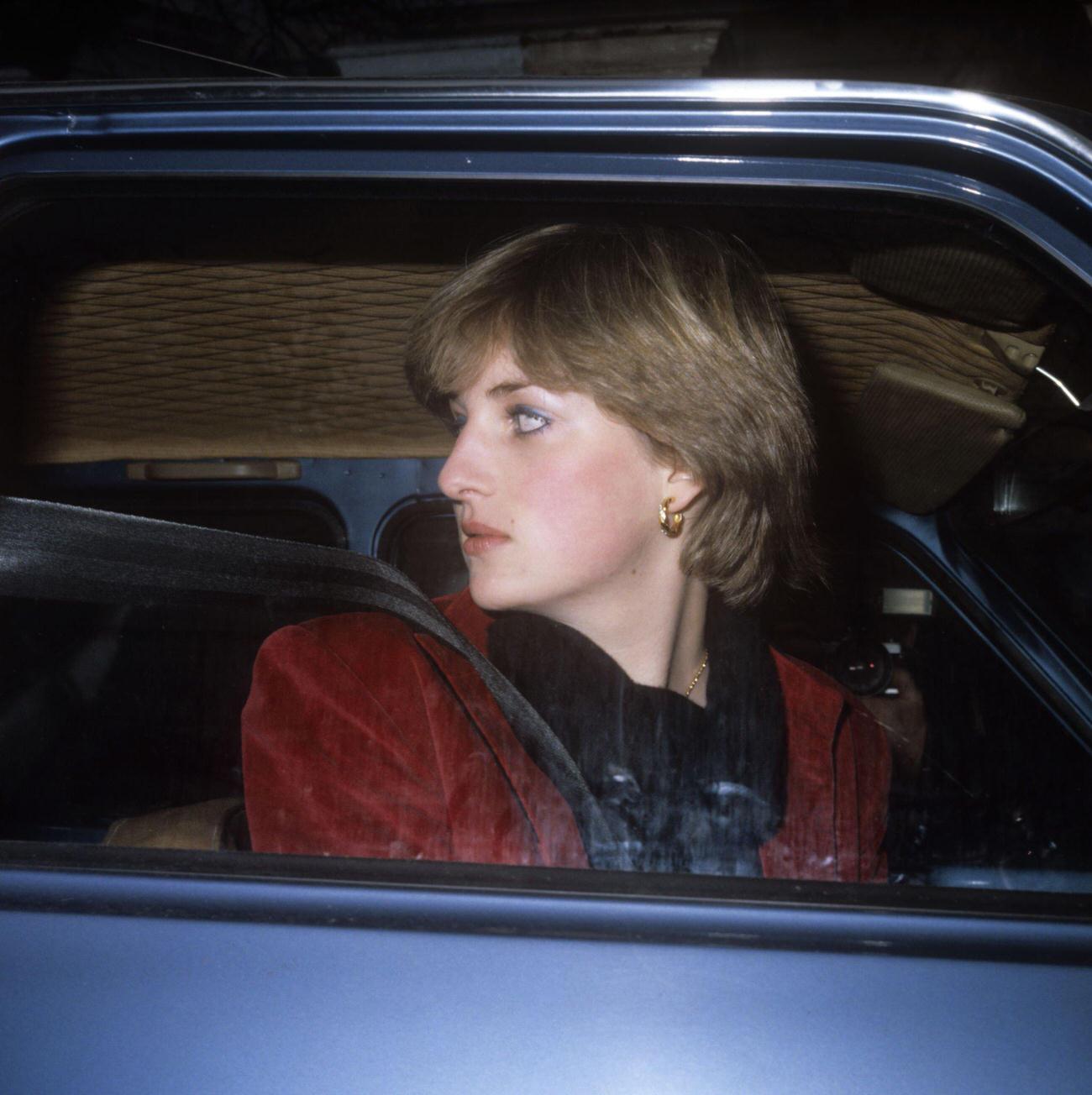
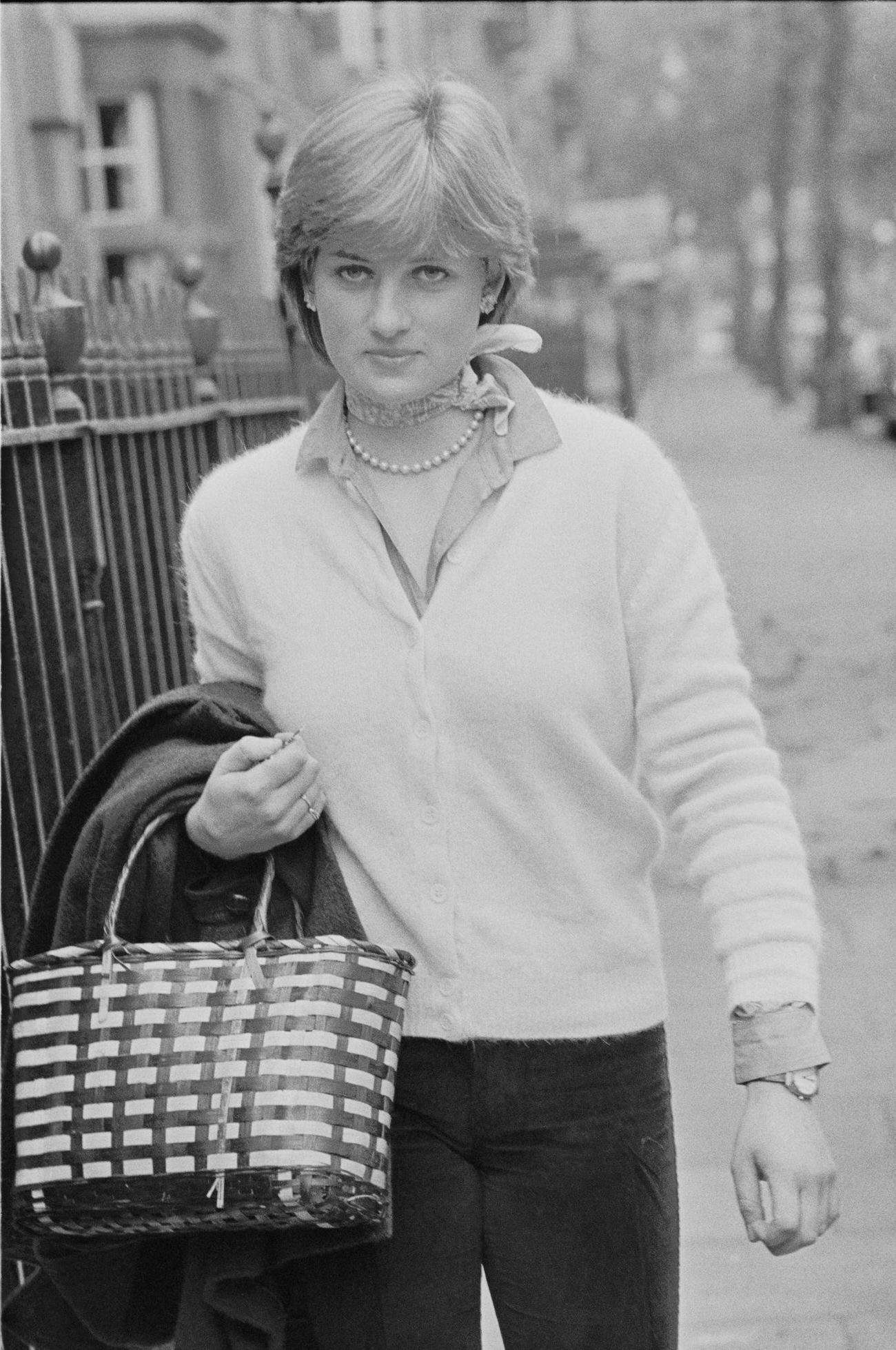
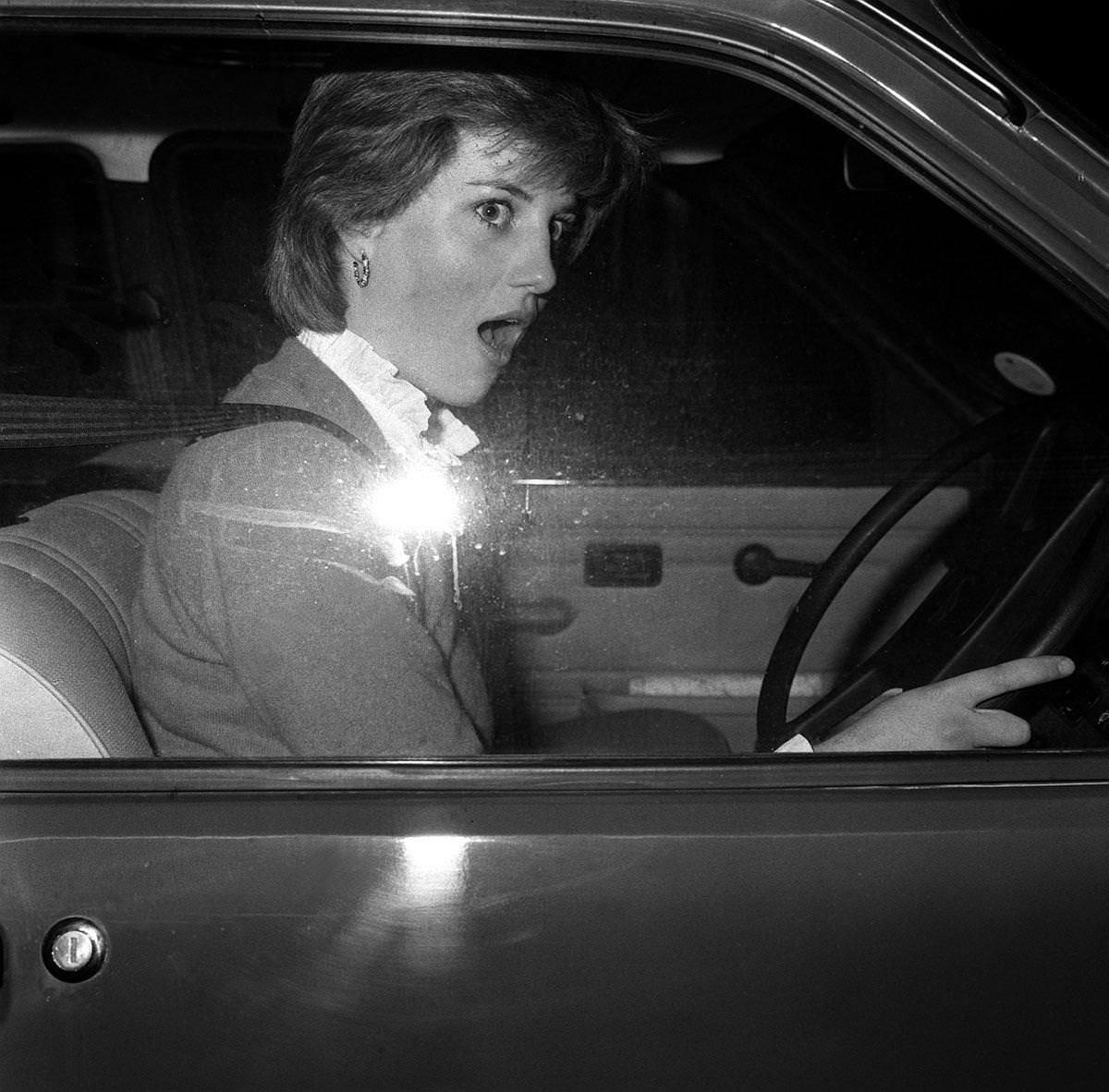
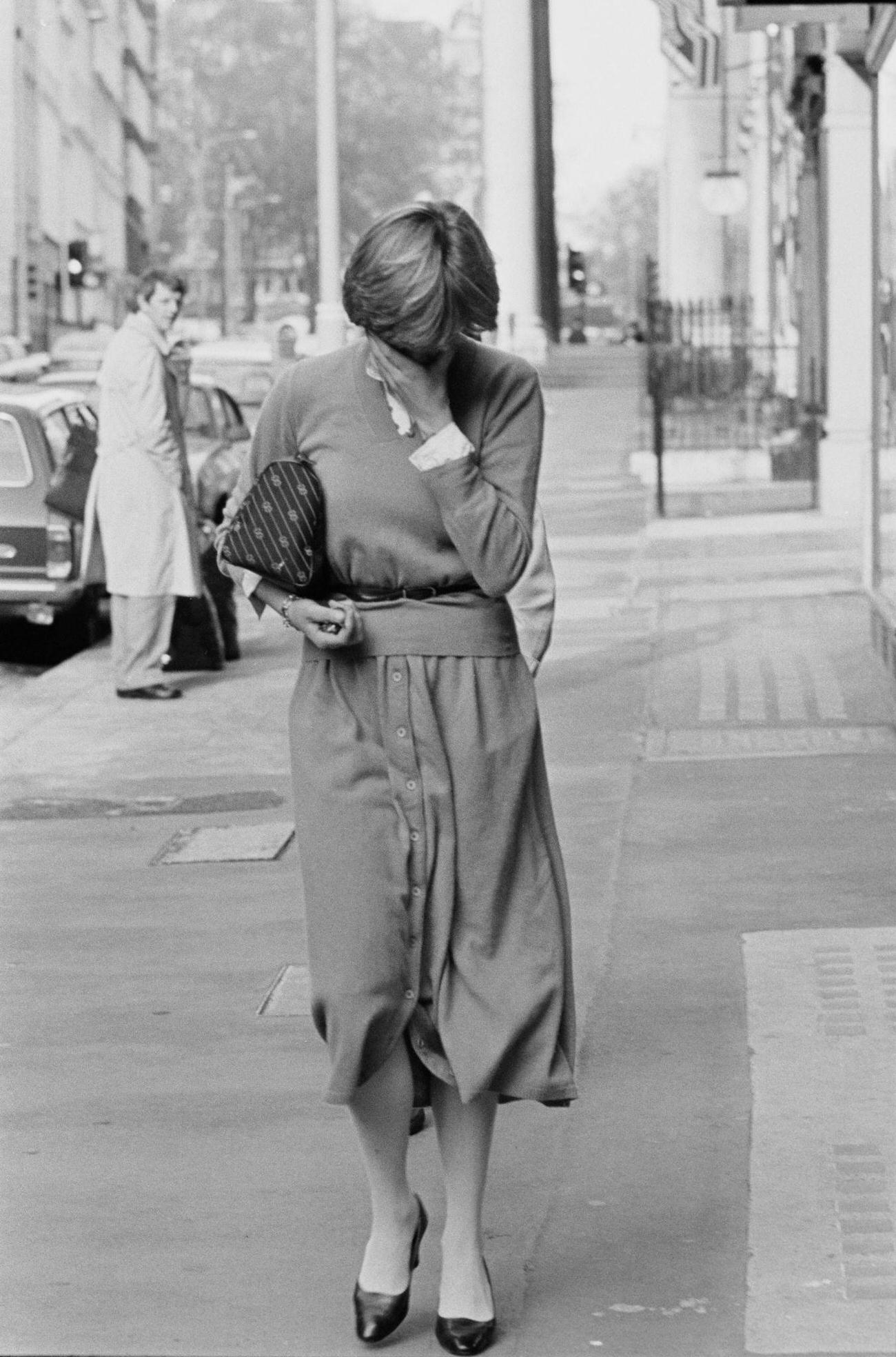
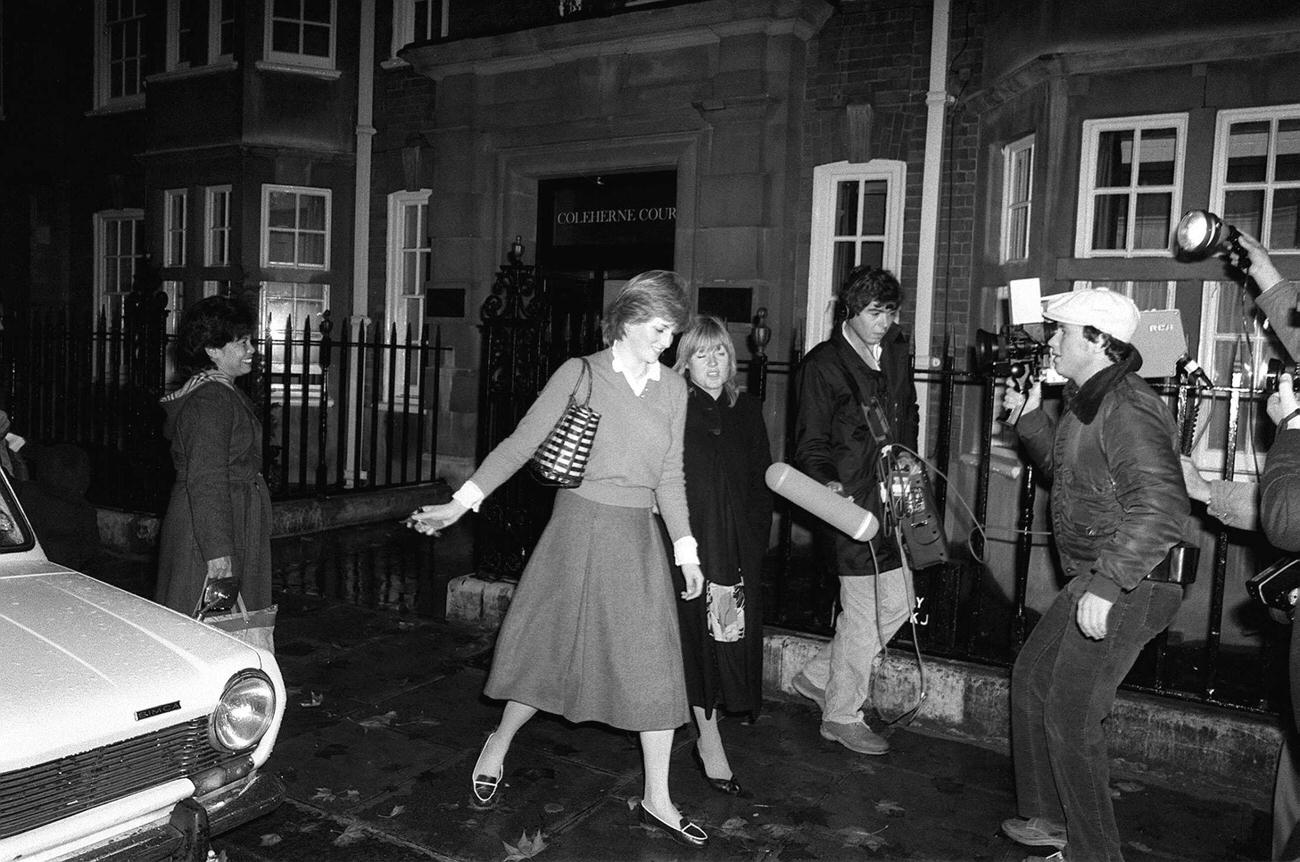
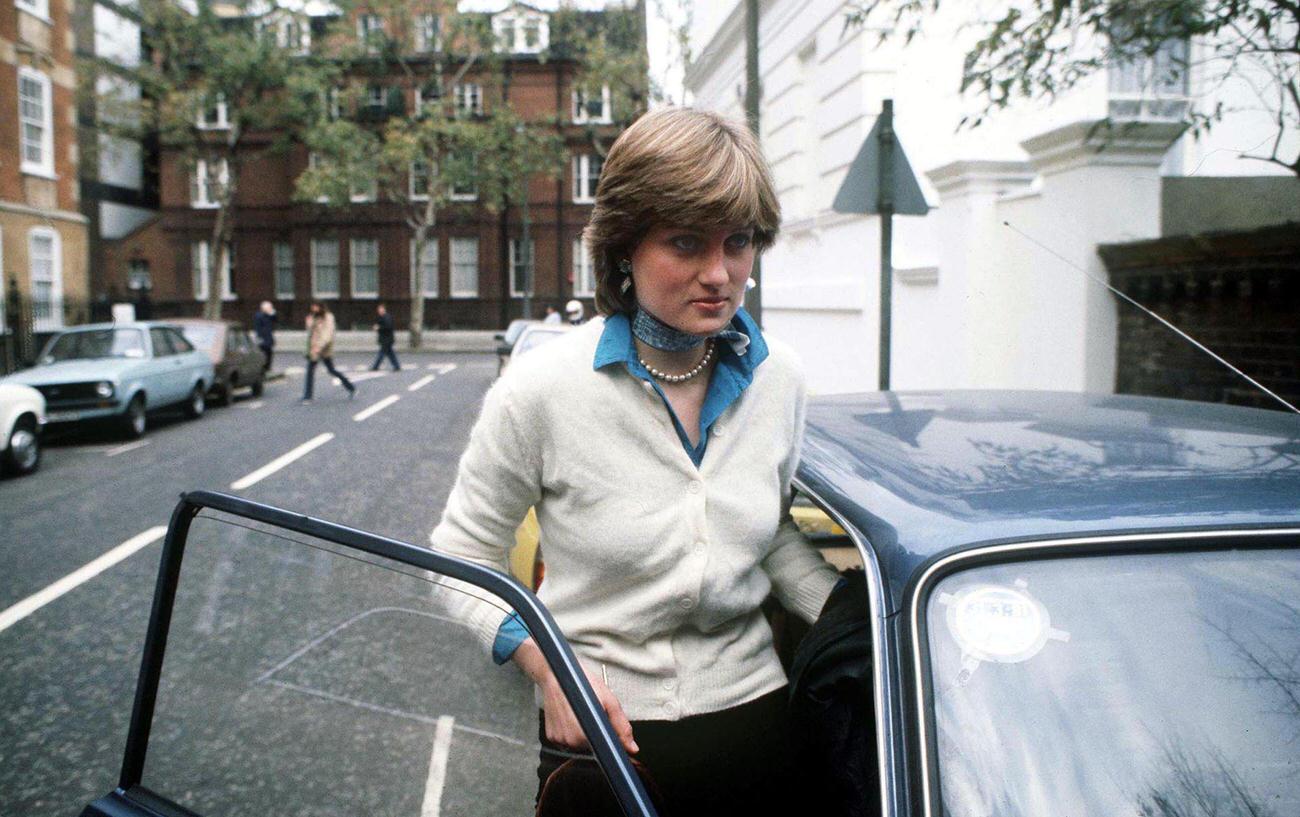
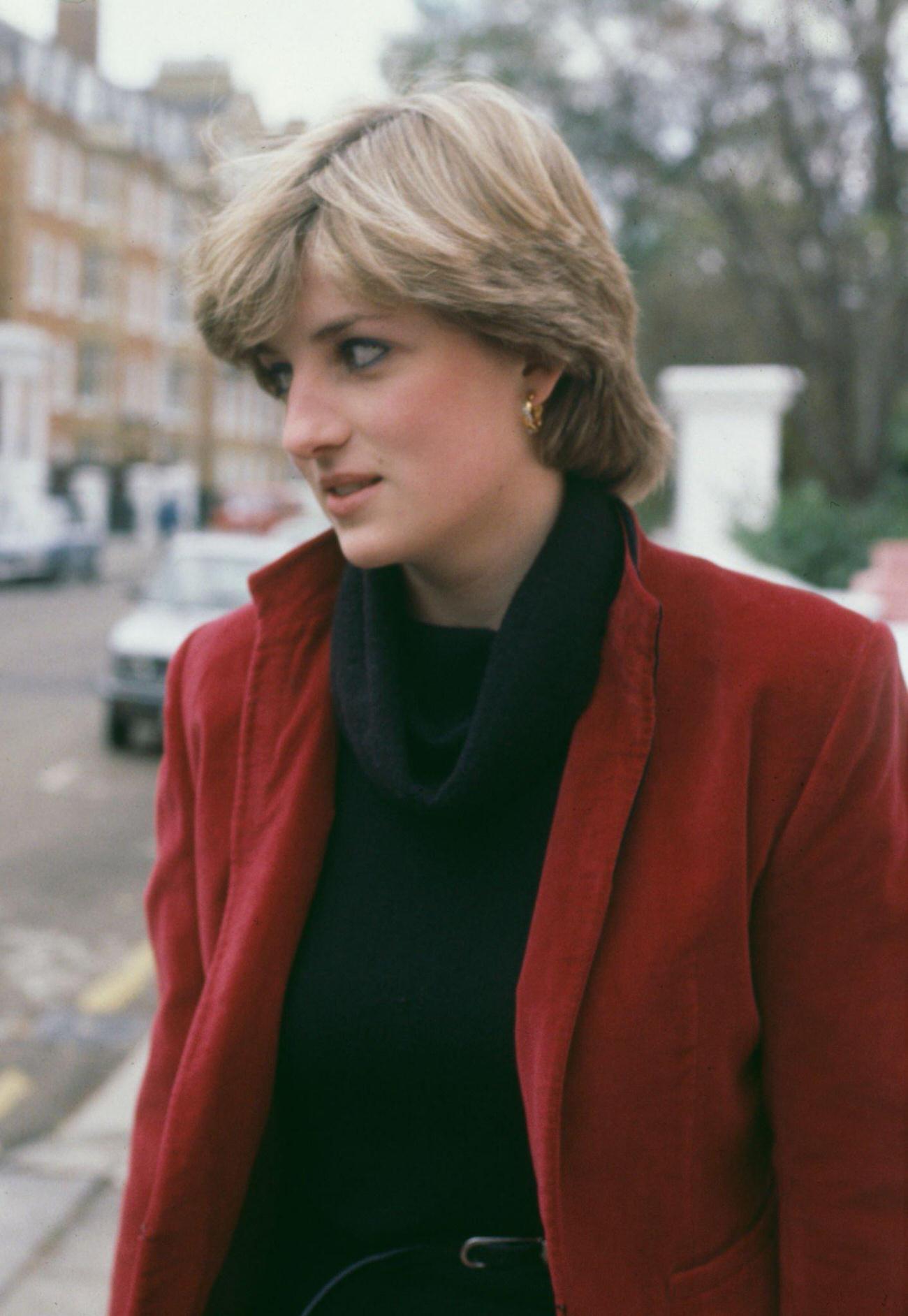
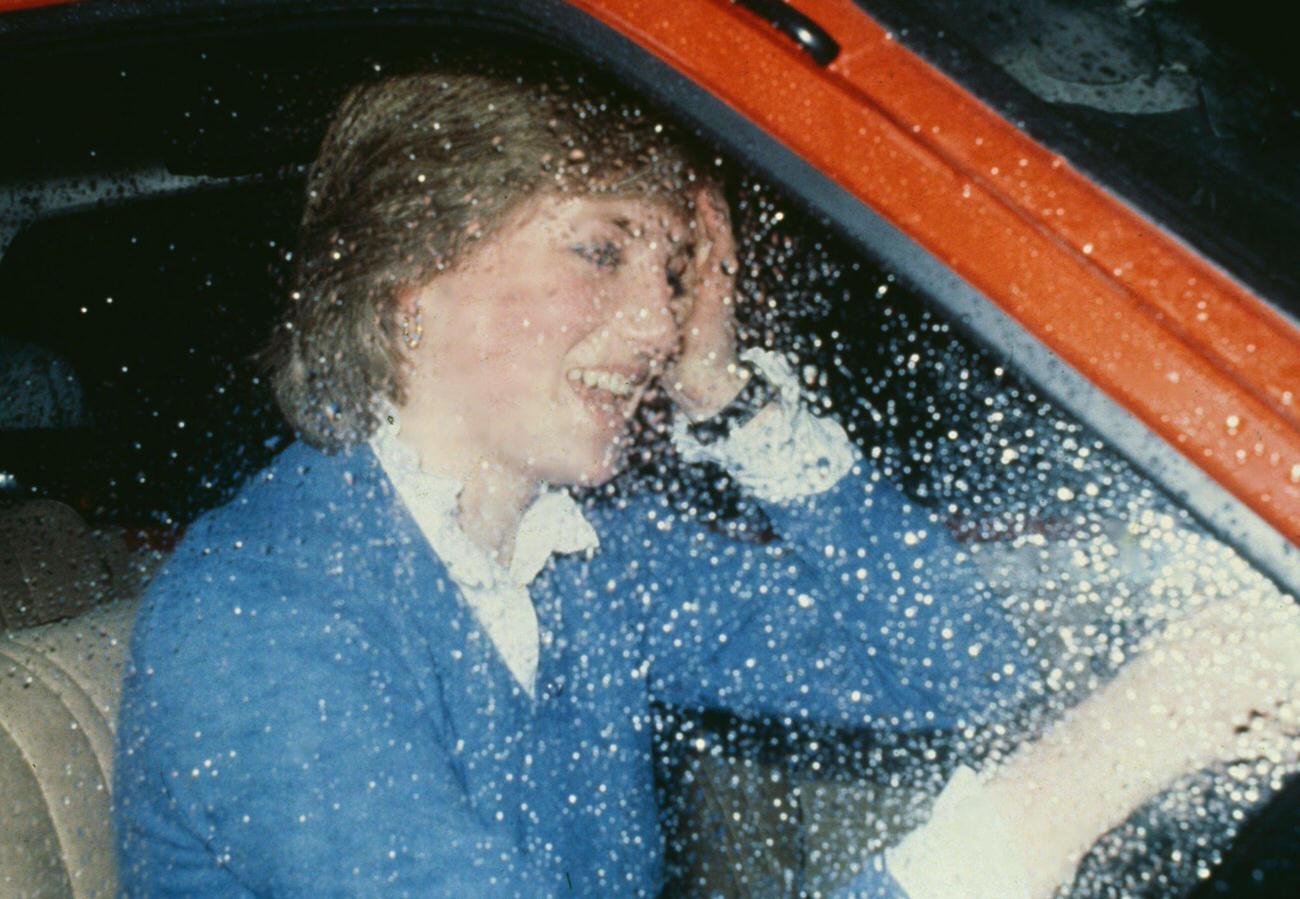
The polo fields and royal events Diana attended in 1981 as Charles’s fiancée gave her an entirely new stage. At a polo match in Hampshire that year, press intrusion became so severe that she was reduced to tears — a moment that was itself photographed. The scrutiny was relentless and personal in a way that few public figures had experienced at that scale. And yet, photograph after photograph from this period shows a young woman who stood her ground, dressed well, and met the world’s gaze with a directness that became one of her most defining characteristics.
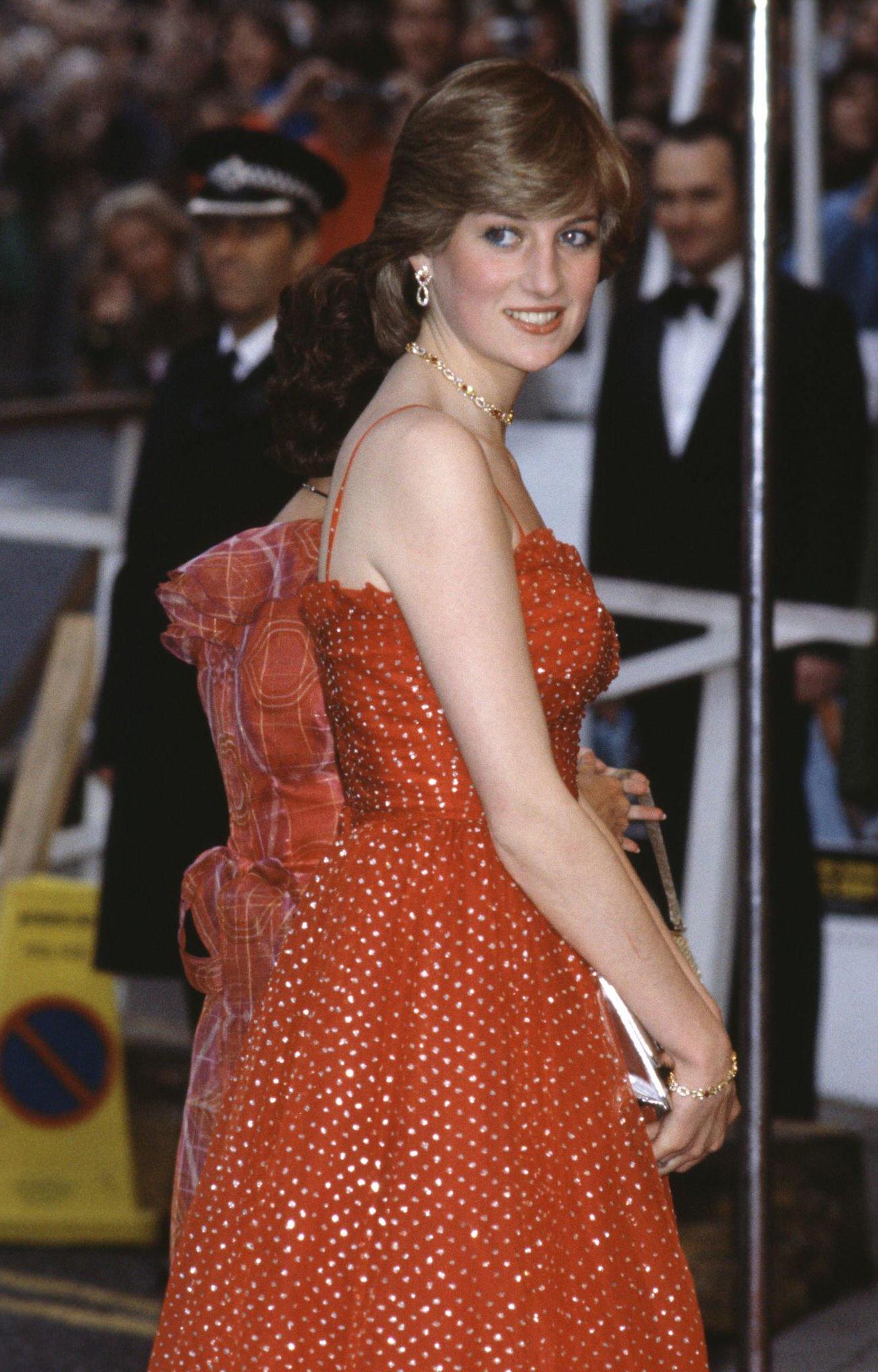
Her attendance at the premiere of the James Bond film For Your Eyes Only in June 1981 marked one of her first major solo public appearances as Charles’s fiancée. She wore a strapless black taffeta gown by the Emanuels that broke with royal convention — it was bold, daring, and entirely unlike what a future princess was expected to wear. The backlash from traditionalists was swift, but the public response was electric. It was an early sign that Diana intended to define her own style rather than simply follow the template handed to her.
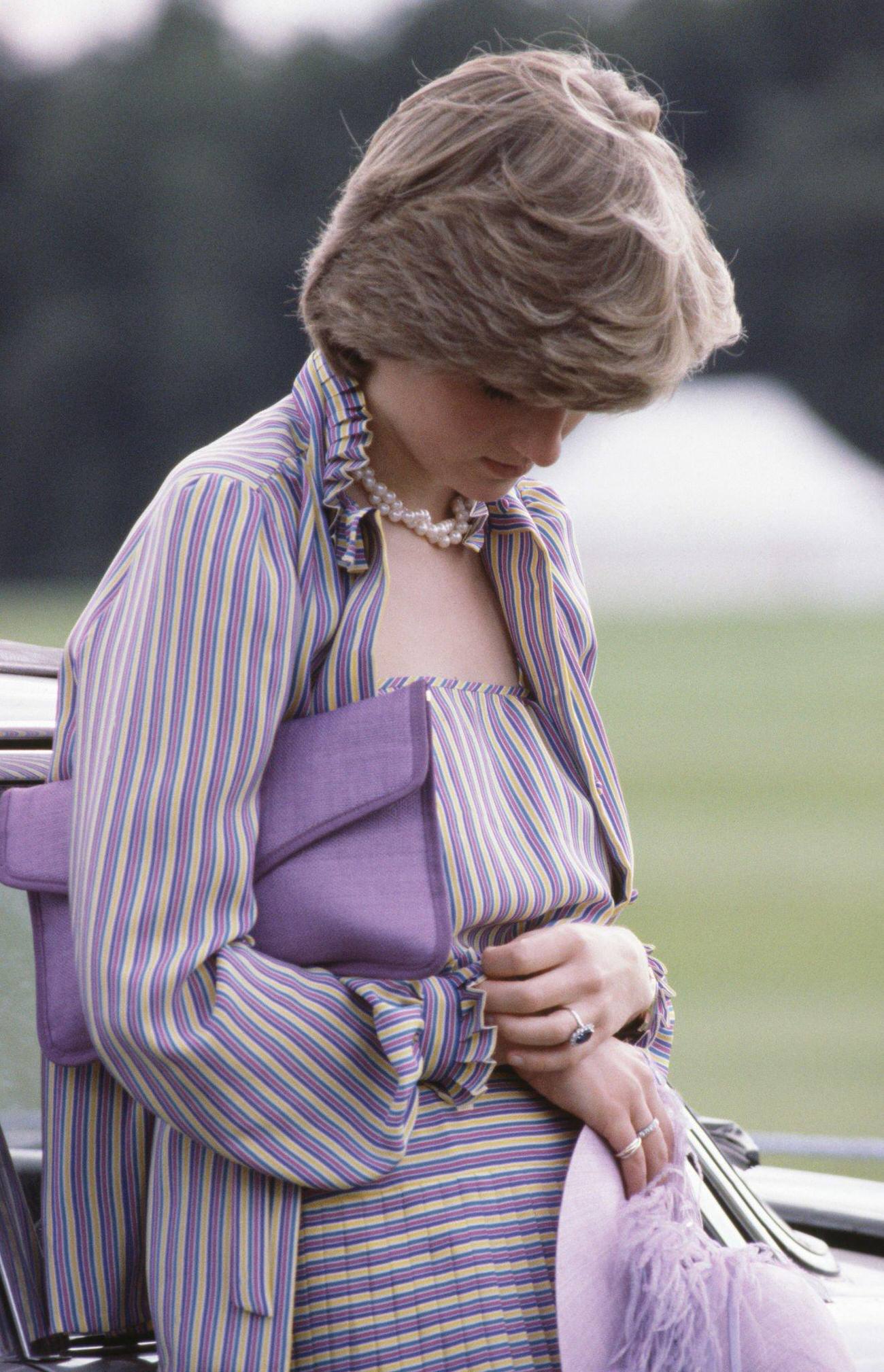
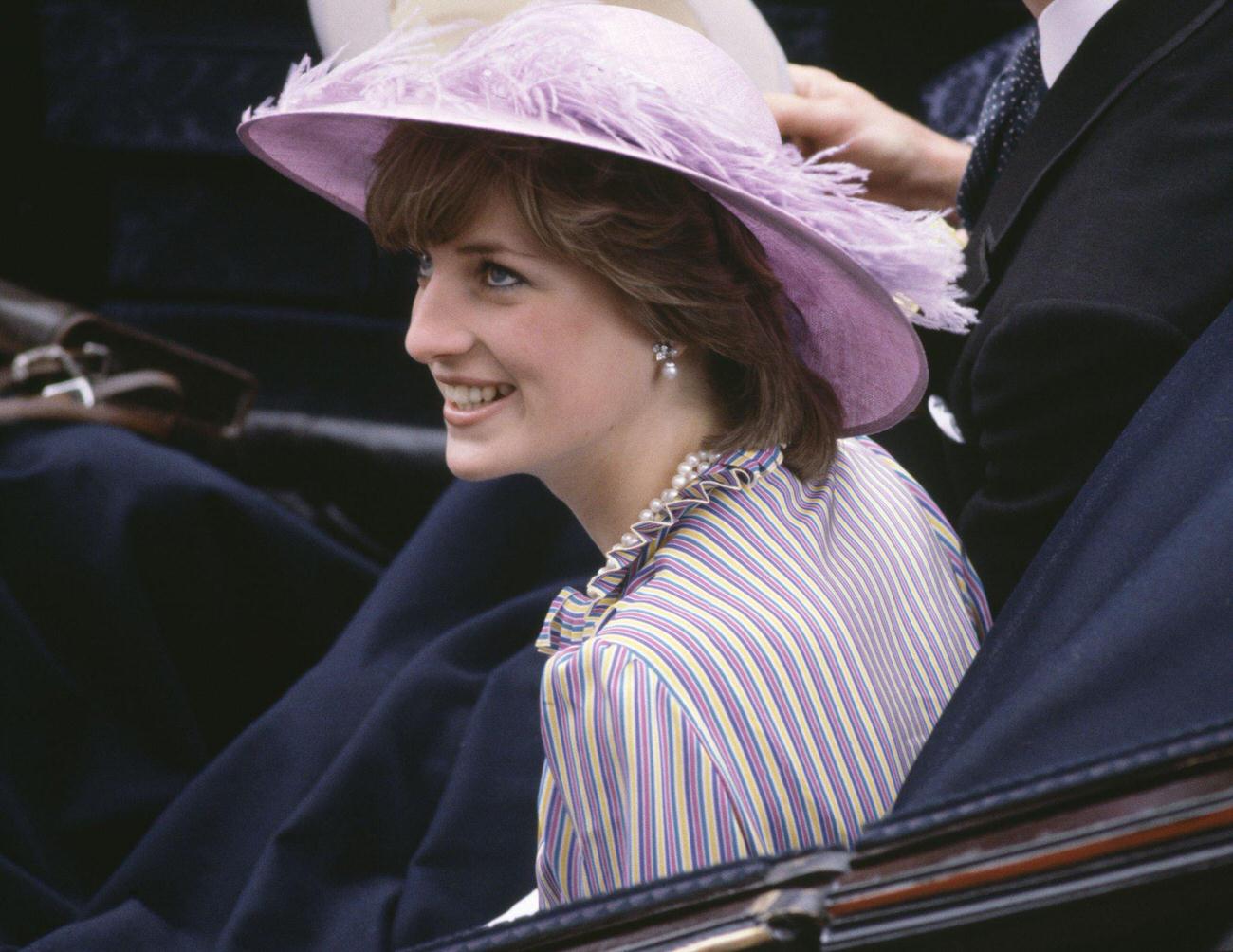
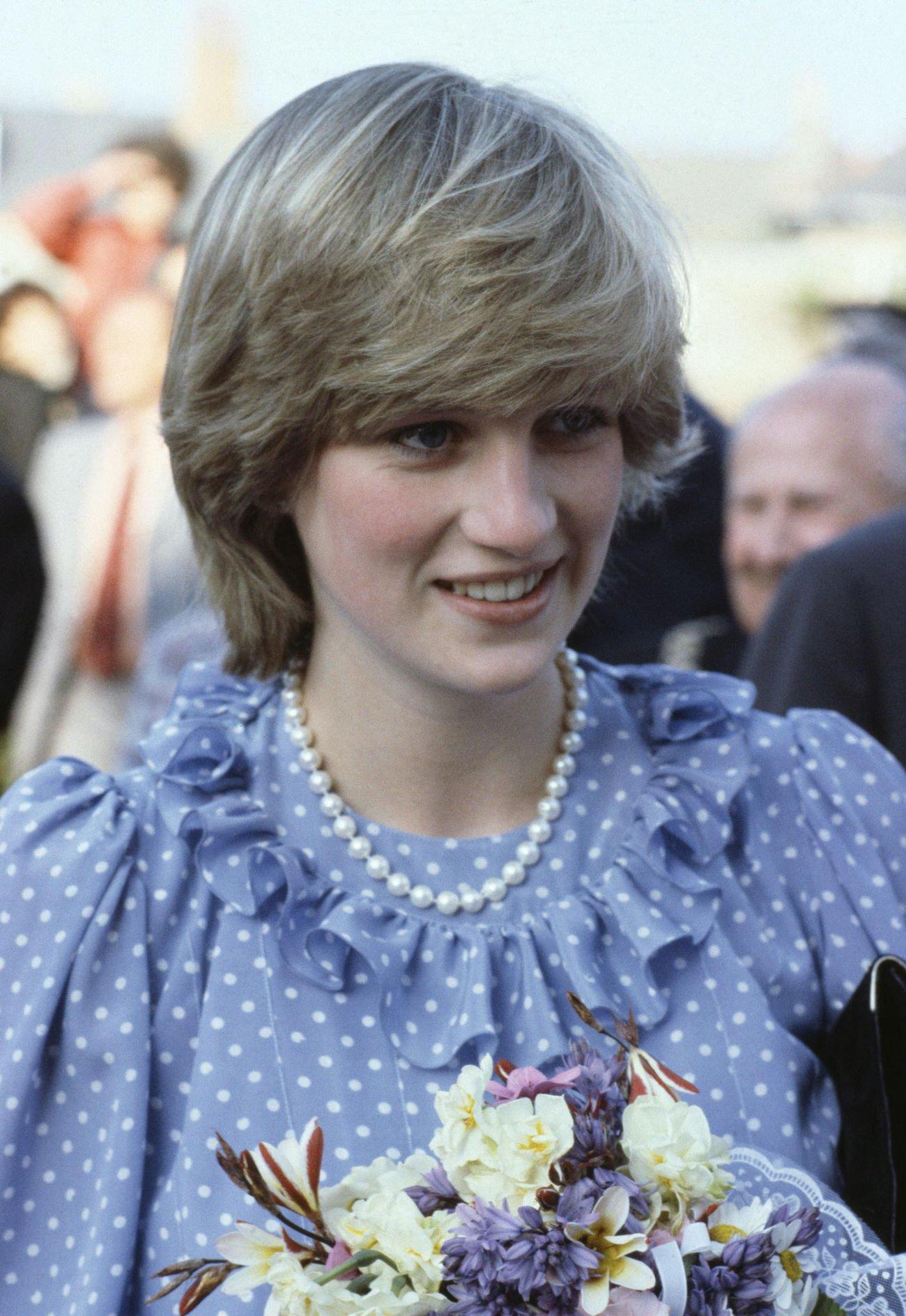
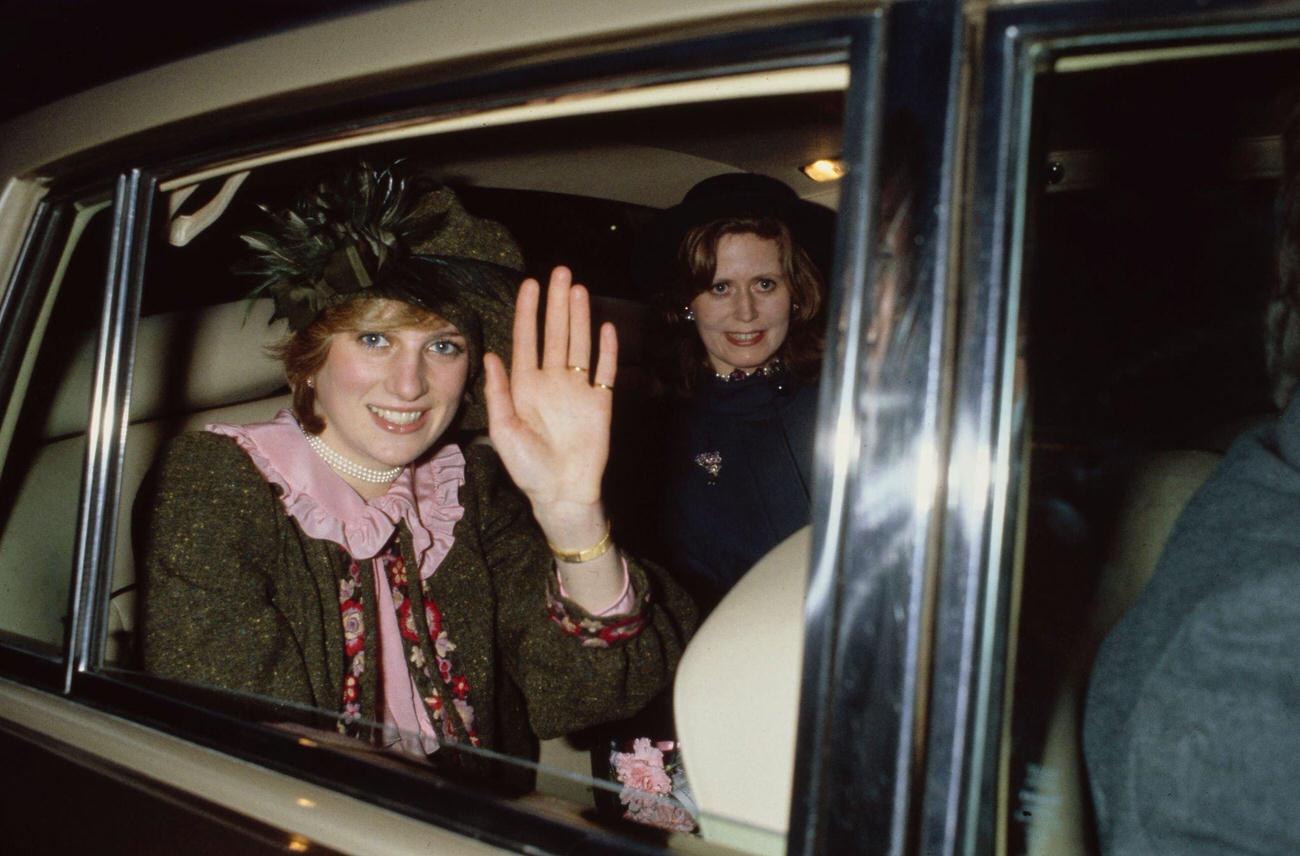
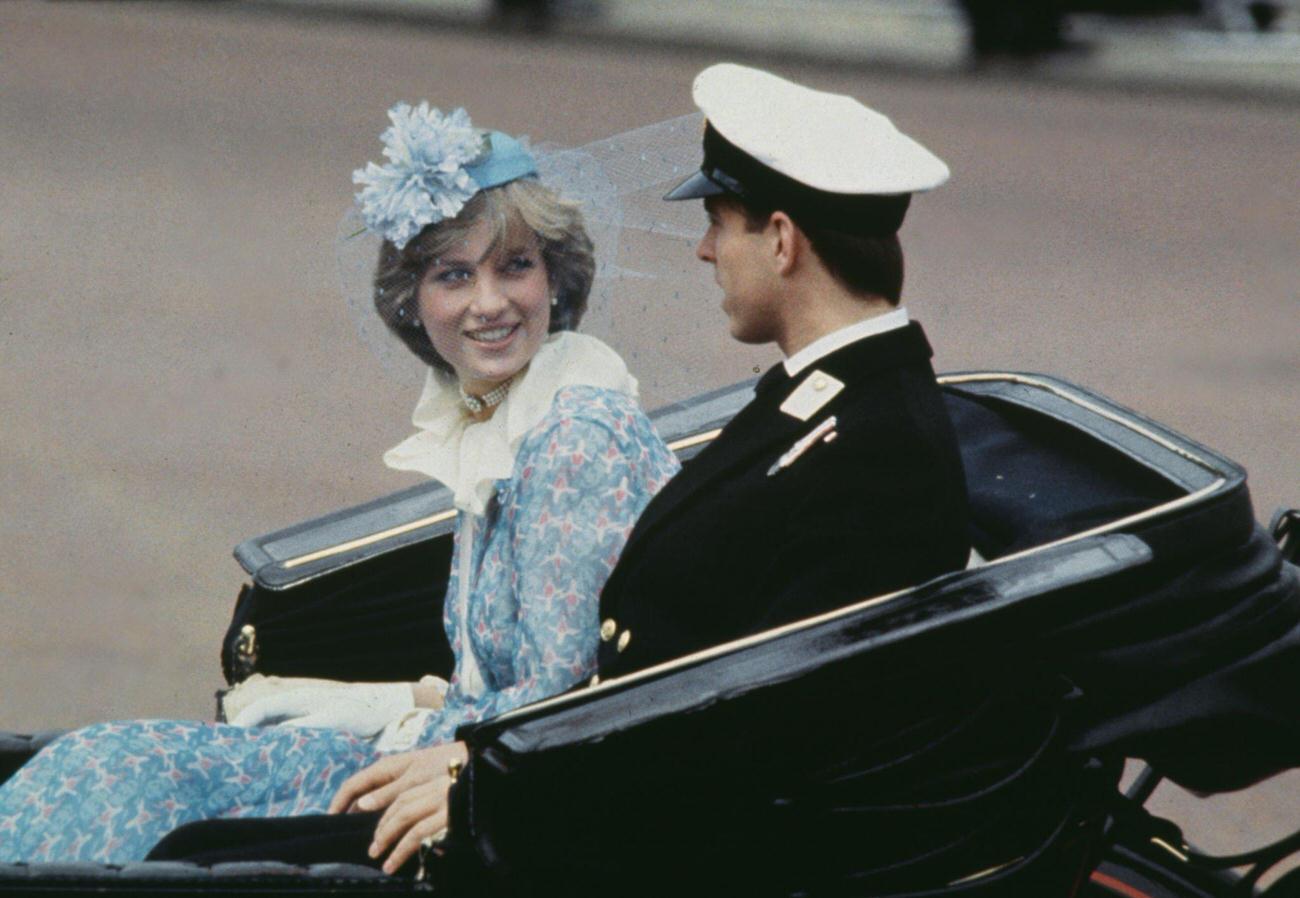
By mid-1981, Diana was appearing at major public events with the confidence of someone who had quickly mastered a very demanding role. At the Trooping the Colour ceremony in June, she rode in a carriage alongside Prince Andrew, wearing a blue floral Bill Pashley outfit with a matching hat — composed and visually striking. She visited her hometown of Northampton that same year, waving from the back of a car alongside her lady-in-waiting Lavinia Baring, greeted by crowds who had come simply to see her.
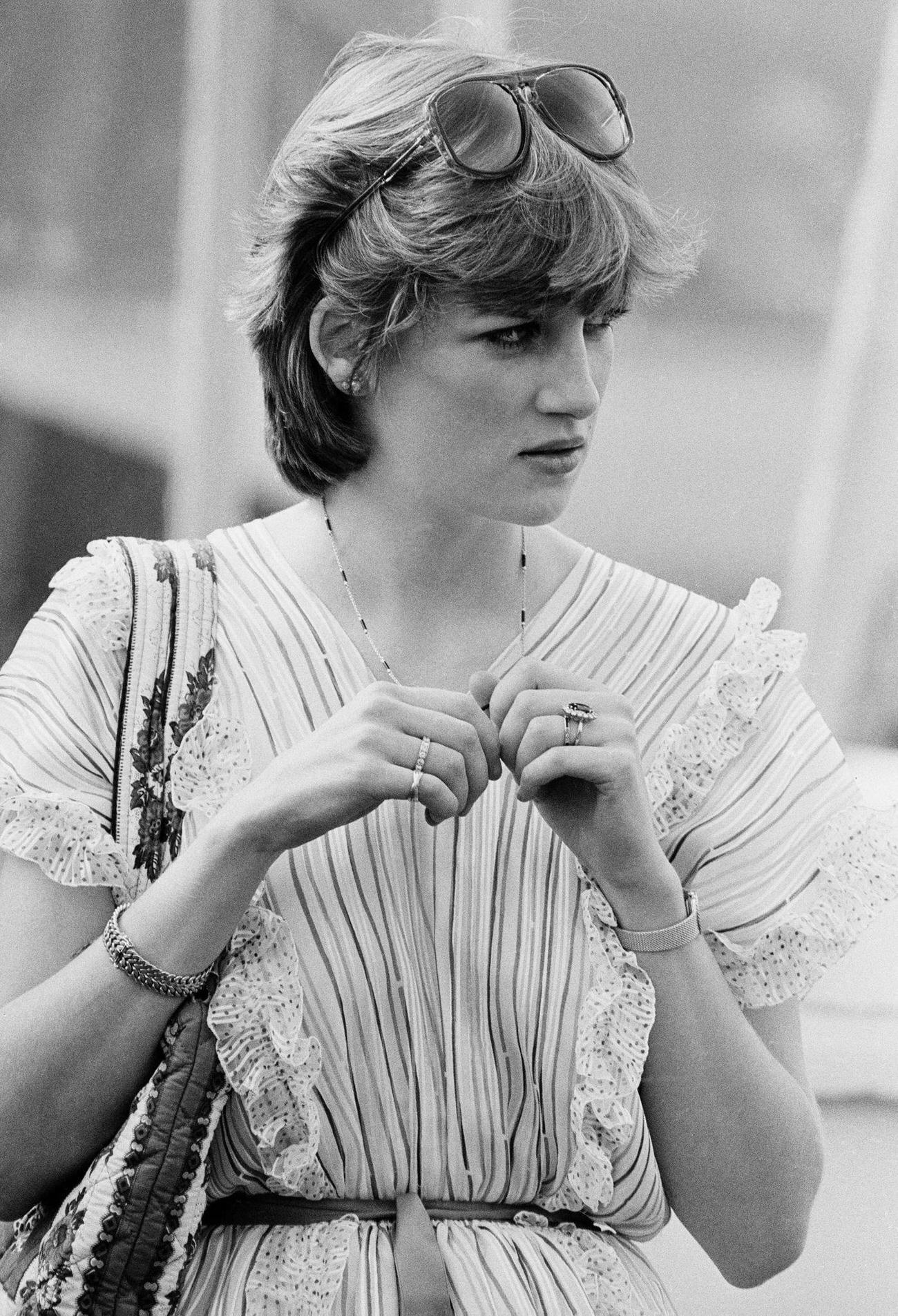
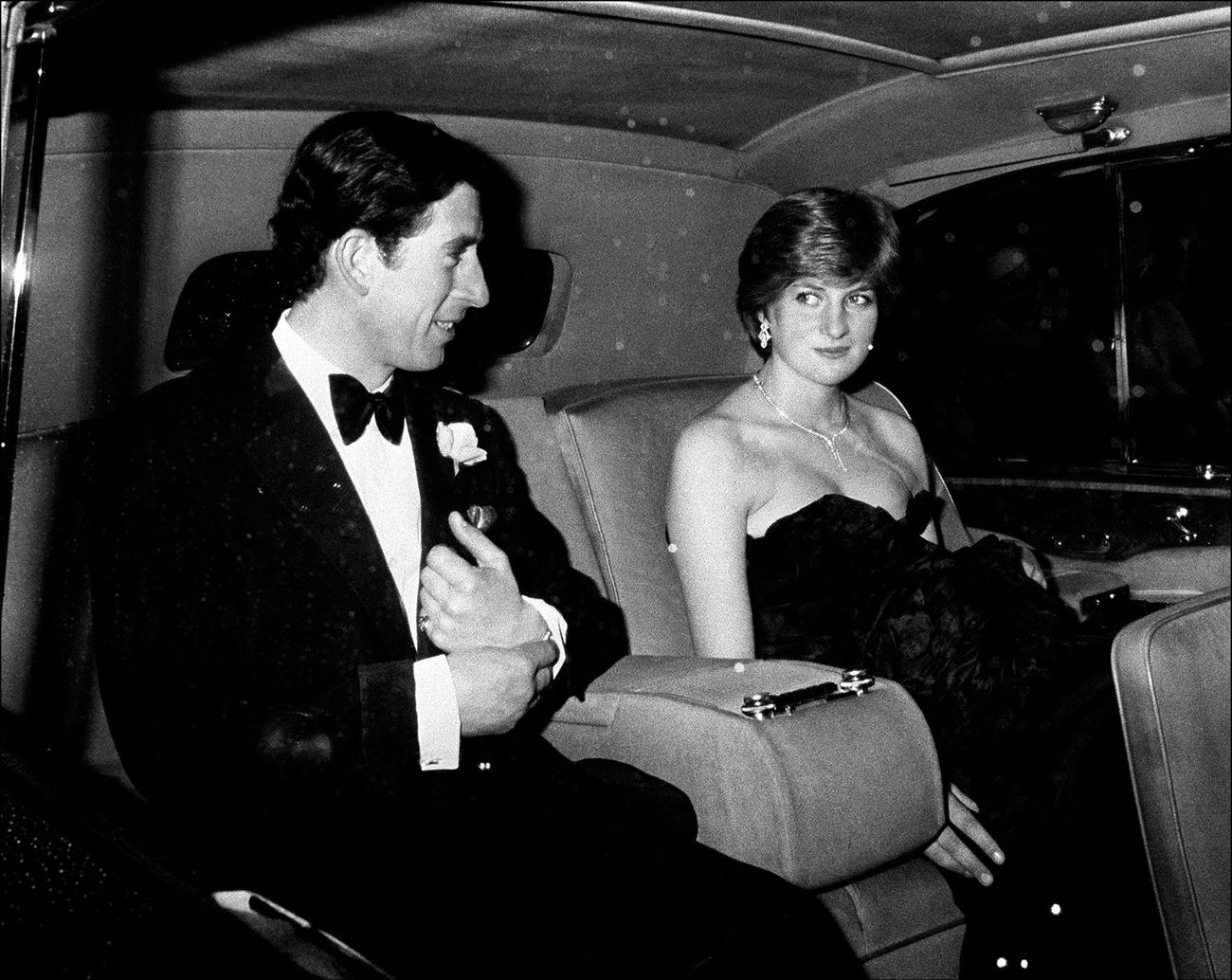
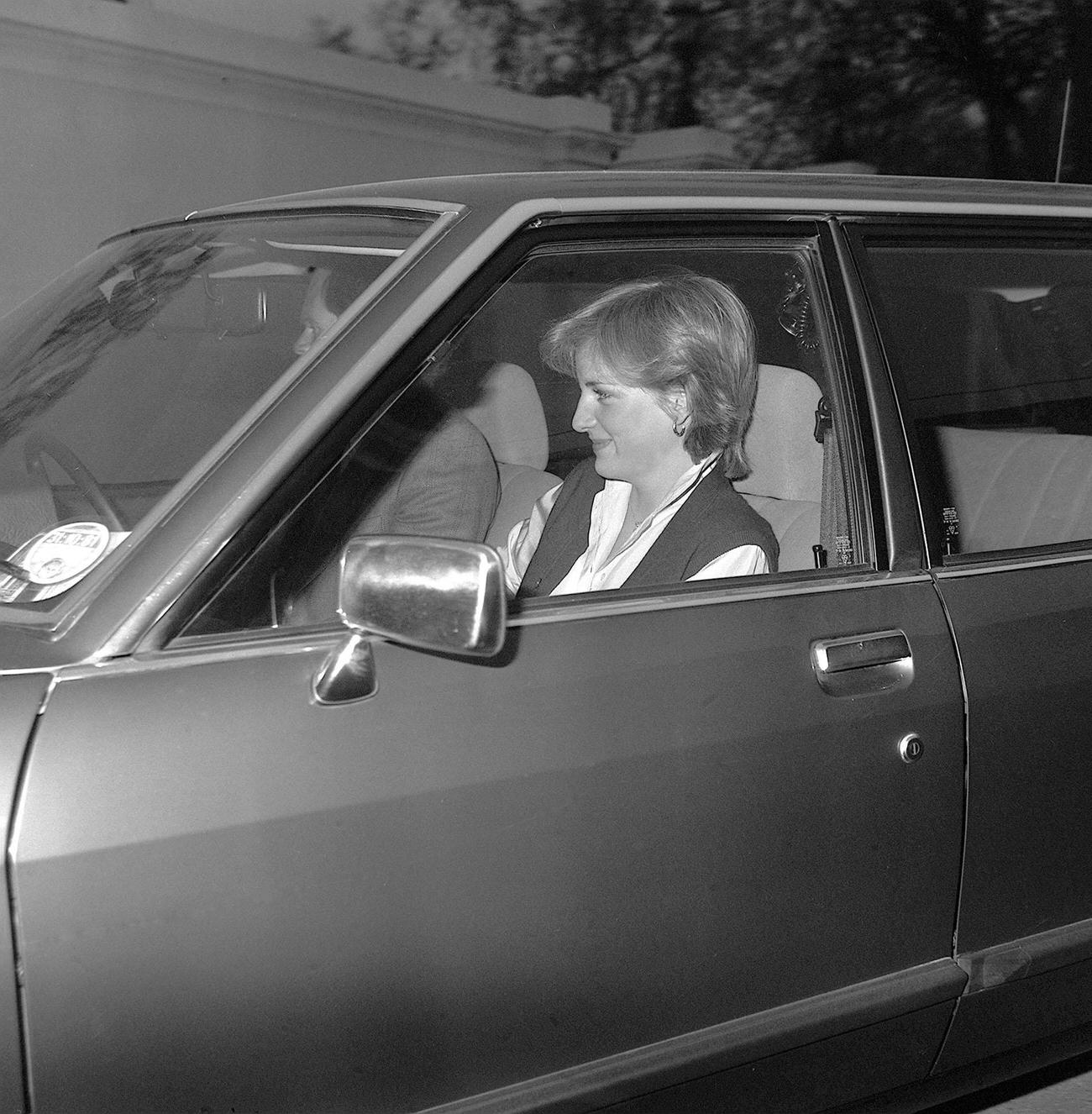
During walkabouts at Broadlands — the former home of Earl Mountbatten — Diana engaged directly with the public in a way that was noticeably different from the standard royal approach. She crouched down to speak to children, lingered with elderly well-wishers, and accepted flowers with genuine warmth rather than polished protocol. When photographers got too close or too aggressive, she did not retreat. On at least one occasion, she turned and pointed directly at them — a gesture caught on camera that said more than any statement could.
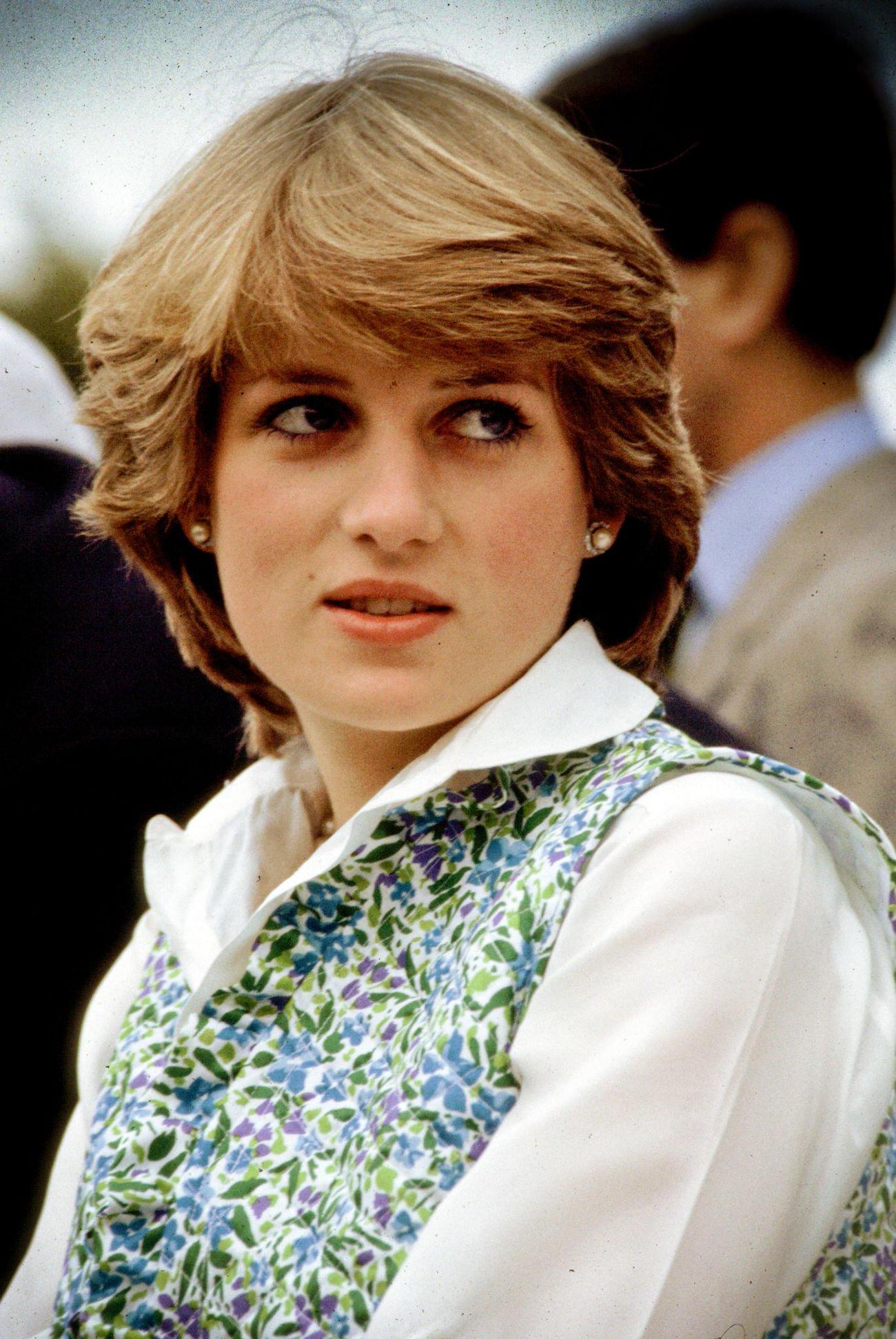
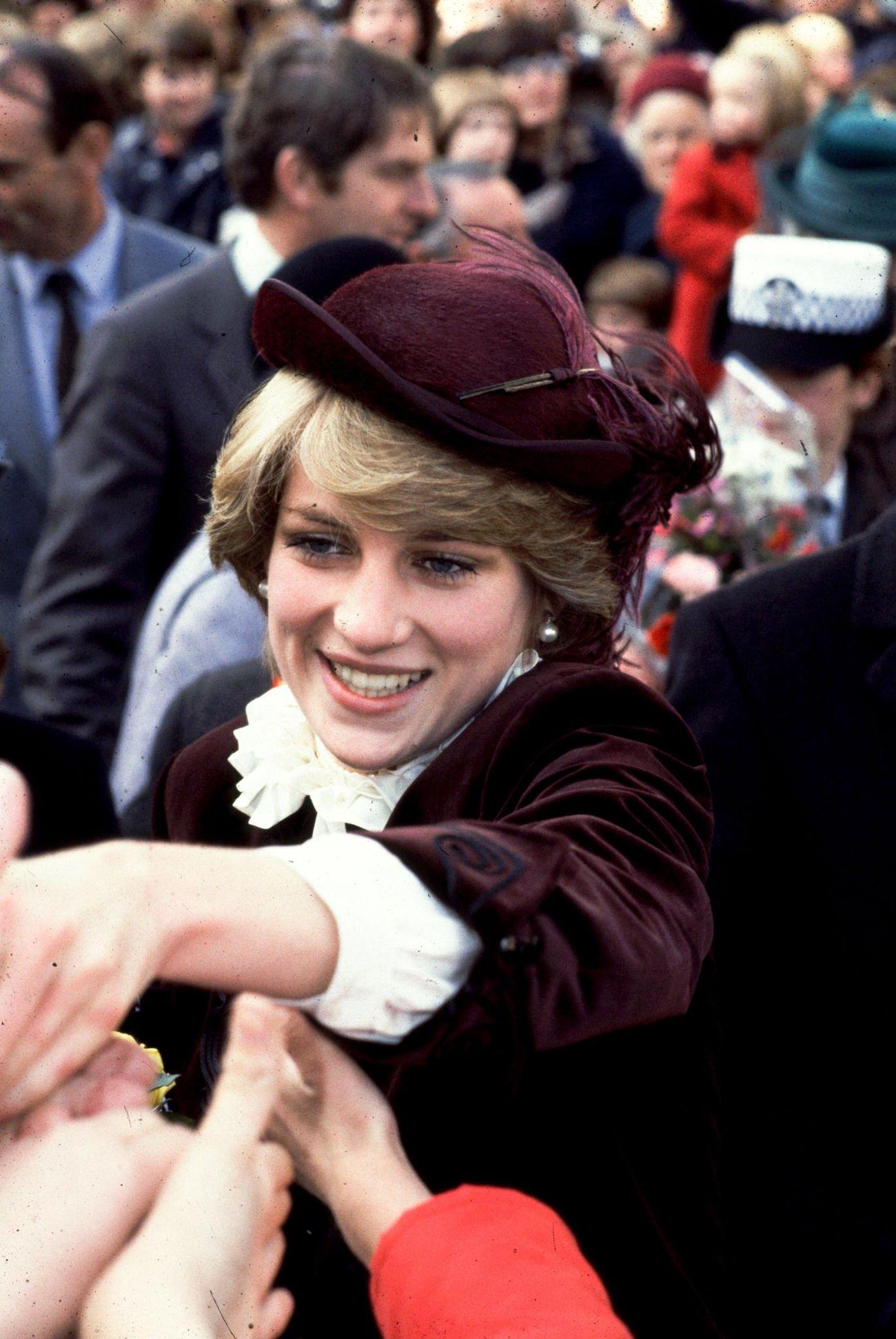
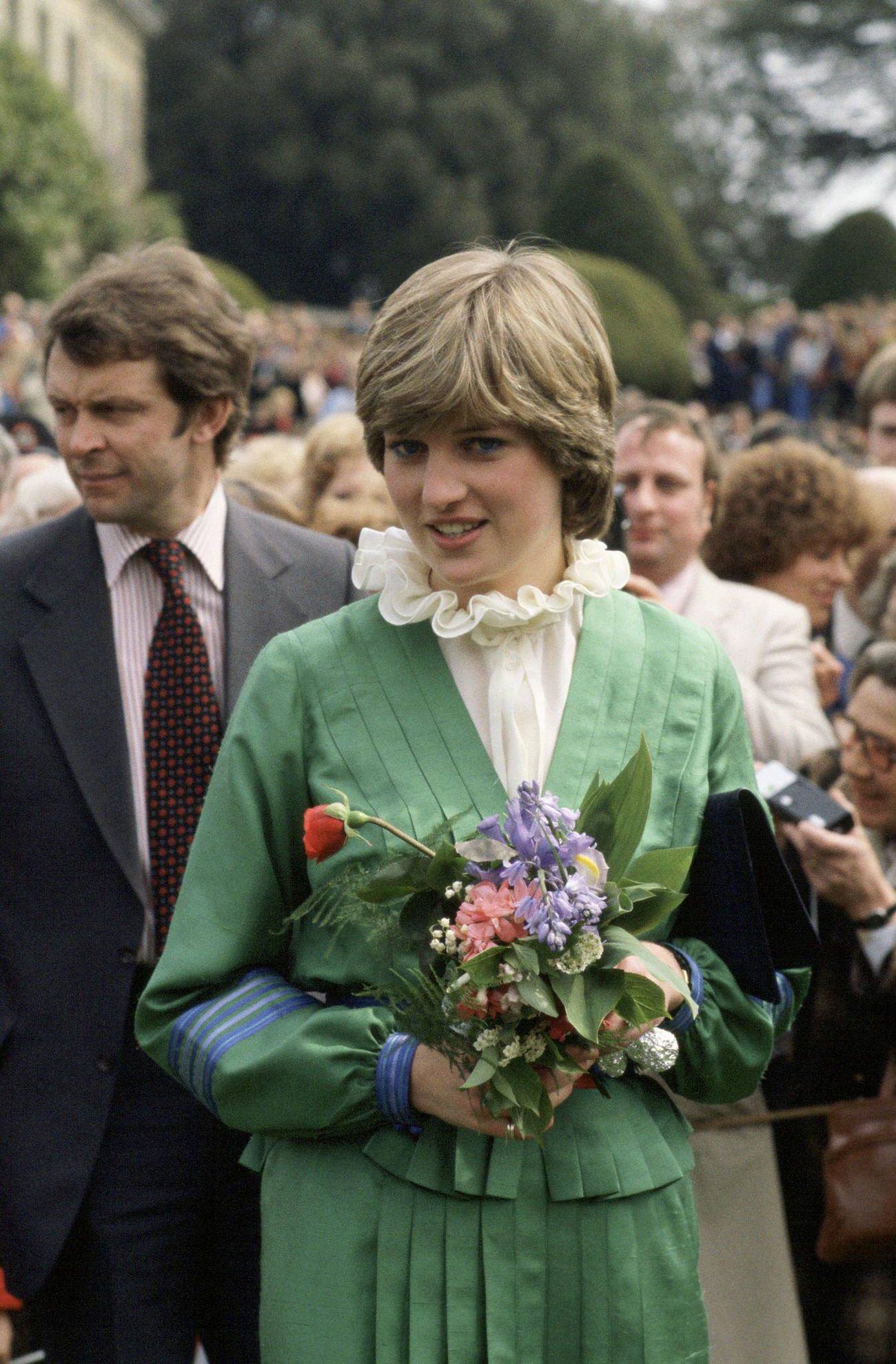
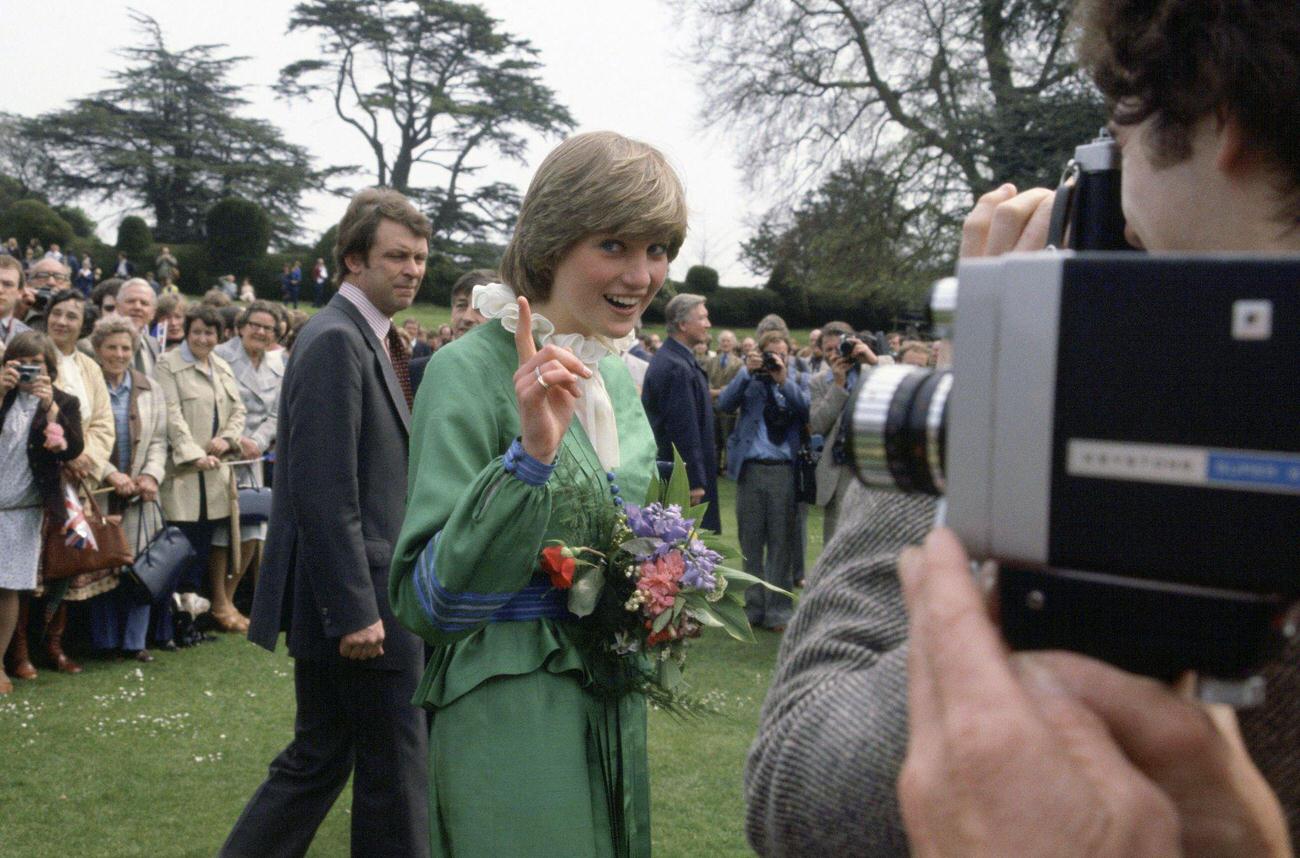
Diana’s visit to Tetbury, Gloucestershire, in May 1981 — shortly after the engagement — showed another side of her emerging public persona. She arrived wearing a Jasper Conran suit and walked through the town with a lightness that put the crowds immediately at ease. She asked questions, remembered names, and genuinely listened. These were qualities that no stylist or palace advisor could engineer. They were simply who she was.
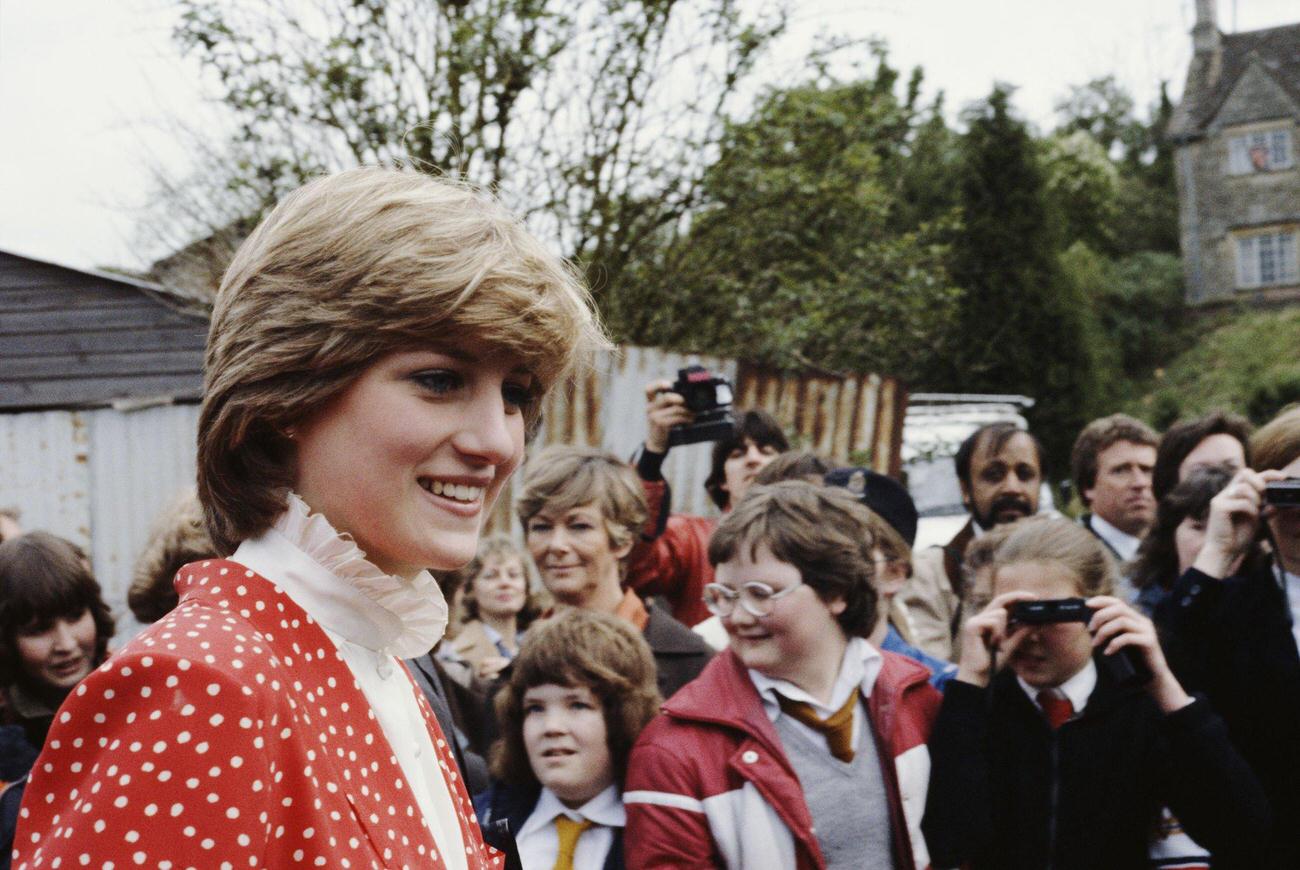
What the photographs from 1980 and 1981 collectively document is a young woman in rapid transition — from kindergarten teacher in a floral skirt to one of the most photographed people in the world — navigating that transformation with a degree of self-possession that was remarkable for her age. Diana’s style during these years was not the product of a deliberate image campaign. It was the visible expression of a person figuring herself out in front of an audience of millions, and doing it with far more grace than the situation required.