Harald Hauswald is a German photographer who spent much of his career documenting everyday life in East Berlin during the Cold War. Starting in the late 1970s and continuing into the early 1980s, he turned his lens toward one of the most closed-off corners of East German society: its prisons. What he captured remains one of the rarest visual records of the East German penal system ever made.
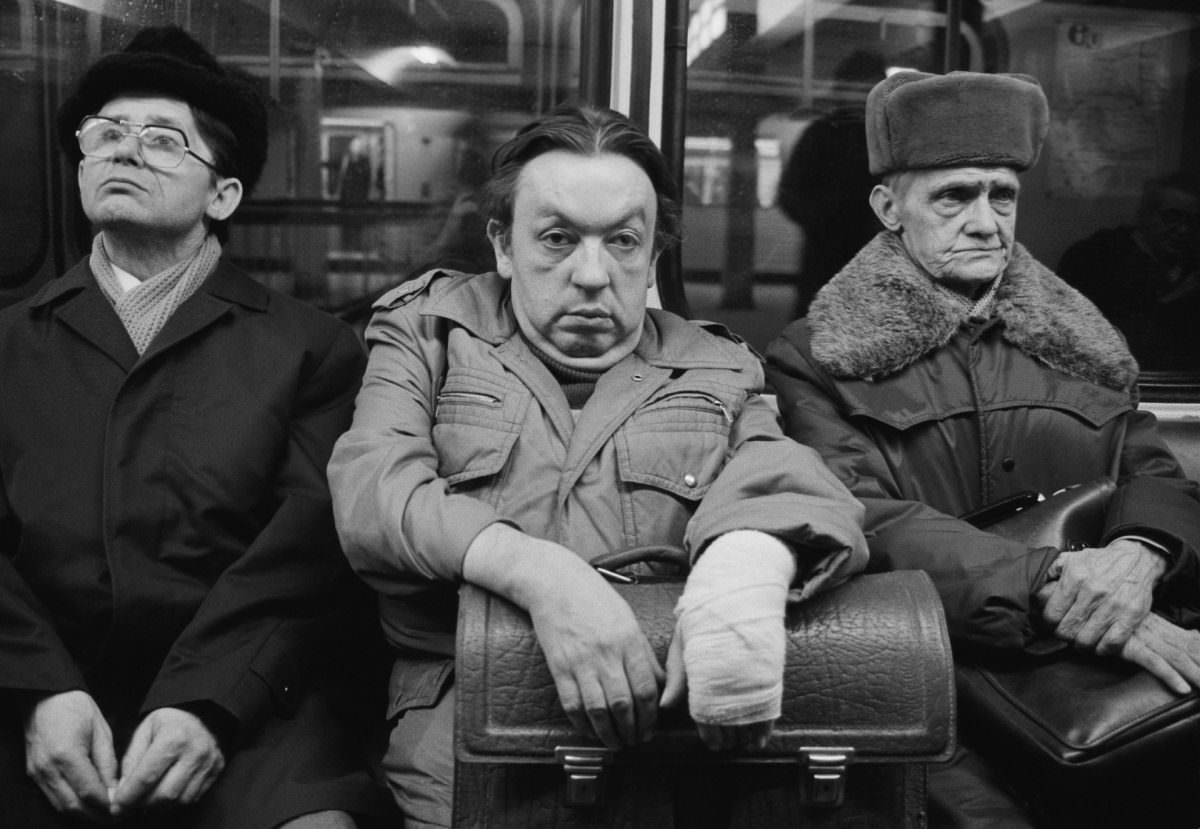
Hauswald gained access to these facilities through his position as a staff photographer for the state-run magazine Stern. The East German government allowed him inside expecting his work to support the official image of the state. He photographed what he was shown — but he also documented what the authorities likely did not intend for the public to see.
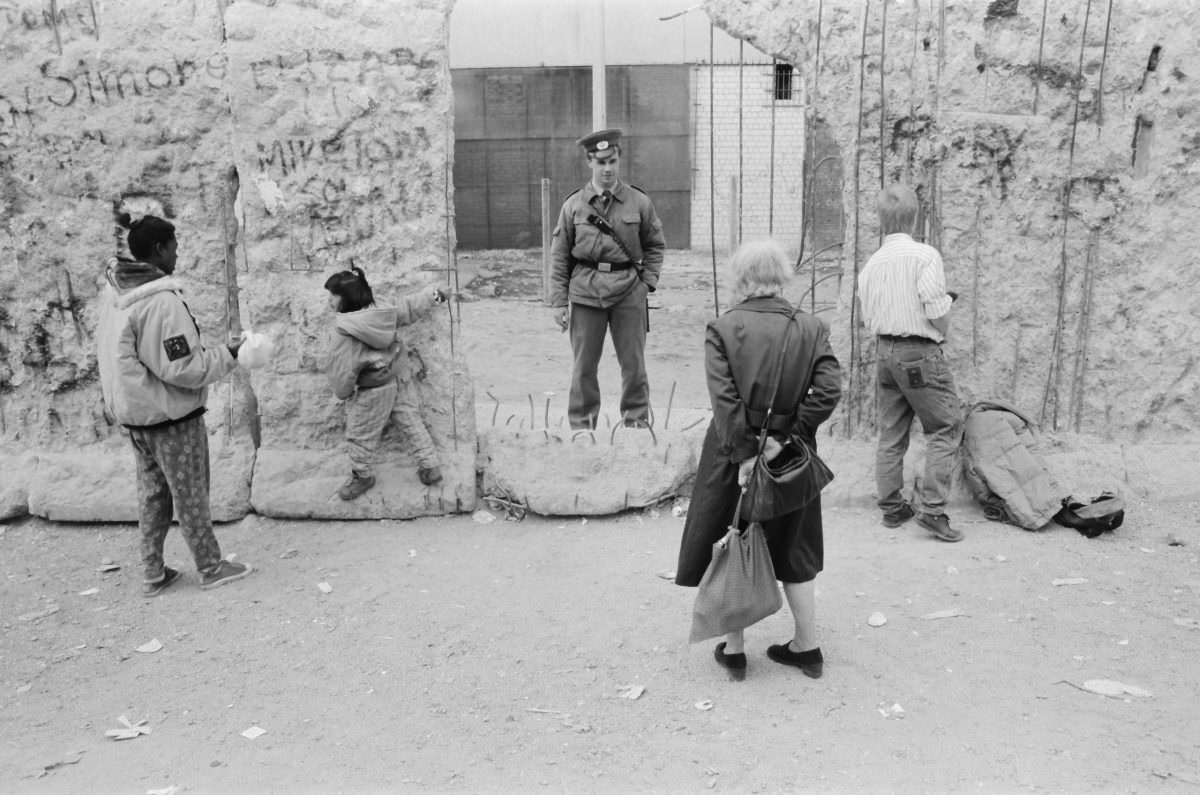
His photographs show overcrowded cells and bare, stripped-down living conditions. Prisoners are shown performing hard physical labor, a routine feature of daily life inside East German facilities. The images do not spare the viewer from the bleakness of these conditions. At the same time, Hauswald’s camera also caught quieter moments — prisoners sitting in thought, or simply existing within the confines of their cells.
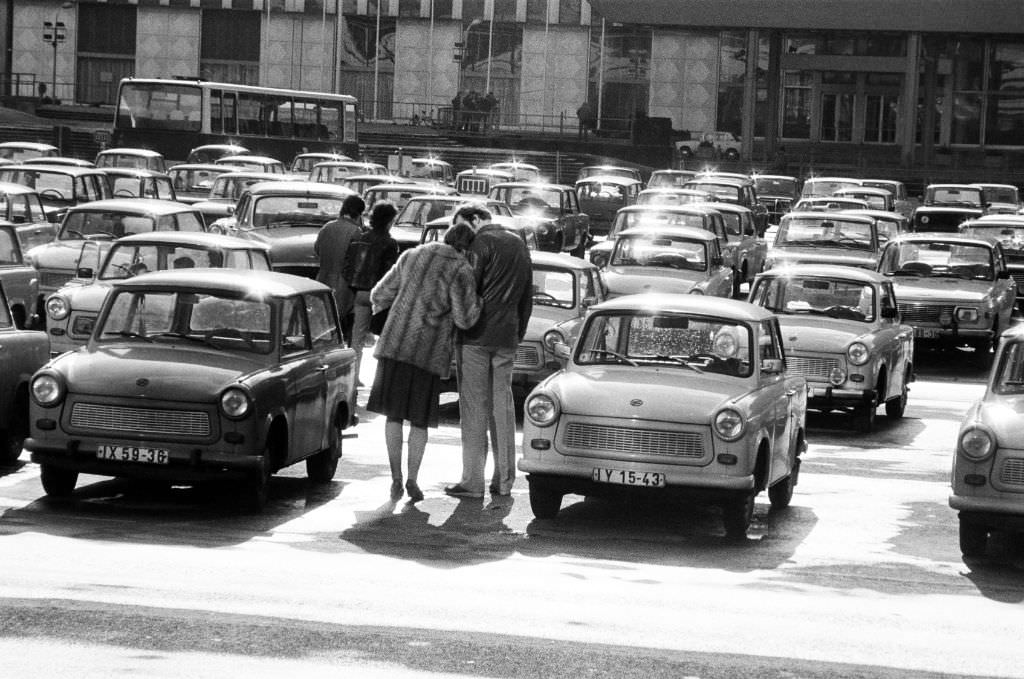
Hauswald had a personal drive behind this work beyond his professional role. He wanted to expose the human rights abuses carried out by the East German government, which kept tight control over information about its prison population. His photographs stood as direct evidence of conditions the state preferred to keep hidden.
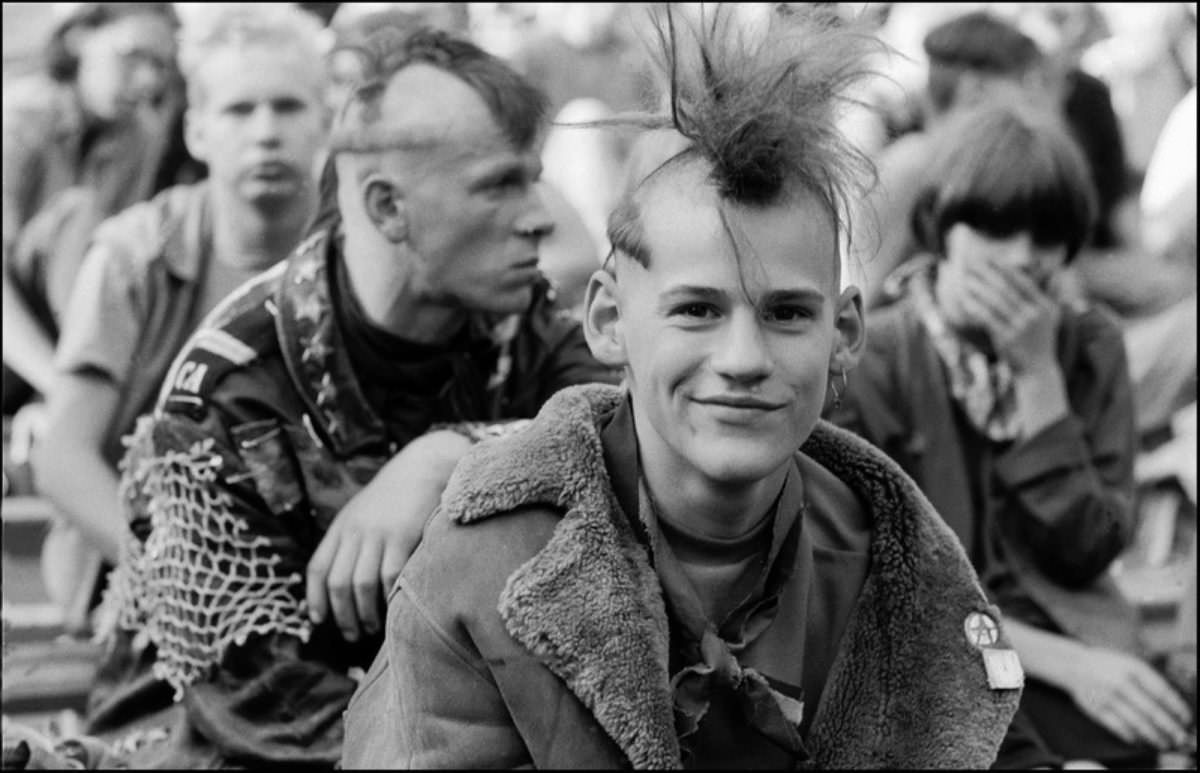
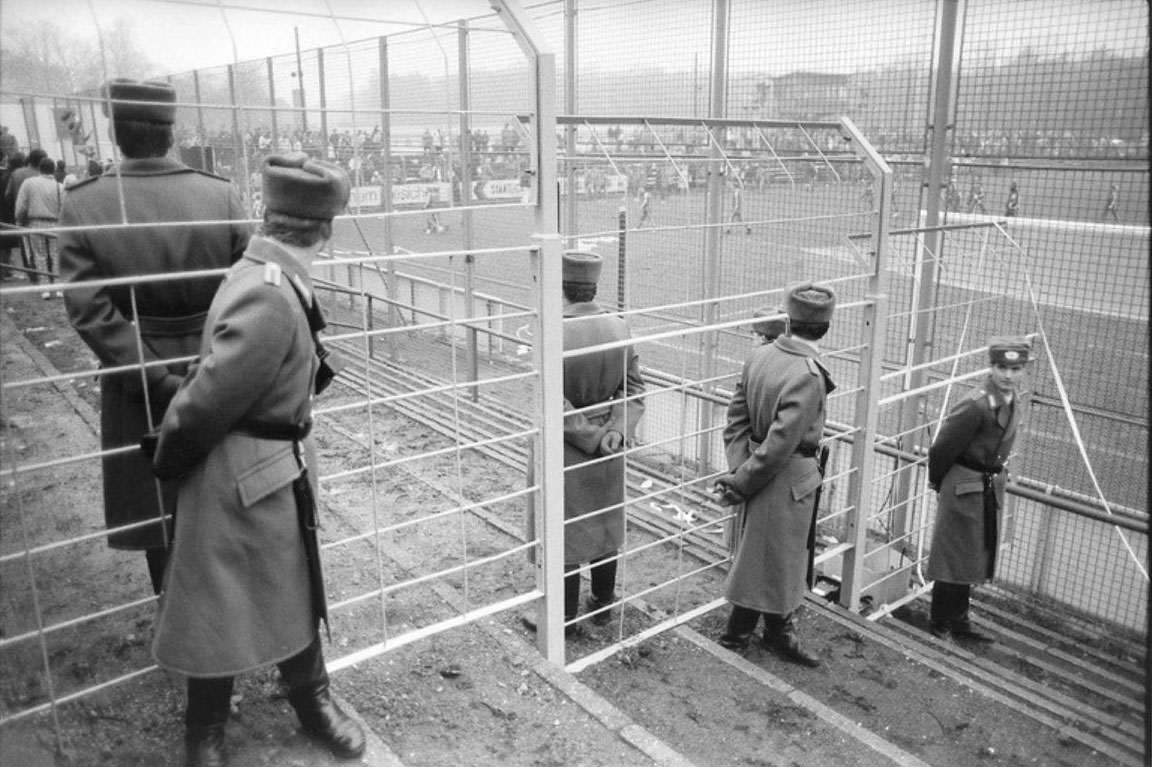
The East German penal system during this era was shaped by the political priorities of the ruling Socialist Unity Party. Imprisonment was used not only as punishment for criminal offenses but also as a tool against those who opposed or threatened the regime. The conditions Hauswald photographed were not incidental — they reflected a deliberate system of control and punishment.
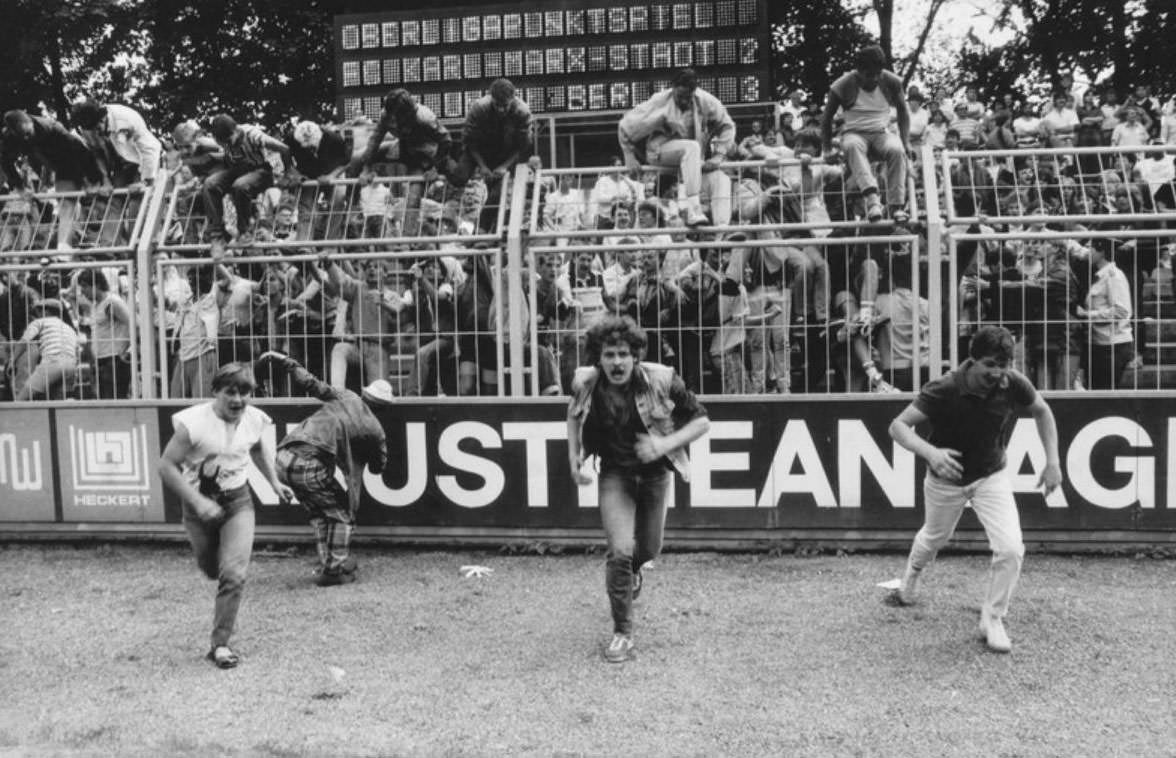
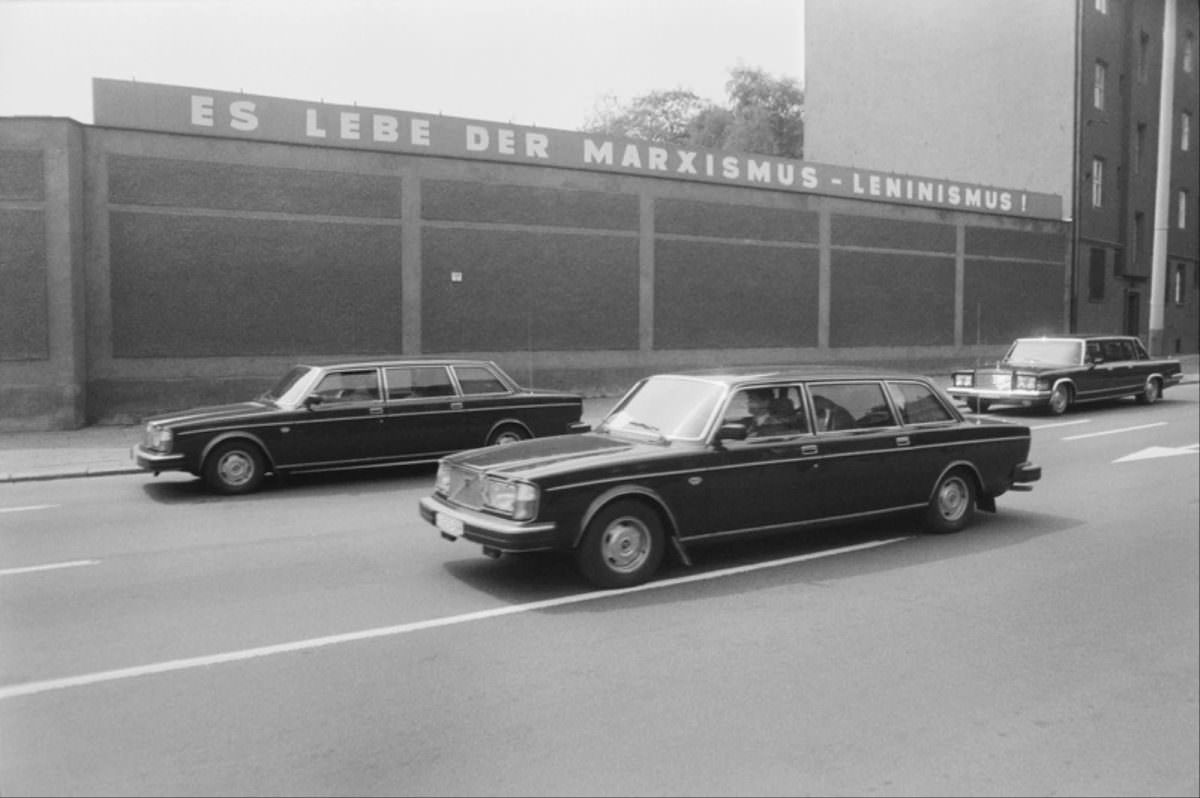
His photographs capture a world most East Germans never saw and that the government never intended to publicize. Each frame is unposed and direct, with none of the careful staging common in state-approved media. Hauswald’s approach was honest — showing the prison system not as the state described it, but as it actually functioned.
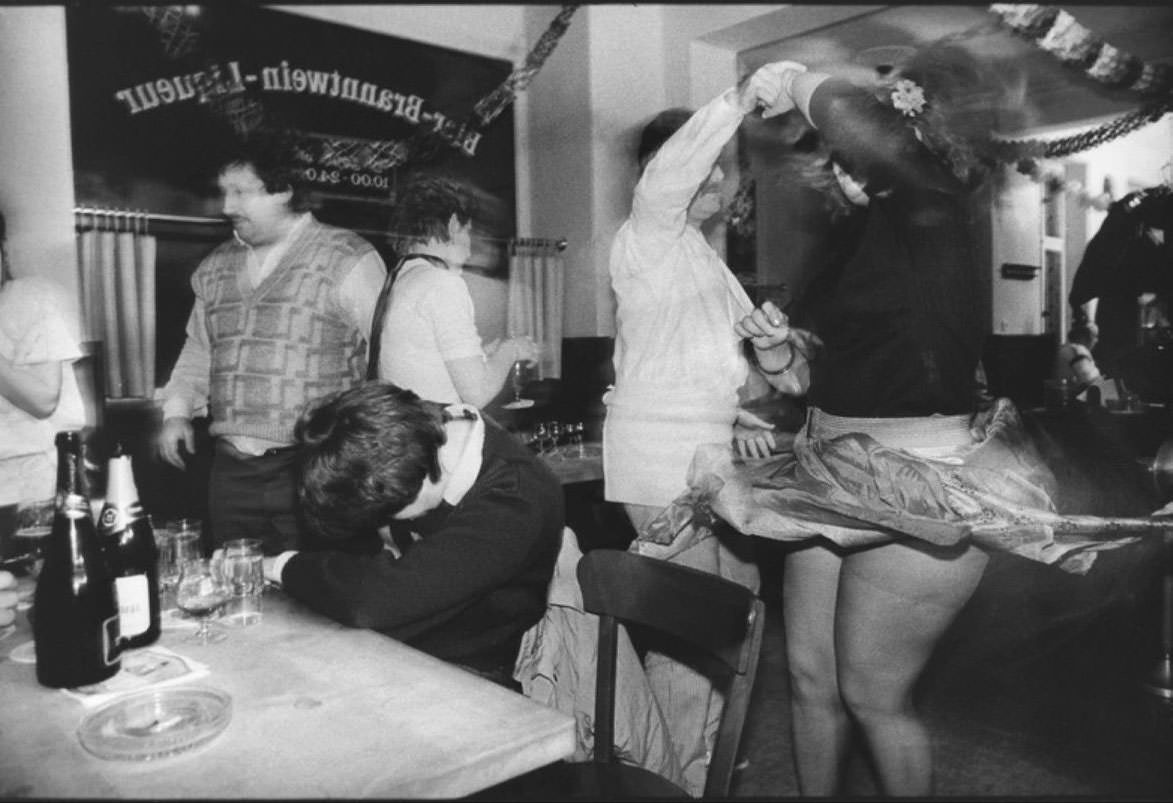
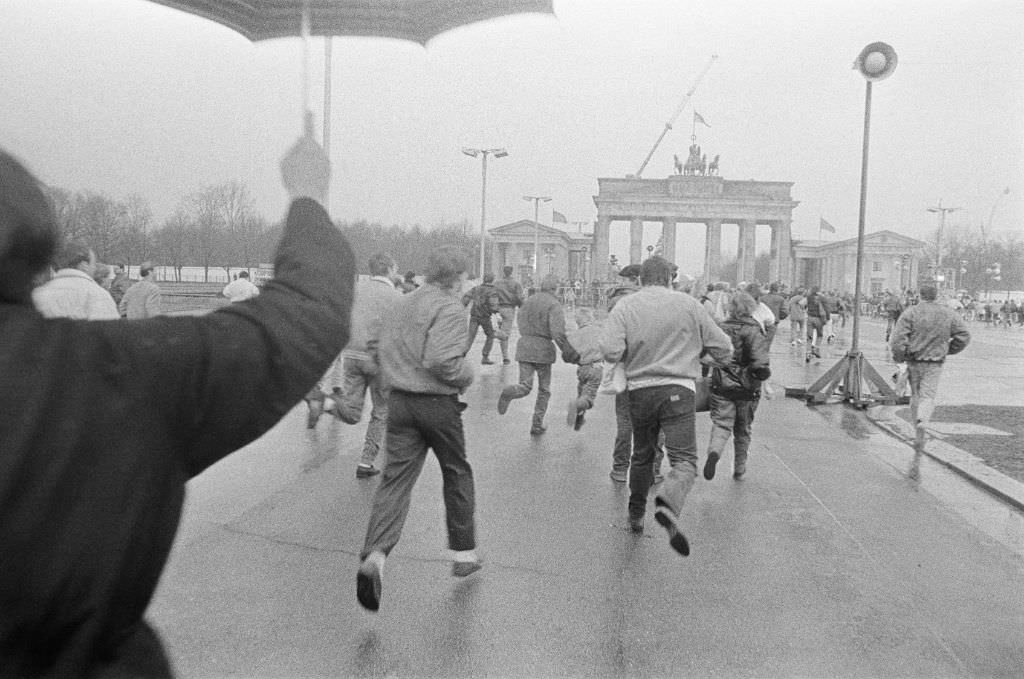
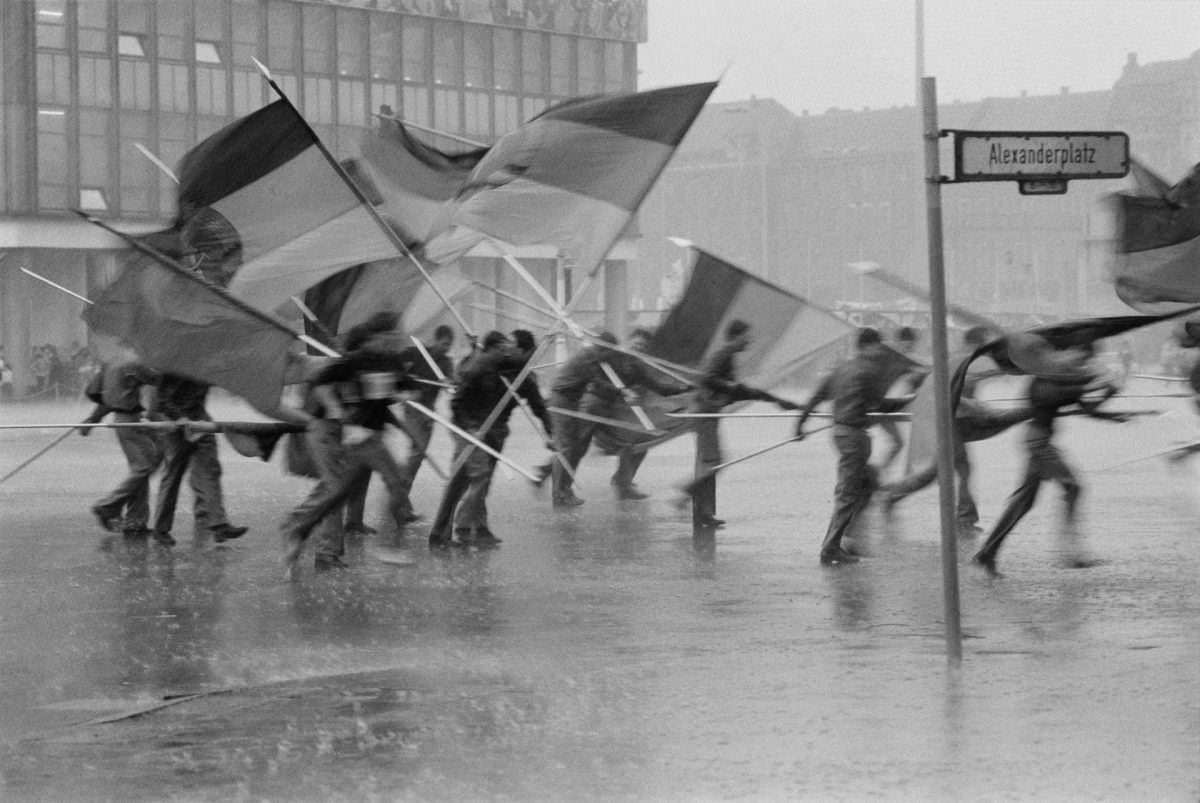
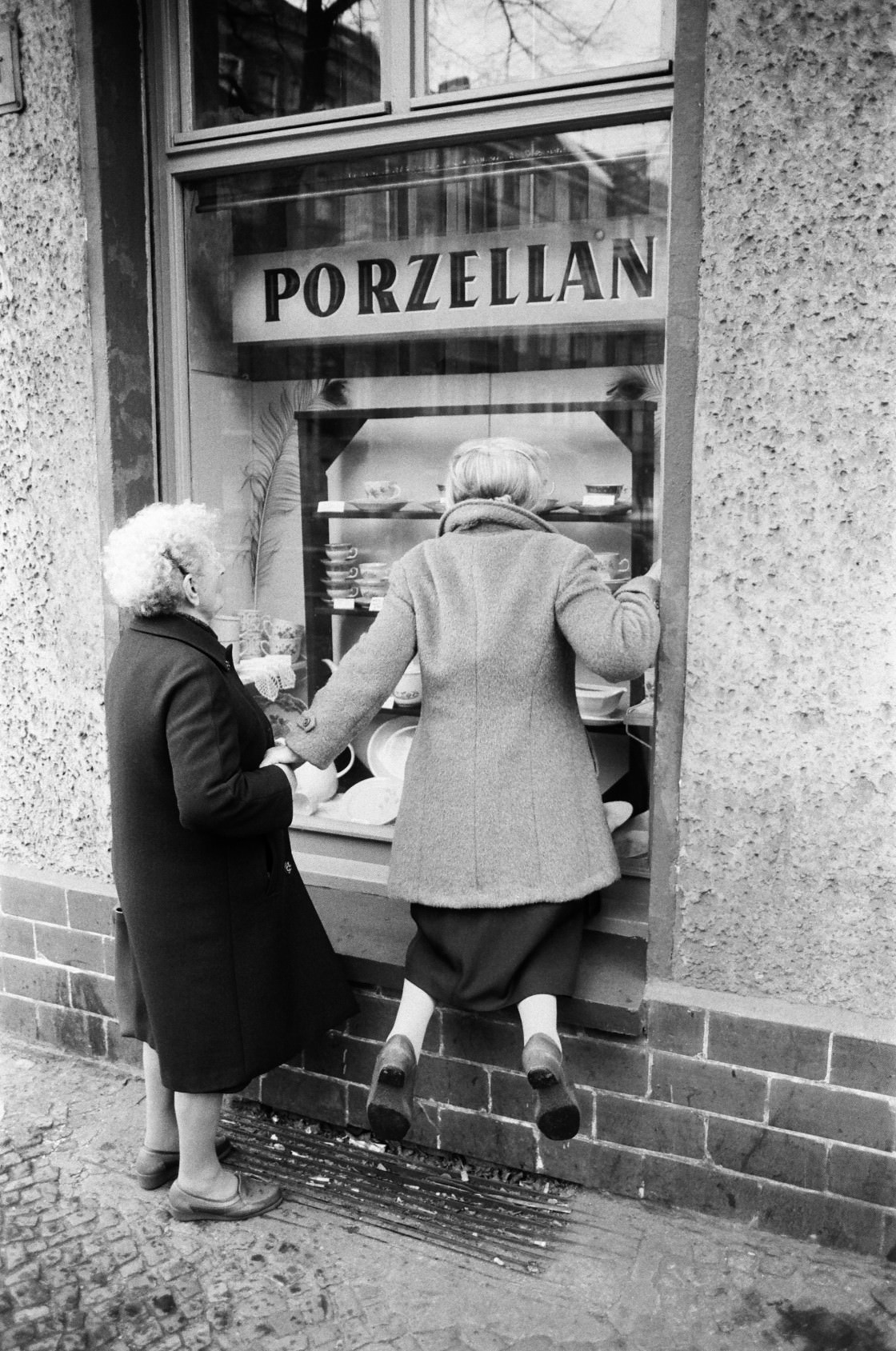
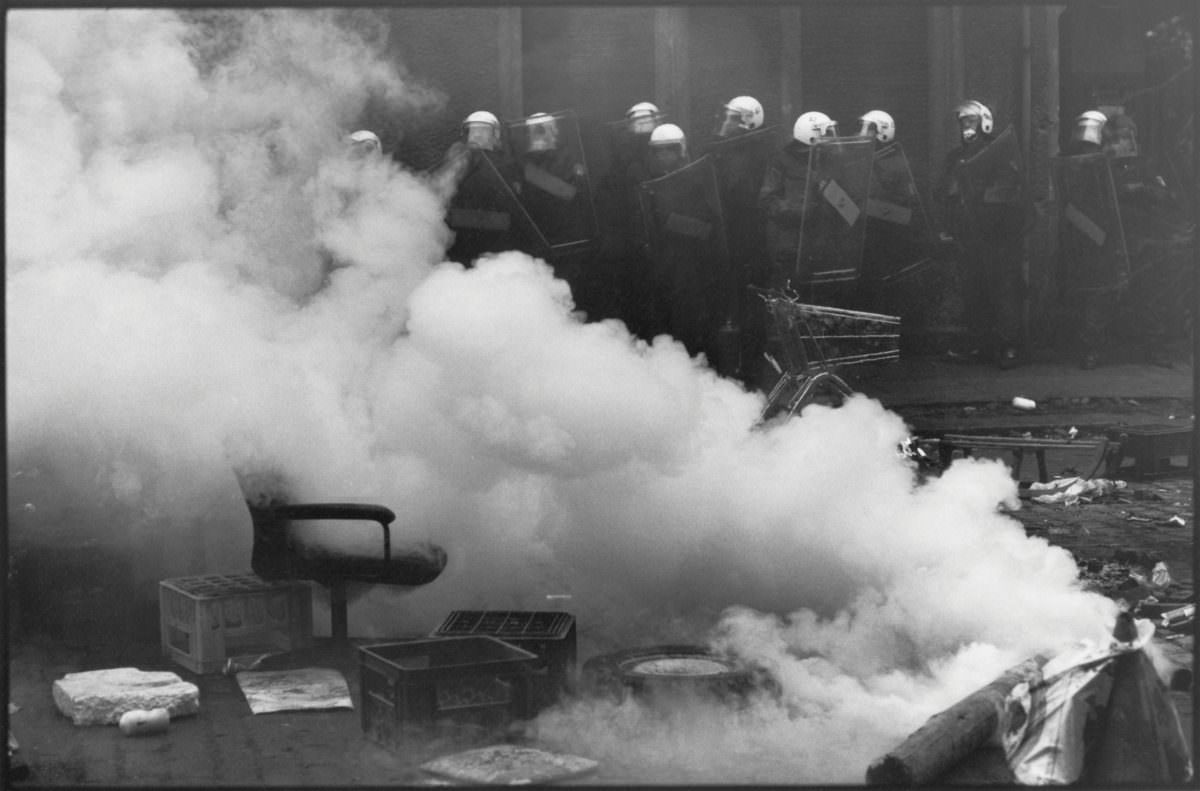
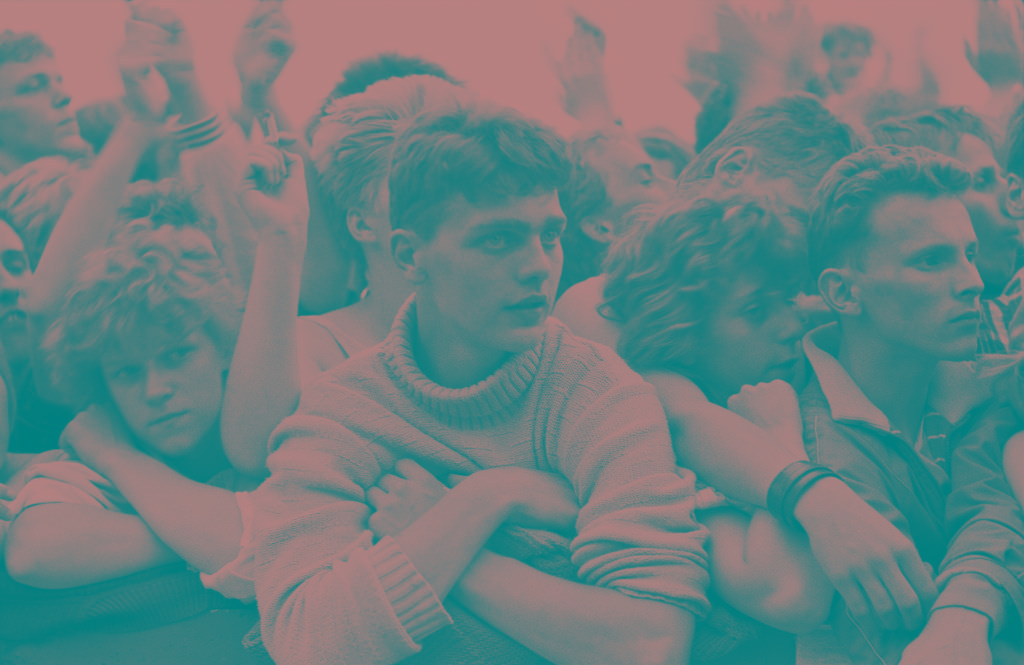
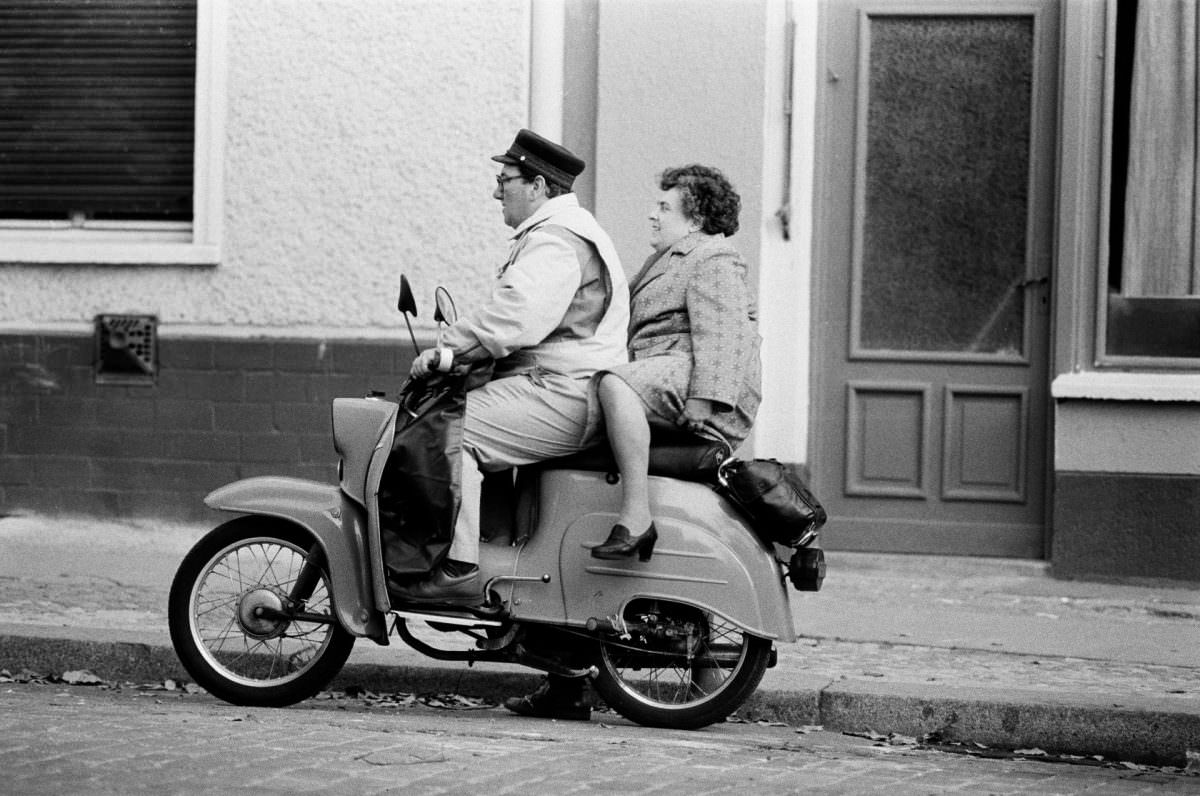
Hauswald’s work sits within his broader documentation of East Berlin life — from street scenes and concerts to protests and public gatherings. The prison photographs, however, stand apart. They reached places no other photographer of that period managed to record with such frankness.
Today, these photographs are exhibited and published across Germany and internationally. They are recognized as a significant body of documentary photography, providing historians and the public alike with a factual, visual account of what East German incarceration looked like from the inside.