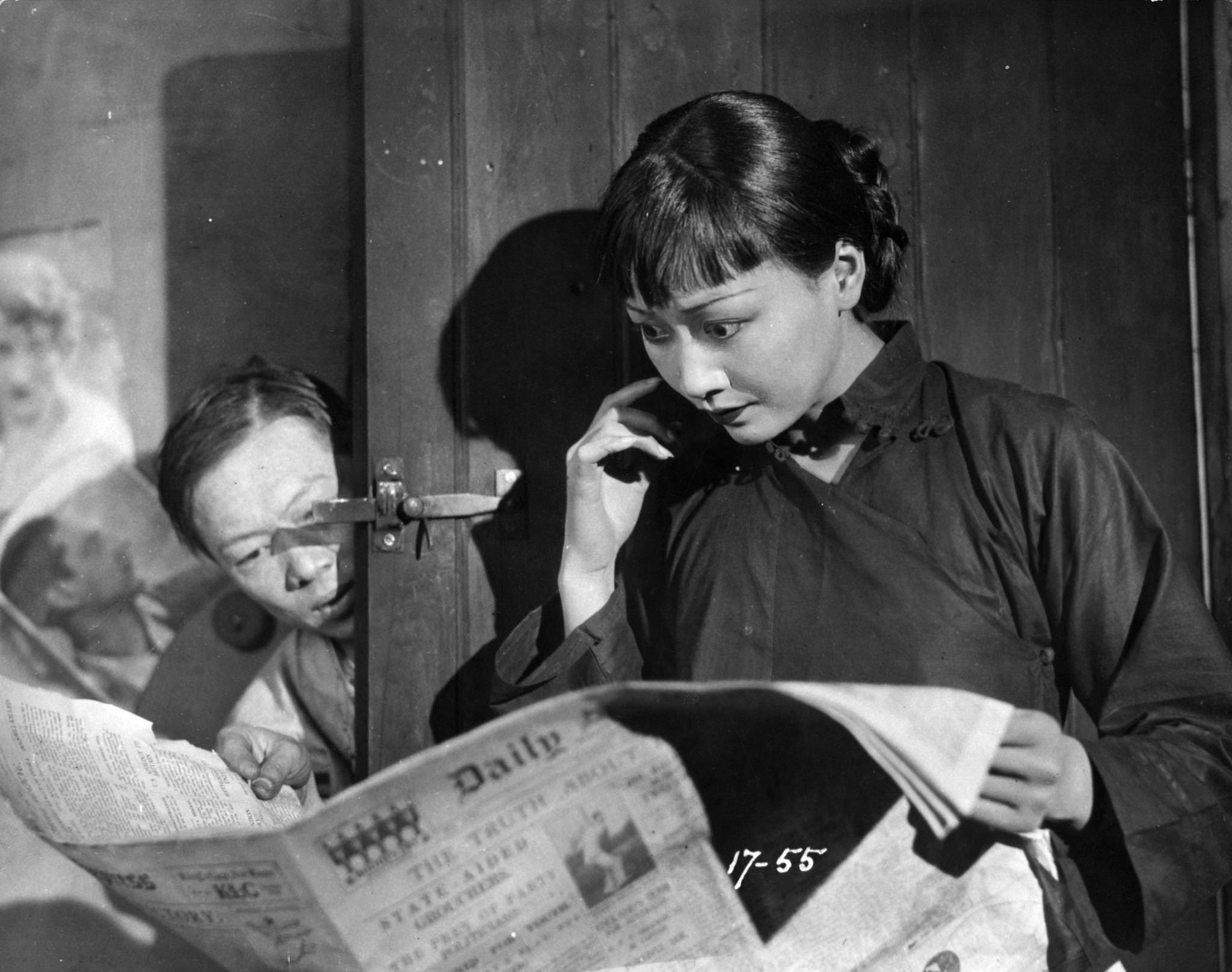

Released in 1929, Piccadilly was a British silent film that stood out from its era in almost every way. Directed by German-born filmmaker E.A. Dupont and produced by British International Pictures, the film tackled themes of jealousy, race, and class at a time when most studios played it safe. It was shot largely on location in London, including at the now-demolished Piccadilly Theatre, and worked within a relatively tight budget. Dupont filled the club scenes with non-professional extras and leaned heavily on inventive camera angles and lighting to create visuals that critics called genuinely innovative.
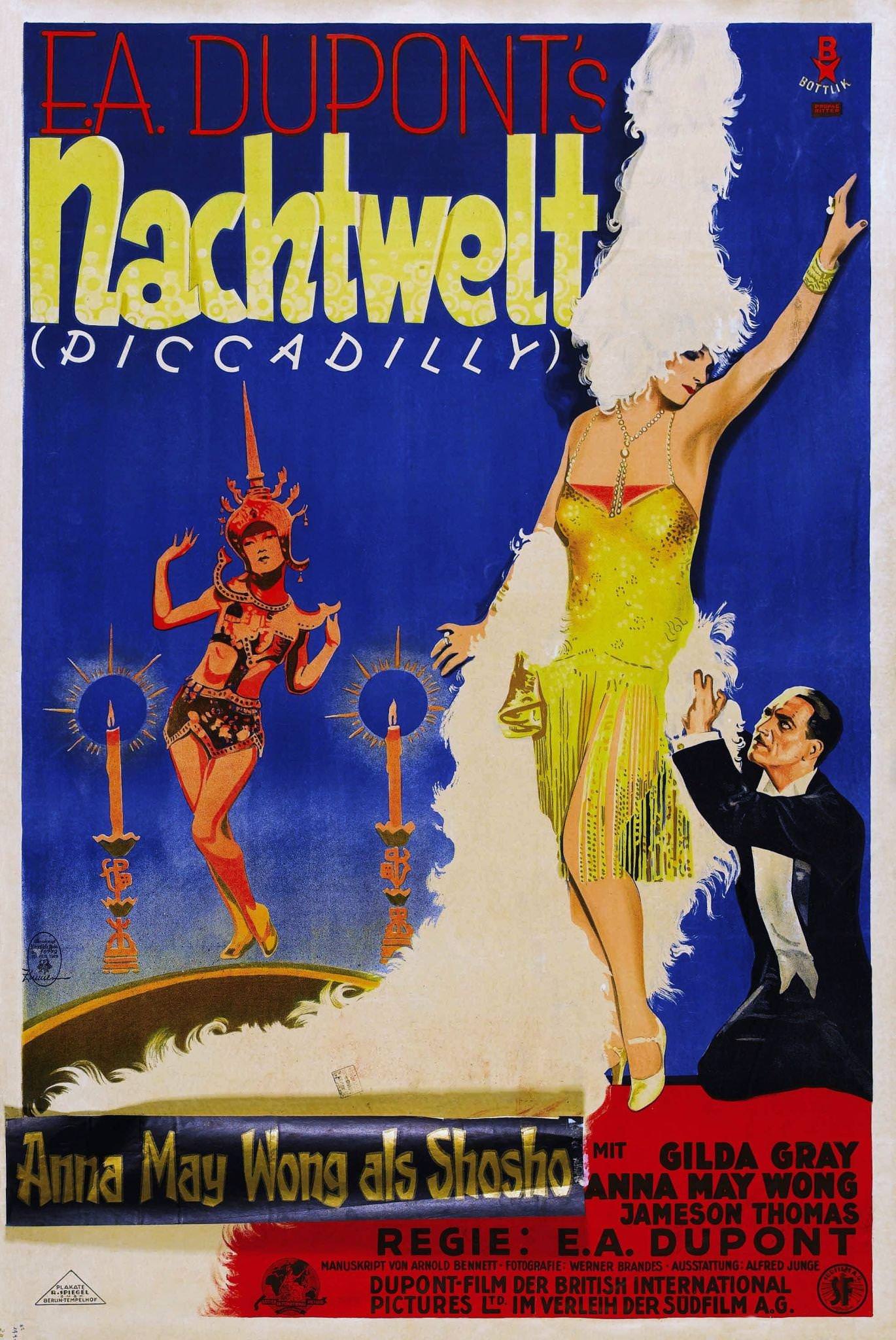
The story centers on the Piccadilly Club, a London nightclub where ambition, desire, and tension collide. Gilda Gray plays the club’s headline dancer, whose relationship with the club’s owner — played by Jameson Thomas — begins to unravel when he becomes drawn to a young Chinese dishwasher named Shosho. That role was played by Anna May Wong, whose performance became the film’s most talked-about element. The love triangle that forms between the three characters drives the plot forward with escalating drama.
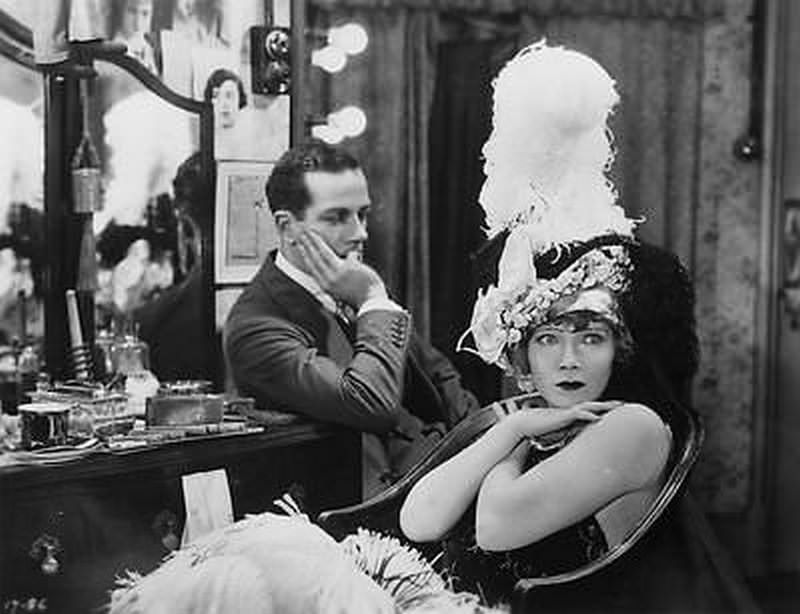
Gilda Gray was already a well-known figure before the film. Famous for popularizing the “shimmy” dance, she brought a commanding stage presence to her role. Her character’s fall from the spotlight as Shosho rises gives the film much of its dramatic tension.
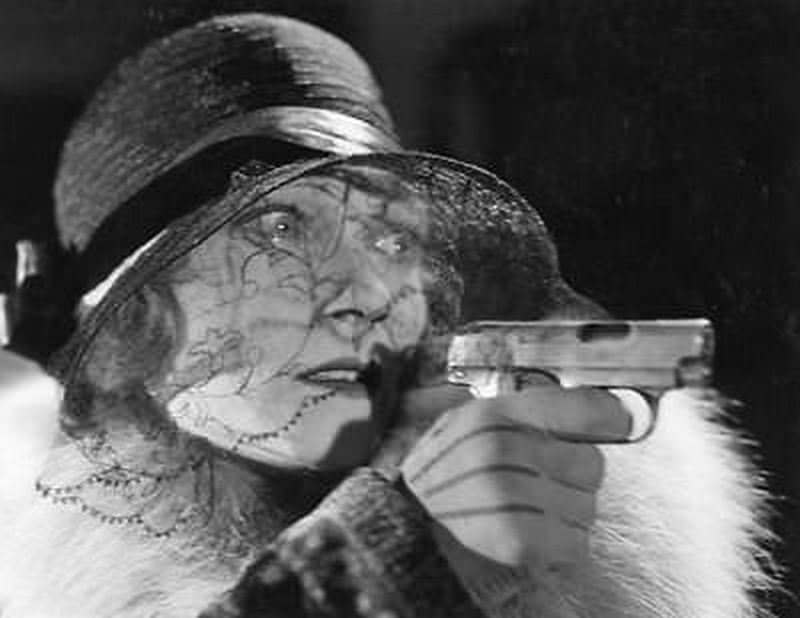
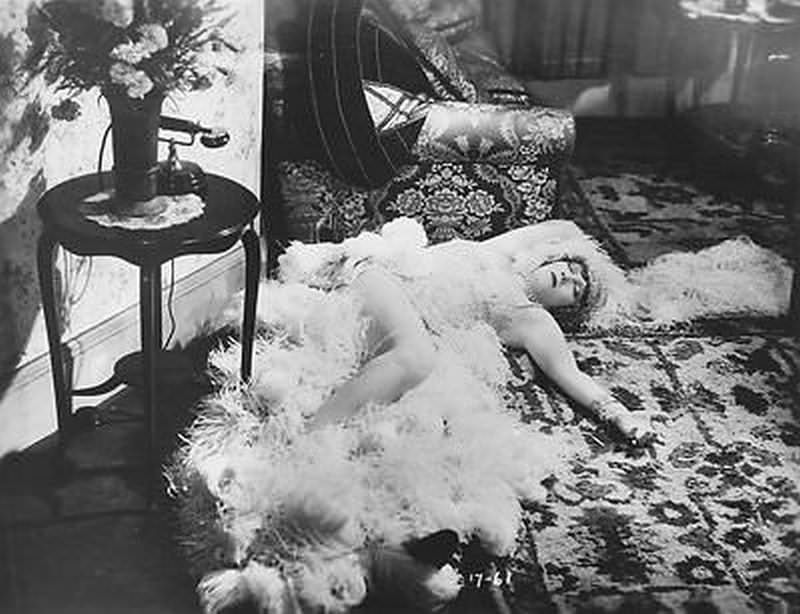
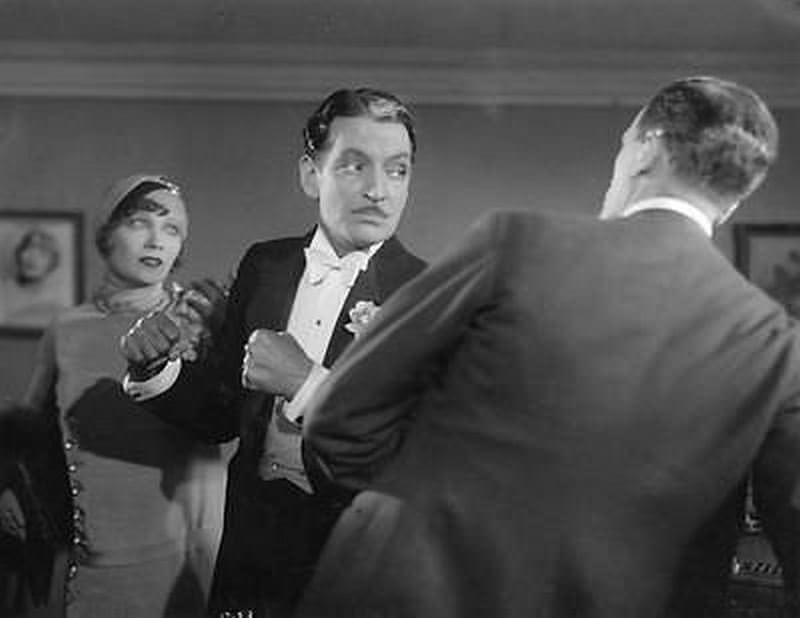
Jameson Thomas played Valentine Wilmot, the club owner caught between two women. His character’s obsession with Shosho drives much of the film’s conflict and puts his professional and personal life at risk.
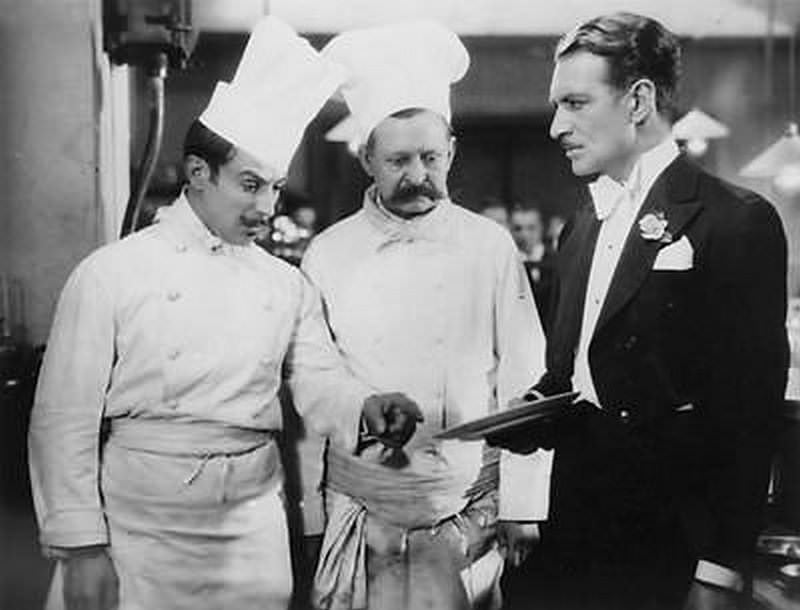
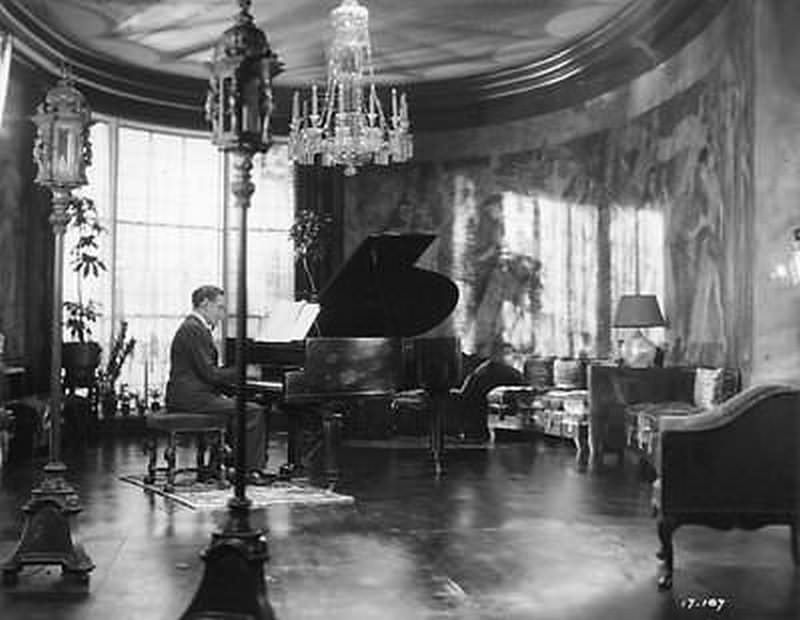
Gilda Gray and Jameson Thomas share several key scenes that establish the stakes of their relationship before it begins to fracture.
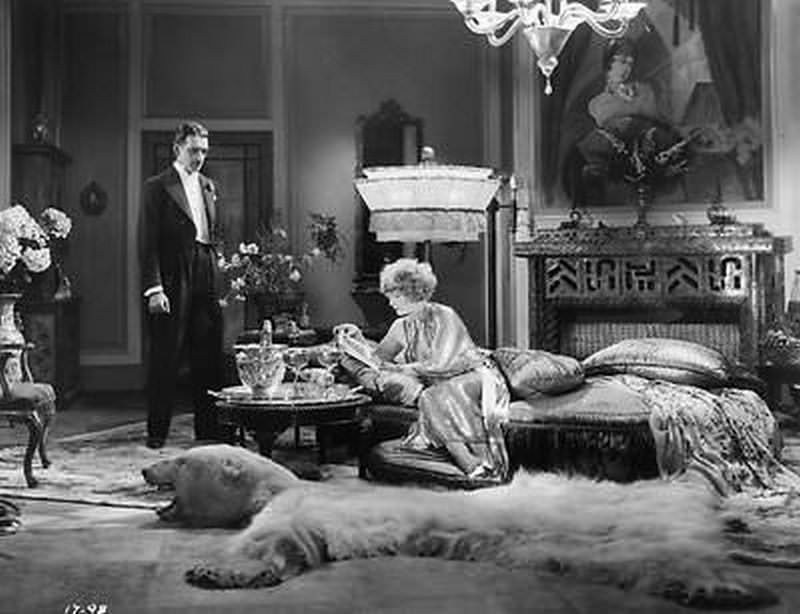
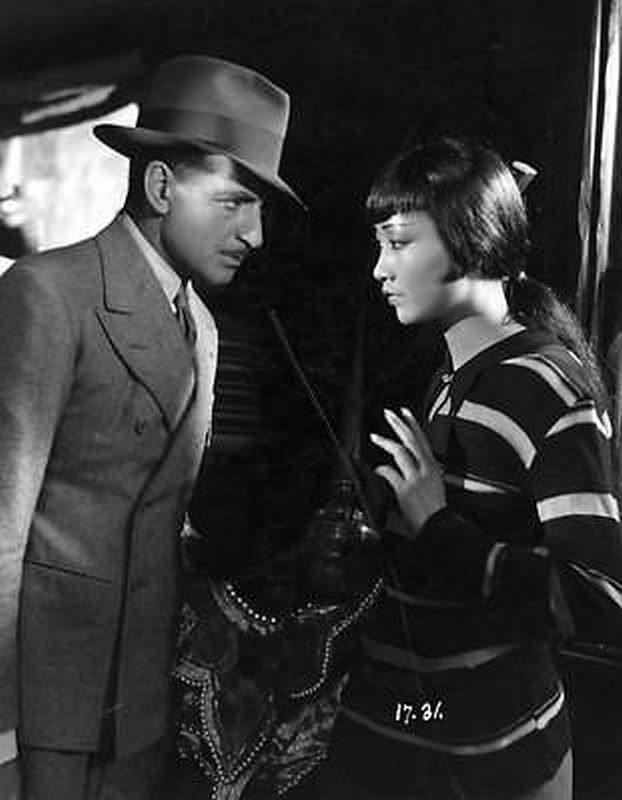
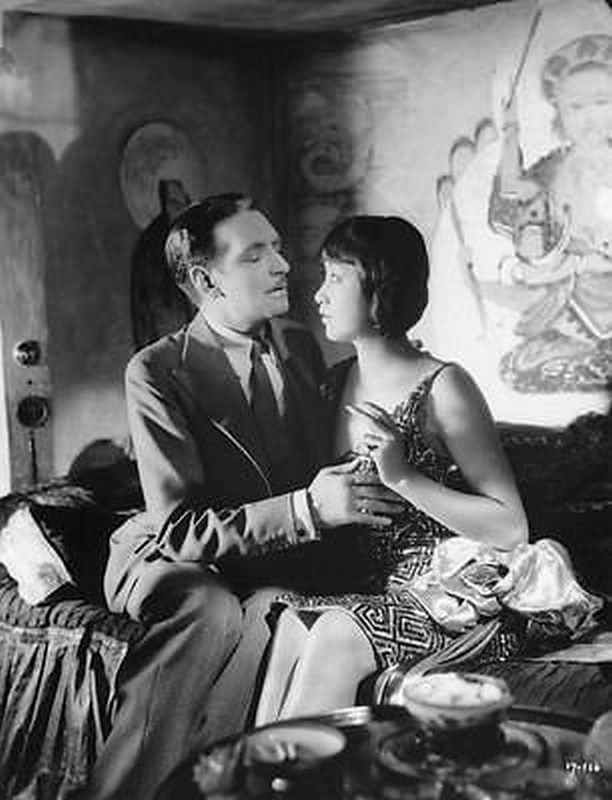
Anna May Wong delivered what many critics at the time considered a breakthrough performance. Her portrayal of Shosho — a dishwasher who rises to become the club’s star dancer — was bold and fully realized. The film’s depiction of an interracial relationship between Shosho and Wilmot was considered daring for 1929 and drew both praise and controversy.
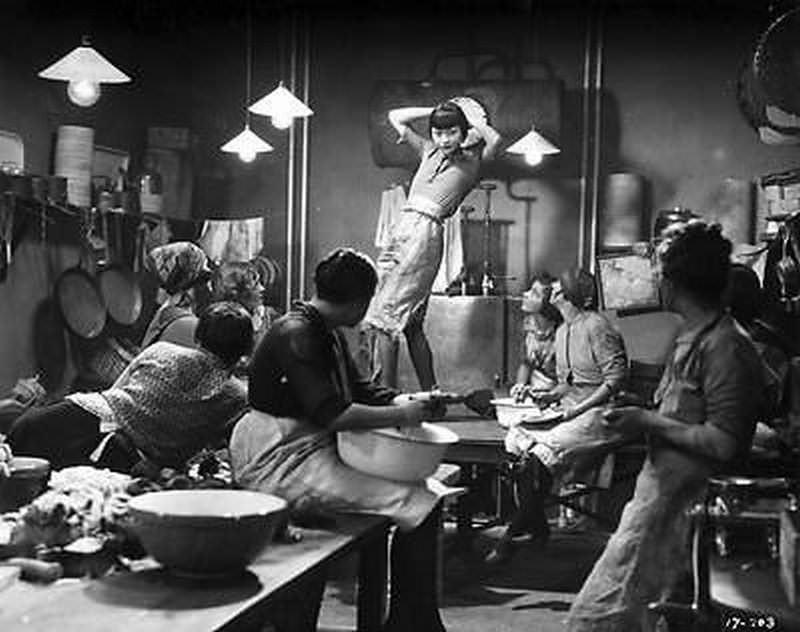
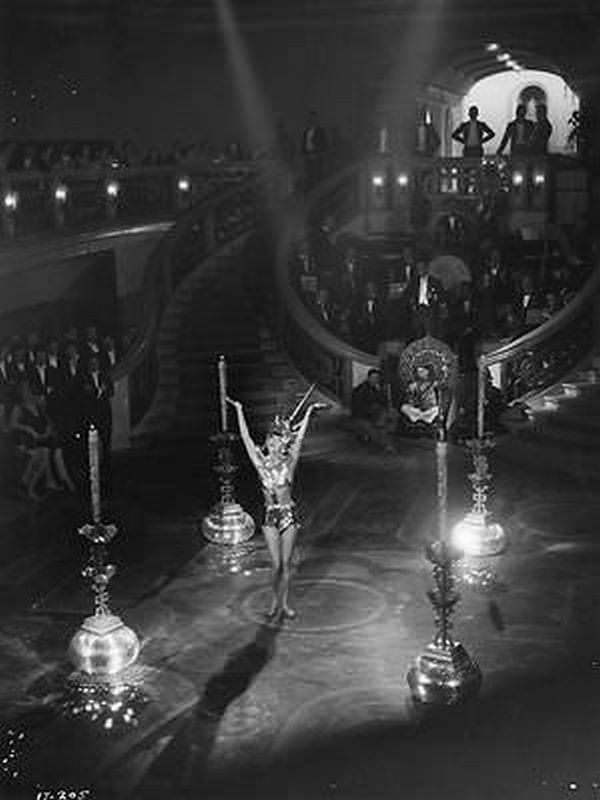
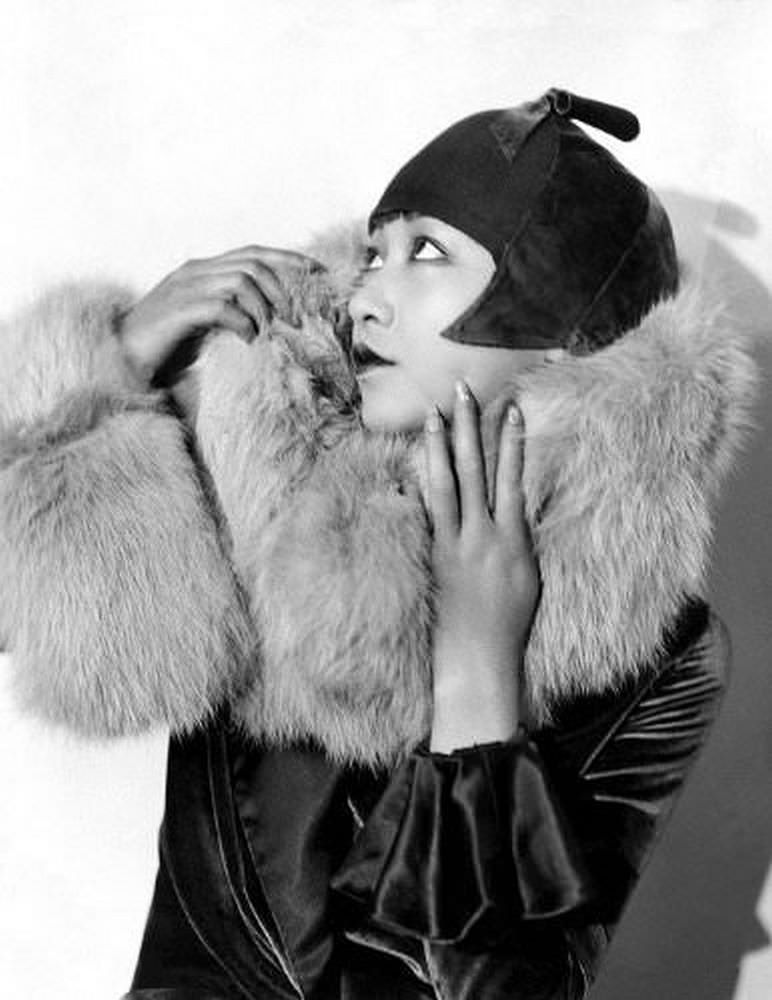
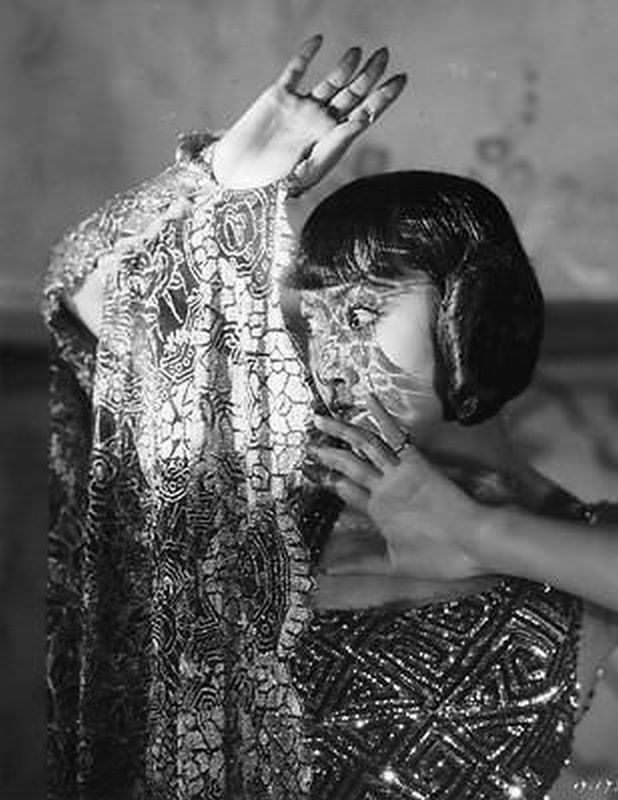
King Hou Chang also appears in the film in a supporting role. Several behind-the-scenes photographs capture him alongside Anna May Wong and the wider cast.
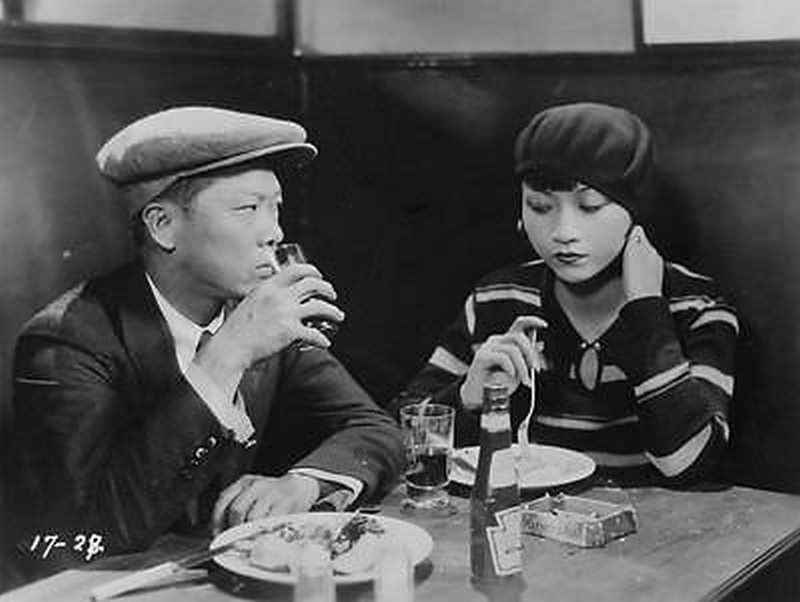
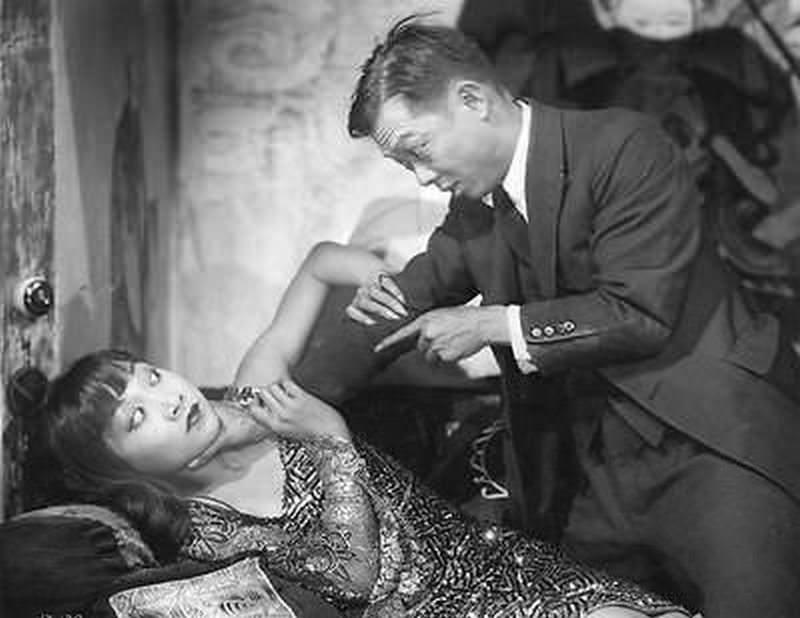
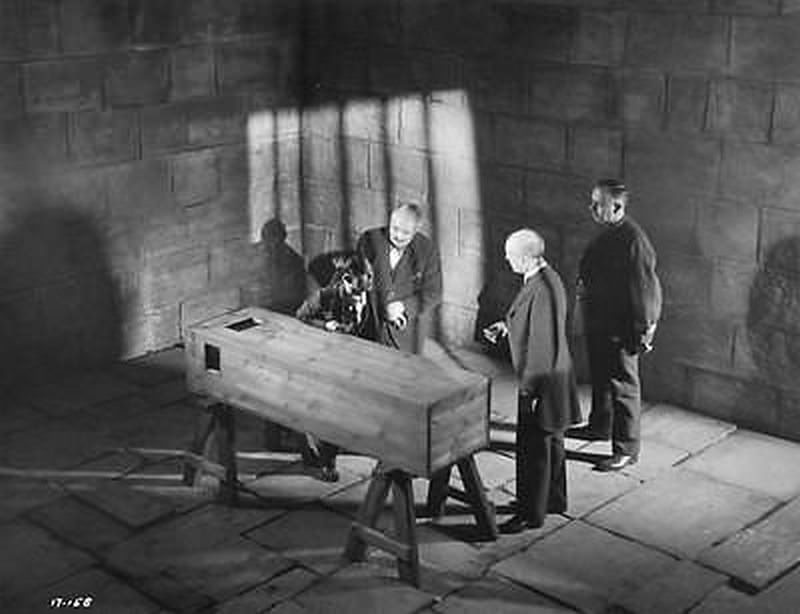
The scenes between Jameson Thomas and Anna May Wong — where Wilmot’s fixation on Shosho becomes undeniable — are among the film’s most striking.
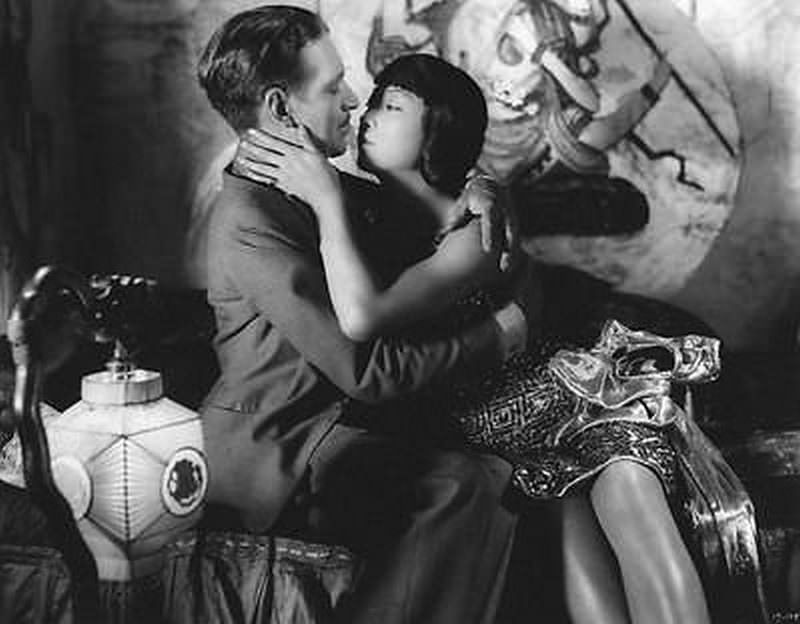
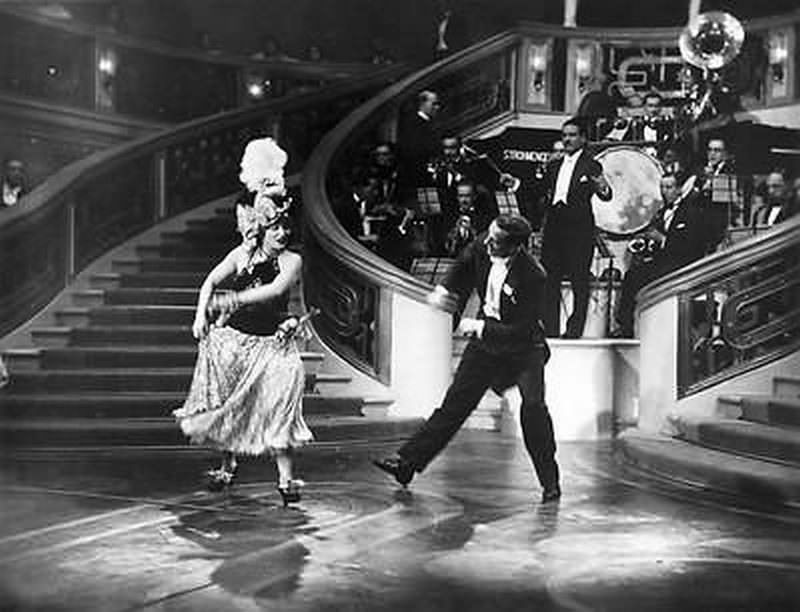
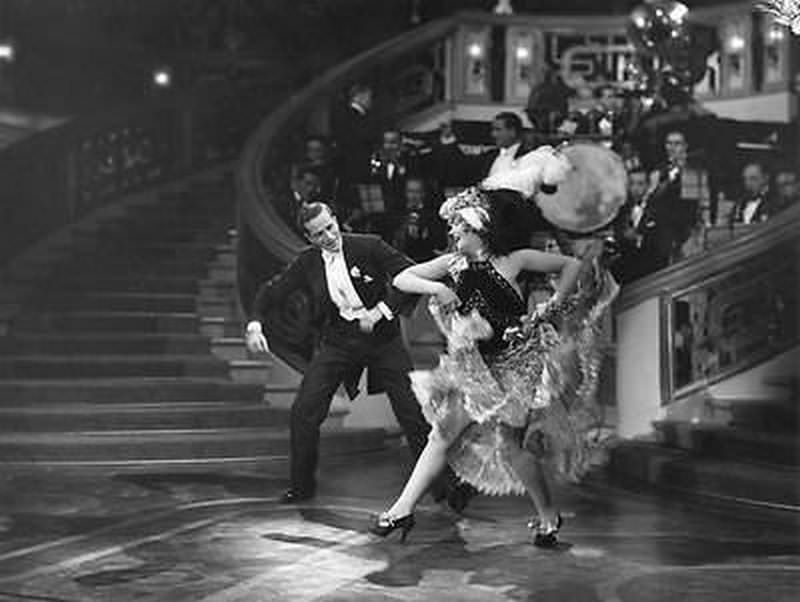
The nightclub setting gave Dupont an opportunity to showcase real musical talent. Debroy Somers and His Band performed in the film, adding authenticity to the club scenes. These sequences feature Gilda Gray alongside Thomas and the full band.
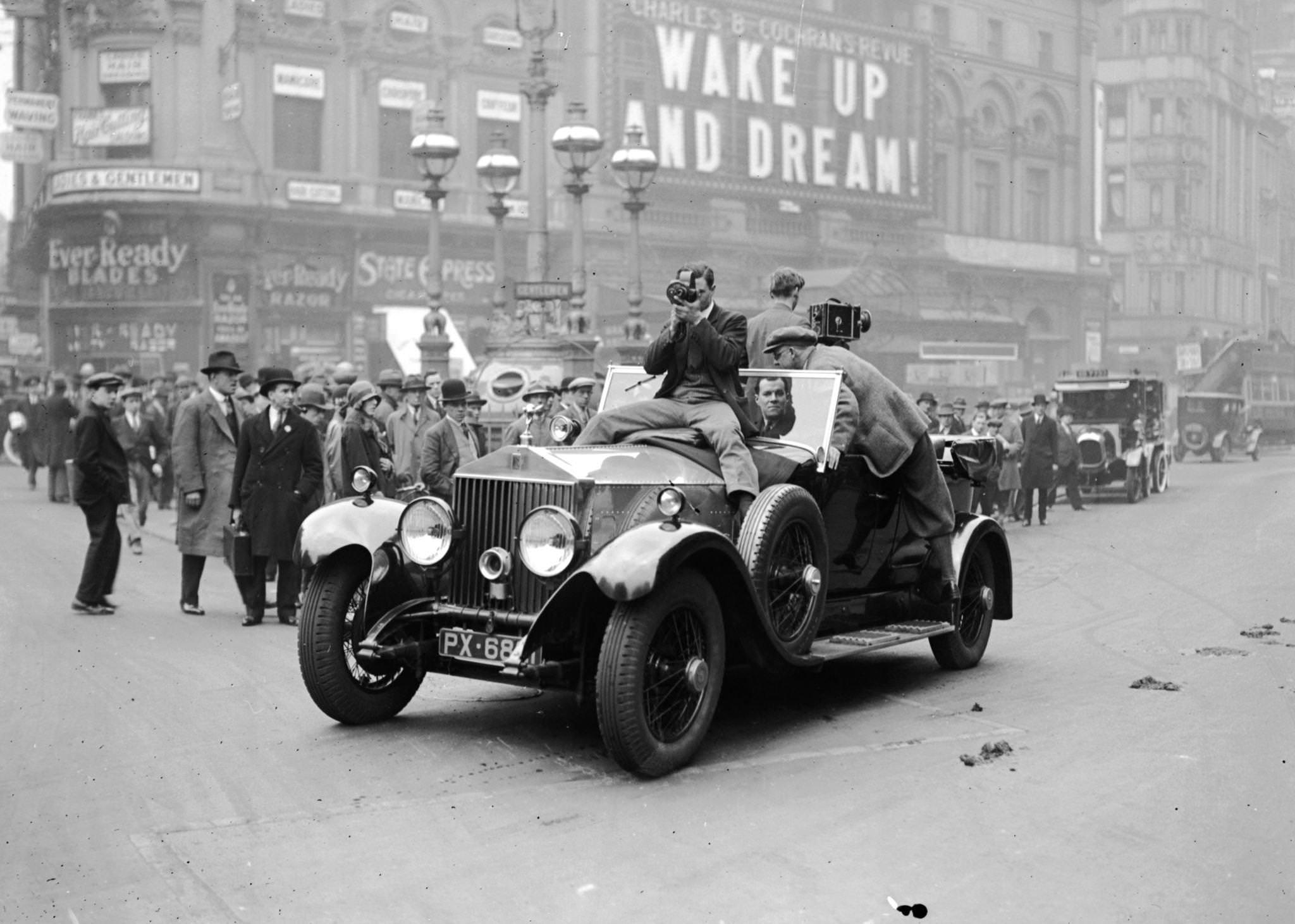
Filming on London’s streets required real logistical effort. Camera crews were mounted on vehicles — including a Rolls Royce — to capture moving footage through the city.
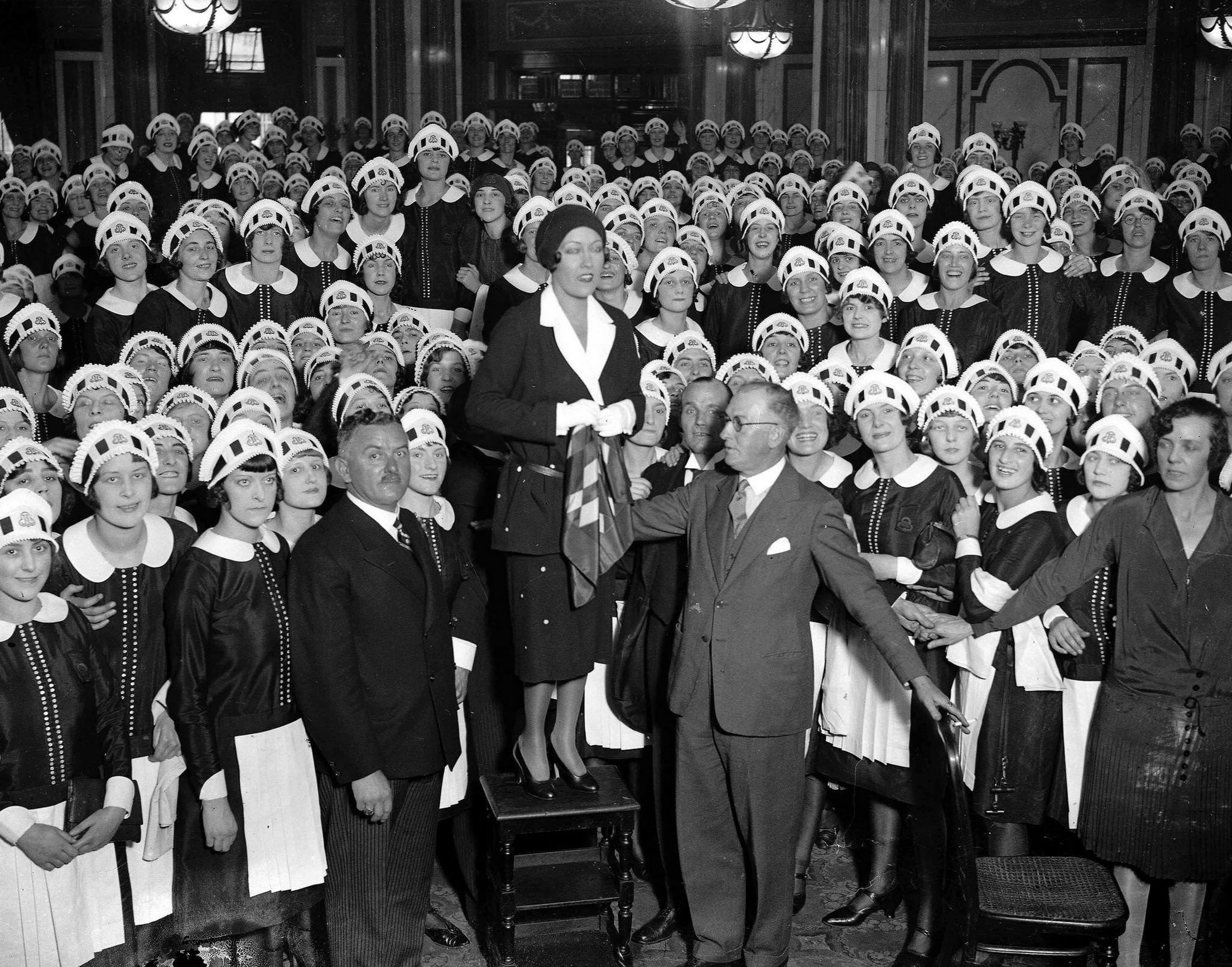
The production attracted wider public attention. Gloria Swanson, one of Hollywood’s biggest stars at the time, was photographed speaking to a large crowd of “Nippies” — the nickname for waitresses at the Lyon’s Corner House restaurants — during the film’s promotional period.
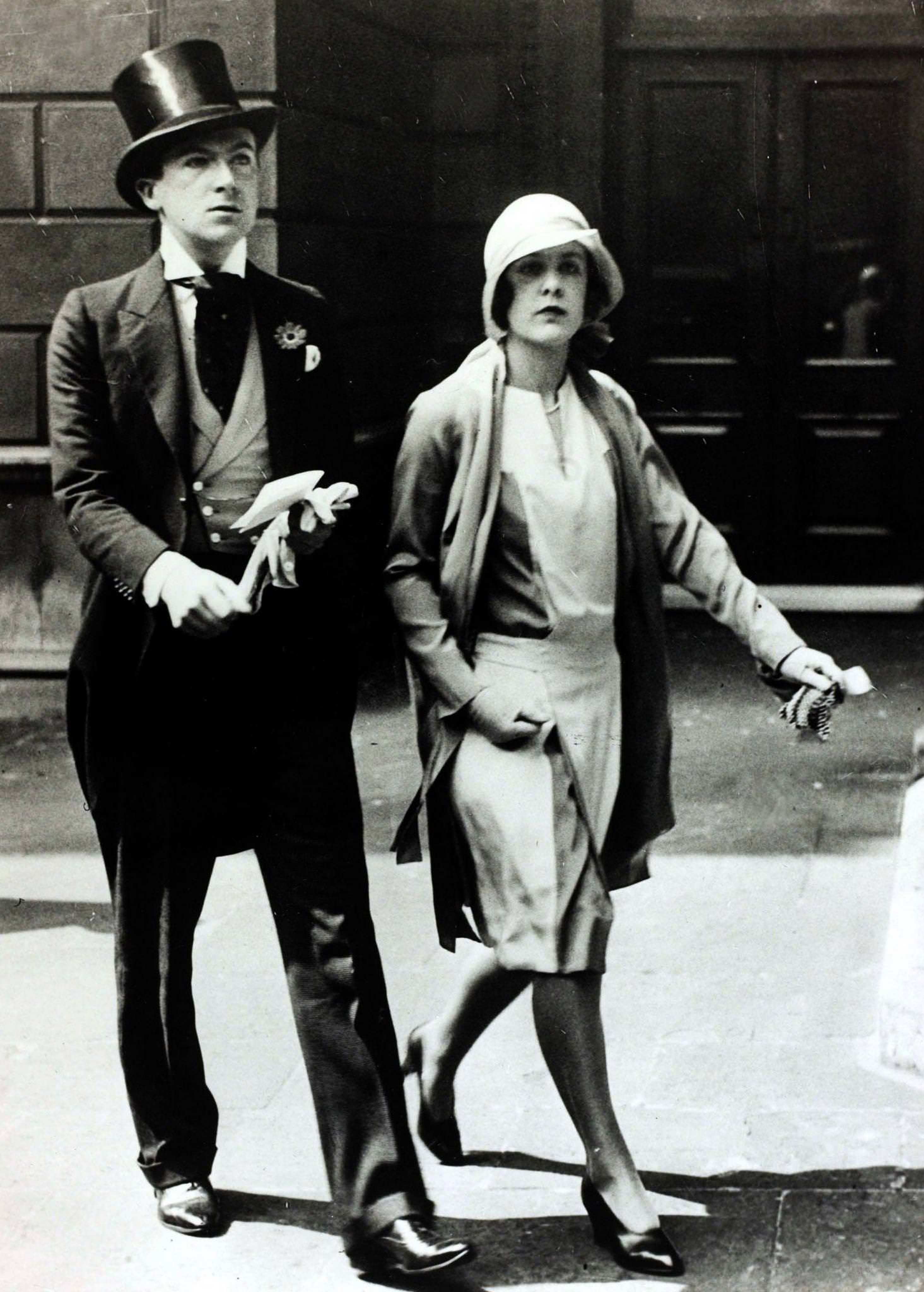
Cecil Beaton, the celebrated British photographer and designer, was also connected to the cultural world surrounding the film’s release.
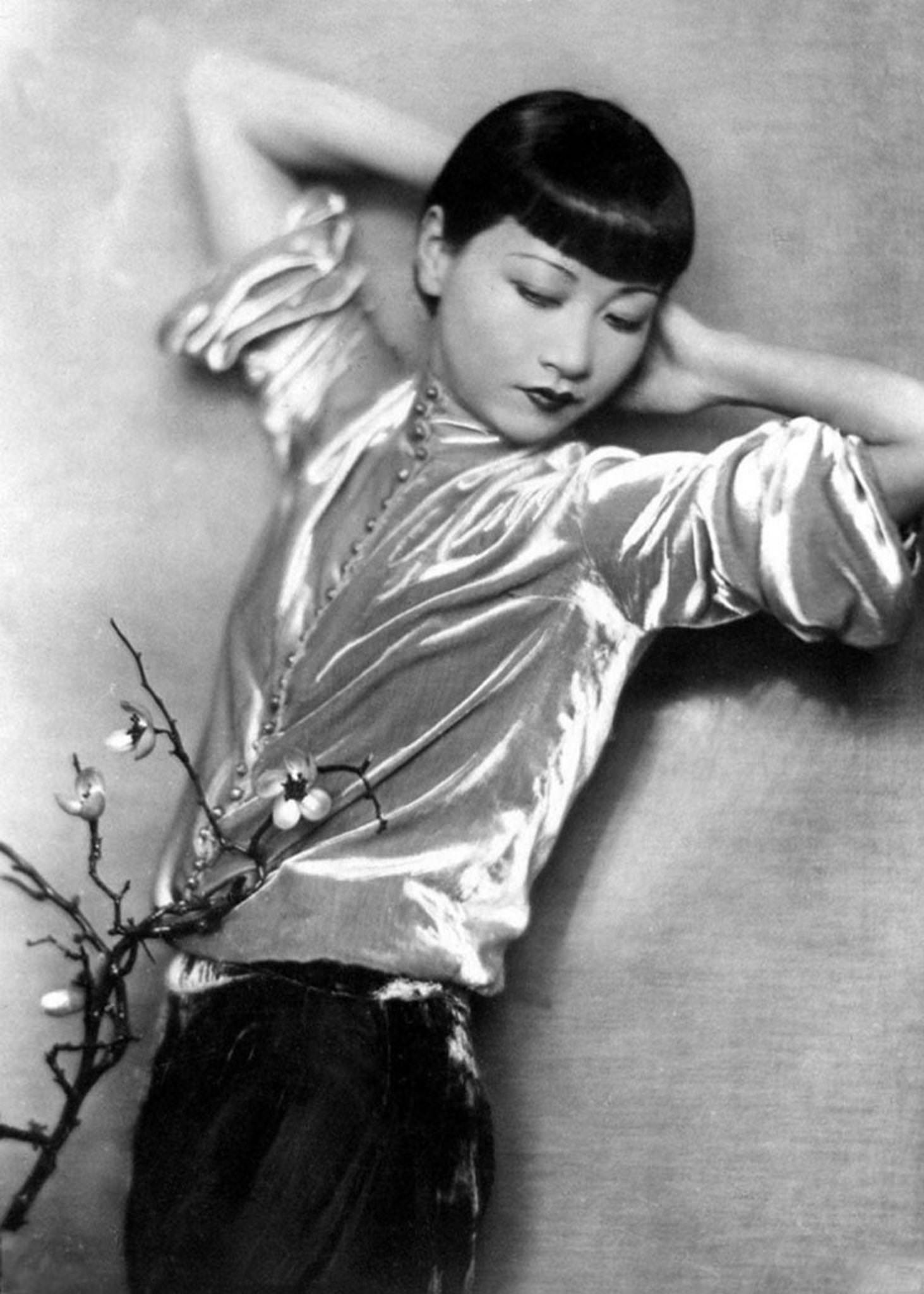
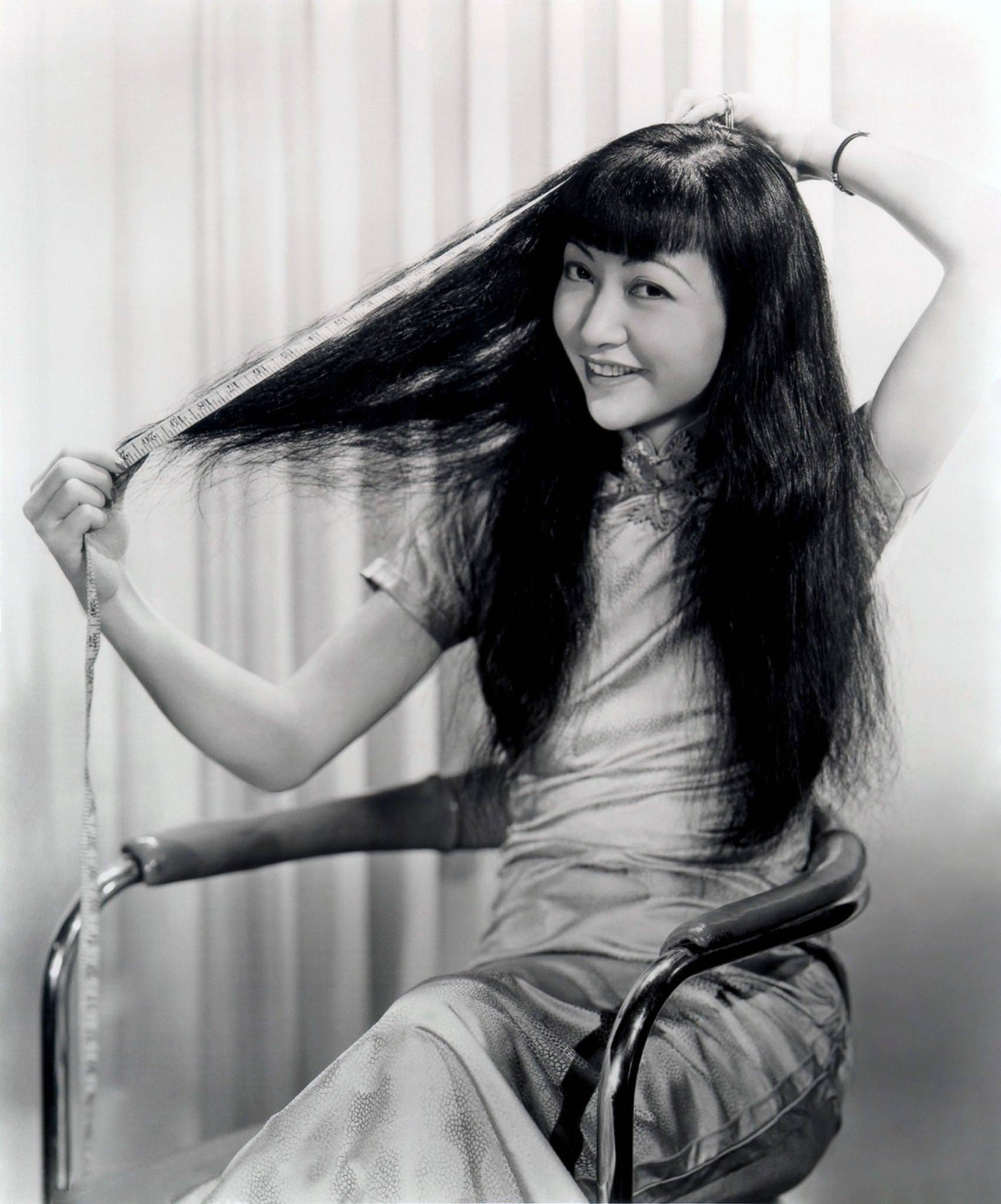
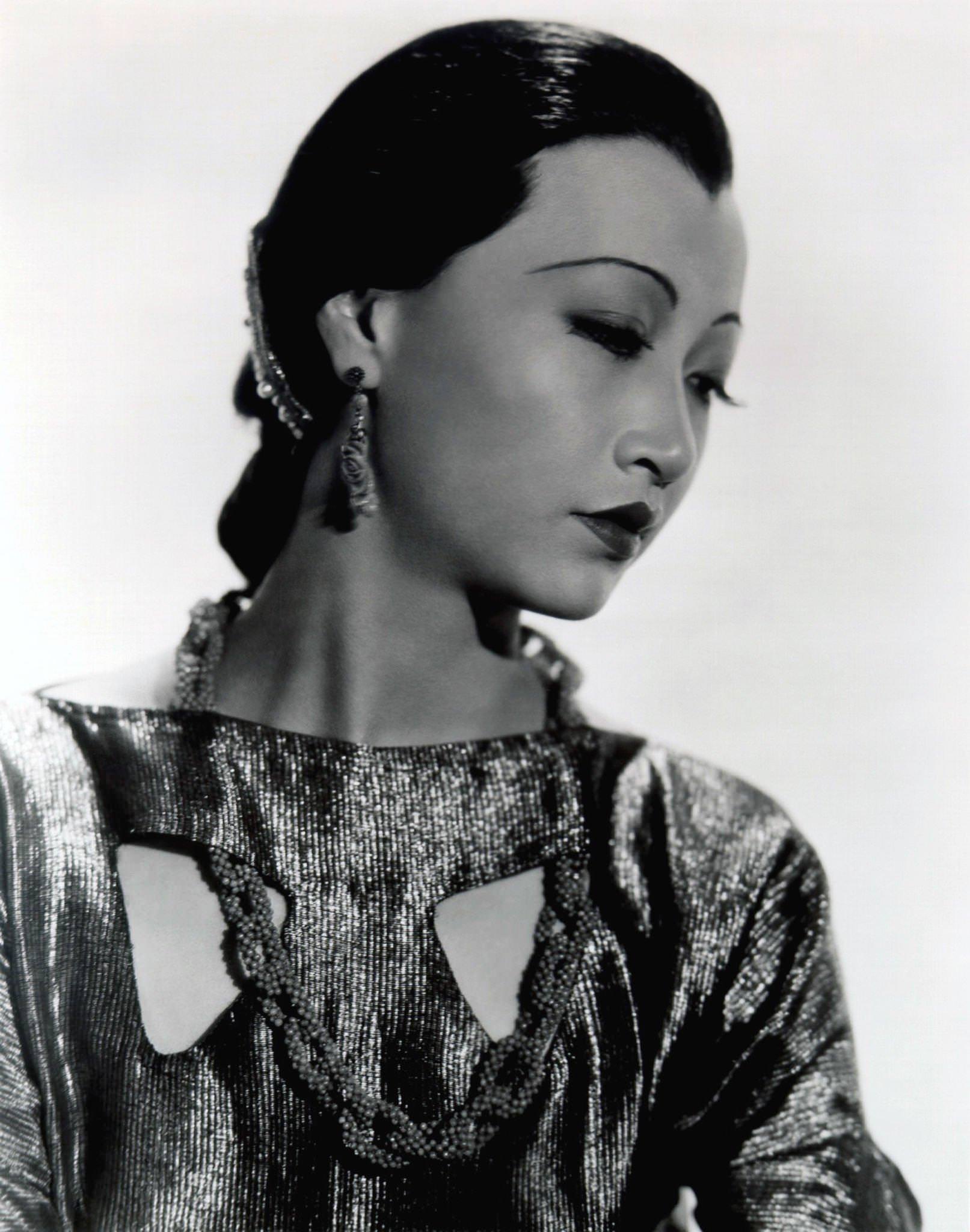
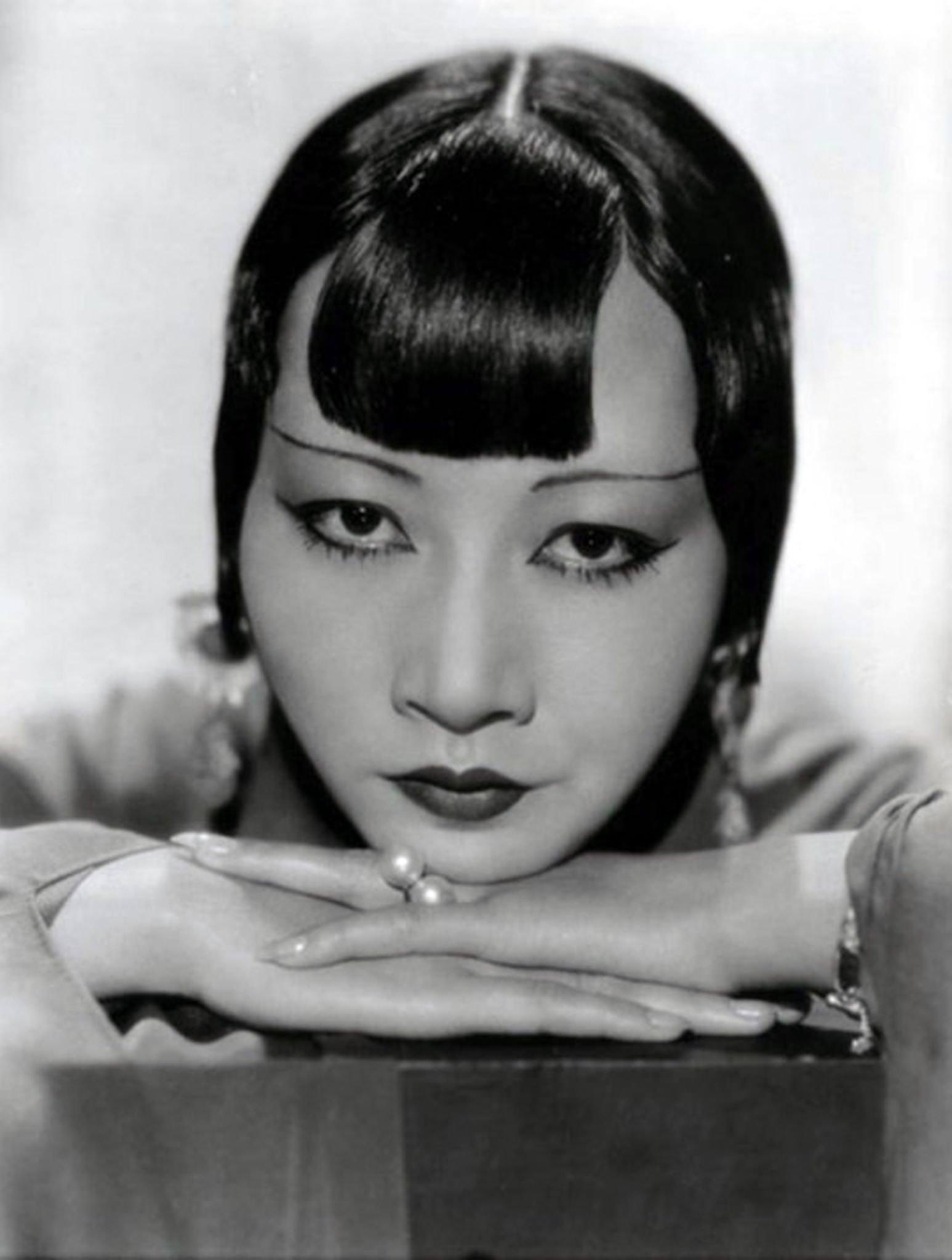
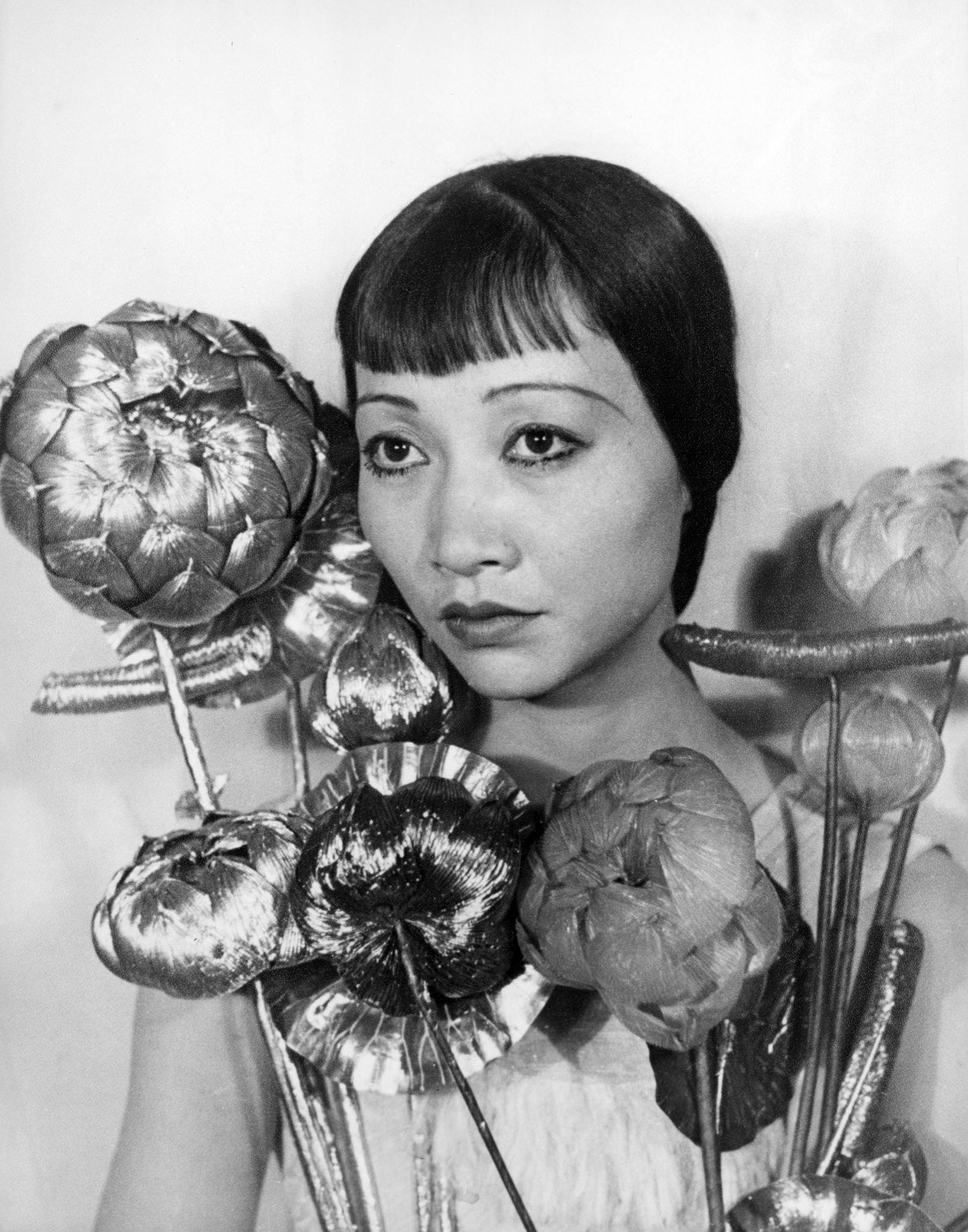
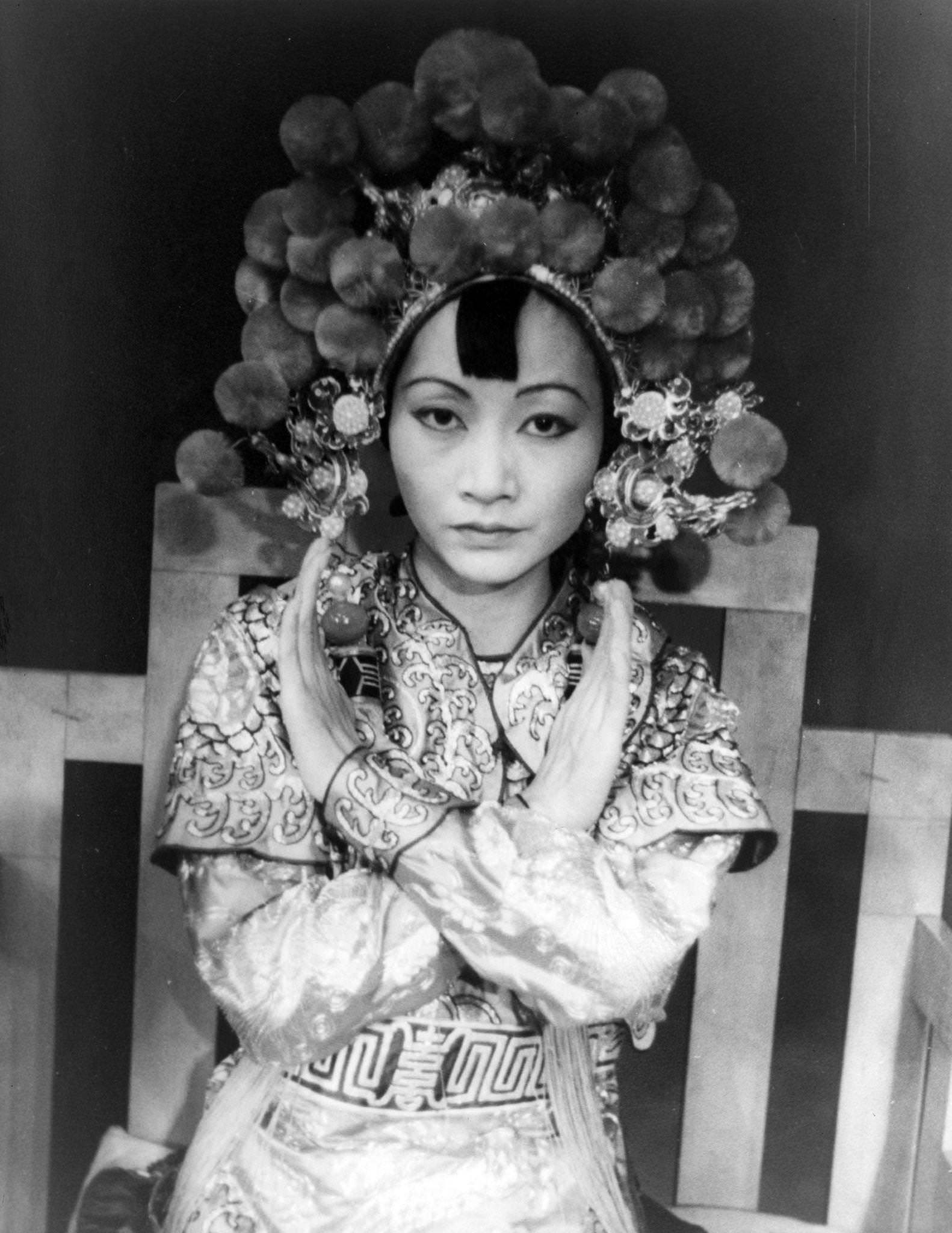
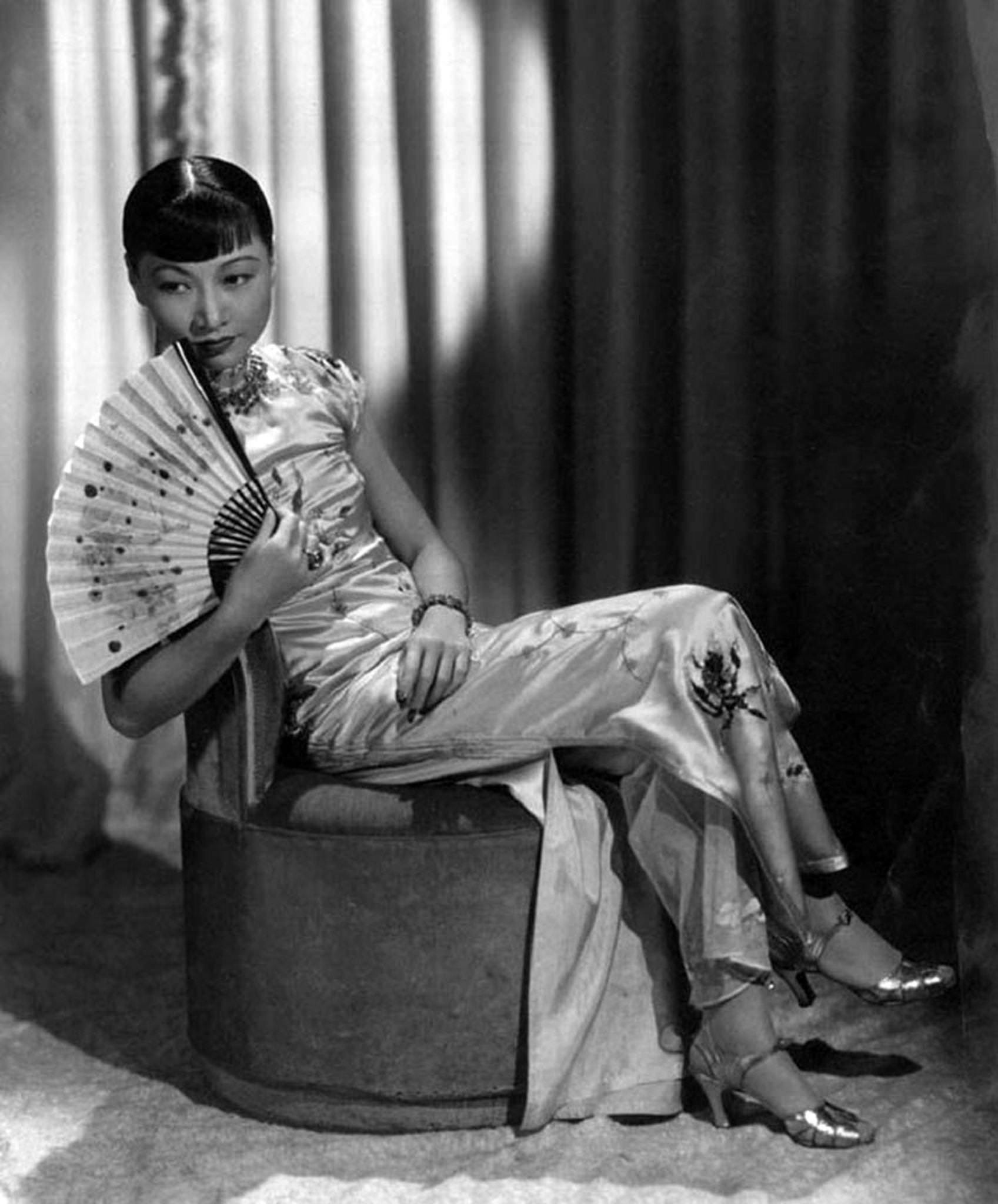
Anna May Wong remained the film’s most enduring figure. A selection of portrait photographs from the production captures the range of her screen presence — poised, expressive, and undeniably magnetic.
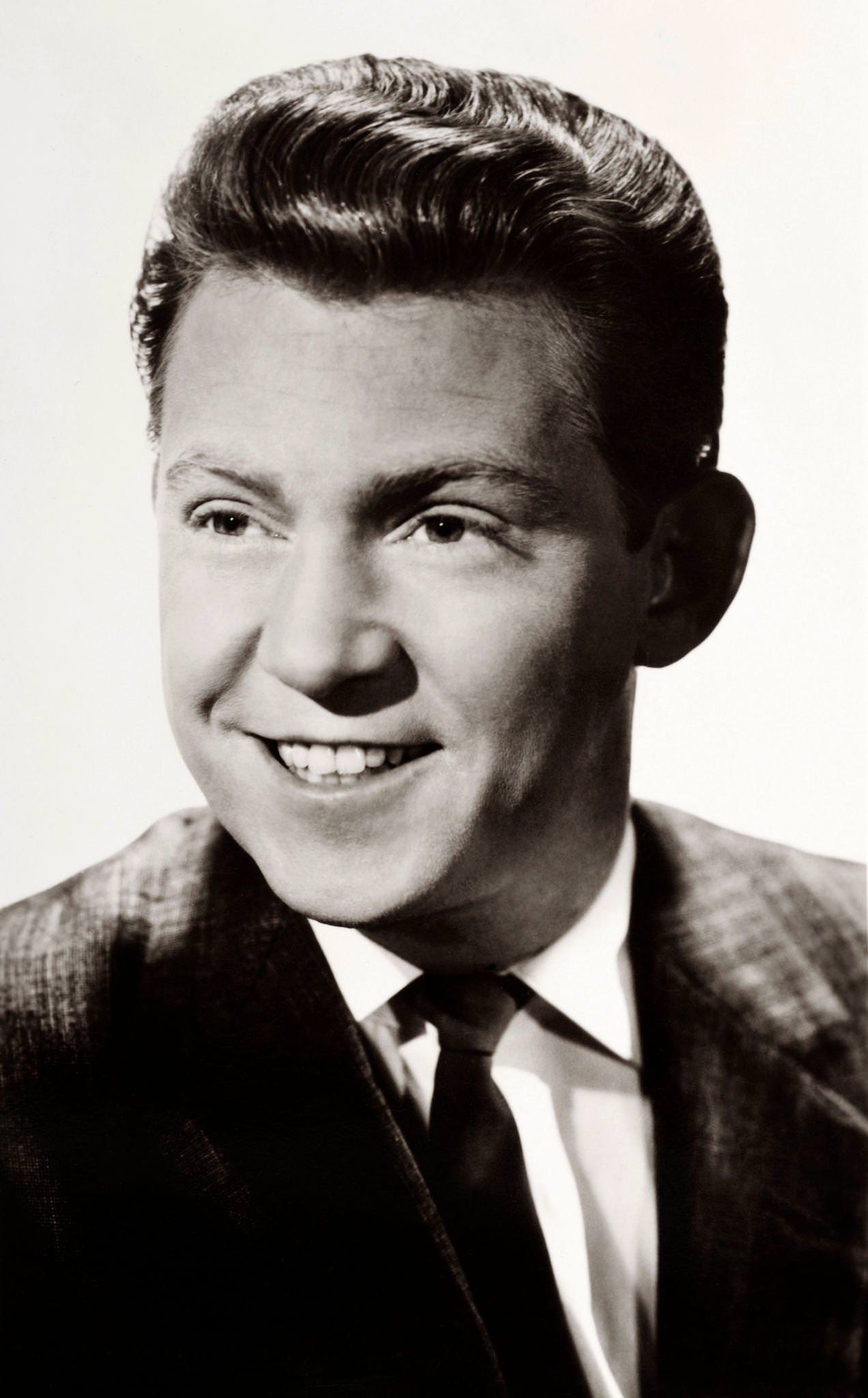
Dame Anna Neagle and Welsh pop singer Malcolm Vaughan were also photographed in connection with the film’s wider cultural moment.
Piccadilly received strong reviews upon its UK release. Critics praised the visual style, the frank treatment of race and class, and the performances — particularly Wong’s. Audiences responded equally well, making it a commercial success for British International Pictures.