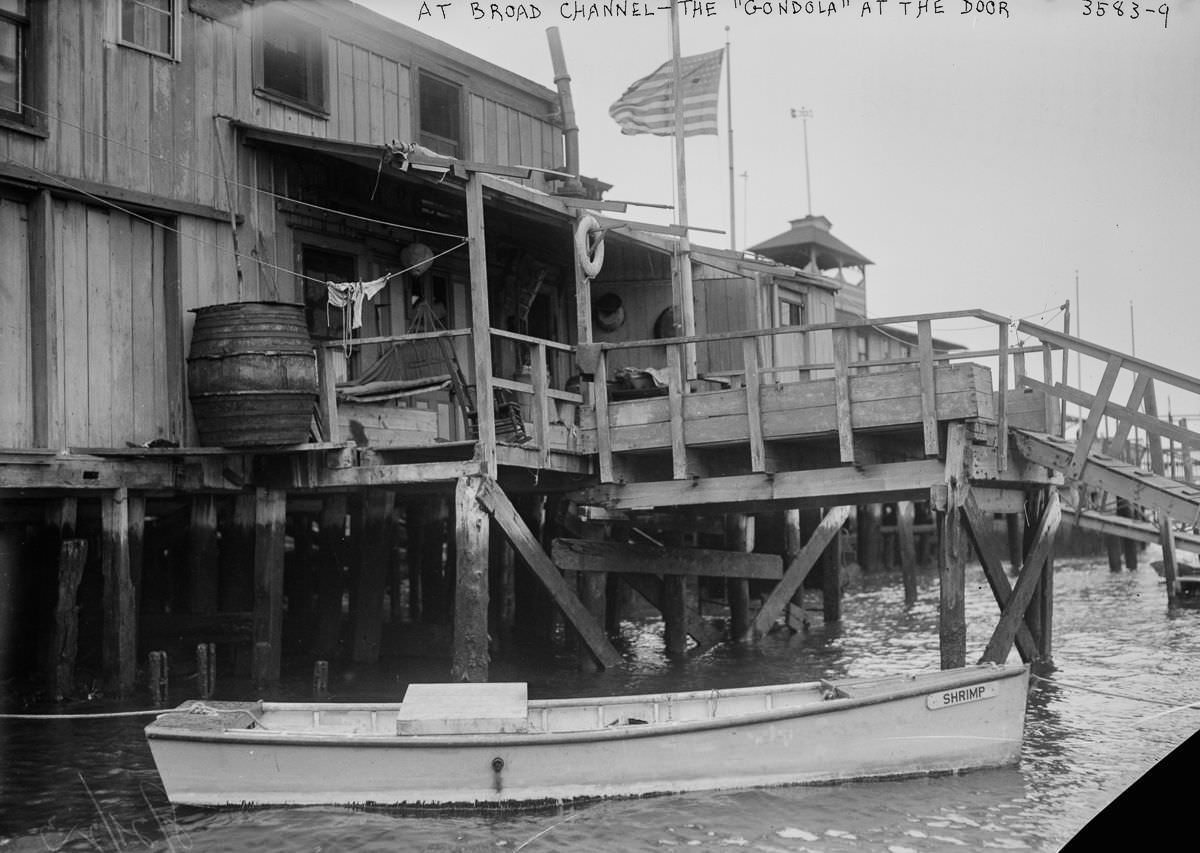
Tucked inside Jamaica Bay in the borough of Queens, Broad Channel was one of New York City’s most isolated neighborhoods in the 1910s. Sitting on a small island with no major roads and no public transit connections, the community existed largely cut off from the bustle of the city surrounding it. Getting in or out required a boat, and for most residents, that inconvenience was simply part of daily life.
The people who settled here came largely from Irish and Italian immigrant backgrounds. They built modest homes, raised their families, and made their living from the water. Fishing and hunting were the backbone of the local economy. Jamaica Bay was rich in fish, shellfish, and waterfowl, and the men of Broad Channel knew how to work it. These weren’t weekend hobbies — they were year-round trades that put food on the table and kept households running.
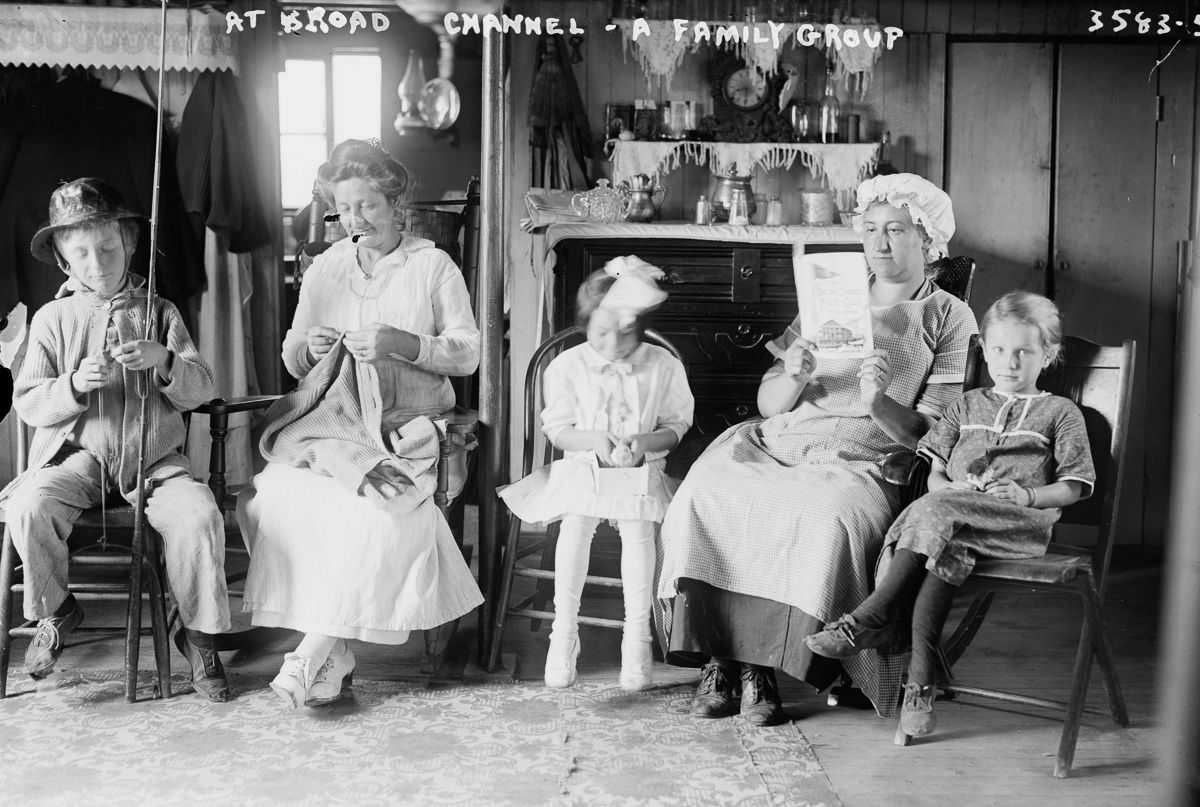
Family life here was close and grounded. Homes were small, built practically rather than for show. Neighbors knew each other by name, and the tight geography of island living made the community genuinely interdependent. There were no large stores or public services nearby, so people relied on one another in ways that urban neighborhoods rarely required.
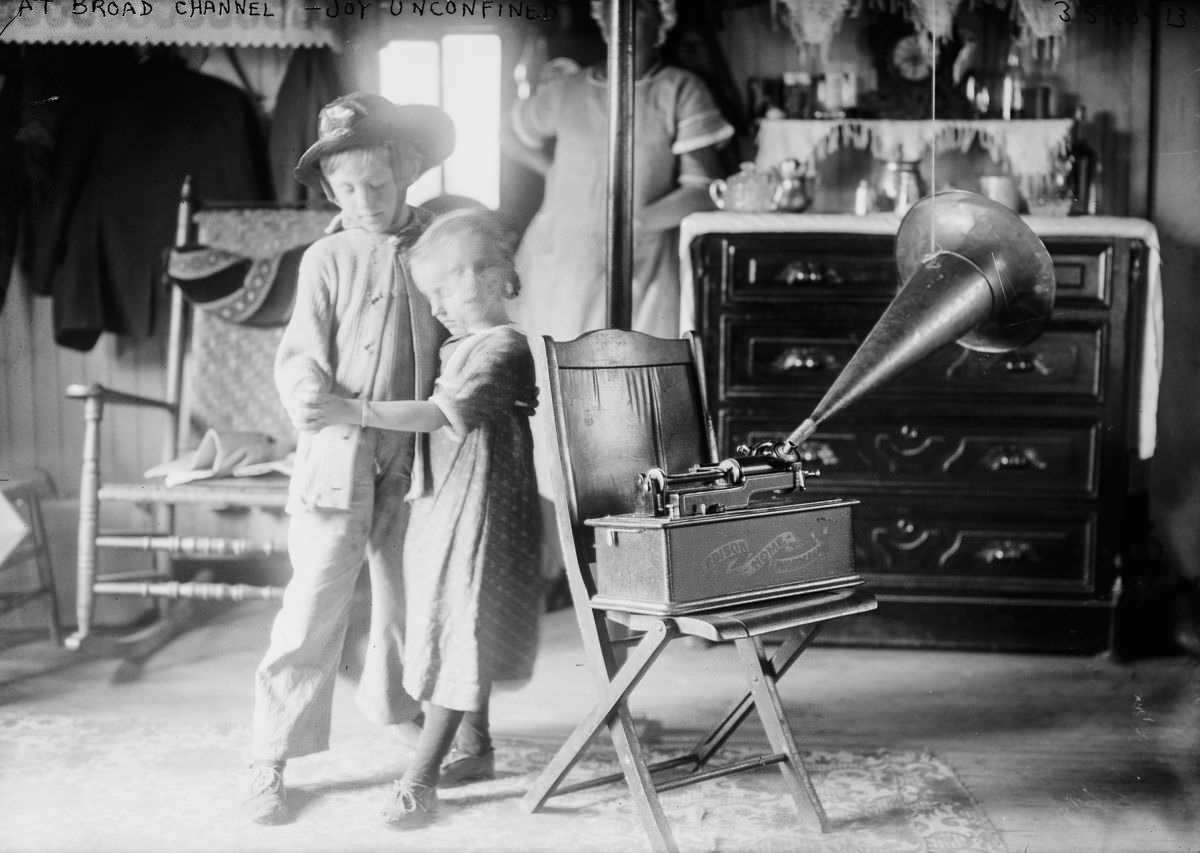
For children, Broad Channel was a world defined by water, open air, and freedom. The bay was a playground unlike anything available to kids growing up in Manhattan tenements just a few miles away. They fished, swam, and roamed the shoreline in a way that felt worlds apart from city life. Growing up here meant growing up outdoors.
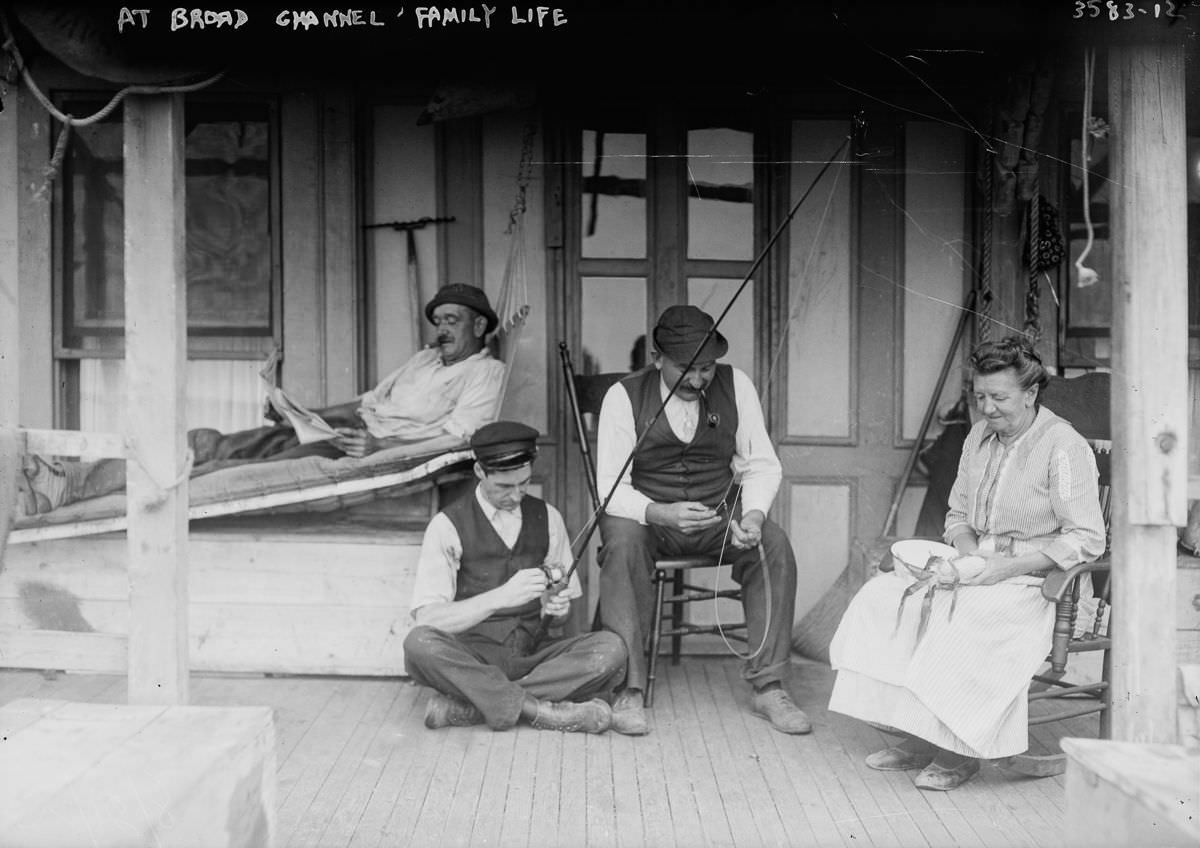
Even for adults, the pace of life in Broad Channel offered something rare in early 20th-century New York — quiet. The bay air was clean, the surroundings were natural, and the relentless noise of city streets didn’t reach the island. Residents could sit at the water’s edge and watch the tides shift without a trolley car or factory whistle interrupting the moment.
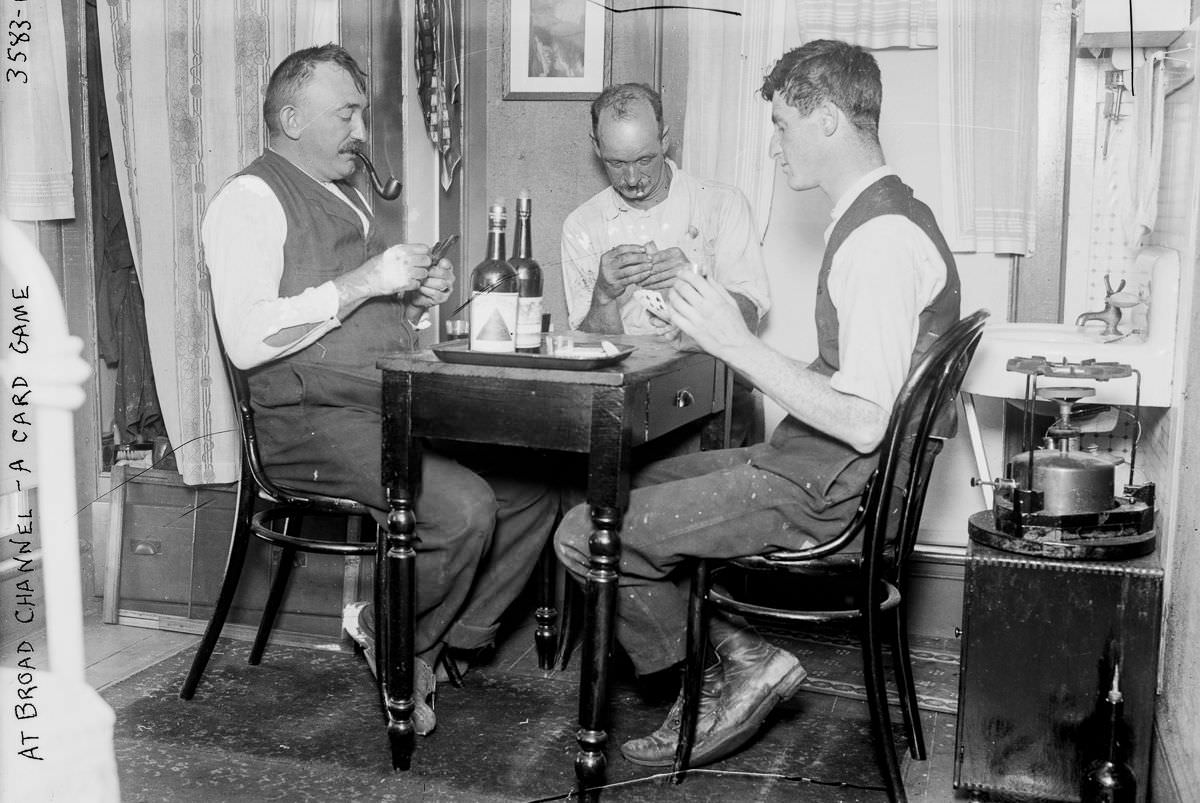
The physical isolation of Broad Channel shaped everything about how the community functioned. Supply deliveries were infrequent. Medical care was not close. If something broke or ran out, residents fixed it themselves or did without. Self-sufficiency wasn’t a philosophy here — it was a necessity built into the geography of the place.
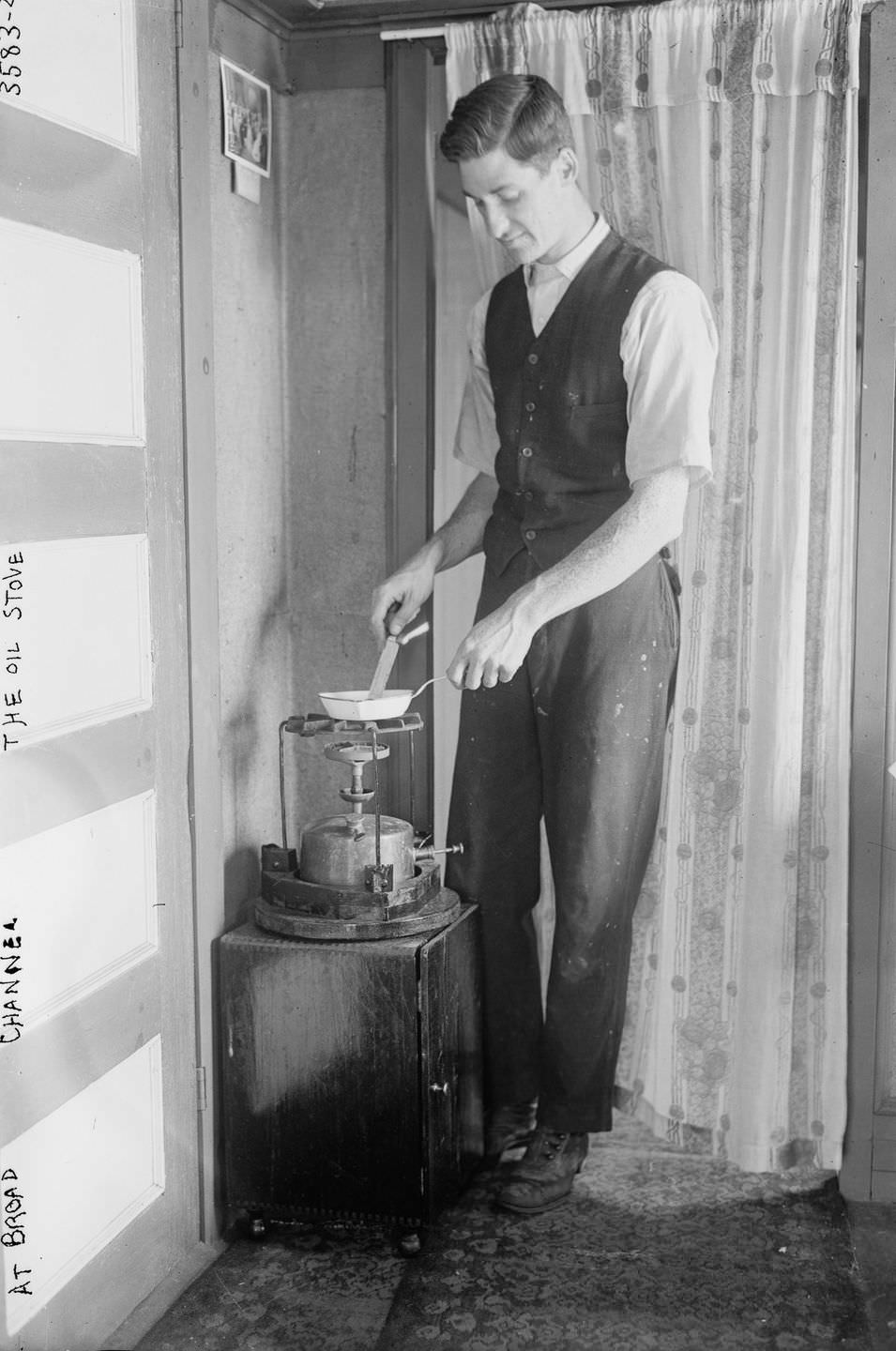
The waterways that surrounded the island were central to every aspect of life. Boats were not a luxury — they were the primary mode of transportation. Fishermen launched before dawn, and the docks were always active with the work of hauling, cleaning, and selling the day’s catch. The rhythm of the community was the rhythm of the tides.
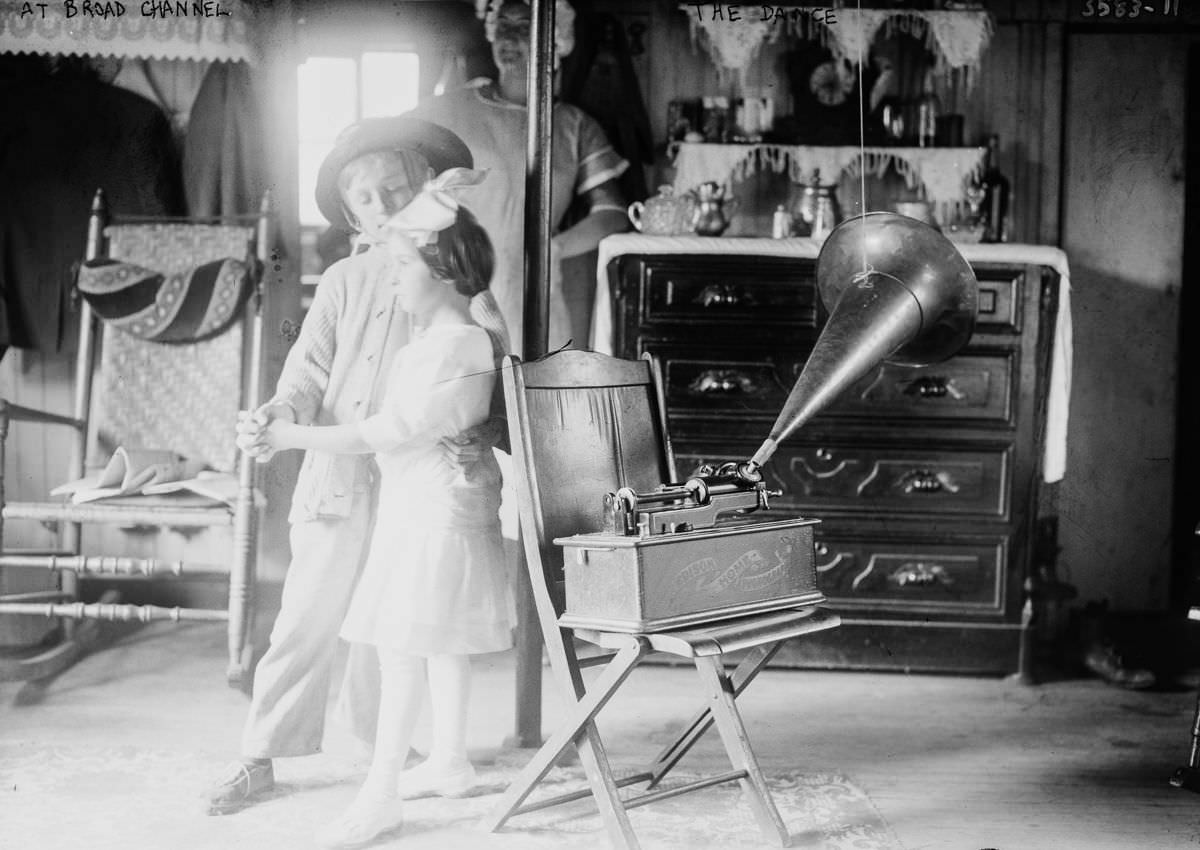
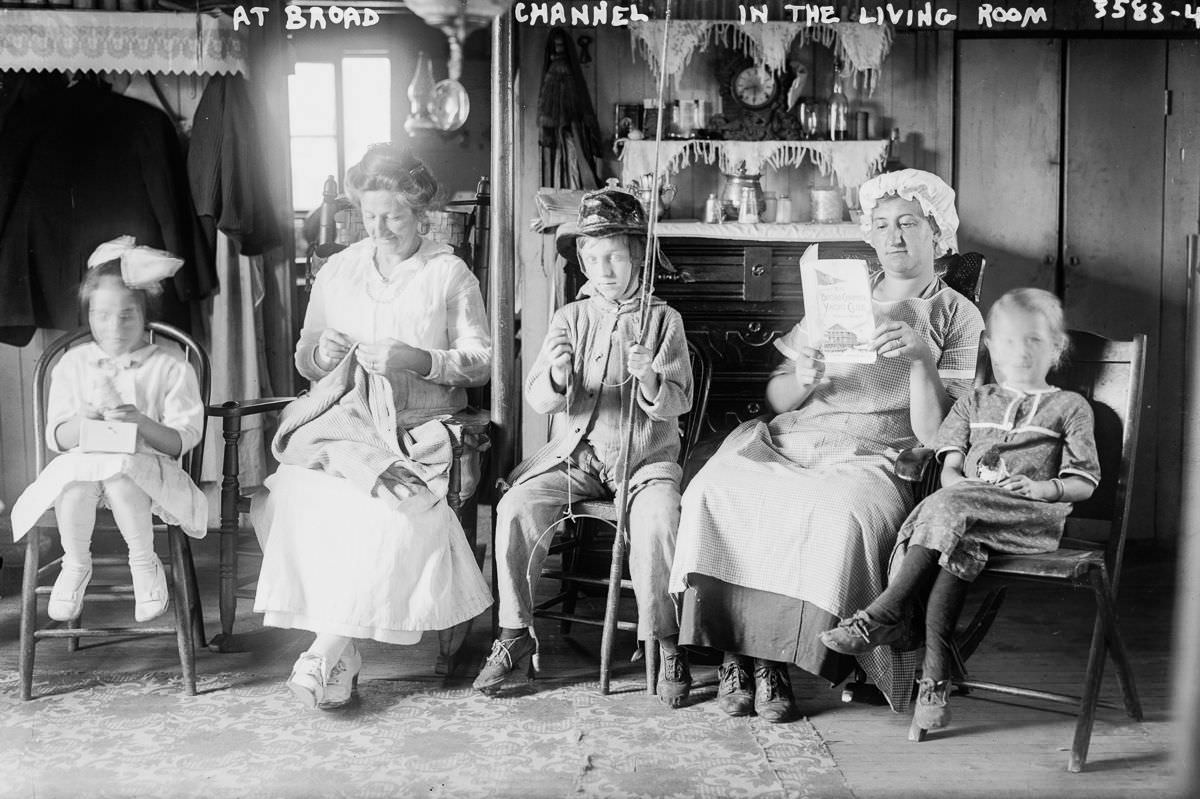
Social life in Broad Channel centered on shared work and shared space. There were no grand public venues, but the community gathered regularly — along the docks, outside modest homes, and at the water’s edge. The immigrant families who built this neighborhood brought their own traditions with them and wove them into the fabric of island life.
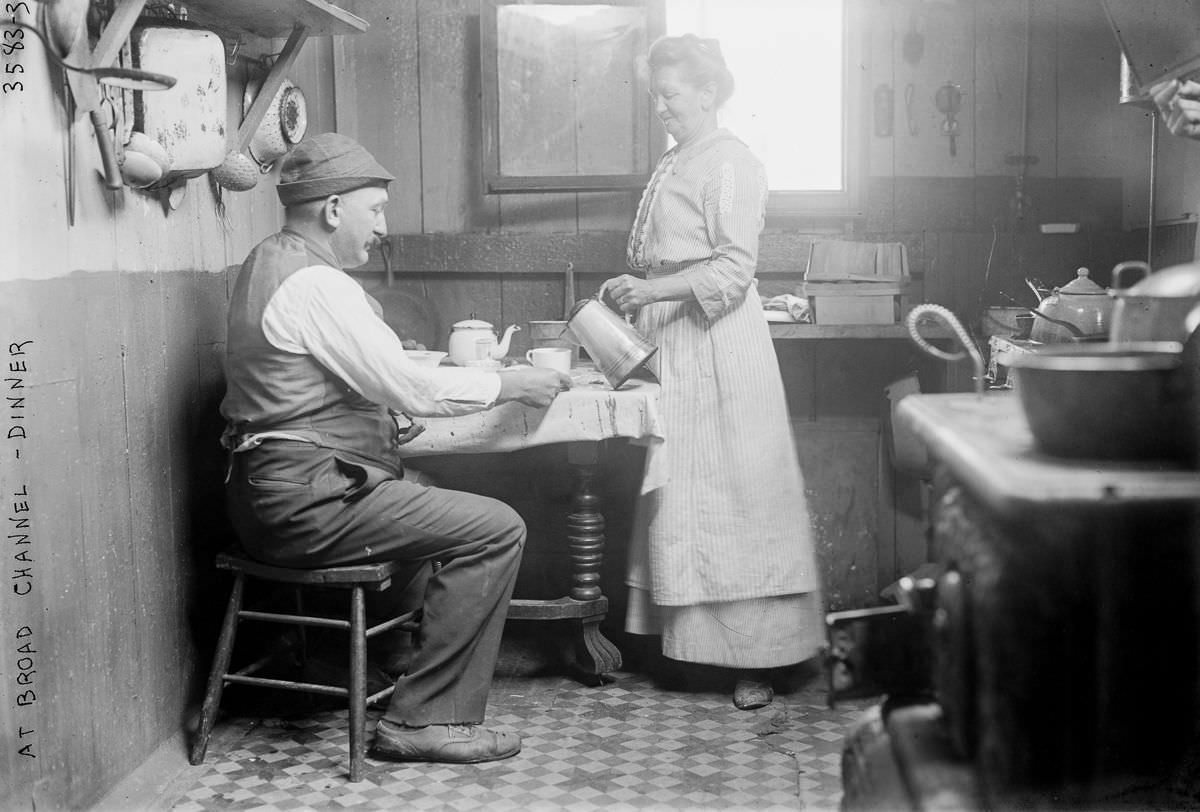
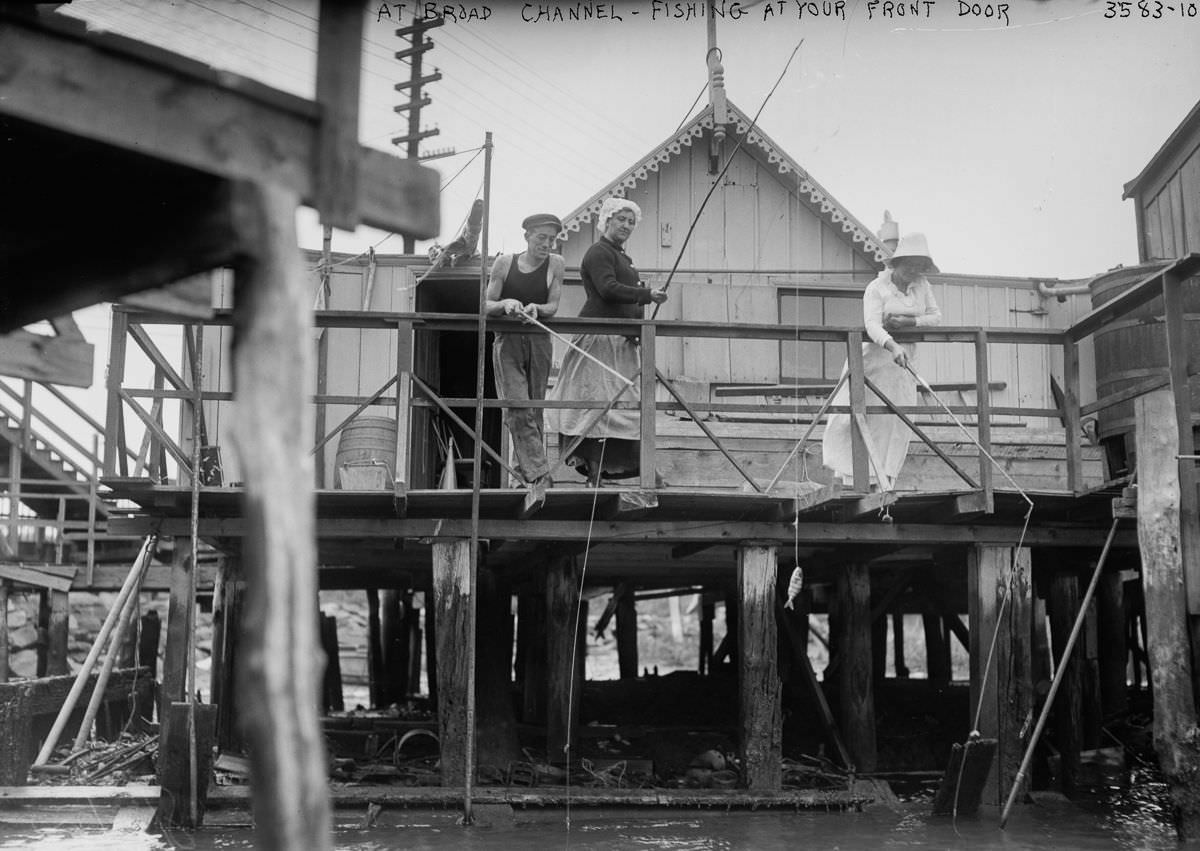
These photographs offer a direct look at a community that most New Yorkers of the era never saw. Broad Channel in the 1910s was simultaneously part of the city and entirely removed from it — a small island world where fishing families built their lives on their own terms, shaped by the water that surrounded them on every side.