Before color photography was common, Madame Yevonde was already using it. In an era when most studio portraits were black and white, she embraced the Vivex color process in the early 1930s and produced work that stood apart from everything else being done at the time. She was a pioneer in the truest sense — not just technically, but artistically.
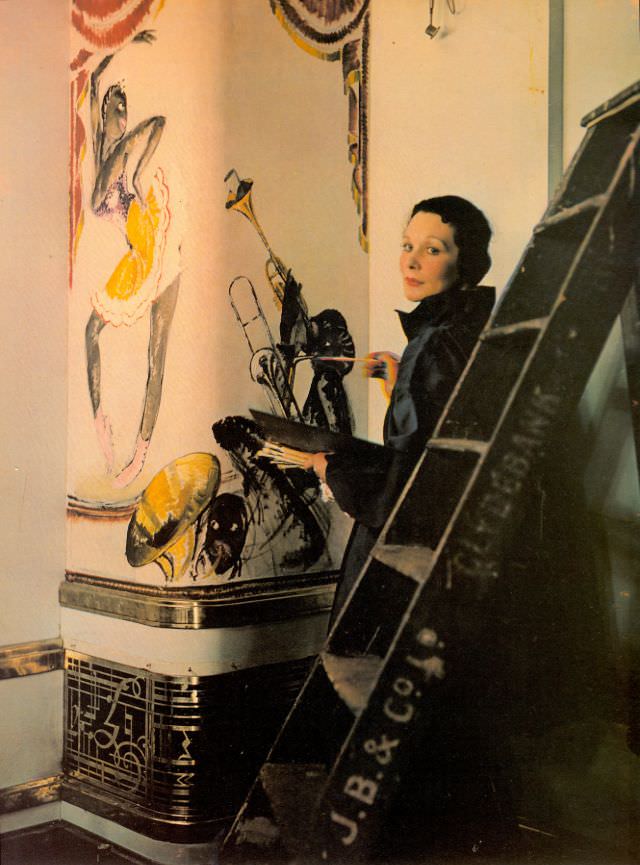
Yevonde started her career as an apprentice to the well-known portrait photographer Lallie Charles. By the time she was 21, she had opened her own studio. In 1921, she moved to larger premises at 10 Victoria Street in London, where she built a reputation photographing some of the most recognizable names of the day — A.A. Milne, Barbara Cartland, Diana Mitford, Louis Mountbatten, and Noël Coward among them.
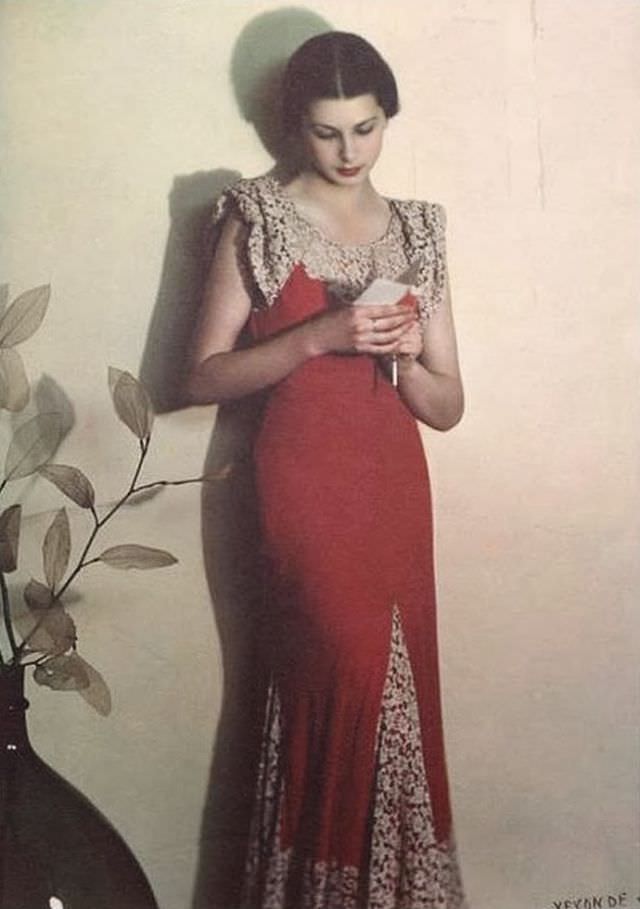
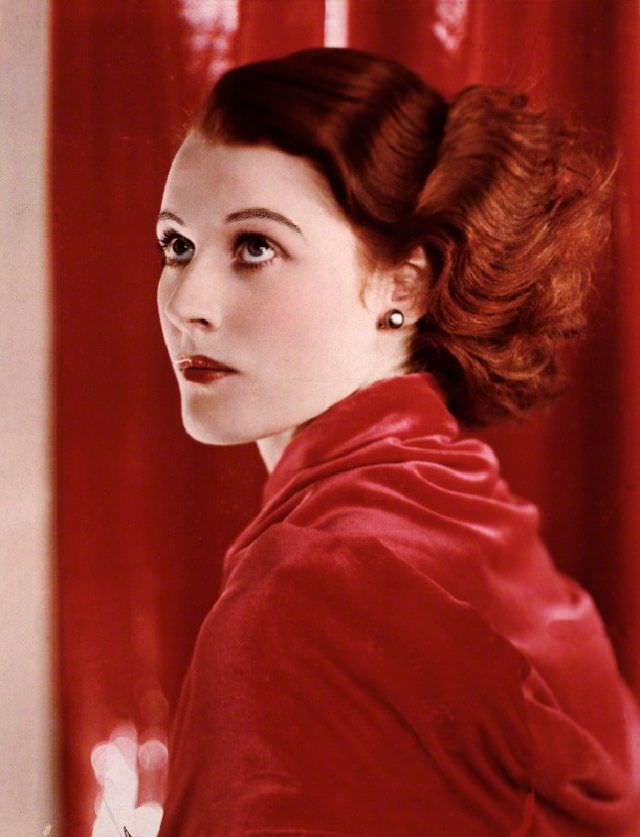
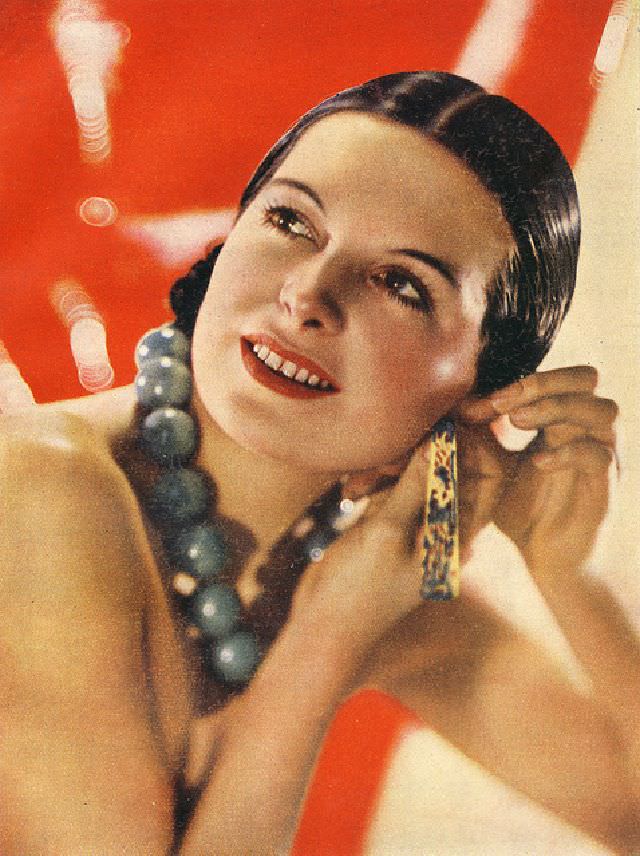
Her portraits from the early 1930s show a consistent sense of elegance and intention. These were not casual snapshots. Each image was carefully composed, with lighting, costume, and pose all working together. The color added a richness that black-and-white simply could not provide.
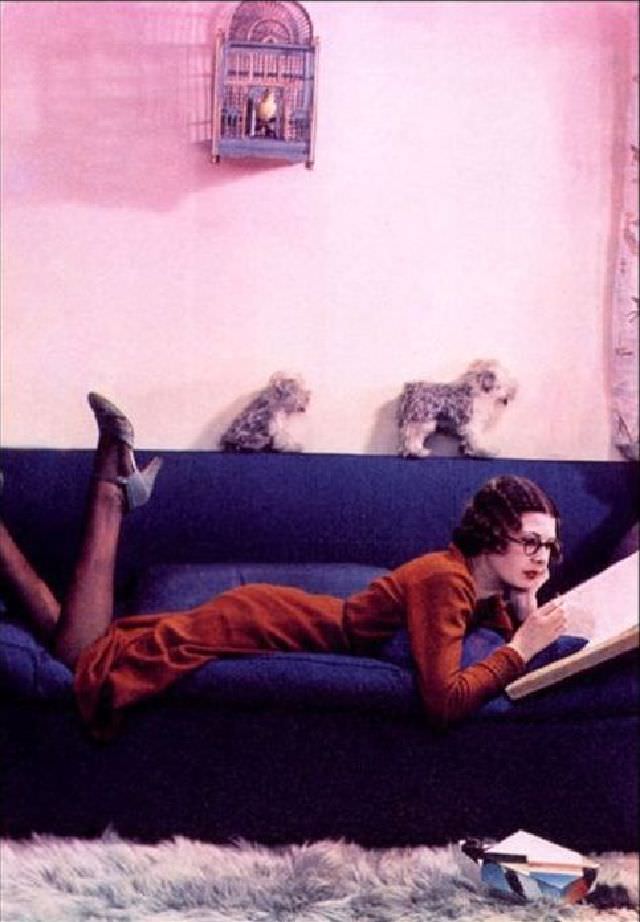
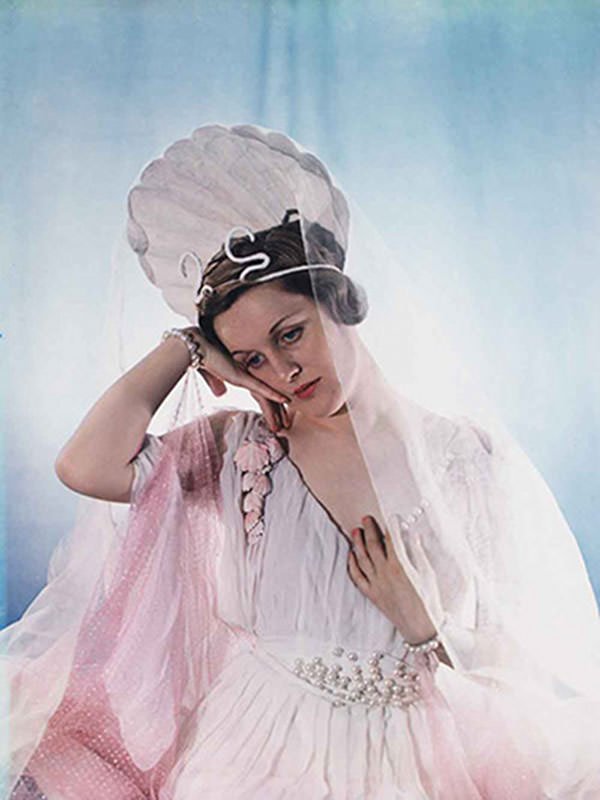
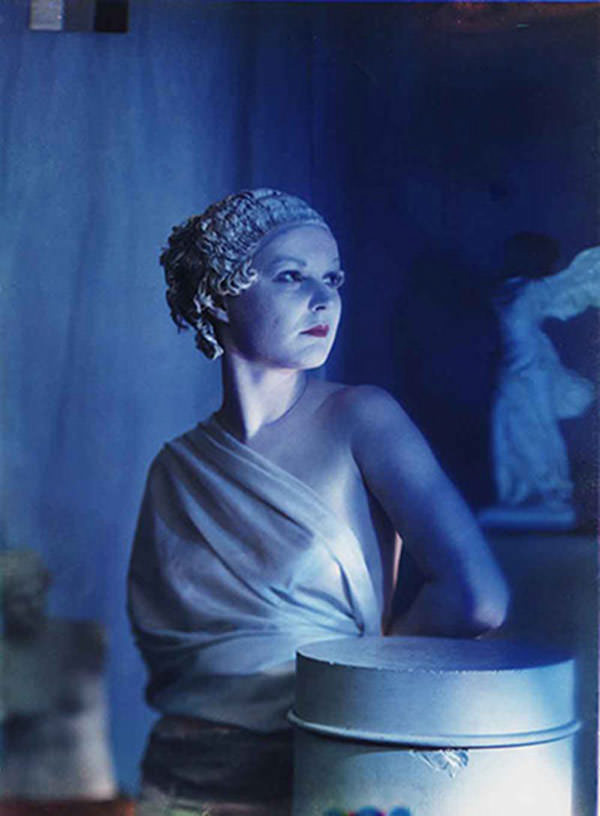
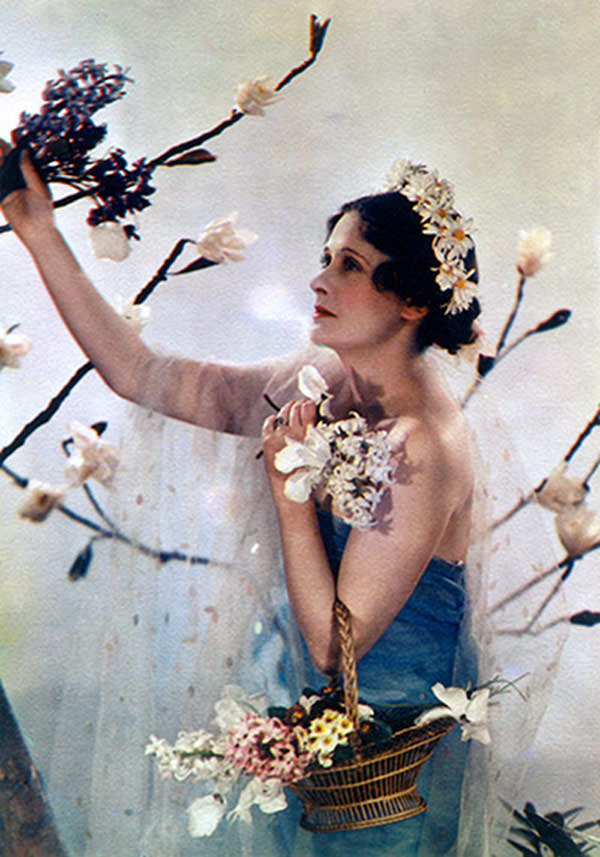
The project that brought Yevonde the most attention was her series documenting a themed costume party held on March 5th, 1935. Guests arrived dressed as figures from Greek and Roman mythology — goddesses, muses, and heroines from the ancient world. Yevonde photographed each of them individually, and the results were extraordinary. The rich costumes, dramatic makeup, and Vivex color process combined to produce images that looked more like paintings than photographs.
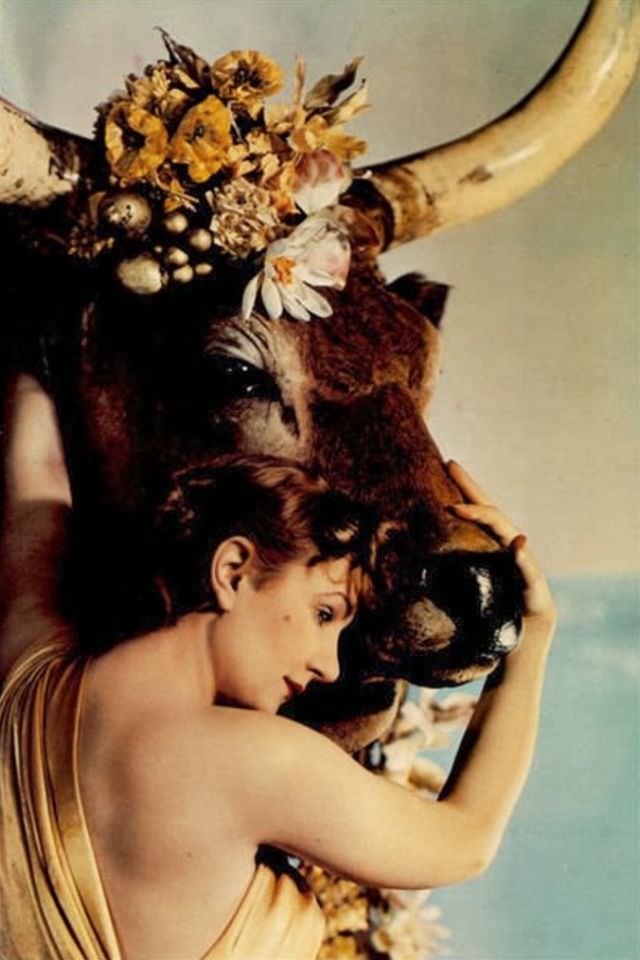
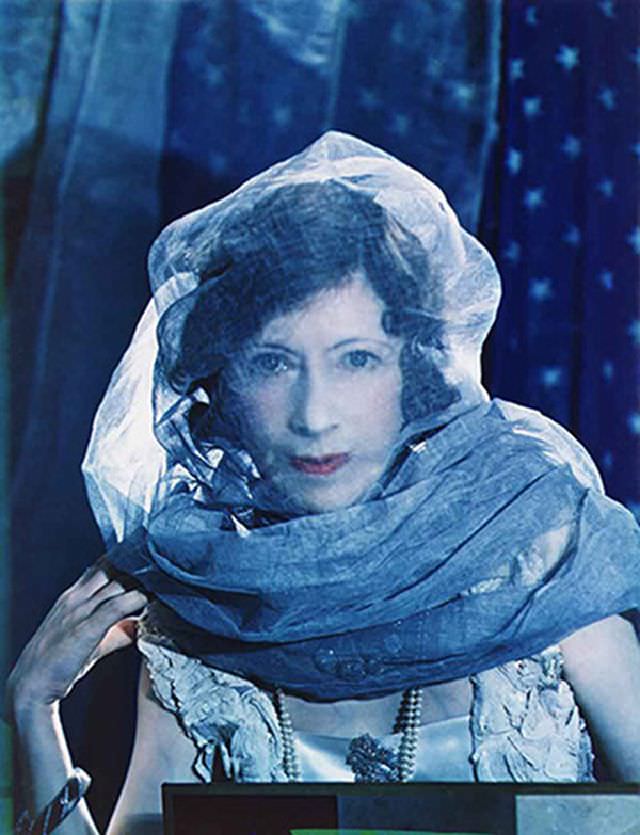
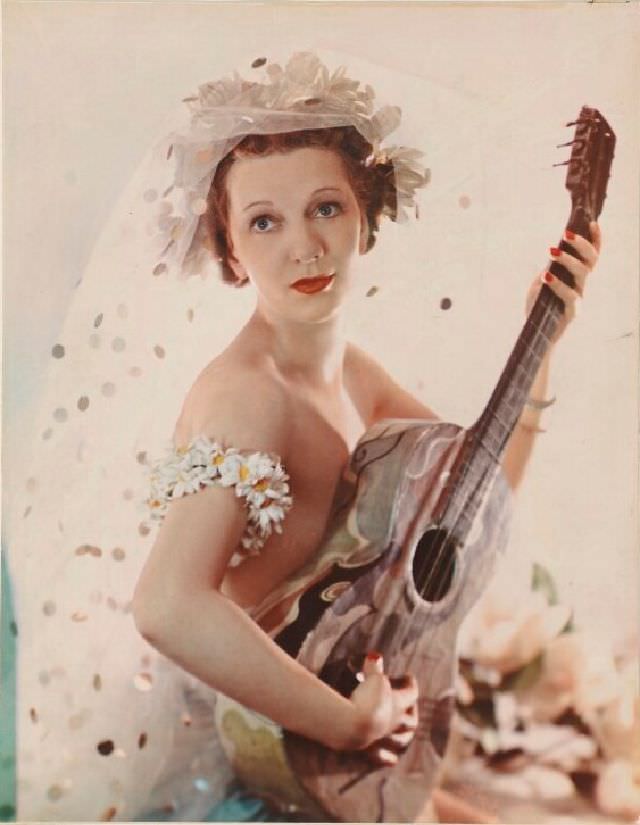
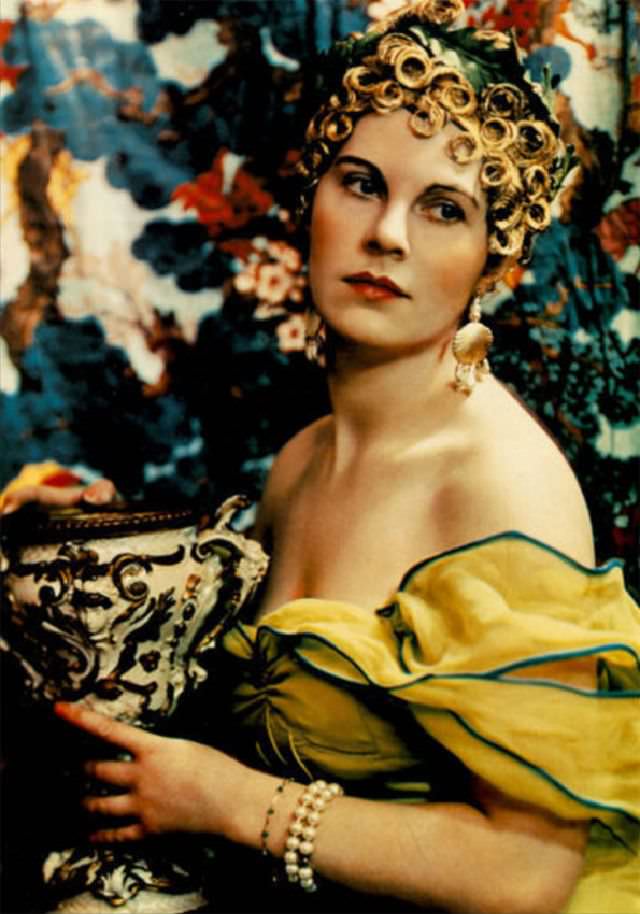
The guests were drawn from British high society and the arts. Many of them were already well-known public figures. Seeing them transformed into mythological characters — Flora, Ariadne, Clio, Medusa — gave the photographs a theatrical quality that was unlike anything being produced in commercial portrait studios at the time.
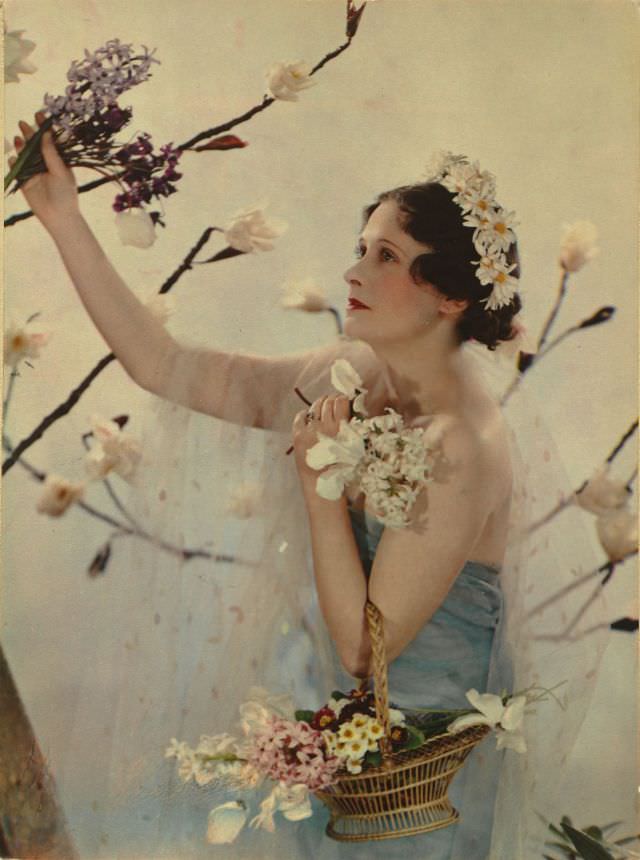
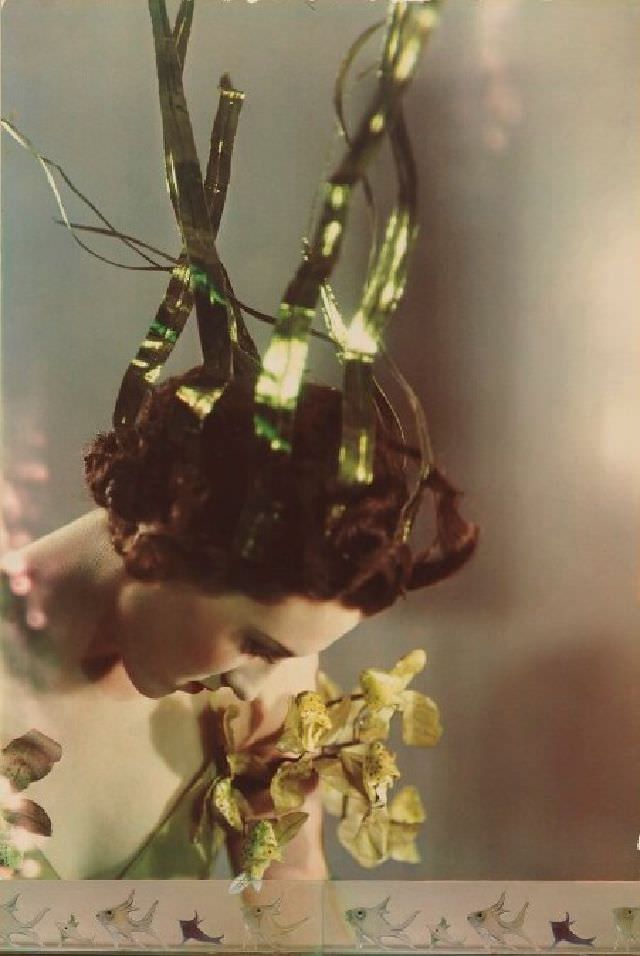
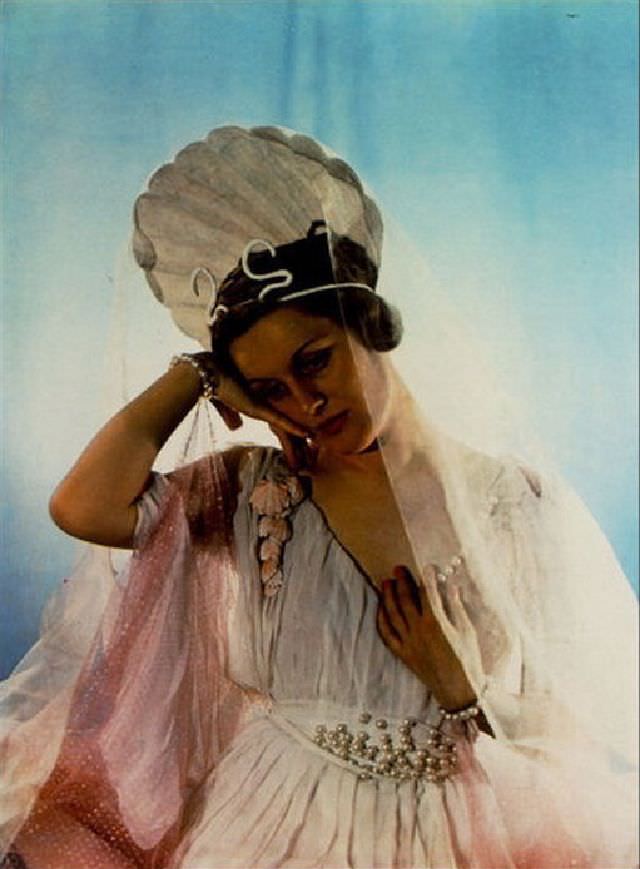
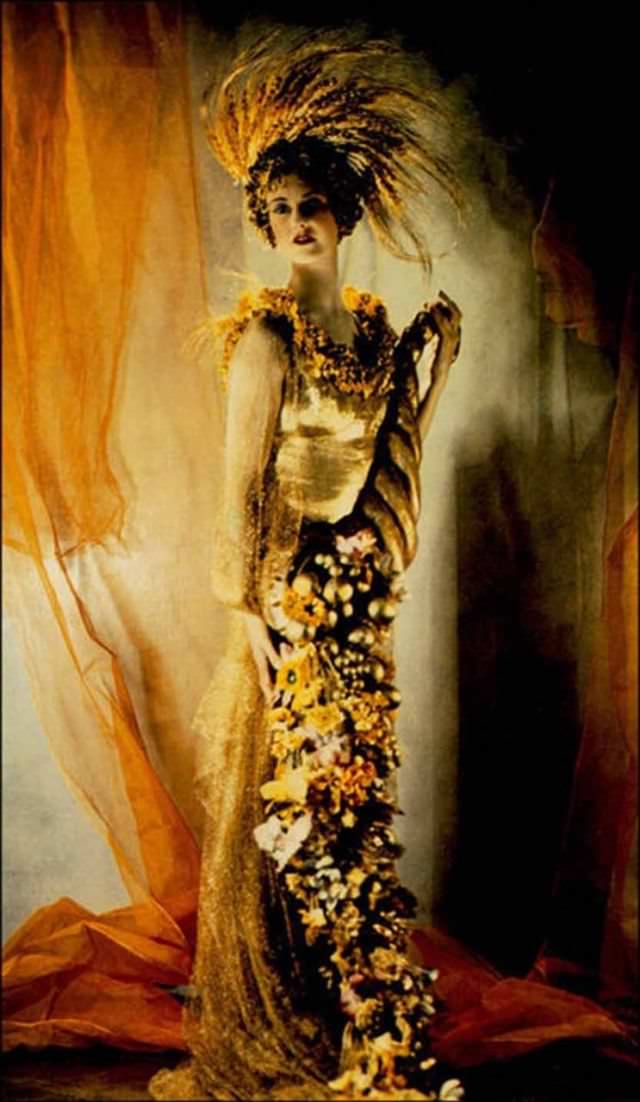
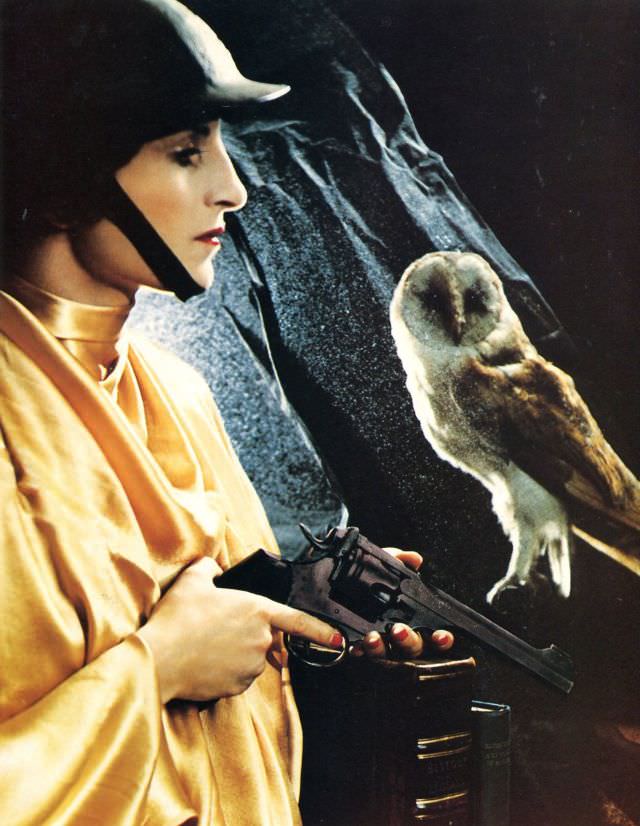
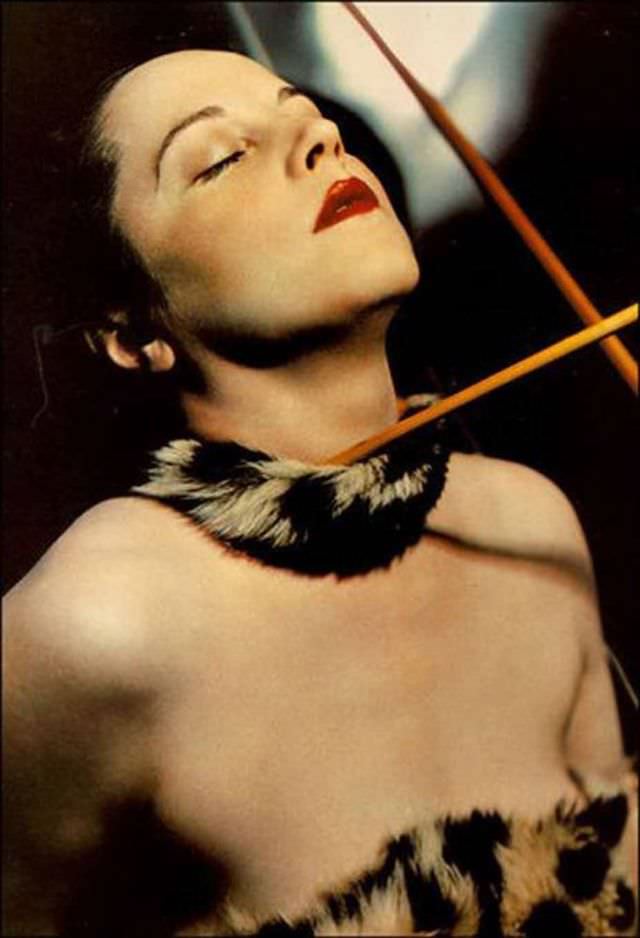
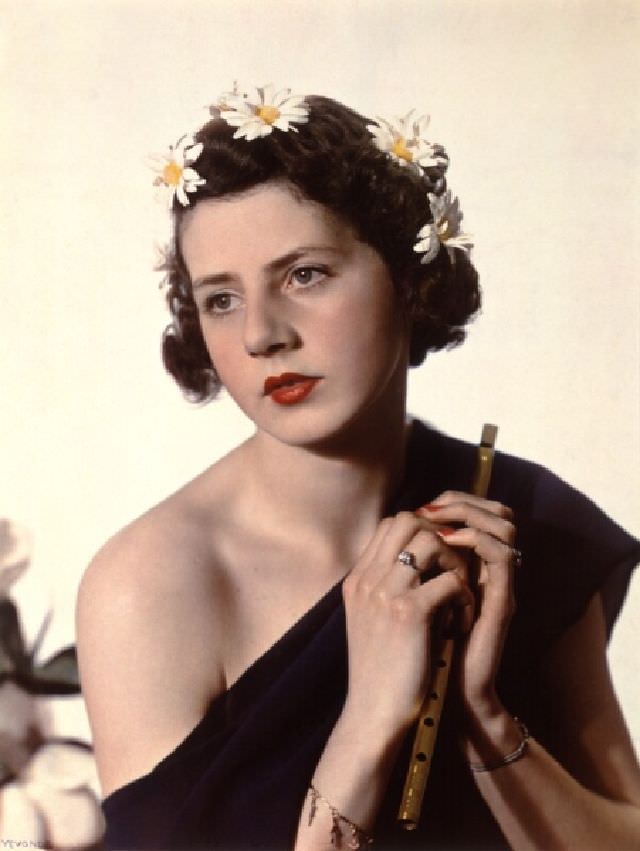
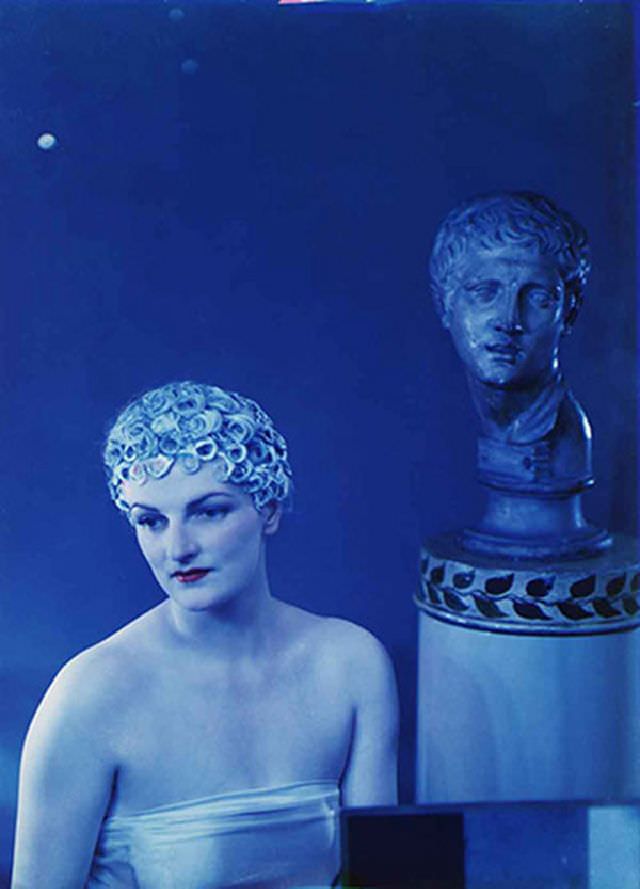
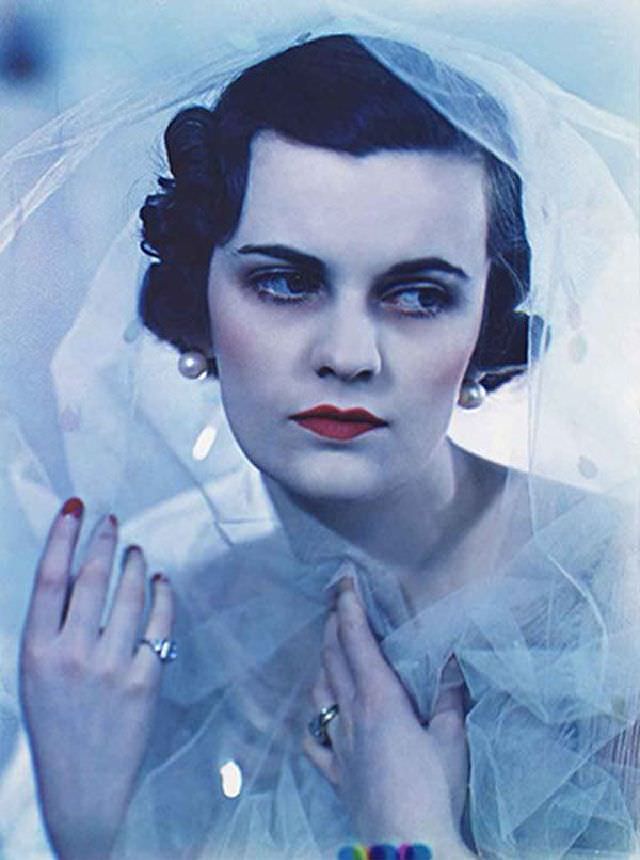
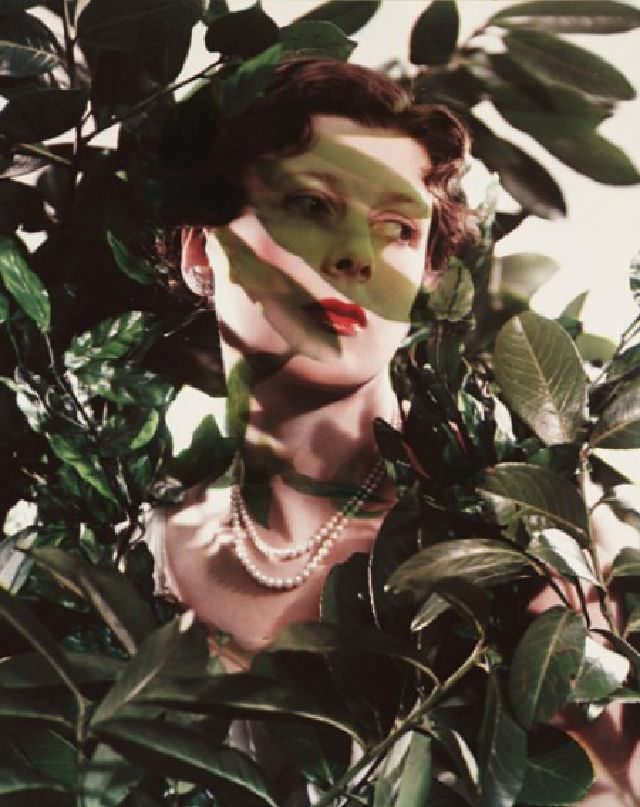
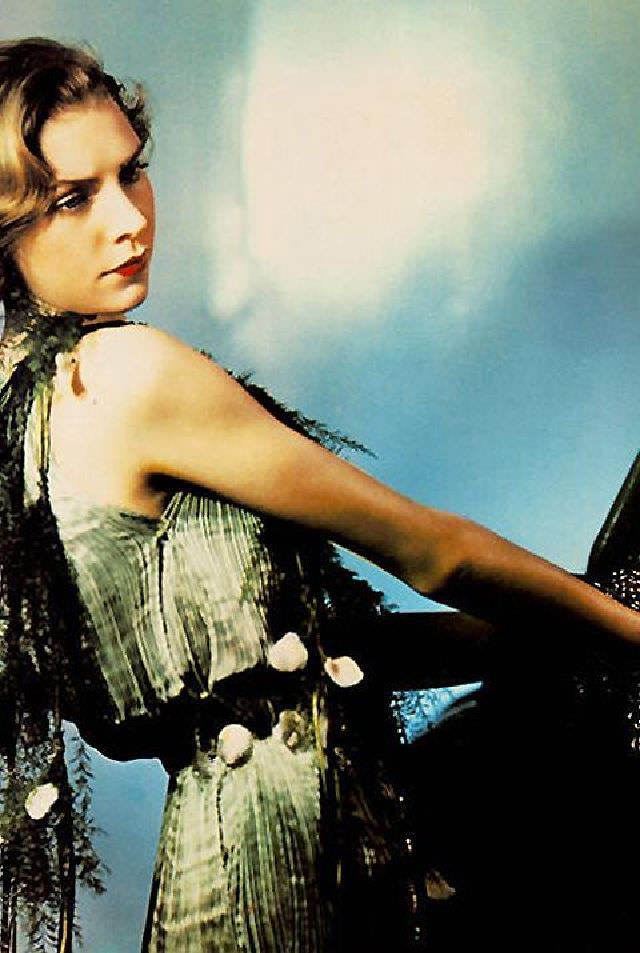
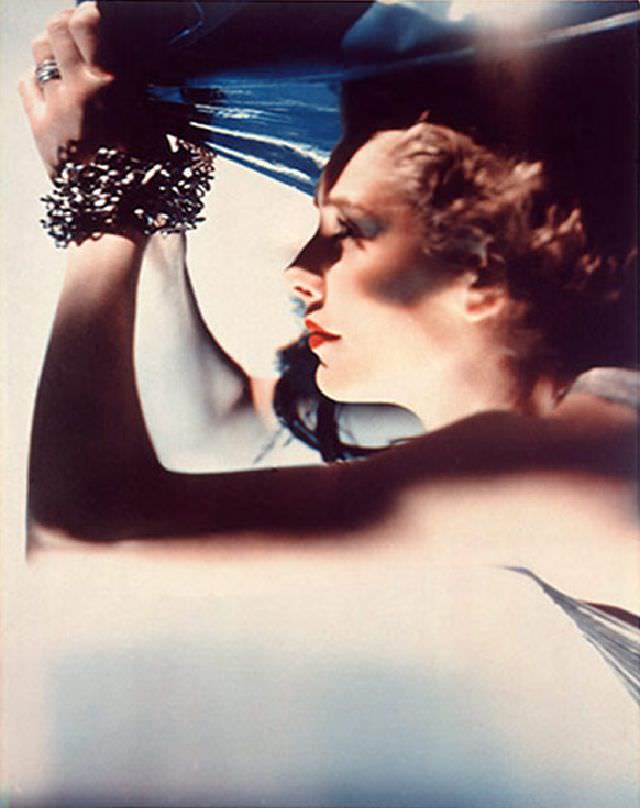
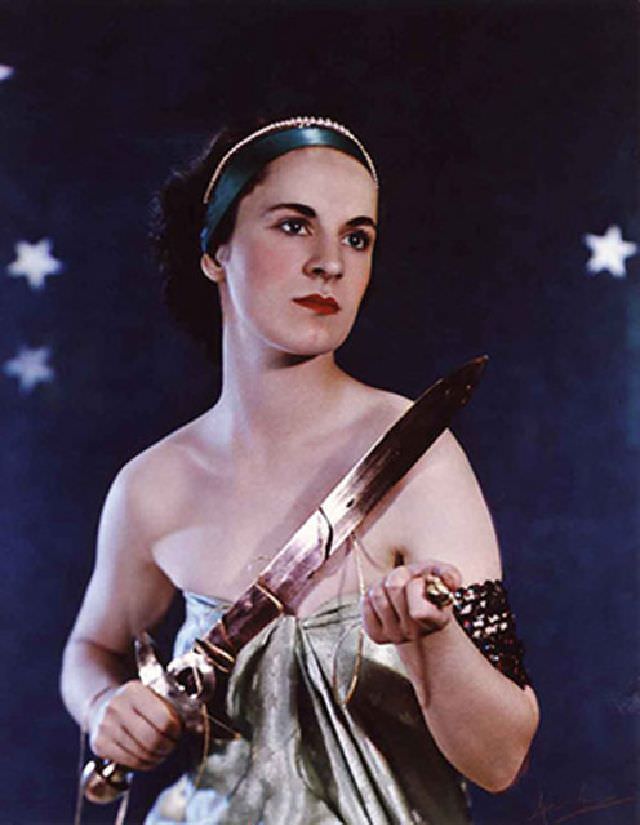
Following the success of the mythology series, Yevonde continued to photograph celebrities and public figures throughout the mid-to-late 1930s. Her portraits from this period show a consistent willingness to experiment — with props, color, and staging — while still delivering polished, professional results.
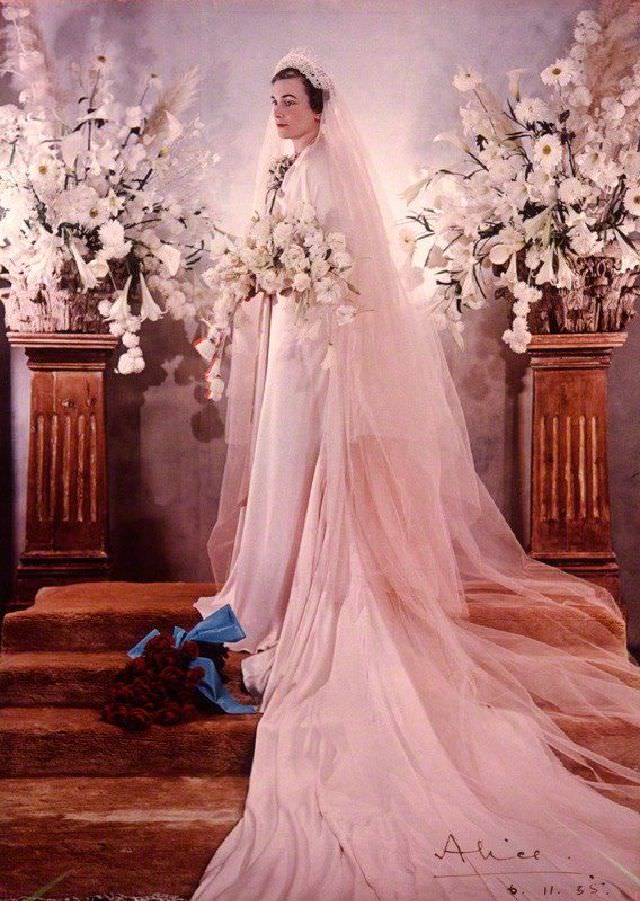
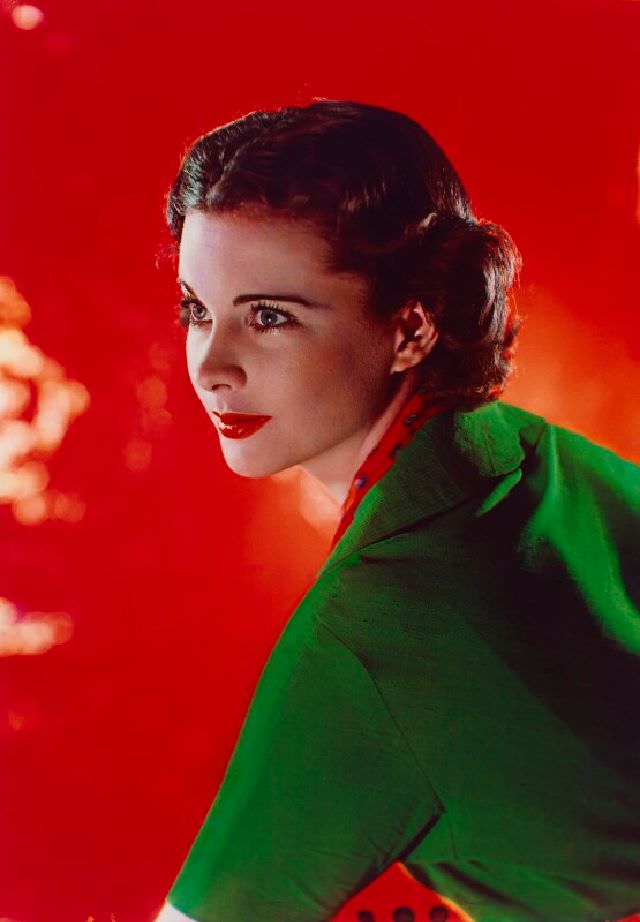
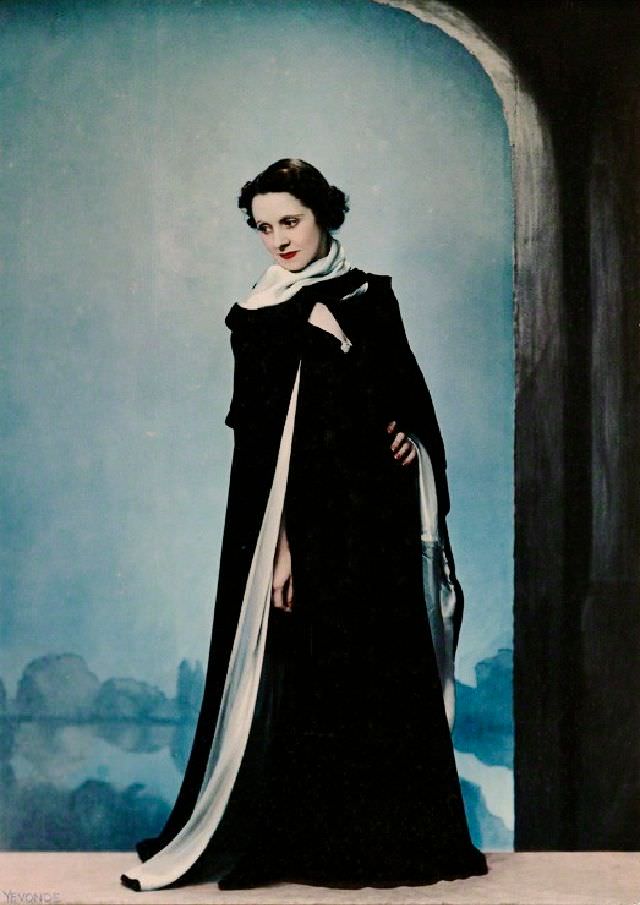
By 1937, her studio work spanned fashion, portraiture, and conceptual shoots. The range of subjects — from brides to models holding sparklers — shows just how versatile her practice had become. Each photograph carries her signature attention to color and composition.
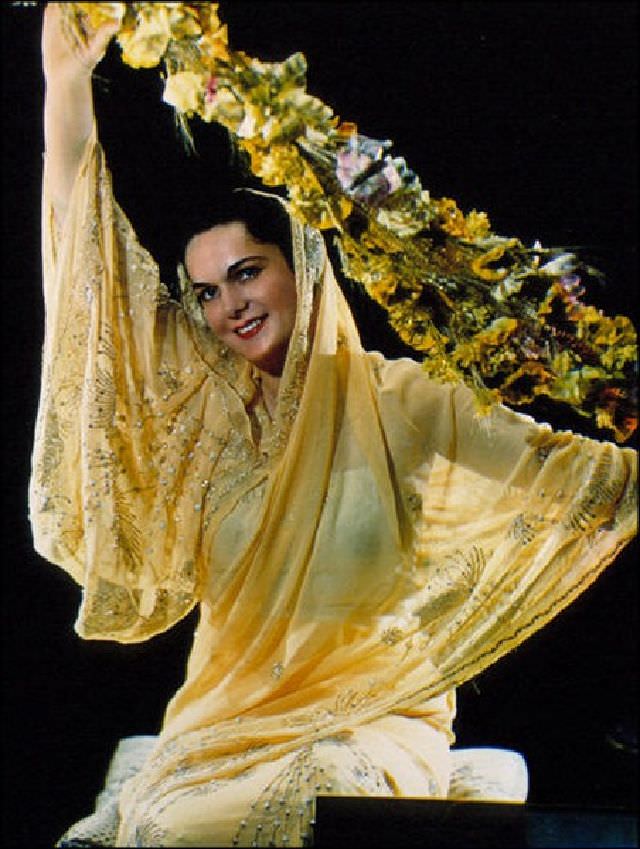
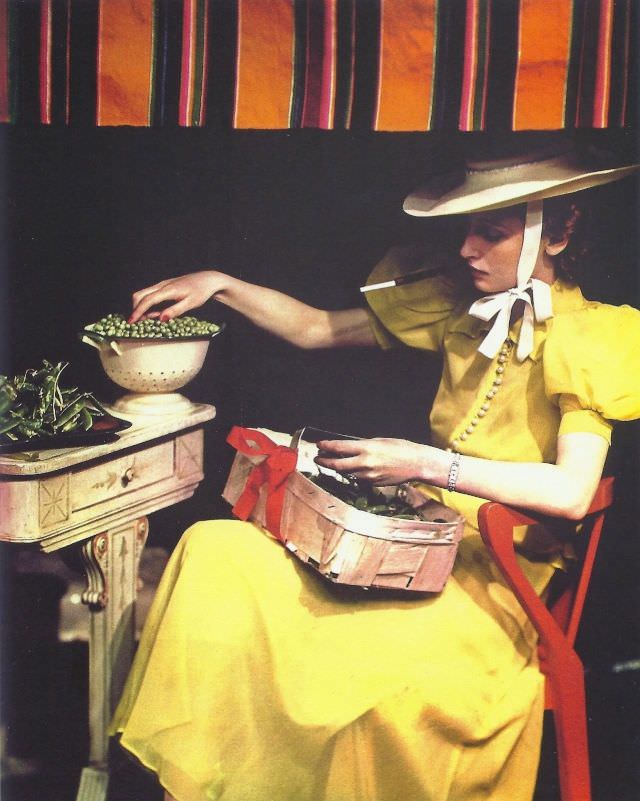
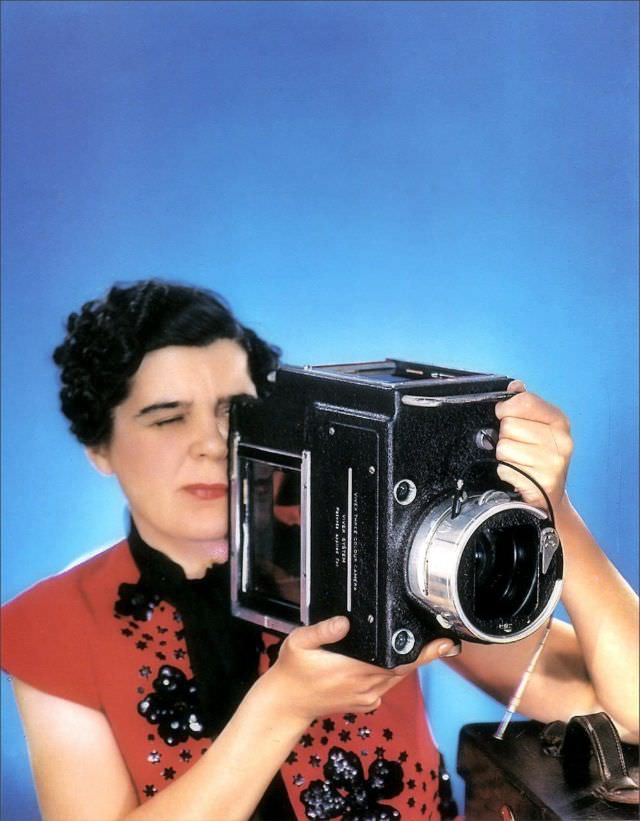
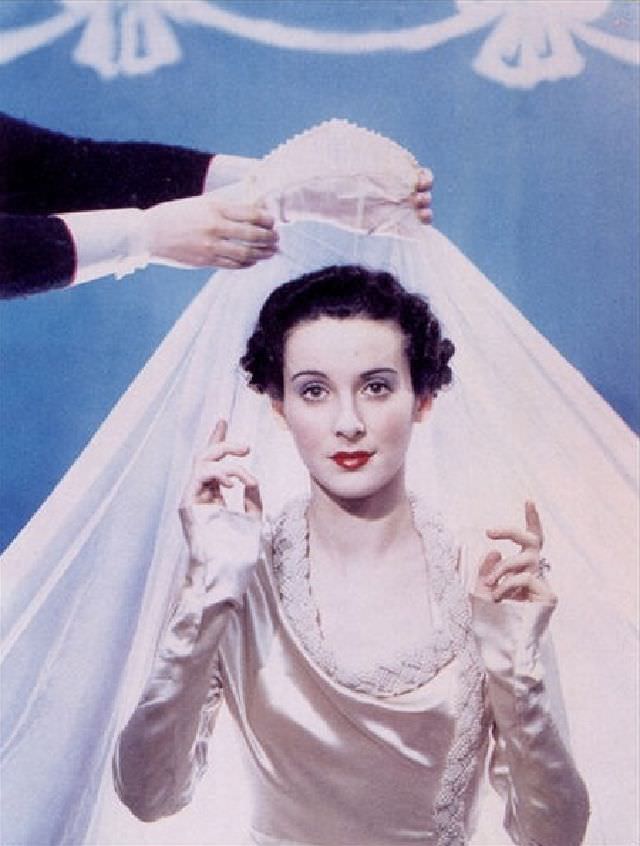
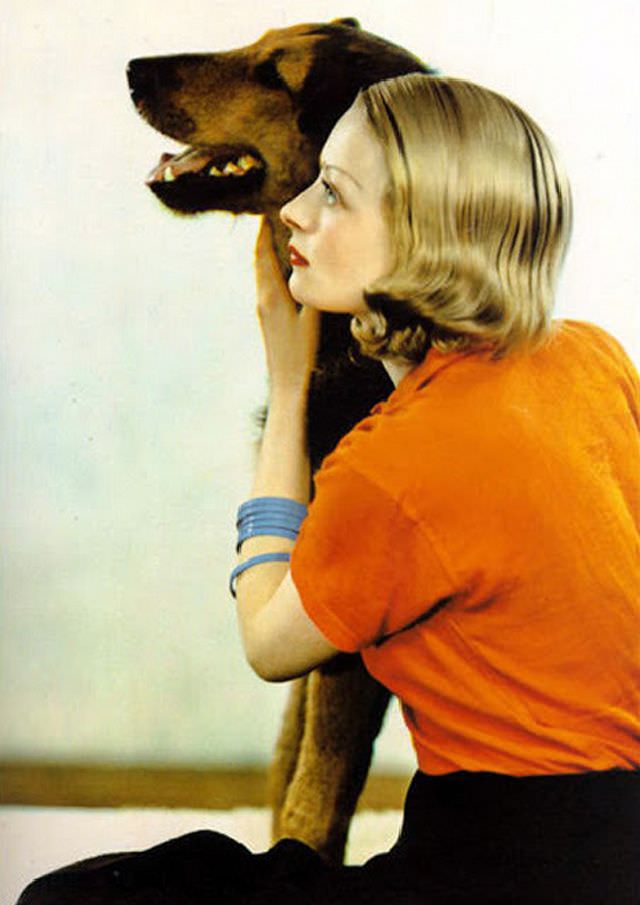
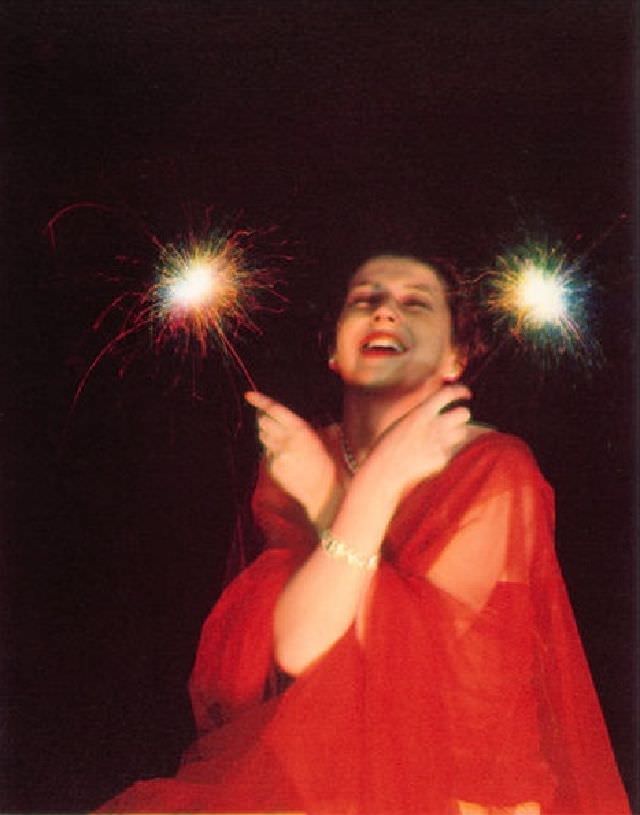
Her work from 1938 continues the same high standard. Portraits like the one of model Edwina Rademeyer show her ability to make a single subject fill the frame with presence. The use of color never feels gimmicky — it serves the subject rather than distracting from them.
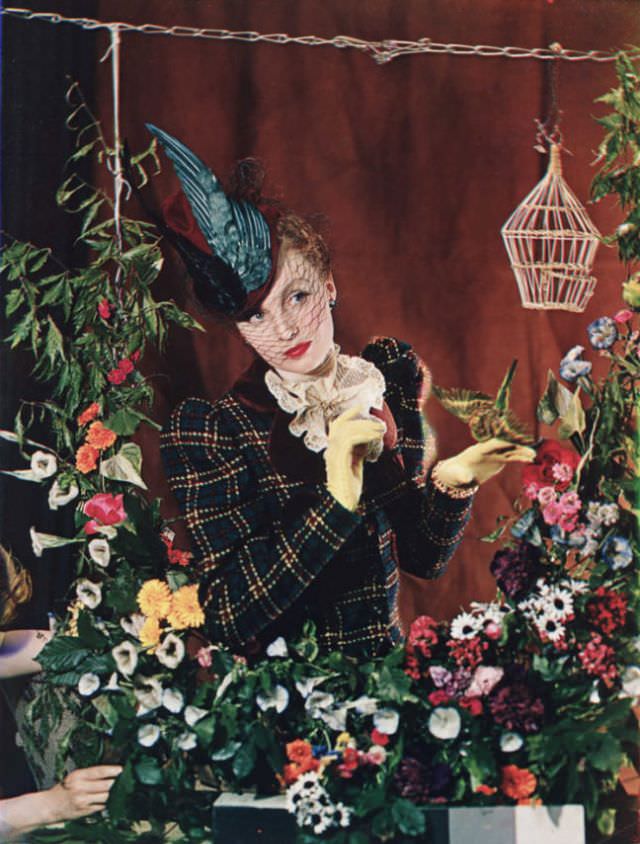
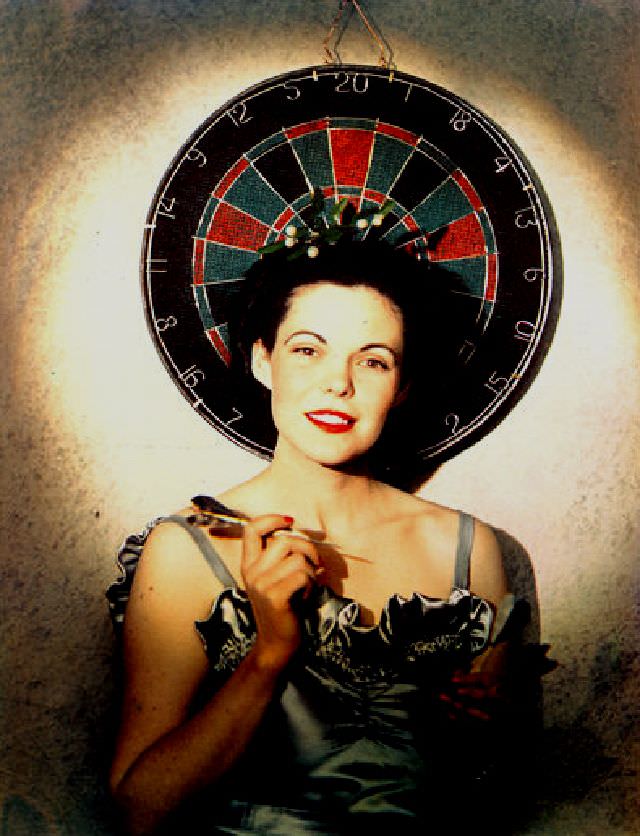
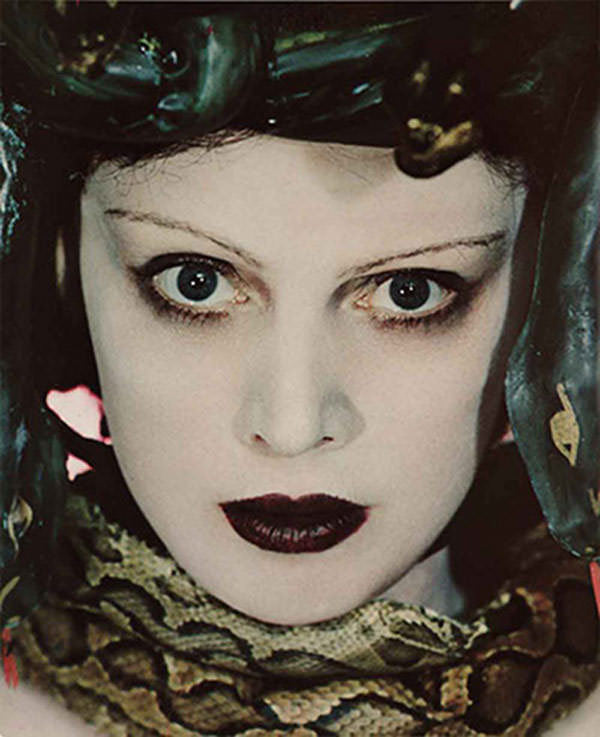
Several of Yevonde’s most striking conceptual portraits came from the mythology series and related projects. Images like Mrs. Edward Mayer as Medusa — complete with serpents — push far beyond conventional portraiture into something closer to fine art. These were bold creative choices for any photographer, let alone one working in the 1930s.