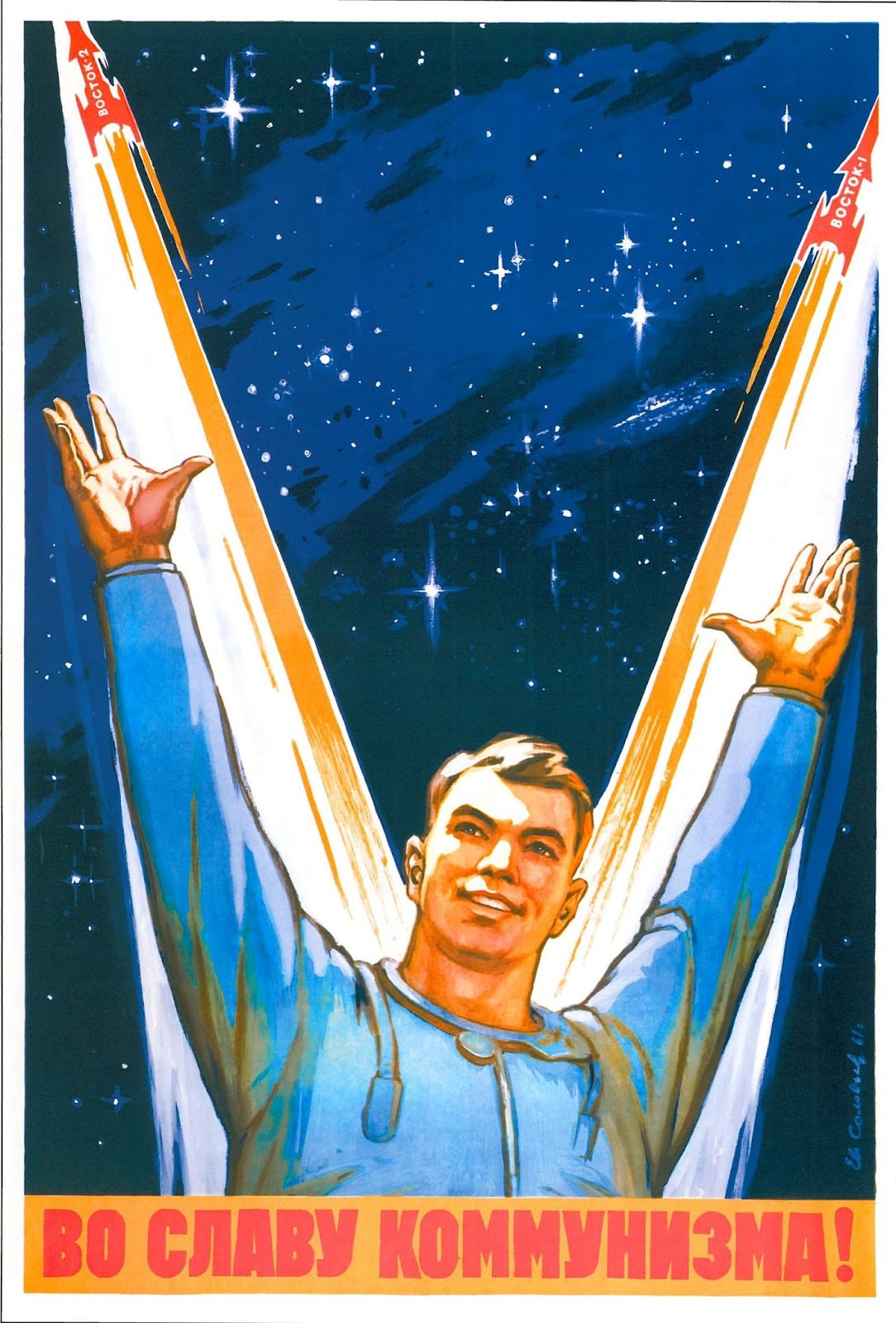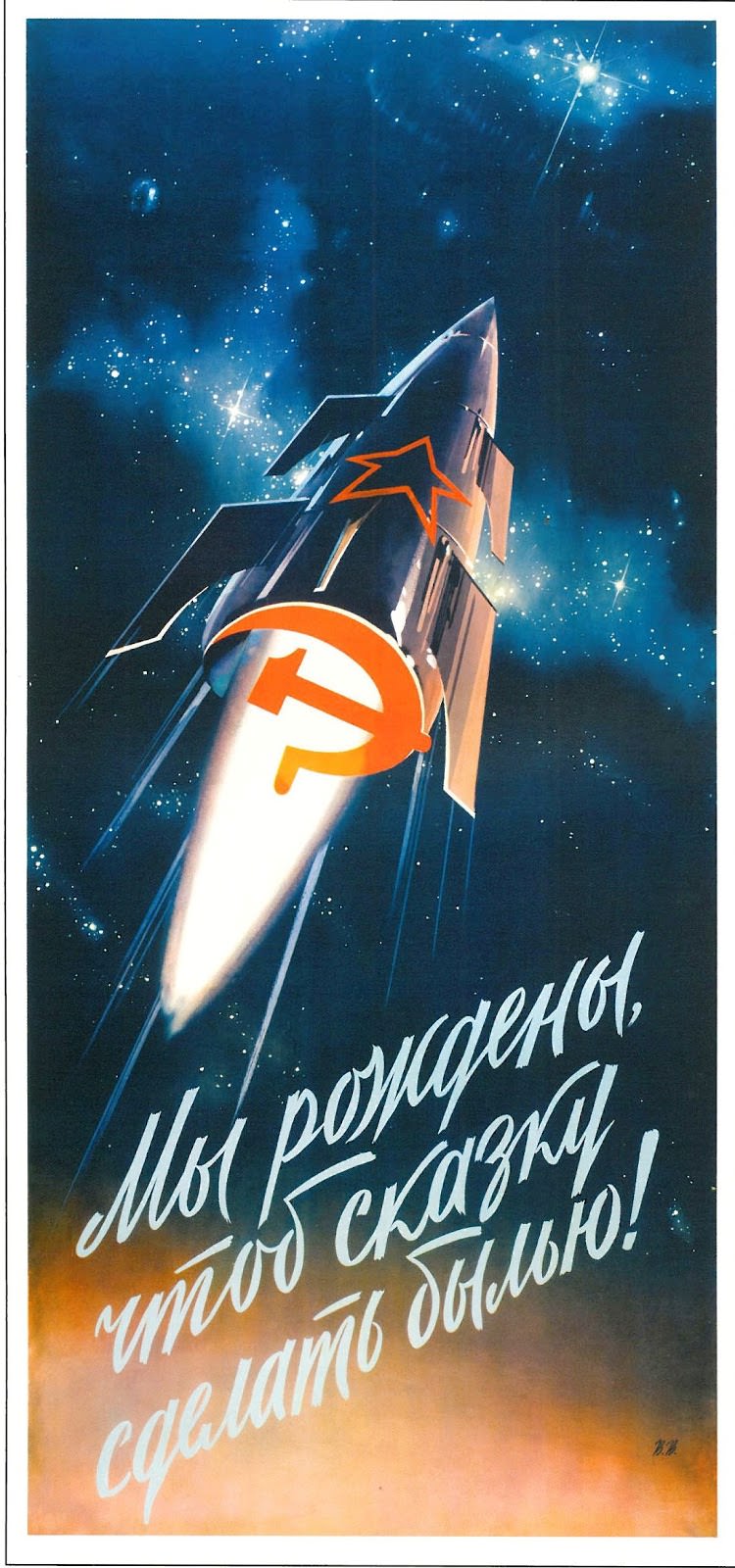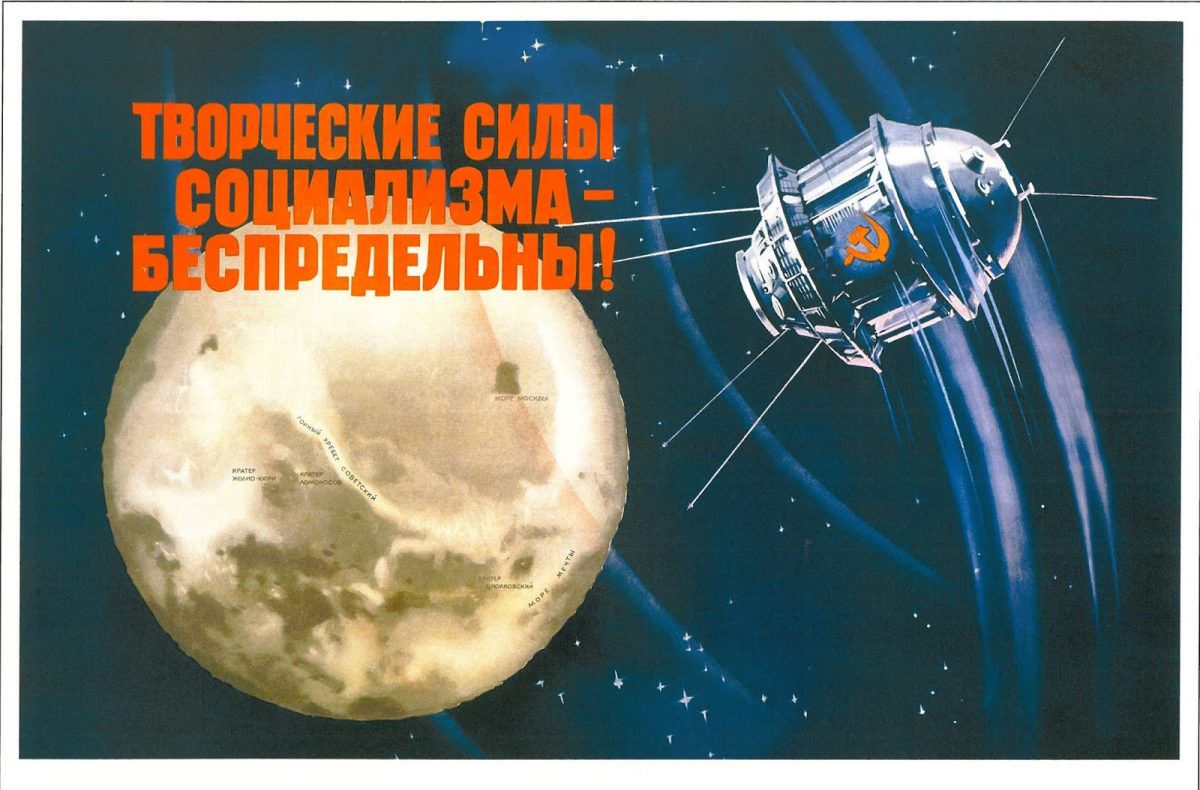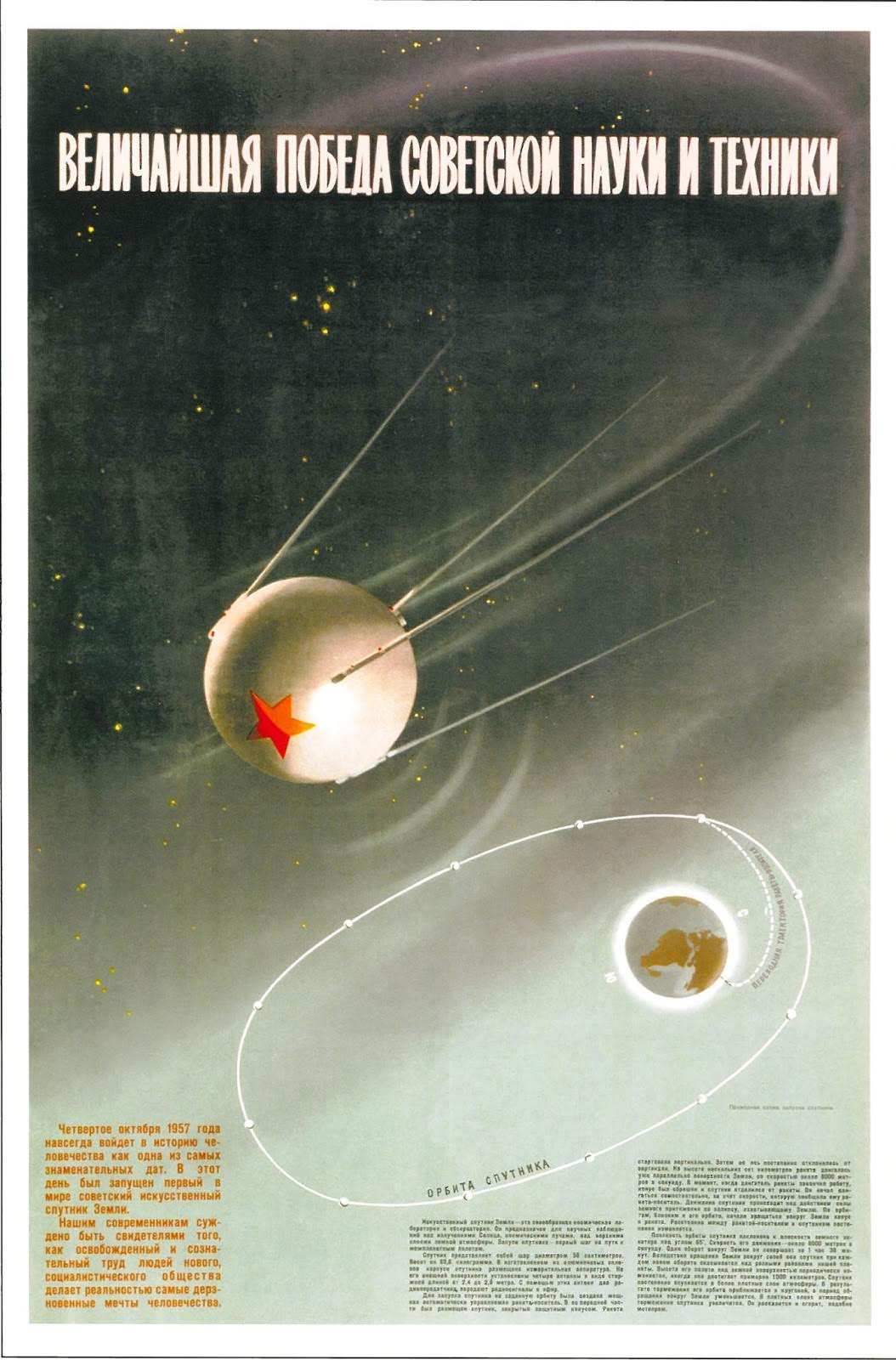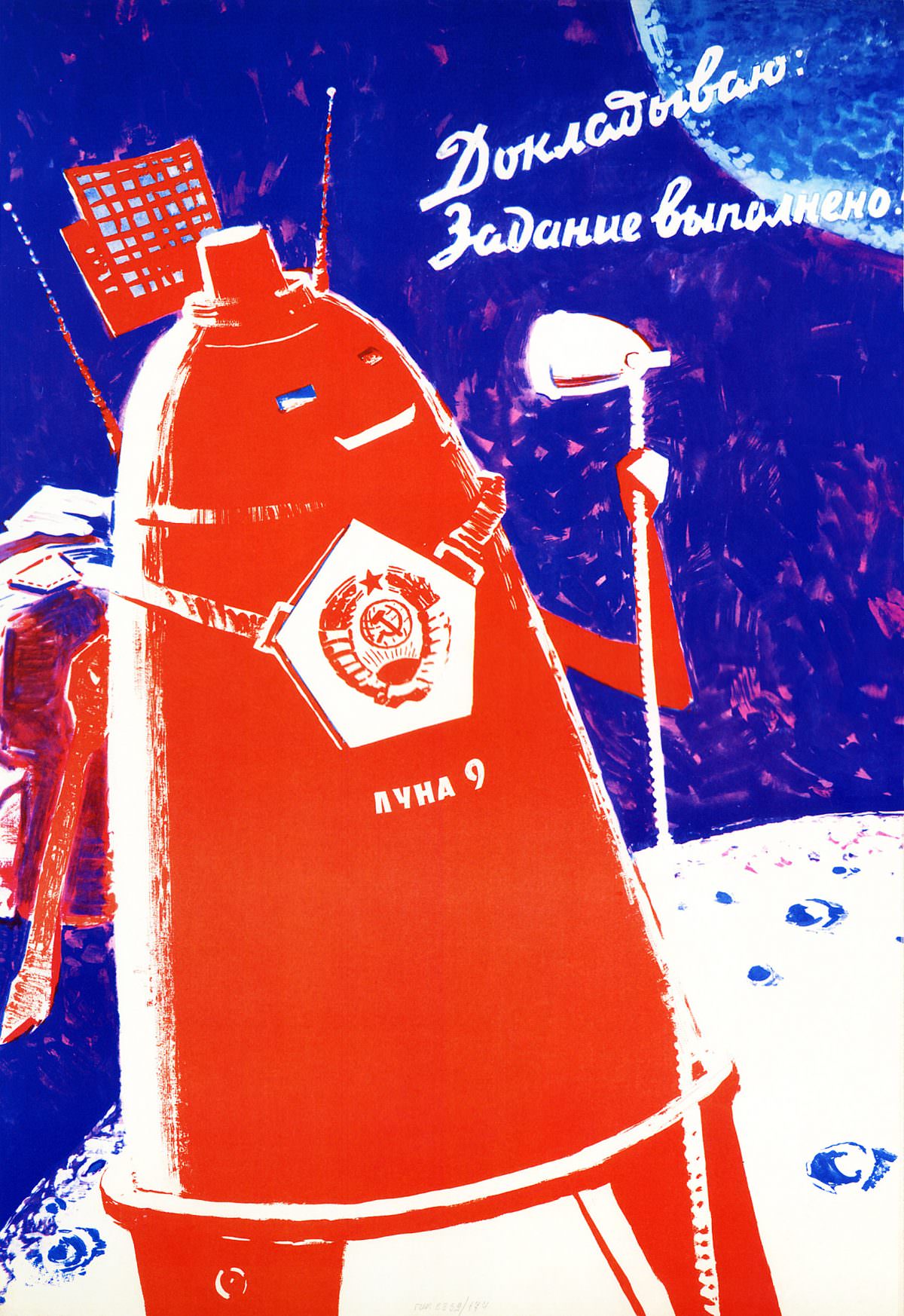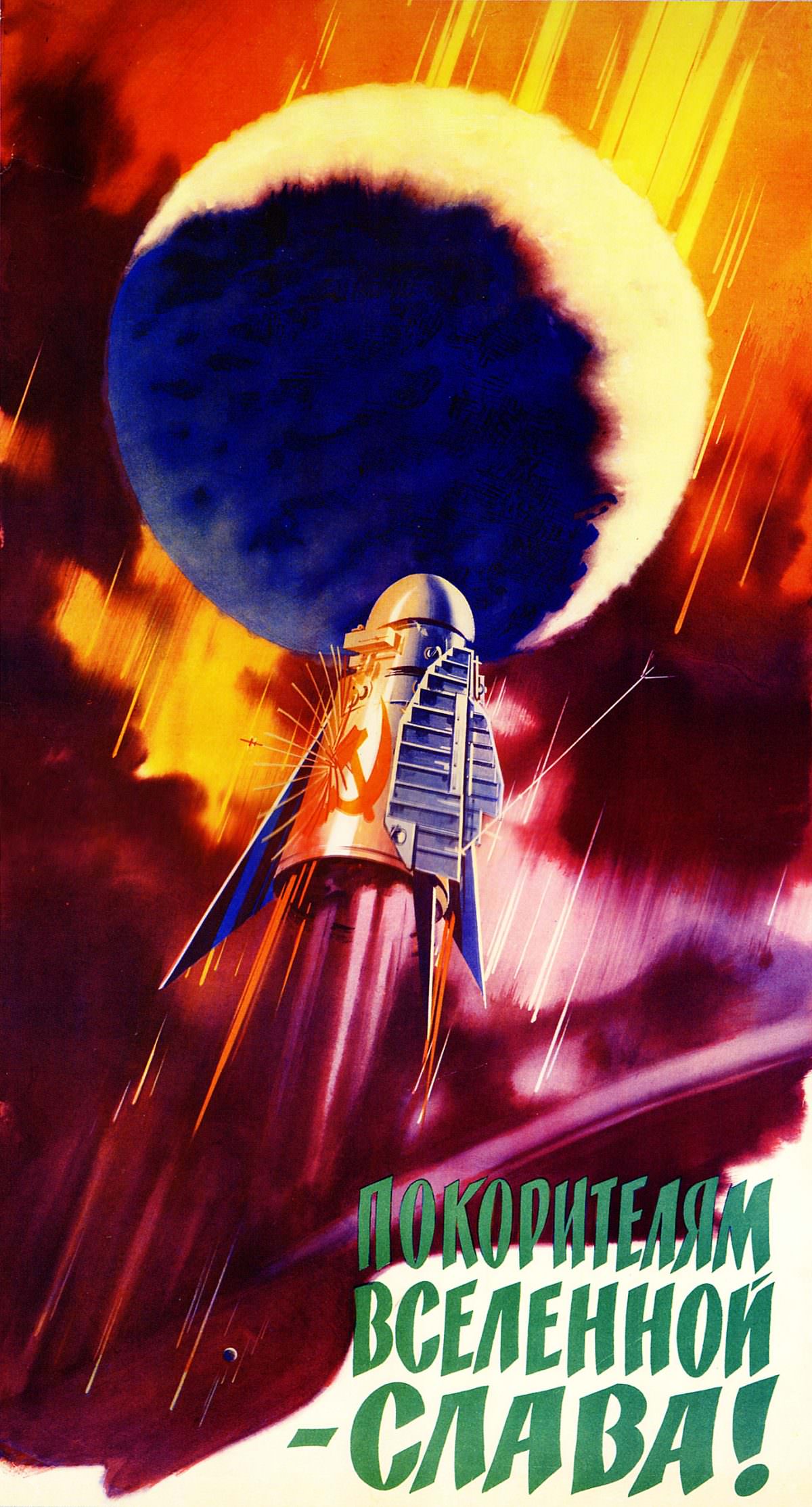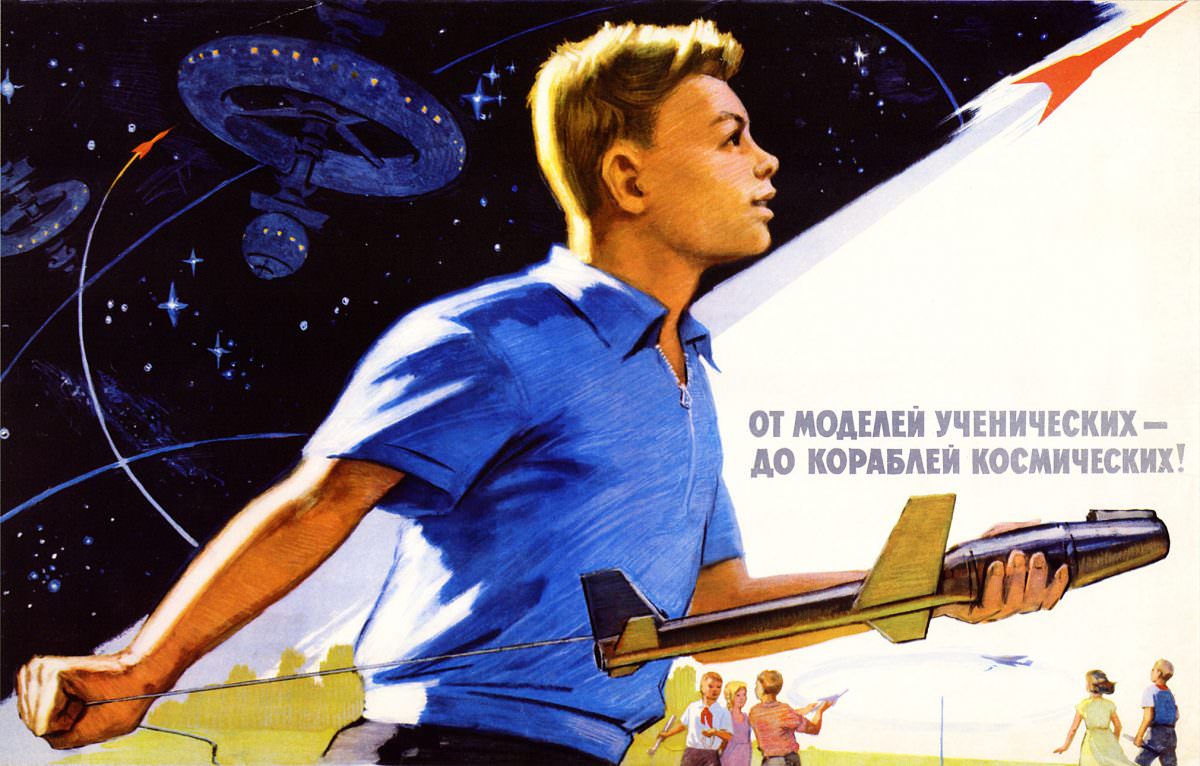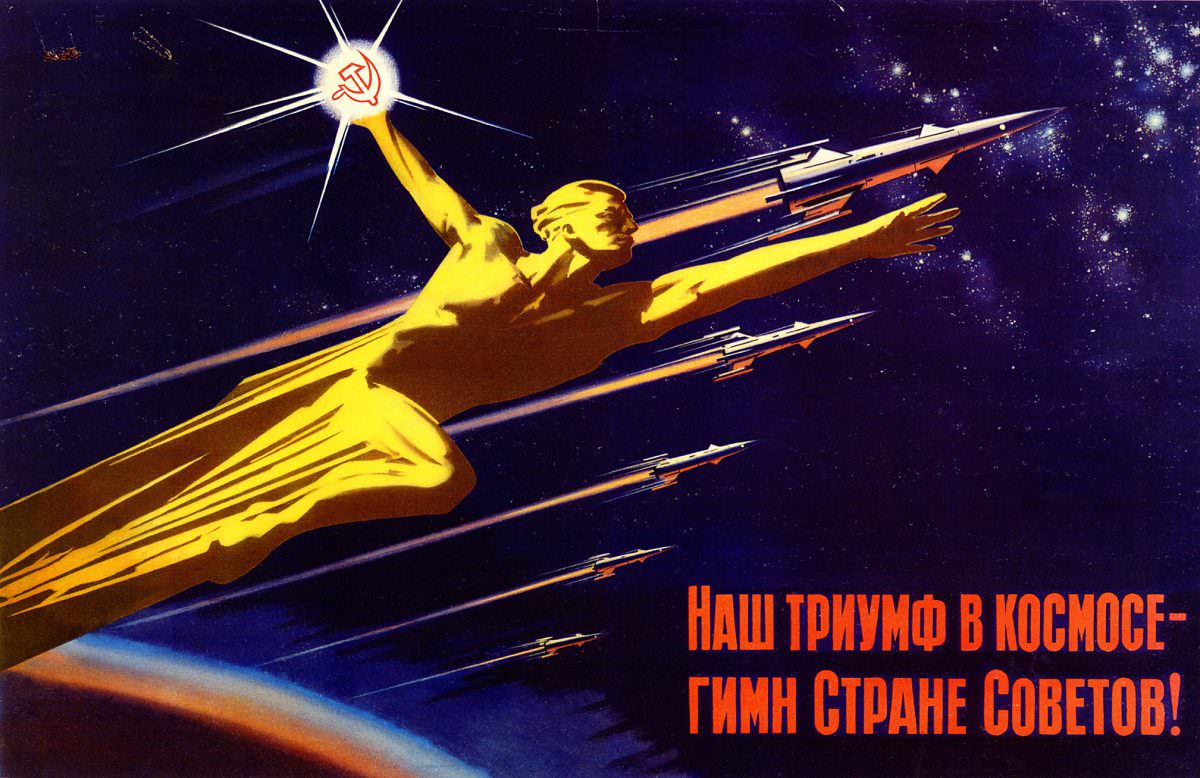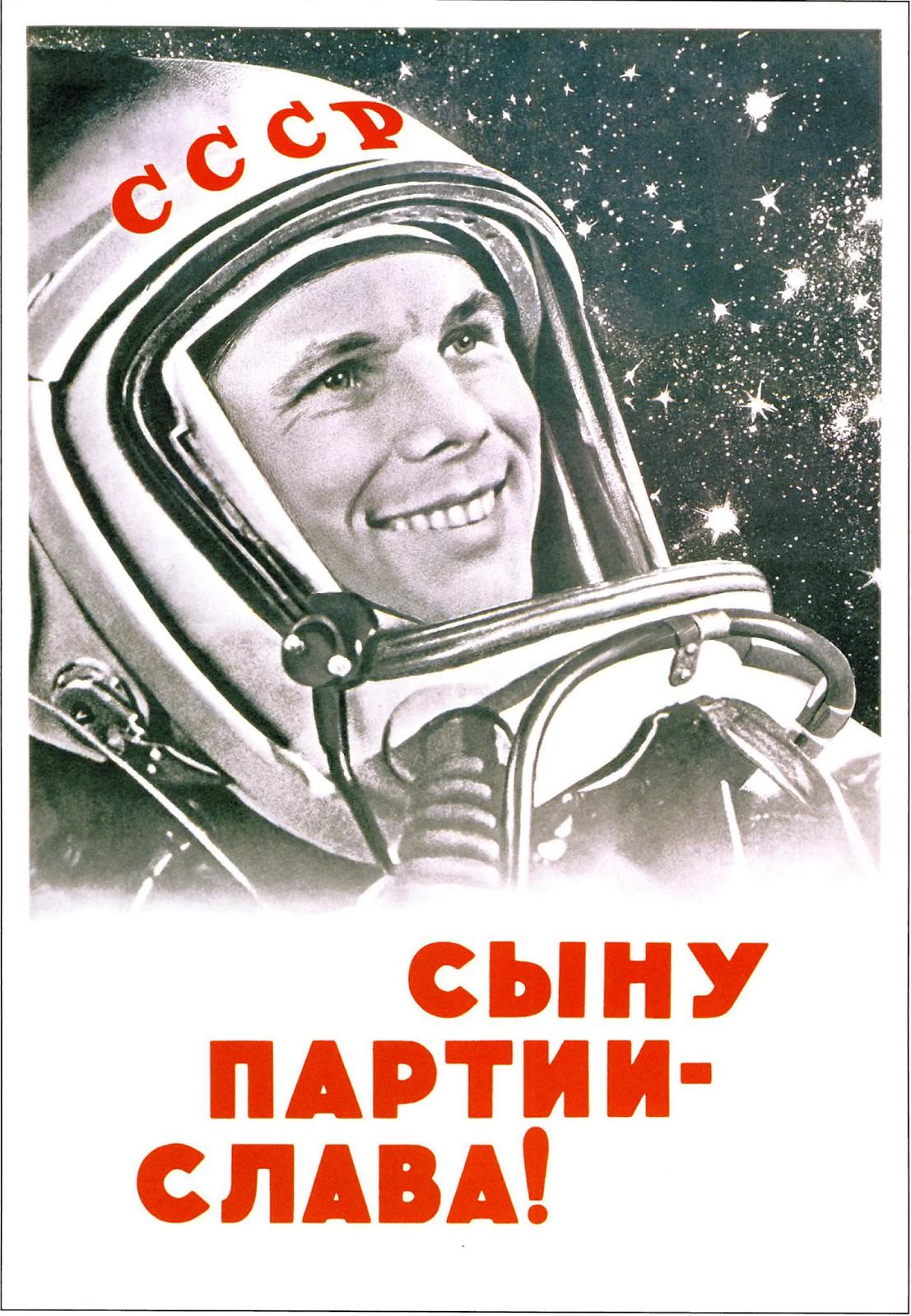

The Space Race was one of the most intense rivalries of the 20th century. From the mid-1950s through the 1960s, the Soviet Union and the United States poured enormous resources — money, engineering talent, and political will — into beating each other to the stars. But winning in space required more than rockets. It required people to believe in the mission. For the Soviets, propaganda posters were a primary tool for building that belief.
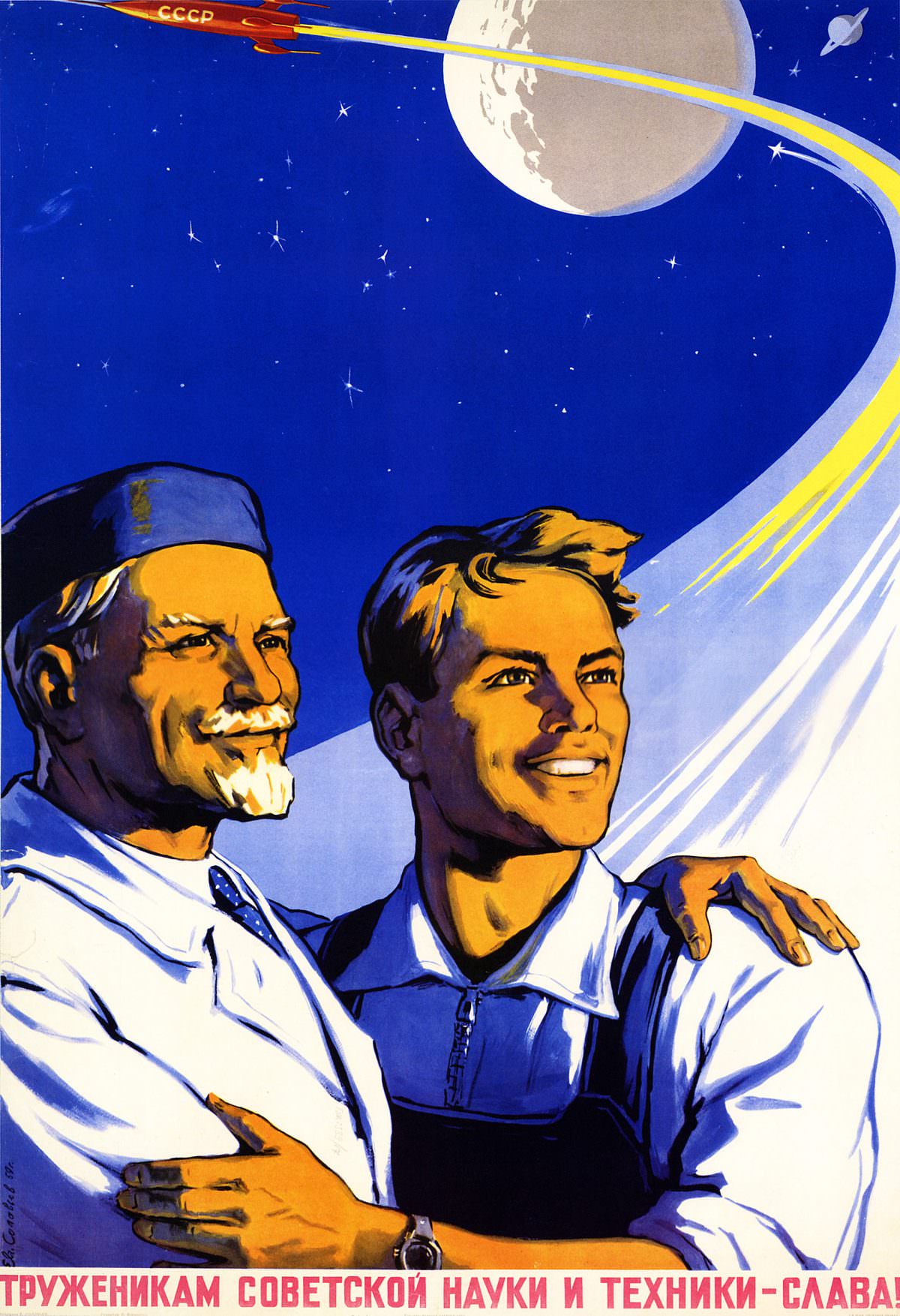
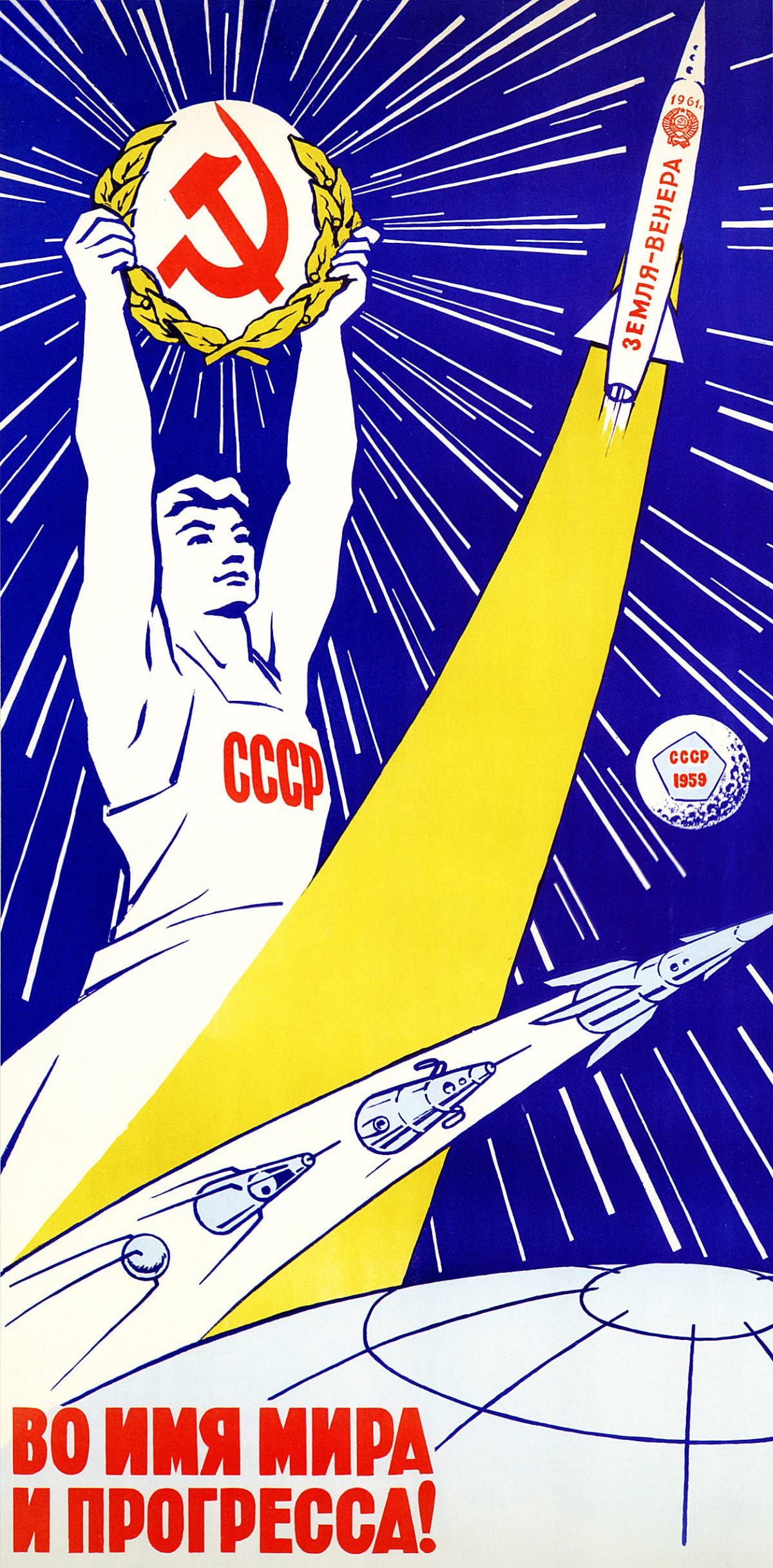
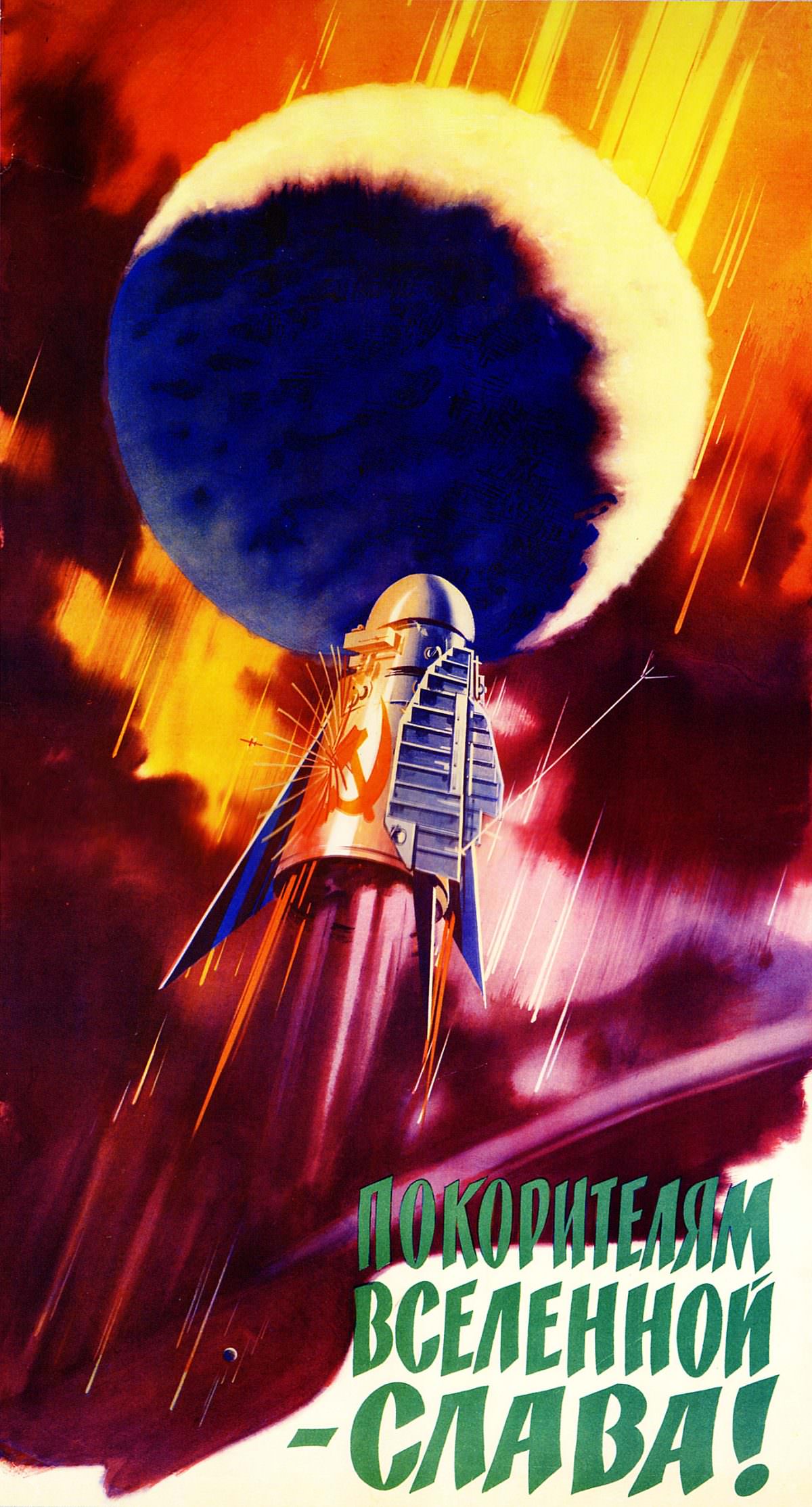
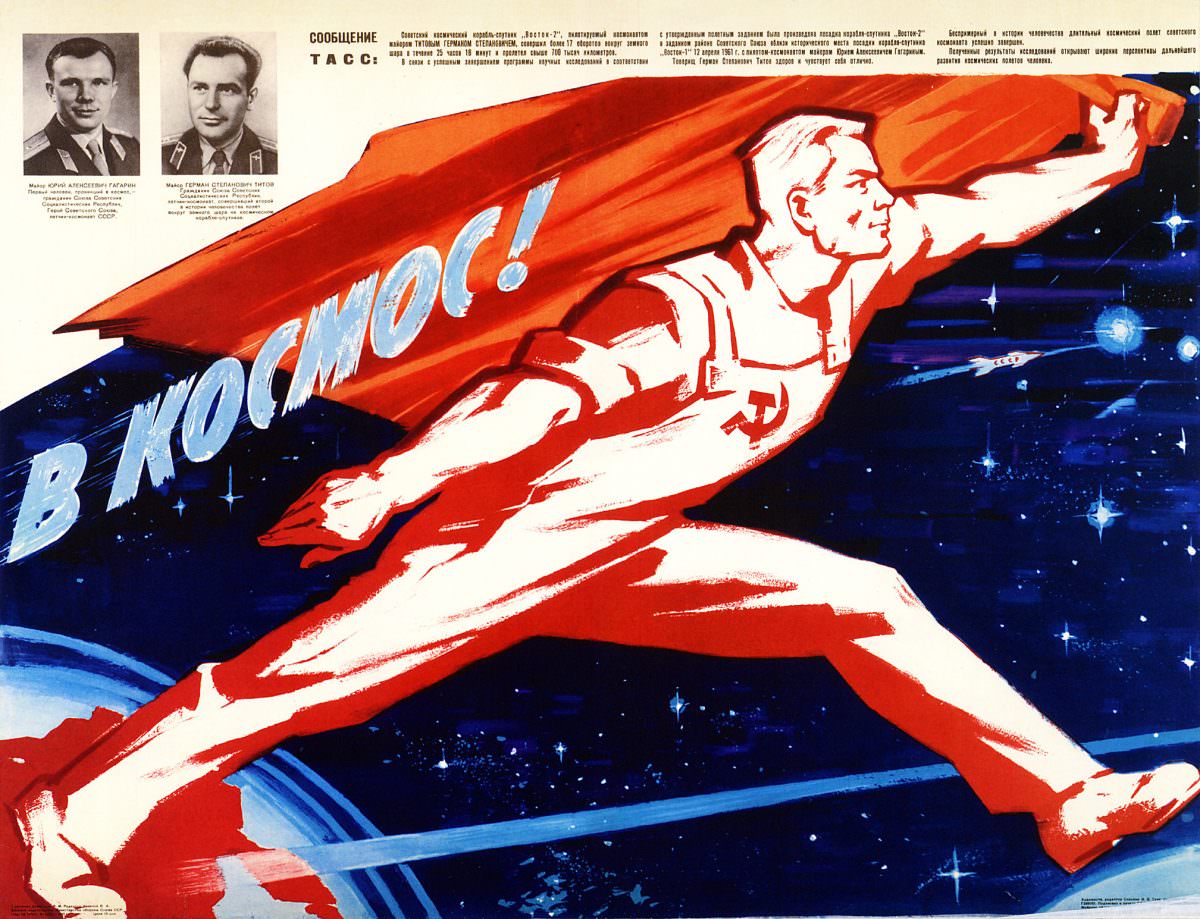
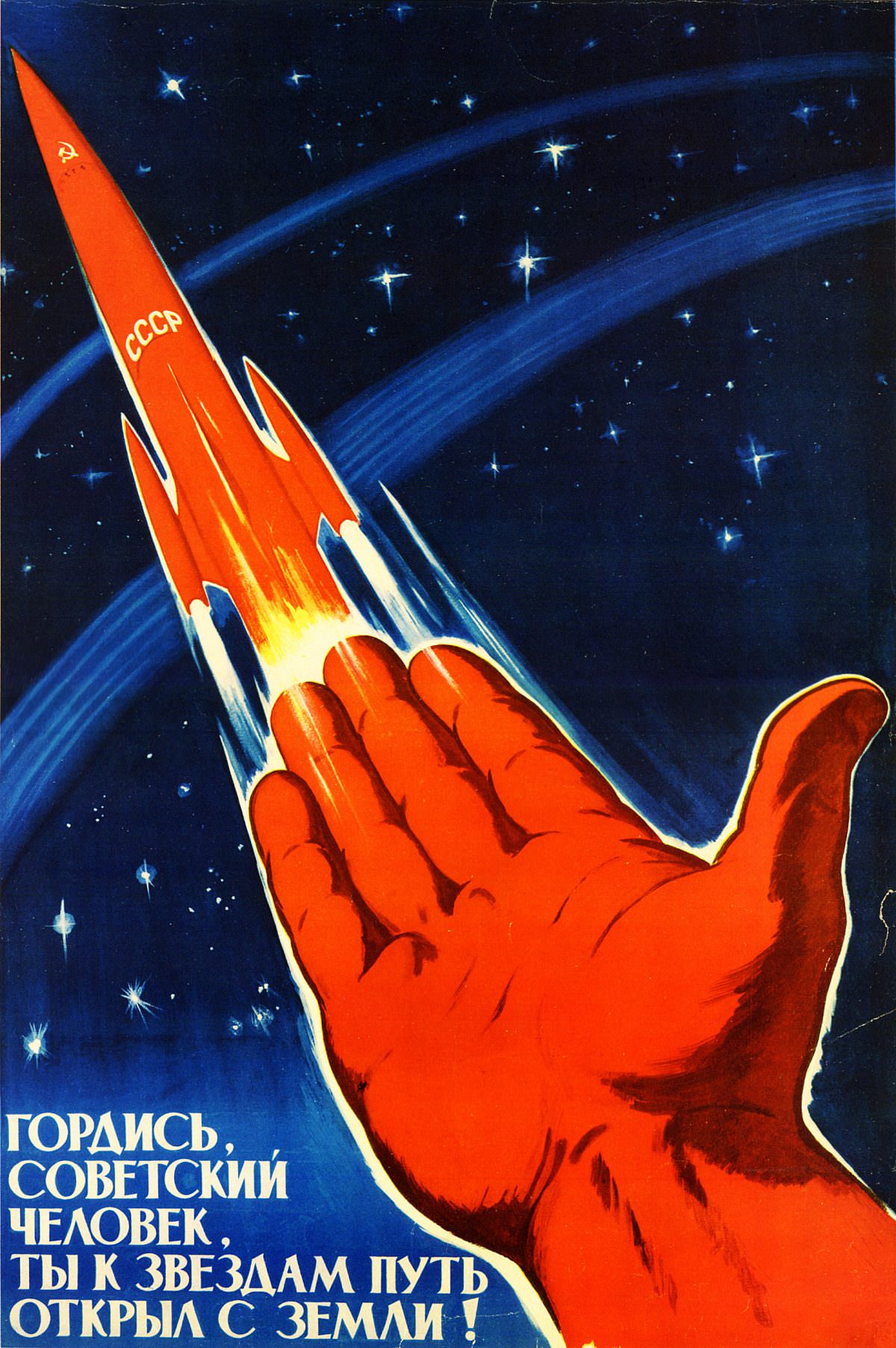
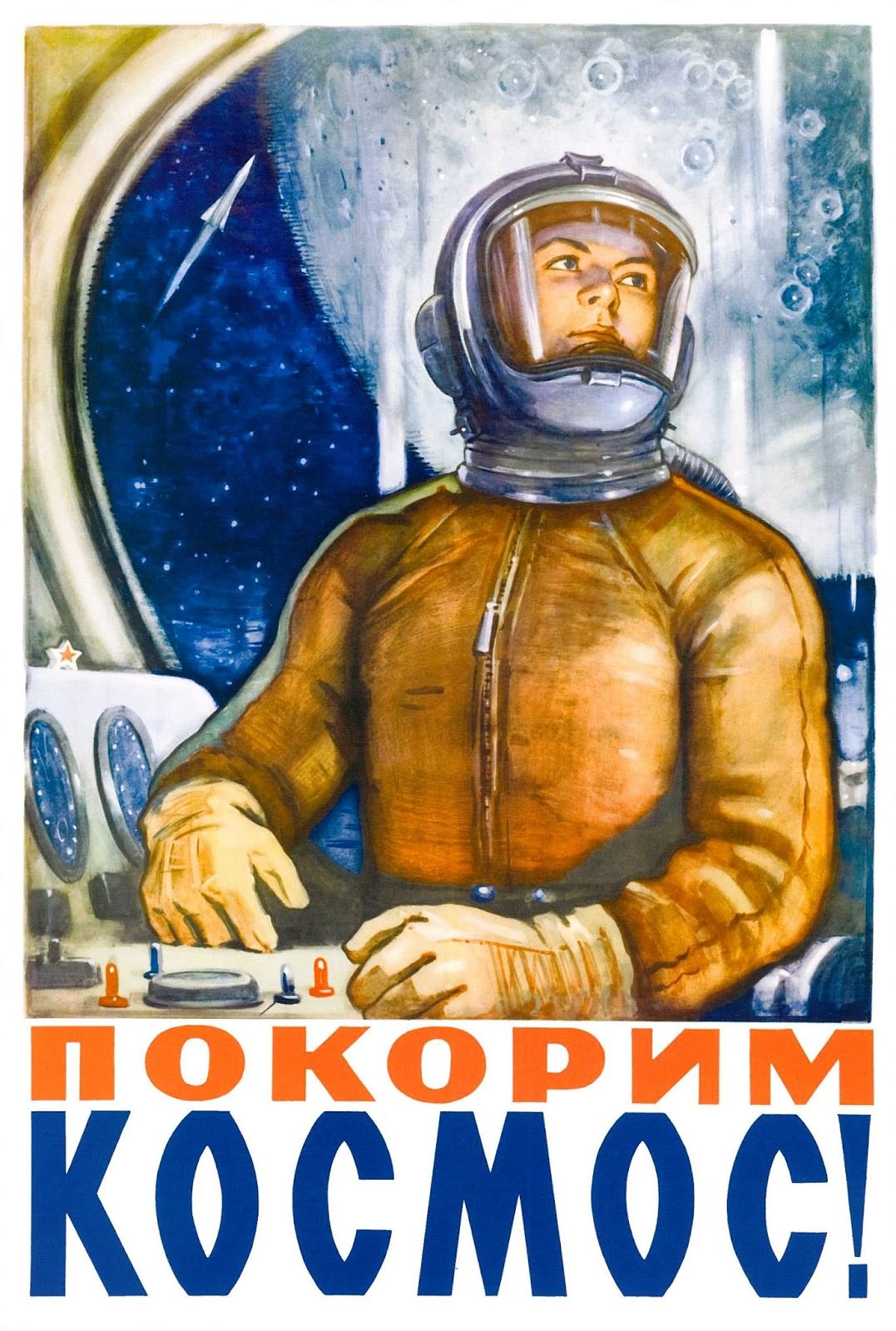
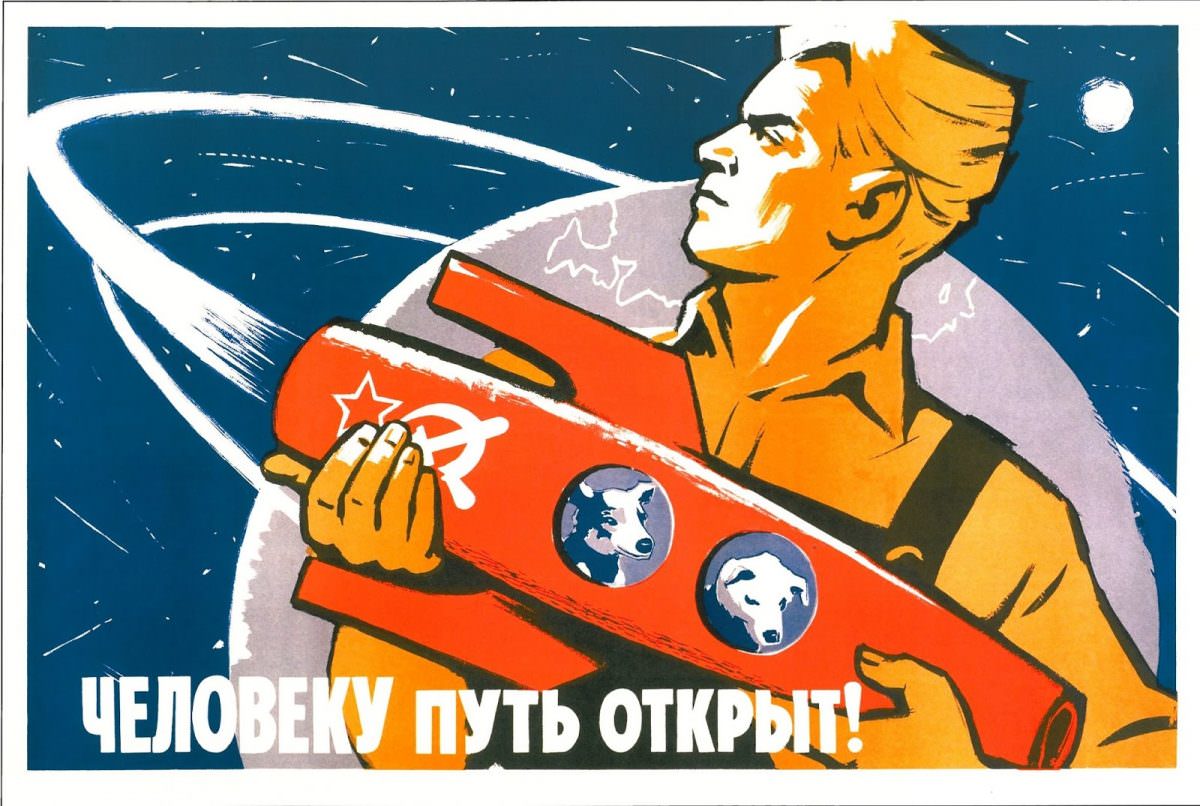
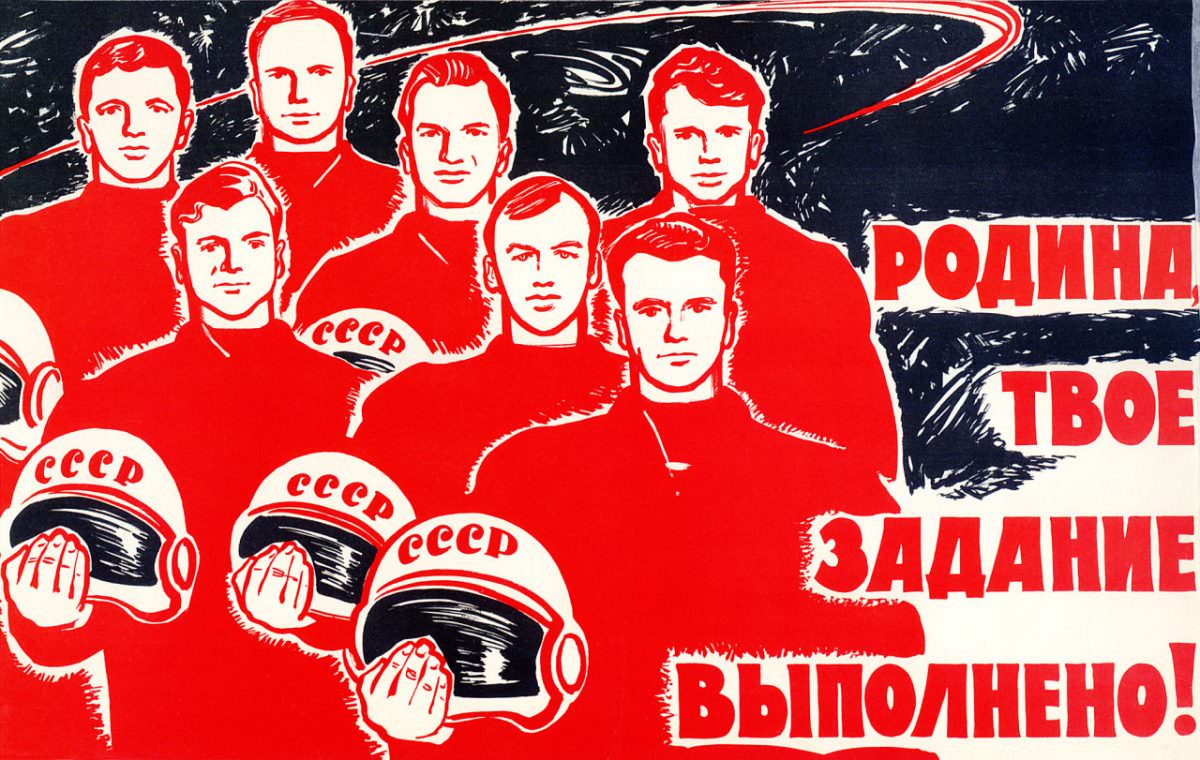
Soviet poster art during the Space Race was bold, colorful, and carefully crafted. Artists used soaring rockets, gleaming stars, and heroic figures to send a clear message: the Soviet Union was leading humanity into a new era. These weren’t neutral images. They were designed to shape how ordinary Soviet citizens thought about space exploration — tying it directly to national pride, communist ideology, and the idea that socialism was the engine driving human progress.
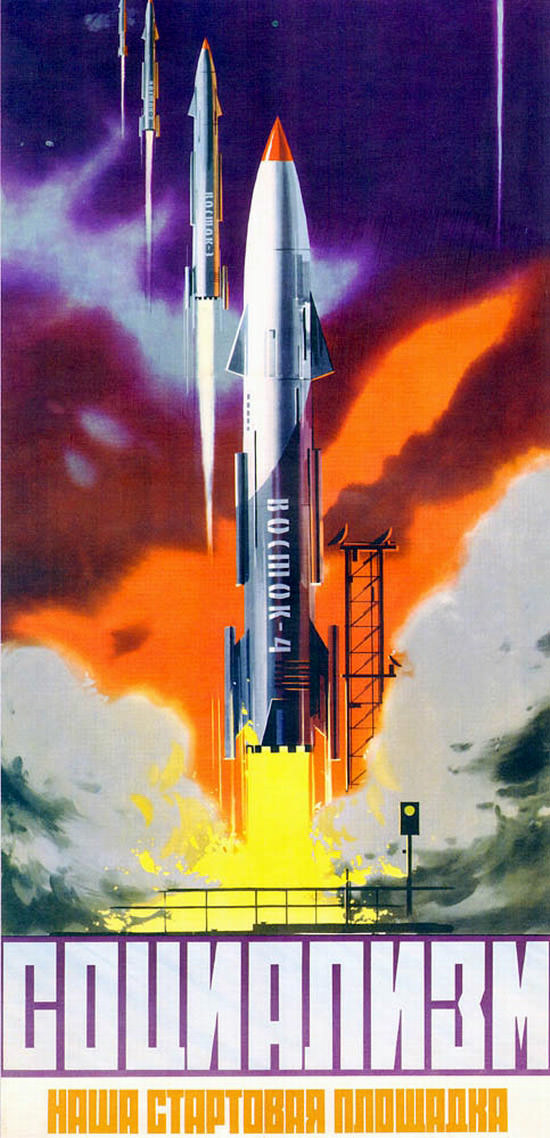
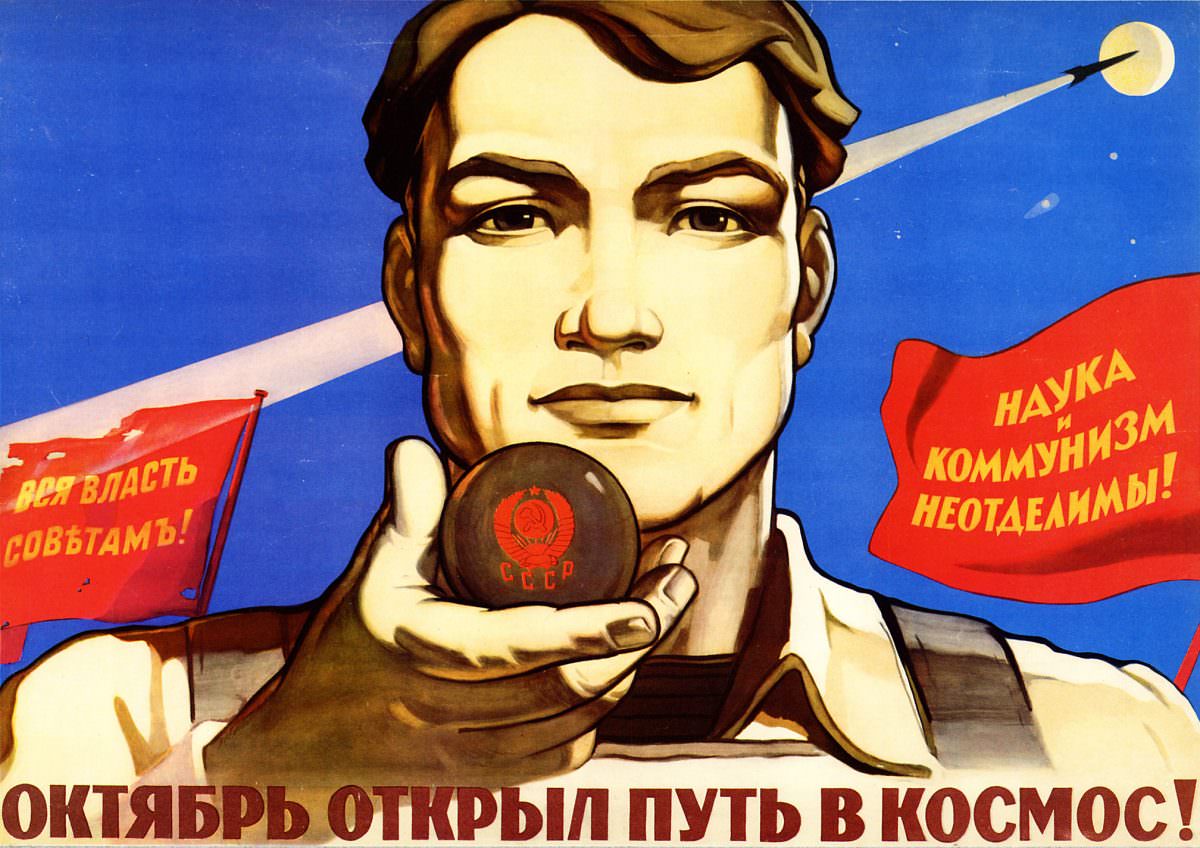
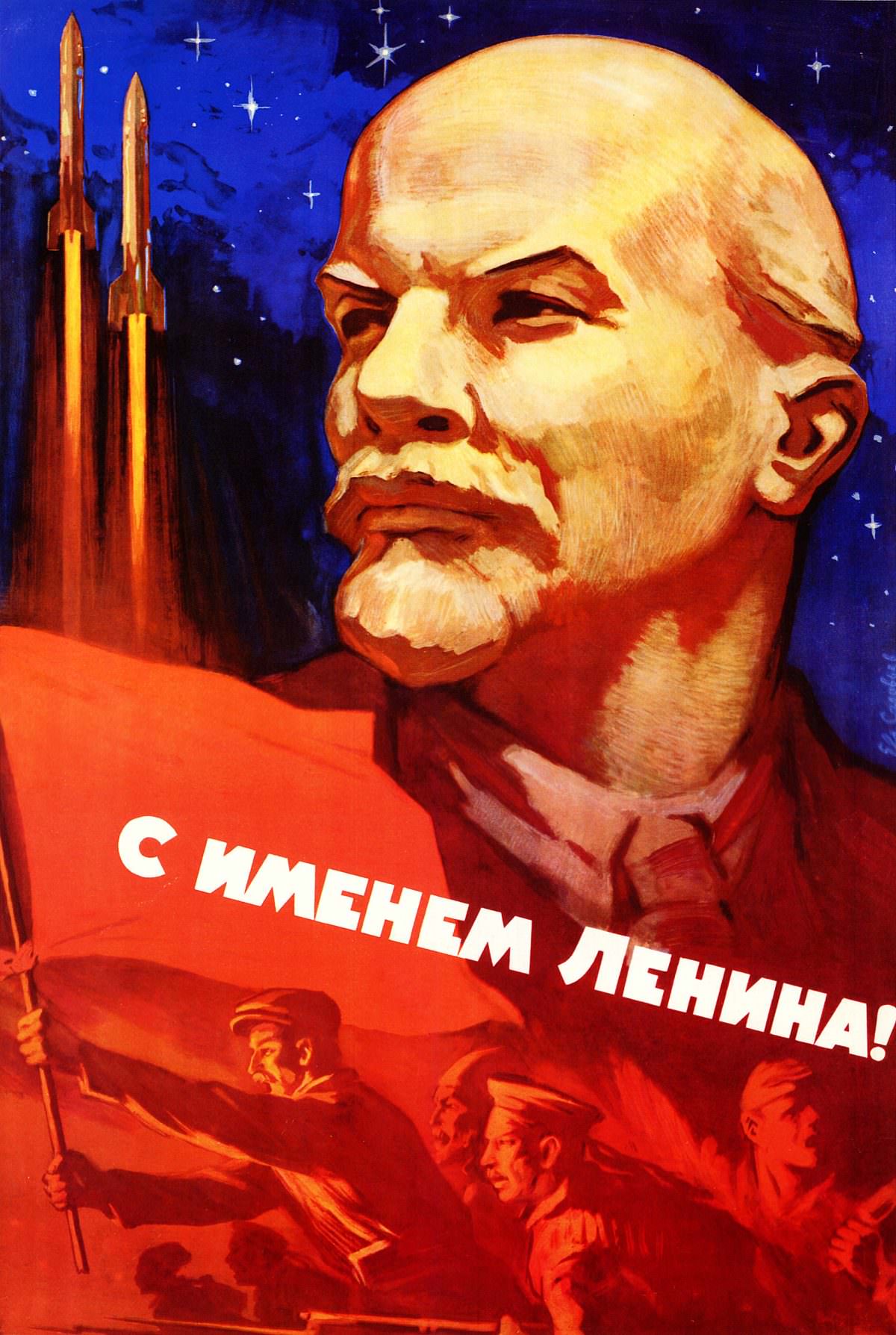
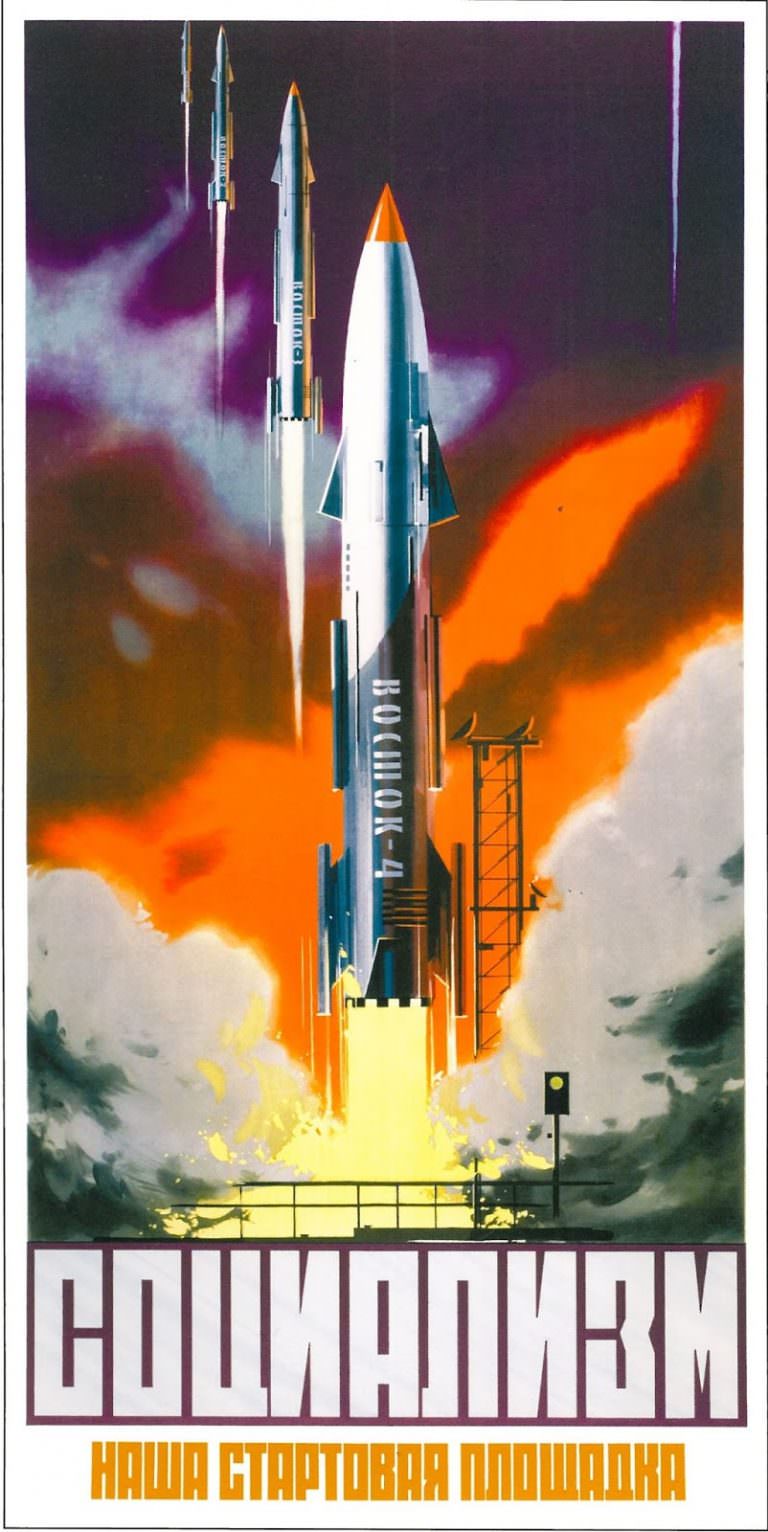
Many posters linked space achievement directly to the Soviet political system. Slogans like “Socialism is our launching pad” made the argument that only a socialist state could organize society well enough to reach space. The October Revolution — the 1917 Bolshevik takeover — was frequently invoked as the starting point of a journey that ended among the stars. Space success was presented as proof that communism worked.
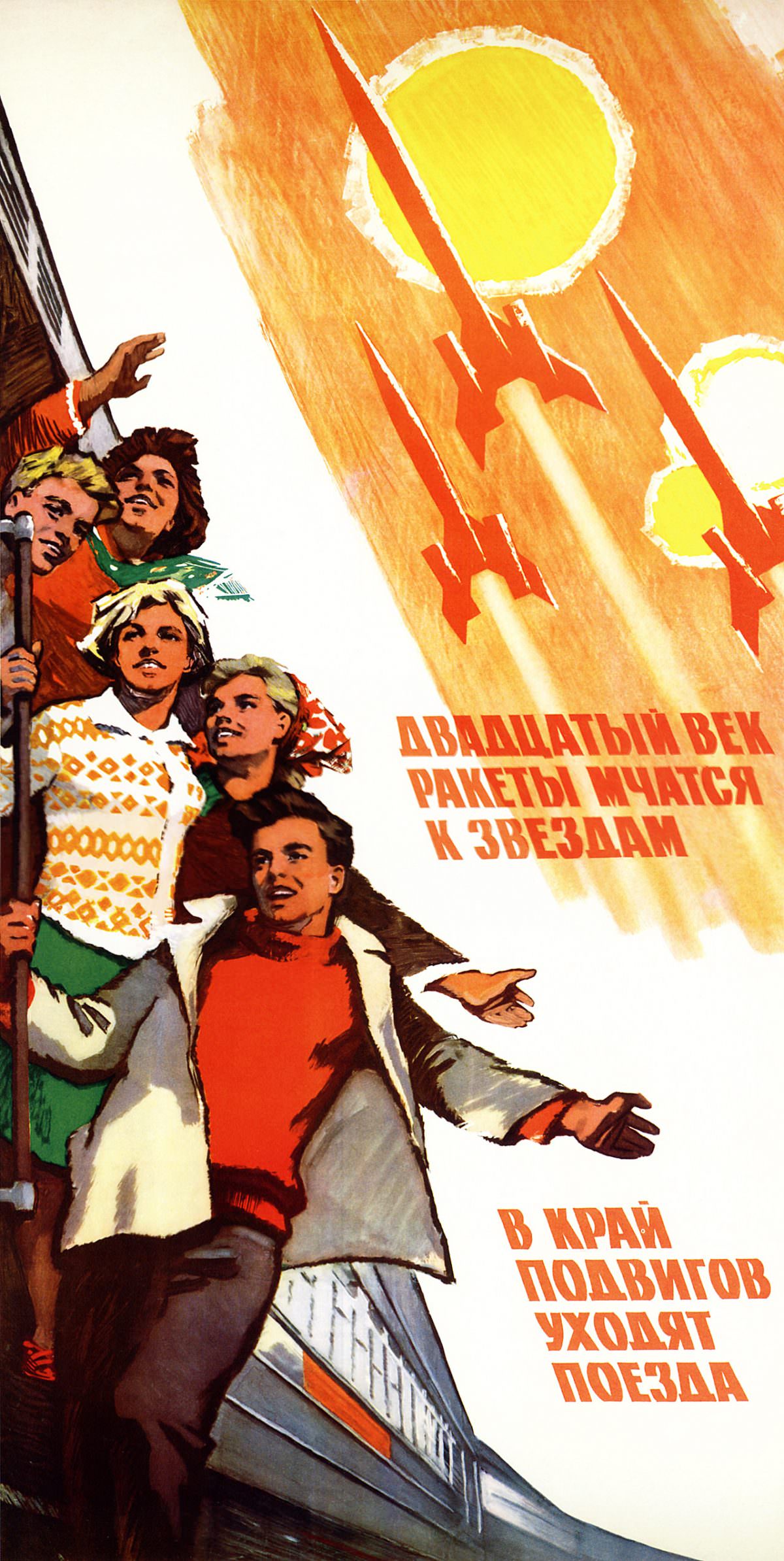
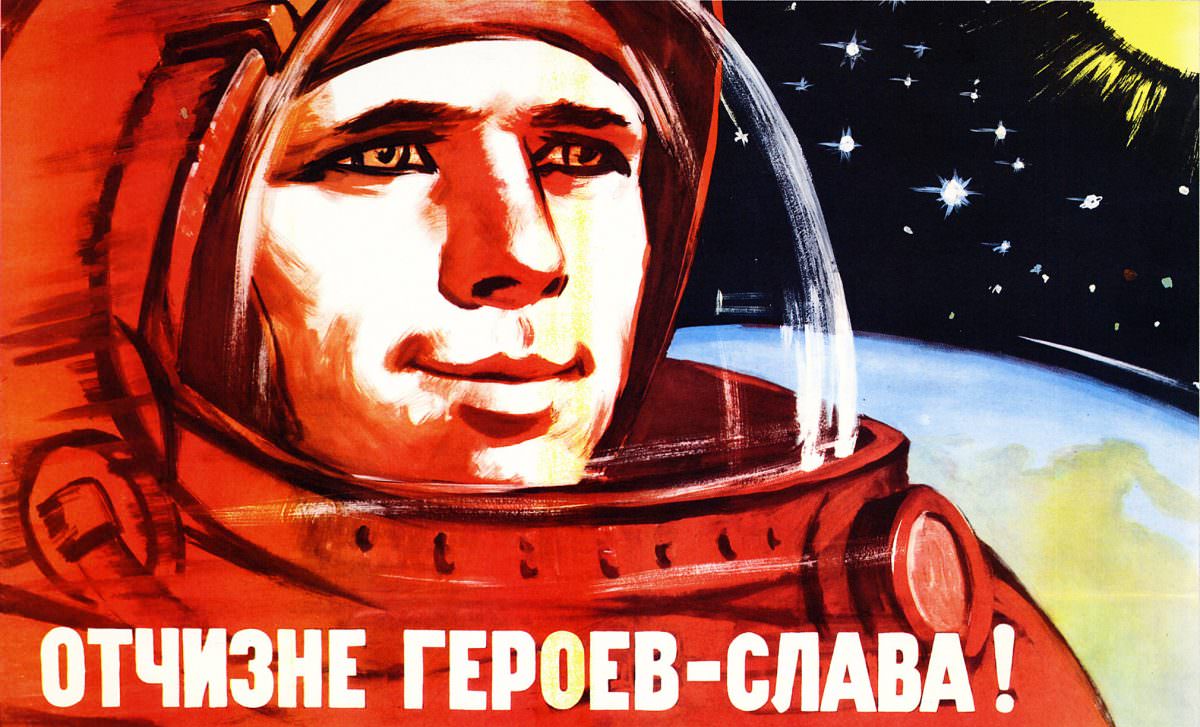
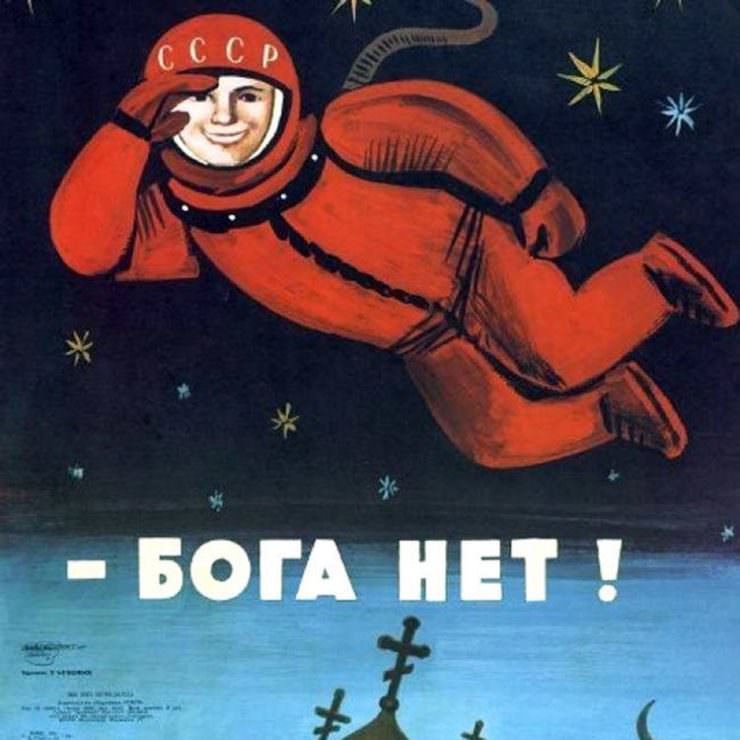
Religion was another target. One poster bluntly declared “There is no God,” using the emptiness of space as evidence against religious belief. The Soviet state was officially atheist, and space exploration gave propagandists a powerful new argument: Soviet cosmonauts had traveled beyond Earth and found no heaven. These posters worked on multiple levels at once — celebrating science while simultaneously attacking the Church.
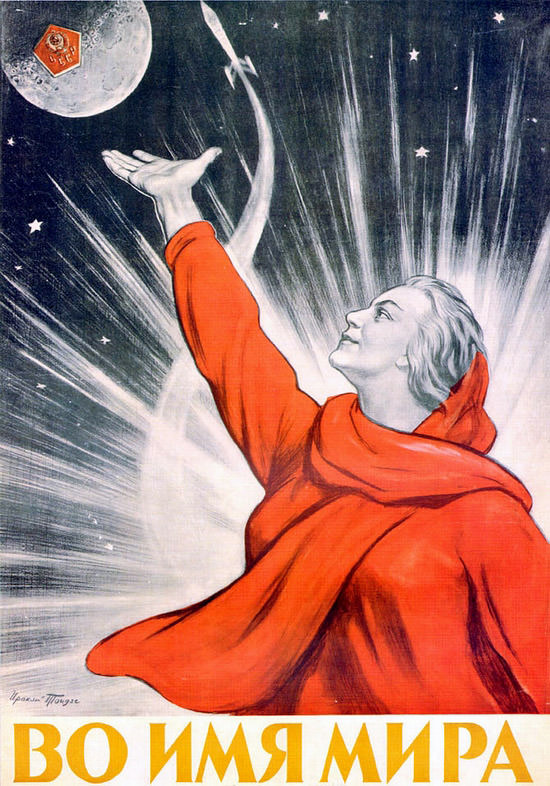
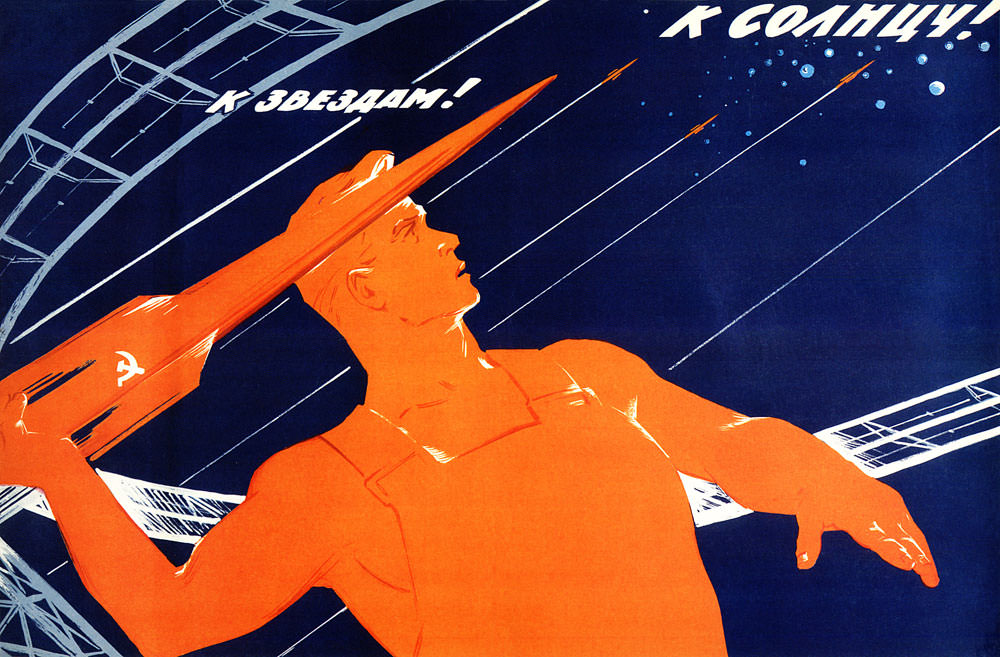
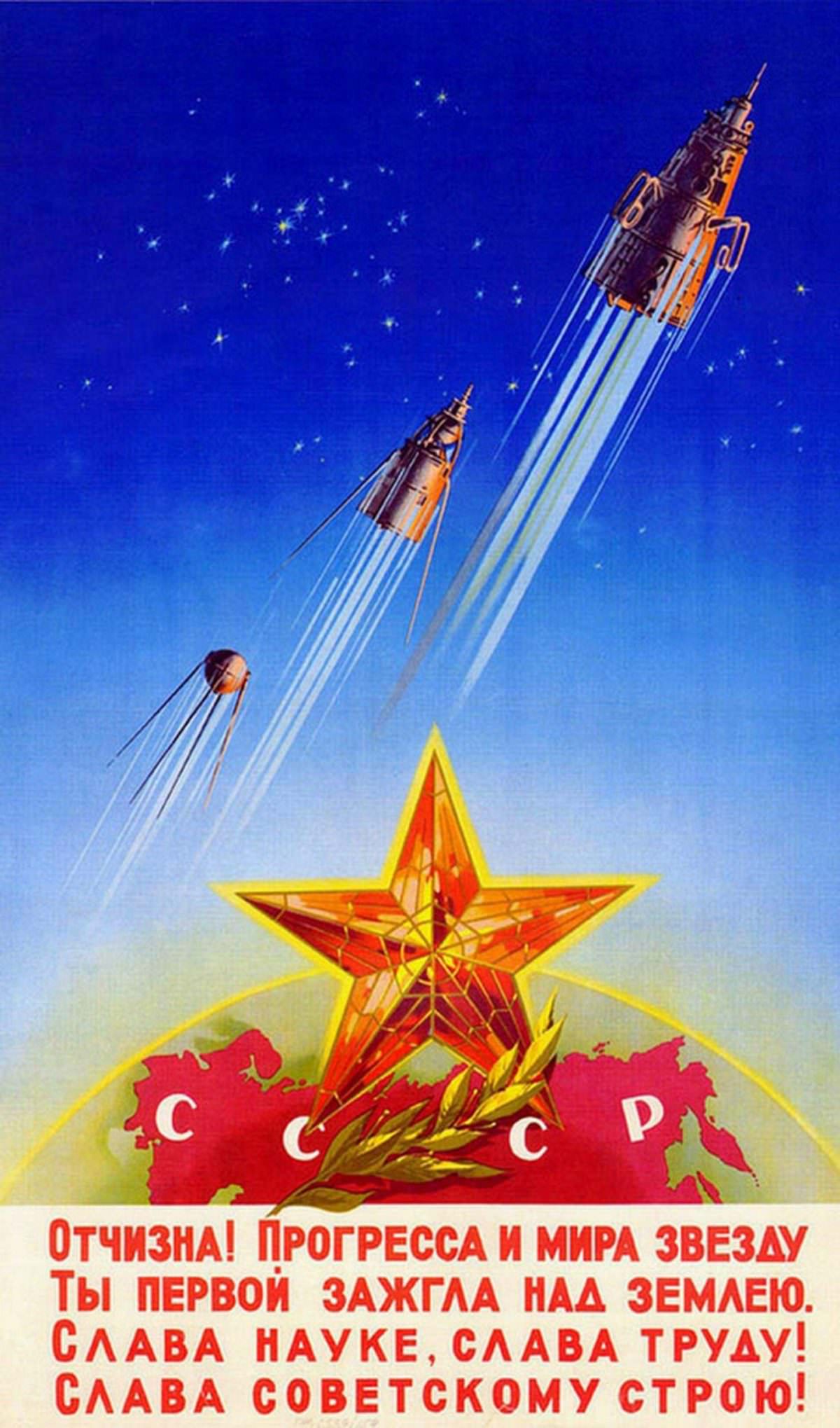
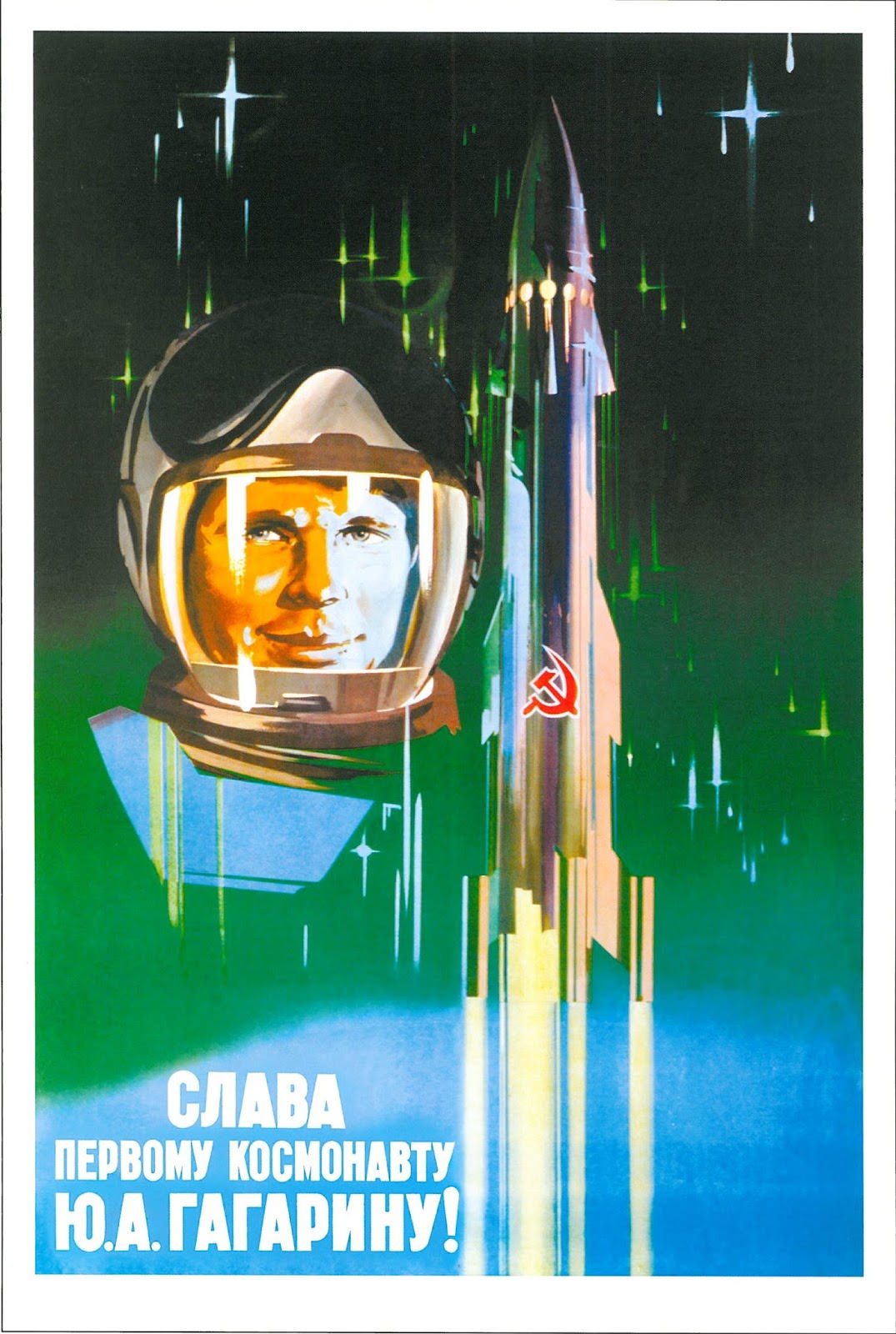
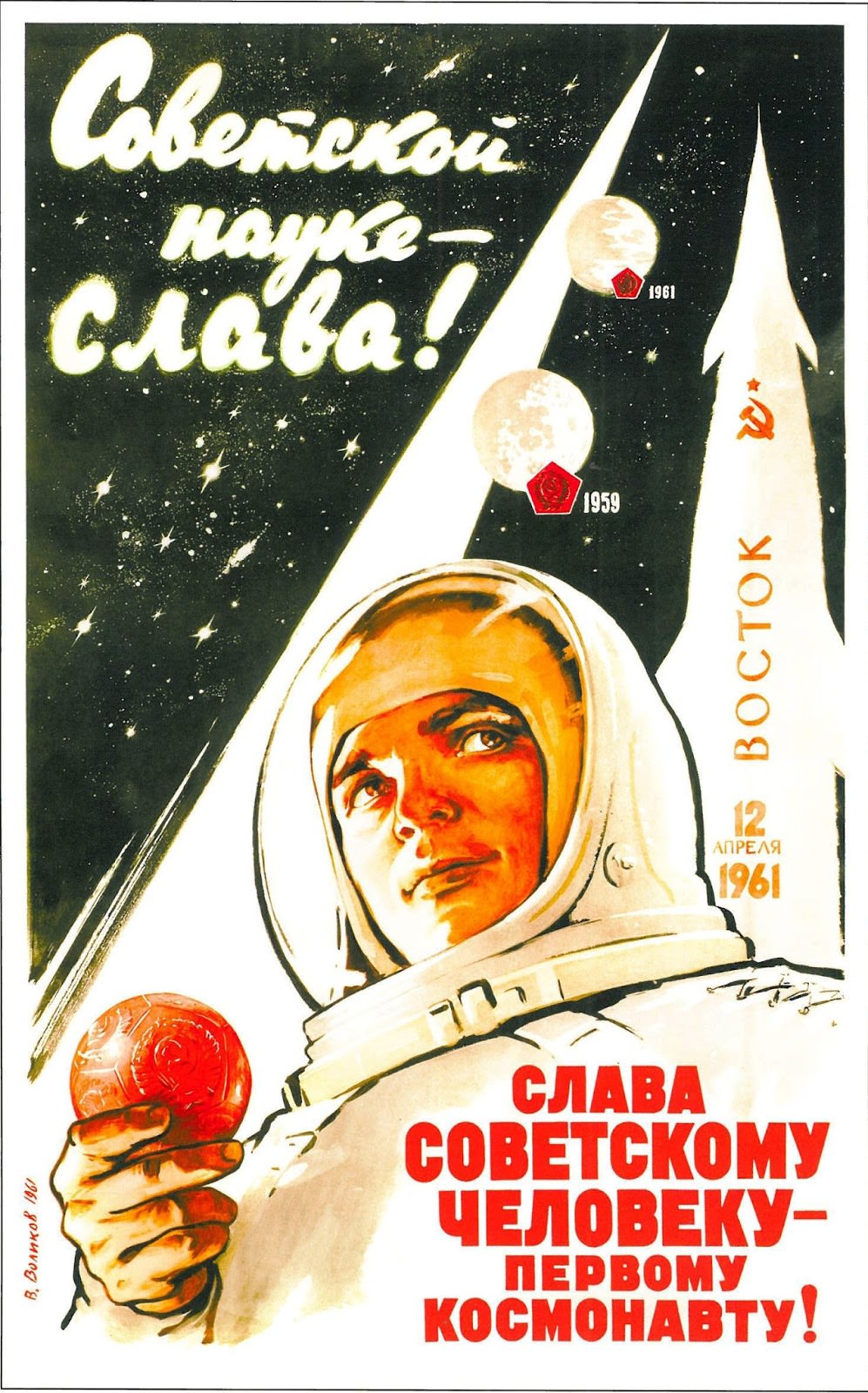
Real Soviet space milestones gave the propagandists plenty of material. In 1957, the USSR launched Sputnik — the world’s first artificial satellite. In 1961, Yuri Gagarin became the first human in space. These weren’t just scientific achievements; they were propaganda gold. Posters celebrating Gagarin appeared almost immediately, with artists like V. Viktorov producing work within the same year as his flight.
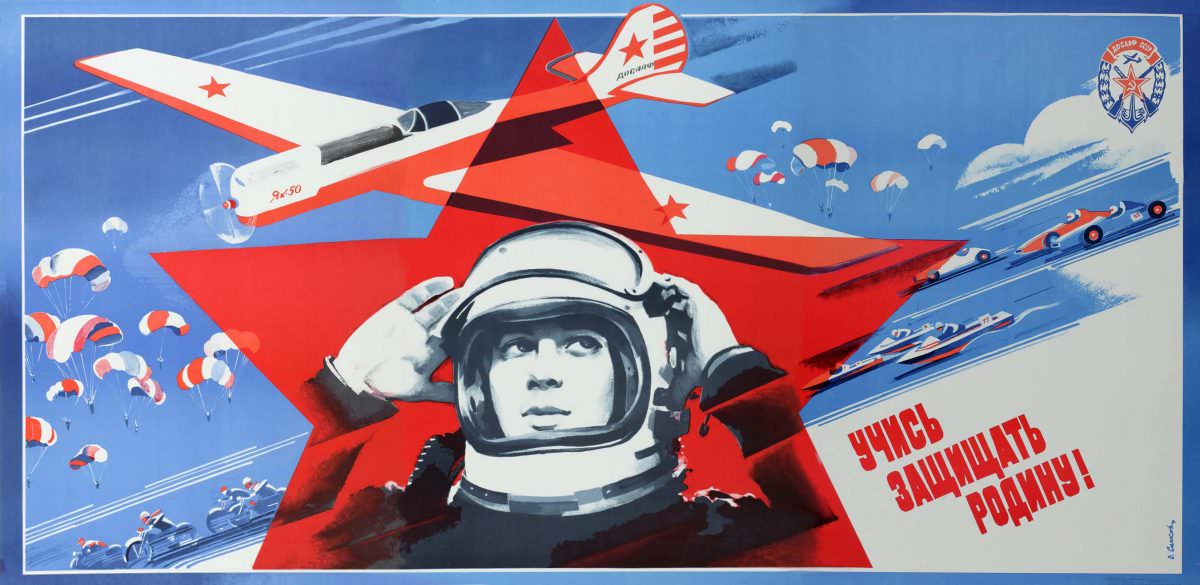
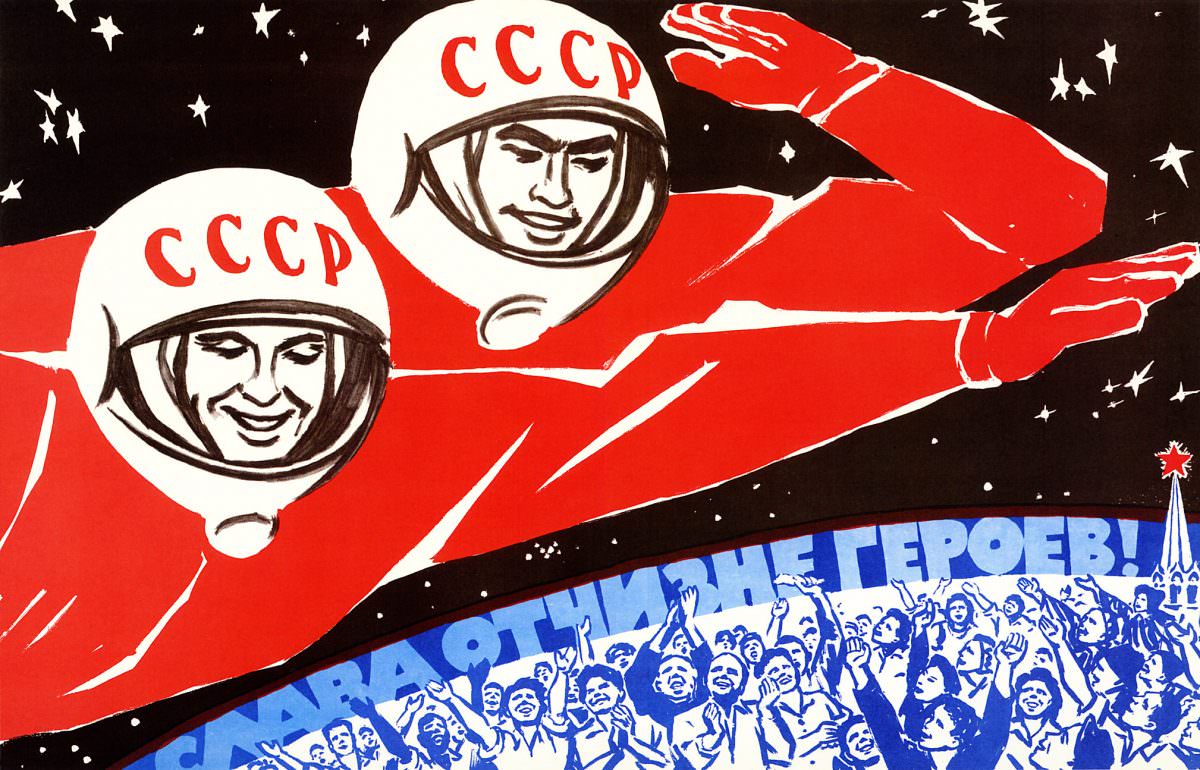
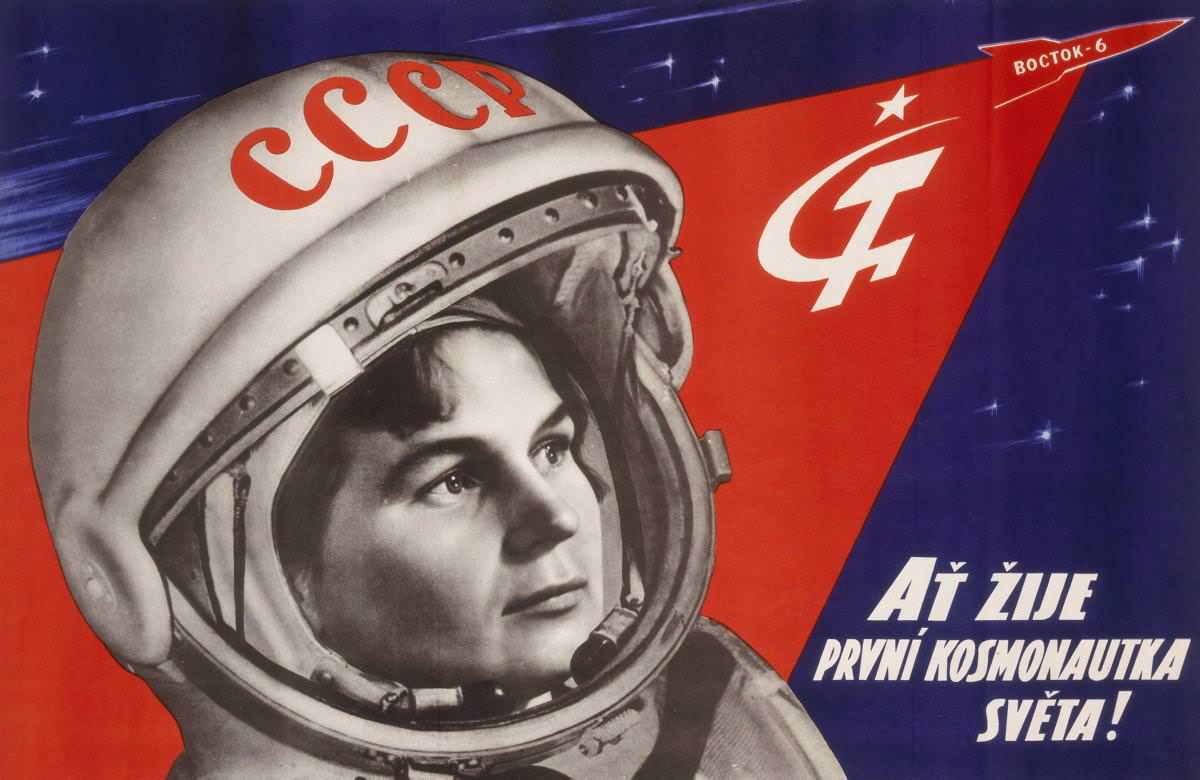
Women were also featured in this wave of space propaganda. When Valentina Tereshkova became the first woman in space in 1963, posters celebrating her appeared across the Soviet Union. “Glory to the first woman cosmonaut!” declared one, reinforcing the Soviet claim that their system offered equal opportunity — a point designed as much for international audiences as for domestic ones.
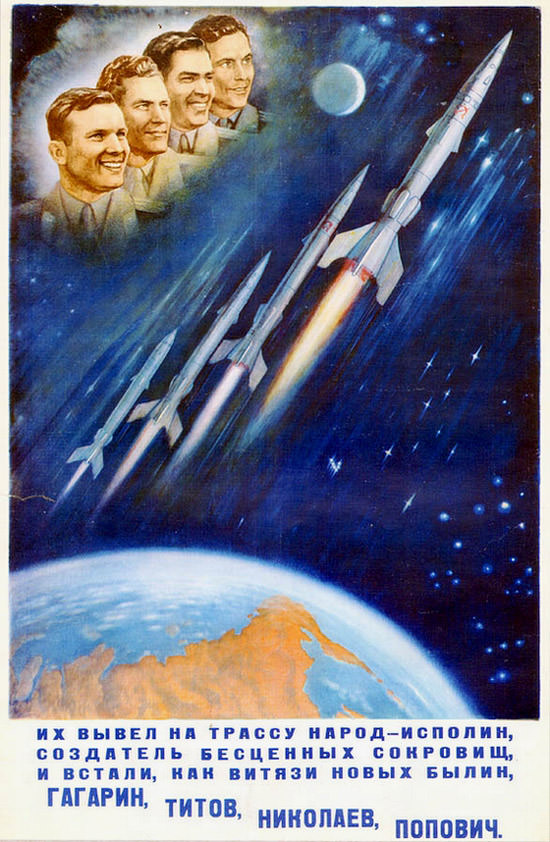
Cosmonauts were elevated to the status of national heroes. Posters named them directly — Gagarin, Titov, Nikolaev, Popovich — calling them “the mighty knights of our days.” This hero-worship served a practical purpose. By attaching real faces and names to the space program, the government made the mission feel personal and human, not just a matter of machines and government budgets.
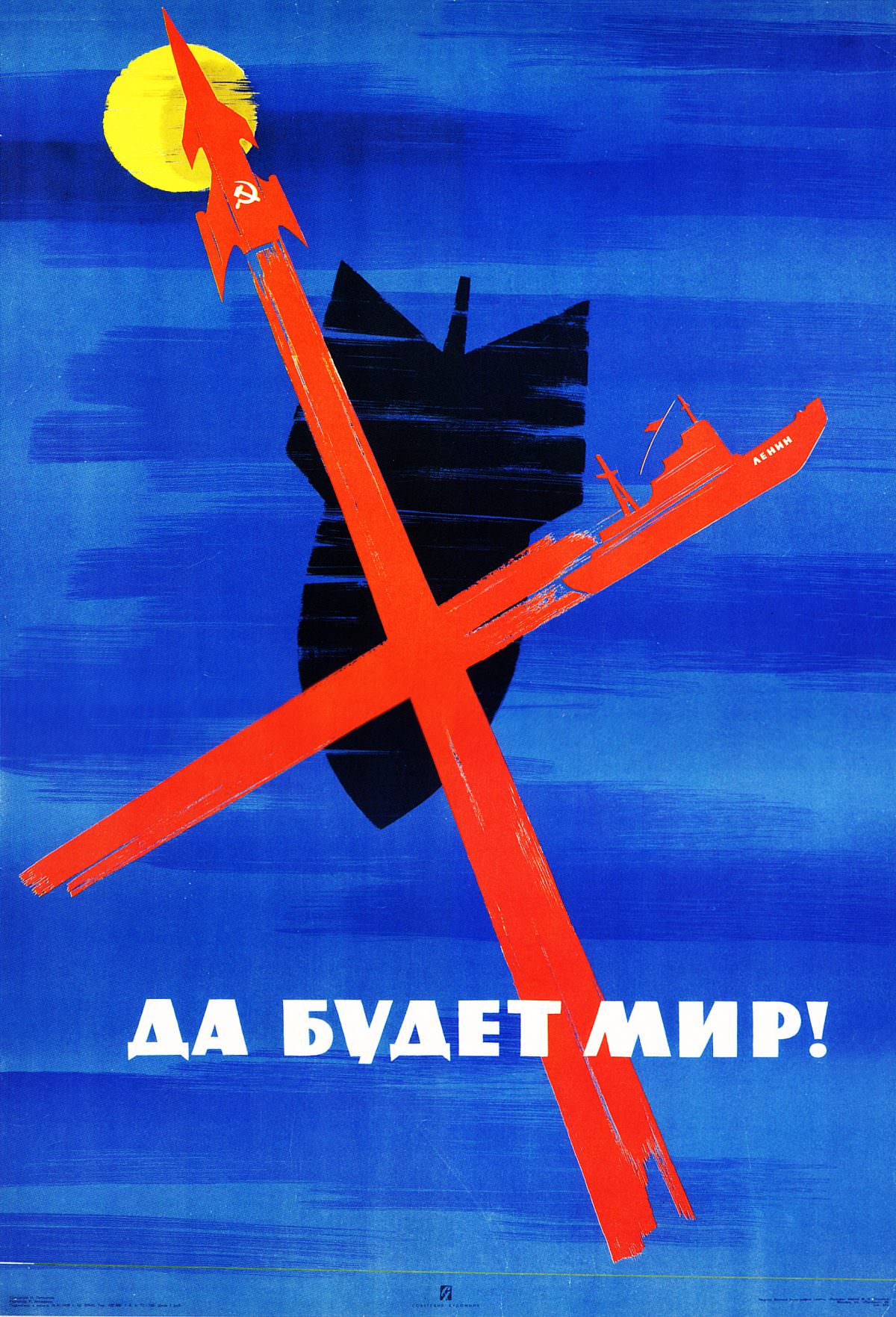
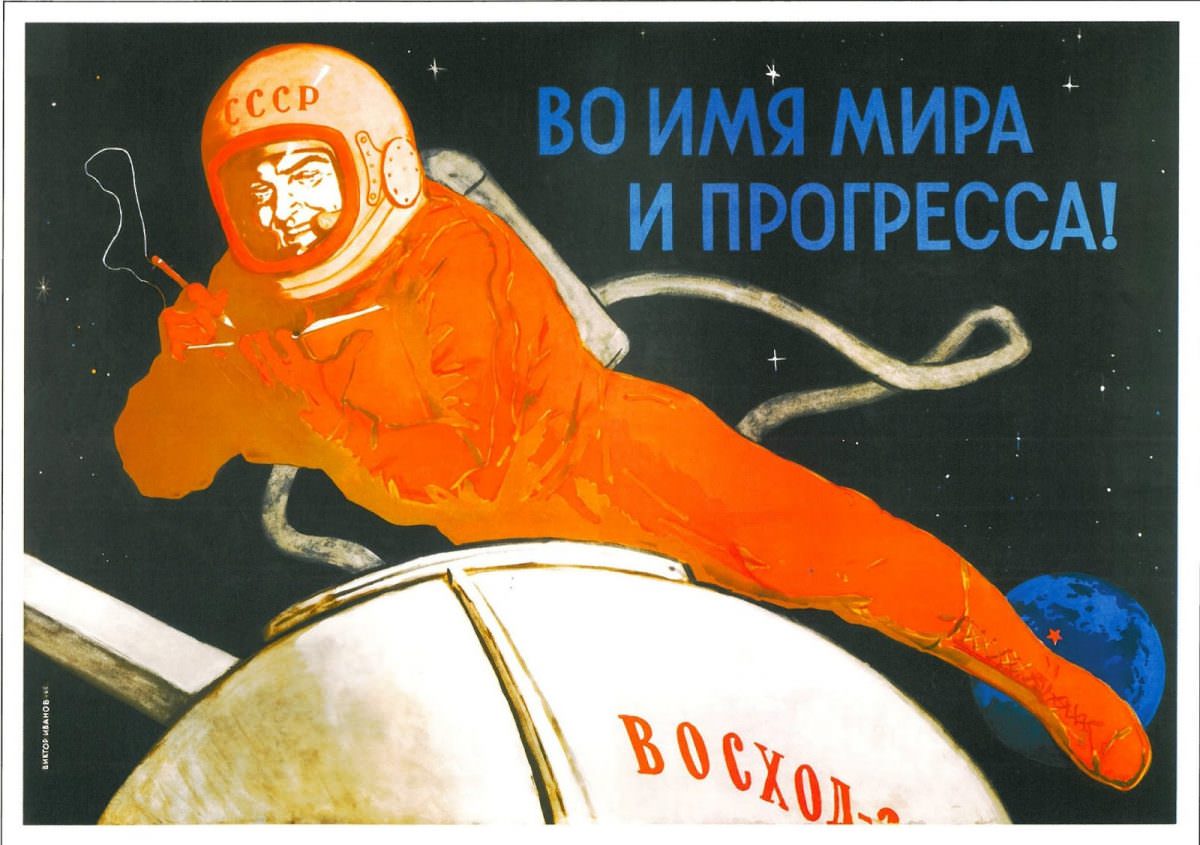
Peace was a recurring theme — though the word carried a specific Soviet meaning. “In the name of peace” and “Let there be peace!” appeared on posters that also celebrated rockets and space dominance. The implication was that Soviet strength in space guaranteed peace, rather than threatening it. This framing let the government present a military-adjacent program as fundamentally humanitarian.
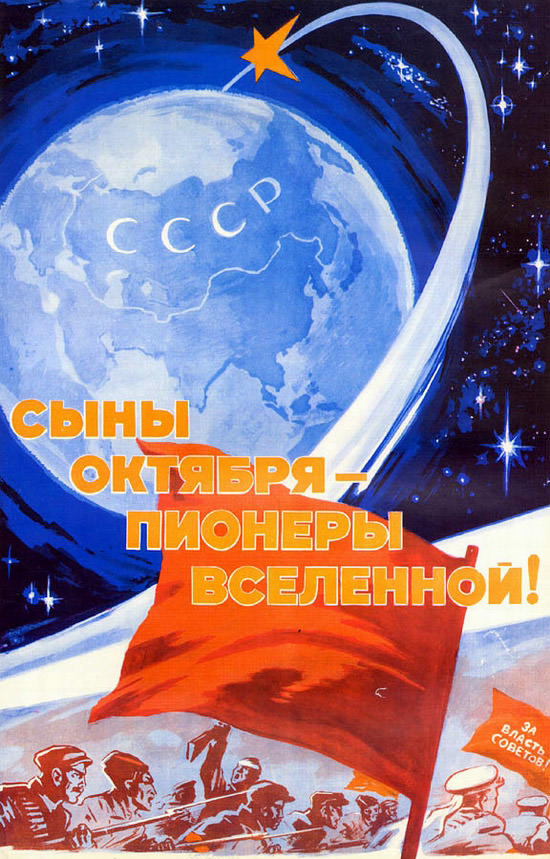
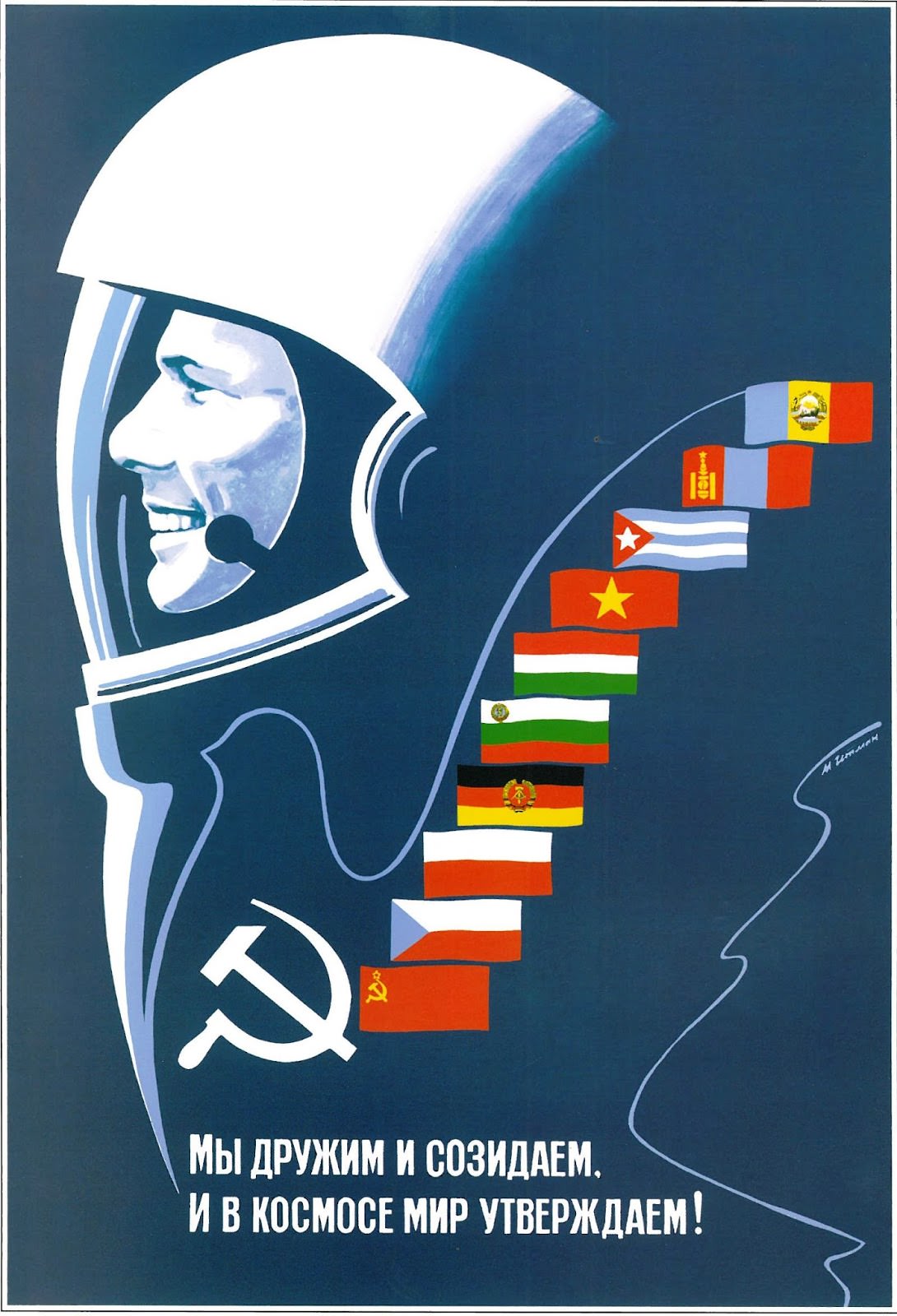
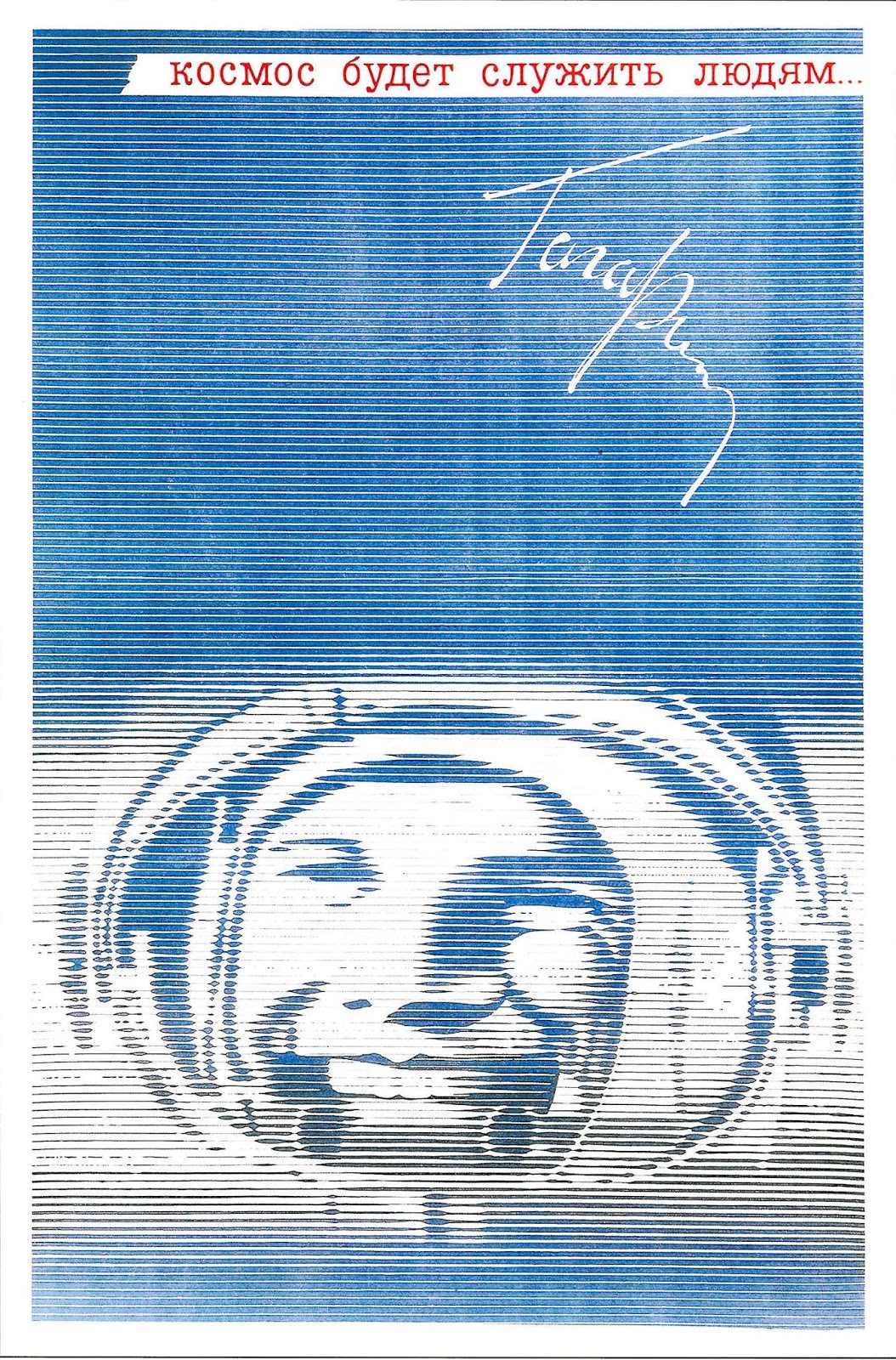
The visual style of these posters drew from earlier Soviet constructivist art — strong lines, bold typography, and saturated colors. Artists like V. Viktorov were prolific contributors, producing multiple pieces across different years that tracked the real timeline of Soviet space achievement. His 1957 poster on Sputnik and his 1959 work on the “boundless creative resources of Socialism” show how tightly art was synchronized with the space program’s milestones.
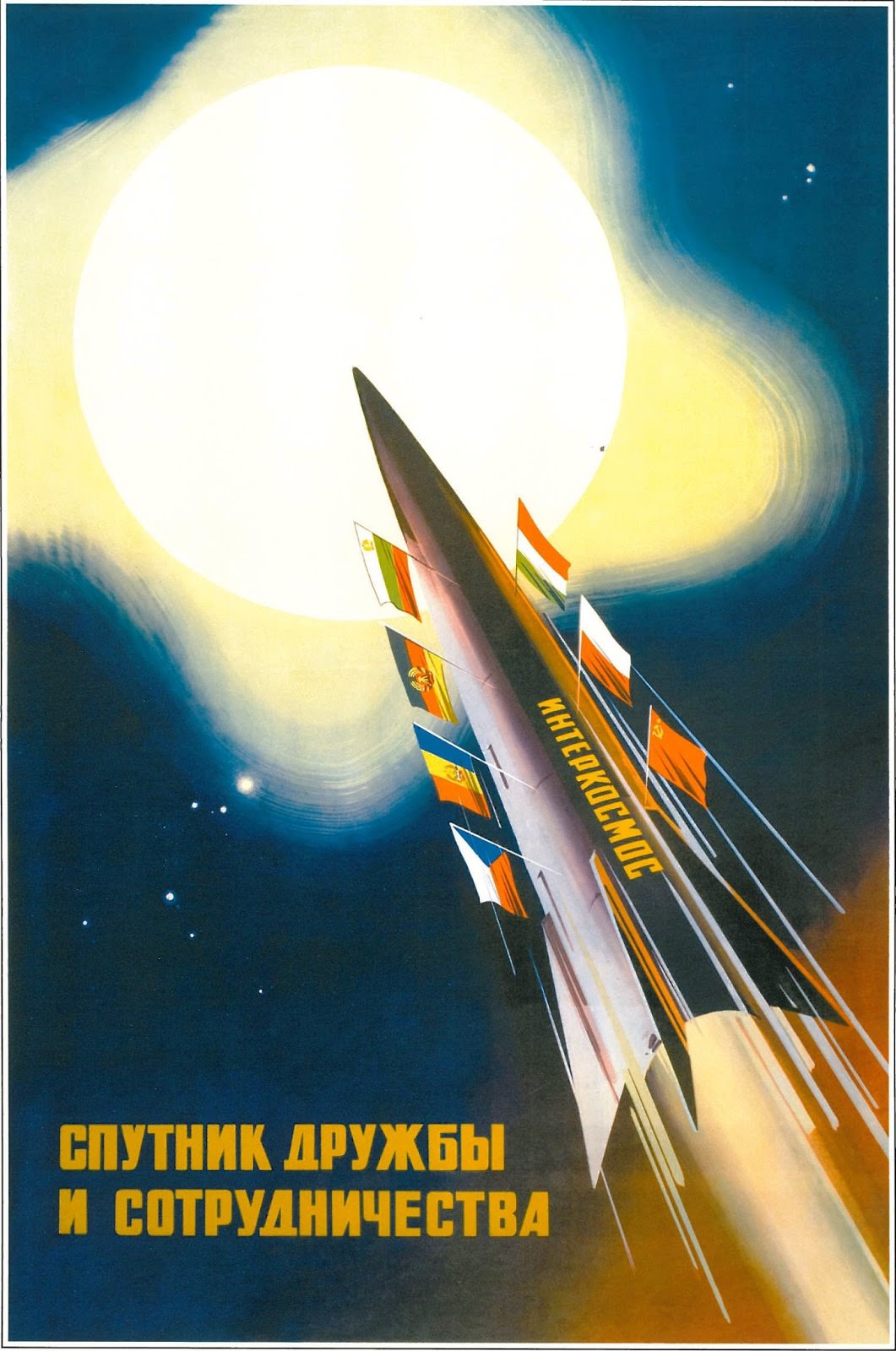
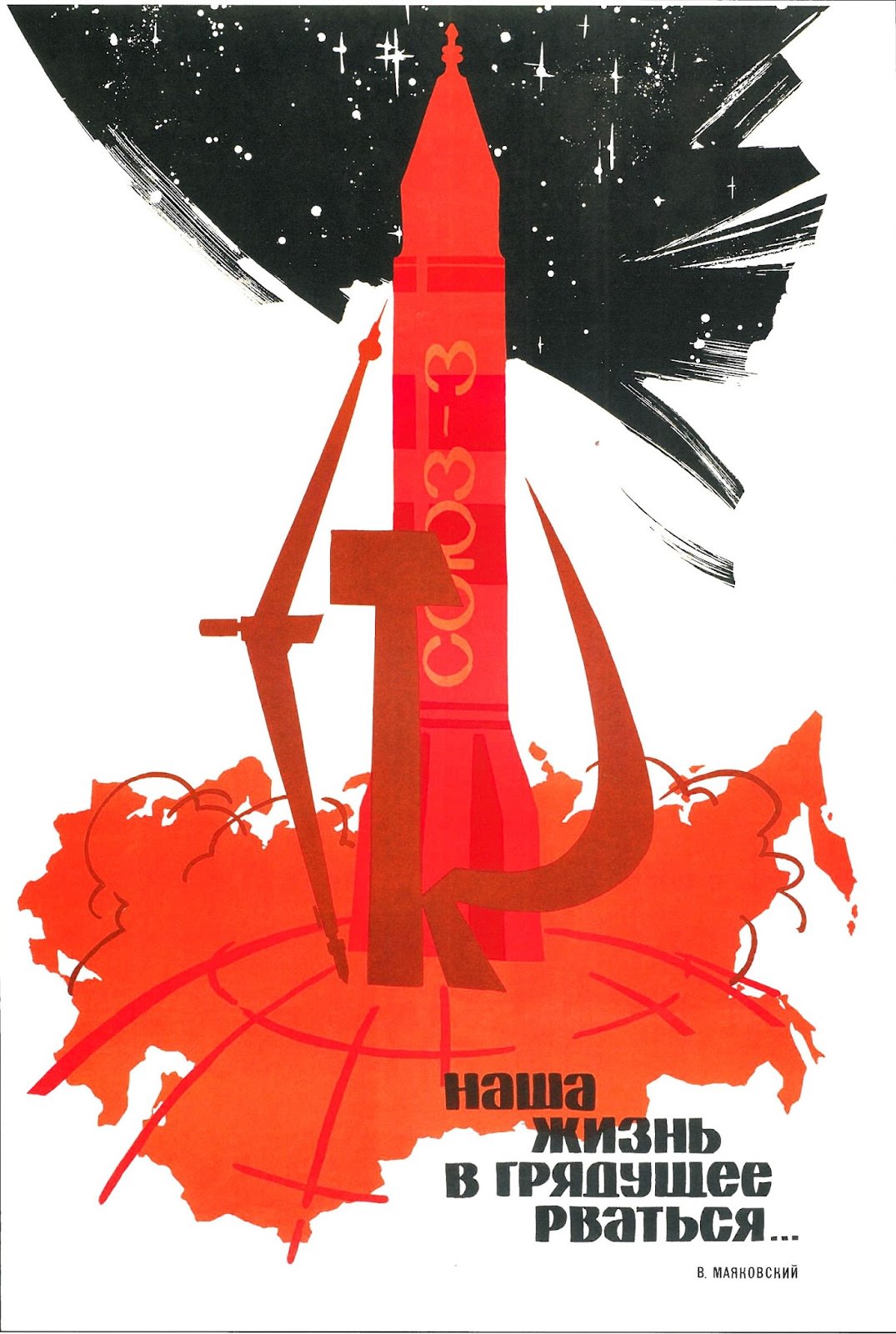
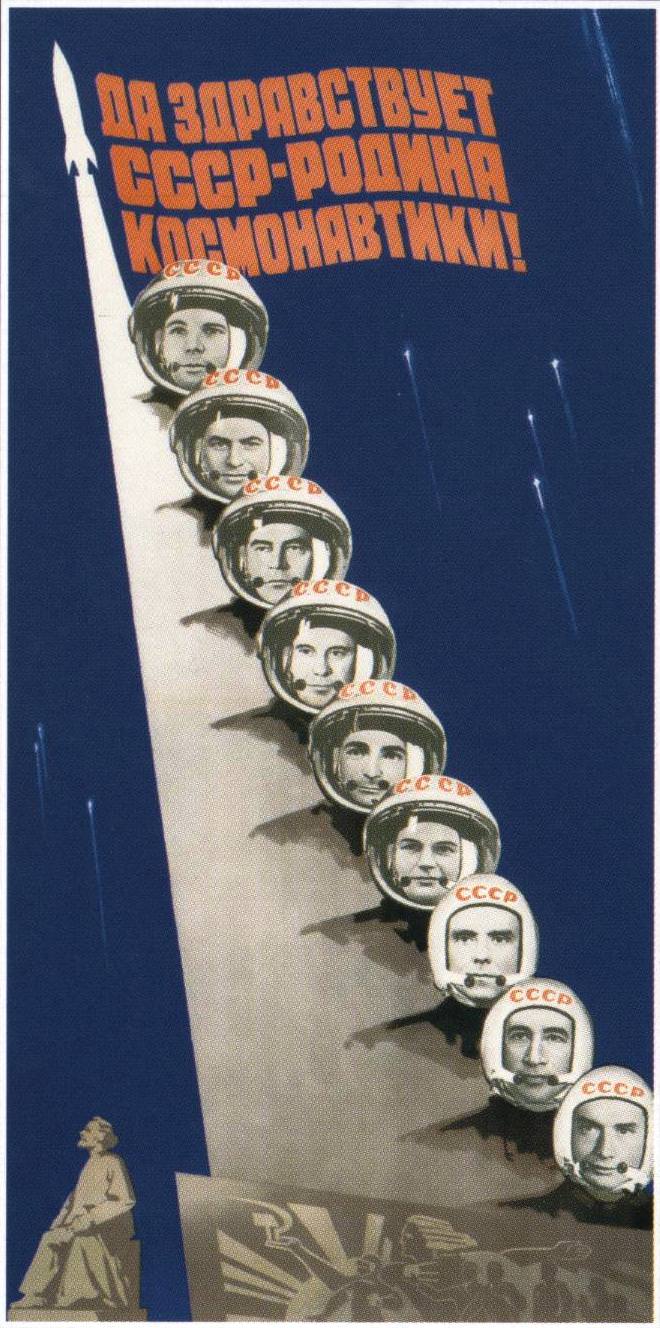
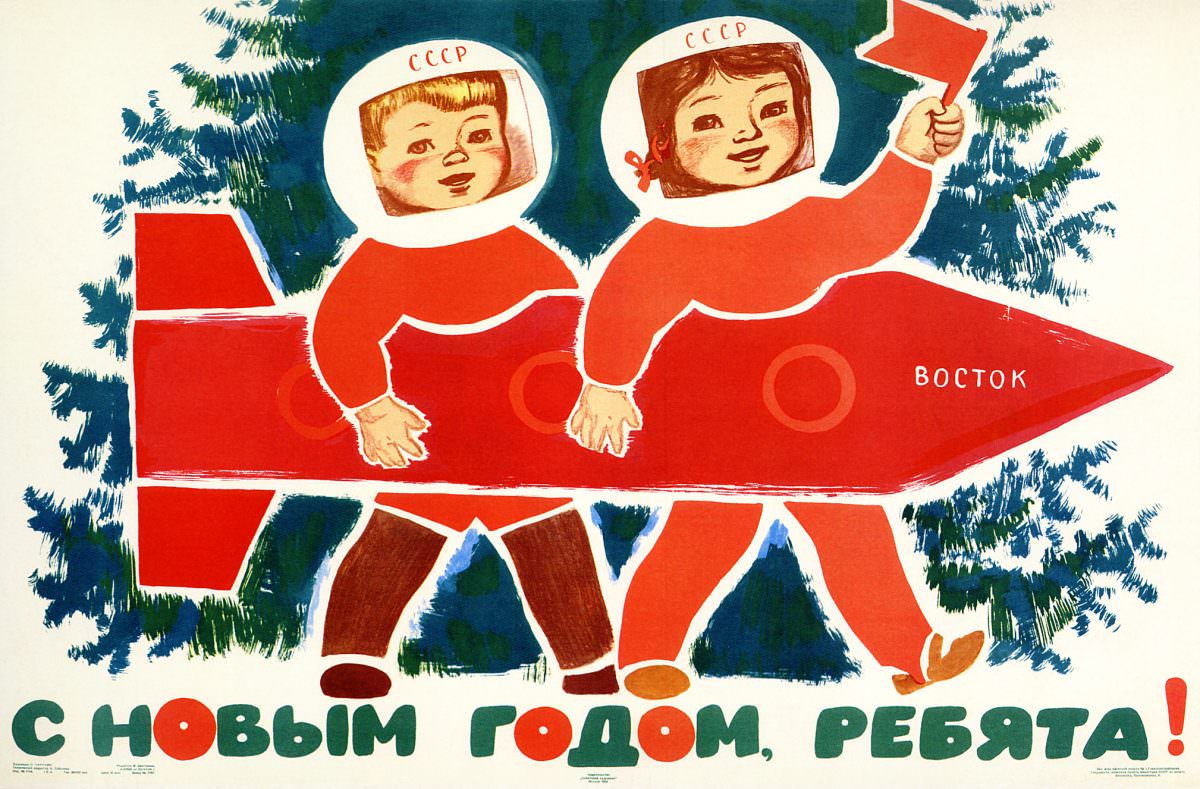
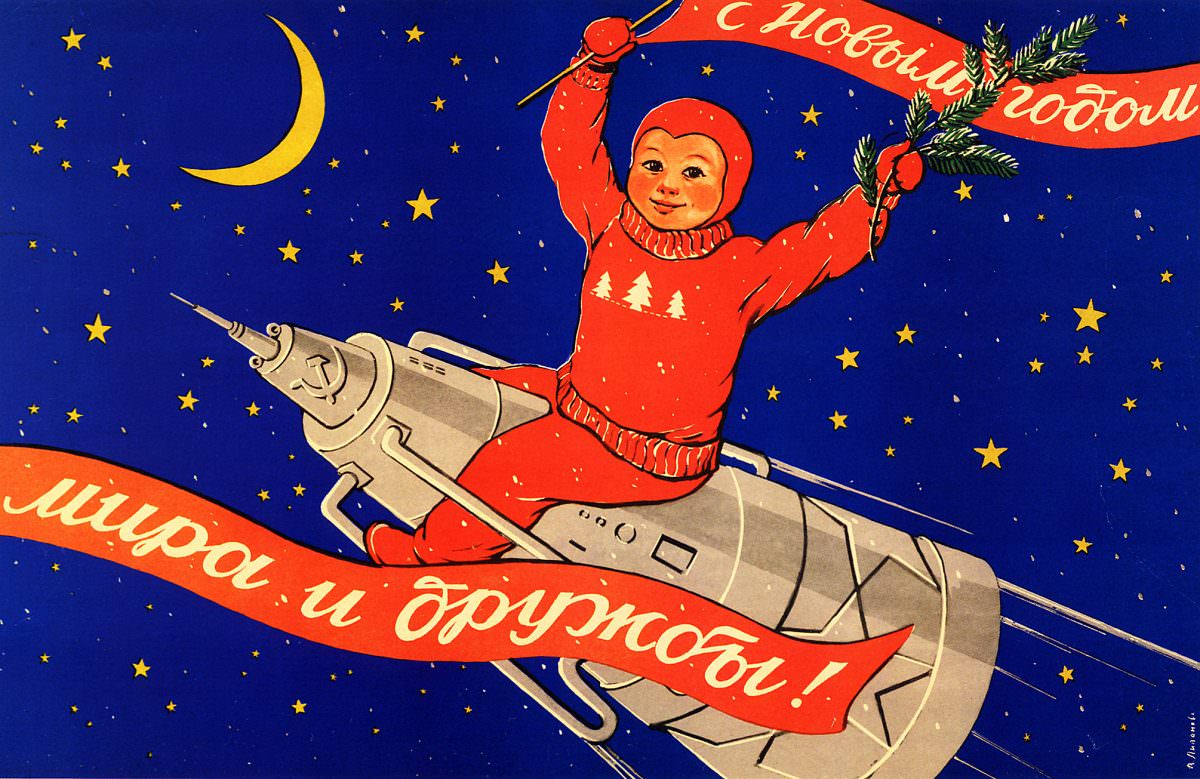
Children were not left out of the messaging. New Year’s posters featuring rockets and cosmonauts were aimed directly at Soviet youth, connecting the excitement of the holidays with the excitement of space travel. Slogans like “Happy New Year, peace and friendship!” wrapped ideology in a celebratory package designed to feel warm rather than political.
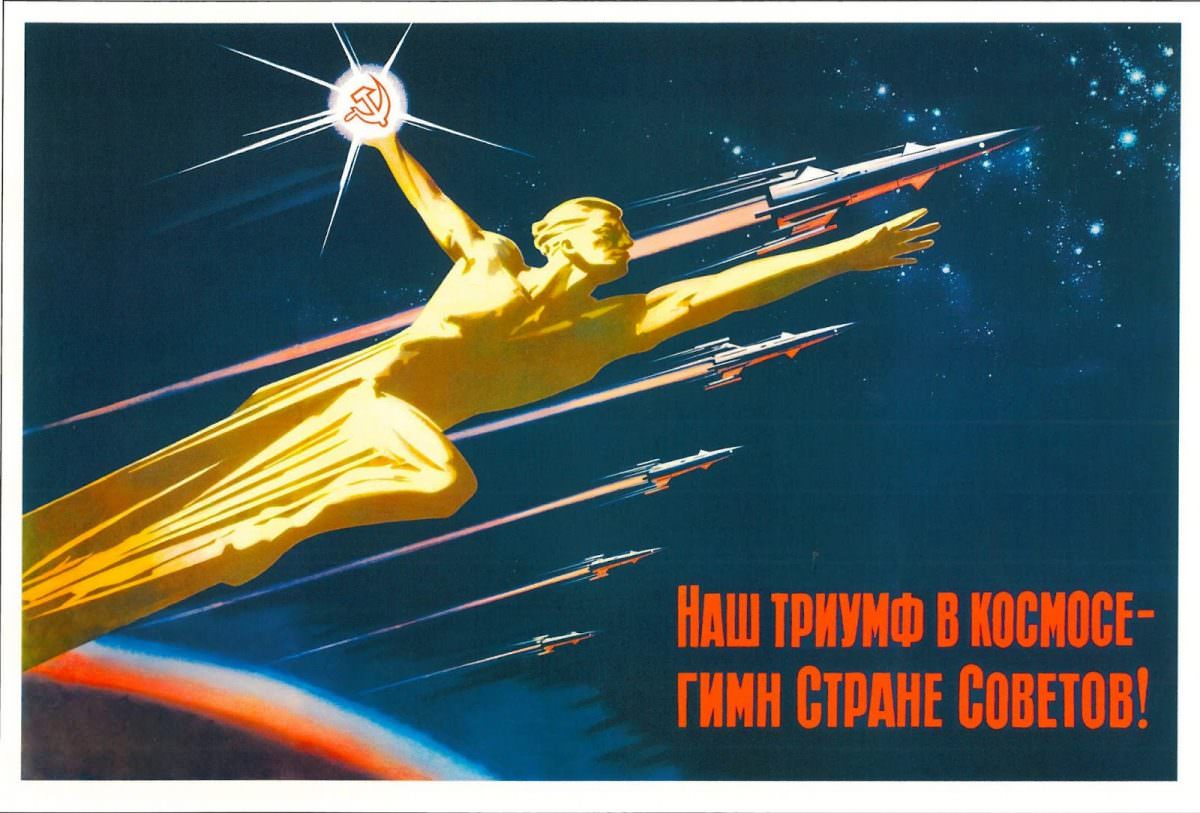
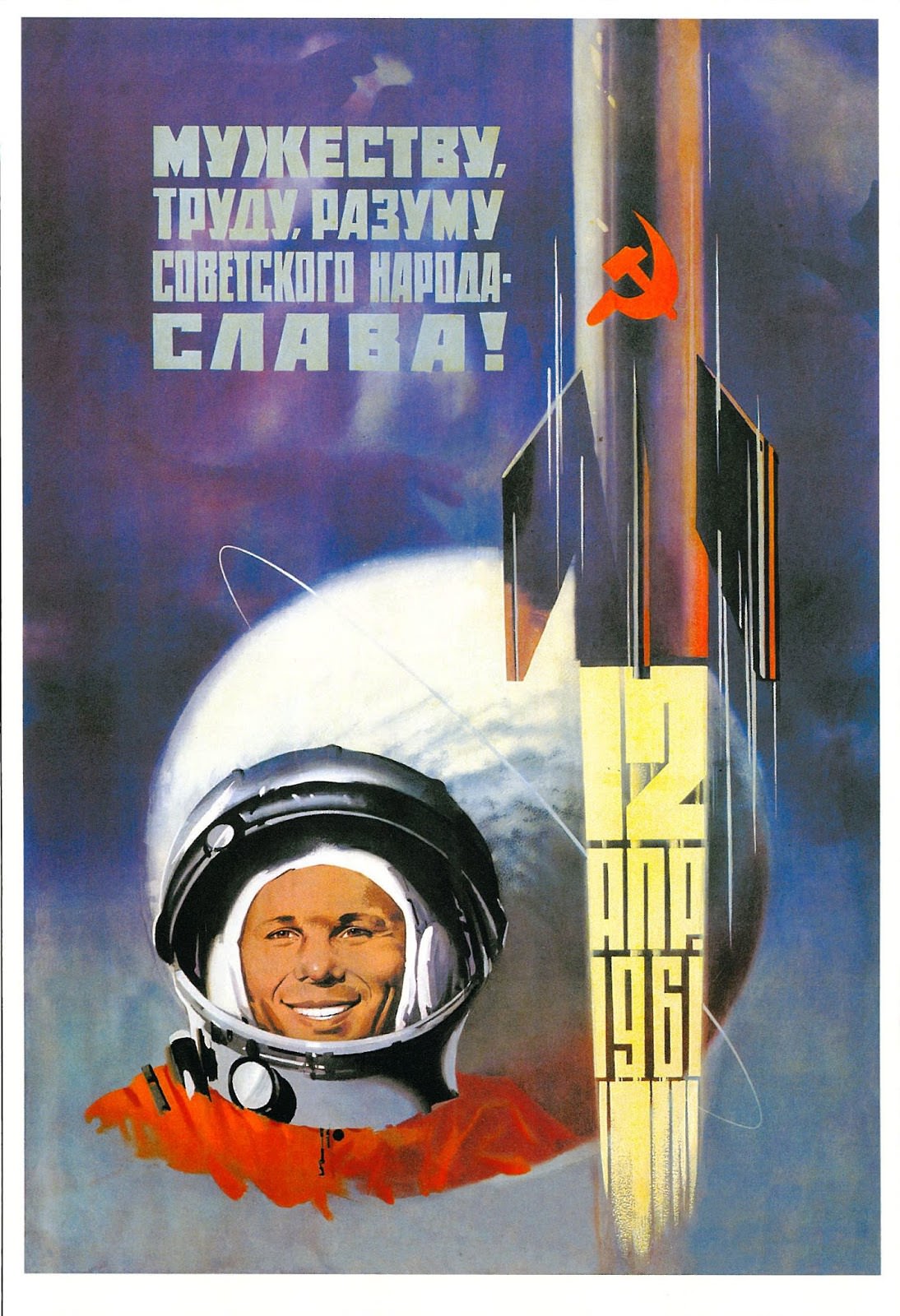
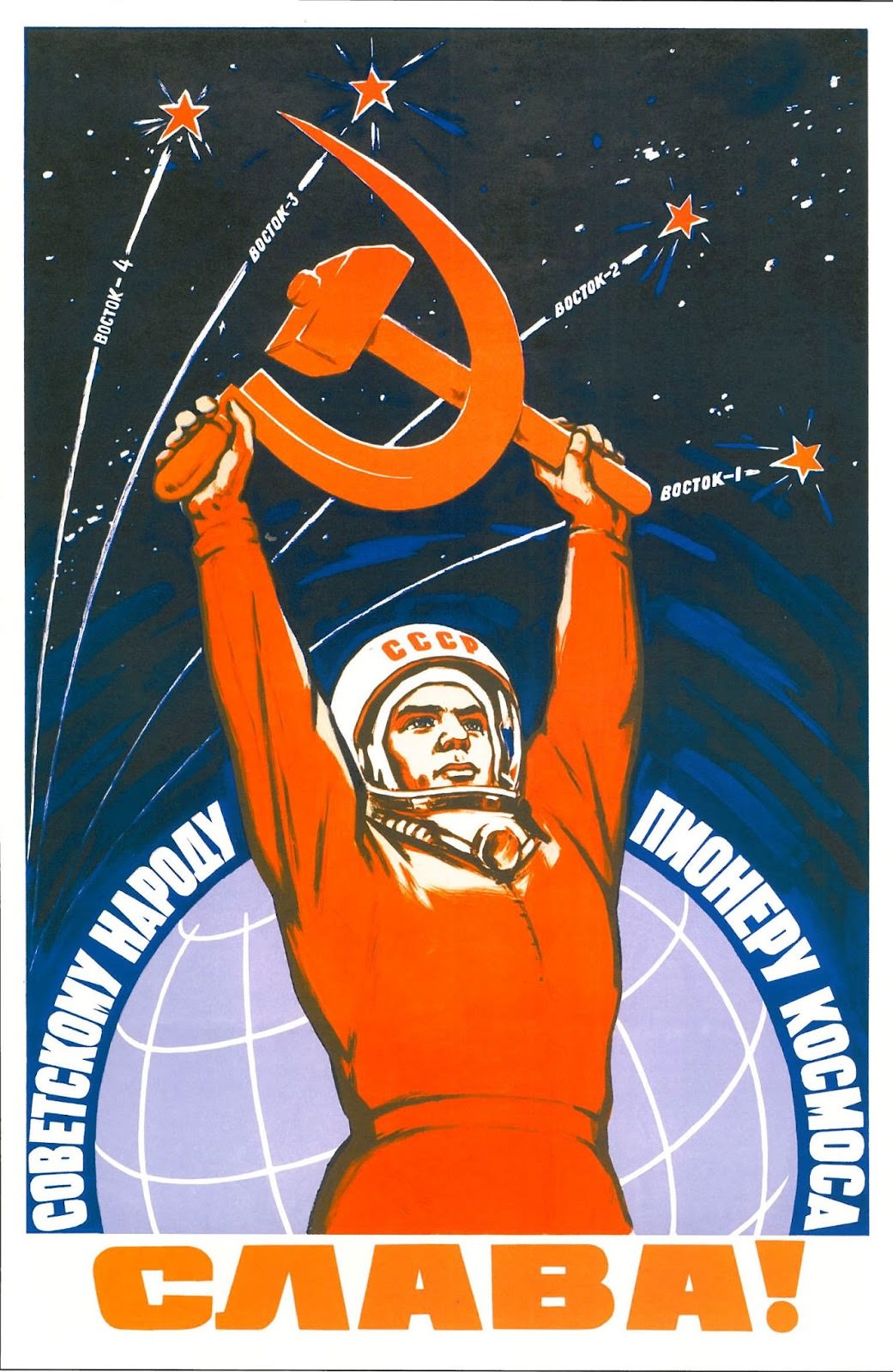
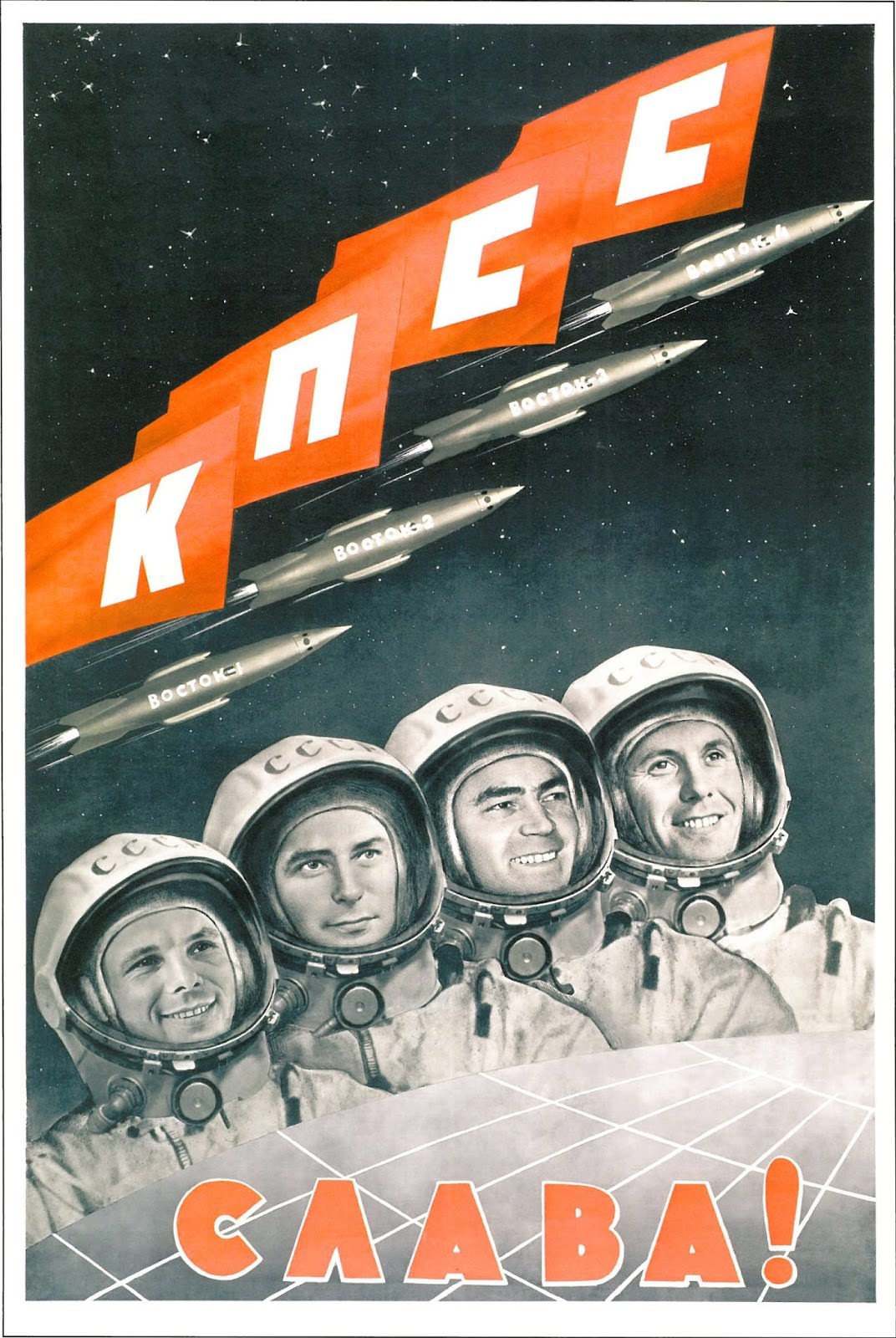
The Communist Party itself was a constant presence in the imagery. Posters crediting the KPSS (the Communist Party of the Soviet Union) for space achievements made the party inseparable from the triumphs. B. Berezovskii’s 1961 poster calling Gagarin “the son of the Communist party” was a deliberate move to ensure that no Soviet citizen saw space exploration as a scientific achievement separate from political loyalty.
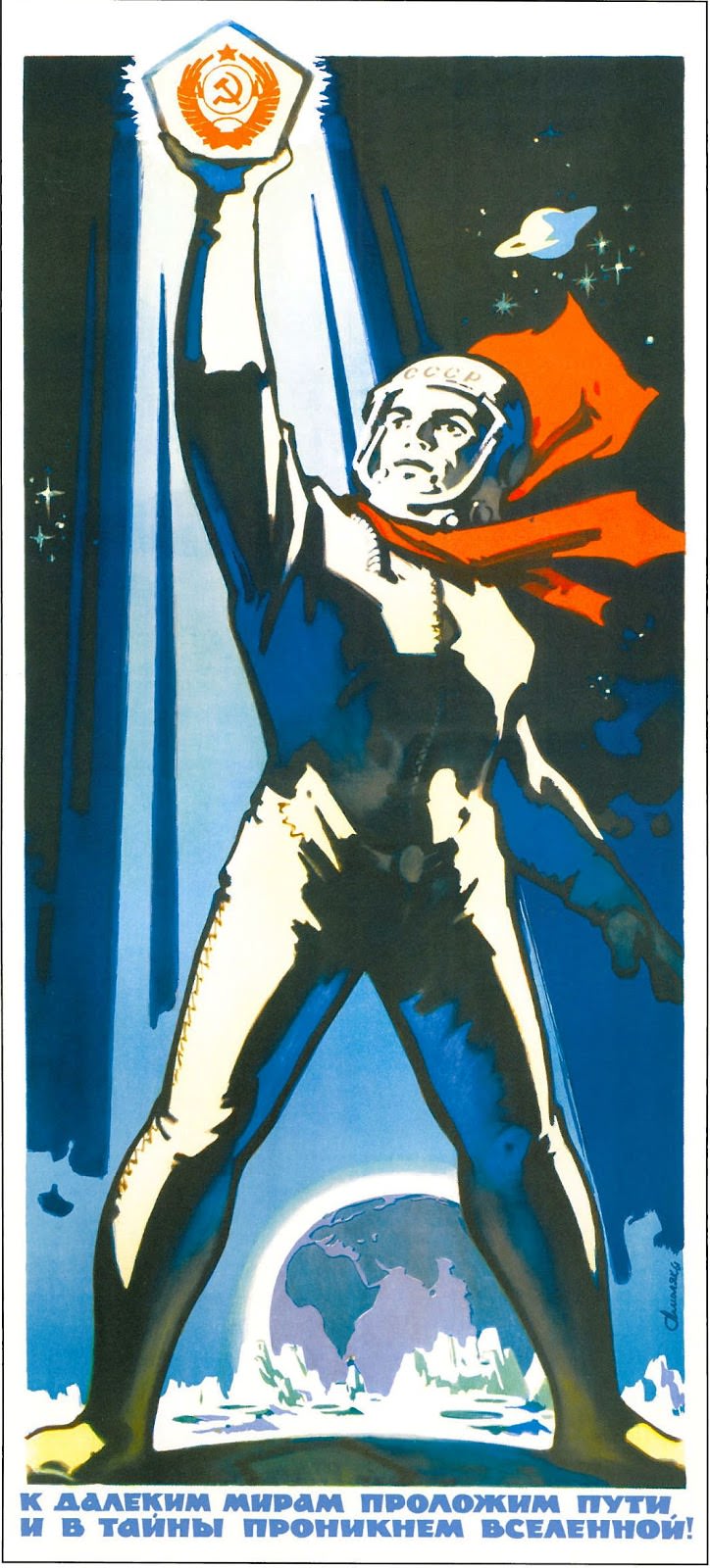
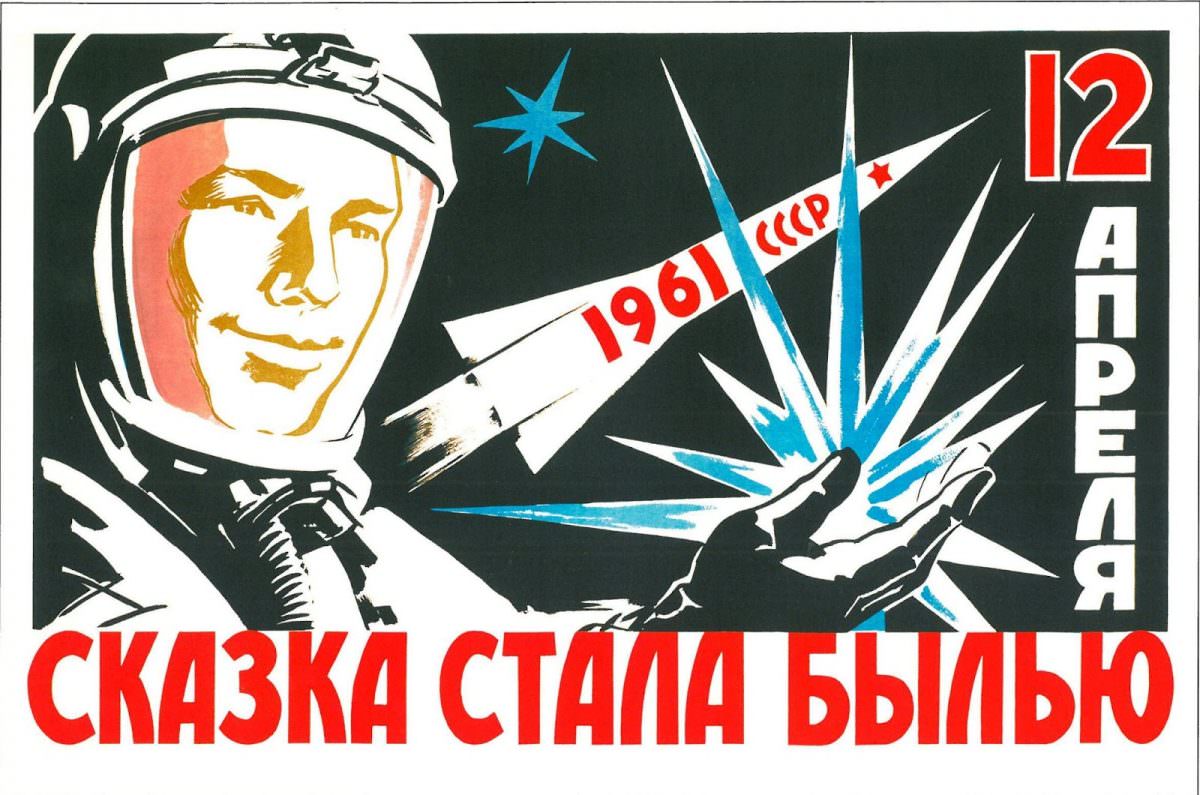
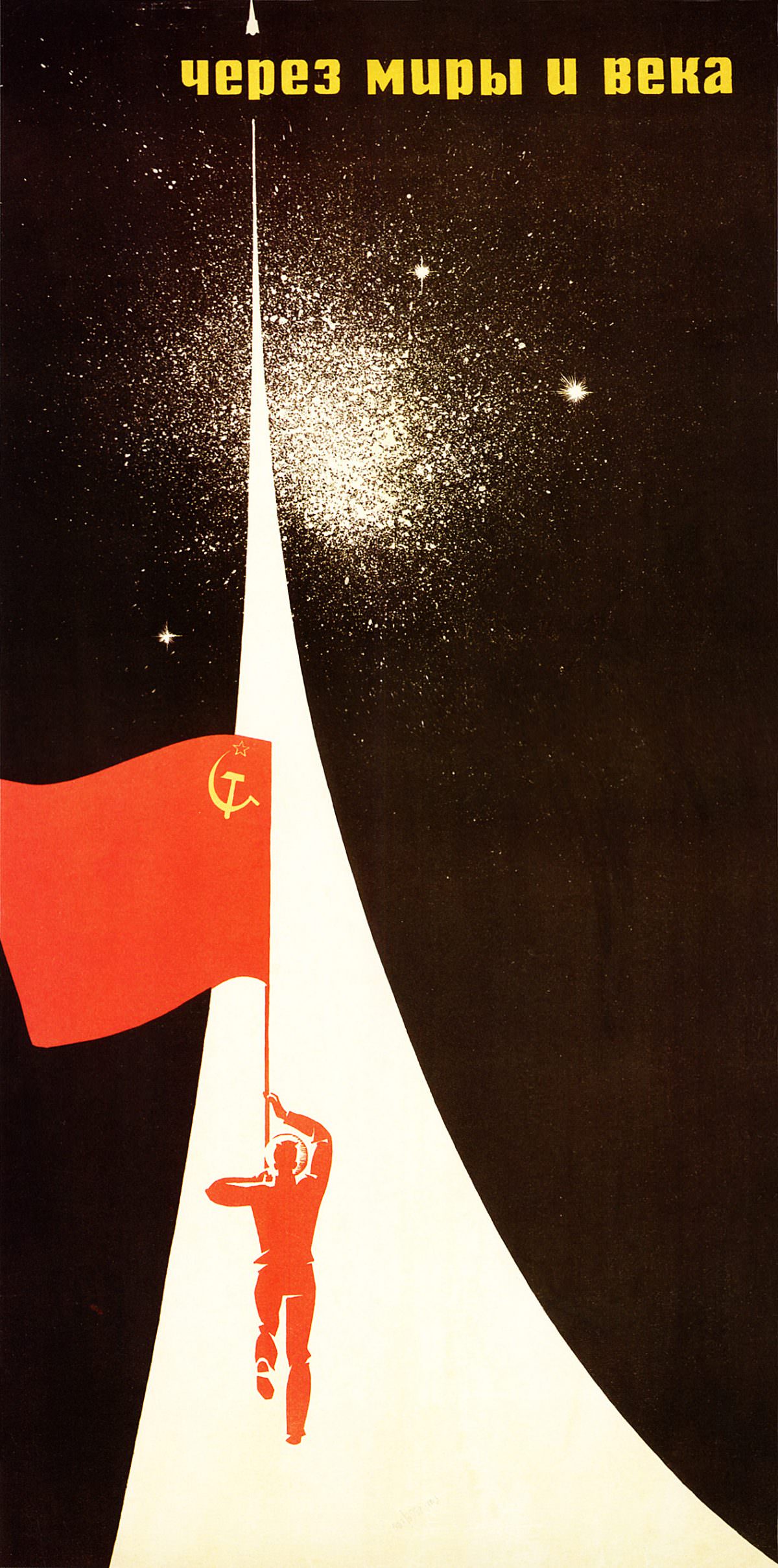
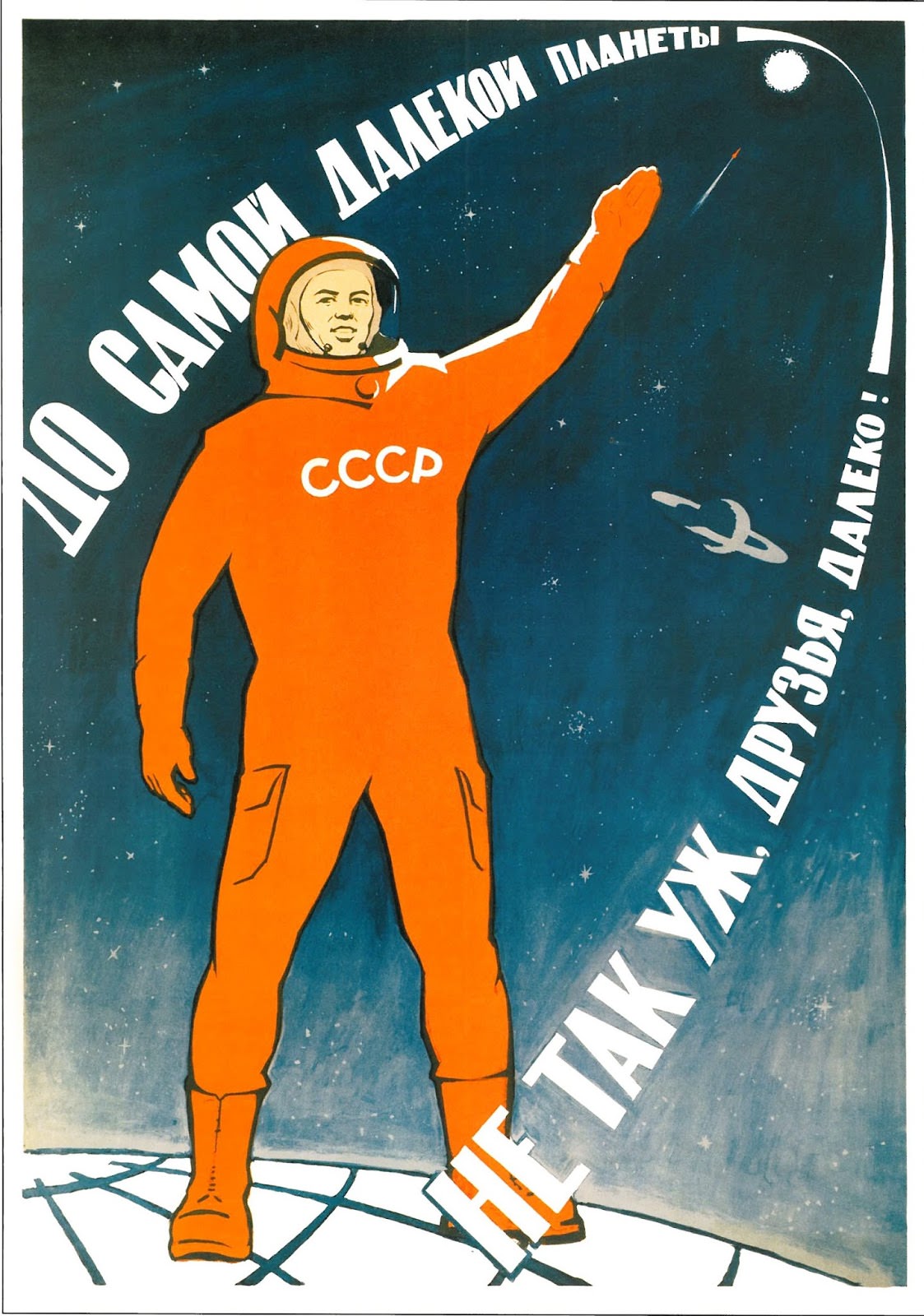
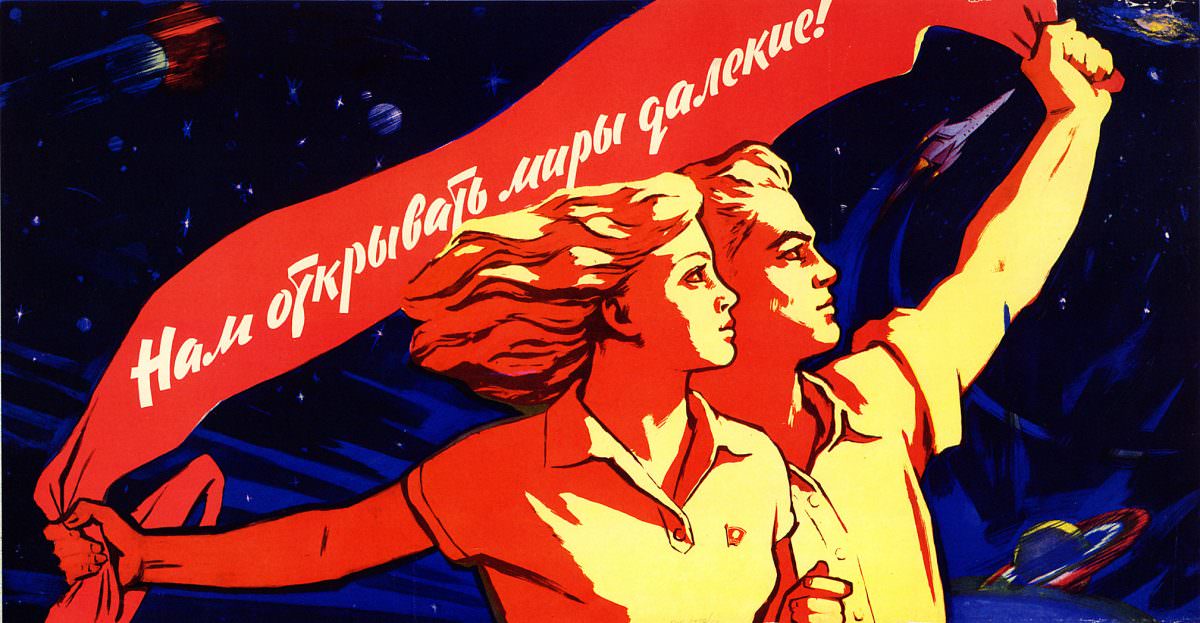
Some slogans leaned into pure inspiration: “We were born to make the fairy tale come true!” and “Through the worlds and ages” positioned the Soviet space program as the fulfillment of humanity’s oldest dreams. A. Vinokurov’s 1963 poster reassured citizens that “the distance to even the furthest planet is not that long” — bringing the cosmos down to a scale that felt reachable and personal.