
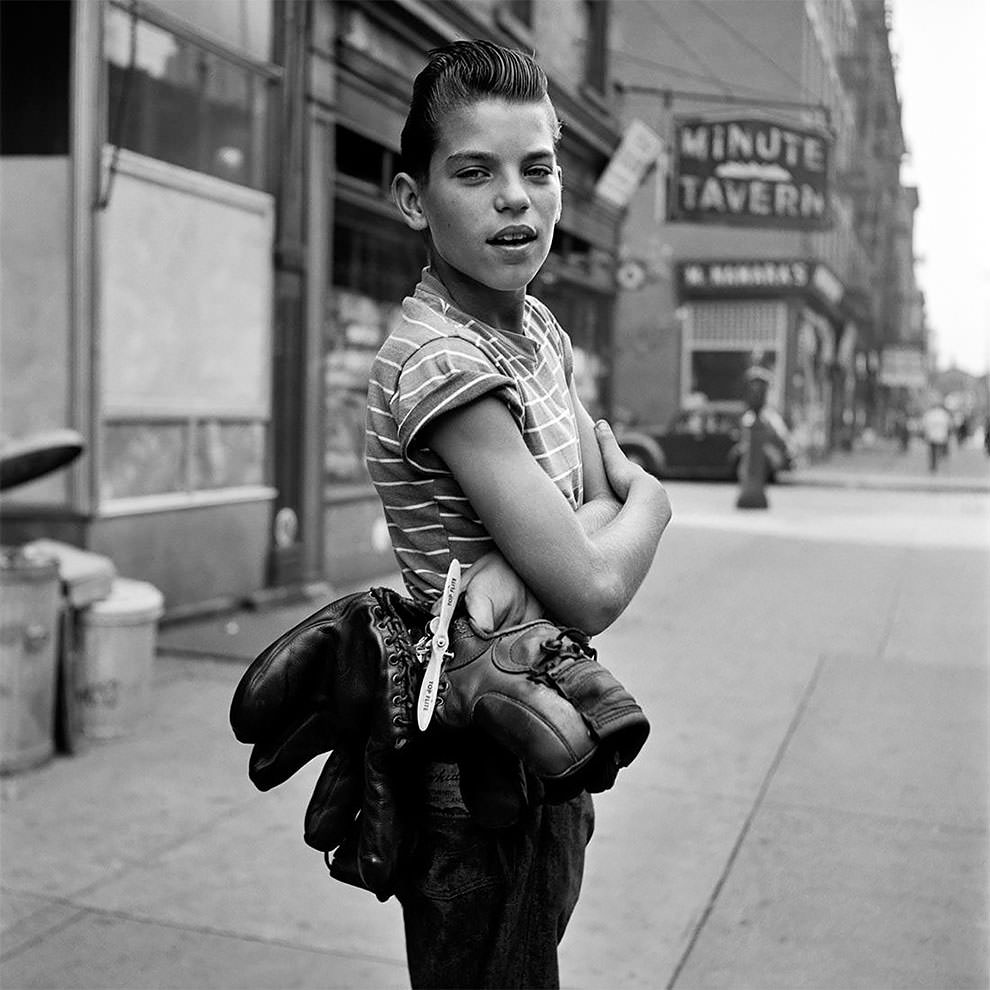
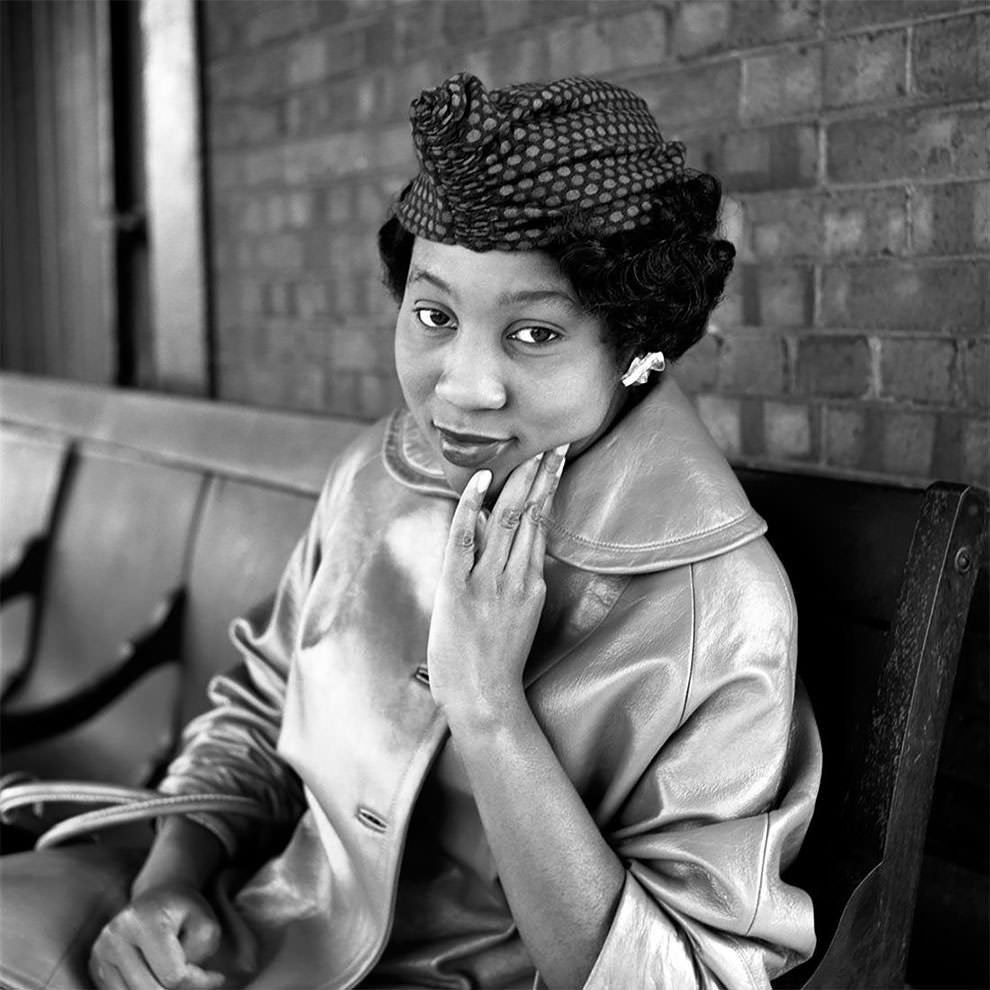
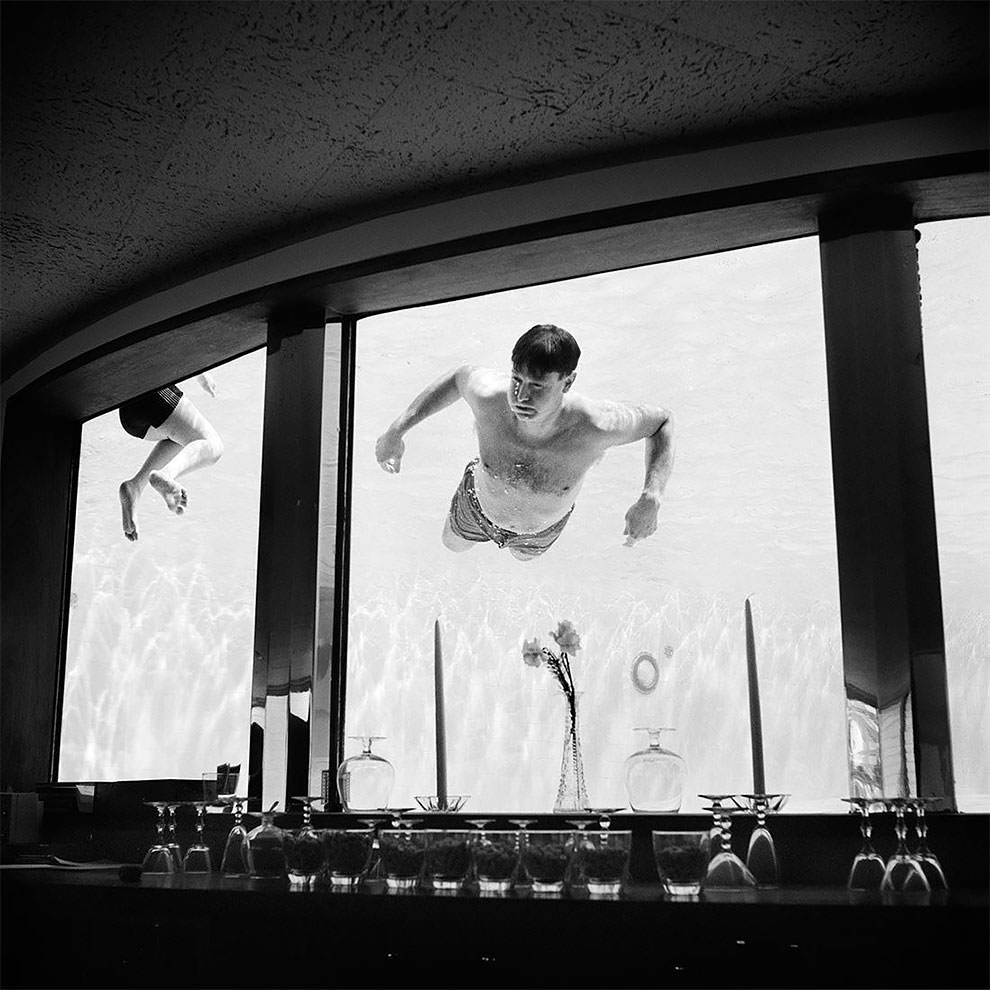
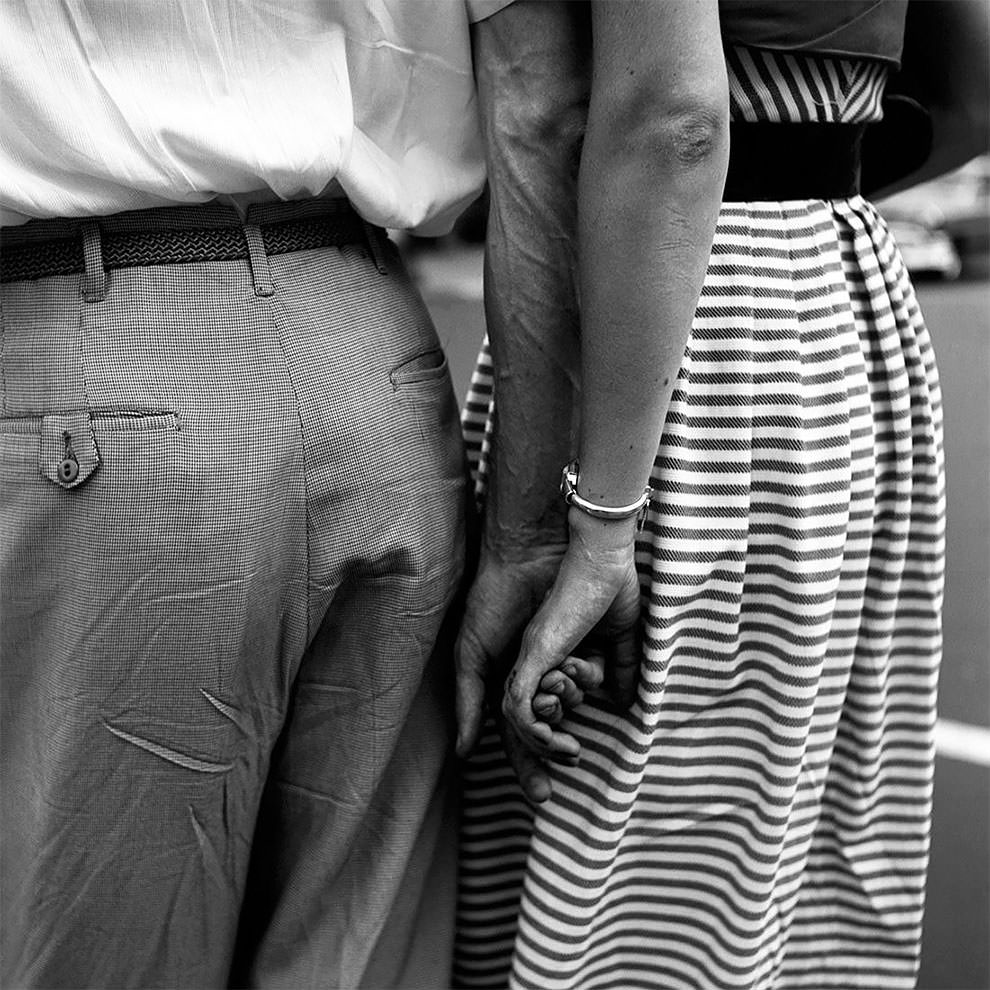
Vivian Maier spent decades walking the streets of New York City with a camera, shooting thousands of photographs that no one ever saw. She never published her work. She never showed it to galleries or editors. Instead, she packed her negatives — many of them never even printed — into storage boxes, where they sat untouched for years. Maier worked most of her adult life as a nanny, blending into the crowds she photographed with a Rolleiflex camera she held at waist level. That low angle gave her shots a candid, unguarded quality that set her work apart from nearly every other photographer of her era.
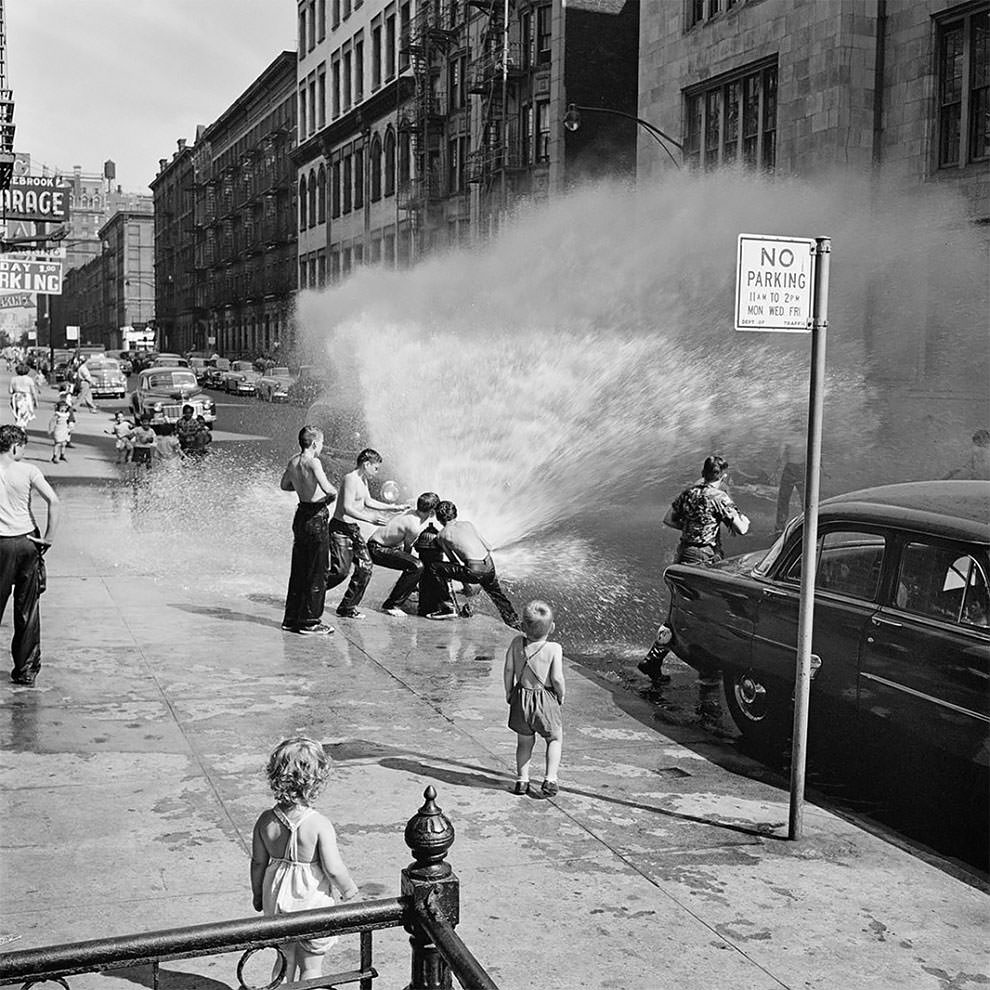
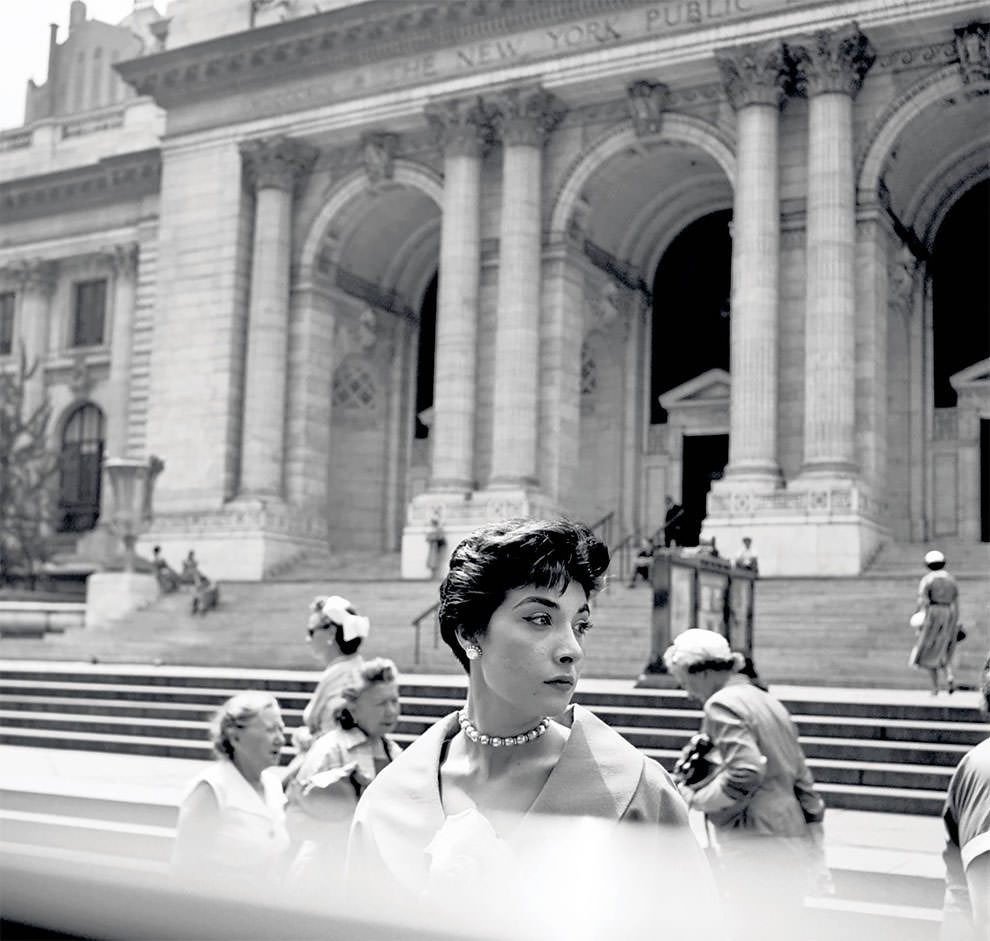
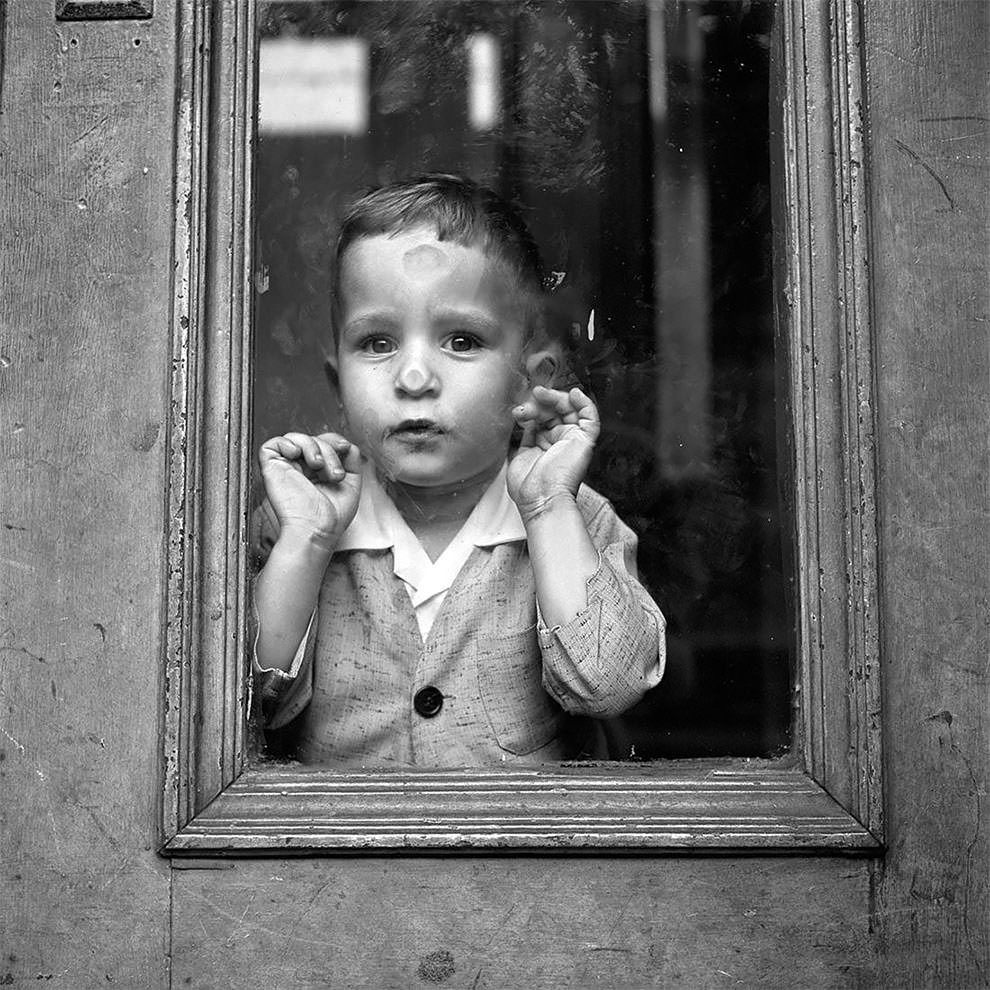
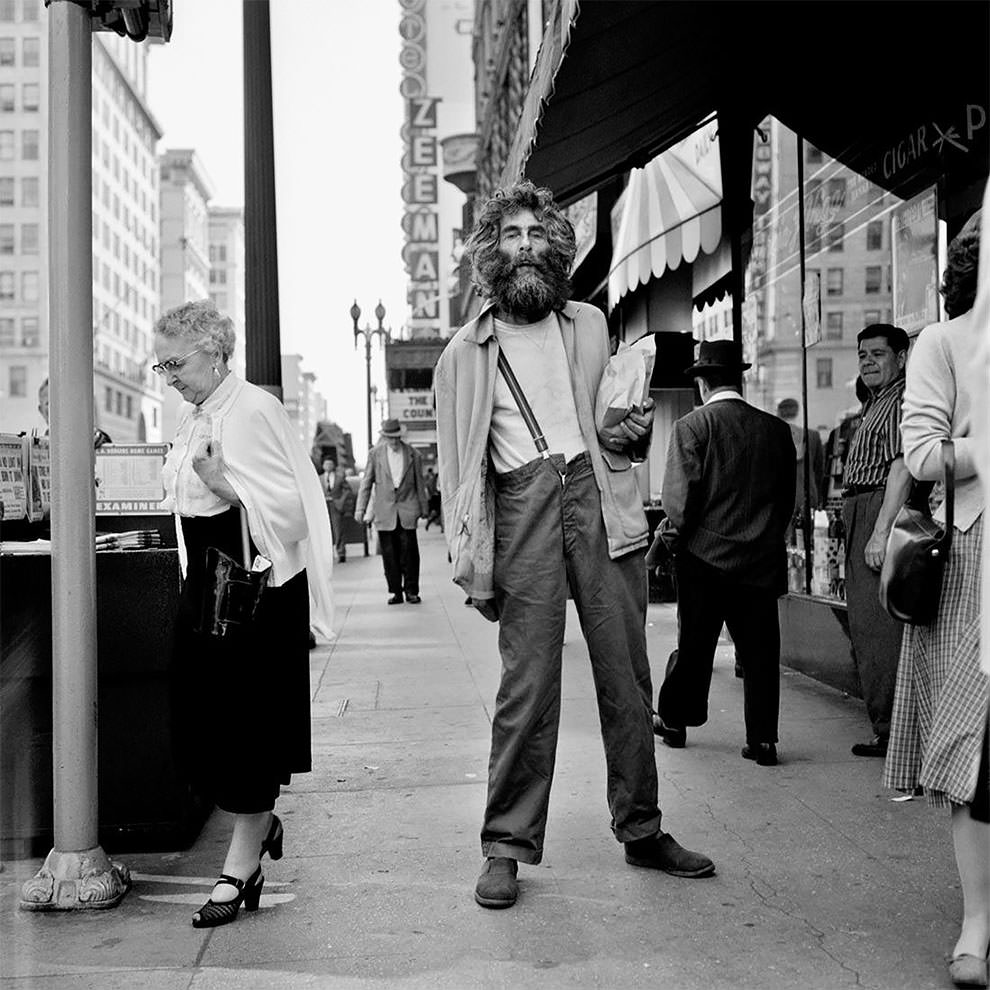
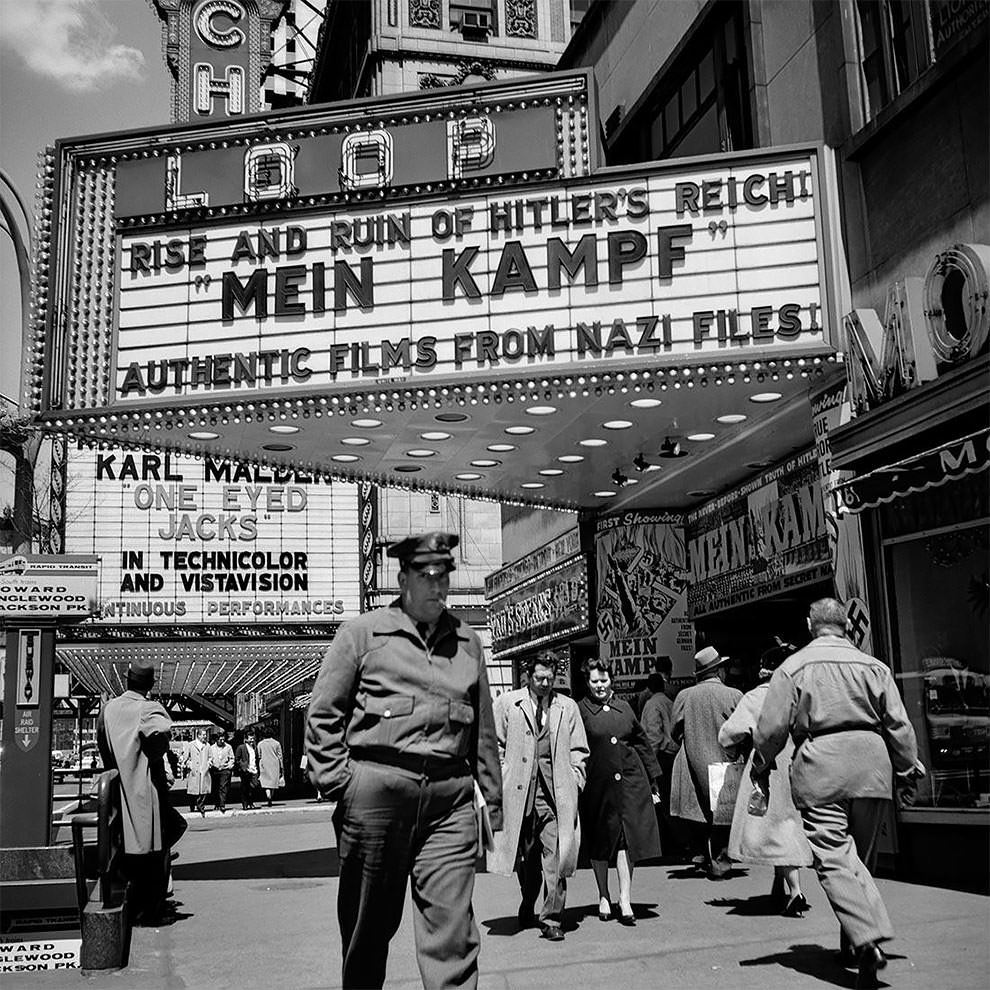
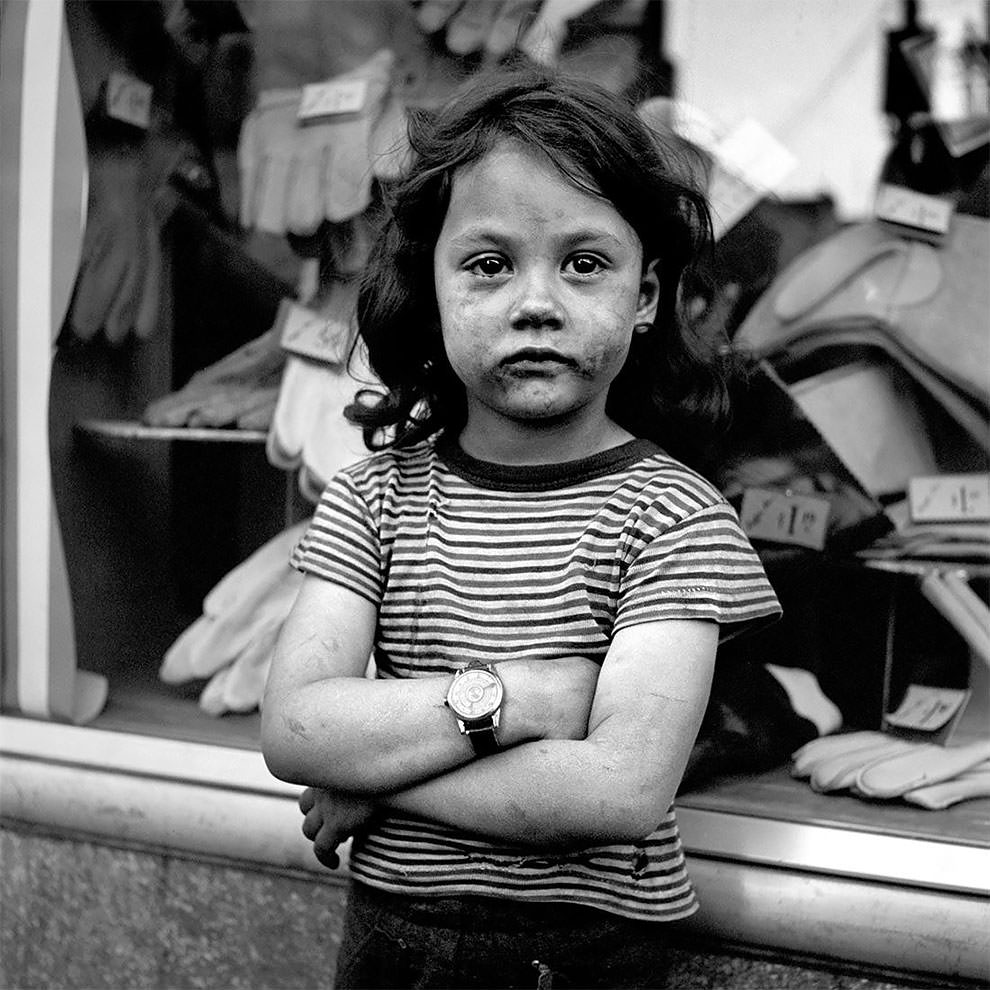
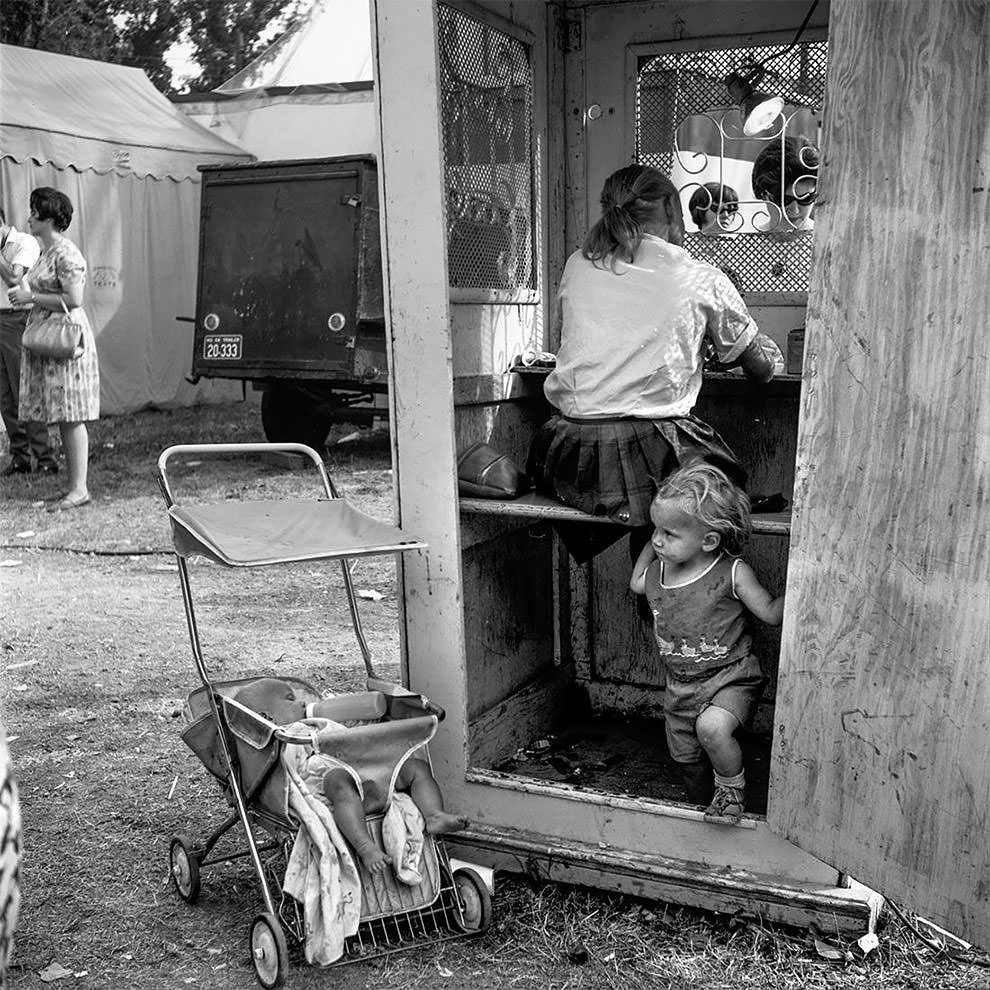
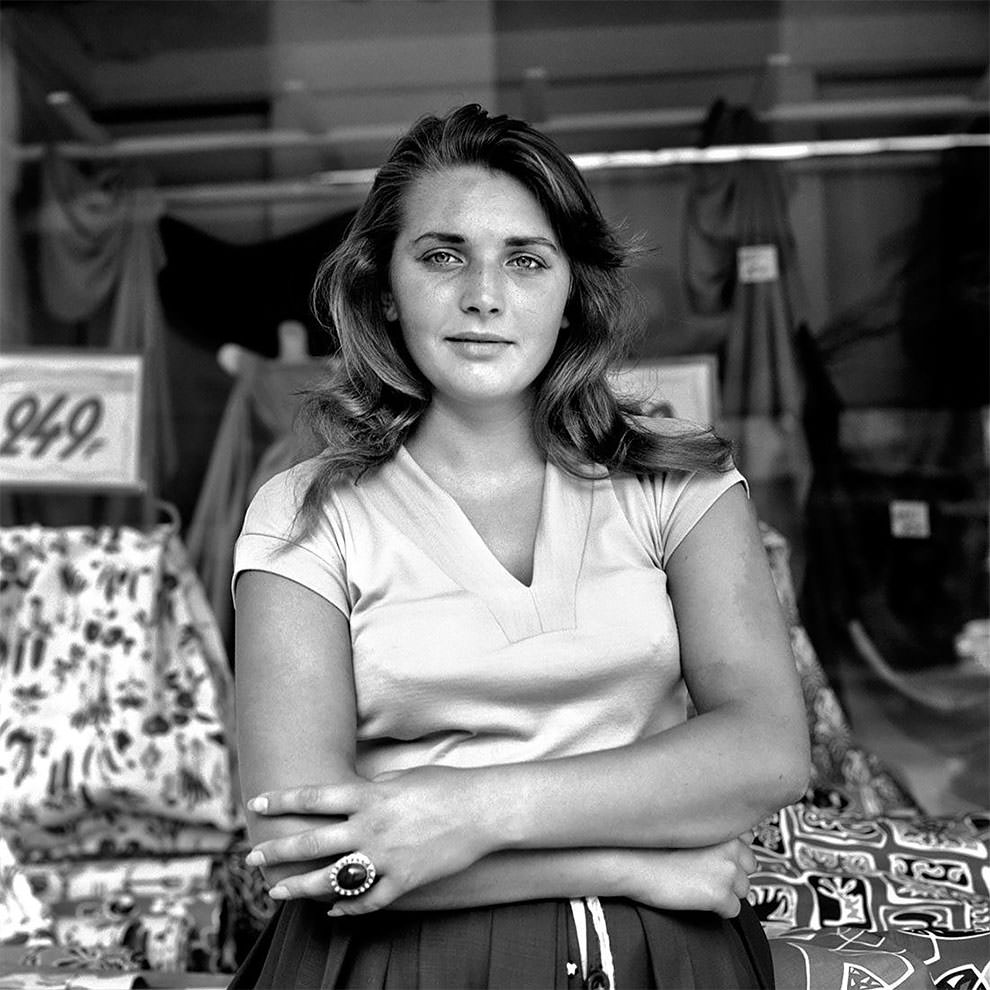
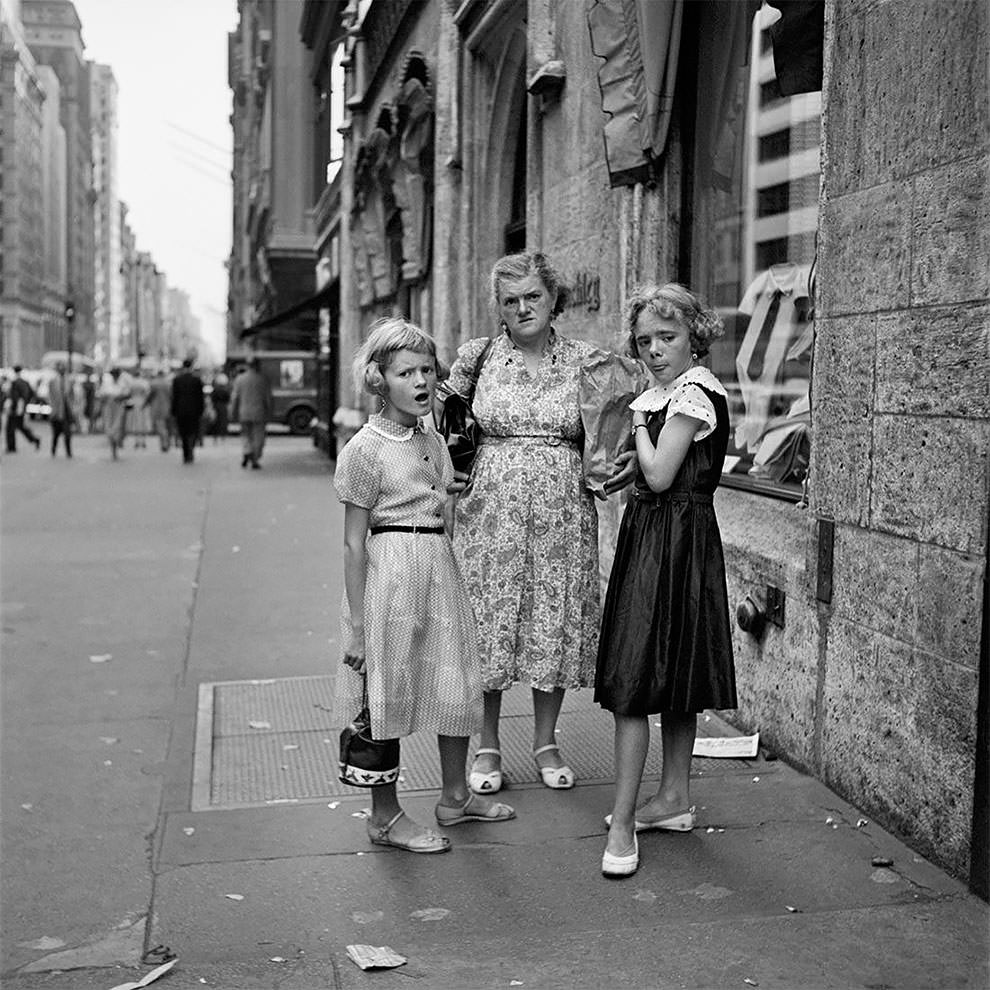
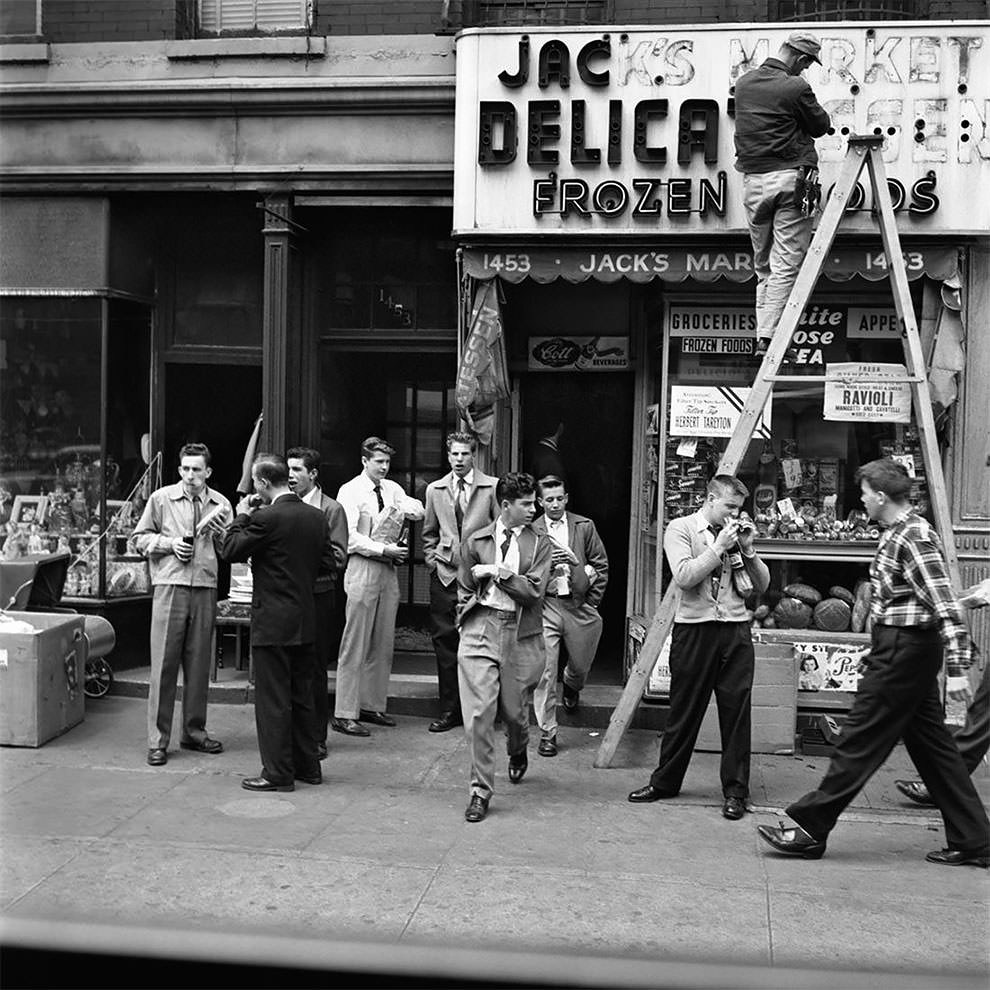
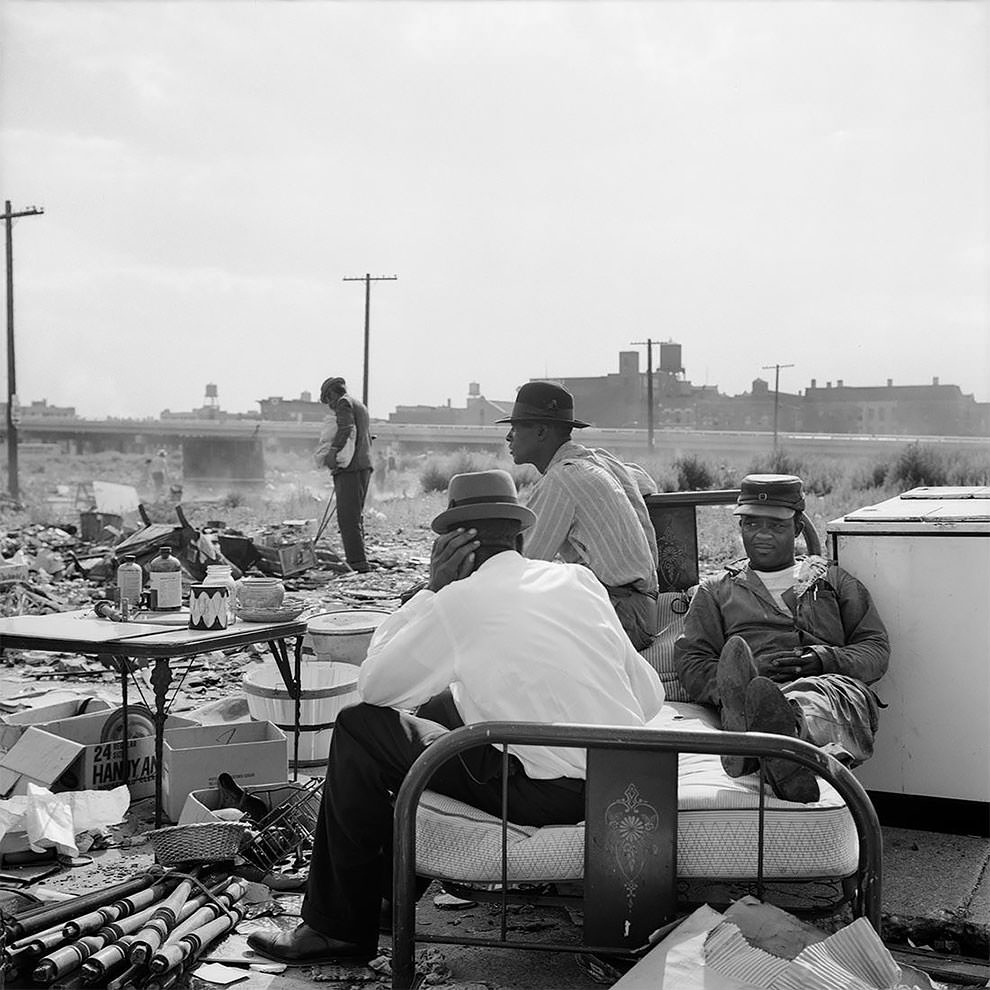
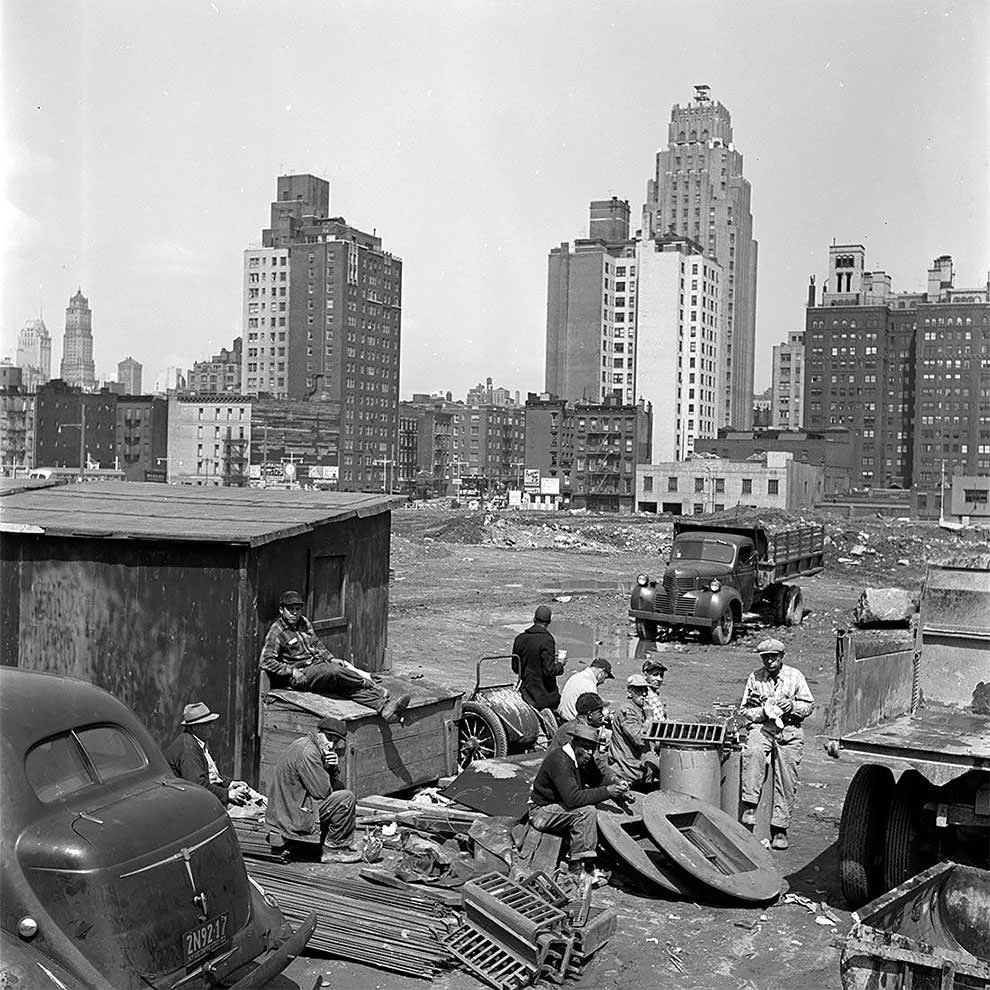
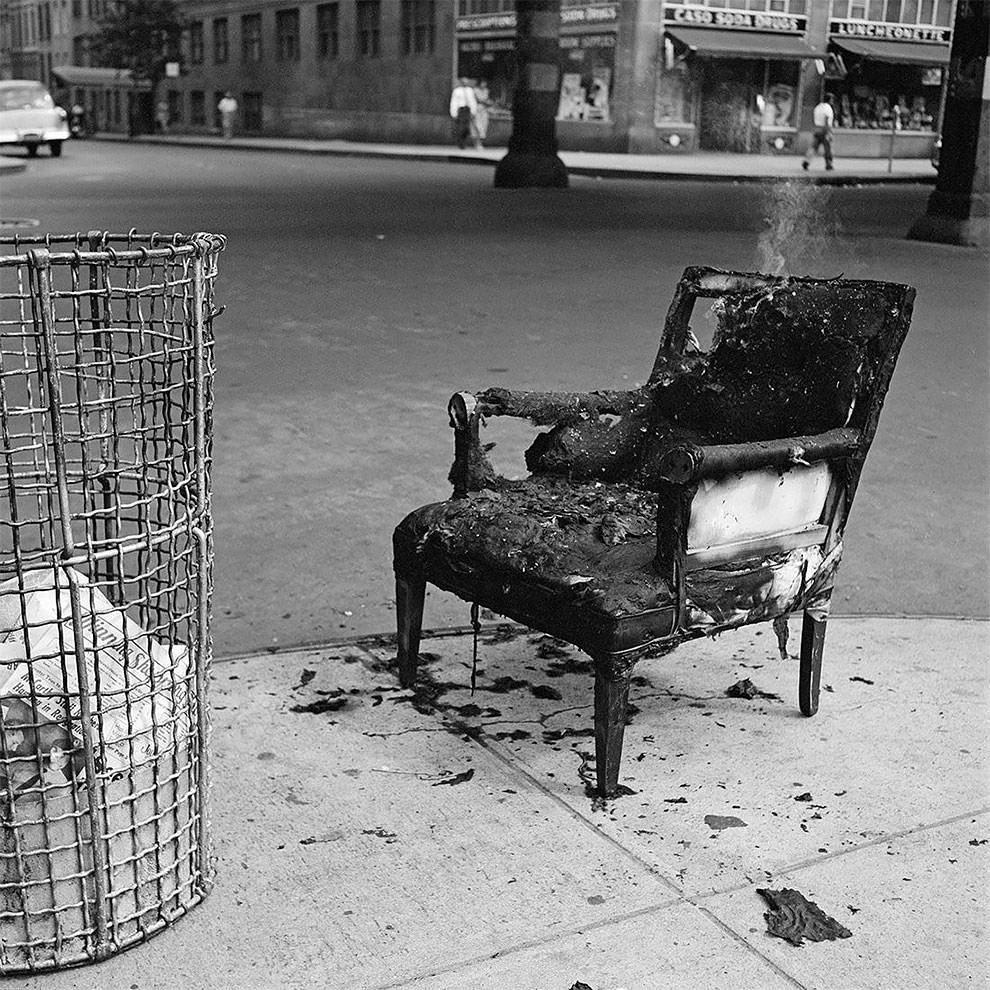
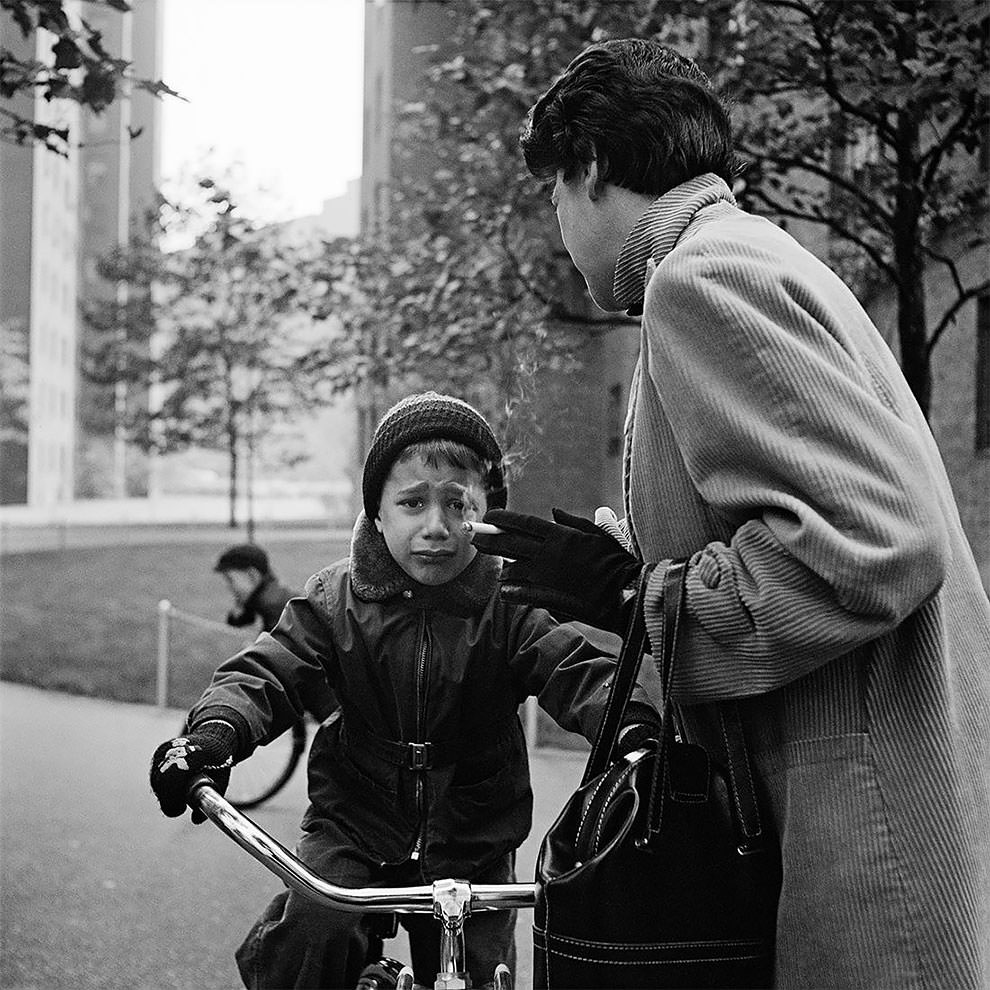
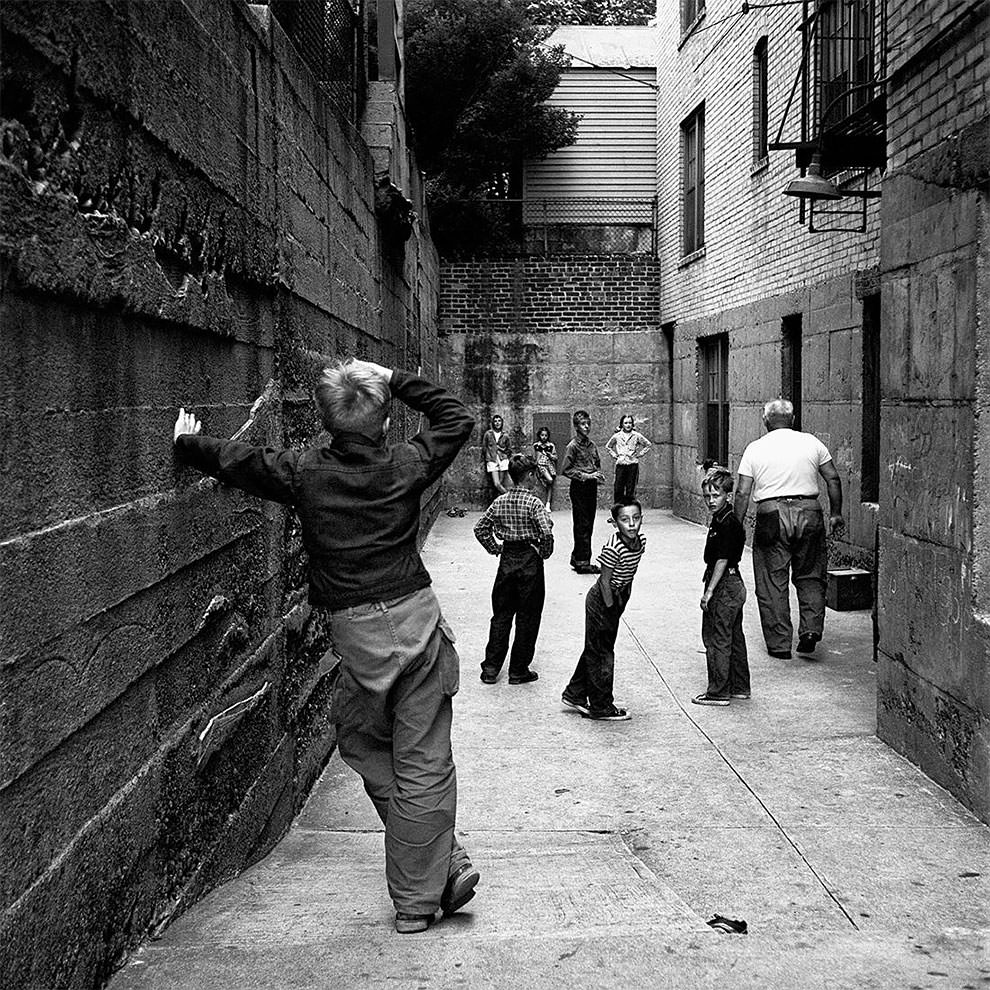
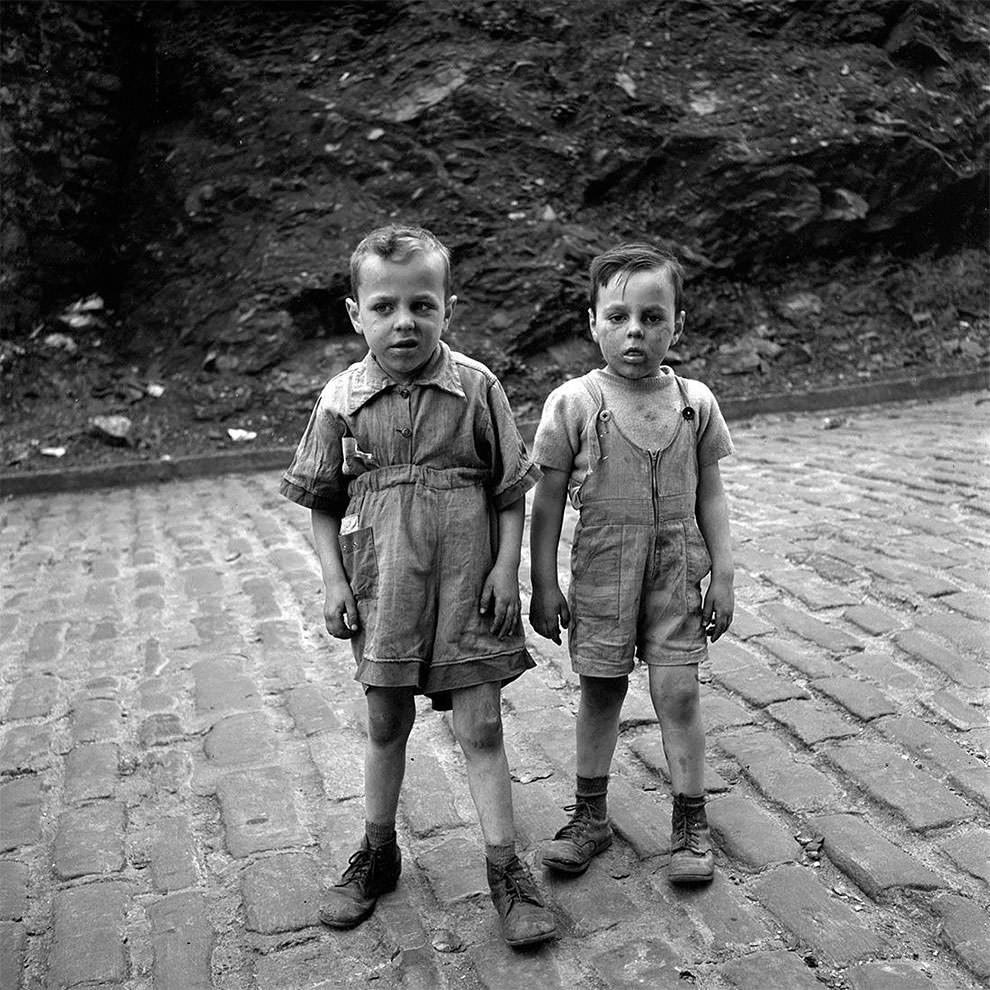
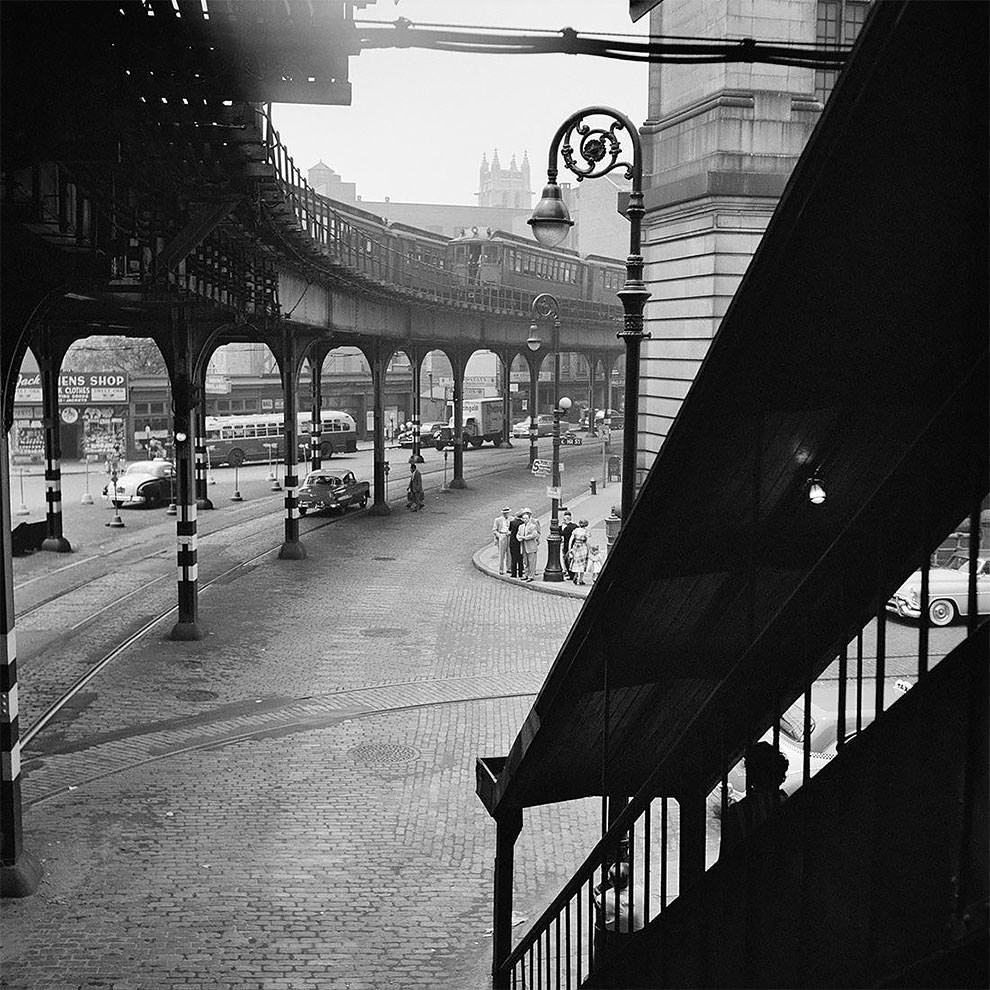
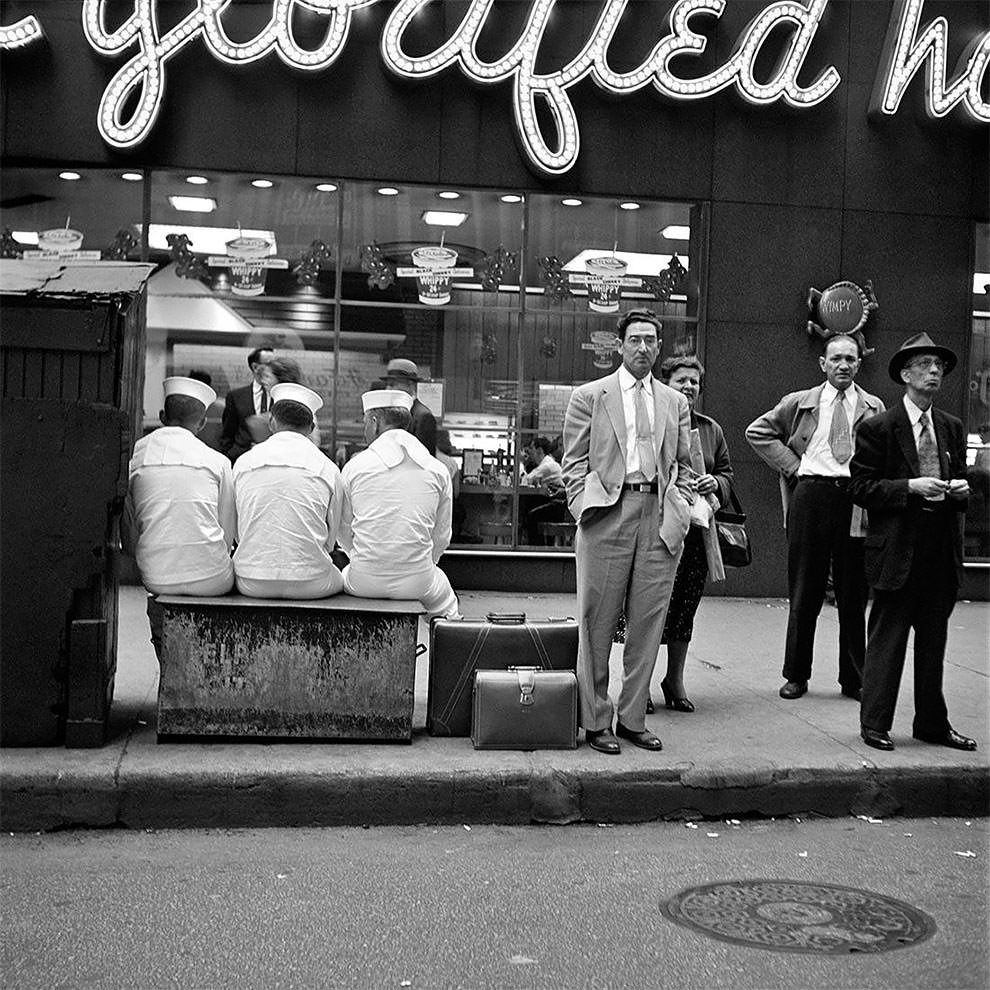
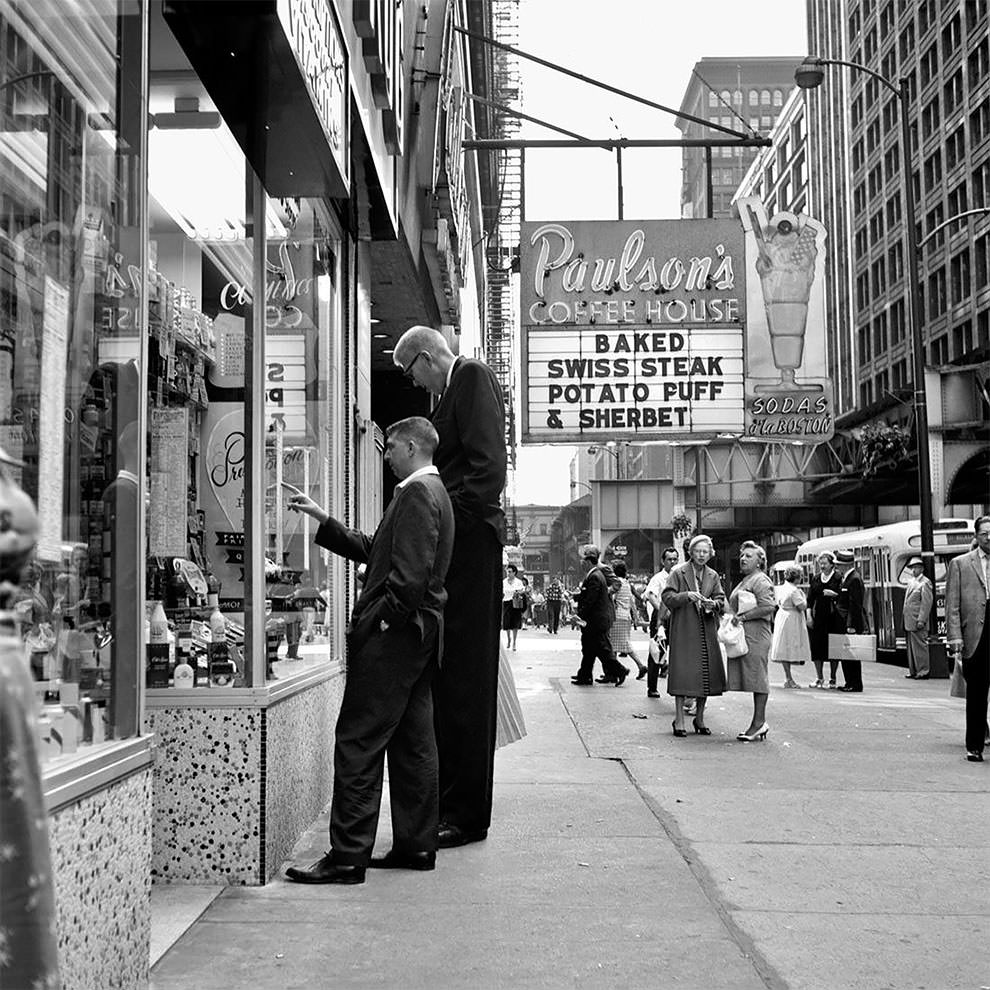
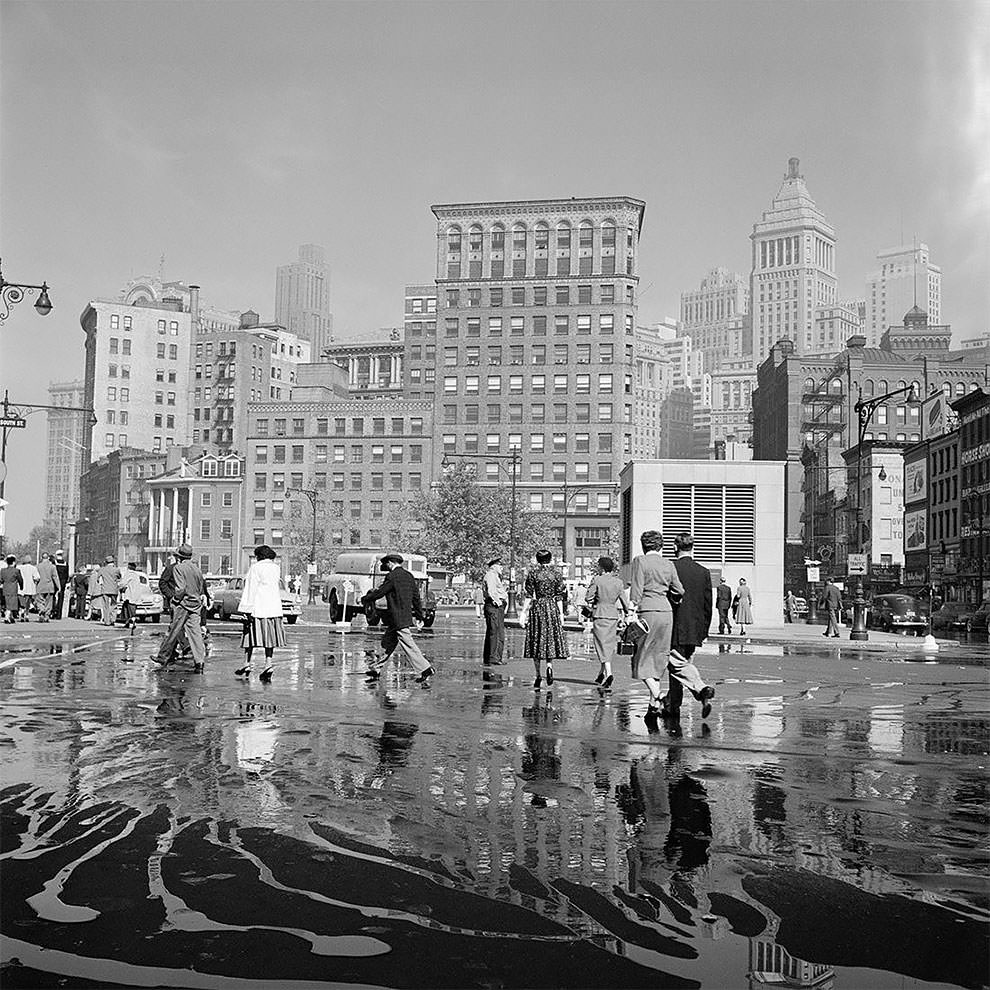
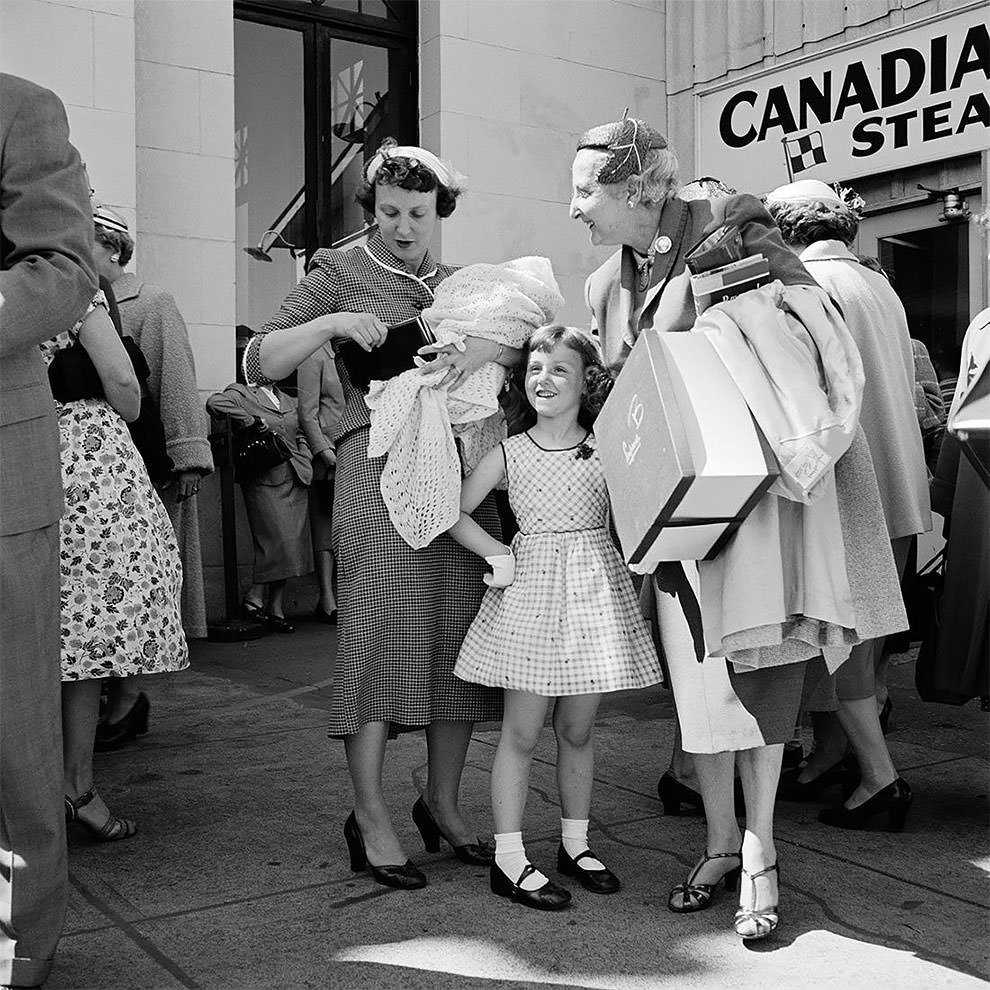
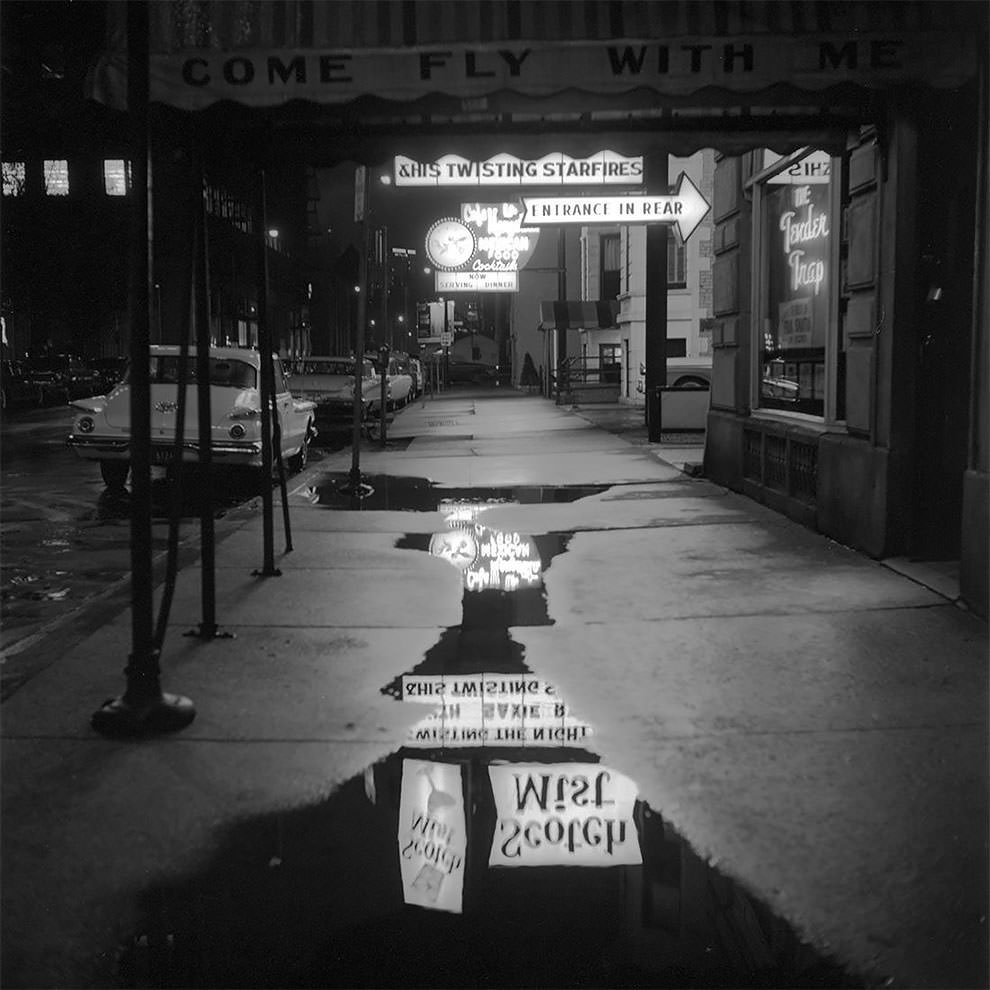
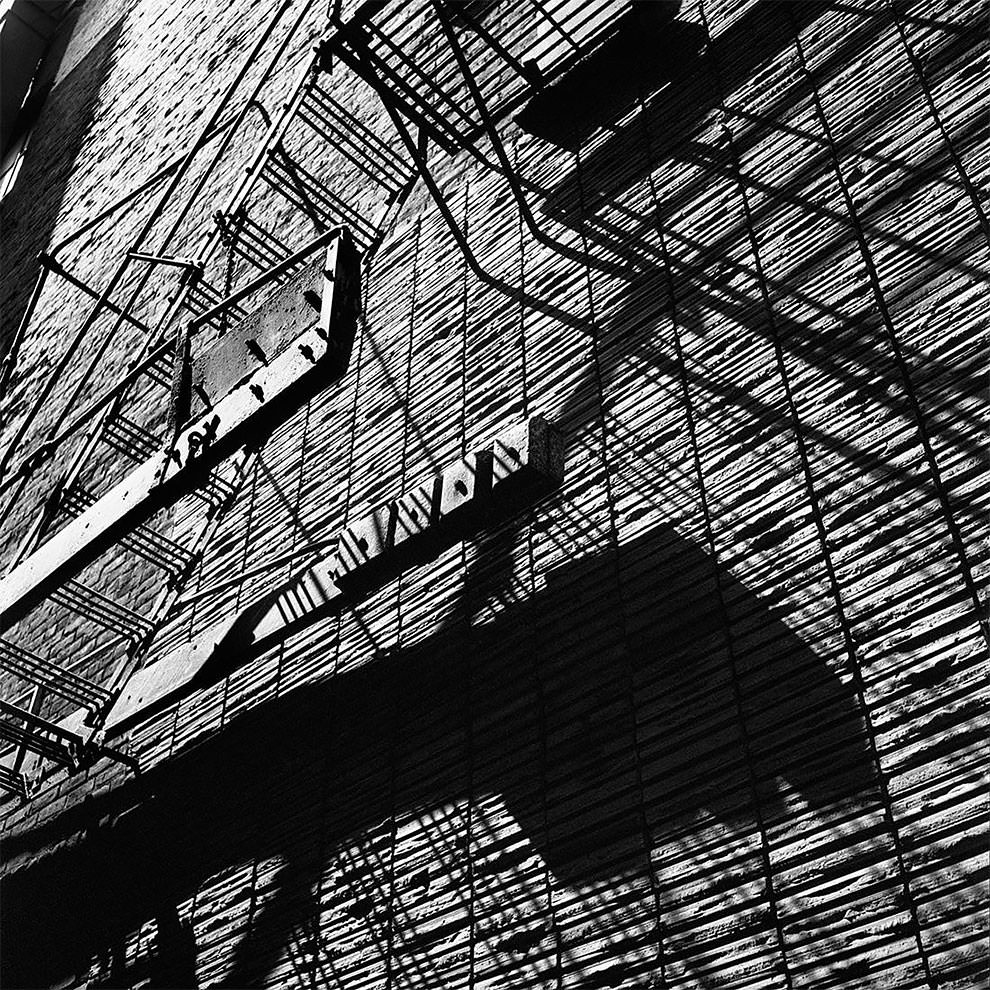
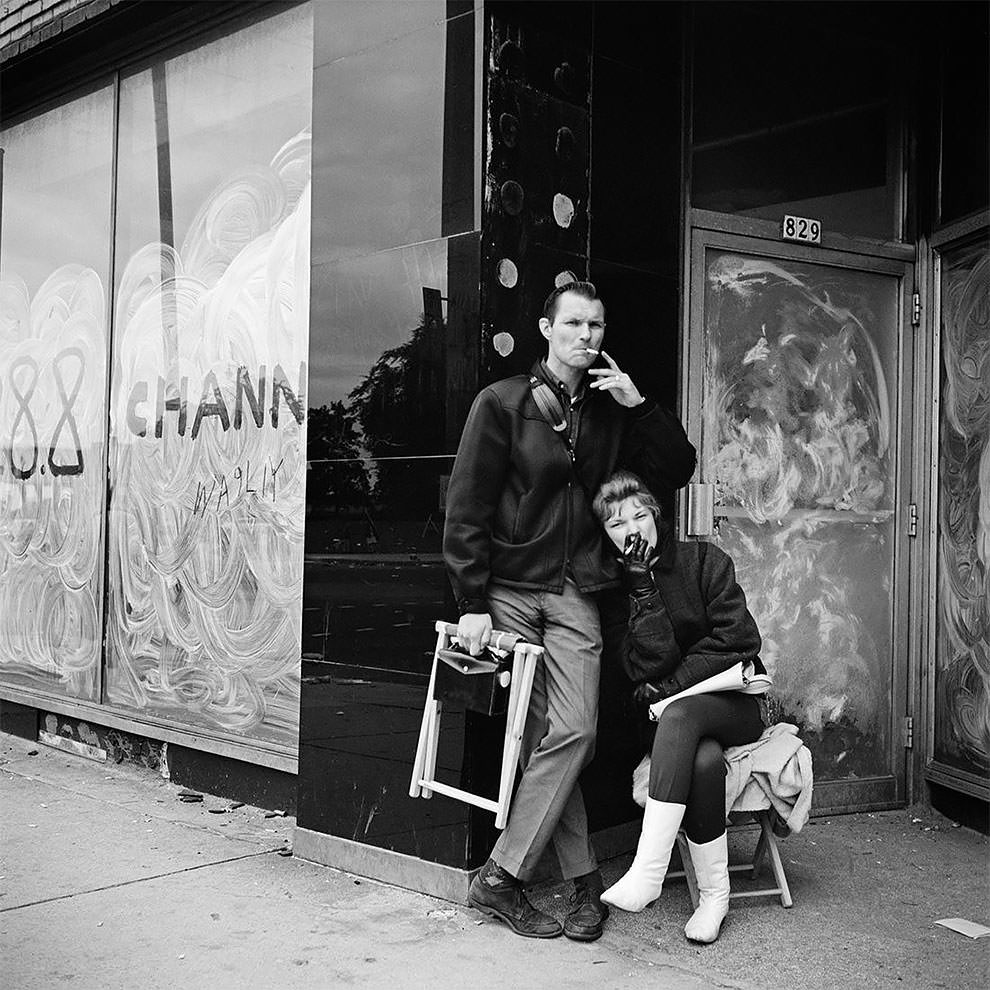
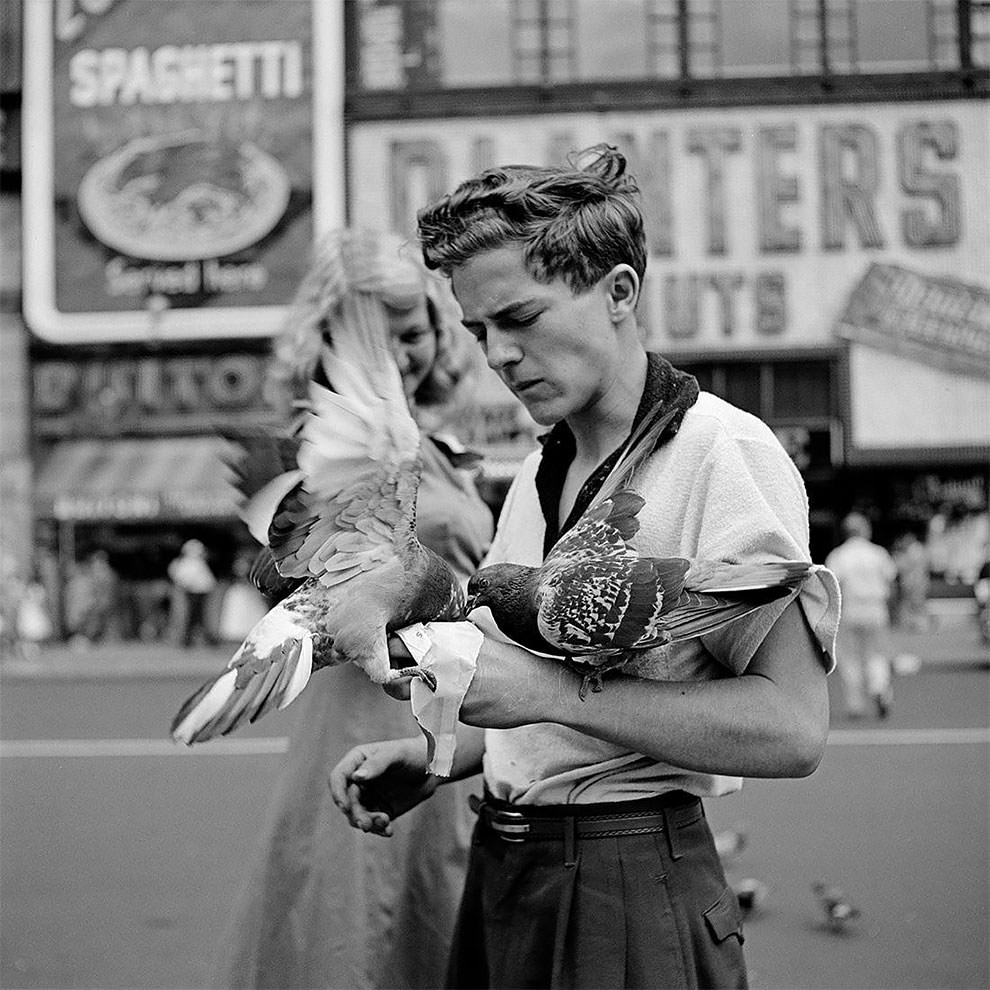
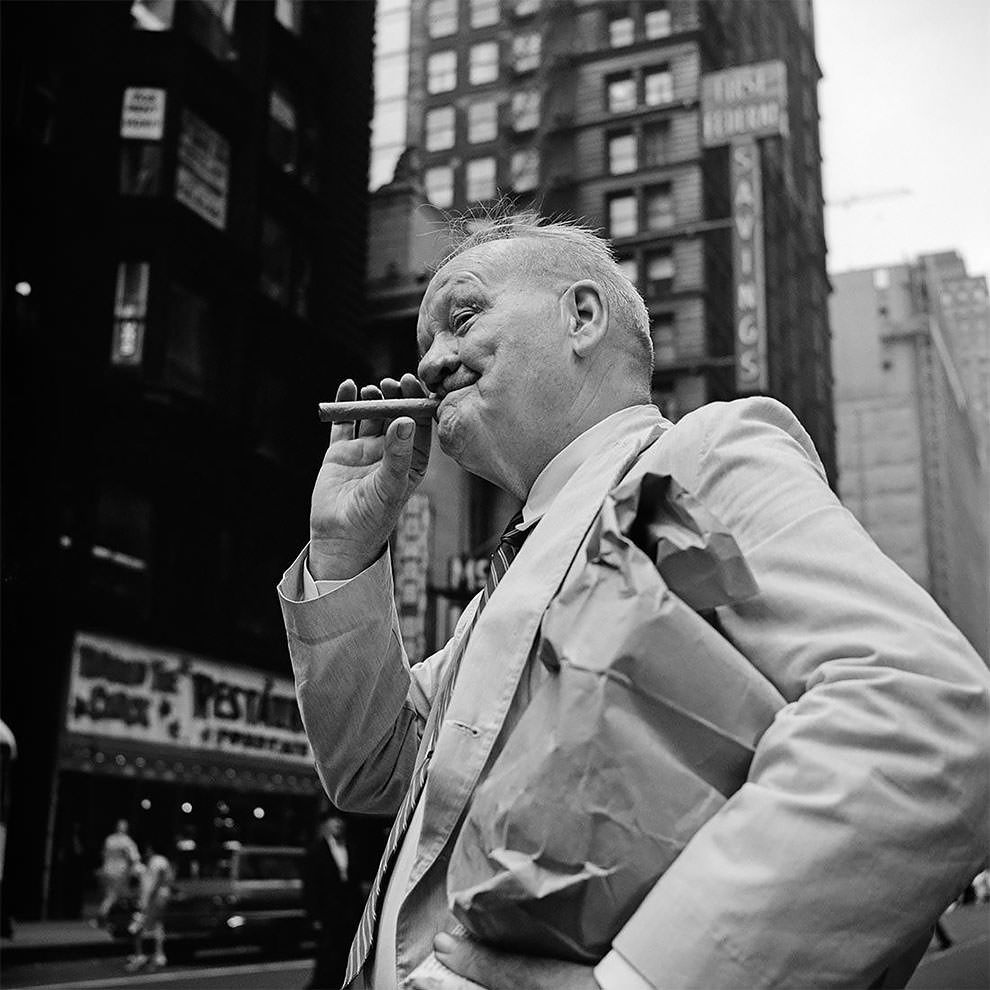
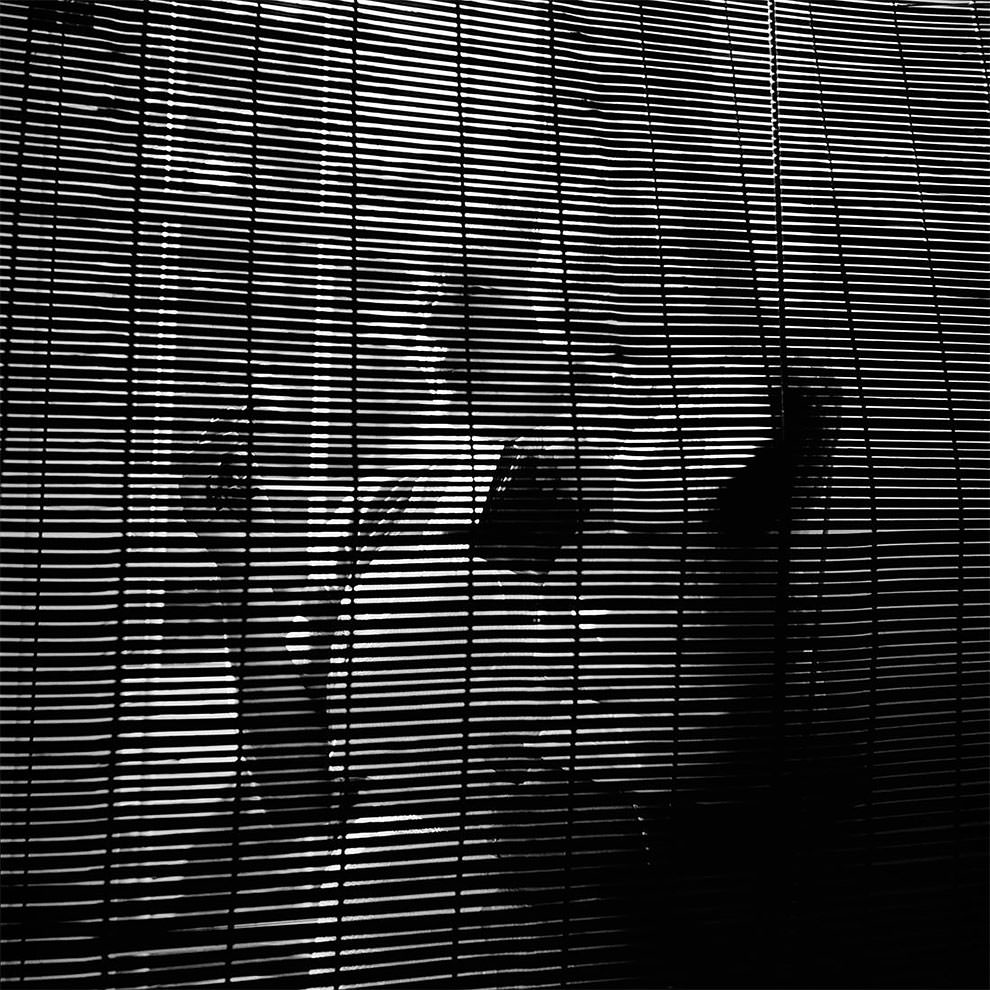
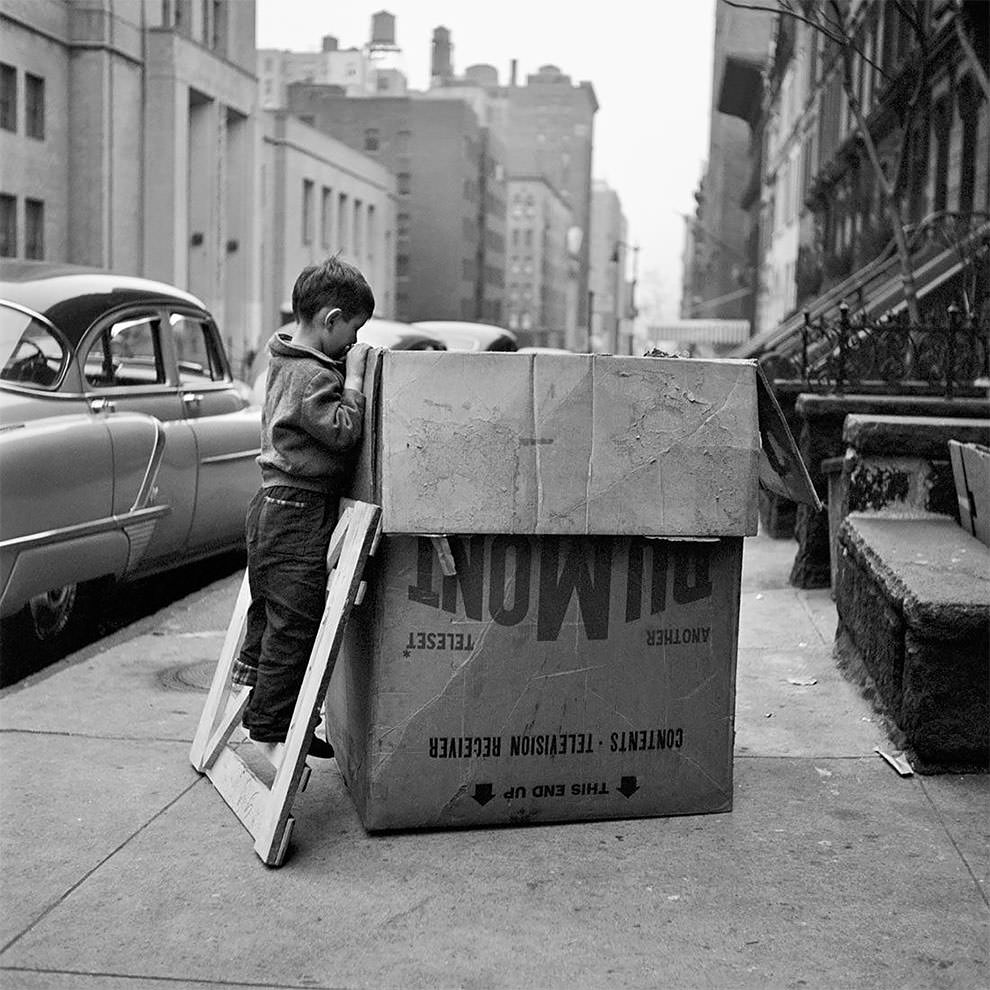
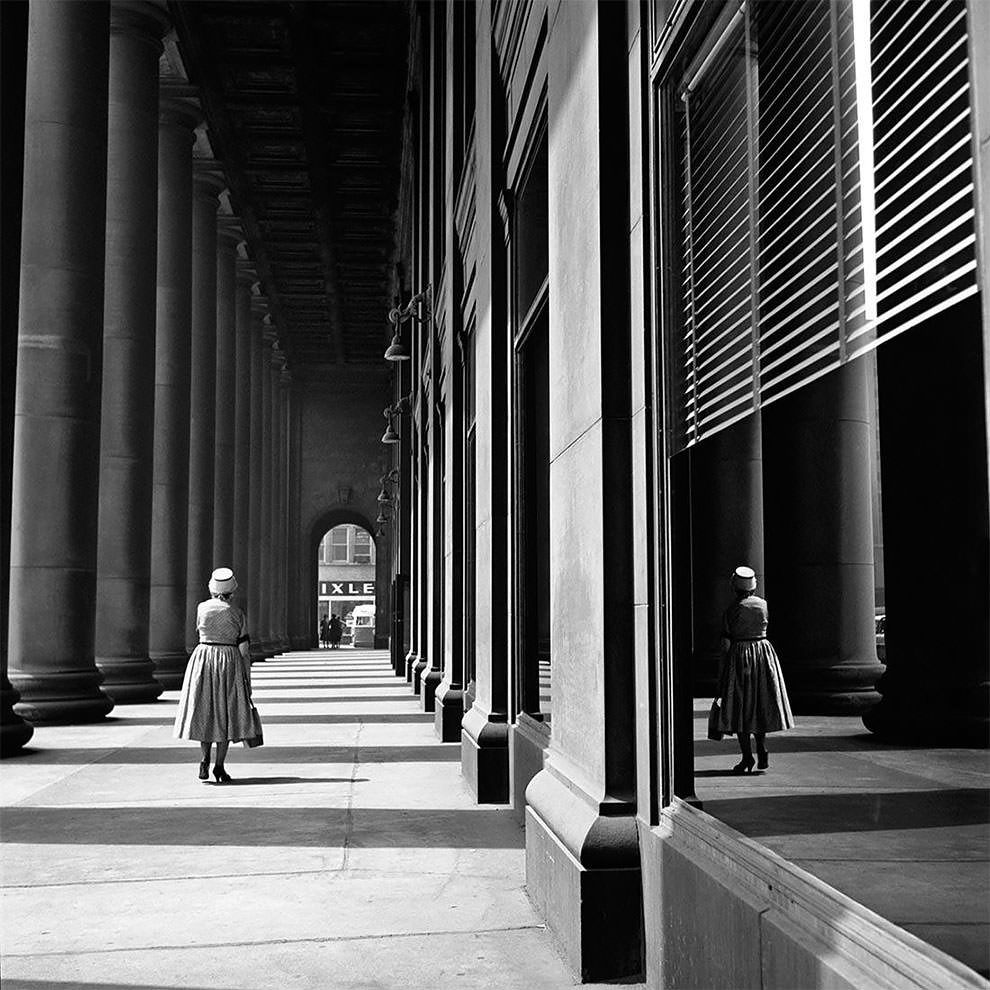
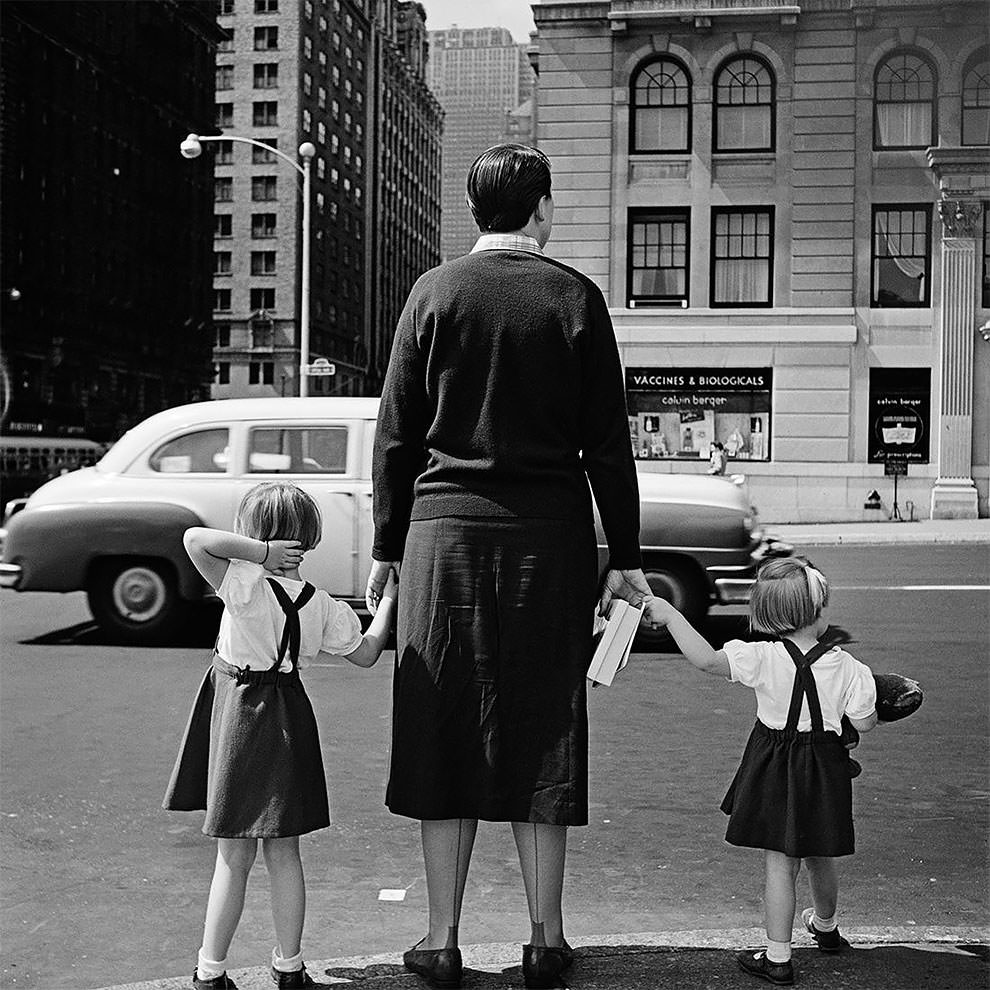
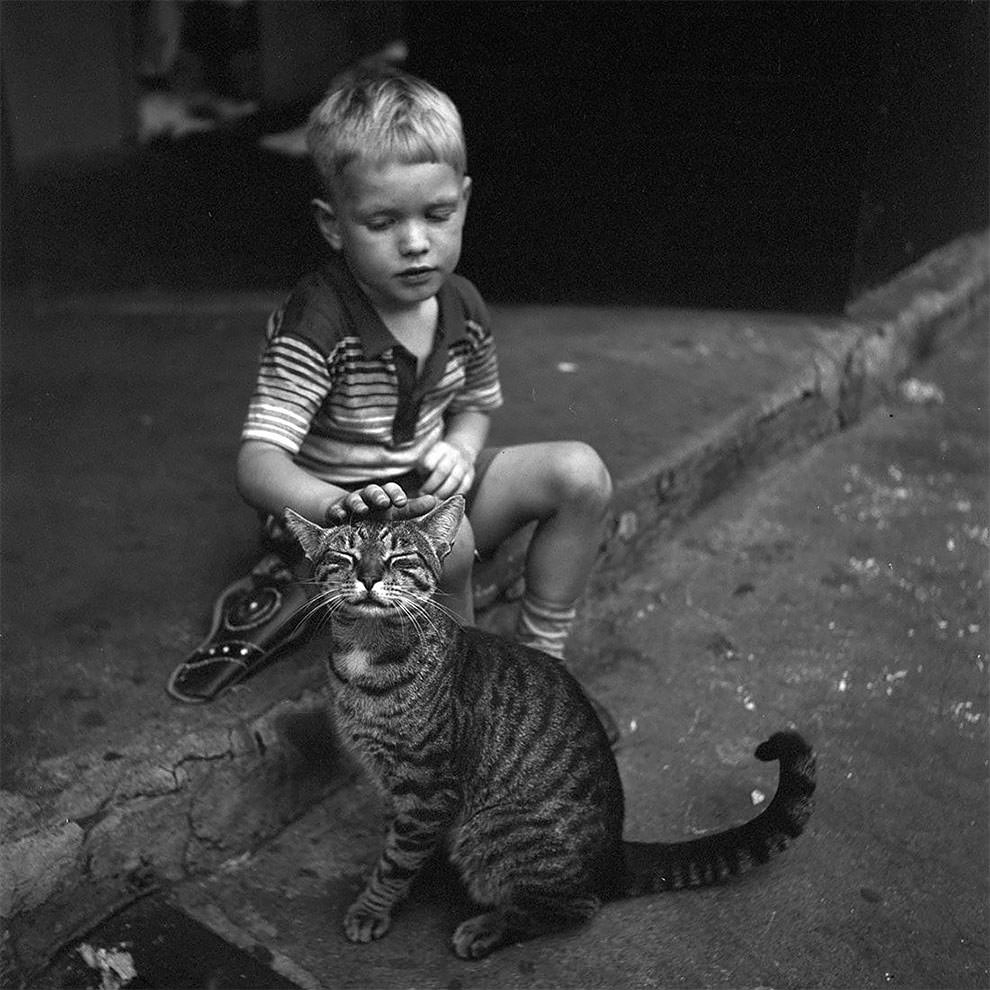
Her subjects never posed. They were workers on lunch breaks, children playing on stoops, vendors hawking papers on busy corners, and strangers caught mid-step on crowded sidewalks. Maier had a sharp eye for the split second when a face or a shadow or a reflection told a whole story. She shot in black and white, and the contrast in her frames — bright light cutting through dark alleys, faces half-lit under elevated train tracks — gave her New York photographs a raw, documentary power.
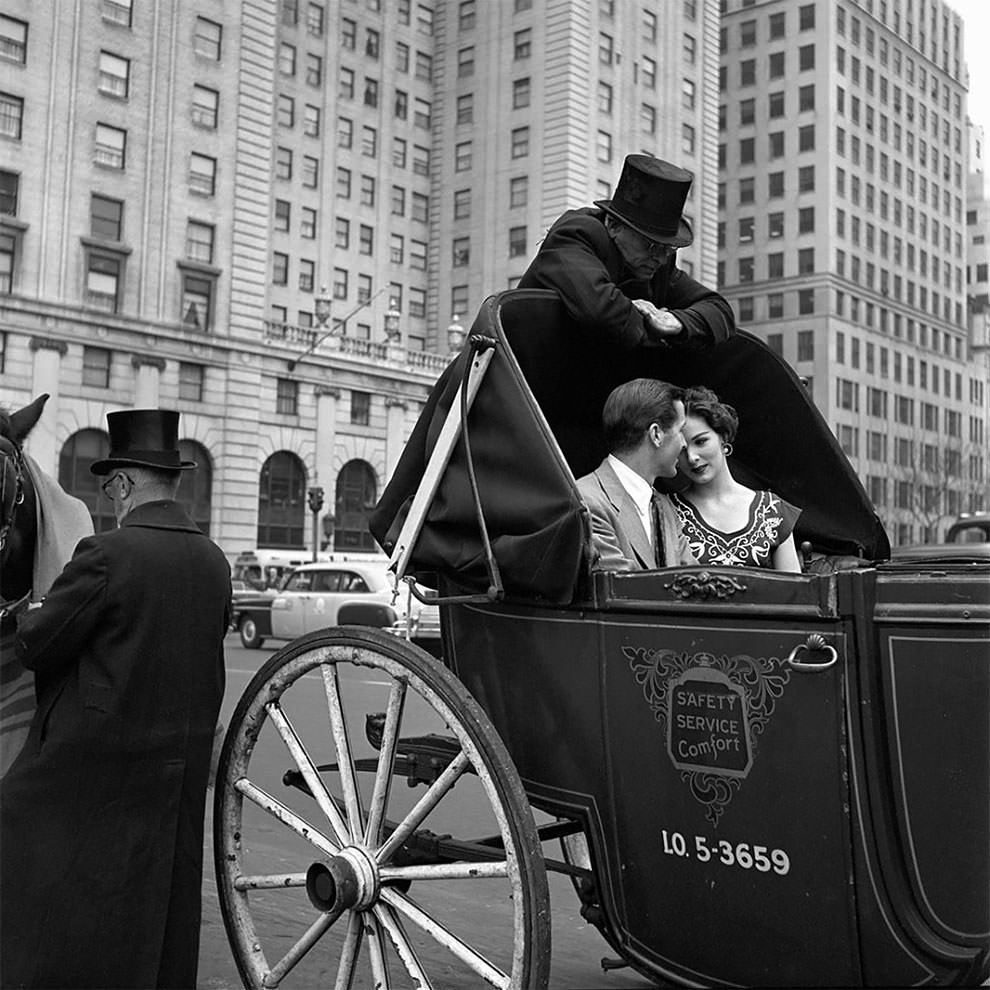
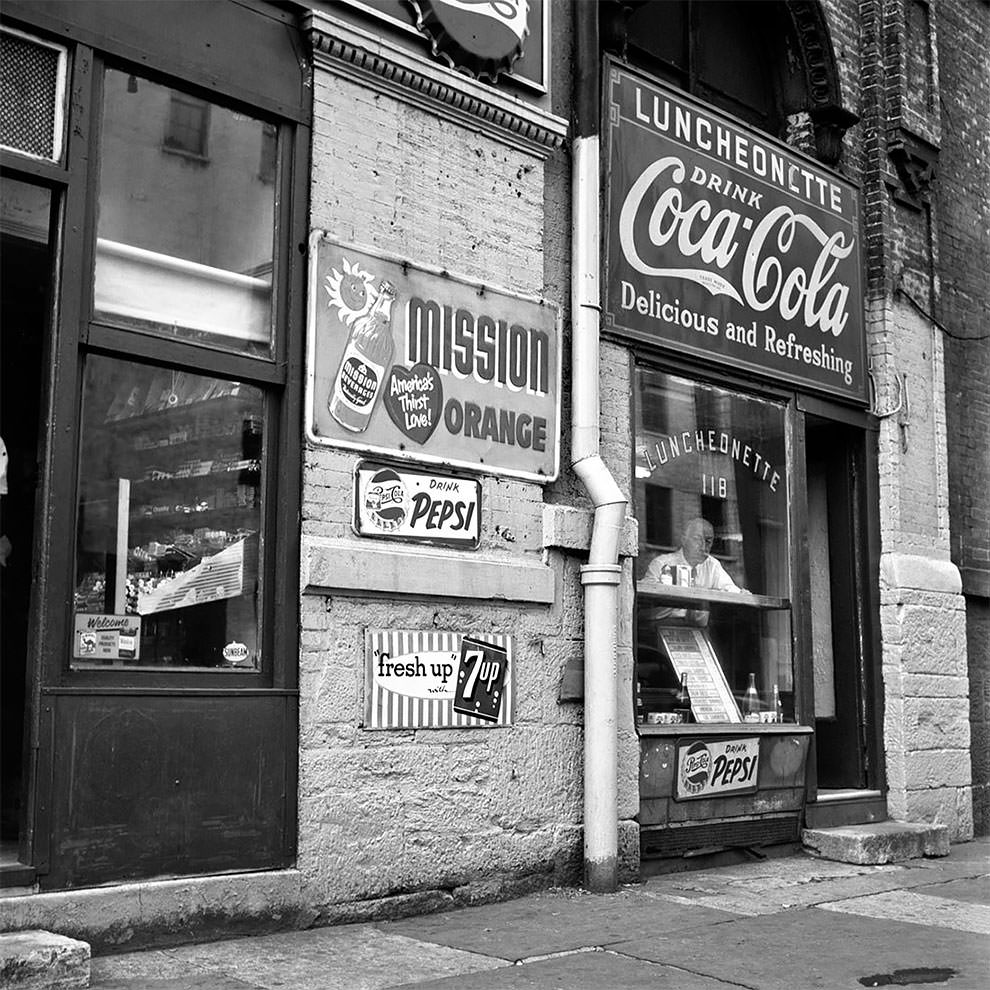
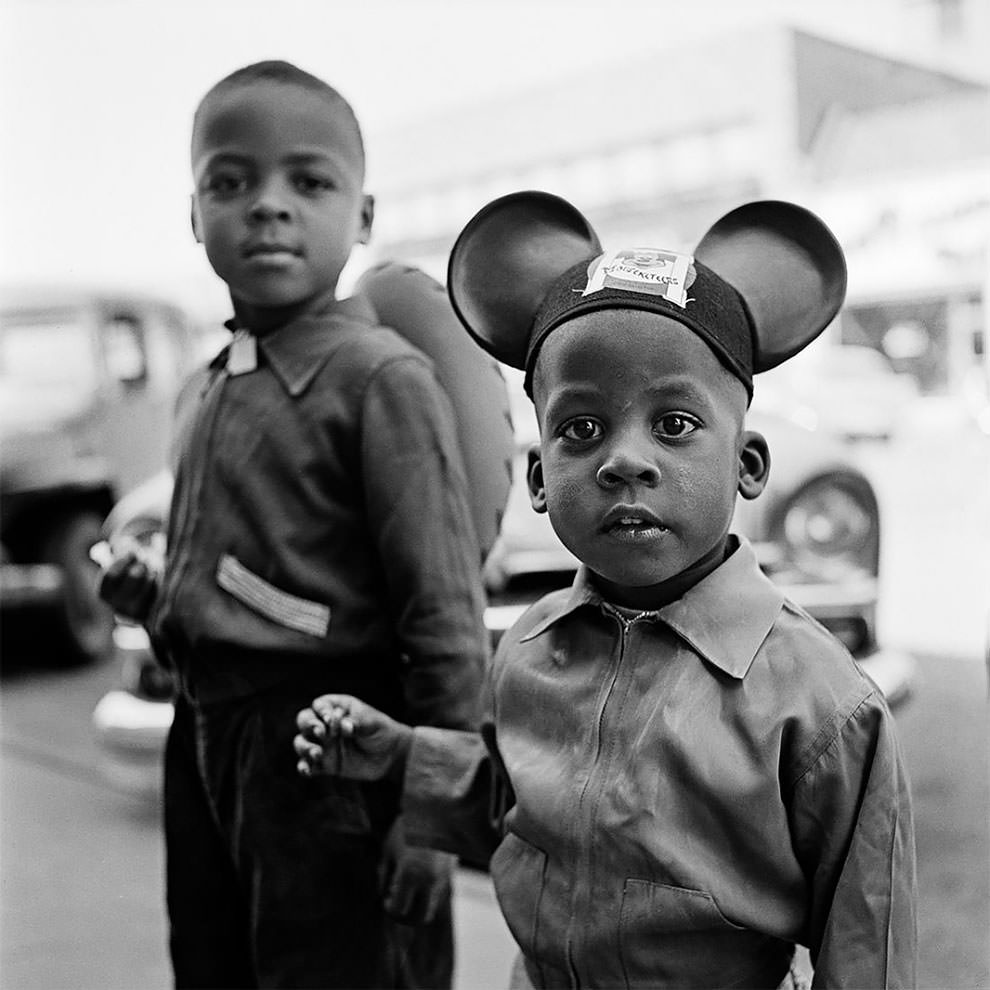
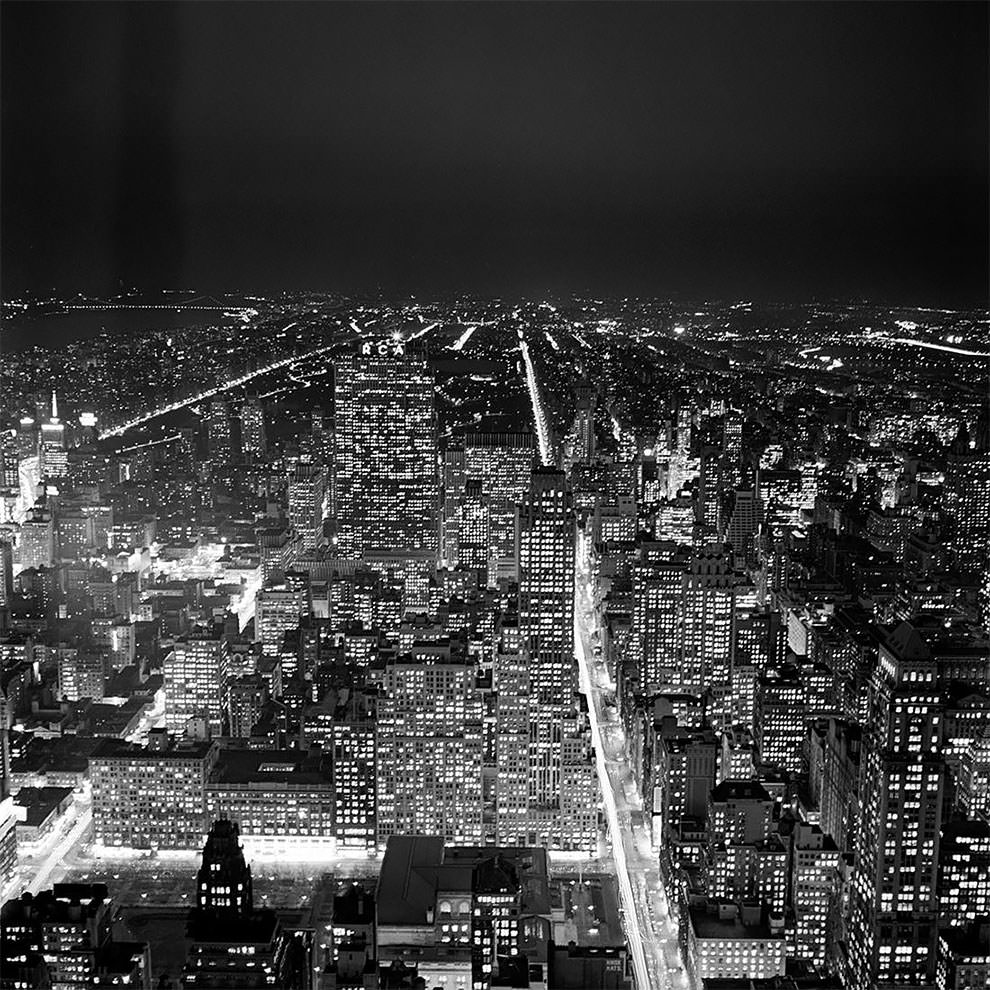
The 1950s were a defining decade for New York City. The postwar economy was booming, the population was dense and diverse, and the streets hummed with energy at every hour. Maier moved through all of it. She photographed the working class with the same attention she gave to well-dressed pedestrians on Fifth Avenue. No subject was beneath her lens.
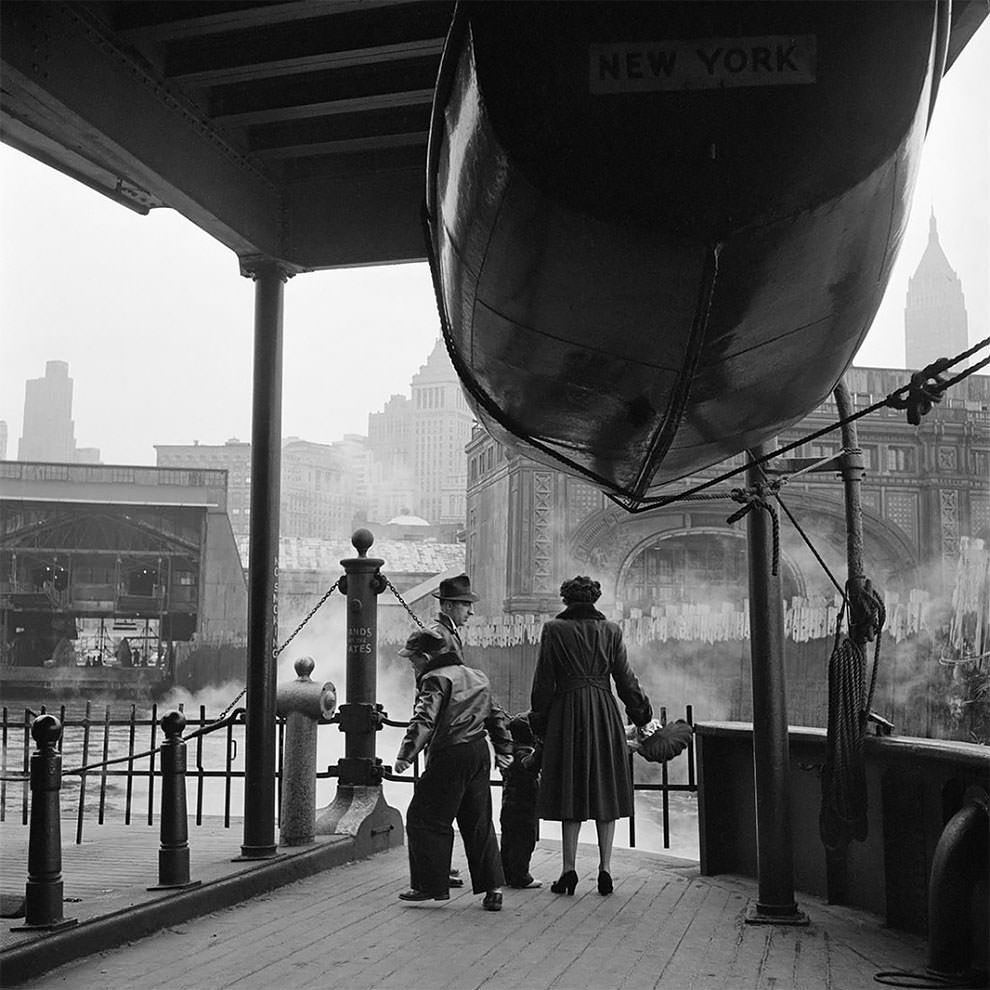
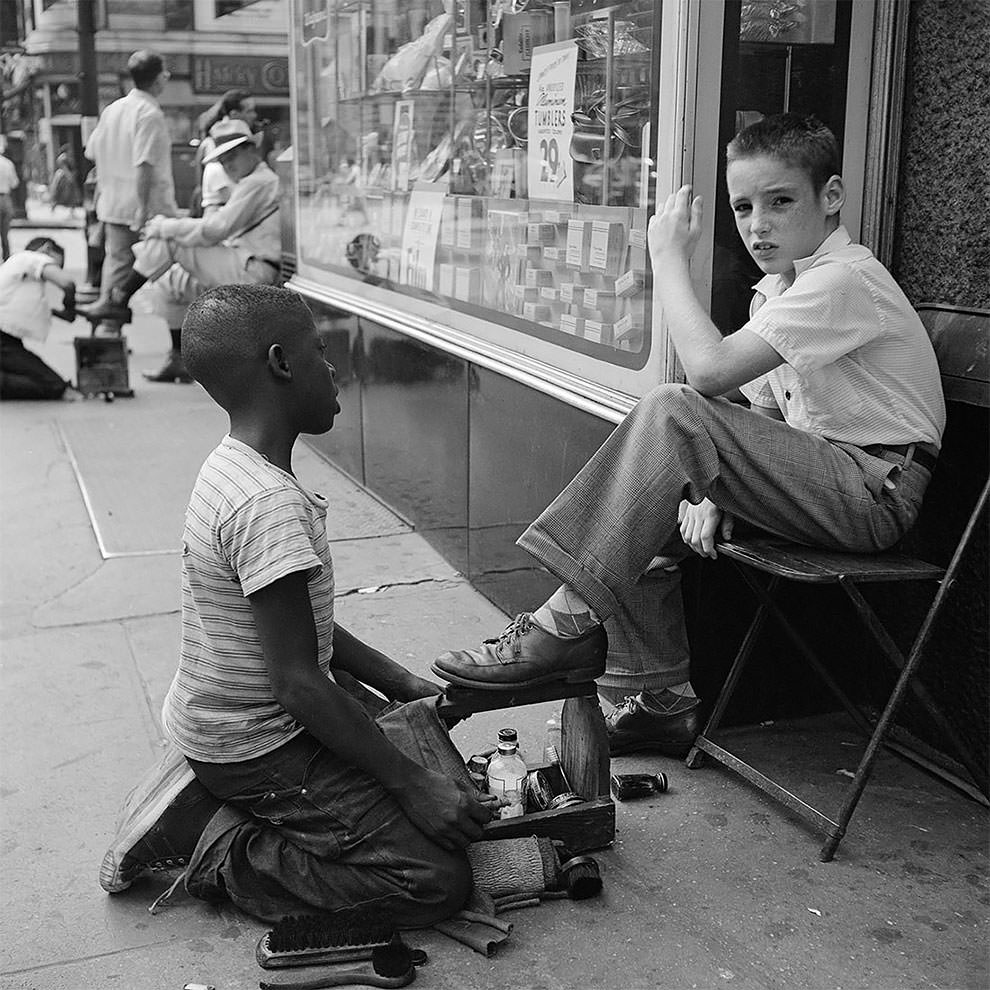
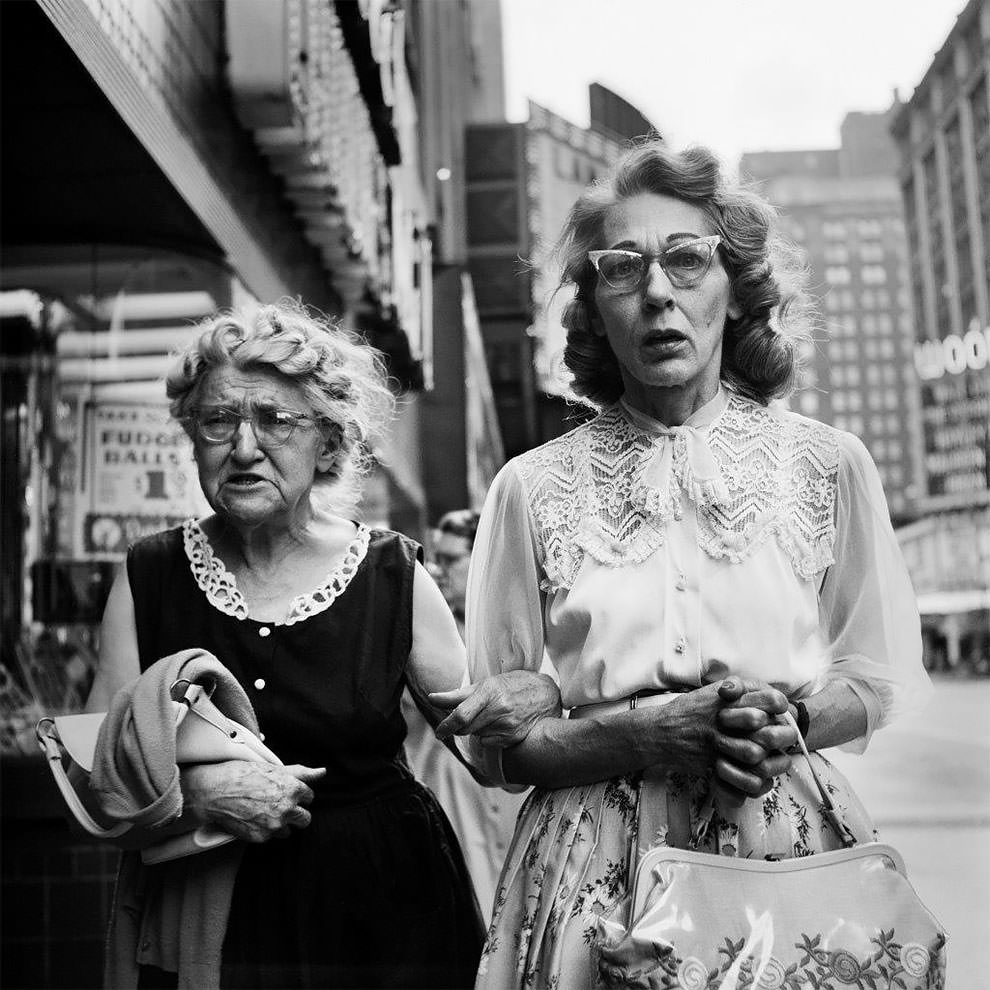
In 2007, a Chicago collector named John Maloof purchased a box of Maier’s negatives at a storage auction. He had no idea what he had. As he began developing and printing the images, the scope of what he was looking at became clear. This was not the work of an amateur. Maloof dedicated years to archiving, printing, and promoting her photographs, eventually bringing them to galleries and museums around the world.
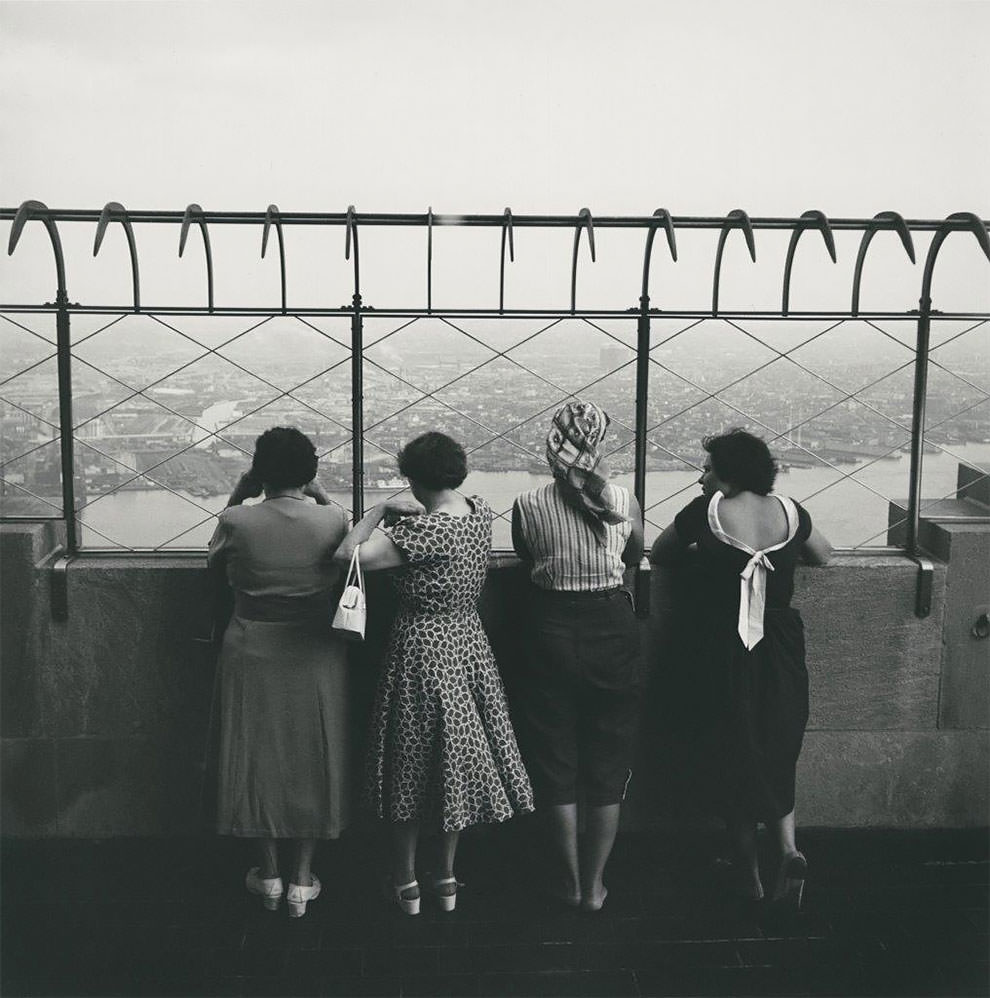
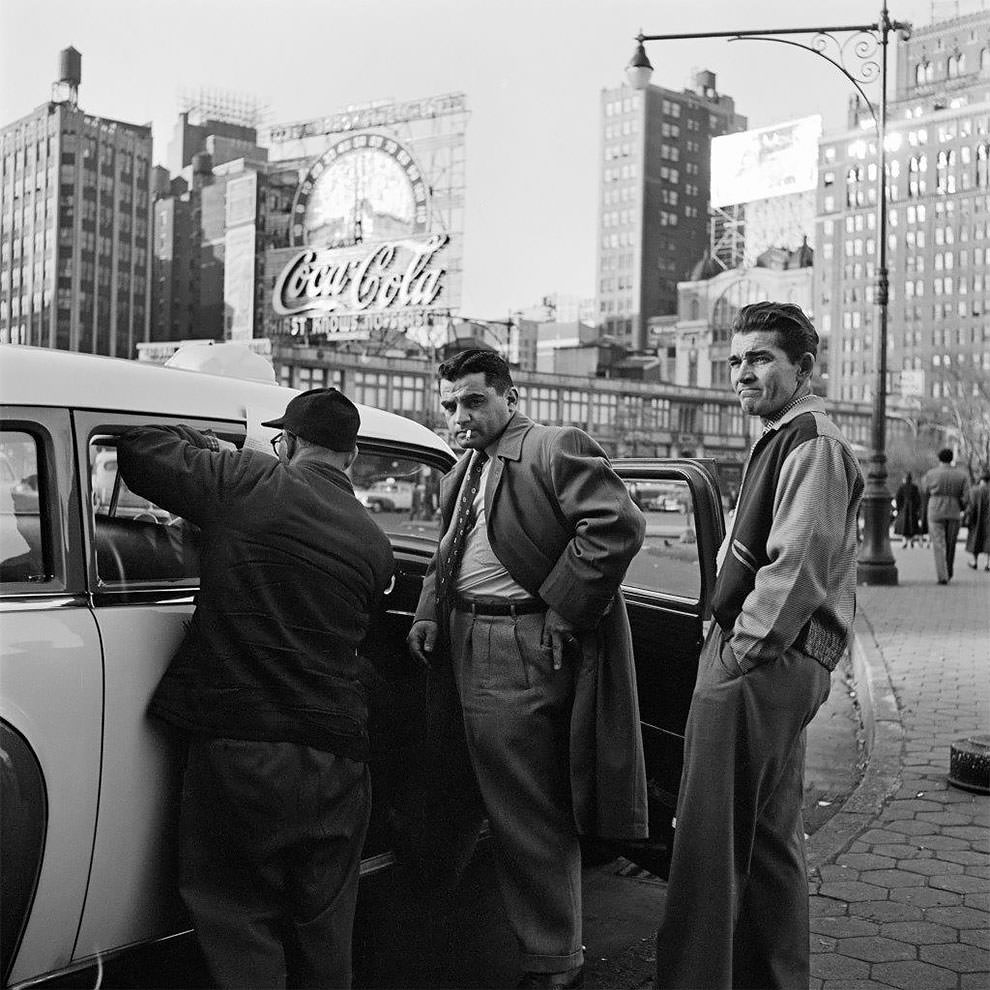
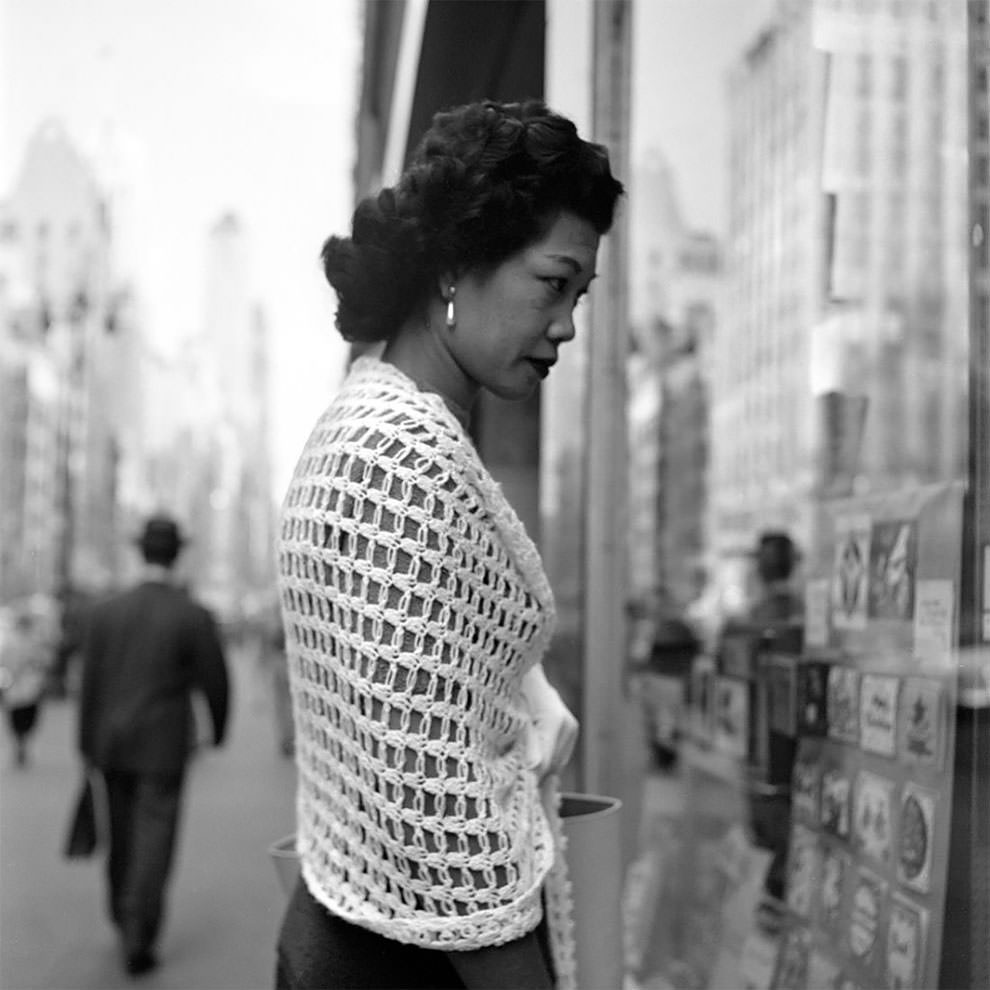
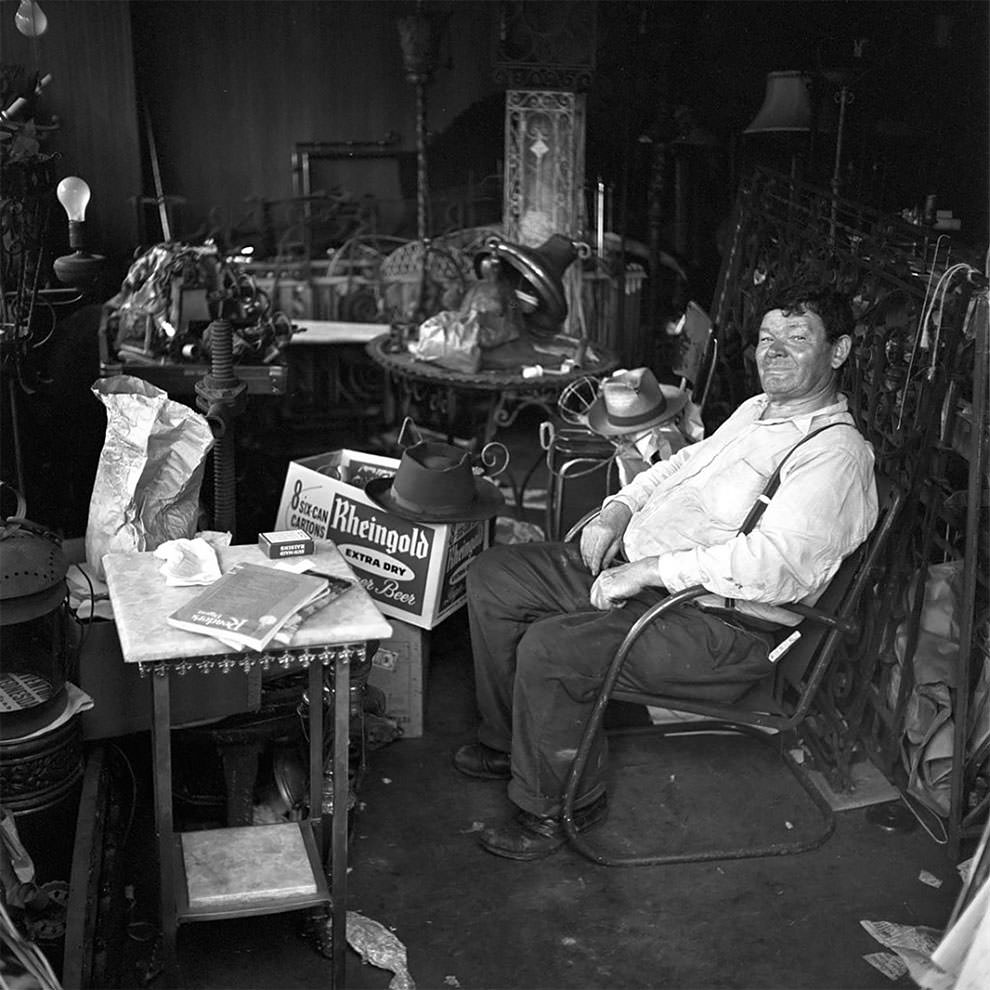
Vivian Maier died in April 2009, just two years after Maloof’s discovery, and before she could witness any of the recognition her work received. She never knew her photographs would be seen by millions. The fact that she kept shooting for decades — with no audience, no feedback, and no expectation of fame — says everything about the discipline behind her work.
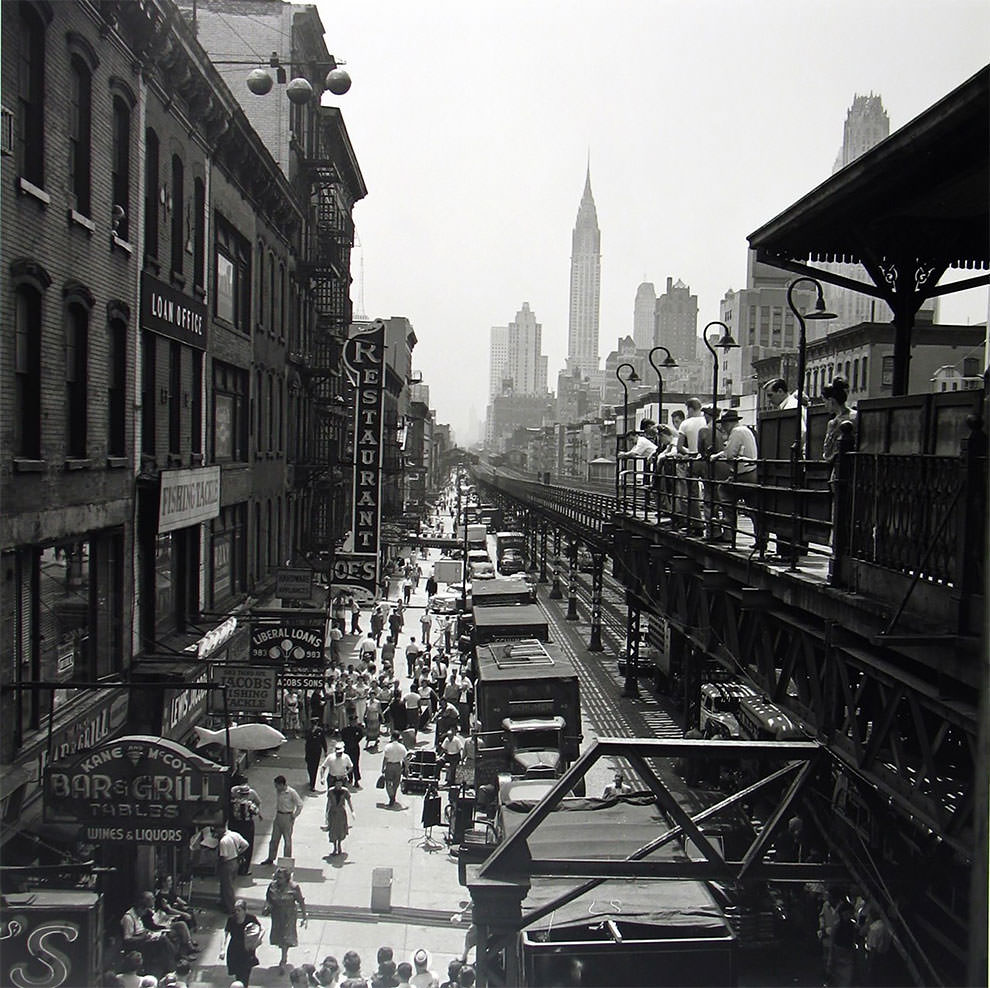
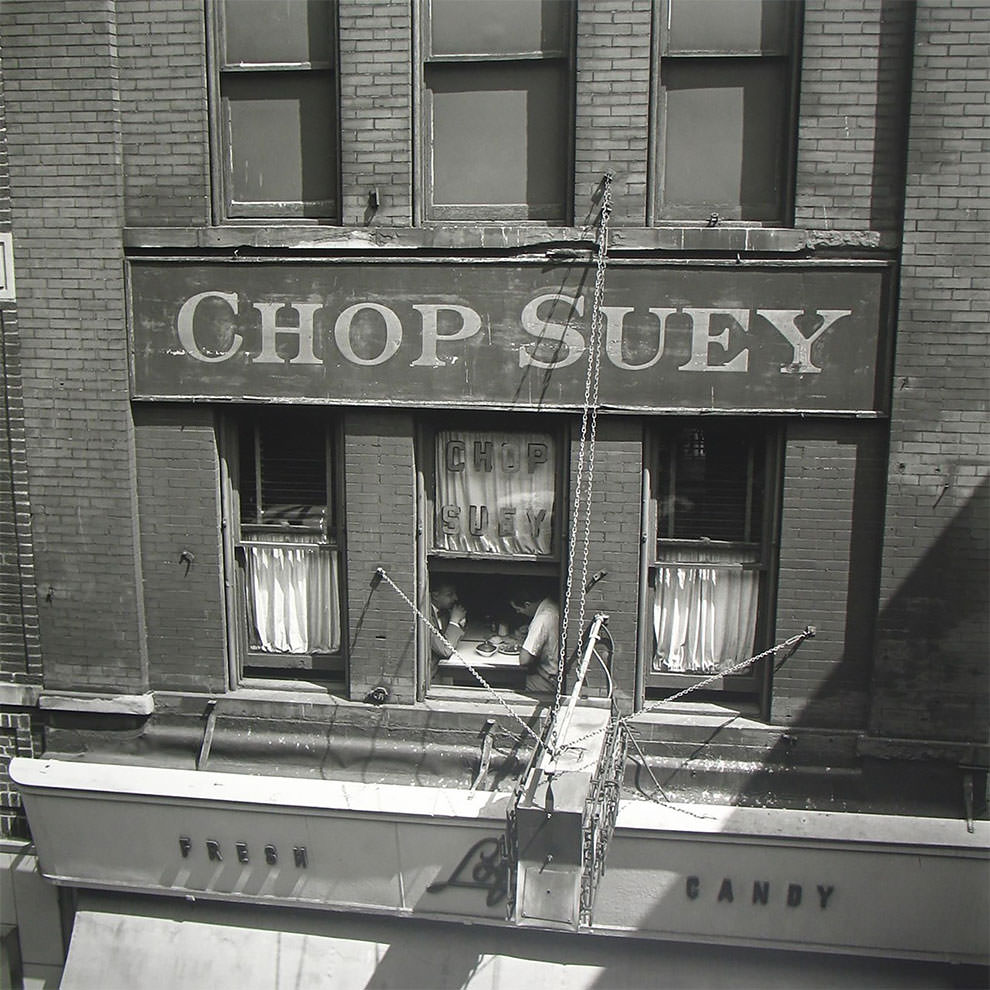
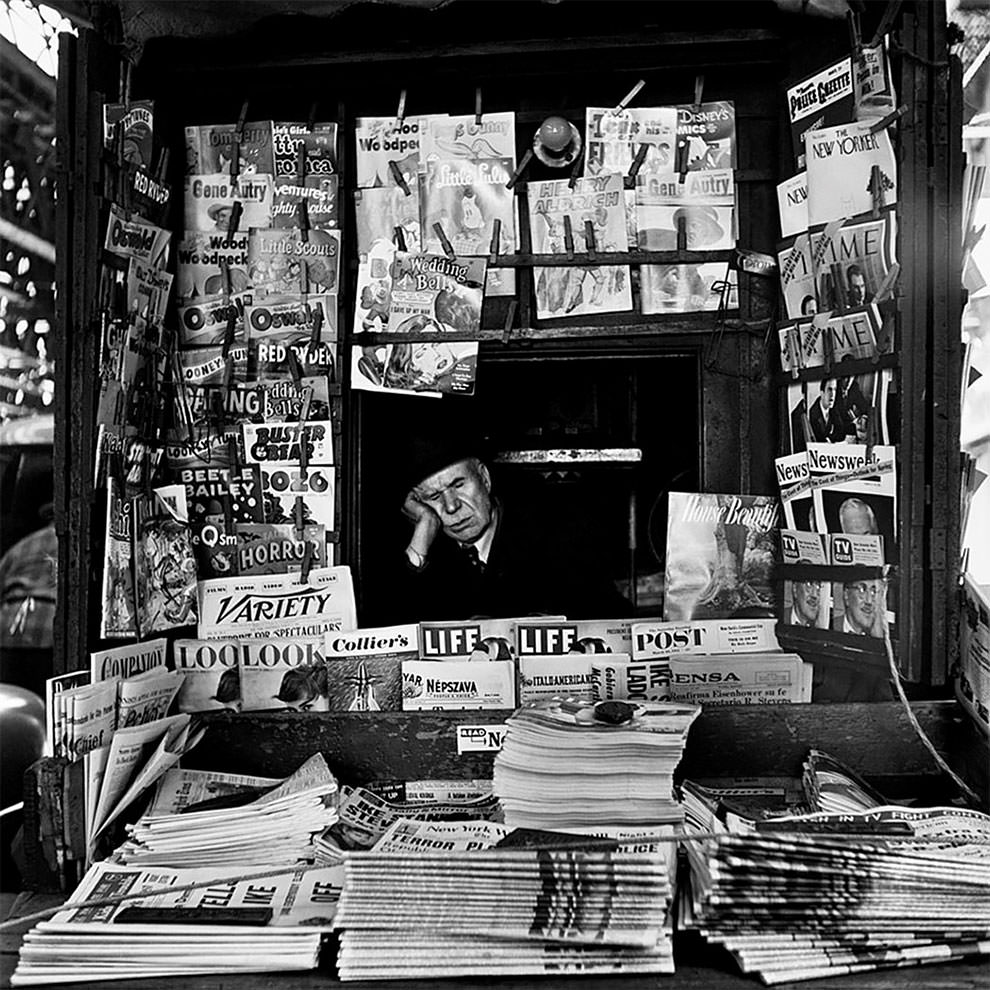
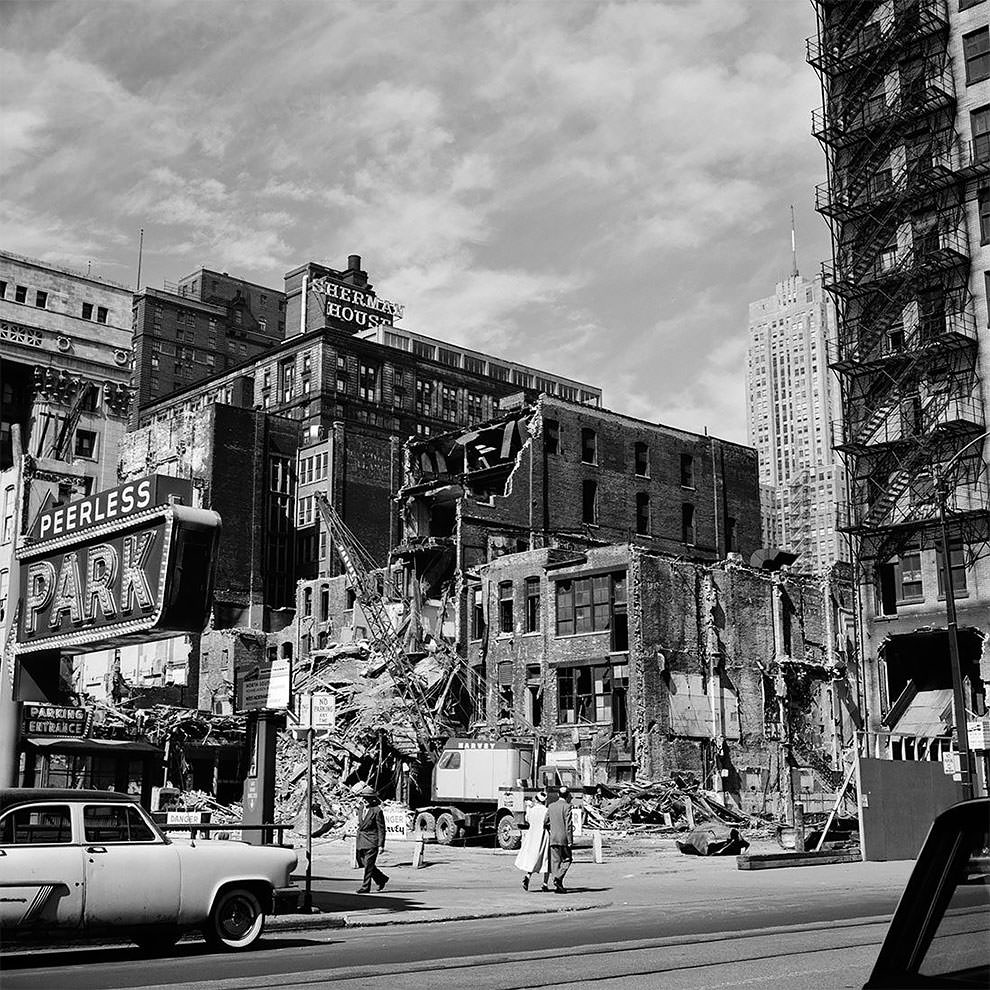
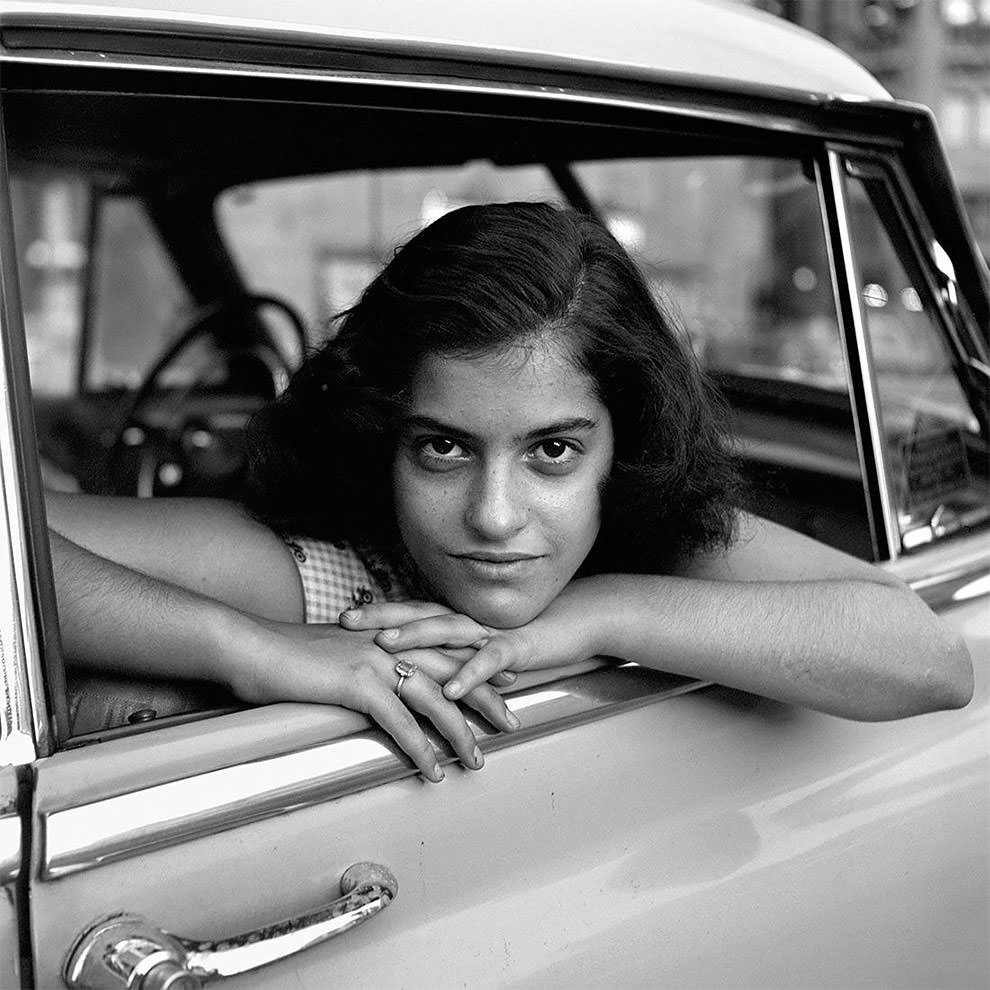
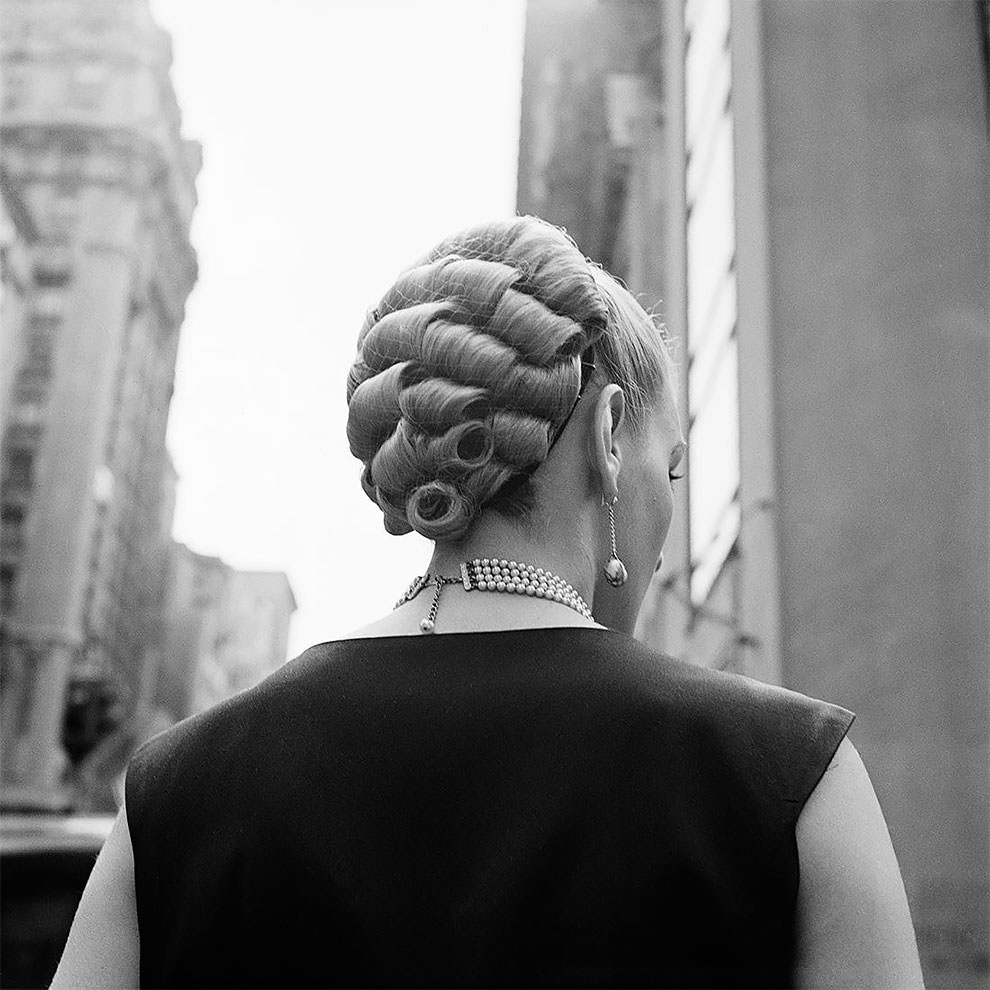
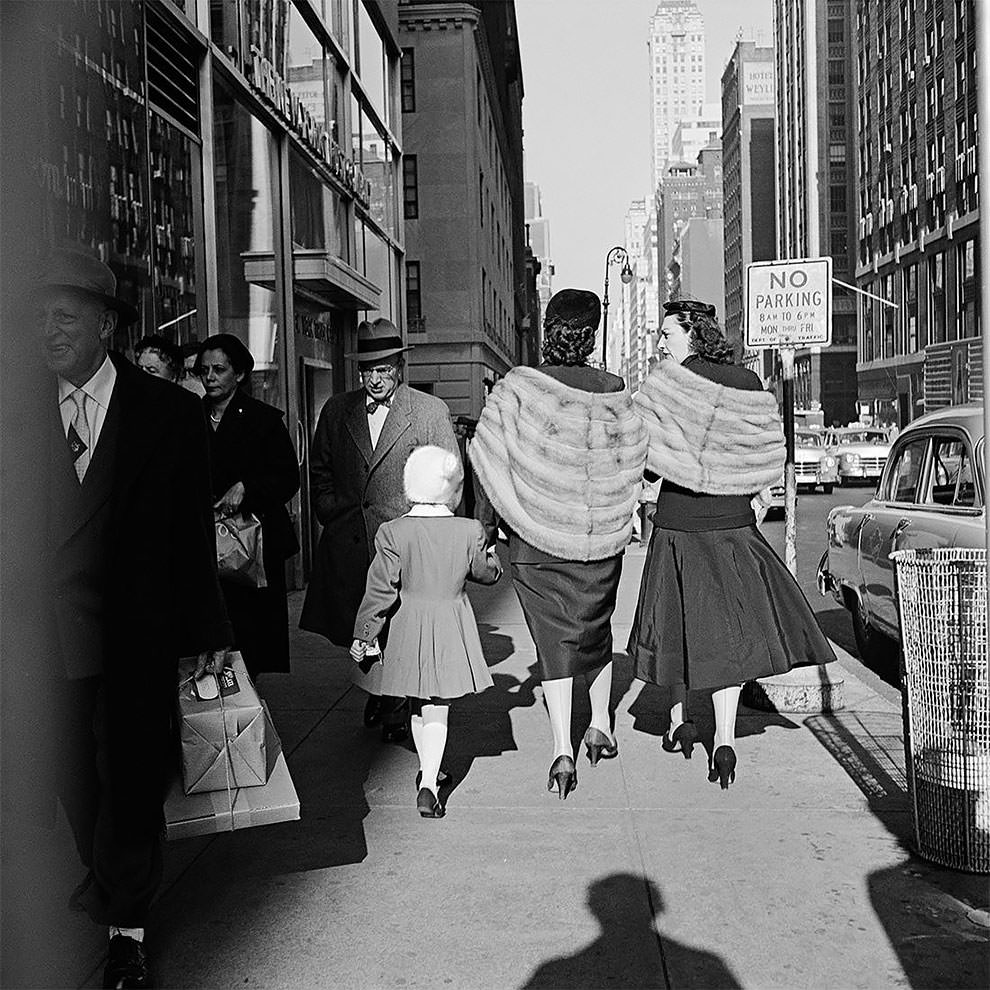
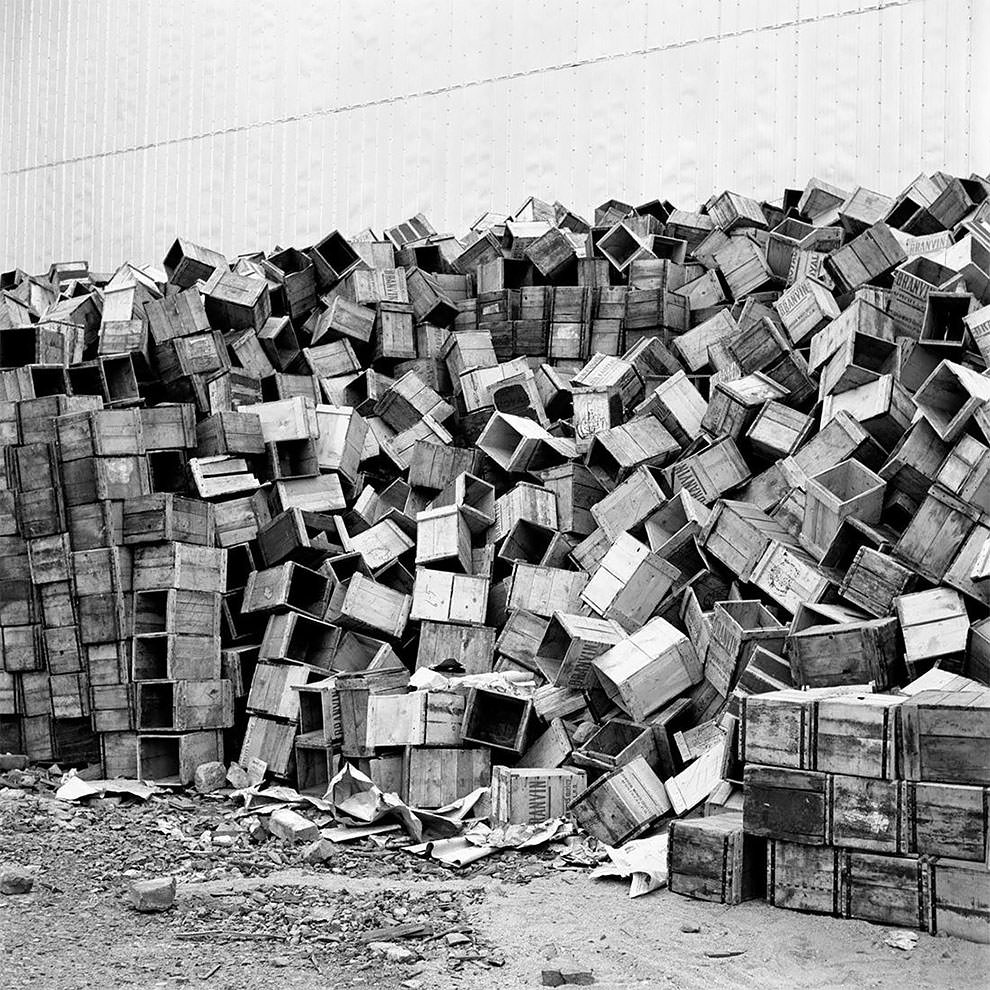
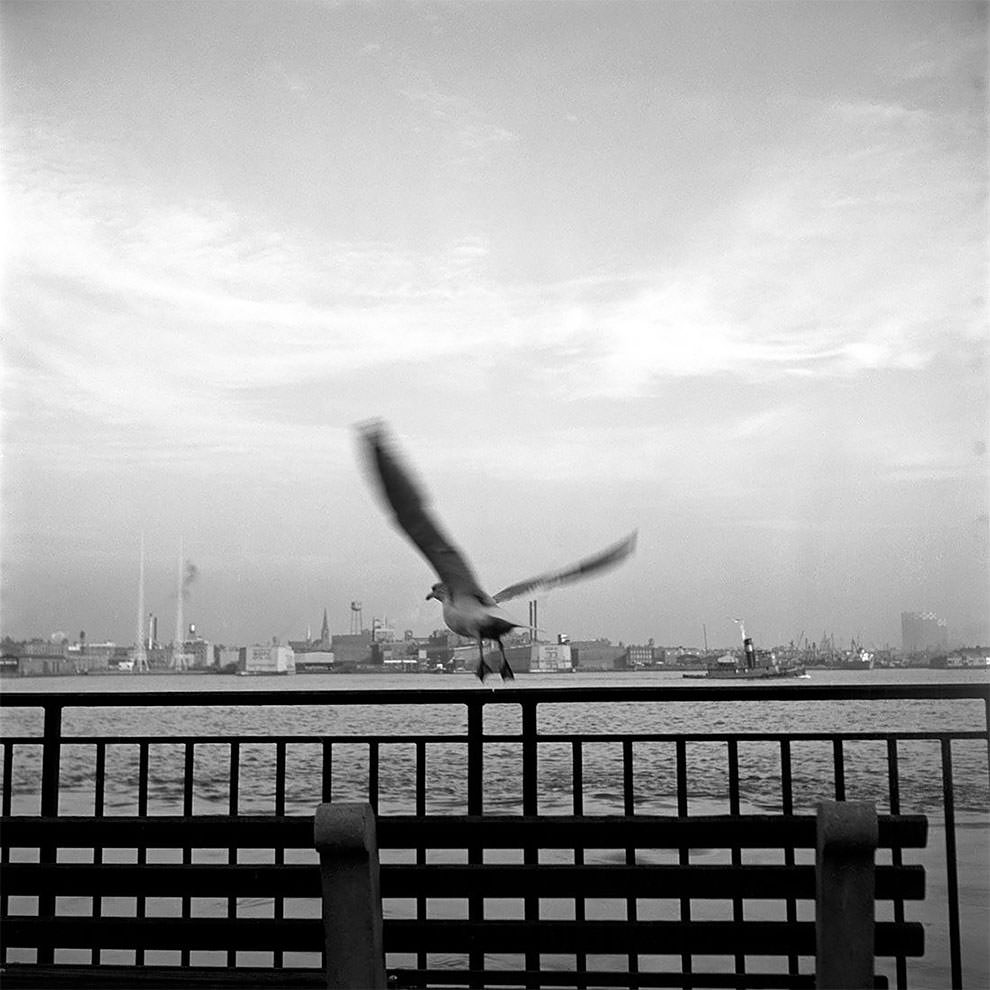
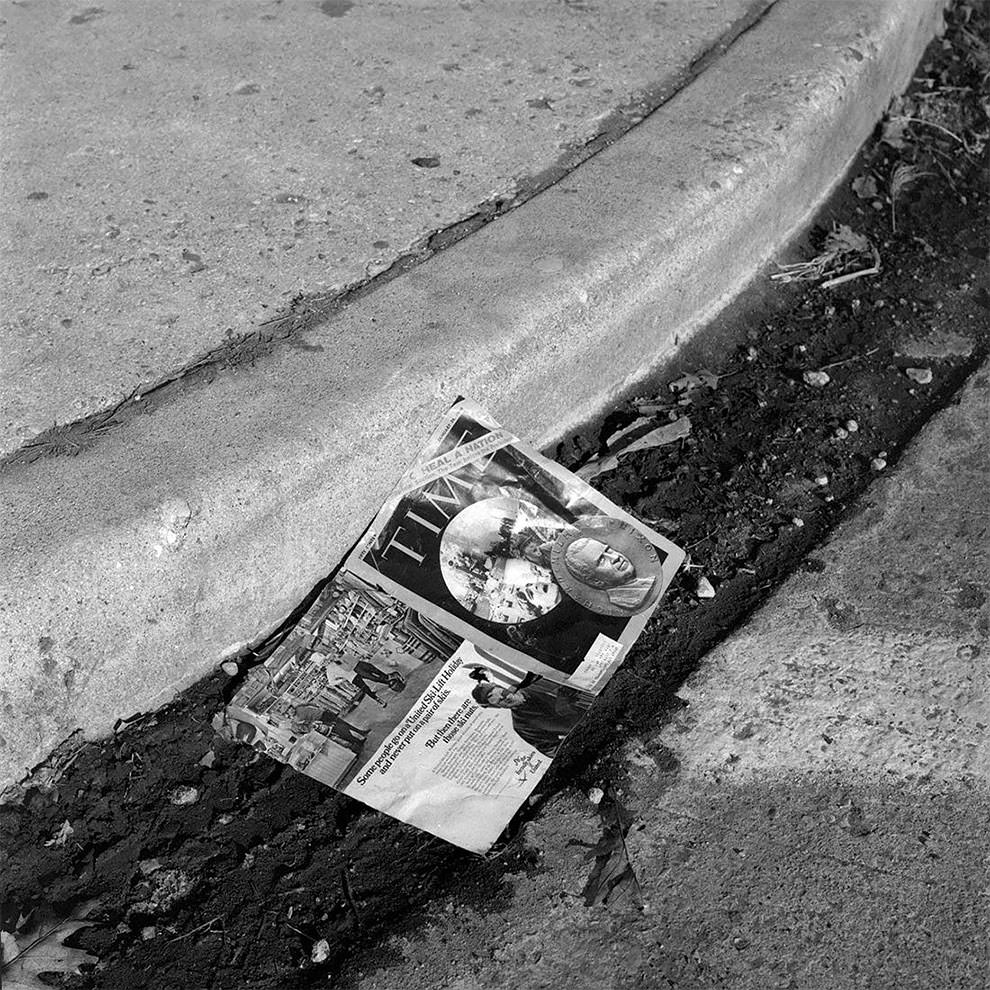
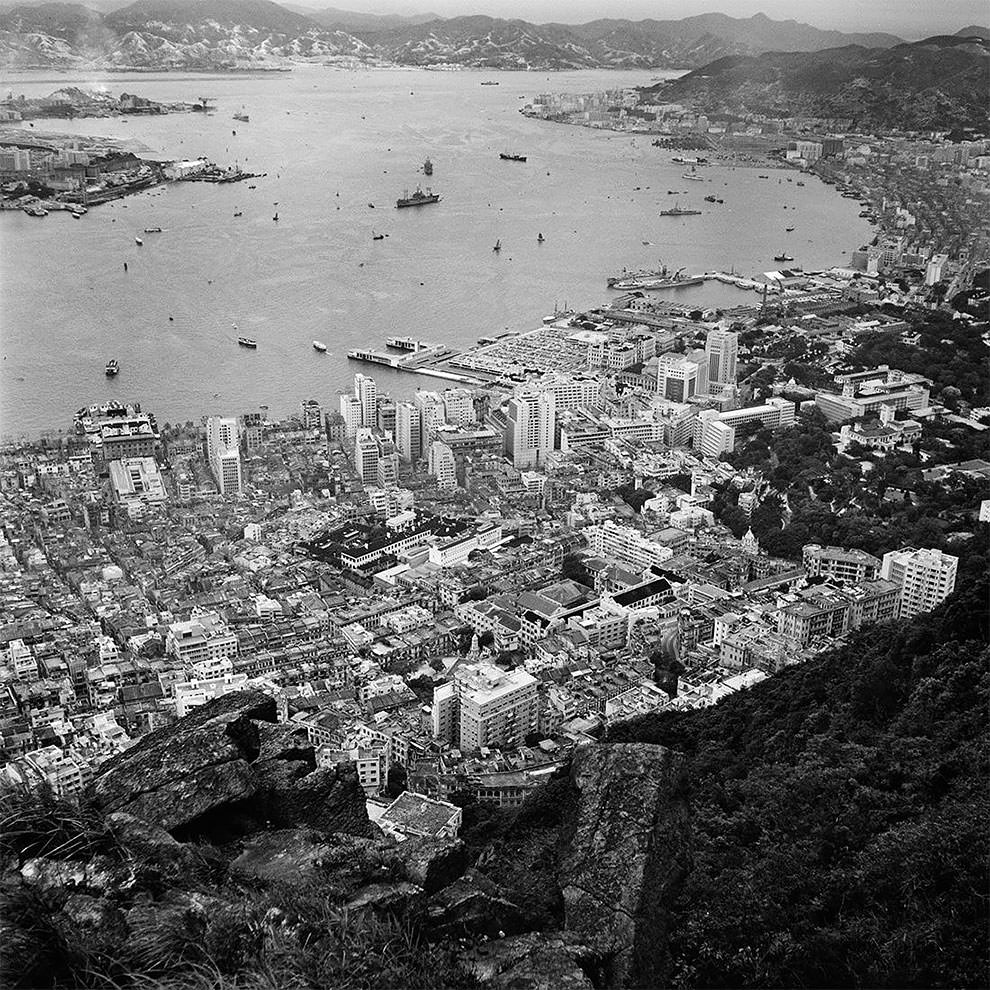
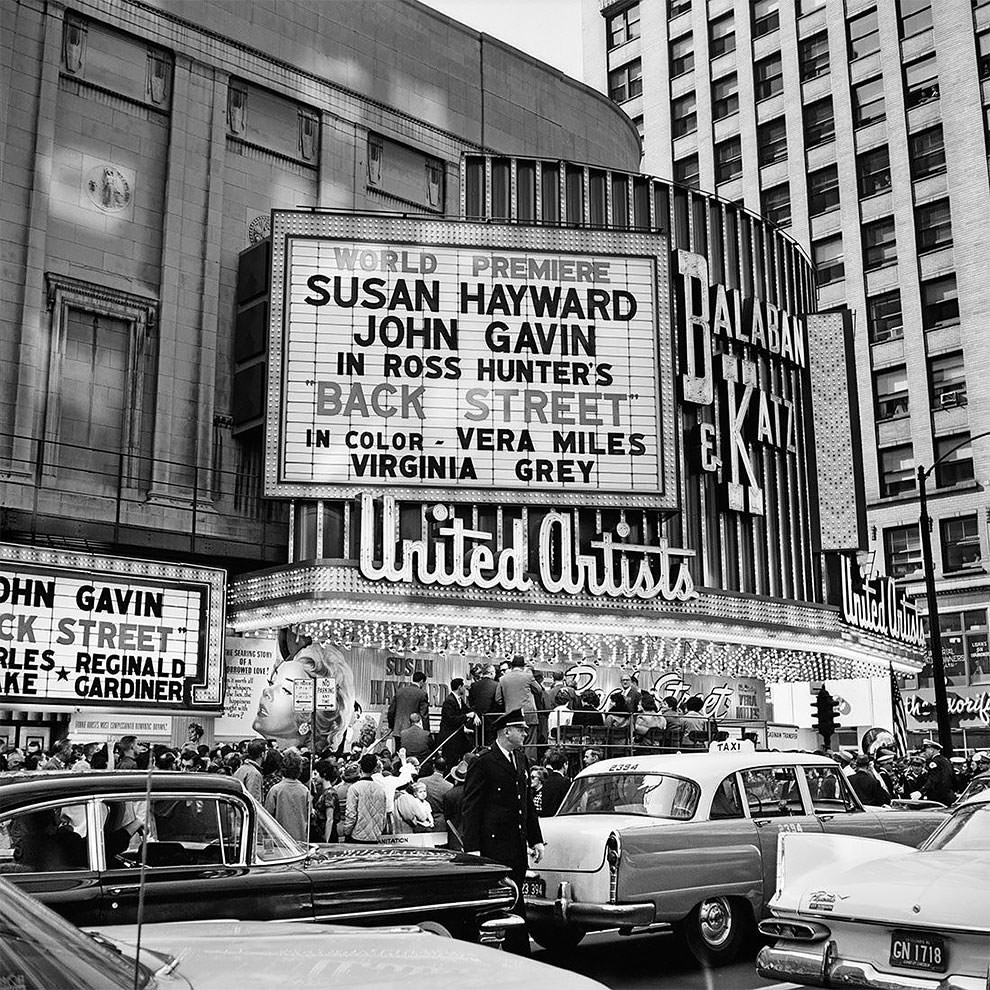
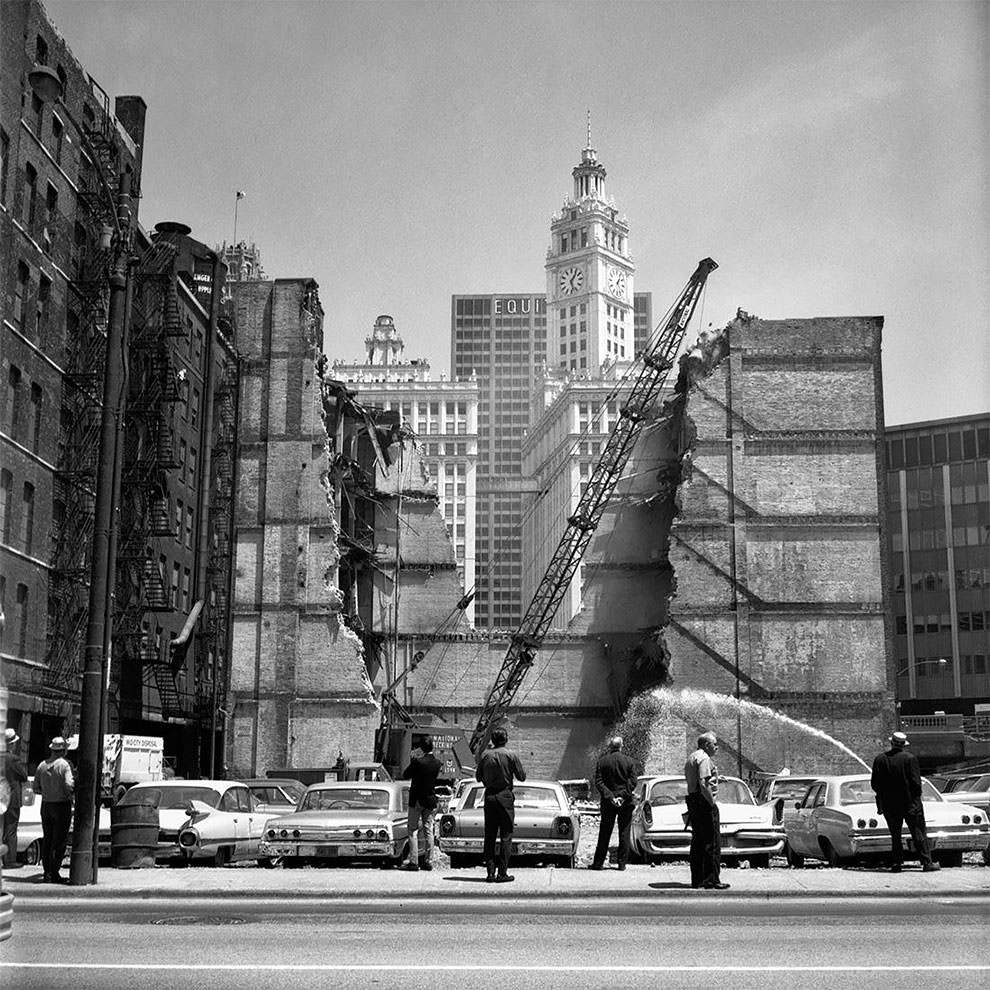
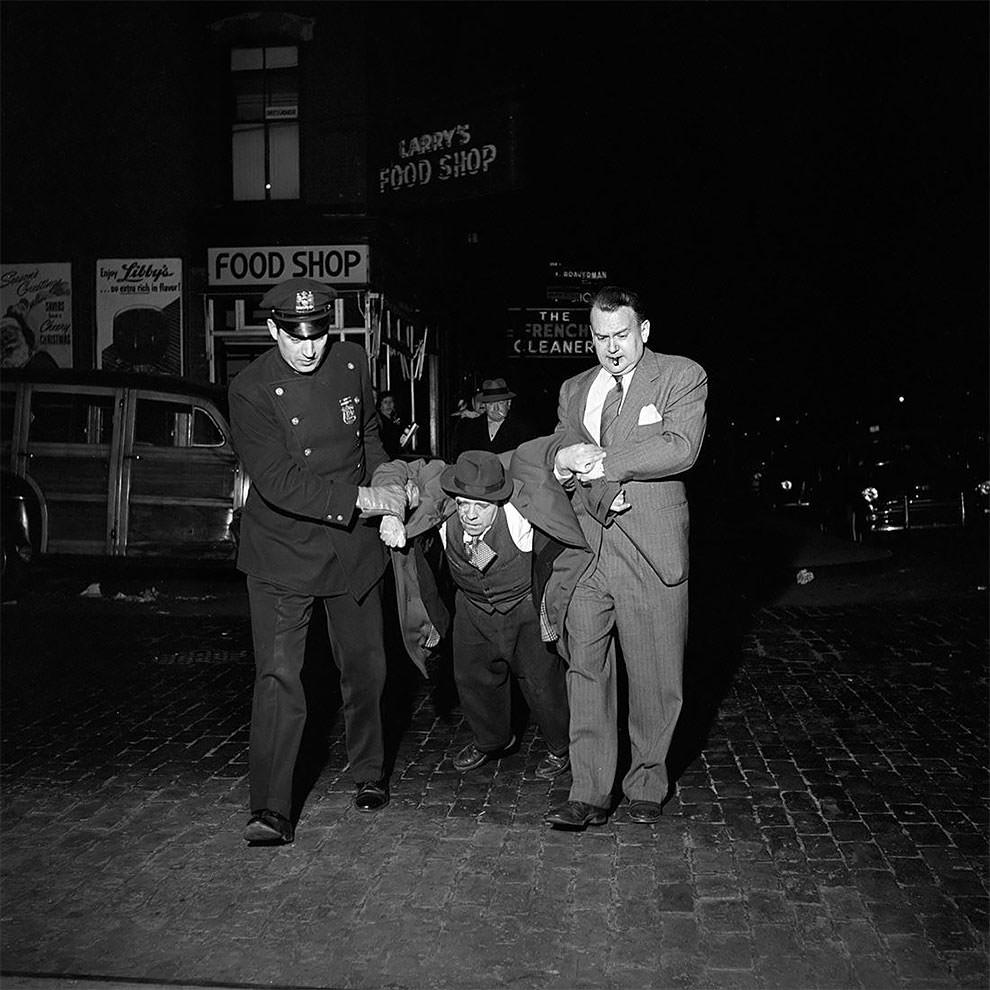
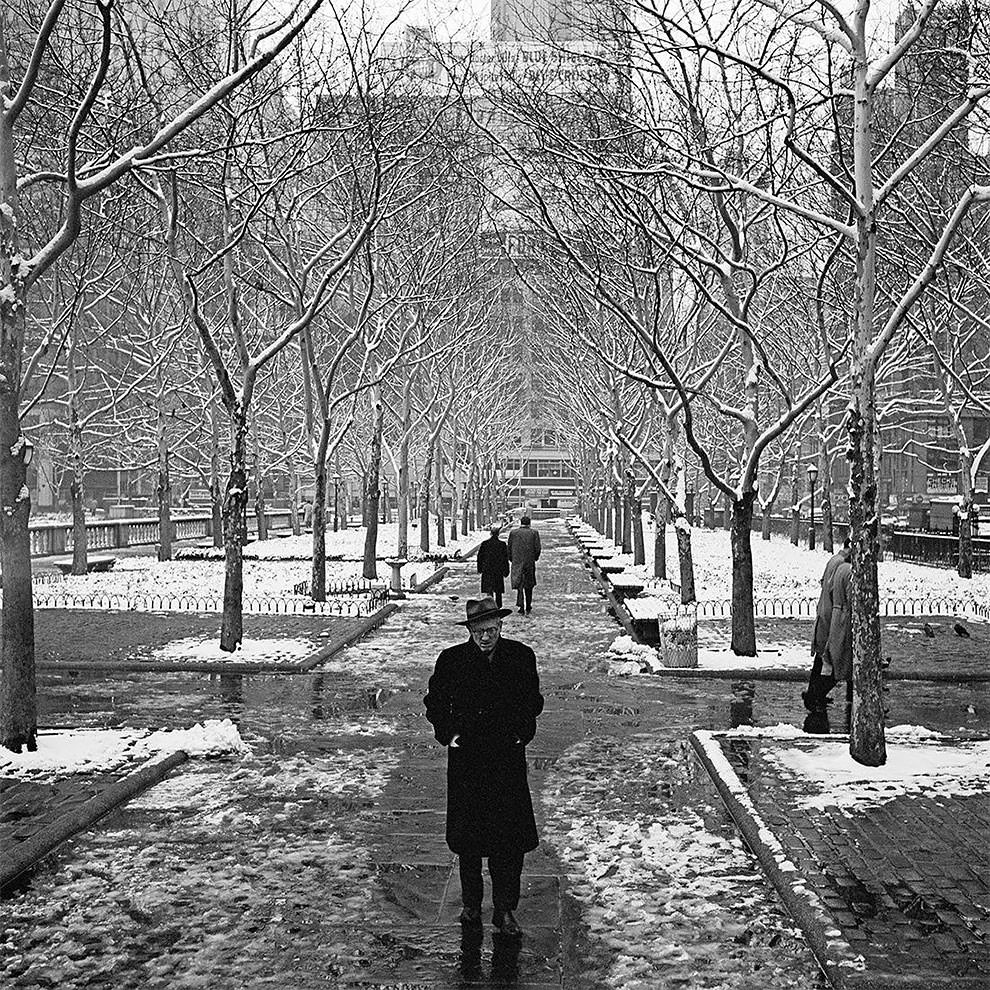
Her New York street photographs stand as one of the most complete visual records of mid-century city life ever assembled by a single photographer. Every frame below is a direct window into what New York City looked and felt like during the 1950s — unfiltered, unstaged, and entirely real.
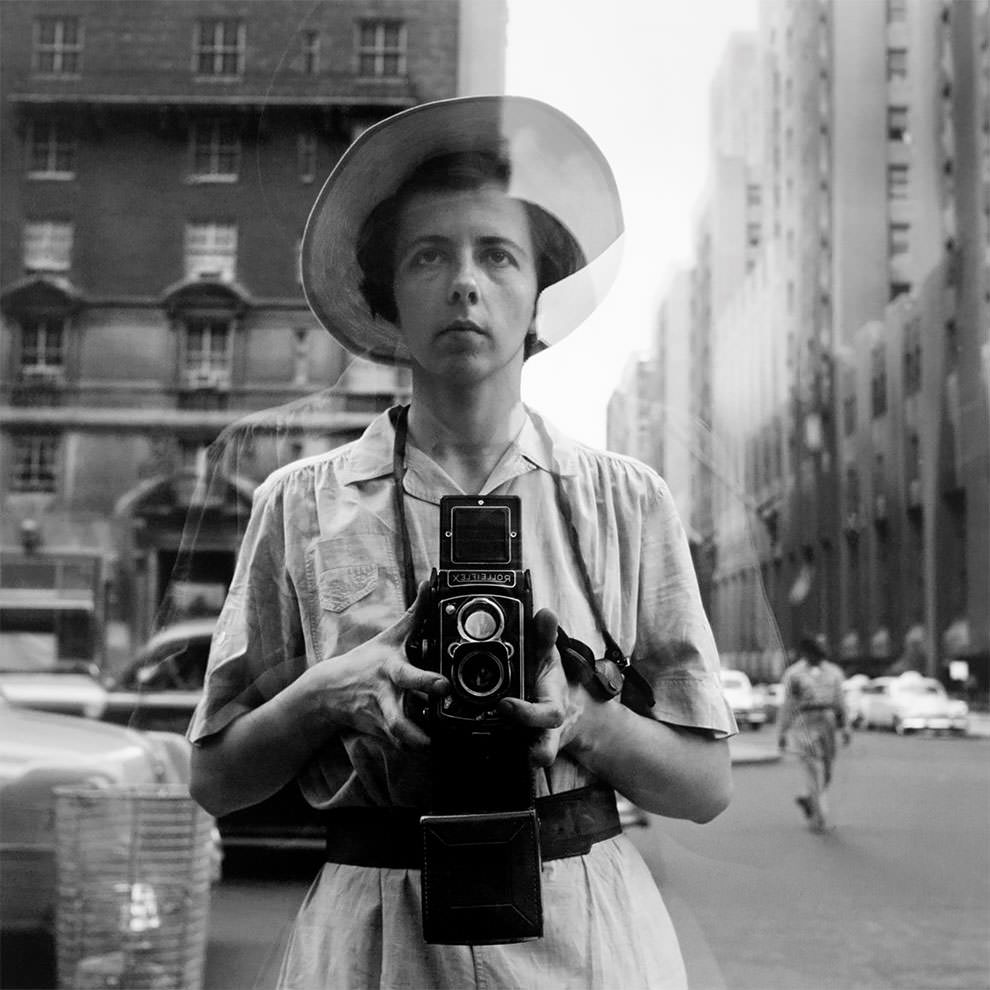
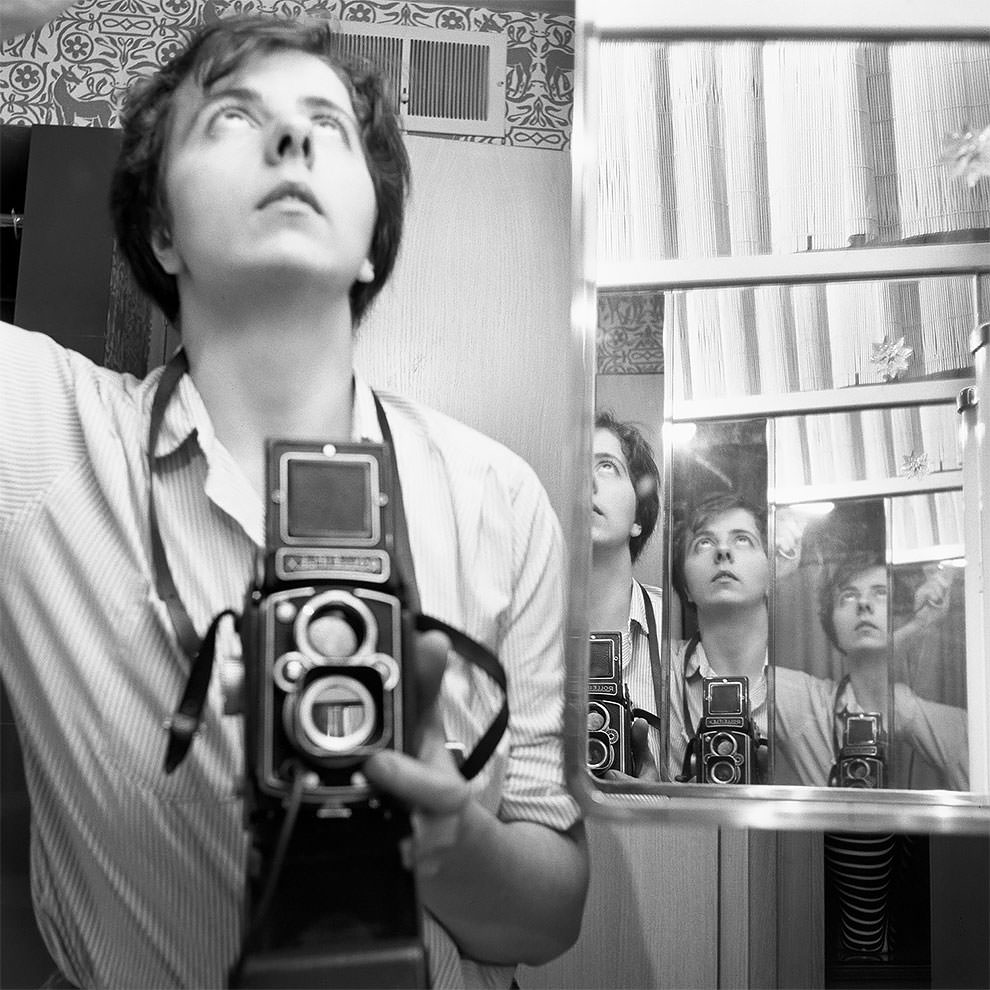
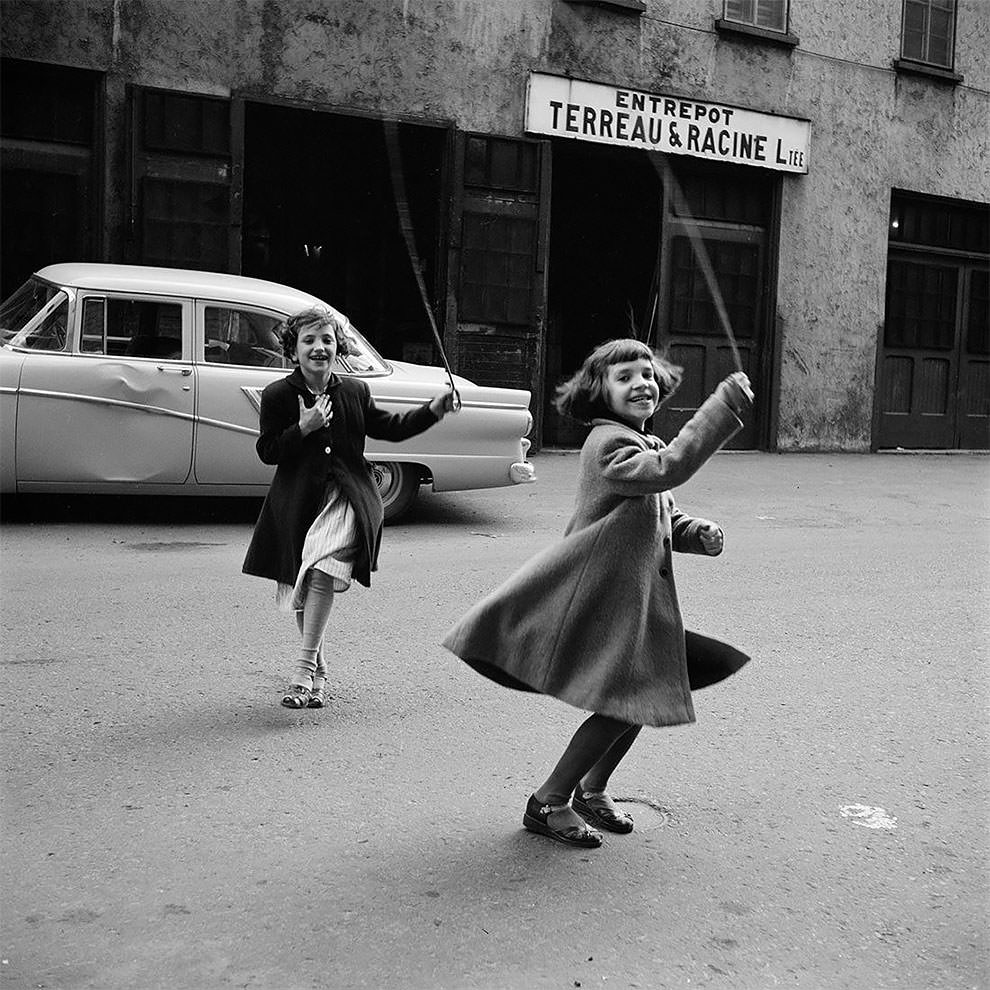
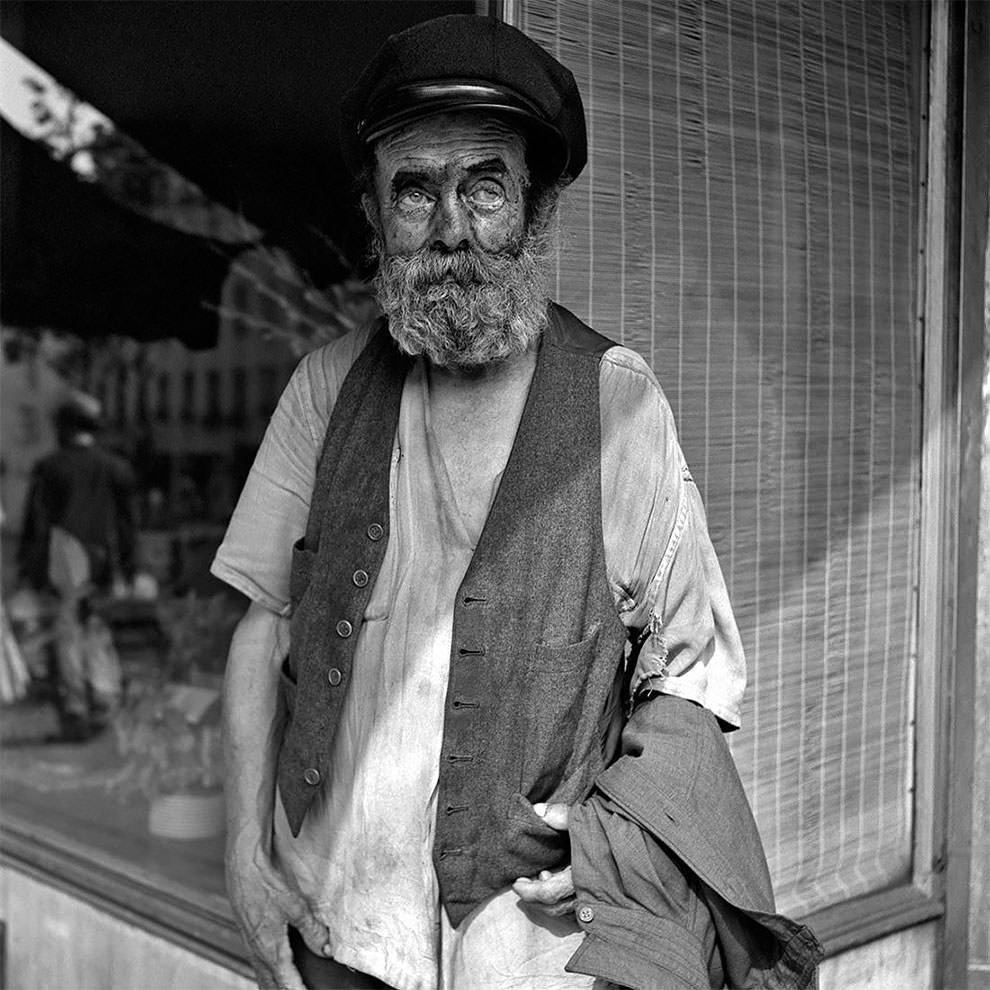
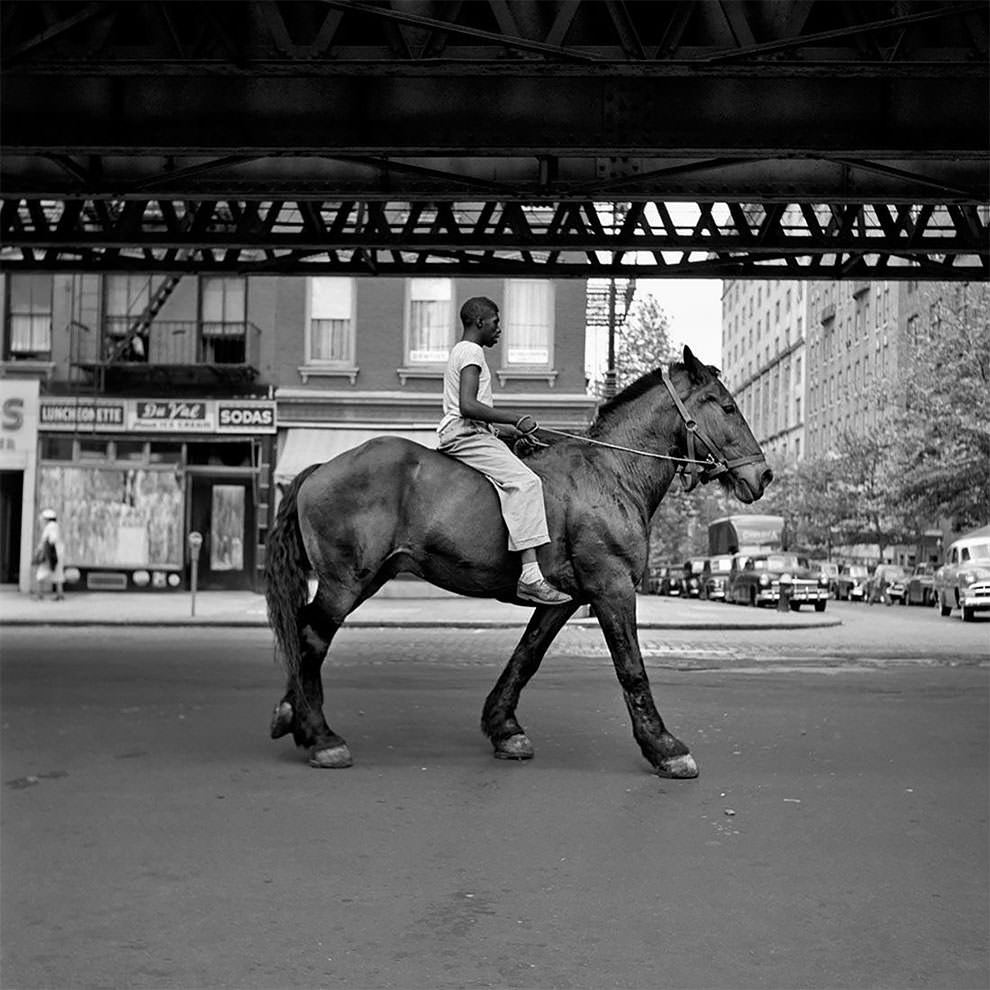





One of my favorite photographers! I know she also made films.
#4 is easy – NPL at 42nd street
#5- 59th and 5th avenue with old Savoy-Plaza hotel in background.
Savoy-Plaza Hotel – Wikipedia
#8 – South Ferry (boat docking coming from Staten Island)
She’s amazing!! Thank you!!