Hey There! Before You Go. 😧
Get the best vintage content straight into your inbox!

Don't worry, we don't spam

Tanzania in the 1960s: Stunning Historical Photos of Streets and Life

On December 9, 1961, Tanganyika gained independence from British rule. Less than three years later, on April 26, 1964, it united with Zanzibar to form the United Republic of Tanzania. The country that emerged was young, diverse, and navigating an uncertain path between old colonial structures and a bold new national identity. These photographs, taken throughout the 1960s, capture that transitional world — its people, its cities, its politics, and its daily rhythms.

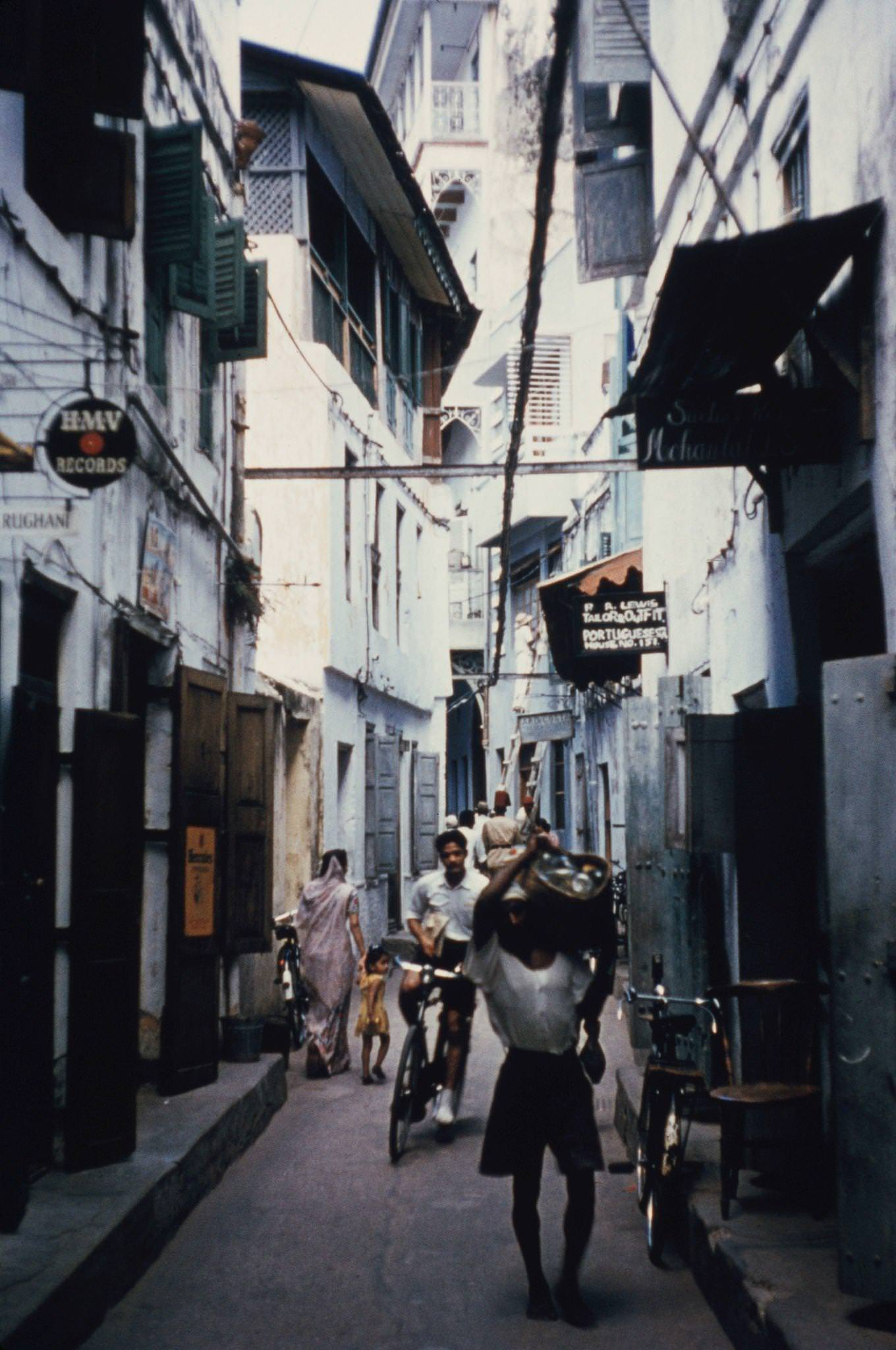
A street in Zanzibar, 1965

Zanzibar, the archipelago just off Tanzania’s eastern coast, had its own turbulent story. Its 1964 revolution overthrew the Arab sultanate that had ruled the islands, and it merged with mainland Tanganyika just months later. By 1965, the streets of Zanzibar Town carried the marks of that upheaval — a port city with centuries of Swahili, Arab, and Indian influence, now under a new political order.

Local residents stand outside Colito Barracks, where mutineers are imprisoned, in Dar es Salaam, 1960s

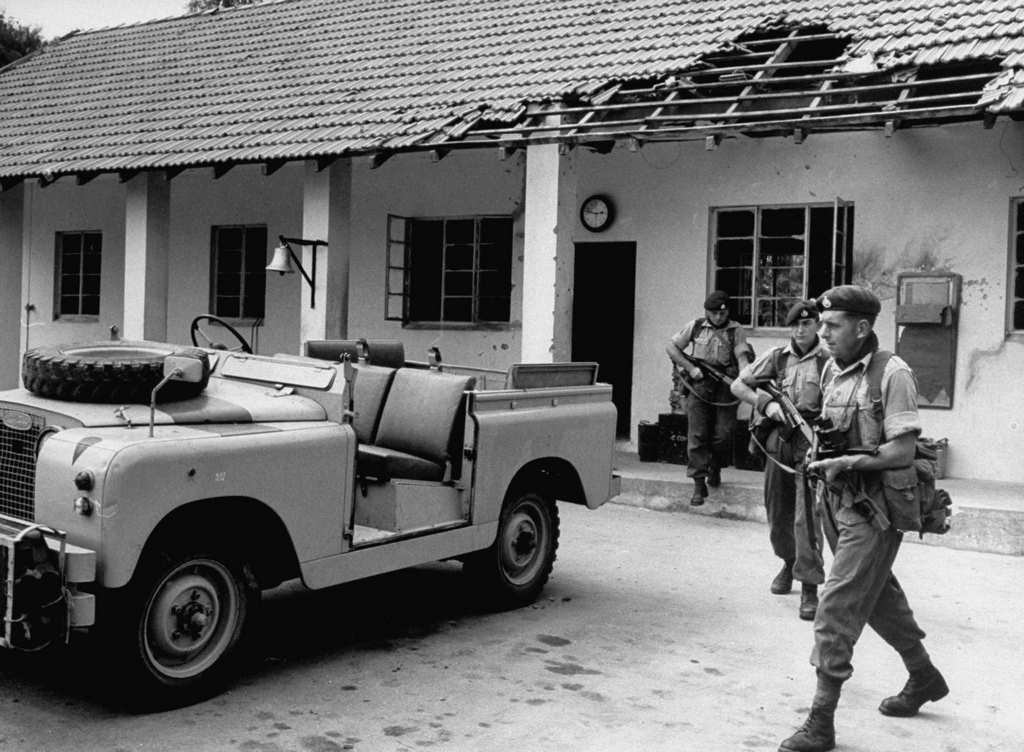
In January 1964, just weeks after independence, the Tanganyika Rifles mutinied at Colito Barracks in Dar es Salaam. The soldiers were demanding higher pay and the removal of British officers who still held command positions in the new national army. President Julius Nyerere, caught off guard by the revolt, requested British military assistance. The Royal Marines were sent in to restore order swiftly and decisively.

Members of the British Royal Marines (possibly 45 Commando Royal Marines) clear out the armory at Colito Barracks in Dar es Salaam, 1960s
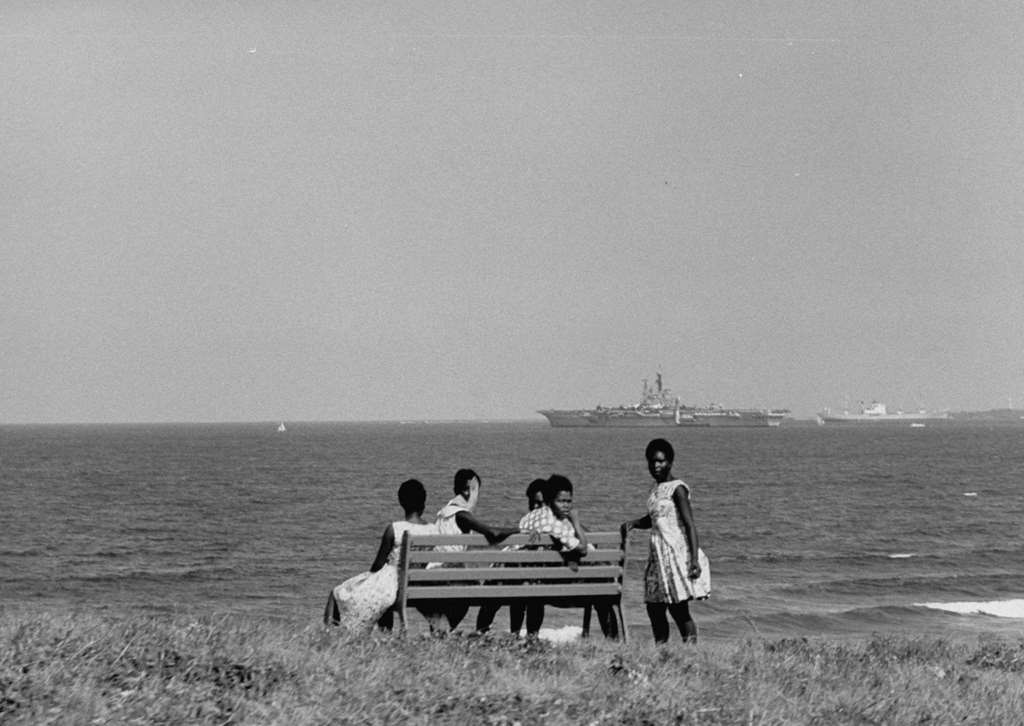
Local residents seated on a bench to watch the Royal Navy light fleet carrier HMS Centaur (R06) on patrol off the coast of Dar es Salaam, 1964

HMS Centaur carried the Royal Marines to Tanzania during the mutiny crisis. Residents of Dar es Salaam watched the carrier from the shore — a striking scene that captured how fragile the early months of independence truly were. The mutiny was suppressed within days, but it prompted Nyerere to dissolve the Tanganyika Rifles entirely and build a new army from the ground up.

Tanzania, 1962.
Tanzania, 1962.

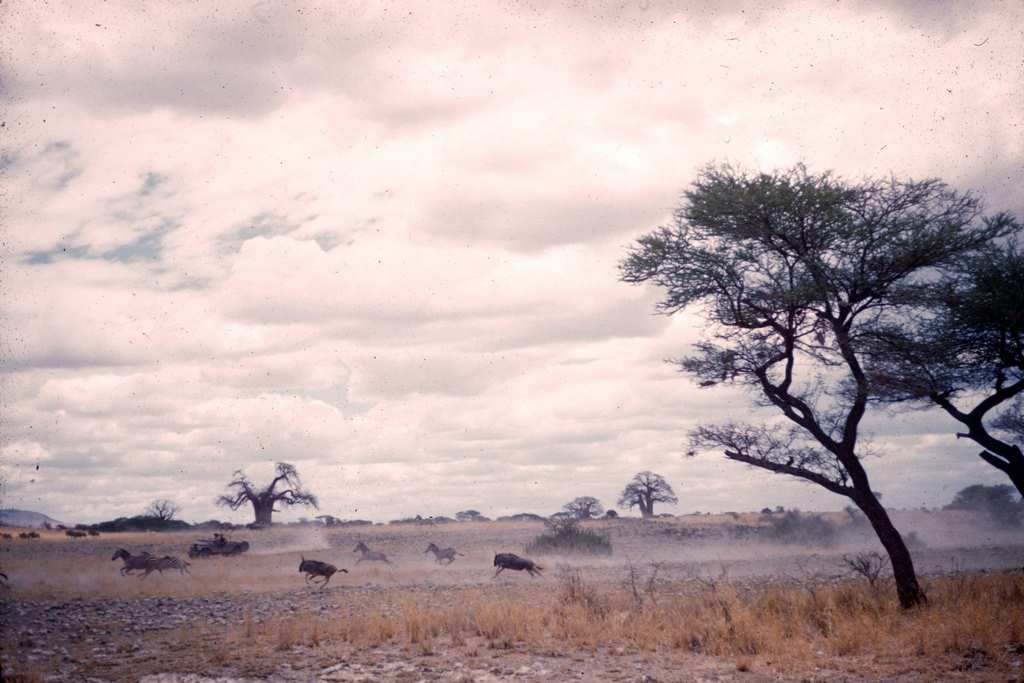
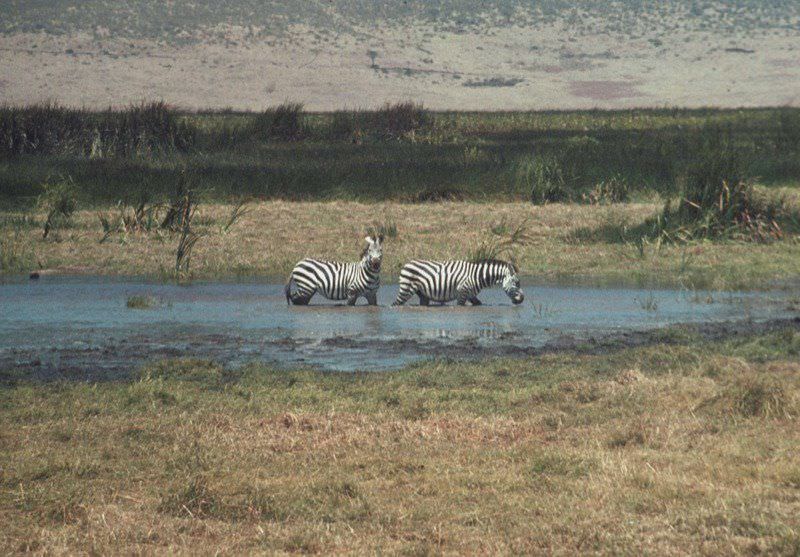
Away from the capital, Tanzania’s countryside in the early 1960s was largely unchanged by the political shifts happening in Dar es Salaam. Vast grasslands, open skies, and herds of wildlife defined the landscape. Tanzania is home to some of Africa’s most iconic natural environments, including the Serengeti, the Ngorongoro Crater, and the slopes of Mount Kilimanjaro — the continent’s highest peak, rising 5,895 meters in the northeast.

View of a herd of wildebeest as they gallop across a grassland, Tanzania, 1962.
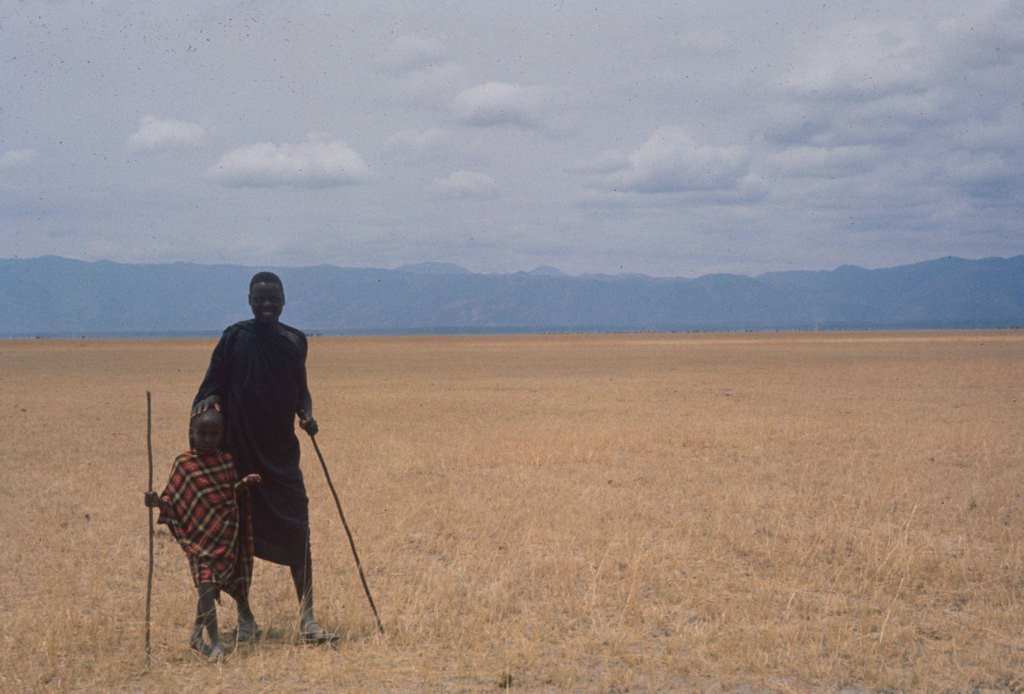
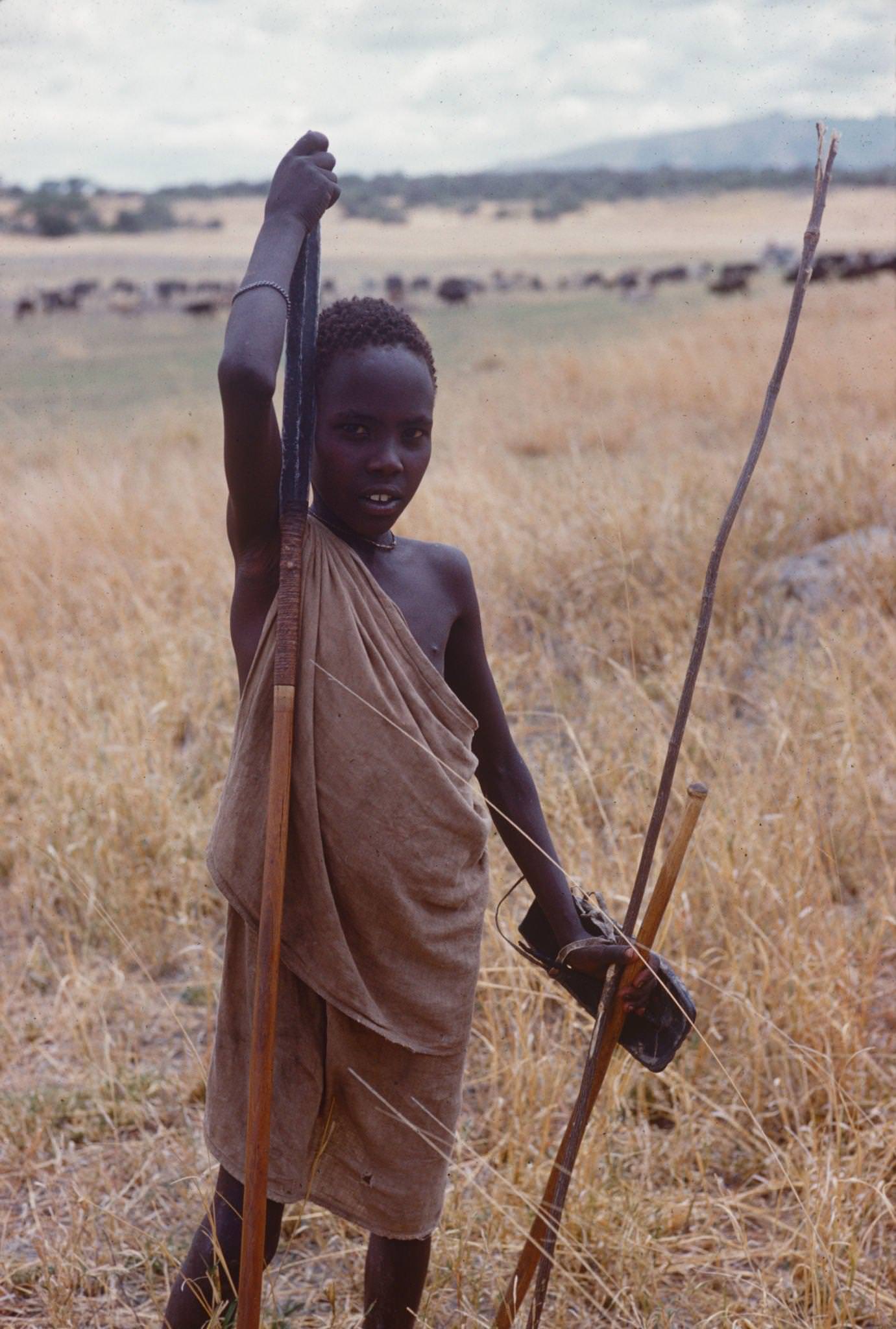
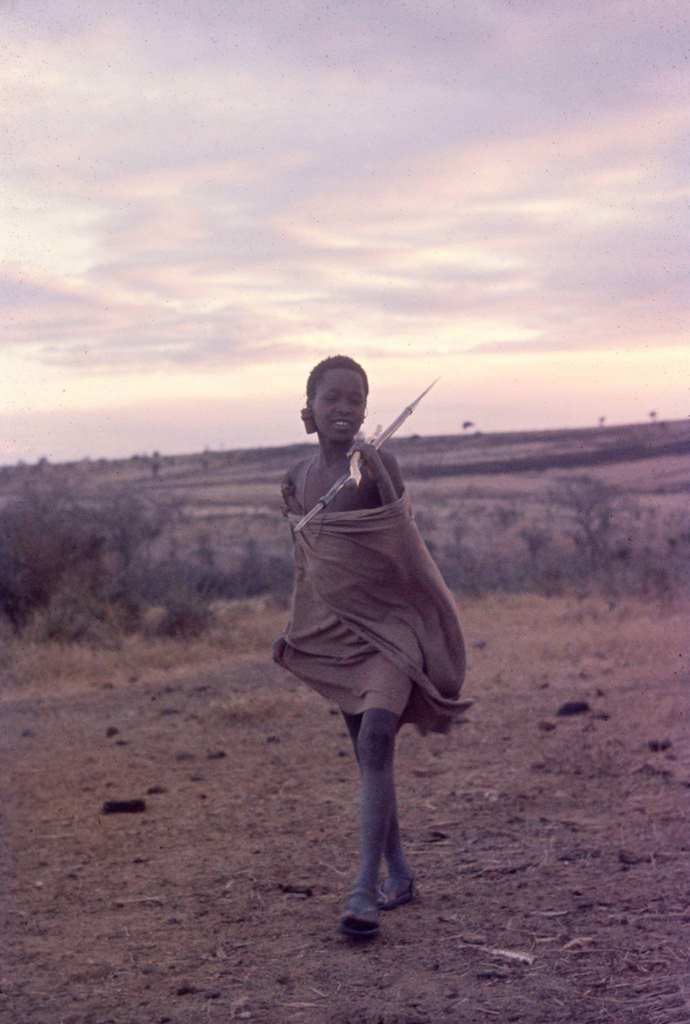
A shepherd as he holds a spear, Tanzania, 1962.
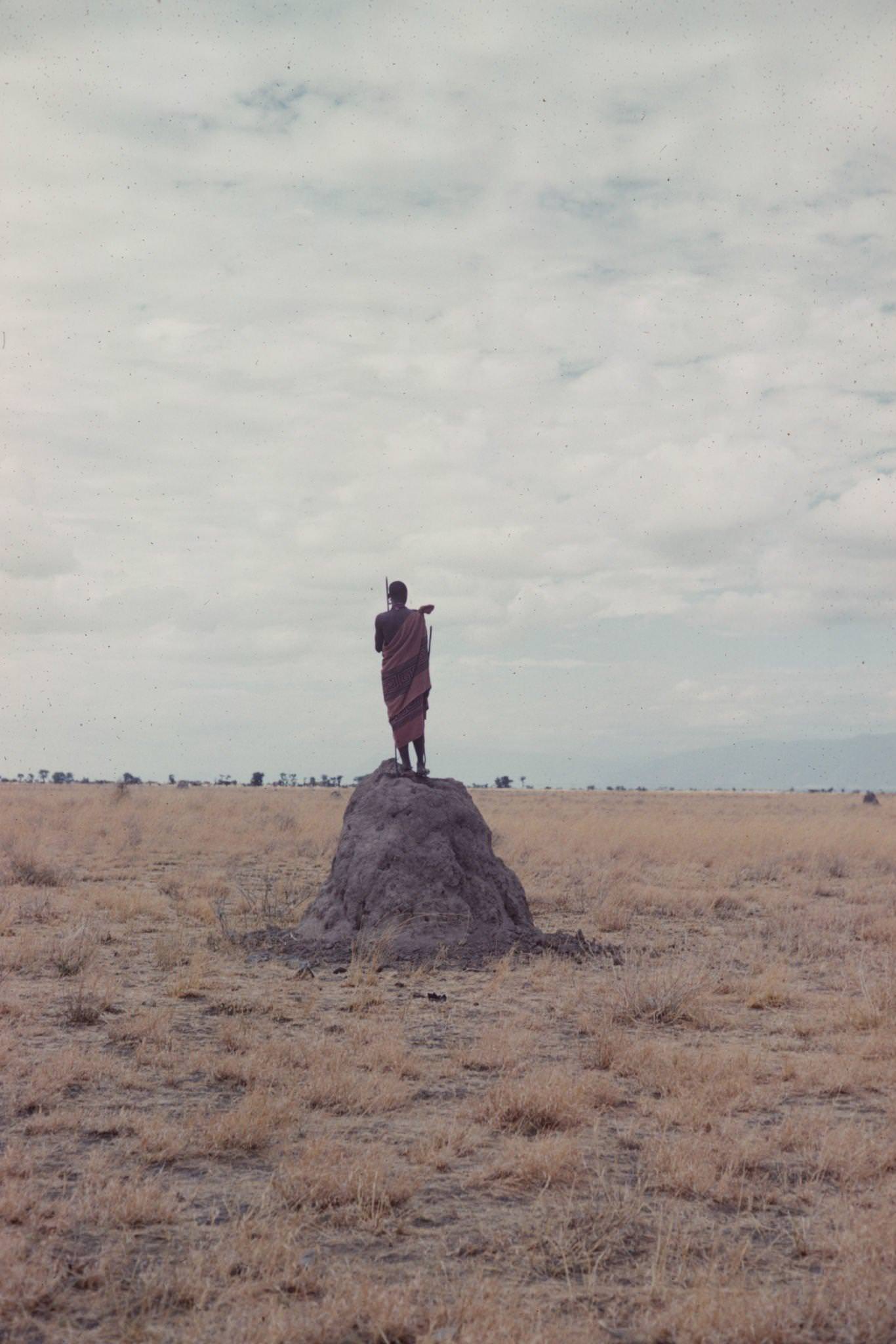
A man as he stands on an ant or termite hill and looks across a field, Tanzania, 1962.
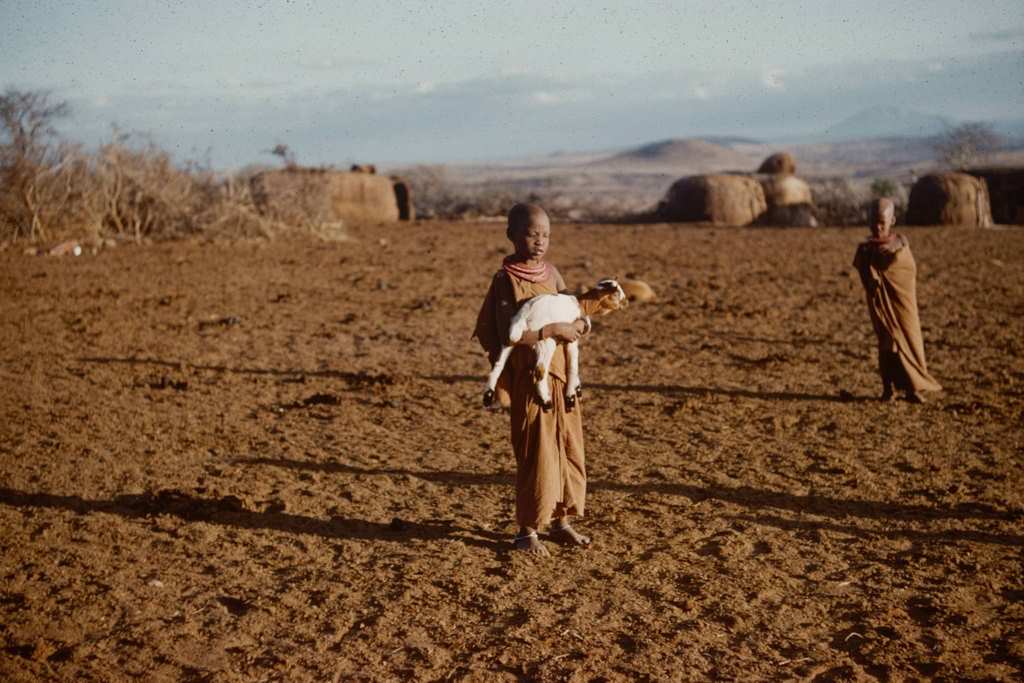
A young boy as he holds a goat kid in his arms in a small village, Tanzania, 1962.
A shepherd as he holds a spear, Tanzania, 1962.
A man and his son as they smile and stand in an open field, Tanzania, 1962.

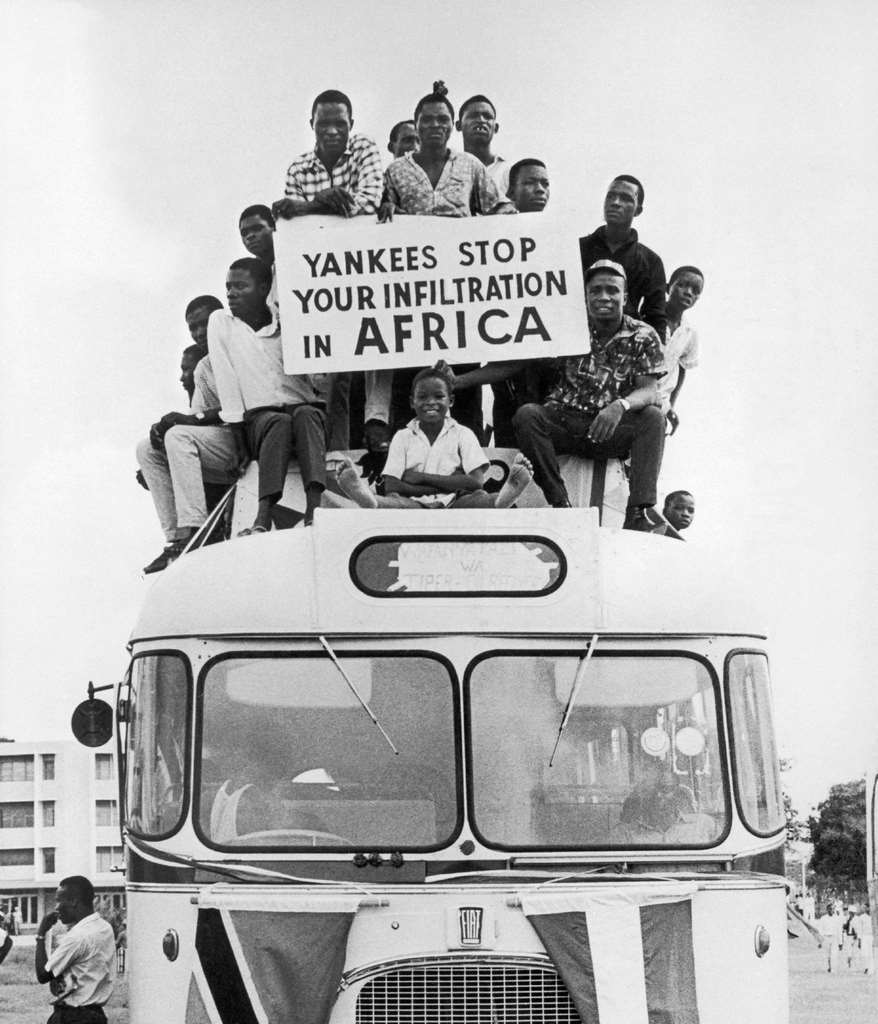
Julius Nyerere, Tanzania’s first president, held a deeply ideological vision for his country. He outlined it most clearly in the Arusha Declaration of 1967, a document that announced the formal introduction of African socialism — known as Ujamaa, meaning ‘familyhood’ in Swahili. The declaration was accompanied by the nationalization of banks, major industries, and large farms. Nyerere believed Tanzania’s development had to come from within, built on local knowledge and collective effort rather than foreign technology and debt.

On the roof of a bus, Tanzanians protest against US imperialism with a banner that reads 'Yankees, stop infiltrating Africa', in Tanzania, August 4, 1967.
On the roof of a bus, Tanzanians protest against US imperialism with a banner that reads ‘Yankees, stop infiltrating Africa’, in Tanzania, August 4, 1967.

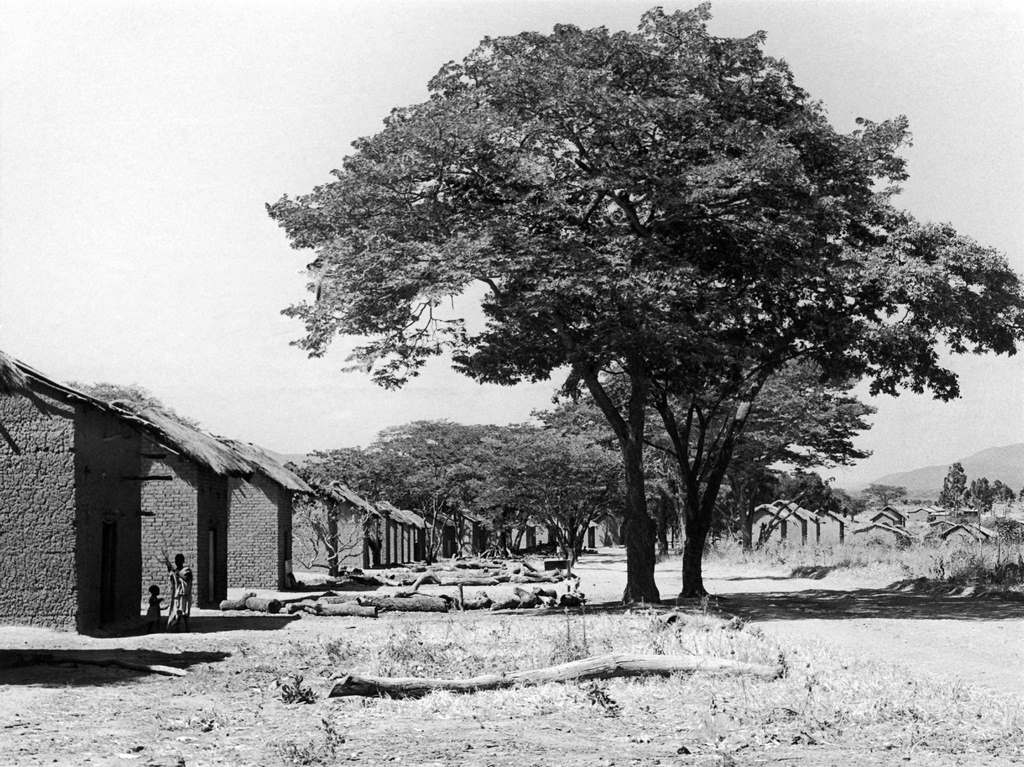
Nyerere’s Ujamaa policy included resettling rural populations into planned communal villages. These Ujamaa villages were designed to make delivering government services — schools, clinics, water — more efficient. In practice, the policy met with uneven results across different regions, but it reflected the government’s commitment to building a self-sufficient socialist society from the rural base up.

Buildings for curing tobacco in an Ujamaa, a village socialist community in the village of Kivere, Tanzania, October 23, 1969.
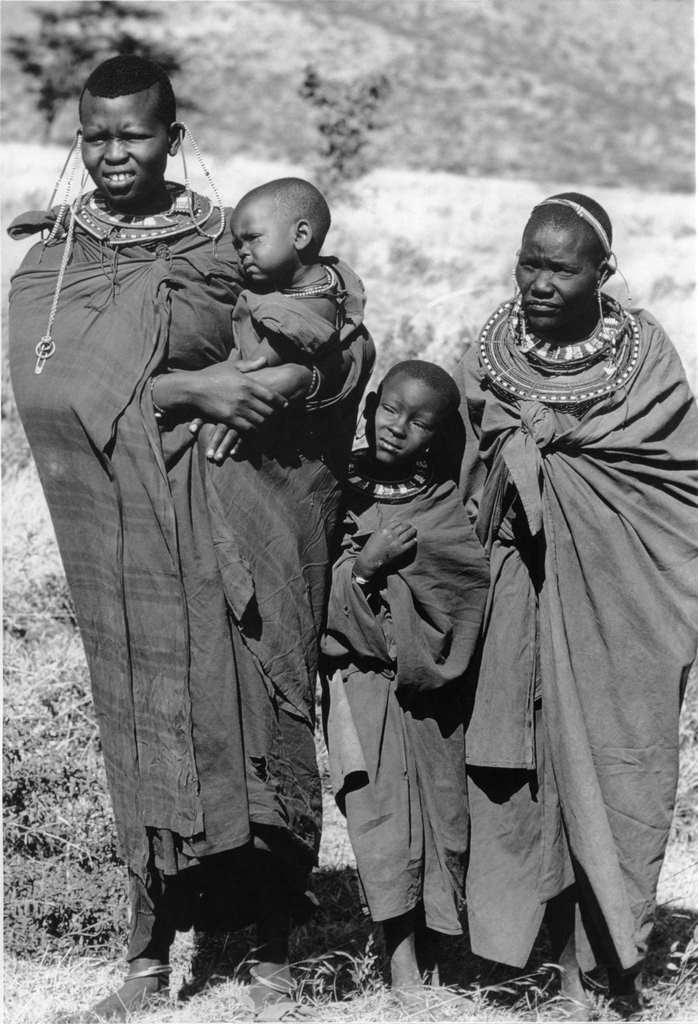
A small group of Masai women and children standing near Ngorongoro Crater, Tanzania.

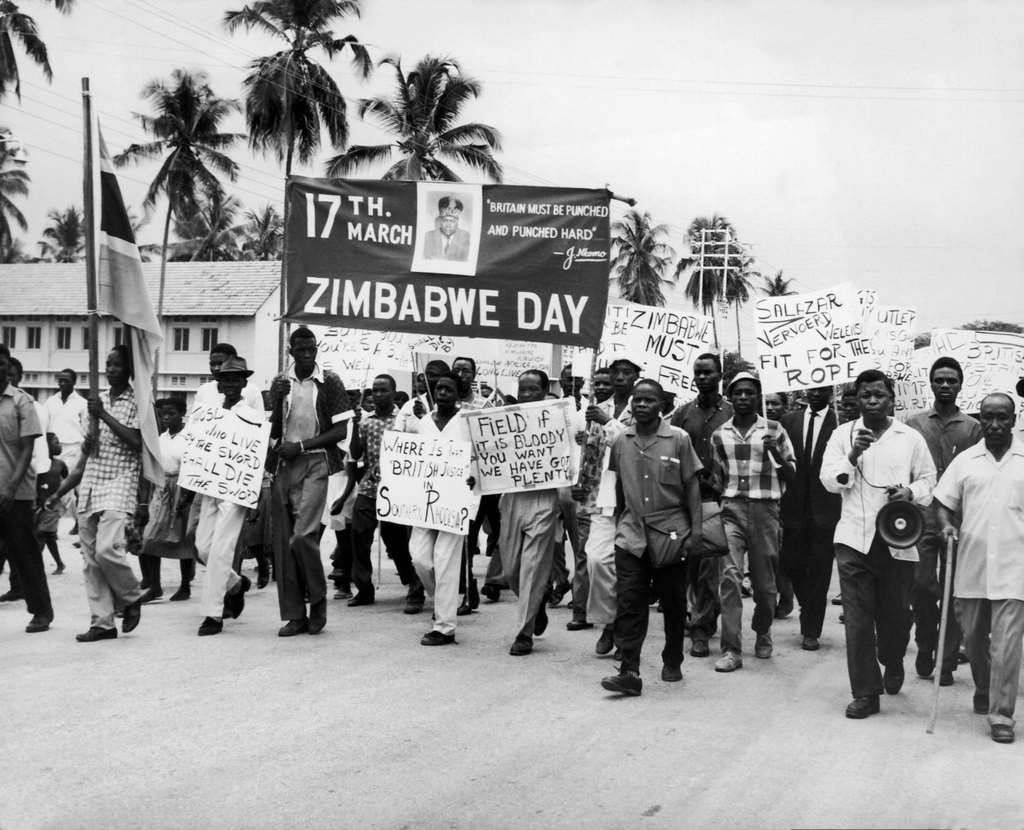
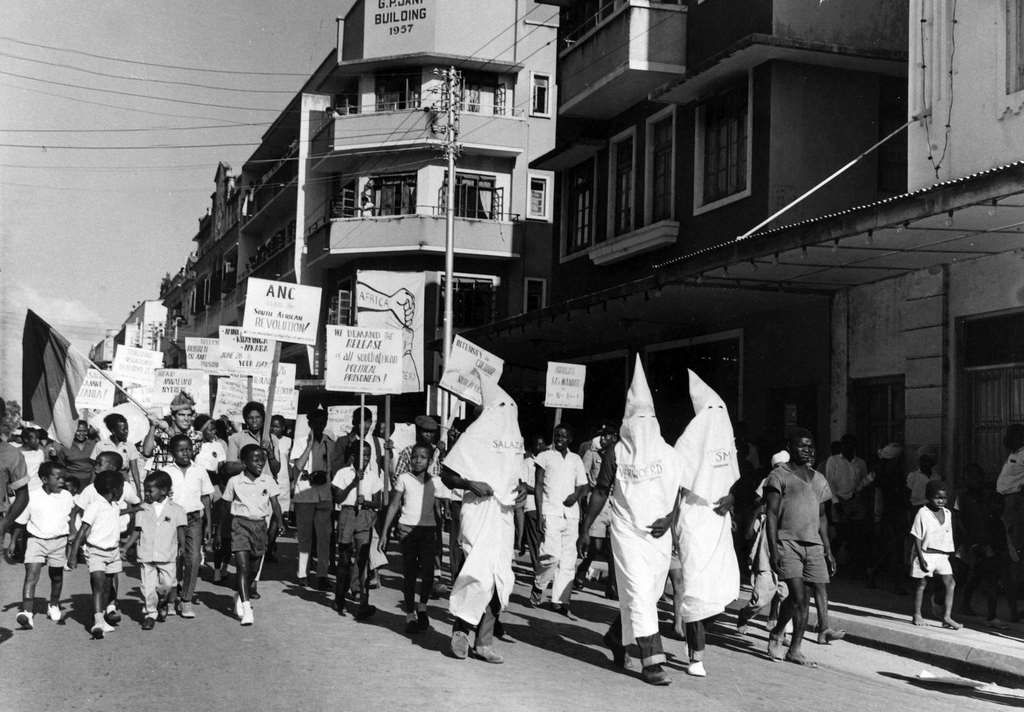
Tanzania was also a staging ground for liberation movements across southern Africa. Dar es Salaam became a hub for independence activists from Mozambique, Zimbabwe, and South Africa, all of whom operated from Tanzanian soil with Nyerere’s support. He saw African liberation as a regional cause, not just a domestic one.

Demonstration for the Independence pf Zimbabwe in Dar Es Salam, 1963
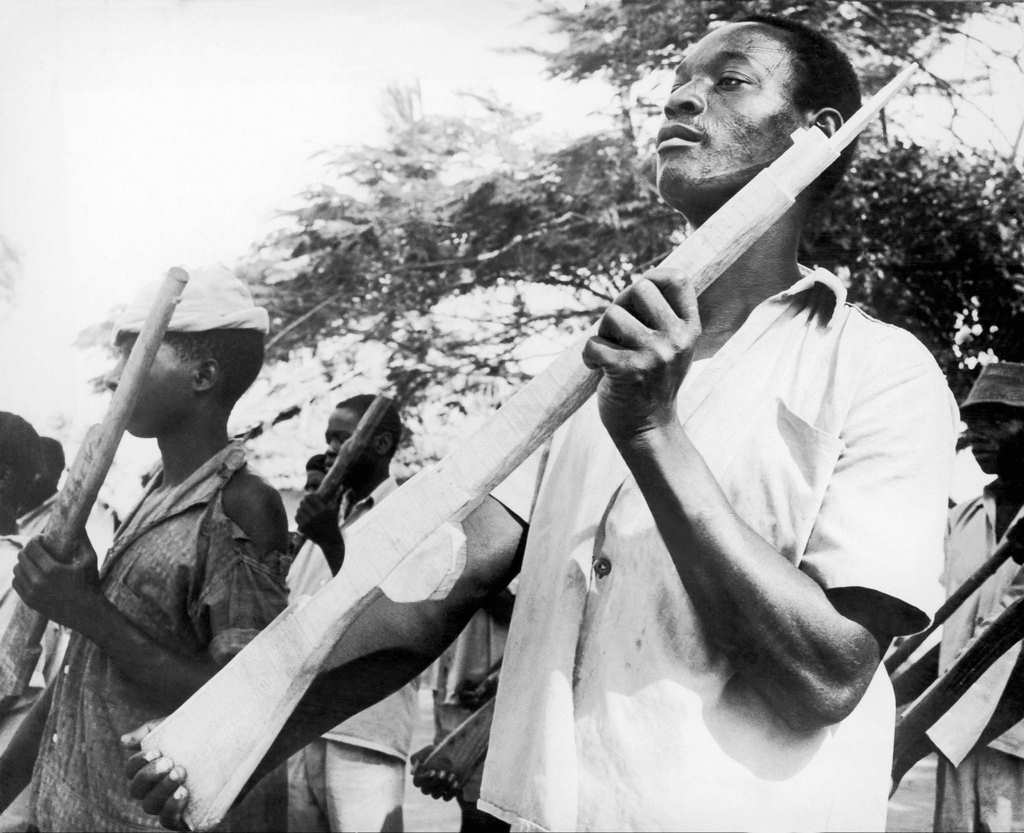
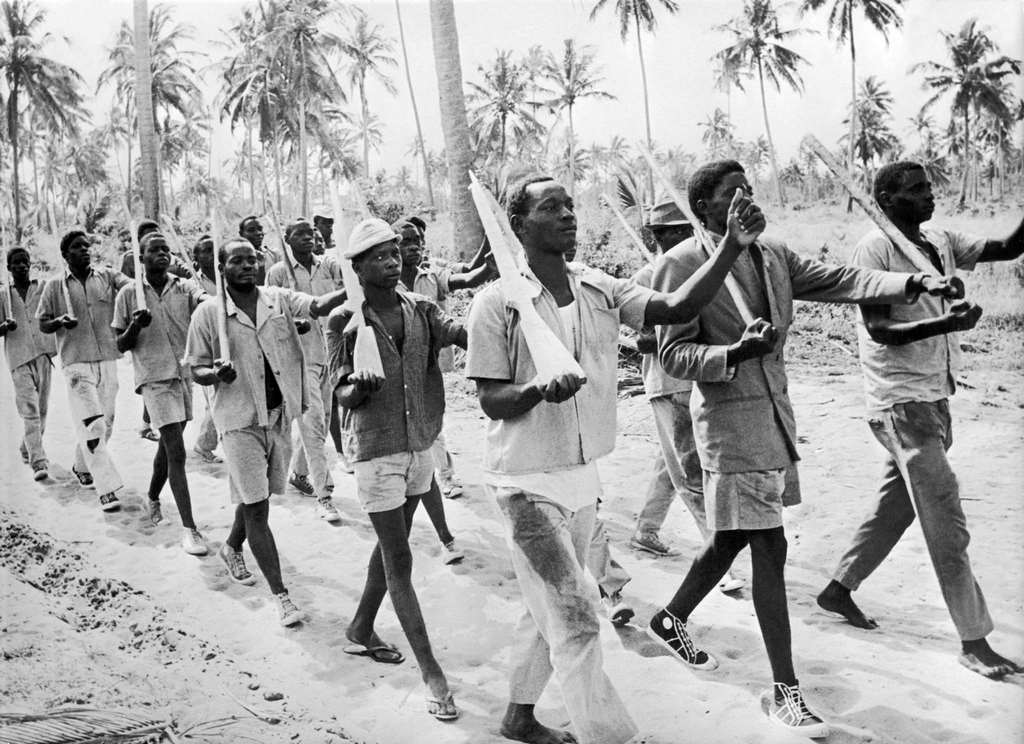
Independence War In Mozambique : Tanzanian Training Camp, 1965
Tanzanian Training Camp, 1965

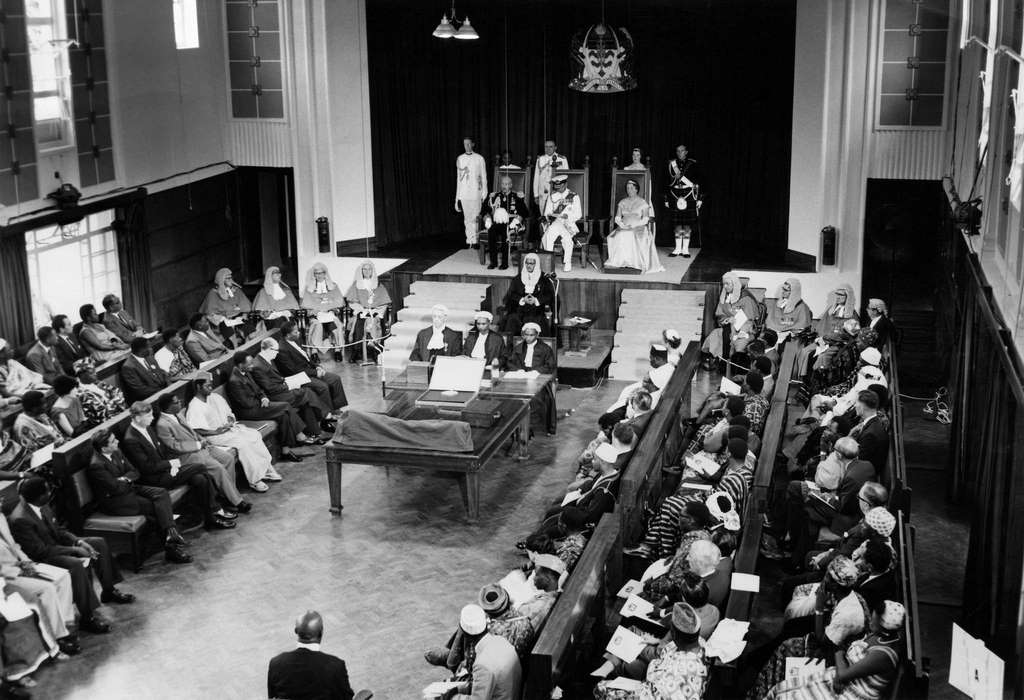
Tanzania’s formal independence was marked with ceremony. In 1961, Britain’s Prince Philip delivered the speech from the throne at the opening of the Tanzanian parliament, with Governor Sir Richard Turnbull present — a symbolic moment of handover from colonial authority to elected governance.

Tanzania Parliment, 1961

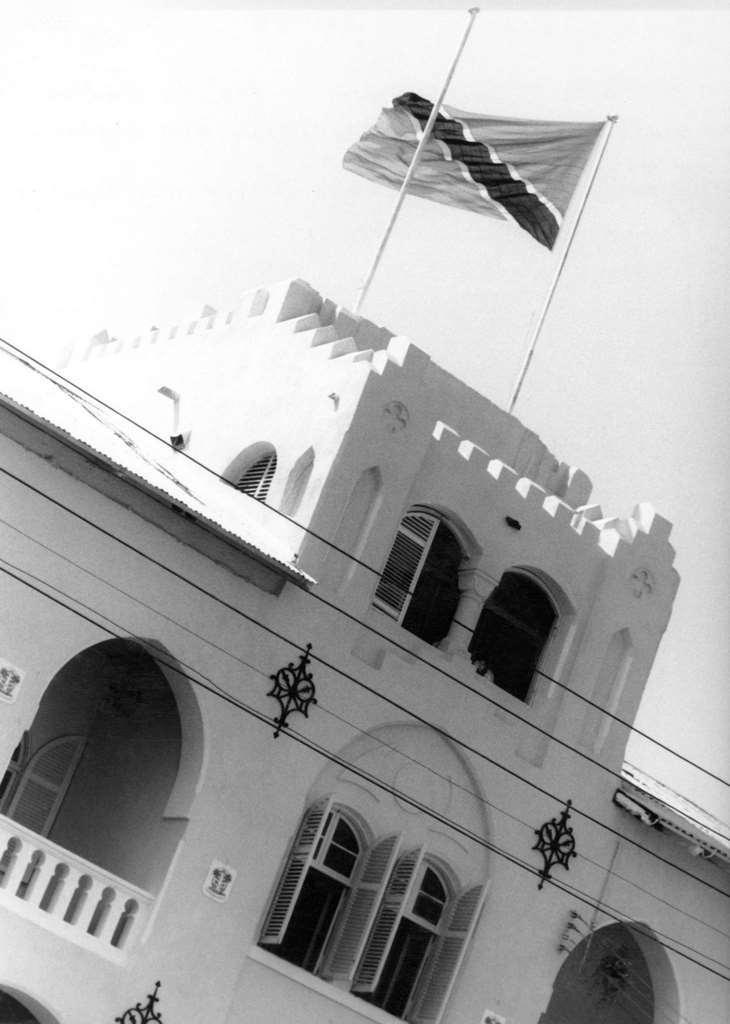
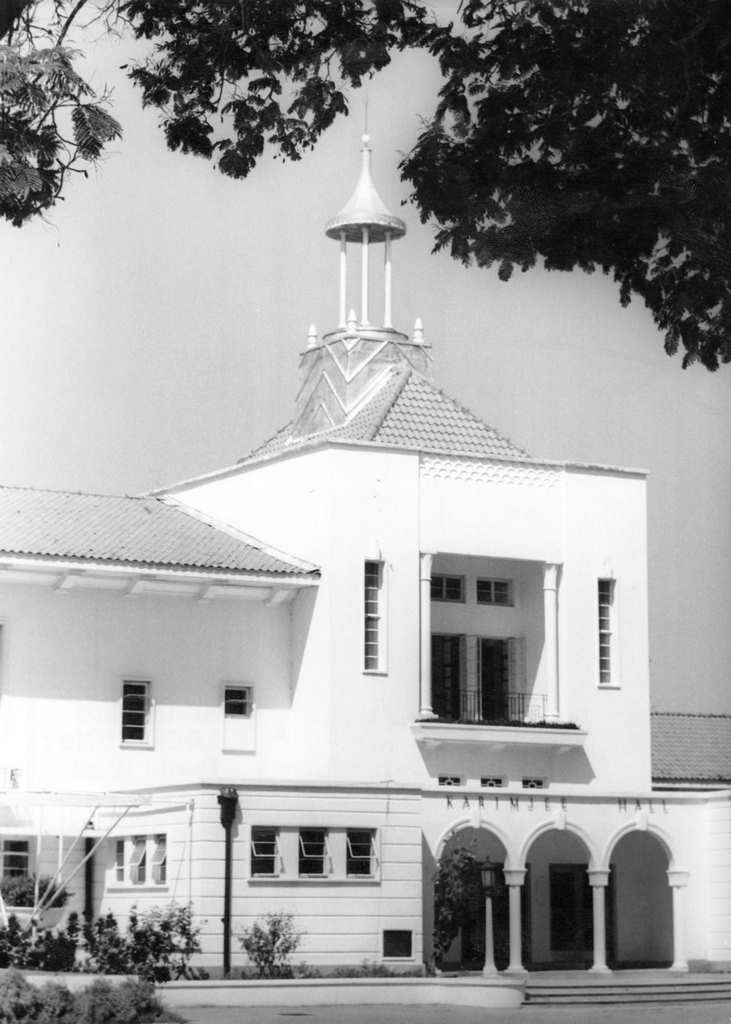
Dar es Salaam, the country’s largest city and commercial capital, was the center of Tanzania’s public life throughout the 1960s. Its streets, markets, and government buildings carried the energy of a city growing into its new national role.

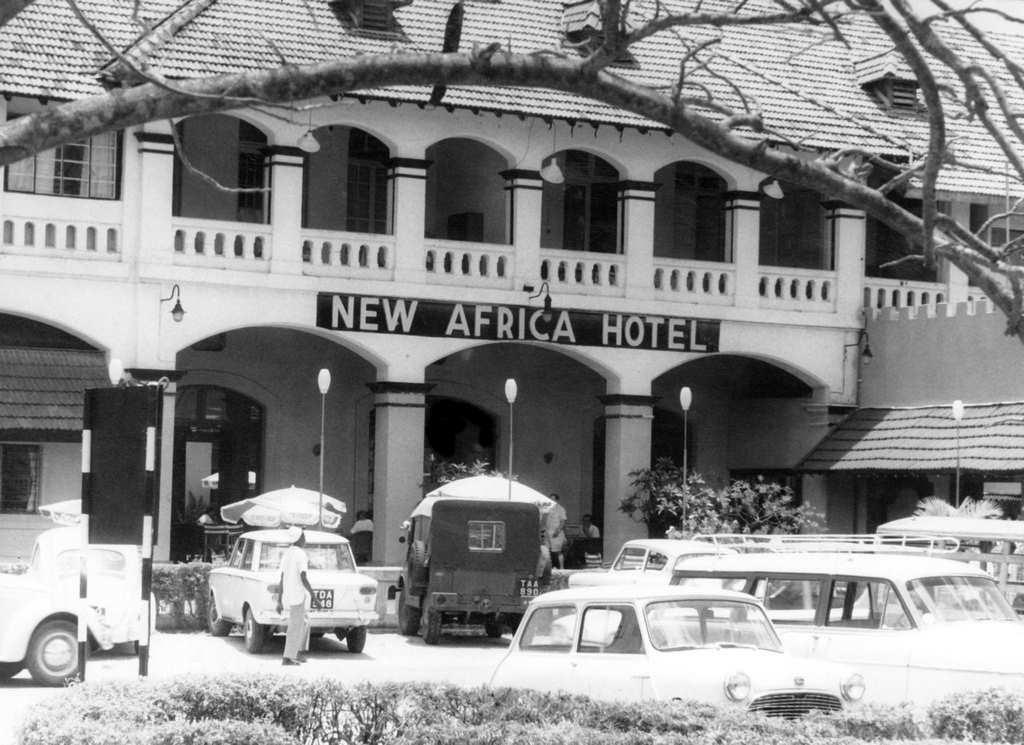
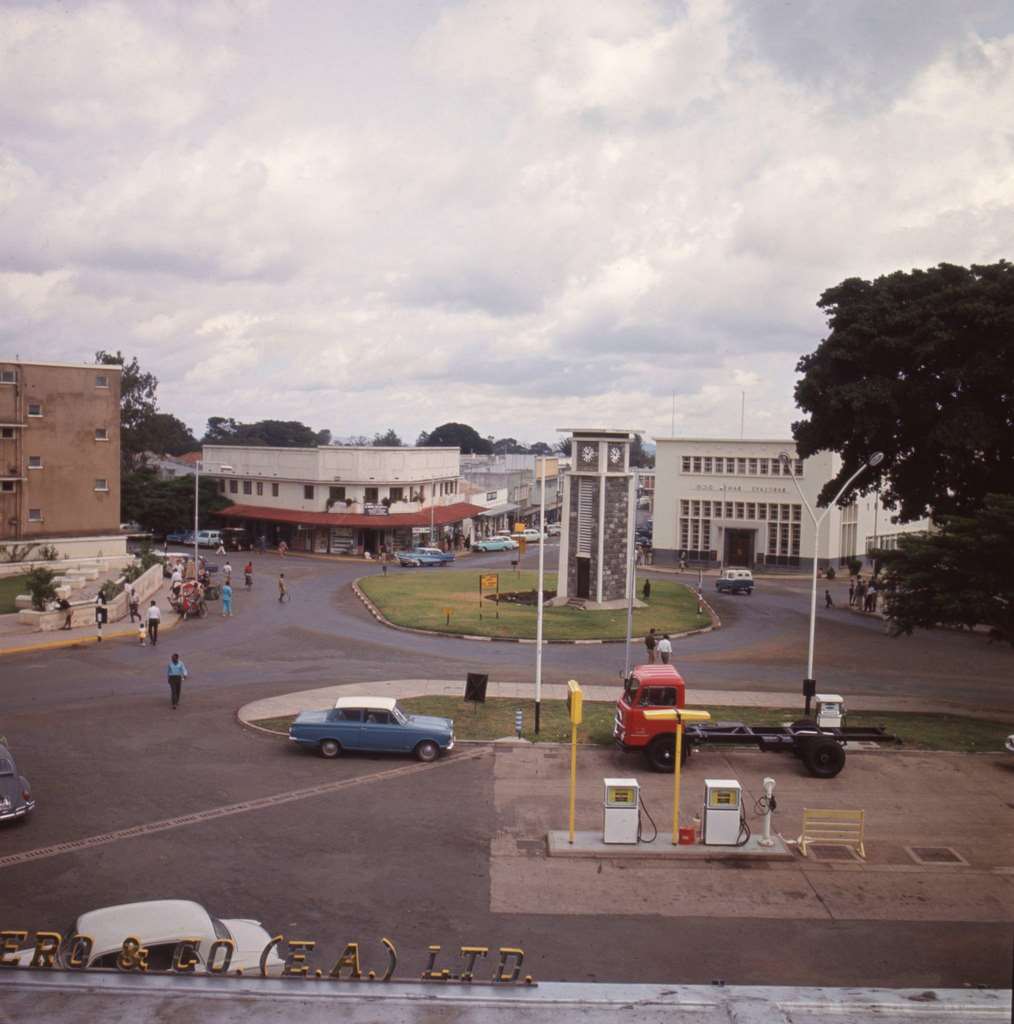
Tanzania, Dar es Salaam, 1960s
Tanzania, Dar es Salaam: town hall with flag of Tanzania, 1960s
Tanzania, Dar es Salaam: Karimjee Hall, seat of the parliament, 1960s

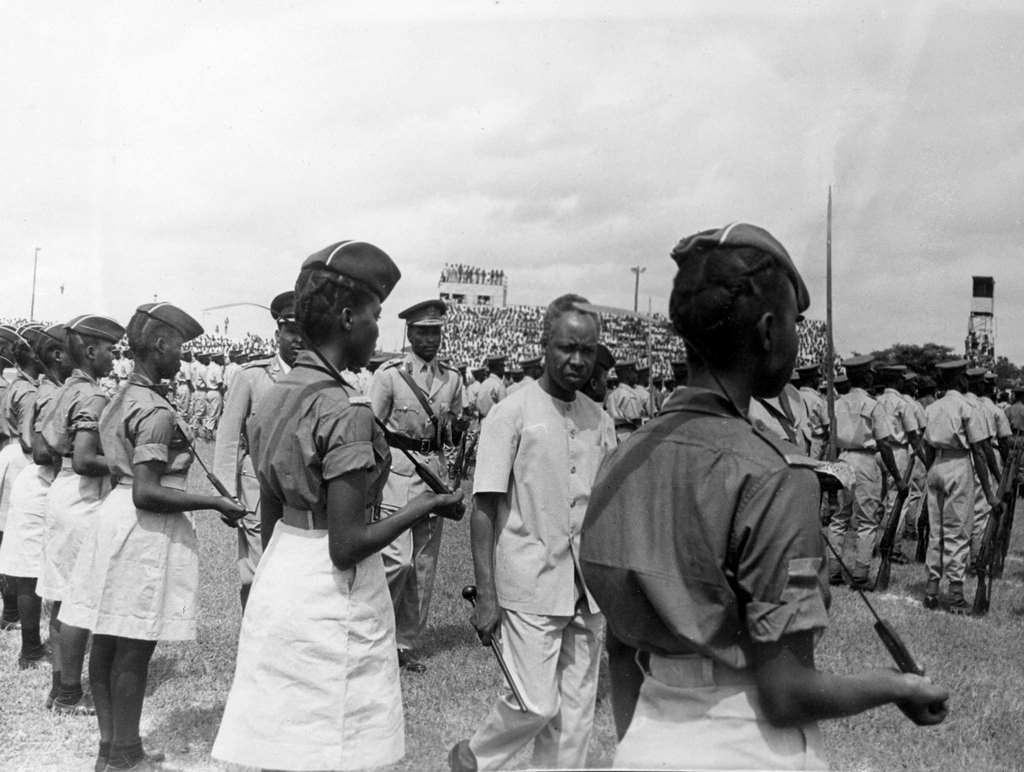
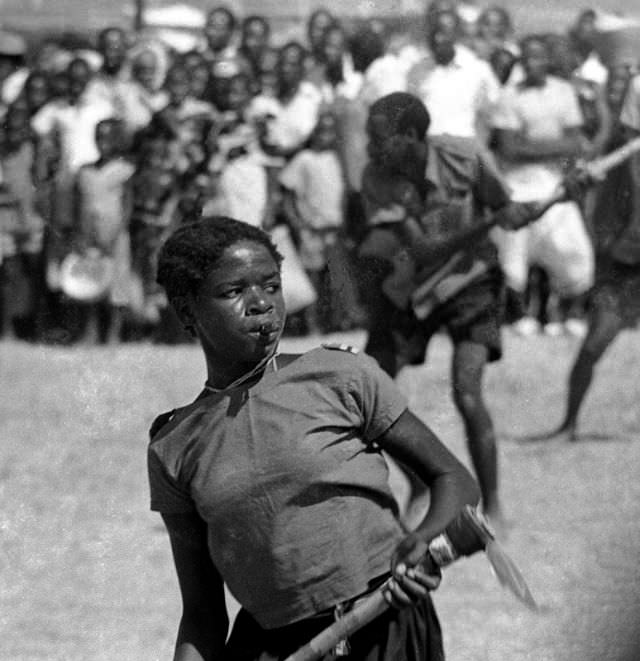
Nyerere placed heavy emphasis on education and literacy as foundations of the new Tanzania. Literacy rates climbed steeply during his presidency. He also built a national service program, enrolling young Tanzanians in civic work and military training as part of his broader vision of a disciplined, self-reliant nation.

Tanzanian President Julius Nyerere inspecting a contingent of young national service women who carry long knives over their shoulders, in Dar es Salaam, Tanzania on May 2, 1968.

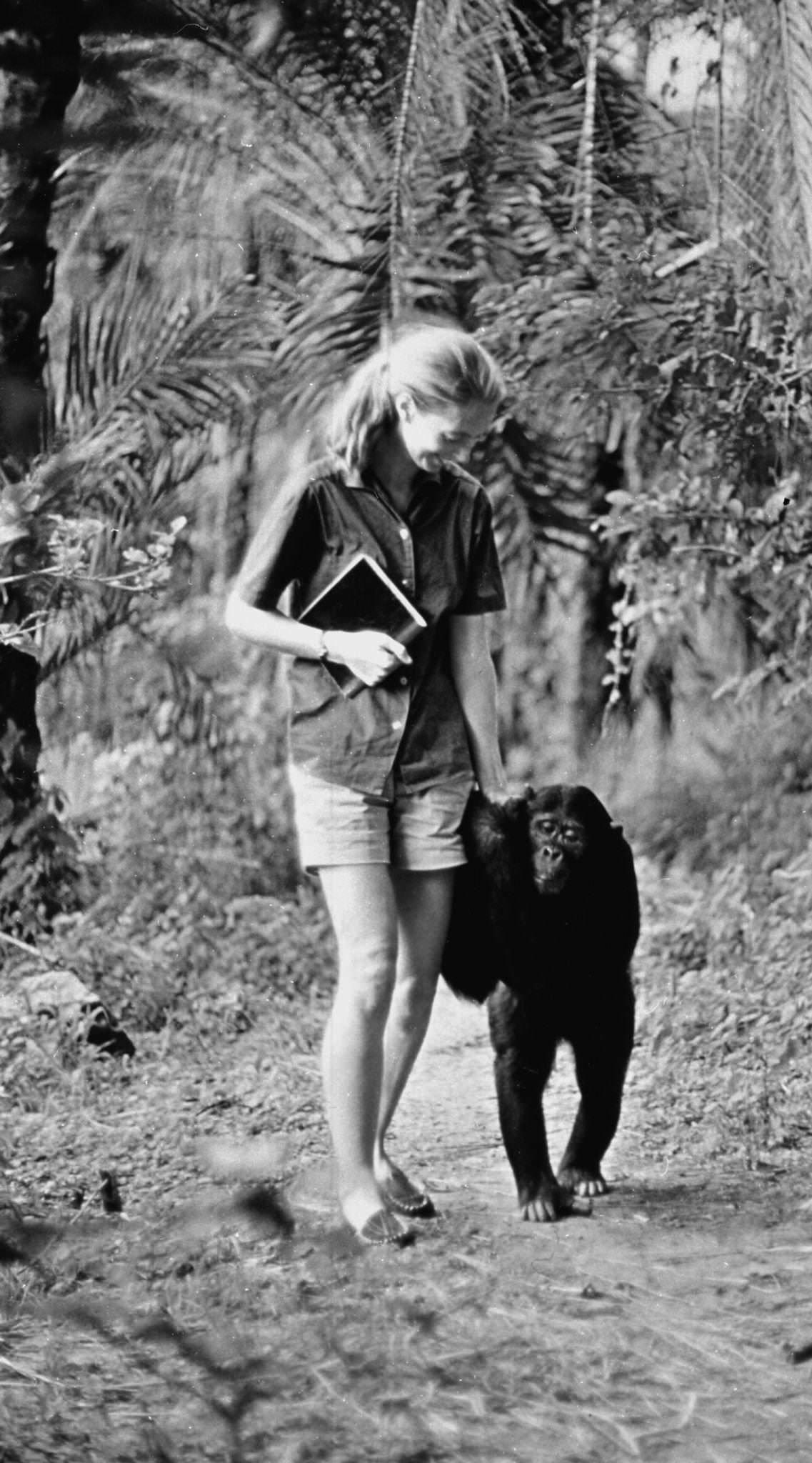
Tanzania’s wildlife and natural environment attracted international researchers as well. Jane Goodall began her landmark chimpanzee research at Gombe Stream on the shores of Lake Tanganyika in 1960. Her work brought global attention to Tanzania’s forests and became one of the most significant long-term wildlife studies ever conducted.

Jane Goodall appears in the television special "Miss Goodall and the World of Chimpanzees" originally broadcast on CBS, Wednesday, December 22, 1965.
Jane Goodall appears in the television special “Miss Goodall and the World of Chimpanzees” originally broadcast on CBS, Wednesday, December 22, 1965.
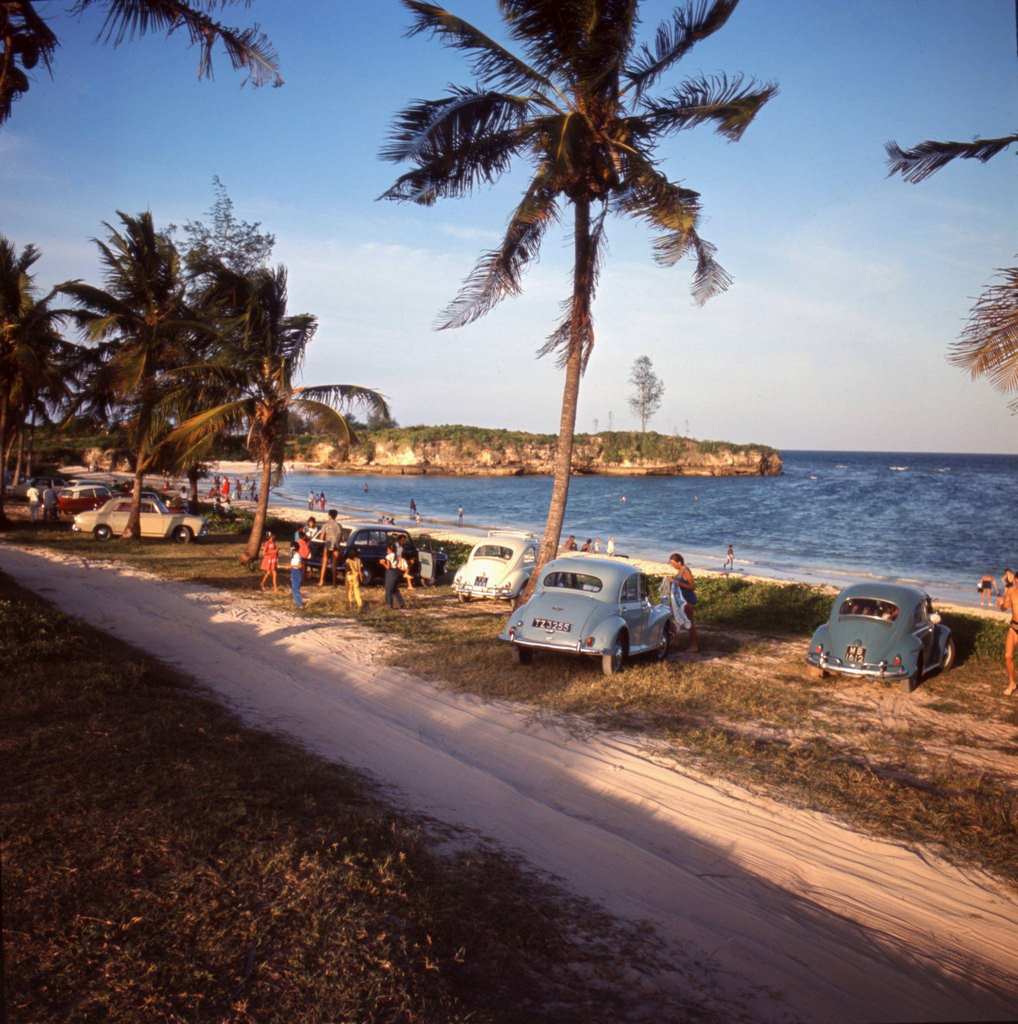
Bathers on a Dar es Salaam beach, 1960
Passers-by in downtown Dar es Salaam, 1960
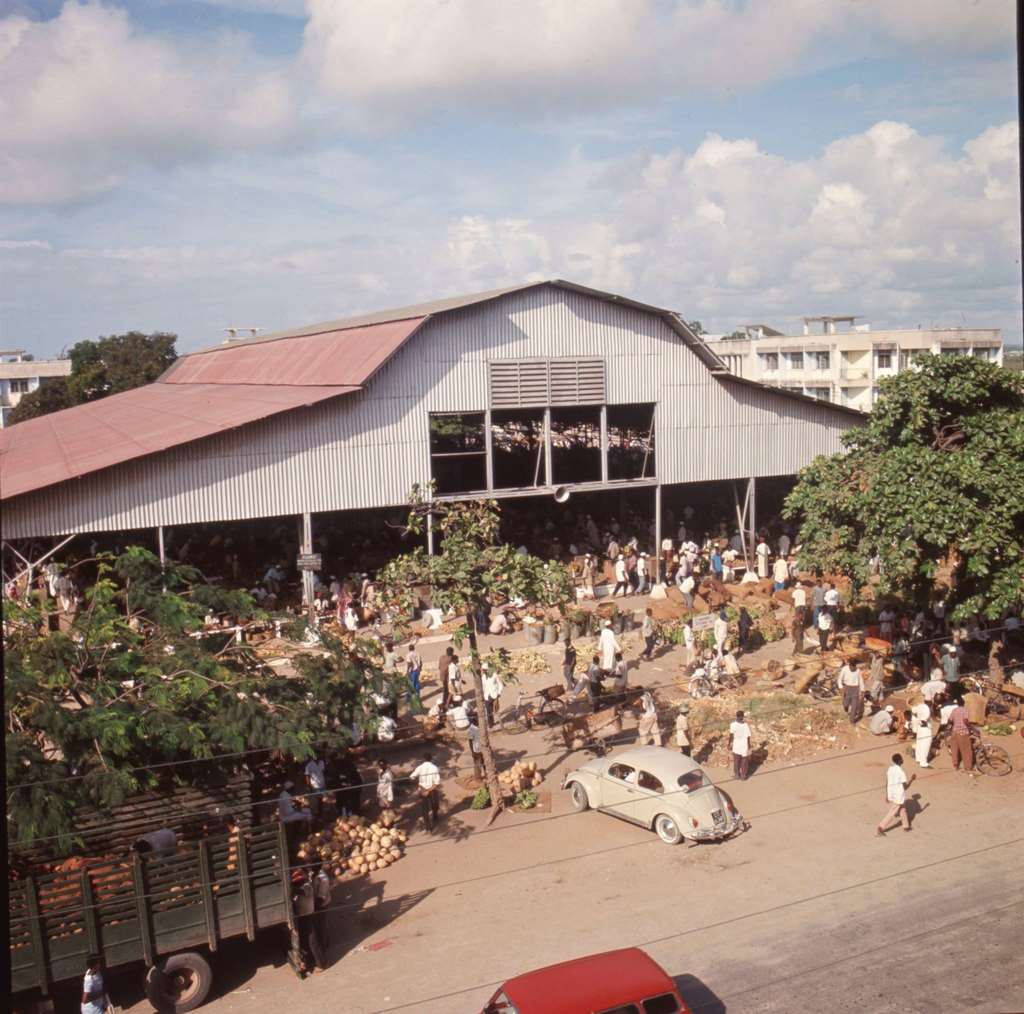
Covered market in Dar es Salaam, 1960s, Tanzania.
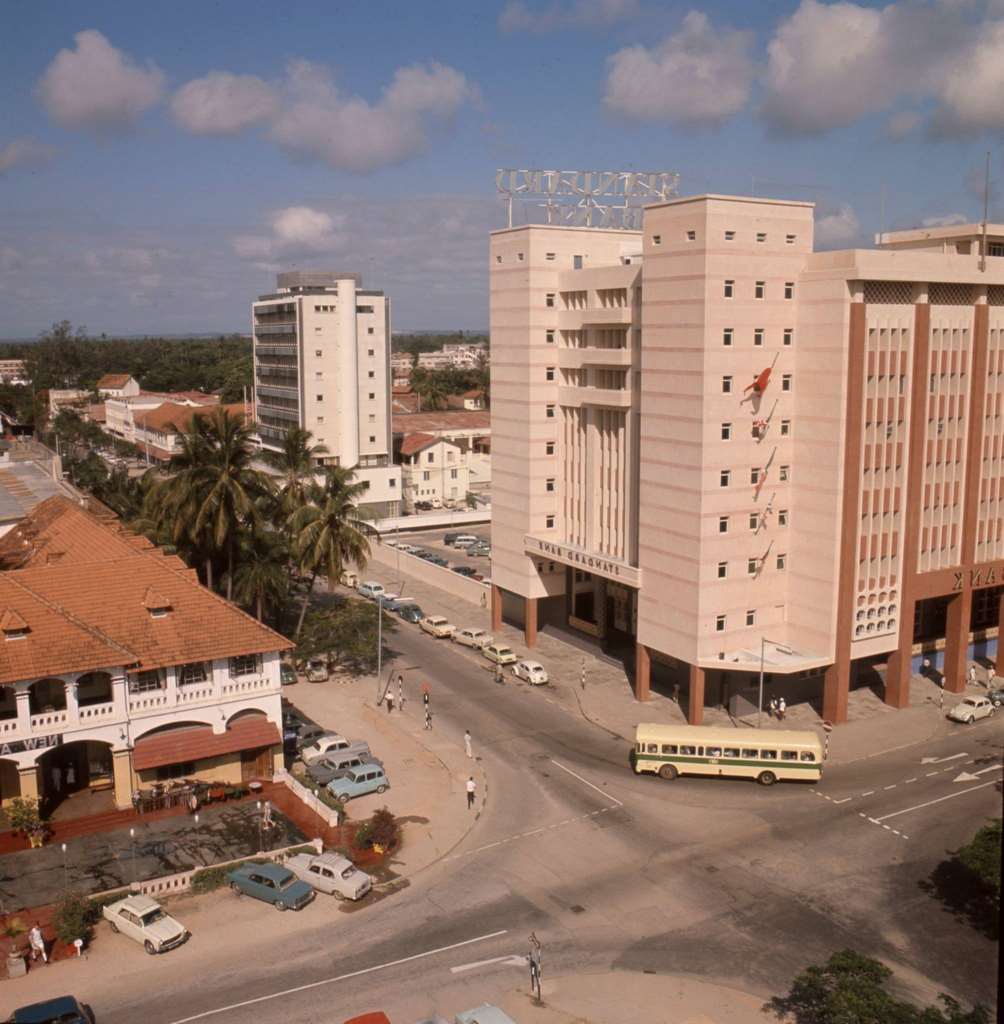
Crossroads in the city center of Dar es Salaam, 1960

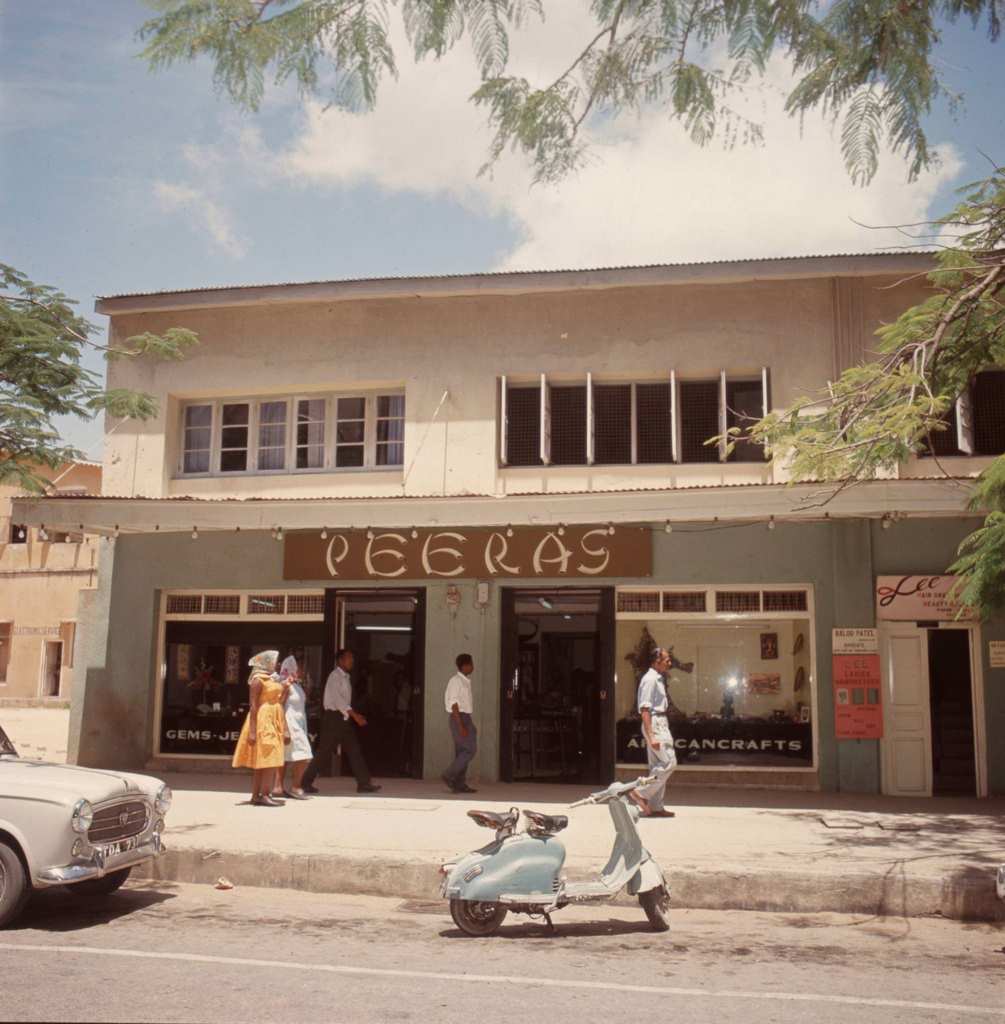
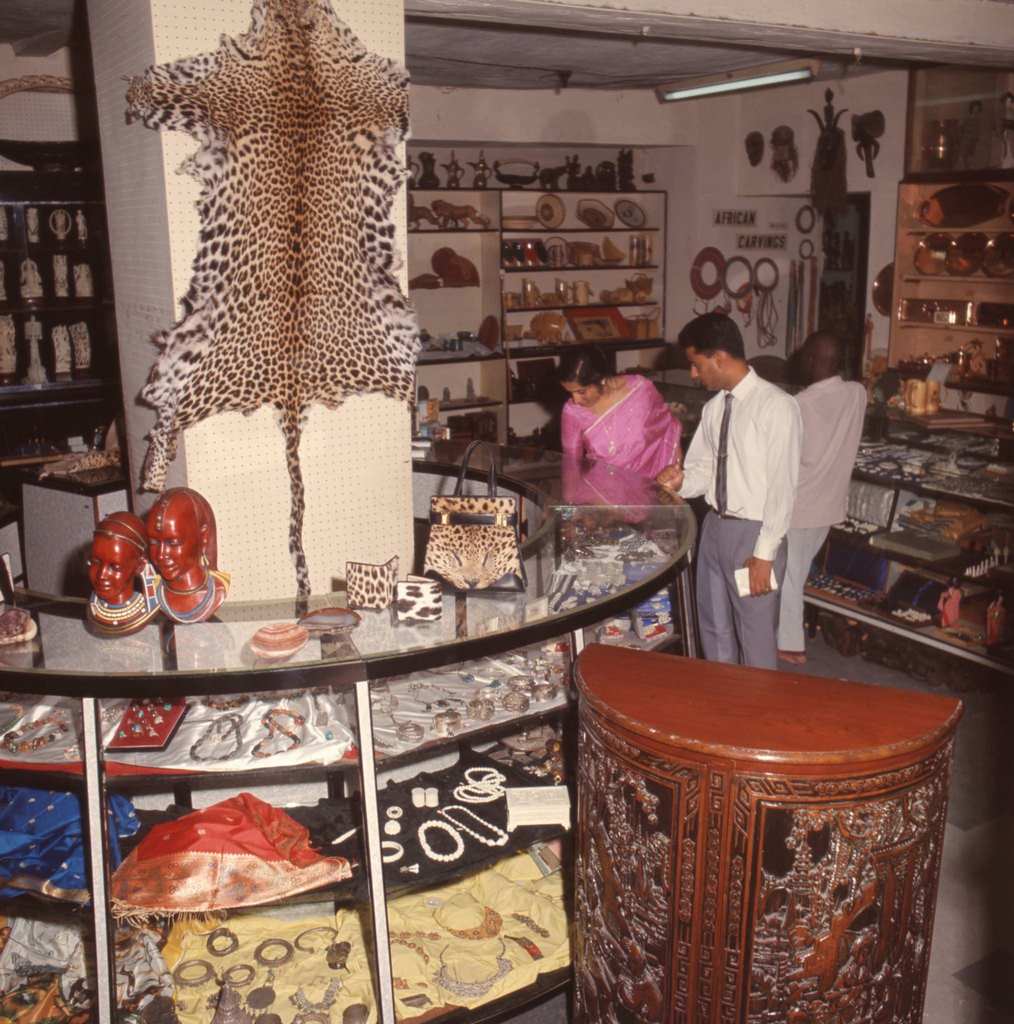
The streets of Dar es Salaam in 1960 showed a city in transition. Shops, markets, and handicraft sellers lined the downtown corridors, while traffic crossed at busy intersections that mixed pedestrians, cyclists, and motor vehicles.

Handicraft shop in Dar es Salaam, 1960s
State visit President Nyerere of Tanzania, 1695
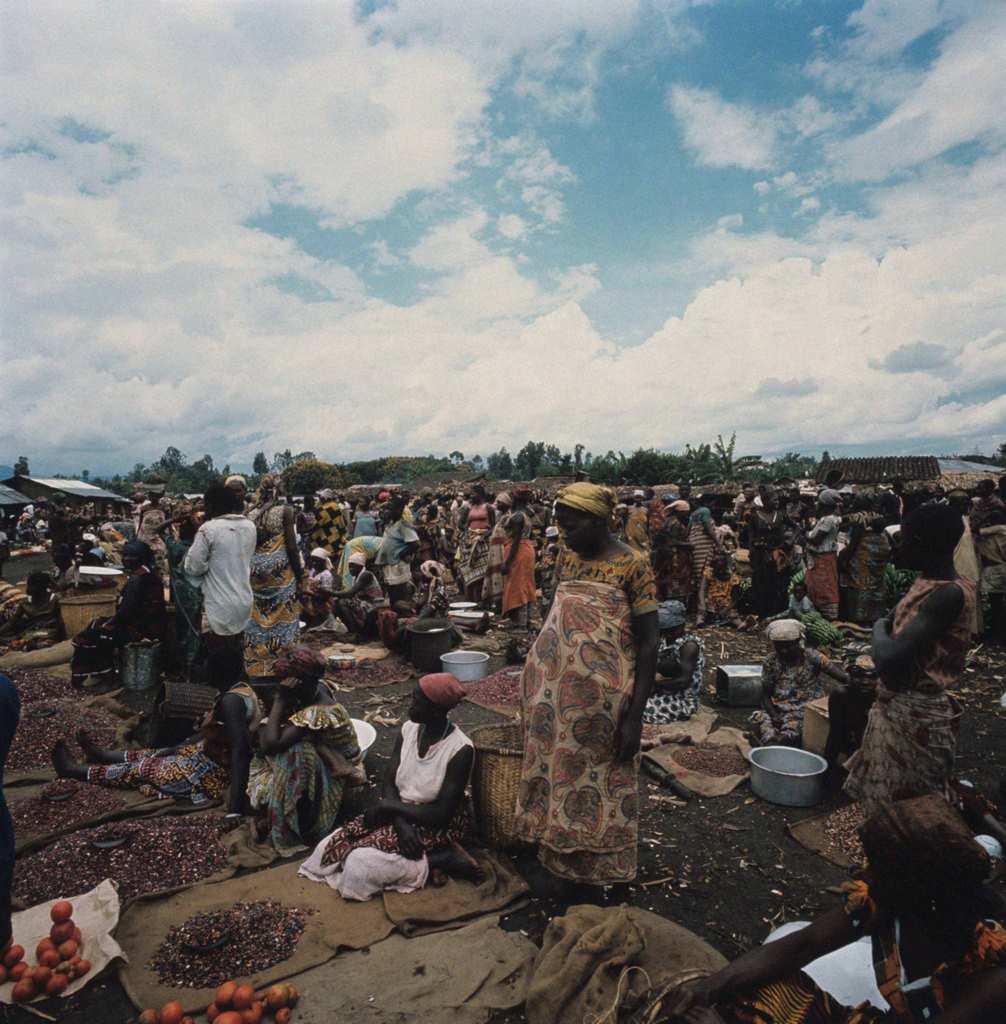
Women waiting to sell their goods on display on mats at the market. Africa, 1960s

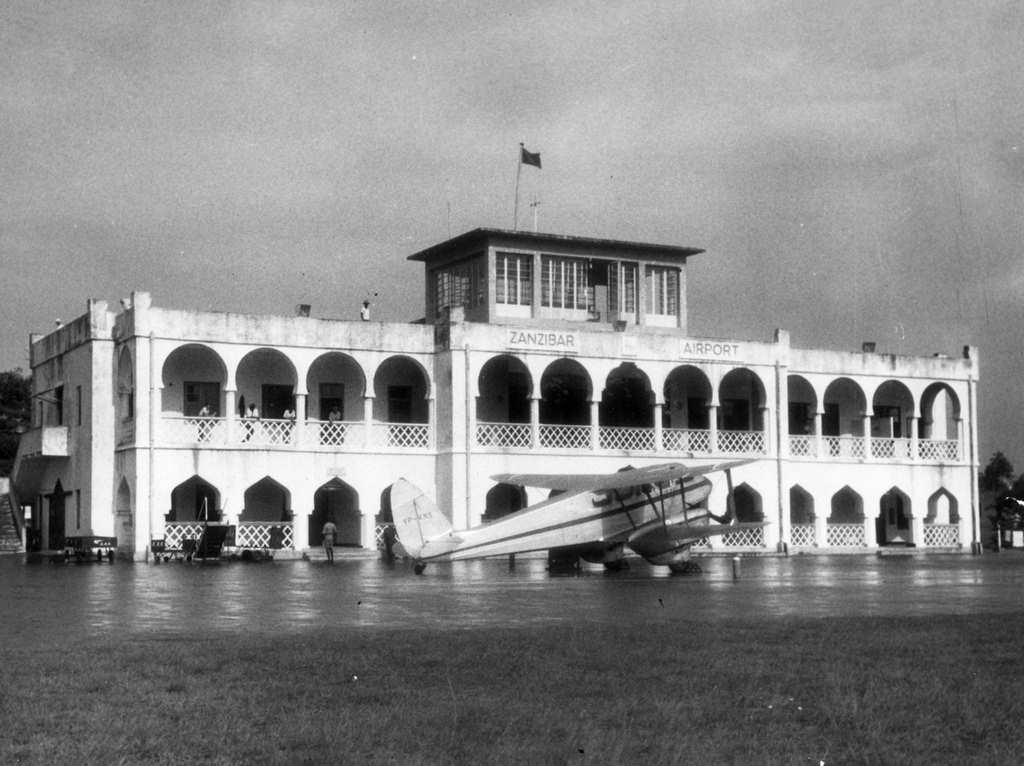
By 1963, Zanzibar had a functioning airport connecting it to Dar es Salaam, Pemba, and Tanga by small aircraft. The new terminal building signaled the region’s ambitions to modernize infrastructure even as it wrestled with political upheaval. Zanzibar’s revolution came just months later, in January 1964.

A newly built terminal building at the Zanzibar airport. A five-passenger plane of DH-89-Dominie type connects Daresalam, Zanzibar, Pemba, and Tanga, October 1963.
A traditional dancers celebrating the independance of Tanganyika from British colony, now part of Tanzania.

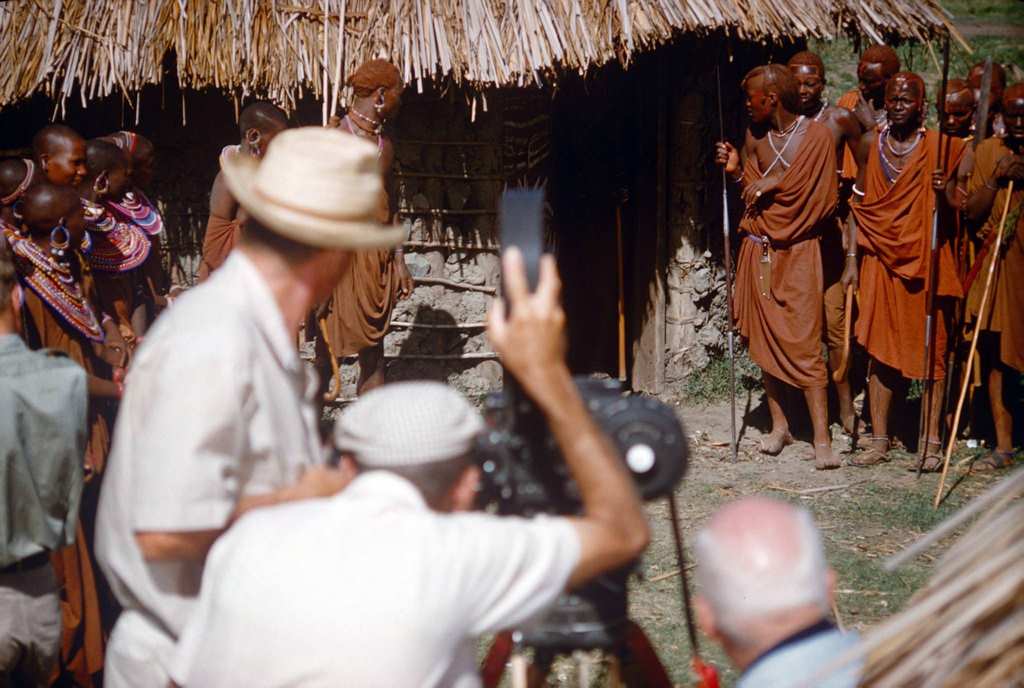
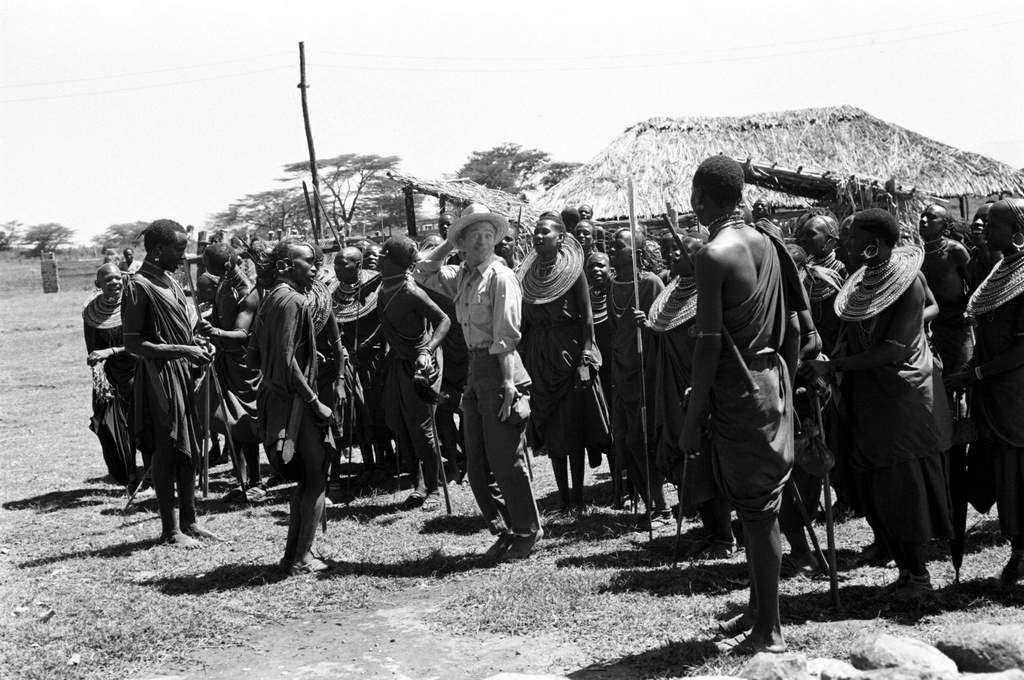
Tanzania’s landscapes and wildlife also drew Hollywood productions to the country. The 1962 film Hatari!, directed by Howard Hawks and starring John Wayne, was filmed largely in Tanzania. American actor Red Buttons was among the cast on location.

American comic actor Red Buttons during the filming of 'Hatari!' (directed by Howard Hawks), Tanzania, 1962.
American comic actor Red Buttons during the filming of ‘Hatari!’ (directed by Howard Hawks), Tanzania, 1962.
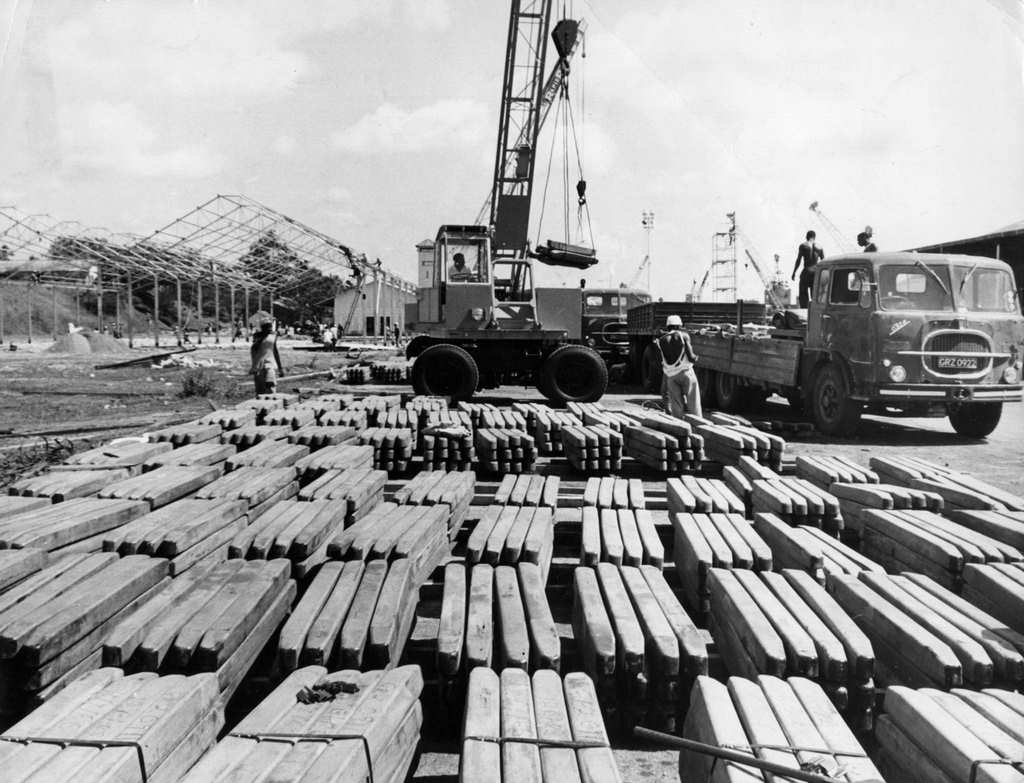
Zambian copper being offloaded at the port of Dar es Salaam,Tanzania from where it will be exported.
Stewart L. Udall, 1960s
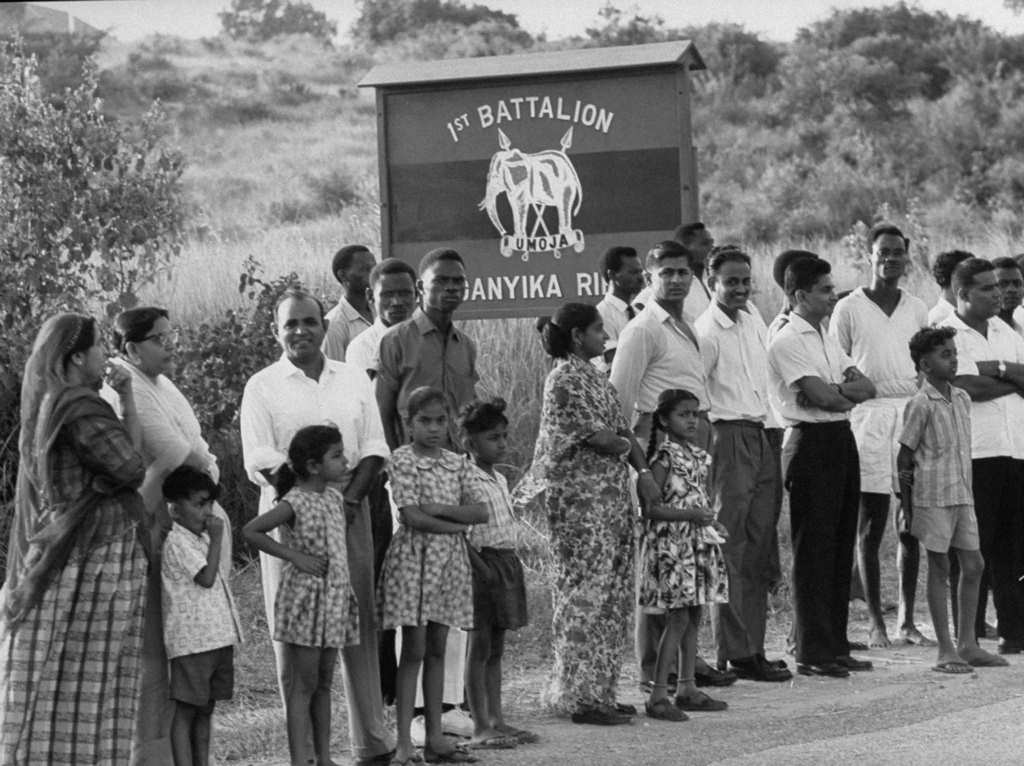
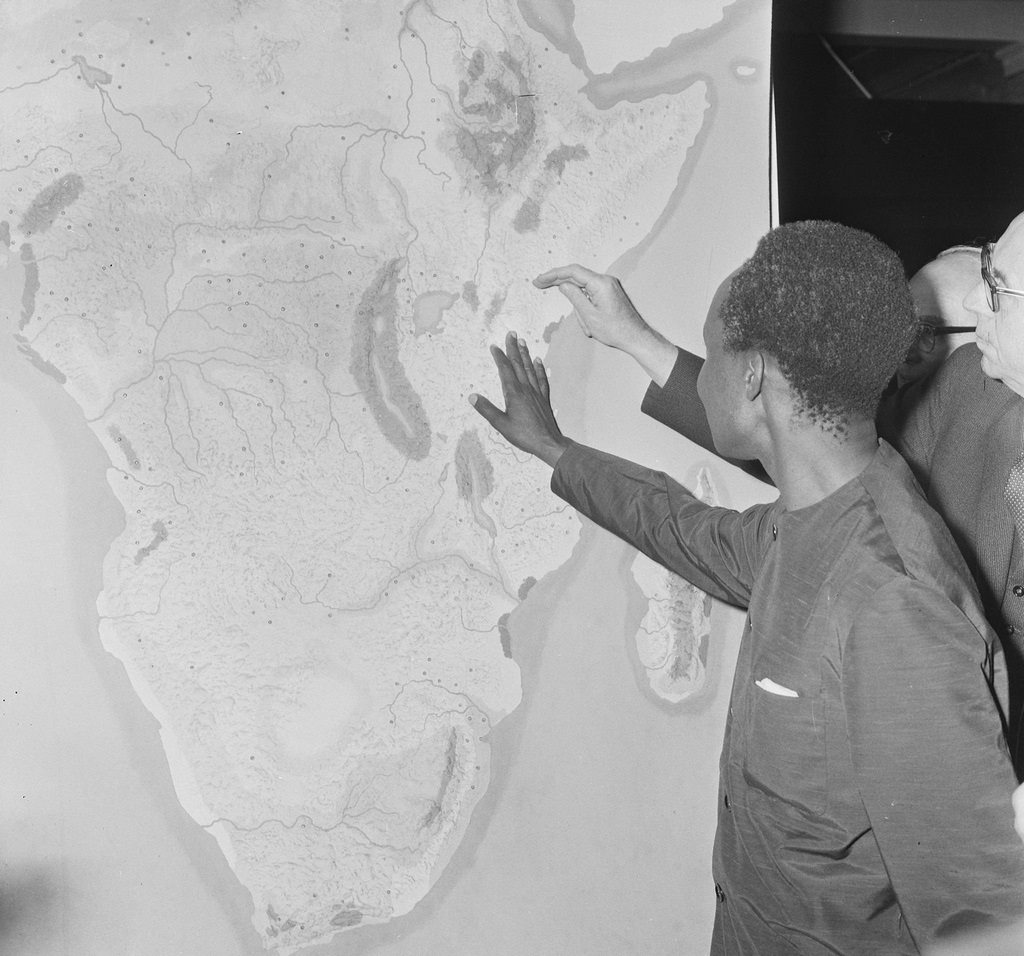
Politics Africa, Tanzania, 1965

Tanzania has more than 100 languages, making it the most linguistically diverse country in East Africa. Swahili serves as the national language and is spoken by up to 90% of the population as a second language. This linguistic common ground was central to Nyerere’s vision of national unity across more than 120 ethnic groups.

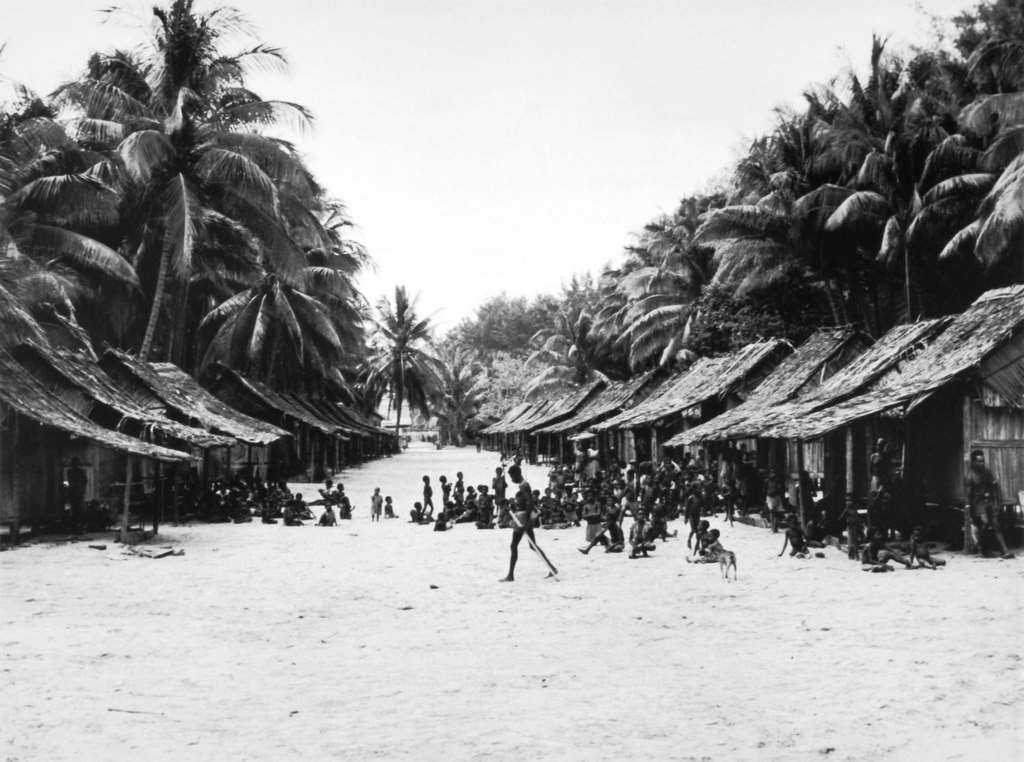
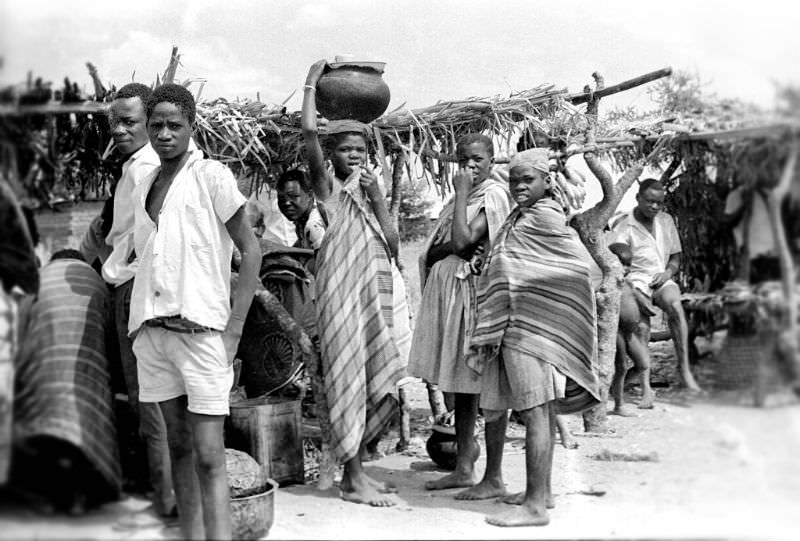
Life In The Village of Ipiri In Tanzania, 1967
The village of Ipiri and its inhabitants, the United Republic of Tanzania, 1967. P

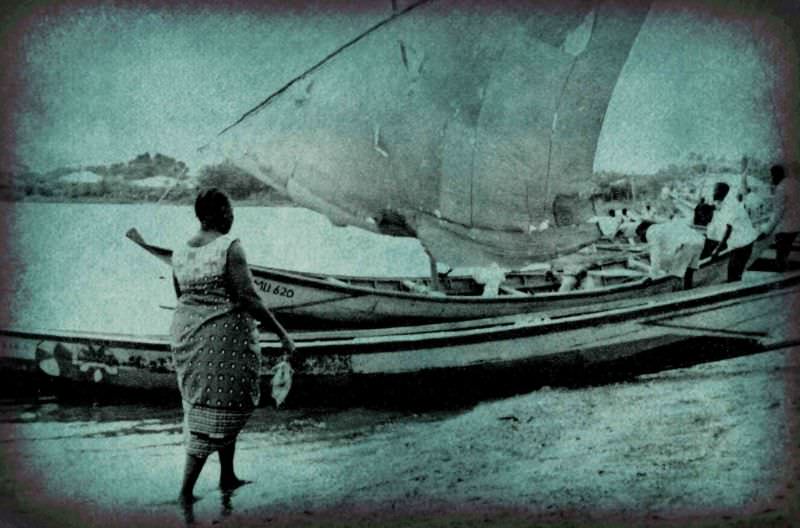
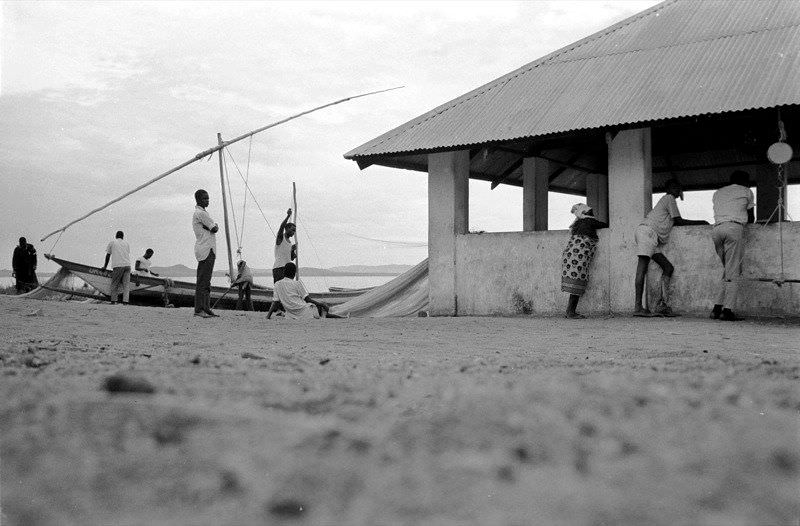
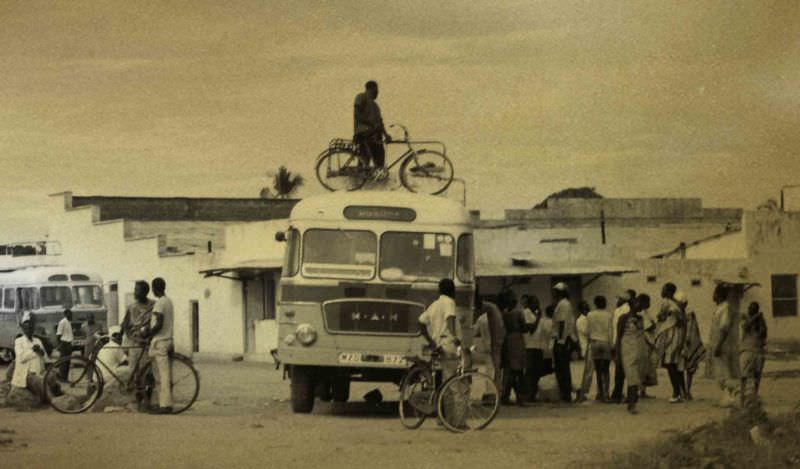
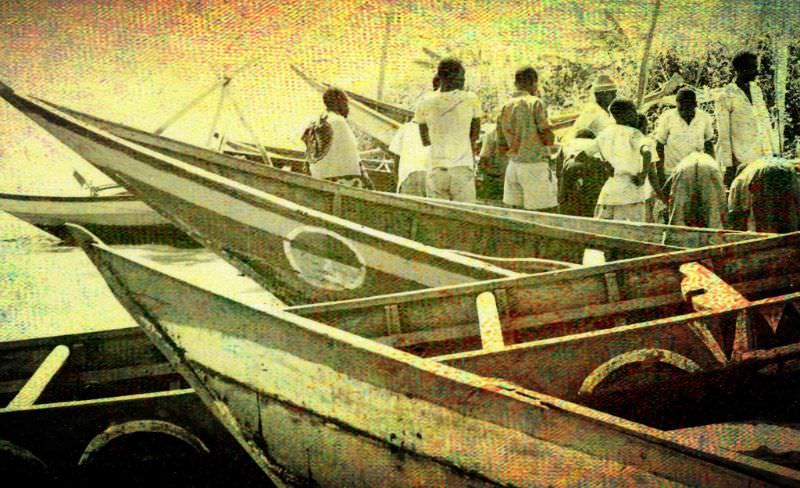
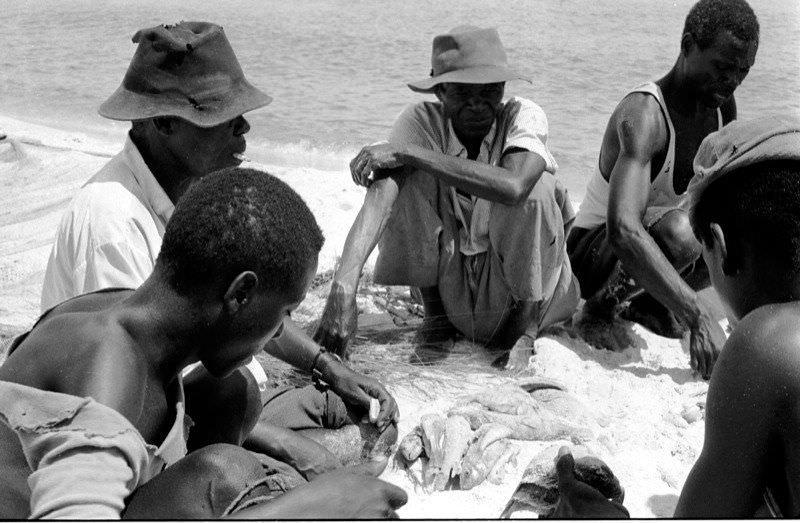
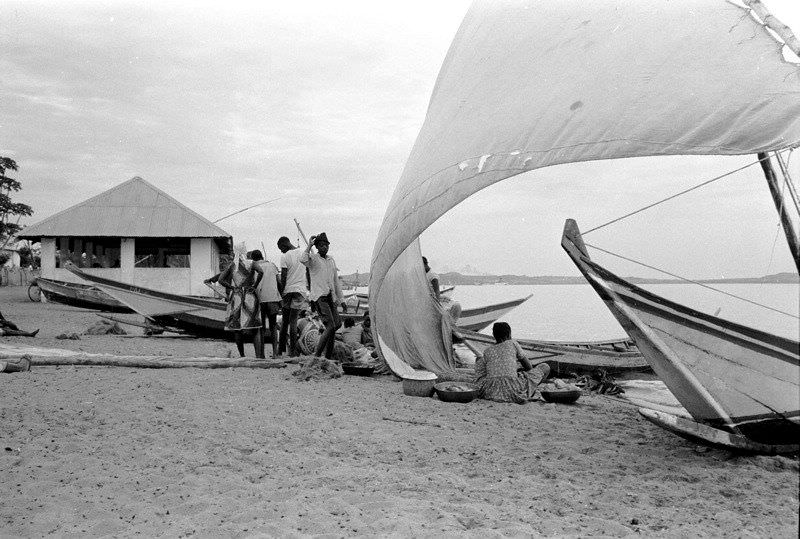
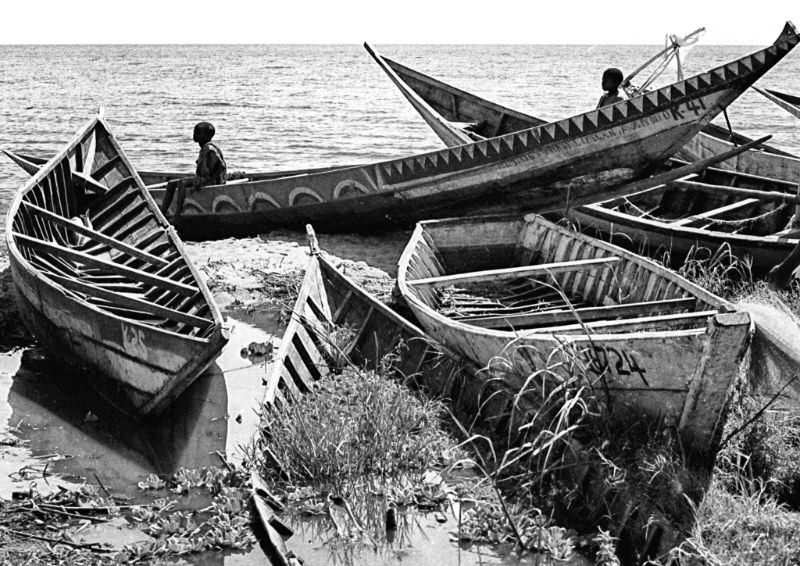
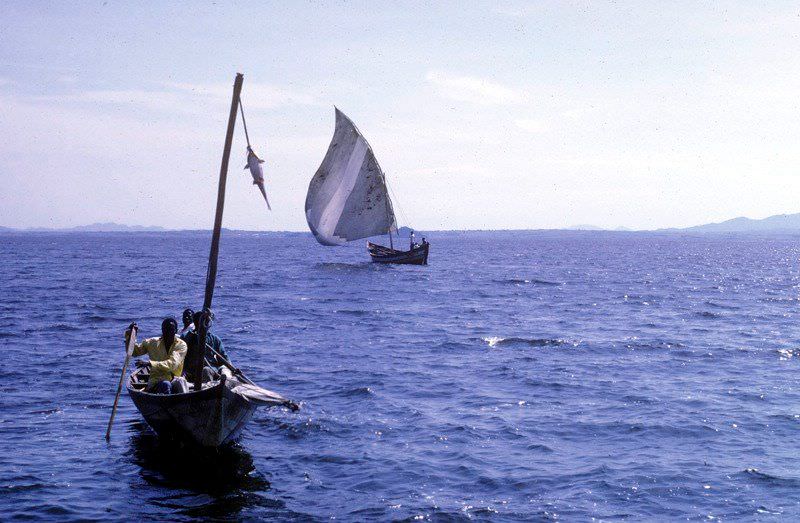
The Mwanza region on the southern shore of Lake Victoria was one of Tanzania’s most active inland trading areas. Lake Victoria is Africa’s largest lake, and the fishing economy it supported stretched across entire communities. By 1969, Mwanza was a busy hub — with buses heading to Musoma, markets selling fresh and dried fish, and boats working the lake’s waters daily.

A market somewhere in Mwanza Region, 1969
A busy scene in the Tanzanian town of Mwanza as the bus to Musoma is loaded prior to departure, 1969
A fishing beach in Musoma on the eastern shore of Lake Victoria in Tanzania, 1969
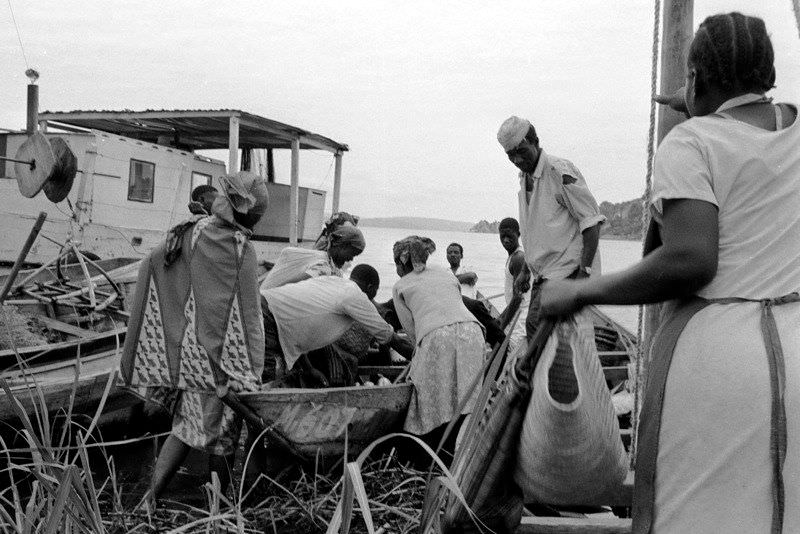
A typical scene–boats have landed with fish for sale from the beach, 1969
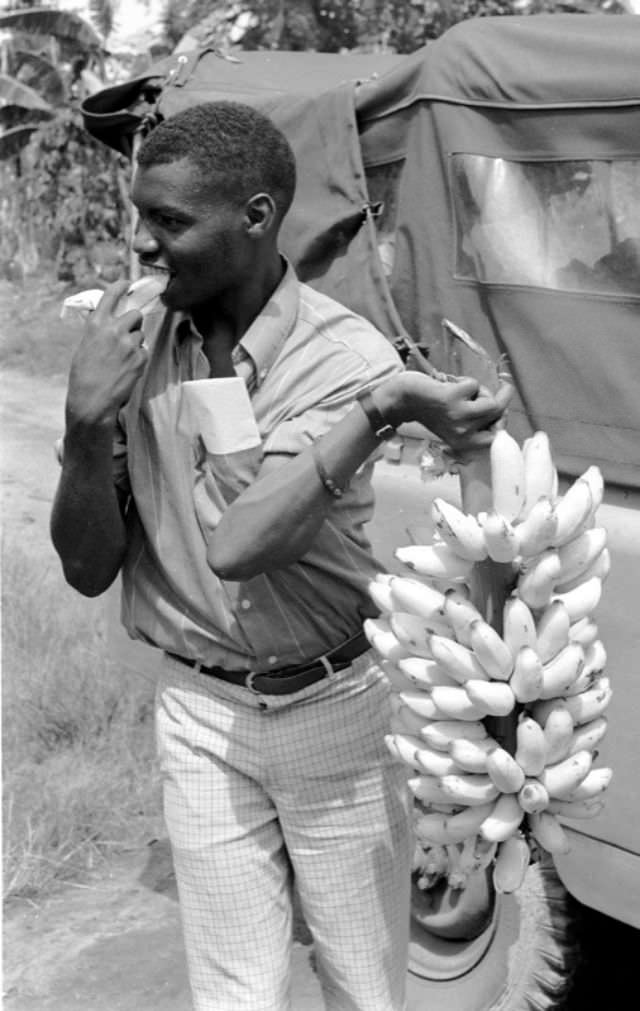
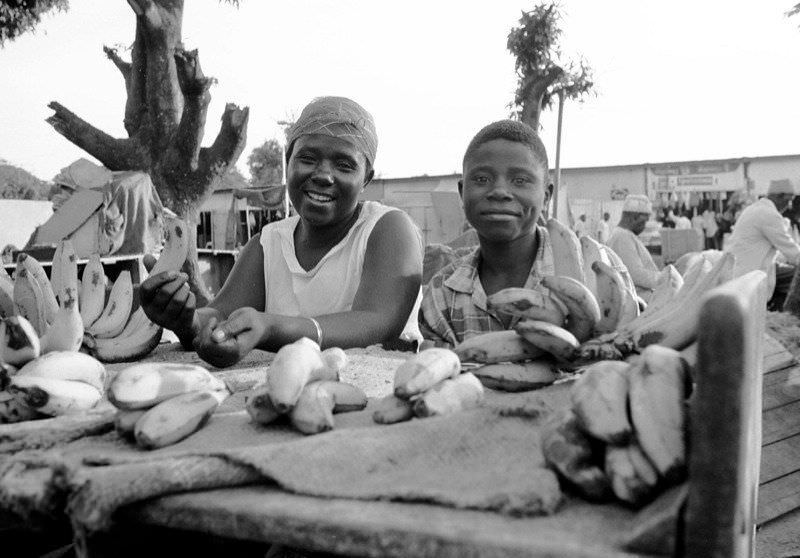
Bananas by the stalk, 1969
Bananas for sale, 1969
Blending in, 1969
Blending in, 1969
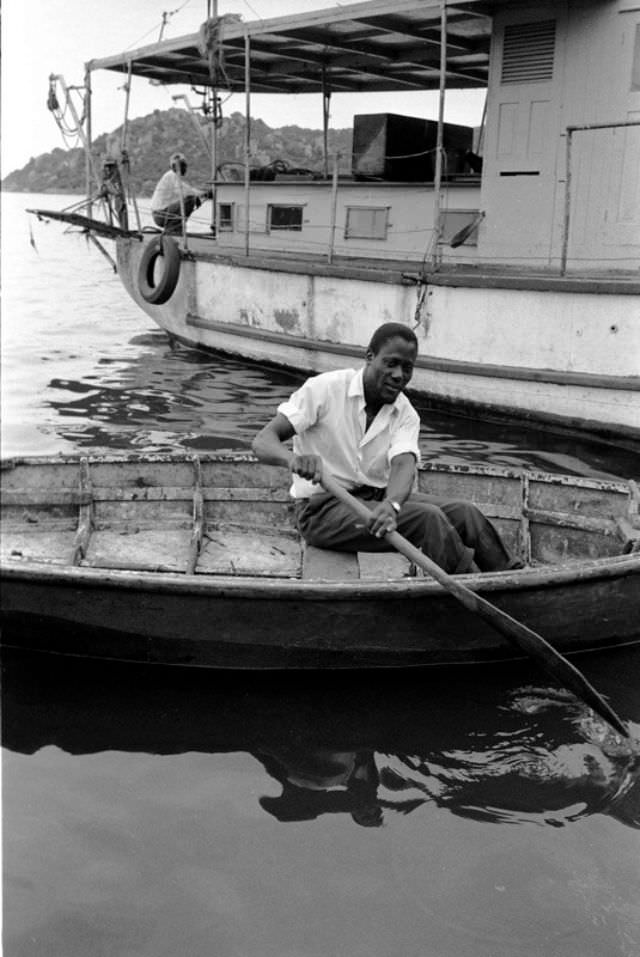
Boatman, 1969
Boatman, 1969
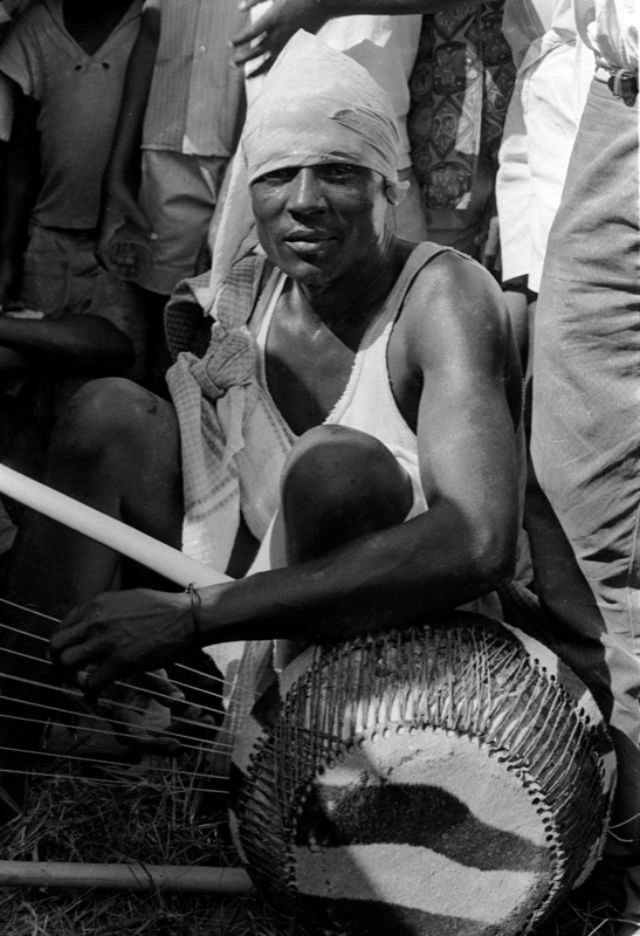
Boys and musician, 1969
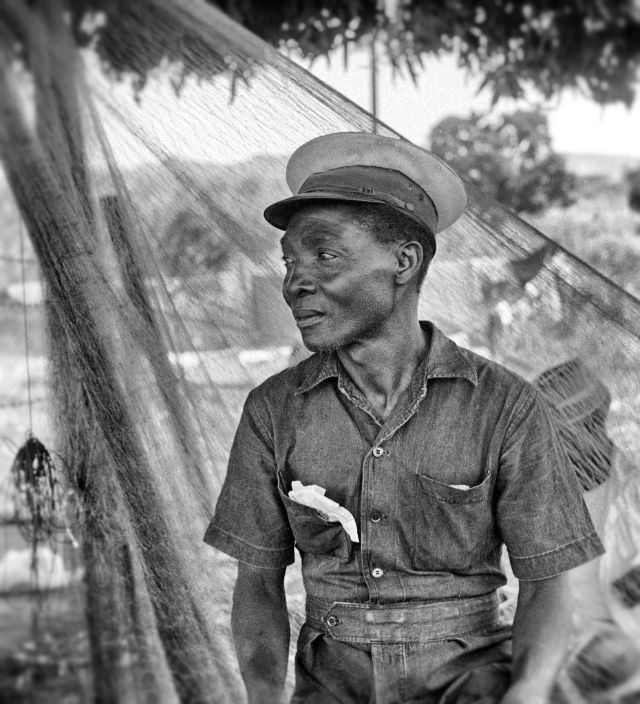
Captain of the fishing boat at the Fisheries Station, Mwanza, Tanzania, 1969
Crouching player, flying music, 1969
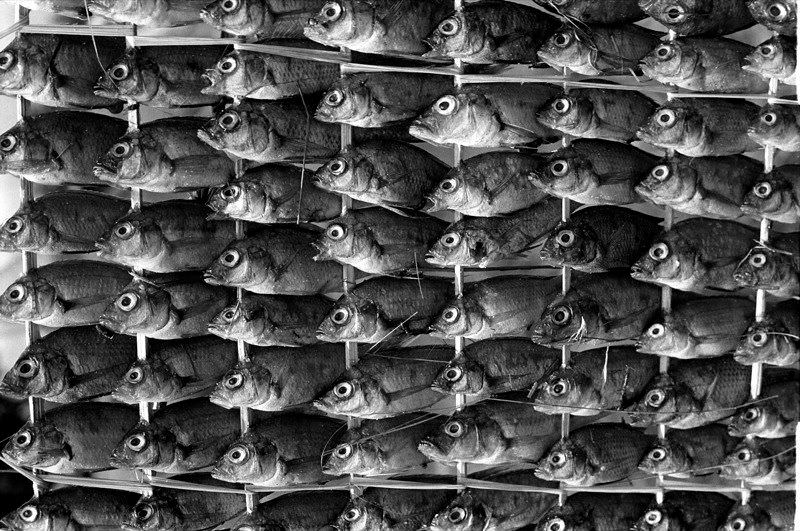
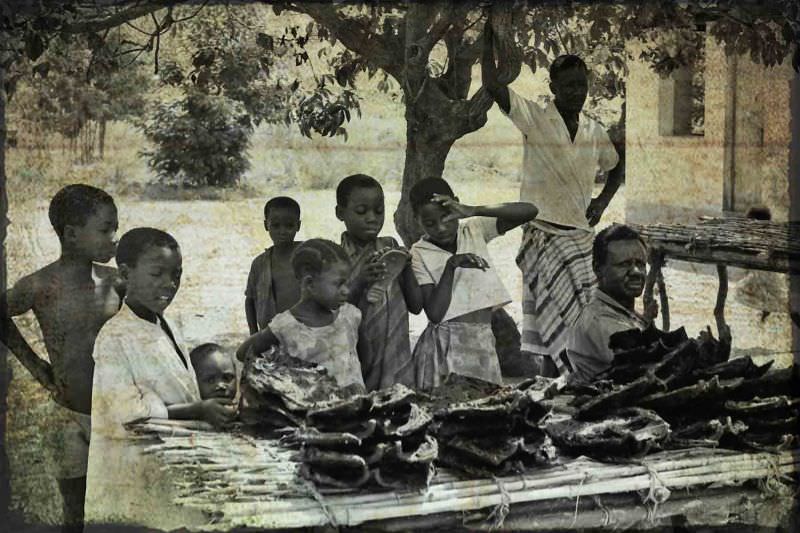
Dried fish laid out on a table made from reeds in the Mwanza region of Tanzania, 1969
Drinking together, August 1969
End of the day, 1969
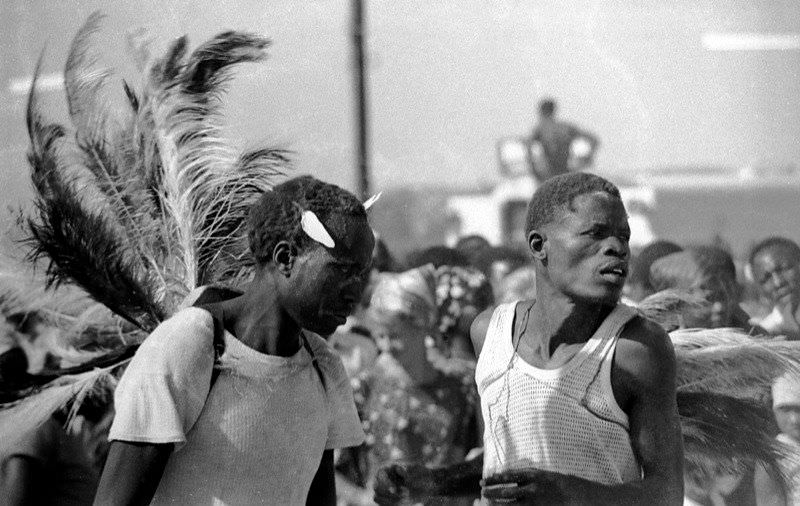
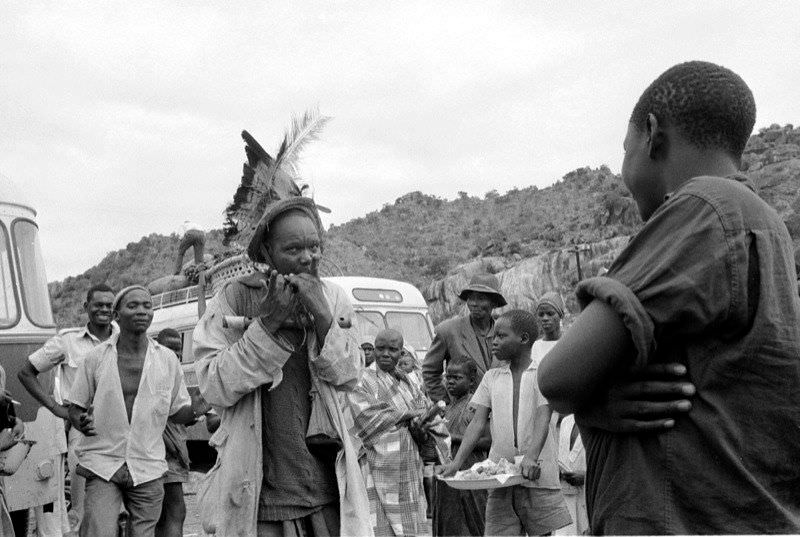
Feathered men dancing, 1969
Fish mosaic, 1969
Fish mosaic, 1969
Fish traders, 1969
Fish traders, 1969
Full sail, 1969
Full sail, 1969
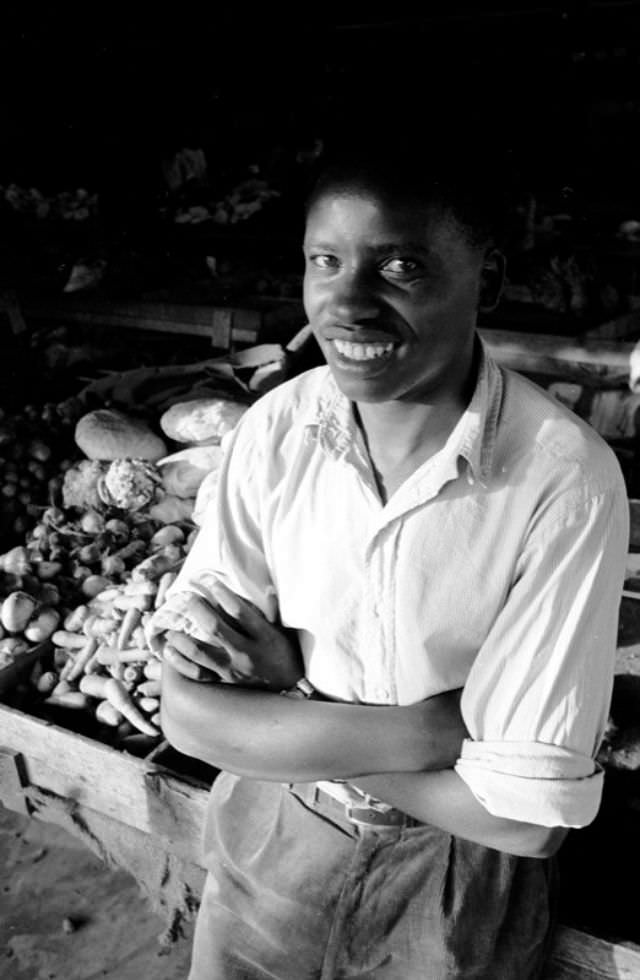
Greengrocer smile, 1969
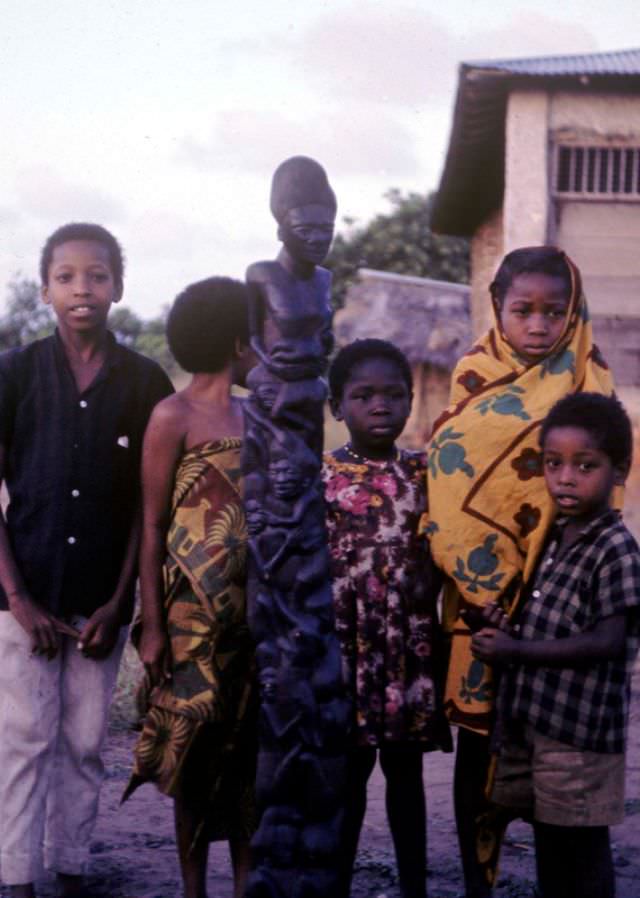
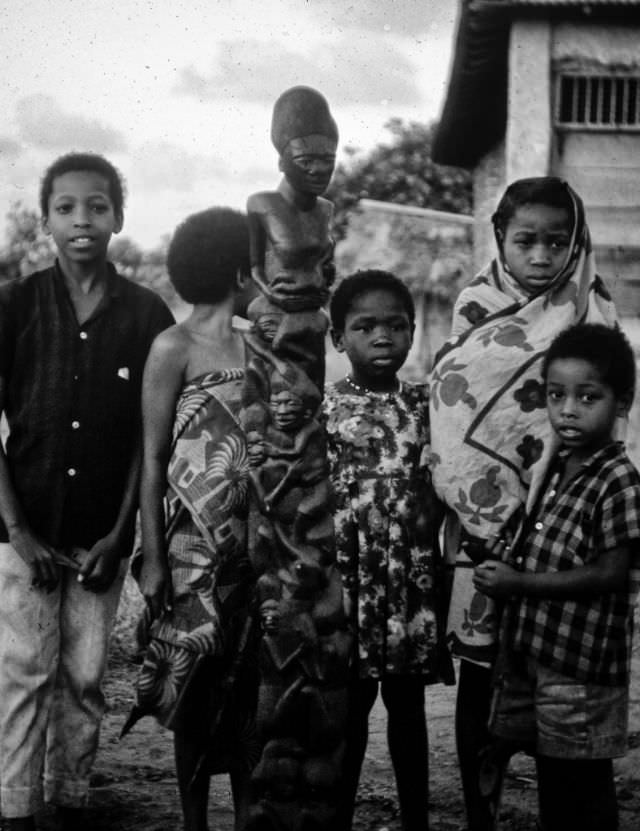
Kids with Makonde carving, 1969
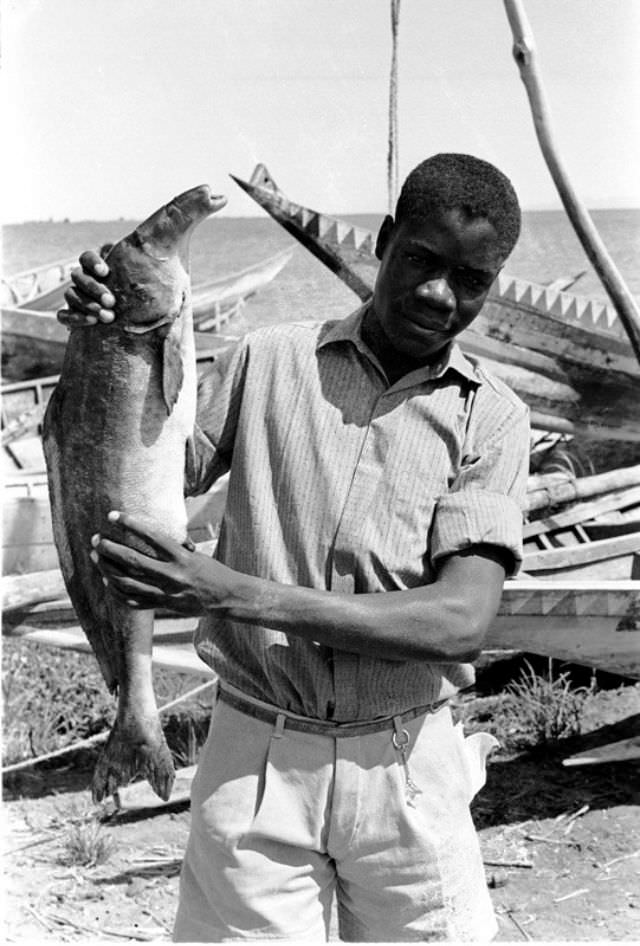
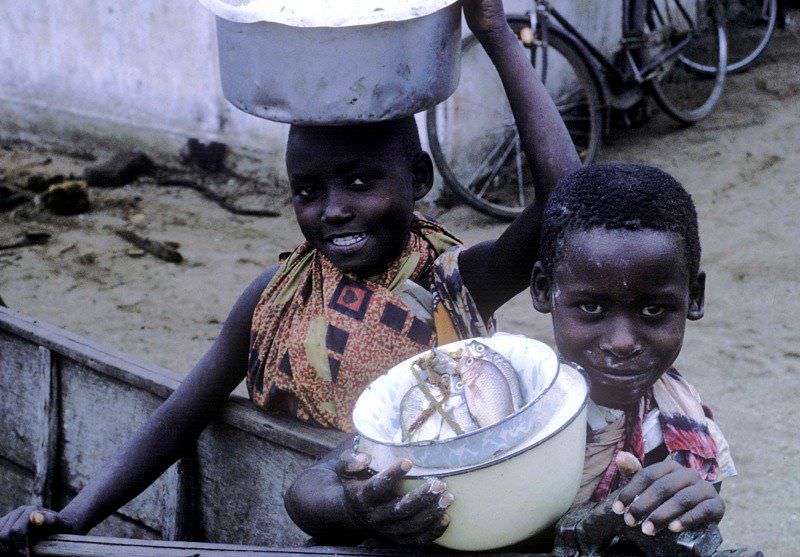
Nice catch, 1969
Nice catch, 1969
One of the beaches where fish was landed by canoe from Lake Victoria, 1969
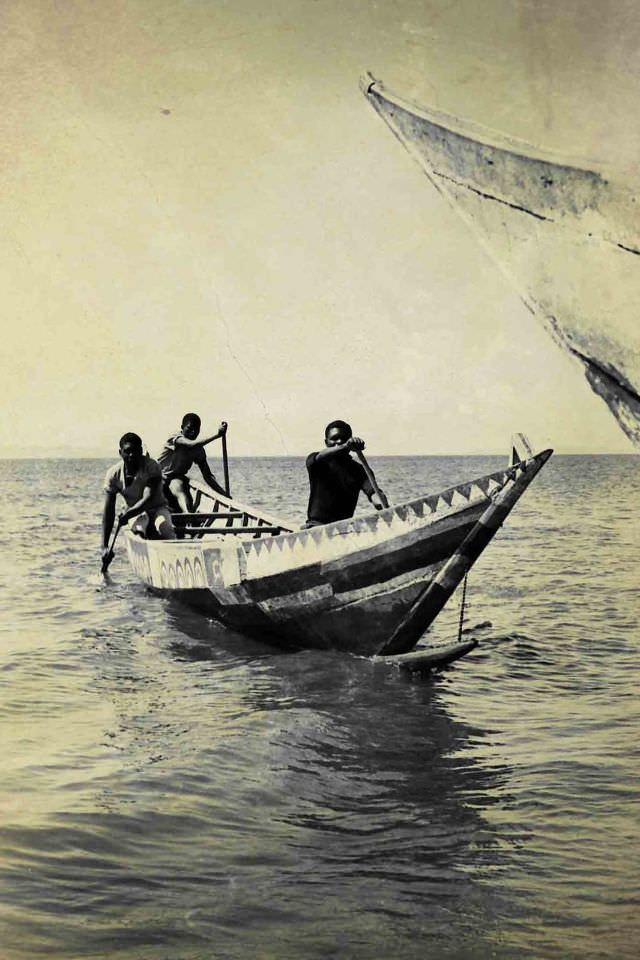
Paddling home, 1969
Paddling home, 1969
Pan's pipes, 1969
Pan’s pipes, 1969
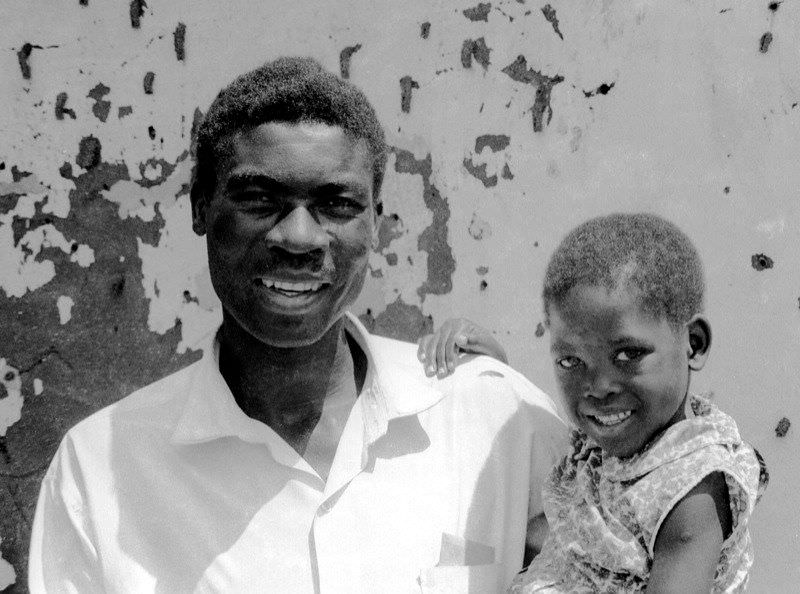
Proud father, 1969
Proud father, 1969
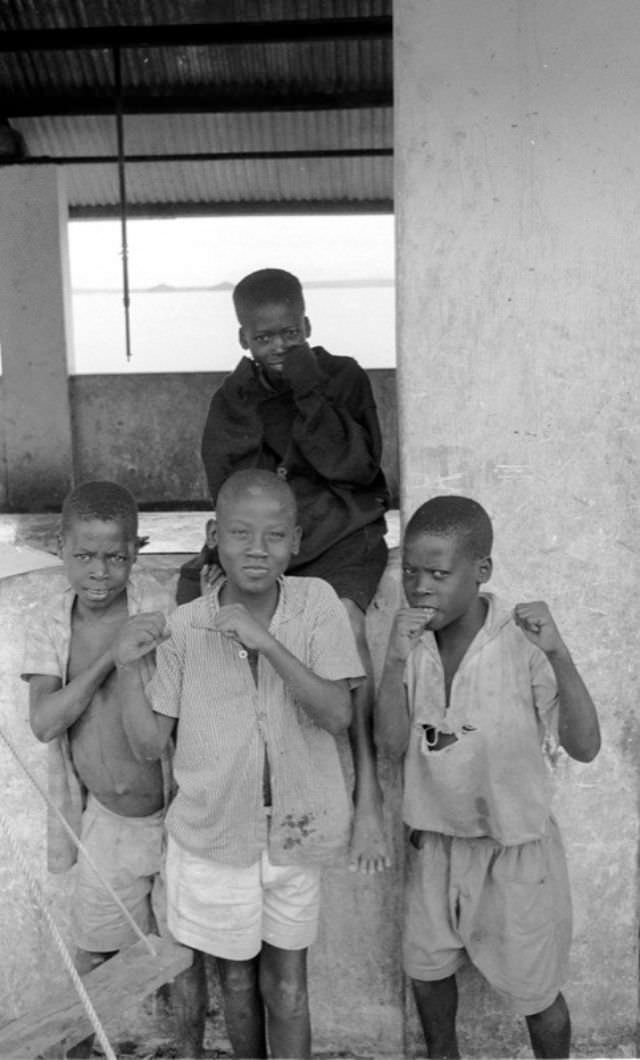
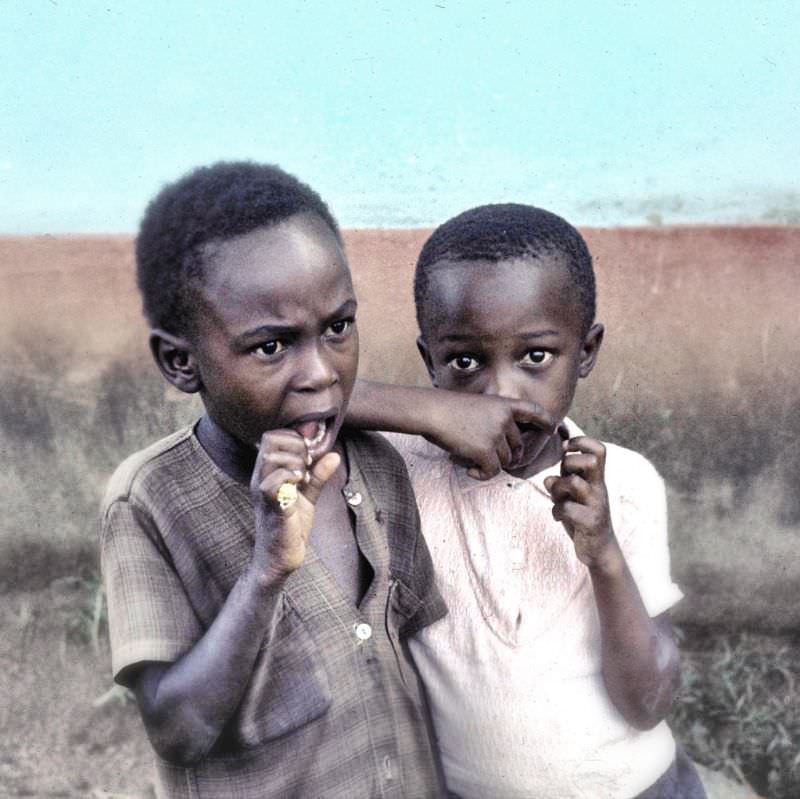
Put your fists up!, 1969

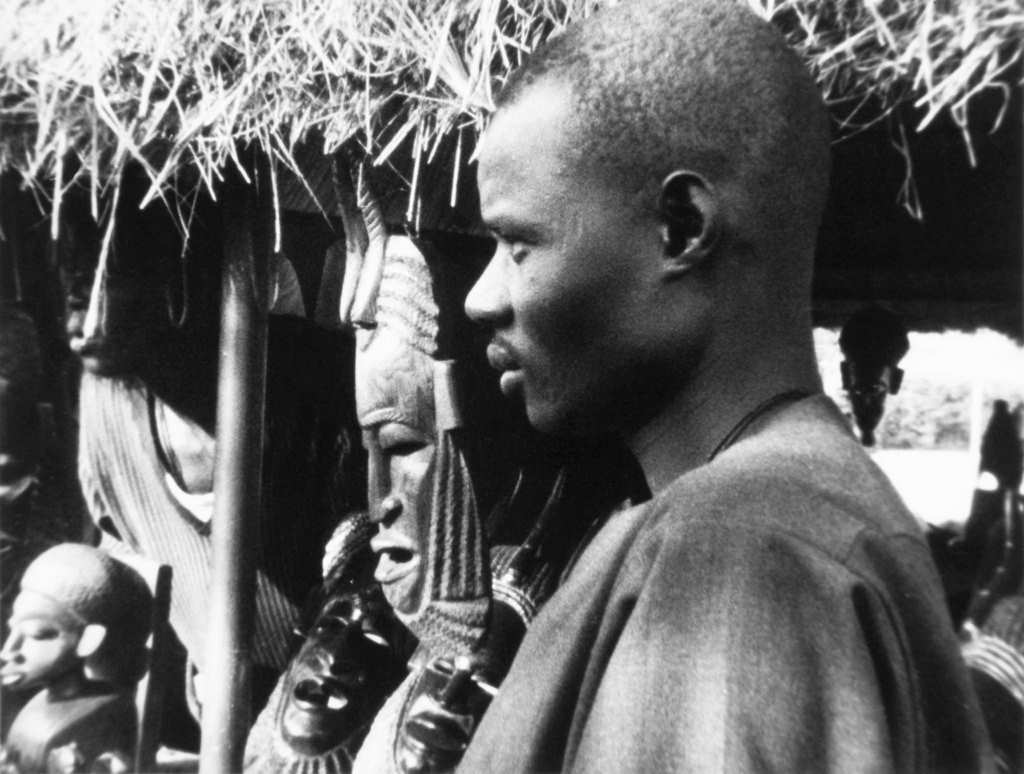
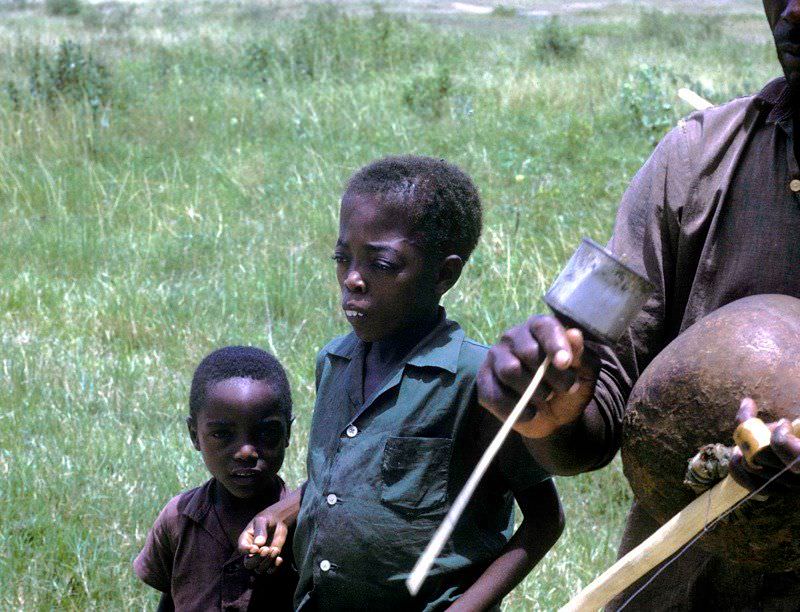
Makonde woodcarving is one of Tanzania’s most recognized art forms, practiced primarily by the Makonde people of the southeast. The carvings — often depicting human figures, spirits, and interlocking forms — were sold and traded across the country. By 1969, children near Dar es Salaam were photographed alongside these works, which were already attracting international buyers.

Reluctant subjectKids in Kunduchi (near Dar es Salaam, Tanzania) with a Makonde carving fashioned nearby, 1969
Riding the waves in the Tanzanian Lake Victoria fishery, 1969
Scramble to buy fish, 1969
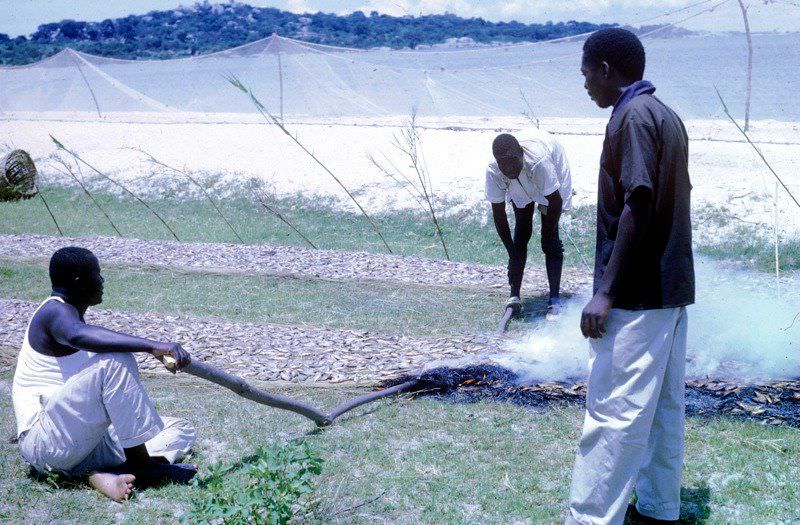
Smoking fish, 1969
Smoking fish, 1969
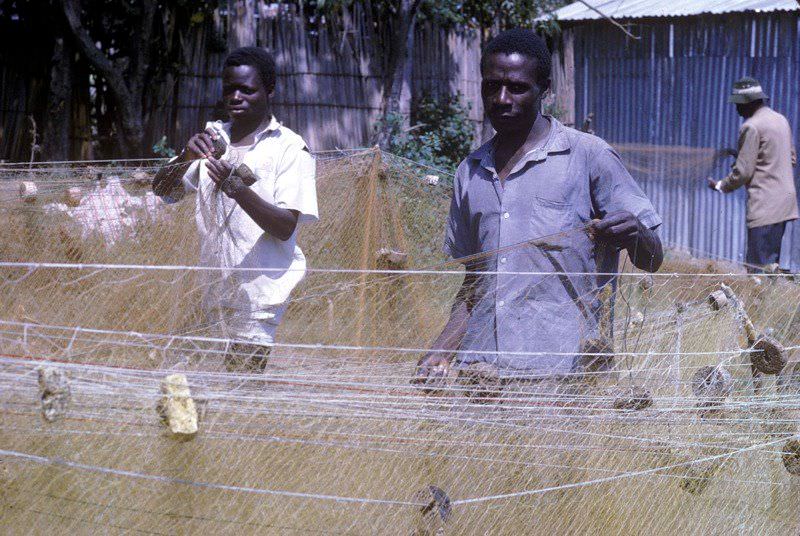
Sorting the nets, 1969
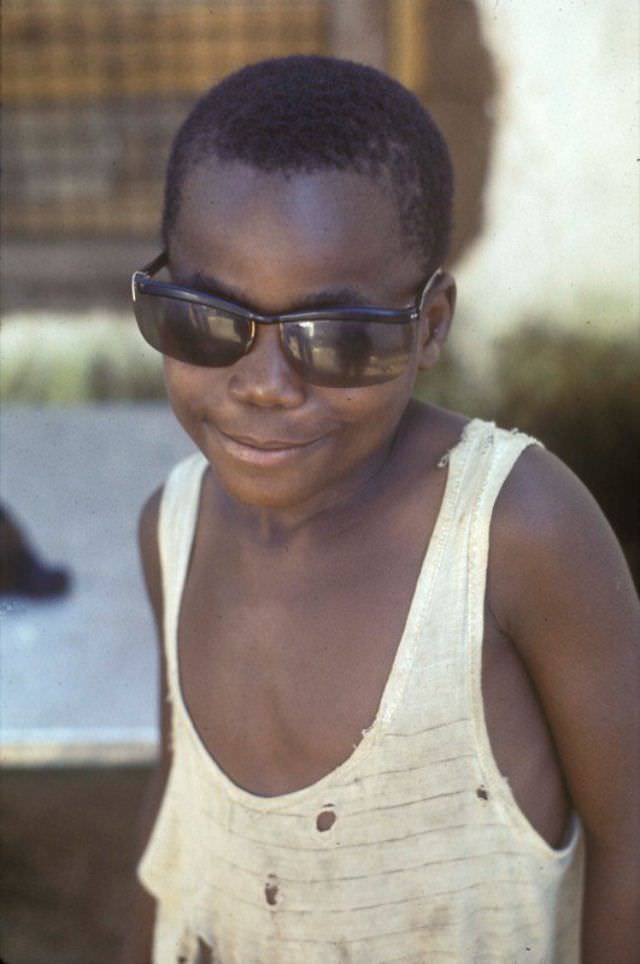
Sun glasses, 1969
Sun glasses, 1969
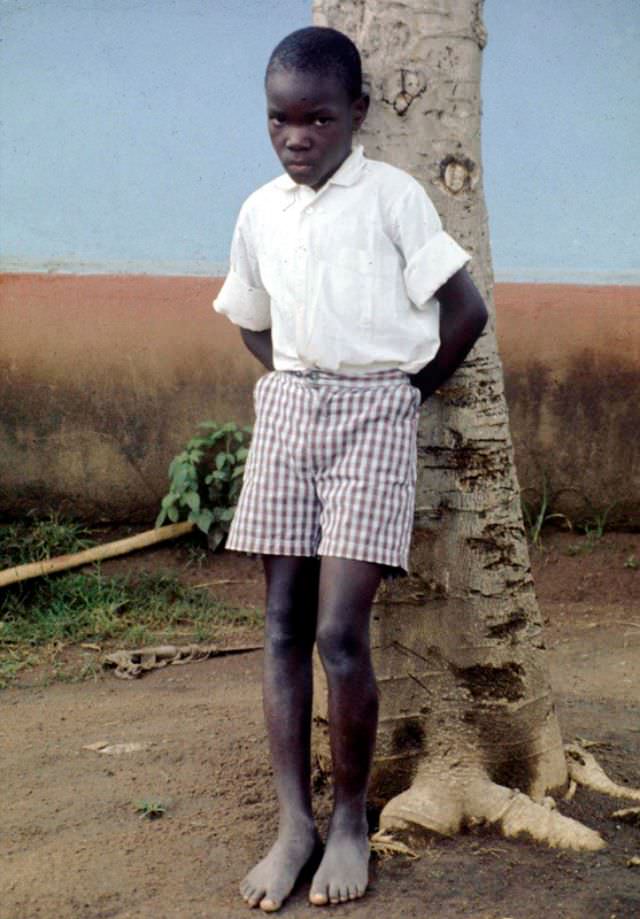
Tanzanian boy, 1969
Tanzanian boy, 1969
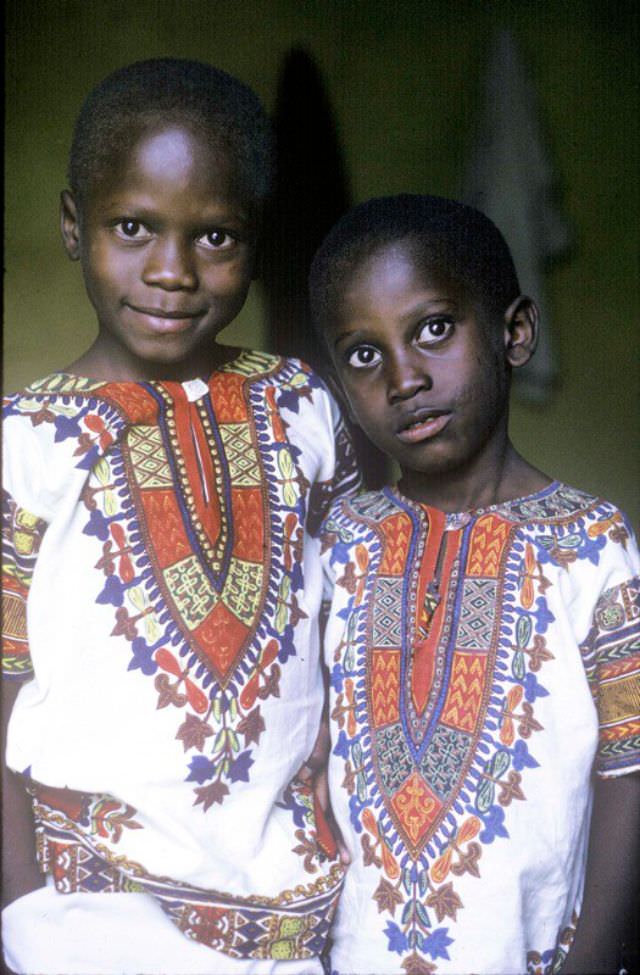
Tanzanian boys, 1969
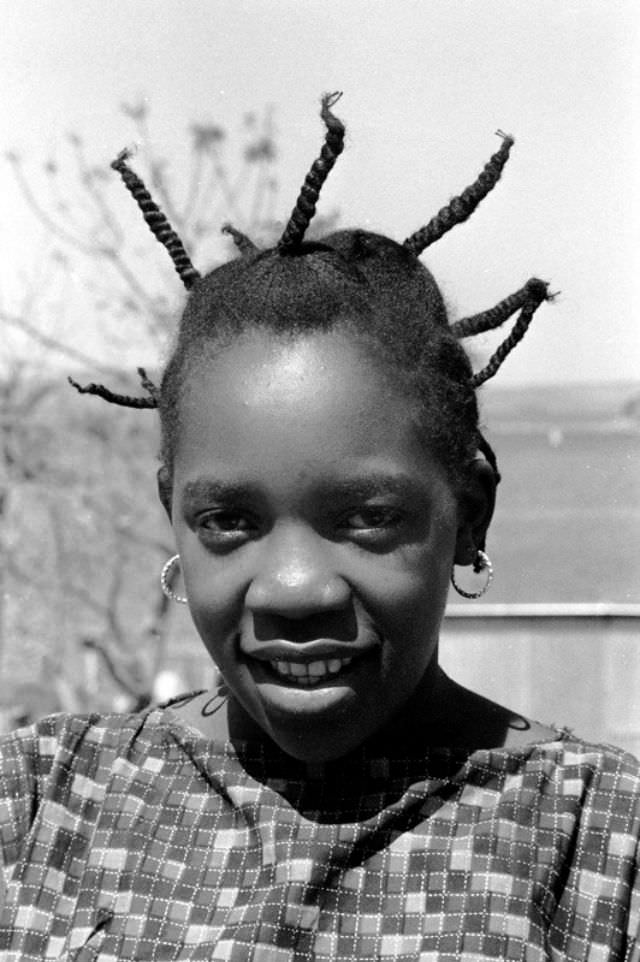
Tanzanian girl, 1969
Tanzanian girls dressed up, 1969
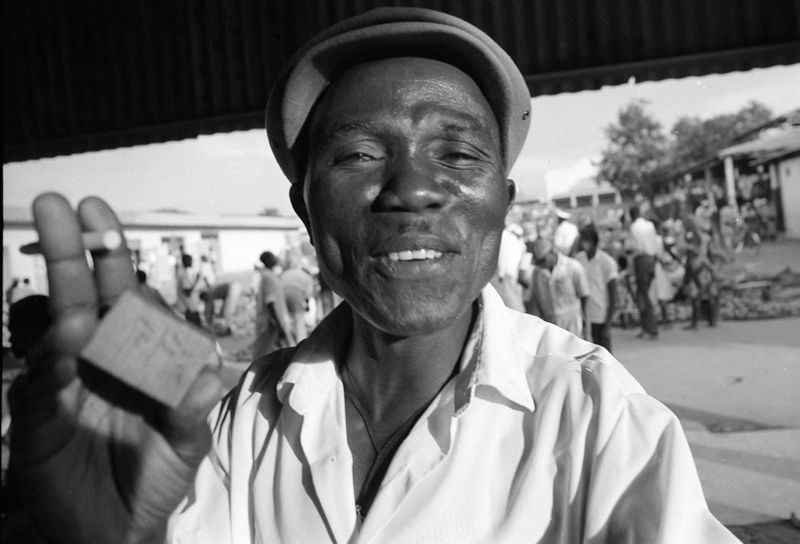
Tanzanian man, 1969
Tanzanian man, 1969
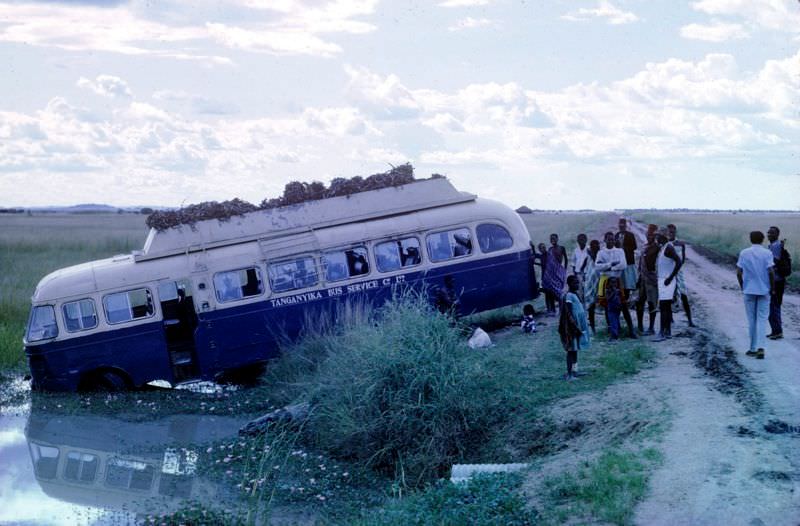
The bus is delayed, 1969
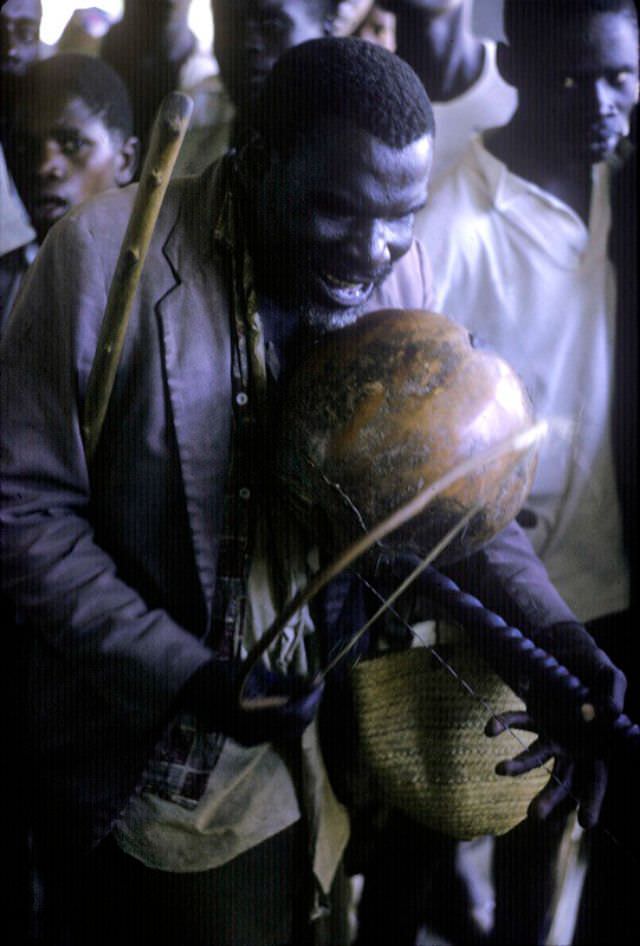
The entertainer, 1969

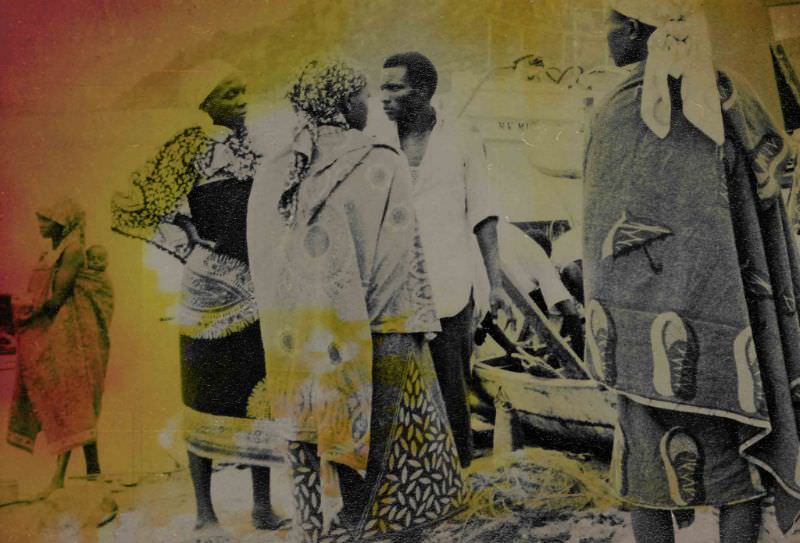
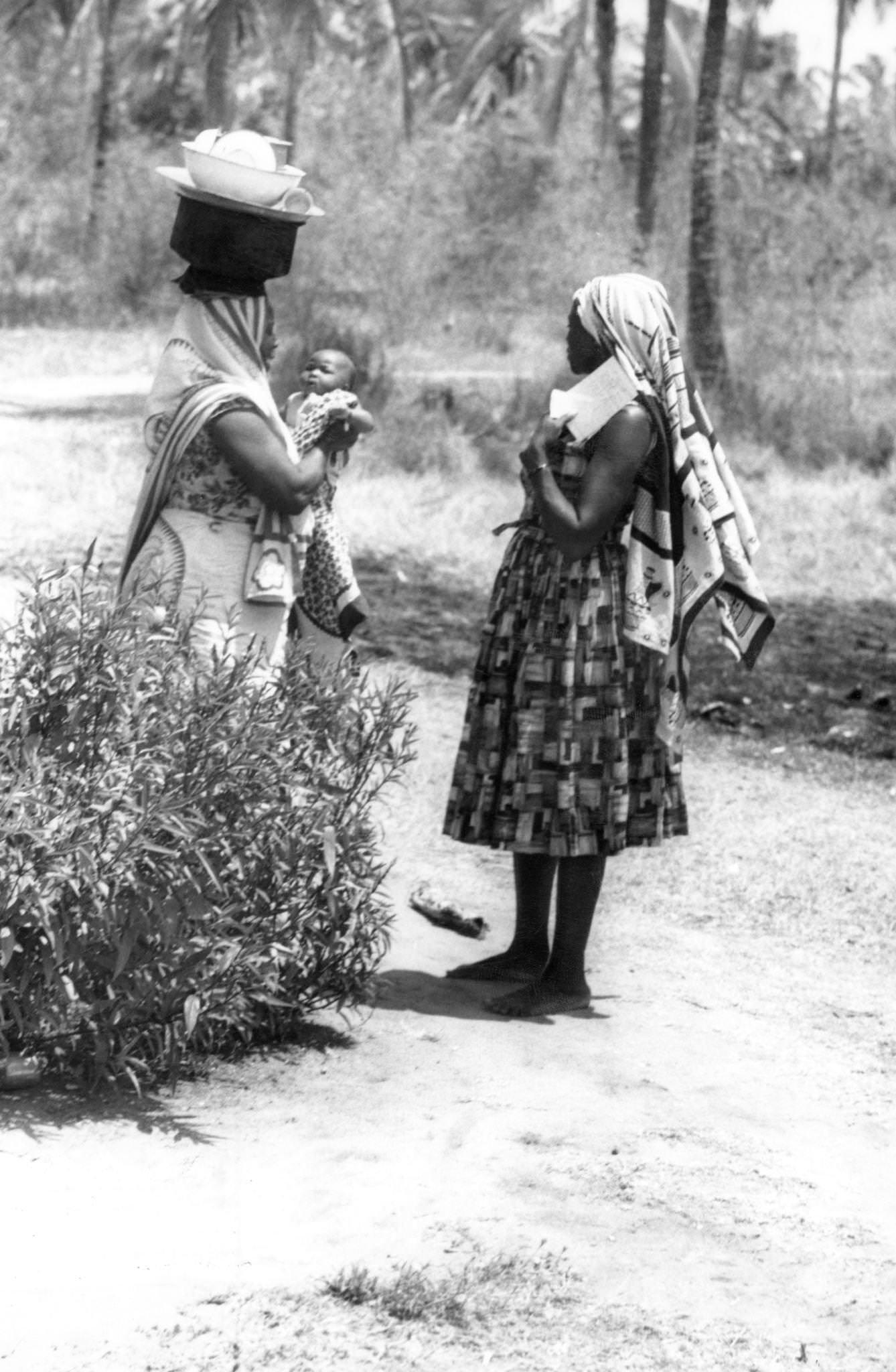
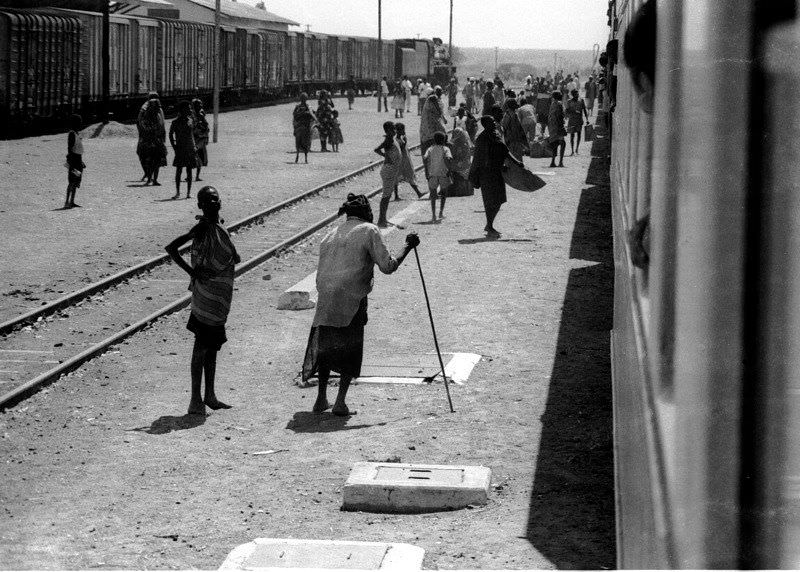
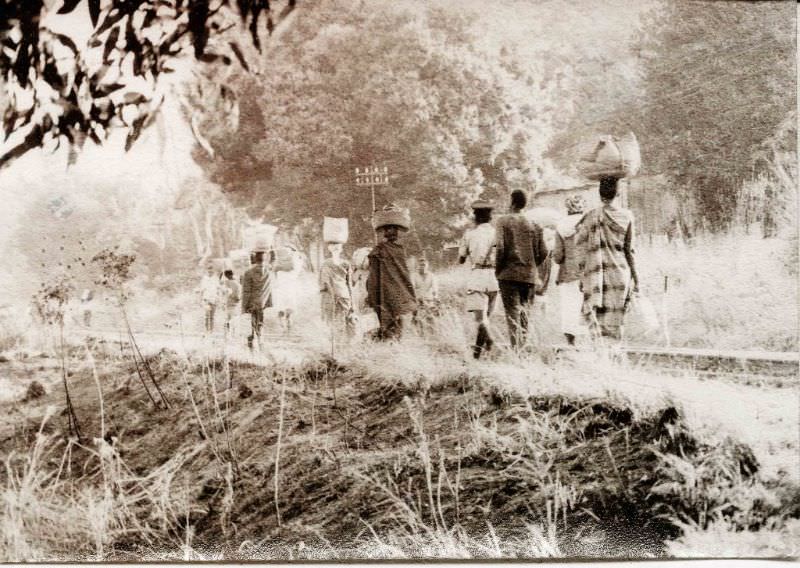
Tanzania’s rail connections were a lifeline for inland communities. The train route to Dar es Salaam linked rural regions to the coast, carrying goods, workers, and passengers across the country’s vast interior. Women in Kitenge — the brightly colored wrap garments traditional to East Africa, sold in matching pairs — were a common sight at lake beaches, markets, and along transport routes throughout this era.

The train to Dar es Salaam, 1969
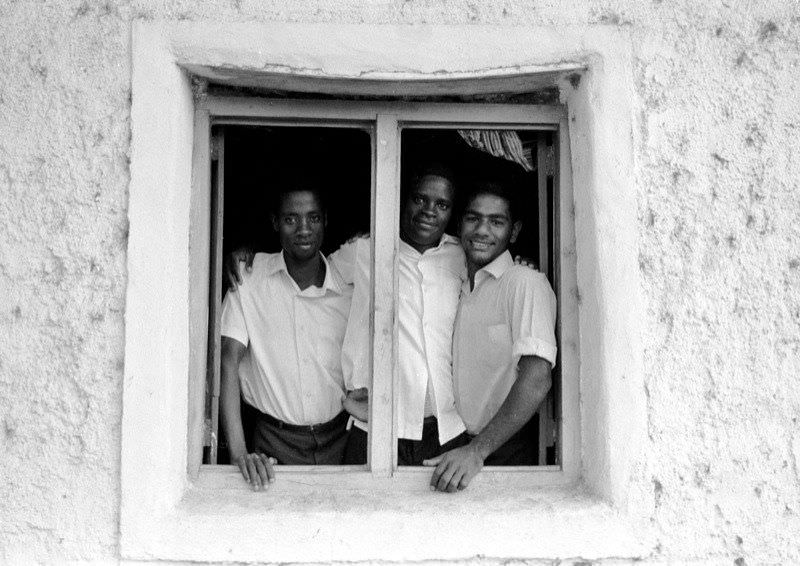
Three friends, 1969
Three friends, 1969
Two men traveling along the shore of Lake Victoria in Mwanza, Tanzania, 1969
Waiting, 1969
Waiting, 1969
Walk along a railway line, 1969
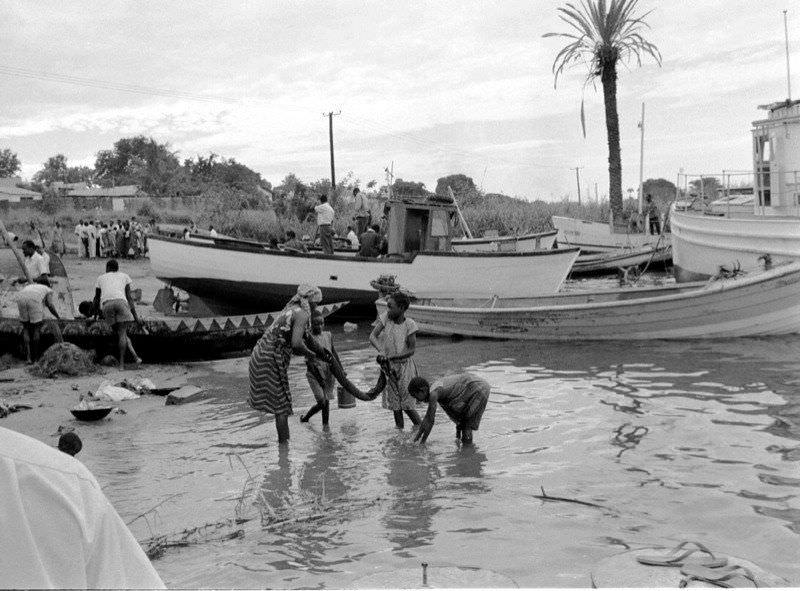
Washing time, 1969
Washing time, 1969
Whistle and hoe, 1969
Women in Kitenge (or Kanga are wrap garments from East Africa, sold in matching pairs) on a Lake Victoria fishing beach in Tanzania, 1969
Workmates, 1969
Workmates, 1969
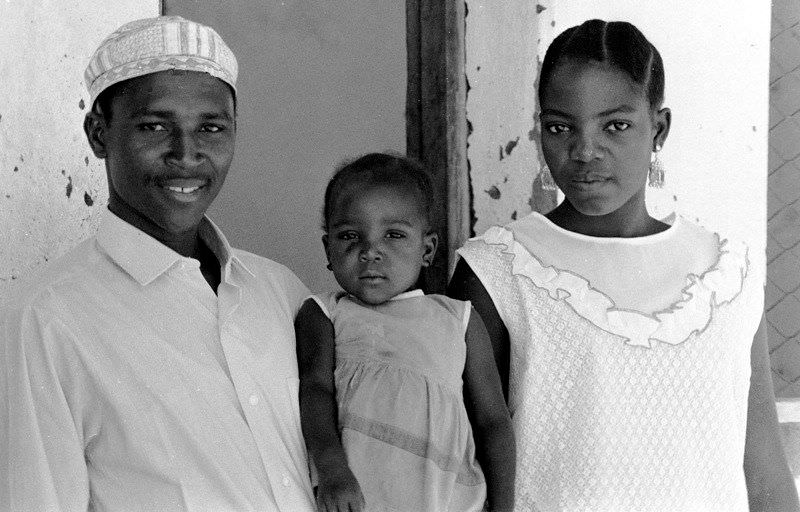
Young family, 1969
Young family, 1969
Young girl traders, 1969
Enjoyed this post? Get new ones in your inbox.

3 thoughts on “Tanzania in the 1960s: Stunning Historical Photos of Streets and Life”

Leave a Comment

Your email address will not be published. Required fields are marked *

Share this Post 🥺

Please take a moment to share this content. Your support is greatly appreciated! 🙌🙏

Share this Post 🥺

Please take a moment to share this content. Your support is greatly appreciated! 🙌🙏
Scroll to Top
 
Hey Friend, Before You Go.. Please like & follow for more interesting content