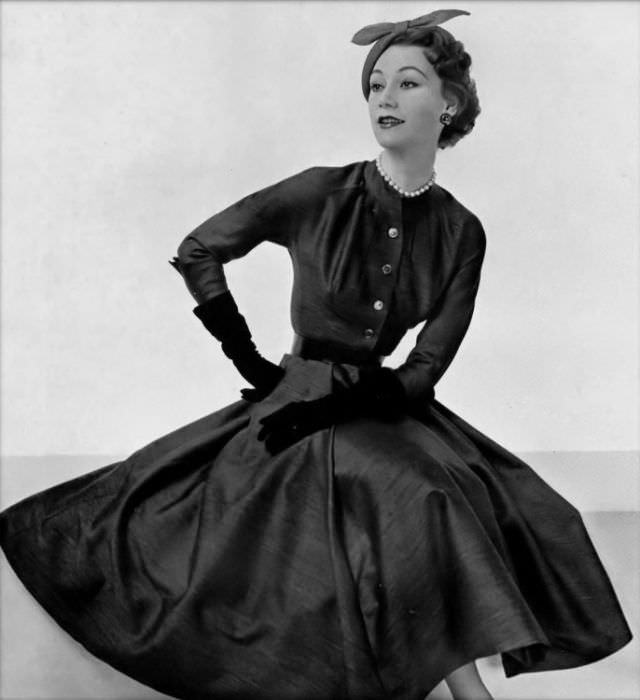
Sophie Malgat Litvak was born Simone Steur on February 2, 1926, in Nice, France. She later took the name Sophie Malgat after her first marriage to François Malgat. The name most associated with her modeling career — Sophie Malgat — came directly from the couturier Jacques Fath, who gave her the pseudonym when she joined his prestigious cabine in 1949. Before that, she had already been working as a model, starting out presenting swimwear before transitioning to high fashion clothing.
Fath recognized what made Sophie stand out: a long bust, a fine waist, and shorter legs — a proportional combination that worked beautifully for structured, sculptural designs. Her figure was particularly well-suited to Hermès as well. When she joined Fath’s team, she began working alongside Bettina, a fellow model and longtime friend. The two had known each other for years, and though their personal styles were very different, they complemented each other naturally in runway shows and photo shoots alike.
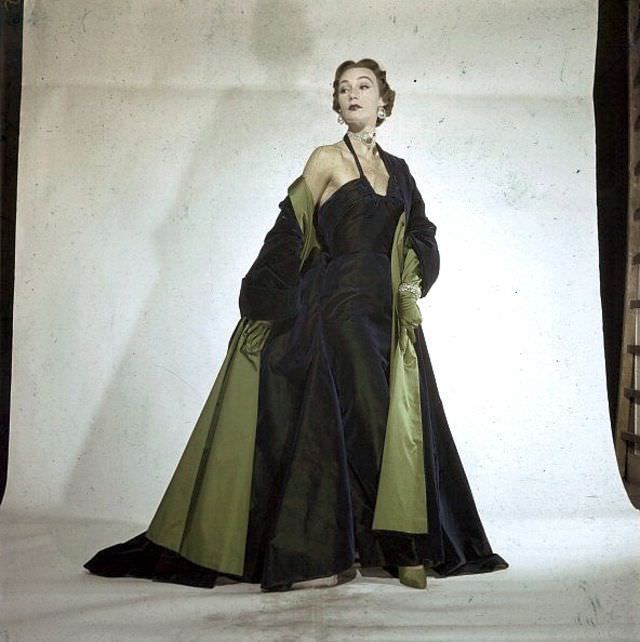
By 1950, Sophie was appearing in some of the most widely read fashion publications on both sides of the Atlantic. French titles such as L’Officiel, Vogue Paris, Jardin des Modes, and L’Album du Figaro featured her regularly, as did American publications hungry for the elegance of Parisian haute couture. Her range as a model was broad — she could carry an architectural Balenciaga coat just as convincingly as a delicate tulle ball gown.
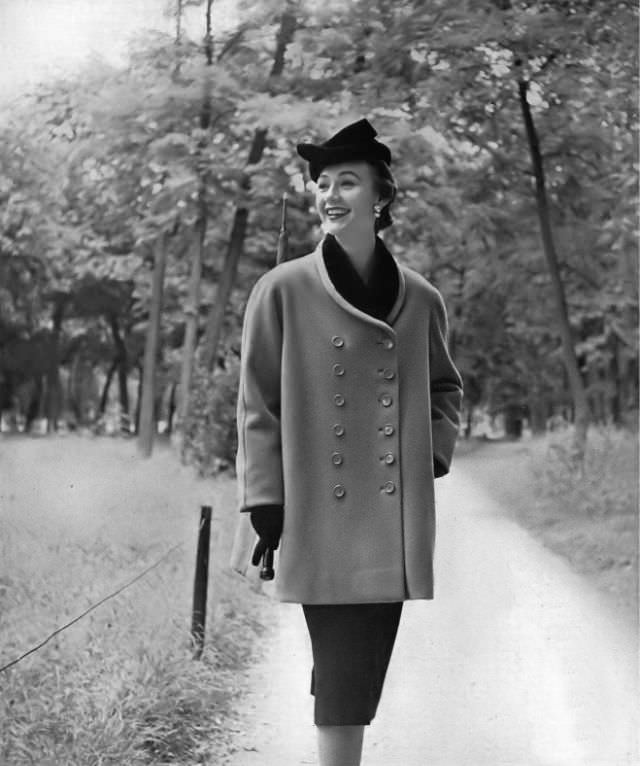
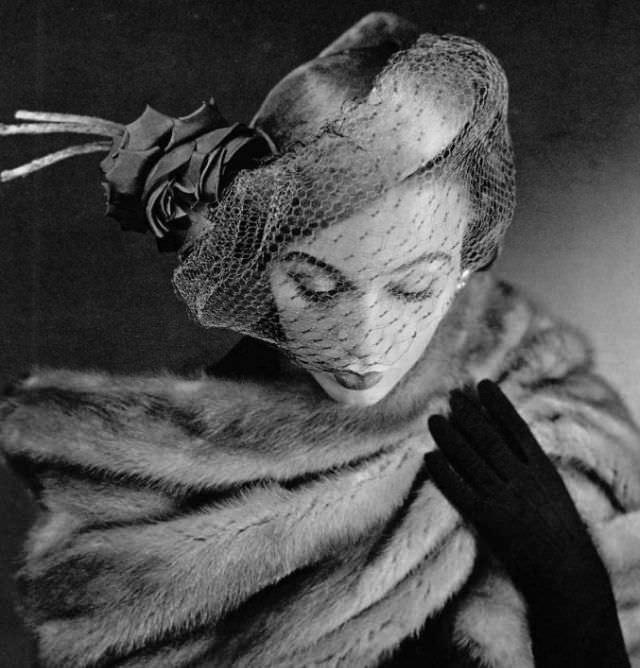
While Jacques Fath was her primary house, Sophie’s schedule extended well beyond it. She worked with Christian Dior, Givenchy, and the Italian designer Biki on various projects throughout the early 1950s. American designers also sought her out — in 1950, she modeled a wool cape and dress ensemble by Bonnie Cashin for Neiman Marcus, showing that her appeal crossed international fashion markets with ease.
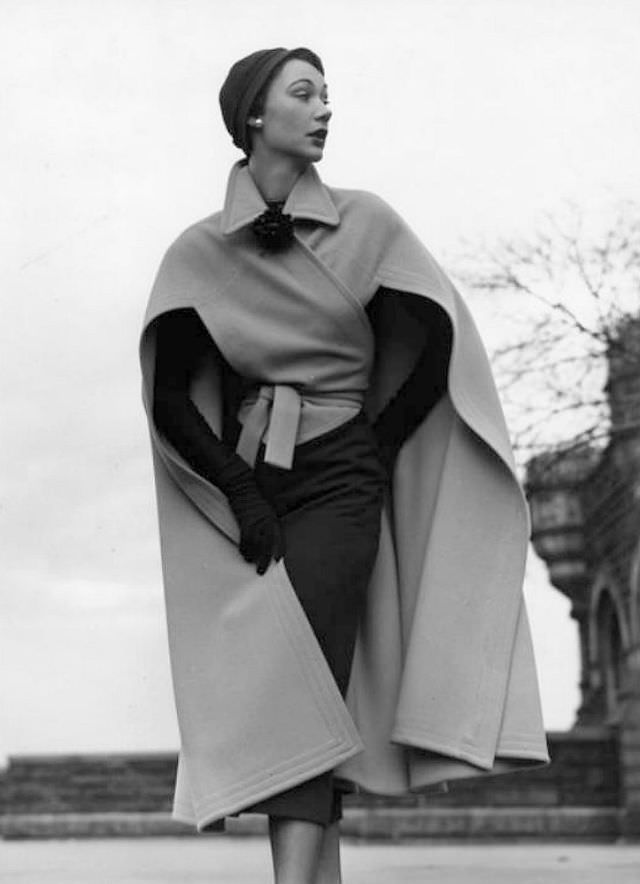
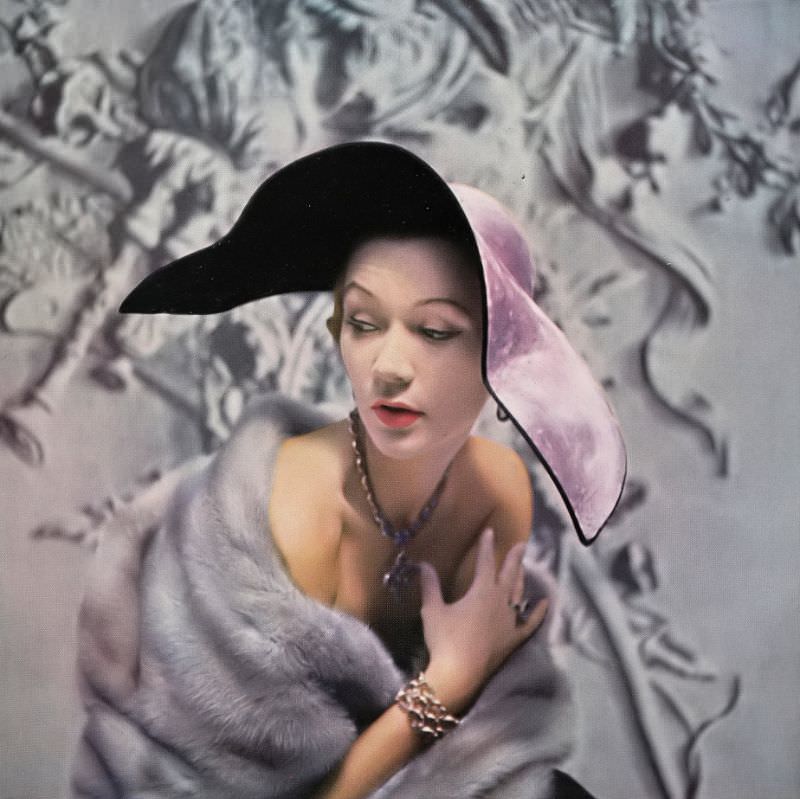
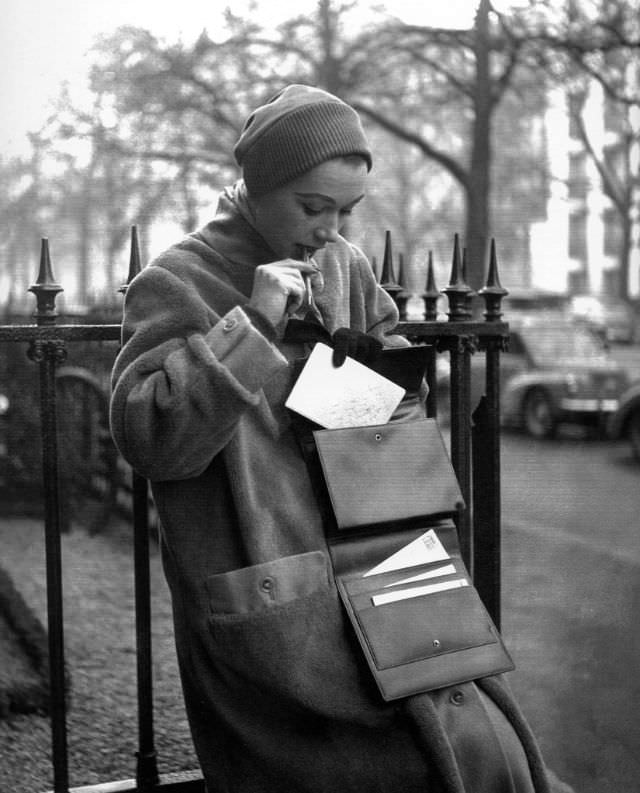
The photographers who worked with Sophie read like a who’s who of mid-century fashion photography. Georges Dambier, Erwin Blumenfeld, Henry Clarke, and Horst P. Horst all photographed her during this period. Each brought a distinct visual language to the images, and Sophie’s ability to adapt to different creative visions made her a consistent choice for serious editorial work. The resulting photographs capture both the grandeur of early 1950s couture and her individual presence within it.
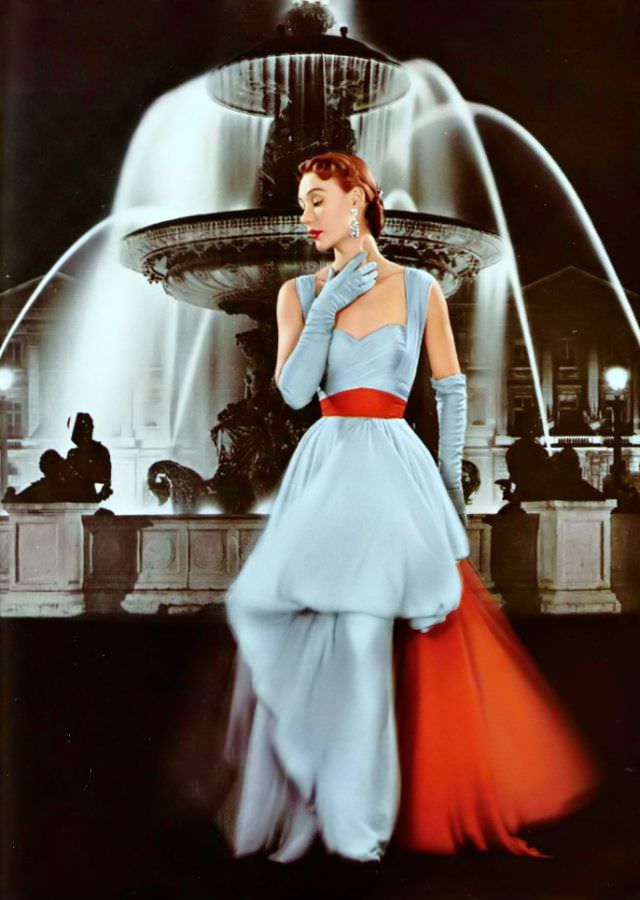
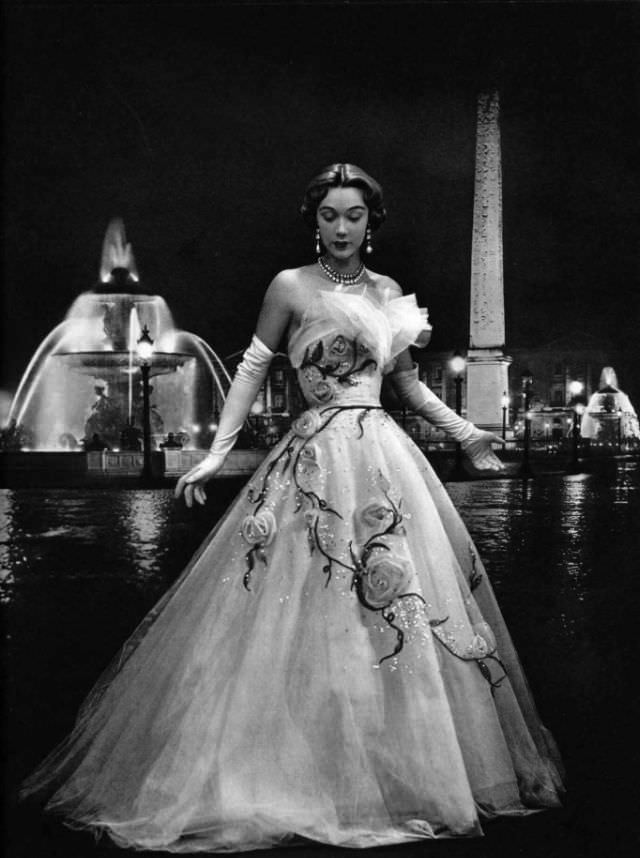
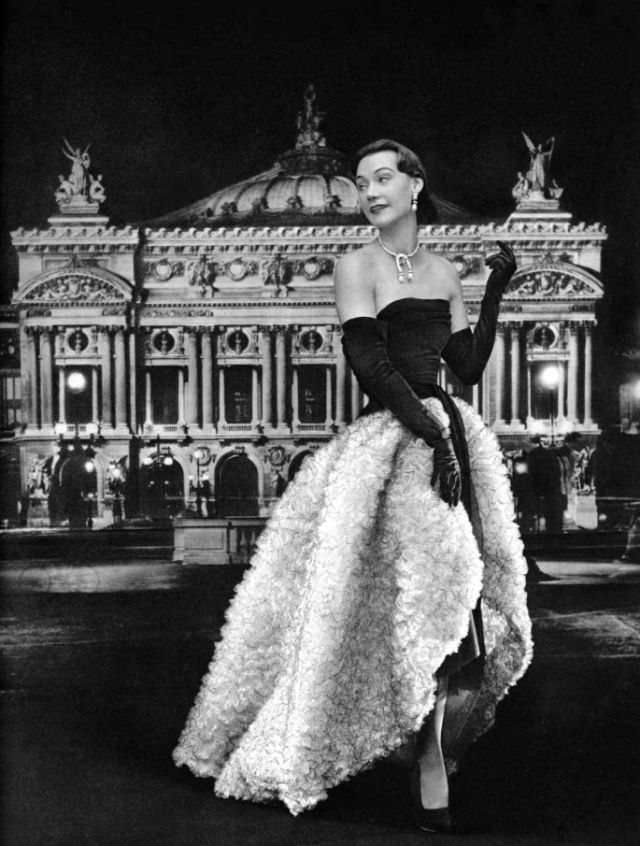
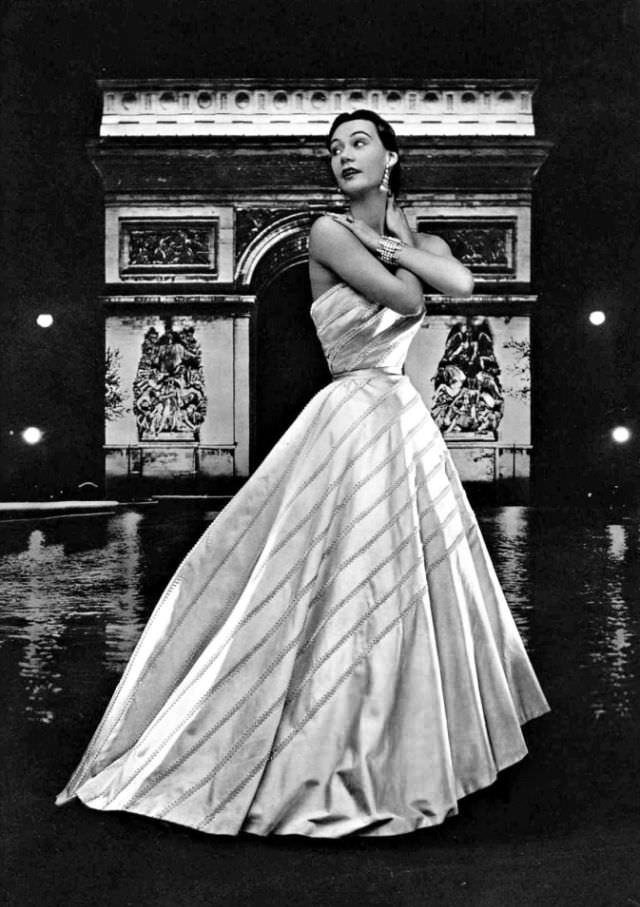
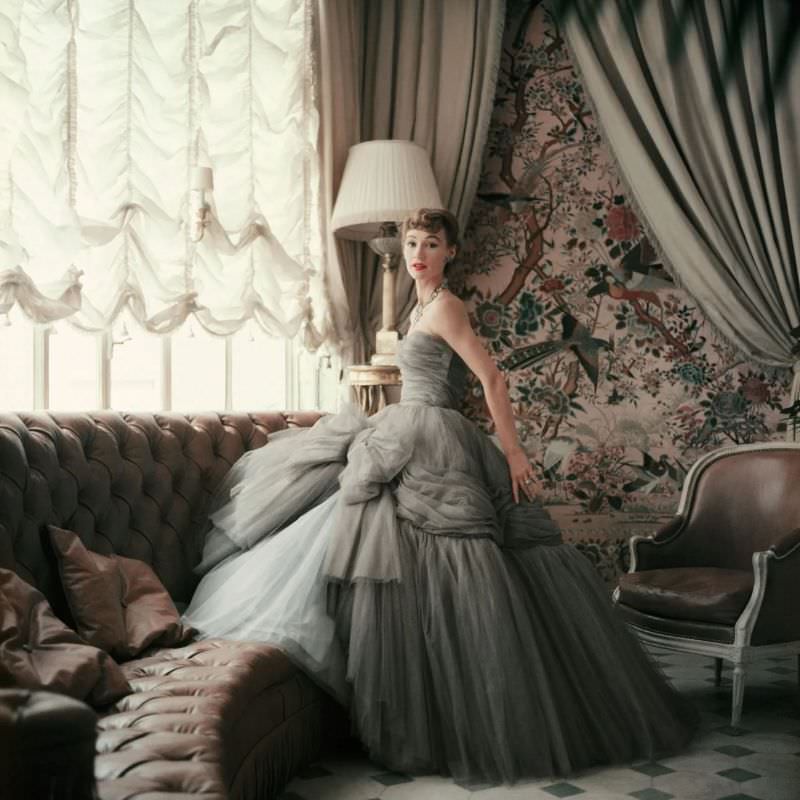
By 1951, Sophie was appearing in elaborate evening wear from a wide range of designers. From the white tulle and rhinestone gown by Jeanne Lafaurie to Balenciaga’s black chiffon and white ruffled tulle embroidered with sequins, she was front and center in some of the most formal and ambitious designs of the season. Christian Dior also dressed her in a white satin ball gown diagonally crossed with bands of rhinestones — a piece that captured the full theatrical drama of Dior’s early 1950s vision.
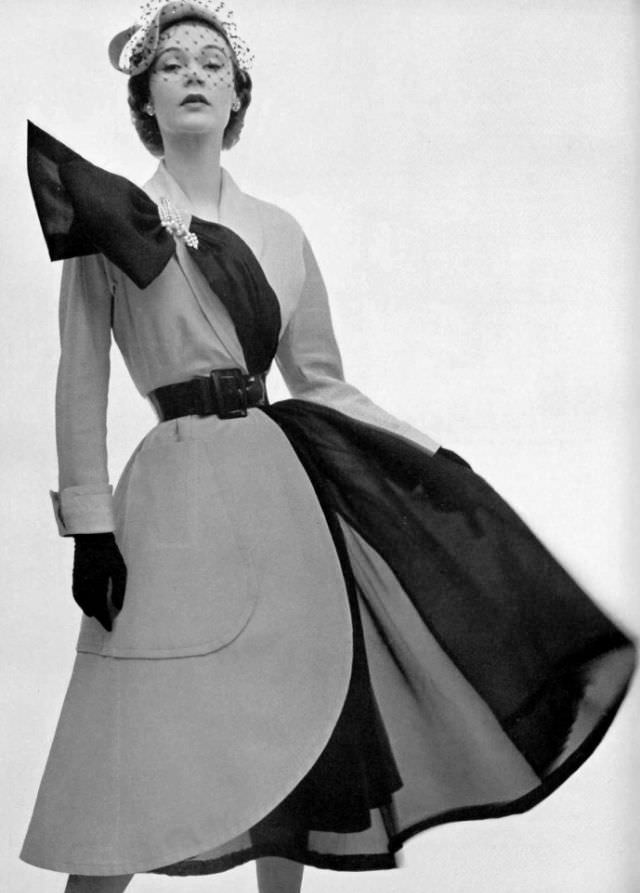
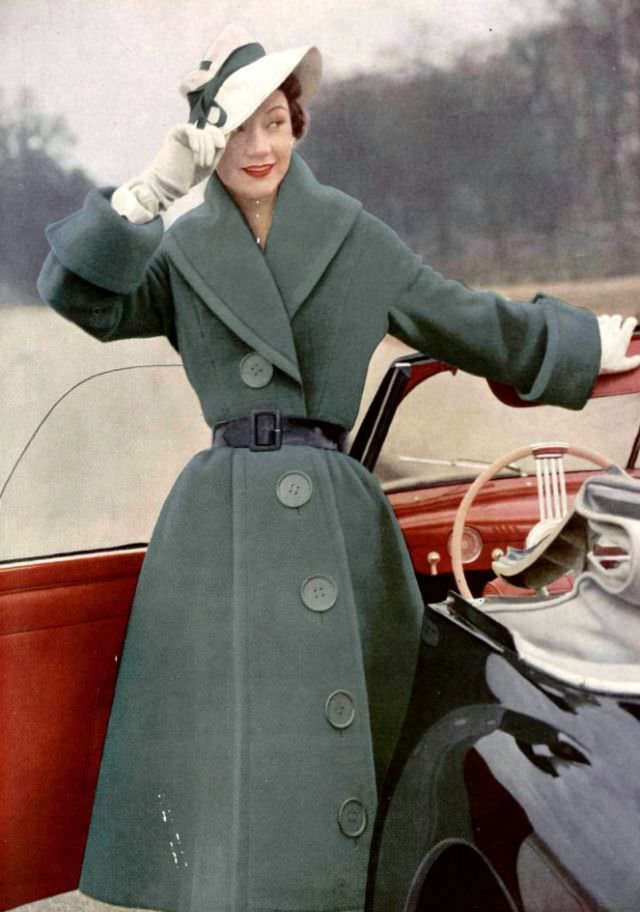
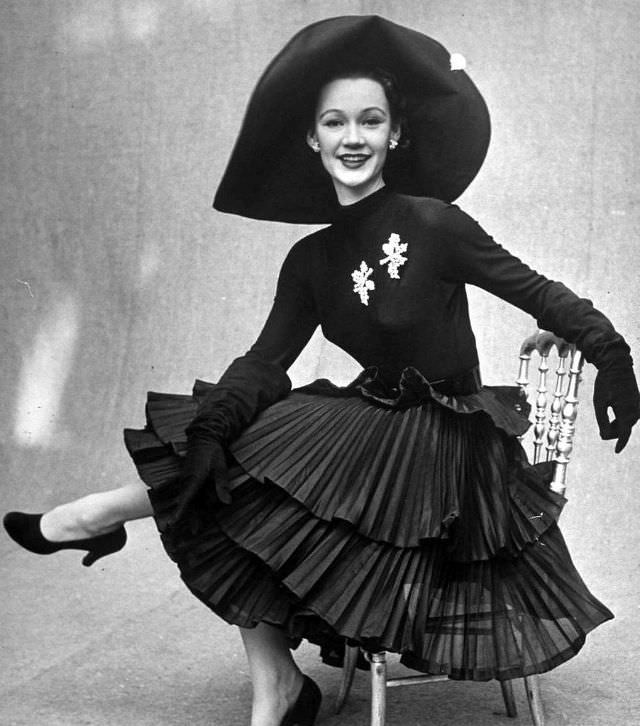
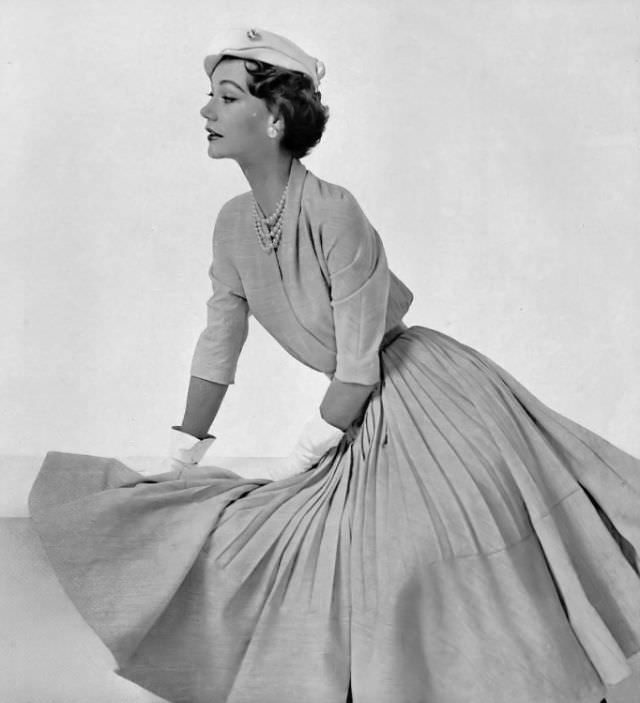
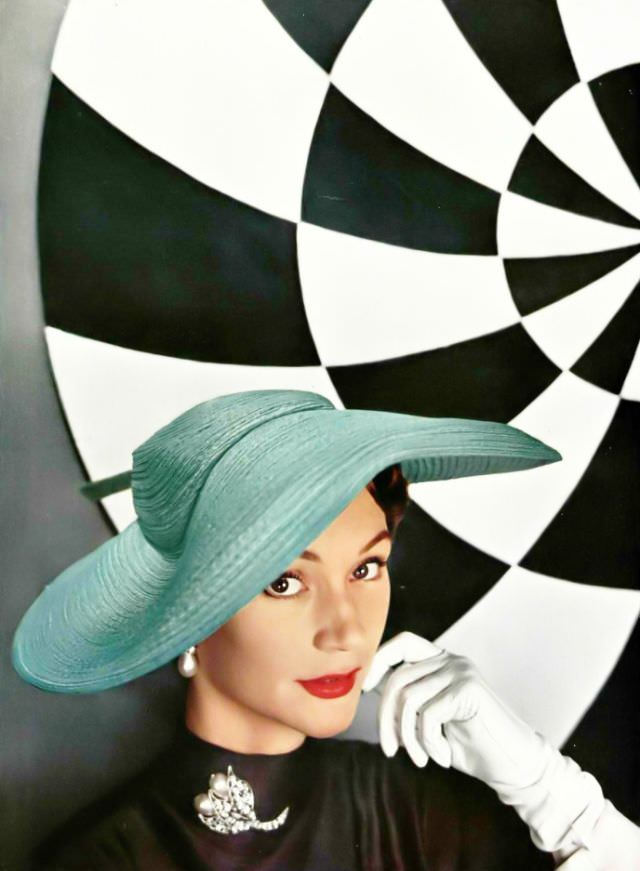
Jacques Fath’s designs appeared on Sophie consistently throughout 1951. His green wool coat with giant diagonal buttons, cinched at the waist with a patent leather belt, was one standout. Another was a tiered pleated skirt worn with a long-sleeved top and a wide-brimmed picture hat. These pieces showed the range of Fath’s work — from bold tailoring to structured femininity — and Sophie’s figure brought both directions to life.
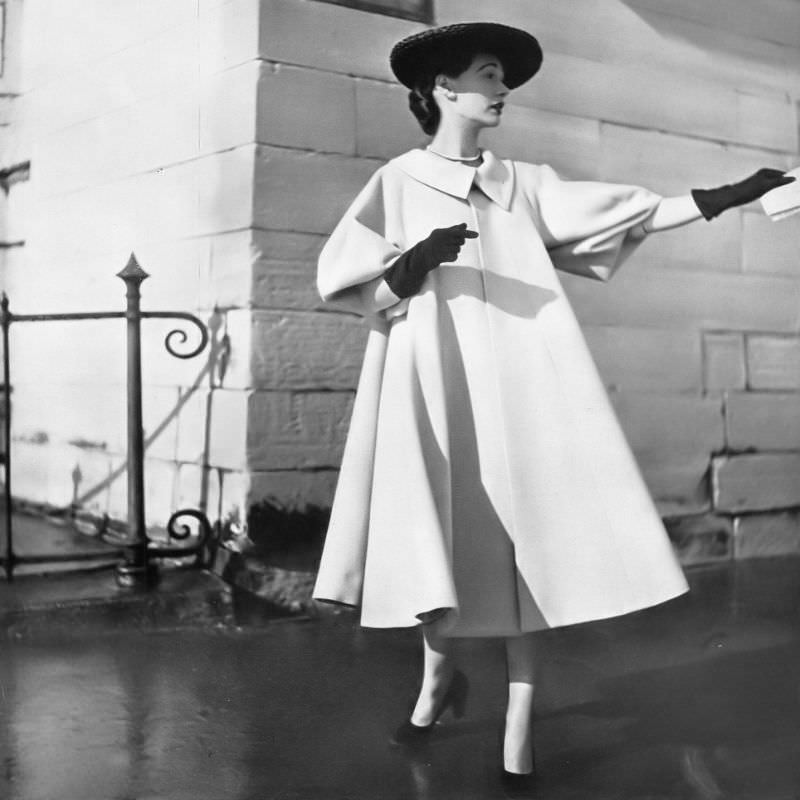
Designers outside the major Paris houses also featured Sophie during this period. Lucille Manguin dressed her in a white Marescot lace sheath wrapped in a skirt and stole of white faille — a look that leaned into the refined elegance of the era. Mad Carpentier’s bias-cut pink wool coat, featured in Harper’s Bazaar in April 1951, demonstrated how Sophie handled less rigid, more fluid silhouettes with equal confidence.
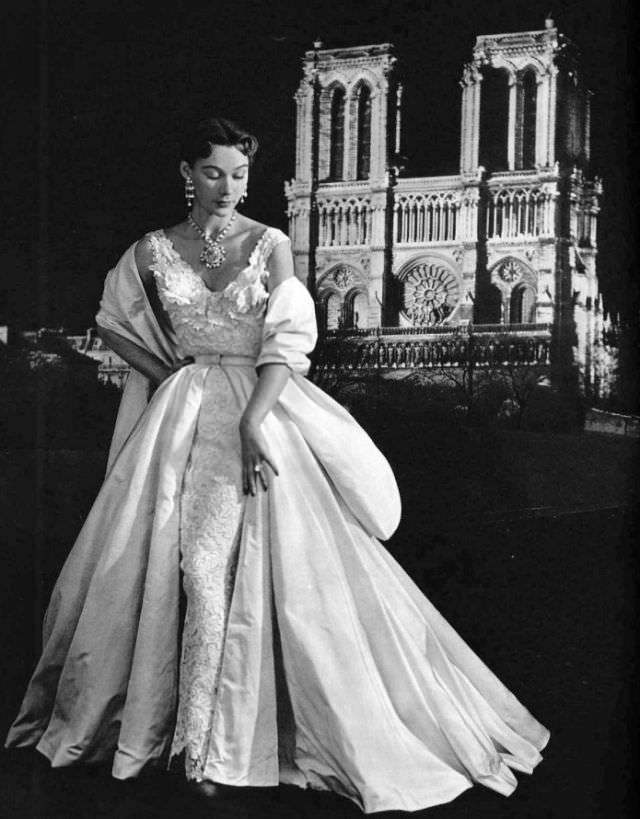
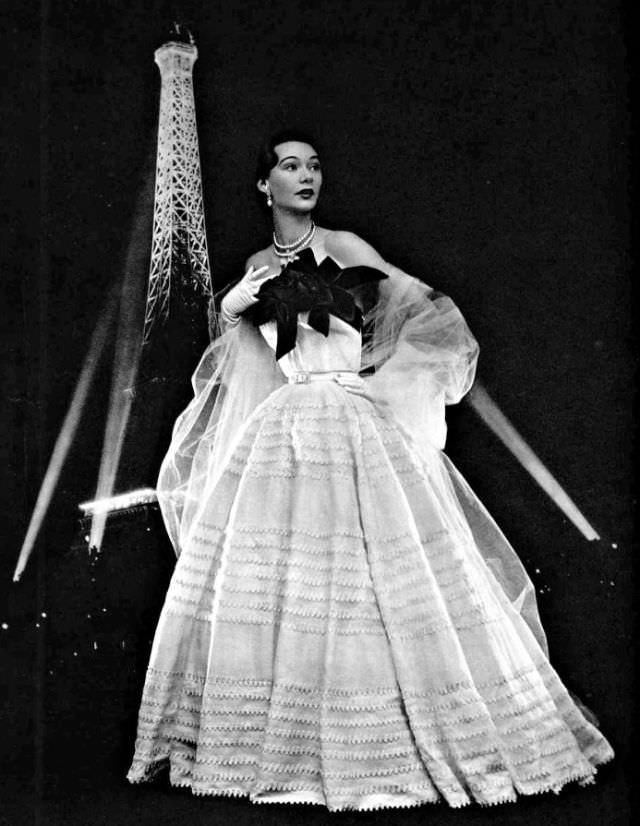
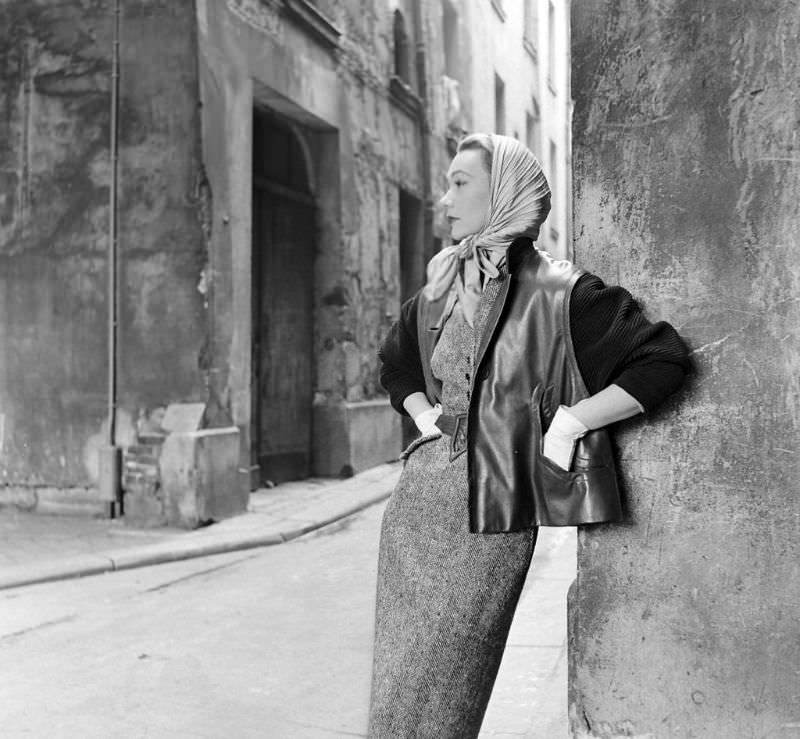
The year 1952 brought more editorial work across multiple fashion houses. Givenchy appeared repeatedly in her schedule that year — she wore his slim suit with a wide scarf in February, his leather jacket with knit sleeves over a tweed dress in the same month, and his evening dress of black crêpe with a short bolero of red velvet and mousseline petals later in the year. Harper’s Bazaar captured her in April wearing a Givenchy evening gown with a voluminous ruffled, tiered manteau, photographed by Karen Radkai.
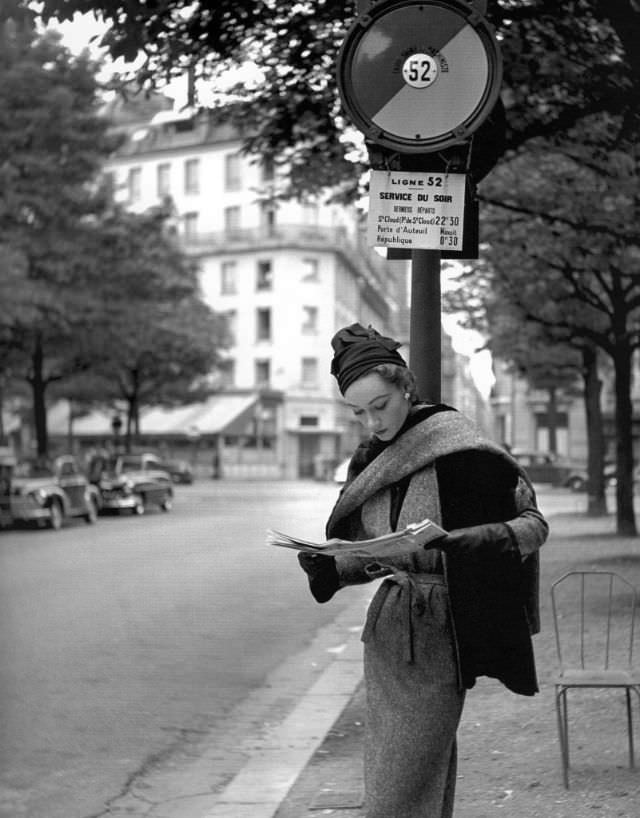
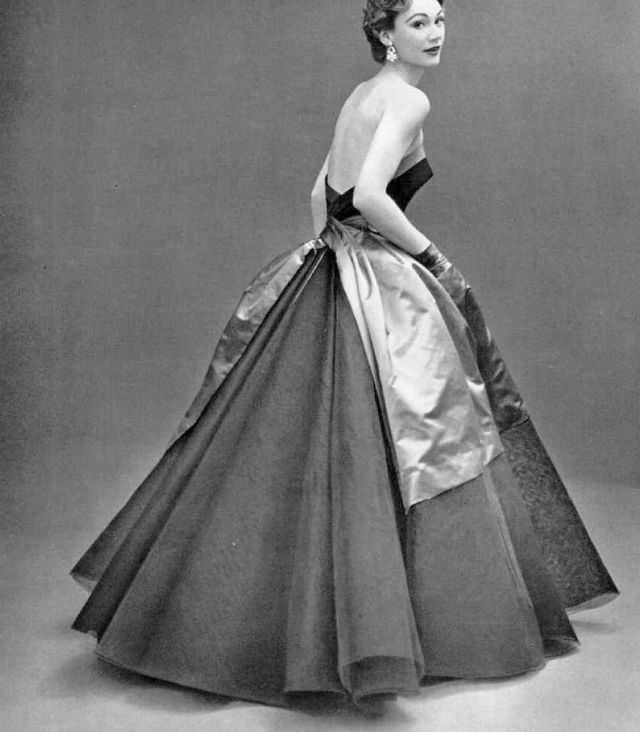
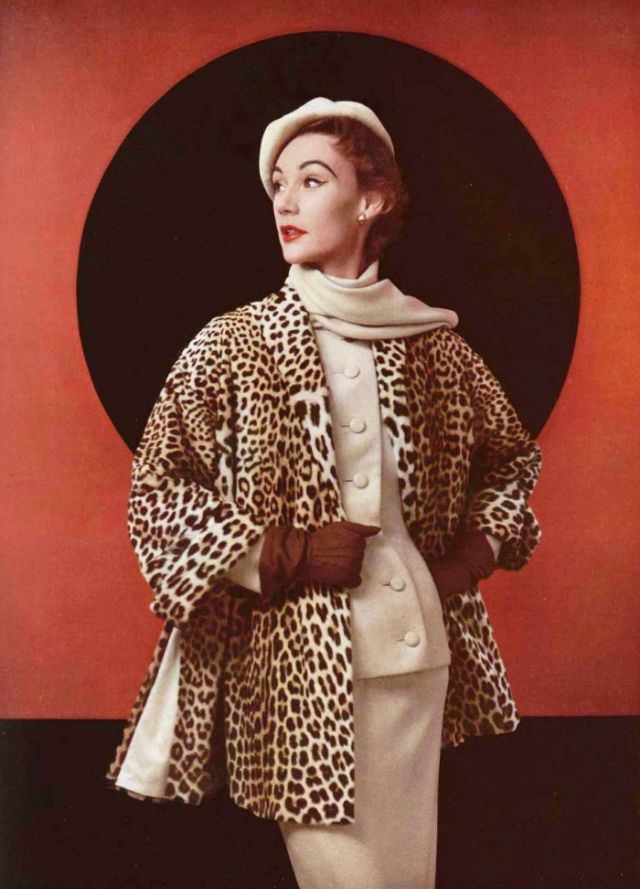
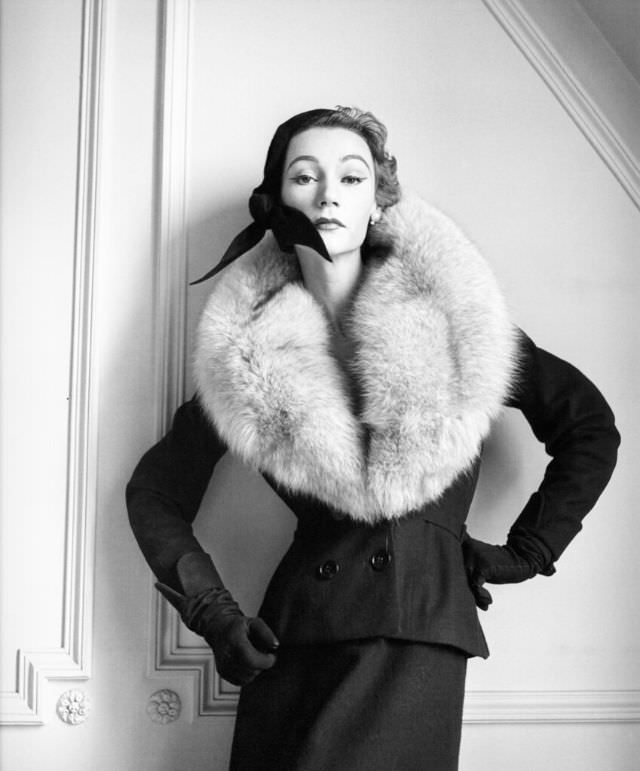
Jacques Fath remained central to her 1952 work as well. A notable image from Life magazine, shot by photographer Milton Greene in Paris and published on September 8, 1952, shows Sophie in a Fath suit with a Norwegian blue fox collar — one of the most striking editorial photos of her career. That same year, L’Officiel published an image of her in a satin gown by Fath, while Elle featured her in a Lanvin-Castillo tweed dress with a reversible otter-lined stole.
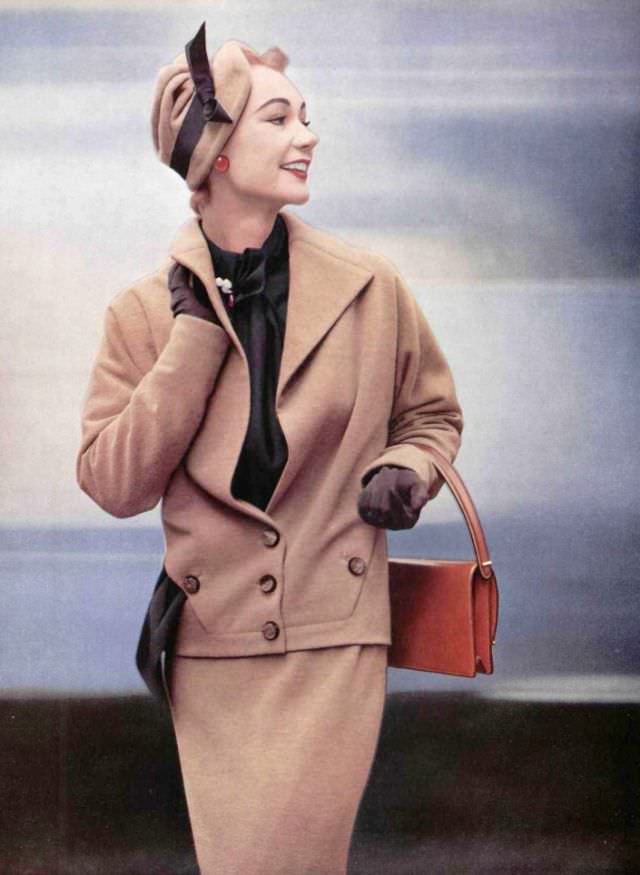
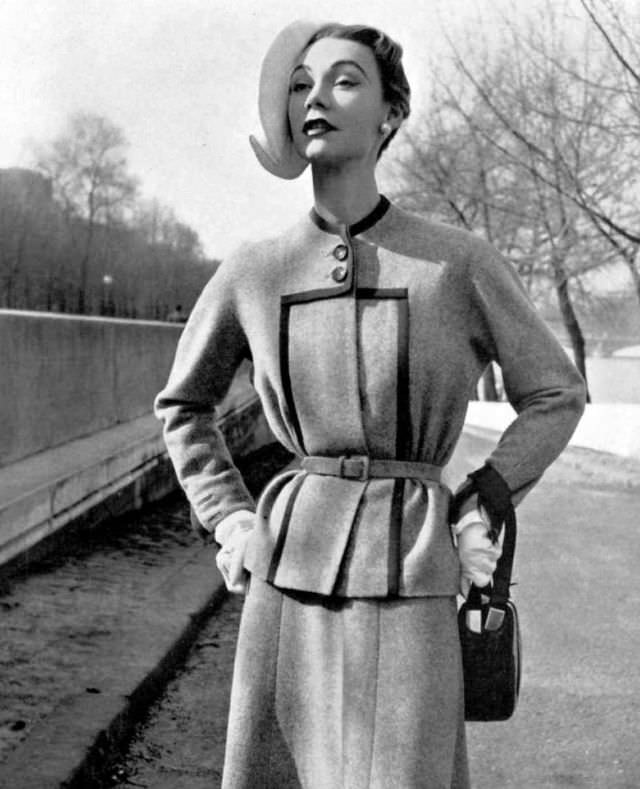
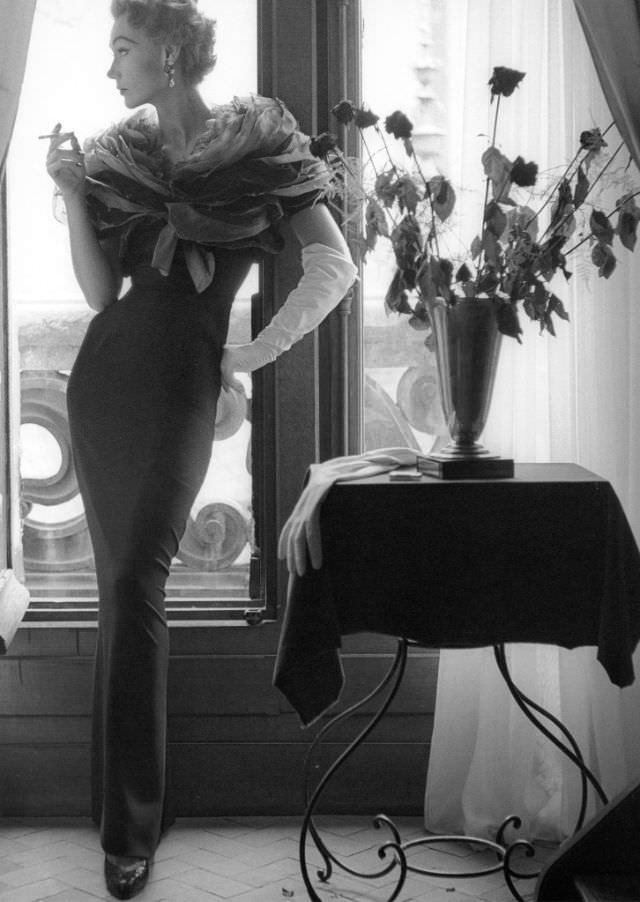
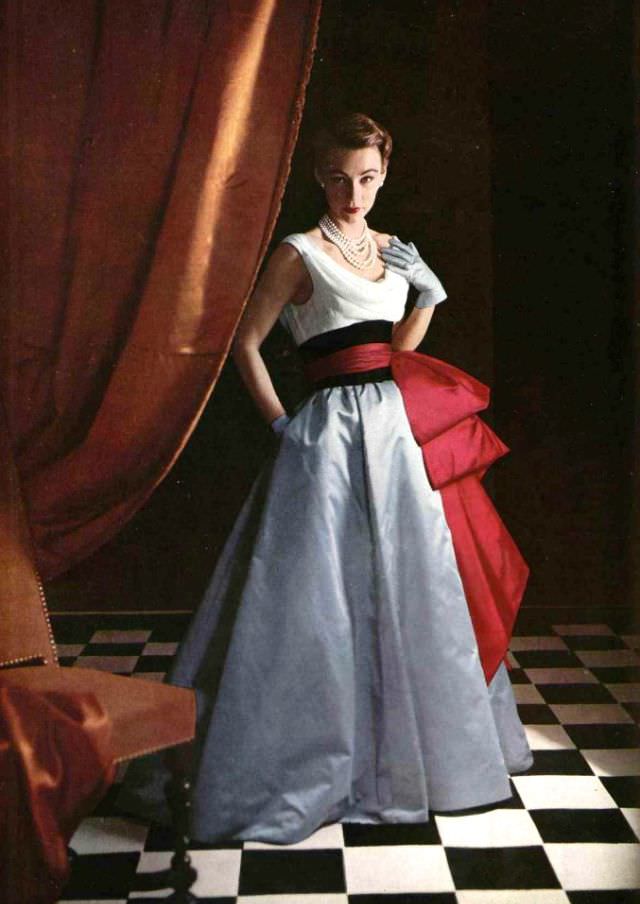
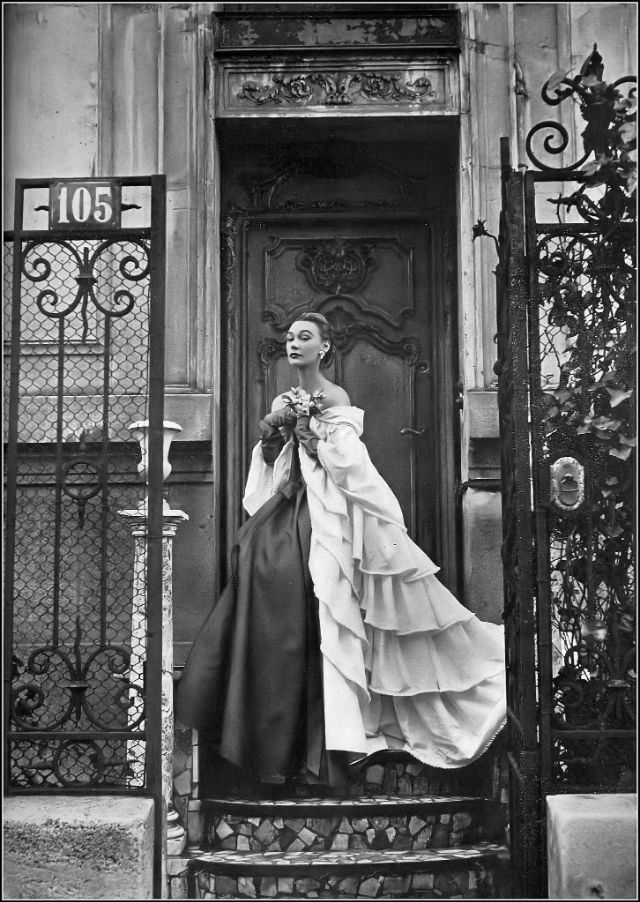
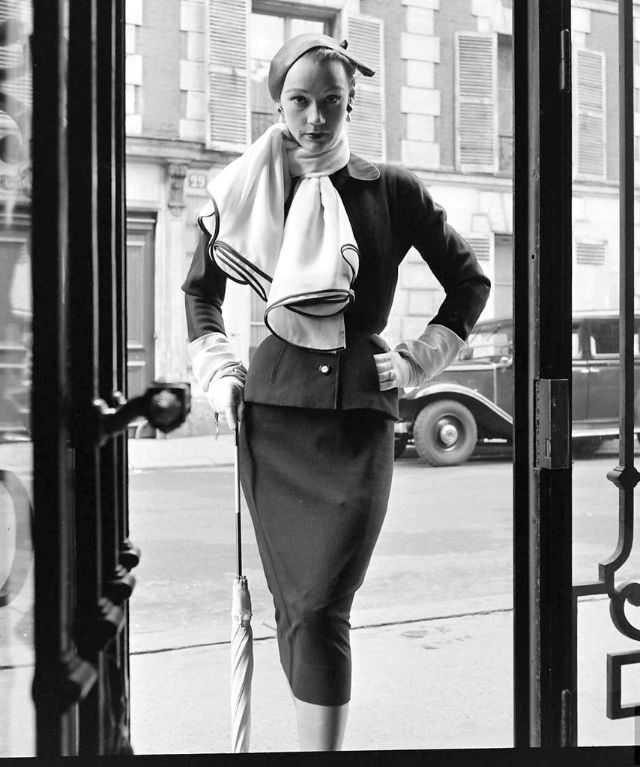
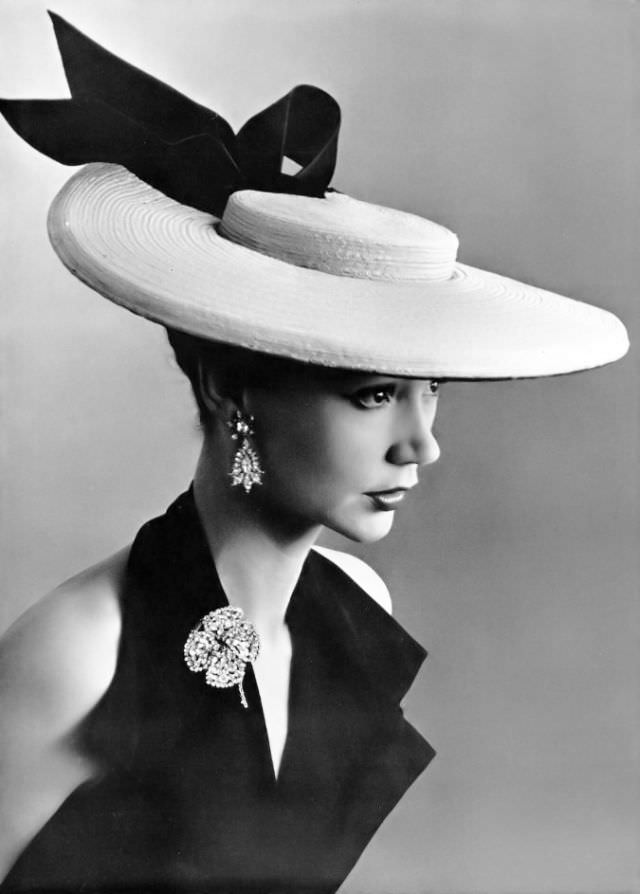
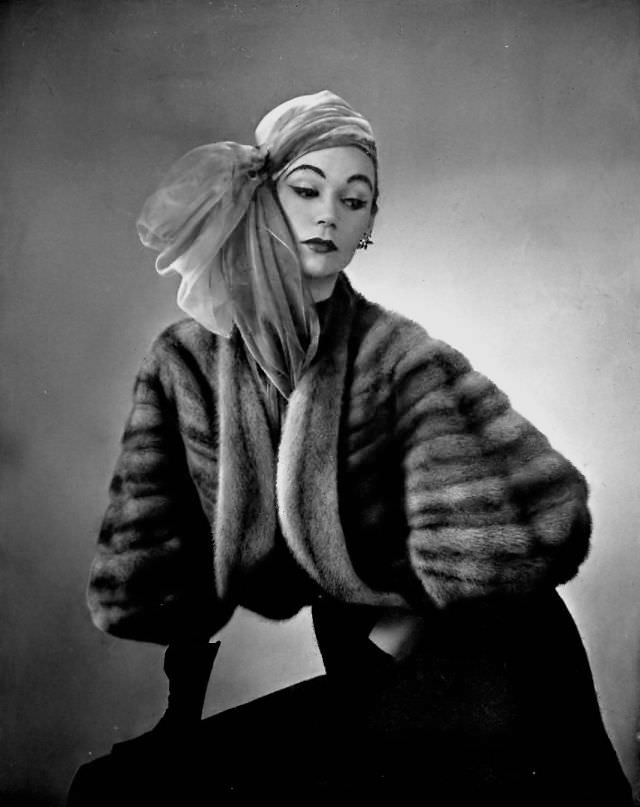
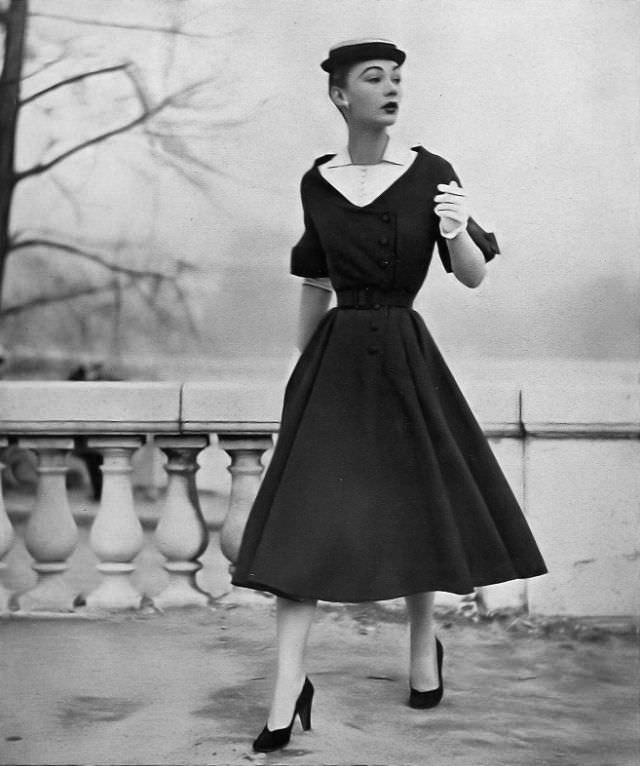
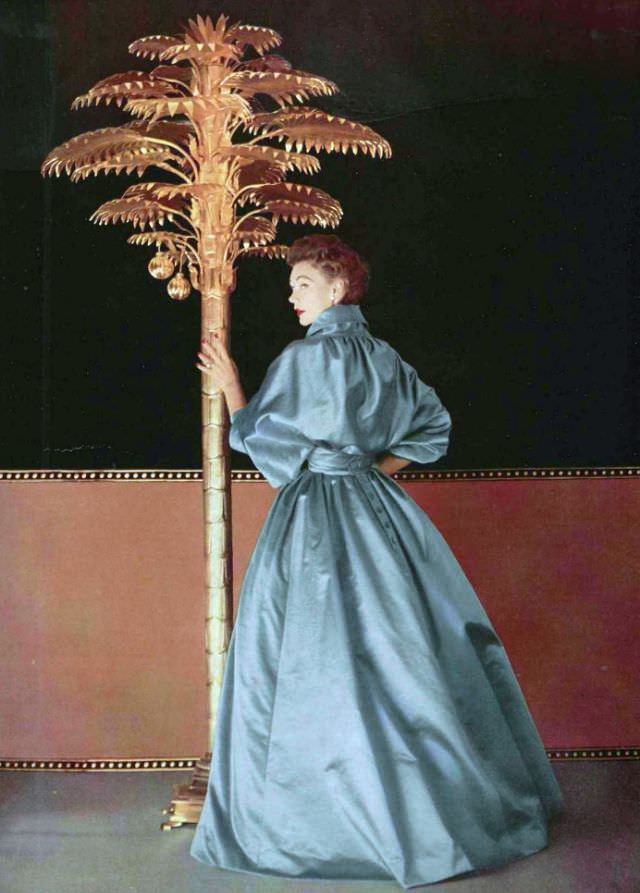
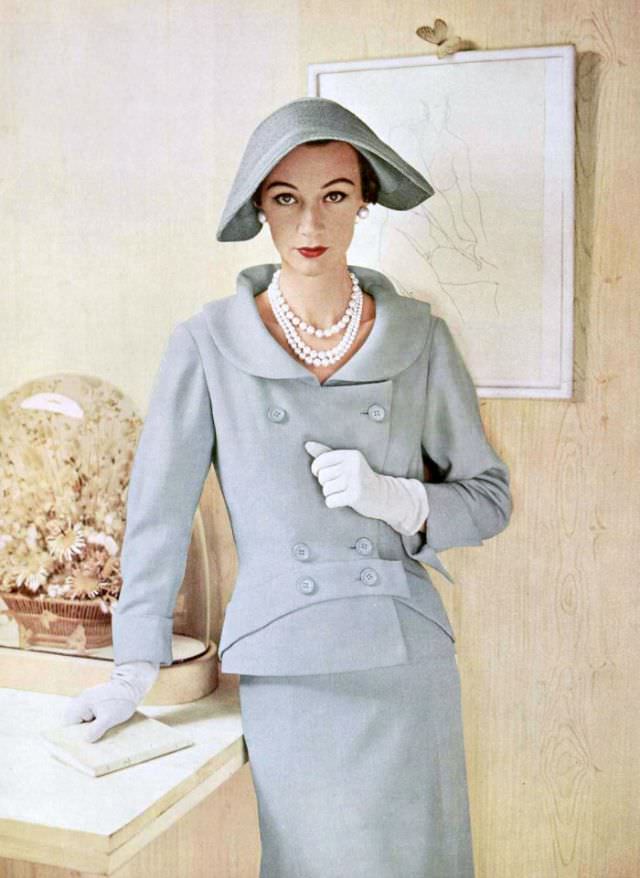
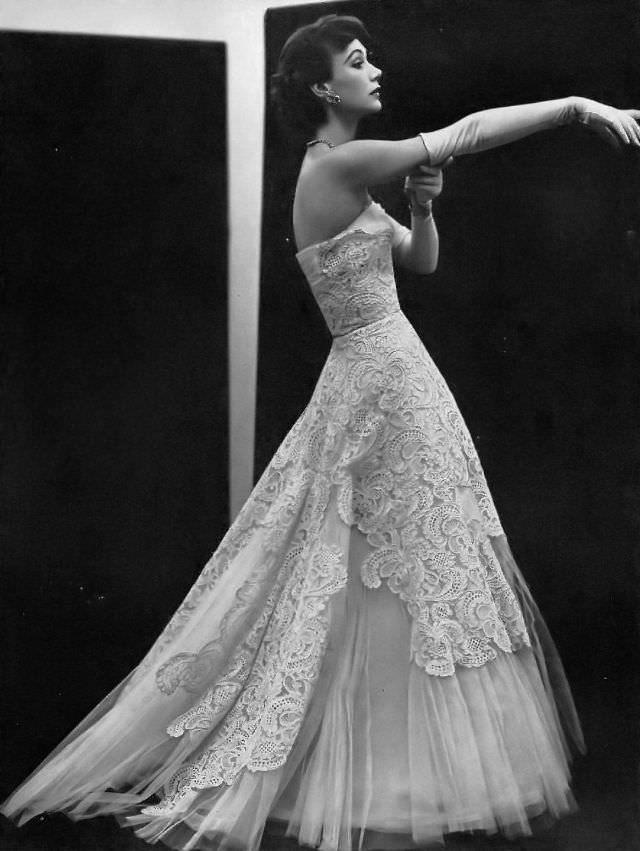
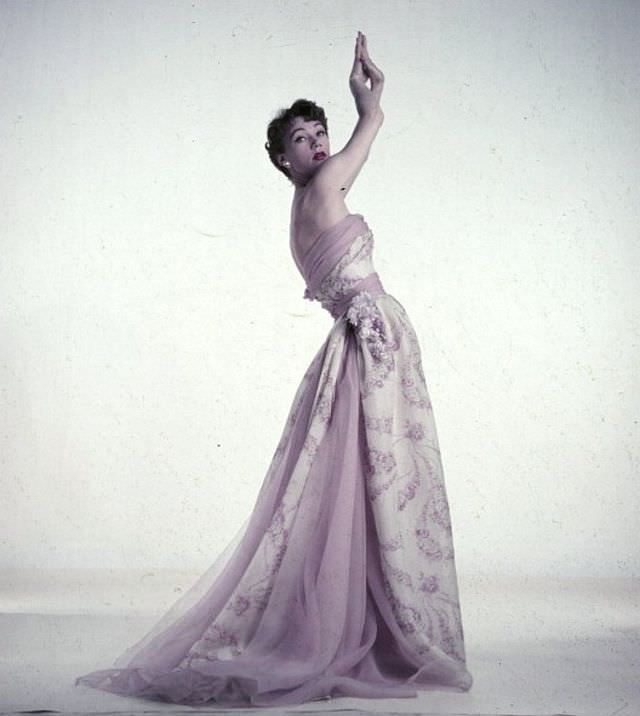
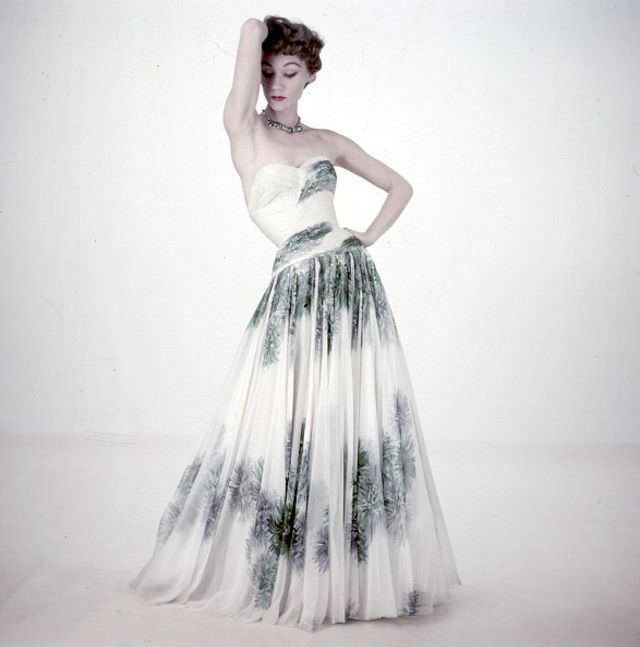
By 1953, Sophie was being photographed by Georges Dambier for Elle, appearing in January issues both in a coat and handbag by Jacques Fath and in a standalone portrait. That same year, she modeled a pale blue linen suit by Jean Patou, a pale lilac silk print and chiffon gown from Dior’s Spring 1953 collection, and a full-skirted greige wool afternoon dress by Maggy Rouff. Walter Carone photographed her in a strapless evening gown in February 1953, and she appeared in a lace and tulle evening gown by Germaine Lecomte and a ruched alpaca wool dress by Pierre Clarence.
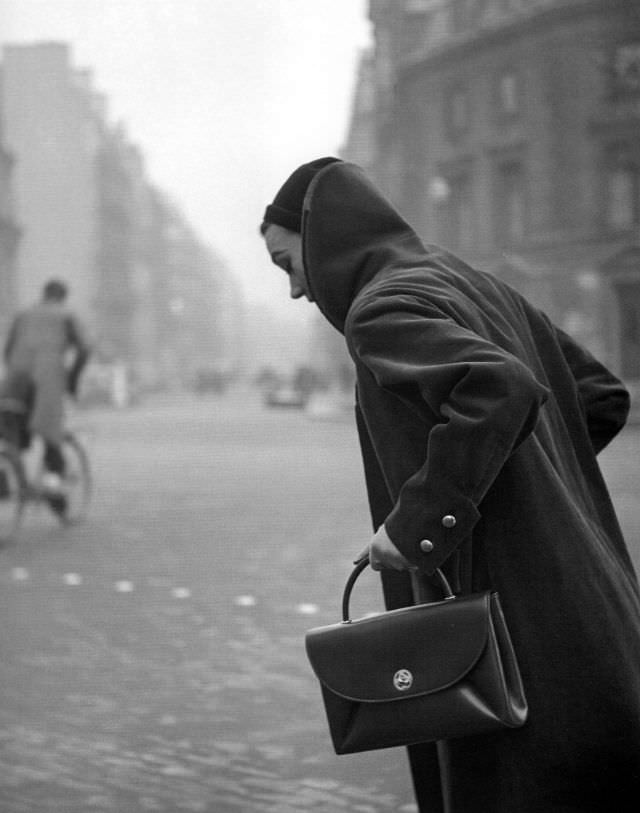
On December 2, 1955, Sophie married her second husband, the film director Anatole Litvak, who was considerably older than her. After stepping back from modeling, she moved into journalism, writing for Femina and Elle. She passed away in 1979. The photographs she left behind from the early 1950s document not only her career but the full sweep of Parisian haute couture during one of its most celebrated decades.