Hey There! Before You Go. 😧
Get the best vintage content straight into your inbox!

Don't worry, we don't spam

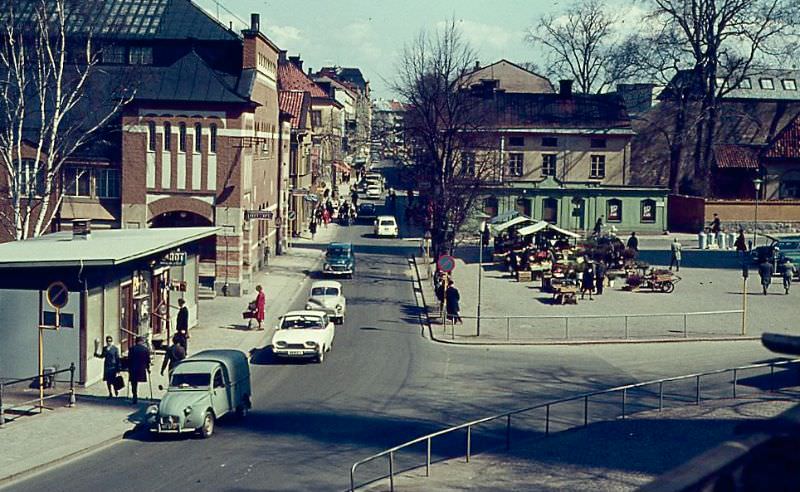
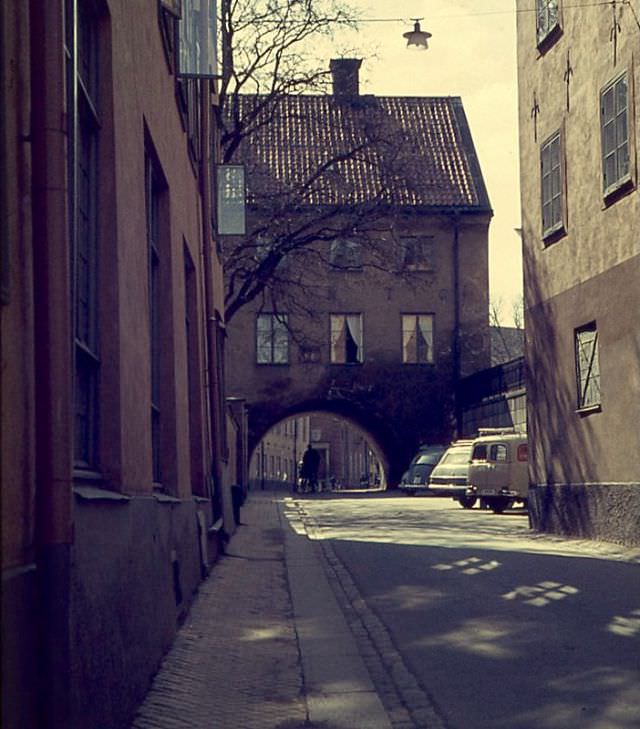
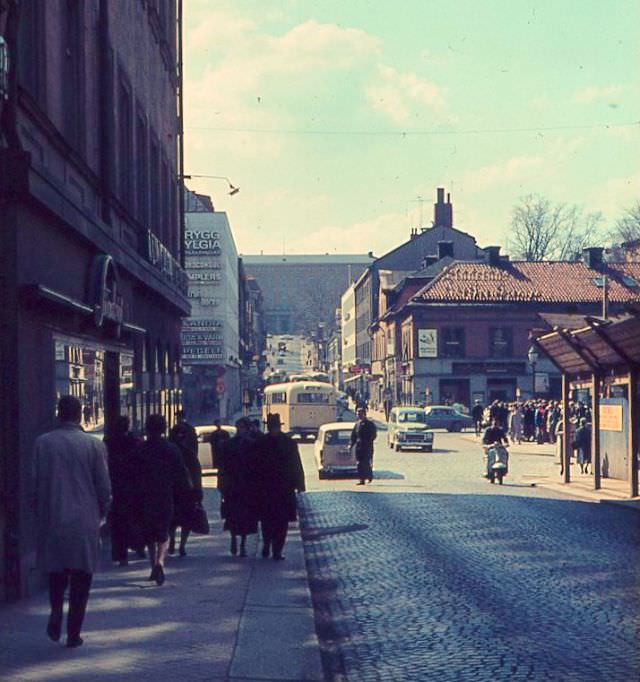
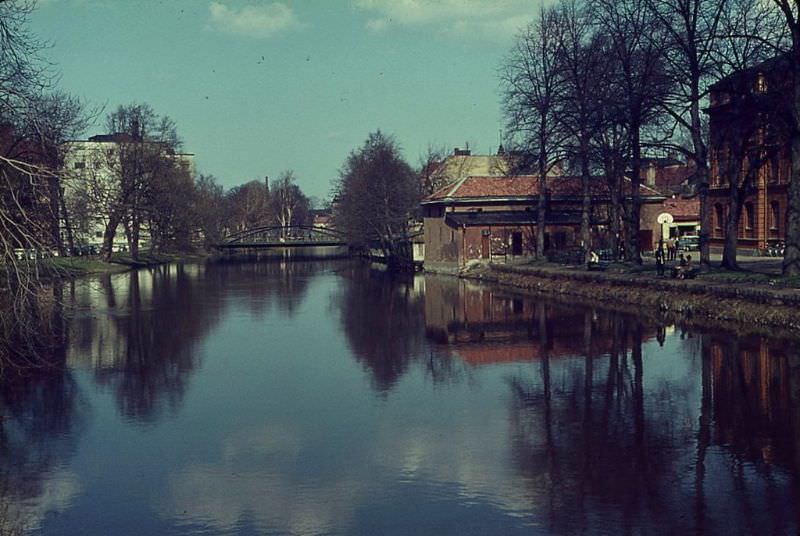
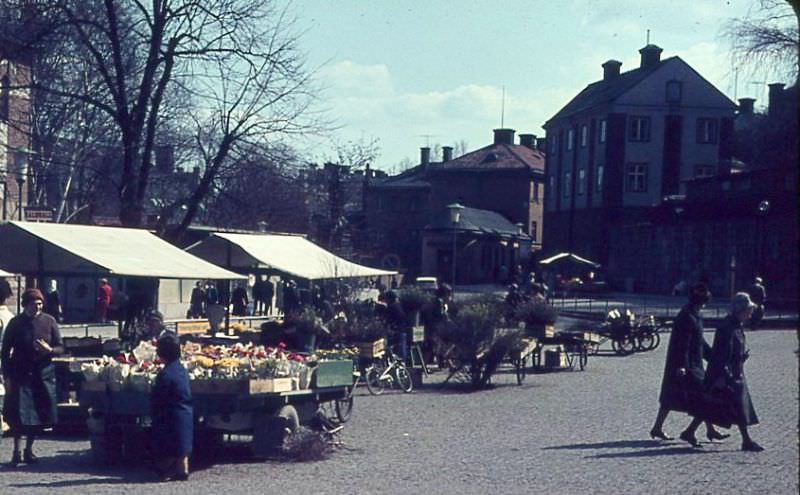
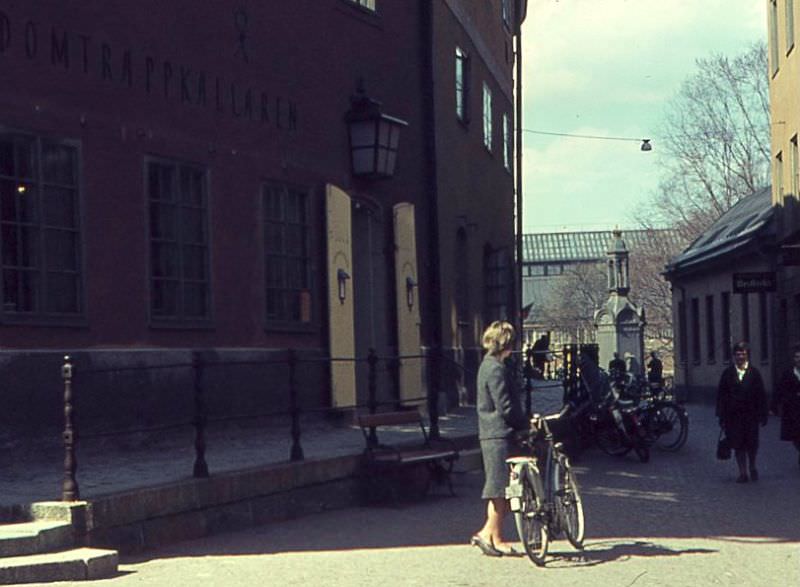
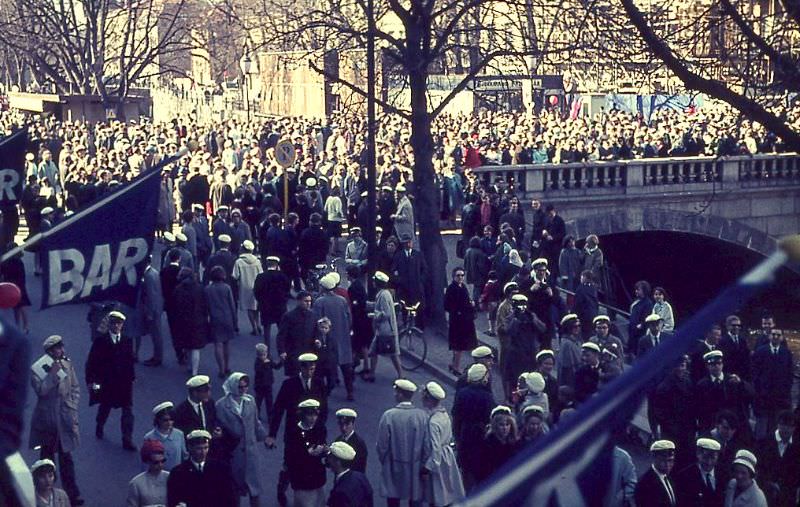
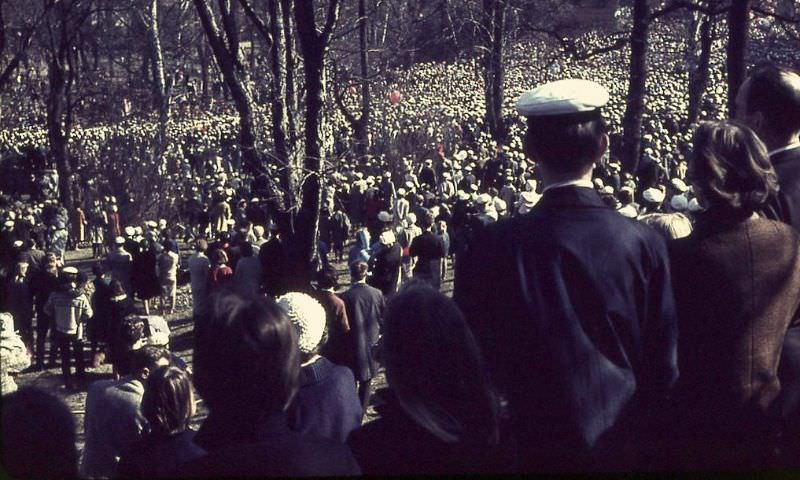
What Uppsala, Sweden looked like in the 1960s

Uppsala is Sweden’s fourth-largest city, sitting 71 kilometres north of Stockholm. It trails only Stockholm, Gothenburg, and Malmö in size, and serves as the county seat of Uppsala County. For centuries, the city has carried enormous weight in Swedish history — not just politically, but spiritually and academically. Its streets hold layers of the past that few cities in Scandinavia can match.

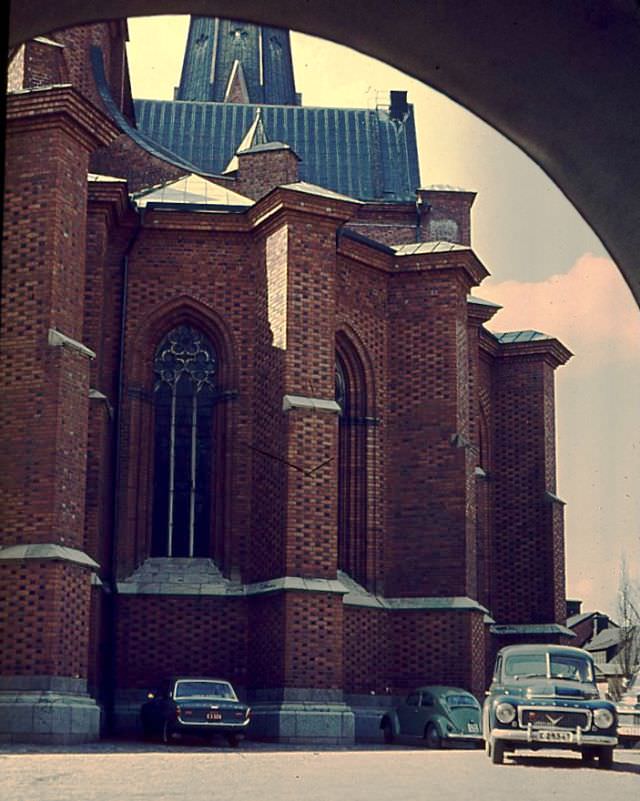
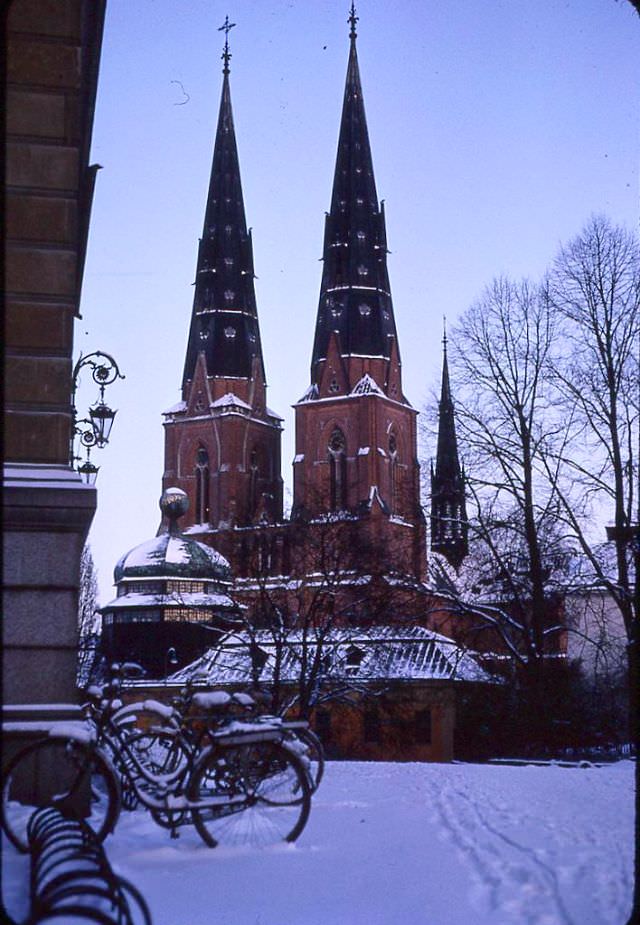
The city has been the ecclesiastical center of Sweden since 1164, when it became home to the Archbishop of Sweden. Uppsala Cathedral, Scandinavia’s largest cathedral, was frequently the site of Swedish coronations in the late 19th century. These weren’t minor ceremonies — they were the defining moments of the Swedish monarchy, held within Uppsala’s towering Gothic walls.

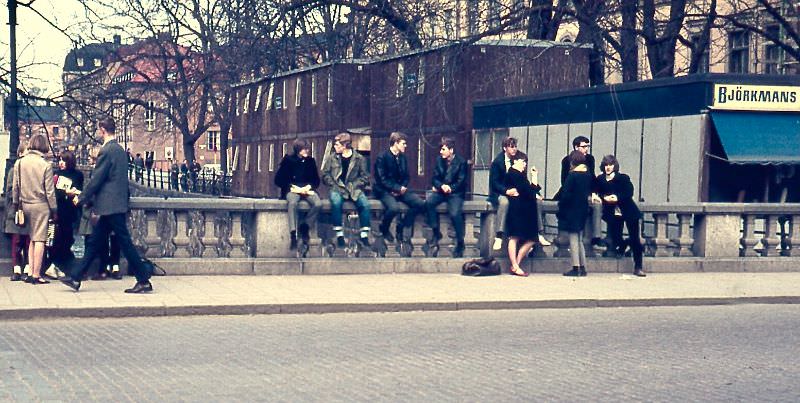
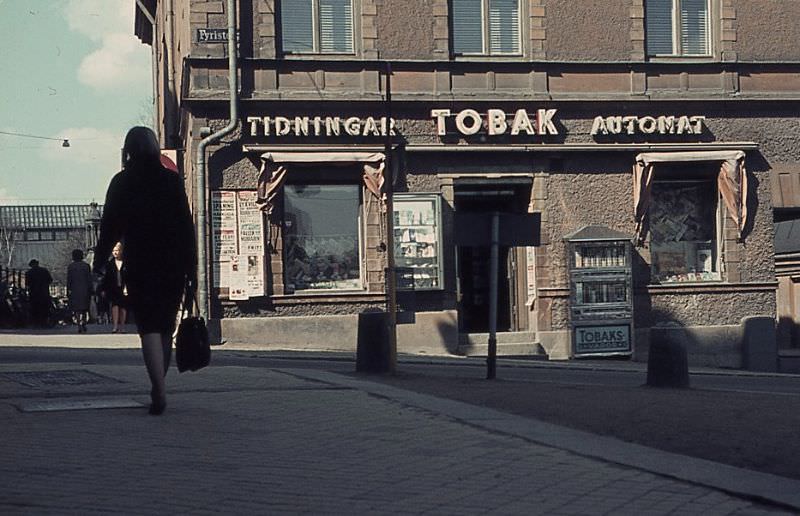
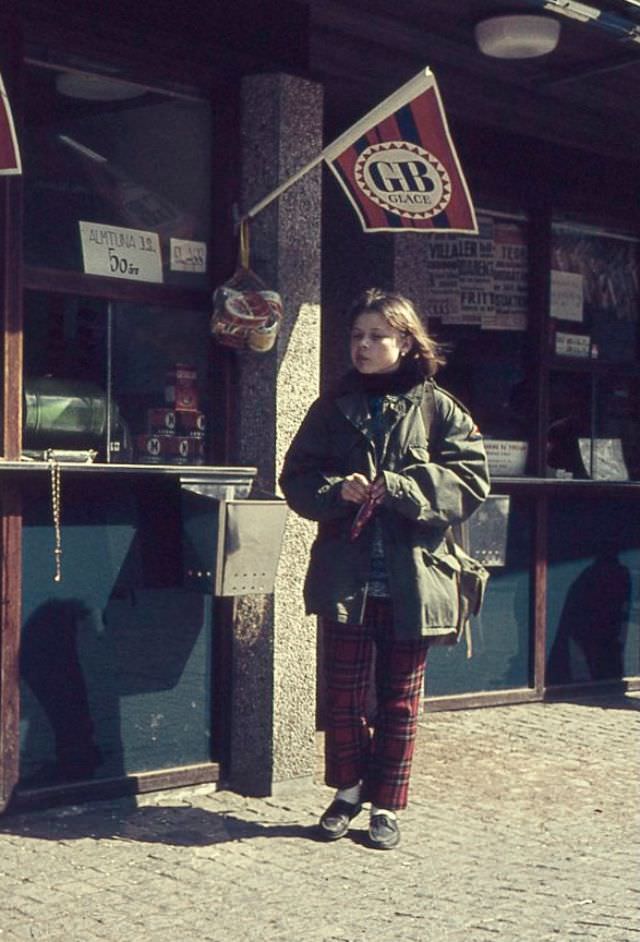
Bank in Uppsala, 1969.

Uppsala’s academic reputation is just as deep as its religious one. Uppsala University was founded in 1477, making it the oldest higher education institution in all of Scandinavia. Two of history’s most recognized scientists studied and worked here. Carl Linnaeus, the botanist who created the modern system for naming and classifying living things, called Uppsala home. So did Anders Celsius, who developed the centigrade temperature scale still used around the world today.

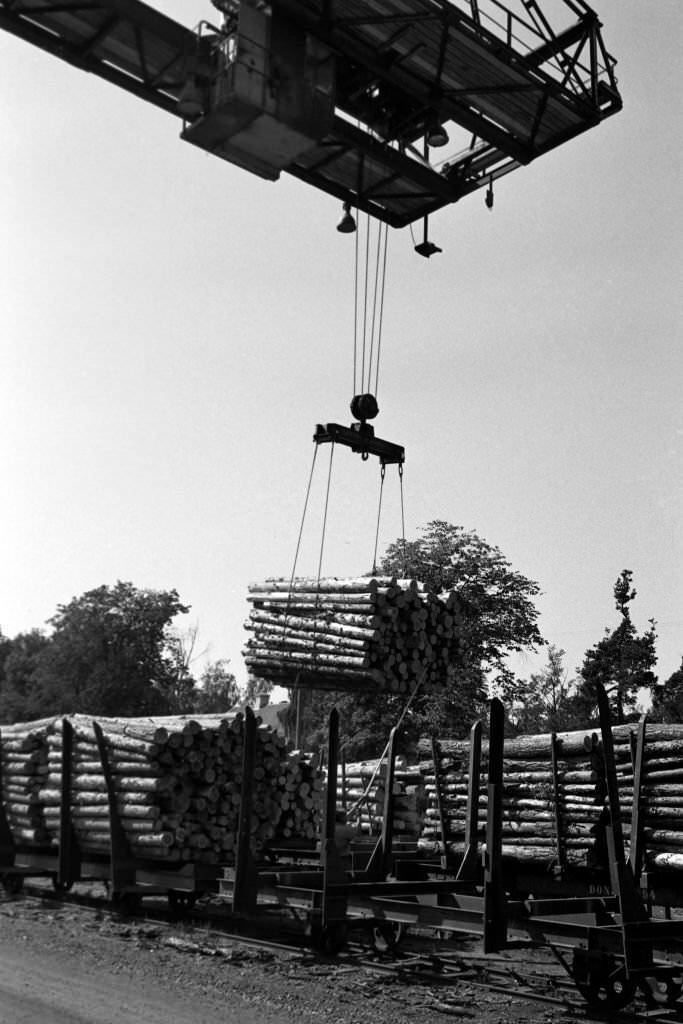
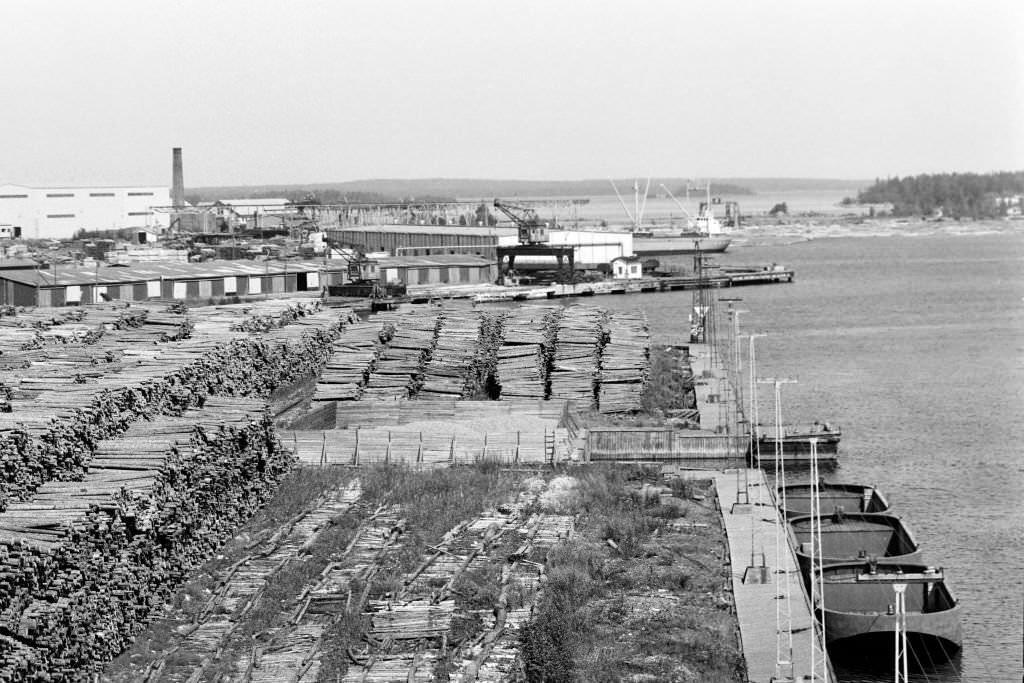
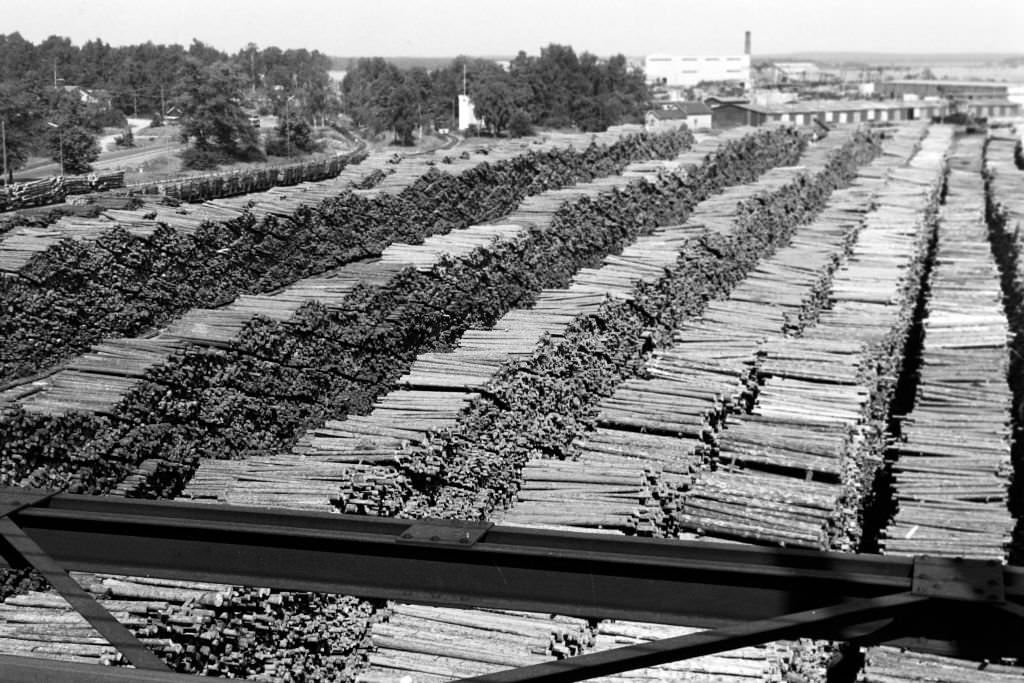
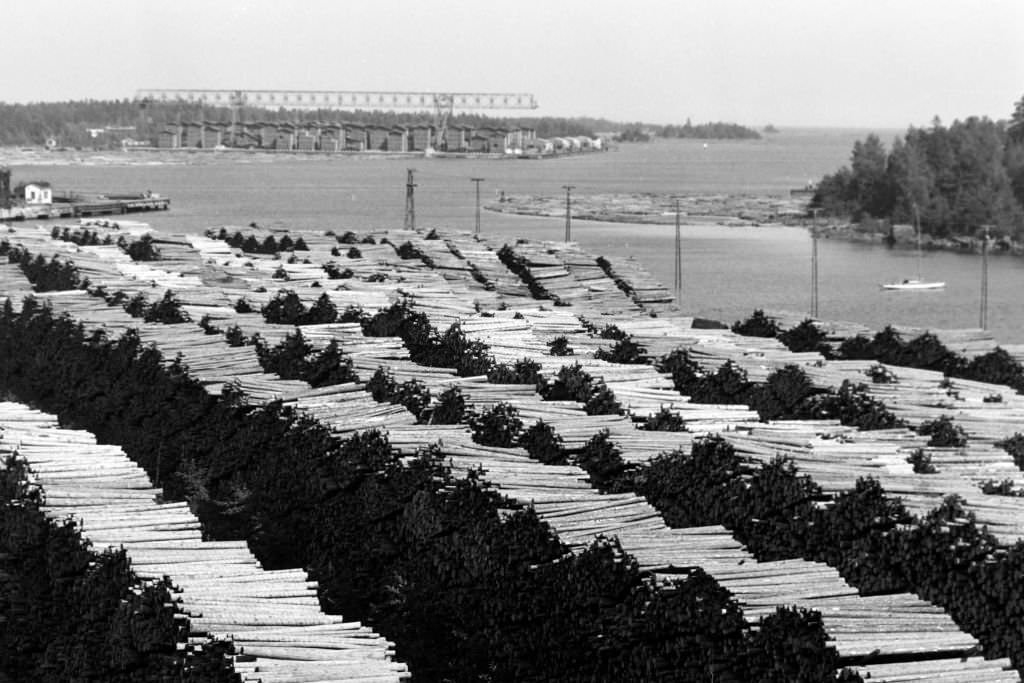
The Norrsundet shoreline, part of Uppsala County, presented a striking scene in 1969. The beach was covered in woodchips — a direct result of the timber and pulp industries that operated heavily along Sweden’s coastlines during this era. It was a working landscape, shaped as much by industry as by nature.

Woodchip on the beach at Norrsundet, Uppsala, Sweden, 1969.

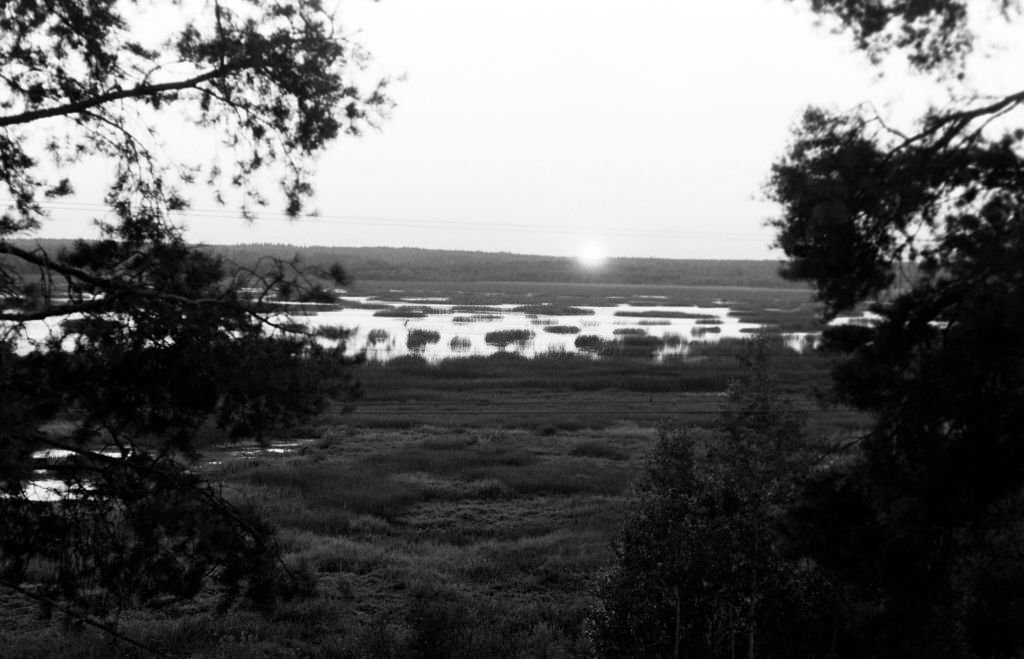
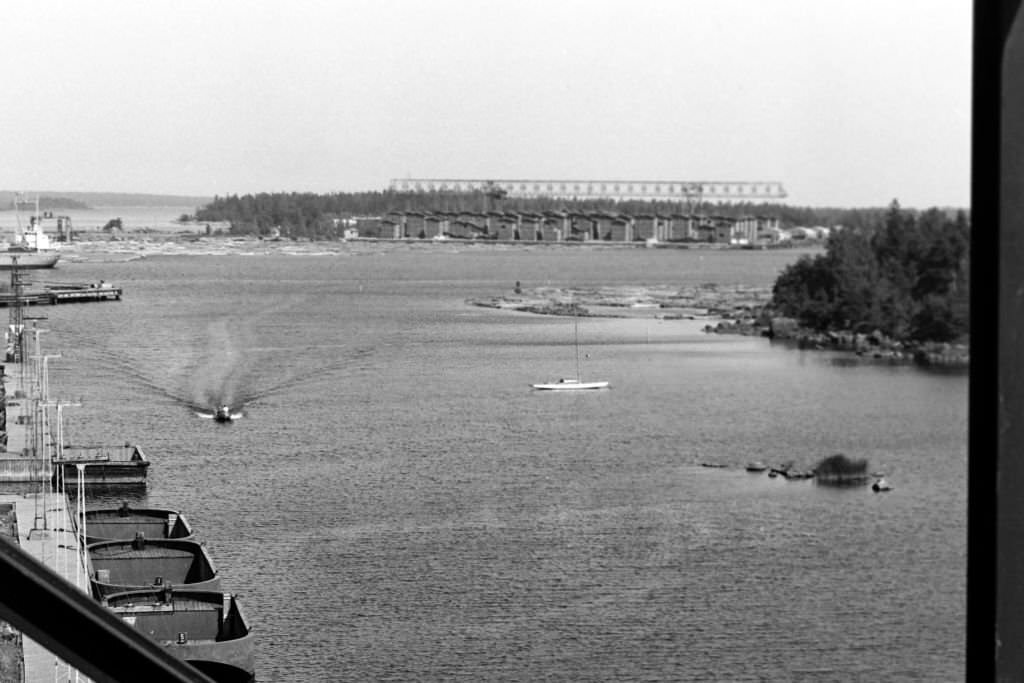
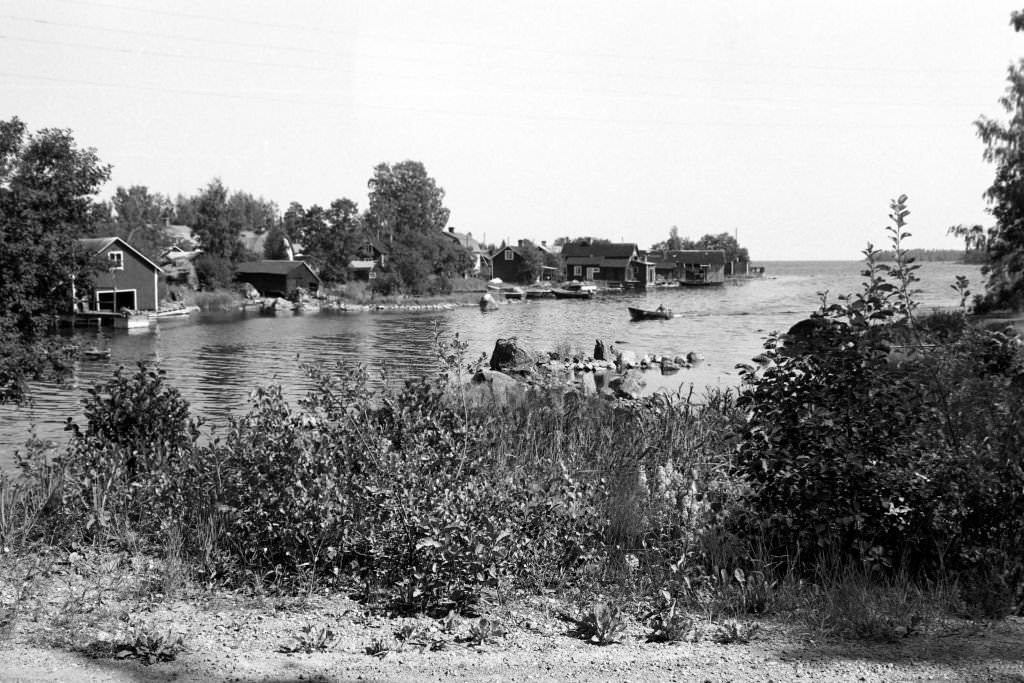
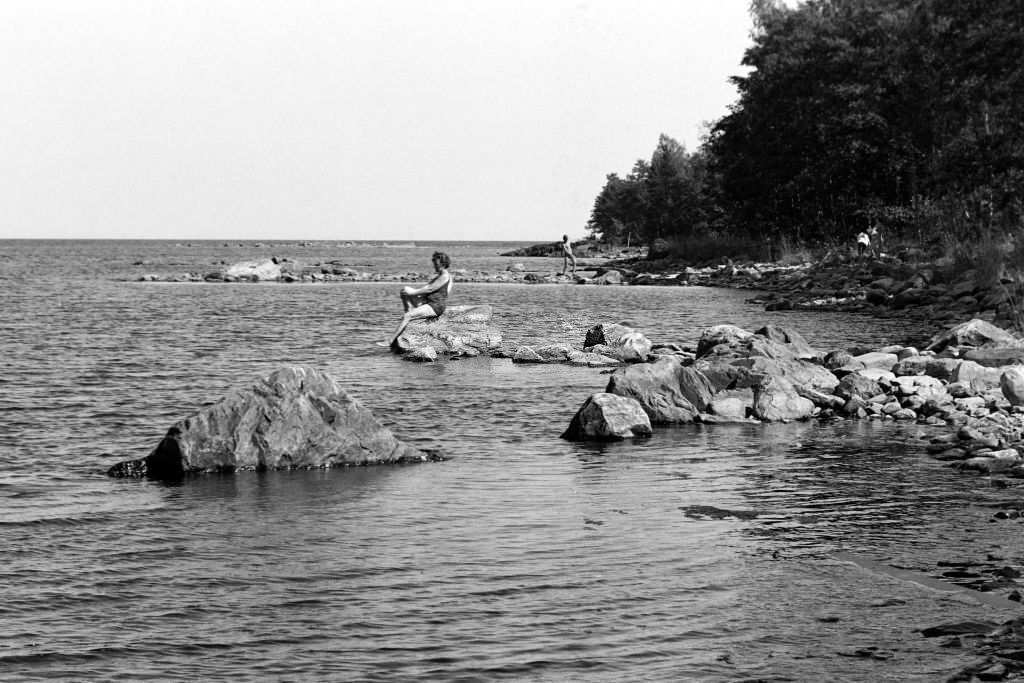
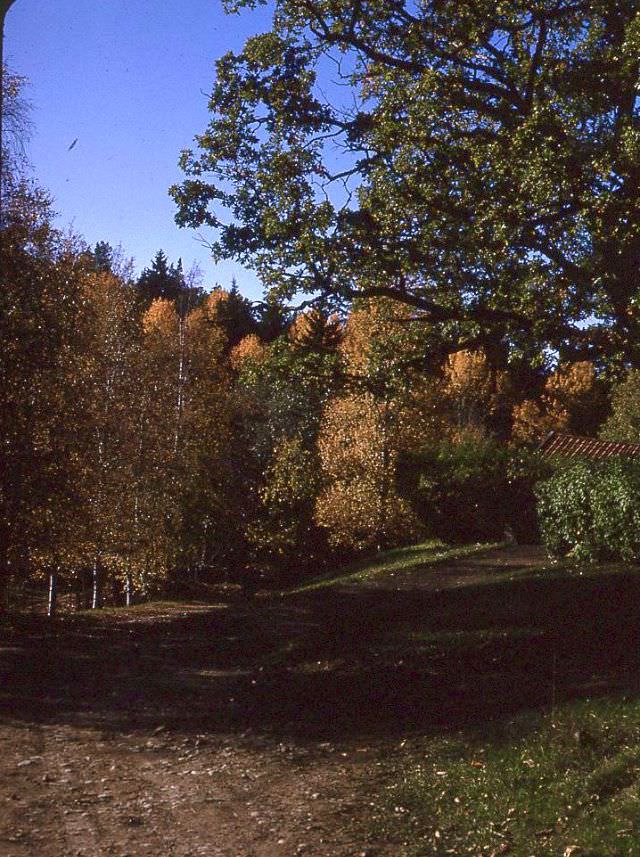
Beyond the woodchip-laden shores, Norrsundet’s beach offered open skies and quiet water. These photographs from 1969 capture a side of Uppsala County that sits far from the city center — raw, coastal, and unmistakably Scandinavian.

Beach at Norrsundet, Uppsala, Sweden, 1969.

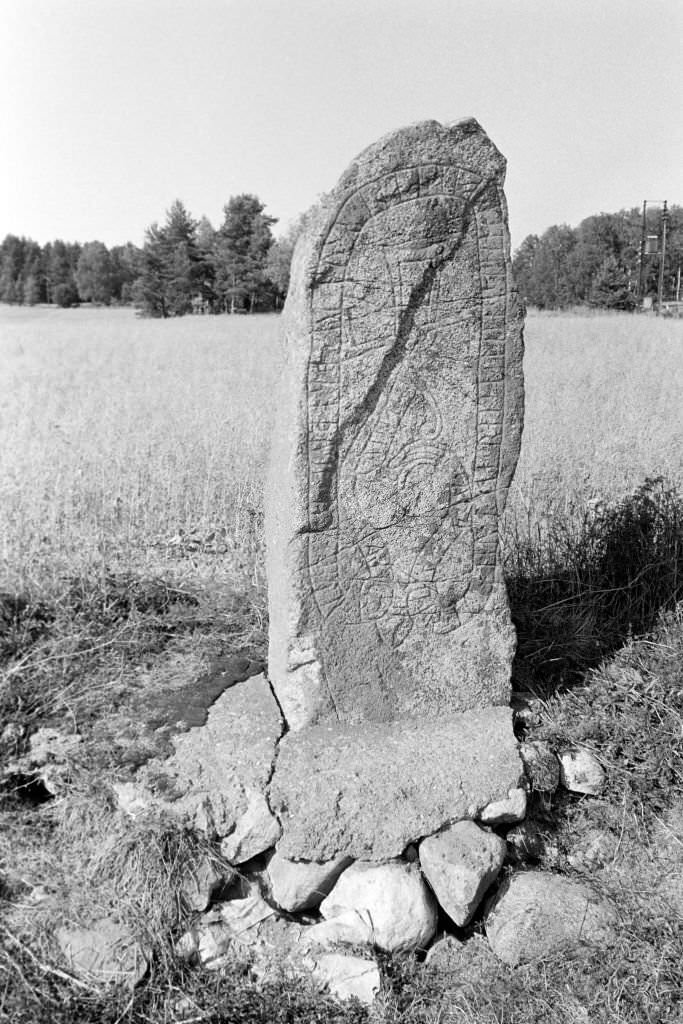
Scattered across the Uppsala landscape are runestones — large carved stones left by Viking-Age Scandinavians, typically as memorials to the dead. The one near Old Uppsala dates back over a thousand years. Old Uppsala itself was once the religious and political heart of ancient Sweden, long before the modern city took shape.

Runestone near Old Uppsala, 1969.
Beach at Norrsundet, Uppsala, Sweden, 1969.

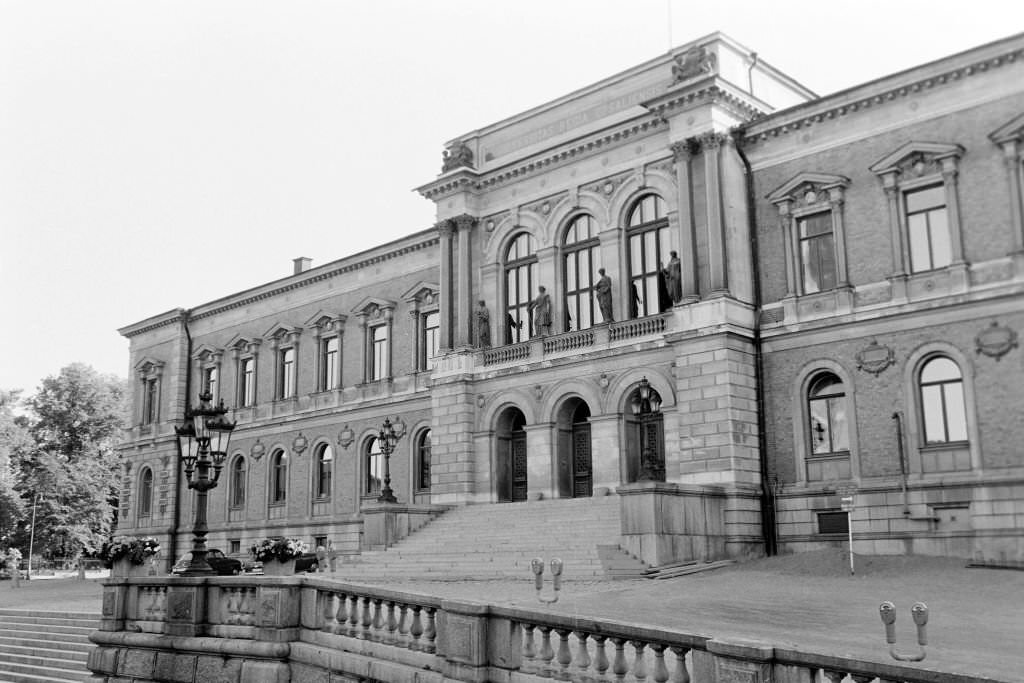
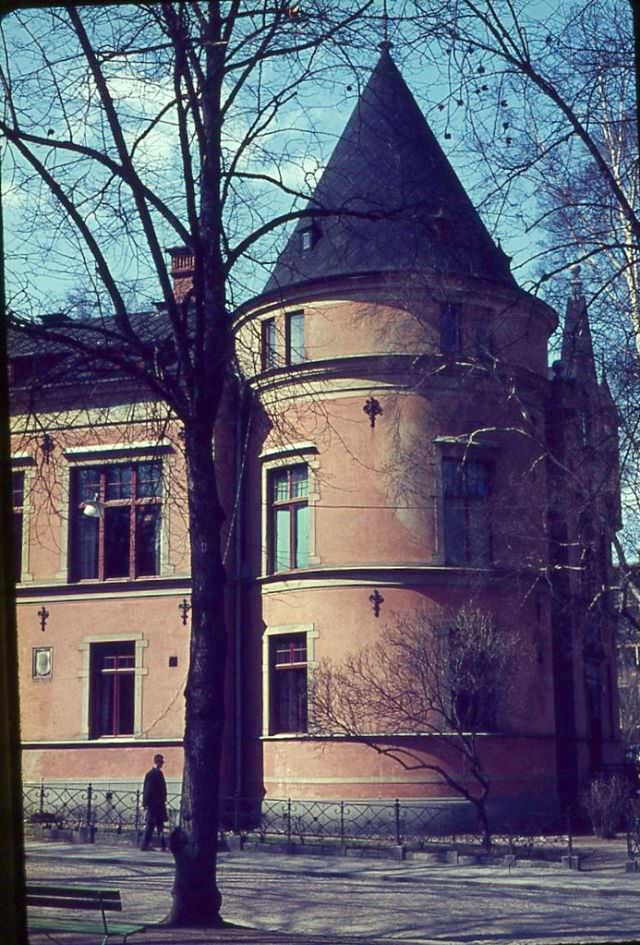
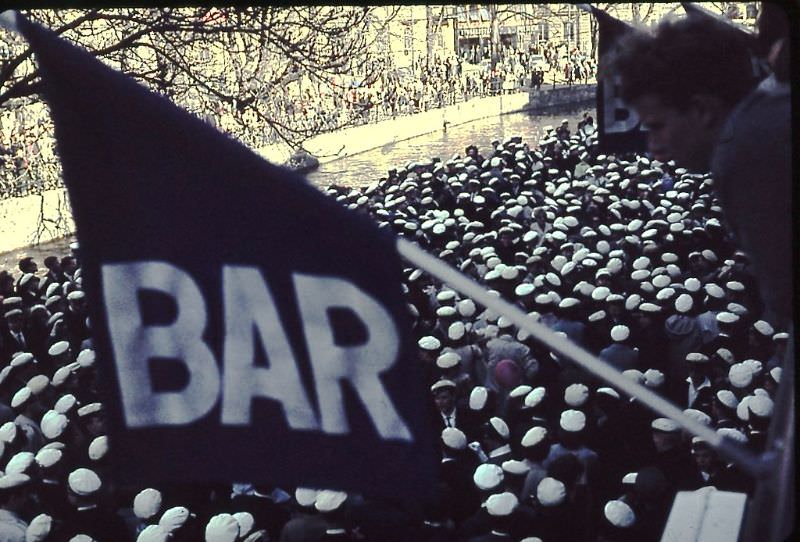
Uppsala University’s buildings have long defined the city’s skyline and identity. By the 1960s, the institution was nearly 500 years old, and its architecture reflected centuries of expansion and prestige. The university drew students from across Sweden and beyond, cementing Uppsala’s role as a center of learning.

University building of Uppsala, 1969.

Universitetsparken, the university’s park, offered residents and students a green space to walk through year-round. In 1969, strollers passing through the park had a clear view of St. Erik’s Cathedral rising in the background, alongside a statue honoring Erik Gustaf Geijer — a Swedish writer and composer who lived from 1783 to 1847 and remains one of the country’s most celebrated cultural figures.

Strolling through Universitetsparken, with a view on St. Erik's Cathedral and a statue honoring writer and composer Erik Gustaf Geijer, 1969.
Strolling through Universitetsparken, with a view on St. Erik’s Cathedral and a statue honoring writer and composer Erik Gustaf Geijer, 1969.

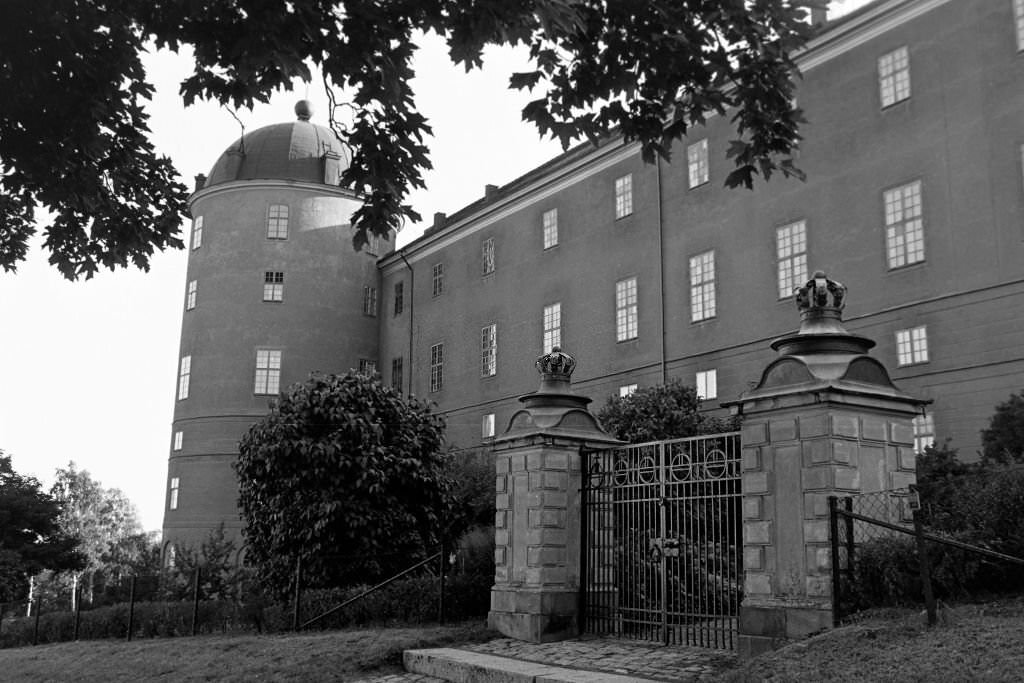
Uppsala Castle stands on a ridge overlooking the city. King Gustav Vasa ordered its construction in the 16th century, and it was expanded several times over the following centuries. At its height, it functioned as Sweden’s secondary capital. By the 1960s, the castle served as the official residence of the Uppsala County Governor — a role it continues to hold today.

Uppsala Castle, 1969.

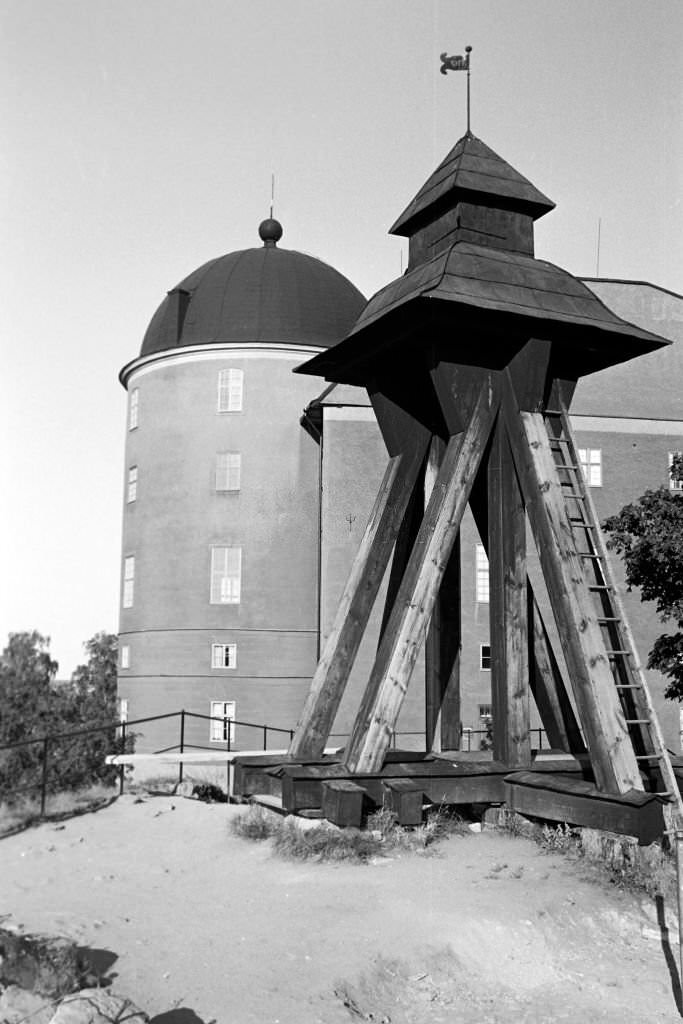
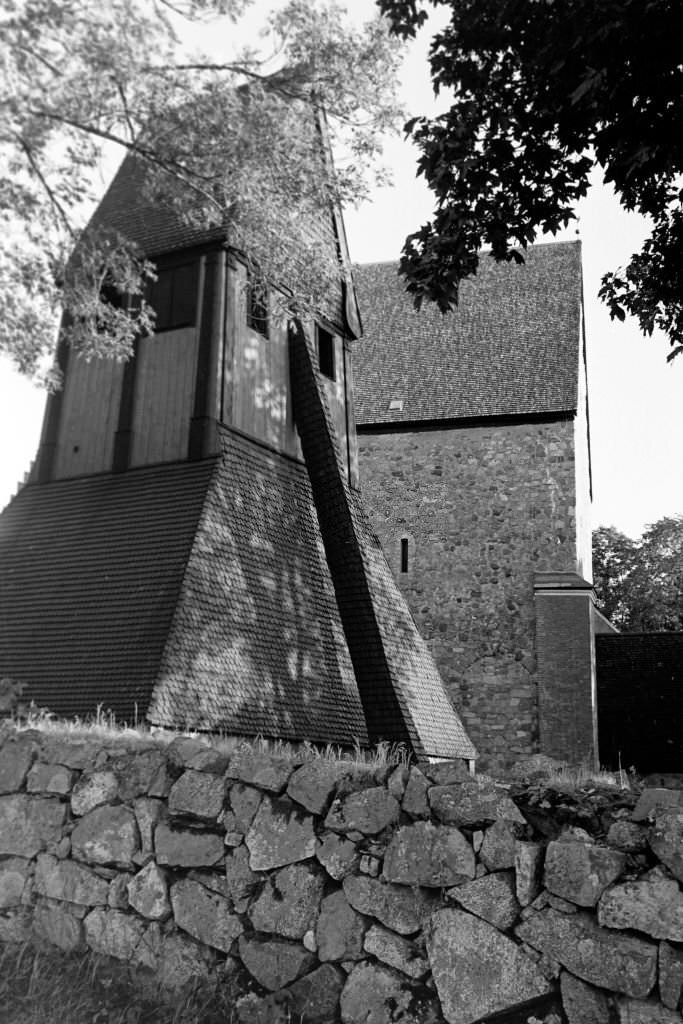
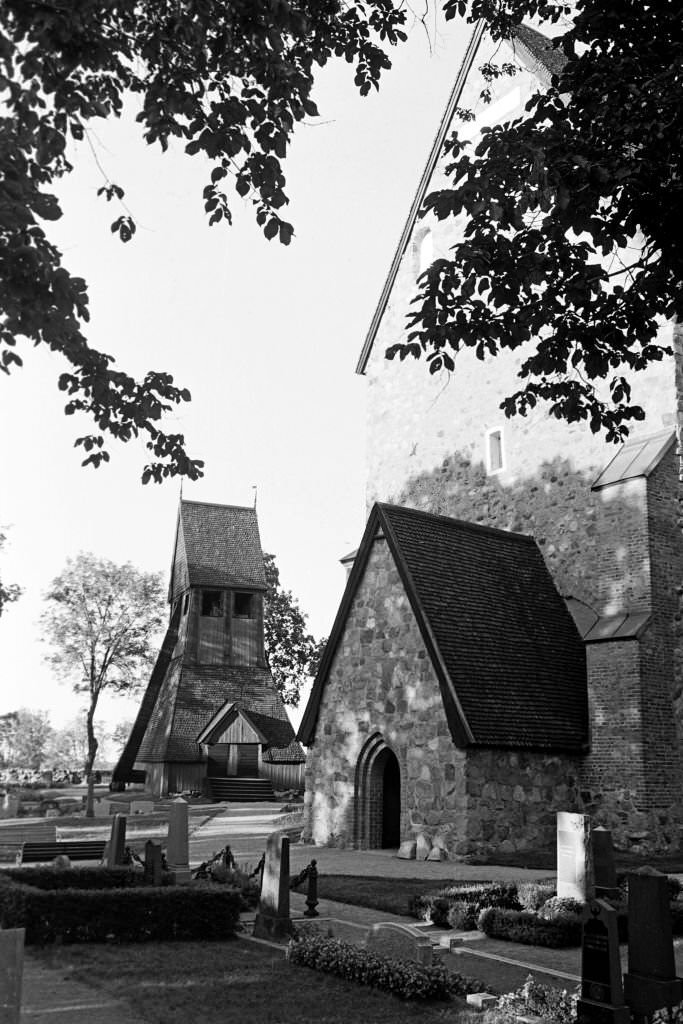
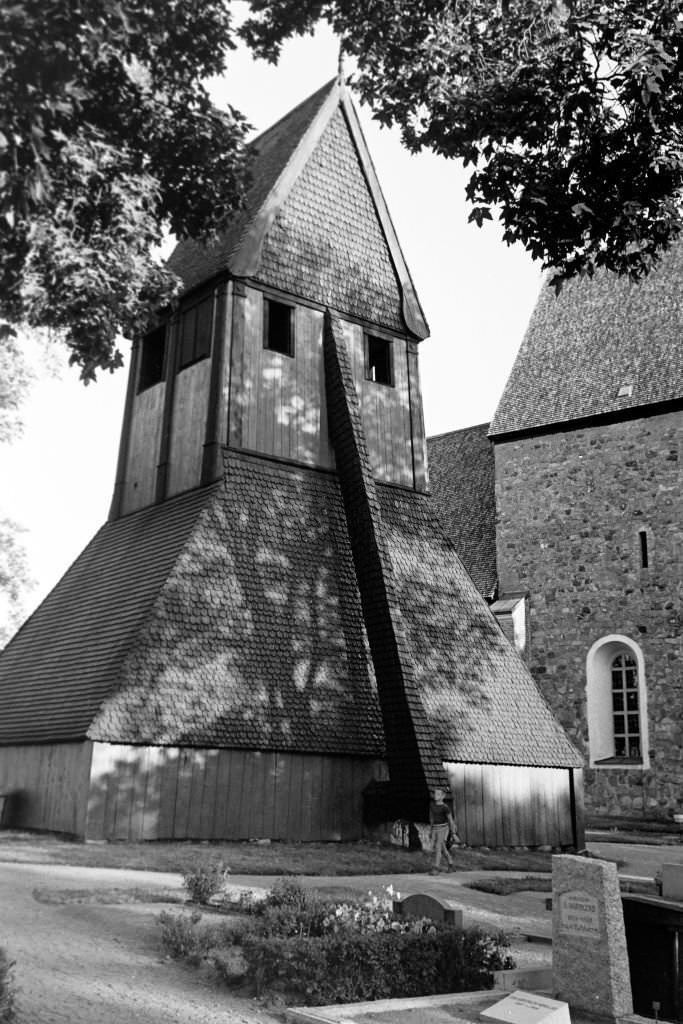
The Church of Old Uppsala is one of Sweden’s most historically significant religious sites. Built in the 12th century on what was once a pagan burial and worship site, the church marked the transition from Norse religion to Christianity in this part of Scandinavia. Its carillon — a set of bells played from a keyboard — added a musical dimension to the ancient structure that could be heard across the surrounding fields.

Church of Old Uppsala with carillon, 1969.
What Uppsala, Sweden looked like in the 1960s
Enjoyed this post? Get new ones in your inbox.

Leave a Comment

Your email address will not be published. Required fields are marked *

Share this Post 🥺

Please take a moment to share this content. Your support is greatly appreciated! 🙌🙏

Share this Post 🥺

Please take a moment to share this content. Your support is greatly appreciated! 🙌🙏
Scroll to Top
 
Hey Friend, Before You Go.. Please like & follow for more interesting content