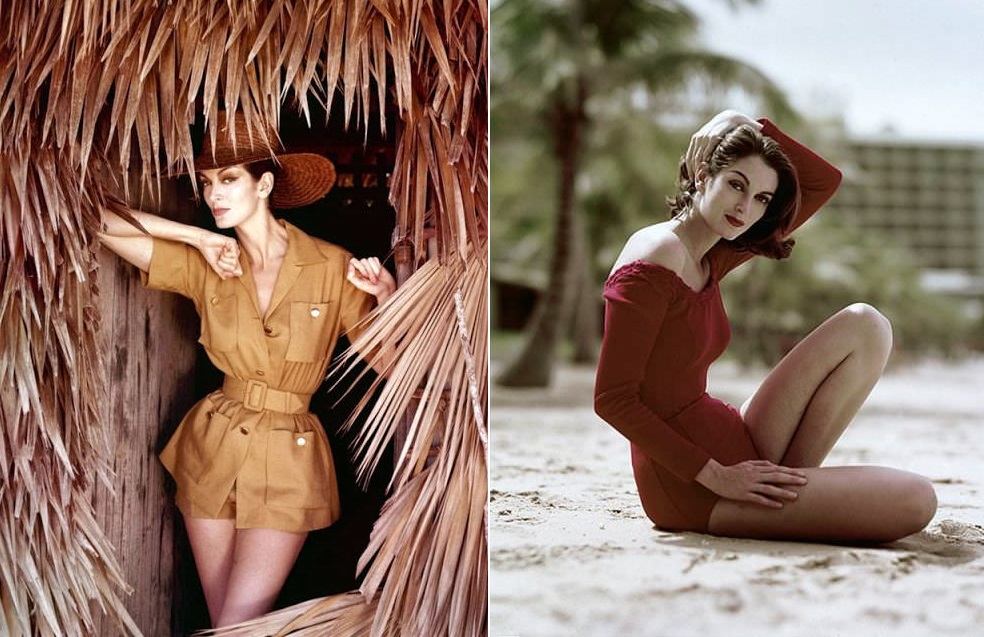
Norman Parkinson (1913–1990) was one of Britain’s greatest fashion and portrait photographers. Over a career spanning decades, he built a reputation for taking fashion out of the studio and into the real world — shooting in remote deserts, grand palaces, and bustling city streets. He had a sharp eye for pairing a strong model with an unexpected setting, and that instinct made his work unforgettable. Among the models he helped launch into stardom were Celia Hammond, Grace Coddington, and a young Texan newcomer named Jerry Hall.
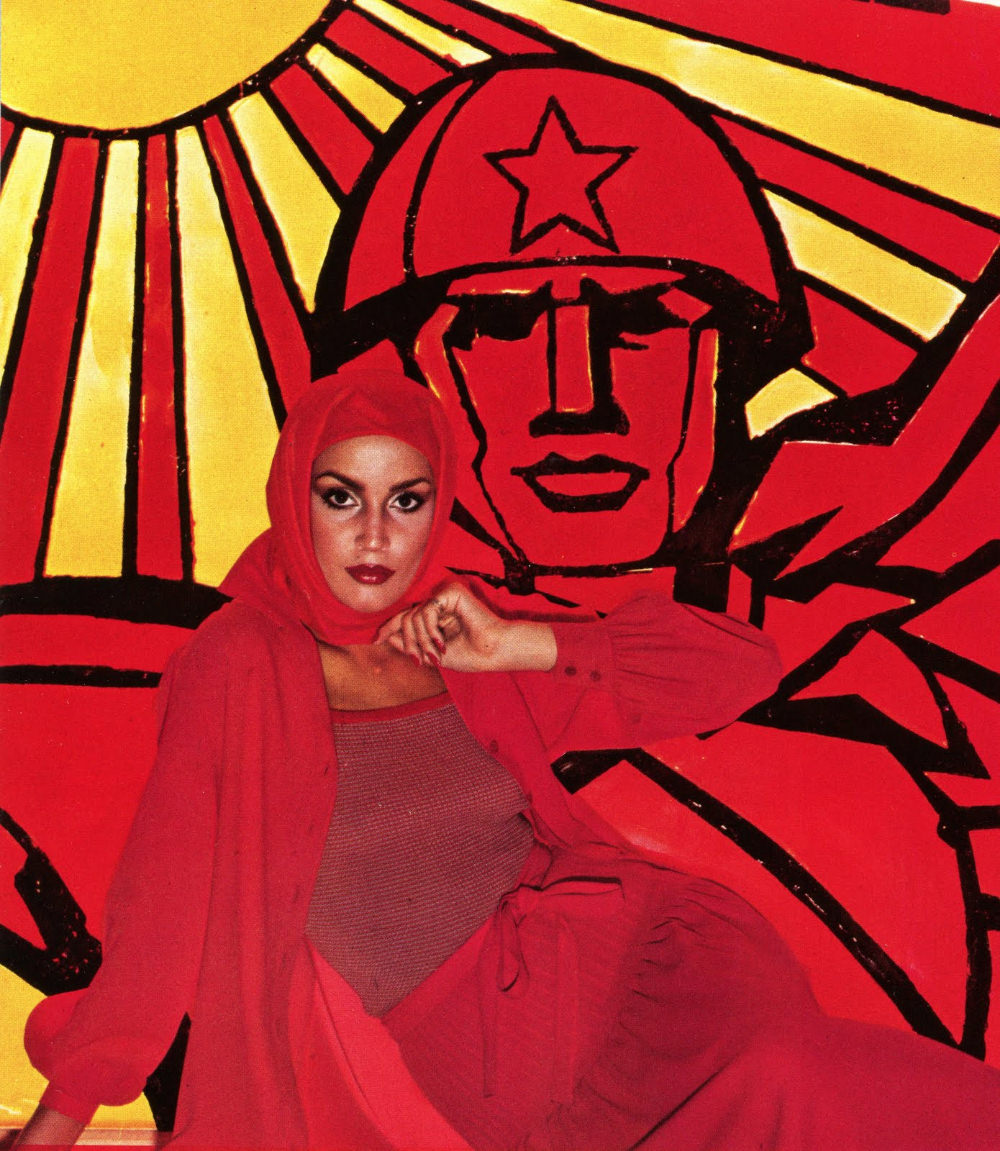
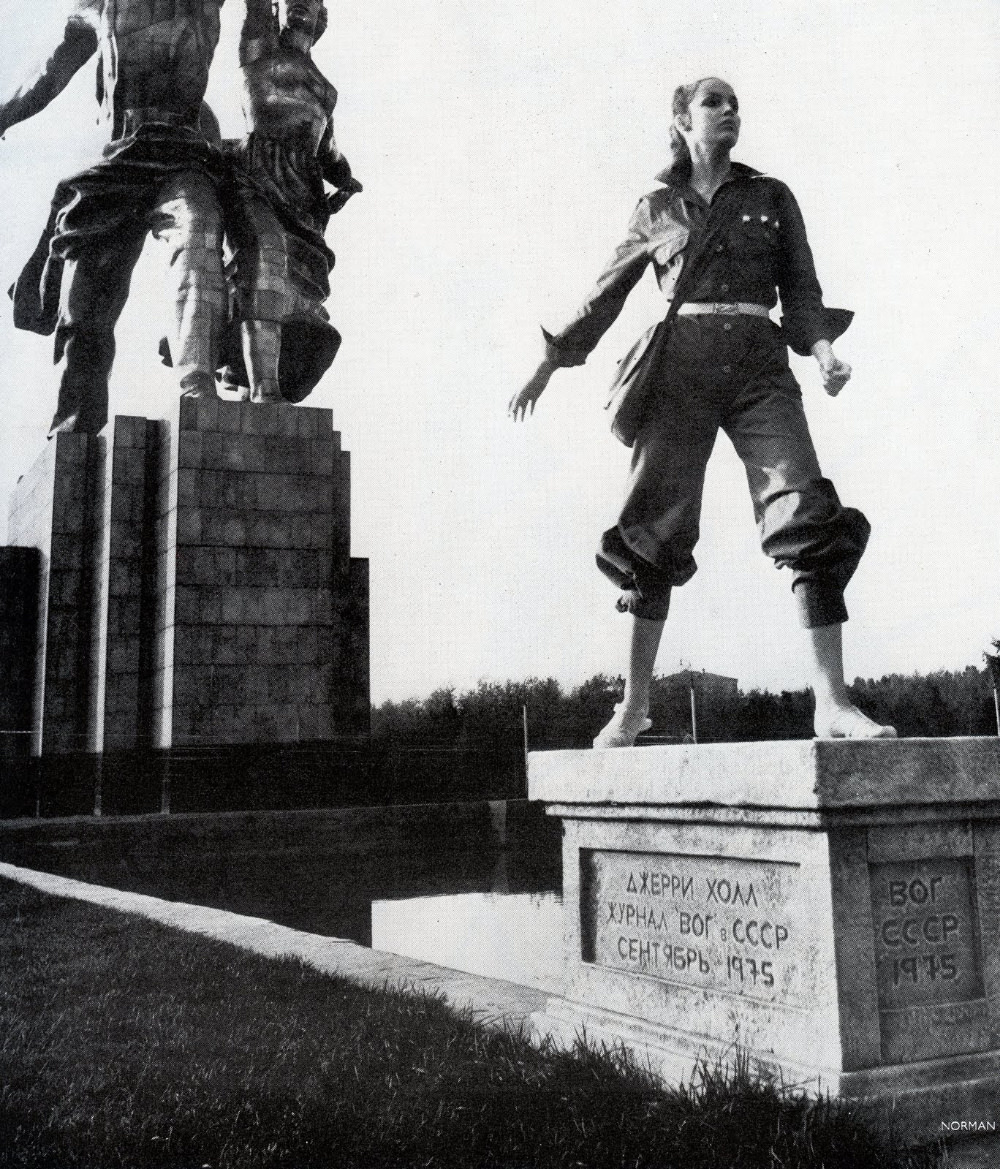
Hall first worked with Parkinson in 1975, modeling evening gowns at the Palace of Versailles. The pairing worked immediately. Later that same year, Parkinson brought Hall back for a far more ambitious project — a British Vogue editorial commissioned under editor-in-chief Beatrix Miller. This time, the location was not a gilded French palace. It was the Soviet Union.
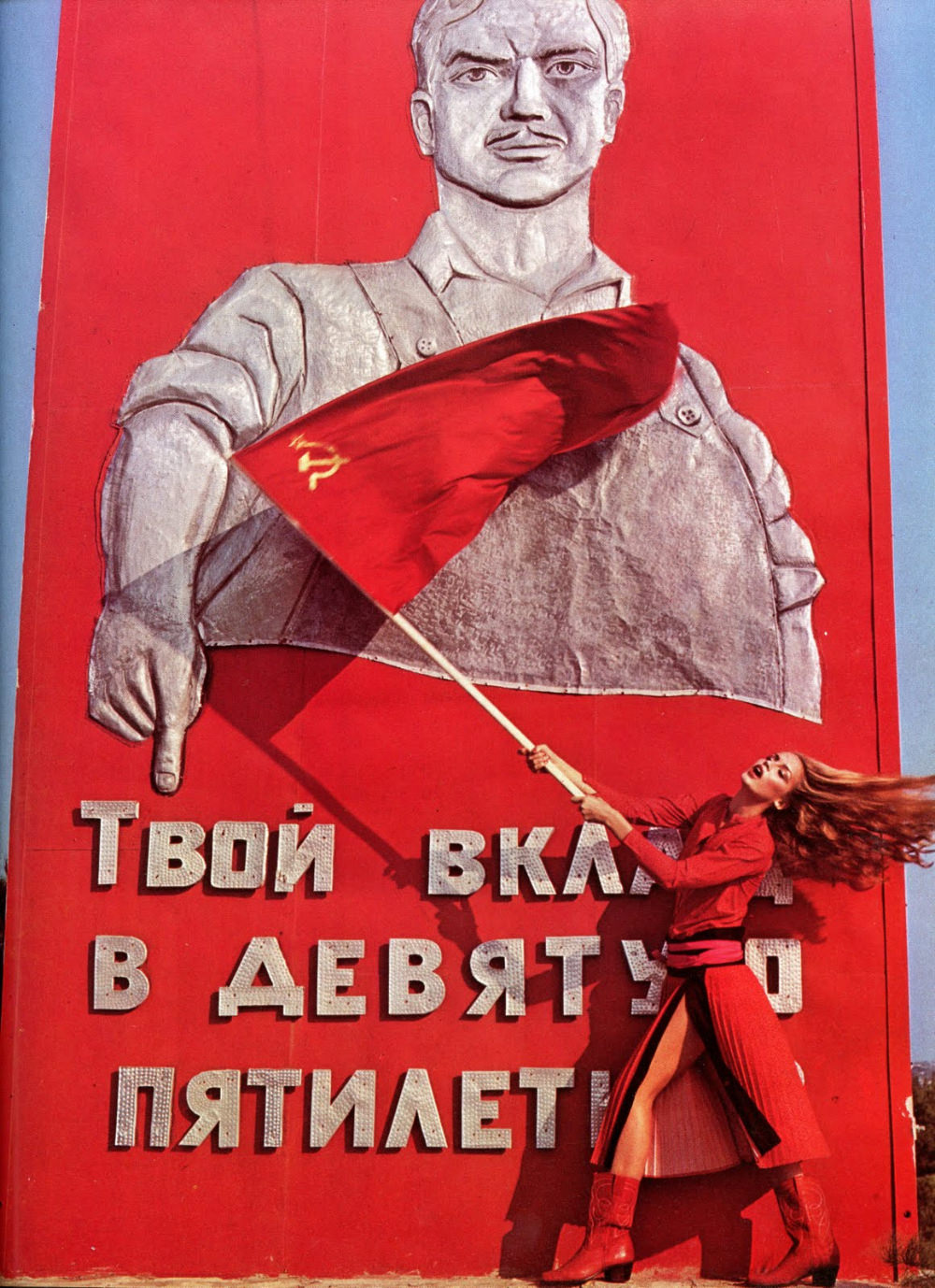
The Soviet Union in the mid-1970s was a tightly controlled Communist state closed off from the West — what many called the world behind the Iron Curtain. Foreign visitors were heavily monitored. Tourist guides accompanied travelers everywhere, and those guides kept a close watch on what was being photographed and recorded. Bringing a Western fashion crew into that environment to shoot for a glossy British magazine was no small undertaking.
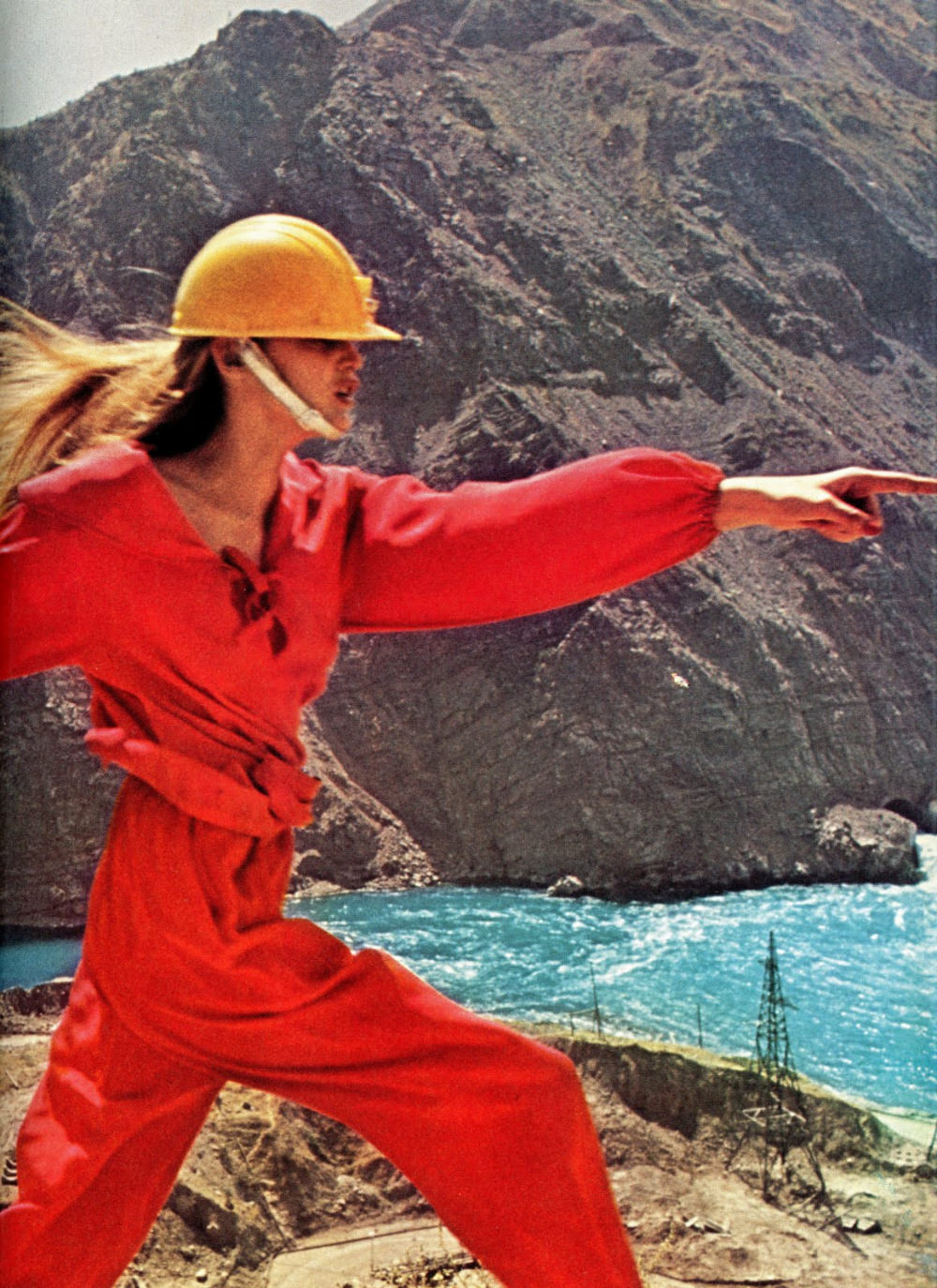
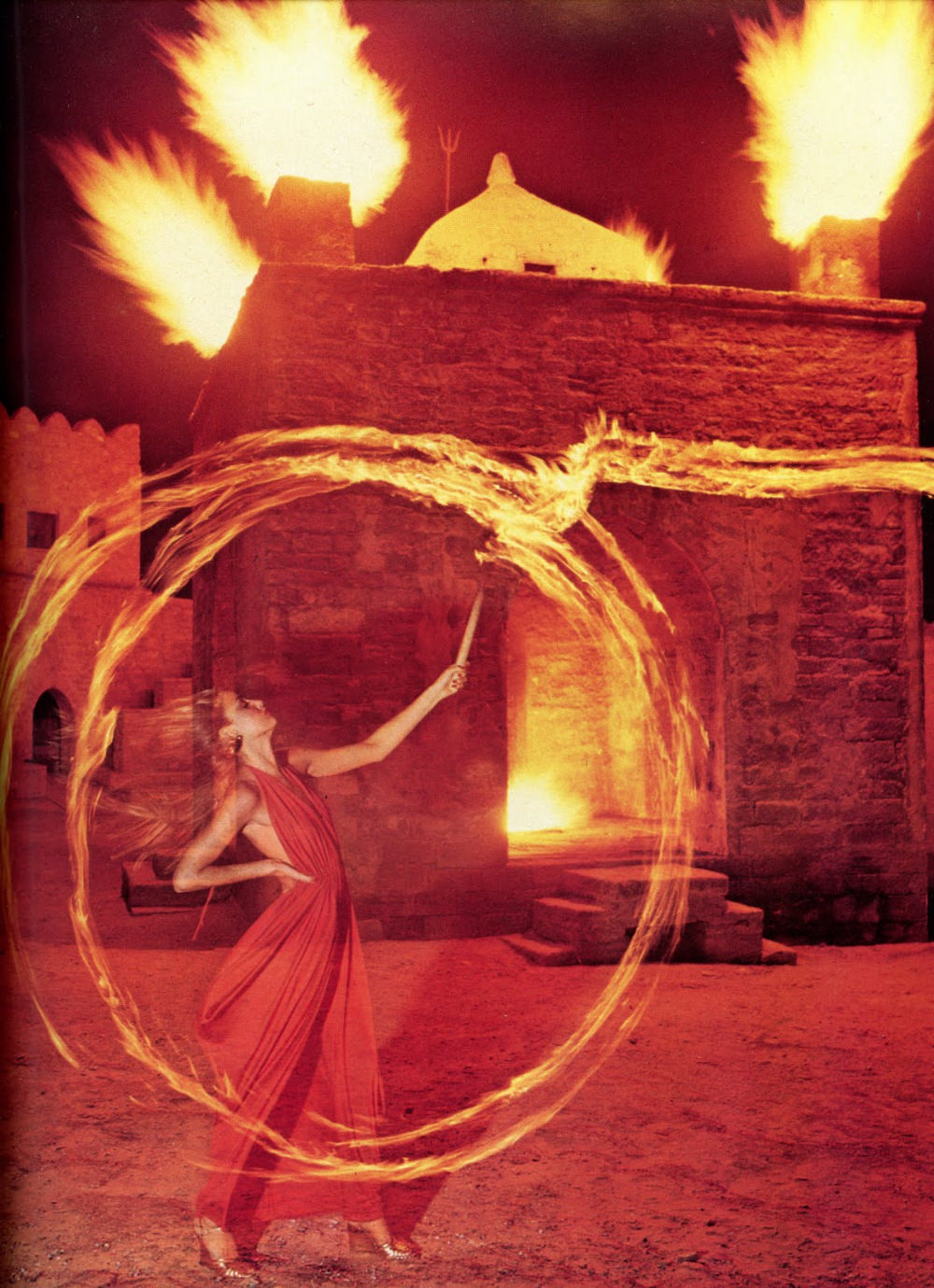
Soviet authorities confiscated film from foreign visitors, which put Parkinson — known to his friends as “Parks” — in a difficult position. He was not confident the Soviets would handle the film correctly, and losing the shots from this editorial was not an option. His solution was direct: he asked Jerry Hall to hide rolls of film down her pants to smuggle them past the guides.
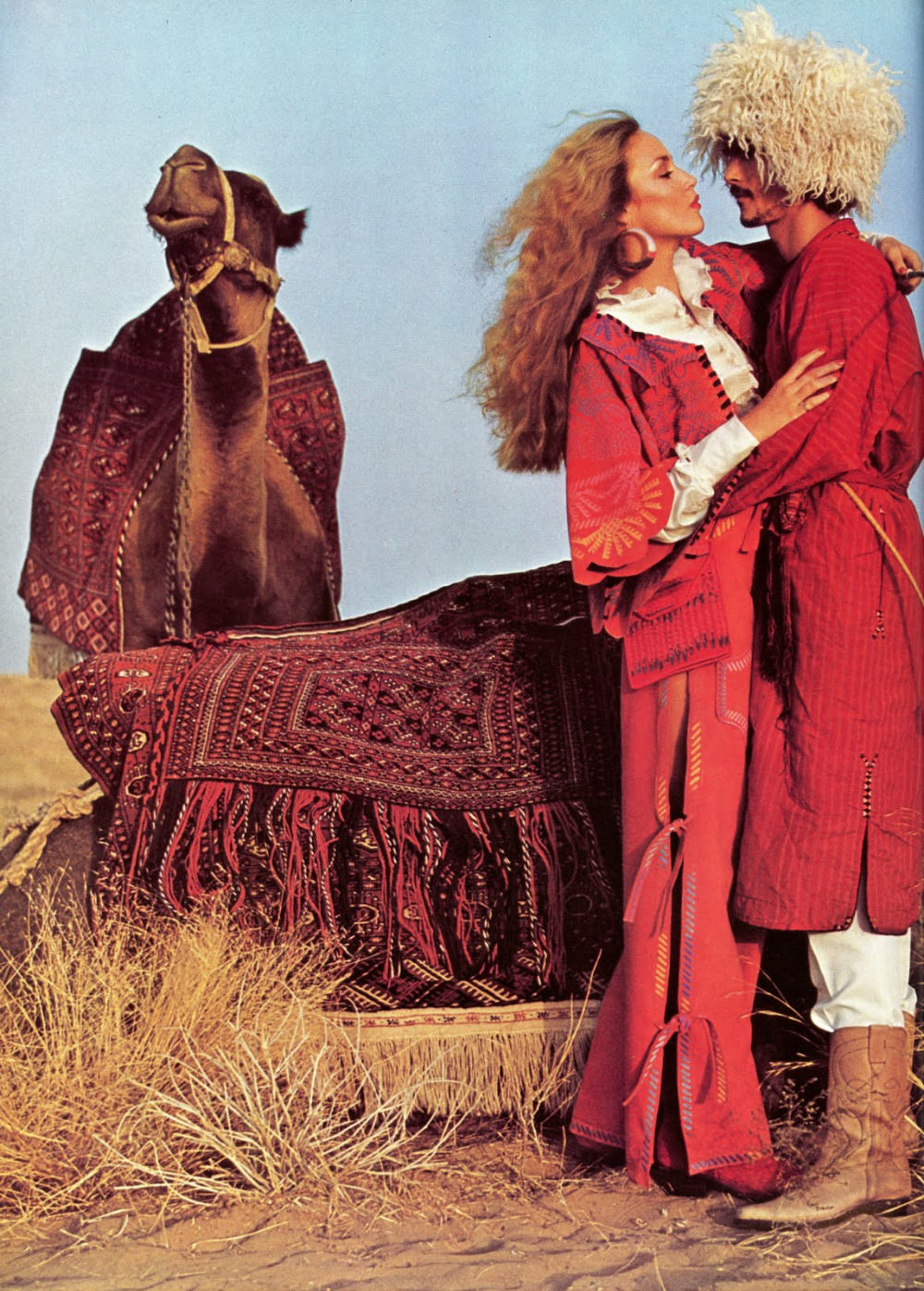
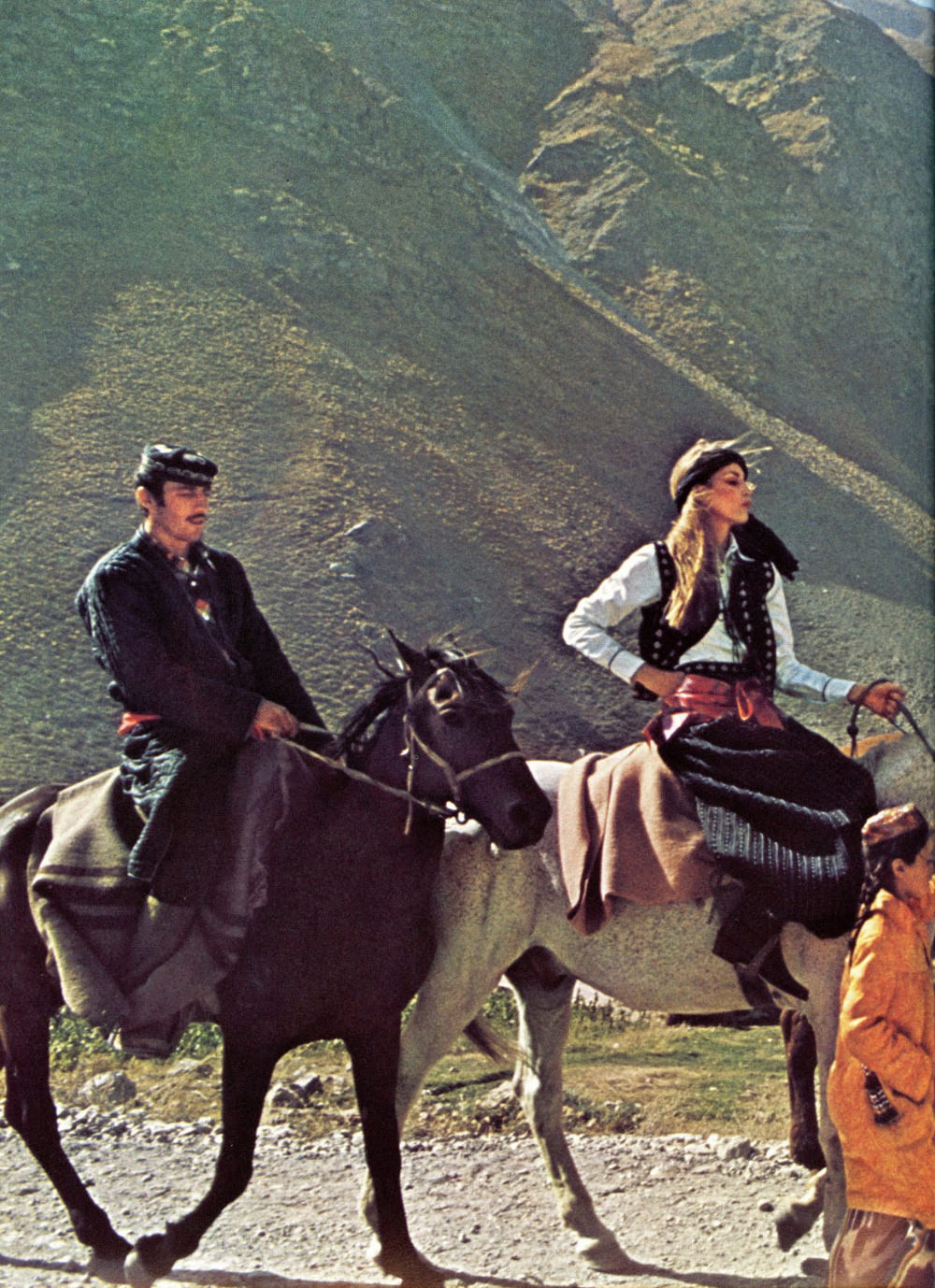
Hall recalled the episode years later in an interview with the Financial Times Magazine. “This was in the mid-1970s, and we had to travel around with tourist guides, and they were taking our film,” she said. “Parks was worried they might not develop the film right, so he asked me to stuff some down my pants, which I did — I was very young.” The plan worked, but the punchline came later. “Anyway, we got the film back and then he said to me afterwards, ‘Actually, the Russians developed the film even better than we did over here and we needn’t have bothered.'”
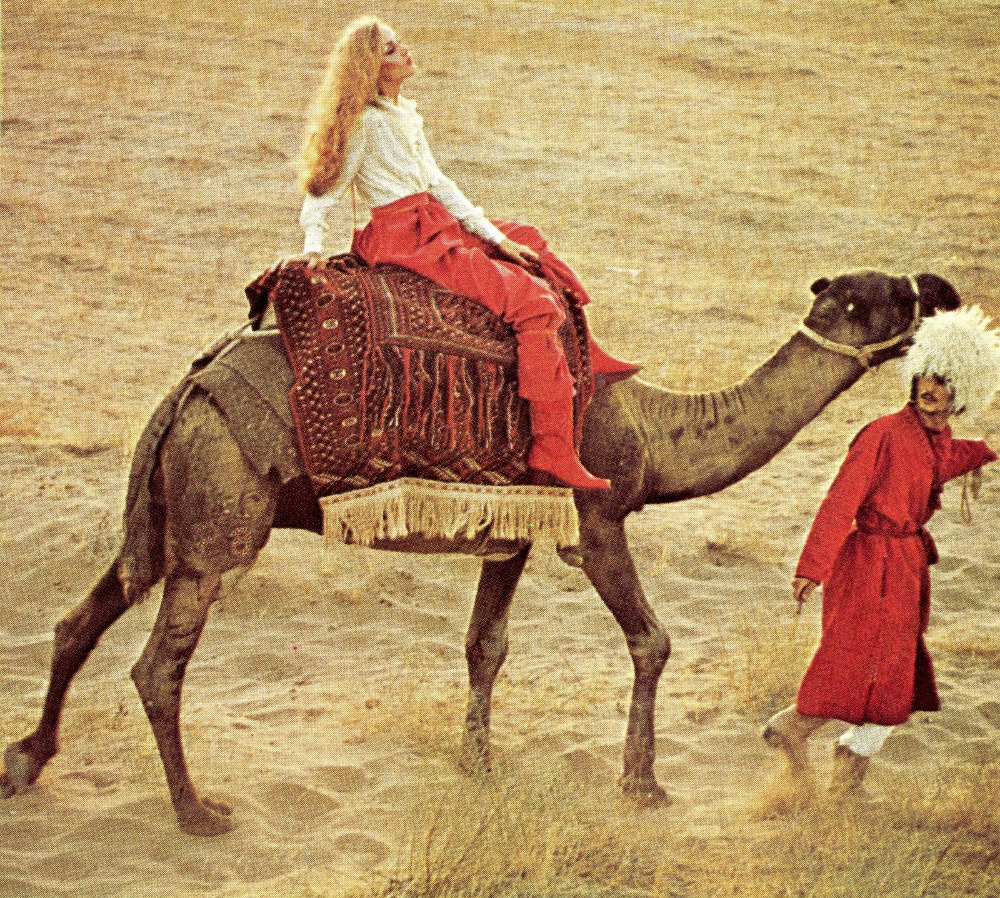
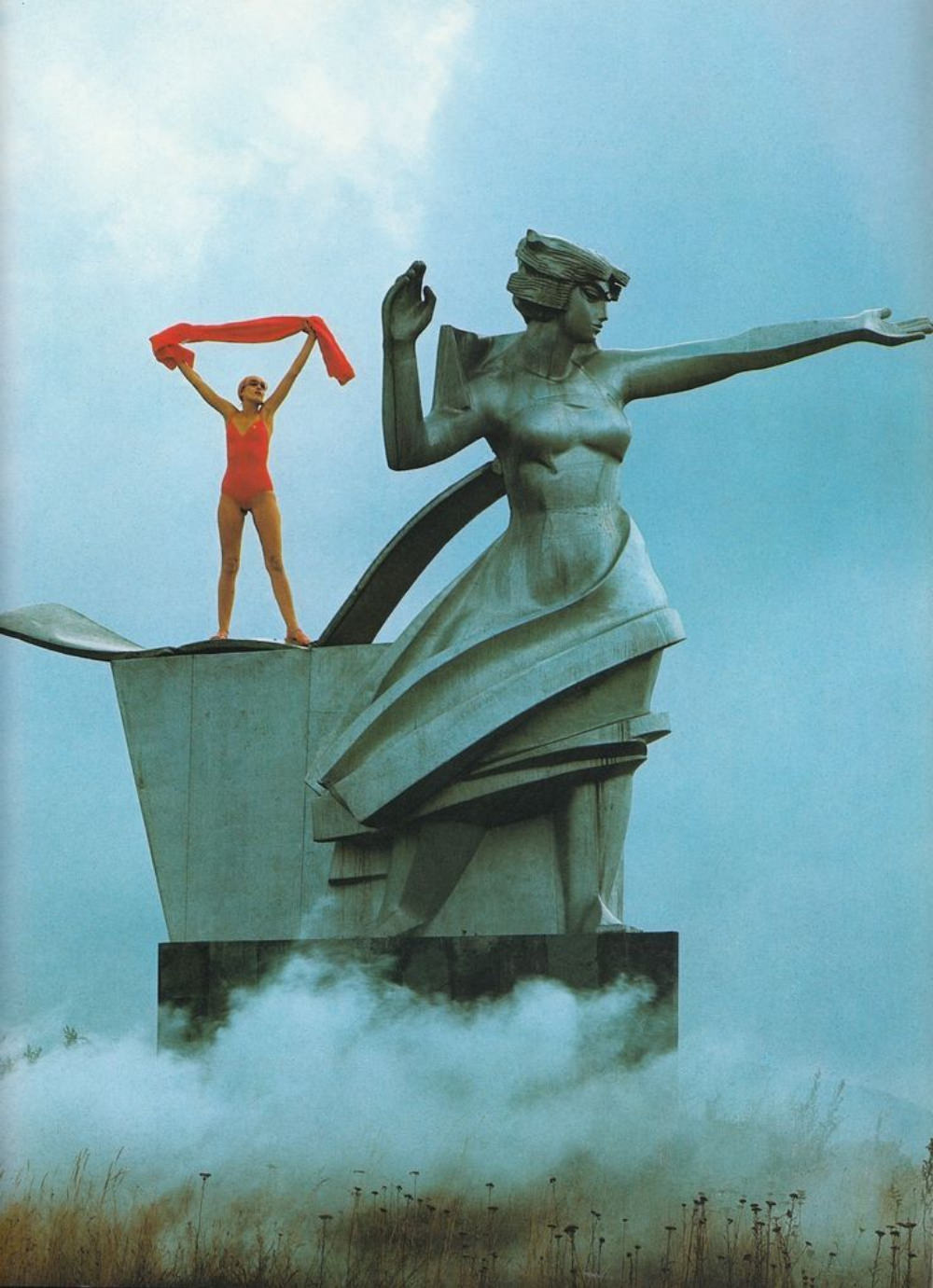
The story captures something essential about both Parkinson and Hall. He was resourceful and protective of his work to the point of asking his model to smuggle film through a Communist checkpoint. She was game enough to do it without hesitation. That dynamic — his boldness, her willingness — shows up clearly in the photographs themselves.
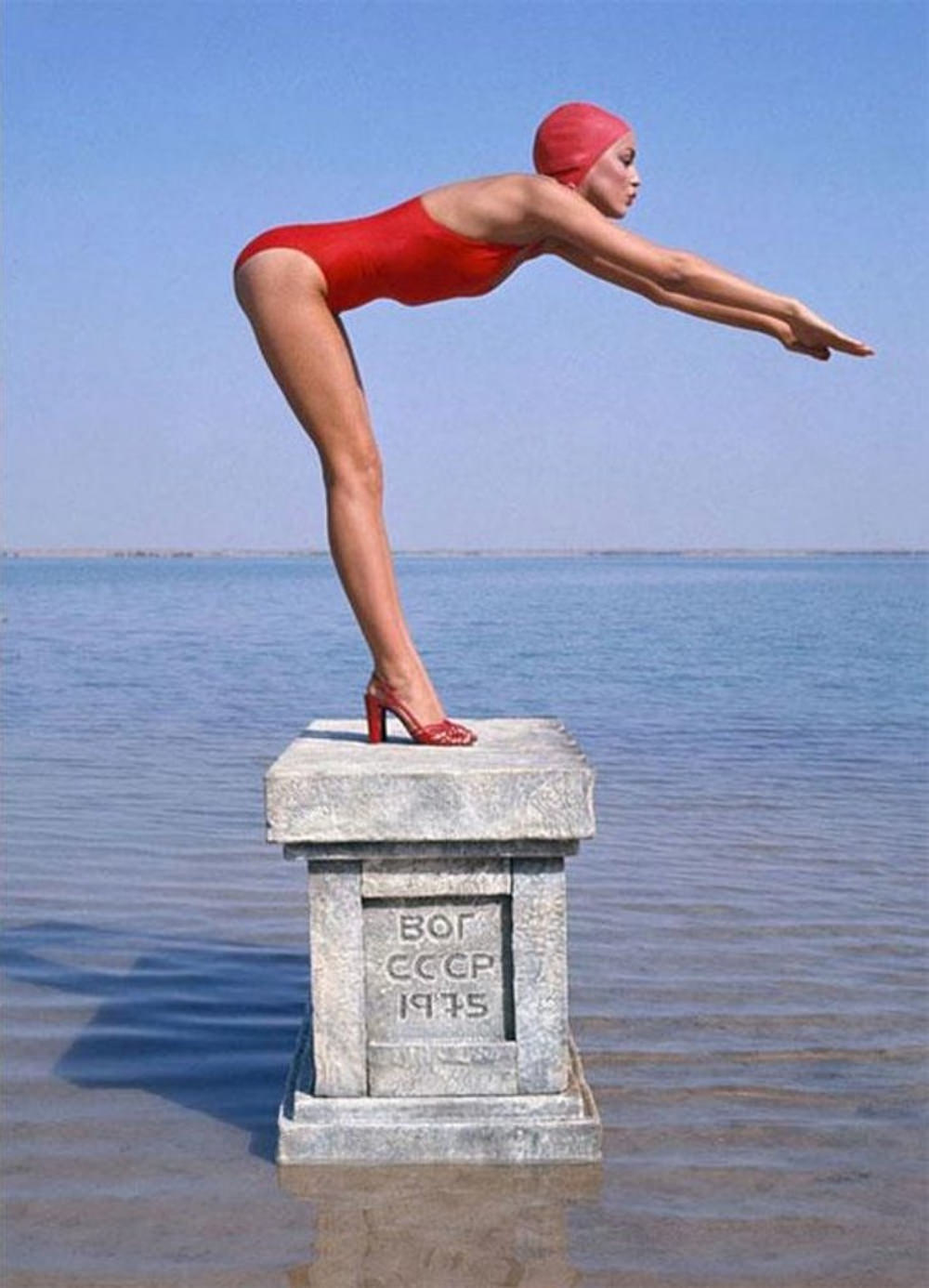
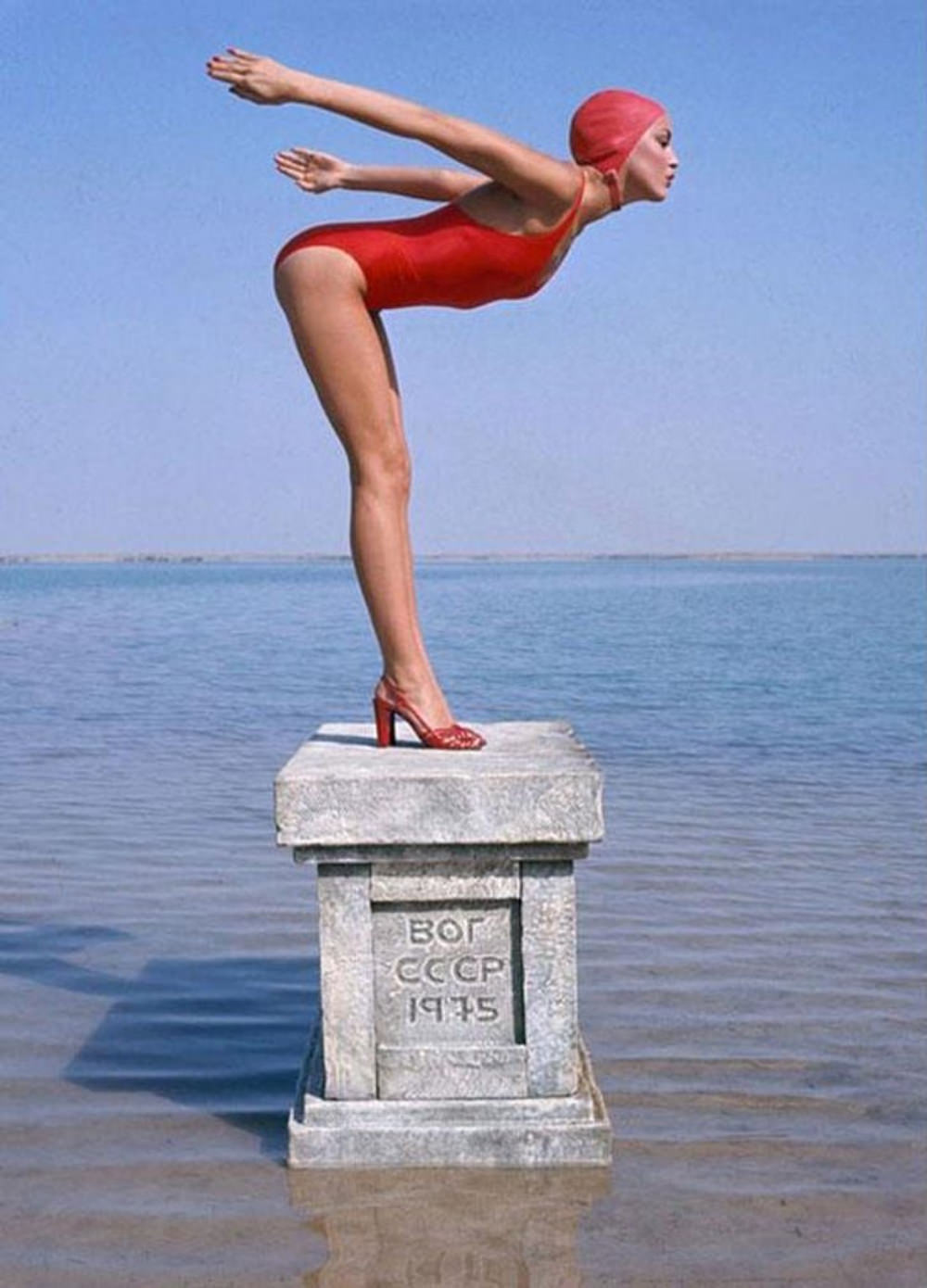
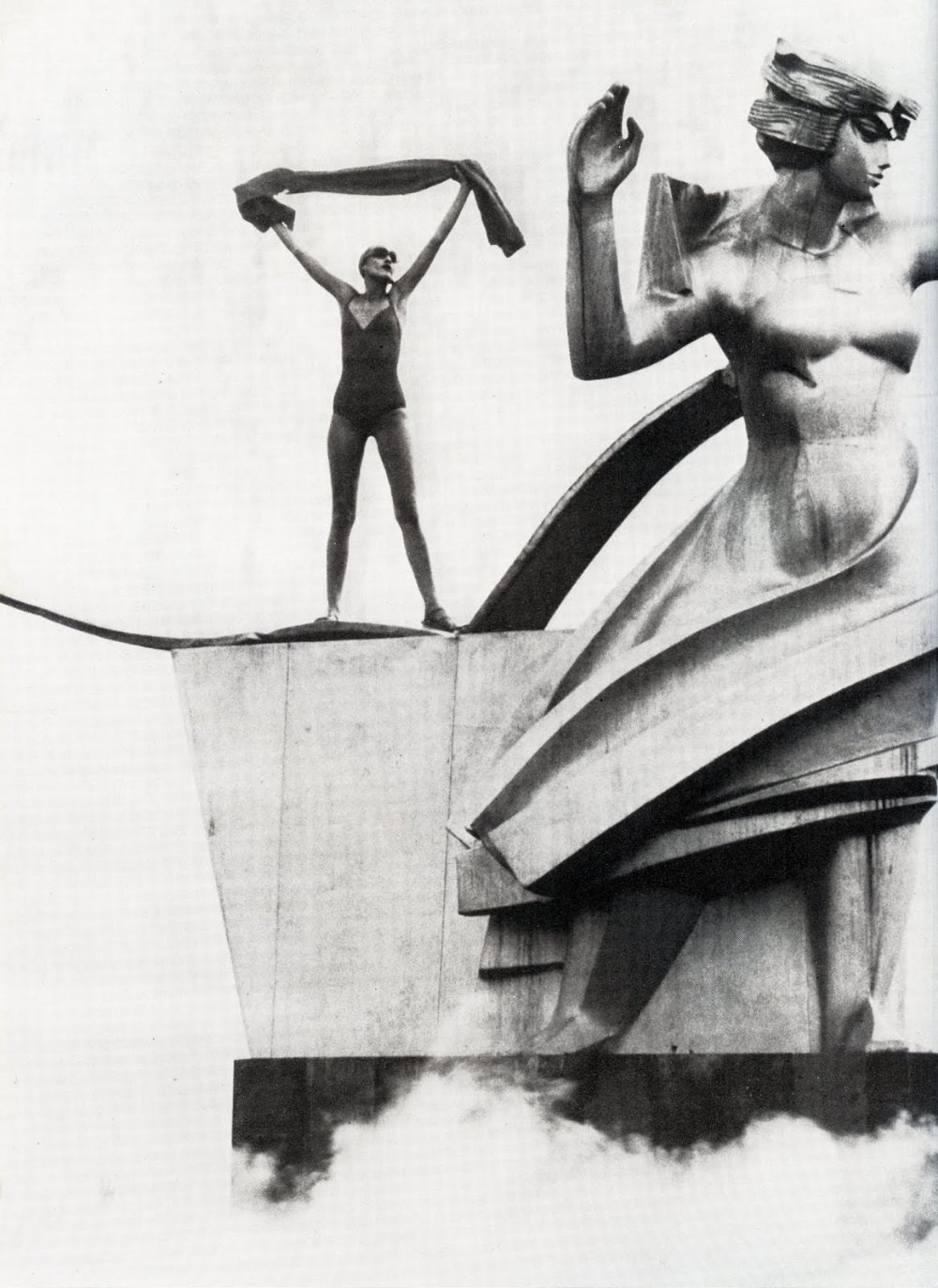
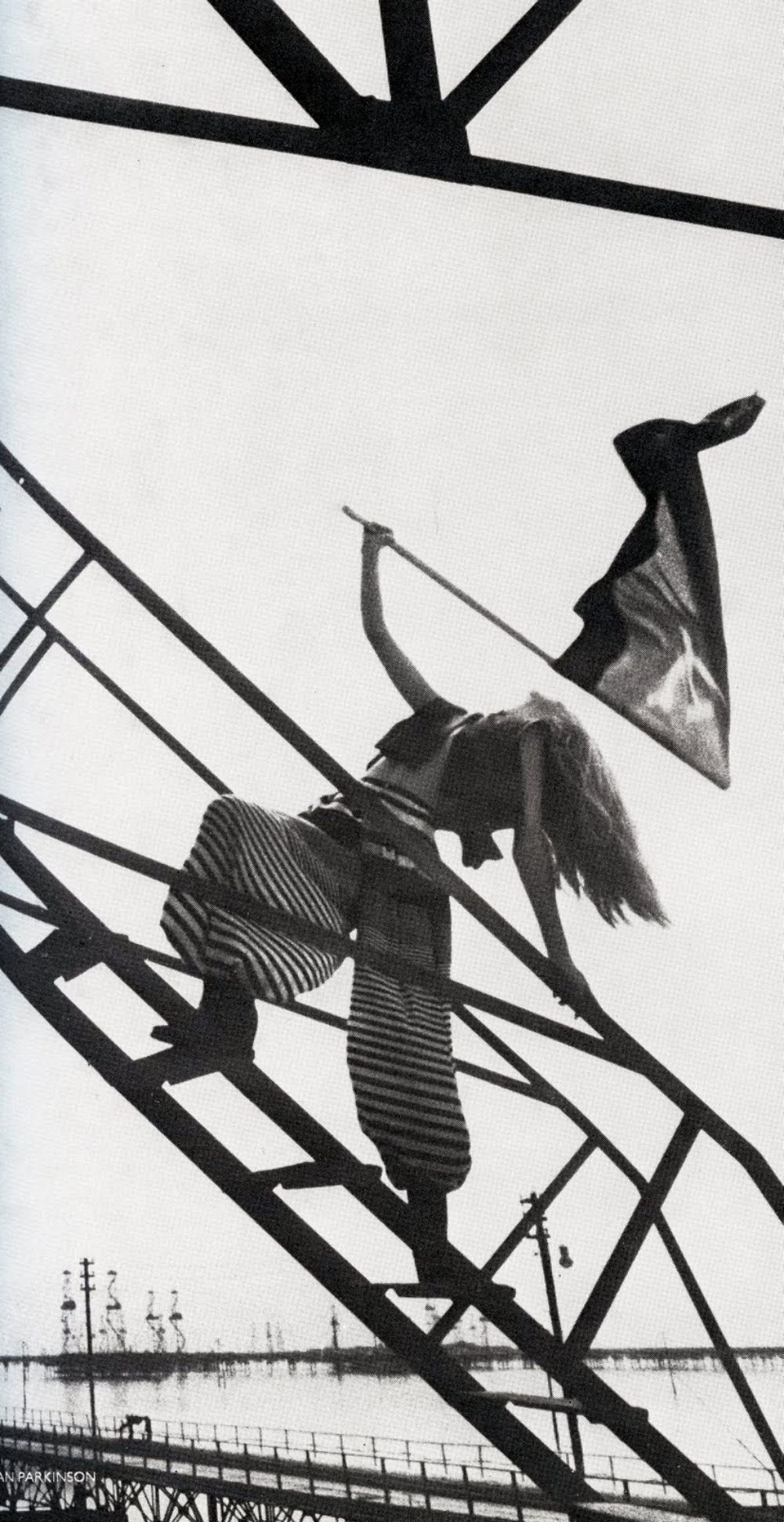
Hall was still a very young model at this point in her career, but Parkinson’s lens shows no hesitation in her. She holds each frame with total confidence, whether posed against Soviet architecture or caught in motion. The images have a richness and depth that reflects just how good the final developed film turned out to be — all of it, including the rolls that never left Soviet hands.
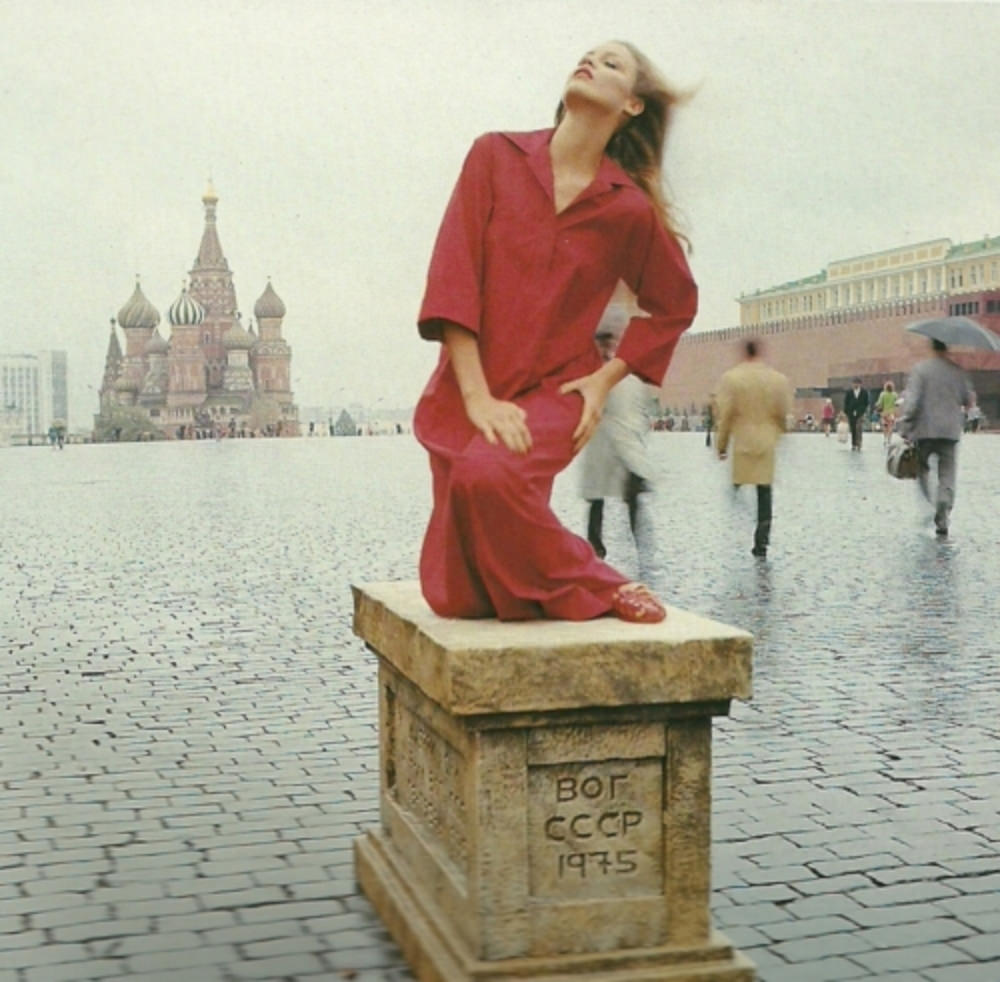
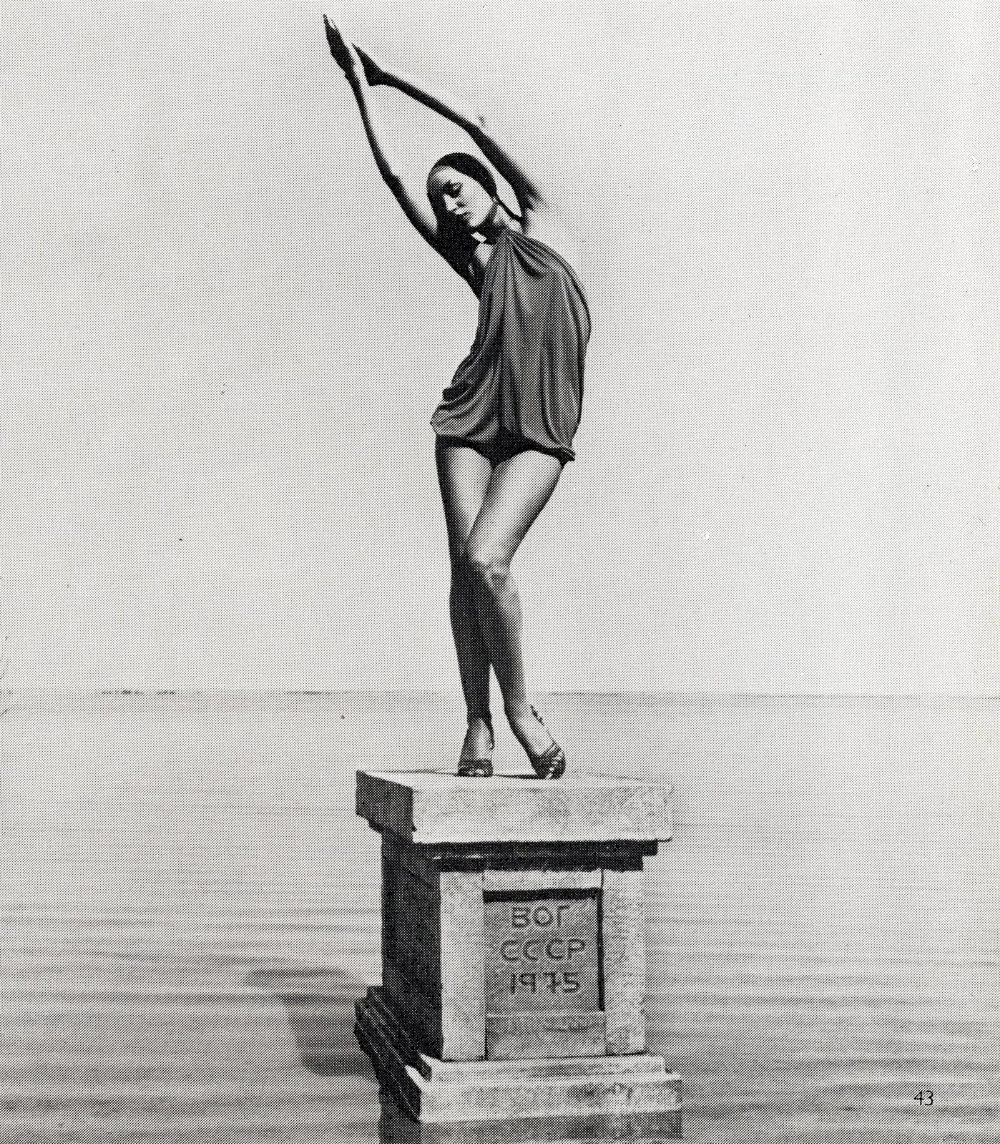
Parkinson’s approach to fashion photography was always rooted in place. He believed a great location didn’t just provide a backdrop — it gave the image meaning. The Soviet Union, with its monumental architecture, vast open spaces, and air of quiet tension, gave these Vogue photos something no studio set could manufacture. The setting is as much a subject as Hall herself.
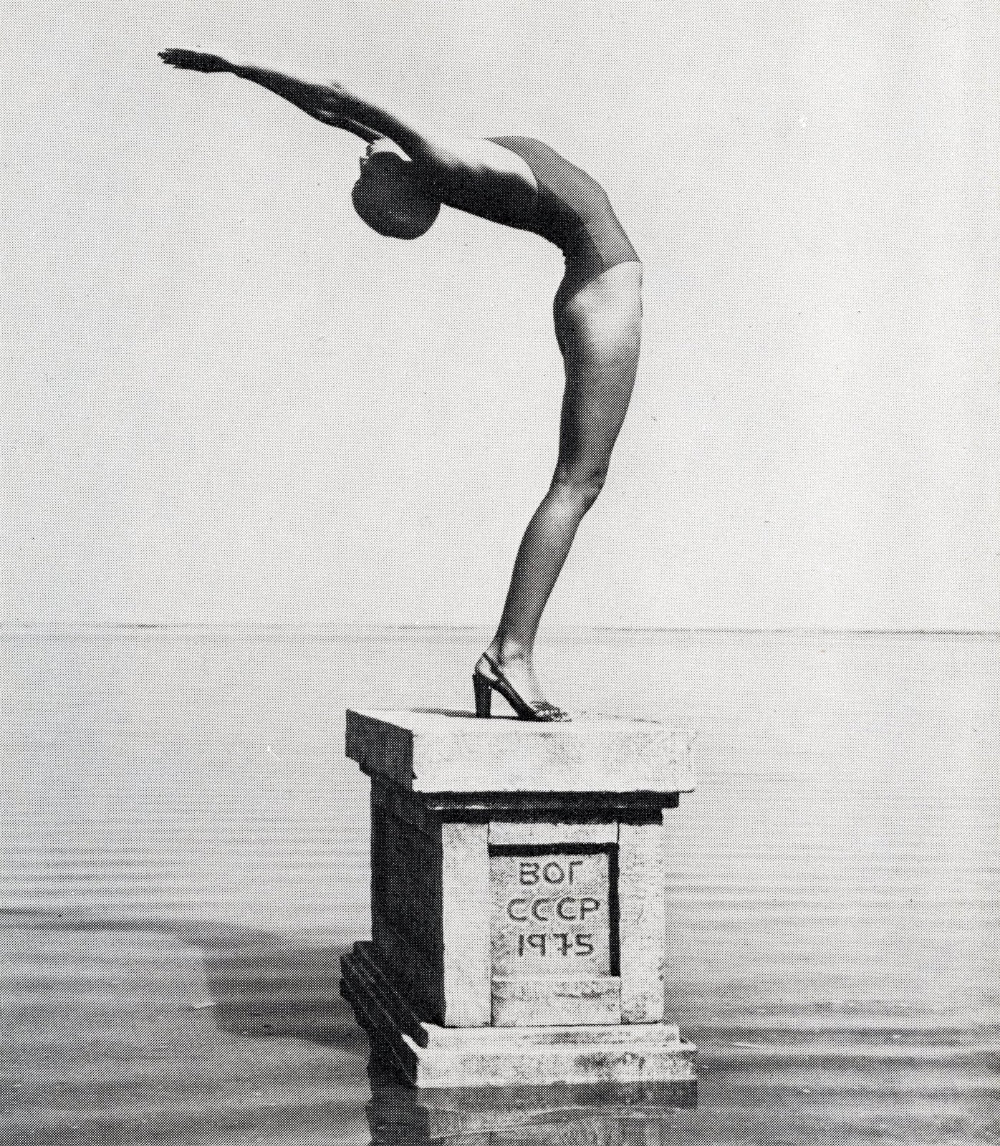
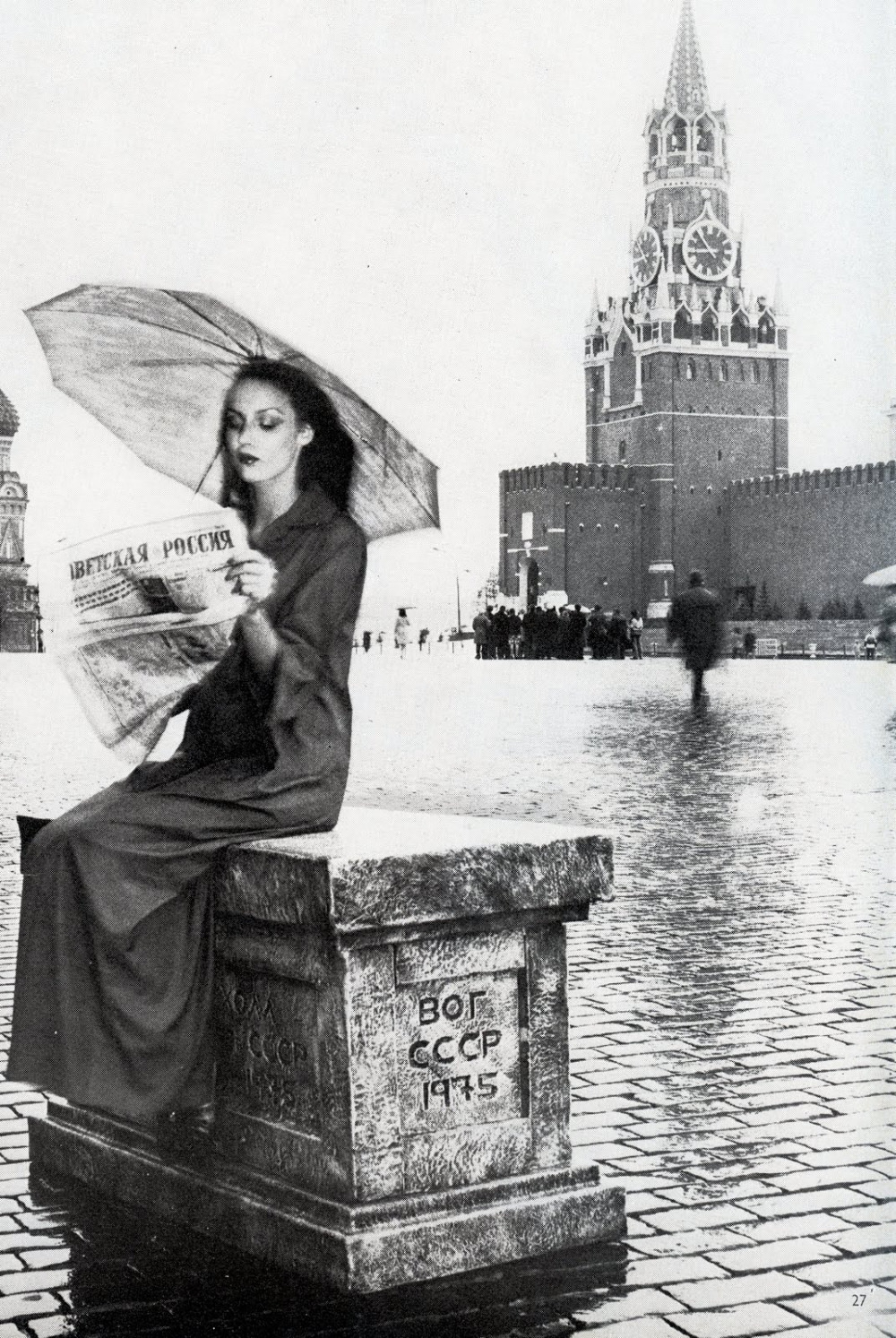
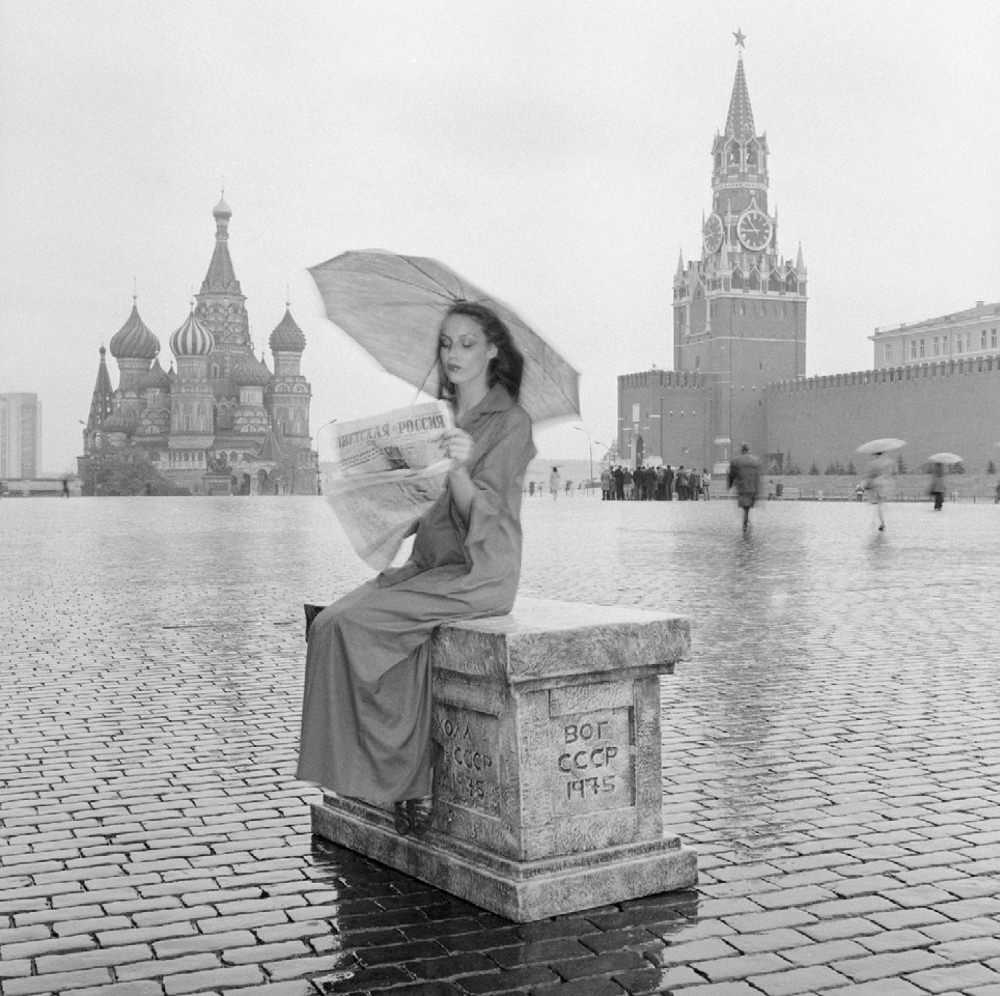
British Vogue under Beatrix Miller was known for pushing the boundaries of fashion editorial. Miller ran the magazine from 1964 to 1984 and consistently backed photographers and models who brought something original to the page. Commissioning a shoot inside a restricted Communist country — with a rising American model and one of Britain’s most celebrated photographers — was exactly the kind of bold move that defined her tenure.