Every April, the city of Seville transforms into one of the most colorful spectacles in all of Spain. The Feria de Abril — the Seville Fair — fills the streets of Andalusia with music, dancing, and elaborate tradition. By 1959, the fair had already been running for over a century, and these photographs capture the women who made that year’s celebration unforgettable.
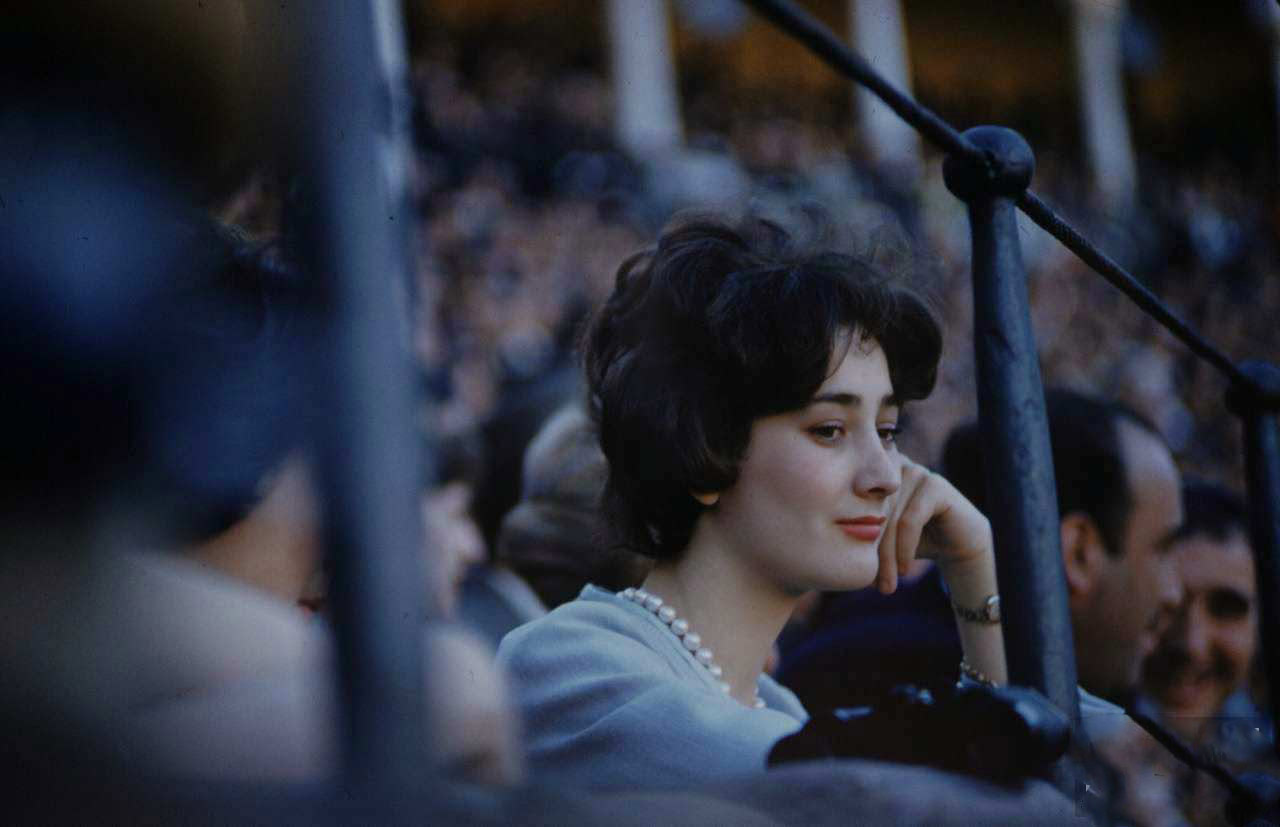
The fair’s origins go back to 18 April 1847, when the first event was held at the Prado de San Sebastián on the outskirts of Seville. It was organized by two city councilors — Basque-born José María Ybarra and Catalan Narciso Bonaplata — and approved by Queen Isabel II. What began as a simple livestock fair grew into something far grander over the following decades.
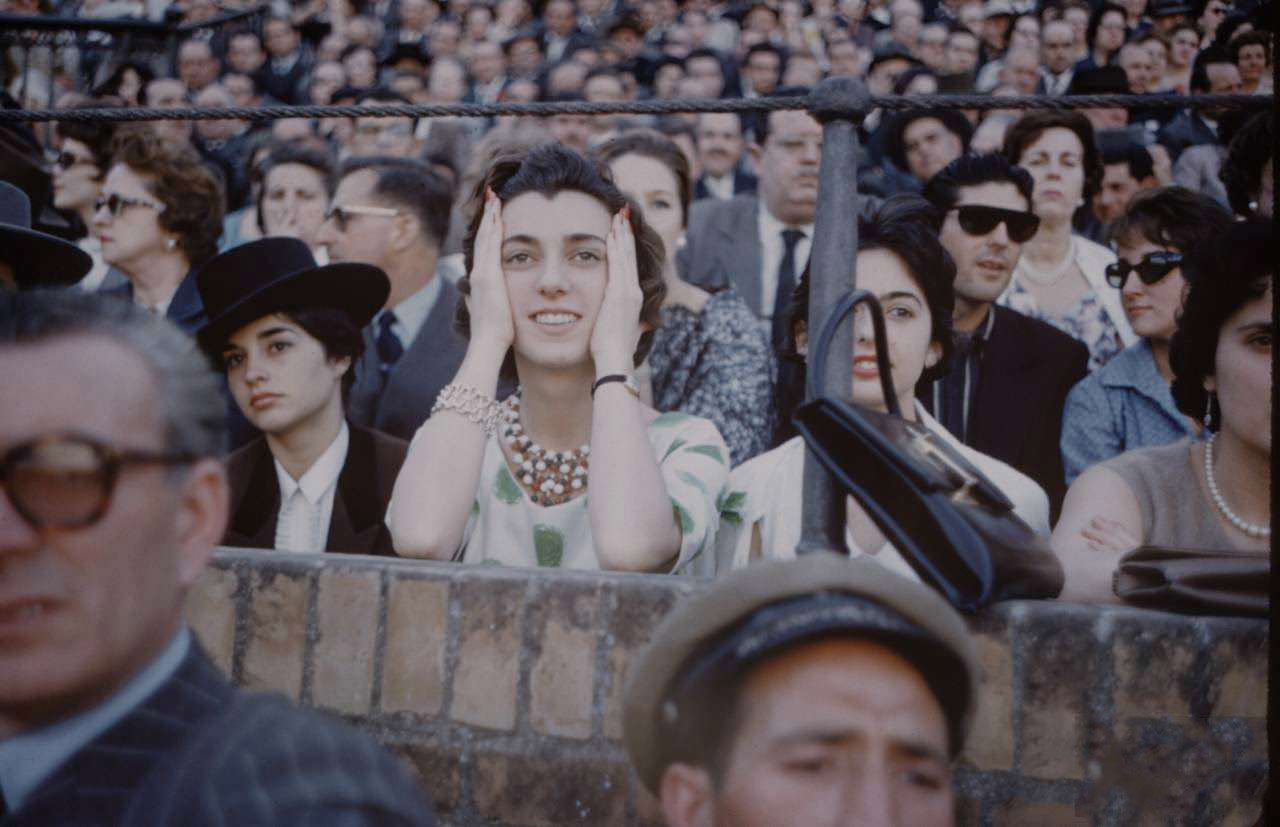
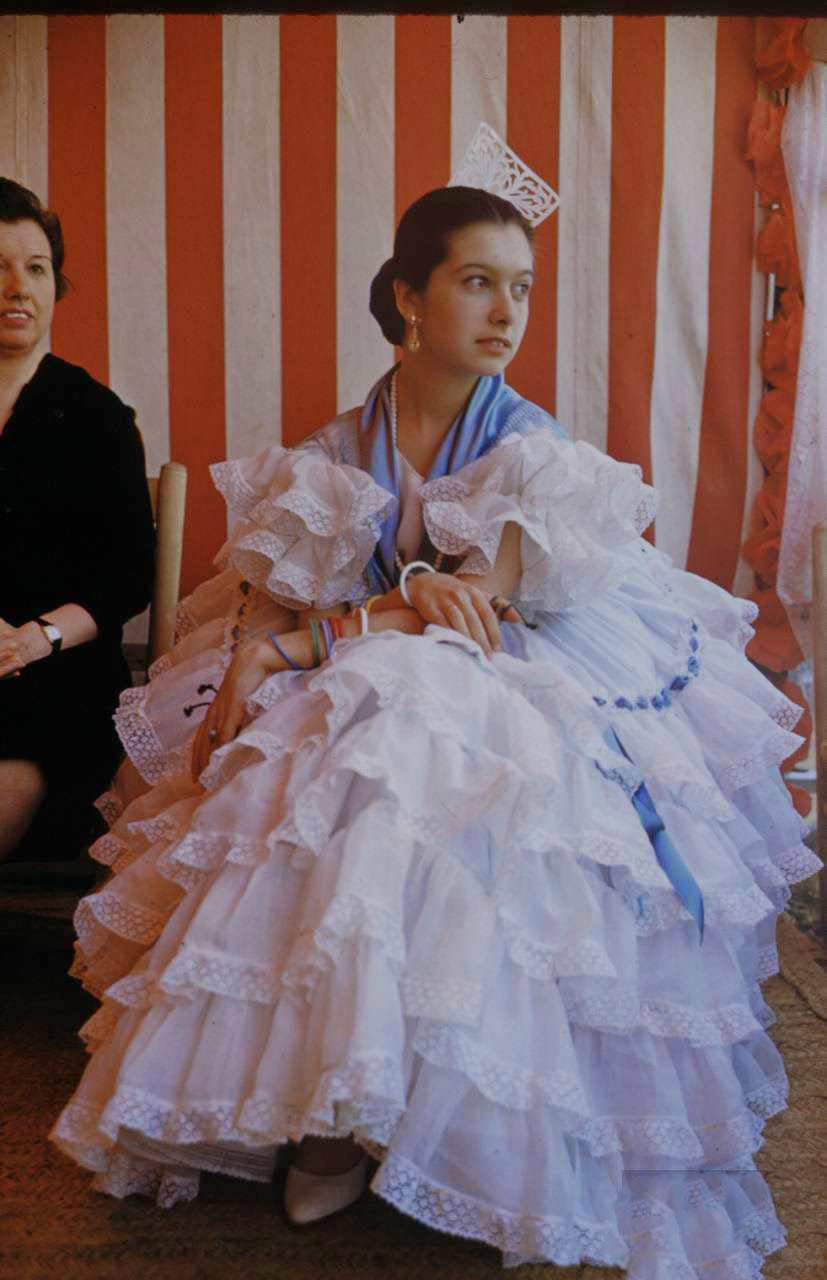
By the 1920s, the fair had reached its peak as a social and cultural event, and it settled into the grand format still recognized today. Each fair officially runs for six days, starting at midnight on Monday and closing the following Sunday. In practice, festivities often kicked off informally on the Saturday before the official opening night.
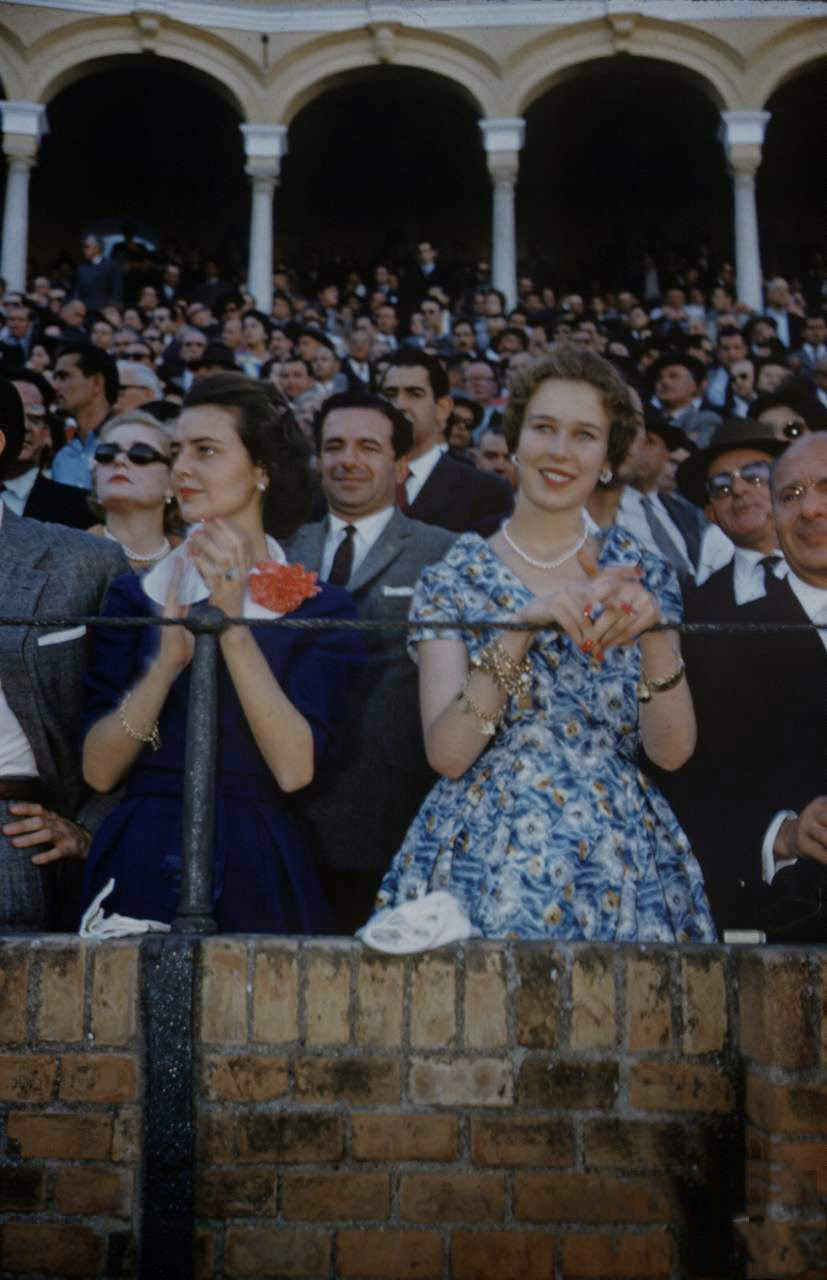
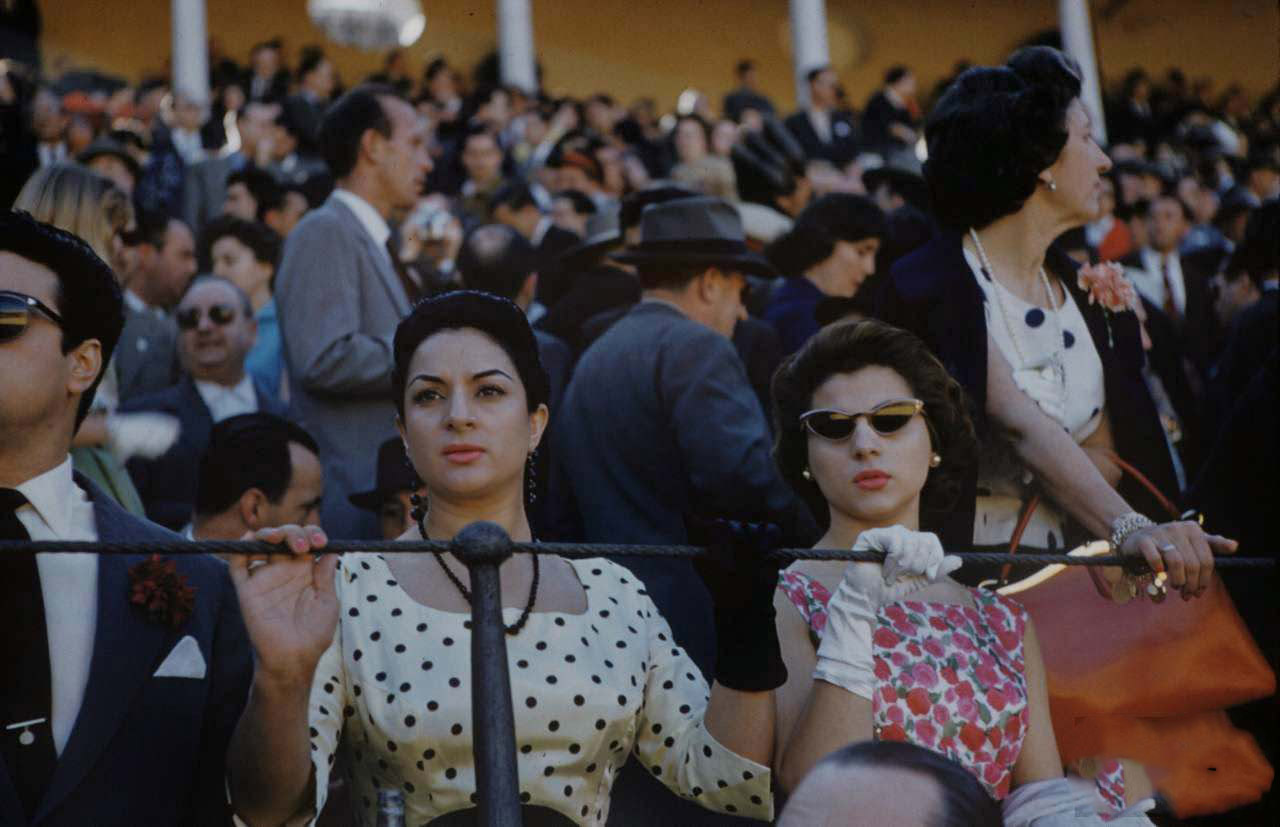
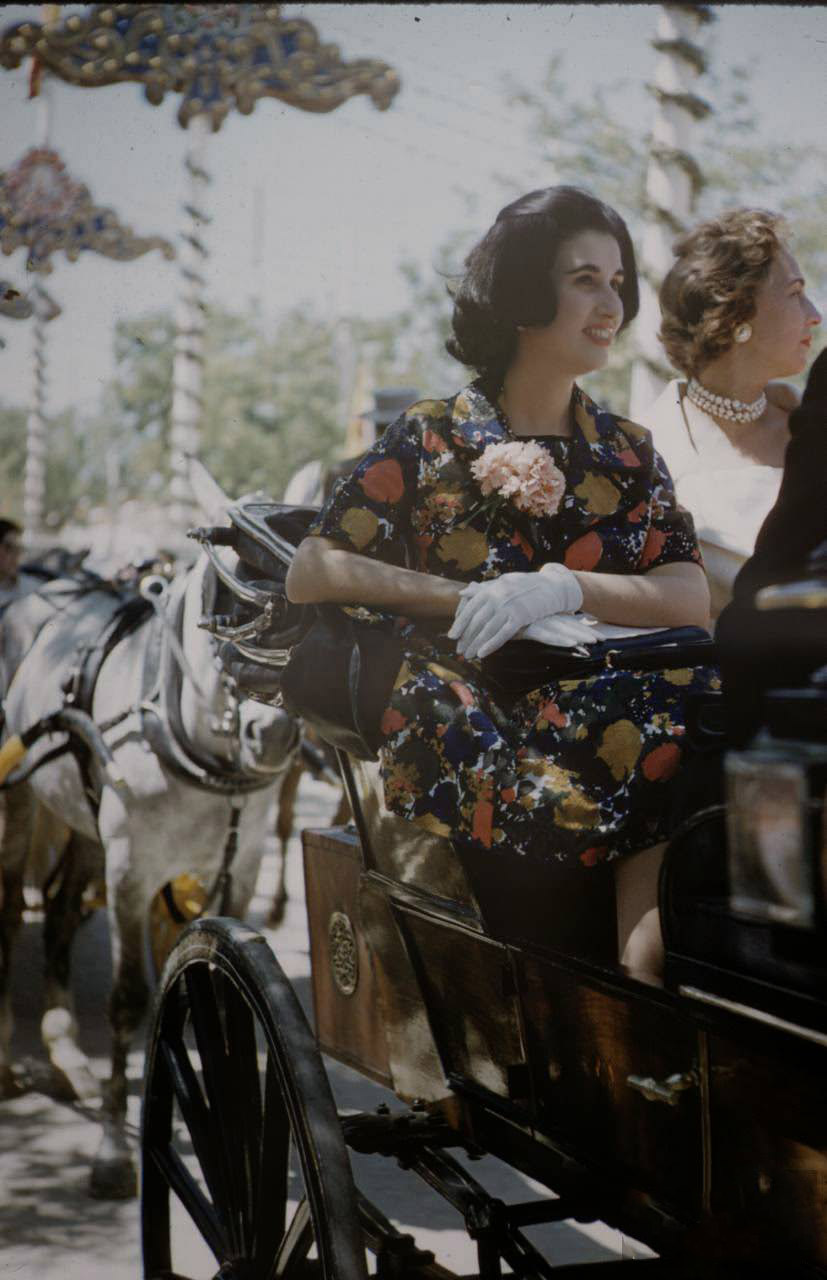
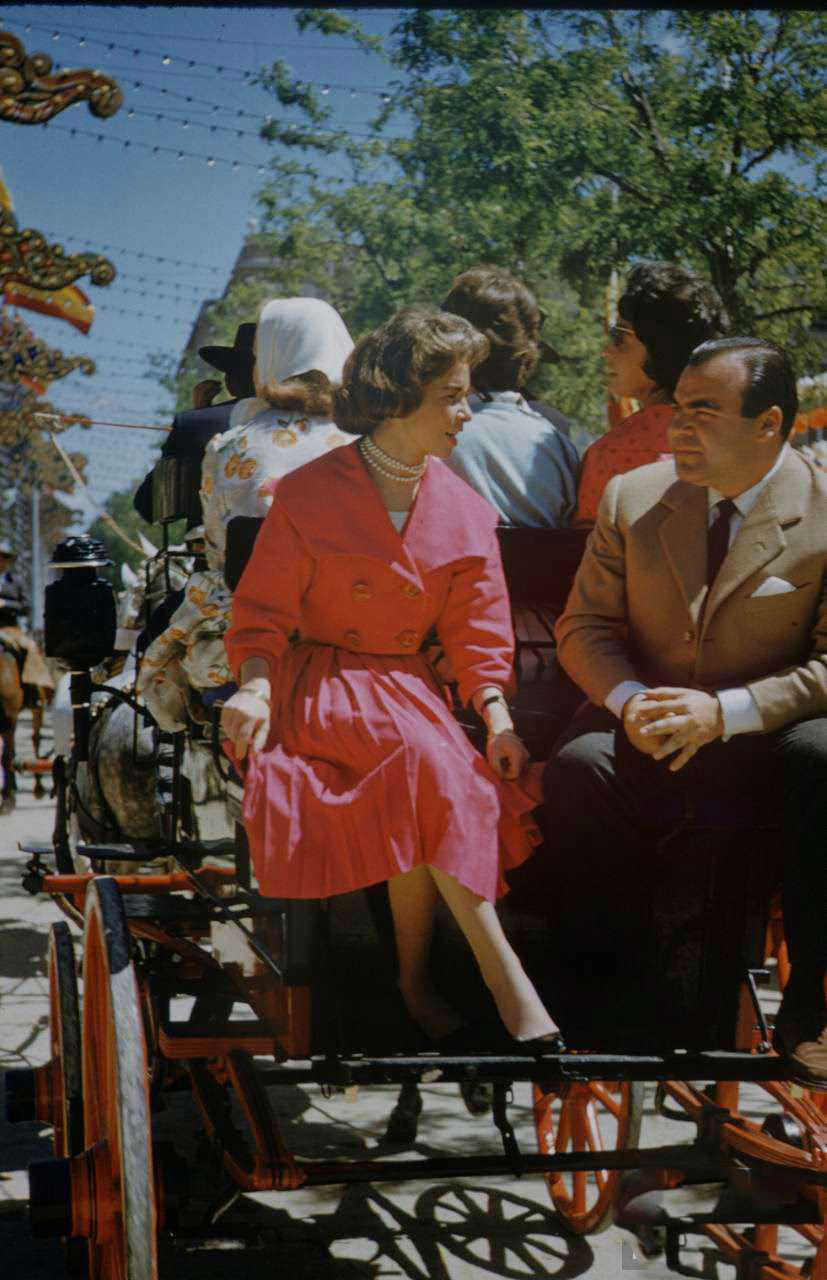
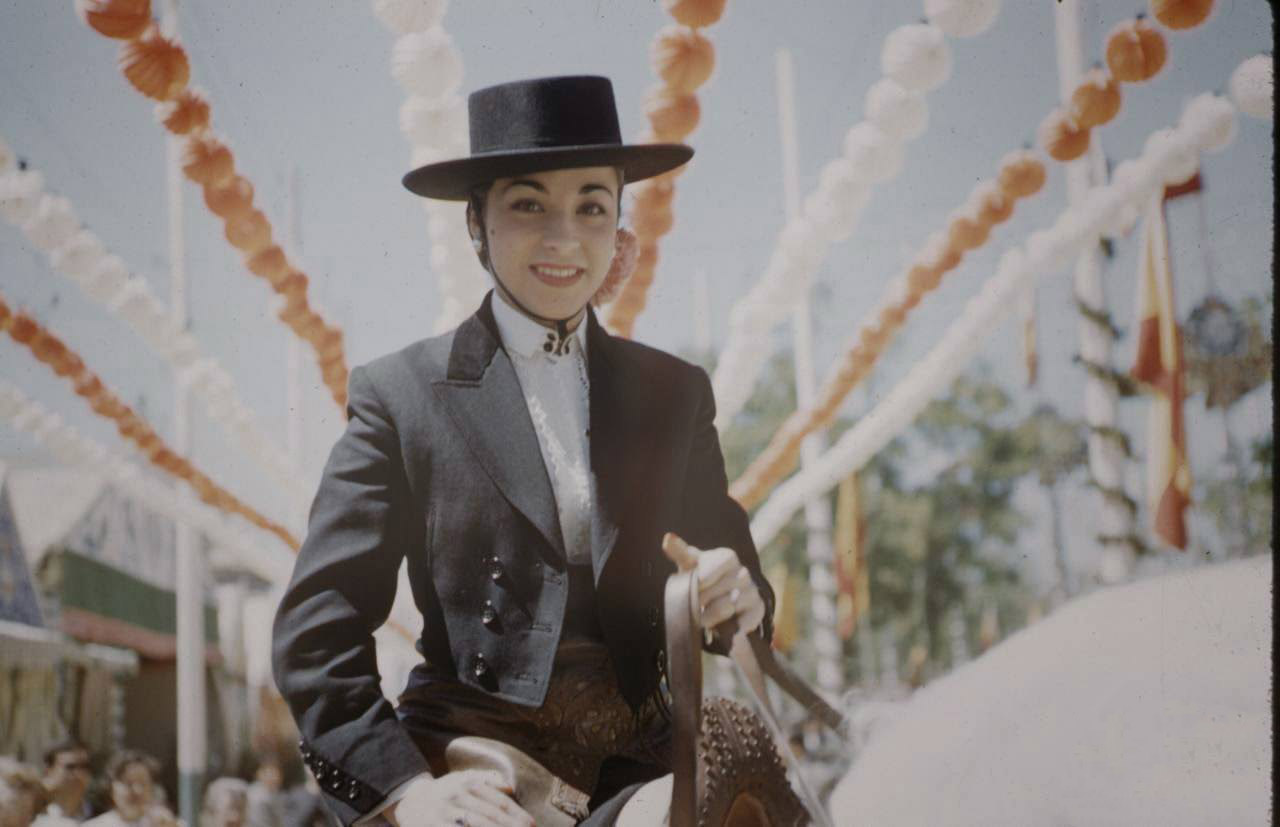
Each morning of the fair begins the same way. At midday, a parade of horse-drawn carriages and riders sets off through the fairgrounds, carrying Seville’s most prominent citizens toward La Real Maestranza — the city’s famous bullring. There, bullfighters and breeders gather in a tradition that ties the fair firmly to Andalusian culture.
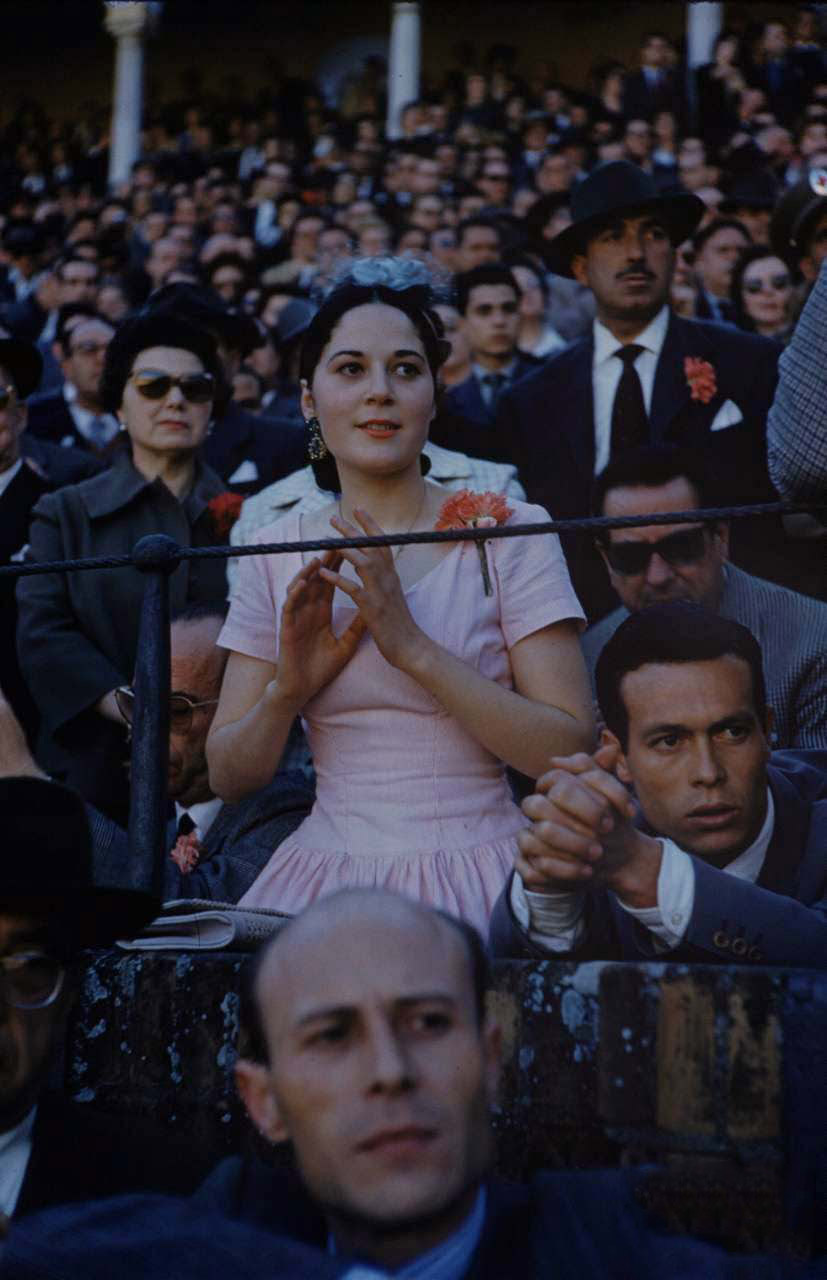
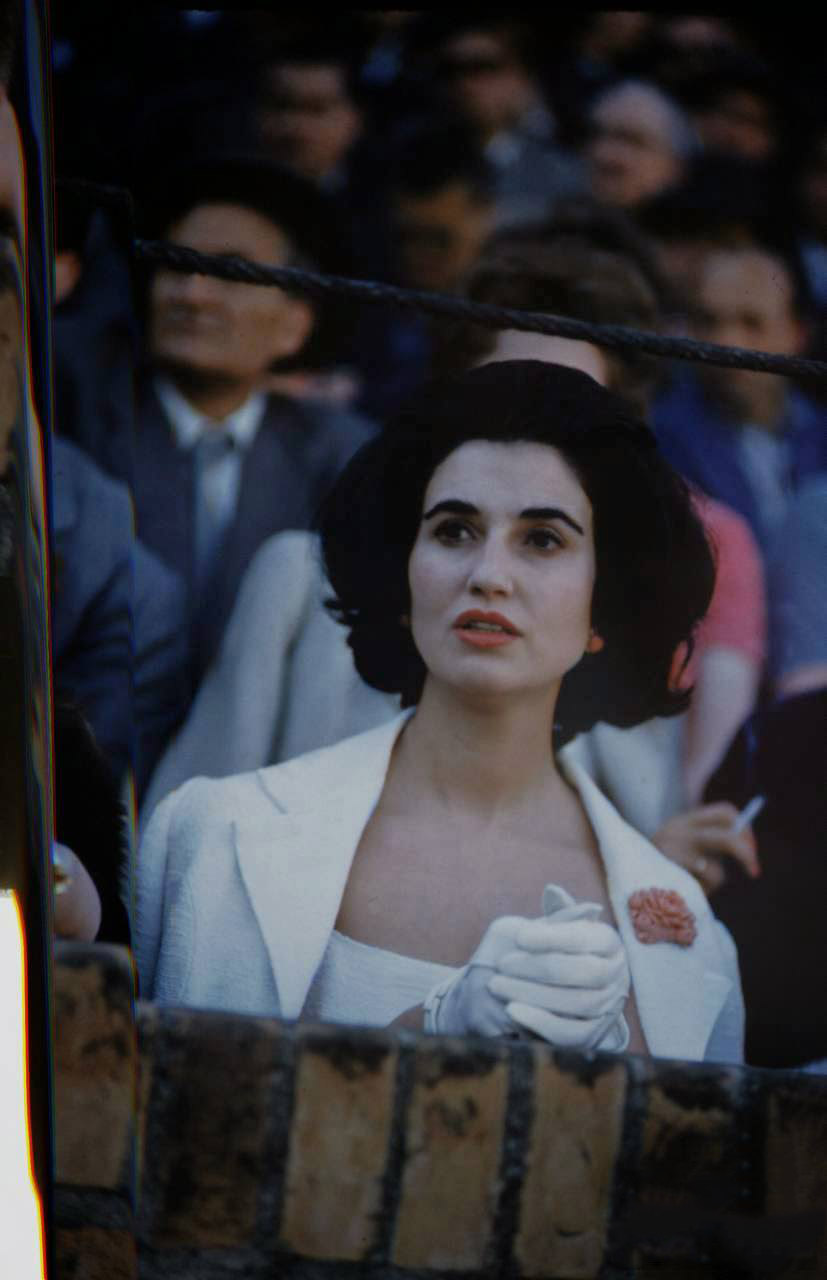
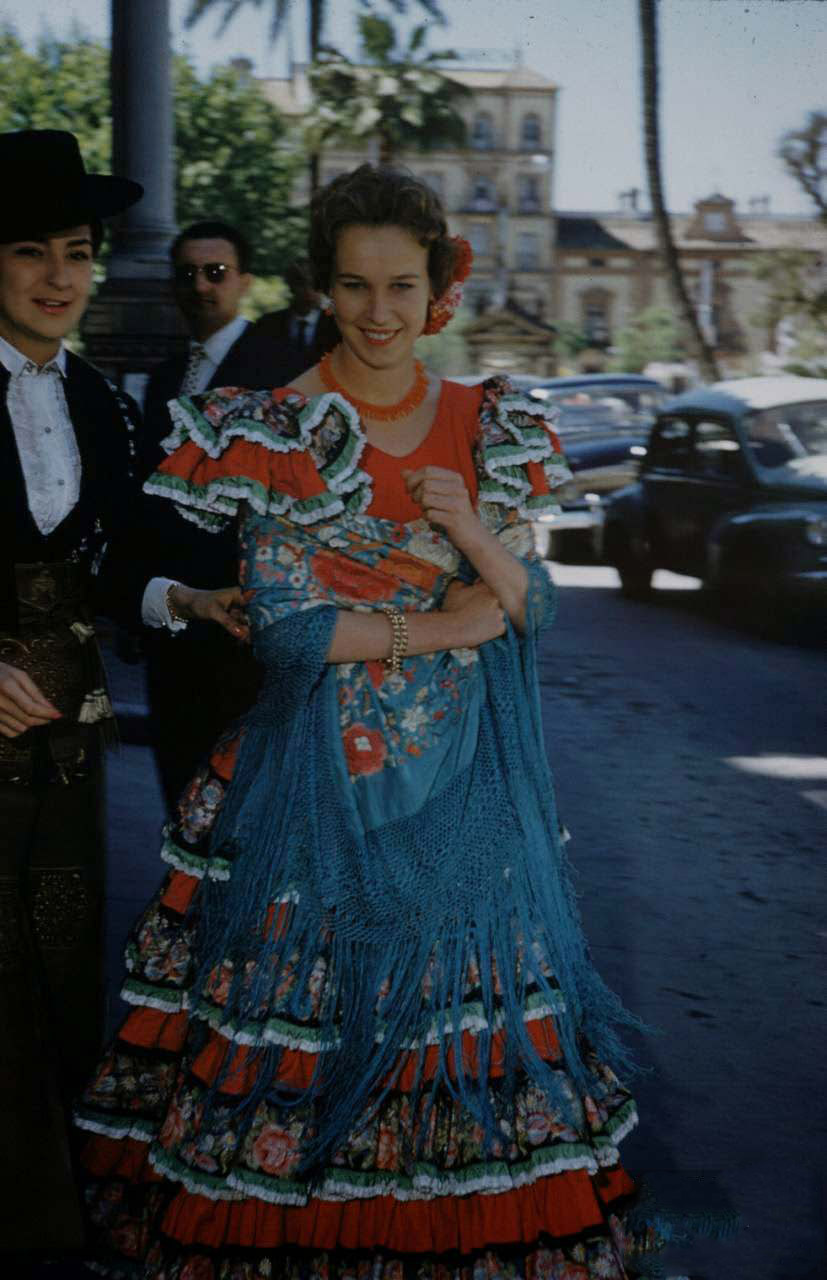
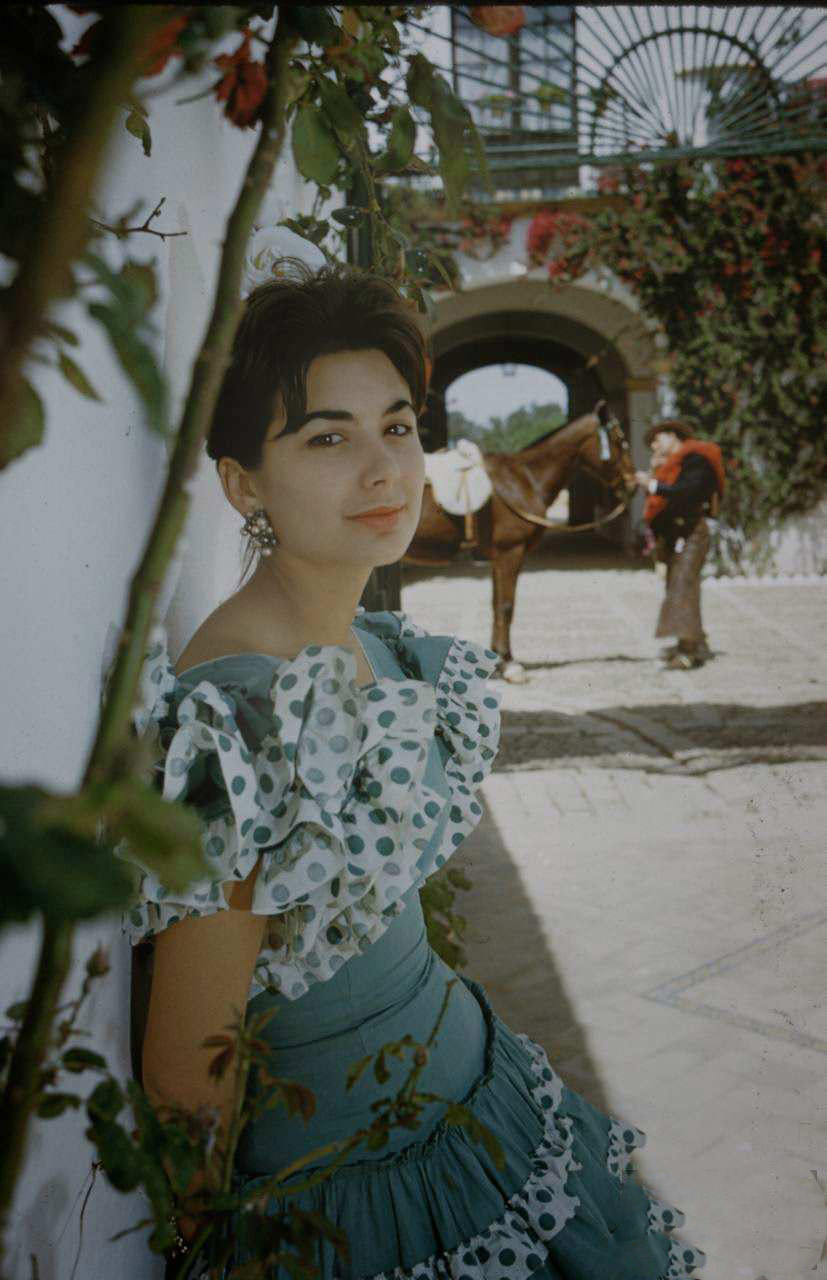
The women of the fair dress in the traje de flamenca — the flamenco dress — a polka-dotted or boldly colored gown with ruffled layers and a fitted bodice. In 1959, these dresses were handmade and carefully chosen, reflecting both personal style and regional pride. No two dresses were alike.
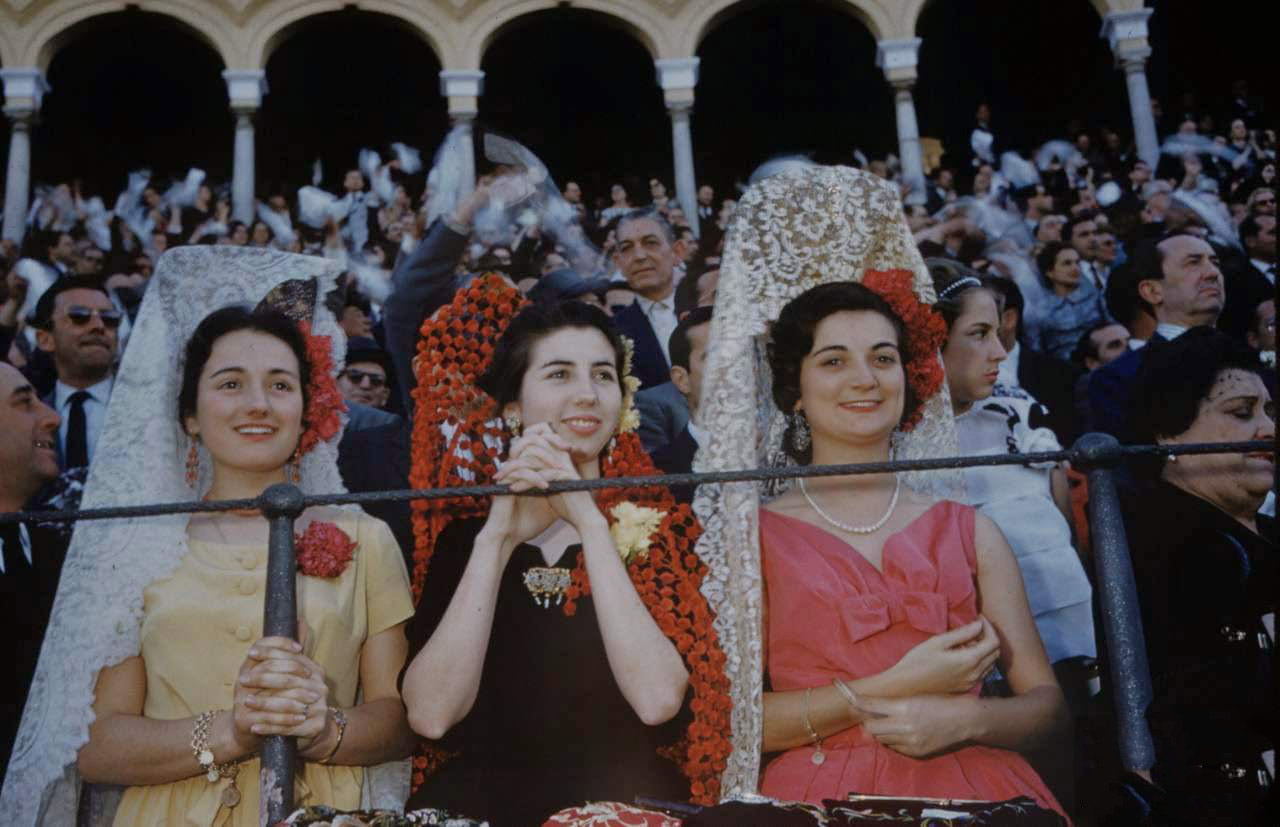
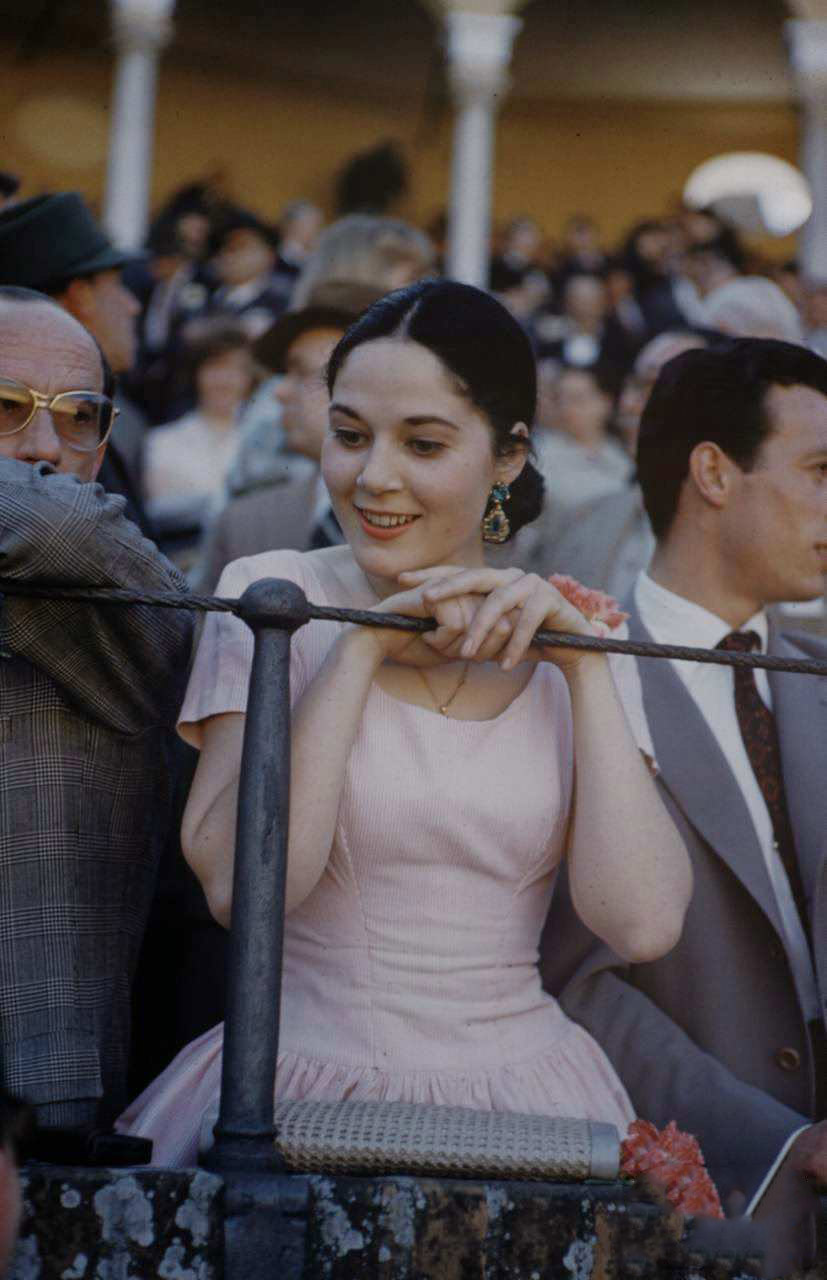
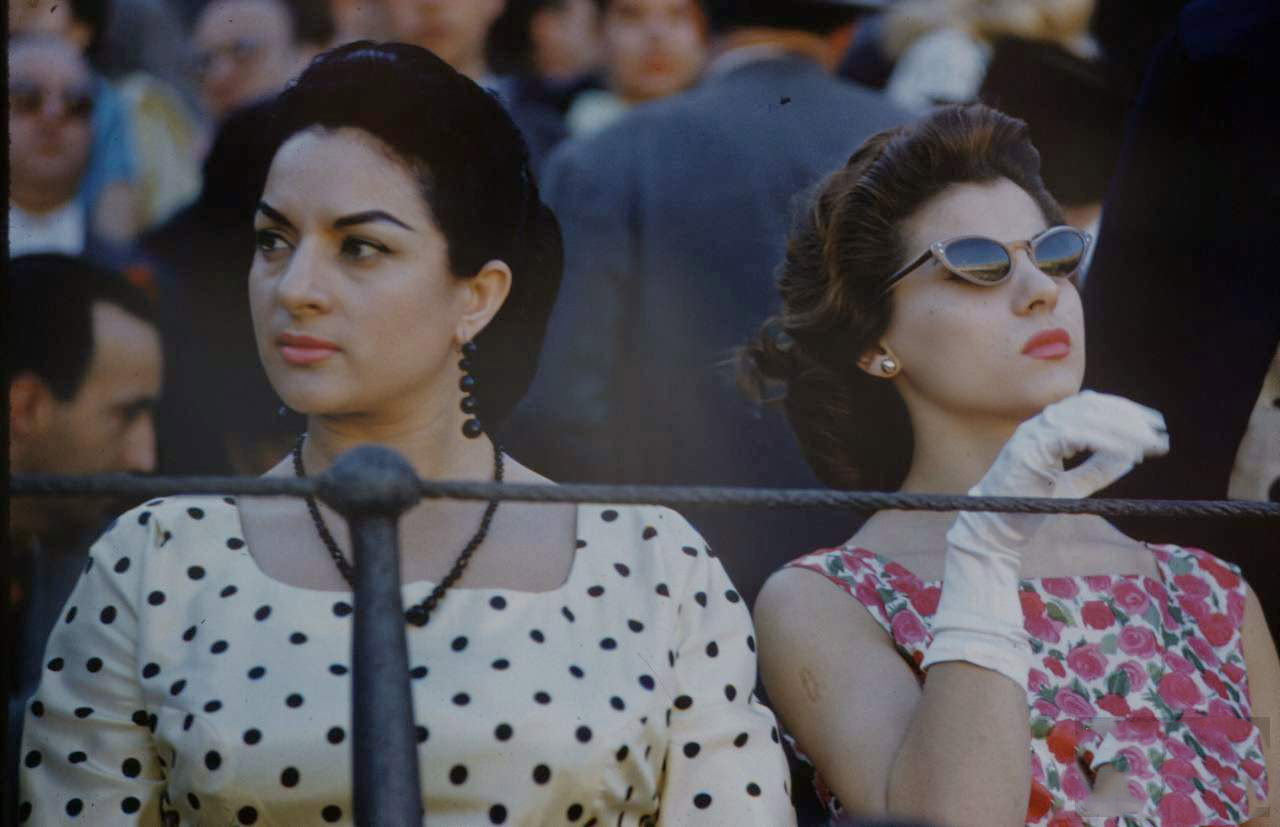
Flowers played a central role in the women’s appearance. Fresh blooms — typically carnations or roses — were pinned into the hair or worn as a corsage. The overall look was bold, deliberate, and deeply tied to Andalusian identity.
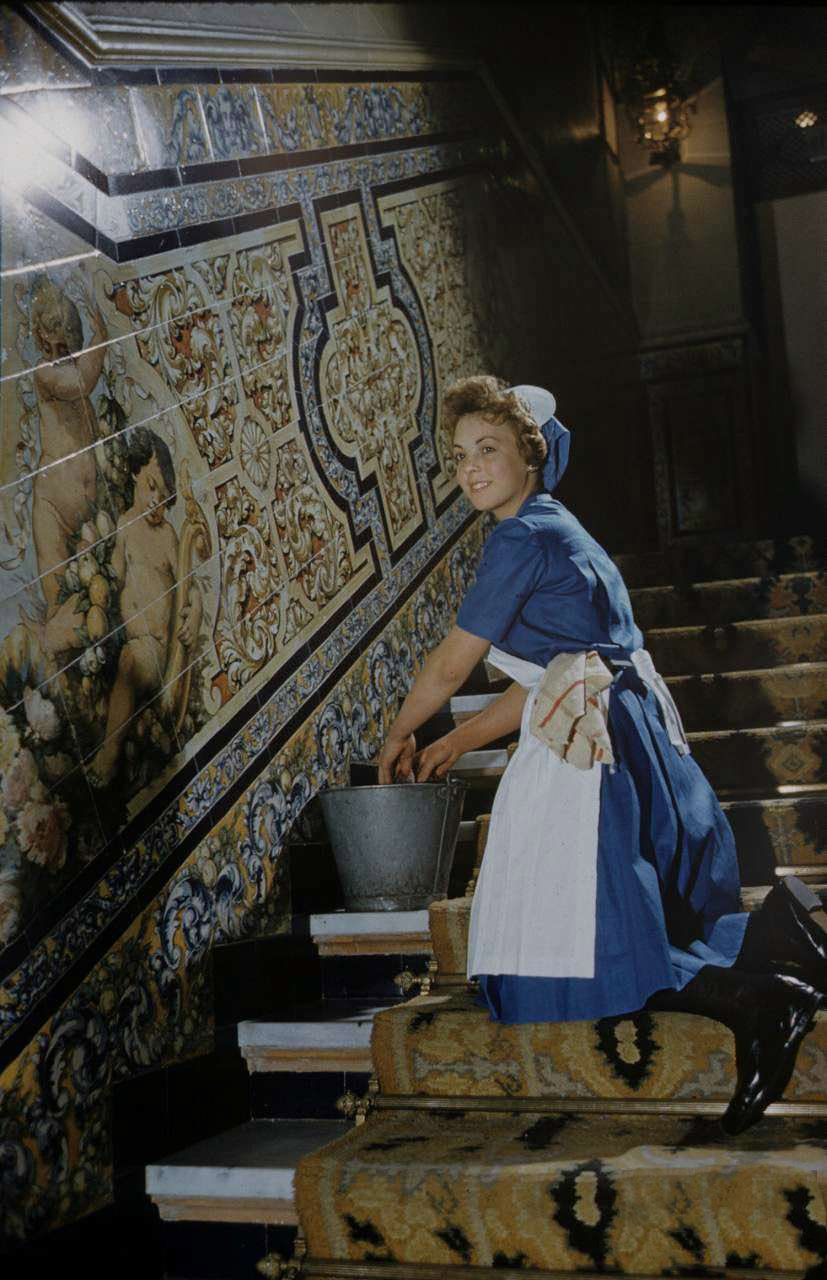
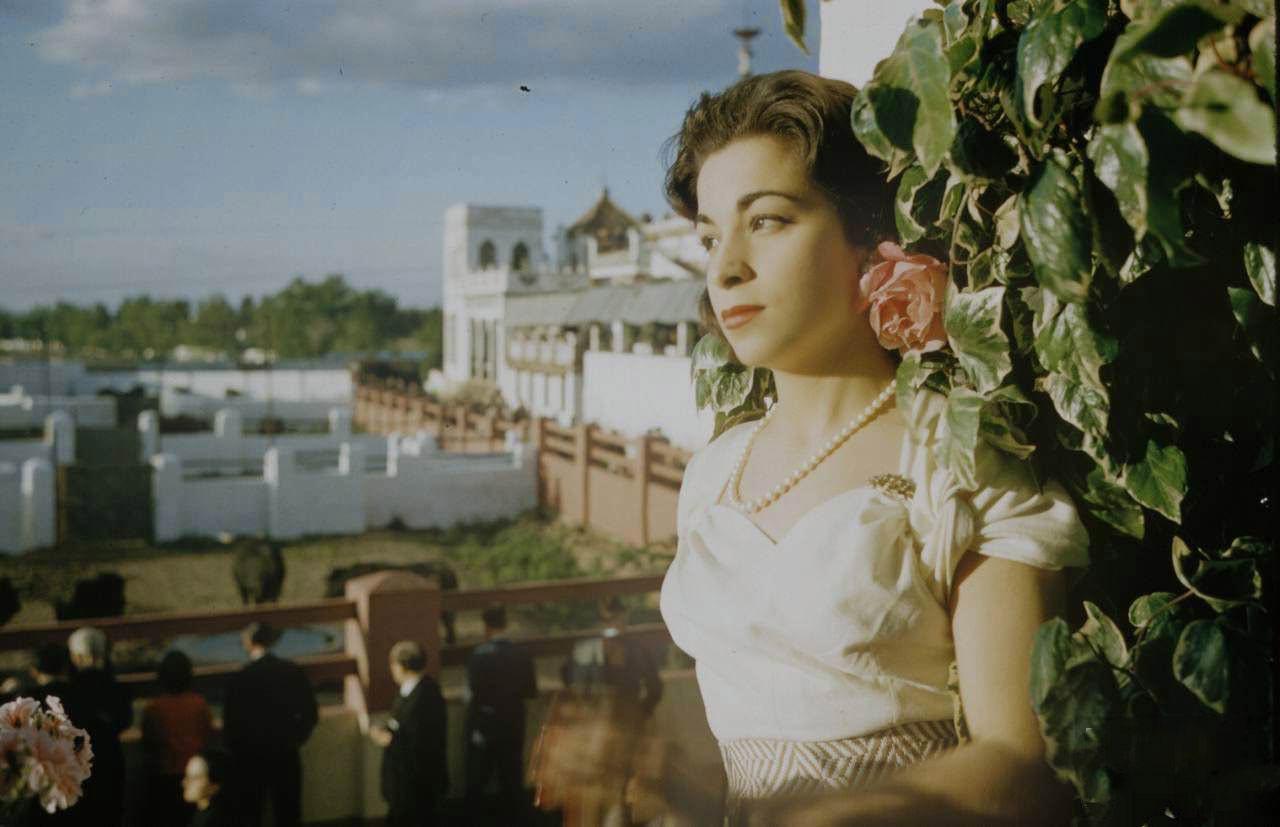
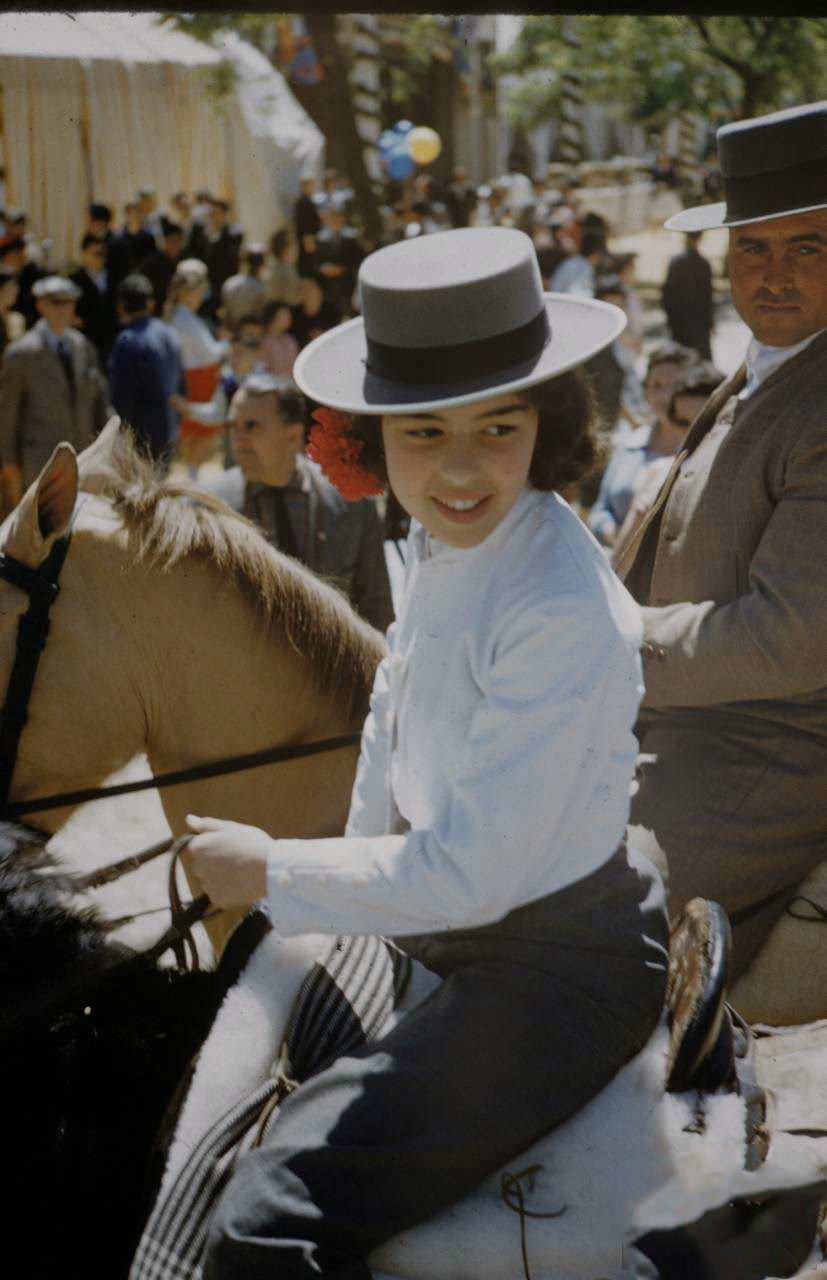
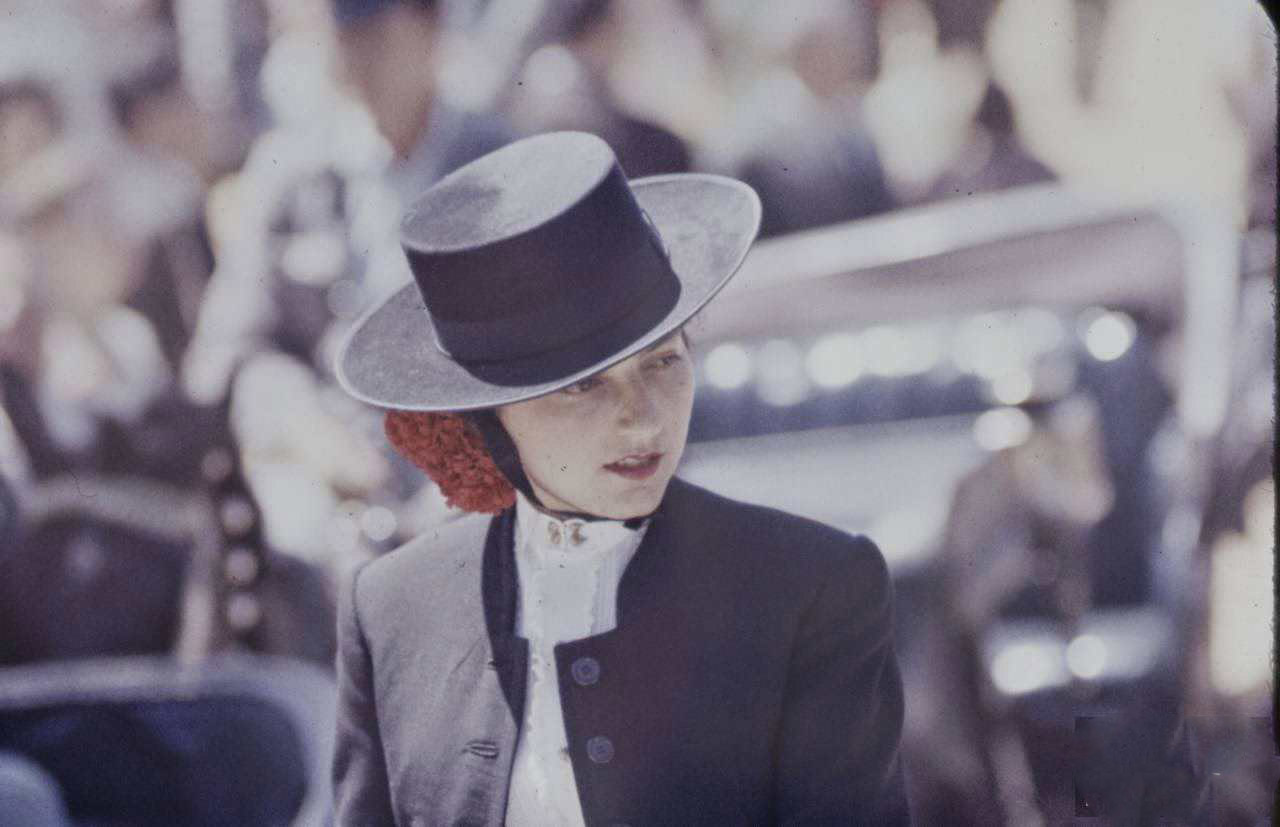
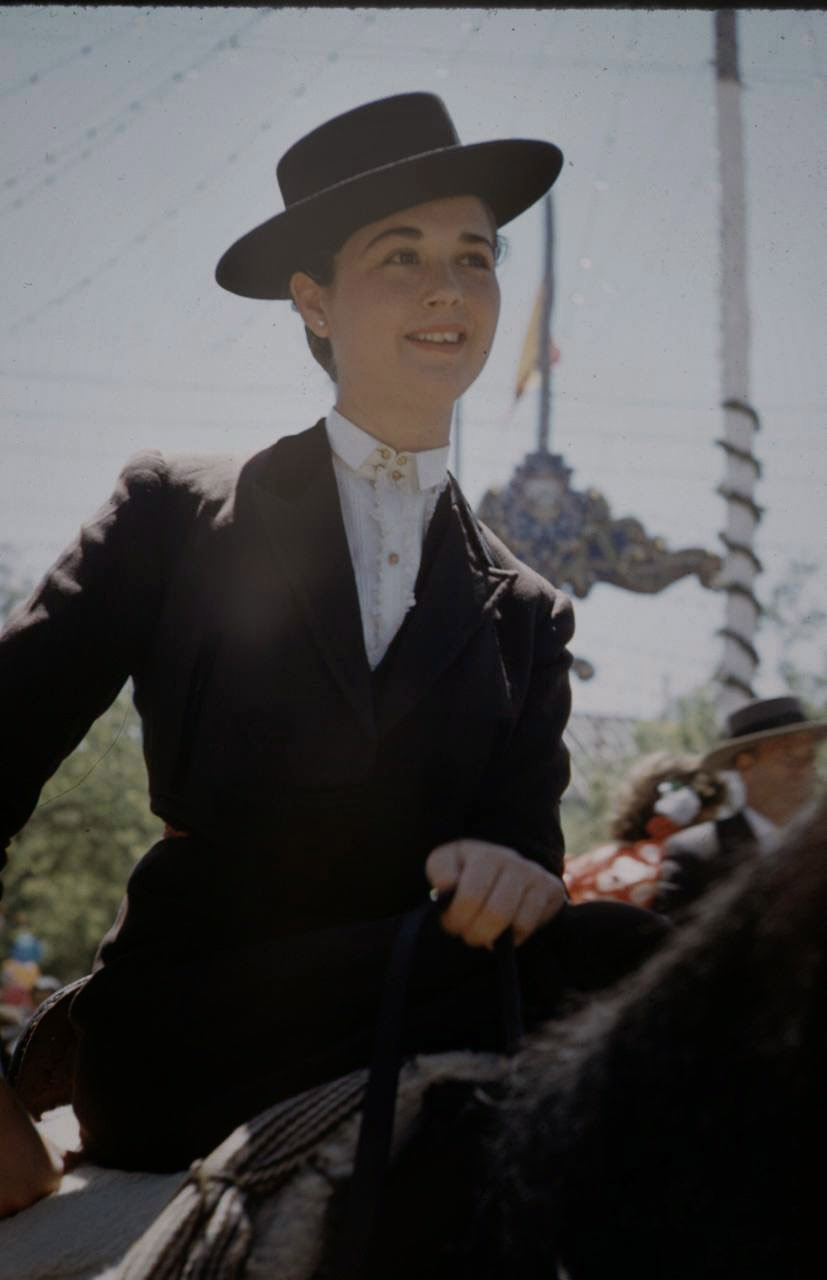
Many women rode horseback alongside the carriages during the midday procession. Riding side-saddle in full flamenco dress was — and still is — a highly respected skill at the Seville Fair. Those who rode with grace drew admiring crowds from all sides of the fairground paths.
The fair’s social heart was the caseta — a private tent or booth set up by families, clubs, and businesses along the fairground. Inside, guests drank fino sherry, ate traditional food, and danced sevillanas, a four-part folk dance specific to Seville. In 1959, entry to most casetas was by invitation only.
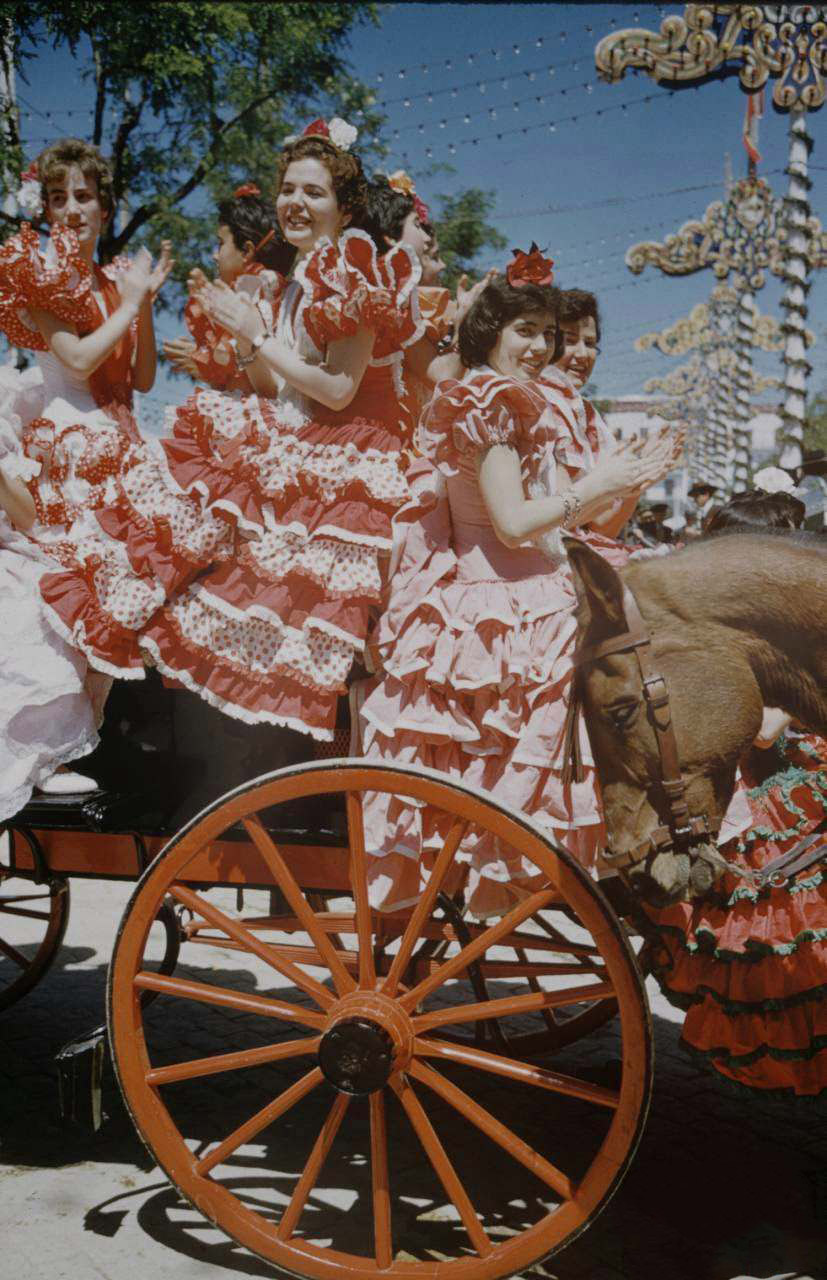
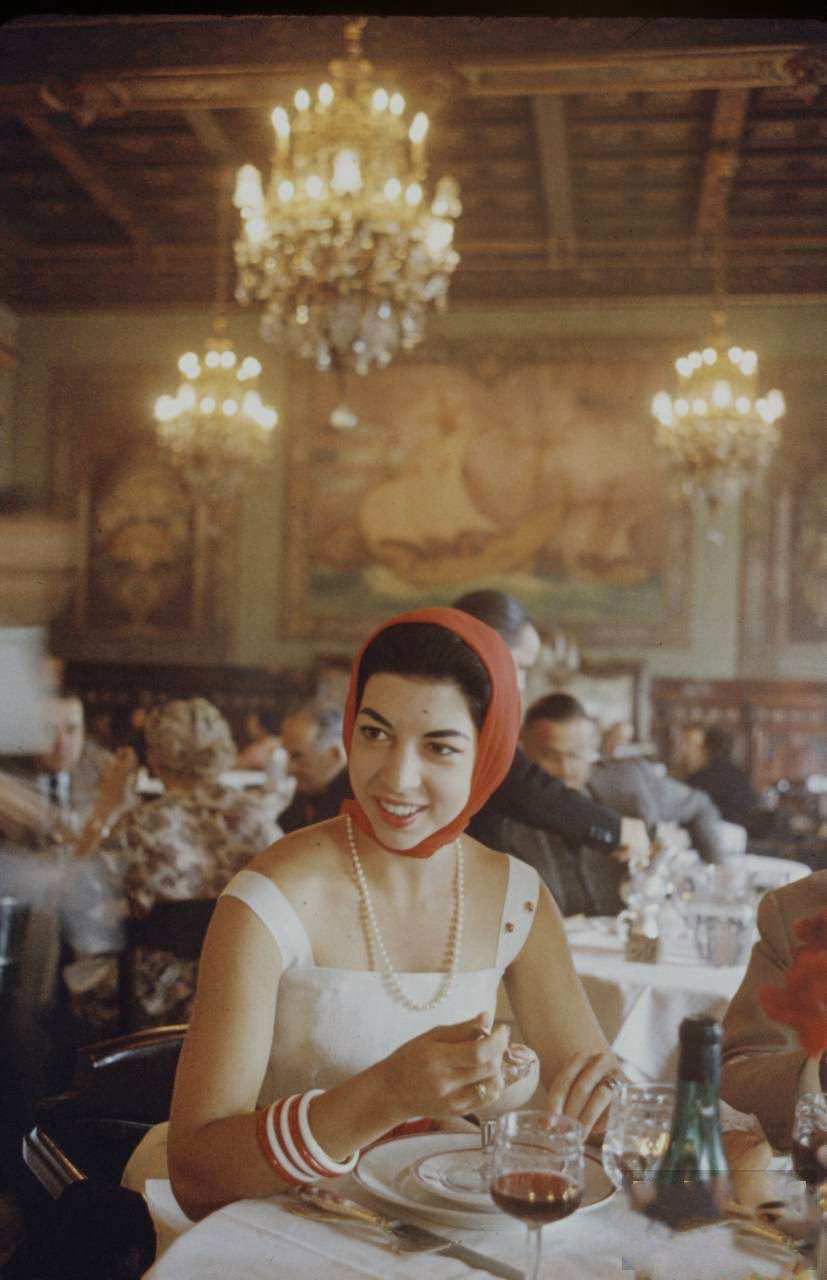
Young women at the fair were often photographed in groups, their dresses a riot of color against the lantern-strung streets. The fair ran through both day and night, with the evenings lit by thousands of paper lanterns hung across the fairground’s main avenues.
The Seville Fair always takes place two weeks after Semana Santa — Holy Week — the solemn period of Catholic processions that precede it. The contrast between the quiet reverence of Holy Week and the open celebration of the fair is deliberate and deeply felt by Sevillanos.
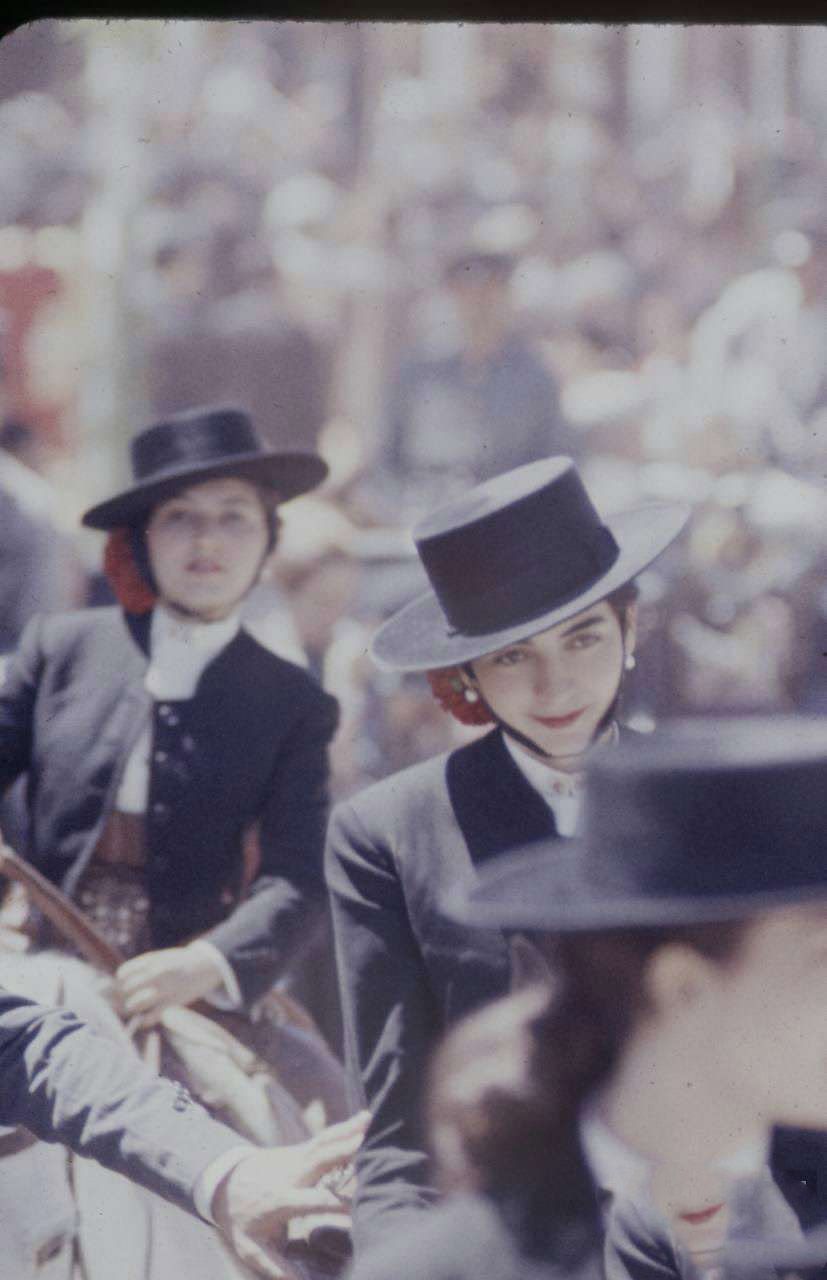
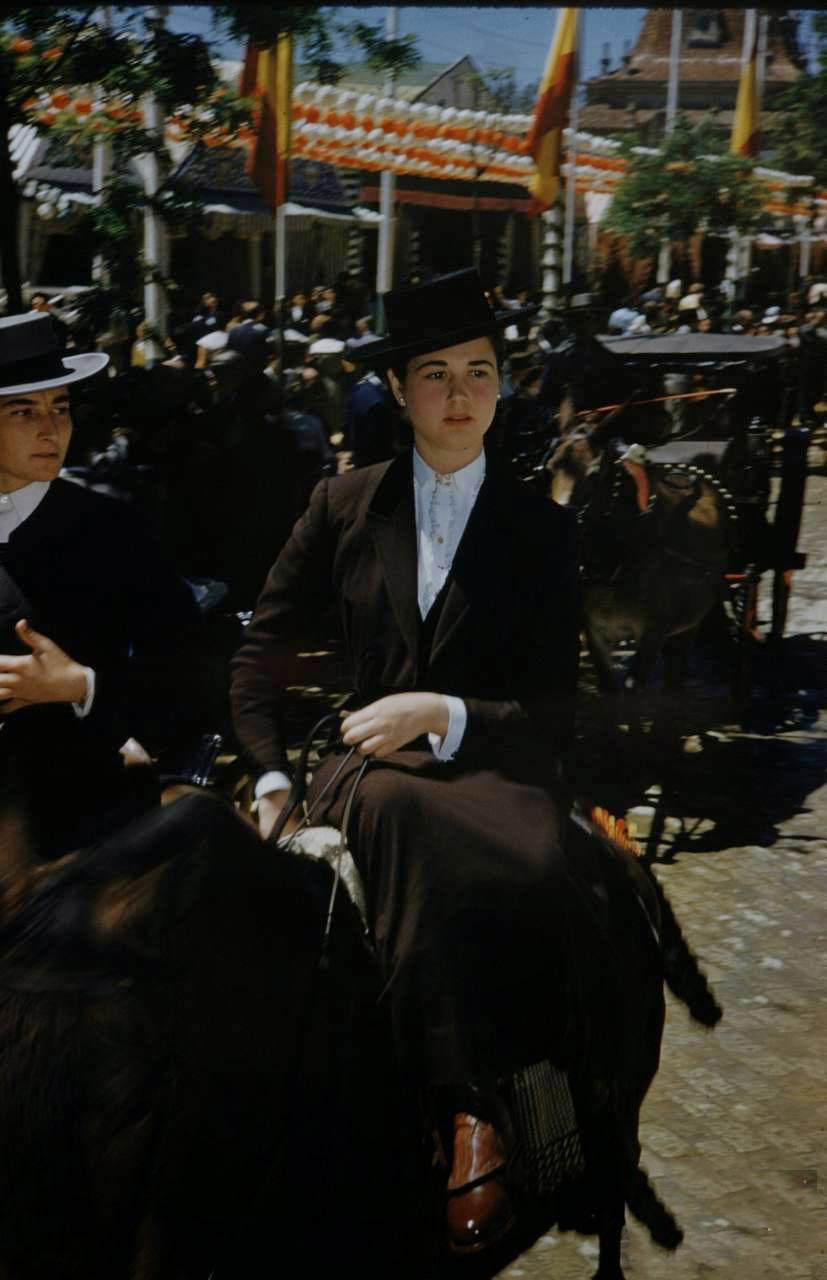
Older women at the fair carried fans — abanicos — as both a fashion accessory and a practical tool in the April heat of southern Spain. The fan had its own social language in Andalusia, and skilled women used it expressively during conversation and dance.
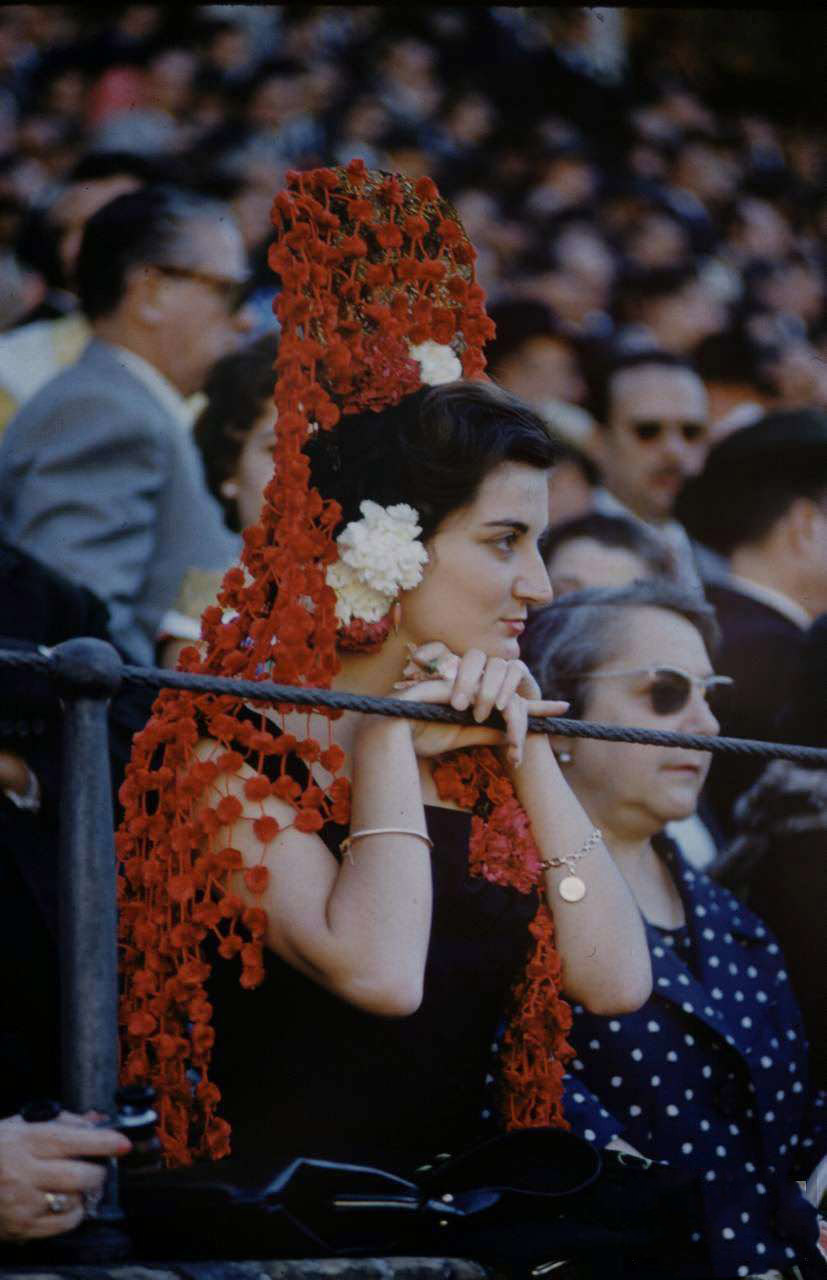
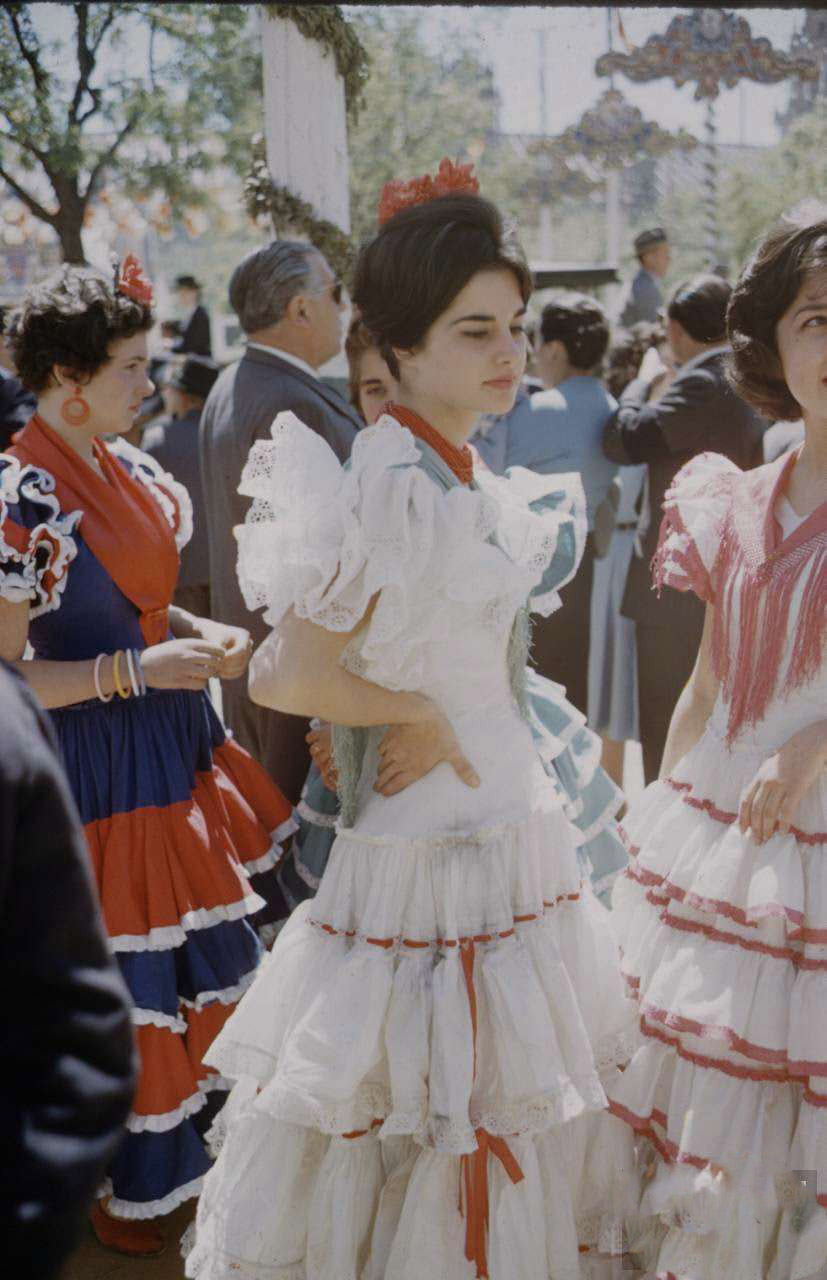
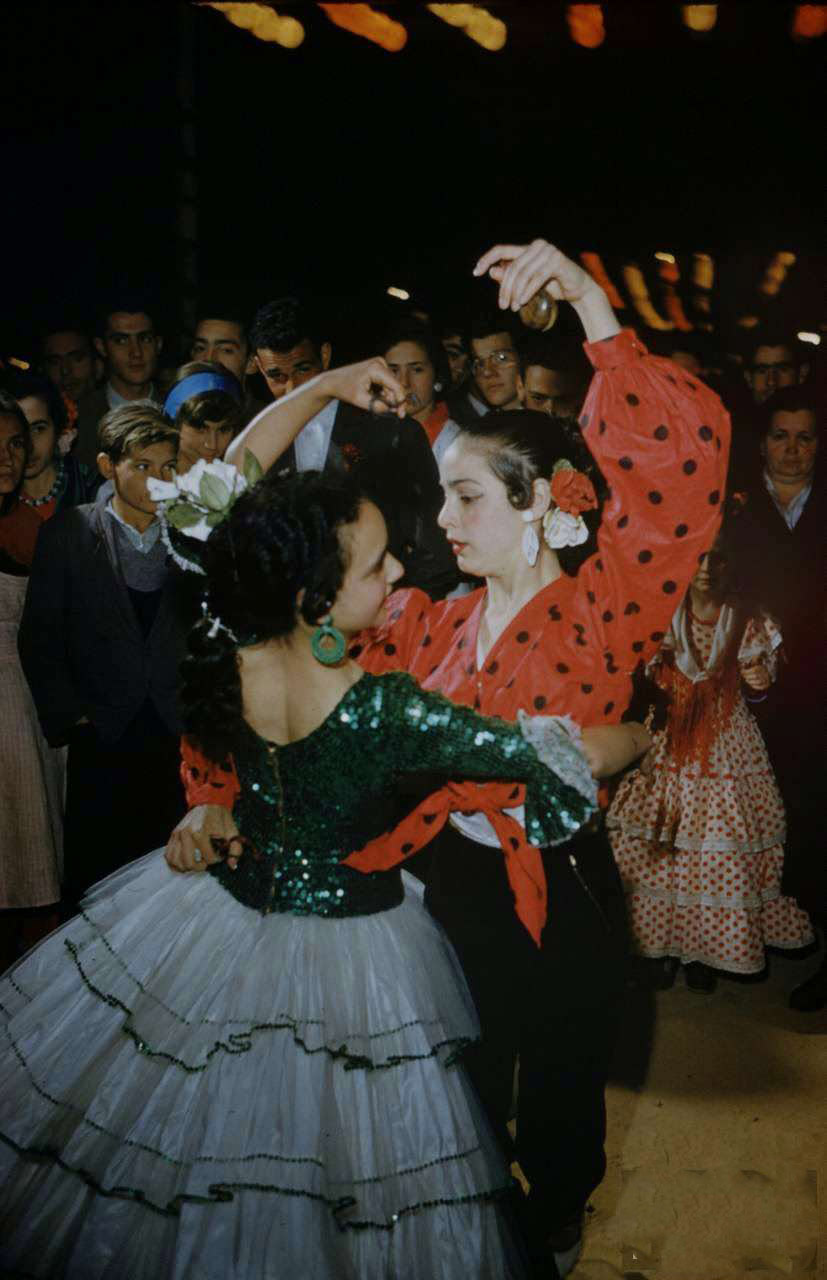
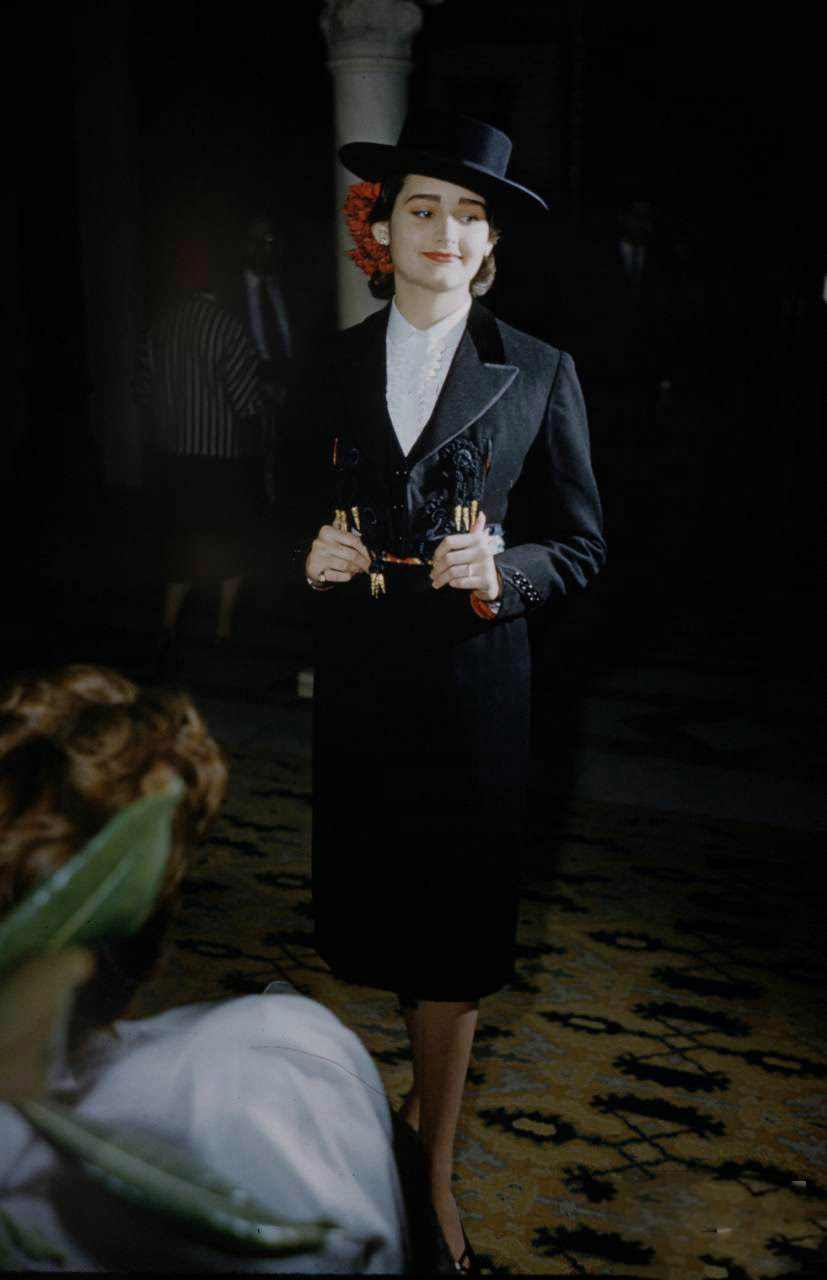
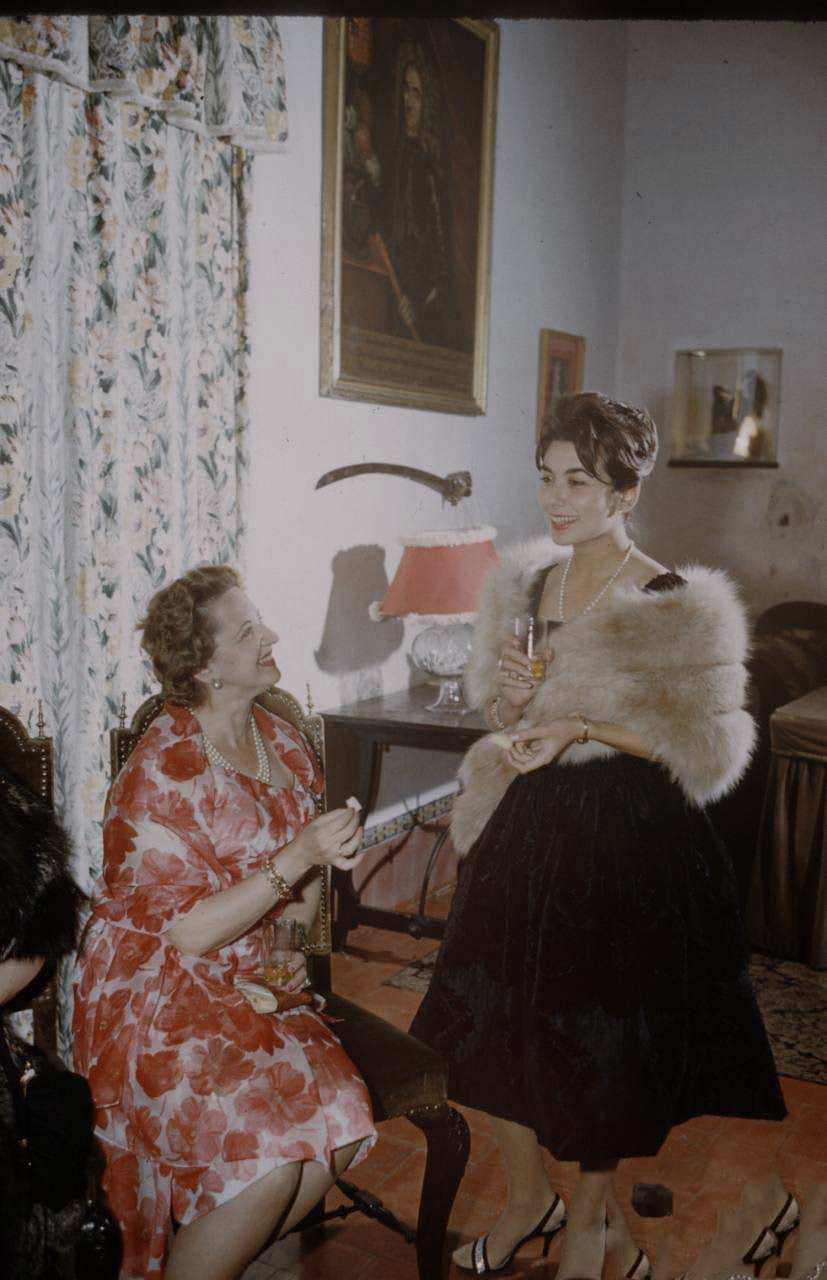
Photographers in 1959 captured these women with an eye for detail — the drape of a shawl, the angle of a hat, the confident posture of a rider on horseback. These images document not just fashion, but an entire way of life that Seville preserved with great care.
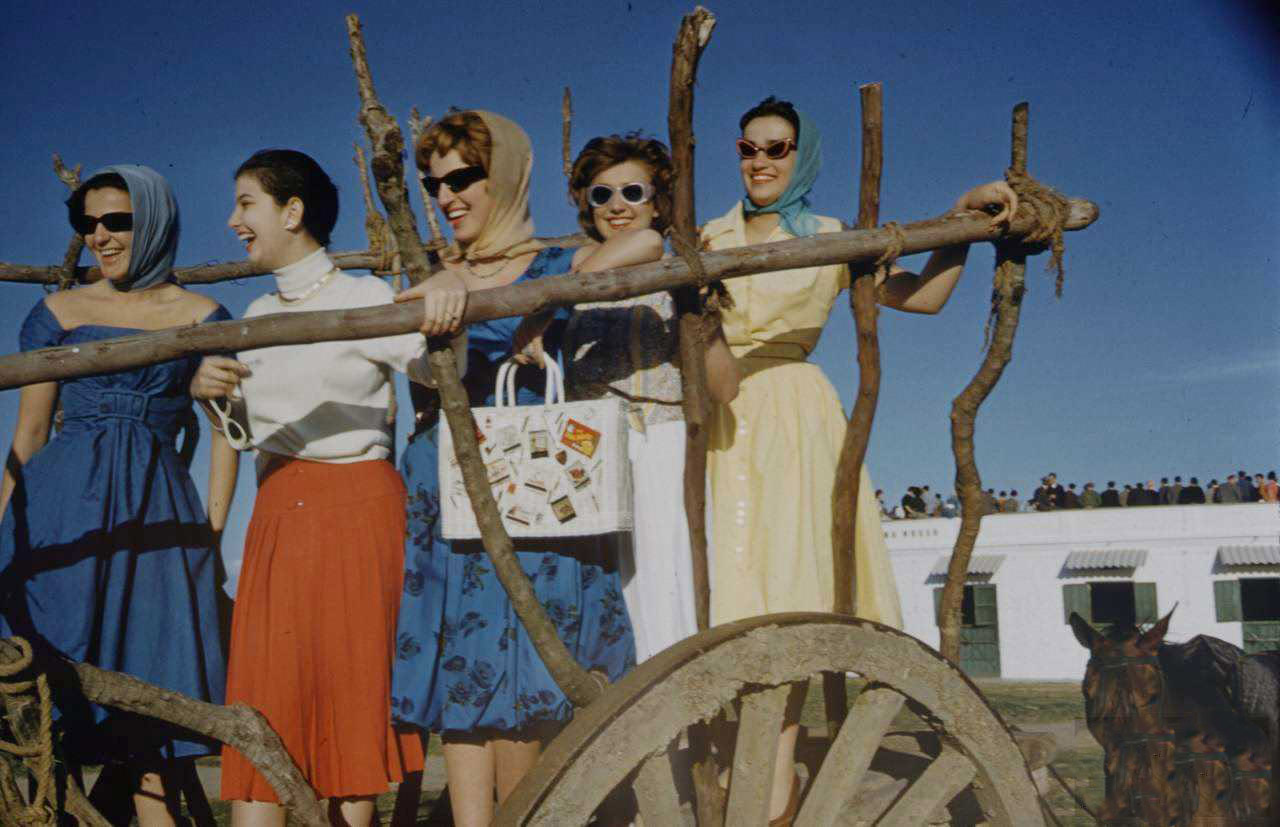
The 1959 fair came during a period when Spain was still under the rule of Francisco Franco. Public celebrations like the Feria de Abril were permitted and even quietly encouraged as outlets for regional culture, as long as they stayed within the regime’s boundaries. Andalusian traditions like the fair endured through that era unchanged in spirit.