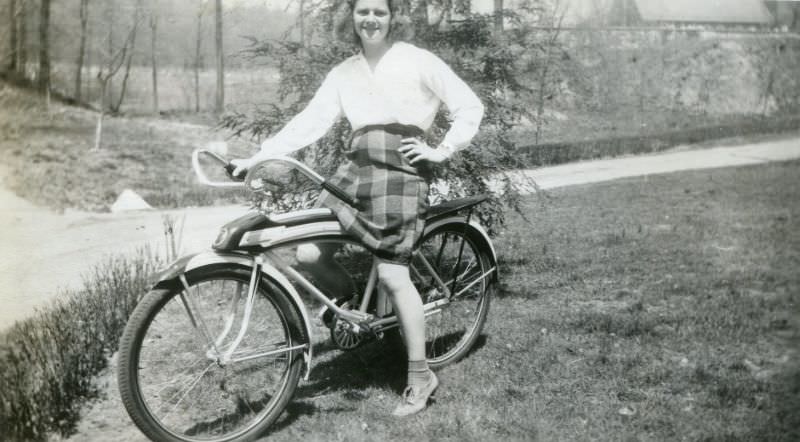
The bicycle has one of the most interesting origin stories in the history of transportation. It did not spring into existence fully formed — it was shaped over decades by inventors who kept improving on what came before. In 1817, a German baron named Karl von Drais built the first steerable, two-wheeled vehicle. It had no pedals. Riders pushed themselves along the ground with their feet, which made it slow and tiring on anything but a smooth path.
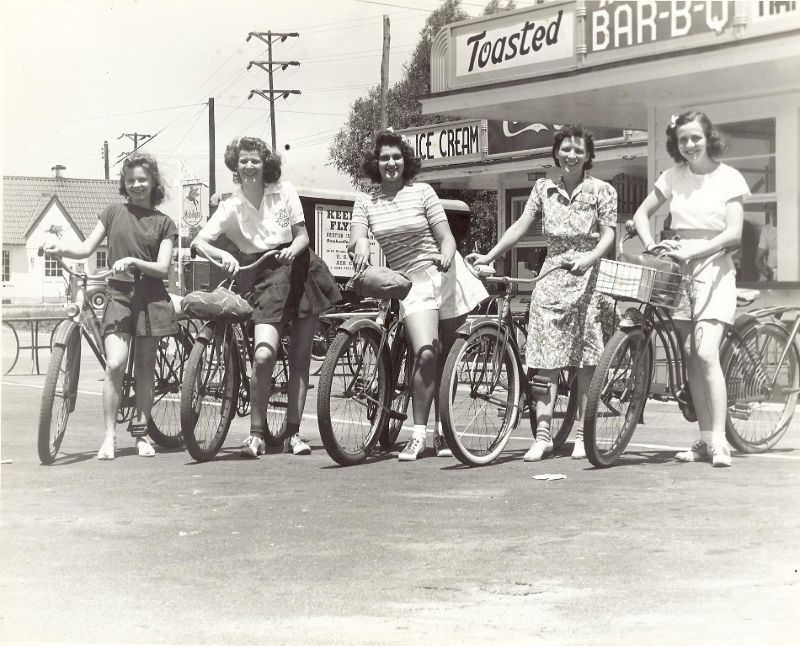
By the mid-1800s, the penny-farthing had taken over as the most popular bicycle style in Europe. Its front wheel stood nearly four feet tall, which gave the rider speed but also made falls extremely dangerous. Most people simply could not ride one safely. In 1884, an Englishman named Thomas Stevens pedaled a high-wheeler bicycle around the entire world — a remarkable feat that showed just how far the design had come, even if it remained out of reach for ordinary riders.
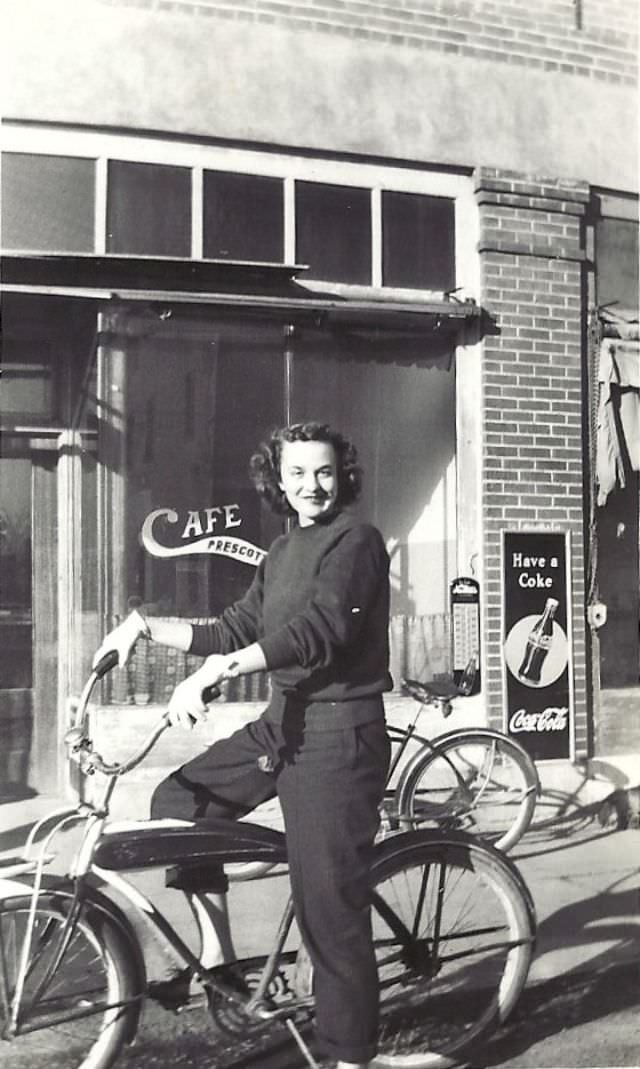
The real turning point came in 1885. John Kemp Starley, nephew of cycling pioneer James Starley, designed what he called the “safety bicycle.” It featured two equal-sized wheels and a chain drive that connected the pedals to the rear wheel. This made the bike far more stable and much easier to mount and control. Brakes and air-filled tires followed soon after, locking in the basic design that bicycles still follow today.
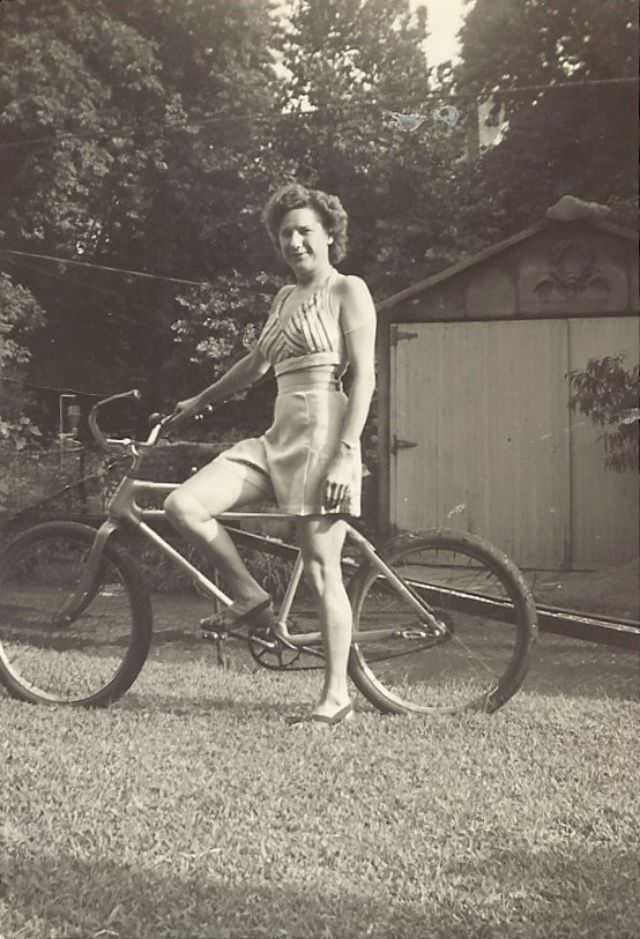
By the time the 1940s arrived, the bicycle was no longer a novelty or a sporting toy — it was everyday transportation. Wartime fuel rationing across Europe and North America made cars less accessible, and bicycles filled the gap. Women in particular relied on them heavily, whether for commuting to work, running errands, or simply getting around their neighborhoods.
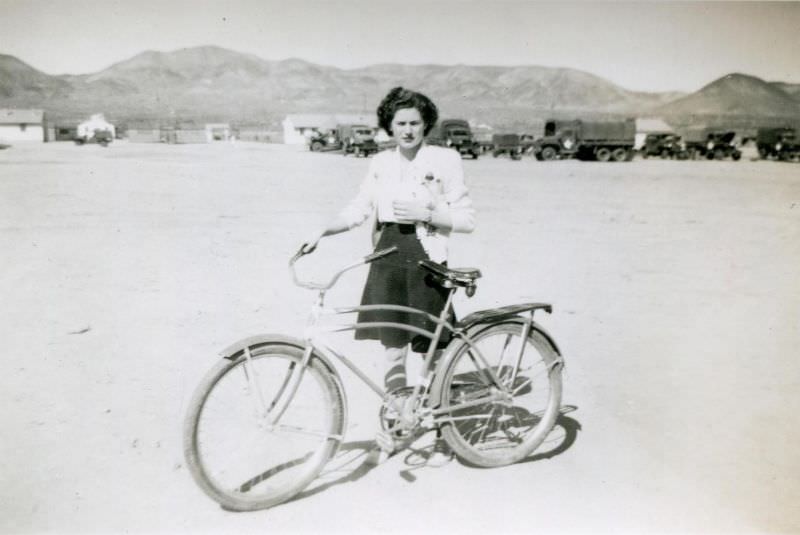
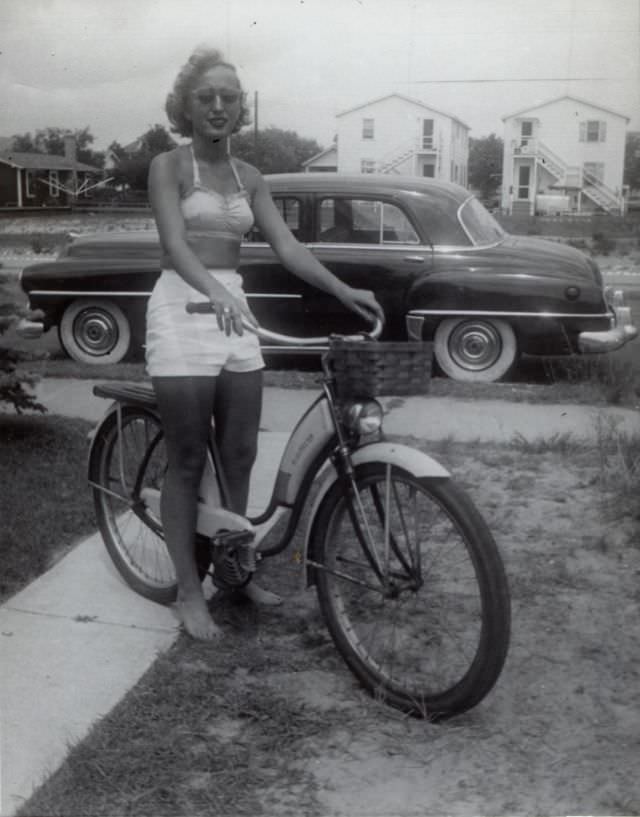
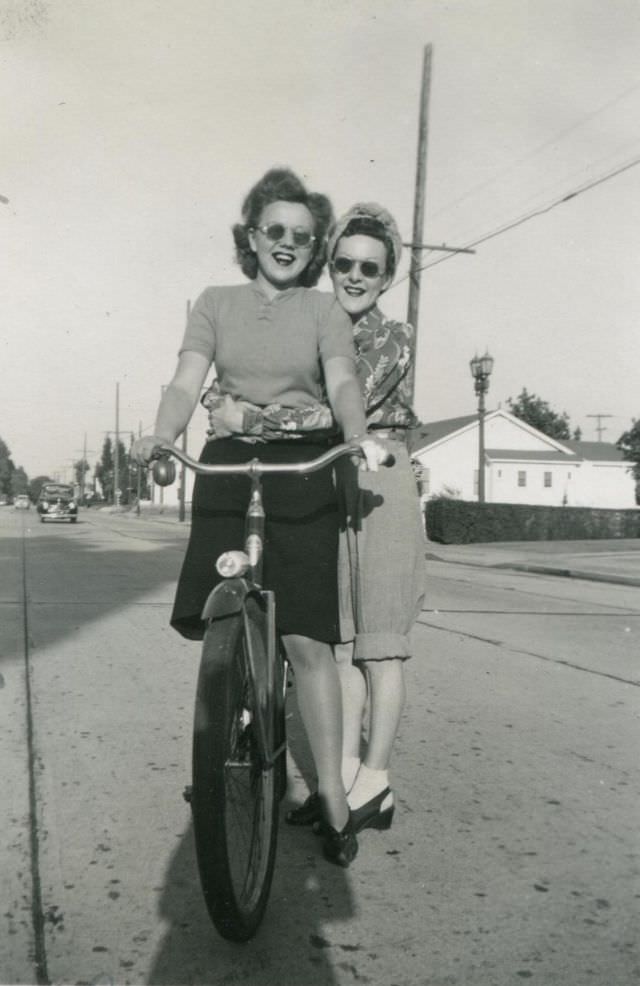
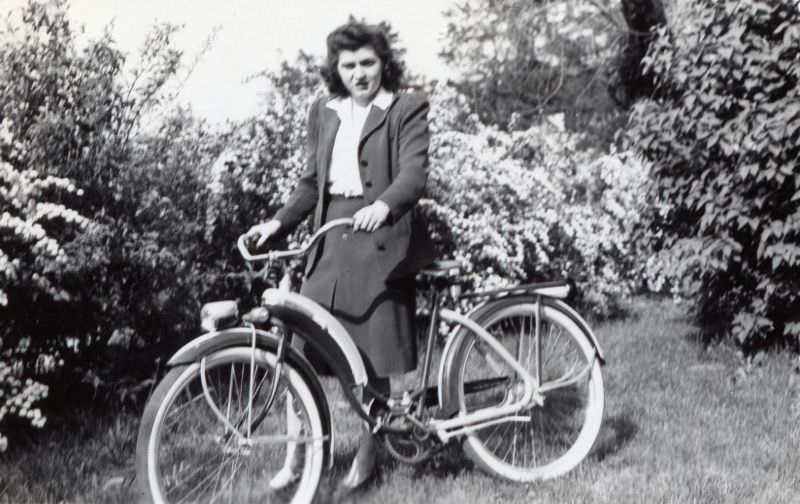
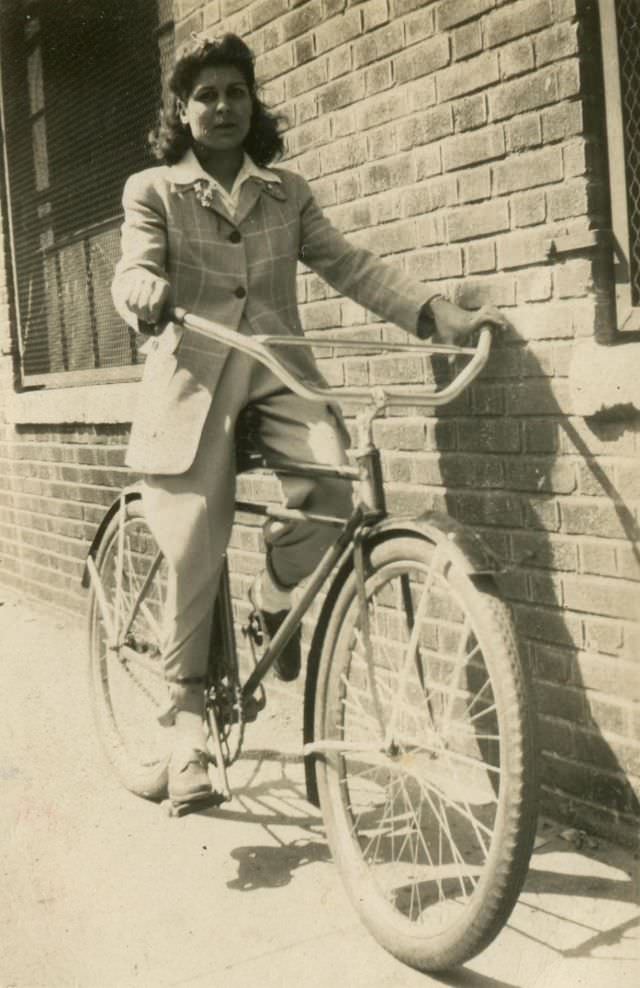
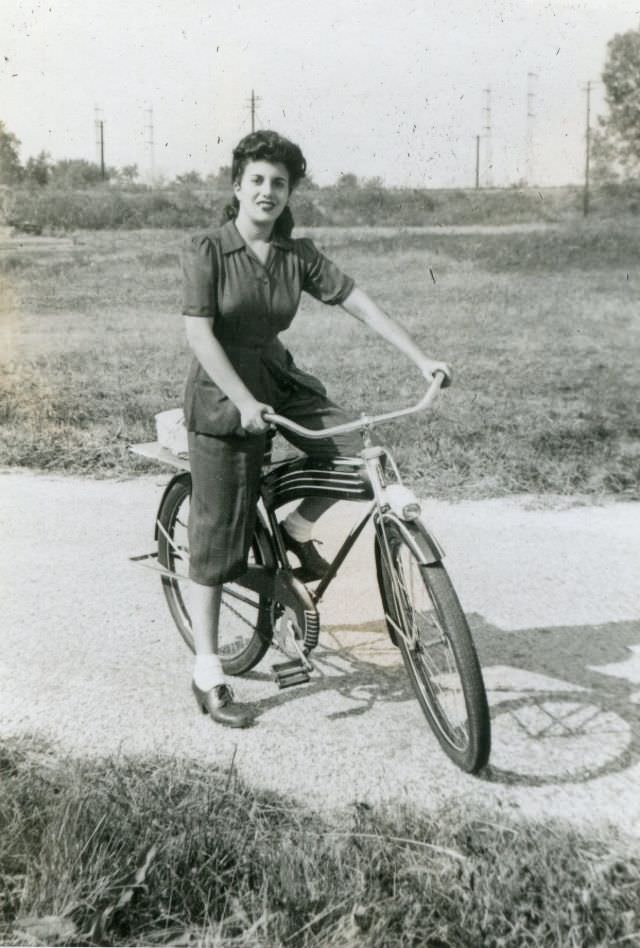
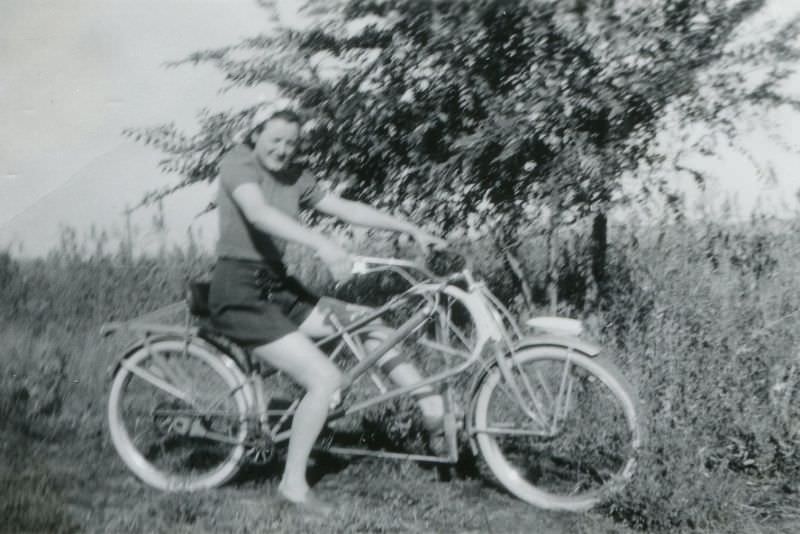
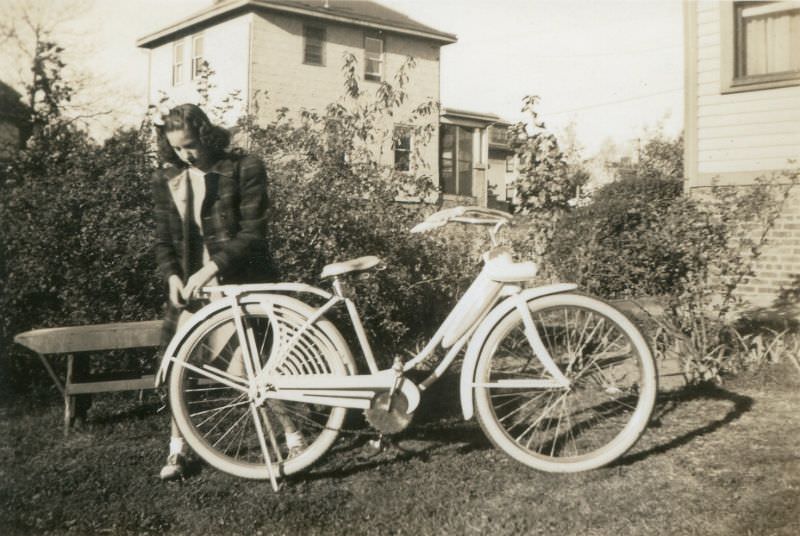
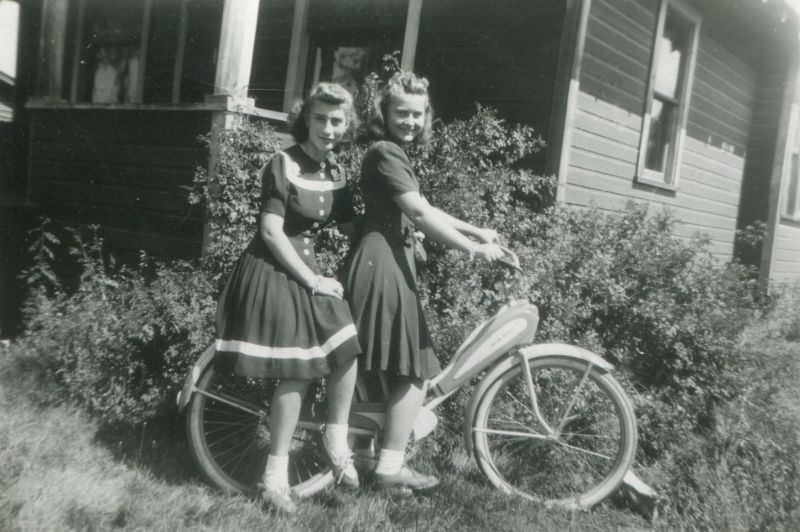
Fashion and function went hand in hand for women cyclists of the 1940s. Photographs from the era show women riding in skirts, dresses, and carefully pressed slacks — outfits that reflected the era’s style while still allowing them to move freely. Many bikes were fitted with chain guards and skirt guards specifically so that women could ride without catching their clothing in the mechanics.
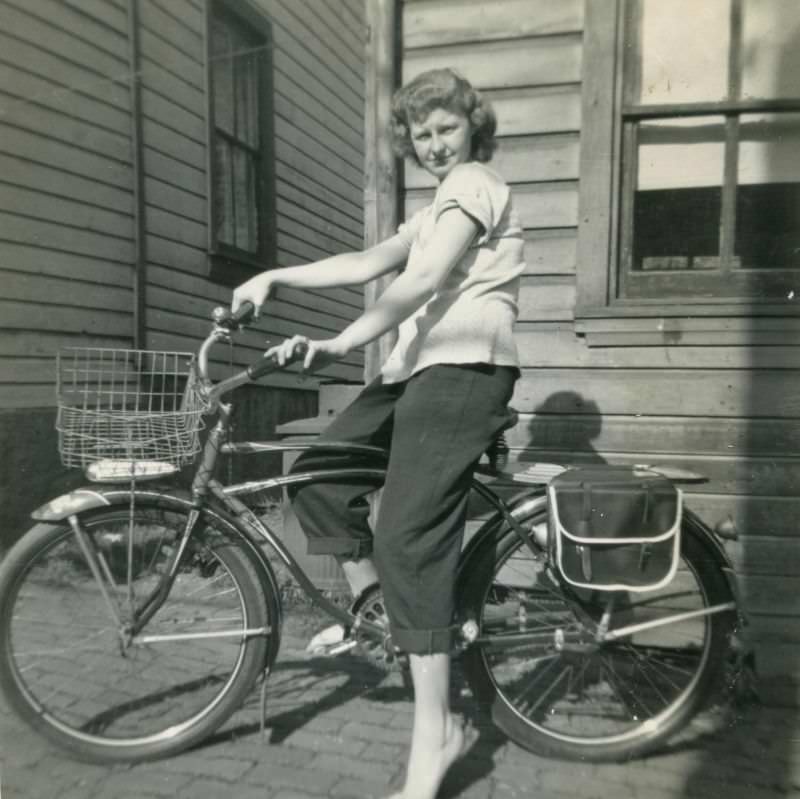
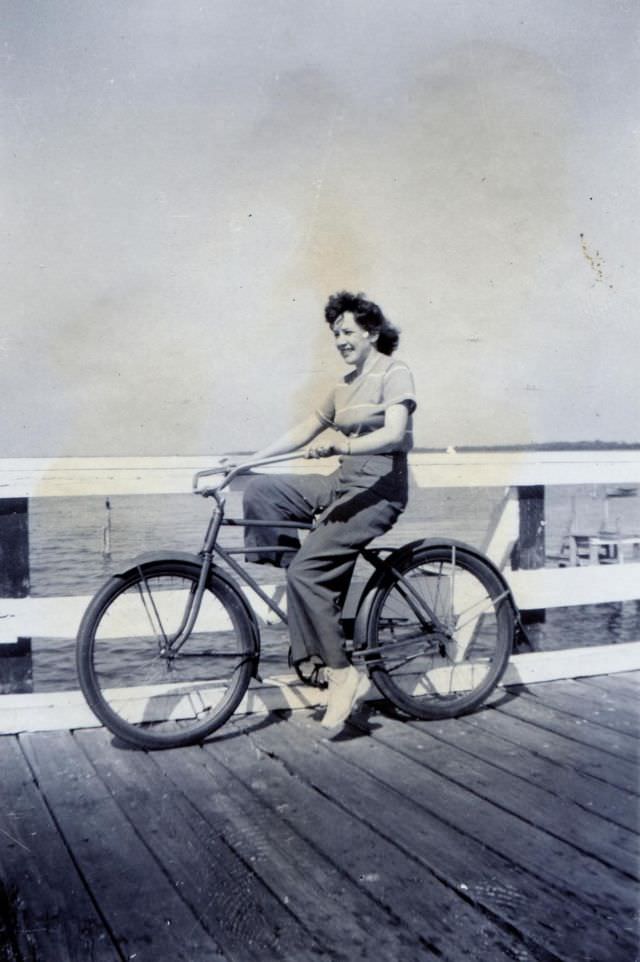
The step-through frame — often called the “ladies’ frame” — was the standard design for women’s bicycles during this period. Unlike the crossbar found on men’s bikes, the step-through frame had a low or absent top tube, making it easy to mount while wearing a skirt or dress. This design had been around since the late 1800s, but it remained the dominant choice for women well into the mid-20th century.
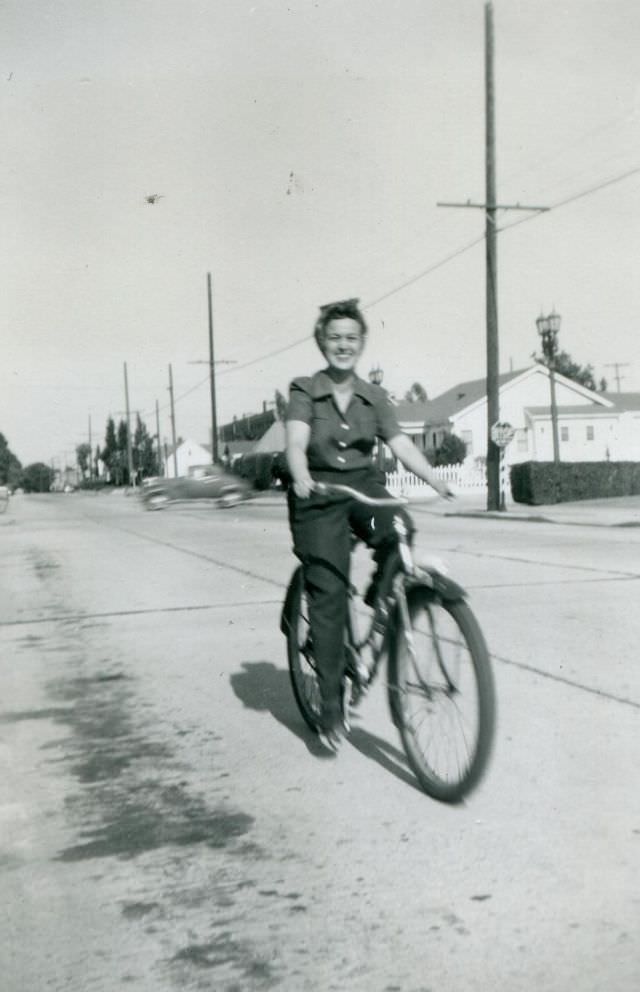
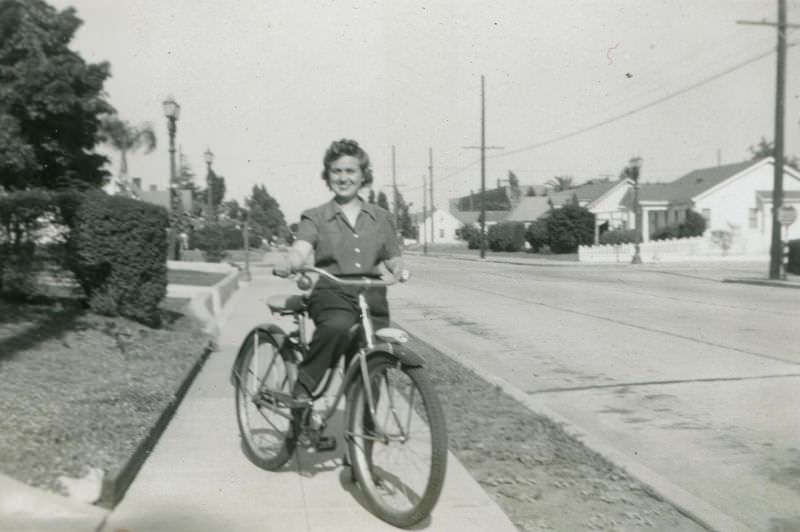
Wartime Britain saw some of the highest bicycle use of the entire century. With petrol strictly rationed from 1939 onward, cycling became not just common but essential. Factories, hospitals, government offices — workers at all of these relied on two wheels to get to their jobs each day. Women who had never ridden a bicycle before the war learned quickly out of necessity.
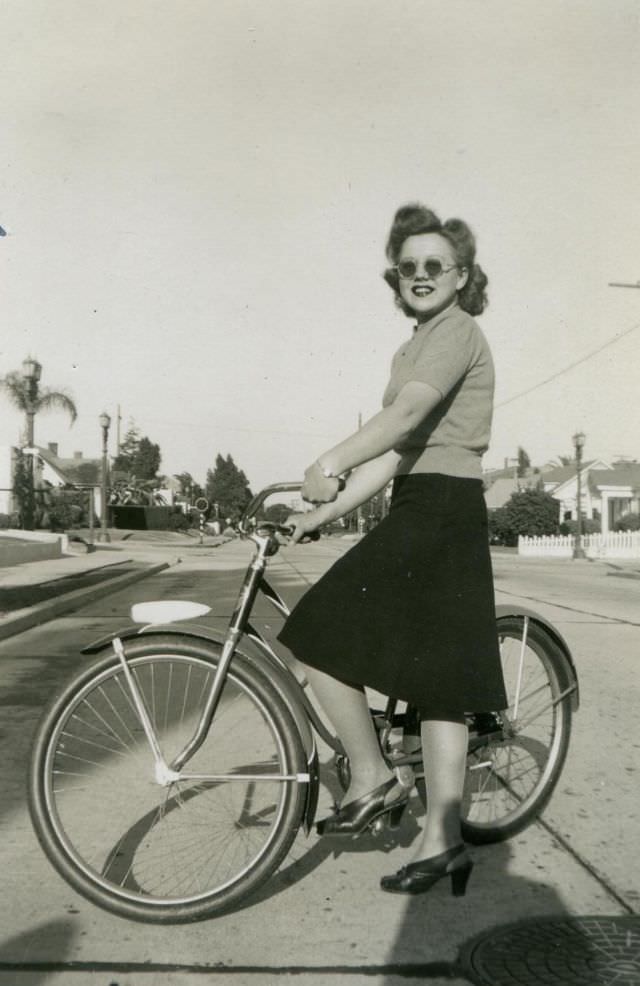
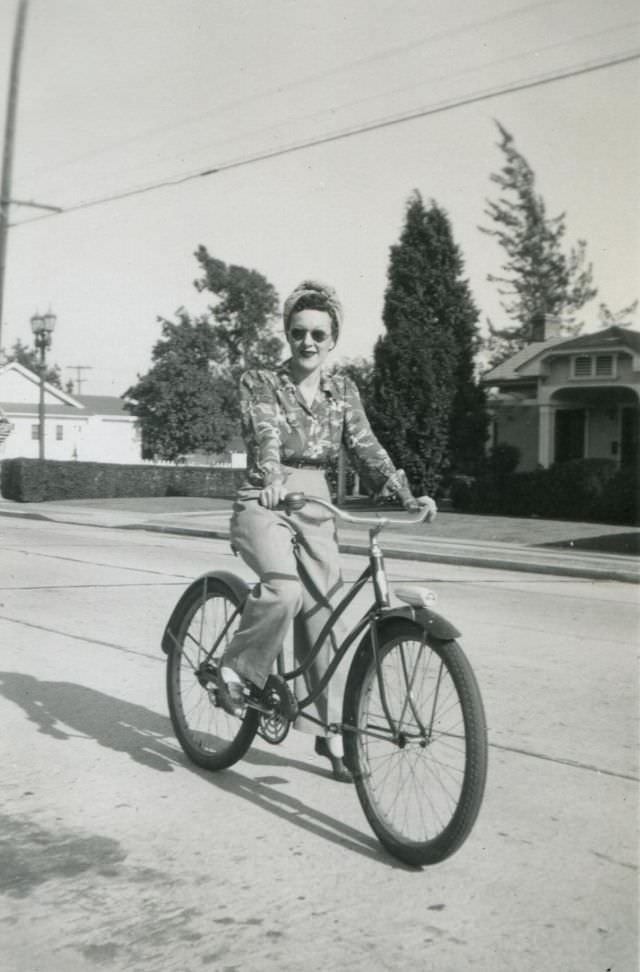
In the United States, wartime rationing also pushed more people onto bicycles, though the culture around cycling was somewhat different. American women who cycled in the 1940s were often photographed with their bikes as a symbol of health and independence. Magazines and newspapers frequently ran images of smiling women posed beside their bicycles, framing cycling as both practical and glamorous.
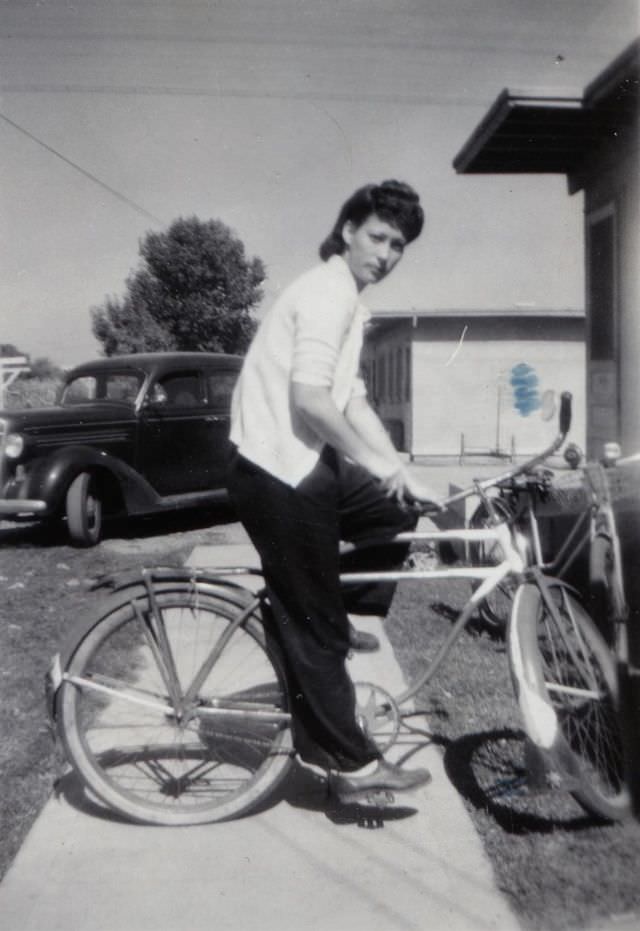
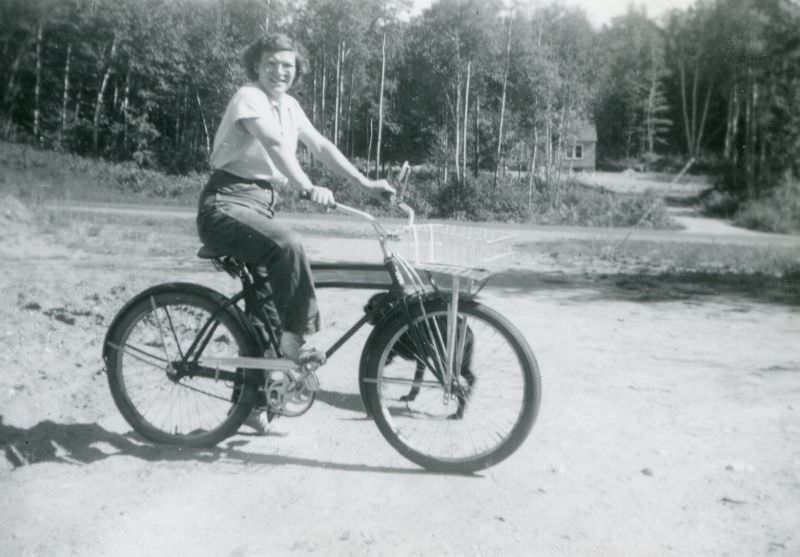
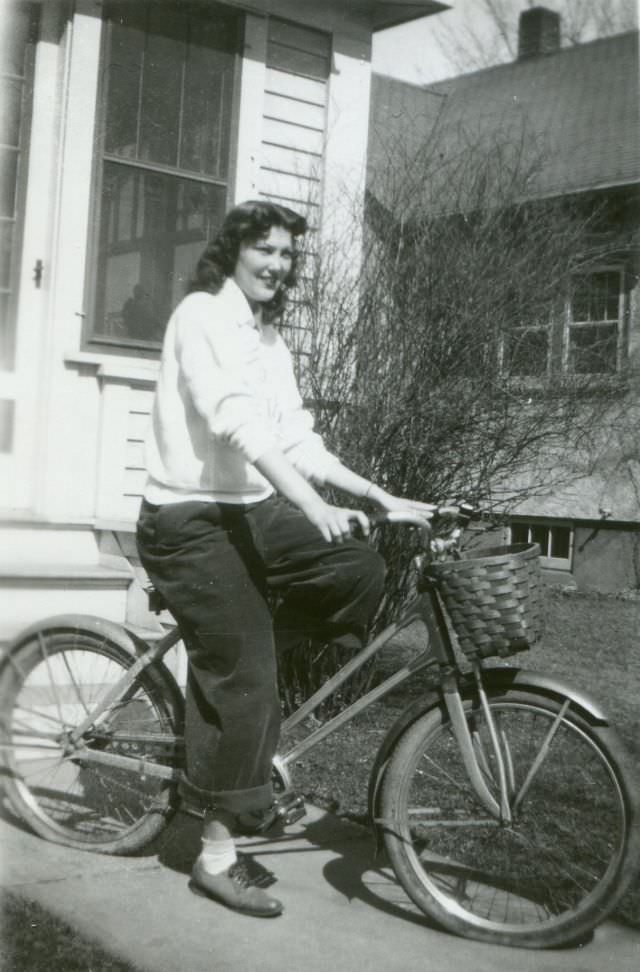
Accessories were an important part of the 1940s bicycle. Front baskets were common, used to carry groceries, books, or work supplies. Rear racks held larger loads. Lights were mounted on the handlebars and rear fenders — a legal requirement in many cities after dark. Some bikes were fitted with bells, mirrors, and even small windshields to make riding more comfortable.
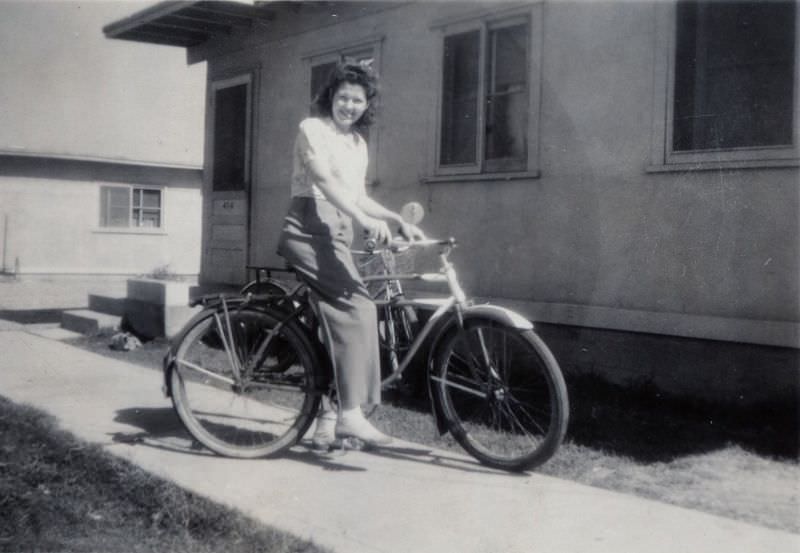
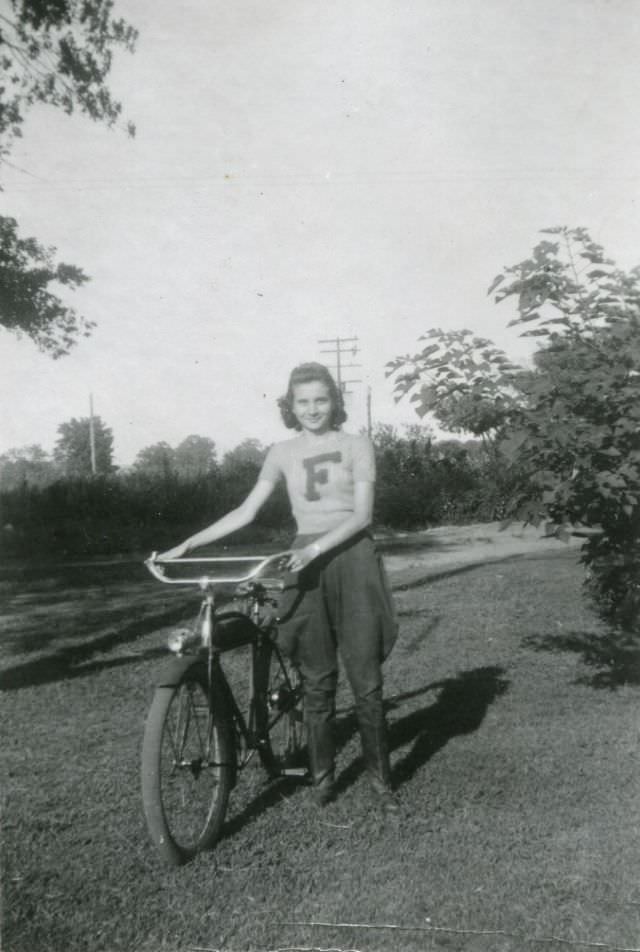
The photographs from this decade capture something that goes beyond just bikes and fashion. They show women moving through the world with purpose. Whether a woman is leaning against her bicycle outside a shop or caught mid-ride on a country road, there is a sense of confidence and self-reliance in these images that reflects the broader role women were taking on during the war years.
Cycling clubs for women had existed since the 1890s, and by the 1940s they were well established across Europe and North America. These clubs organized group rides, social events, and even competitive races. Membership gave women a community centered around a shared activity, and clubs often published their own newsletters and event calendars.
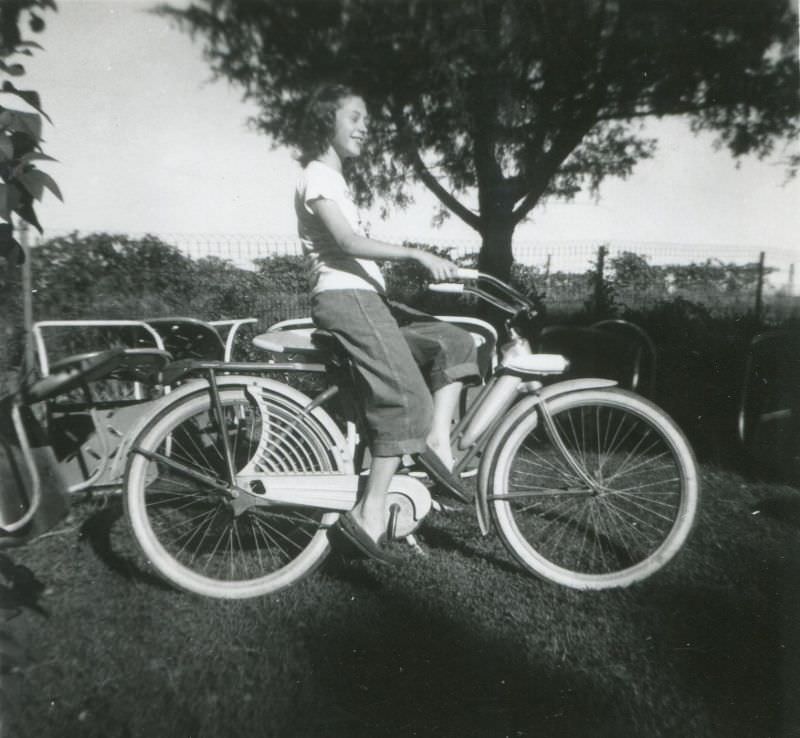
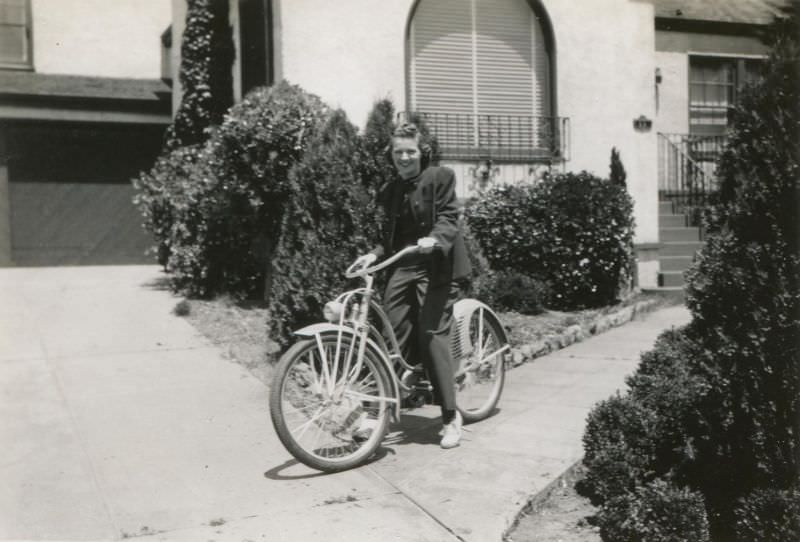
The bicycles themselves were built to last. Steel frames, leather saddles, and rod brakes were standard features. Most bikes from this era were single-speed, meaning there were no gears to shift — riders had to power through hills using only their own strength. Despite this, women regularly covered long distances, often riding several miles each way to work and back.
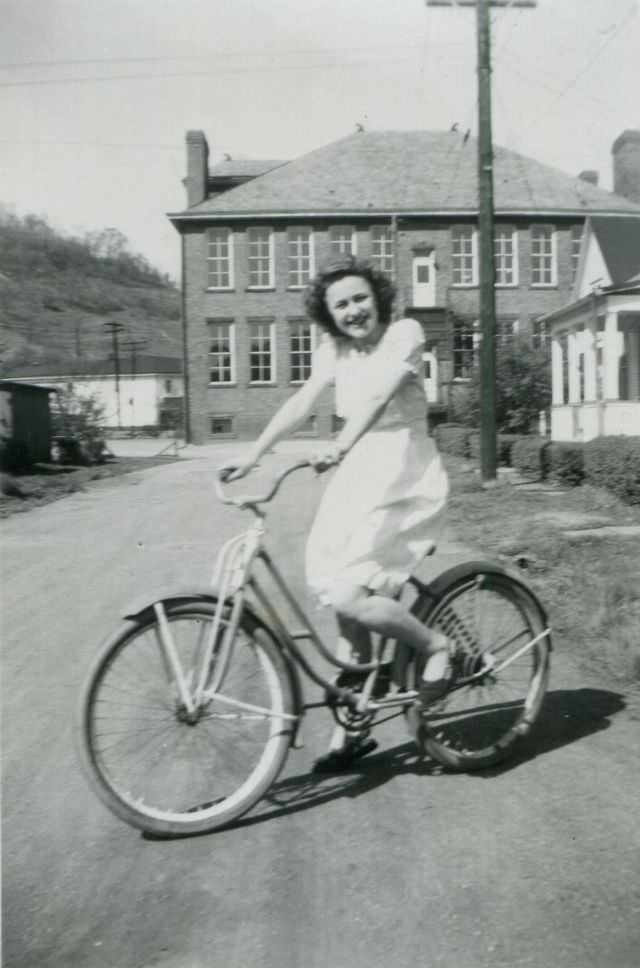
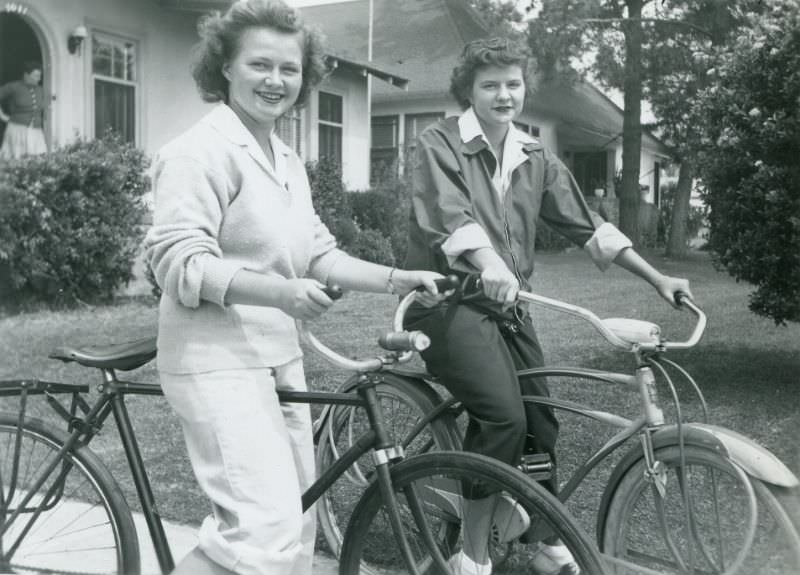
Photography in the 1940s was a more deliberate process than it is today. Cameras required manual focus and careful light management. This means that most of the photos that survive from this period were taken intentionally — someone decided the moment was worth capturing. That gives these images a quiet, purposeful quality. Each frame is a considered record of ordinary life in an extraordinary time.
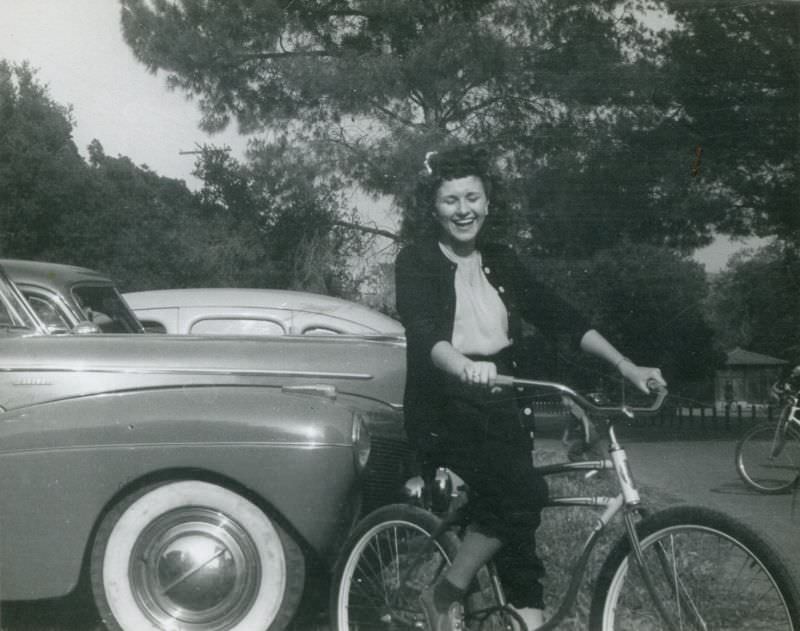
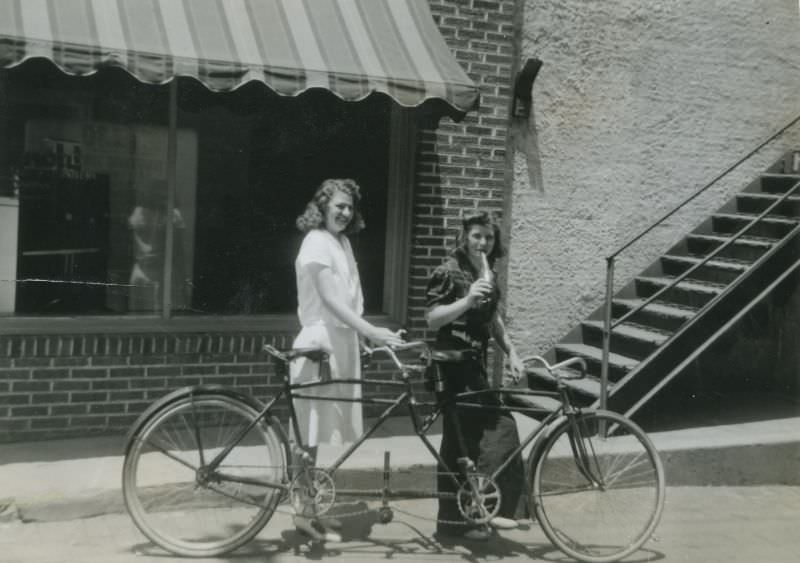
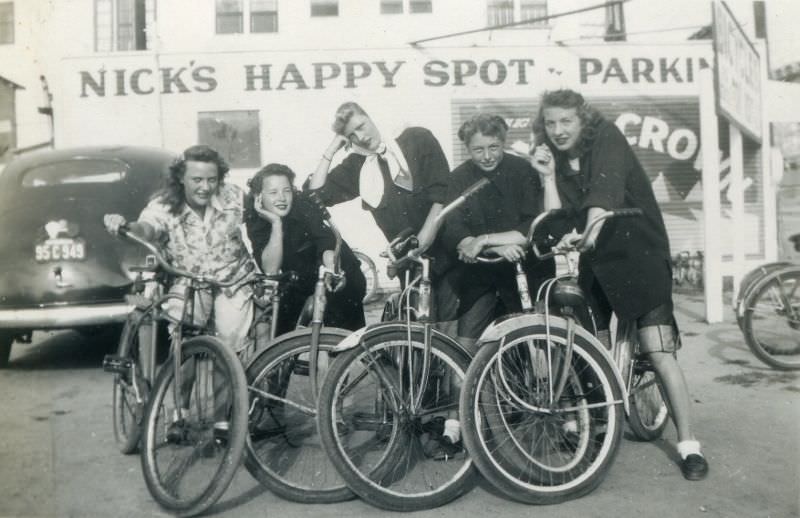
Some of the most striking photos from the era show women riding in groups. Two or three friends cycling side by side down a tree-lined road, laughing or talking — these images make clear that bicycling was a social activity, not just a means of getting from one place to another. The bicycle created opportunities for freedom and friendship that many women had not had before.
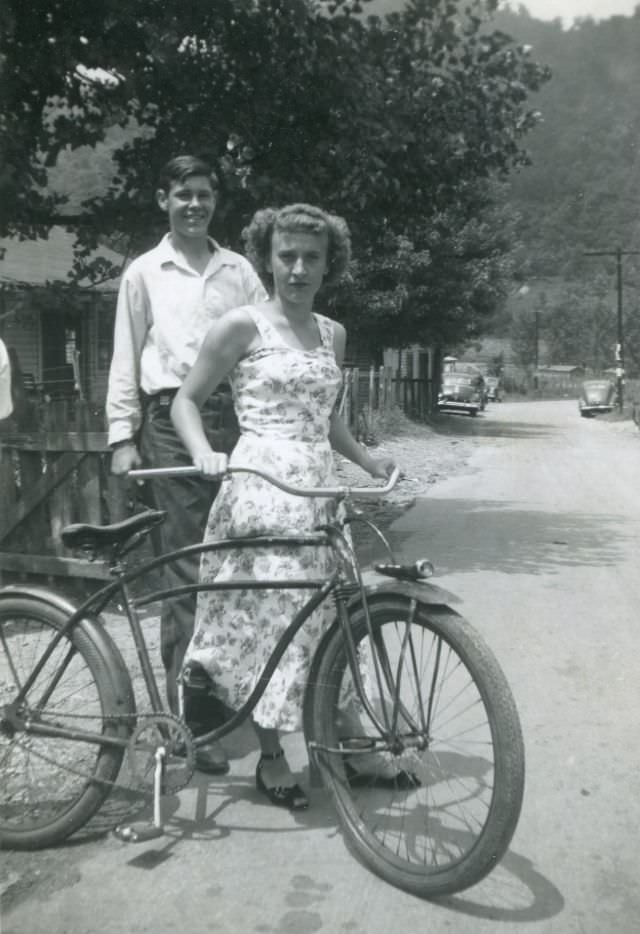
Rural women used bicycles just as much as those living in cities. In the countryside, where distances between farms, shops, and schools were long and public transport was rare, a bicycle was a genuine lifeline. Photographs from rural areas show women on sturdy, no-frills bikes, often loaded with supplies, making their way along unpaved tracks and dirt roads.
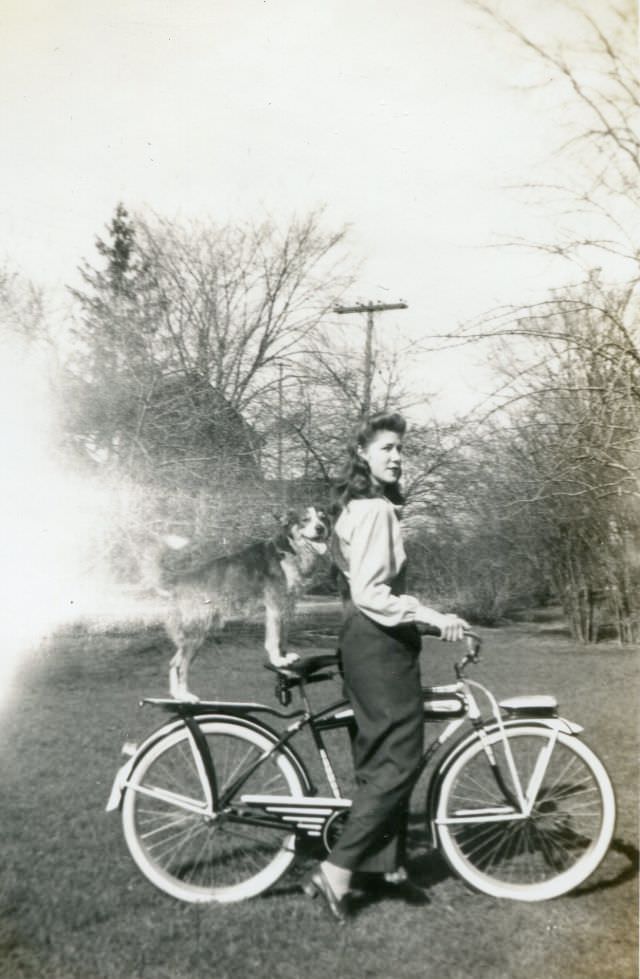
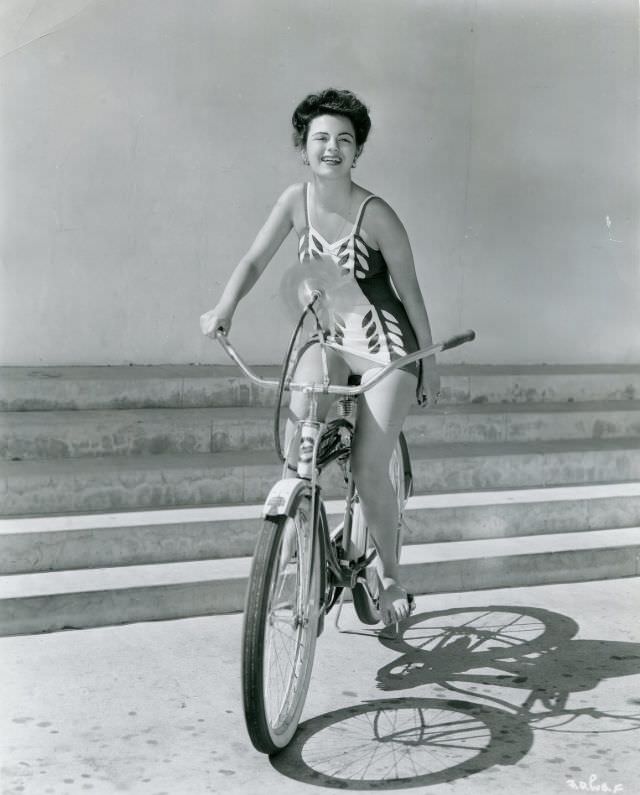
Nurses and other healthcare workers in both Britain and the United States frequently cycled to reach patients. District nurses — nurses who made home visits — became closely associated with the bicycle during the wartime years. Their rounds covered miles of territory each day, and the bicycle made that possible in a way that walking simply could not.
Bicycle manufacturing in the 1940s was affected by wartime material shortages. Steel, rubber, and aluminum were all prioritized for military use. In some countries, civilian bicycle production was scaled back or paused entirely for periods during the war. This made existing bicycles more valuable, and many people took great care to maintain and repair their machines rather than replace them.
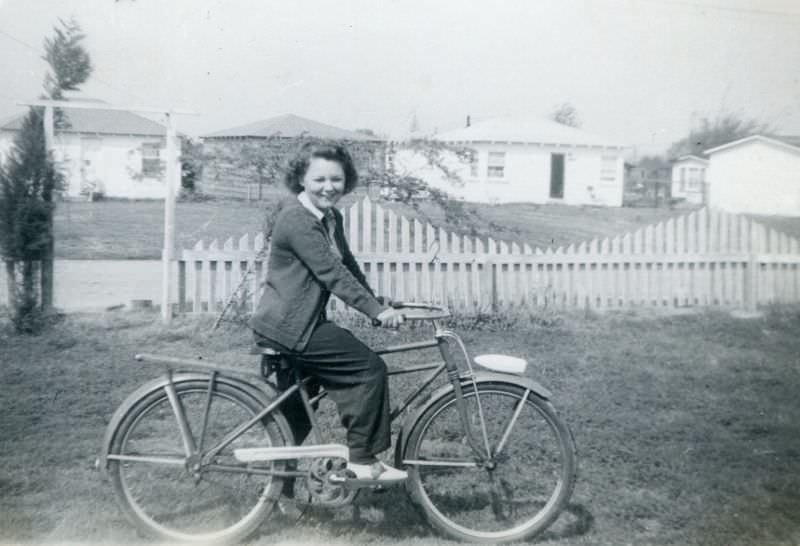
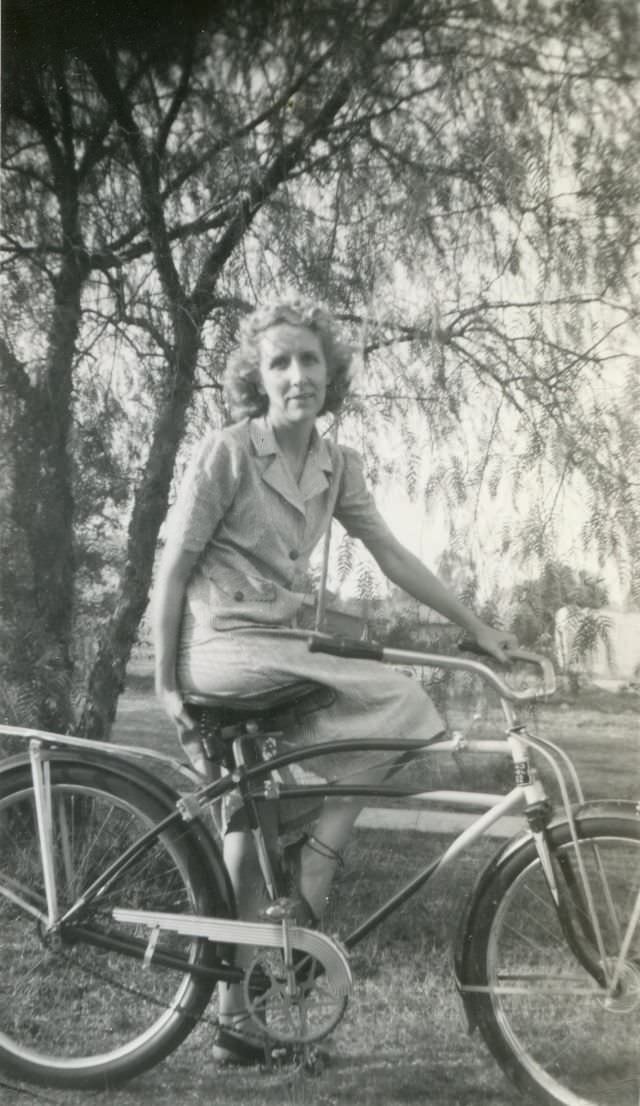
The style of bicycle clothing for women evolved noticeably during this decade. Early in the 1940s, most women still rode in skirts and dresses, consistent with pre-war norms. As the decade progressed and women took on more physically demanding work, trousers became more widely accepted, including for cycling. This shift in clothing reflected broader changes in how society viewed women’s roles and physical activity.
In the Netherlands and Denmark, cycling was already deeply embedded in daily life by the 1940s. Cities in these countries had been building cycling infrastructure — dedicated lanes, bicycle parking, and road designs that favored cyclists — since the early part of the century. Photos from Dutch and Danish cities during this period show streets dense with cyclists, men and women alike, as cars had become almost entirely absent due to the German occupation and fuel restrictions.
Children were often part of the picture too. Mothers in the 1940s regularly transported young children on their bicycles using rear-mounted seats or cargo attachments at the front. A woman cycling with a child seated on the back of her bike was a completely common sight on streets across Europe. These arrangements were practical solutions built out of necessity and became a normal part of family life.
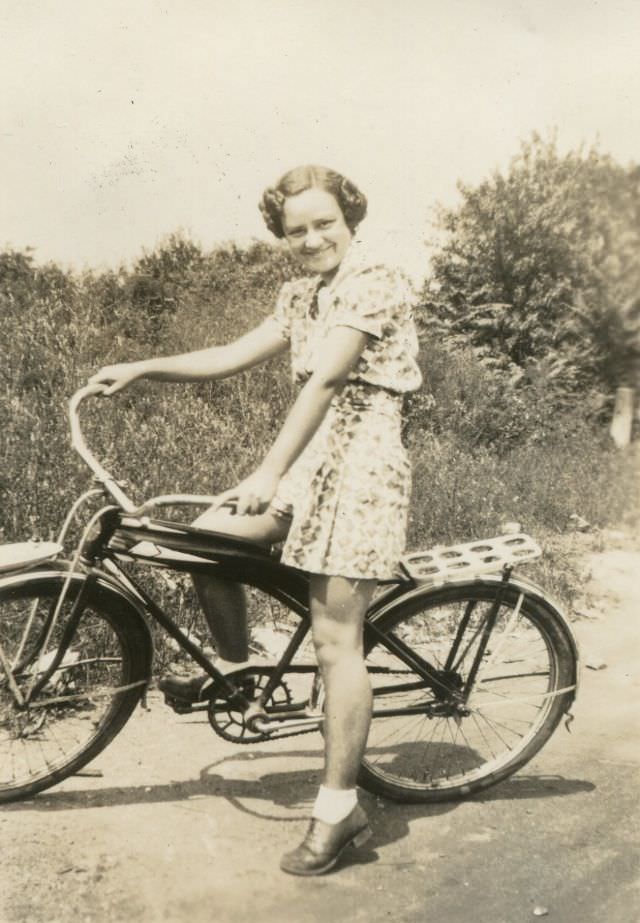
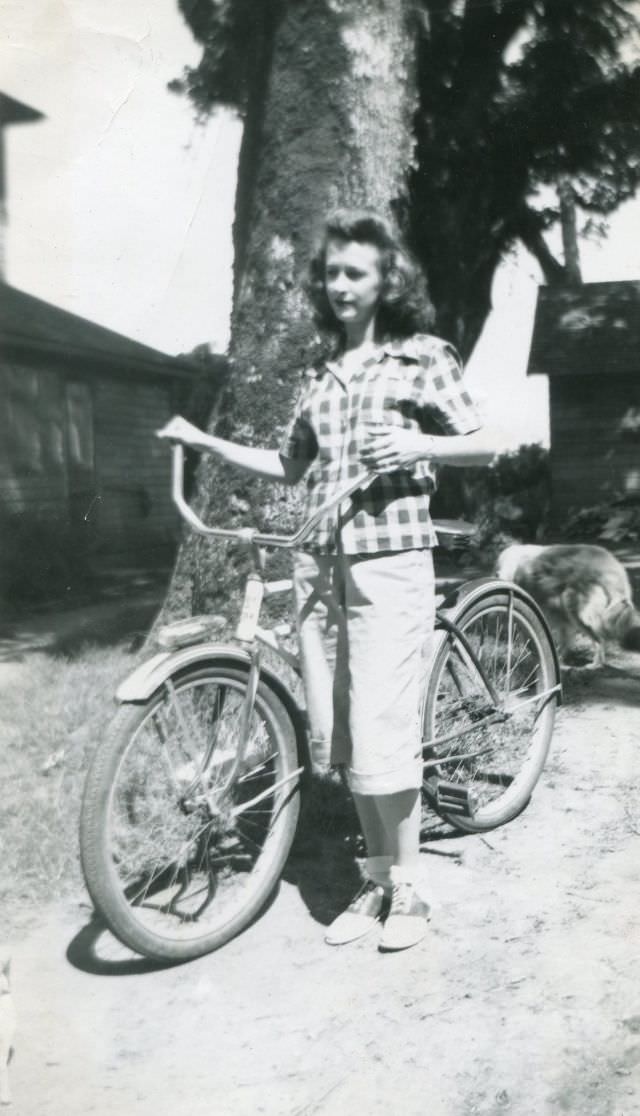
Posing with a bicycle was a popular choice for portrait photography during the 1940s. Owning a good bicycle was a point of pride, and having a photo taken alongside it was a natural way to mark that. Studio portraits, outdoor snapshots, and candid street photographs all frequently featured women and their bikes. These images now serve as a detailed record of what everyday life looked like in that decade.
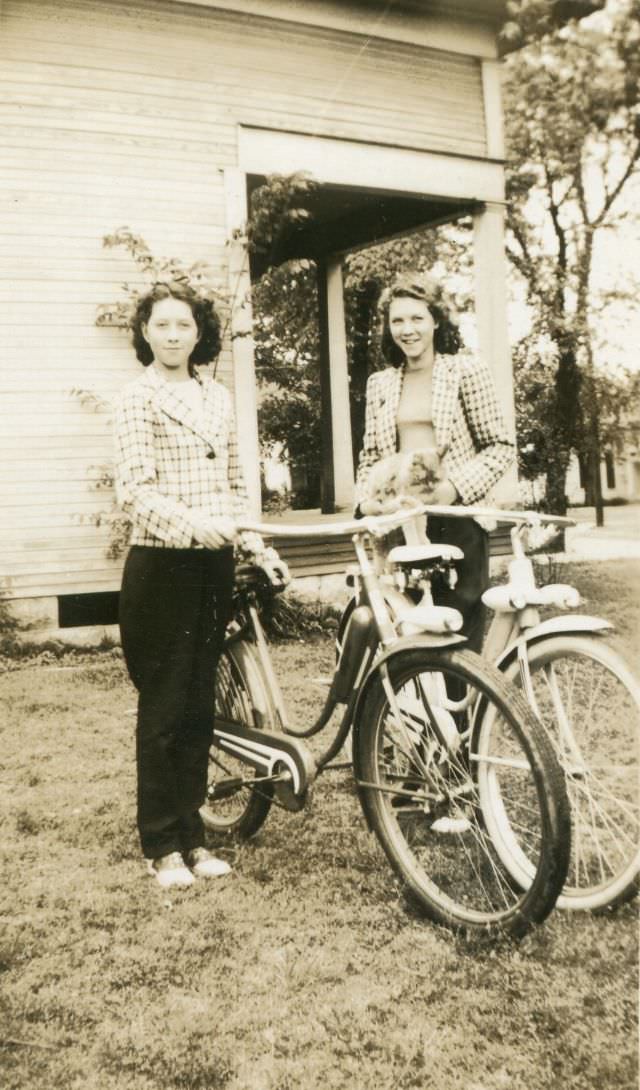
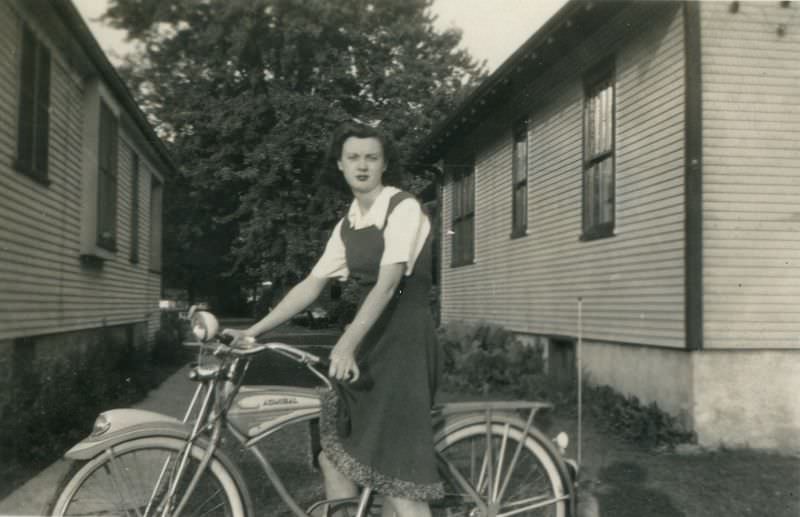
The photos collected here offer a clear window into a decade defined by resilience and practicality. Women in the 1940s cycled because they had to, because they wanted to, and because it gave them a degree of independence and mobility that nothing else in their lives quite matched. These images document all of that — one bicycle, one woman, one moment at a time.