Few garments have shaped fashion history as dramatically as the corset. For centuries, it was the foundation of a woman’s wardrobe — worn close to the body, laced tight, and considered absolutely essential. Its story stretches back long before the Victorian era, but it was during the 1800s that the corset truly reached its peak as both a practical garment and a symbol of femininity.
The corset’s earliest ancestors were known as “a pair of bodies” — structured, supportive garments that appeared in the sixteenth century. These were stiffened with materials like whalebone or wood and were designed to support the torso and shape the silhouette beneath fashionable outer clothing. By the time the term “stays” came into common use, these garments were already a fixture in the wardrobes of women across Europe.
What made the Victorian era different was the degree to which women began altering their bodies to match their clothes, rather than tailoring clothes to suit their bodies. The fashionable silhouette of the mid-to-late 19th century demanded a narrow waist, an upright posture, and a clearly defined bust and hips. The tightly laced corset was the tool used to achieve that shape.
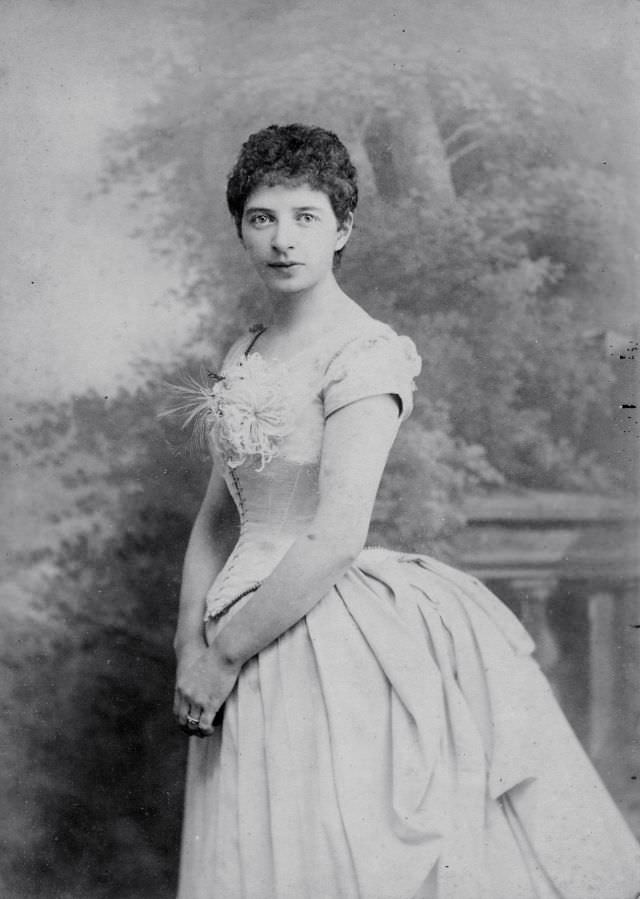
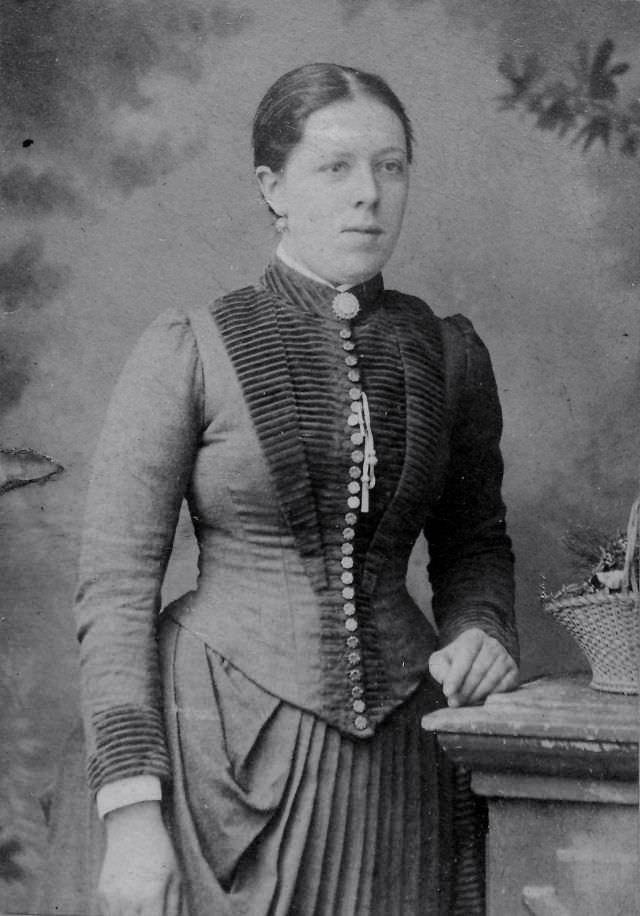
Victorian corsets were typically made from cotton, silk, or satin, reinforced with strips of whalebone or, later in the century, steel. Laces at the back allowed the wearer — or more commonly, a maid — to cinch the waist to the desired measurement. Wearing a corset was not a quick process. Getting dressed in the morning was a ritual that could take considerable time.
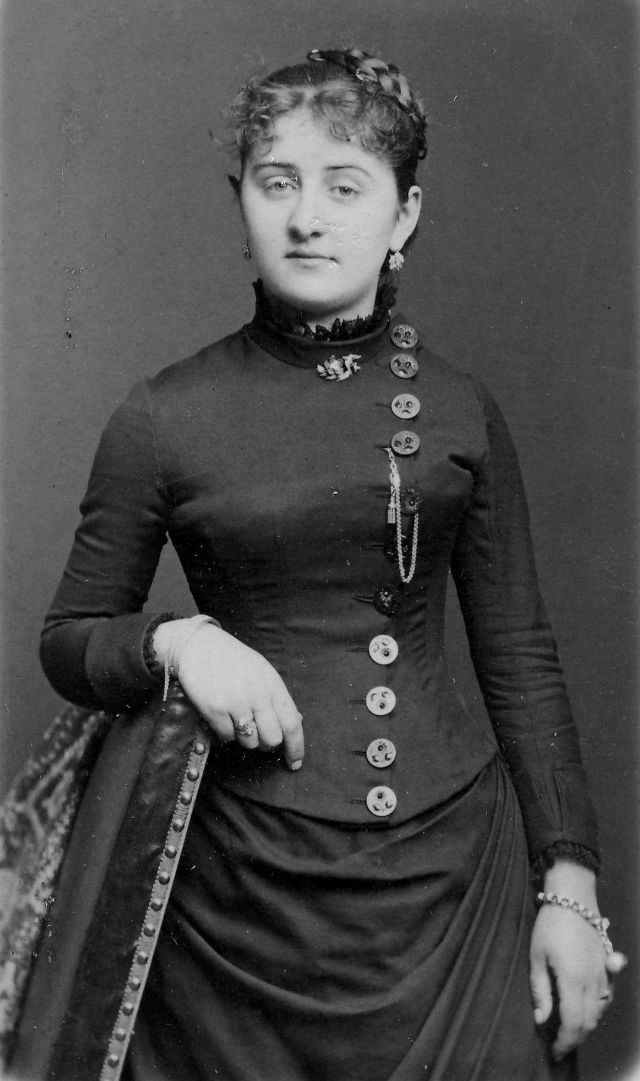
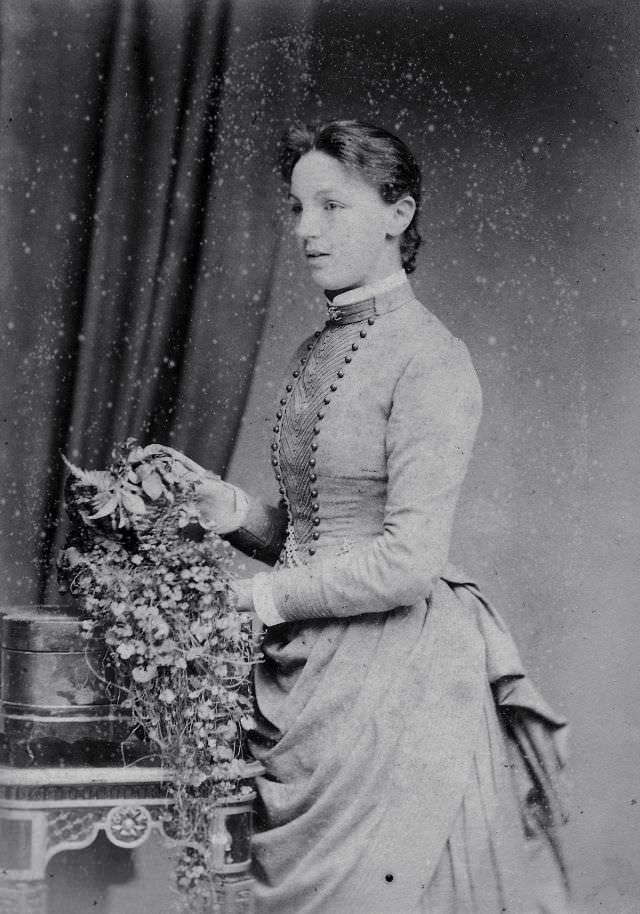
While corsets were almost always worn as undergarments, there were exceptions. In various European national dress traditions, stays or corset-like bodices appeared as outer garments — visible, decorative, and often richly embroidered. These outer versions served a different purpose: they were meant to be seen and admired, reflecting regional identity and craftsmanship.
By the 1870s and 1880s, corset design had become highly specialized. Different styles targeted different figures and fashions. The “cuirass” corset of the 1870s extended further down over the hips to create a smooth, elongated line. Later designs accommodated the bustle, the padded structure worn at the back of a skirt that defined the silhouette of that decade.
The corset industry itself grew rapidly during the Victorian period. Factories in England, France, and the United States produced millions of corsets annually. Advertisements in women’s magazines promoted specific brands and styles, promising comfort alongside an ideal figure. Department stores stocked corsets in a wide range of prices, making them accessible to women far beyond the upper class.
Not every Victorian woman wore her corset to an extreme tightness. The practice of “tight-lacing” — reducing the waist to dramatically small measurements — was something a minority of women pursued. Medical professionals of the time criticized tight-lacing loudly, citing compression of the ribs and internal organs. Despite the warnings, fashion often won out over medical advice.
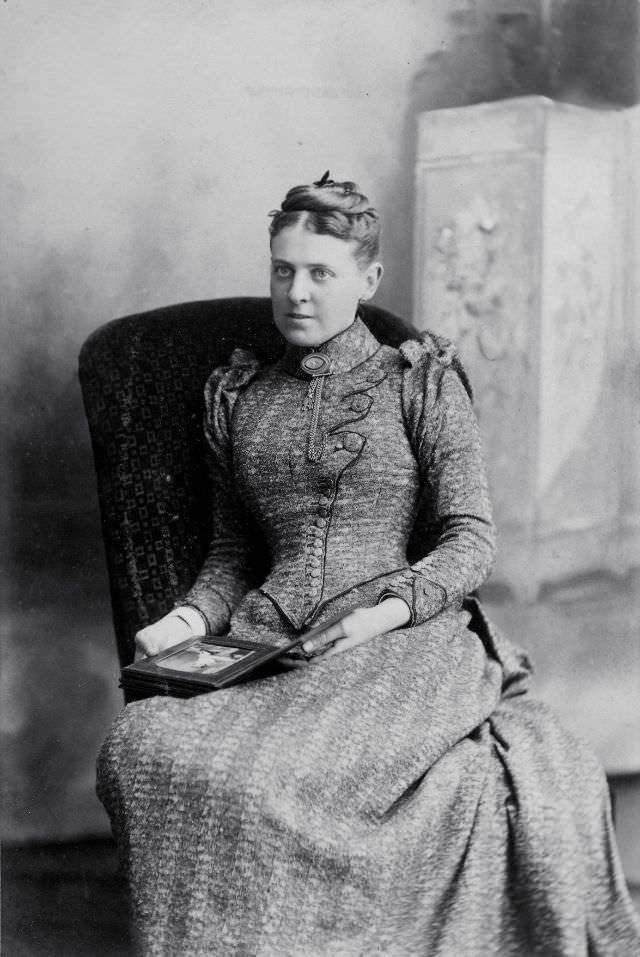
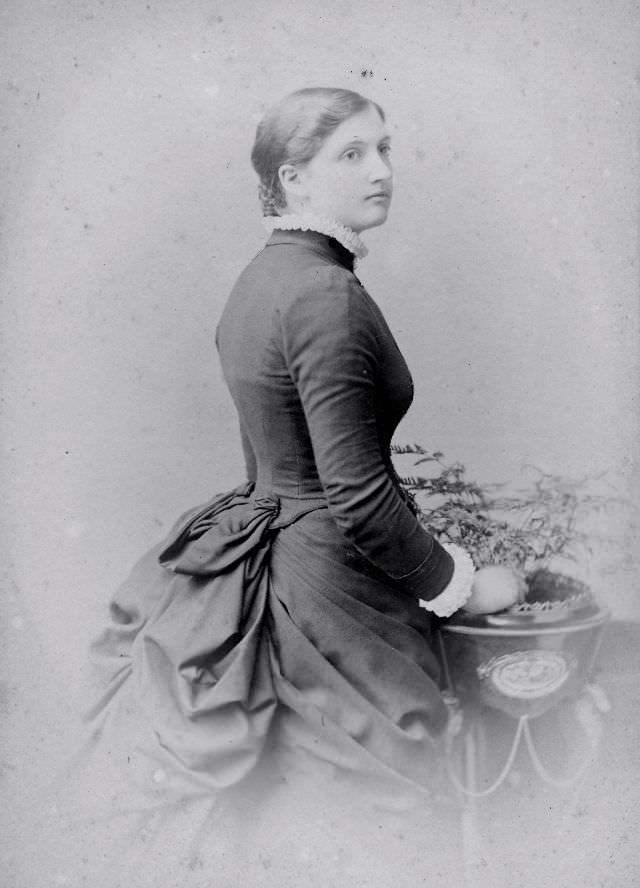
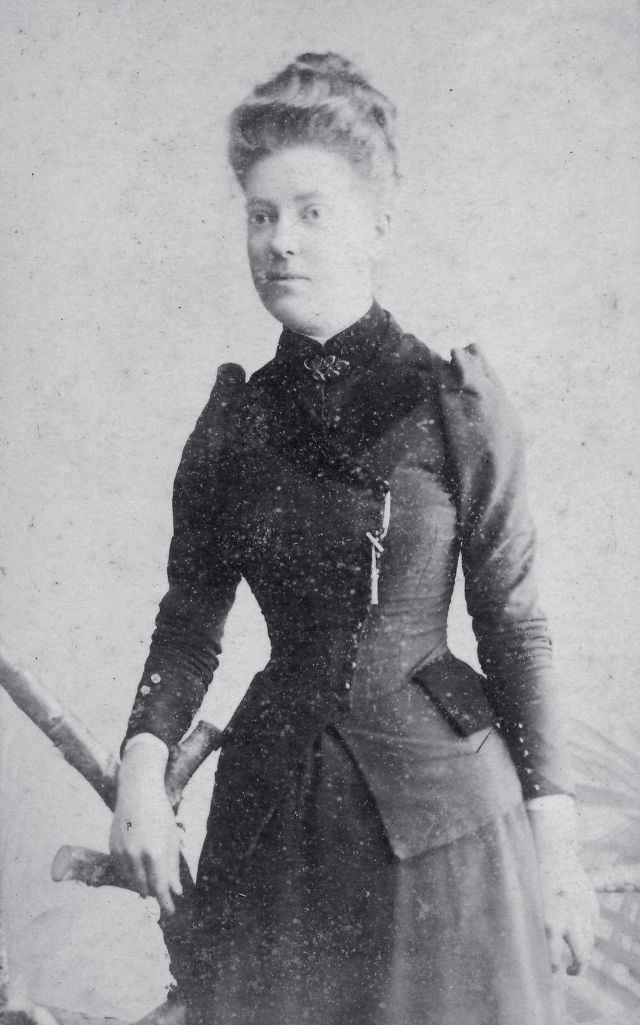
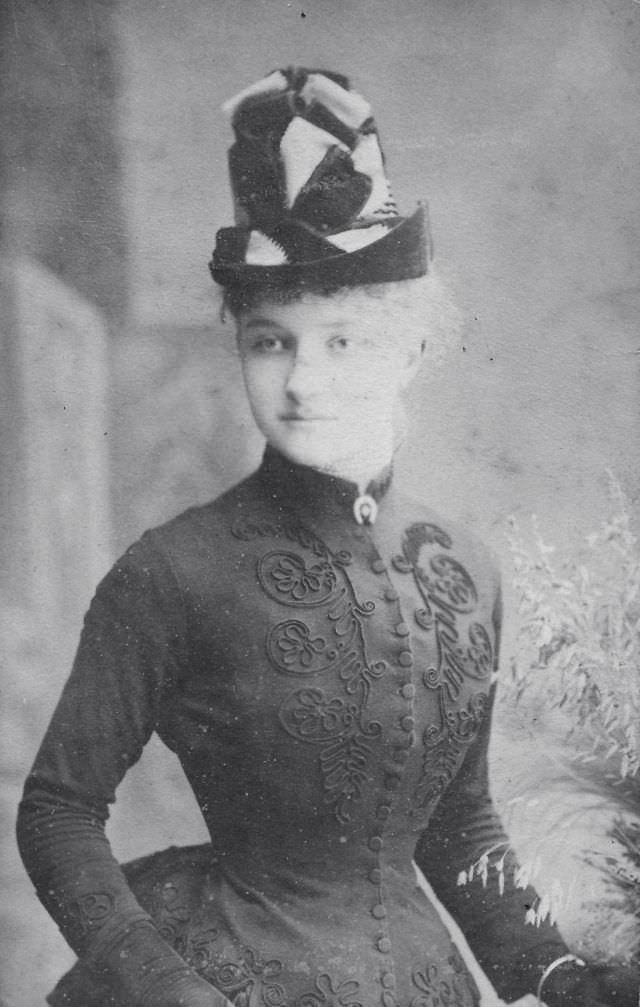
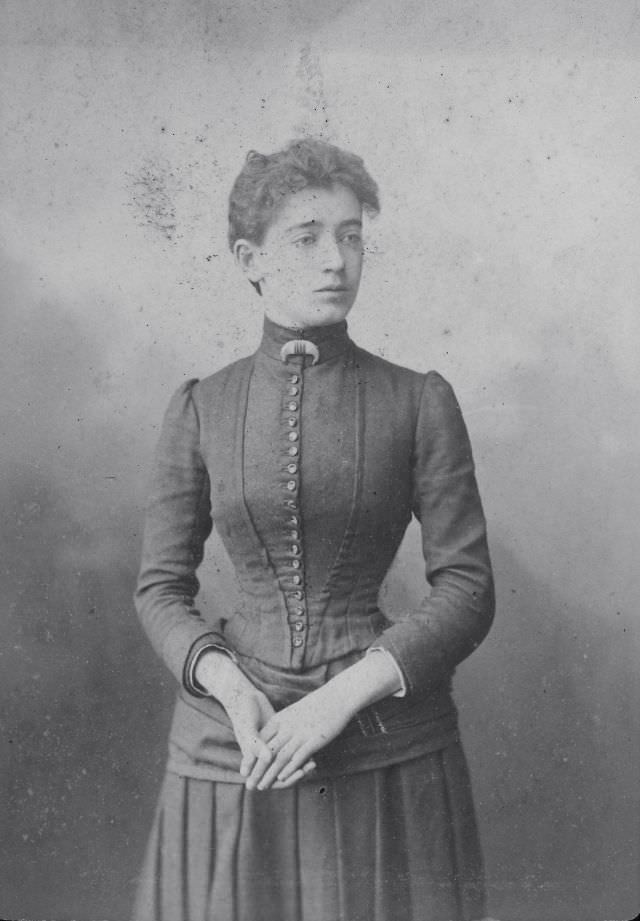
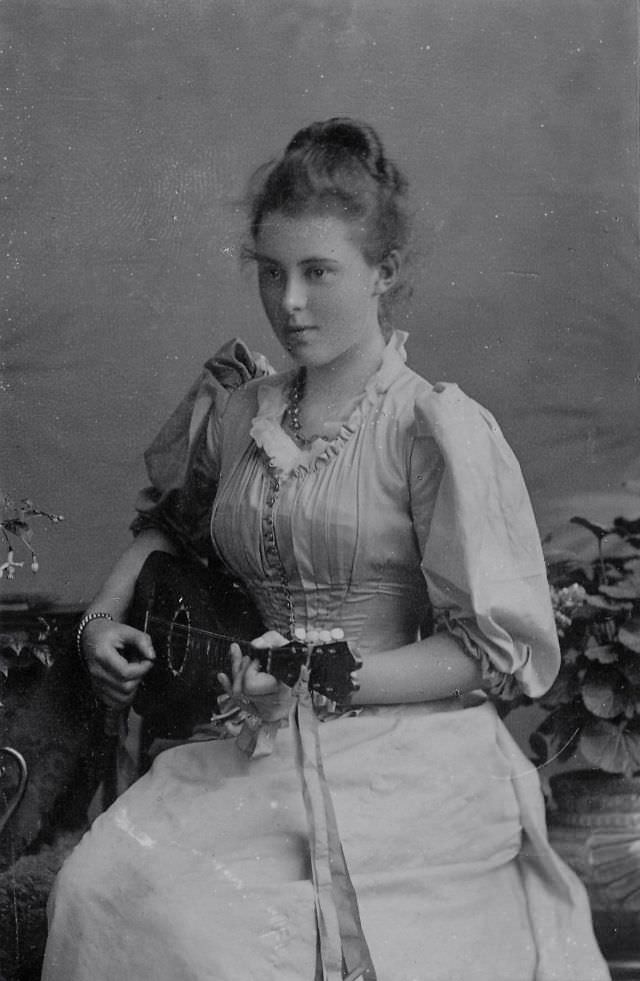
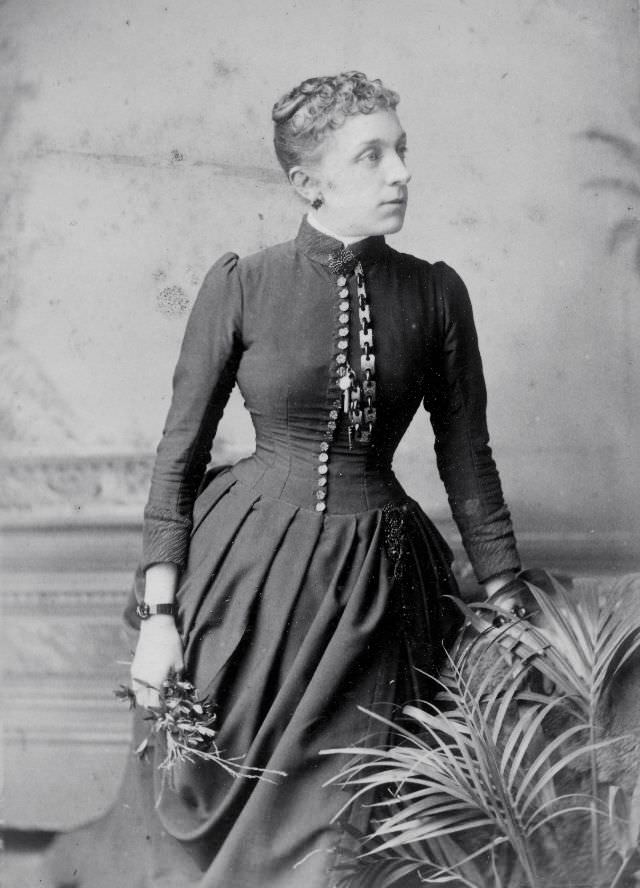
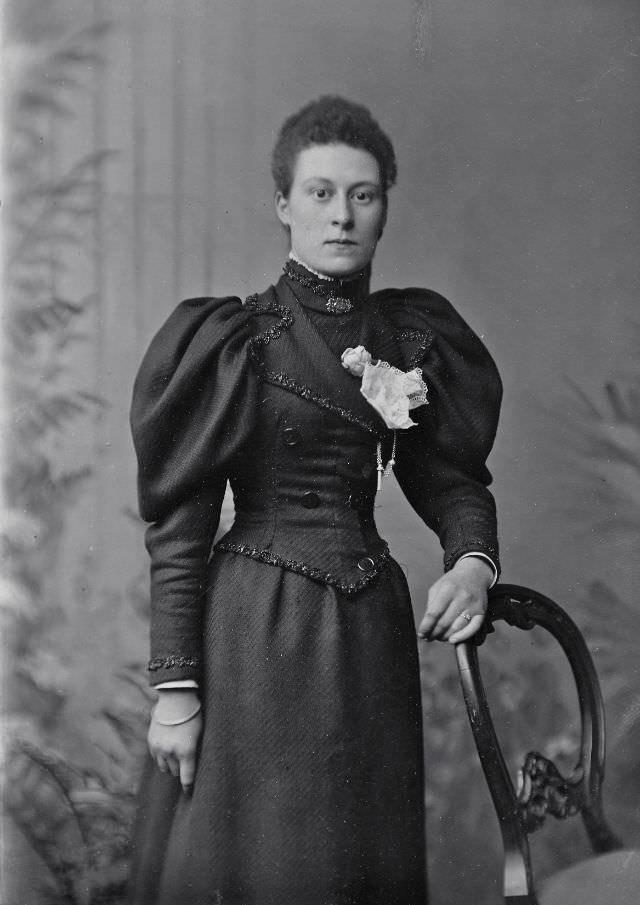
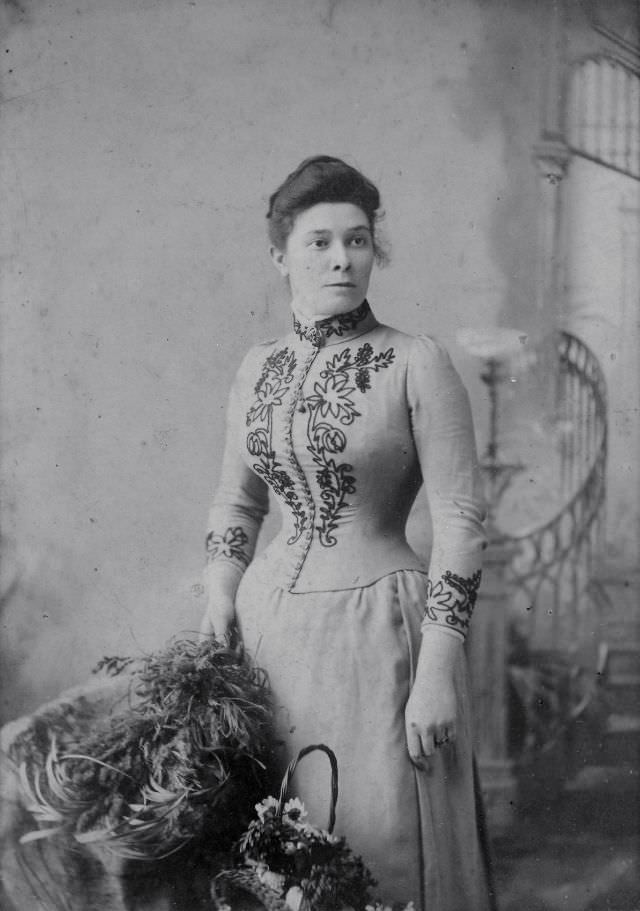
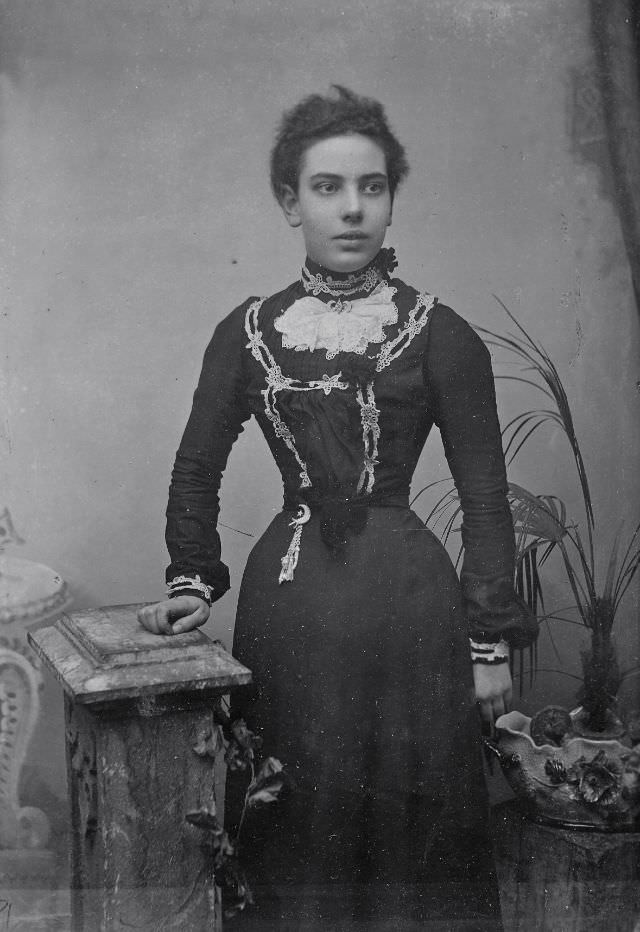
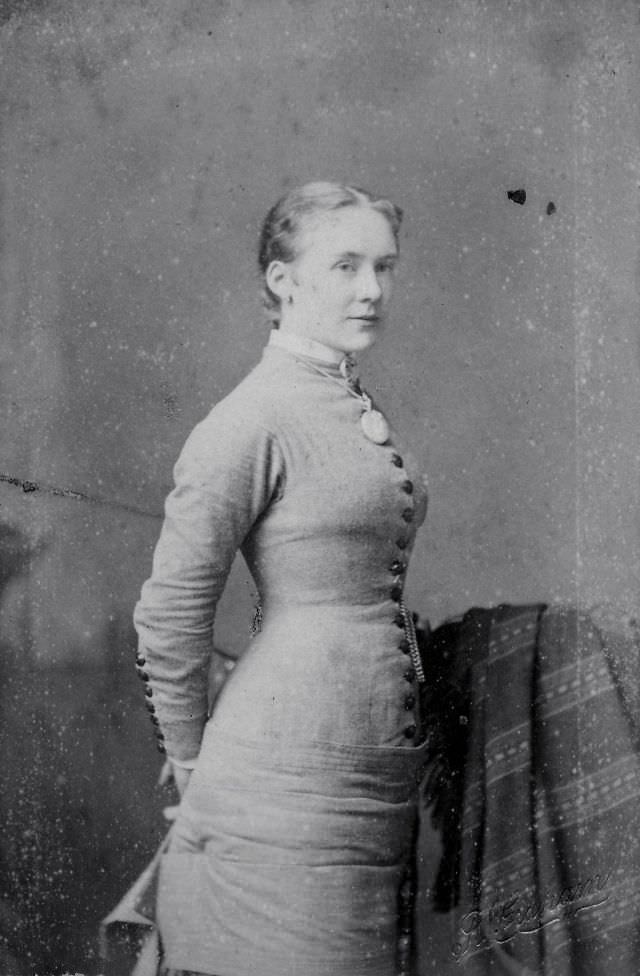
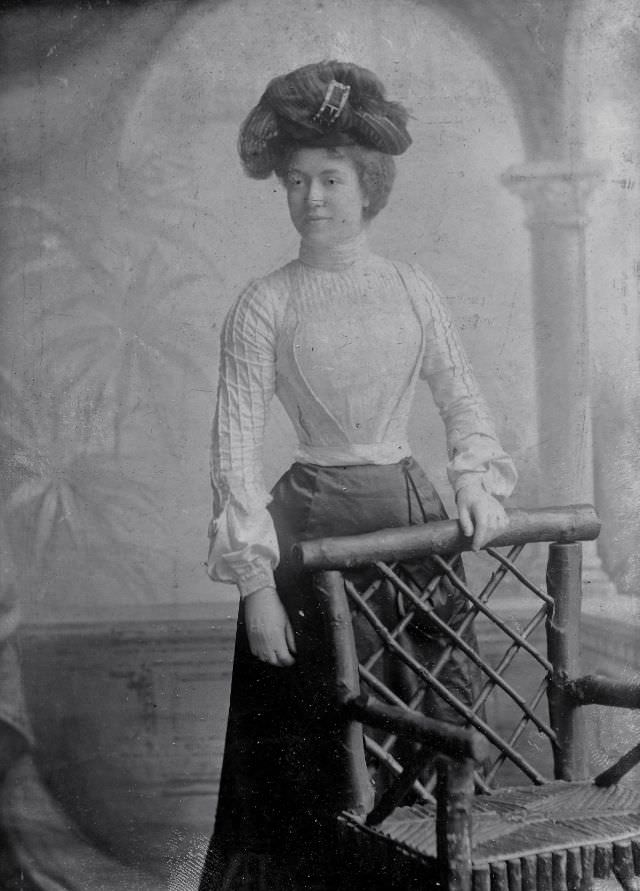
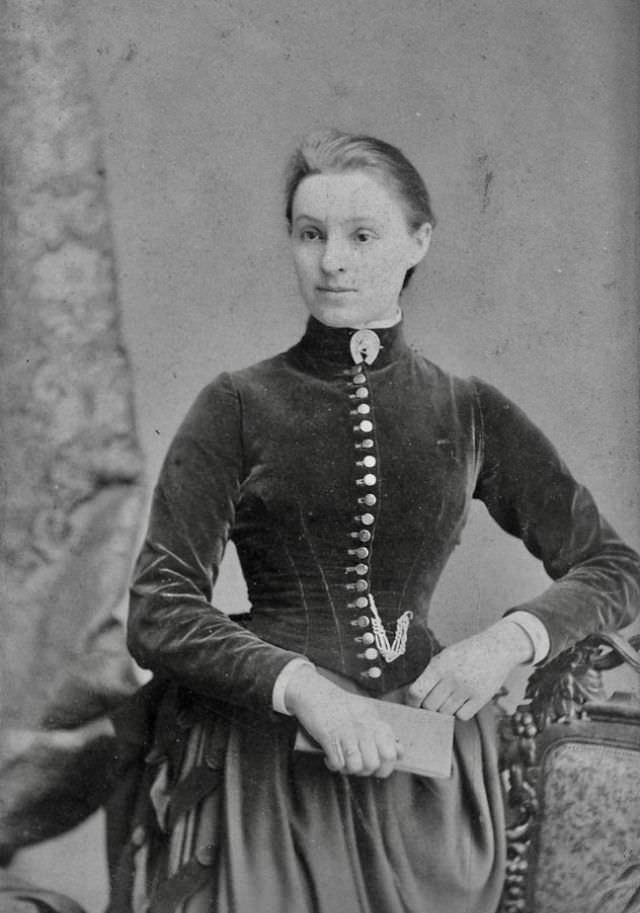
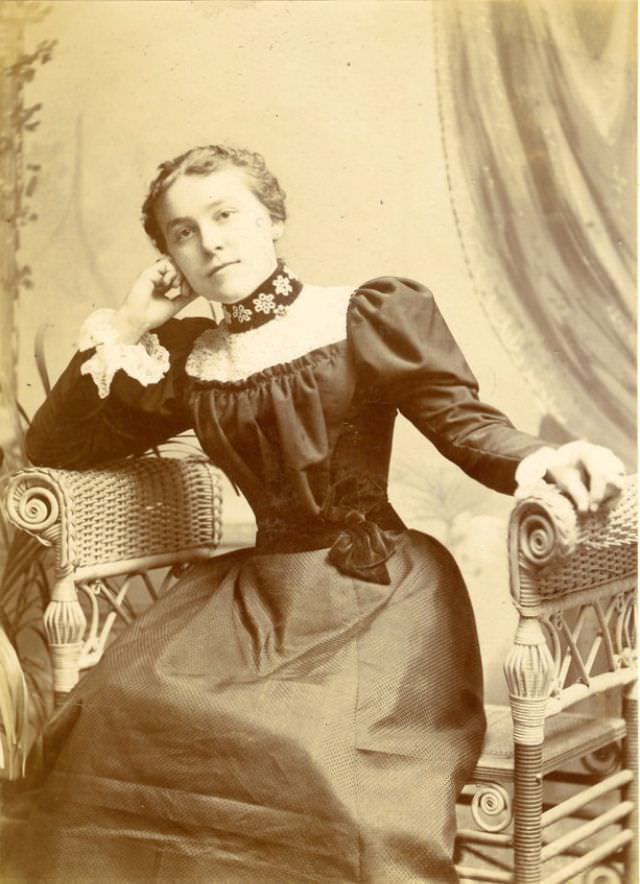
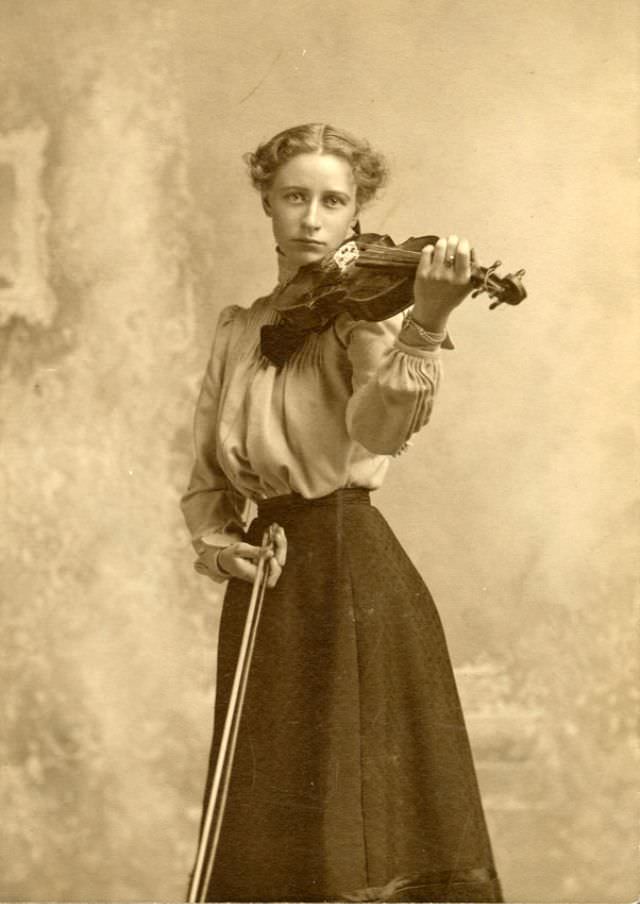
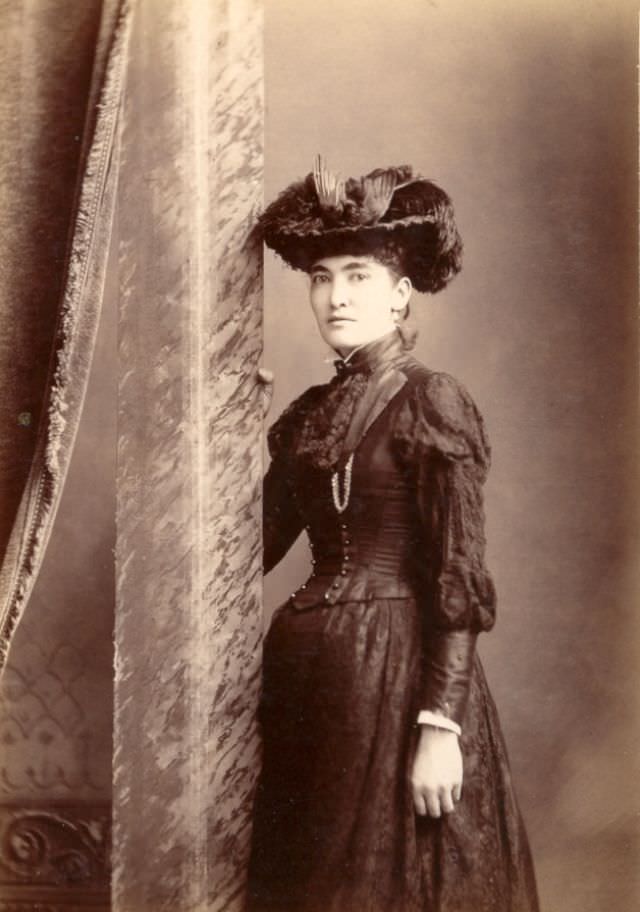
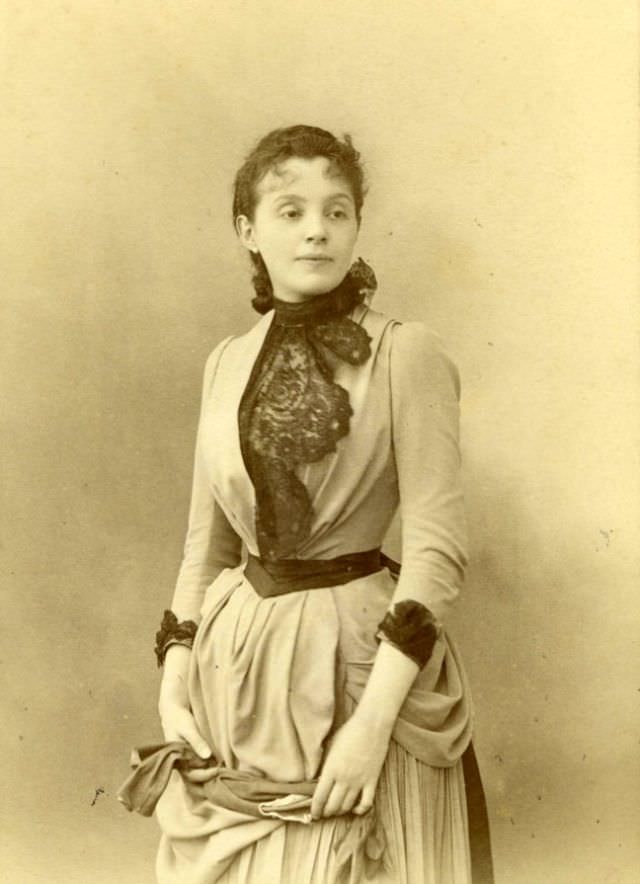
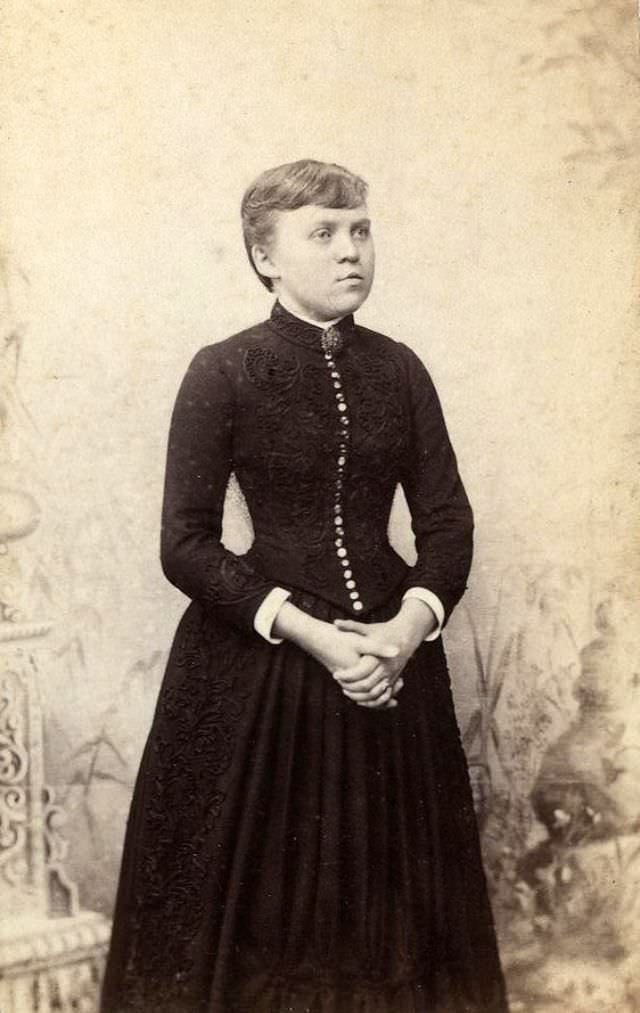
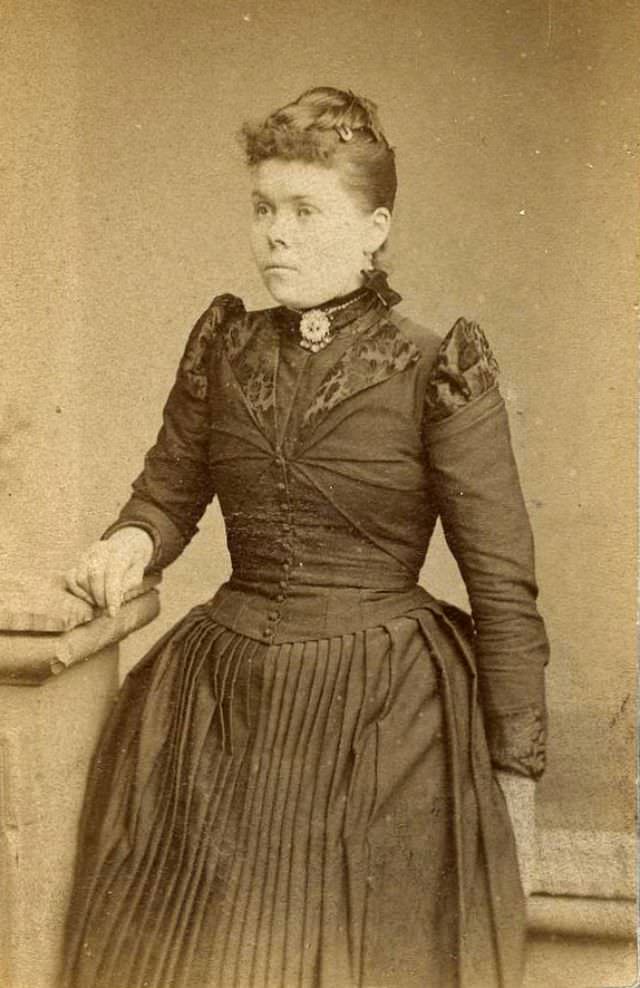
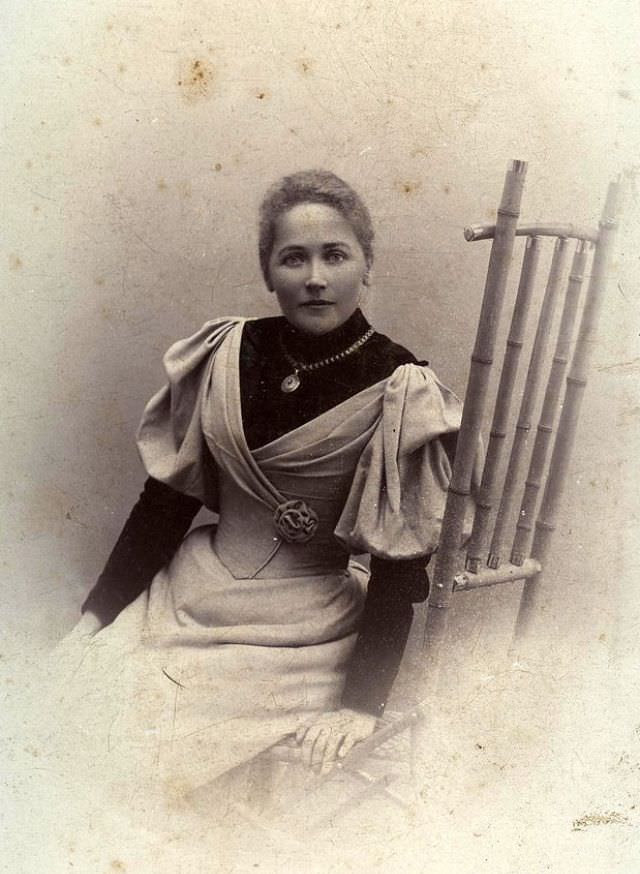
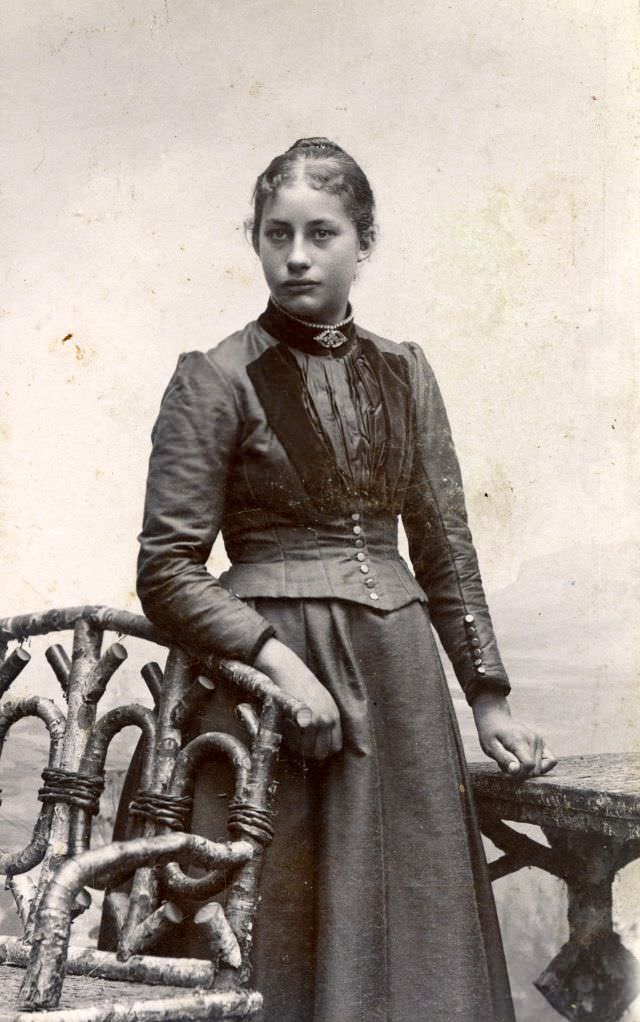
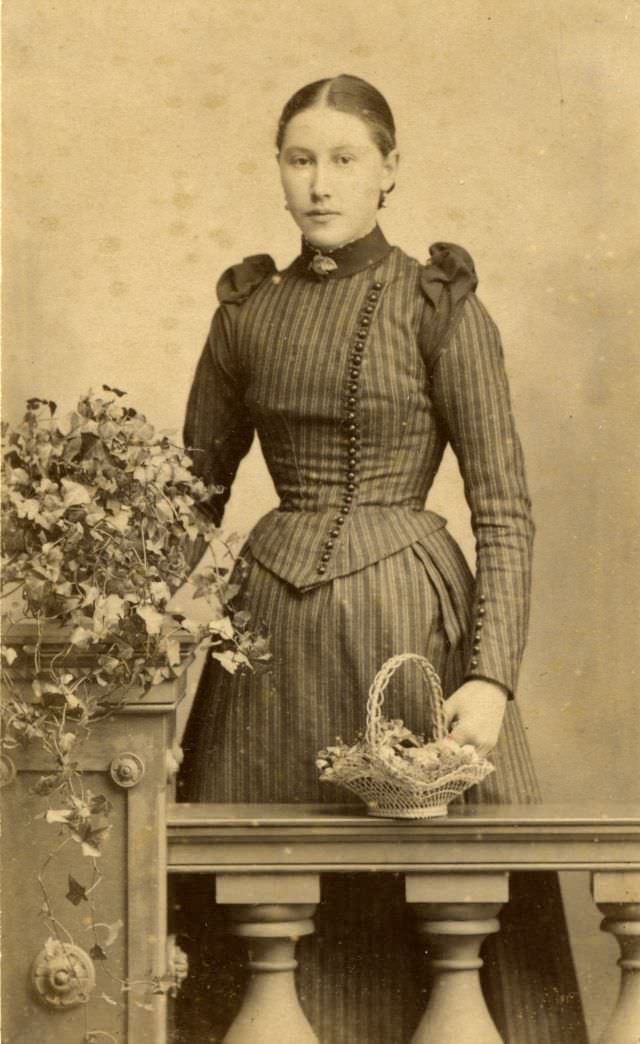
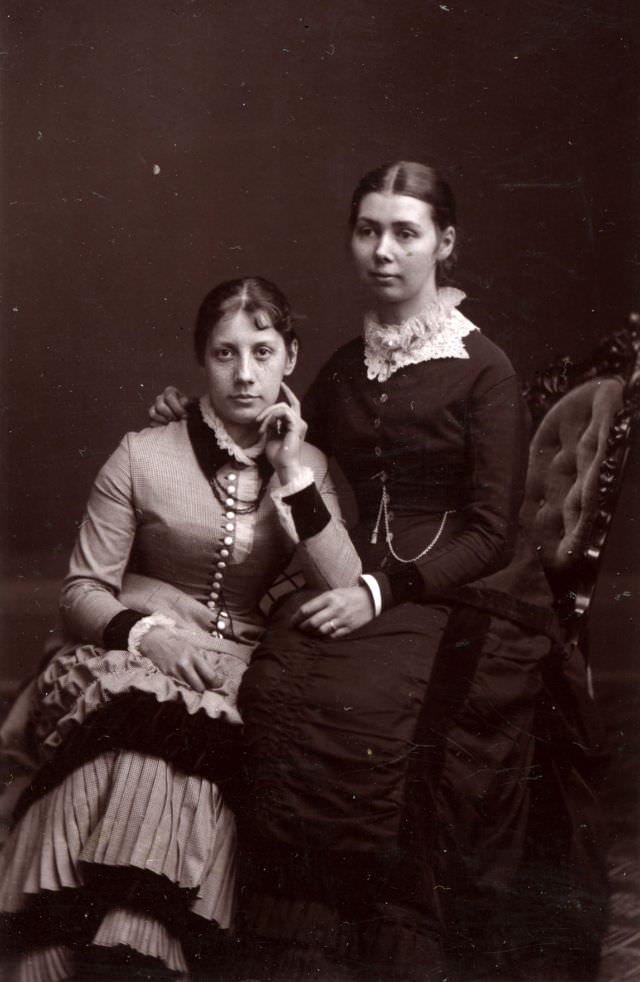
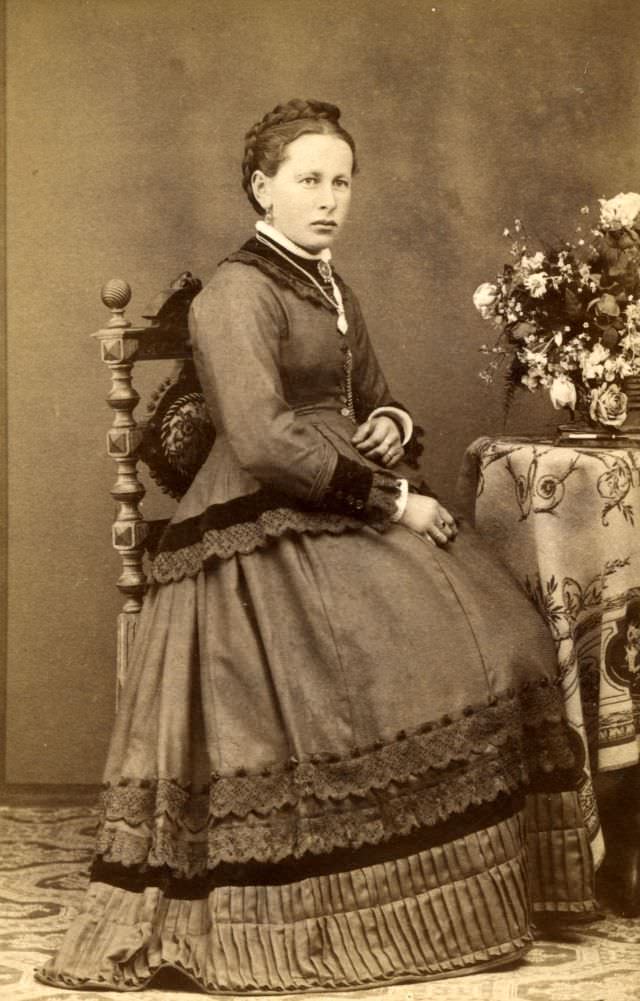
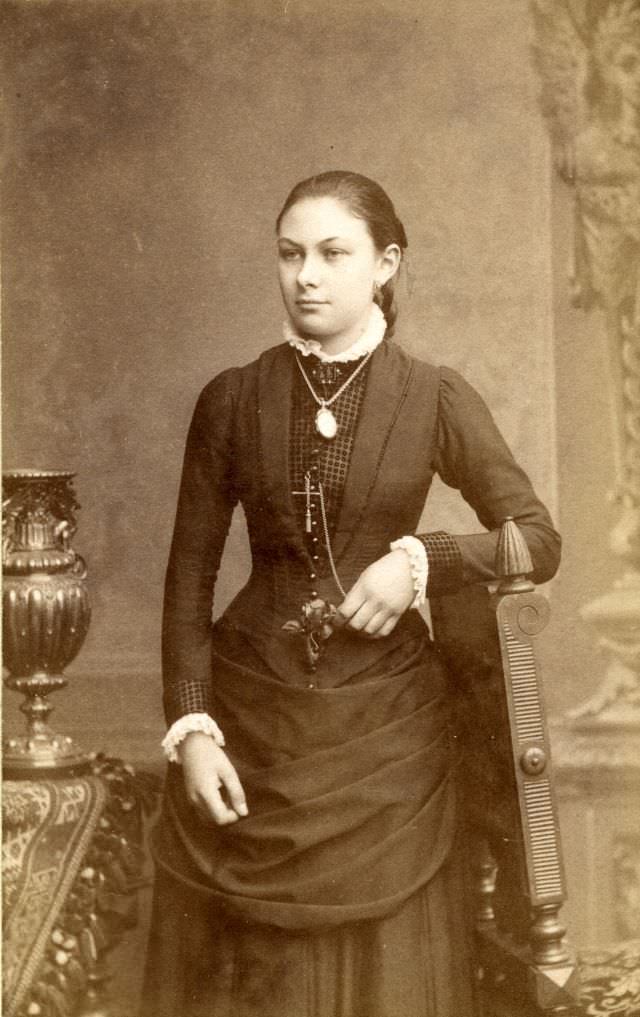
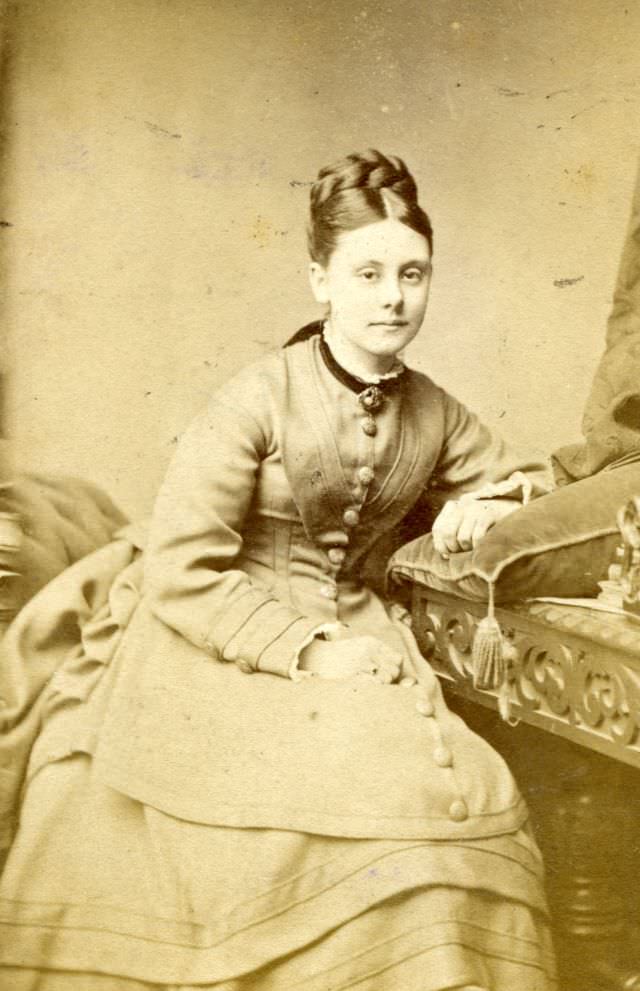
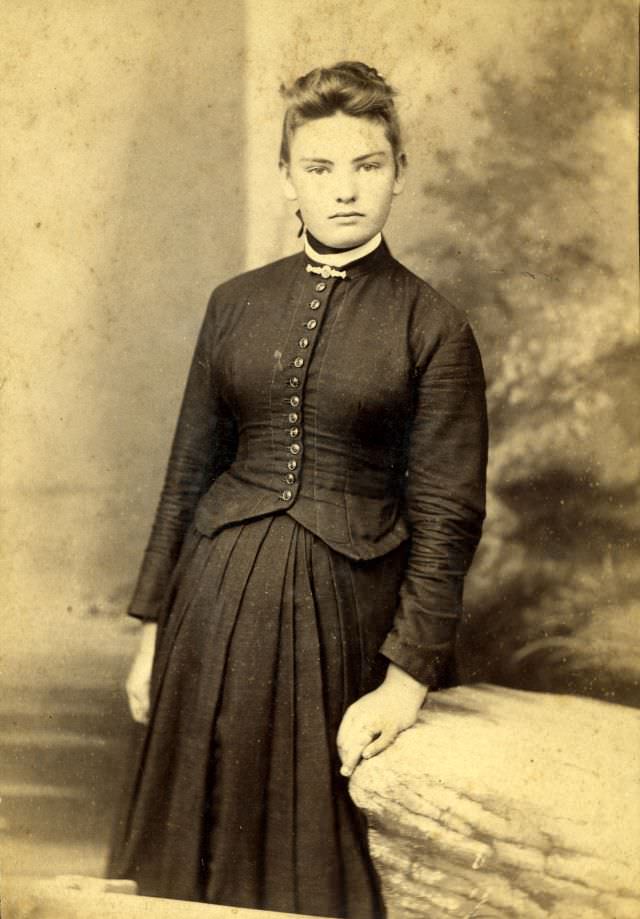
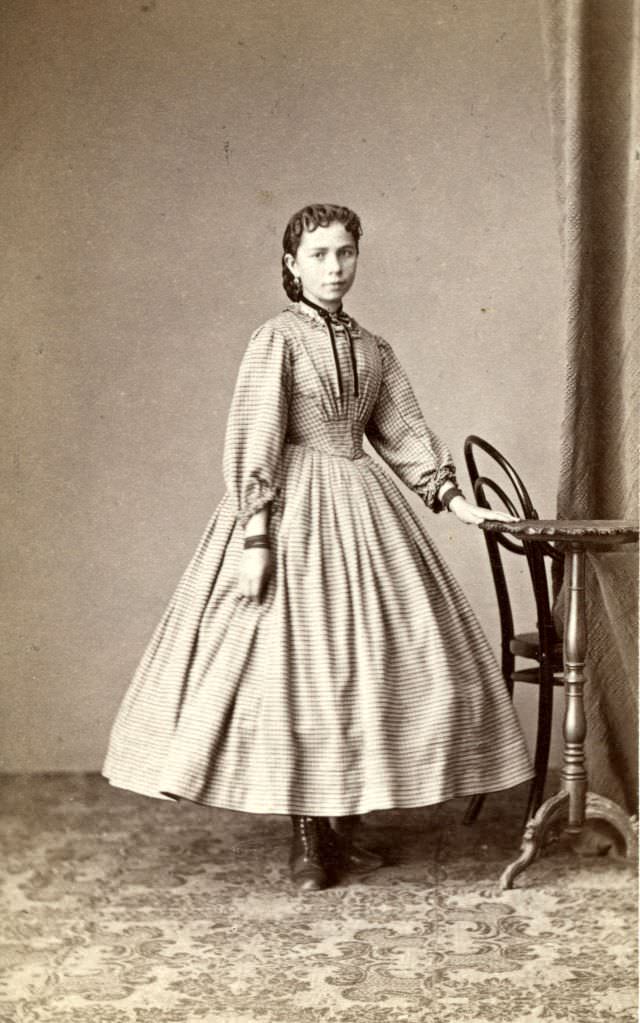
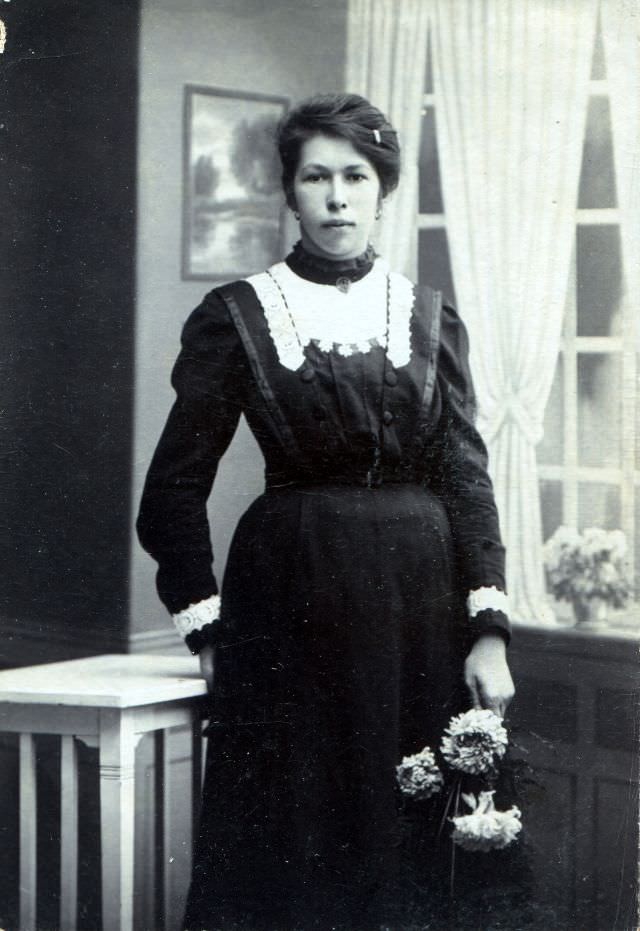
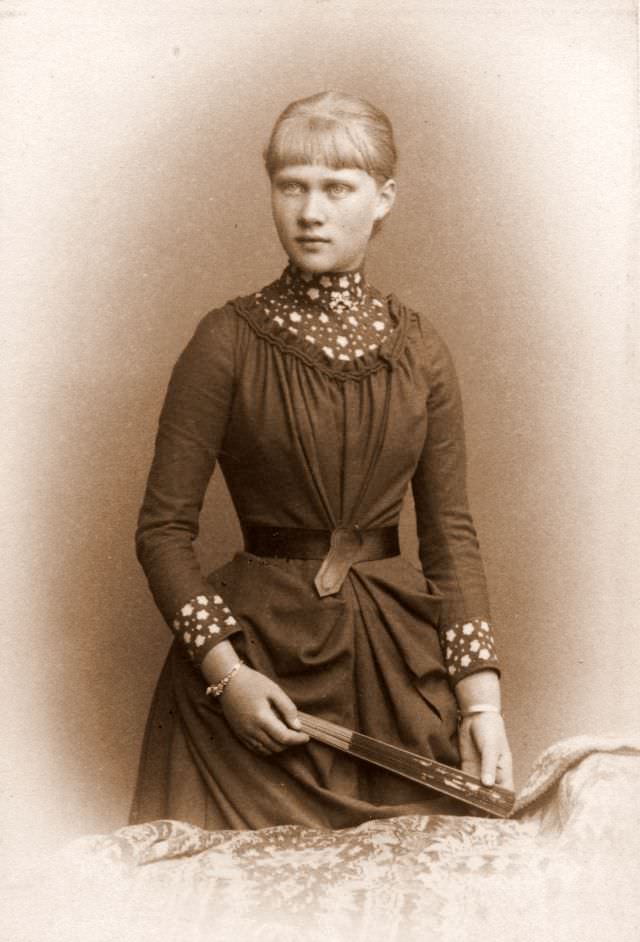
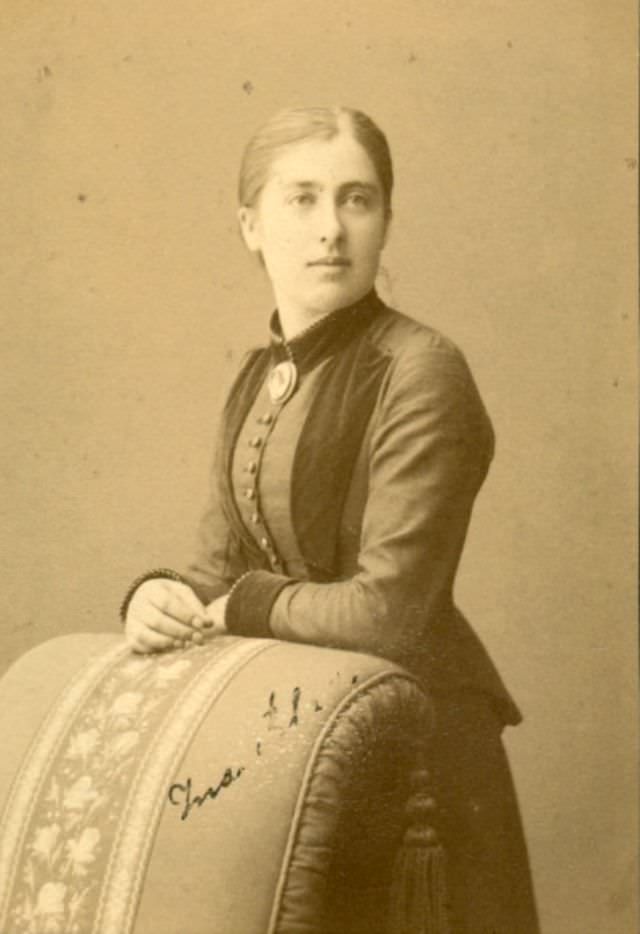
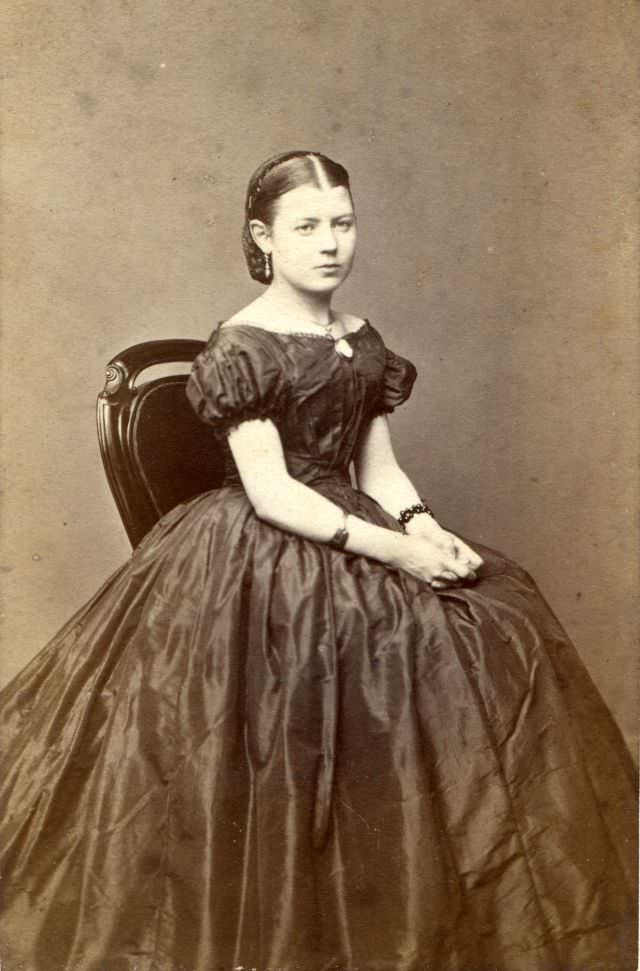
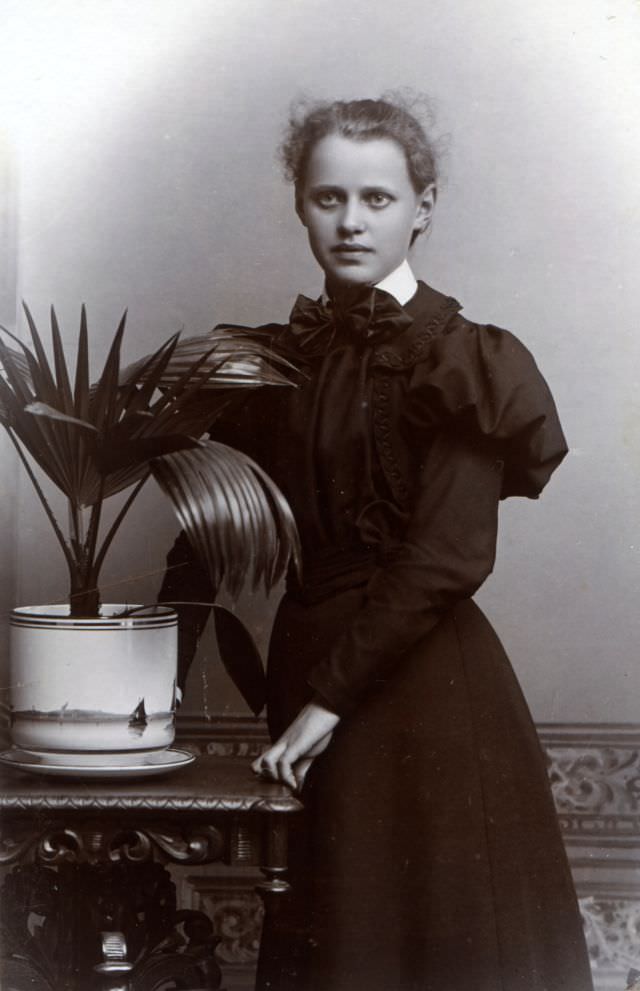
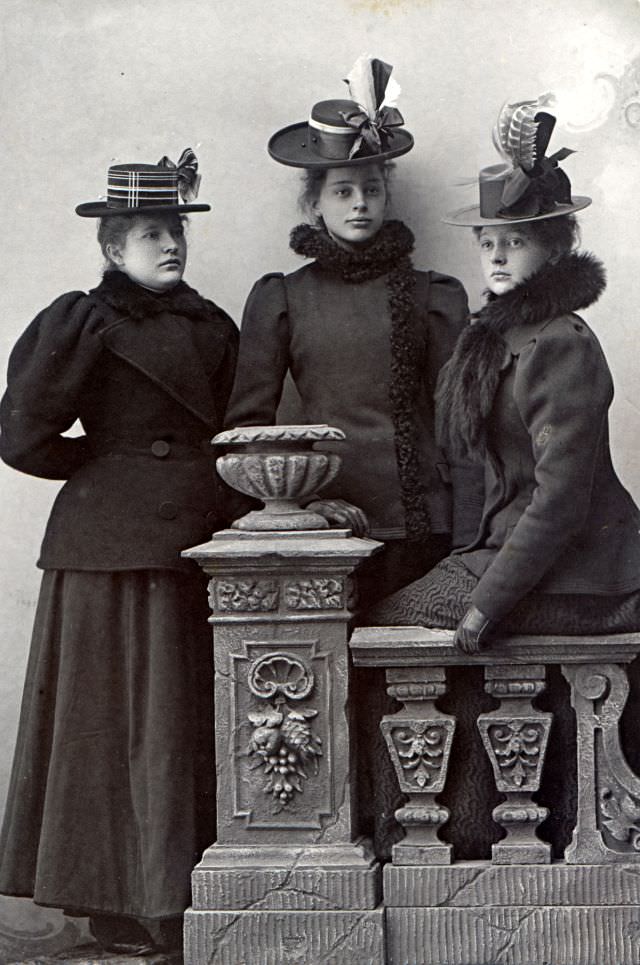
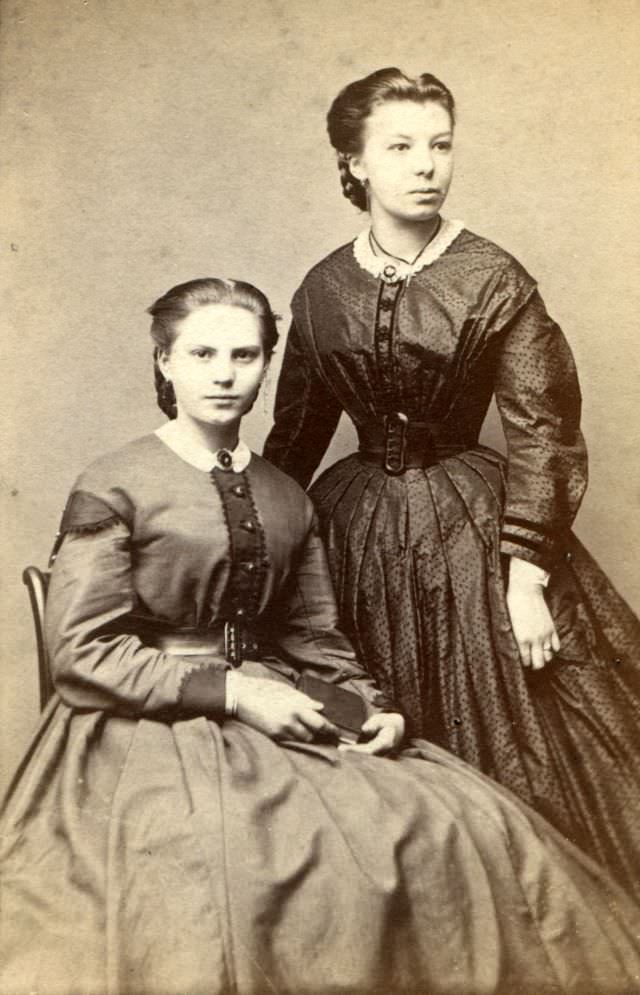
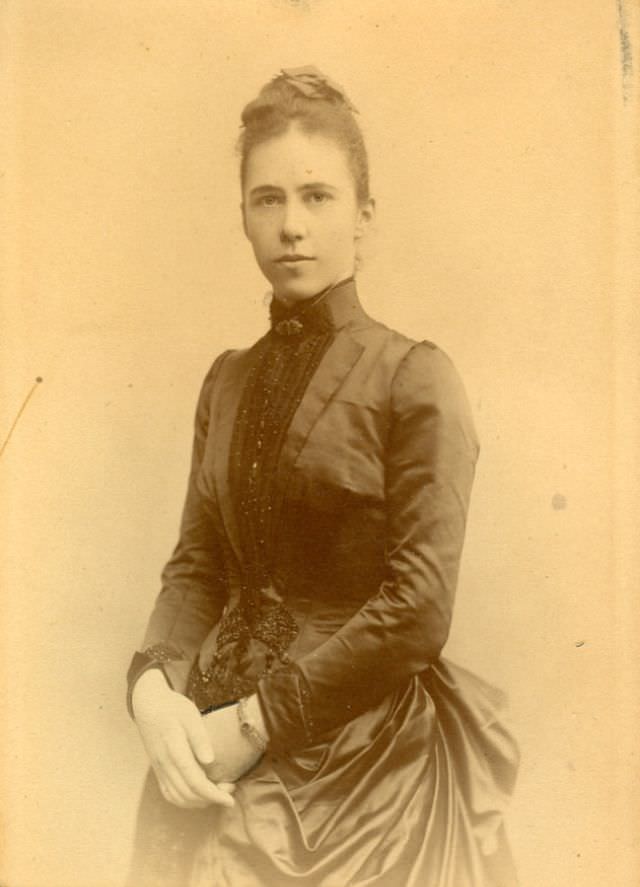
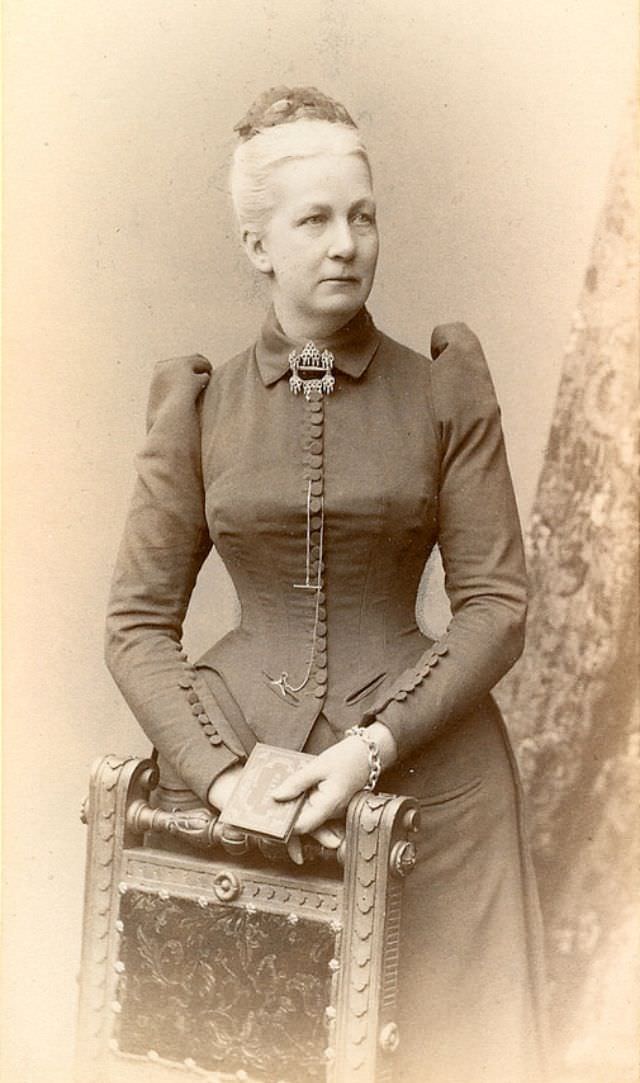
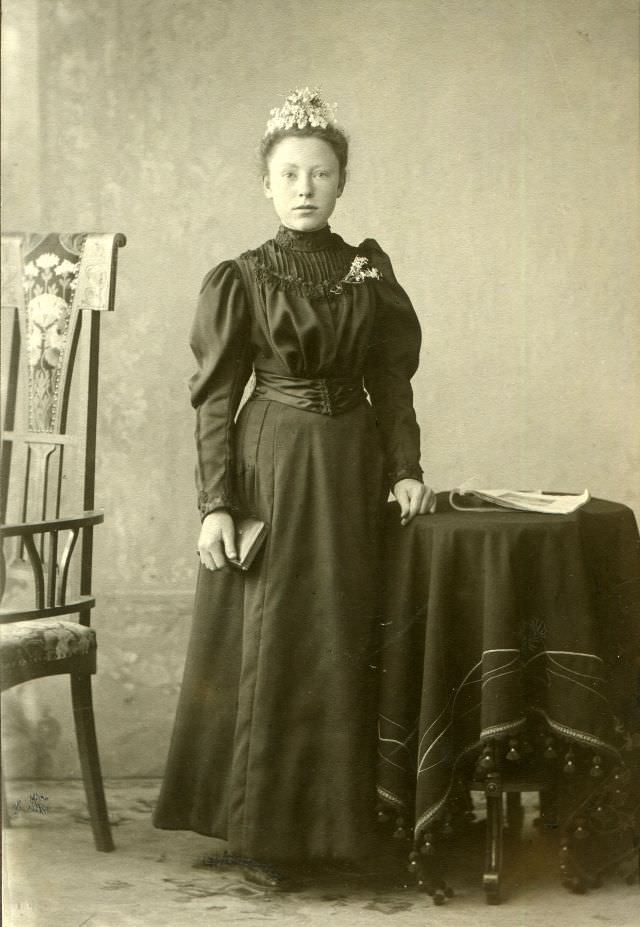
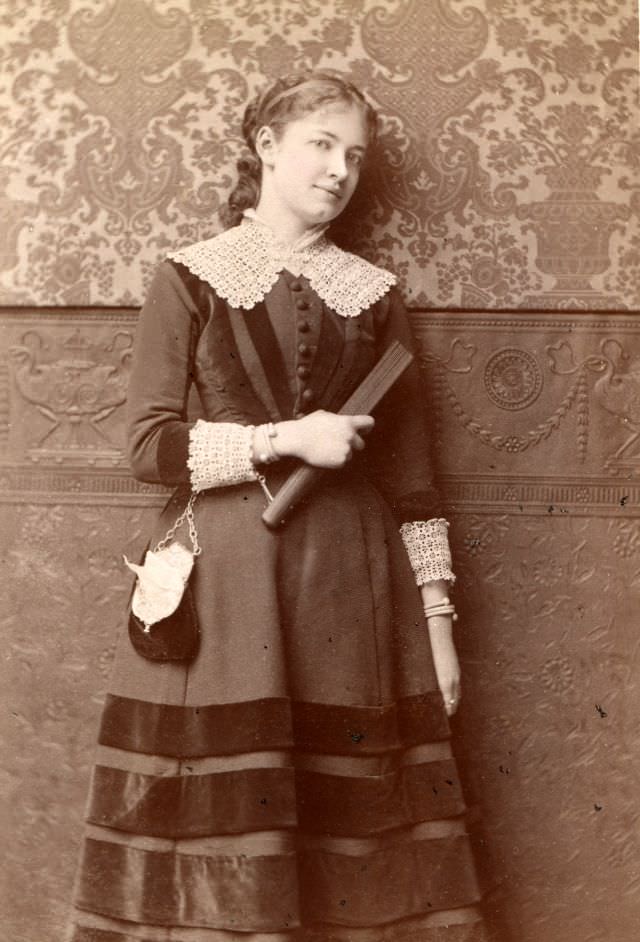
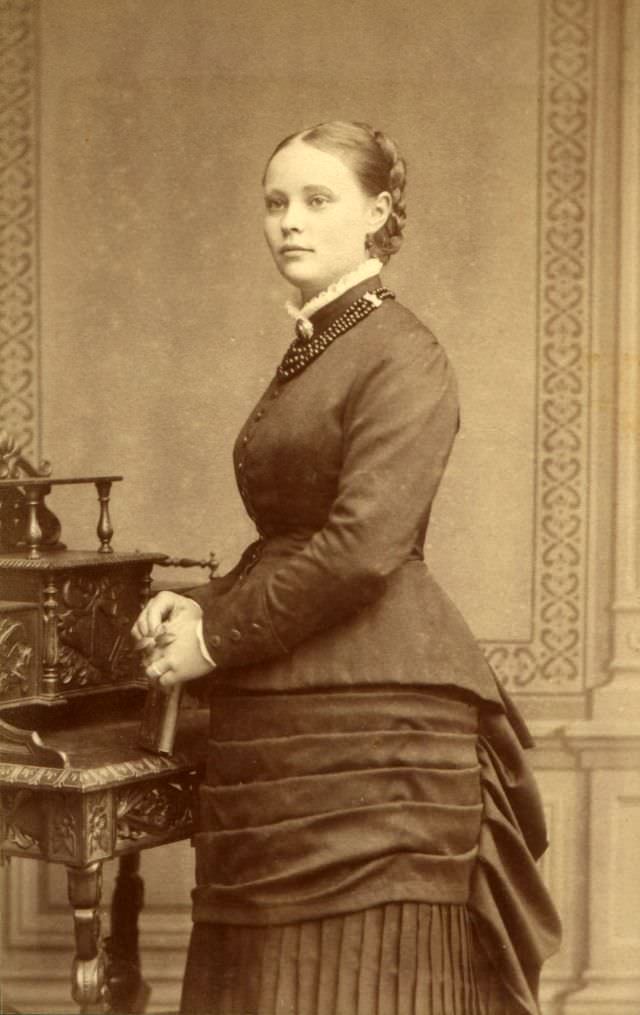
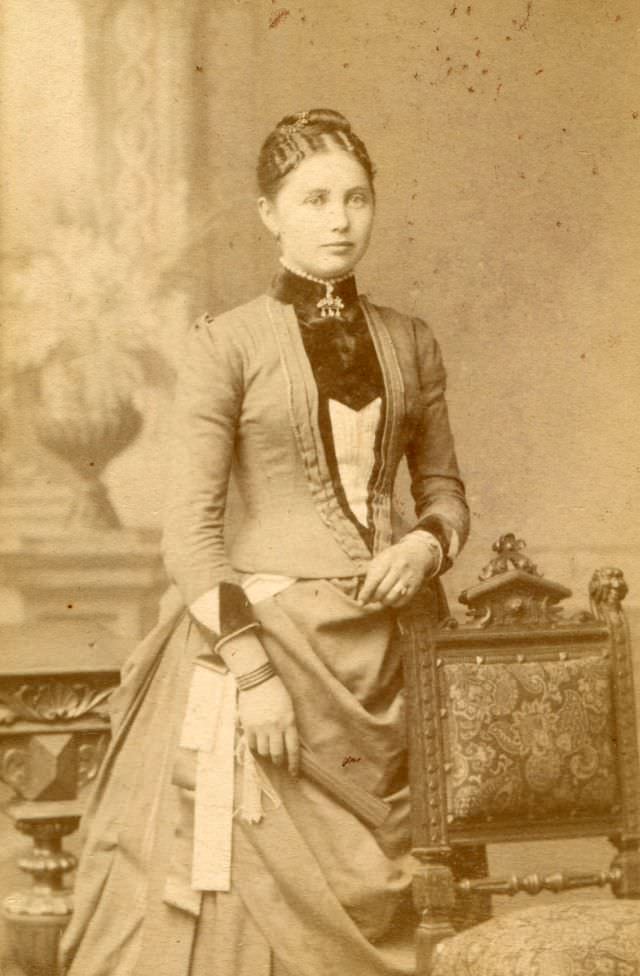
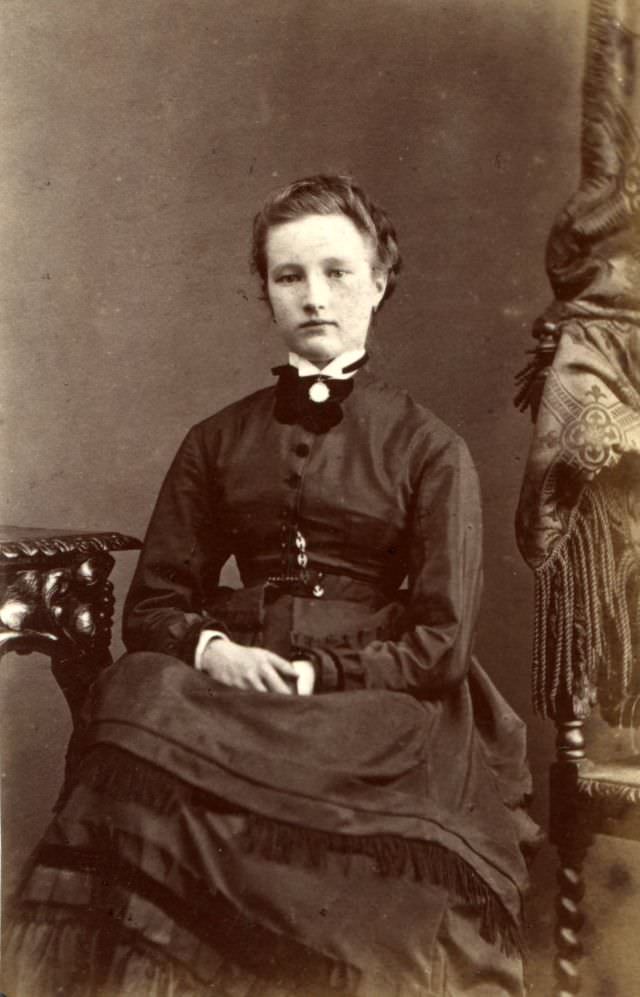
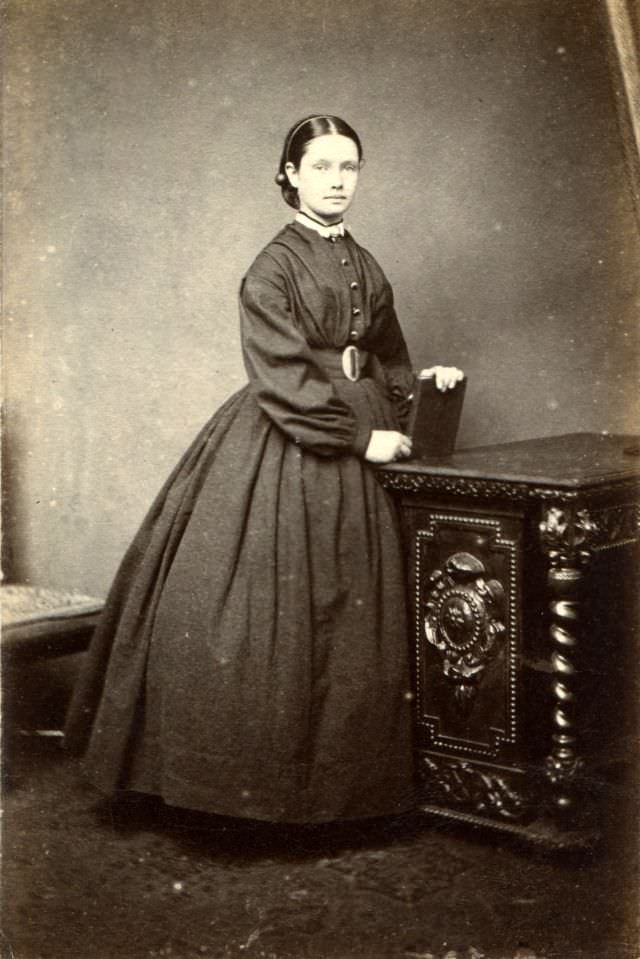
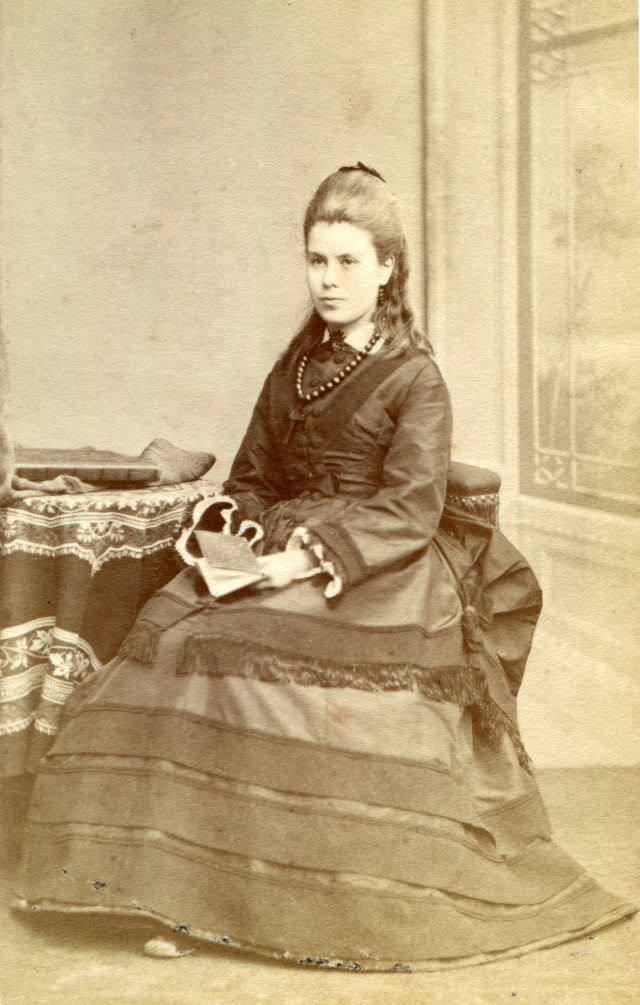
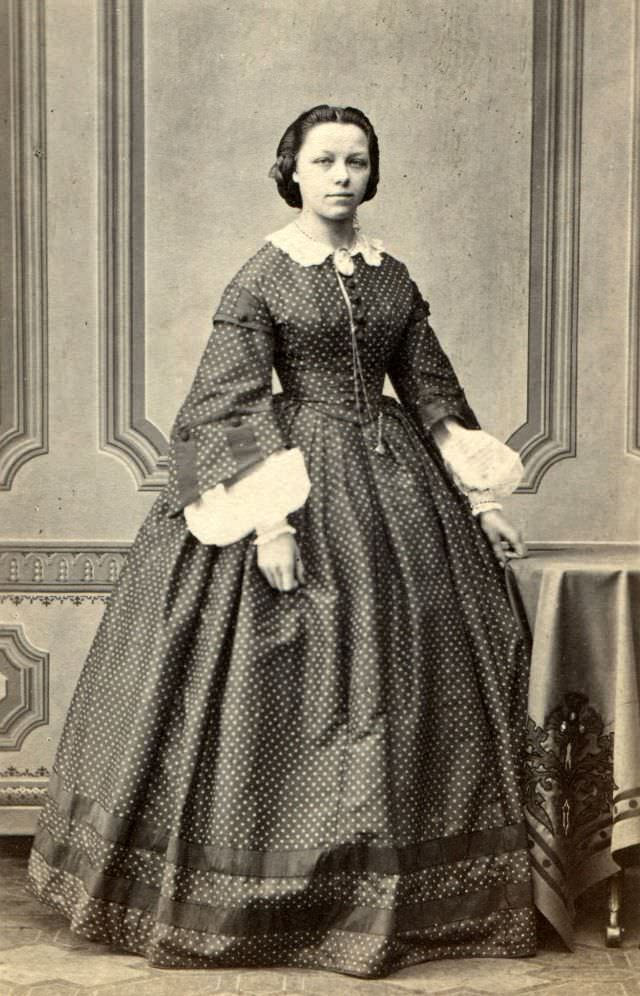
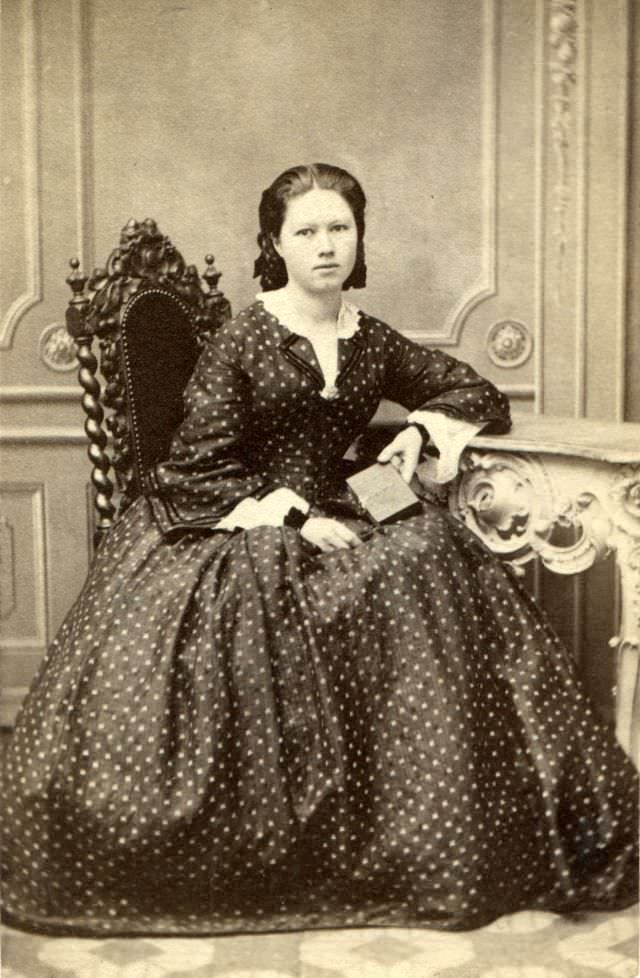
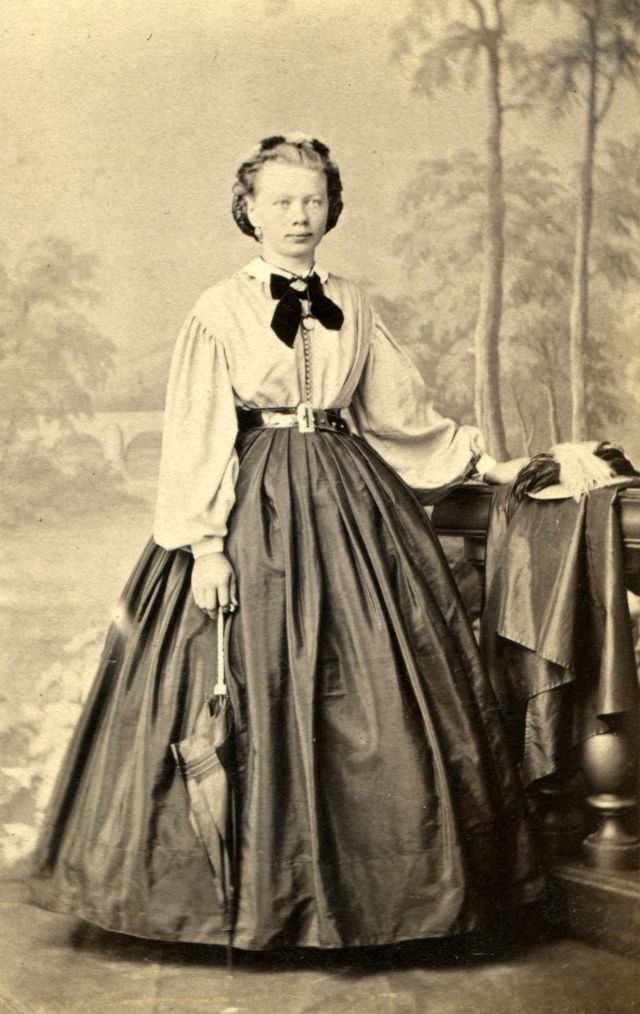
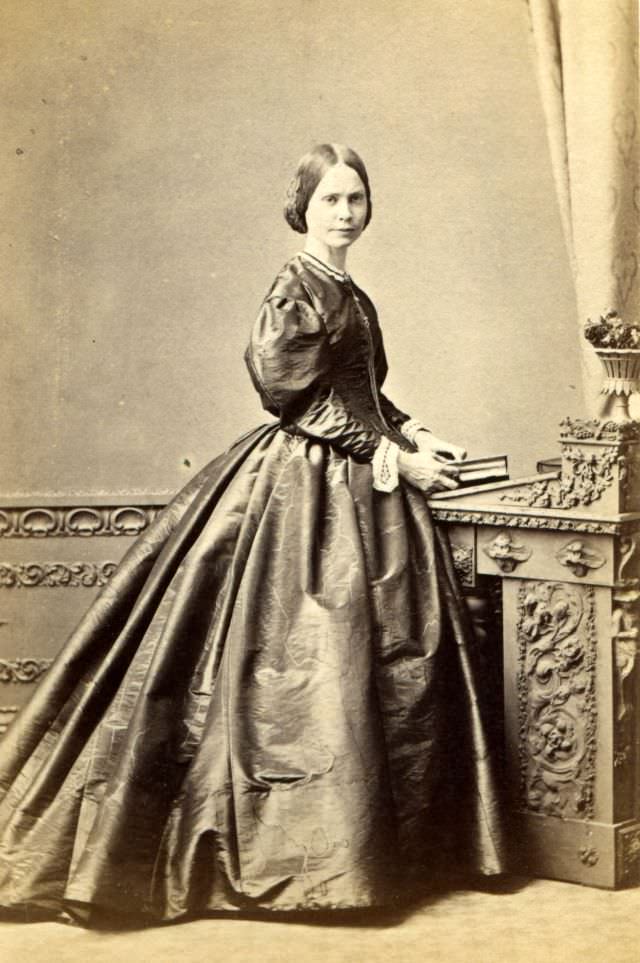
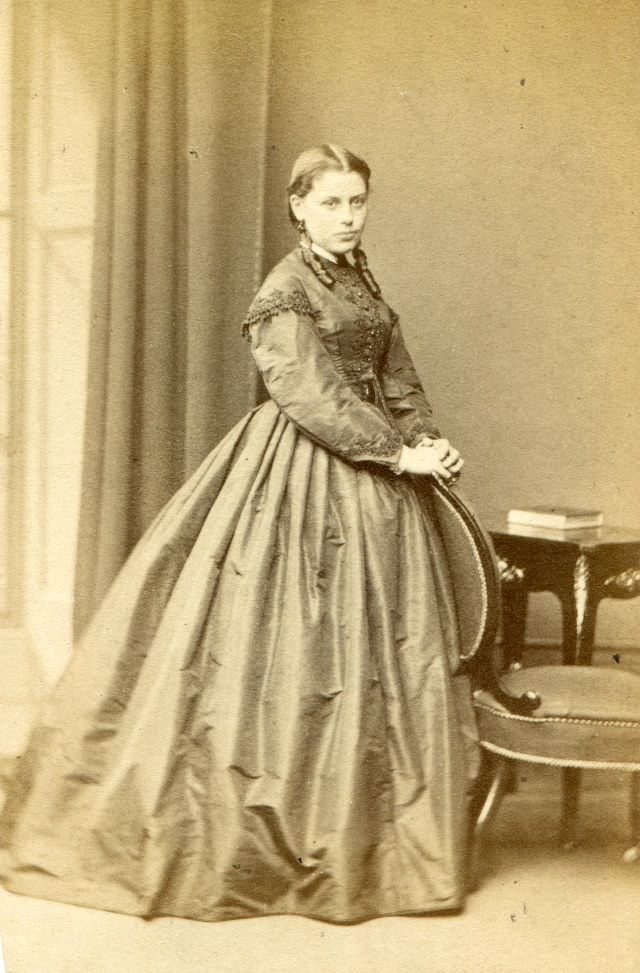
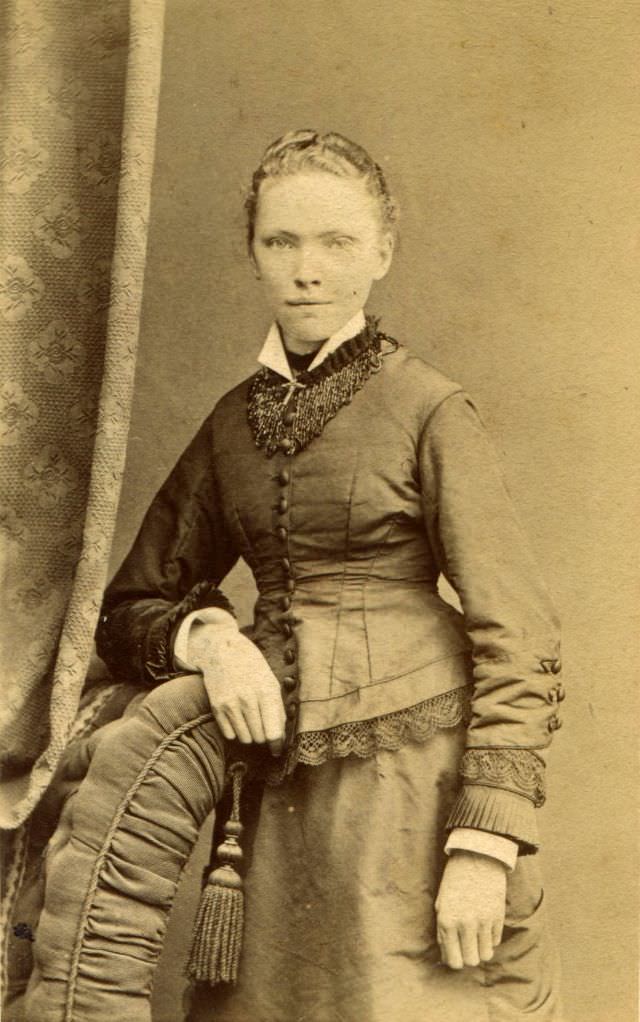
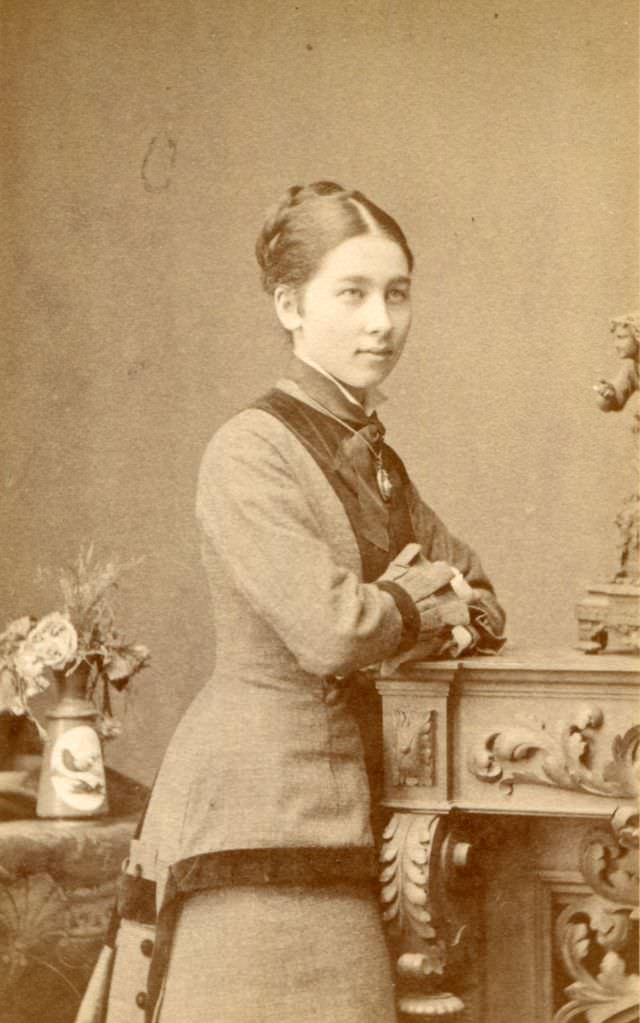
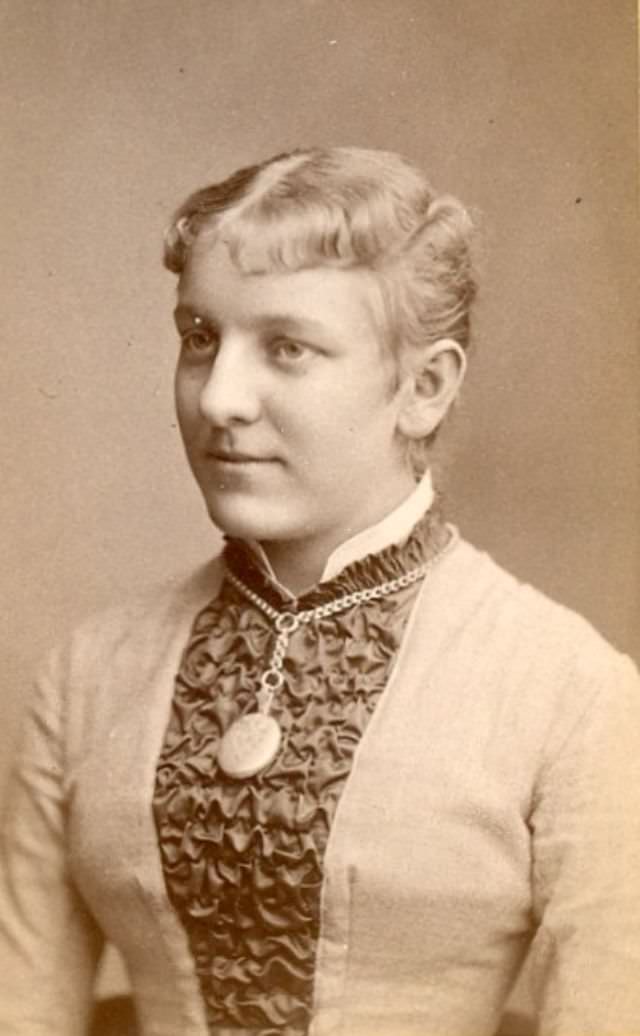
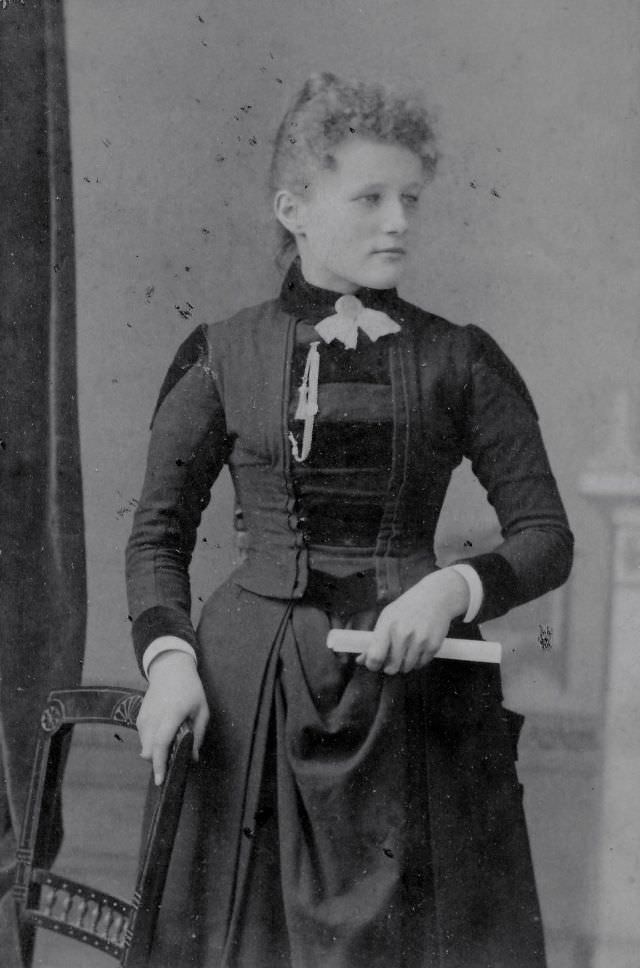
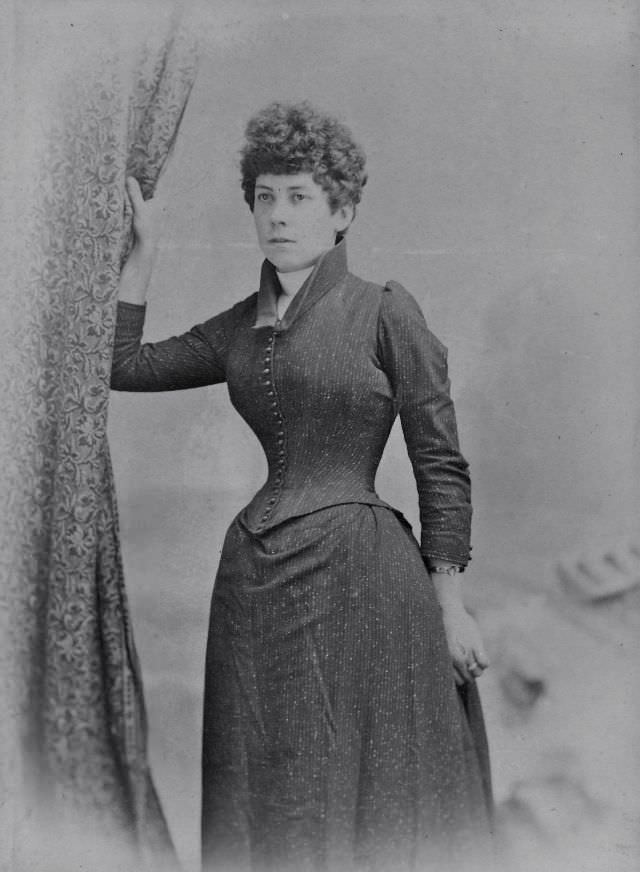
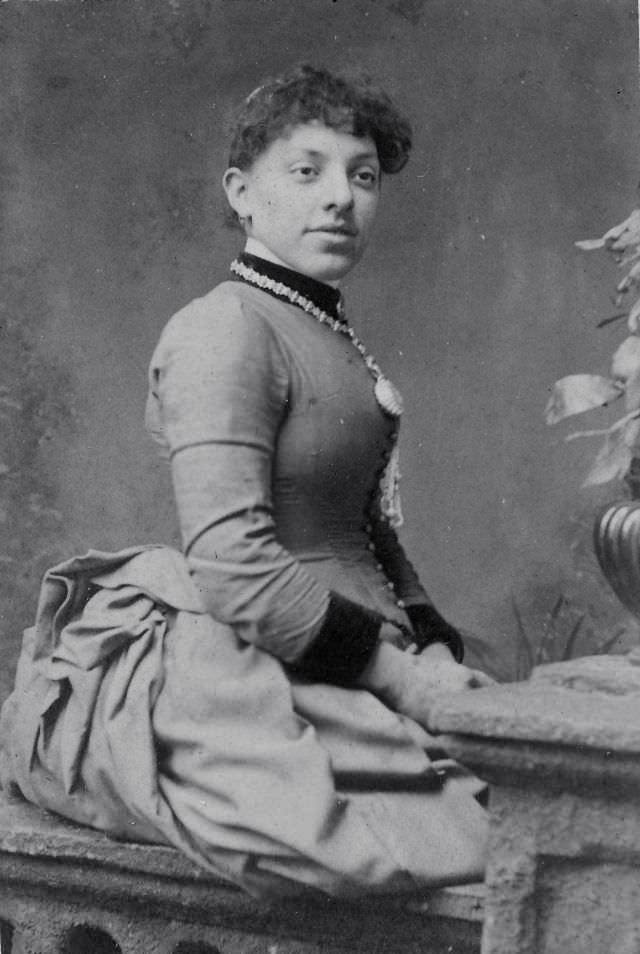
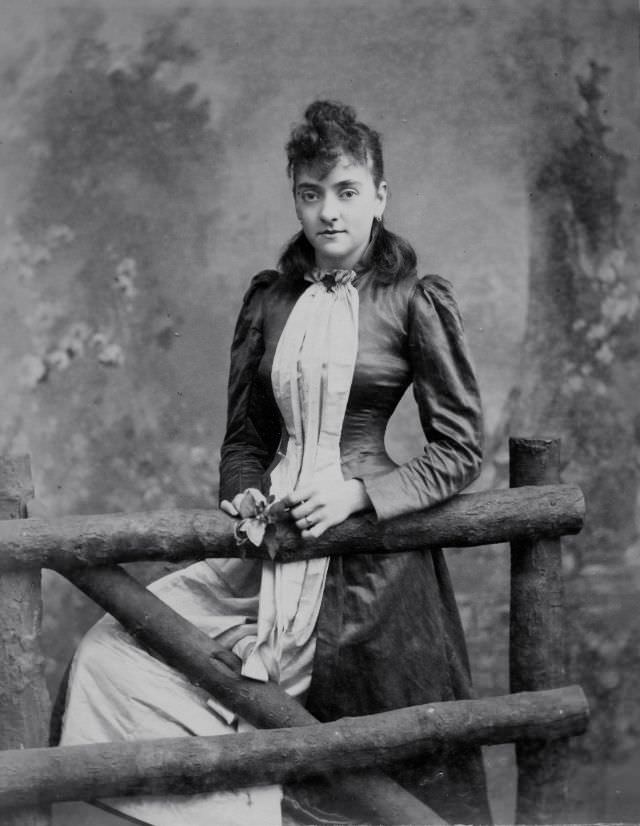
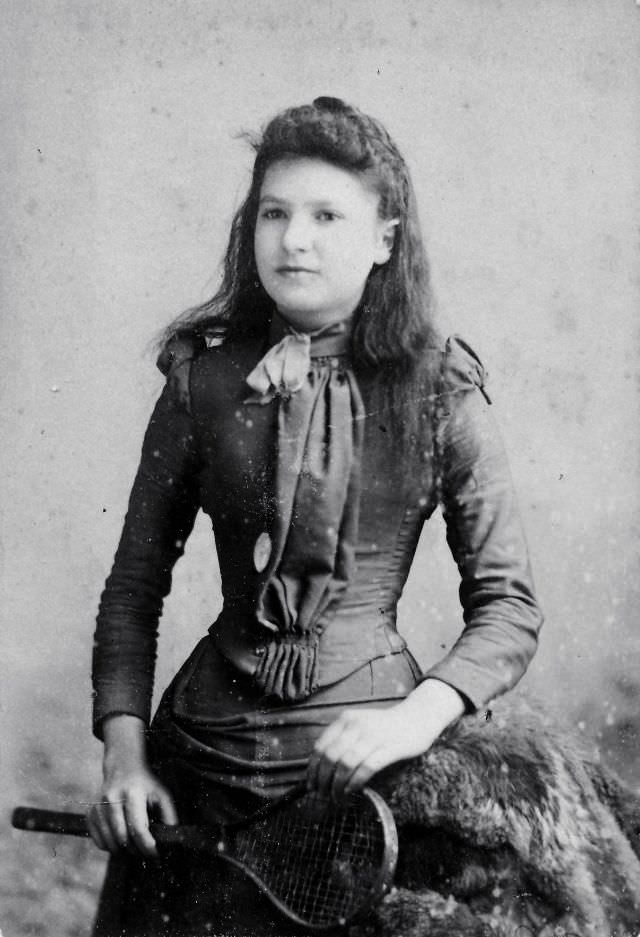
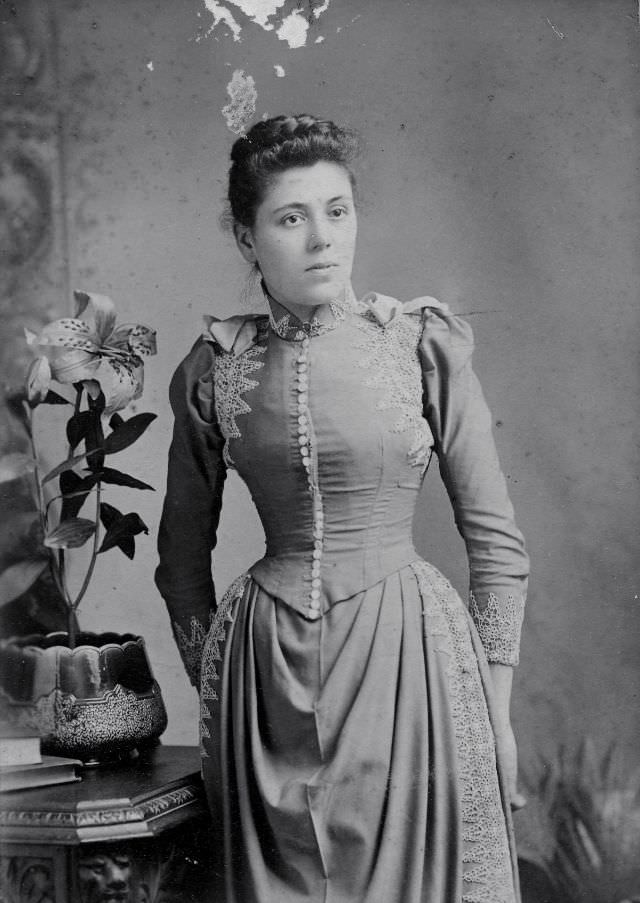
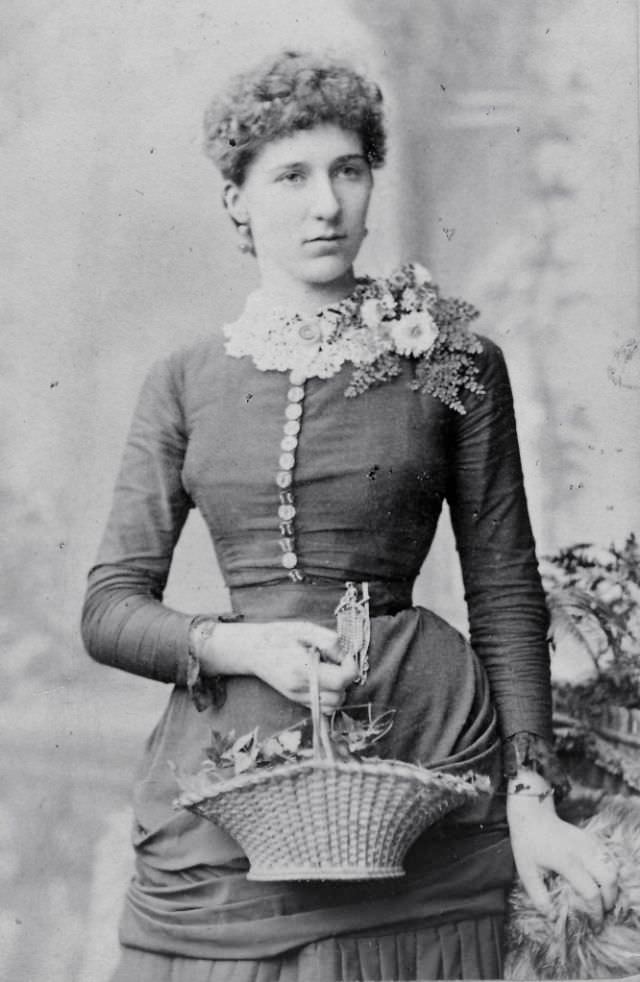
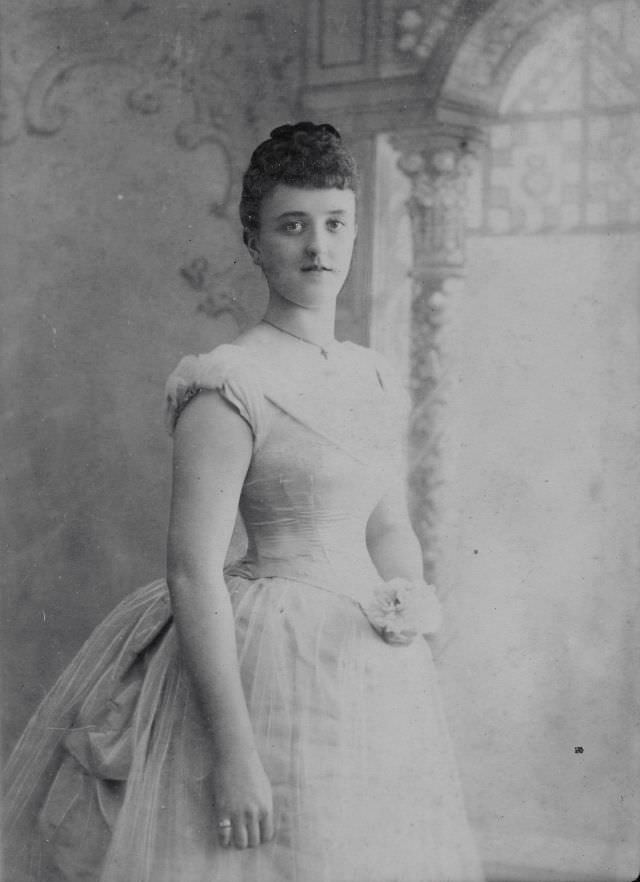
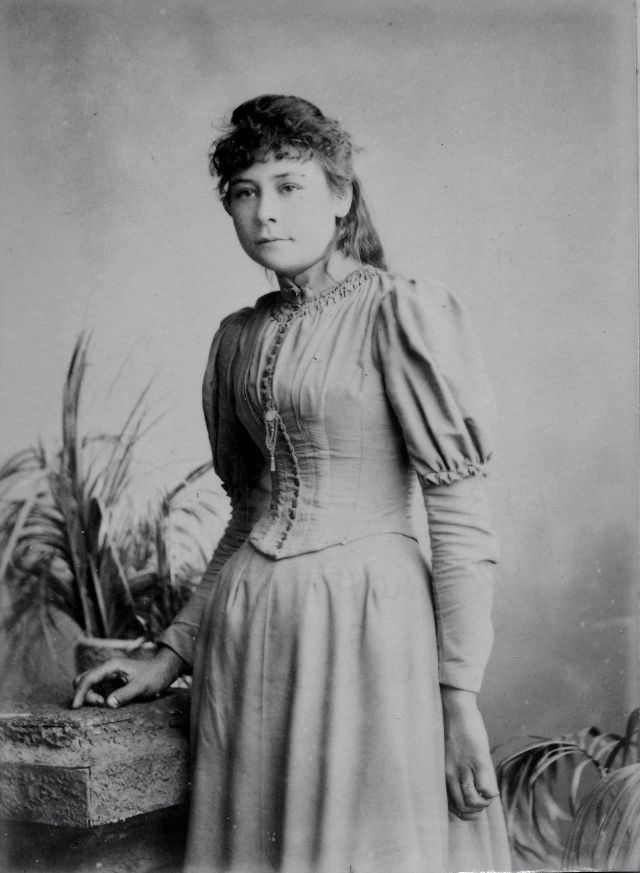
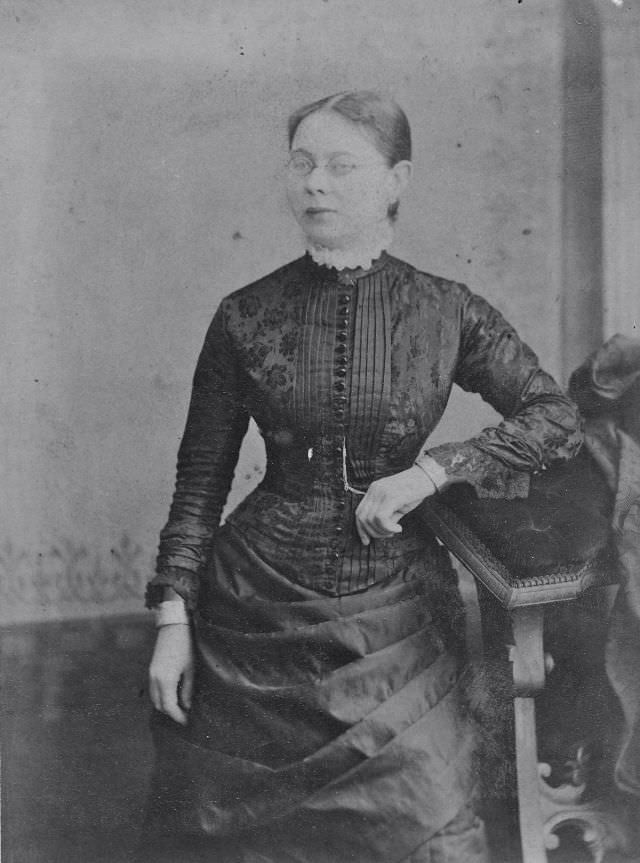
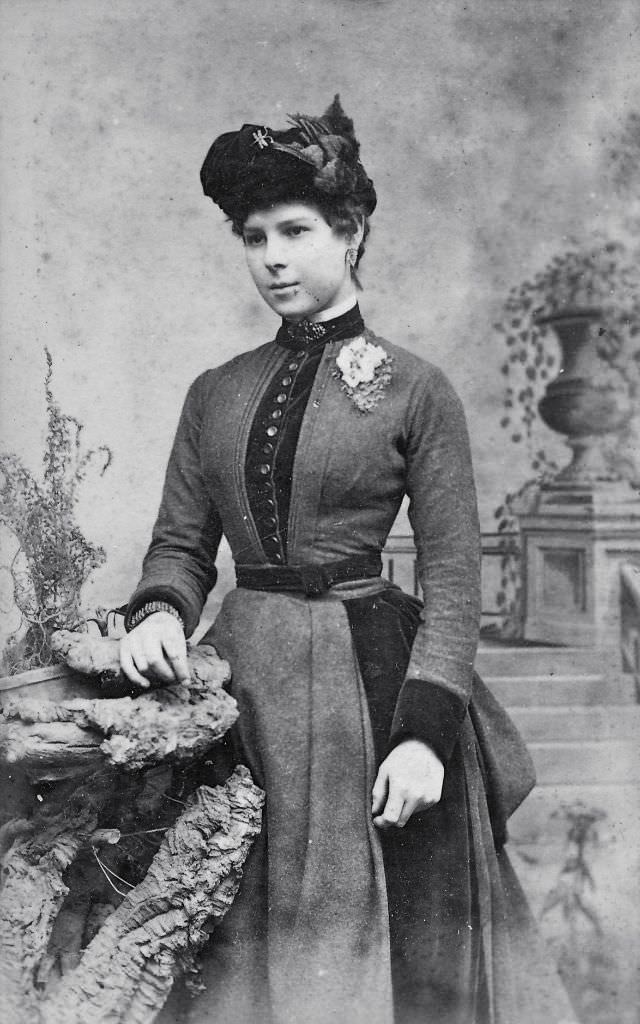
Photographs from the late 19th century offer a direct window into how Victorian women actually looked in their corsets. Studio portraits — a relatively new technology in the Victorian era — captured women in their finest dress, with the tightly shaped waists and structured bodices that corsets produced clearly visible in the silhouette.
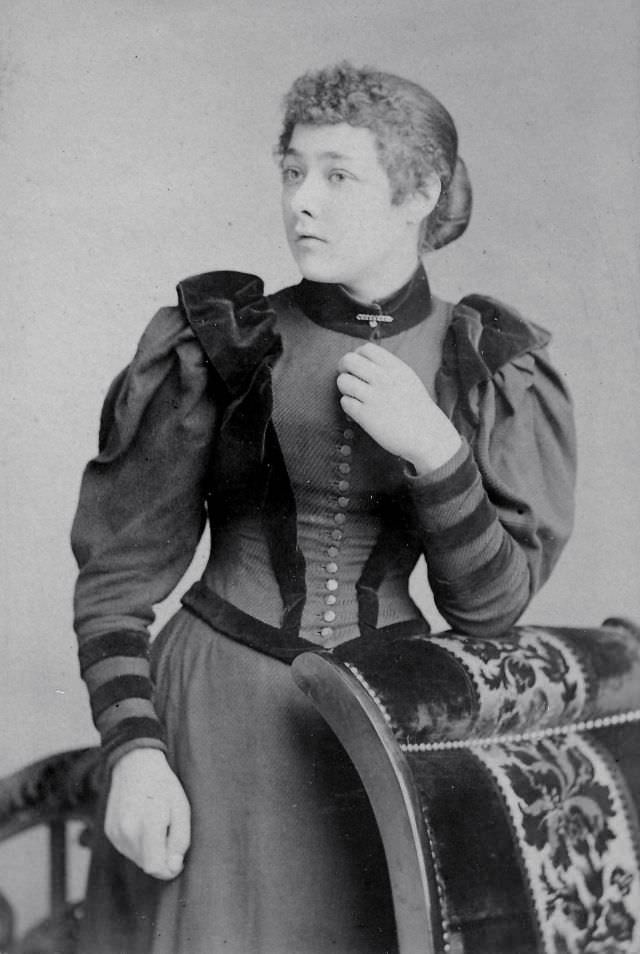
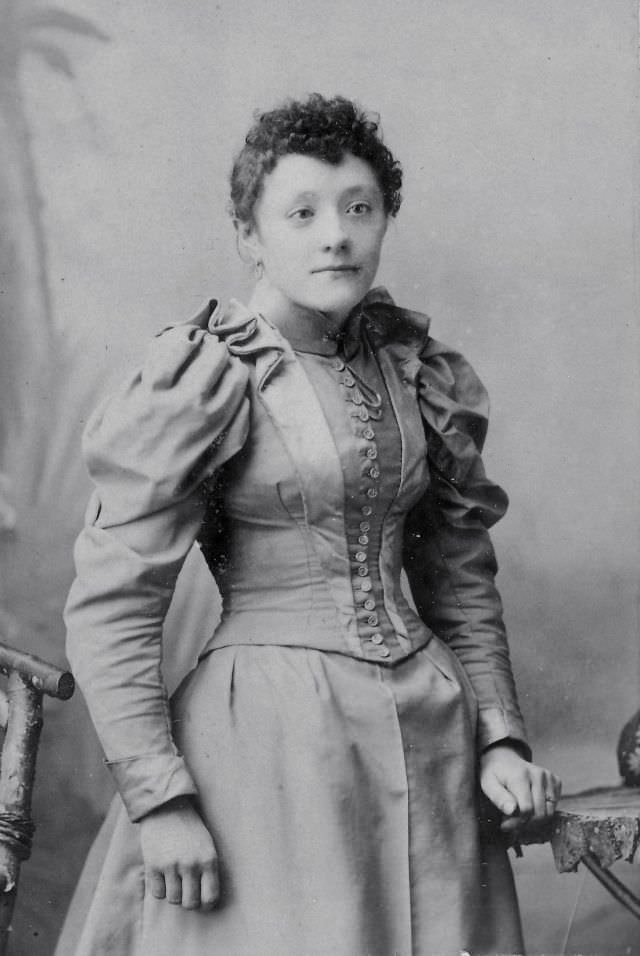
The photographs below are drawn from that period. They show Victorian women dressed in the fashion of their time, the fitted waistlines and structured forms a direct result of the corsets worn beneath their clothing — and in some images, the corset itself on full display.