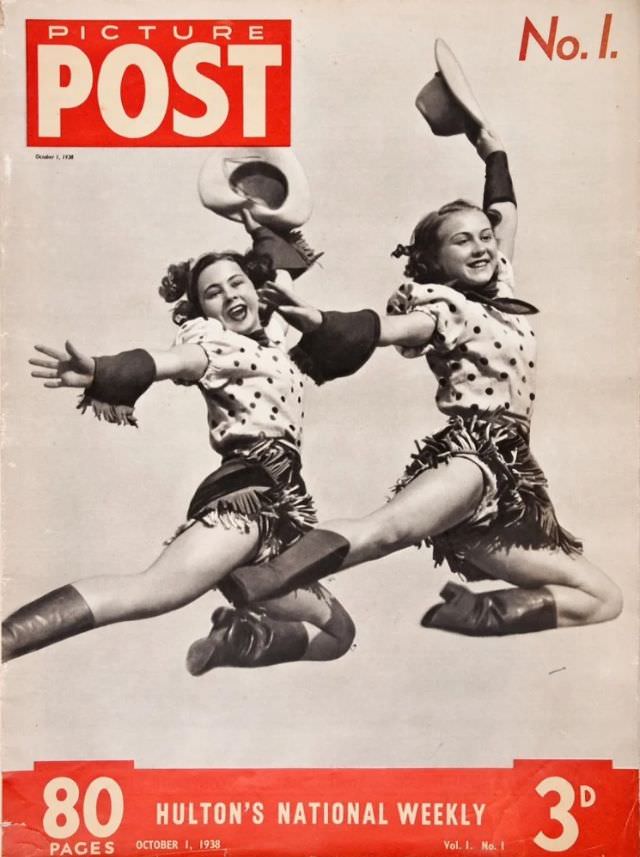
Picture Post launched in the United Kingdom on October 1, 1938 — just weeks before the world would change forever. Published until 1957, it became one of the most important photojournalism magazines Britain ever produced. Within its first two months, it sold more than 1.7 million copies, a number that left competitors stunned and readers hungry for more.
Many compared Picture Post to America’s Life magazine, and the comparison was fair. Both relied on powerful photography to tell stories that words alone couldn’t carry. But Picture Post had a sharp political edge. Its editorial stance was liberal, anti-fascist, and built around the concerns of ordinary people. From its very first issues, the magazine took a clear stand against the persecution of Jews in Nazi Germany. In the November 26, 1938 issue, the faces of Adolf Hitler, Joseph Goebbels, and Hermann Göring were printed alongside the scientists, writers, and actors they were actively persecuting — a bold editorial choice at a time when many publications still tiptoed around Nazi brutality.
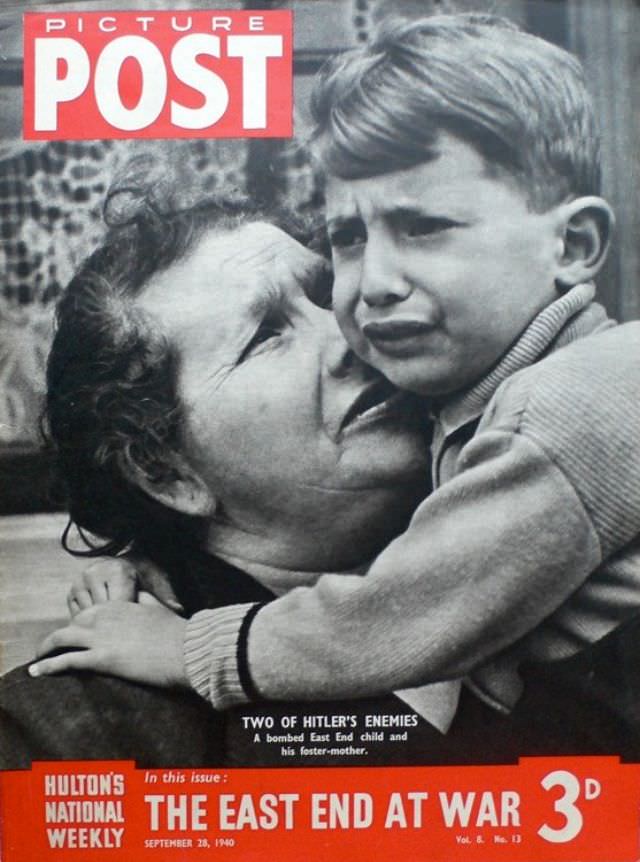
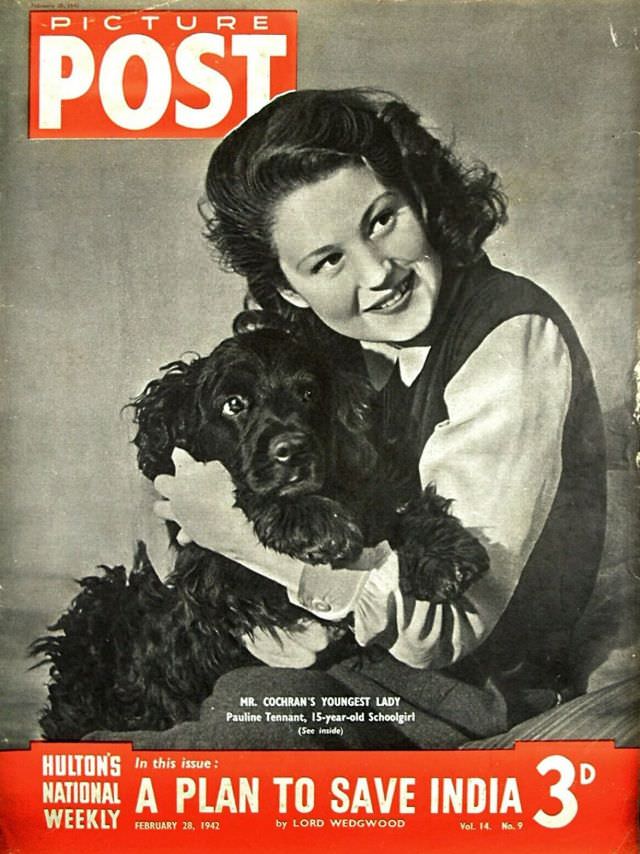
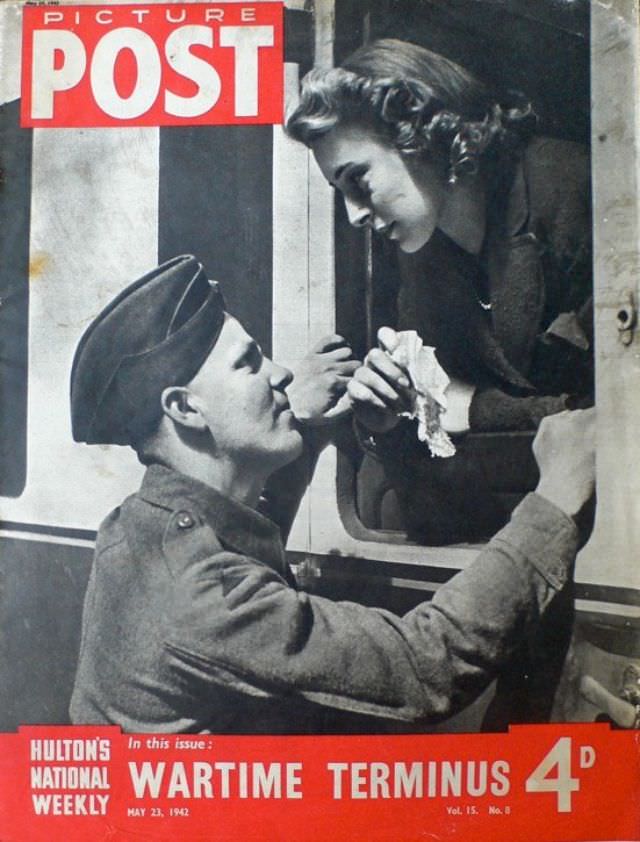
When World War II broke out, Picture Post didn’t retreat into cheerful distraction. It covered the war head-on, bringing readers face to face with life on the home front and at the front lines. Covers from 1940 showed East Londoners dealing with the Blitz, while 1942 issues tackled wartime rail travel and the question of Britain’s role in India.
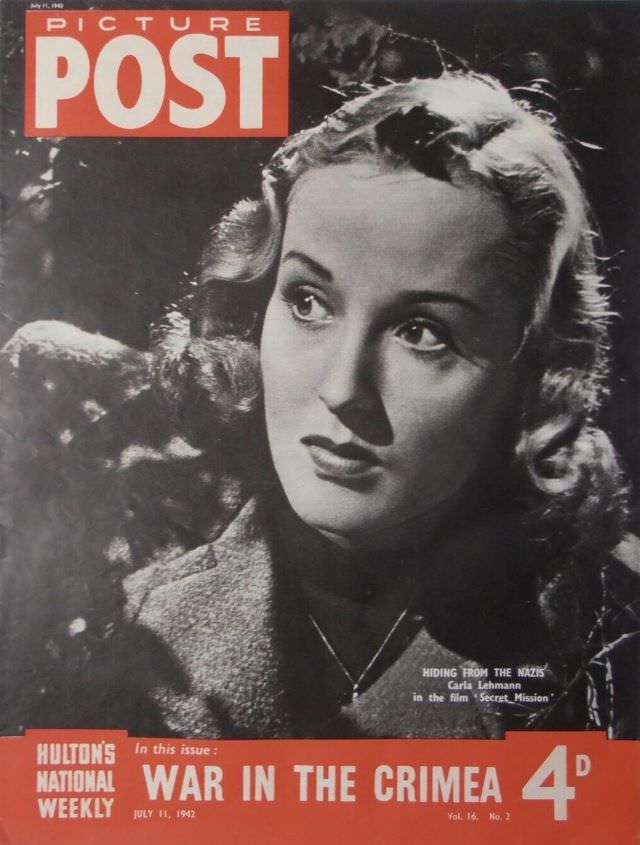
Even during wartime, Picture Post found space for culture and celebrity. Canadian actress Carla Lehmann appeared on the July 1942 cover, a reminder that entertainment still mattered to a war-weary public. The magazine balanced hard news with human interest in a way few publications managed as skillfully.
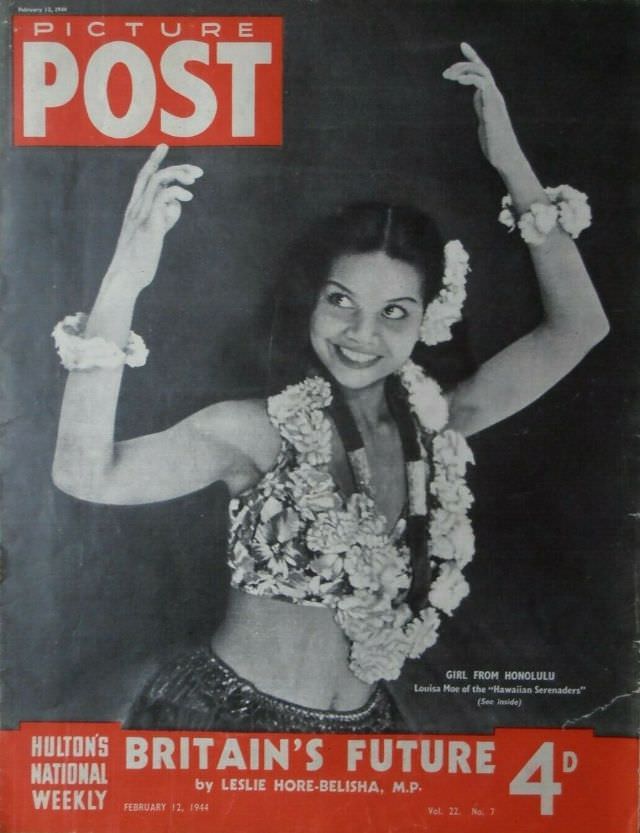
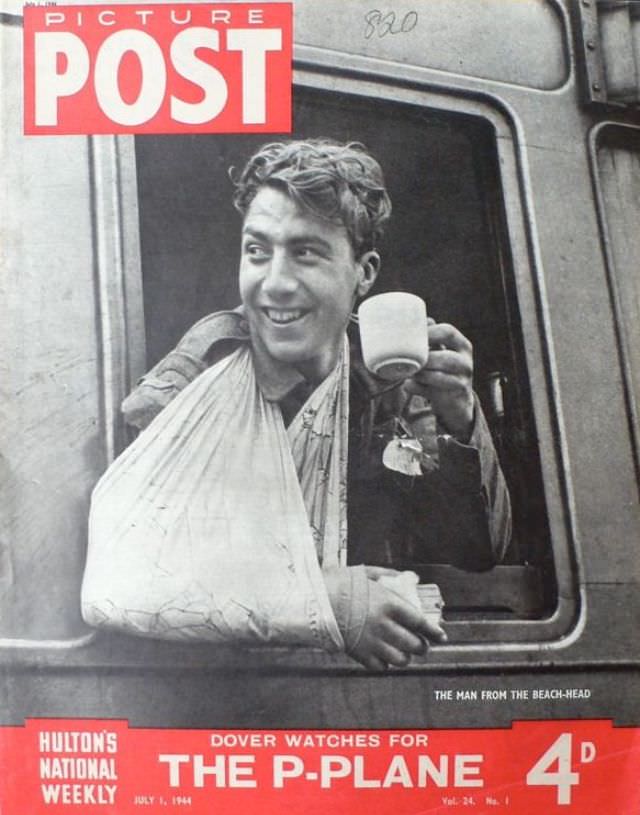
By 1944, the war was entering its final, brutal stretch. Picture Post captured that reality directly — a July 1944 cover showed a wounded soldier being handed a cup of tea, an image that said everything about British stoicism without a single word of explanation. Earlier that year, the magazine had already shifted some attention to the Pacific, featuring a “Girl From Honolulu” on its February cover.
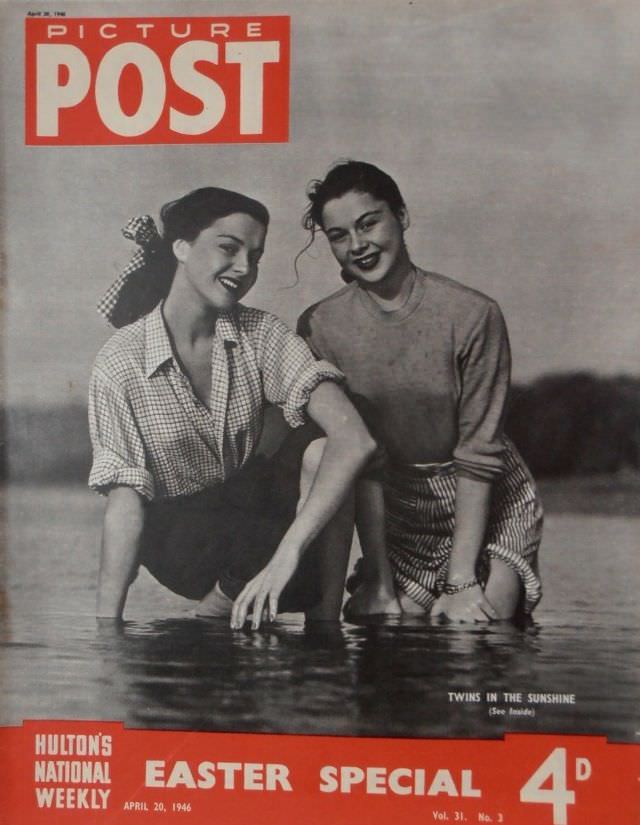
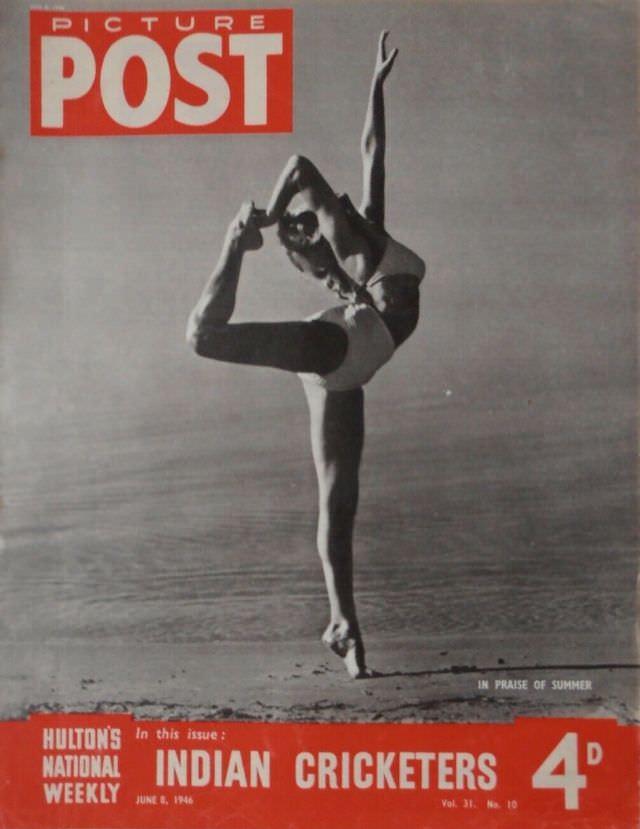
After the war ended, Picture Post’s covers shifted in tone. The 1946 issues embraced the relief and renewal of peacetime — Easter specials, summer celebrations, and county fairs replaced soldiers and ration books. Science also got its moment, with a May 1946 cover exploring how research was being used to fight global famine.
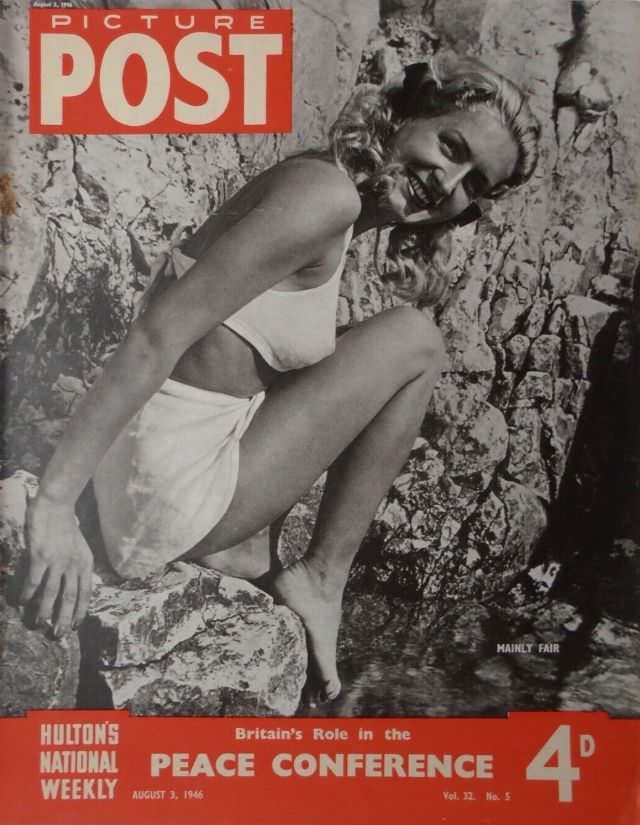
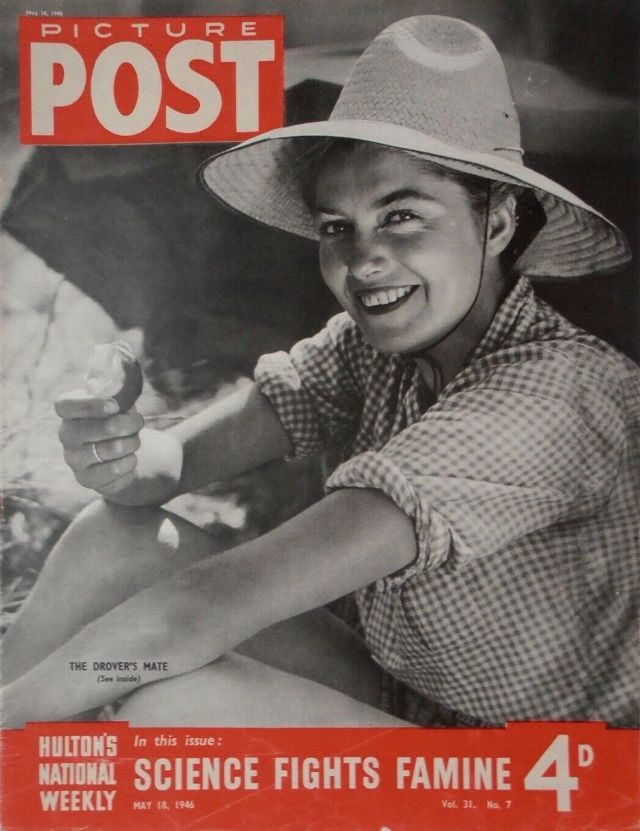
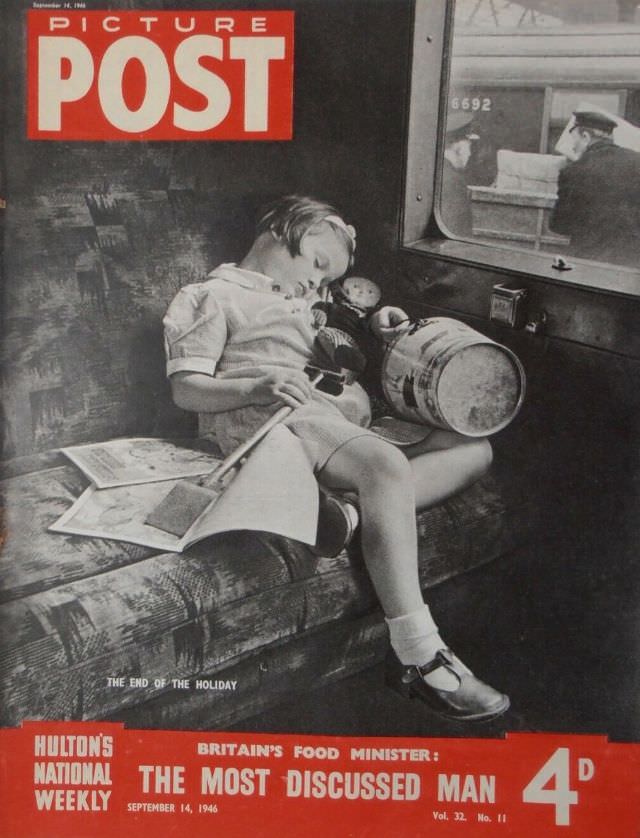
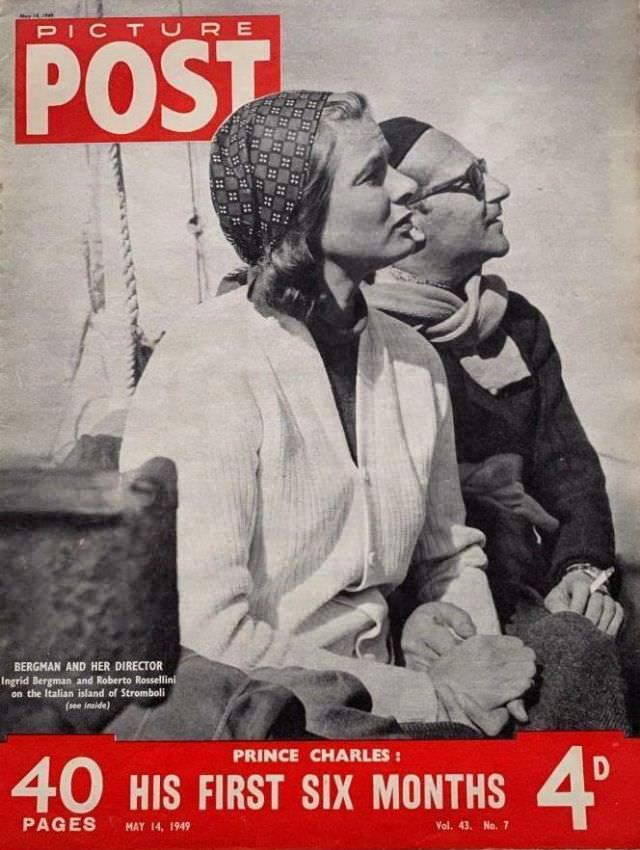
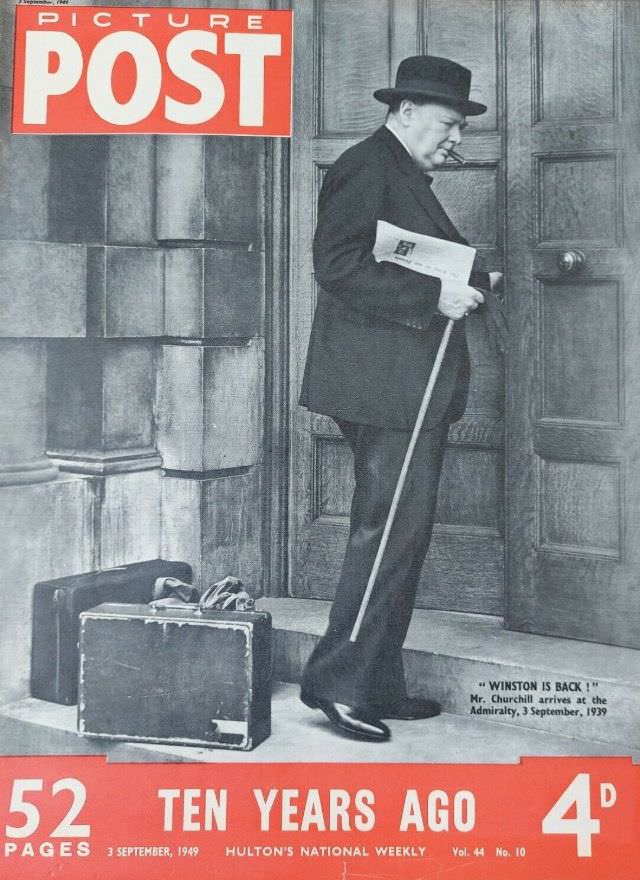
The late 1940s brought a wave of Hollywood glamour to the covers. Marilyn Monroe appeared in December 1947, well before she became a global icon. Ingrid Bergman was photographed on the volcanic Italian island of Stromboli with director Roberto Rossellini in 1949 — a pairing that had already scandalised the world. Winston Churchill also made the cover that same year, just two years before he would return to power as Prime Minister.
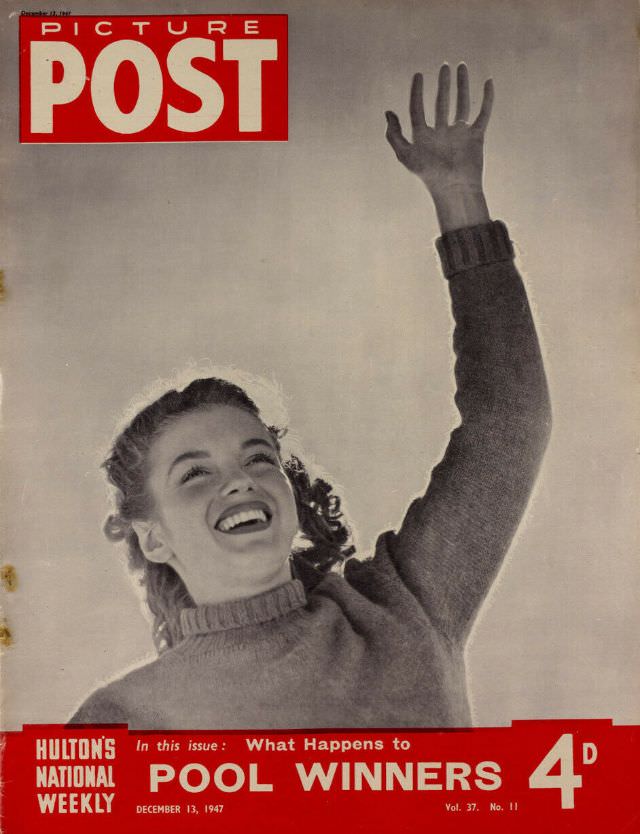
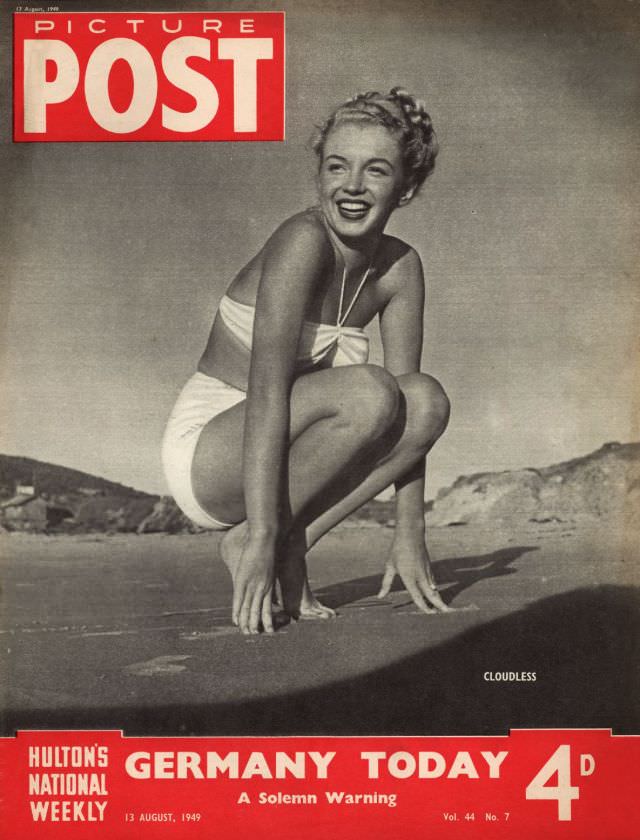
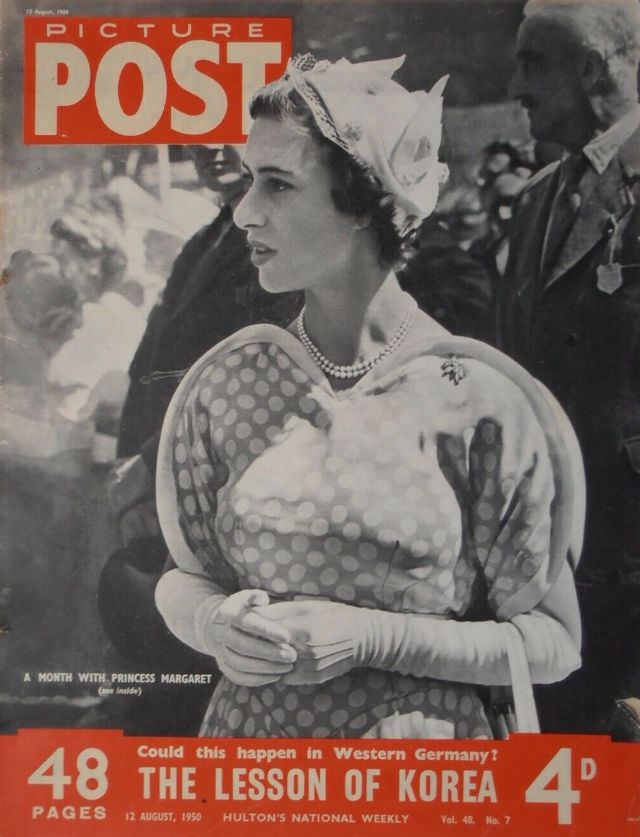
Into the 1950s, Picture Post continued to mix royalty, politics, and pop culture on its covers. Princess Margaret was given a full month of coverage in August 1950. The Korean War and Cold War tensions shaped the political covers, while stars like Ava Gardner and Richard Burton represented a new generation of screen talent.
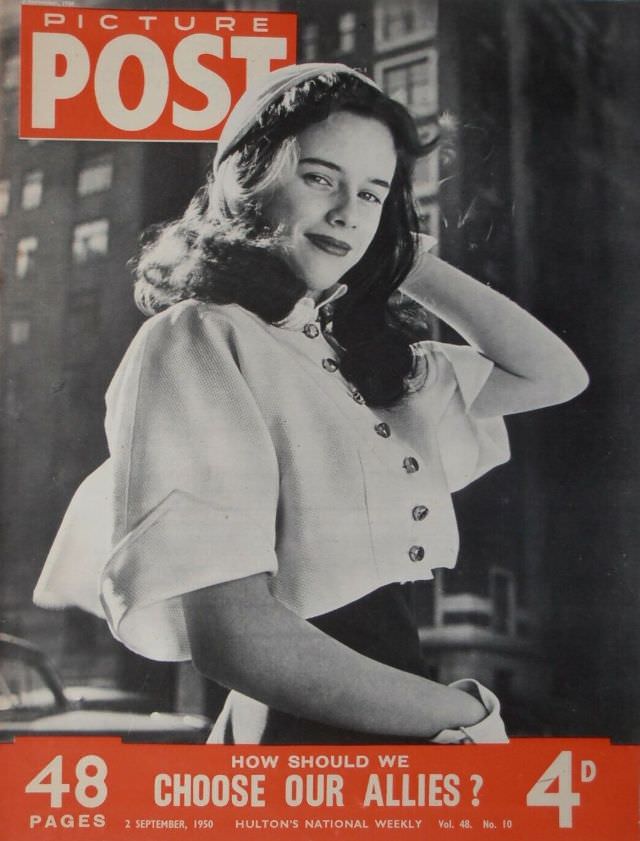
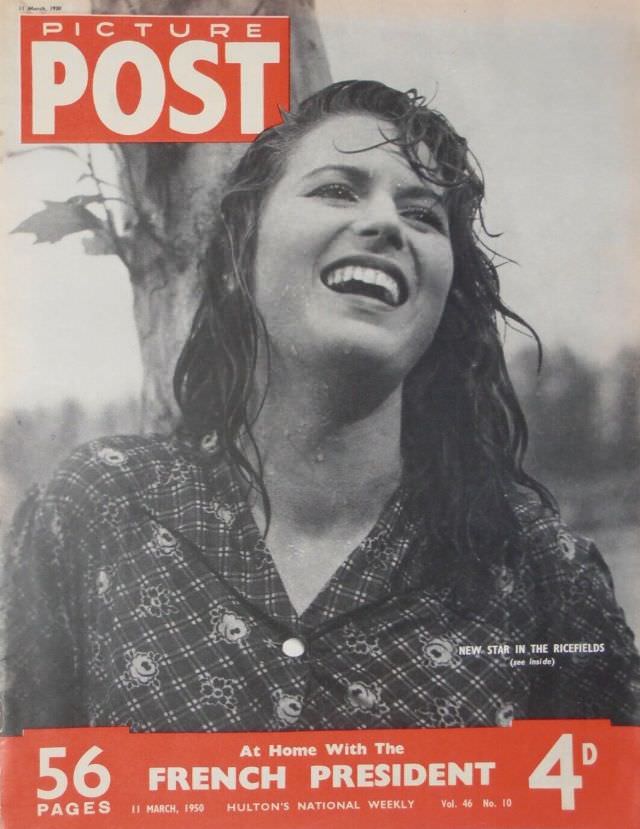
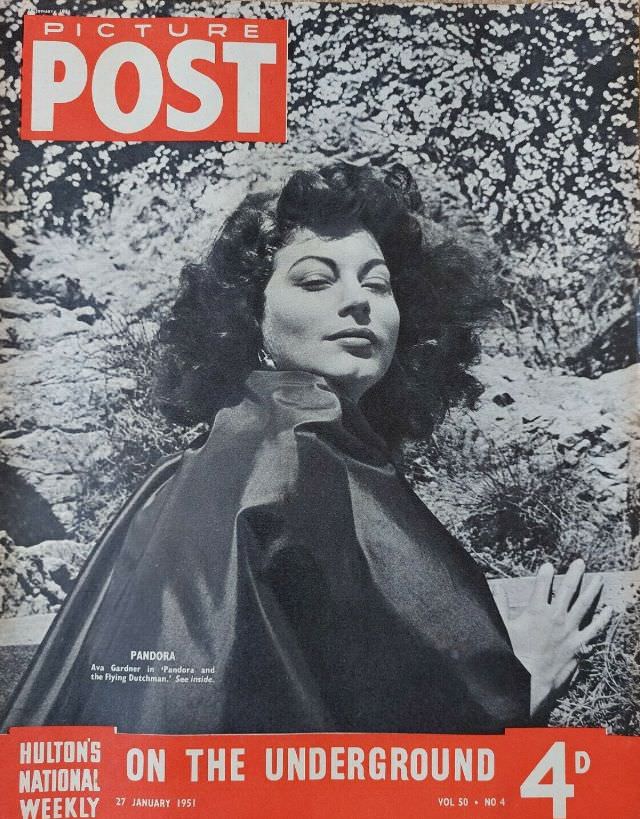
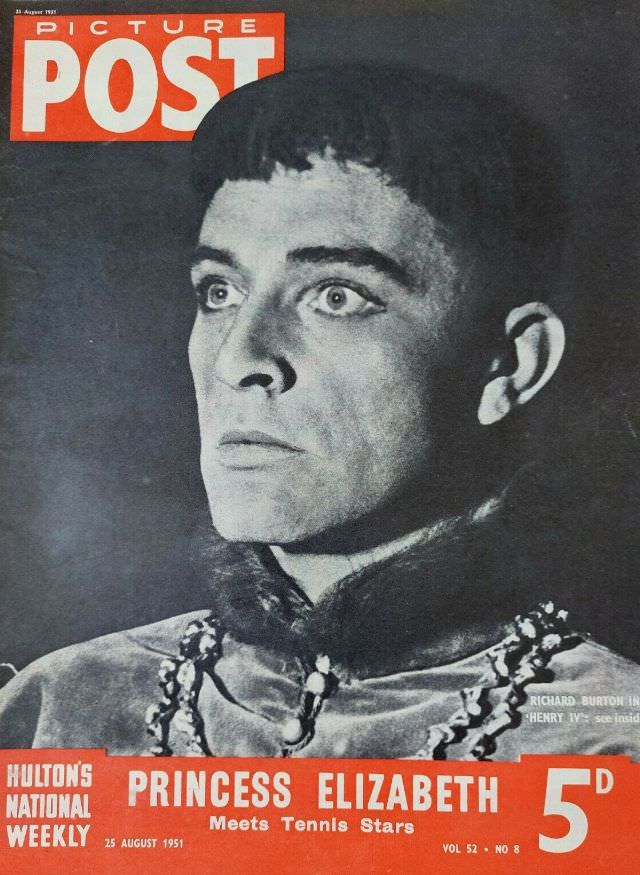
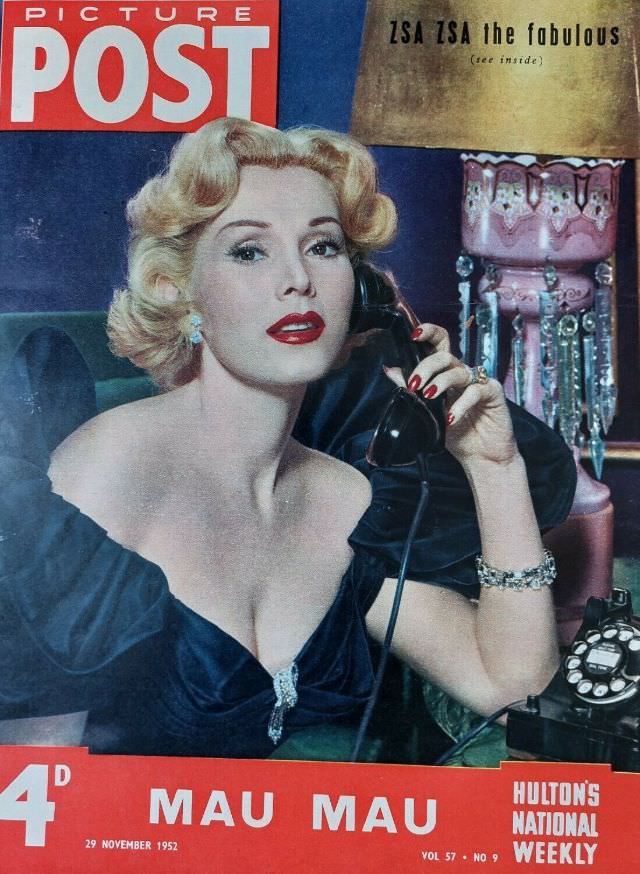
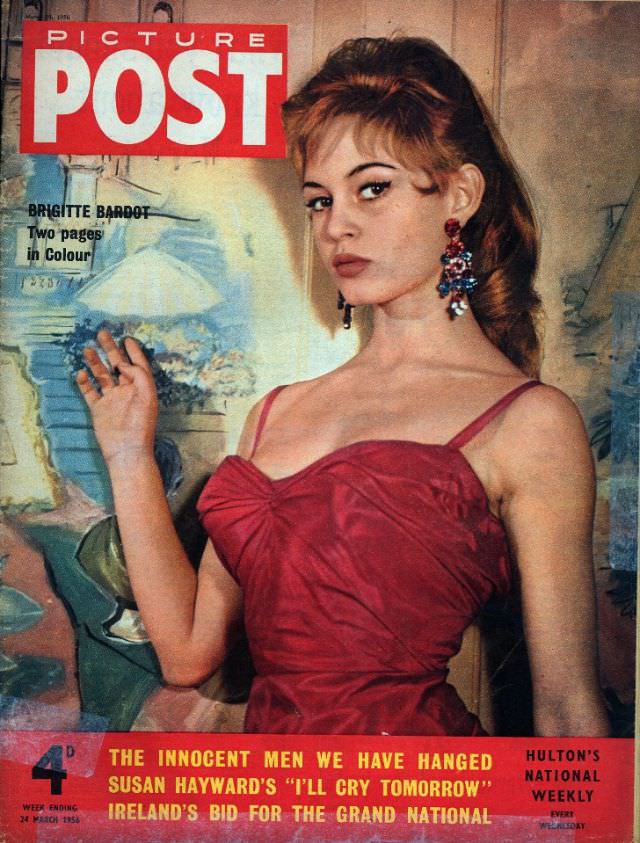
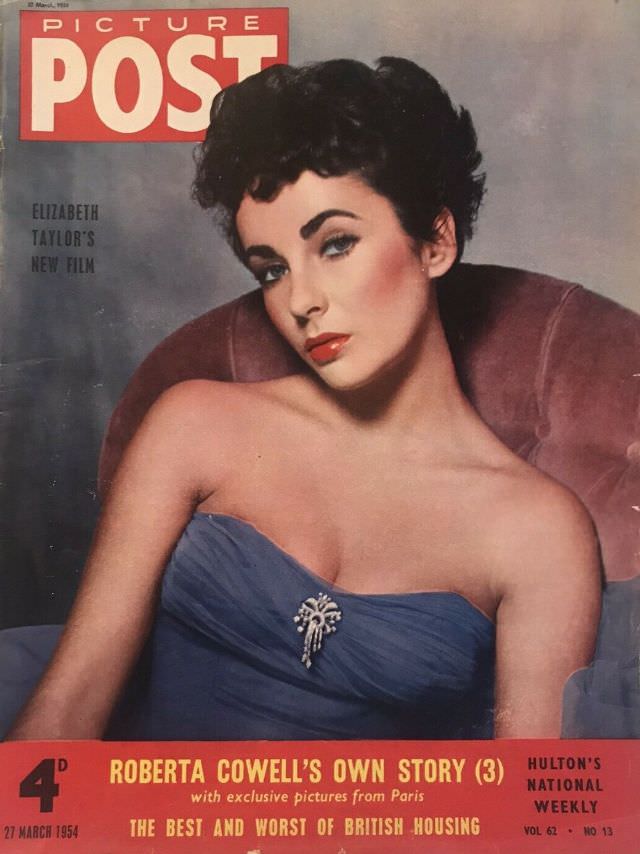
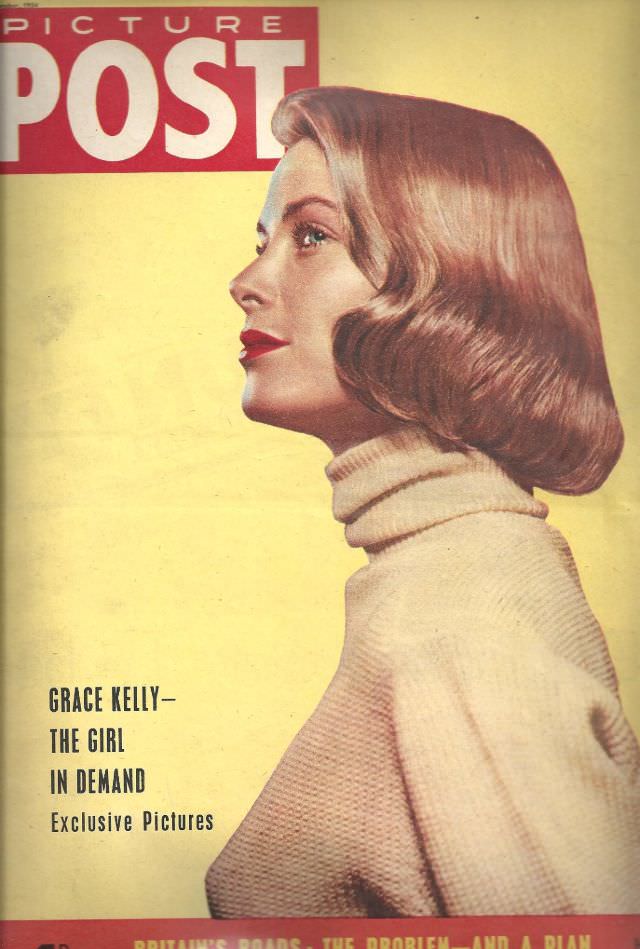
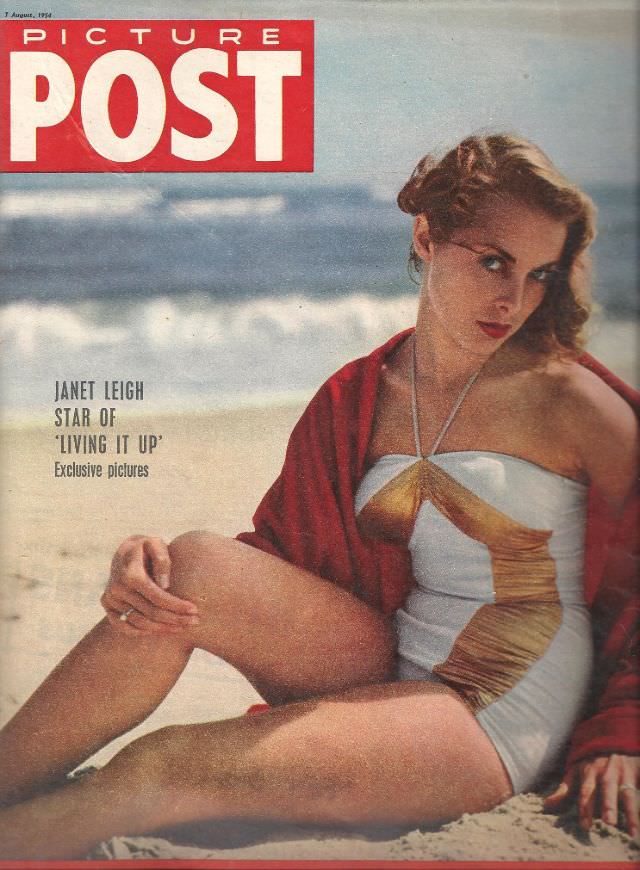
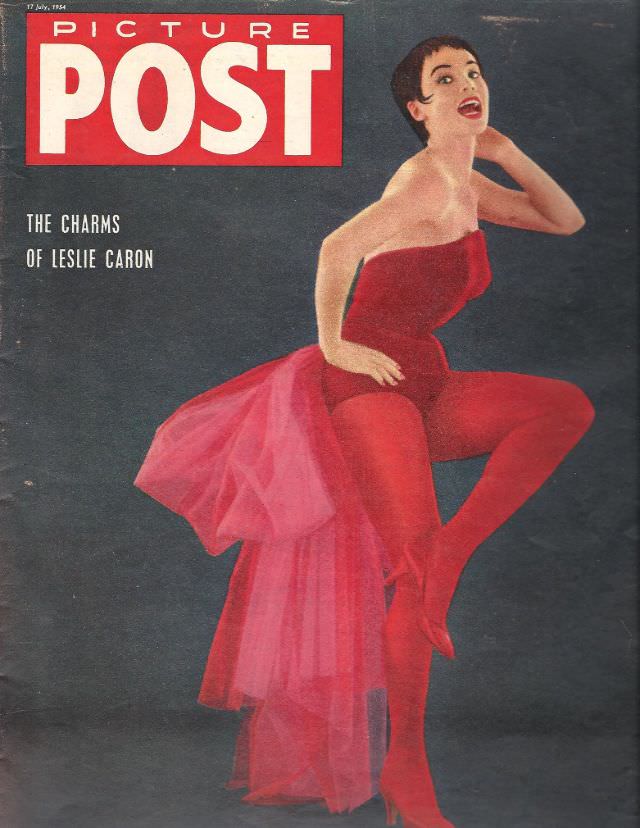
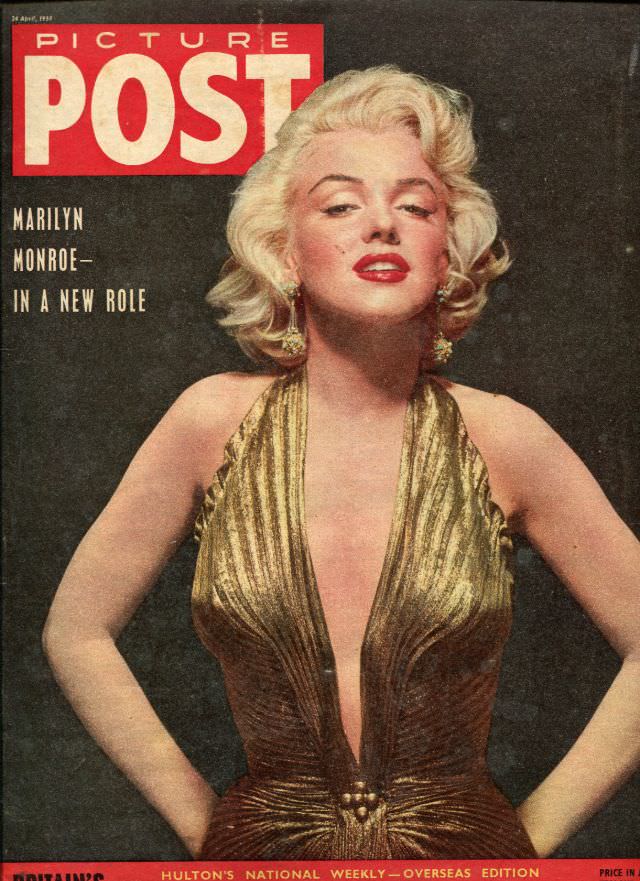
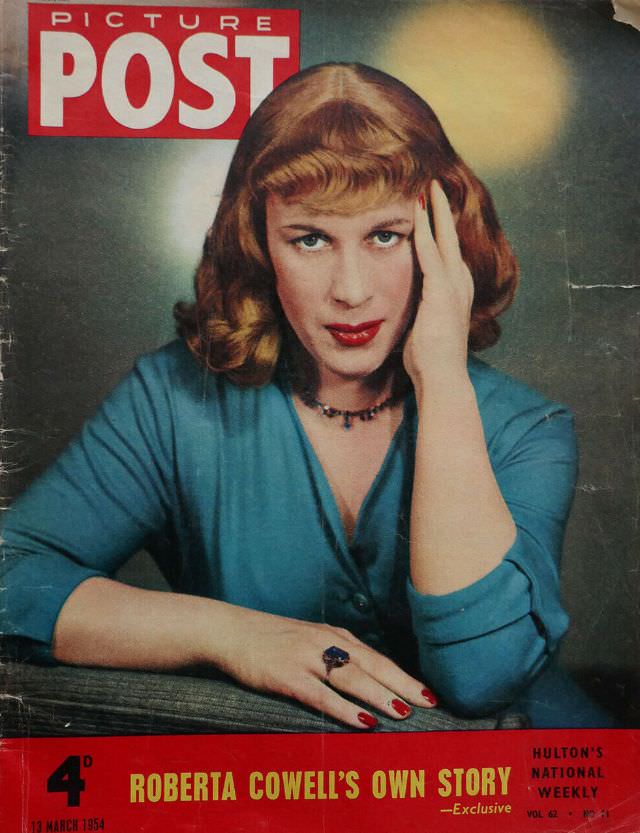
The mid-1950s were the golden era of Picture Post’s celebrity covers. Zsa Zsa Gabor, Brigitte Bardot, Elizabeth Taylor, Grace Kelly, Janet Leigh, and Leslie Caron all graced the cover within a two-year stretch. Marilyn Monroe appeared again in April 1954, one of three separate Picture Post covers she would land across her career. Roberta Cowell, a pioneering figure in British history as one of the first known women to undergo gender reassignment surgery, also appeared on the cover in March 1954.
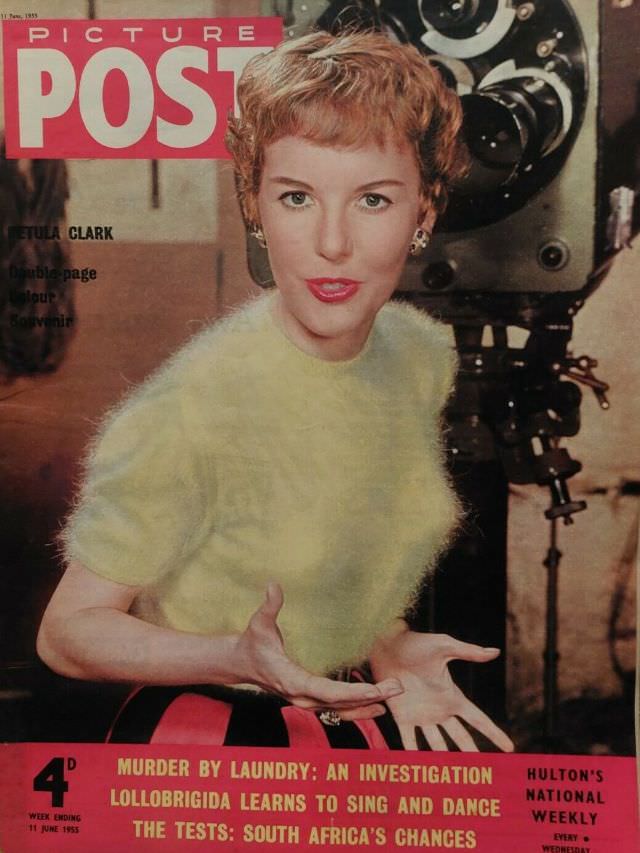
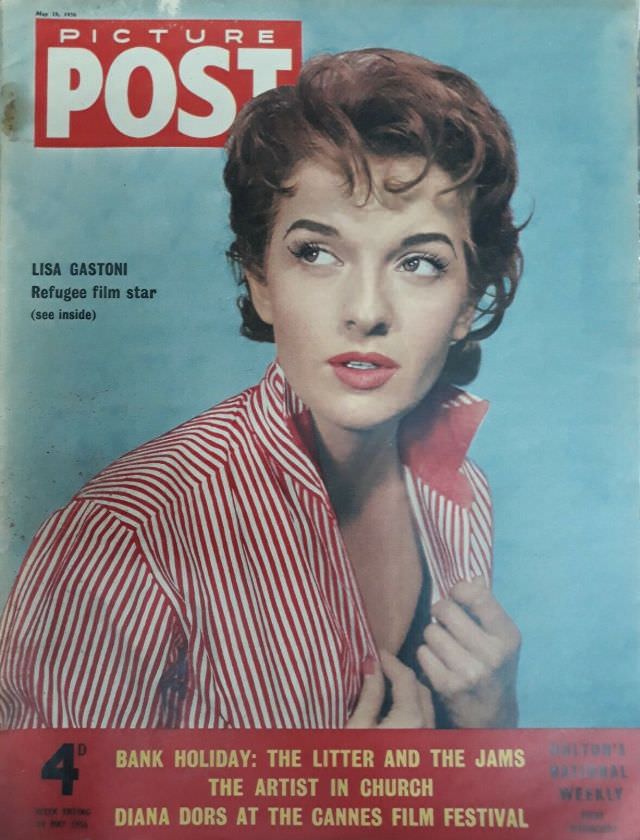
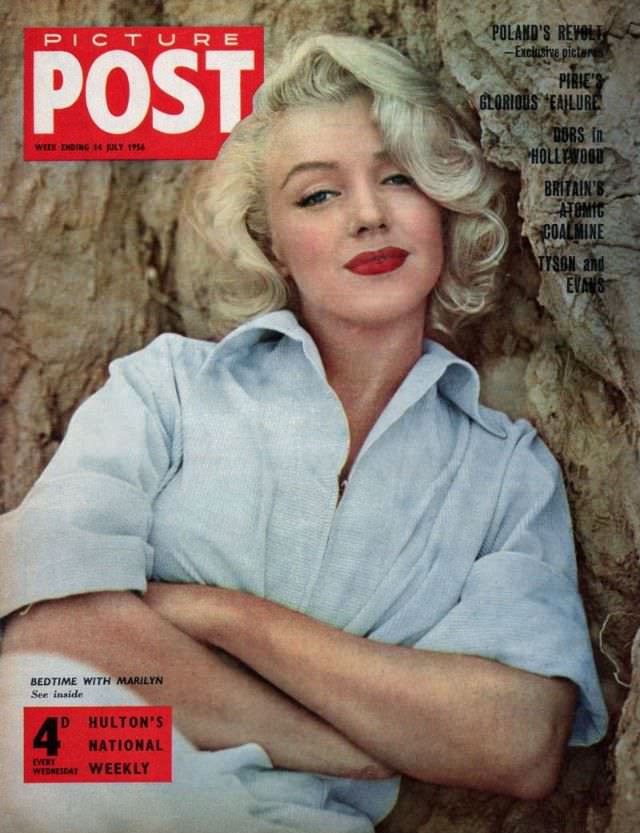
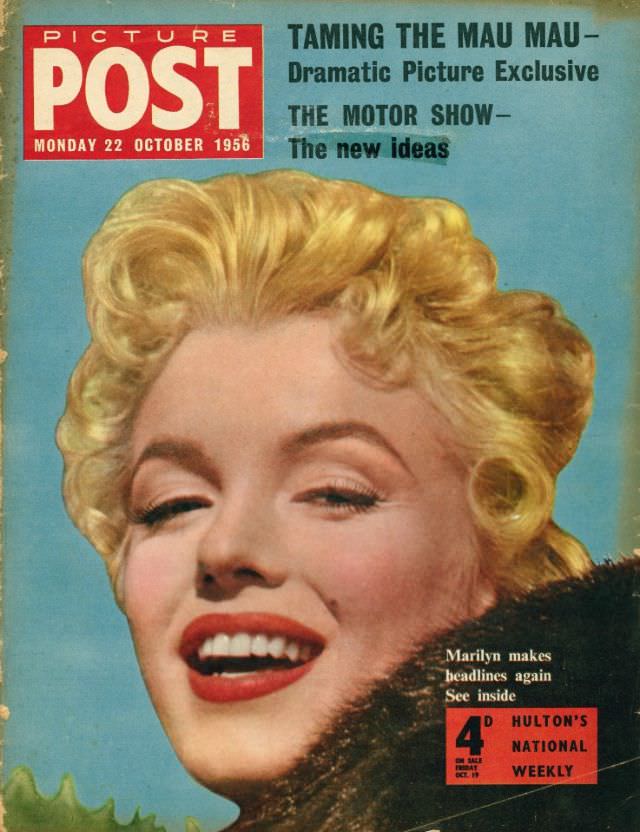
The magazine’s final years featured singers and actresses who defined mid-decade Britain. Petula Clark appeared on the June 1955 cover, and Italian actress Lisa Gastoni made the cover in May 1956. Marilyn Monroe closed out the run with two more covers in 1956 — in July and October — as Picture Post neared the end of its nineteen-year print run.