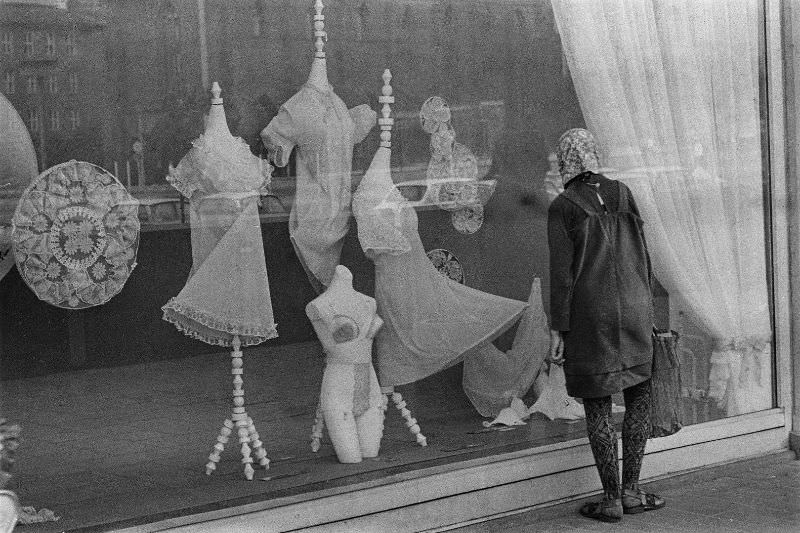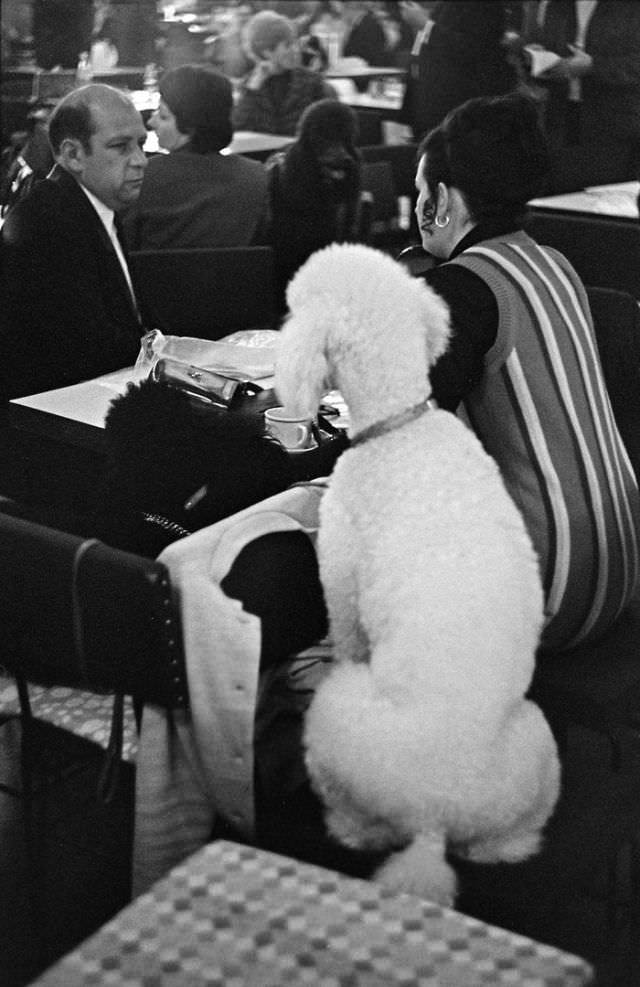
Bernd Heyden picked up a camera in the mid-1960s and never really put it down. In 1967, he joined the Club of Young Photographers in East Berlin, a group founded by the influential photographer Arno Fischer. That membership shaped the way Heyden saw the world around him — not as a subject to be staged, but as a living, breathing place worth watching closely.
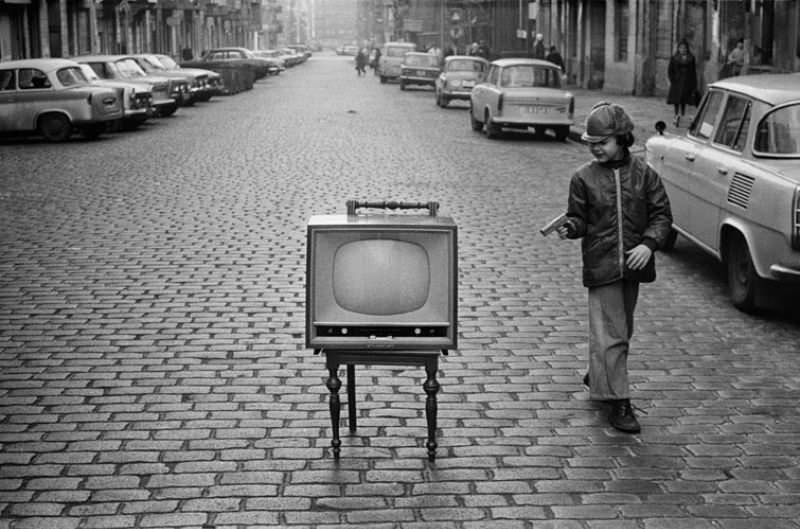
For Heyden, Berlin was always personal first. He has described the city as a backdrop to his own life rather than simply a subject for his camera. That personal connection runs through every frame he made. The streets, the buildings, the faces — all of it belonged to a world he actually lived in.
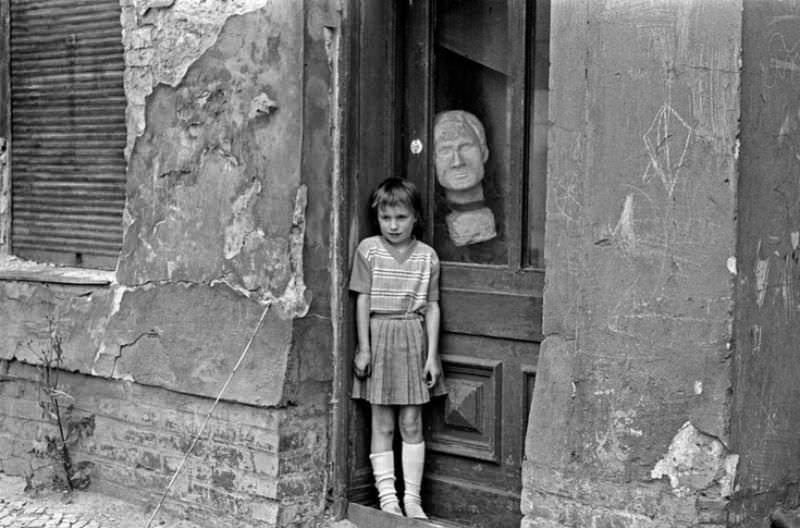
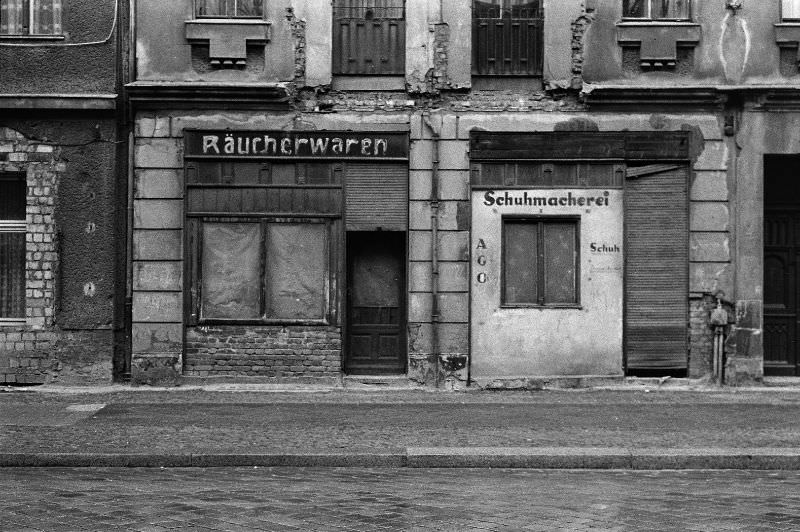
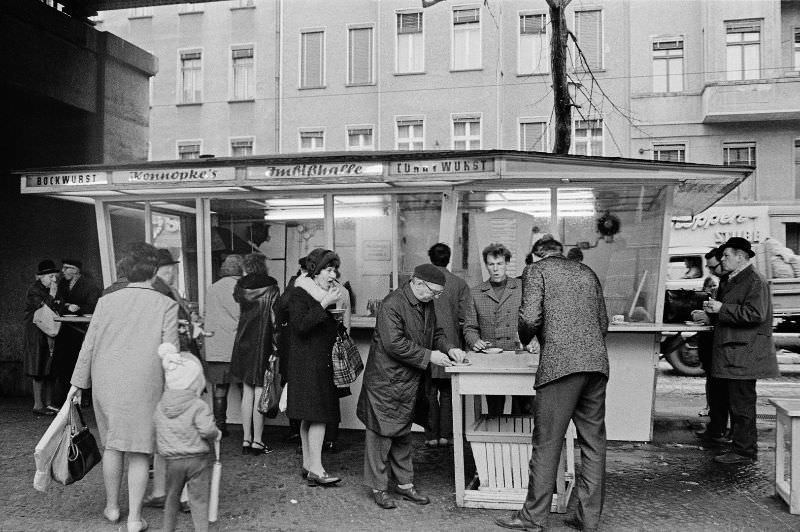
His most focused work came during the 1970s and 1980s, when he turned his lens on the neighbourhood around Prenzlauer Allee in East Berlin. This was not a polished or prosperous part of the city. Buildings were worn down, streets were rough, and the gap between official state imagery and everyday reality was wide.
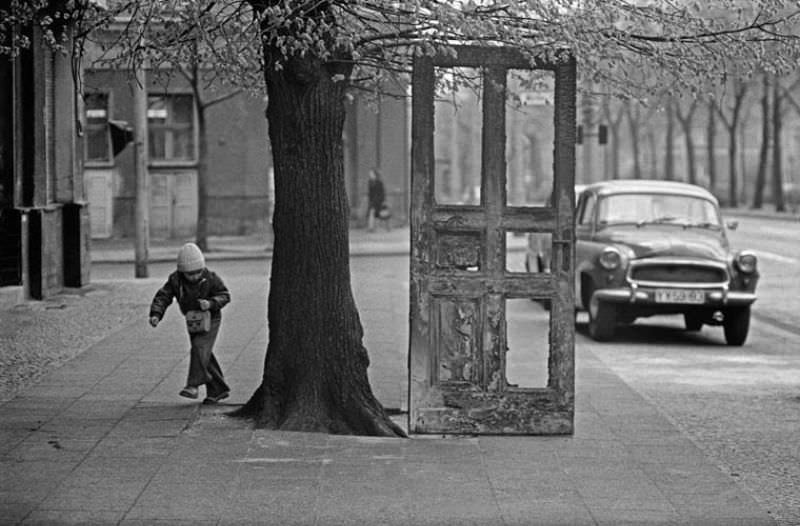
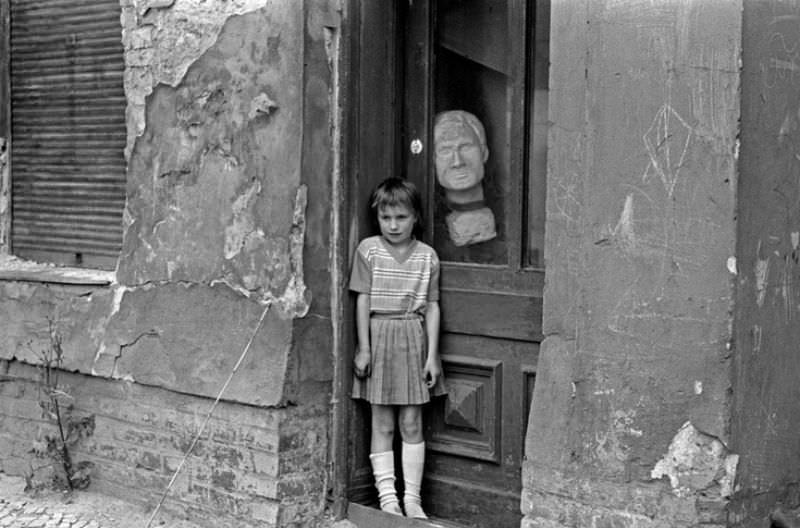
Heyden photographed the people who moved through that world — elderly residents who looked worn by decades of hardship, passersby caught mid-step, and children who played freely in the crumbling streets without any concern for the state of the walls around them.
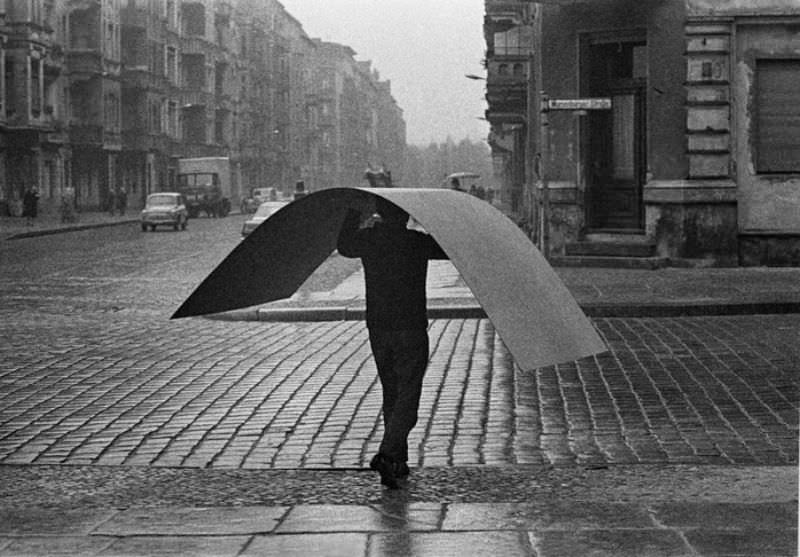
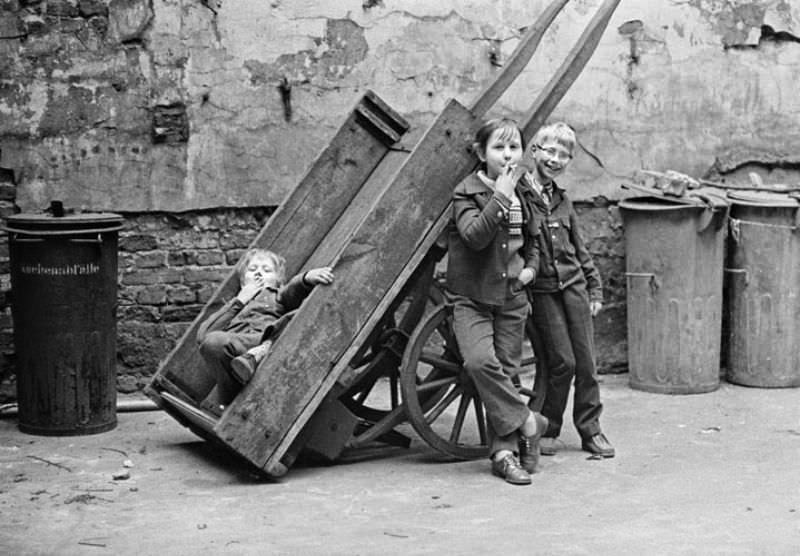
The children in his photographs are particularly striking. Some are cheeky, pulling faces or daring each other into mischief. Others look straight into the lens with a seriousness that feels far too heavy for their age. Heyden caught both moods without forcing either one.
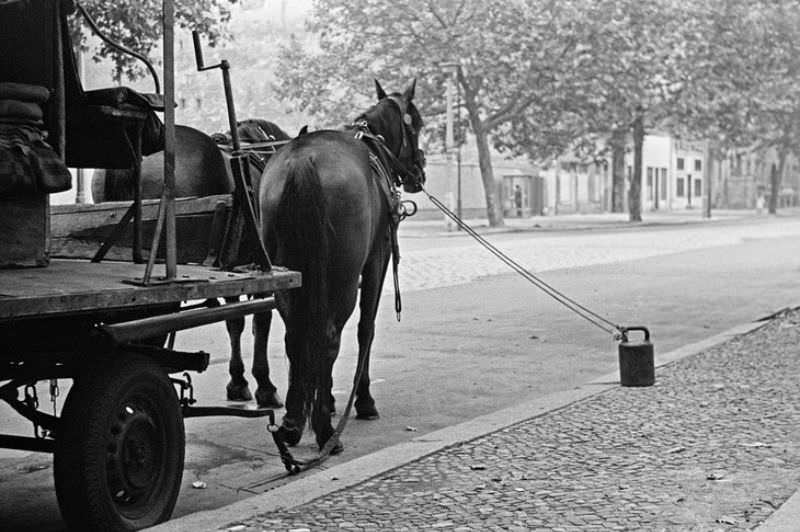
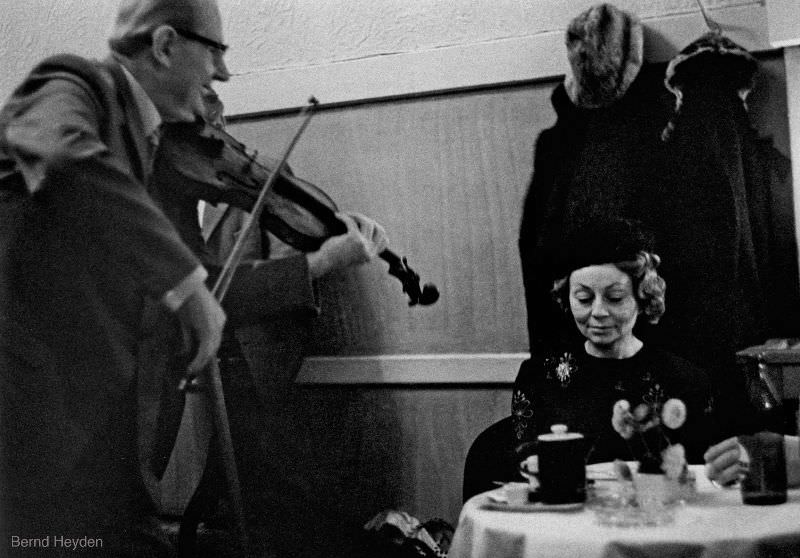
His portraits of older residents carry a different weight. Frail figures, tired faces, people who seemed to have been left behind by whatever progress the state claimed to be making — Heyden documented them without pity and without distance. He simply showed them as they were.
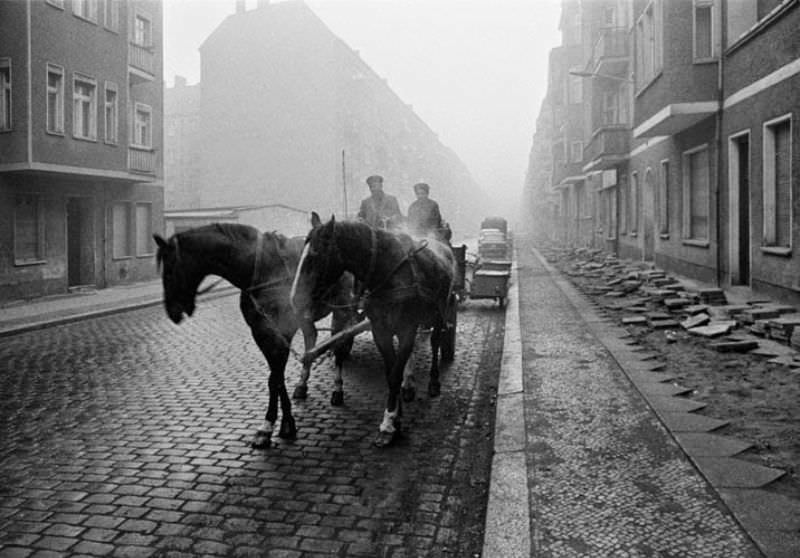
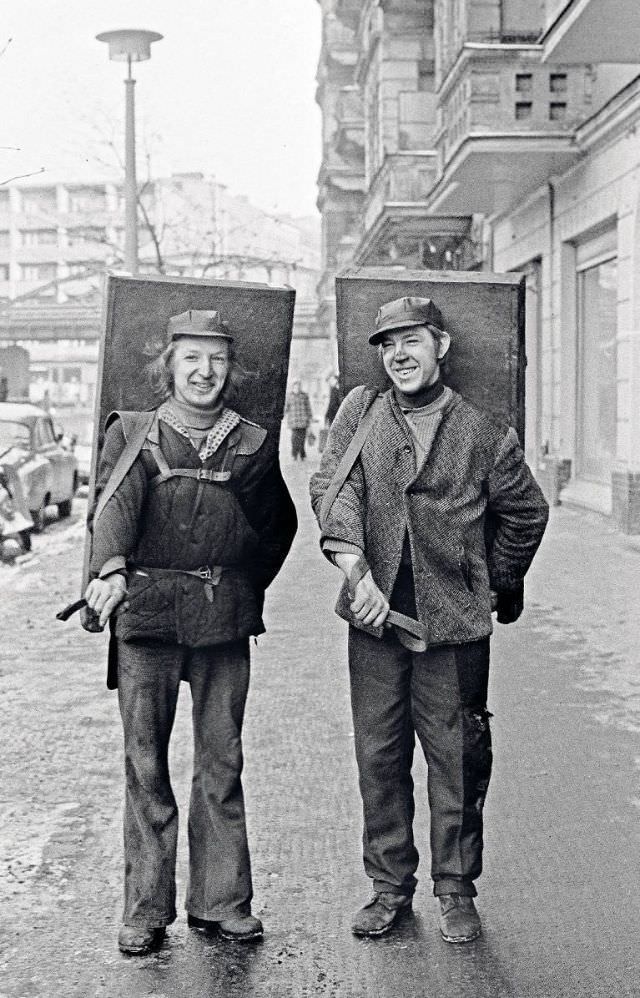
What sets Heyden’s work apart from official East German photography of the same era is its honesty. State-approved images tended to show a productive, unified, forward-moving society. Heyden’s photographs showed something else: ordinary people in ordinary moments, in a neighbourhood that the state’s glossy publications rarely acknowledged.
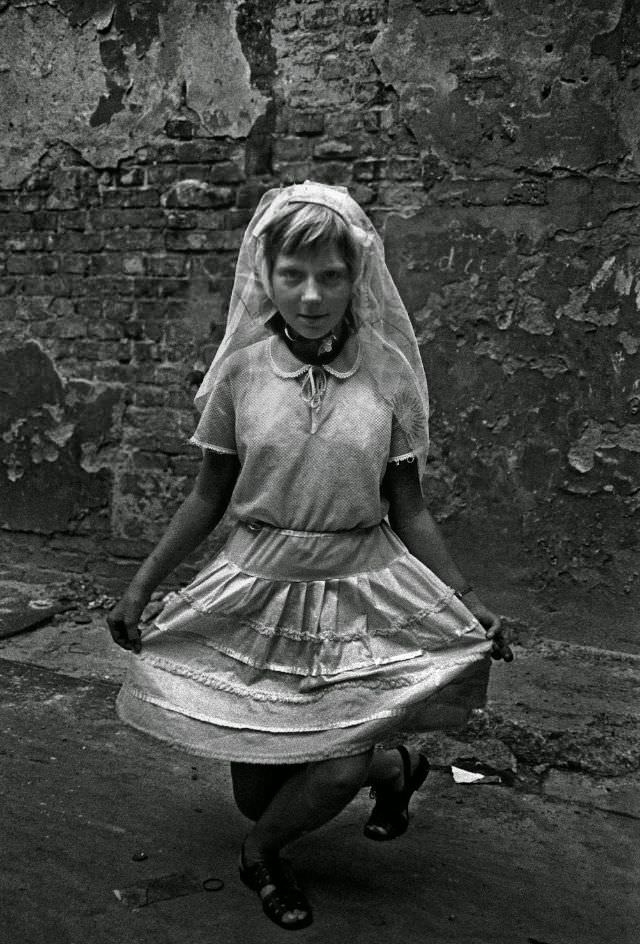
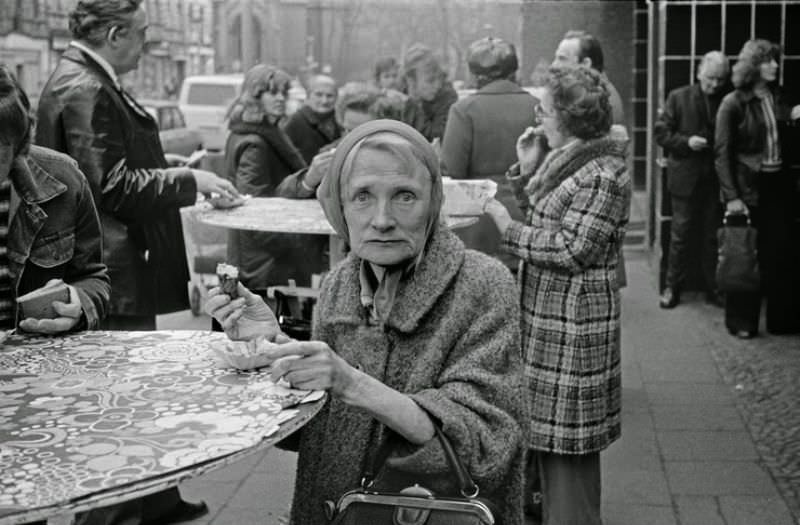
The area around Prenzlauer Allee in those decades was dense with working-class families. Apartment blocks built before the war still dominated the streetscape, many of them pockmarked or patched. Daily life carried on inside and outside these buildings in full view of anyone willing to stop and look.
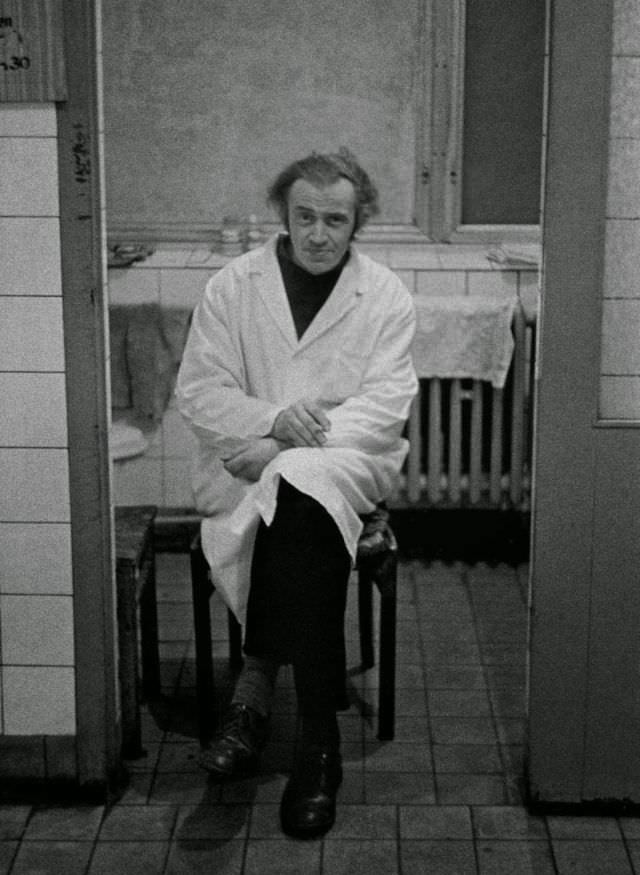
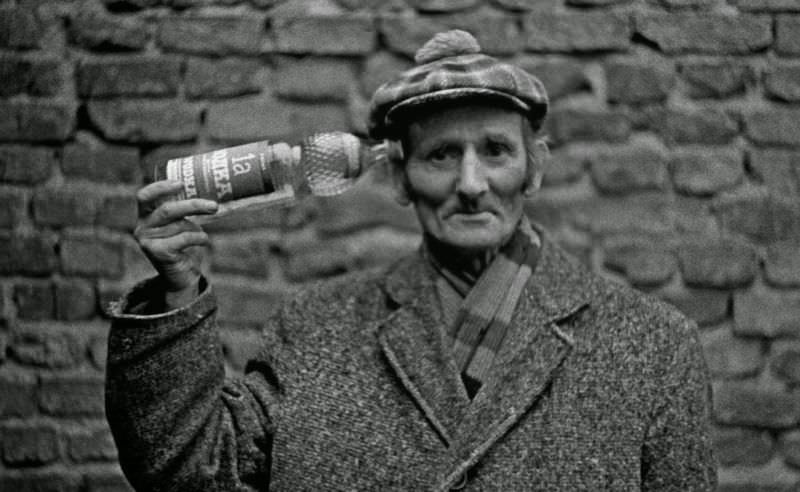
Heyden was that person. He stopped and looked. He made photographs that held onto moments most people walked past without a second thought — a glance exchanged on a corner, a child balanced on a ledge, an old man sitting alone in the afternoon light.
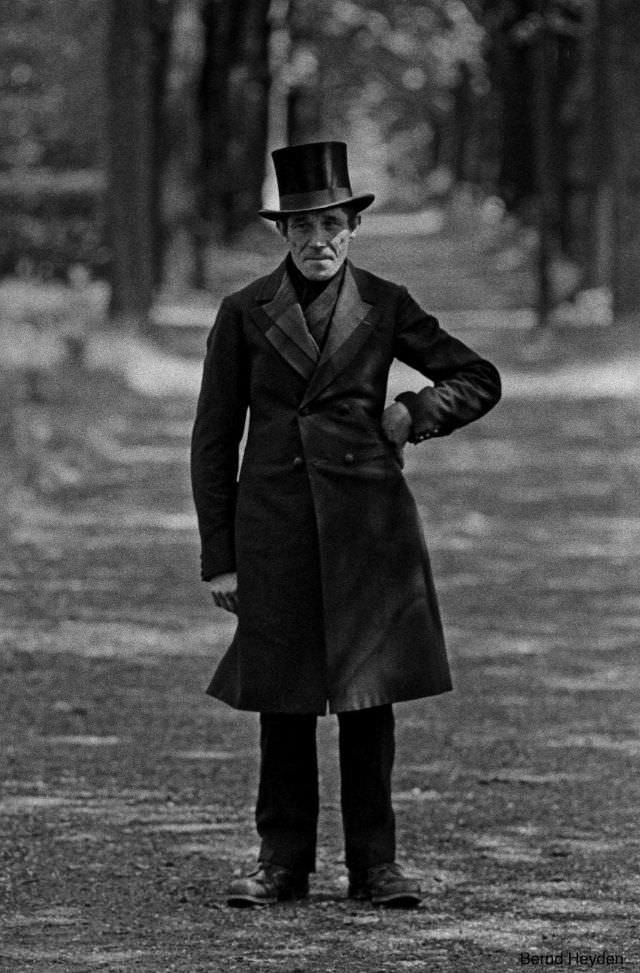
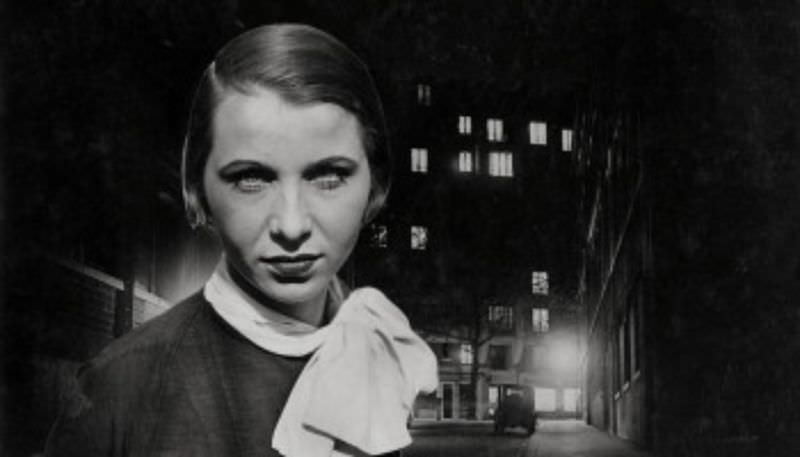
His range of subjects was wide. Merry faces sit alongside sad ones across his archive. A laughing group of teenagers on one page, a solitary figure hunched against a wall on the next. Heyden did not edit East Berlin’s emotional reality into something simpler than it was.
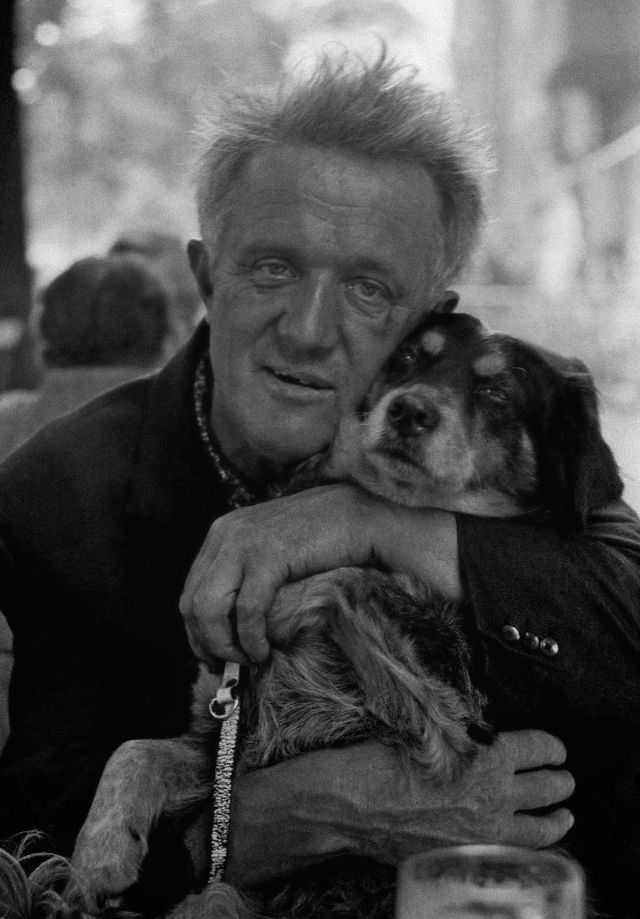
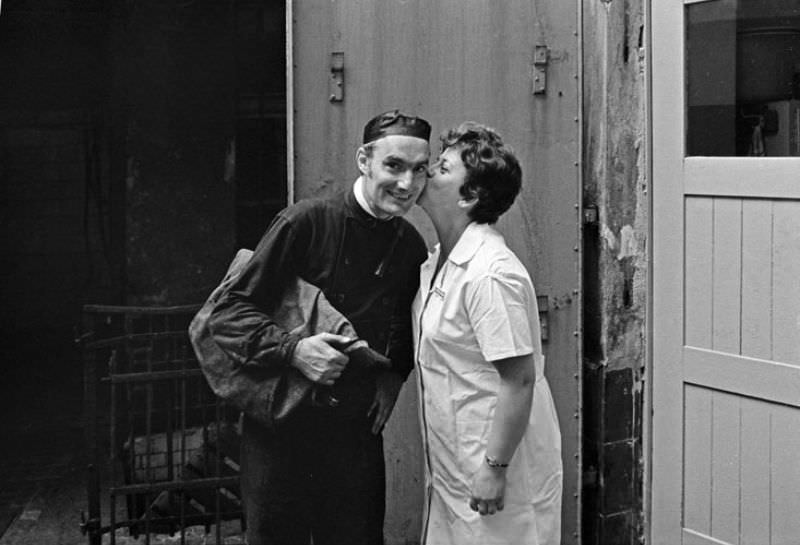
The photographs function today as a direct record of what life looked and felt like in a divided city during two of its most politically tense decades. East Berlin in the 1970s and 1980s was a city under constant surveillance, shaped by shortages and state control. Heyden’s camera moved through all of that and came back with human faces.
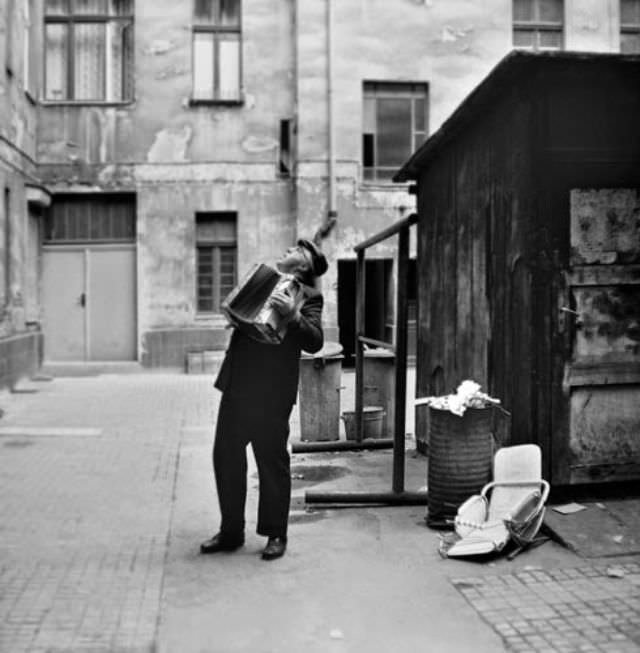
He was not a dissident photographer in the conventional sense. He did not set out to produce work that would challenge the regime directly. Instead, his act of documenting the everyday — the stranded, the frail, the playful, the sad — produced something that quietly told a different story from the one the state wanted told.
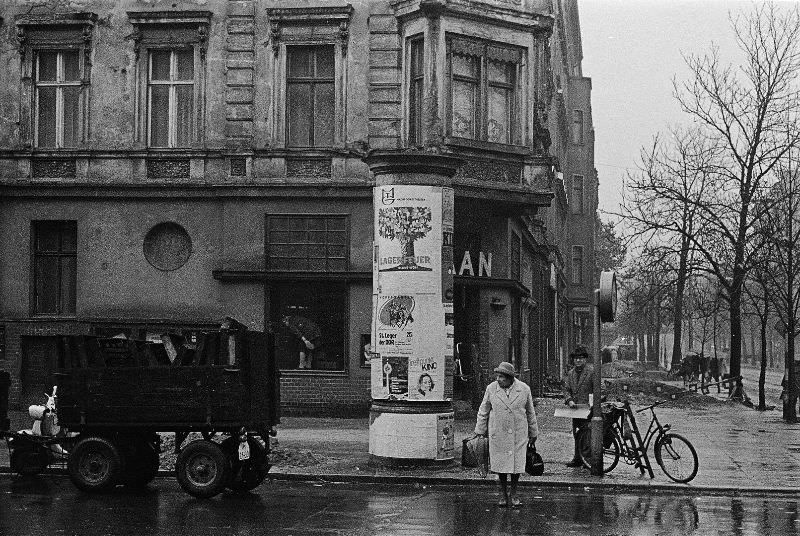
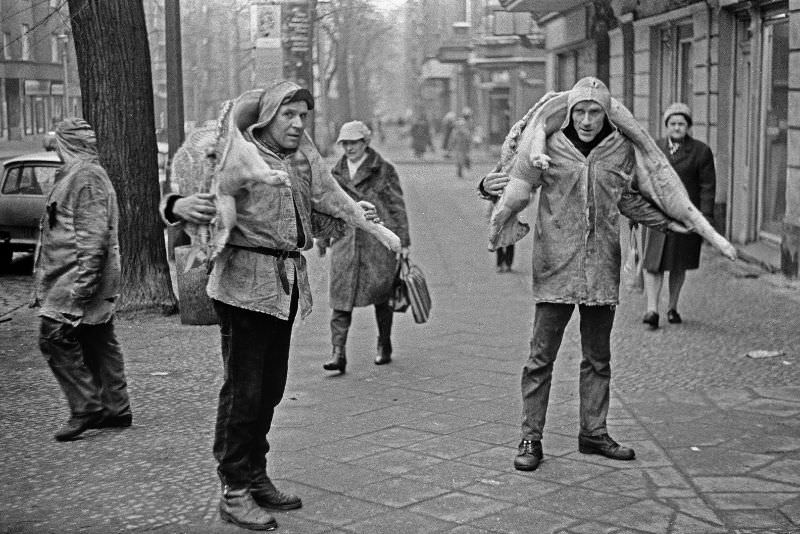
Looking at his archive now, the neighbourhood around Prenzlauer Allee comes back into focus. The textures of the walls, the cut of people’s coats, the particular way light fell on those streets in winter — all of it is preserved in Heyden’s frames with remarkable clarity.
Bernd Heyden’s photographs are a sustained, unfiltered look at life as it was actually lived in East Berlin. They capture a city and its people across two decades with the kind of precision that only comes from someone who was genuinely there, genuinely watching, and genuinely committed to getting it right.