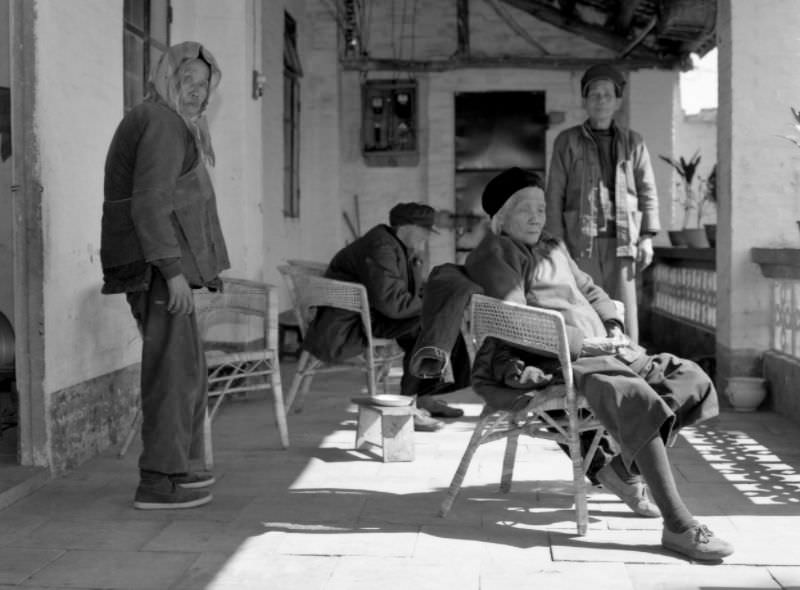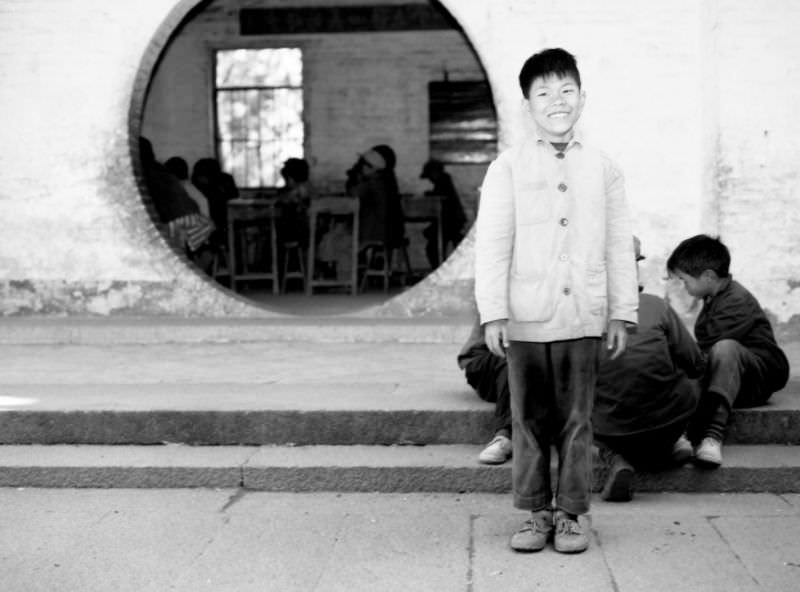

In 1982, getting into China as a Western traveler was no simple task. The country had only recently begun opening its doors to outsiders, and a guided tour was the only real option available. Simon Nowicki joined one such tour, organized by the Australia-China Friendship Society, giving him rare access to a nation still finding its footing after decades of upheaval.
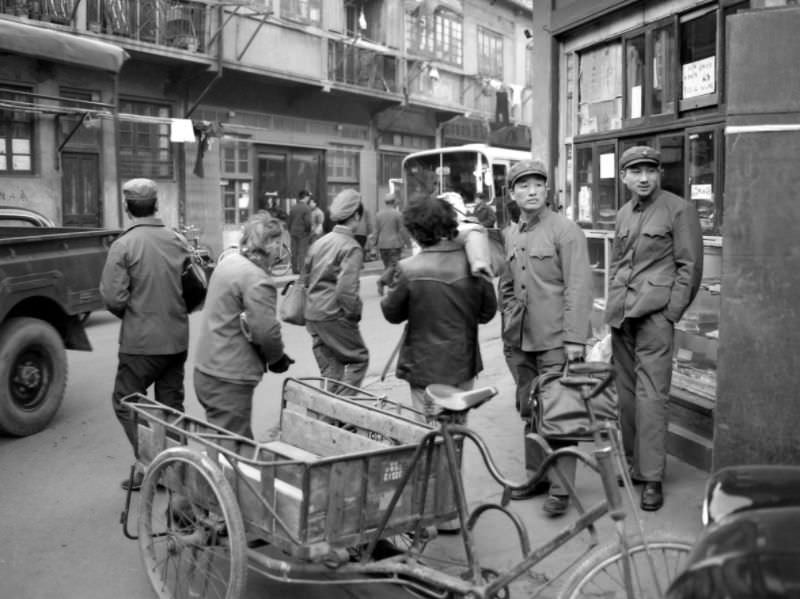
Just six years had passed since the death of Chairman Mao in 1976 and the formal end of the Cultural Revolution. That decade-long period had torn through Chinese society, shutting schools, persecuting intellectuals, and isolating the country from the outside world. By 1982, the dust had settled, and China’s relationship with the West was slowly beginning to thaw.
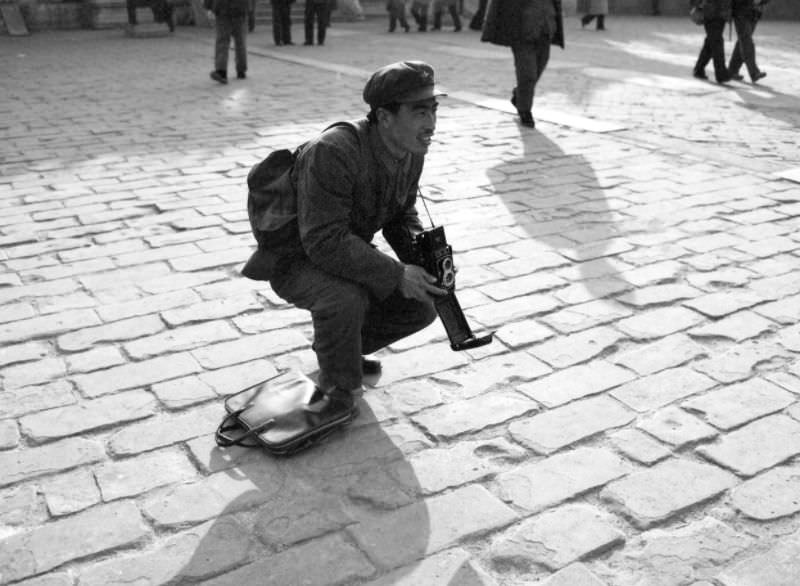
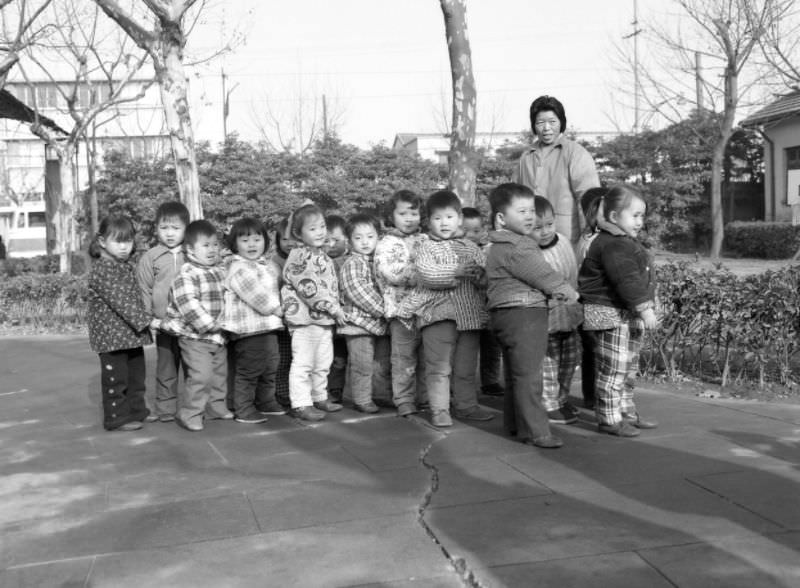
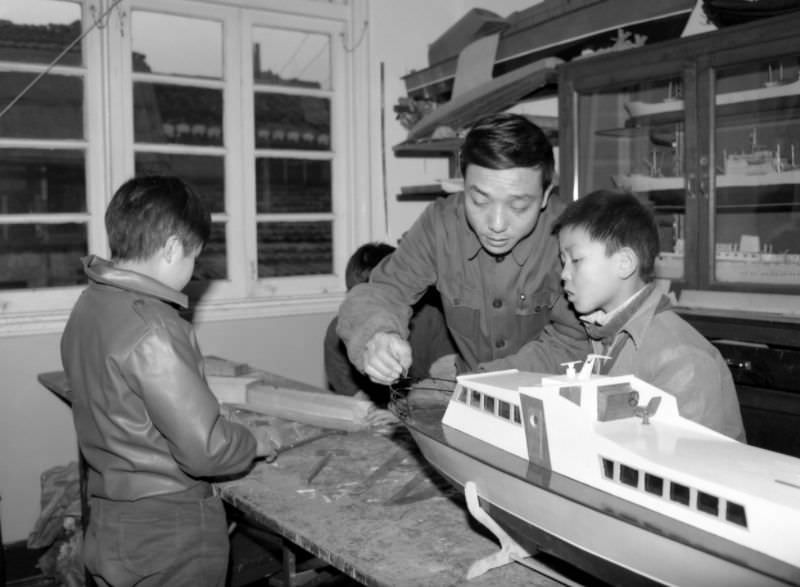
Nowicki and his fellow travelers moved through a country that felt both ancient and transitional. Their itinerary included rural villages, schools, nursing homes, hospitals, and family homes. Locals welcomed the group into spaces rarely seen by foreign eyes.
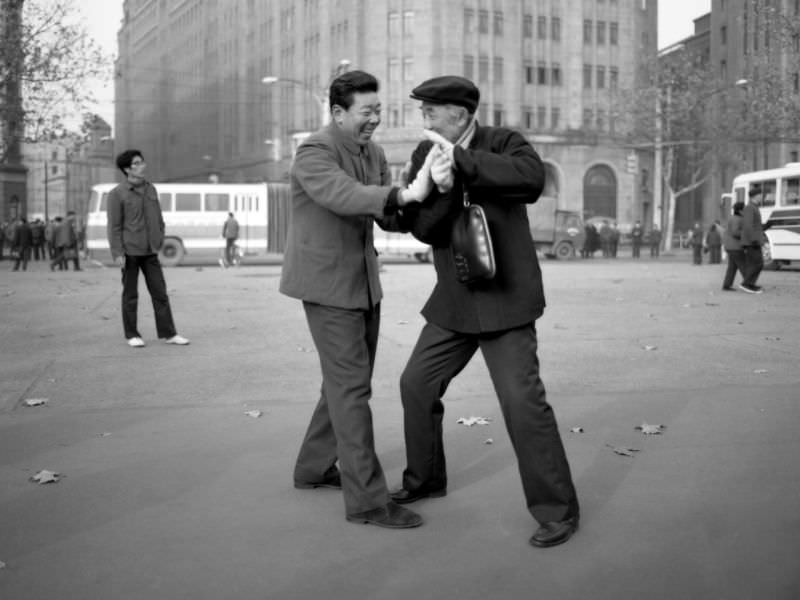
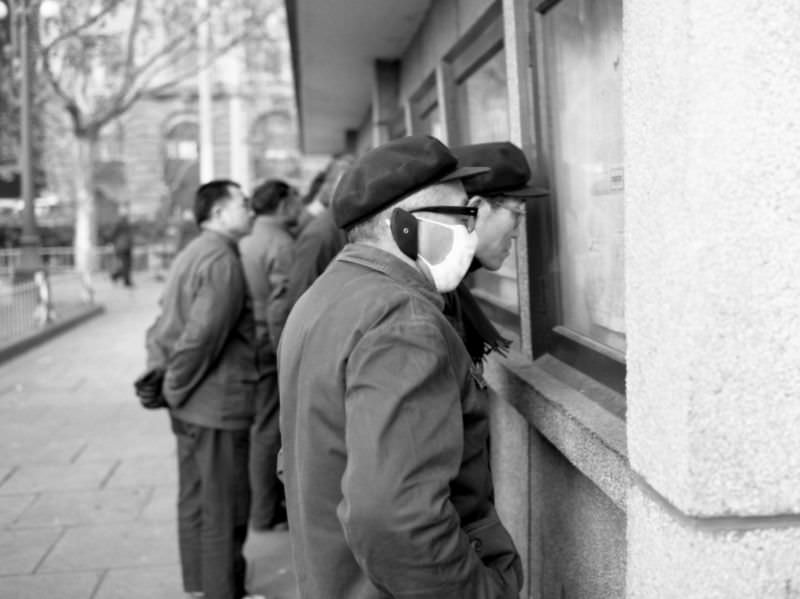
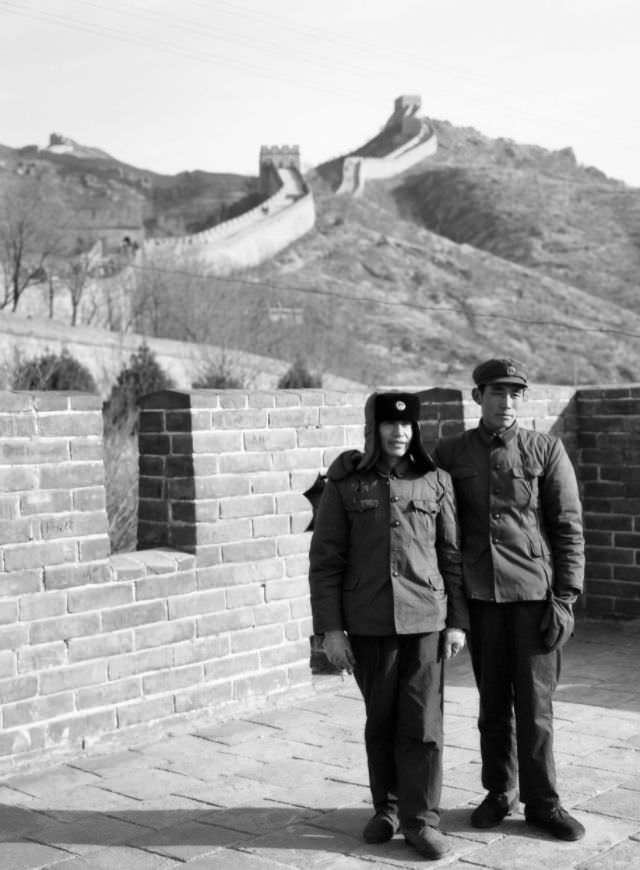
The group also visited some of China’s most iconic landmarks — Tiananmen Square, the Forbidden City, and the Great Wall. These sites carried enormous historical weight, and seeing them in person offered a sharp contrast to the quiet rhythms of everyday village life the tour had also revealed.
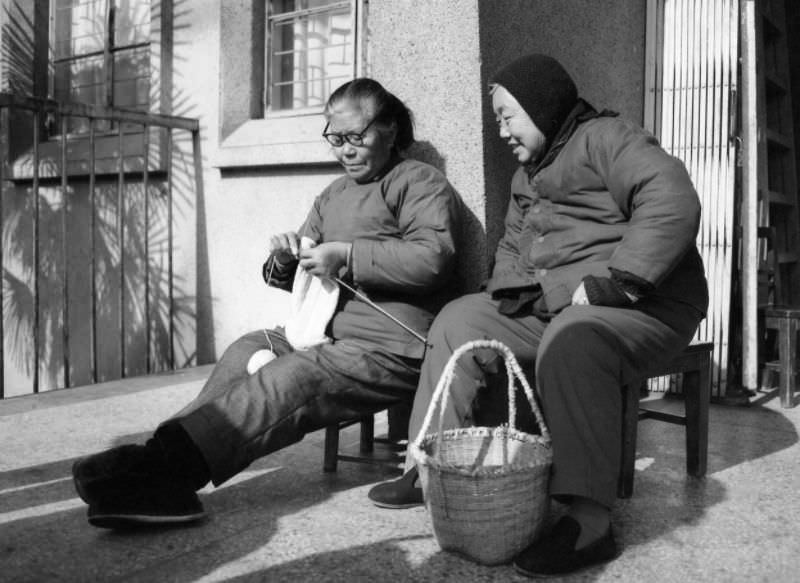
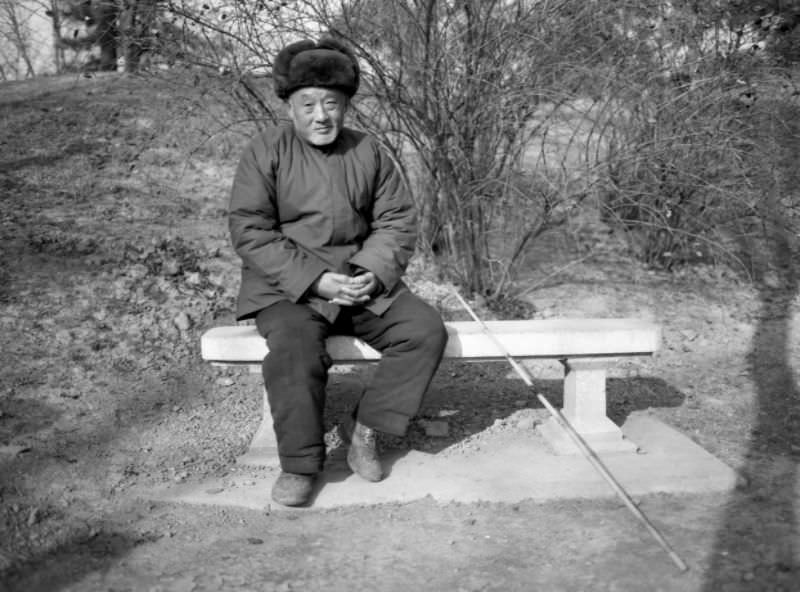
Wherever the group went, local people were eager to engage with them. Some wanted to practice their English. Others were simply curious, especially in shops and stores, where locals leaned in to see what the foreign visitors were buying. The curiosity ran both ways.
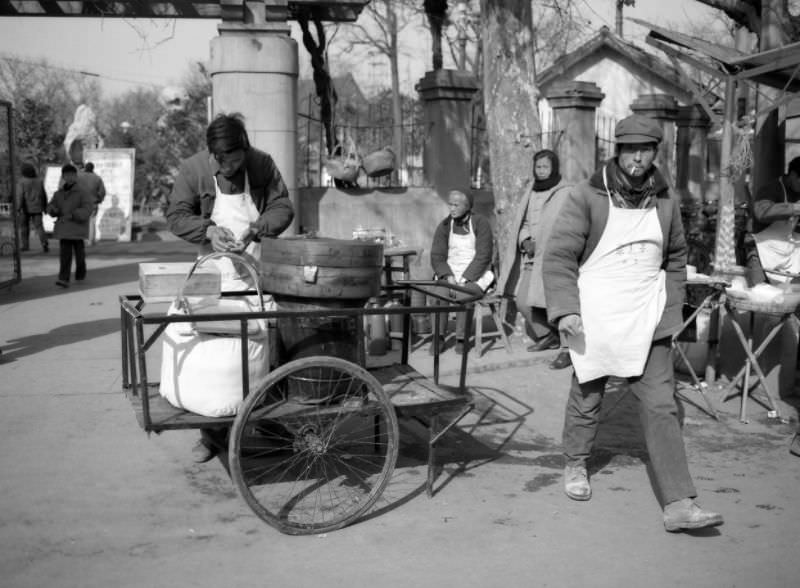
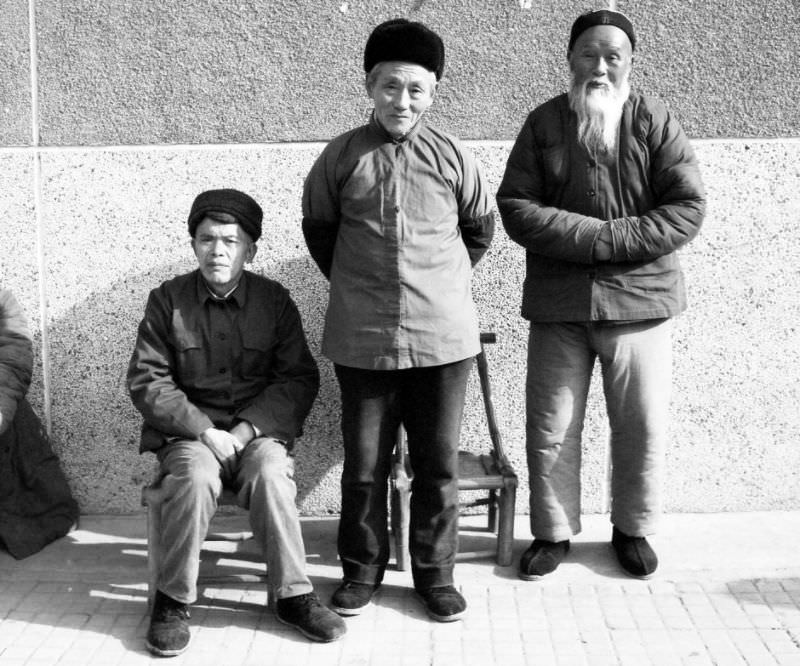
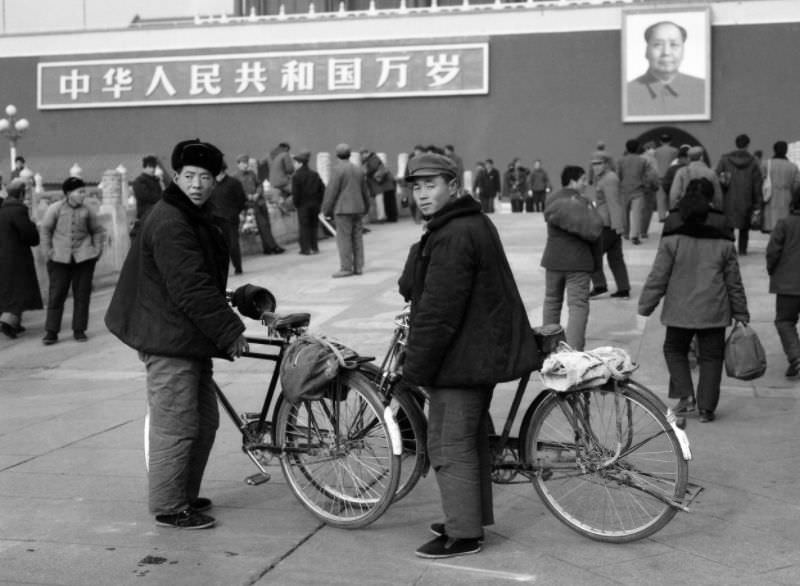
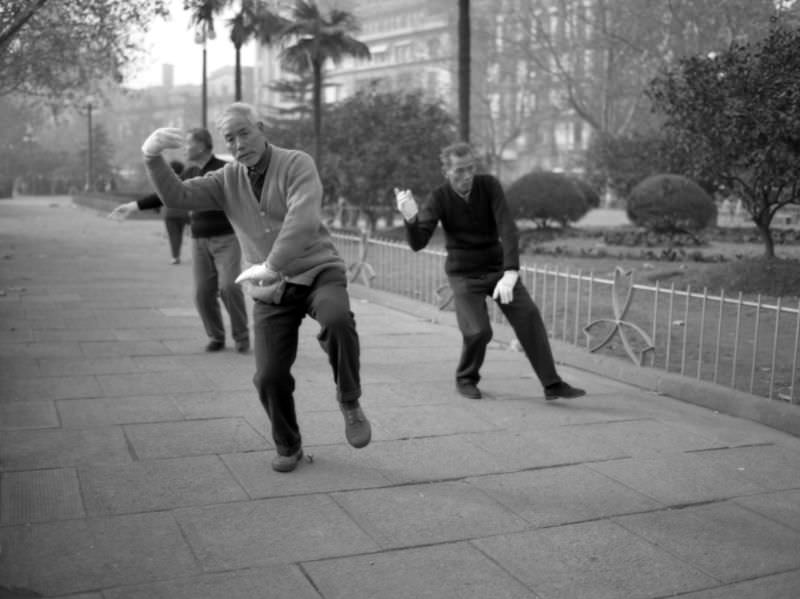
The streets of China in 1982 were alive with a particular kind of energy. Bicycles dominated the roads. Markets buzzed with activity. Workers, students, and families went about their daily routines largely untouched by the consumer culture that would arrive in the decades ahead.
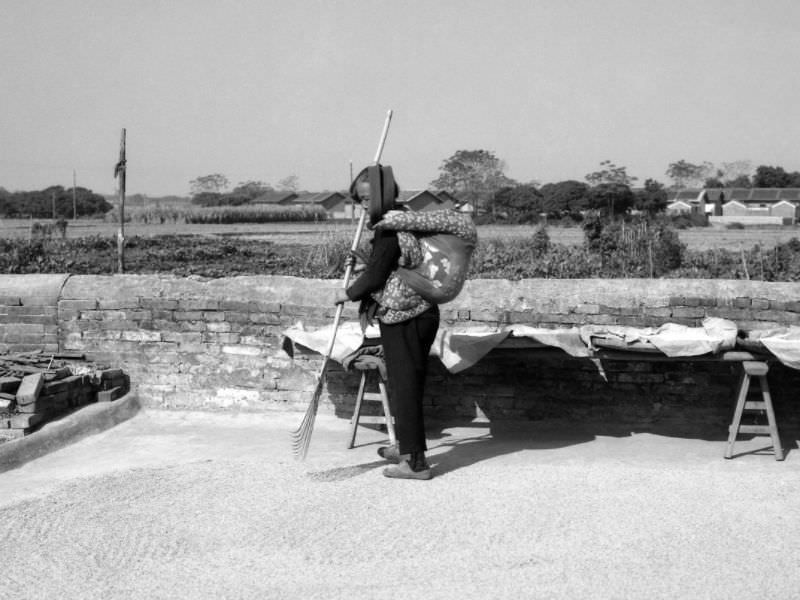
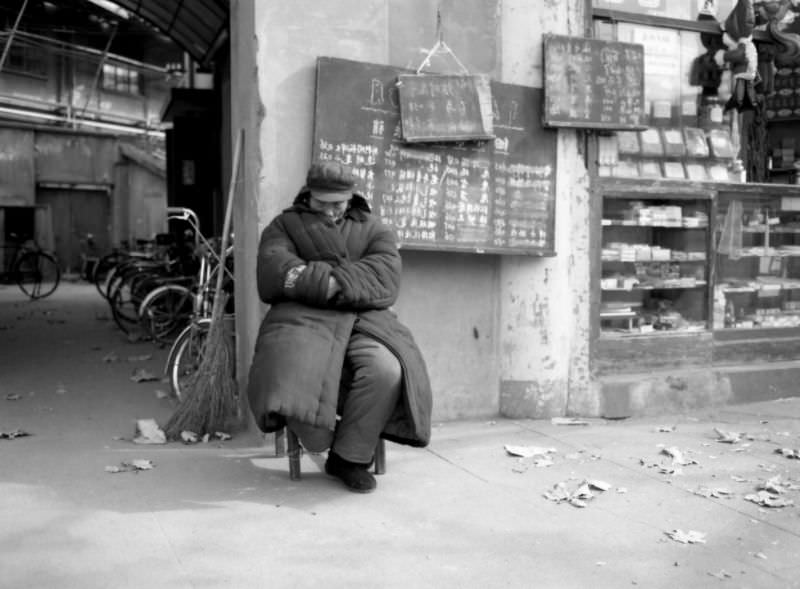
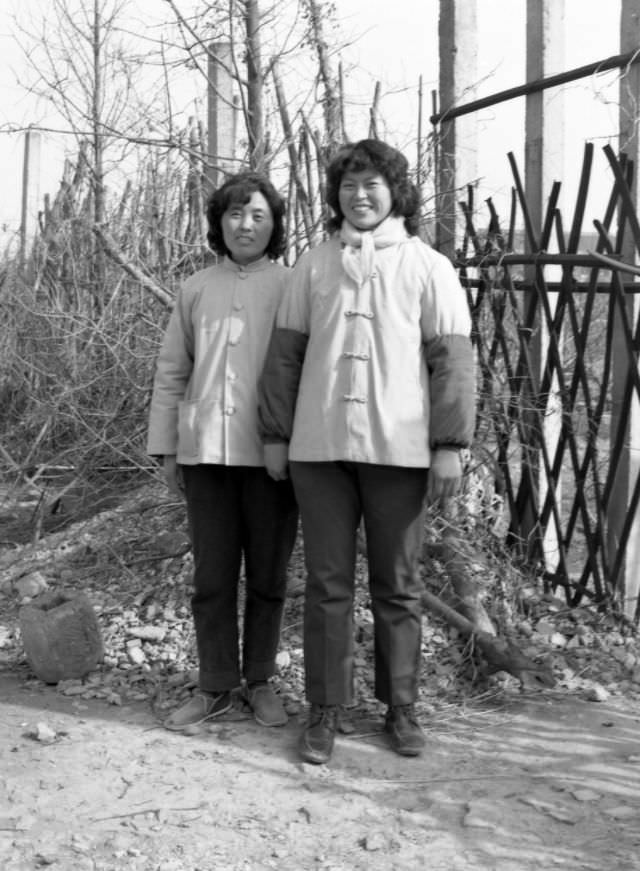
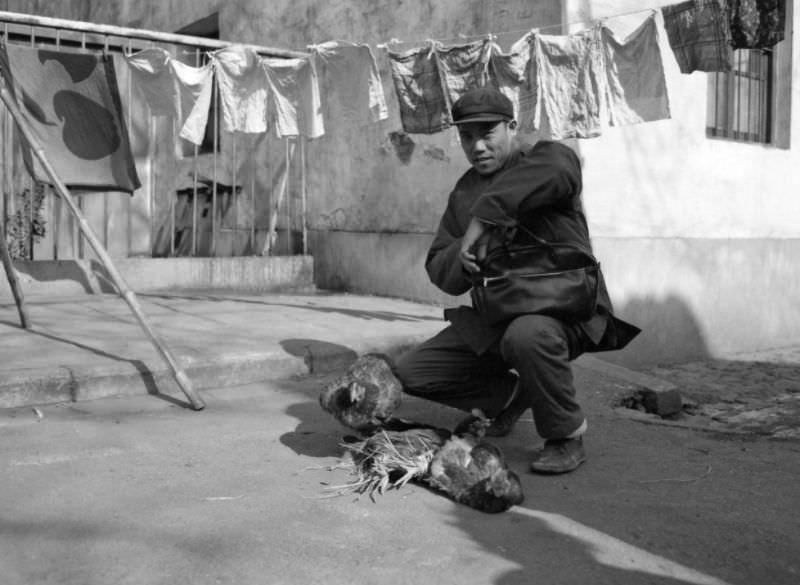
Nowicki’s camera captured faces, street corners, and quiet moments that official state media would never have highlighted. These are not propaganda images. They are the unguarded details of a country in transition — a child at a school desk, an elder in a village courtyard, a vendor at a roadside stall.
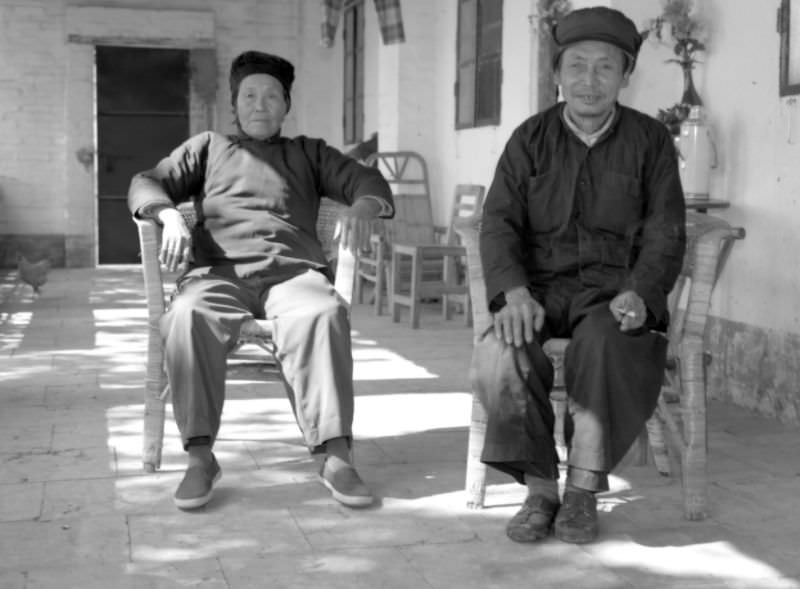
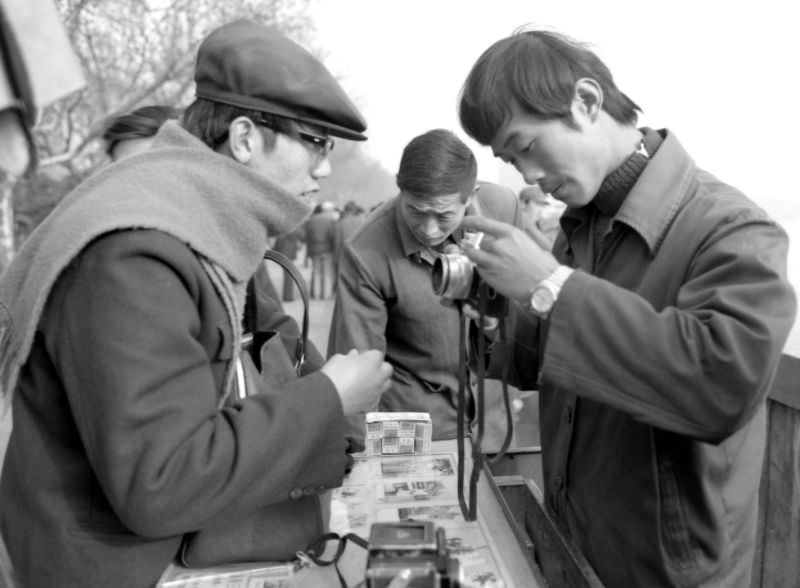
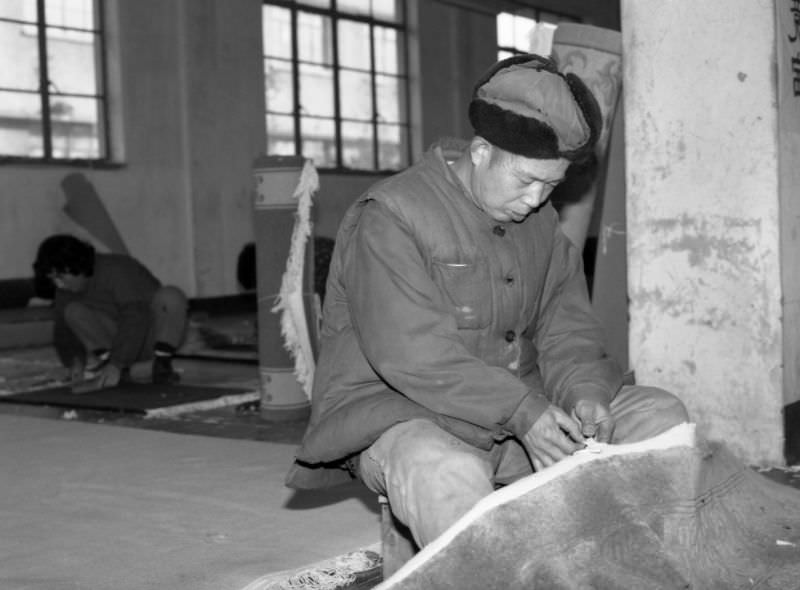
The Australia-China Friendship Society had been working to build cultural and people-to-people ties between the two nations at a time when such connections were still fragile. Tours like Nowicki’s were among the first structured opportunities for ordinary Australians to witness Chinese daily life firsthand.
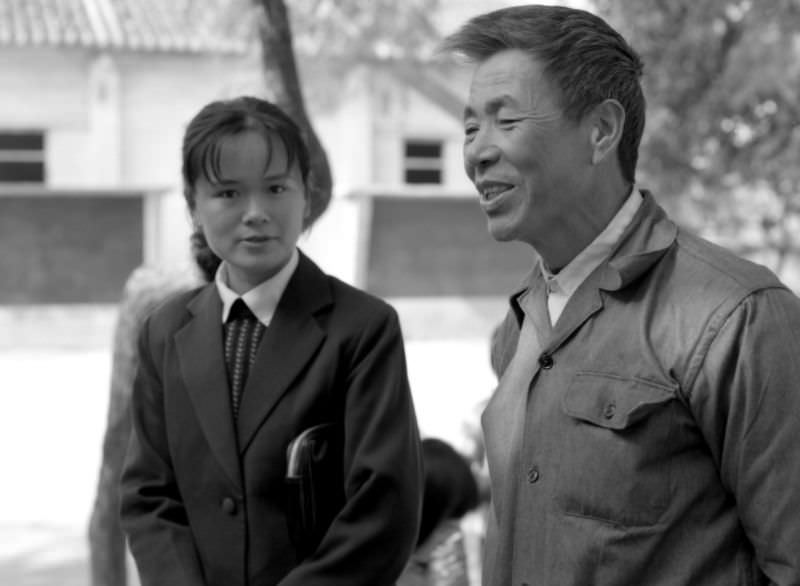
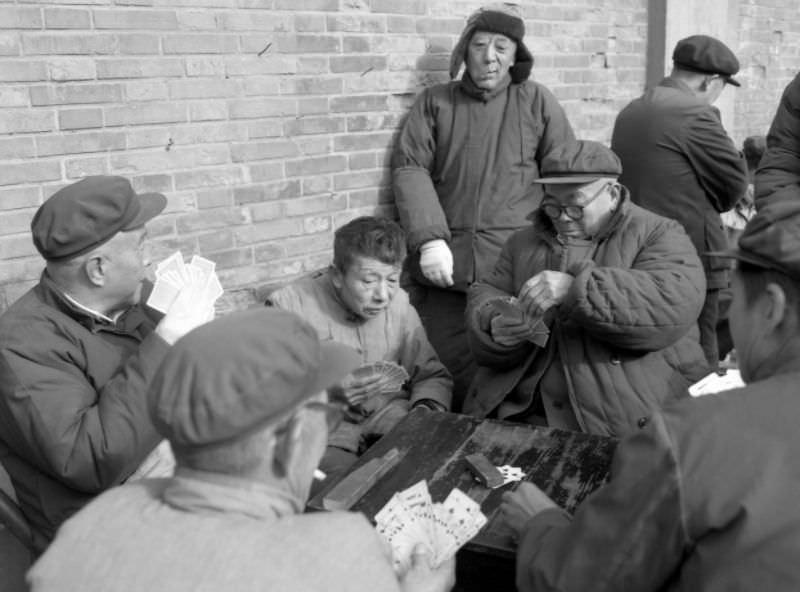
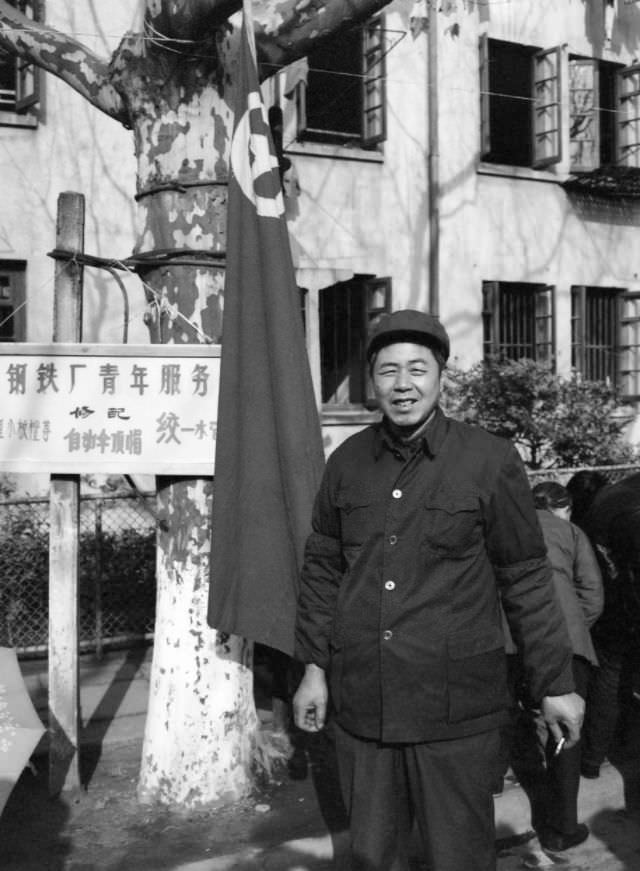
The photographs document a China that no longer exists. Within a decade, economic reforms would transform cities, tear down old neighborhoods, and flood markets with new goods. The world captured in Nowicki’s lens belongs to a very specific and narrow window in time.
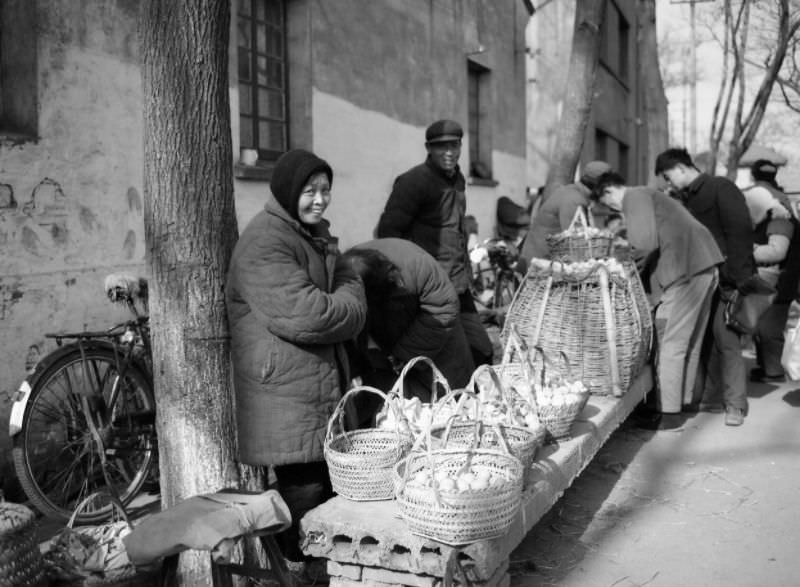
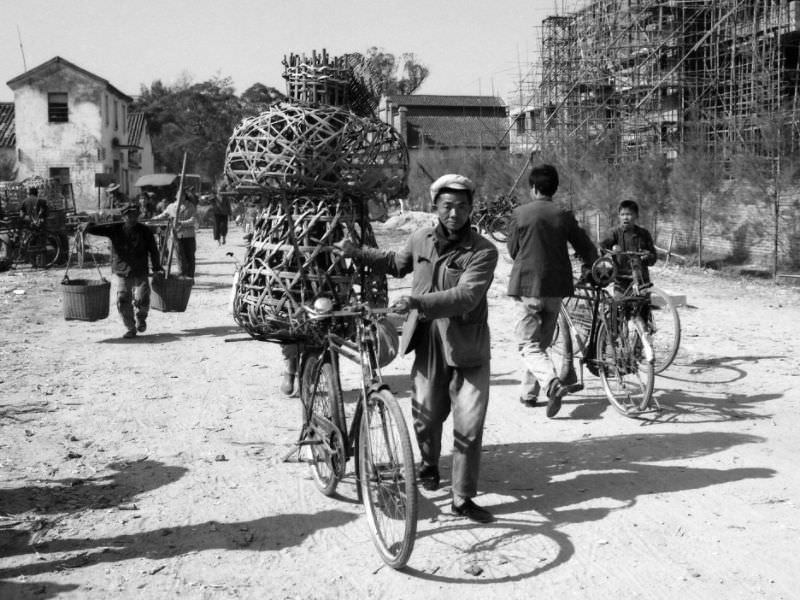
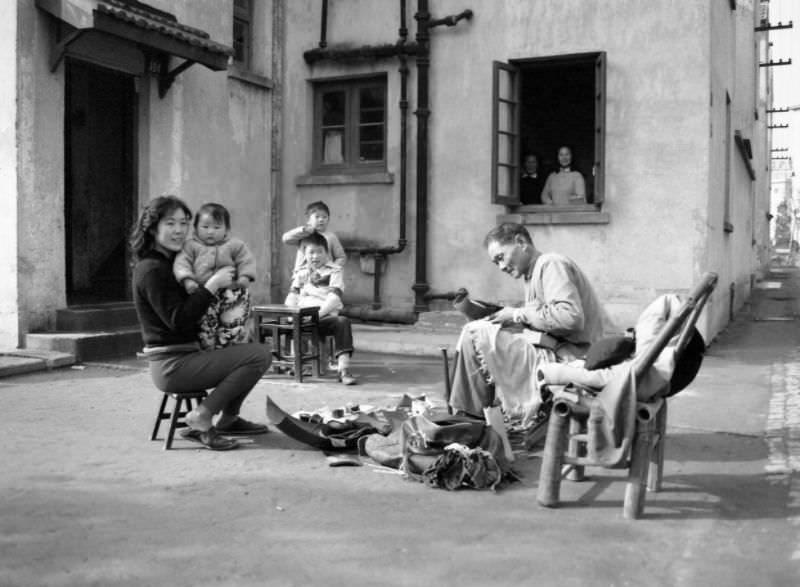
What stands out across every image is the ordinariness of it all. People eating, working, walking, laughing. Life in 1982 China carried the weight of recent history, yet these street scenes show people simply getting on with living.