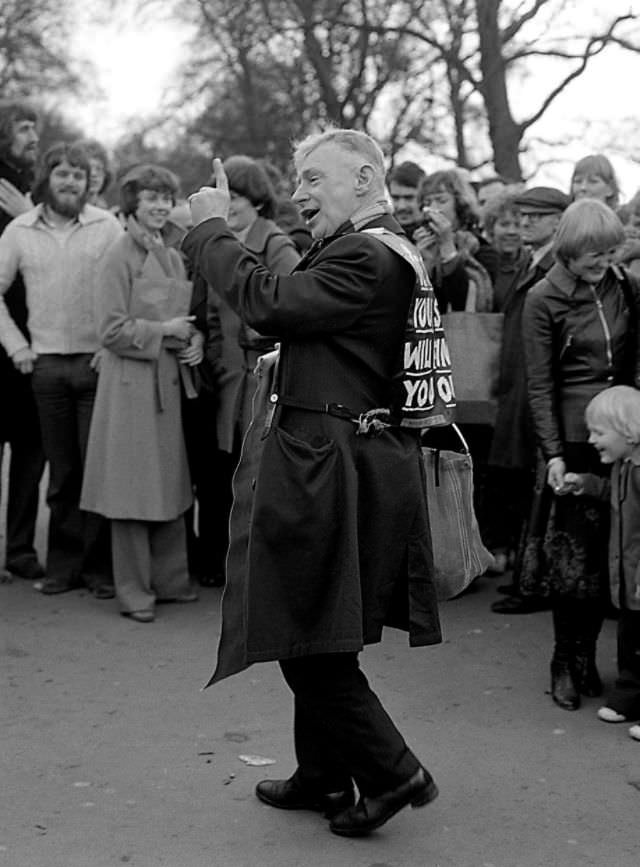
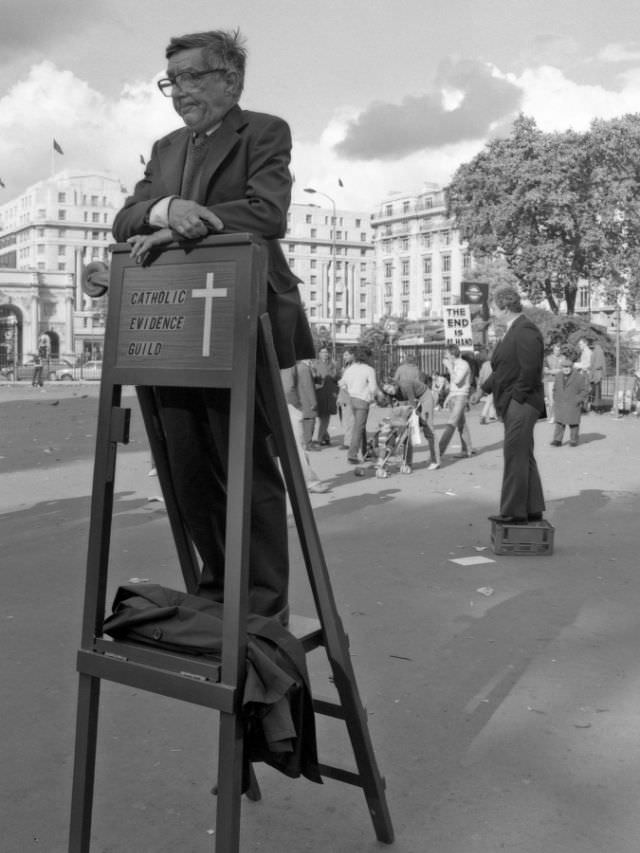
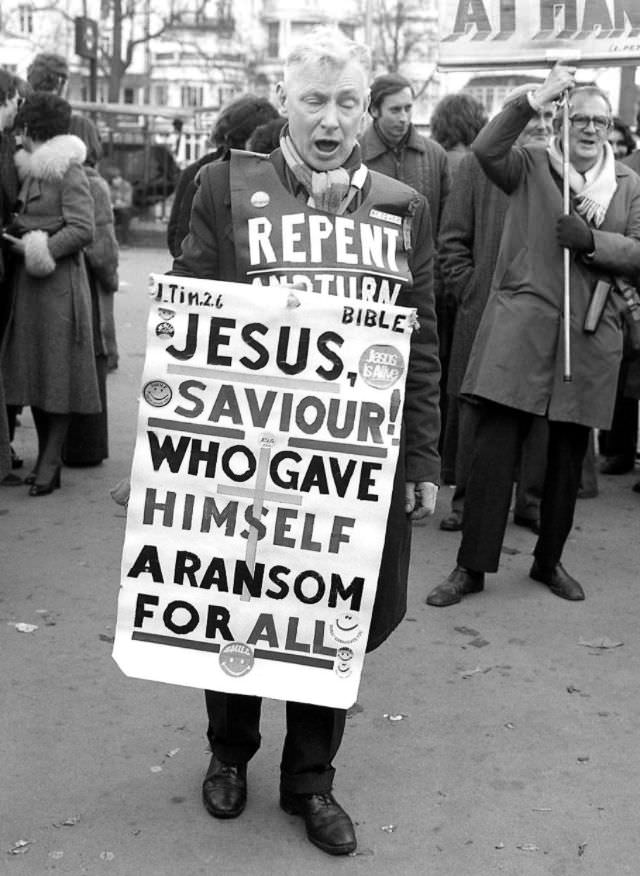
By 1981, London was a city of sharp contrasts. Decades of immigration from Commonwealth countries had transformed it into one of Europe’s most diverse cities. But that diversity came with tension. Racial discrimination, economic hardship, and political conflict made 1981 one of the most turbulent years in modern London history — and street photographer Simon Nowicki was there to document it all.
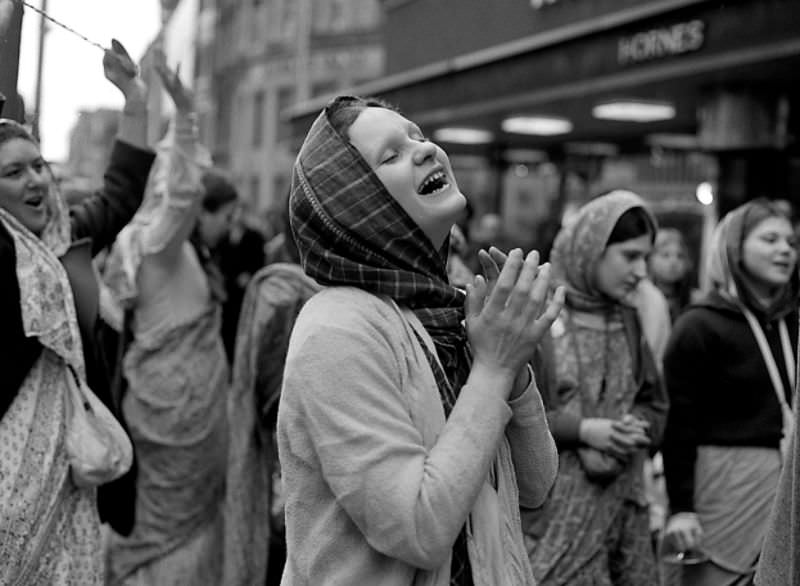
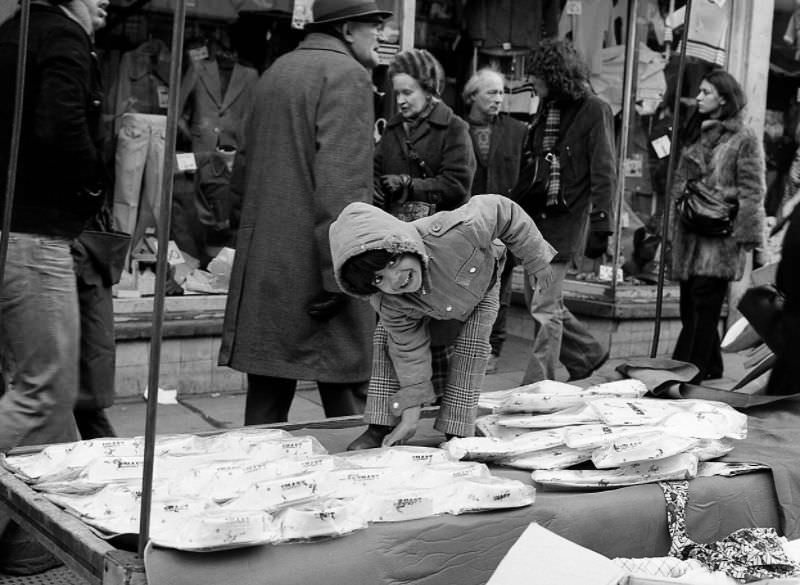
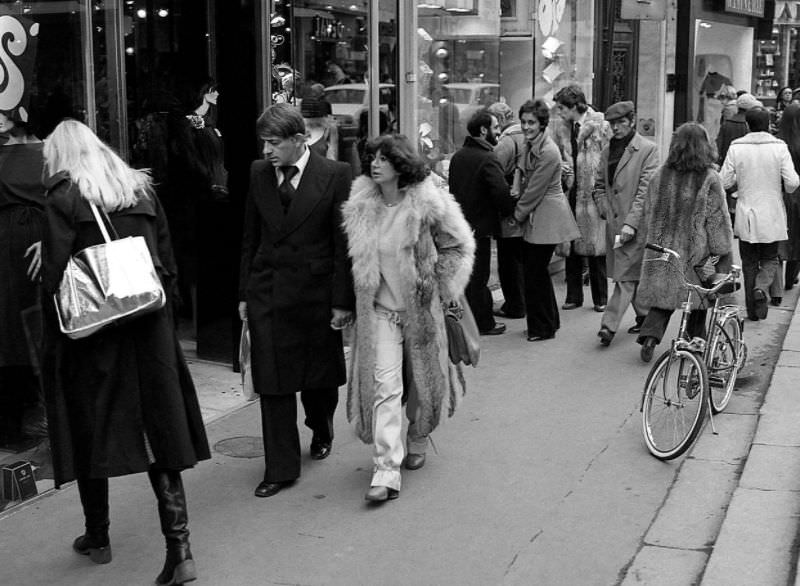
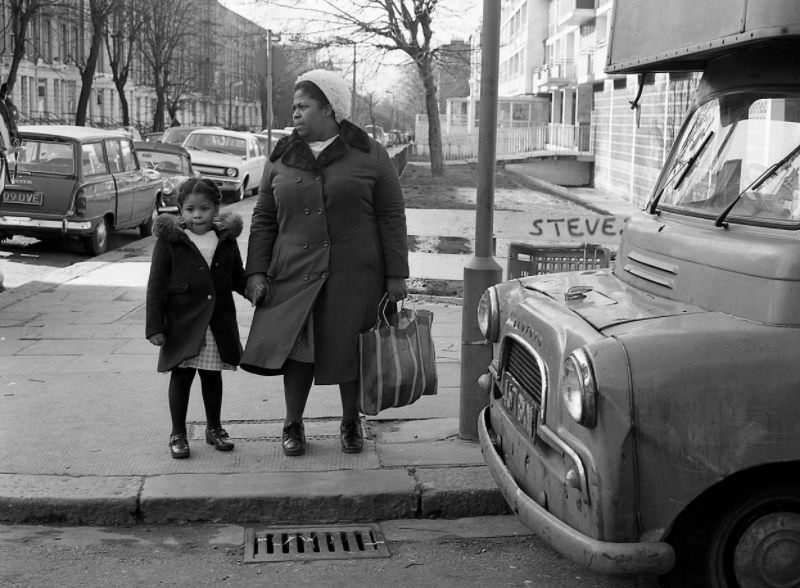
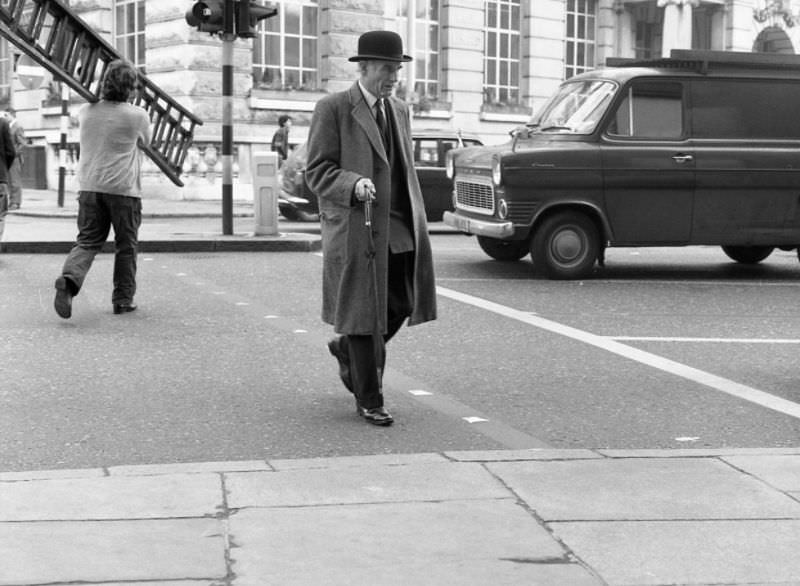
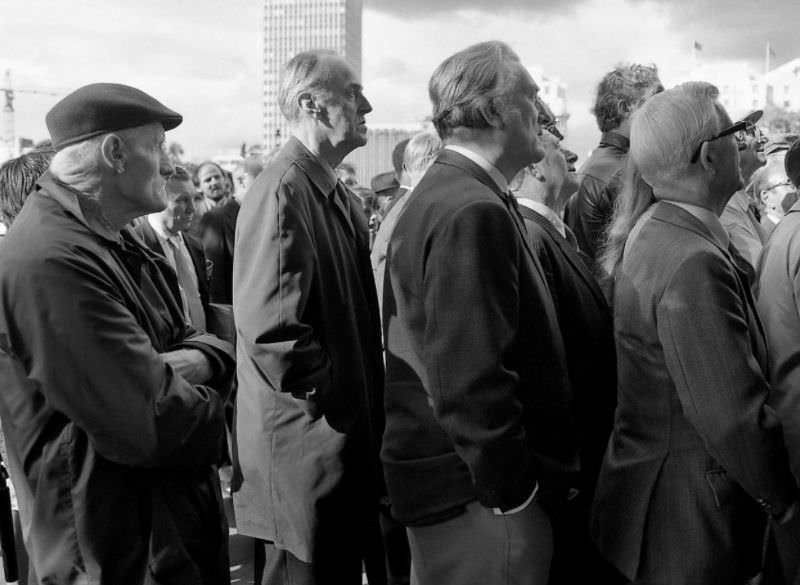
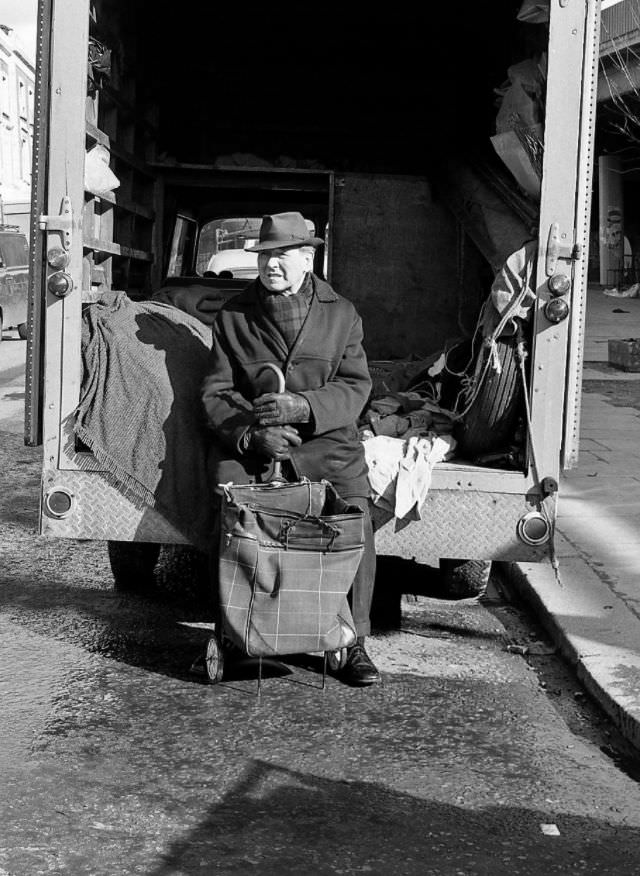
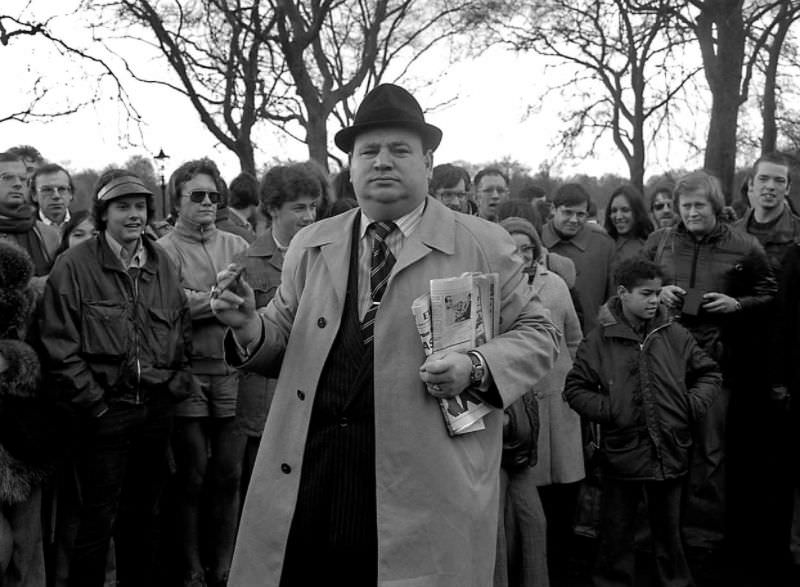
Nowicki has practiced street photography for over 35 years. His images of London in 1981 capture ordinary people going about their lives against the backdrop of an extraordinary year. The streets themselves tell the story — crowded markets, worn storefronts, and faces that reflect the city’s wide mix of cultures and classes.
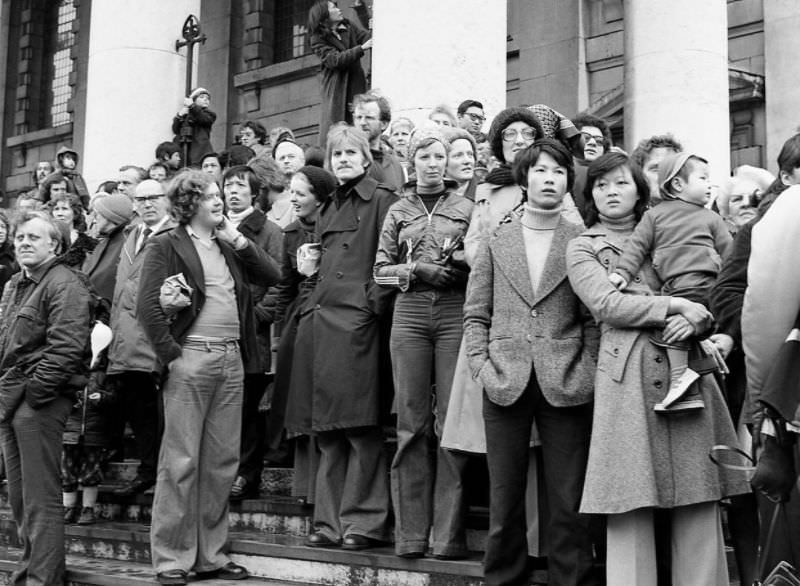
The most explosive event of that year was the Brixton Riots. Police had been targeting Black residents under a controversial stop-and-search campaign, and racial tensions had been building for months. In April 1981, those tensions erupted into days of violent clashes between police and community members in Brixton, south London. Buildings were set on fire, cars were overturned, and hundreds of people were injured.
The riots forced a national conversation about racism and policing. They were a direct result of discrimination that Black Londoners faced on a daily basis — not just from individuals, but from institutions. The unrest in Brixton was followed by similar riots in other British cities, making it clear this was not an isolated incident.
On the political front, London’s government was in open conflict with the national government. On May 7, 1981, Labour won the Greater London Council elections, and Ken Livingstone became the council’s leader. Livingstone clashed repeatedly with Prime Minister Margaret Thatcher’s Conservative government over funding, policy, and the direction of the city. Those disputes grew so bitter that Thatcher’s government eventually abolished the GLC entirely in 1986.
Yet 1981 also brought one of the most-watched moments of celebration in London’s history. On July 29, Prince Charles married Lady Diana Spencer at St Paul’s Cathedral. The ceremony was broadcast to an estimated 750 million viewers around the world. Streets across London filled with crowds waving flags and cheering. The event was widely described as a “fairytale wedding” and the “wedding of the century.”
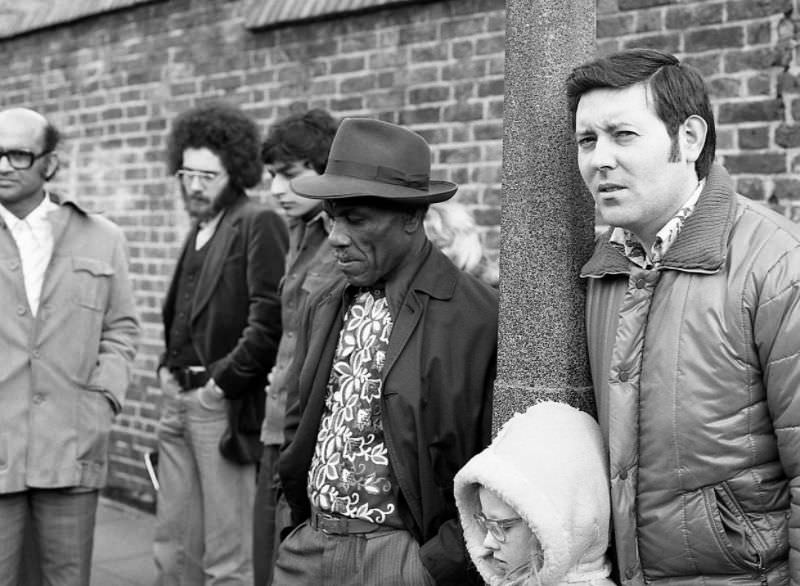
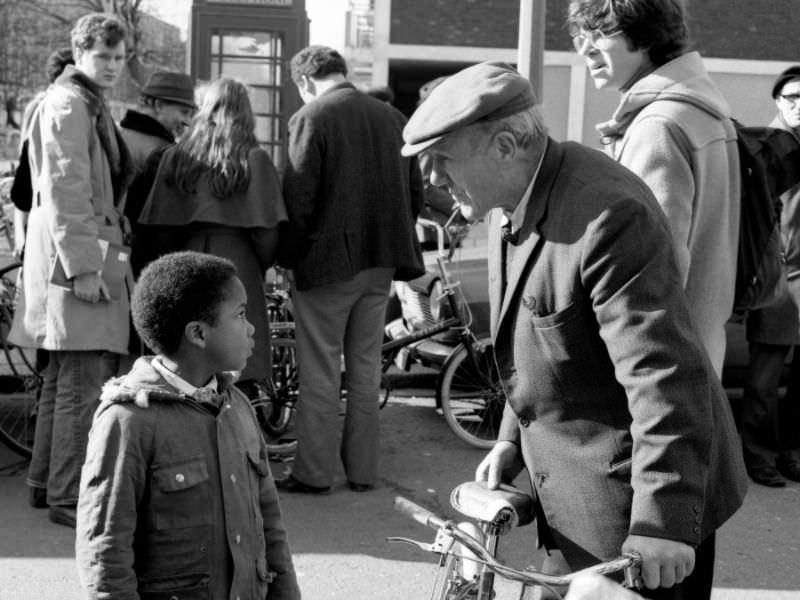
Between the riots and the royal wedding, between political battles and everyday survival, ordinary Londoners kept moving. Nowicki’s camera caught them in motion — on sidewalks, in markets, outside pubs, and on street corners. His photos are unposed and direct, showing the city as it actually was rather than how anyone wanted it to look.
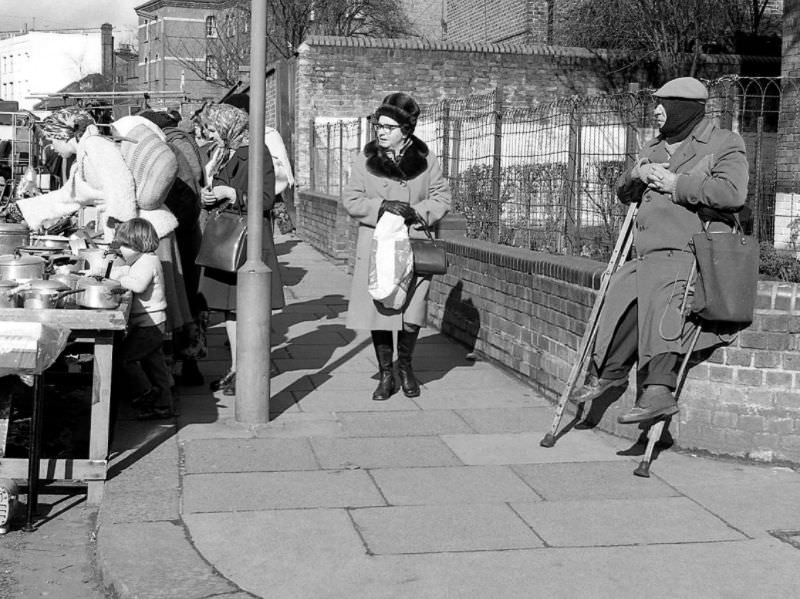
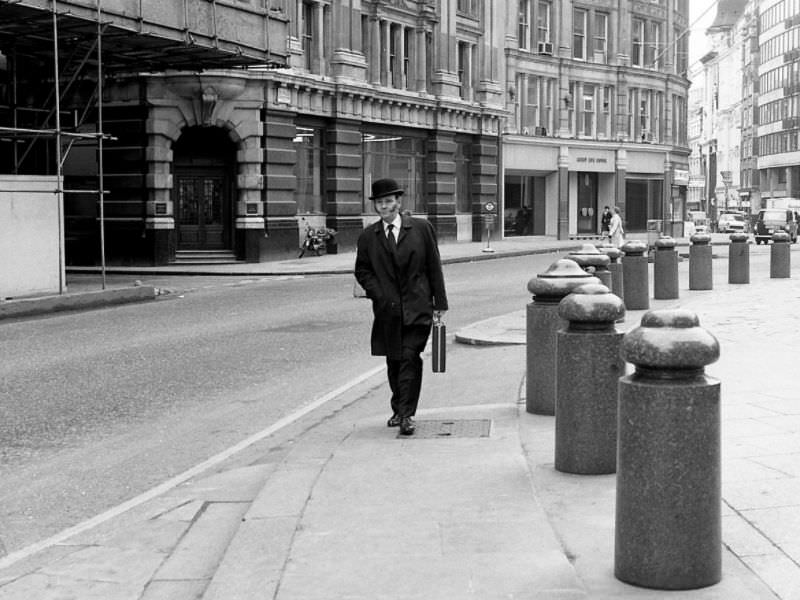
The diversity of London in 1981 shows up clearly in these images. Waves of immigrants from the Caribbean, South Asia, and Africa had settled across the city since the 1950s, changing its neighborhoods, its food, its music, and its culture. That transformation was not always welcomed, and the friction it created played a direct role in the year’s unrest.
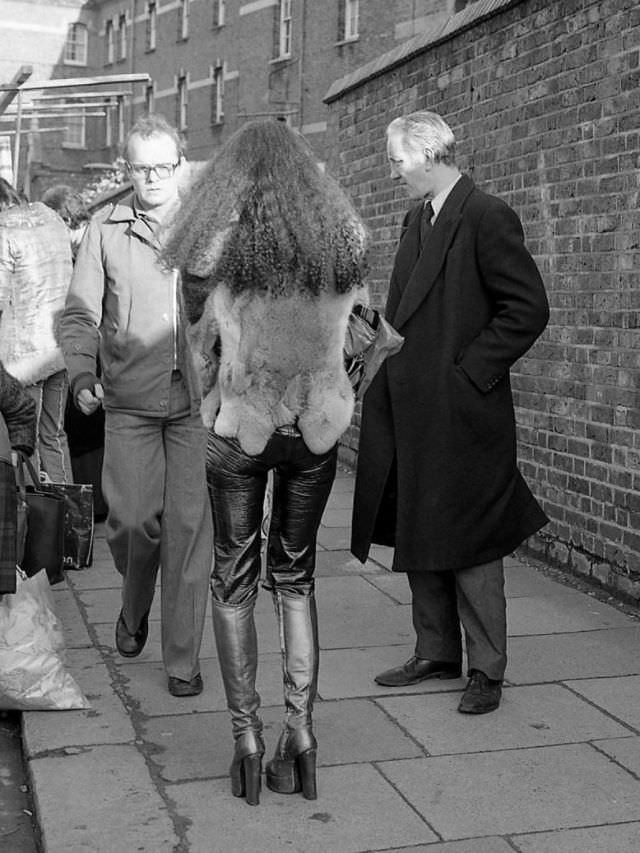
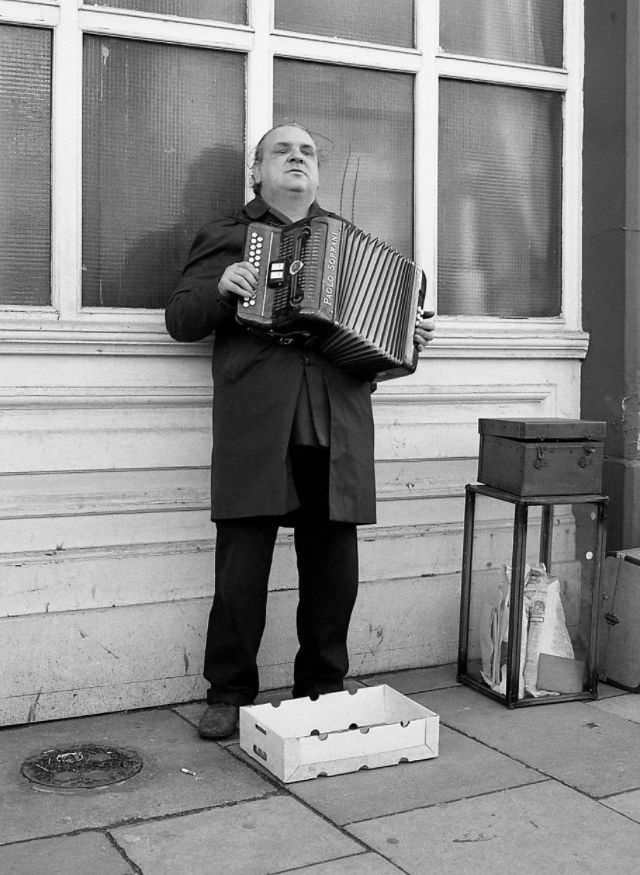
Nowicki’s work belongs to a tradition of street photography that treats public space as a living document. Every frame is a piece of evidence — of how people dressed, how they gathered, and how they occupied the city around them. In a year as charged as 1981, those details carry extra weight.
London in 1981 was not a comfortable place. Unemployment was high, racial tensions were raw, and political warfare played out in the open. But it was also a city full of life — loud, complicated, and endlessly varied. Nowicki’s photographs hold all of that in a single frame at a time.