
South Wales is a loosely defined region stretching from the English border in the east, across the historic counties of Glamorgan and Monmouthshire, all the way west to Carmarthenshire and Pembrokeshire. The Brecon Beacons National Park covers roughly a third of the region, with Pen y Fan standing as the highest peak in the British Isles south of Cadair Idris in Snowdonia. In the 1970s, towns and valleys across this region were alive with working communities, local traditions, and the rhythms of daily life that rarely made newspaper front pages.
Robin Weaver was a newspaper photographer based in South Wales during this decade. His assigned work kept him busy with hard news and staged press shots, but whenever he had a free moment, he pointed his camera in a very different direction. He roamed small towns and villages, drawn by ordinary people going about their lives — shopping, talking on street corners, marching in parades, competing at local shows. “What inspired me were the Welsh people, whatever they were doing,” Weaver later said. His personal work stands apart from his newspaper assignments precisely because it was never posed or planned.
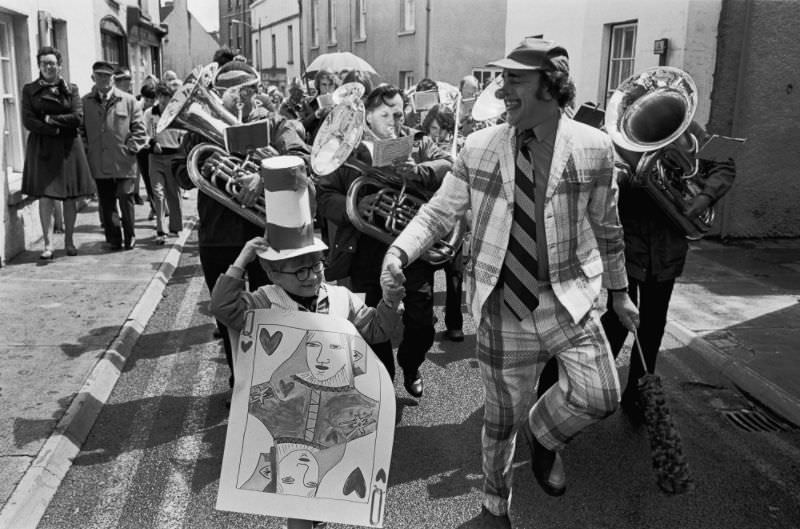
Street celebrations were a regular feature of 1970s South Wales. Queen Elizabeth II’s Silver Jubilee in 1977 brought communities together for parades, parties, and fancy dress competitions in towns across the region. Monmouth was no exception, with residents turning out in costume to mark the occasion.
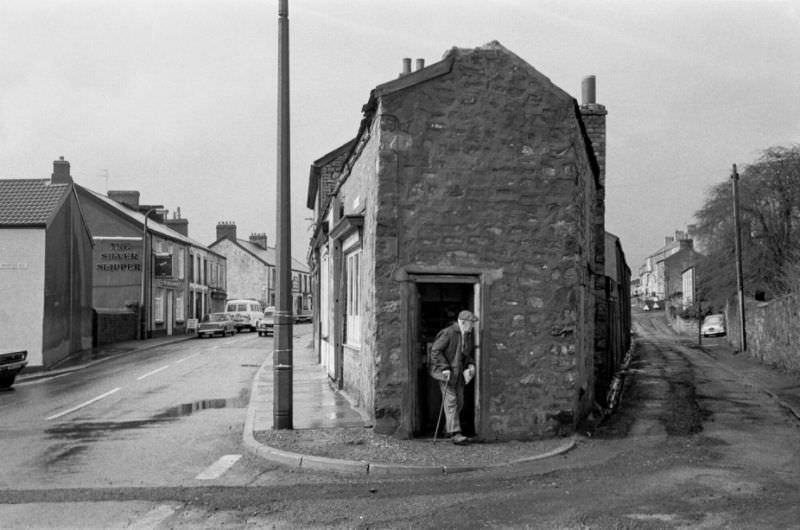
Dowlais, perched above Merthyr Tydfil, was once the site of one of the world’s largest ironworks. By the 1970s, heavy industry had largely gone, leaving behind rows of terraced streets and the corner shops that served them. These small shops were the backbone of local commerce — places where neighbours crossed paths and daily essentials were bought on account.
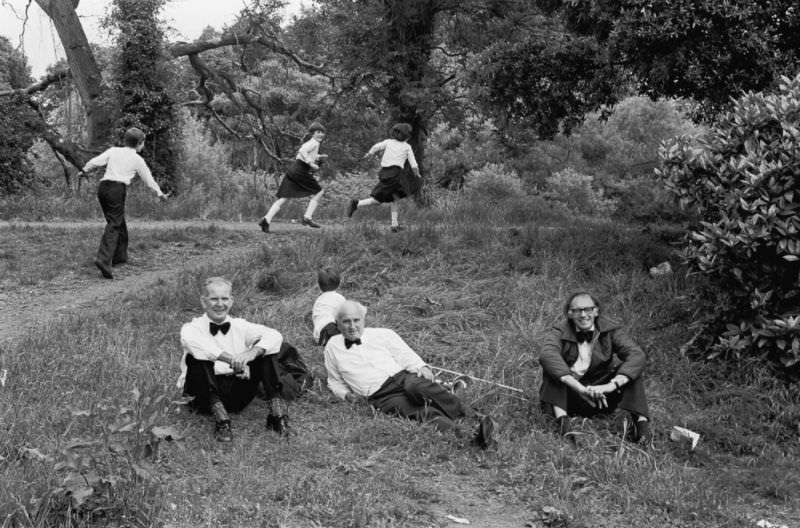
The Miners’ Gala was one of the great set-piece events in the South Wales calendar. Brass bands, union banners, and thousands of colliery workers and their families gathered each year to celebrate the coalfield’s collective identity. Between performances, band members grabbed whatever rest they could find.
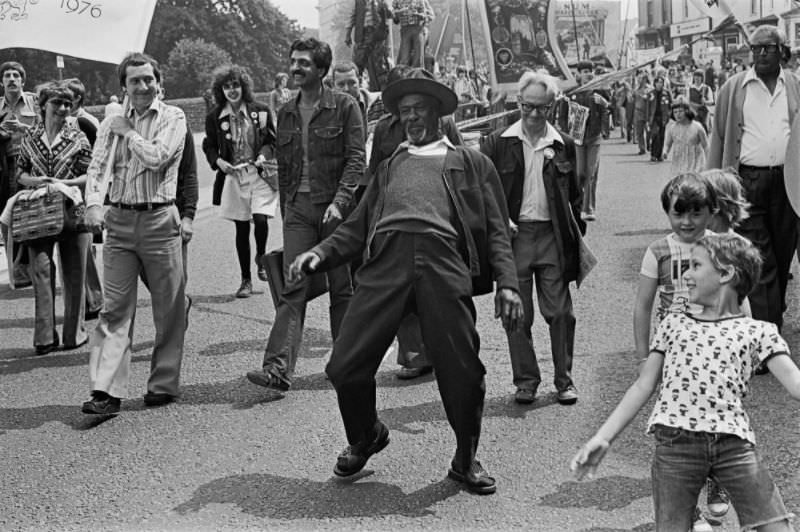
Cardiff in the 1970s was not immune to the racial tensions that ran through British cities during the decade. Anti-racism demonstrations took to the streets, reflecting both the diversity of communities like Butetown — long known as Tiger Bay — and the pushback against the far-right politics gaining ground across Britain at the time.
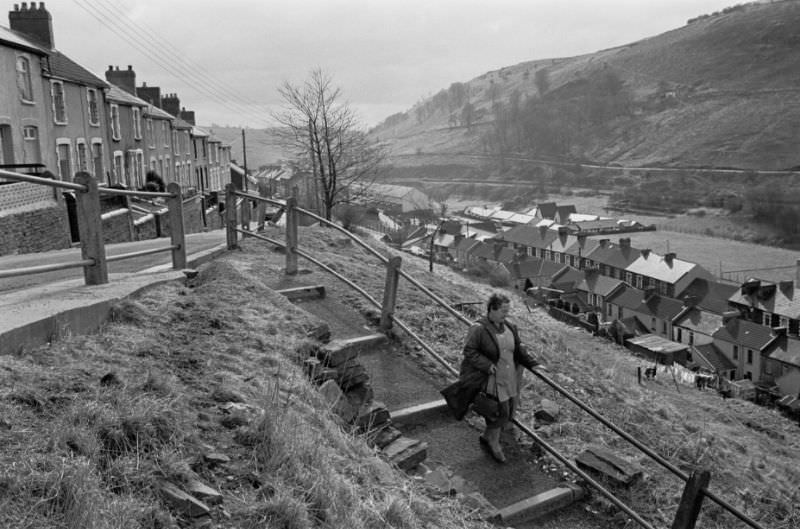
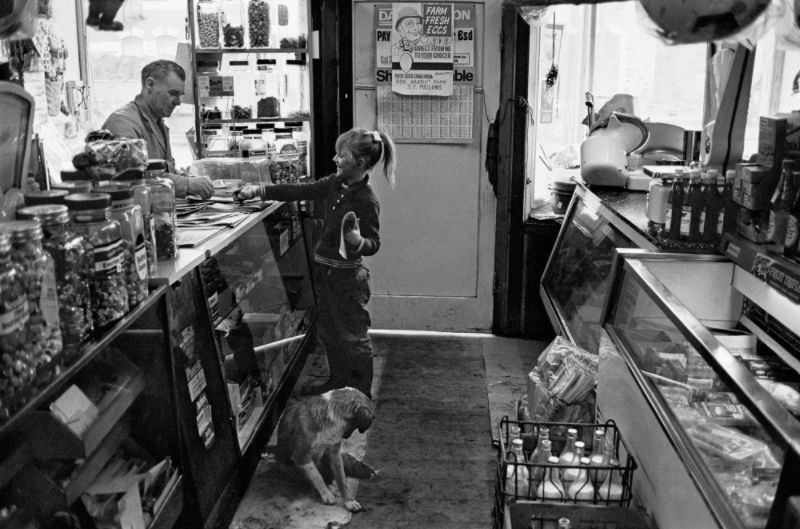
Splott, an inner-city district of Cardiff, had a tight-knit working-class character in the 1970s. Corner shops like this one served streets of terraced houses that had been built for industrial workers generations earlier. The shopkeeper knew the customers by name, and the shop itself doubled as a local news exchange.
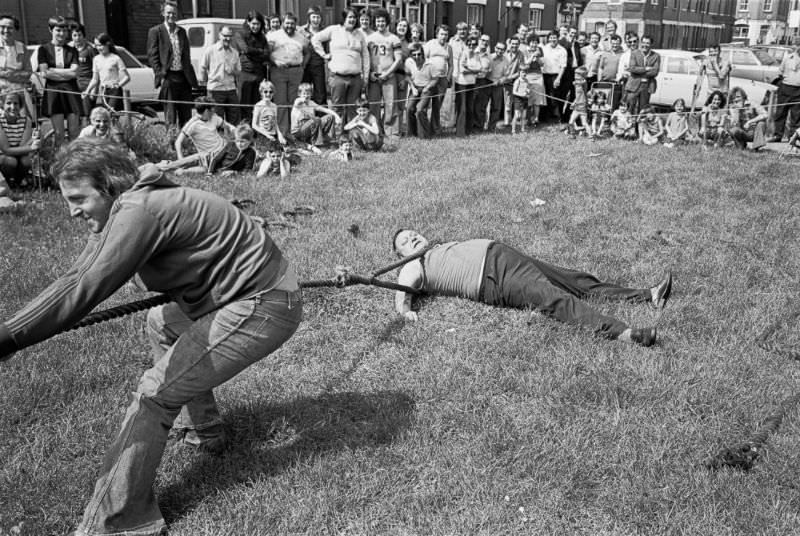
Pill was one of Newport’s oldest dockland districts, home to a racially and culturally mixed community that had grown up around the town’s busy port. Bank holidays brought residents into the streets for improvised competitions and gatherings. A tug of war was as good an excuse as any to drag your neighbours out for an afternoon.
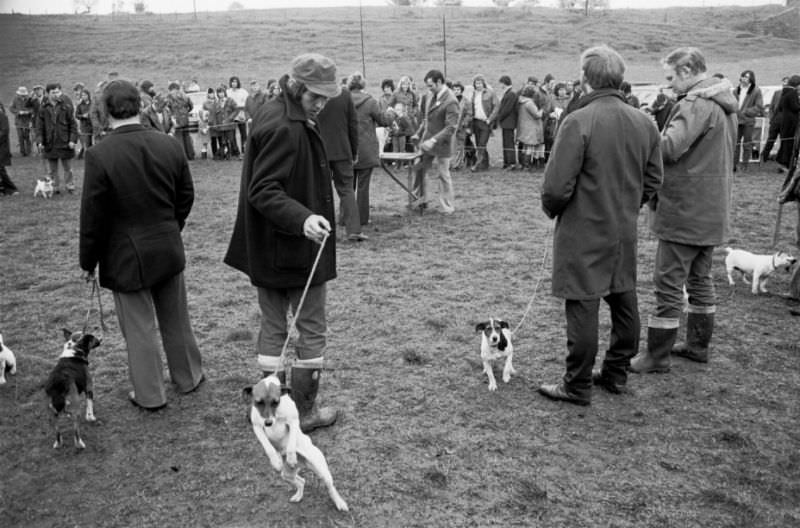
Agricultural and hunt shows gave rural and semi-rural communities a chance to come together outside of work. The Taf Fechan Hunt Show near Merthyr Tydfil featured livestock competitions, equestrian events, and, as Weaver captured, dog showing — a serious pursuit for those who entered, even if the audience watched with a relaxed eye.
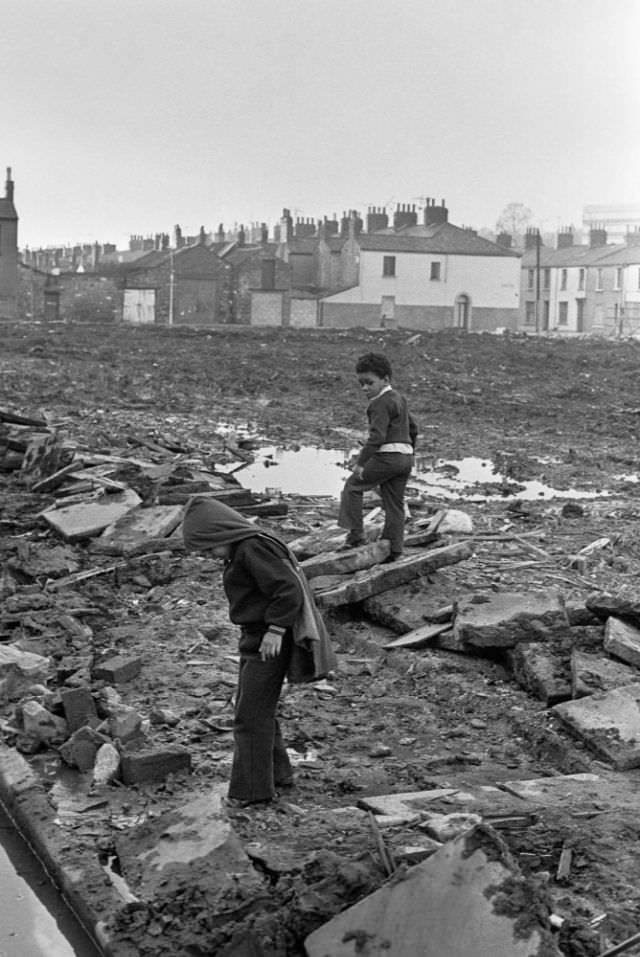
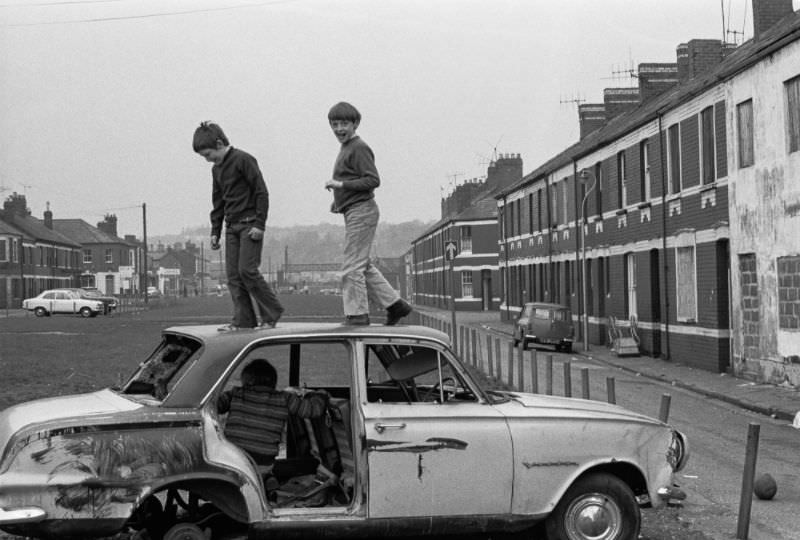
Redevelopment reshaped dozens of South Wales communities during the 1970s. Whole streets of Victorian terraces were cleared to make way for new housing schemes and road improvements. In the gap between demolition and construction, children claimed the rubble and open ground as their own playground — a familiar sight in towns across the region.
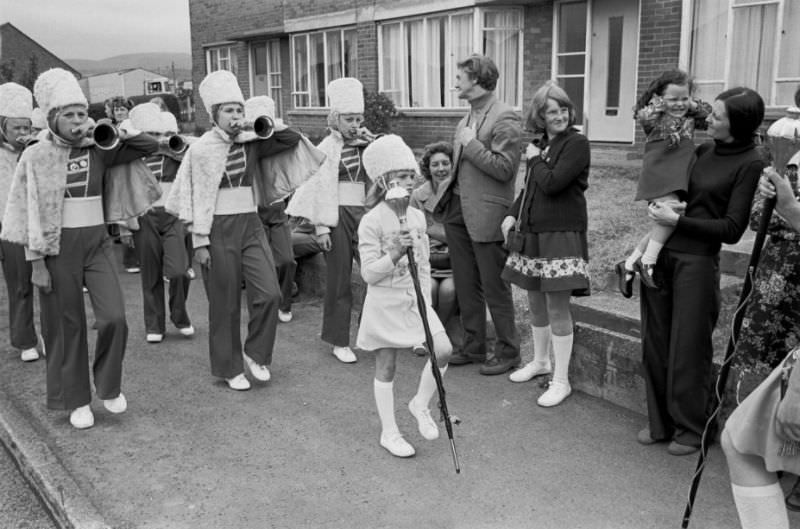
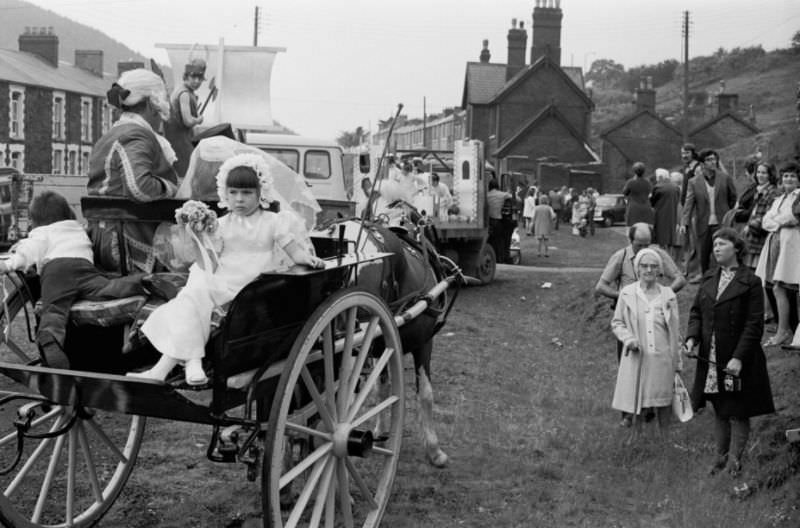
Carnivals were a staple of summer life in South Wales towns. Rogerstone, a village on the western edge of Newport, held its own annual event complete with floats, marching bands, and carnival queens. These occasions gave communities a shared focal point at a time when many local industries were in decline.
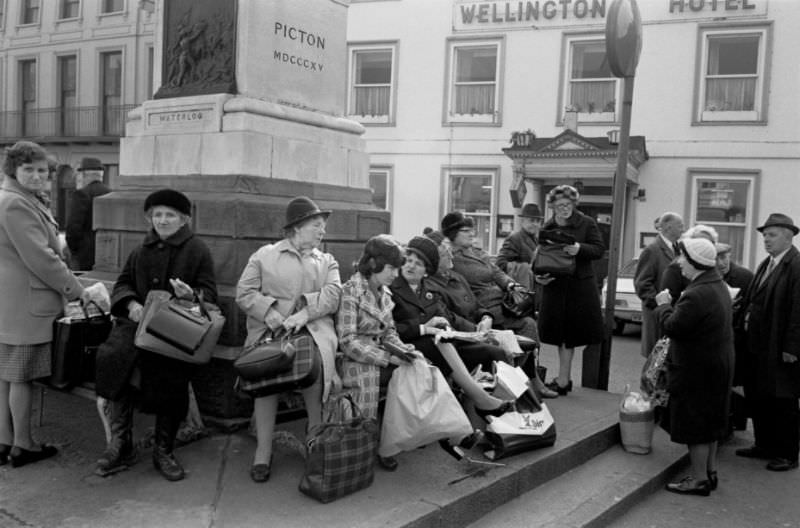
Brecon, the market town at the northern edge of the Brecon Beacons, has a long military connection — it is home to the regimental museum of the Royal Welsh. The Duke of Wellington monument stands near the town centre, and beneath it, as in any market town, people simply waited for their bus.
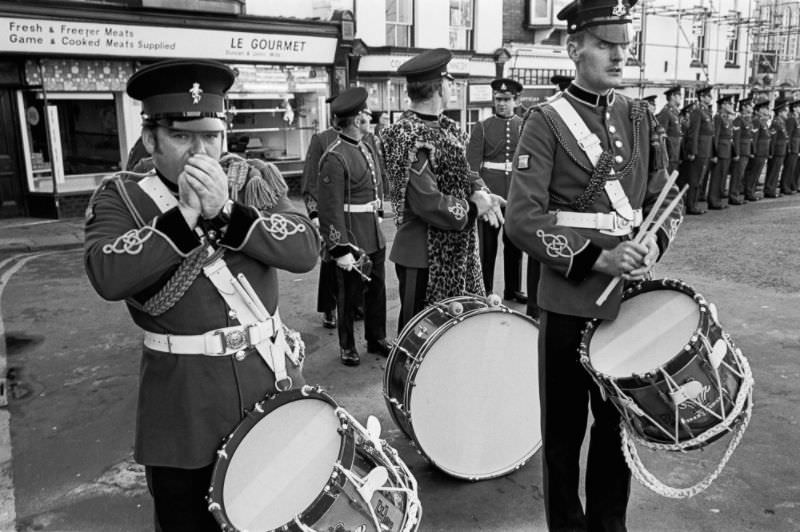
Remembrance Sunday parades drew towns together each November. In Monmouth, army bandsmen endured the sharp autumn cold as part of the annual ceremony honouring those killed in both World Wars. Weaver’s eye caught not the formal solemnity of the occasion, but the very human discomfort of standing still in the cold.
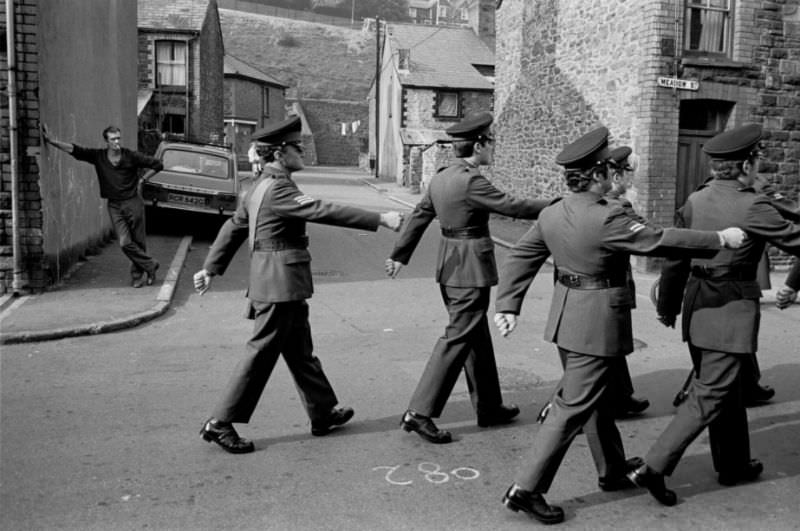
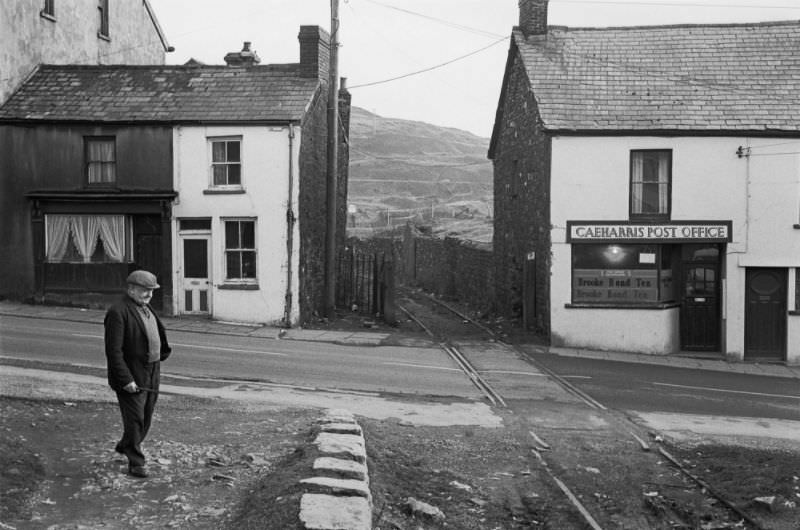
Weaver returned to Dowlais and Merthyr Tydfil repeatedly. The area had been one of the most industrially intense places in the world during the 19th century, and the marks of that history were still deeply visible in its streets and buildings. By the 1970s, unemployment was high, but community life persisted.
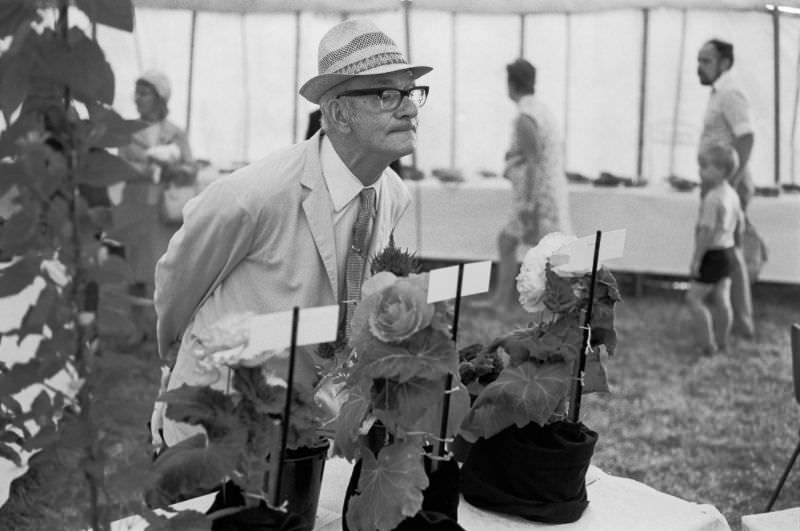
Village flower shows were part of the quiet fabric of Welsh rural life. Llanfrechfa, a small community near Cwmbran, held its own show where growers competed with blooms and produce they had spent months tending. These events were taken seriously by participants, even when they looked gentle to outsiders.
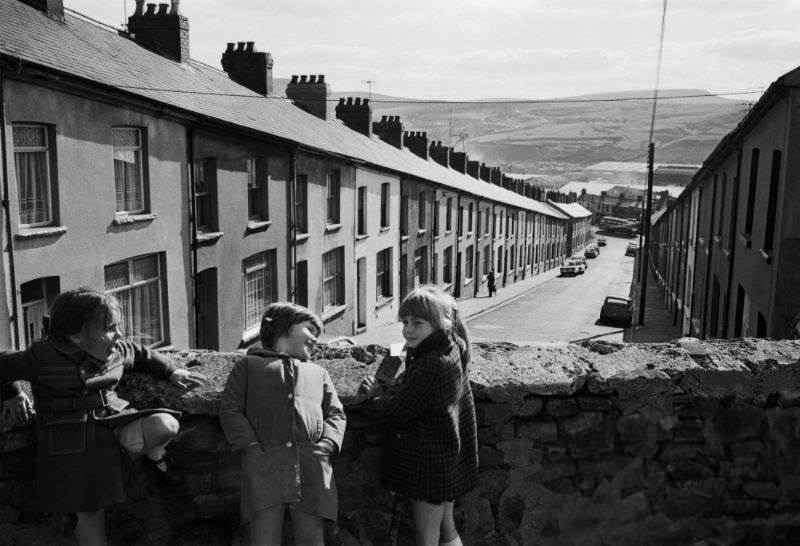
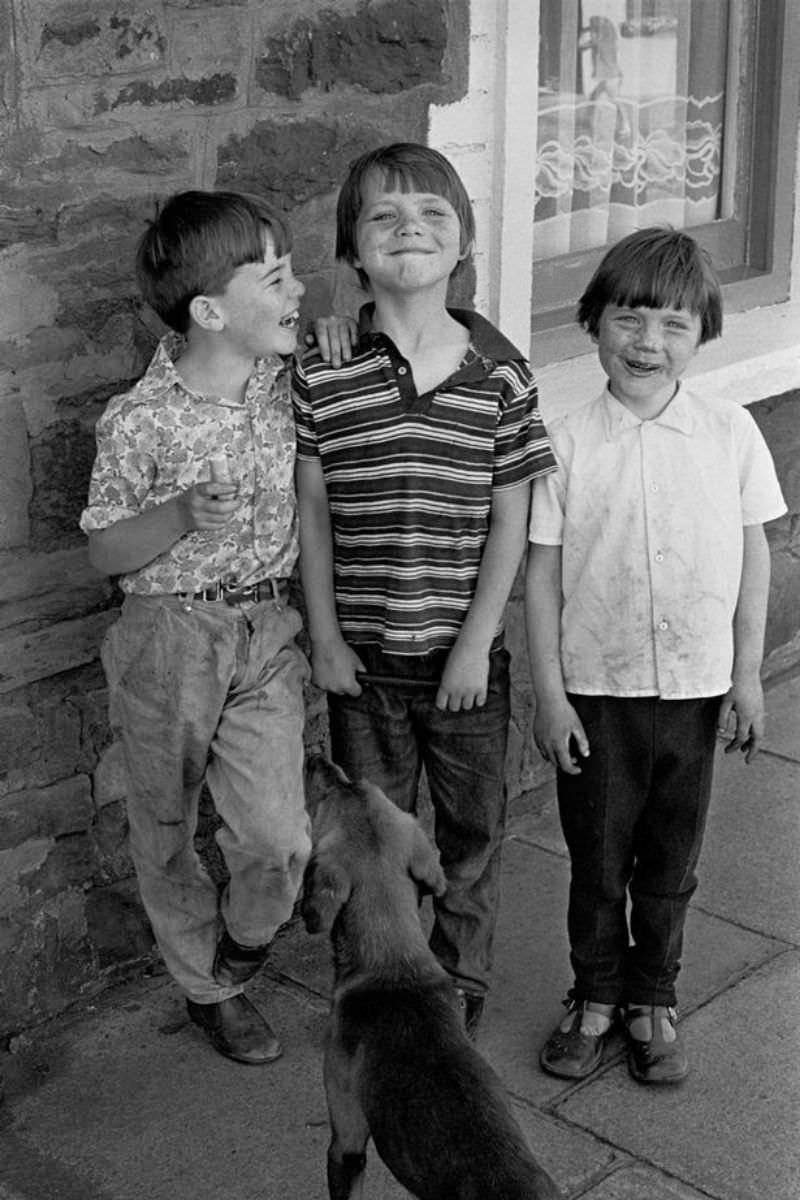
Rhymney sits at the northern tip of the Rhymney Valley, close to the border with Powys. Like many valley towns, its identity was shaped by coal — the Rhymney Iron Company and later the collieries defined the community for over a century. In the 1970s, children still played freely in the streets on the walk home from school, with little traffic to worry about.
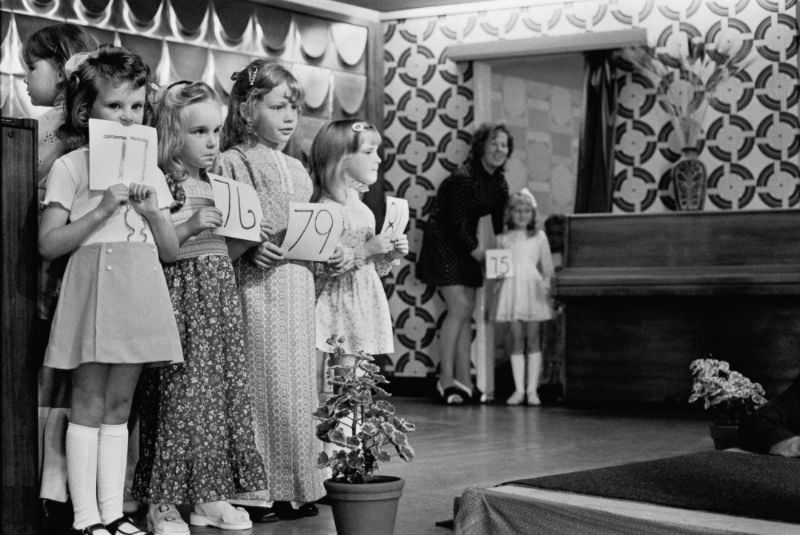
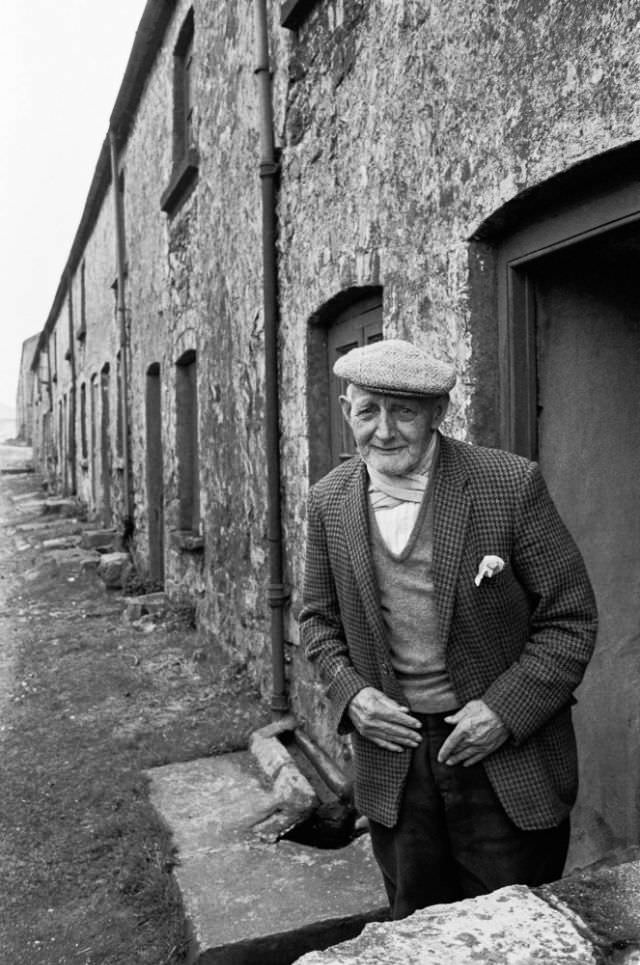
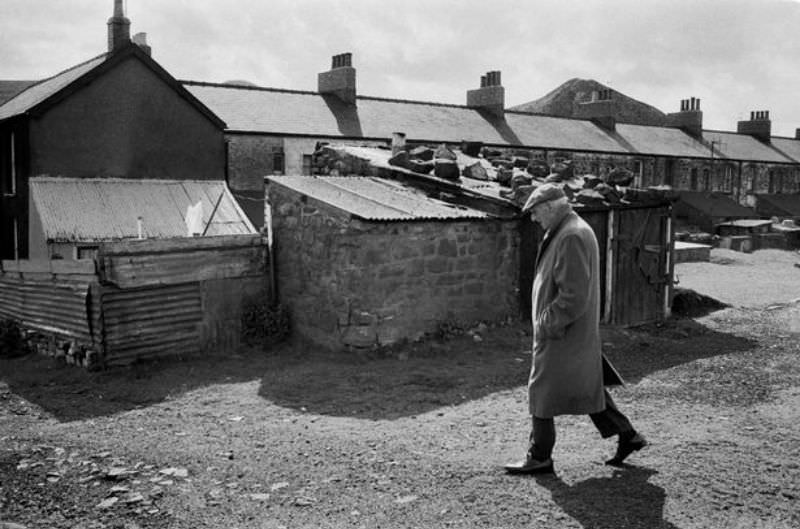
Blaenavon was a UNESCO World Heritage Site in the making — its ironworks and associated landscape would receive the designation in 2000. In the 1970s, the physical remnants of that industrial past were still inhabited. Mr. Parfitt, 84 years old, and his wife were the last residents of old ironworkers’ cottages that had stood since the height of Blaenavon’s industrial era.
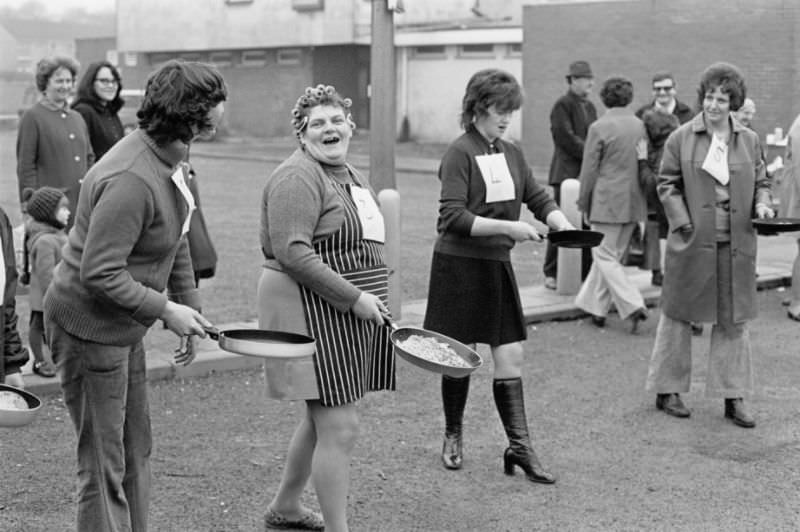
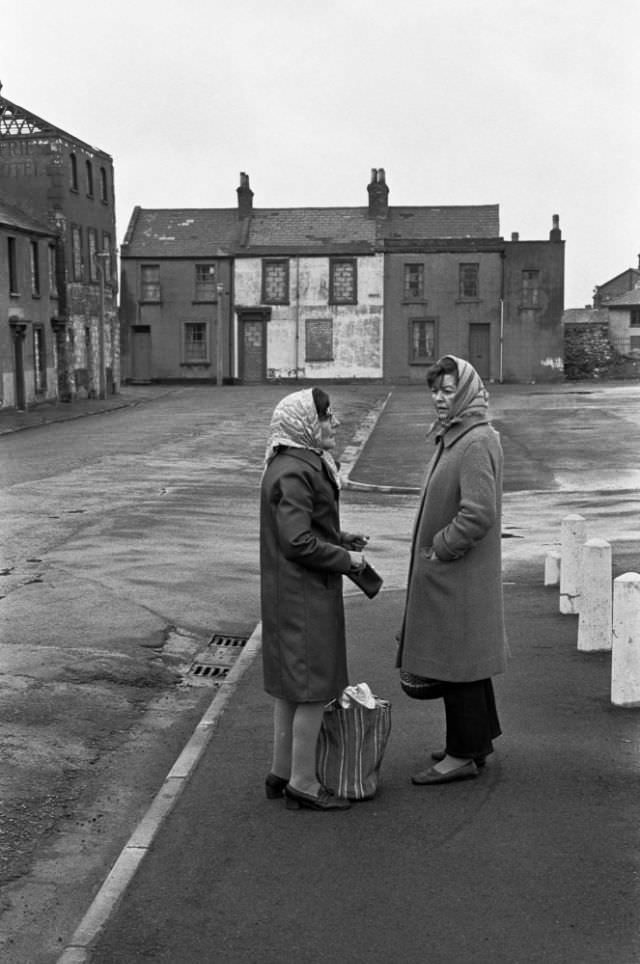
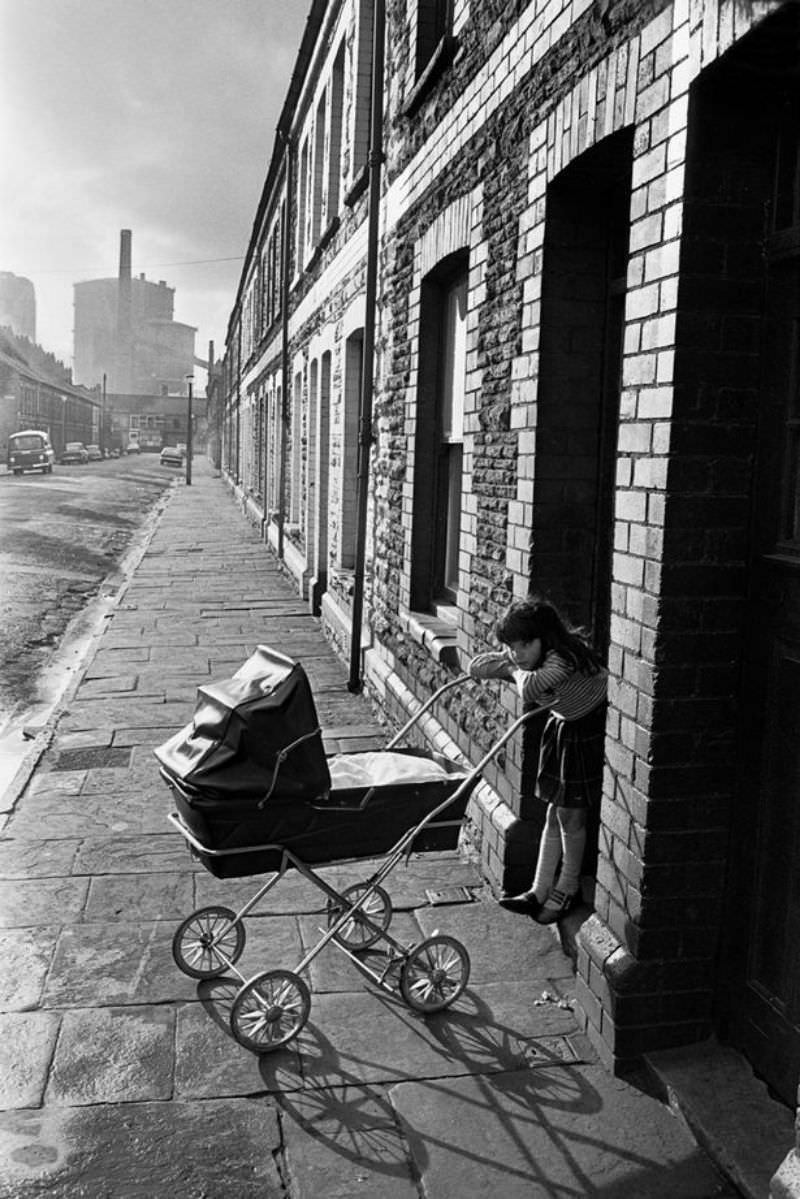
Butetown, historically known as Tiger Bay, was Cardiff’s oldest multiracial community. Settled by sailors and dockworkers from across the world over more than a century, it had produced a genuinely mixed culture unlike anywhere else in Wales. By the 1970s, slum clearance programmes had left many streets boarded up and awaiting demolition — yet residents were still there, still talking at their doors.
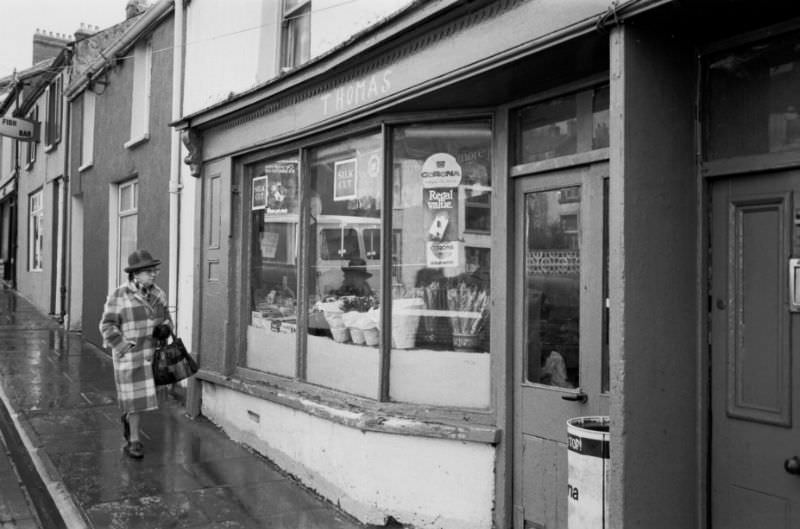
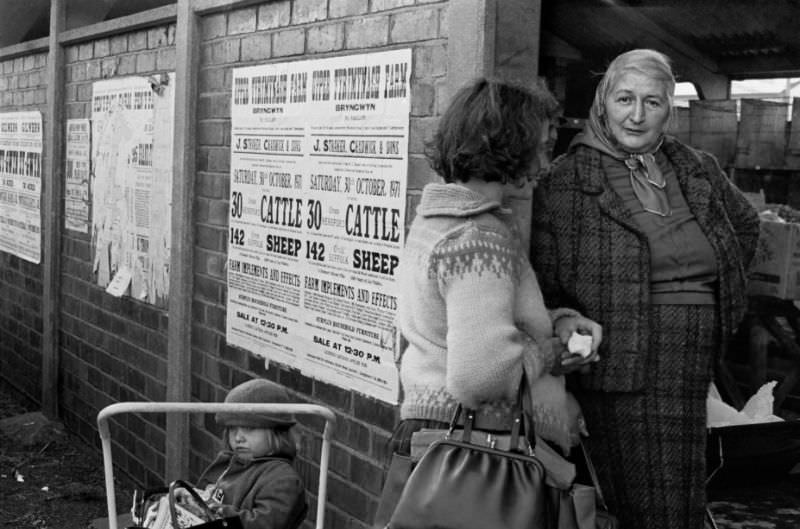
Abergavenny’s cattle market was one of the busiest in Wales. Market day brought farmers and their families in from the surrounding hills of the Black Mountains and the Usk Valley. For many, it was also a social occasion — a chance to catch up with neighbours from farms that were otherwise isolated for much of the week.
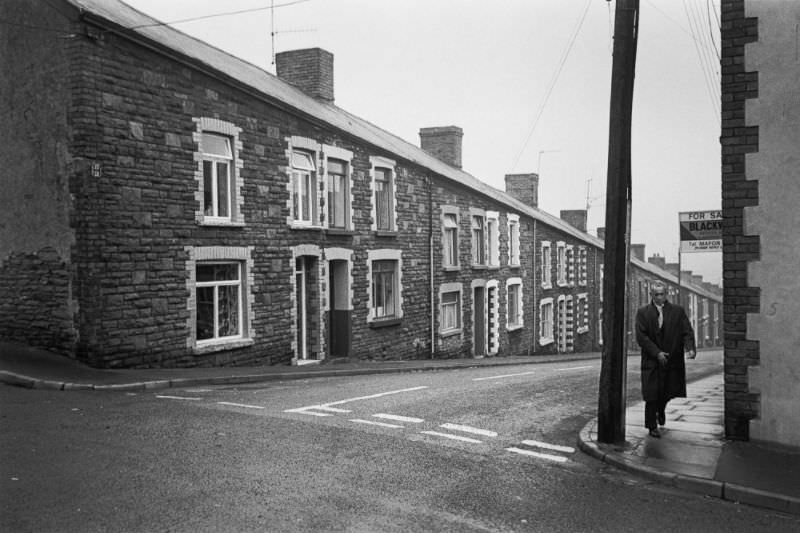
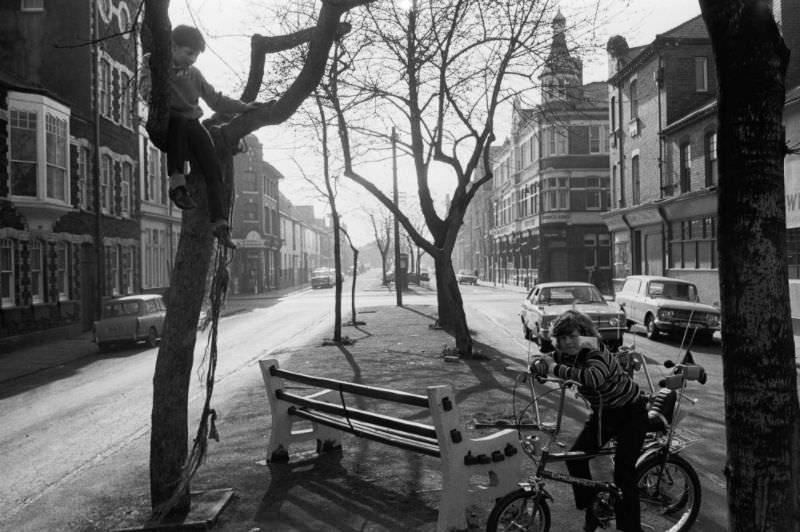
Portland Street in Pill captured the texture of Newport’s dockland streets in the 1970s. Pill’s population had long included Somali, Yemeni, and West Indian families alongside Welsh and English residents, making it one of the most diverse corners of Wales. The streets reflected decades of layered history.
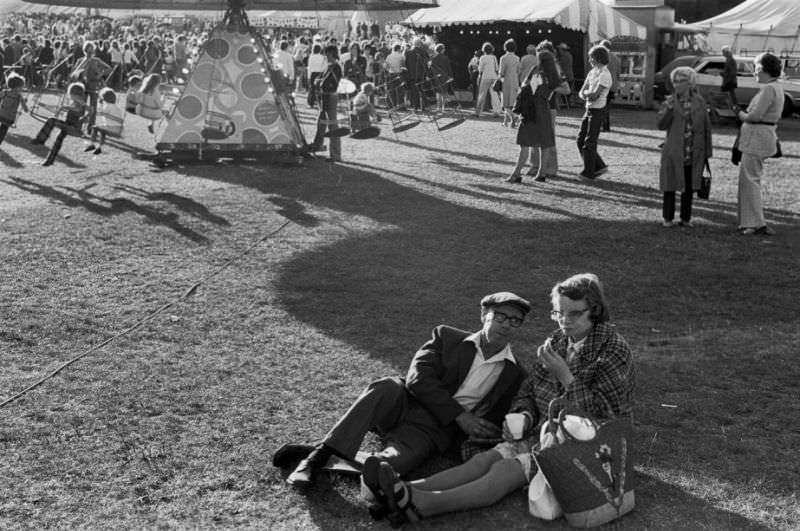
Barry Show was one of the larger agricultural shows in South Wales, drawing crowds from across the Vale of Glamorgan and beyond. Between the livestock rings and trade stands, families spread out on the grass with whatever they had packed. A day at the show was one of the markers of summer in this part of Wales.
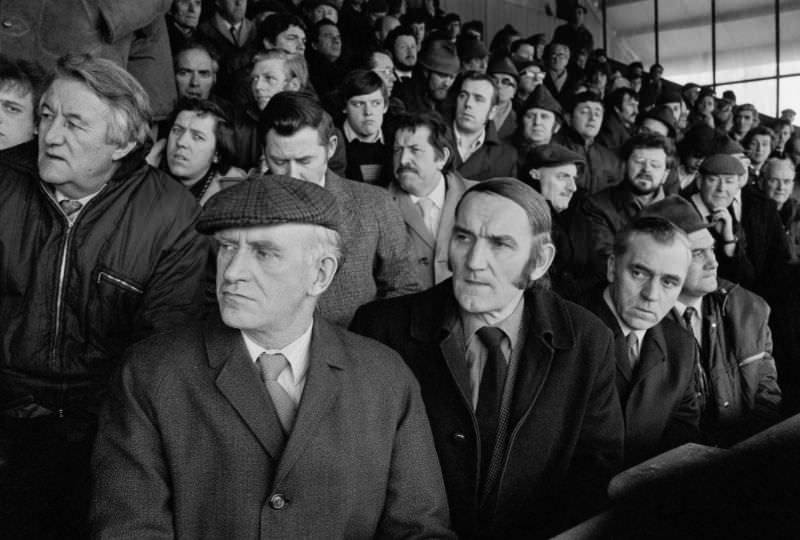
Few images in Weaver’s collection carry the weight of this one. At Ebbw Vale Welfare Ground, steelworkers learned that their plant was to be closed. The steel industry had defined Ebbw Vale since the 19th century, and the closure would devastate employment across the town. The faces in this photograph record the moment an entire community’s economic foundation was pulled away.
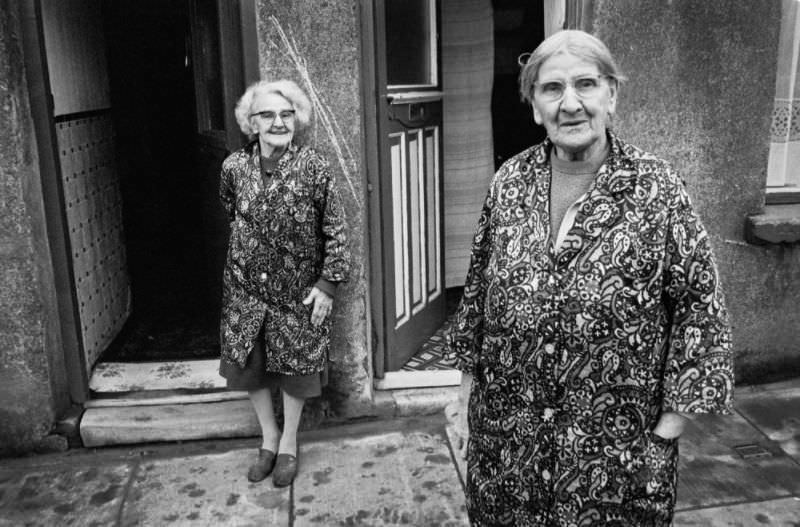
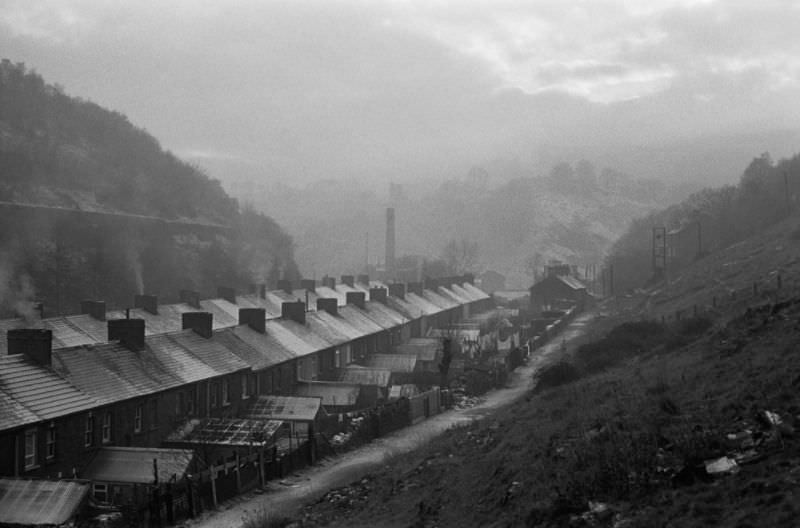
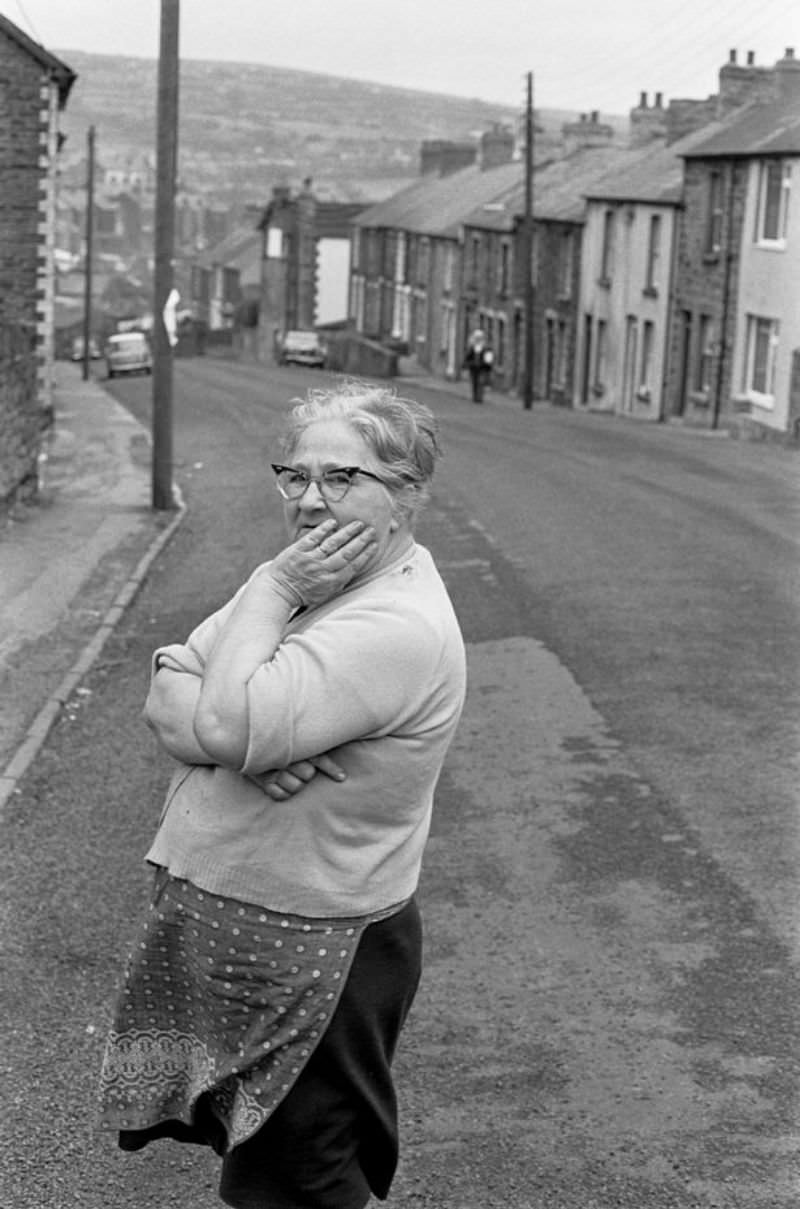
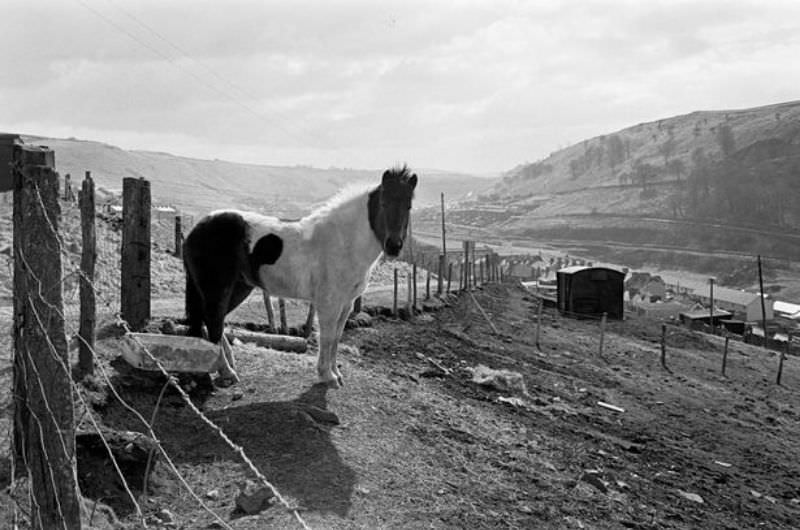
Blaen-y-Cwm sits at the very head of the Rhondda Fawr valley, hemmed in by steep hillsides that define the landscape of this part of South Wales. The Rhondda had been synonymous with coal mining for over a century, and its communities were tightly knit. Neighbours in a place like Treherbert had often known each other across generations.
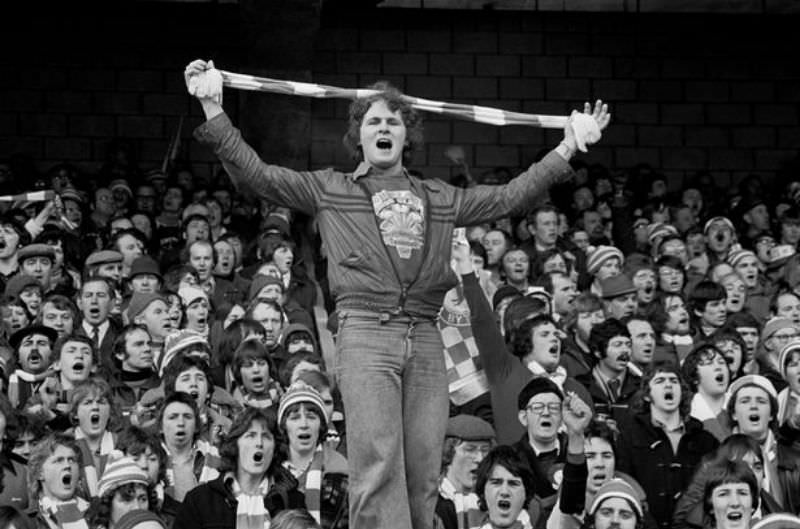
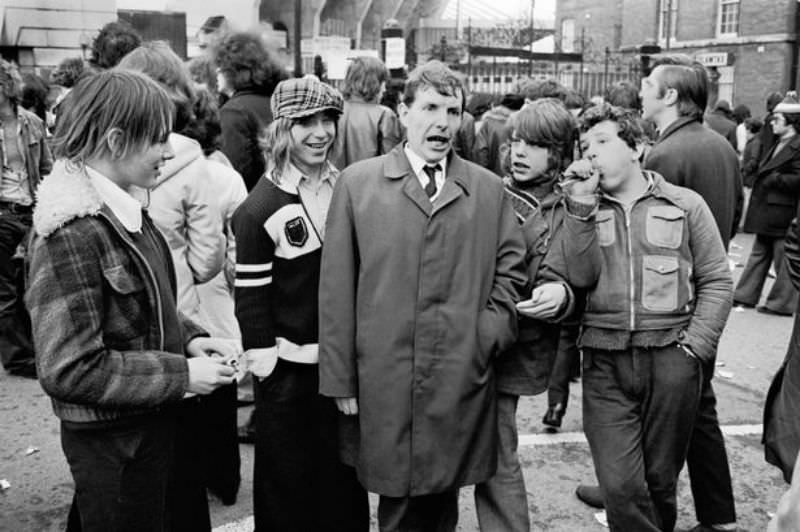
Rugby at Cardiff Arms Park in the 1970s was a national event. Wales was the dominant force in international rugby during the decade, winning the Grand Slam four times between 1971 and 1979. A Wales v England match drew supporters with a passion that went well beyond sport — it carried the weight of national identity.
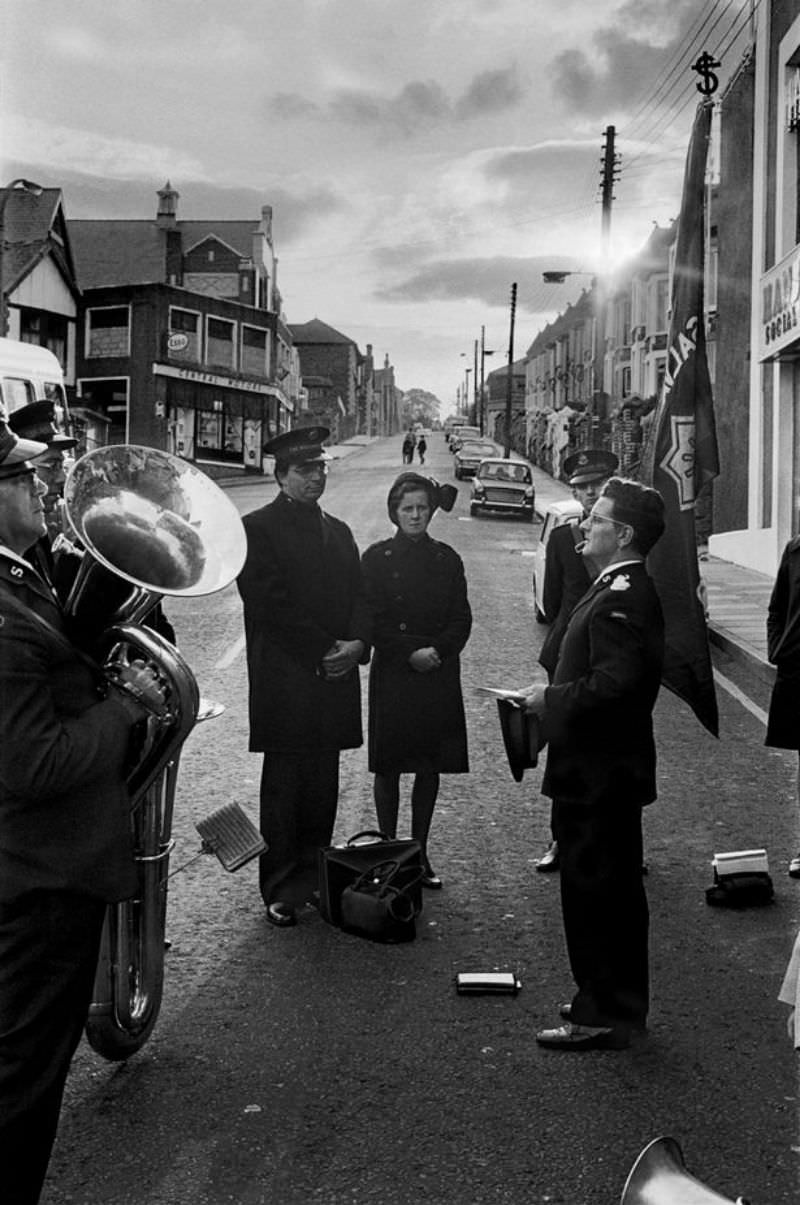
The Salvation Army maintained a strong presence in many South Wales towns, particularly in the valleys. In Bargoed, as elsewhere, open-air and indoor services were a regular part of the community calendar. The organisation provided practical support to people in need alongside its religious work.
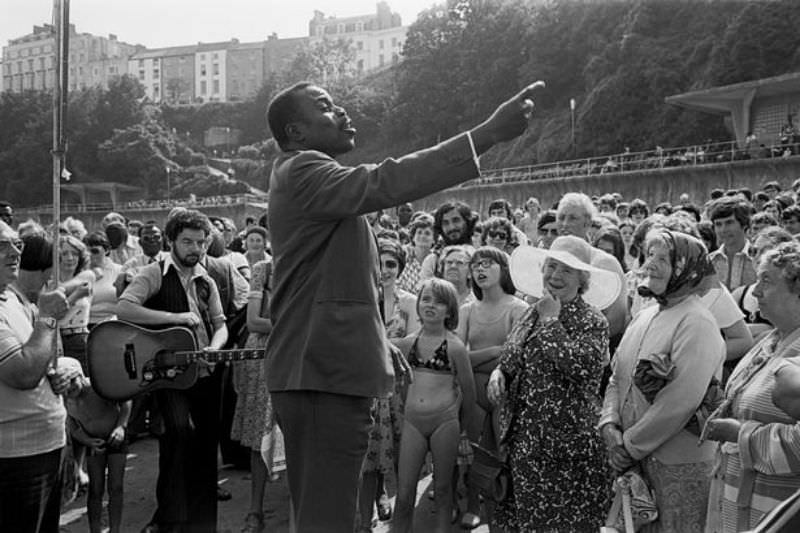
Tenby, the medieval walled town on Pembrokeshire’s south coast, was one of South Wales’s most popular seaside destinations. Its beaches attracted summer visitors from across the region. The Apostolic Church, which had its world headquarters in Penygroes, Carmarthenshire, was an active presence in Welsh life — and Tenby beach provided a ready-made audience.
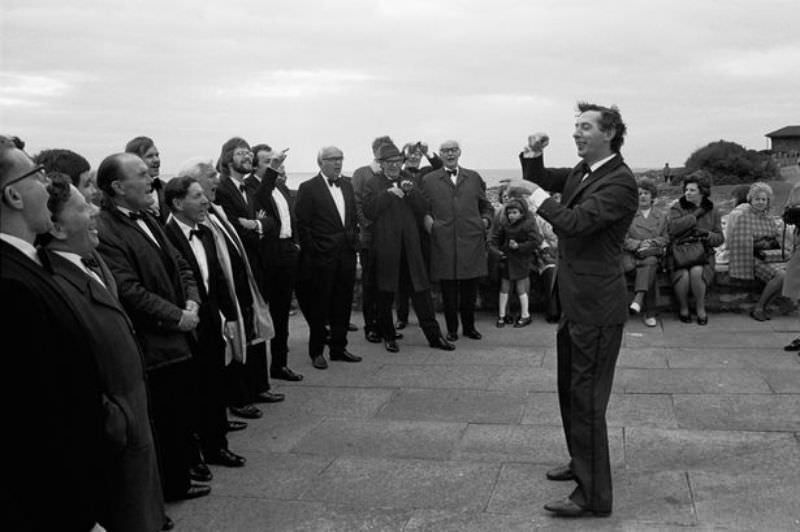
The South Wales Miners’ Eisteddfod at Porthcawl was the premier cultural festival of the coalfield. Male voice choirs were at the heart of valley life, and the competition at the Eisteddfod was fiercely contested. Rehearsing on the seafront before a performance was both practical and, in Weaver’s hands, a striking image of Welsh choral culture set against the Bristol Channel.
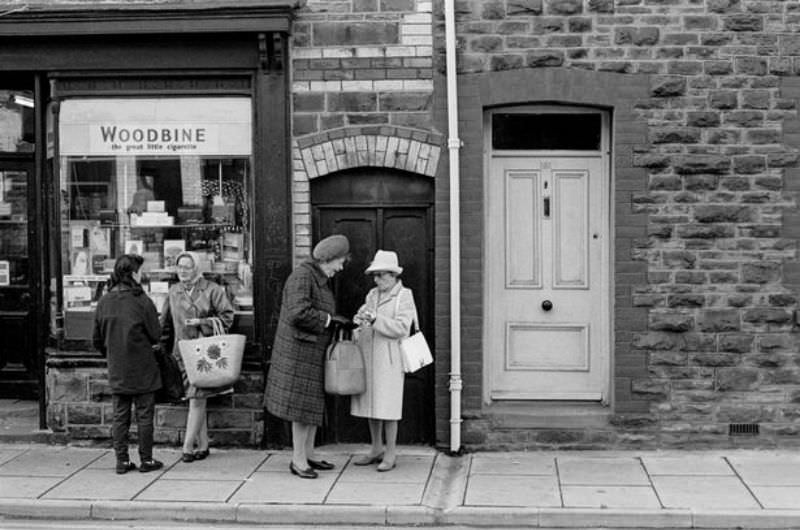
Blaina, a small town in Blaenau Gwent, sat in the upper Ebbw Fach valley. Like many valley towns, its high street served a community that had little reason to travel far for everyday needs. Shopping here meant knowing the shopkeepers, and the street itself was an extension of social life.
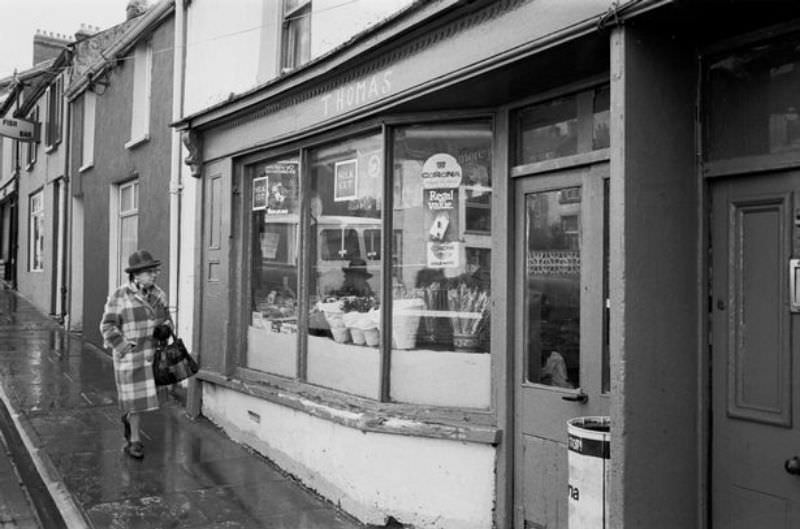
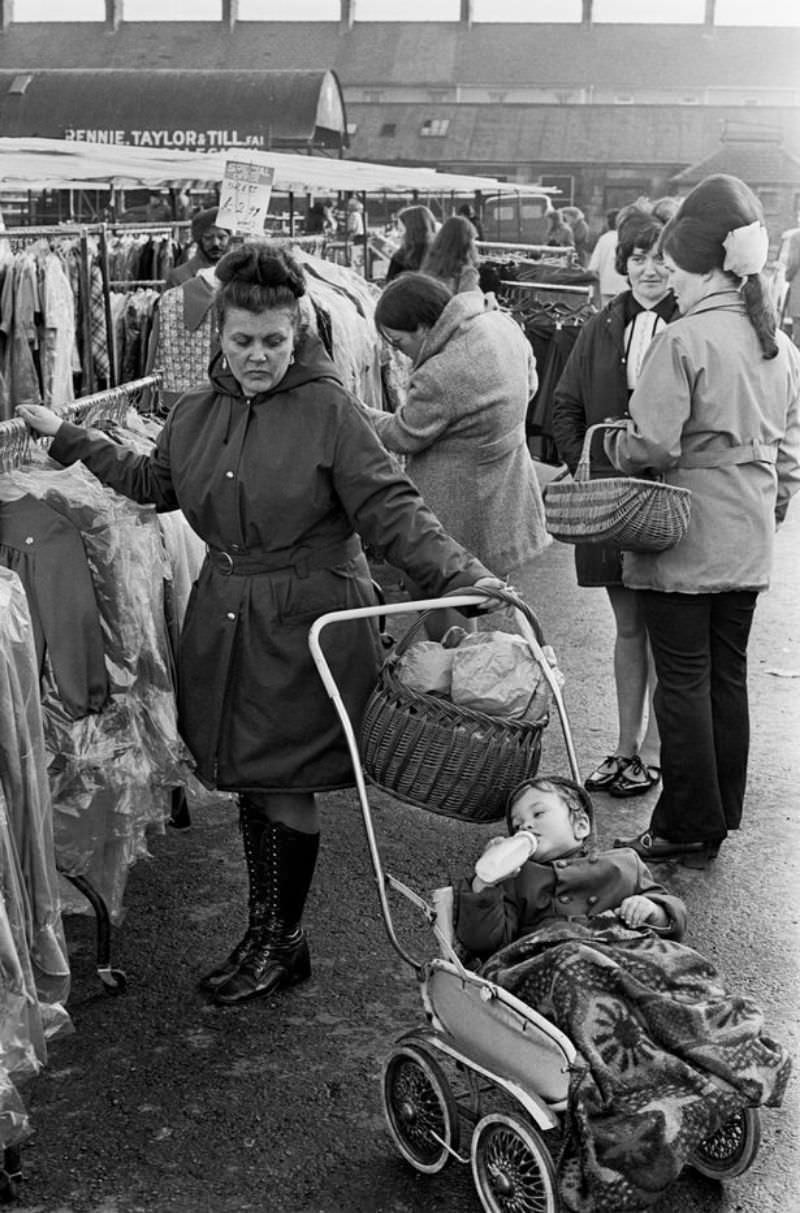
Newport’s outdoor market was a busy, central part of the town’s commercial life. Stalls selling clothing, food, and household goods drew shoppers from across the town and surrounding areas. Newport, as a large port and industrial town, had a market culture that reflected its working-class, mixed population.
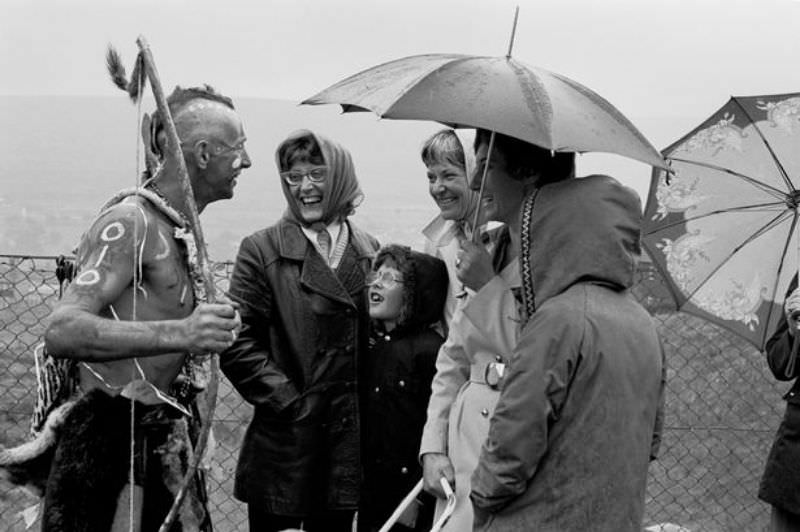
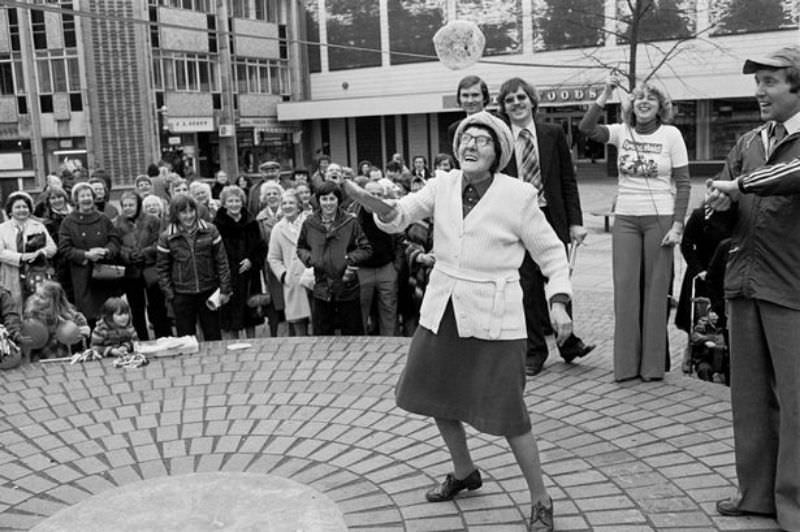
Shrove Tuesday traditions ran deep in many South Wales towns. Newport’s pancake tossing competition drew participants of all ages onto the streets for a ritual that was as much about community participation as it was about cooking. Weaver photographed these kinds of events with the same attentiveness he gave to larger gatherings.
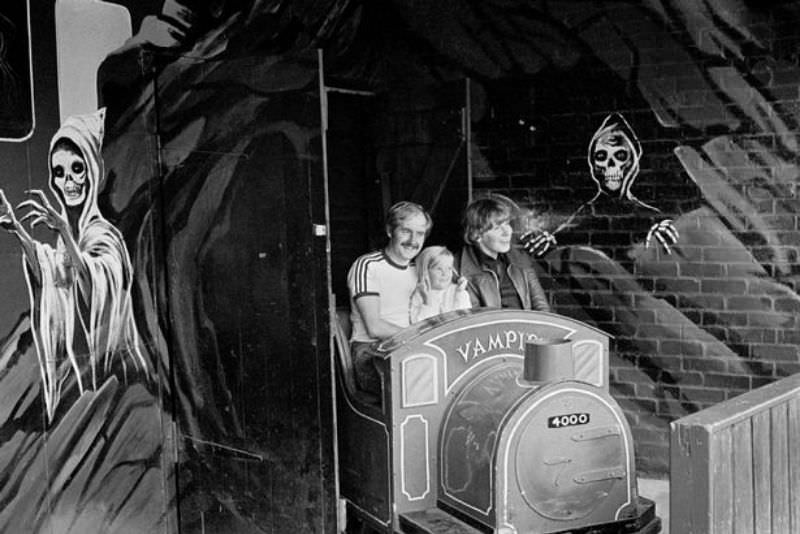
Coney Beach at Porthcawl was the South Wales valleys’ seaside playground. For generations of families from the mining communities of the Rhondda, Cynon, and Merthyr, a trip to Porthcawl — and specifically to Coney Beach’s funfair — was a landmark event in the summer. The Ghost Train was a fixture there for decades.
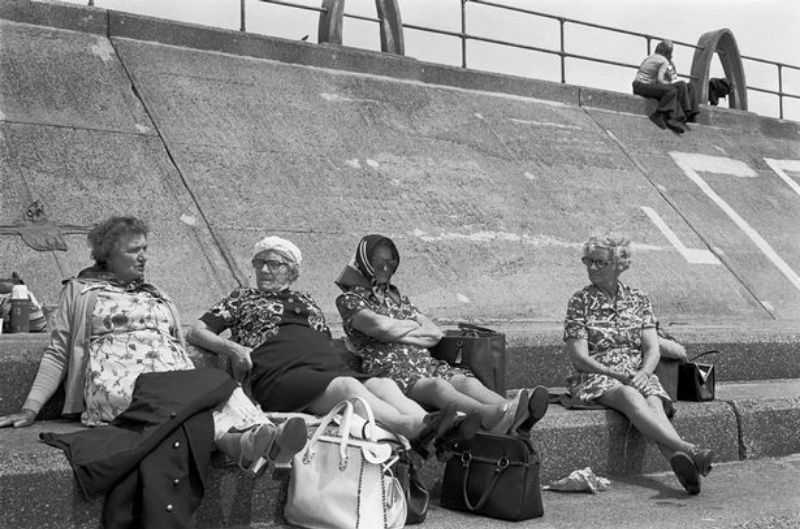
Aberavon beach at Port Talbot offered an accessible seaside outing for people from across the South Wales valleys. Organised day trips for pensioners were a common feature of the era, arranged through local clubs, churches, and welfare organisations. The steelworks at Port Talbot loomed in the background, a permanent feature of the Aberavon shoreline.
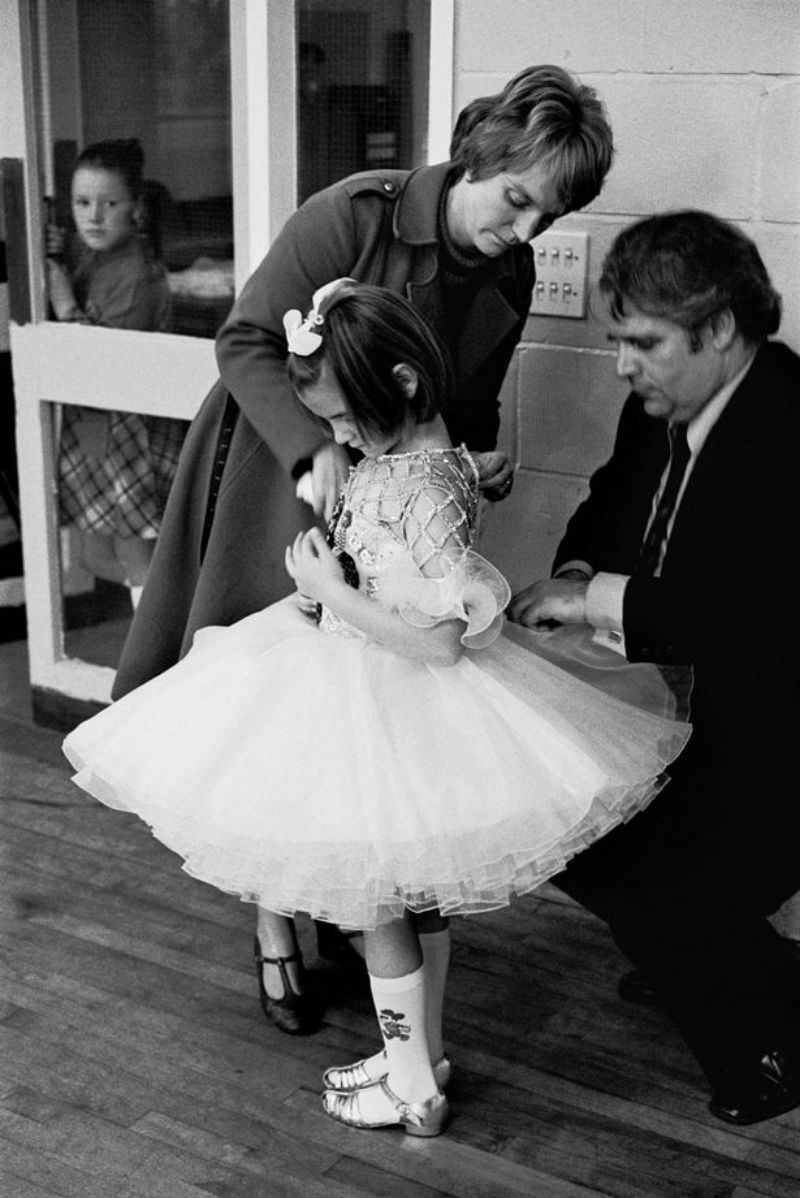
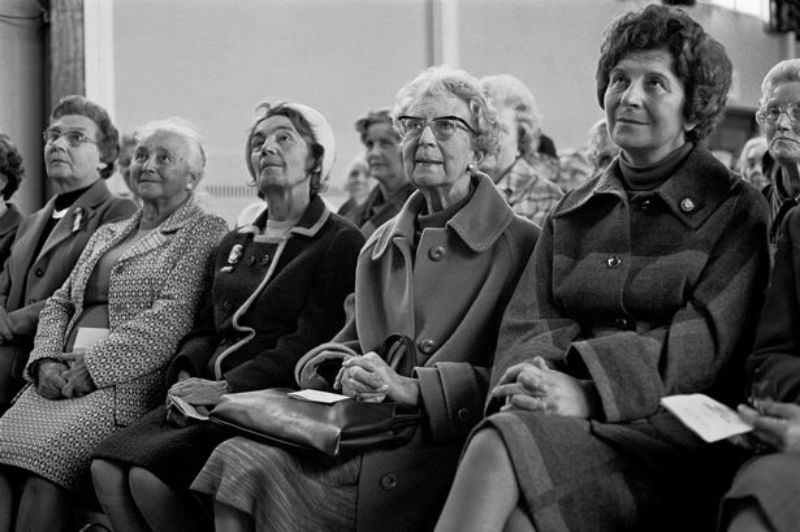
Cwmbran was one of Wales’s designated new towns, built from the late 1940s onward to house workers from across Monmouthshire. By the 1970s it had its own leisure and social infrastructure, including ballroom dancing — a popular pastime that drew people of all ages in the era before home video and widespread television entertainment dominated leisure time.
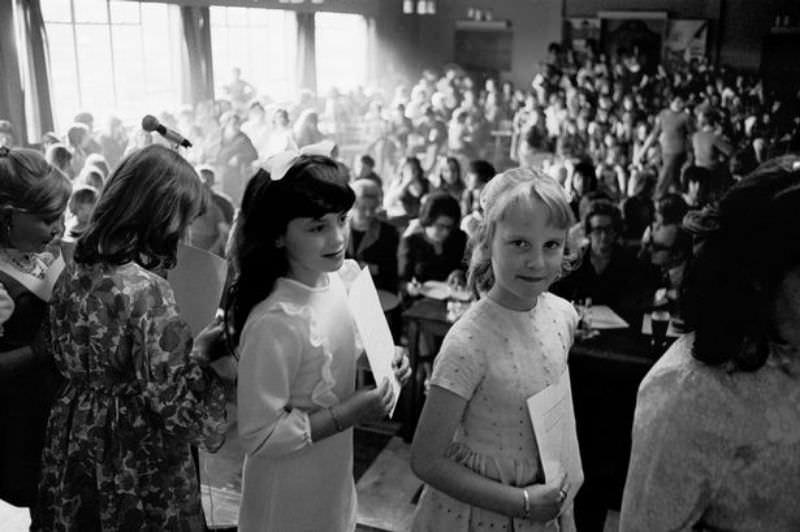
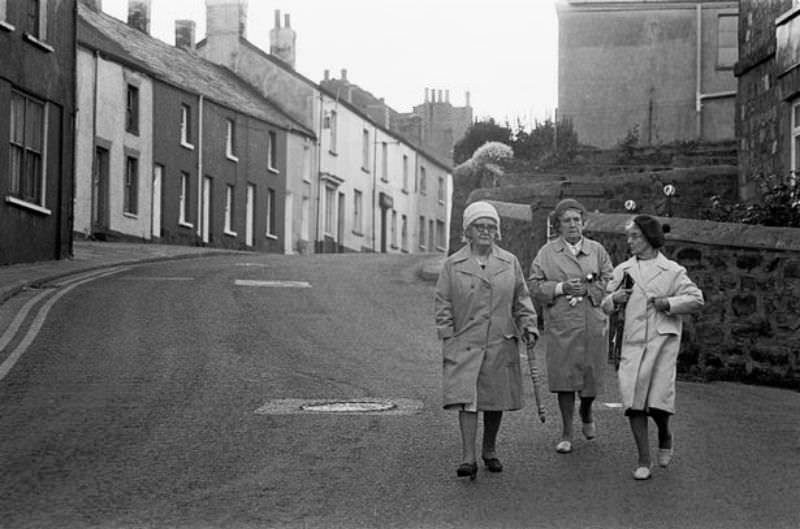
Chapel attendance was still a part of life in many South Wales communities in the 1970s, though numbers had been falling steadily since the mid-20th century. In Blaenavon, as in other valley towns, Sunday evening services drew residents who dressed for the occasion and walked to chapel as a matter of routine. The Nonconformist chapel tradition had shaped Welsh culture for over two centuries.
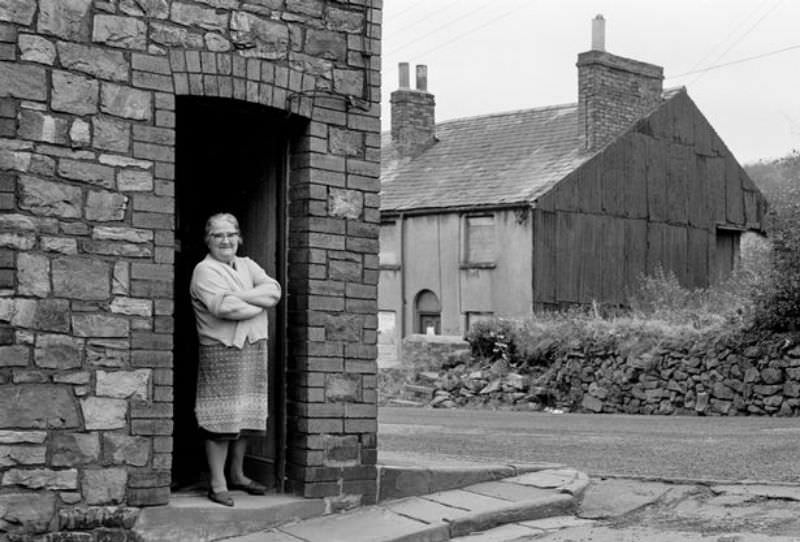
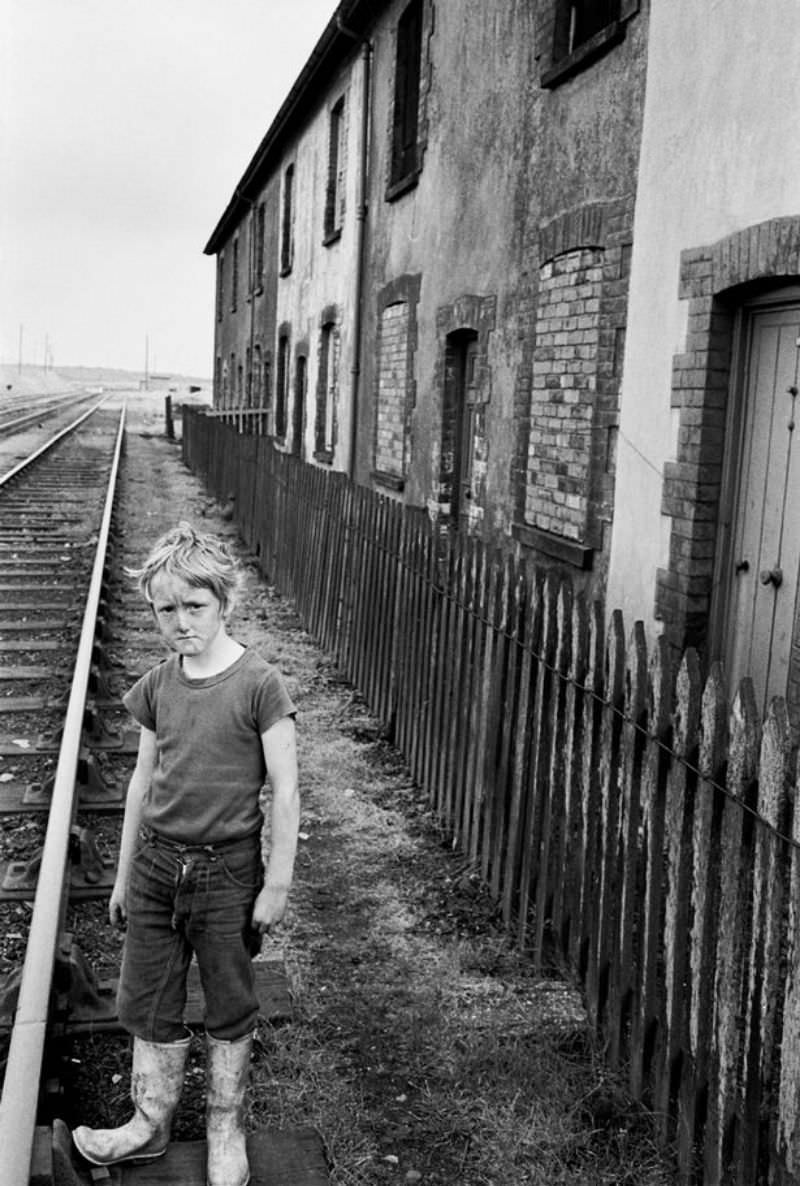
Disused railway lines were a common feature of the South Wales landscape by the 1970s. The Beeching cuts of the 1960s had closed scores of branch lines that once served collieries and ironworks across the region. In Dowlais, a boy walking an empty track was walking through the physical remains of an industrial network that had once moved coal and iron across the world.
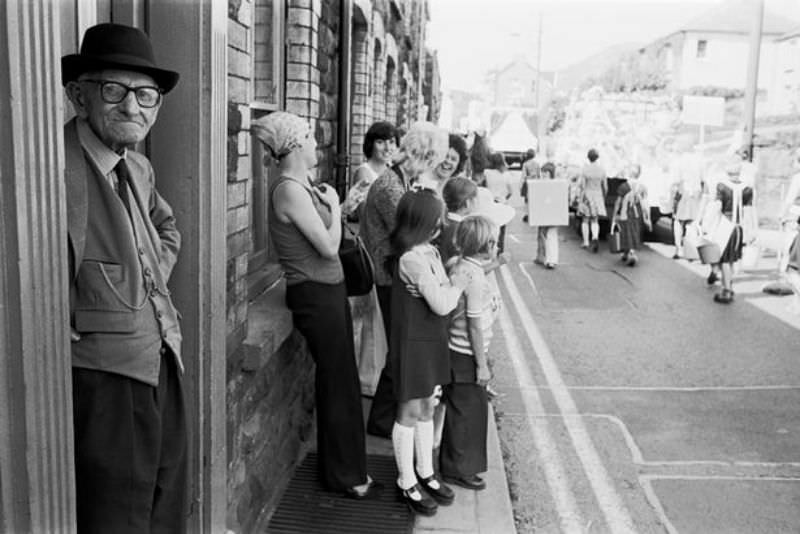
Abertillery, in the Ebbw Fach valley, was a coalfield town with a strong sense of local identity. Its annual carnival brought people onto the pavements to watch the procession pass — floats, bands, and local organisations winding through streets that had been built to house the workers of the valley’s collieries.
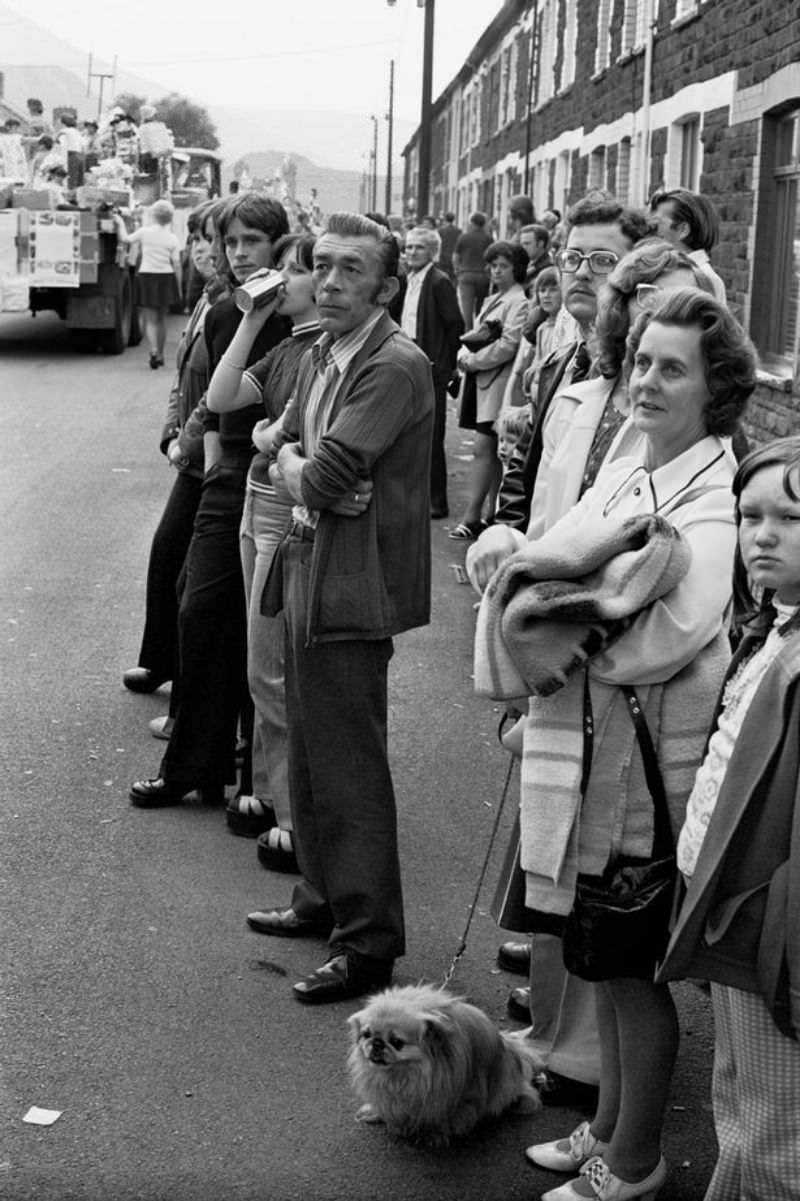
Weaver’s stated motivation was to “seal the image of the place that was bound to change.” He was right. The South Wales of these photographs — defined by coal, steel, chapel, carnival, and tight street communities — was in the middle of a transformation that would accelerate sharply into the 1980s. What he left behind is a precise and unposed record of a region at a particular moment in time.




