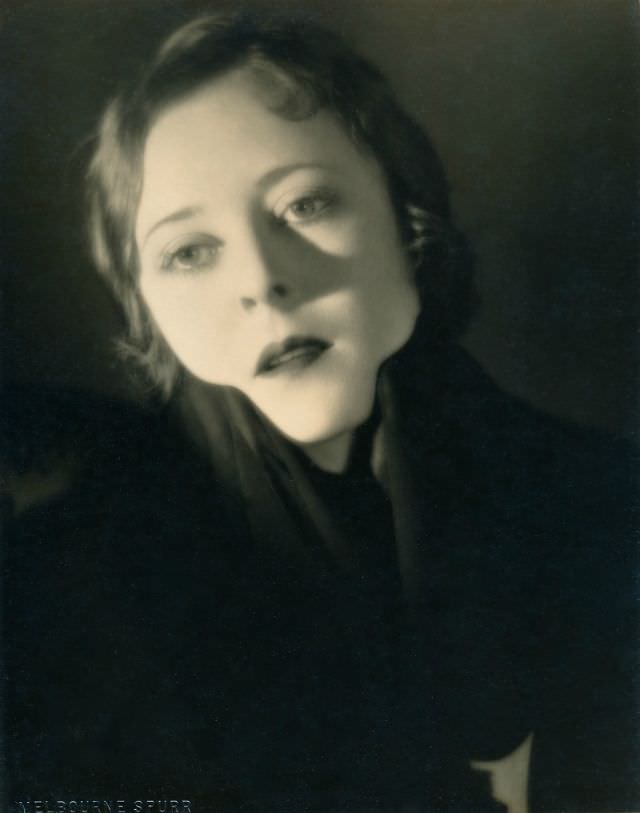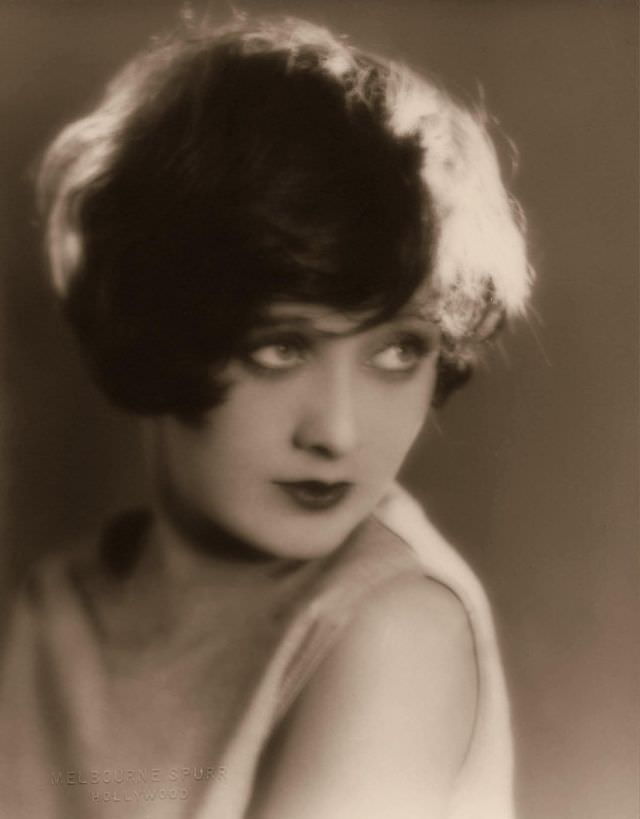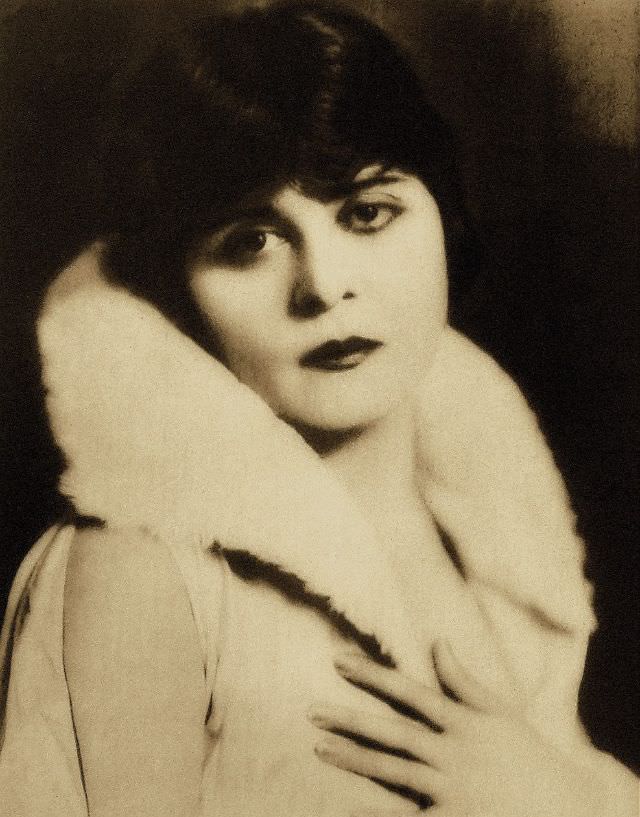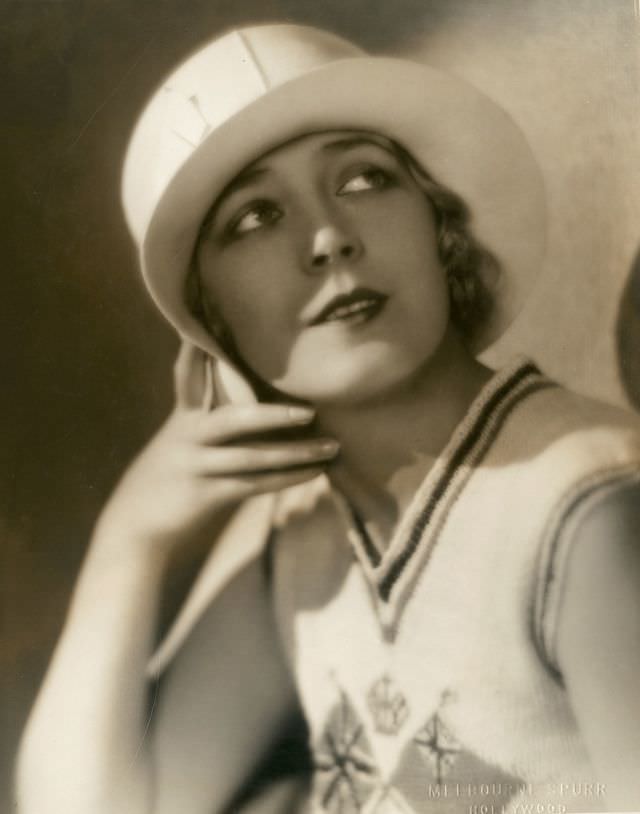
Melbourne Spurr arrived in Hollywood around 1917 with a camera and an eye for striking portraits. He started out working for Fred Hartsook, one of the era’s well-known studio photographers. It was there that Spurr photographed Mary Pickford — and that single session changed everything. Pickford was so impressed with his work that she personally helped launch his career as an independent Hollywood portrait photographer.
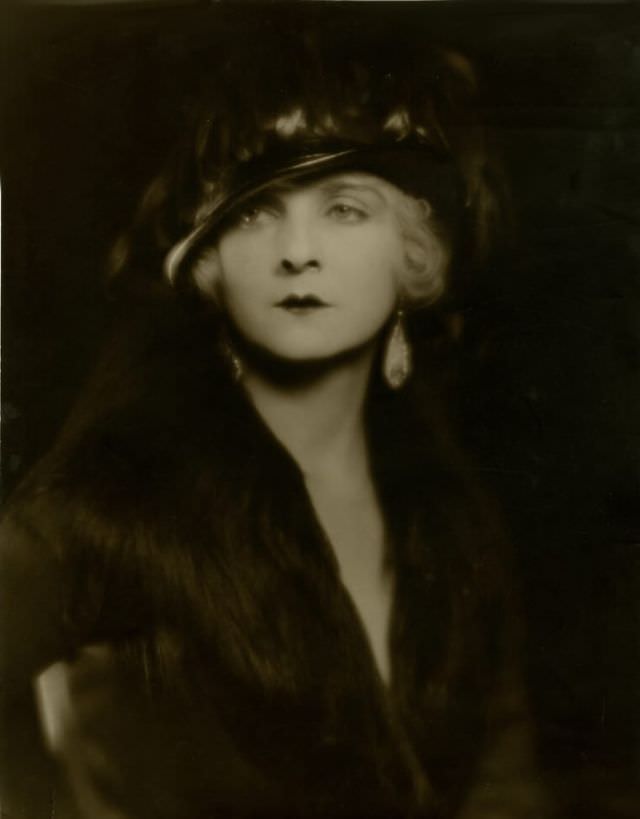
By the mid-1920s, Spurr had built a reputation as one of the most sought-after celebrity portraitists in the world. His studio attracted the biggest names of the silent film era — actors and actresses whose faces filled movie posters and fan magazines across the country. His portraits were sharp, composed, and unmistakably glamorous.
The rise of the major movie studios eventually created a wall between Spurr and his subjects. By the late 1920s, the big studios required their stars to be photographed exclusively by in-house photographers. Names like George Hurrell, Clarence Sinclair Bull, and Eugene Robert Richee took over those roles. Spurr kept his independent studio running, but the shift in the industry pushed him to the margins of Hollywood portraiture.
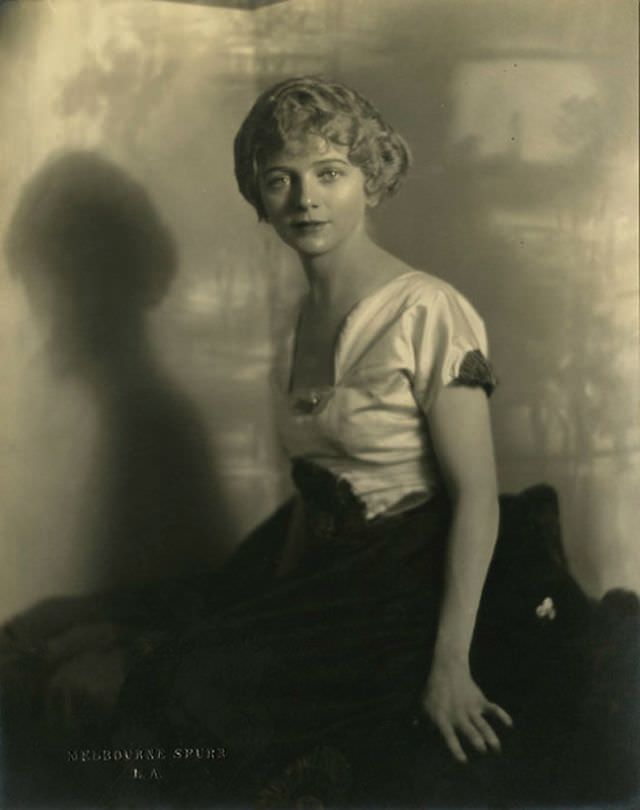
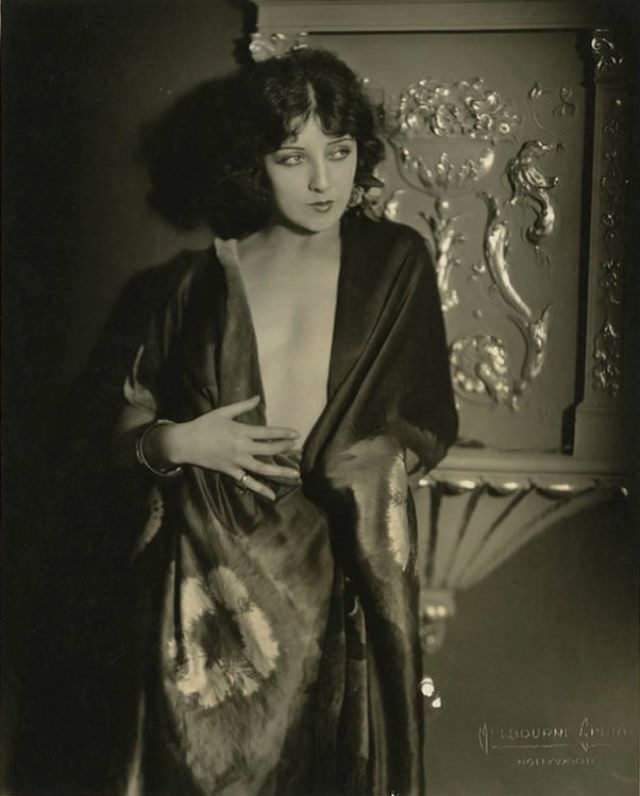
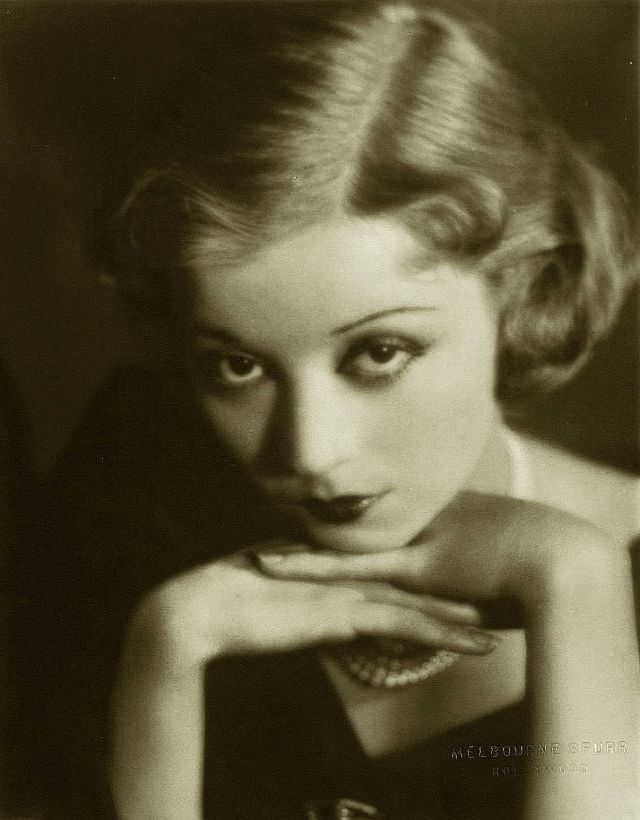
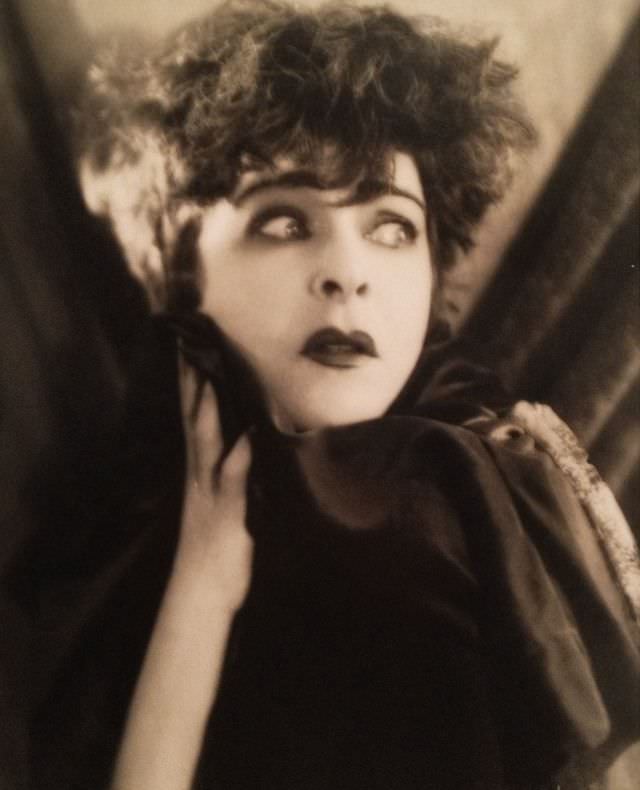
Despite that, the decade Spurr spent in Hollywood — the full stretch of the Roaring 20s — produced an extraordinary body of work. The portraits below capture some of the most famous faces of early cinema, frozen in the polished, carefully lit style that defined the era.
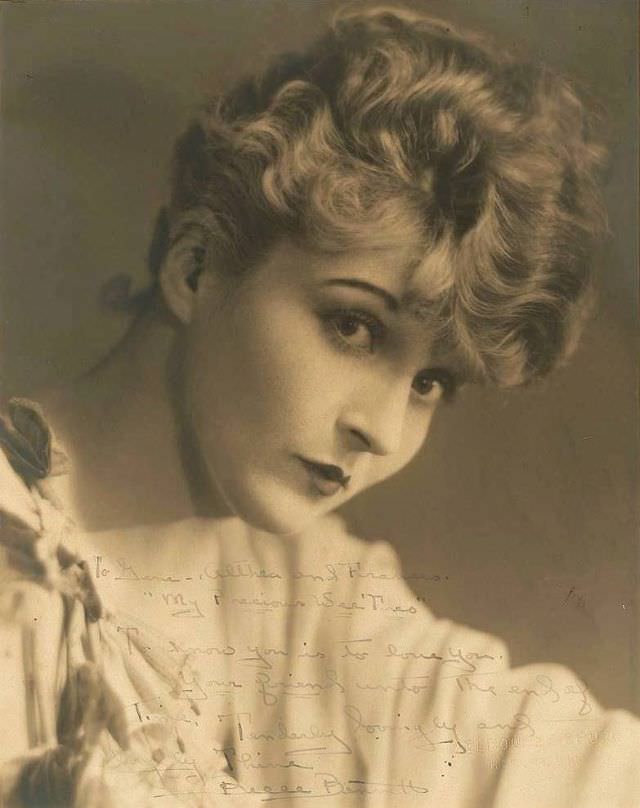
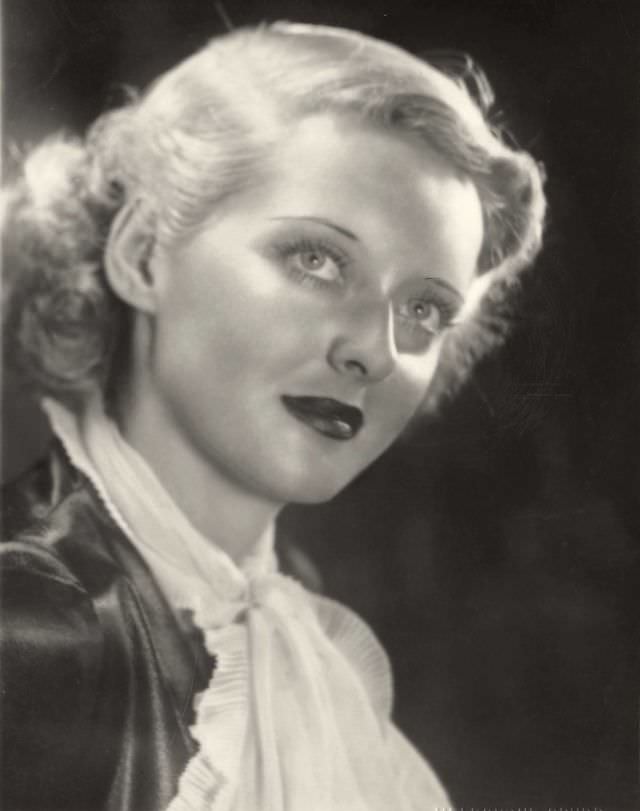
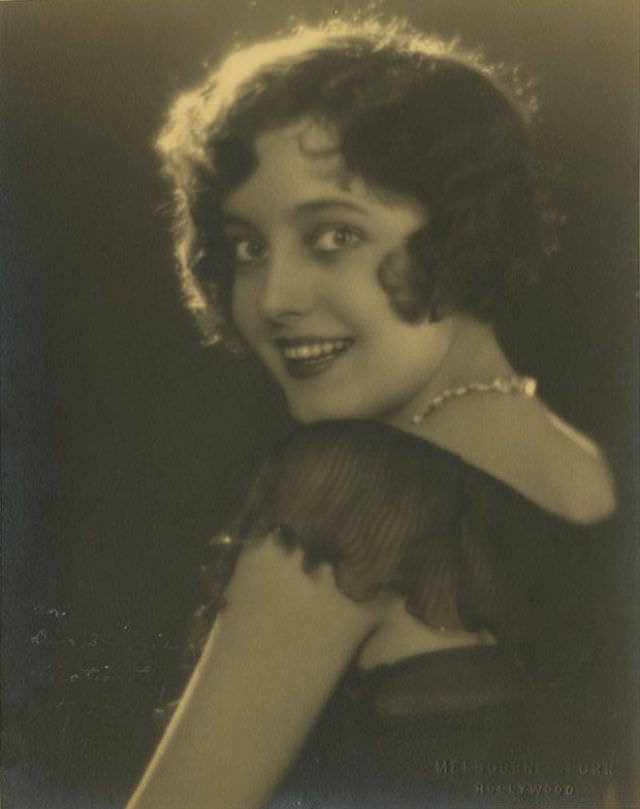
Spurr’s subjects ranged from established silent film veterans to rising young stars. Each portrait reflects the distinct personality of its subject while carrying Spurr’s signature sense of poise and lighting. His work offers a vivid window into Hollywood’s earliest golden age.
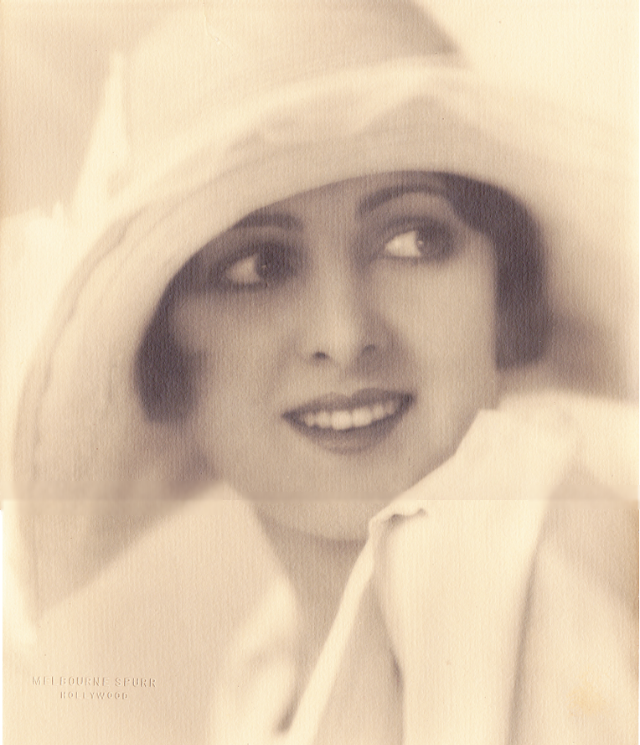
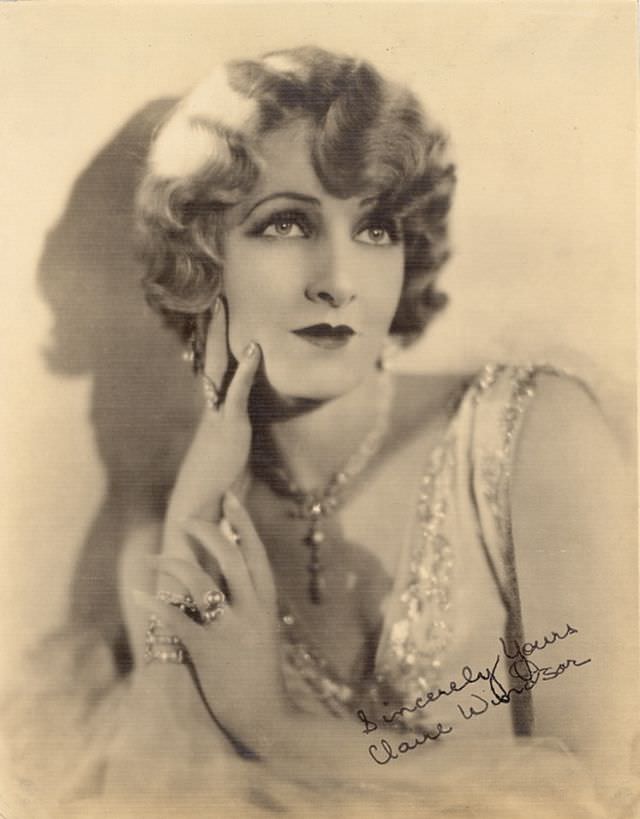
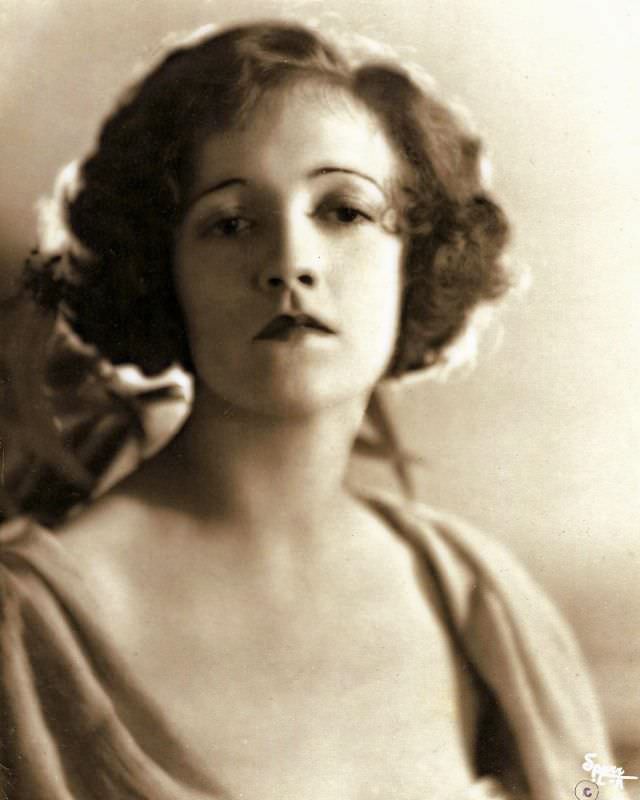
Stars like Corinne Griffith, Doris Kenyon, and Elaine Hammerstein were among the many faces that sat before Spurr’s lens. These were women who commanded the screen during the silent film era, and Spurr’s portraits gave them an off-screen presence that matched their on-screen fame.
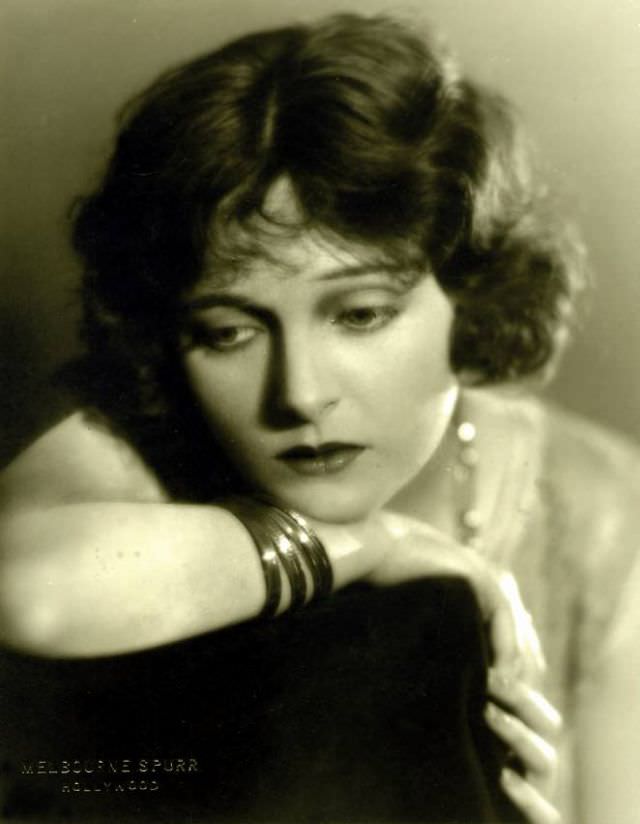
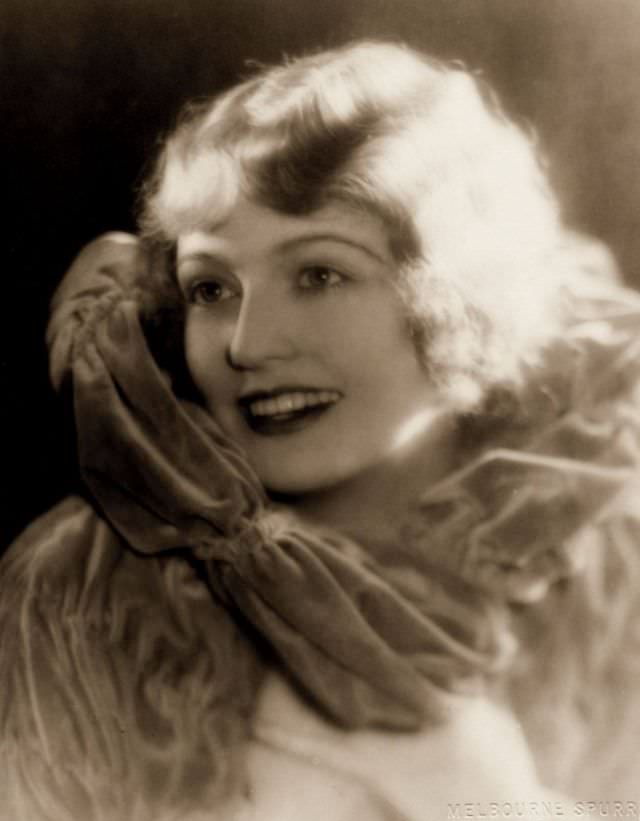
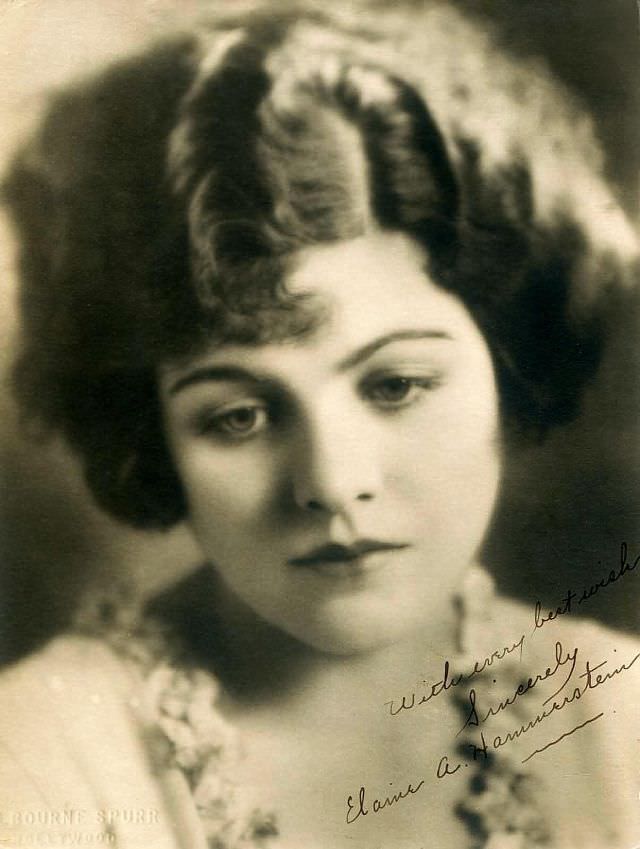
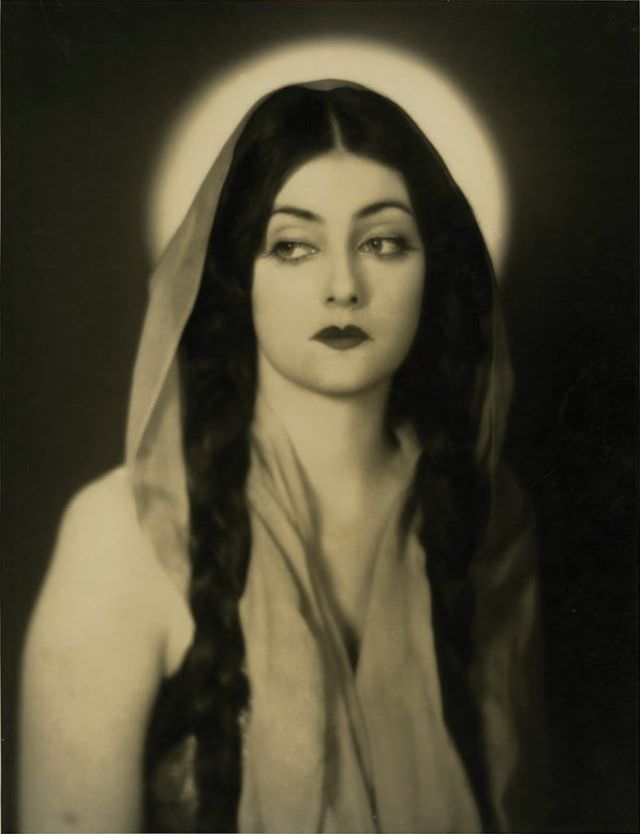
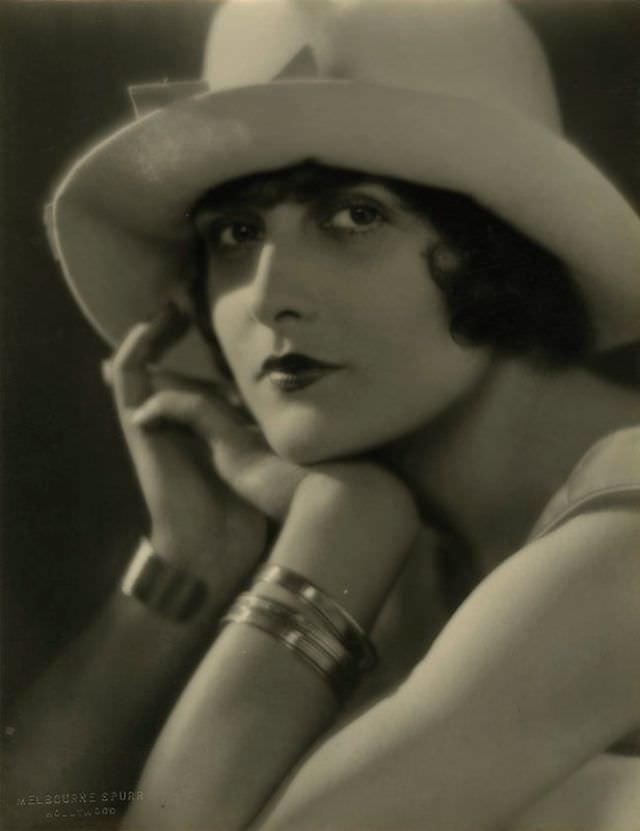
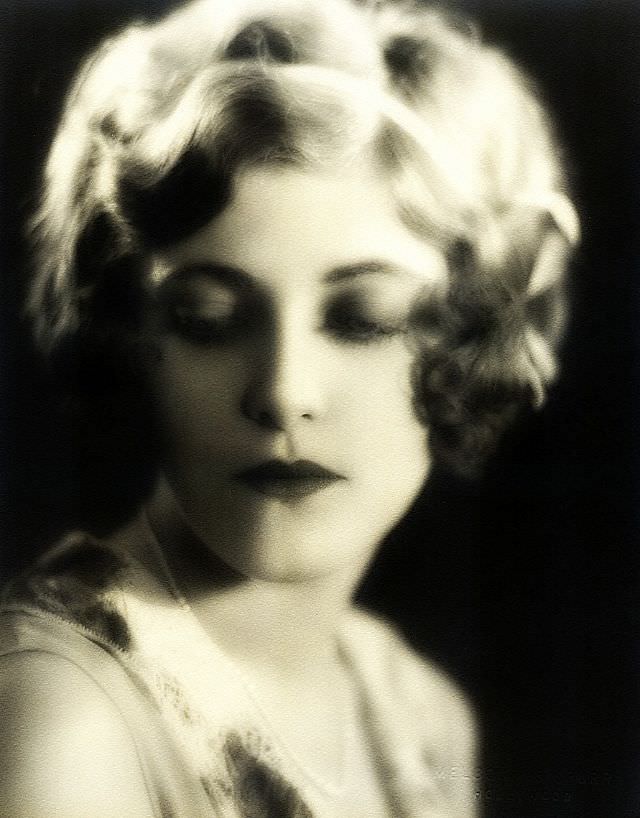
Spurr’s studio also captured performers who straddled the transition from silent films to the early sound era. Janet Gaynor, who won the very first Academy Award for Best Actress in 1929, was among those who sat for him. So was the young Loretta Young, who was still a teenager when she began her rise to stardom.
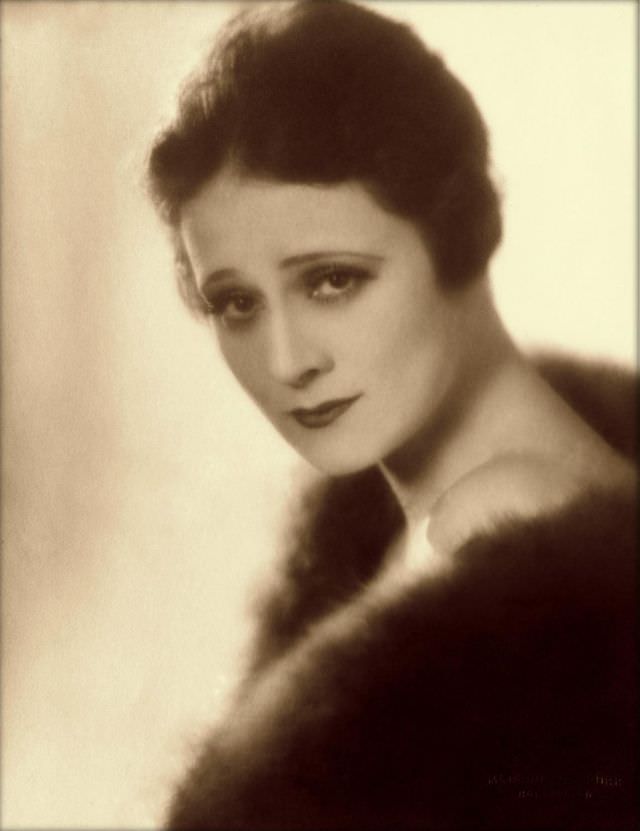
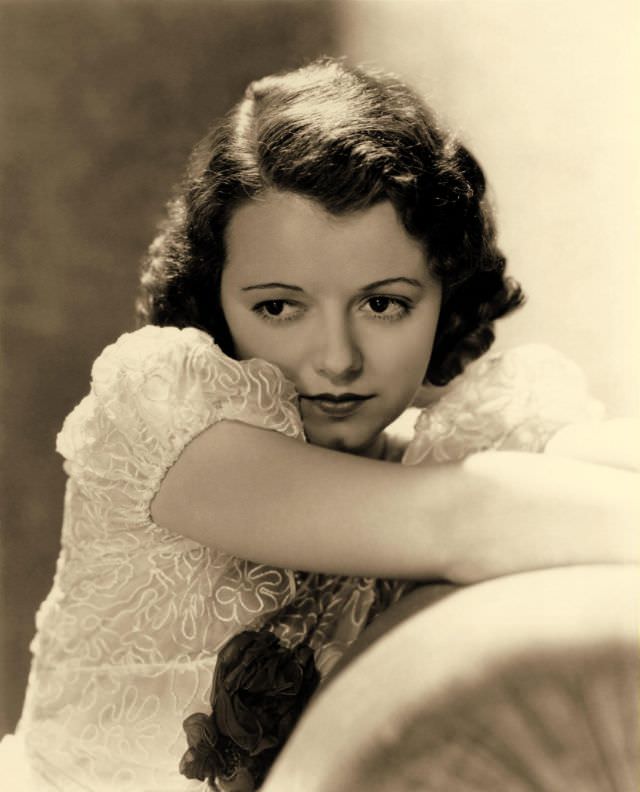
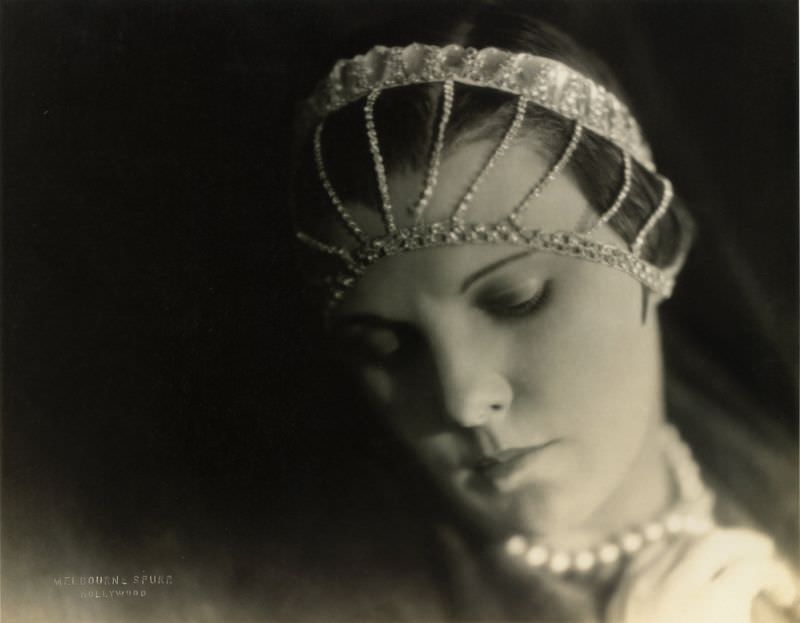
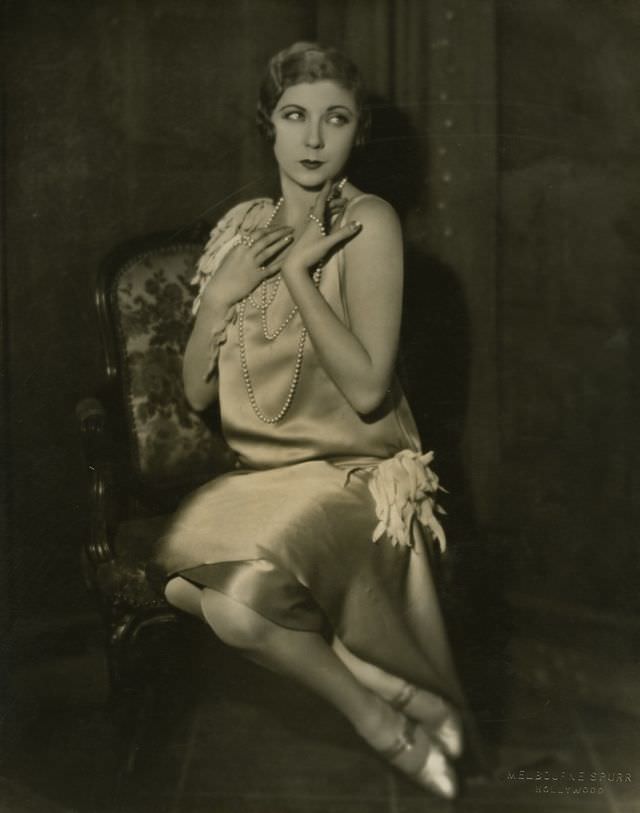
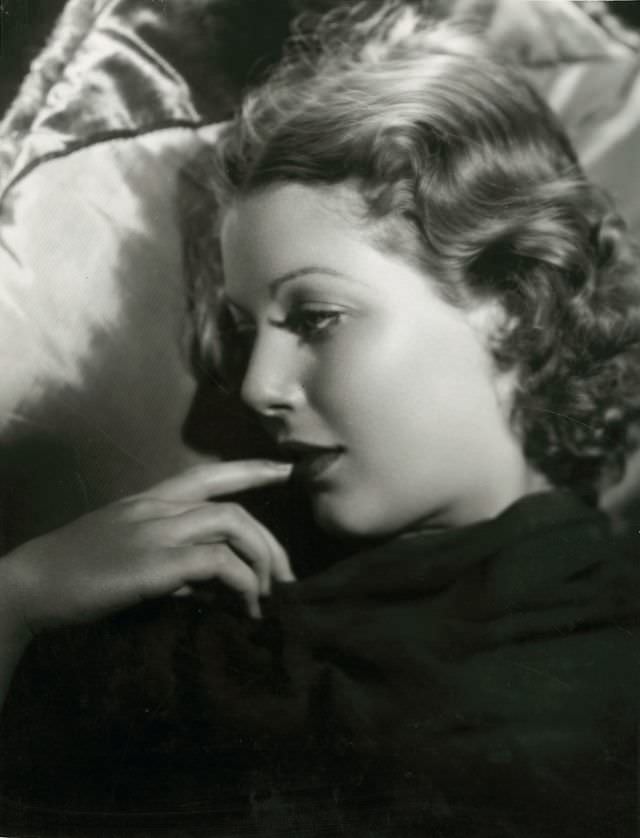
International stars also found their way to Spurr’s studio. Pola Negri had come from Poland, Lya De Putti from Hungary, and Vilma Banky — dubbed the “Hungarian Rhapsody” by Samuel Goldwyn — was one of the most popular actresses in America by the mid-1920s. Alla Nazimova, born in Russia, was another major name whose portrait Spurr captured.
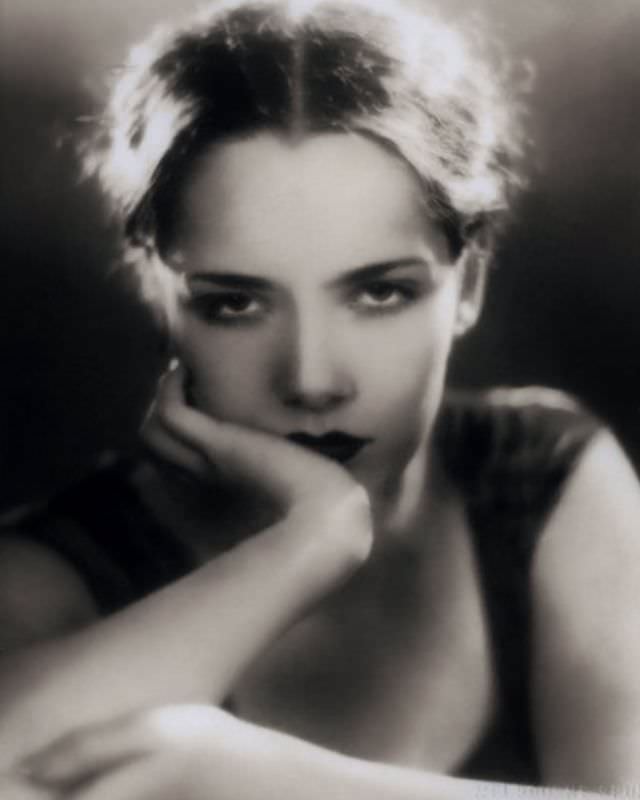
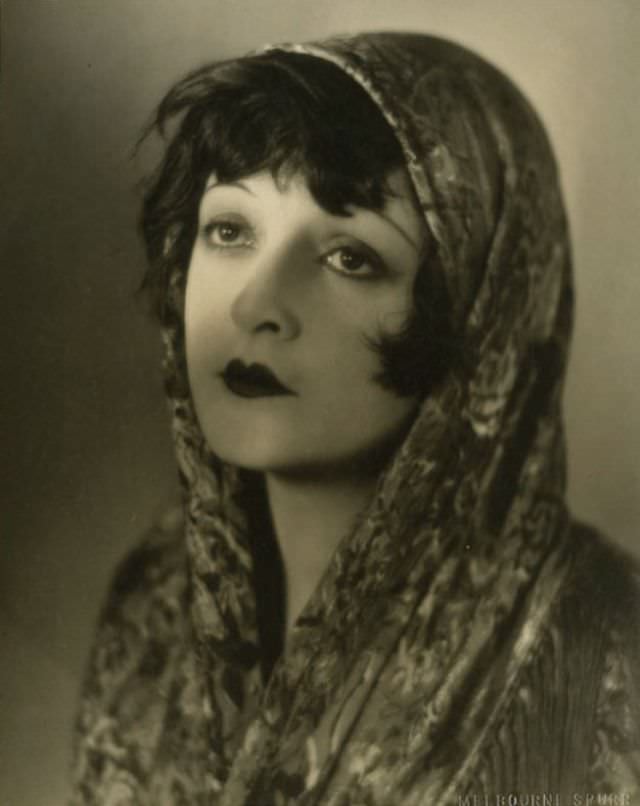
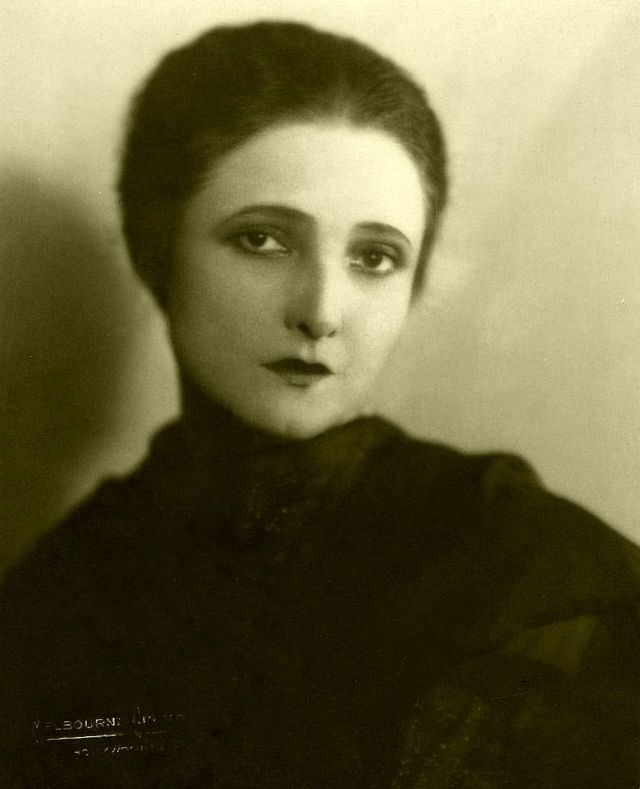
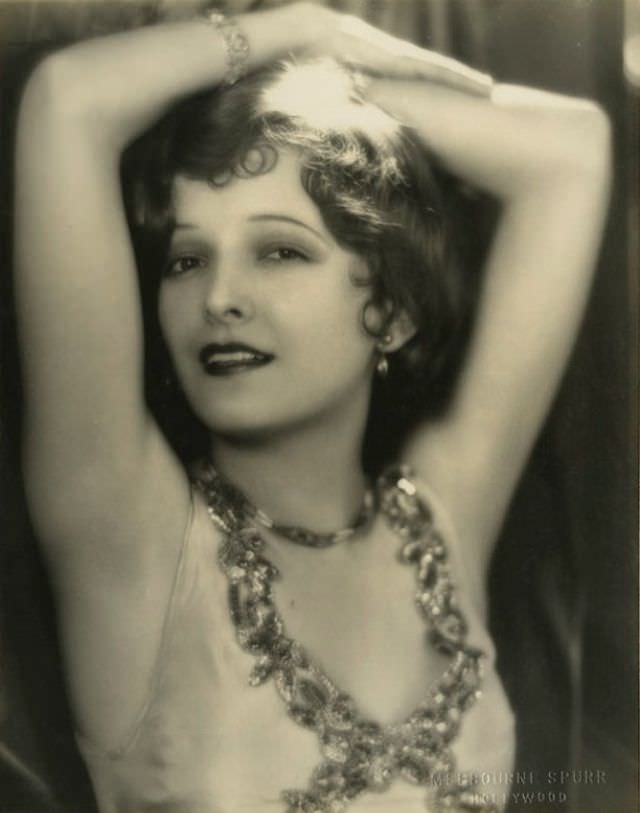
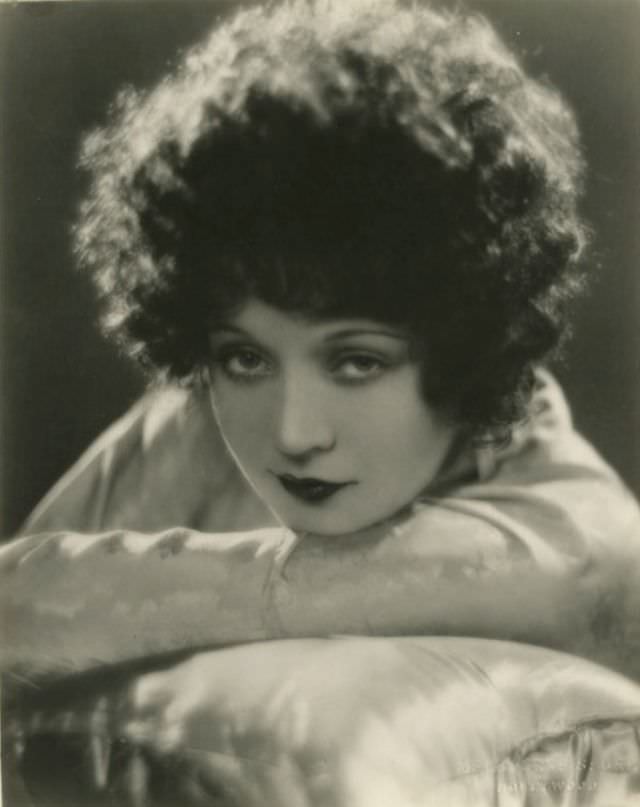
Marion Davies, one of the most visible stars of the decade and a close associate of media mogul William Randolph Hearst, was photographed by Spurr alongside contemporaries like Norma and Constance Talmadge. The Talmadge sisters were two of the biggest box office draws of the silent era, and their portraits showcase the elegance Spurr consistently brought to his work.
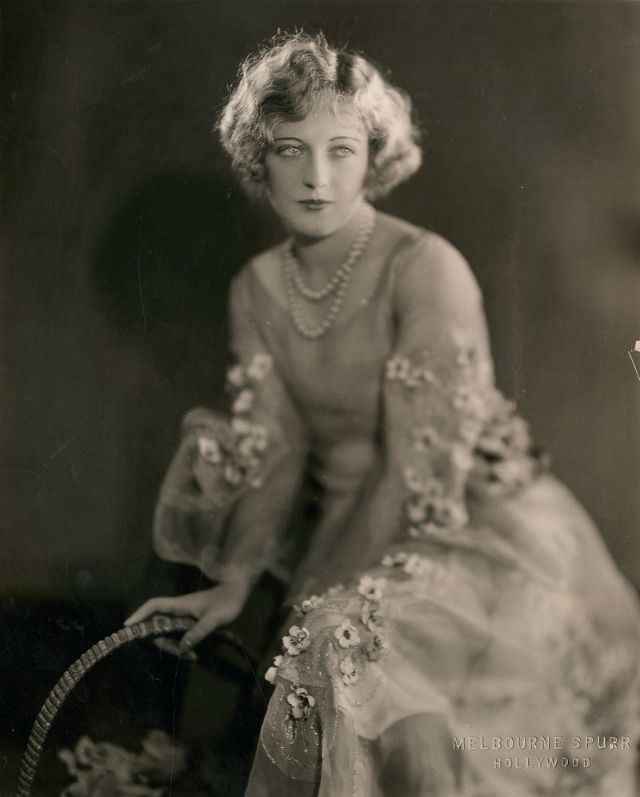
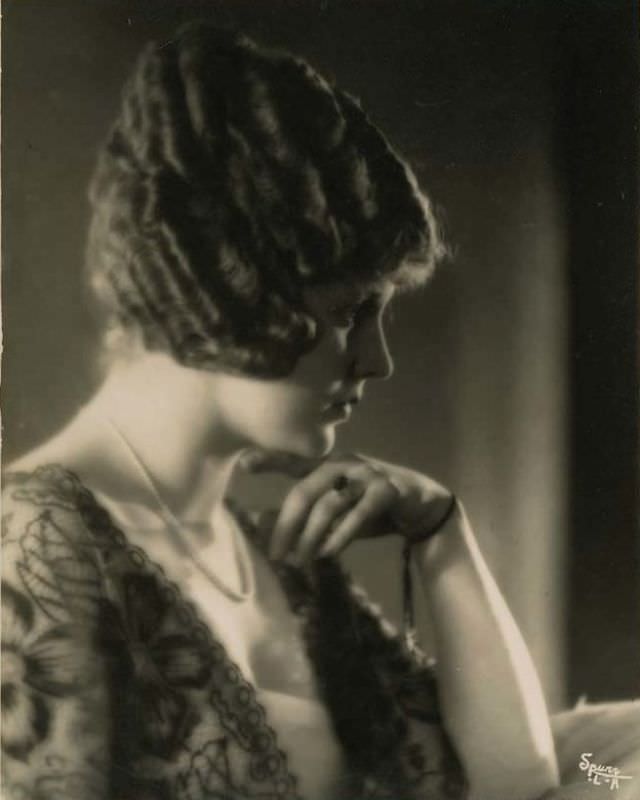
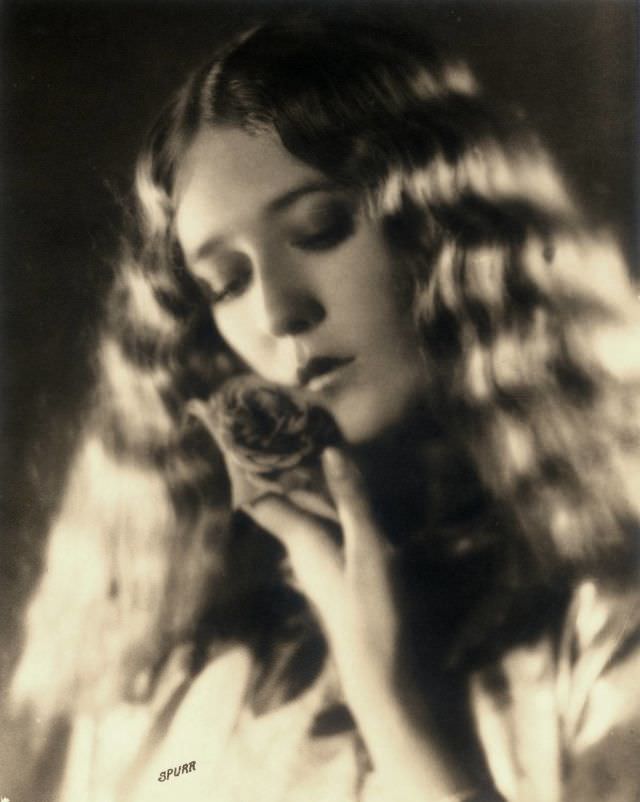
Mary Pickford herself — the woman who first recognized Spurr’s talent — appears in his portfolio as well. Known as “America’s Sweetheart,” Pickford was one of the most powerful figures in Hollywood, both as an actress and as a co-founder of United Artists. Her role in championing Spurr at the start of his career made her portrait particularly significant in his collection.
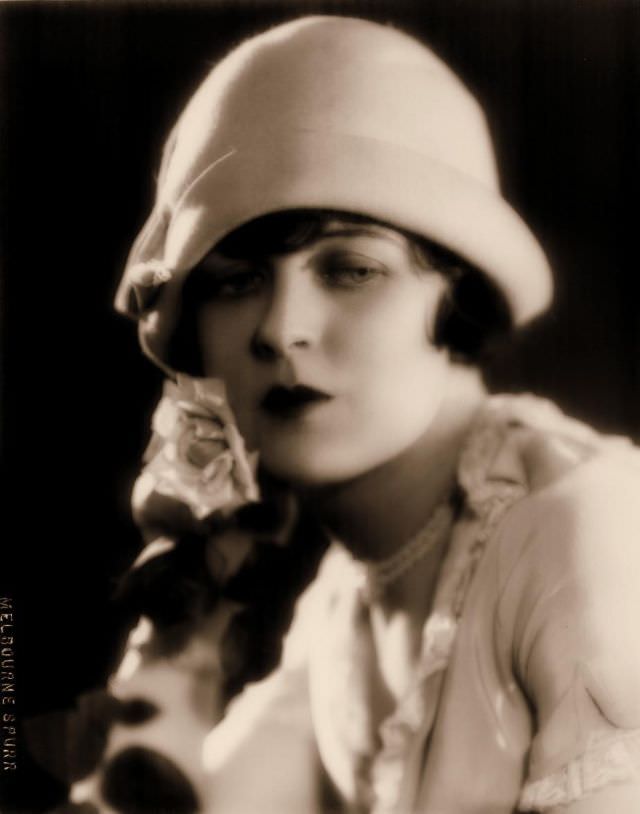
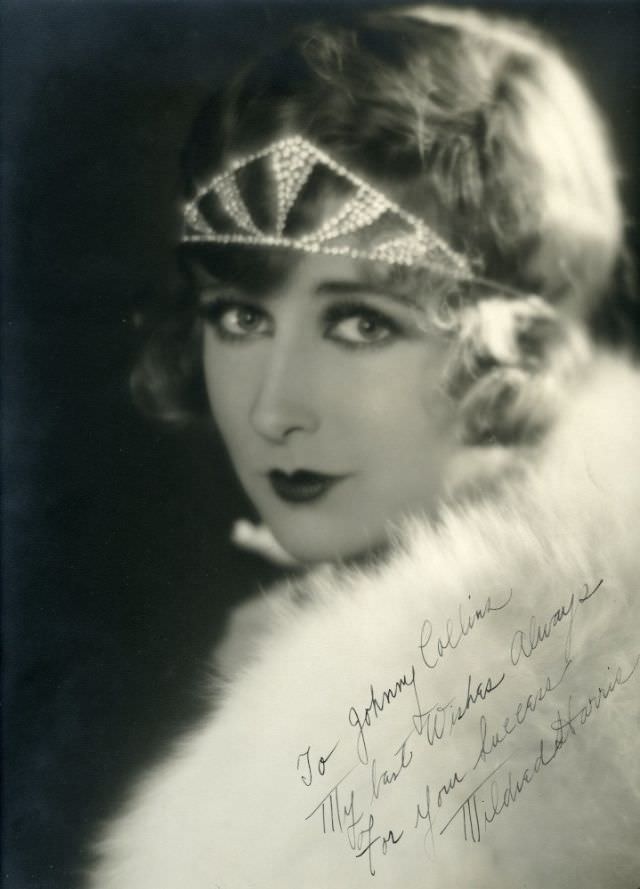
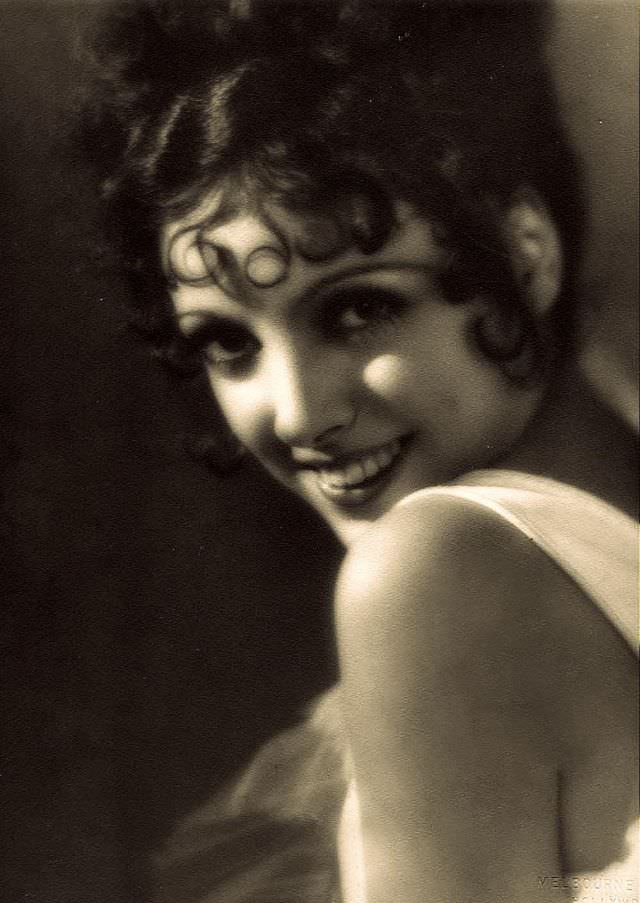
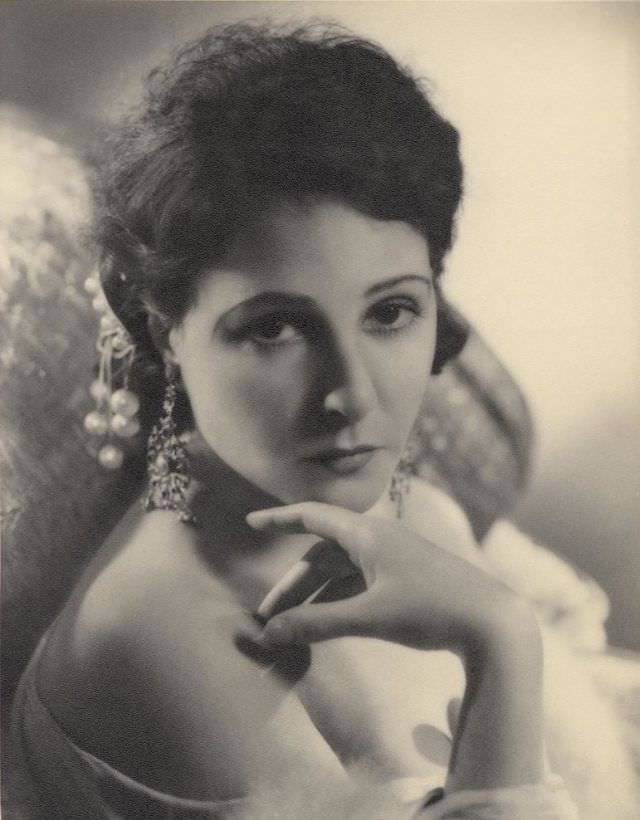
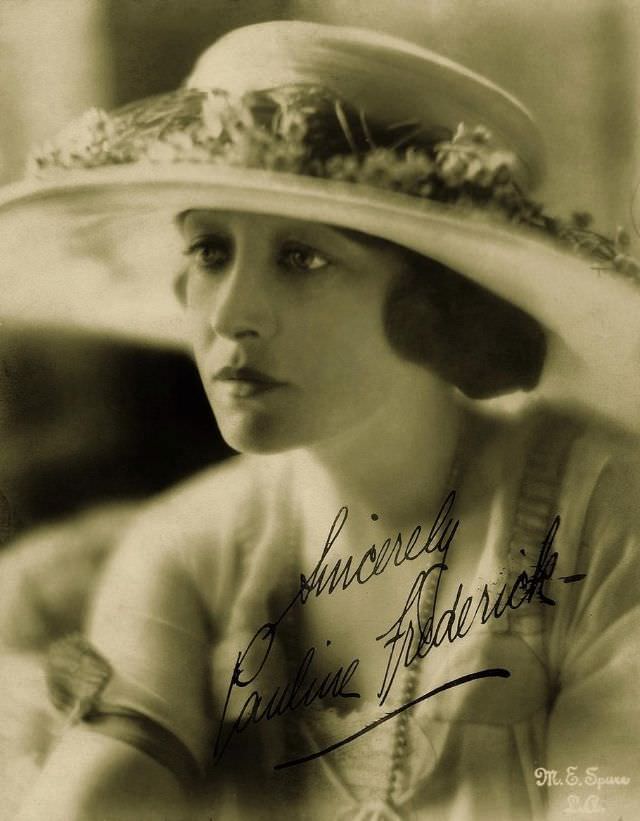
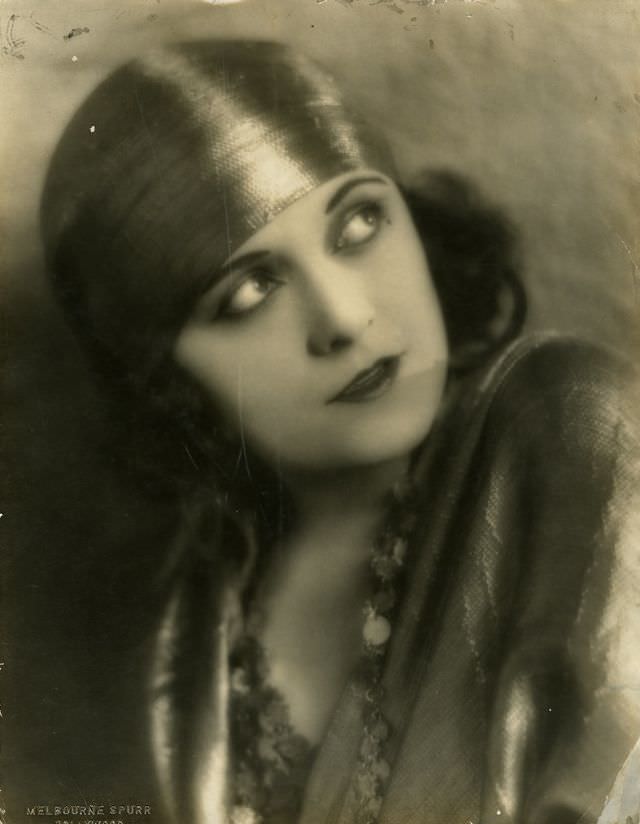
After leaving Hollywood, Spurr went on to photograph US presidents, artists, writers, and dancers — a career shift that showed both his range and his adaptability. But it is his 1920s Hollywood work that remains the most visually striking chapter of his career. The portraits collected here represent the full breadth of that decade-long run.