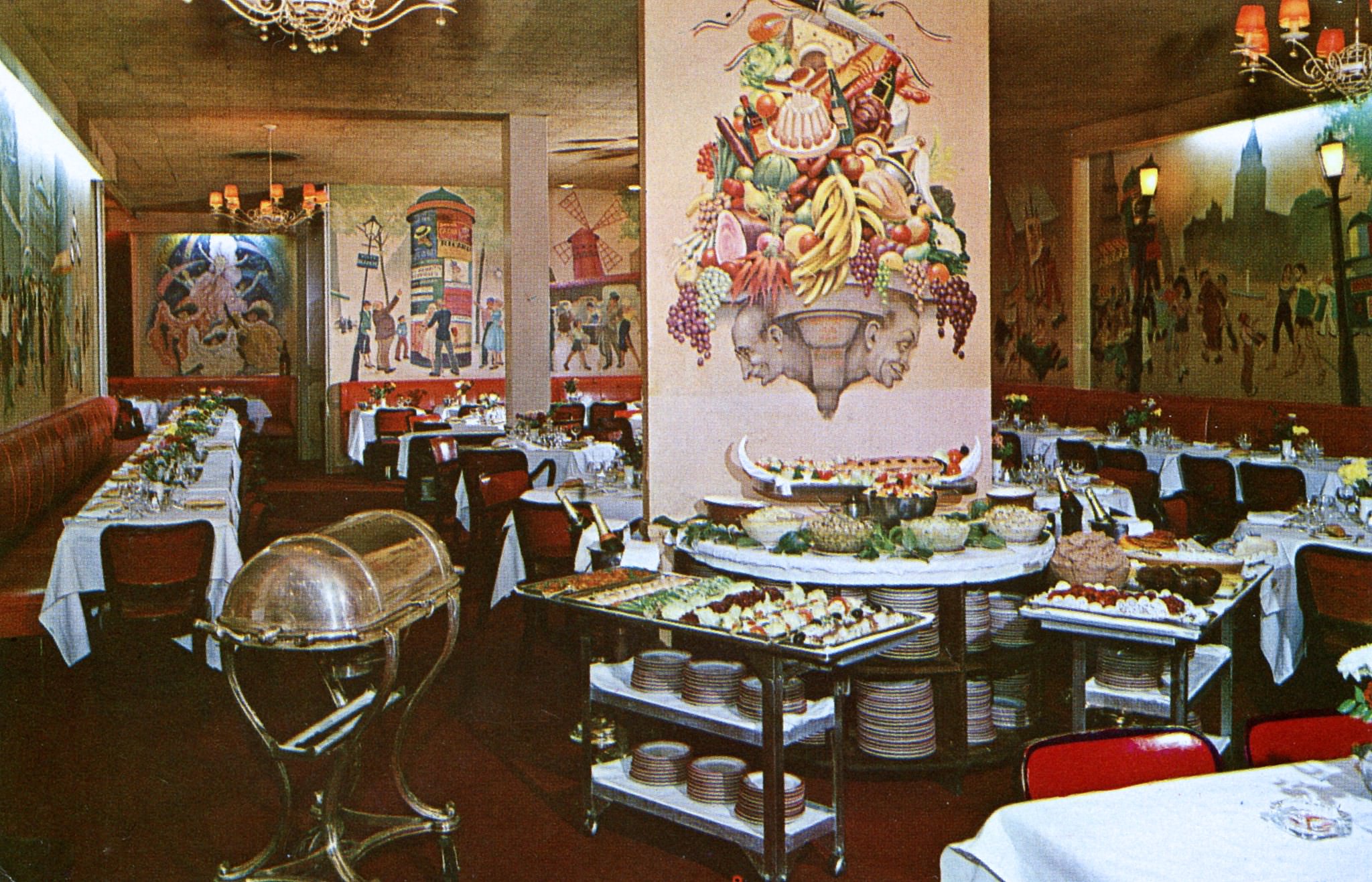
The 1950s were a golden era for American dining. World War II had ended, and the U.S. economy was booming. Families had more money to spend, more cars to drive, and more appetite for a good meal out. Restaurants weren’t just places to eat — they were part of the culture.
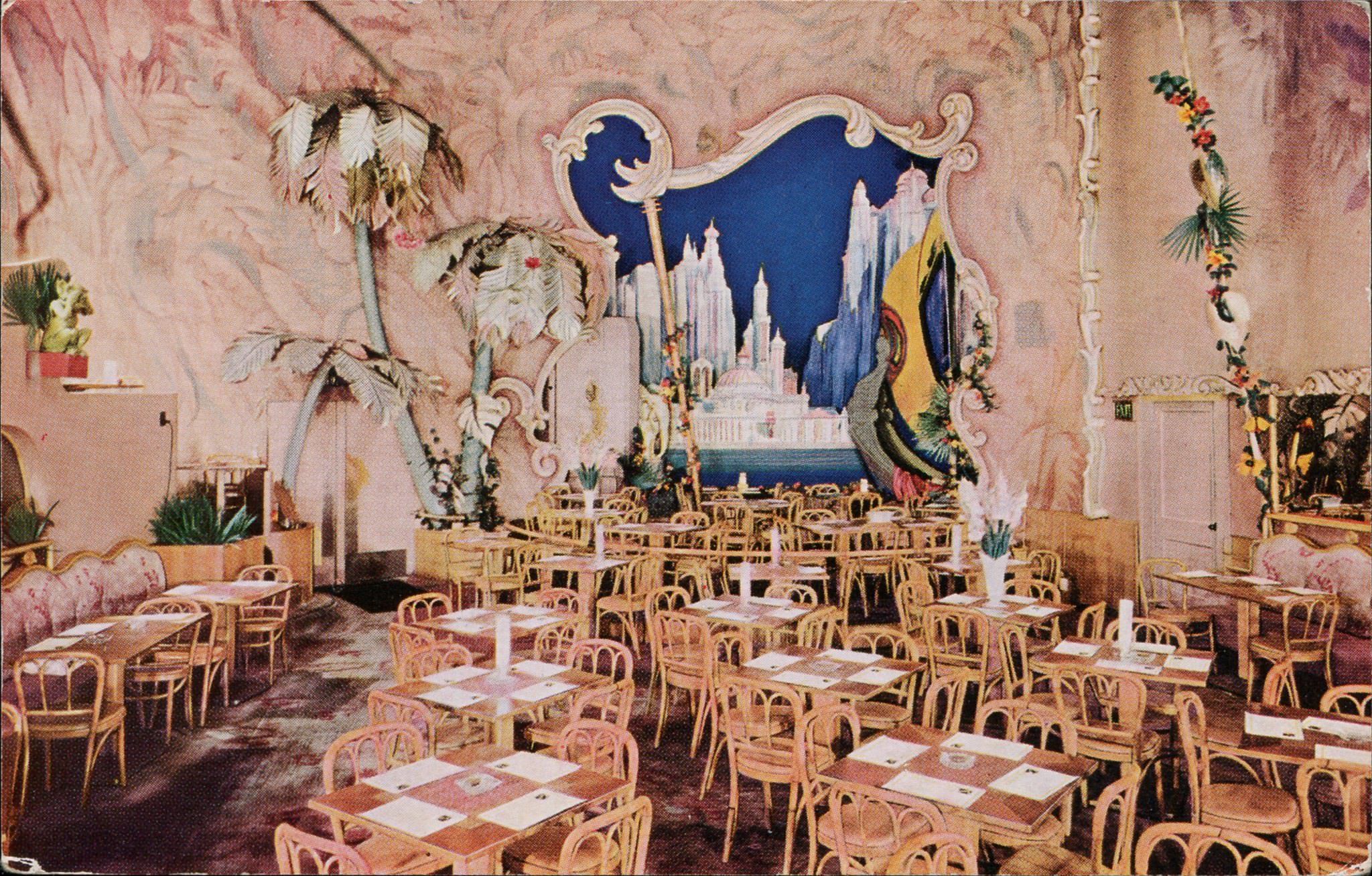
Post-war prosperity gave business owners the confidence to take risks. Restaurateurs across the country began experimenting with bold designs, creative menus, and gimmicks that pulled customers off the street. Competition was fierce, and standing out was everything.
Drive-in restaurants exploded in popularity during this decade. Carhops — often on roller skates — brought trays of burgers, fries, and milkshakes directly to parked cars. It was fast, fun, and perfectly suited to America’s growing love of the automobile.
Diners were another staple of the era. Long counters lined with stools, vinyl booths, and gleaming chrome finishes gave these spots a look that felt both modern and welcoming. Many were open 24 hours, serving truckers, night-shift workers, and late-night crowds alike.
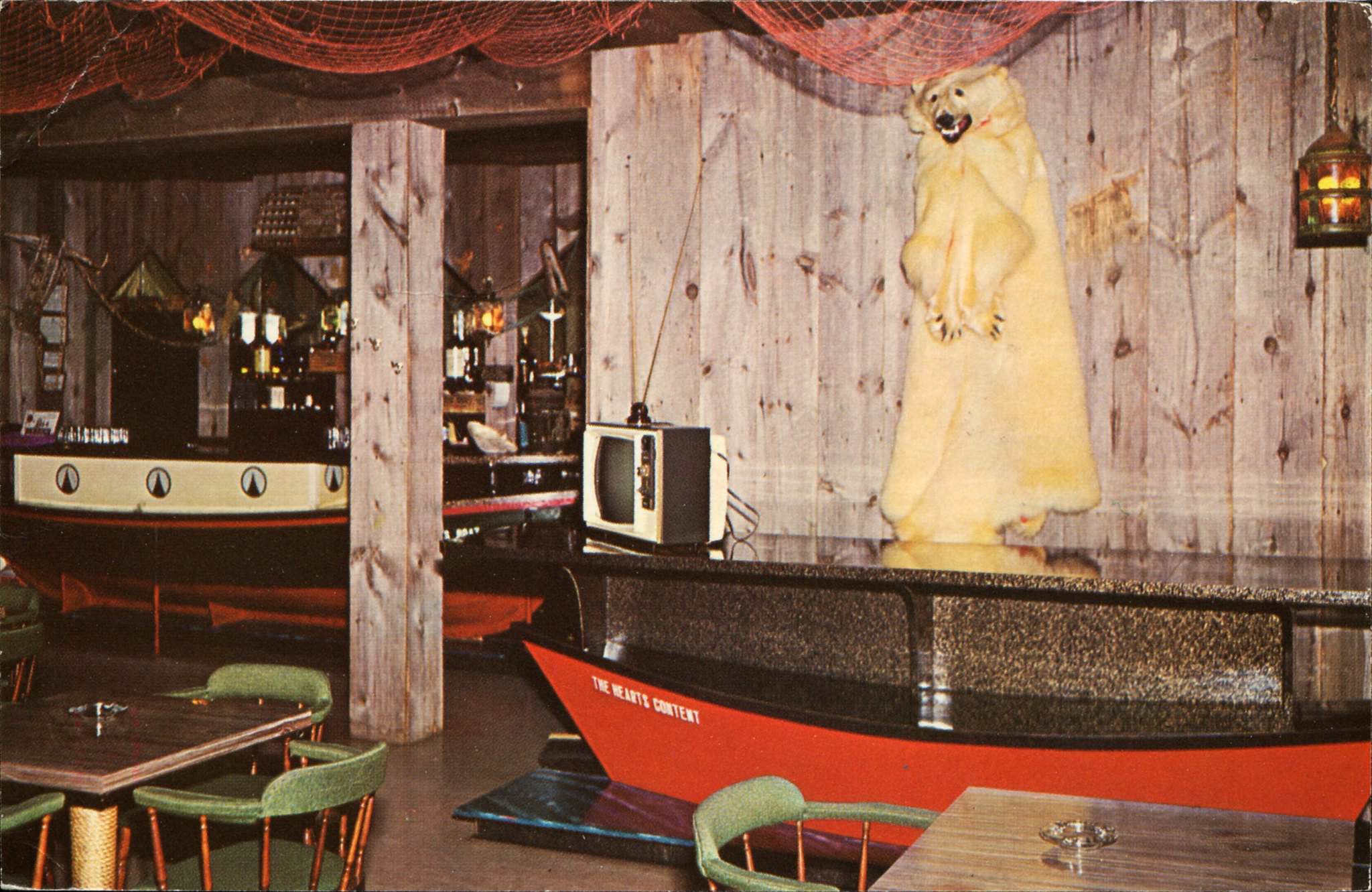
Themed restaurants also gained traction in the 1950s. Owners leaned into nostalgia, Americana, and even novelty architecture — buildings shaped like giant hats, hot dogs, or doughnuts. These eye-catching structures were designed to stop traffic, literally.
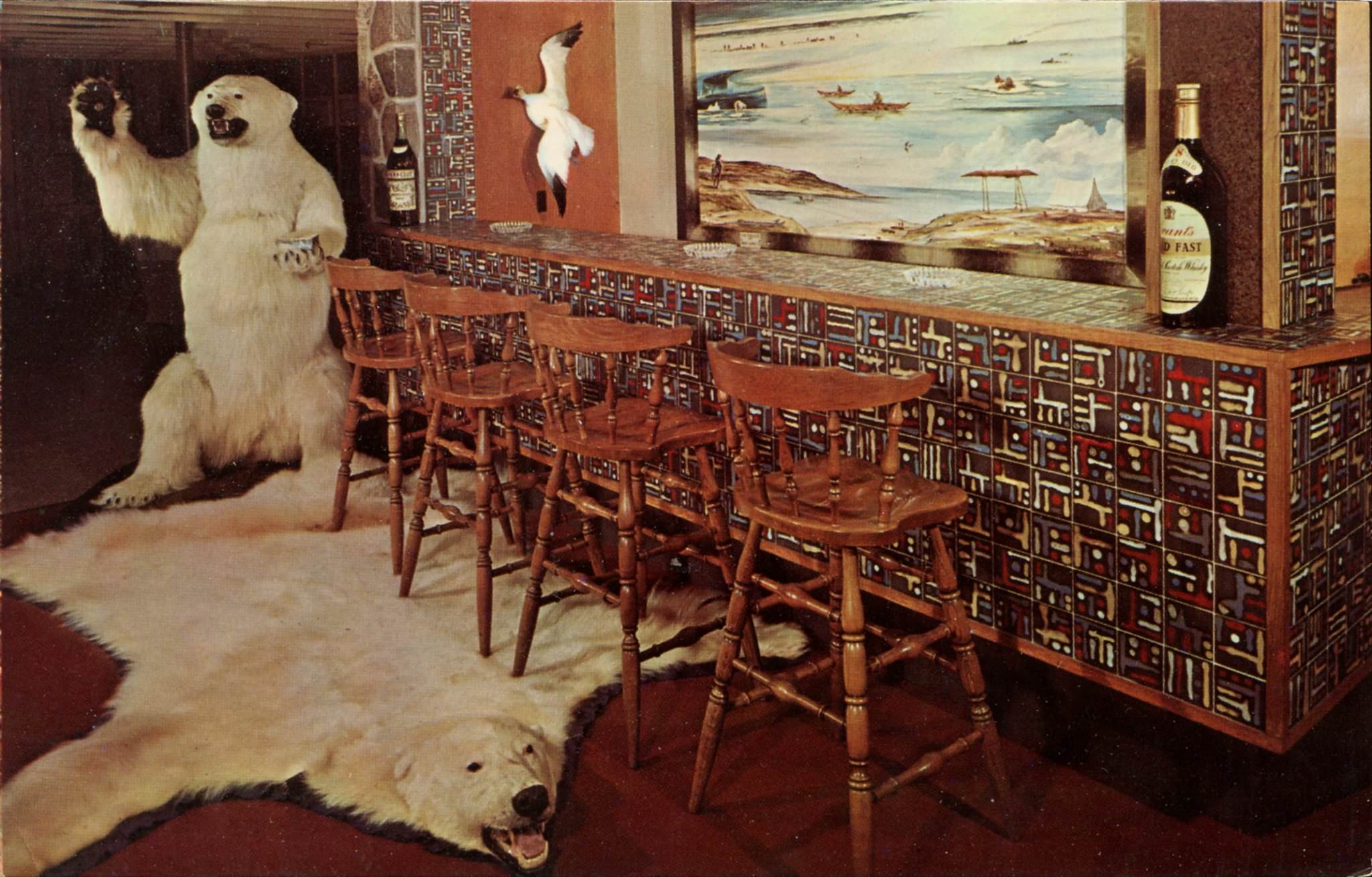
Inside, décor was just as deliberate. Jukeboxes sat in corners playing rock and roll and doo-wop. Neon signs buzzed above booths. Black-and-white checkered floors were practically a uniform. Every detail was chosen to create a specific feeling — energetic, cheerful, and unmistakably American.
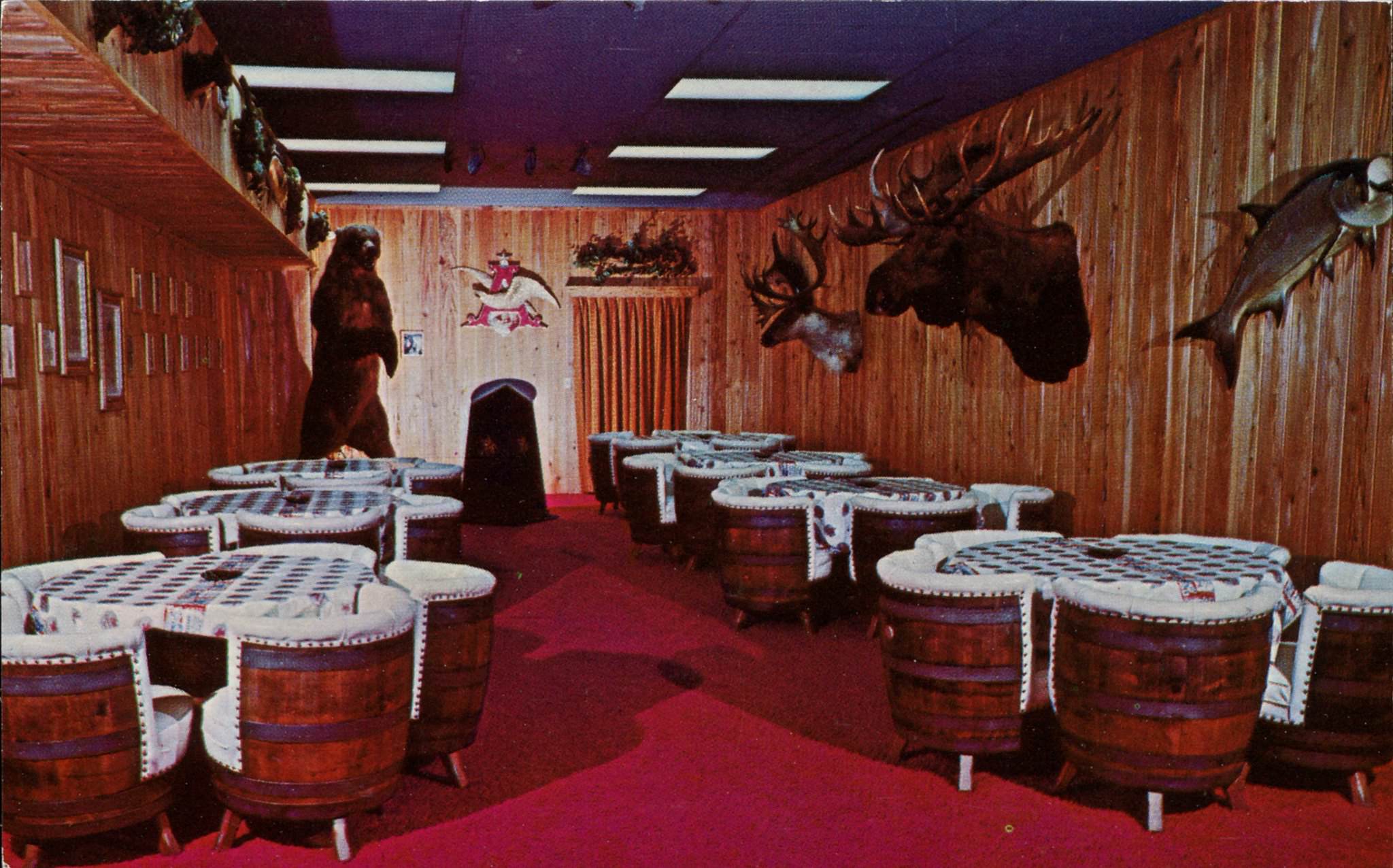
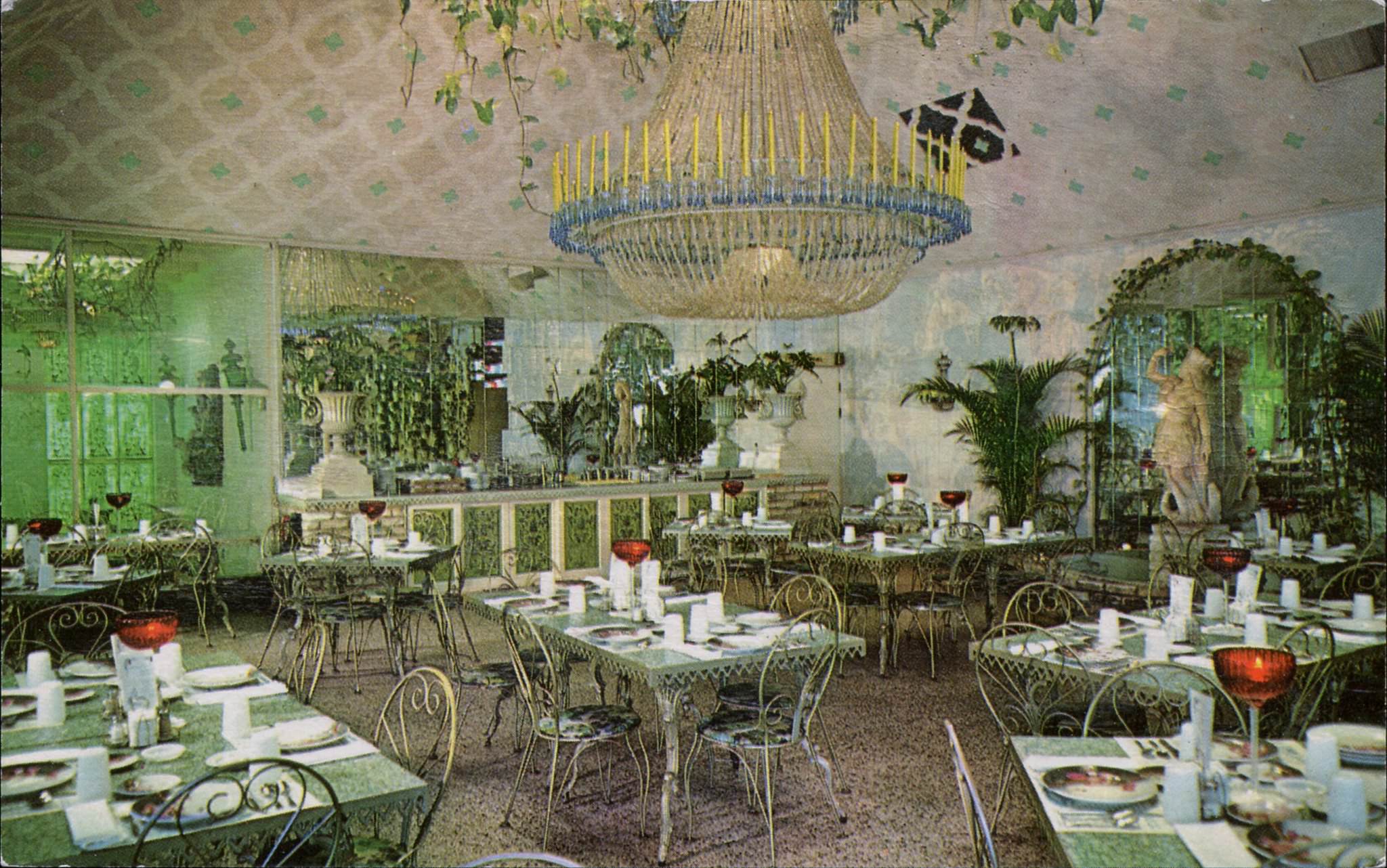
Fine dining wasn’t left out of the decade’s ambitions either. Upscale restaurants in major cities like New York, Chicago, and Los Angeles dressed their dining rooms in white tablecloths, dim lighting, and elaborate menus. These places catered to a growing middle class that was eager to experience luxury.
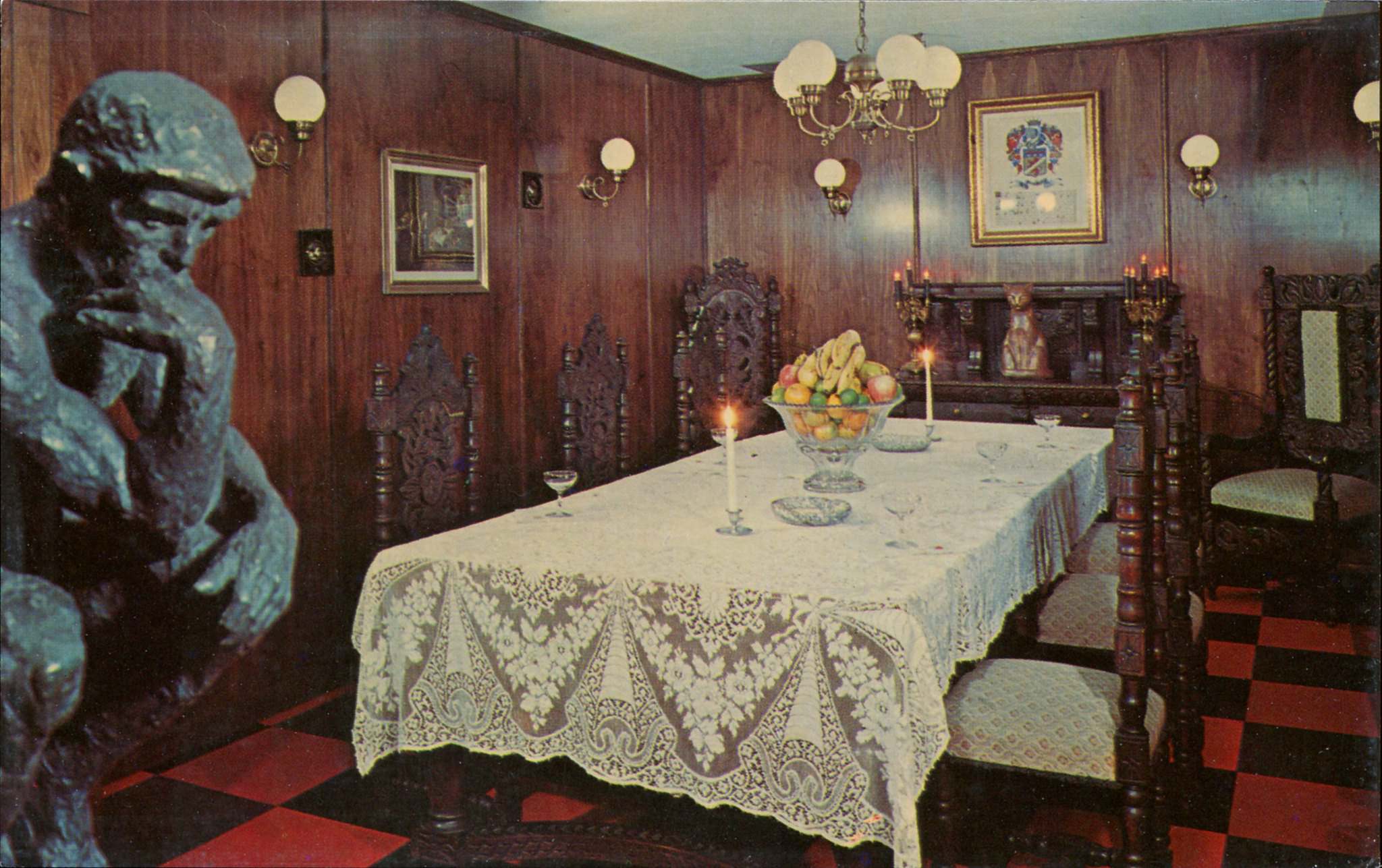
The rise of the highway system played a major role in shaping restaurant culture. As more Americans hit the road for vacation, roadside eateries multiplied. Motor lodges and roadside restaurants became a travel staple, and many chains began planting their first locations along these busy corridors.
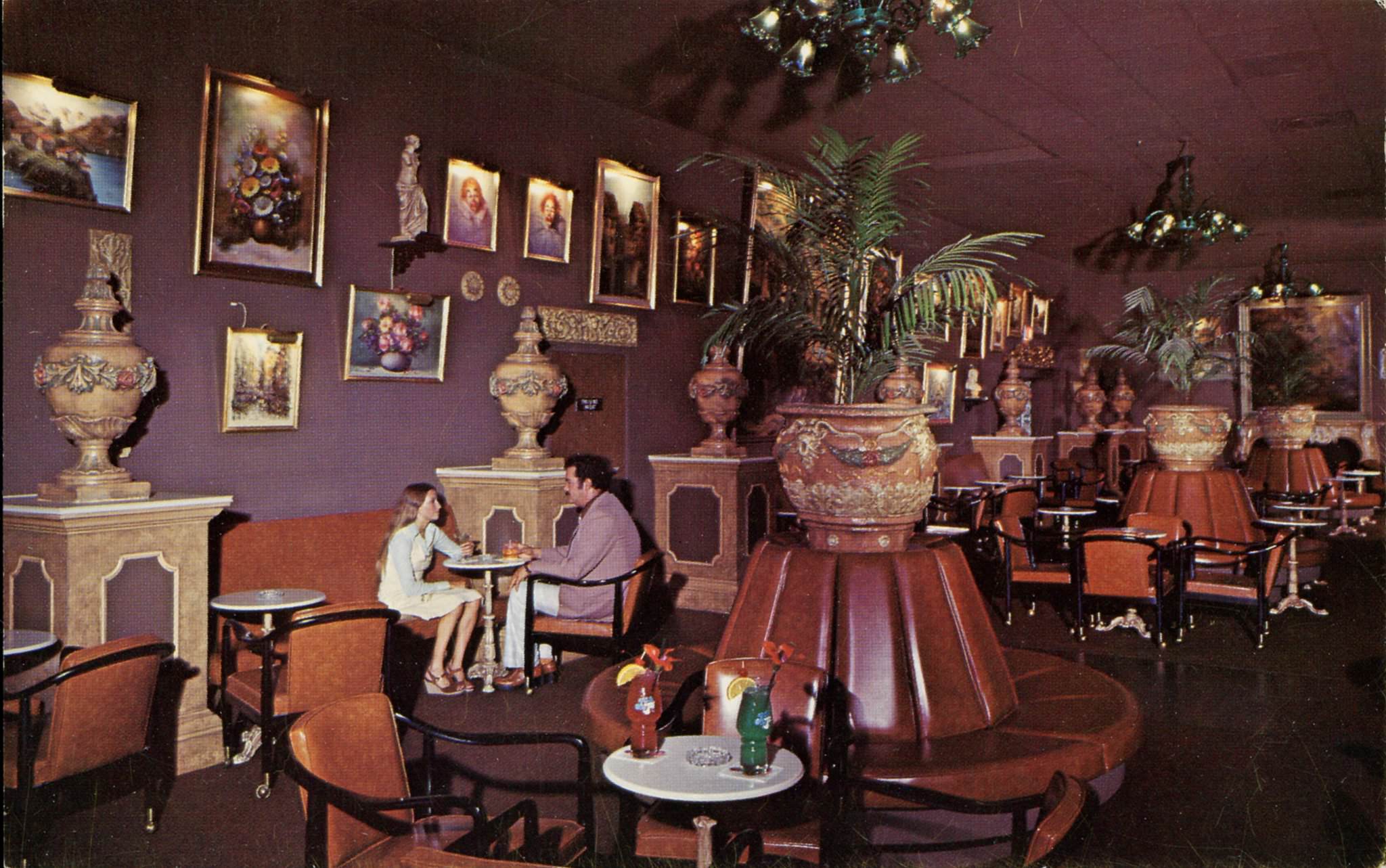
Some restaurants built their identity around a single item. A place famous for its pie, its chili, or its roast beef became a regional landmark. Word spread through newspapers, radio, and simple word of mouth — and loyal customers returned week after week.
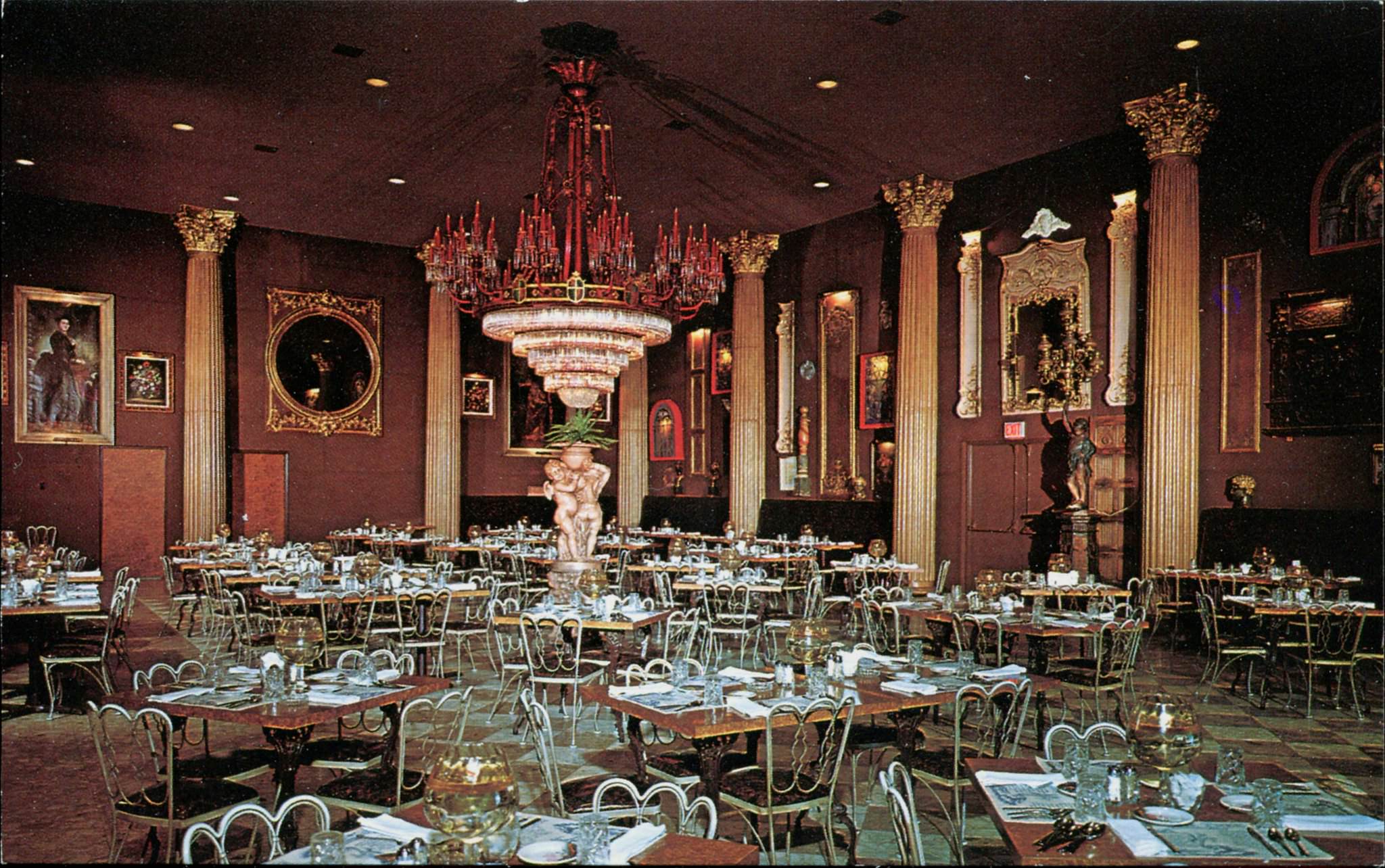
Automation was creeping into the restaurant world as well. Automats — machines that dispensed hot food behind small glass doors — had been around since the early 1900s, but the 1950s saw a renewed interest in self-service and efficiency. Horn & Hardart’s automats in New York City were among the most famous.
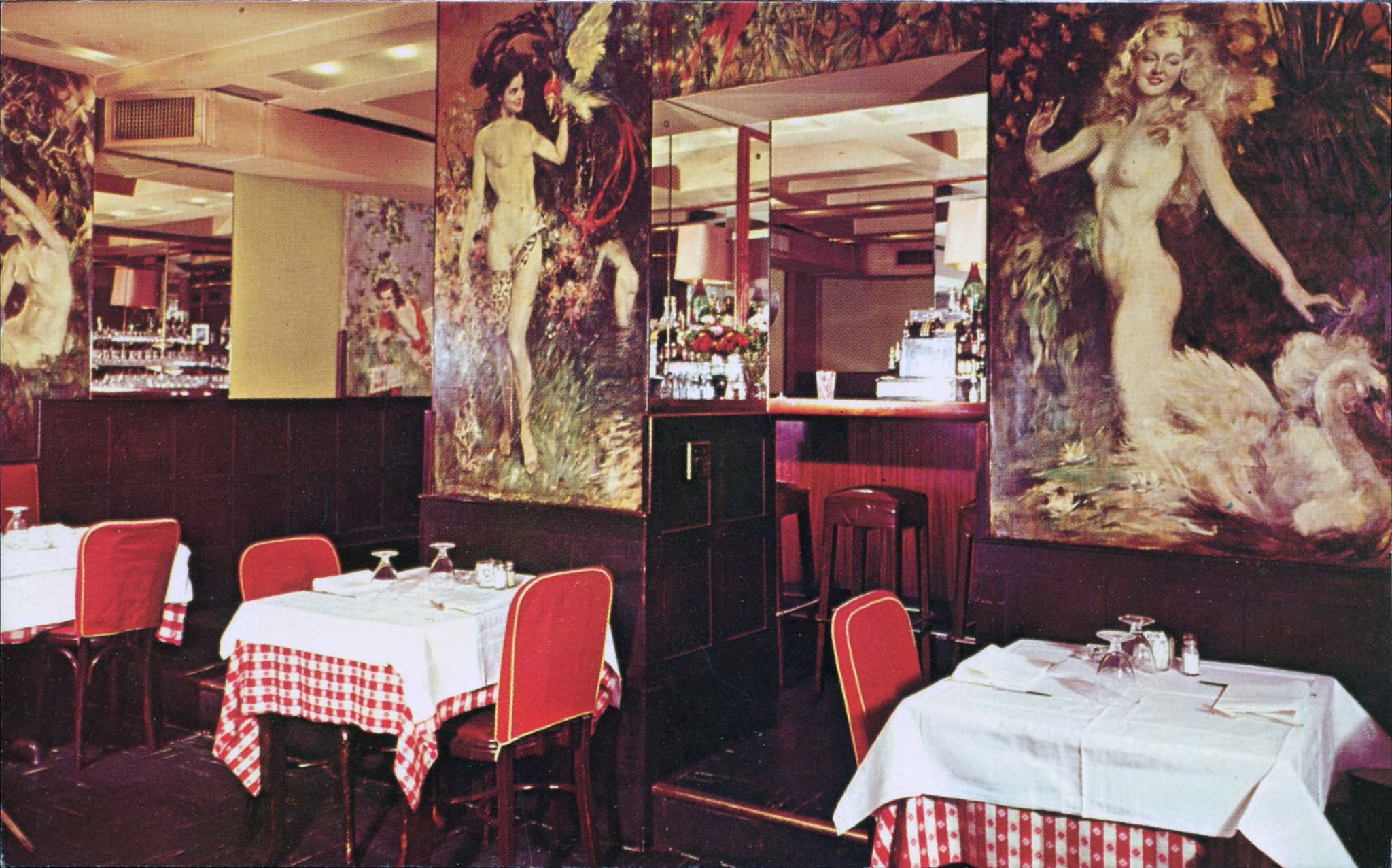
Barbecue joints emerged as beloved community hubs, especially in the South and Midwest. Slow-cooked meats, homemade sauces, and picnic-style seating made these spots feel relaxed and communal. Many were family-run operations that had been perfecting their recipes for generations.
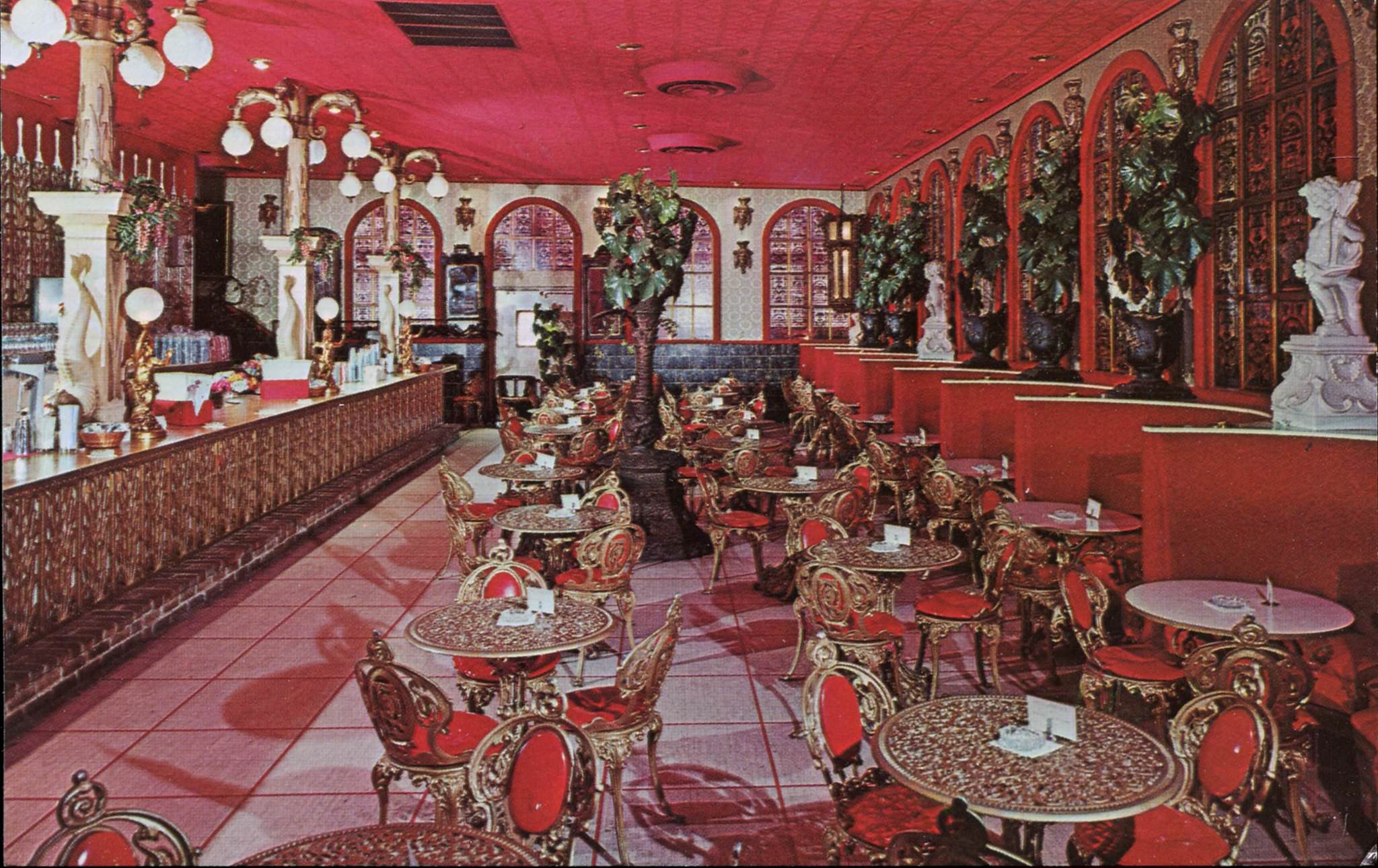
Seafood shacks dotted the coasts, particularly in New England and along the Gulf of Mexico. Fresh clams, lobster rolls, and fried fish were served in paper baskets at rough wooden tables. The settings were simple, but the food drew crowds from miles around.
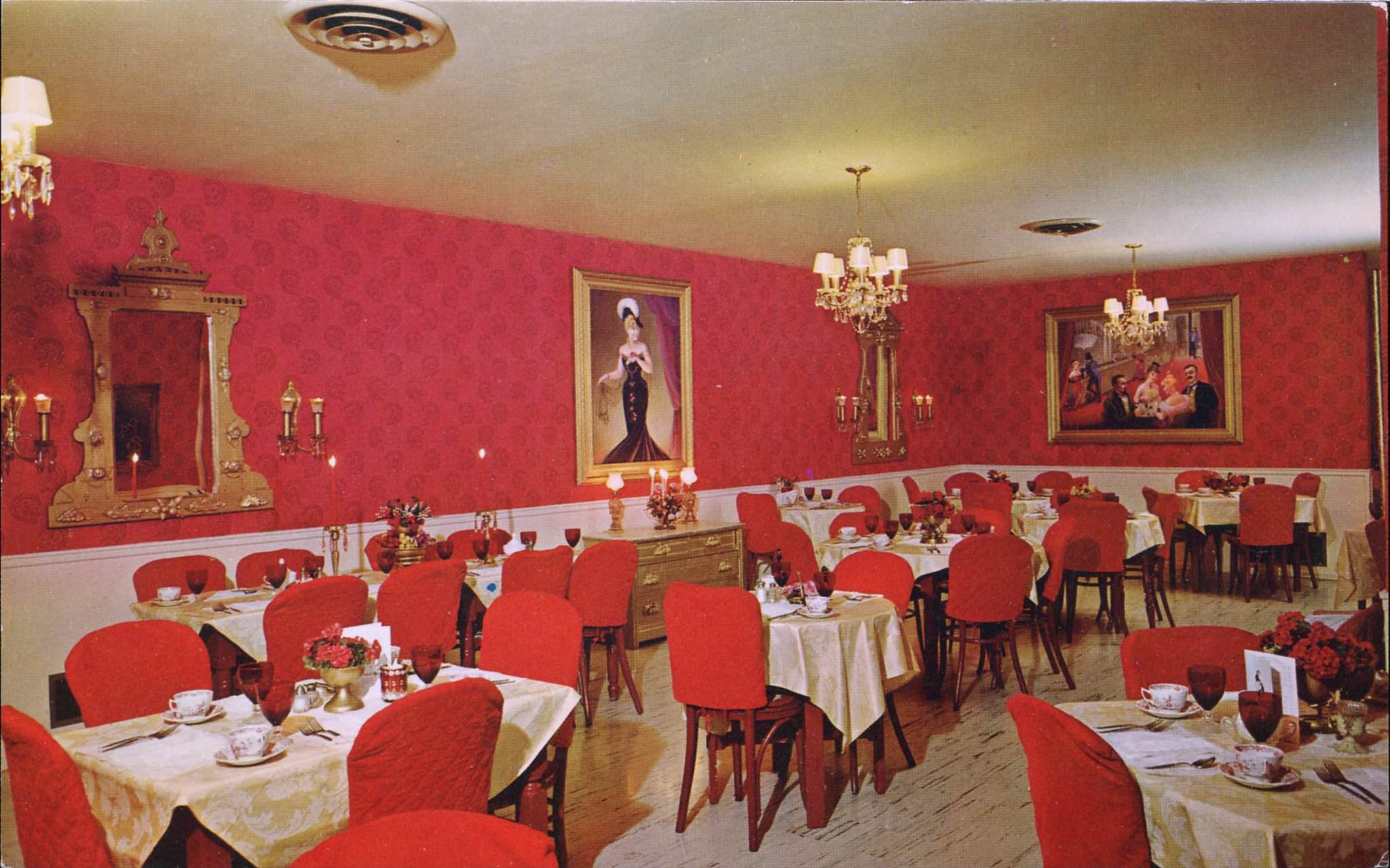
Steakhouses were a symbol of success in the 1950s. A thick cut of beef, a baked potato, and a strong cocktail at a dark-paneled steakhouse was the meal of choice for businessmen and celebrating families alike. These restaurants radiated confidence and permanence.
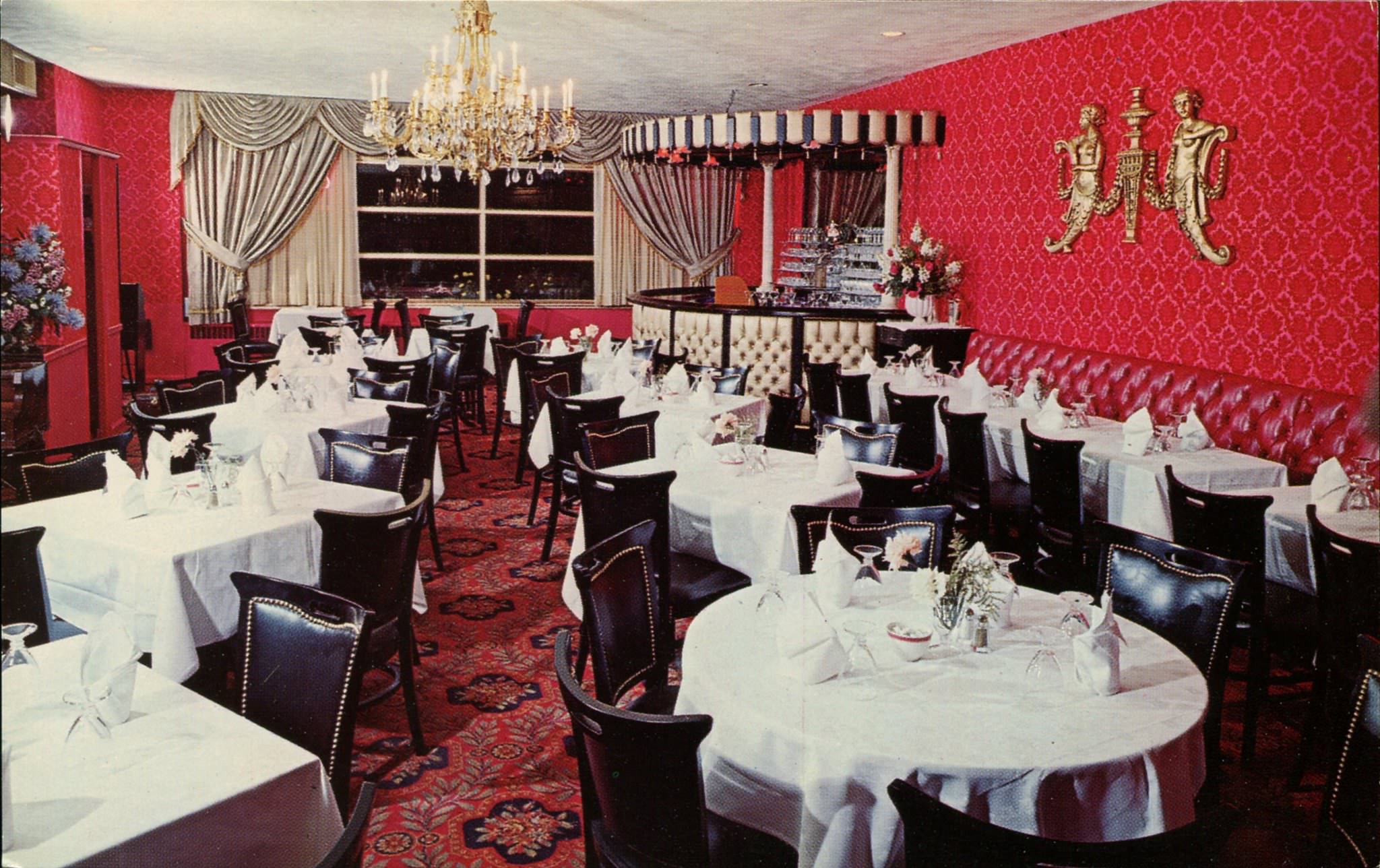
Chinese-American restaurants carved out a large and loyal following during this period. Dishes like chop suey, egg foo young, and sweet and sour pork filled menus across the country. These restaurants offered something exotic yet affordable, drawing curious diners in droves.
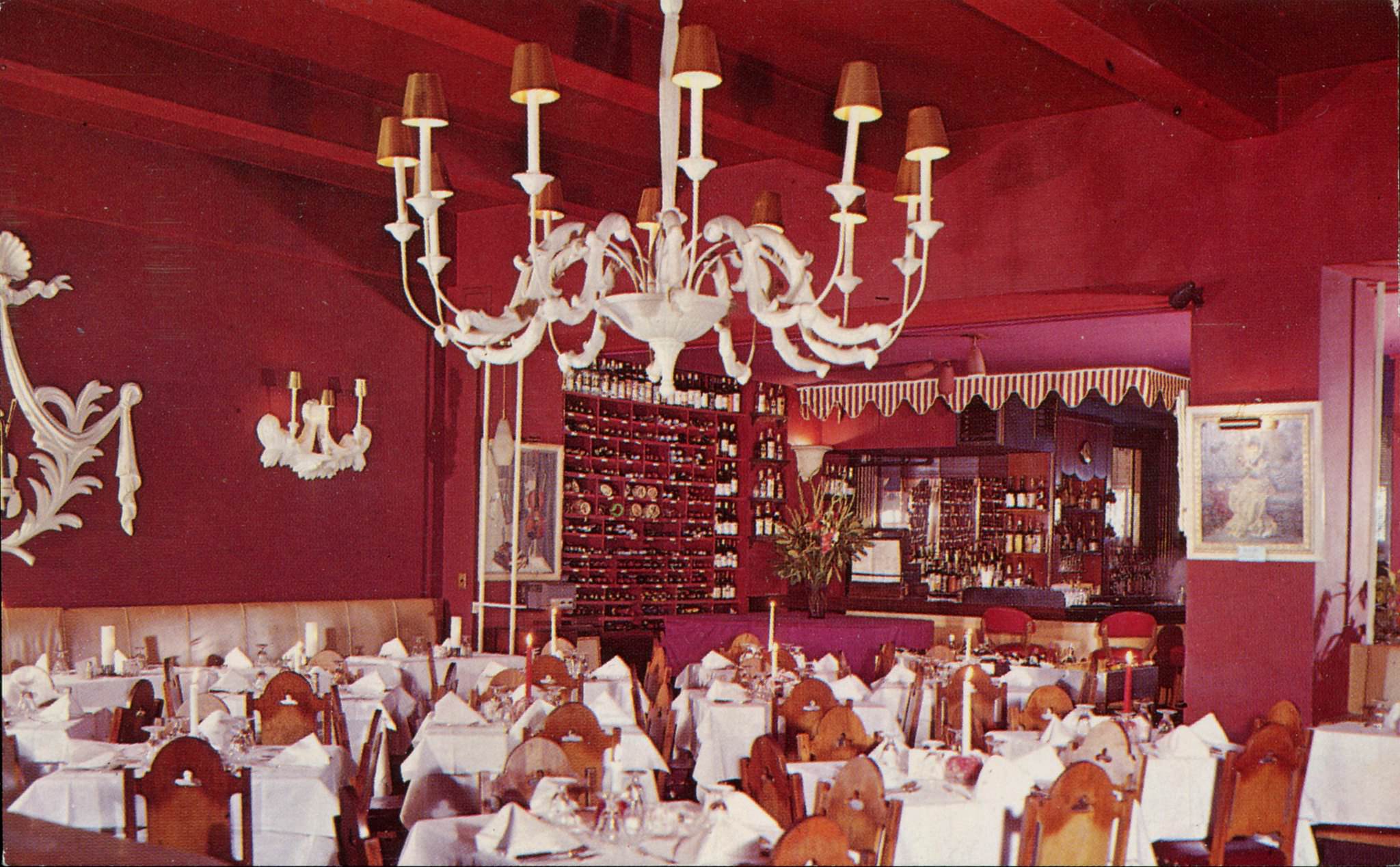
Italian restaurants were equally popular. Red-checkered tablecloths, candles stuck in wine bottles, and the smell of garlic and tomato sauce created an atmosphere that Americans adored. Spaghetti and meatballs became comfort food for the whole country, not just Italian-American communities.
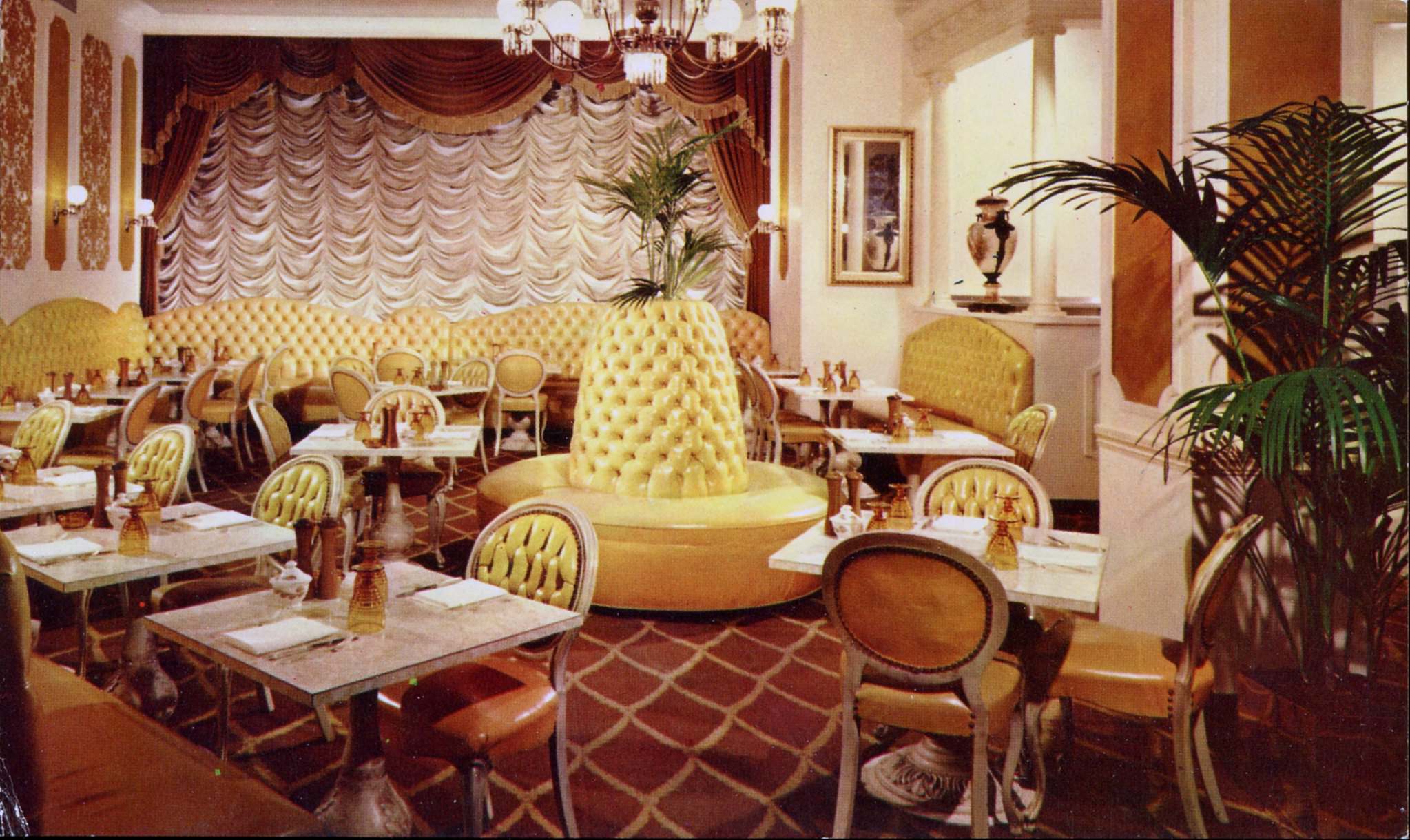
Soda fountains inside drugstores and five-and-dime shops blurred the line between retail and dining. Teenagers gathered at these counters after school for ice cream sodas, banana splits, and cherry Cokes. They were social hubs as much as food stops.
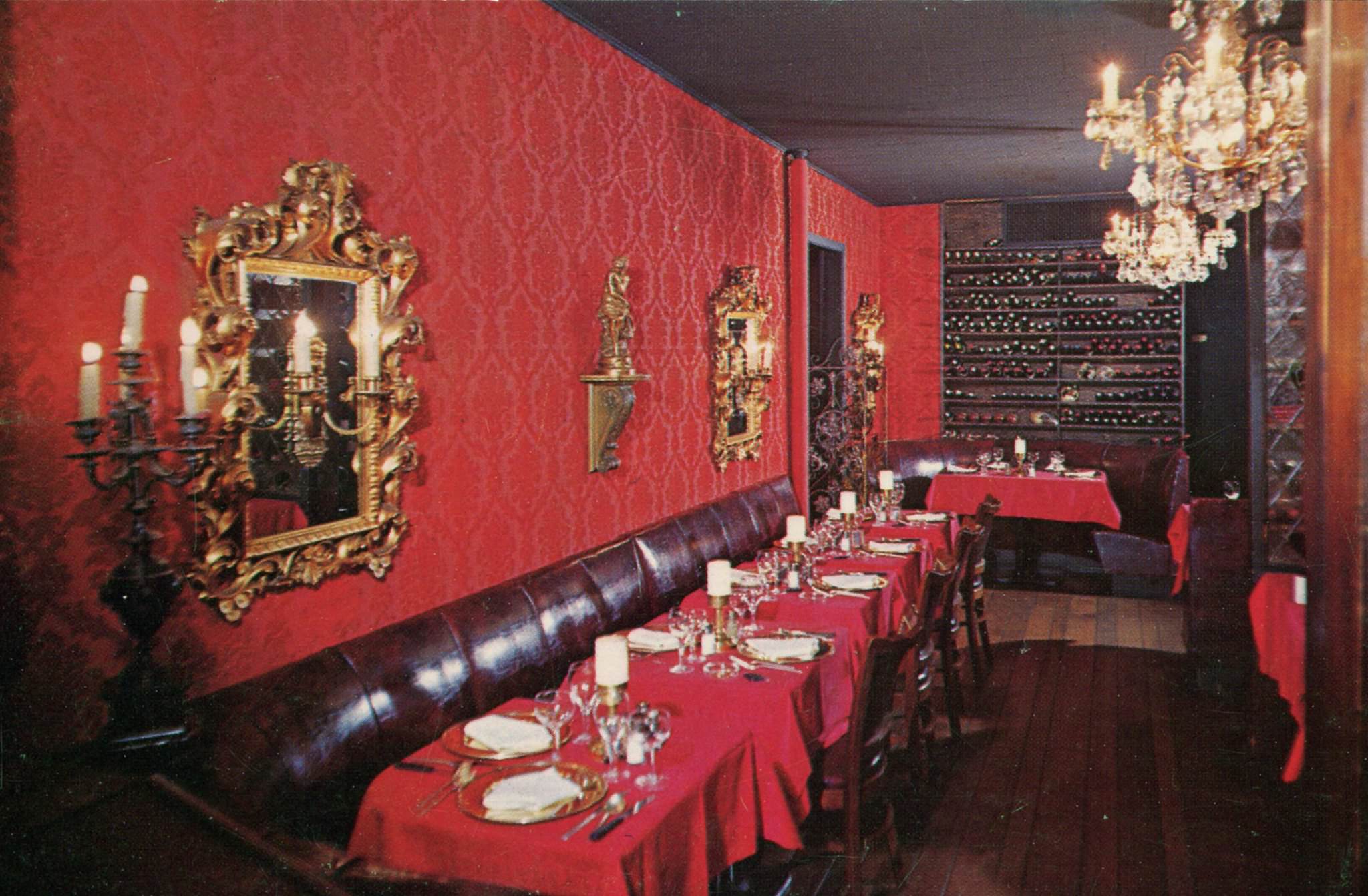
Some restaurants leaned fully into spectacle. Servers in costume, live entertainment, and theatrical food presentations turned a meal into an event. These weren’t just dinners — they were experiences that people talked about and remembered.
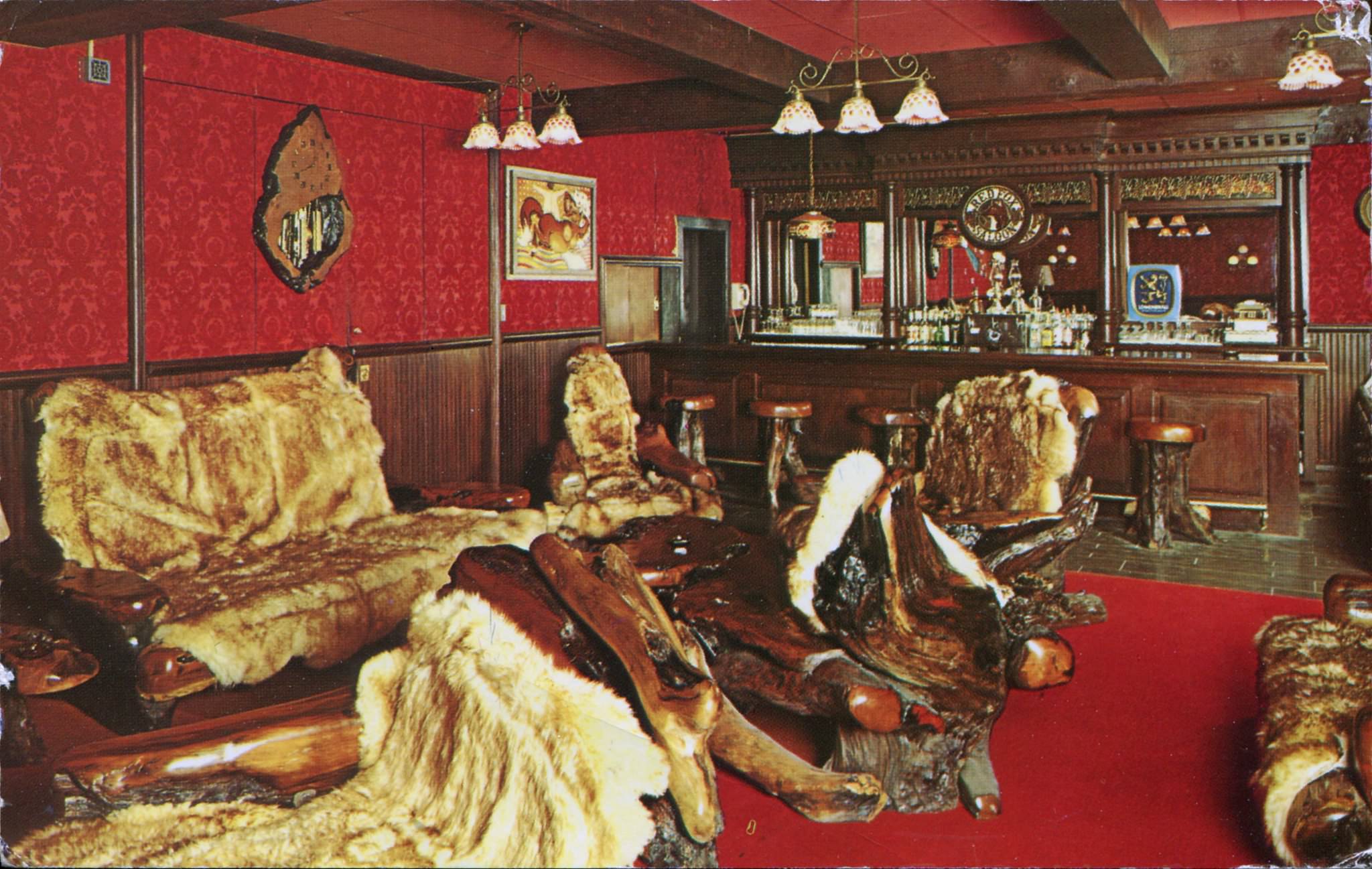
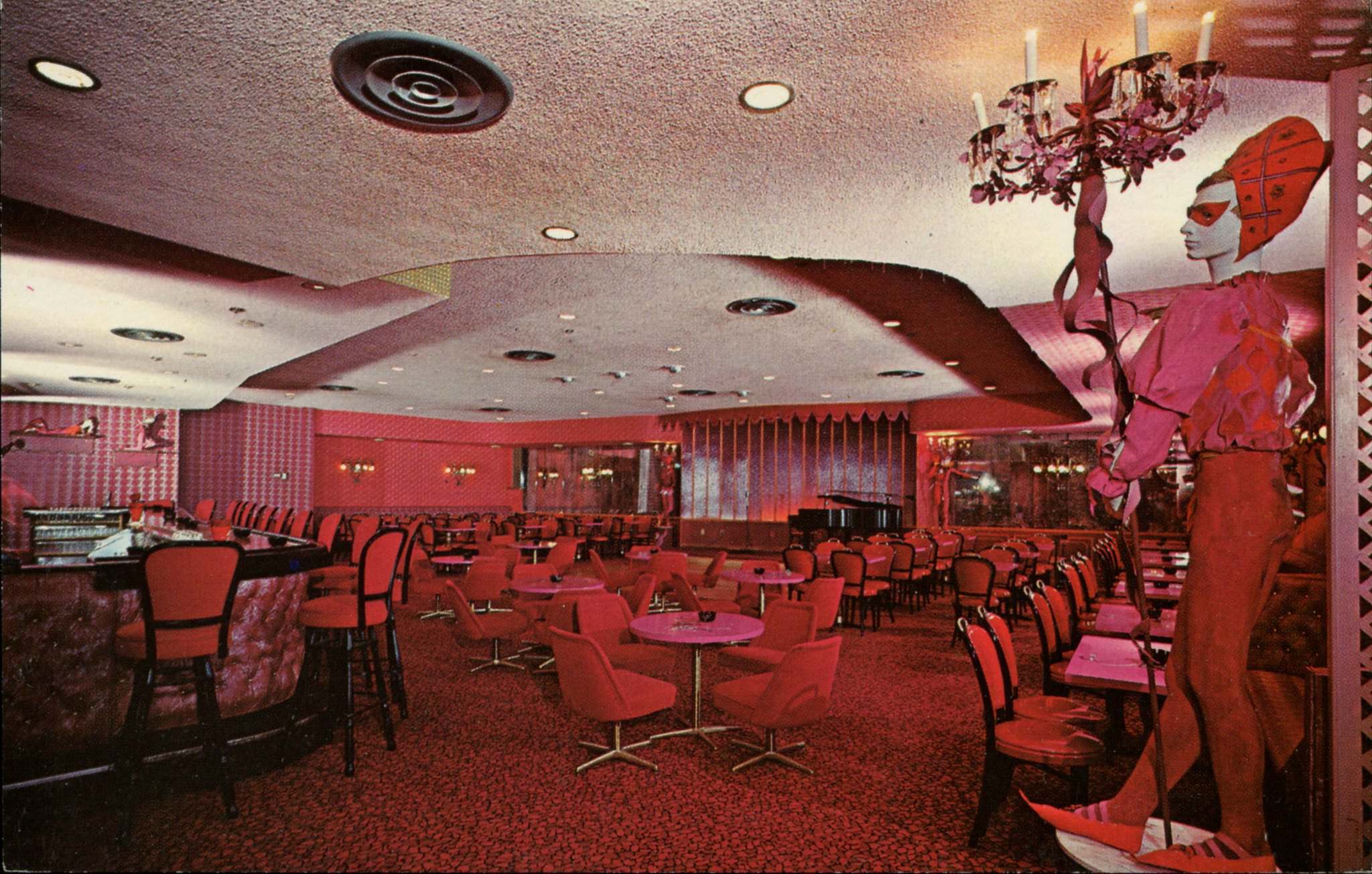
Supper clubs were a uniquely American institution that peaked in the 1950s. Found especially in the Midwest, these establishments combined dining with live music and dancing. A family or couple could spend an entire evening there — eating, drinking, and dancing the night away.
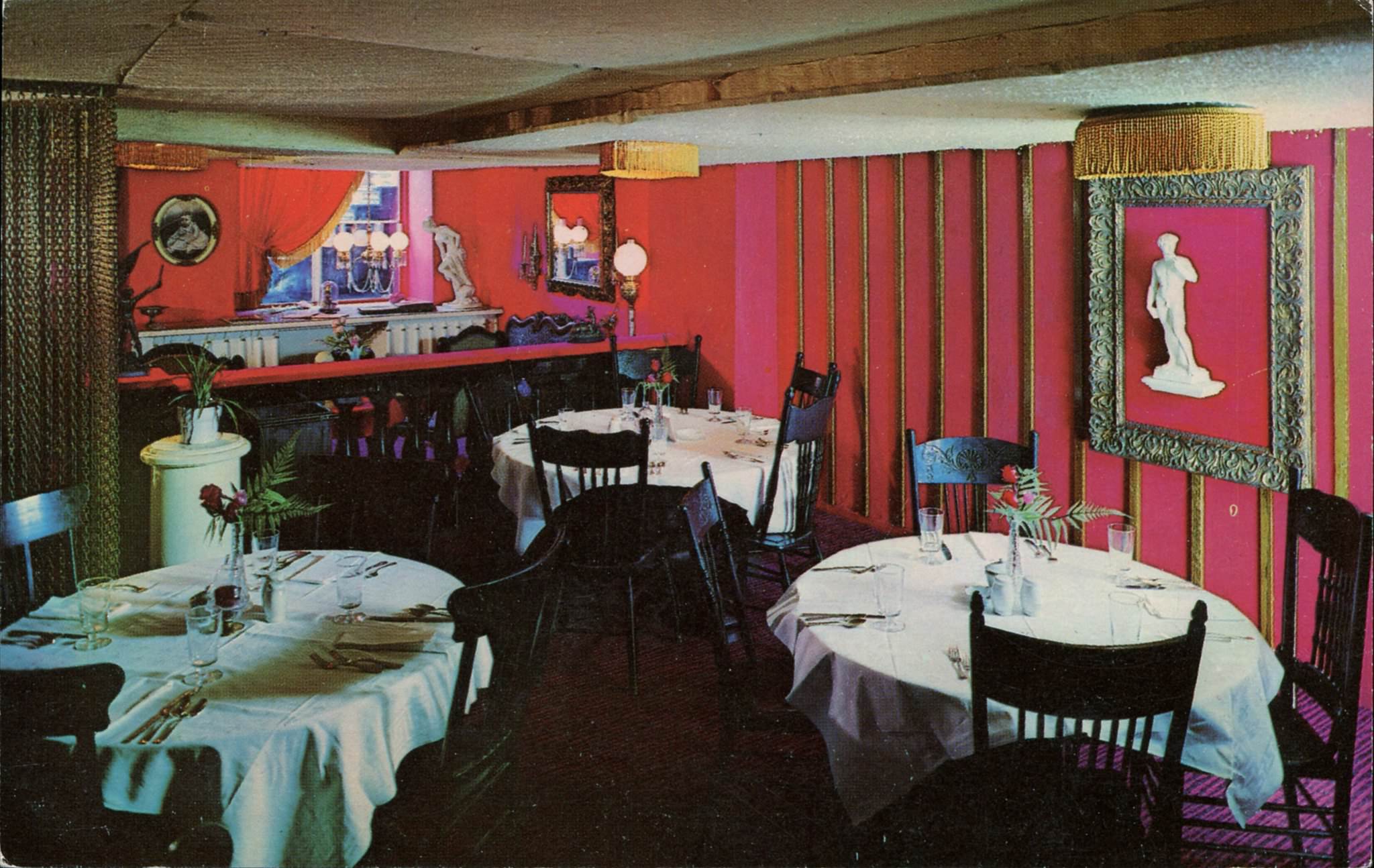
The decade also saw the first stirrings of fast food as a formal concept. McDonald’s adopted its Speedee Service System in 1948 and was growing rapidly through the 1950s. The idea of a consistent, quick, and cheap meal was catching on fast across the country.
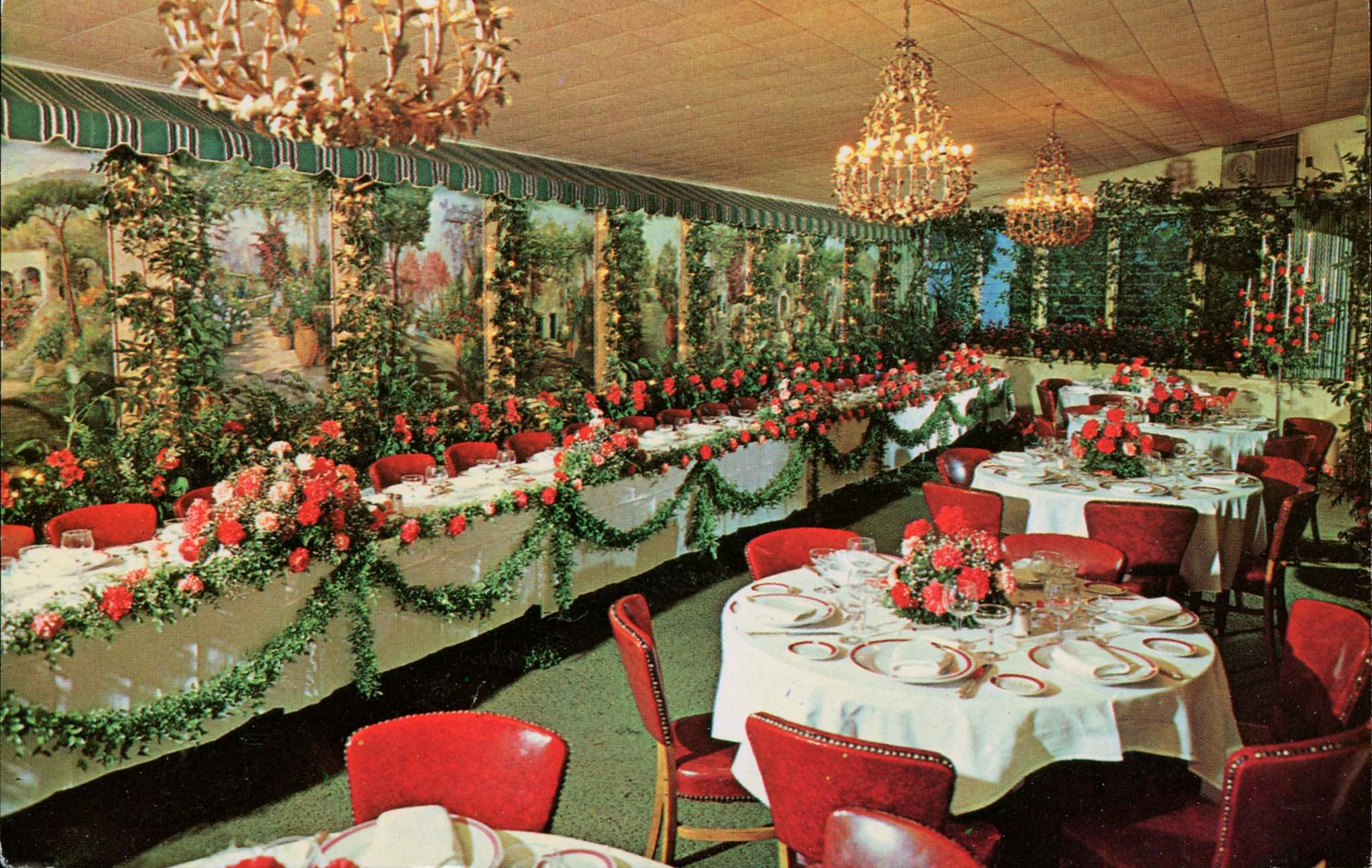
Whether it was a gleaming diner on Route 66 or a white-glove steakhouse in Manhattan, the restaurants of the 1950s reflected exactly who Americans were at that moment — optimistic, prosperous, and hungry for something new.