
Ice cream has been part of American life for a remarkably long time. The first known mention of it in the United States comes from 1744, when Maryland Governor William Bladen described it in a letter to a guest. By May 12, 1777, the New York Gazette ran the country’s first ice cream advertisement, placed by confectioner Philip Lenzi, who announced it was available “almost every day.” Just over a decade later, President George Washington was spending roughly $200 a year on ice cream from a merchant on Chatham Street in New York — a significant sum at the time.
Before 1800, ice cream was a rare luxury reserved mostly for the wealthy. That changed with the invention of insulated ice houses around 1800, which made storing ice far more practical. Then in 1851, a Baltimore milk dealer named Jacob Fussell took things a step further by pioneering large-scale ice cream manufacturing in America. His model opened the door for industrial production that would grow rapidly over the following decades.
Steam power, mechanical refrigeration, the homogenizer, electric motors, and new freezing equipment all pushed ice cream production higher and higher. The motorized delivery vehicle was another game-changer, allowing ice cream to reach customers across wider areas faster than ever before. Today, the United States produces more than 6.4 billion pounds of frozen dairy products every year.
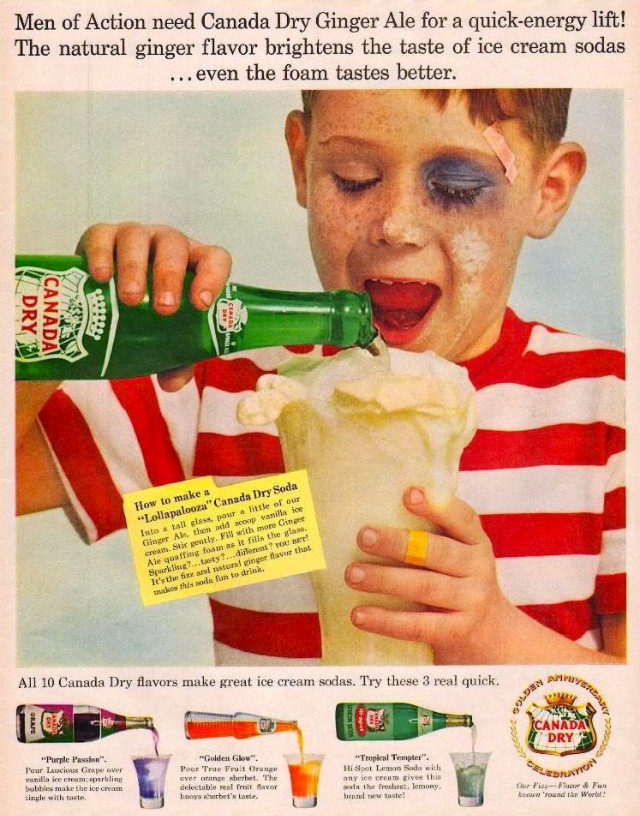
By the late 19th century, ice cream was widely available, and new ways to enjoy it followed quickly. The ice cream soda arrived in 1874, and with it came the American soda fountain shop and the “soda jerk” — the person behind the counter who mixed and served the drinks. These shops became social hubs, especially for young people.
One of the more unusual chapters in ice cream history involves the sundae. In the late 1890s, religious critics objected to people indulging in rich ice cream sodas on Sundays. In response, sellers removed the carbonated water and created a new dish — the ice cream “Sunday.” The name was later changed to “sundae” specifically to distance it from any Sabbath-related meaning.
During World War II, ice cream took on a new meaning for American troops. Military branches competed with one another to serve their soldiers the most ice cream. In 1945, the Navy built the first floating ice cream parlor — a vessel dedicated entirely to producing and serving ice cream to sailors in the western Pacific. When the war ended and dairy rationing was lifted, Americans celebrated with gusto. In 1946 alone, Americans consumed more than 20 quarts of ice cream per person.
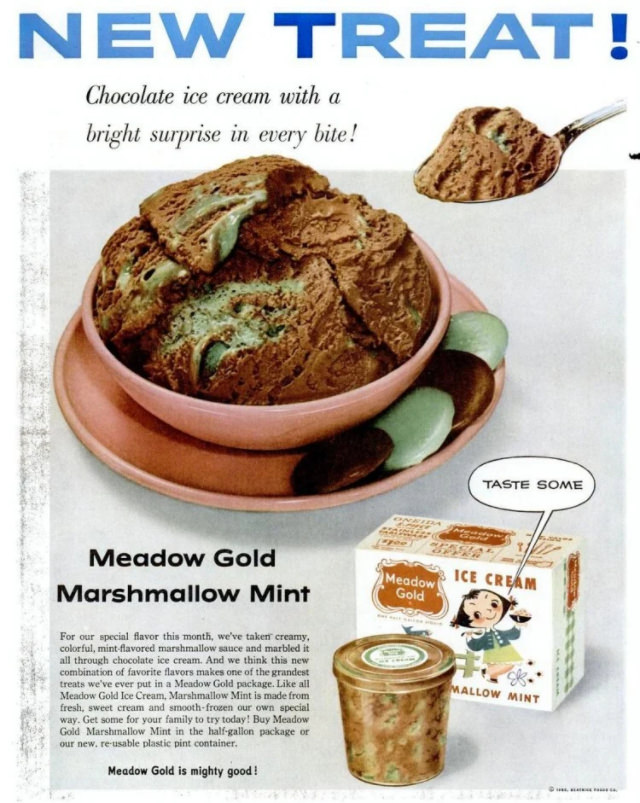
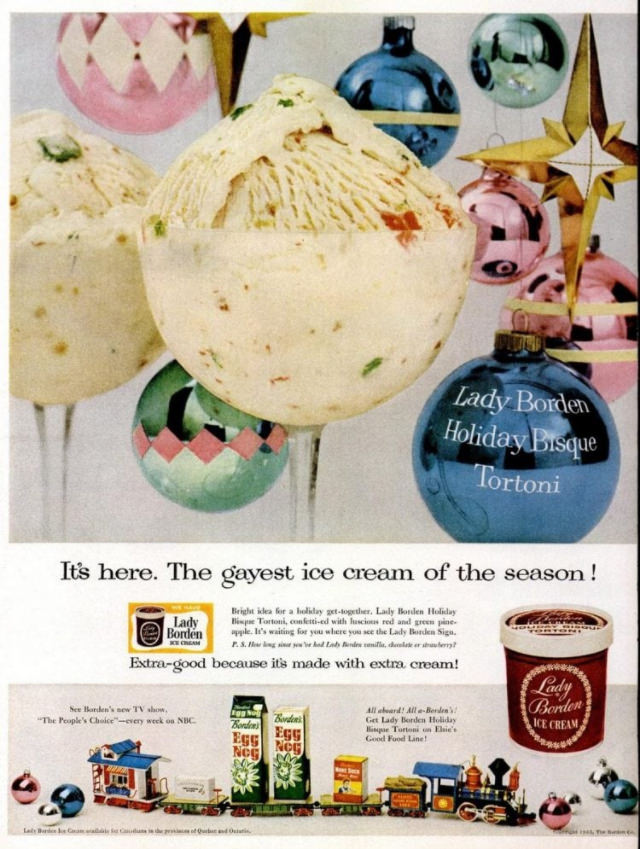
From the 1940s through the 1970s, overall ice cream production in the U.S. held relatively steady. But how Americans bought their ice cream shifted dramatically. Prepackaged ice cream from supermarkets gradually replaced the traditional ice cream parlor and the soda fountain counter. Those neighborhood shops, once the center of small-town social life, slowly faded from everyday American culture.
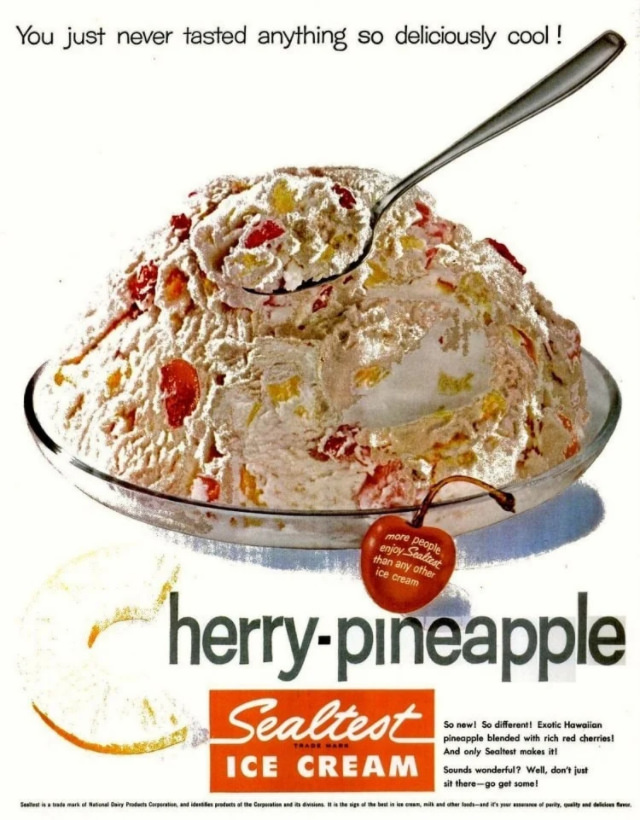
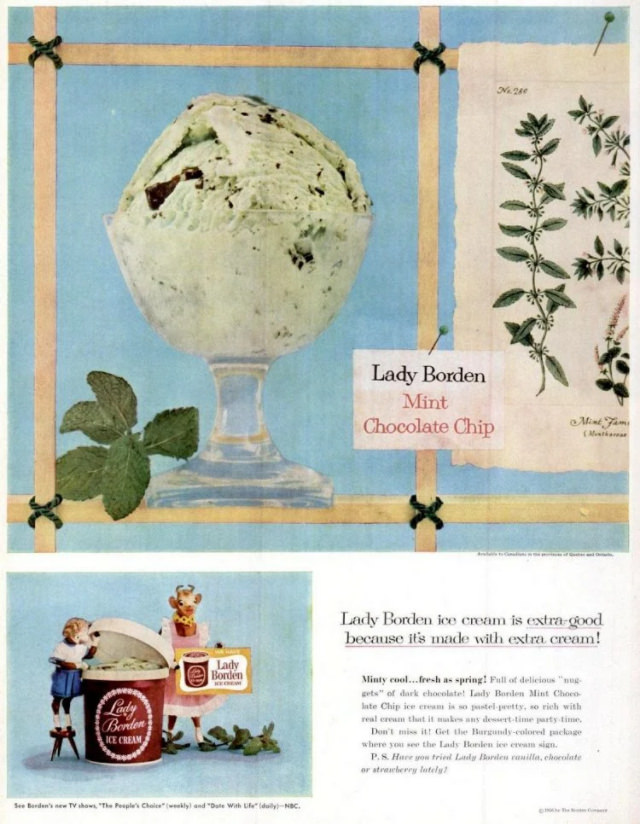
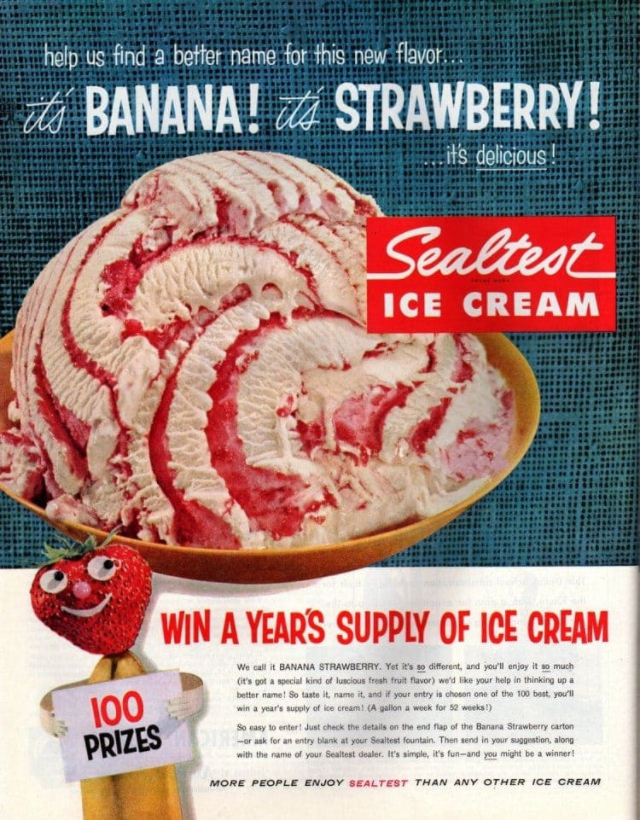
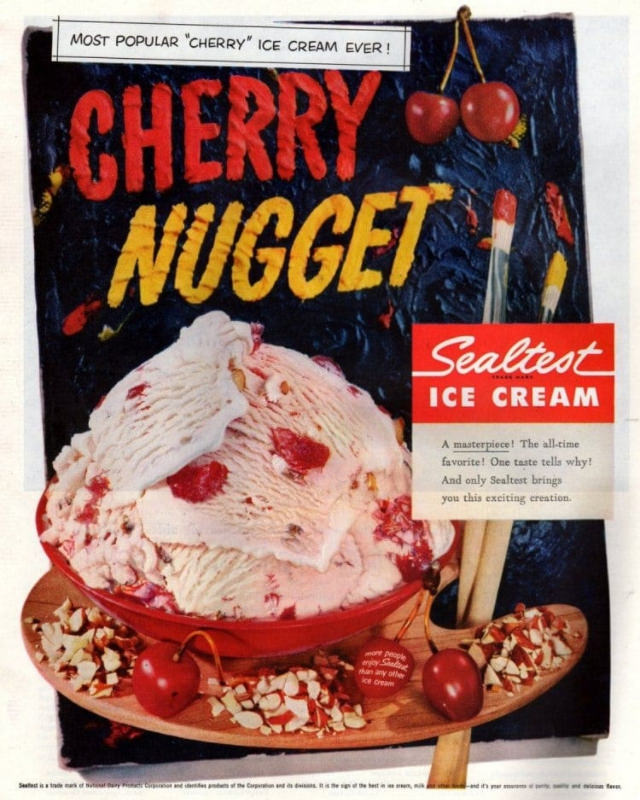
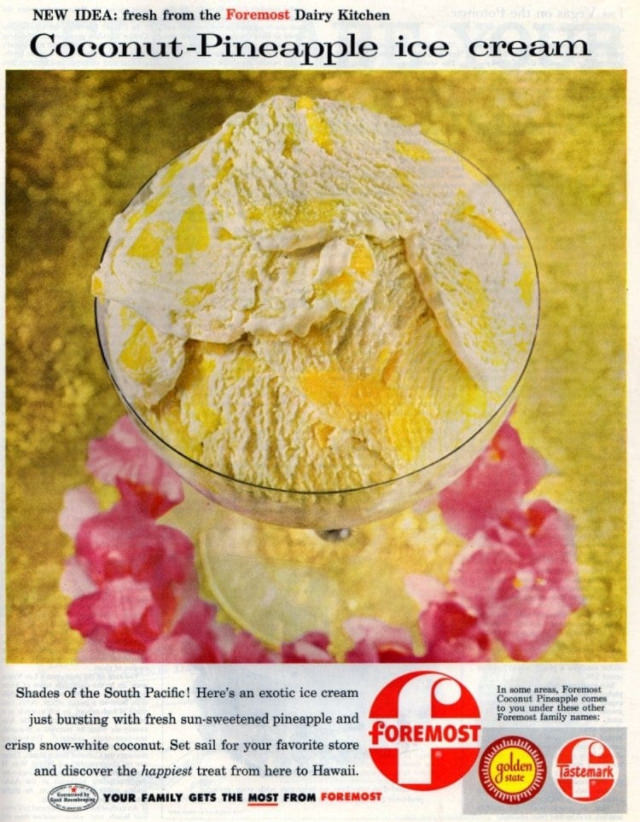
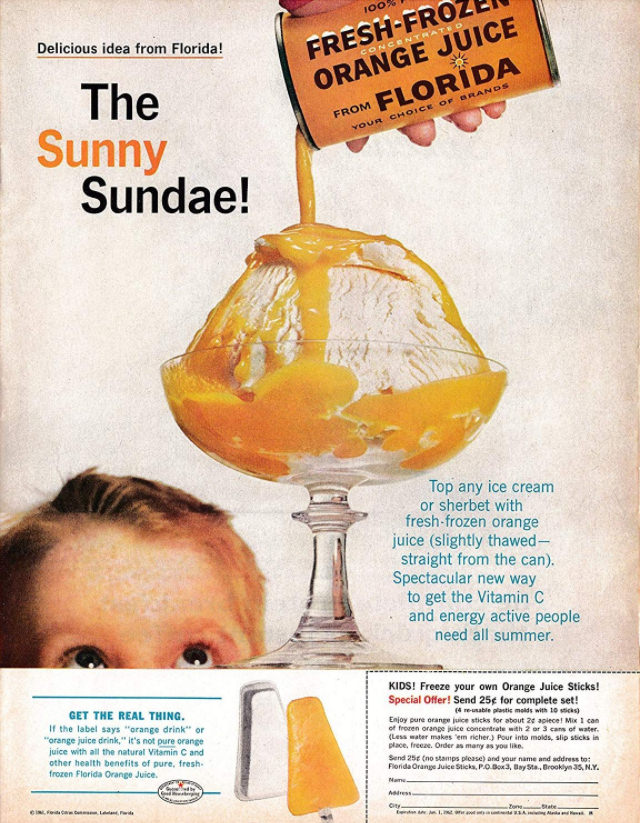
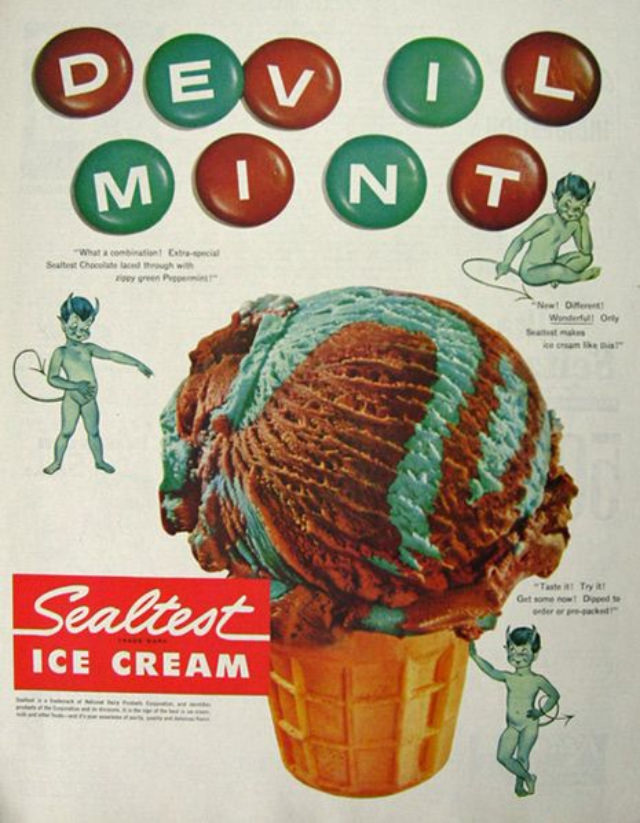
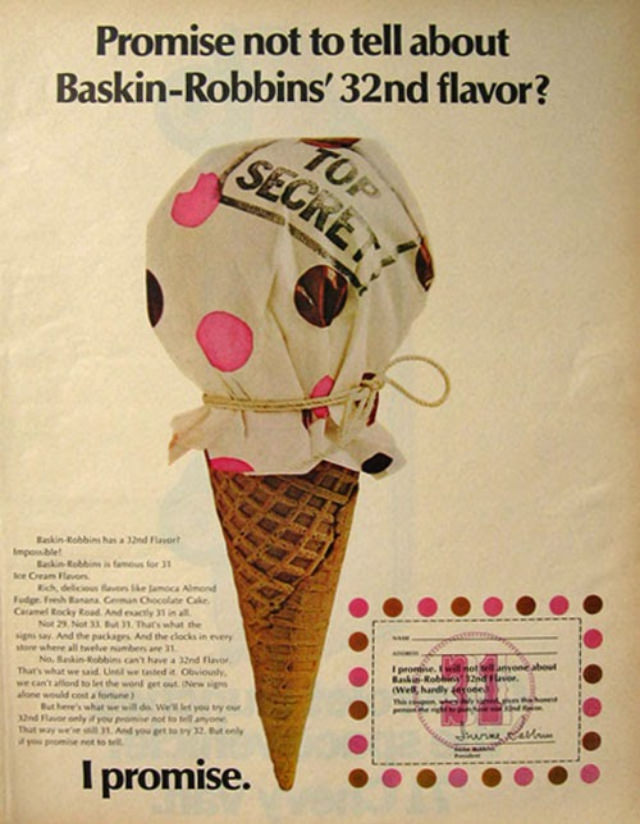
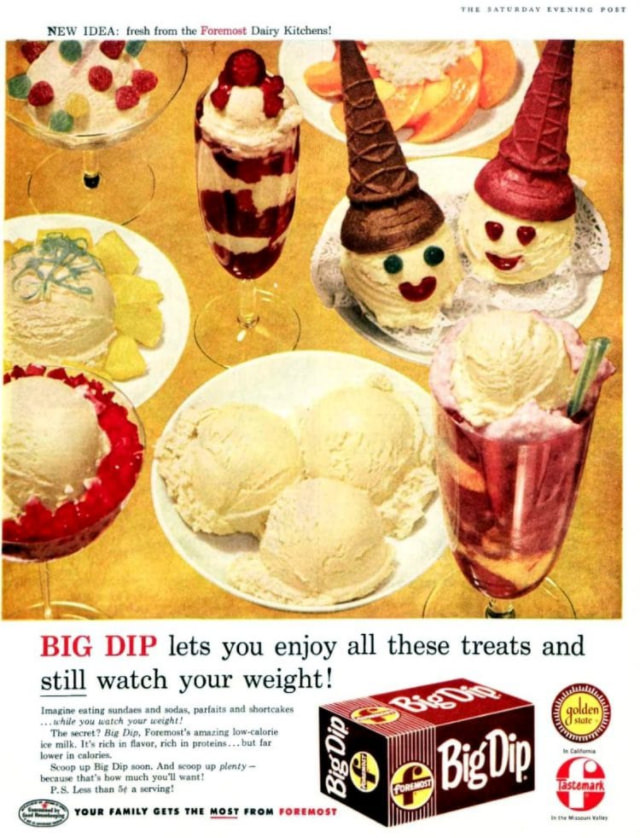
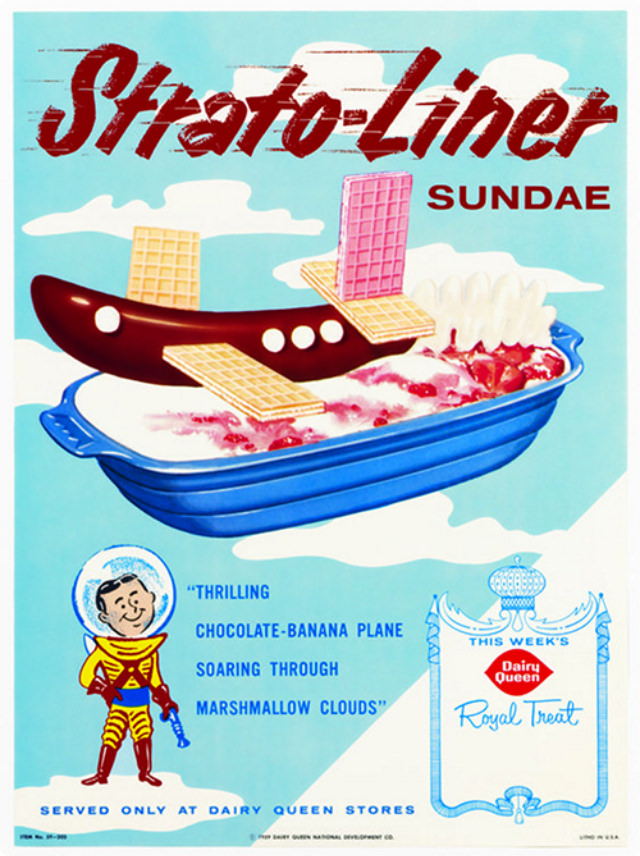
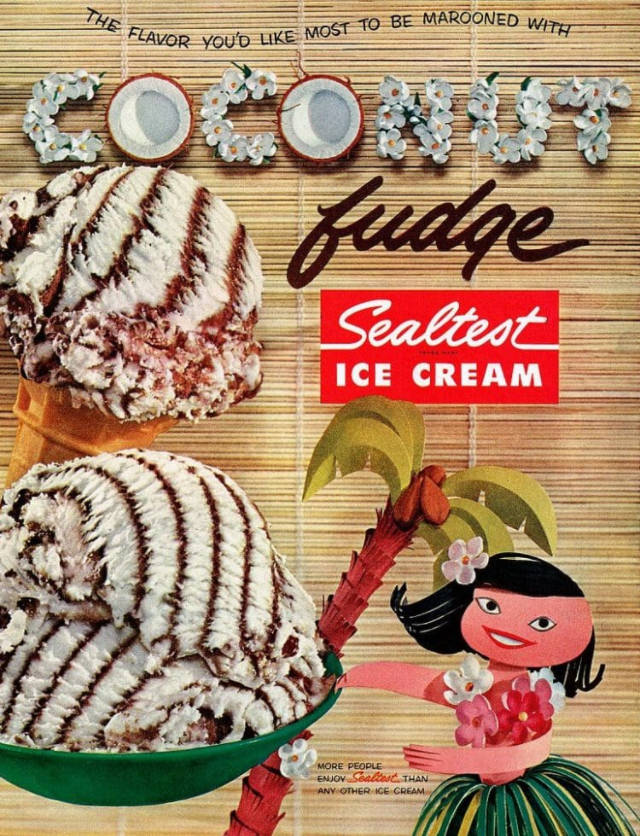
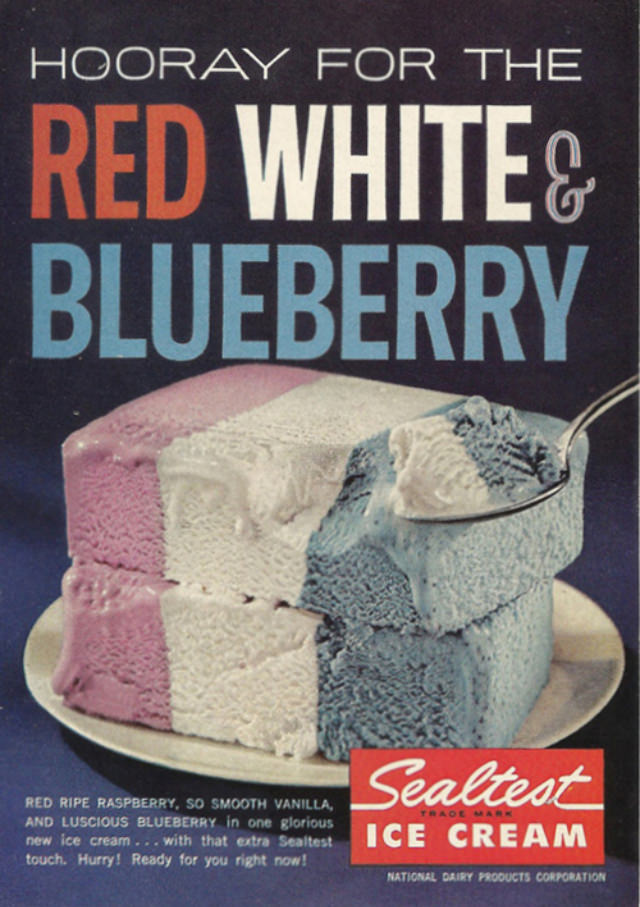
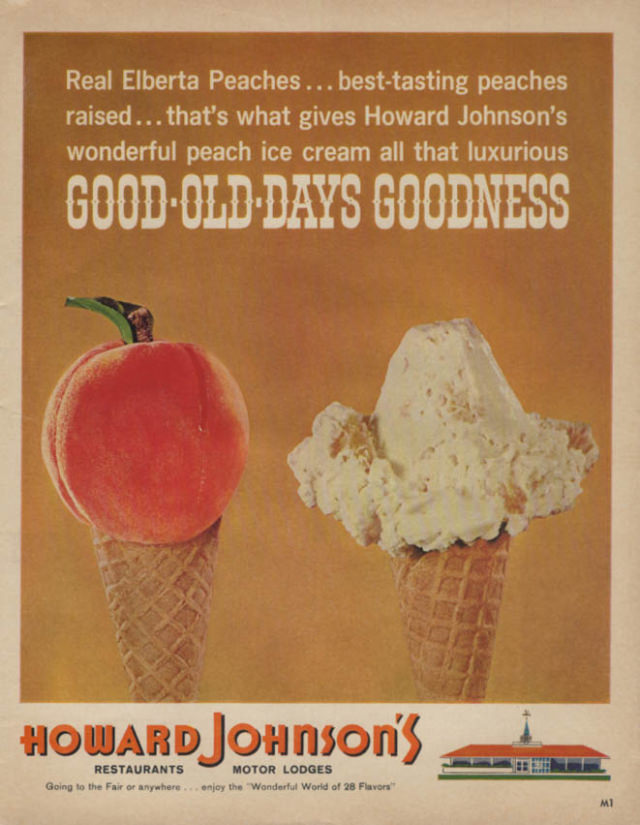
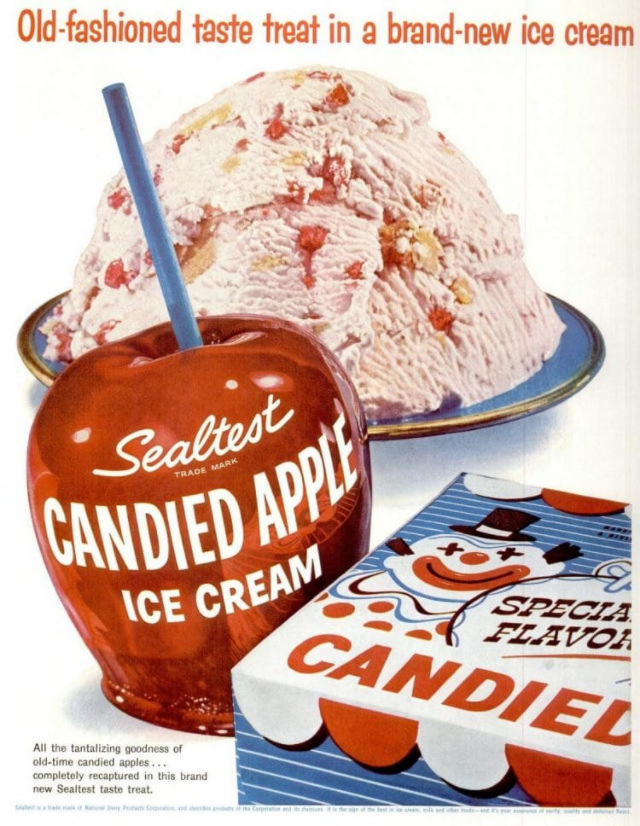
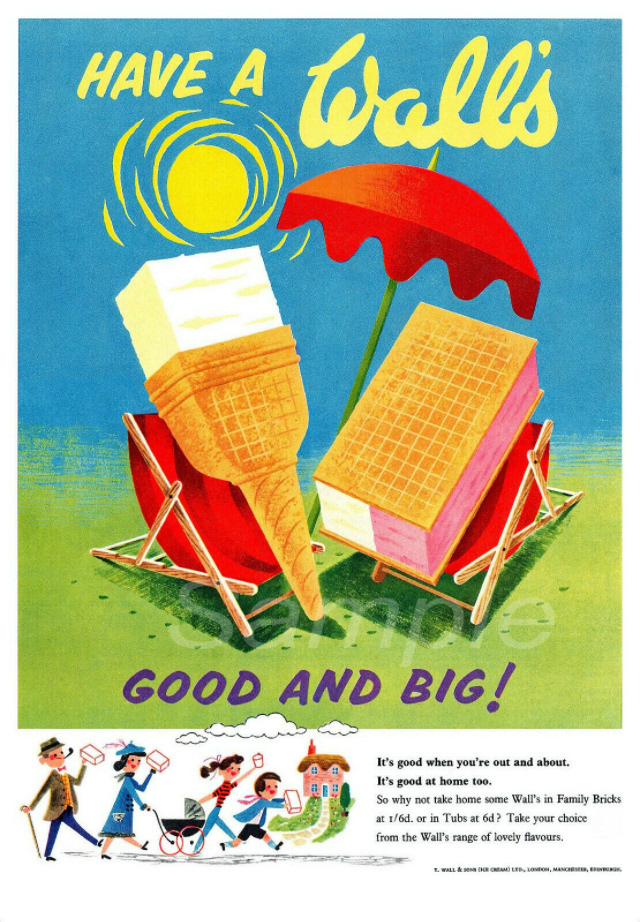
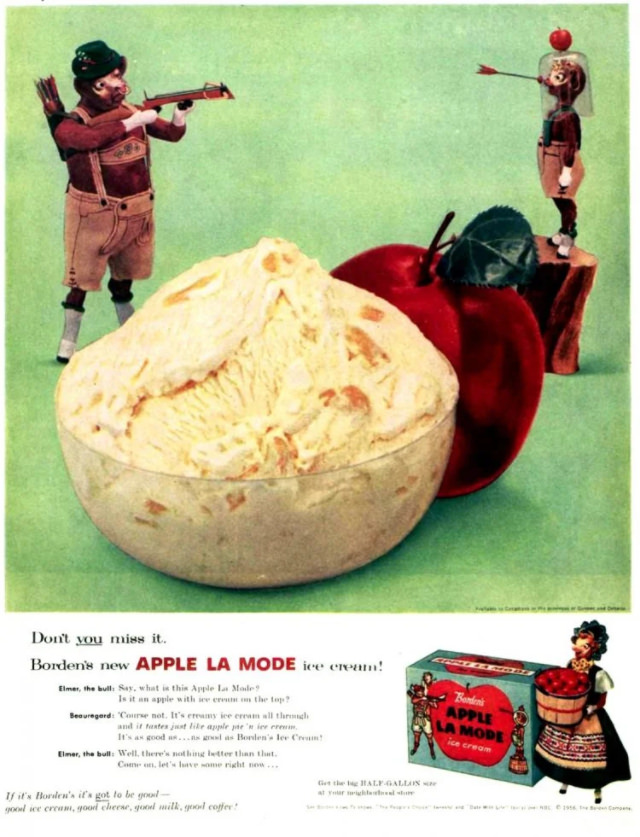
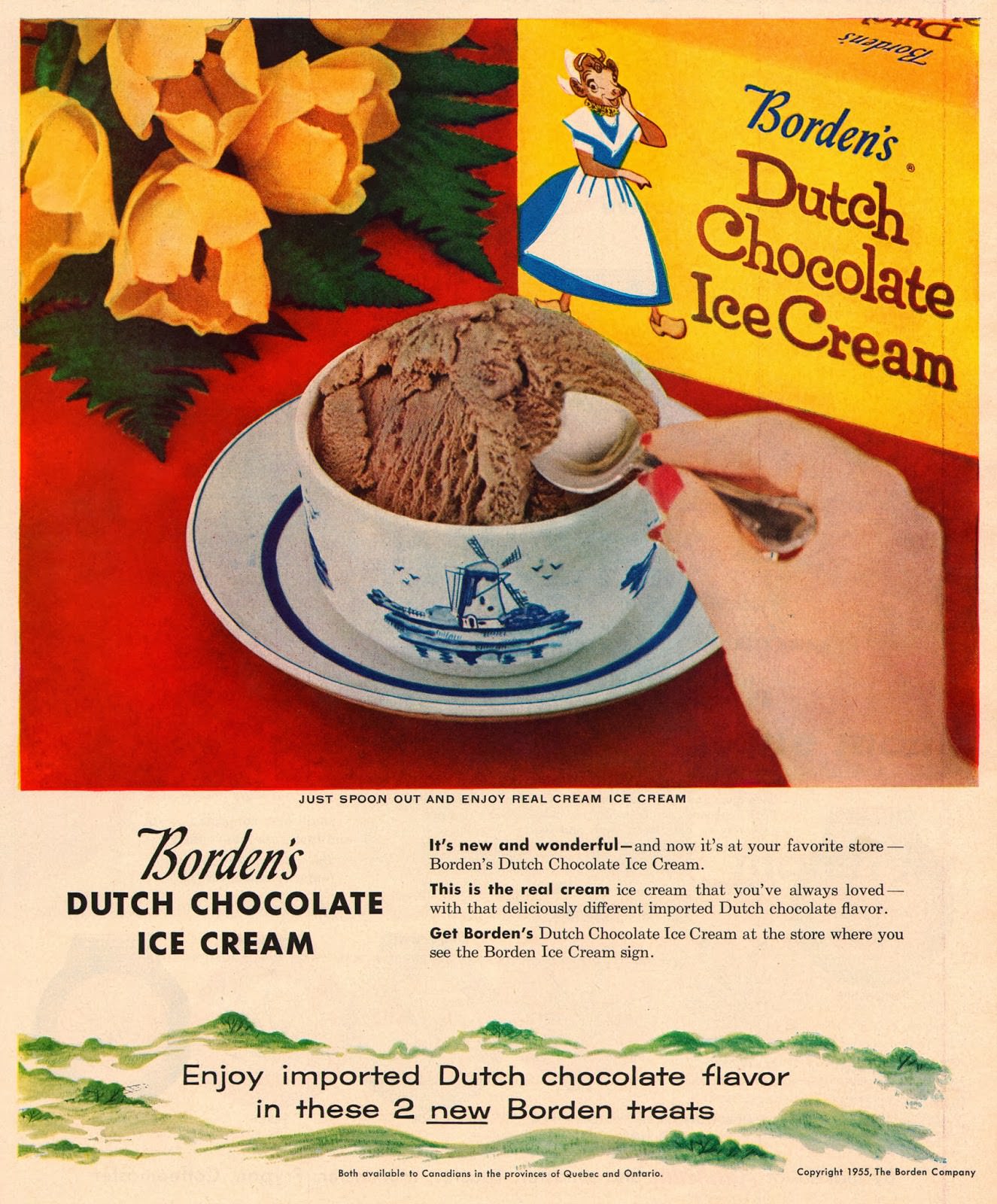
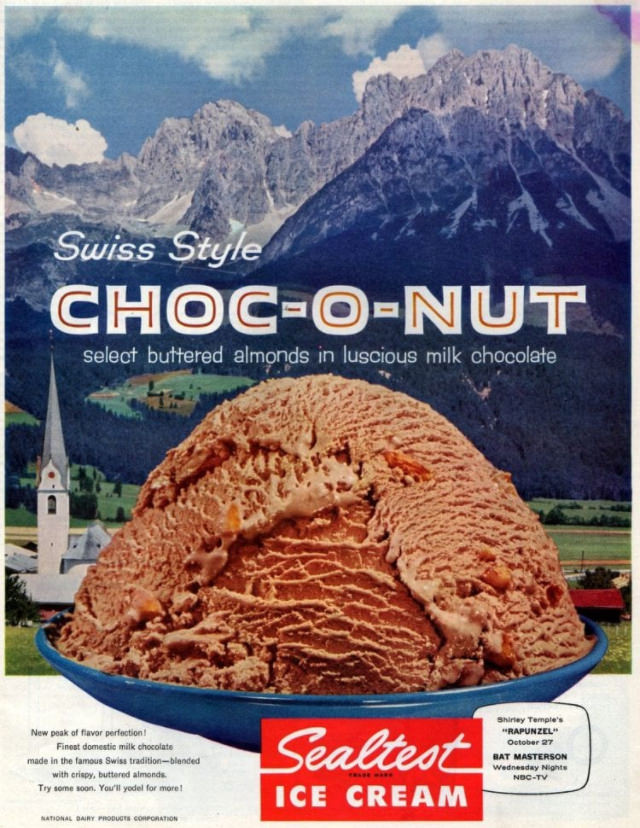
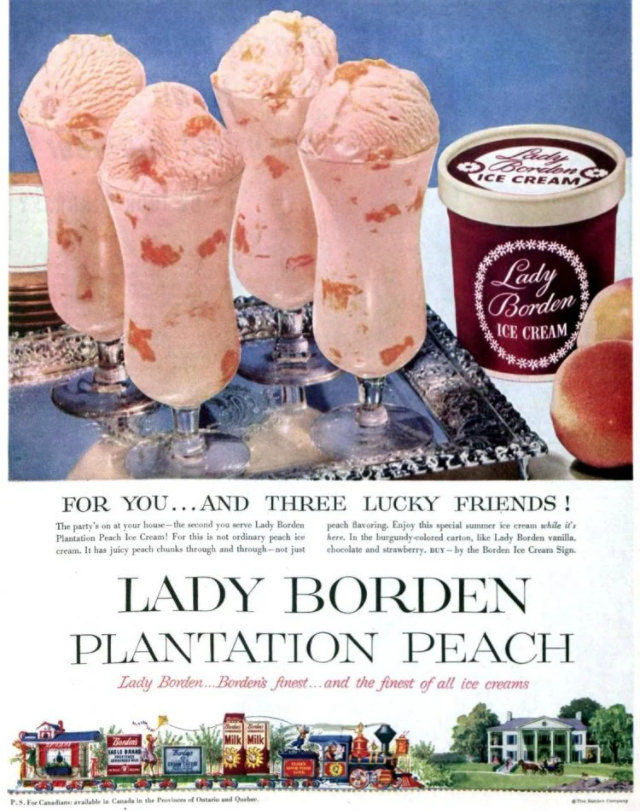
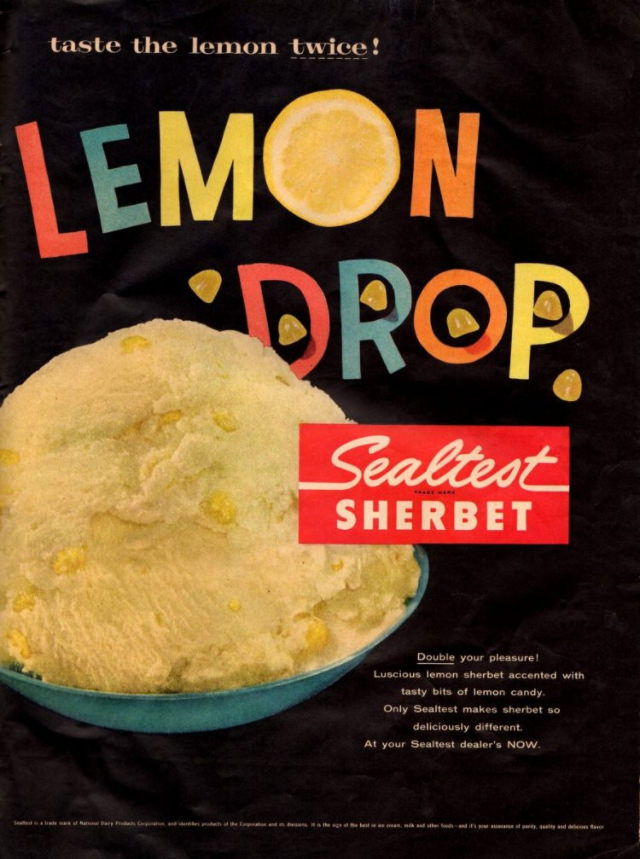
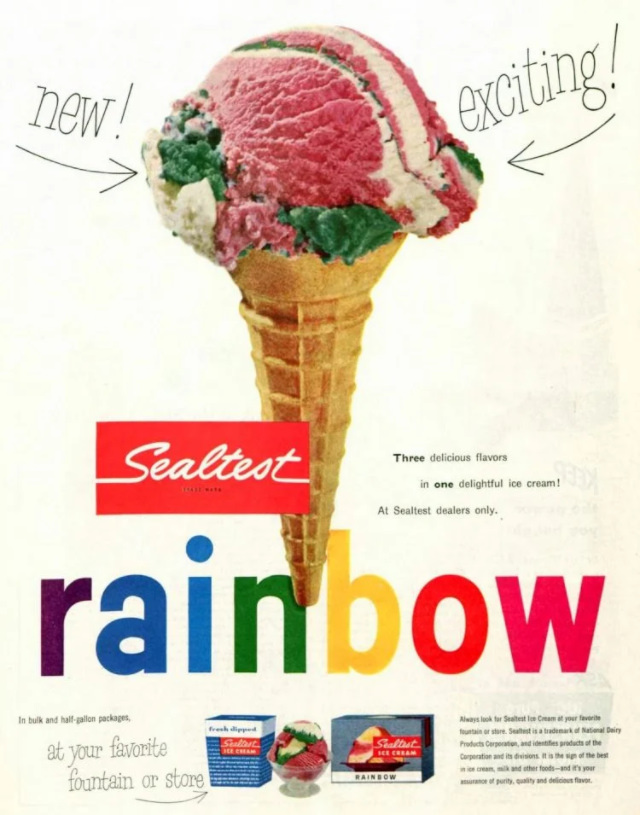
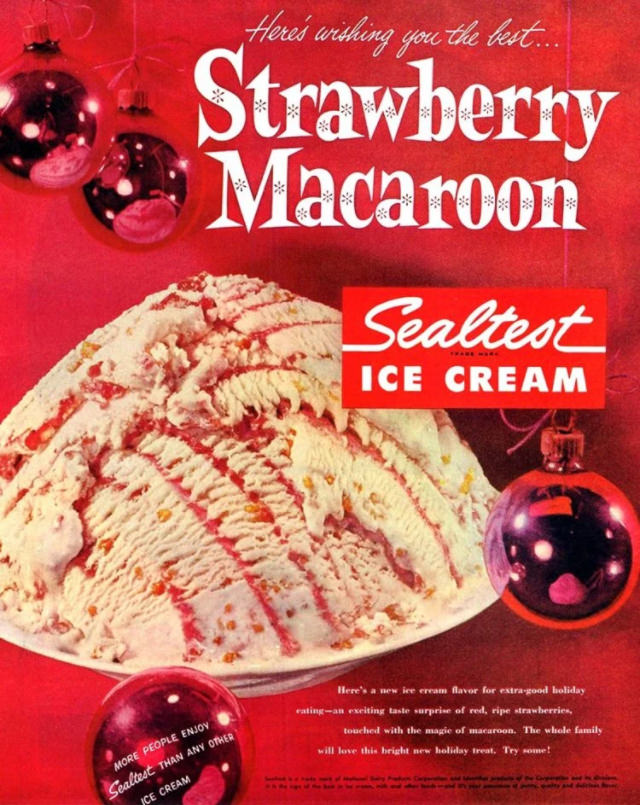
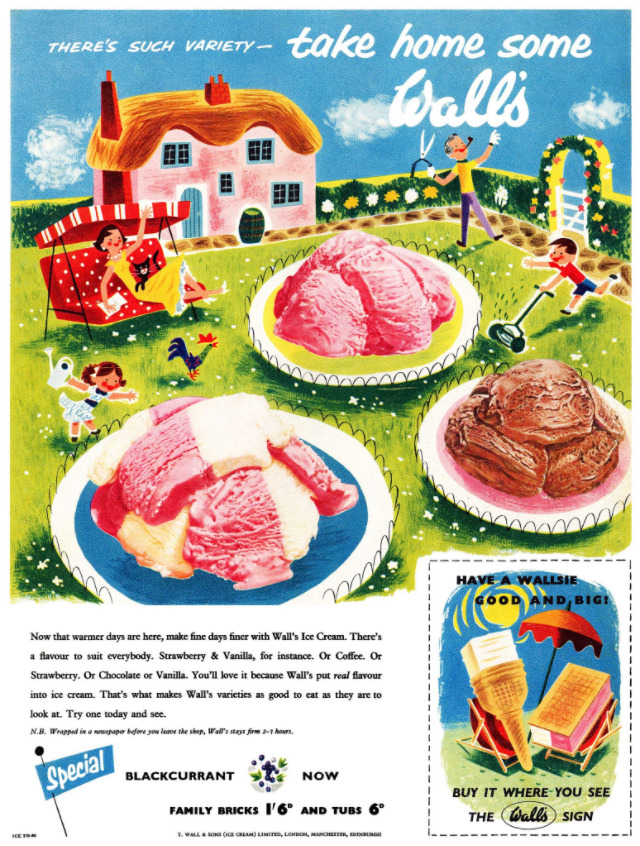
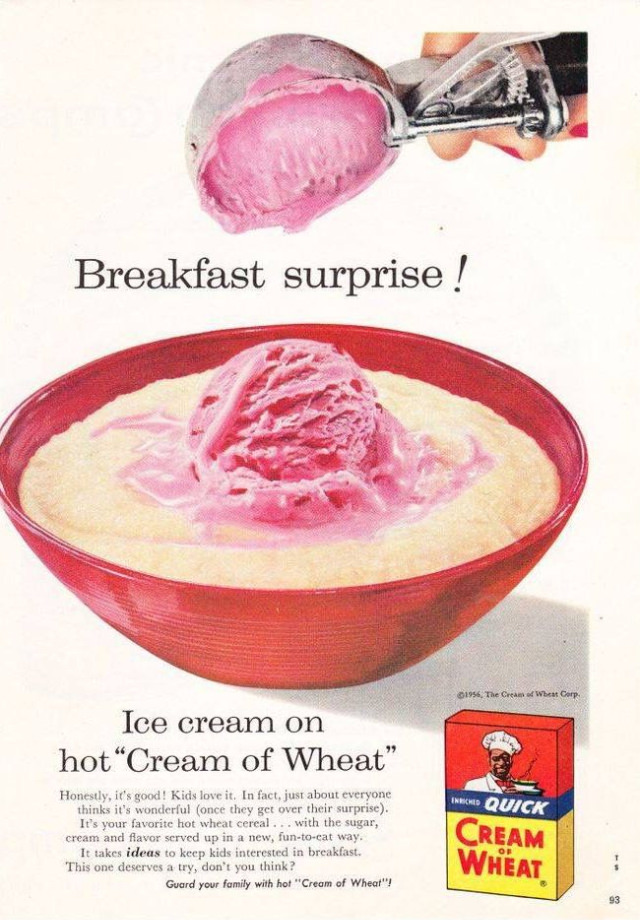
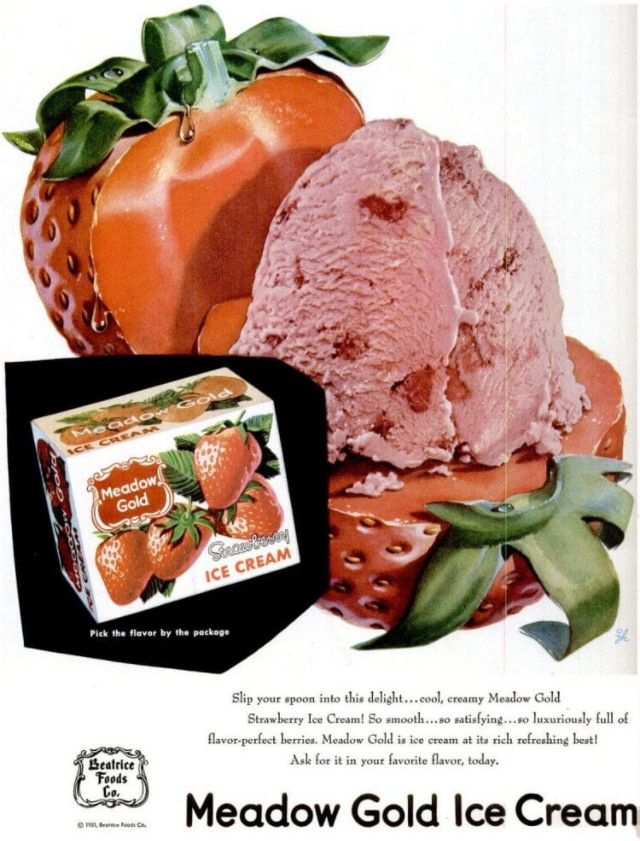
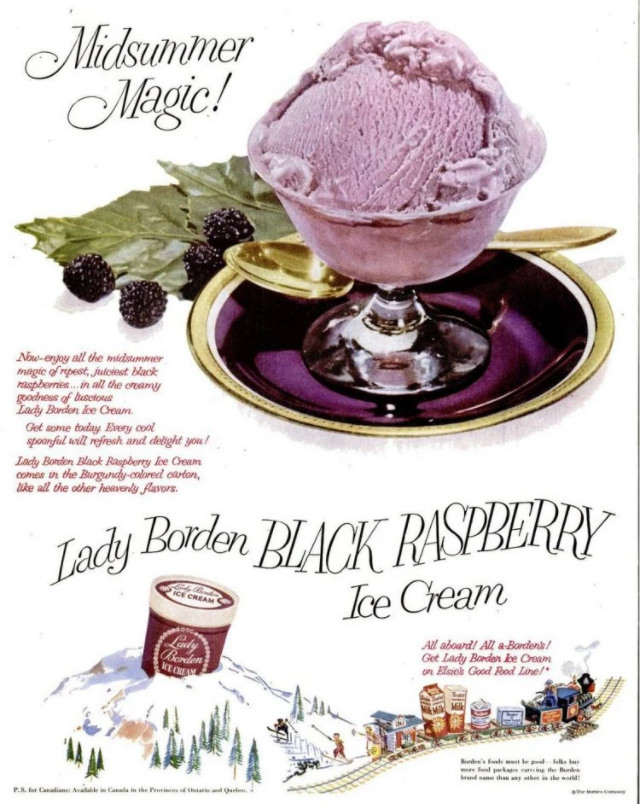
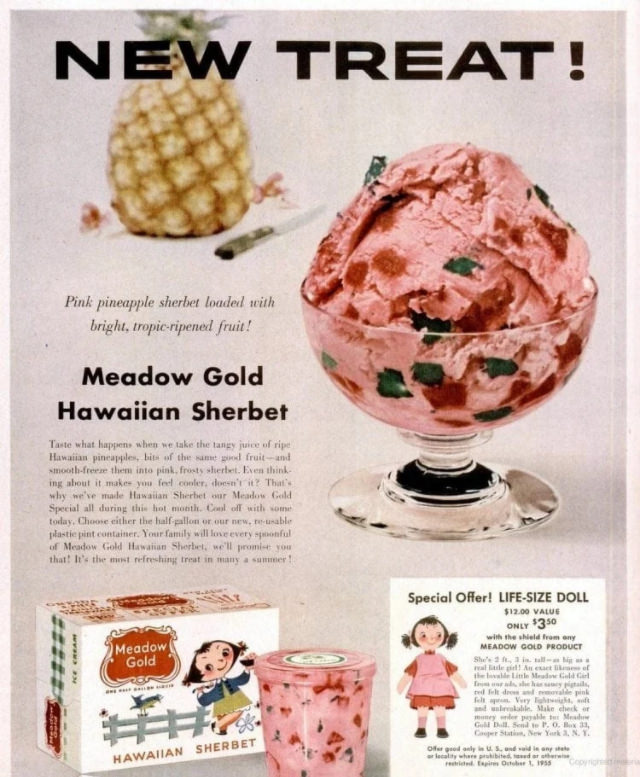
The 1950s sat right at the heart of this golden era — a time when soda fountains were still thriving, television was booming, and advertisers knew exactly how to sell a dream. Ice cream ads from the decade are a window into that world. They feature bold colors, wholesome family scenes, and the kind of confident, cheerful artwork that defined mid-century American advertising. The ads below capture all of that perfectly.