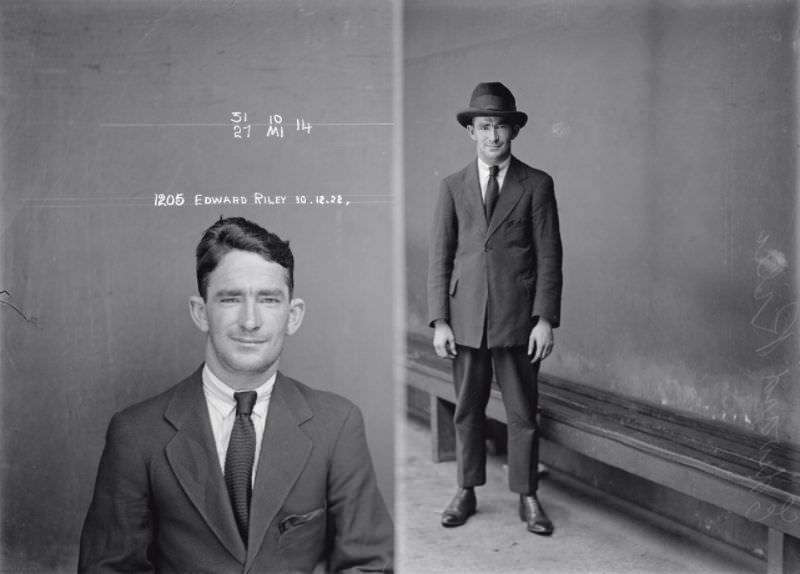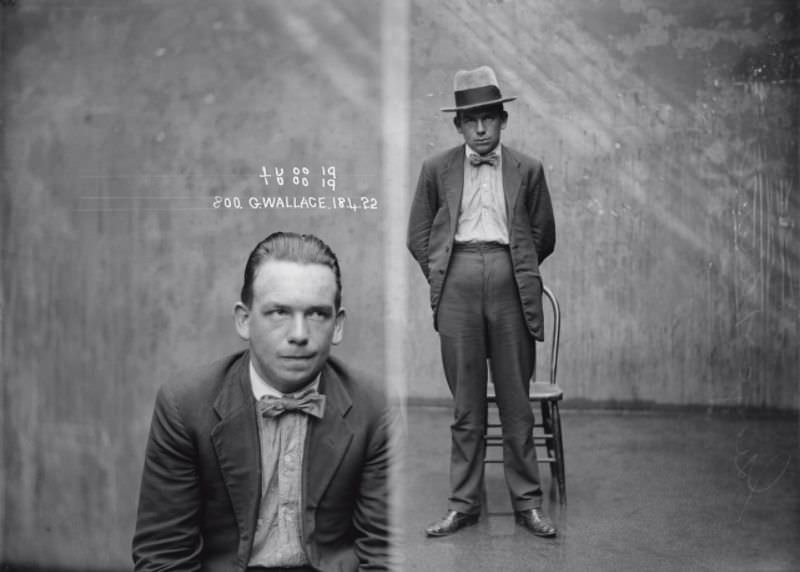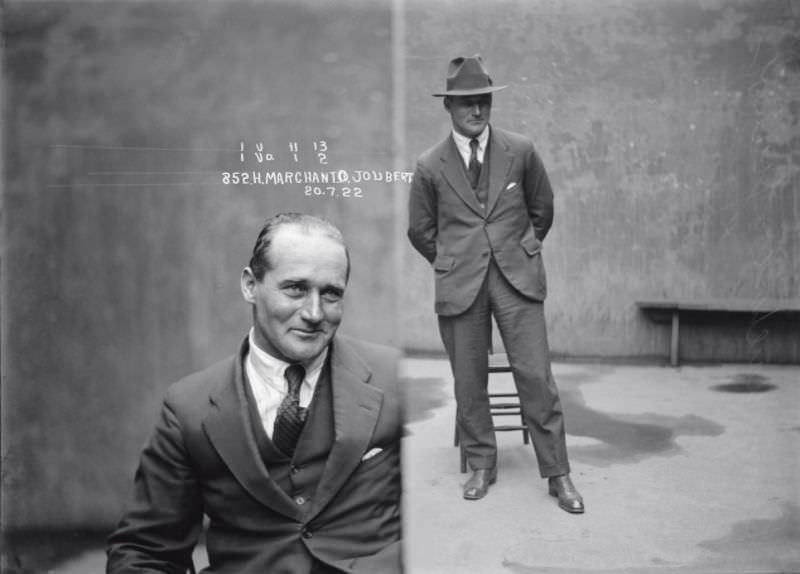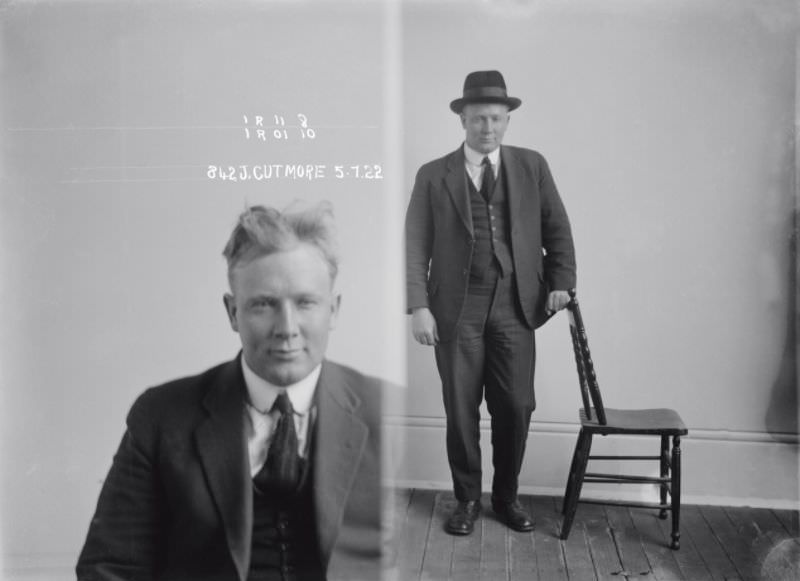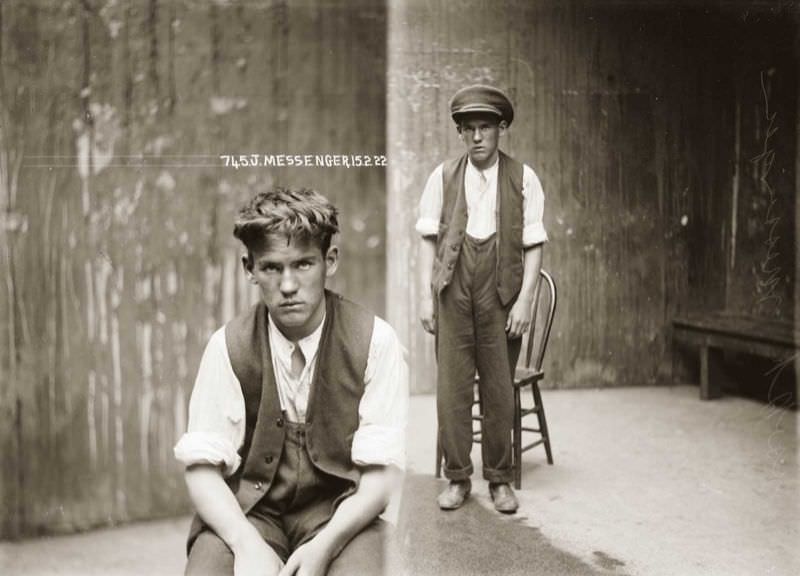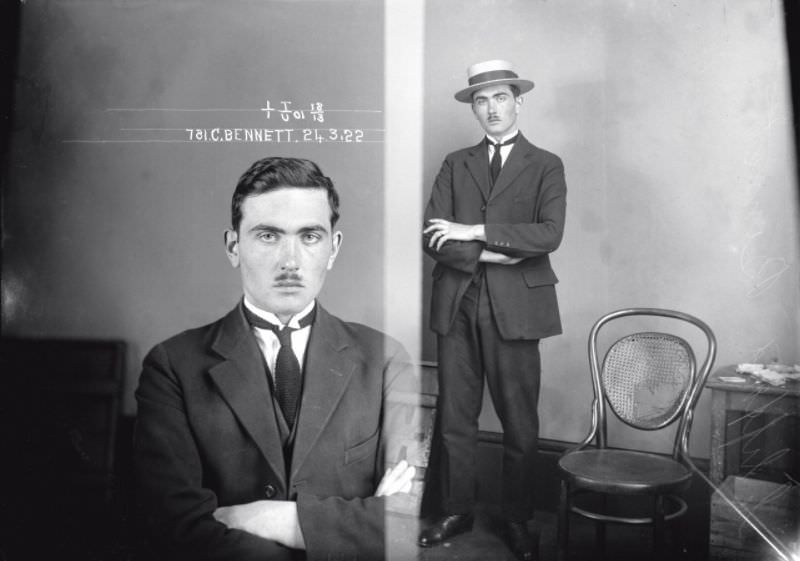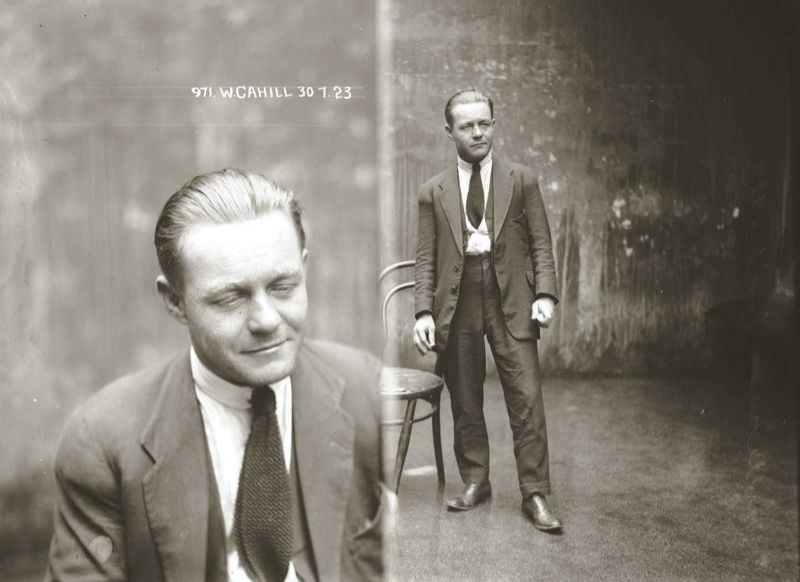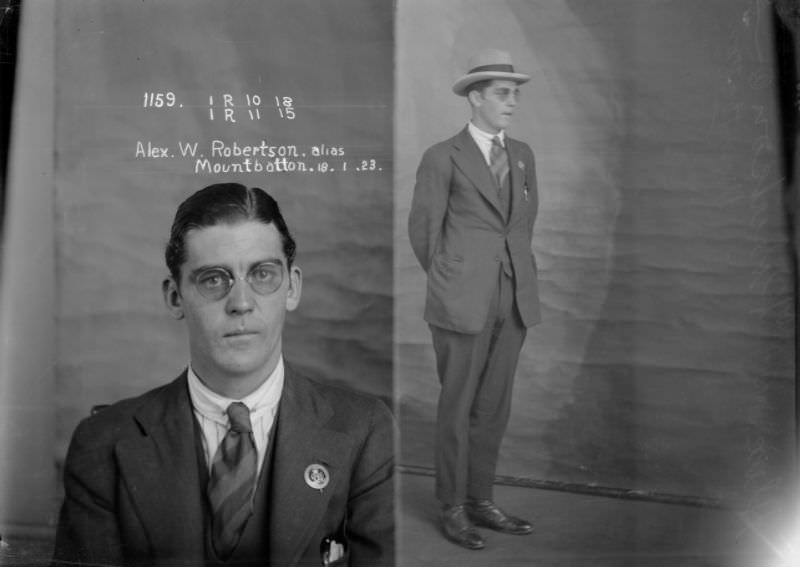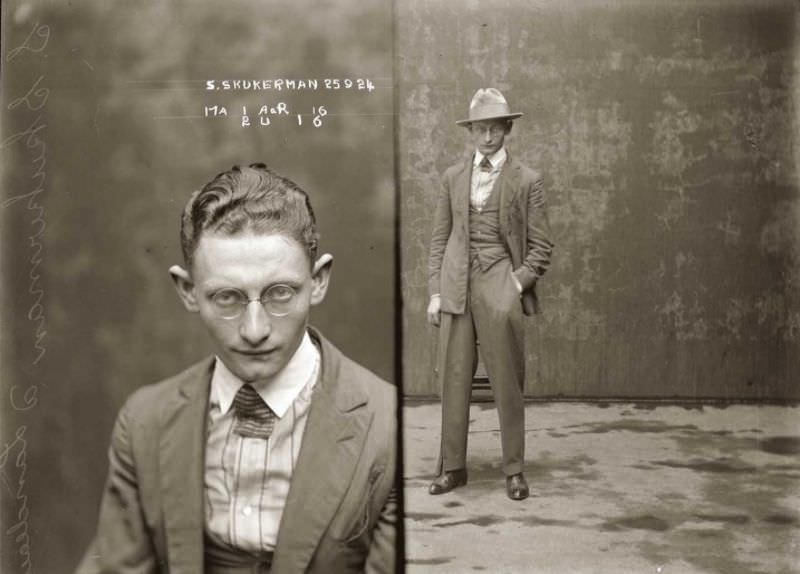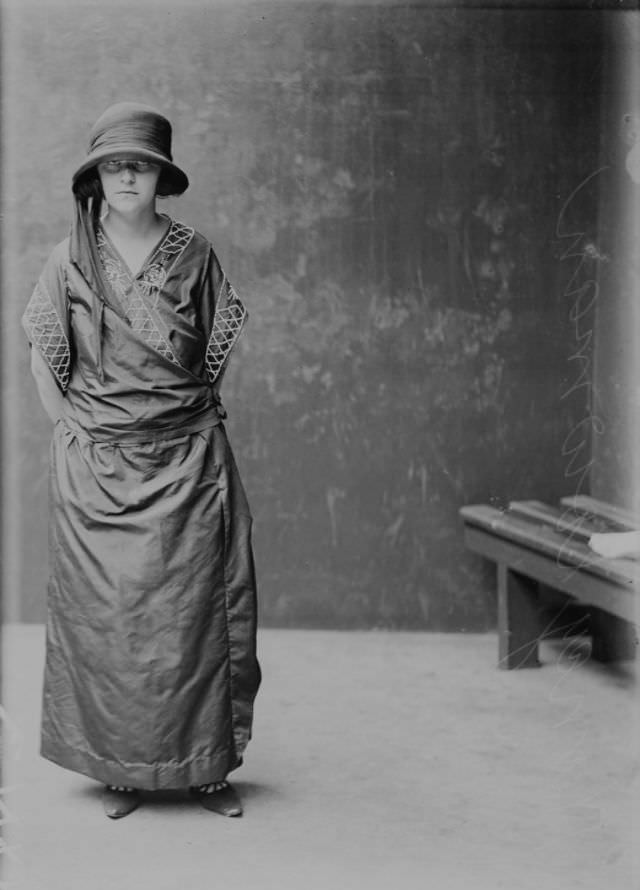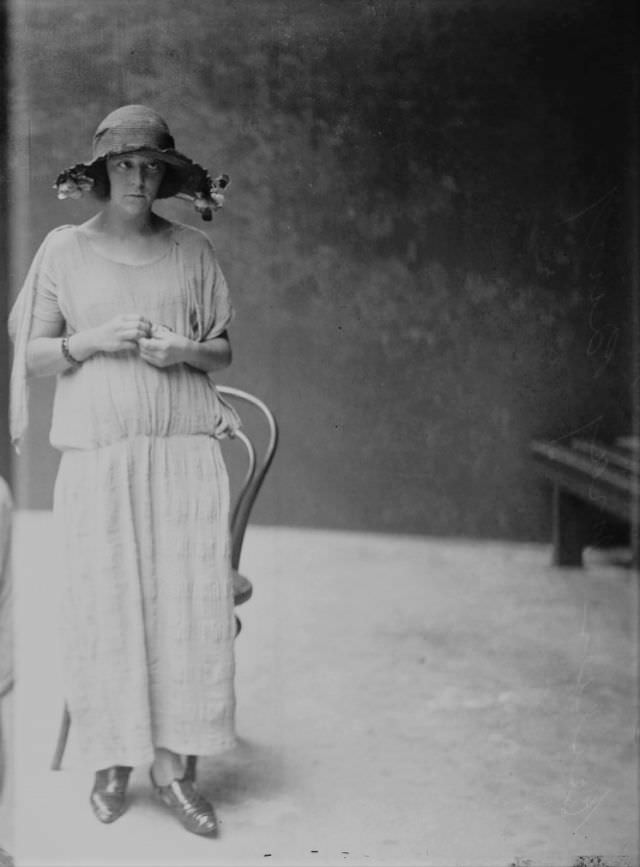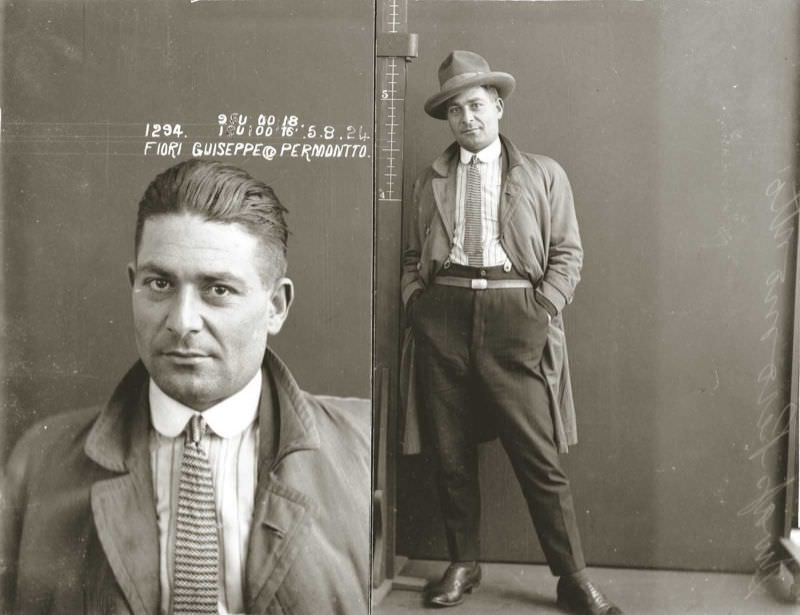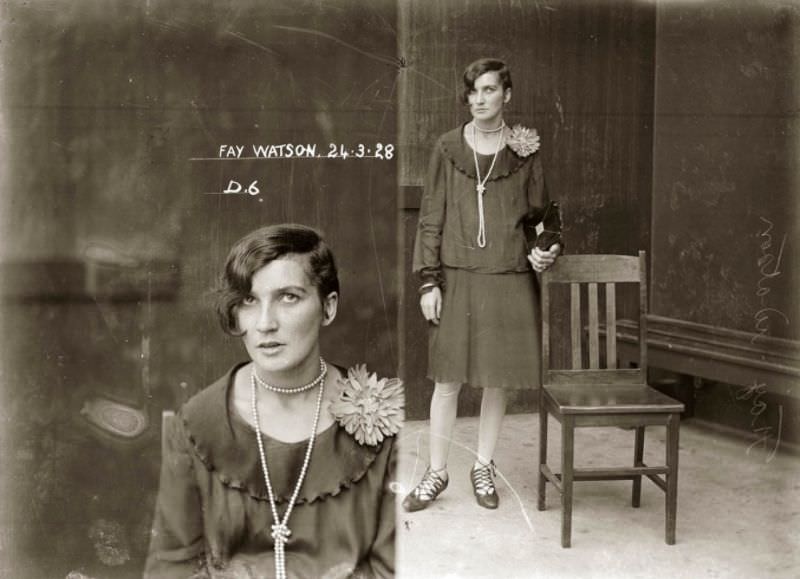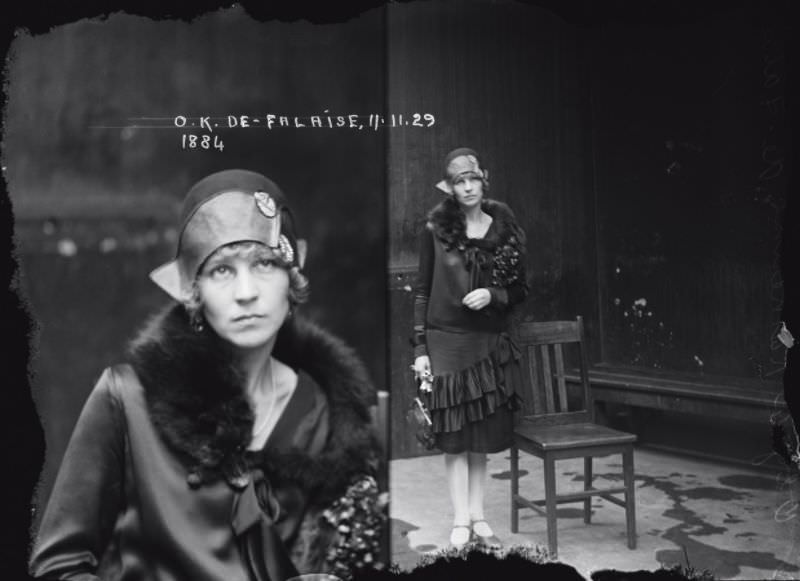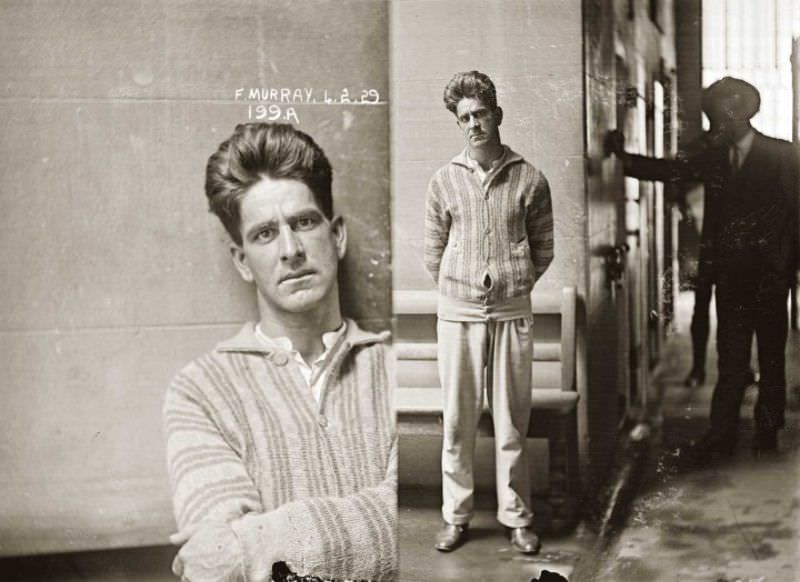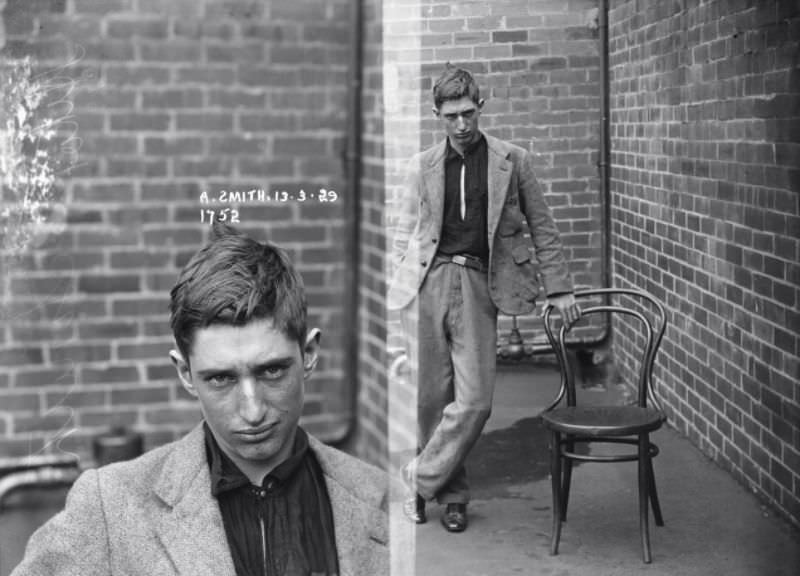

The 1920s were a turbulent decade. Fast money, loose laws, and sweeping social change created fertile ground for crime across the Western world — and Sydney, Australia was no exception. As razor gangs carved out territory in the city’s back streets and illegal liquor flowed through sly-grog shops, the New South Wales Police Department was busy documenting the faces behind the chaos. Their photographers at Sydney’s Central Police Station produced a remarkable archive of portraits — candid, detailed, and surprisingly stylish — that give us a direct look at the criminals of the era.

These weren’t high-profile mob bosses or master criminals. Most were ordinary people — cocaine dealers and addicts, unlicensed liquor sellers, petty thieves, and fraudsters — who cycled through Sydney’s Central Police Station and wound up in front of the department’s camera. The resulting photographs are now held as part of the New South Wales Police Forensic Photography Archive, a collection that captures the street-level criminal world of the Roaring Twenties with striking clarity.


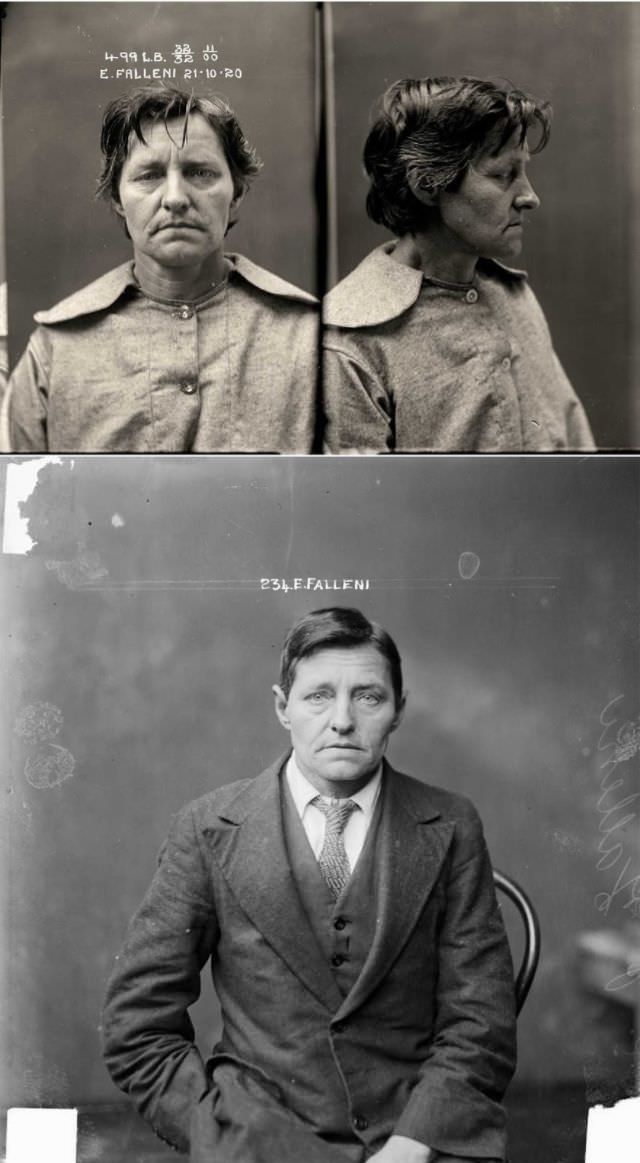
One of the most notable figures in the archive is Eugenia Falleni, photographed in 1920. Falleni was charged with the murder of her wife, Annie Birkett, after living for years as a man named Harry Crawford. The case shocked Sydney and drew enormous press coverage, partly because of what it revealed about gender and identity in a deeply conservative era.


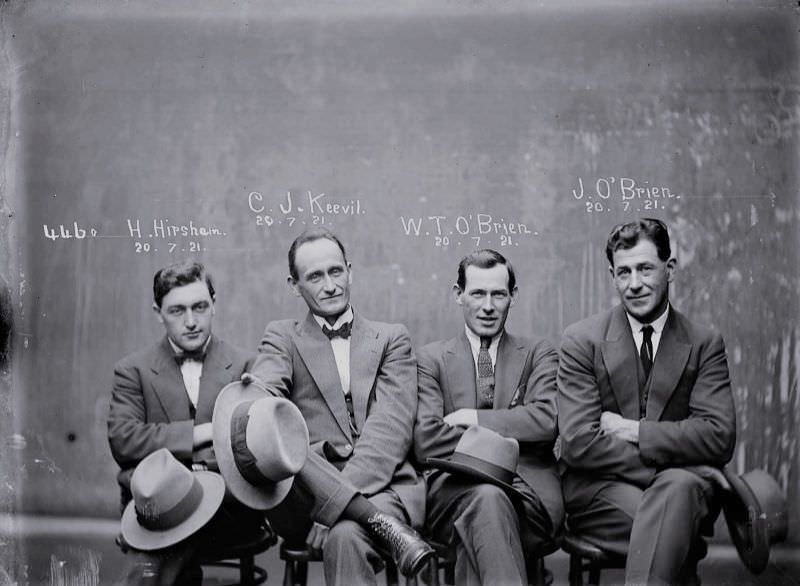
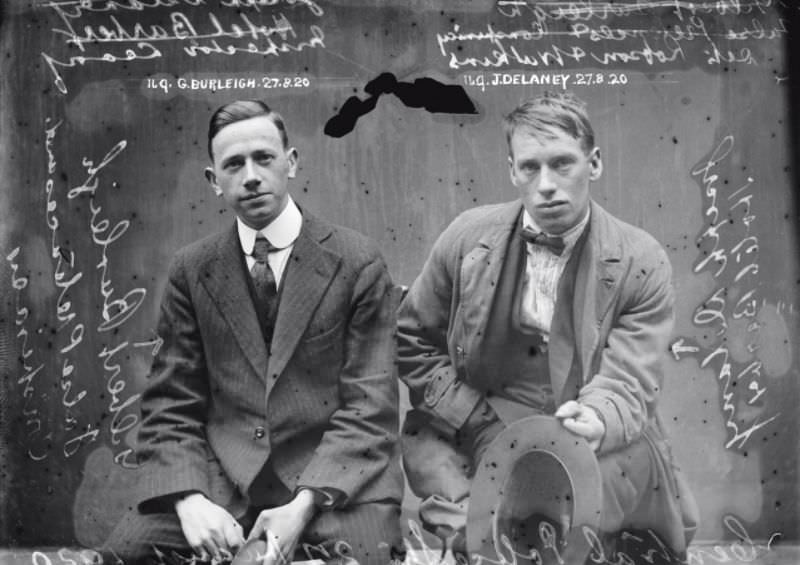
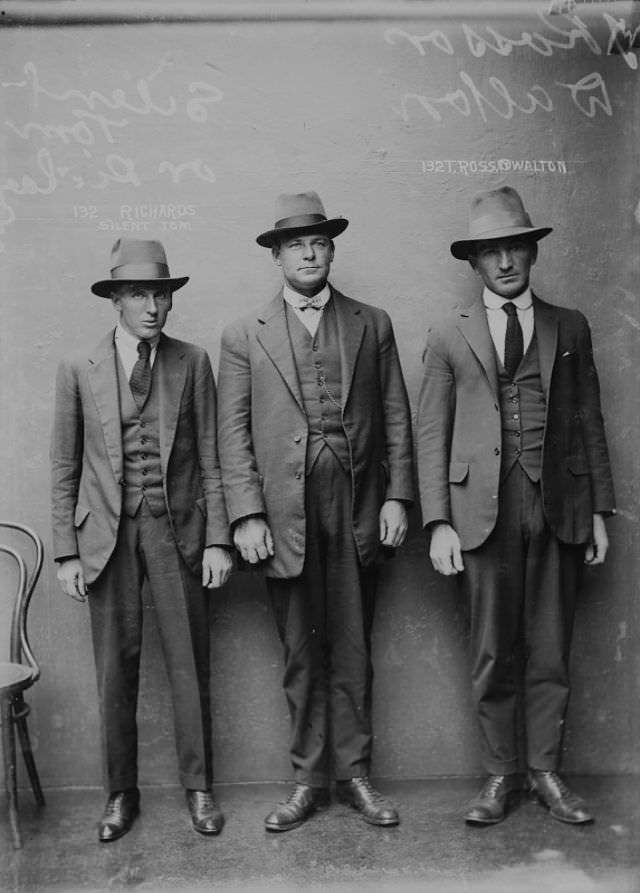
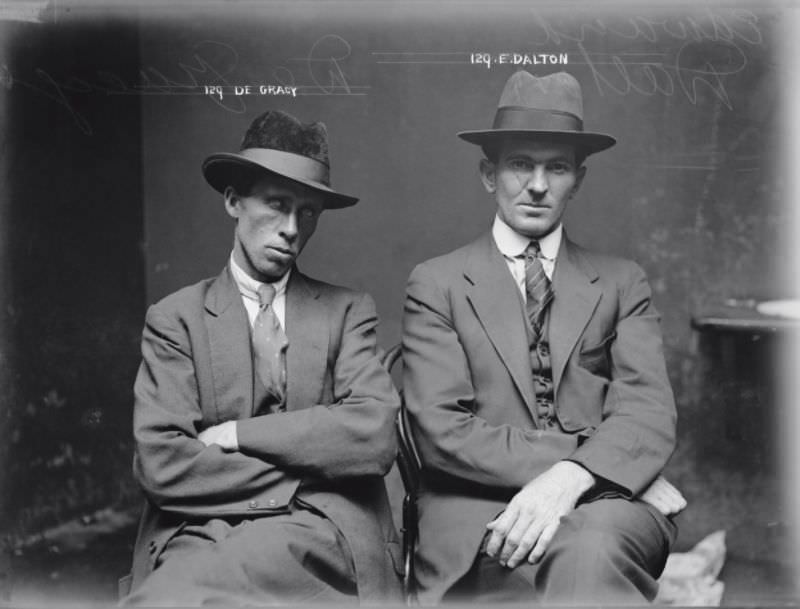
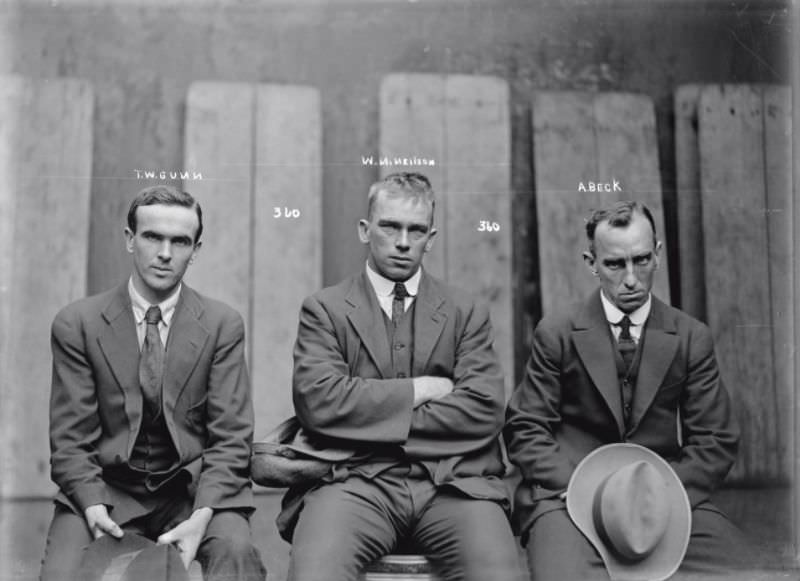
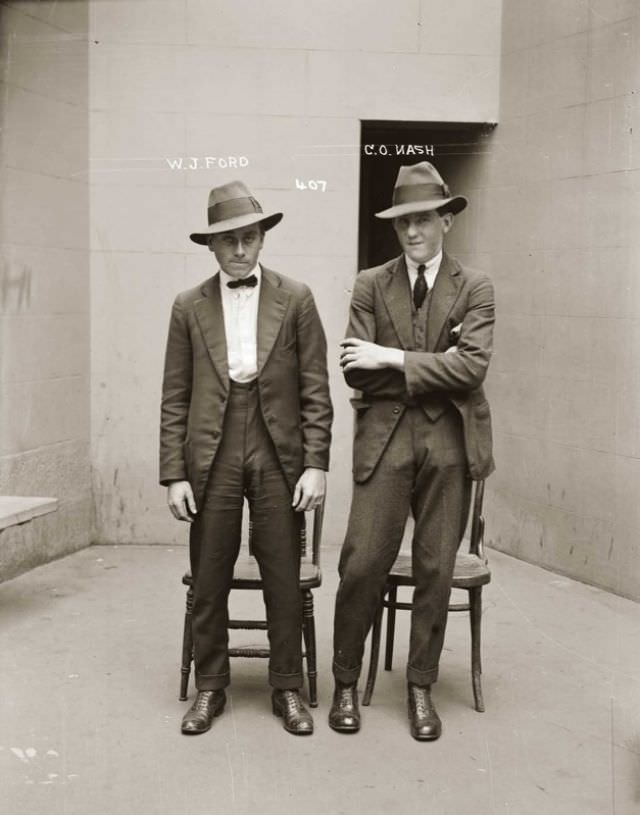
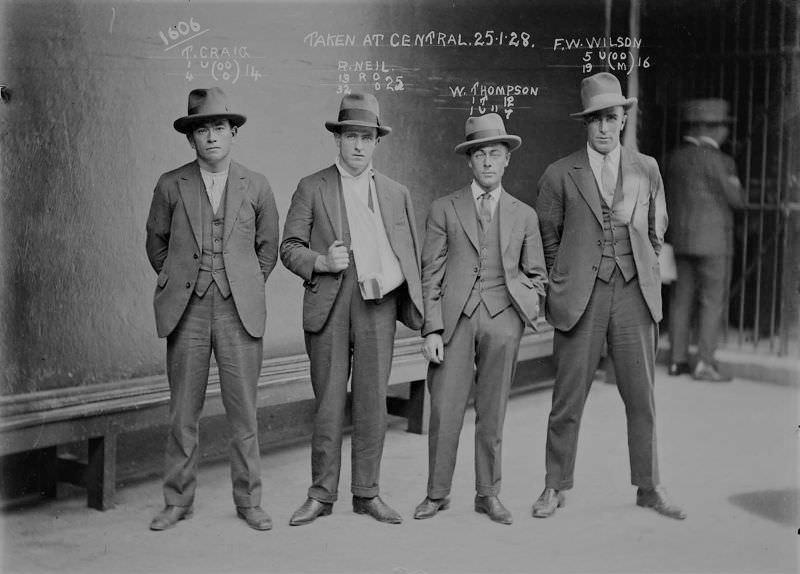
Many subjects appear relaxed, even indifferent, in their portraits. Some look directly into the camera with a cool confidence. Others were photographed in pairs or small groups, which was common practice when multiple people were arrested together for the same offense. The group shots give the collection a social dimension — these were networks of people, not just isolated offenders.


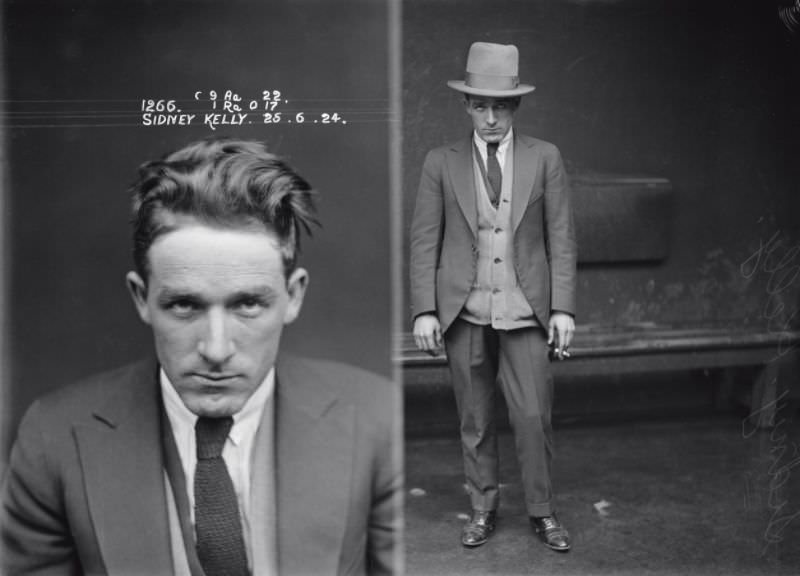
The nicknames alone tell a story. “Silent Tom” Richards, photographed in 1920, earned his moniker in the only way a man of that era could — through reputation. John Daniel “Snowy” Cutmore, captured in 1922, was a well-known underworld figure who would later be shot dead in 1927 in one of Sydney’s most talked-about gangland killings. Sidney “Kicker” Kelly, photographed in 1924, rounds out a roster of characters who seemed to wear their street identities as openly as their hats.
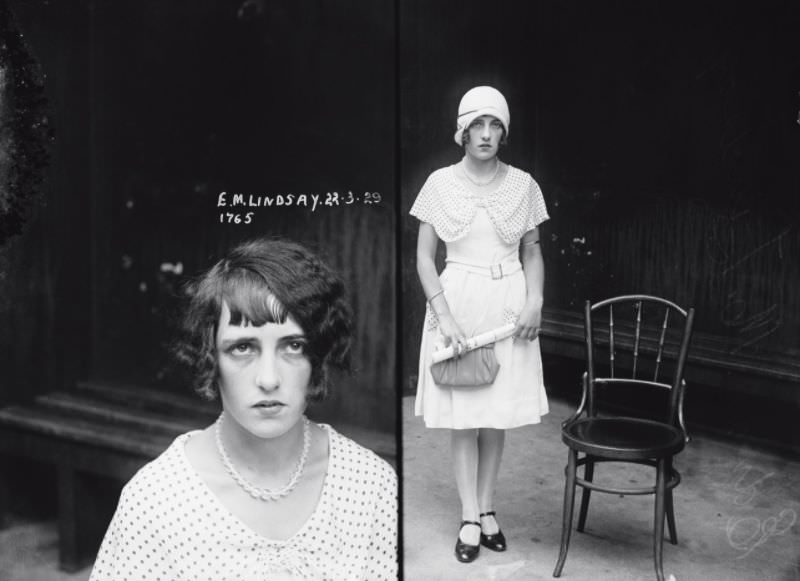


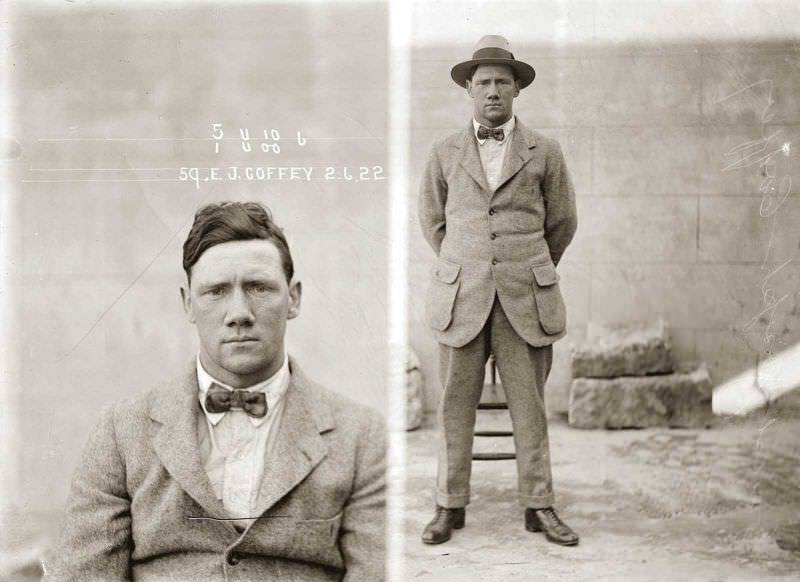
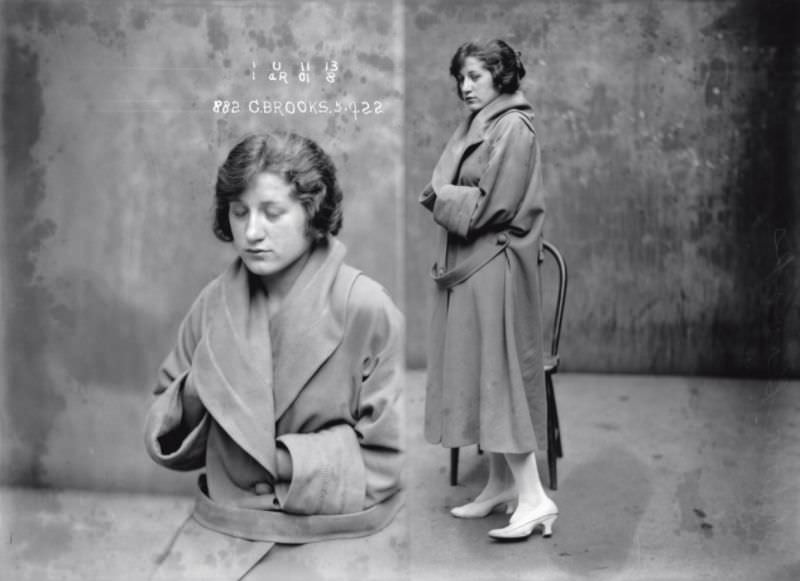
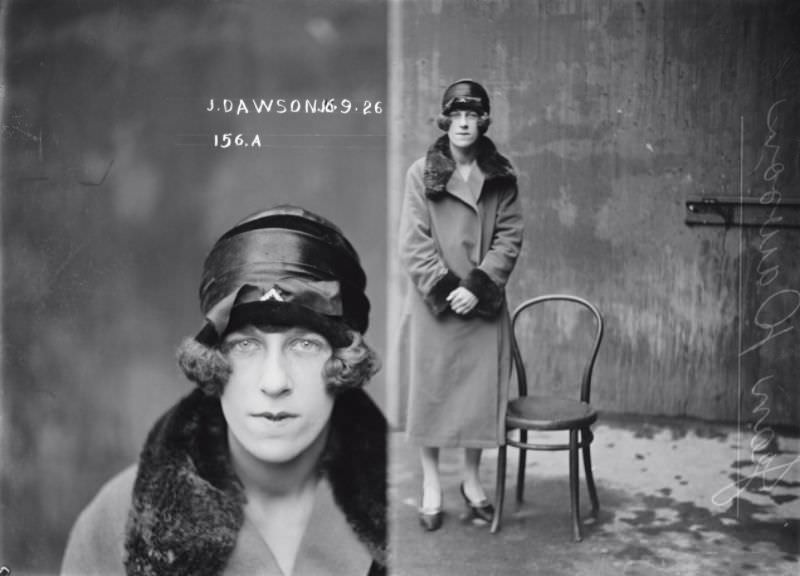
Women appear throughout the archive in significant numbers. Clara Brooks, Ernest Joseph Coffey, and others were photographed in 1922, while Nancy Cowman and Eileen May Burt appear in 1924 portraits. Their presence in the records reflects the reality that women were active participants in the criminal economy of the time — running sly-grog operations, dealing drugs, and engaging in fraud.


George “the Midnight Raper” Wallace, photographed in 1922, carries one of the more disturbing names in the collection. The nickname points to documented violent crimes and reflects the NSW Police Department’s practice of recording aliases and street names alongside legal identities — a practical tool for tracking repeat offenders across a city where many people lived under multiple names.
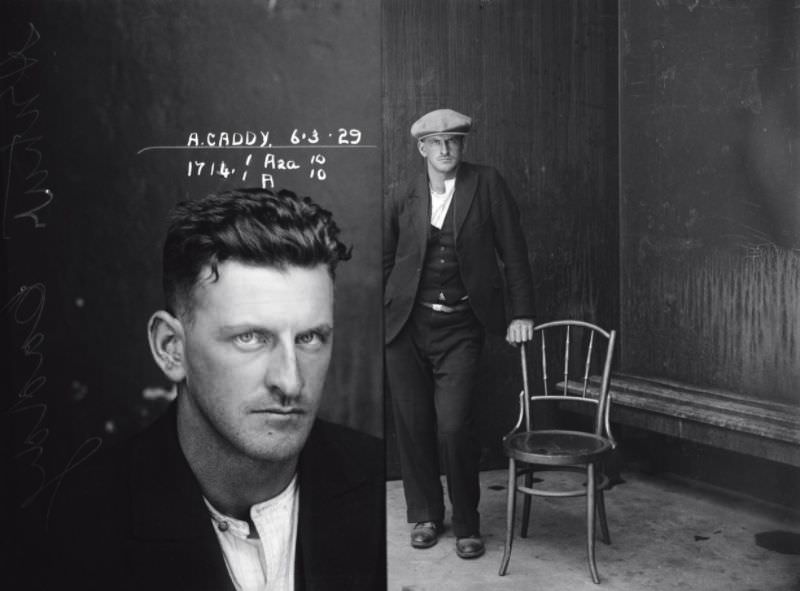


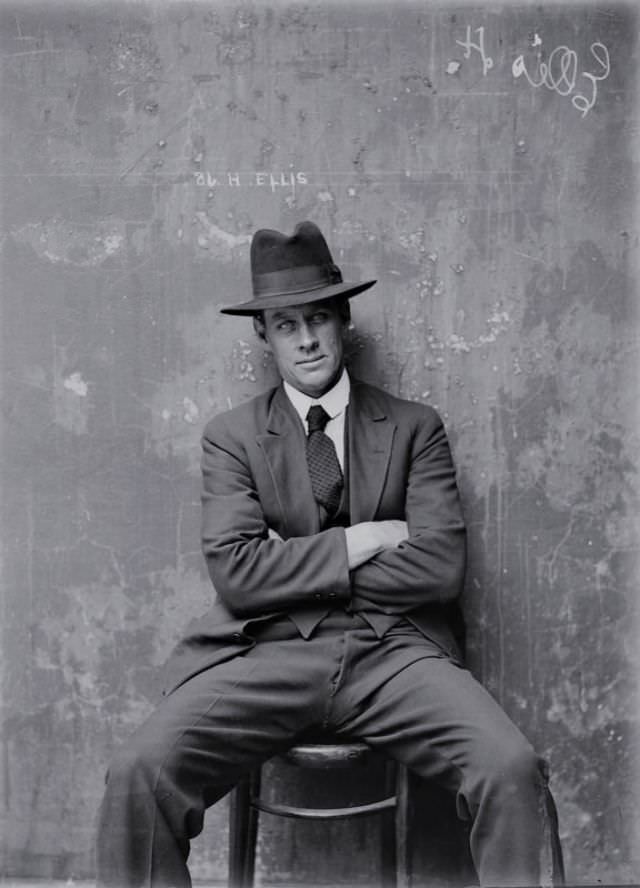
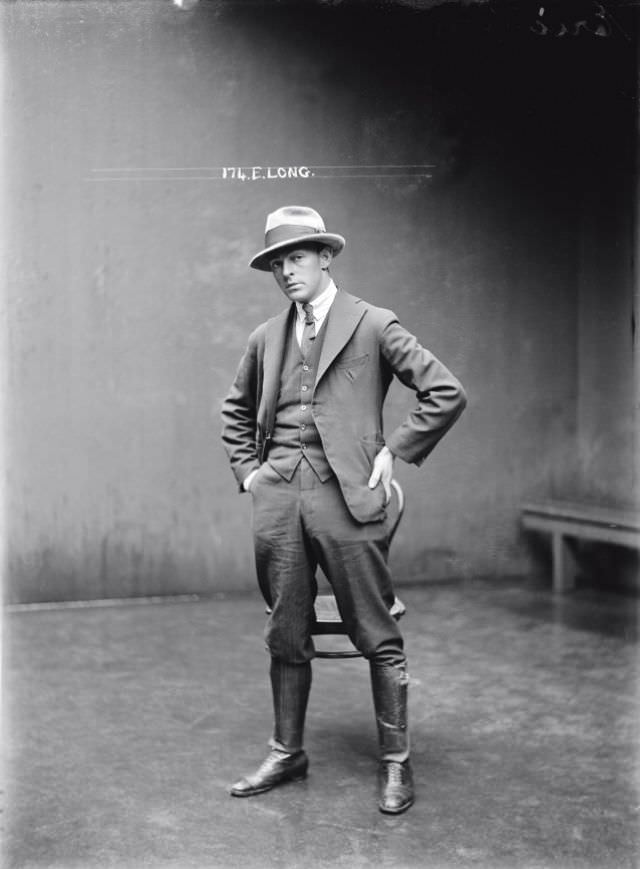
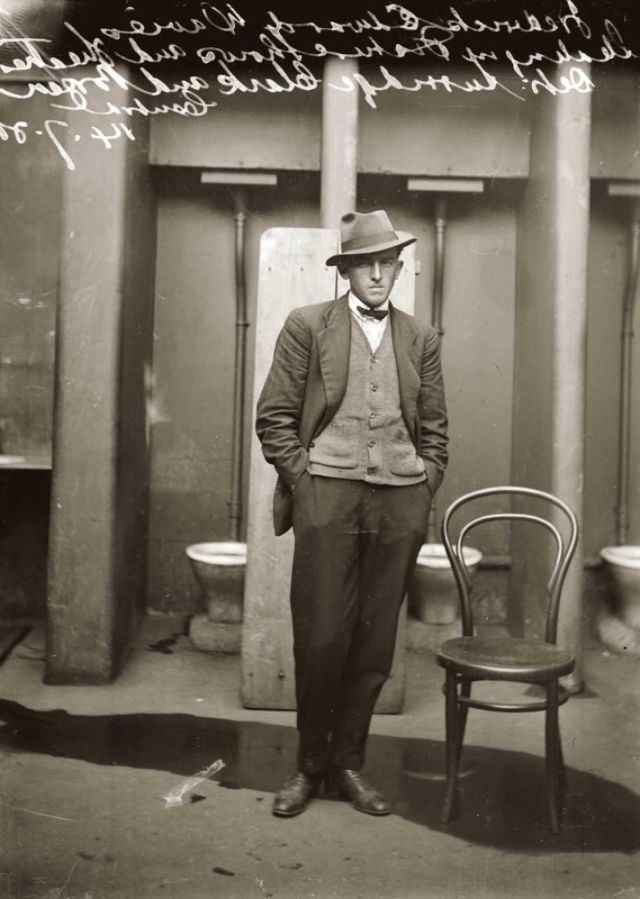
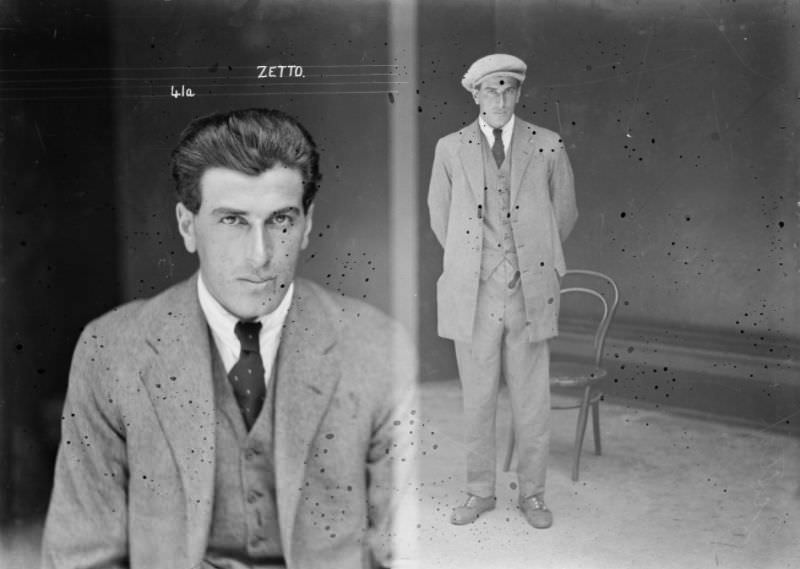
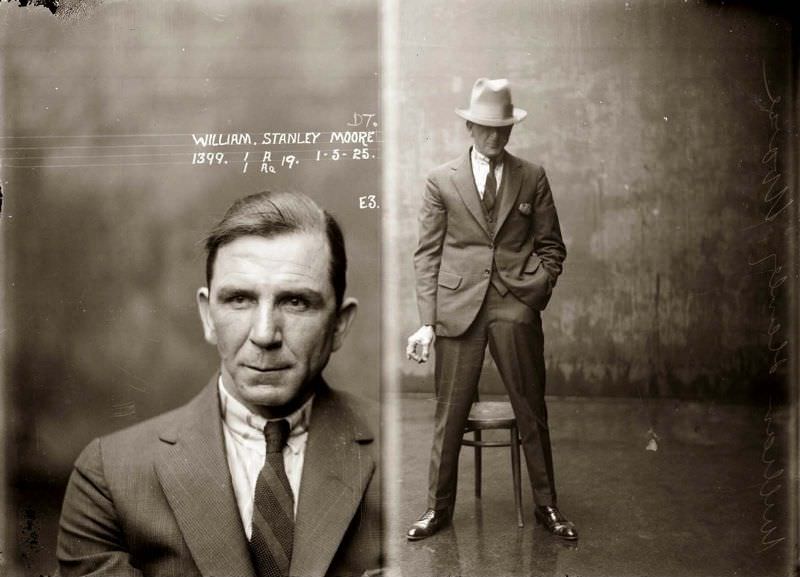
The clothing in these portraits deserves attention. Suits, ties, waistcoats, and flat caps dominate. Even those who were likely picked up off the street appear remarkably well-dressed by modern standards. This was simply how working-class men and women dressed in 1920s Sydney — formal wear wasn’t reserved for special occasions. The result is a collection of mugshots that look, at first glance, more like studio portraits.


By the mid-1920s, cocaine had become a serious concern for Sydney police. The drug moved through networks of dealers and users who gathered in the city’s inner suburbs. Several figures in the archive were arrested specifically on drug charges, reflecting a broader crackdown on narcotics that was playing out across Australian cities during this period.


Sly-grog — the illegal sale of alcohol outside licensed hours or without a license — was another major enforcement target. Australia’s strict liquor licensing laws created a black market that many of the archive’s subjects operated in. Selling grog under the table was low-risk compared to other crimes, but it still landed dozens of operators in front of the NSW Police camera.


The later years of the decade brought no slowdown in arrests. The 1928 group shot of Thomas Craig, Raymond Neil, William Thompson, and FW Wilson follows the same visual formula as the earlier group portraits — multiple men, side by side, staring into the lens. By 1929, the archive includes Olga Anderson, Frank Murray, Edna May Lindsay, Athol Smith, and Alison McCann, rounding out a decade’s worth of faces from Sydney’s criminal underworld.