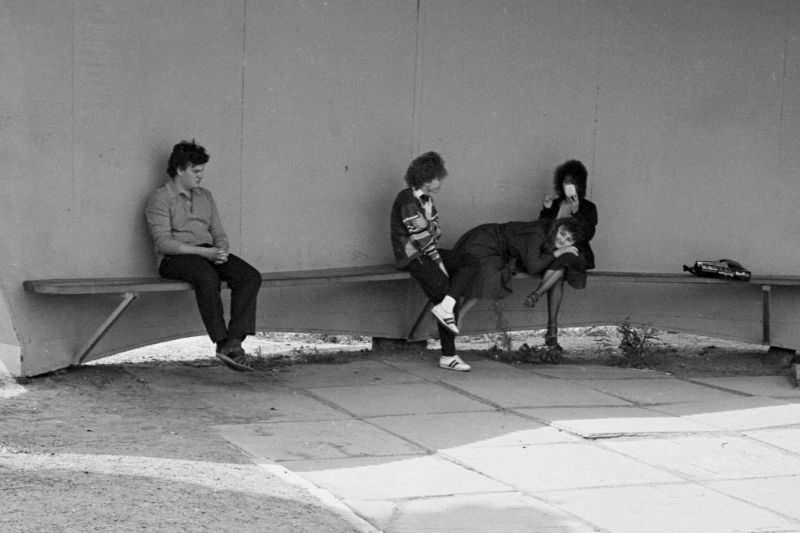
Tucked into the south-eastern corner of Ukraine’s Luhansk Oblast, the city now known as Khrustalnyi has carried several names across its history. It began as Kryndachivka, a small settlement founded in the final years of the 19th century. Coal was the engine that drove its growth. The city became one of the most important mining centres in the Donets Basin, a vast industrial region that powered much of the Soviet economy. By December 1920, the city was renamed Krasnyi Luch — meaning “red beam” in Russian — reflecting the revolutionary era in which it found itself. That name stuck for nearly a century. It was only on 12 May 2016 that the Ukrainian parliament renamed it Khrustalnyi, as part of the country’s decommunization laws aimed at removing Soviet-era names from public life. The rename remains largely symbolic today, as the city has been under the control of the Luhansk People’s Republic since the conflict that began in 2014.
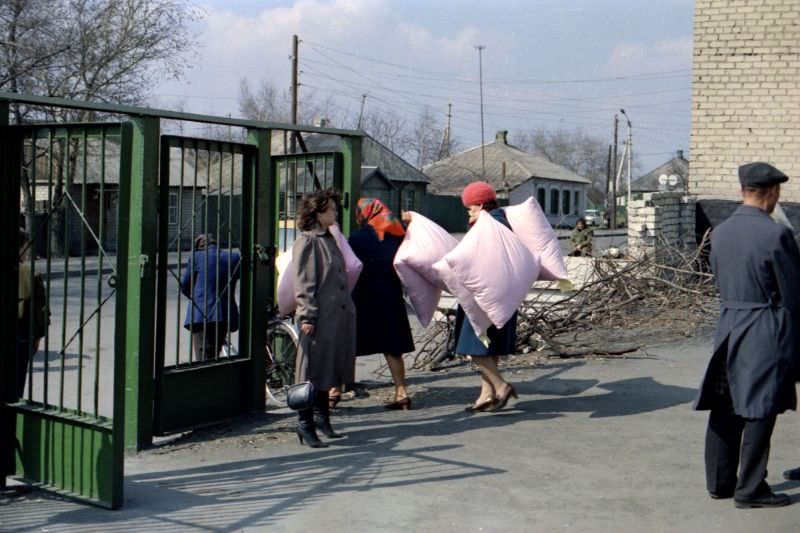
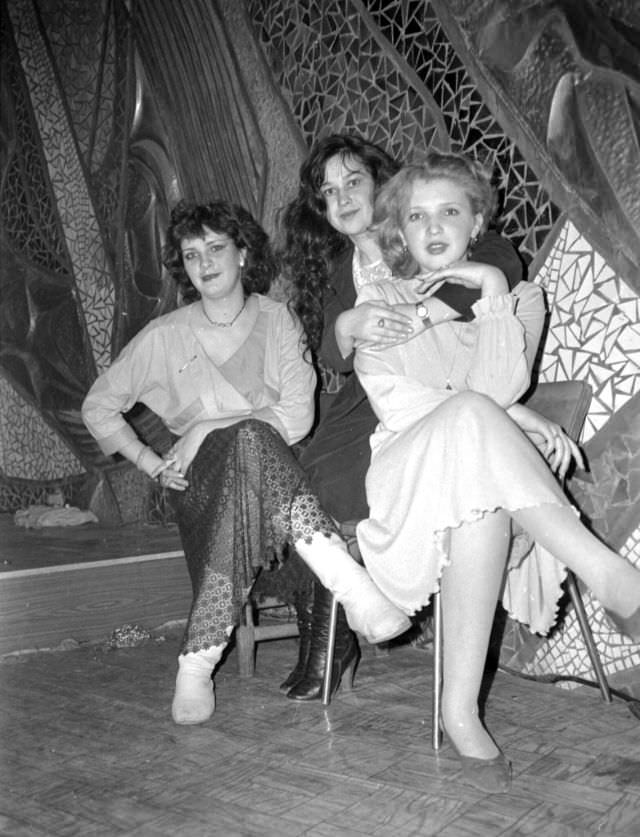
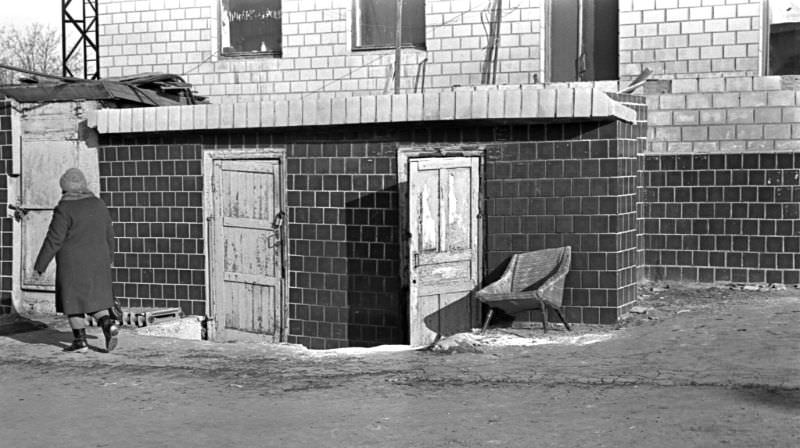
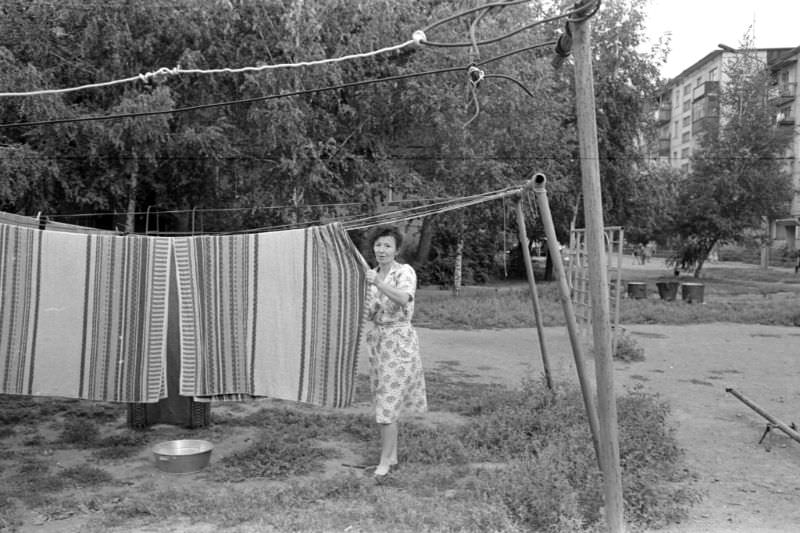
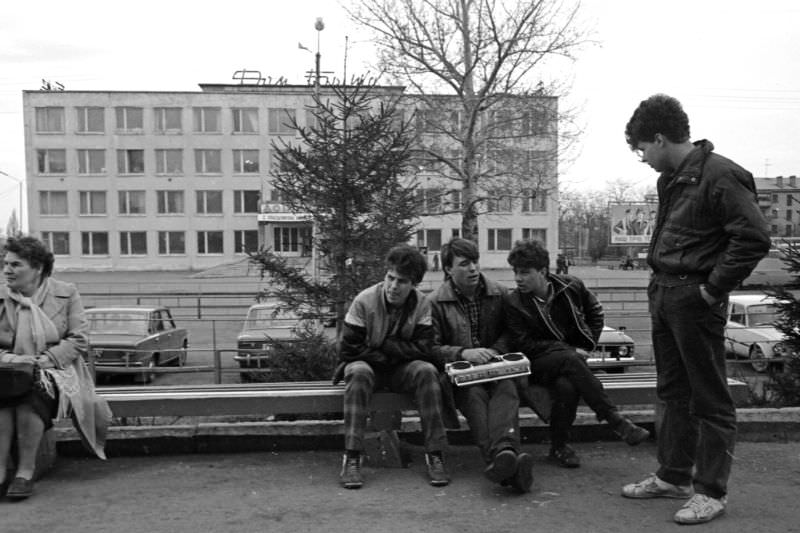
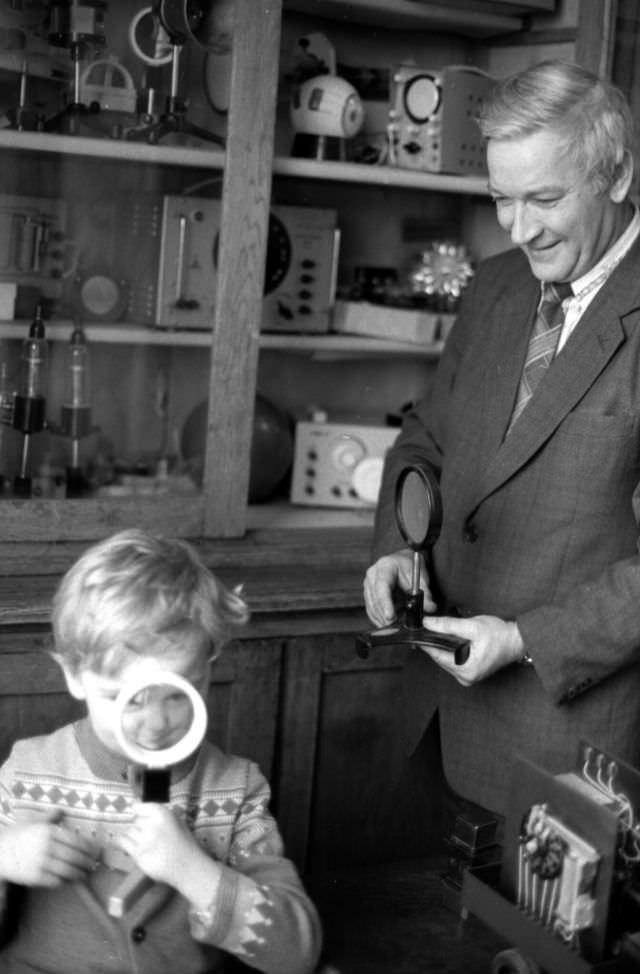
Long before those political upheavals, photographer Juri Nesterov turned his lens on the city during the 1980s. His photographs document the rhythms of daily Soviet life — work, leisure, family, and community — in a place built on coal and shaped by the state. These are not staged portraits of propaganda. They are candid slices of life from a city that most of the world has never heard of.
In the 1980s, Krasnyi Luch was a working city in every sense. The coal mines defined its economy and its identity. Miners made up a large share of the workforce, and their schedules shaped the city’s rhythms. Shifts started early. Streets filled and emptied at predictable hours. The physical weight of industrial labor was visible on faces, hands, and buildings alike.
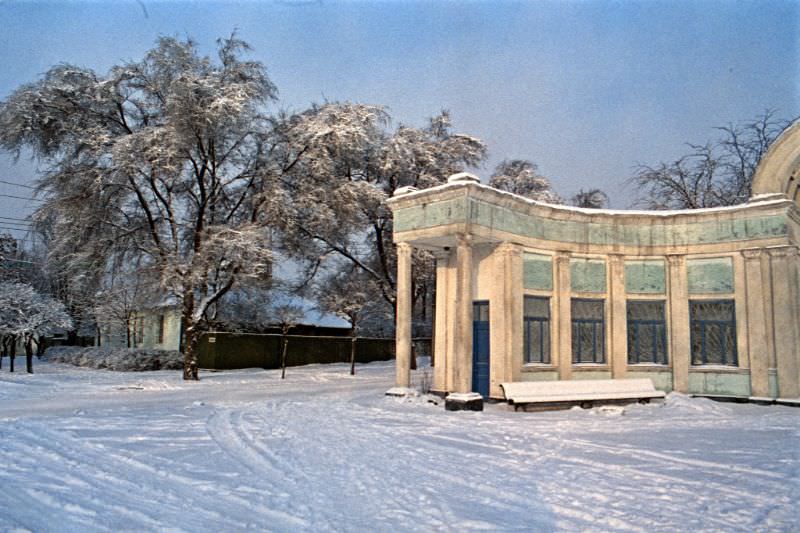
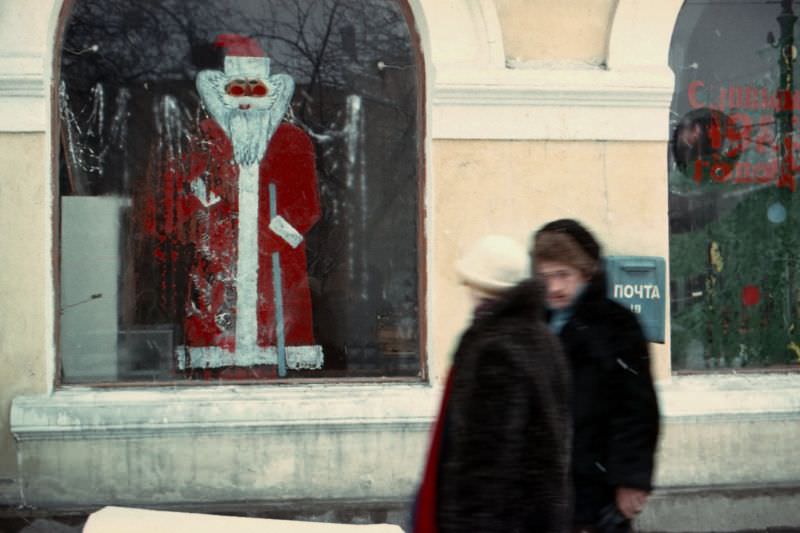
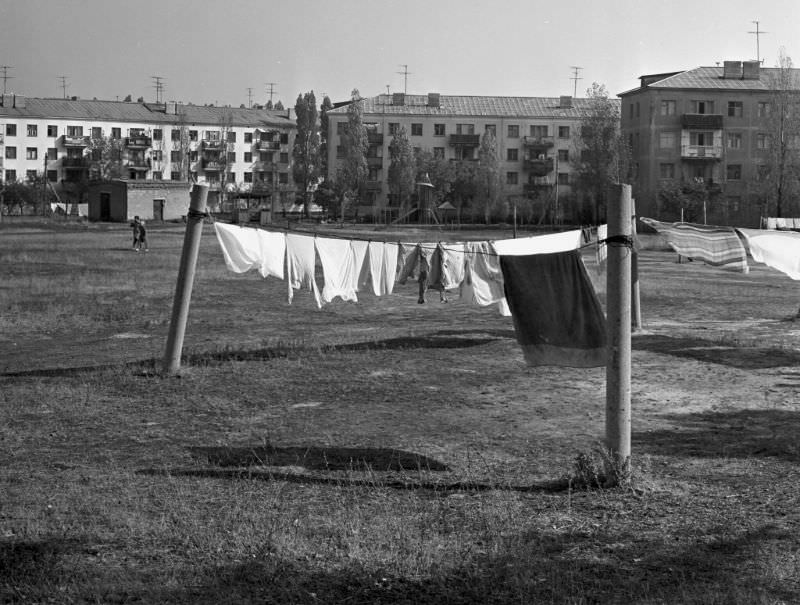
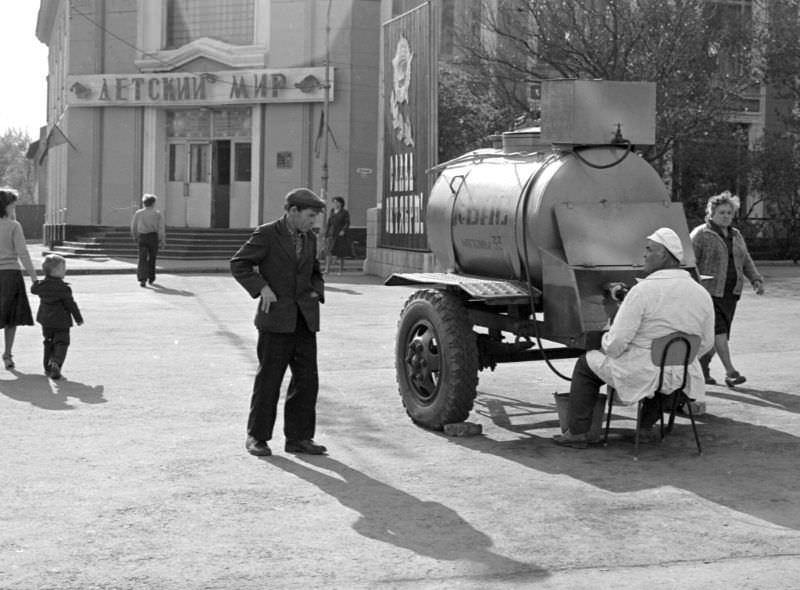
Soviet urban planning left a clear mark on the city’s layout. Apartment blocks, public squares, and communal spaces all reflected the standardized architecture of the era. Yet within those structures, people created pockets of personal life. Nesterov’s photographs capture that contrast — the uniformity of the built environment against the individuality of the people living inside it.
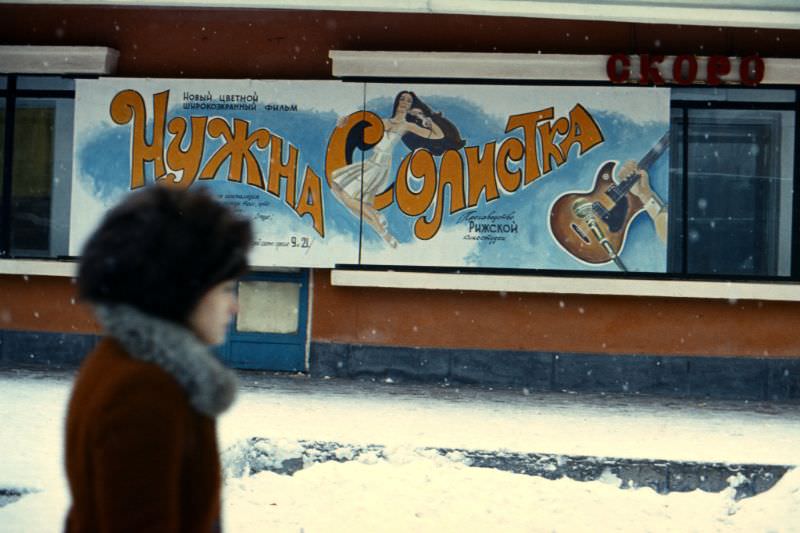
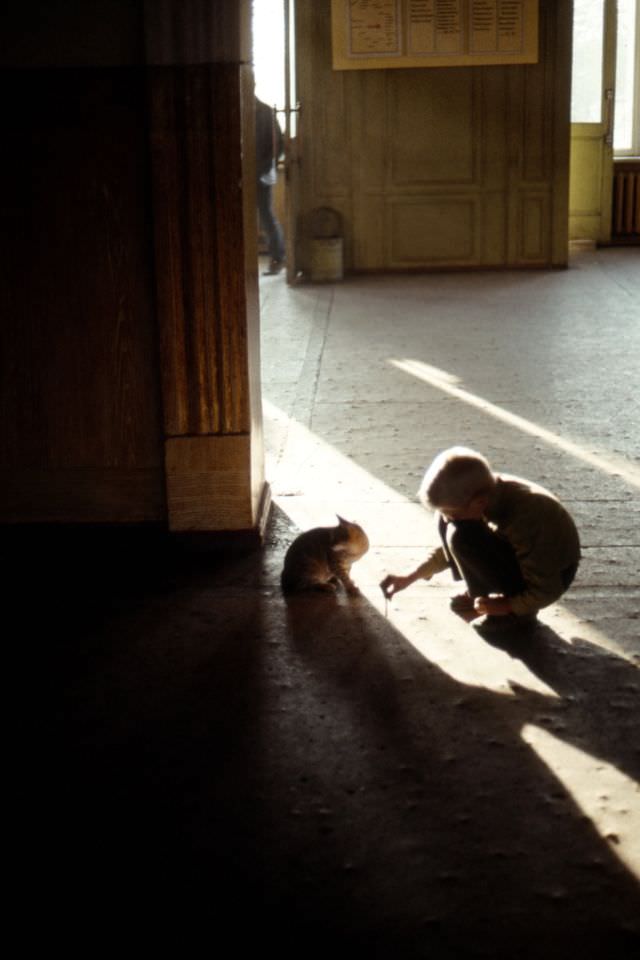
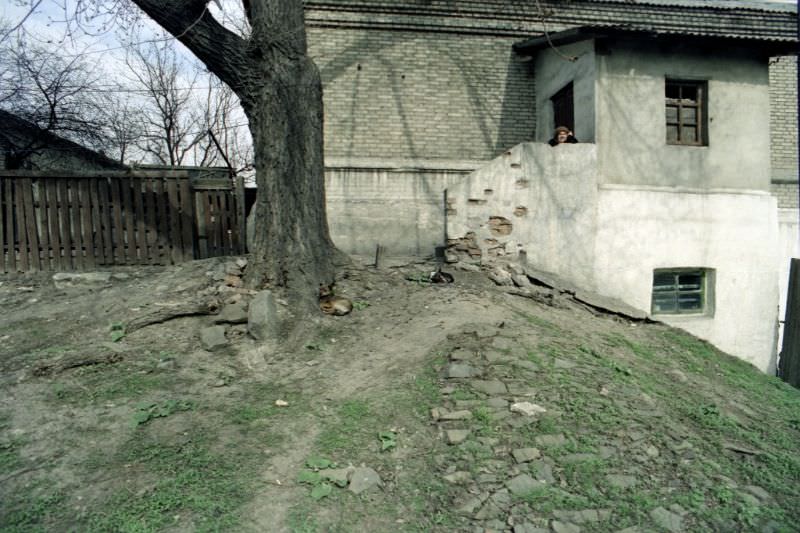
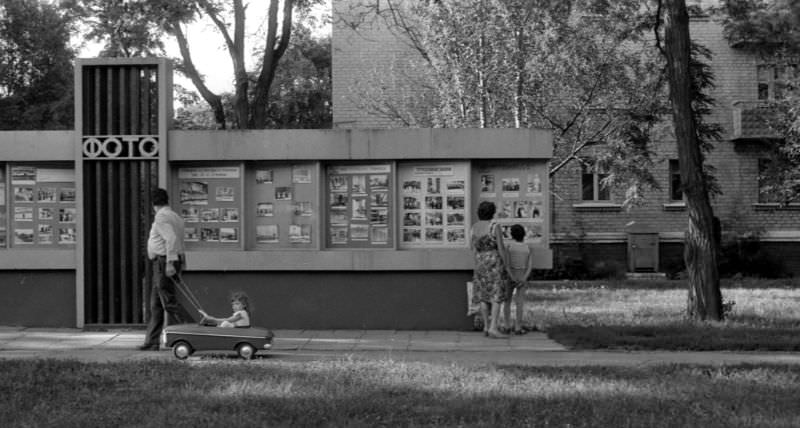
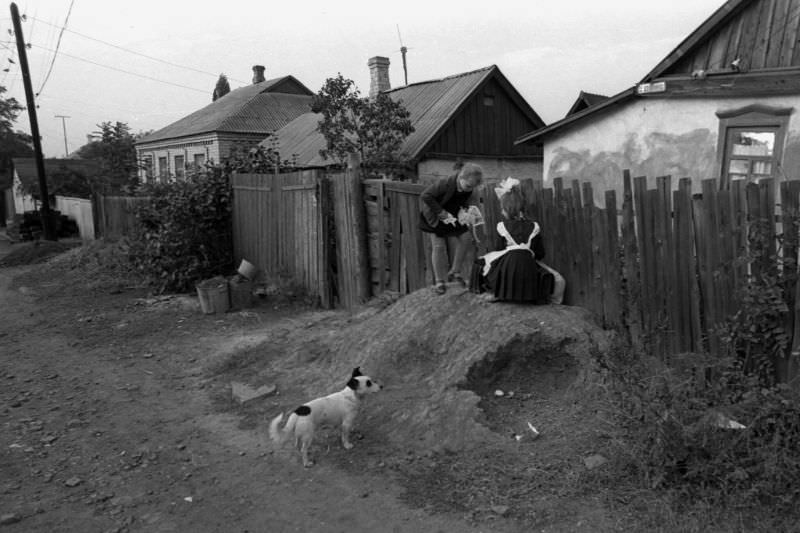
Children appear frequently throughout the collection. Playgrounds, courtyards, and open lots served as gathering spaces where kids spent hours after school. There were no smartphones or personal computers. Free time meant outdoor play, organized youth activities, or simply wandering the neighborhood with friends.
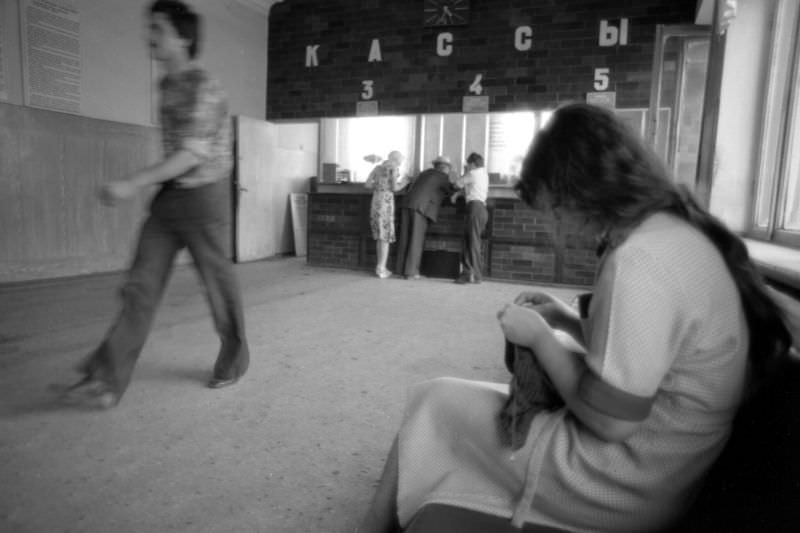
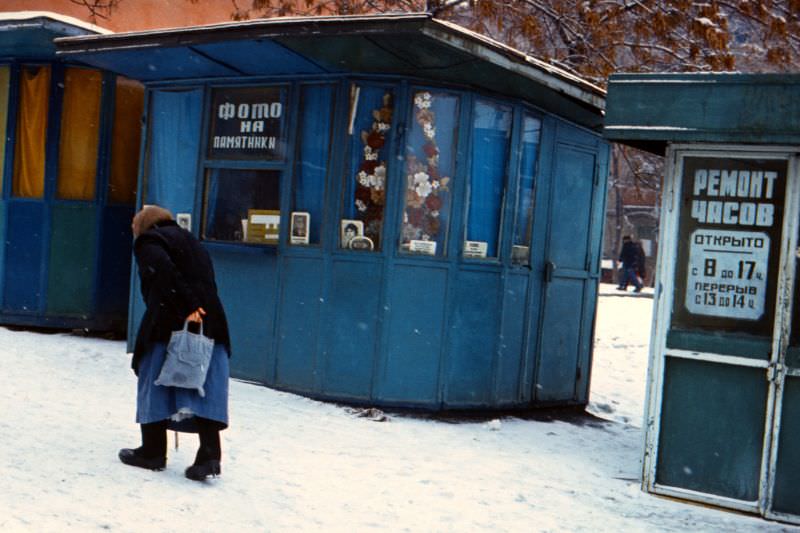
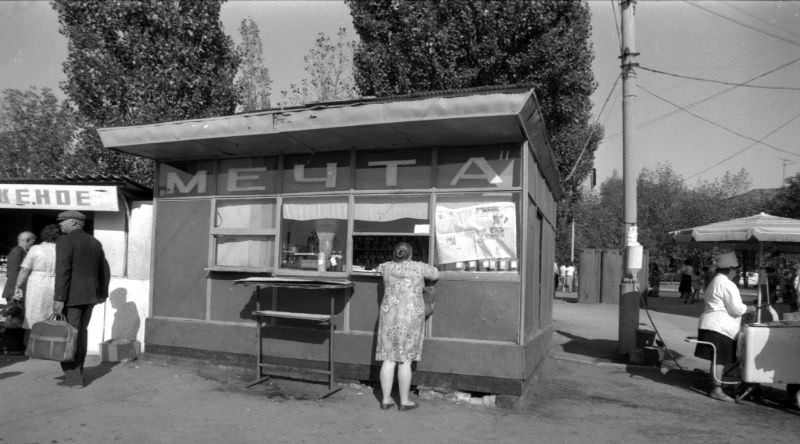
Markets and shops were central to daily life in Soviet cities. Consumer goods were often in short supply, and shopping required patience. Queues were a normal part of the day. Nesterov’s images show ordinary people navigating these routines without drama — this was simply how things worked.
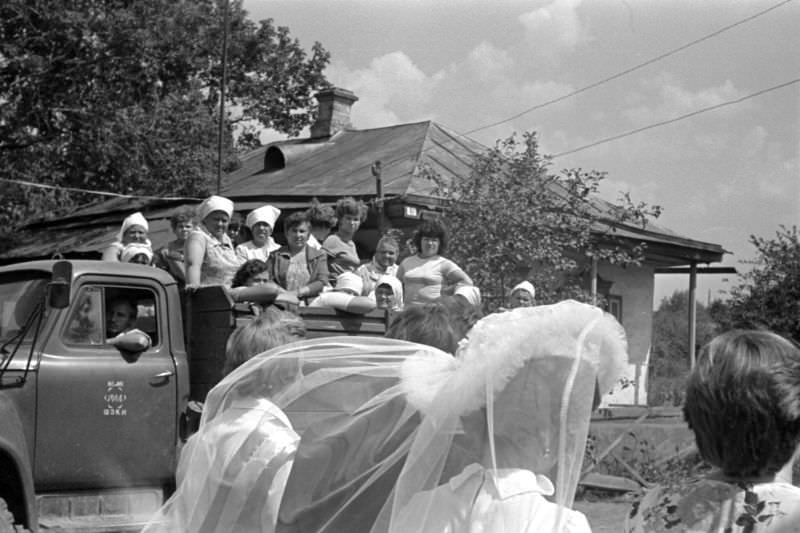
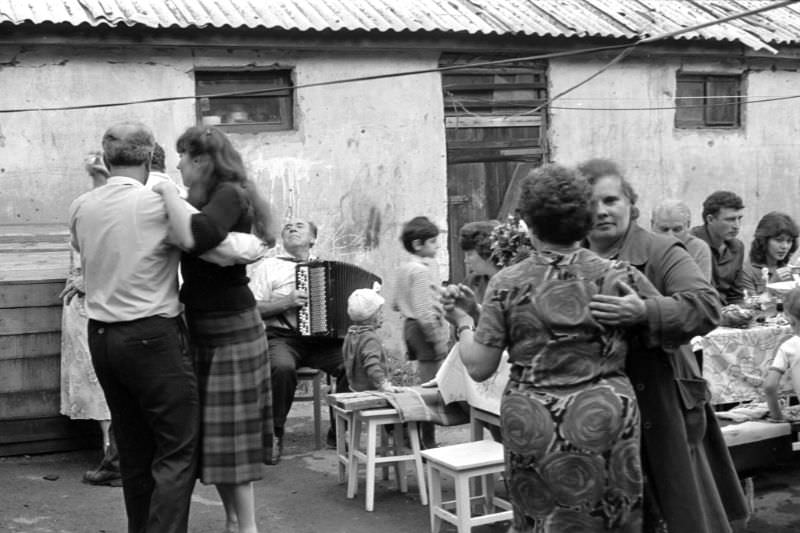
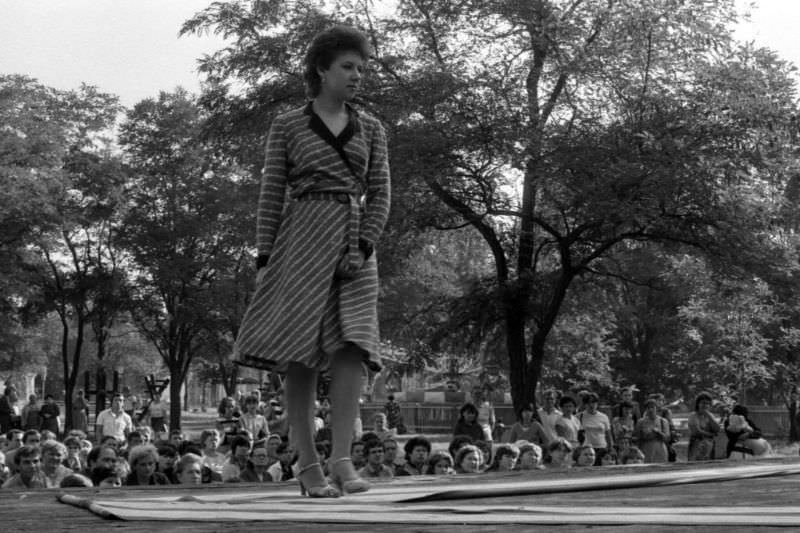
Public celebrations and holidays were major events. Soviet authorities organized parades, rallies, and cultural performances tied to dates like May Day and the anniversary of the October Revolution. In a city like Krasnyi Luch, these events drew large crowds and offered a break from the workweek. Nesterov photographed these moments alongside quieter, more personal scenes.
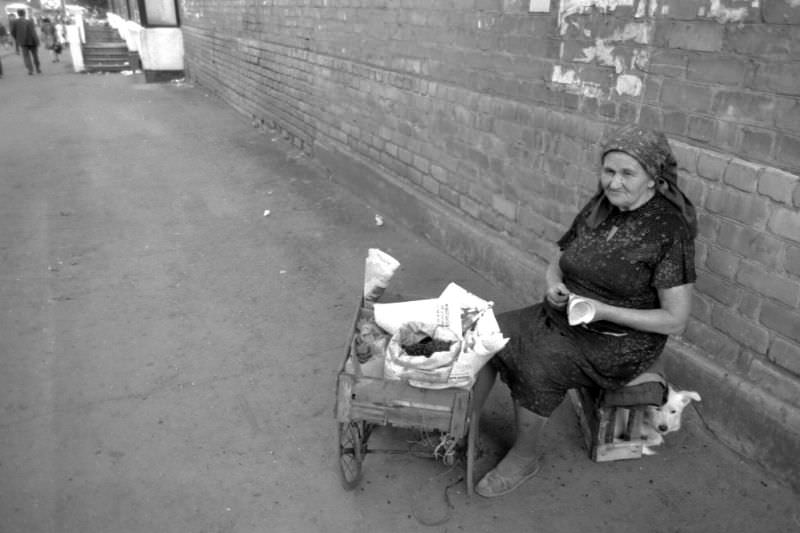
The older generation of residents had lived through World War II, collectivization, and the full arc of Soviet rule. By the 1980s, many were retired and spent time in parks, on benches outside apartment buildings, or tending small garden plots. Their presence in Nesterov’s photographs grounds the collection in lived history.
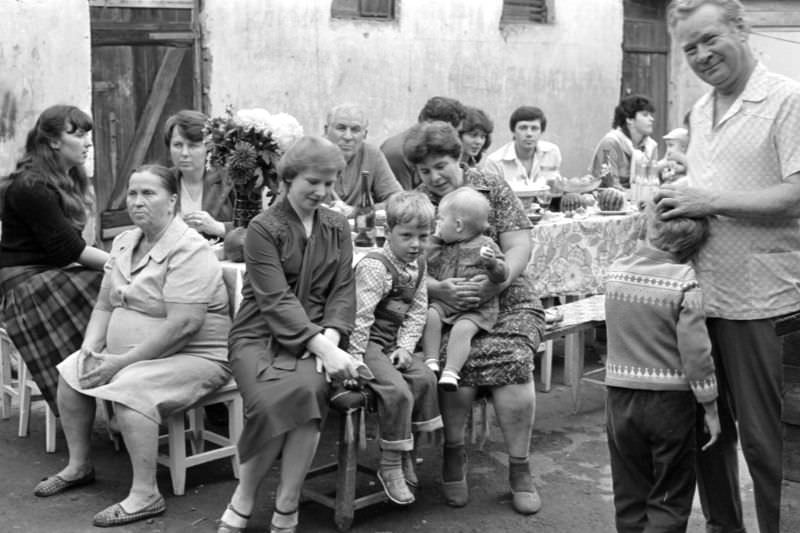
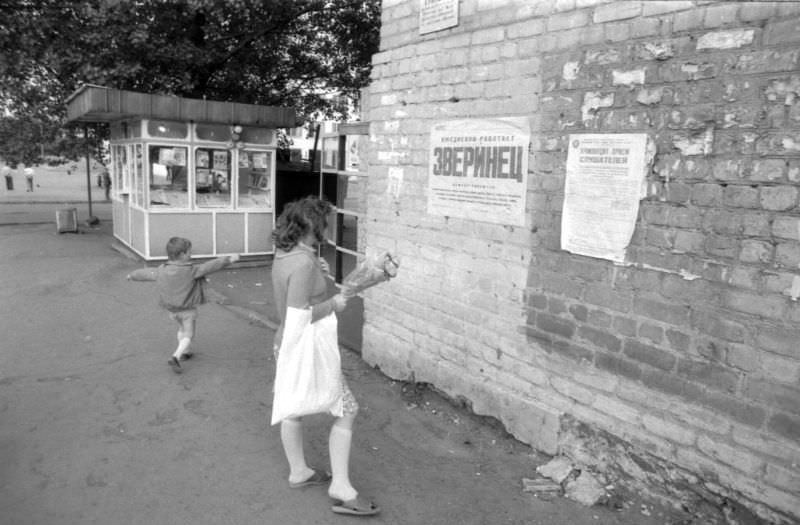
Transportation in the city relied heavily on buses and trams. Private car ownership existed but was far from common. Most residents walked or used public transit to get to work, school, and shops. The streets reflected this — busy with foot traffic and public vehicles rather than private automobiles.
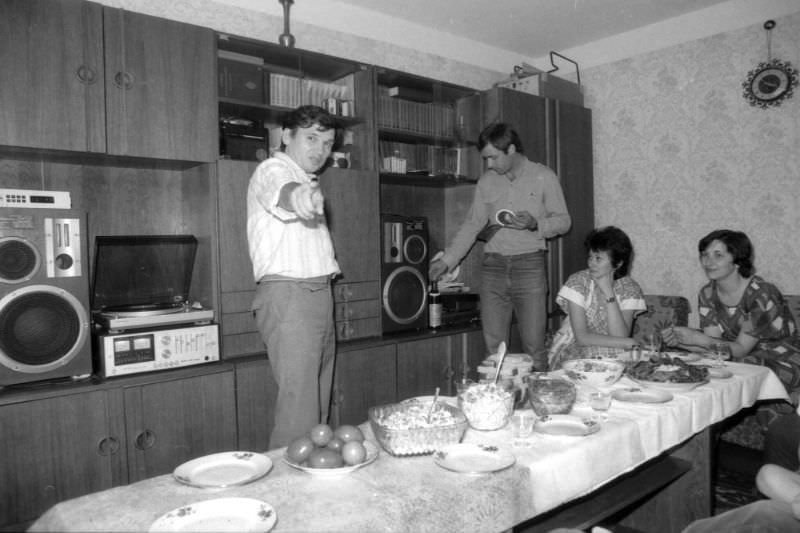
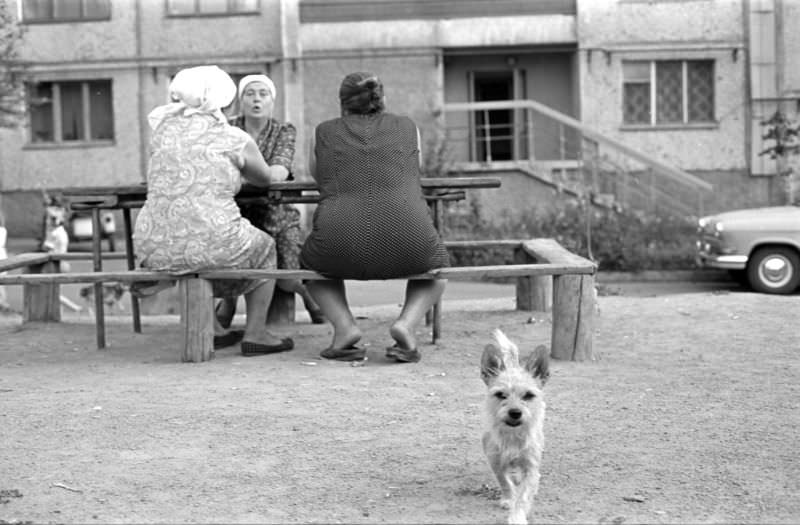
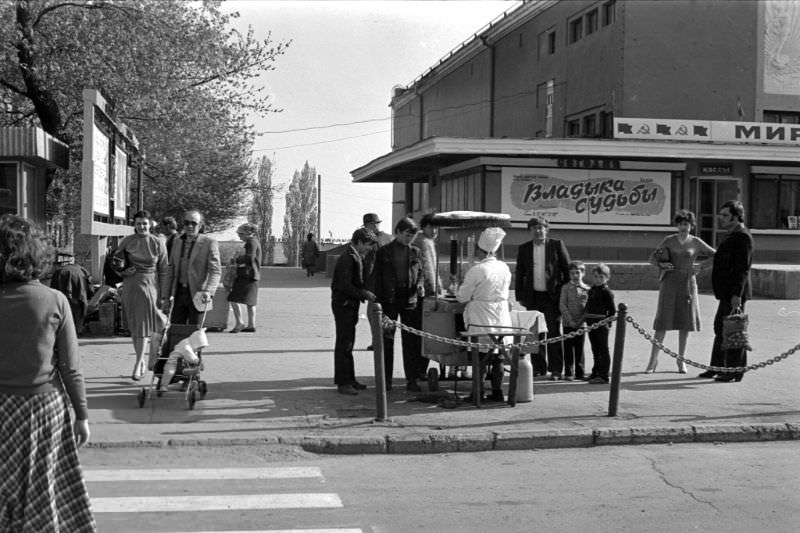
Social life often centered on communal spaces. Parks, culture houses, and sports facilities were built and maintained by the state. These weren’t luxuries — they were standard features of Soviet city planning, designed to give workers organized access to rest and recreation. Nesterov documented people using these spaces in ways that felt entirely natural and unposed.
Work at the mines was dangerous. Cave-ins, gas leaks, and equipment failures were constant risks. Miners who worked underground for decades often suffered long-term health problems. Despite this, mining carried a strong cultural status in cities like Krasnyi Luch. Miners were publicly celebrated as essential workers — heroes of socialist labor, in the language of the time.
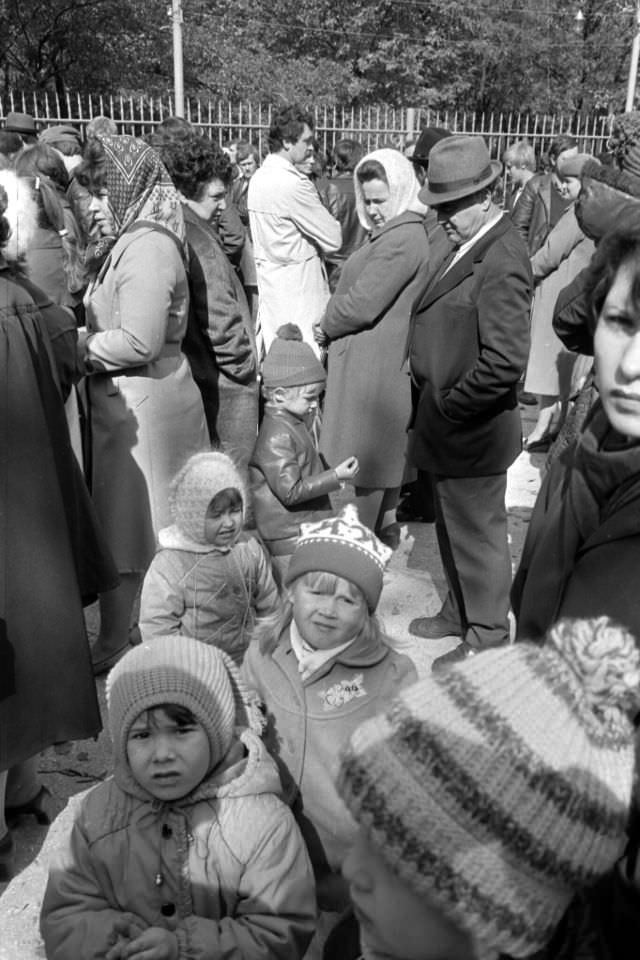
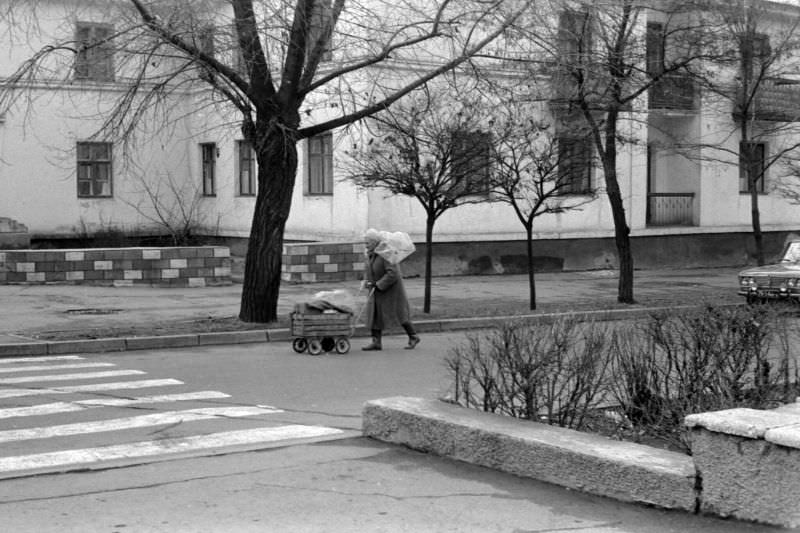
By the mid-1980s, the Soviet Union was entering a period of significant change. Mikhail Gorbachev’s policies of glasnost and perestroika were beginning to shift the political atmosphere. People could speak more openly. State media loosened slightly. But in a city like Krasnyi Luch, built around heavy industry and state employment, day-to-day life changed slowly. The structures of the Soviet routine remained firmly in place through the decade.
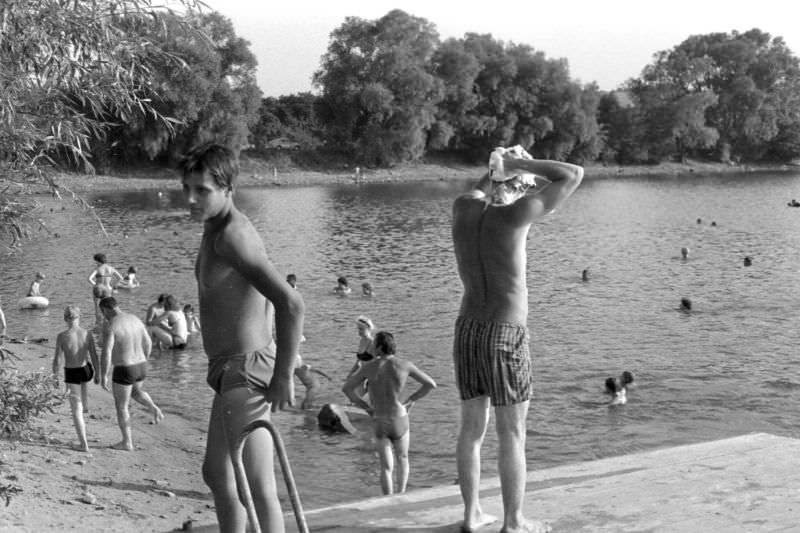
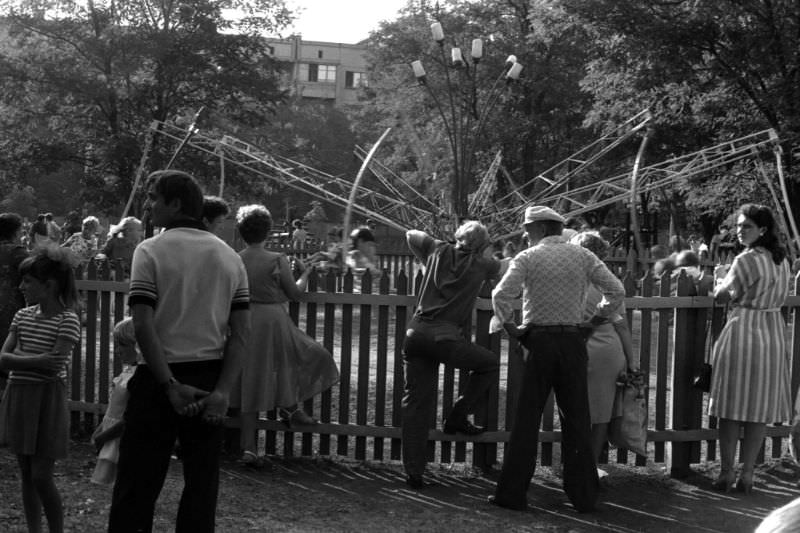
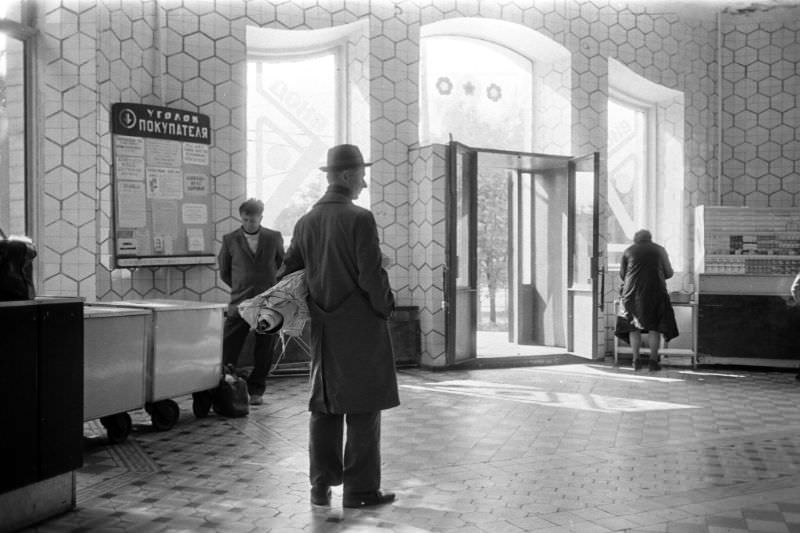
Nesterov’s photographs show a city that was neither glamorous nor desperate. It was functional. Families lived, worked, and raised children within a system that organized nearly every aspect of their lives. The images carry no political commentary — they simply show people as they were.
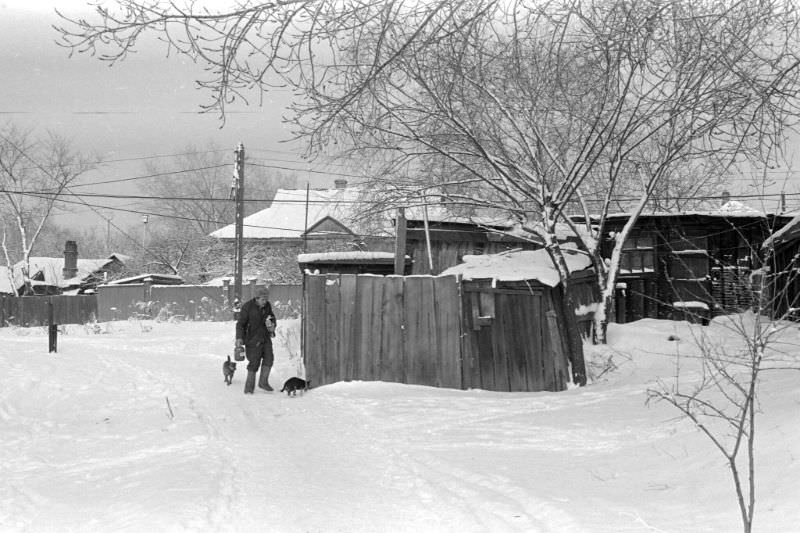
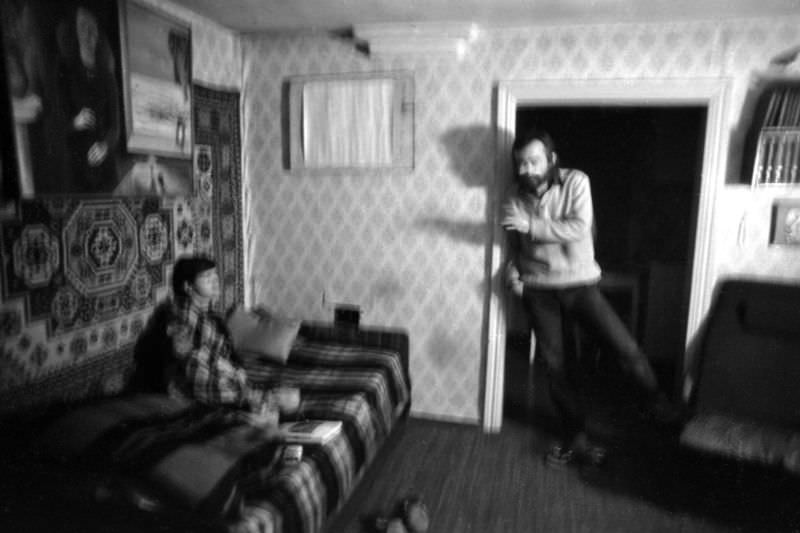
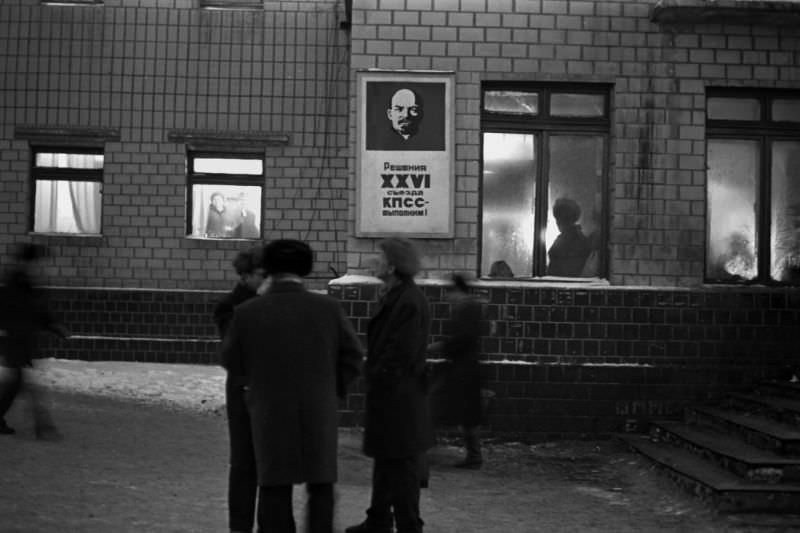
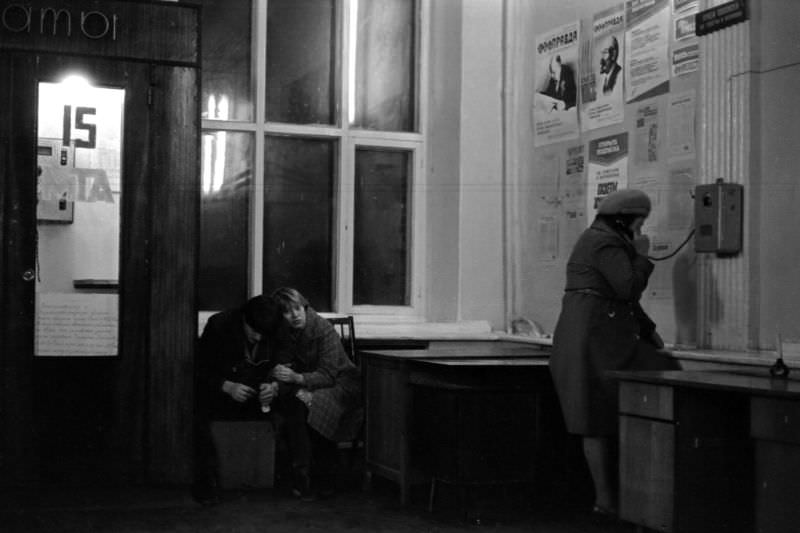
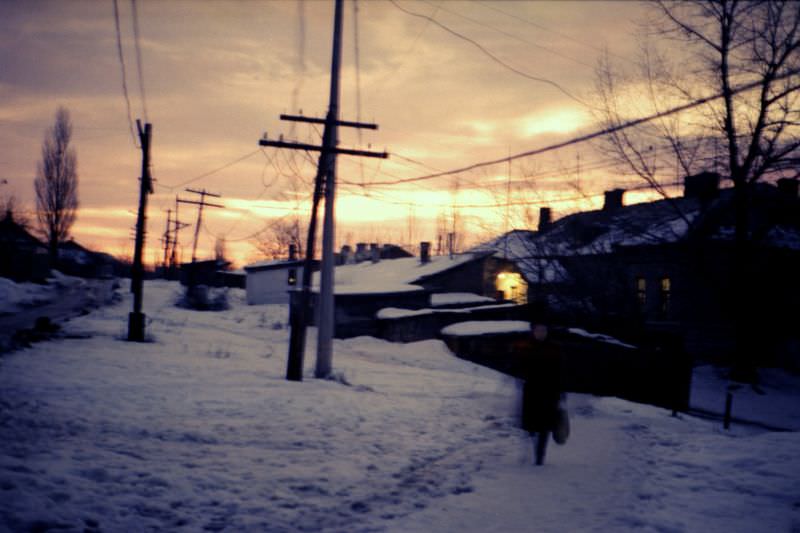
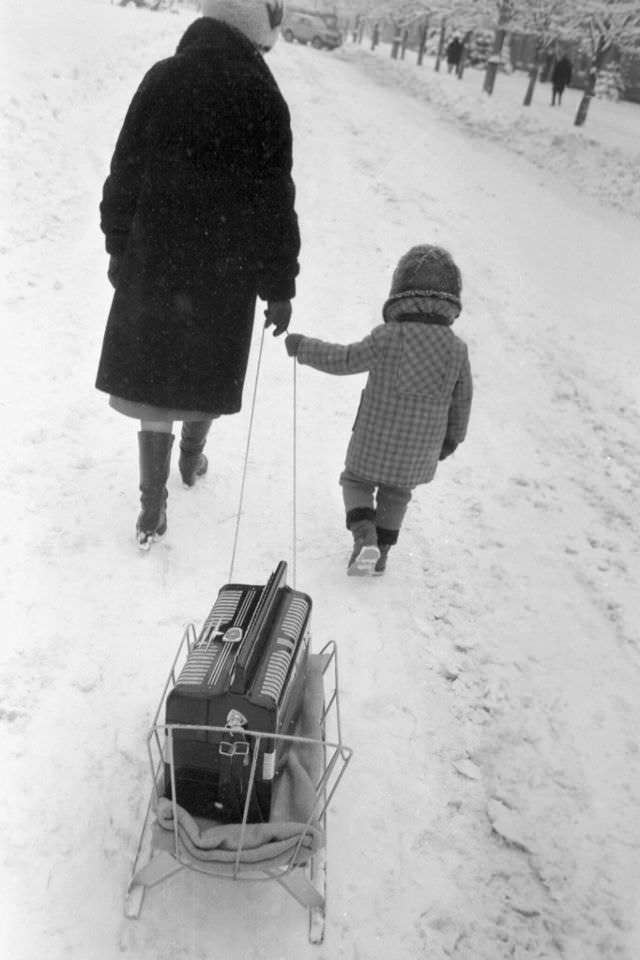
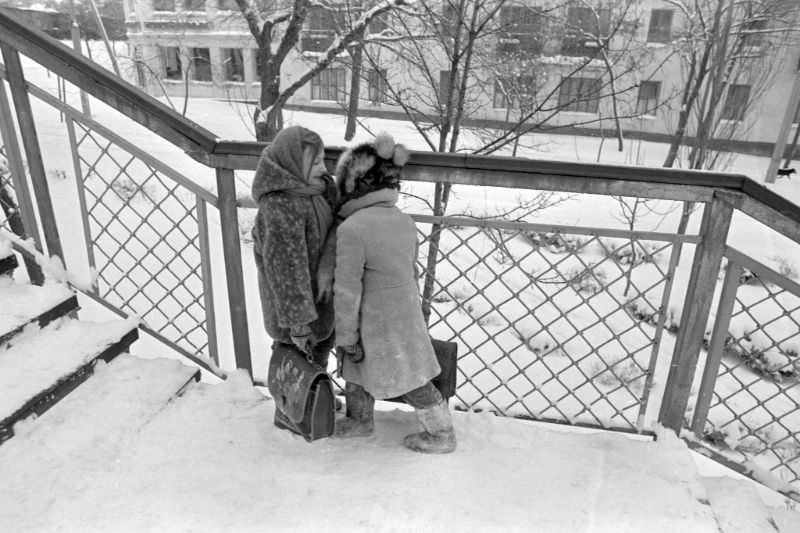
Seasons played a visible role in how the city looked and how people moved through it. Ukrainian winters were cold, and residents dressed accordingly — heavy coats, fur hats, and boots. Summer brought people outdoors in larger numbers, to parks, riversides, and open squares. Nesterov shot across different seasons, giving his collection a full-year view of life in the city.
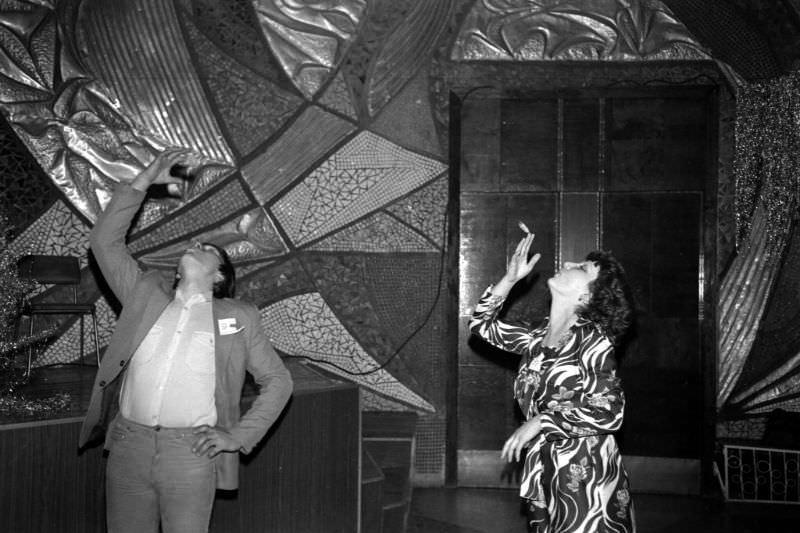
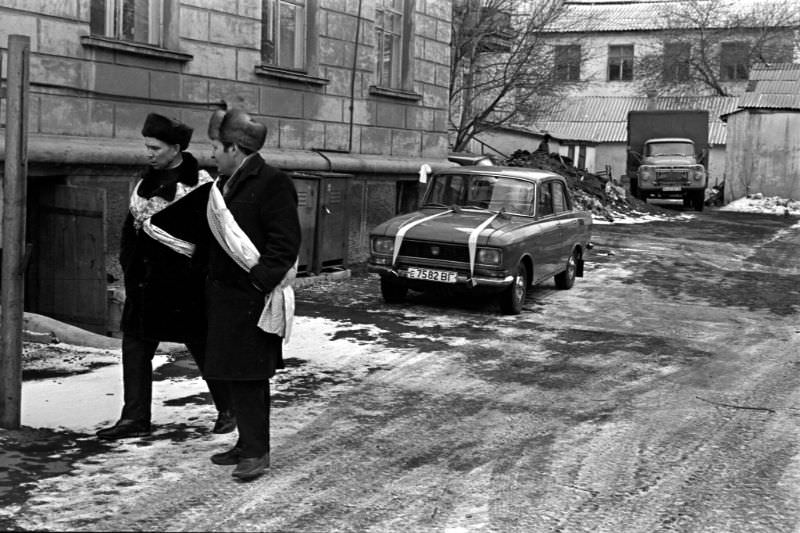
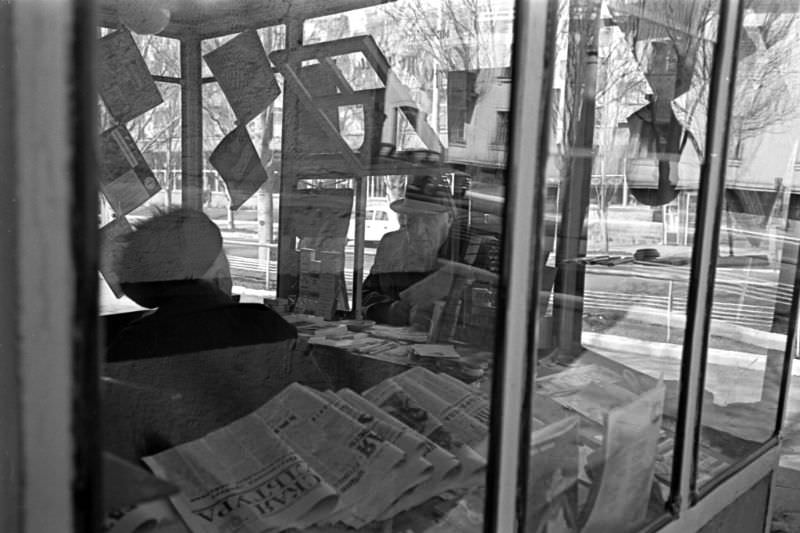
What Nesterov captured across these photographs is a record of a specific place at a specific time. Krasnyi Luch in the 1980s was a Soviet industrial city with a tight-knit community shaped by coal, state planning, and the particular culture of the Donbas region. The city has since changed names, changed hands, and changed in ways its 1980s residents could not have predicted. These photographs hold what remains of that earlier world.