Hey There! Before You Go. 😧
Get the best vintage content straight into your inbox!

Don't worry, we don't spam

The Facial Exercises for Facial Muscles and Skin from the 1950s

The face takes more punishment from the outside world than any other part of the body. Sun exposure, wind, extreme temperatures, and pollution all wear away at facial skin day after day. On top of that, hormones and a natural drop in collagen production cause the skin to lose firmness over time. It is no surprise, then, that people have long searched for ways to slow this process down. One answer that gained attention in the 1950s was the facial exercise — a series of deliberate muscle movements designed to tone the face, lift sagging skin, and smooth out early wrinkles.

Joe Bonomo, a well-known figure in the world of physical fitness during that era, put together a set of these exercises that targeted specific areas of the face. Bonomo was already respected for his work in body conditioning, and he applied the same logic to facial muscles that trainers applied to the rest of the body: work the muscle, and it responds. His exercises were straightforward, required no equipment, and could be done at home. The routine covered everything from the jaw and chin to the forehead and the skin around the eyes.

These exercises may improve the modeling of your features, stimulate circulation, and strengthen muscles.

The goals behind these exercises were practical. Better circulation brings more blood flow to the skin’s surface, which supports a healthier complexion. Stronger muscles beneath the skin provide more structure, helping the face hold its shape. Done consistently, Bonomo believed these movements could visibly improve the contours of the face. The exercises were not meant as a one-time fix but as a regular practice — much like any other fitness routine.

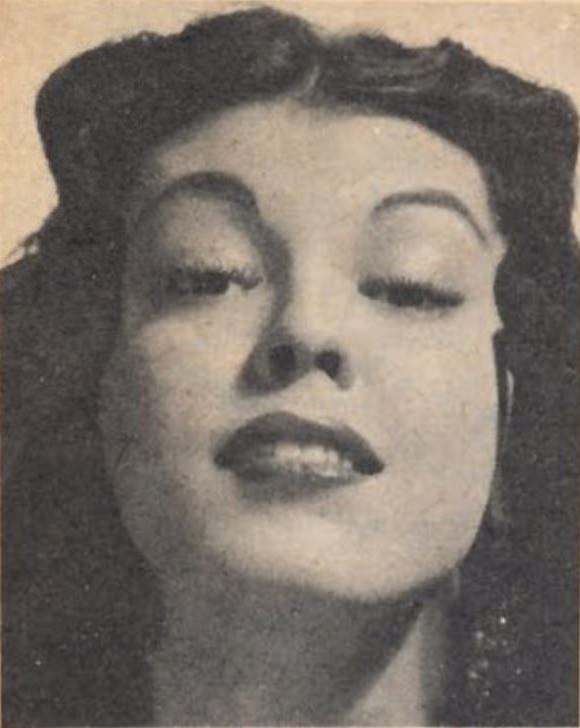
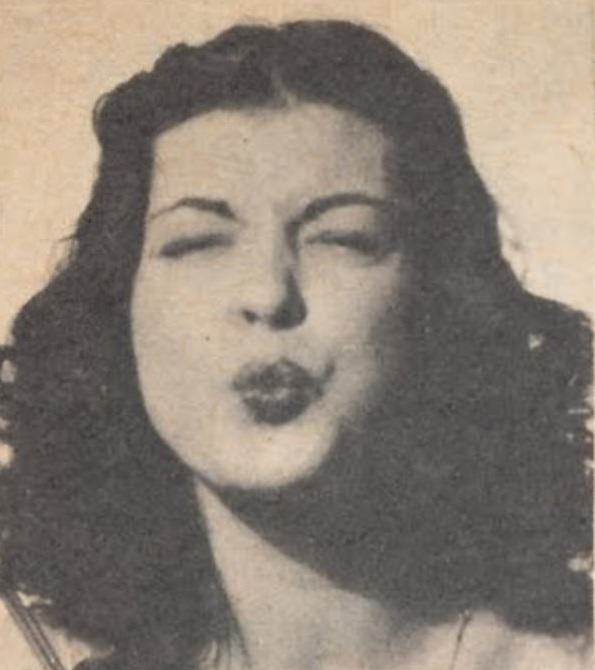
One of the foundational moves in the routine targeted the jaw and the muscles surrounding the eyes simultaneously. With the mouth closed, the jaw is pushed firmly to one side while the eyes are shut and the muscles around them are contracted. The movement is then reversed to the opposite side. This two-part motion engages multiple muscle groups at once, working both the lower face and the eye area in a single controlled exercise.

With mouth closed, push jaw to one side. Keep eyes closed, contracting muscles about eyes. Reverse.

Another exercise focused specifically on the area around the mouth and the chin — two zones where lines and sagging tend to appear earliest. The eyes are closed and the eyebrows are pushed upward while the lower face holds still. This opposing tension between the upper and lower face creates resistance, which is where the toning effect comes from. Bonomo designed several of his exercises around this principle of working muscles against each other.

This helps to prevent wrinkles around mouth and to mold chin. Close eyes and push eyebrows up.

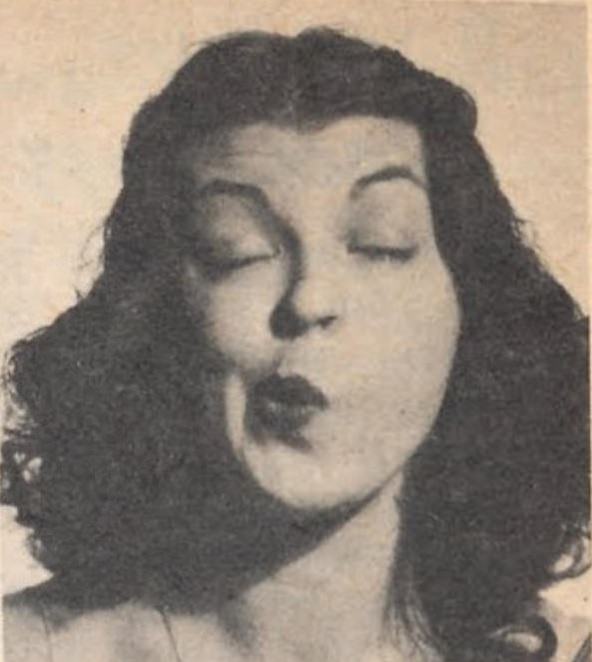
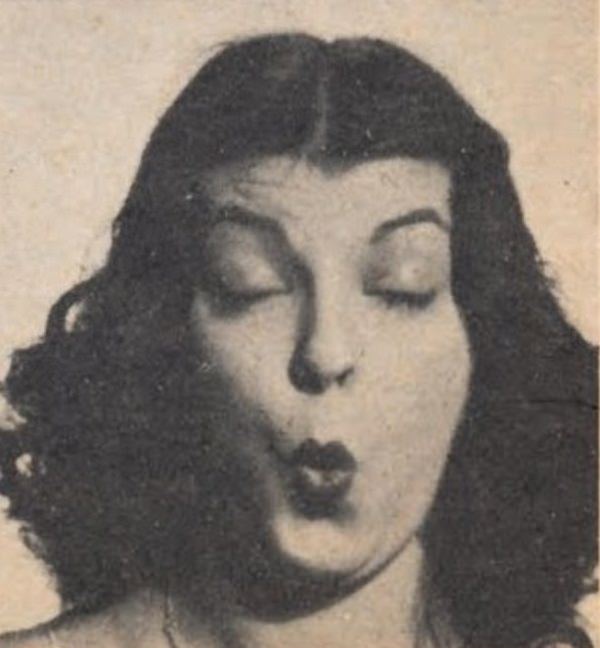
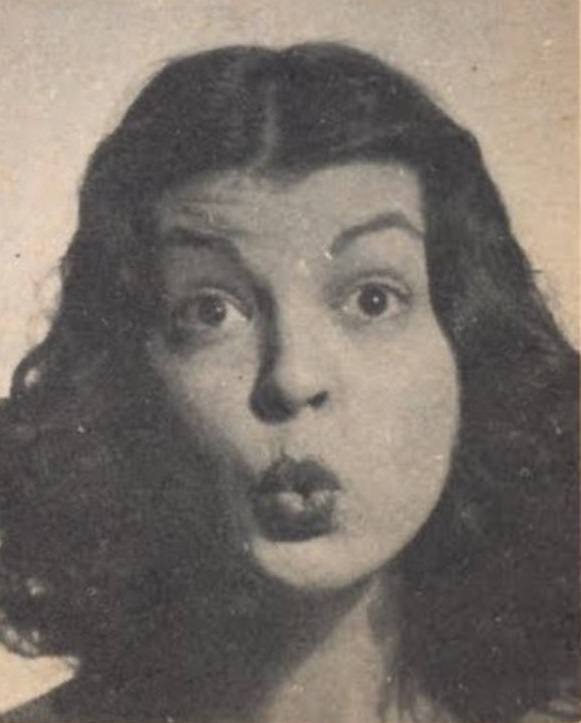
Laugh lines — the creases that run from the sides of the nose down toward the corners of the mouth — were another concern the routine addressed. To strengthen the muscles in that area, the lips are pursed tightly together while the eyebrows are lifted at the same time. Like the earlier exercise, this creates tension across different parts of the face at once. The pursing action engages the circular muscles around the mouth, while the lifted brows pull the upper face in the opposite direction.

Strengthen mouth muscles and help to prevent laugh lines. Purse lips, lifting the eyebrows.

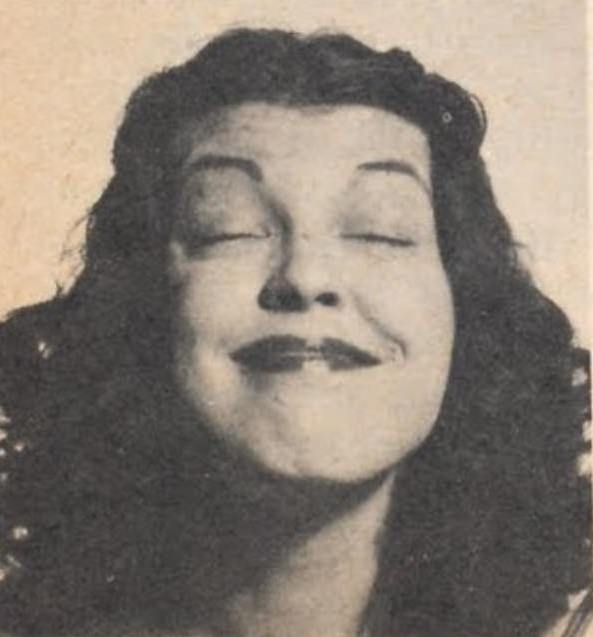
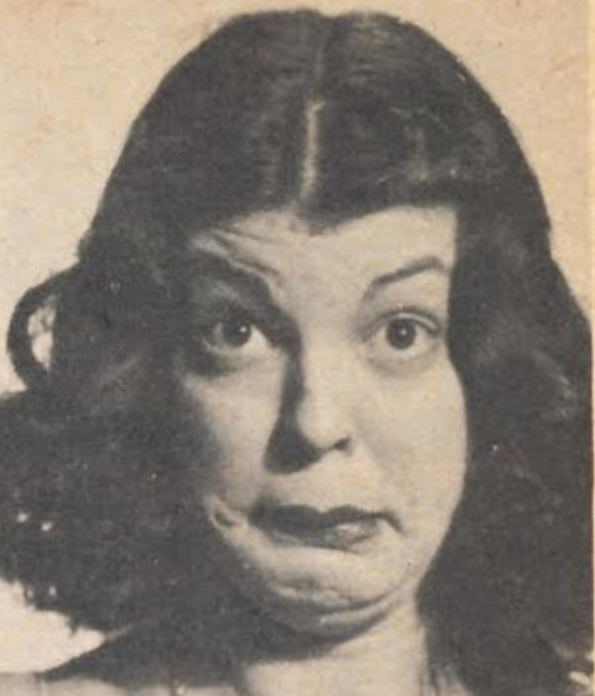
The under-eye area received its own dedicated exercise. This part of the face is particularly prone to puffiness and the kind of hollowing that comes with age. To stimulate the muscles beneath the eyes and boost local circulation, all the features are drawn inward and together, contracting the muscles across the face in a squeezing motion. It is an intense contraction that targets a small but important zone.

Stimulate muscles under eyes and increase circulation. Draw features together, contracting muscles.

To address the forehead and the outer corners of the eyes — areas where horizontal lines and crow’s feet commonly form — Bonomo included an exercise that works through opposition. The corners of the mouth are pulled downward while the eyes are opened as wide as possible at the same time. This stretches the upper face while the lower face contracts, putting the forehead and eye muscles under a controlled load.

To prevent wrinkles in forehead and around eyes, draw down corners of mouth, at the same time open eyes.

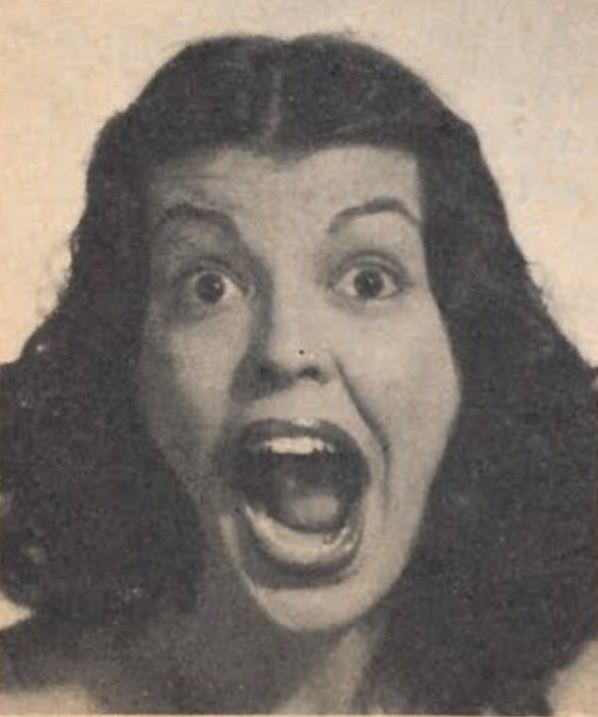
After a series of contracting and tensing movements, the muscles need a release. Bonomo included a specific exercise for exactly this purpose. The mouth is opened as wide as it can go, and the sides are stretched outward as far as possible. This wide, open stretch undoes the tightness built up during the contracting exercises and gives the facial muscles a full range-of-motion reset before moving on.

Relieve the tension of contraction induced exercises. Open mouth wide and stretch its sides as much as possible.

The final exercise in the routine tackled two cosmetic concerns at once: a double chin and hollowness beneath the eyes. To perform it, the jaw is thrust outward as far as it will go, and the lower lip is pushed upward in the direction of the nose. This position engages the muscles along the underside of the chin and jaw, creating resistance that works against the slack tissue in that area. It is one of the more physically demanding moves in the set, requiring deliberate muscle control to hold the position correctly.

Avoid double chin, fill out under eyes. Thrust out jaw as far as possible, pushing lower lip up toward nose.

Bonomo’s approach was rooted in a simple idea: the face is made of muscle, and muscle responds to regular exercise. His routine from the 1950s covered the full face systematically — jaw, chin, mouth, eyes, forehead, and neck — treating each zone the way an athlete would treat a specific group of muscles during training. Whether someone followed the routine for circulation, firmness, or wrinkle prevention, the exercises provided a structured, no-cost method for facial conditioning that required nothing more than a few minutes and a mirror.

Enjoyed this post? Get new ones in your inbox.

Leave a Comment

Your email address will not be published. Required fields are marked *

Share this Post 🥺

Please take a moment to share this content. Your support is greatly appreciated! 🙌🙏

Share this Post 🥺

Please take a moment to share this content. Your support is greatly appreciated! 🙌🙏
Scroll to Top
 
Hey Friend, Before You Go.. Please like & follow for more interesting content