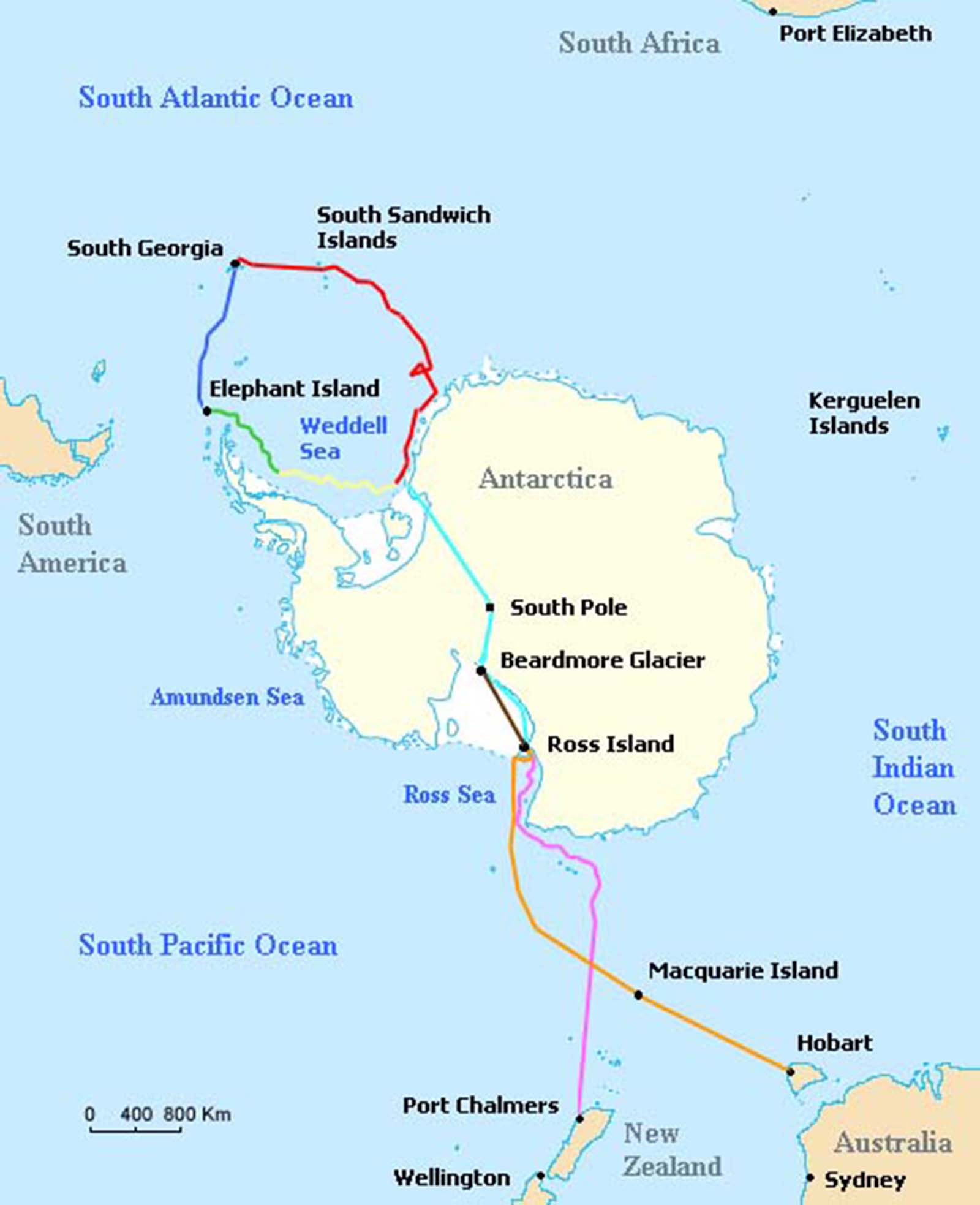
In the summer of 1914, Ernest Shackleton set sail from London aboard the Endurance with one of the most ambitious goals in polar exploration history: to cross the Antarctic continent on foot. His plan called for a Weddell Sea landing near Vahsel Bay, from which a shore party would march across the continent toward the Ross Sea. A second ship, the Aurora, commanded by Aeneas Mackintosh, would simultaneously carry the Ross Sea party to McMurdo Sound. That group’s job was to lay a chain of supply depots across the Ross Ice Shelf to the foot of the Beardmore Glacier — depots that Shackleton’s crossing party would desperately need on the far side of the continent. Without those caches, the transcontinental team simply could not carry enough food and fuel to survive the full journey.
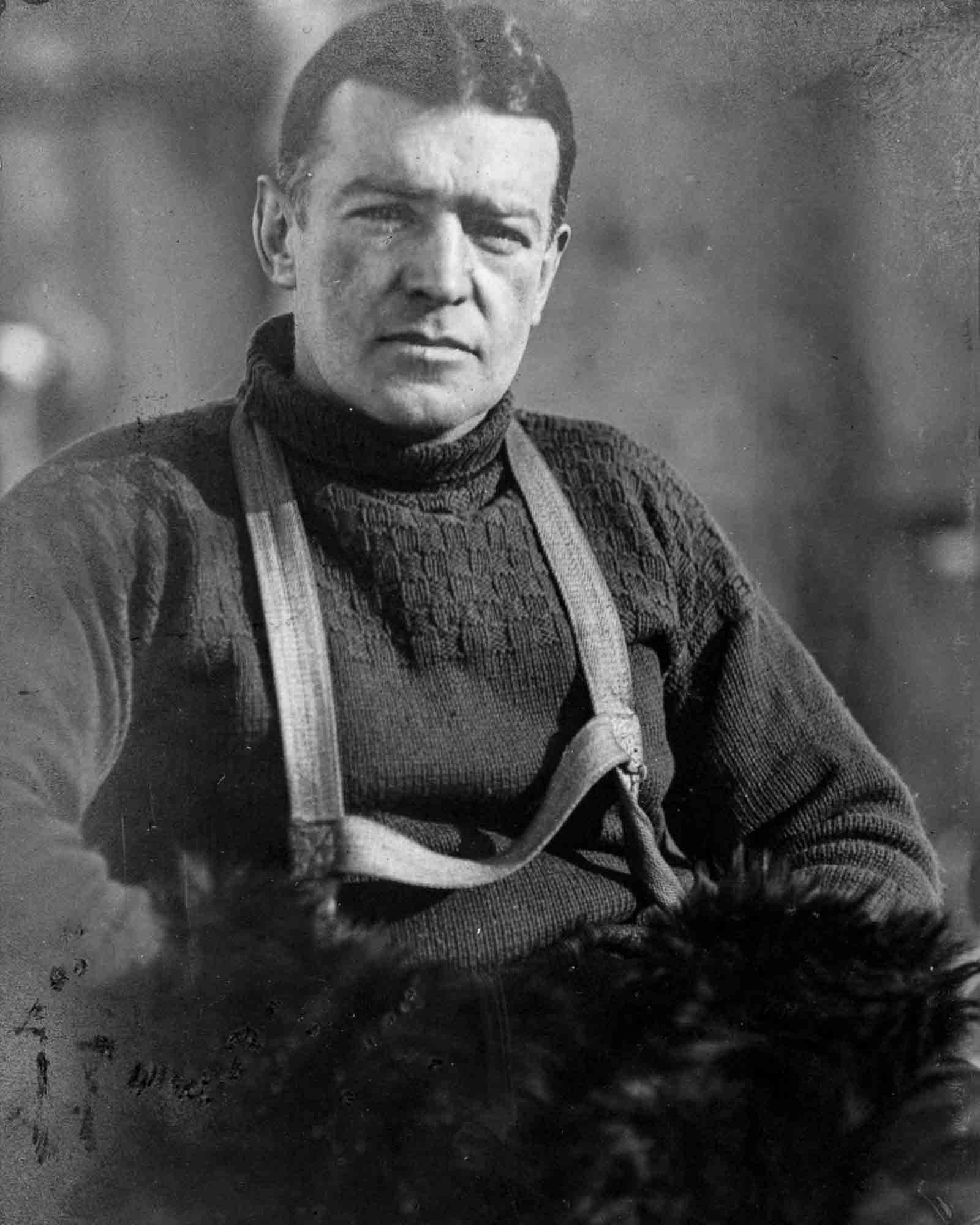
Shackleton led the Weddell Sea party, which numbered 28 men in total. The crew included William Bakewell, who signed on in Buenos Aires, and Perce Blackborow, who stowed away after his application was rejected — and was put to work once discovered. Sir Daniel Gooch, grandson of the celebrated railway pioneer of the same name, served as a temporary crewman. The Endurance left Buenos Aires and arrived at South Georgia, home to a Norwegian whaling station, on November 5, 1914. The whaling captains there warned Shackleton that the Weddell Sea was experiencing an especially heavy ice year. Heeding the warning, the crew took on extra clothing and supplies before departing South Georgia on December 5, 1914.
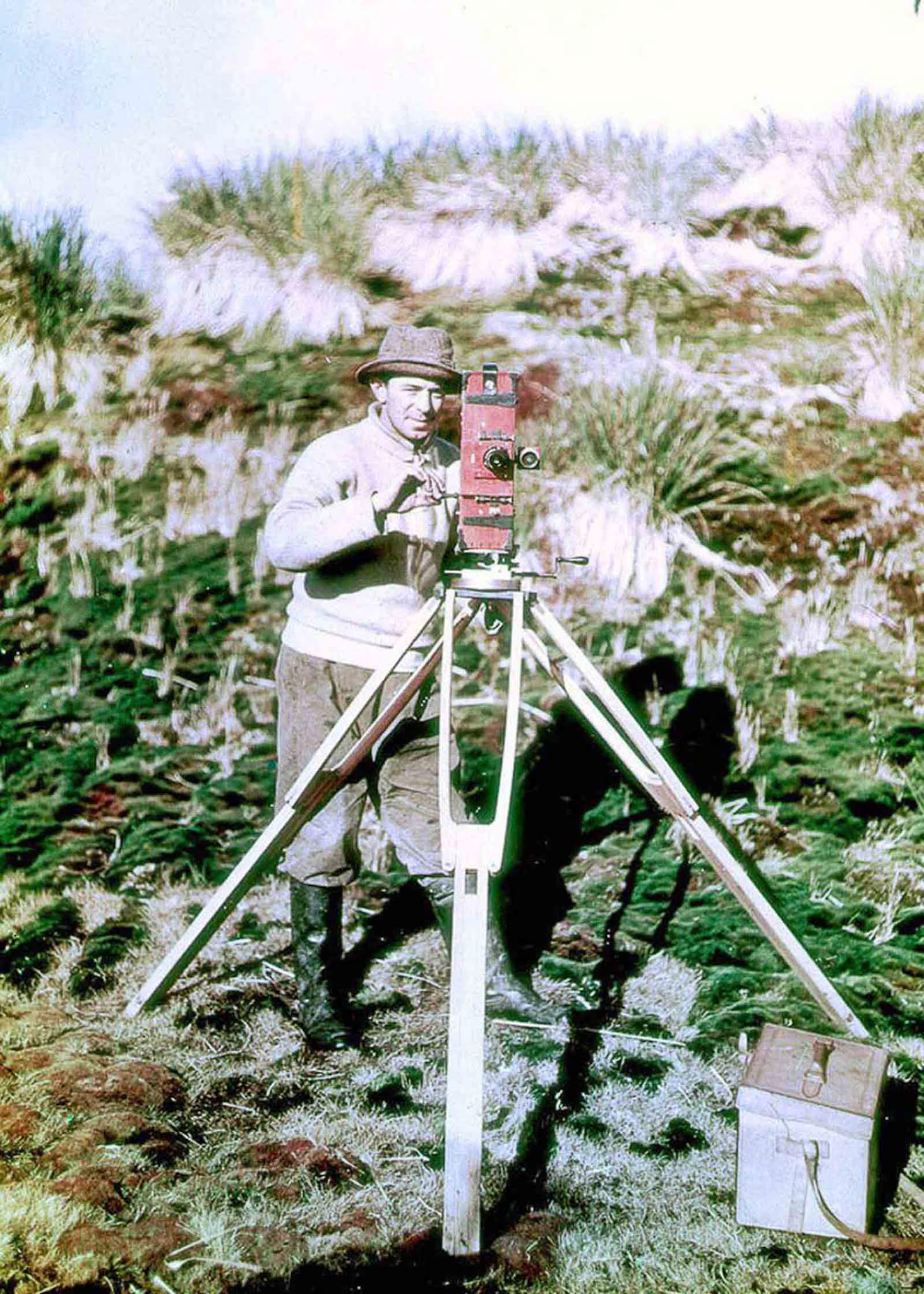
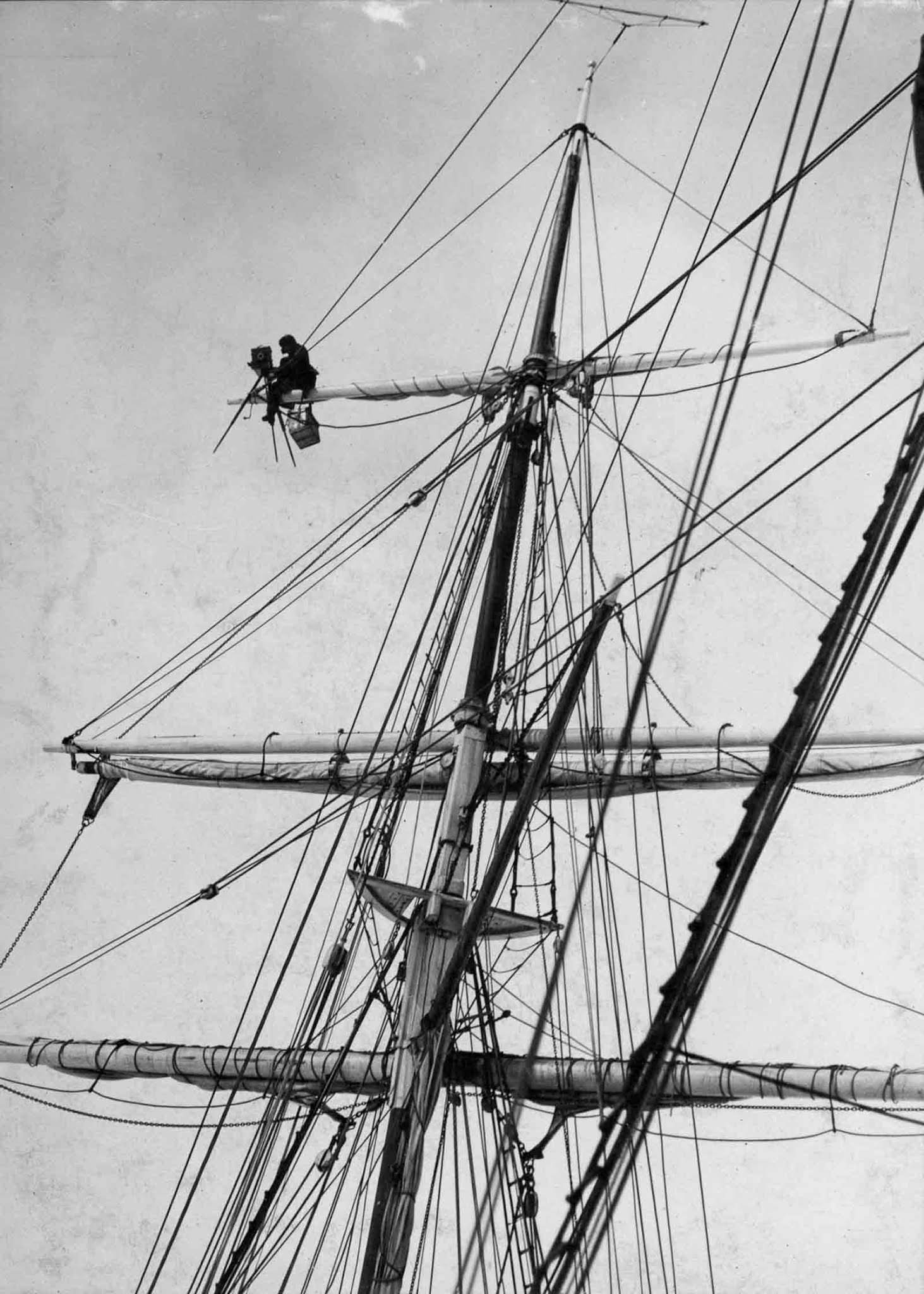
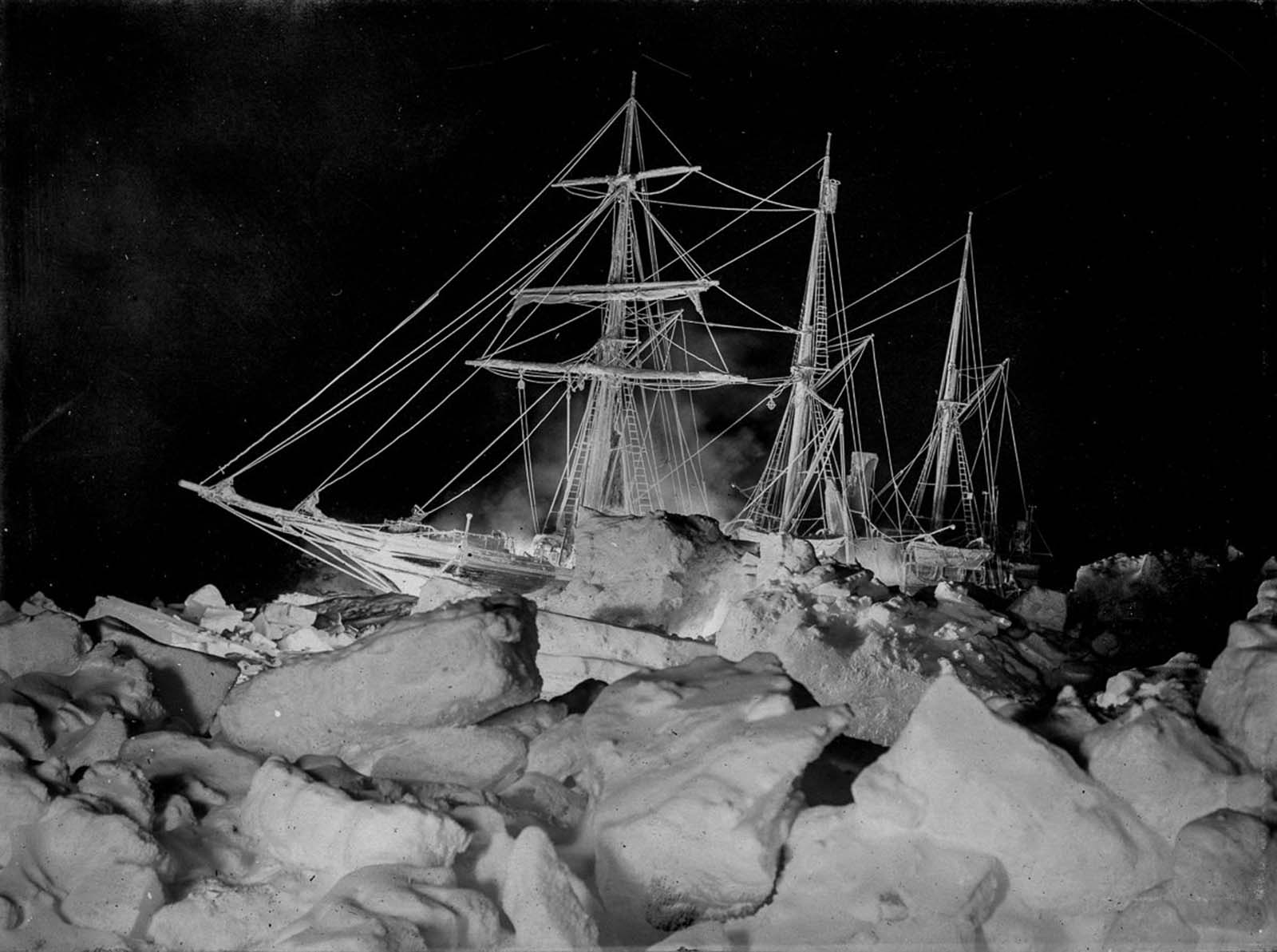
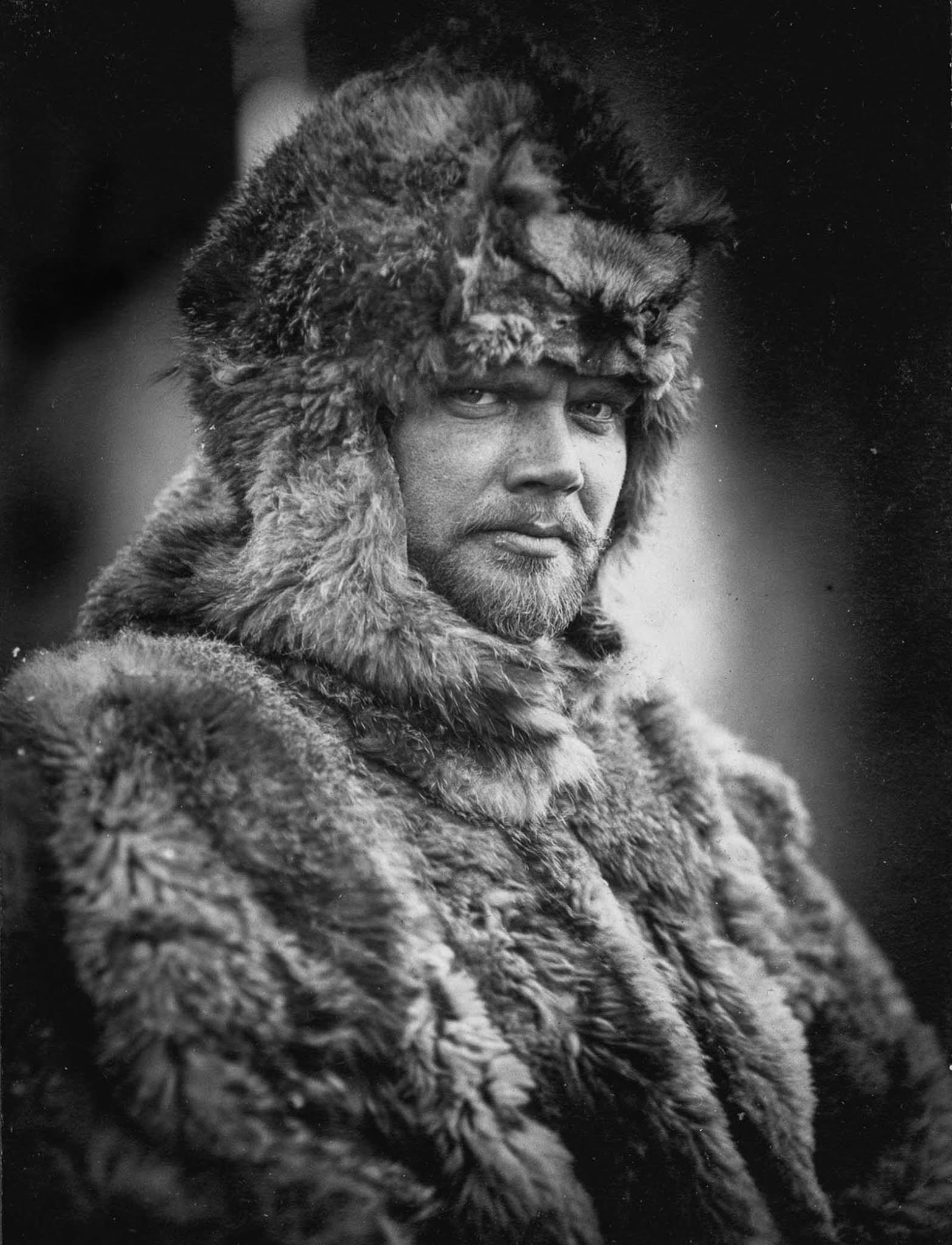
The man responsible for documenting everything that followed was Frank Hurley, the expedition’s official photographer. An Australian known for his fearless approach to getting a shot, Hurley captured the ship, the crew, and the unrelenting Antarctic environment with extraordinary detail. His images are among the most recognized in the history of exploration photography.
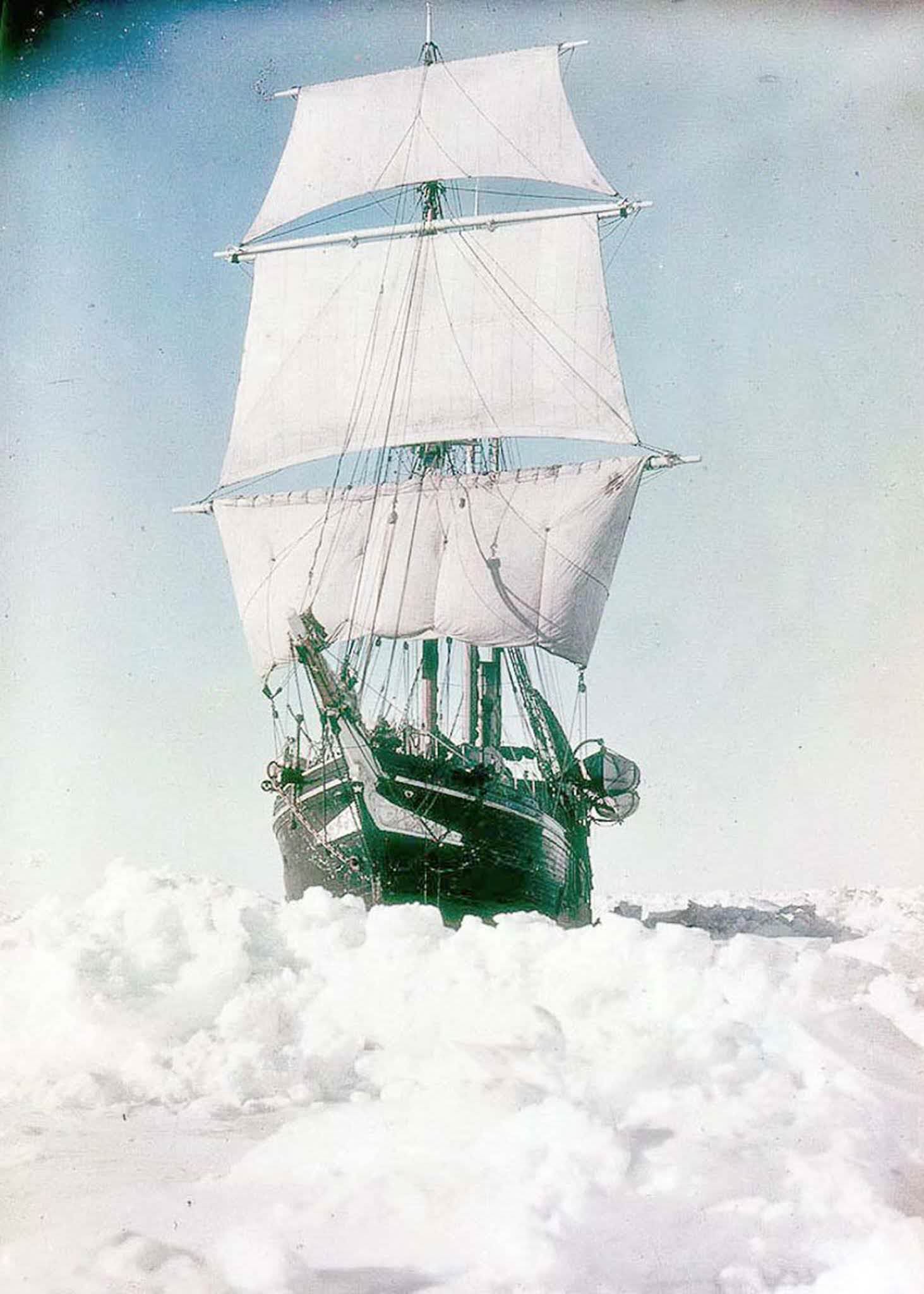
As the Endurance pushed south through the Weddell Sea, the ice conditions proved every bit as severe as the whalers had predicted. The ship was a purpose-built vessel designed to handle polar ice, but the pack that season was relentless.
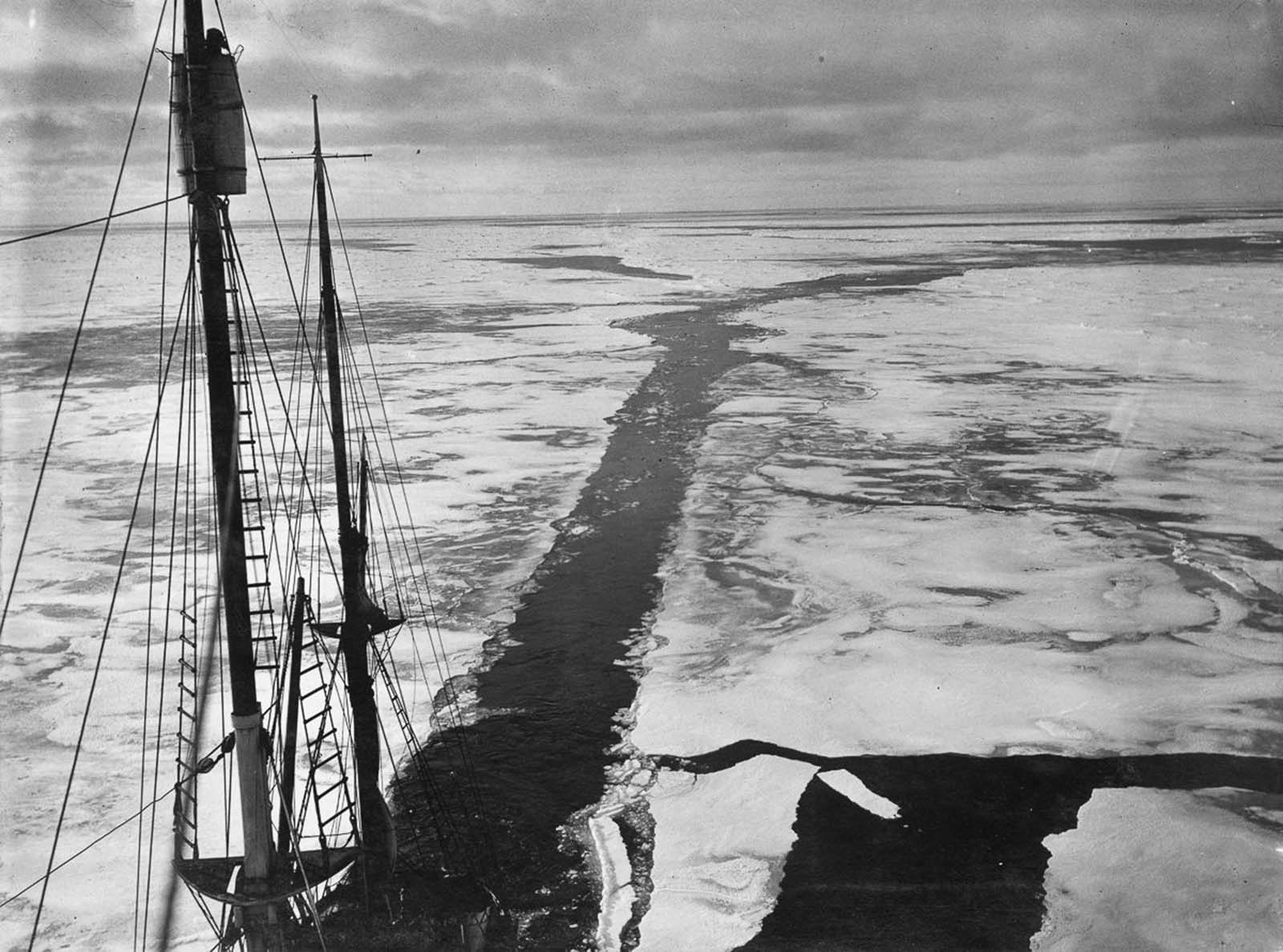
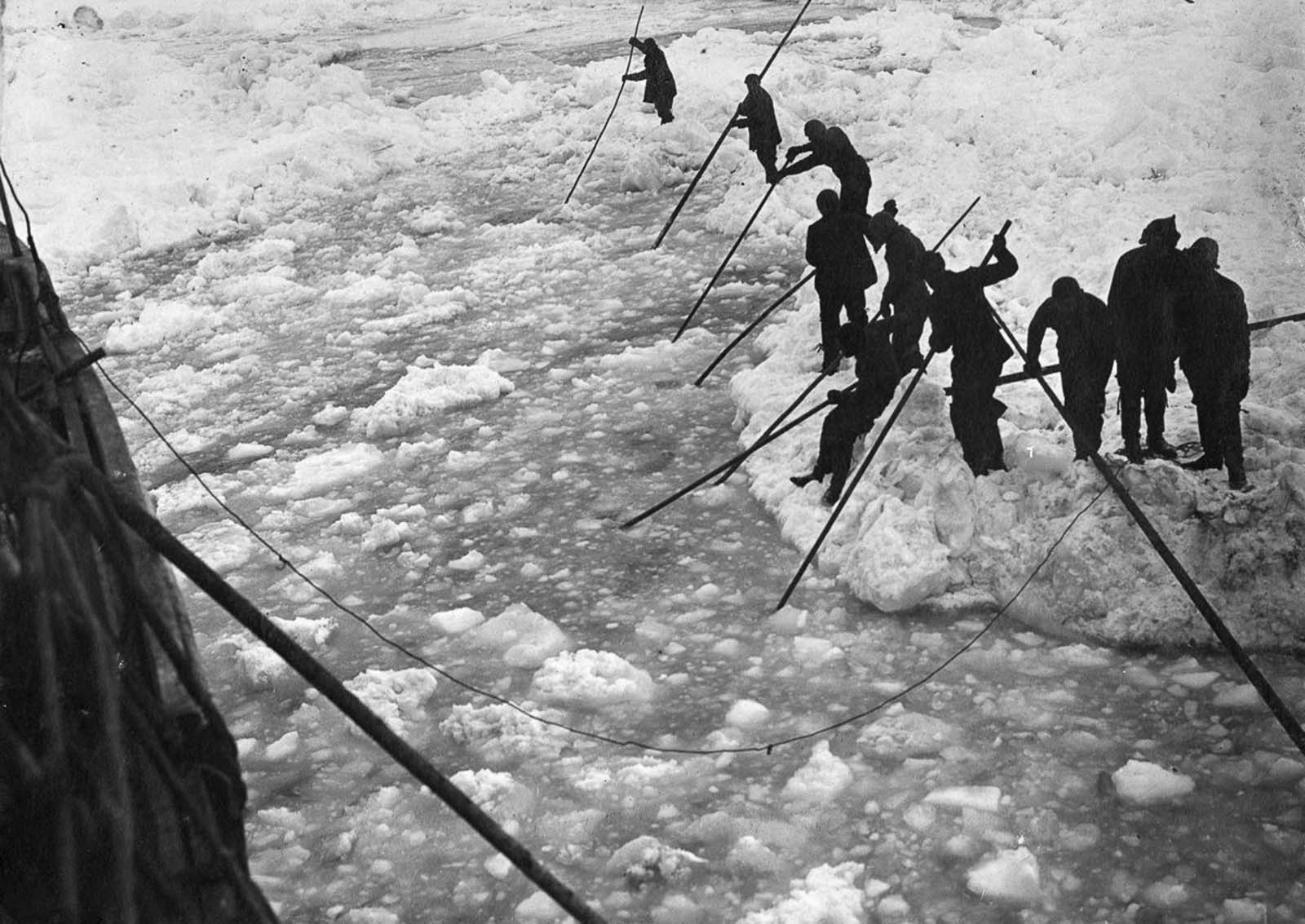
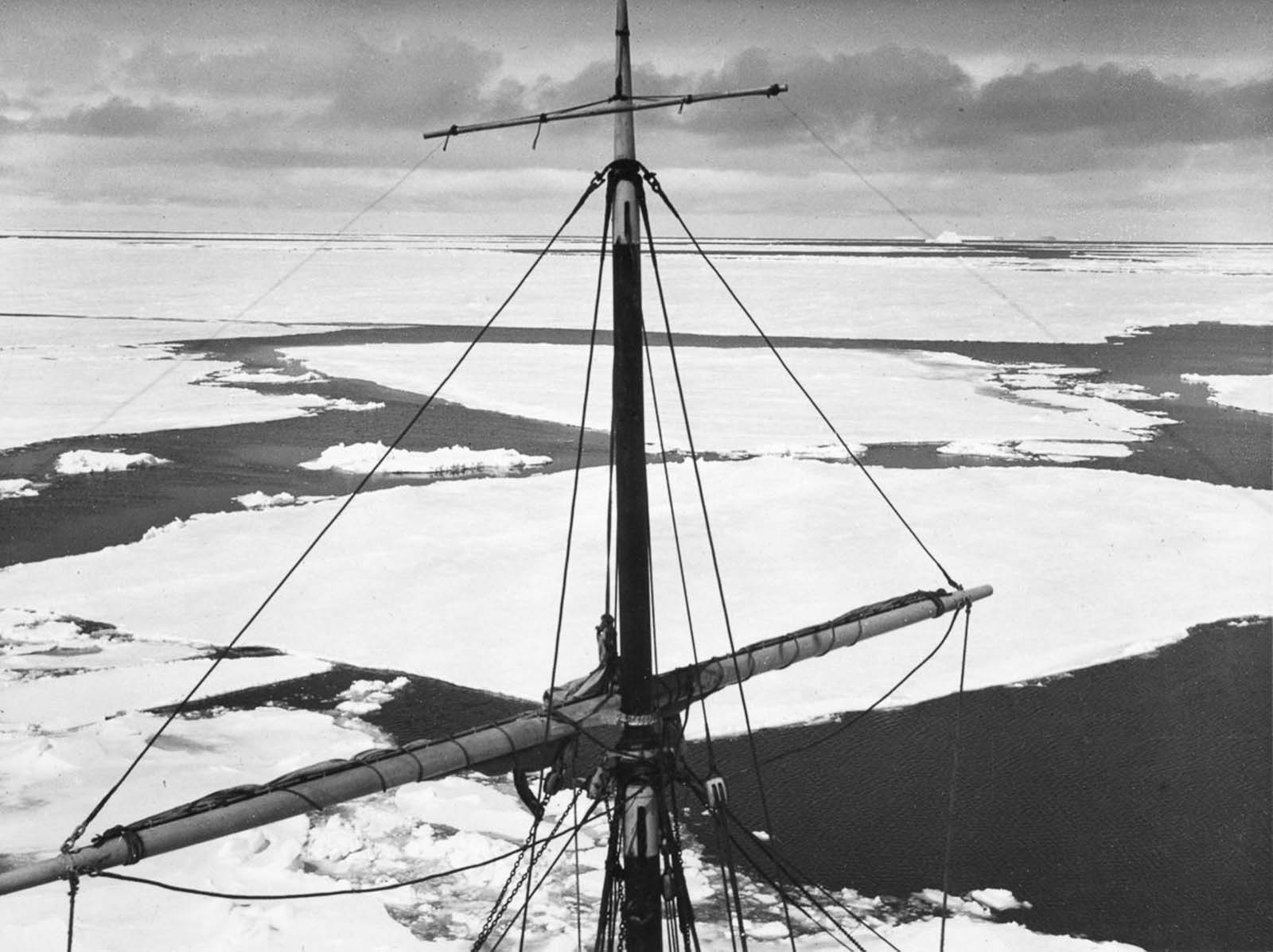
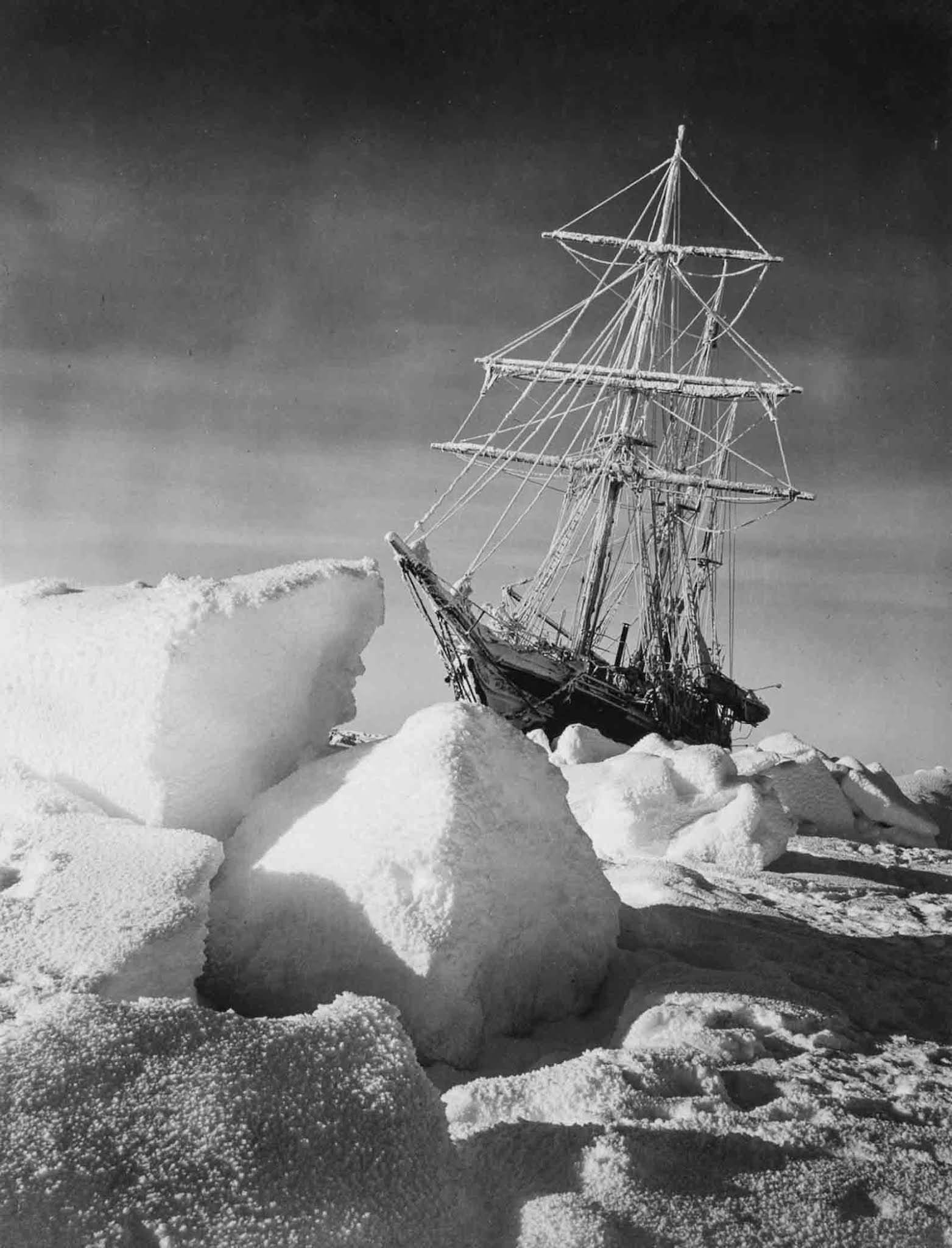
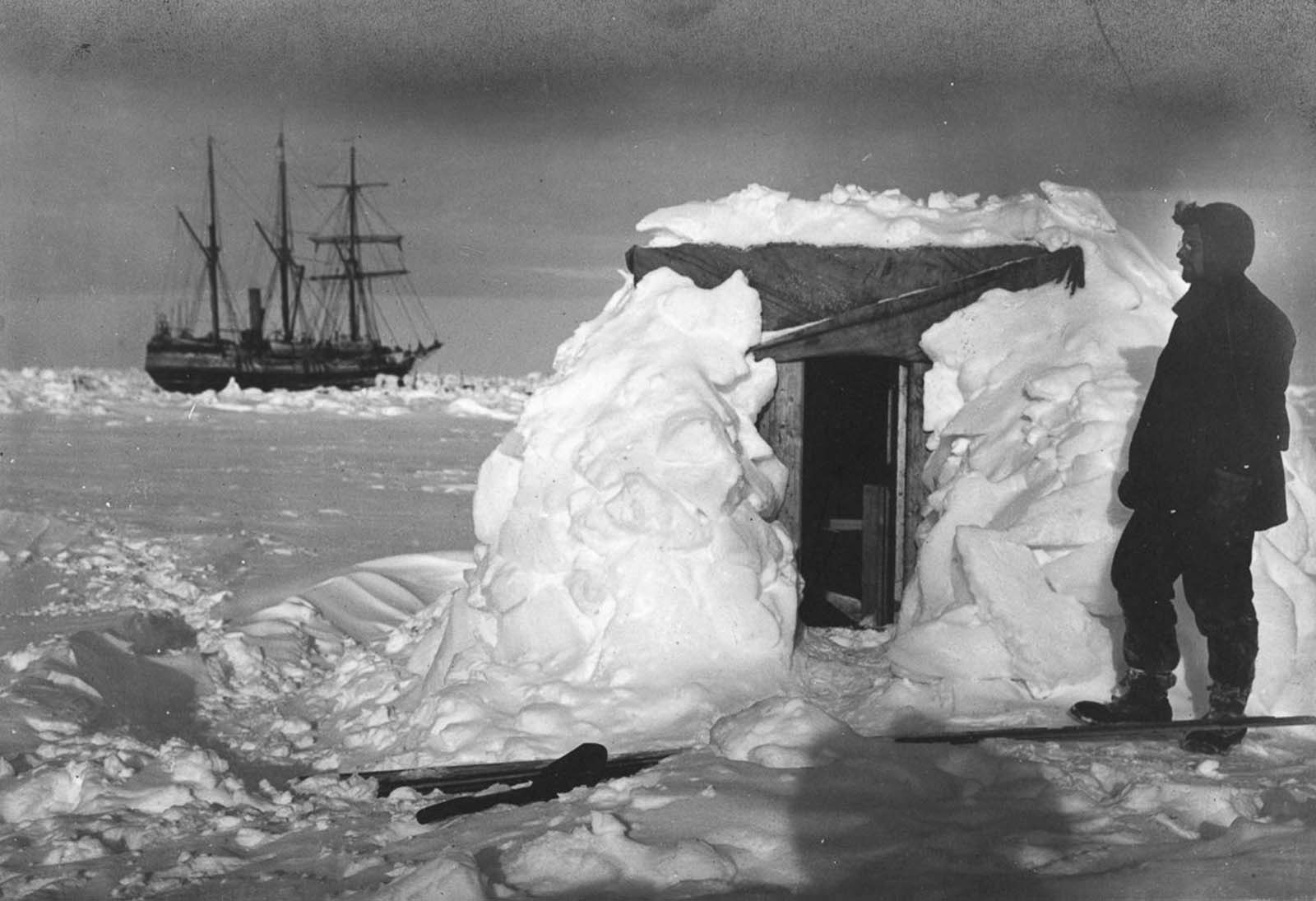
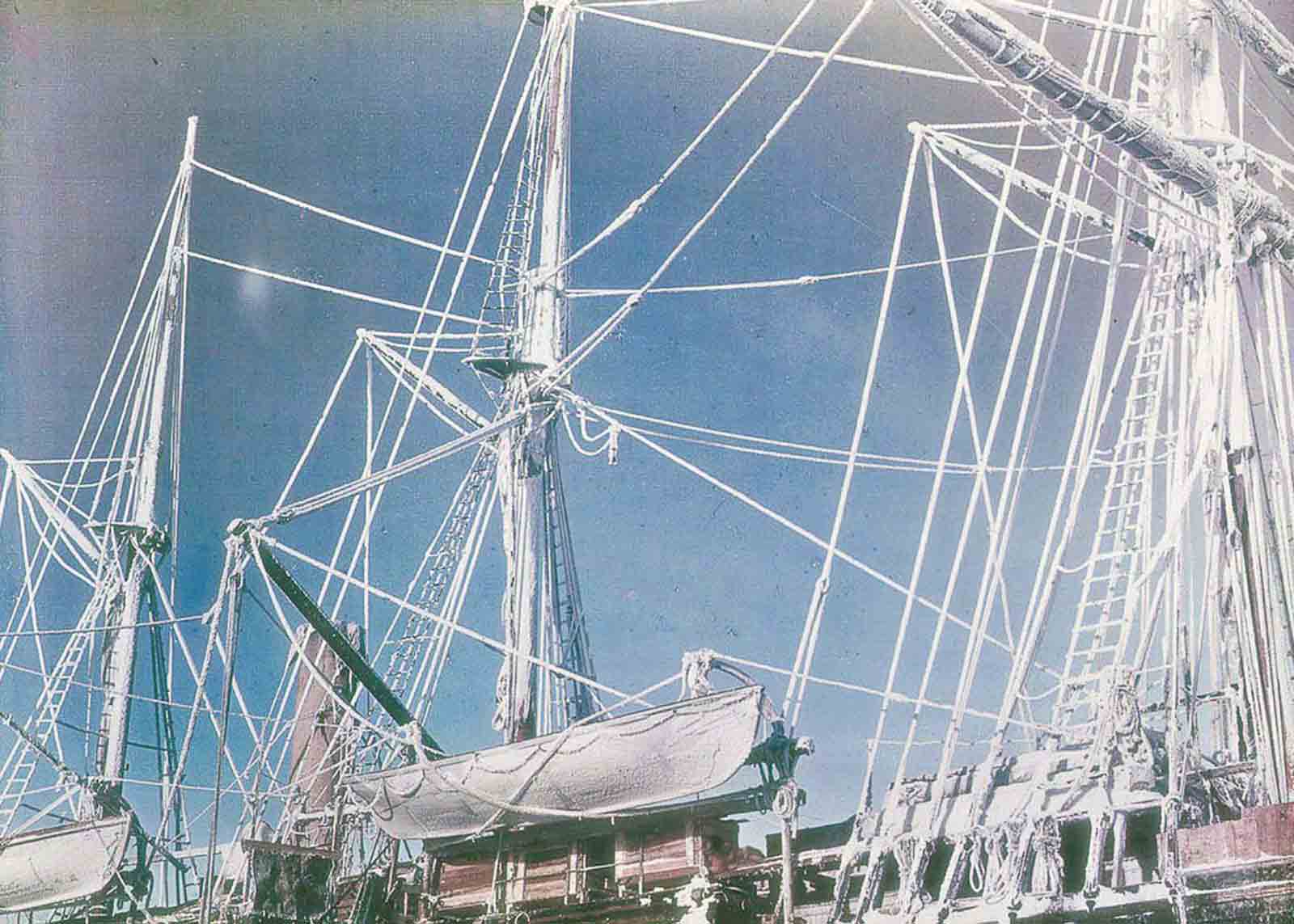
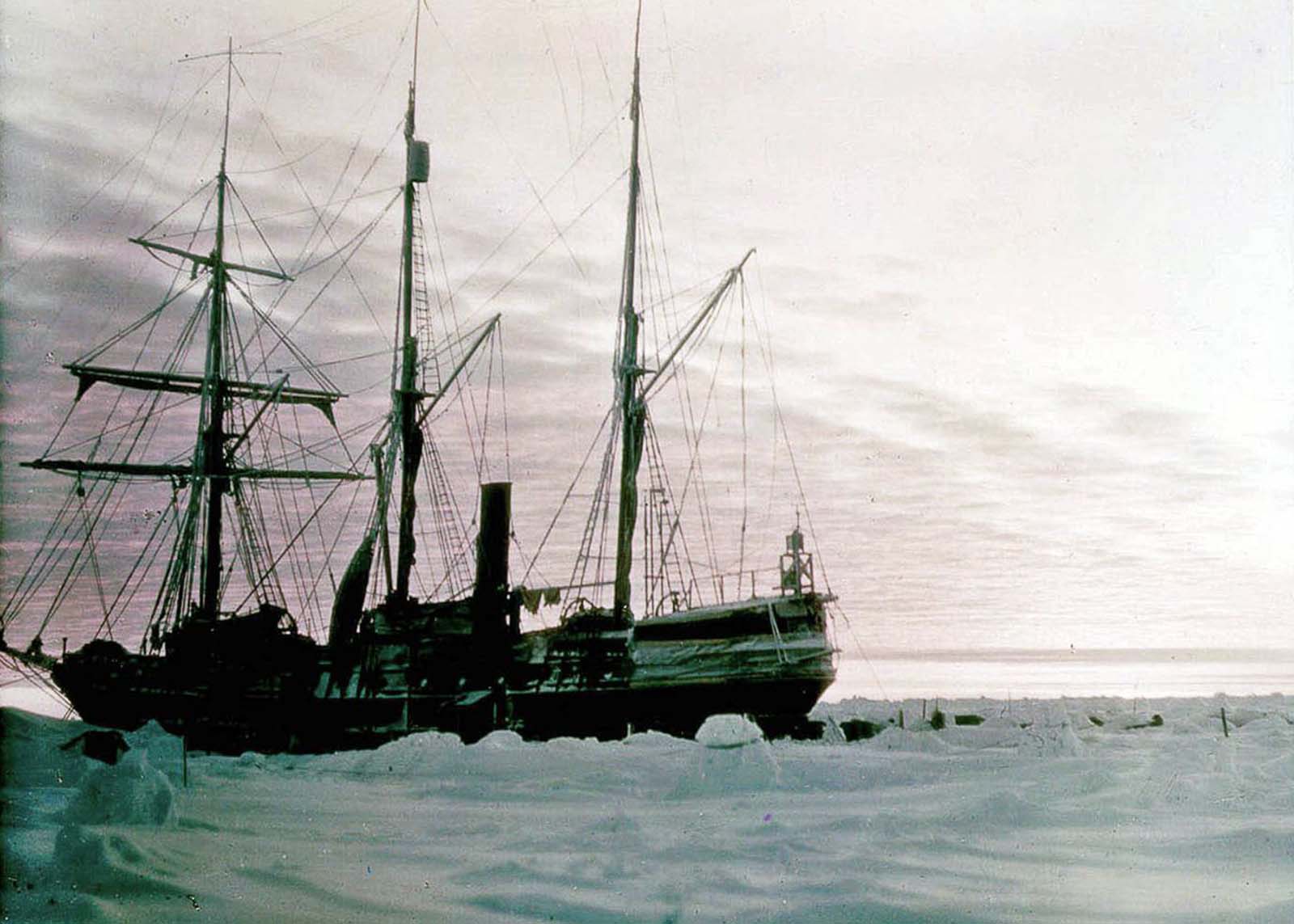
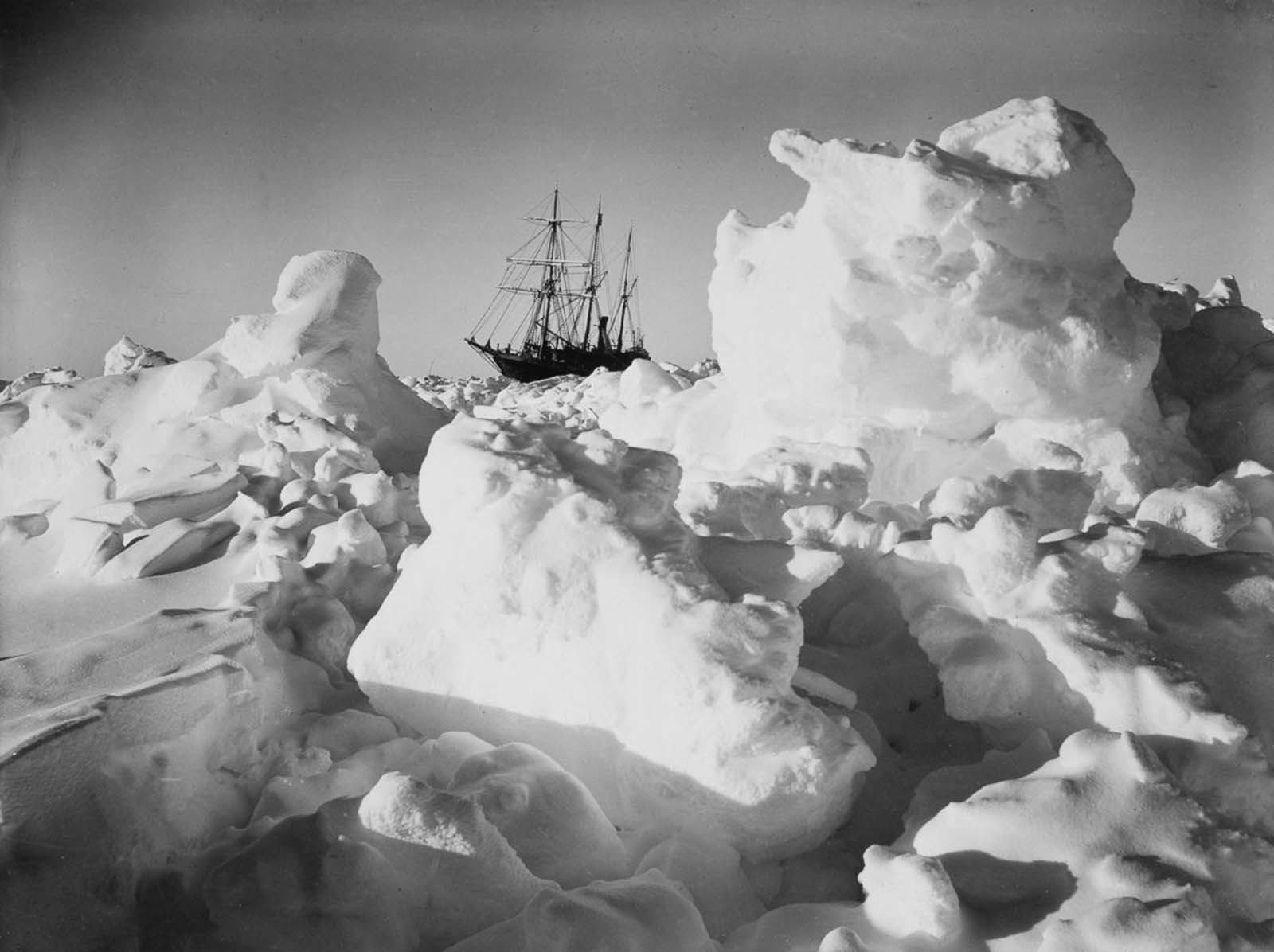
By January 1915, the Endurance was trapped fast in the pack ice before she could reach Vahsel Bay. The ship was too far from land to attempt a crossing on foot. Shackleton’s plan was to hold their position, let the ship drift with the ice through the Antarctic winter, and attempt the mission again in spring. The crew settled in, establishing routines to keep morale up and the men occupied.
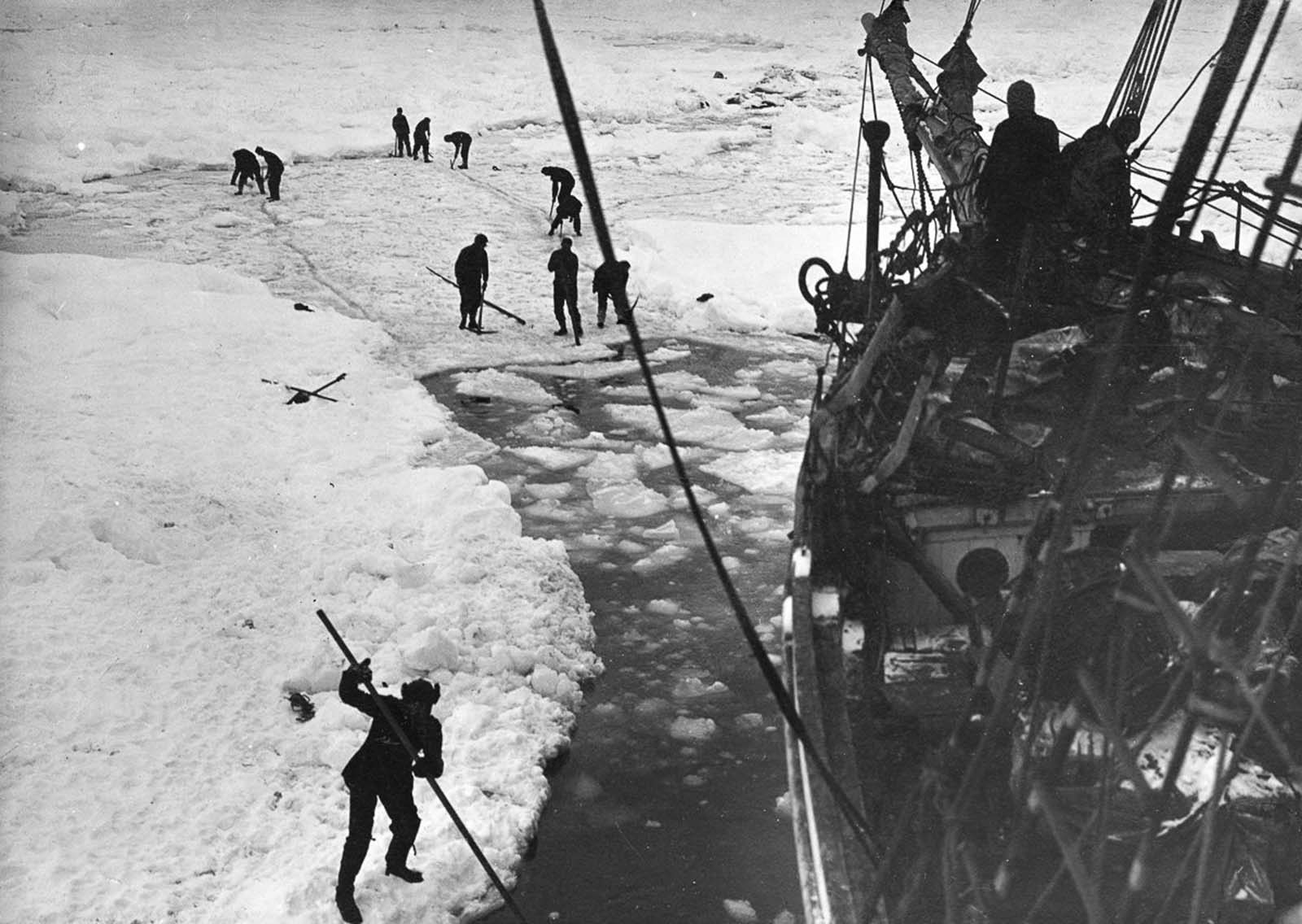
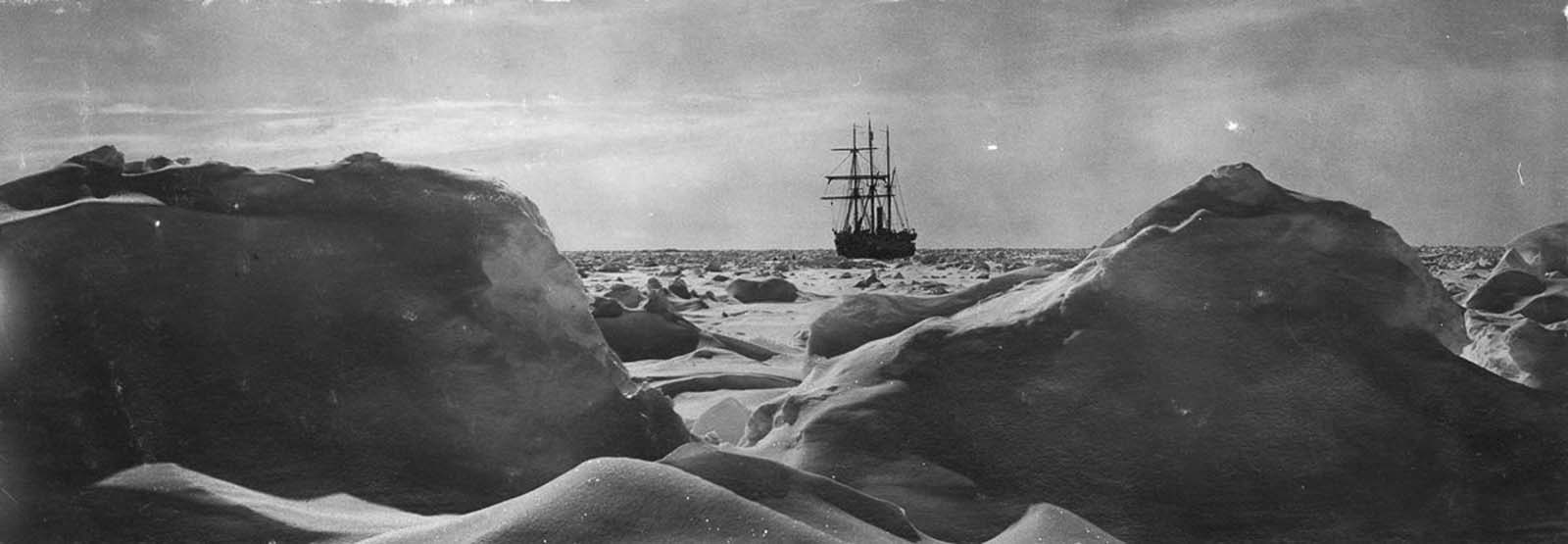
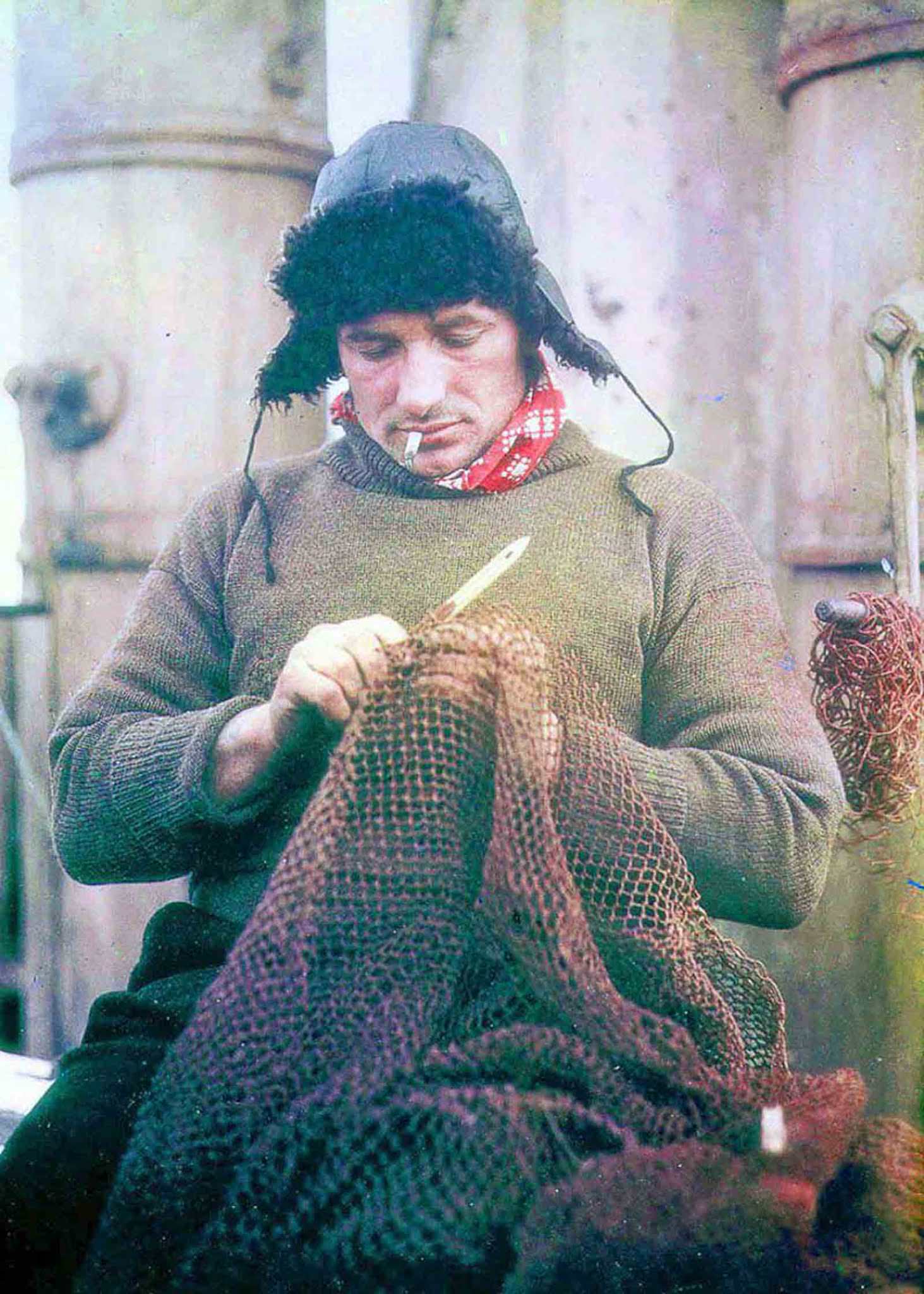
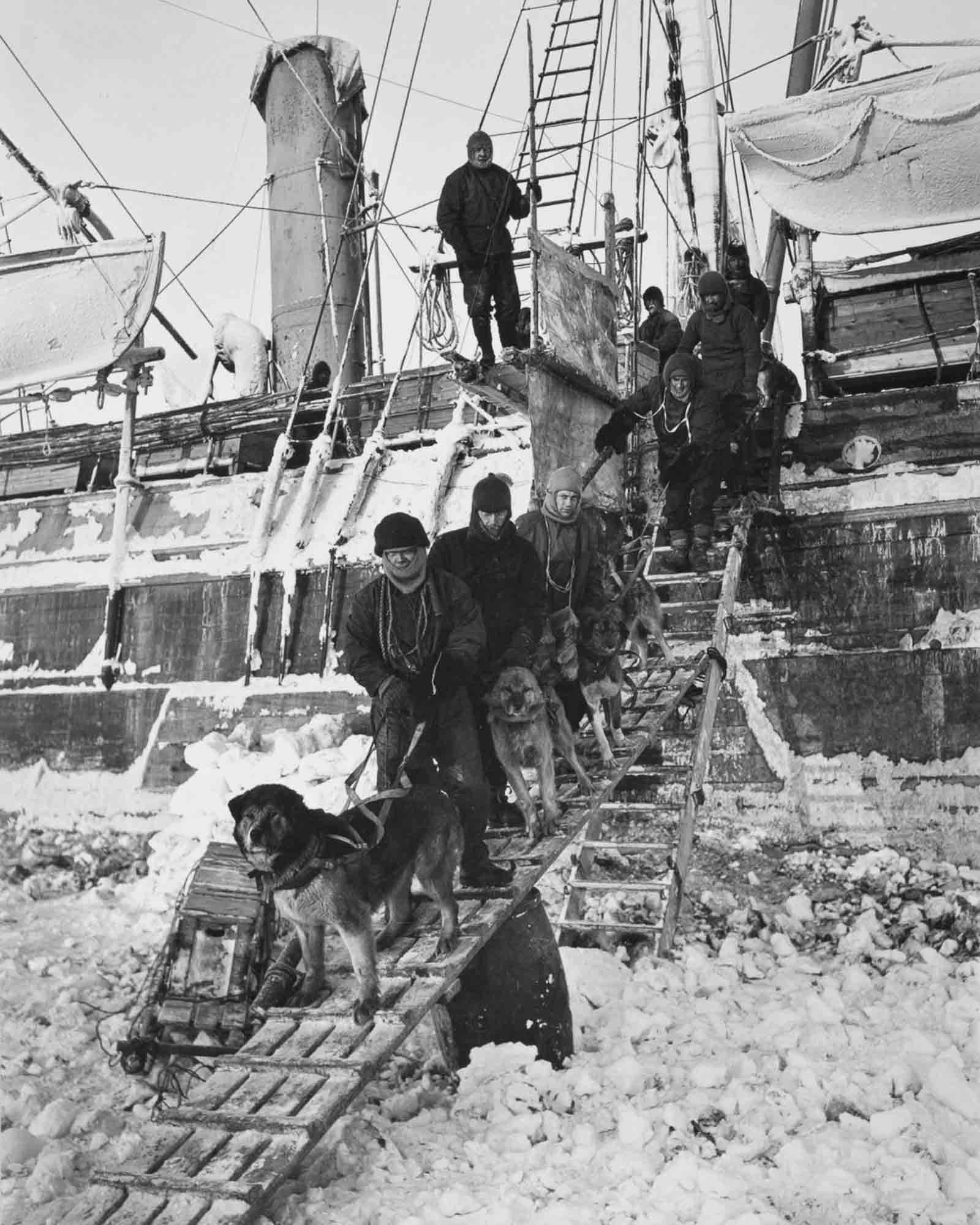
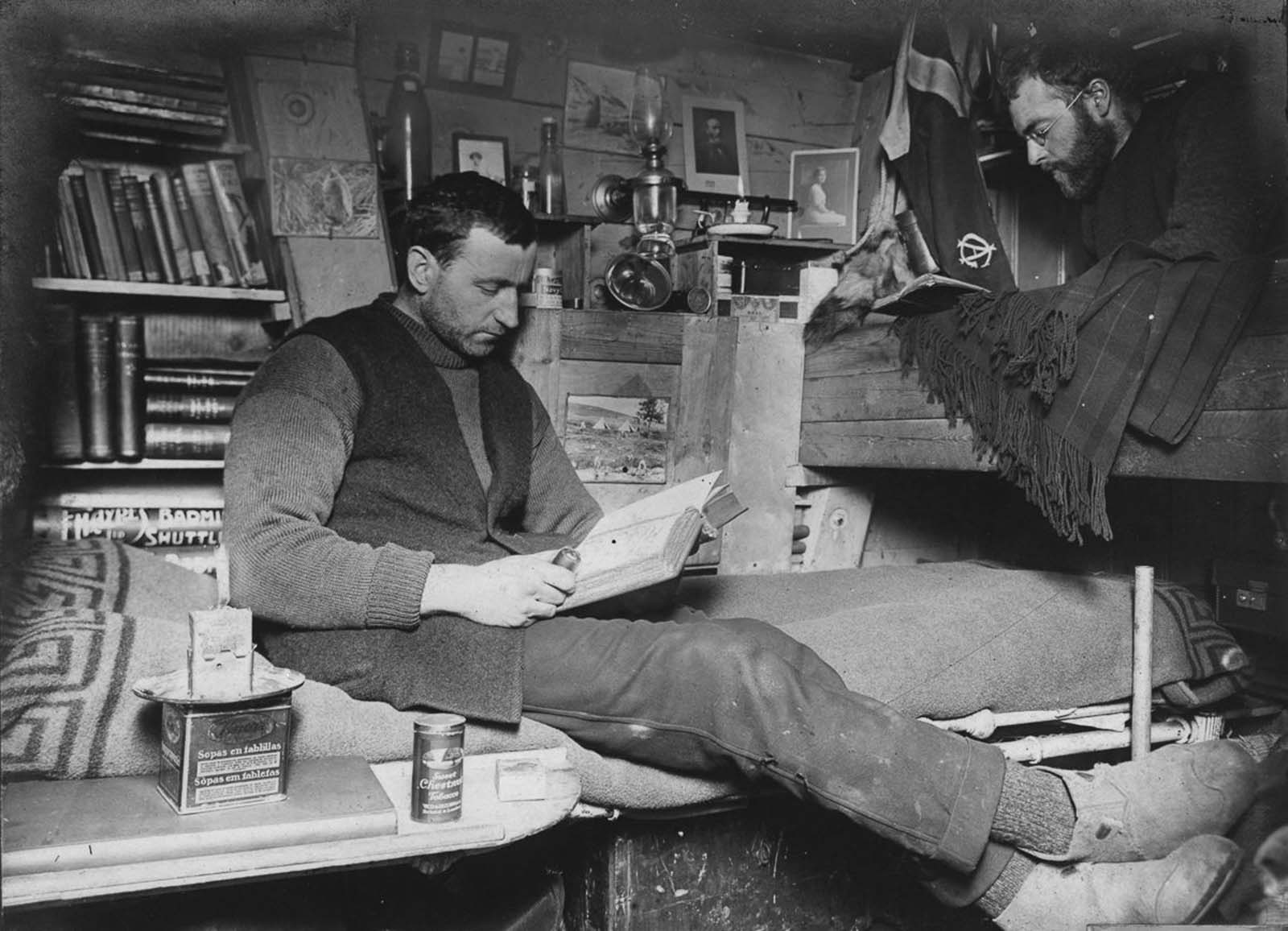
The ship became a frozen base camp. With nowhere to go, the crew carried out scientific work and daily duties. Physicist Reginald James maintained his observatory, biologist Robert Clark and geologist James Wordie worked from their shared cabin, and cook Charles Green kept the men fed — even if dinner occasionally meant freshly skinned penguin. The dogs, brought along as sled teams for the overland crossing, were taken out regularly onto the ice for exercise.
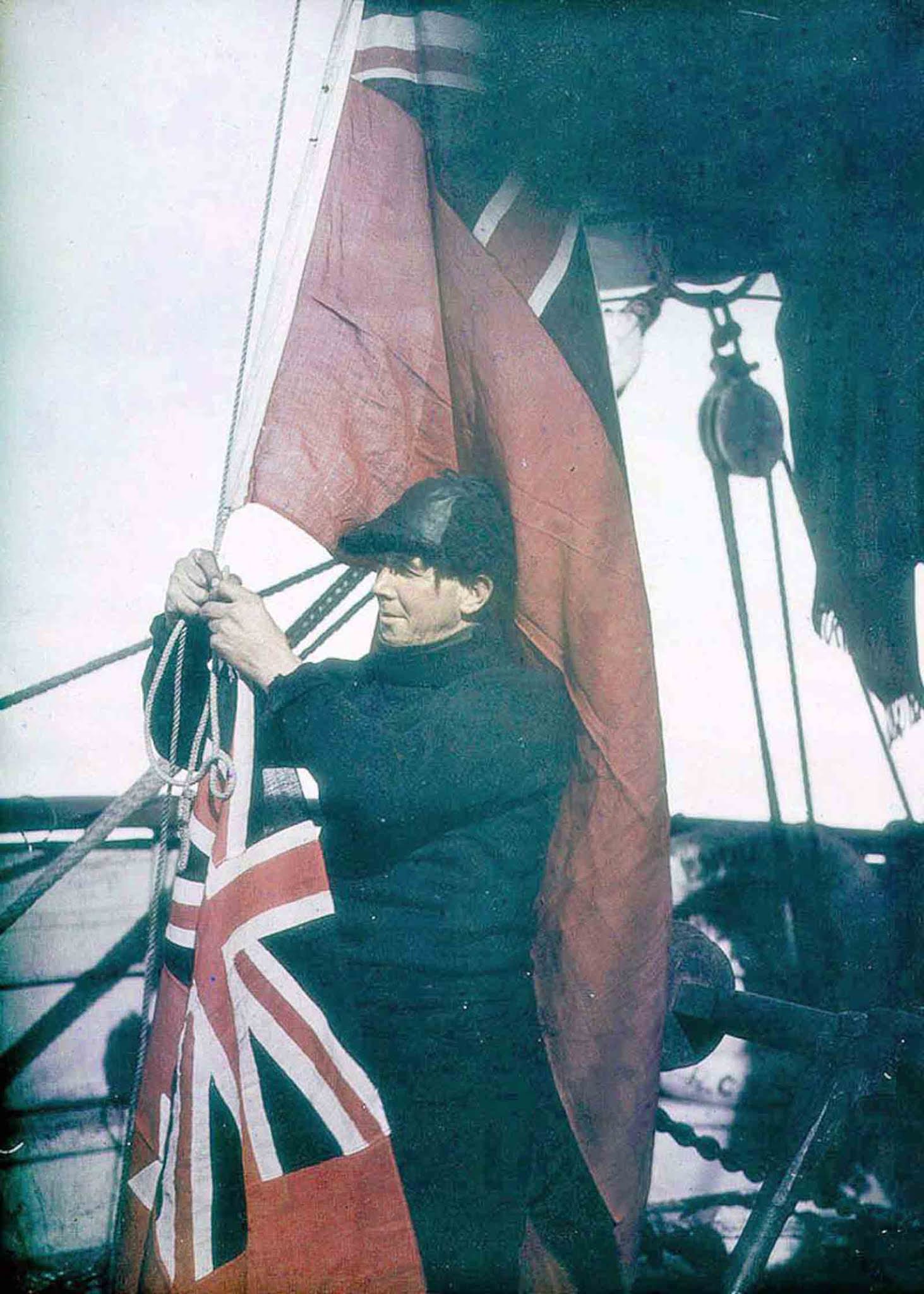
Leadership aboard the Endurance fell to a capable team. Frank Worsley served as captain, navigating the vessel through the ice before she became locked. Frank Wild was Shackleton’s second-in-command — steady, experienced, and trusted by every man on the ship. Navigating Officer Hubert Hudson, Second Officer Tom Crean, and First Officer Lionel Greenstreet rounded out the senior ranks.
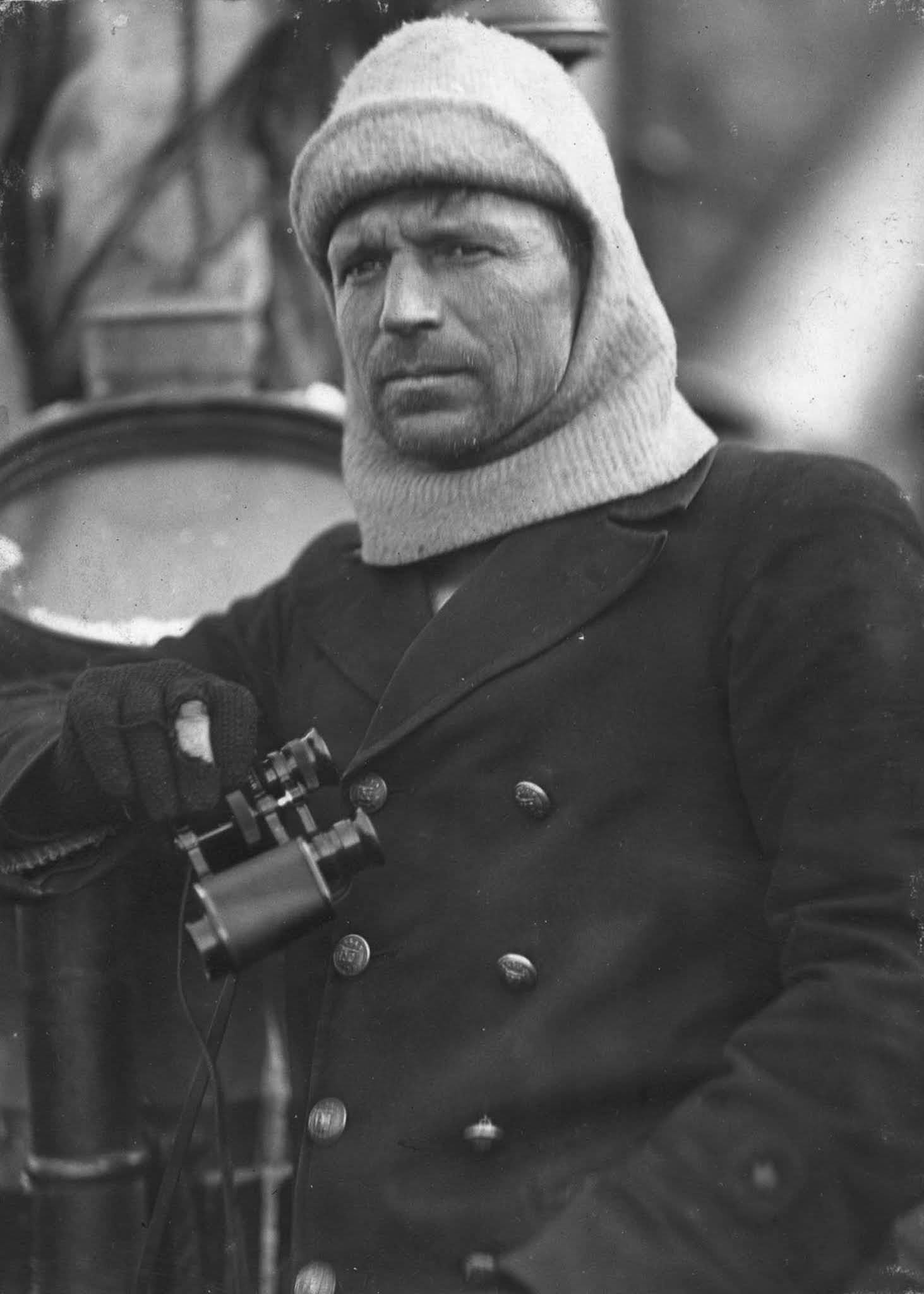
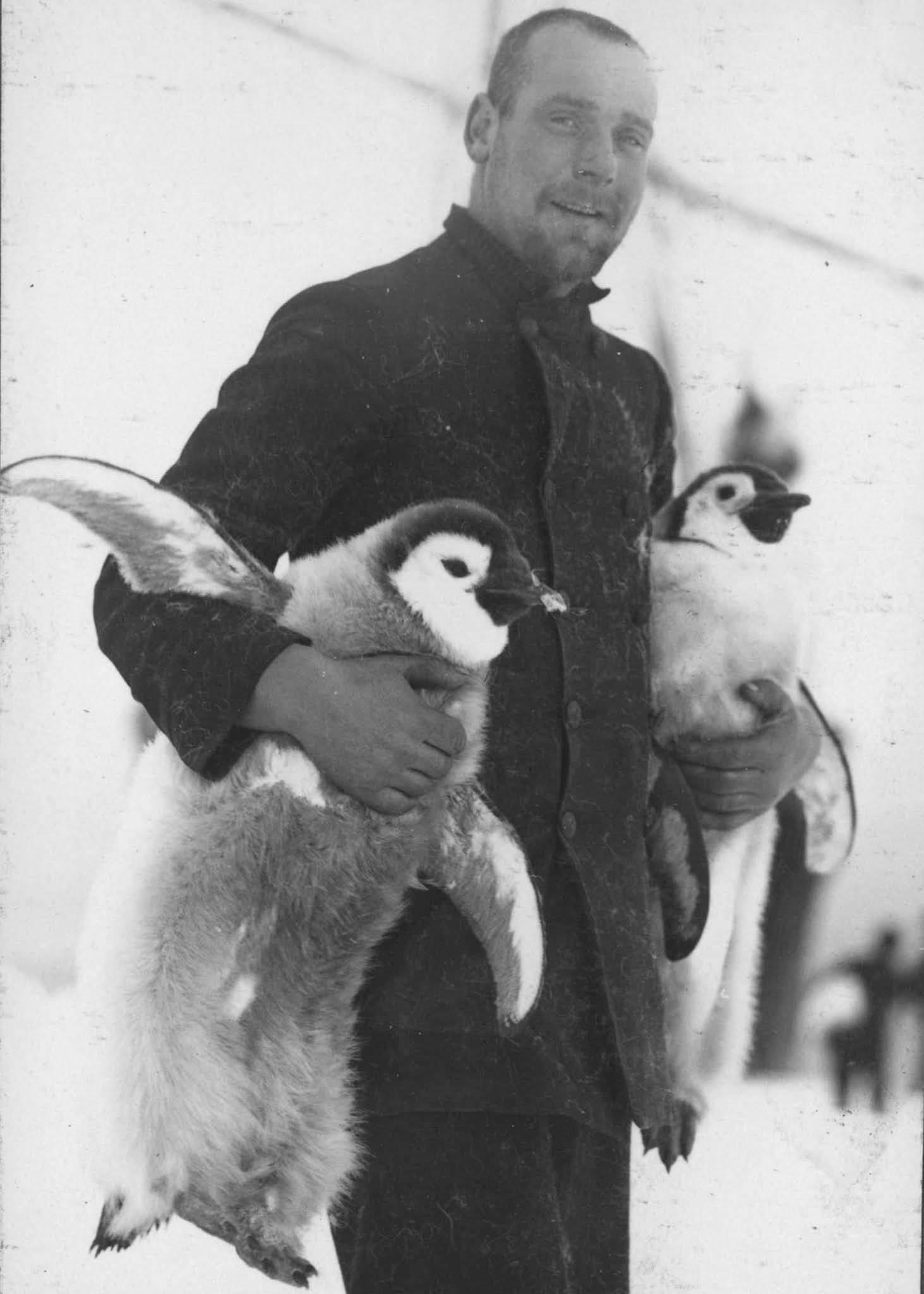
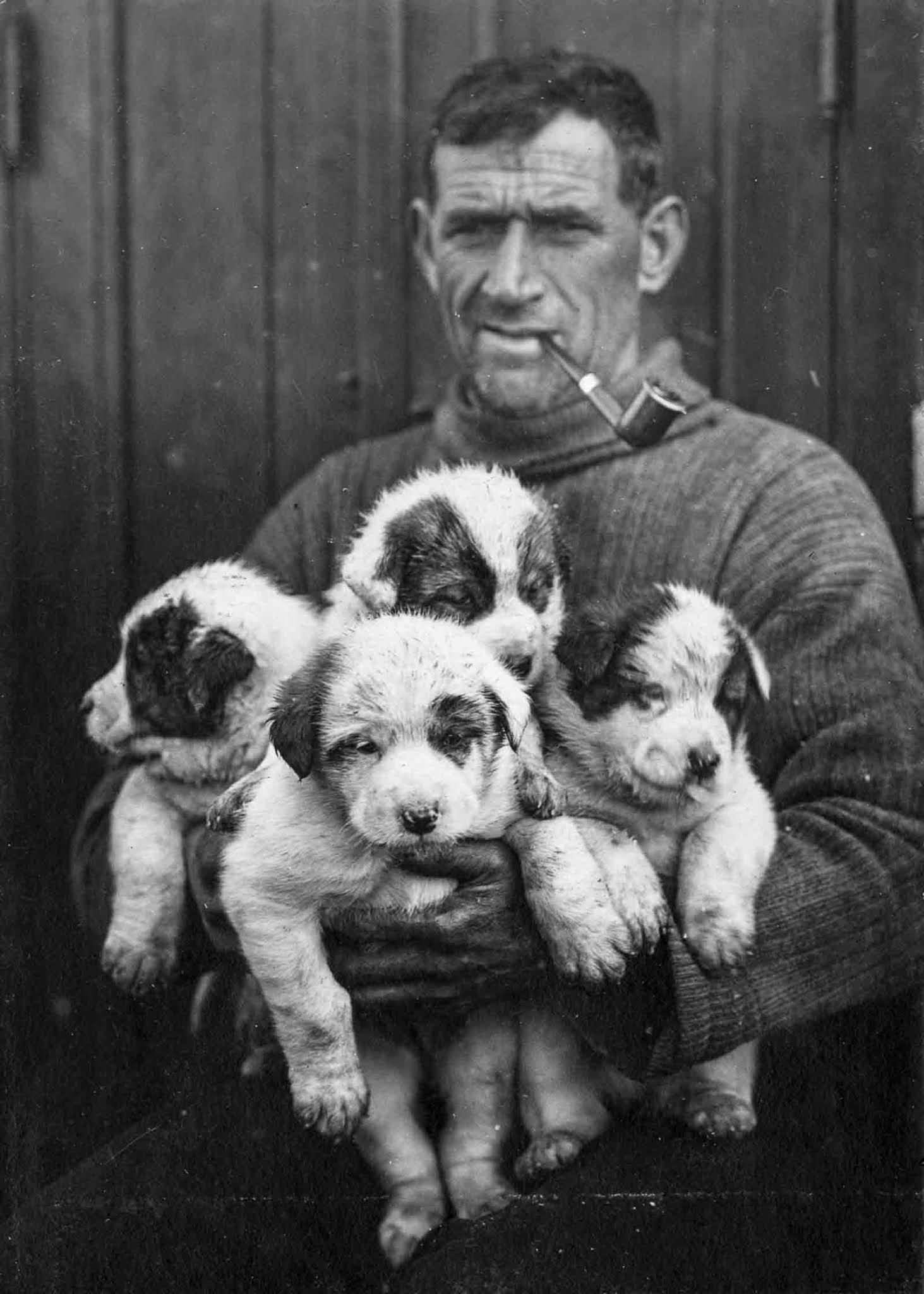
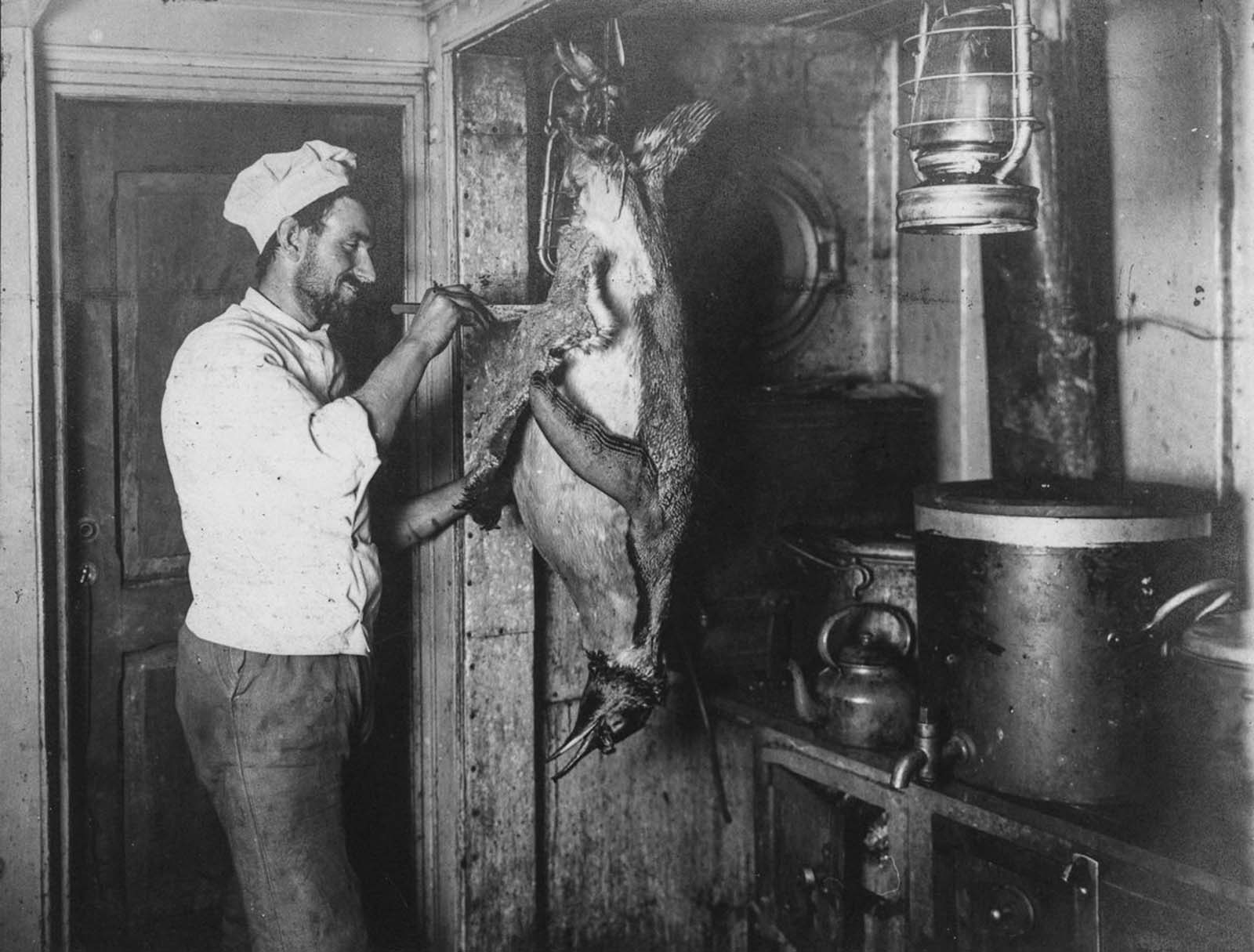
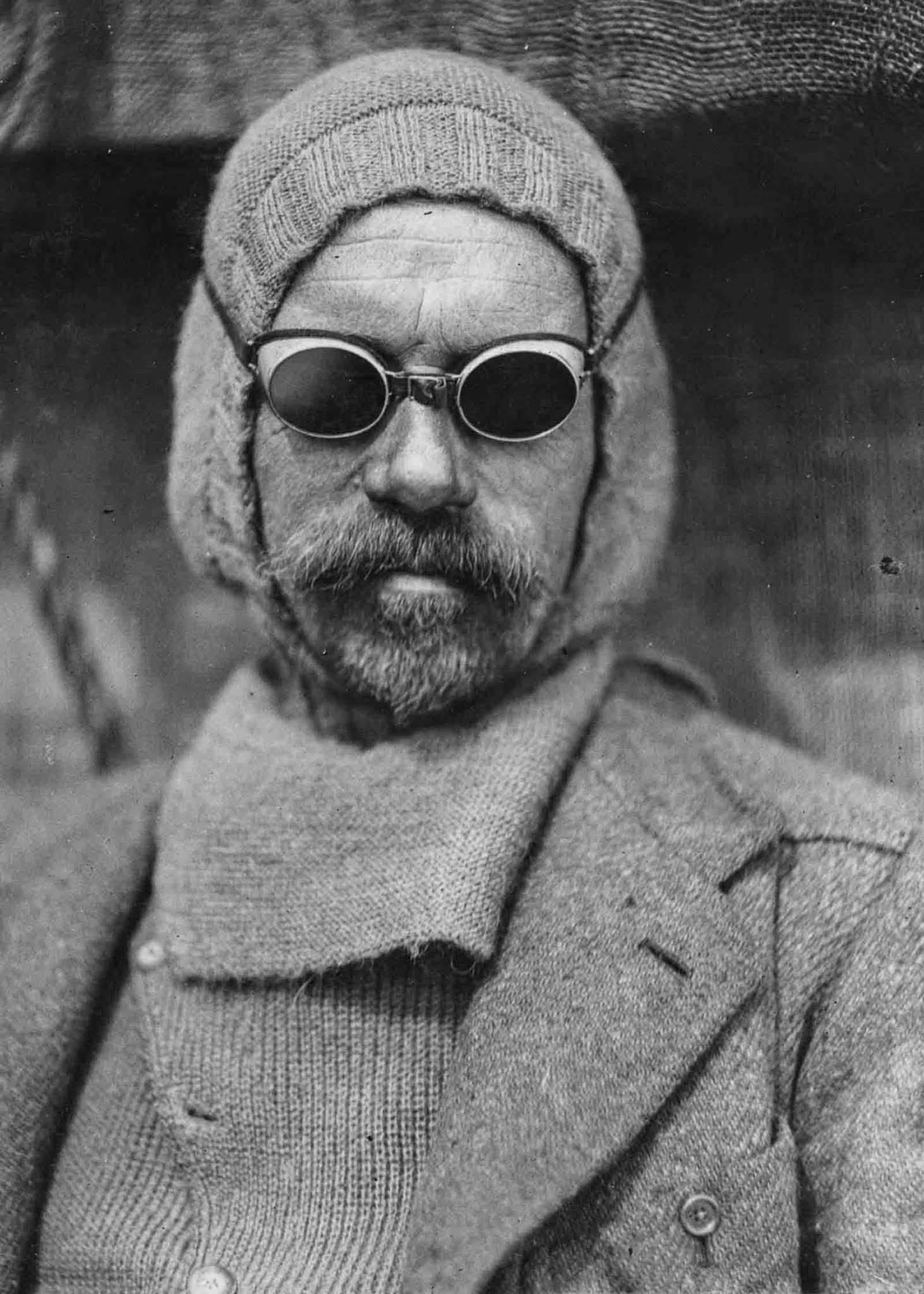
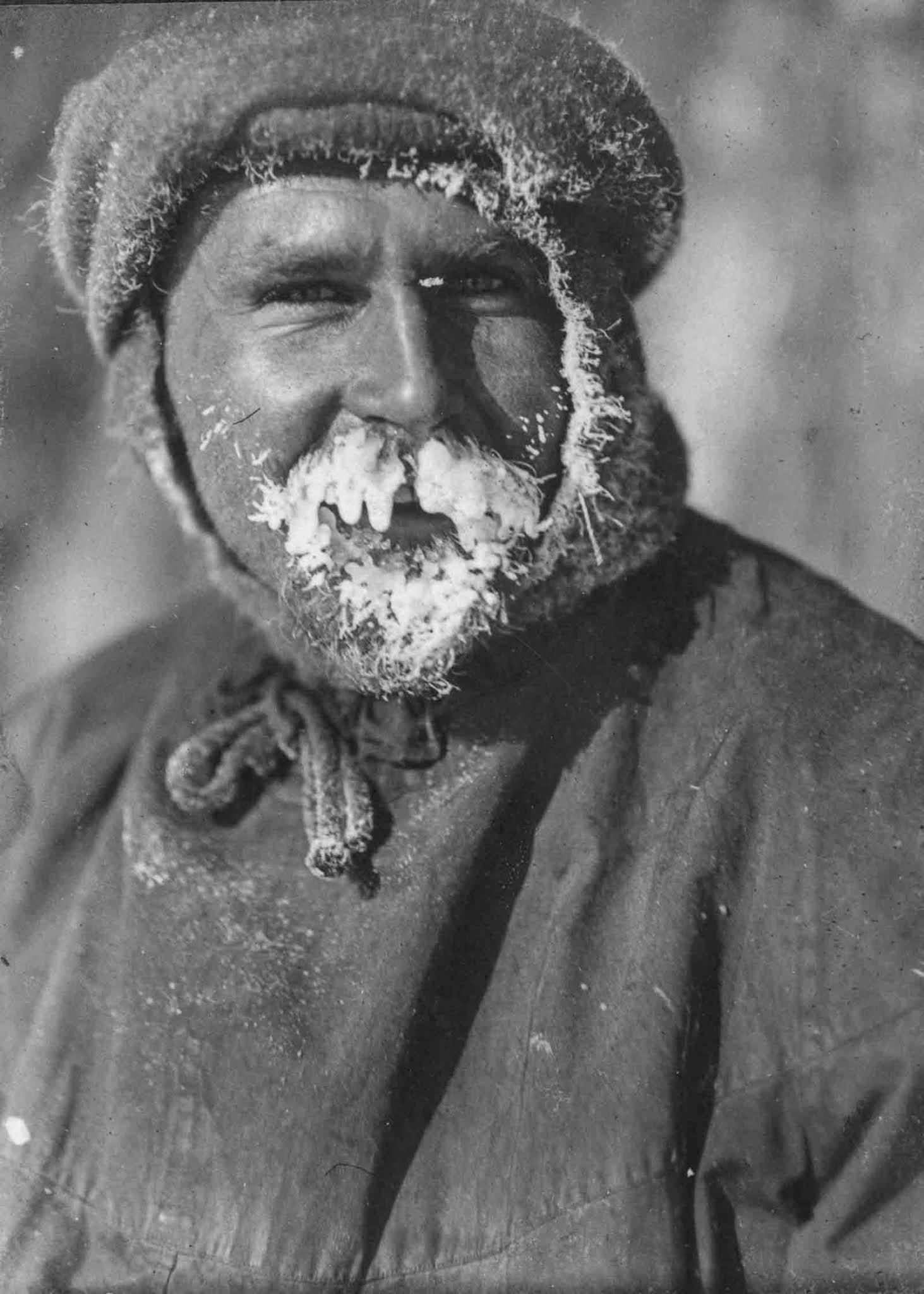
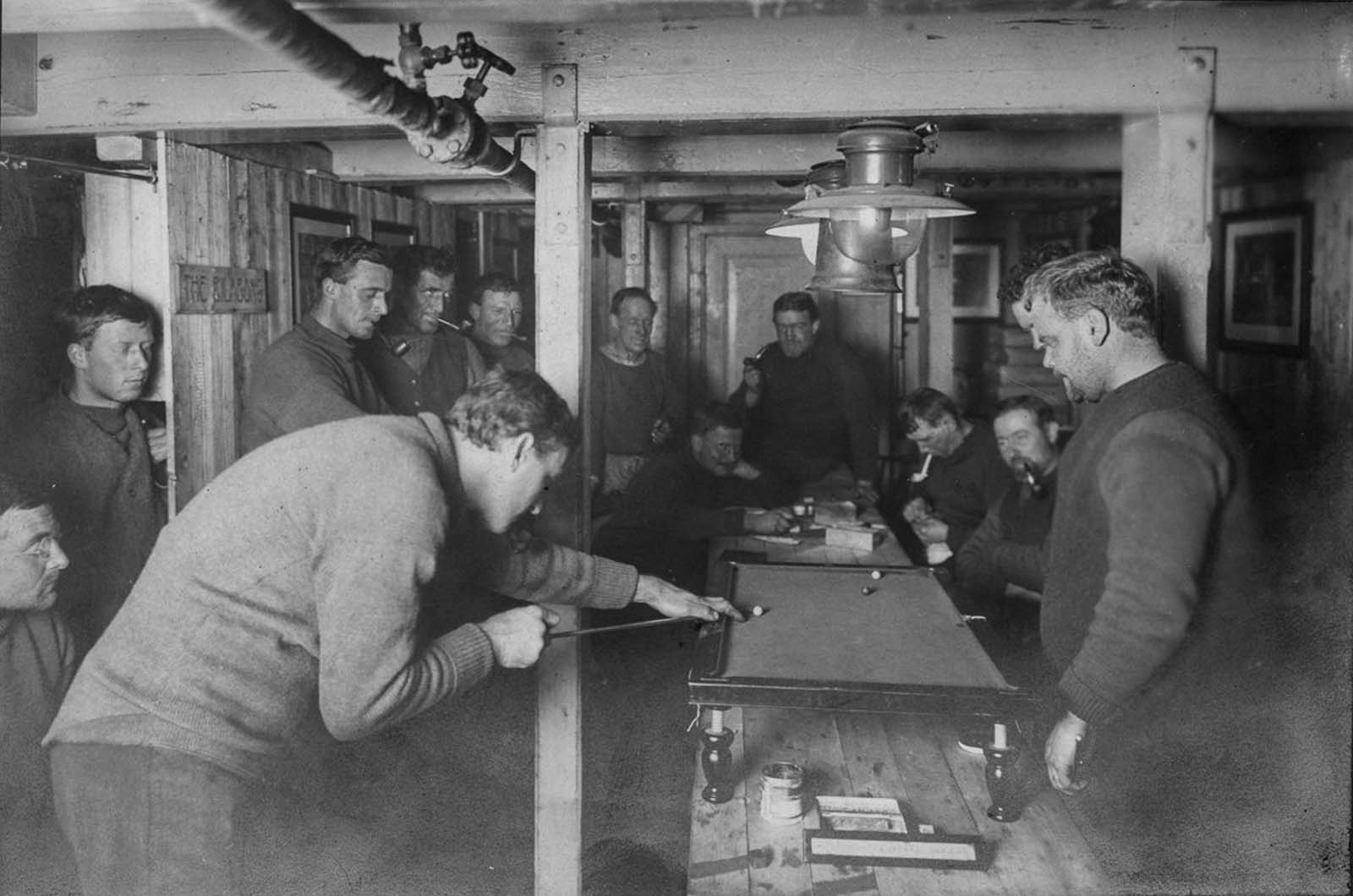
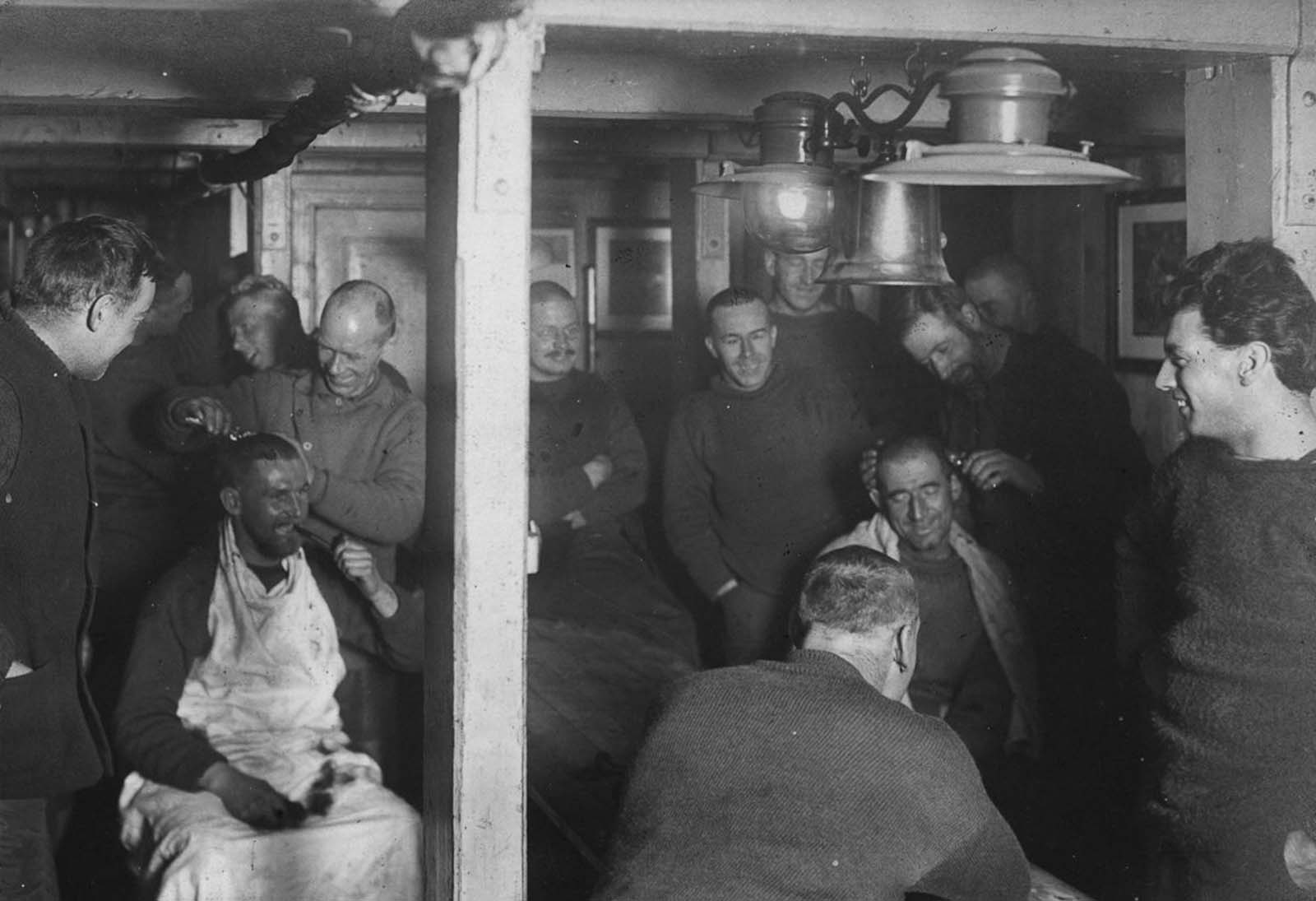
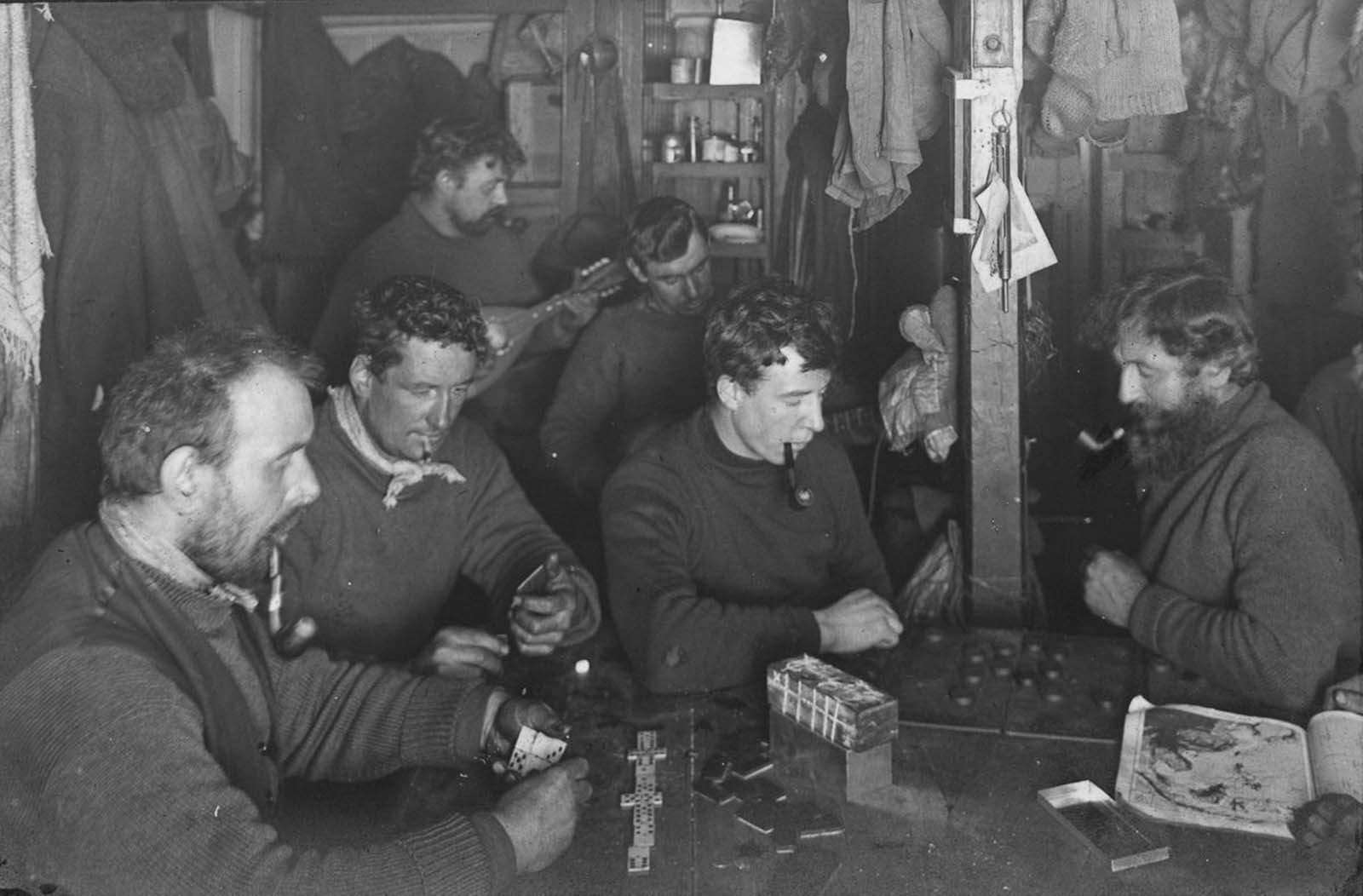
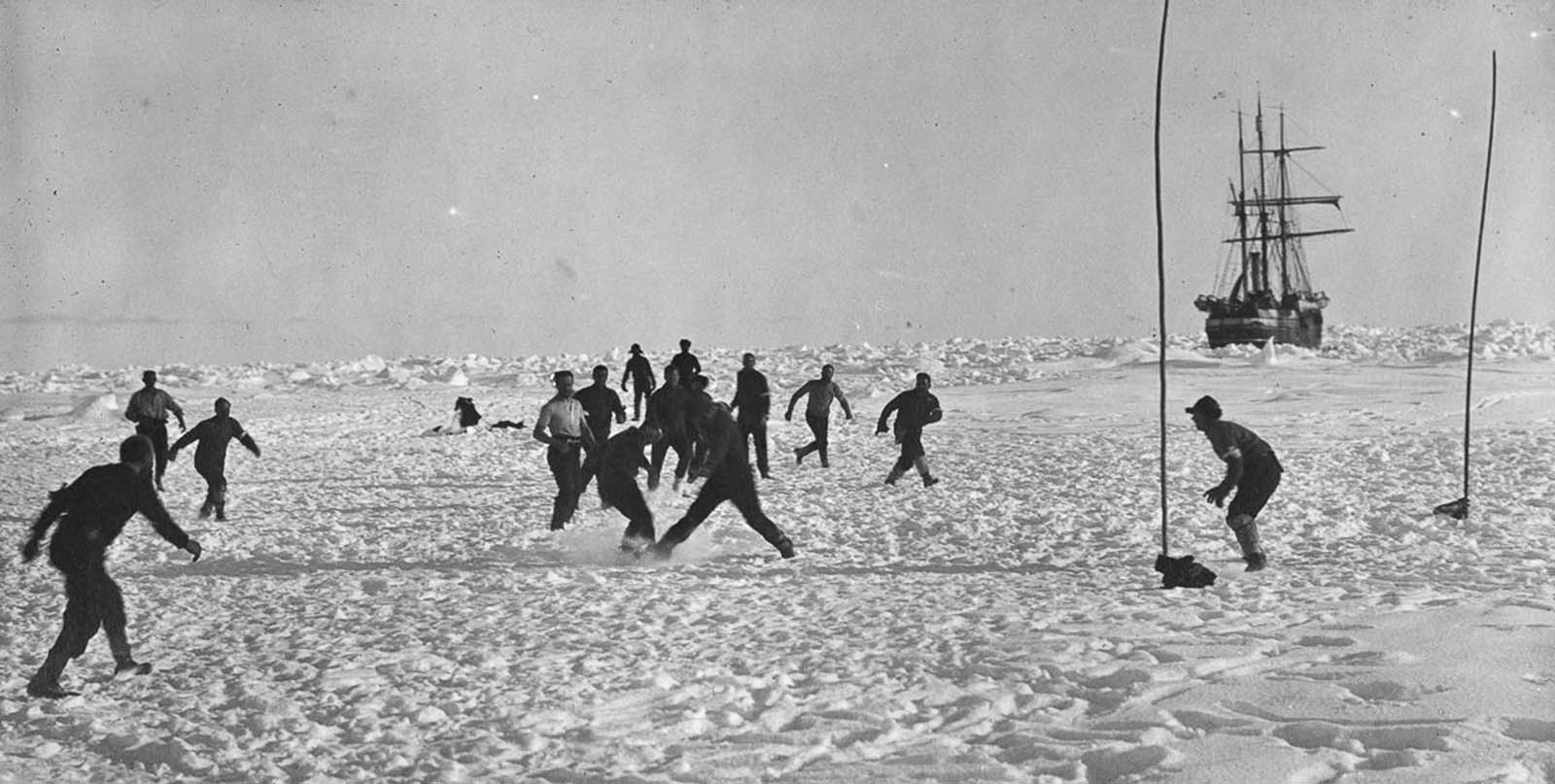
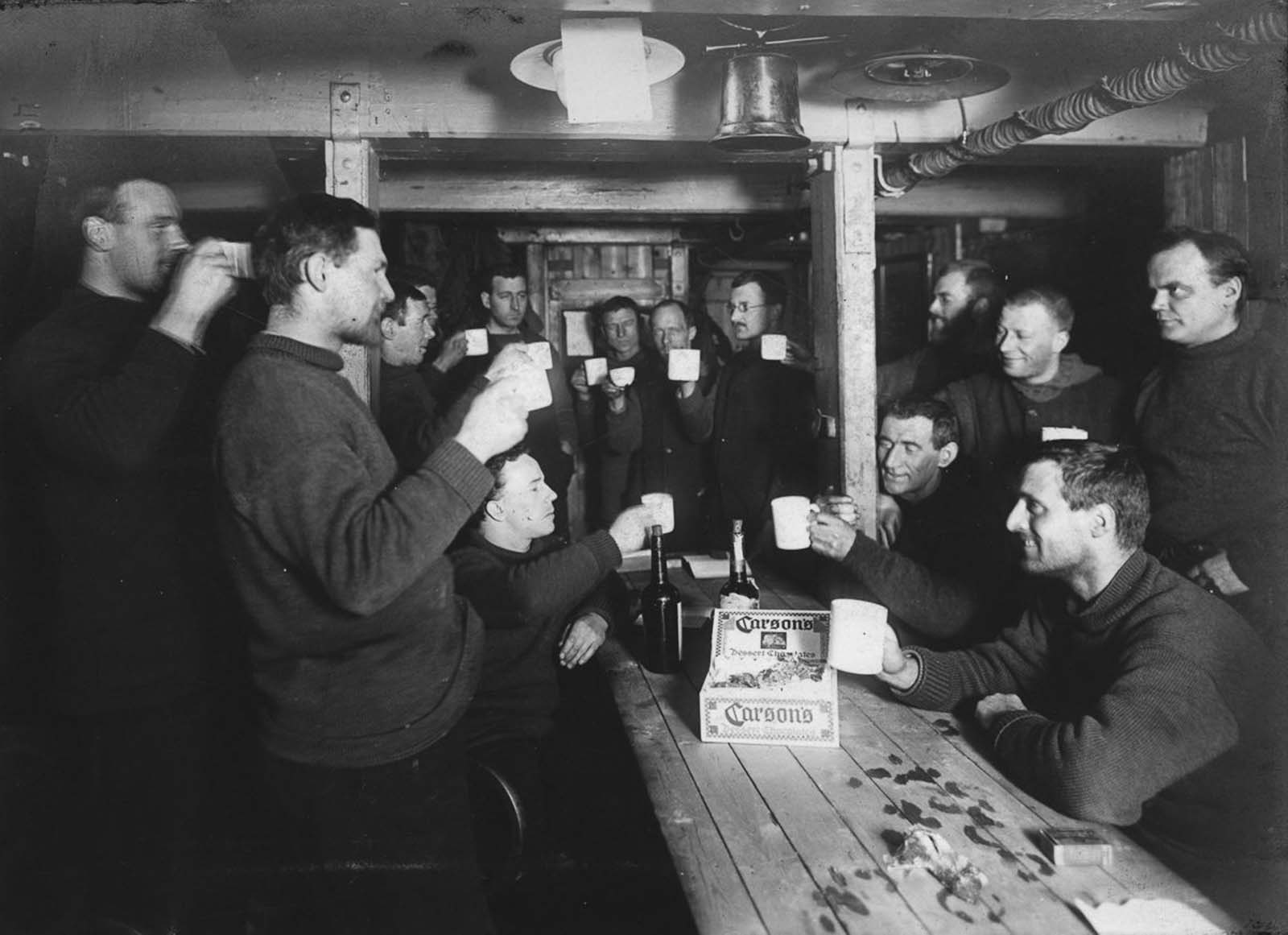
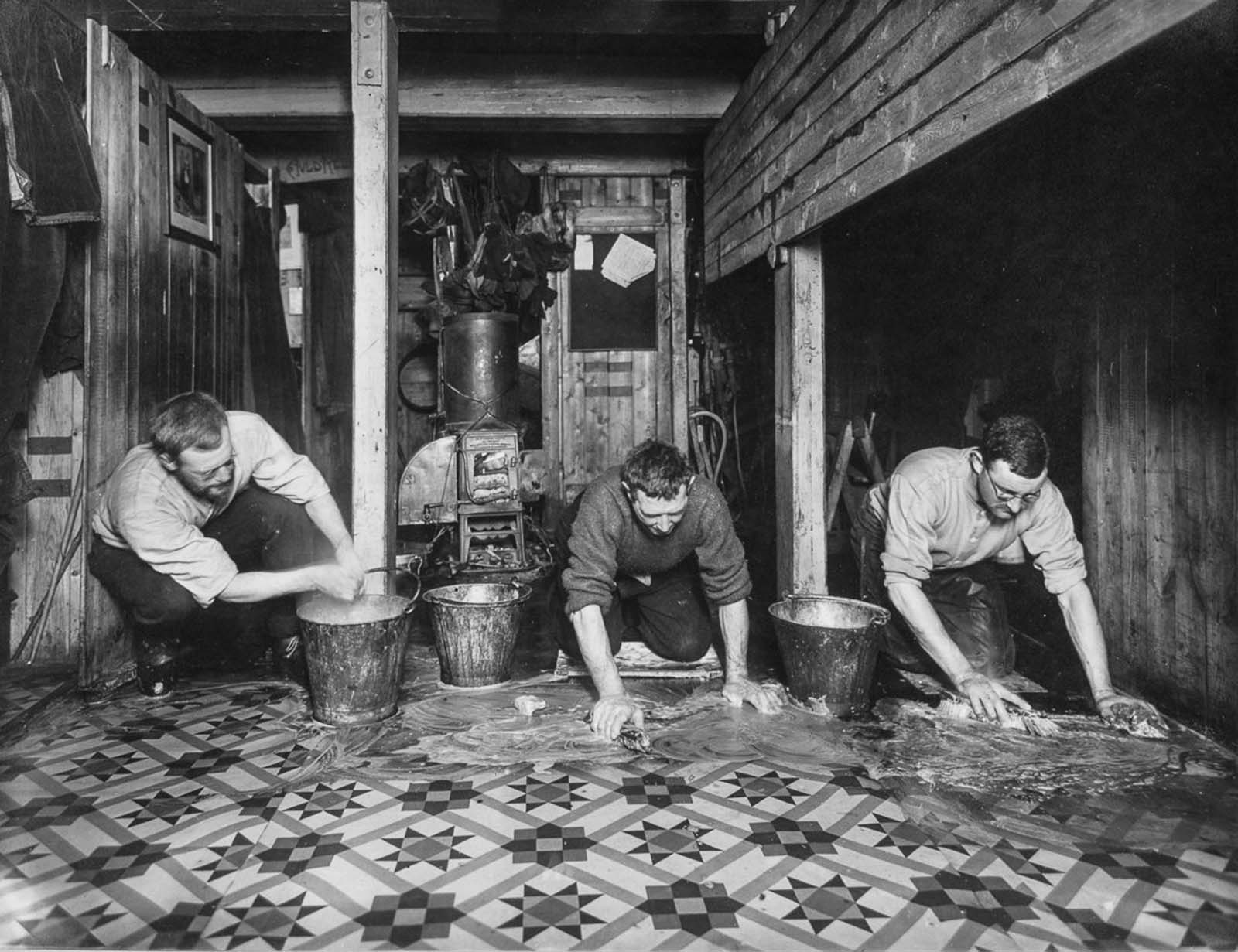
To get through the long Antarctic winter, the crew created their own entertainment. The lower deck space they nicknamed “The Ritz” served as a gathering place for evenings of music, games, and conversation. Haircutting tournaments, soccer matches on the ice, and Saturday evening toasts to “sweethearts and wives” were regular fixtures of life on the trapped ship. These rituals were not trivial — they were how 28 men held themselves together through months of darkness, cold, and uncertainty.
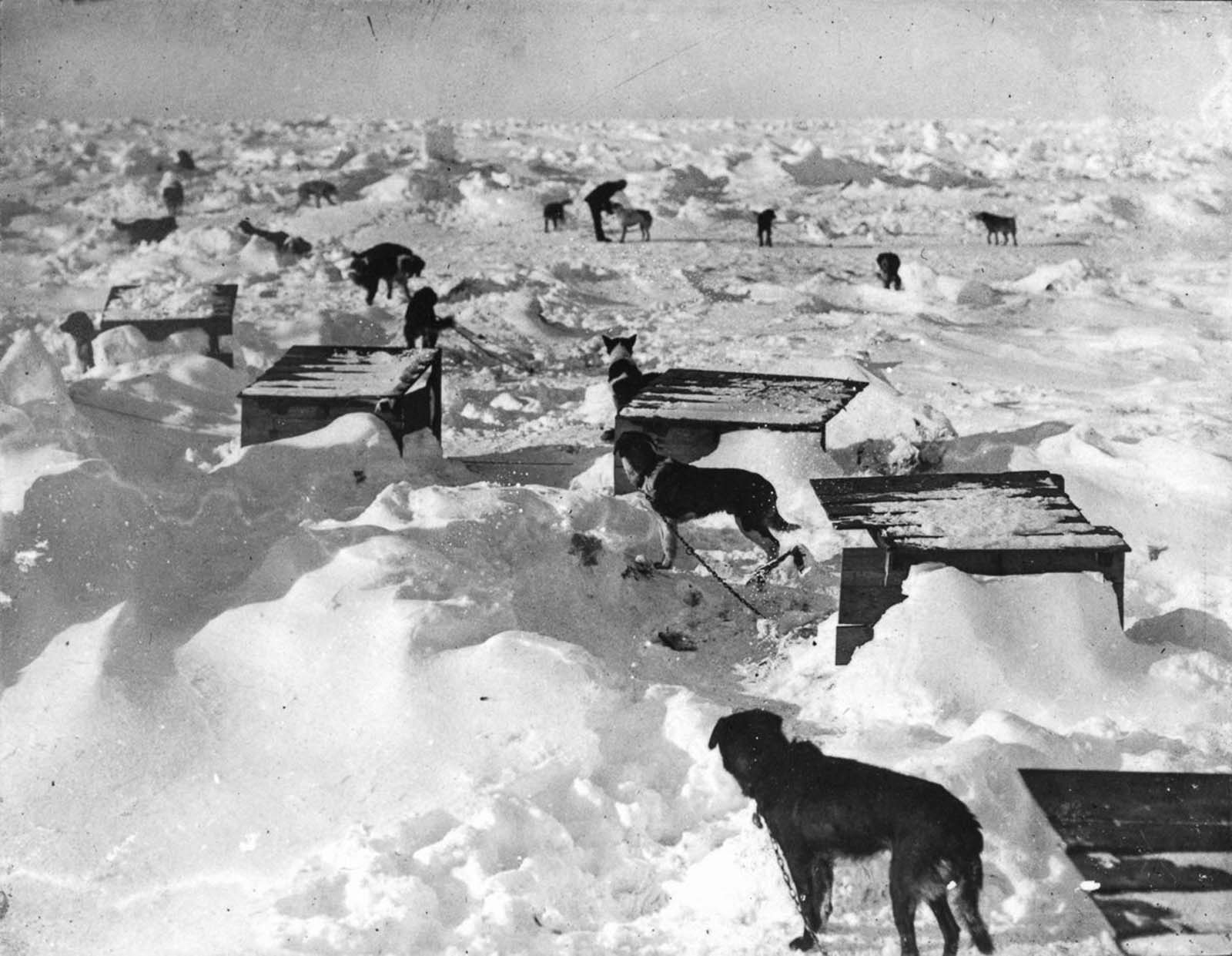
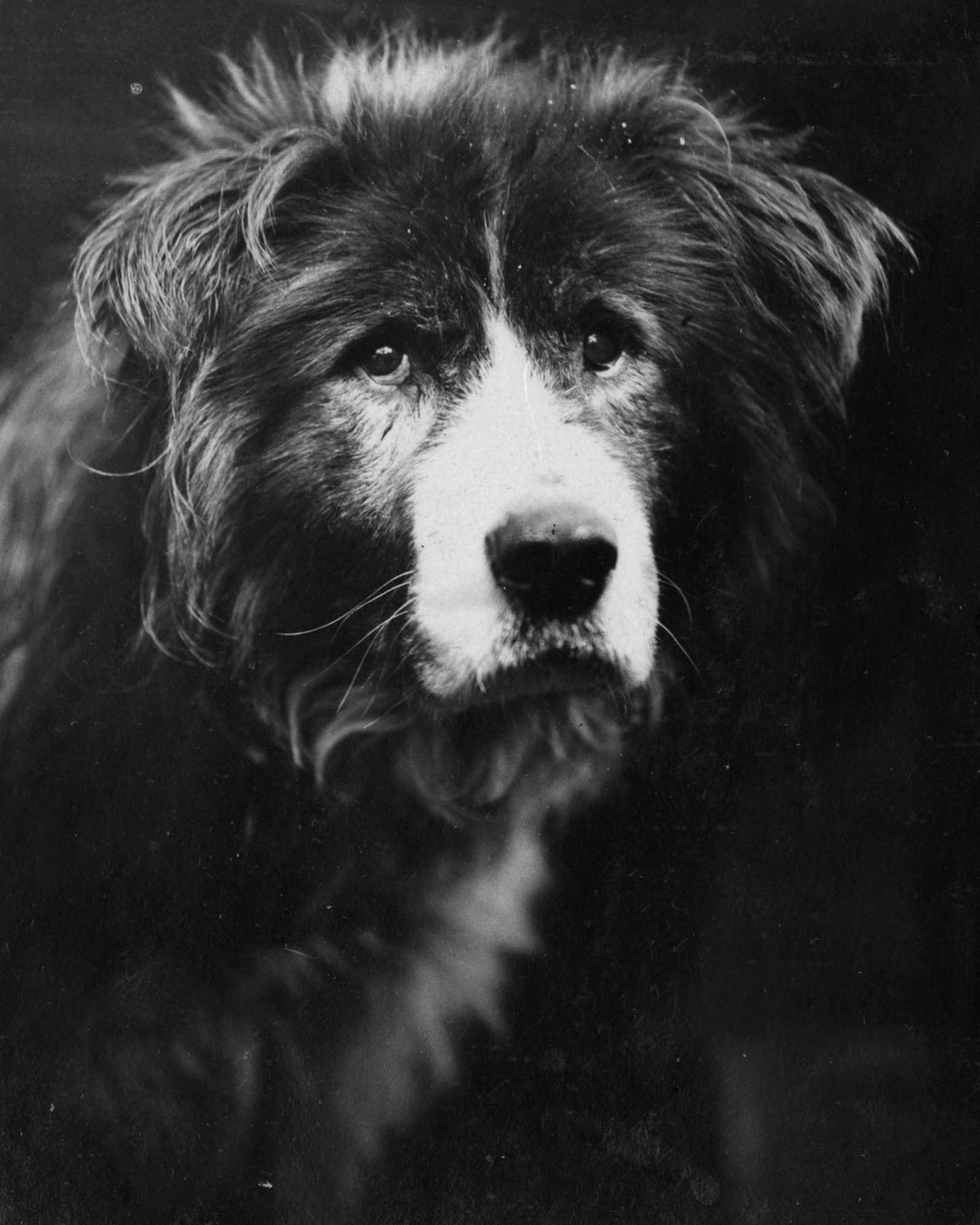
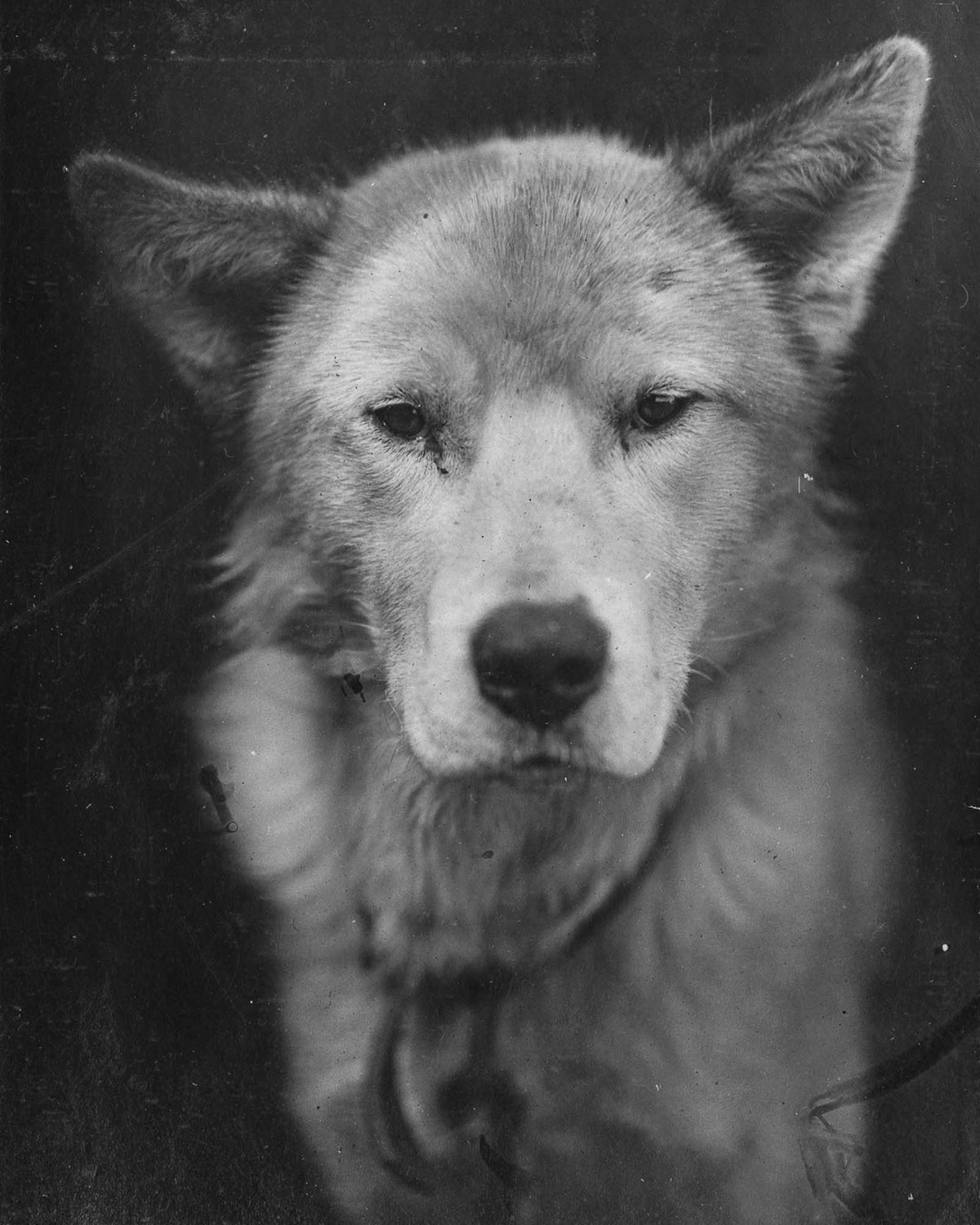
The sled dogs were a central part of life during the months on the ice. They had been bred for the overland crossing that never came, but they remained vital companions and working animals throughout the ordeal. Individual dogs like Owd Bob and Lupoid were photographed by Hurley, their faces as recognizable in the record of this expedition as those of the crew.
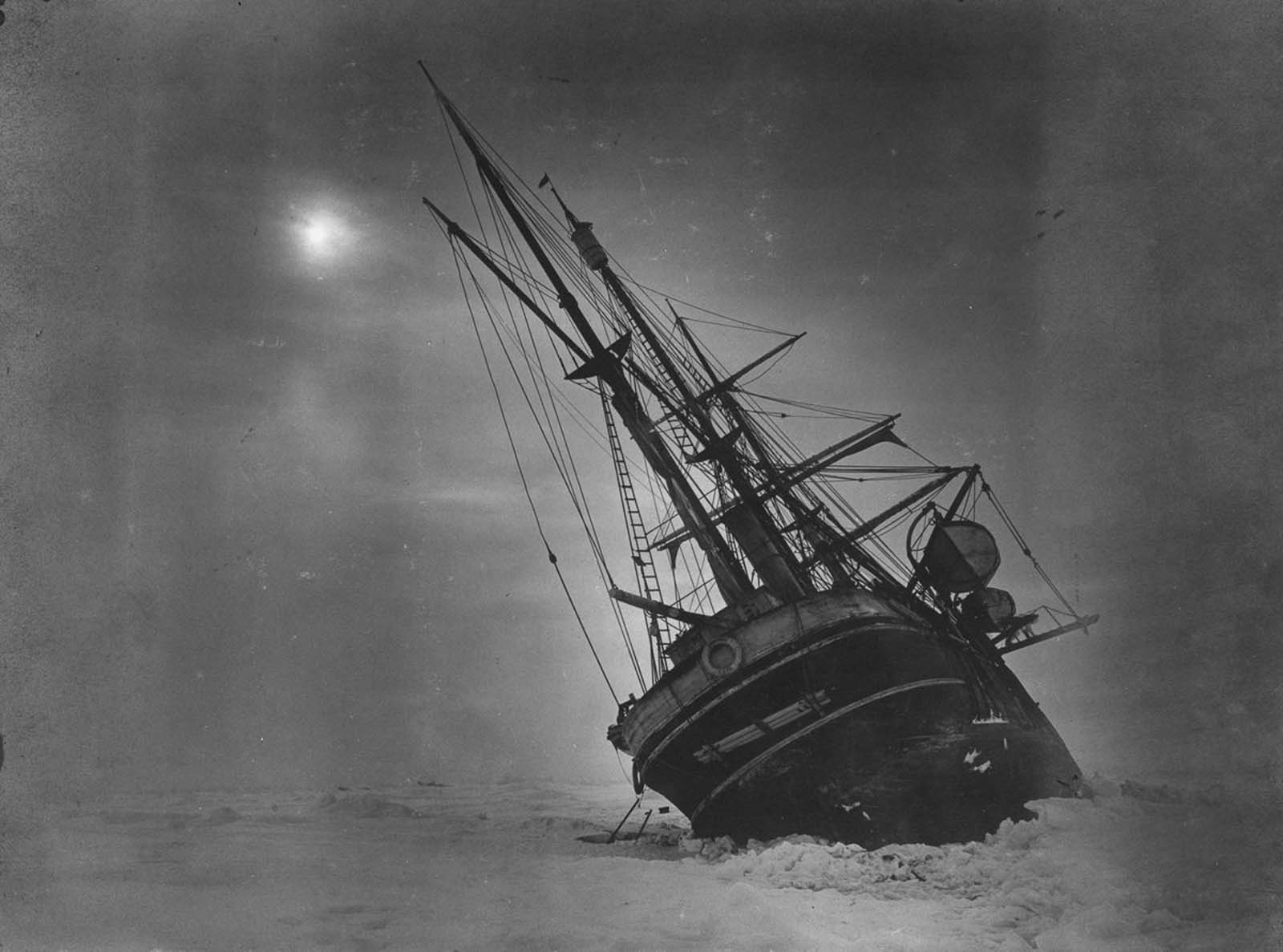
As the ice continued to shift and press against the hull, it became clear the spring breakup would bring destruction rather than freedom. The pack ice didn’t release the Endurance — it crushed her. The ship’s wooden hull buckled under enormous pressure, flooding her holds beyond any hope of repair. By October 1915, Shackleton ordered the men off the ship and onto the ice. They set up Ocean Camp on the floe and watched the vessel slowly die.
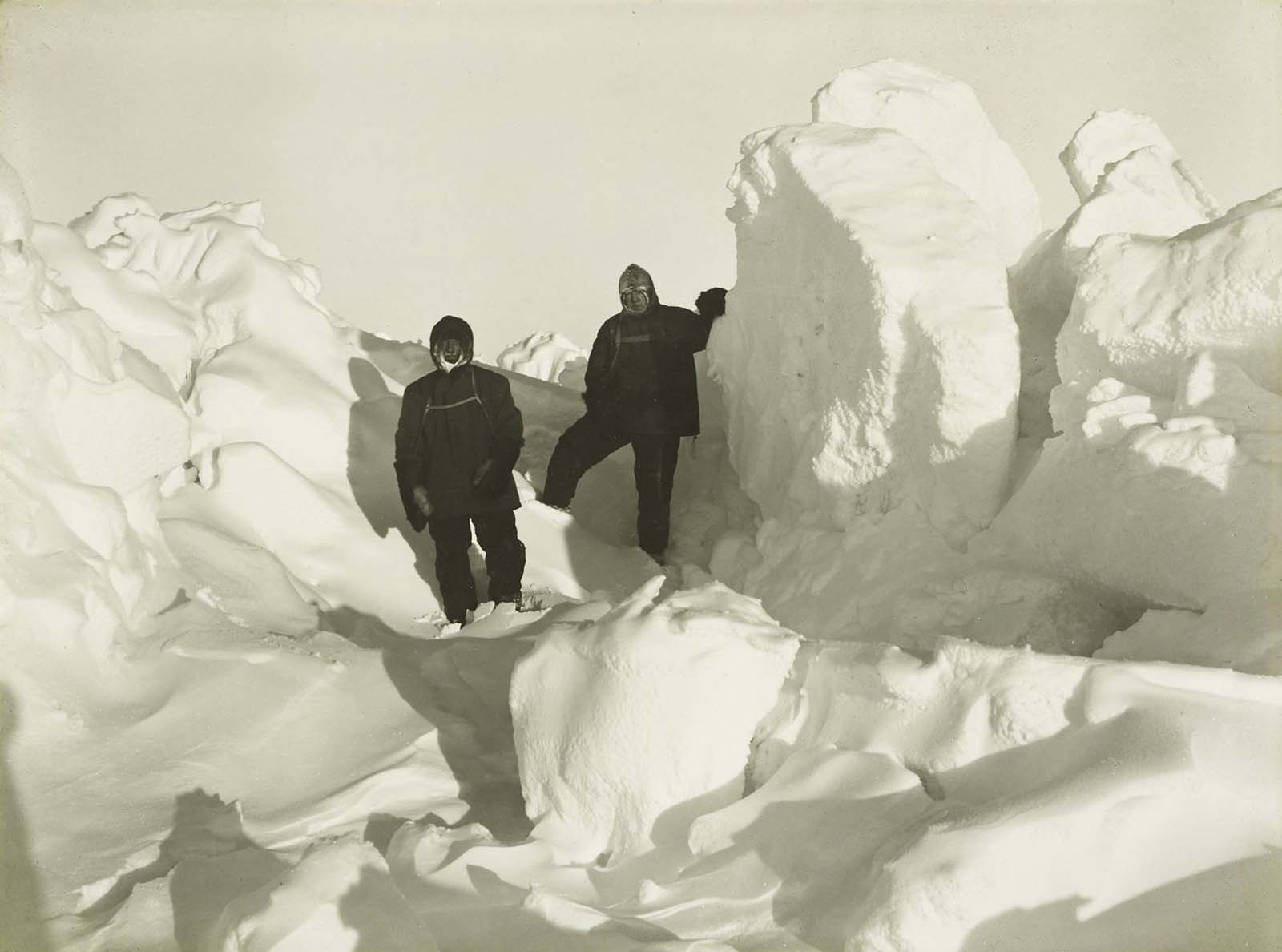
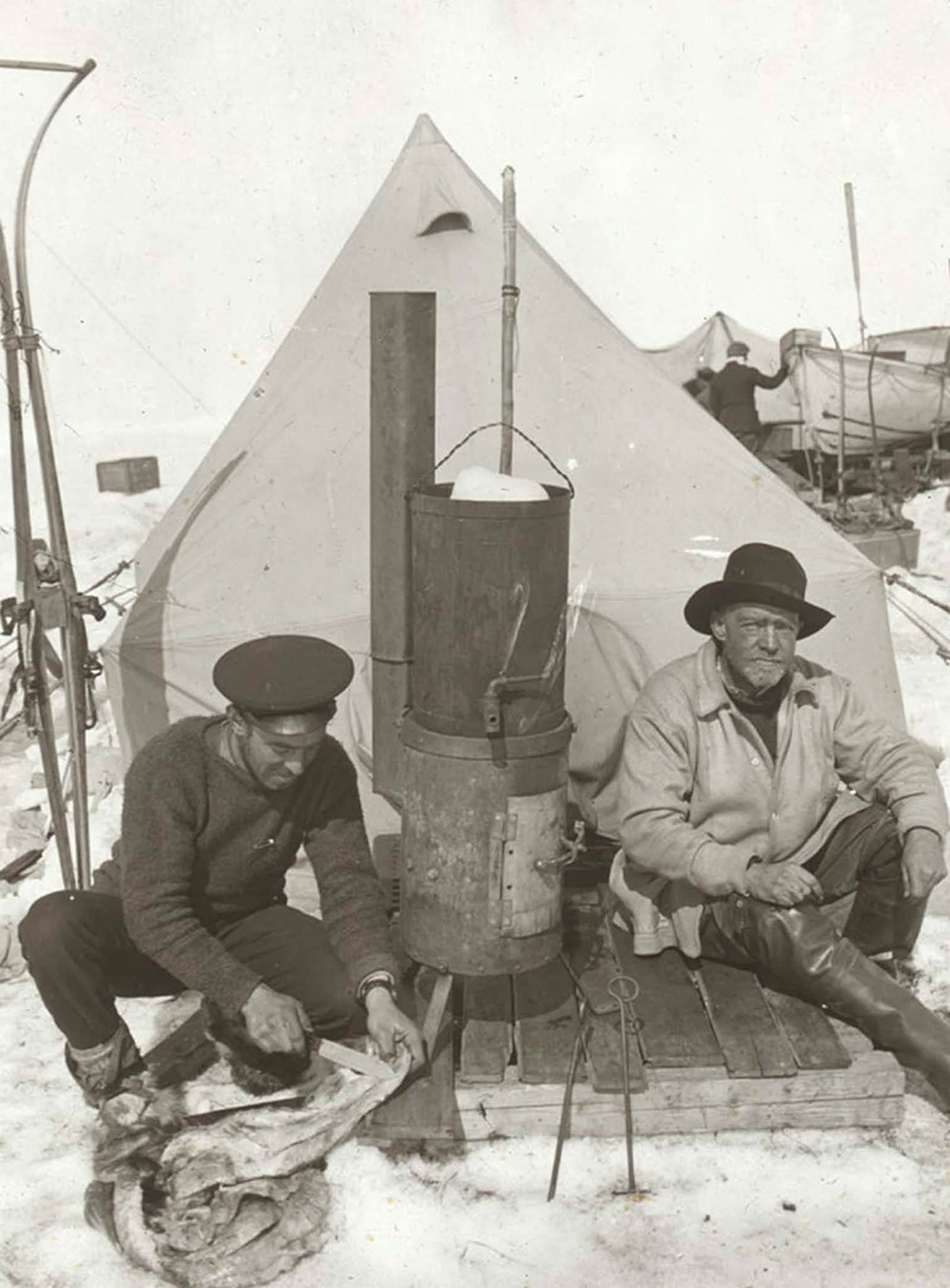
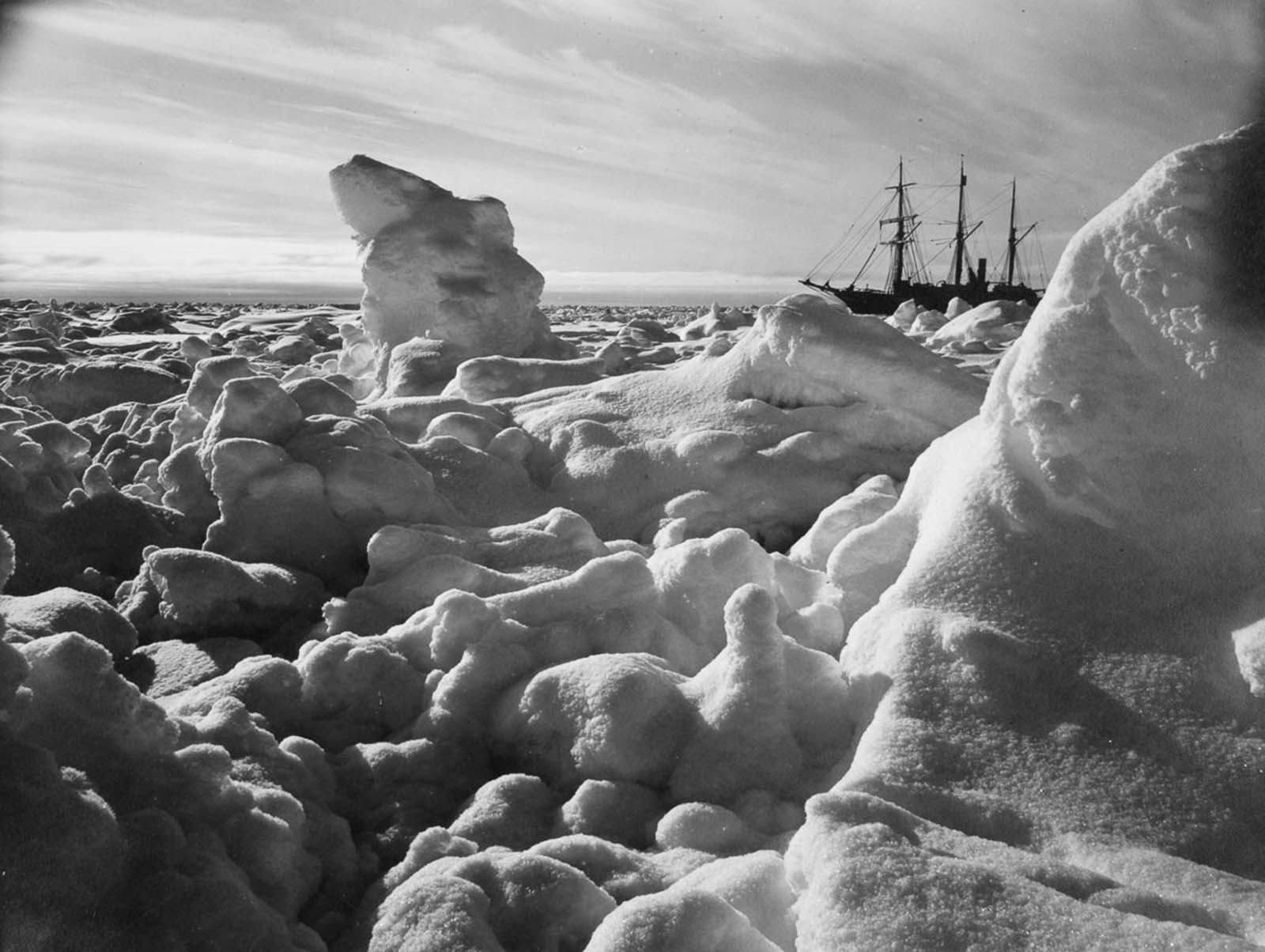
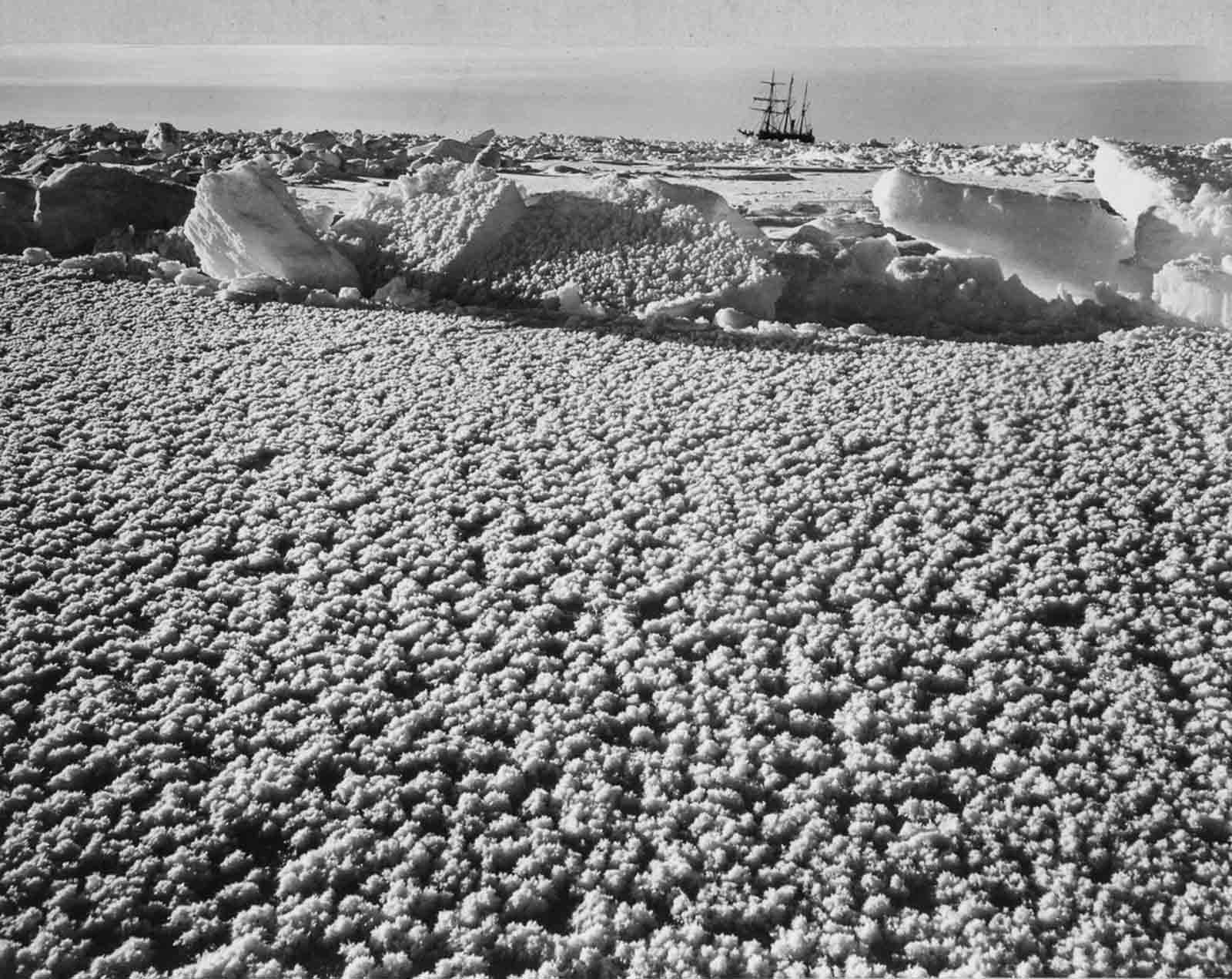
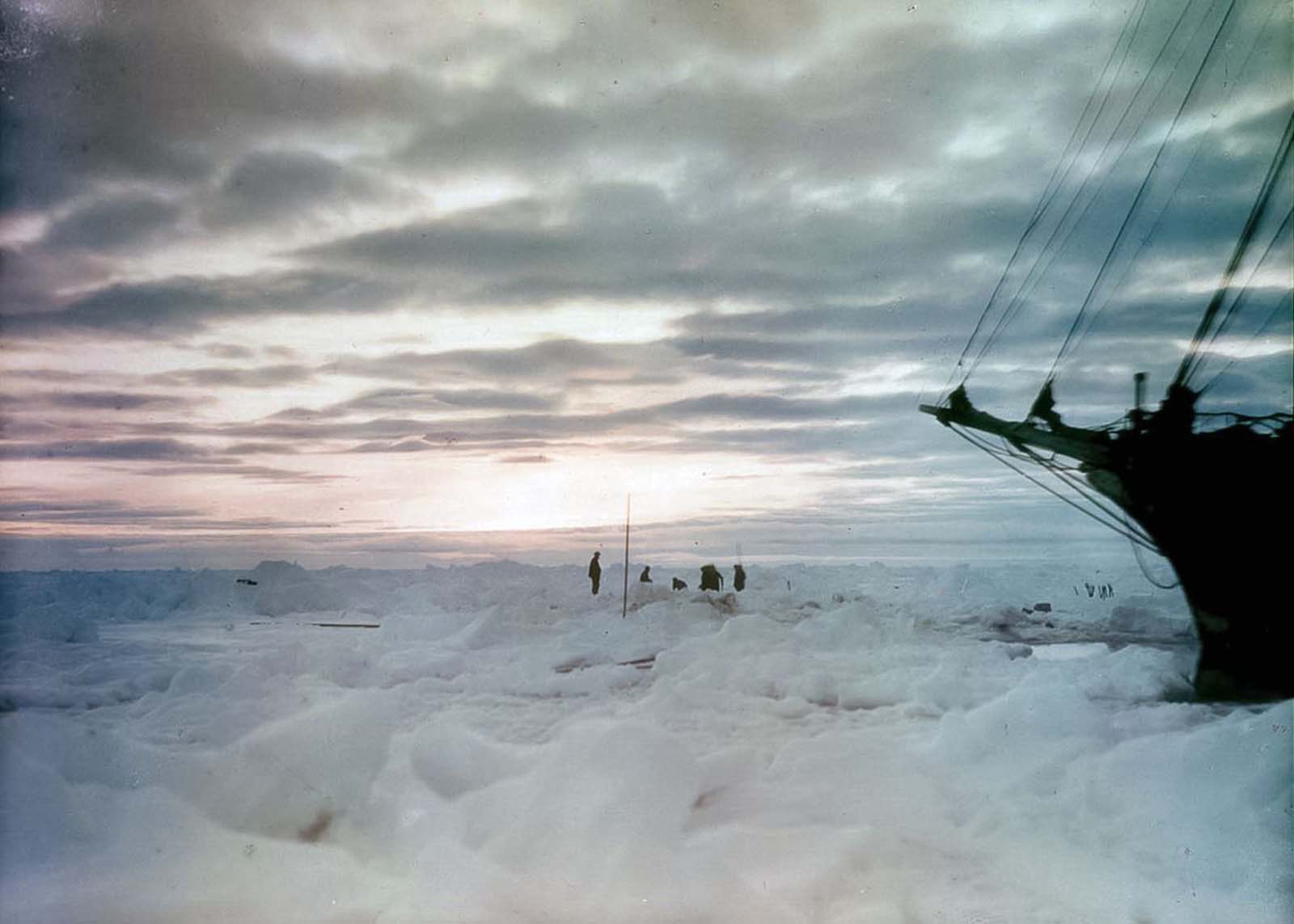
Before the Endurance went under, the crew salvaged everything they could — food, gear, and Frank Hurley’s photographs. Hurley and Shackleton went through the glass plate negatives together, selecting the most important images and destroying the rest so Hurley wouldn’t be tempted to go back for them. On November 21, 1915, the Endurance sank beneath the Weddell Sea.
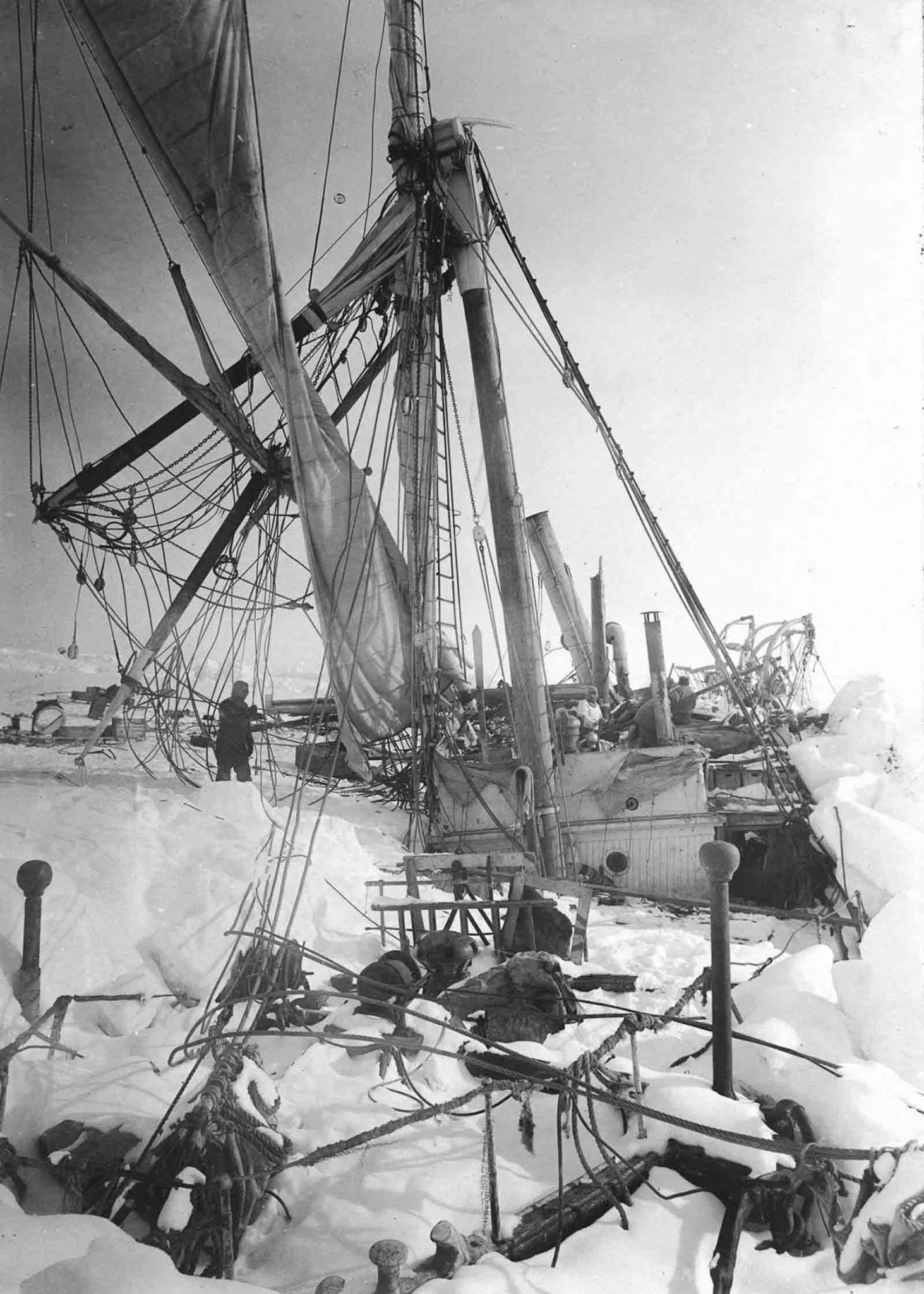
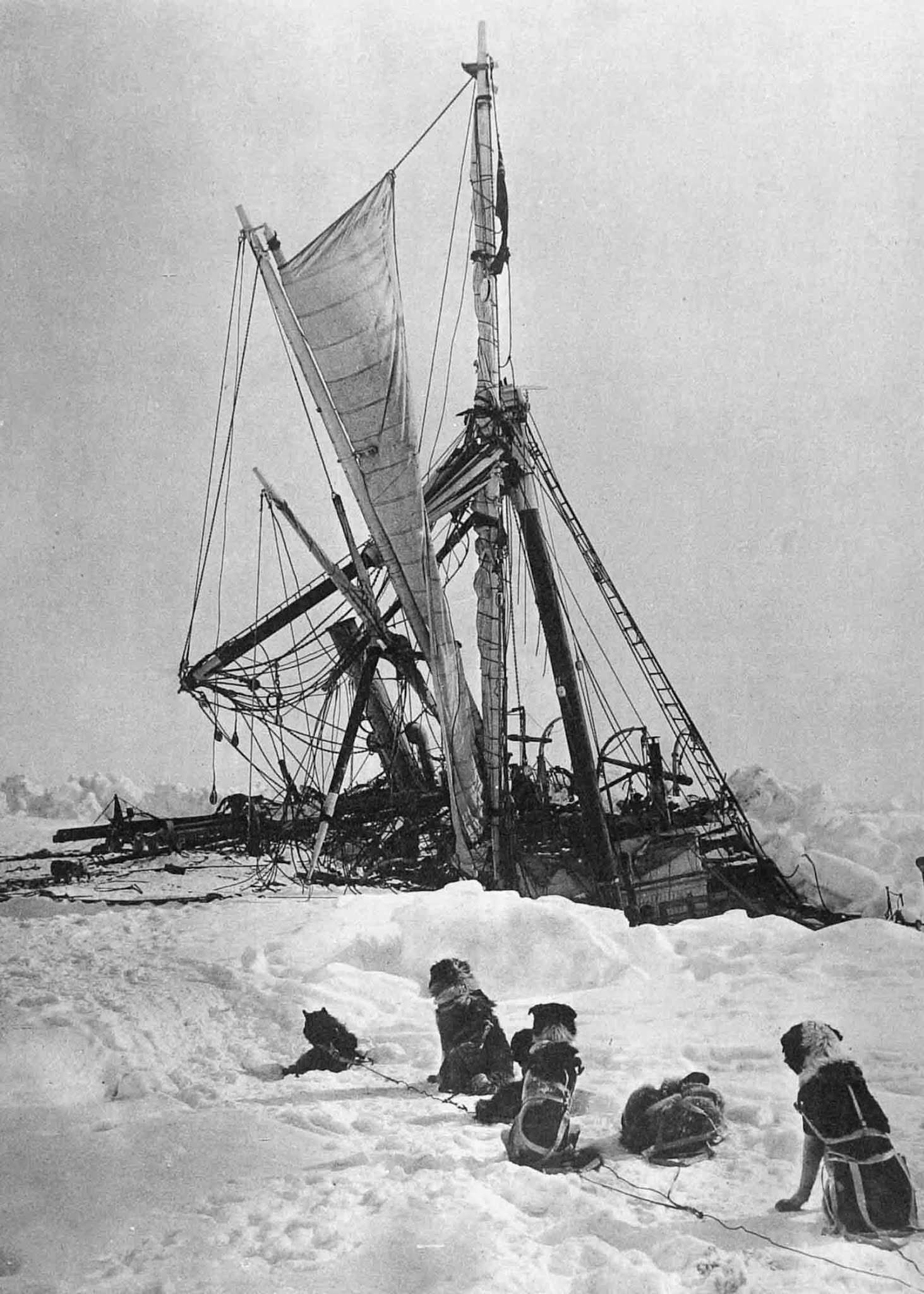
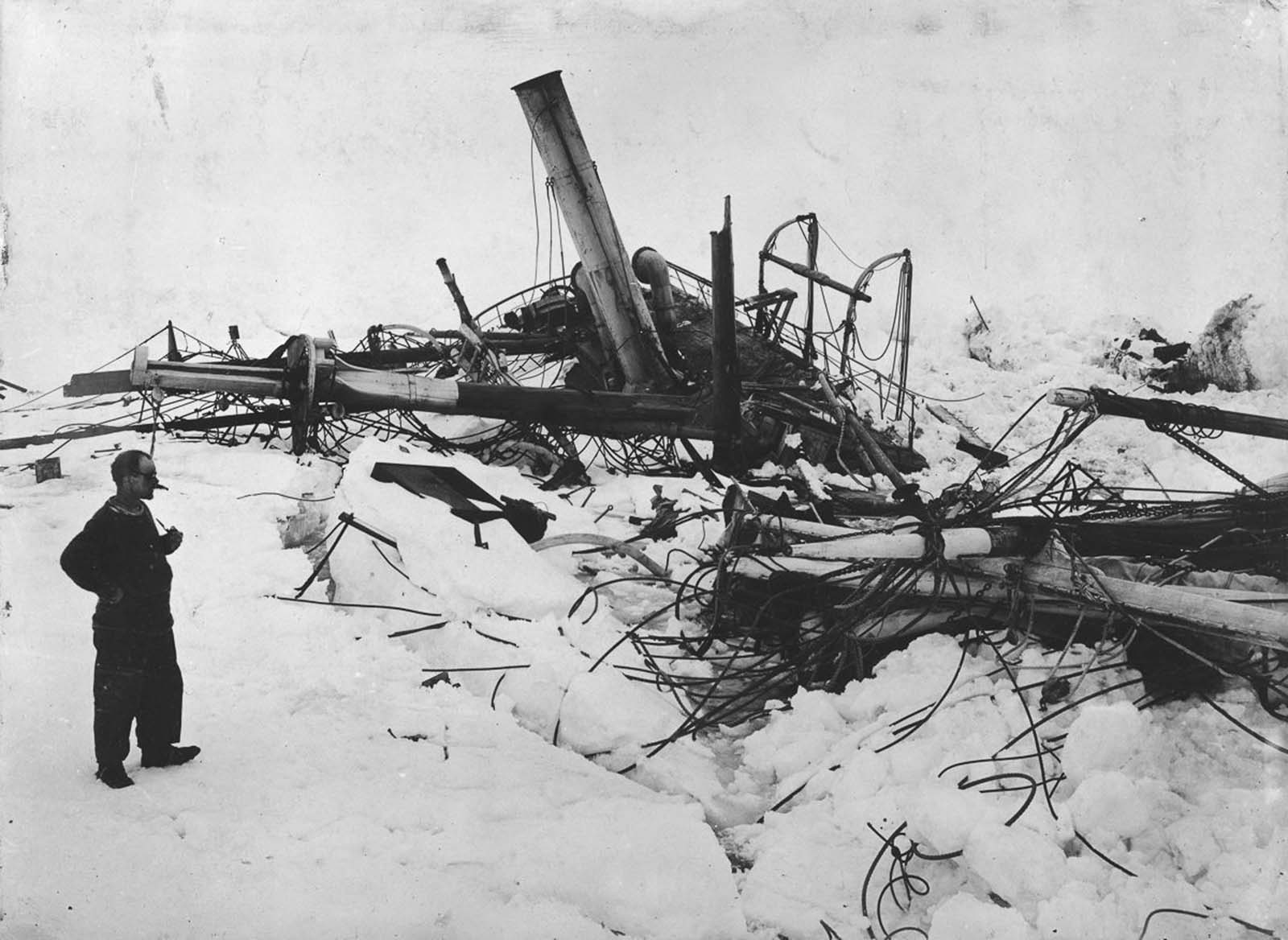
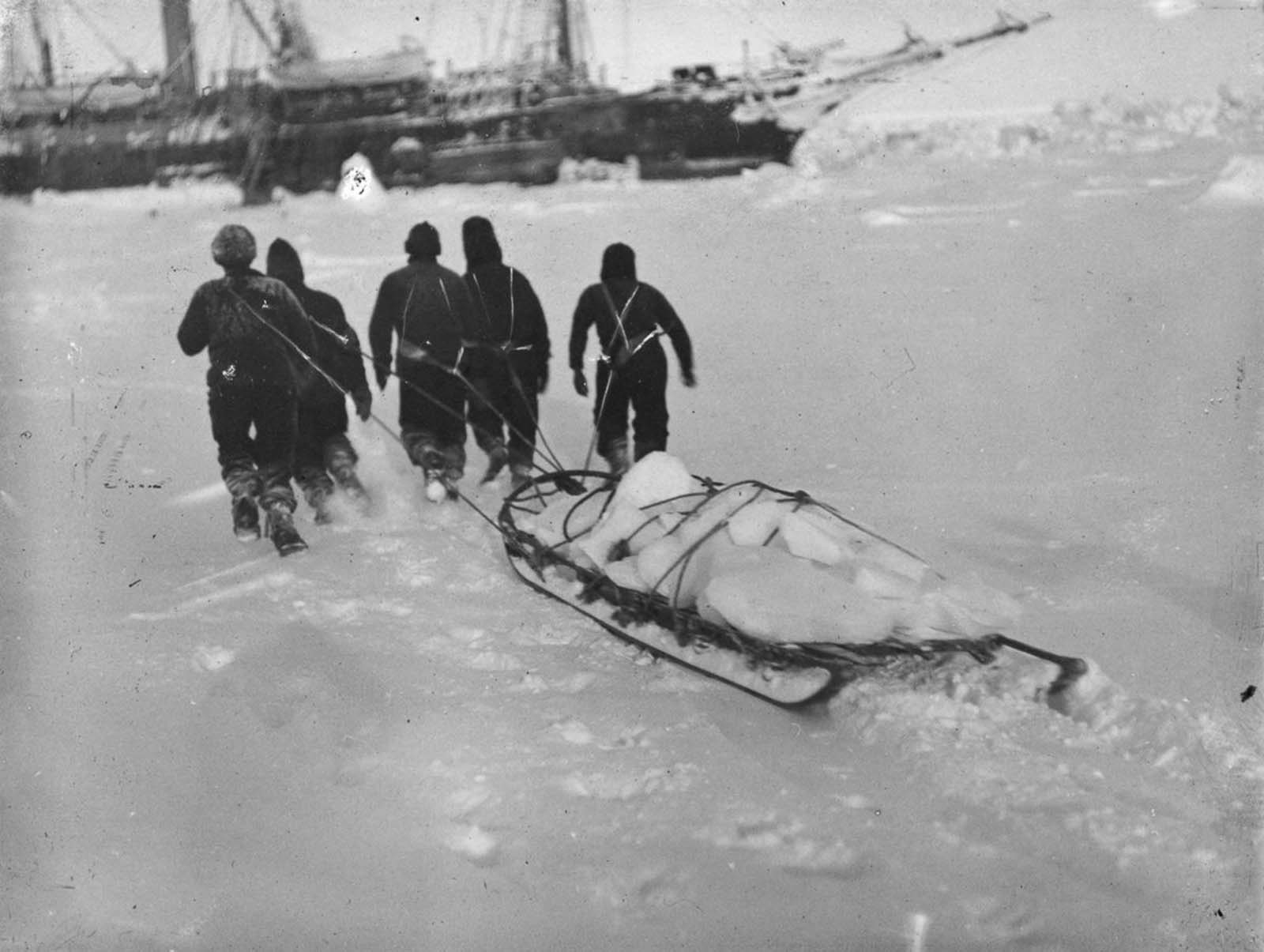
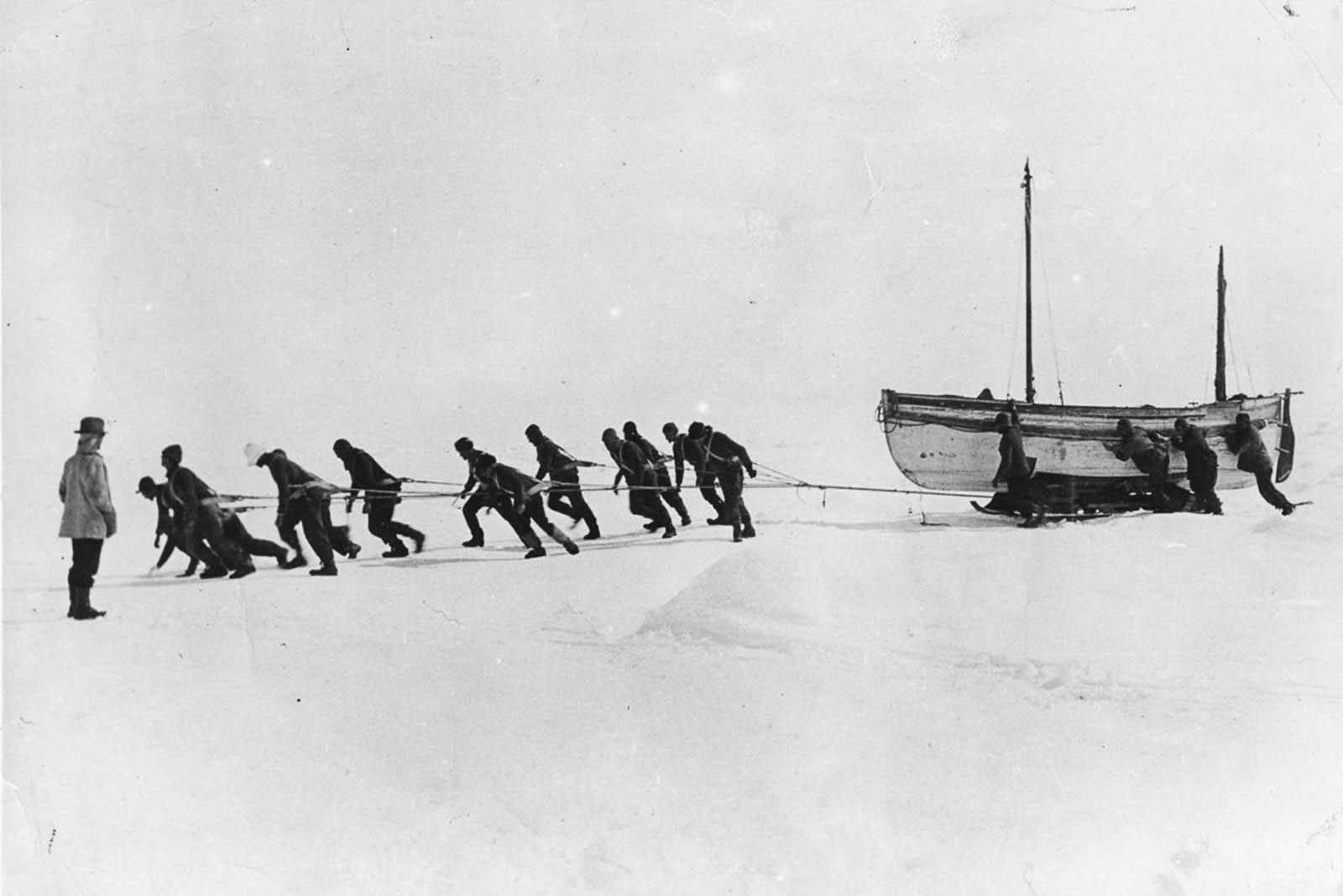
Twenty-eight men now stood on a drifting ice floe hundreds of miles from land, with no ship, no radio contact with the outside world, and limited supplies. For six months the pack ice had carried them. At one point the Antarctic coastline was visible — then the drift pulled them away again. By the time Shackleton made the call to march on December 20, 1915, Elephant Island was the nearest landmass. The men hauled their three lifeboats across the broken ice, a brutal slog that lasted until the floes finally opened enough to launch.
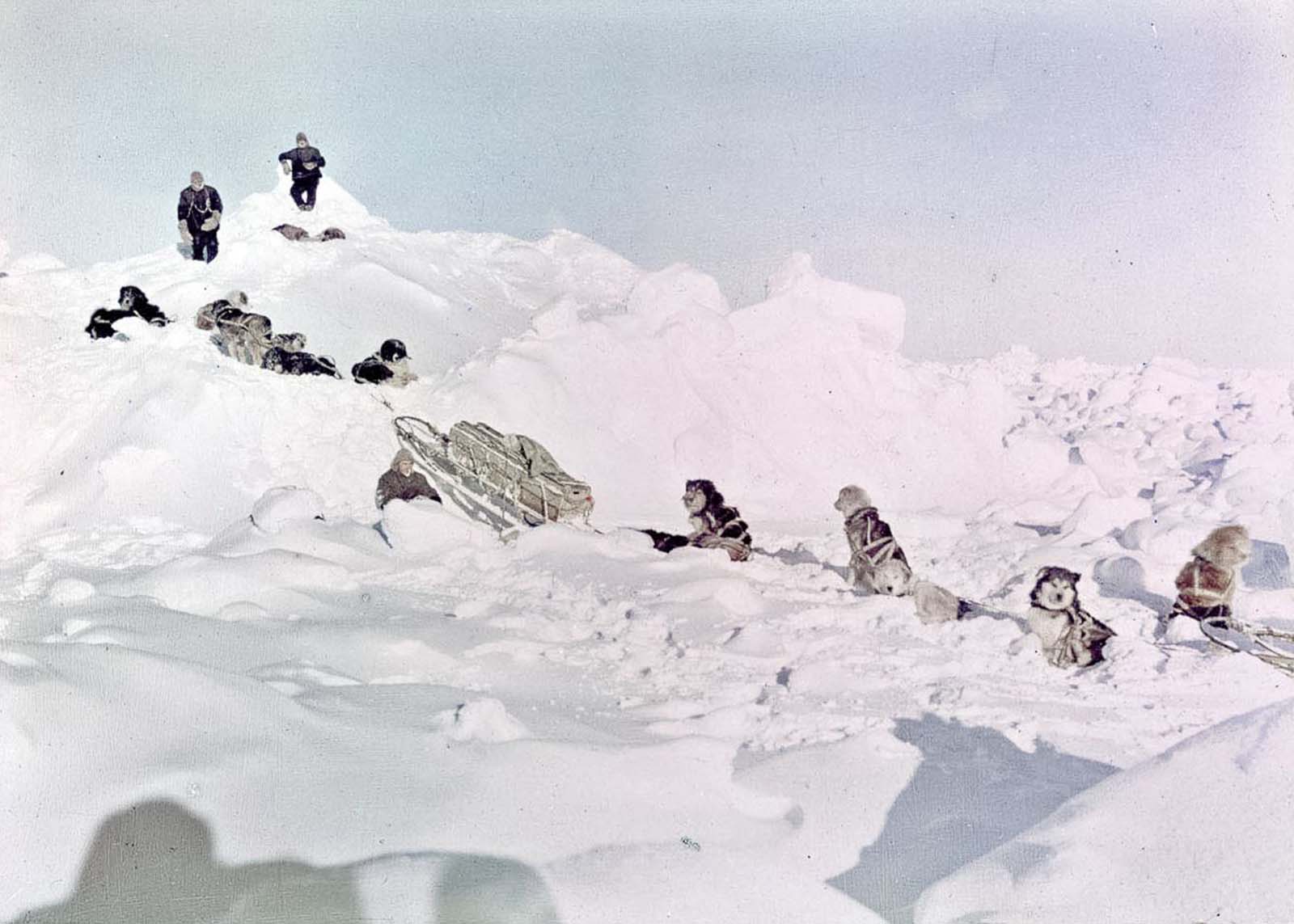
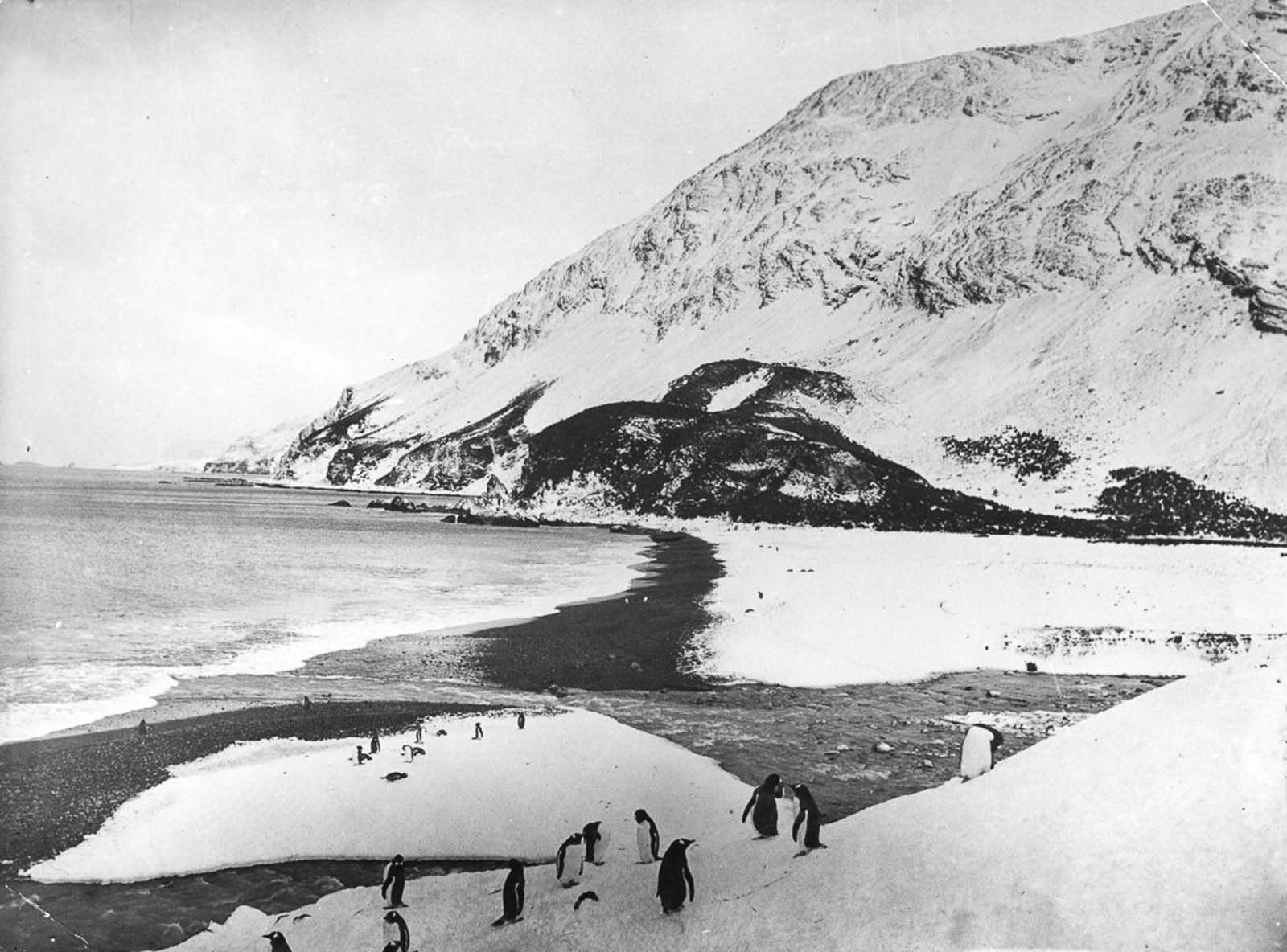
In April 1916, the three boats reached Elephant Island — the first time the men had stood on solid ground in 497 days. It was a rocky, windswept beach with no shelter, no inhabitants, and no passing traffic. Shackleton immediately recognized that no rescue would come to them there. He selected five men and prepared the largest of the three lifeboats, the James Caird, for an open-sea voyage to South Georgia — 800 miles across the most dangerous ocean on earth.
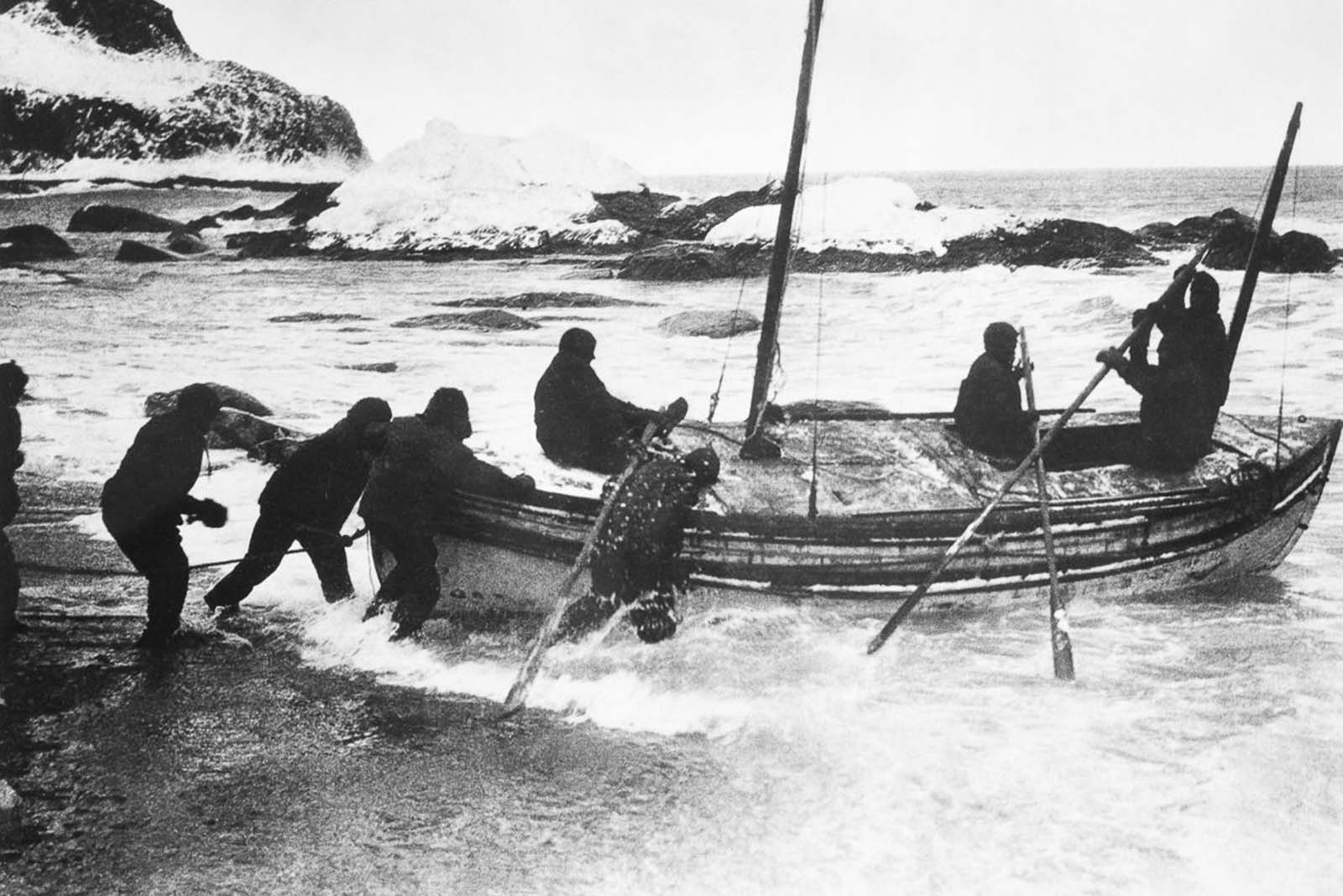
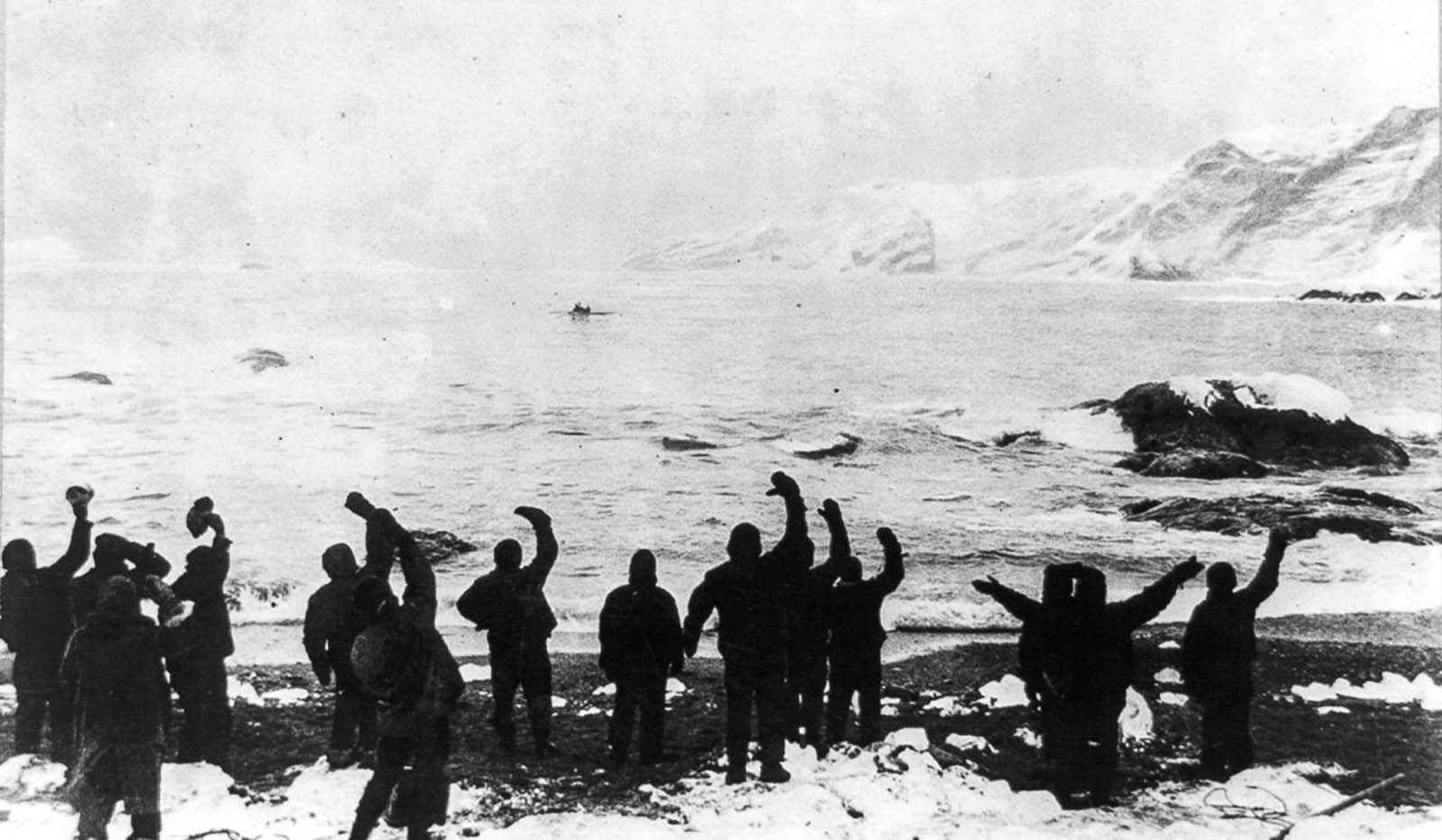
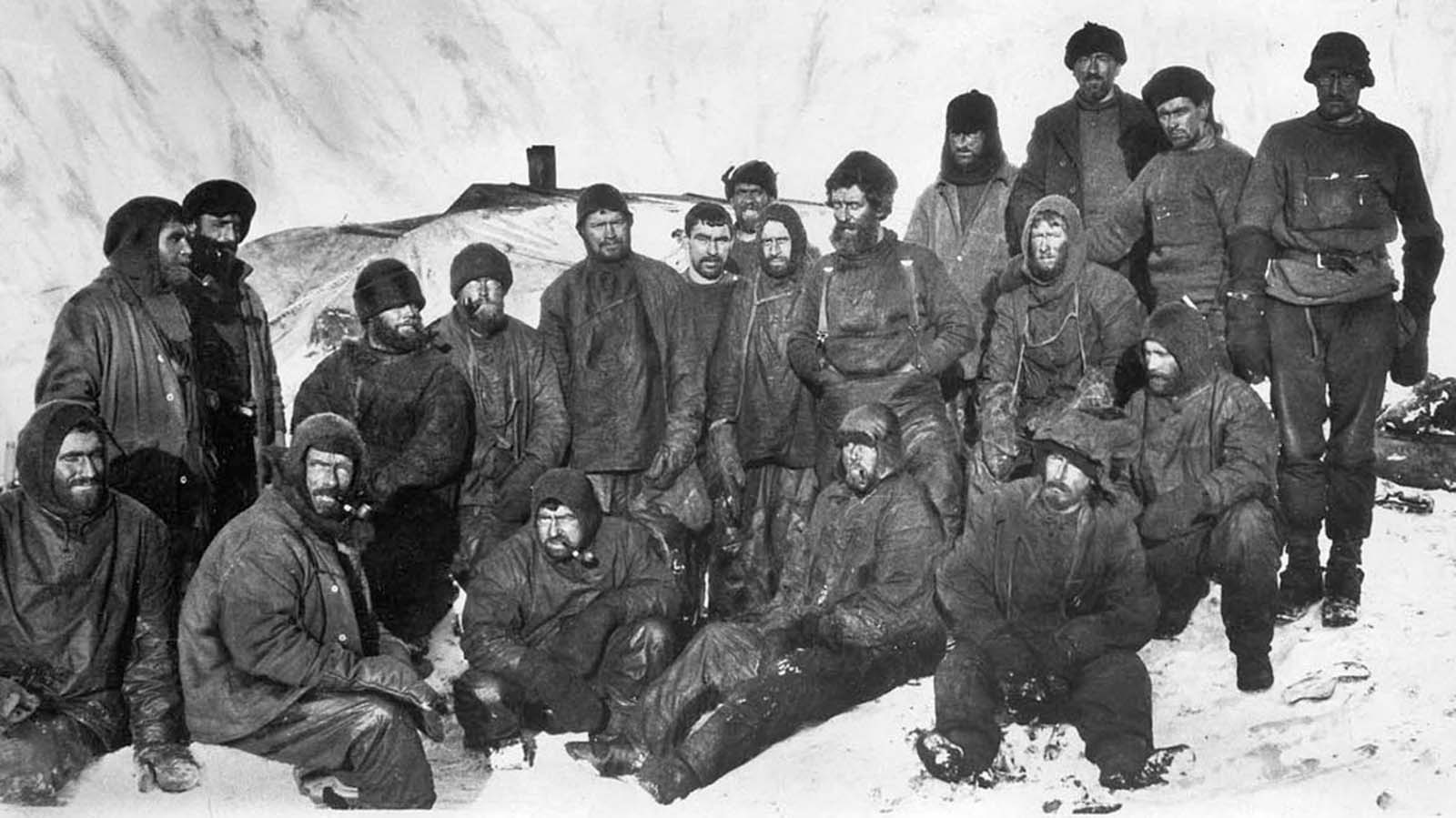
The 22 men left behind on Elephant Island sheltered under two of the upturned lifeboats and waited. Frank Wild commanded the shore party, maintaining order and routine through more than four months of waiting. Shackleton and his five-man crew reached South Georgia after 16 days at sea and then crossed its unmapped mountain interior on foot to reach the whaling station at Stromness. All 22 men on Elephant Island were rescued on August 30, 1916. Not one member of the Weddell Sea party died.