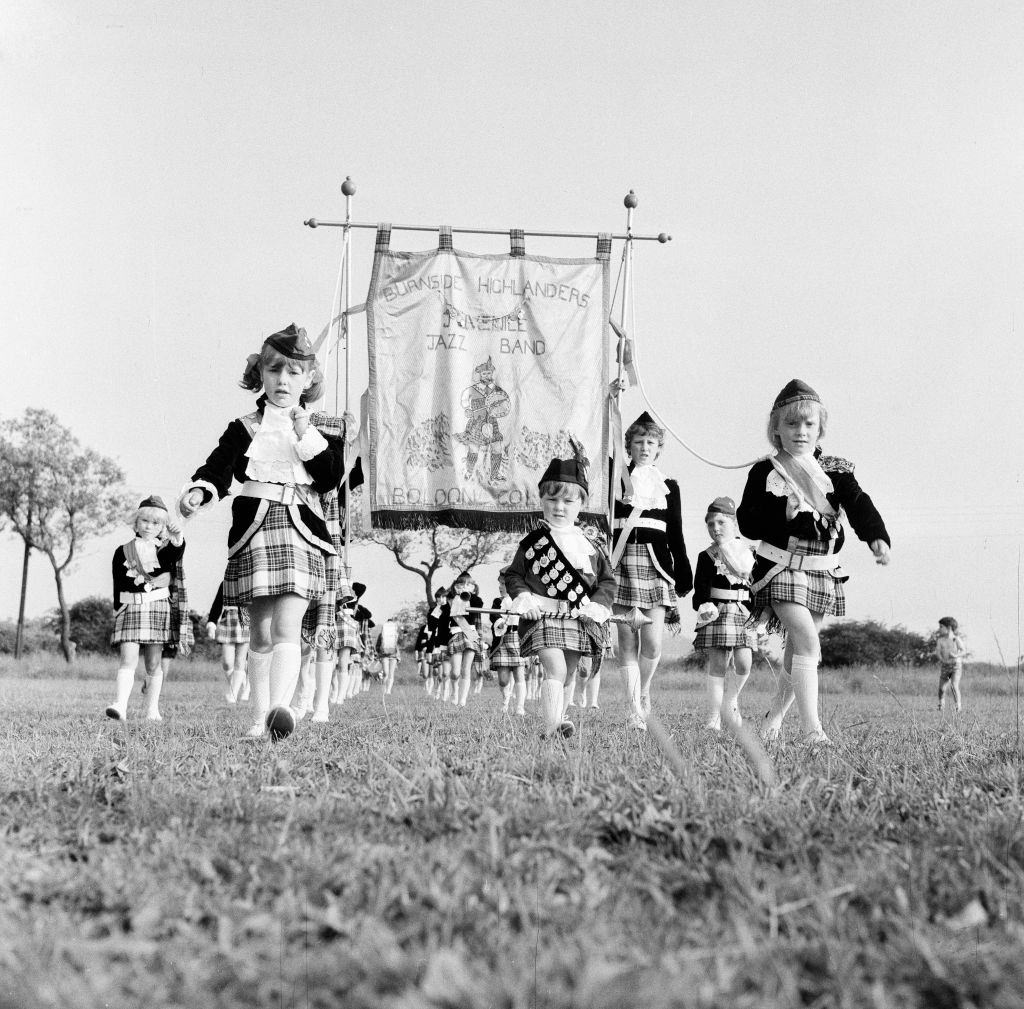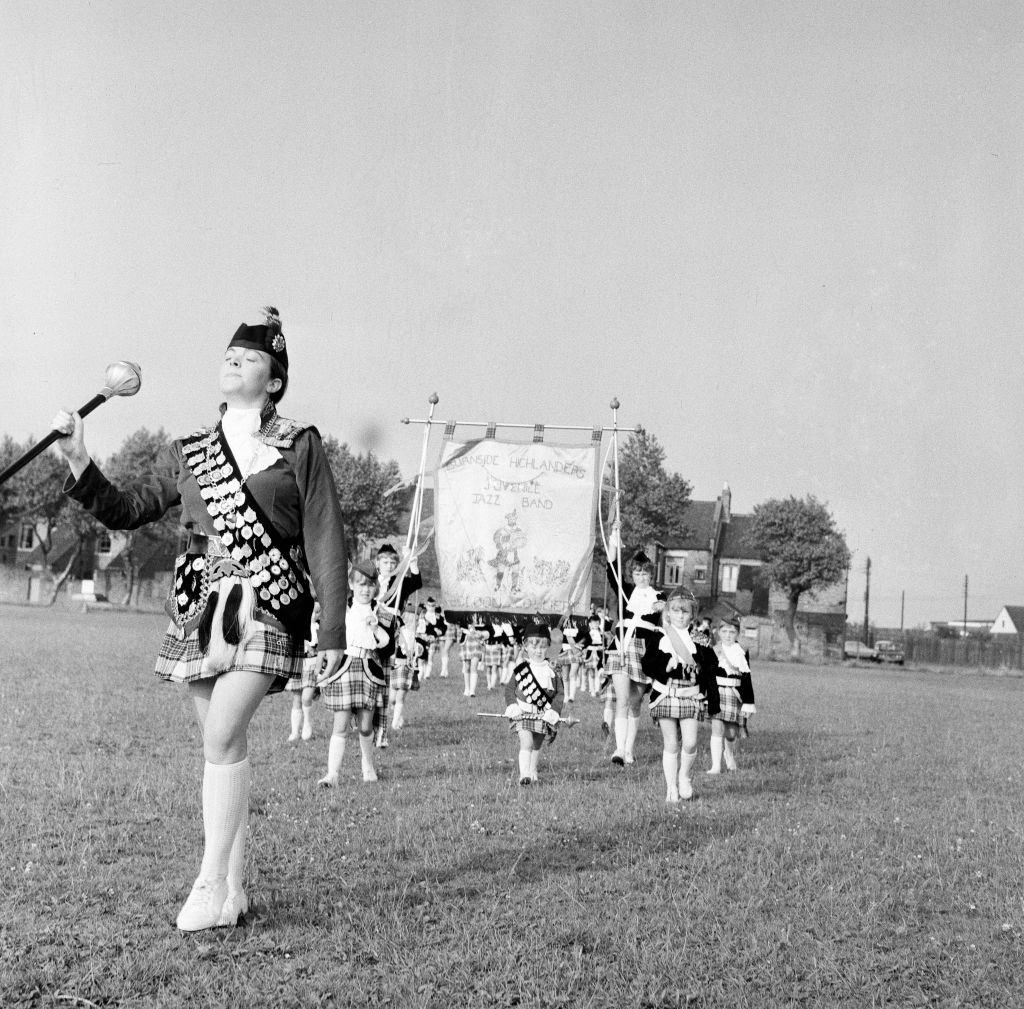
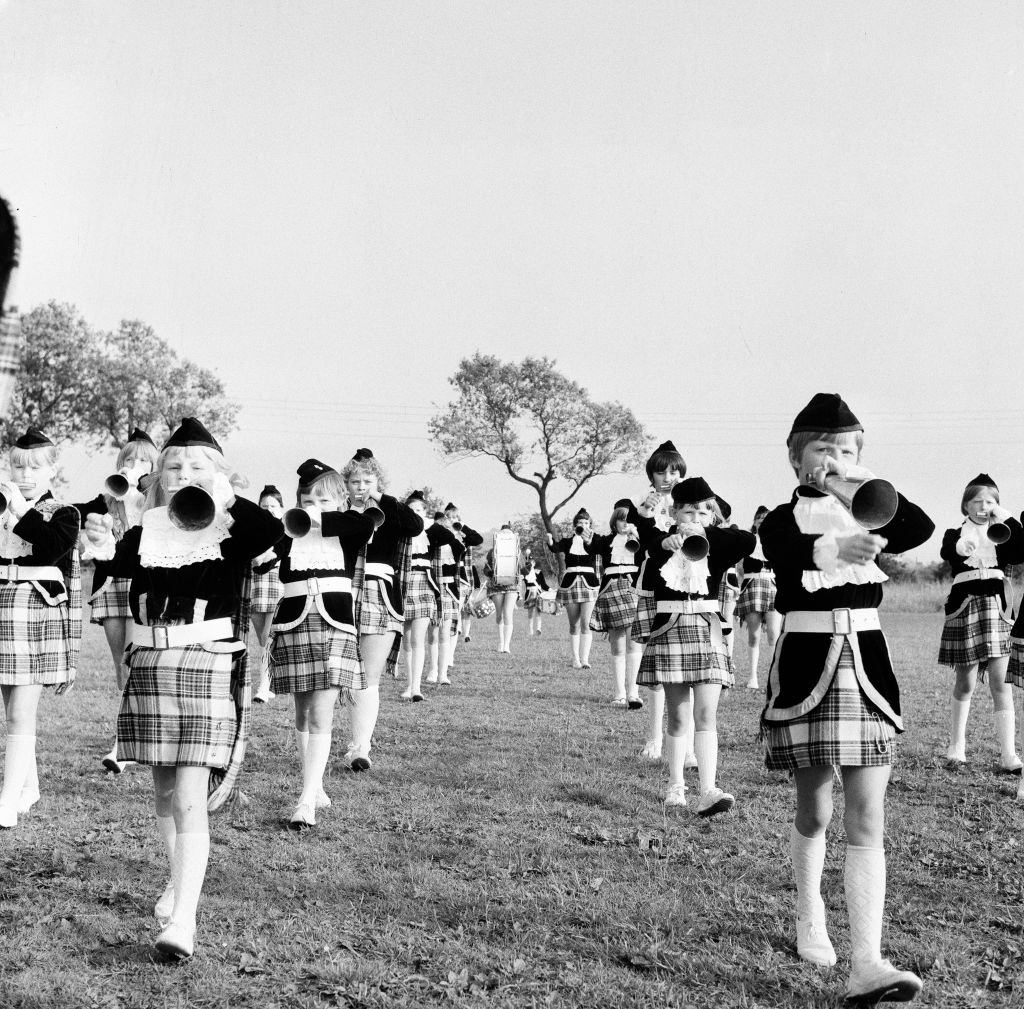
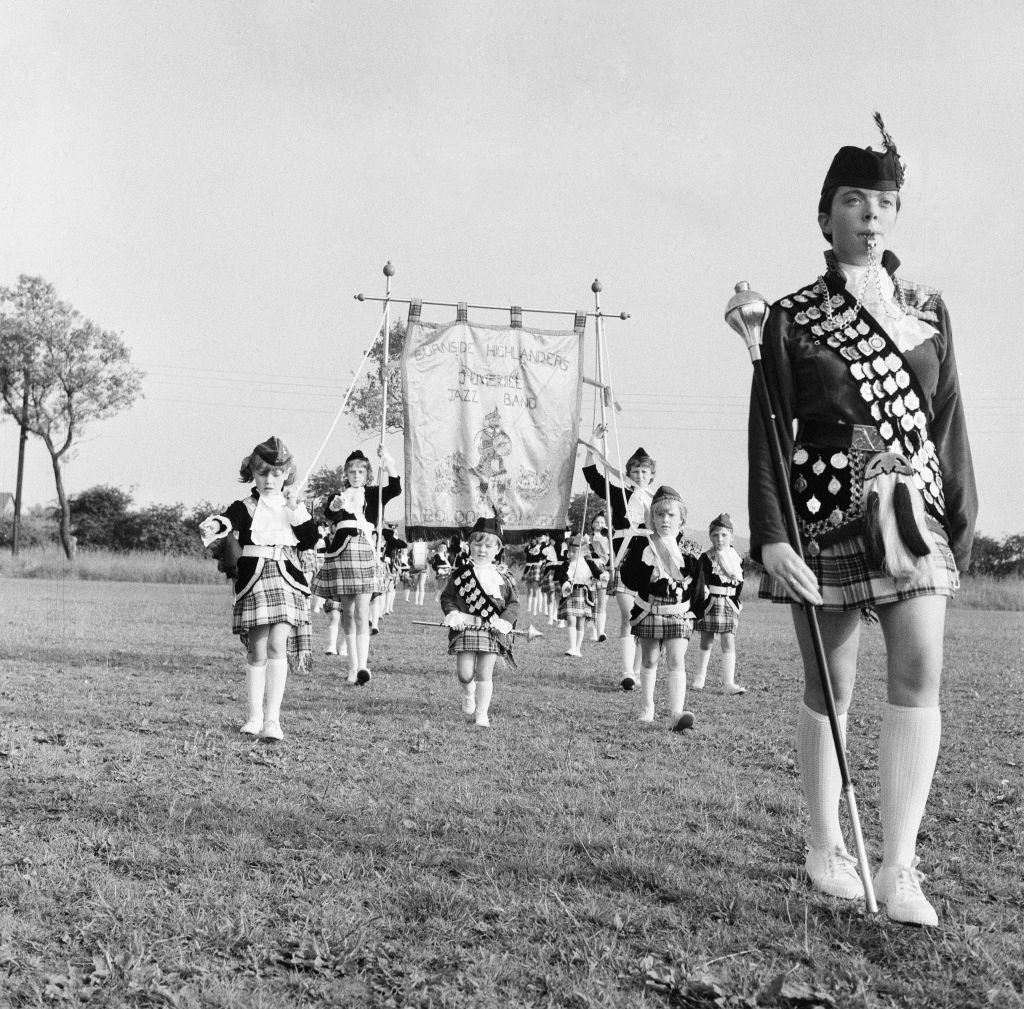
By the early 1970s, juvenile marching jazz bands were a defining feature of working-class life across the North East of England. Colorful uniforms, unfurled banners, and the sharp crack of twirling drumsticks made these bands impossible to miss on the march. The Burnside Highlanders Juvenile Jazz Band was one of the most well-known names on the Tyneside scene, and these photographs — taken on 30th July 1971 in Newcastle — capture the band in full form.
The Burnside Highlanders first took to the streets in the early 1960s, joining a wave of juvenile jazz bands that had taken hold across the North East, Wales, and the Midlands. The tradition had roots going back to the Depression era, when communities with little money found that forming a band cost less than most other forms of organized entertainment. The movement lost momentum during the Second World War but came roaring back in the 1960s and 1970s, particularly in coal towns and council estates where community spirit ran deep.
Any child between the ages of three and eighteen could join a band. That wide age range meant older teenagers marched alongside very young children, creating a genuine sense of mentorship within the ranks. Parents played a central role too — not just as proud spectators, but as coaches, fundraisers, and guardians who kept the whole operation running week after week.
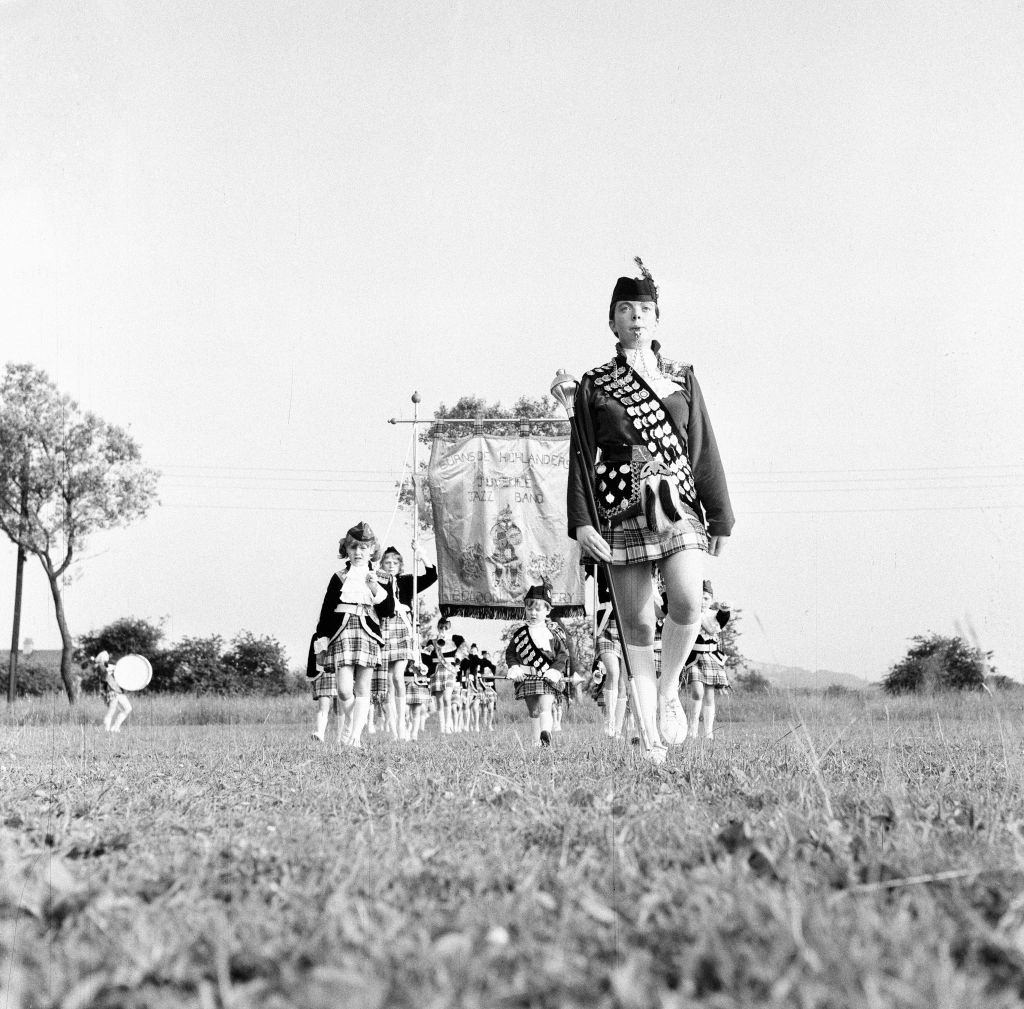
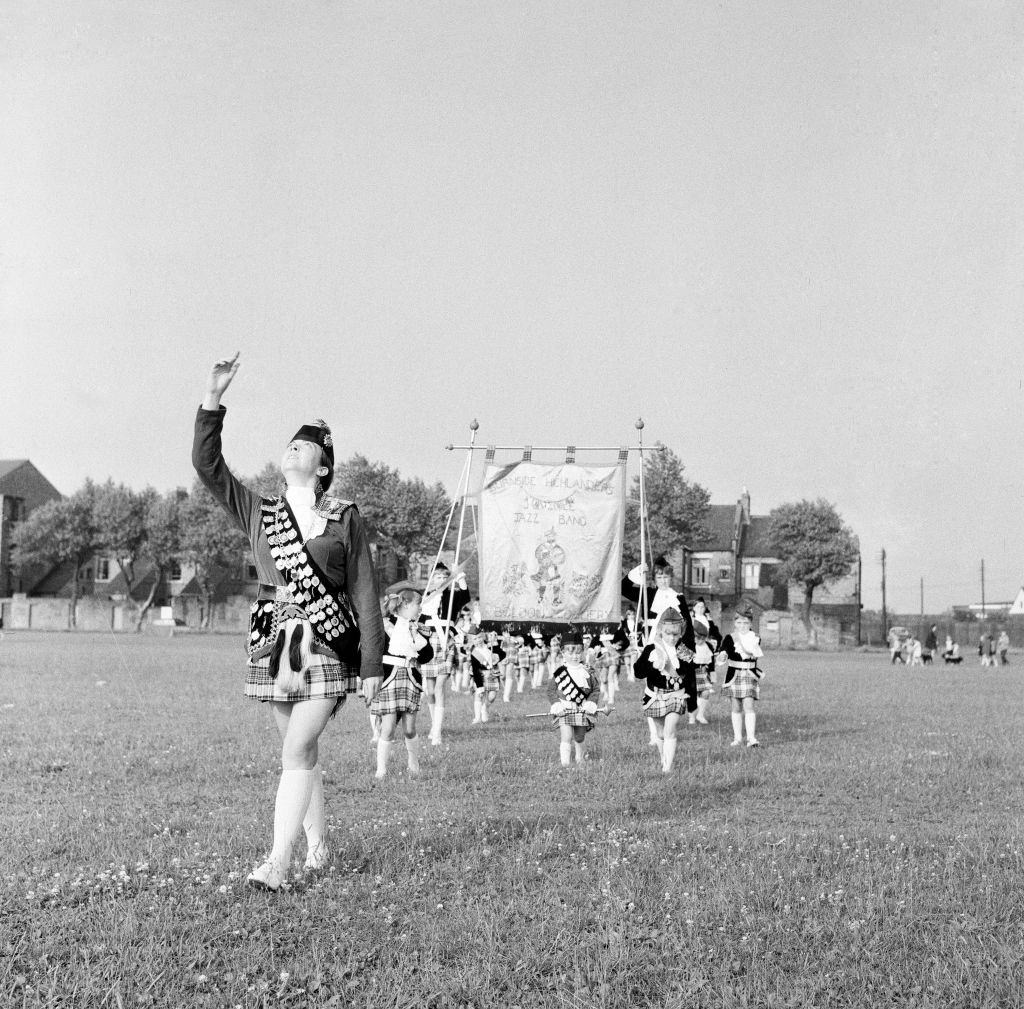
During the week, the children rehearsed on local playing fields, drilling their formations and perfecting their routines under adult supervision. Come the weekend, the band would board a bus and travel to compete against other juvenile bands at well-attended tournaments. These events drew large crowds and generated real excitement — winning mattered, and the sense of rivalry between bands was healthy and fierce.
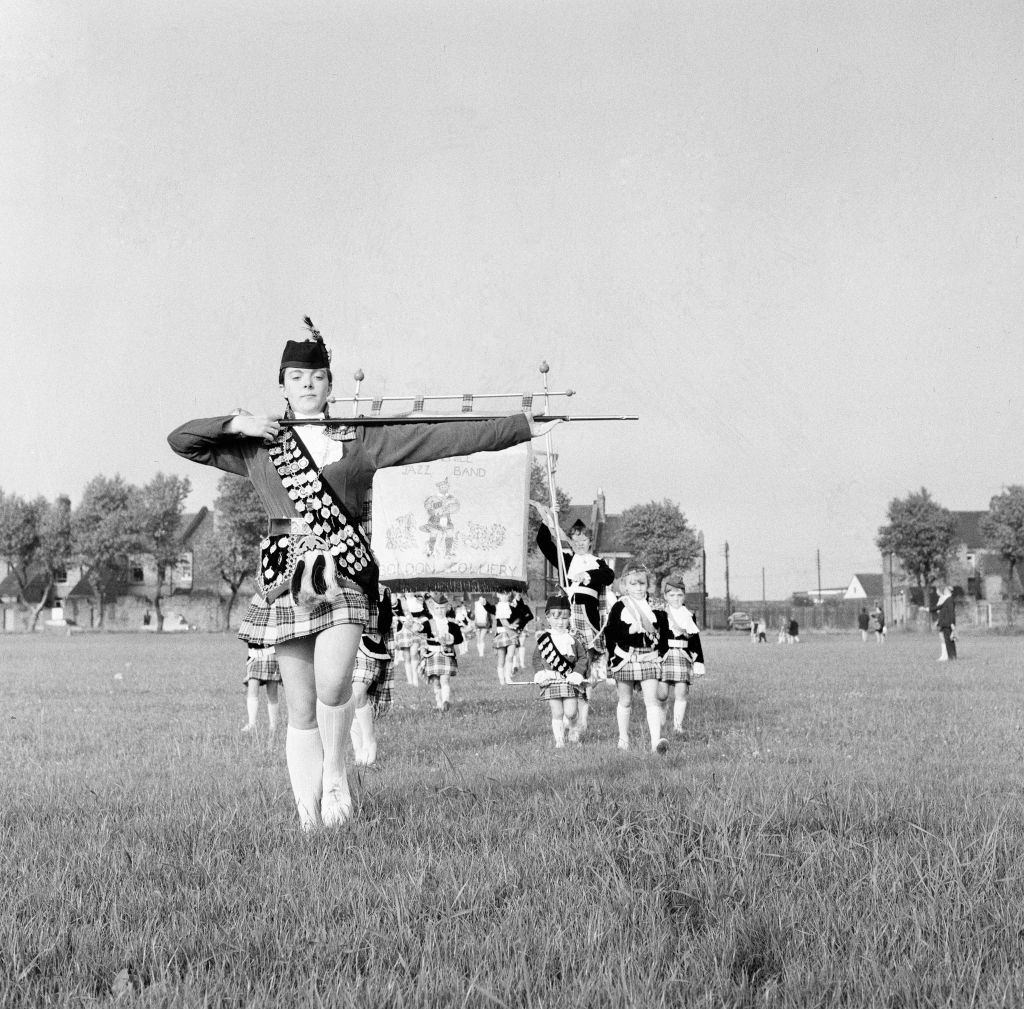
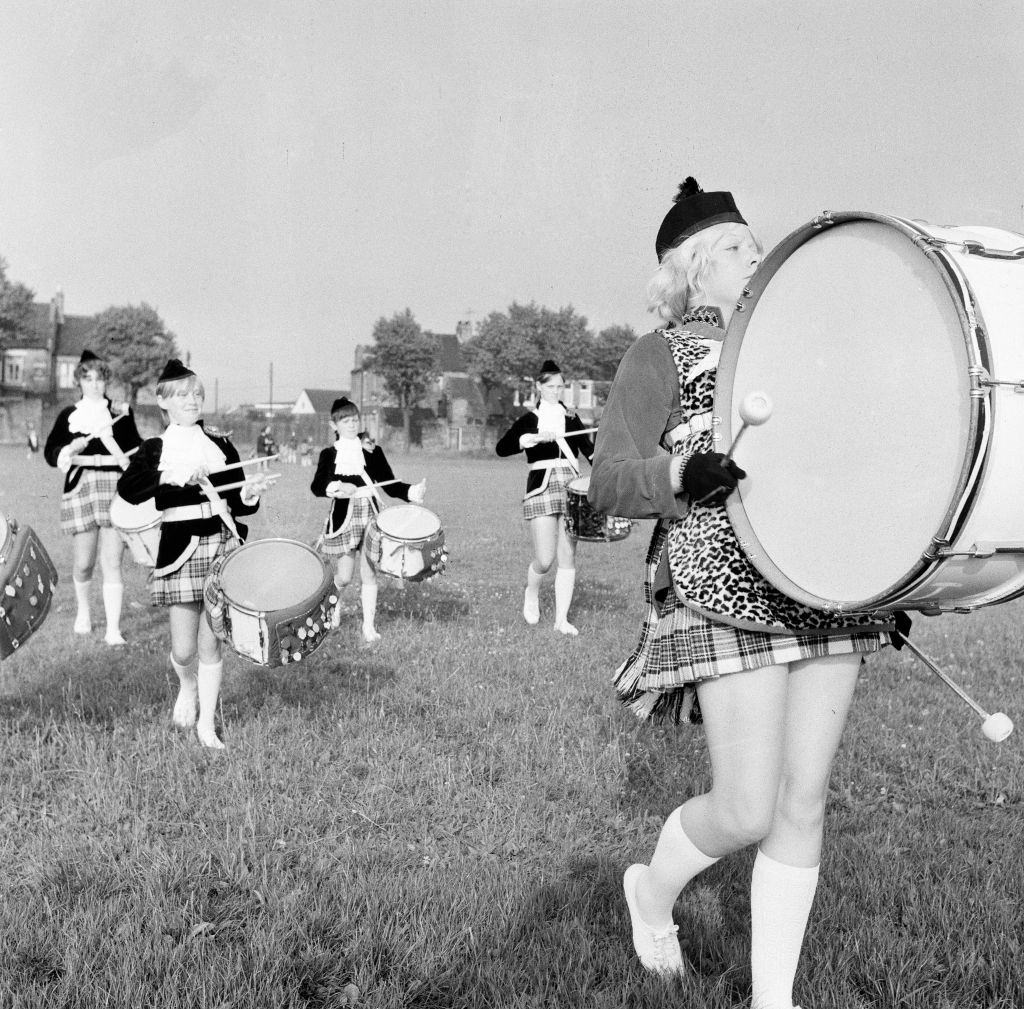
For the children involved, membership in a band like the Burnside Highlanders meant far more than learning to play an instrument or keep in step. It gave them a uniform to wear with pride, a team to belong to, and a purpose that stretched beyond the school gates. The discipline of rehearsal and the thrill of competition shaped how these young people carried themselves.

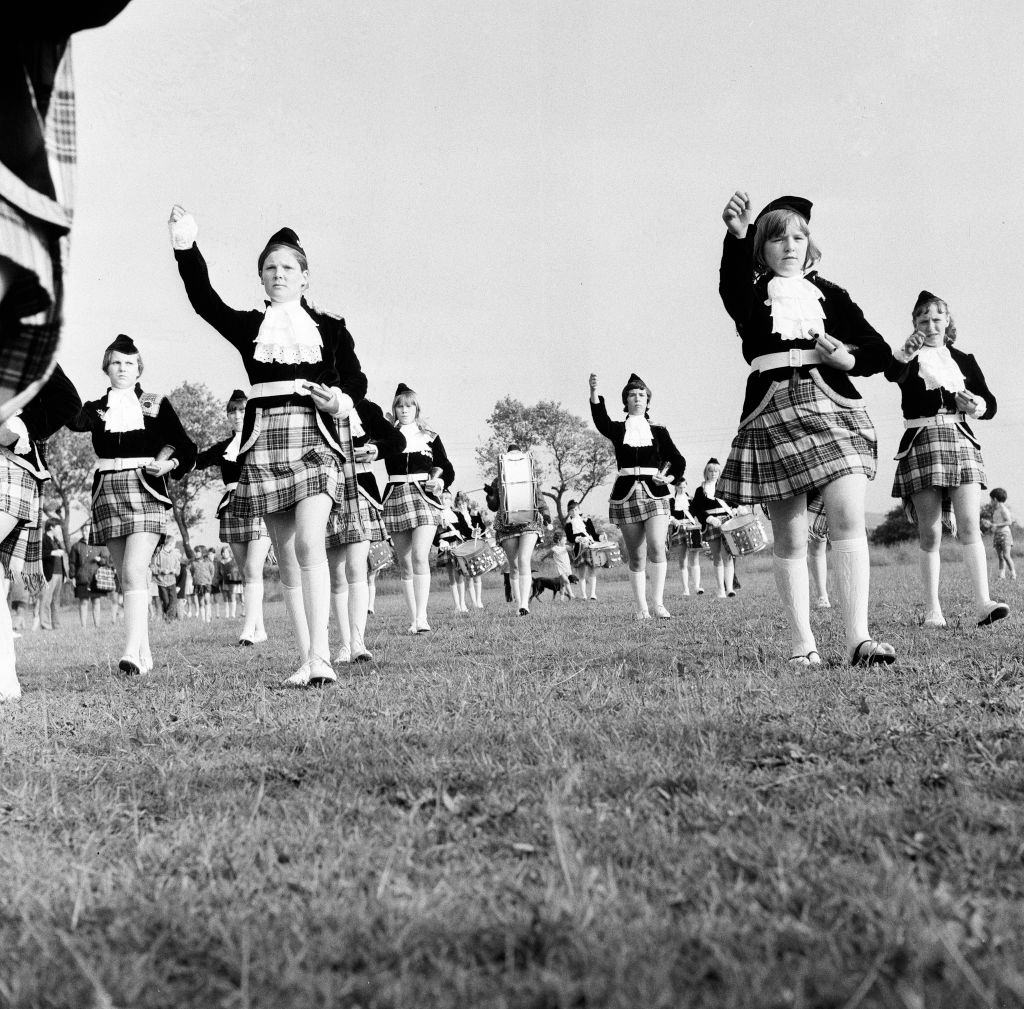
The visual spectacle of the band was a large part of its appeal. Vibrant tartans, polished accessories, and precision marching gave every public appearance the feel of a carefully staged performance. The Burnside Highlanders leaned into the Scottish Highland aesthetic — kilts, banners, and all — which set them apart from many of their regional rivals and gave the band a sharp, distinctive identity on the competition circuit.
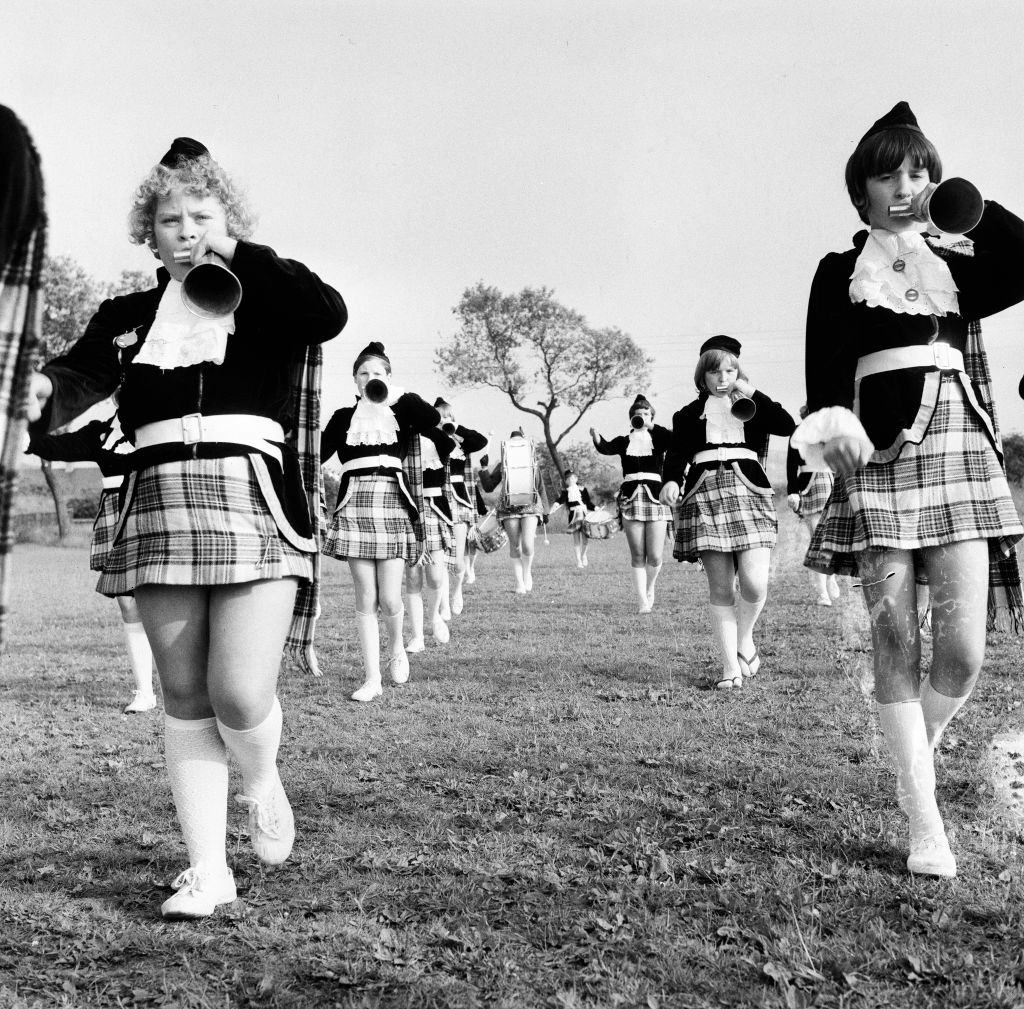
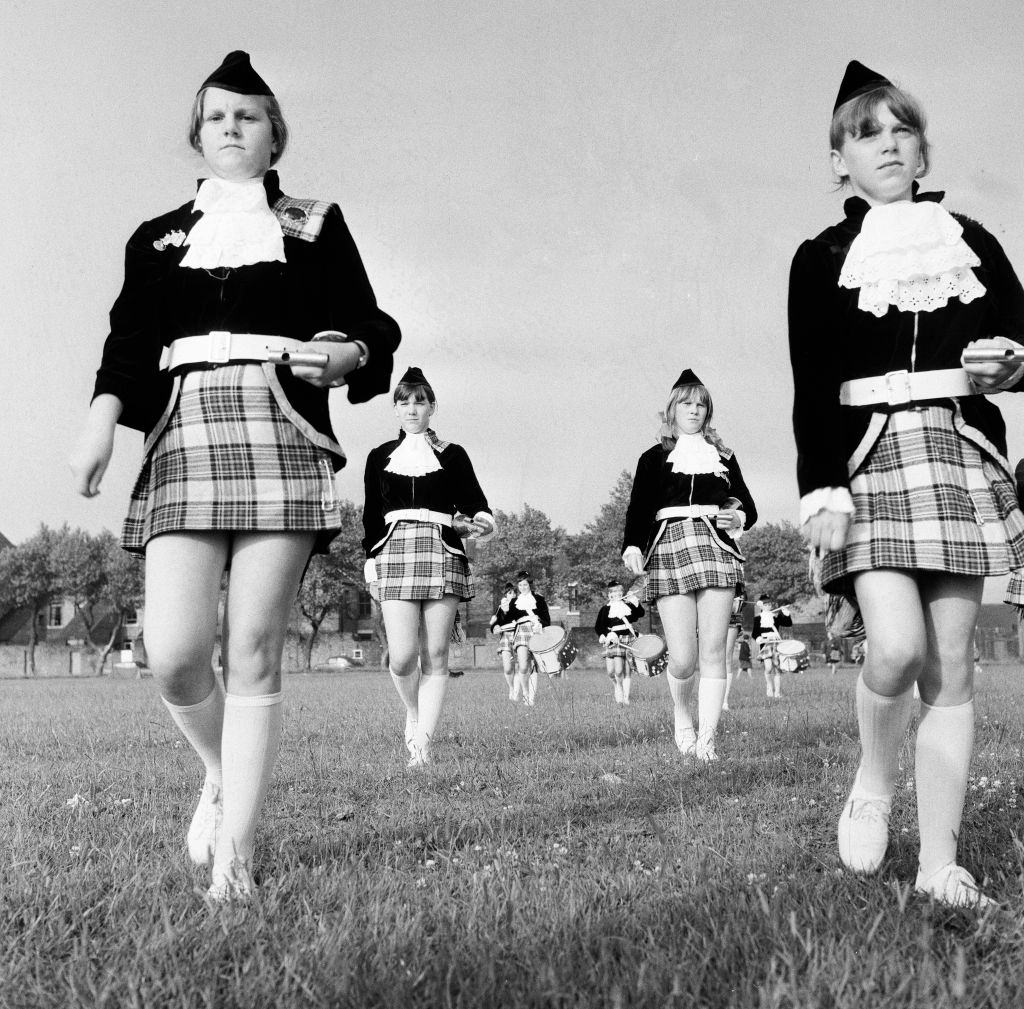
These twelve photographs from 30th July 1971 document the Burnside Highlanders at a single moment in time, but they represent something much broader — a grassroots youth culture that thrived on community effort, competitive spirit, and collective pride across Tyneside and beyond.