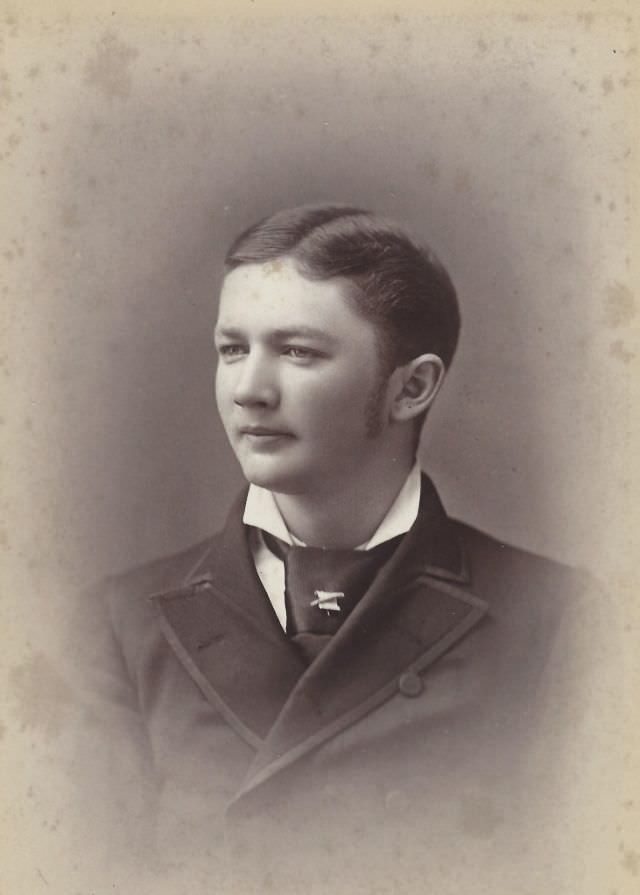
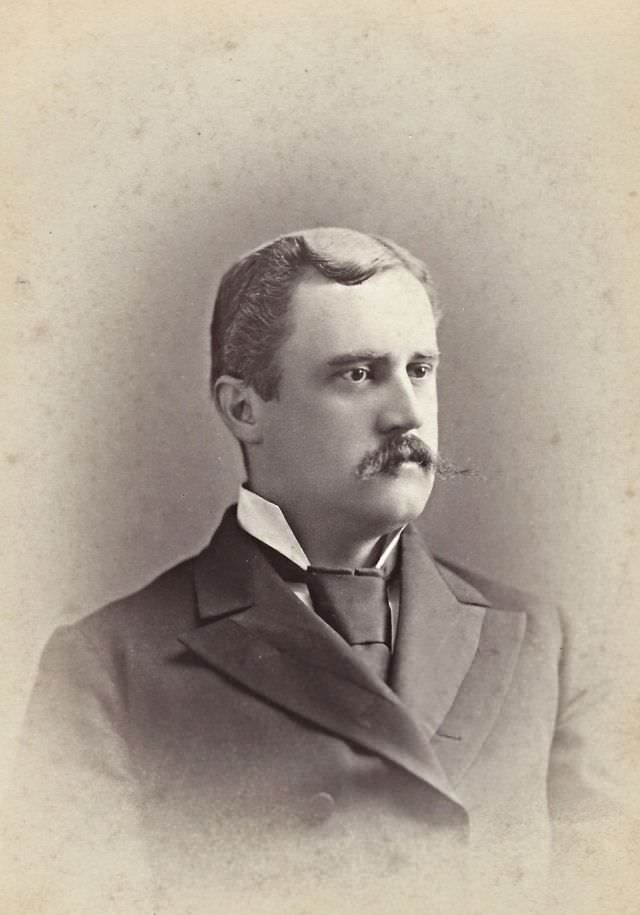
Yale Law School has stood at the top of American legal education for nearly two centuries. Founded in 1824 in New Haven, Connecticut, it is part of Yale University and has ranked as the number one law school in the United States by U.S. News & World Report every year since the magazine began publishing rankings in the 1980s. Long before those rankings existed, Yale Law was already shaping the lawyers, judges, and public servants who would define American life.
The school has graduated an extraordinary list of public figures. Gerald Ford and Bill Clinton both earned degrees there before becoming U.S. presidents. Hillary Clinton, who would later serve as U.S. Secretary of State and run for president, also graduated from Yale Law. These names represent just a fraction of the school’s reach into American politics and law.
What sets Yale Law apart from other top schools is where its graduates tend to go. About 9% move into academic careers within five years of graduating — a notably high share compared to other law schools. Meanwhile, only around 46% take jobs at private law firms, which is relatively low for an elite institution. Since the 1930s, the school has actively pushed both faculty and students toward careers in government service. The men in these 1877 photographs came of age in that tradition, trained by some of the most respected legal minds of their era. Two figures in particular shaped what Yale Law looked like during that period.
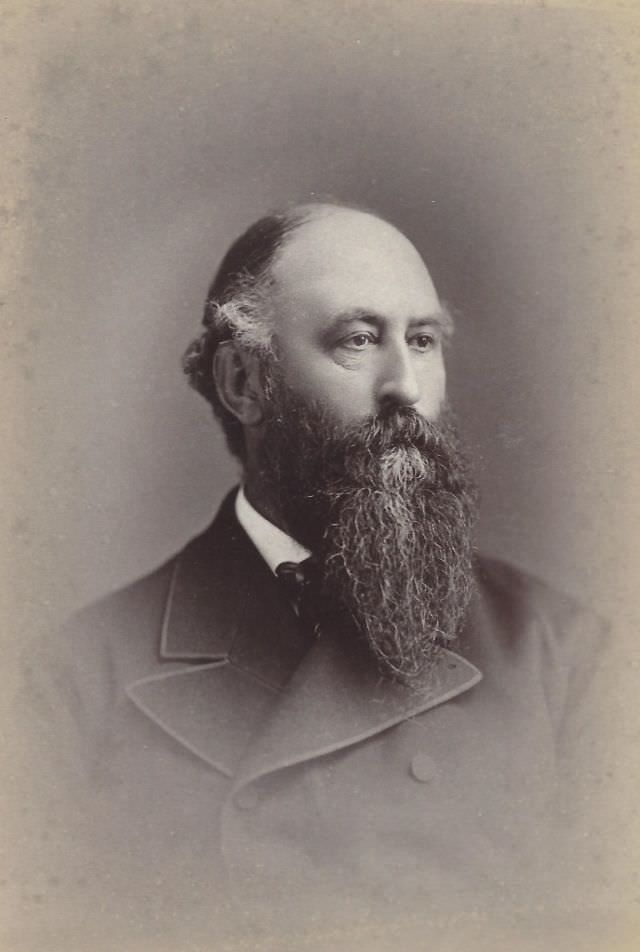
Francis Wayland III served as dean of Yale Law School from 1873 to 1903 — a thirty-year tenure that covered the entire period when the Class of 1877 studied there. Under his leadership, the school grew in both size and reputation. Alongside Wayland stood one of the most enduring faculty members in the school’s history.
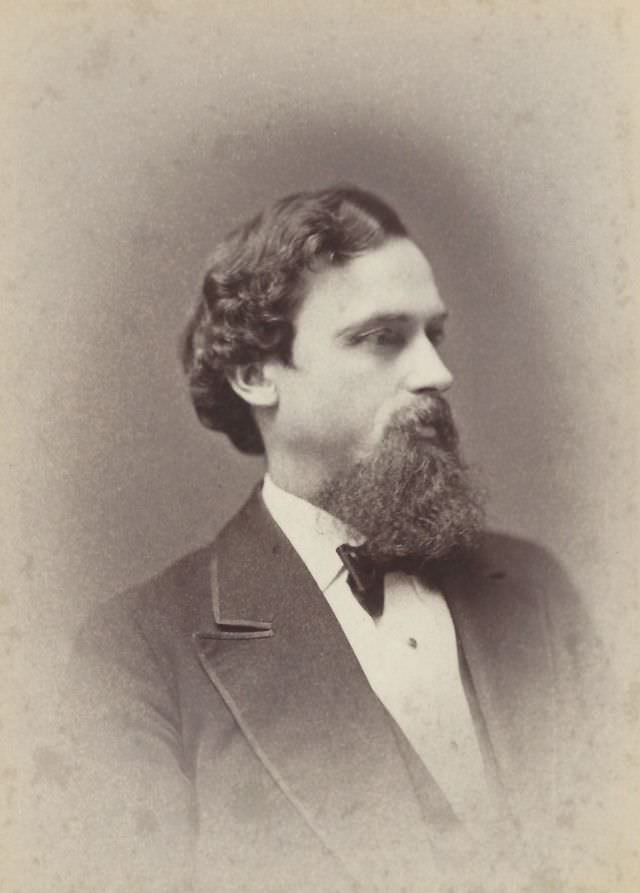
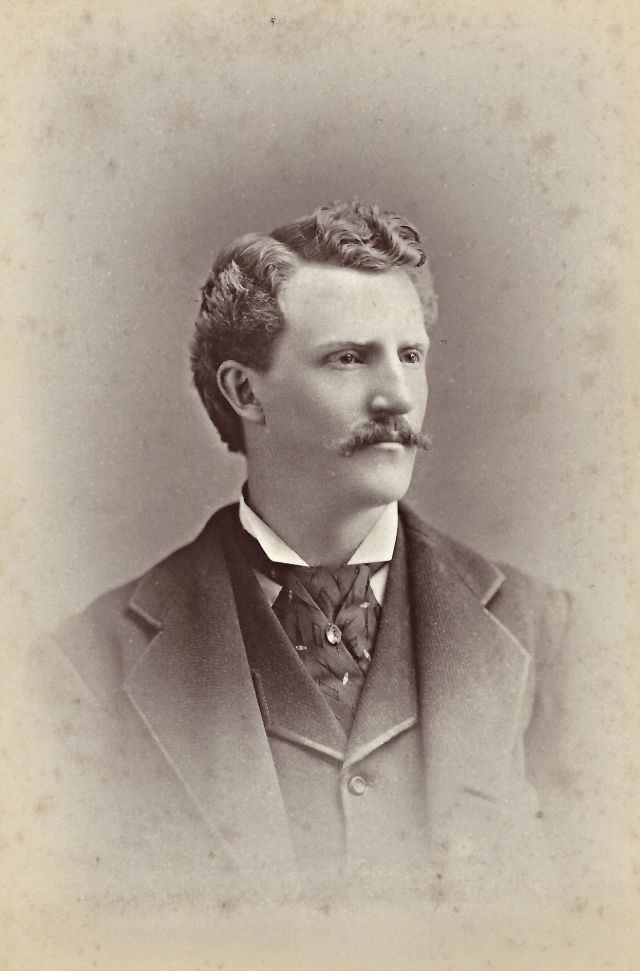
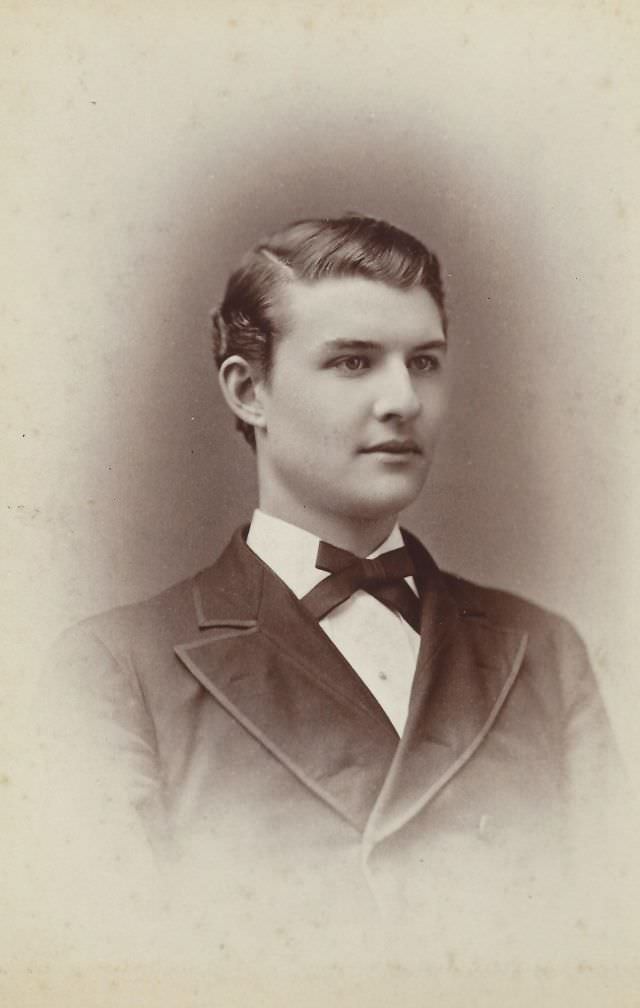
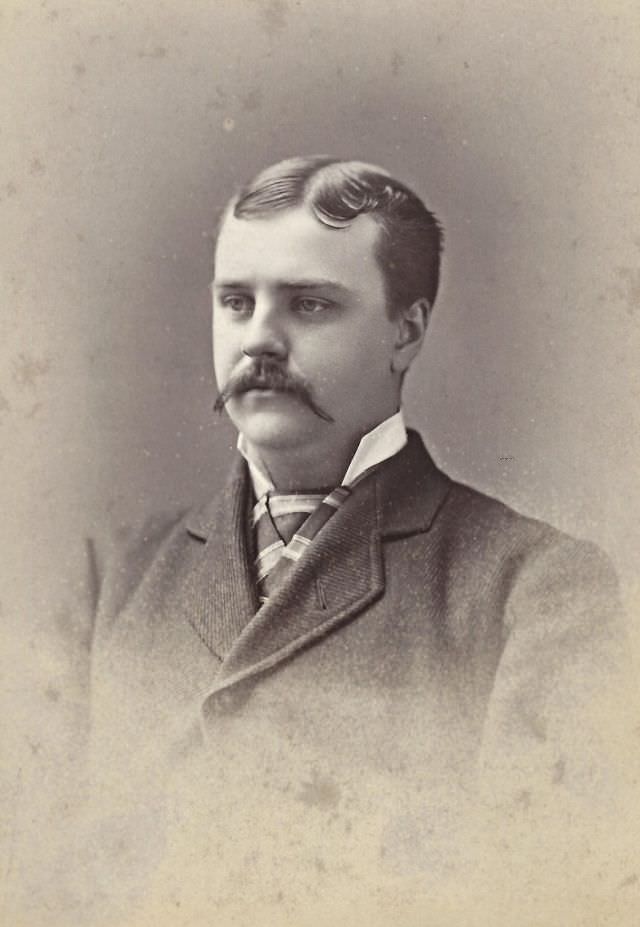
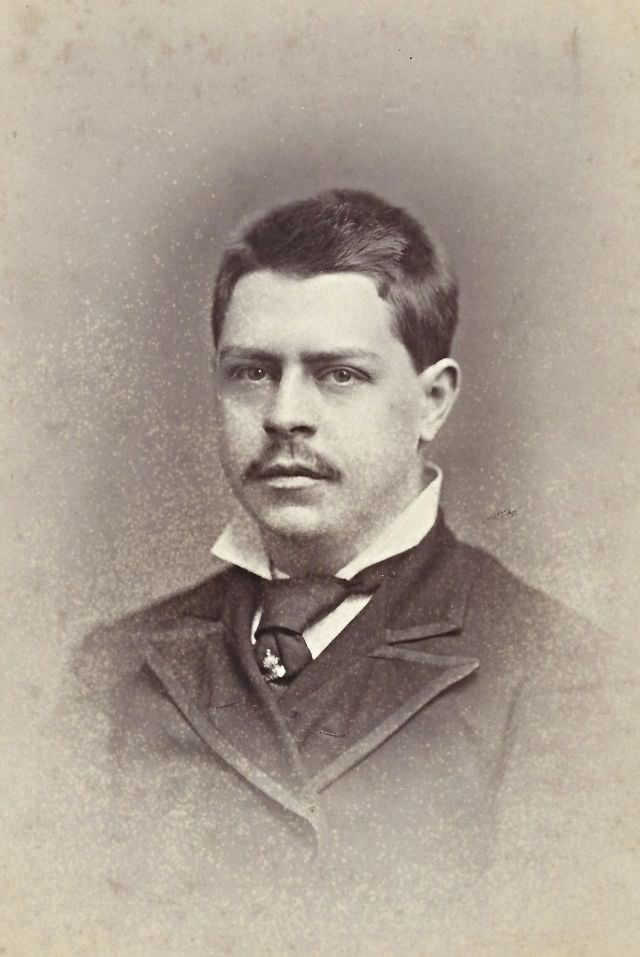
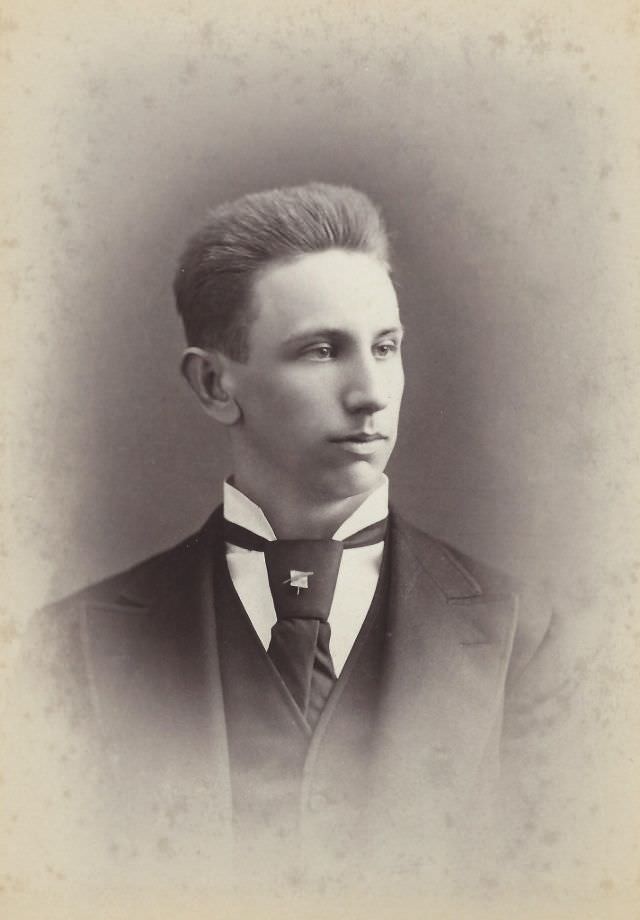
Simeon Eben Baldwin taught at Yale Law for fifty years, from 1869 to 1919. A jurist and legal scholar, he was one of the most prominent professors the school ever had. The students who graduated in 1877 learned directly from him. The photographs below are portraits of those students — young men in their early to mid-twenties, captured at the start of their legal careers.
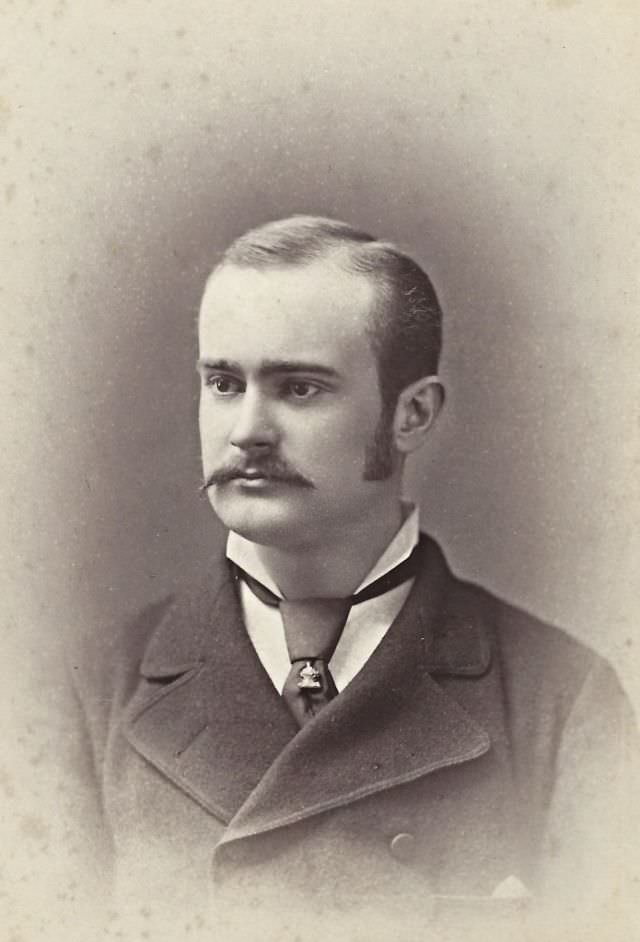
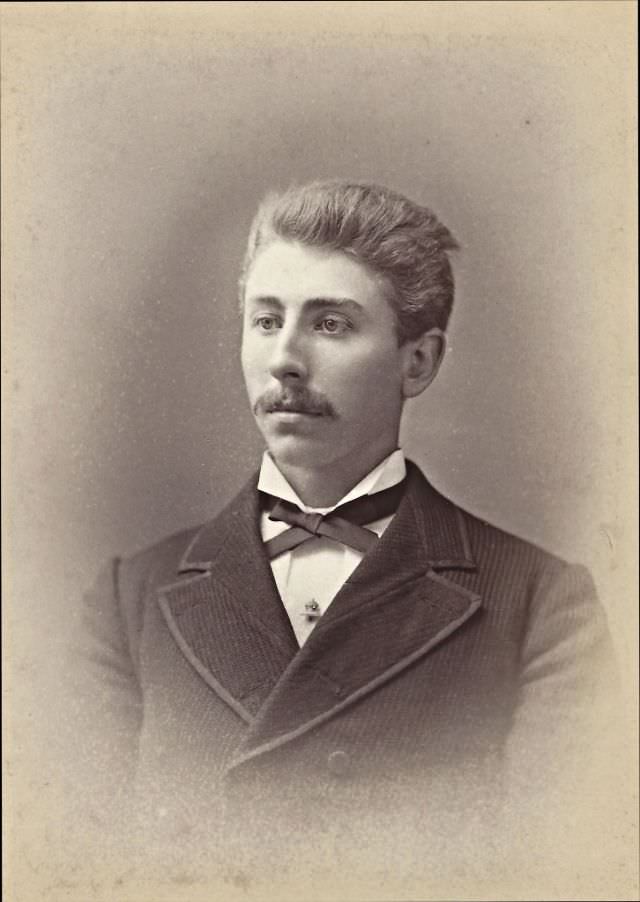
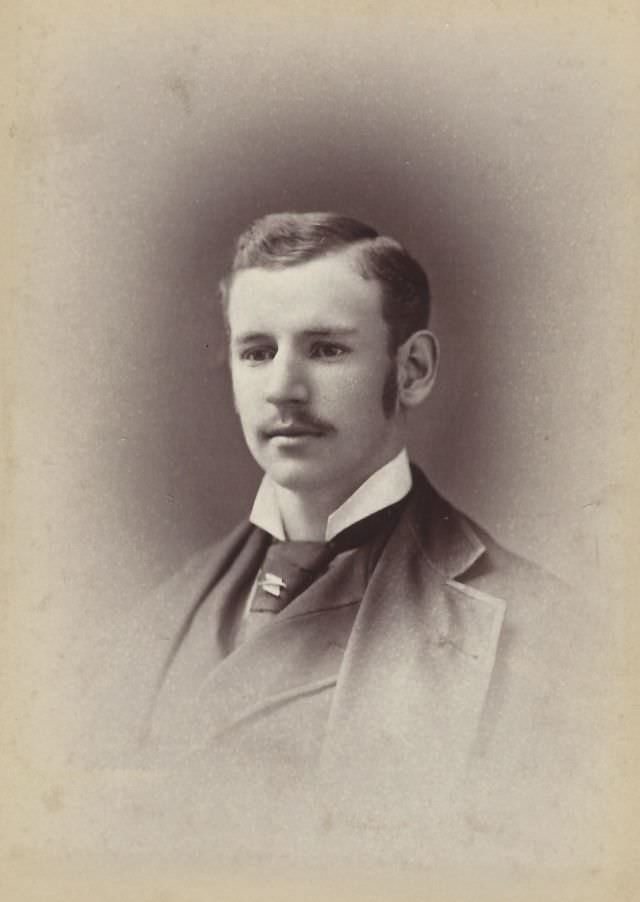
The Class of 1877 was made up of young men born mostly in the early to mid-1850s. Most were in their early twenties when they sat for these portraits. Their dates of birth and death — printed beneath each name — tell quiet stories. Some lived long lives well into the twentieth century. Others, like Edward Lee Linsley, died before turning fifty.
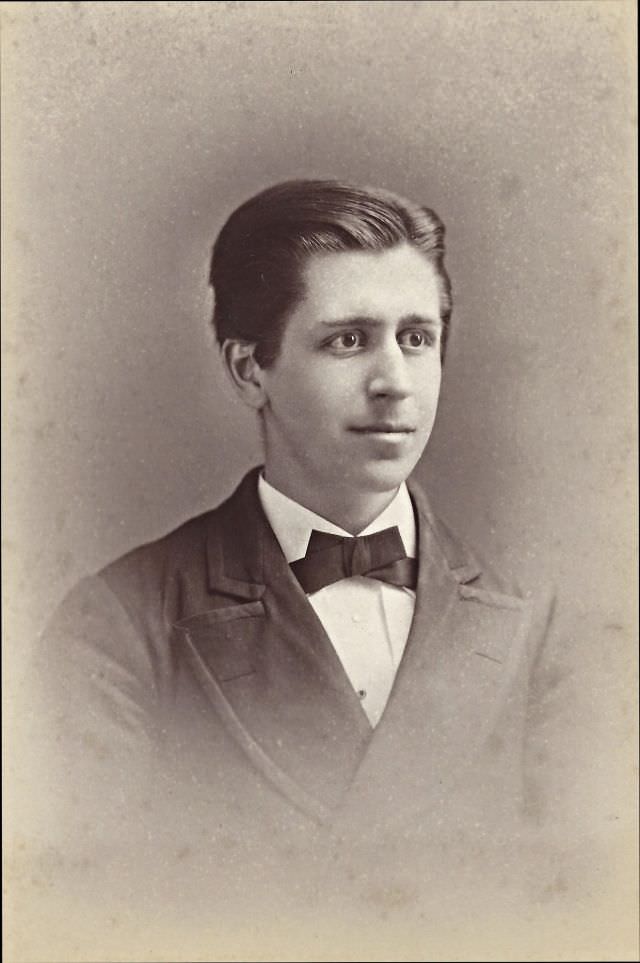
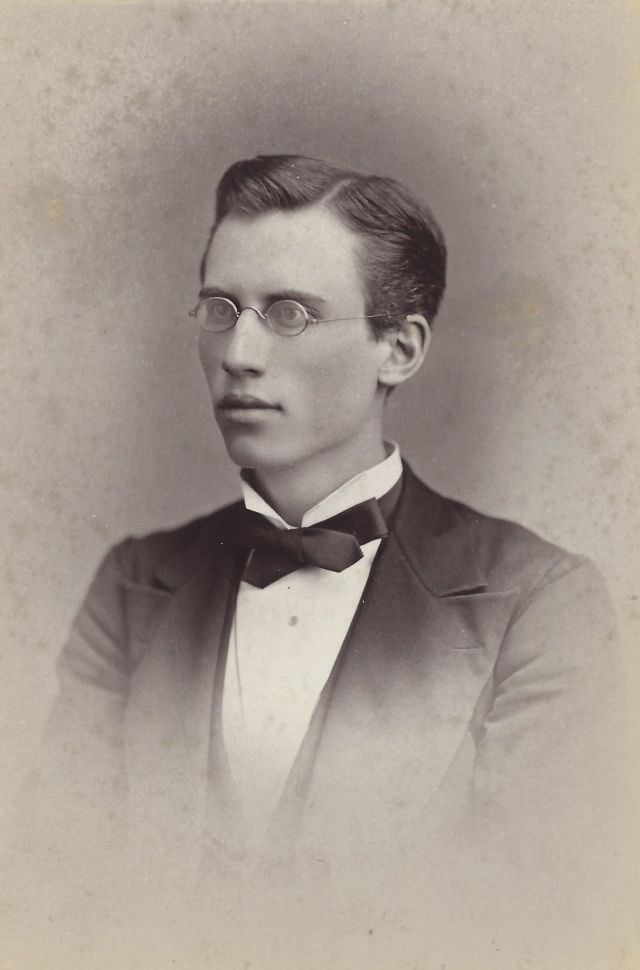
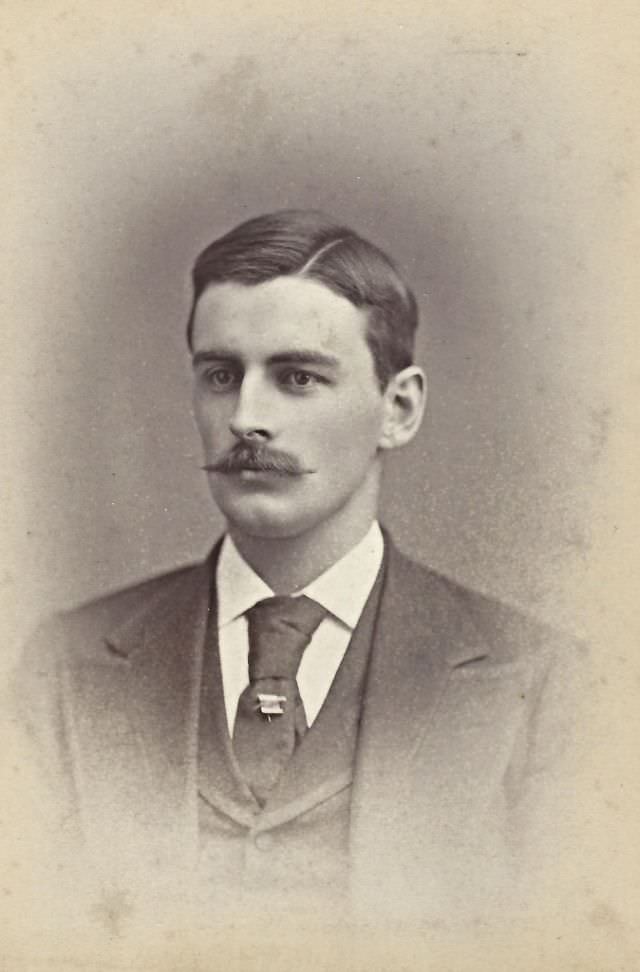
Not every man who passed through Yale Law in 1877 followed a straight path in the legal profession. Carlton Fyler Drake’s caption alone tells a remarkable story — lawyer, miner, lumberman, street railway worker, and hotel clerk. His life after Yale Law took turns that few of his classmates would have predicted on graduation day.
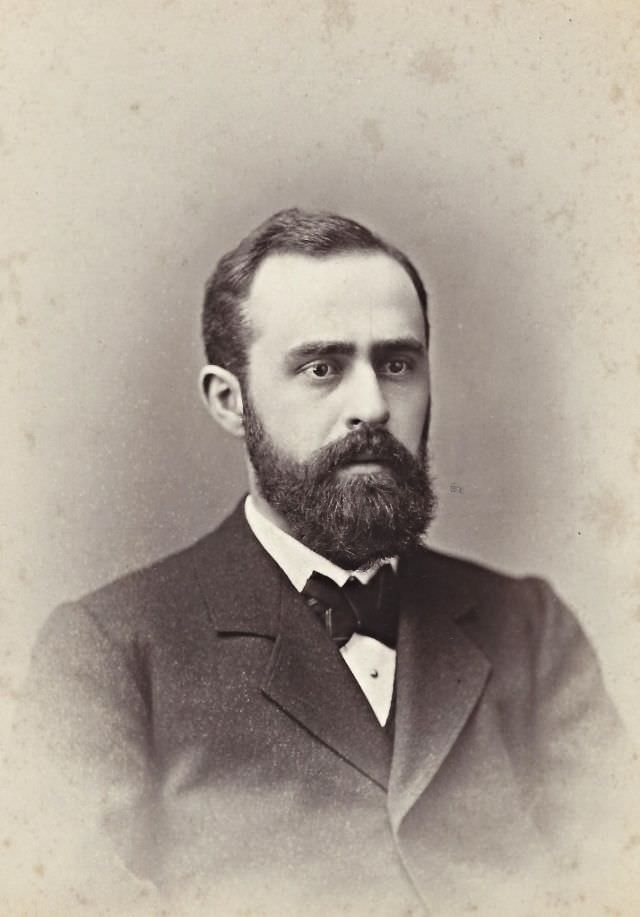
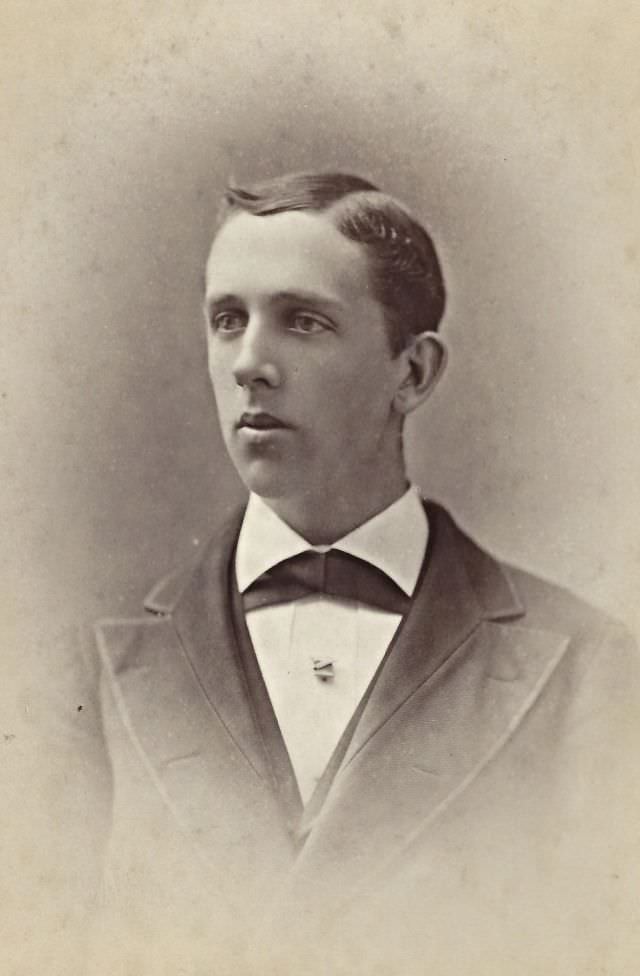
Several of these men have question marks where a death date should be — their fates unrecorded or lost to time. Frank Henry Willenborg and Alvin Driggs Ayres both fall into this category. Their births are documented, their time at Yale Law confirmed, but what came after remains unknown.
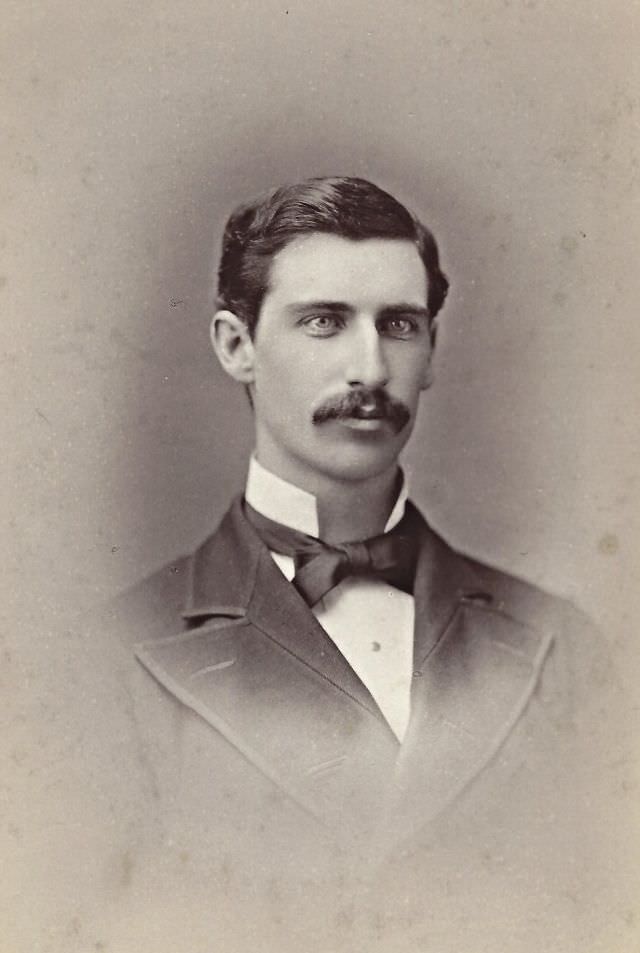
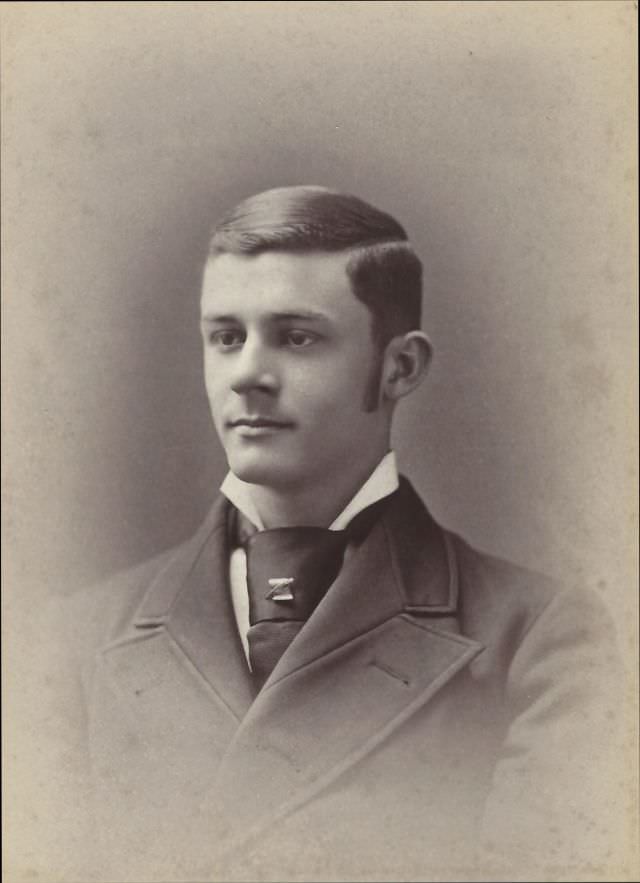
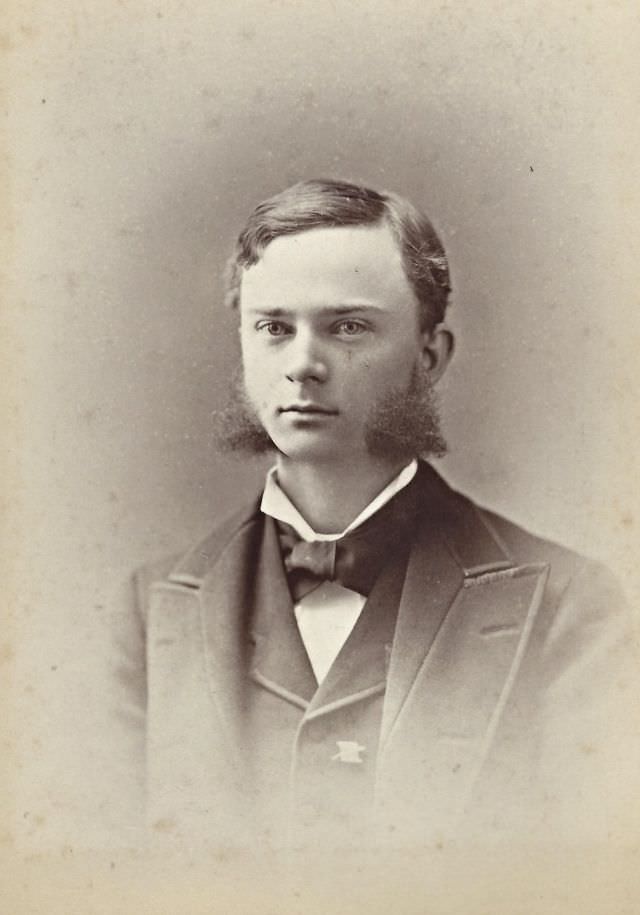
These portraits were taken during an era when photography was still a formal, deliberate act. Each man would have sat still for several seconds under controlled lighting, dressed carefully for the occasion. The result is a rare visual record of a Yale Law class from the Reconstruction era — a moment frozen just over a decade after the Civil War ended.
Theodore Salisbury Woolsey, who graduated with this class in 1877, came from one of America’s most prominent academic families. His grandfather, Theodore Dwight Woolsey, had served as president of Yale University from 1846 to 1871. The Woolsey name carried enormous weight in New Haven, and Theodore Salisbury went on to become a respected scholar of international law.
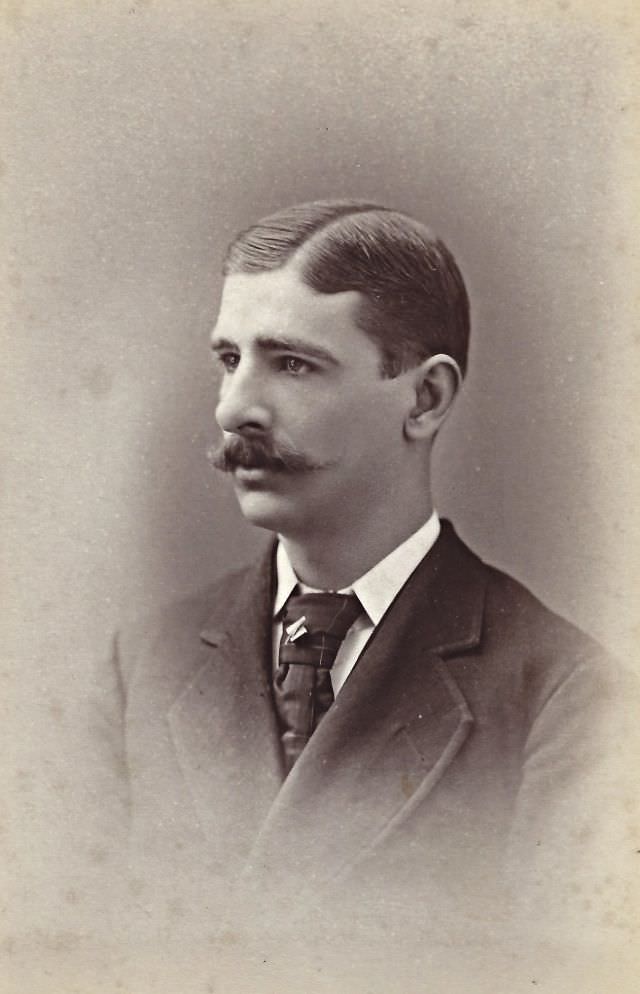
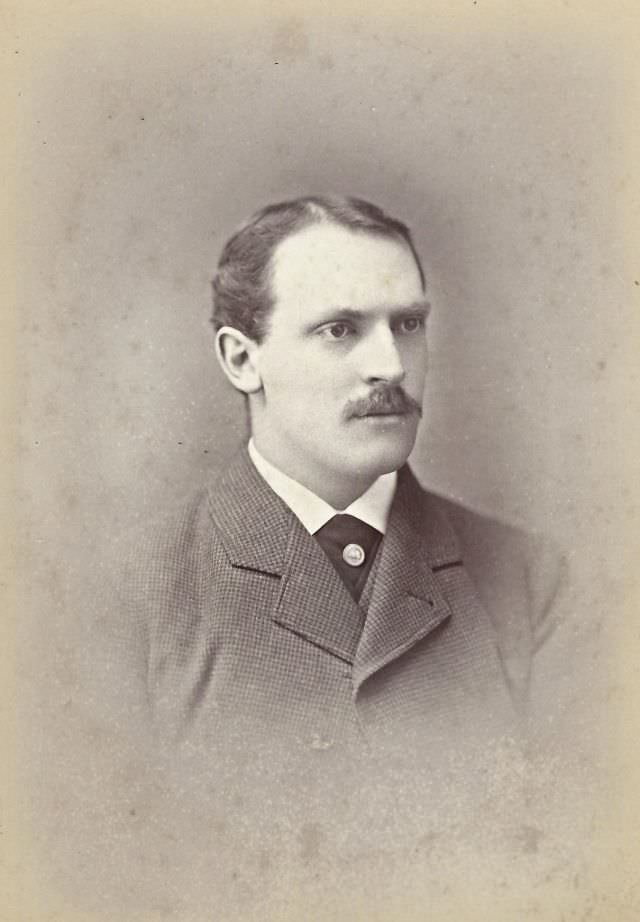
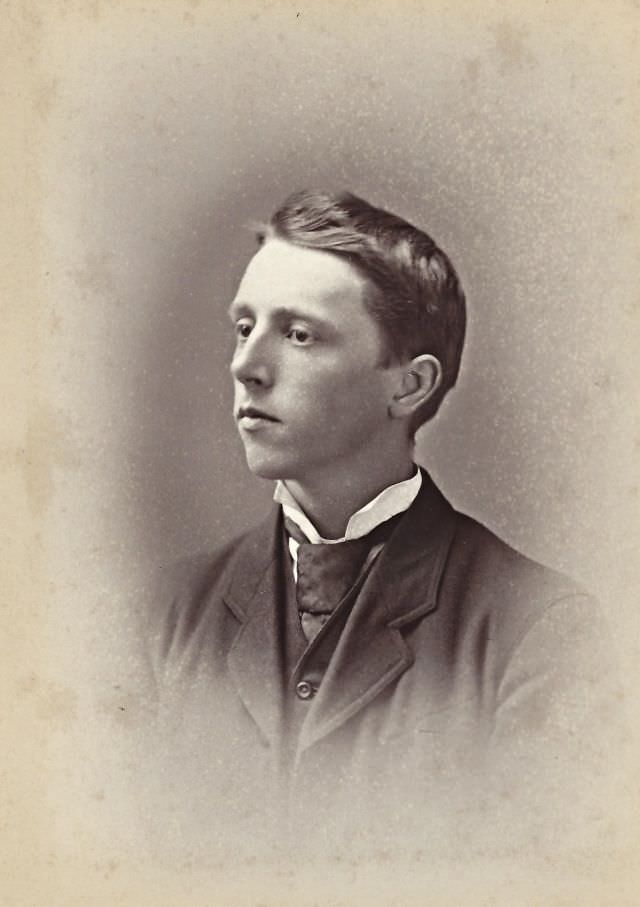
George Rufus Cooley, born in 1851, was among the older members of the class. William Joseph Mills, born in 1849, was the oldest — already in his late twenties when he graduated. Mills went on to serve as a federal judge and later as governor of New Mexico Territory, making him one of the more publicly notable figures from this cohort.