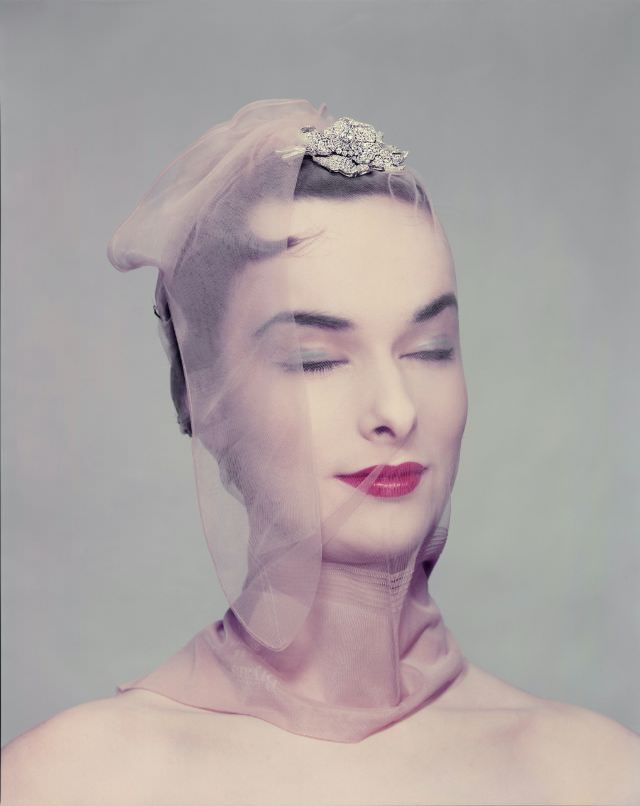

In 1940, a Brooklyn newspaper published a self-portrait written by a ten-year-old girl. She wrote plainly: “I’m Victoria. I am four feet eight inches tall, and I will be 11 years old on July 13th. My hobby is writing stories and poems.” That girl was Victoria von Hagen, daughter of the prolific explorer, anthropologist, and author Victor Wolfgang von Hagen. Few could have predicted that the child writing rhymes about spring would grow into one of the most striking faces in American fashion.

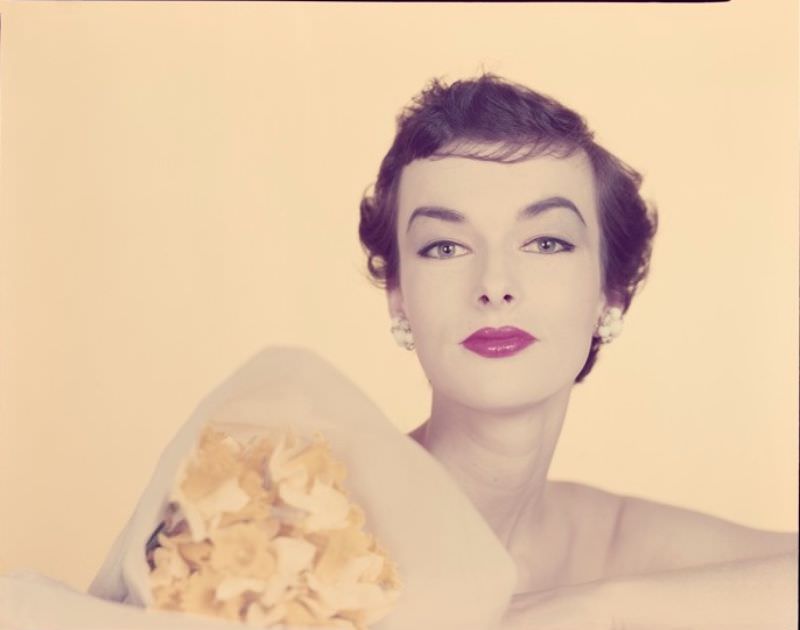
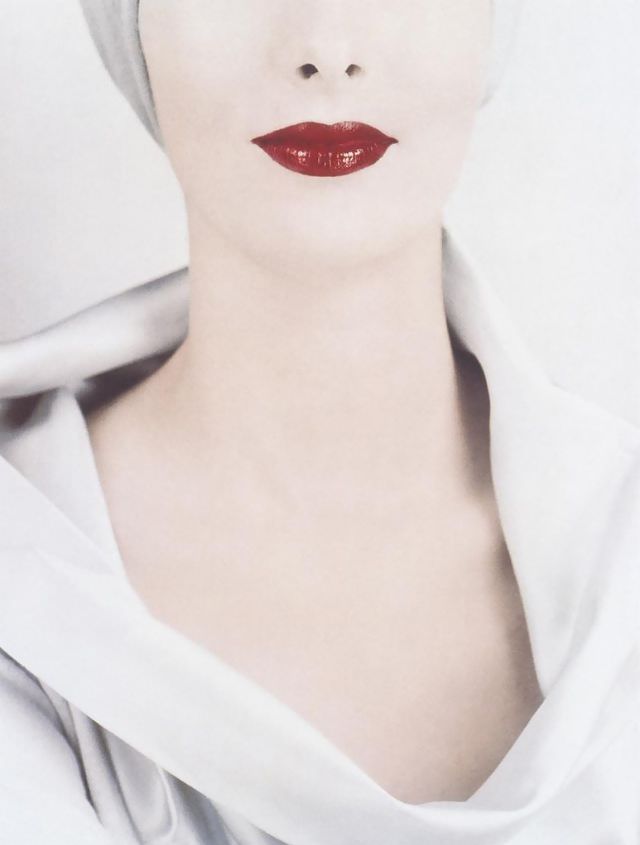
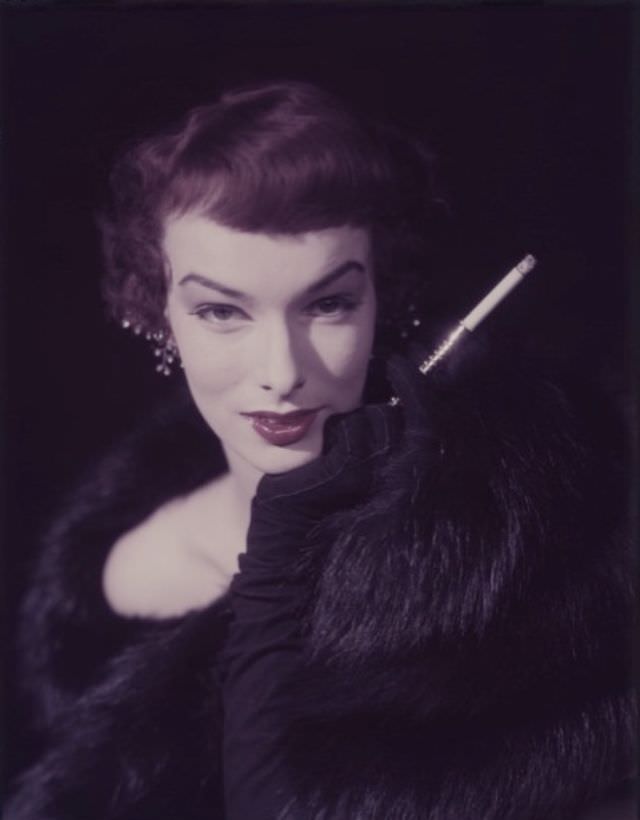
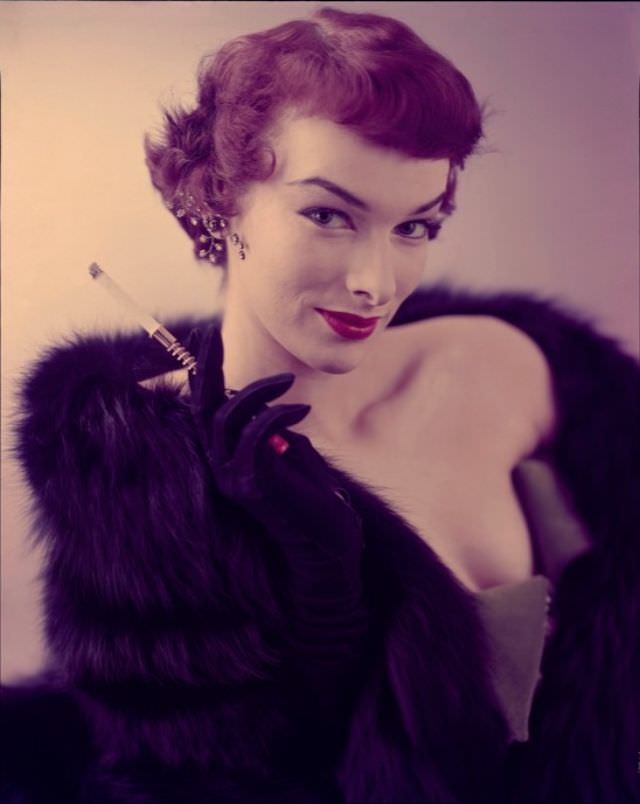
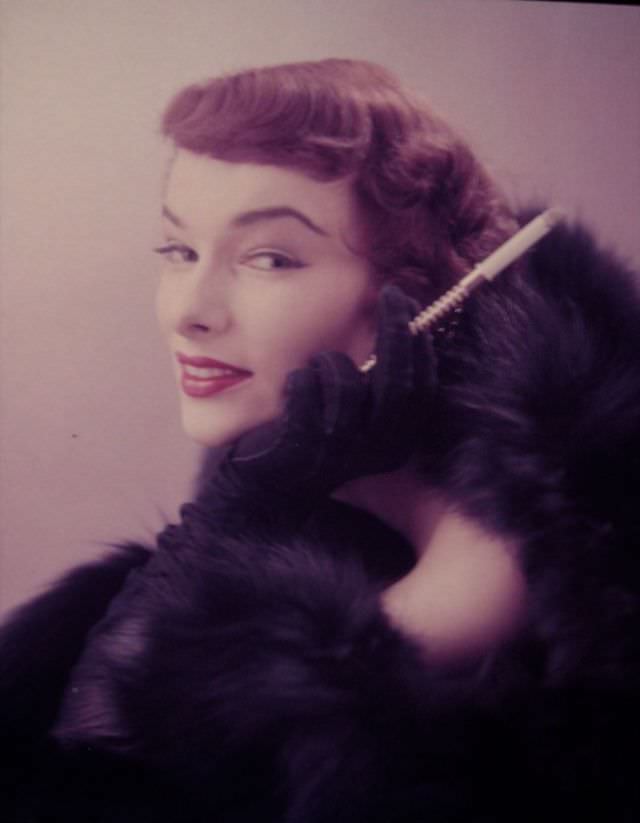
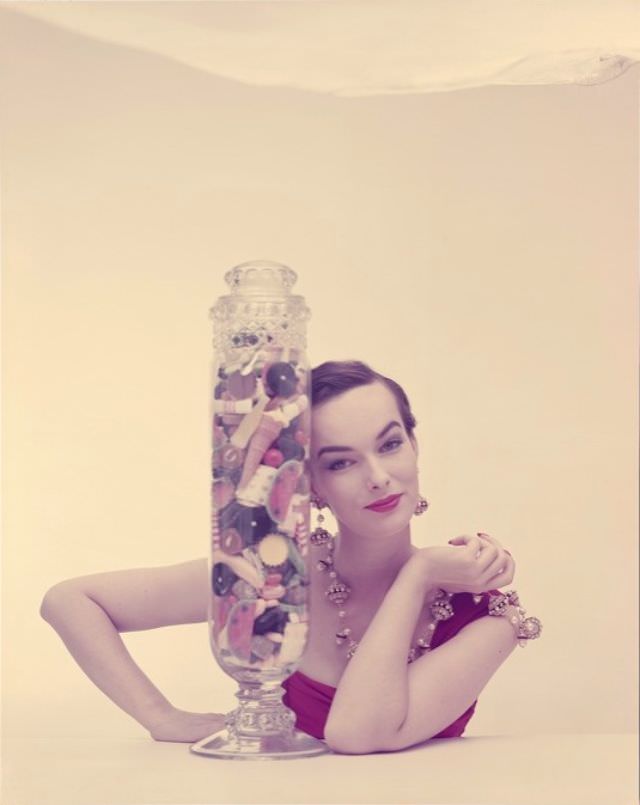
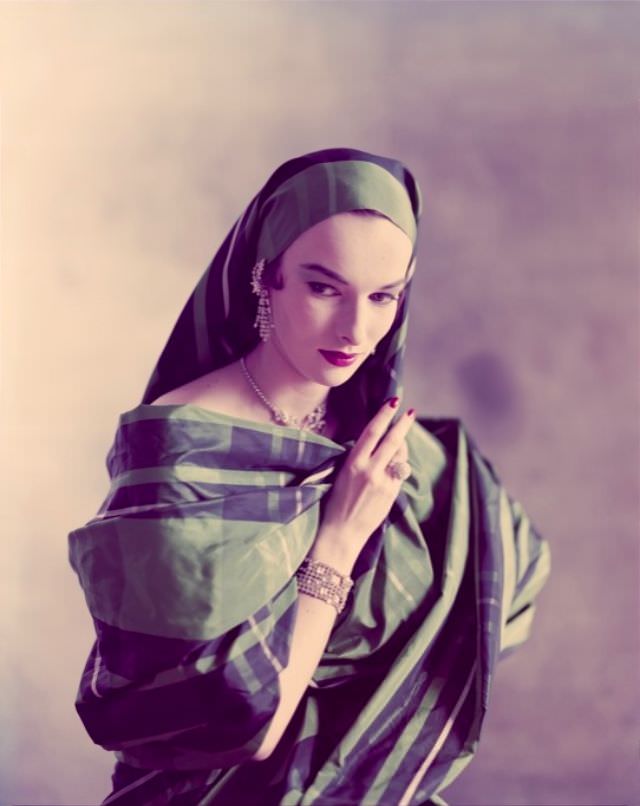
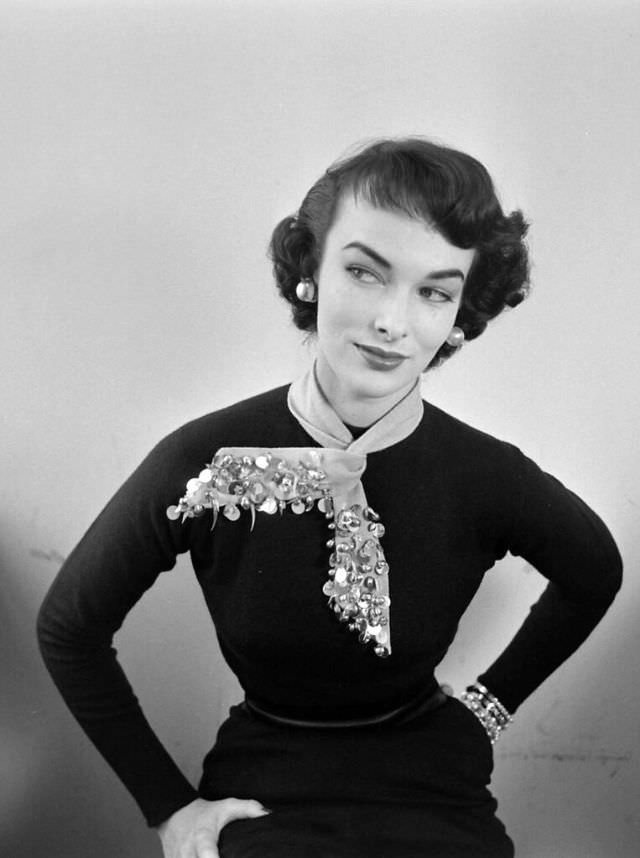
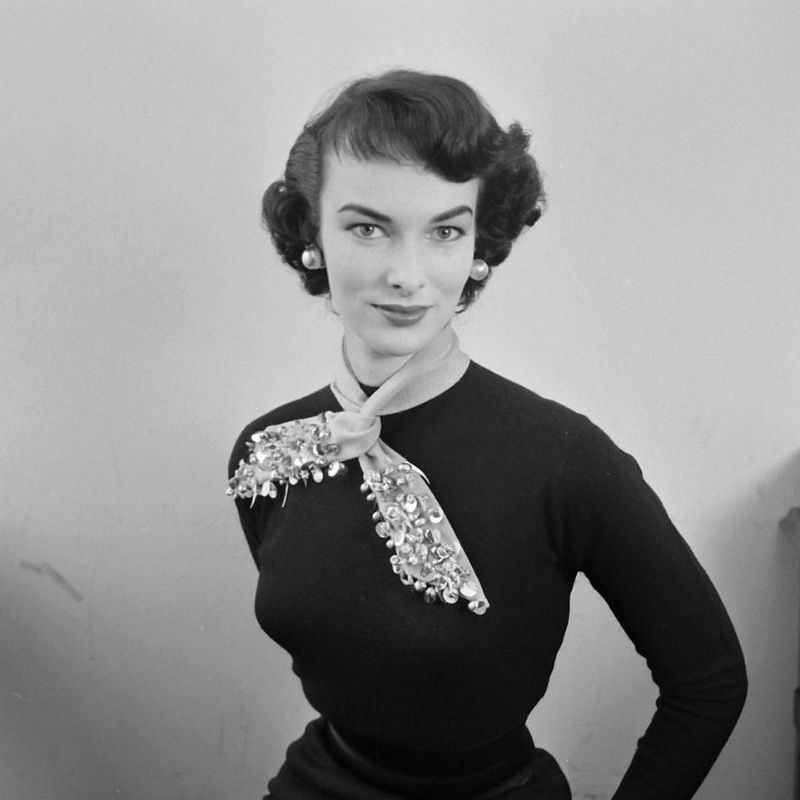
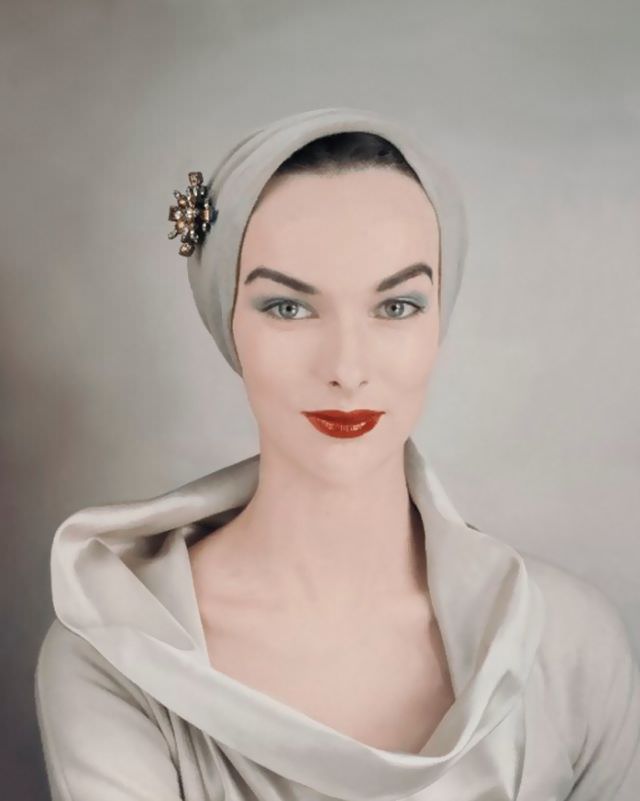
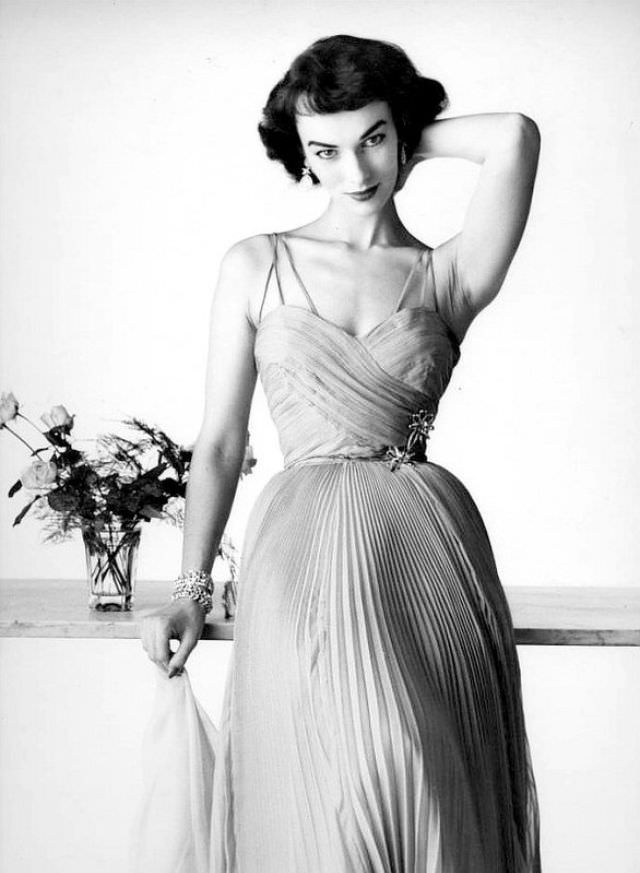
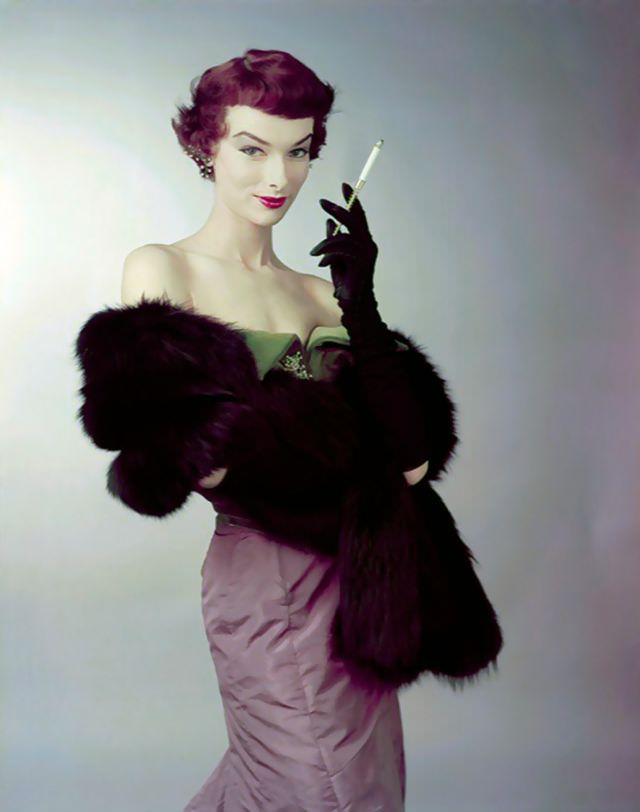
By the early 1950s, Victoria von Hagen was a working fashion model with a look that stopped photographers cold. Her features had a sharp, almost illustrated quality — fine-boned and precisely drawn — that translated effortlessly onto the printed page. She worked regularly with three of the most respected photographers in the business: Nina Leen, Clifford Coffin, and Erwin Blumenfeld. Her face appeared on the cover of Vogue, the highest-profile platform a model could reach at the time.


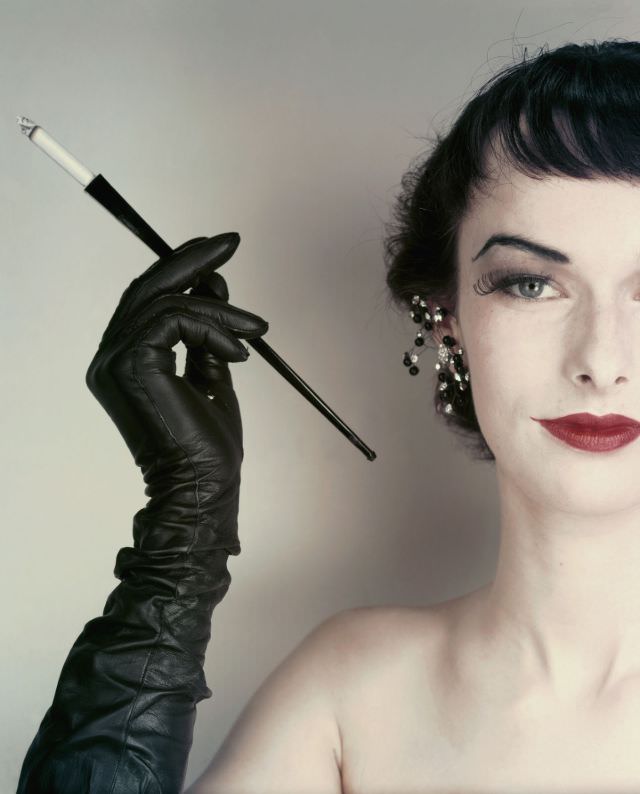
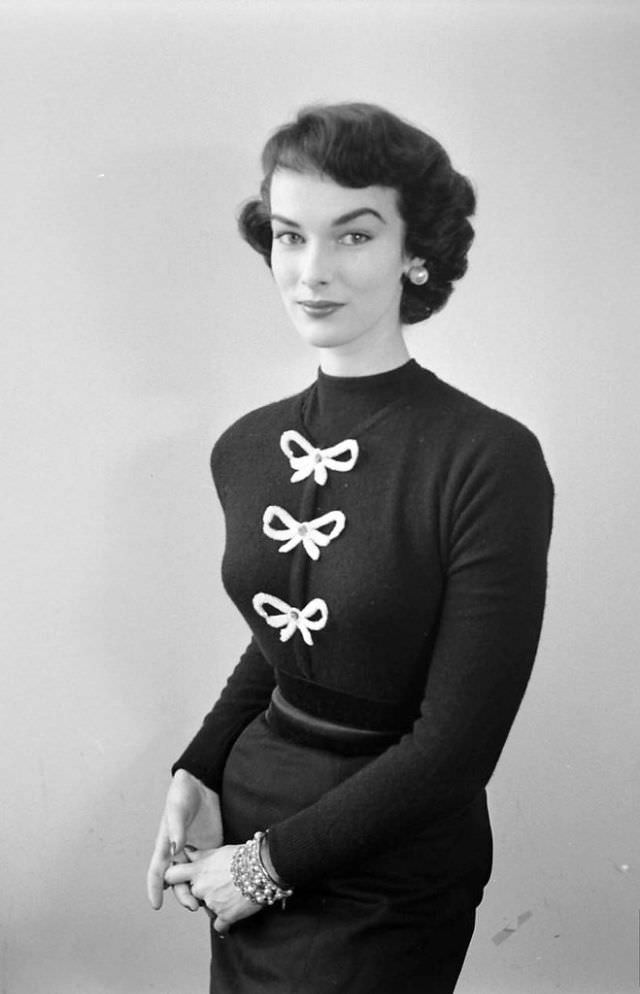
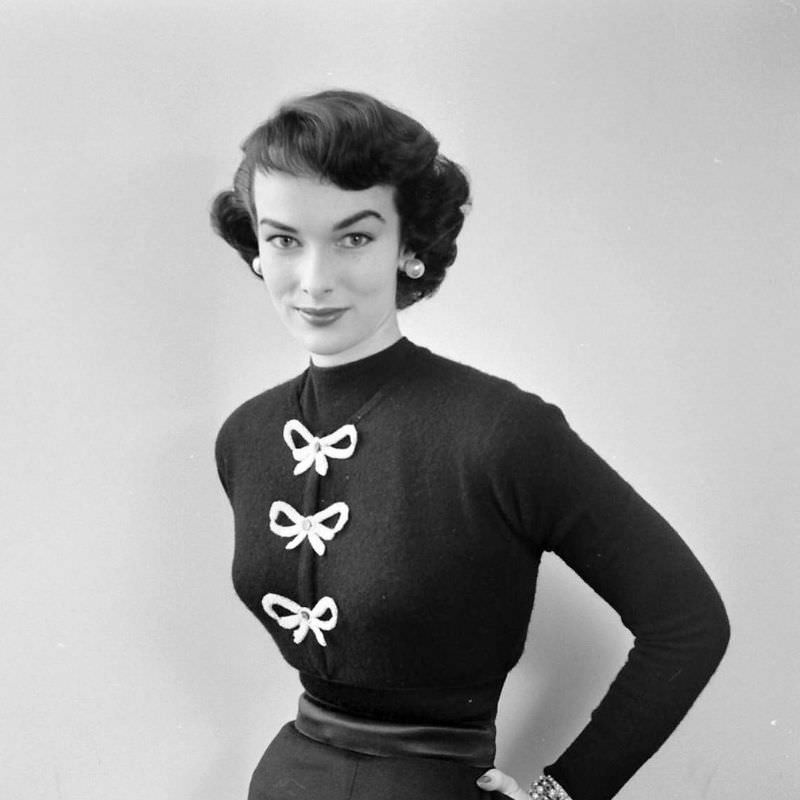
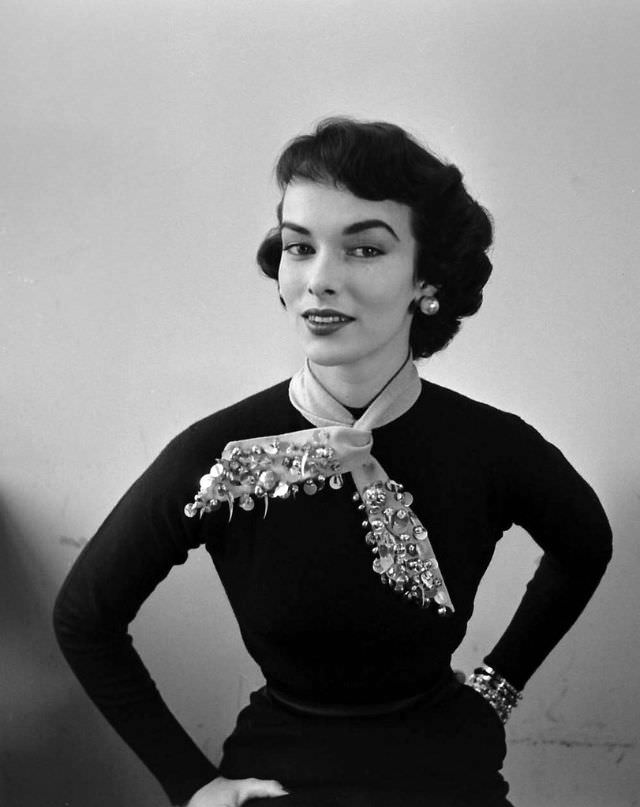
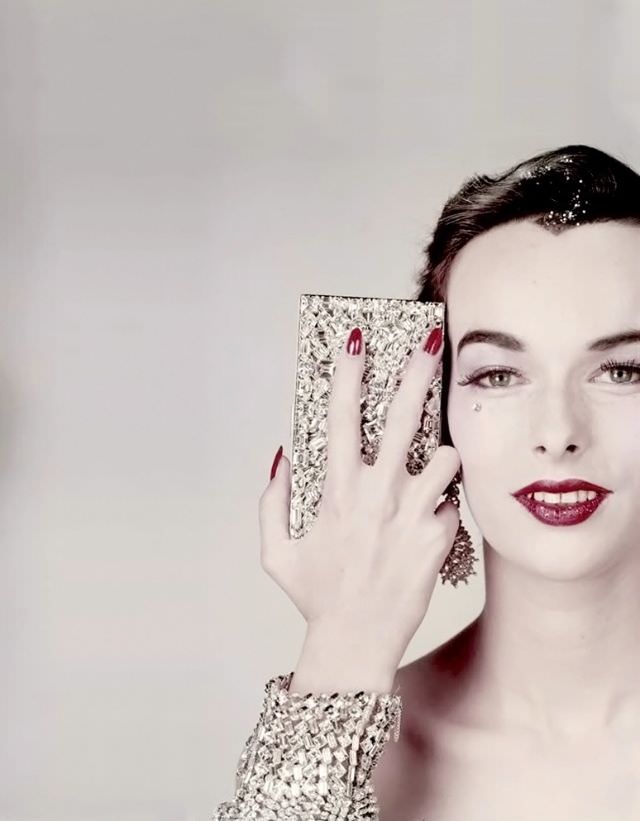
The fall 1952 issues of Vogue featured von Hagen extensively. She appeared in a wide range of editorial looks — from sleek evening accessories to casual knitwear — demonstrating real versatility as a model. A single issue could show her in full-length gloves and glittering earrings in one spread, and a bow-adorned sweater in another.


New York in 1952 was the center of American fashion publishing, and von Hagen was firmly embedded in that world. The October issues of Vogue that year returned to her repeatedly, placing her in carefully styled settings across the city. Each photograph reinforced her status as one of the magazine’s go-to faces for that season.


Beyond her editorial work, von Hagen also appeared on television. She competed on game shows including The Big Pay-Off and Big Surprise, winning significant sums on both. It was a natural extension of the public persona she had built — polished, articulate, and camera-ready in any setting.


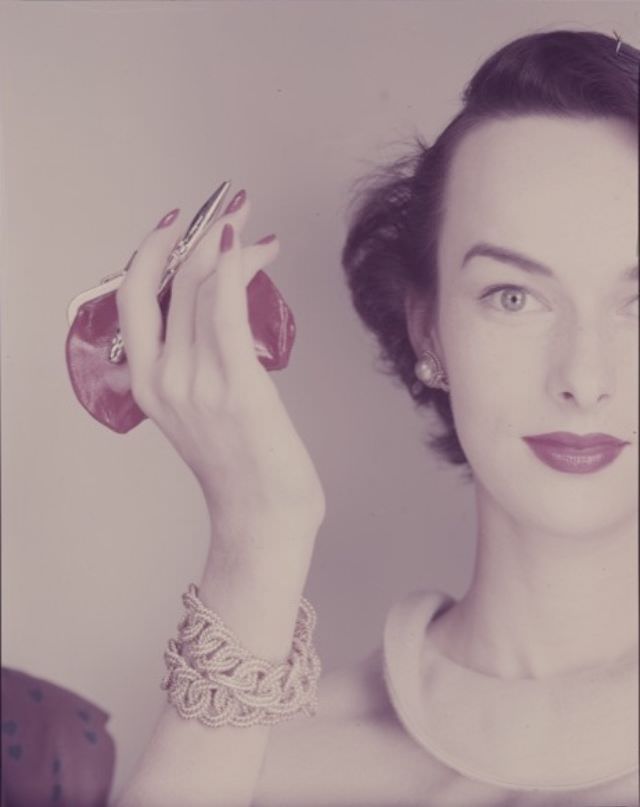
Accessories were a recurring focus of her editorial work in 1952. Several shoots centered specifically on how to style a plain sweater with the right jewelry and accents — practical fashion advice delivered through high-end photography. It reflected the era’s interest in accessible elegance, showing readers that good style came down to detail.


Fine jewelry and luxury accessories appeared throughout her shoots. One October 1952 spread featured a minaudière by Evans, a bracelet from Henri Bendel, and earrings by Ledo — a full picture of how accessories functioned at the top end of American fashion at the time.


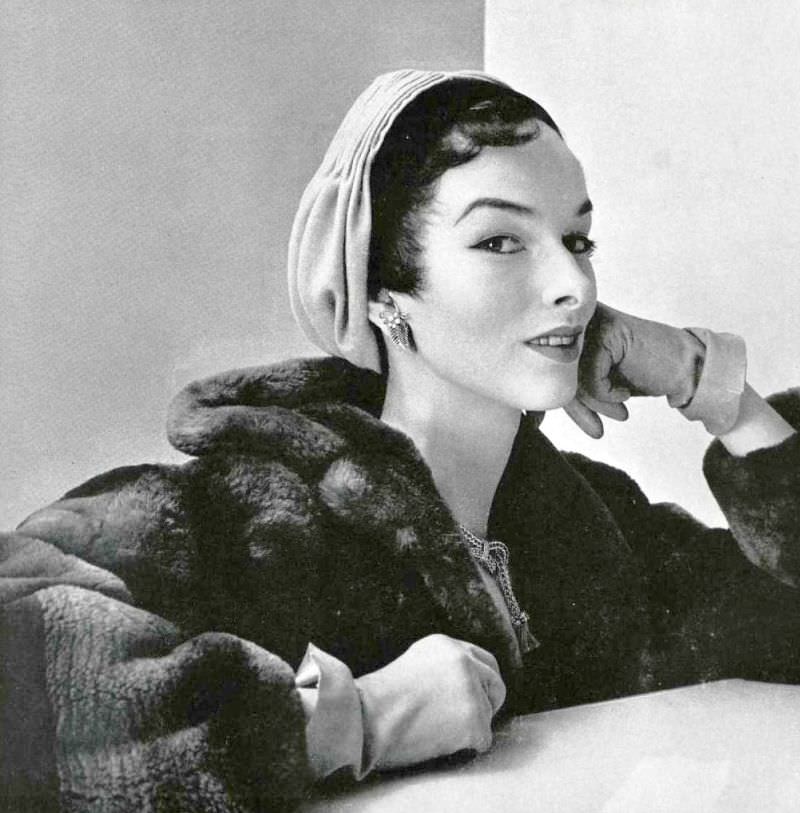
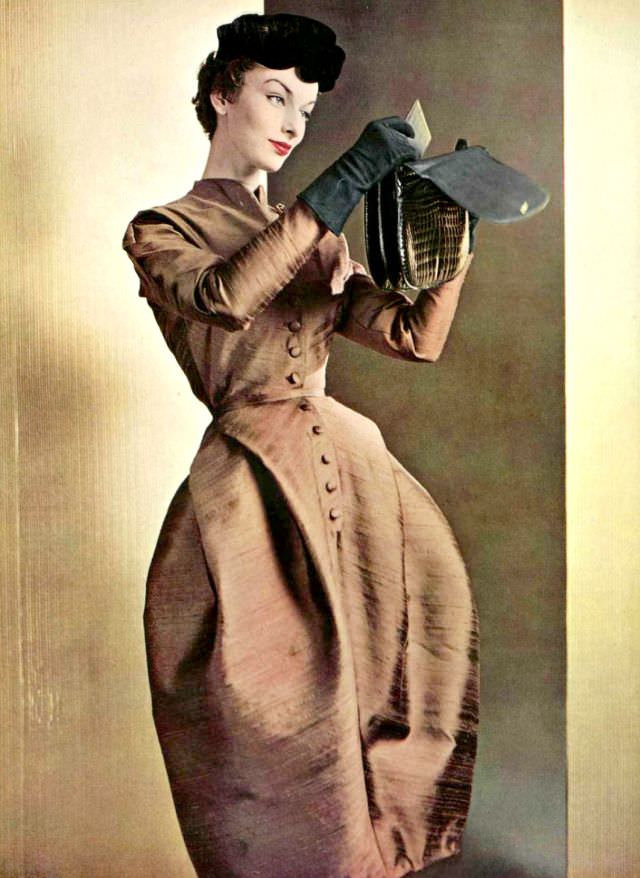
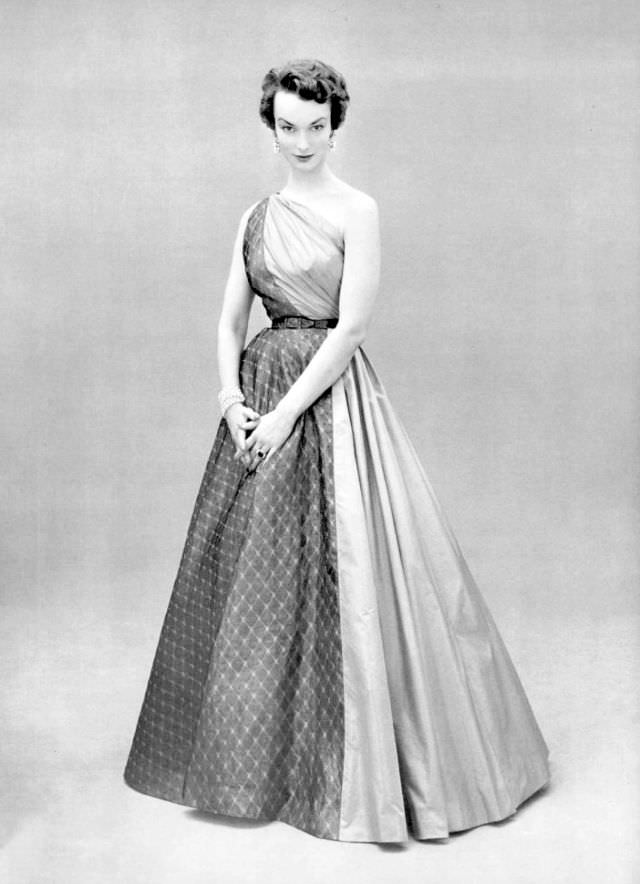
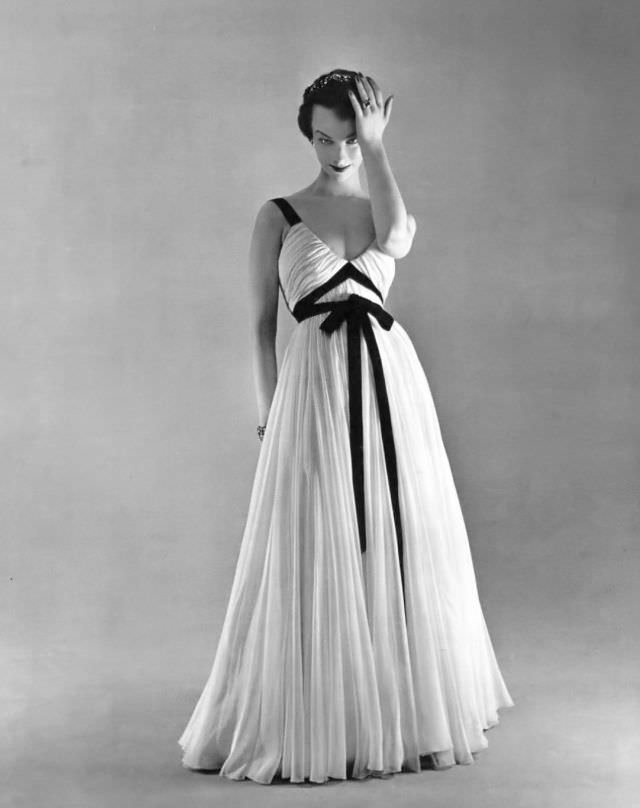
By 1953, von Hagen’s modeling work had expanded to include French fashion publications. L’Officiel featured her in some of the most prestigious couture of the season — a beaver coat paired with a velvet and jersey turban by Paulette, an afternoon dress in bronze silk by Jean Dessès, and eveningwear by Grès. These were not off-the-rack garments. Each piece came from a named Paris atelier, and von Hagen wore them with the ease of someone entirely at home in that world.


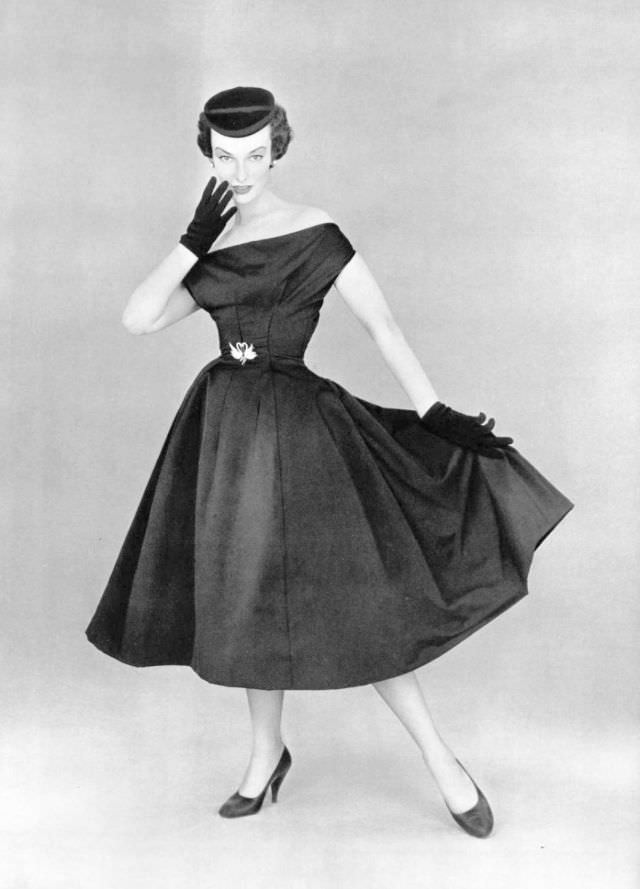
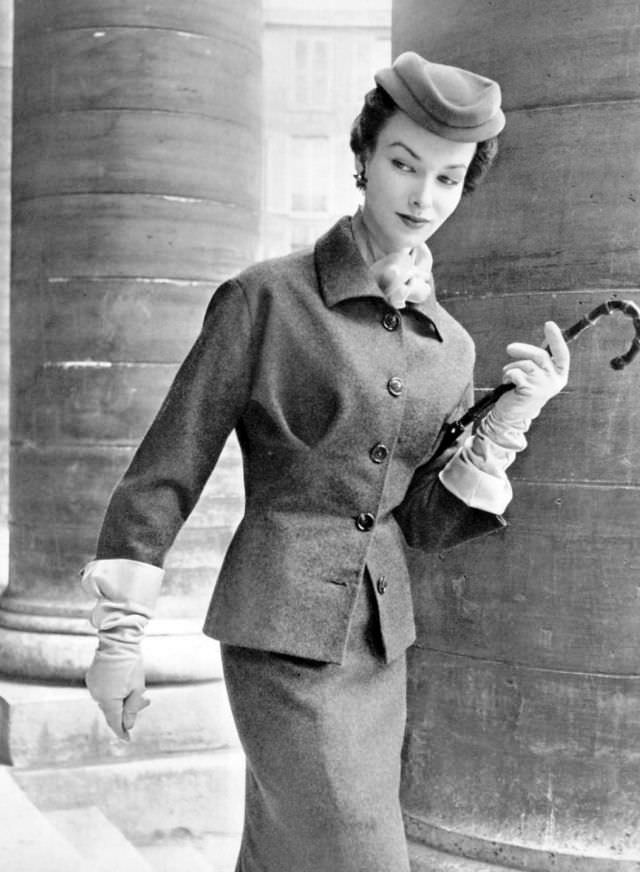
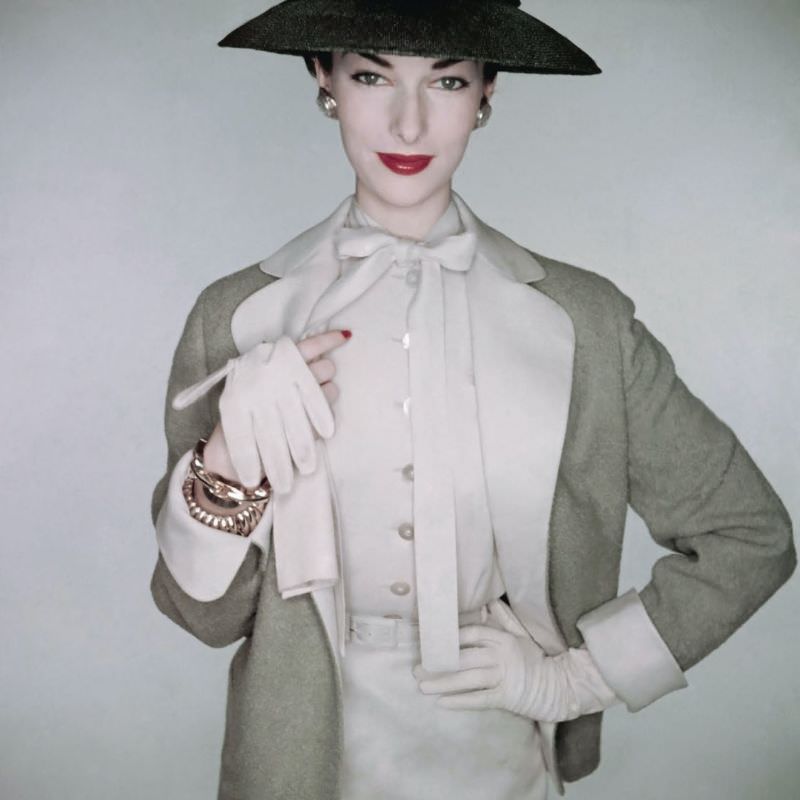
Christian Dior appeared in her 1953 work more than once. She wore a black satin party dress with a small velvet cap from the house, and separately, a grey flannel day suit lifted with an orange mousseline scarf — both Dior designs that illustrated the range of his output that year, from evening drama to sharp daytime tailoring.


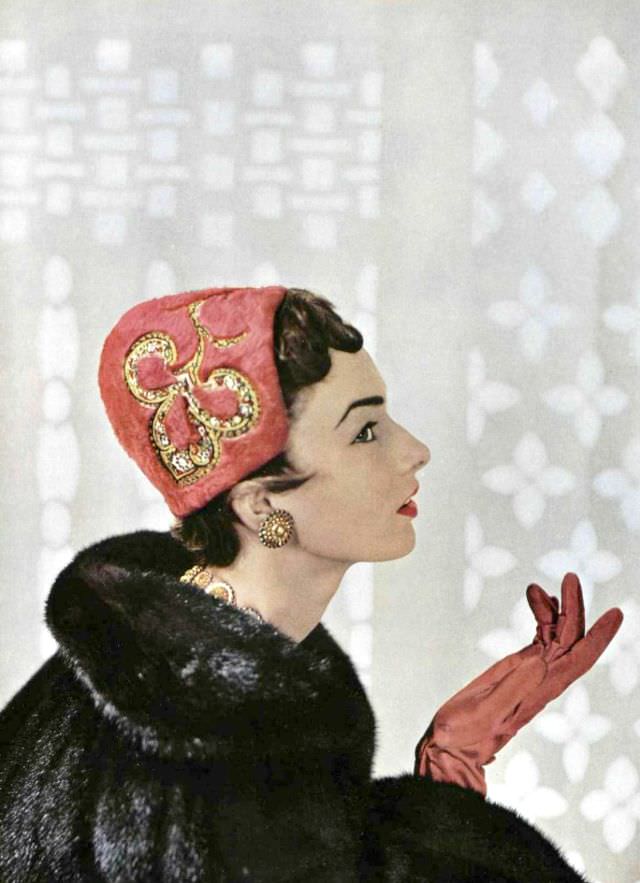
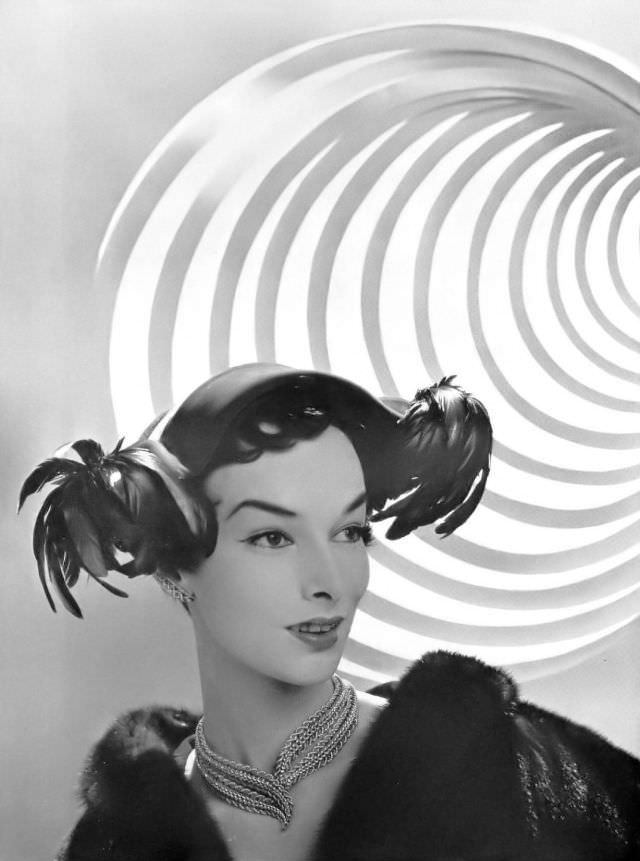
Millinery was also a feature of her 1953 work for L’Officiel. A red embroidered cap by Gilbert Orcel was paired with a mink coat by Fourrures Max, while a small velvet cap trimmed with rooster tail feathers by Rose Valois was worn alongside a gold necklace by Sterlé. These were the kinds of precise, deliberate combinations that defined French fashion editorial of the period.


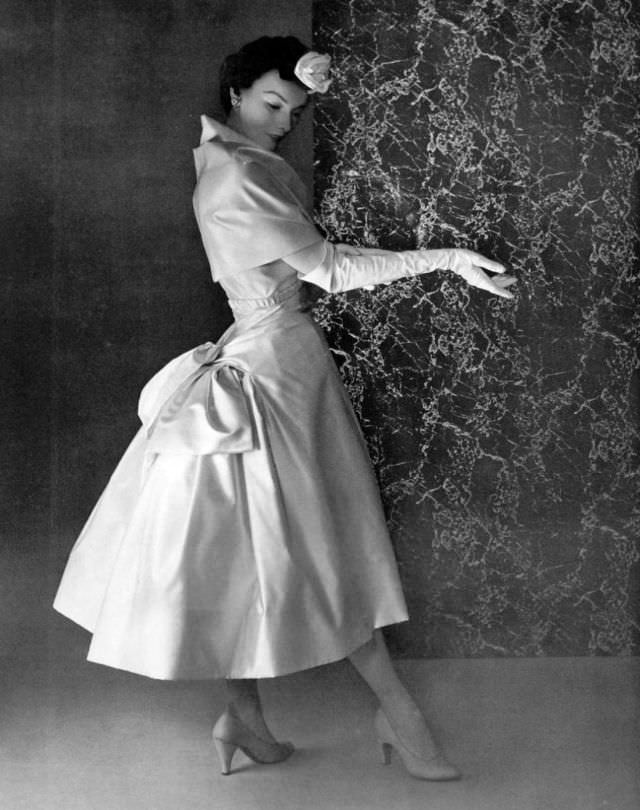
Later in 1953, von Hagen modeled a white satin dinner dress with a bustle-like bow gathered at the back — a silhouette that reflected the era’s renewed interest in structured, sculptural evening dressing. Her linen separates shoot with pigskin gloves by Superb that same year showed the other end of the spectrum: clean, understated daywear.


Victoria von Hagen married archaeologist Jacques Bordaz and shifted her focus toward academic work, applying technological methods to archaeological data — a field that suited someone raised in a household built around scholarly exploration. After divorcing Bordaz, she moved to Paris, where she worked as a mentor and academic writer. Her writing never stopped. Into the 1990s, she was contributing regularly to newsletters on analytical cellular pathology — a far cry from childhood rhymes about spring, but just as deliberate.