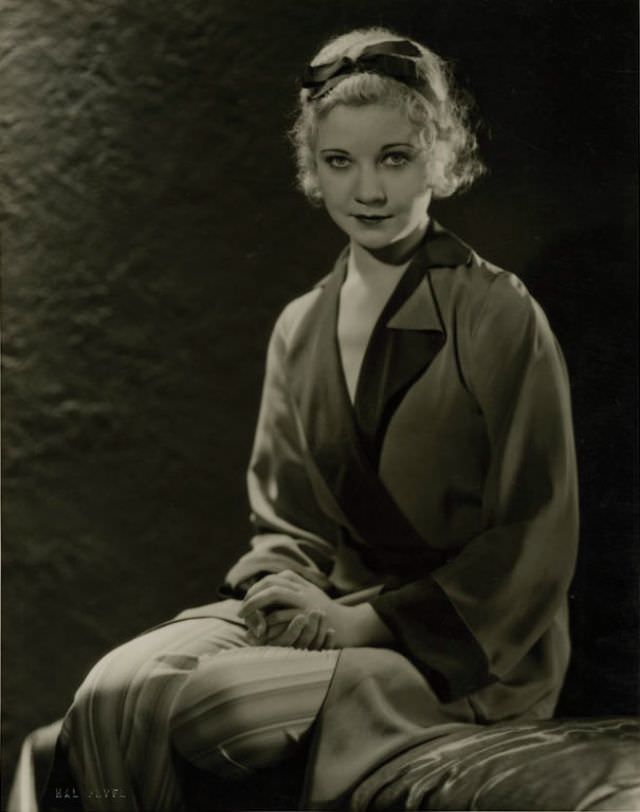

Hal Phyfe — born Harold Rodney Eaton Phyfe in Nice, France, to a New York society family — built one of the most distinctive bodies of portrait work in American photography. His path to the camera was far from straightforward. He enlisted in World War I, trained as a sculptor in France and a painter in Italy, and spent much of the war photographing an aviation unit of the United States Army across Europe, specializing in aerial photography. When the war ended, he kept himself afloat as an illustrator, supplying magazines with pastel cover art until he had the means to open his own photography studio in 1926.
Through the late 1920s, Phyfe built a reputation for theatrical portraits — both sketches and photographs — shot on commission for major magazines. His portfolio prints from that period are now recognized as masterworks of middle gray shading, with a particular fondness for the vignette head style that was fashionable among New York portraitists at the time. He rarely photographed performers in costume, preferring to capture the person rather than the role. By 1930–31, he had become Florenz Ziegfeld’s principal photographer, cementing his place at the very center of American entertainment culture.
One of Phyfe’s most well-known rules was simple: no smiling during sittings. That single dictum shaped the tone of his entire body of work. His subjects look composed, direct, and unhurried — qualities that set his portraits apart from the more theatrical glamour shots of his contemporaries. Spanish actress Conchita Montenegro was among the many stars who sat for him during this era, and the results were no exception to his standard.
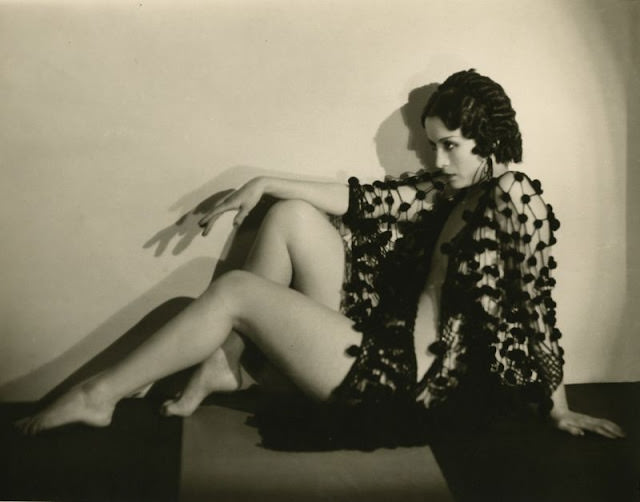
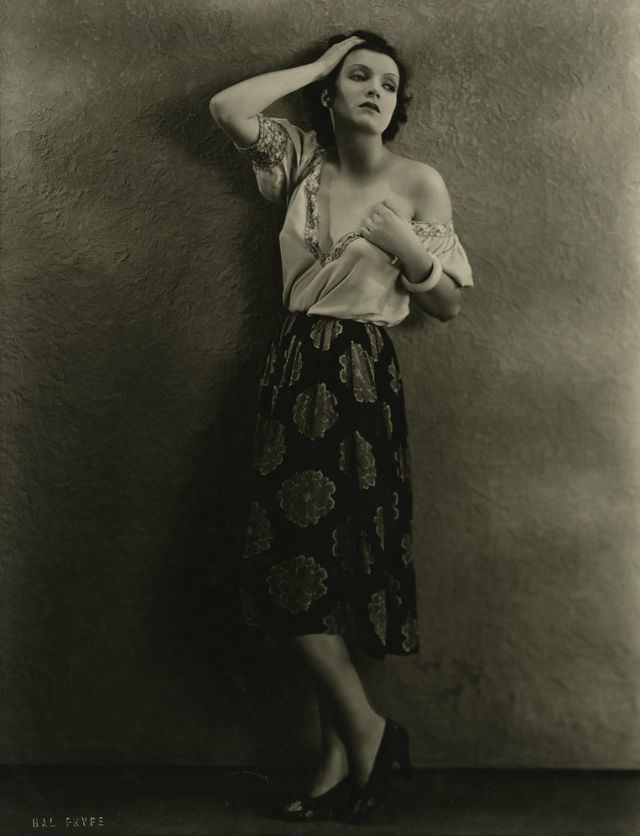
Phyfe was as colorful off the camera as he was precise behind it. At debutante balls and high-society events, he showed up in jeans and moccasins rather than formal wear — a deliberate quirk that did nothing to hurt his standing among New York’s elite. He owned a dog that became something of a Broadway celebrity in the late 1920s. After the dog died, Phyfe was so grief-stricken that he turned down a lucrative long-term magazine contract because he refused to talk business during his mourning. His mood eventually lifted when bootlegger Owney Madden — while serving time at Sing Sing prison — entrusted his red tabby cat to Phyfe’s care.
Actress Boots Mallory was another subject who appeared in Phyfe’s studio during this period. Born Patricia Mallory, she was an actress and model who moved between Broadway and Hollywood during the early sound era, and Phyfe photographed her multiple times.
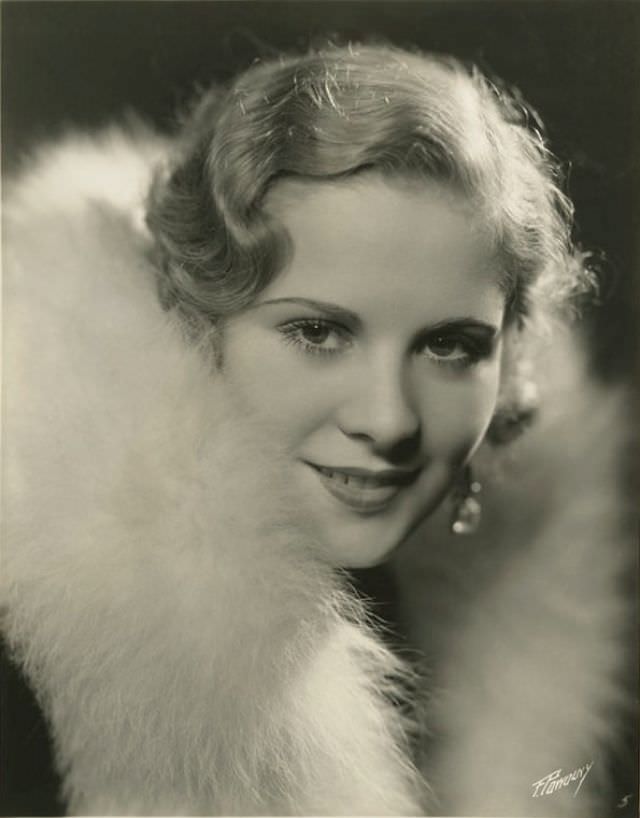
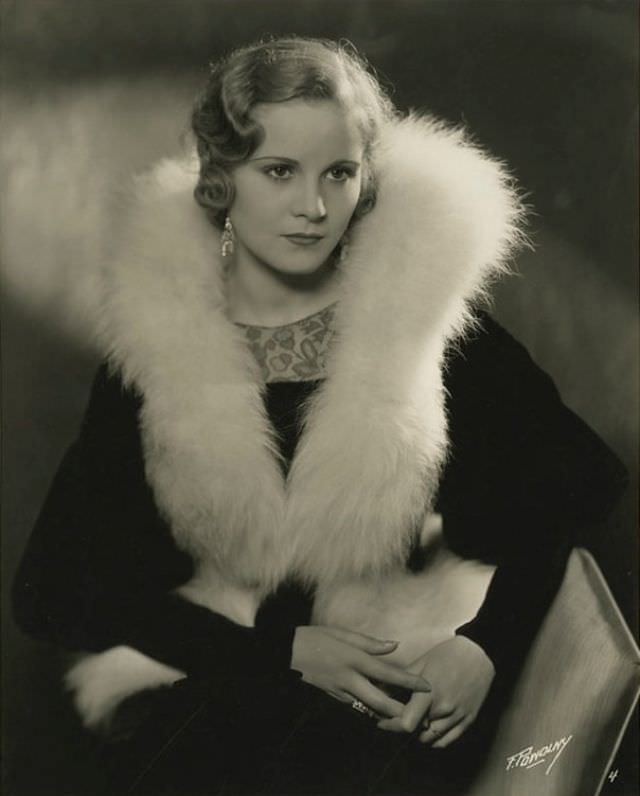
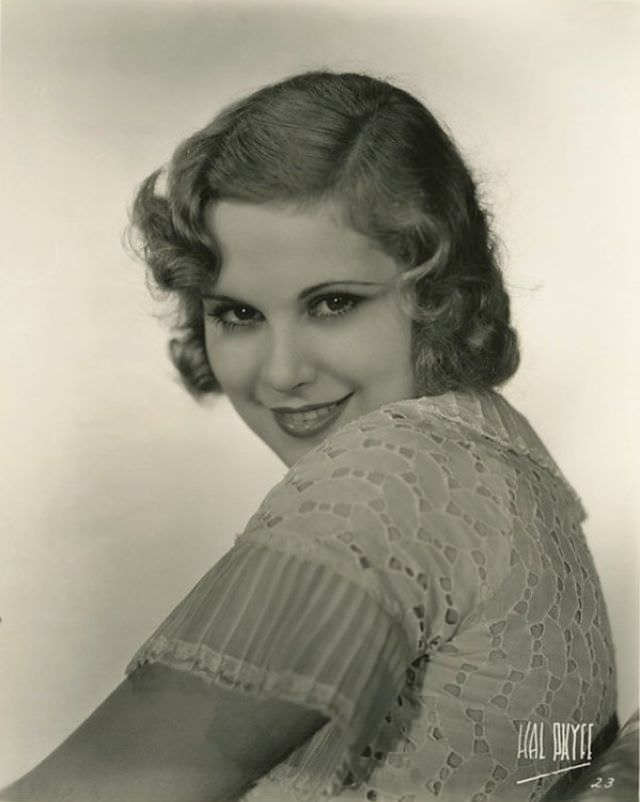
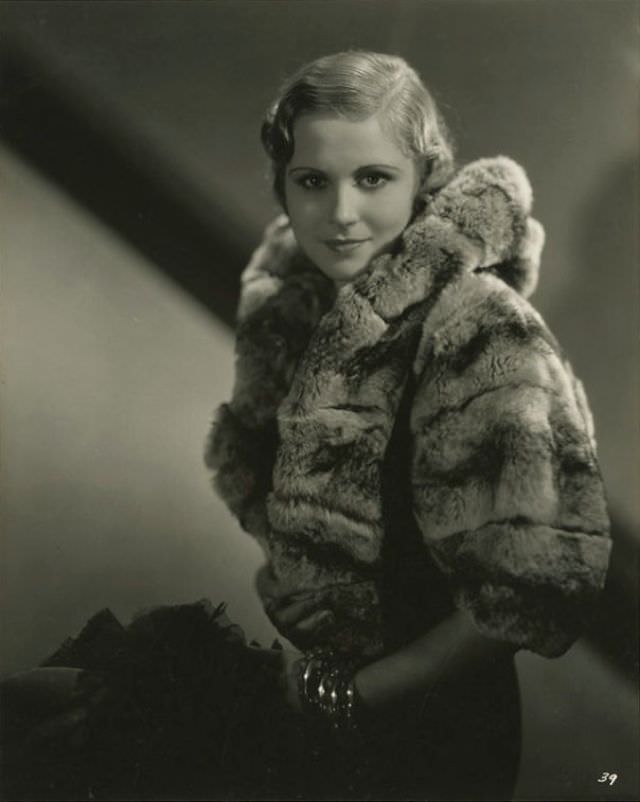
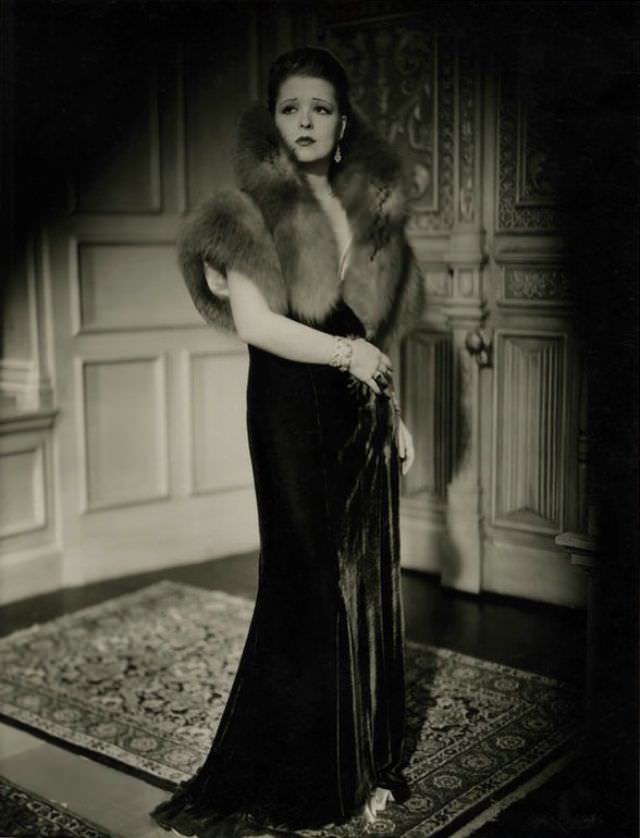
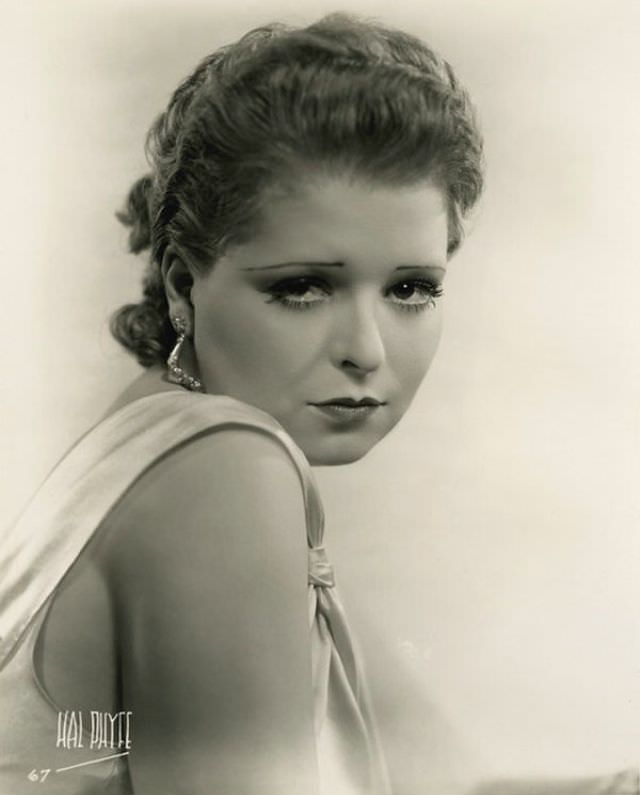
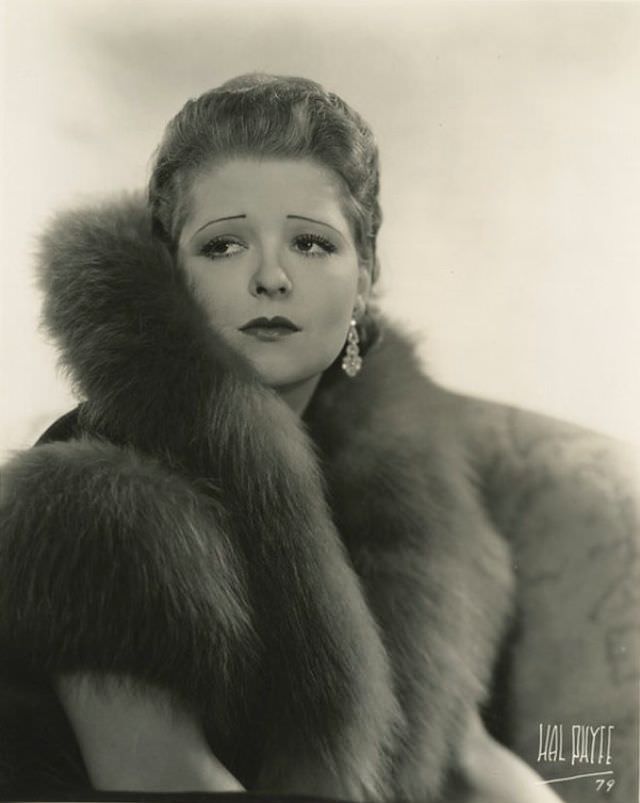
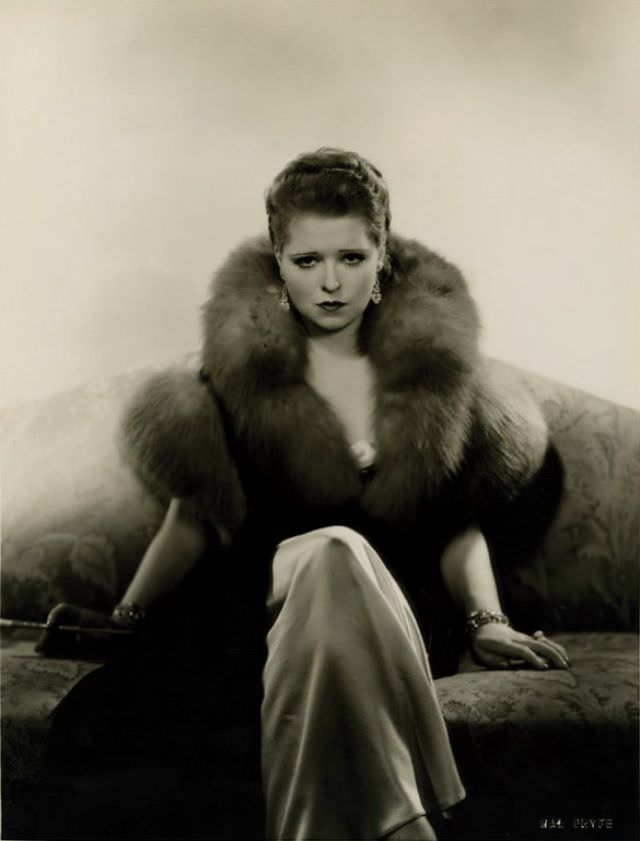
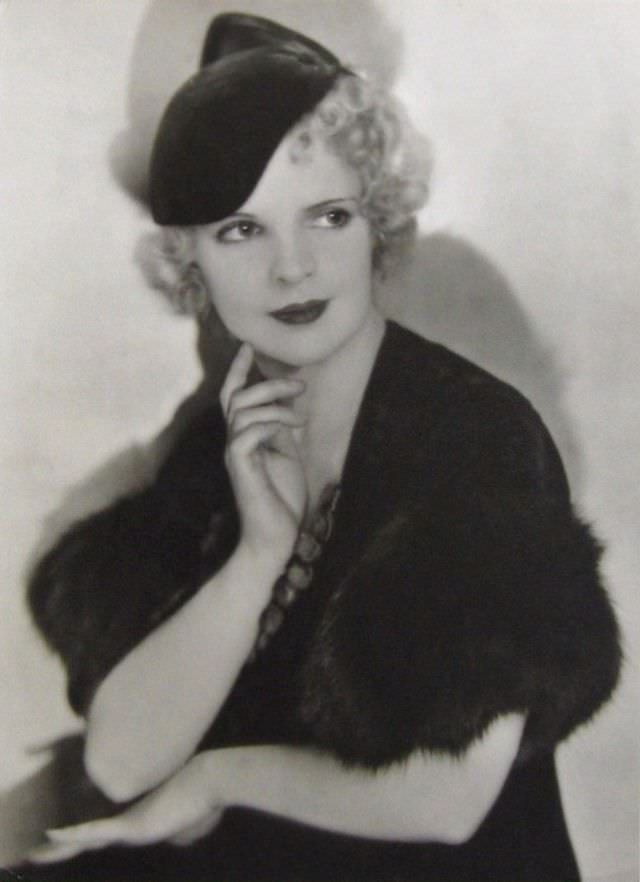
In Hollywood, Phyfe’s popularity grew partly because he never overstated elegance. Where other photographers of the era piled on drama and artifice, Phyfe pulled back. By the 1930s, he had shifted toward a straighter style of portraiture — subjects often seated, lighting cleaner, the composition less ornate. The effect was a kind of quiet authority that suited the sound era’s more grounded aesthetic. Clara Bow, one of the defining stars of the late silent and early sound period, sat for Phyfe multiple times, and the resulting photographs stand among the most striking of her career.
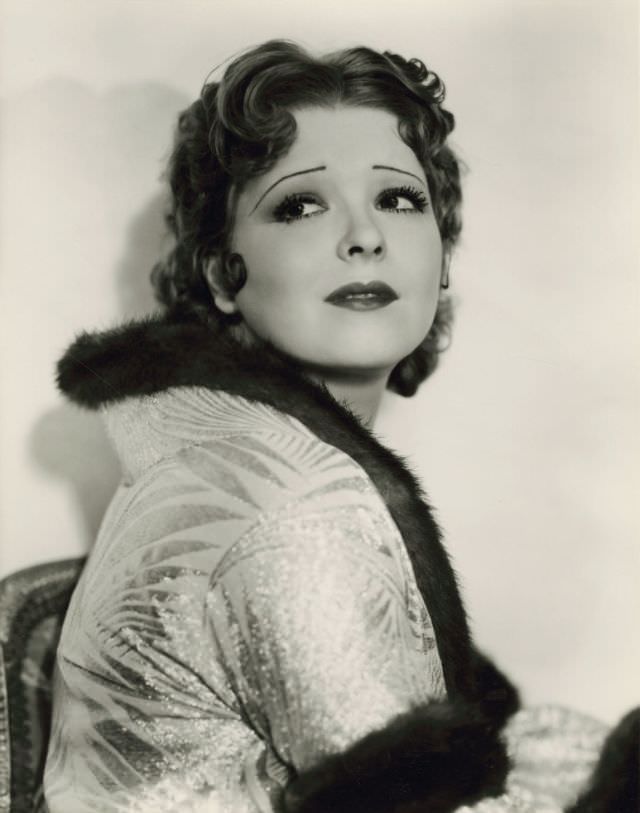
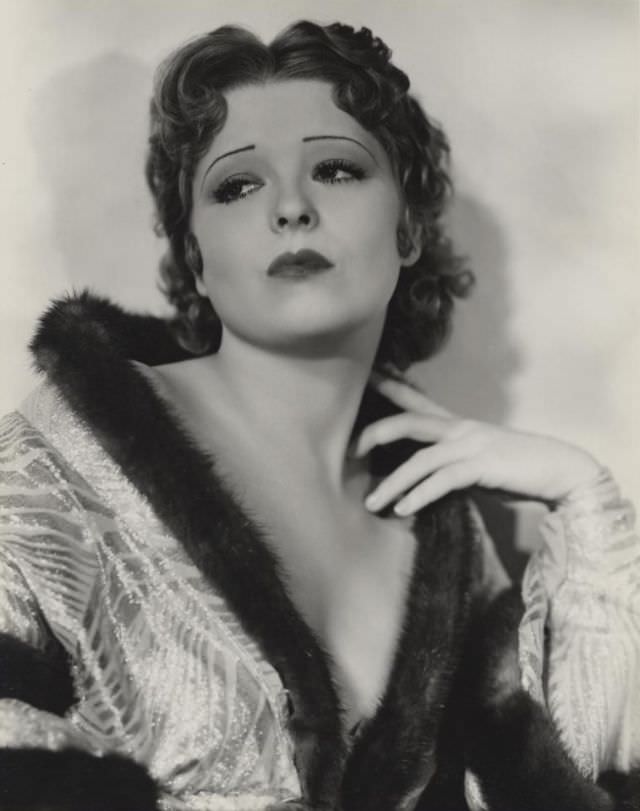
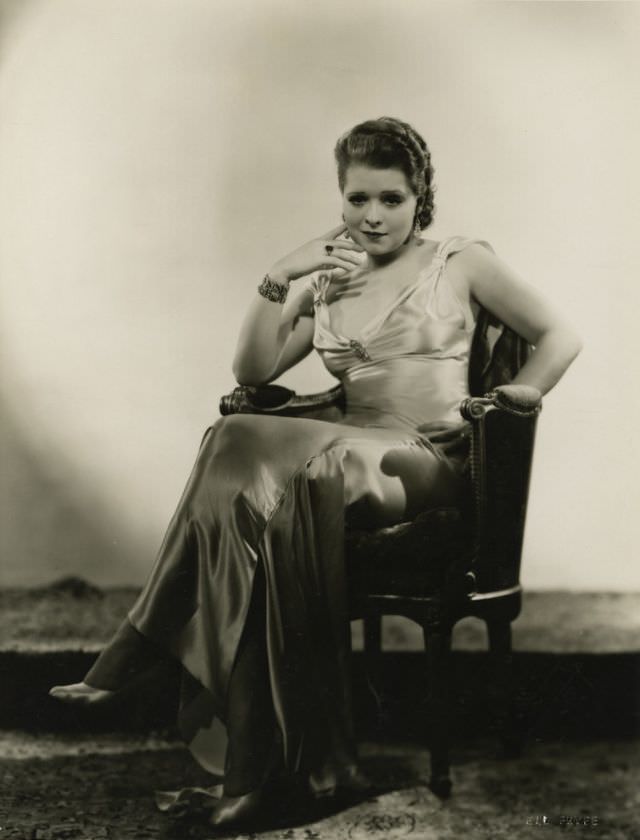
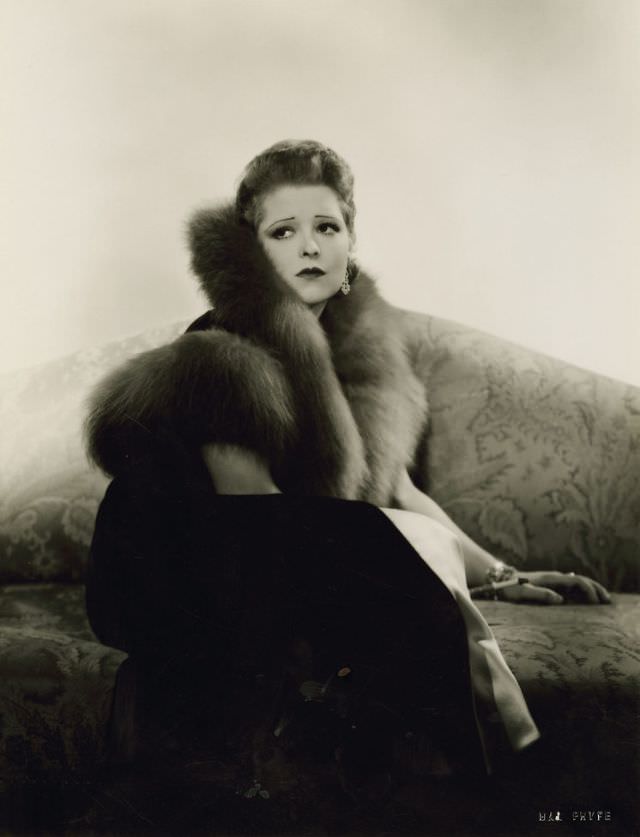
Elissa Landi, the Austrian-born actress who appeared in films like The Sign of the Cross, brought a distinctly European quality to her Phyfe sittings. Phyfe’s restrained approach suited her well — his lens found something measured and intelligent in her face that more theatrical lighting would have flattened.
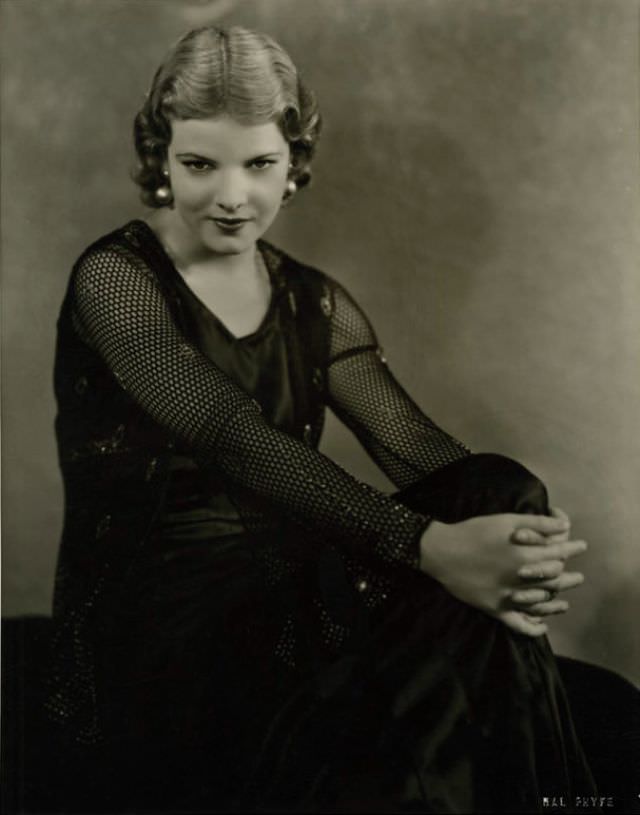
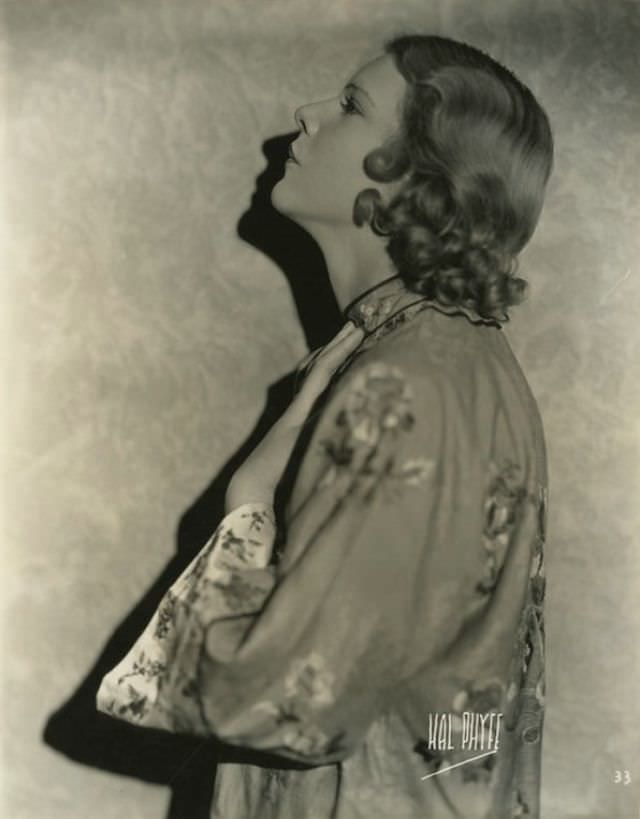
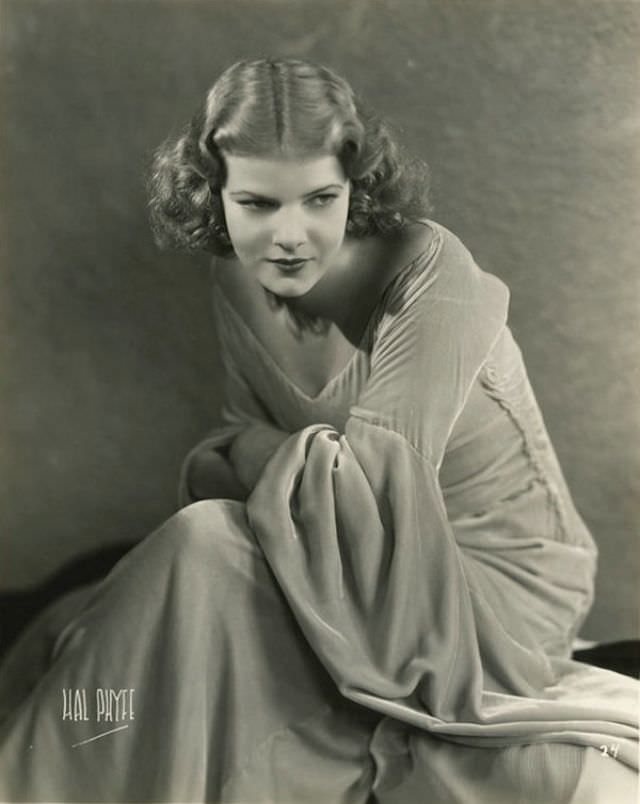
Estelle Taylor, Genevieve Tobin, and Gertrude Olmstead each brought their own distinct presence to Phyfe’s studio. Taylor was known as much for her marriage to boxer Jack Dempsey as for her film roles. Tobin was a lively stage and screen actress with a string of Warner Bros. comedies to her name. Olmstead had been a fixture of silent films throughout the 1920s.
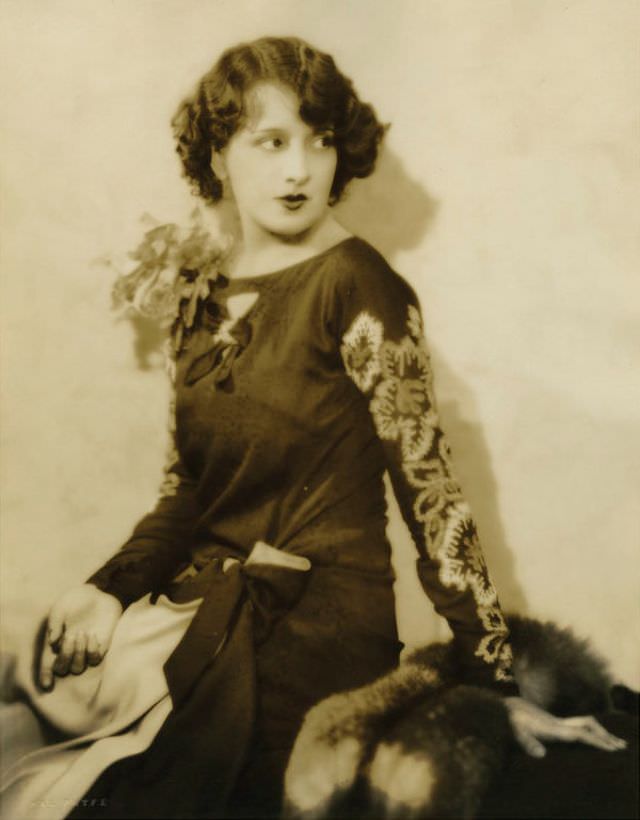
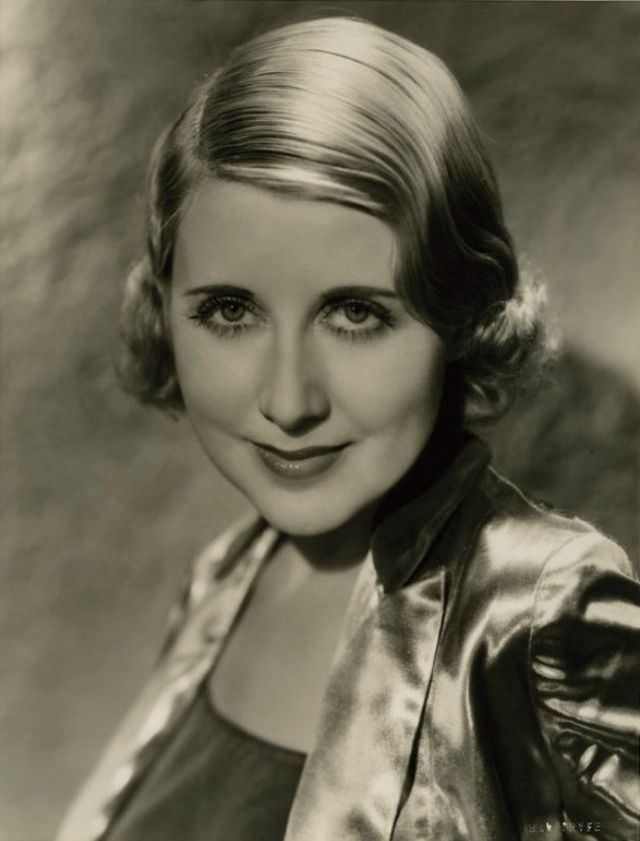
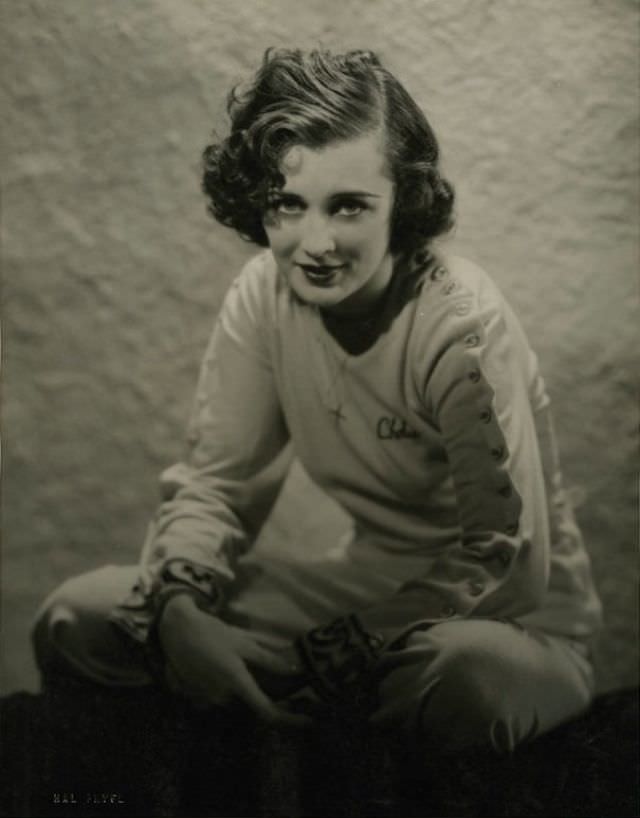
Norwegian actress Greta Nissen was among the international stars drawn to Phyfe’s lens. She had been cast as Jean Harlow’s predecessor in the original production of Hell’s Angels before sound technology made her accent a casting obstacle. Phyfe photographed her across multiple sessions.
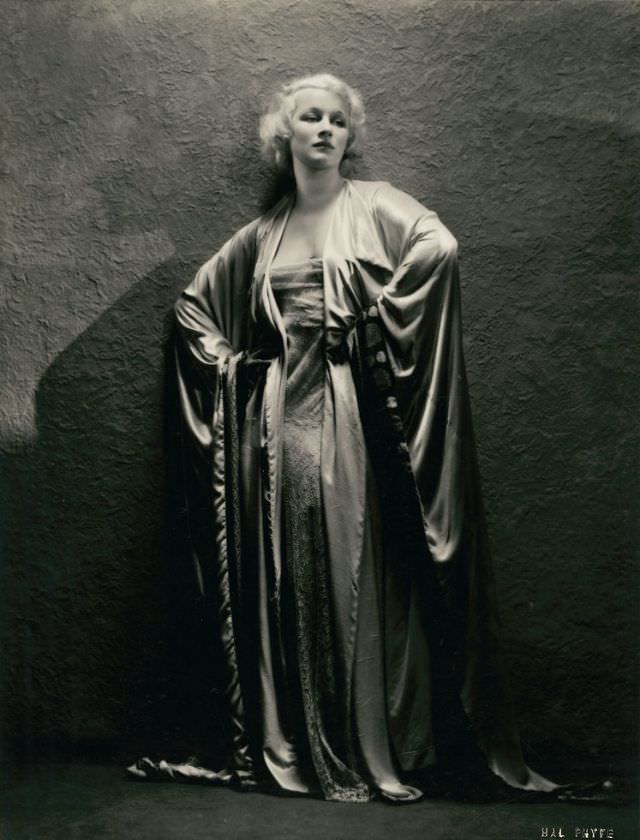
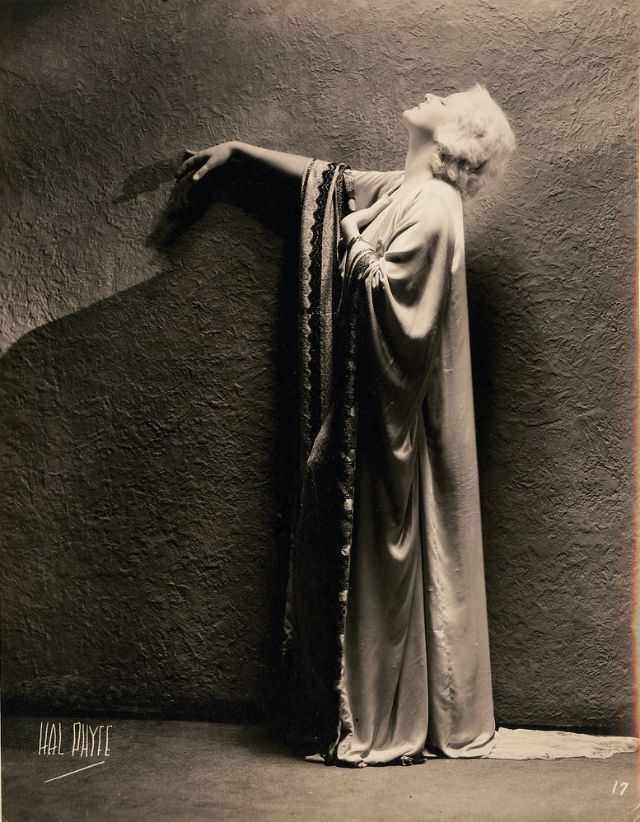
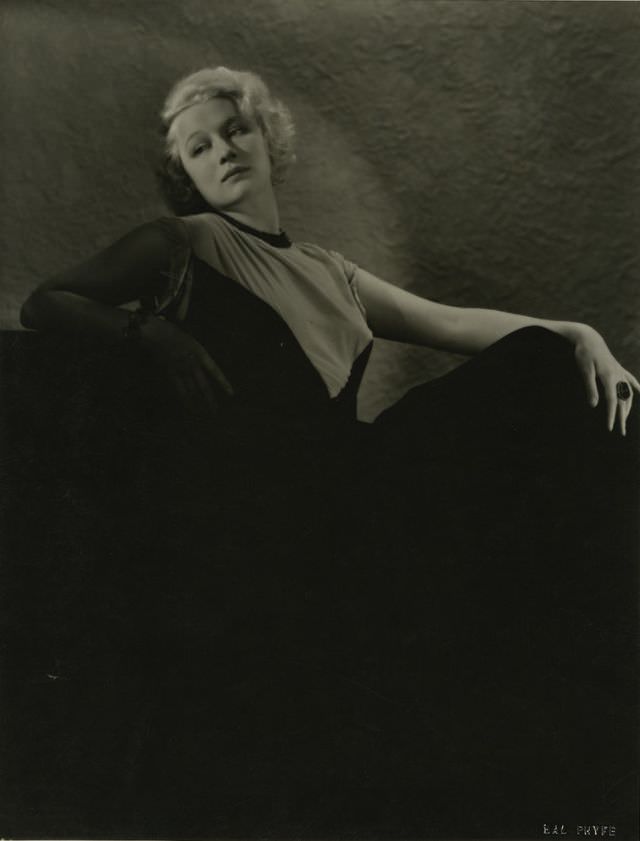
Harriet Hoctor was a ballerina and Broadway dancer who brought a precision to her craft matched by few of her contemporaries. Janet Chandler, a lesser-known actress of the early 1930s, also appears in the collection, her portrait demonstrating that Phyfe applied the same care regardless of a subject’s star status.
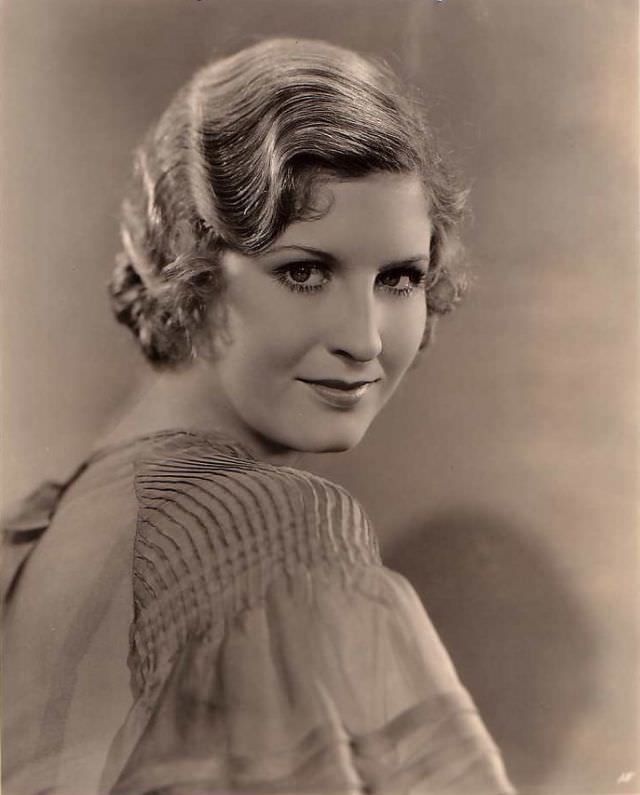
Janet Gaynor, who won the very first Academy Award for Best Actress in 1929 — for her combined work in Seventh Heaven, Street Angel, and Sunrise — sat for Phyfe on multiple occasions. Her natural, unaffected quality aligned perfectly with his no-smile rule and his preference for subjects who didn’t perform for the camera.
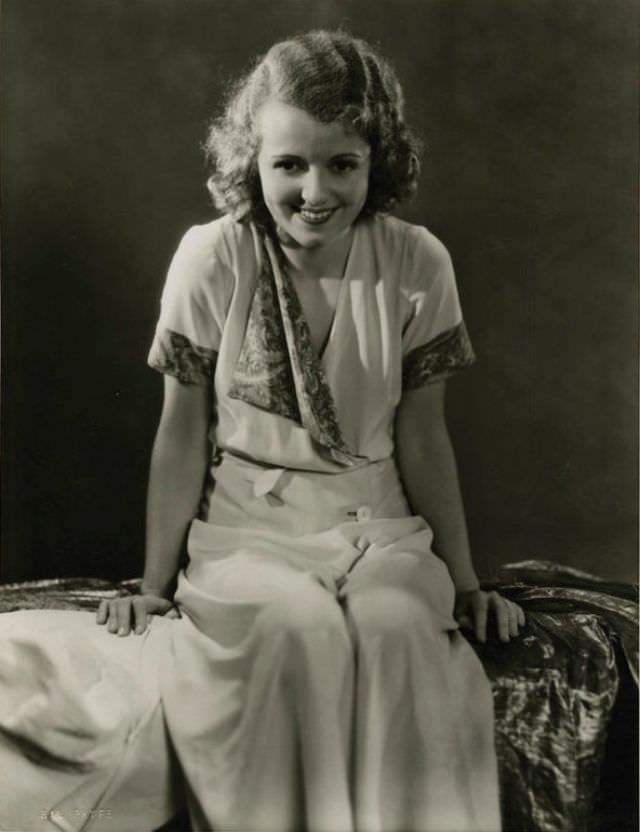
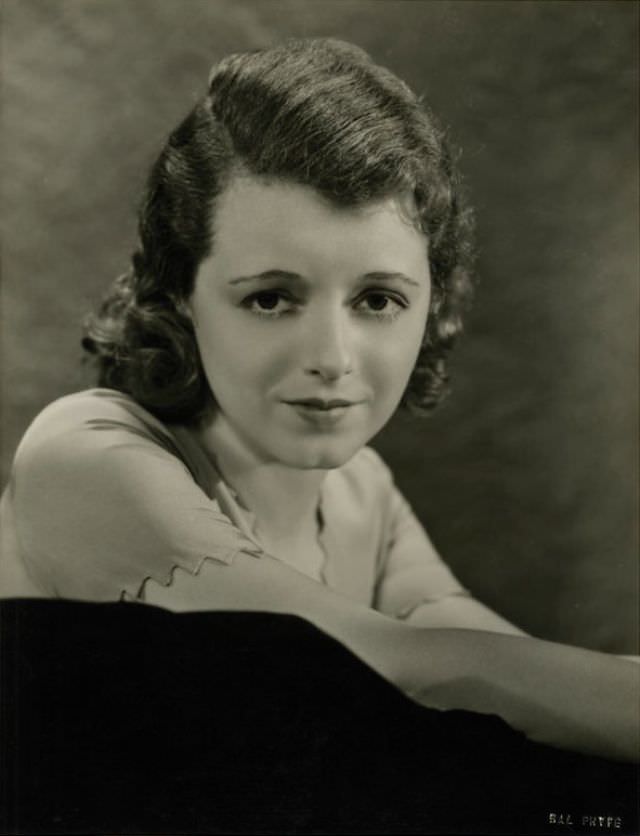
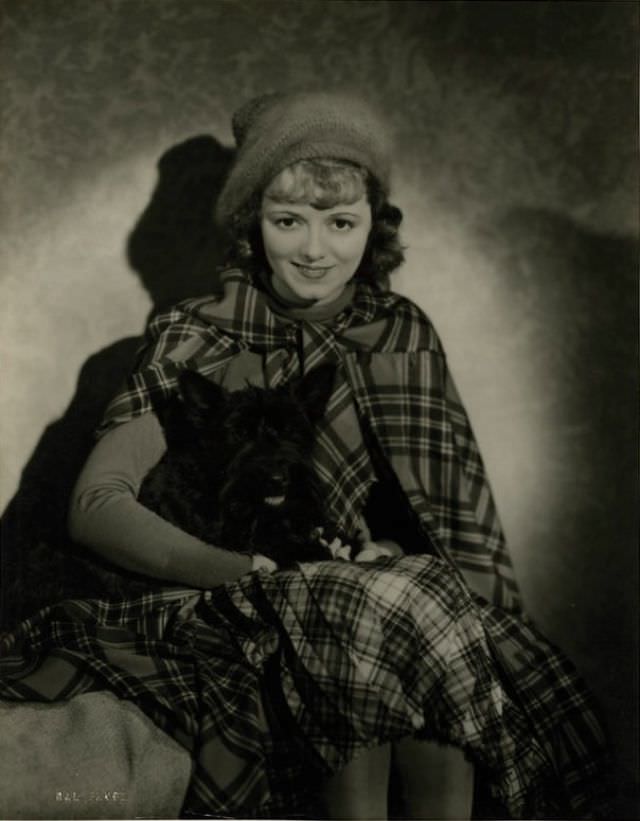
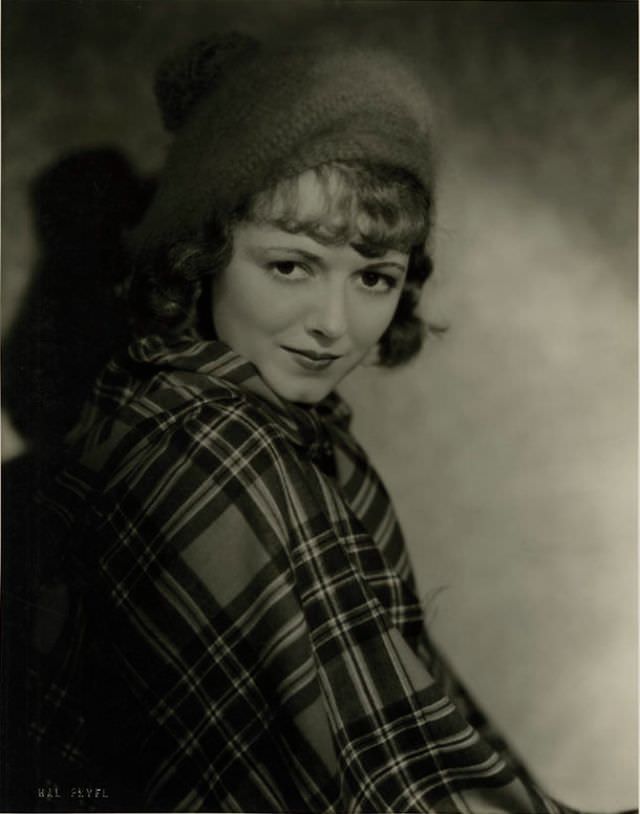
Joan Bennett, from one of Hollywood’s most prominent acting families, and June Lange both appear in the collection. Bennett went on to have one of the longer careers of any actress photographed by Phyfe, working steadily from the silent era into the 1980s.
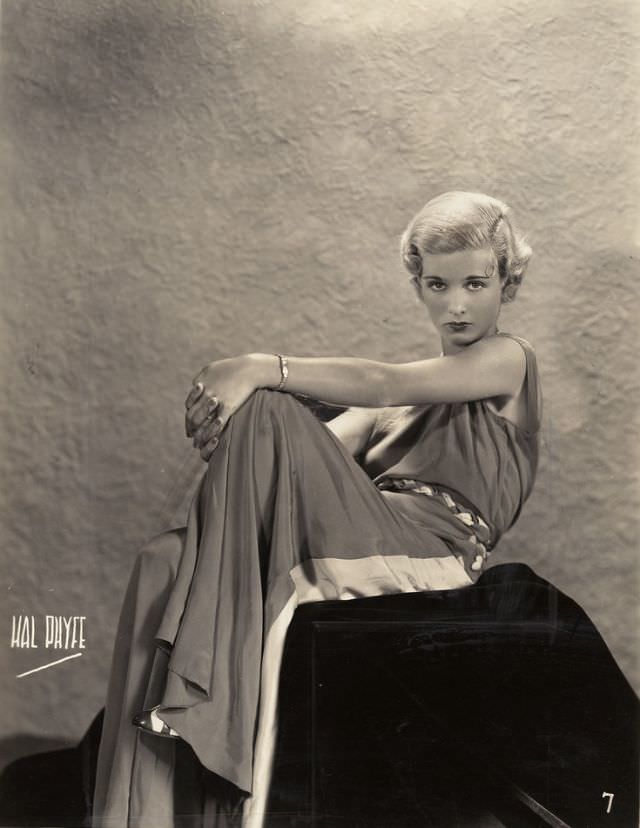
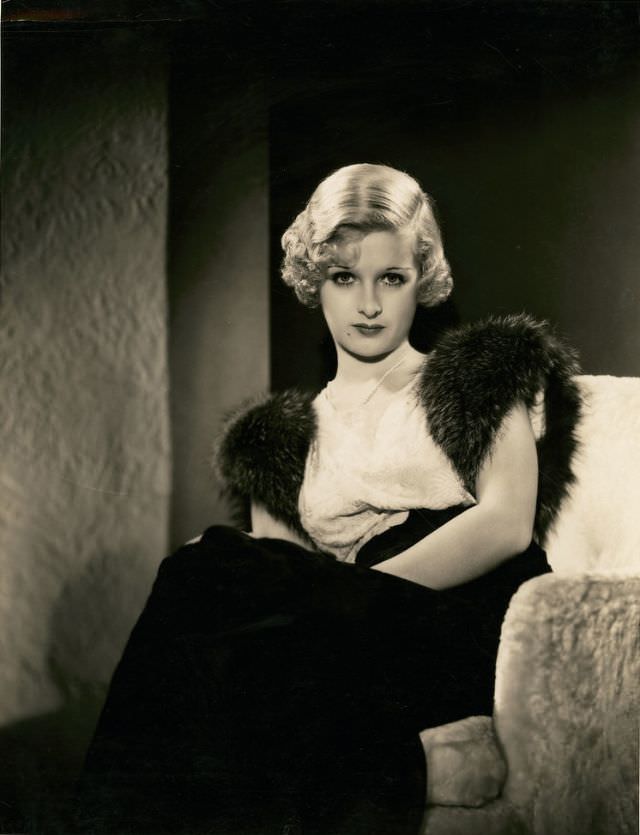
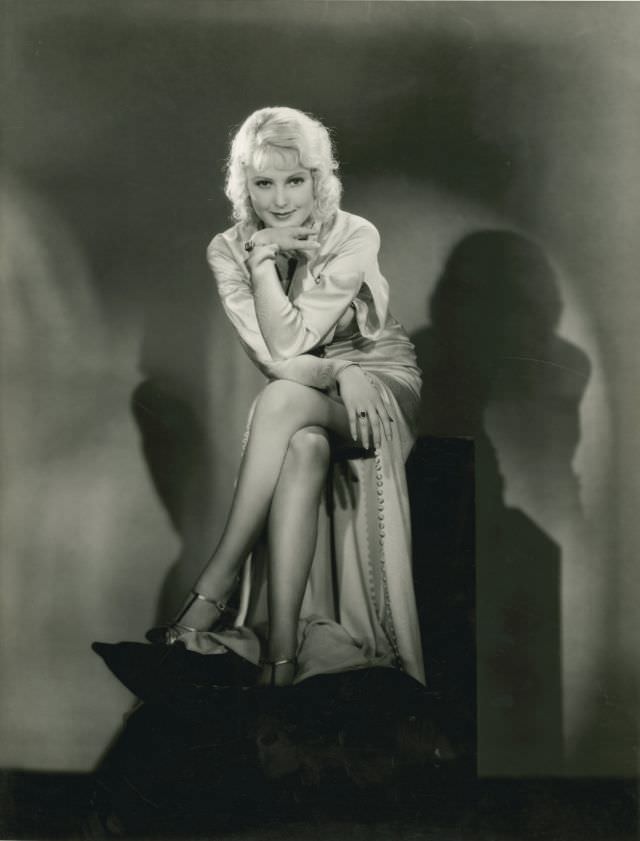
Lila Lee was a silent film star who had worked opposite Rudolph Valentino and appeared in Cecil B. DeMille productions. Phyfe photographed her in several sessions, producing some of the most polished portraits in the collection.
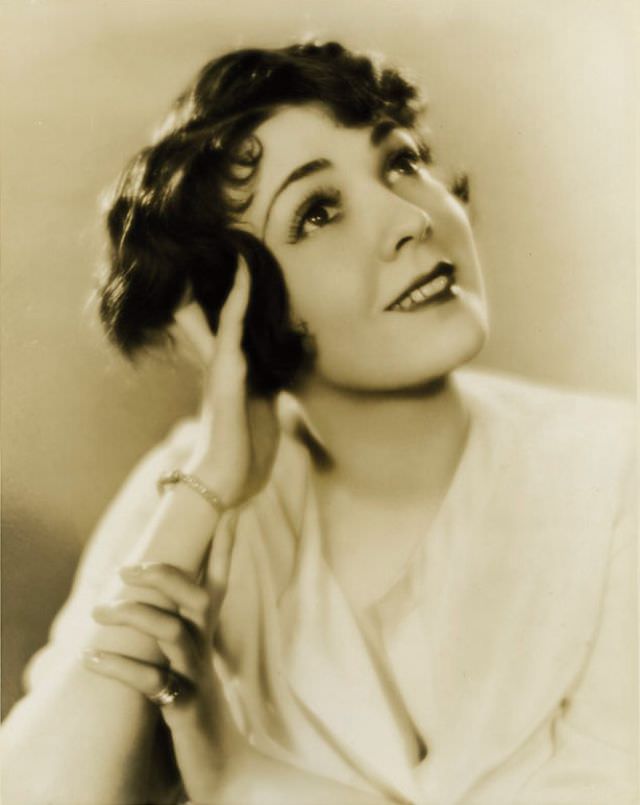
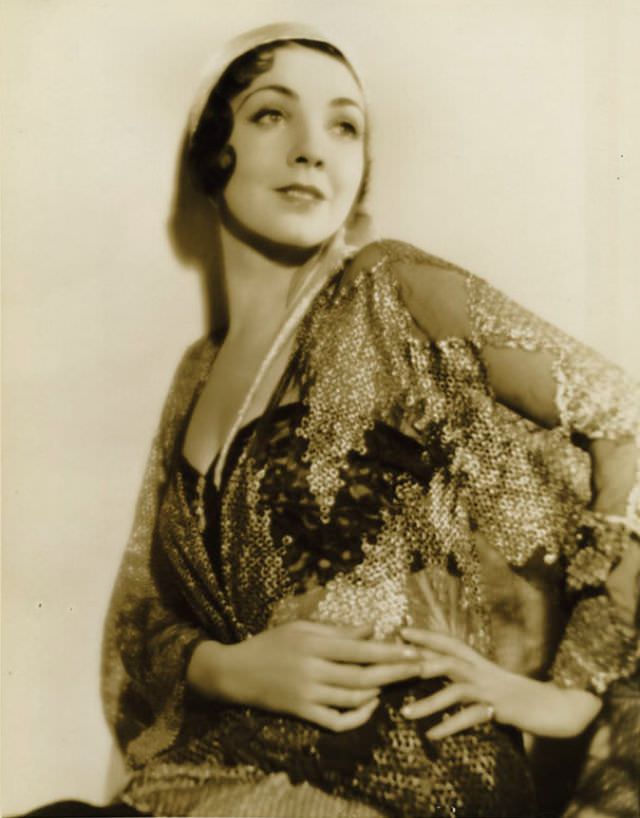
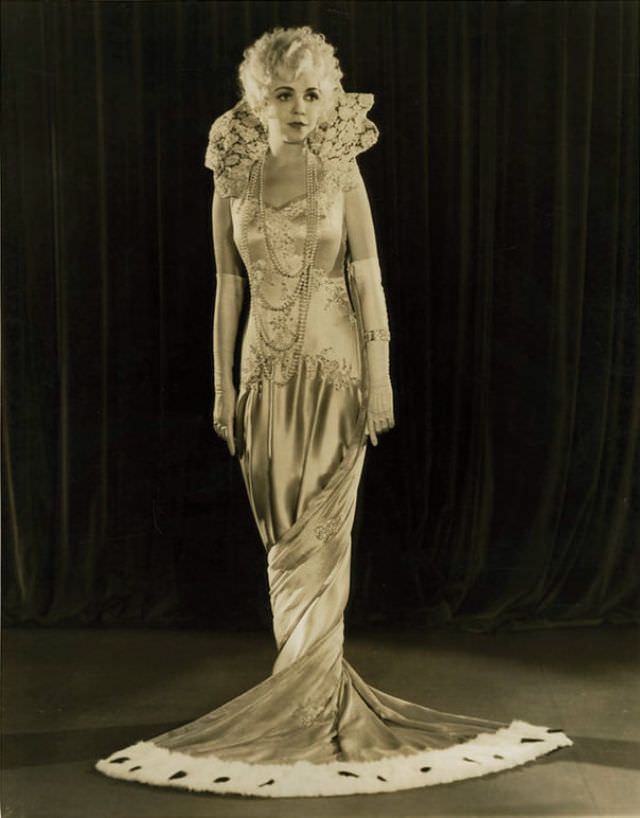
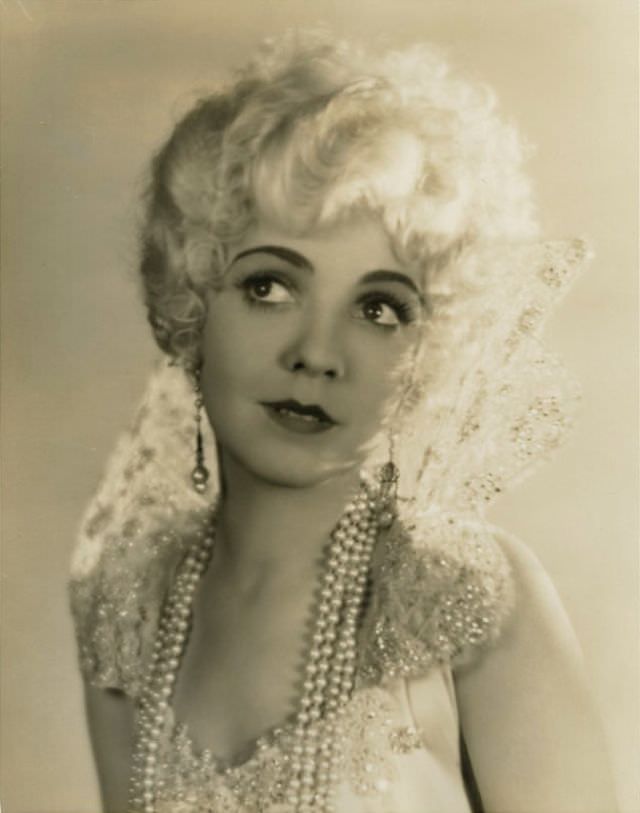
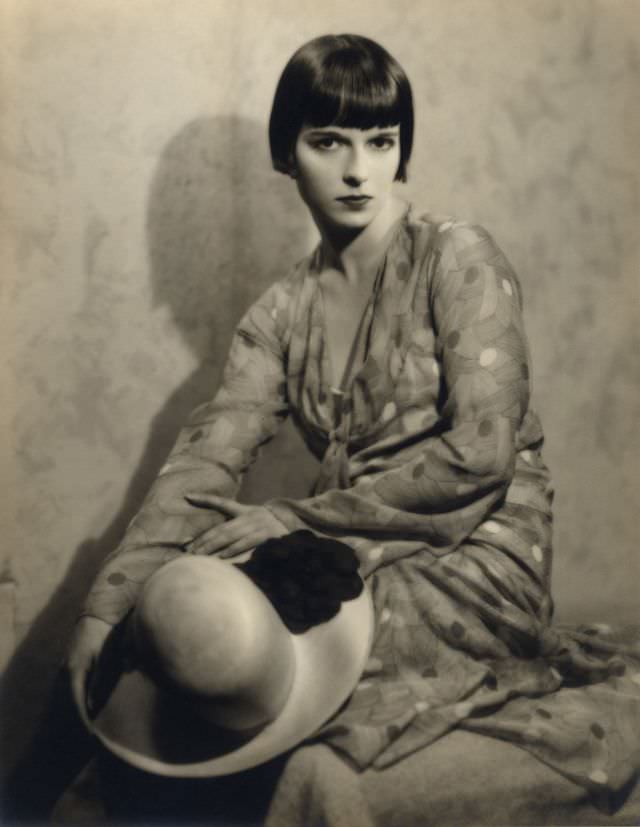
Lillian Bond, Louise Brooks, and Lupe Velez each brought a very different energy to Phyfe’s studio. Brooks, with her iconic black bob, was already a cultural touchstone by the time she sat for these photographs. Velez — the Mexican actress known for her fiery screen roles and her later series of Mexican Spitfire films — cut a sharp, vivid figure even within Phyfe’s characteristically controlled compositions.
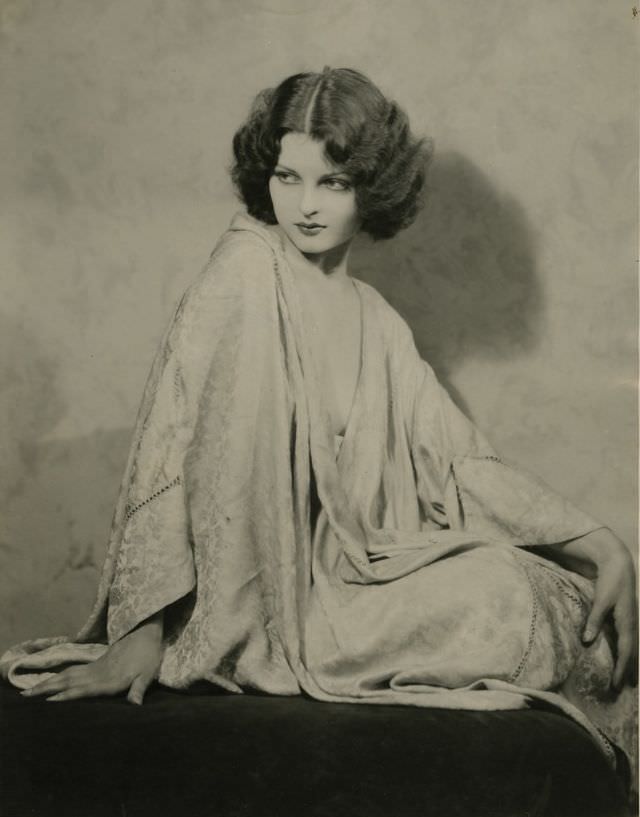
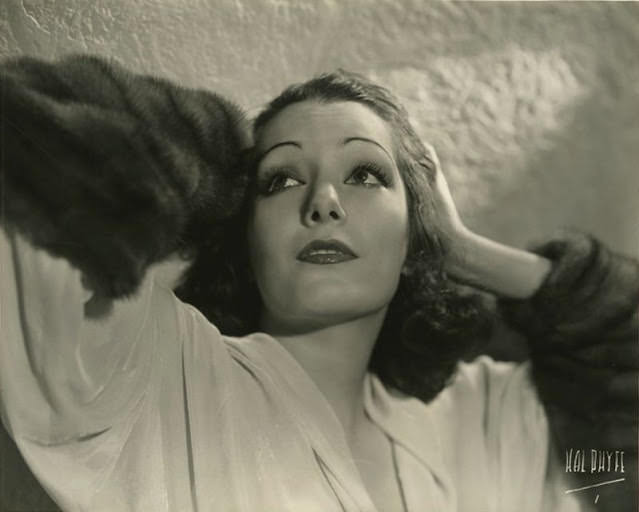
Marian Nixon was a prolific actress of the silent and early sound eras who appeared in dozens of films throughout the 1920s and into the 1930s. Five separate Phyfe portraits of her are included here, making her one of the most frequently photographed subjects in this collection.
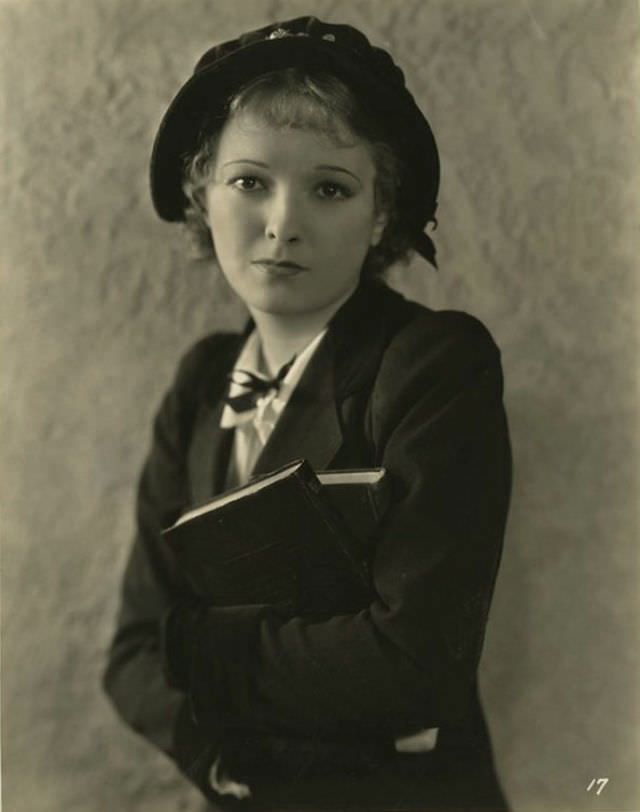
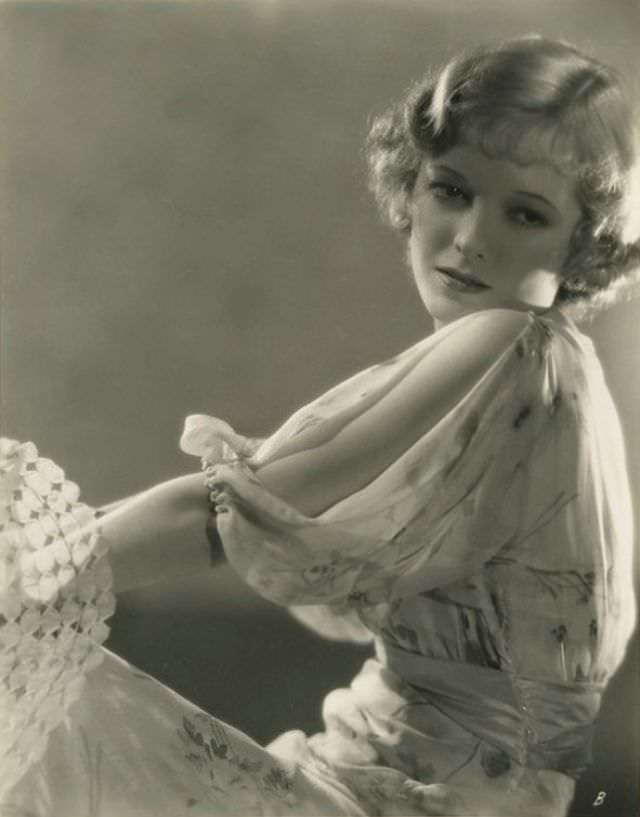
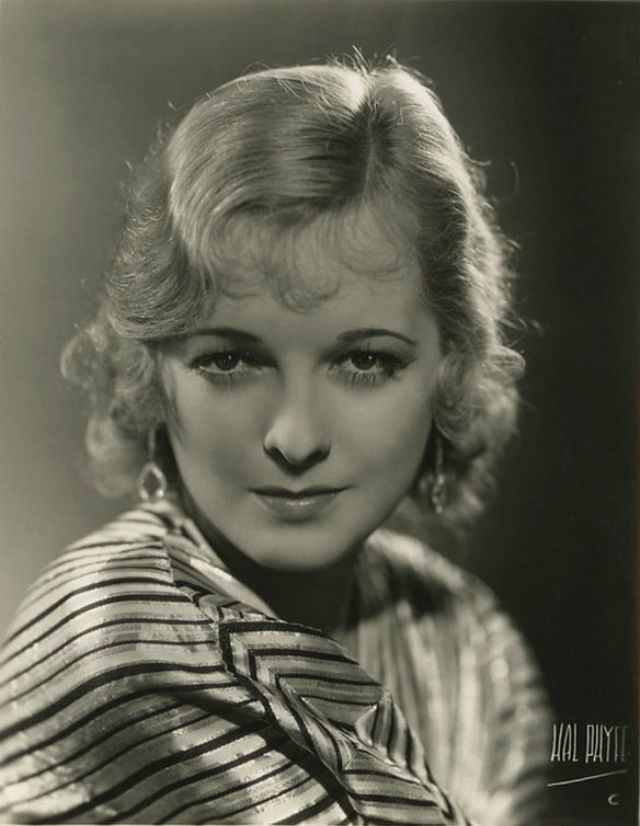
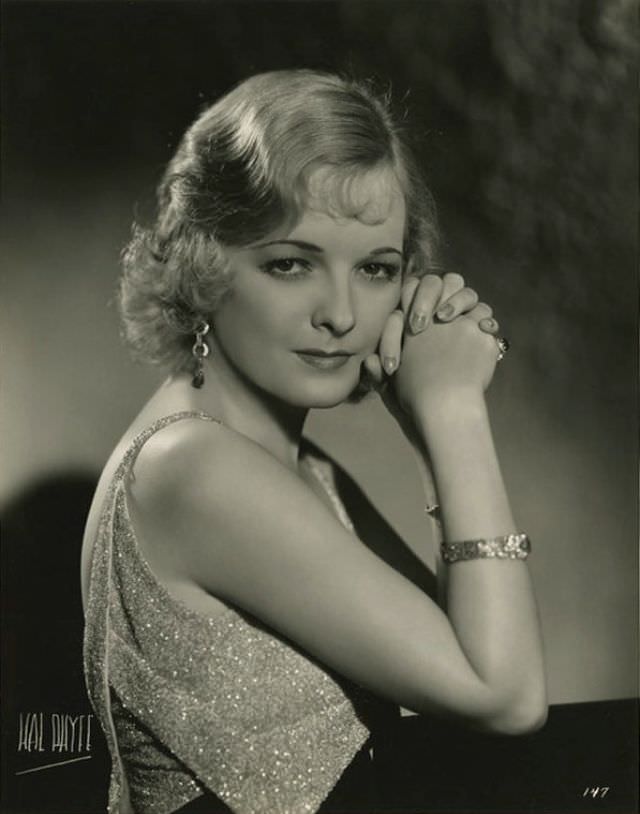
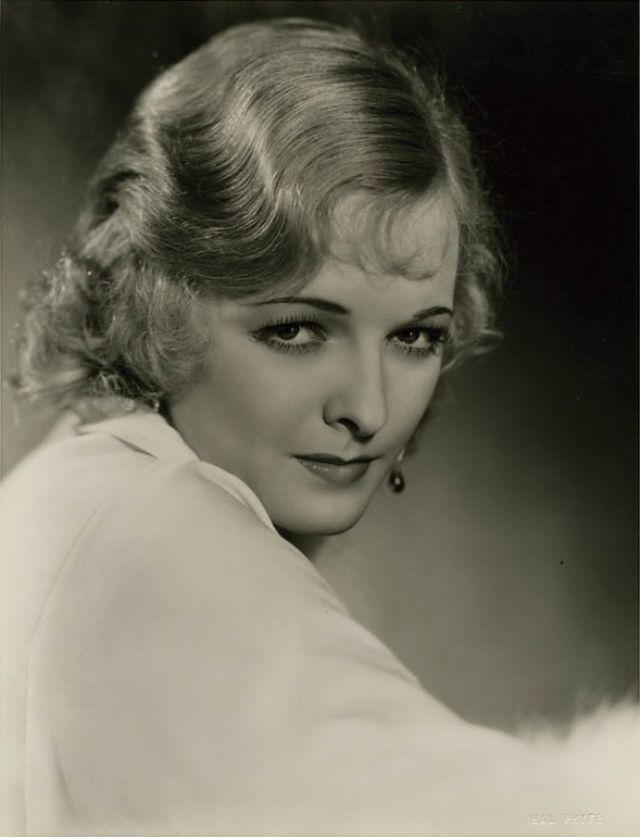
Minna Gombell, primarily a character actress known for her comedic roles, appears among the collection’s subjects alongside Sally O’Neil, who had made her name in the mid-1920s with MGM. O’Neil was photographed by Phyfe across four separate sittings, each one showing a slightly different facet of her on-screen persona captured in stillness.
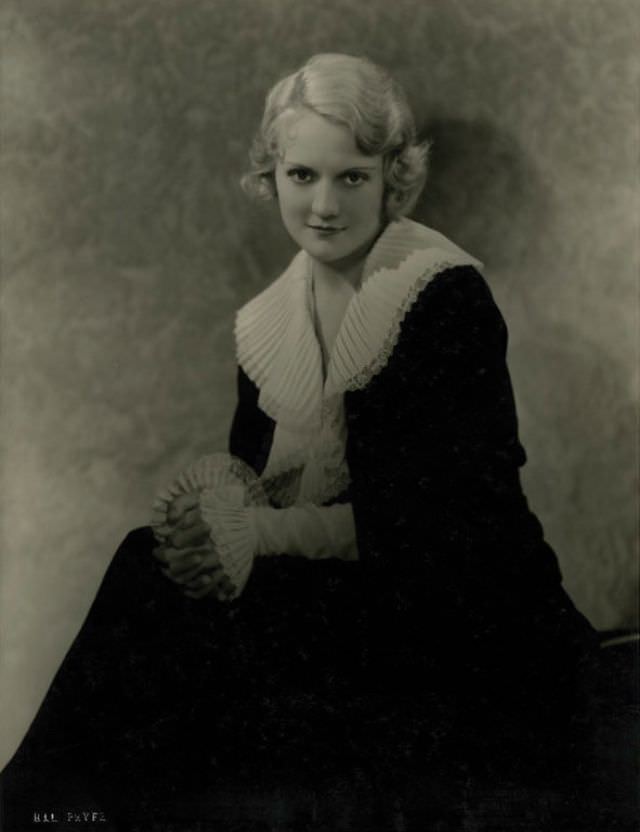
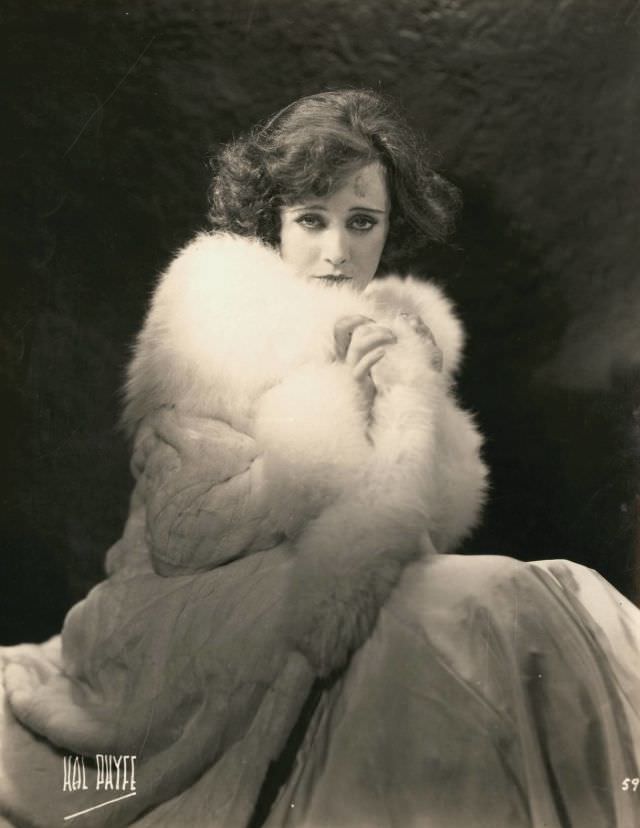
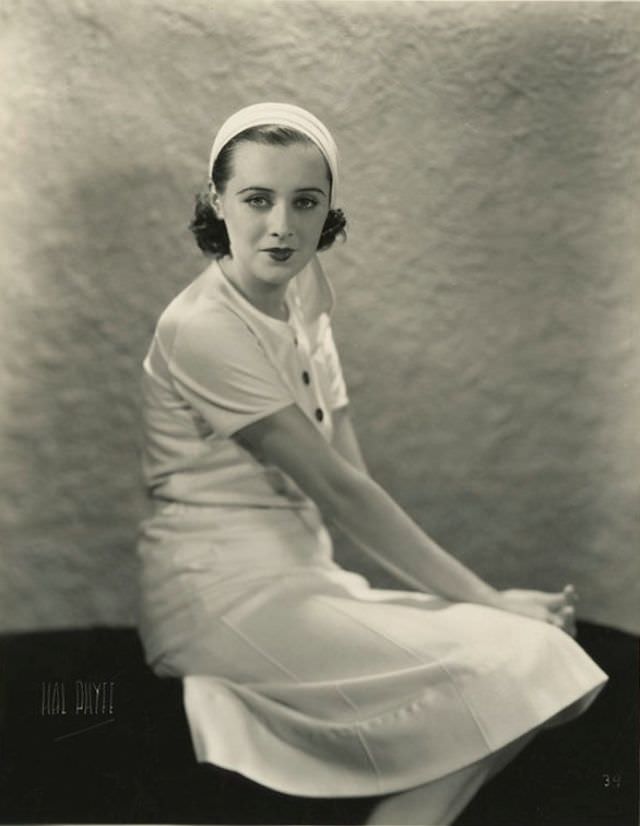
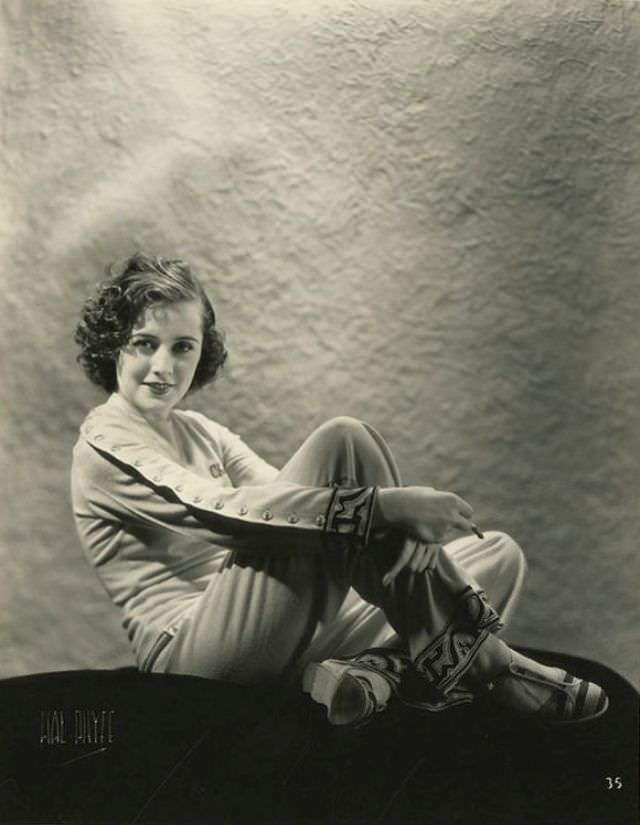
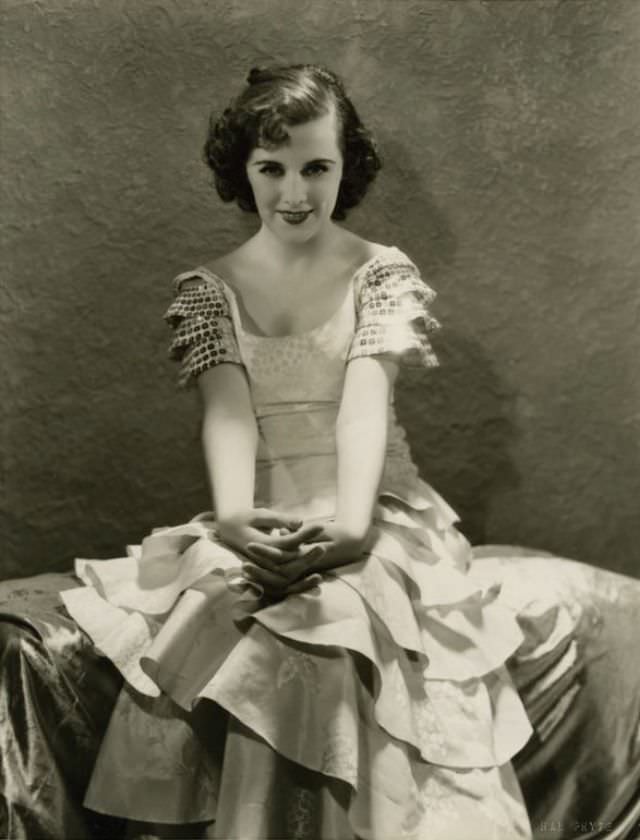
Una Merkel rounds out the collection. A Kentucky-born actress who started out as a Lillian Gish stand-in, Merkel became a recognized face in early sound films at MGM and Warner Bros., often playing wisecracking sidekick roles. Phyfe’s portrait strips away any trace of that comedic persona and presents her on entirely different terms. That capacity — to see each subject fresh, without the noise of their public image — is what made Hal Phyfe one of the most sought-after portrait photographers of his era. He passed away in 1968 at the age of 76.