At the start of the 20th century, tuberculosis was the single deadliest disease in the United Kingdom. It killed more people than any other illness, and children from poor families were among the most vulnerable. There were no hospitals built specifically to treat them — until 1907, when a small institution in Northumberland changed that forever.
On October 5, 1907, Stannington Sanatorium opened near the village of Stannington, not far from Morpeth in Northumberland. It was the first purpose-built tuberculosis sanatorium in the UK dedicated exclusively to children. The institution was founded by the Poor Children’s Holiday Association (PCHA), a charity that accepted donations from local Poor Law Guardians to help cover running costs. The PCHA’s goal was direct: give disadvantaged children a fighting chance against a disease that was decimating communities across the country. That organization eventually grew into the modern charity Children North East.
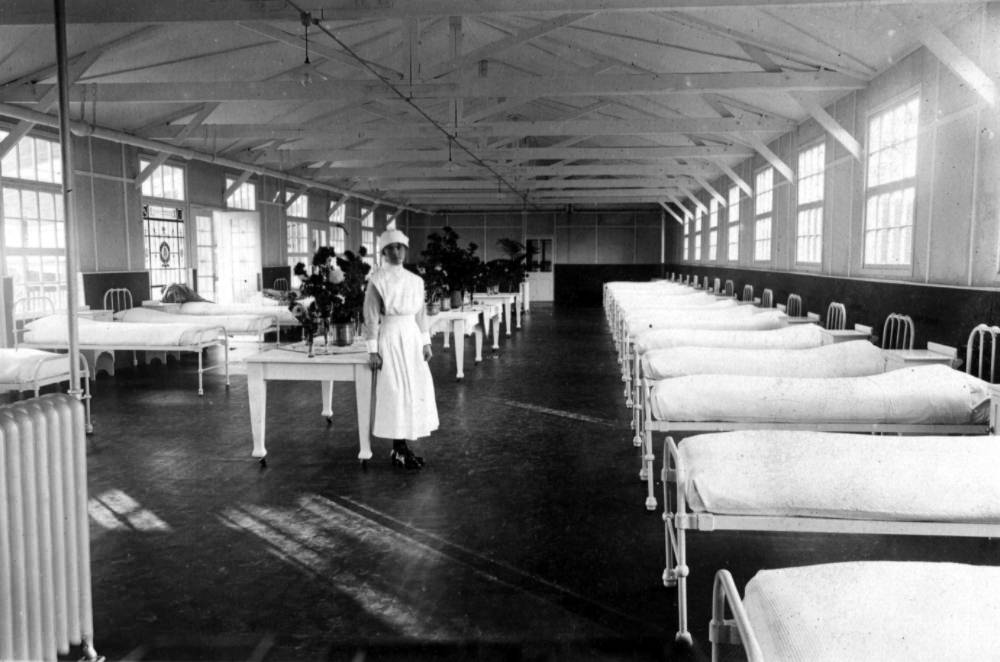
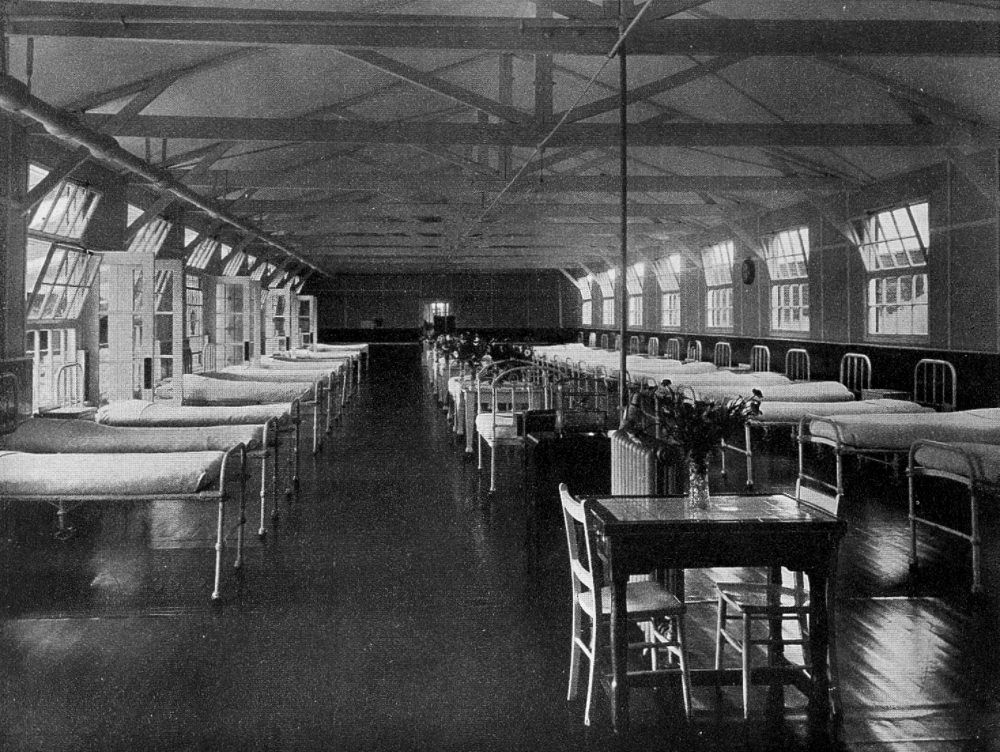
The sanatorium opened with just 50 beds. Demand quickly outpaced capacity. Donations poured in, and over the following decades, new wards and facilities were added one by one. By 1928, Stannington could accommodate 310 children at once — its maximum recorded capacity. Throughout this period of national TB epidemic, the sanatorium maintained notably low death rates compared to the country as a whole.
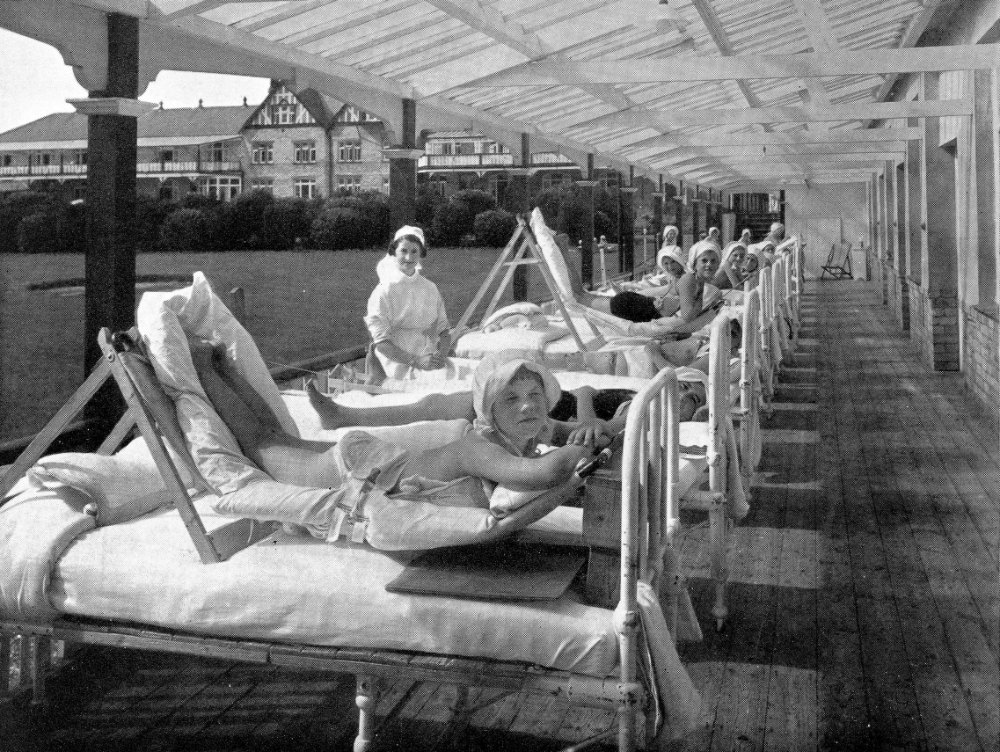
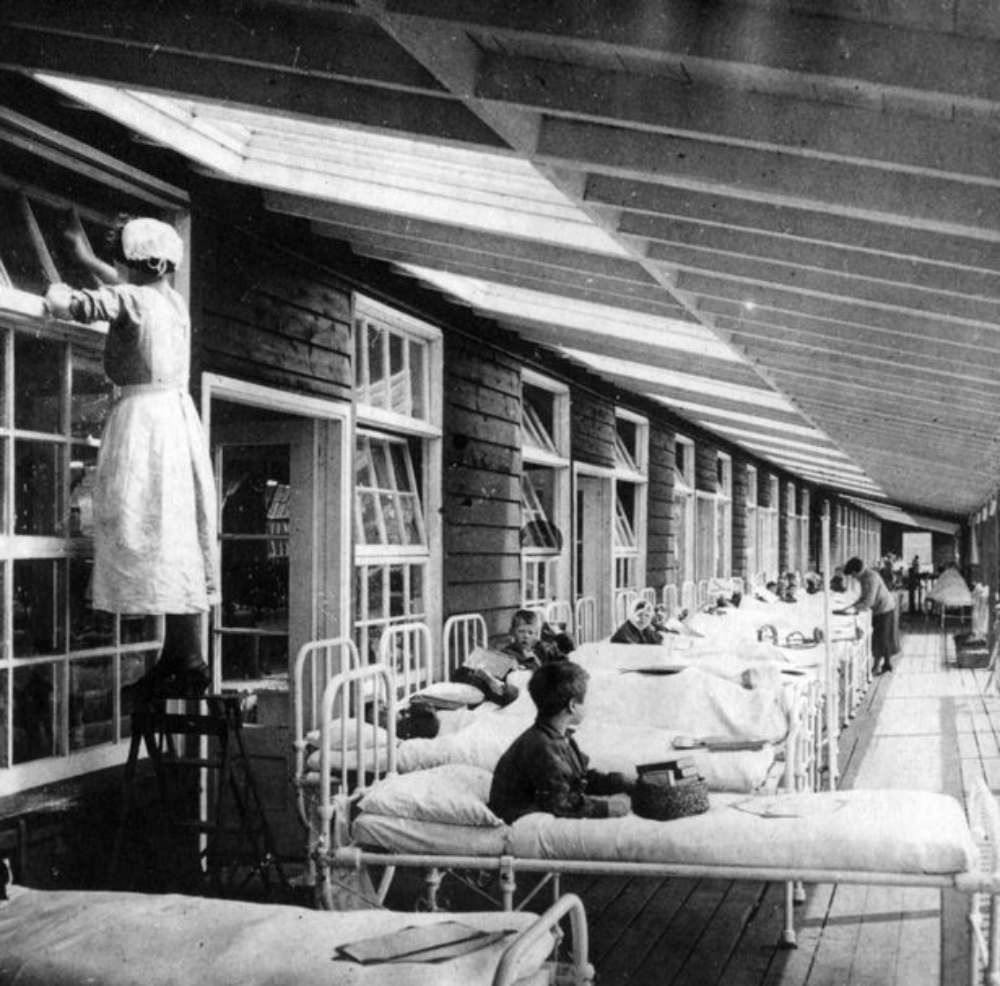
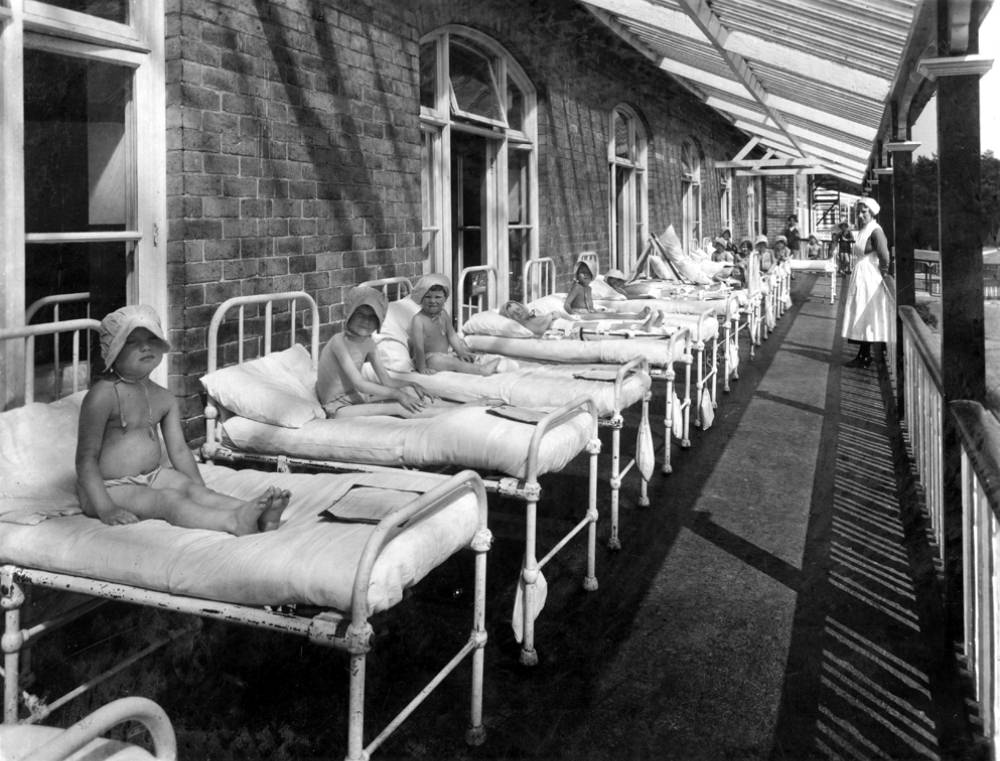
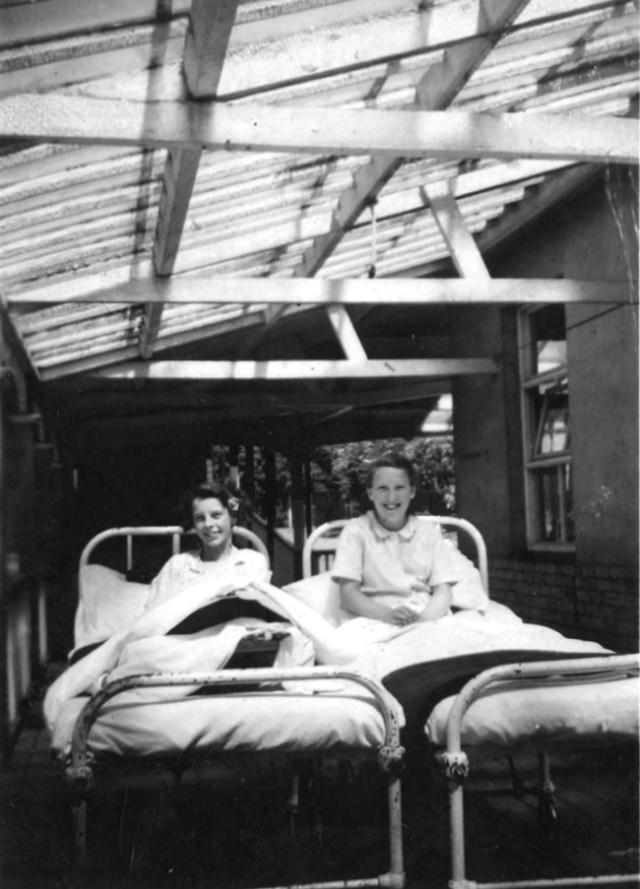
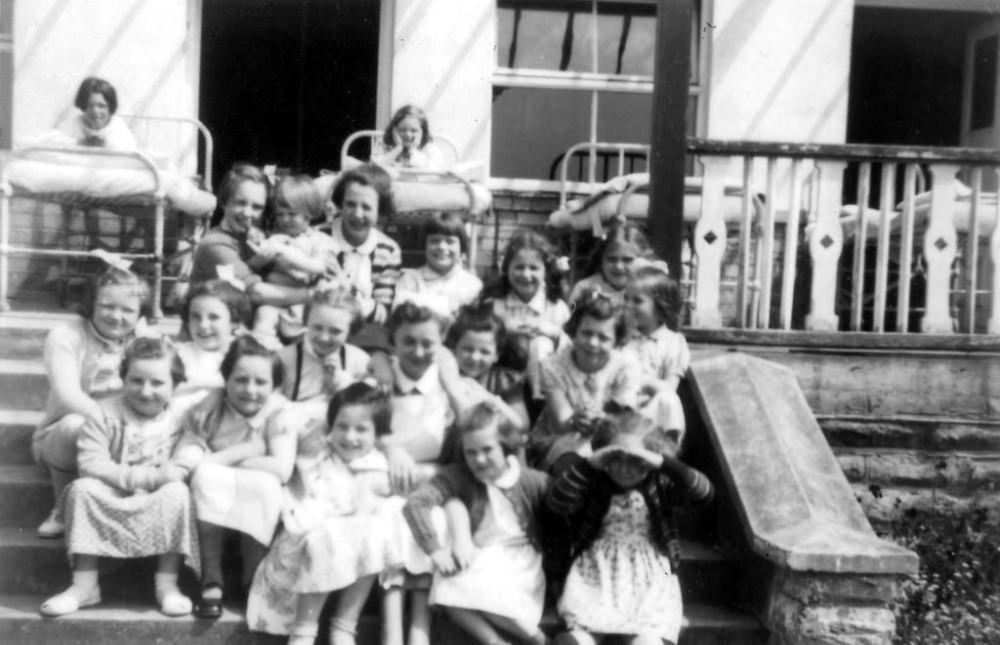
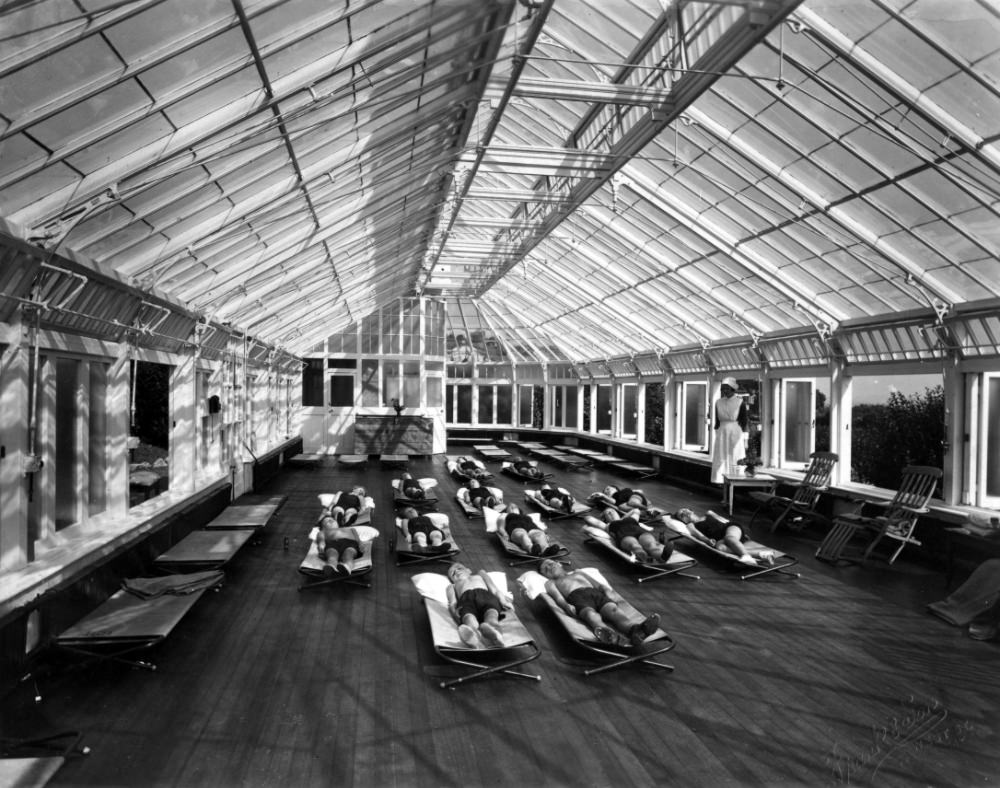
Treatment at Stannington centered on fresh air, sunlight, and rest — the standard approach to TB care in that era. Patients spent as much time as possible outdoors, a practice grounded in the belief that clean air and sun exposure slowed the disease’s progression. The sanatorium was designed with this philosophy built into its architecture, featuring open terraces and verandahs where children could rest outside in all but the most extreme weather.
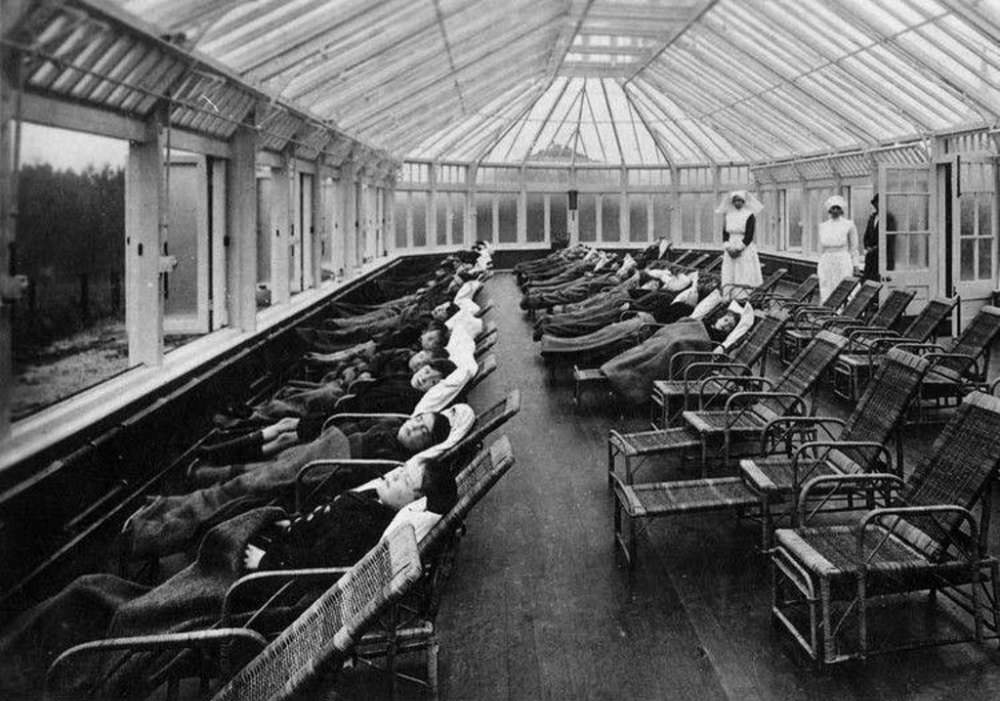
Inside the sanatorium, sun rooms gave patients access to natural light even when they could not be taken outside. Young patients rested in wicker chairs, soaking up the sunlight through large windows. This was not simply comfort — exposure to sunlight was a core part of the treatment plan for TB patients at Stannington.
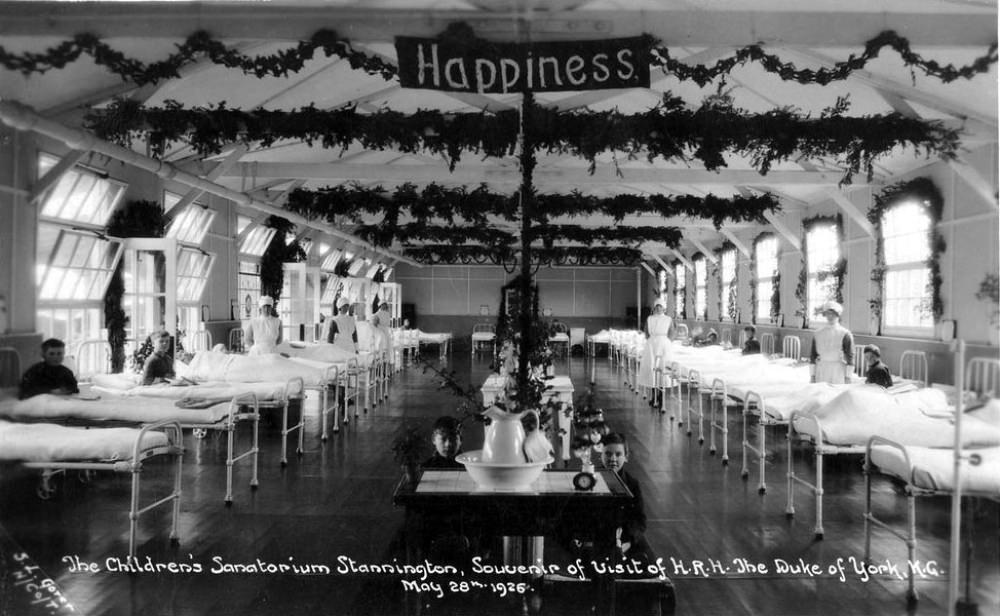
The sanatorium drew attention from prominent figures. On May 28, 1926, HRH the Duke of York visited the wards. Staff decorated the hospital in his honor, hanging a large banner reading “Happiness” from the ceiling of one ward. The visit reflected the growing public profile of Stannington and the national importance placed on children’s TB care.
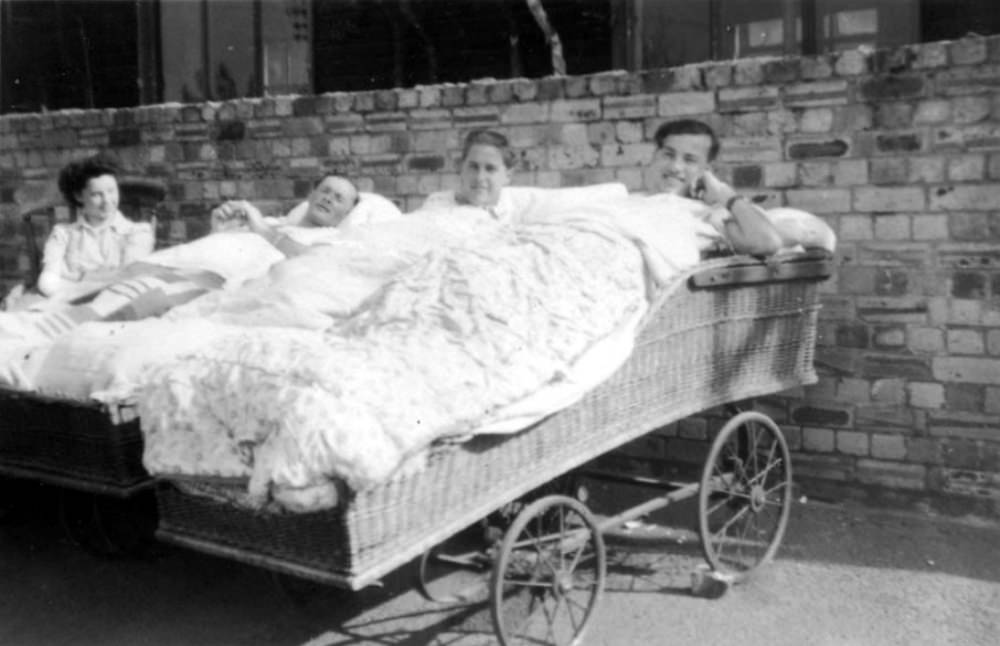
Photographs from 1945 and 1946 show the outdoor treatment approach still firmly in place decades after the sanatorium opened. Children were placed in large wicker hospital beds fitted with wheels, allowing them to be moved outside to receive fresh air and sunshine. Even in winter, patients could be found on the verandahs, wrapped in blankets as nurses attended to them.
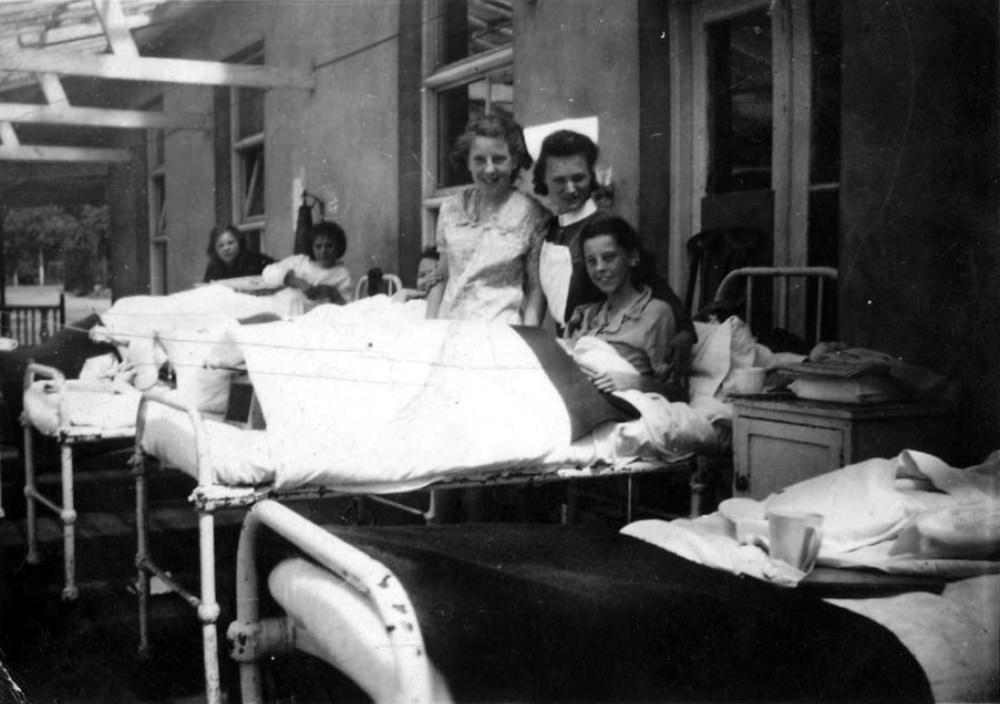
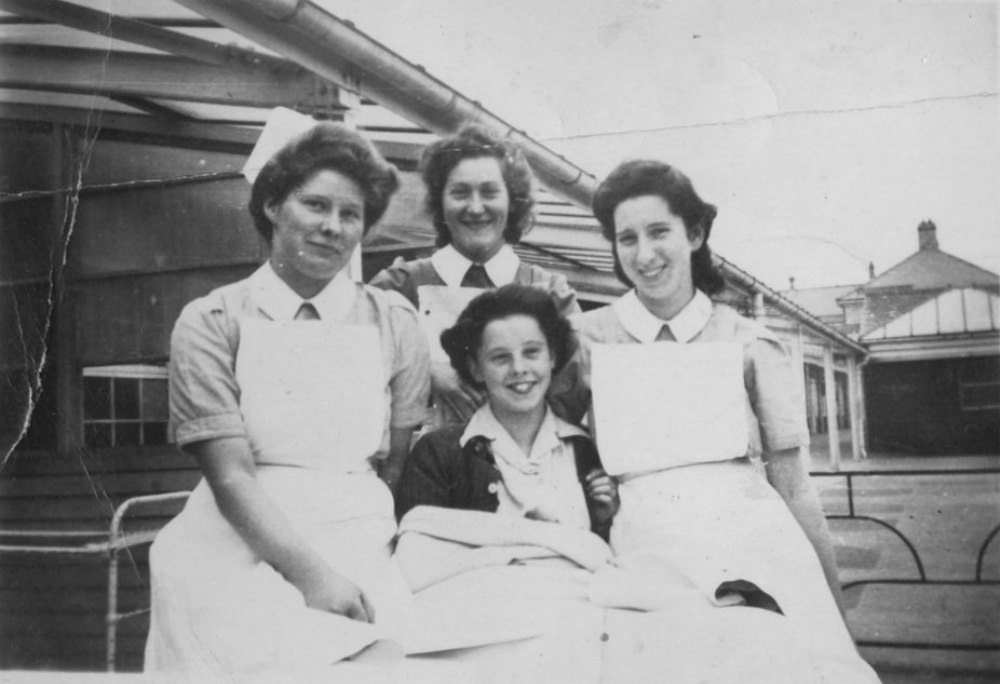
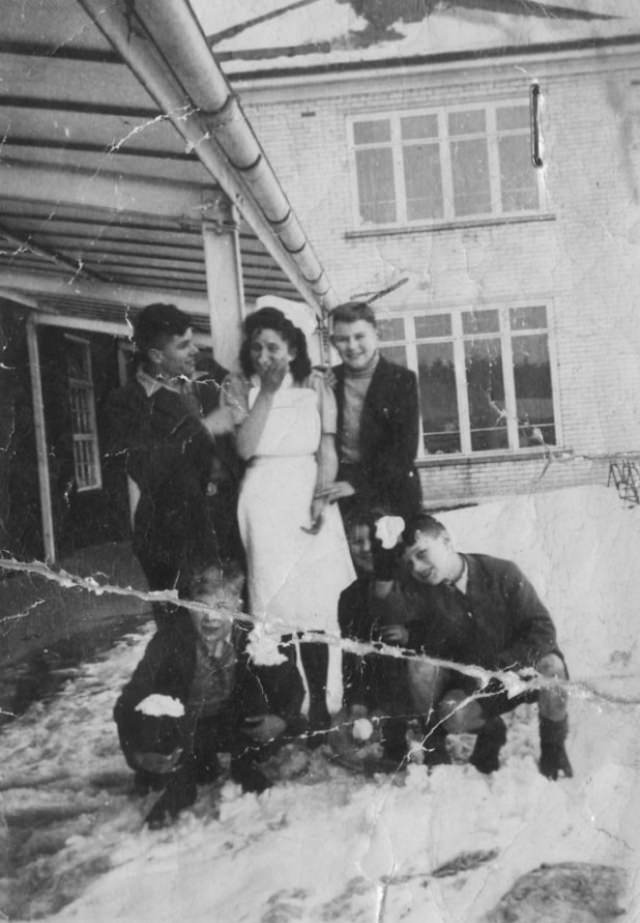
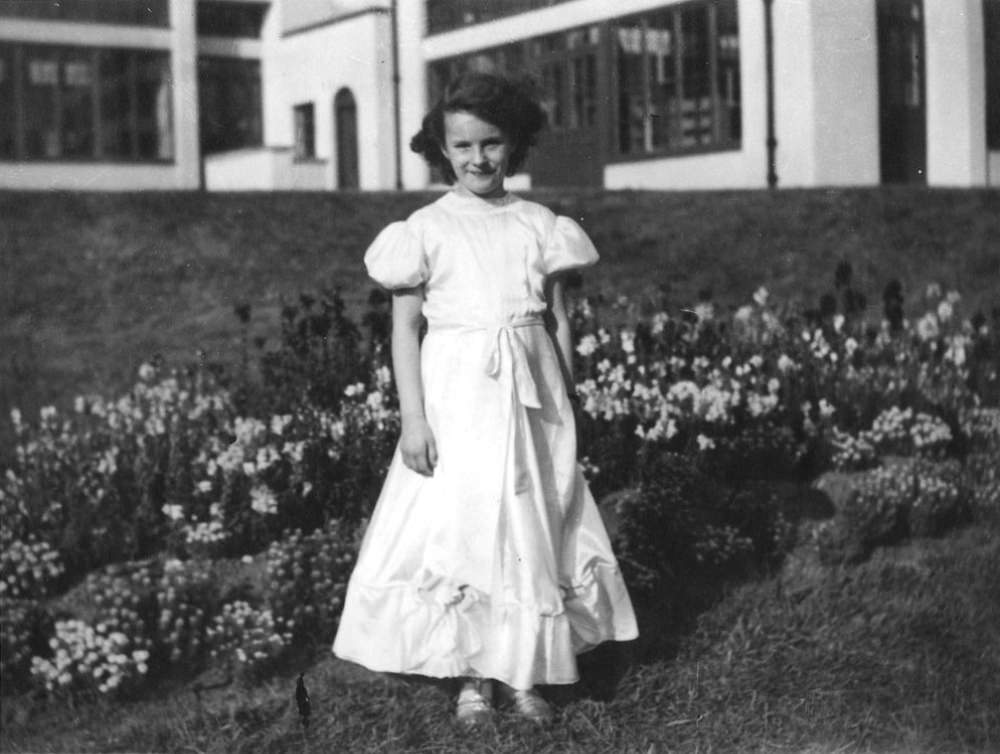
Life at Stannington was not entirely defined by illness. Staff made efforts to maintain some sense of childhood within the hospital’s walls. In 1948, children dressed up for fancy dress parties. Nurses socialized with patients outdoors, and photographs from these years show children laughing together in the snow — a rare glimpse of normalcy within a tuberculosis ward.
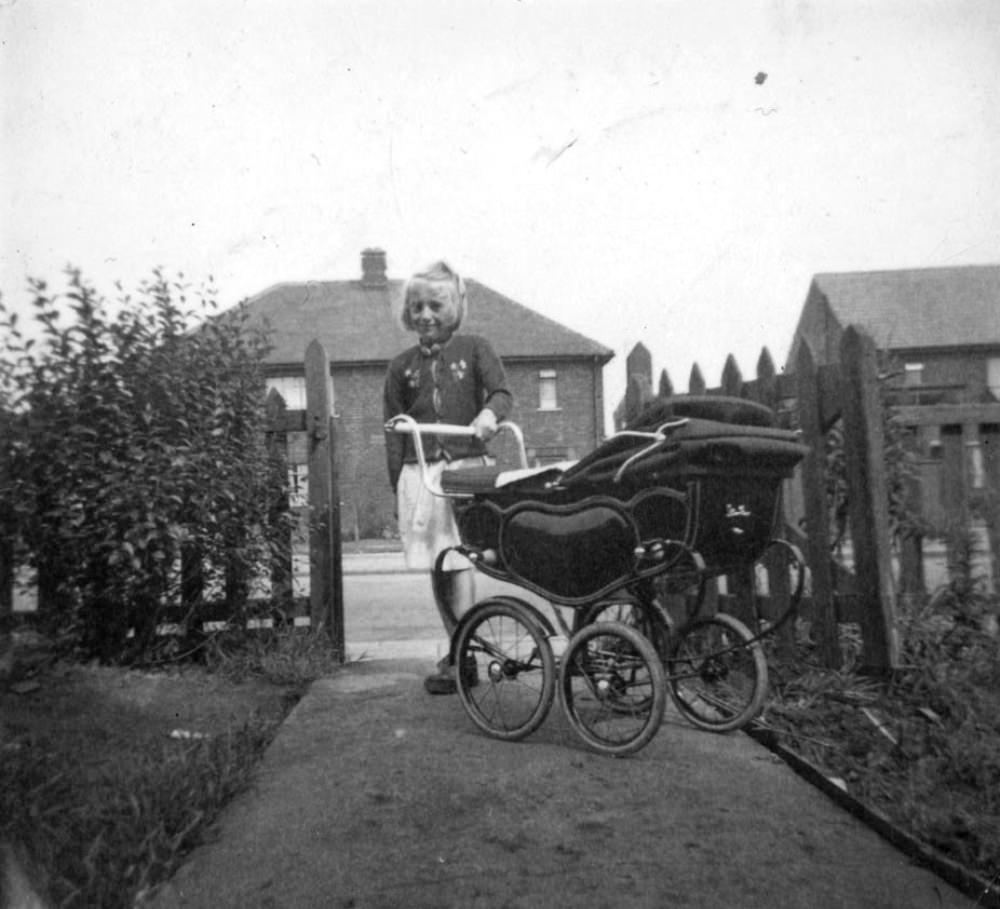
Some children left Stannington with lasting physical effects from the disease. One photograph from the 1950s shows a young girl, a former patient, with a doll’s pram. Her mother bought it for her specifically so she could practice walking without crutches — a small but telling detail about the toll TB could take on a child’s body.
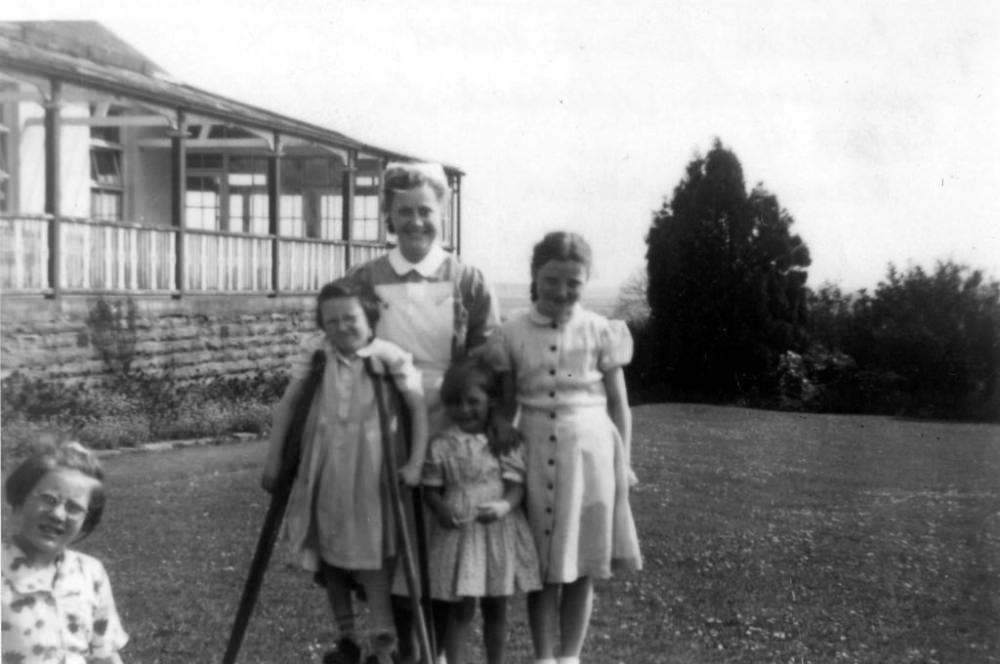
By the early 1950s, Stannington housed some of its youngest patients in Brough Ward, which was dedicated to infants and younger girls. Photographs from the summer of 1953 show nurses outside with very young children, a reminder that TB did not spare even the smallest patients.
Among the more invasive procedures used at Stannington was artificial pneumothorax, a treatment in which air was deliberately injected into the chest cavity to collapse the affected lung. The collapsed lung was given time to rest, which doctors believed helped slow or halt the spread of tuberculosis in pulmonary cases. It was a physically demanding procedure, but it was one of the few active medical interventions available before effective antibiotics arrived.
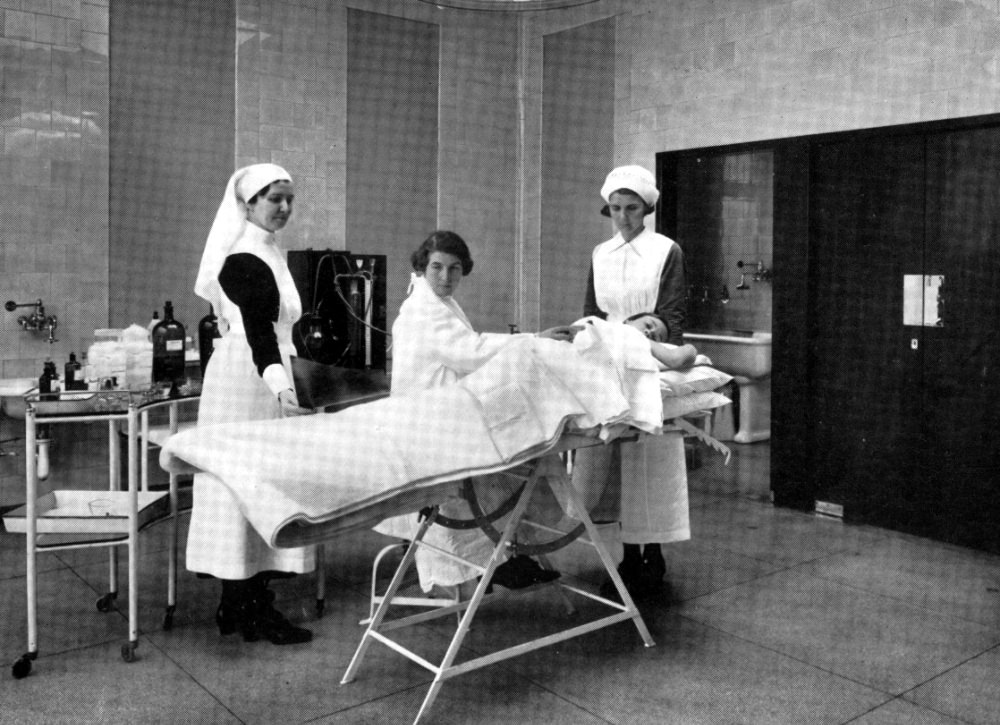
That turning point came in 1947, when streptomycin was introduced to the sanatorium. It was the first antibiotic proven effective against tuberculosis, and its arrival at Stannington marked a major shift in how the disease was treated. The reliance on fresh air and rest gave way to drug-based treatment. TB rates across the country began to fall steadily as antibiotics and other public health measures took hold. Even so, Stannington continued accepting TB patients beyond 1947 as the disease remained present in the community.
In 1953, the National Health Service transitioned Stannington from a dedicated tuberculosis treatment centre into a general children’s hospital. The institution continued operating under the NHS in this new role for another three decades. When Stannington finally closed its doors in 1984, staff ensured that the historical medical records accumulated over nearly 80 years were preserved and recovered.